Slideshow · Animals
How Deep-Sea Animals Survive Without Sunlight
Thousands of meters below the surface, extreme pressure, near-freezing cold, and perpetual darkness rule the abyss. From living flashlights to expandable stomachs, deep-sea creatures developed extraor
By Most Viral Today
3 Nov 2026

Life in the Midnight Zone: Secrets of Earth's Sunless Depths 
31. The Bathypelagic Midnight Zone 
30. Surviving Hydrostatic Pressure 
29. Hydrothermal Vents And Chemosynthesis - AdvertisementSwipe or tap ▶ to continue countdown

28. Cold Seeps And Brine Basins 
27. Marine Snow: Fuel From Above 
26. Whale Falls As Abyssal Oases 
25. Anglerfish With Glowing Esca - AdvertisementSwipe or tap ▶ to continue countdown

24. Counterillumination Cloaking 
23. Headlight Eyes Of Flashlight Fish 
22. Glowing Decoys And Slime Bombs 
21. Colonial Giant Siphonophores - AdvertisementSwipe or tap ▶ to continue countdown

20. Rainbow Refraction And Light Pulses 
19. Oceanic Squids Of The Abyss 
18. Gelatinous Bodies: Resisting The Crush 
17. Life At 8,000 Meters - AdvertisementSwipe or tap ▶ to continue countdown

16. Abandoning The Swim Bladder 
15. Tubular Upward-Looking Optics 
14. Abyssal Gigantism: The Cold Giants 
13. Massive Sensors In Pitch Black - AdvertisementSwipe or tap ▶ to continue countdown

12. Stilt Fins On The Muddy Plains 
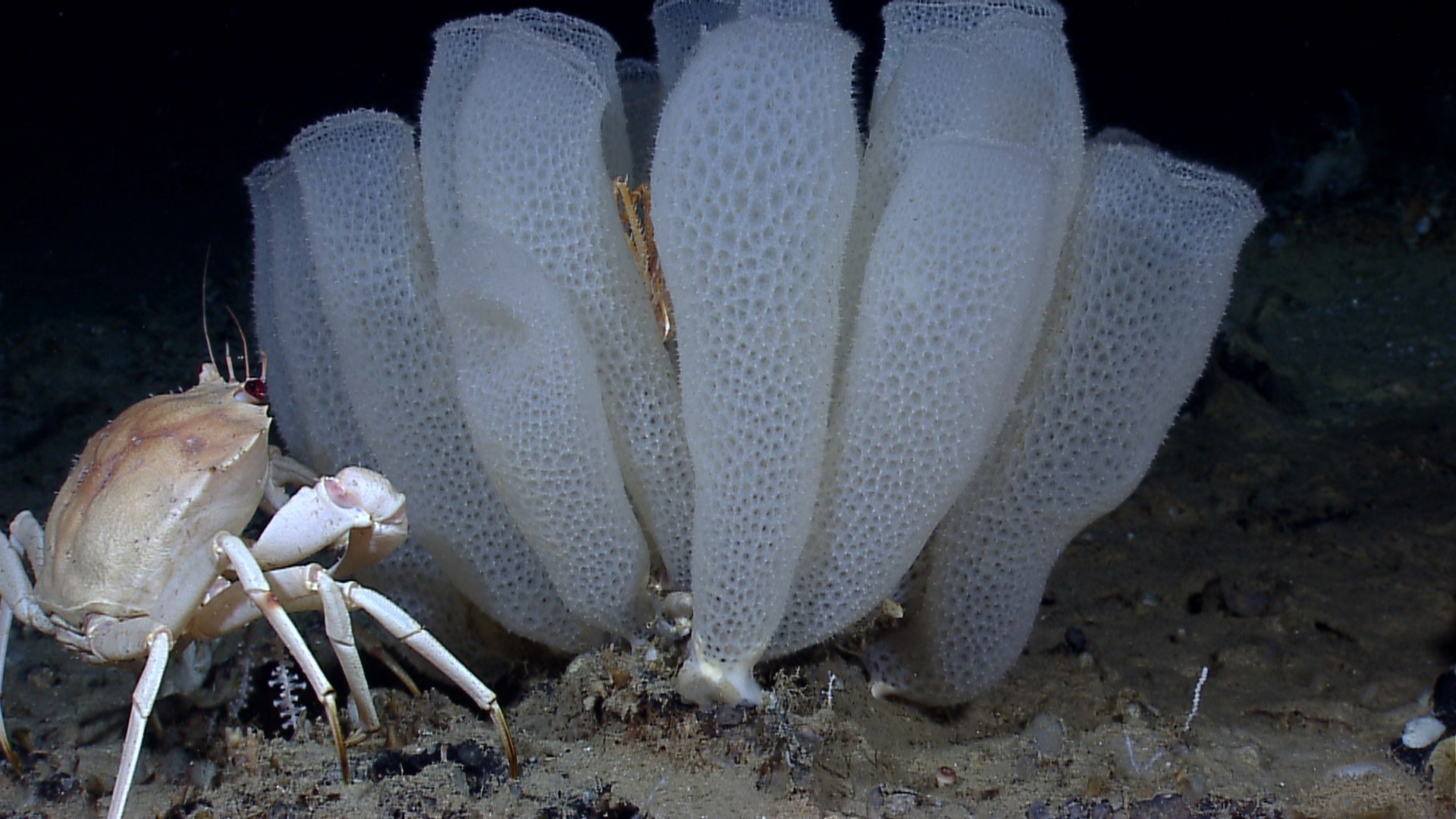
11. Living Glass Architecture 
10. Elastic Stomachs: Feast Or Famine 
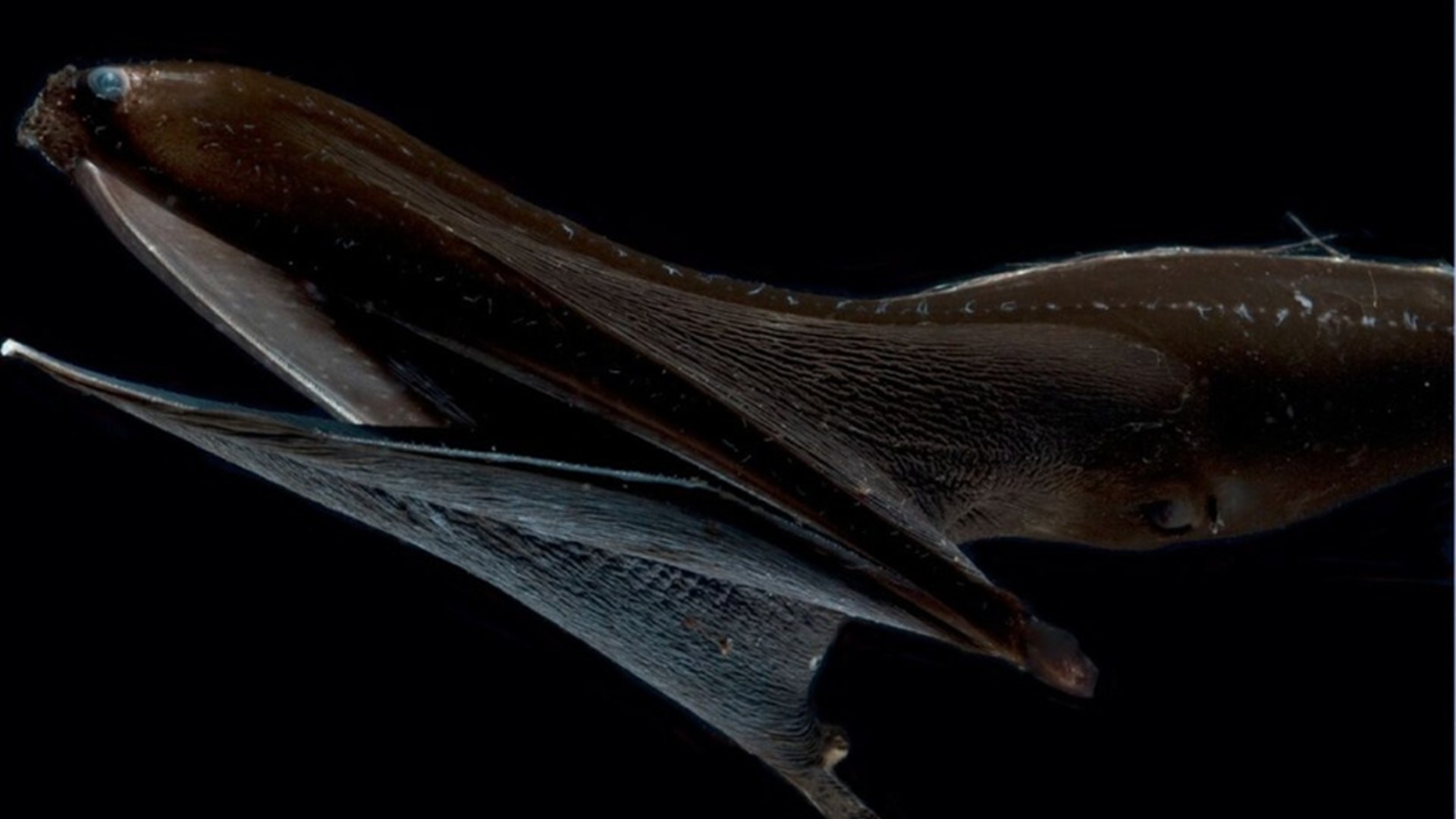
9. Cavernous Expandable Mouths - AdvertisementSwipe or tap ▶ to continue countdown

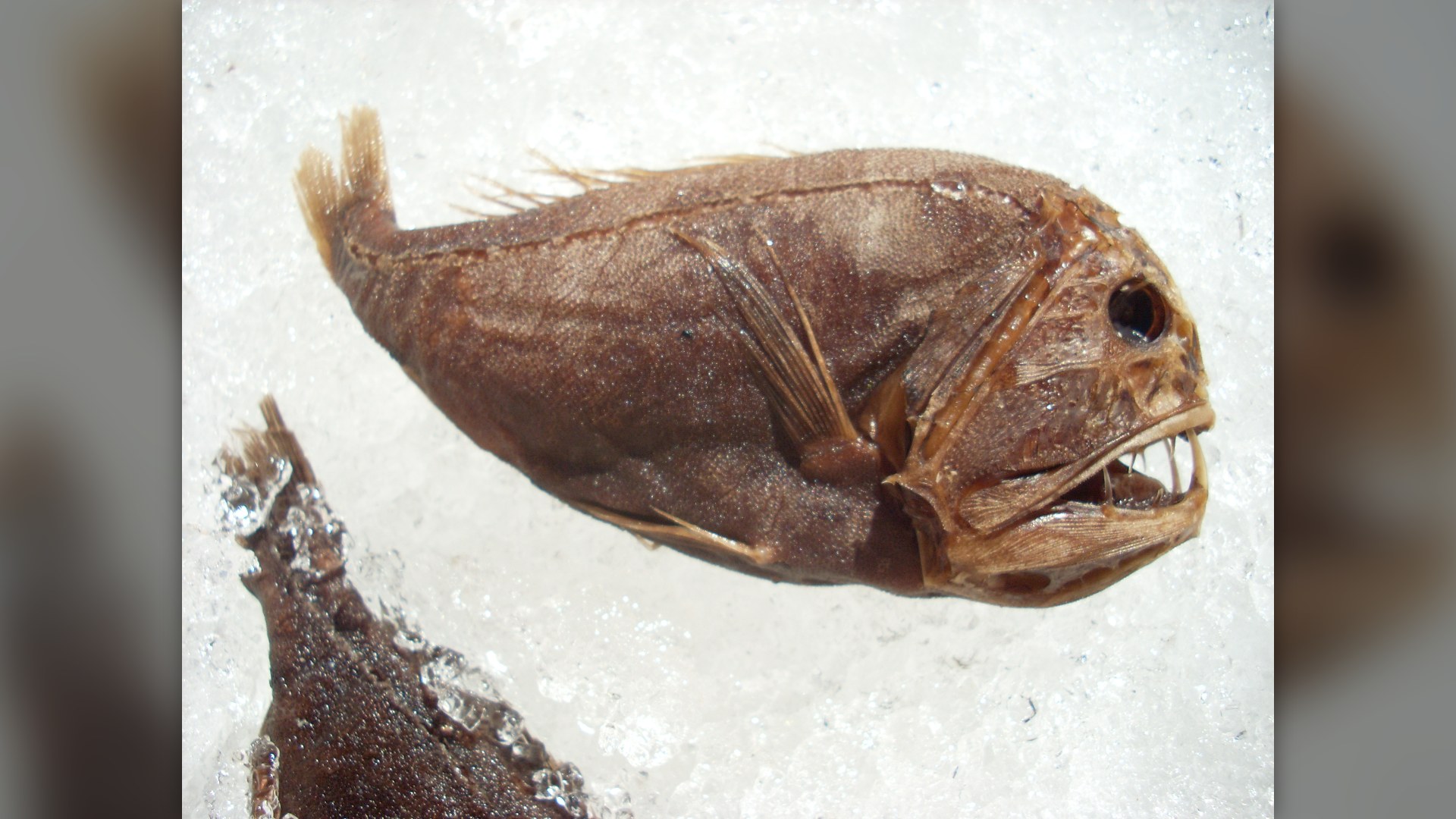
8. Disproportionate Weaponry 
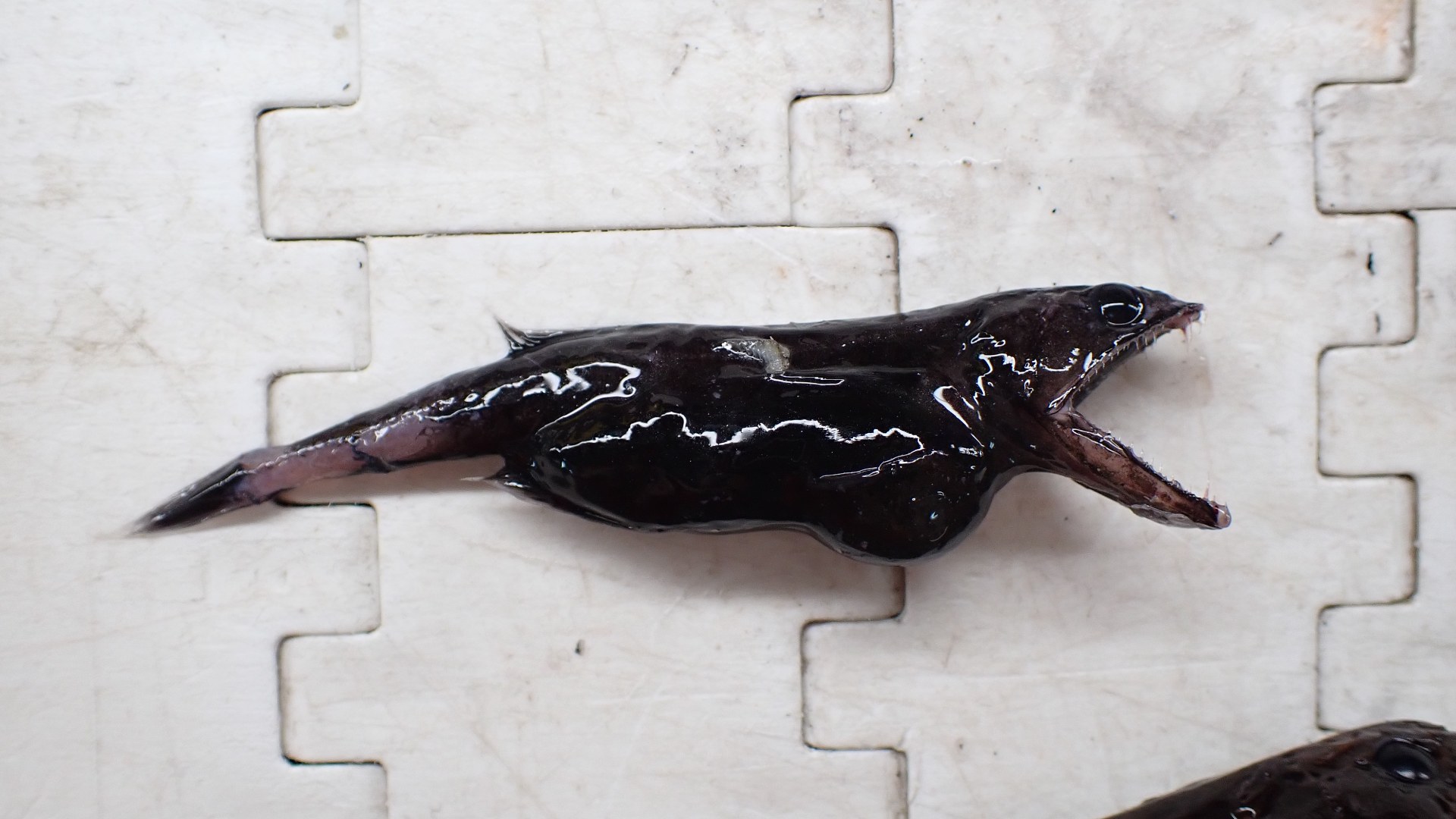
7. Hinged Skulls And Spearing Teeth 
6. Slower Metabolism And Energy Thrift 
5. Animals Without Stomachs - AdvertisementSwipe or tap ▶ to continue countdown

4. Energy-Saving Gliding Locomotion 
3. Chemical Warfare And Scavenging 
2. Farming Bacteria On Hairy Arms 
1. Extraterrestrial Oceans And The Abyss - Advertisement🔥 UP NEXT IN THIS SERIES◫ 26 Slides

25 Animals That May Detect Fear Through Scent and Body Language
From specialized olfactory receptors to airborne alarm pheromones, numerous species possess the extraordinary ability to detect chemical distress signals. Based on research from Live Science, National Geographic, and peer-reviewed biology journals, here are twenty-five animals that can smell and sense fear.
Thousands of meters below the surface, extreme pressure, near-freezing cold, and perpetual darkness rule the abyss. From living flashlights to expandable stomachs, deep-sea creatures developed extraordinary biological adaptations to thrive without a ray of sun.
Swipe or tap ▶ to begin the countdown
©Wikimedia / Hydrothermal vent & NOAA Ocean Exploration
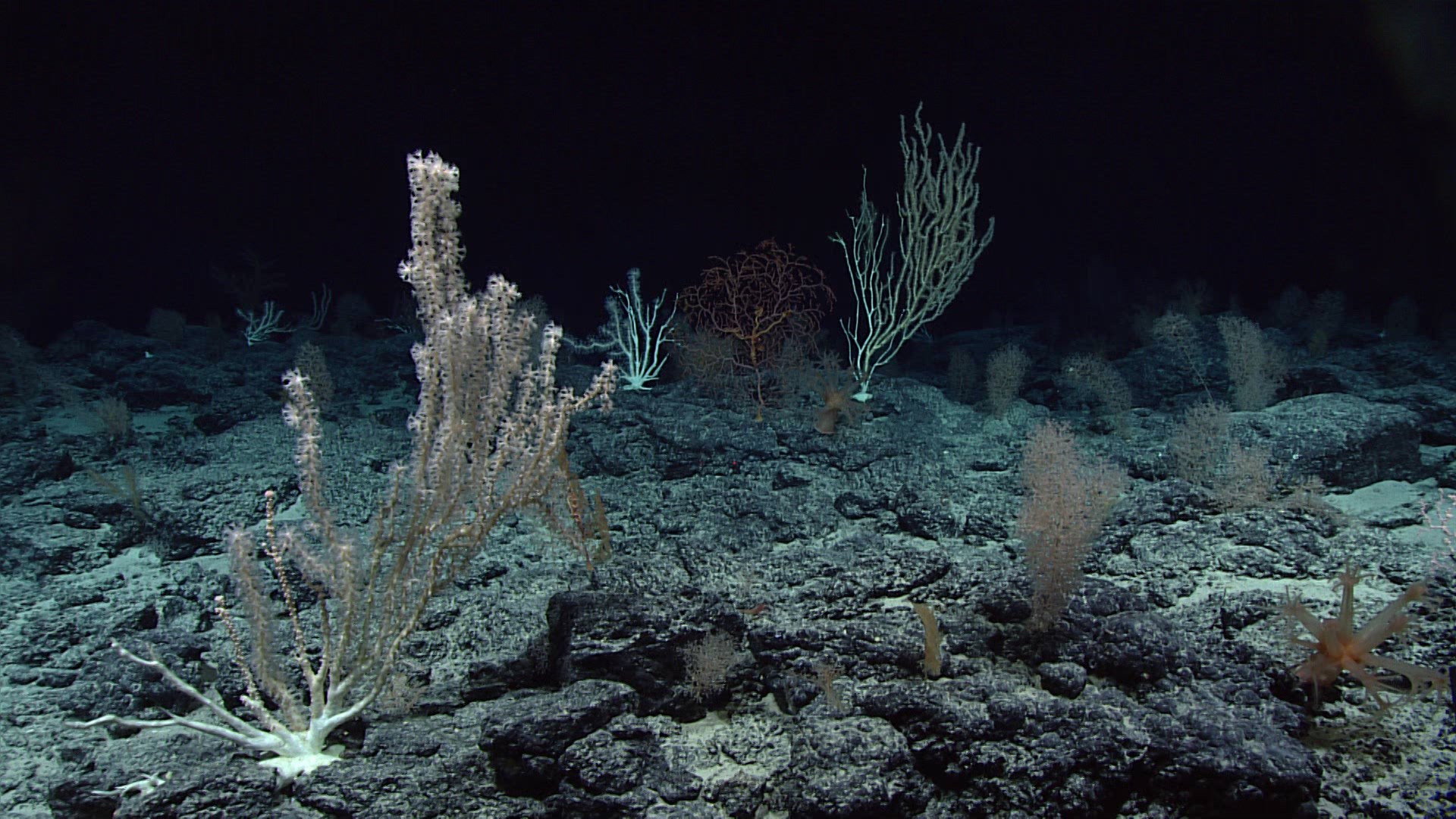
31. The Bathypelagic Midnight Zone
The bathypelagic zone extends down to 4,000 meters. Without sunlight for photosynthesis, primary production cannot occur through solar energy. Deep coral gardens and benthic organisms rely entirely on nutrients sinking from surface waters above.
©Wikimedia / NOAA OER
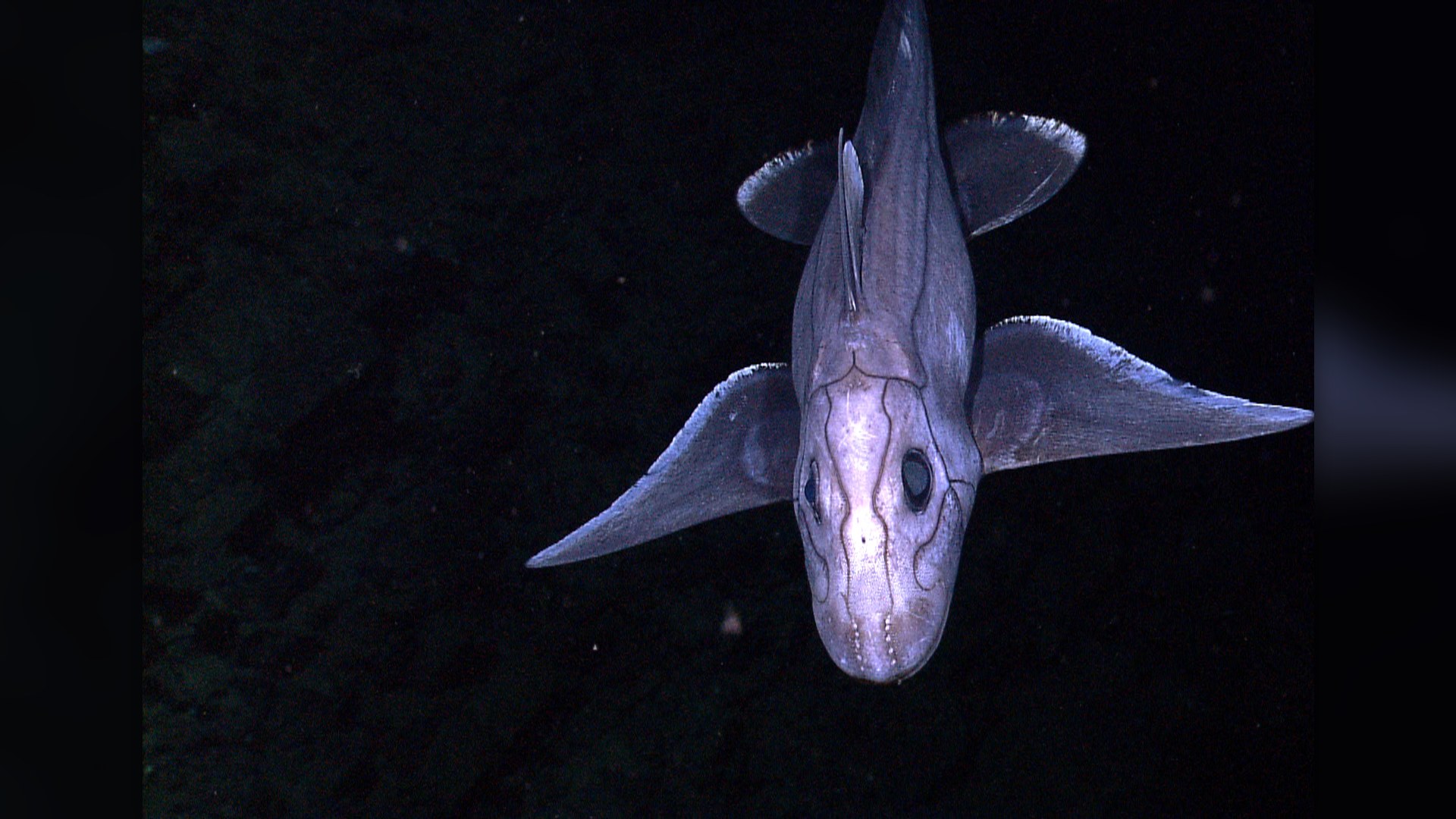
30. Surviving Hydrostatic Pressure
Deep-sea chimaeras and ghost sharks flourish under immense hydrostatic force. Their cellular membranes incorporate flexible unsaturated fatty acids and high levels of trimethylamine N-oxide to keep proteins from collapsing under pressure.
©Wikimedia / NOAA Ocean Explorer
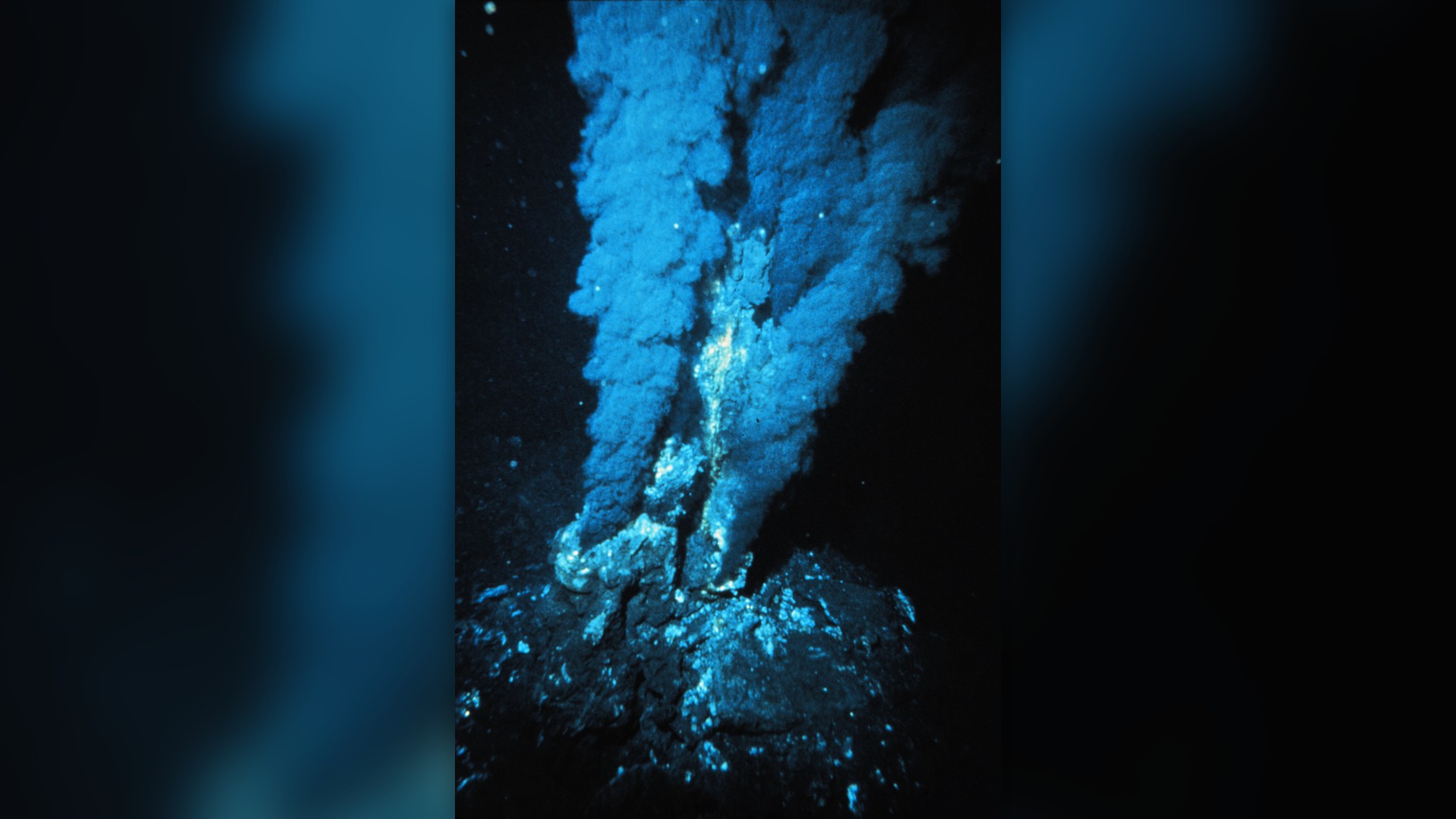
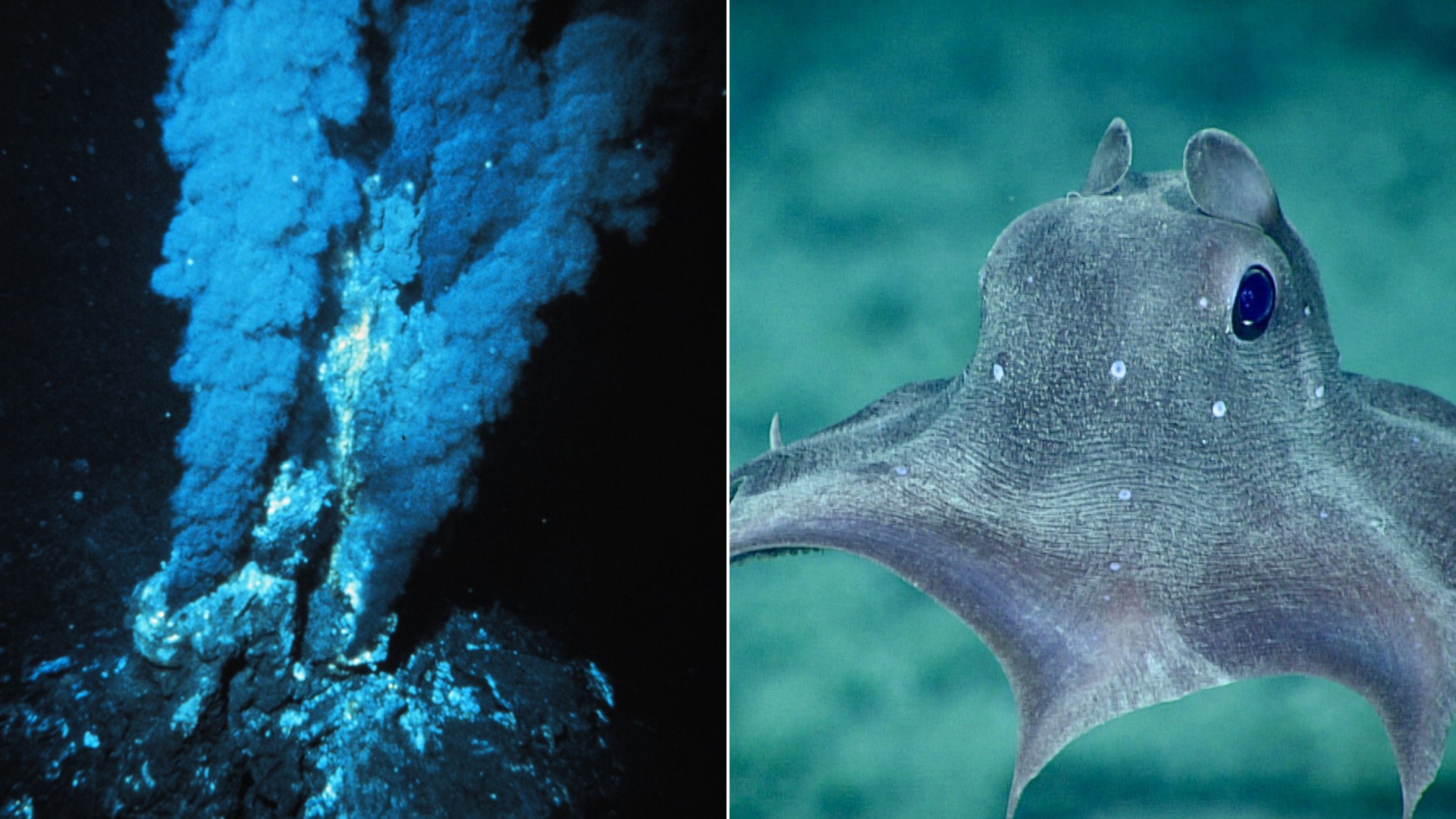
29. Hydrothermal Vents And Chemosynthesis
Black smokers spew mineral-rich fluids exceeding 300 degrees Celsius. In place of sunlight, chemosynthetic bacteria oxidize dissolved hydrogen sulfide and methane, generating organic carbon that sustains lush colonies of crabs, snails, and worms.
©Wikimedia / Hydrothermal vent
Advertisement
Swipe or tap ▶ to resume the countdown.
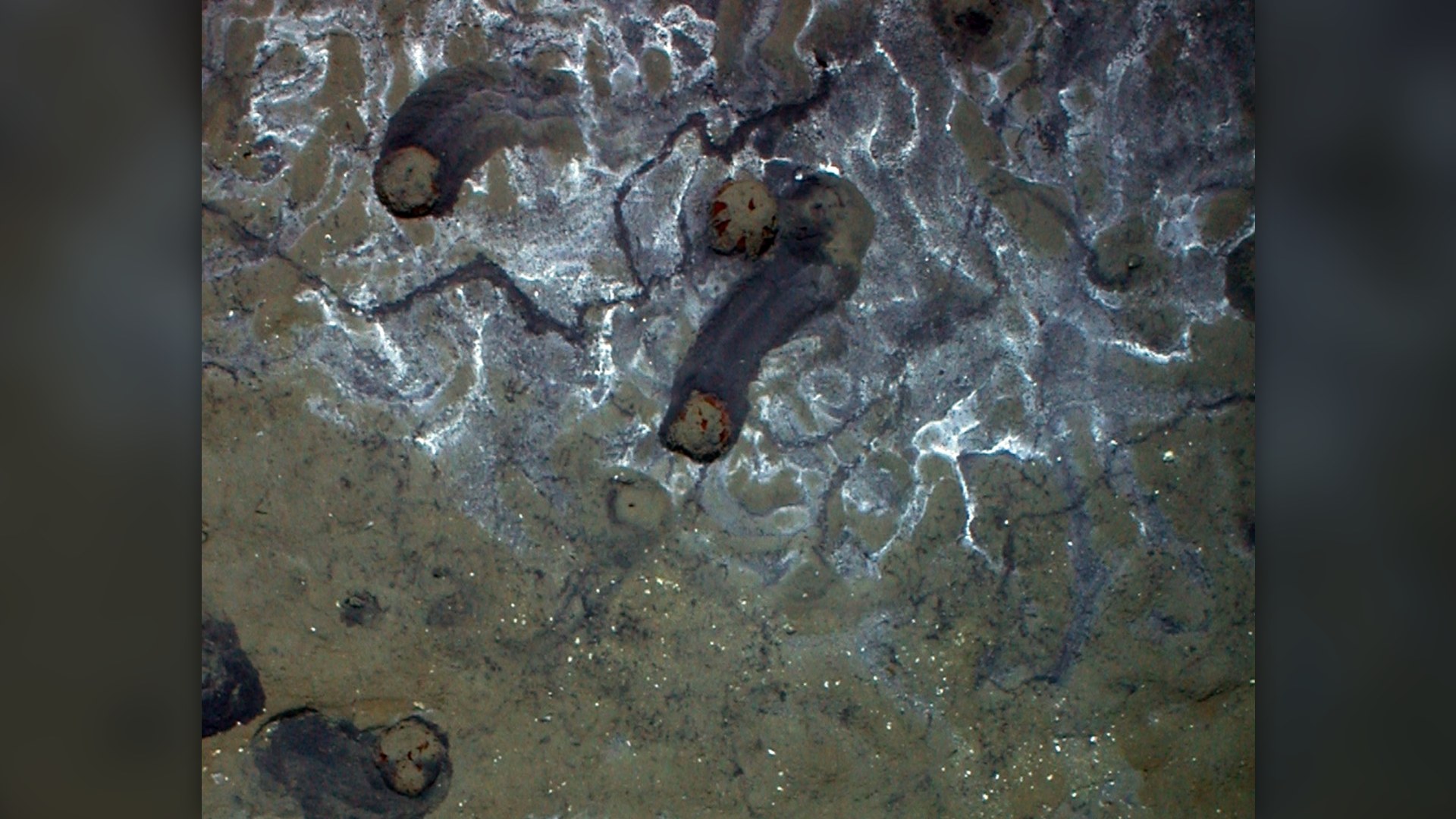
28. Cold Seeps And Brine Basins
Unlike hot volcanic vents, cold seeps release hydrocarbons at ambient water temperatures. Dense aggregations of sea urchins, crabs, and bivalves gather around thick mats of sulfur bacteria, creating biological hotspots across barren sediment.
©Wikimedia / NOAA Expedition to Deep Slope
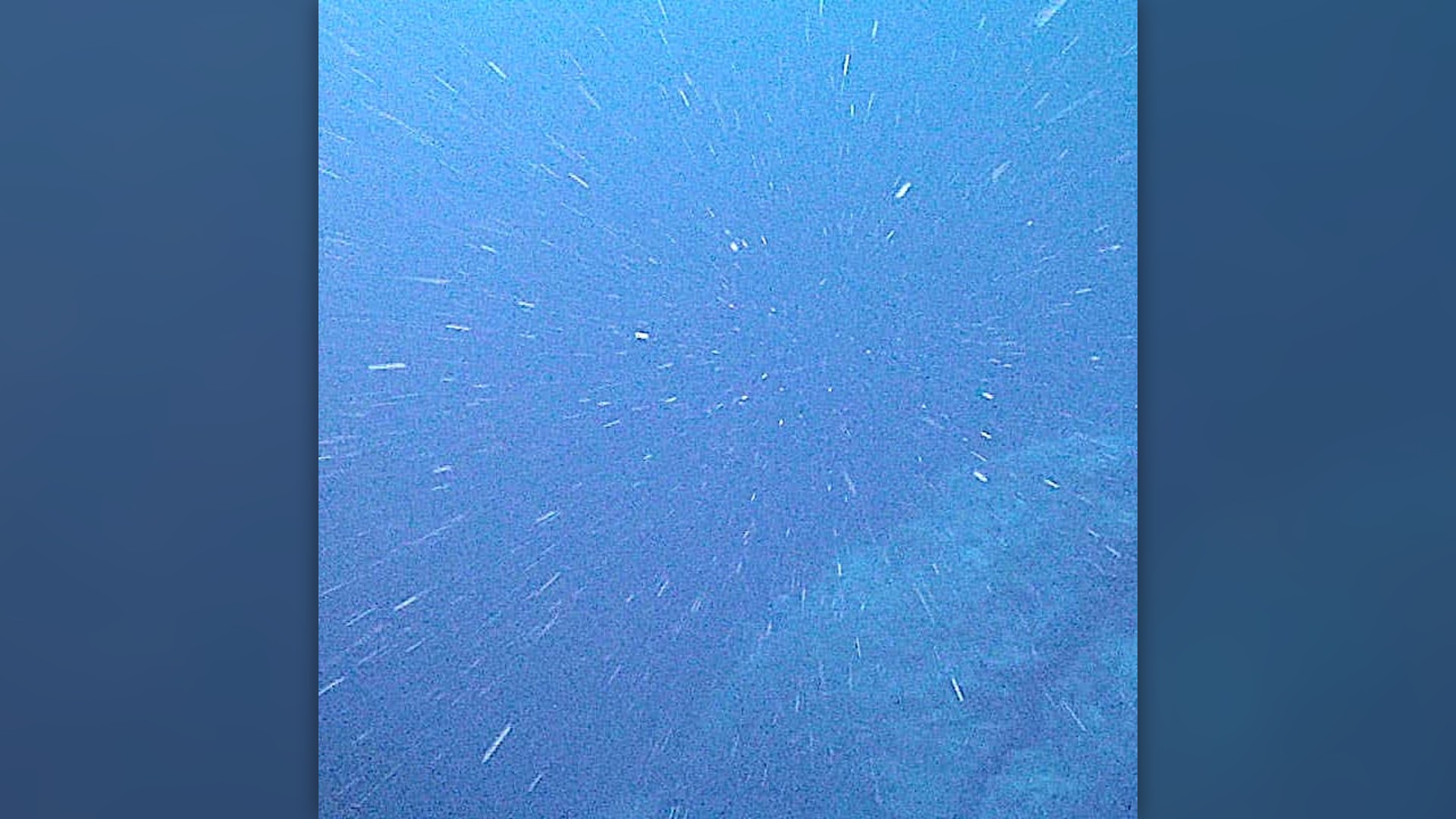
27. Marine Snow: Fuel From Above
Dead plankton, fecal pellets, and discarded larvacean mucus houses slowly sink through thousands of meters of water. This falling organic drift, known as marine snow, provides vital calories for filter feeders and scavengers on the sunless seabed.
©Wikimedia / NOAA National Ocean Service
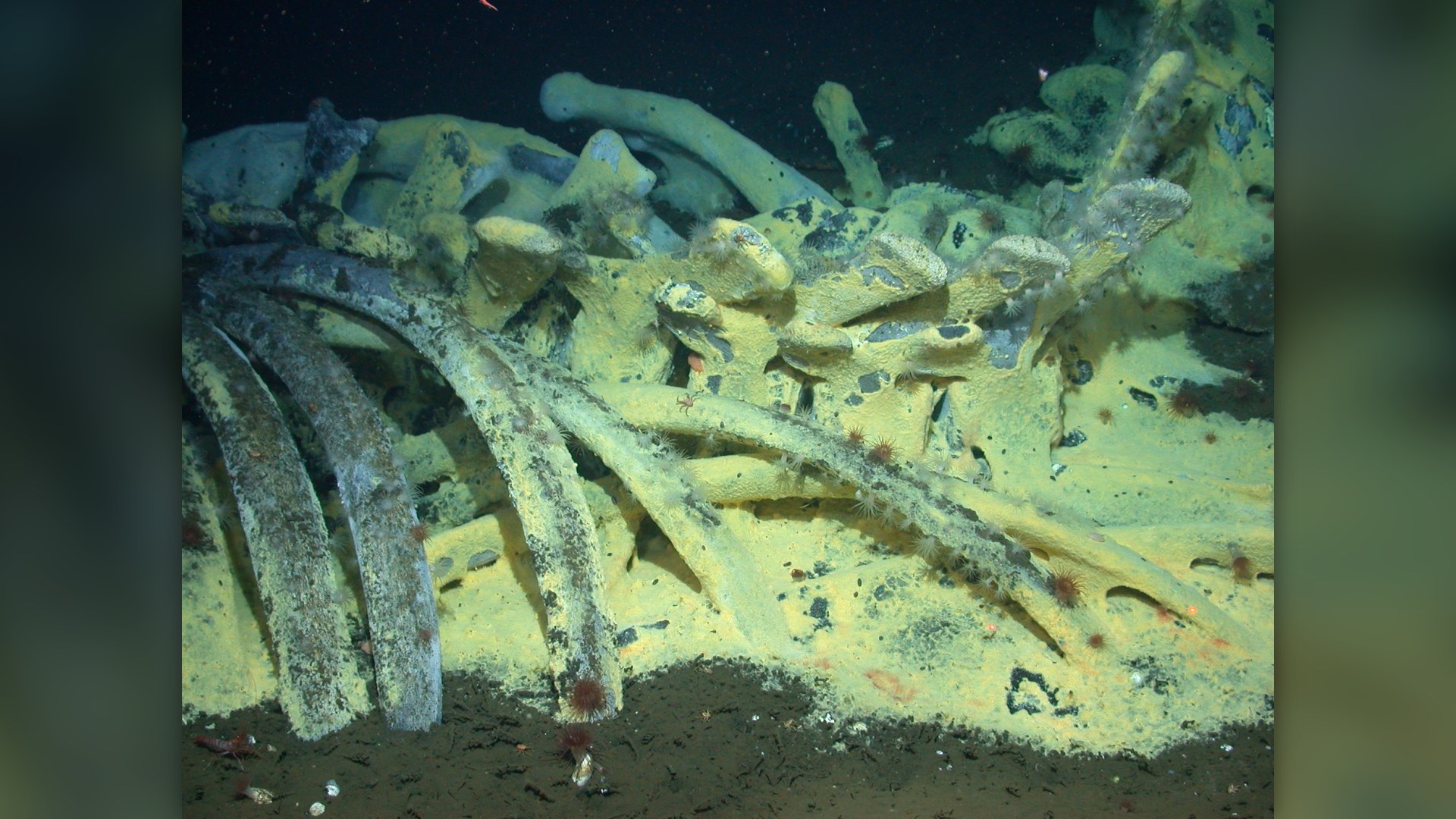
26. Whale Falls As Abyssal Oases
When a whale dies and settles on the ocean floor, sharks and hagfish strip soft flesh within months. Later, specialized bone-eating worms and chemoautotrophic bacteria colonize the lipid-rich skeleton, sustaining complex communities for decades.
©Wikimedia / Craig Smith and NOAA
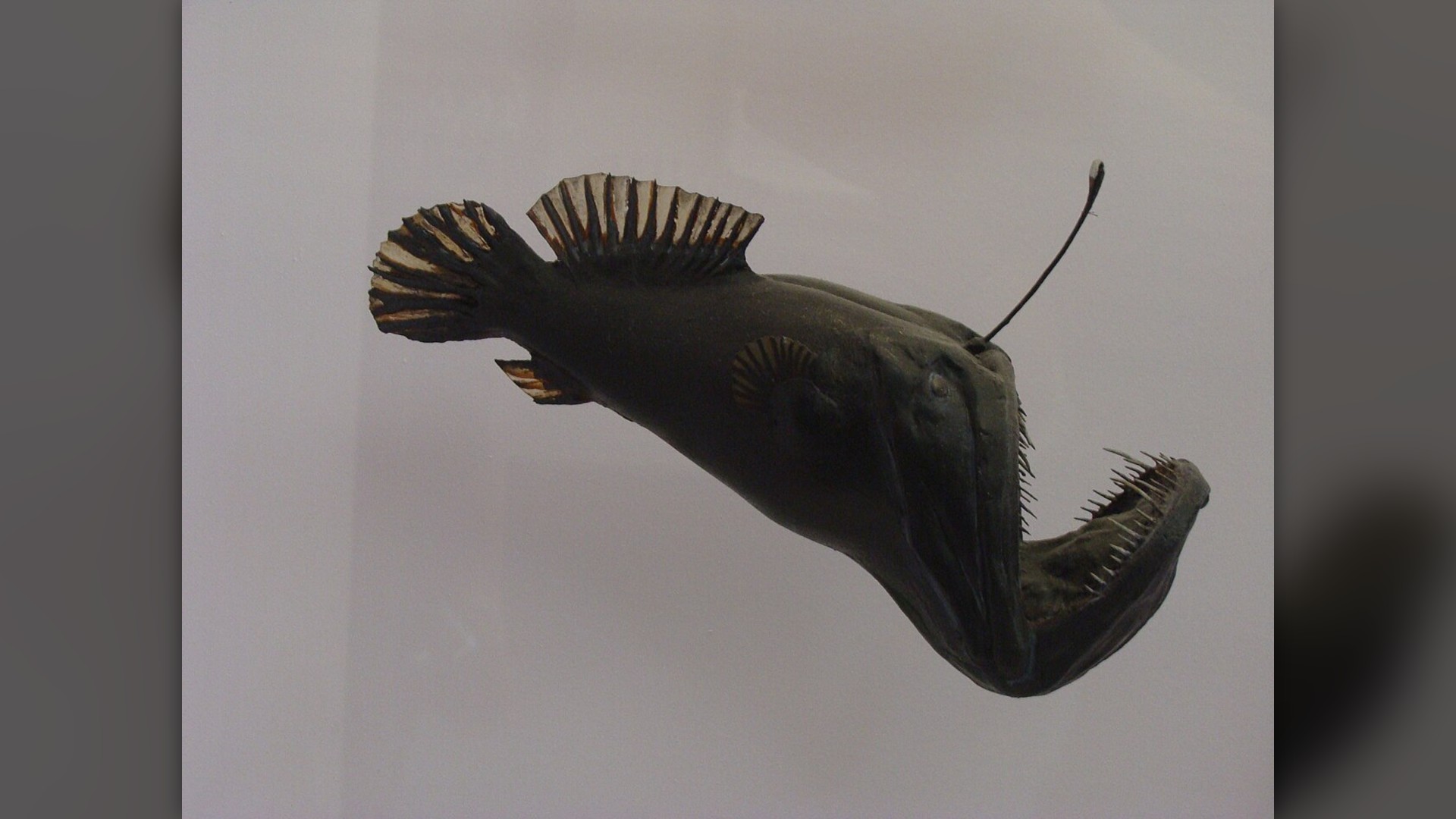
25. Anglerfish With Glowing Esca
Female humpback anglerfish possess an illicium, a modified dorsal fin ray tipped with a glowing bulb called the esca. The bulb houses millions of symbiotic luminous bacteria. Prey species approach the mysterious light, only to be snapped up in seconds.
©Wikimedia / Fernando Losada Rodríguez
Advertisement
Swipe or tap ▶ to resume the countdown.
24. Counterillumination Cloaking
Hatchetfish have bellies lined with downward-facing photophores. By tuning the color and intensity of their ventral blue light to match faint light filtering from above, they effectively become invisible to predators hunting from underneath.
©Wikimedia / HulloThere
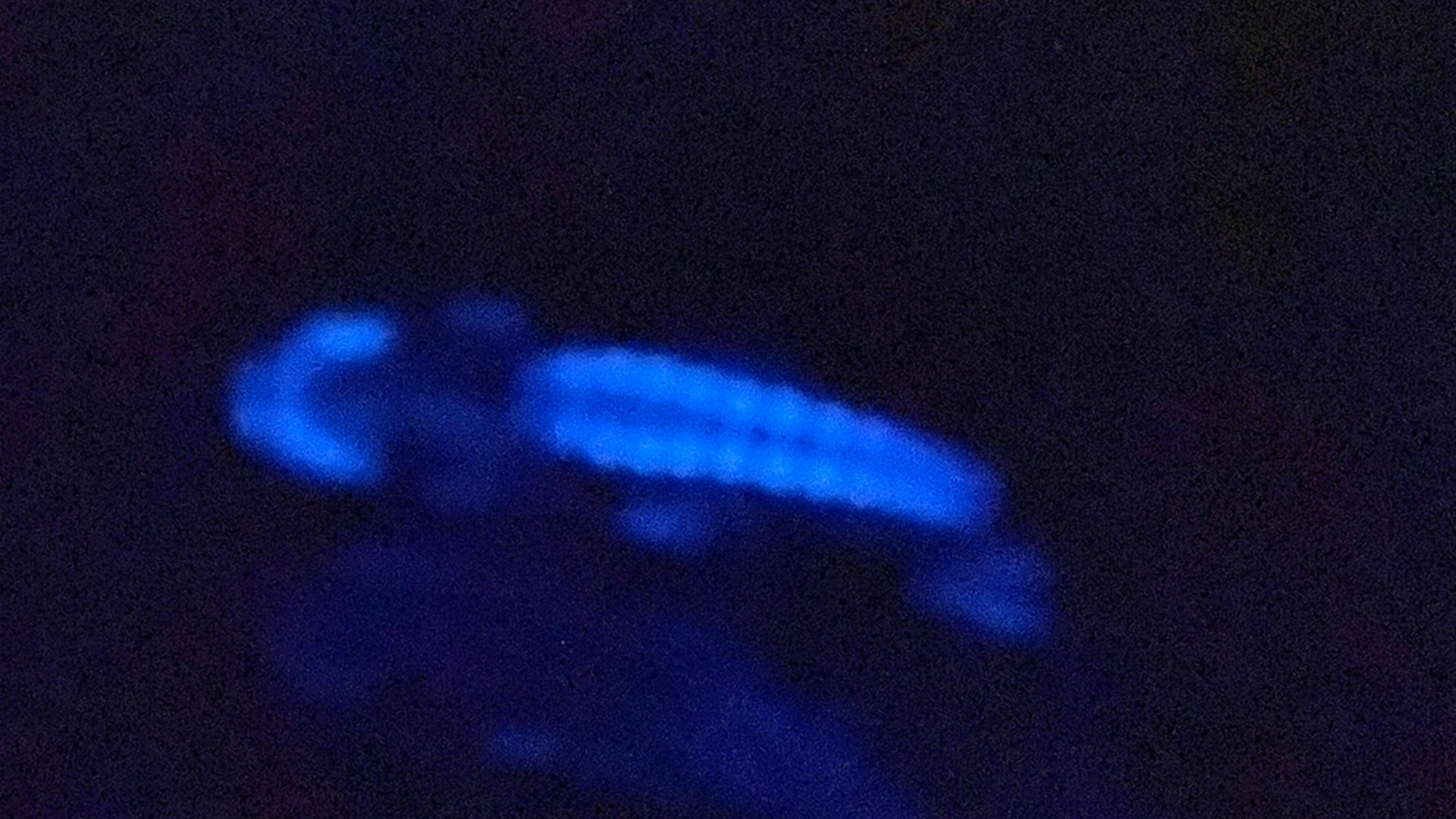
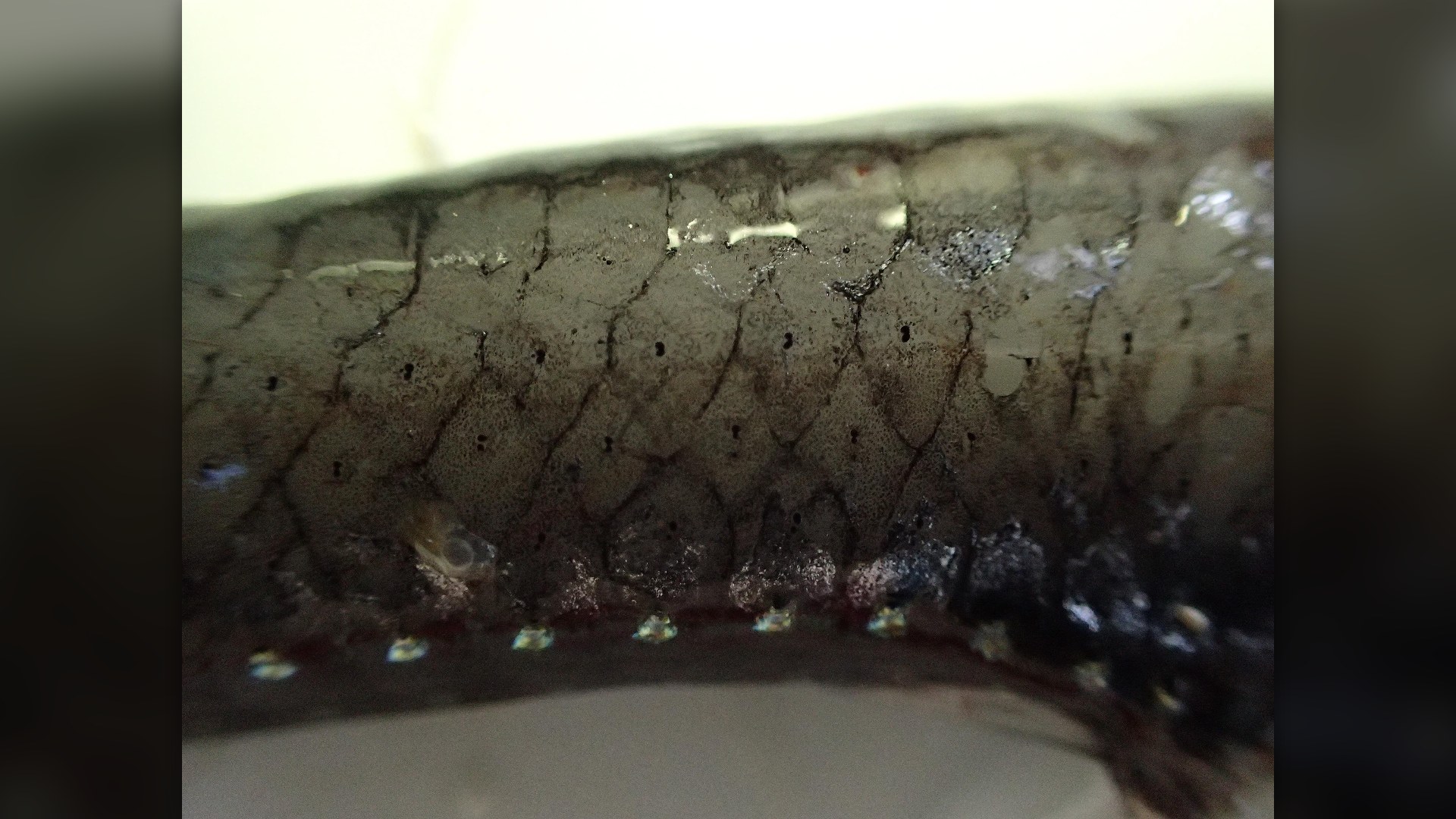
23. Headlight Eyes Of Flashlight Fish
Flashlight fish carry prominent subocular pouches packed with bioluminescent bacteria. By rolling a dark muscular lid over the light organ, the fish flashes signals to schoolmates, confuses predators, and spots small crustacean prey in pitch darkness.
©Wikimedia / James Kurrle
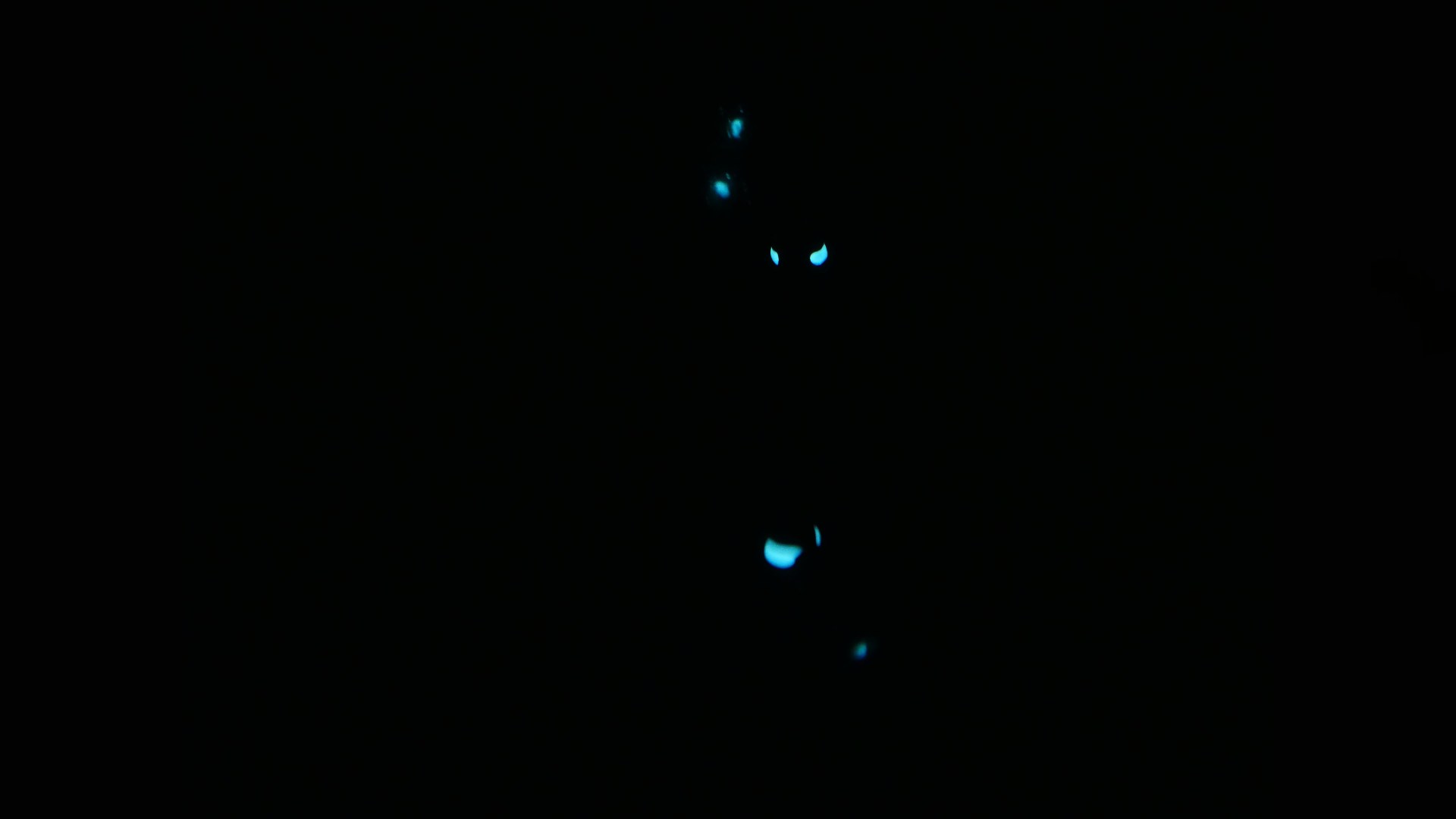
22. Glowing Decoys And Slime Bombs
In total darkness, ordinary black ink is useless. When startled, the vampire squid shoots a cloud of bioluminescent mucus filled with glowing particles. While the blinded attacker focuses on the glowing decoy, the cephalopod slips away unseen.
©Wikimedia / NOAA MBNMS
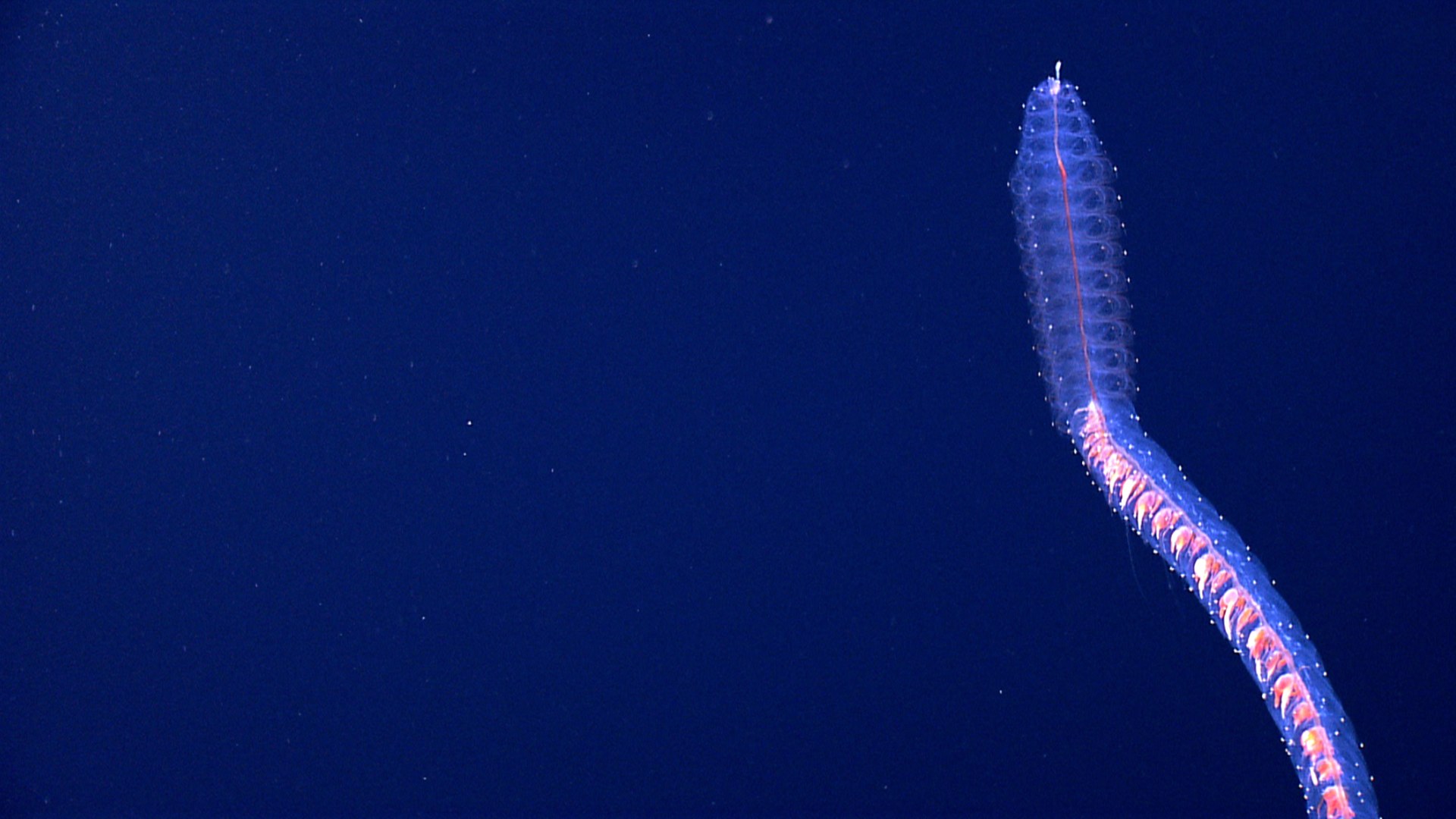
21. Colonial Giant Siphonophores
Siphonophores are not single animals, but colonies of specialized genetic clones called zooids. They drift gracefully through the water column, trailing stinging tentacles and pulsing bioluminescent swimming bells to coordinate the colony and stun prey.
©Wikimedia / NOAA OER
Advertisement
Swipe or tap ▶ to resume the countdown.
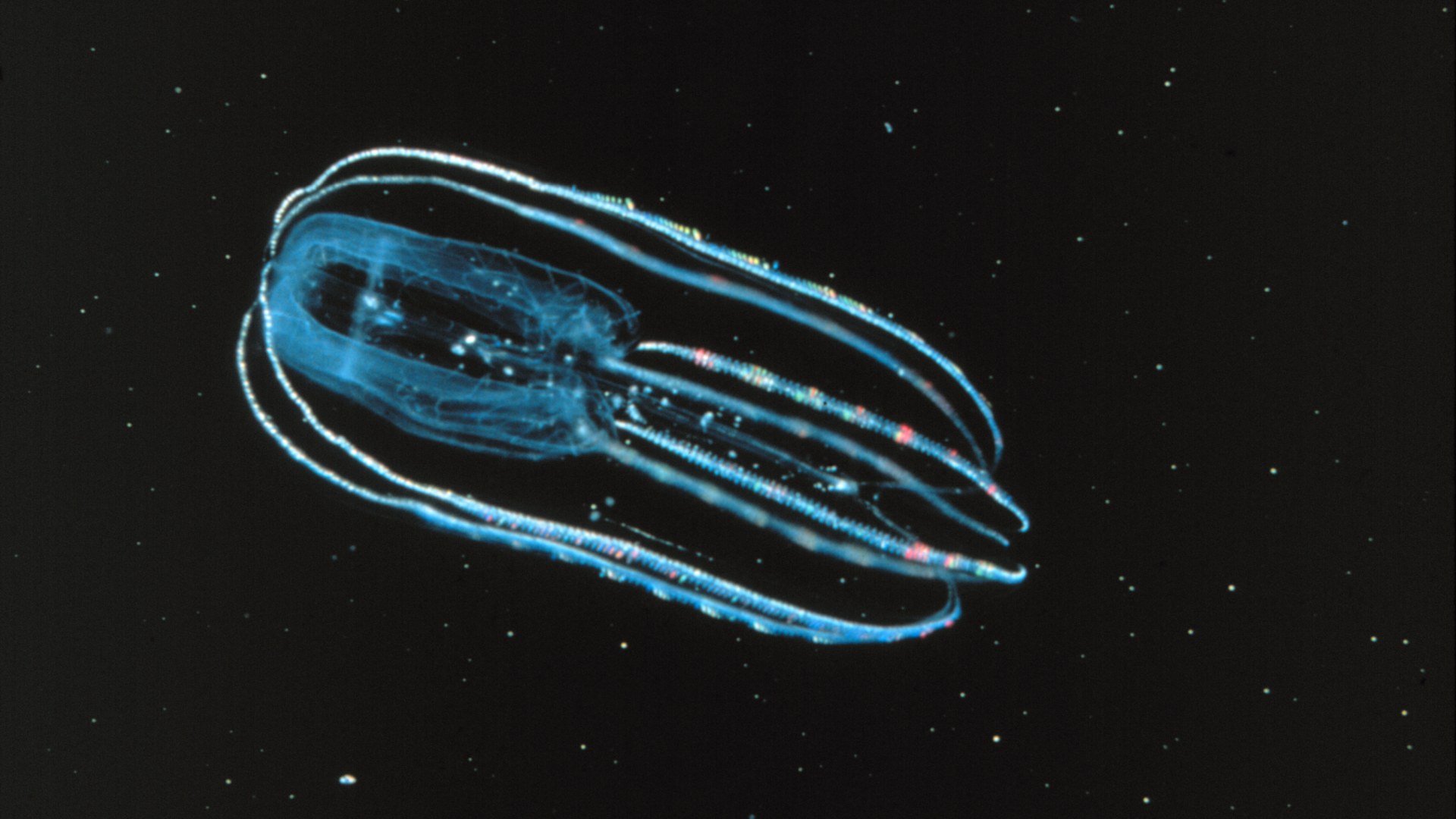
20. Rainbow Refraction And Light Pulses
Comb jellies beat eight rows of microscopic cilia plates to swim. Under submersible floodlights, the rhythmic beating scatters light into prismatic rainbows. In pure darkness, these fragile gelatinous predators produce blue-green chemical flashes.
©Wikimedia / NOAA Photo Gallery
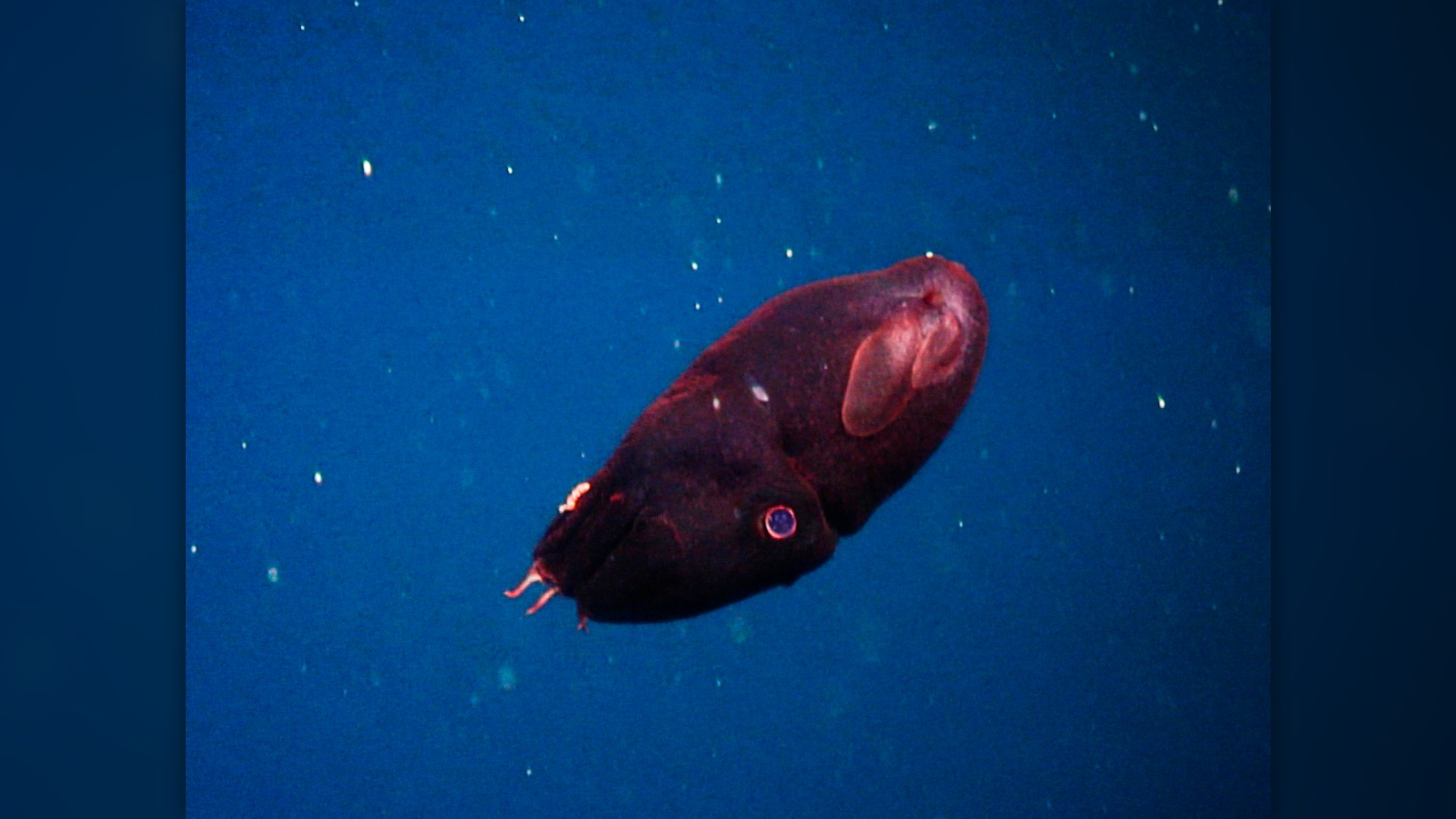
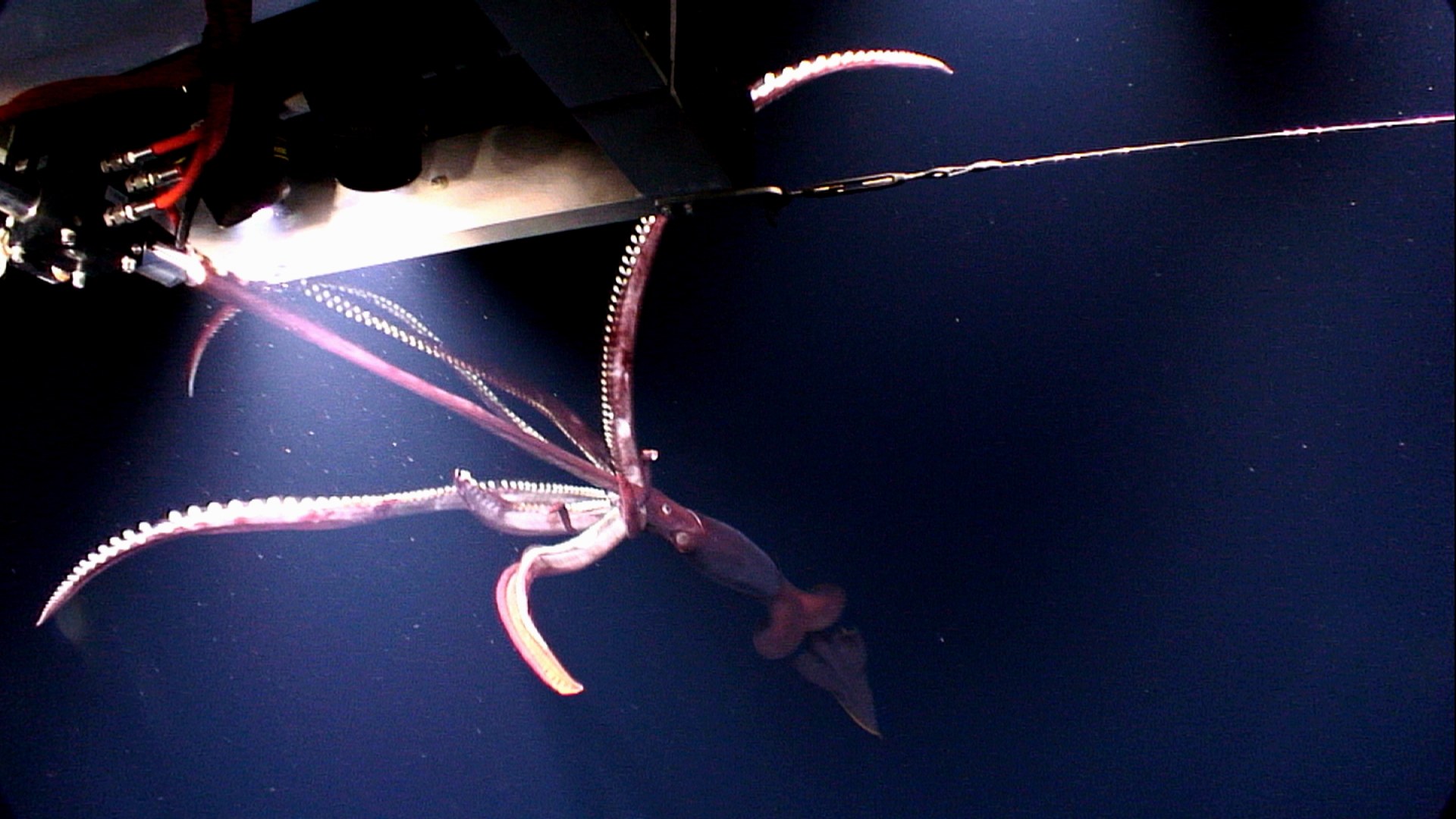
19. Oceanic Squids Of The Abyss
Large ocean squids glide through the water column using muscular mantle contractions and stabilizing fins. Their dark red coloration absorbs ambient blue light, making them virtually invisible in deep water while their acute eyes spot faint bioluminescence.
©Wikimedia / NOAA Photo Library
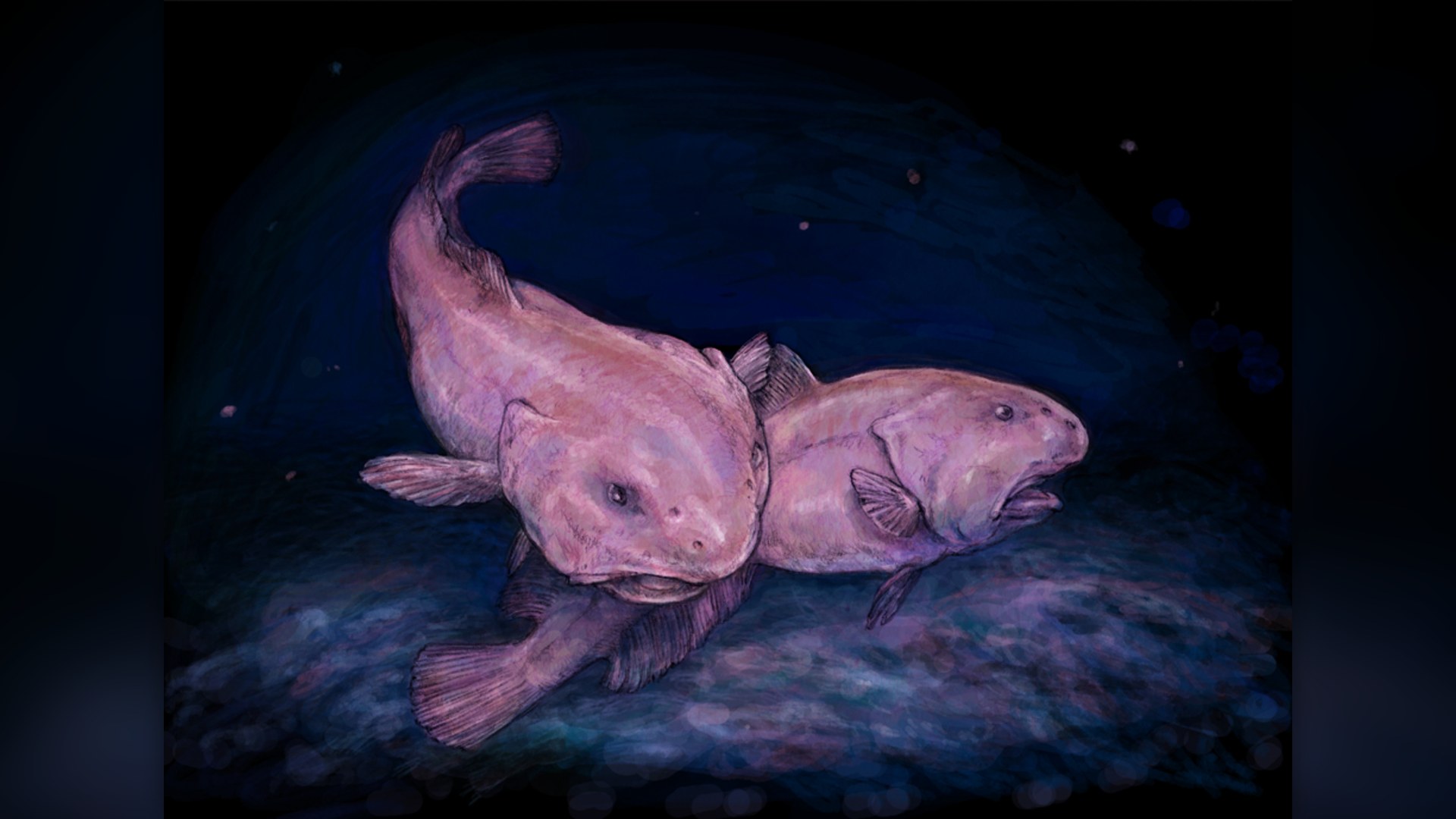
18. Gelatinous Bodies: Resisting The Crush
The blobfish appears distorted when brought to the surface due to rapid decompression. In its native depth over 1,000 meters down, its gelatinous body is slightly less dense than water, providing neutral buoyancy and structural integrity under crushing pressure.
©Wikimedia / Rachel Caauwe
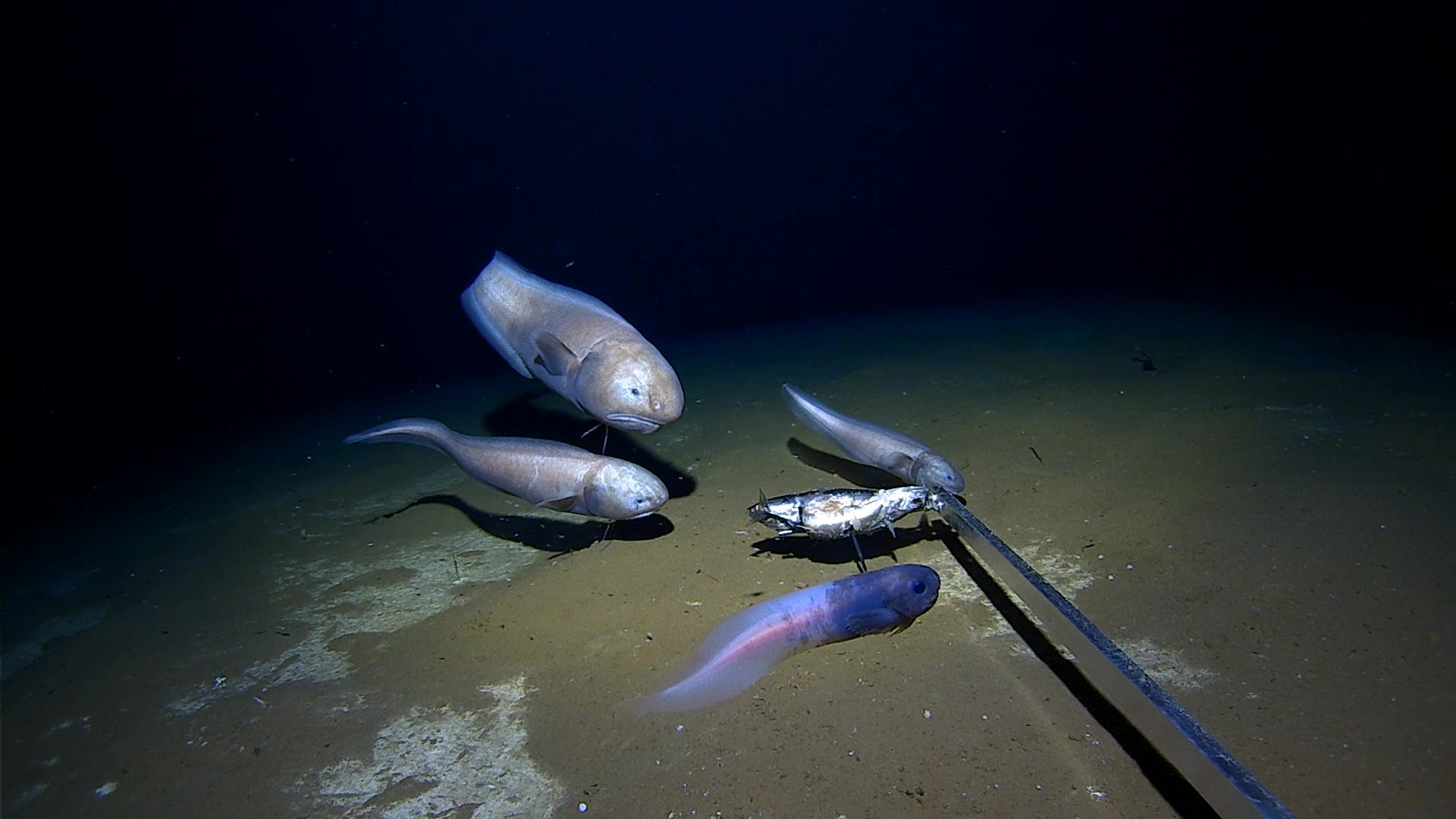
17. Life At 8,000 Meters
Surviving in oceanic trenches deeper than Mount Everest is tall, snailfish thrive beyond 8,000 meters. They lack scales and hard skull sutures. High cellular concentrations of trimethylamine N-oxide prevent their proteins from breaking down under brutal pressure.
©Wikimedia / OldMateWA
Advertisement
Swipe or tap ▶ to resume the countdown.
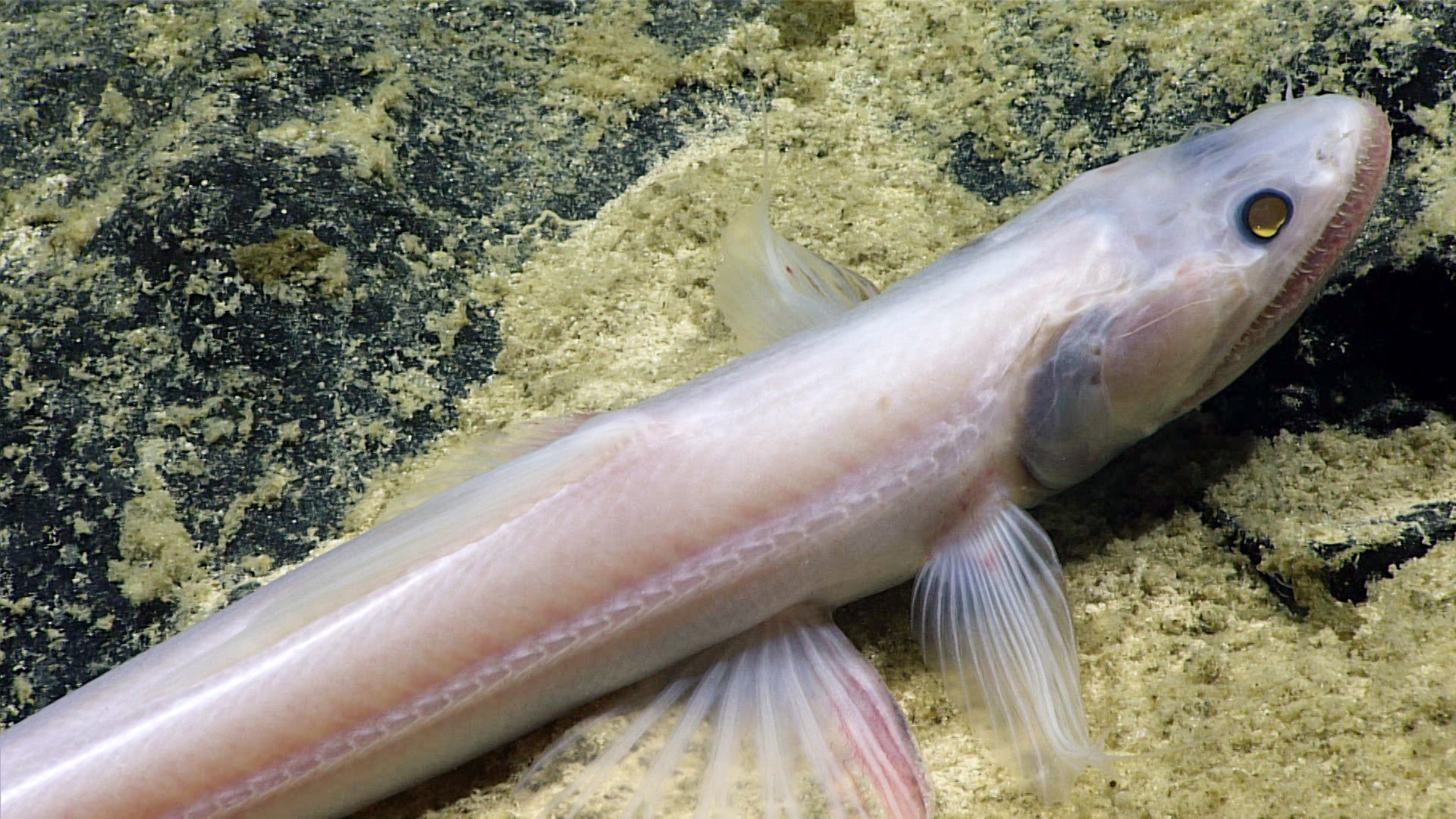
16. Abandoning The Swim Bladder
Shallow-water fish use gas-filled swim bladders to maintain buoyancy. In the deep sea, gas compresses violently or expands fatally during vertical movement. Benthic hunters like the lizardfish forfeit gas bladders entirely, resting directly on seafloor mud.
©Wikimedia / NOAA Okeanos Explorer
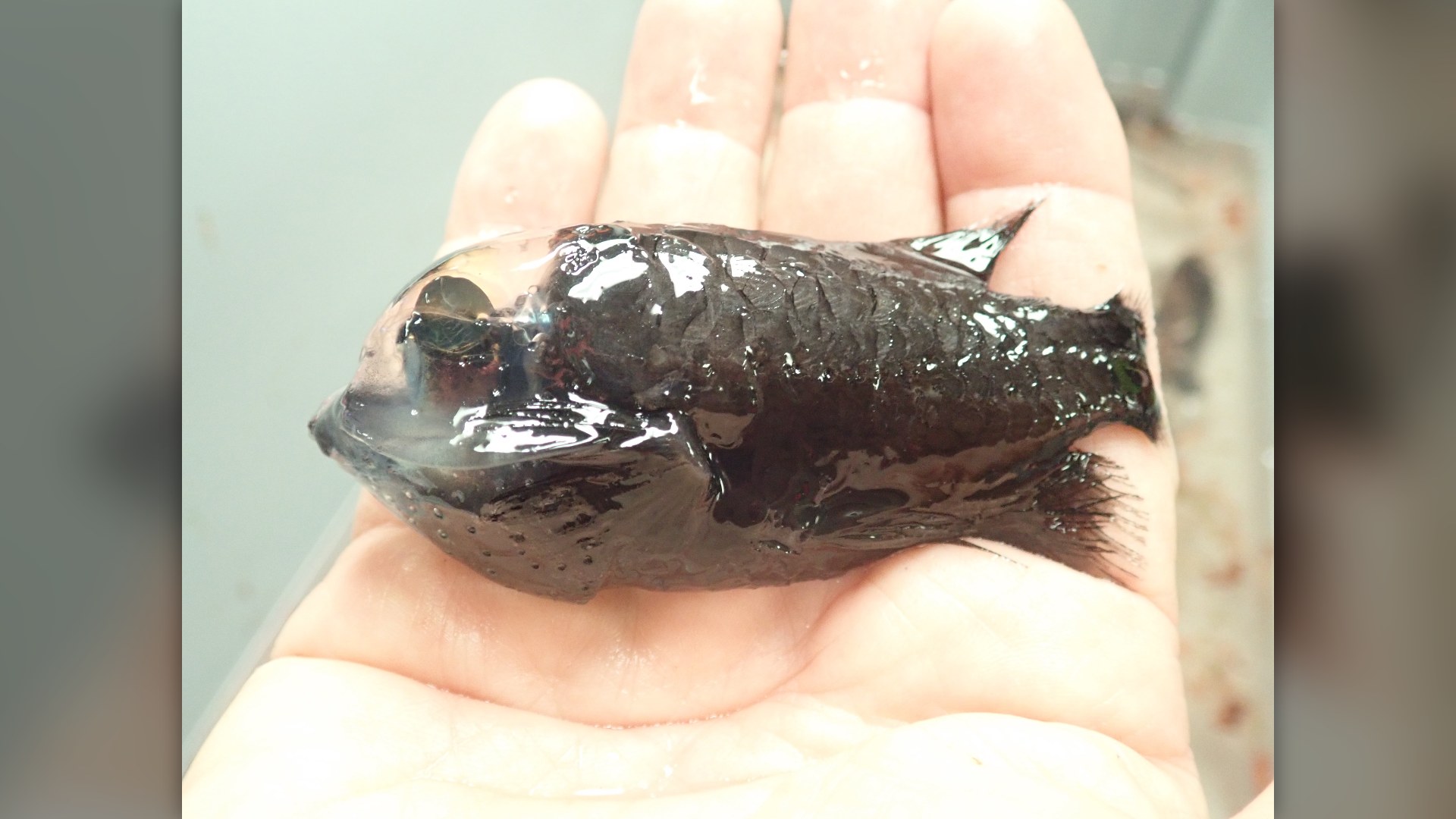
15. Tubular Upward-Looking Optics
The barreleye fish possesses a clear fluid-filled shield over its head. Inside, bright green cylindrical eyes point upward to spot silhouettes of drifting jellyfish. Special yellow pigments filter out surface sunlight, isolating true bioluminescent glows.
©Wikimedia / NOAA and MBARI Archives
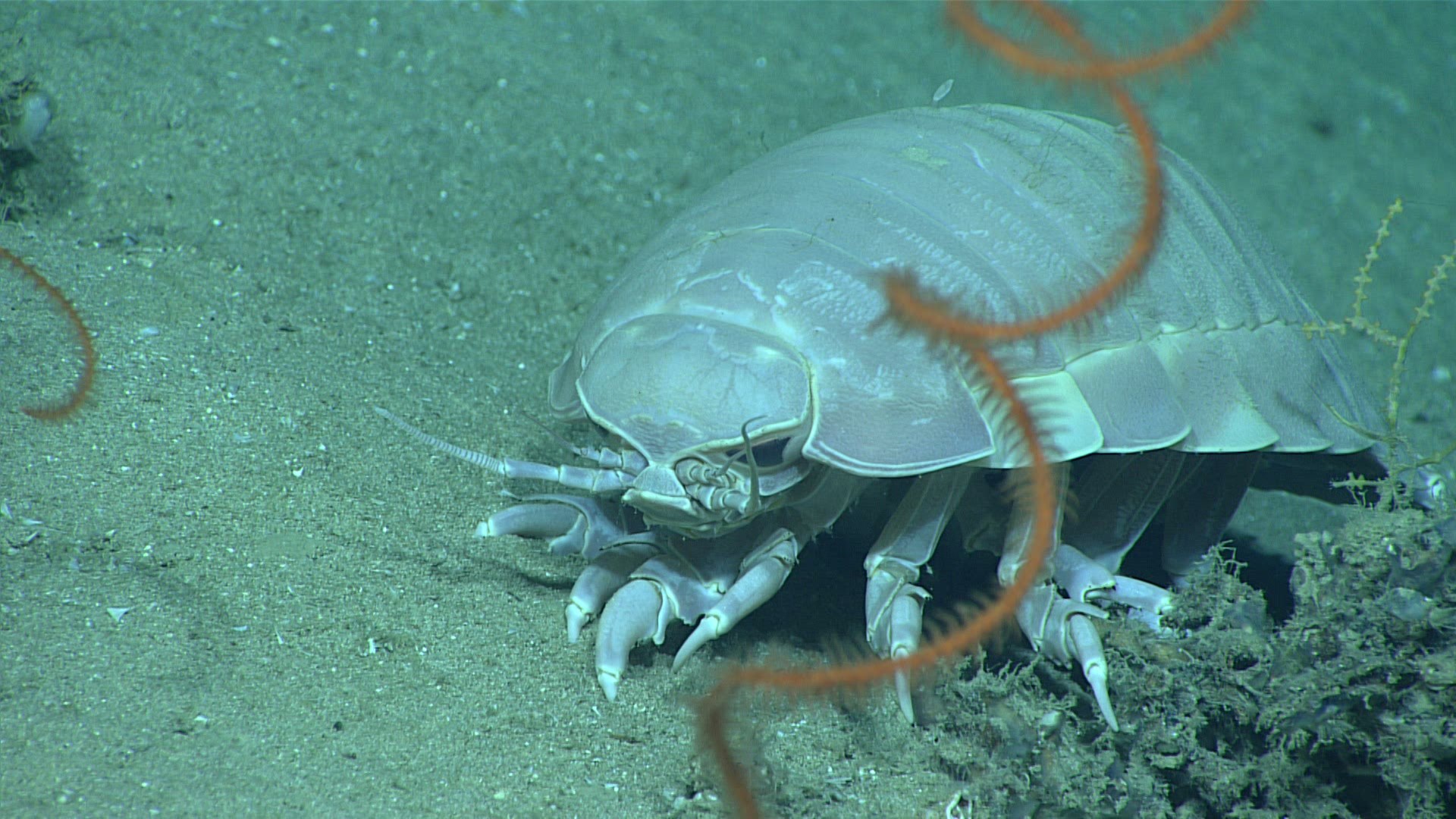
14. Abyssal Gigantism: The Cold Giants
Related to tiny terrestrial pillbugs, the giant deep-sea isopod can grow longer than fourteen inches. Abyssal gigantism is driven by colder temperatures, high pressure, and scarce food, which lead to larger cell sizes and prolonged lifespans in the abyss.
©Wikimedia / NOAA
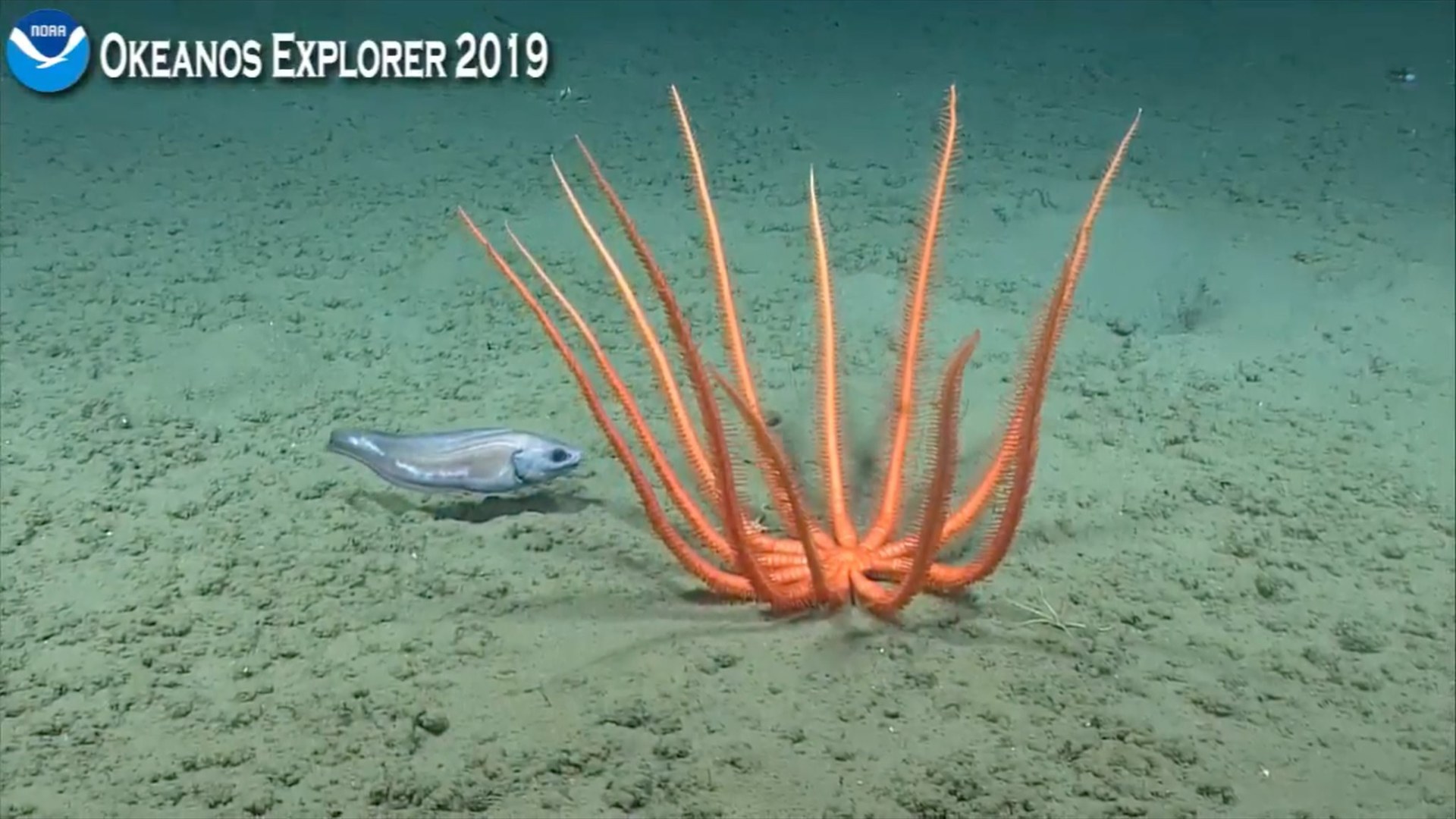
13. Massive Sensors In Pitch Black
Perched on rocky ridges where deep currents flow fast, brisingid sea stars hold up to twenty spiny arms into the water. Thousands of microscopic snapping pedicellariae snag passing copepods and amphipods out of the pitch-black flow.
©Wikimedia / NOAA Okeanos Explorer
Advertisement
Swipe or tap ▶ to resume the countdown.
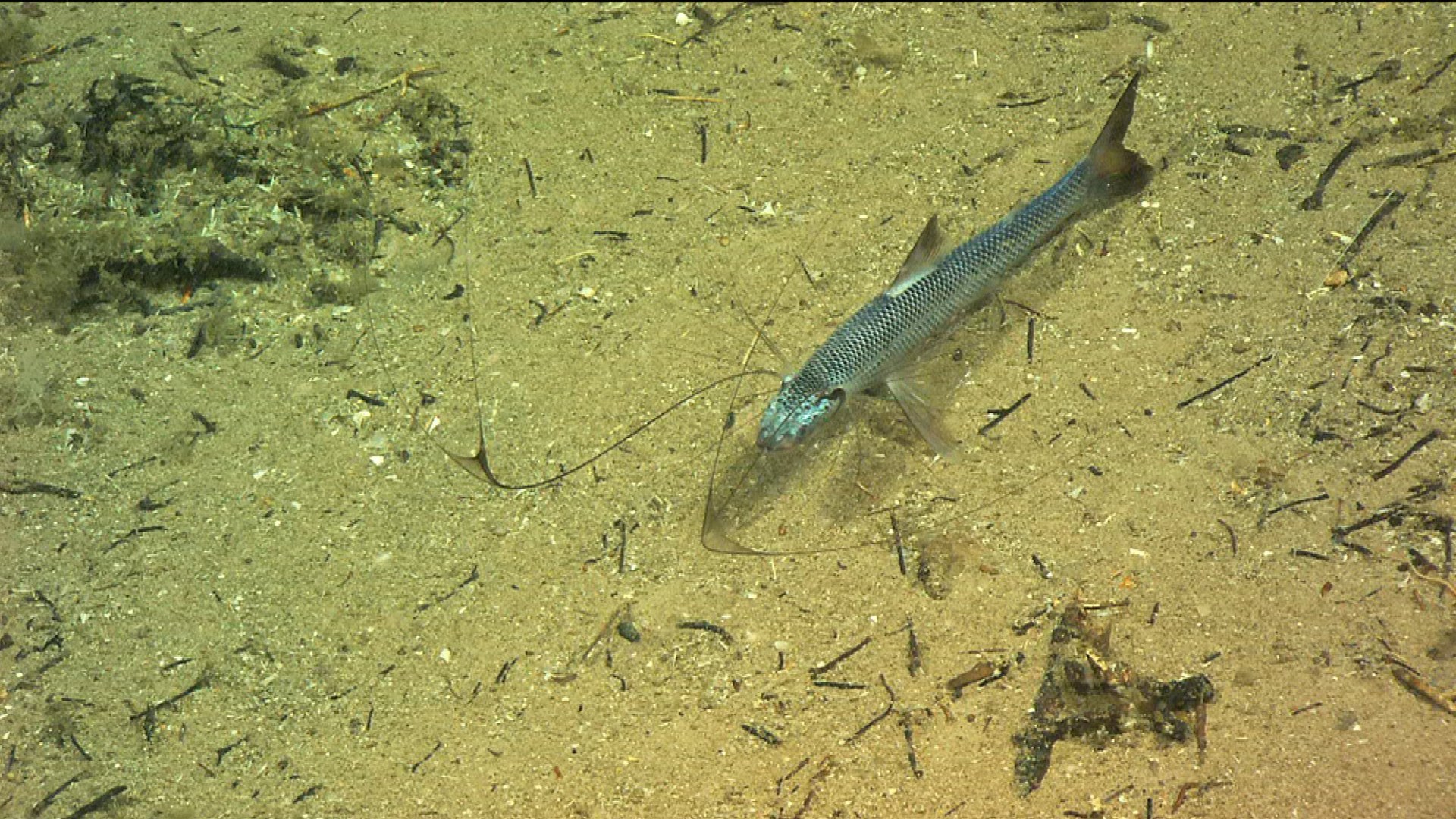
12. Stilt Fins On The Muddy Plains
The tripod fish perches on the seafloor using three elongated fin rays that act as high stilts. Standing firmly above the muddy sediment layer, it faces upstream and uses sensitive pectoral fins to detect minute water vibrations from approaching prey.
©Wikimedia / NOAA OER
11. Living Glass Architecture
Venus flower basket sponges construct intricate skeletal frameworks from biogenic silica, the raw material of glass. These silica lattices conduct light like fiber-optic cables and withstand massive currents without needing calcium carbonate.
©Wikimedia / NOAA Photo Library
10. Elastic Stomachs: Feast Or Famine
Because encounters with food are unpredictable, the black swallower maximizes every catch. Its stomach expands like a balloon to fit entire large fish. This allows it to store enough energy to survive months of starvation between meals.
©Wikimedia / HulloThere
9. Cavernous Expandable Mouths
The pelican eel features an enormous mouth loosely hinged to its skull. When approaching prey, its lower jaw stretches out like a giant net, engulfing large volumes of water and trapping crustaceans before forcing the water out through its gill slits.
©Wikimedia / David Shale
Advertisement
Swipe or tap ▶ to resume the countdown.
8. Disproportionate Weaponry
Despite measuring under seven inches long, the fangtooth possesses terrifying dental armor. Its lower fangs are so long that hollow sockets evolved on both sides of its braincase, allowing the jaws to shut tight without impaling its own brain.
©Wikimedia / Brian Suda
7. Hinged Skulls And Spearing Teeth
Sloane's viperfish has teeth so needle-sharp and long that they cannot fit inside its mouth. When striking, its first vertebra acts as a hydraulic shock absorber, letting its upper skull hinge violently backward to impale prey with ferocious speed.
©Wikimedia / Ifremer MEDITS
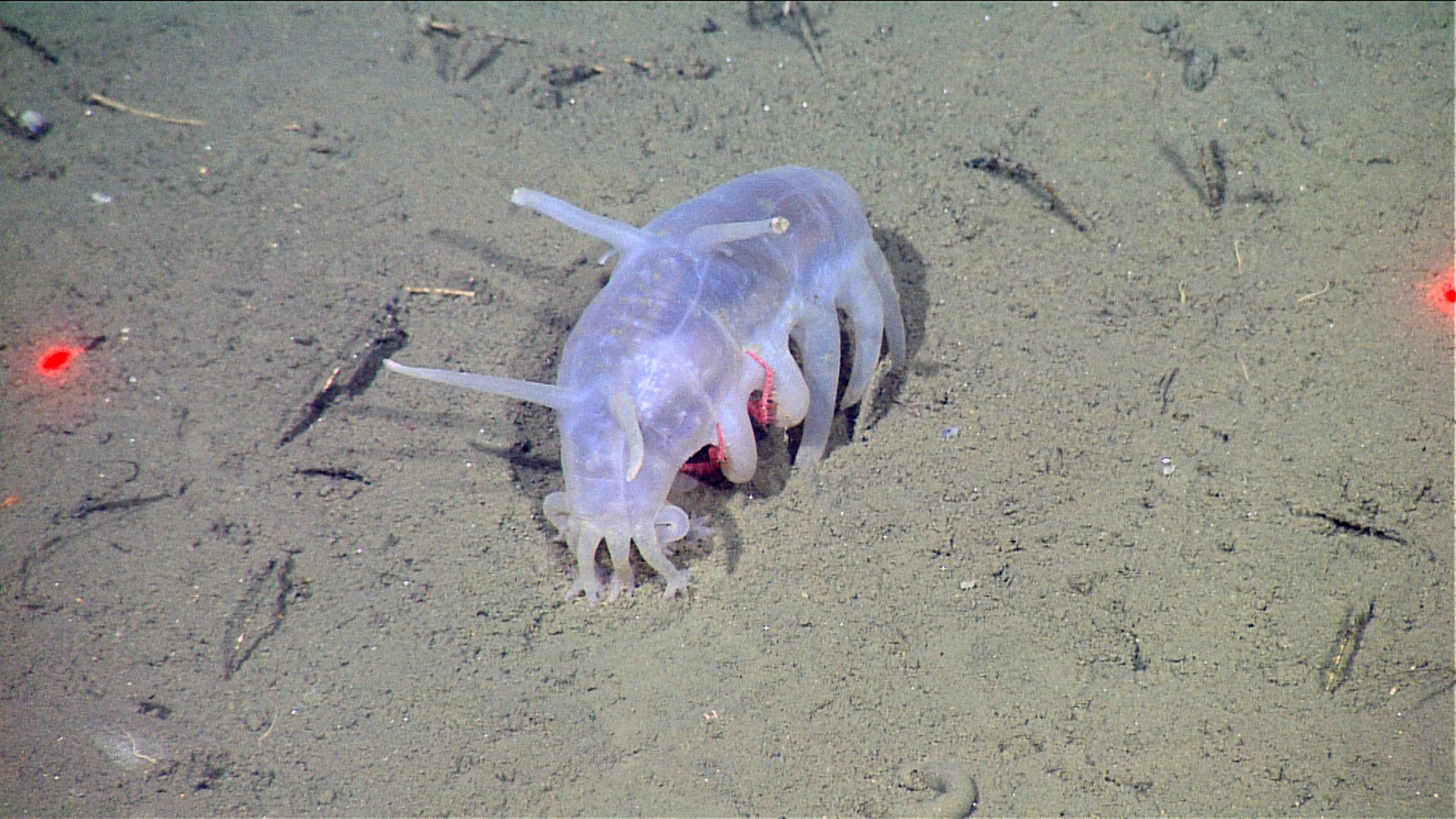
6. Slower Metabolism And Energy Thrift
Scotoplanes, commonly known as sea pigs, are abyssal sea cucumbers that walk on modified tube feet. In near-freezing water under extreme pressure, their metabolic rate drops to a crawl, allowing them to thrive on sparse organic debris for months.
©Wikimedia / NOAA and MBARI
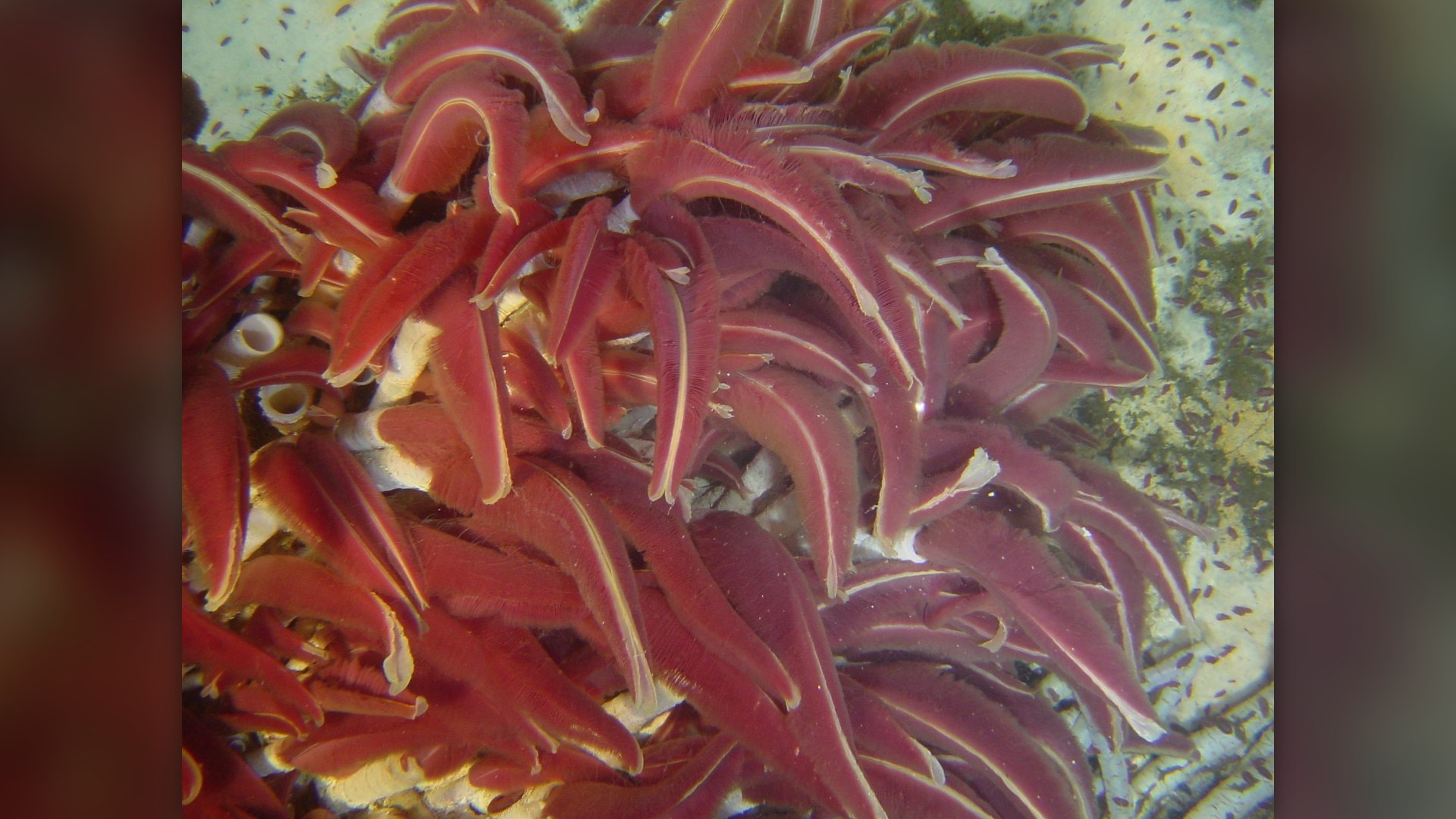
5. Animals Without Stomachs
Reaching lengths over six feet, Riftia tubeworms have neither a mouth nor a gut. Their bodies contain an organ called a trophosome filled with billions of sulfur-oxidizing bacteria. In exchange for hydrogen sulfide, the bacteria provide all necessary sugars.
©Wikimedia / Ifremer Nautile
Advertisement
Swipe or tap ▶ to resume the countdown.
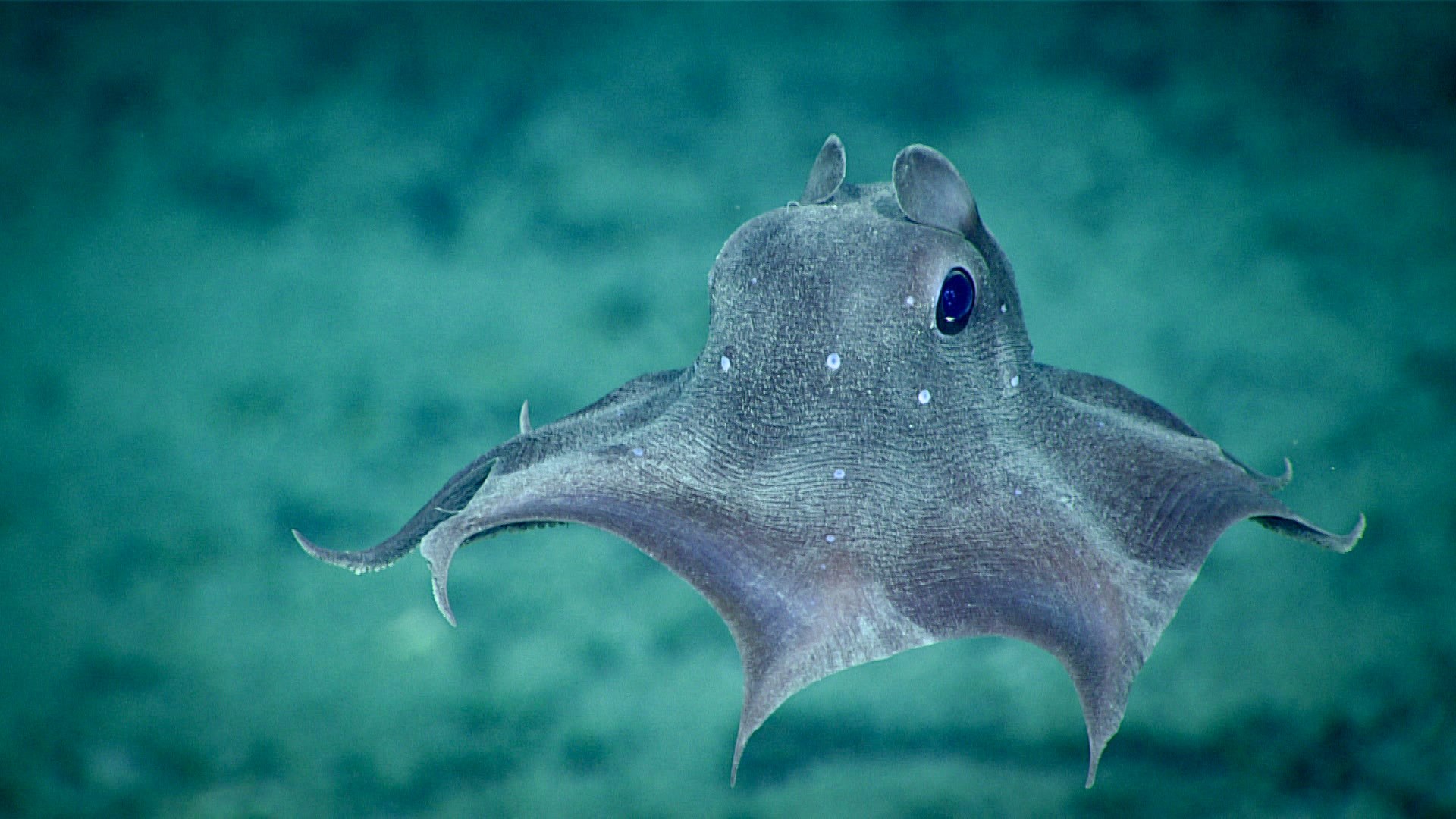
4. Energy-Saving Gliding Locomotion
Unlike shallow-water octopuses that expend immense energy through jet propulsion, the dumbo octopus flaps a pair of ear-like fins on its mantle. This gentle gliding motion requires very little caloric expenditure in the frigid abyss.
©Wikimedia / NOAA Ocean Exploration
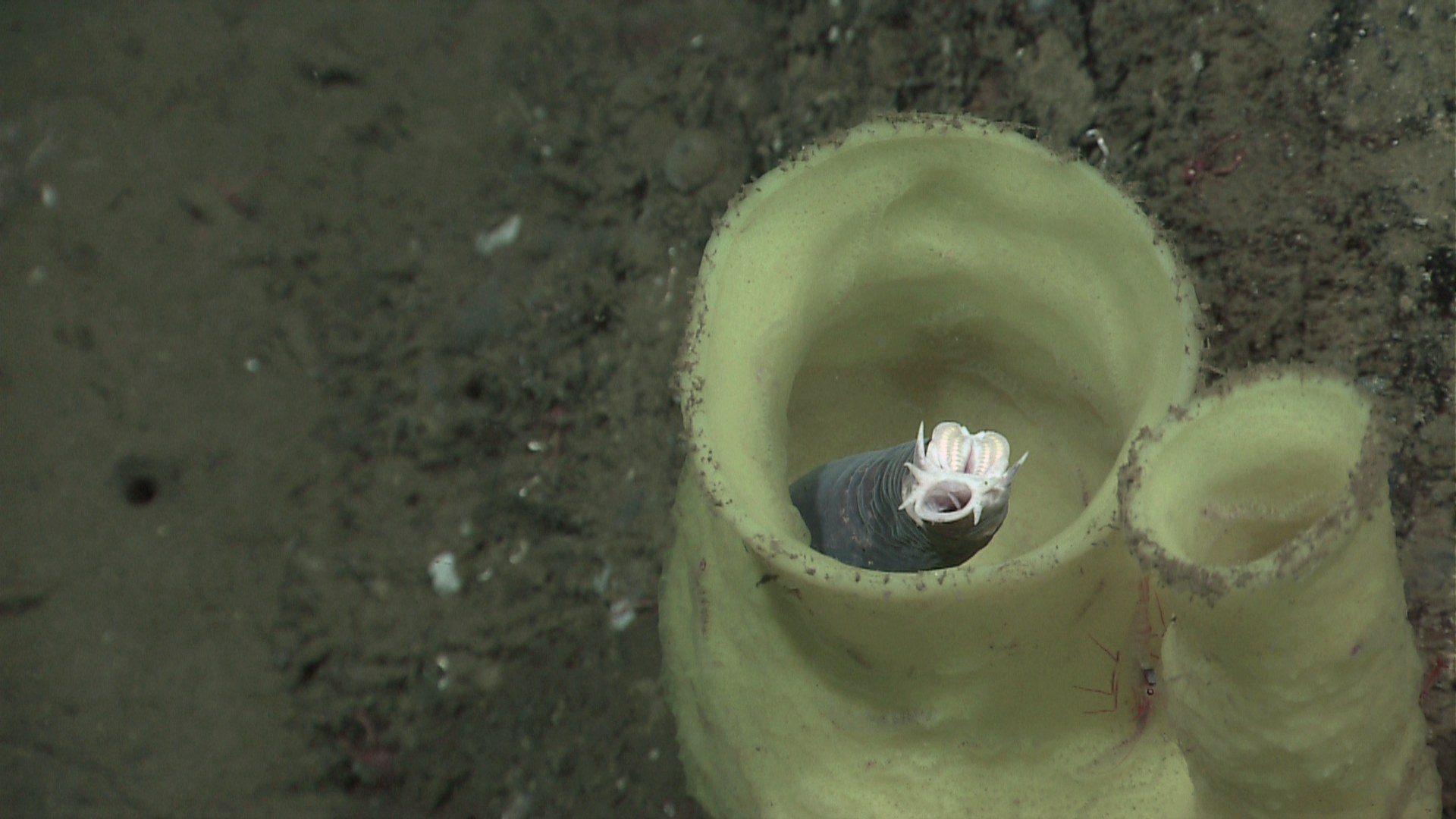
3. Chemical Warfare And Scavenging
Hagfish are primitive jawless scavengers that bore into sunken carcasses. When bitten by a predator, their slime glands release protein threads that expand into liters of suffocating mucus within milliseconds, clogging gills and repelling attackers.
©Wikimedia / NOAA Photo Library
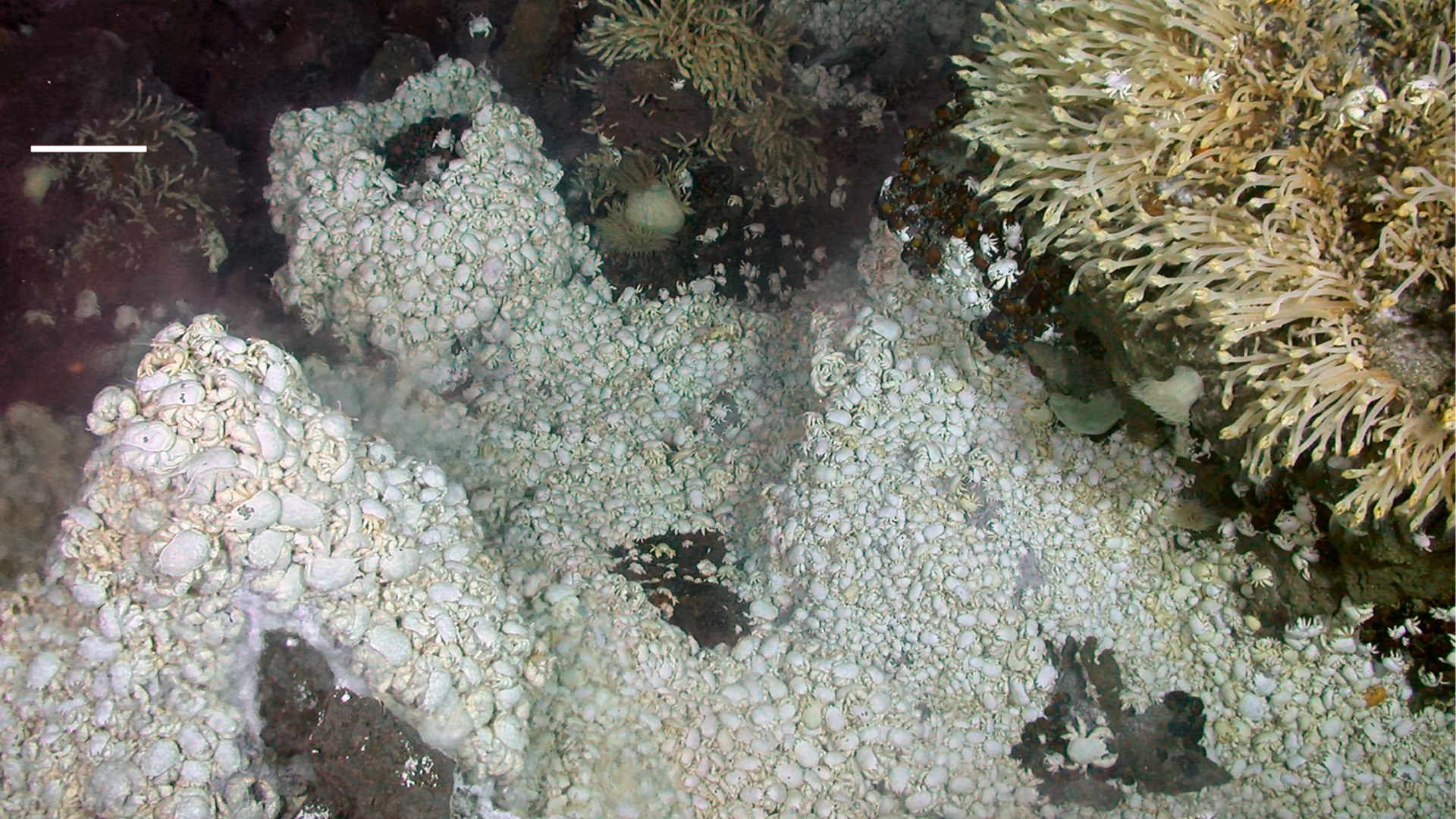
2. Farming Bacteria On Hairy Arms
Clustered tightly around hydrothermal chimneys, yeti crabs wave their hairy limbs through venting mineral plumes. The dense hairs nurture thick carpets of sulfur-oxidizing bacteria, which the crabs rhythmically harvest and consume with specialized mouthparts.
©Wikimedia / A. D. Rogers et al.
1. Extraterrestrial Oceans And The Abyss
Deep-sea vents demonstrate that life does not require sunlight. Planetary scientists look to deep hydrothermal ecosystems on Earth as direct analogs for potential biospheres within the subsurface ice-covered oceans of Jupiter's moon Europa and Saturn's moon Enceladus.

©Wikimedia / NOAA OER
Advertisement
You've reached the end of the story. Thanks for reading!

25 Animals That May Detect Fear Through Scent and Body Language
From specialized olfactory receptors to airborne alarm pheromones, numerous species possess the extraordinary ability to detect chemical distress signals. Based on research from Live Science, National Geographic, and peer-reviewed biology journals, here are twenty-five animals that can smell and sense fear.
All 31 Entries in this Story
1. The Bathypelagic Midnight Zone
The bathypelagic zone extends down to 4,000 meters. Without sunlight for photosynthesis, primary production cannot occur through solar energy. Deep coral gardens and benthic organisms rely entirely on nutrients sinking from surface waters above.

2. Surviving Hydrostatic Pressure
Deep-sea chimaeras and ghost sharks flourish under immense hydrostatic force. Their cellular membranes incorporate flexible unsaturated fatty acids and high levels of trimethylamine N-oxide to keep proteins from collapsing under pressure.

3. Hydrothermal Vents And Chemosynthesis
Black smokers spew mineral-rich fluids exceeding 300 degrees Celsius. In place of sunlight, chemosynthetic bacteria oxidize dissolved hydrogen sulfide and methane, generating organic carbon that sustains lush colonies of crabs, snails, and worms.

4. Cold Seeps And Brine Basins
Unlike hot volcanic vents, cold seeps release hydrocarbons at ambient water temperatures. Dense aggregations of sea urchins, crabs, and bivalves gather around thick mats of sulfur bacteria, creating biological hotspots across barren sediment.

5. Marine Snow: Fuel From Above
Dead plankton, fecal pellets, and discarded larvacean mucus houses slowly sink through thousands of meters of water. This falling organic drift, known as marine snow, provides vital calories for filter feeders and scavengers on the sunless seabed.

6. Whale Falls As Abyssal Oases
When a whale dies and settles on the ocean floor, sharks and hagfish strip soft flesh within months. Later, specialized bone-eating worms and chemoautotrophic bacteria colonize the lipid-rich skeleton, sustaining complex communities for decades.

8. Anglerfish With Glowing Esca
Female humpback anglerfish possess an illicium, a modified dorsal fin ray tipped with a glowing bulb called the esca. The bulb houses millions of symbiotic luminous bacteria. Prey species approach the mysterious light, only to be snapped up in seconds.

9. Counterillumination Cloaking
Hatchetfish have bellies lined with downward-facing photophores. By tuning the color and intensity of their ventral blue light to match faint light filtering from above, they effectively become invisible to predators hunting from underneath.

10. Headlight Eyes Of Flashlight Fish
Flashlight fish carry prominent subocular pouches packed with bioluminescent bacteria. By rolling a dark muscular lid over the light organ, the fish flashes signals to schoolmates, confuses predators, and spots small crustacean prey in pitch darkness.

11. Glowing Decoys And Slime Bombs
In total darkness, ordinary black ink is useless. When startled, the vampire squid shoots a cloud of bioluminescent mucus filled with glowing particles. While the blinded attacker focuses on the glowing decoy, the cephalopod slips away unseen.

12. Colonial Giant Siphonophores
Siphonophores are not single animals, but colonies of specialized genetic clones called zooids. They drift gracefully through the water column, trailing stinging tentacles and pulsing bioluminescent swimming bells to coordinate the colony and stun prey.

13. Rainbow Refraction And Light Pulses
Comb jellies beat eight rows of microscopic cilia plates to swim. Under submersible floodlights, the rhythmic beating scatters light into prismatic rainbows. In pure darkness, these fragile gelatinous predators produce blue-green chemical flashes.

14. Oceanic Squids Of The Abyss
Large ocean squids glide through the water column using muscular mantle contractions and stabilizing fins. Their dark red coloration absorbs ambient blue light, making them virtually invisible in deep water while their acute eyes spot faint bioluminescence.

15. Gelatinous Bodies: Resisting The Crush
The blobfish appears distorted when brought to the surface due to rapid decompression. In its native depth over 1,000 meters down, its gelatinous body is slightly less dense than water, providing neutral buoyancy and structural integrity under crushing pressure.

16. Life At 8,000 Meters
Surviving in oceanic trenches deeper than Mount Everest is tall, snailfish thrive beyond 8,000 meters. They lack scales and hard skull sutures. High cellular concentrations of trimethylamine N-oxide prevent their proteins from breaking down under brutal pressure.

17. Abandoning The Swim Bladder
Shallow-water fish use gas-filled swim bladders to maintain buoyancy. In the deep sea, gas compresses violently or expands fatally during vertical movement. Benthic hunters like the lizardfish forfeit gas bladders entirely, resting directly on seafloor mud.

18. Tubular Upward-Looking Optics
The barreleye fish possesses a clear fluid-filled shield over its head. Inside, bright green cylindrical eyes point upward to spot silhouettes of drifting jellyfish. Special yellow pigments filter out surface sunlight, isolating true bioluminescent glows.

19. Abyssal Gigantism: The Cold Giants
Related to tiny terrestrial pillbugs, the giant deep-sea isopod can grow longer than fourteen inches. Abyssal gigantism is driven by colder temperatures, high pressure, and scarce food, which lead to larger cell sizes and prolonged lifespans in the abyss.

20. Massive Sensors In Pitch Black
Perched on rocky ridges where deep currents flow fast, brisingid sea stars hold up to twenty spiny arms into the water. Thousands of microscopic snapping pedicellariae snag passing copepods and amphipods out of the pitch-black flow.

21. Stilt Fins On The Muddy Plains
The tripod fish perches on the seafloor using three elongated fin rays that act as high stilts. Standing firmly above the muddy sediment layer, it faces upstream and uses sensitive pectoral fins to detect minute water vibrations from approaching prey.

22. Living Glass Architecture
Venus flower basket sponges construct intricate skeletal frameworks from biogenic silica, the raw material of glass. These silica lattices conduct light like fiber-optic cables and withstand massive currents without needing calcium carbonate.

23. Elastic Stomachs: Feast Or Famine
Because encounters with food are unpredictable, the black swallower maximizes every catch. Its stomach expands like a balloon to fit entire large fish. This allows it to store enough energy to survive months of starvation between meals.

24. Cavernous Expandable Mouths
The pelican eel features an enormous mouth loosely hinged to its skull. When approaching prey, its lower jaw stretches out like a giant net, engulfing large volumes of water and trapping crustaceans before forcing the water out through its gill slits.

25. Disproportionate Weaponry
Despite measuring under seven inches long, the fangtooth possesses terrifying dental armor. Its lower fangs are so long that hollow sockets evolved on both sides of its braincase, allowing the jaws to shut tight without impaling its own brain.

26. Hinged Skulls And Spearing Teeth
Sloane's viperfish has teeth so needle-sharp and long that they cannot fit inside its mouth. When striking, its first vertebra acts as a hydraulic shock absorber, letting its upper skull hinge violently backward to impale prey with ferocious speed.

27. Slower Metabolism And Energy Thrift
Scotoplanes, commonly known as sea pigs, are abyssal sea cucumbers that walk on modified tube feet. In near-freezing water under extreme pressure, their metabolic rate drops to a crawl, allowing them to thrive on sparse organic debris for months.

28. Animals Without Stomachs
Reaching lengths over six feet, Riftia tubeworms have neither a mouth nor a gut. Their bodies contain an organ called a trophosome filled with billions of sulfur-oxidizing bacteria. In exchange for hydrogen sulfide, the bacteria provide all necessary sugars.

29. Energy-Saving Gliding Locomotion
Unlike shallow-water octopuses that expend immense energy through jet propulsion, the dumbo octopus flaps a pair of ear-like fins on its mantle. This gentle gliding motion requires very little caloric expenditure in the frigid abyss.

30. Chemical Warfare And Scavenging
Hagfish are primitive jawless scavengers that bore into sunken carcasses. When bitten by a predator, their slime glands release protein threads that expand into liters of suffocating mucus within milliseconds, clogging gills and repelling attackers.

31. Farming Bacteria On Hairy Arms
Clustered tightly around hydrothermal chimneys, yeti crabs wave their hairy limbs through venting mineral plumes. The dense hairs nurture thick carpets of sulfur-oxidizing bacteria, which the crabs rhythmically harvest and consume with specialized mouthparts.

32. Extraterrestrial Oceans And The Abyss
Deep-sea vents demonstrate that life does not require sunlight. Planetary scientists look to deep hydrothermal ecosystems on Earth as direct analogs for potential biospheres within the subsurface ice-covered oceans of Jupiter's moon Europa and Saturn's moon Enceladus.