Slideshow · Animals
Scientists recently discovered these strange looking species
From skeleton panda sea squirts to Darth Vader isopods and ghostly octopuses.
All 20 Entries in this Story
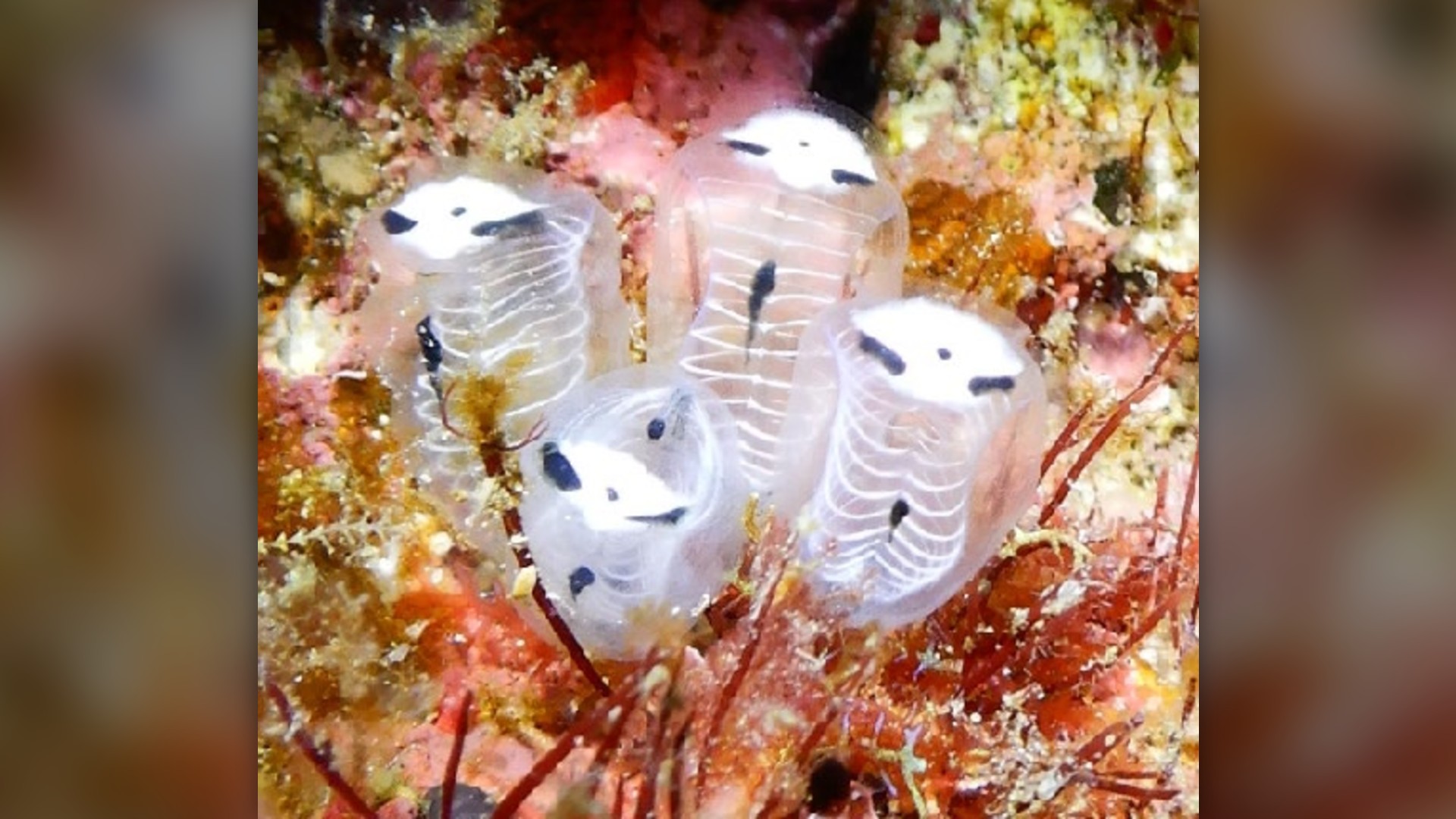
1. Skeleton Panda Sea Squirt (Clavelina Ossipandae)
Formally described off Kumejima Island, Japan, in 2024, Clavelina ossipandae has a translucent body crossed by horizontal white blood vessels that look like skeletal ribs, topped with black markings resembling a cartoon panda face.
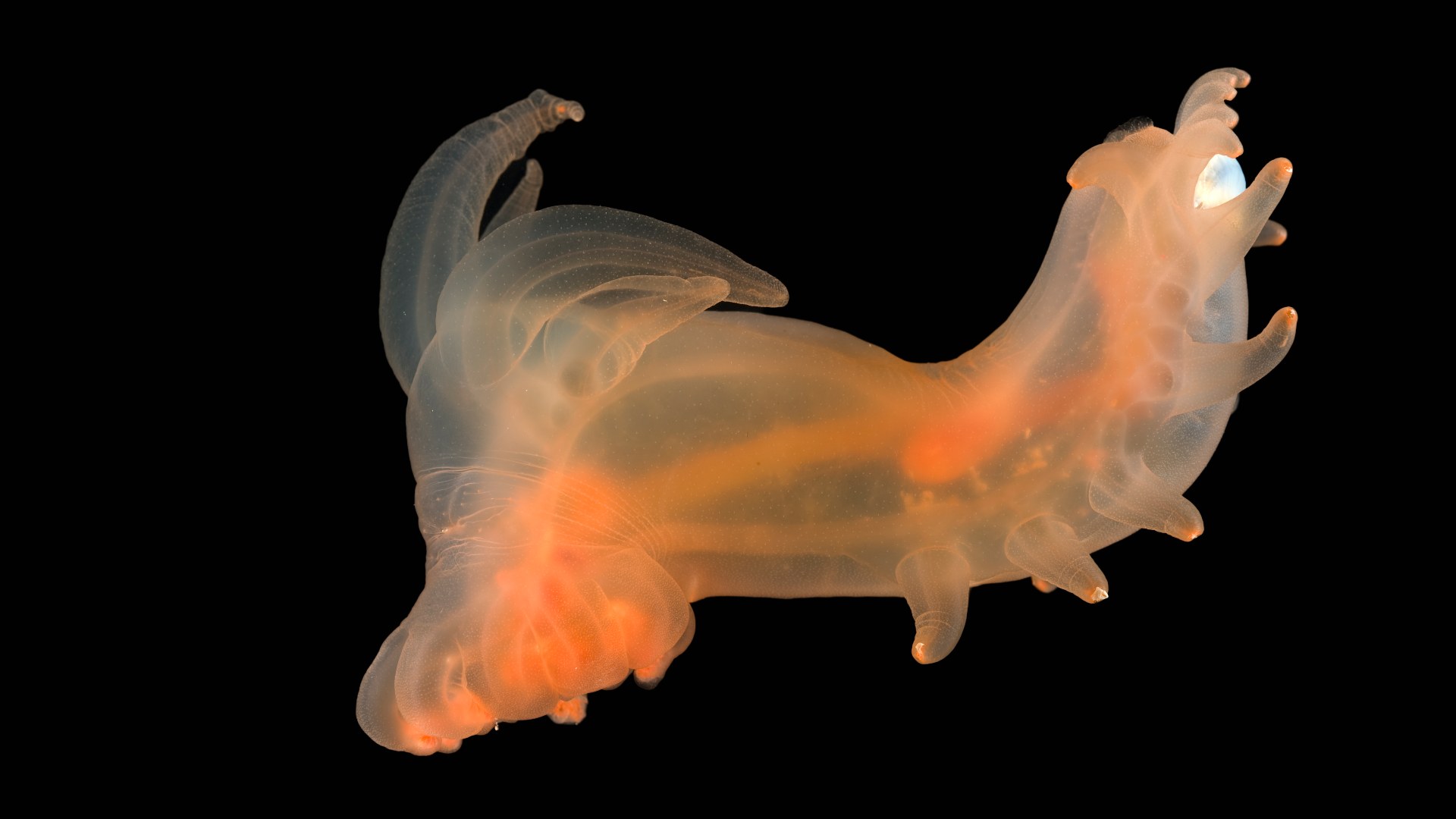
2. Loki The Sea Cucumber (Peniagone Sp. Nov.)
Observed 8,400 feet beneath the South Atlantic surface, this translucent deep-sea holothurian in the genus Peniagone sports dramatic, curling horn-like appendages above its head reminiscent of the Norse god Loki.
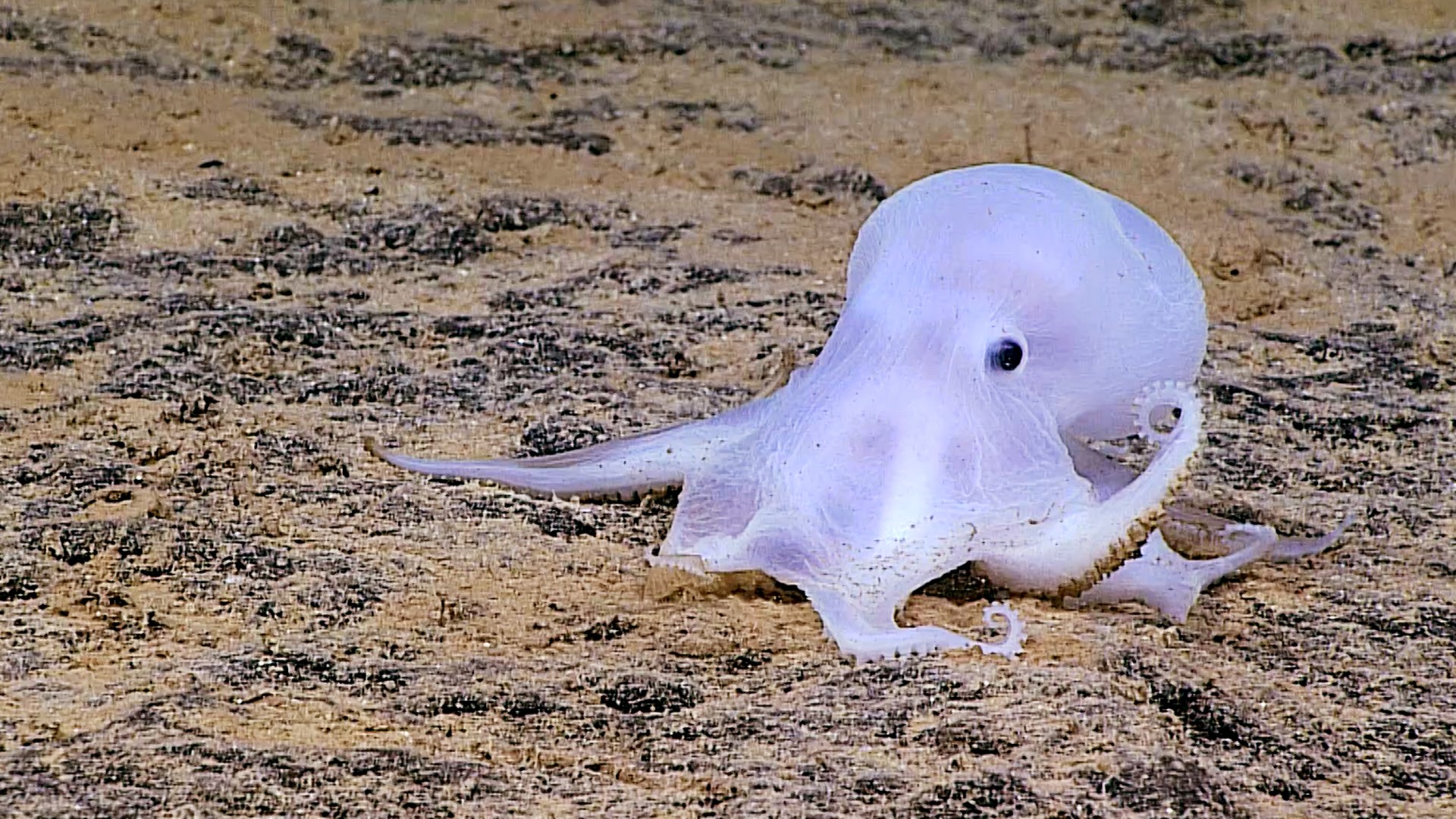
3. Casper Octopus (Octopoda Sp.)
Documented during deep-sea robotic expeditions near seamounts off Chile and the Pacific, the Casper octopus is a ghostly, pigment-free, semi-translucent cephalopod that broods its eggs on deep rocky outcrops.
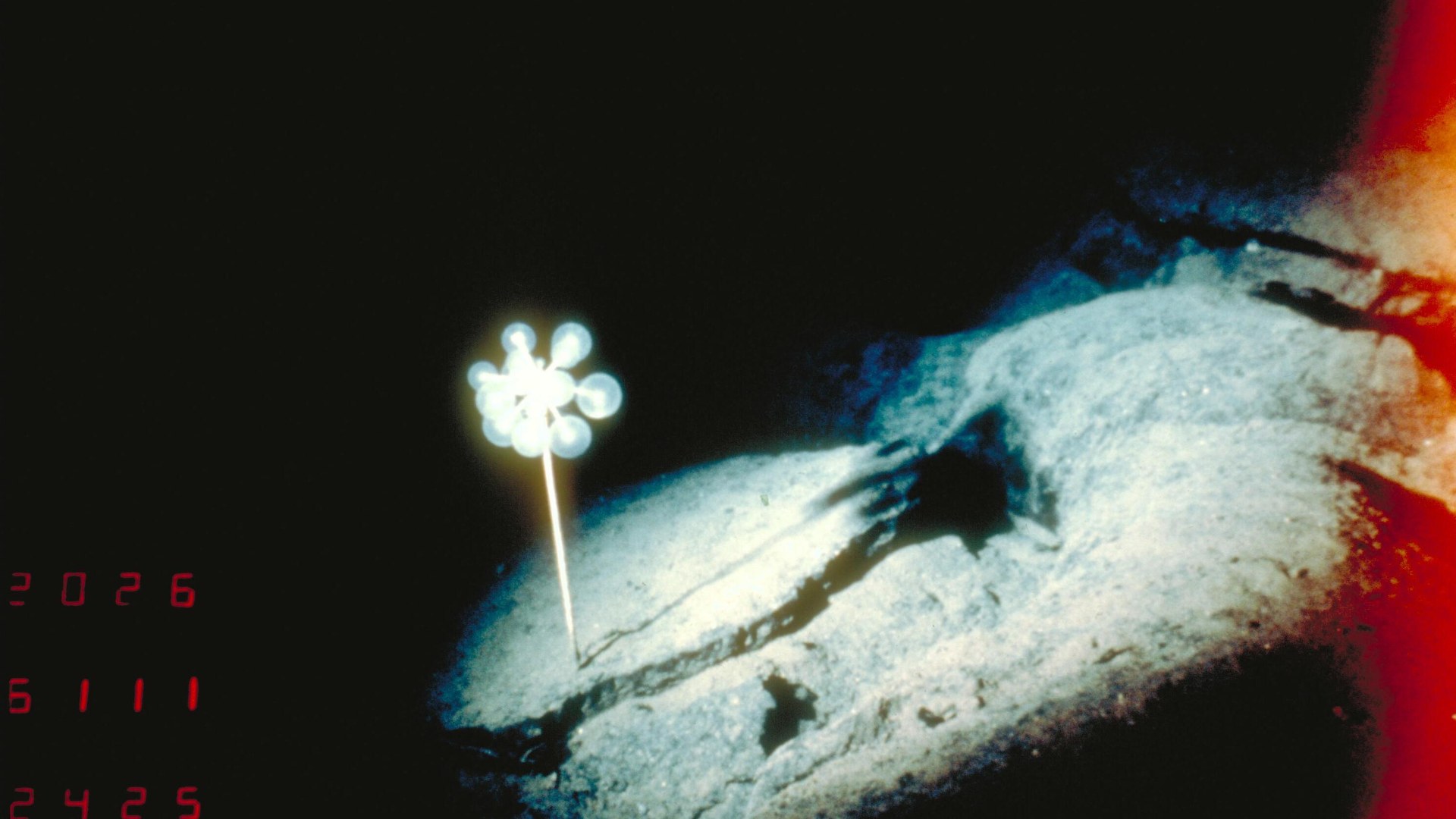
4. Carnivorous Death-Ball Sponge (Chondrocladia Sp. Nov.)
Collected from the frigid depths of the Southern Ocean, this predatory sponge in the genus Chondrocladia abandons passive filter feeding for a spiked spherical orb covered in microscopic Velcro-like hooks that trap passing crustaceans.
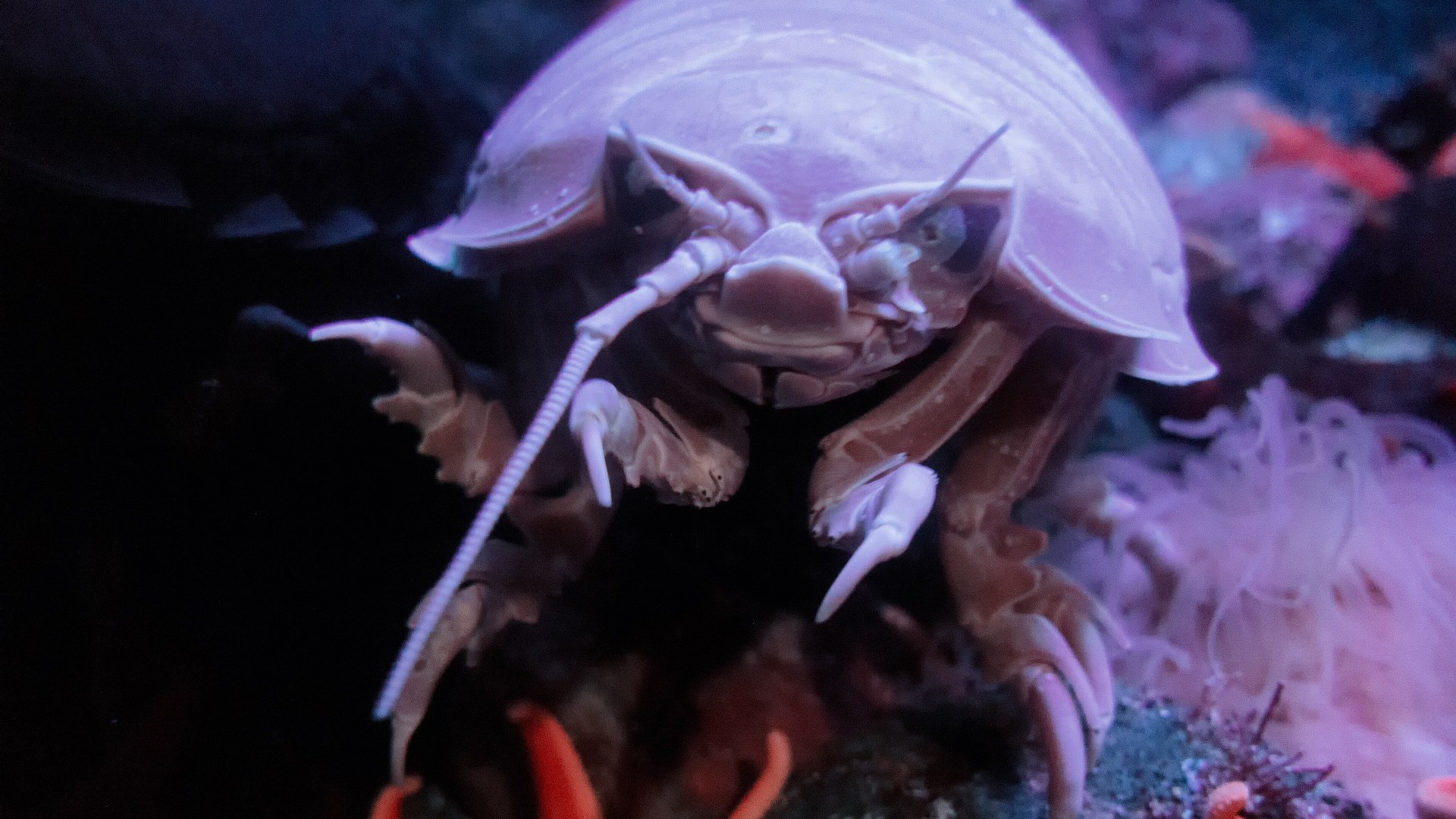
5. Darth Vader Giant Isopod (Bathynomus Vaderi)
Described in 2025 from deep waters off Vietnam in the South China Sea, Bathynomus vaderi is a massive supergiant isopod reaching over 12 inches long whose armored head shield closely resembles Darth Vader's helmet.
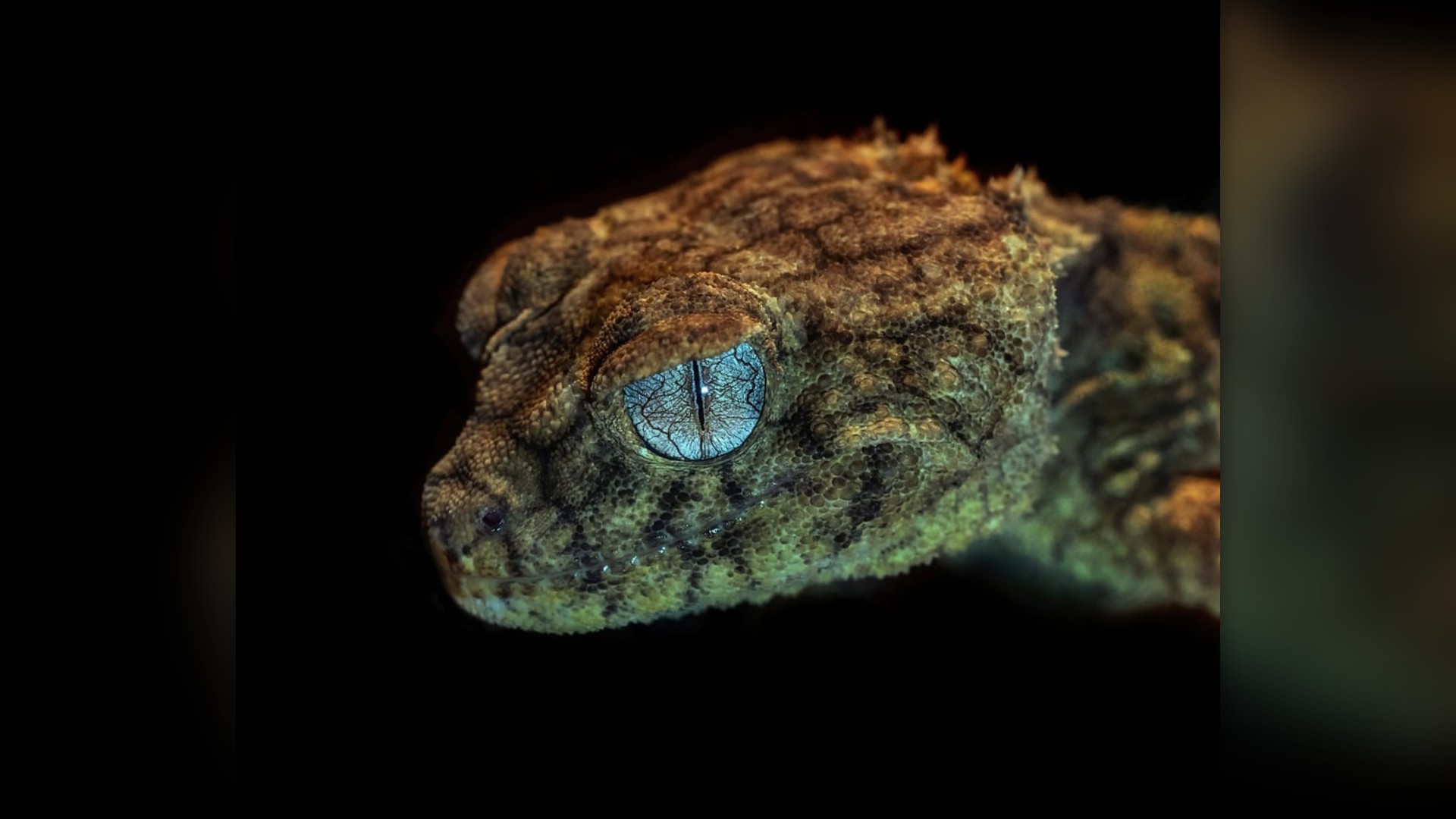
6. Starry Night Gecko (Cnemaspis Vangoghi)
Discovered in the southern Western Ghats of Tamil Nadu, India, in 2024, Cnemaspis vangoghi was named after Vincent van Gogh because males display a sky-blue torso speckled with pale yellow spots reminiscent of The Starry Night.
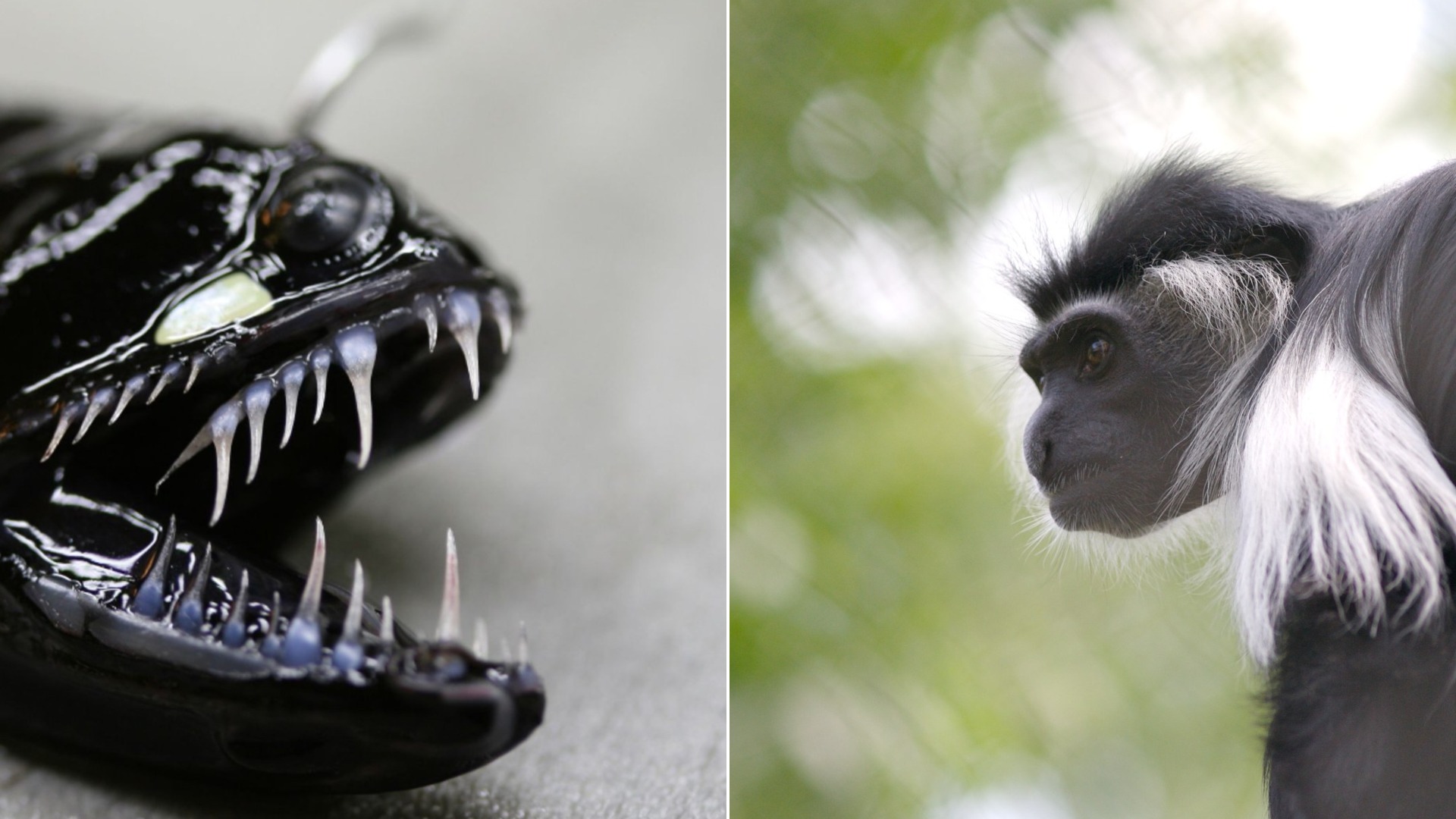
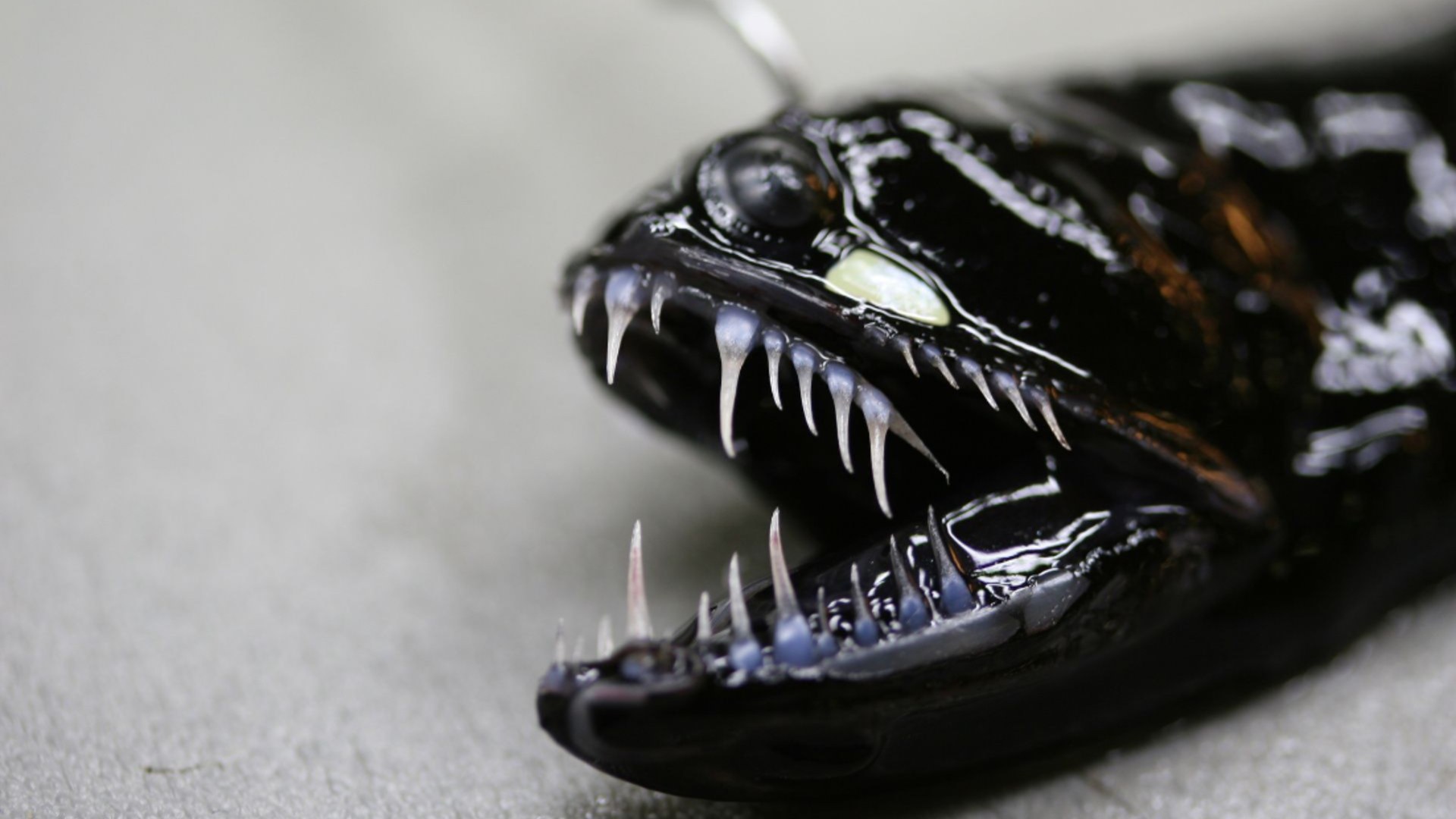
7. Neon Blue Dragonfish (Stomiidae Family)
Spotted during robotic deep dives along the Salas y Gomez Ridge in the southeastern Pacific, this abyssal dragonfish from the family Stomiidae pairs a light-absorbing black body with electric-blue bioluminescent stripes and needle-like teeth.
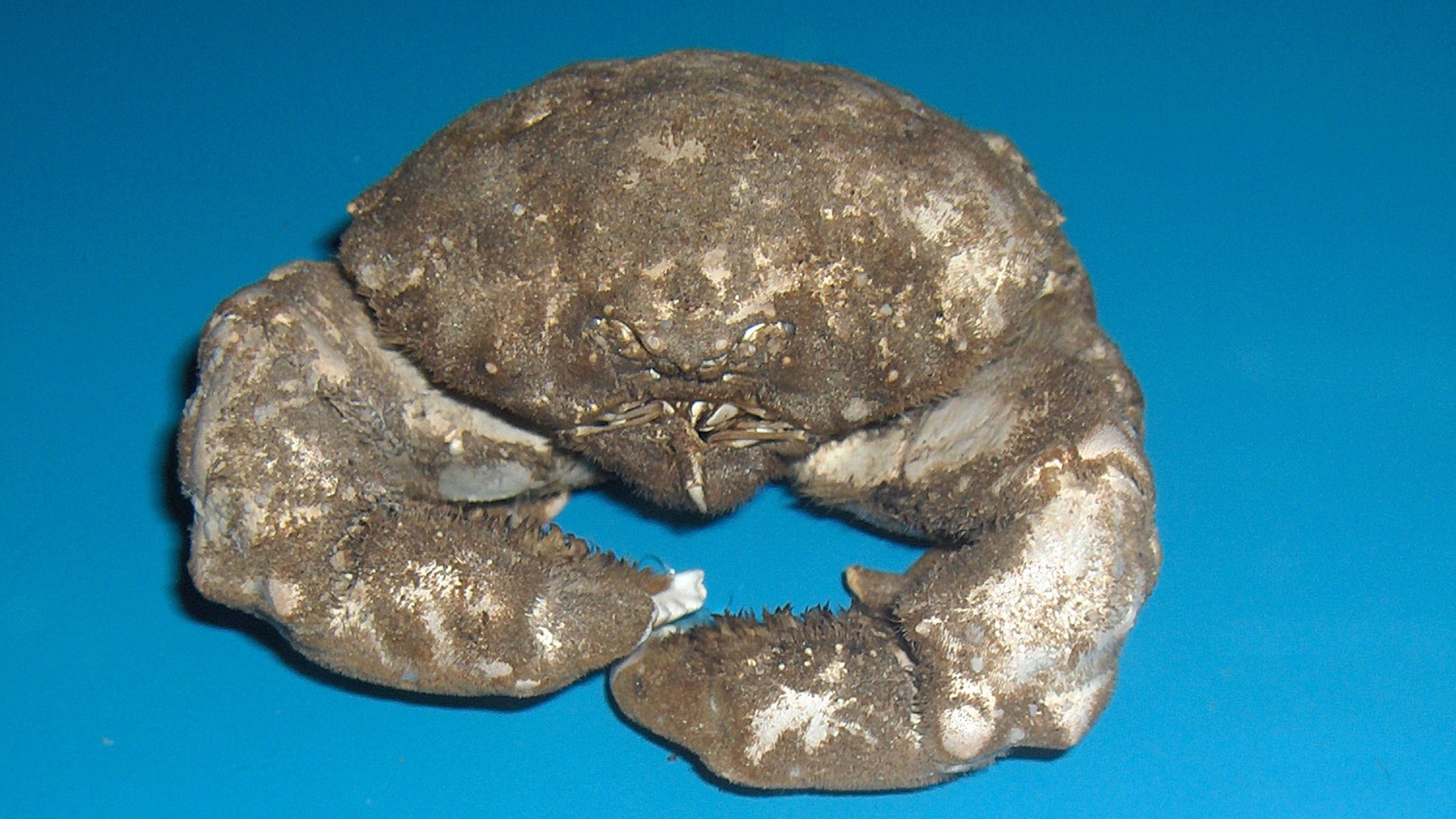
8. Sponge-Hat Crab (Sphaerodromia Brizops)
Inhabiting the Indian Ocean, this fuzzy sponge crab trims pieces of living sea sponge with its claws and shapes them into a custom-fitted cap, holding the living camouflage over its back with specialized rear legs.
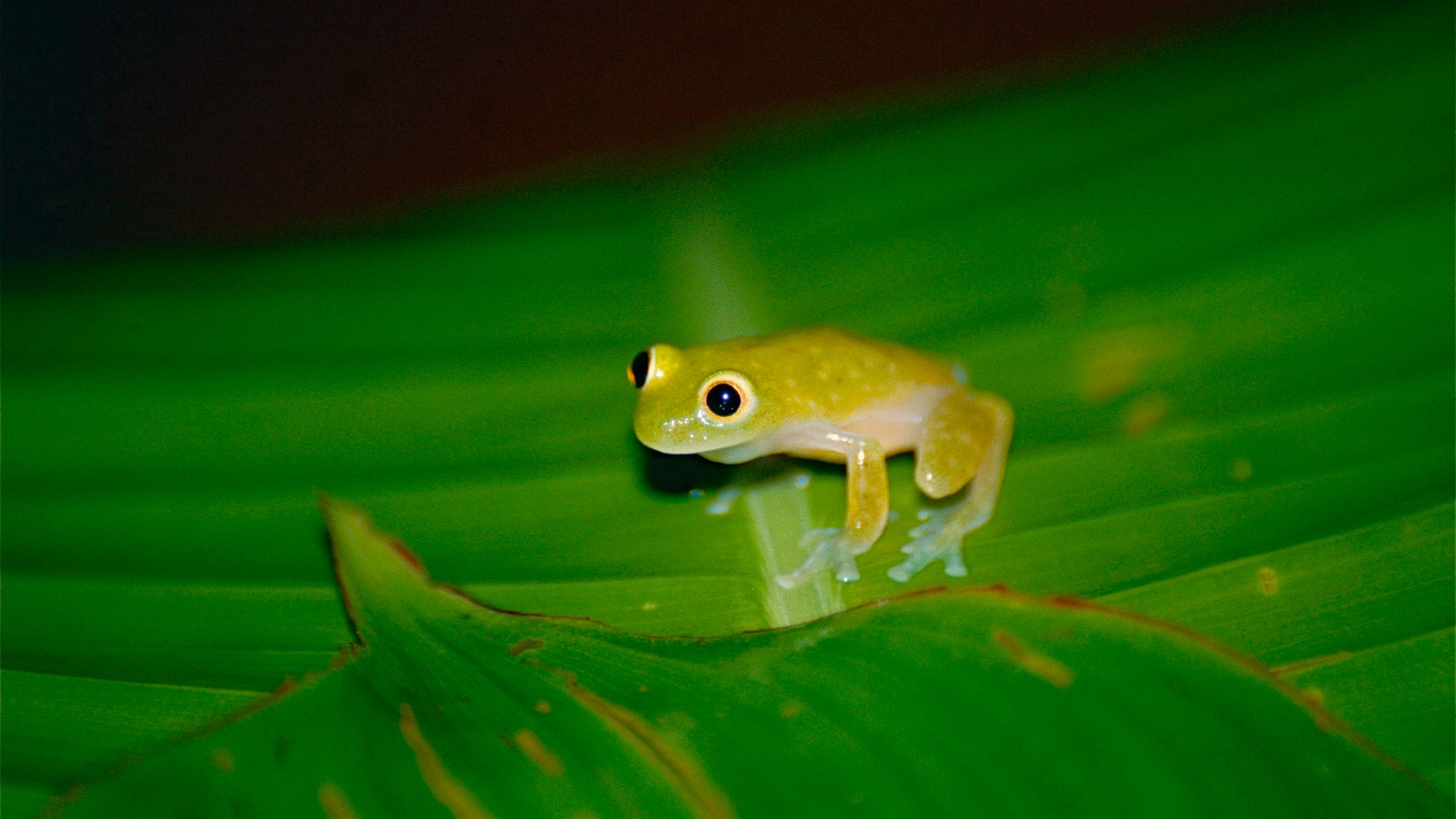
9. Diane's Bare-Hearted Glass Frog (Hyalinobatrachium Dianae)
Native to the mountain rainforests of Costa Rica, Hyalinobatrachium dianae has a translucent underside that exposes its beating red heart and internal organs, paired with bulging white eyes that resemble Kermit the Frog.
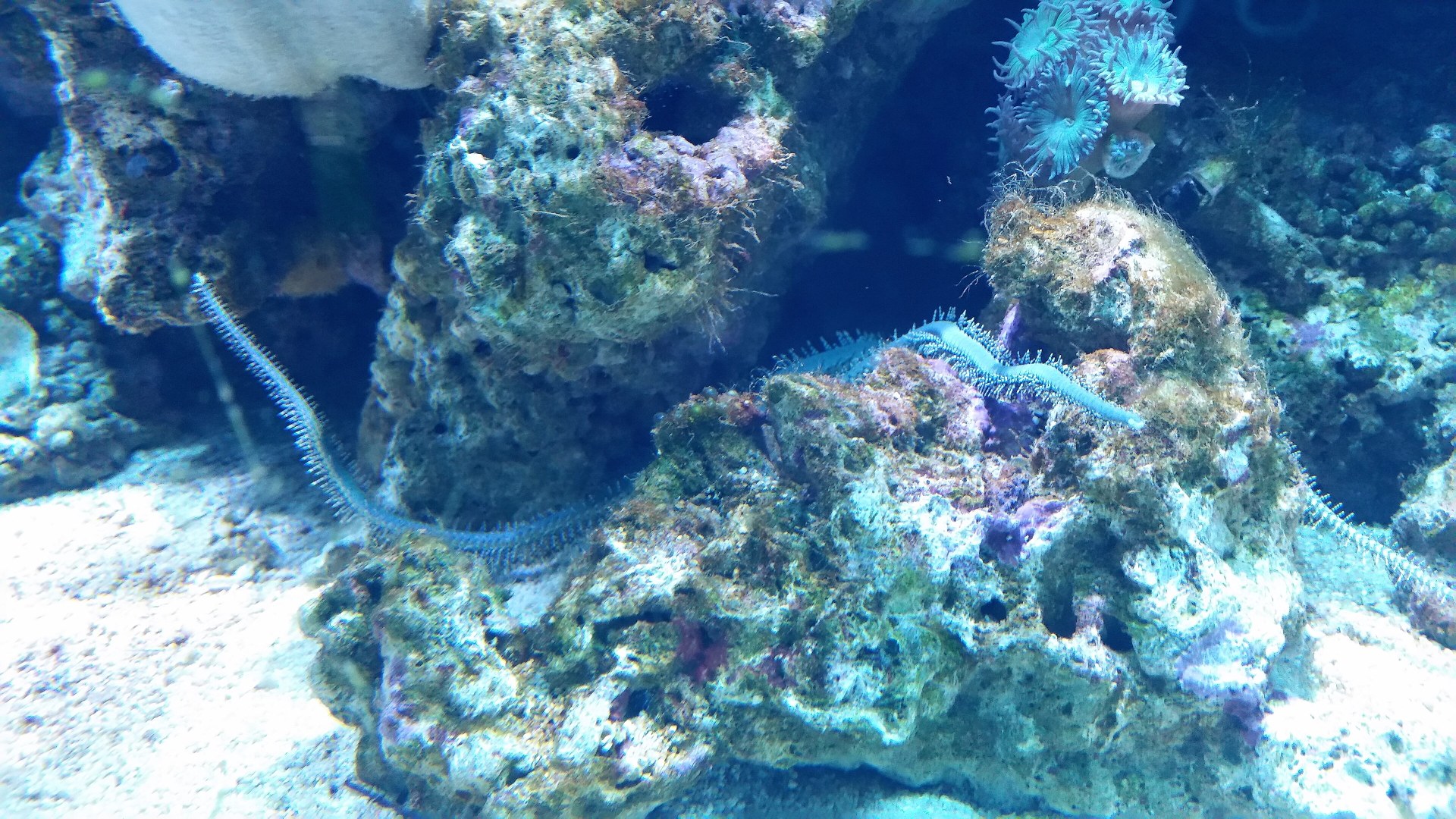
10. Sponge Ambusher Worm (Eunice Sp. Nov.)
Discovered hiding inside deep-sea glass sponges in the Northwest Pacific, this predatory polychaete worm in the genus Eunice coils inside lattice-like sponge chambers and lunges outward with powerful jaws to ambush passing prey.
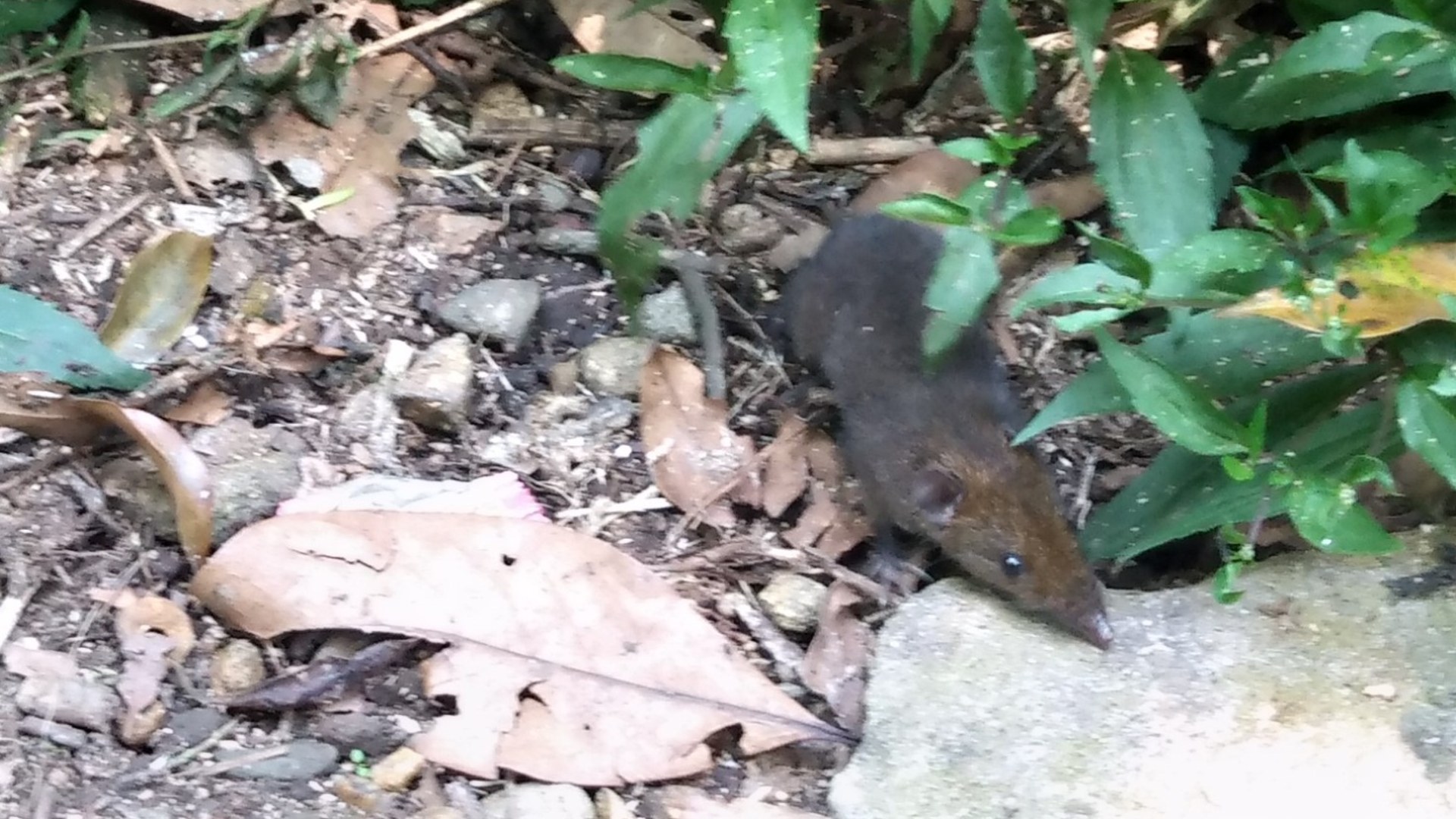
11. Vampire Hedgehog (Hylomys Vorax)
Formally identified as a distinct species in 2024, Hylomys vorax is a soft-furred gymnure related to hedgehogs that lacks spines but possesses oversized canine fangs and a long, flexible snout for rooting on rainforested mountain slopes.
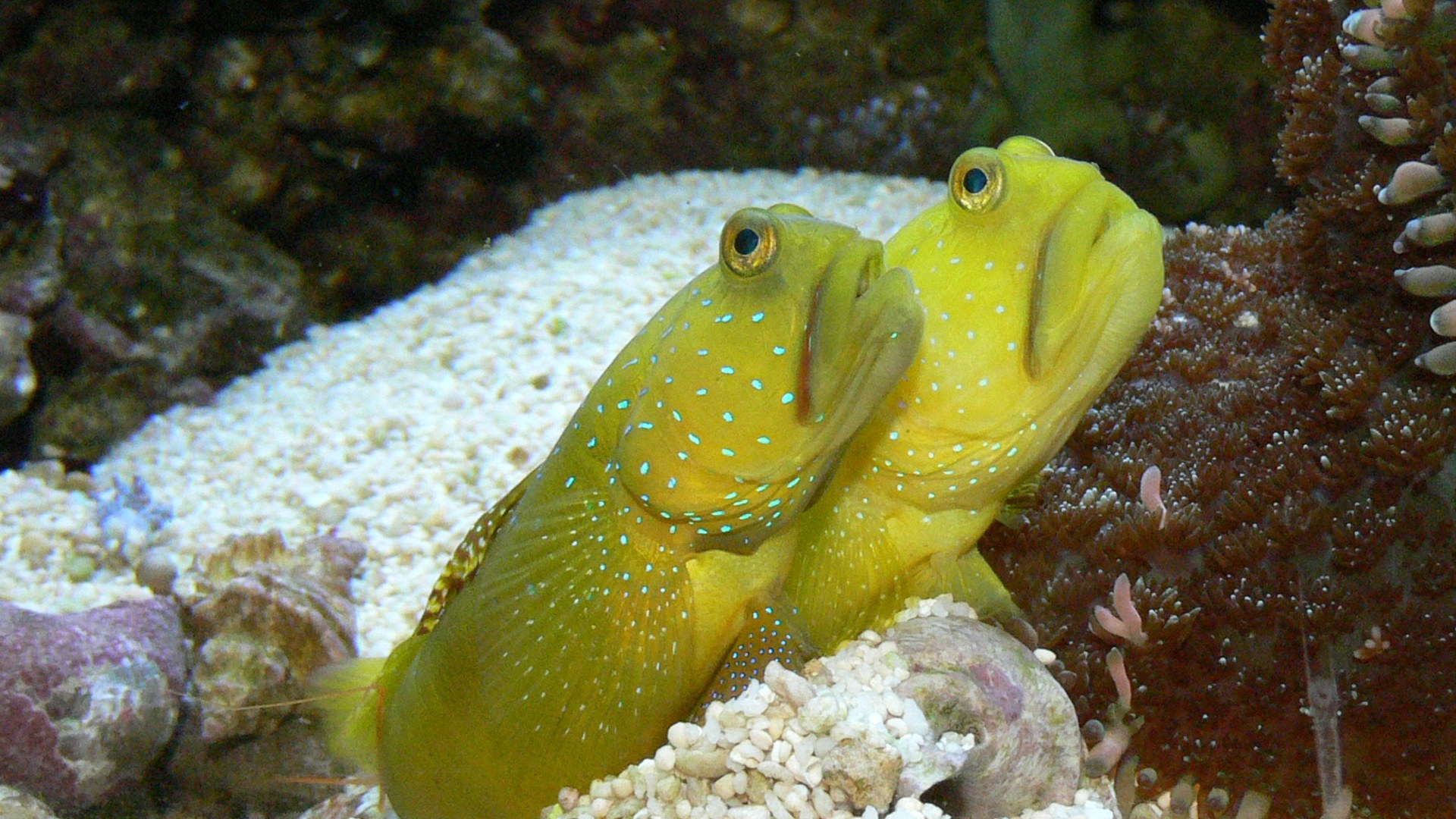
12. Super Saiyan Goby (Shrimp Goby Sp.)
Found on deep twilight-zone coral reefs off Okinawa, Japan, in 2025, this newly documented shrimp goby displays blazing yellow dorsal spikes and neon body stripes that inspired researchers to compare it to a Dragon Ball Super Saiyan transformation.
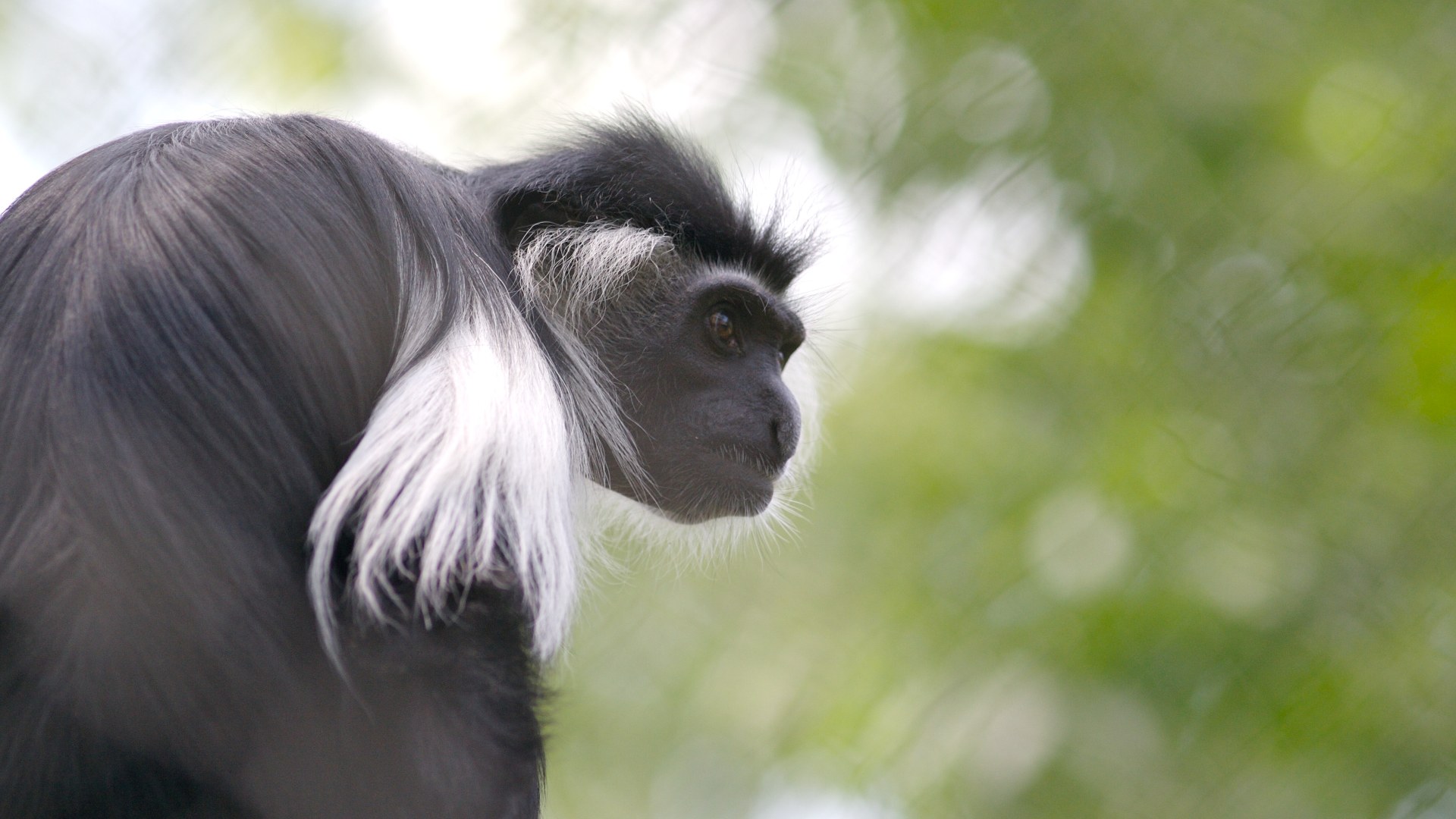
13. Likweli Masked Monkey (Colobus Congoensis)
Inhabiting remote swamp and lowland forests of the Congo Basin, this elusive primate features stark white markings framing its dark eyes and muzzle, creating the uncanny appearance of a painted theatrical mask.
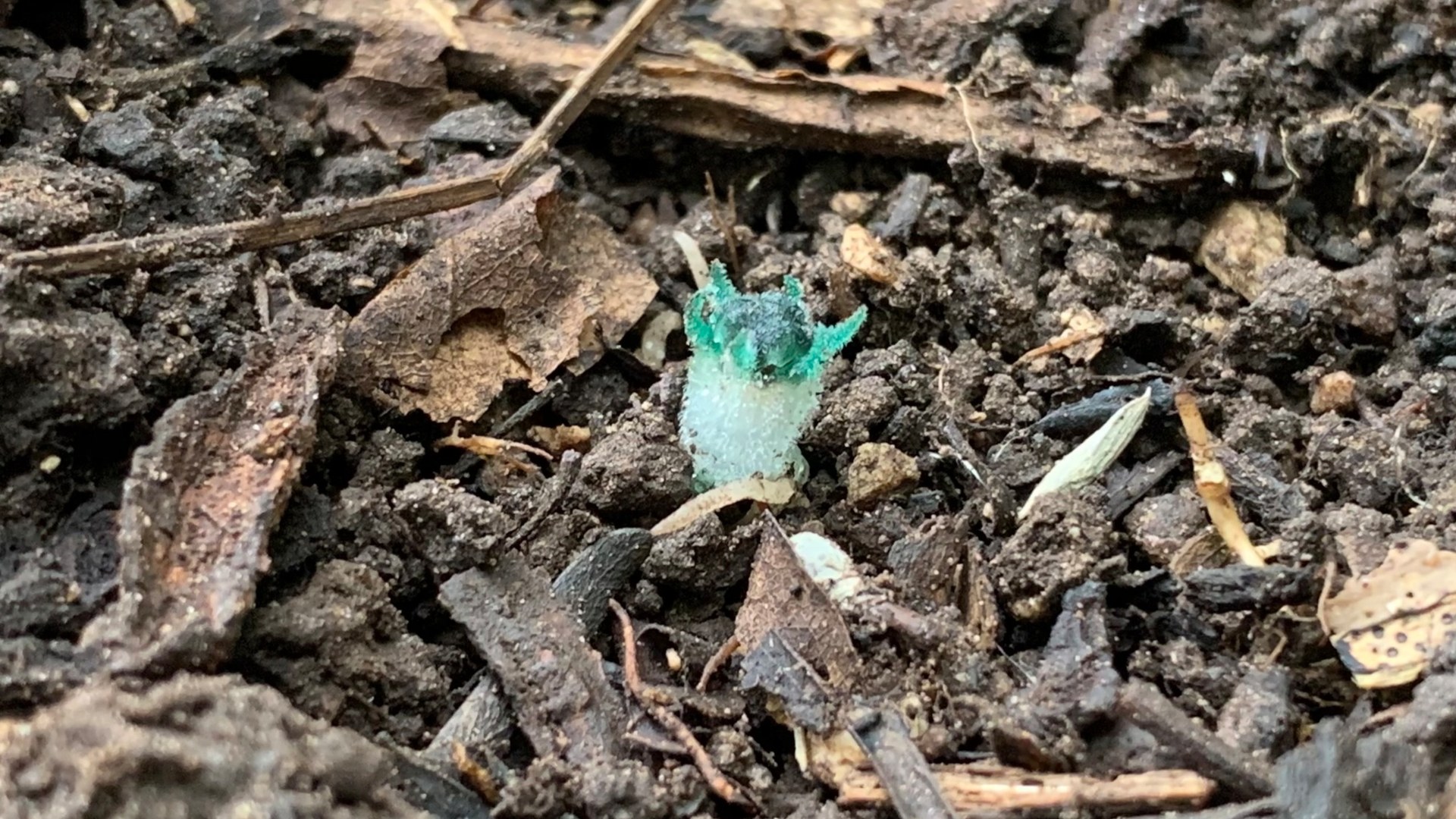
14. Fairy Lantern (Thismia Selangorensis)
Discovered in Selangor, Malaysia, in 2025, Thismia selangorensis is a critically endangered subterranean plant that lacks chlorophyll completely, drawing nutrients from underground fungi before pushing up tiny lantern-shaped blossoms.
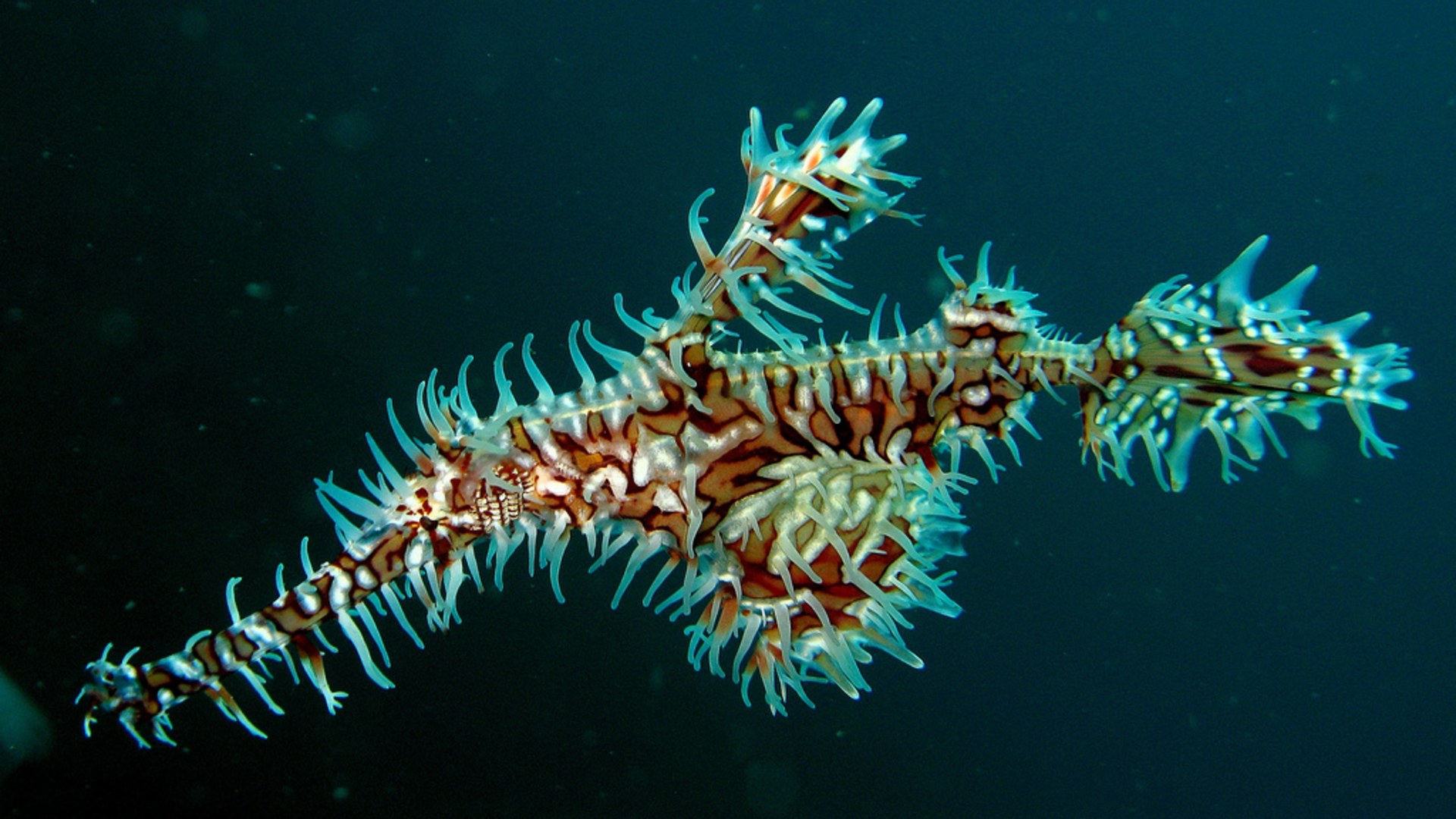
15. Sodwana Pygmy Pipehorse (Cylix Nkosi)
Described from Sodwana Bay, South Africa, in 2024, Cylix nkosi is a miniature pygmy pipehorse smaller than a paperclip whose crimson body and spiny ridges blend seamlessly into sponges and coral walls.
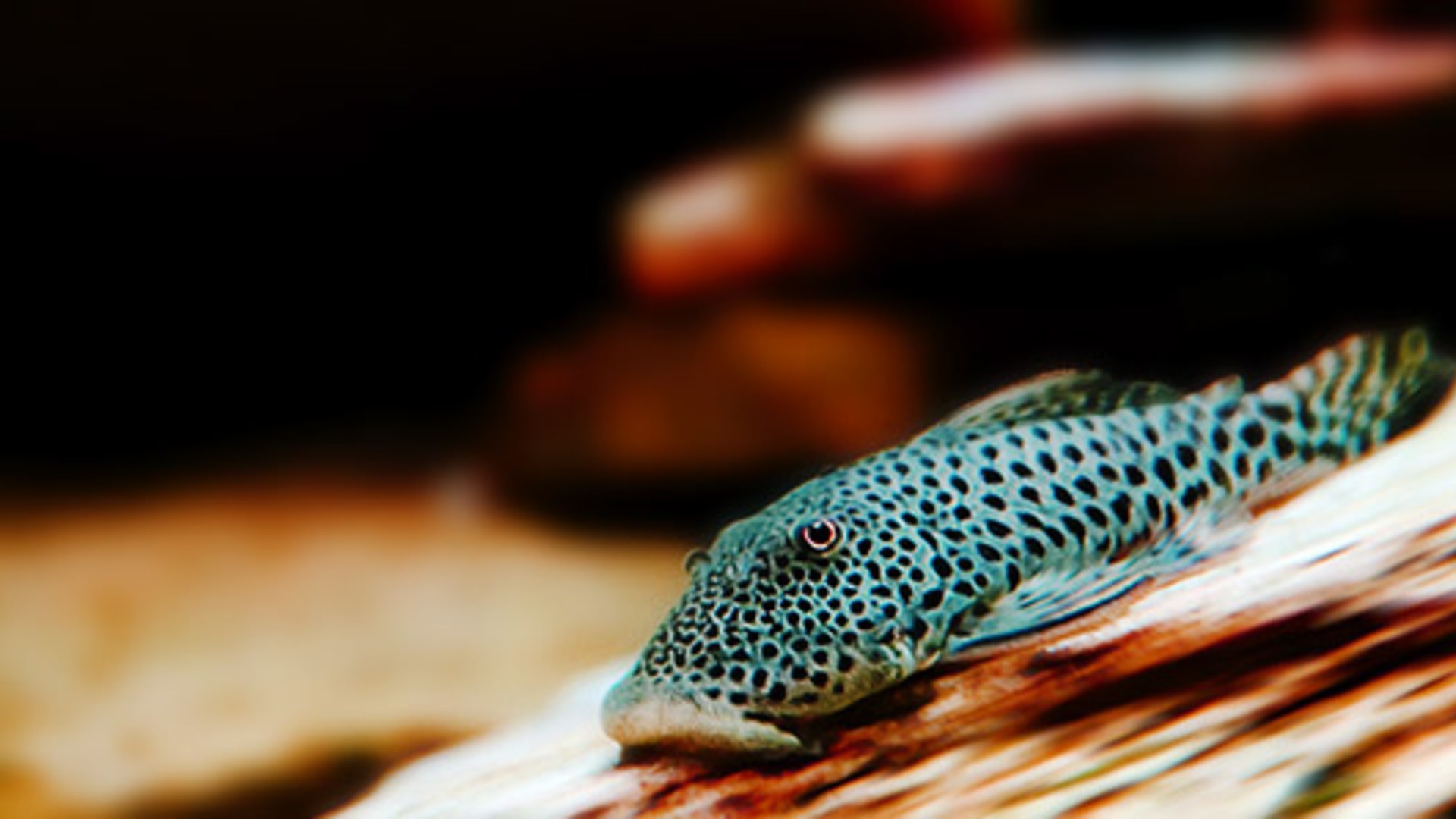
16. Blob-Headed Catfish (Chaetostoma Sp.)
Unearthed during a 2024 biodiversity expedition in the Peruvian Amazon, this fast-water suckermouth catfish shocked ichthyologists with a large, soft, bulbous fleshy extension protruding from the front of its head.
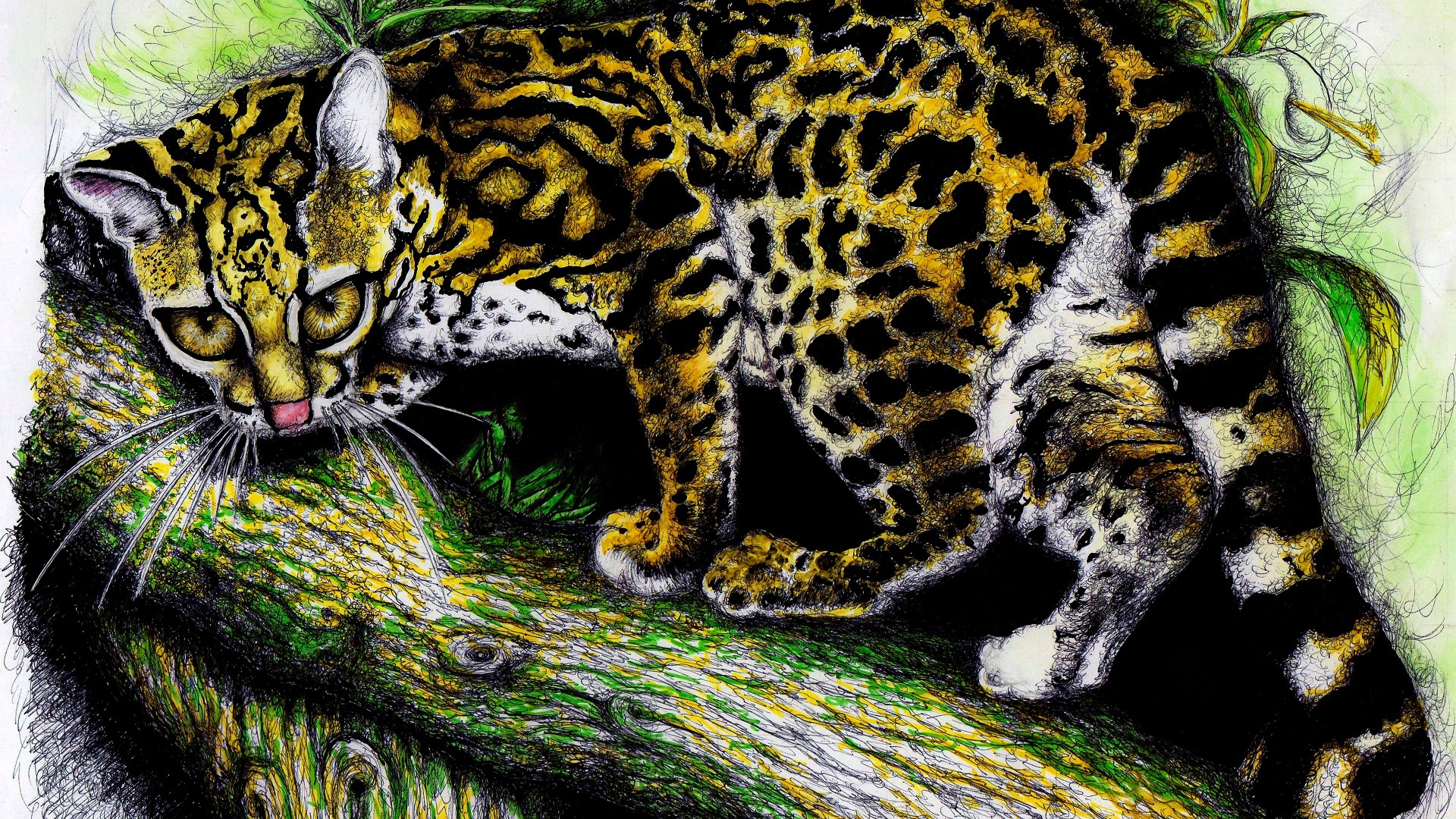
17. Leopardus Tilcayo Wild Cat
Confirmed through genetic and morphological studies in the cloud forests and highlands of Bolivia, this cryptic small spotted felid in the genus Leopardus remained hidden from science for decades due to its dense forest camouflage.
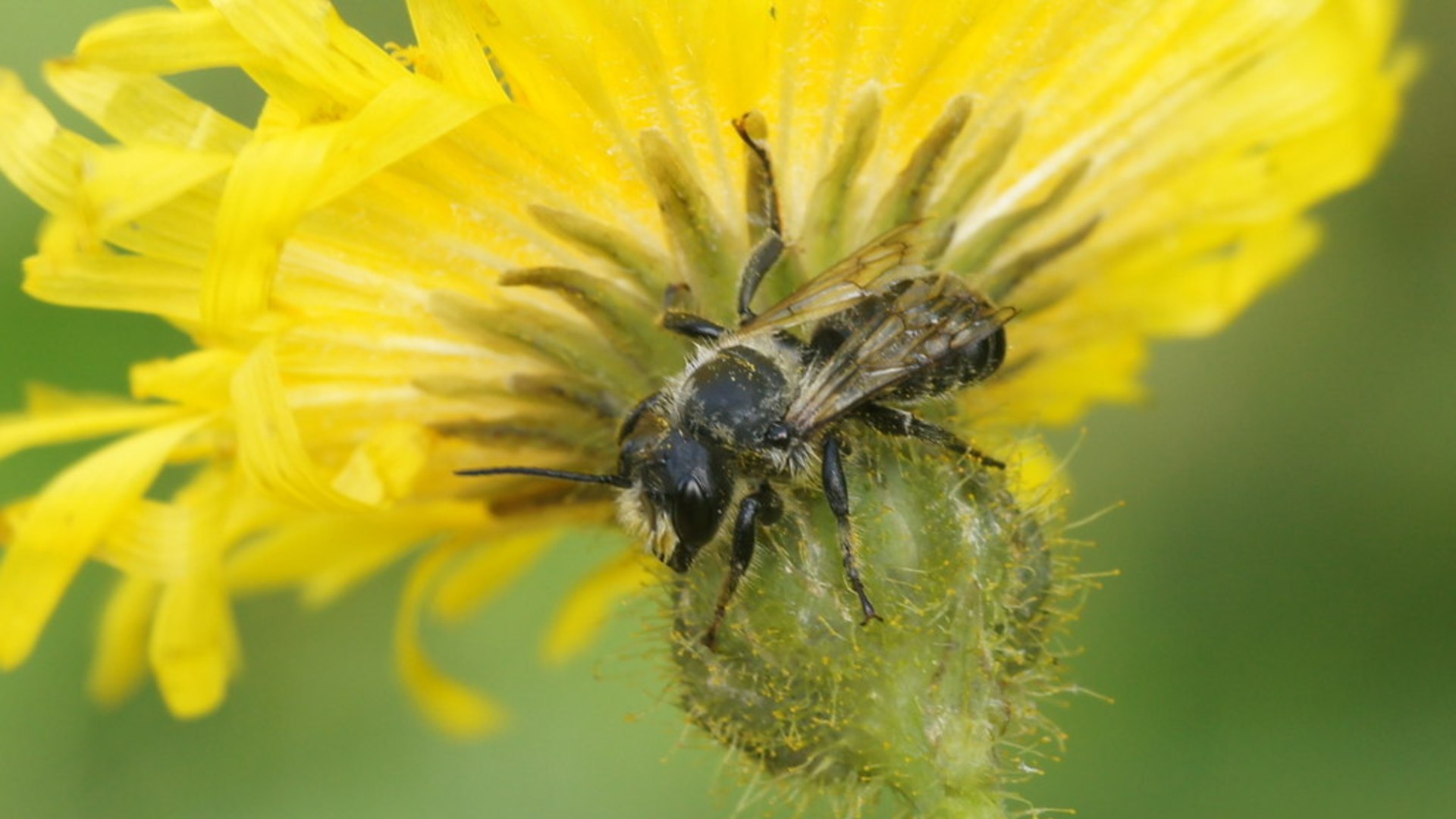
18. Lucifer Bee (Megachile Lucifer)
Described from the Bremer Ranges of Western Australia in 2025, Megachile lucifer is a native resin and leafcutter bee in which females possess a pair of upward-pointing devil-like horns on their faces used to defend nests.
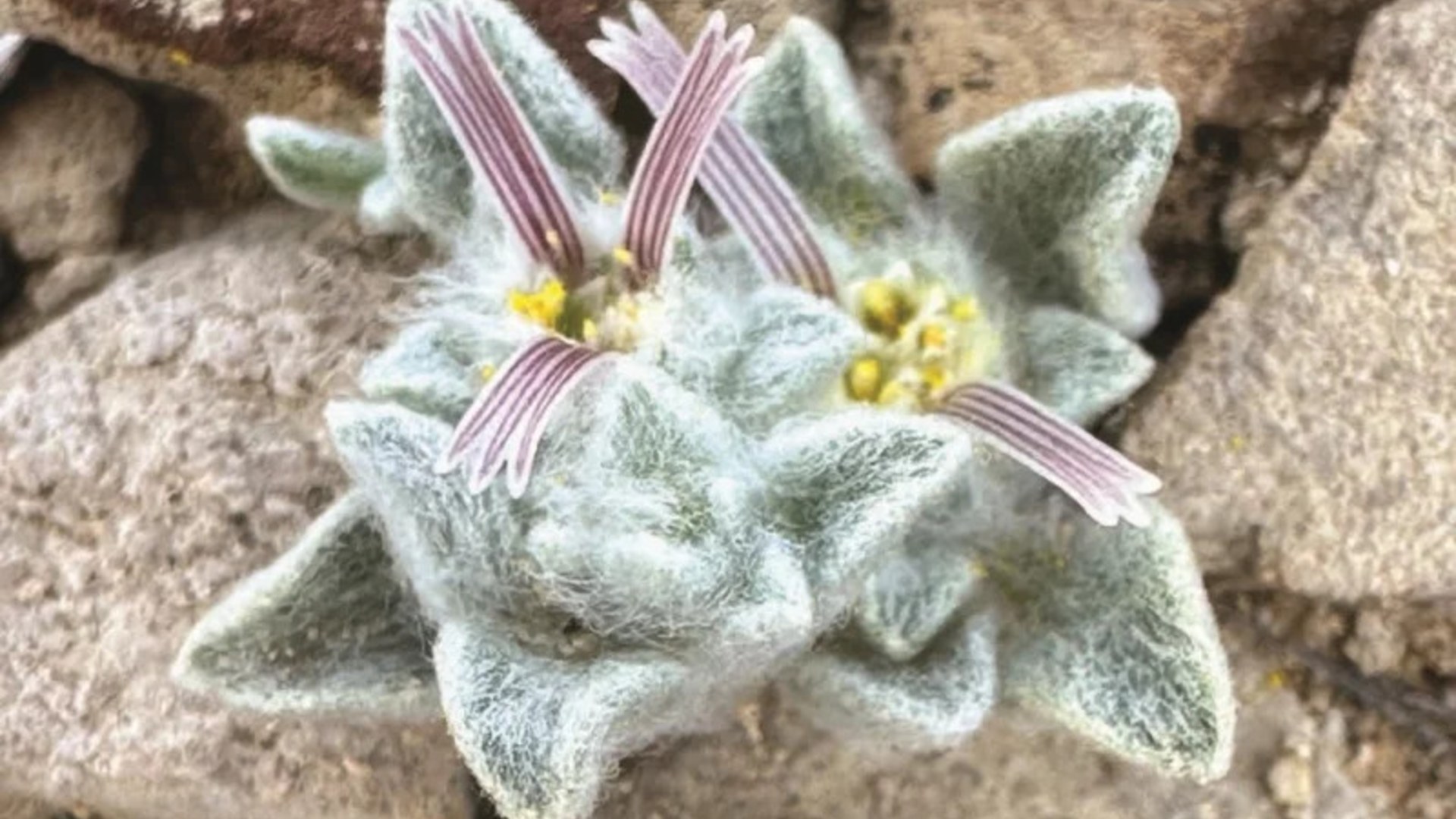
19. Woolly Devil (Ovicula Biradiata)
Discovered in Texas's Big Bend National Park and formally described in 2025, Ovicula biradiata represents an entirely new plant genus, cloaked in dense white wool with two ray petals that look like tiny devil horns.
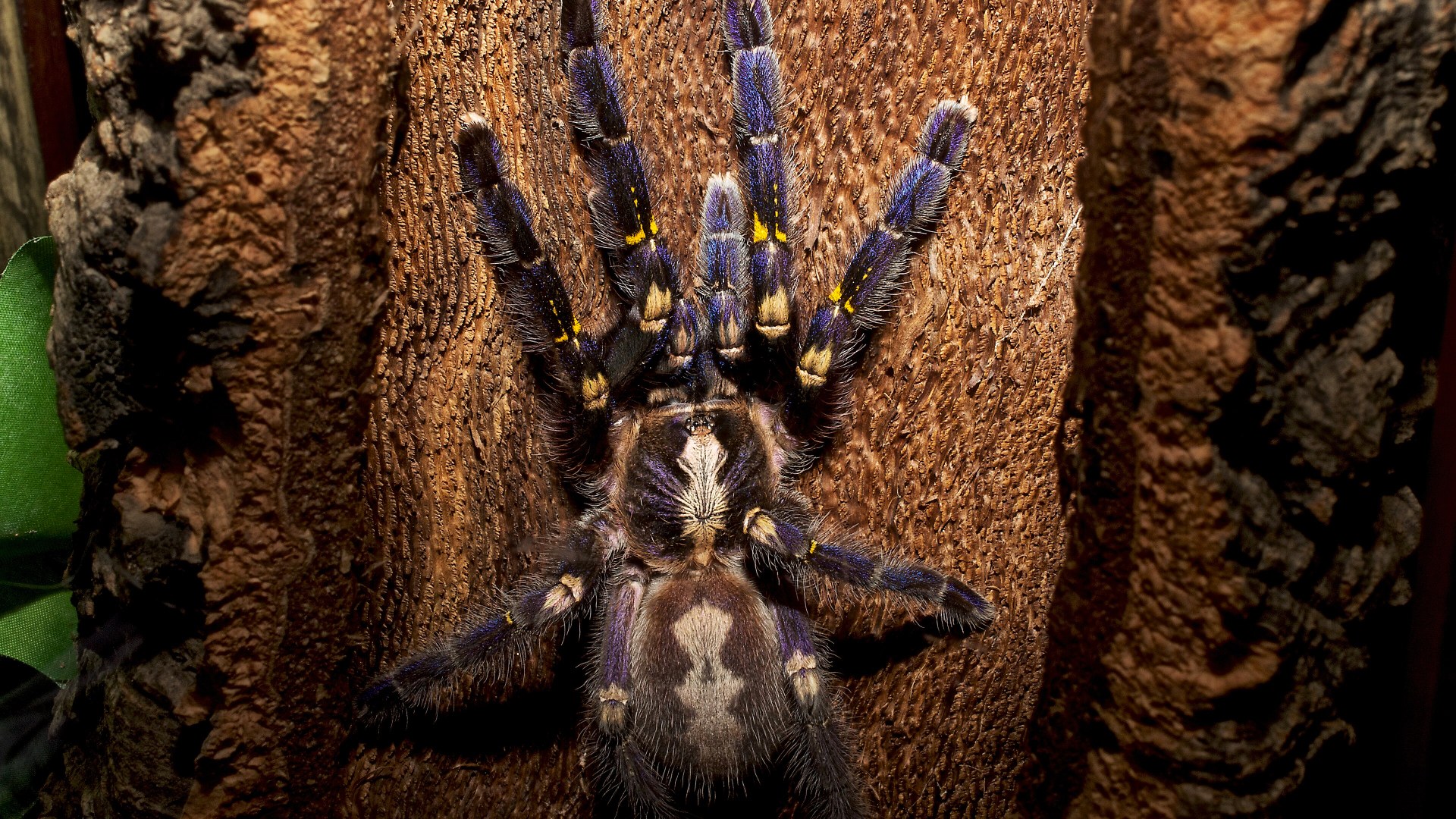
20. UV-Glow Blue Spider
Documented in arid habitats of Southwest Africa, this nocturnal arachnid blends into desert sand under normal sunlight, but its cuticle fluoresces in a vivid electric-blue glow when illuminated by ultraviolet light at night.