Slideshow · Health
The 15 Signs You Need More Sleep, Ranked
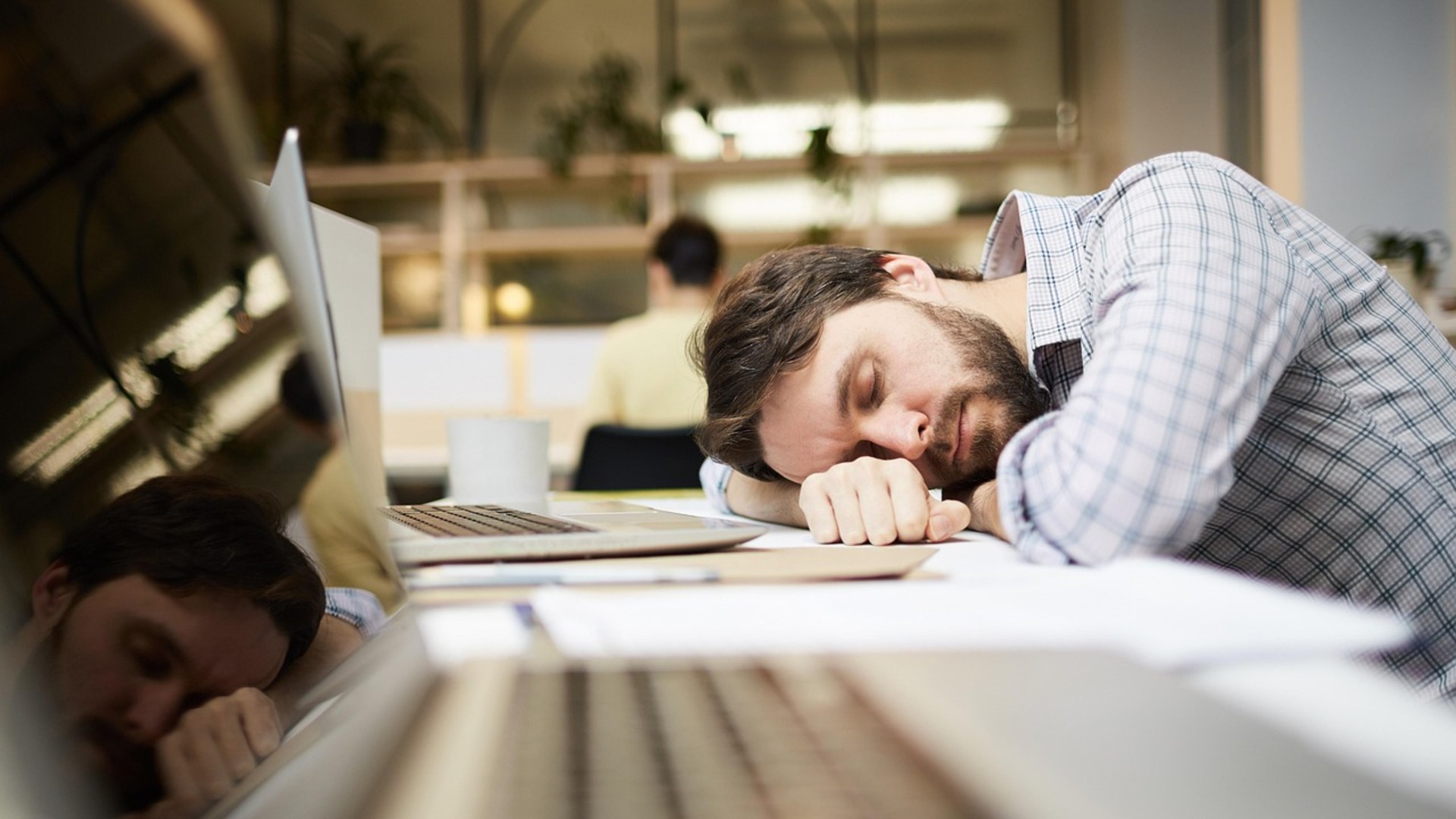
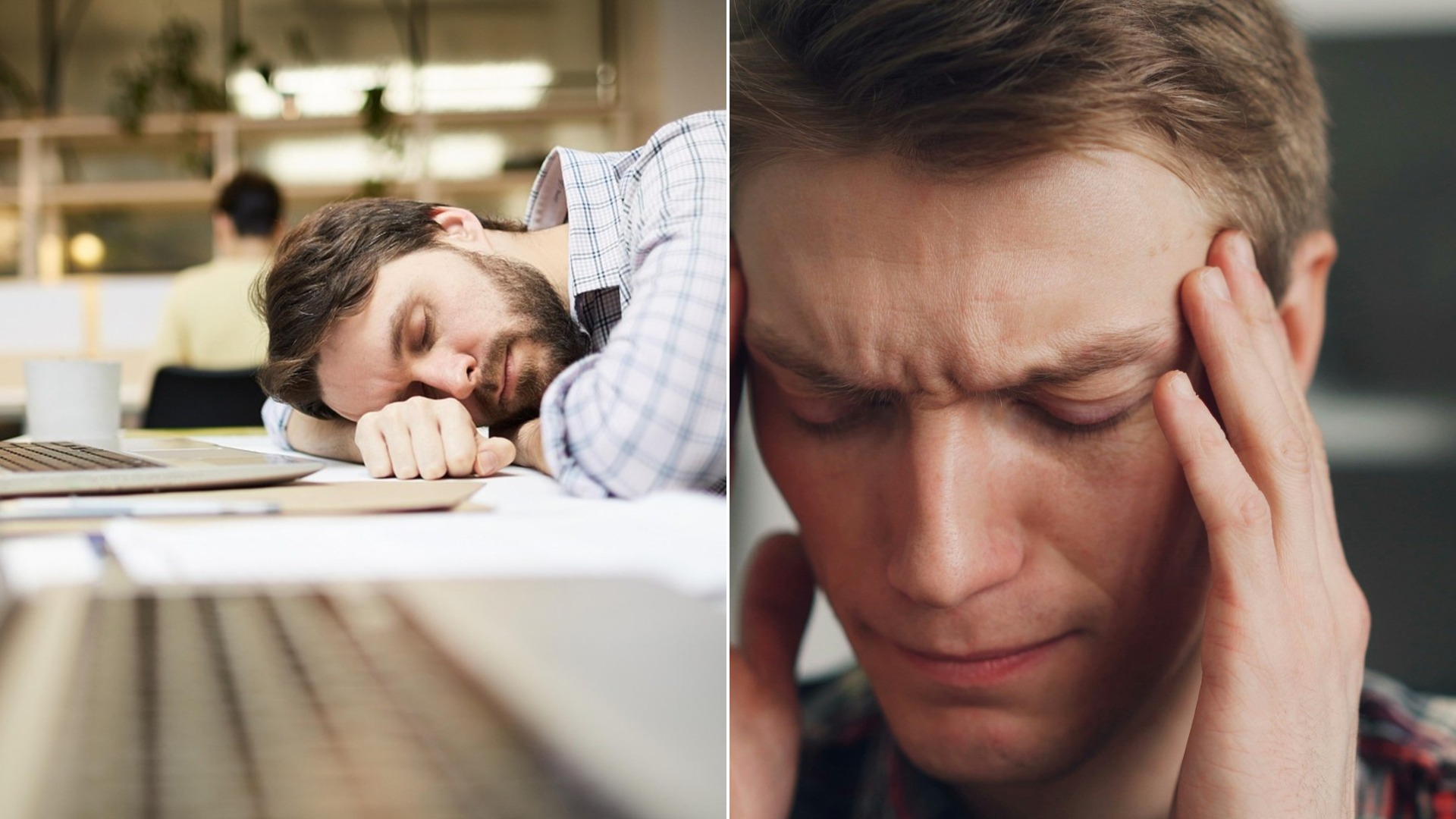
From hitting the snooze button and craving sugar to falling asleep in under five minutes and experiencing microsleeps, these are the 15 clinical warning signs of sleep deprivation ranked by severity.
By Most Viral Today
3 Nov 2026

15 Warning Signs Your Body Is Running on Empty 
15. Hitting The Snooze Button Repeatedly 
14. Needing Caffeine Just To Function 
13. Puffy Eyes And Dark Undereye Circles - AdvertisementSwipe or tap ▶ to continue countdown

12. Afternoon Brain Fog And Sluggish Focus 
11. Intense Cravings For Sugar And Junk Food 
10. Rereading The Same Sentence Repeatedly 
9. Unexplained Clumsiness And Slowed Reflexes - AdvertisementSwipe or tap ▶ to continue countdown

8. Short Temper And Emotional Overreactions 
7. Forgetting Names And Misplacing Everyday Items 
6. Catching Every Cold That Goes Around 
5. Unexplained Weight Gain Around The Waist - AdvertisementSwipe or tap ▶ to continue countdown

4. Waking Up With A Morning Headache 
3. Falling Asleep Within Five Minutes Of Lying Down 
2. Nodding Off During Quiet Meetings Or Movies 
1. Experiencing Microsleeps Behind The Wheel - Advertisement🔥 UP NEXT IN THIS SERIES◫ 21 Slides

20 Everyday Ultra-Processed Foods to Rethink and Swap
Health agencies and nutrition researchers warn that diets heavy in ultra-processed foods raise cardiovascular and metabolic risks. Based on BMJ clinical reviews and Harvard Health guidelines, swapping packaged staples for whole foods protects gut health, curbs excess sodium, and supports steady daily energy.
One in three adults gets less than the seven hours of nightly rest recommended by the Centers for Disease Control and Prevention. Here are 15 clinical warning signs that your body is accumulating a serious sleep debt, ranked from mild morning habits to dangerous neurological red flags.
Swipe or tap ▶ to begin the countdown
©Pixabay / daha3131053 & Unsplash / Vitaly Gariev
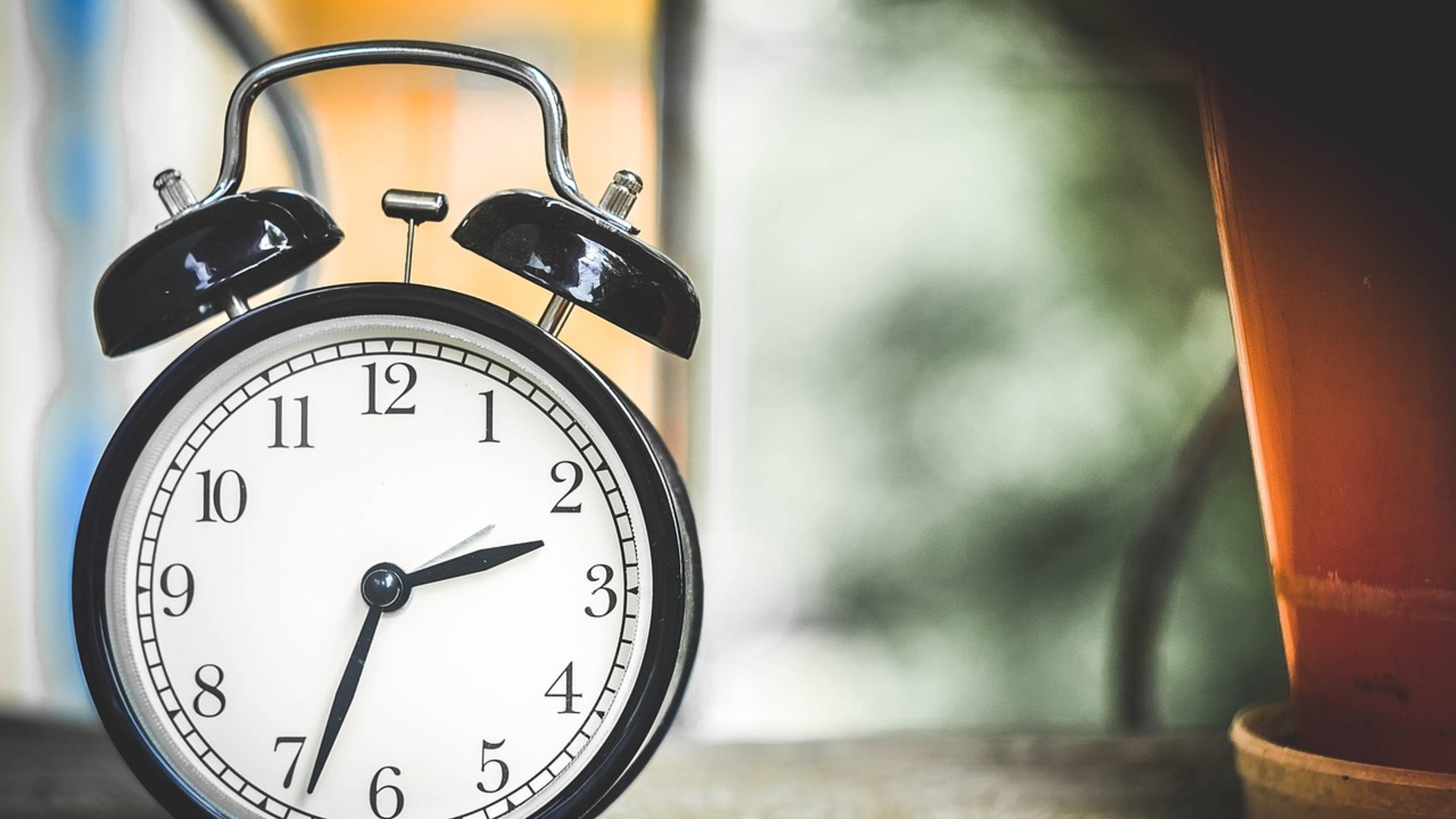
15. Hitting The Snooze Button Repeatedly
A 2022 University of Notre Dame study found that 57 percent of adults hit the snooze alarm regularly. Interrupting rapid eye movement sleep in nine-minute bursts triggers prolonged sleep inertia, a state of impaired alertness that can linger for up to four hours after you get out of bed.
©Pixabay / obpia30
14. Needing Caffeine Just To Function
Caffeine works by binding to adenosine receptors in your brain, temporarily blocking the chemical that signals tiredness. Heavy coffee drinkers who need multiple cups past 2 p.m. often trap themselves in a cycle, as caffeine has a half-life of five hours and cuts deep slow-wave sleep.
© Photo by Parker Johnson on Unsplash
13. Puffy Eyes And Dark Undereye Circles
Researchers at the Karolinska Institute in Stockholm found that observers can spot a sleep-deprived person within seconds from facial cues alone. Poor rest raises cortisol levels and dilates blood vessels beneath the thin 0.5-millimeter skin under your eyes, creating dark shadows and swollen lids.
© Photo by Amanda Dalbjorn on Unsplash
Advertisement
Swipe or tap ▶ to resume the countdown.
12. Afternoon Brain Fog And Sluggish Focus
While a mild post-lunch dip is part of the human circadian rhythm, hitting an impenetrable mental wall at 2 p.m. points to insufficient deep sleep. University of Pennsylvania trials showed that sleeping six hours a night for two weeks slows cognitive processing as much as staying awake for 48 hours.
© Photo by Vitaly Gariev on Unsplash
11. Intense Cravings For Sugar And Junk Food
University of Chicago researchers discovered that cutting sleep to four hours a night boosts the hunger hormone ghrelin by 28 percent and drops fullness-signaling leptin by 18 percent. Sleep-deprived volunteers consumed an average of 385 extra calories the next day, mostly from high-sugar snacks.
©Pixabay / svbvrsv
10. Rereading The Same Sentence Repeatedly
Sustained reading requires working memory and directed attention, two functions governed by the prefrontal cortex. Brain imaging studies at Tel Aviv University show that tired neurons fire nearly twice as slowly as rested ones, forcing you to scan the same line of text three or four times to comprehend it.
©Pixabay / congerdesign
9. Unexplained Clumsiness And Slowed Reflexes
A landmark study in Occupational and Environmental Medicine demonstrated that staying awake for 17 to 19 hours impairs hand-eye coordination and reaction speed to the same degree as a 0.05 percent blood alcohol concentration. Even one night of five-hour rest degrades fine motor control and balance.
© Photo by CHUTTERSNAP on Unsplash
Advertisement
Swipe or tap ▶ to resume the countdown.
8. Short Temper And Emotional Overreactions
Neuroscientists at the University of California, Berkeley used functional MRI scans to examine sleep-deprived brains. They found that the amygdala, which processes anger and fear, became 60 percent more reactive after a sleepless night because its connection to the calming prefrontal cortex had weakened.
©Pixabay / Peggy_Marco
7. Forgetting Names And Misplacing Everyday Items
During deep non-REM sleep, sharp-wave ripples in the hippocampus replay the day's events and transfer them to the neocortex for permanent storage. Harvard Medical School studies confirm that missing even two hours of nightly rest reduces the ability to form new episodic memories by up to 40 percent.
©Pixabay / geralt
6. Catching Every Cold That Goes Around
Your immune system manufactures infection-fighting cytokines and T-cells while you sleep. In a controlled clinical trial at the University of California, San Francisco, participants who slept less than six hours a night were 4.2 times more likely to develop a cold after nasal exposure to the rhinovirus.
©Wikimedia / Vera Kratochvil
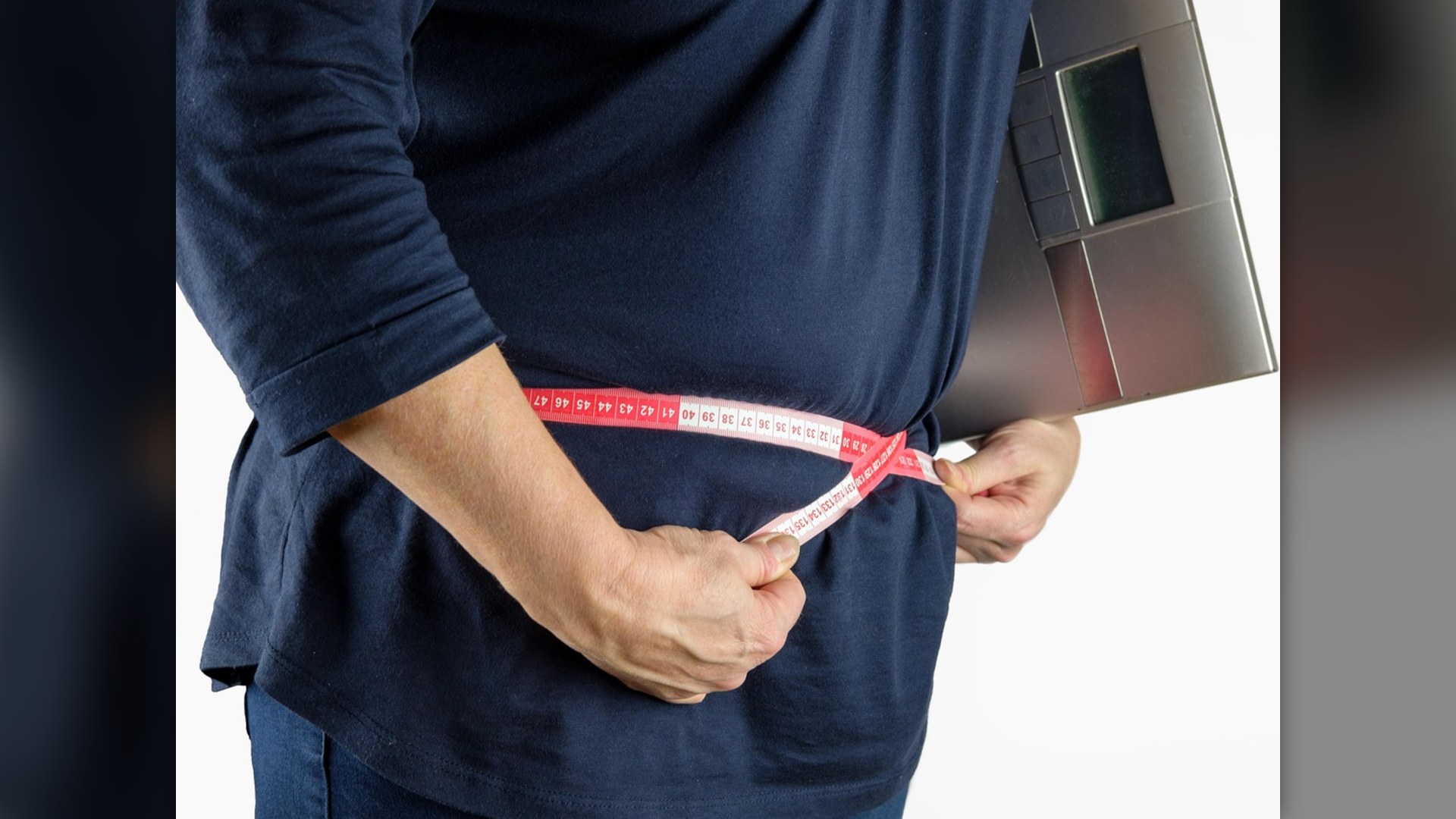
5. Unexplained Weight Gain Around The Waist
A Mayo Clinic trial tracking healthy adults found that restricting sleep triggers a 9 percent increase in total abdominal fat and an 11 percent jump in deep visceral fat around internal organs. Just four nights of 4.5-hour sleep reduces the insulin sensitivity of fat cells by 30 percent.
©Pixabay / Bru-nO
Advertisement
Swipe or tap ▶ to resume the countdown.
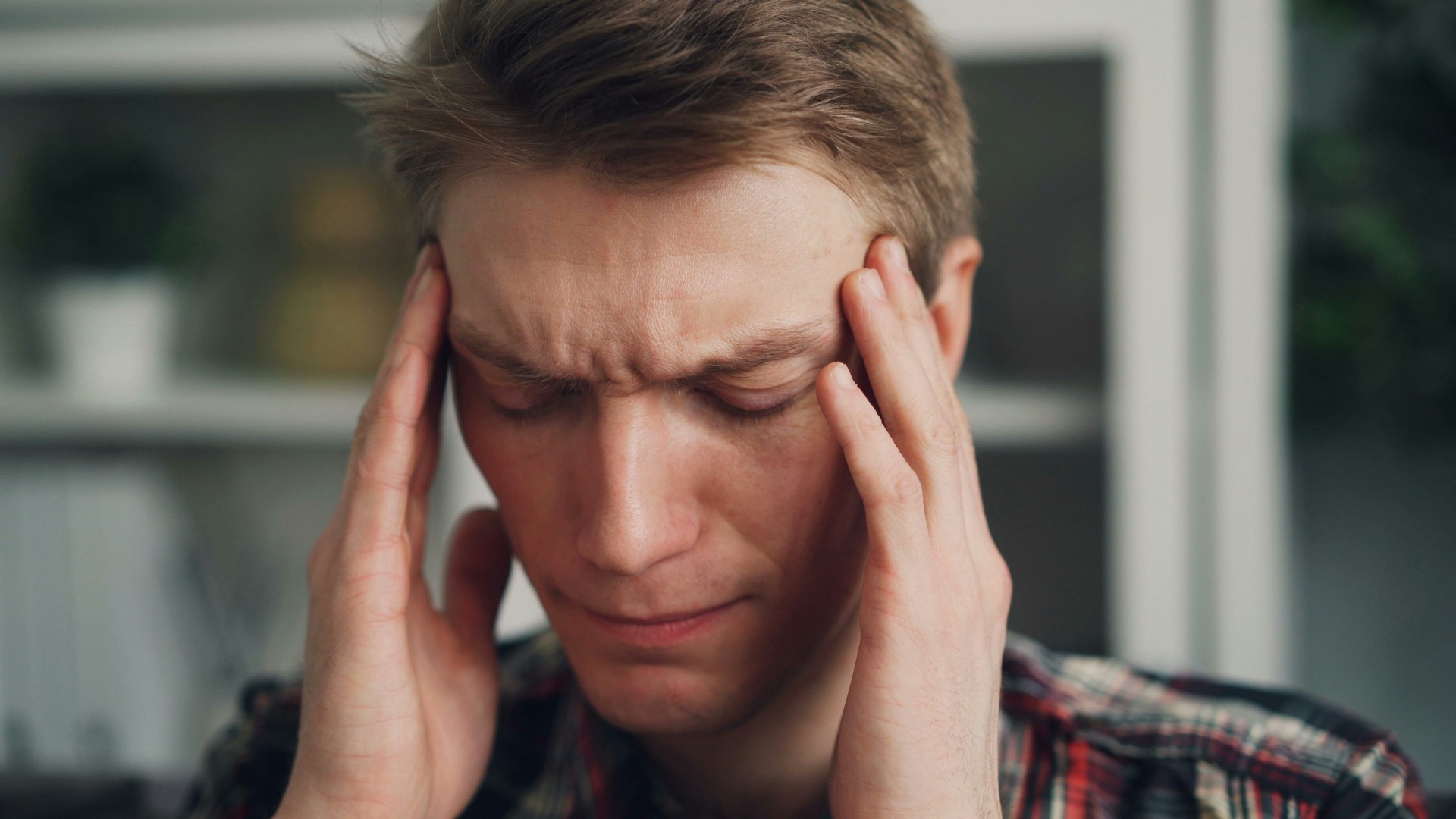
4. Waking Up With A Morning Headache
According to the American Migraine Foundation, waking up with a dull, pressing ache across both temples is a classic hallmark of disrupted sleep architecture or obstructive sleep apnea. Drops in blood oxygen and spikes in carbon dioxide during fragmented rest dilate cerebral blood vessels by morning.
© Photo by Vitaly Gariev on Unsplash
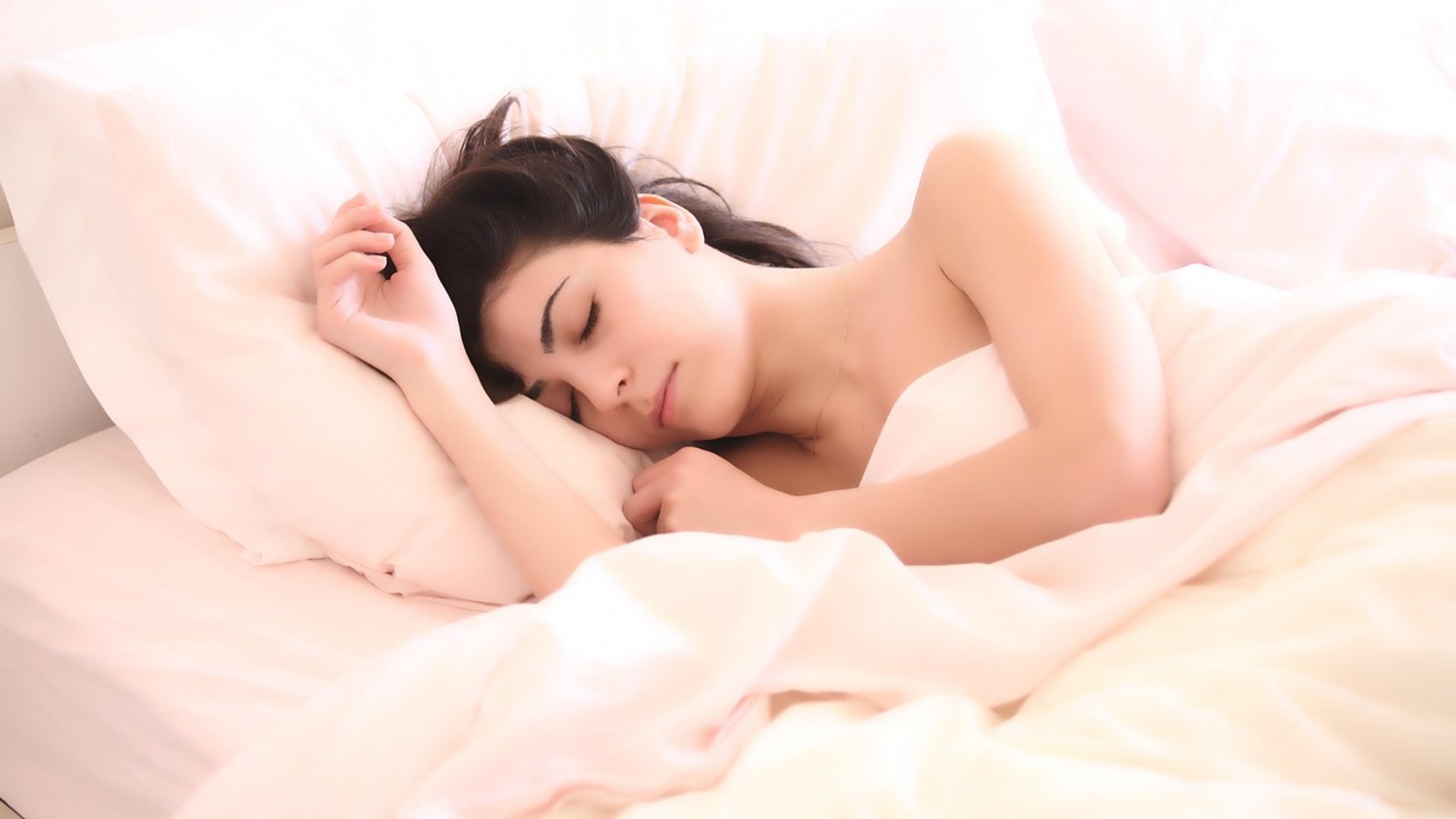
3. Falling Asleep Within Five Minutes Of Lying Down
Sleep specialists measure daytime exhaustion using the Multiple Sleep Latency Test. A well-rested adult takes 10 to 20 minutes to drift off after turning out the lights. According to the National Institutes of Health, falling asleep in under five minutes indicates severe sleep deprivation.
©Pixabay / Claudio_Scott
2. Nodding Off During Quiet Meetings Or Movies
On the clinical Epworth Sleepiness Scale, dozing off while sitting quietly in a conference room, theater, or passenger seat scores high for excessive daytime somnolence. Warm rooms and dim lights do not create tiredness. They merely remove the external stimulation keeping an exhausted brain awake.
©Pixabay / daha3131053
1. Experiencing Microsleeps Behind The Wheel
During a microsleep, portions of the brain shut down for 1 to 15 seconds even while your eyes remain open. At 60 miles per hour, a four-second microsleep sends a vehicle the length of a football field with no driver in control. AAA Foundation data attributes 328,000 U.S. crashes a year to drowsy driving.

©Pixabay / roro93380
Advertisement
You've reached the end of the story. Thanks for reading!

20 Everyday Ultra-Processed Foods to Rethink and Swap
Health agencies and nutrition researchers warn that diets heavy in ultra-processed foods raise cardiovascular and metabolic risks. Based on BMJ clinical reviews and Harvard Health guidelines, swapping packaged staples for whole foods protects gut health, curbs excess sodium, and supports steady daily energy.
All 15 Entries in this Story
15. Hitting The Snooze Button Repeatedly
A 2022 University of Notre Dame study found that 57 percent of adults hit the snooze alarm regularly. Interrupting rapid eye movement sleep in nine-minute bursts triggers prolonged sleep inertia, a state of impaired alertness that can linger for up to four hours after you get out of bed.

14. Needing Caffeine Just To Function
Caffeine works by binding to adenosine receptors in your brain, temporarily blocking the chemical that signals tiredness. Heavy coffee drinkers who need multiple cups past 2 p.m. often trap themselves in a cycle, as caffeine has a half-life of five hours and cuts deep slow-wave sleep.

13. Puffy Eyes And Dark Undereye Circles
Researchers at the Karolinska Institute in Stockholm found that observers can spot a sleep-deprived person within seconds from facial cues alone. Poor rest raises cortisol levels and dilates blood vessels beneath the thin 0.5-millimeter skin under your eyes, creating dark shadows and swollen lids.

12. Afternoon Brain Fog And Sluggish Focus
While a mild post-lunch dip is part of the human circadian rhythm, hitting an impenetrable mental wall at 2 p.m. points to insufficient deep sleep. University of Pennsylvania trials showed that sleeping six hours a night for two weeks slows cognitive processing as much as staying awake for 48 hours.

11. Intense Cravings For Sugar And Junk Food
University of Chicago researchers discovered that cutting sleep to four hours a night boosts the hunger hormone ghrelin by 28 percent and drops fullness-signaling leptin by 18 percent. Sleep-deprived volunteers consumed an average of 385 extra calories the next day, mostly from high-sugar snacks.

10. Rereading The Same Sentence Repeatedly
Sustained reading requires working memory and directed attention, two functions governed by the prefrontal cortex. Brain imaging studies at Tel Aviv University show that tired neurons fire nearly twice as slowly as rested ones, forcing you to scan the same line of text three or four times to comprehend it.

9. Unexplained Clumsiness And Slowed Reflexes
A landmark study in Occupational and Environmental Medicine demonstrated that staying awake for 17 to 19 hours impairs hand-eye coordination and reaction speed to the same degree as a 0.05 percent blood alcohol concentration. Even one night of five-hour rest degrades fine motor control and balance.

8. Short Temper And Emotional Overreactions
Neuroscientists at the University of California, Berkeley used functional MRI scans to examine sleep-deprived brains. They found that the amygdala, which processes anger and fear, became 60 percent more reactive after a sleepless night because its connection to the calming prefrontal cortex had weakened.

7. Forgetting Names And Misplacing Everyday Items
During deep non-REM sleep, sharp-wave ripples in the hippocampus replay the day's events and transfer them to the neocortex for permanent storage. Harvard Medical School studies confirm that missing even two hours of nightly rest reduces the ability to form new episodic memories by up to 40 percent.

6. Catching Every Cold That Goes Around
Your immune system manufactures infection-fighting cytokines and T-cells while you sleep. In a controlled clinical trial at the University of California, San Francisco, participants who slept less than six hours a night were 4.2 times more likely to develop a cold after nasal exposure to the rhinovirus.

5. Unexplained Weight Gain Around The Waist
A Mayo Clinic trial tracking healthy adults found that restricting sleep triggers a 9 percent increase in total abdominal fat and an 11 percent jump in deep visceral fat around internal organs. Just four nights of 4.5-hour sleep reduces the insulin sensitivity of fat cells by 30 percent.

4. Waking Up With A Morning Headache
According to the American Migraine Foundation, waking up with a dull, pressing ache across both temples is a classic hallmark of disrupted sleep architecture or obstructive sleep apnea. Drops in blood oxygen and spikes in carbon dioxide during fragmented rest dilate cerebral blood vessels by morning.

3. Falling Asleep Within Five Minutes Of Lying Down
Sleep specialists measure daytime exhaustion using the Multiple Sleep Latency Test. A well-rested adult takes 10 to 20 minutes to drift off after turning out the lights. According to the National Institutes of Health, falling asleep in under five minutes indicates severe sleep deprivation.

2. Nodding Off During Quiet Meetings Or Movies
On the clinical Epworth Sleepiness Scale, dozing off while sitting quietly in a conference room, theater, or passenger seat scores high for excessive daytime somnolence. Warm rooms and dim lights do not create tiredness. They merely remove the external stimulation keeping an exhausted brain awake.

1. Experiencing Microsleeps Behind The Wheel
During a microsleep, portions of the brain shut down for 1 to 15 seconds even while your eyes remain open. At 60 miles per hour, a four-second microsleep sends a vehicle the length of a football field with no driver in control. AAA Foundation data attributes 328,000 U.S. crashes a year to drowsy driving.