Slideshow · Sports
20 Sports With the Highest Injury Rates, Ranked
Competitive athletics provides immense physical rewards, but certain disciplines carry extraordinary rates of acute trauma. This ranked survey examines the 20 most injury-prone sports based on clinical data from the NCAA Injury Surveillance Program, British Journal of Sports Medicine, and trauma registers.
By Most Viral Today
28 min ago

Athletic Competitions With the Highest Physical Injury Rates 
20. Baseball And Softball 
19. Volleyball 
18. Tennis - AdvertisementSwipe or tap ▶ to continue countdown

17. Road Cycling 
16. Track And Field 
15. Skateboarding 
14. Alpine Skiing And Snowboarding - AdvertisementSwipe or tap ▶ to continue countdown

13. Basketball 
12. Lacrosse 
11. Competitive Cheerleading 
10. Motocross - AdvertisementSwipe or tap ▶ to continue countdown

9. Horseback Riding 
8. Association Football 
7. Wrestling 
6. Ice Hockey - AdvertisementSwipe or tap ▶ to continue countdown

5. Artistic Gymnastics 
4. Professional Boxing 
3. American Football 
2. Rugby - AdvertisementSwipe or tap ▶ to continue countdown

1. Mixed Martial Arts - Advertisement🔥 UP NEXT IN THIS SERIES◫ 21 Slides

20 Professional Sports Leagues That Operate Outside the Major US Leagues
Beyond the NFL, NBA, MLB, and NHL, a dynamic wave of alternative sports leagues is reshaping the sports entertainment industry. Driven by venture capital, streaming media rights, and passionate niche fanbases, these twenty professional organizations prove that athletic excellence thrives outside the Big Four.
Competitive athletics provides immense physical rewards, but certain disciplines carry extraordinary rates of acute trauma. This ranked survey examines the 20 most injury-prone sports based on clinical data from the NCAA Injury Surveillance Program, British Journal of Sports Medicine, and trauma registers.

Swipe or tap ▶ to begin the countdown
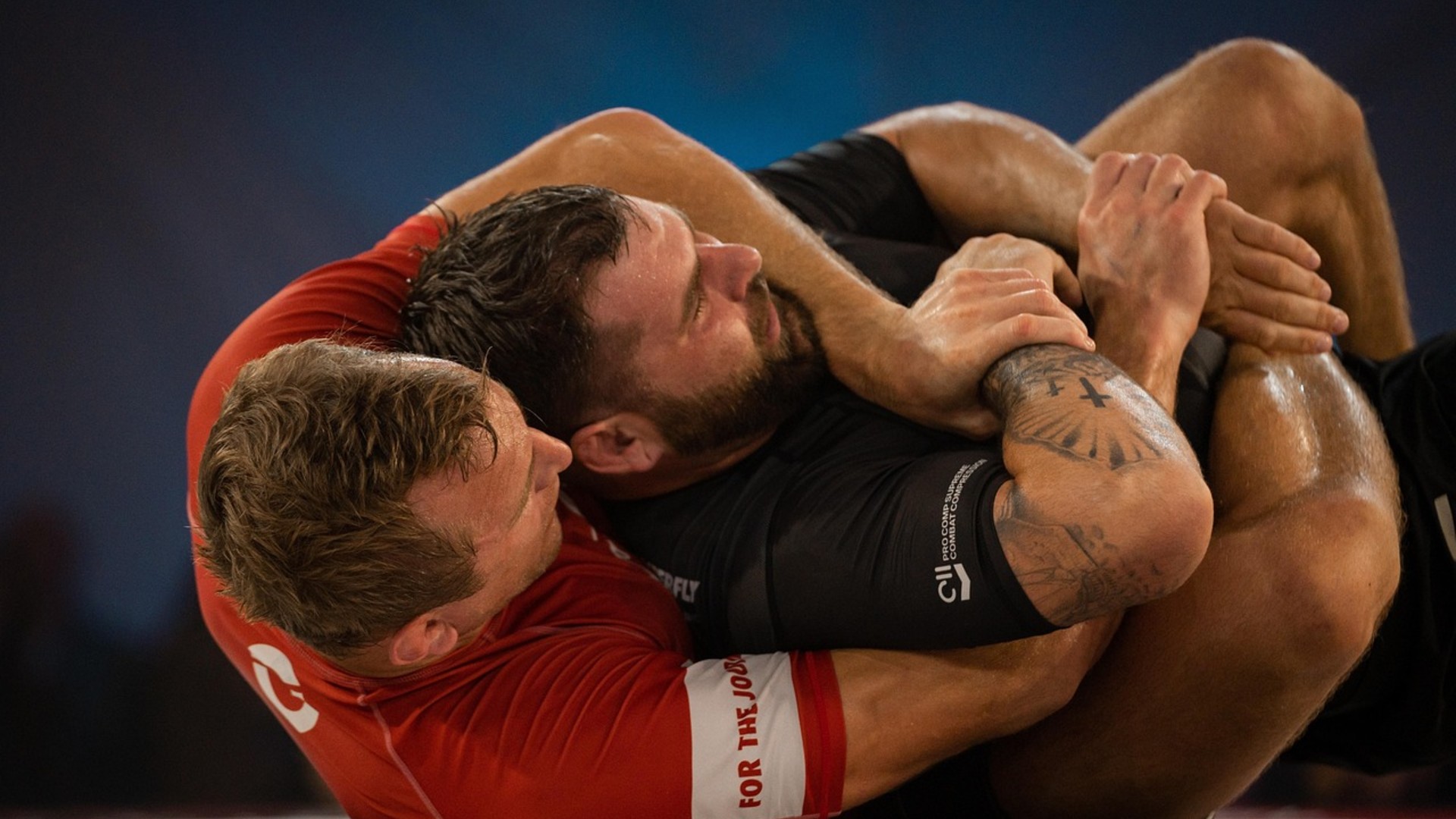
©Pixabay / GoldBJJ
20. Baseball And Softball
Baseball and softball produce an estimated 2.8 injuries per 1,000 collegiate exposures. High-velocity overhead throwing causes chronic tears in the ulnar collateral ligament, often requiring reconstruction surgery. Base runners also suffer acute ankle fractures and hamstring strains during aggressive slide attempts.
©Wikimedia / jnashboulden
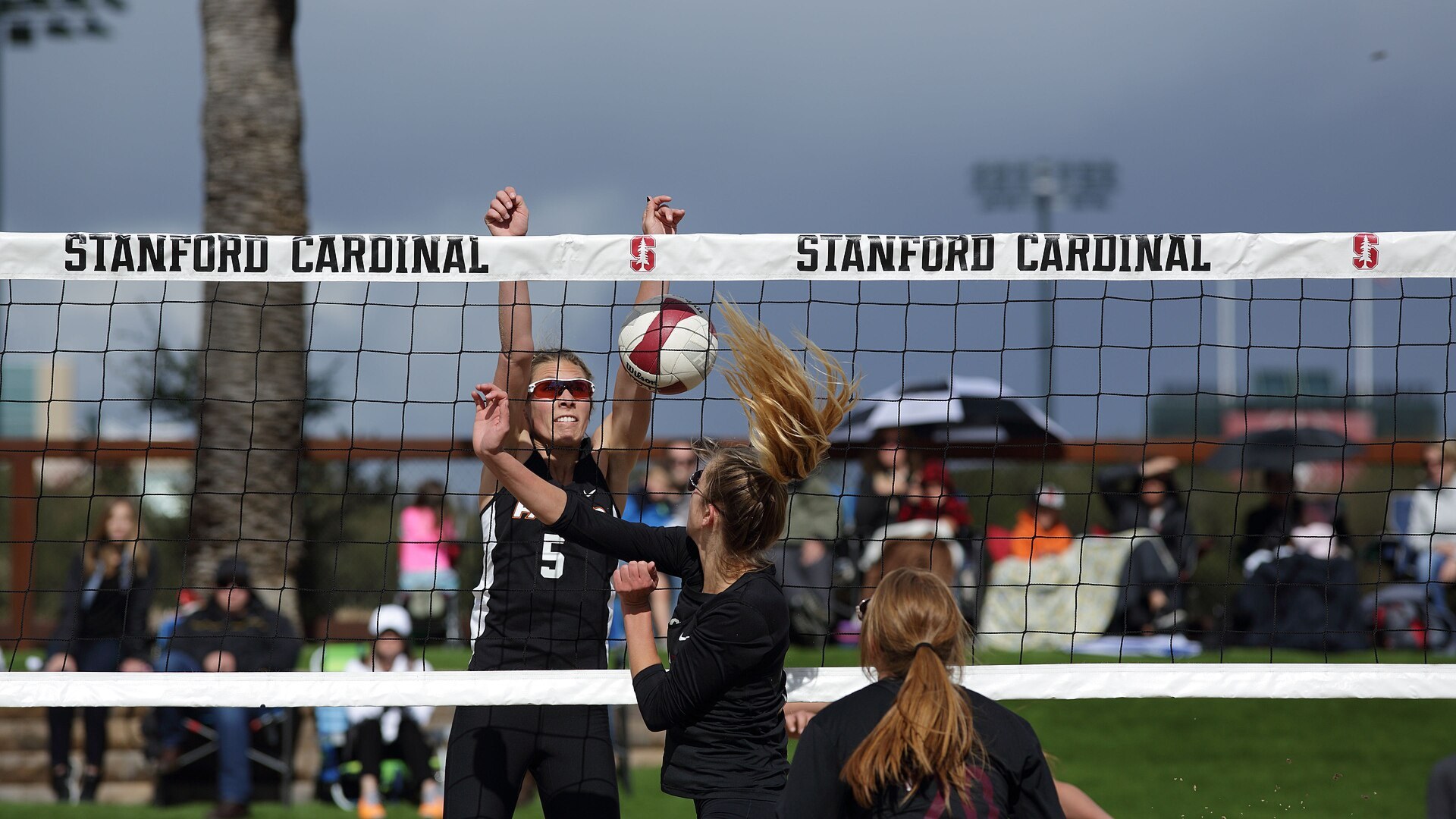
19. Volleyball
Volleyball players log roughly 4.3 injuries per 1,000 athlete exposures. Repetitive jumping on hardwood courts leads to chronic patellar tendinitis, commonly called jumper's knee. Acute ankle sprains happen when blockers land on opposing players' feet beneath the net, making lateral ligament tears common.
©Wikimedia / John Loo from Sunnyvale, USA
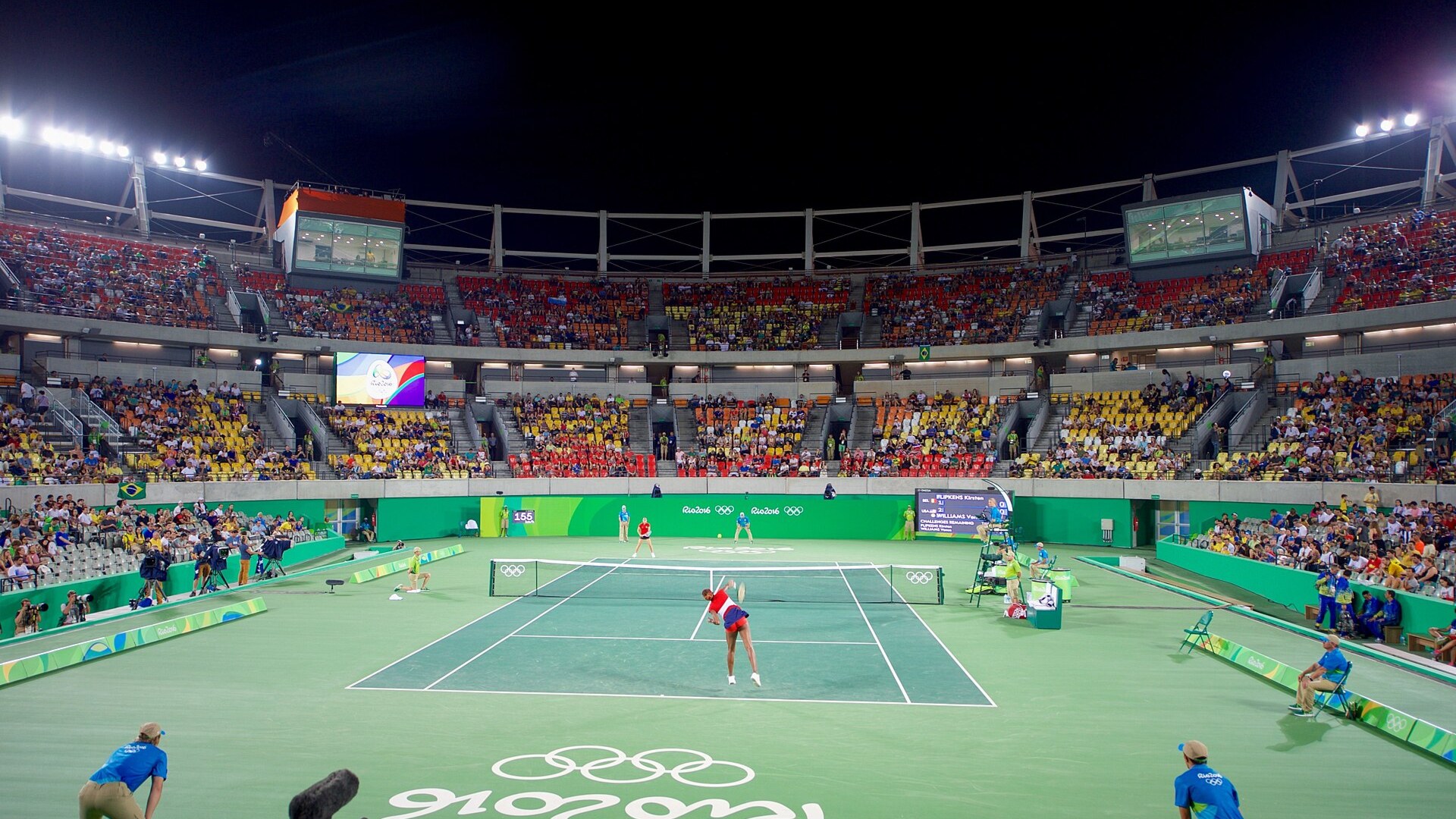
18. Tennis
Tennis players sustain roughly 4.7 injuries per 1,000 hours of court play. Repetitive impacts from high-speed serves create chronic microtrauma, producing tennis elbow and rotator cuff tears. Sudden stop-and-go sprints across hard courts also trigger acute Achilles tendinitis and lower back muscle spasms.
©Wikimedia / U.S. Department of State from United States
Advertisement
Swipe or tap ▶ to resume the countdown.
17. Road Cycling
Road cyclists experience roughly 6.1 injuries per 1,000 riding hours, with risks multiplying during tight peloton races. High-velocity crashes against asphalt frequently cause fractured clavicles, acromioclavicular separations, and severe road rash. Concussions remain a constant threat during downhill sprint descents.
©Pixabay / wiggijo
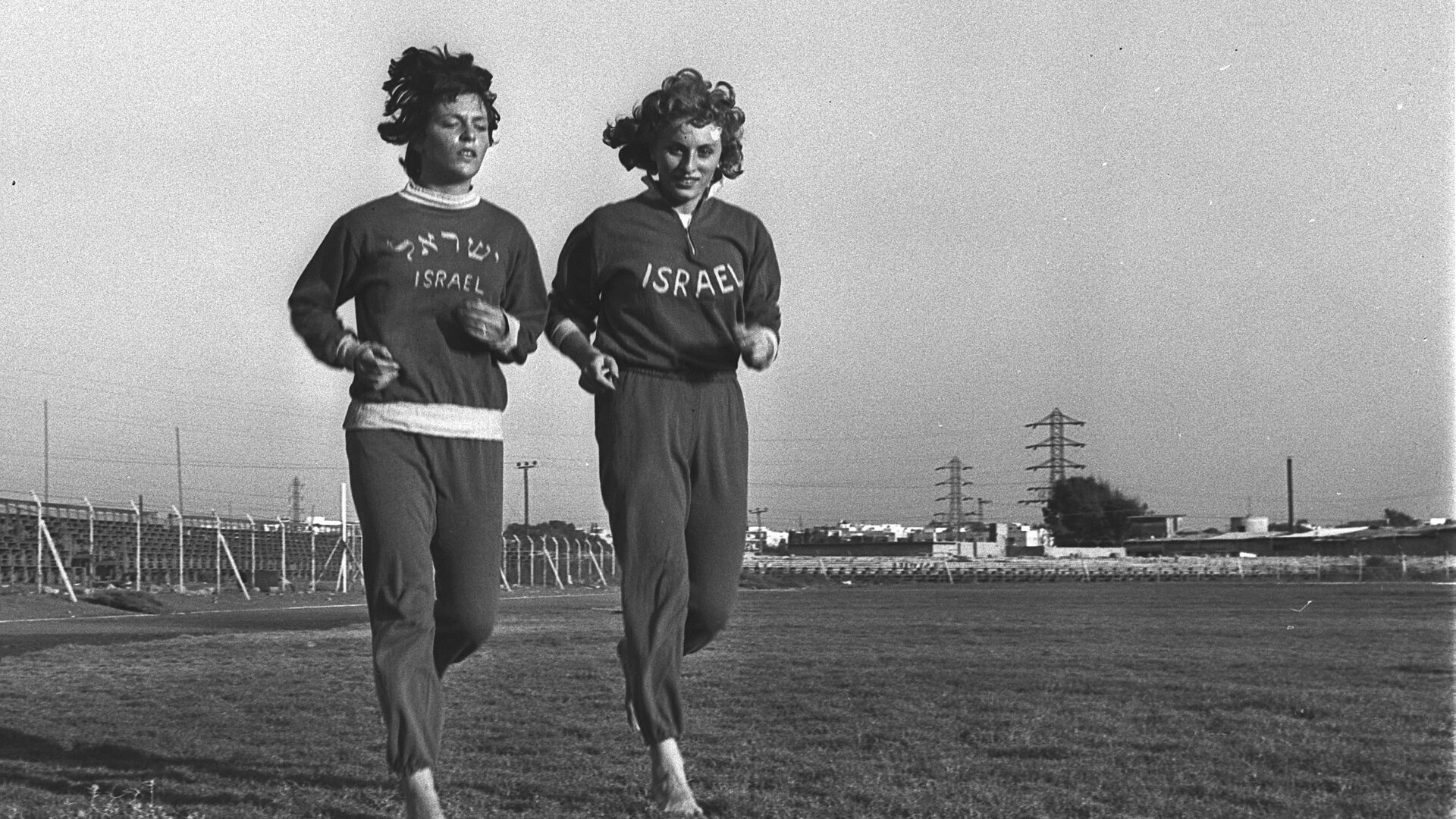
16. Track And Field
Track and field athletes average 6.8 injuries per 1,000 collegiate exposures. High-speed sprinting creates extreme eccentric contractions that cause sudden hamstring tears. Distance runners face chronic shin splints, while field jumpers frequently rupture Achilles tendons during maximal takeoff steps.
©Wikimedia / This is available from National Photo Collection
15. Skateboarding
Skateboarding generates approximately 8.9 injuries per 1,000 hours of active participation. Falling on hard concrete surfaces while attempting rail grinds or vert jumps leads to high rates of fractured wrists, scaphoid breaks, and concussions. Emergency rooms treat over 60,000 skateboarder injuries each year.
©Wikimedia / Wil540 art
14. Alpine Skiing And Snowboarding
Downhill snow sports produce roughly 10.2 injuries per 1,000 skier visits. When ski edges catch at speed, rotational force twists the knee, making skiers vulnerable to ACL ruptures. Snowboarders lack releasable bindings and suffer severe wrist fractures and shoulder dislocations from sudden backward falls.
©Pixabay / adege
Advertisement
Swipe or tap ▶ to resume the countdown.
13. Basketball
Basketball generates 10.5 injuries per 1,000 game exposures, producing the highest total raw injury tally of any American school sport. Rapid cutting and crowding beneath the rim cause severe lateral ankle ligament tears. Sudden deceleration on hardwood also drives high rates of non-contact ACL tears among players.
©Wikimedia / U.S. Navy photo by Mass Communication Specialist
12. Lacrosse
Collegiate lacrosse records approximately 12.4 injuries per 1,000 competition exposures. The solid rubber ball travels at speeds exceeding 90 mph, causing deep contusions and bone fractures. High-speed stick checks and open-field body clashes also generate significant rates of concussions and AC joint separations.
©Wikimedia / U.S. Air Force photo/Trevor Cokley
11. Competitive Cheerleading
Competitive cheerleading produces 13.1 injuries per 1,000 athletic exposures. The discipline accounts for over half of all catastrophic head, neck, and spinal injuries in female scholastic sports. Falling from overhead basket tosses or collapsing multi-level pyramids exposes flyer athletes to severe concussion trauma.
©Pixabay / Niko_Shogol
10. Motocross
Motocross riders endure roughly 15.2 injuries per 1,000 riding hours. Launching 200-pound motorcycles over massive dirt jumps creates catastrophic crash risks when landings fail. Riders regularly sustain fractured collarbones, compound leg fractures, and severe axial spinal compression when thrown from their machines.
©Pixabay / DanielaElenaTentis
Advertisement
Swipe or tap ▶ to resume the countdown.
9. Horseback Riding
Equestrian sports record roughly 16.5 injuries per 1,000 riding hours, carrying the highest hospitalization rate among non-motor athletics. Riders sit atop unpredictable 1,200-pound animals moving at 30 mph. Unseated riders suffer severe pelvic fractures, traumatic brain injuries, and crushed ribs from ground impacts.
©Pixabay / algorino
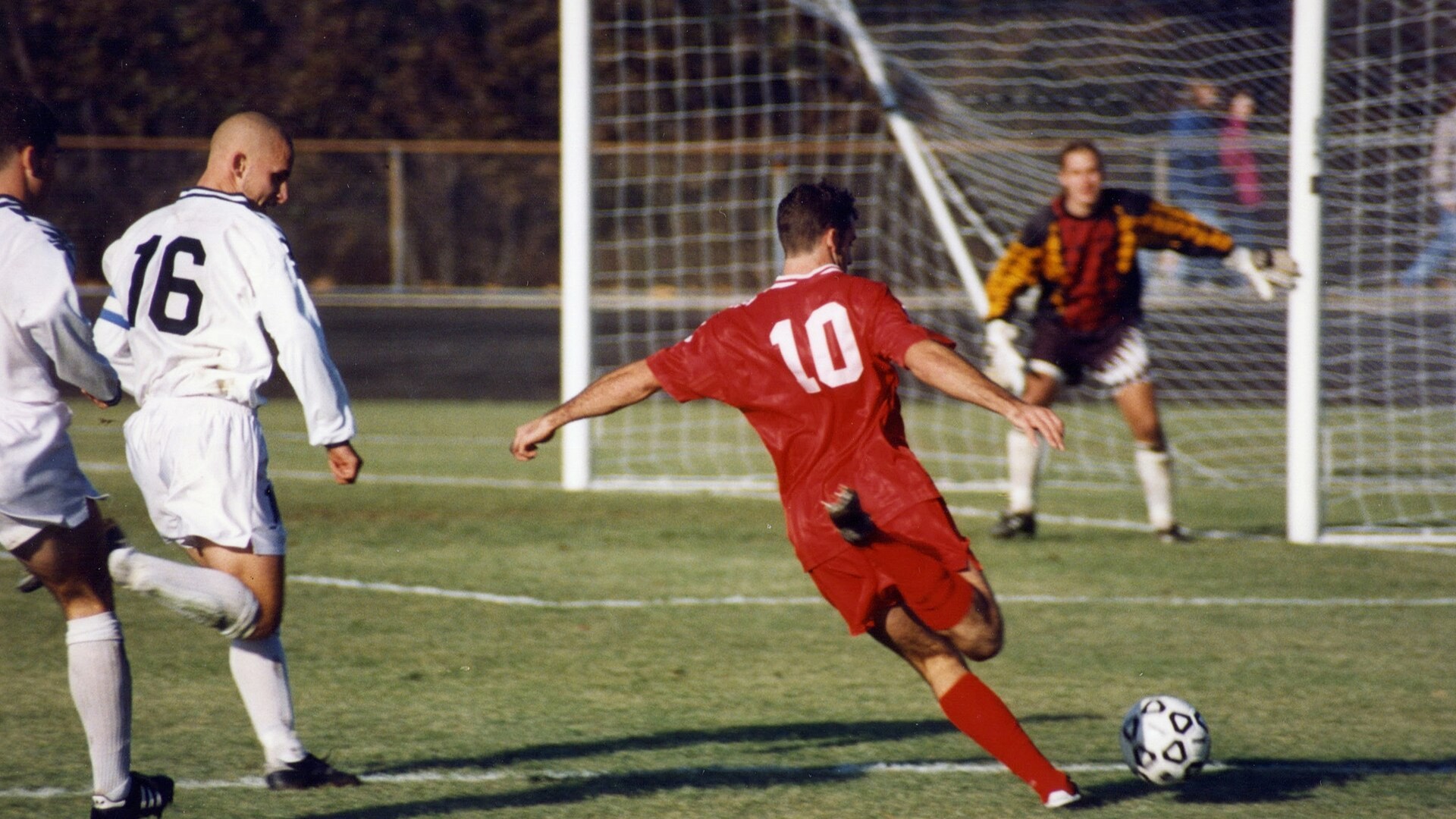
8. Association Football
Soccer matches produce roughly 17.2 injuries per 1,000 competitive exposures, ranking highest among NCAA women's sports for game trauma. Sudden deceleration and pivoting cause high rates of ACL and meniscus tears. Contested headers and clash-of-head collisions also generate substantial numbers of sports concussions.
©Wikimedia / Association football
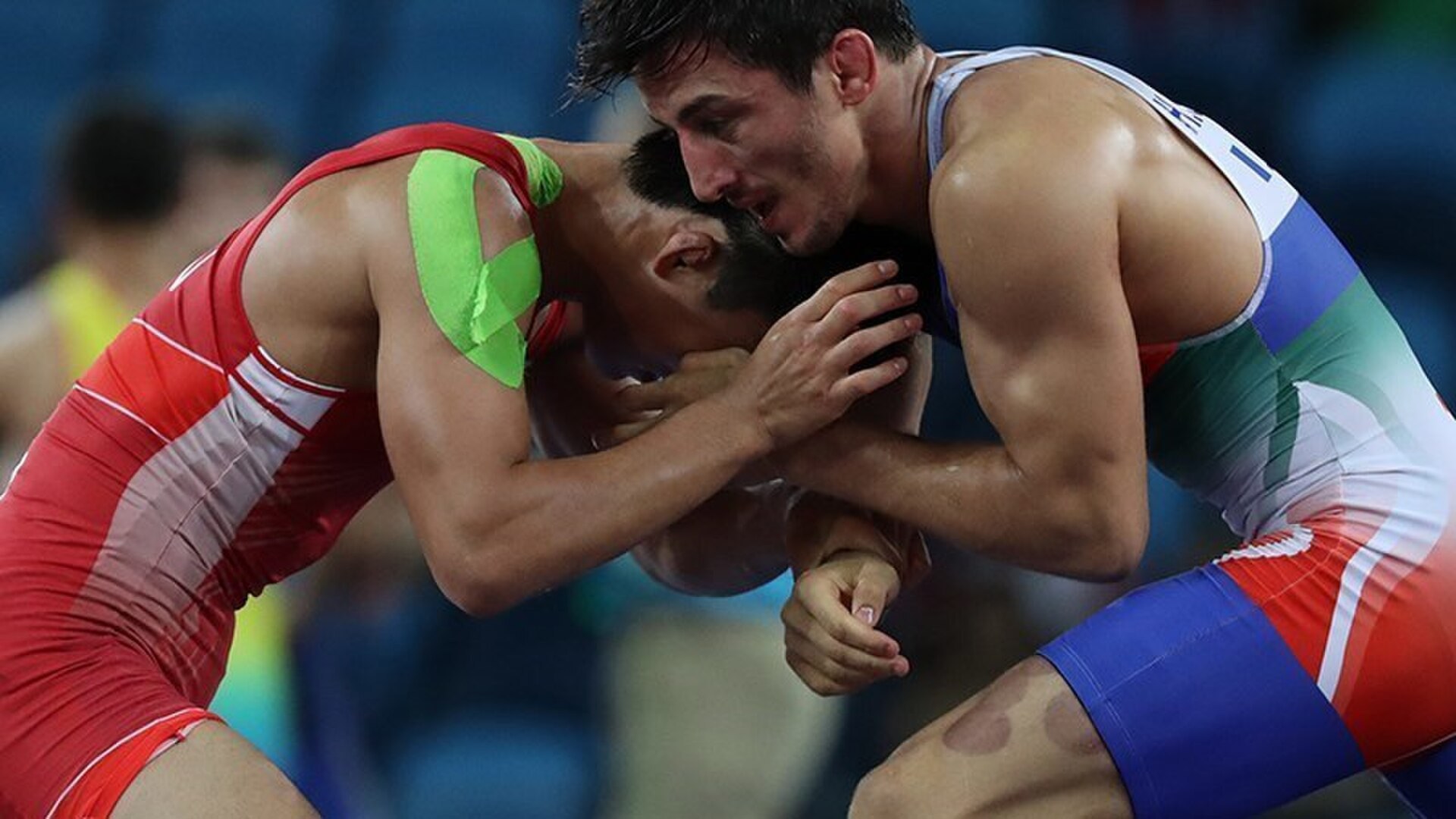
7. Wrestling
Collegiate wrestling records 19.3 injuries per 1,000 competition exposures. The sport's combination of explosive leverage and direct mat impact drives frequent shoulder subluxations and acromioclavicular separations. Violent twisting takedowns also subject knee ligaments and cervical neck vertebrae to extreme torque.
©Wikimedia / Mohammad Hassanzadeh / Tasnimnews
6. Ice Hockey
Men's ice hockey records roughly 20.8 injuries per 1,000 game exposures. Skaters moving at 25 mph deliver heavy body checks against rigid sideboards. Impact collisions cause high rates of concussions, broken collarbones, and shoulder separations, while skate blades and flying pucks cause deep lacerations.
©Wikimedia / Trevor Cokley (U.S. Air Force Academy)
Advertisement
Swipe or tap ▶ to resume the countdown.
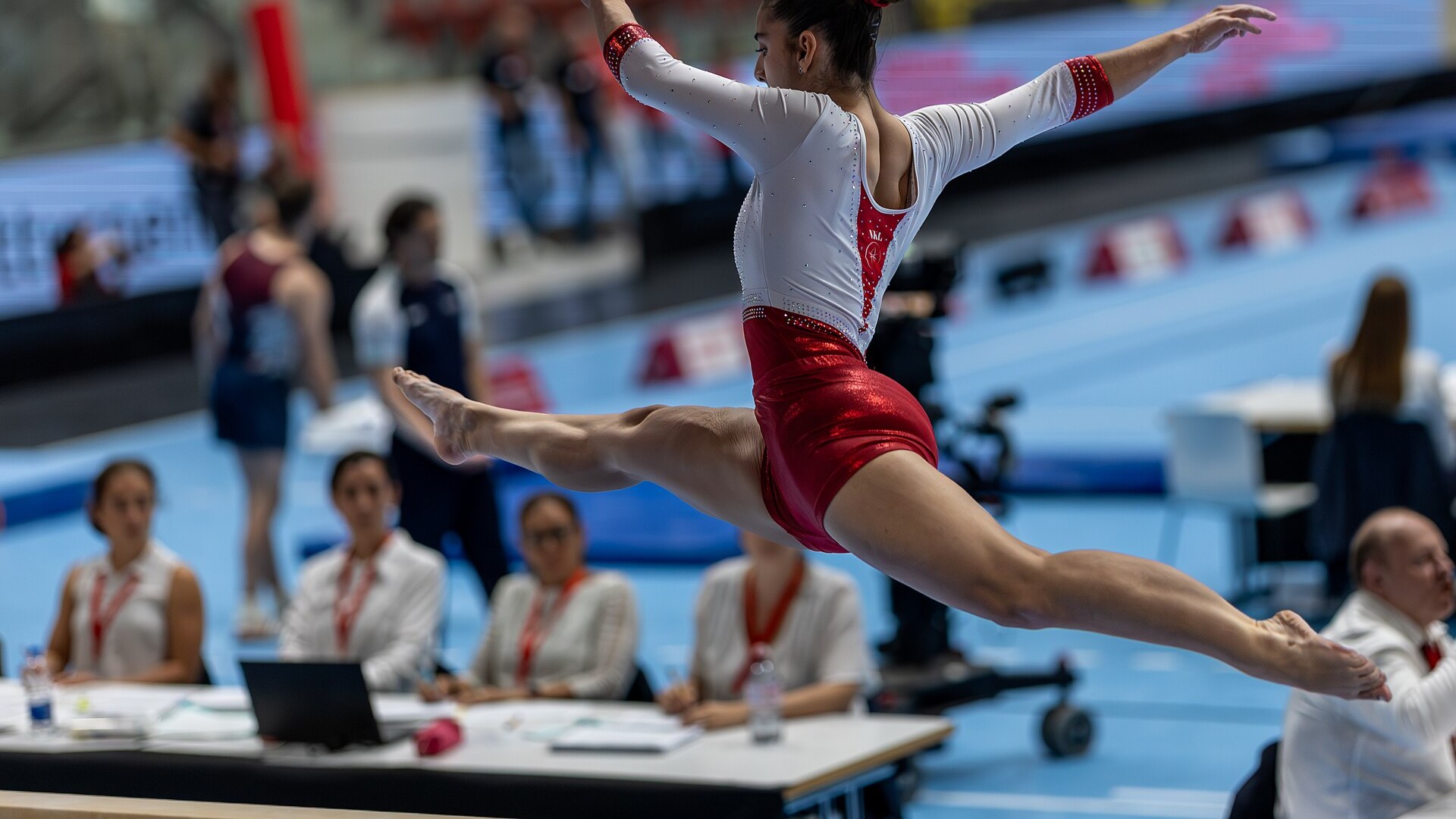
5. Artistic Gymnastics
Artistic gymnastics logs roughly 22.4 injuries per 1,000 competition exposures, with practice rates exceeding 10 per 1,000. Dismounting from balance beams and uneven bars exposes joints to ground forces up to fourteen times body weight. Gymnasts suffer chronic lumbar spondylolysis and acute Achilles tendon ruptures.
©Wikimedia / Quejaytee
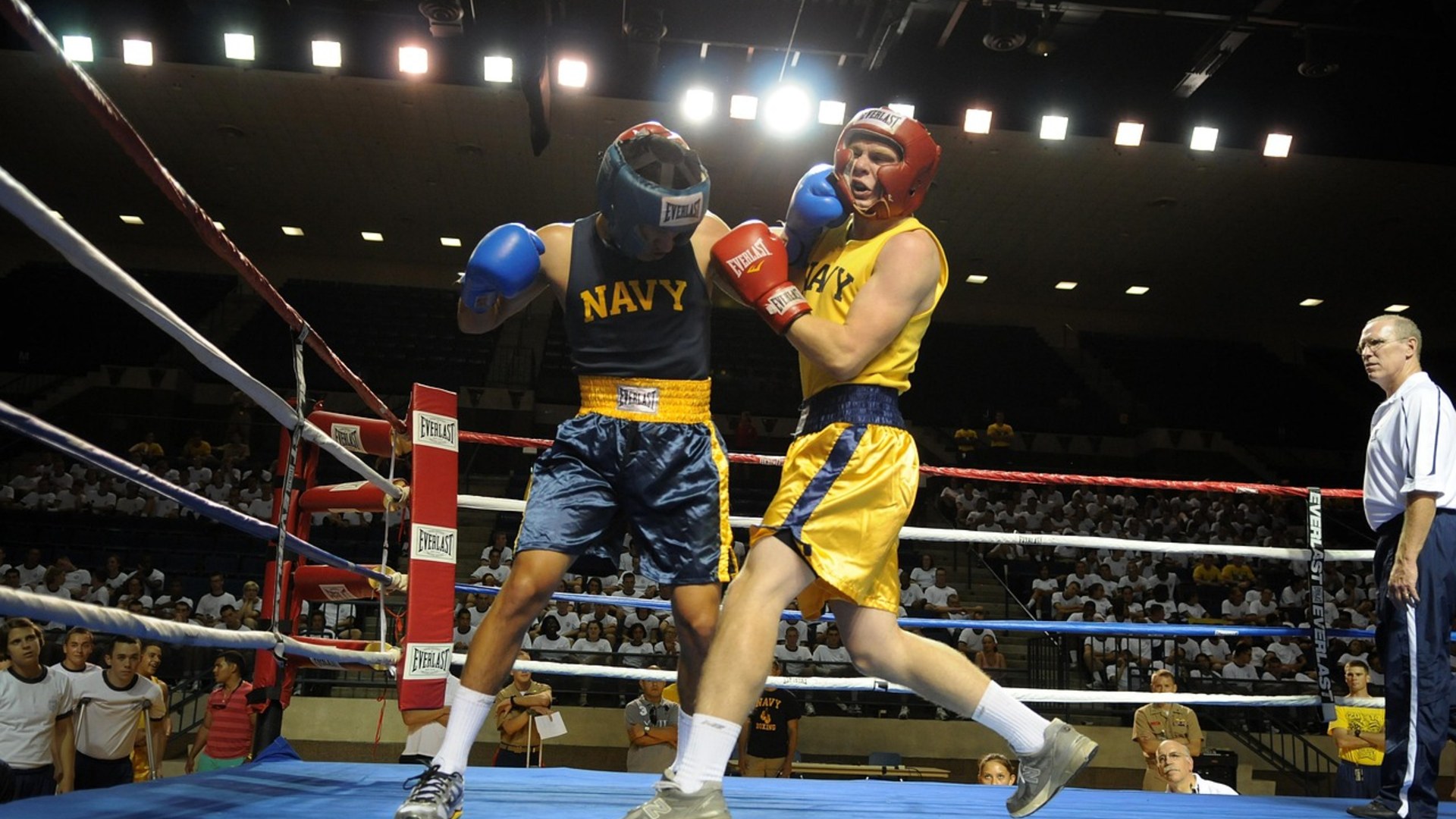
4. Professional Boxing
Professional boxing yields approximately 26.5 injuries per 100 fight rounds. Delivering and absorbing hundreds of blunt-force blows causes severe orbital fractures, broken jawbones, and deep facial lacerations. Repetitive cranial impacts also create high risks of acute concussions and chronic brain damage over time.
©Pixabay / 12019
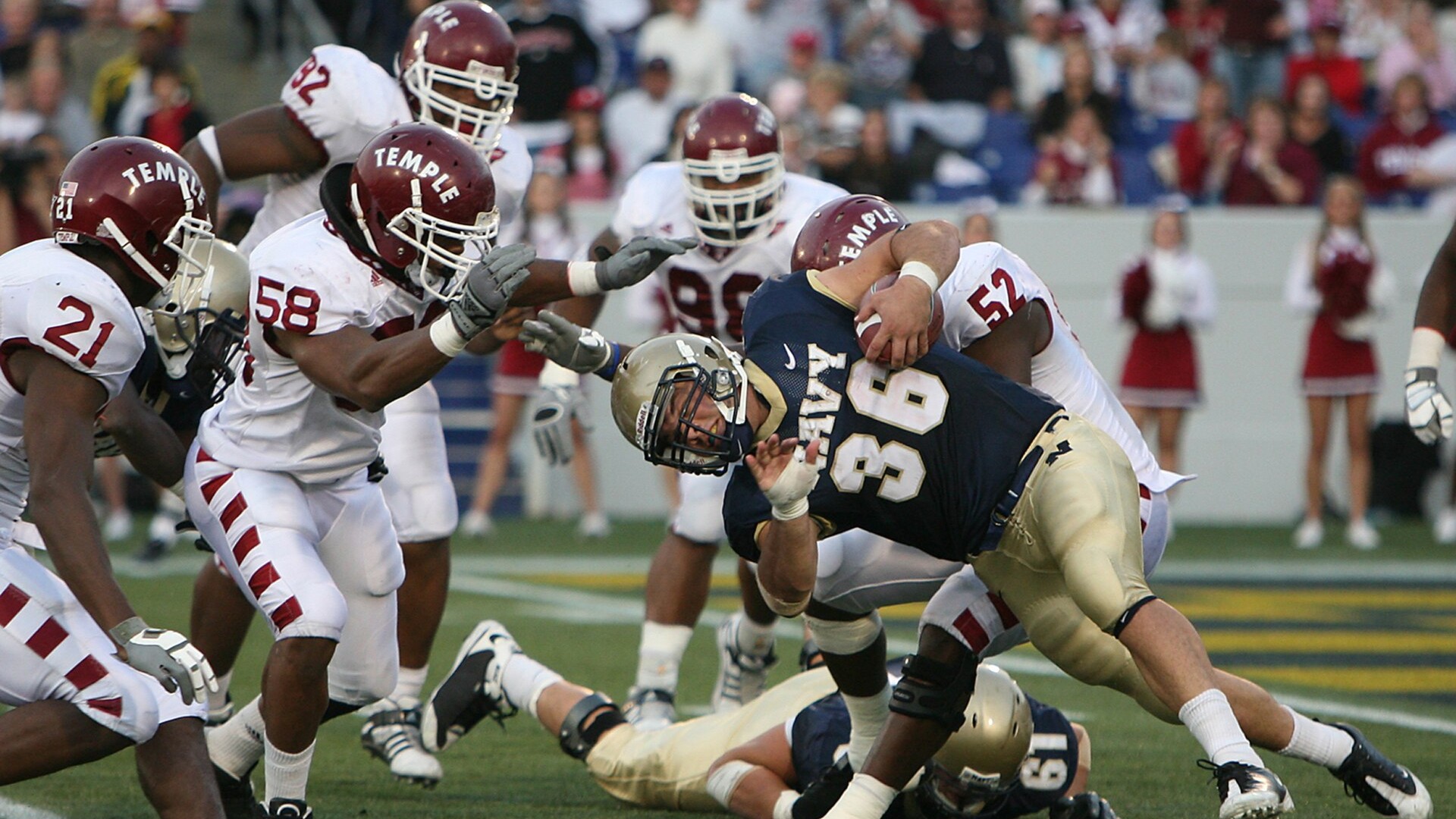
3. American Football
College football leads all NCAA sports with roughly 39.9 injuries per 1,000 game exposures. High-velocity open-field tackles generate massive collision forces comparable to automobile accidents. Players suffer high rates of concussions, torn ACL and MCL ligaments, shoulder dislocations, and chronic joint trauma.
©Wikimedia / U.S. Navy photo by Mass Communication Specialist
2. Rugby
Rugby union and rugby league generate an extraordinary 52.0 injuries per 1,000 match hours. Athletes collide at full sprint without hard plastic pads or helmets, absorbing repeated tackles, rucks, and scrums. Players face extreme rates of concussions, fractured facial bones, dislocated shoulders, and knee tears.
©Wikimedia / PierreSelim
Advertisement
Swipe or tap ▶ to resume the countdown.
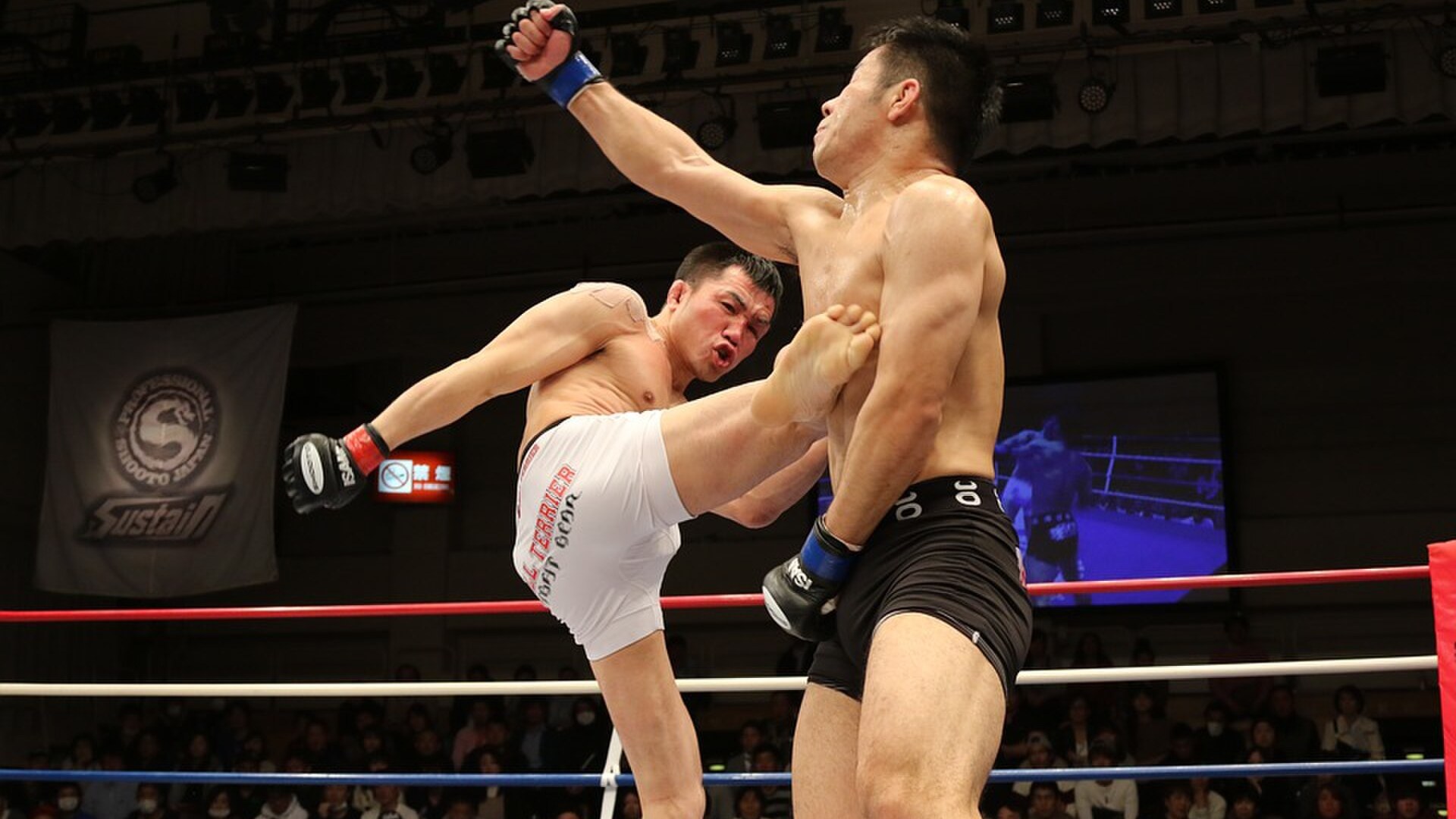
1. Mixed Martial Arts
Mixed martial arts records roughly 78.5 injuries per 1,000 athletic exposures, the highest trauma rate in modern sports medicine. Sanctioned bouts permit bare-shin kicks, elbow strikes, and joint submissions. Fighters sustain severe facial lacerations, nasal fractures, concussions, and dislocated joints.

©Wikimedia / Maza Fight Gallery
Advertisement
You've reached the end of the story. Thanks for reading!

20 Professional Sports Leagues That Operate Outside the Major US Leagues
Beyond the NFL, NBA, MLB, and NHL, a dynamic wave of alternative sports leagues is reshaping the sports entertainment industry. Driven by venture capital, streaming media rights, and passionate niche fanbases, these twenty professional organizations prove that athletic excellence thrives outside the Big Four.
All 20 Entries in this Story
20. Baseball And Softball
Baseball and softball produce an estimated 2.8 injuries per 1,000 collegiate exposures. High-velocity overhead throwing causes chronic tears in the ulnar collateral ligament, often requiring reconstruction surgery. Base runners also suffer acute ankle fractures and hamstring strains during aggressive slide attempts.

19. Volleyball
Volleyball players log roughly 4.3 injuries per 1,000 athlete exposures. Repetitive jumping on hardwood courts leads to chronic patellar tendinitis, commonly called jumper's knee. Acute ankle sprains happen when blockers land on opposing players' feet beneath the net, making lateral ligament tears common.

18. Tennis
Tennis players sustain roughly 4.7 injuries per 1,000 hours of court play. Repetitive impacts from high-speed serves create chronic microtrauma, producing tennis elbow and rotator cuff tears. Sudden stop-and-go sprints across hard courts also trigger acute Achilles tendinitis and lower back muscle spasms.

17. Road Cycling
Road cyclists experience roughly 6.1 injuries per 1,000 riding hours, with risks multiplying during tight peloton races. High-velocity crashes against asphalt frequently cause fractured clavicles, acromioclavicular separations, and severe road rash. Concussions remain a constant threat during downhill sprint descents.

16. Track And Field
Track and field athletes average 6.8 injuries per 1,000 collegiate exposures. High-speed sprinting creates extreme eccentric contractions that cause sudden hamstring tears. Distance runners face chronic shin splints, while field jumpers frequently rupture Achilles tendons during maximal takeoff steps.

15. Skateboarding
Skateboarding generates approximately 8.9 injuries per 1,000 hours of active participation. Falling on hard concrete surfaces while attempting rail grinds or vert jumps leads to high rates of fractured wrists, scaphoid breaks, and concussions. Emergency rooms treat over 60,000 skateboarder injuries each year.

14. Alpine Skiing And Snowboarding
Downhill snow sports produce roughly 10.2 injuries per 1,000 skier visits. When ski edges catch at speed, rotational force twists the knee, making skiers vulnerable to ACL ruptures. Snowboarders lack releasable bindings and suffer severe wrist fractures and shoulder dislocations from sudden backward falls.

13. Basketball
Basketball generates 10.5 injuries per 1,000 game exposures, producing the highest total raw injury tally of any American school sport. Rapid cutting and crowding beneath the rim cause severe lateral ankle ligament tears. Sudden deceleration on hardwood also drives high rates of non-contact ACL tears among players.

12. Lacrosse
Collegiate lacrosse records approximately 12.4 injuries per 1,000 competition exposures. The solid rubber ball travels at speeds exceeding 90 mph, causing deep contusions and bone fractures. High-speed stick checks and open-field body clashes also generate significant rates of concussions and AC joint separations.

11. Competitive Cheerleading
Competitive cheerleading produces 13.1 injuries per 1,000 athletic exposures. The discipline accounts for over half of all catastrophic head, neck, and spinal injuries in female scholastic sports. Falling from overhead basket tosses or collapsing multi-level pyramids exposes flyer athletes to severe concussion trauma.

10. Motocross
Motocross riders endure roughly 15.2 injuries per 1,000 riding hours. Launching 200-pound motorcycles over massive dirt jumps creates catastrophic crash risks when landings fail. Riders regularly sustain fractured collarbones, compound leg fractures, and severe axial spinal compression when thrown from their machines.

9. Horseback Riding
Equestrian sports record roughly 16.5 injuries per 1,000 riding hours, carrying the highest hospitalization rate among non-motor athletics. Riders sit atop unpredictable 1,200-pound animals moving at 30 mph. Unseated riders suffer severe pelvic fractures, traumatic brain injuries, and crushed ribs from ground impacts.

8. Association Football
Soccer matches produce roughly 17.2 injuries per 1,000 competitive exposures, ranking highest among NCAA women's sports for game trauma. Sudden deceleration and pivoting cause high rates of ACL and meniscus tears. Contested headers and clash-of-head collisions also generate substantial numbers of sports concussions.

7. Wrestling
Collegiate wrestling records 19.3 injuries per 1,000 competition exposures. The sport's combination of explosive leverage and direct mat impact drives frequent shoulder subluxations and acromioclavicular separations. Violent twisting takedowns also subject knee ligaments and cervical neck vertebrae to extreme torque.

6. Ice Hockey
Men's ice hockey records roughly 20.8 injuries per 1,000 game exposures. Skaters moving at 25 mph deliver heavy body checks against rigid sideboards. Impact collisions cause high rates of concussions, broken collarbones, and shoulder separations, while skate blades and flying pucks cause deep lacerations.

5. Artistic Gymnastics
Artistic gymnastics logs roughly 22.4 injuries per 1,000 competition exposures, with practice rates exceeding 10 per 1,000. Dismounting from balance beams and uneven bars exposes joints to ground forces up to fourteen times body weight. Gymnasts suffer chronic lumbar spondylolysis and acute Achilles tendon ruptures.

4. Professional Boxing
Professional boxing yields approximately 26.5 injuries per 100 fight rounds. Delivering and absorbing hundreds of blunt-force blows causes severe orbital fractures, broken jawbones, and deep facial lacerations. Repetitive cranial impacts also create high risks of acute concussions and chronic brain damage over time.

3. American Football
College football leads all NCAA sports with roughly 39.9 injuries per 1,000 game exposures. High-velocity open-field tackles generate massive collision forces comparable to automobile accidents. Players suffer high rates of concussions, torn ACL and MCL ligaments, shoulder dislocations, and chronic joint trauma.

2. Rugby
Rugby union and rugby league generate an extraordinary 52.0 injuries per 1,000 match hours. Athletes collide at full sprint without hard plastic pads or helmets, absorbing repeated tackles, rucks, and scrums. Players face extreme rates of concussions, fractured facial bones, dislocated shoulders, and knee tears.

1. Mixed Martial Arts
Mixed martial arts records roughly 78.5 injuries per 1,000 athletic exposures, the highest trauma rate in modern sports medicine. Sanctioned bouts permit bare-shin kicks, elbow strikes, and joint submissions. Fighters sustain severe facial lacerations, nasal fractures, concussions, and dislocated joints.