Slideshow · Technology
20 Everyday Inventions That Changed the Way People Live Across the World
From securing clothing with small wire fasteners to instant global communication on pocket screens, everyday life changed through practical problem solving. According to museum curators and patent records, these twenty humble innovations quietly transformed hygiene, food storage, travel, and household chores.
By Most Viral Today
16 min ago

How 20 Everyday Inventions Quietly Transformed Modern Life 
20. The Safety Pin 
19. The Modern Can Opener 
18. The Modern Zipper - AdvertisementSwipe or tap ▶ to continue countdown

17. Adhesive Tape 
16. The Ballpoint Pen 
15. The Microwave Oven 
14. The Barcode - AdvertisementSwipe or tap ▶ to continue countdown

13. The Pop-Up Electric Toaster 
12. The Modern Nylon Toothbrush 
11. The Portable Vacuum Cleaner 
10. The Electric Washing Machine - AdvertisementSwipe or tap ▶ to continue countdown

9. Corrective Eyeglasses 
8. The Modern Flush Toilet 
7. The Safety Bicycle 
6. Adhesive Bandages - AdvertisementSwipe or tap ▶ to continue countdown

5. The Domestic Refrigerator 
4. The Telephone 
3. The Personal Computer 
2. The Electric Light Bulb - AdvertisementSwipe or tap ▶ to continue countdown

1. The Smartphone - Advertisement🔥 UP NEXT IN THIS SERIES◫ 25 Slides

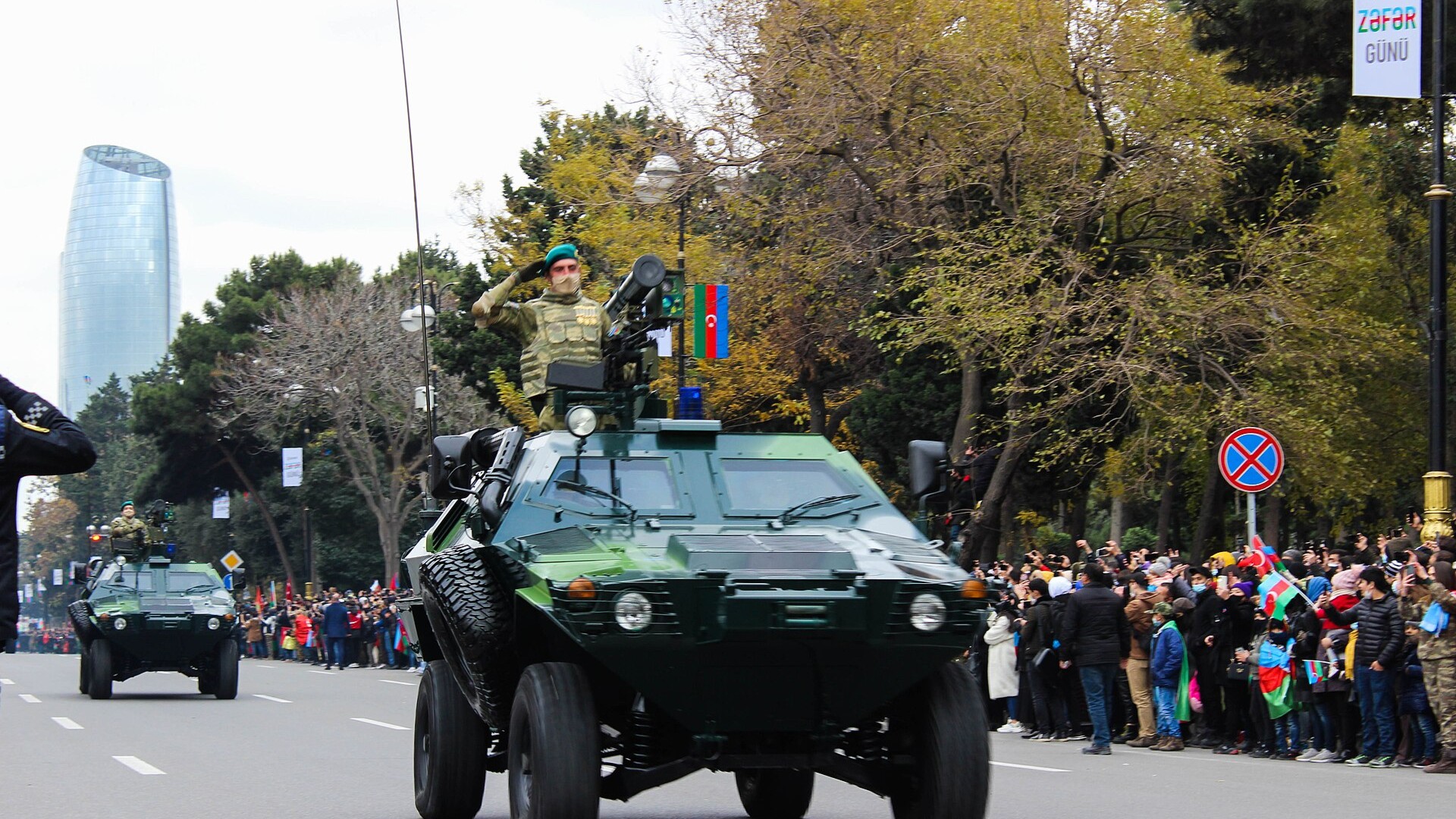
24 of the Most Unusual Military Vehicles Ever Built
Throughout modern history, military engineers pushed mechanical design to radical extremes in search of battlefield dominance. From flying gliders bolted onto armored tanks to spherical scout pods and scooter rockets, these twenty-four bizarre combat machines reveal the strangest war experiments ever brought to life.
From securing clothing with small wire fasteners to instant global communication on pocket screens, everyday life changed through practical problem solving. According to museum curators and patent records, these twenty humble innovations quietly transformed hygiene, food storage, travel, and household chores.
Swipe or tap ▶ to begin the countdown
©Wikimedia / Skitterphoto
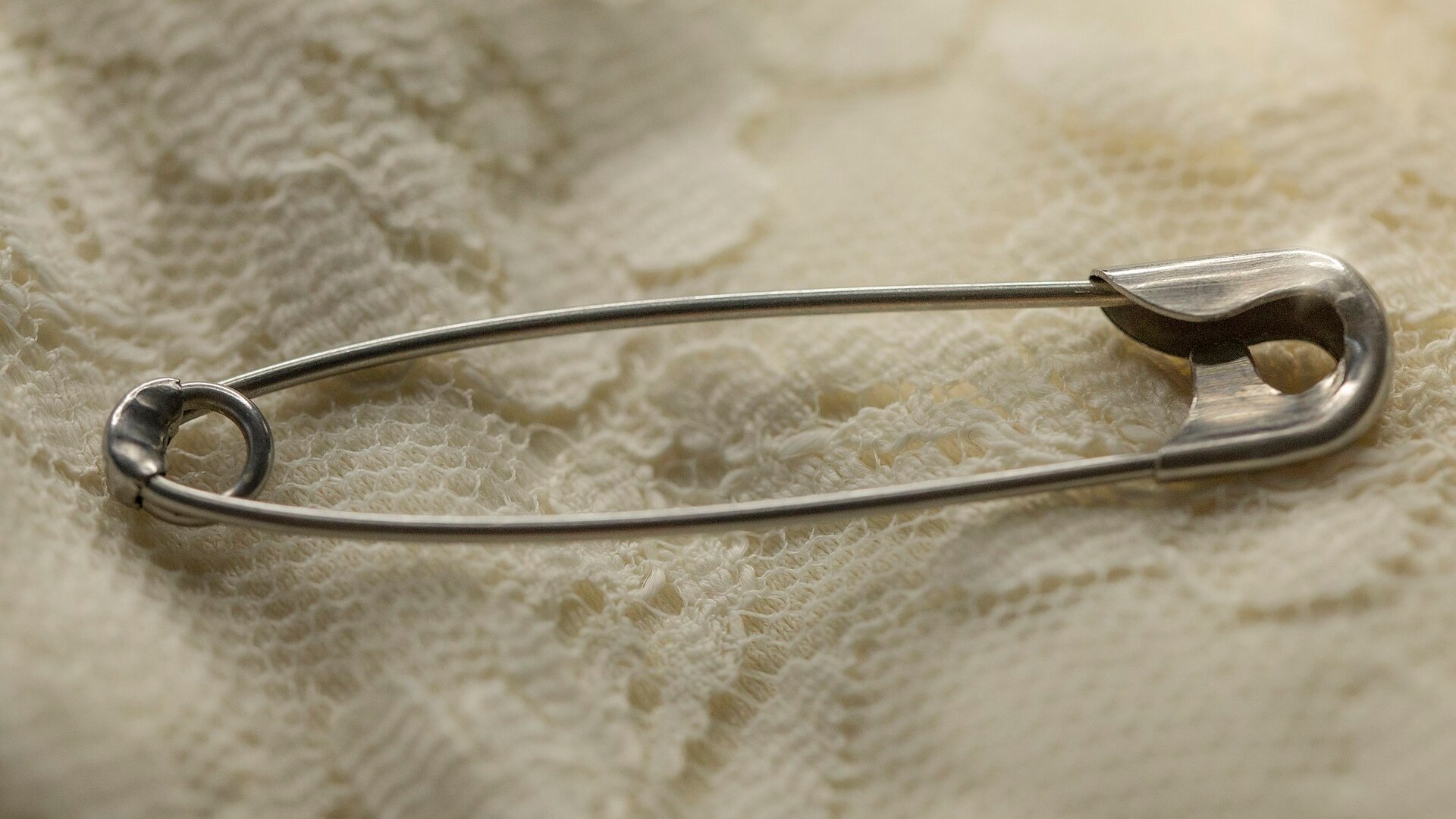
20. The Safety Pin
American inventor Walter Hunt patented the safety pin in April 1849 after twisting eight inches of brass wire into a coiled clasp. Hunt sold his patent rights for four hundred dollars to pay a debt, creating a protective fastening design that shielded fingers and revolutionized garment care worldwide.
©Wikimedia / Carol VanHook from Tennessee, USA
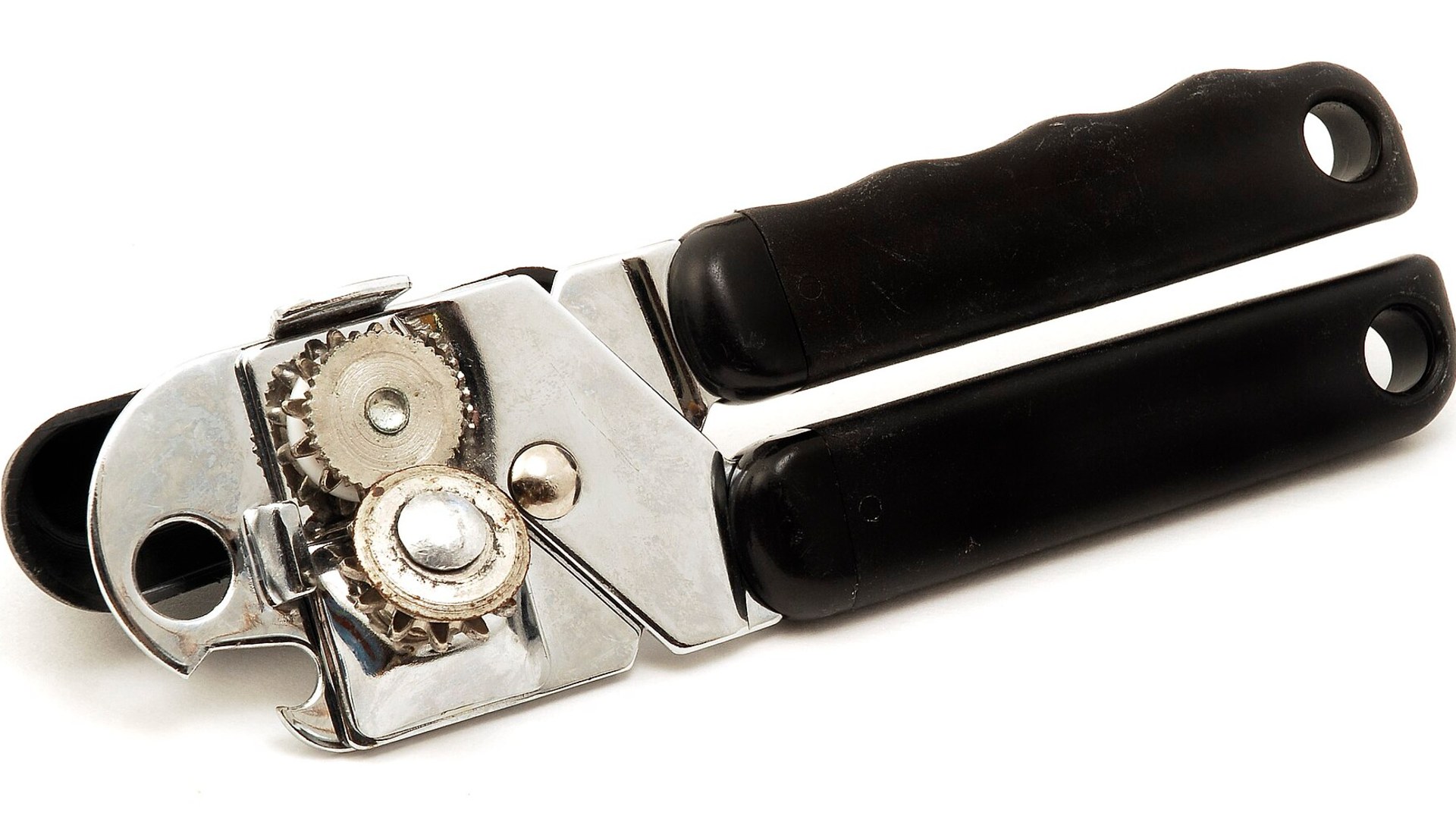
19. The Modern Can Opener
While canned food fed soldiers during the Civil War, consumers struggled to open metal tins with heavy bayonets until Ezra Warner patented an early lever opener in 1858. William Lyman introduced the rotating cutting wheel in 1925, establishing the smooth dual-wheel mechanism found in modern kitchens.
©Wikimedia / Evan-Amos
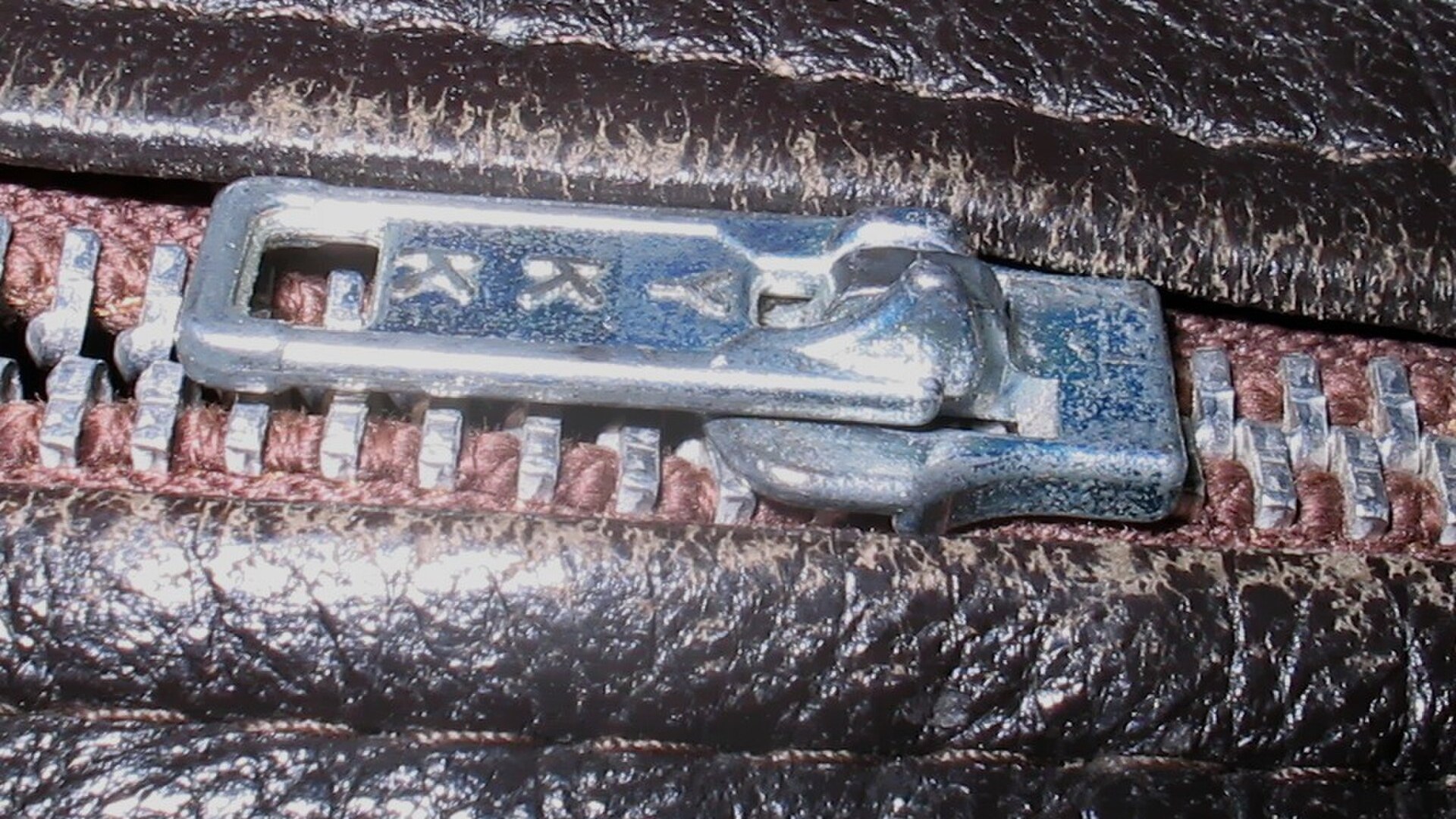
18. The Modern Zipper
Swedish engineer Gideon Sundback perfected the separable fastener in 1913 by introducing interlocking metal teeth and a sliding clasp. The B.F. Goodrich company coined the name zipper in 1923 when applying the fast mechanical closure to rubber boots, permanently transforming clothing and luggage design.
©Wikimedia / A7N8X
Advertisement
Swipe or tap ▶ to resume the countdown.
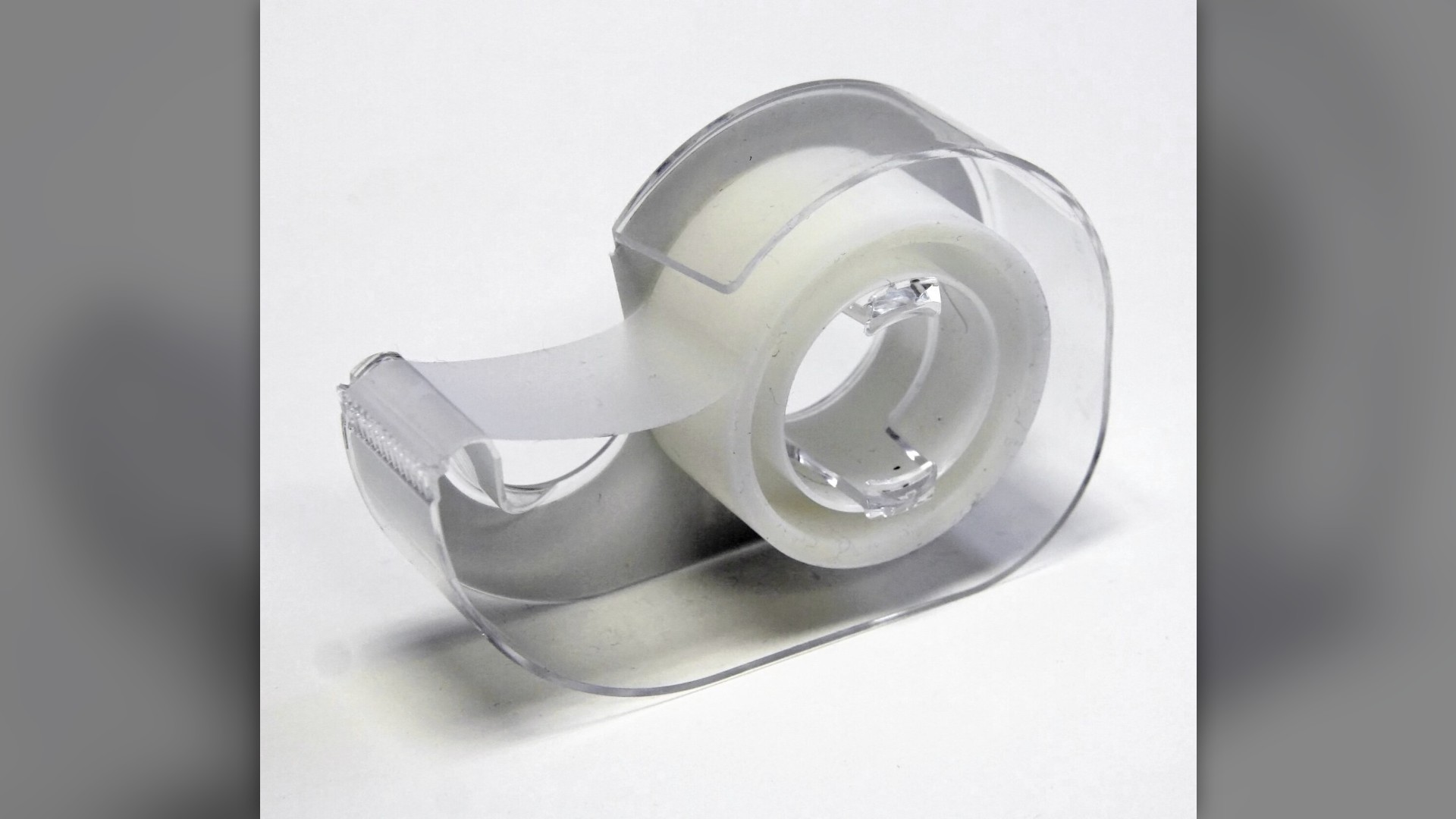
17. Adhesive Tape
Invented by 3M lab assistant Richard Drew in 1930, transparent cellulose tape began as a two-tone automotive masking aid. Consumers during the Great Depression adopted the moisture-resistant adhesive to repair torn banknotes, cracked book bindings, and broken eggs, turning sticky tape into a home staple.
©Wikimedia / Adhesive tape
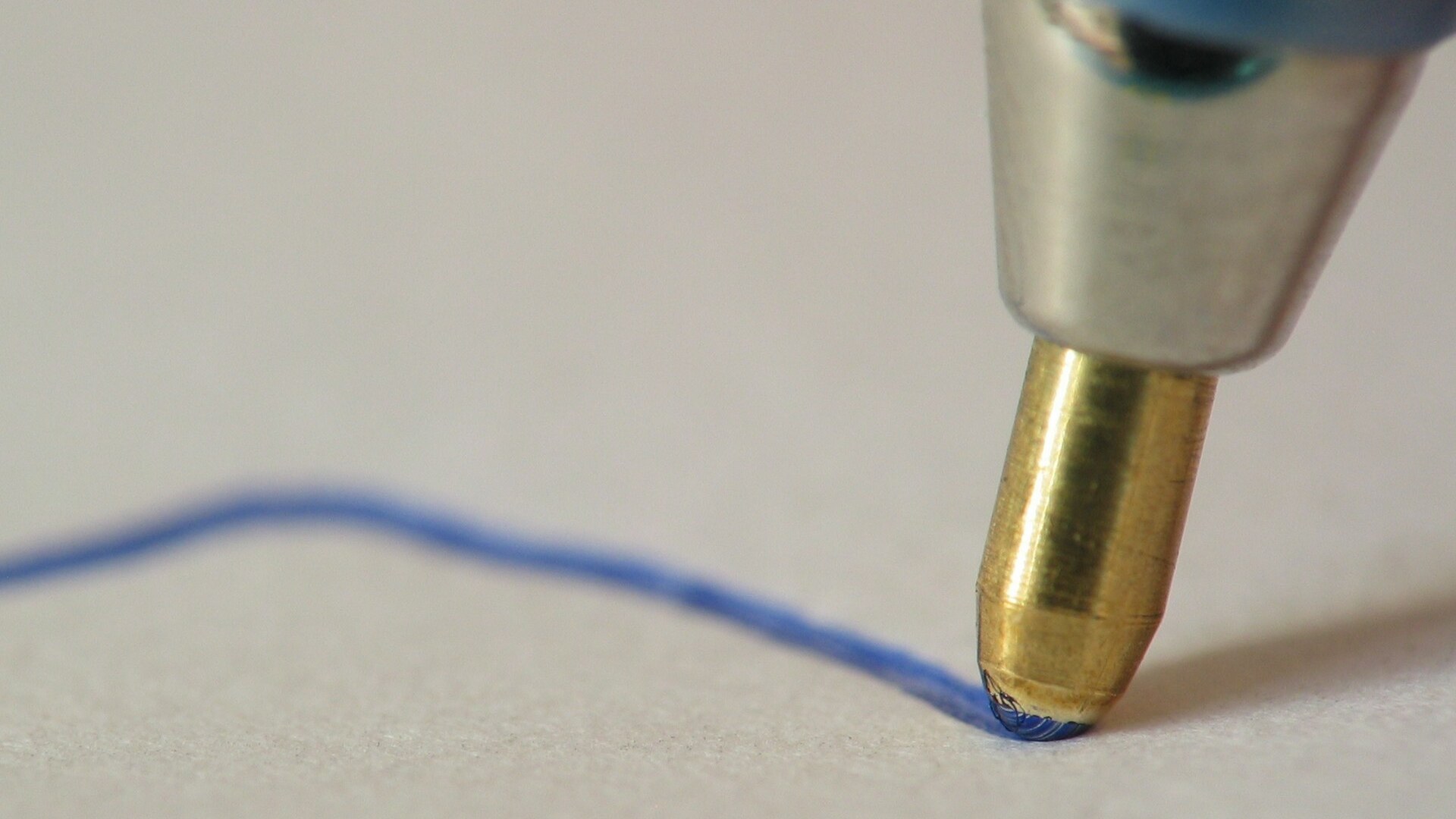
16. The Ballpoint Pen
Hungarian journalist Laszlo Biro patented the ballpoint pen in 1938 after noticing that thick newspaper ink dried rapidly without smudging. Pairing viscous oil-based ink with a free-rolling socket sphere prevented leaks at high altitudes, leading the British Royal Air Force to adopt the pens for wartime flights.
©Wikimedia / Daniel Schwen
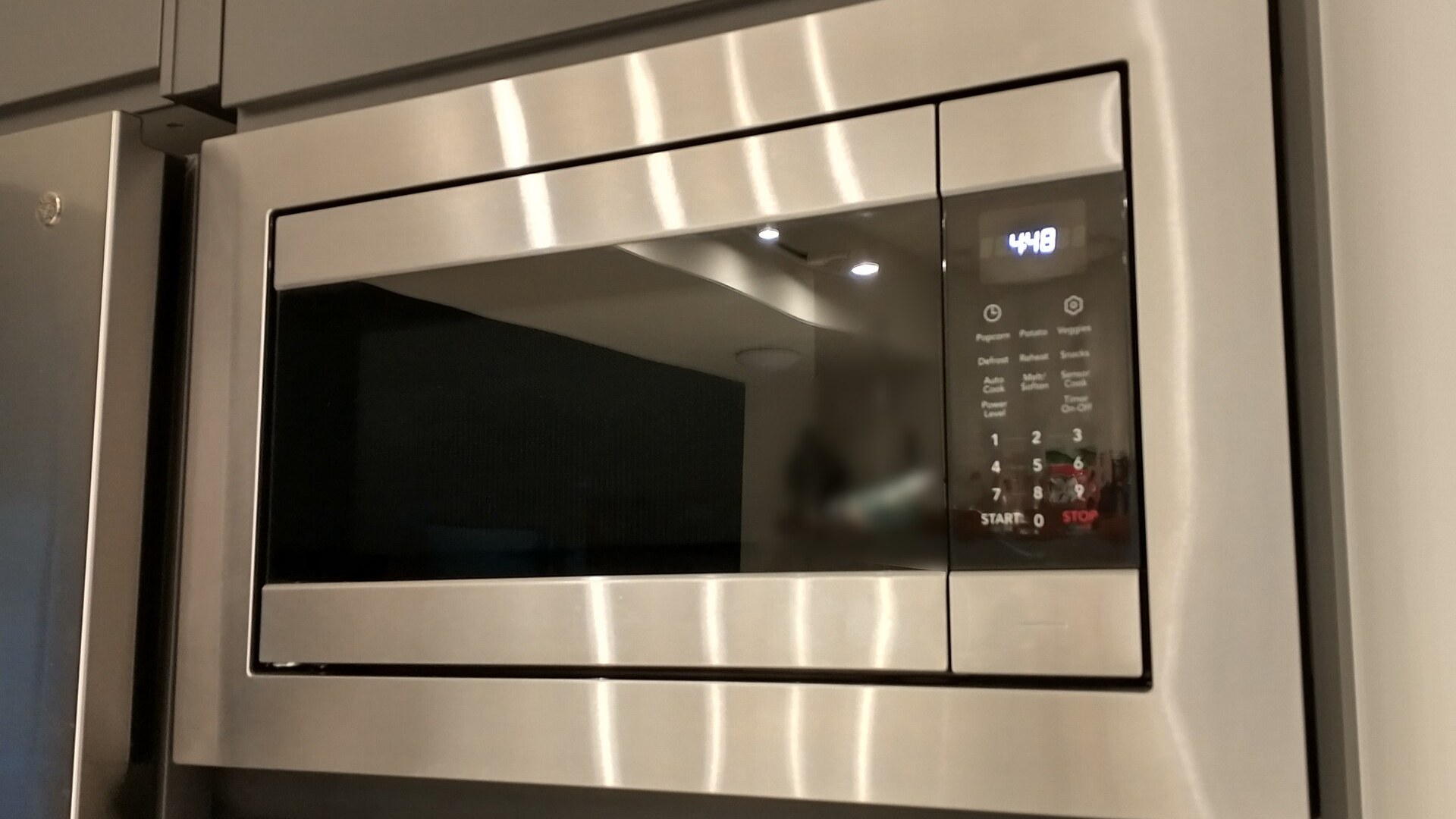
15. The Microwave Oven
While testing radar cavity magnetrons at Raytheon in 1945, engineer Percy Spencer noticed that a chocolate bar in his coat pocket melted rapidly. Spencer enclosed microwave radio waves in a metal cooking box, creating the commercial Radarange in 1947 and cutting domestic meal preparation times drastically.
©Wikimedia / Stilfehler
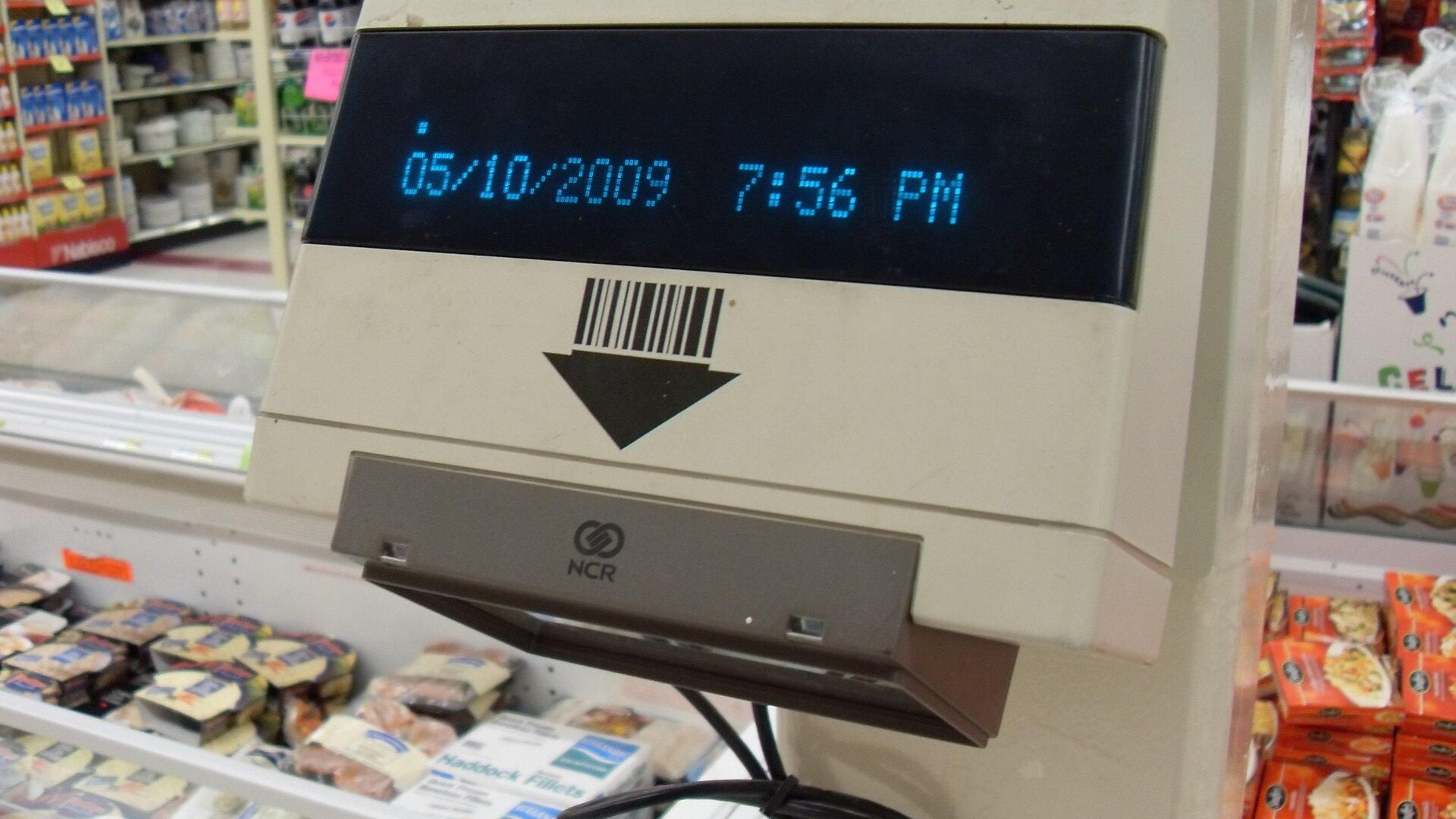
14. The Barcode
Conceived by Norman Joseph Woodland and Bernard Silver in 1949, the Universal Product Code was scanned commercially on a pack of chewing gum in June 1974. Optical laser checkout scanners slashed cashier wait times, eliminated manual price stickers, and automated retail inventory tracking worldwide.
©Wikimedia / Luke
Advertisement
Swipe or tap ▶ to resume the countdown.
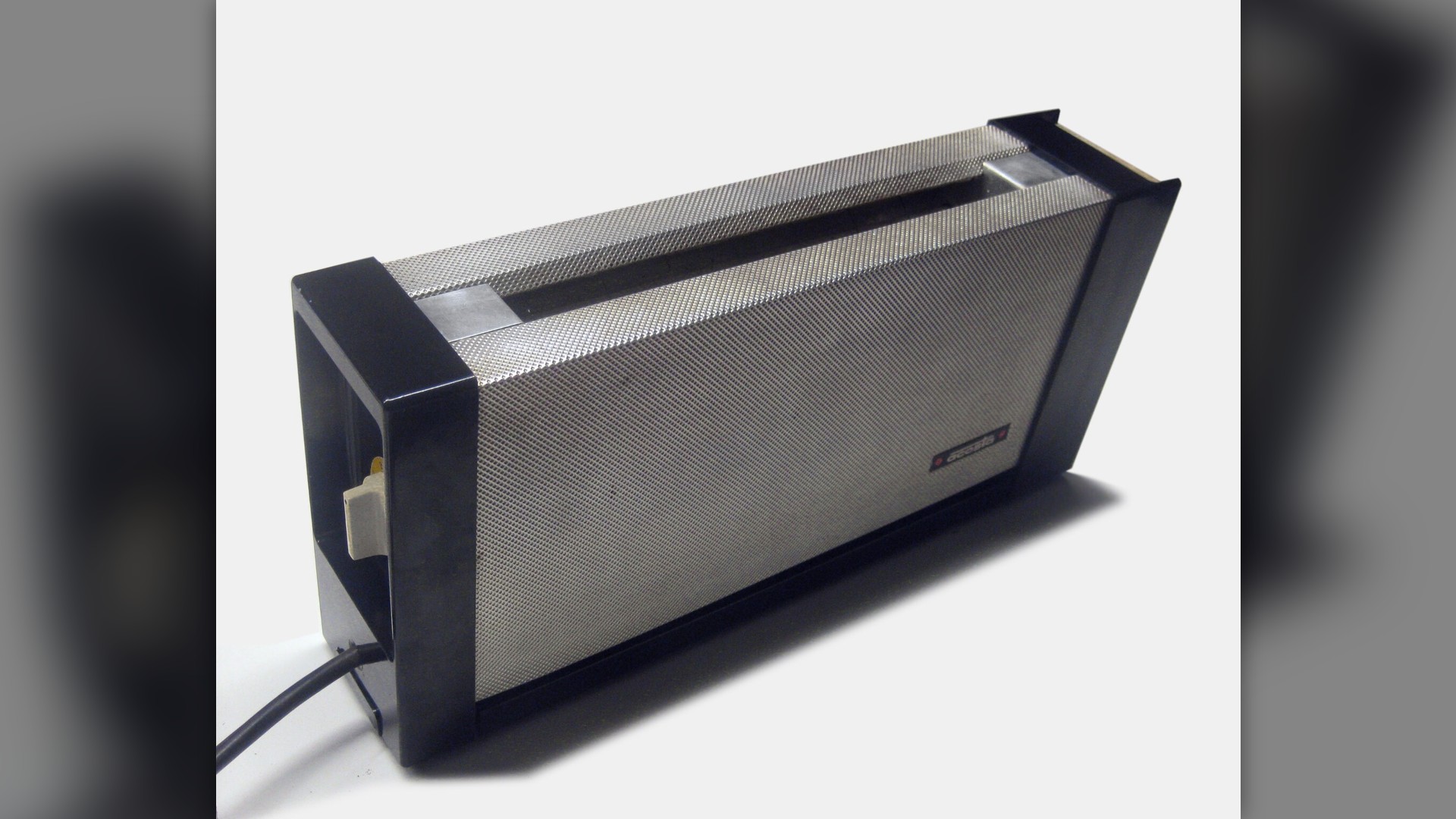
13. The Pop-Up Electric Toaster
Tired of scorched bread in factory cafeterias, master mechanic Charles Strite patented the automatic pop-up toaster with a built-in timer in 1919. Commercialized for home kitchens under the Toastmaster brand in 1926, the appliance standardized uniform breakfast heating with internal release springs.
©Wikimedia / Wikimedia Contributor
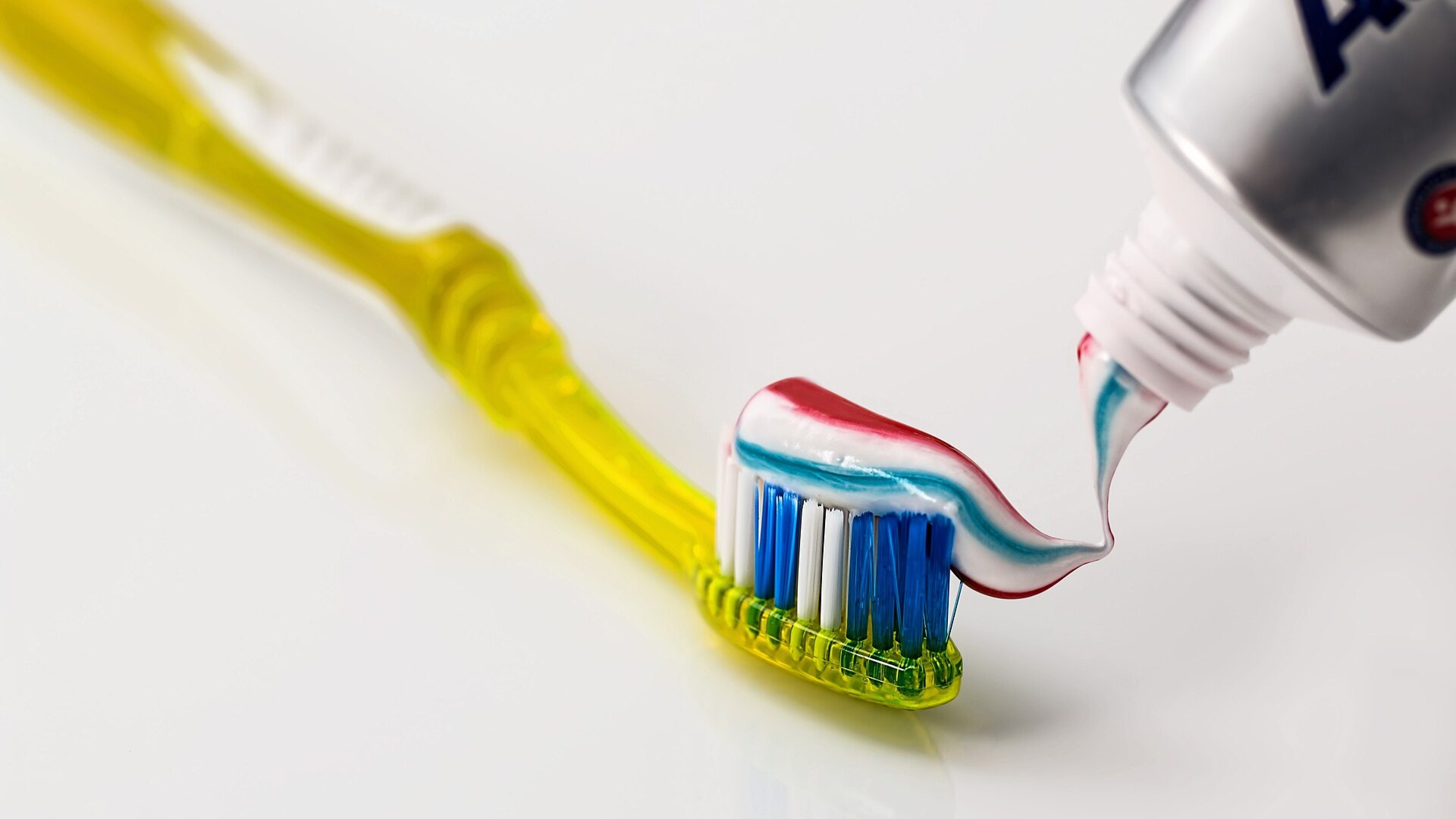
12. The Modern Nylon Toothbrush
For centuries people cleaned teeth with stiff animal hairs from Siberian boars, which harbored bacteria and shed easily. The DuPont company created synthetic nylon filament fibers in 1938, launching the Miracle Tuft toothbrush and establishing sterile, durable bristles as an accessible daily health tool.
©Wikimedia / Steve Buissinne, South Africa
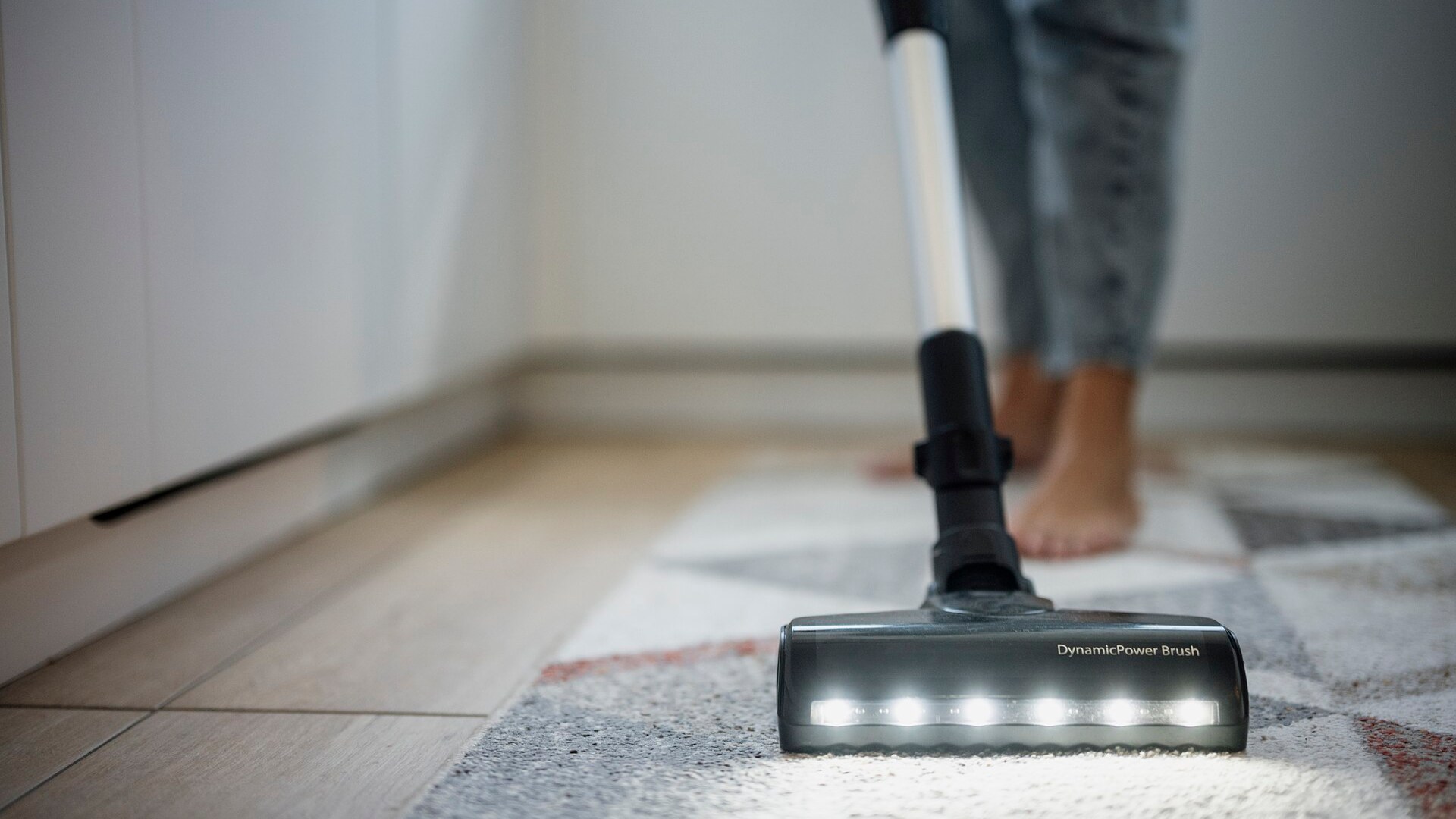
11. The Portable Vacuum Cleaner
Suffering from severe asthma, Ohio department store janitor James Murray Spangler assembled a motorized fan, wooden broom handle, and pillowcase in 1907. Leather merchant William Hoover purchased Spangler patent in 1908, mass-producing upright electric suction sweepers that replaced manual rug beating.
©Wikimedia / Shixart1985
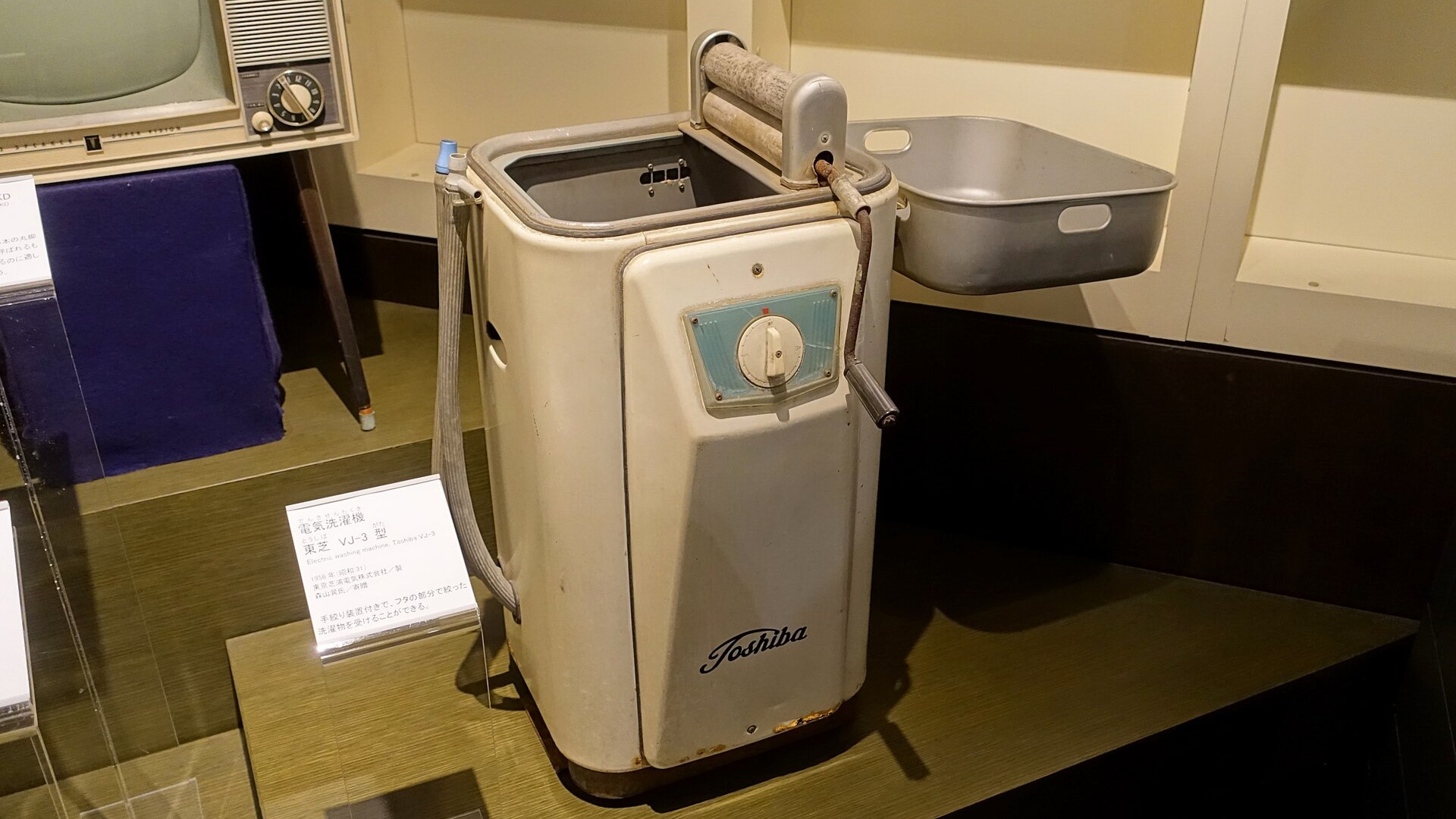
10. The Electric Washing Machine
Early domestic laundry required boiling water over fires and rubbing fabrics against corrugated zinc boards for entire days. The introduction of motorized electric washing machines around 1908 mechanized drum rotation, saving billions of collective labor hours and fundamentally shifting household routines.
©Wikimedia / Daderot
Advertisement
Swipe or tap ▶ to resume the countdown.
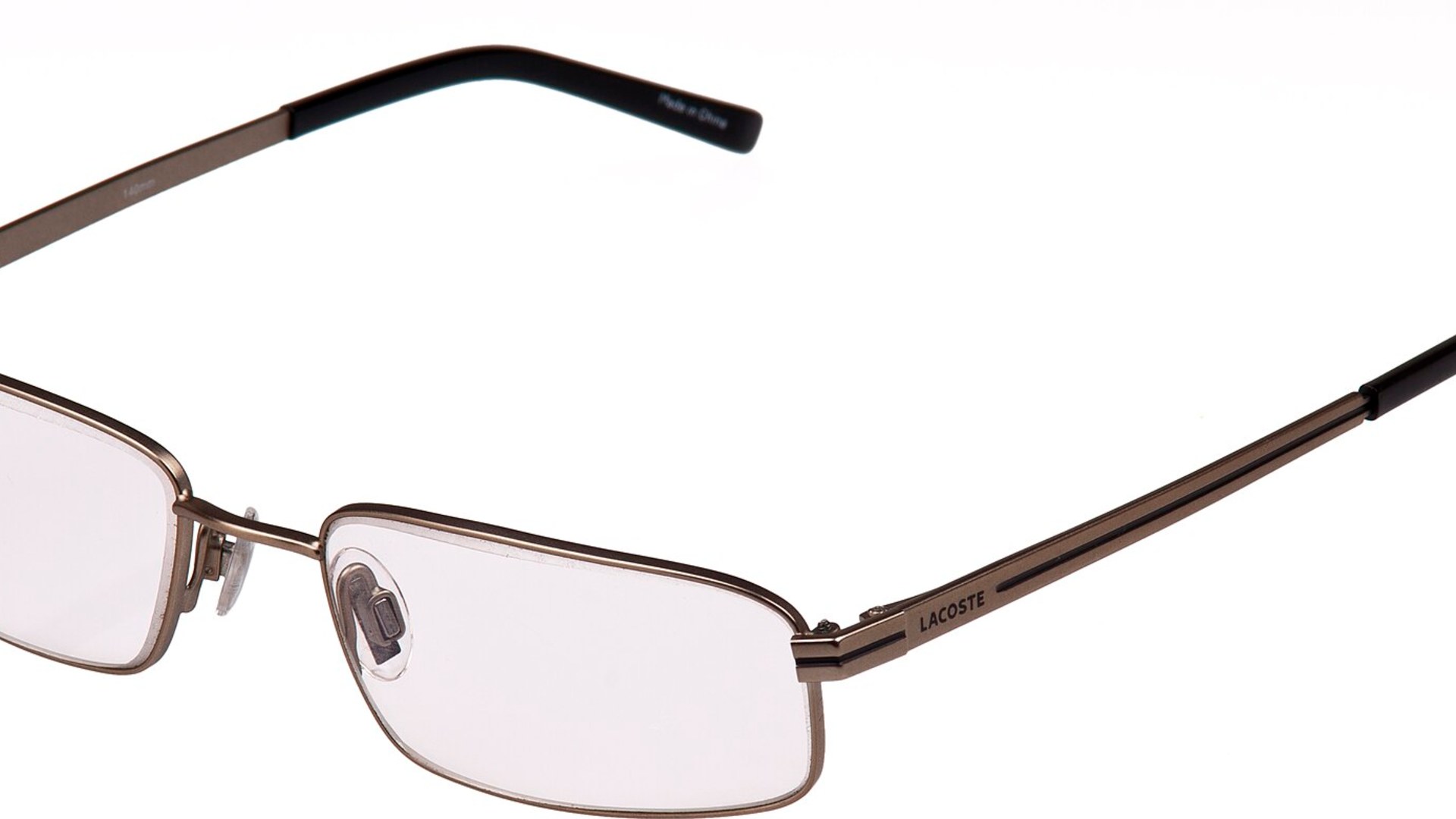
9. Corrective Eyeglasses
Pioneered in northern Italy during the late thirteenth century, wearable glass lenses compensated for presbyopia and refractive vision errors. The invention extended the productive working lives of craftsmen, scholars, and readers by decades, laying essential groundwork for scientific microscopy and telescopes.
©Wikimedia / Evan-Amos
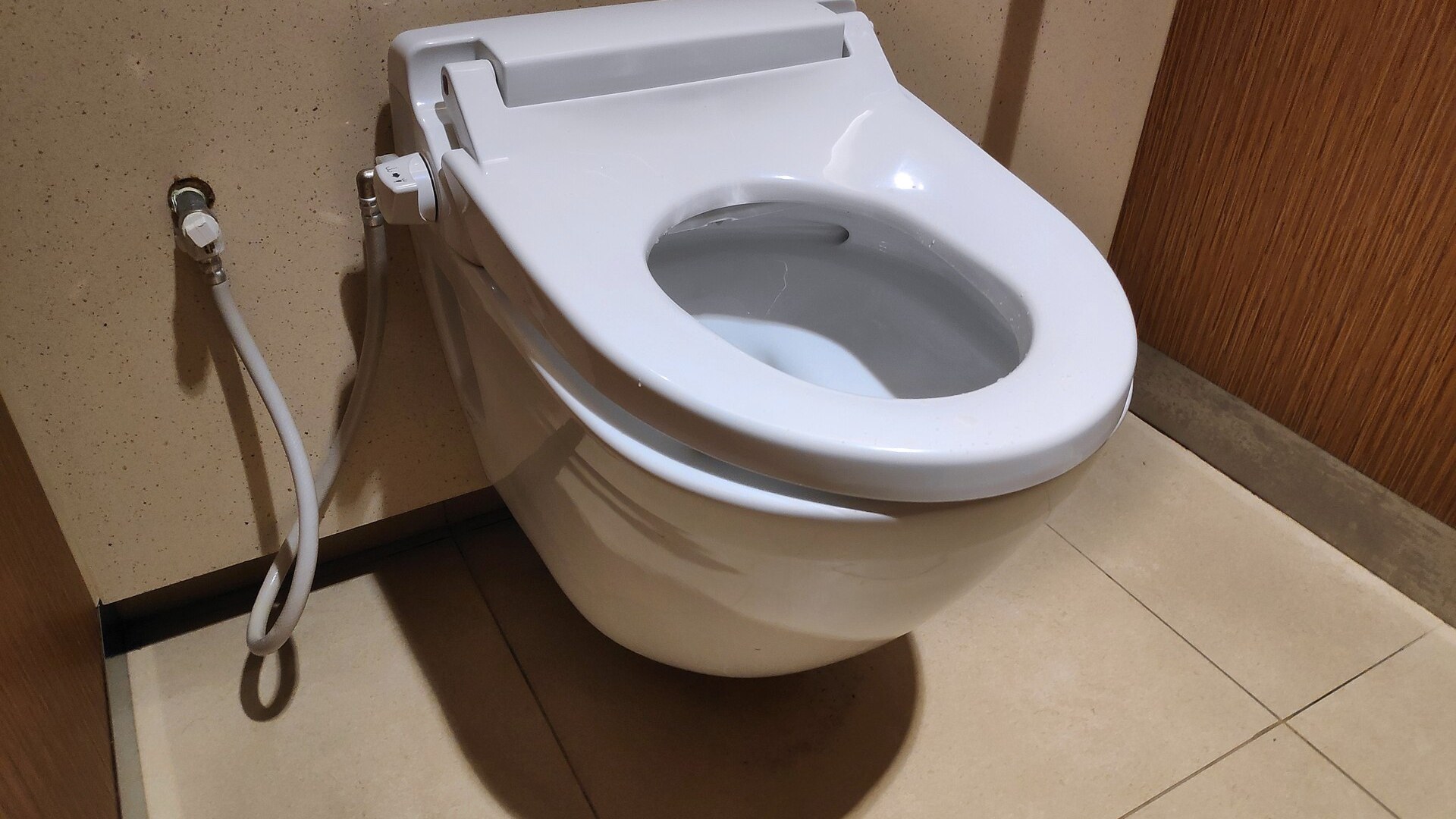
8. The Modern Flush Toilet
English watchmaker Alexander Cumming patented the S-shaped water trap in 1775, using standing water to form an airtight barrier against sewer gas. Combined with municipal sewage networks in nineteenth-century cities, sanitary flush toilets curtailed deadly urban outbreaks of cholera and typhoid fever.
©Wikimedia / Marek Ślusarczyk ( Tupungato ) Photo portfolio
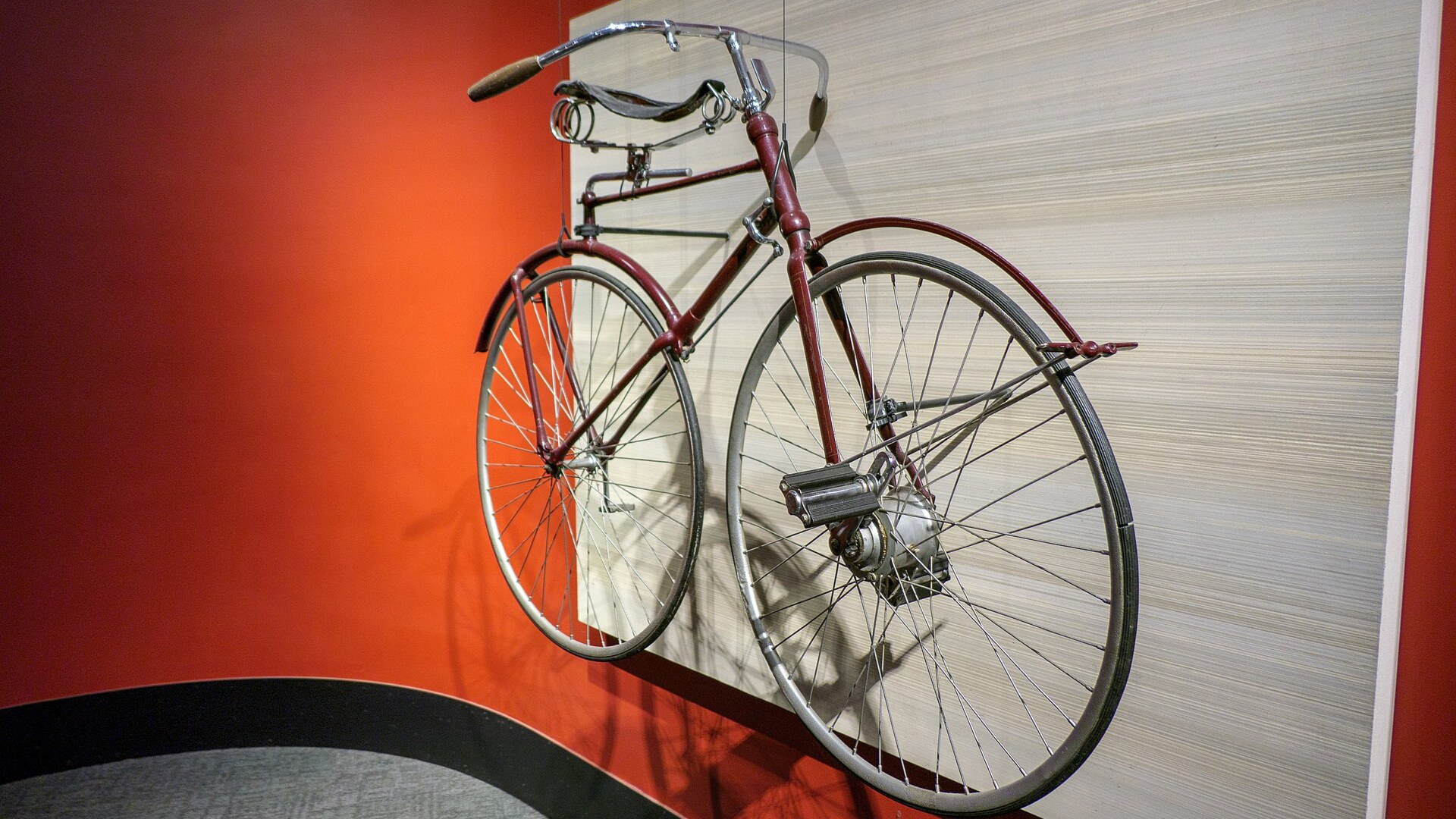
7. The Safety Bicycle
John Kemp Starley introduced the Rover safety bicycle in Coventry in 1885, featuring equally sized wheels, steerable front forks, and rear chain drive. Replacing perilous high-wheelers, the reliable bicycle gave working-class citizens cheap independent mobility and catalyzed modern women dress reform.
©Wikimedia / Kenneth C. Zirkel
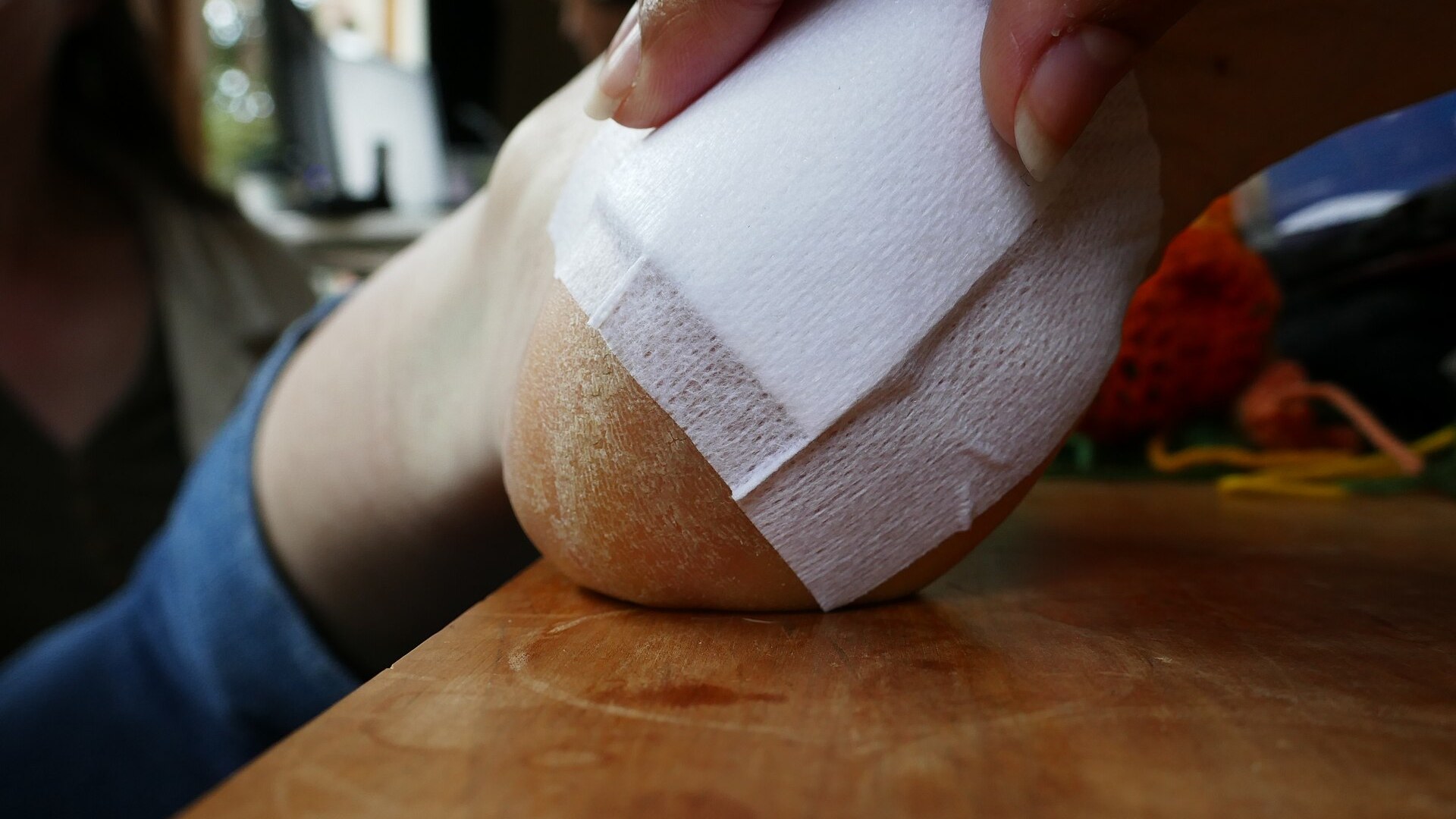
6. Adhesive Bandages
Johnson and Johnson employee Earle Dickson invented the Band-Aid in 1920 so his wife Josephine could dress kitchen burns without assistance. By applying sterile cotton gauze strips down the center of surgical tape and covering it with crinoline fabric, Dickson created instant single-handed wound dressings.
©Wikimedia / CauliflowerMoon
Advertisement
Swipe or tap ▶ to resume the countdown.
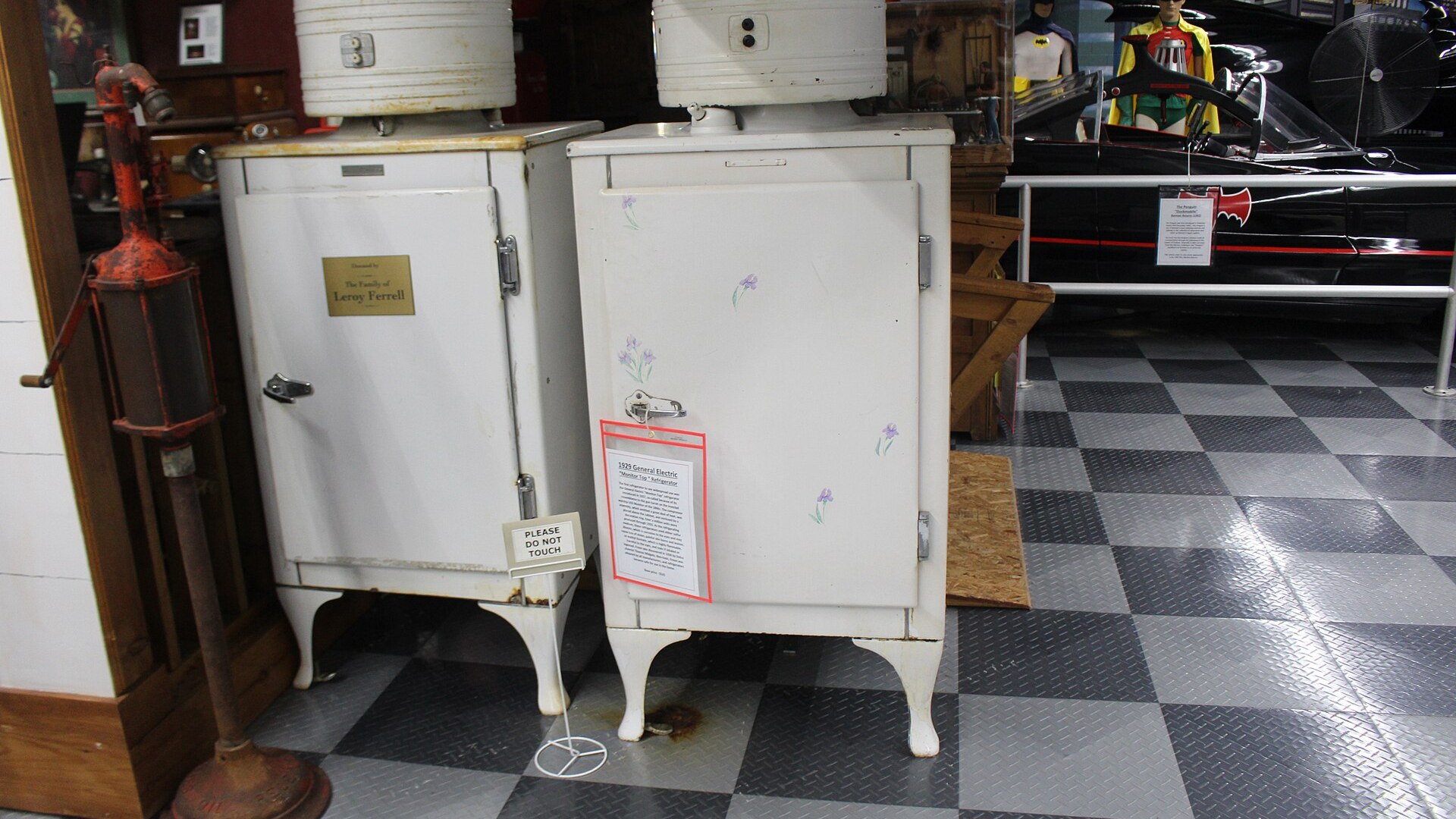
5. The Domestic Refrigerator
Before domestic electric refrigeration, families relied on harvested pond ice blocks hauled by wagons to delay spoilage in wooden iceboxes. General Electric introduced the mass-produced Monitor Top sealed unit in 1927, preserving dairy, meats, and medicines safely at home while eliminating daily grocery runs.
©Wikimedia / Michael Rivera
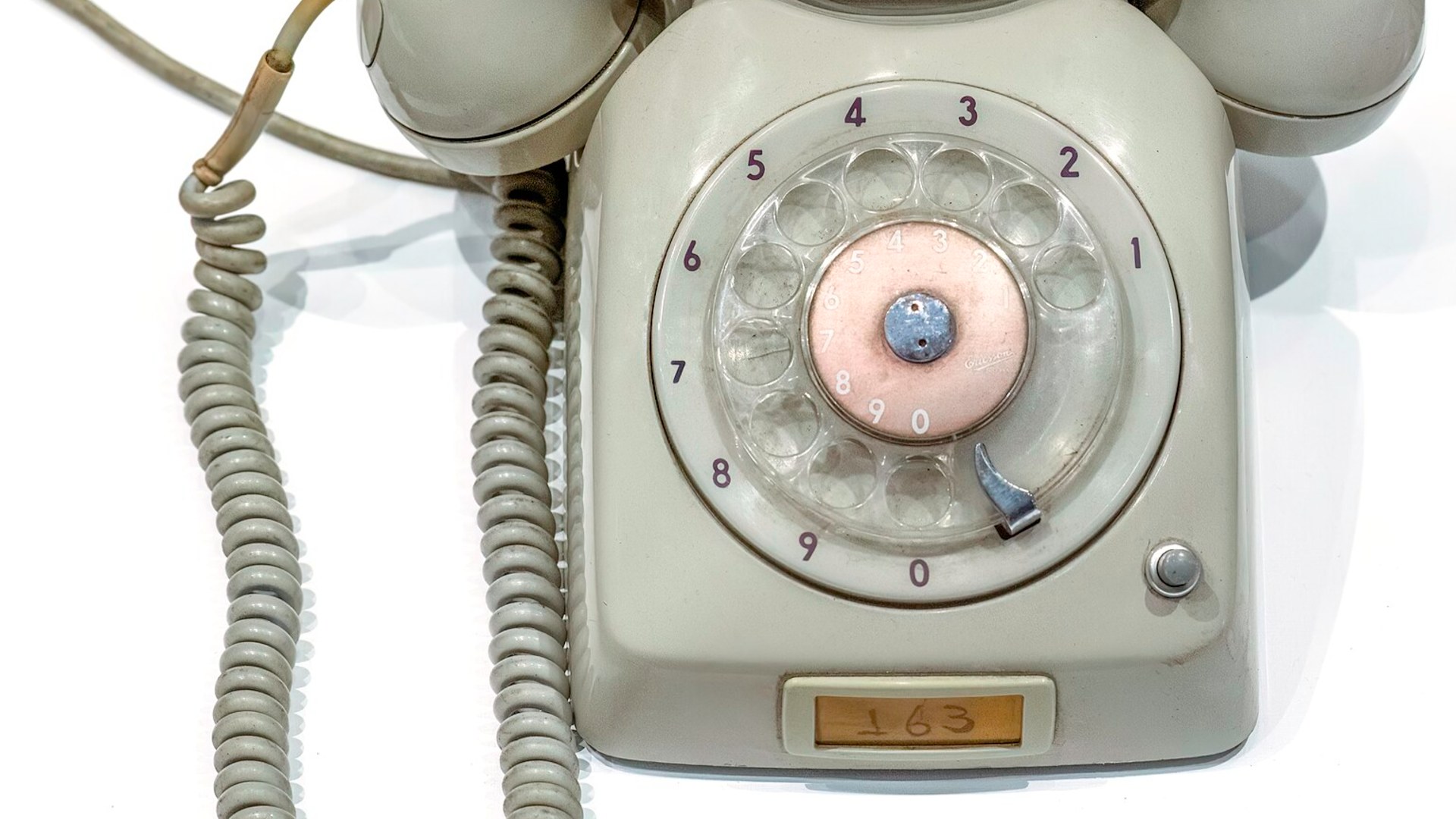
4. The Telephone
Alexander Graham Bell secured the patent for transmitting vocal sounds telegraphically in March 1876. By turning speech vibrations into electric current along copper wires, the telephone dissolved geographical isolation, accelerated emergency response times, and linked distant homes within seconds.
©Wikimedia / Wilfredor
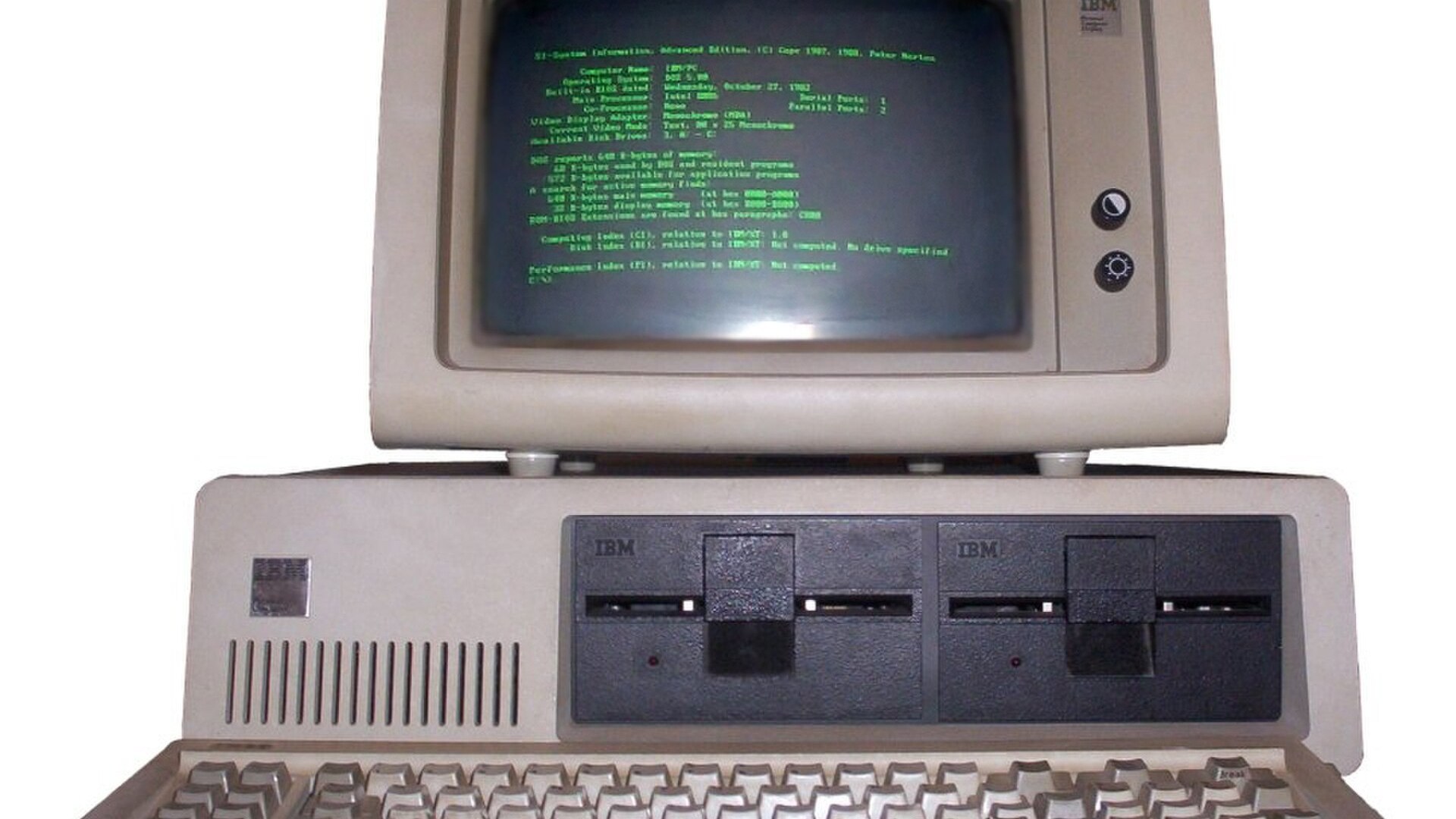
3. The Personal Computer
Emerging in the late 1970s through machines like the Apple II and IBM Personal Computer, compact microcomputers moved digital calculation from corporate mainframes to living room desks. The personal machine democratized information authoring, digital record keeping, and private software programming.
©Wikimedia / Uploader Reseletti
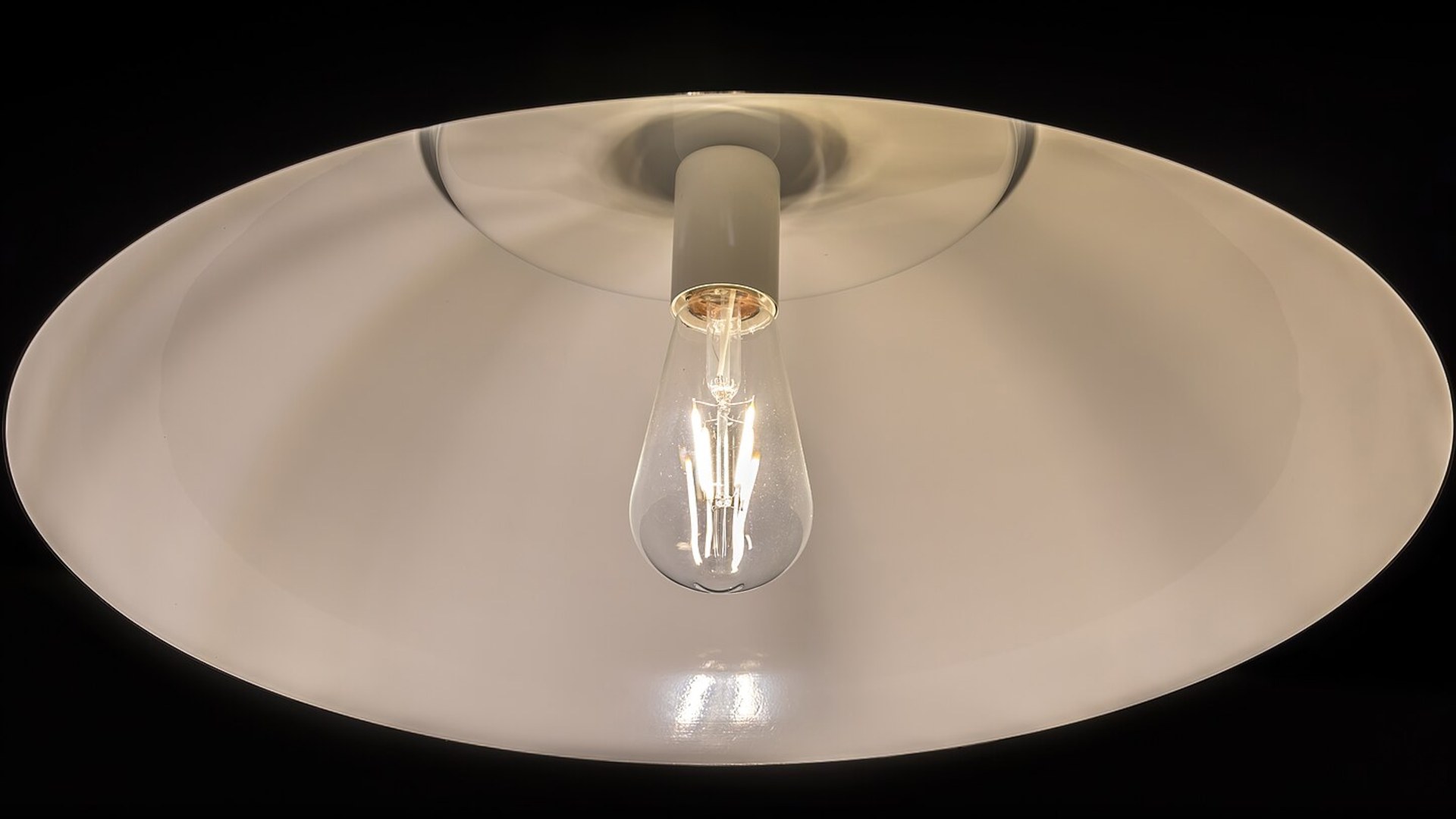
2. The Electric Light Bulb
Thomas Edison and Joseph Swan developed long-lasting carbonized filament lamps in 1879, providing safe steady illumination without open kerosene flames. Electric lighting doubled evening productive hours, reduced domestic fire risks, and transformed cities into around-the-clock centers of activity.
©Wikimedia / Basile Morin
Advertisement
Swipe or tap ▶ to resume the countdown.
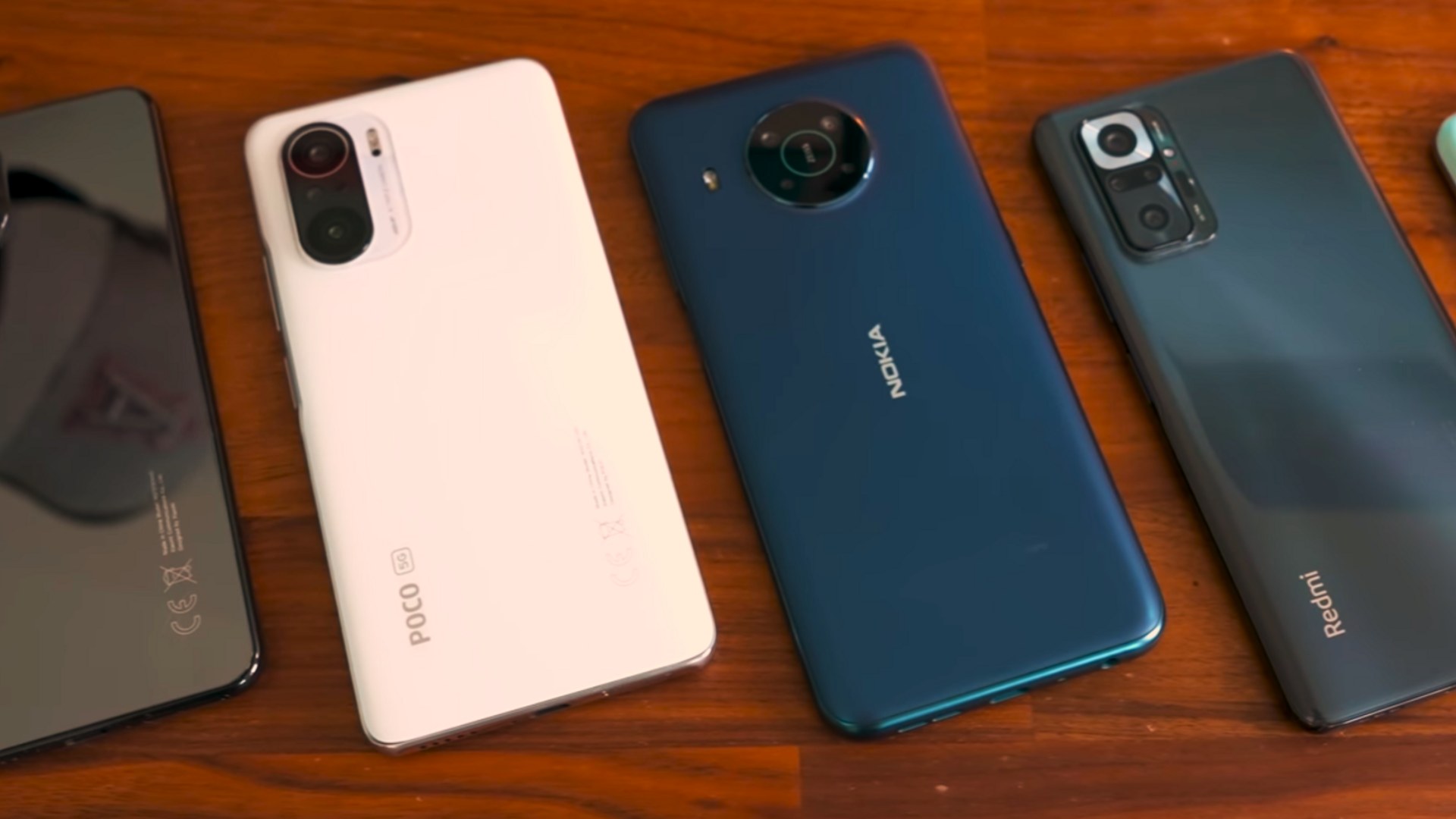
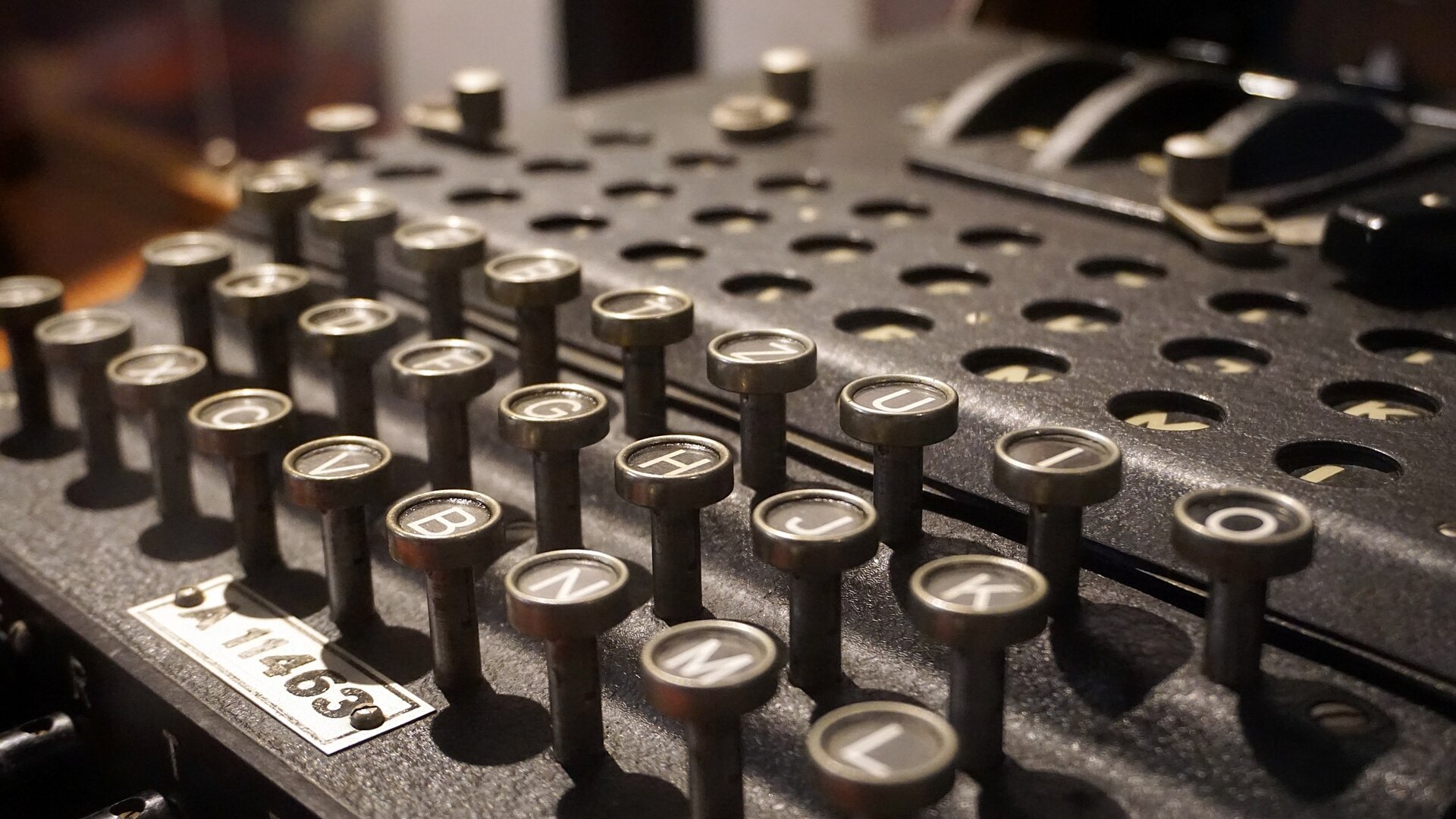
1. The Smartphone
Launched in 2007, modern capacitive multi-touch smartphones consolidated telecommunications, GPS street navigation, cameras, and internet access into pocket slabs. Billions of people use them daily for banking, work, and personal connections, making the pocket computer the defining tool of modern existence.
©Wikimedia / The Tech Cheat
Advertisement
You've reached the end of the story. Thanks for reading!

24 of the Most Unusual Military Vehicles Ever Built
Throughout modern history, military engineers pushed mechanical design to radical extremes in search of battlefield dominance. From flying gliders bolted onto armored tanks to spherical scout pods and scooter rockets, these twenty-four bizarre combat machines reveal the strangest war experiments ever brought to life.
All 20 Entries in this Story
20. The Safety Pin
American inventor Walter Hunt patented the safety pin in April 1849 after twisting eight inches of brass wire into a coiled clasp. Hunt sold his patent rights for four hundred dollars to pay a debt, creating a protective fastening design that shielded fingers and revolutionized garment care worldwide.

19. The Modern Can Opener
While canned food fed soldiers during the Civil War, consumers struggled to open metal tins with heavy bayonets until Ezra Warner patented an early lever opener in 1858. William Lyman introduced the rotating cutting wheel in 1925, establishing the smooth dual-wheel mechanism found in modern kitchens.

18. The Modern Zipper
Swedish engineer Gideon Sundback perfected the separable fastener in 1913 by introducing interlocking metal teeth and a sliding clasp. The B.F. Goodrich company coined the name zipper in 1923 when applying the fast mechanical closure to rubber boots, permanently transforming clothing and luggage design.

17. Adhesive Tape
Invented by 3M lab assistant Richard Drew in 1930, transparent cellulose tape began as a two-tone automotive masking aid. Consumers during the Great Depression adopted the moisture-resistant adhesive to repair torn banknotes, cracked book bindings, and broken eggs, turning sticky tape into a home staple.

16. The Ballpoint Pen
Hungarian journalist Laszlo Biro patented the ballpoint pen in 1938 after noticing that thick newspaper ink dried rapidly without smudging. Pairing viscous oil-based ink with a free-rolling socket sphere prevented leaks at high altitudes, leading the British Royal Air Force to adopt the pens for wartime flights.

15. The Microwave Oven
While testing radar cavity magnetrons at Raytheon in 1945, engineer Percy Spencer noticed that a chocolate bar in his coat pocket melted rapidly. Spencer enclosed microwave radio waves in a metal cooking box, creating the commercial Radarange in 1947 and cutting domestic meal preparation times drastically.

14. The Barcode
Conceived by Norman Joseph Woodland and Bernard Silver in 1949, the Universal Product Code was scanned commercially on a pack of chewing gum in June 1974. Optical laser checkout scanners slashed cashier wait times, eliminated manual price stickers, and automated retail inventory tracking worldwide.

13. The Pop-Up Electric Toaster
Tired of scorched bread in factory cafeterias, master mechanic Charles Strite patented the automatic pop-up toaster with a built-in timer in 1919. Commercialized for home kitchens under the Toastmaster brand in 1926, the appliance standardized uniform breakfast heating with internal release springs.

12. The Modern Nylon Toothbrush
For centuries people cleaned teeth with stiff animal hairs from Siberian boars, which harbored bacteria and shed easily. The DuPont company created synthetic nylon filament fibers in 1938, launching the Miracle Tuft toothbrush and establishing sterile, durable bristles as an accessible daily health tool.

11. The Portable Vacuum Cleaner
Suffering from severe asthma, Ohio department store janitor James Murray Spangler assembled a motorized fan, wooden broom handle, and pillowcase in 1907. Leather merchant William Hoover purchased Spangler patent in 1908, mass-producing upright electric suction sweepers that replaced manual rug beating.

10. The Electric Washing Machine
Early domestic laundry required boiling water over fires and rubbing fabrics against corrugated zinc boards for entire days. The introduction of motorized electric washing machines around 1908 mechanized drum rotation, saving billions of collective labor hours and fundamentally shifting household routines.

9. Corrective Eyeglasses
Pioneered in northern Italy during the late thirteenth century, wearable glass lenses compensated for presbyopia and refractive vision errors. The invention extended the productive working lives of craftsmen, scholars, and readers by decades, laying essential groundwork for scientific microscopy and telescopes.

8. The Modern Flush Toilet
English watchmaker Alexander Cumming patented the S-shaped water trap in 1775, using standing water to form an airtight barrier against sewer gas. Combined with municipal sewage networks in nineteenth-century cities, sanitary flush toilets curtailed deadly urban outbreaks of cholera and typhoid fever.

7. The Safety Bicycle
John Kemp Starley introduced the Rover safety bicycle in Coventry in 1885, featuring equally sized wheels, steerable front forks, and rear chain drive. Replacing perilous high-wheelers, the reliable bicycle gave working-class citizens cheap independent mobility and catalyzed modern women dress reform.

6. Adhesive Bandages
Johnson and Johnson employee Earle Dickson invented the Band-Aid in 1920 so his wife Josephine could dress kitchen burns without assistance. By applying sterile cotton gauze strips down the center of surgical tape and covering it with crinoline fabric, Dickson created instant single-handed wound dressings.

5. The Domestic Refrigerator
Before domestic electric refrigeration, families relied on harvested pond ice blocks hauled by wagons to delay spoilage in wooden iceboxes. General Electric introduced the mass-produced Monitor Top sealed unit in 1927, preserving dairy, meats, and medicines safely at home while eliminating daily grocery runs.

4. The Telephone
Alexander Graham Bell secured the patent for transmitting vocal sounds telegraphically in March 1876. By turning speech vibrations into electric current along copper wires, the telephone dissolved geographical isolation, accelerated emergency response times, and linked distant homes within seconds.

3. The Personal Computer
Emerging in the late 1970s through machines like the Apple II and IBM Personal Computer, compact microcomputers moved digital calculation from corporate mainframes to living room desks. The personal machine democratized information authoring, digital record keeping, and private software programming.

2. The Electric Light Bulb
Thomas Edison and Joseph Swan developed long-lasting carbonized filament lamps in 1879, providing safe steady illumination without open kerosene flames. Electric lighting doubled evening productive hours, reduced domestic fire risks, and transformed cities into around-the-clock centers of activity.

1. The Smartphone
Launched in 2007, modern capacitive multi-touch smartphones consolidated telecommunications, GPS street navigation, cameras, and internet access into pocket slabs. Billions of people use them daily for banking, work, and personal connections, making the pocket computer the defining tool of modern existence.