Slideshow · Animals
20 Animals That Build Remarkable Homes and Wild Structures
Across global ecosystems, animal species design architectural feats that rival human civil engineering. Based on field research by the BBC Natural History Unit and studies in Nature and Animal Behaviour, discover twenty wild builders constructing climate-controlled towers, silk chambers, and vast earthen mounds.
By Most Viral Today
21 min ago

Wild Architects and the Secrets of Animal Engineering 
20. Potter Wasps: Sculpted Mud Urns 
19. Trapdoor Spiders: Camouflaged Subterranean Bunkers 
18. Weaver Ants: Living Silk Canopies - AdvertisementSwipe or tap ▶ to continue countdown

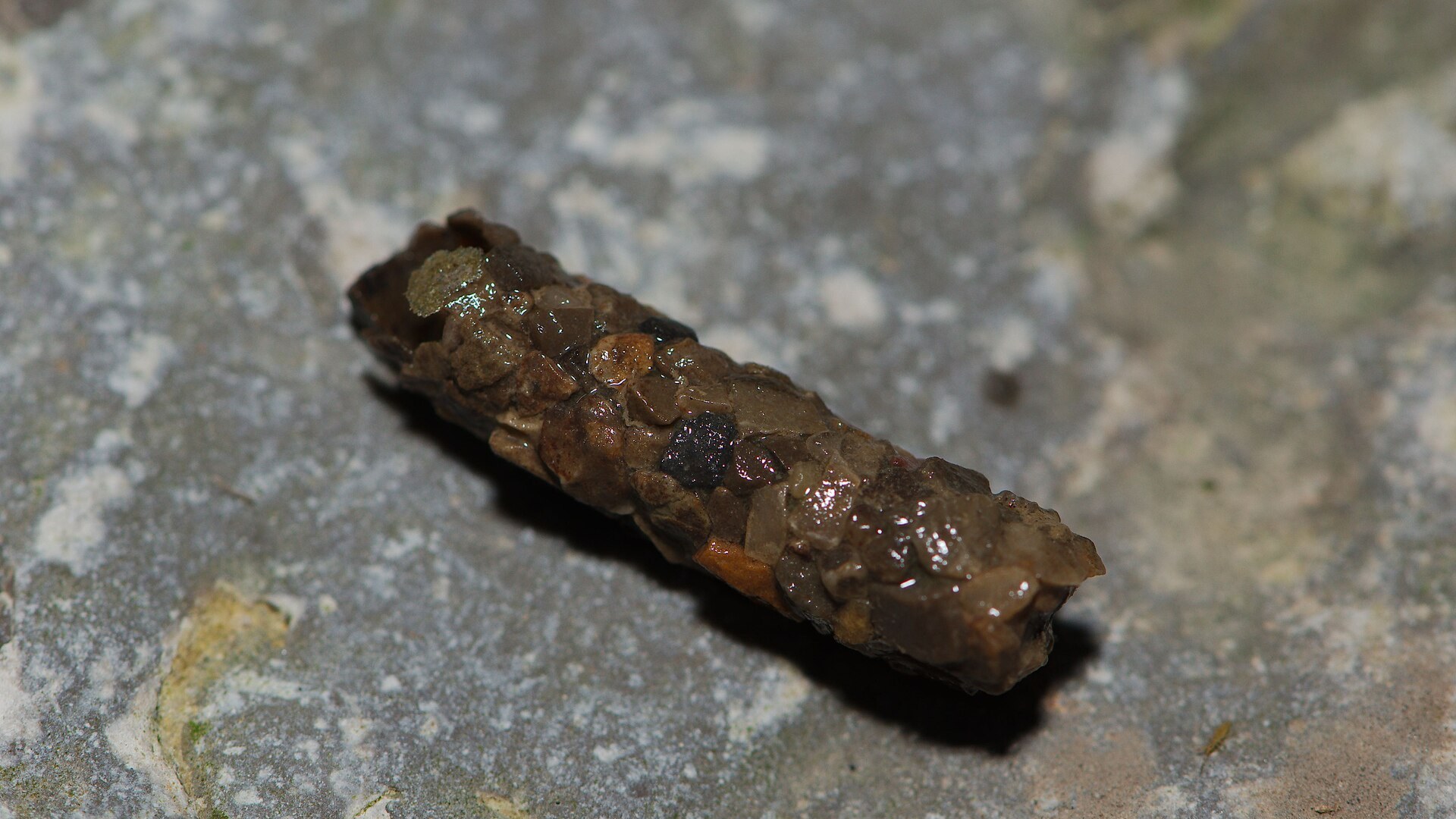
17. Caddisfly Larvae: Portable Mineral Armor 
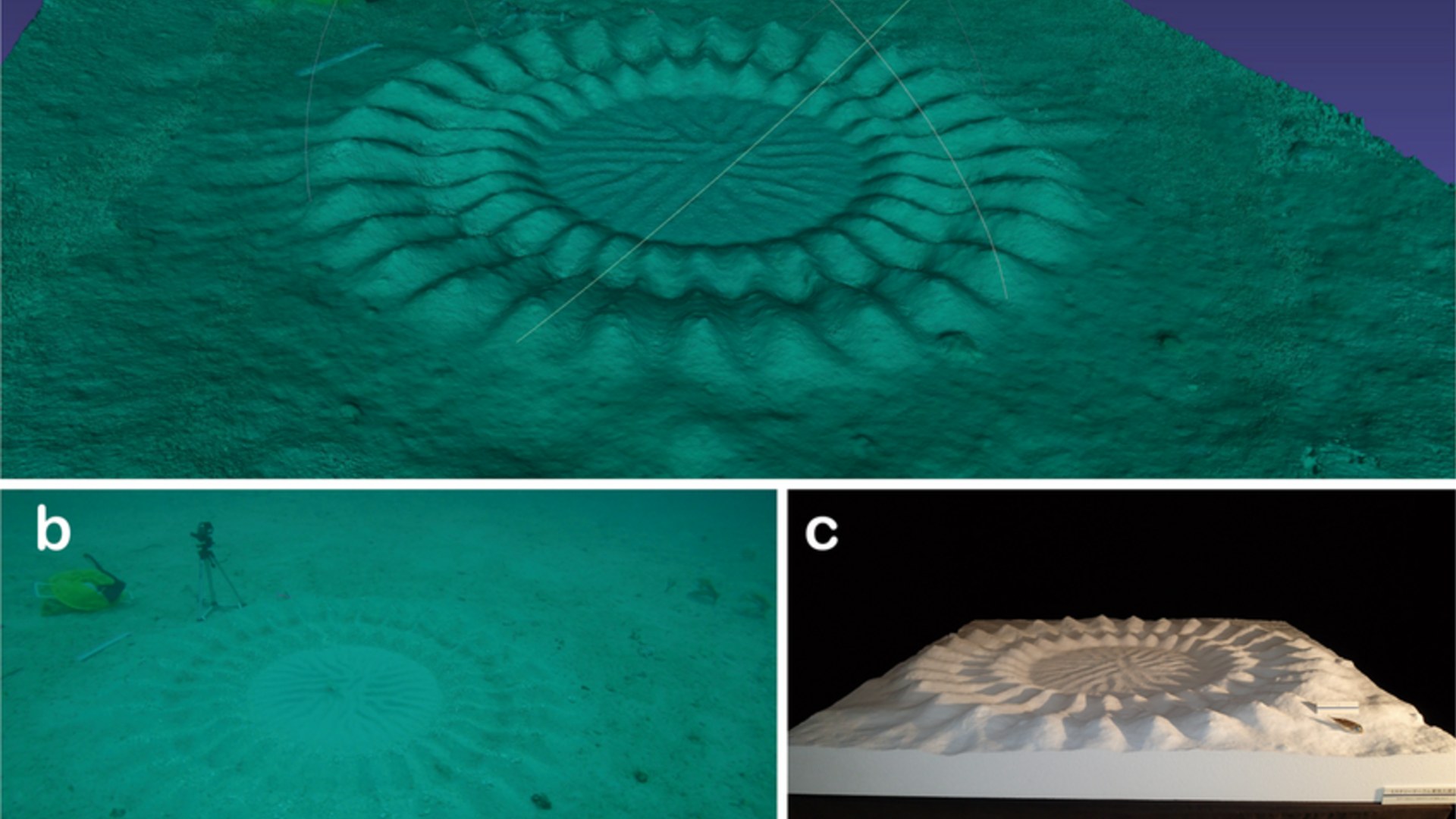
16. White-Spotted Pufferfish: Geometric Seabed Sanctuaries 
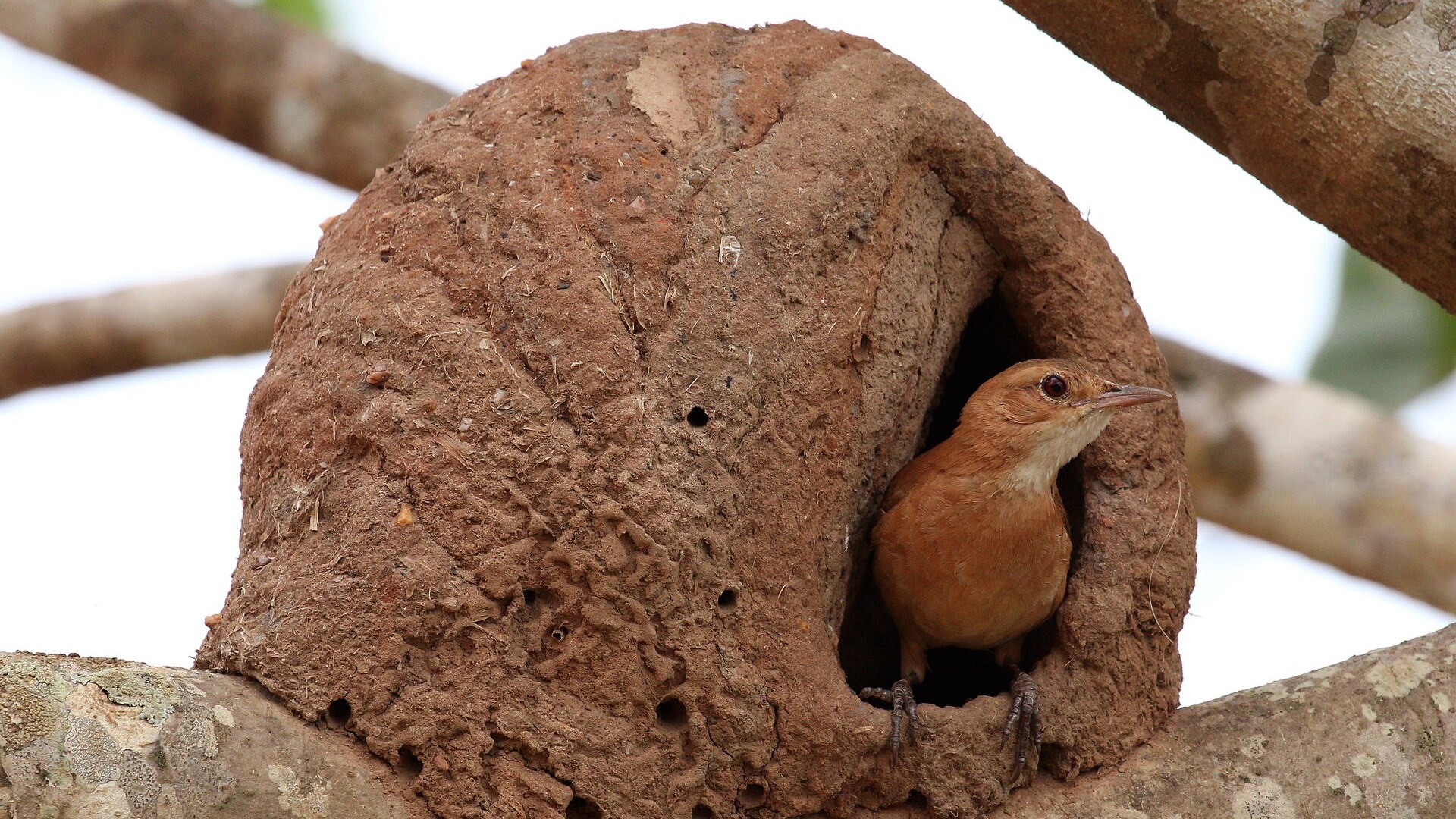
15. Red Ovenbirds: Sun-Baked Earthen Castles 
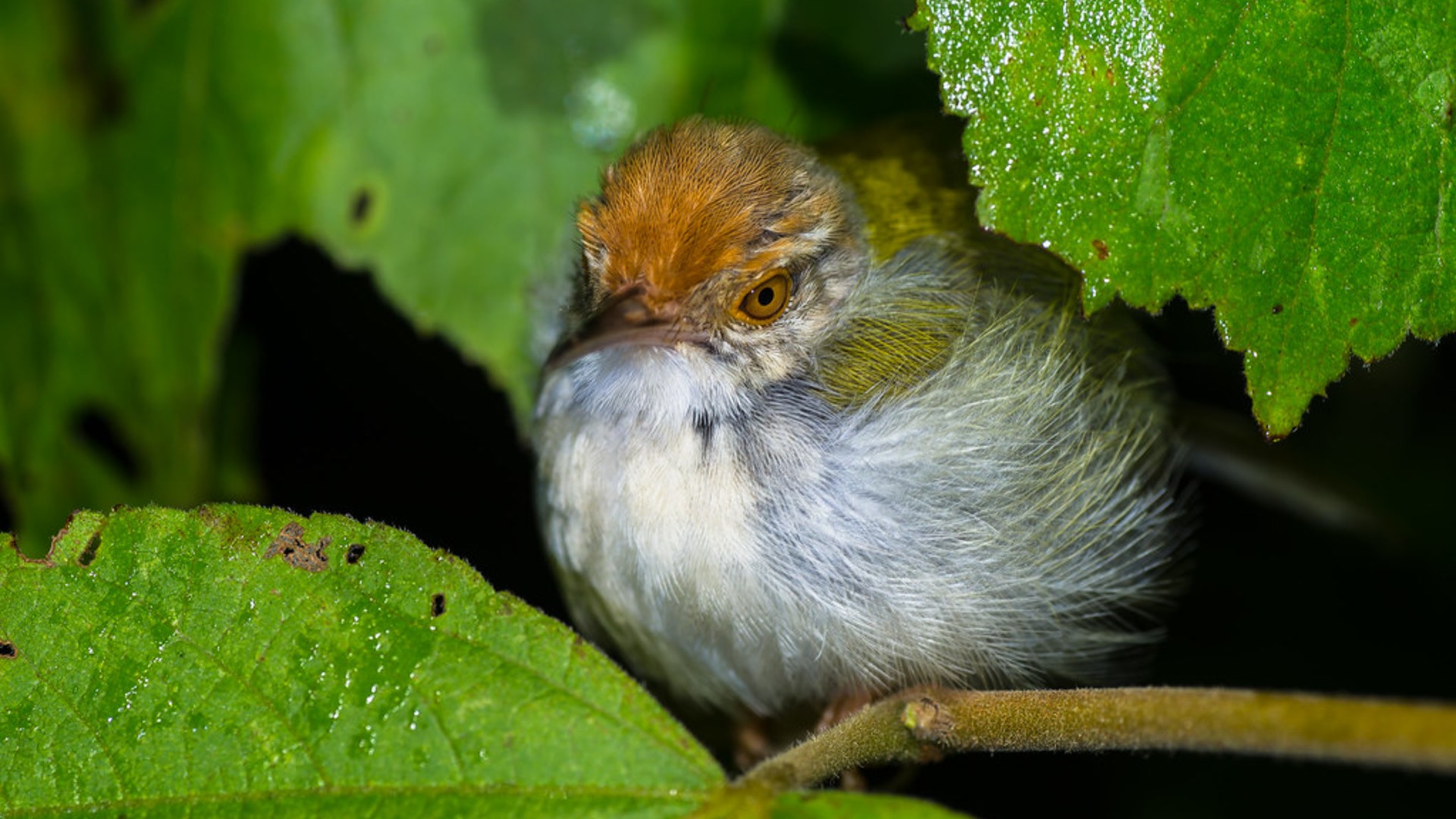
14. Common Tailorbirds: Hand-Stitched Leaf Pouches - AdvertisementSwipe or tap ▶ to continue countdown

13. European Badgers: Century-Old Underground Setts 
12. Black-Tailed Prairie Dogs: Sprawling Subterranean Towns 
11. Great Bowerbirds: Forced-Perspective Twig Avenues 
10. Vogelkop Bowerbirds: Curated Forest Art Galleries - AdvertisementSwipe or tap ▶ to continue countdown

9. Montezuma Oropendolas: Hanging Canopy Pouches 
8. Baya Weavers: Suspended Grass Flasks 
7. Sociable Weavers: Colossal Communal Haystacks 
6. Stony Corals: Living Calcium Carbonate Fortresses - AdvertisementSwipe or tap ▶ to continue countdown

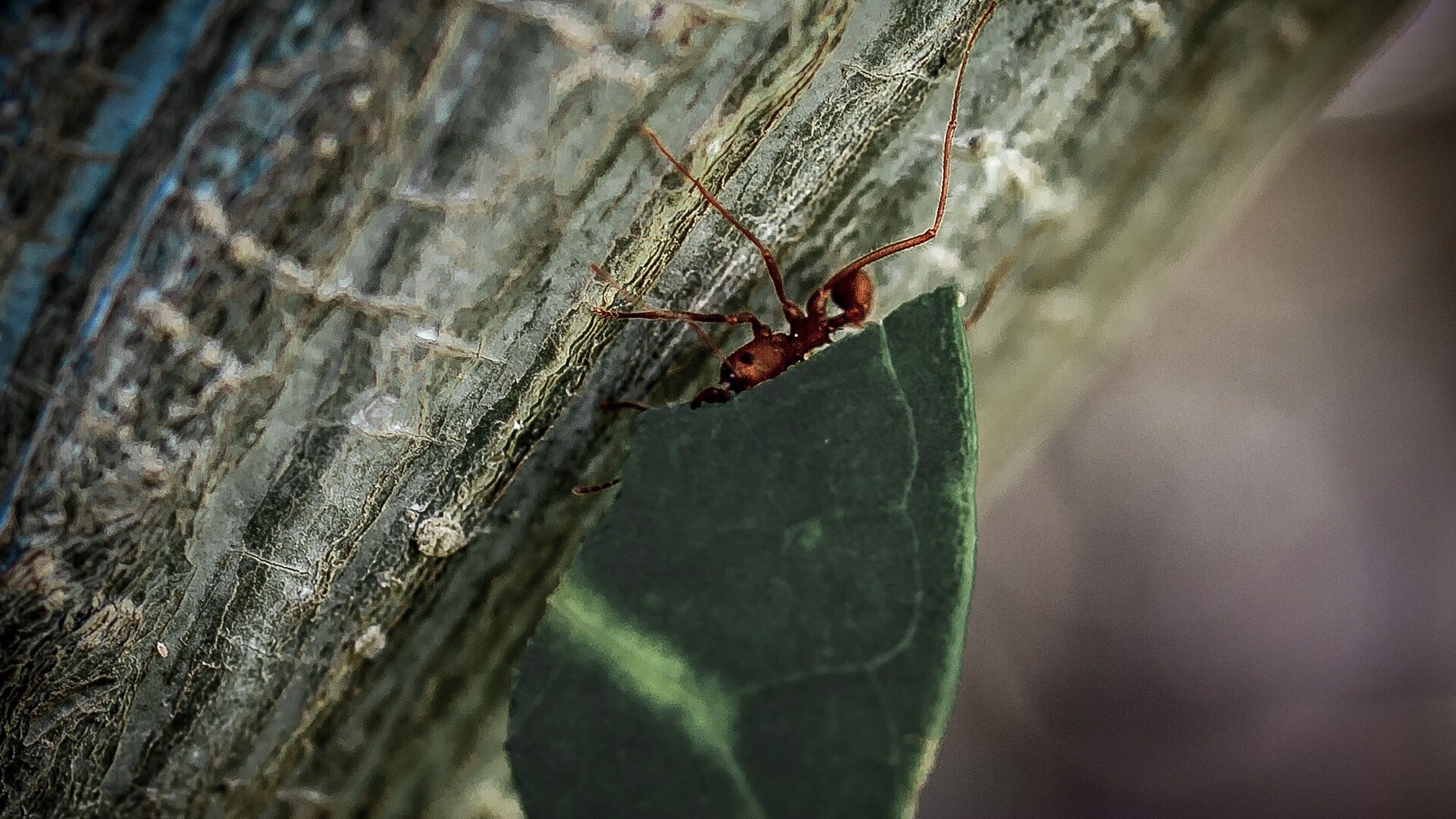
5. Leafcutter Ants: Ventilated Subterranean Metropolises 
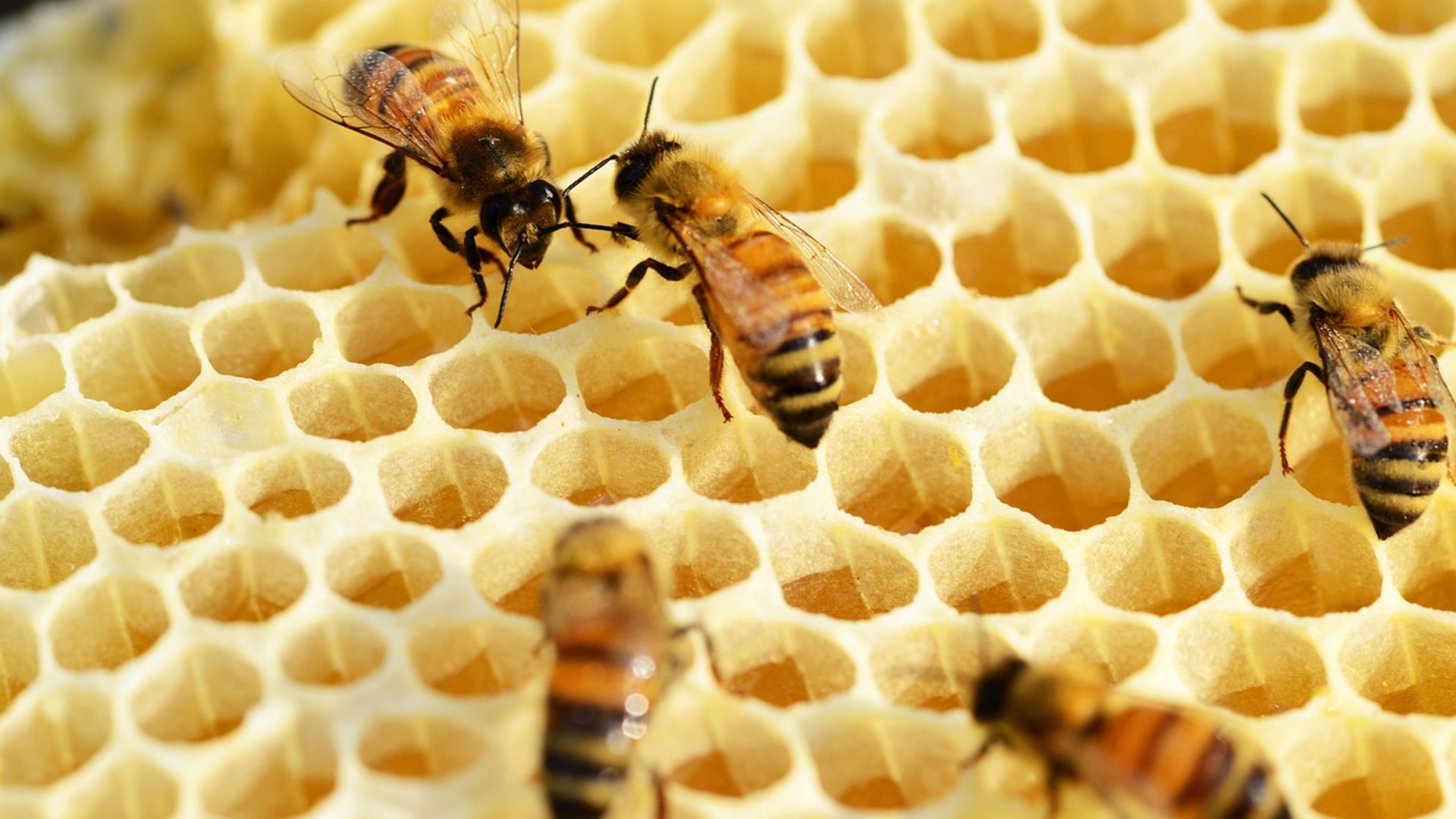
4. Western Honeybees: Hexagonal Wax Architecture 
3. Compass Termites: Solar-Aligned Magnetic Slabs 
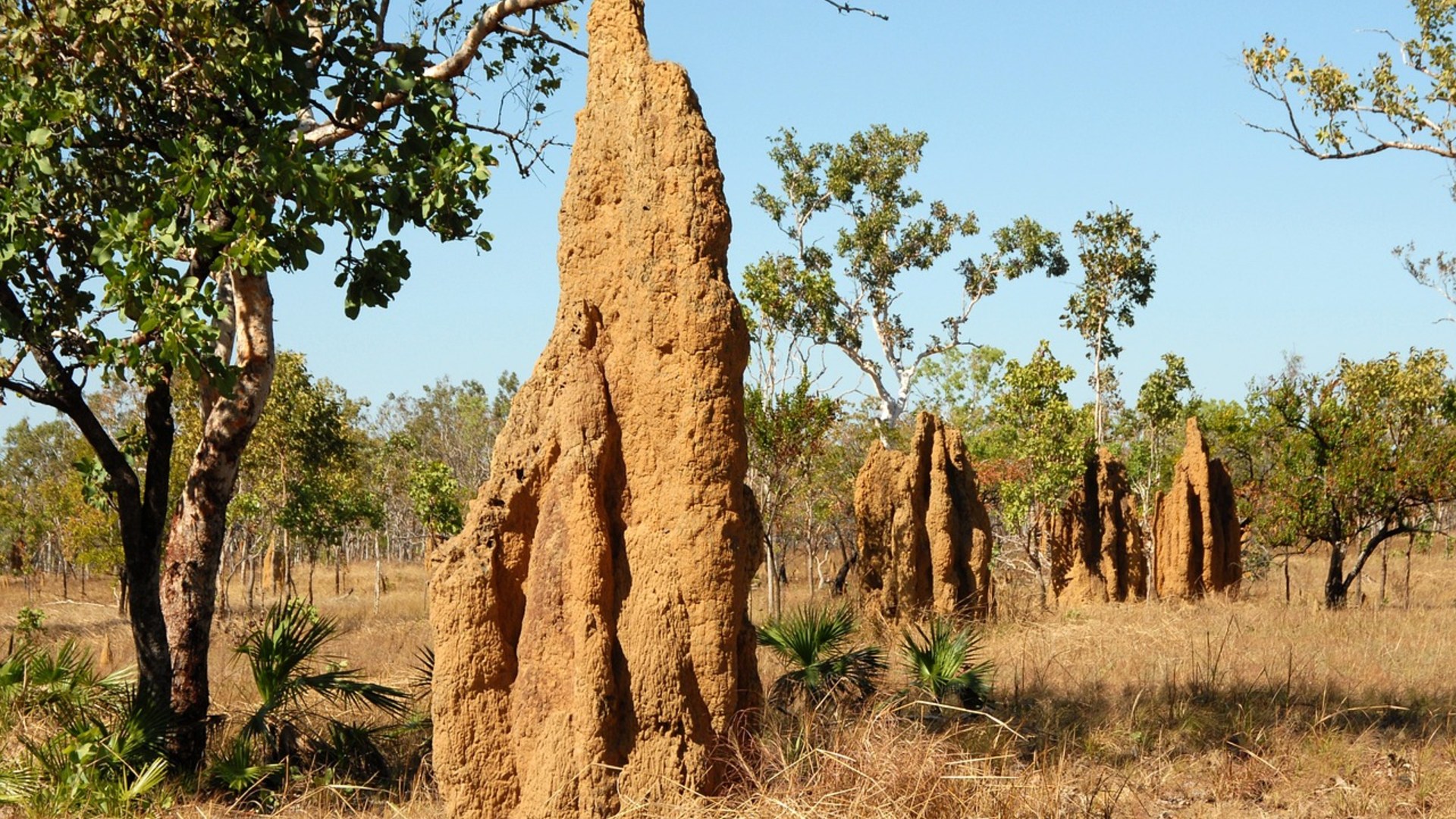
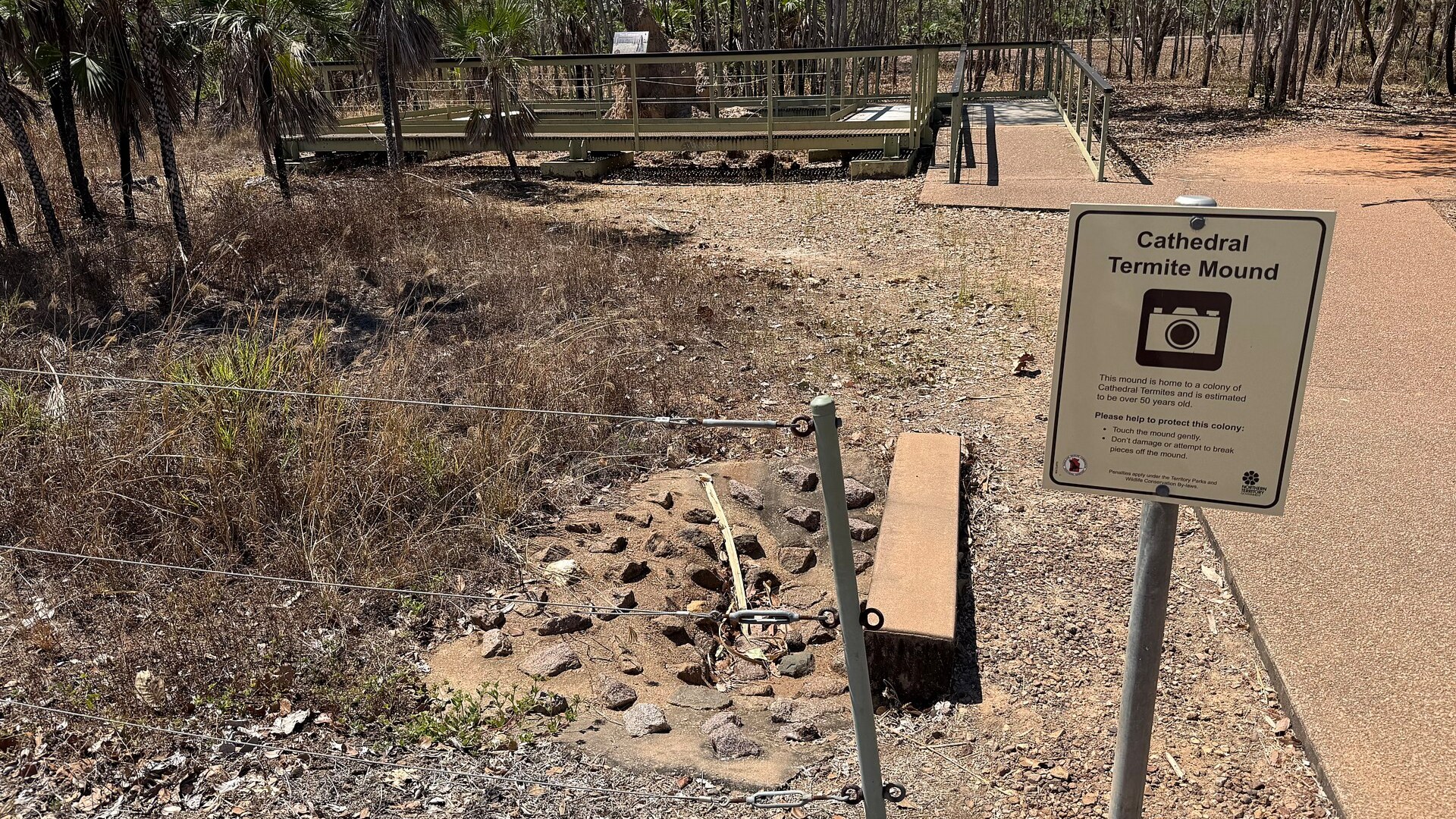
2. Cathedral Termites: Towering Microclimate Spires - AdvertisementSwipe or tap ▶ to continue countdown

1. North American Beavers: Continental Wetland Engineers - Advertisement🔥 UP NEXT IN THIS SERIES◫ 21 Slides

20 Animals That Live More Than 100 Years
Across terrestrial forests and the deepest oceanic trenches, certain animal species possess biological adaptations that allow them to live for centuries or defy aging entirely. Based on peer reviewed findings from Live Science, Nature, and science research institutes, here are twenty species with extreme lifespans.
Across global ecosystems, animal species design architectural feats that rival human civil engineering. Based on field research by the BBC Natural History Unit and studies in Nature and Animal Behaviour, discover twenty wild builders constructing climate-controlled towers, silk chambers, and vast earthen mounds.
Swipe or tap ▶ to begin the countdown
©Wikimedia / Ryan Hodnett
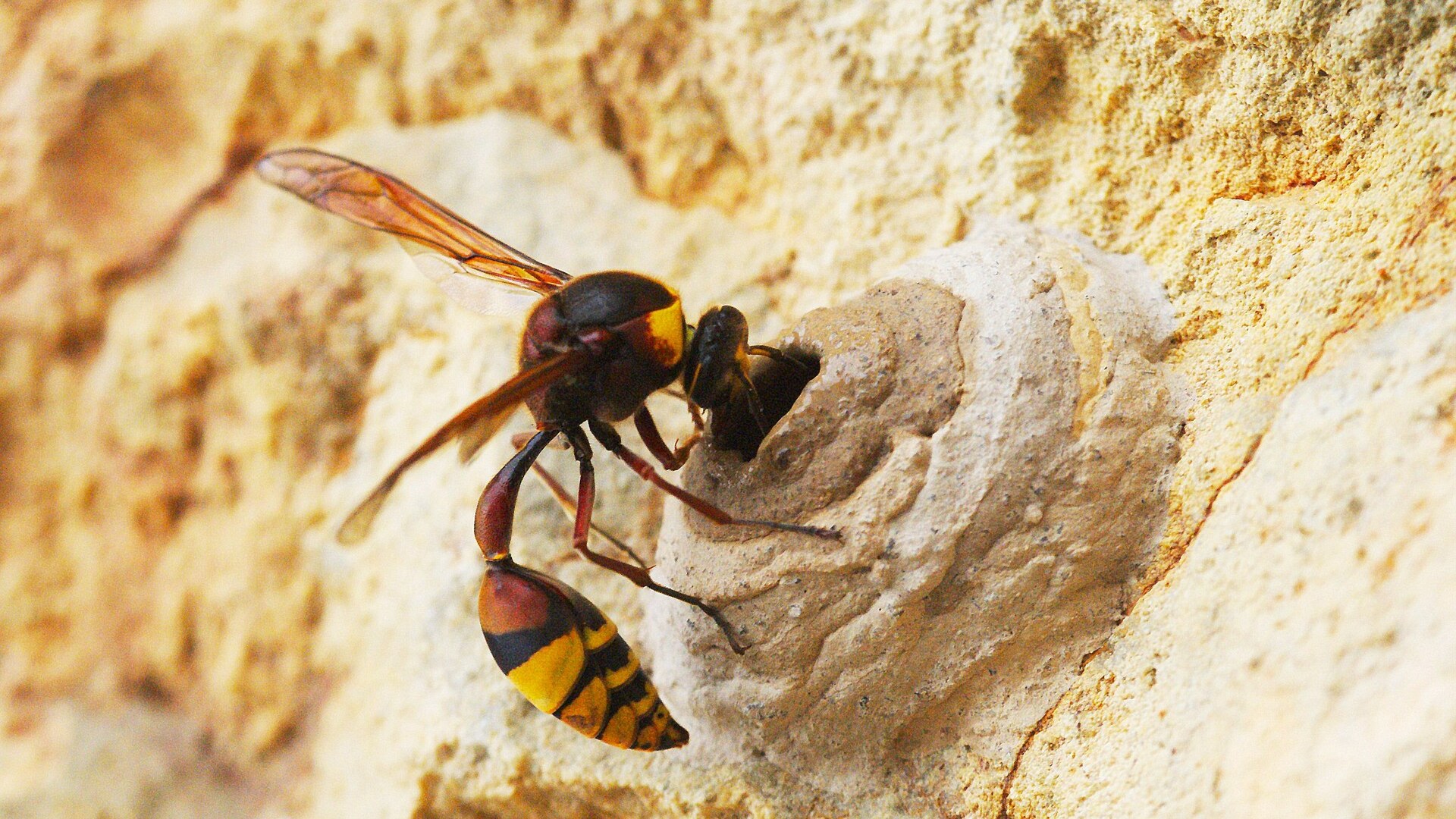
20. Potter Wasps: Sculpted Mud Urns
Female potter wasps gather damp soil and mix it with saliva to mold miniature clay vessels on plant stems. After stocking each jug with paralyzed caterpillars for fresh nutrition, the female deposits a single hanging egg inside before cementing the top with a mud plug that hardens in the sun.
©Wikimedia / Ian Alexander
19. Trapdoor Spiders: Camouflaged Subterranean Bunkers
Trapdoor spiders dig vertical burrows up to thirty centimeters deep, lining the walls with waterproof silk to prevent cave-ins. They build a tight-fitting beveled lid out of soil, moss, and silk hinges. Hidden below the closed door, the spider detects vibrations before lunging out at passing prey.
©Wikimedia / JonRichfield
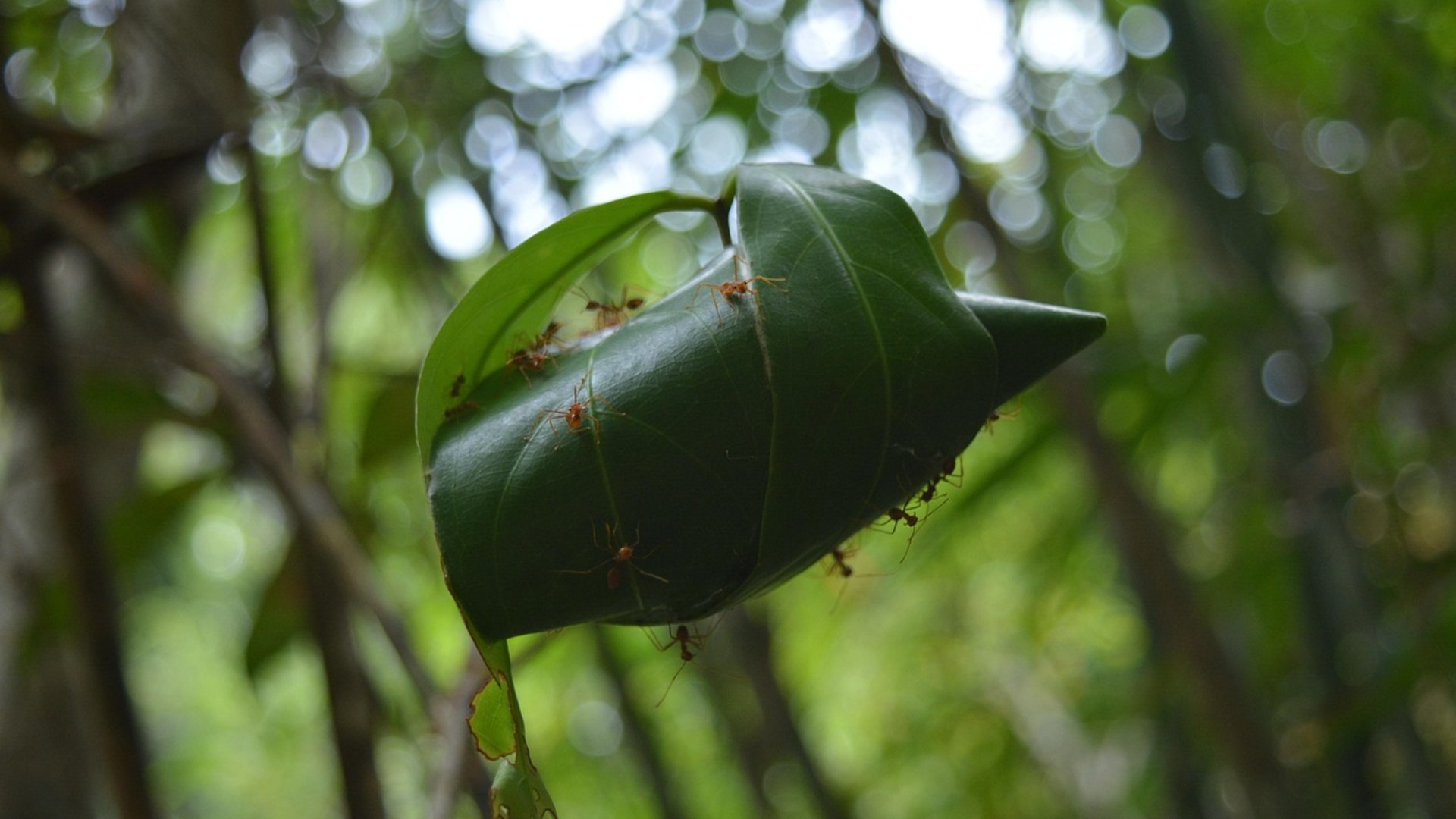
18. Weaver Ants: Living Silk Canopies
Weaver ants construct complex canopy nests by forming living chains of workers that pull broad tree leaves together under tension. Other workers then hold larvae in their mandibles and gently press them against the leaf edges, stimulating the larvae to excrete fine silk strands that stitch the living leaves together.
©Pixabay / DavidClode
Advertisement
Swipe or tap ▶ to resume the countdown.
17. Caddisfly Larvae: Portable Mineral Armor
In freshwater streams, caddisfly larvae construct portable protective tubes using materials scavenged from the stream bed, including sand grains, pebbles, and plant fragments. They bind these elements together with sticky waterproof silk produced by modified salivary glands, crafting durable armored shells.
©Wikimedia / marsupium photography
16. White-Spotted Pufferfish: Geometric Seabed Sanctuaries
Measuring barely twelve centimeters long, male white-spotted pufferfish spend over a week digging complex two-meter circular patterns in sandy sea floors off the coast of Japan. By flapping their fins against the sand, males carve symmetrical peaks and valleys that channel water currents to protect deposited eggs.
©Wikimedia / Hiroshi Kawase, Yuki Kitajima, Daisuke Iwai
15. Red Ovenbirds: Sun-Baked Earthen Castles
Red ovenbirds across South America sculpt dome-shaped mud nests that resemble miniature wood-fired ovens. Working as mated pairs, they assemble thousands of mud and straw pellets into a heavy structure containing an inner nesting chamber concealed behind a curved dividing wall that blocks wind and predators.
©Wikimedia / Charles J. Sharp
14. Common Tailorbirds: Hand-Stitched Leaf Pouches
Common tailorbirds in tropical Asia construct camouflaged nests by piercing the margins of living leaves with their needle-sharp bills. They pull plant fibers or spider silk through the perforations to sew the edges together into a secure conical pouch, inside which they build a soft cup of cotton down.
©Openverse / Rushen!
Advertisement
Swipe or tap ▶ to resume the countdown.
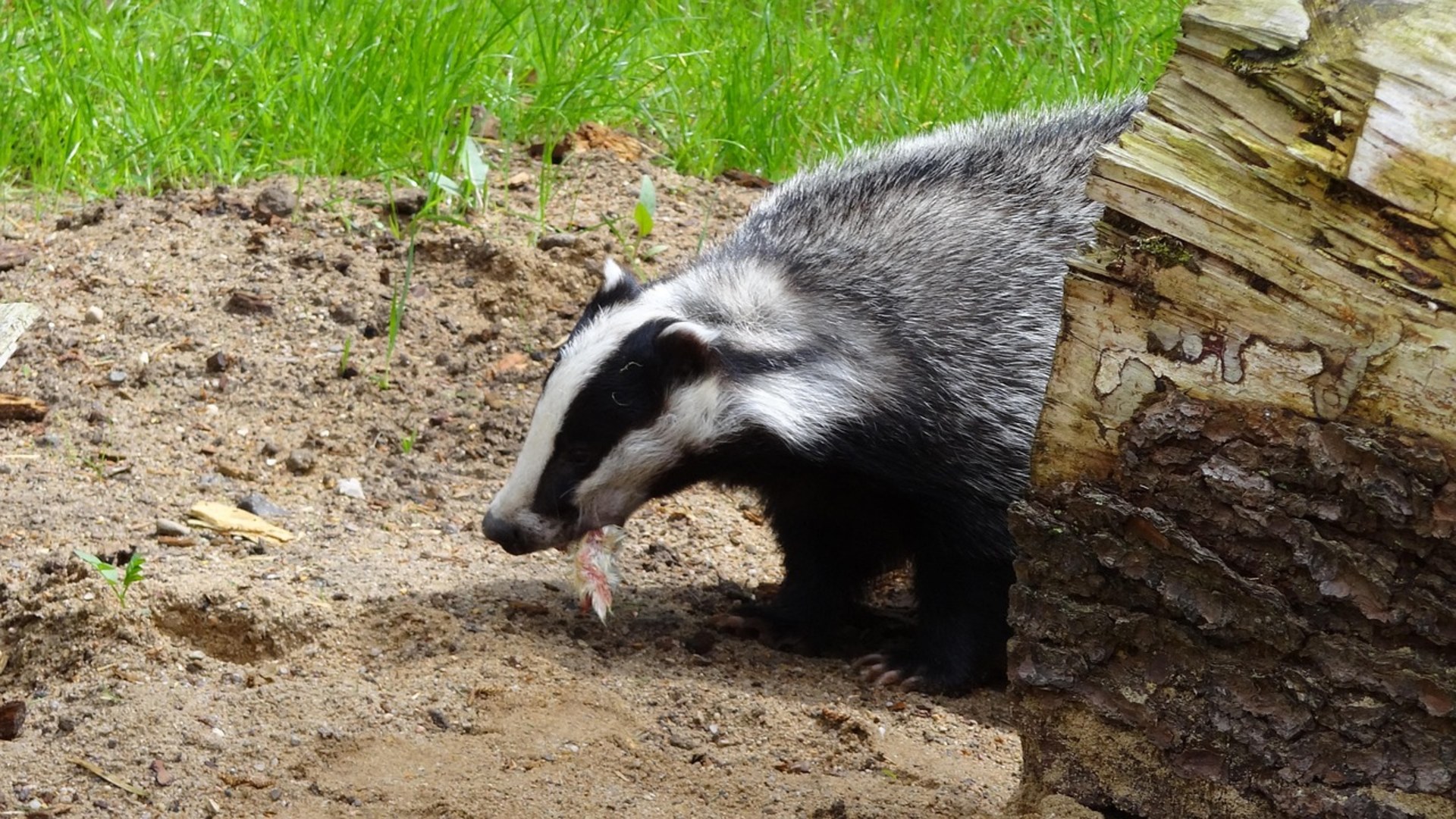
13. European Badgers: Century-Old Underground Setts
European badgers occupy family territories centered on elaborate underground labyrinth networks called setts. Featuring dozens of tunnel entrances and separate sleeping chambers lined with fresh bracken, some historical setts expand continuously over several decades and span hundreds of square meters.
©Pixabay / Beeki
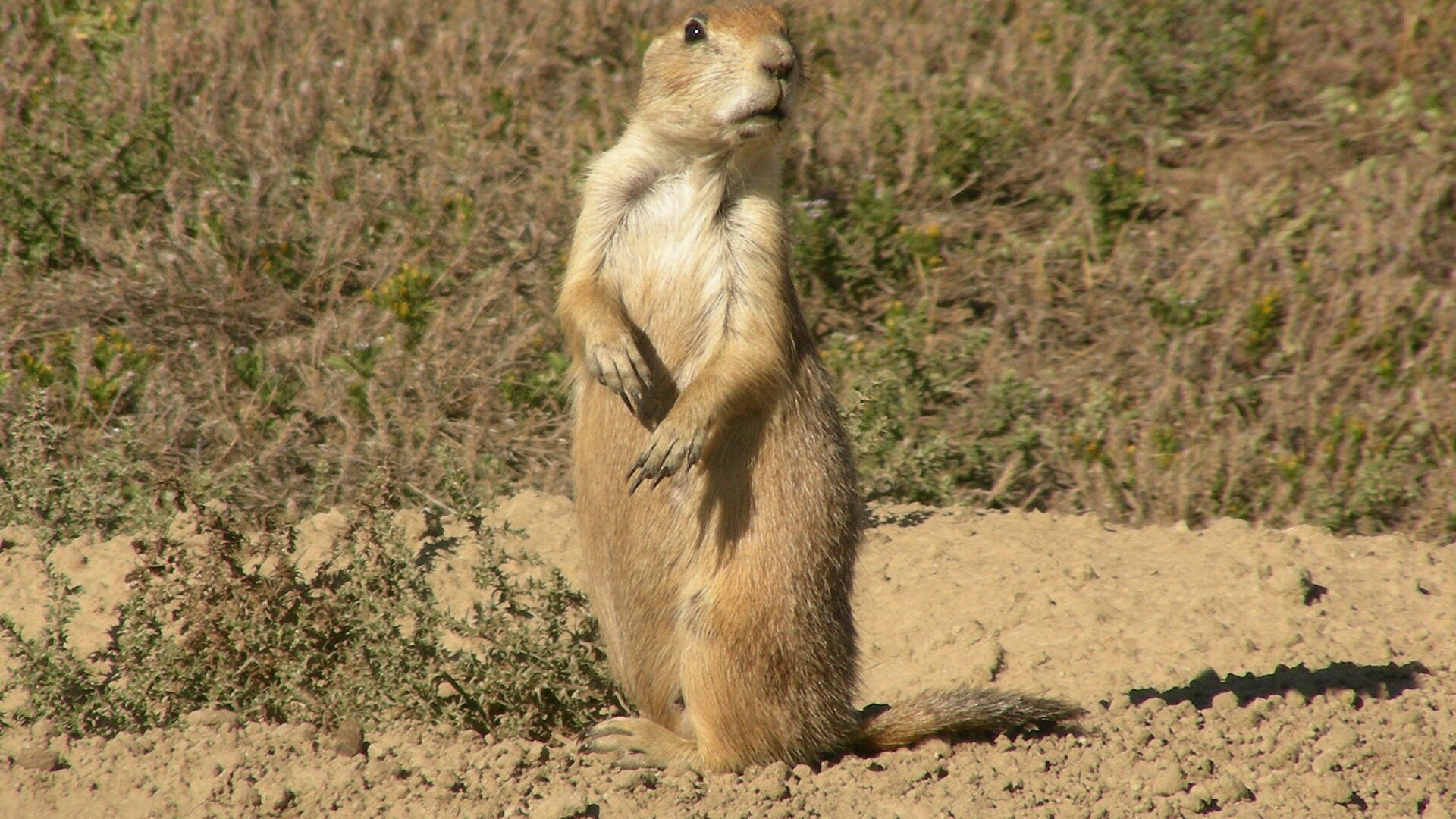
12. Black-Tailed Prairie Dogs: Sprawling Subterranean Towns
Black-tailed prairie dogs engineer massive underground towns containing specialized zones for sleeping, nurseries, and winter shelter. By sculpting raised crater mounds around select tunnel openings, prairie dogs exploit Bernoulli's principle to drive passive airflow ventilation throughout the subterranean system.
©Wikimedia / NPS
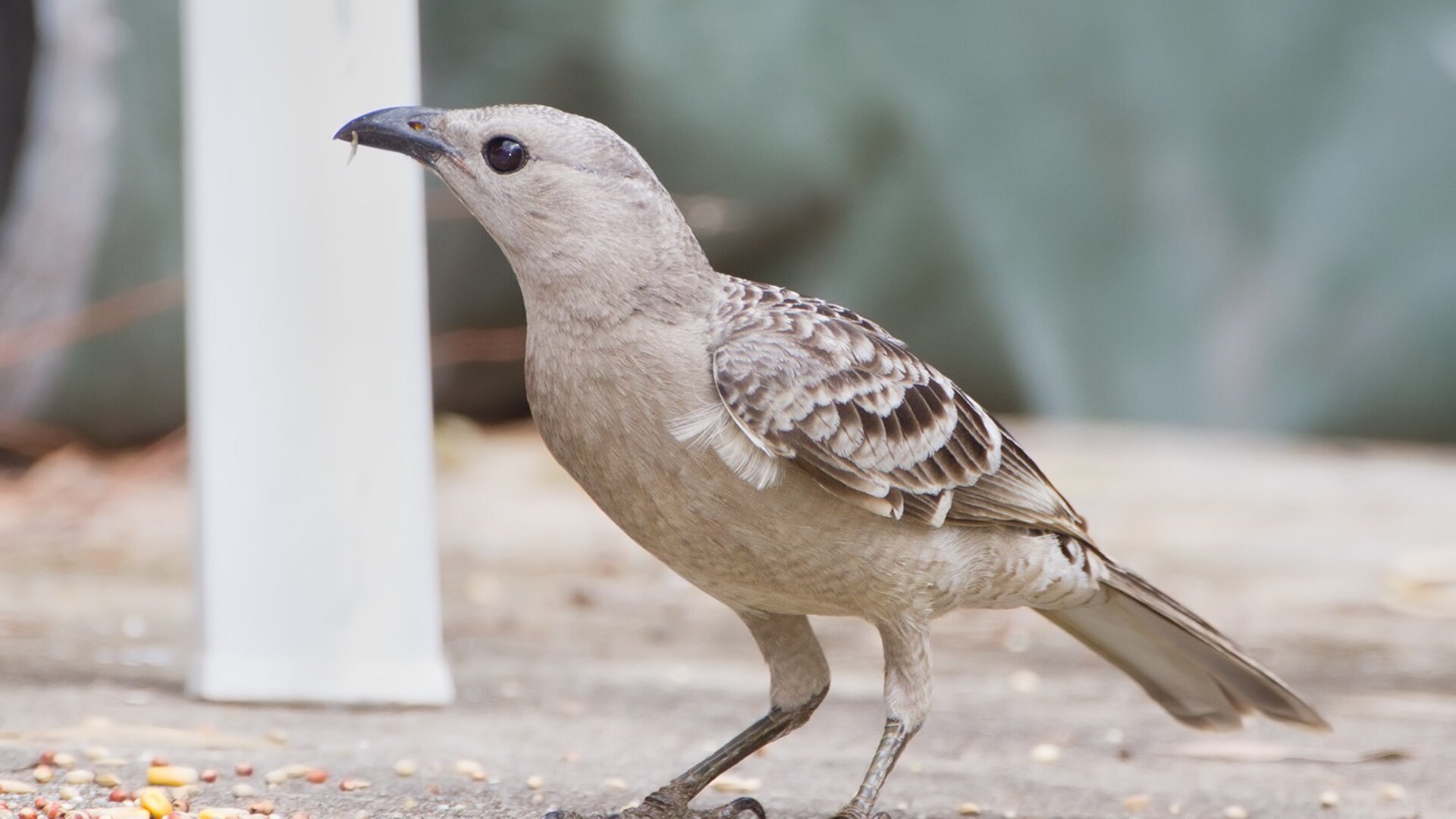
11. Great Bowerbirds: Forced-Perspective Twig Avenues
Male great bowerbirds in northern Australia erect upright twin walls of twigs and pave the central avenue with bleached bones, shells, and river stones. The male arranges display objects in a strict size gradient, generating a forced-perspective optical illusion that makes him appear larger to observing females.
©Wikimedia / JJ Harrison ( )
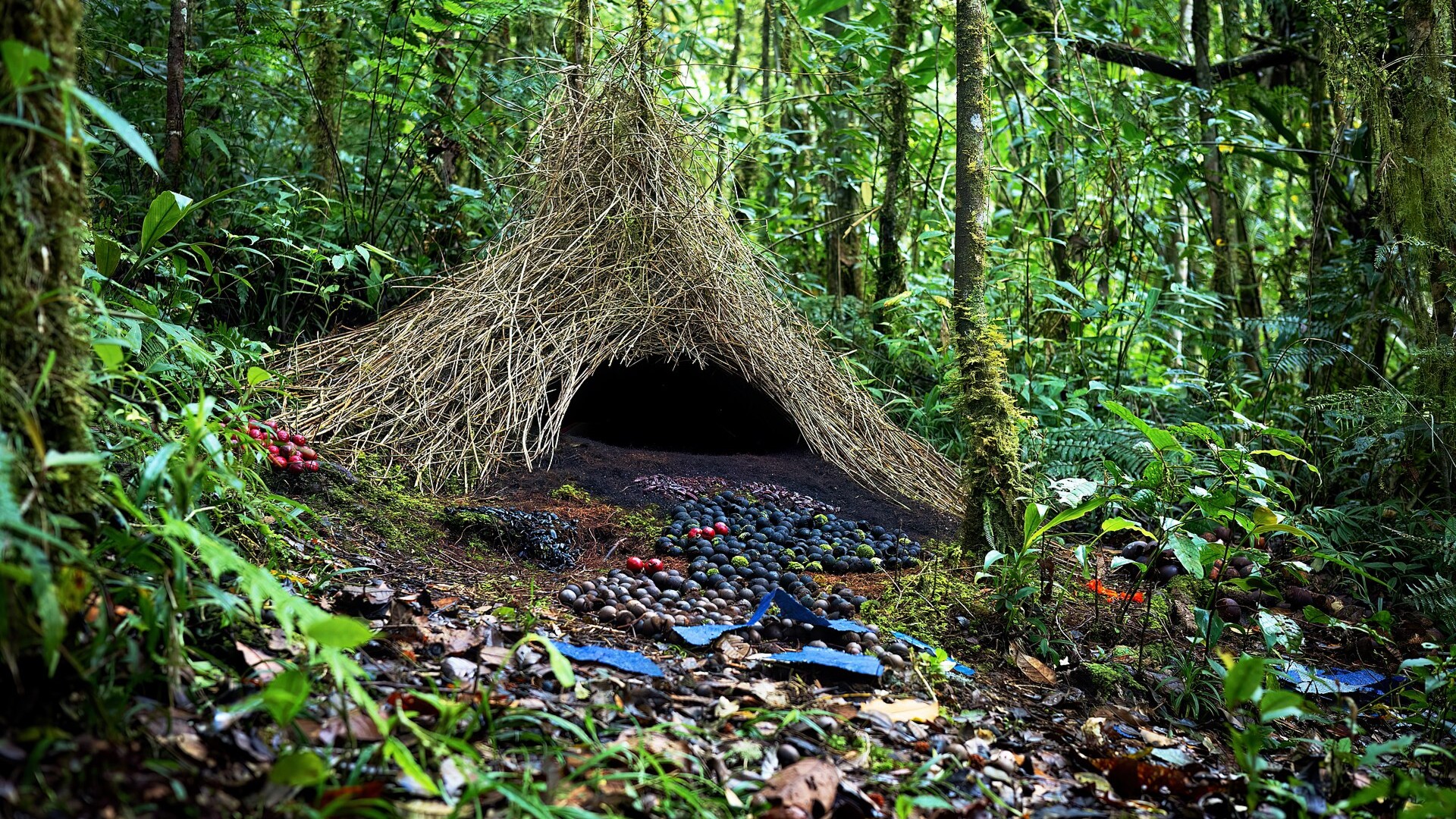
10. Vogelkop Bowerbirds: Curated Forest Art Galleries
Native to the cloud forests of New Guinea, male Vogelkop bowerbirds build conical moss huts supported by a sapling trunk. Outside the sheltered entryway, the male lays a clean moss lawn meticulously sorted with piles of charcoal, red fruit, blue beetles, and vibrant flowers, replacing withered items daily.
©Wikimedia / JJ Harrison
Advertisement
Swipe or tap ▶ to resume the countdown.
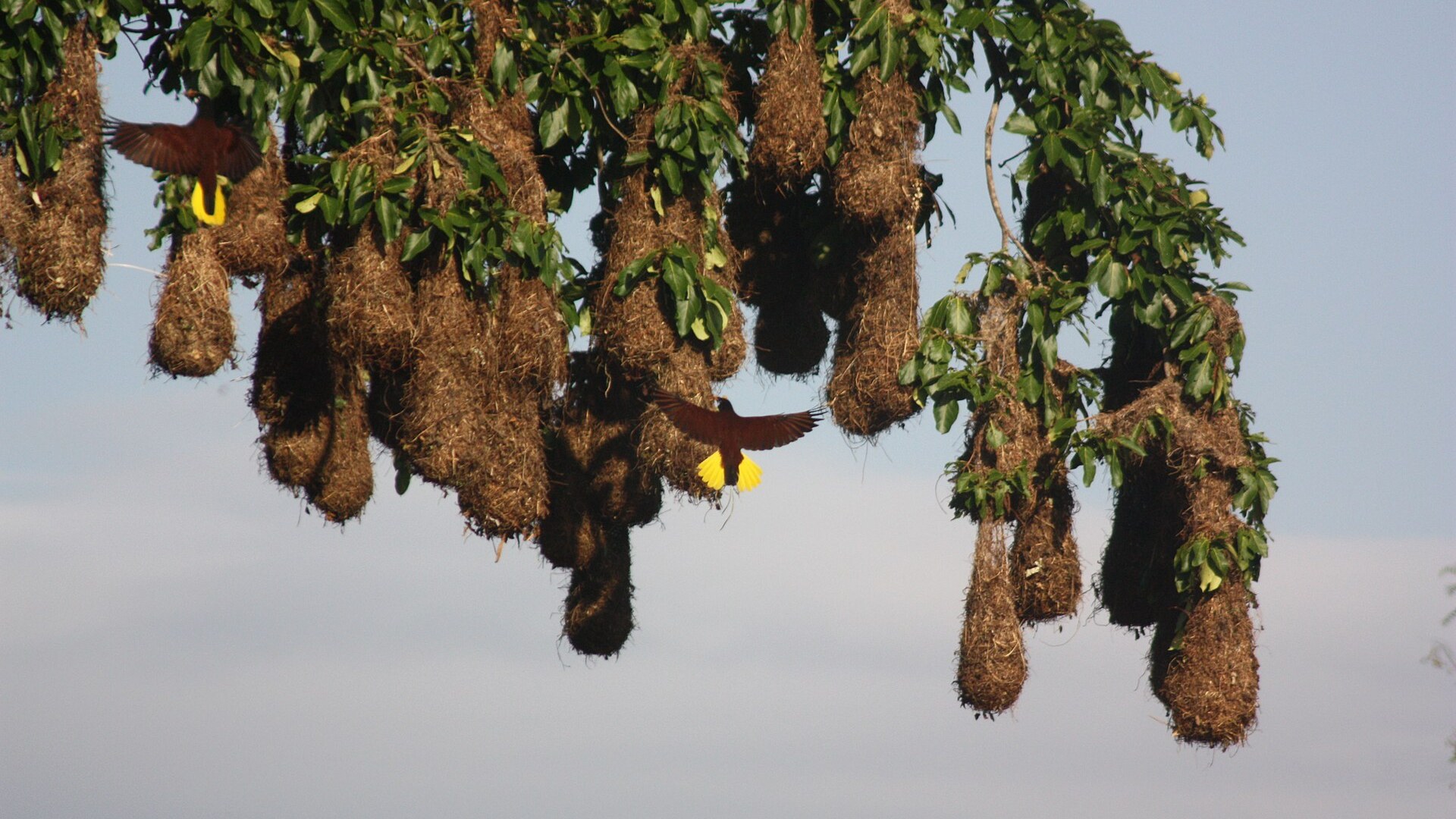
9. Montezuma Oropendolas: Hanging Canopy Pouches
In Central American rainforests, female Montezuma oropendolas weave flexible pendulous nests up to two meters long from dangling banana fibers and tough vines. Clustered in colonies of over thirty nests high above the forest floor, the swinging baskets prevent climbing snakes and monkeys from reaching eggs.
©Wikimedia / Charles J. Sharp
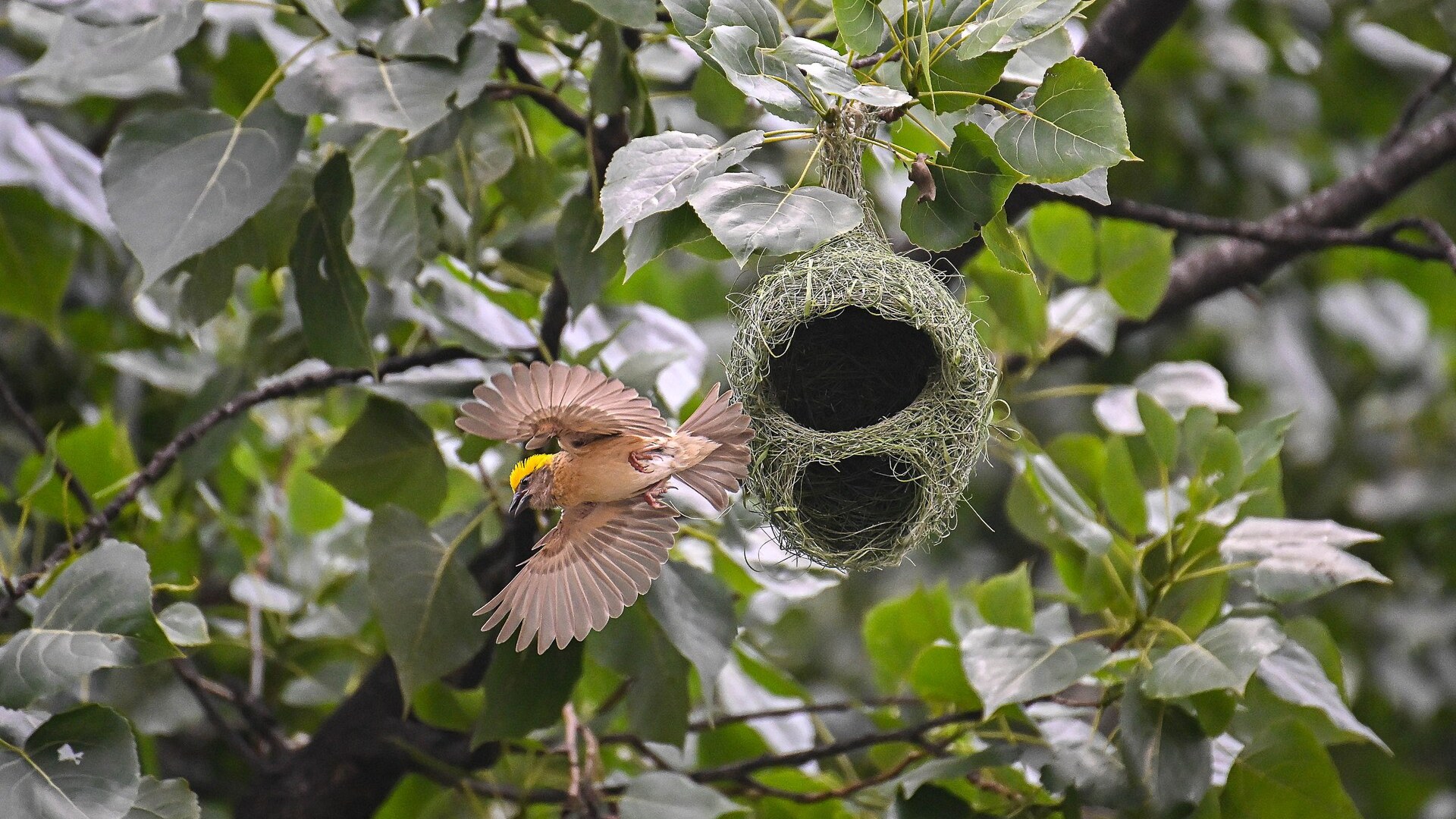
8. Baya Weavers: Suspended Grass Flasks
Male baya weavers in South Asia collect long strips of grass and palm leaves, knotting hundreds of strands to weave pendulous flask-shaped homes with long vertical entrance tubes. The nests hang over deep water bodies or from thorny acacia trees, making access nearly impossible for predatory monitor lizards.
©Wikimedia / Safalphotos
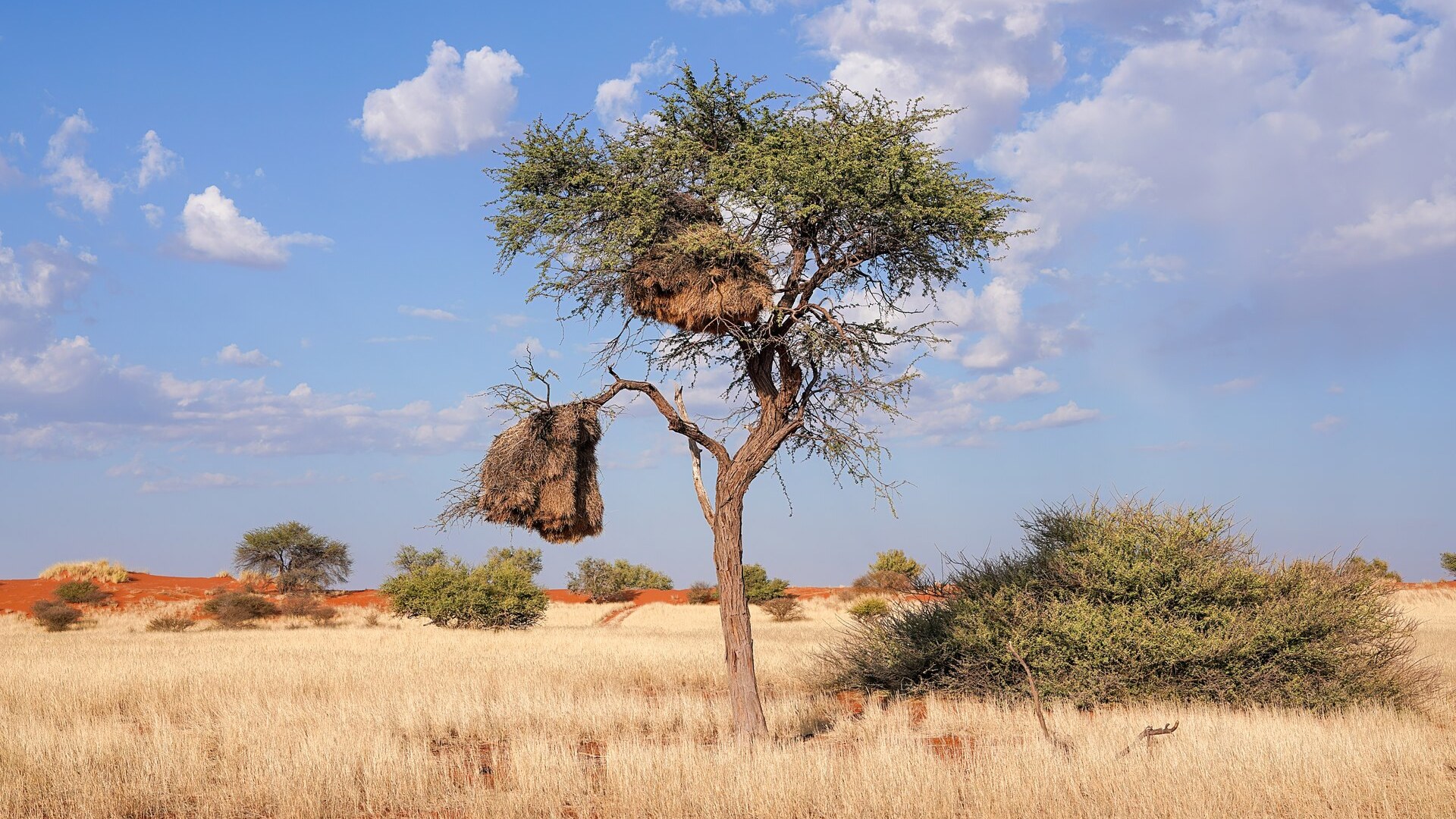
7. Sociable Weavers: Colossal Communal Haystacks
Sociable weavers in southern Africa construct the largest communal nests of any bird species. Built around camelthorn trees or utility poles, these multi-chamber straw complexes house up to five hundred individuals. The dense thatch maintains steady central temperatures during freezing winter desert nights.
©Wikimedia / Giles Laurent
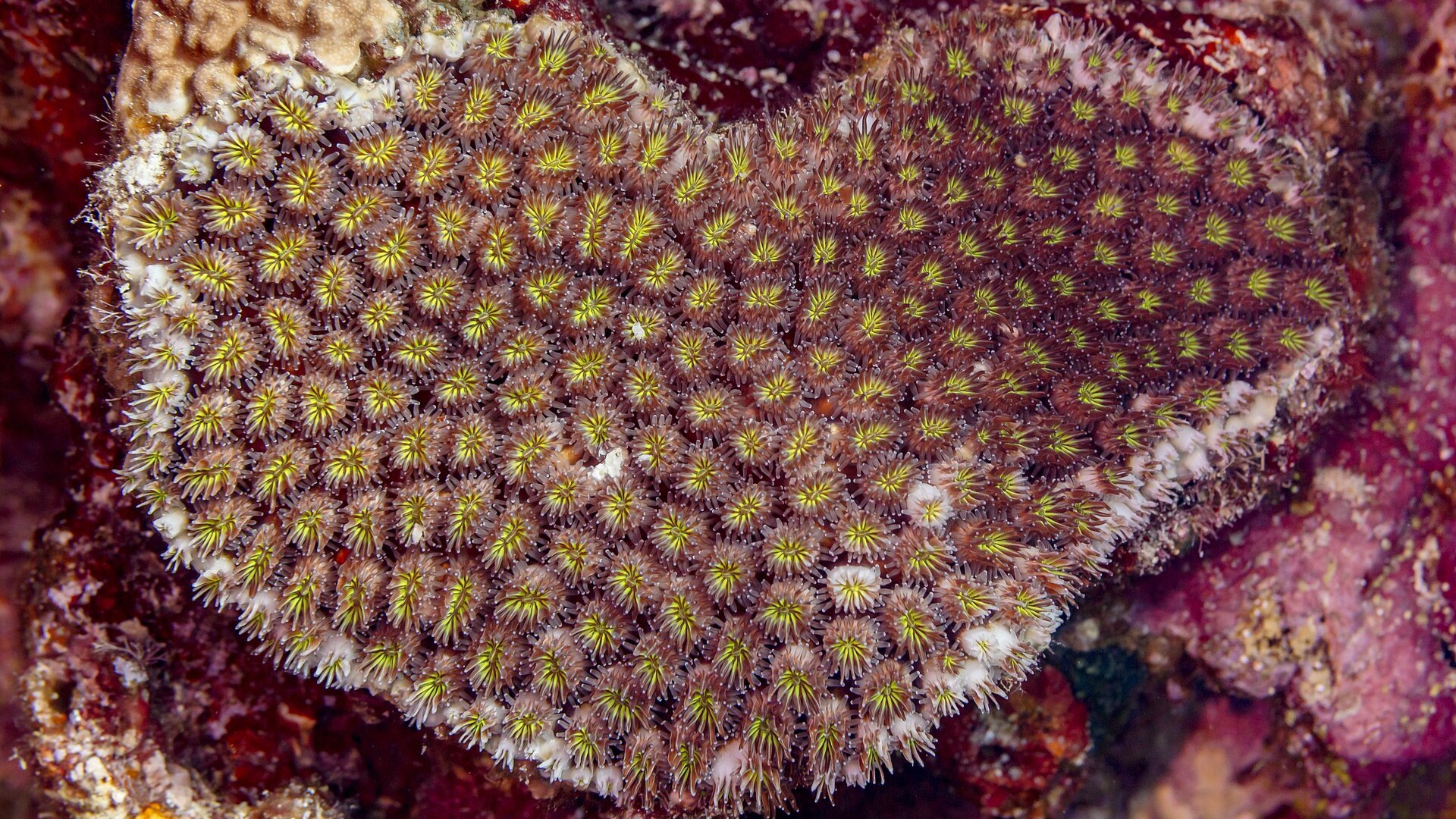
6. Stony Corals: Living Calcium Carbonate Fortresses
Stony coral polyps extract calcium ions from seawater to precipitate protective aragonite skeletons. As generations of polyps die and new ones settle atop old limestone foundations, these marine colonies build massive underwater barrier structures spanning thousands of miles across oceanic shelves.
©Wikimedia / Diego Delso
Advertisement
Swipe or tap ▶ to resume the countdown.
5. Leafcutter Ants: Ventilated Subterranean Metropolises
Leafcutter ant colonies excavate underground cities that reach eight meters deep and contain thousands of individual chambers. Millions of ants maintain dedicated fungus cultivation rooms, waste containment caverns, and chimney shafts that circulate fresh air through the nest without external power.
©Wikimedia / Matheysil
4. Western Honeybees: Hexagonal Wax Architecture
Worker honeybees secrete wax flakes from abdominal glands, chewing and shaping them into double-sided comb arrays of uniform hexagonal prisms. The six-sided geometry minimizes perimeter wall material while maximizing structural strength and volume for honey storage and larval rearing.
©Pixabay / PollyDot
3. Compass Termites: Solar-Aligned Magnetic Slabs
In northern Australia, compass termites construct wedge-shaped earthen mounds up to four meters tall oriented strictly on a north-south axis. This orientation catches gentle morning and evening sunlight while presenting a knife-thin profile to the blistering midday heat, maintaining a stable internal temperature.
©Pixabay / pen_ash
2. Cathedral Termites: Towering Microclimate Spires
Cathedral termites erect colossal earthen towers reaching six meters into the air, constructed from sand, chewed cellulose, and saliva. These massive spires incorporate integrated flues and internal chimneys that exploit wind currents and heat convection to cool subterranean colonies numbering millions.
©Wikimedia / DaHuzyBru
Advertisement
Swipe or tap ▶ to resume the countdown.
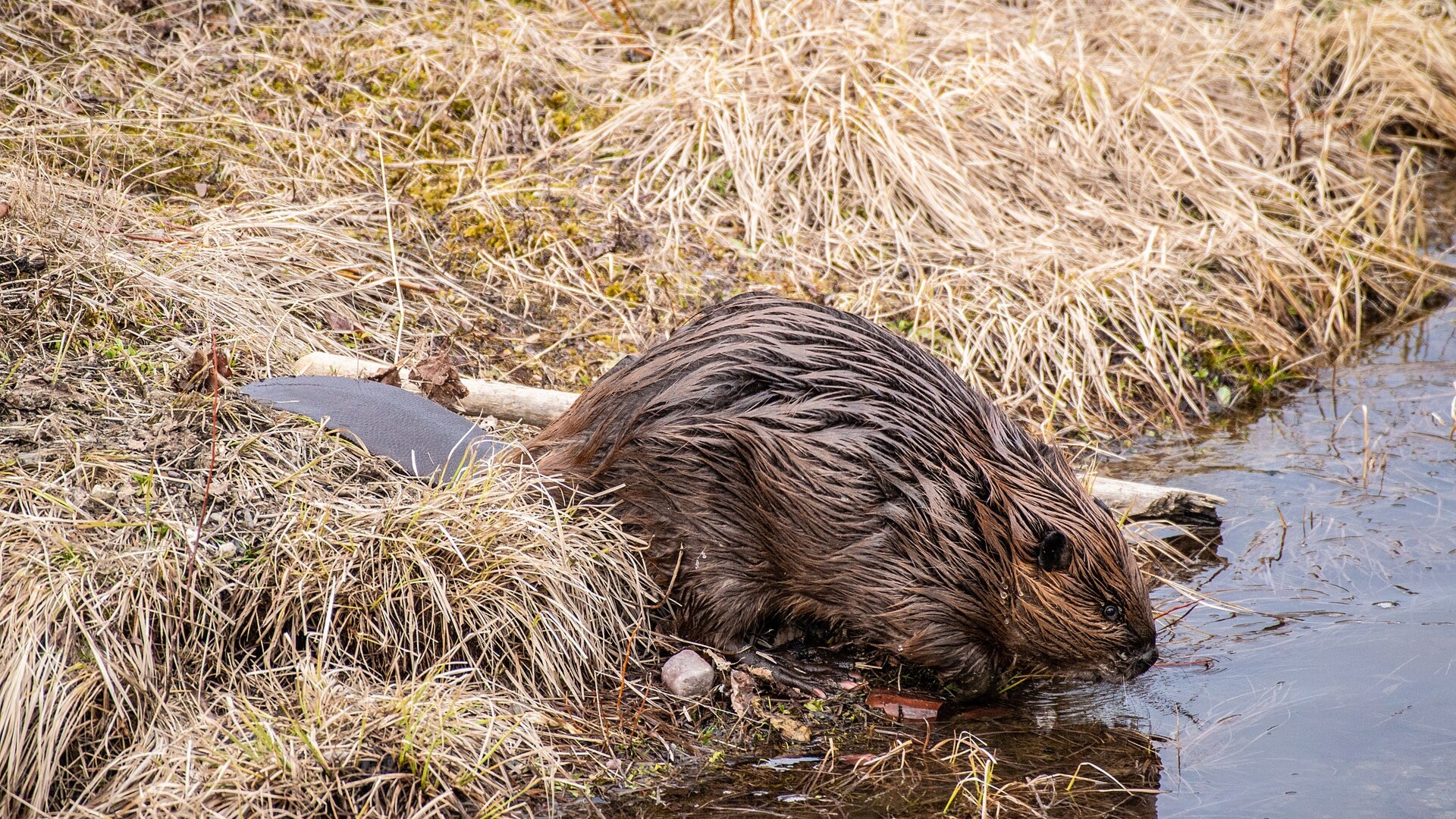
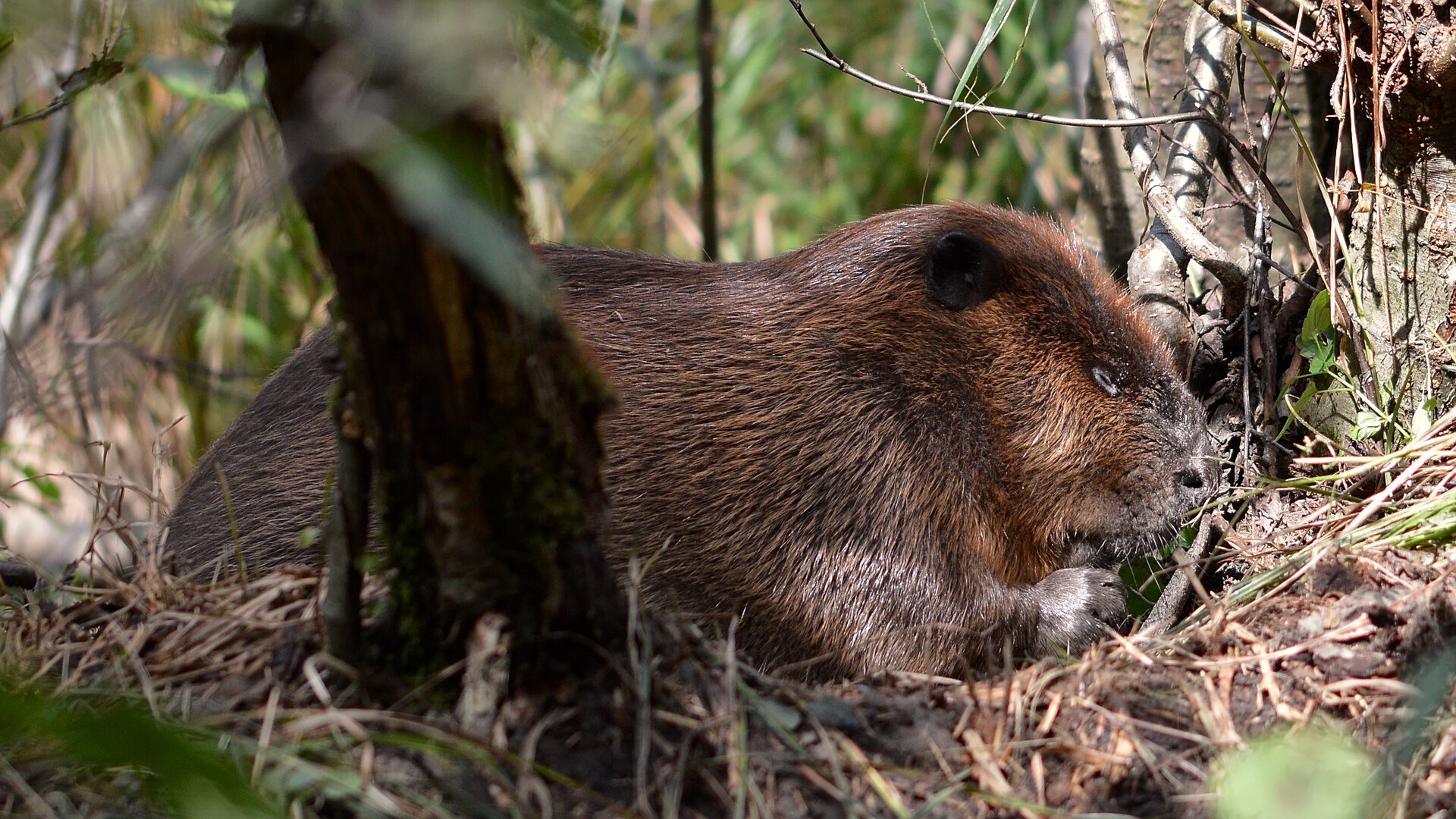
1. North American Beavers: Continental Wetland Engineers
North American beavers cut timber using iron-rich incisors to construct sturdy dams across fast streams, creating calm ponds that reshape terrestrial hydrology. Within these secure reservoirs, beavers build dome-shaped stick and mud lodges featuring submerged underwater tunnels that exclude land predators.

©Wikimedia / GlacierNPS
Advertisement
You've reached the end of the story. Thanks for reading!

20 Animals That Live More Than 100 Years
Across terrestrial forests and the deepest oceanic trenches, certain animal species possess biological adaptations that allow them to live for centuries or defy aging entirely. Based on peer reviewed findings from Live Science, Nature, and science research institutes, here are twenty species with extreme lifespans.
All 20 Entries in this Story
20. Potter Wasps: Sculpted Mud Urns
Female potter wasps gather damp soil and mix it with saliva to mold miniature clay vessels on plant stems. After stocking each jug with paralyzed caterpillars for fresh nutrition, the female deposits a single hanging egg inside before cementing the top with a mud plug that hardens in the sun.

19. Trapdoor Spiders: Camouflaged Subterranean Bunkers
Trapdoor spiders dig vertical burrows up to thirty centimeters deep, lining the walls with waterproof silk to prevent cave-ins. They build a tight-fitting beveled lid out of soil, moss, and silk hinges. Hidden below the closed door, the spider detects vibrations before lunging out at passing prey.

18. Weaver Ants: Living Silk Canopies
Weaver ants construct complex canopy nests by forming living chains of workers that pull broad tree leaves together under tension. Other workers then hold larvae in their mandibles and gently press them against the leaf edges, stimulating the larvae to excrete fine silk strands that stitch the living leaves together.

17. Caddisfly Larvae: Portable Mineral Armor
In freshwater streams, caddisfly larvae construct portable protective tubes using materials scavenged from the stream bed, including sand grains, pebbles, and plant fragments. They bind these elements together with sticky waterproof silk produced by modified salivary glands, crafting durable armored shells.

16. White-Spotted Pufferfish: Geometric Seabed Sanctuaries
Measuring barely twelve centimeters long, male white-spotted pufferfish spend over a week digging complex two-meter circular patterns in sandy sea floors off the coast of Japan. By flapping their fins against the sand, males carve symmetrical peaks and valleys that channel water currents to protect deposited eggs.

15. Red Ovenbirds: Sun-Baked Earthen Castles
Red ovenbirds across South America sculpt dome-shaped mud nests that resemble miniature wood-fired ovens. Working as mated pairs, they assemble thousands of mud and straw pellets into a heavy structure containing an inner nesting chamber concealed behind a curved dividing wall that blocks wind and predators.

14. Common Tailorbirds: Hand-Stitched Leaf Pouches
Common tailorbirds in tropical Asia construct camouflaged nests by piercing the margins of living leaves with their needle-sharp bills. They pull plant fibers or spider silk through the perforations to sew the edges together into a secure conical pouch, inside which they build a soft cup of cotton down.

13. European Badgers: Century-Old Underground Setts
European badgers occupy family territories centered on elaborate underground labyrinth networks called setts. Featuring dozens of tunnel entrances and separate sleeping chambers lined with fresh bracken, some historical setts expand continuously over several decades and span hundreds of square meters.

12. Black-Tailed Prairie Dogs: Sprawling Subterranean Towns
Black-tailed prairie dogs engineer massive underground towns containing specialized zones for sleeping, nurseries, and winter shelter. By sculpting raised crater mounds around select tunnel openings, prairie dogs exploit Bernoulli's principle to drive passive airflow ventilation throughout the subterranean system.

11. Great Bowerbirds: Forced-Perspective Twig Avenues
Male great bowerbirds in northern Australia erect upright twin walls of twigs and pave the central avenue with bleached bones, shells, and river stones. The male arranges display objects in a strict size gradient, generating a forced-perspective optical illusion that makes him appear larger to observing females.

10. Vogelkop Bowerbirds: Curated Forest Art Galleries
Native to the cloud forests of New Guinea, male Vogelkop bowerbirds build conical moss huts supported by a sapling trunk. Outside the sheltered entryway, the male lays a clean moss lawn meticulously sorted with piles of charcoal, red fruit, blue beetles, and vibrant flowers, replacing withered items daily.

9. Montezuma Oropendolas: Hanging Canopy Pouches
In Central American rainforests, female Montezuma oropendolas weave flexible pendulous nests up to two meters long from dangling banana fibers and tough vines. Clustered in colonies of over thirty nests high above the forest floor, the swinging baskets prevent climbing snakes and monkeys from reaching eggs.

8. Baya Weavers: Suspended Grass Flasks
Male baya weavers in South Asia collect long strips of grass and palm leaves, knotting hundreds of strands to weave pendulous flask-shaped homes with long vertical entrance tubes. The nests hang over deep water bodies or from thorny acacia trees, making access nearly impossible for predatory monitor lizards.

7. Sociable Weavers: Colossal Communal Haystacks
Sociable weavers in southern Africa construct the largest communal nests of any bird species. Built around camelthorn trees or utility poles, these multi-chamber straw complexes house up to five hundred individuals. The dense thatch maintains steady central temperatures during freezing winter desert nights.

6. Stony Corals: Living Calcium Carbonate Fortresses
Stony coral polyps extract calcium ions from seawater to precipitate protective aragonite skeletons. As generations of polyps die and new ones settle atop old limestone foundations, these marine colonies build massive underwater barrier structures spanning thousands of miles across oceanic shelves.

5. Leafcutter Ants: Ventilated Subterranean Metropolises
Leafcutter ant colonies excavate underground cities that reach eight meters deep and contain thousands of individual chambers. Millions of ants maintain dedicated fungus cultivation rooms, waste containment caverns, and chimney shafts that circulate fresh air through the nest without external power.

4. Western Honeybees: Hexagonal Wax Architecture
Worker honeybees secrete wax flakes from abdominal glands, chewing and shaping them into double-sided comb arrays of uniform hexagonal prisms. The six-sided geometry minimizes perimeter wall material while maximizing structural strength and volume for honey storage and larval rearing.

3. Compass Termites: Solar-Aligned Magnetic Slabs
In northern Australia, compass termites construct wedge-shaped earthen mounds up to four meters tall oriented strictly on a north-south axis. This orientation catches gentle morning and evening sunlight while presenting a knife-thin profile to the blistering midday heat, maintaining a stable internal temperature.

2. Cathedral Termites: Towering Microclimate Spires
Cathedral termites erect colossal earthen towers reaching six meters into the air, constructed from sand, chewed cellulose, and saliva. These massive spires incorporate integrated flues and internal chimneys that exploit wind currents and heat convection to cool subterranean colonies numbering millions.

1. North American Beavers: Continental Wetland Engineers
North American beavers cut timber using iron-rich incisors to construct sturdy dams across fast streams, creating calm ponds that reshape terrestrial hydrology. Within these secure reservoirs, beavers build dome-shaped stick and mud lodges featuring submerged underwater tunnels that exclude land predators.