Slideshow · Science
20 Smartest Ways to Cut Winter Heating Bills
Winter heating bills can devour household budgets, but targeted adjustments can slash seasonal energy expenses by hundreds of dollars. Based on U.S. Department of Energy reports and energy efficiency studies, here are twenty proven strategies to optimize home heating, ranked from high-impact upgrades to daily habits.
By Most Viral Today
17 min ago

How Strategic Adjustments Lower Winter Energy Bills 
20. Schedule Overnight And Away Setbacks 
19. Install A Smart Thermostat 
18. Lower Your Water Heater To 120 Degrees - AdvertisementSwipe or tap ▶ to continue countdown

17. Replace Furnace Filters Monthly 
16. Schedule An Annual Furnace Tune-Up 
15. Adjust Boiler Flow Temperatures 
14. Weatherstrip Doors And Caulk Windows - AdvertisementSwipe or tap ▶ to continue countdown

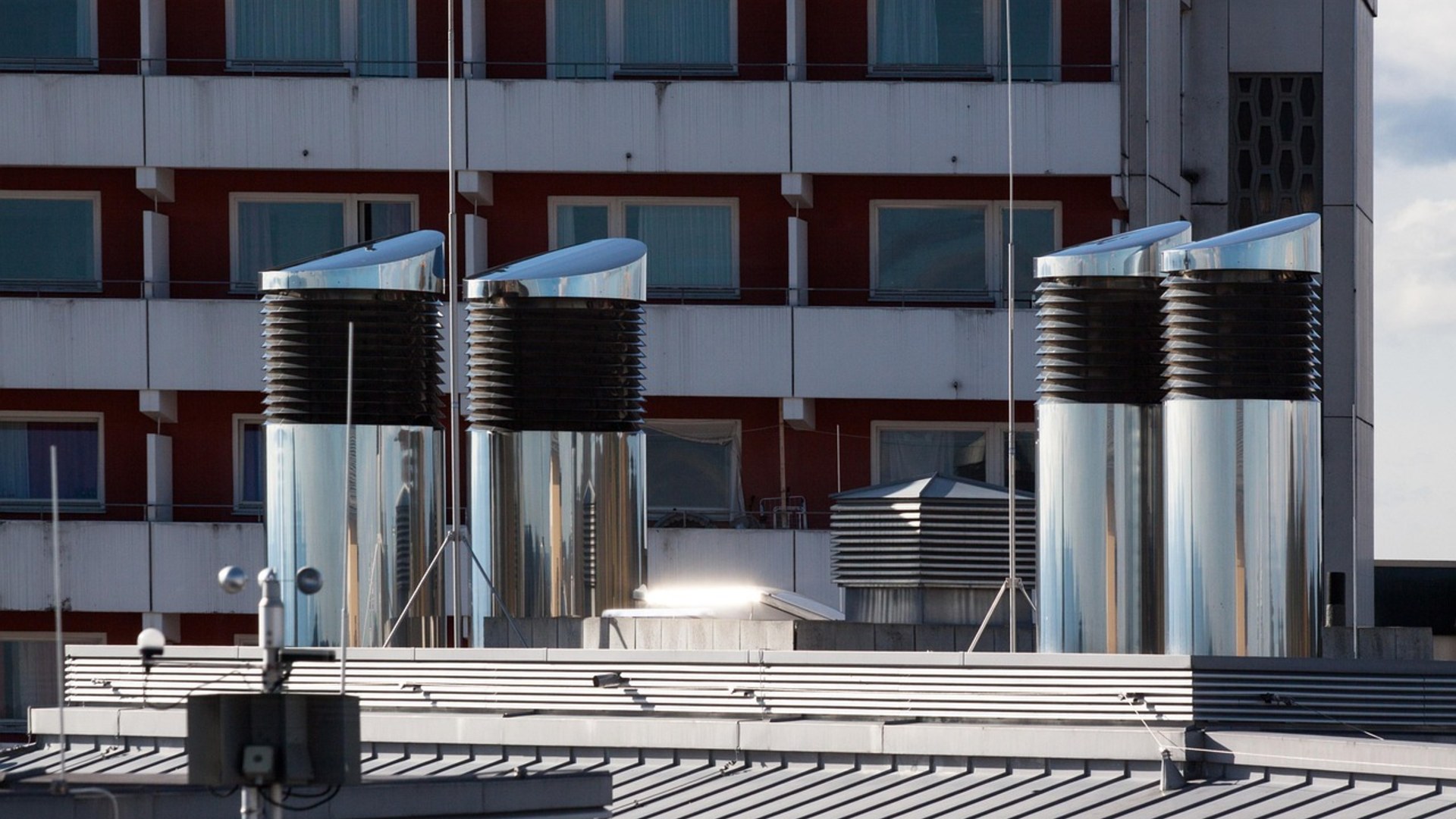
13. Insulate Exposed Ductwork 
12. Apply Window Insulation Shrink Film 
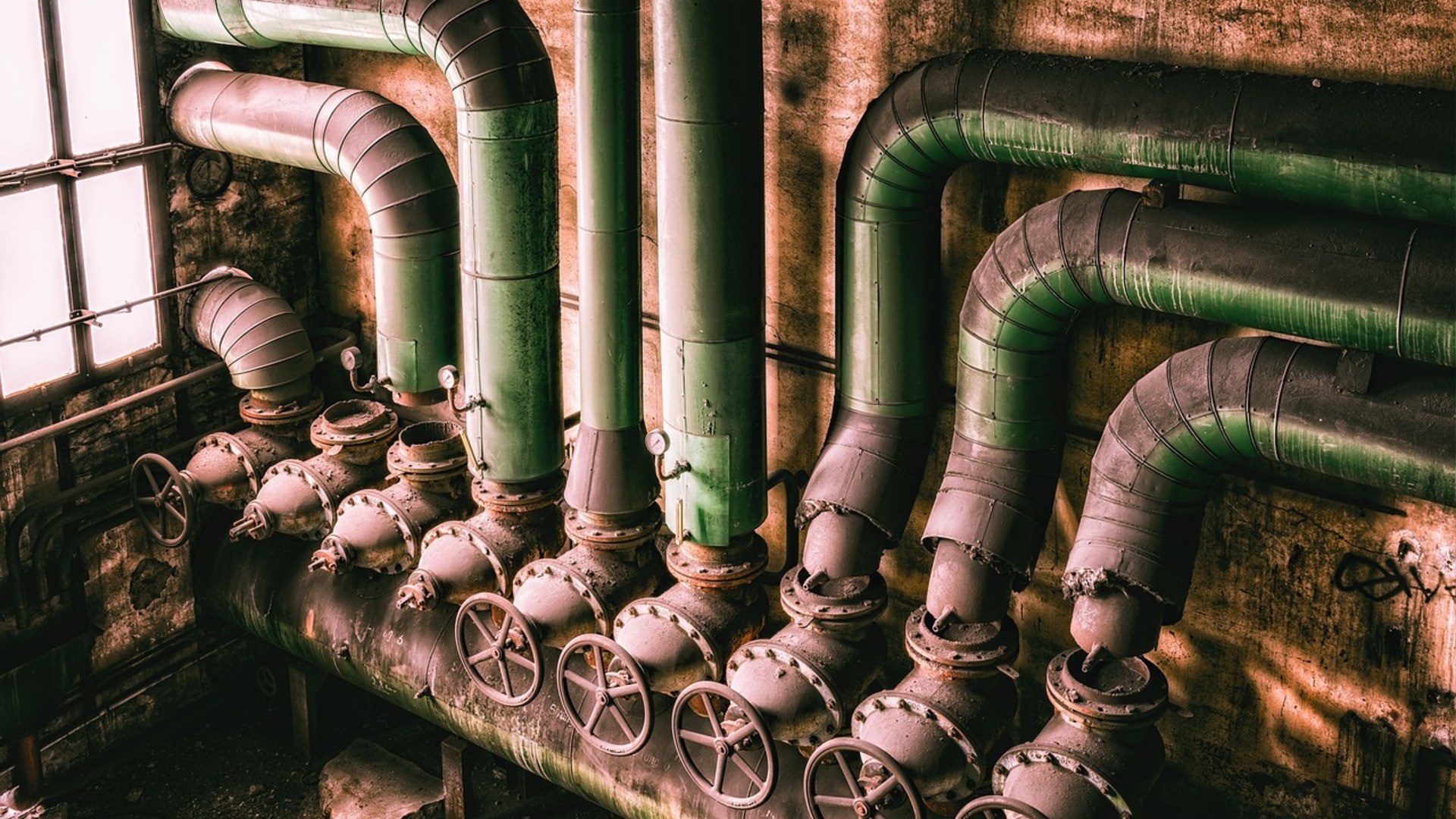
11. Top Up Attic And Loft Insulation 
10. Close Fireplace Dampers When Idle - AdvertisementSwipe or tap ▶ to continue countdown

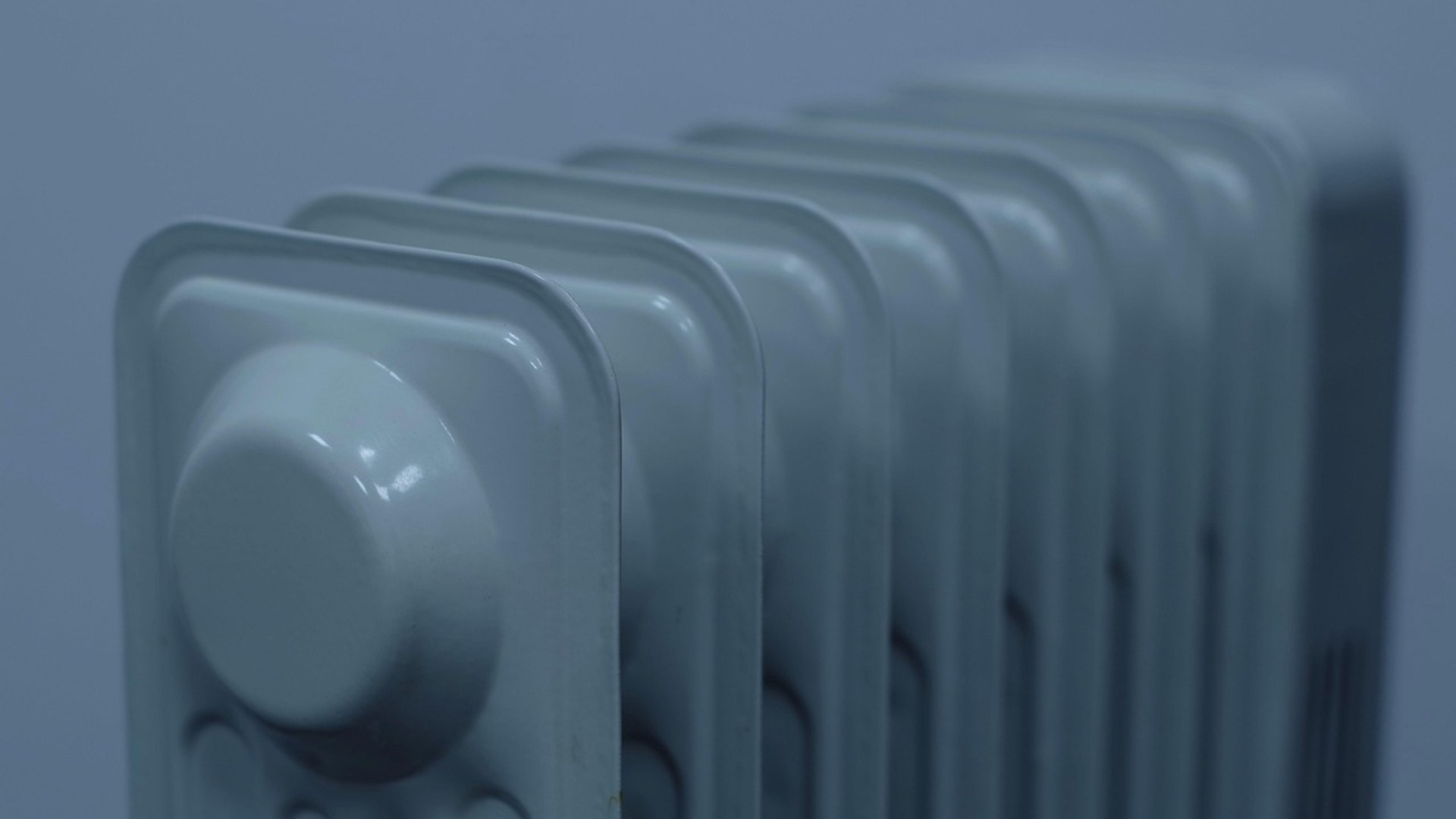
9. Bleed Trapped Air From Radiators 
8. Practice Targeted Zone Heating 
7. Reverse Ceiling Fans To Clockwise On Low 
6. Keep Interior Air Vents Clear - AdvertisementSwipe or tap ▶ to continue countdown

5. Install Radiator Heat Reflector Panels 
4. Manage Window Curtains For Solar Heat 
3. Run A Humidifier To Hold Warmth 
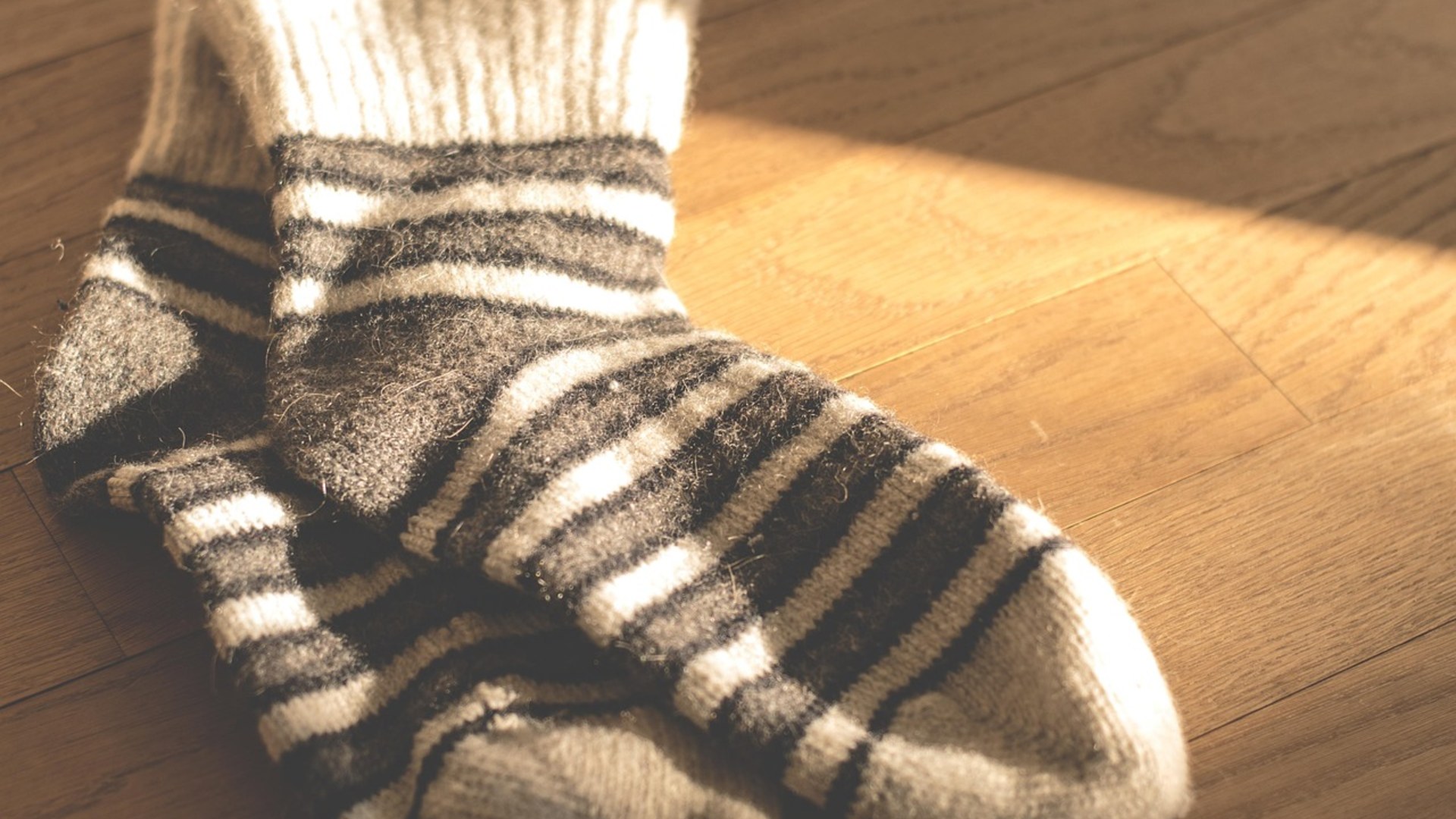
2. Dress In Thermal Layers And Wool Bedding - AdvertisementSwipe or tap ▶ to continue countdown

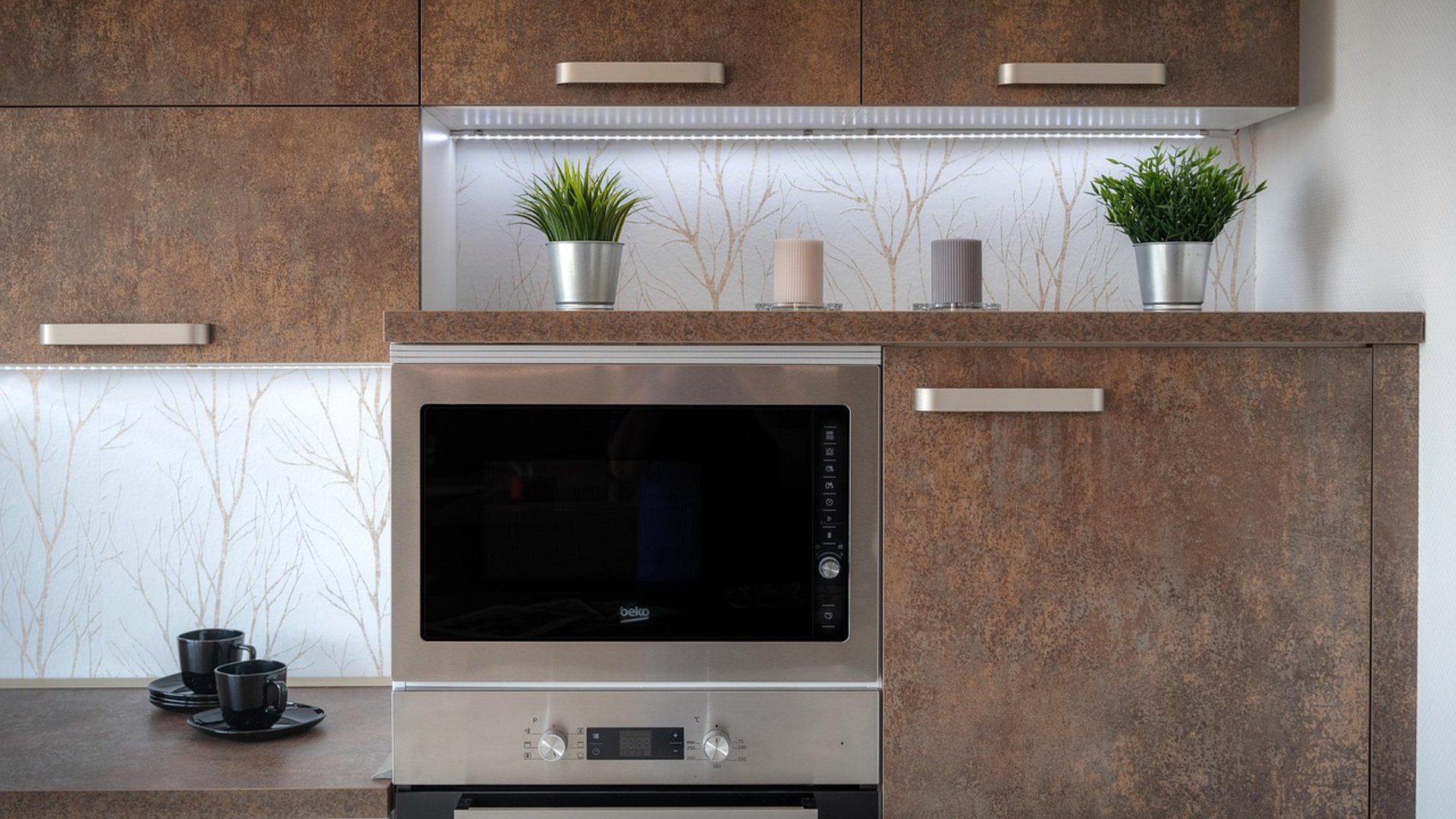
1. Capture Residual Heat From Electric Ovens - Advertisement🔥 UP NEXT IN THIS SERIES◫ 21 Slides

20 Pickup Trucks Ranked by Towing Capacity
Pickup trucks serve as the workhorses of the American road, hauling heavy equipment, horse trailers, boats, and fifth-wheel campers across the country. Based on official manufacturer specifications from Ford, General Motors, Ram, and Toyota, here are 20 top pickup trucks ranked by maximum towing capacity.
Winter heating bills can devour household budgets, but targeted adjustments can slash seasonal energy expenses by hundreds of dollars. Based on U.S. Department of Energy reports and energy efficiency studies, here are twenty proven strategies to optimize home heating, ranked from high-impact upgrades to daily habits.
Swipe or tap ▶ to begin the countdown
©Pixabay / StoryTaler & Pixabay / RachelW1
20. Schedule Overnight And Away Setbacks
Department of Energy data shows that setting your thermostat back seven to ten degrees Fahrenheit for eight hours daily saves up to ten percent on yearly heating bills. The lower interior temperature slows heat loss through exterior walls, yielding immediate savings during sleep and workday hours.
©Pixabay / analogicus
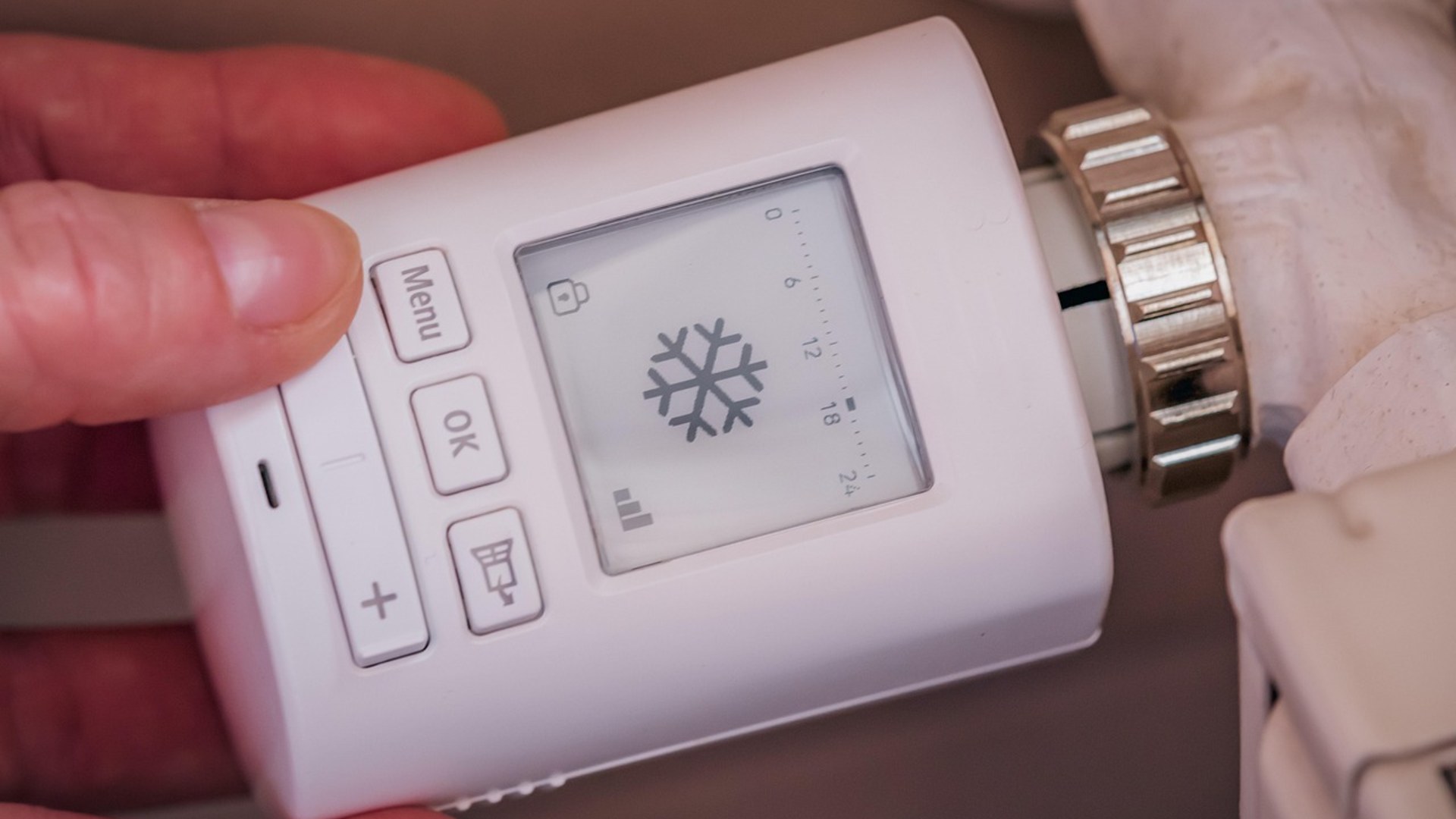
19. Install A Smart Thermostat
Energy Star certified smart thermostats automatically lower temperatures when you leave the house and adapt to family schedules. Independent field studies demonstrate average annual savings of eight percent on heating costs, allowing most homeowners to recoup the initial hardware cost within two winters.
©Pixabay / cloudlynx
18. Lower Your Water Heater To 120 Degrees
Water heating represents roughly eighteen percent of total home energy consumption. Most storage water heaters leave factories preset to 140 degrees Fahrenheit, which causes unnecessary standby heat loss. Dialing the thermostat down to 120 degrees prevents scalding and saves over sixty dollars annually.
©Pixabay / singhvp93
Advertisement
Swipe or tap ▶ to resume the countdown.
17. Replace Furnace Filters Monthly
Restricted airflow from dust-clogged filters forces furnace blower fans to run longer cycles and consume significantly more electricity. Replacing standard one-inch pleated filters every thirty to sixty days during peak winter maintains peak airflow efficiency and extends the operational lifespan of your HVAC unit.
©Pixabay / Ri_Ya
16. Schedule An Annual Furnace Tune-Up
Annual professional inspections ensure your furnace or boiler burns fuel cleanly and operates at factory efficiency. Technicians vacuum combustion chambers, test safety controls, and calibrate airflow, preventing dirty burners from wasting up to ten percent of your monthly natural gas or heating oil fuel supply.
©Pixabay / Tama66
15. Adjust Boiler Flow Temperatures
Modern condensing gas boilers operate with peak efficiency when return water remains cool enough to trigger condensation. Lowering radiator flow temperatures from eighty degrees Celsius to sixty degrees Celsius allows the unit to recapture latent heat, trimming gas consumption by six to eight percent.
©Pixabay / Tama66
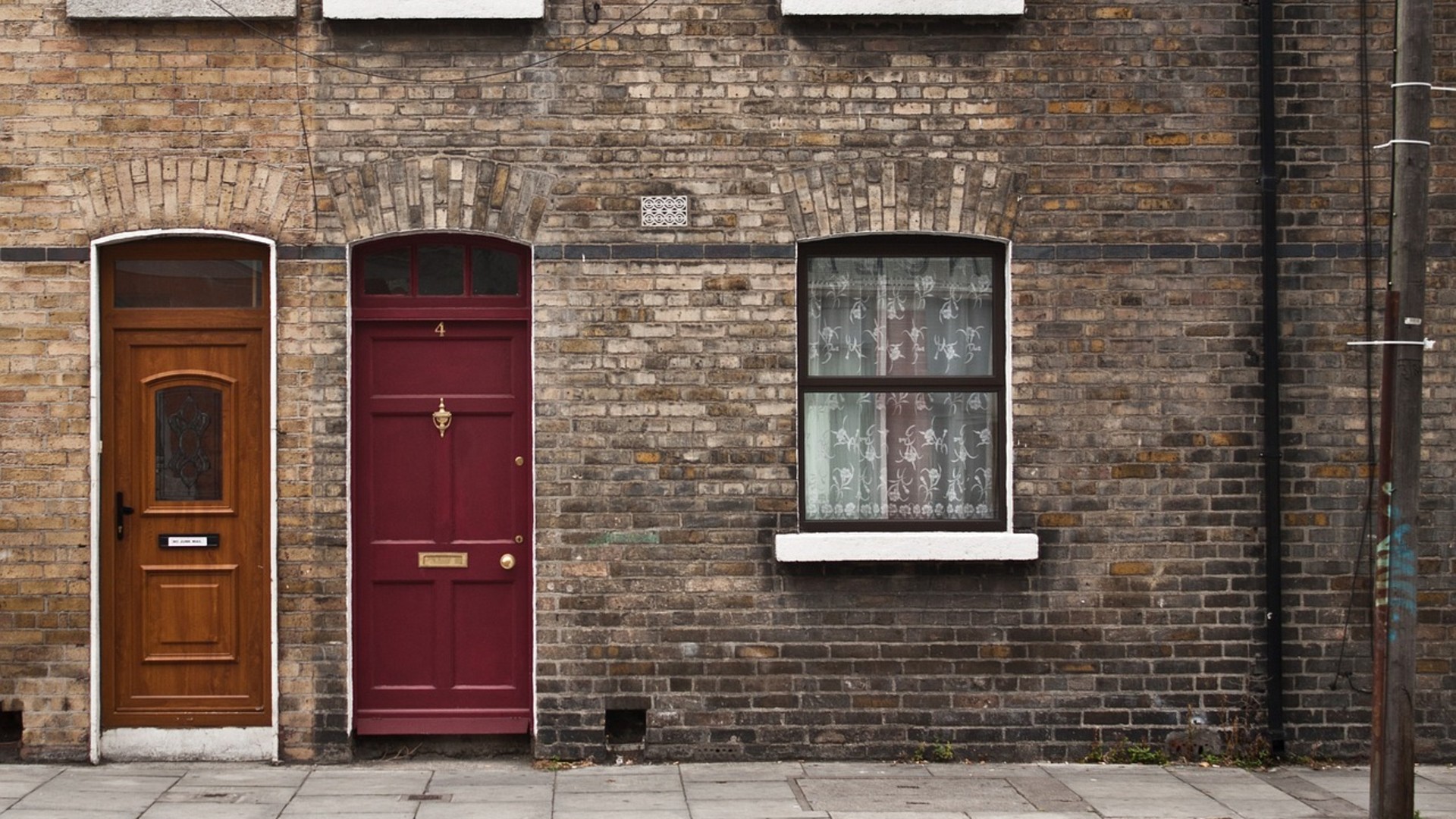
14. Weatherstrip Doors And Caulk Windows
Air leakage around drafty entry doors and window casings can account for more than twenty percent of home heat loss. Applying adhesive foam weatherstripping along door jambs and exterior silicone caulk across stationary window seams creates an airtight thermal envelope that keeps cold winter drafts outside.
©Pixabay / ptrabattoni
Advertisement
Swipe or tap ▶ to resume the countdown.
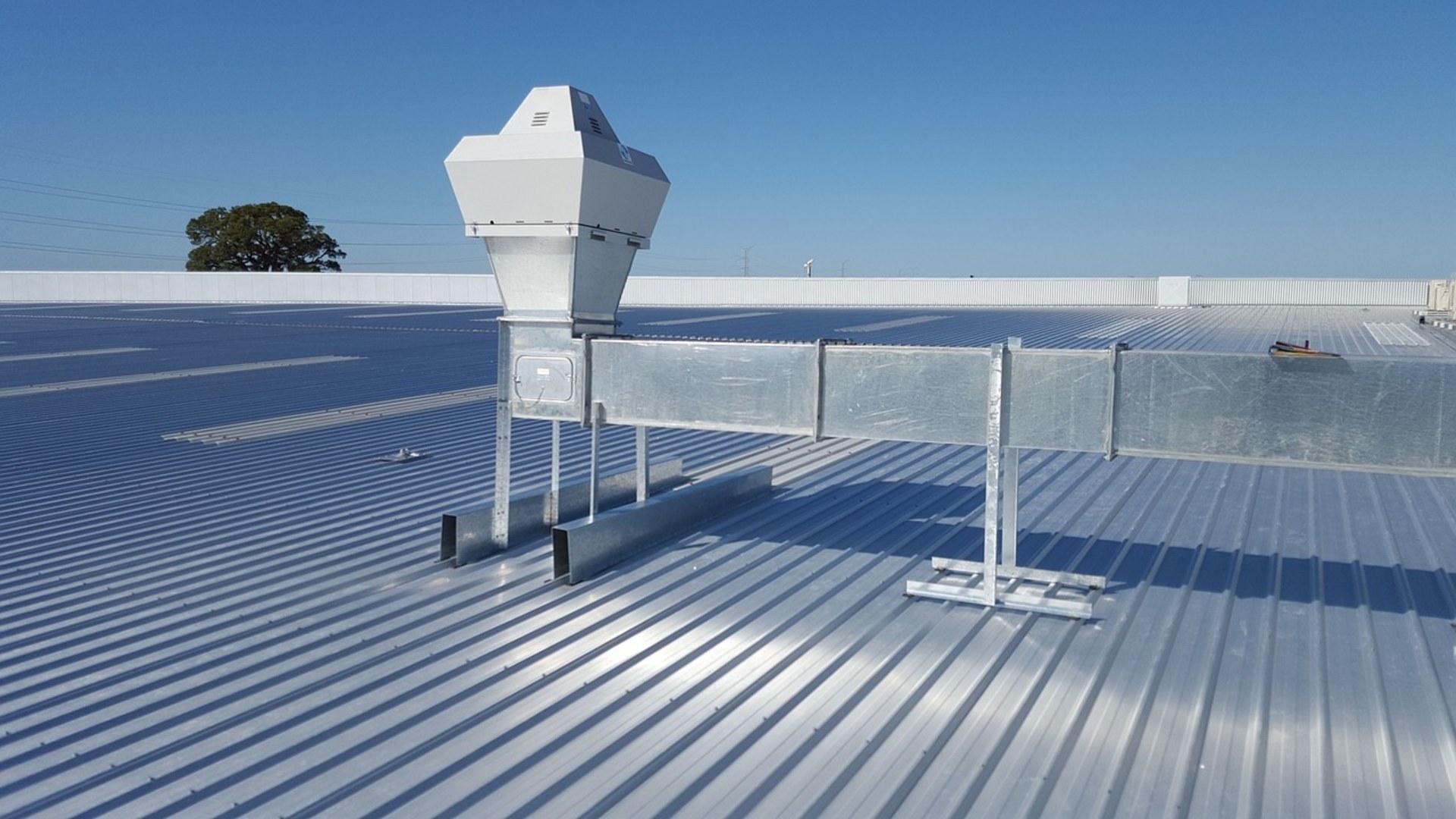
13. Insulate Exposed Ductwork
Heated air passing through metal ducts running across freezing attics, garages, or crawlspaces loses substantial heat before entering rooms. Sealing duct joints with mastic paste or metal foil tape and wrapping them in R-6 fiberglass insulation prevents up to thirty percent of central forced-air heat loss.
©Pixabay / AFPmark
12. Apply Window Insulation Shrink Film
Single-pane windows transfer interior heat outward rapidly during freezing nights. Applying inexpensive clear polyolefin shrink film over interior window trim creates an airtight dead-air space that mimics double glazing, cutting drafty window heat transfer by up to thirty percent all winter long.
©Openverse / Red Moon Sanctuary
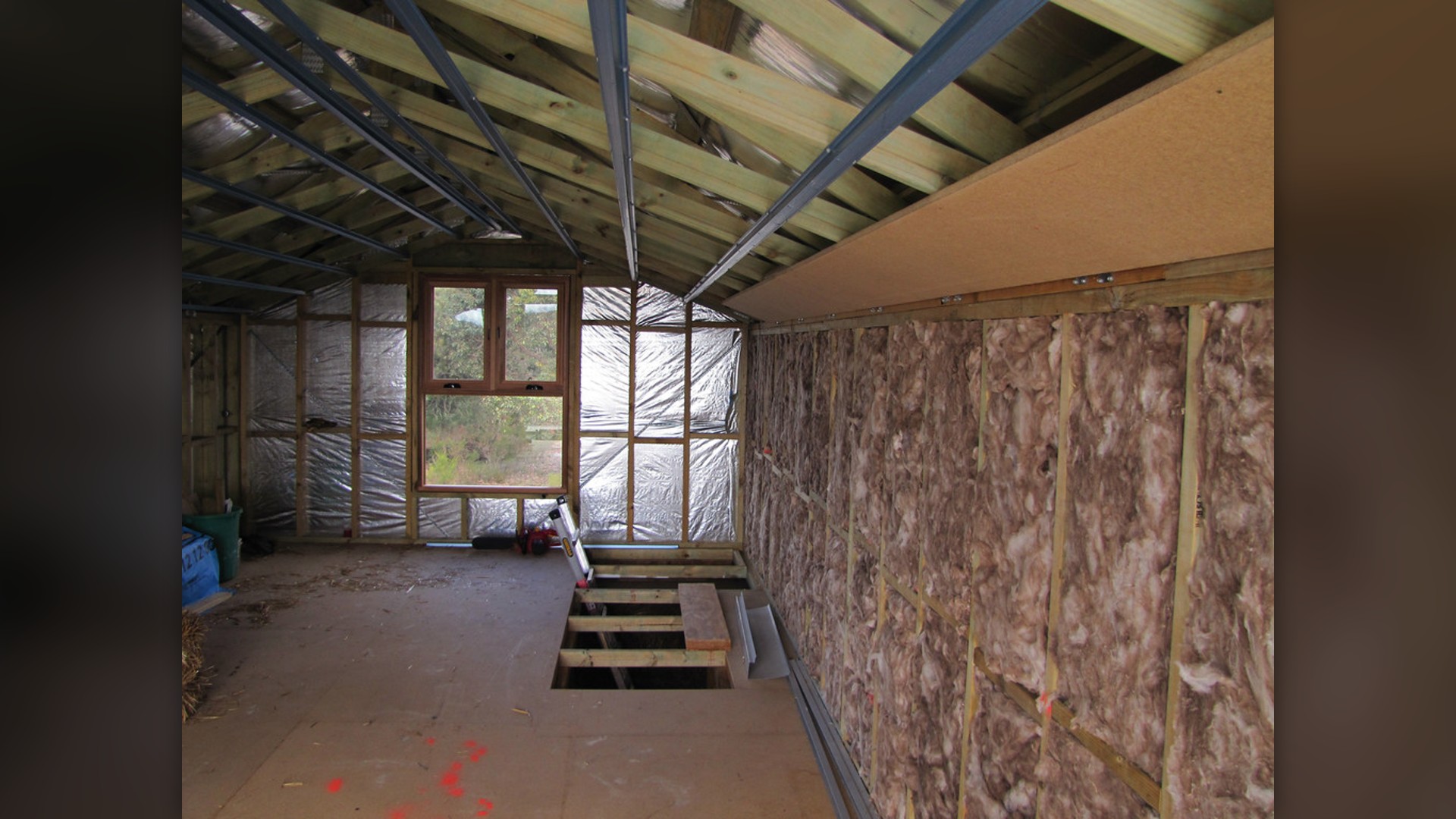
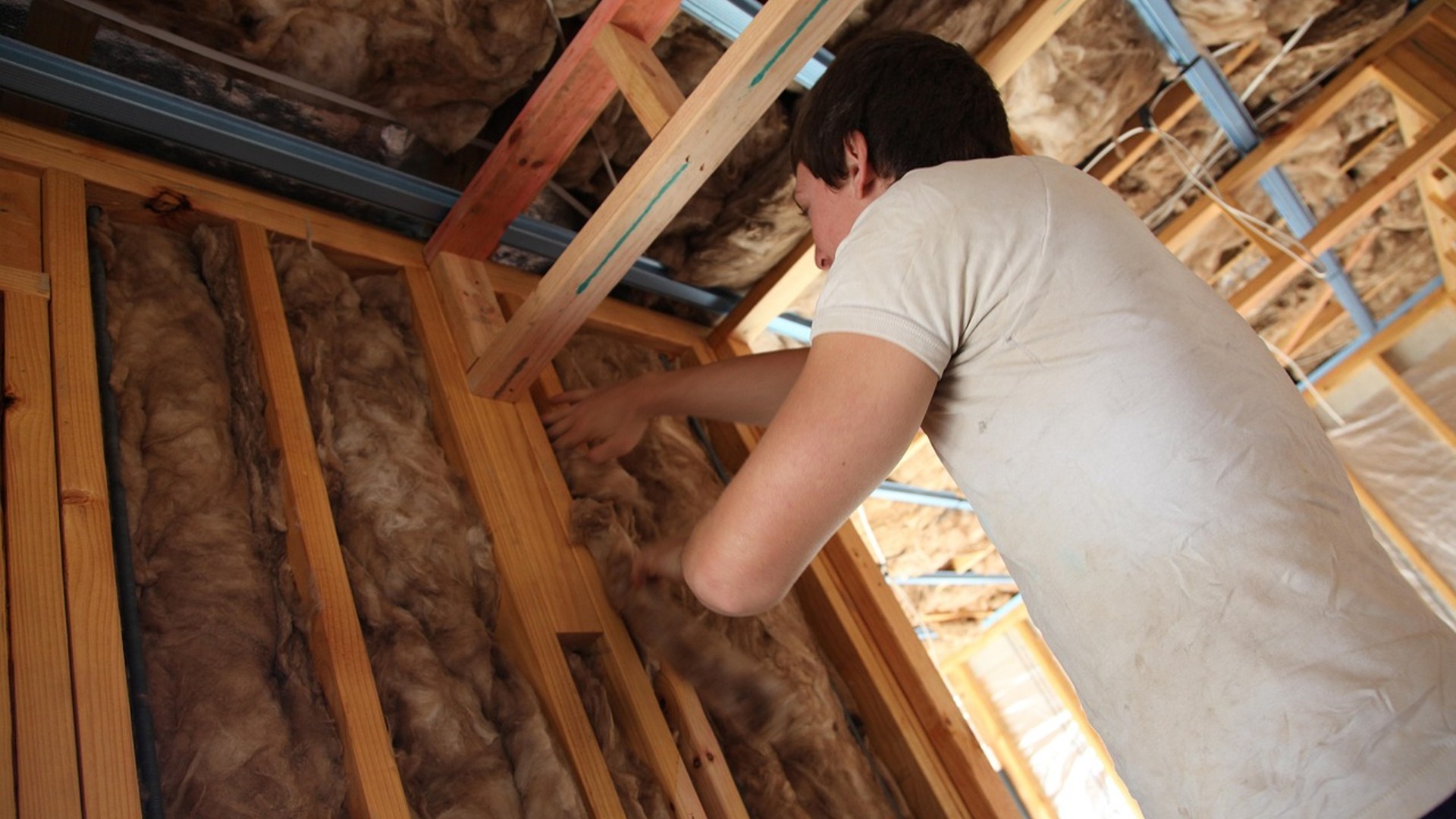
11. Top Up Attic And Loft Insulation
Because warm indoor air naturally rises, poorly insulated attics act like open chimneys for home heat. Increasing attic insulation depth to achieve an R-38 to R-49 rating stops conductive heat loss through ceilings, trimming overall household heating costs by an average of fifteen percent annually.
©Pixabay / RachelW1
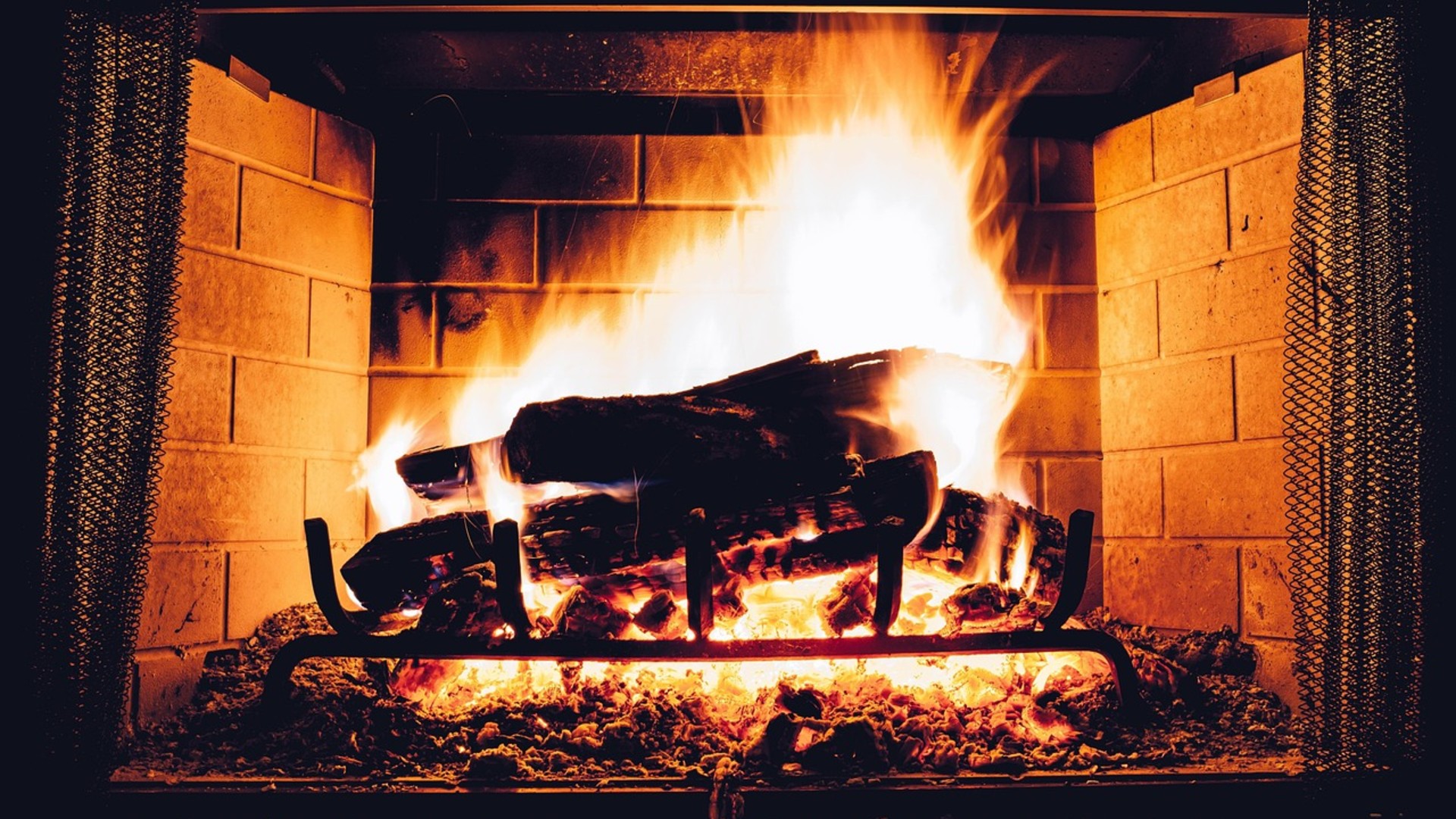
10. Close Fireplace Dampers When Idle
An open chimney damper functions like a wide open forty-eight-inch window, drawing warm air up the chimney stack and pulling cold air into other rooms through cracks. Always shut the throat damper tightly once ashes cool completely, or insert an inflatable chimney draft stopper to seal the flue opening.
©Pixabay / Pixabay Contributor
Advertisement
Swipe or tap ▶ to resume the countdown.
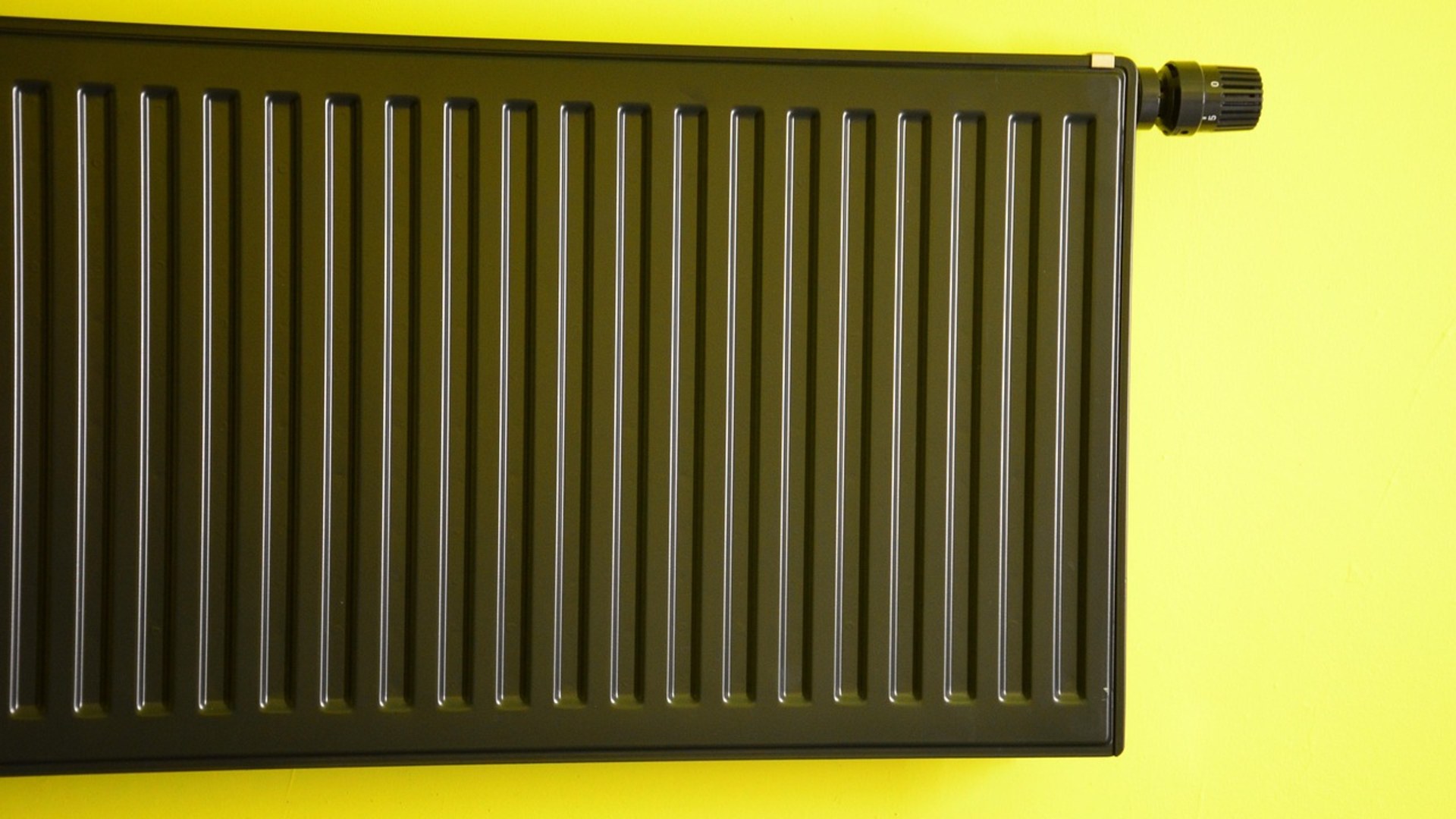
9. Bleed Trapped Air From Radiators
Pockets of trapped air frequently accumulate at the top of hydronic radiators, preventing hot boiler water from circulating through the upper metal fins. Using a radiator key to open the bleed valve until water emerges purges the trapped air bubble, restoring full thermal efficiency and warm room circulation.
©Pixabay / Gelly___
8. Practice Targeted Zone Heating
Heating entire multi-story homes to seventy degrees when occupying a single couch or bedroom wastes enormous fuel. Dial the central thermostat back to sixty-two degrees and rely on low-wattage heated throws or focused radiant space heaters, cutting fuel use while maintaining cozy personal warmth.
©Pixabay / Navanithe
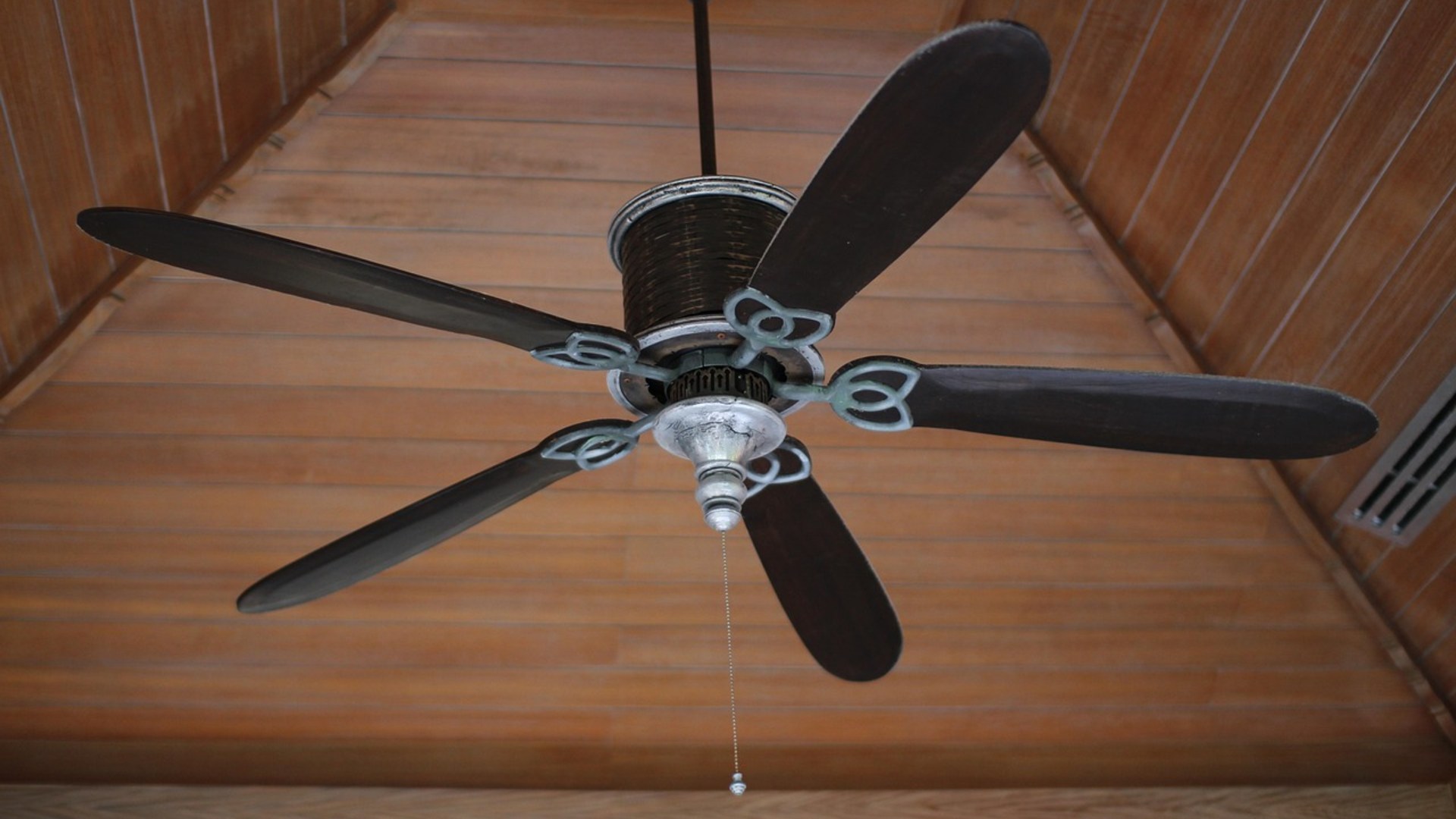
7. Reverse Ceiling Fans To Clockwise On Low
Hot air naturally pools near high ceilings while leaving floor living zones chilly. Flipping the ceiling fan reverse switch to clockwise rotation creates a gentle updraft that forces trapped ceiling warmth down along perimeter walls, raising living space comfort without touching the thermostat dial.
©Pixabay / funeyes
6. Keep Interior Air Vents Clear
Closing vents in unused rooms or blocking registers with sofas and rugs increases duct pressure, forcing blower motors to work harder while causing duct seam leaks. Keeping all supply and return grilles unobstructed maintains balanced static pressure and delivers steady warmth across every living room.
©Pixabay / stux
Advertisement
Swipe or tap ▶ to resume the countdown.
5. Install Radiator Heat Reflector Panels
Radiators mounted on uninsulated exterior brick walls lose substantial radiant heat straight through the cold masonry. Sliding reflective aluminum foil insulation sheets behind the radiator bounces infrared heat back into your living room, keeping living zones warmer while reducing boiler fuel runtimes.
©Pixabay / Arcaion
4. Manage Window Curtains For Solar Heat
Sunlight entering south and west facing windows provides free passive solar heating on clear winter days. Open curtains wide when the morning sun shines, then draw thick thermal-lined drapes right at sunset to establish an insulating air barrier that slows window heat loss during freezing nights.
©Pixabay / FernandoZ
3. Run A Humidifier To Hold Warmth
Cold winter air holds minimal moisture, and indoor furnaces dry out rooms further. Dry air accelerates skin evaporation, making seventy degrees feel chilly. Running a room humidifier to maintain thirty-five to forty-five percent relative humidity helps air retain warmth, allowing lower thermostat settings.
©Pixabay / Deer-Far
2. Dress In Thermal Layers And Wool Bedding
Trapping body heat with warm wool socks, thermal underwear, and fleece sweaters allows you to feel comfortable at lower ambient room temperatures. Layering down comforters or flannel duvet covers at night lets you dial the sleeping thermostat back several degrees without sacrificing cozy slumber.
©Pixabay / LUM3N
Advertisement
Swipe or tap ▶ to resume the countdown.
1. Capture Residual Heat From Electric Ovens
Baking dinner heats oven interiors to over four hundred degrees Fahrenheit. Once you switch off an electric oven, prop the door open slightly to let that residual thermal energy radiate directly into your kitchen and adjacent living areas instead of letting it dissipate through kitchen ventilation ducts.

©Pixabay / IdaT
Advertisement
You've reached the end of the story. Thanks for reading!

20 Pickup Trucks Ranked by Towing Capacity
Pickup trucks serve as the workhorses of the American road, hauling heavy equipment, horse trailers, boats, and fifth-wheel campers across the country. Based on official manufacturer specifications from Ford, General Motors, Ram, and Toyota, here are 20 top pickup trucks ranked by maximum towing capacity.
All 20 Entries in this Story
1. Schedule Overnight And Away Setbacks
Department of Energy data shows that setting your thermostat back seven to ten degrees Fahrenheit for eight hours daily saves up to ten percent on yearly heating bills. The lower interior temperature slows heat loss through exterior walls, yielding immediate savings during sleep and workday hours.

2. Install A Smart Thermostat
Energy Star certified smart thermostats automatically lower temperatures when you leave the house and adapt to family schedules. Independent field studies demonstrate average annual savings of eight percent on heating costs, allowing most homeowners to recoup the initial hardware cost within two winters.

3. Lower Your Water Heater To 120 Degrees
Water heating represents roughly eighteen percent of total home energy consumption. Most storage water heaters leave factories preset to 140 degrees Fahrenheit, which causes unnecessary standby heat loss. Dialing the thermostat down to 120 degrees prevents scalding and saves over sixty dollars annually.

4. Replace Furnace Filters Monthly
Restricted airflow from dust-clogged filters forces furnace blower fans to run longer cycles and consume significantly more electricity. Replacing standard one-inch pleated filters every thirty to sixty days during peak winter maintains peak airflow efficiency and extends the operational lifespan of your HVAC unit.

5. Schedule An Annual Furnace Tune-Up
Annual professional inspections ensure your furnace or boiler burns fuel cleanly and operates at factory efficiency. Technicians vacuum combustion chambers, test safety controls, and calibrate airflow, preventing dirty burners from wasting up to ten percent of your monthly natural gas or heating oil fuel supply.

6. Adjust Boiler Flow Temperatures
Modern condensing gas boilers operate with peak efficiency when return water remains cool enough to trigger condensation. Lowering radiator flow temperatures from eighty degrees Celsius to sixty degrees Celsius allows the unit to recapture latent heat, trimming gas consumption by six to eight percent.

7. Weatherstrip Doors And Caulk Windows
Air leakage around drafty entry doors and window casings can account for more than twenty percent of home heat loss. Applying adhesive foam weatherstripping along door jambs and exterior silicone caulk across stationary window seams creates an airtight thermal envelope that keeps cold winter drafts outside.

8. Insulate Exposed Ductwork
Heated air passing through metal ducts running across freezing attics, garages, or crawlspaces loses substantial heat before entering rooms. Sealing duct joints with mastic paste or metal foil tape and wrapping them in R-6 fiberglass insulation prevents up to thirty percent of central forced-air heat loss.

9. Apply Window Insulation Shrink Film
Single-pane windows transfer interior heat outward rapidly during freezing nights. Applying inexpensive clear polyolefin shrink film over interior window trim creates an airtight dead-air space that mimics double glazing, cutting drafty window heat transfer by up to thirty percent all winter long.

10. Top Up Attic And Loft Insulation
Because warm indoor air naturally rises, poorly insulated attics act like open chimneys for home heat. Increasing attic insulation depth to achieve an R-38 to R-49 rating stops conductive heat loss through ceilings, trimming overall household heating costs by an average of fifteen percent annually.

11. Close Fireplace Dampers When Idle
An open chimney damper functions like a wide open forty-eight-inch window, drawing warm air up the chimney stack and pulling cold air into other rooms through cracks. Always shut the throat damper tightly once ashes cool completely, or insert an inflatable chimney draft stopper to seal the flue opening.

12. Bleed Trapped Air From Radiators
Pockets of trapped air frequently accumulate at the top of hydronic radiators, preventing hot boiler water from circulating through the upper metal fins. Using a radiator key to open the bleed valve until water emerges purges the trapped air bubble, restoring full thermal efficiency and warm room circulation.

13. Practice Targeted Zone Heating
Heating entire multi-story homes to seventy degrees when occupying a single couch or bedroom wastes enormous fuel. Dial the central thermostat back to sixty-two degrees and rely on low-wattage heated throws or focused radiant space heaters, cutting fuel use while maintaining cozy personal warmth.

14. Reverse Ceiling Fans To Clockwise On Low
Hot air naturally pools near high ceilings while leaving floor living zones chilly. Flipping the ceiling fan reverse switch to clockwise rotation creates a gentle updraft that forces trapped ceiling warmth down along perimeter walls, raising living space comfort without touching the thermostat dial.

15. Keep Interior Air Vents Clear
Closing vents in unused rooms or blocking registers with sofas and rugs increases duct pressure, forcing blower motors to work harder while causing duct seam leaks. Keeping all supply and return grilles unobstructed maintains balanced static pressure and delivers steady warmth across every living room.

16. Install Radiator Heat Reflector Panels
Radiators mounted on uninsulated exterior brick walls lose substantial radiant heat straight through the cold masonry. Sliding reflective aluminum foil insulation sheets behind the radiator bounces infrared heat back into your living room, keeping living zones warmer while reducing boiler fuel runtimes.

17. Manage Window Curtains For Solar Heat
Sunlight entering south and west facing windows provides free passive solar heating on clear winter days. Open curtains wide when the morning sun shines, then draw thick thermal-lined drapes right at sunset to establish an insulating air barrier that slows window heat loss during freezing nights.

18. Run A Humidifier To Hold Warmth
Cold winter air holds minimal moisture, and indoor furnaces dry out rooms further. Dry air accelerates skin evaporation, making seventy degrees feel chilly. Running a room humidifier to maintain thirty-five to forty-five percent relative humidity helps air retain warmth, allowing lower thermostat settings.

19. Dress In Thermal Layers And Wool Bedding
Trapping body heat with warm wool socks, thermal underwear, and fleece sweaters allows you to feel comfortable at lower ambient room temperatures. Layering down comforters or flannel duvet covers at night lets you dial the sleeping thermostat back several degrees without sacrificing cozy slumber.

20. Capture Residual Heat From Electric Ovens
Baking dinner heats oven interiors to over four hundred degrees Fahrenheit. Once you switch off an electric oven, prop the door open slightly to let that residual thermal energy radiate directly into your kitchen and adjacent living areas instead of letting it dissipate through kitchen ventilation ducts.