Slideshow · Travel
22 Stops That Make Madison, Wisconsin a Great City to Explore on Foot
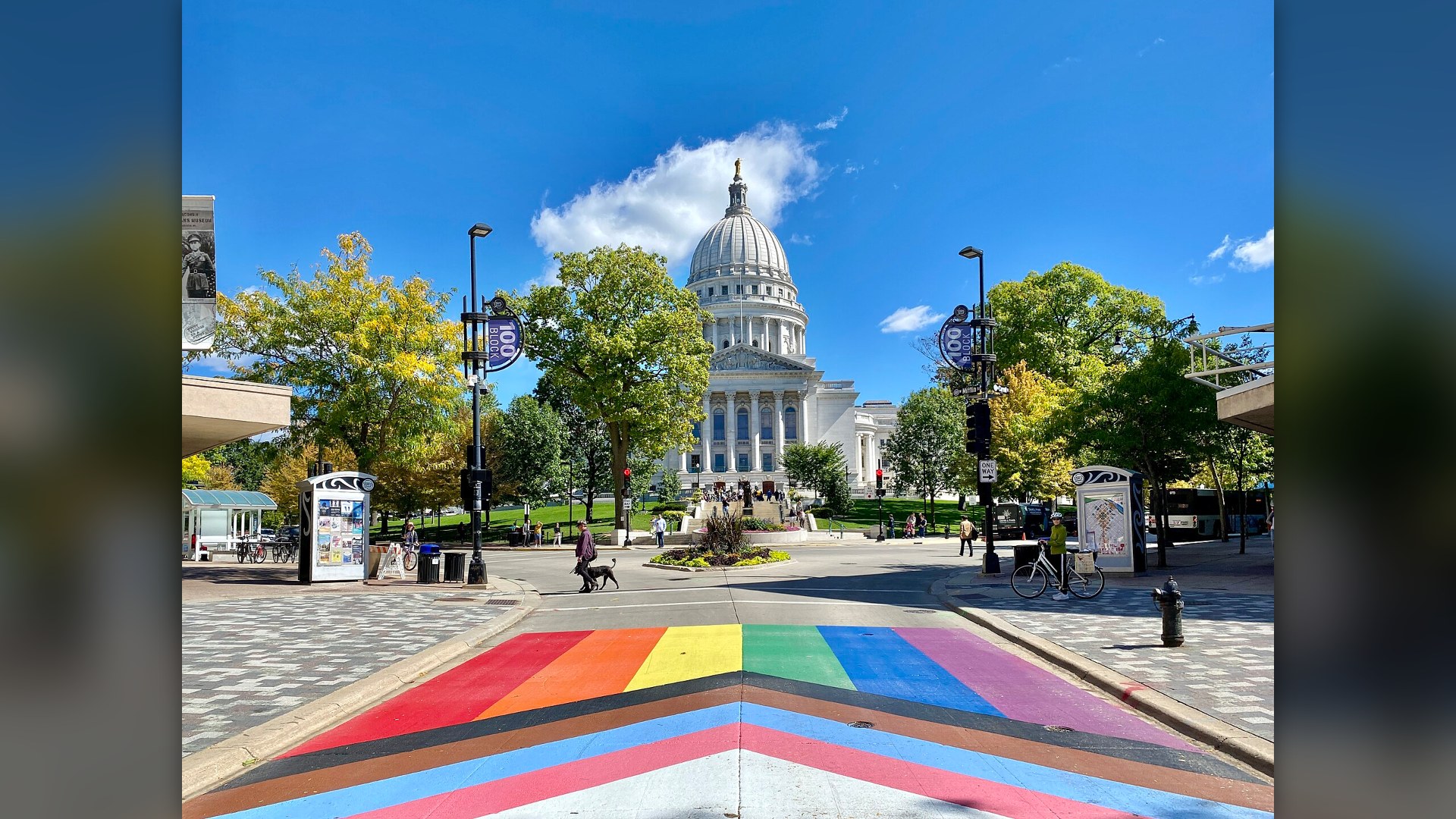
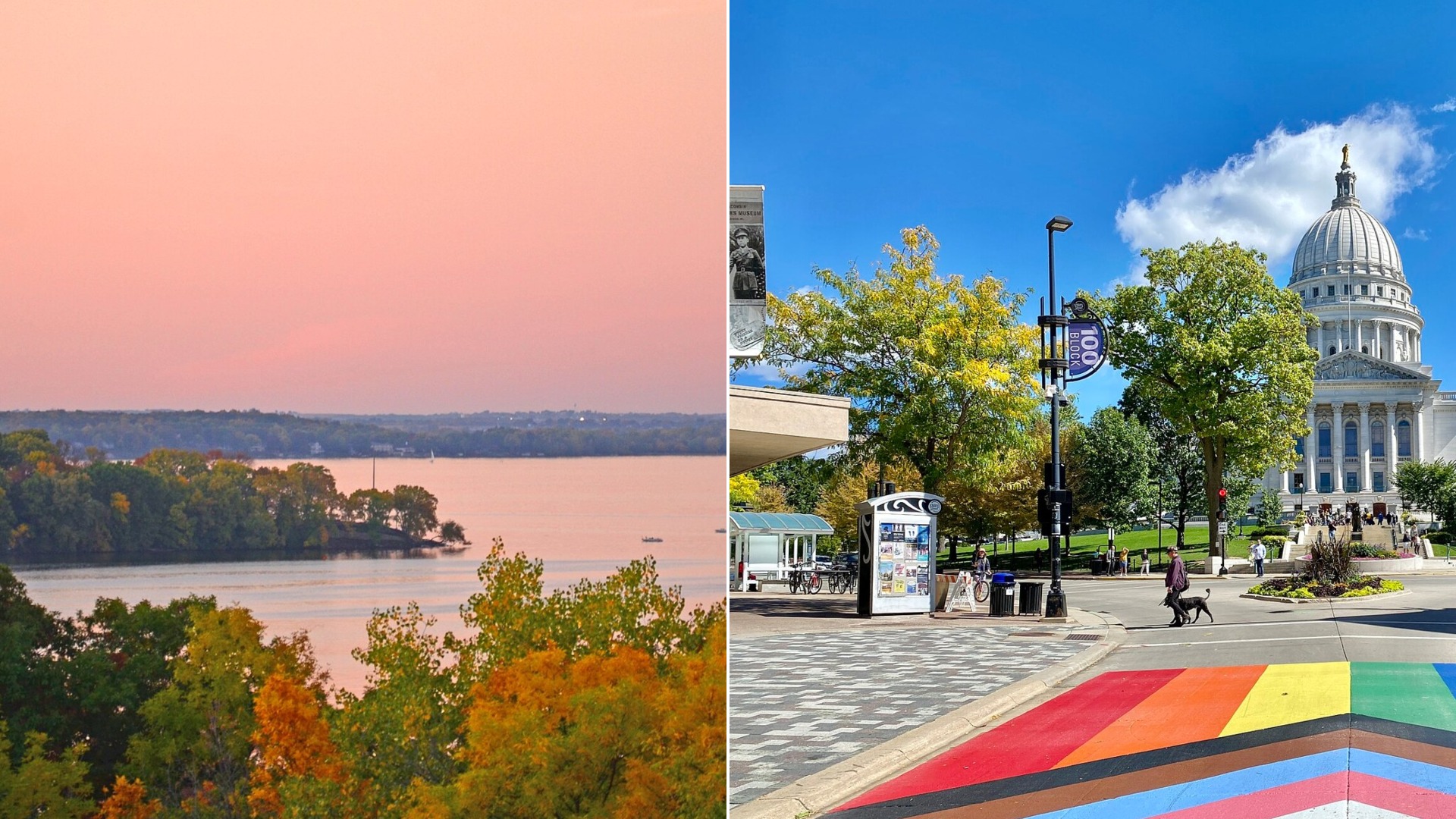
Set on a narrow isthmus between Lakes Mendota and Monona, Madison packs parks, museums and campus sights into walkable neighborhoods. This 22-stop photo tour traces lakeside trails, gardens, theaters and civic landmarks using official records from the City of Madison, UW-Madison and Destination Madison.
By Most Viral Today
6 min agoradar-lead:b4475e90-2744-4927-8537-35e7b8ee5811

A lakefront and Capitol Square walking tour across Wisconsin's capital 
22. Vilas Park On Lake Wingra 
21. Garver Feed Mill 
20. Orpheum Theater On State Street - AdvertisementSwipe or tap ▶ to continue countdown

19. Science Hall On Bascom Hill 
18. Washburn Observatory 
17. Allen Centennial Garden 
16. First Unitarian Society Meeting House - AdvertisementSwipe or tap ▶ to continue countdown

15. UW-Madison Arboretum 
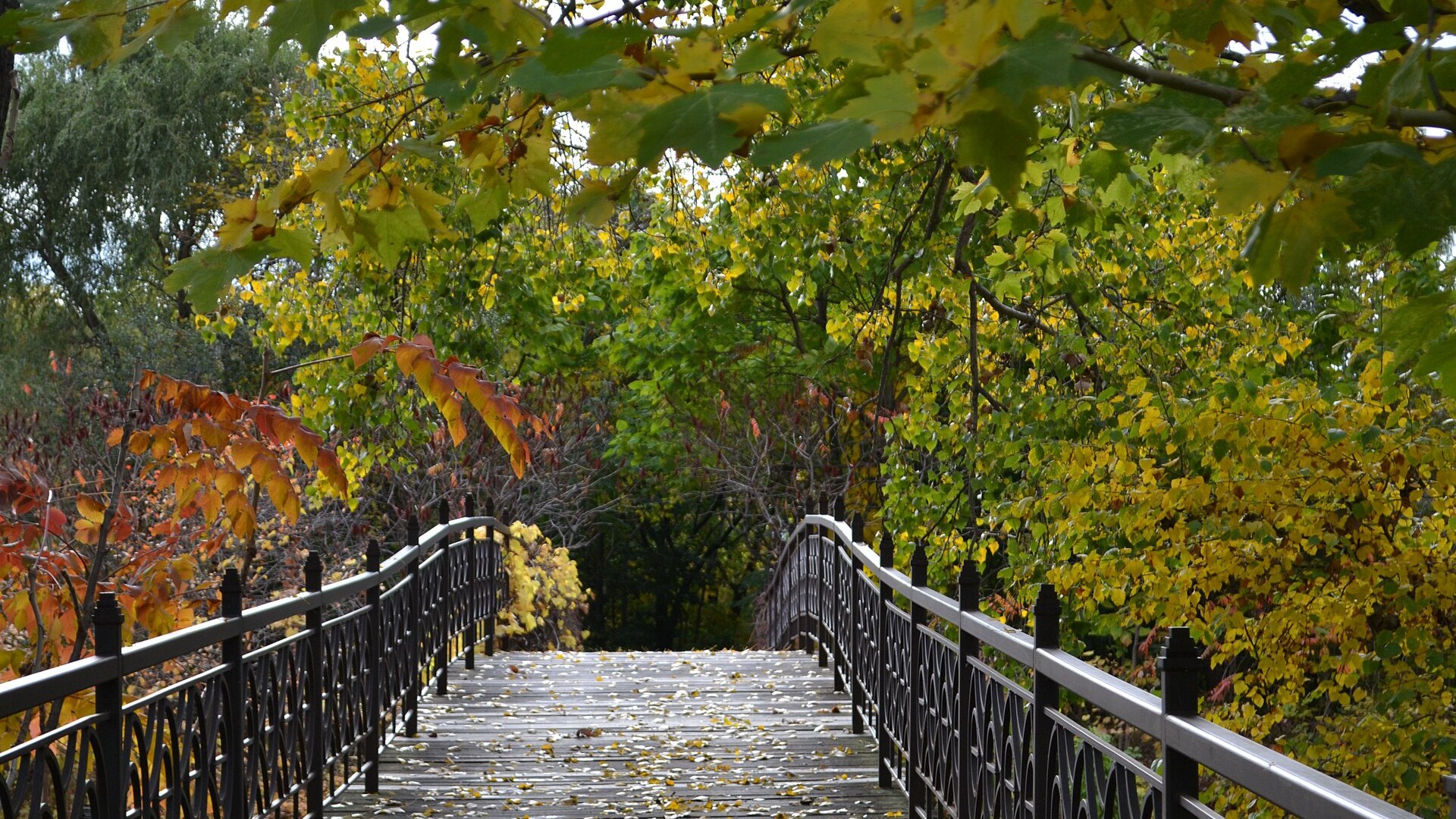
14. Tenney Park And Yahara River Locks 
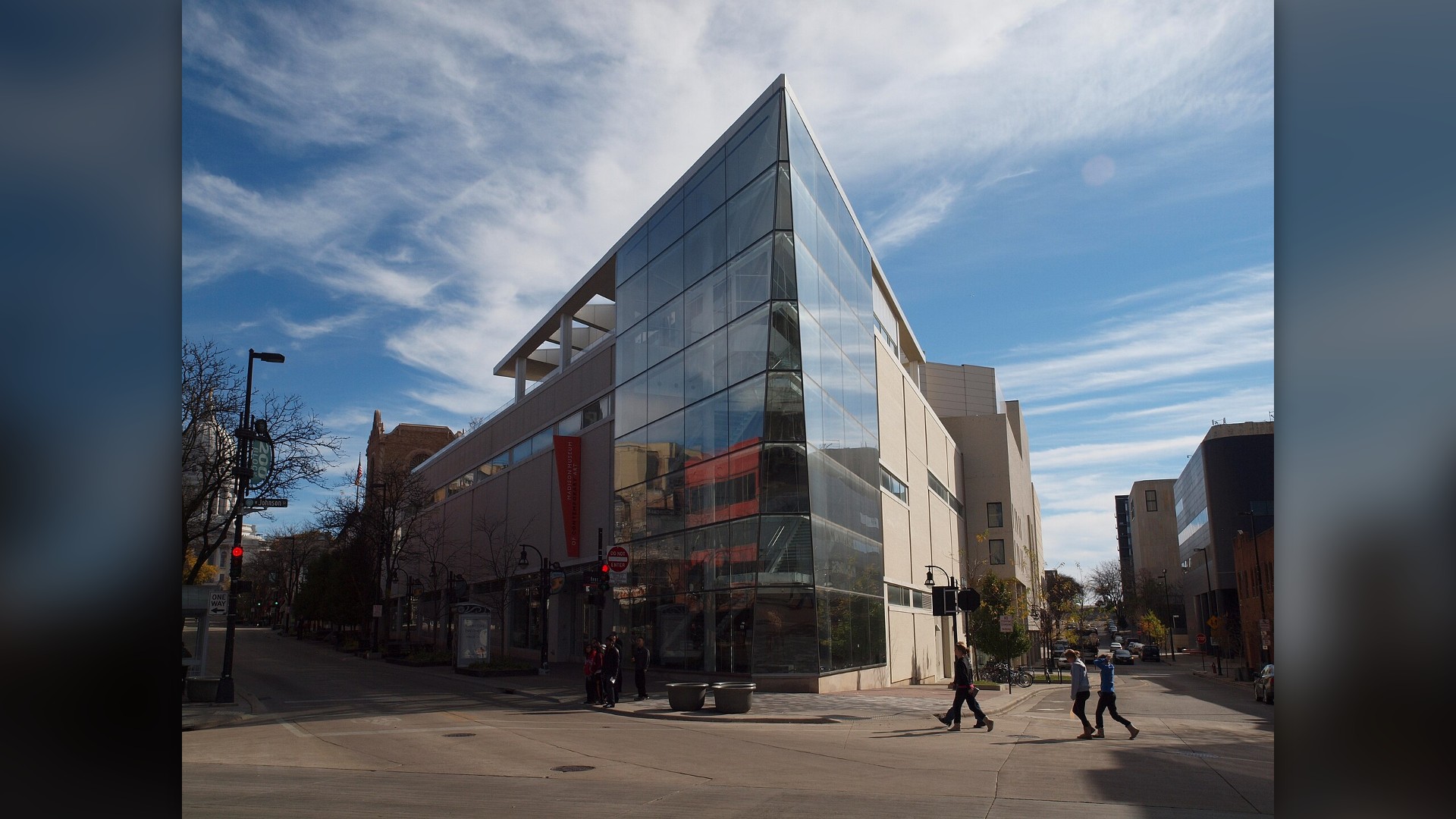
13. Madison Museum Of Contemporary Art 
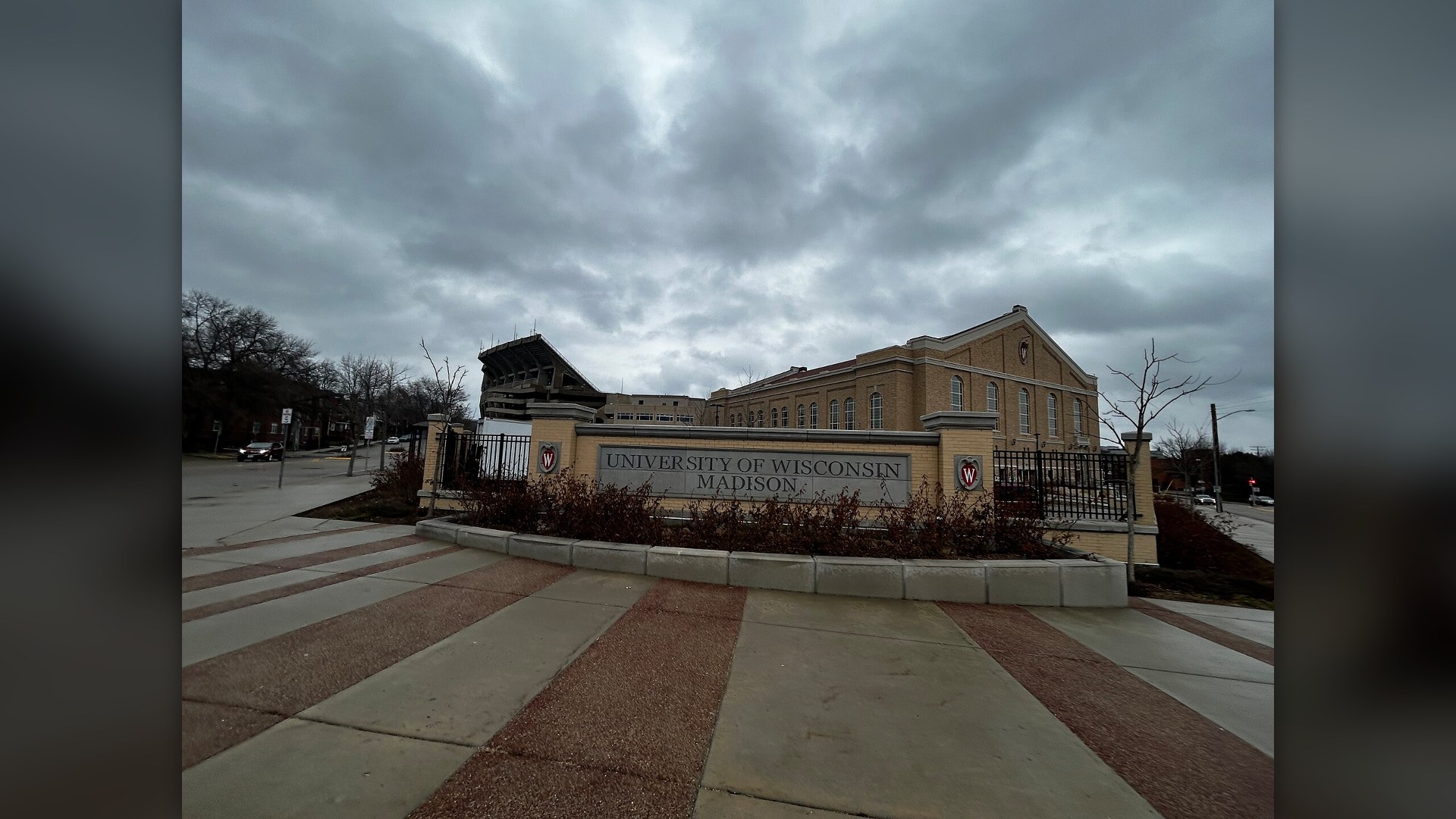
12. Camp Randall Stadium - AdvertisementSwipe or tap ▶ to continue countdown

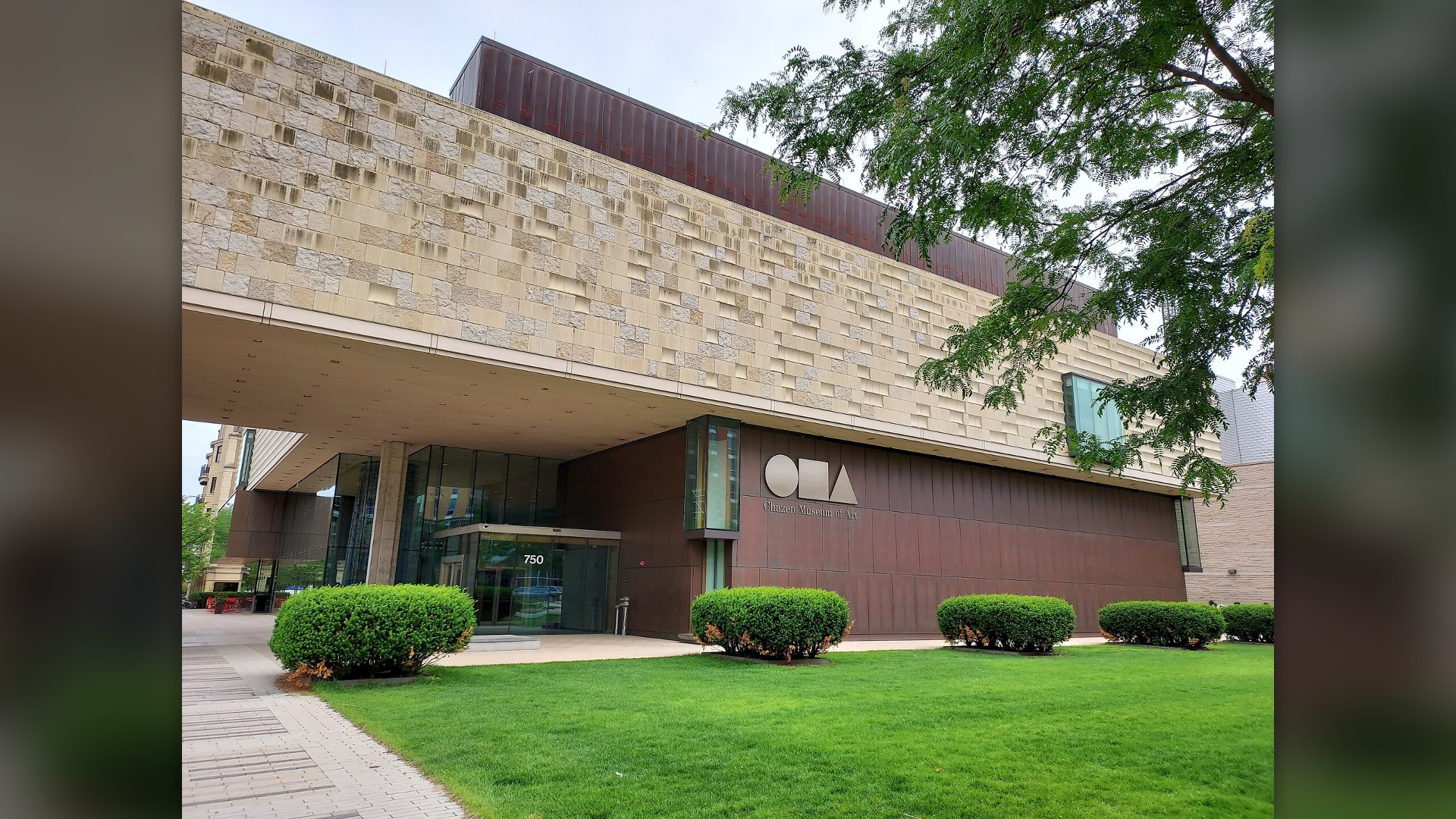
11. Chazen Museum Of Art 
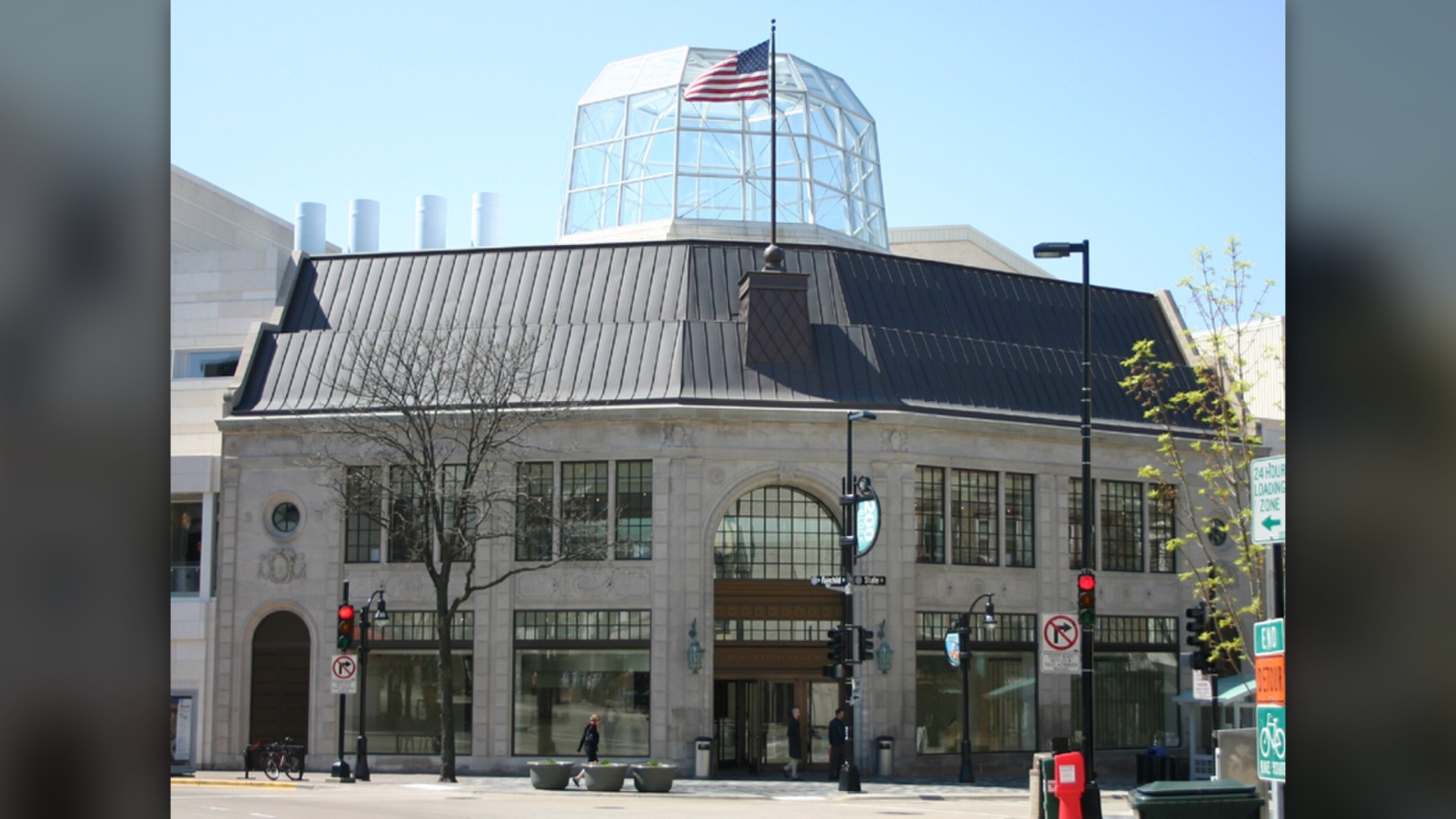
10. Overture Center For The Arts 
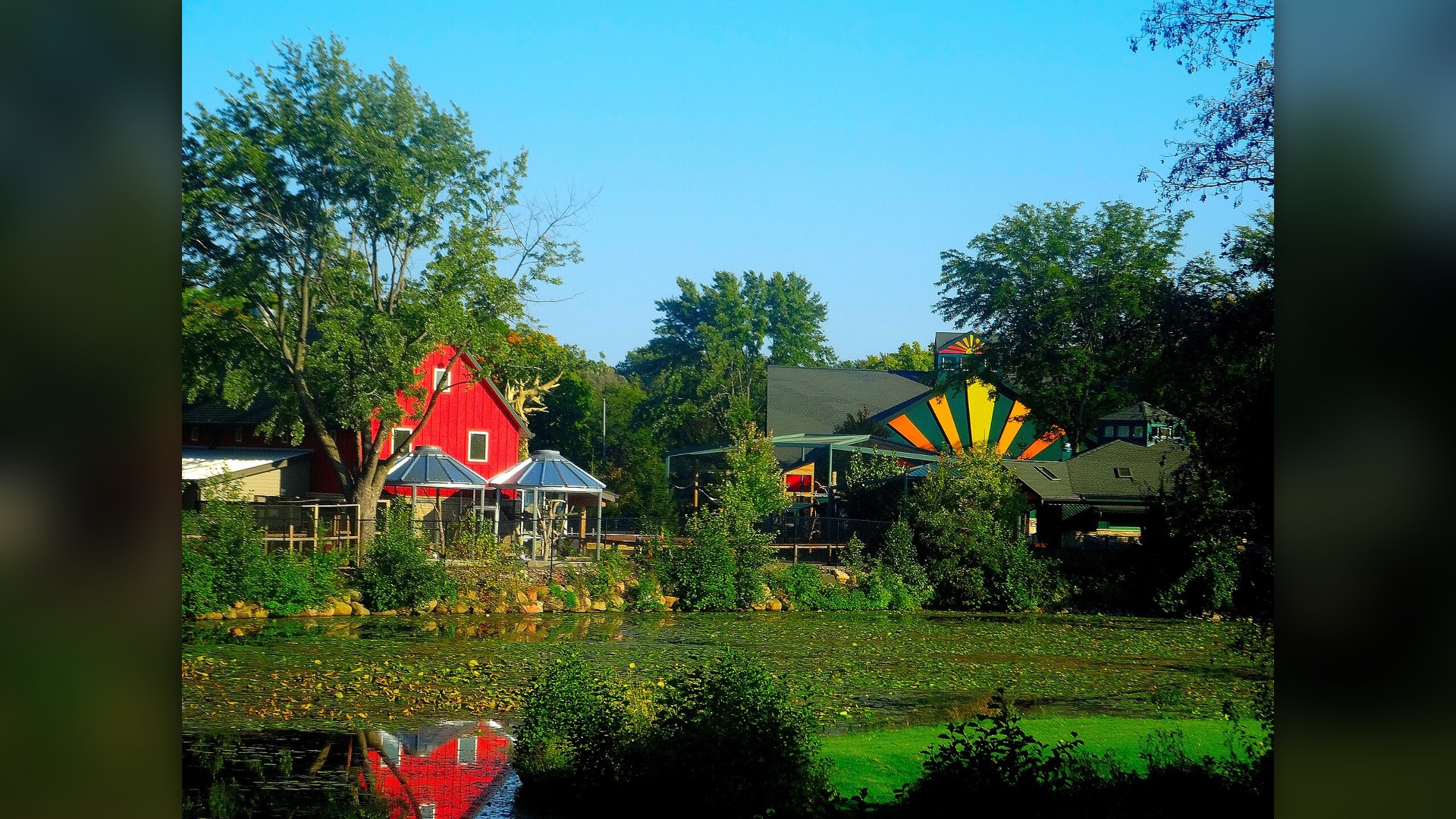
9. Henry Vilas Zoo 
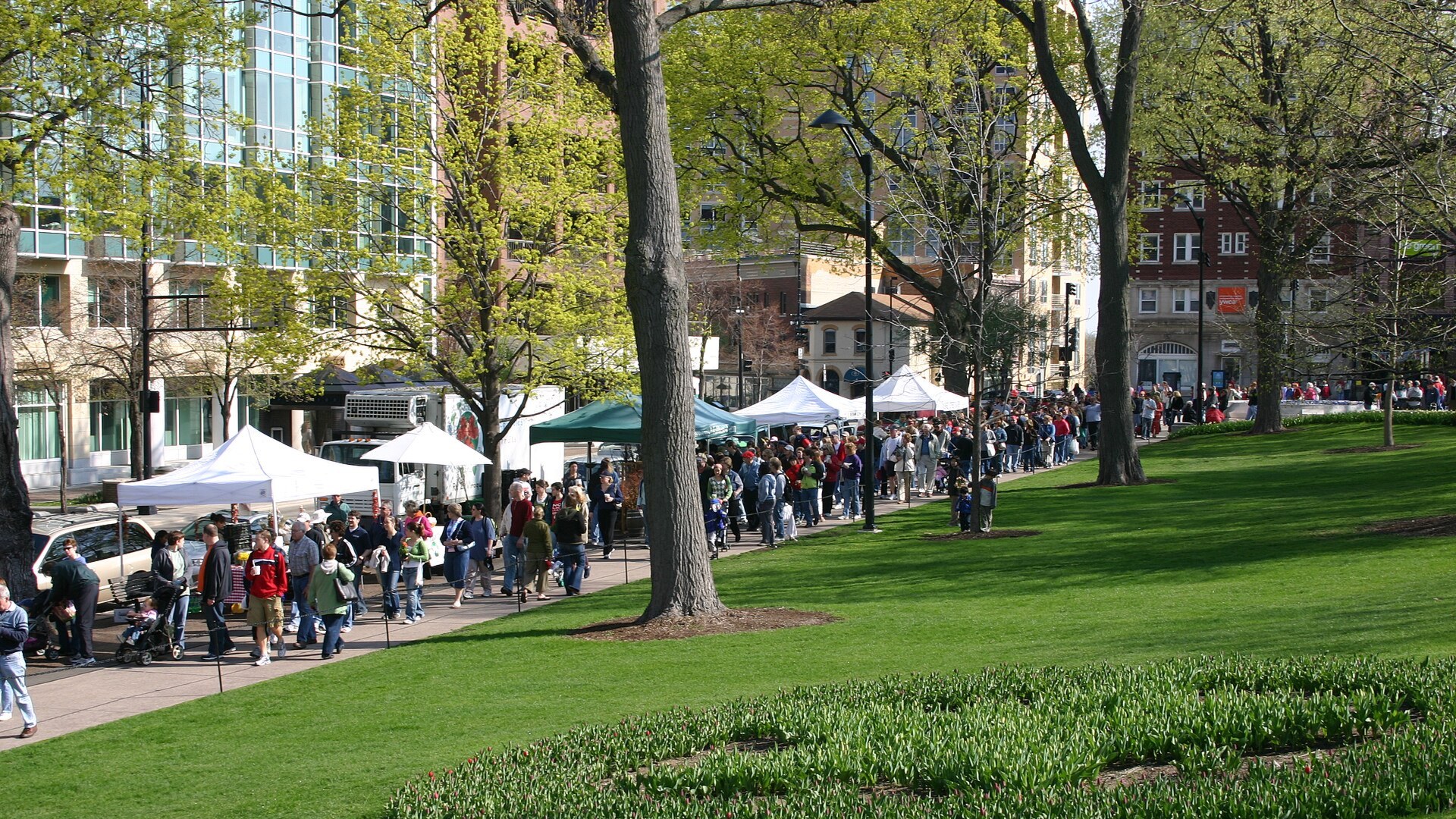
8. Dane County Farmers' Market - AdvertisementSwipe or tap ▶ to continue countdown

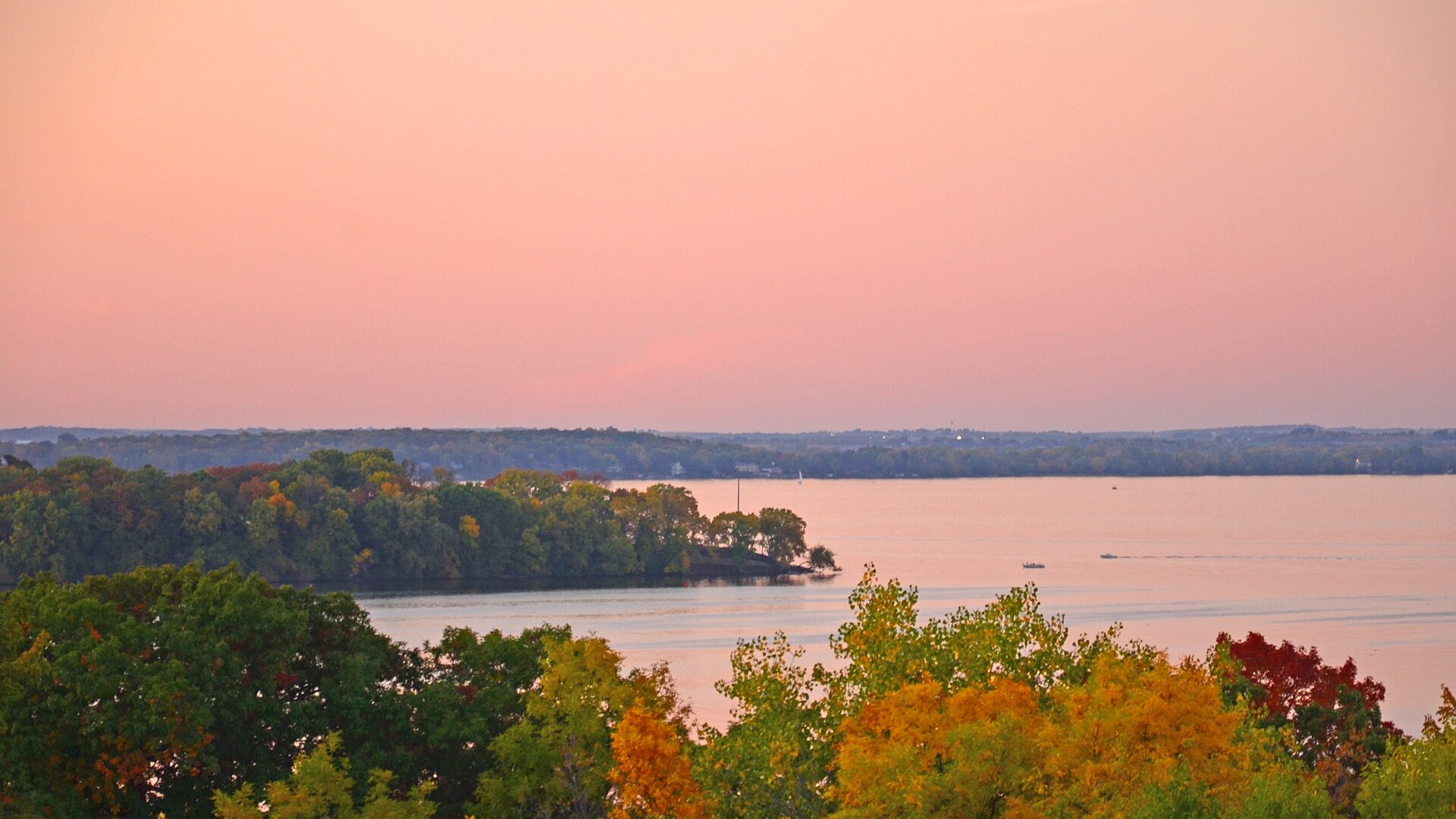
7. Picnic Point On Lake Mendota 
6. Olbrich Botanical Gardens 
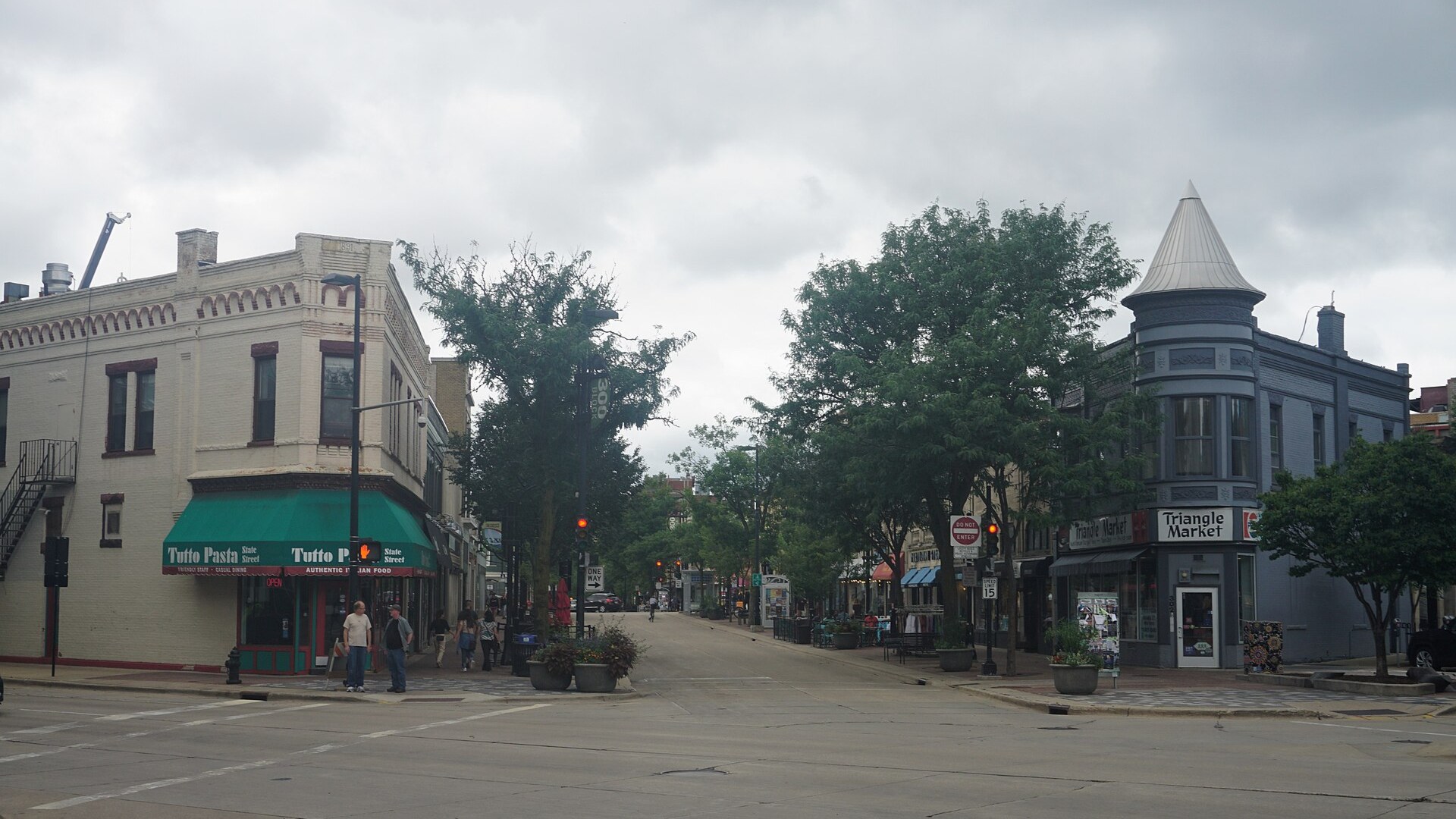
5. State Street Pedestrian Mall 
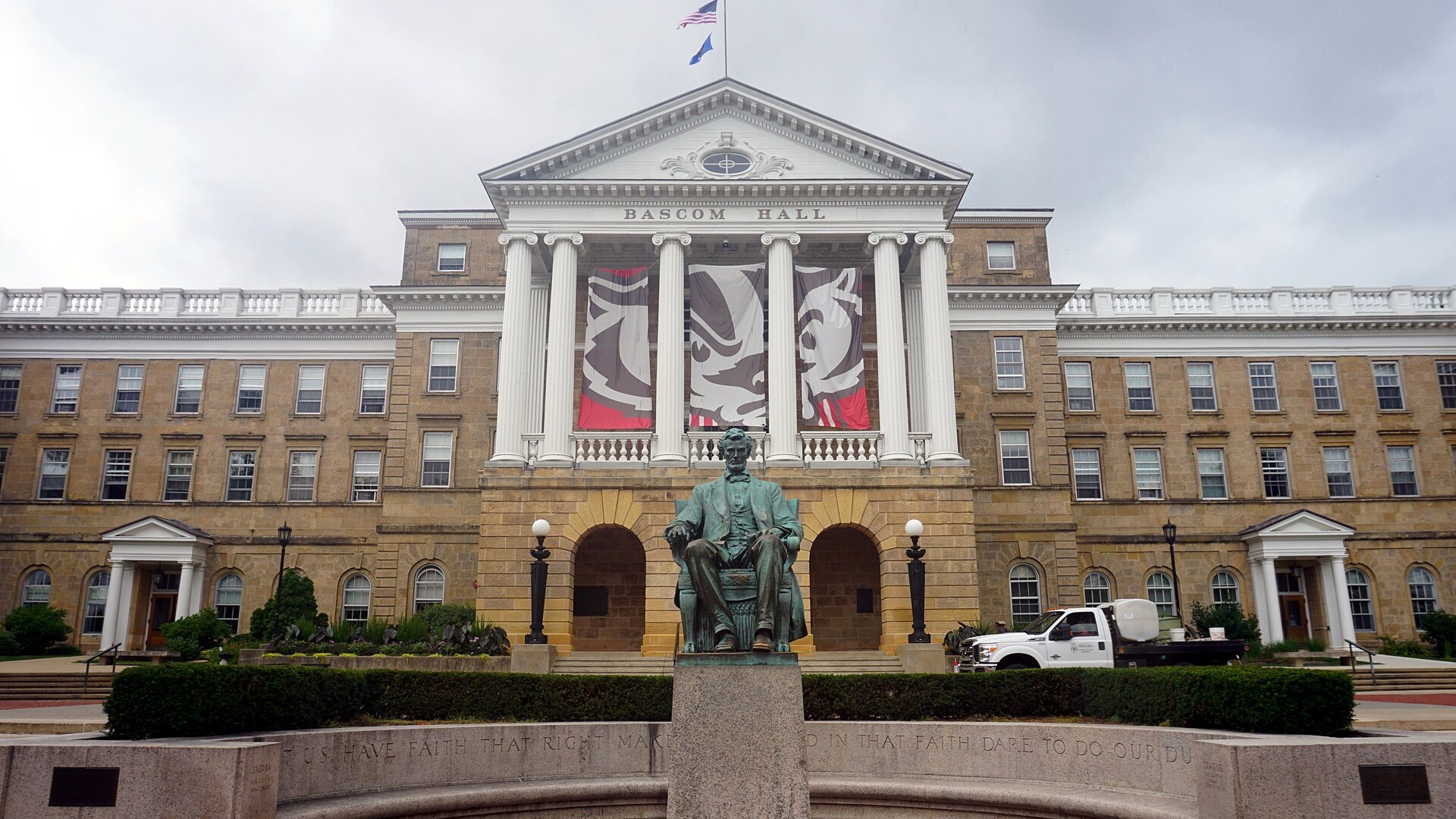
4. Bascom Hall And Lincoln Statue - AdvertisementSwipe or tap ▶ to continue countdown

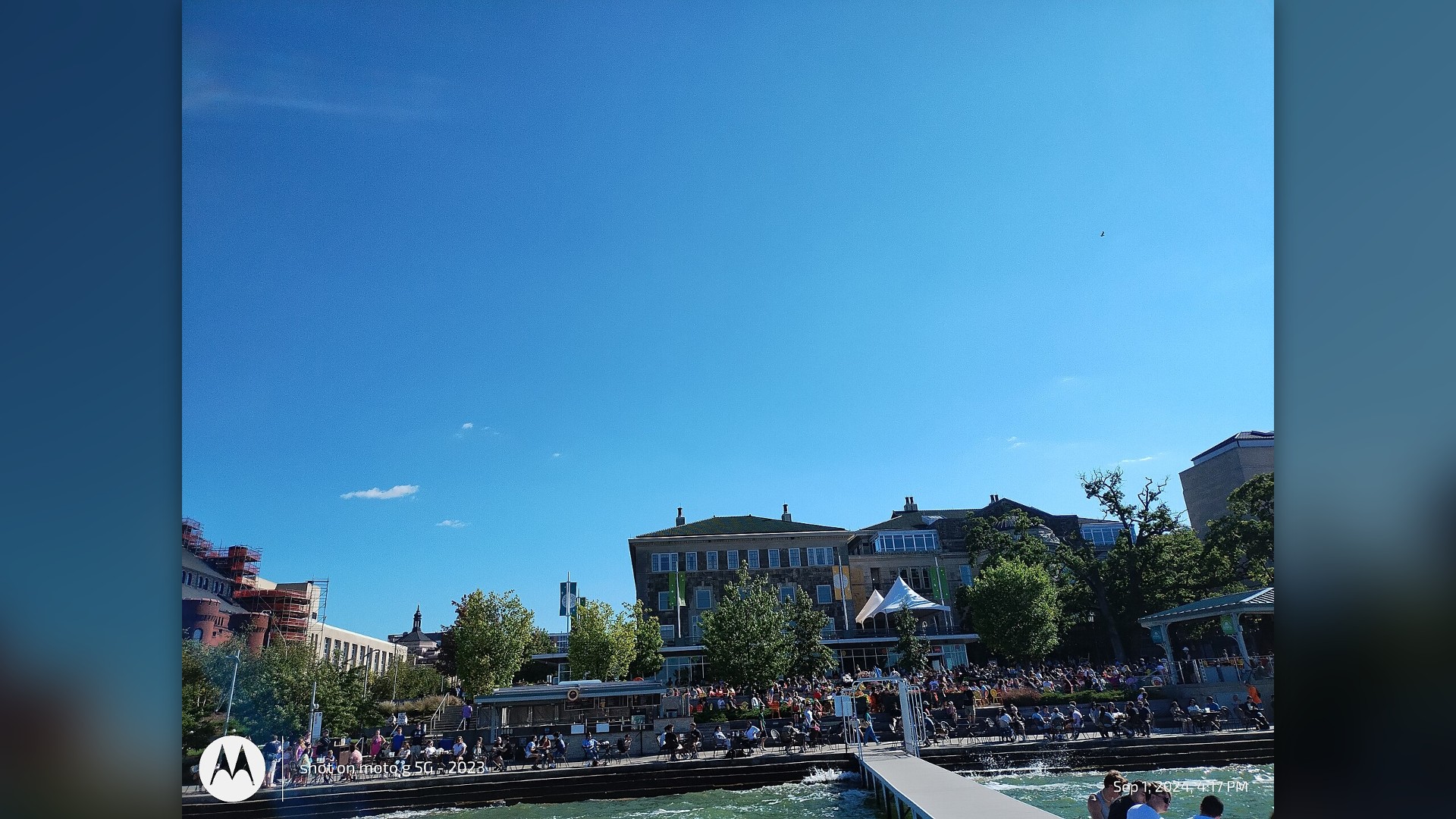
3. Memorial Union Terrace 
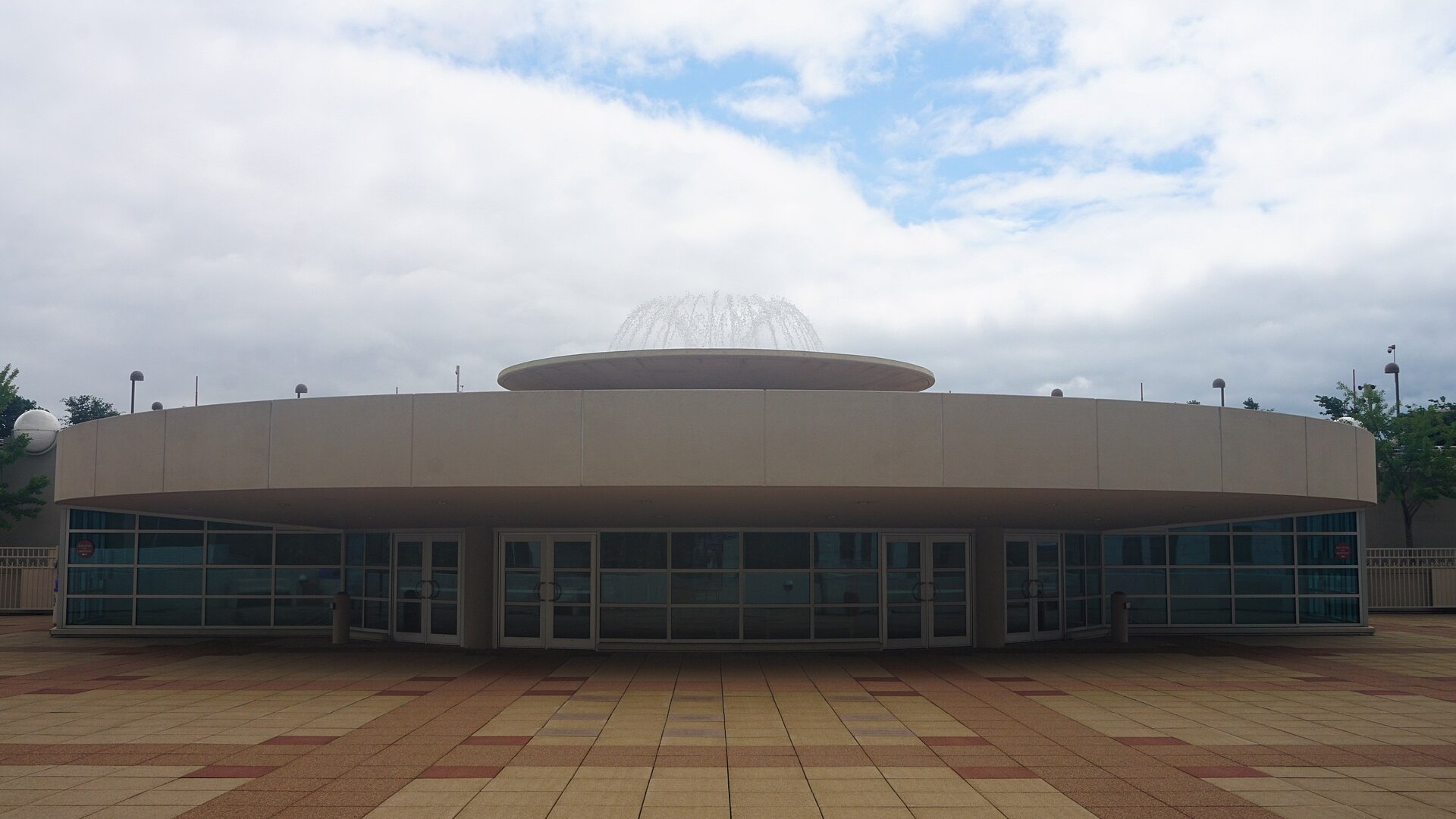
2. Monona Terrace On Lake Monona 
1. Wisconsin State Capitol - Advertisement🔥 UP NEXT IN THIS SERIES◫ 21 Slides

20 Famous Demolished Landmarks That People Still Miss Today
Cities often clear away beloved buildings to make room for new towers, transit hubs, or sports arenas. From grand Victorian glass halls and Art Deco resorts to classic ballparks across North America, Europe, and Asia, these 20 demolished landmarks still inspire fierce nostalgia and local preservation efforts.
Set on a narrow isthmus between Lakes Mendota and Monona, Madison packs parks, museums and campus sights into walkable neighborhoods. This 22-stop photo tour traces lakeside trails, gardens, theaters and civic landmarks using official records from the City of Madison, UW-Madison and Destination Madison.
Swipe or tap ▶ to begin the countdown
©Wikimedia / Richard Hurd from & Warren LeMay from
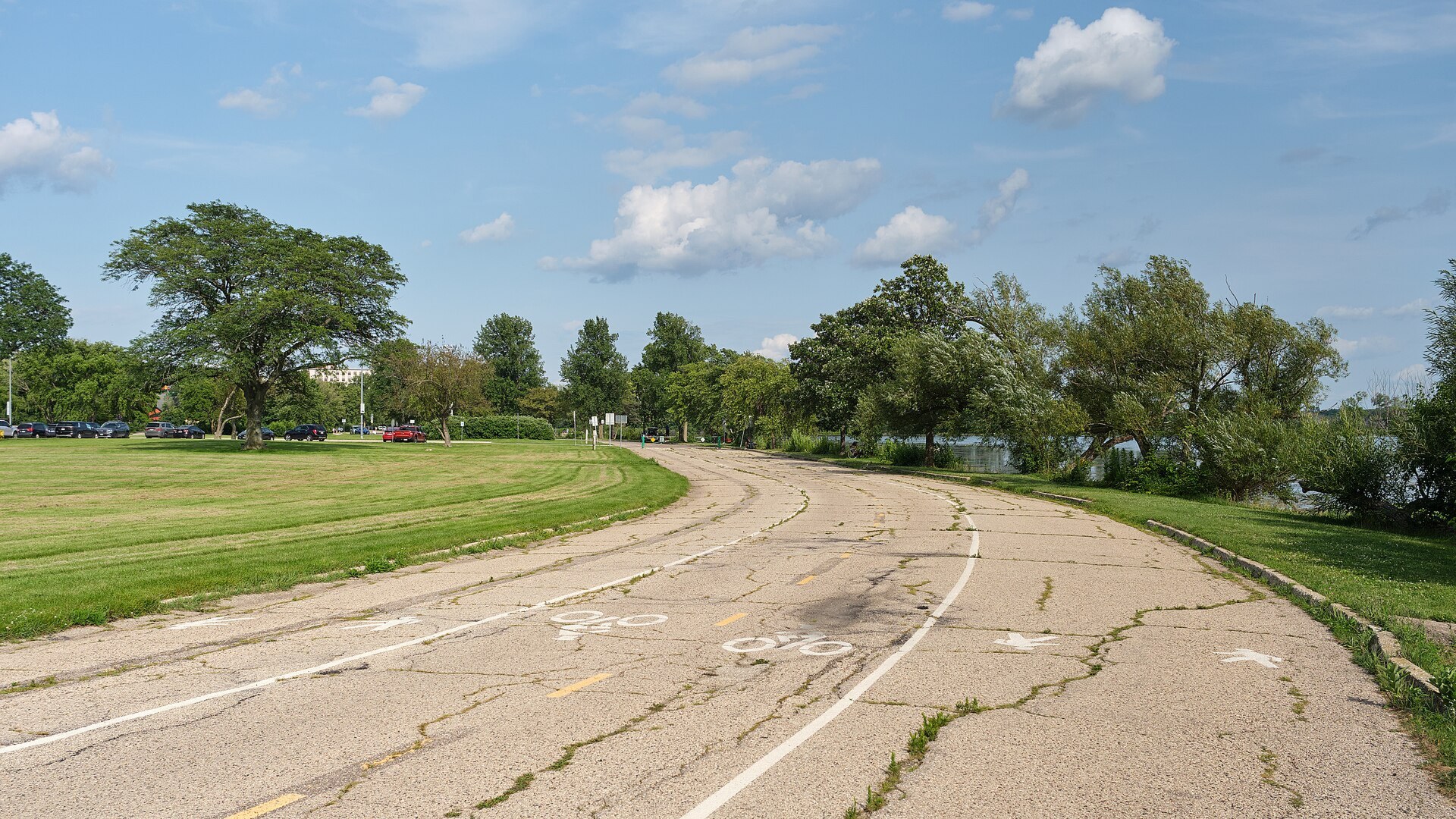
22. Vilas Park On Lake Wingra
Donated to the city in 1904 by Senator William Freeman Vilas and his family, this lakeside park lines the northern shore of Lake Wingra. Walkers follow tree-lined Vilas Park Drive past a sandy swimming beach, open athletic fields and views across the quiet water.
©Wikimedia / Chris Rycroft from Madison, Wisconsin, United St
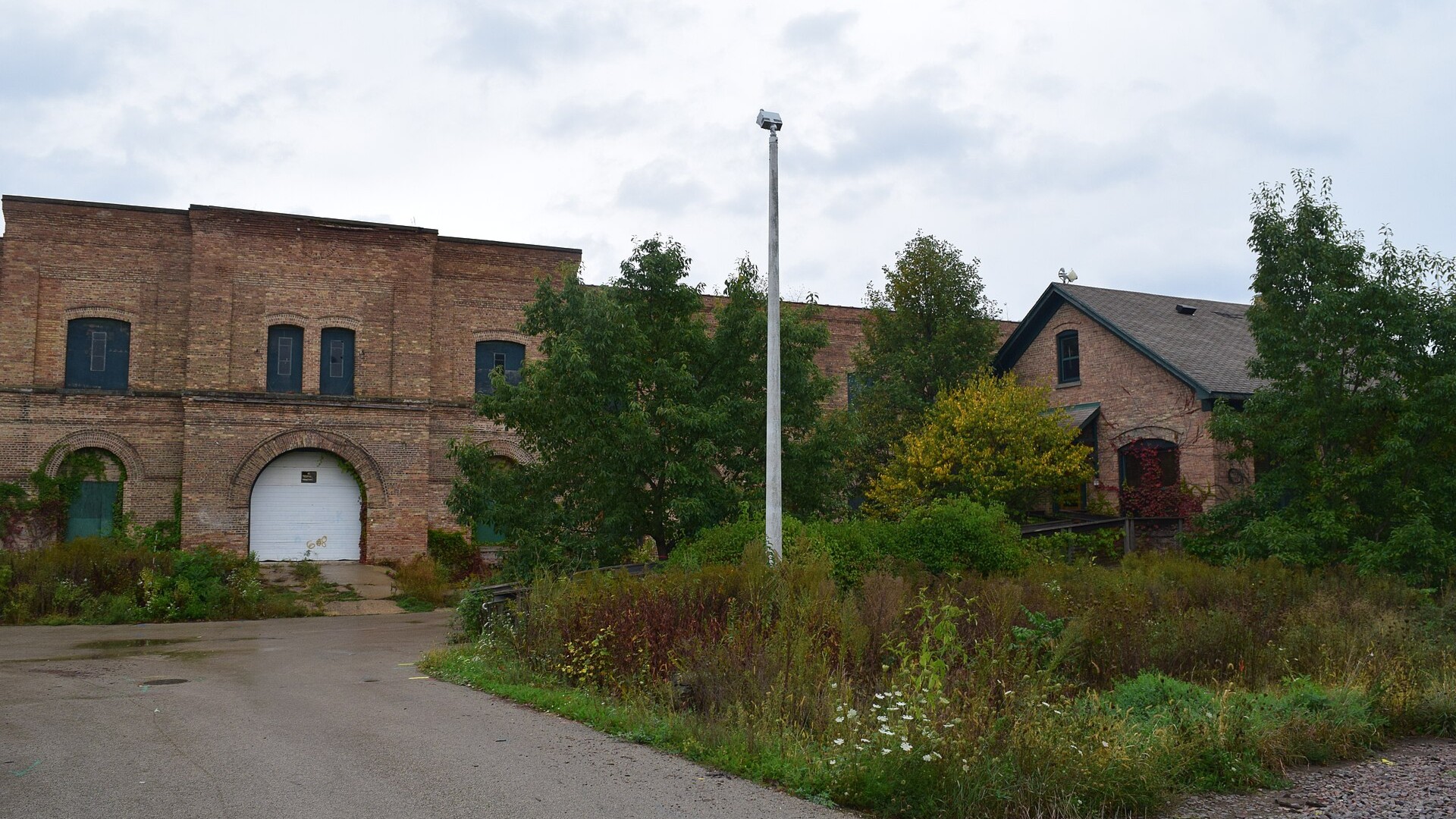
21. Garver Feed Mill
Originally built in 1906 as a sugar-beet processing plant, the brick complex later served the Garver Supply Company as a feed mill for decades. Restored and reopened in 2019, the landmark sits beside the Capital City State Trail and houses local bakeries, a coffee roaster and artisan shops.
©Wikimedia / Garver Feed Mill
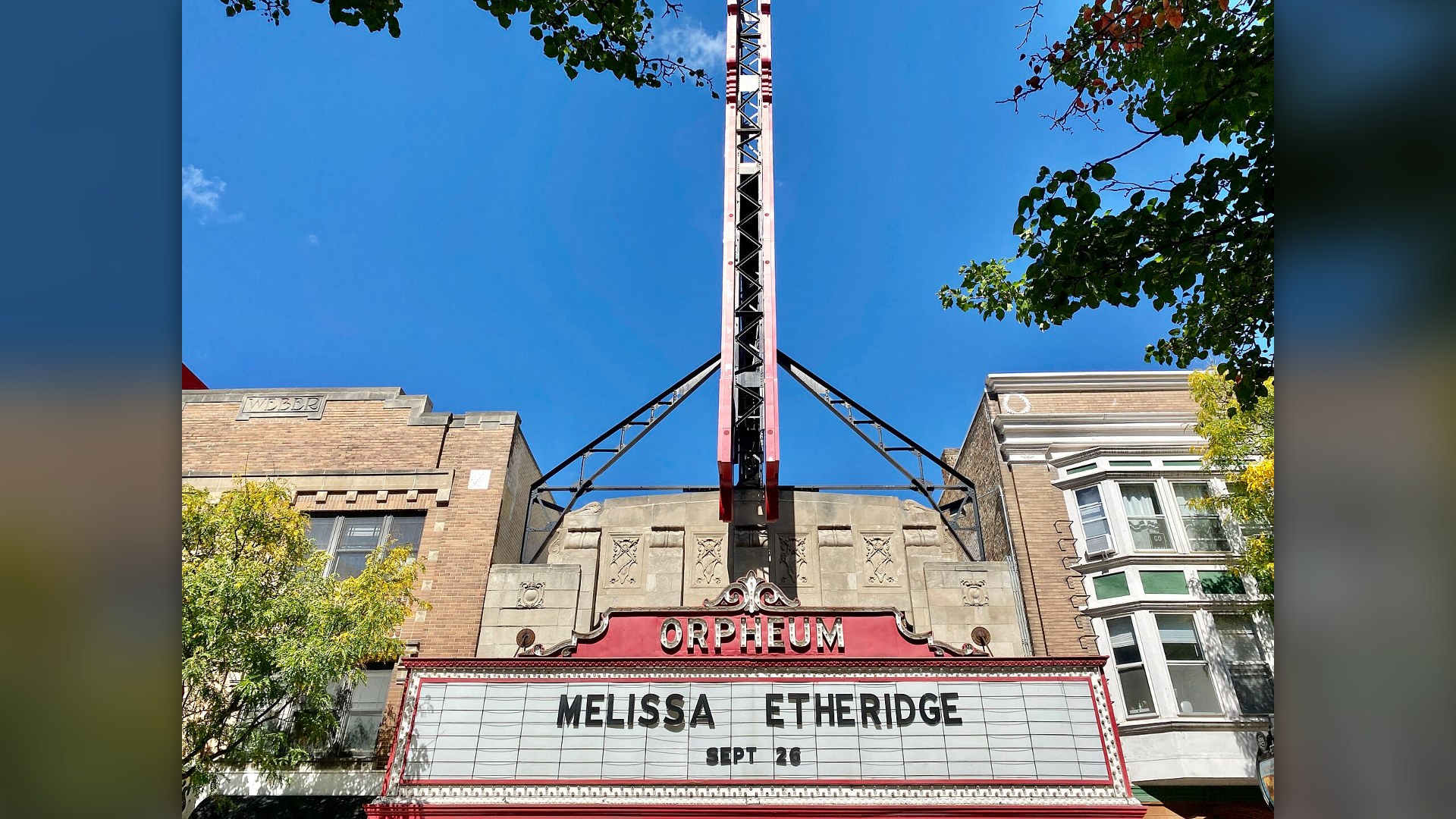
20. Orpheum Theater On State Street
Designed by Chicago theater architects Rapp and Rapp, the Orpheum opened in 1927 as a vaudeville house and silent movie palace. Its glowing vertical blade sign still marks the upper stretch of State Street, where the venue hosts concerts and live shows a block from Capitol Square.
©Wikimedia / Warren LeMay from Covington, KY, United States
Advertisement
Swipe or tap ▶ to resume the countdown.
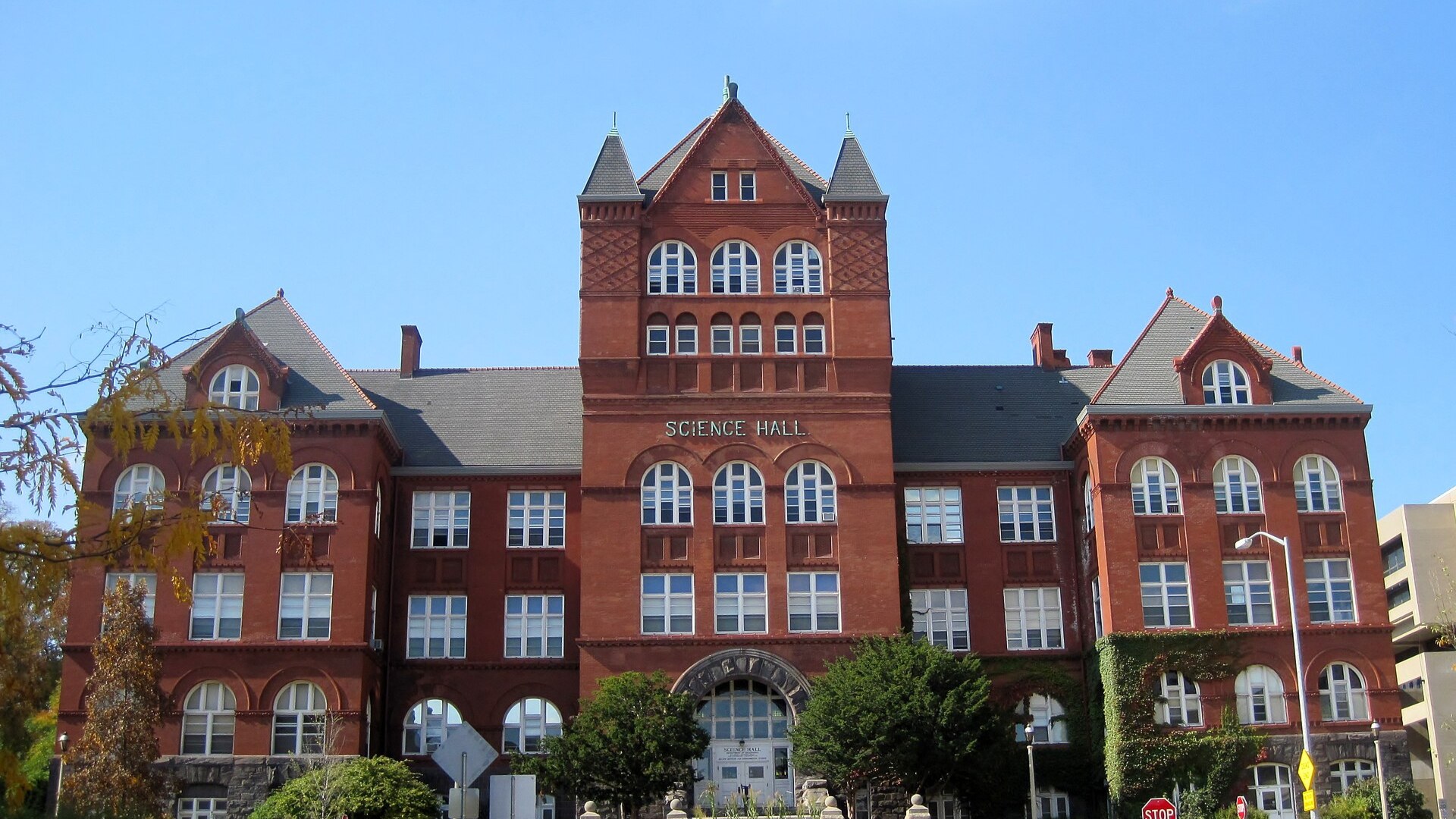
19. Science Hall On Bascom Hill
Completed in 1888 after an earlier building burned, Science Hall was engineered with steel beams and hollow-tile arches to make the structure fireproof. Designated a National Historic Landmark, the red-brick hall houses geography classrooms and map collections near Park Street.
©Wikimedia / Teemu008 from Palatine, Illinois
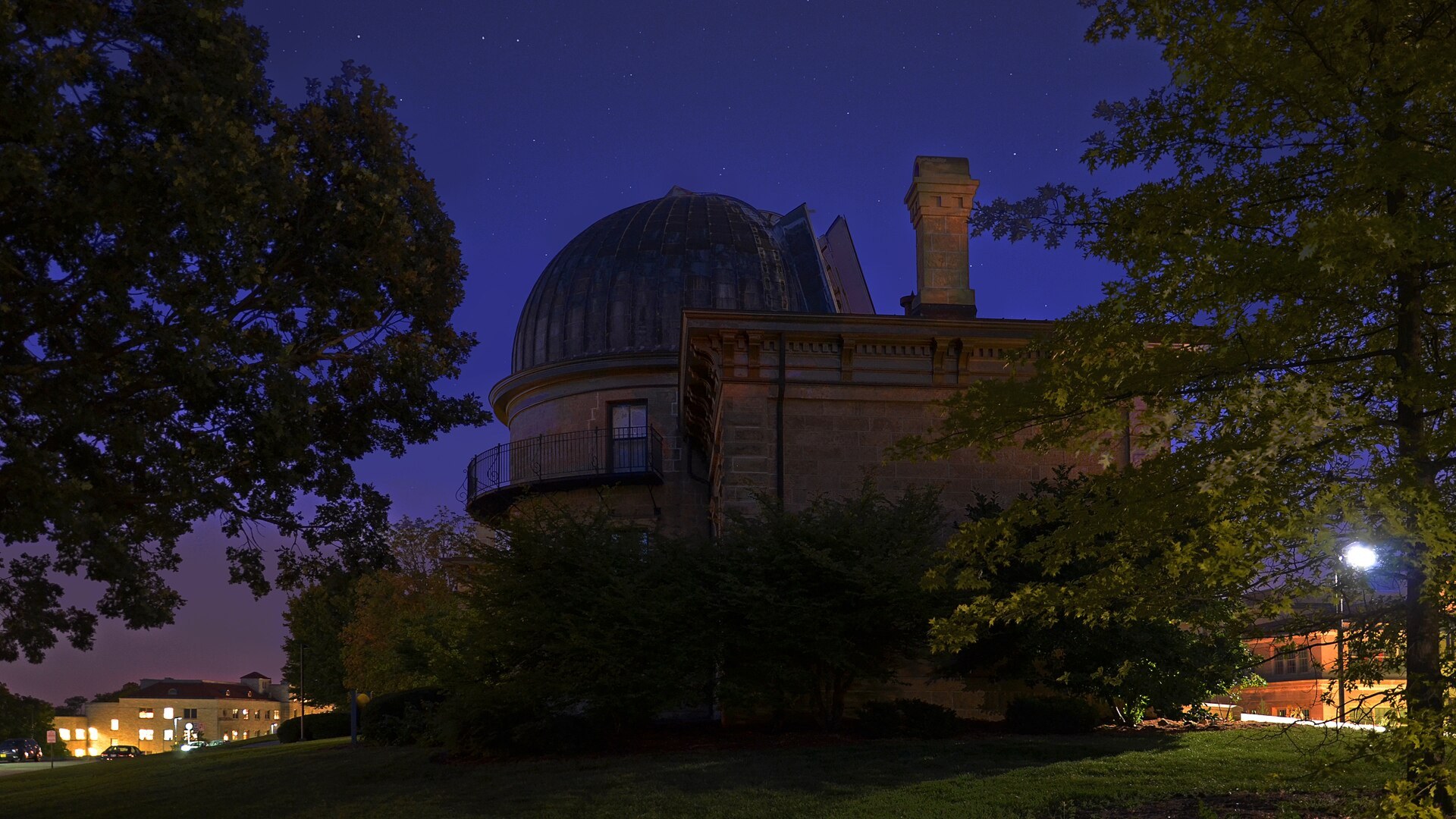
18. Washburn Observatory
Funded by former Wisconsin governor Cadwallader C. Washburn and finished in 1881, this limestone observatory houses an original 15.6-inch refracting telescope. Its hilltop lawn gives walkers wide views over Lake Mendota and hosts public sky-viewing nights in warmer months.
©Wikimedia / Richard Hurd from Green Bay, USA
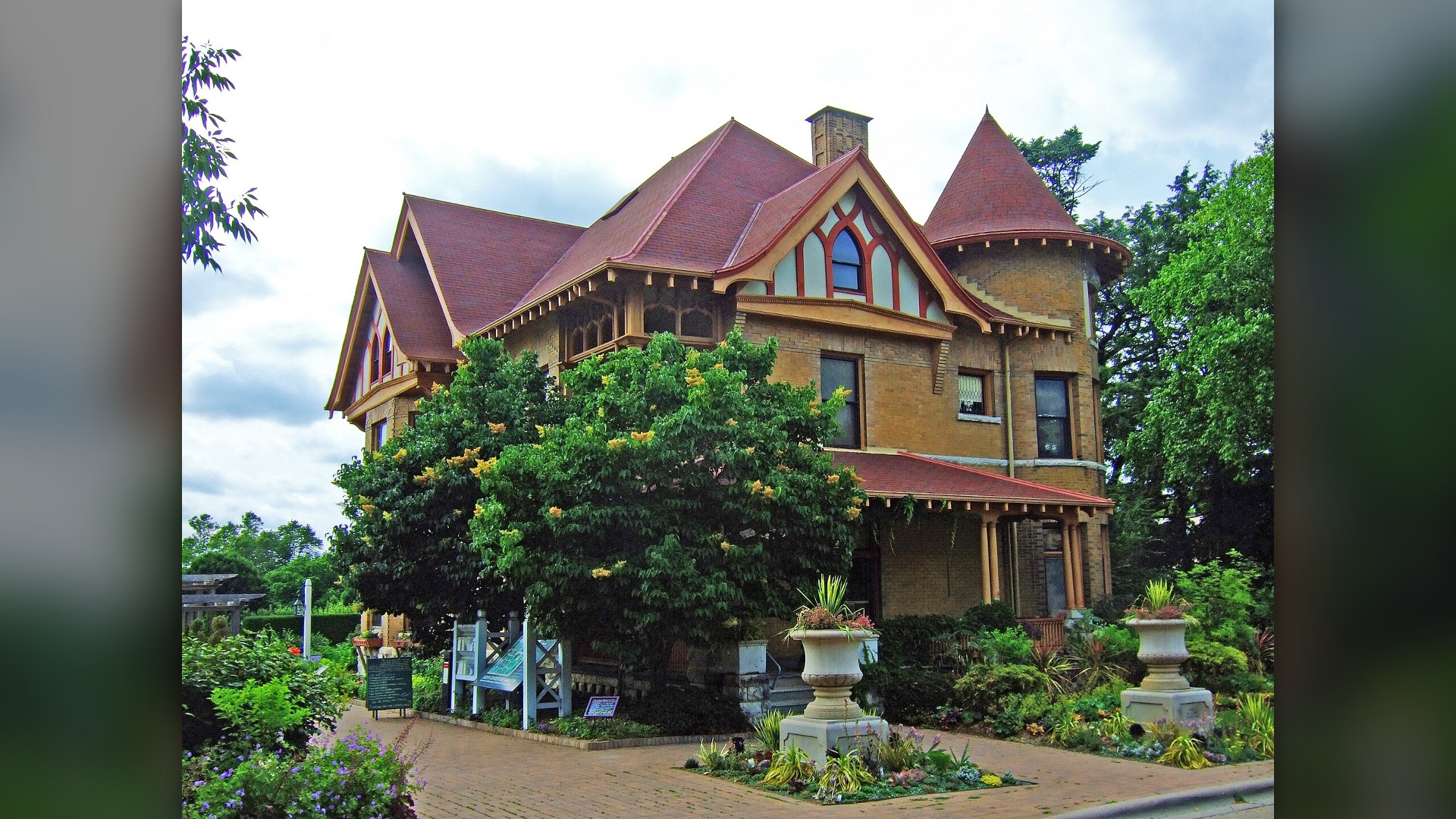
17. Allen Centennial Garden
Opened in 1989 on Observatory Drive, Allen Centennial Garden serves as an outdoor horticulture classroom for UW-Madison. More than 20 distinct beds wrap around the 1896 Agricultural Dean's Residence, pairing rock gardens and woodland paths with a quiet pond.
©Wikimedia / James Steakley
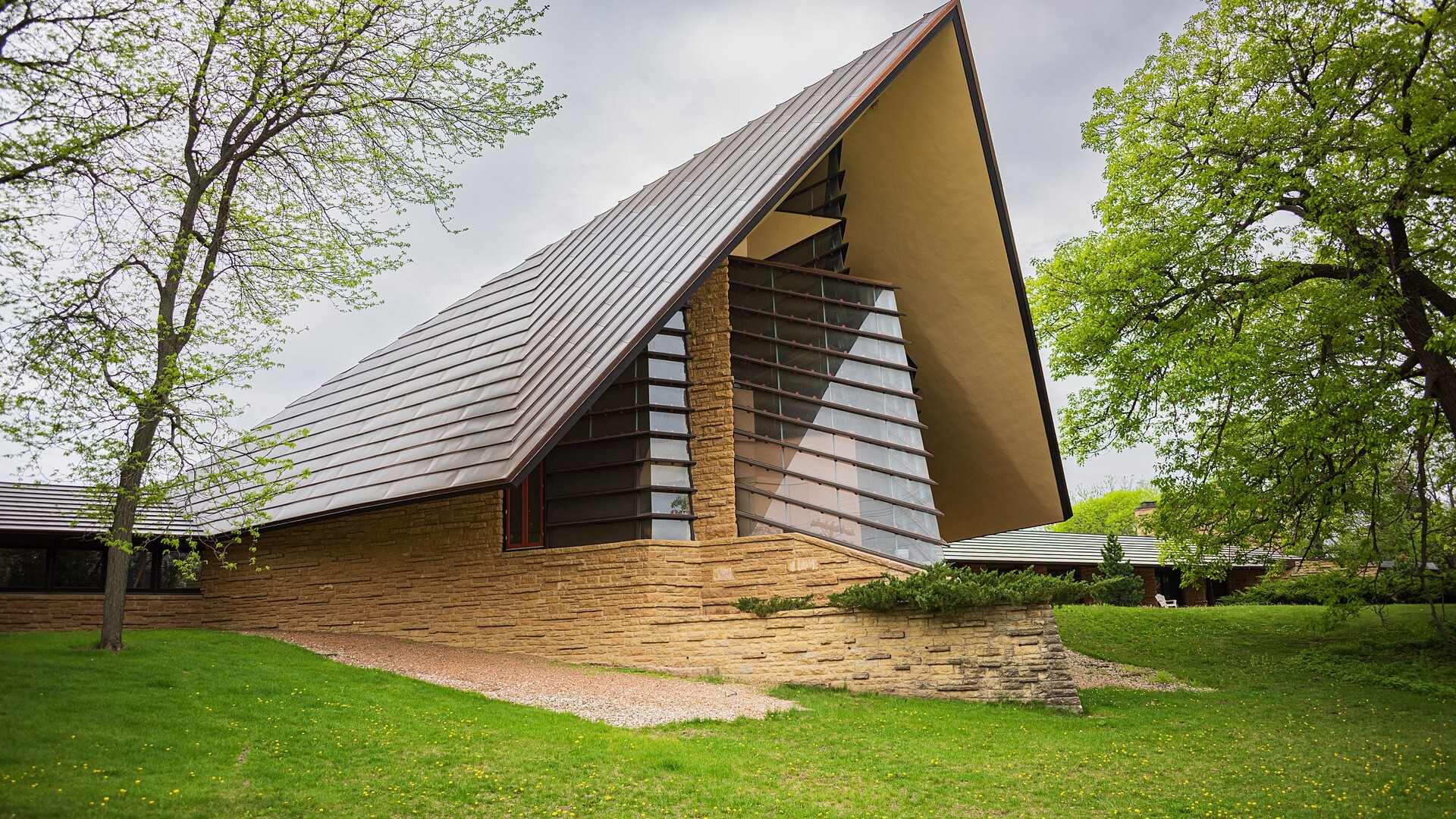
16. First Unitarian Society Meeting House
Designed by Frank Lloyd Wright and built between 1949 and 1951, this National Historic Landmark sits just west of campus in Shorewood Hills. Wright shaped the steep green copper roof like folded hands in prayer, using local Madison limestone for the main walls.
©Wikimedia / First Unitarian Society of Madison
Advertisement
Swipe or tap ▶ to resume the countdown.
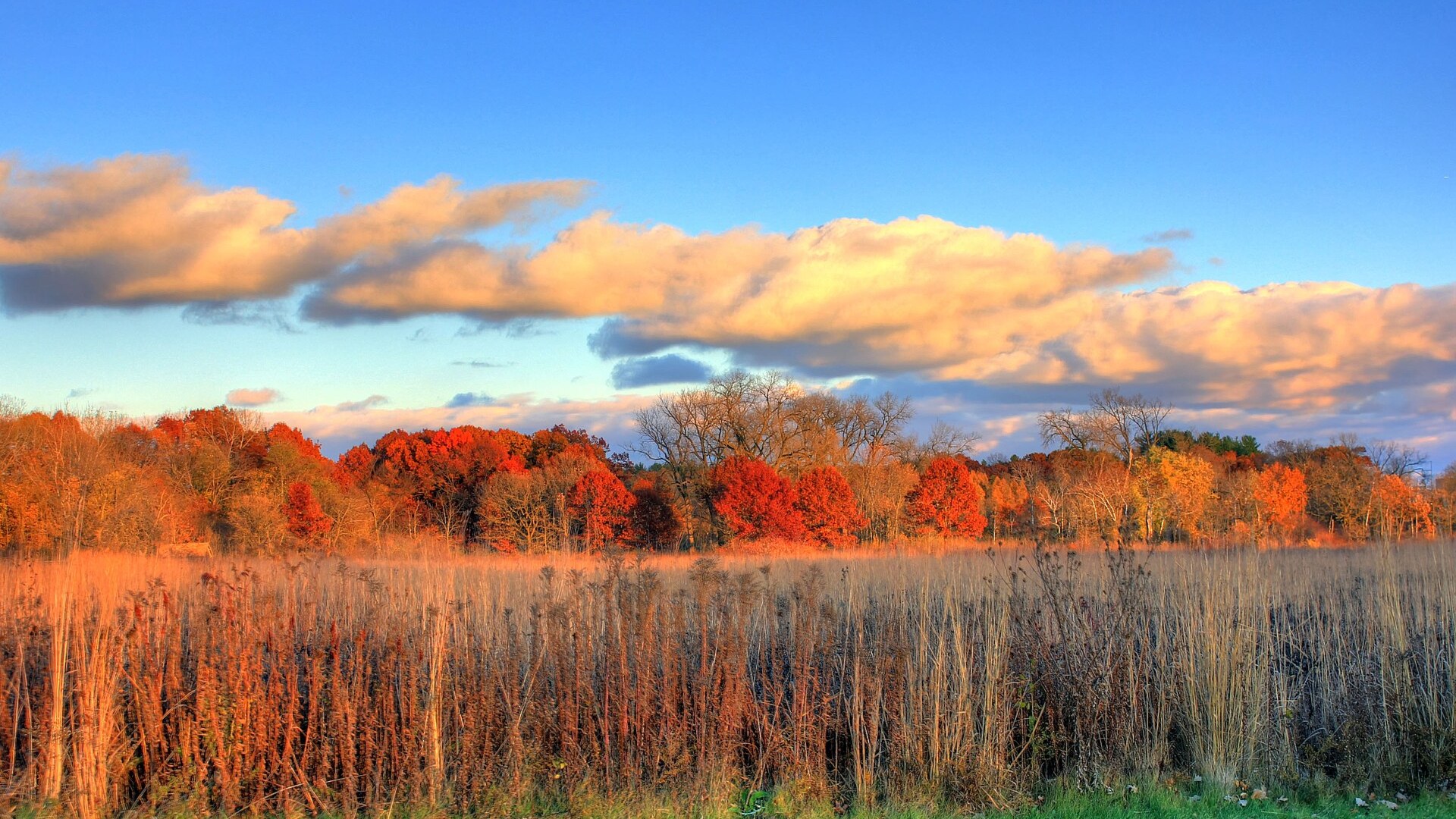
15. UW-Madison Arboretum
Dedicated in 1934 south of Lake Wingra, the UW-Madison Arboretum is a pioneer site for ecological restoration shaped in part by conservationist Aldo Leopold. More than 17 miles of footpaths wind through Curtis Prairie, oak savannas and spring-fed wetlands.
©Wikimedia / Yinan Chen
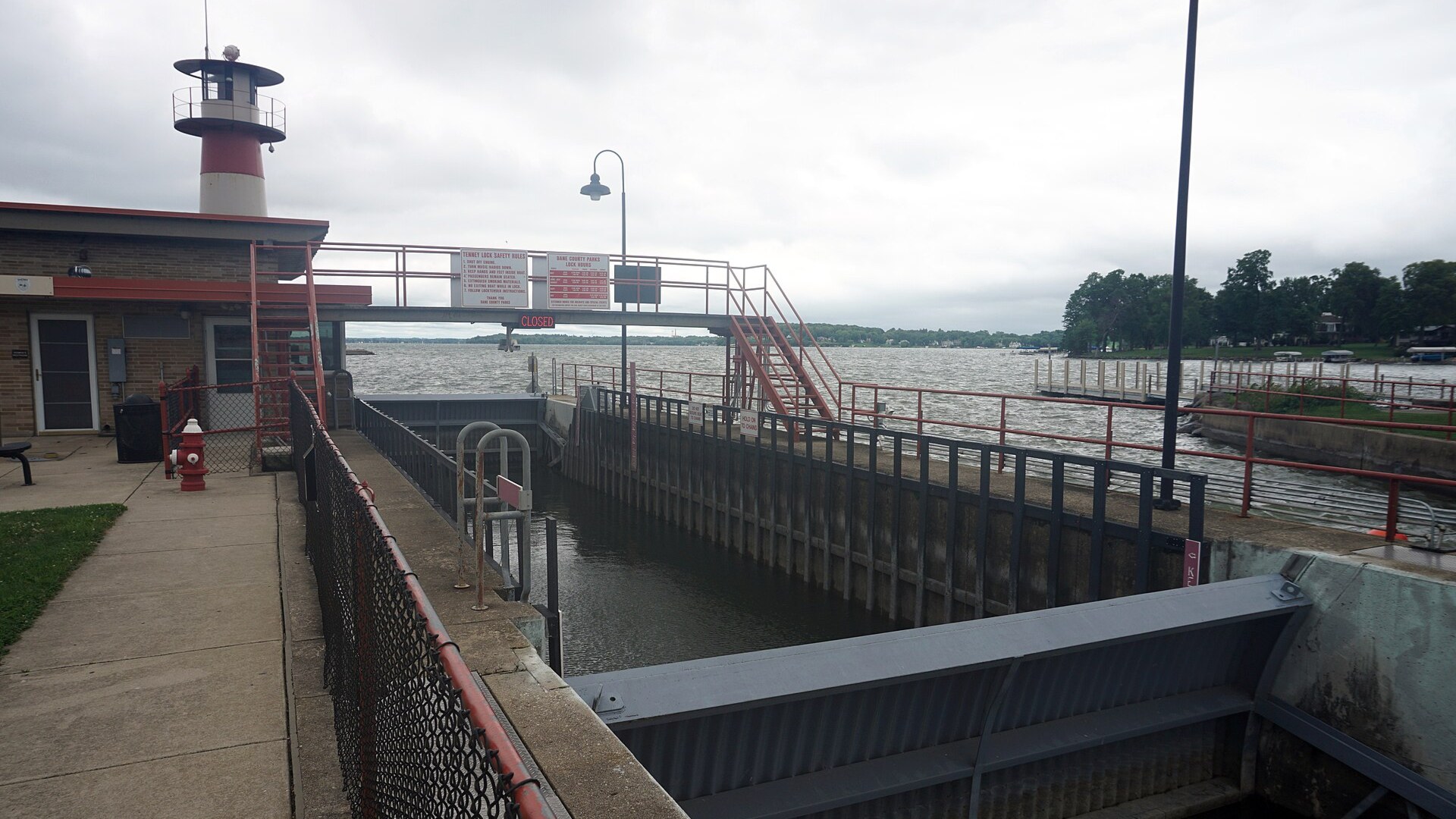
14. Tenney Park And Yahara River Locks
Built along the Yahara River outlet from Lake Mendota in the early 1900s, Tenney Park links residential streets to a sandy beach and shaded lagoons. Footbridges cross calm canals near the Tenney Lock and Dam, where small boats step down five feet toward Lake Monona.
©Wikimedia / Michael Barera
13. Madison Museum Of Contemporary Art
Founded in 1901 and housed since 2006 in a glass-walled Cesar Pelli building on State Street, MMoCA admits visitors free of charge. A dramatic staircase climbs through a sunlit lobby to rotating galleries and an open-air rooftop sculpture terrace.
©Wikimedia / Franco Folini from San Francisco, USA
12. Camp Randall Stadium
Before Badgers football moved in during 1917, Camp Randall served as a Union Army training camp during the American Civil War. Walkers pass the stone Camp Randall Memorial Arch on Randall Avenue and the historic 1930 Field House standing beside the stadium bowl.
©Wikimedia / SecretName101
Advertisement
Swipe or tap ▶ to resume the countdown.
11. Chazen Museum Of Art
Opened in 1970 on University Avenue and expanded in 2011 across East Campus Mall, the Chazen Museum of Art offers free entry all week. Its galleries span ancient Greek pottery, European paintings, Japanese prints and modern sculpture along a busy pedestrian plaza.
©Wikimedia / Bubudu57
10. Overture Center For The Arts
Opened in 2004 on the 200 block of State Street, Overture Center wraps seven performance stages and visual art galleries around the historic 1928 Capitol Theater. Architect Cesar Pelli linked the block with a towering glass rotunda visible down Henry Street.
©Wikimedia / Chief-O of English Wikipedia
9. Henry Vilas Zoo
Set inside Vilas Park along Lake Wingra, Henry Vilas Zoo opened in 1911 and remains one of the few accredited, admission-free zoos in the United States. Walkable tree-lined paths wind past Arctic polar bears, red pandas, big cats and a historic conservation carousel.
©Wikimedia / Henry Vilas Zoo
8. Dane County Farmers' Market
Founded in 1972, the Dane County Farmers' Market fills the sidewalks around Capitol Square every Saturday from April through November. Over 150 Wisconsin producers sell cheese curds, spicy cheese bread, seasonal fruit and cut flowers along a steady one-way walking loop.
©Wikimedia / Mark Sadowski from Madison, Wisconsin, United St
Advertisement
Swipe or tap ▶ to resume the countdown.
7. Picnic Point On Lake Mendota
Extending from the UW-Madison Lakeshore Nature Preserve, Picnic Point carries a crushed-limestone path 0.8 miles out into Lake Mendota. Stone fire circles line the tip, where walkers look straight back across the water toward Bascom Hill and the State Capitol dome.
©Wikimedia / Richard Hurd from Leland, USA
6. Olbrich Botanical Gardens
Across Starkweather Creek on Madison's east side, Olbrich Botanical Gardens pairs 16 acres of outdoor display gardens with the tropical Bolz Conservatory. A gilded Thai Pavilion, built in Thailand and gifted to the university in 2001, rises above the perennial beds.
©Wikimedia / Awanalore
5. State Street Pedestrian Mall
Converted into a pedestrian and transit mall in the 1970s, State Street runs roughly eight blocks from Library Mall to the State Capitol. Independent bookshops, coffee houses, ethnic restaurants and murals pack both sidewalks under an uninterrupted view of the Capitol dome.
©Wikimedia / Michael Barera
4. Bascom Hall And Lincoln Statue
Completed in 1859 at the crest of Bascom Hill, UW-Madison's oldest classroom building looks straight down State Street toward the Capitol. Outside its front portico sits a 1909 bronze statue of Abraham Lincoln, a campus tradition spot for graduating students.
©Wikimedia / Michael Barera
Advertisement
Swipe or tap ▶ to resume the countdown.
3. Memorial Union Terrace
Opened in 1928 as a living memorial to Wisconsin veterans, the Memorial Union steps down to a wide brick terrace on Lake Mendota. Yellow, orange and green metal sunburst chairs fill the shoreline plaza beside sailboats, live music and the Lakeshore Path.
©Wikimedia / CyberTheTiger
2. Monona Terrace On Lake Monona
First proposed by Frank Lloyd Wright in 1938 and finally opened in 1997, Monona Terrace bridges John Nolen Drive to reach Lake Monona. Its 68,000-square-foot rooftop garden is open to pedestrians, framing panoramic views of sailboats and the Capitol dome behind.
©Wikimedia / Michael Barera
1. Wisconsin State Capitol
Built between 1906 and 1917 by George B. Post & Sons, Wisconsin's fourth Capitol stands at the center of Capitol Square in Bethel White granite. Free guided tours run inside the rotunda, and a sixth-floor observation deck opens seasonally around the dome.
©Wikimedia / Warren LeMay from Covington, KY, United States
Advertisement
You've reached the end of the story. Thanks for reading!

20 Famous Demolished Landmarks That People Still Miss Today
Cities often clear away beloved buildings to make room for new towers, transit hubs, or sports arenas. From grand Victorian glass halls and Art Deco resorts to classic ballparks across North America, Europe, and Asia, these 20 demolished landmarks still inspire fierce nostalgia and local preservation efforts.
All 22 Entries in this Story
#22. Vilas Park On Lake Wingra
Donated to the city in 1904 by Senator William Freeman Vilas and his family, this lakeside park lines the northern shore of Lake Wingra. Walkers follow tree-lined Vilas Park Drive past a sandy swimming beach, open athletic fields and views across the quiet water.

#21. Garver Feed Mill
Originally built in 1906 as a sugar-beet processing plant, the brick complex later served the Garver Supply Company as a feed mill for decades. Restored and reopened in 2019, the landmark sits beside the Capital City State Trail and houses local bakeries, a coffee roaster and artisan shops.

#20. Orpheum Theater On State Street
Designed by Chicago theater architects Rapp and Rapp, the Orpheum opened in 1927 as a vaudeville house and silent movie palace. Its glowing vertical blade sign still marks the upper stretch of State Street, where the venue hosts concerts and live shows a block from Capitol Square.

#19. Science Hall On Bascom Hill
Completed in 1888 after an earlier building burned, Science Hall was engineered with steel beams and hollow-tile arches to make the structure fireproof. Designated a National Historic Landmark, the red-brick hall houses geography classrooms and map collections near Park Street.

#18. Washburn Observatory
Funded by former Wisconsin governor Cadwallader C. Washburn and finished in 1881, this limestone observatory houses an original 15.6-inch refracting telescope. Its hilltop lawn gives walkers wide views over Lake Mendota and hosts public sky-viewing nights in warmer months.

#17. Allen Centennial Garden
Opened in 1989 on Observatory Drive, Allen Centennial Garden serves as an outdoor horticulture classroom for UW-Madison. More than 20 distinct beds wrap around the 1896 Agricultural Dean's Residence, pairing rock gardens and woodland paths with a quiet pond.

#16. First Unitarian Society Meeting House
Designed by Frank Lloyd Wright and built between 1949 and 1951, this National Historic Landmark sits just west of campus in Shorewood Hills. Wright shaped the steep green copper roof like folded hands in prayer, using local Madison limestone for the main walls.

#15. UW-Madison Arboretum
Dedicated in 1934 south of Lake Wingra, the UW-Madison Arboretum is a pioneer site for ecological restoration shaped in part by conservationist Aldo Leopold. More than 17 miles of footpaths wind through Curtis Prairie, oak savannas and spring-fed wetlands.

#14. Tenney Park And Yahara River Locks
Built along the Yahara River outlet from Lake Mendota in the early 1900s, Tenney Park links residential streets to a sandy beach and shaded lagoons. Footbridges cross calm canals near the Tenney Lock and Dam, where small boats step down five feet toward Lake Monona.

#13. Madison Museum Of Contemporary Art
Founded in 1901 and housed since 2006 in a glass-walled Cesar Pelli building on State Street, MMoCA admits visitors free of charge. A dramatic staircase climbs through a sunlit lobby to rotating galleries and an open-air rooftop sculpture terrace.

#12. Camp Randall Stadium
Before Badgers football moved in during 1917, Camp Randall served as a Union Army training camp during the American Civil War. Walkers pass the stone Camp Randall Memorial Arch on Randall Avenue and the historic 1930 Field House standing beside the stadium bowl.

#11. Chazen Museum Of Art
Opened in 1970 on University Avenue and expanded in 2011 across East Campus Mall, the Chazen Museum of Art offers free entry all week. Its galleries span ancient Greek pottery, European paintings, Japanese prints and modern sculpture along a busy pedestrian plaza.

#10. Overture Center For The Arts
Opened in 2004 on the 200 block of State Street, Overture Center wraps seven performance stages and visual art galleries around the historic 1928 Capitol Theater. Architect Cesar Pelli linked the block with a towering glass rotunda visible down Henry Street.

#9. Henry Vilas Zoo
Set inside Vilas Park along Lake Wingra, Henry Vilas Zoo opened in 1911 and remains one of the few accredited, admission-free zoos in the United States. Walkable tree-lined paths wind past Arctic polar bears, red pandas, big cats and a historic conservation carousel.

#8. Dane County Farmers' Market
Founded in 1972, the Dane County Farmers' Market fills the sidewalks around Capitol Square every Saturday from April through November. Over 150 Wisconsin producers sell cheese curds, spicy cheese bread, seasonal fruit and cut flowers along a steady one-way walking loop.

#7. Picnic Point On Lake Mendota
Extending from the UW-Madison Lakeshore Nature Preserve, Picnic Point carries a crushed-limestone path 0.8 miles out into Lake Mendota. Stone fire circles line the tip, where walkers look straight back across the water toward Bascom Hill and the State Capitol dome.

#6. Olbrich Botanical Gardens
Across Starkweather Creek on Madison's east side, Olbrich Botanical Gardens pairs 16 acres of outdoor display gardens with the tropical Bolz Conservatory. A gilded Thai Pavilion, built in Thailand and gifted to the university in 2001, rises above the perennial beds.

#5. State Street Pedestrian Mall
Converted into a pedestrian and transit mall in the 1970s, State Street runs roughly eight blocks from Library Mall to the State Capitol. Independent bookshops, coffee houses, ethnic restaurants and murals pack both sidewalks under an uninterrupted view of the Capitol dome.

#4. Bascom Hall And Lincoln Statue
Completed in 1859 at the crest of Bascom Hill, UW-Madison's oldest classroom building looks straight down State Street toward the Capitol. Outside its front portico sits a 1909 bronze statue of Abraham Lincoln, a campus tradition spot for graduating students.

#3. Memorial Union Terrace
Opened in 1928 as a living memorial to Wisconsin veterans, the Memorial Union steps down to a wide brick terrace on Lake Mendota. Yellow, orange and green metal sunburst chairs fill the shoreline plaza beside sailboats, live music and the Lakeshore Path.

#2. Monona Terrace On Lake Monona
First proposed by Frank Lloyd Wright in 1938 and finally opened in 1997, Monona Terrace bridges John Nolen Drive to reach Lake Monona. Its 68,000-square-foot rooftop garden is open to pedestrians, framing panoramic views of sailboats and the Capitol dome behind.

#1. Wisconsin State Capitol
Built between 1906 and 1917 by George B. Post & Sons, Wisconsin's fourth Capitol stands at the center of Capitol Square in Bethel White granite. Free guided tours run inside the rotunda, and a sixth-floor observation deck opens seasonally around the dome.