Slideshow · Animals
The Wild Cats That Became Medieval Art Stars
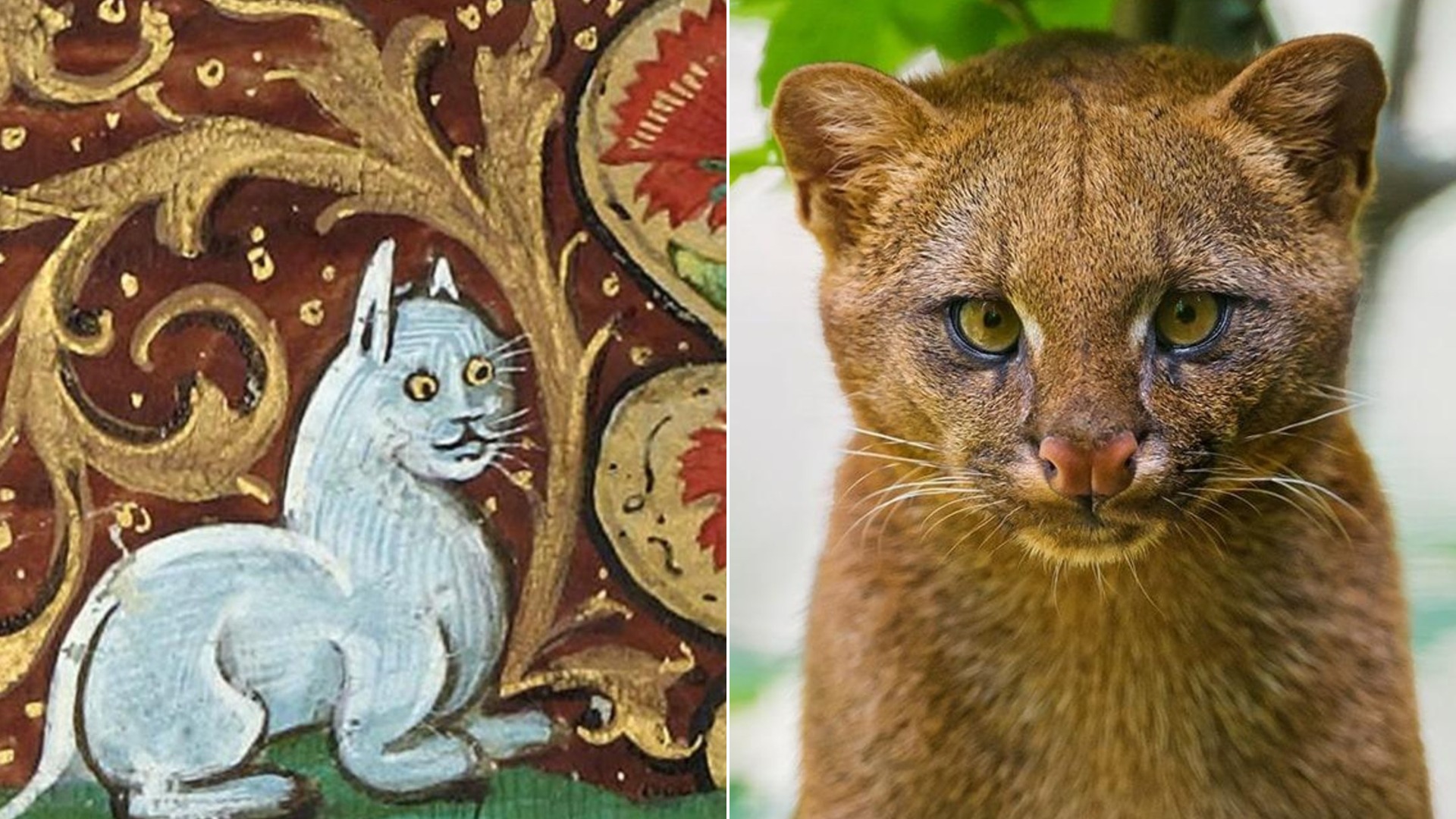
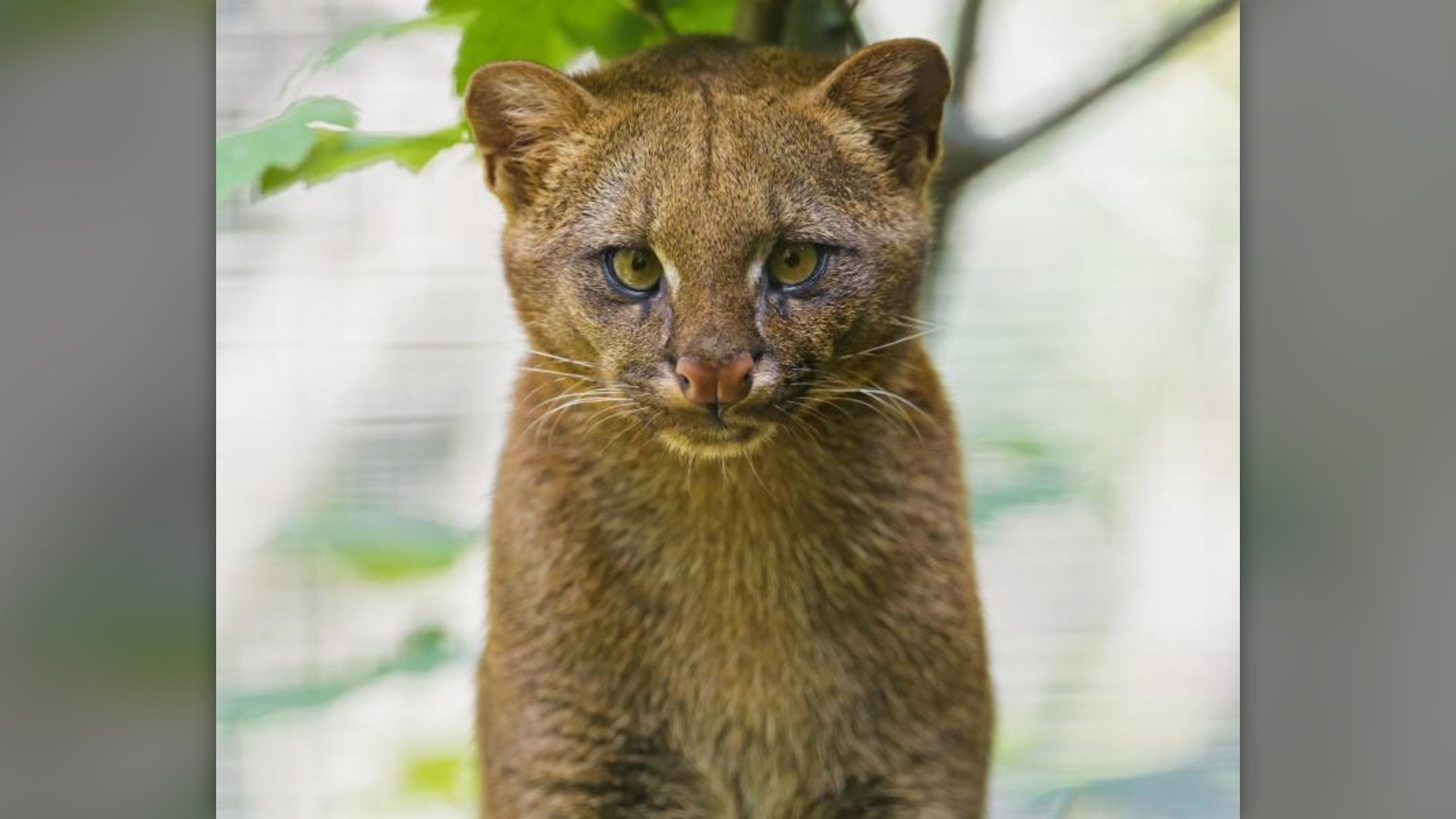
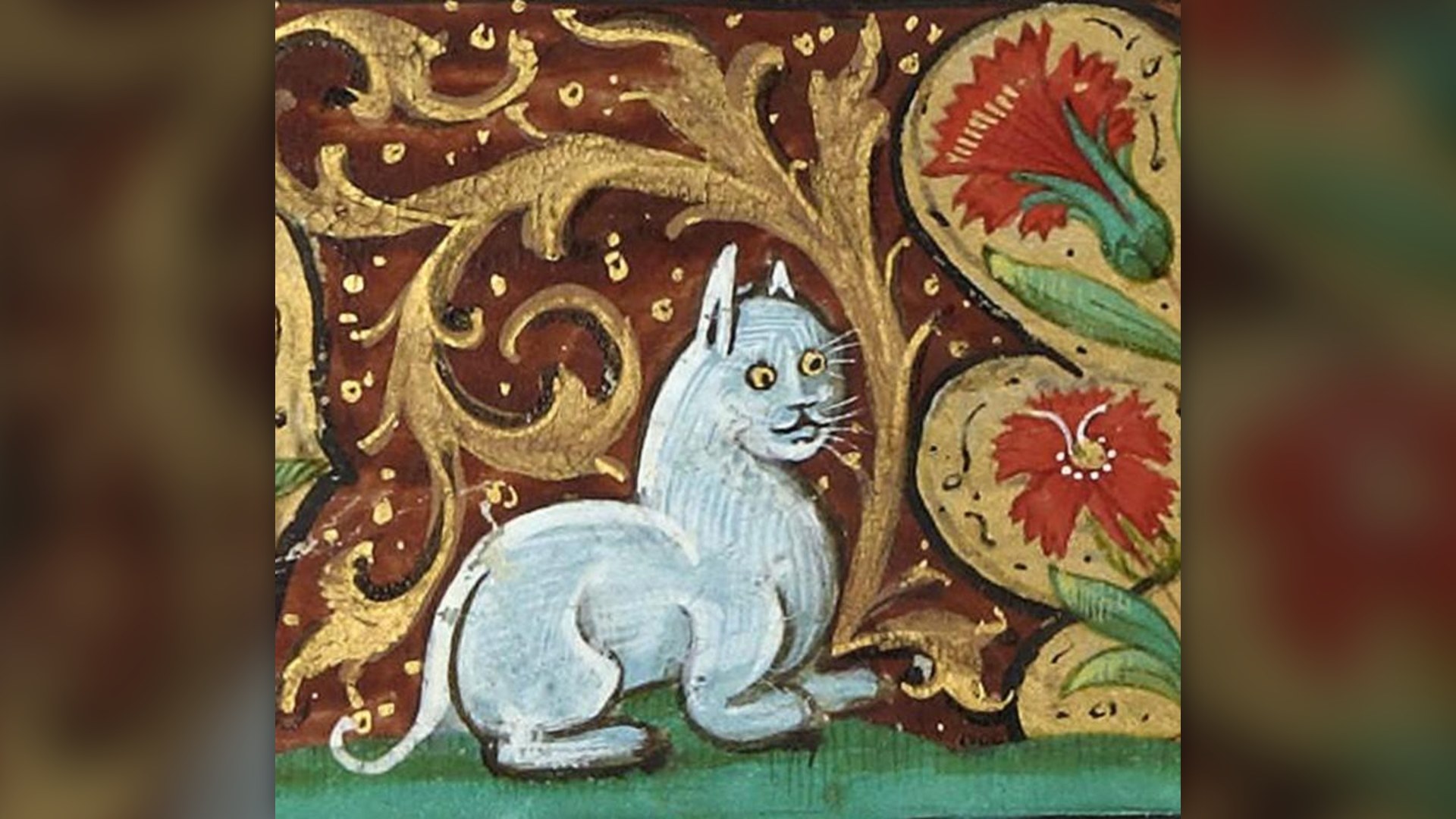
Centuries before European naturalists documented the Americas, medieval monks painted bizarre cats with elongated bodies, tiny rounded ears, and otter-like faces. Meet the jaguarundi, a solitary New W


All 25 Entries in this Story
25. Would You Have Recognised This As A Cat?
From its bird-like whistle to its flattened head, the jaguarundi proves nature is full of delightful surprises. If you spotted this enigmatic creature slinking through the underbrush, would you have guessed it was a cat? Tell us below.
24. The Cat That Deserves More Internet Fame
With its expressive face, odd chirping calls, and hilarious resemblance to medieval manuscript art, the jaguarundi is finding a passionate online following. Conservationists hope this viral attention helps fund critical habitat protections.
23. Why People Mistake It For Other Animals
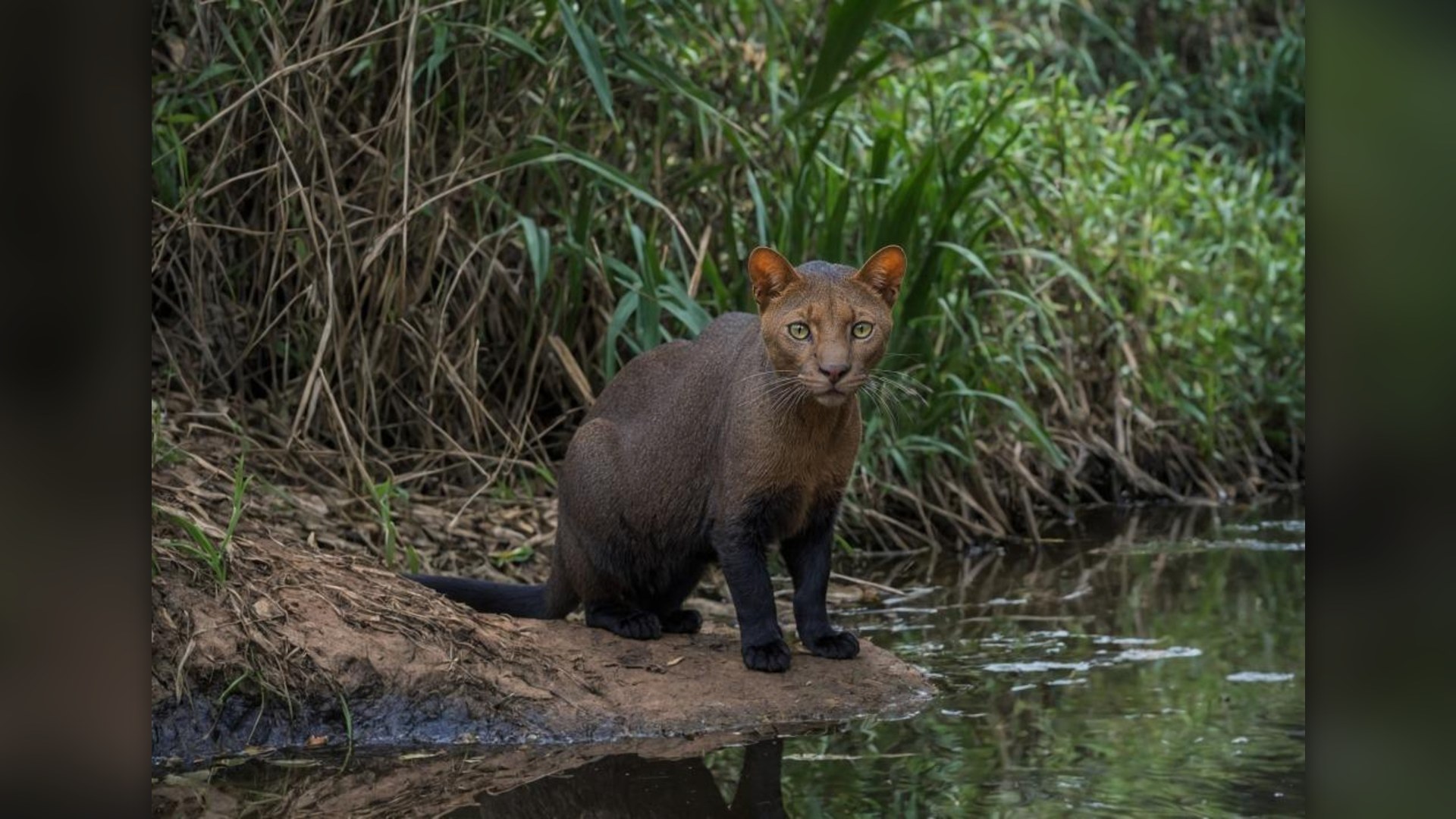
When swimming across rivers, only its rounded head and snout remain visible, making it look identical to a river otter. On land, its bounding trot and dark coat lead locals to mistake it for a tayra, an agile mustelid cousin.
22. The Threats Facing This Unusual Wild Cat
While listed globally as Least Concern by the IUCN, regional populations face severe pressure. Deforestation for cattle ranching, expanding highway networks, and loss of dense riparian corridors have isolated many small breeding groups.
21. Camera Traps Help Scientists Find Them
Because visual encounters in the wild are so fleeting, wildlife researchers rely heavily on infrared camera traps. These non-invasive digital monitors capture feeding habits, territory boundaries, and population dynamics without disturbing the cats.
20. Why Is It So Rarely Seen?
Unlike gregarious mammals, jaguarundis lead strictly independent lives across home ranges spanning dozens of square miles. Their secretive temperament and preference for impenetrable brush keep them hidden from human eyes.
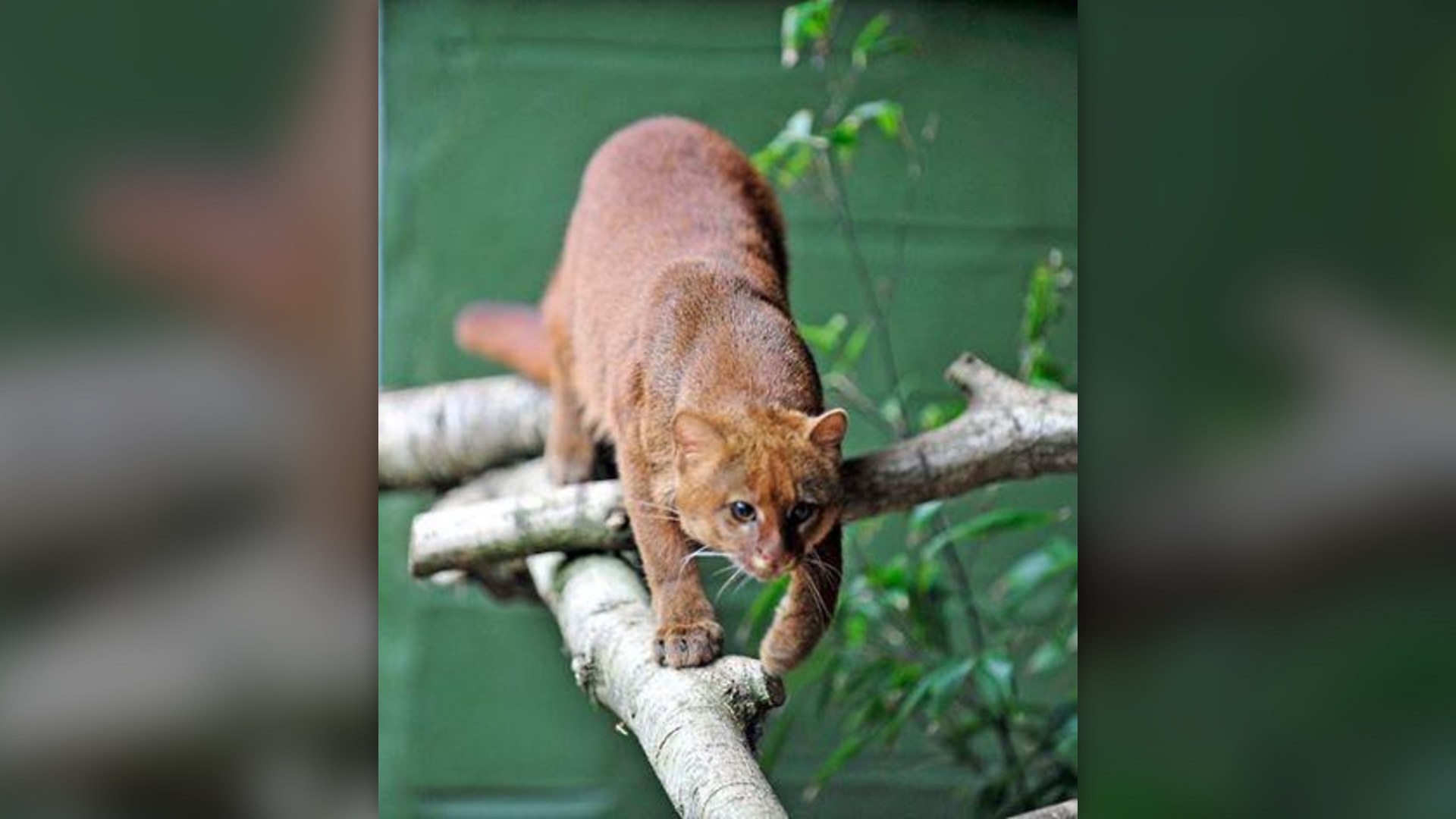
19. The Red Jaguarundi Looks Like A Little Fox-Cat
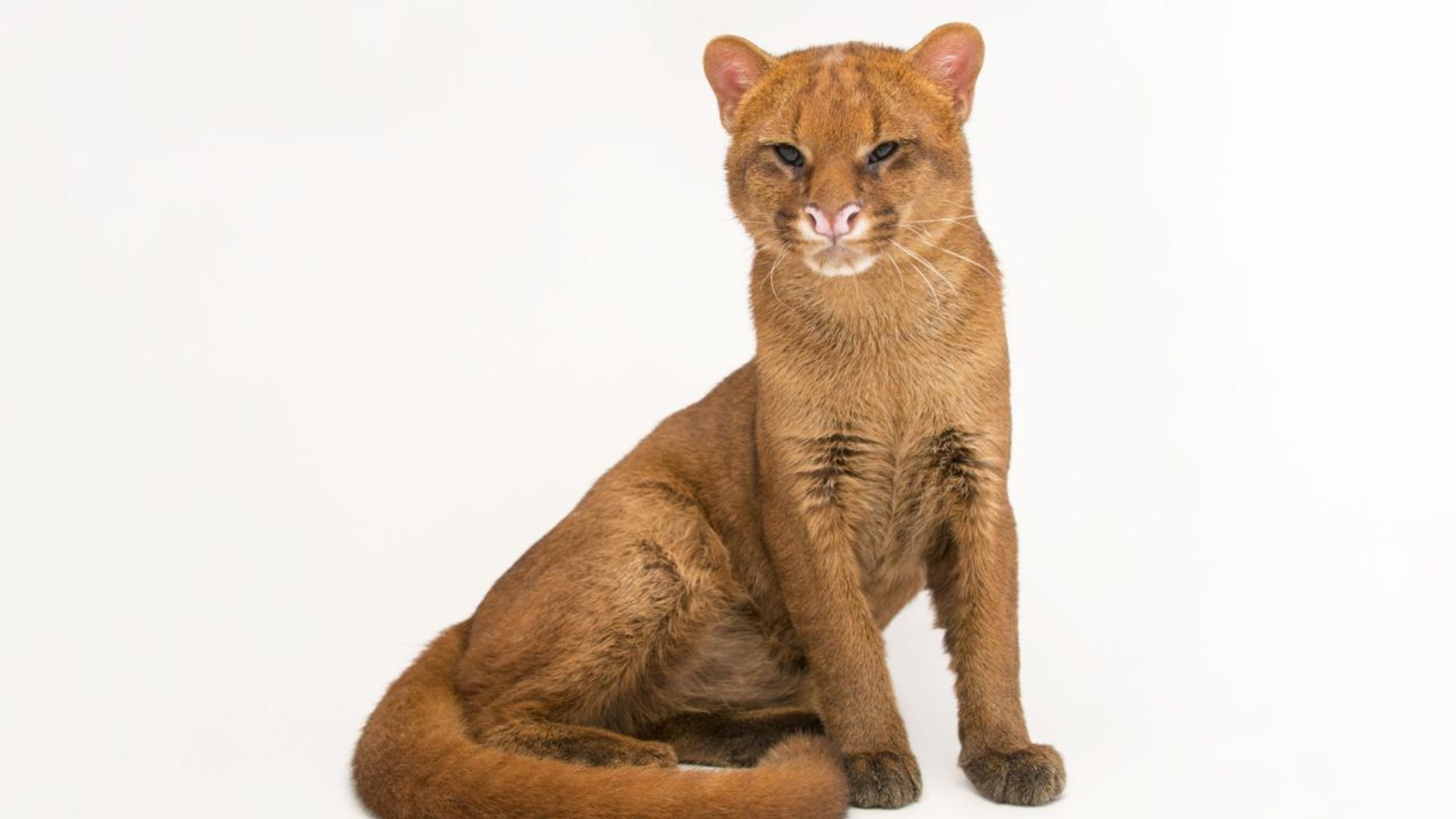
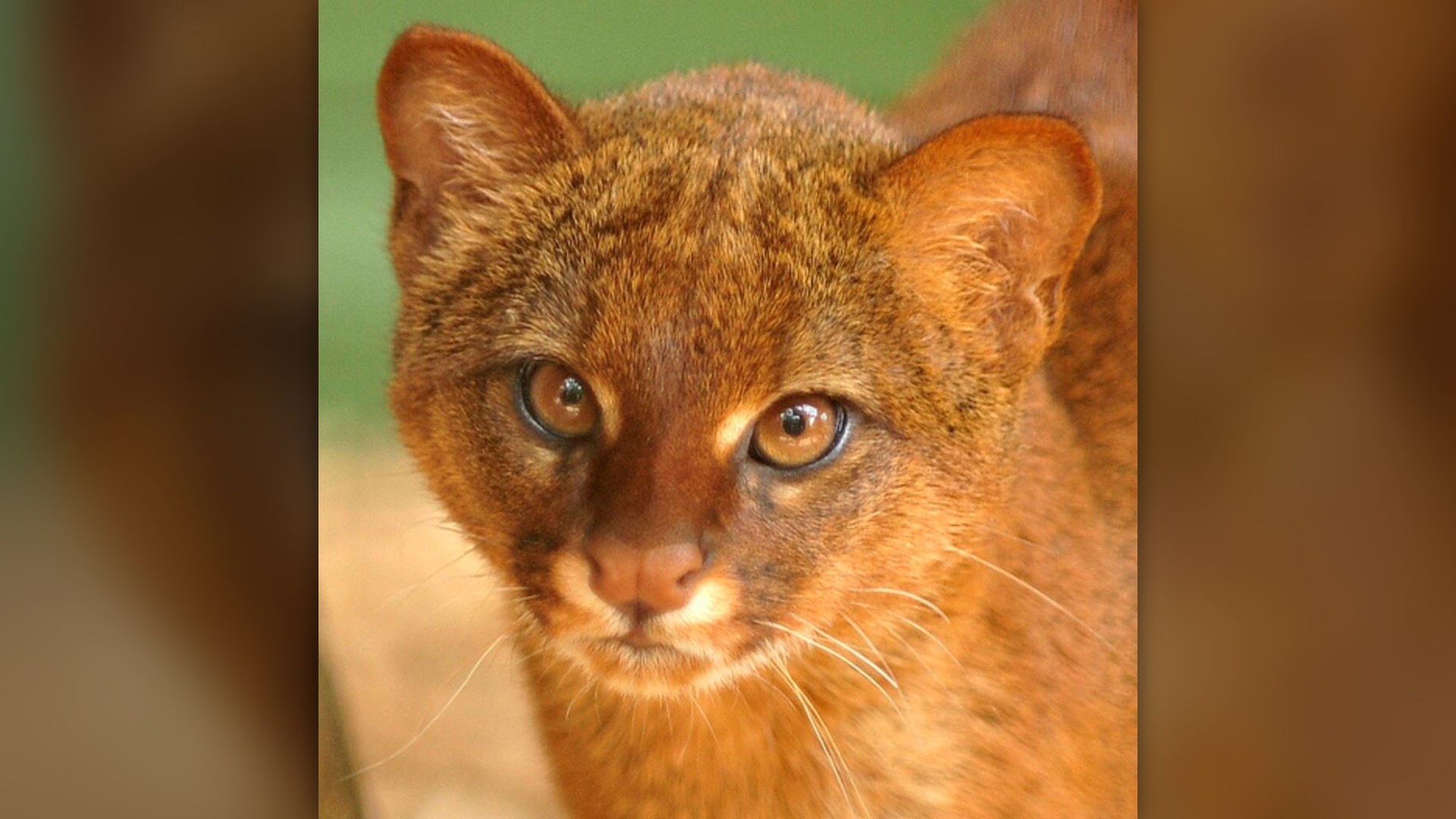
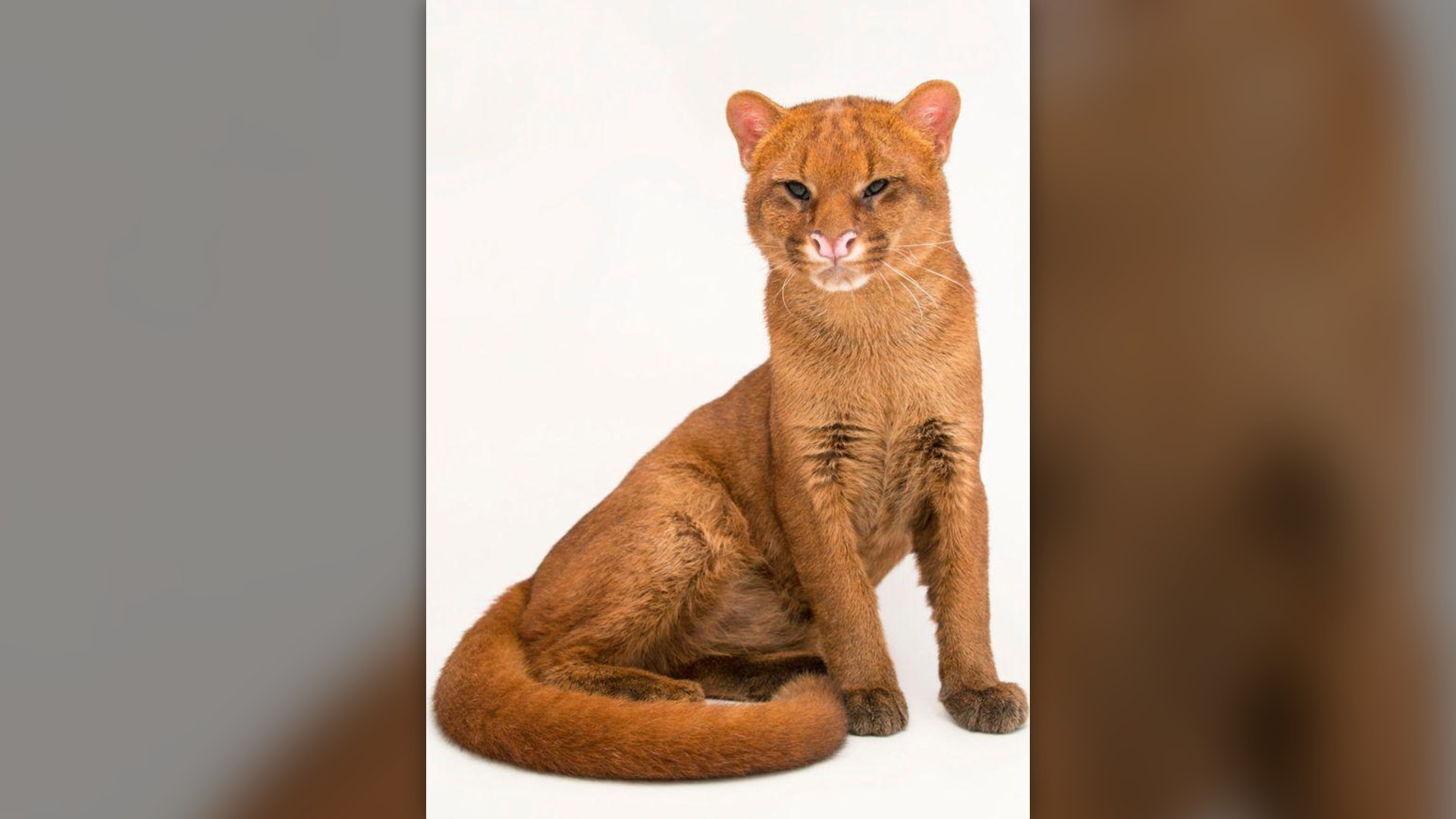
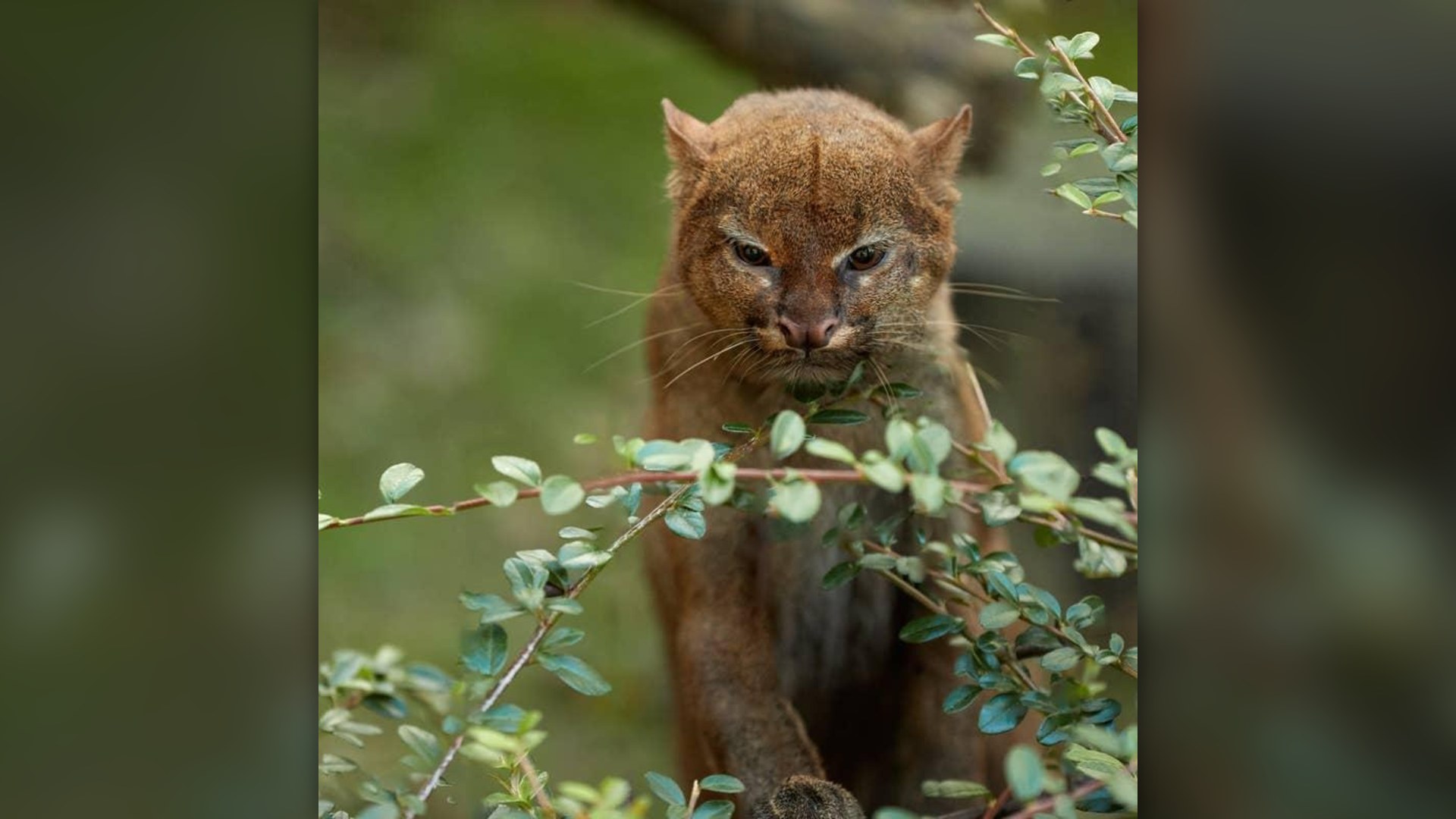
In sunny dry habitats such as the Gran Chaco and Mexican thorn forests, the red color morph is especially common. Its rich copper coat blends with sunlit grasses and red clay soils, offering superb natural concealment.
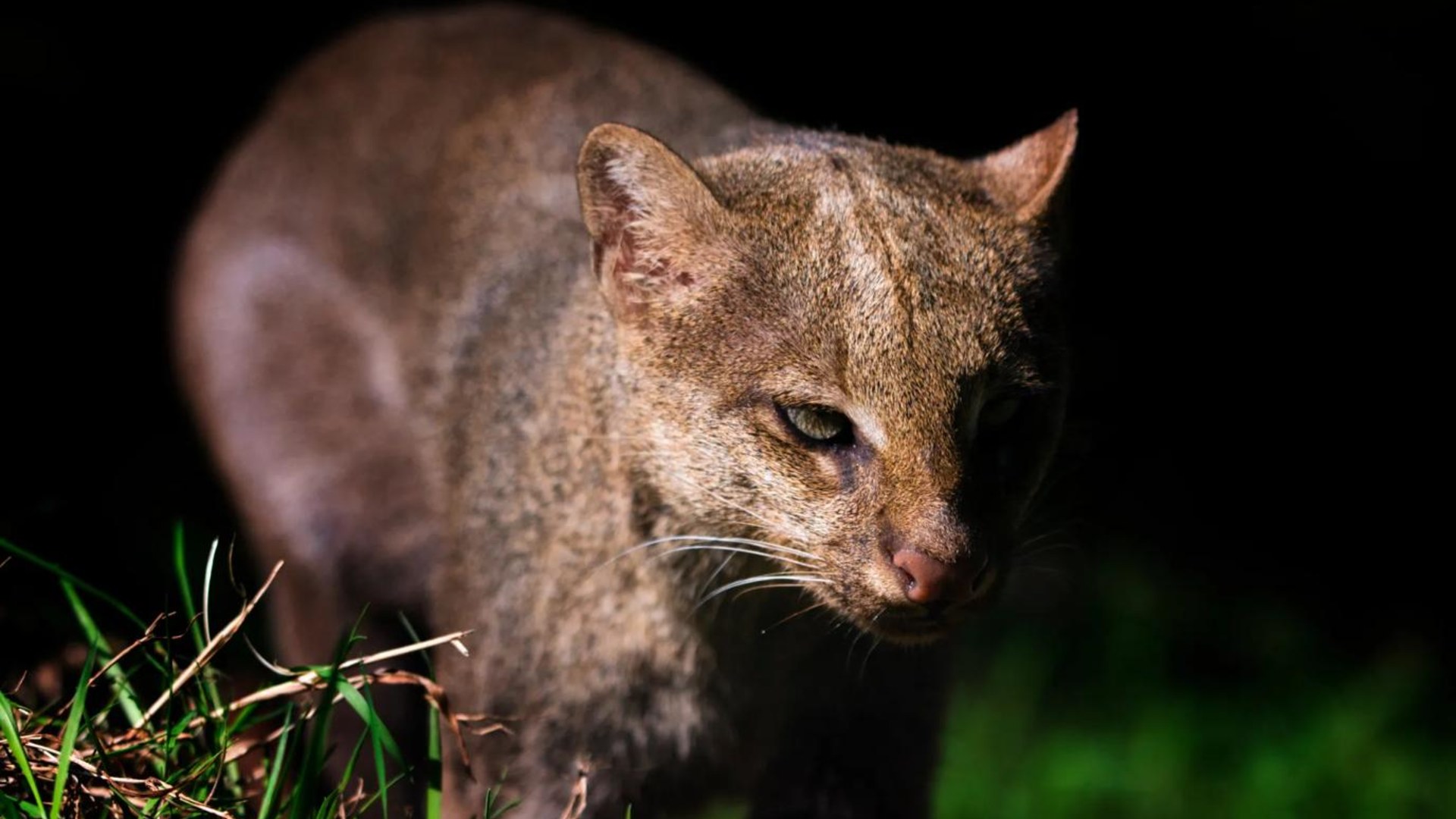
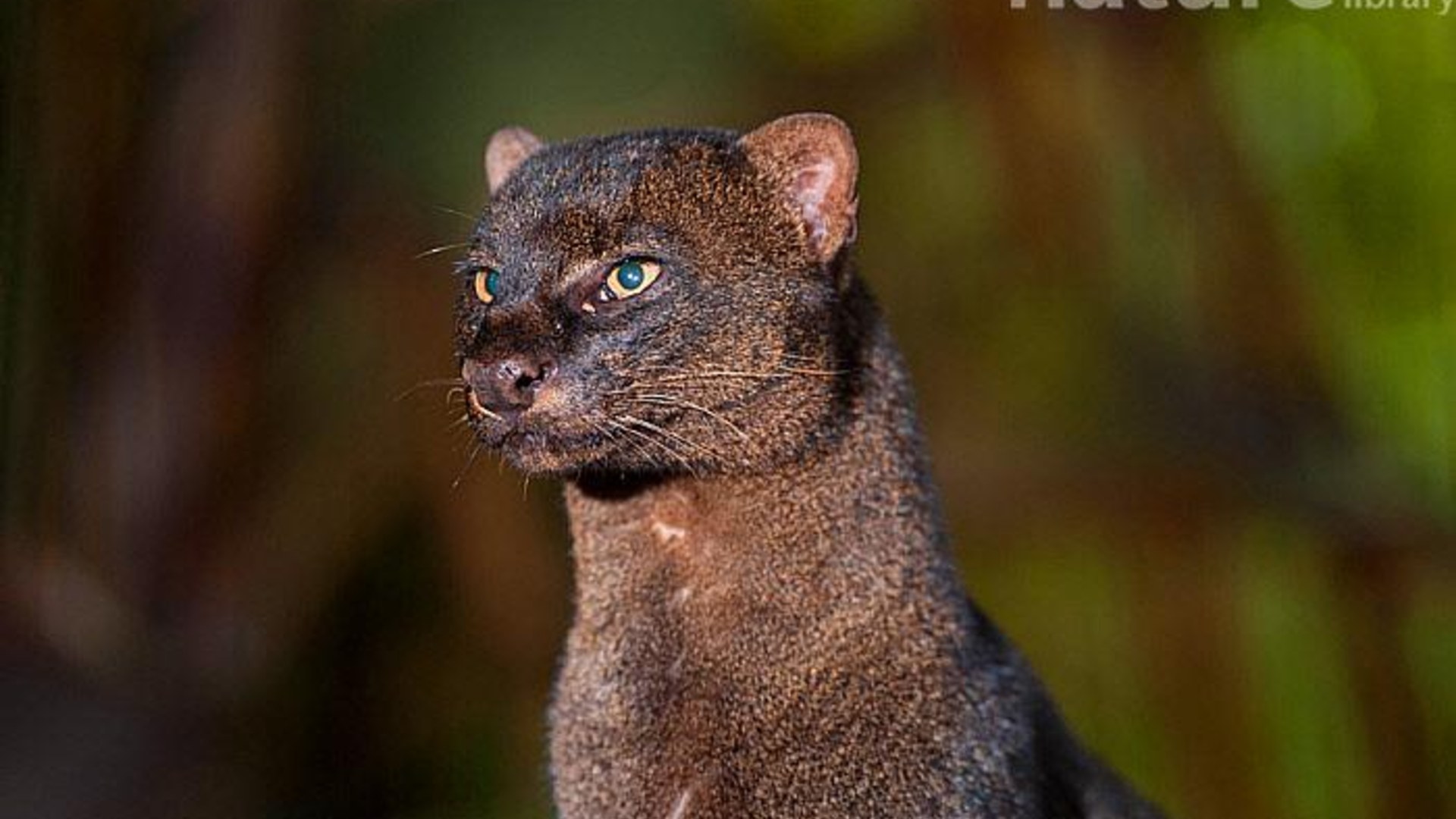
18. The Grey Jaguarundi Looks Like A Tiny Panther
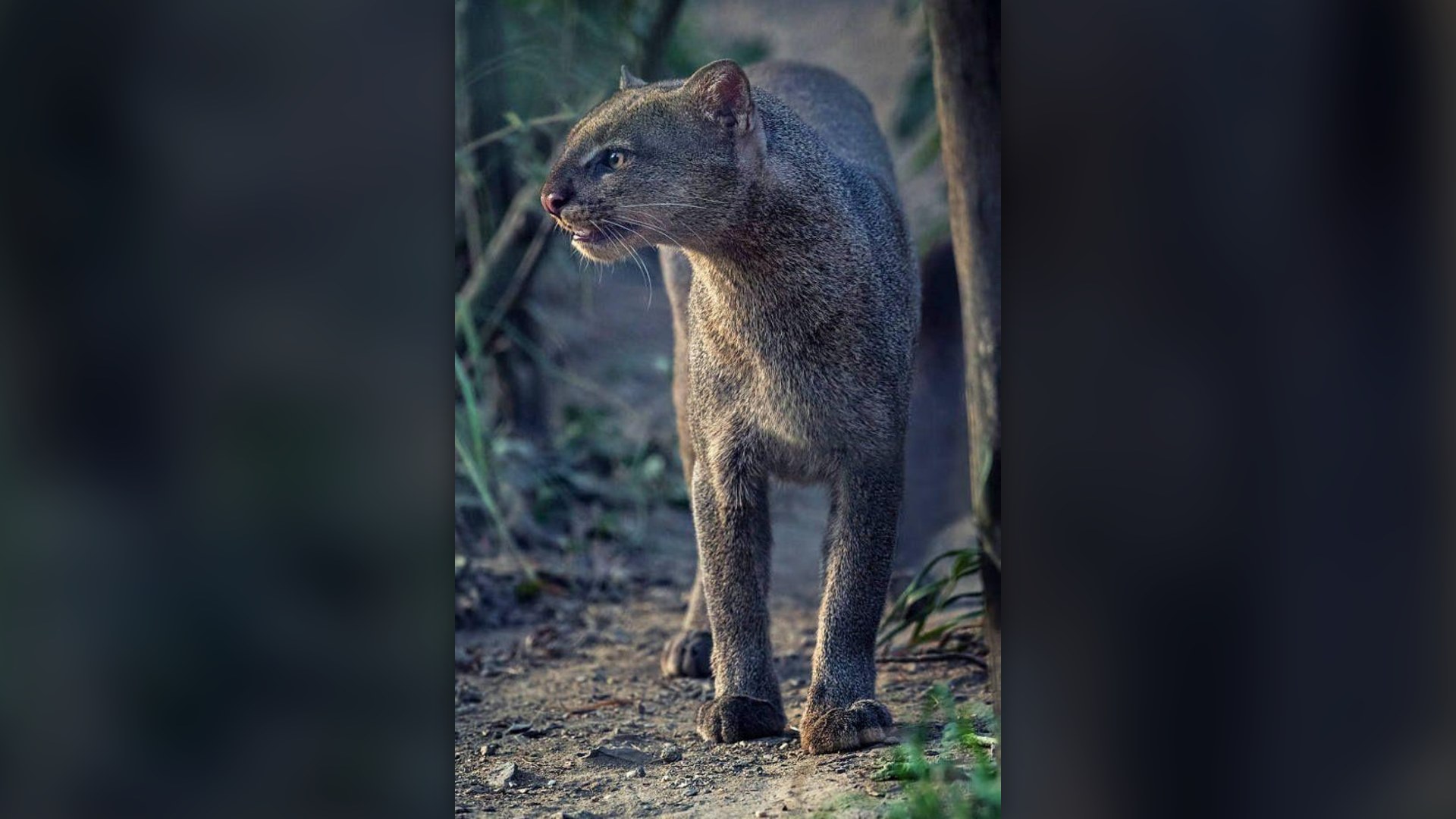
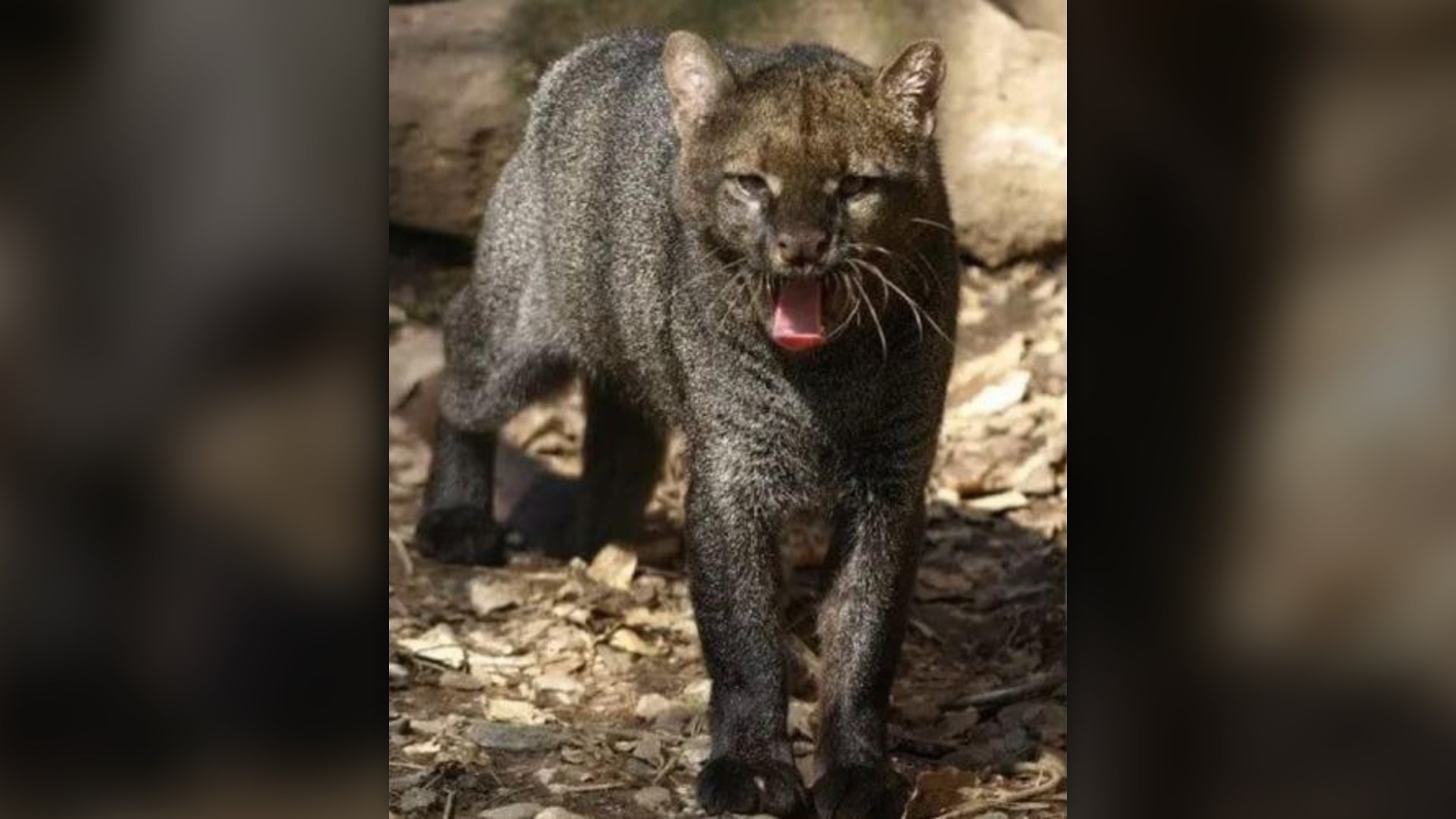
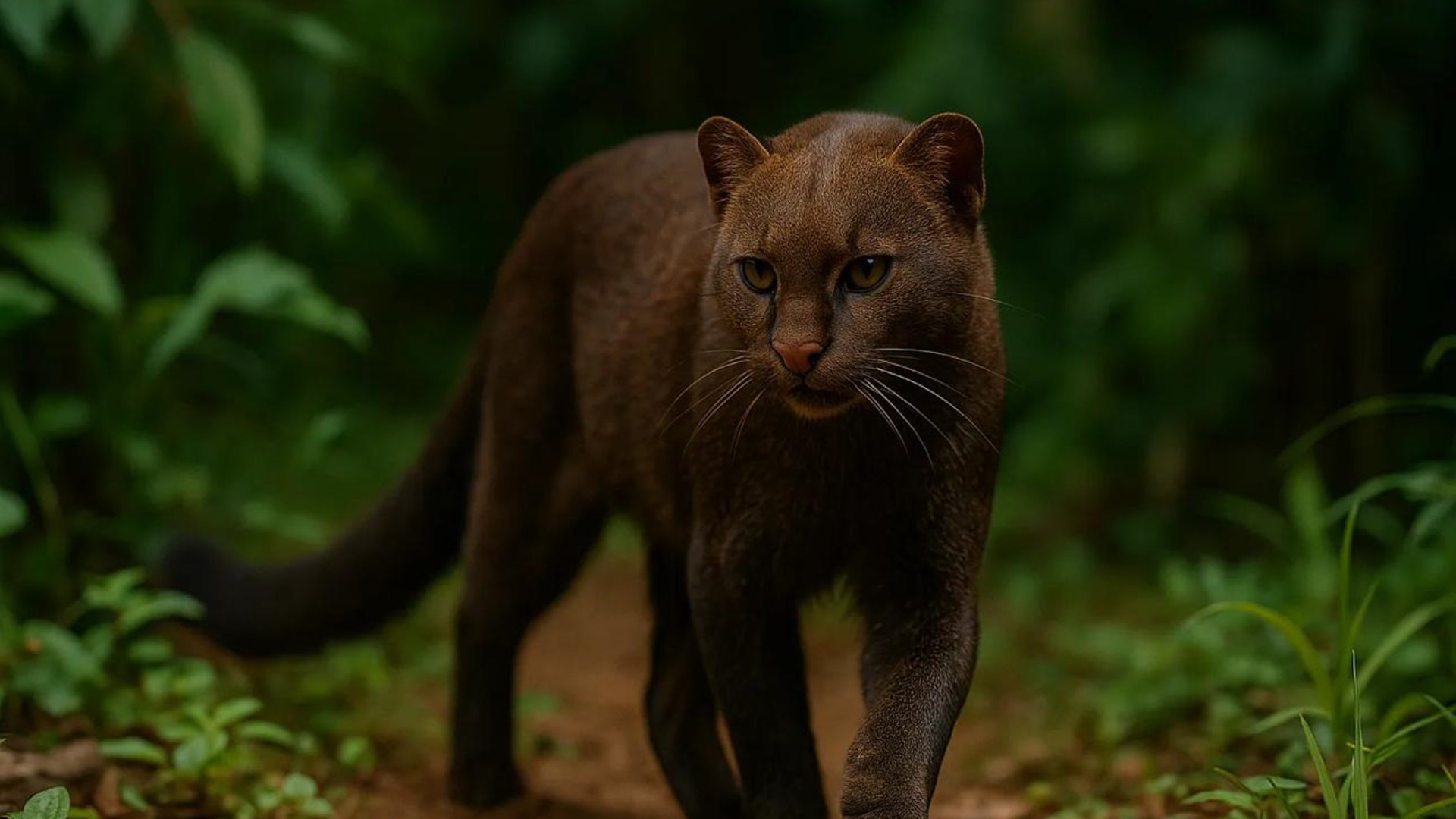
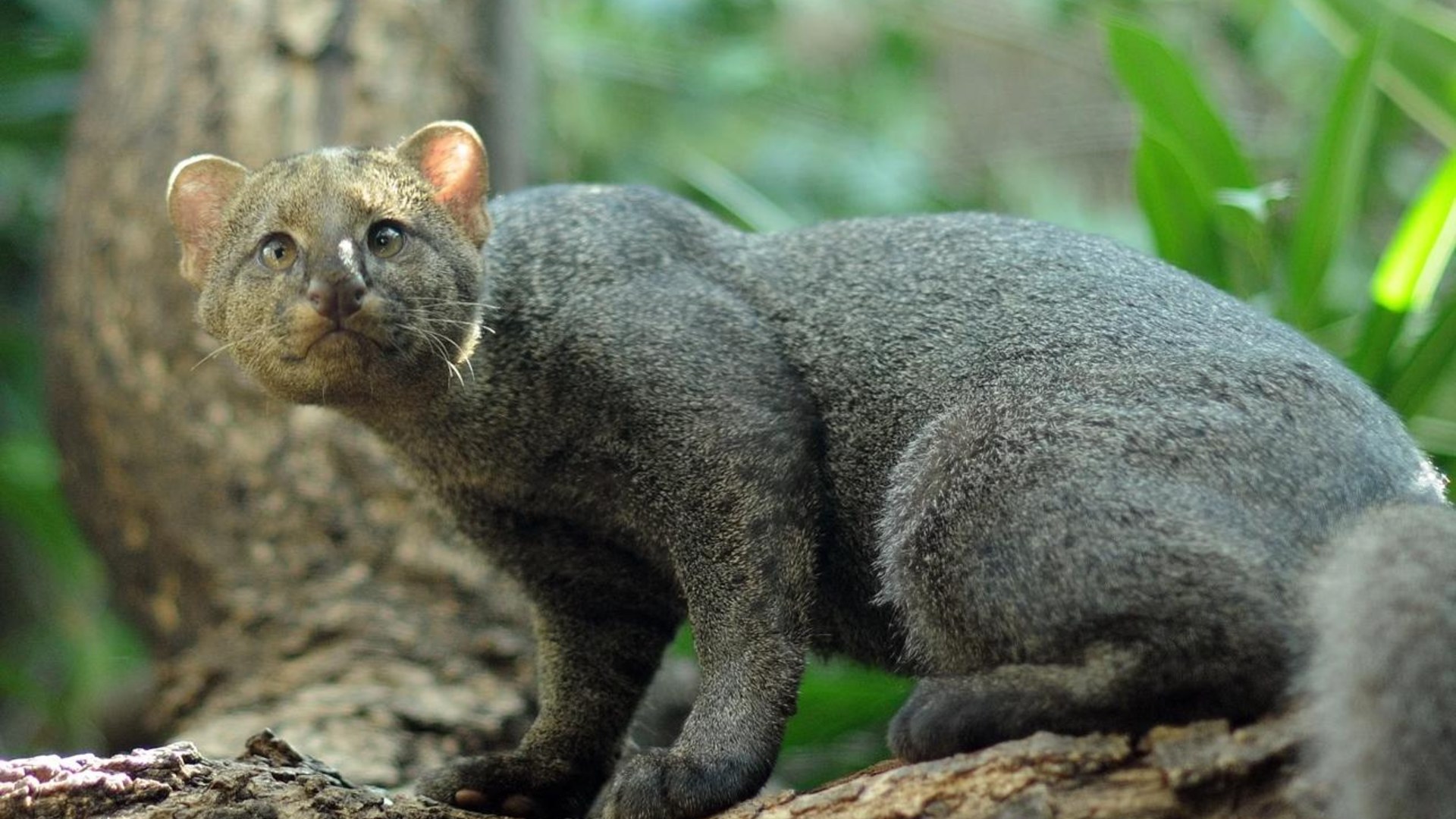
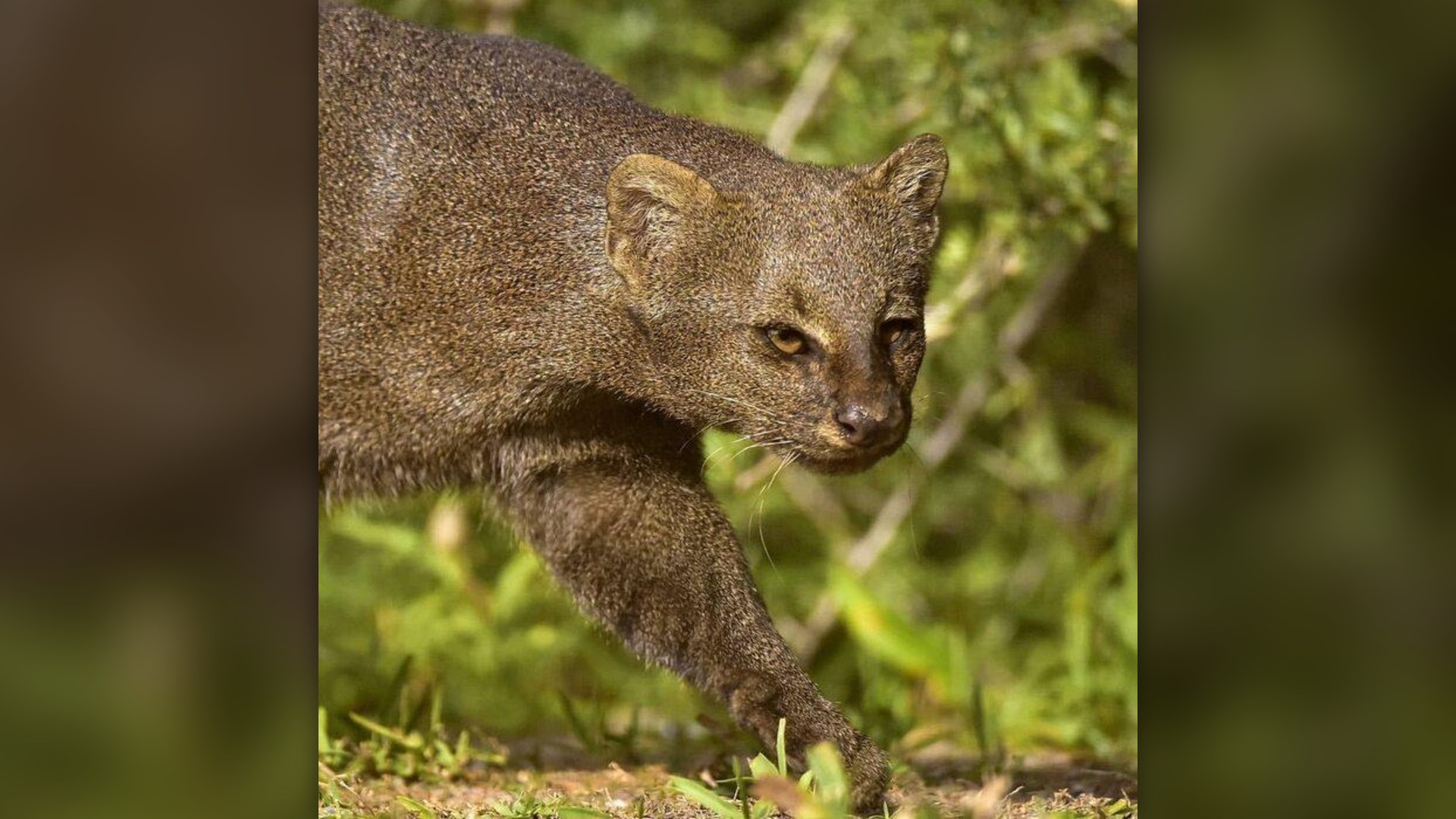
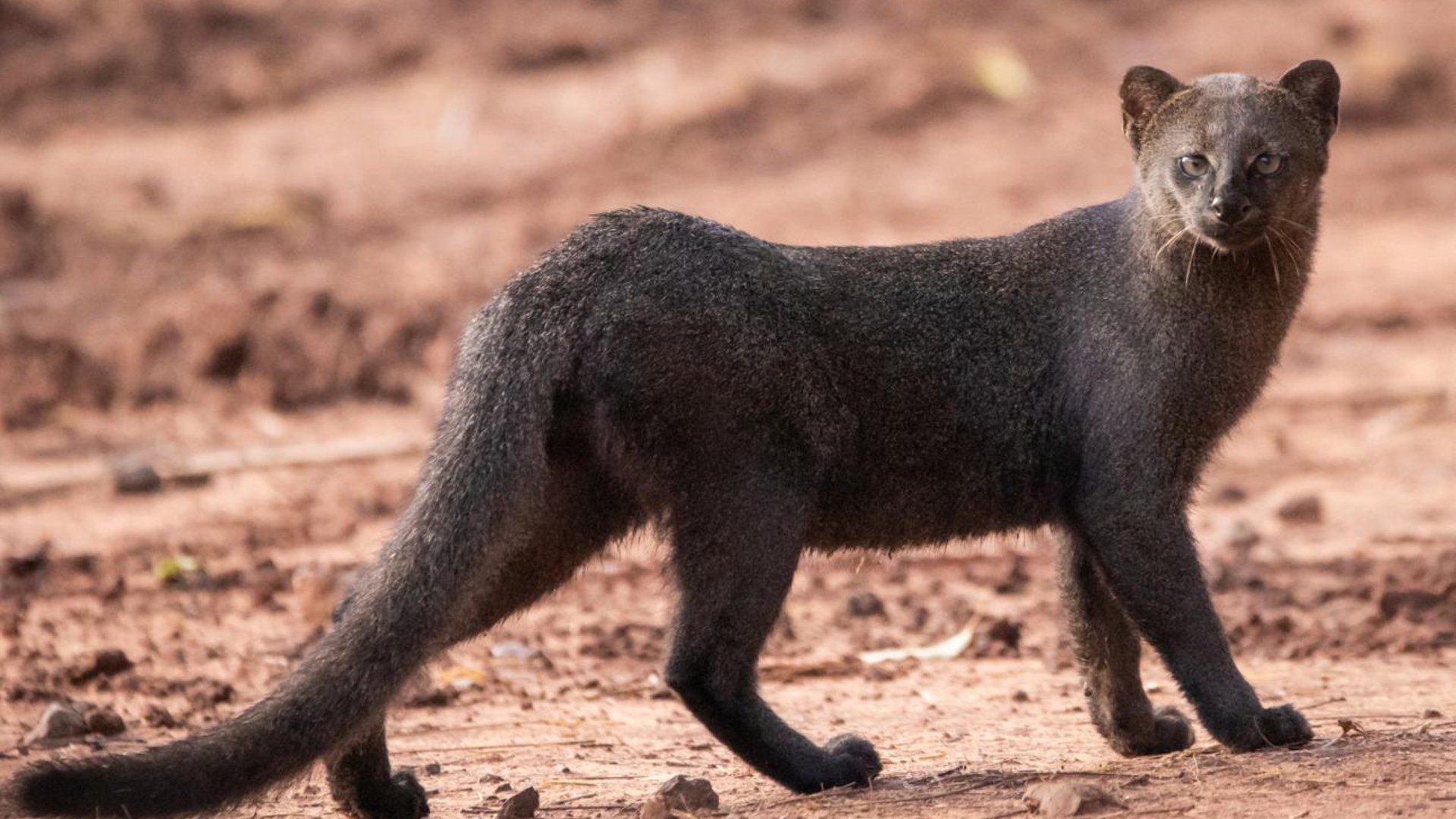
Often called the eyra in historical literature, the dark grey jaguarundi resembles a miniature black panther. Its uniform coloration provides flawless camouflage when stalking prey through shadowy undergrowth at dawn and dusk.
17. How Did Artists Draw Animals They Had Never Seen?
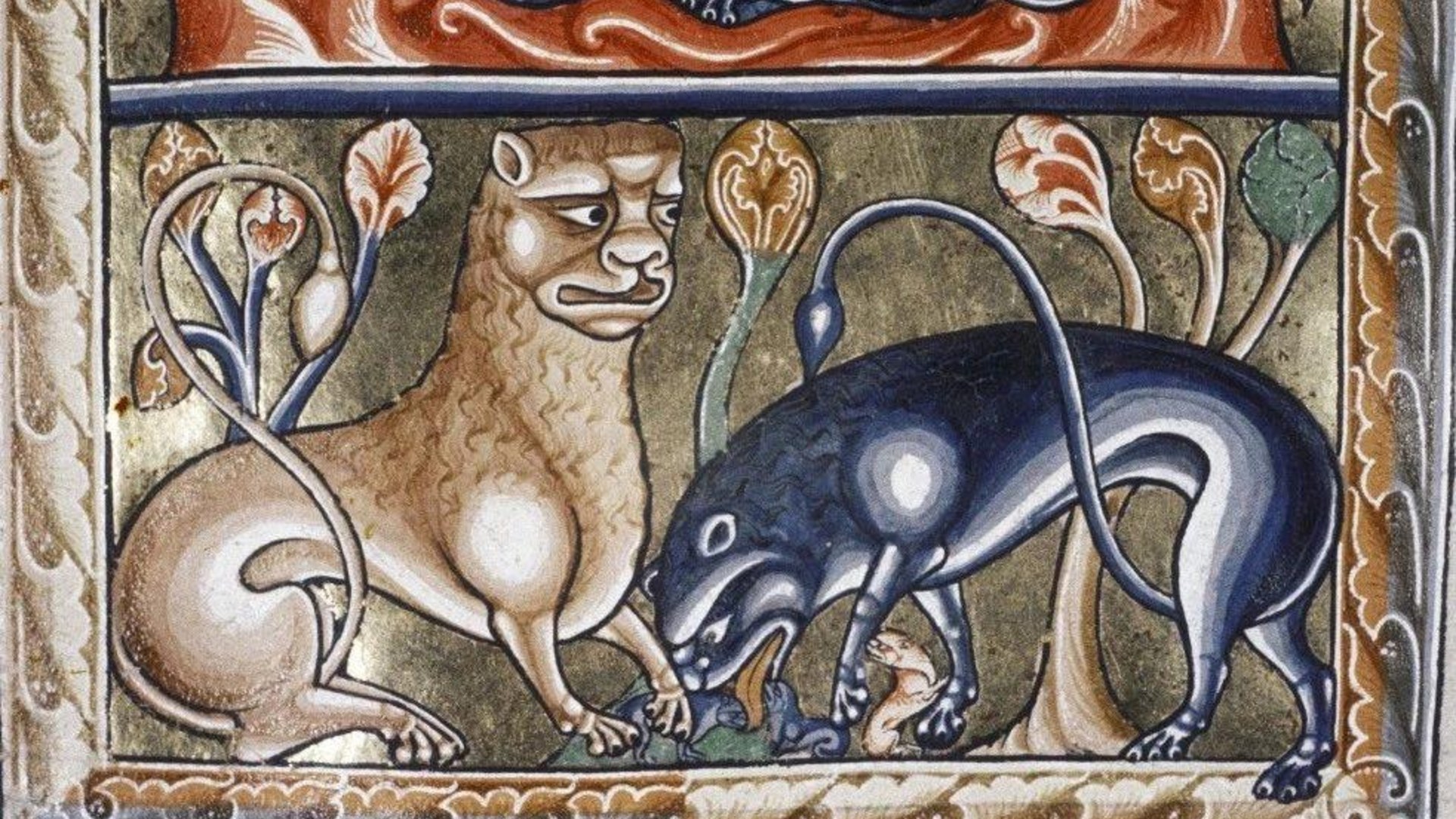
When illustrating lions, elephants, or crocodiles, European artists had to visualize creatures described by traders and crusaders. An elephant might end up with trumpet legs and a boar body, while exotic cats gained otter-like features.
16. Sometimes Medieval Animals Were Completely Ridiculous
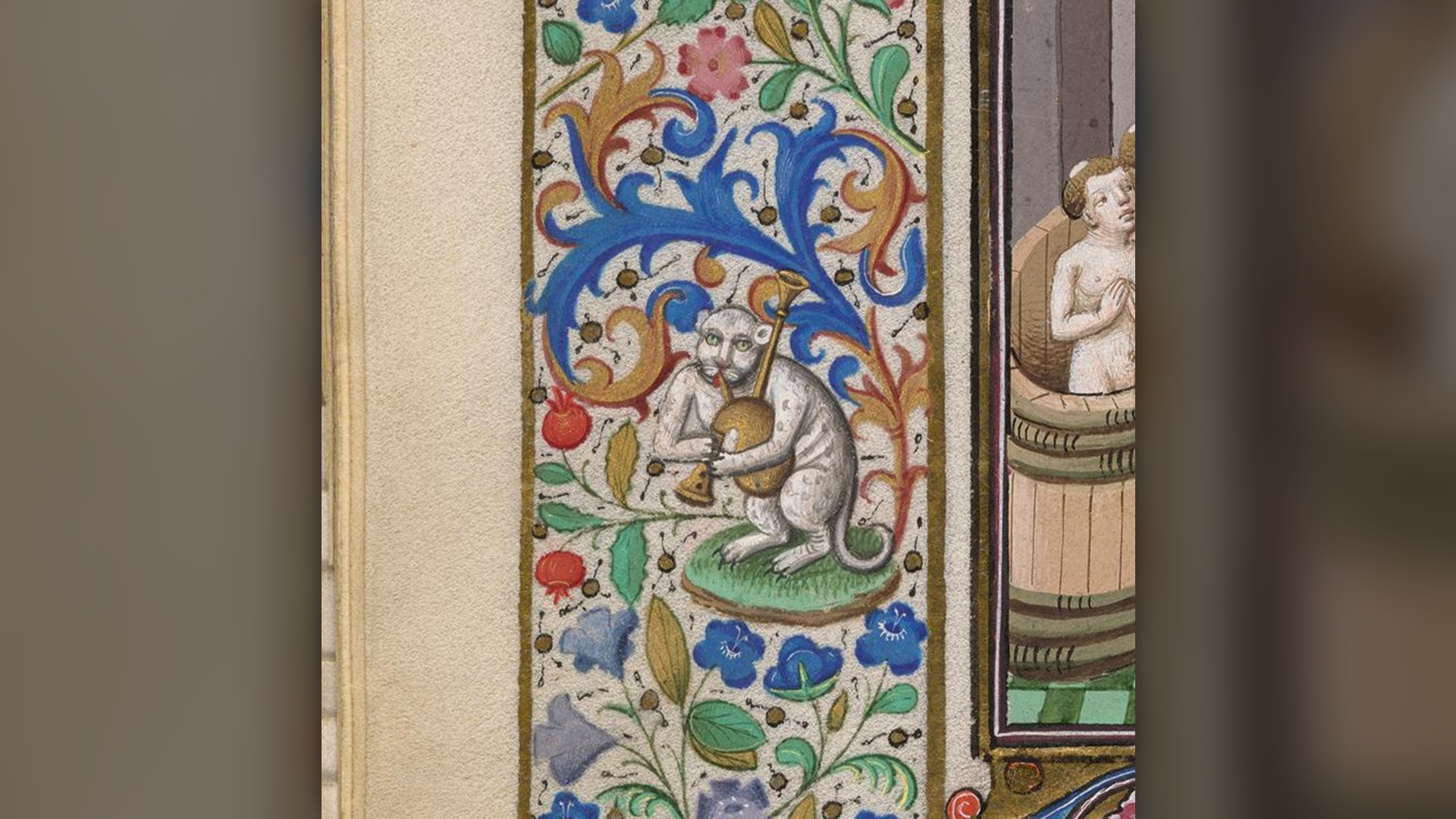
Known as drolleries, humorous sketches appeared along the borders of solemn religious texts. Scribes drew snails fighting armored knights, rabbits staging revolts, and cats with comically stretched necks to keep readers engaged.
15. Medieval Artists Loved Drawing Weird Cats
From cats strumming lutes to solemn felines staring directly at the reader, medieval artists gave their cats uncanny human features. Scribes viewed cats as practical mousers with unpredictable, enigmatic temperaments.
14. Medieval Bestiaries Were Basically Animal Encyclopedias
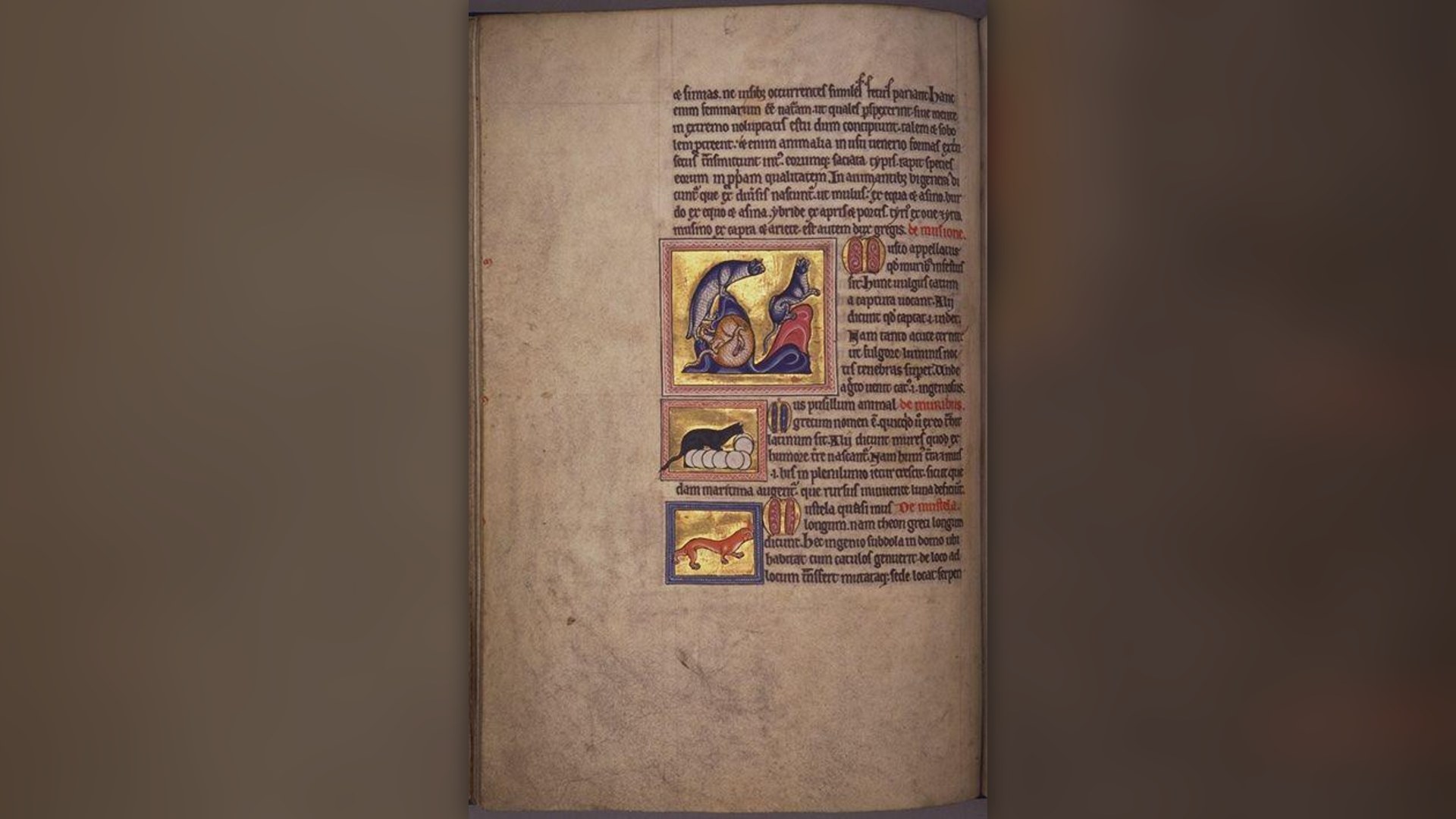
Popular in England and France during the 12th and 13th centuries, bestiaries compiled descriptions of native and exotic beasts. Each animal entry served as a Christian parable, celebrating divine creation while entertaining wealthy patrons.
13. It Makes Some Very Unexpected Sounds
Researchers have cataloged at least 13 distinct vocalizations produced by jaguarundis. Rather than typical meows or deep growls, they communicate with high-pitched bird-like chirps, rhythmic whistles, and peculiar clicking purrs.
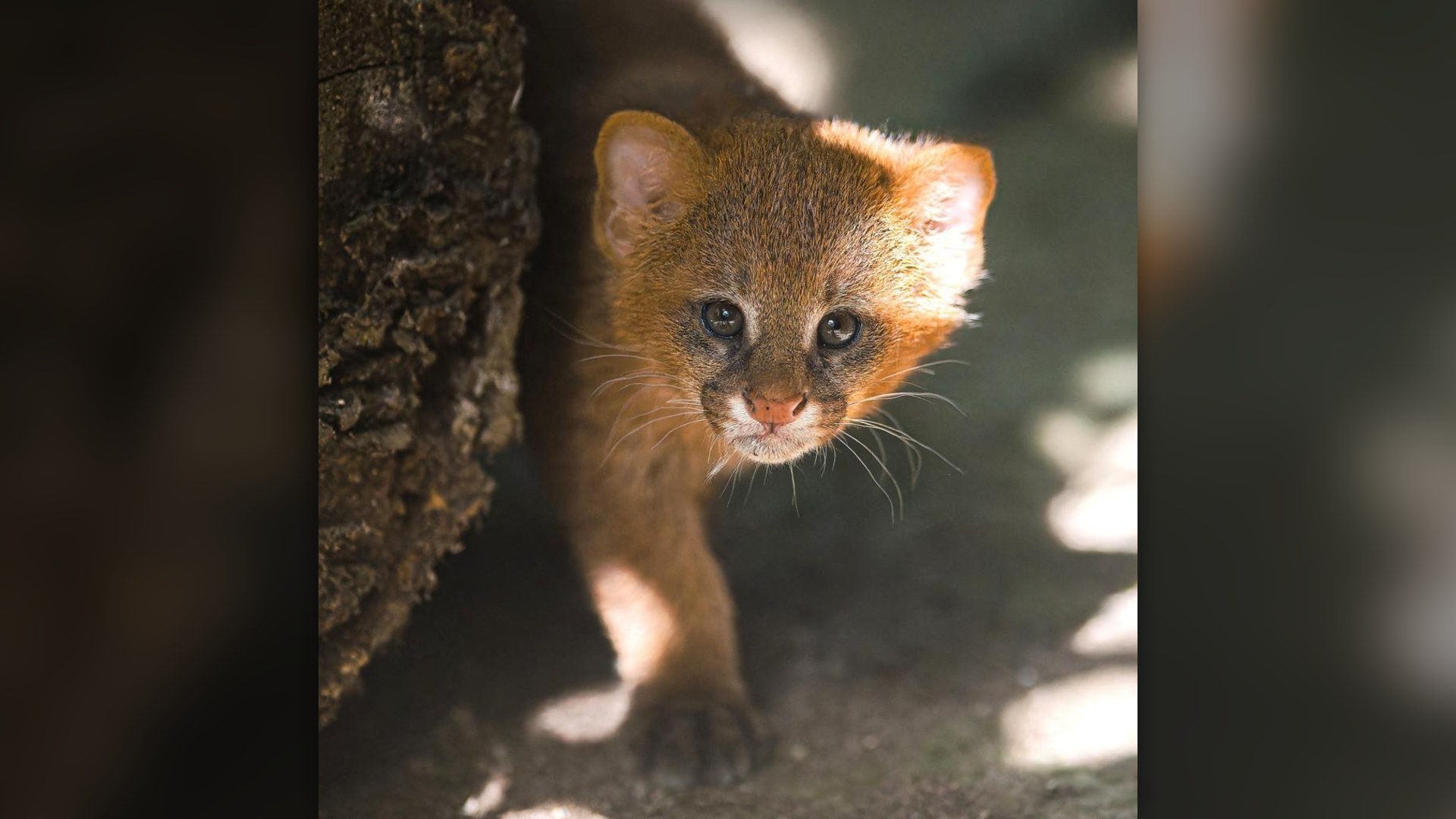
12. Baby Jaguarundis Are Even Cuter
Litters typically range from one to four kittens. Newborns display delicate camouflage spotting on their bellies, an evolutionary hint connecting them to their closest living relatives: the cougar and the African cheetah.
11. It Is A Surprisingly Good Hunter
Diurnal habits help the jaguarundi avoid competition with nocturnal ocelots and margays. It feeds on small rodents, ground-nesting birds, lizards, and insects, using explosive six-foot leaps to snag airborne prey.
10. Where Does This Little Cat Actually Live?
Jaguarundis thrive across diverse ecosystems, including thorn scrub, tropical rainforests, and swampy lowlands. While historically recorded in the Rio Grande Valley of Texas, their primary strongholds remain in Central and South America.
9. Yes, It Can Climb Trees
Many assume the jaguarundi is strictly terrestrial due to its short legs. In reality, strong retractable claws and a long balancing tail allow it to scale vertical trunks to escape larger predators or rest along horizontal limbs.
8. It Can Stand And Move Like A Little Weasel
When hunting, a jaguarundi lowers its belly almost flush with the dirt. It runs with an undulating gait that resembles a giant ferret or tayra, sliding effortlessly under tangled roots where taller predators cannot follow.
7. It Looks Like A Cat That Forgot To Be A Cat
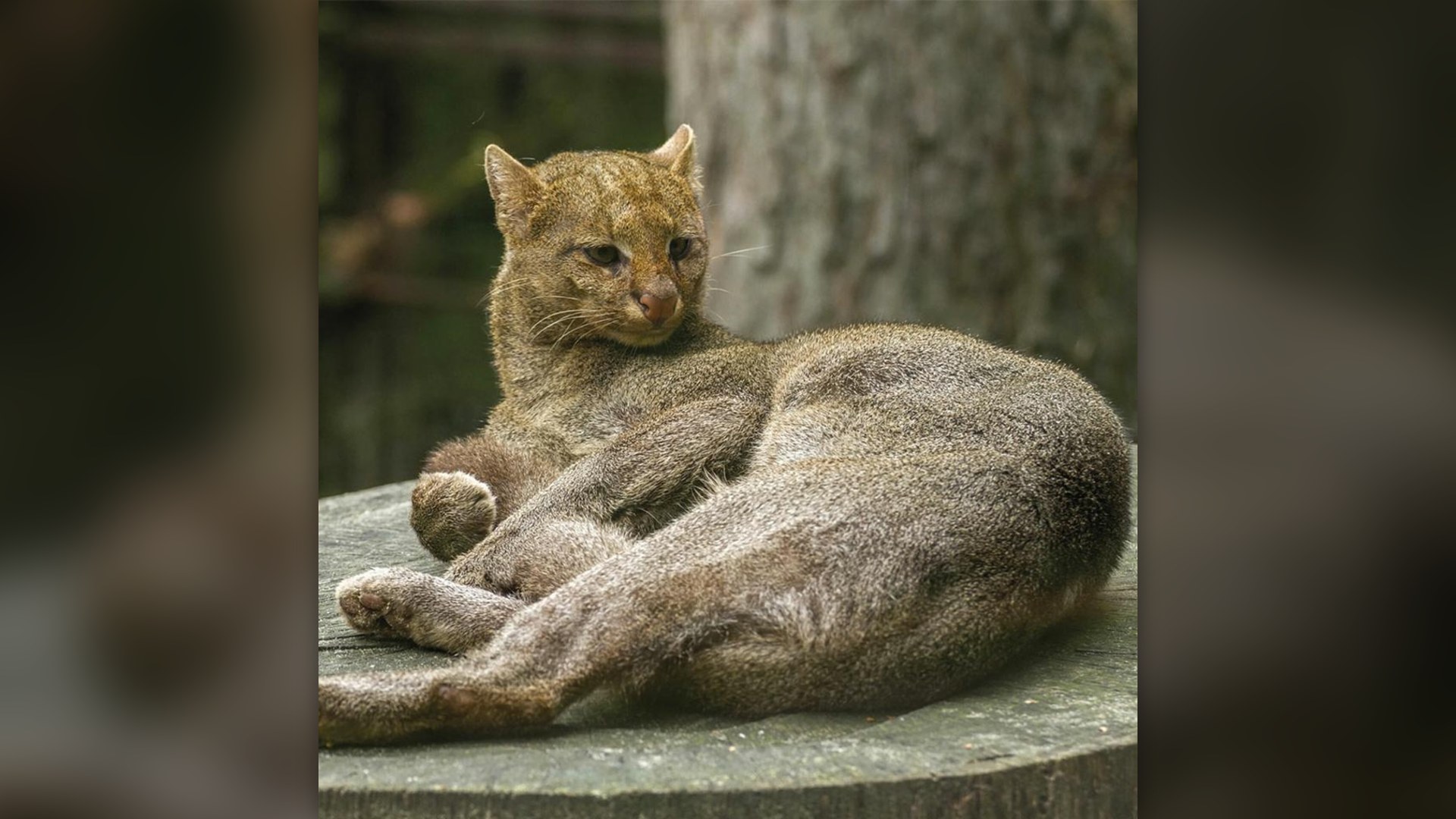
Without the traditional triangular ears or upright posture of a house cat, the jaguarundi looks like an evolutionary puzzle. Even seasoned field biologists admit doing a double take when spotting one stalking through the grass.
6. Did Medieval Artists Accidentally Draw Jaguarundis?
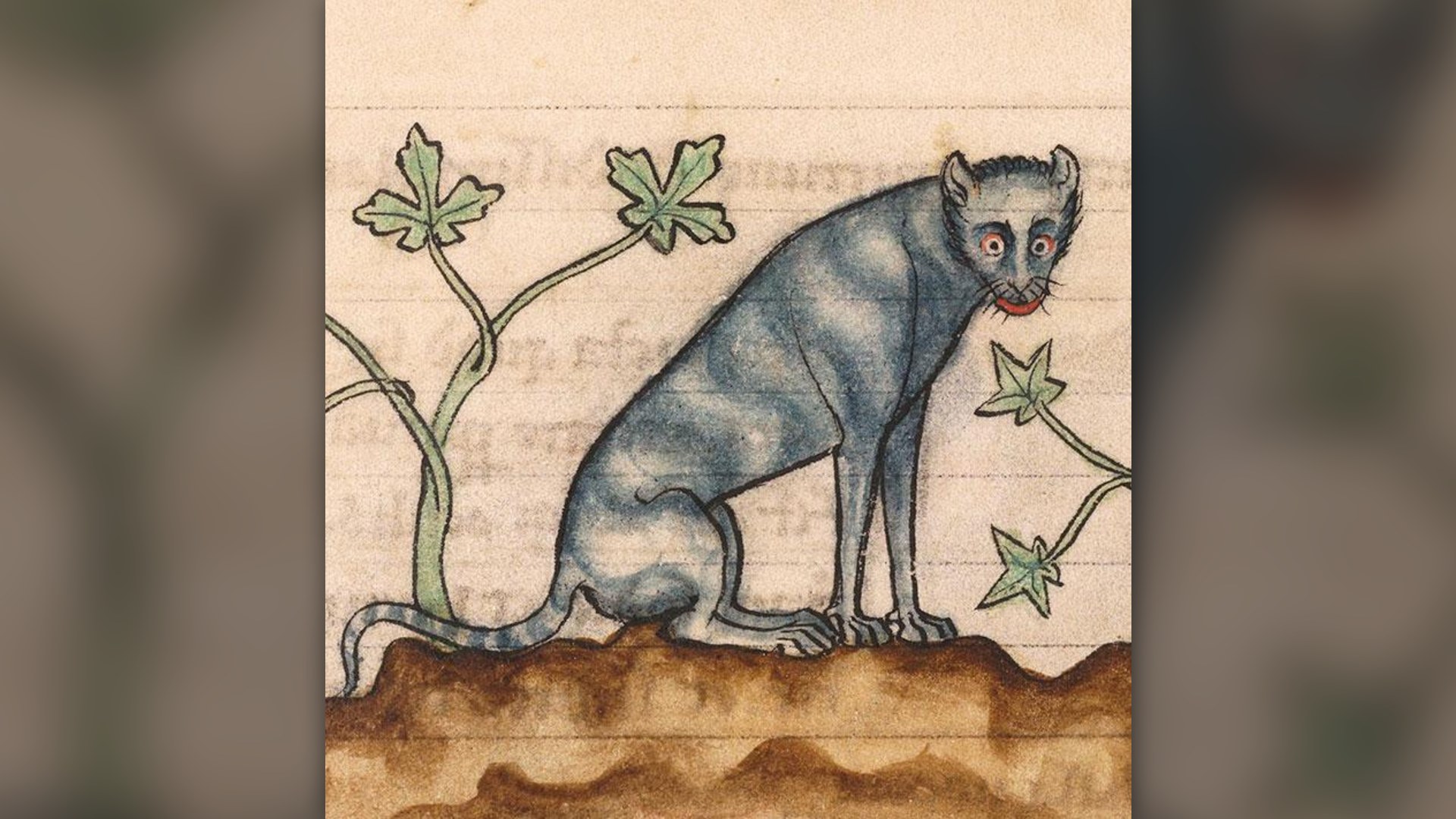
Because jaguarundis live exclusively in the Americas, medieval European scribes had never seen one. The visual resemblance is a case of convergent artistic accident, where stylized European domestic cats ended up mirroring a wild American predator.
5. Why Medieval Artists Drew Animals So Differently
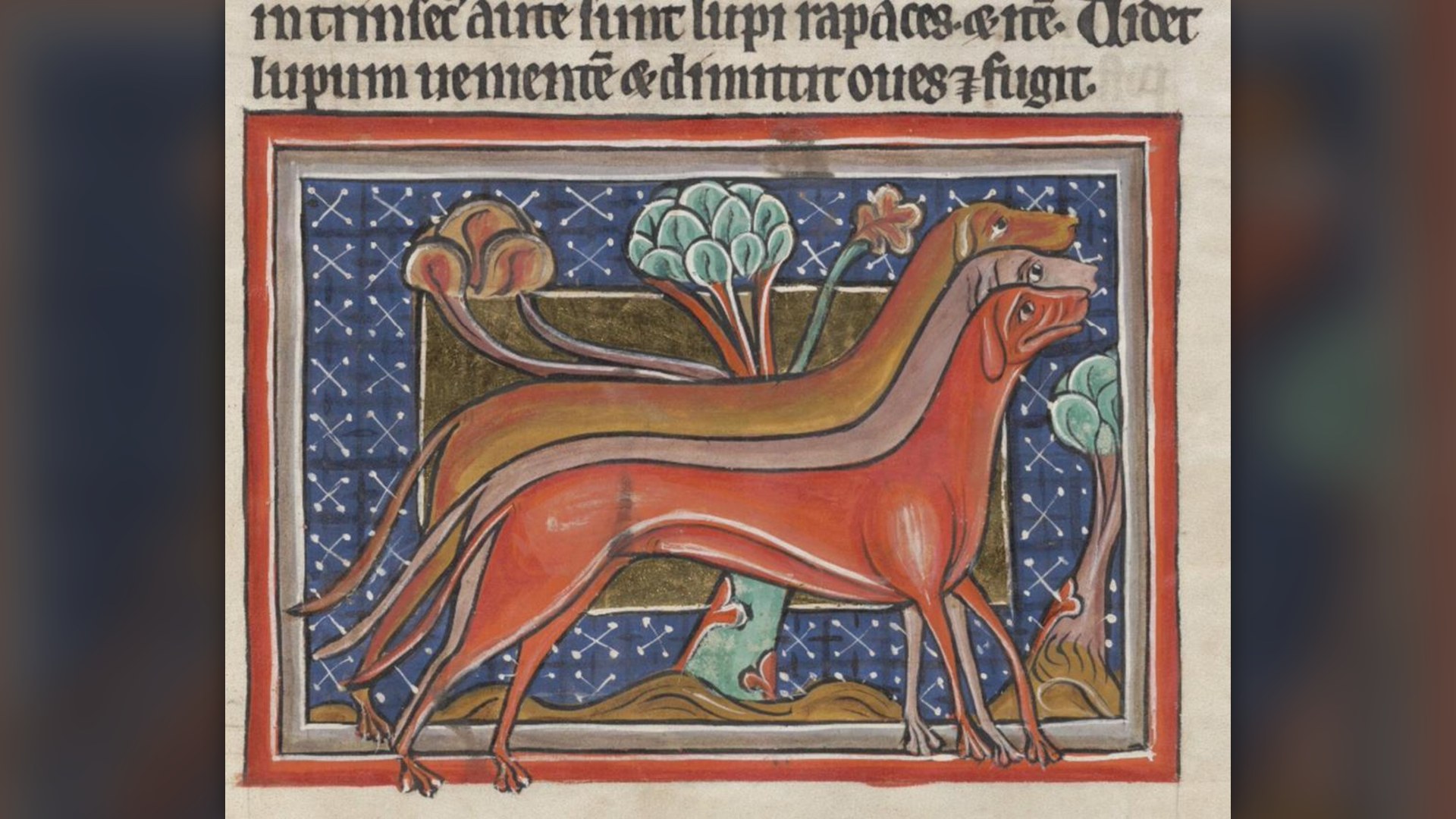
Monks working in scriptoriums rarely sketched animals from nature. Instead, they relied on Latin allegories, moral symbolism, and copies of older texts, creating wonderfully distorted beasts that prioritized religious meaning over biology.
4. The Medieval Paintings That Started The Mystery
Turn through the pages of 13th-century European manuscripts and you will find cats with flattened skulls, wide-set eyes, and tube-like bodies. To modern internet users, these stylized creatures look startlingly like living jaguarundis.
3. It Comes In Two Very Different Colours
For decades early biologists classified the dark and red varieties as two completely different species. Today geneticists know both color morphs can appear within the exact same litter, ranging from smoky slate to warm chestnut.
2. Why Does This Cat Look So Different?
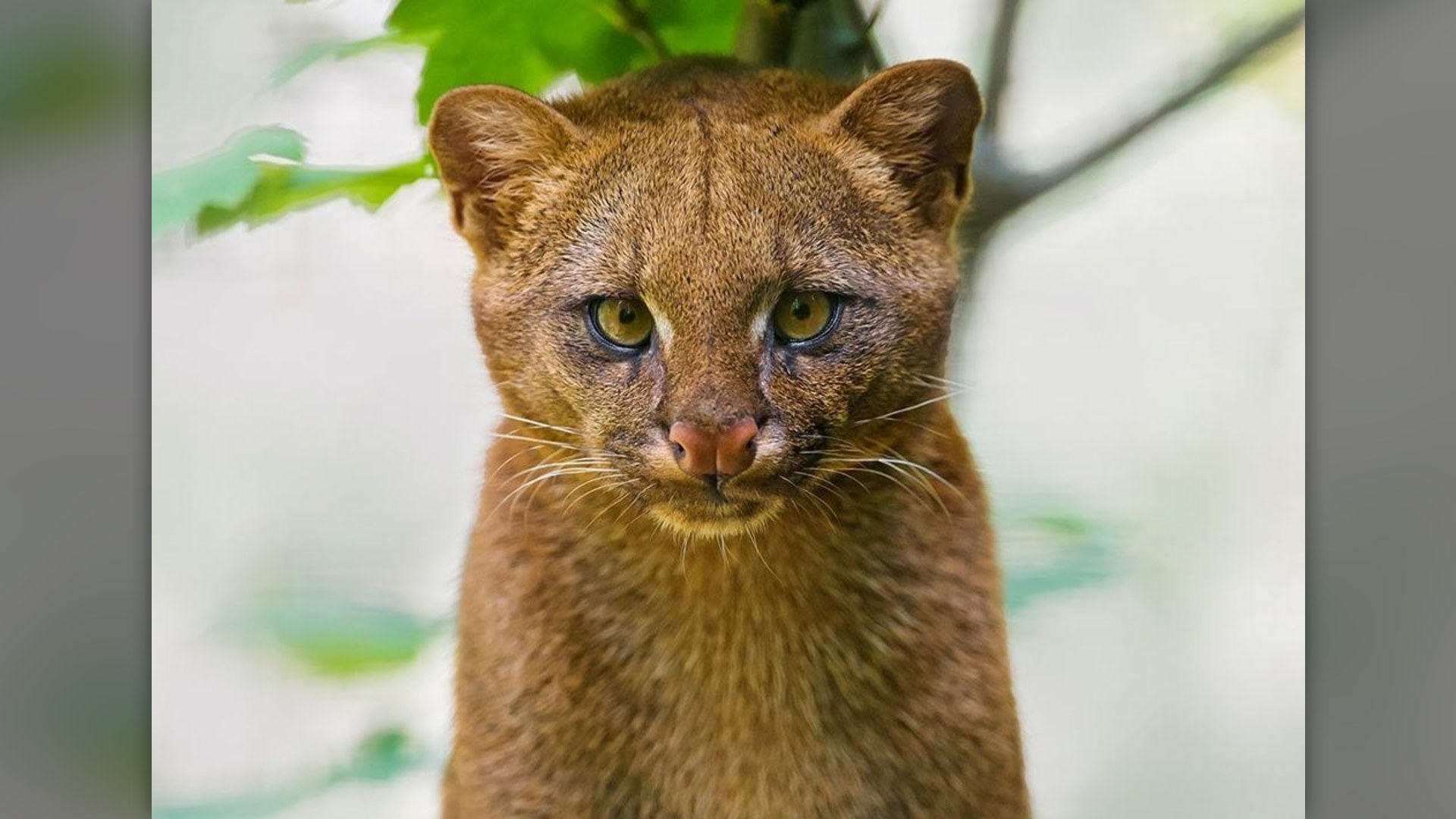
Most wild felines feature pointed ears, compact frames, and prominent facial curves. The jaguarundi evolved a streamlined silhouette designed for weaving through dense tropical brush, giving it the distinctive look of a river mammal.
1. Meet The Jaguarundi
Native to the Americas, the jaguarundi possesses physical traits unlike almost any other feline. With its slender torso, low-slung stance, and small flattened head, observers frequently mistake it for an otter or a member of the weasel family.