Slideshow · Animals
16 Things Bears Can Smell From Farther Away Than You Think
With an olfactory system seven times stronger than a bloodhound, bears can track faint chemical traces across vast wilderness terrains. Ranked from close-range campfire treats to rotting whale blubber
By Most Viral Today
37 min ago

Things Bears Can Smell From Farther Away Than You Think 
16. Scented Toiletries And Toothpaste (1 Mile) 
15. Gasoline And Motor Oil (1 To 2 Miles) 
14. Ripe Wild Huckleberries (2 Miles) - AdvertisementSwipe or tap ▶ to continue countdown

13. Wild Honeycomb And Beehives (2 Miles) 
12. Campfire Marshmallows And S'mores (2 To 3 Miles) 
11. Pet Food And Dry Kibble Bowls (3 Miles) 
10. Sizzling Bacon And Skillet Grease (3 To 4 Miles) - AdvertisementSwipe or tap ▶ to continue countdown

9. Backyard Bird Feeders And Suet Cakes (4 Miles) 
8. Garden Compost Bins And Waste (4 To 5 Miles) 
7. Chicken Coops And Livestock Pens (5 To 6 Miles) 
6. Spawning River Salmon (6 To 8 Miles) - AdvertisementSwipe or tap ▶ to continue countdown

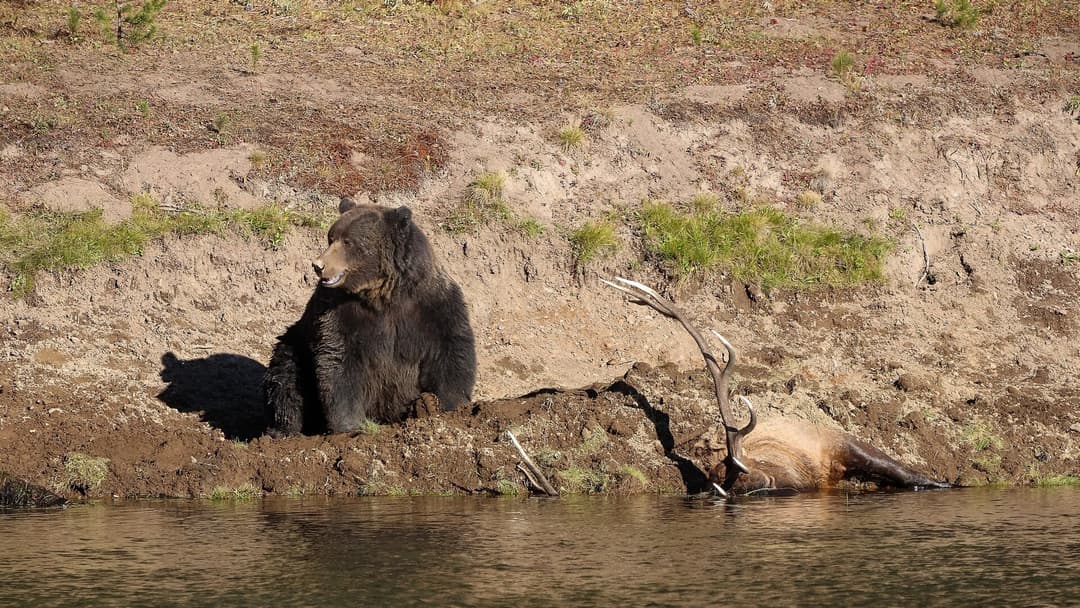
5. Hunter Gut Piles Buried Under Dirt (8 To 10 Miles) 
4. Decomposing Elk Carcasses (10 To 12 Miles) 
3. Beached Whales On Coastal Shores (12 To 14 Miles) 
2. Ringed Seals Under Solid Sea Ice (15 To 18 Miles) - AdvertisementSwipe or tap ▶ to continue countdown

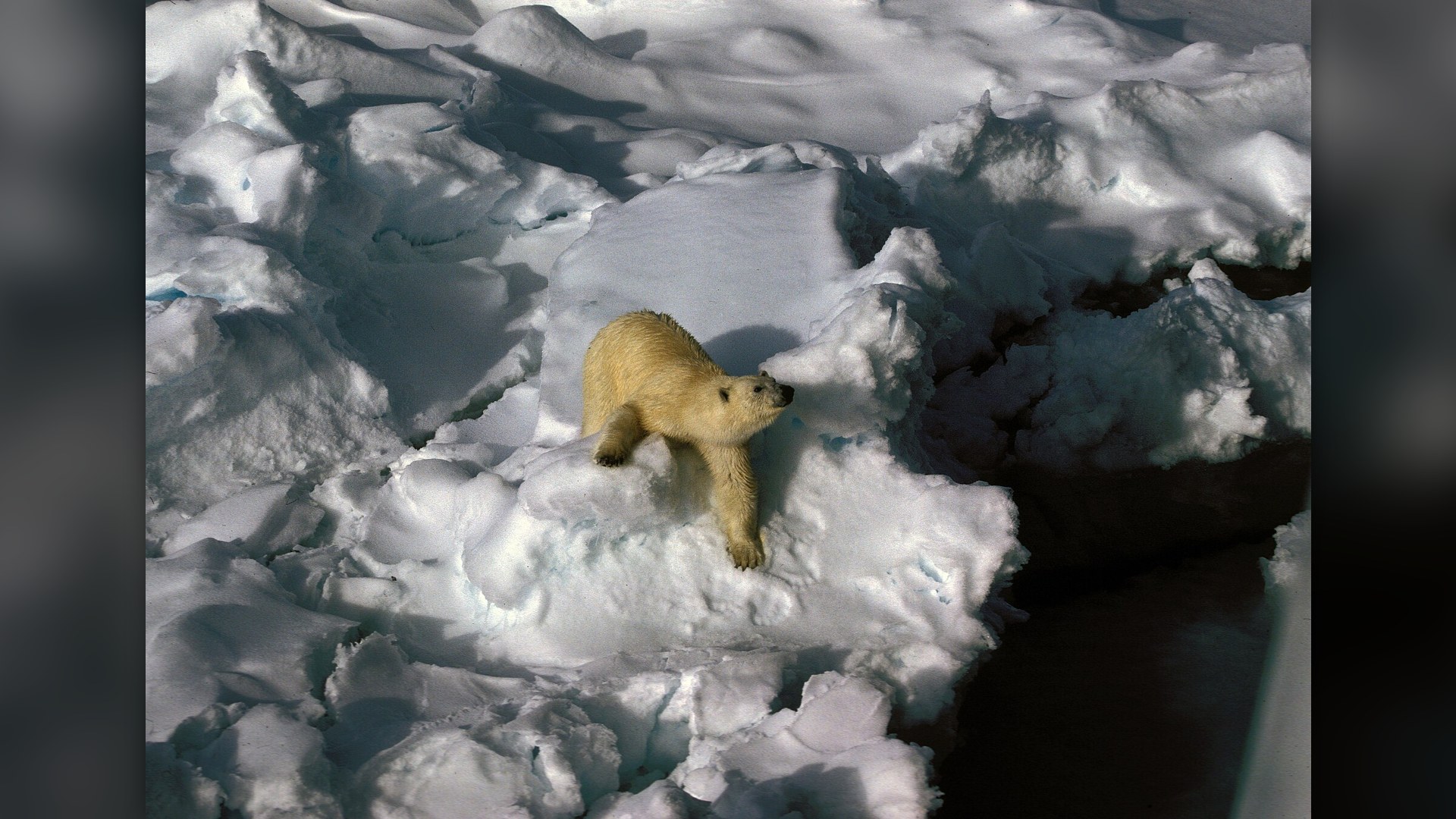
1. Whale Scent Carried On Arctic Gales (Up To 20 Miles) - Advertisement🔥 UP NEXT IN THIS SERIES◫ 26 Slides

25 Animals That Avoid Contact With Humans
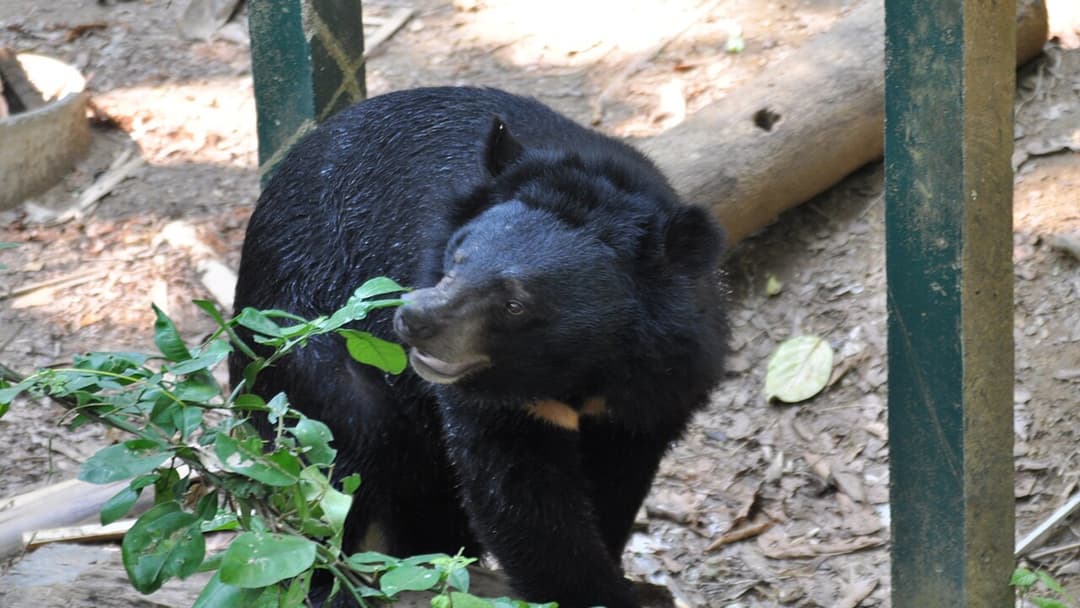
With an olfactory system seven times stronger than a bloodhound, bears possess one of the keenest senses of smell on Earth. From camp toiletries to rotting whale carcasses detected across 20 miles of open sea, discover what a bear can scent across the wilderness.
Swipe or tap ▶ to begin the countdown
©Wikimedia / shankar s. from Dubai, united arab emirates
16. Scented Toiletries And Toothpaste (1 Mile)
Campers storing toothpaste or scented lip balm inside tents unwittingly broadcast sweet chemical odors. Even sealed inside plastic bags, volatile compounds escape into the air. Black bears and grizzlies can pinpoint these artificial scents from a full mile away.

©Wikimedia Commons / Stewart Shearer
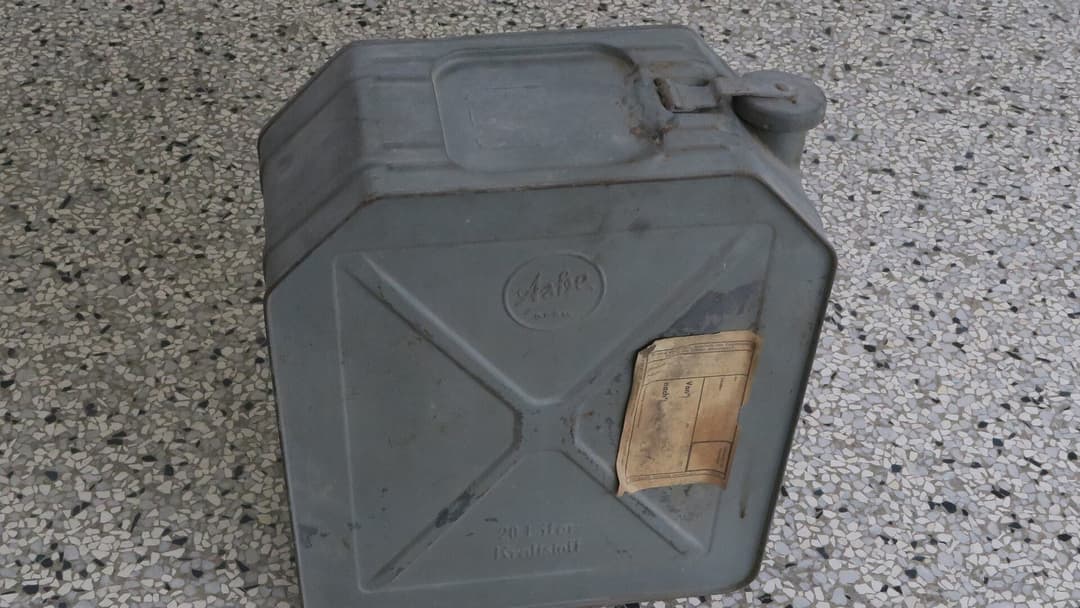
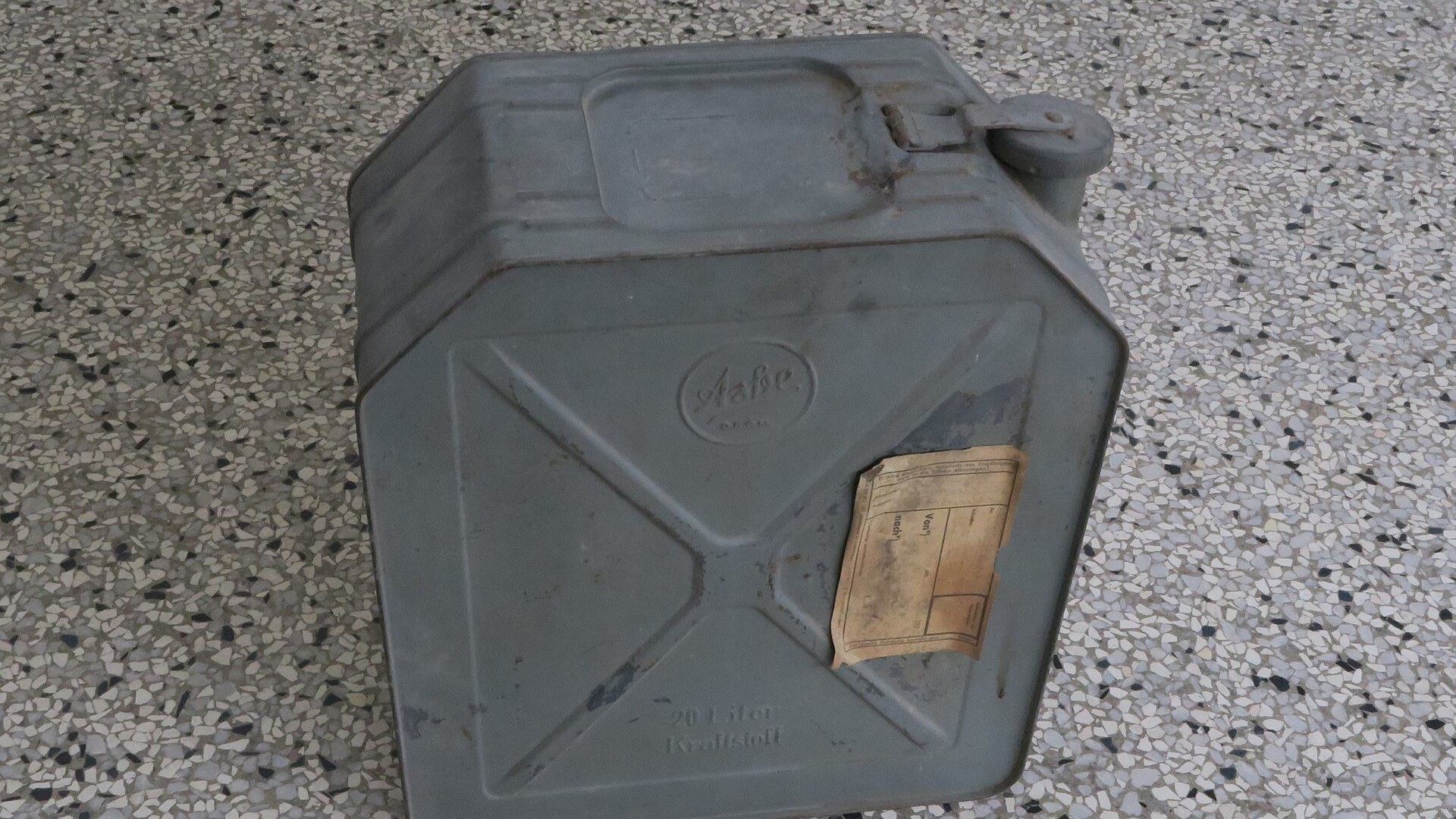
15. Gasoline And Motor Oil (1 To 2 Miles)
Petroleum distillates, motor oil, and chainsaw fuel emit hydrocarbon molecules that carry for miles on mountain air. Bears investigate fuel cans and generator sheds because pungent petroleum vapors resemble natural tree resins they instinctively inspect.
©Wikimedia Commons / Arths-at
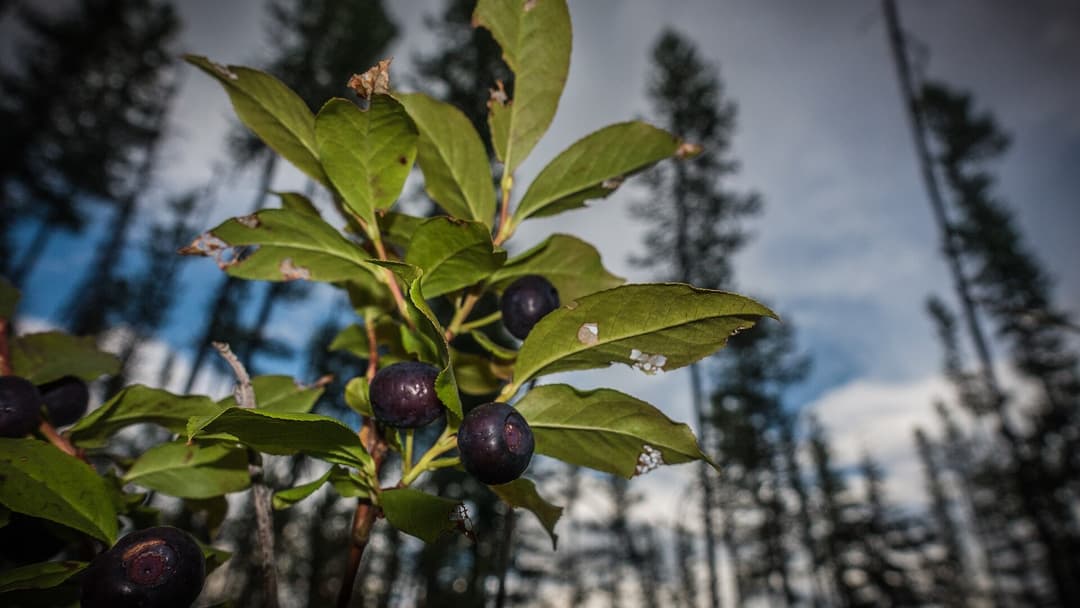
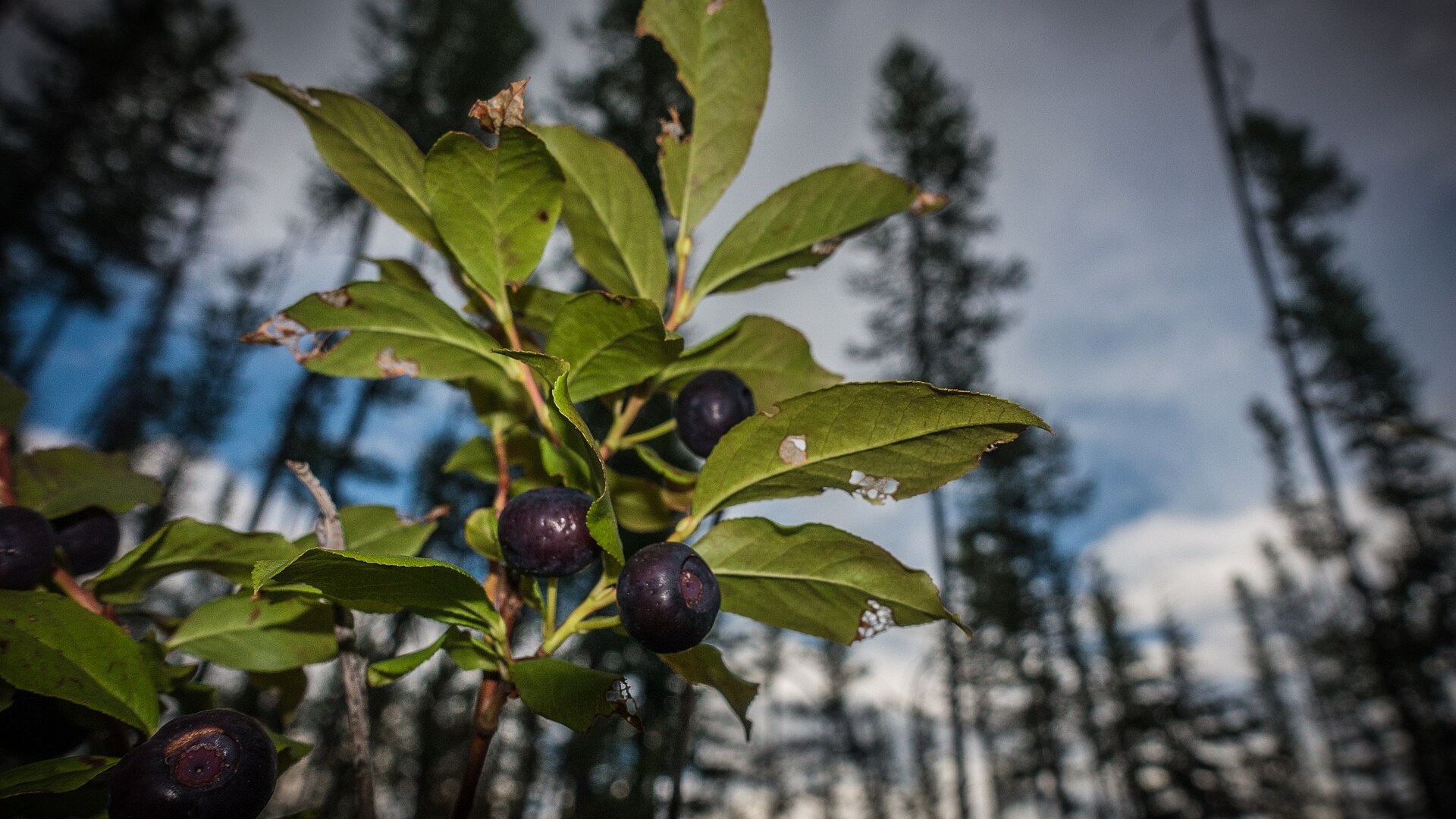
14. Ripe Wild Huckleberries (2 Miles)
During late summer hyperphagia, bears need up to thirty thousand calories daily. Their keen olfactory bulbs easily register sweet volatiles from wild huckleberries and buffaloberries ripening on subalpine slopes up to two miles away through dense forest.
©Wikimedia Commons / GlacierNPS
Advertisement
Swipe or tap ▶ to resume the countdown.
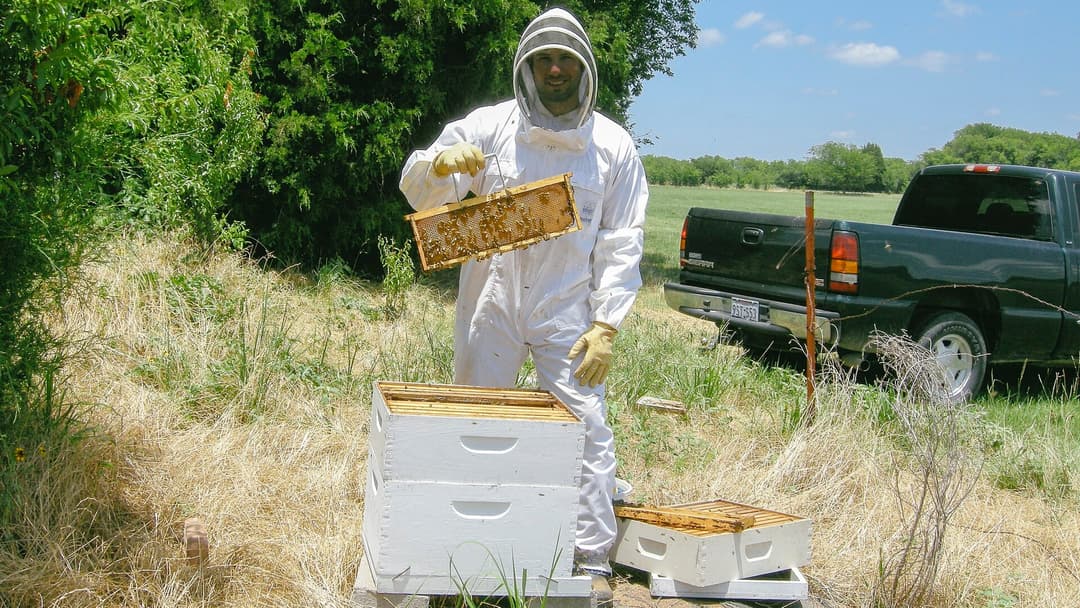
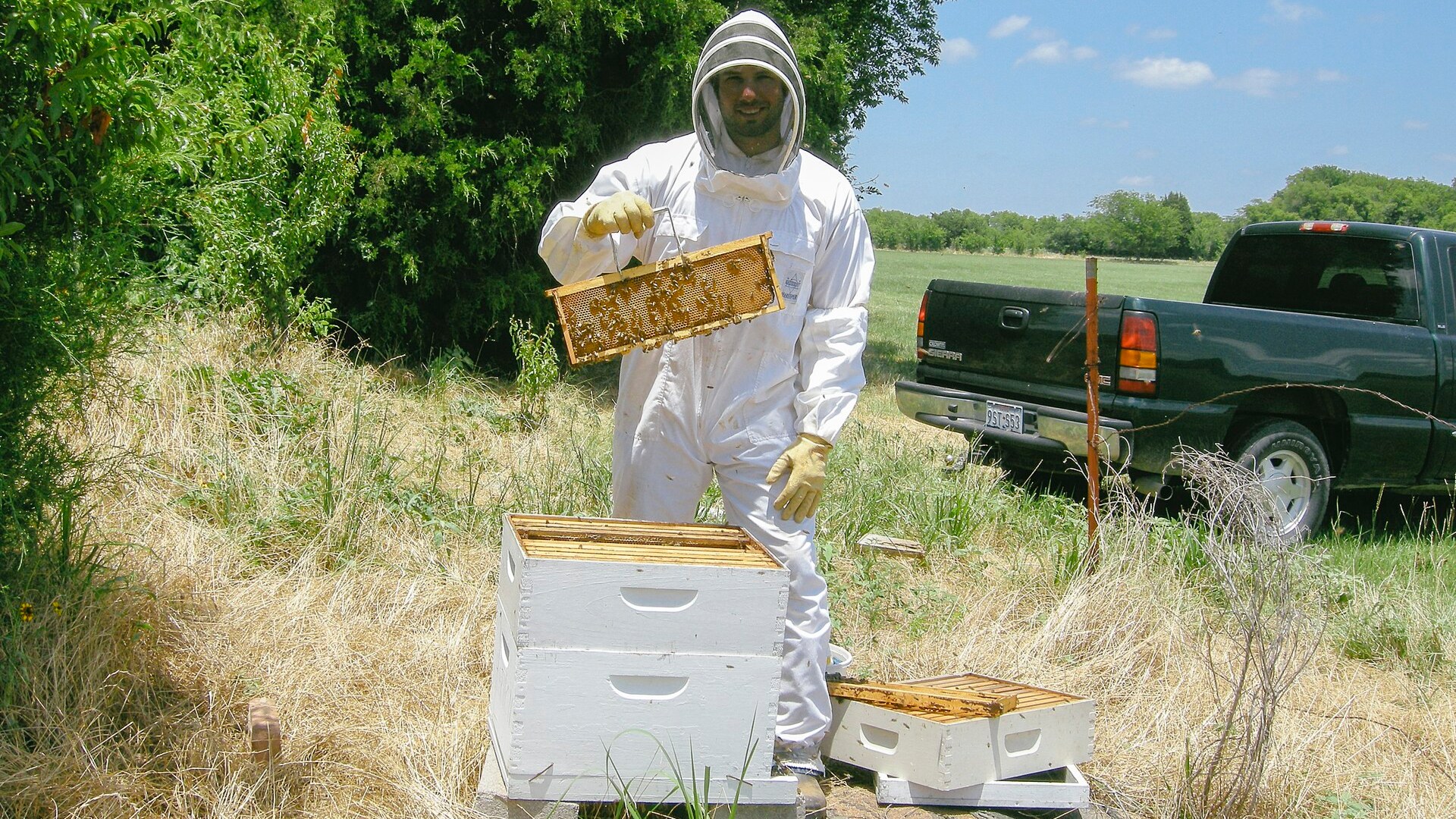
13. Wild Honeycomb And Beehives (2 Miles)
Bears seek out beehives primarily for nutrient-dense bee pupae and fat-rich larvae rather than honey alone. The scent of warm beeswax, honey, and active colonies travels through forest canopies for two miles, leading bears straight to hollow logs.
©Wikimedia Commons / Matthew T Rader
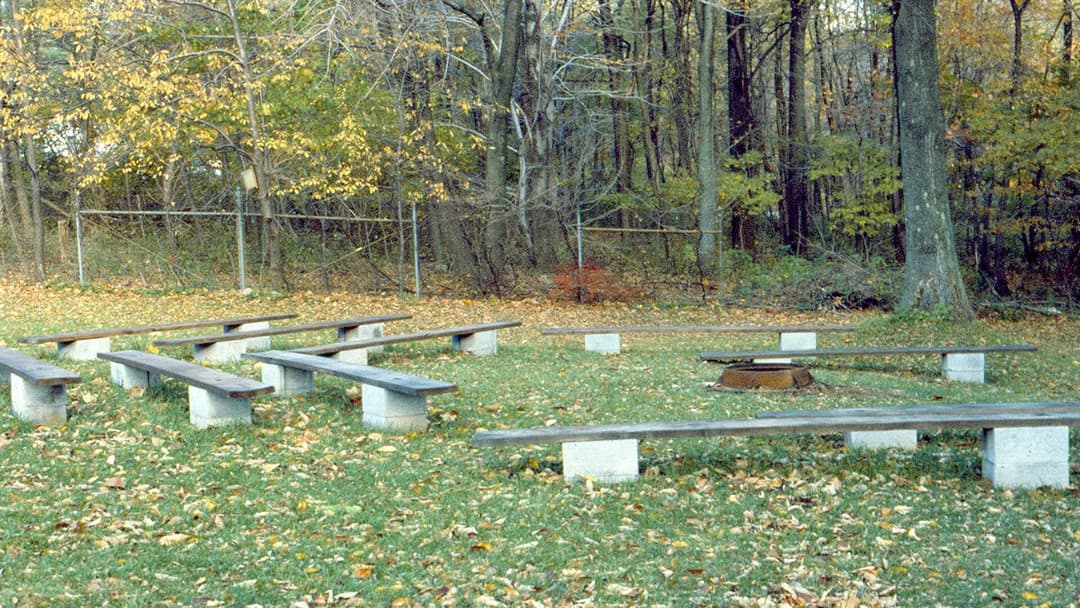
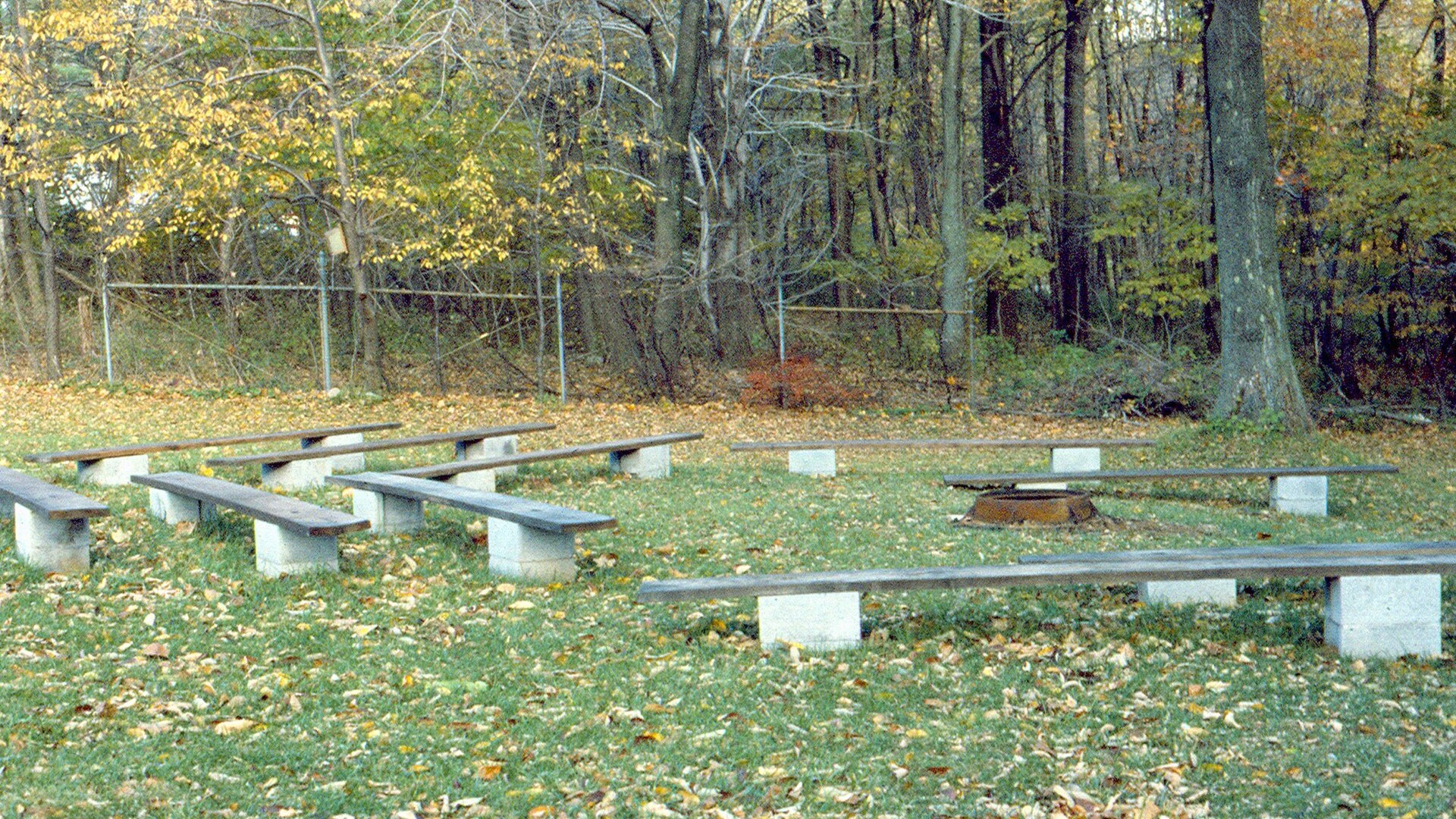
12. Campfire Marshmallows And S'mores (2 To 3 Miles)
Roasting marshmallows over camp coals releases sweet caramelized sugars and smoke plumes that ride evening thermal updrafts. A hungry bear two to three miles away easily detects these high-calorie dessert scents and tracks them directly to camp.
©Wikimedia Commons / National Park Service
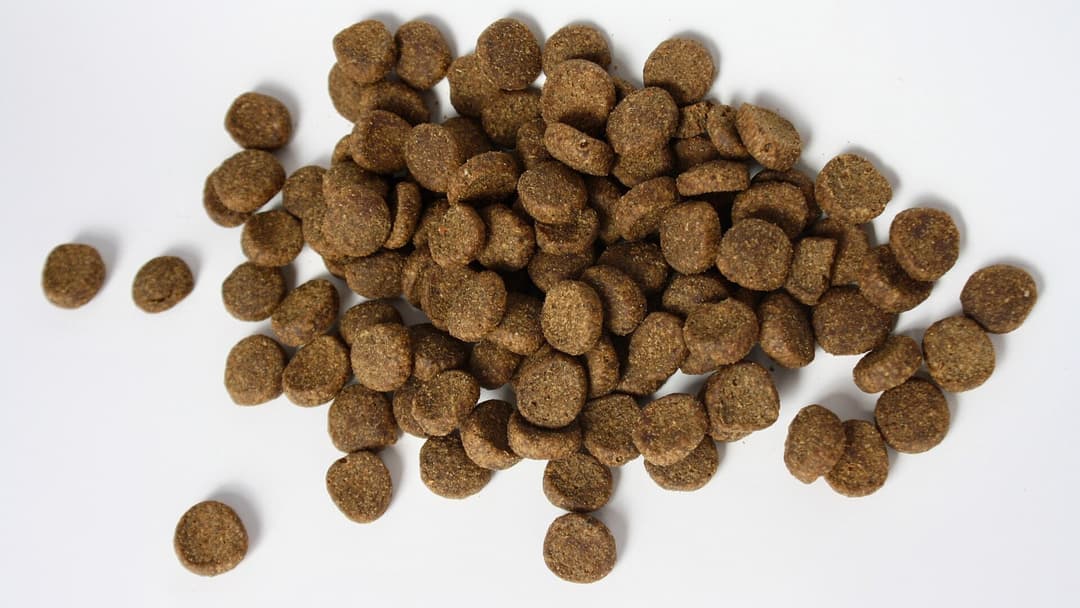
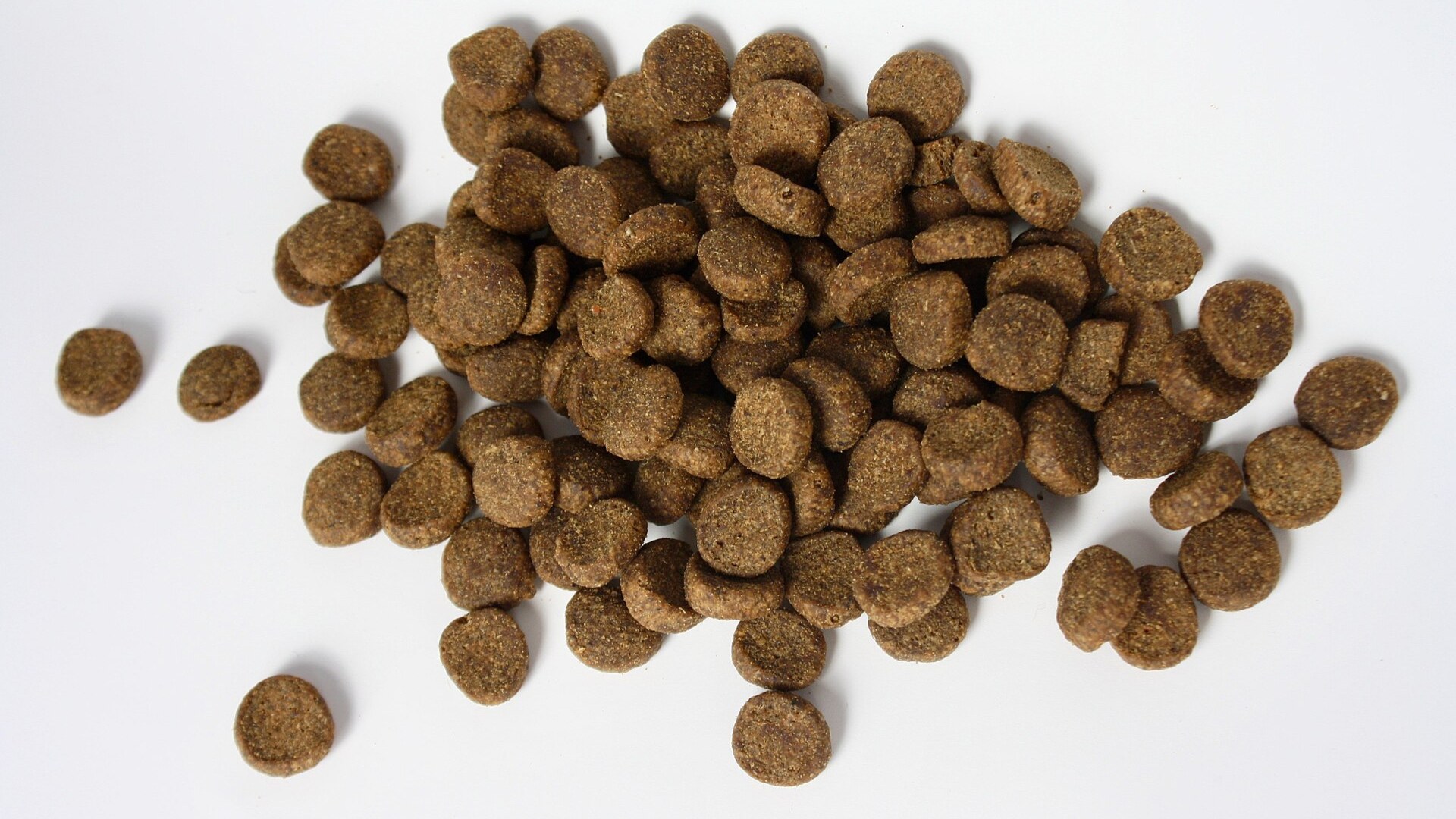
11. Pet Food And Dry Kibble Bowls (3 Miles)
Leaving dry pet food on residential porches is a major cause of suburban bear encounters. Commercial pet kibble is packed with animal fats, rendered bone meal, and flavor sprays designed to smell potent. Bears track these scent plumes from three miles away.
©Wikimedia Commons / Megan Marrs
10. Sizzling Bacon And Skillet Grease (3 To 4 Miles)
Frying bacon over an outdoor camp stove atomizes microscopic pork fat droplets into rising smoke columns. These aerosolized grease particles carry for three to four miles downwind, while unwashed skillets continue broadcasting grease odors for hours.

©Wikimedia Commons / Father.Jack
Advertisement
Swipe or tap ▶ to resume the countdown.
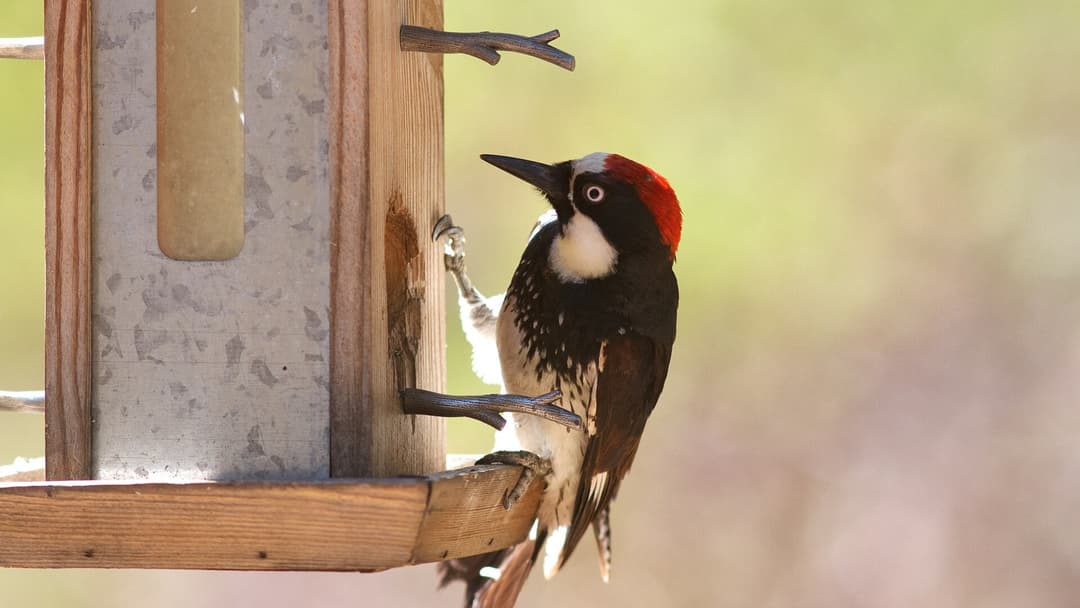
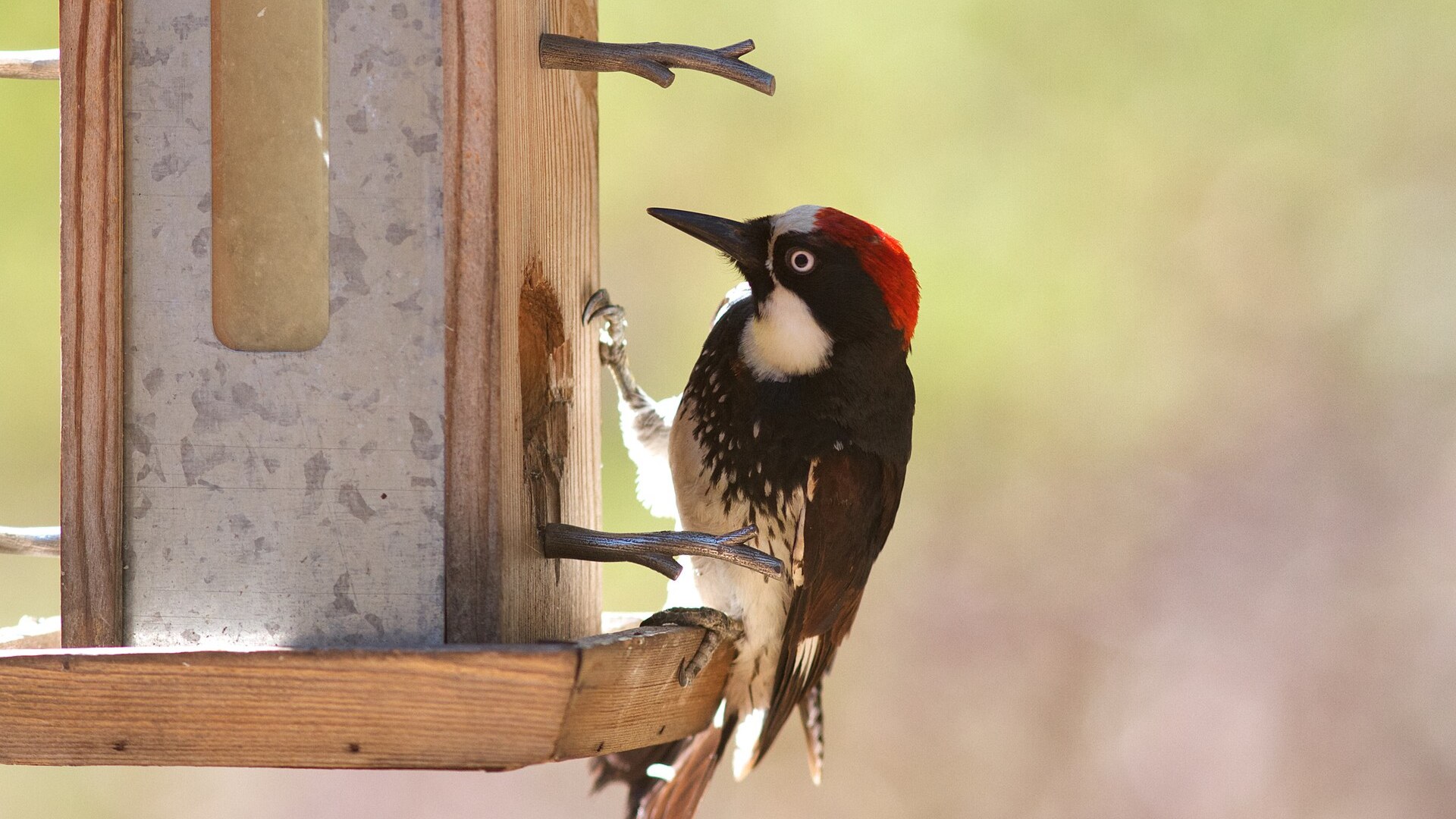
9. Backyard Bird Feeders And Suet Cakes (4 Miles)
Hanging bird feeders filled with sunflower seeds, millet, and rendered beef fat suet cakes creates an irresistible scent beacon. To a bear, a suet cake represents an effortless block of pure fat, and warm tallow scents carry from four miles out.
©Wikimedia Commons / cogdogblog
8. Garden Compost Bins And Waste (4 To 5 Miles)
Backyard compost piles with melon rinds, rotting vegetables, and fruit cores generate warm fermentation gases and methane vapors. These decomposition plumes rise and drift on valley breezes for four to five miles, pulling bears into residential yards.

©Wikimedia Commons / Andy Li
7. Chicken Coops And Livestock Pens (5 To 6 Miles)
The collective odor of poultry manure, grain feed, and live chickens creates a heavy scent plume that drifts across rural valleys. Bears track chicken coops and small livestock pens from five to six miles away, viewing them as easy feeding opportunities.

©Wikimedia Commons / Tim Evanson
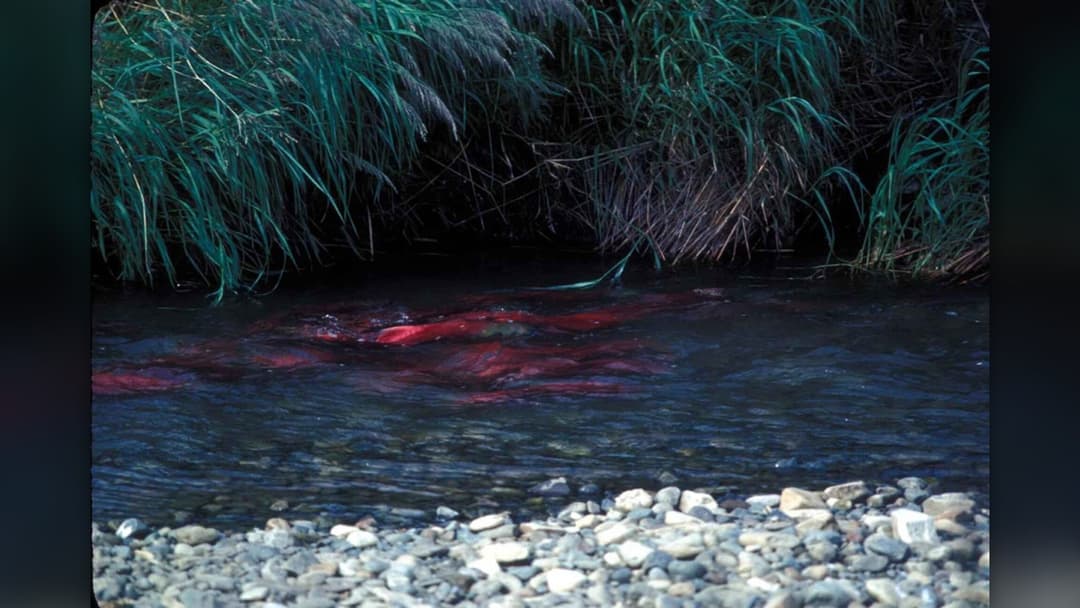
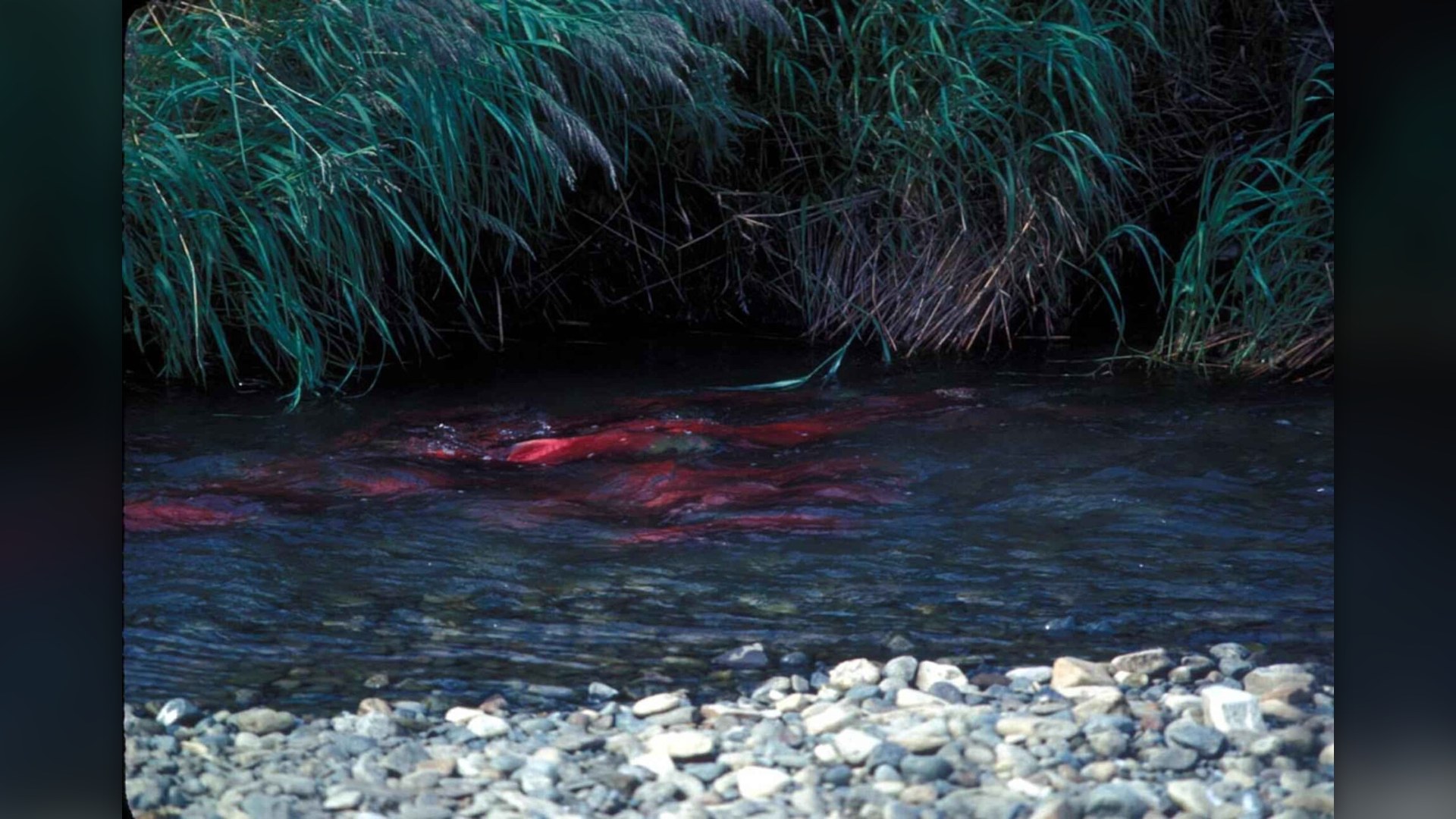
6. Spawning River Salmon (6 To 8 Miles)
During annual salmon runs, thousands of fish thrash upstream, releasing fish oils and spawning odors into river currents and air columns. Coastal brown bears detect migrating salmon from six to eight miles away, gathering along falls before peak runs arrive.
©Wikimedia Commons / U.S. Fish and Wildlife Service
Advertisement
Swipe or tap ▶ to resume the countdown.
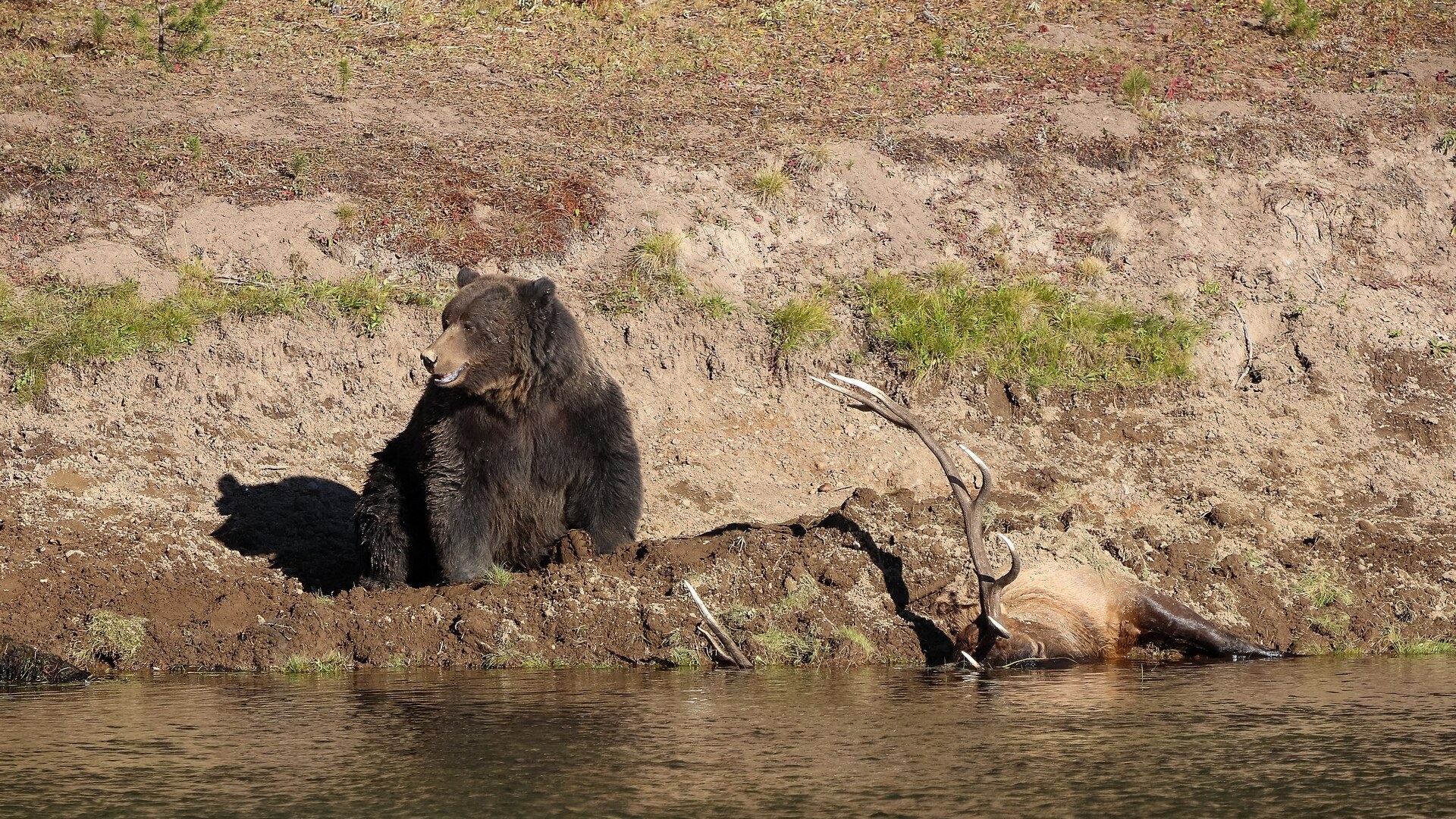
5. Hunter Gut Piles Buried Under Dirt (8 To 10 Miles)
When big game hunters field dress an elk or deer and bury the gut pile under dirt and brush, they do little to conceal the odor from bears. Fresh blood and warm viscera release intense organic scents that penetrate soil layers from eight to ten miles out.
©Wikimedia Commons / YellowstoneNPS
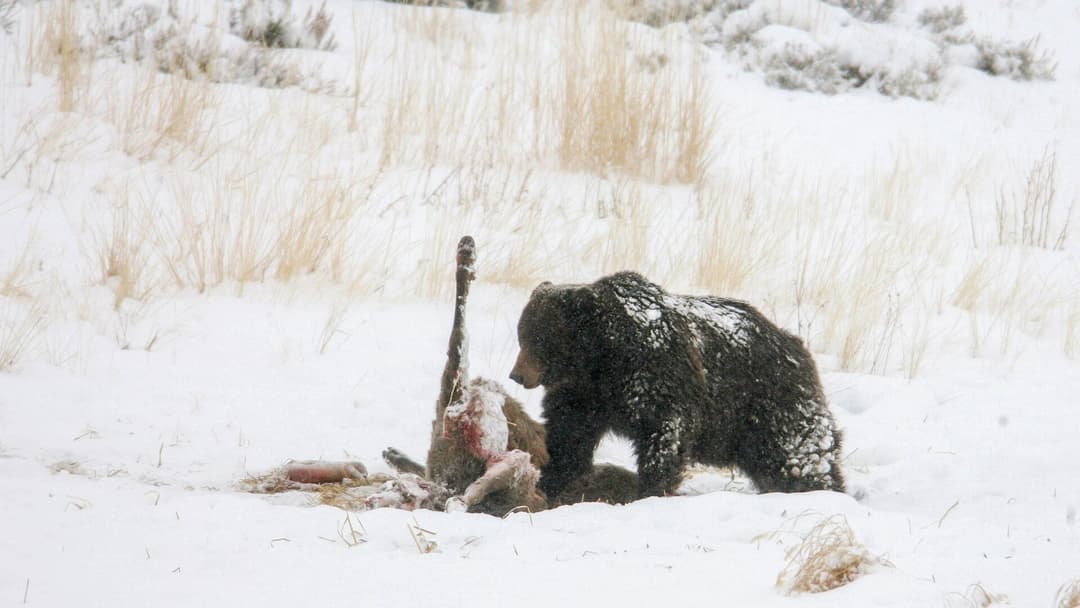
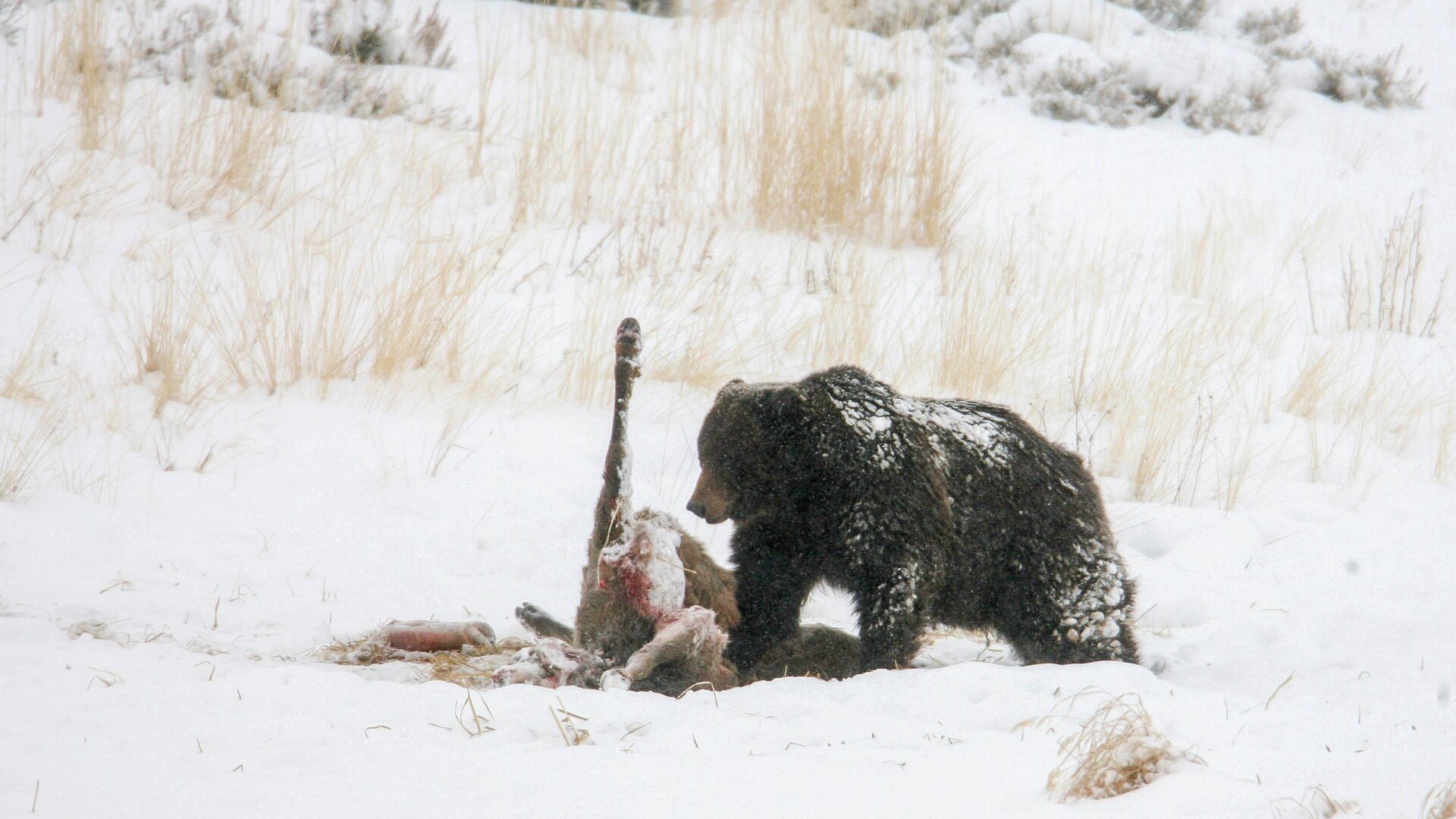
4. Decomposing Elk Carcasses (10 To 12 Miles)
A winter-killed moose or elk carcass rotting on the spring tundra produces heavy putrescine and cadaverine vapors. These chemical markers ride atmospheric air currents across entire mountain ranges, pulling grizzlies ten to twelve miles in a direct beeline.
©Wikimedia Commons / NPS / Jim Peaco
3. Beached Whales On Coastal Shores (12 To 14 Miles)
When a massive baleen whale washes ashore, tons of blubber and muscle tissue decompose under coastal sun, sending an oily, rancid scent plume sweeping inland. Coastal brown bears detect beached whale carcasses from twelve to fourteen miles away.

©Wikimedia Commons / Solarence
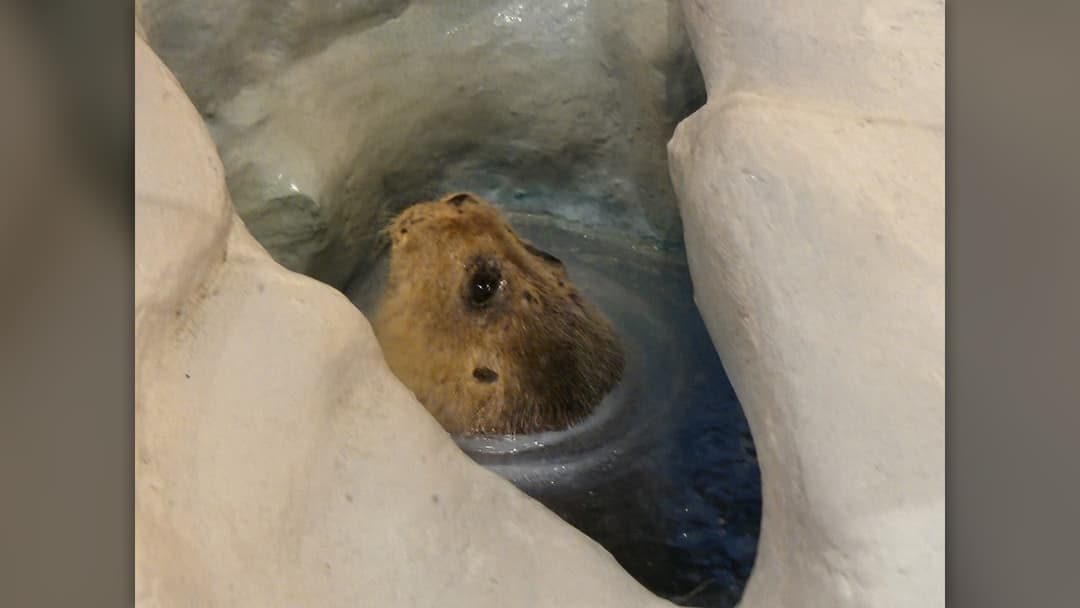
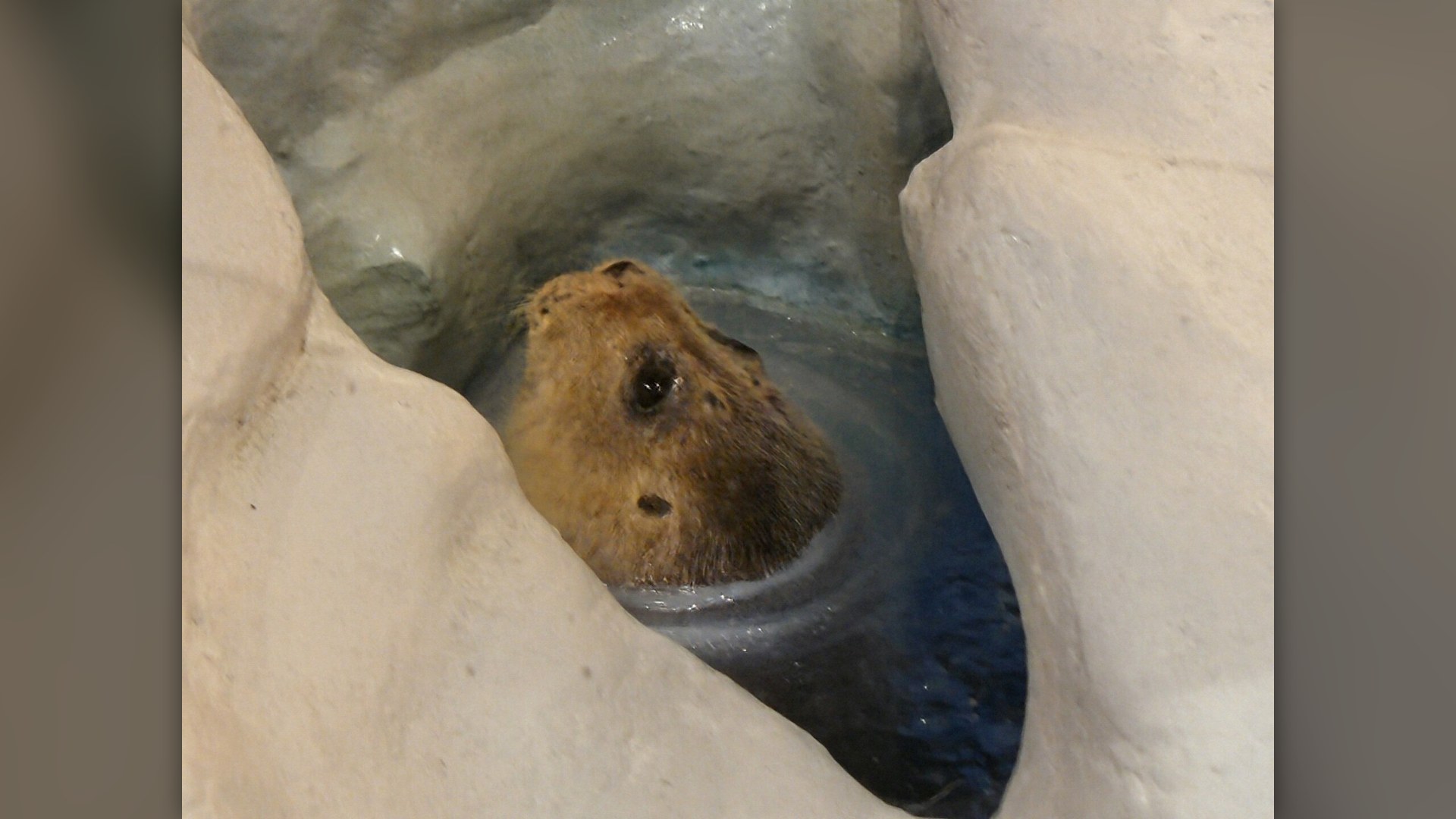
2. Ringed Seals Under Solid Sea Ice (15 To 18 Miles)
Polar bears possess what may be the most extraordinary sense of smell on Earth. They can detect the scent of a ringed seal hidden beneath three feet of solid sea ice and over a foot of packed snow from fifteen to eighteen miles away across frozen sea.
©Wikimedia Commons / Salwa Farwaneh Dameh
Advertisement
Swipe or tap ▶ to resume the countdown.
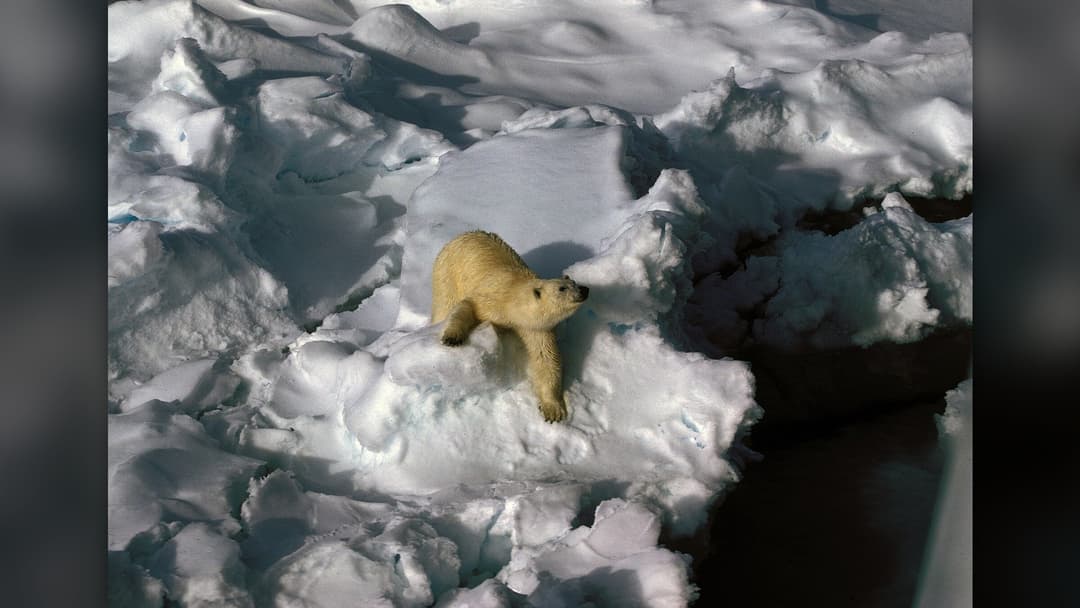
1. Whale Scent Carried On Arctic Gales (Up To 20 Miles)
Across the vast expanses of the Arctic Ocean, polar bears navigate primarily by scent. When gale-force Arctic winds blow across rotting whale blubber, a polar bear can detect the scent plume from up to twenty miles away across the frozen pack ice.
©Wikimedia Commons / Hannes Grobe / AWI
Advertisement
You've reached the end of the story. Thanks for reading!

25 Animals That Avoid Contact With Humans
All 16 Entries in this Story
1. Scented Toiletries And Toothpaste (1 Mile)
Campers storing toothpaste or scented lip balm inside tents unwittingly broadcast sweet chemical odors. Even sealed inside plastic bags, volatile compounds escape into the air. Black bears and grizzlies can pinpoint these artificial scents from a full mile away.

2. Gasoline And Motor Oil (1 To 2 Miles)
Petroleum distillates, motor oil, and chainsaw fuel emit hydrocarbon molecules that carry for miles on mountain air. Bears investigate fuel cans and generator sheds because pungent petroleum vapors resemble natural tree resins they instinctively inspect.

3. Ripe Wild Huckleberries (2 Miles)
During late summer hyperphagia, bears need up to thirty thousand calories daily. Their keen olfactory bulbs easily register sweet volatiles from wild huckleberries and buffaloberries ripening on subalpine slopes up to two miles away through dense forest.

4. Wild Honeycomb And Beehives (2 Miles)
Bears seek out beehives primarily for nutrient-dense bee pupae and fat-rich larvae rather than honey alone. The scent of warm beeswax, honey, and active colonies travels through forest canopies for two miles, leading bears straight to hollow logs.

5. Campfire Marshmallows And S'mores (2 To 3 Miles)
Roasting marshmallows over camp coals releases sweet caramelized sugars and smoke plumes that ride evening thermal updrafts. A hungry bear two to three miles away easily detects these high-calorie dessert scents and tracks them directly to camp.

6. Pet Food And Dry Kibble Bowls (3 Miles)
Leaving dry pet food on residential porches is a major cause of suburban bear encounters. Commercial pet kibble is packed with animal fats, rendered bone meal, and flavor sprays designed to smell potent. Bears track these scent plumes from three miles away.

7. Sizzling Bacon And Skillet Grease (3 To 4 Miles)
Frying bacon over an outdoor camp stove atomizes microscopic pork fat droplets into rising smoke columns. These aerosolized grease particles carry for three to four miles downwind, while unwashed skillets continue broadcasting grease odors for hours.

8. Backyard Bird Feeders And Suet Cakes (4 Miles)
Hanging bird feeders filled with sunflower seeds, millet, and rendered beef fat suet cakes creates an irresistible scent beacon. To a bear, a suet cake represents an effortless block of pure fat, and warm tallow scents carry from four miles out.

9. Garden Compost Bins And Waste (4 To 5 Miles)
Backyard compost piles with melon rinds, rotting vegetables, and fruit cores generate warm fermentation gases and methane vapors. These decomposition plumes rise and drift on valley breezes for four to five miles, pulling bears into residential yards.

10. Chicken Coops And Livestock Pens (5 To 6 Miles)
The collective odor of poultry manure, grain feed, and live chickens creates a heavy scent plume that drifts across rural valleys. Bears track chicken coops and small livestock pens from five to six miles away, viewing them as easy feeding opportunities.

11. Spawning River Salmon (6 To 8 Miles)
During annual salmon runs, thousands of fish thrash upstream, releasing fish oils and spawning odors into river currents and air columns. Coastal brown bears detect migrating salmon from six to eight miles away, gathering along falls before peak runs arrive.

12. Hunter Gut Piles Buried Under Dirt (8 To 10 Miles)
When big game hunters field dress an elk or deer and bury the gut pile under dirt and brush, they do little to conceal the odor from bears. Fresh blood and warm viscera release intense organic scents that penetrate soil layers from eight to ten miles out.

13. Decomposing Elk Carcasses (10 To 12 Miles)
A winter-killed moose or elk carcass rotting on the spring tundra produces heavy putrescine and cadaverine vapors. These chemical markers ride atmospheric air currents across entire mountain ranges, pulling grizzlies ten to twelve miles in a direct beeline.

14. Beached Whales On Coastal Shores (12 To 14 Miles)
When a massive baleen whale washes ashore, tons of blubber and muscle tissue decompose under coastal sun, sending an oily, rancid scent plume sweeping inland. Coastal brown bears detect beached whale carcasses from twelve to fourteen miles away.

15. Ringed Seals Under Solid Sea Ice (15 To 18 Miles)
Polar bears possess what may be the most extraordinary sense of smell on Earth. They can detect the scent of a ringed seal hidden beneath three feet of solid sea ice and over a foot of packed snow from fifteen to eighteen miles away across frozen sea.

16. Whale Scent Carried On Arctic Gales (Up To 20 Miles)
Across the vast expanses of the Arctic Ocean, polar bears navigate primarily by scent. When gale-force Arctic winds blow across rotting whale blubber, a polar bear can detect the scent plume from up to twenty miles away across the frozen pack ice.