Slideshow · Travel
What Is Driving the Cost of Holiday Airfare in 2026?
Holiday airfare across domestic routes has surged to ten-year highs in 2026, driven by elevated jet fuel costs, aircraft delivery bottlenecks, and carrier capacity discipline. Based on data from Hopper, AAA travel forecasts, and Reuters aviation reporting, these 20 factors explain why tickets cost more this holiday season.
By Most Viral Today
18 min ago

20 Economic and Fleet Pressures Pushing Holiday Flights to Record Highs 
20. Peak Travel Day Clustering 
19. Regional Airline Pilot Scarcity 
18. Surging Aircraft Lease Rates - AdvertisementSwipe or tap ▶ to continue countdown

17. Frequent Flyer Seat Inventory Depletion 
16. Compressed Early Booking Windows 
15. Post-Meltdown Operational Buffers 
14. International Wide-Body Deployment - AdvertisementSwipe or tap ▶ to continue countdown

13. Rising Airport Landing And Facility Fees 
12. Real-Time Dynamic Pricing Algorithms 
11. Corporate Travel Rebound Overlap 
10. Premium Cabin Floor Space Expansion - AdvertisementSwipe or tap ▶ to continue countdown

9. Air Traffic Control Staffing Caps 
8. Pratt And Whitney Engine Inspections 
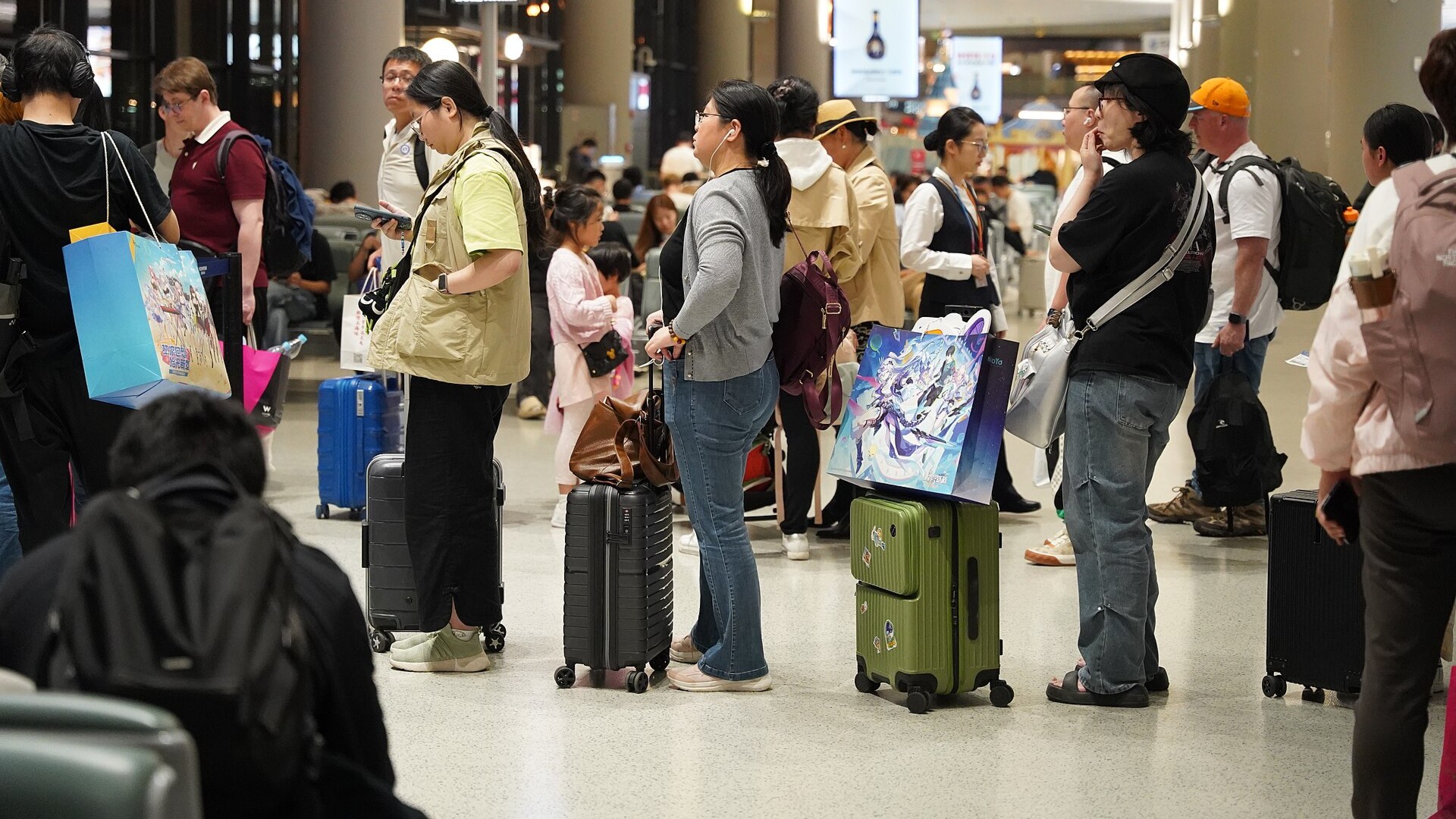
7. Increased Ancillary And Baggage Fees 
6. Historic Labor Contract Increases - AdvertisementSwipe or tap ▶ to continue countdown

5. Strategic Airline Schedule Trimming 
4. Sustained High Holiday Travel Demand 
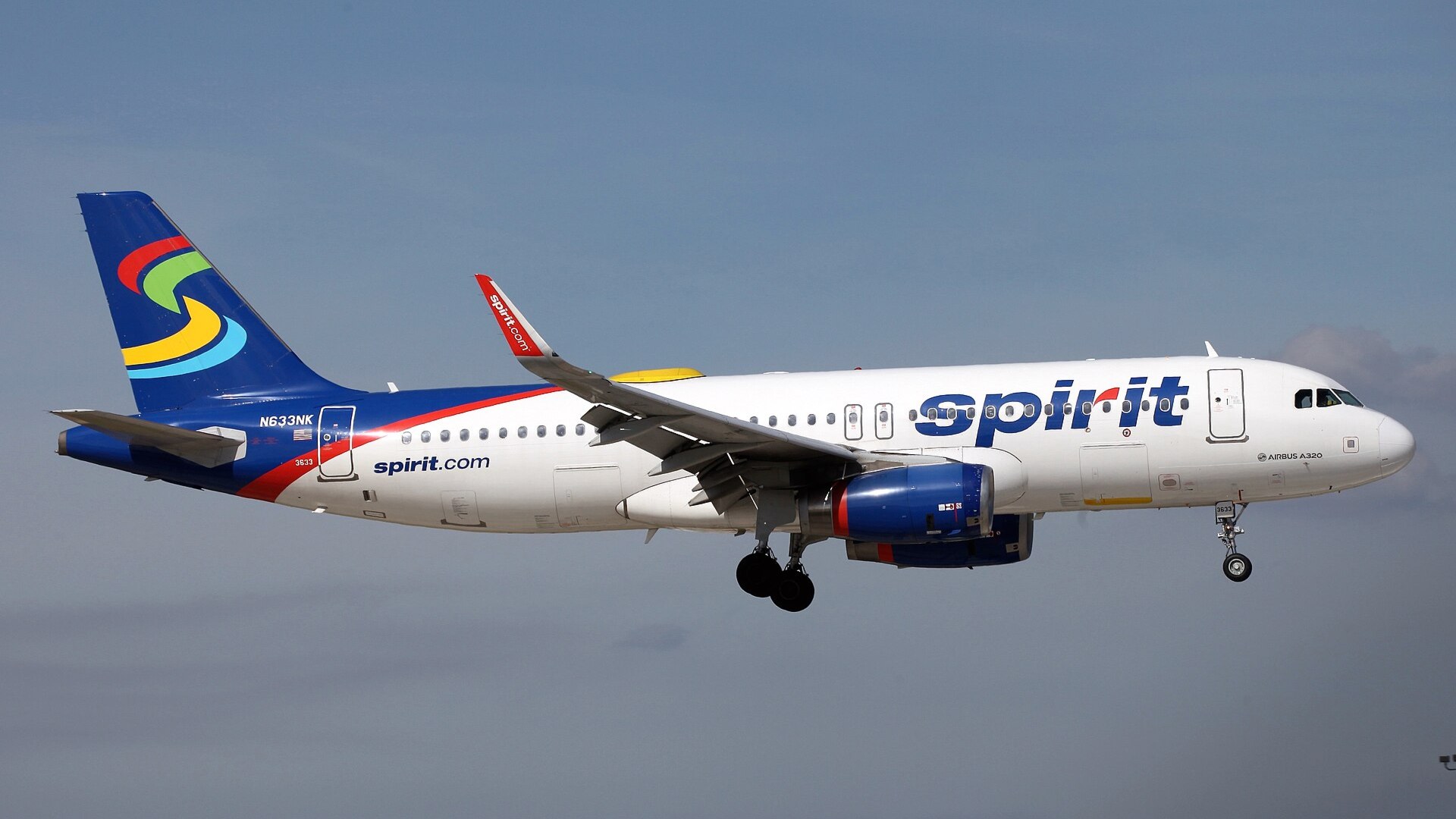
3. Budget Airline Capacity Contraction 
2. Aircraft Manufacturing Delays - AdvertisementSwipe or tap ▶ to continue countdown

1. Spiking Jet Fuel Expenses - Advertisement🔥 UP NEXT IN THIS SERIES◫ 22 Slides

21 Unusual Items People Have Left Behind in Hotels and Airports
Bizarre Belongings Forgotten in Hotel Rooms and Terminals
Holiday airfare on domestic routes has hit ten-year highs in 2026, driven by elevated jet fuel costs, aircraft delivery bottlenecks, and carrier capacity discipline. Drawing on Hopper data, AAA travel forecasts, and Reuters aviation reporting, these 20 factors explain why tickets cost more this season.
Swipe or tap ▶ to begin the countdown
©Wikimedia / Acroterion
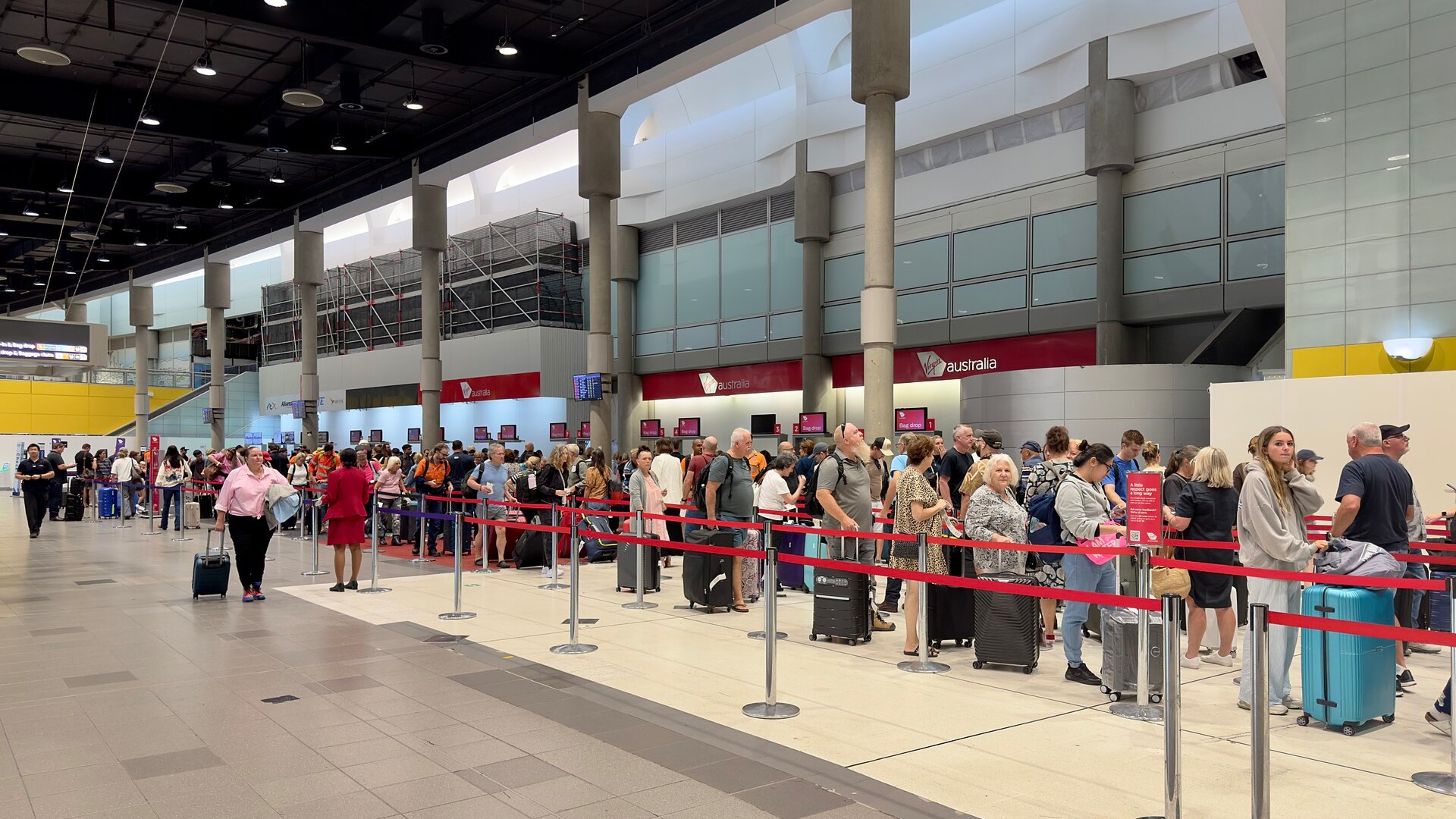
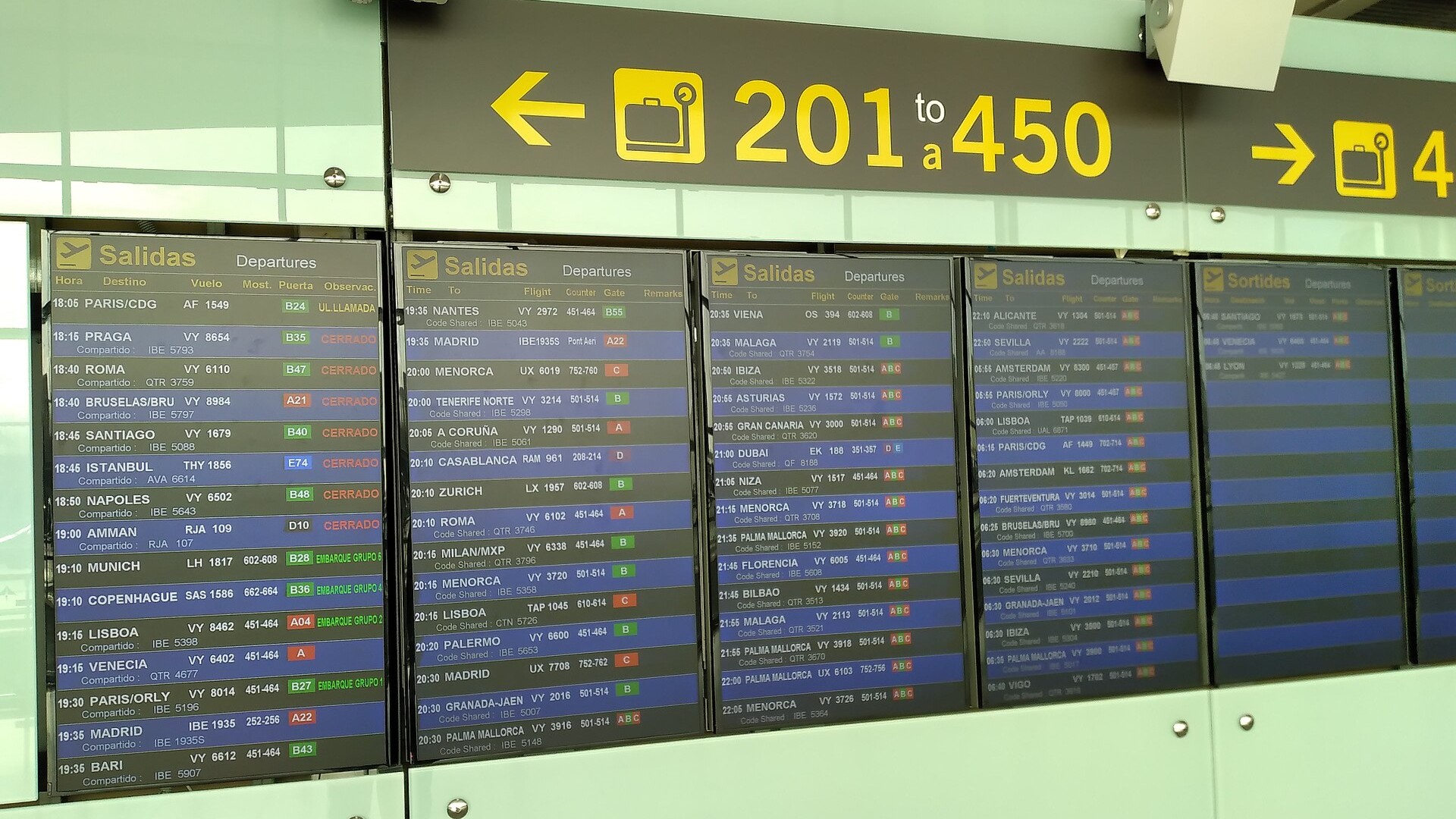
20. Peak Travel Day Clustering
Travel analytics from Hopper show that round-trip flights leaving on the Wednesday before Thanksgiving and returning the Sunday after cost up to 40 percent more than off-peak dates. Flying on Thanksgiving Day or Black Friday cuts average domestic fares by 120 dollars.
©Wikimedia / Chris Olszewski
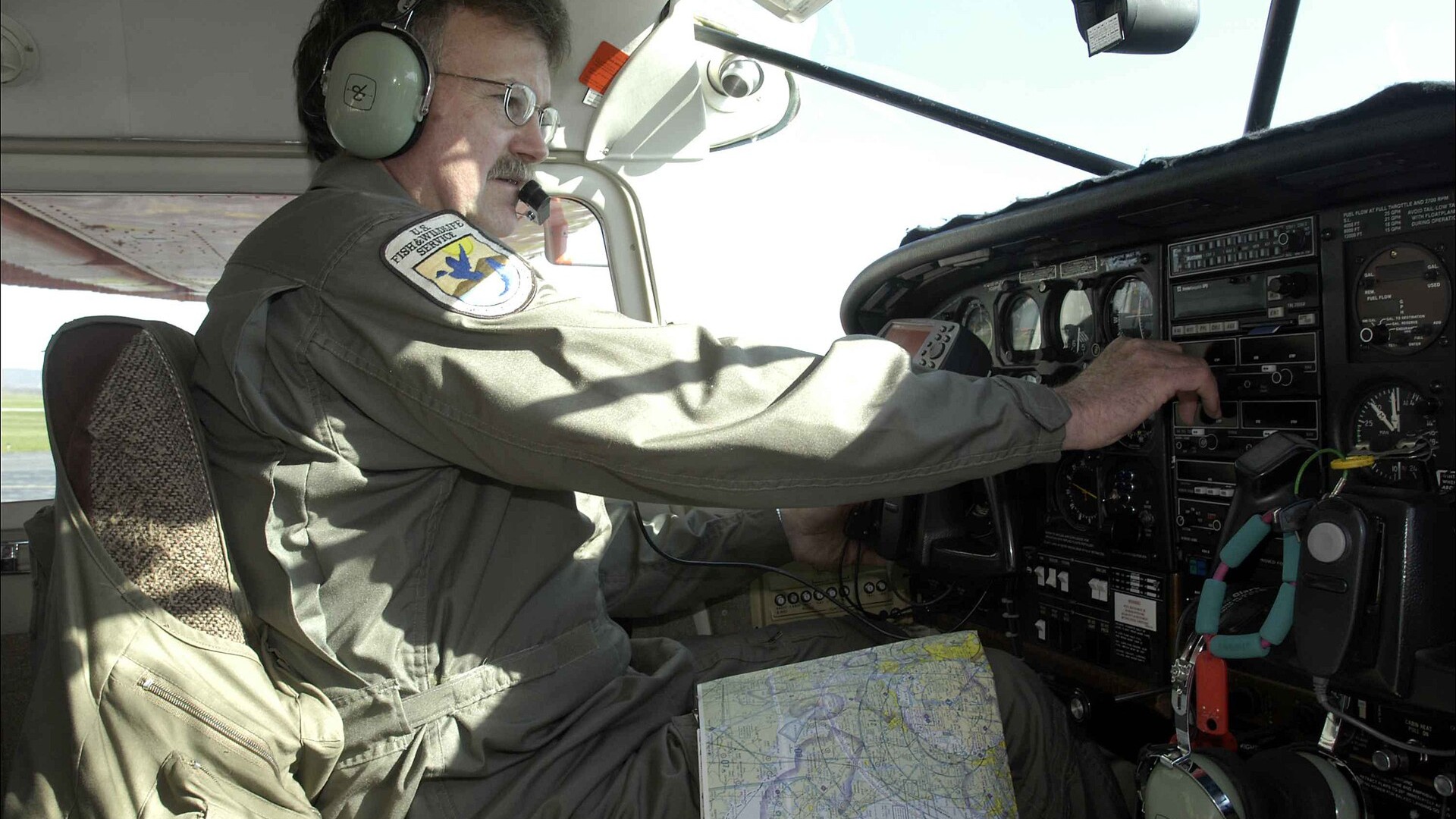
19. Regional Airline Pilot Scarcity
Regional airlines operating smaller Embraer and Bombardier jets have parked nearly 300 aircraft due to captain shortages. The Regional Airline Association reports that reduced regional departures force travelers onto limited mainline connections, driving up fares.
©Wikimedia / Harless Todd, U.S. Fish and Wildlife
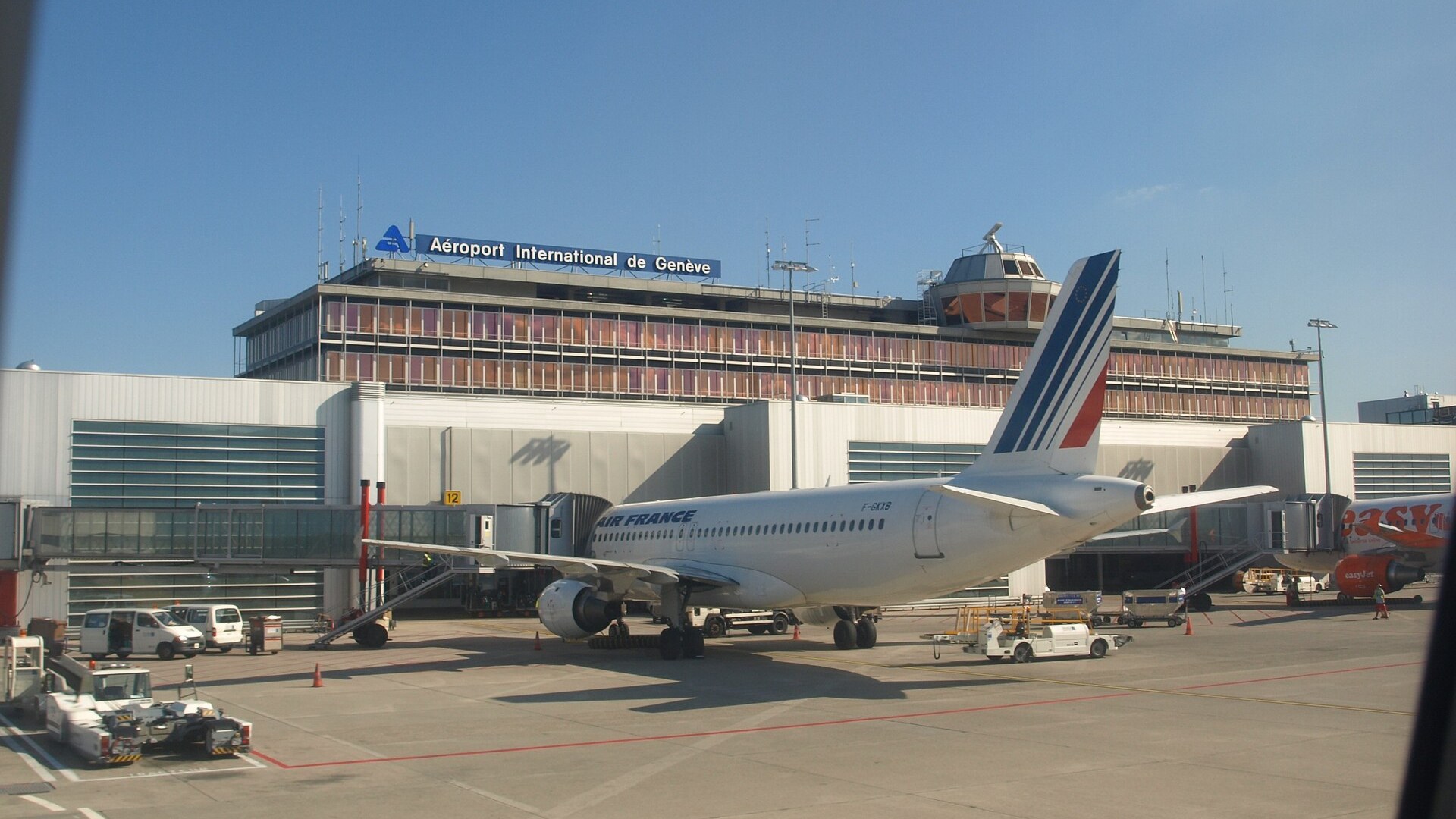
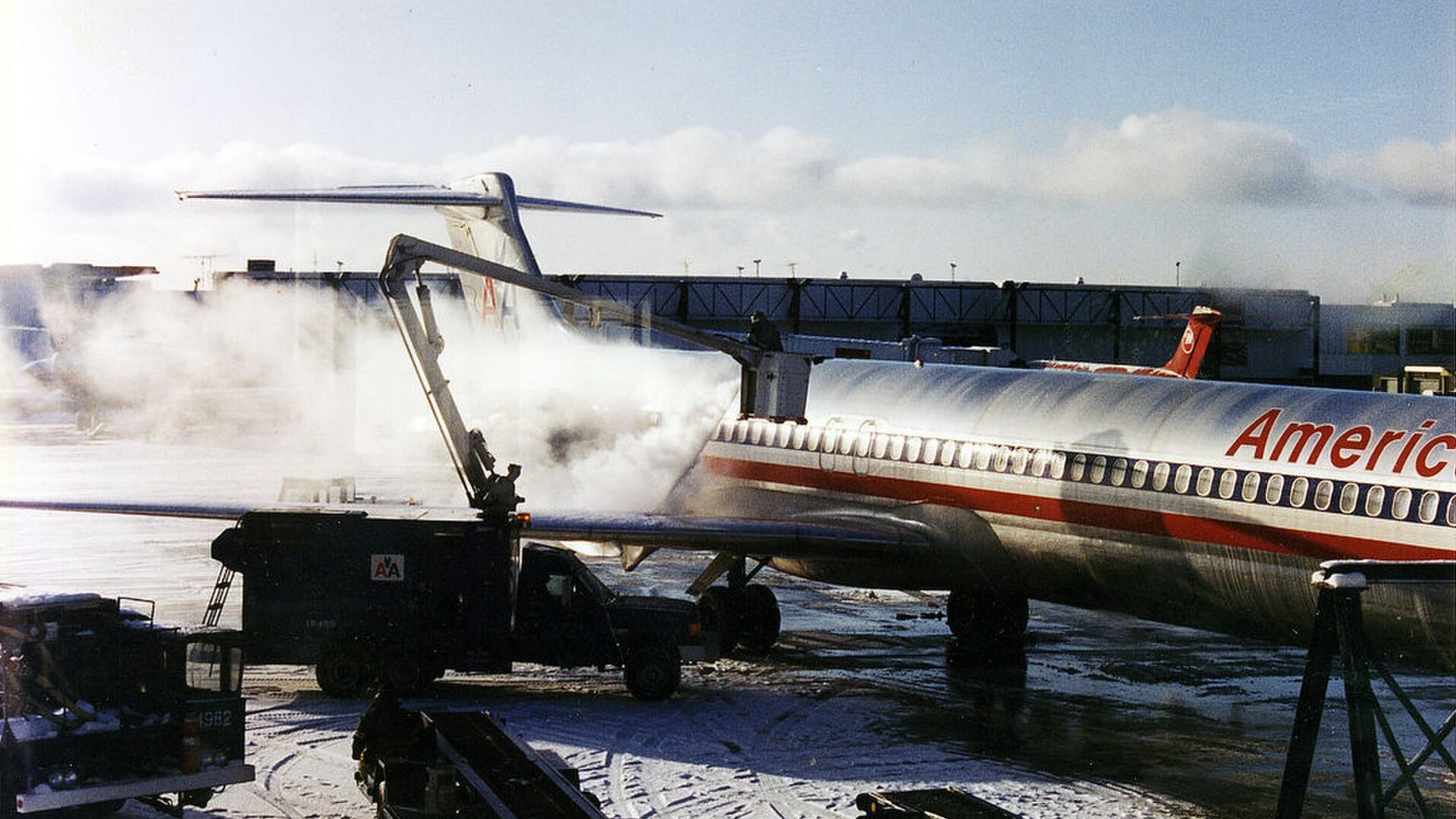
18. Surging Aircraft Lease Rates
Aviation consultancy Cirium reports that monthly lease rates for narrow-body Airbus A320 and Boeing 737 aircraft climbed by 25 percent in 2026. Airlines forced to extend older leases pass these elevated monthly capital expenses directly into baseline holiday fares.
©Wikimedia / Elemaki
Advertisement
Swipe or tap ▶ to resume the countdown.
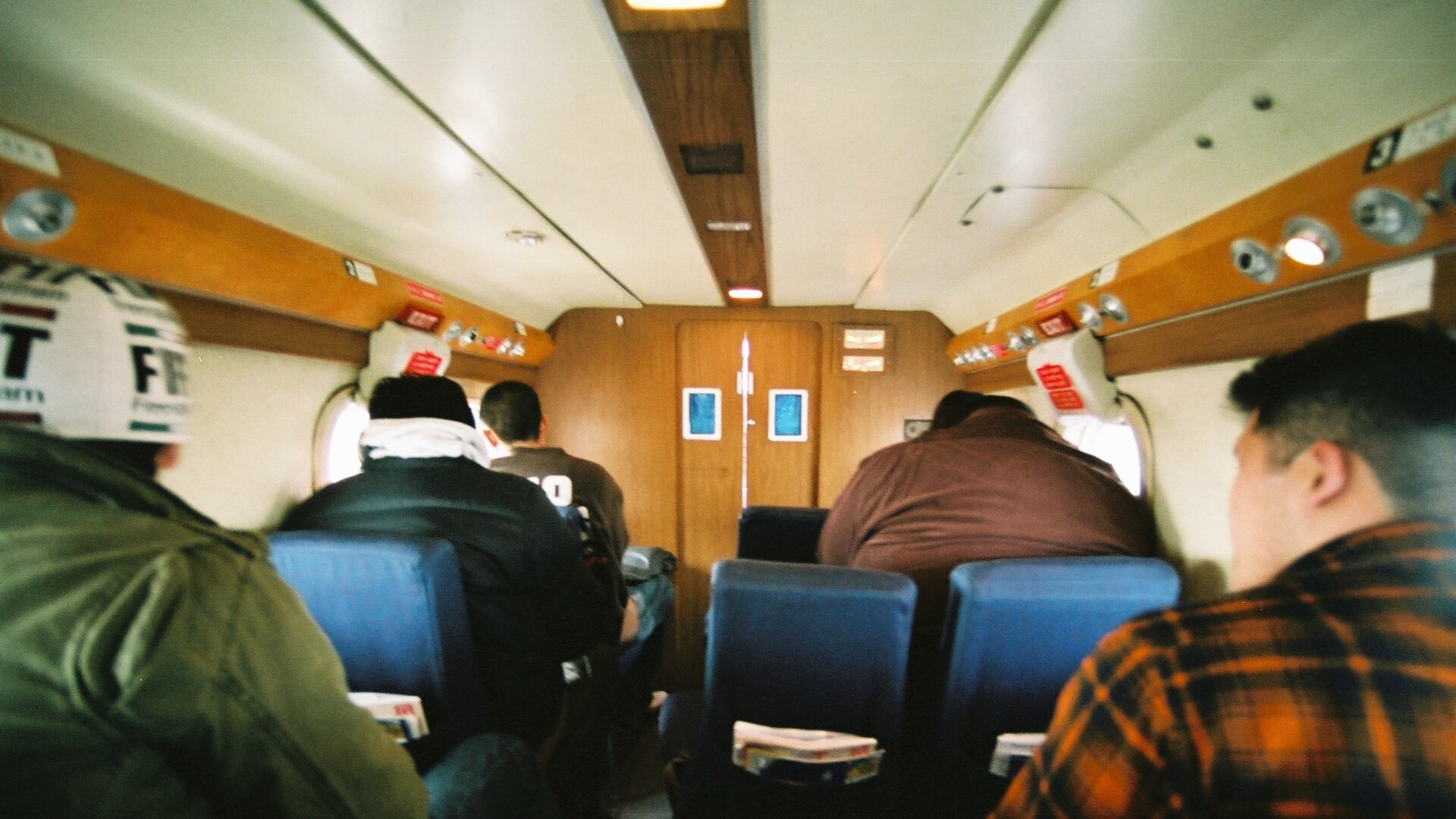
17. Frequent Flyer Seat Inventory Depletion
Airlines report record redemptions of credit card miles and points ahead of Thanksgiving and Christmas. Because carriers allocate only a fixed quota of low-cost fare buckets per flight, early point bookings quickly force remaining cash travelers into higher pricing tiers.
©Wikimedia / Hideyuki KAMON from Takarazuka / 宝塚市, Hyogo / 兵庫
16. Compressed Early Booking Windows
Hopper booking data revealed that over 60 percent of holiday flights were secured before Halloween in 2026. The surge in early demand wiped out baseline discount seats three months early, leaving only premium and late-booking fare inventory for November and December.
©Wikimedia / CAPTAIN RAJU
15. Post-Meltdown Operational Buffers
Following DOT scrutiny over holiday flight disruptions, major carriers reduced daily aircraft turns and padded turnaround times by 15 minutes. This cautious scheduling increases operational reliability in bad weather, but cuts total daily seats across the national network.
©Wikimedia / Uploader Newkai~commonswiki
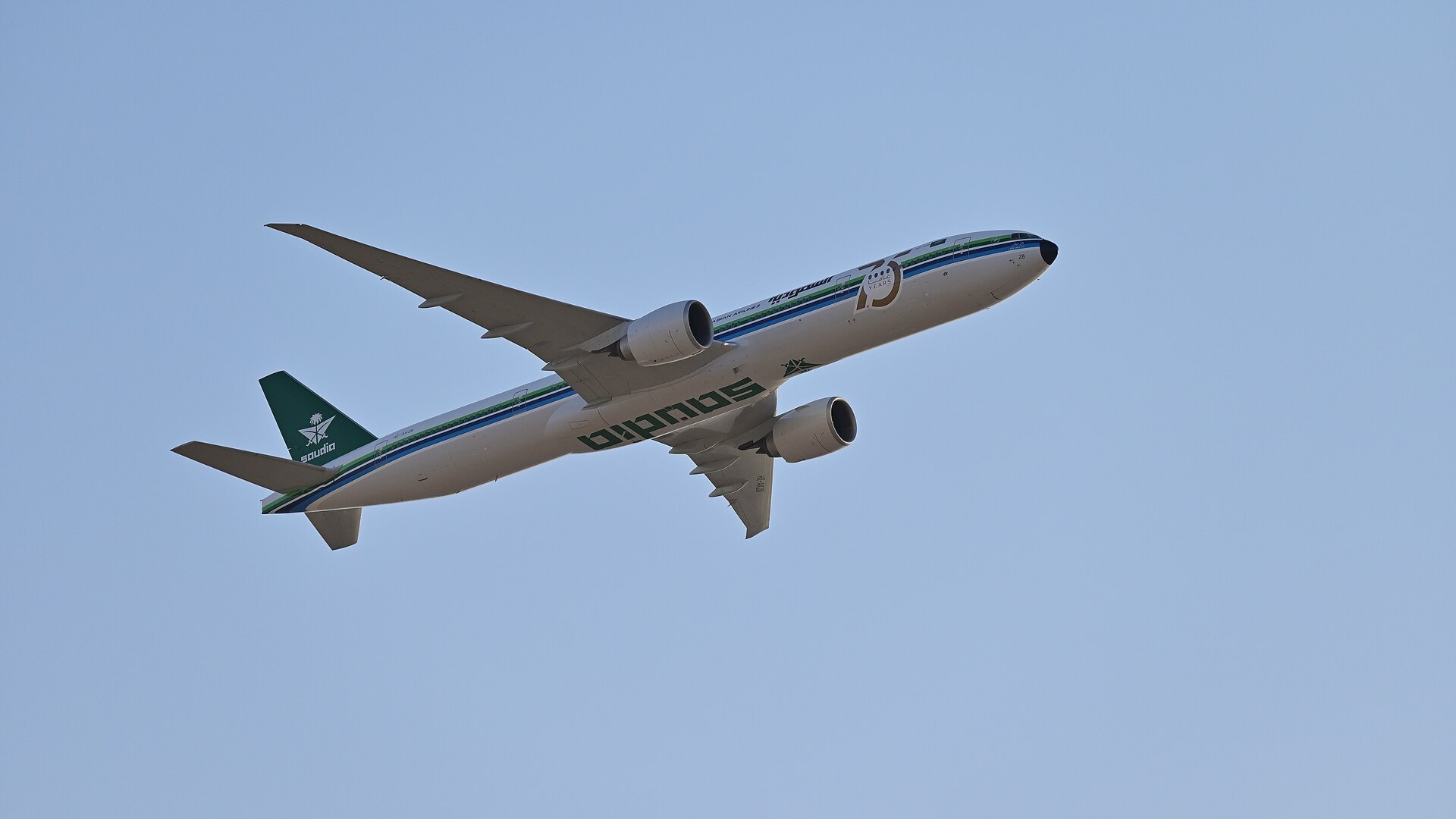
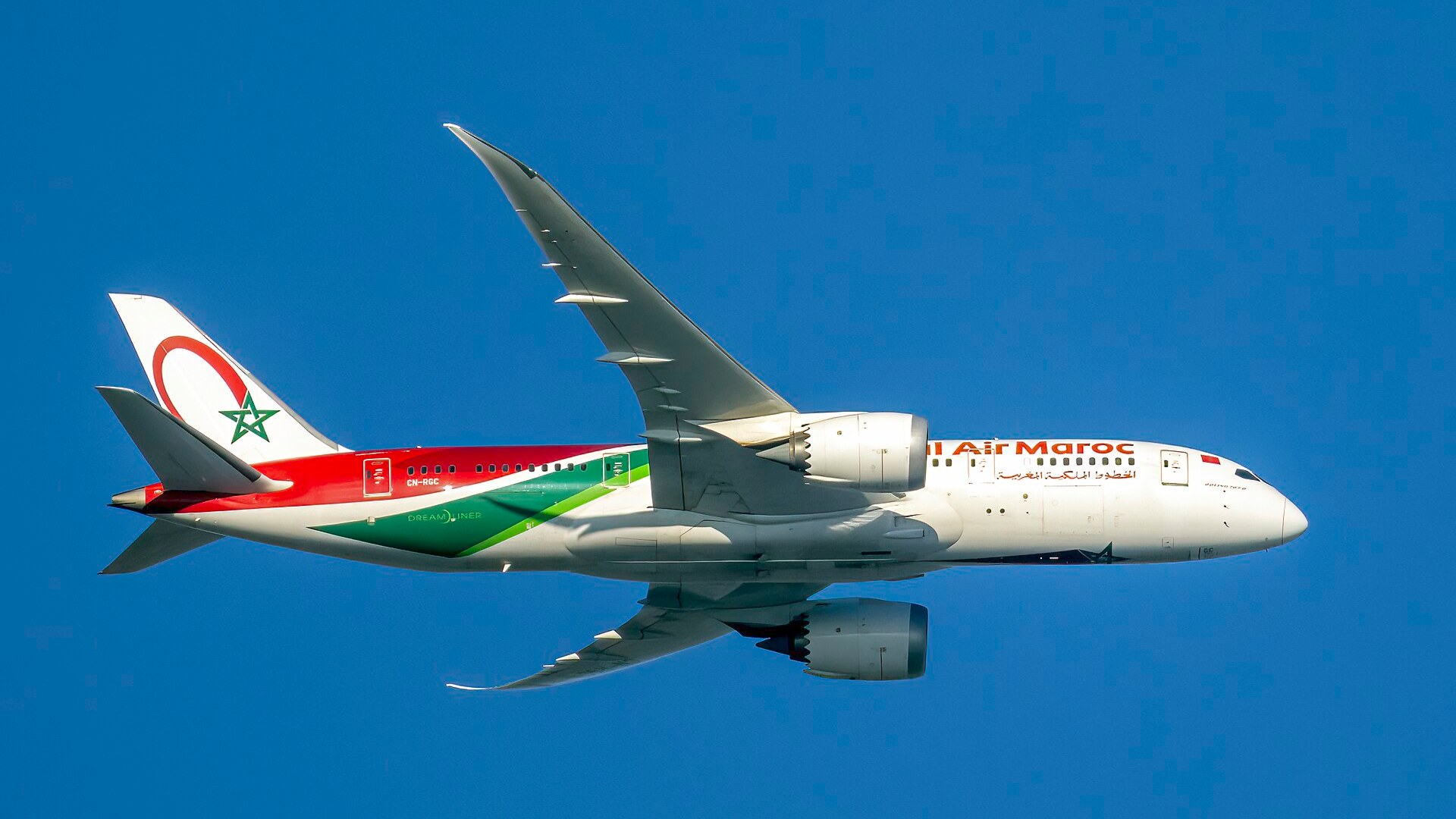
14. International Wide-Body Deployment
International Air Transport Association figures show transatlantic passenger volumes hit record levels in 2026. Major US carriers kept Boeing 777 and 787 fleets on overseas rotations rather than positioning wide-bodies for domestic holiday surges, tightening domestic seat supply.
©Wikimedia / Meshari Alawfi
Advertisement
Swipe or tap ▶ to resume the countdown.
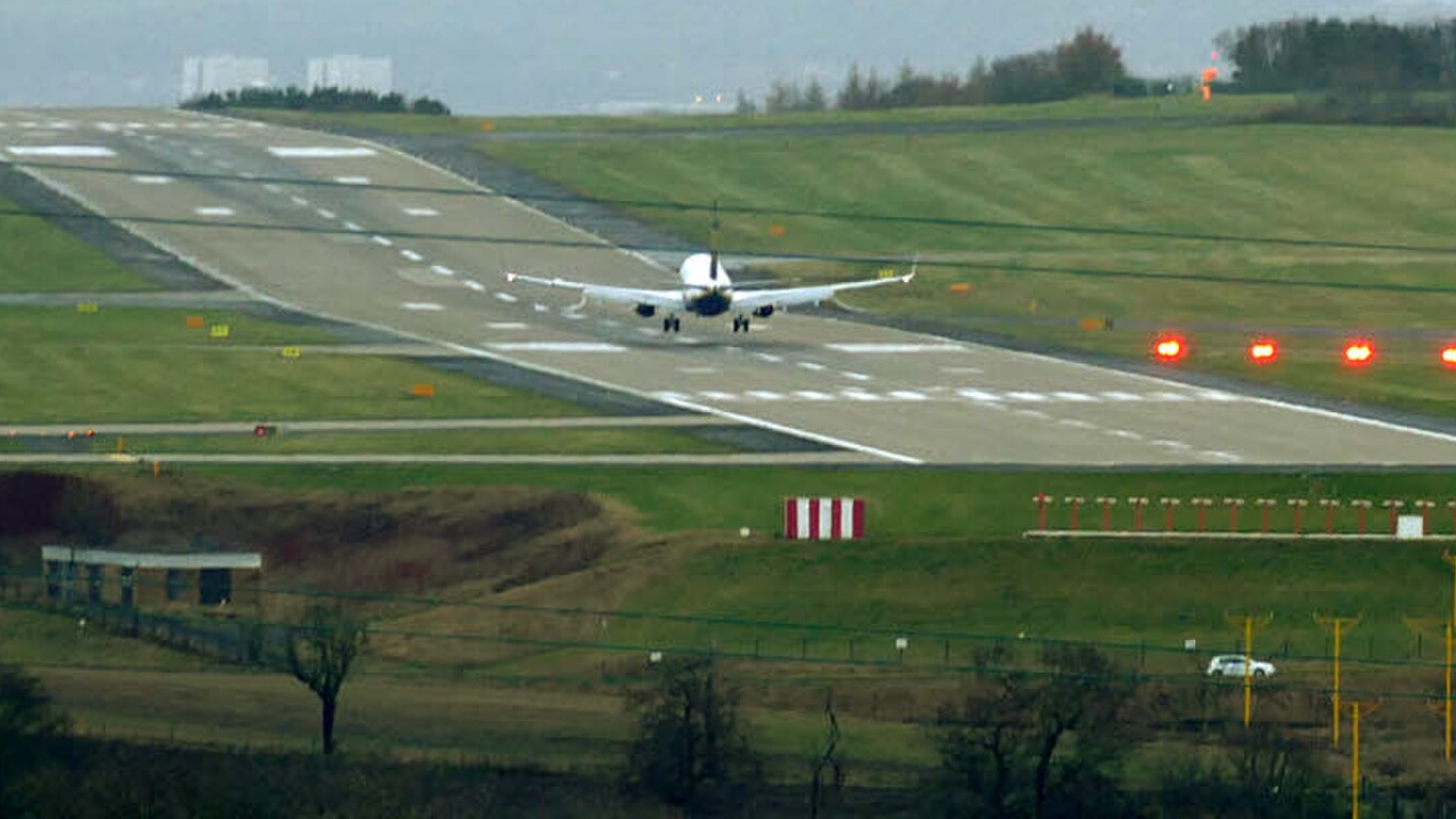
13. Rising Airport Landing And Facility Fees
Airlines for America reports that airport terminal redevelopment programs across cities like New York, Los Angeles, and Chicago added billions in debt service. Airlines absorb these higher per-passenger landing fees and facility charges, reflecting them in final ticket prices.
©Wikimedia / Stephen Craven
12. Real-Time Dynamic Pricing Algorithms
Modern airline algorithms evaluate booking velocity, local events, and competitor seat inventory multiple times per hour. When holiday search volume spikes, automated revenue engines rapidly close discount fare classes and open higher-margin buckets to maximize yield.
©Pixabay / JoshuaWoroniecki
11. Corporate Travel Rebound Overlap
Amex Global Business Travel reported an 8 percent increase in fourth-quarter corporate bookings across key financial and tech hubs. Business travelers booking non-refundable corporate fares in late November reduce available seats on Thursday and Sunday evening flights.
©Wikimedia / Bahnfrend
10. Premium Cabin Floor Space Expansion
Airlines have aggressively retrofitted narrow-body jets with larger first-class and premium-economy sections. Wall Street Journal aviation analysis shows this reconfiguration cuts 10 to 18 standard coach seats per plane, decreasing total economy ticket availability during holiday peaks.
©Wikimedia / Mohammed Tawsif Salam
Advertisement
Swipe or tap ▶ to resume the countdown.
9. Air Traffic Control Staffing Caps
The FAA maintained flight volume caps at New York area airports including JFK, LaGuardia, and Newark due to controller staffing gaps. Airlines cut flight frequencies by up to 10 percent in congested corridors, restricting seat inventory during peak Thanksgiving travel.
©Wikimedia / Benlisquare
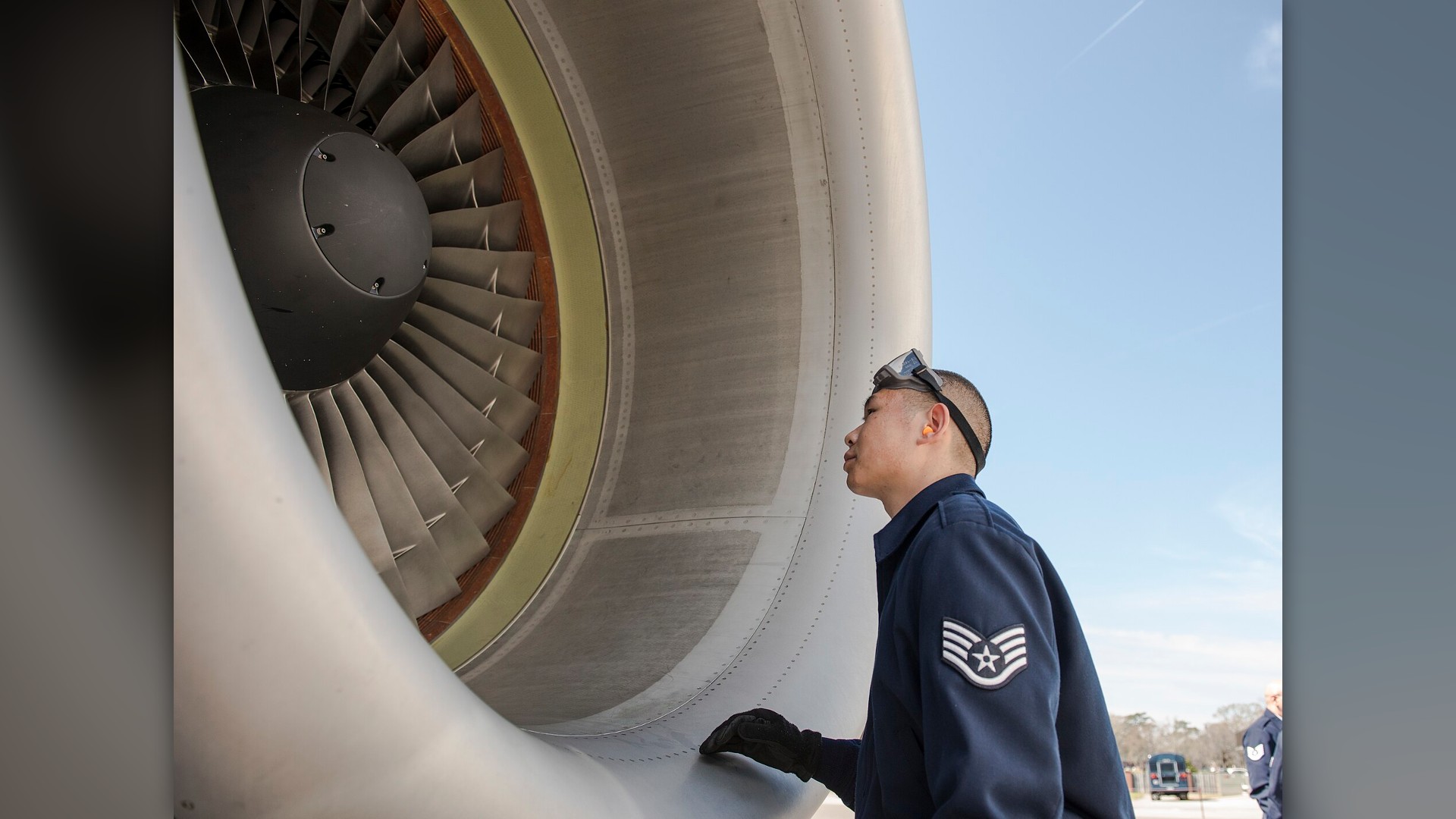
8. Pratt And Whitney Engine Inspections
Mandatory ultrasonic inspections for microscopic metal powder flaws in Pratt and Whitney GTF engines kept dozens of aircraft grounded across US carrier fleets. RTX Corporation updates confirm hundreds of jets remain out of service, removing thousands of daily seats from service.
©Wikimedia / Senior Master Sgt. Kevin Wallace
7. Increased Ancillary And Baggage Fees
American, Delta, and United increased standard checked baggage charges to 40 dollars for a first bag and 50 dollars for a second bag. For a traveling family of four on a holiday trip, these ancillary add-ons contribute up to 360 dollars in added round-trip travel costs.
©Wikimedia / Asurnipal
6. Historic Labor Contract Increases
Recent multi-year collective bargaining agreements delivered 30 to 40 percent cumulative pay raises for commercial airline pilots and cabin crew. Bureau of Labor Statistics figures confirm airline labor costs now exceed 32 percent of overall operating budgets, setting higher fare floors.
©Pixabay / CUsai
Advertisement
Swipe or tap ▶ to resume the countdown.
5. Strategic Airline Schedule Trimming
Major US airlines eliminated marginal midweek and late-night flights across secondary markets to focus on high-yield hubs. Scheduling adjustments reported by Cirium show domestic available seat miles grew less than 2 percent, preventing any market oversupply from discounting fares.
©Pixabay / 穿着拖鞋一路小跑
4. Sustained High Holiday Travel Demand
AAA projected that 81.5 million Americans will travel at least 50 miles over Thanksgiving in 2026, holding near all-time highs. Strong leisure demand paired with tight flight schedules keeps passenger load factors above 88 percent, allowing carriers to command full fare prices.
©Wikimedia / Benlisquare
3. Budget Airline Capacity Contraction
Fleet restructuring and route reductions at carriers like Spirit and Frontier diminished the volume of deeply discounted fare sales. MarketBeat industry analysis indicates the pullback in budget seats removed downward pricing pressure, allowing legacy carriers to raise economy fares.
©Wikimedia / Colin Cooke Photo
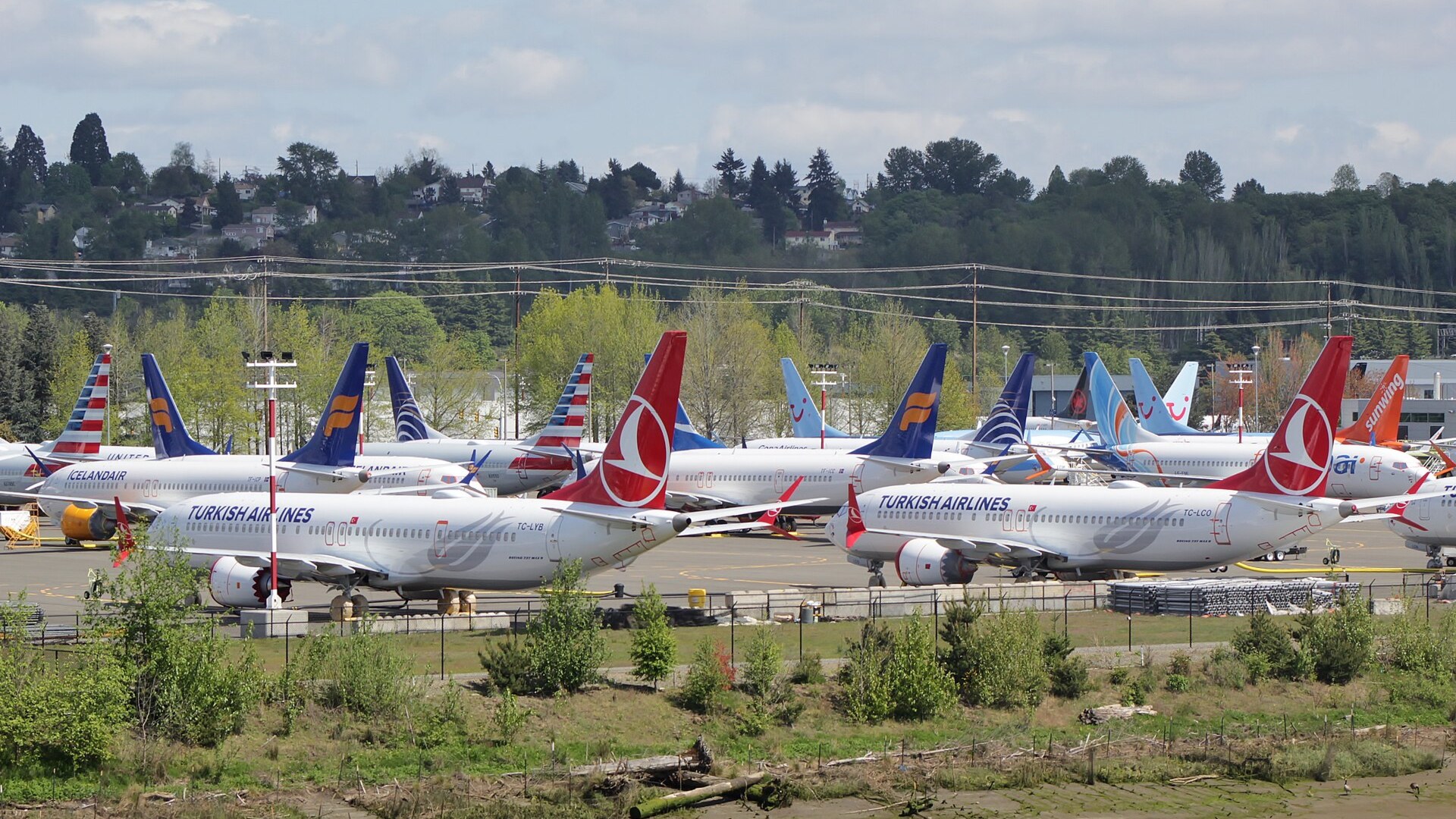
2. Aircraft Manufacturing Delays
FAA-mandated production caps on the Boeing 737 MAX and supply snarls at Airbus delayed deliveries of hundreds of new passenger airframes. Airline executives told Bloomberg that without scheduled new aircraft, carriers could not add holiday flights to meet passenger volume.
©Wikimedia / SounderBruce
Advertisement
Swipe or tap ▶ to resume the countdown.
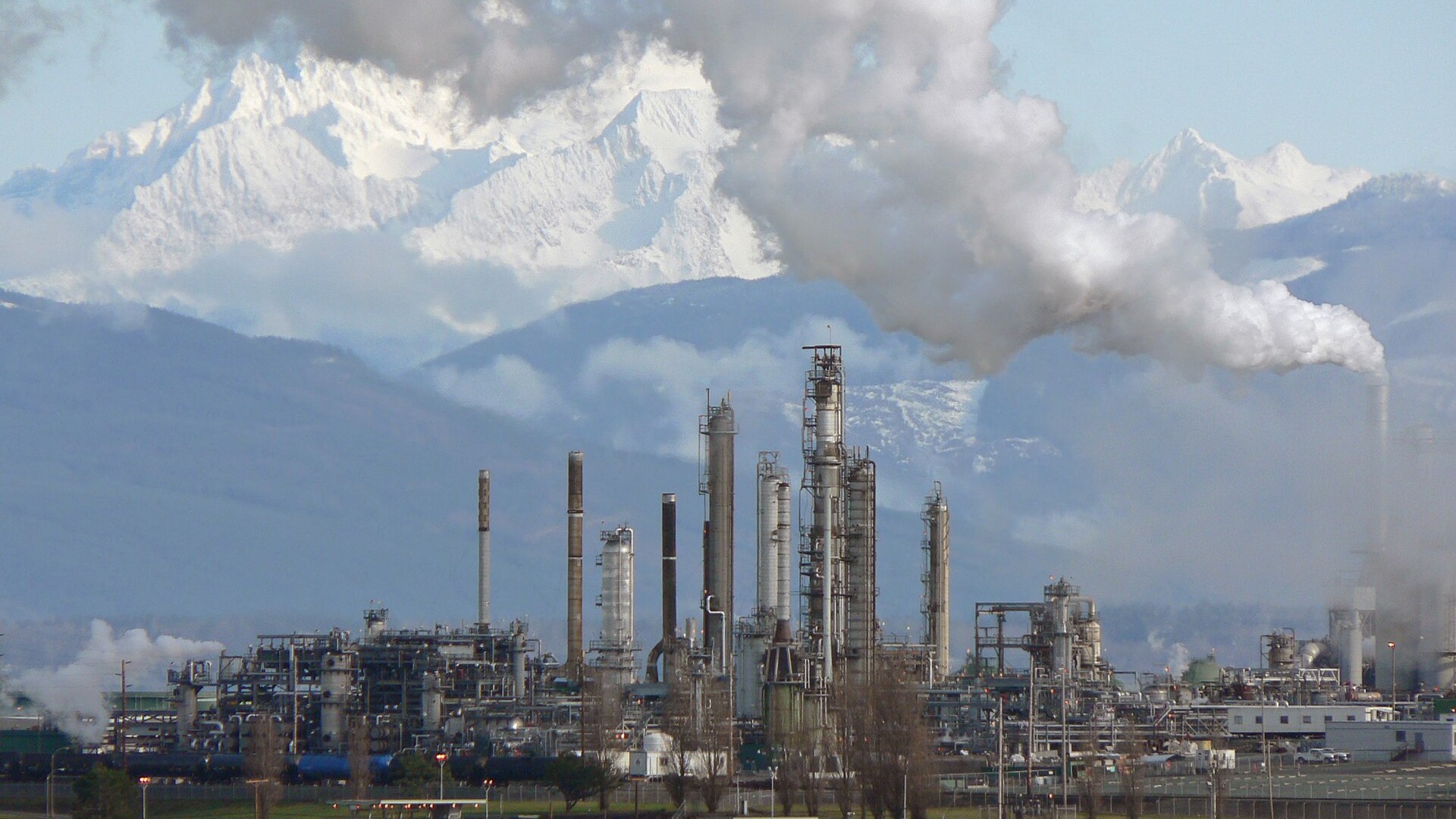
1. Spiking Jet Fuel Expenses
Geopolitical tensions in the Middle East drove crude oil over 100 dollars a barrel, sending jet fuel prices up sharply. Because fuel represents nearly 30 percent of an airline's operating expenses, carriers offset billions in additional fuel costs directly through higher ticket fares.

©Wikimedia / Walter Siegmund
Advertisement
You've reached the end of the story. Thanks for reading!

21 Unusual Items People Have Left Behind in Hotels and Airports
Bizarre Belongings Forgotten in Hotel Rooms and Terminals
All 20 Entries in this Story
20. Peak Travel Day Clustering
Travel analytics from Hopper show that round-trip flights leaving on the Wednesday before Thanksgiving and returning the Sunday after cost up to 40 percent more than off-peak dates. Flying on Thanksgiving Day or Black Friday cuts average domestic fares by 120 dollars.

19. Regional Airline Pilot Scarcity
Regional airlines operating smaller Embraer and Bombardier jets have parked nearly 300 aircraft due to captain shortages. The Regional Airline Association reports that reduced regional departures force travelers onto limited mainline connections, driving up fares.

18. Surging Aircraft Lease Rates
Aviation consultancy Cirium reports that monthly lease rates for narrow-body Airbus A320 and Boeing 737 aircraft climbed by 25 percent in 2026. Airlines forced to extend older leases pass these elevated monthly capital expenses directly into baseline holiday fares.

17. Frequent Flyer Seat Inventory Depletion
Airlines report record redemptions of credit card miles and points ahead of Thanksgiving and Christmas. Because carriers allocate only a fixed quota of low-cost fare buckets per flight, early point bookings quickly force remaining cash travelers into higher pricing tiers.

16. Compressed Early Booking Windows
Hopper booking data revealed that over 60 percent of holiday flights were secured before Halloween in 2026. The surge in early demand wiped out baseline discount seats three months early, leaving only premium and late-booking fare inventory for November and December.

15. Post-Meltdown Operational Buffers
Following DOT scrutiny over holiday flight disruptions, major carriers reduced daily aircraft turns and padded turnaround times by 15 minutes. This cautious scheduling increases operational reliability in bad weather, but cuts total daily seats across the national network.

14. International Wide-Body Deployment
International Air Transport Association figures show transatlantic passenger volumes hit record levels in 2026. Major US carriers kept Boeing 777 and 787 fleets on overseas rotations rather than positioning wide-bodies for domestic holiday surges, tightening domestic seat supply.

13. Rising Airport Landing And Facility Fees
Airlines for America reports that airport terminal redevelopment programs across cities like New York, Los Angeles, and Chicago added billions in debt service. Airlines absorb these higher per-passenger landing fees and facility charges, reflecting them in final ticket prices.

12. Real-Time Dynamic Pricing Algorithms
Modern airline algorithms evaluate booking velocity, local events, and competitor seat inventory multiple times per hour. When holiday search volume spikes, automated revenue engines rapidly close discount fare classes and open higher-margin buckets to maximize yield.

11. Corporate Travel Rebound Overlap
Amex Global Business Travel reported an 8 percent increase in fourth-quarter corporate bookings across key financial and tech hubs. Business travelers booking non-refundable corporate fares in late November reduce available seats on Thursday and Sunday evening flights.

10. Premium Cabin Floor Space Expansion
Airlines have aggressively retrofitted narrow-body jets with larger first-class and premium-economy sections. Wall Street Journal aviation analysis shows this reconfiguration cuts 10 to 18 standard coach seats per plane, decreasing total economy ticket availability during holiday peaks.

9. Air Traffic Control Staffing Caps
The FAA maintained flight volume caps at New York area airports including JFK, LaGuardia, and Newark due to controller staffing gaps. Airlines cut flight frequencies by up to 10 percent in congested corridors, restricting seat inventory during peak Thanksgiving travel.

8. Pratt And Whitney Engine Inspections
Mandatory ultrasonic inspections for microscopic metal powder flaws in Pratt and Whitney GTF engines kept dozens of aircraft grounded across US carrier fleets. RTX Corporation updates confirm hundreds of jets remain out of service, removing thousands of daily seats from service.

7. Increased Ancillary And Baggage Fees
American, Delta, and United increased standard checked baggage charges to 40 dollars for a first bag and 50 dollars for a second bag. For a traveling family of four on a holiday trip, these ancillary add-ons contribute up to 360 dollars in added round-trip travel costs.

6. Historic Labor Contract Increases
Recent multi-year collective bargaining agreements delivered 30 to 40 percent cumulative pay raises for commercial airline pilots and cabin crew. Bureau of Labor Statistics figures confirm airline labor costs now exceed 32 percent of overall operating budgets, setting higher fare floors.

5. Strategic Airline Schedule Trimming
Major US airlines eliminated marginal midweek and late-night flights across secondary markets to focus on high-yield hubs. Scheduling adjustments reported by Cirium show domestic available seat miles grew less than 2 percent, preventing any market oversupply from discounting fares.

4. Sustained High Holiday Travel Demand
AAA projected that 81.5 million Americans will travel at least 50 miles over Thanksgiving in 2026, holding near all-time highs. Strong leisure demand paired with tight flight schedules keeps passenger load factors above 88 percent, allowing carriers to command full fare prices.

3. Budget Airline Capacity Contraction
Fleet restructuring and route reductions at carriers like Spirit and Frontier diminished the volume of deeply discounted fare sales. MarketBeat industry analysis indicates the pullback in budget seats removed downward pricing pressure, allowing legacy carriers to raise economy fares.

2. Aircraft Manufacturing Delays
FAA-mandated production caps on the Boeing 737 MAX and supply snarls at Airbus delayed deliveries of hundreds of new passenger airframes. Airline executives told Bloomberg that without scheduled new aircraft, carriers could not add holiday flights to meet passenger volume.

1. Spiking Jet Fuel Expenses
Geopolitical tensions in the Middle East drove crude oil over 100 dollars a barrel, sending jet fuel prices up sharply. Because fuel represents nearly 30 percent of an airline's operating expenses, carriers offset billions in additional fuel costs directly through higher ticket fares.