Slideshow · Animals
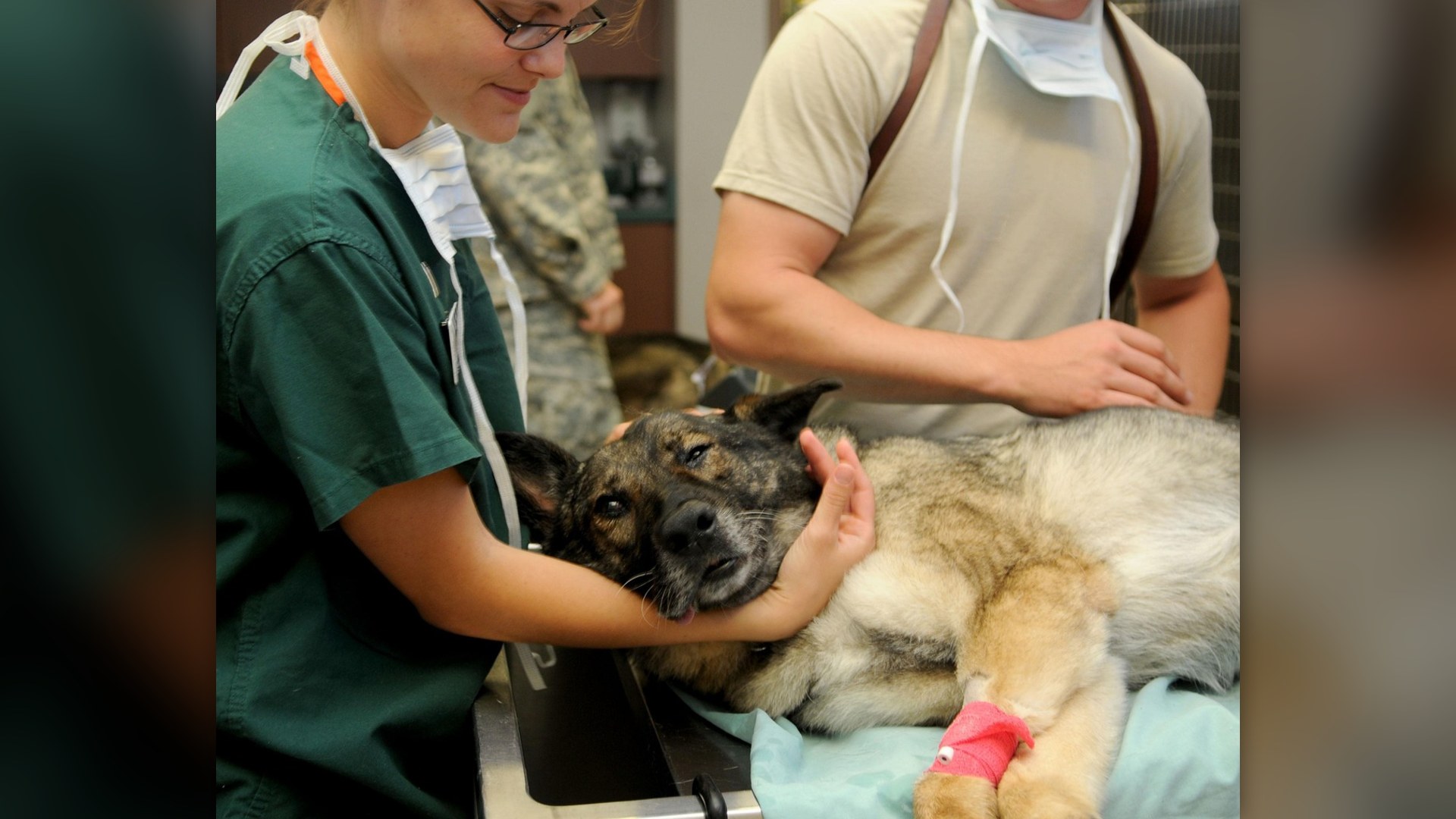
When your beloved companion faces a heartbreaking illness, here are 15 compassionate ways to ease pain, adapt your home, and cherish every single moment.
When a beloved pet is diagnosed with a life-threatening or chronic illness, pet parents face immense heartbreak and difficult choices. Discover practical caregiving strategies, comfort modifications, and veterinary guidance to navigate this challenging journey.

By Most Viral Today
13 Oct 2026

How to cope when your pet is seriously ill? 
15. Create A Quiet Recovery Sanctuary 
14. Maintain A Daily Caregiver Journal 
13. Master Stress-Free Medication Giving - AdvertisementSwipe or tap ▶ to continue countdown

12. Adapt Your Home For Easy Mobility 
11. Build A Direct Veterinary Partnership 
10. Review Care Costs & Assistance Options 
9. Keep Daily Routines Calm & Predictable - AdvertisementSwipe or tap ▶ to continue countdown

8. Stimulate Appetite & Ensure Hydration 
7. Validate Your Anticipatory Grief 
6. Learn Subtle Signs Of Pain & Distress 
5. Protect Yourself From Caregiver Burnout - AdvertisementSwipe or tap ▶ to continue countdown

4. Preserve Tender Daily Memories 
3. Explore Palliative Comfort Care 
2. Use An Objective Quality Of-Life Scale 
1. Be Present And Love Without Fear - Advertisement🔥 UP NEXT IN THIS SERIES◫ 26 Slides

25 Animals That May Detect Fear Through Scent and Body Language
From specialized olfactory receptors to airborne alarm pheromones, numerous species possess the extraordinary ability to detect chemical distress signals. Based on research from Live Science, National Geographic, and peer-reviewed biology journals, here are twenty-five animals that can smell and sense fear.
When a beloved pet is diagnosed with a life-threatening or chronic illness, pet parents face immense heartbreak and difficult choices. Discover practical caregiving strategies, comfort modifications, and veterinary guidance to navigate this challenging journey.

Swipe or tap ▶ to begin the countdown
©Pixabay / maryhelly & Pixabay / aruggeri
15. Create A Quiet Recovery Sanctuary
A sick animal requires deep, restorative sleep free from household commotion, loud children, or other boisterous pets. Setting up an orthopedic memory-foam bed padded with warm, washable blankets near their favorite sunny window creates an immediate emotional and physical haven.
©Pixabay / kaboompics
14. Maintain A Daily Caregiver Journal
When caring for a chronically ill companion, daily emotional fatigue can cloud your memory. Keeping a structured notebook tracking water intake, meal enthusiasm, stool quality, and subtle behavior shifts gives your veterinary team objective clinical data rather than vague impressions.
©Pixabay / Free-Photos
13. Master Stress-Free Medication Giving
Forcing pills down a nauseous or frightened pet's throat damages trust and increases stress for everyone involved. Ask your vet about flavored liquid suspensions, transdermal ear gels, or pill paste pockets that turn treatment into a gentle, rewarding routine.
©Pixabay / PourquoiPas
Advertisement
Swipe or tap ▶ to resume the countdown.
12. Adapt Your Home For Easy Mobility
Slick hardwood or tile floors can terrify an animal suffering from joint stiffness or neurological weakness. Laying down inexpensive rubber-backed rugs, lowering bed heights, and setting up shallow litter boxes preserves your pet's dignity and prevents painful falls.
©Pixabay / cello5
11. Build A Direct Veterinary Partnership
You are your pet's primary advocate. Schedule unhurried consultations to discuss realistic disease progressions, what emergency signs look like at 2 AM, and which phone numbers to call immediately if acute distress suddenly strikes at home.
©Pixabay / 12019
10. Review Care Costs & Assistance Options
High veterinary invoices add intense panic to an already agonizing emotional situation. Speak honestly with your clinic manager about payment options like CareCredit, explore assistance organizations, and request generic human-pharmacy prescriptions when safe.
©Pixabay / stevepb
9. Keep Daily Routines Calm & Predictable
Animals thrive on predictable environmental cues, especially when their bodies feel vulnerable or strange. Keeping regular morning waking rituals, gentle quiet conversations, and soft coat brushing reassures your companion that home remains a safe, loving anchor.
©Pixabay / alektas
Advertisement
Swipe or tap ▶ to resume the countdown.
8. Stimulate Appetite & Ensure Hydration
Serious illness and prescription side effects quickly suppress smell and appetite. Gently warming canned food releases tempting aromas, and adding low-sodium bone broth encourages hydration while keeping digestive pathways smooth and comfortable.
©Pixabay / rihaij
7. Validate Your Anticipatory Grief
Anticipatory grief is the profound sorrow that arrives alongside a terminal or progressive diagnosis. Experiencing sadness, anger, or numbness while your pet is still alive is completely normal; connect with pet loss support groups who truly understand.
©Pixabay / RebeccasPictures
6. Learn Subtle Signs Of Pain & Distress
Dogs and cats rarely vocalize pain until it is severe. Instead, they signal discomfort through subtle behavioral cues like refusing to make eye contact, resting in an abnormal hunched pose, or panting without heat. Prompt pain medication adjustments are vital.
©Pixabay / mirkosajkov
5. Protect Yourself From Caregiver Burnout
Round-the-clock pet nursing takes a heavy physical and mental toll on human caretakers. Share feeding and medication shifts with family members, step outside for fresh air, and ensure you sleep and eat regularly so you can remain a calm, steady anchor.
©Pixabay / cuncon
Advertisement
Swipe or tap ▶ to resume the countdown.
4. Preserve Tender Daily Memories
While illness is daunting, the deep bond you share remains untouched. Take gentle photographs of your pet napping comfortably, make an inkless paw print keepsake, and focus your attention on celebrating the years of unconditional love you have shared.
©Pixabay / giselastillhard
3. Explore Palliative Comfort Care
Veterinary hospice and palliative medicine focuses entirely on comfort, dignity, and relief rather than burdensome curative treatments. Pain management protocols, gentle acupuncture, and targeted nausea therapies ensure remaining days are comfortable and serene.
©Wikimedia / Mark Hillary
2. Use An Objective Quality Of-Life Scale
When assessing whether your pet still enjoys life, subjective emotions can make clarity difficult. Dr. Alice Villalobos' HHHHHMM scale scores pain, appetite, cleanliness, mobility, and good days versus bad days, providing clear ethical guidance for compassionate closure.
©Pixabay / CJ
1. Be Present And Love Without Fear
Animals do not fear tomorrow or mourn yesterday; they feel only the presence, warmth, and emotion in front of them right now. Releasing your anticipatory terror allows you to meet them in the moment, giving them the ultimate gift: feeling safe, cherished, and surrounded by pure peace.

©Pixabay / christina0chiz
Advertisement
You've reached the end of the story. Thanks for reading!

25 Animals That May Detect Fear Through Scent and Body Language
From specialized olfactory receptors to airborne alarm pheromones, numerous species possess the extraordinary ability to detect chemical distress signals. Based on research from Live Science, National Geographic, and peer-reviewed biology journals, here are twenty-five animals that can smell and sense fear.
All 15 Entries in this Story
15. Create A Quiet Recovery Sanctuary
A sick animal requires deep, restorative sleep free from household commotion, loud children, or other boisterous pets. Setting up an orthopedic memory-foam bed padded with warm, washable blankets near their favorite sunny window creates an immediate emotional and physical haven.

14. Maintain A Daily Caregiver Journal
When caring for a chronically ill companion, daily emotional fatigue can cloud your memory. Keeping a structured notebook tracking water intake, meal enthusiasm, stool quality, and subtle behavior shifts gives your veterinary team objective clinical data rather than vague impressions.

13. Master Stress-Free Medication Giving
Forcing pills down a nauseous or frightened pet's throat damages trust and increases stress for everyone involved. Ask your vet about flavored liquid suspensions, transdermal ear gels, or pill paste pockets that turn treatment into a gentle, rewarding routine.

12. Adapt Your Home For Easy Mobility
Slick hardwood or tile floors can terrify an animal suffering from joint stiffness or neurological weakness. Laying down inexpensive rubber-backed rugs, lowering bed heights, and setting up shallow litter boxes preserves your pet's dignity and prevents painful falls.

11. Build A Direct Veterinary Partnership
You are your pet's primary advocate. Schedule unhurried consultations to discuss realistic disease progressions, what emergency signs look like at 2 AM, and which phone numbers to call immediately if acute distress suddenly strikes at home.

10. Review Care Costs & Assistance Options
High veterinary invoices add intense panic to an already agonizing emotional situation. Speak honestly with your clinic manager about payment options like CareCredit, explore assistance organizations, and request generic human-pharmacy prescriptions when safe.

9. Keep Daily Routines Calm & Predictable
Animals thrive on predictable environmental cues, especially when their bodies feel vulnerable or strange. Keeping regular morning waking rituals, gentle quiet conversations, and soft coat brushing reassures your companion that home remains a safe, loving anchor.

8. Stimulate Appetite & Ensure Hydration
Serious illness and prescription side effects quickly suppress smell and appetite. Gently warming canned food releases tempting aromas, and adding low-sodium bone broth encourages hydration while keeping digestive pathways smooth and comfortable.

7. Validate Your Anticipatory Grief
Anticipatory grief is the profound sorrow that arrives alongside a terminal or progressive diagnosis. Experiencing sadness, anger, or numbness while your pet is still alive is completely normal; connect with pet loss support groups who truly understand.

6. Learn Subtle Signs Of Pain & Distress
Dogs and cats rarely vocalize pain until it is severe. Instead, they signal discomfort through subtle behavioral cues like refusing to make eye contact, resting in an abnormal hunched pose, or panting without heat. Prompt pain medication adjustments are vital.

5. Protect Yourself From Caregiver Burnout
Round-the-clock pet nursing takes a heavy physical and mental toll on human caretakers. Share feeding and medication shifts with family members, step outside for fresh air, and ensure you sleep and eat regularly so you can remain a calm, steady anchor.

4. Preserve Tender Daily Memories
While illness is daunting, the deep bond you share remains untouched. Take gentle photographs of your pet napping comfortably, make an inkless paw print keepsake, and focus your attention on celebrating the years of unconditional love you have shared.

3. Explore Palliative Comfort Care
Veterinary hospice and palliative medicine focuses entirely on comfort, dignity, and relief rather than burdensome curative treatments. Pain management protocols, gentle acupuncture, and targeted nausea therapies ensure remaining days are comfortable and serene.

2. Use An Objective Quality Of-Life Scale
When assessing whether your pet still enjoys life, subjective emotions can make clarity difficult. Dr. Alice Villalobos' HHHHHMM scale scores pain, appetite, cleanliness, mobility, and good days versus bad days, providing clear ethical guidance for compassionate closure.

1. Be Present And Love Without Fear
Animals do not fear tomorrow or mourn yesterday; they feel only the presence, warmth, and emotion in front of them right now. Releasing your anticipatory terror allows you to meet them in the moment, giving them the ultimate gift: feeling safe, cherished, and surrounded by pure peace.