Slideshow · Animals
Why Do Elephants Sometimes Help Other Animals in the Wild?
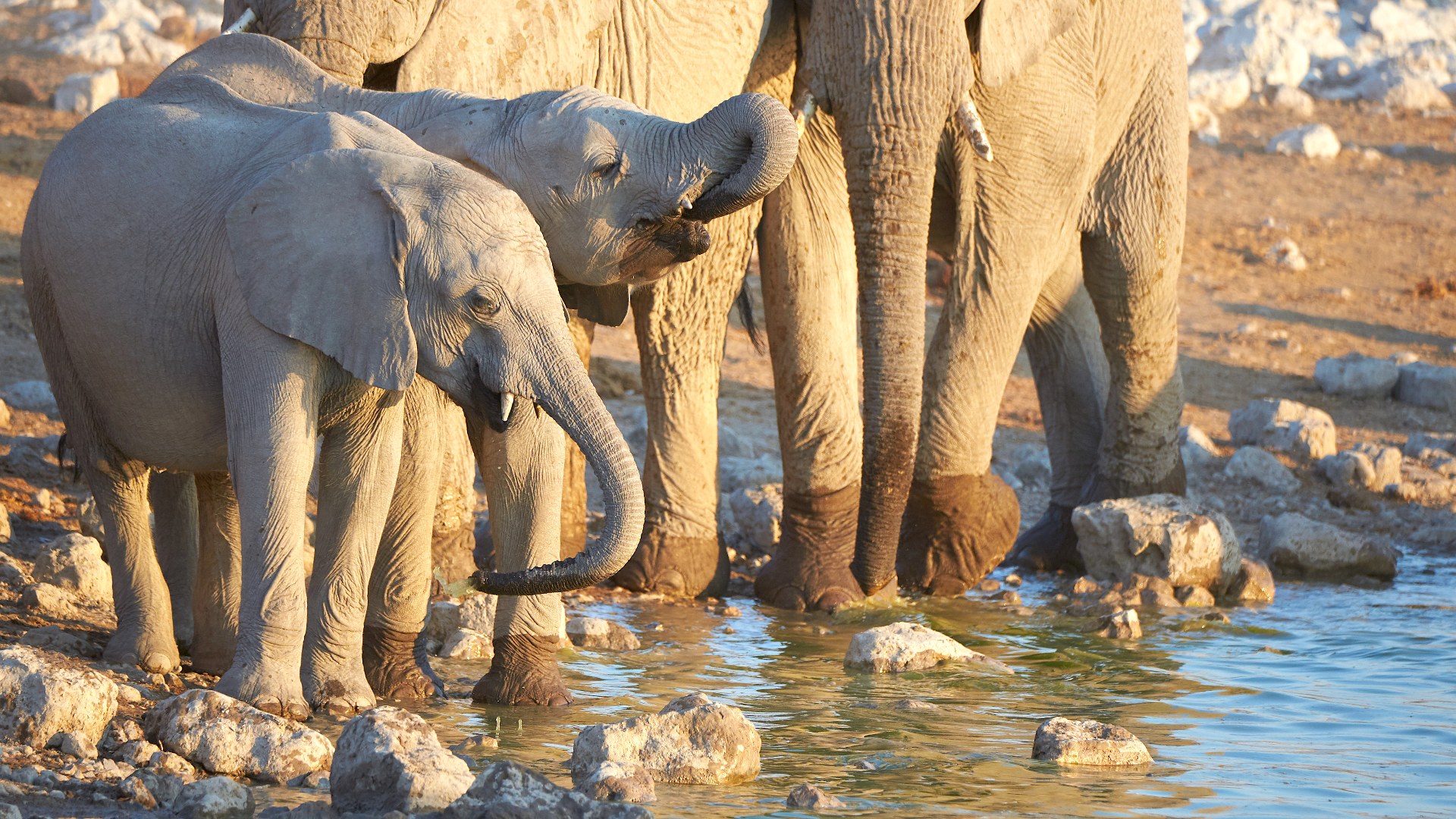
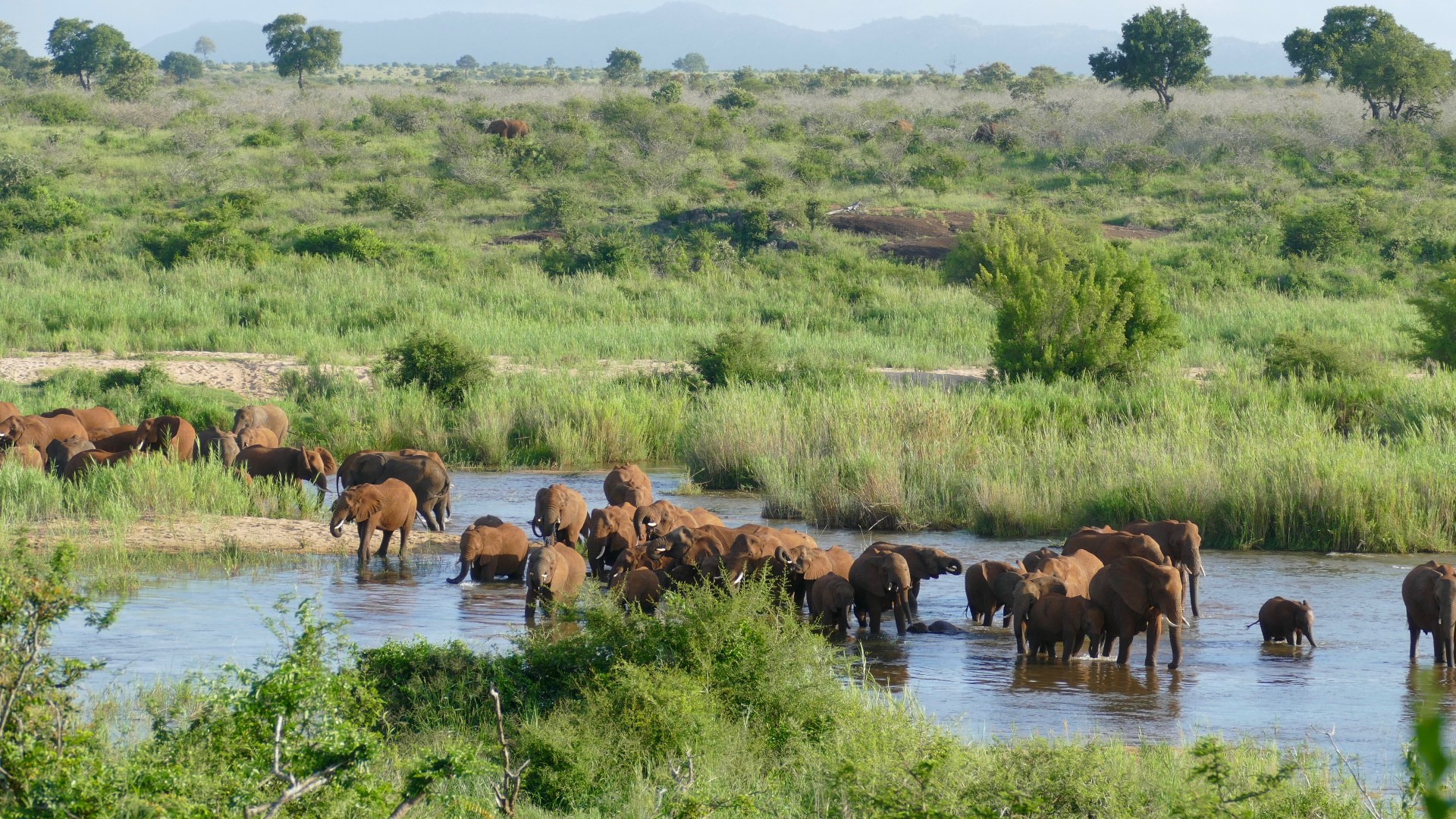
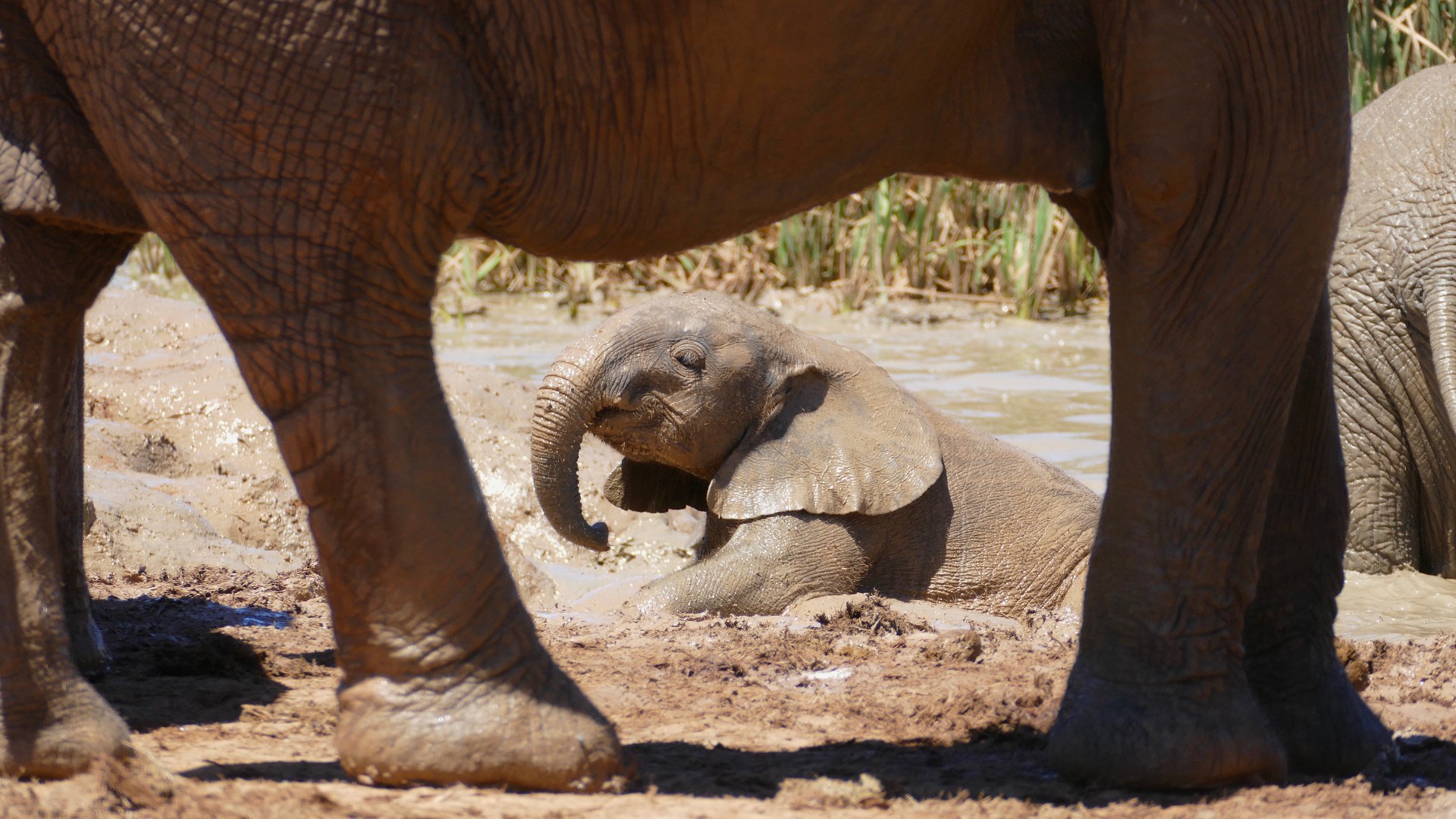
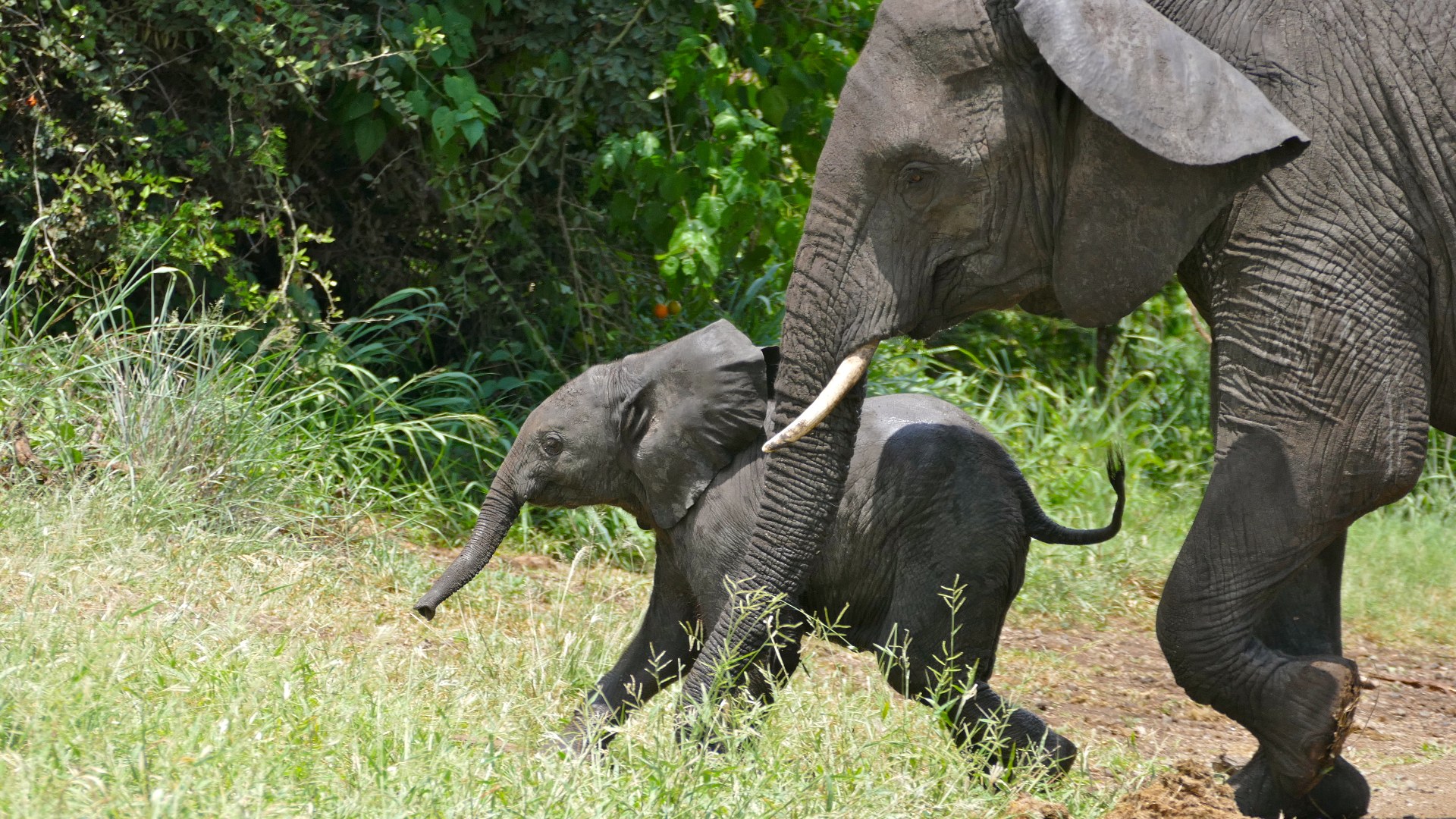
From digging life-saving waterholes to protecting baby antelopes from predators, explore the remarkable science behind inter-species elephant compassion.
By Most Viral Today
3 Nov 2026

Why Do Elephants Sometimes Help Other Animals in the Wild? 
16. Ecosystem Engineers Of The Wild 
15. Theory Of Mind And Cognitive Empathy 
14. Specialized Spindle Neurons - AdvertisementSwipe or tap ▶ to continue countdown

13. Beneficial Inter-Species Partnerships 
12. The Habit Of Allomothering 
11. Mourning And Burial Rituals 
10. Remarkable Trunk Dexterity - AdvertisementSwipe or tap ▶ to continue countdown

9. Compassionate Working Elephants 
8. Infrasonic Distress Detection 
7. Defensive Herding And Guard Circles 
6. Excavating Waterholes For The Ecosystem - AdvertisementSwipe or tap ▶ to continue countdown

5. Shielding Vulnerable Prey From Predators 
4. Rescuing Trapped Animals From Mud 
3. Maternal Protective Instincts 
2. Mirror Self Recognition - AdvertisementSwipe or tap ▶ to continue countdown

1. Complex Brain Architecture - Advertisement🔥 UP NEXT IN THIS SERIES◫ 26 Slides

25 Animals That May Detect Fear Through Scent and Body Language
From specialized olfactory receptors to airborne alarm pheromones, numerous species possess the extraordinary ability to detect chemical distress signals. Based on research from Live Science, National Geographic, and peer-reviewed biology journals, here are twenty-five animals that can smell and sense fear.
From digging life-saving waterholes to protecting baby antelopes from predators, explore the remarkable science behind inter-species elephant compassion.
Swipe or tap ▶ to begin the countdown
©Wikimedia / Pearl Aketch and Drashokk
16. Ecosystem Engineers Of The Wild
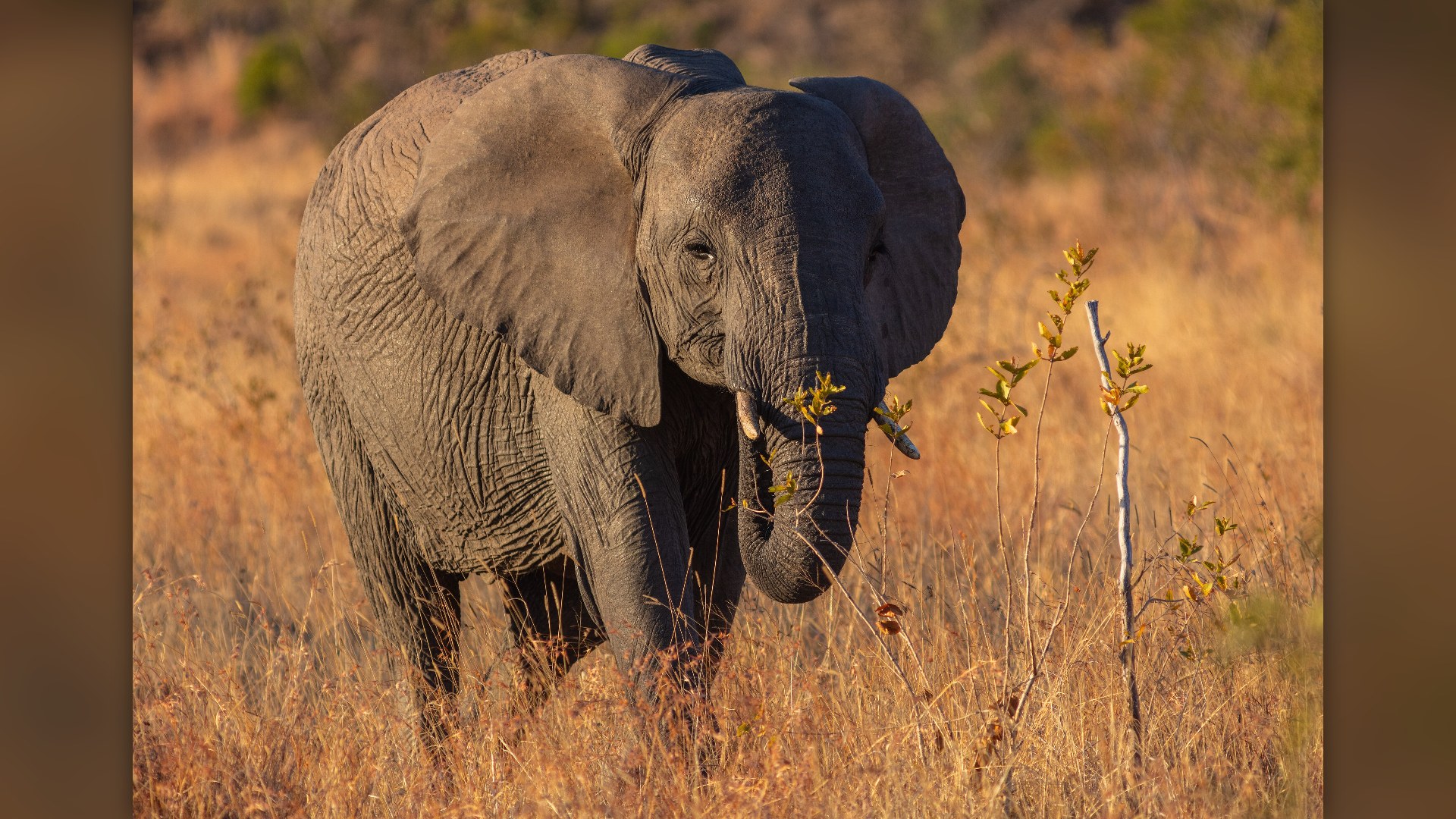
Elephant kindness directly reflects their ecological keystone identity. By forging pathways through dense brush, opening forest canopies, defending waterholes, and aiding distressed neighbors, elephants maintain rich savannah biodiversity where hundreds of interrelated species flourish together.
©Wikimedia / Bernard DUPONT
15. Theory Of Mind And Cognitive Empathy
Cognitive empathy requires understanding another perspective without experiencing the same sensation. Controlled tests prove elephants grasp when a partner needs help pulling ropes to secure food. This mental agility lets elephants correctly diagnose why another creature is stuck and devise solutions.
©Wikimedia / Diego Delso
14. Specialized Spindle Neurons
Neurobiologists discovered that elephants possess Von Economo spindle neurons in brain regions governing empathy and social awareness, a trait previously thought unique to hominids and cetaceans. These specialized cells facilitate rapid emotional responses, driving altruistic deeds in split seconds.
©Wikimedia / Jinda Zain
Advertisement
Swipe or tap ▶ to resume the countdown.
13. Beneficial Inter-Species Partnerships
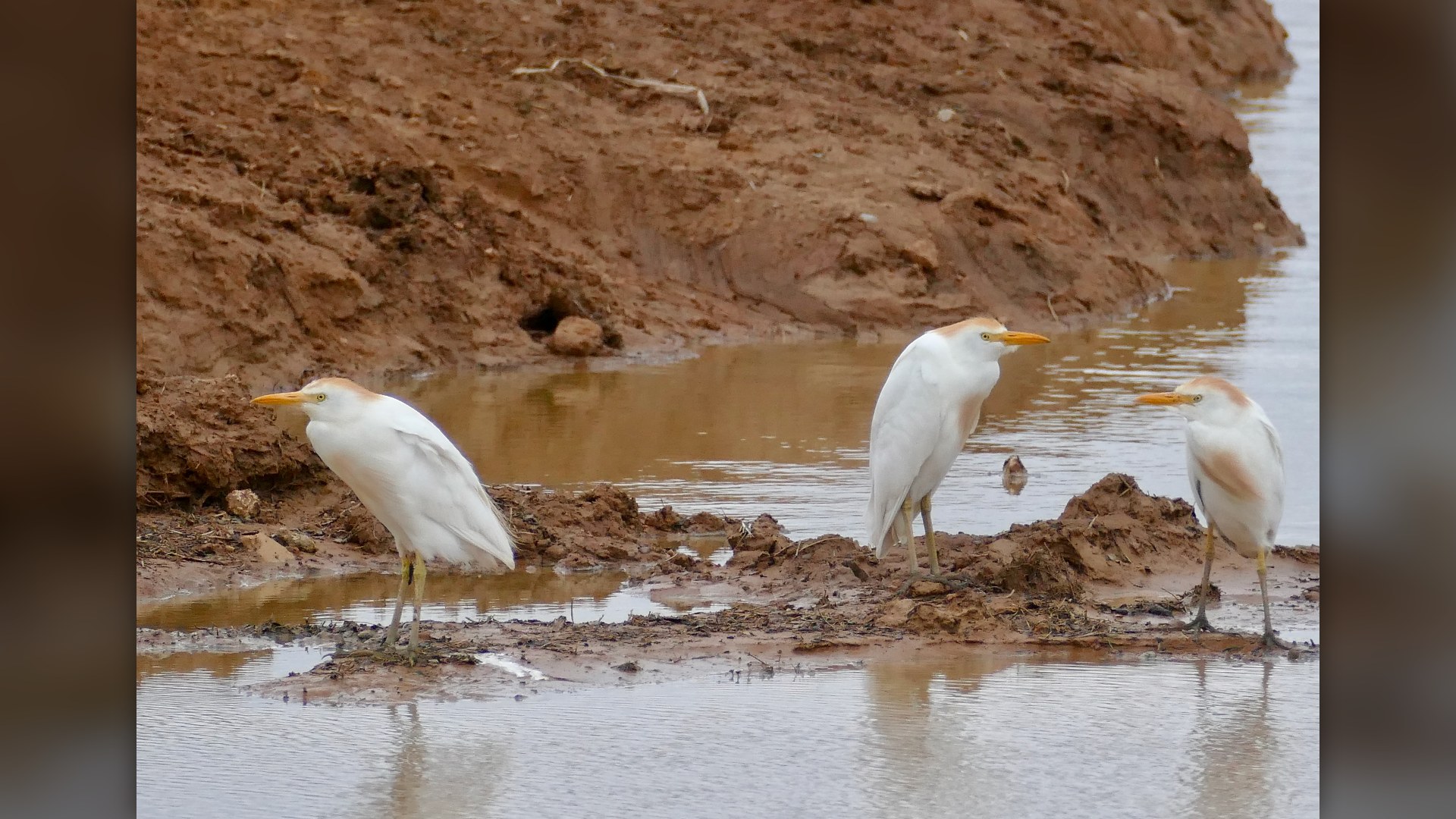
Elephants maintain peaceful alliances with cattle egrets, baboons, and zebras. Egrets feed on insects stirred up by elephant footsteps while warning the giants of distant poachers. Because elephants recognize these animals as peaceful partners, they readily assist their wild companions during crises.
©Wikimedia / Bernard DUPONT
12. The Habit Of Allomothering
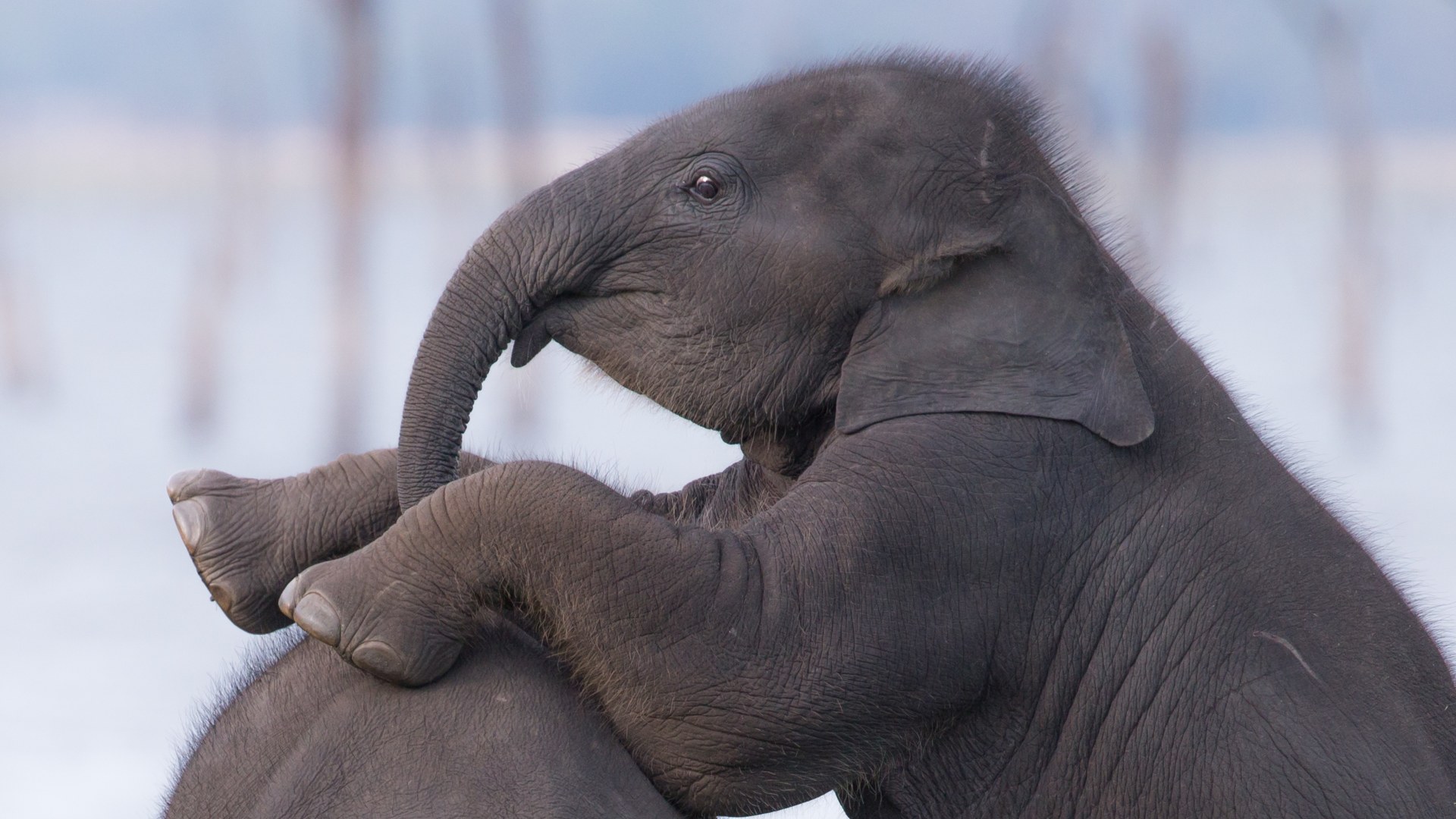
In elephant society, young adolescent females assist older matriarchs in babysitting herd calves, a practice known as allomothering. This cooperative upbringing instills a broad instinct to protect and nurture any vulnerable juvenile creature, laying behavioral foundations for cross-species care.
©Wikimedia / Senthiaathavan
11. Mourning And Burial Rituals
Elephants exhibit profound reverence for remains, touching bones with trunks and standing in prolonged silence. This burial instinct also extends across species. Wild elephants have been documented covering deceased rhinos, buffaloes, and even human corpses with soil and branches.
©Wikimedia / John Cummings
10. Remarkable Trunk Dexterity
An elephant trunk combines formidable brute strength with surgeon-level precision. Containing more than forty thousand distinct muscle bundles, the appendage can gently caress an injured bird, untangle trapped antelopes from thorn bushes, or lift a newborn calf without applying crushing pressure.
©Wikimedia / Charles J. Sharp
Advertisement
Swipe or tap ▶ to resume the countdown.
9. Compassionate Working Elephants
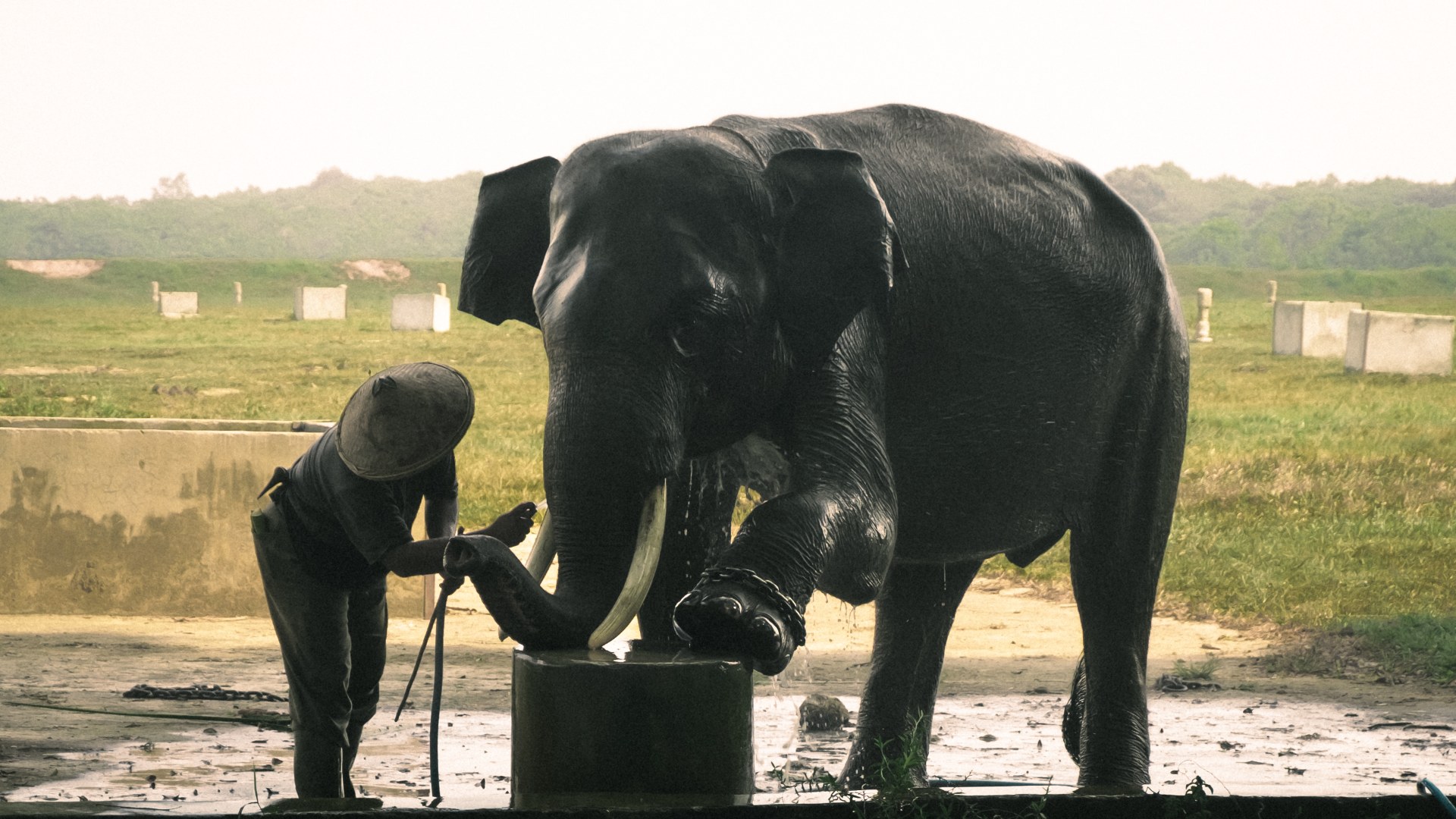
In working timber camps across southern Asia, handlers have documented extraordinary moral resistance. When an elephant named Birbal was instructed to place heavy wooden posts into pre-dug fence holes, he refused to lower the log until handlers removed a stray dog sleeping peacefully at the bottom.
©Wikimedia / Sanjeevrs2000
8. Infrasonic Distress Detection
Elephants perceive low-frequency rumbles below twenty hertz, allowing them to hear distress vibrations traveling through the earth from great distances. When neighboring animals sound panic alarms, elephants quickly detect acoustic signatures of danger and often redirect their path to investigate the scene.
©Wikimedia / Stig Nygaard
7. Defensive Herding And Guard Circles
When sensing danger, elephant families naturally form a protective outward-facing circle, placing young calves in the center. In northern Kenya, a wild matriarch once discovered a lost woman injured with a broken leg, standing guard over her throughout the night and shielding her from stalking hyenas.
©Wikimedia / Bernard DUPONT
6. Excavating Waterholes For The Ecosystem
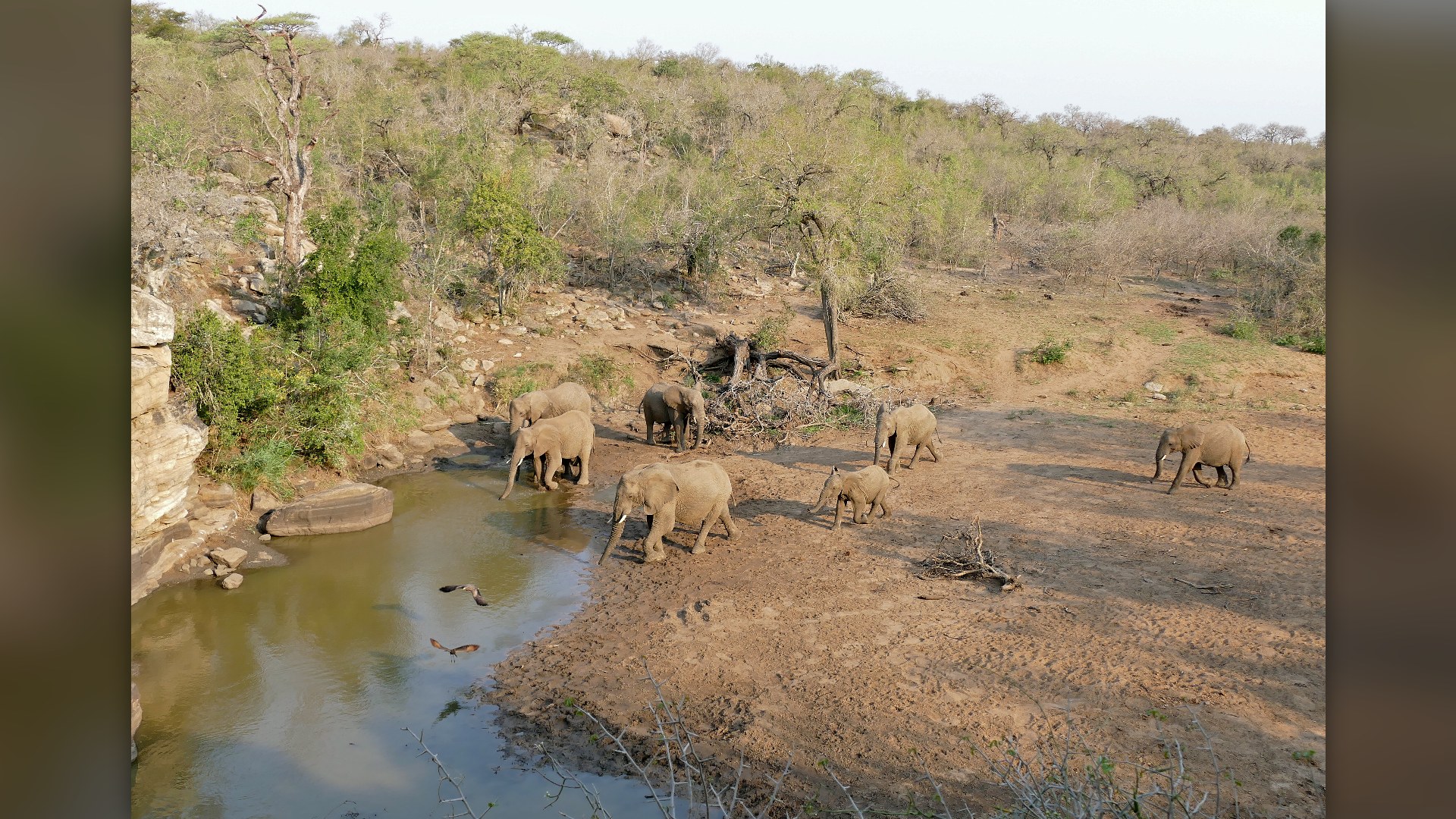
During severe droughts, elephants utilize their tusks and forefeet to dig holes several feet deep into dry riverbeds to access subterranean water. Once the herd drinks and moves on, these clean oasis wells remain open, sustaining baboons, giraffes, lions, and countless birds that would otherwise perish.
©Wikimedia / Axel Tschentscher
Advertisement
Swipe or tap ▶ to resume the countdown.
5. Shielding Vulnerable Prey From Predators
Possessing no natural adult predators, elephants show little fear of apex hunters. On multiple occasions, safari guides have observed matriarchs charging aggressively toward lion prides or packs of hyenas hunting young wildebeest or impalas, driving the predators away and providing a crucial escape route.
©Wikimedia / Bernard DUPONT
4. Rescuing Trapped Animals From Mud
Muddy waterholes present deadly traps for small herbivores across the African dry season. Field biologists have repeatedly documented elephants using their trunks to hoist trapped baby rhinos and antelopes from sticky clay pits, lingering nearby until the rescued animal regains its footing on solid ground.
©Wikimedia / Bernard DUPONT
3. Maternal Protective Instincts
Female elephants devote nearly two years of gestation and decades of care to raising offspring within tight matriarchal herds. When mother elephants encounter distressed calves of other species, such as zebras or gazelles, powerful neurochemical maternal instincts can trigger immediate protective action.
©Wikimedia / Bernard DUPONT
2. Mirror Self Recognition
Elephants are among the few animals that pass mirror self-recognition tests, touching marks painted on their foreheads while looking at their reflection. This profound sense of self is a prerequisite for cognitive empathy, allowing an elephant to distinguish its own state from the distress of another.
©Wikimedia / Georg Botz
Advertisement
Swipe or tap ▶ to resume the countdown.
1. Complex Brain Architecture
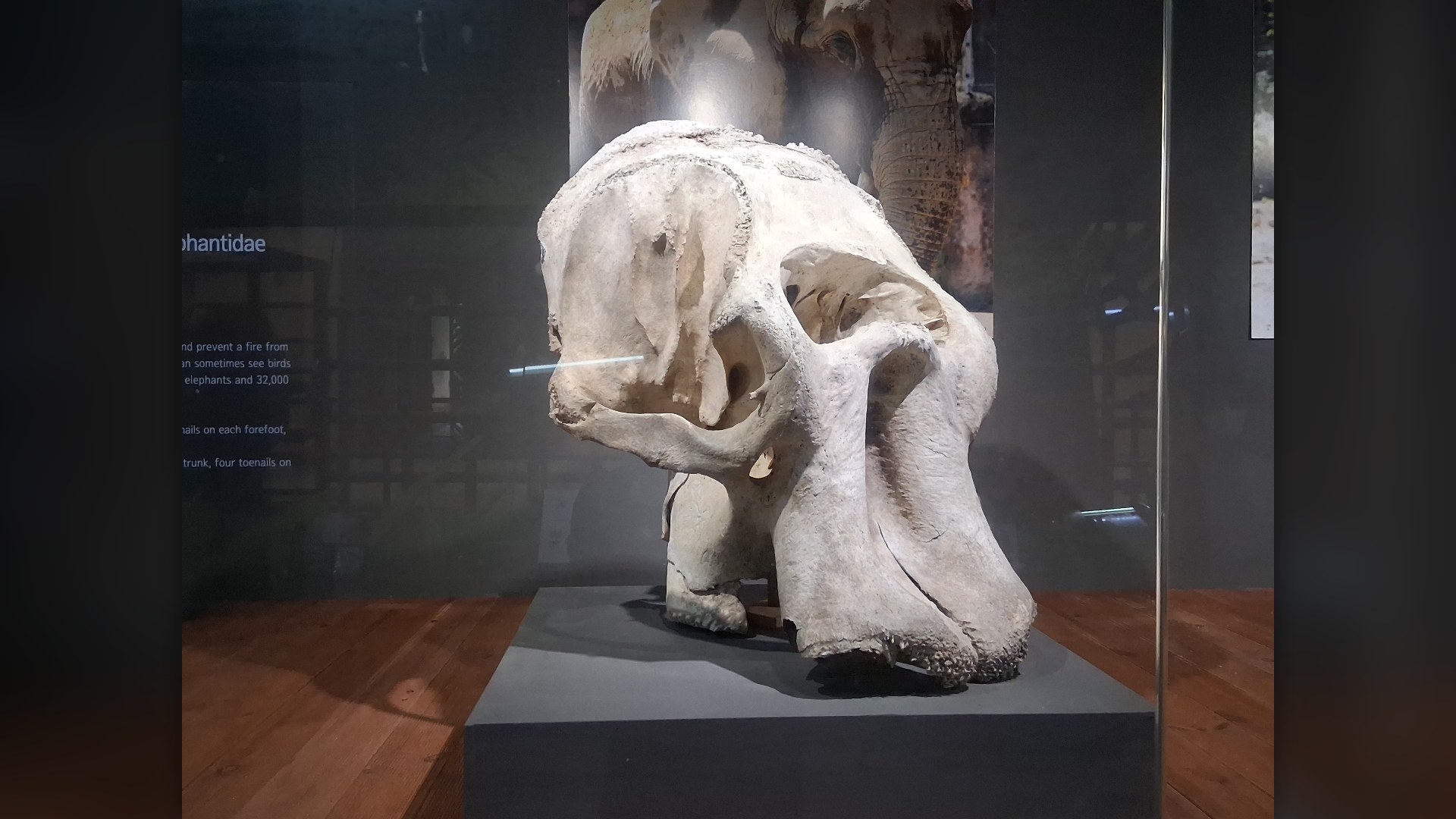
Weighing up to eleven pounds, an elephant brain contains three times as many neurons as a human brain. The cerebral cortex and temporal lobes are exceptionally developed, granting elephants tremendous capacity for long-term memory, emotional bonding, and spontaneous empathetic reactions.

©Wikimedia / Drcbrothephotographer
Advertisement
You've reached the end of the story. Thanks for reading!

25 Animals That May Detect Fear Through Scent and Body Language
From specialized olfactory receptors to airborne alarm pheromones, numerous species possess the extraordinary ability to detect chemical distress signals. Based on research from Live Science, National Geographic, and peer-reviewed biology journals, here are twenty-five animals that can smell and sense fear.
All 16 Entries in this Story
16. Ecosystem Engineers Of The Wild
Elephant kindness directly reflects their ecological keystone identity. By forging pathways through dense brush, opening forest canopies, defending waterholes, and aiding distressed neighbors, elephants maintain rich savannah biodiversity where hundreds of interrelated species flourish together.

15. Theory Of Mind And Cognitive Empathy
Cognitive empathy requires understanding another perspective without experiencing the same sensation. Controlled tests prove elephants grasp when a partner needs help pulling ropes to secure food. This mental agility lets elephants correctly diagnose why another creature is stuck and devise solutions.

14. Specialized Spindle Neurons
Neurobiologists discovered that elephants possess Von Economo spindle neurons in brain regions governing empathy and social awareness, a trait previously thought unique to hominids and cetaceans. These specialized cells facilitate rapid emotional responses, driving altruistic deeds in split seconds.

13. Beneficial Inter-Species Partnerships
Elephants maintain peaceful alliances with cattle egrets, baboons, and zebras. Egrets feed on insects stirred up by elephant footsteps while warning the giants of distant poachers. Because elephants recognize these animals as peaceful partners, they readily assist their wild companions during crises.

12. The Habit Of Allomothering
In elephant society, young adolescent females assist older matriarchs in babysitting herd calves, a practice known as allomothering. This cooperative upbringing instills a broad instinct to protect and nurture any vulnerable juvenile creature, laying behavioral foundations for cross-species care.

11. Mourning And Burial Rituals
Elephants exhibit profound reverence for remains, touching bones with trunks and standing in prolonged silence. This burial instinct also extends across species. Wild elephants have been documented covering deceased rhinos, buffaloes, and even human corpses with soil and branches.

10. Remarkable Trunk Dexterity
An elephant trunk combines formidable brute strength with surgeon-level precision. Containing more than forty thousand distinct muscle bundles, the appendage can gently caress an injured bird, untangle trapped antelopes from thorn bushes, or lift a newborn calf without applying crushing pressure.

9. Compassionate Working Elephants
In working timber camps across southern Asia, handlers have documented extraordinary moral resistance. When an elephant named Birbal was instructed to place heavy wooden posts into pre-dug fence holes, he refused to lower the log until handlers removed a stray dog sleeping peacefully at the bottom.

8. Infrasonic Distress Detection
Elephants perceive low-frequency rumbles below twenty hertz, allowing them to hear distress vibrations traveling through the earth from great distances. When neighboring animals sound panic alarms, elephants quickly detect acoustic signatures of danger and often redirect their path to investigate the scene.

7. Defensive Herding And Guard Circles
When sensing danger, elephant families naturally form a protective outward-facing circle, placing young calves in the center. In northern Kenya, a wild matriarch once discovered a lost woman injured with a broken leg, standing guard over her throughout the night and shielding her from stalking hyenas.

6. Excavating Waterholes For The Ecosystem
During severe droughts, elephants utilize their tusks and forefeet to dig holes several feet deep into dry riverbeds to access subterranean water. Once the herd drinks and moves on, these clean oasis wells remain open, sustaining baboons, giraffes, lions, and countless birds that would otherwise perish.

5. Shielding Vulnerable Prey From Predators
Possessing no natural adult predators, elephants show little fear of apex hunters. On multiple occasions, safari guides have observed matriarchs charging aggressively toward lion prides or packs of hyenas hunting young wildebeest or impalas, driving the predators away and providing a crucial escape route.

4. Rescuing Trapped Animals From Mud
Muddy waterholes present deadly traps for small herbivores across the African dry season. Field biologists have repeatedly documented elephants using their trunks to hoist trapped baby rhinos and antelopes from sticky clay pits, lingering nearby until the rescued animal regains its footing on solid ground.

3. Maternal Protective Instincts
Female elephants devote nearly two years of gestation and decades of care to raising offspring within tight matriarchal herds. When mother elephants encounter distressed calves of other species, such as zebras or gazelles, powerful neurochemical maternal instincts can trigger immediate protective action.

2. Mirror Self Recognition
Elephants are among the few animals that pass mirror self-recognition tests, touching marks painted on their foreheads while looking at their reflection. This profound sense of self is a prerequisite for cognitive empathy, allowing an elephant to distinguish its own state from the distress of another.

1. Complex Brain Architecture
Weighing up to eleven pounds, an elephant brain contains three times as many neurons as a human brain. The cerebral cortex and temporal lobes are exceptionally developed, granting elephants tremendous capacity for long-term memory, emotional bonding, and spontaneous empathetic reactions.