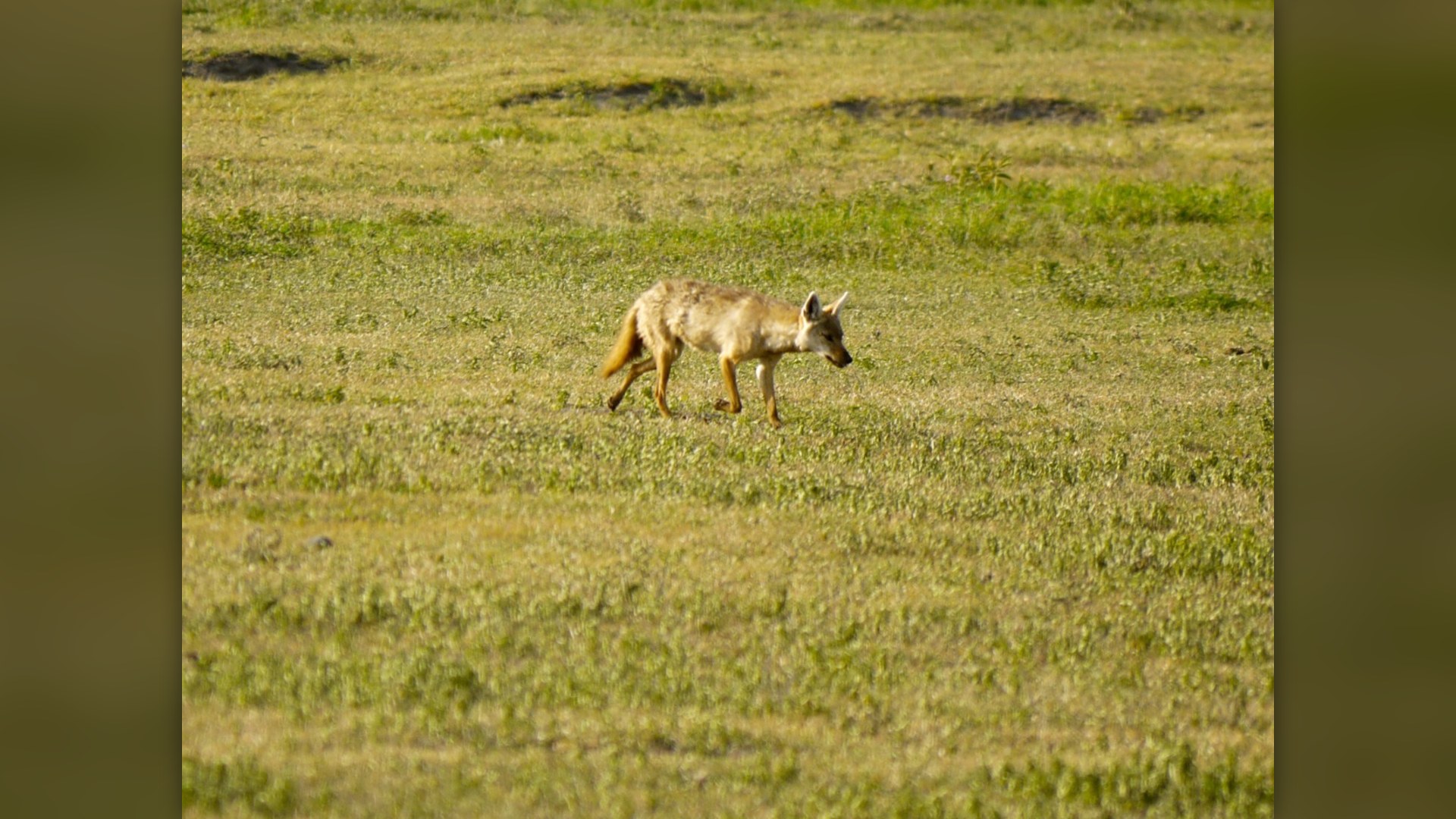
Slideshow · Animals
Why Female Hyenas Rule Their Entire Clan
Discover how female spotted hyenas wield absolute biological and social authority, building lifelong matriarchal dynasties that dominate African savannah clans from the bottom tier of immigrant males
By Most Viral Today
6 Nov 2026

Why Female Hyenas Rule Their Entire Clan 
24. Lowly Immigrant Males 
23. The Perilous Journey Of Male Dispersal 
22. Strict Submissive Postures - AdvertisementSwipe or tap ▶ to continue countdown

21. Feeding Subordination At Kills 
20. Female Philopatry And Lifelong Roots 
19. Powerful Maternal Social Networks 
18. Inherited Social Ranks - AdvertisementSwipe or tap ▶ to continue countdown

17. Greater Female Body Mass 
16. Muscular Forequarters And Stance 
15. Bone-Crushing Jaw Mechanics 
14. Prenatal Androgen Exposure - AdvertisementSwipe or tap ▶ to continue countdown

13. Intense Den Competition 
12. High-Stakes Matrilineal Competition 
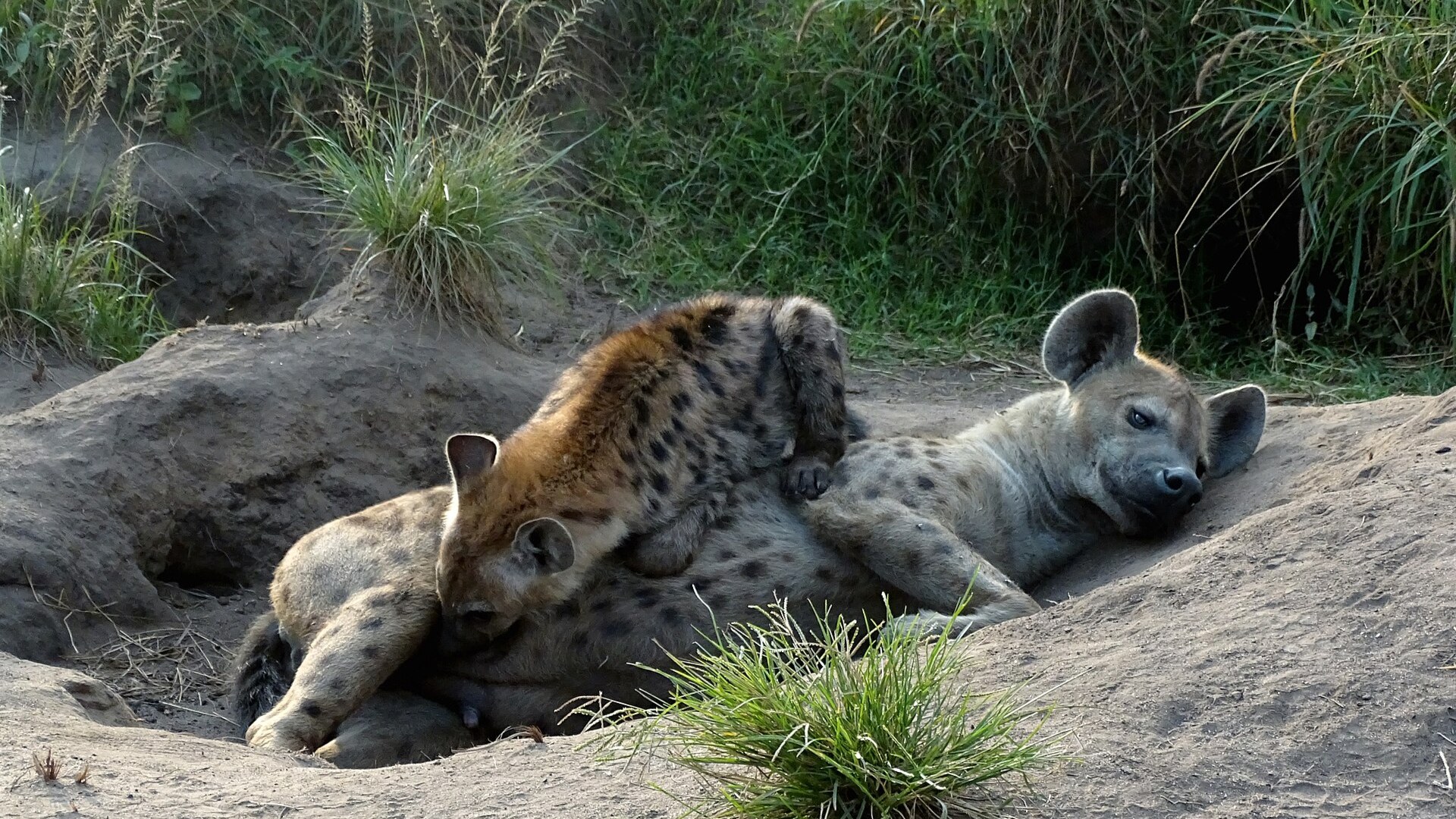
11. Rich Maternal Milk Investment 
10. Specialized External Anatomy - AdvertisementSwipe or tap ▶ to continue countdown

9. The Perils Of Childbirth 
8. Total Female Reproductive Autonomy 
7. Complex Greeting Ceremonies 
6. Coordinated Group Hunting - AdvertisementSwipe or tap ▶ to continue countdown

5. Clashing With Apex Competitors 
4. The Resonant Whoop Call 
3. Clan Border Defense And Patrols 
2. Matriarchal Sisterhood Coalitions - AdvertisementSwipe or tap ▶ to continue countdown

1. The Supreme Alpha Matriarch - Advertisement🔥 UP NEXT IN THIS SERIES◫ 26 Slides

25 Animals That May Detect Fear Through Scent and Body Language
From specialized olfactory receptors to airborne alarm pheromones, numerous species possess the extraordinary ability to detect chemical distress signals. Based on research from Live Science, National Geographic, and peer-reviewed biology journals, here are twenty-five animals that can smell and sense fear.
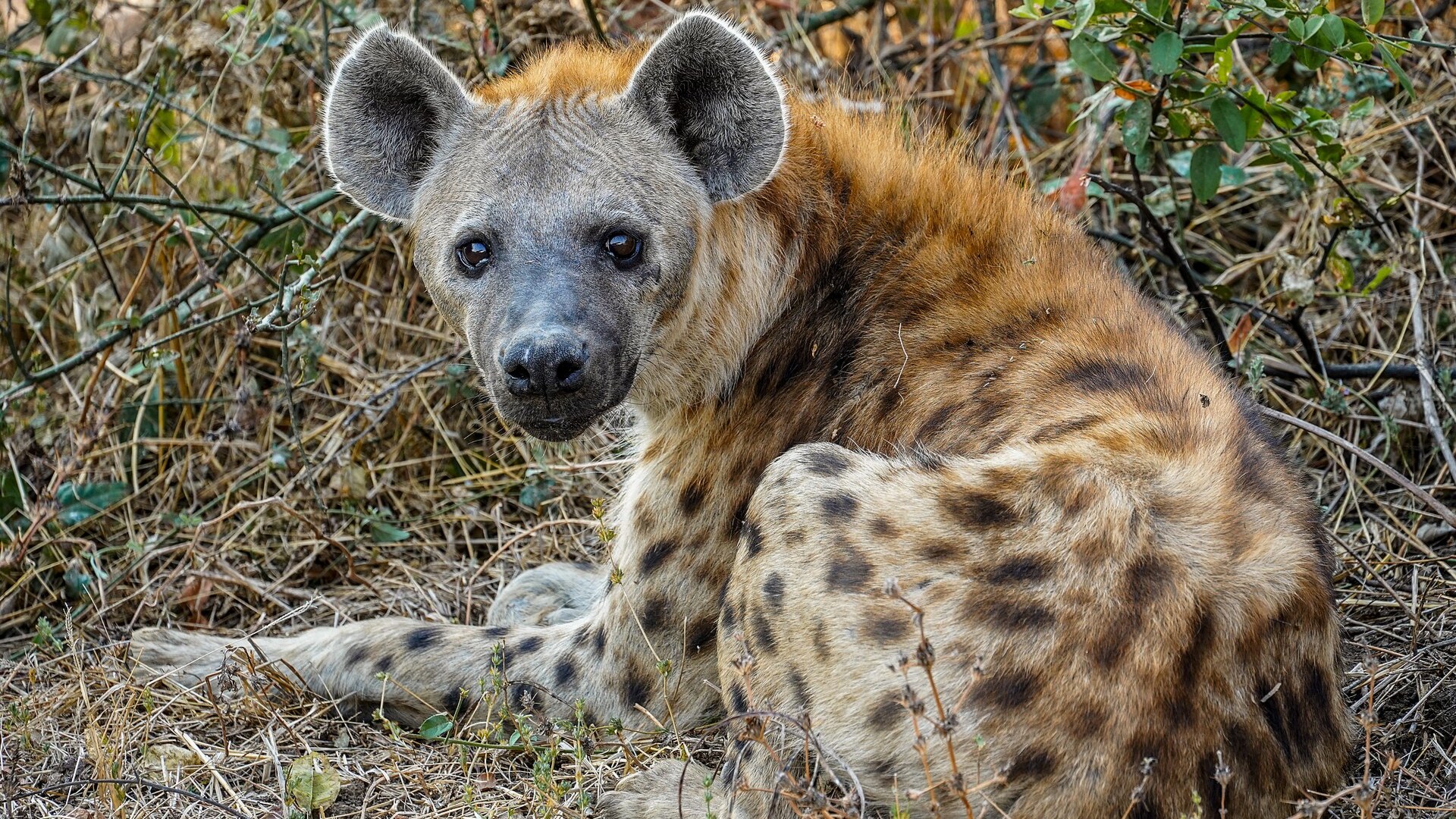
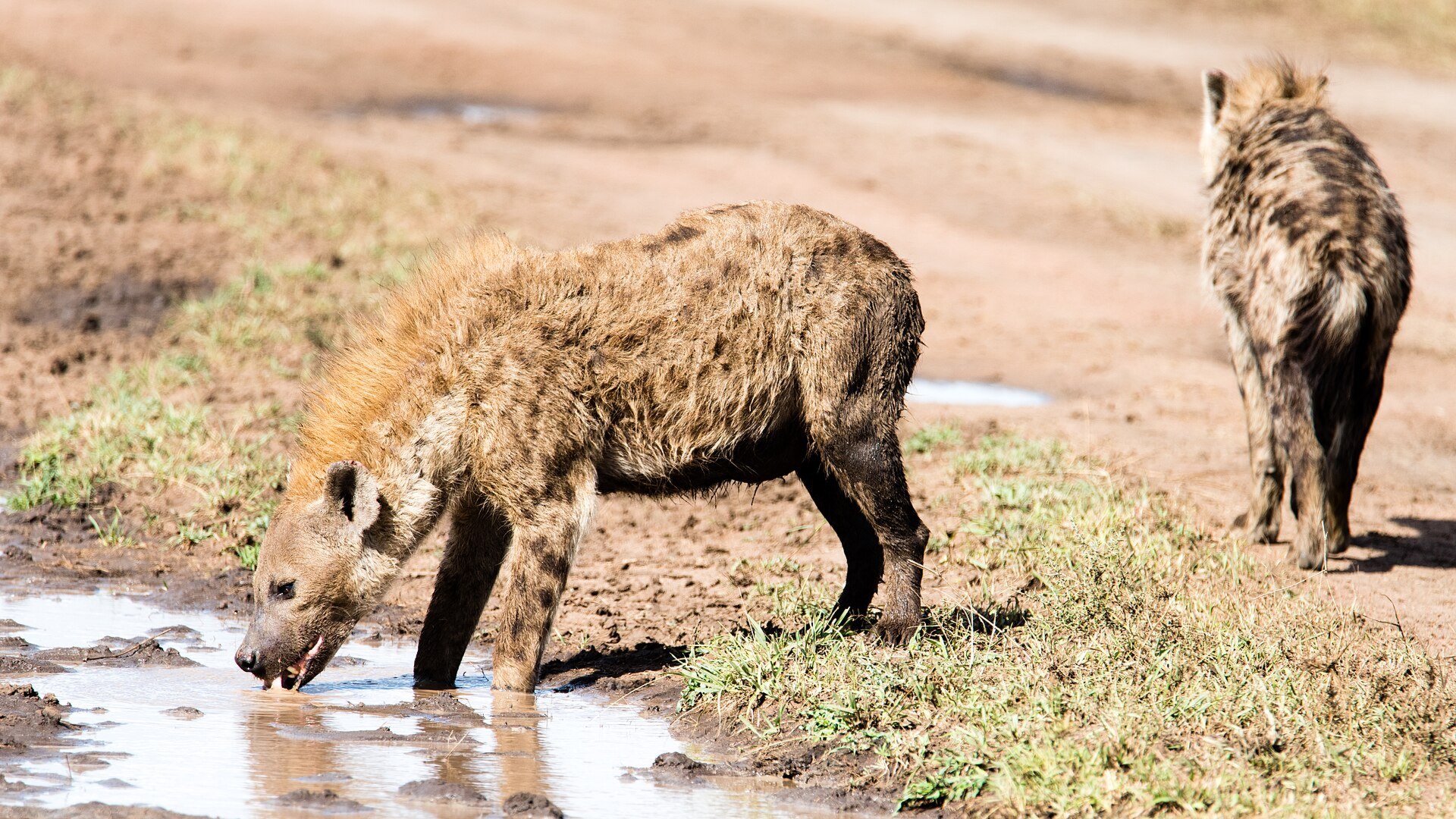
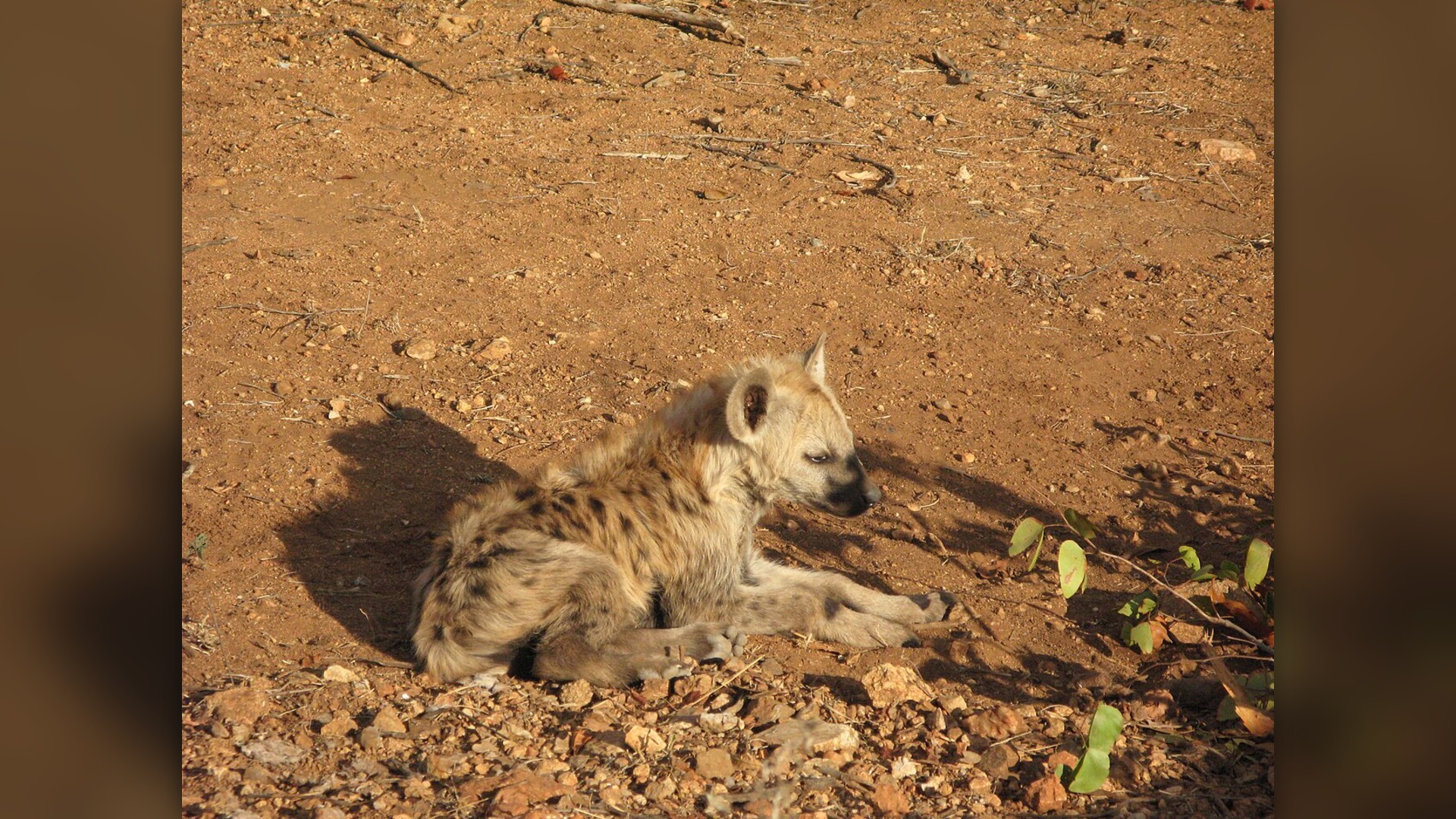
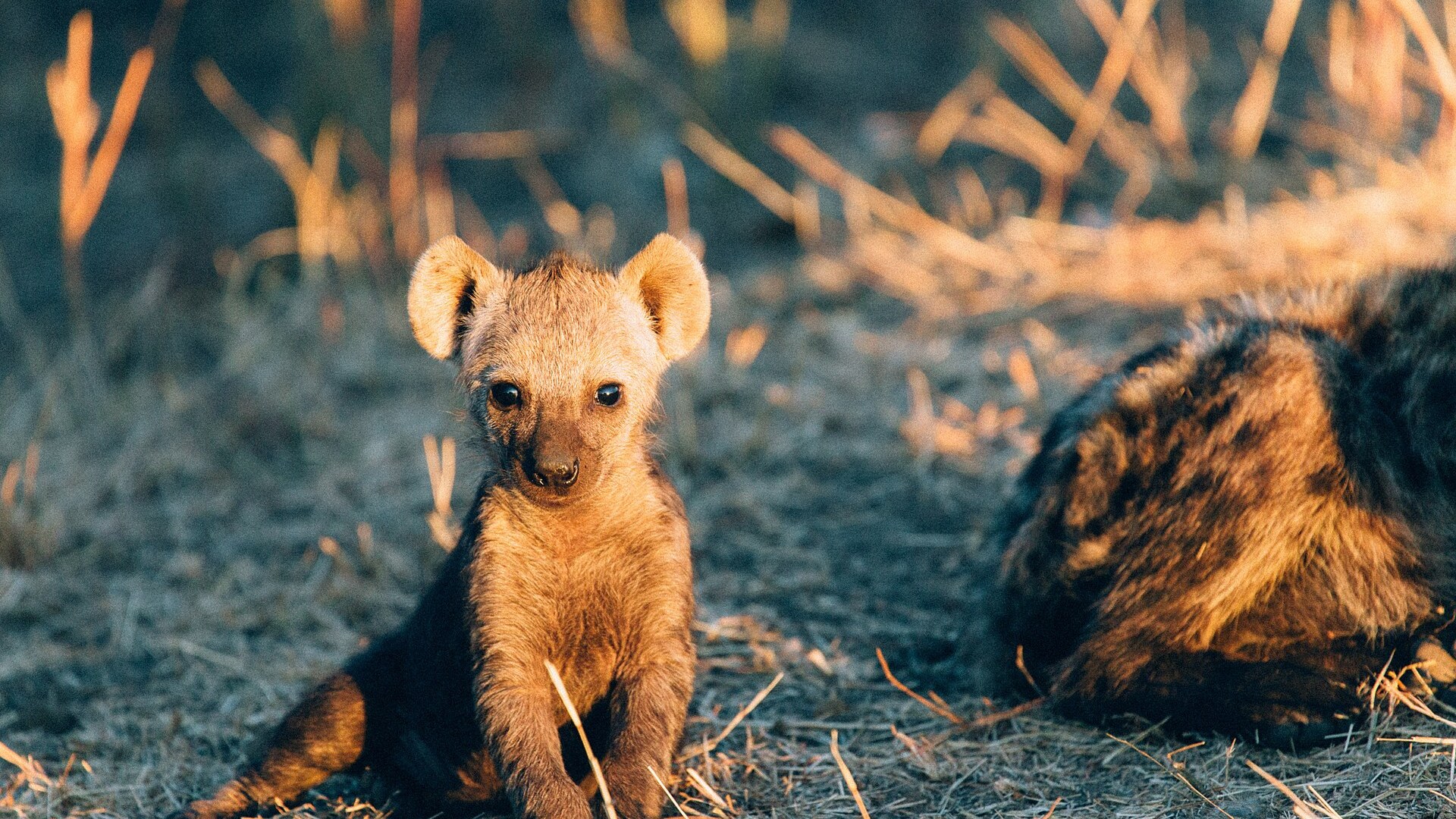
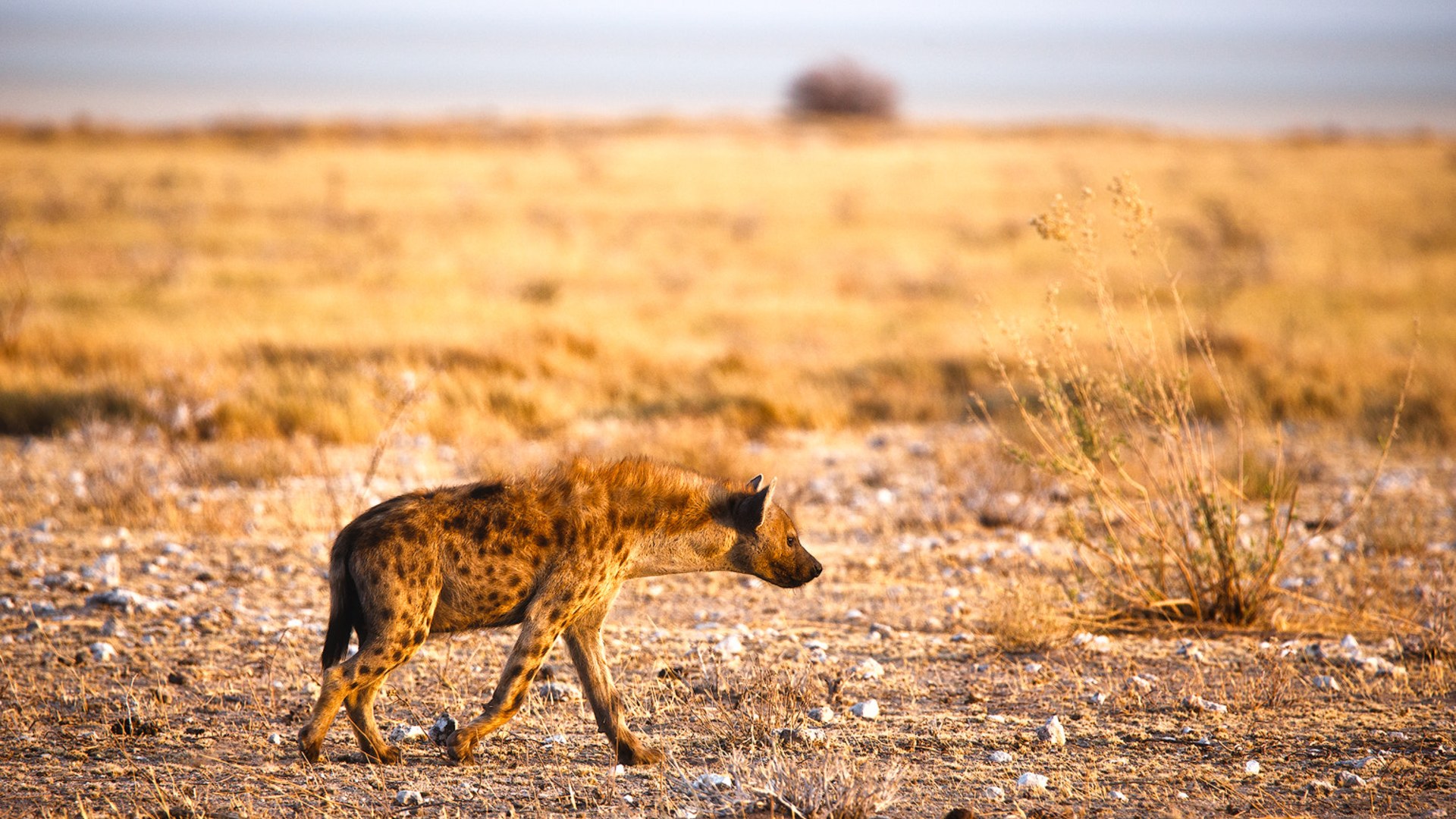
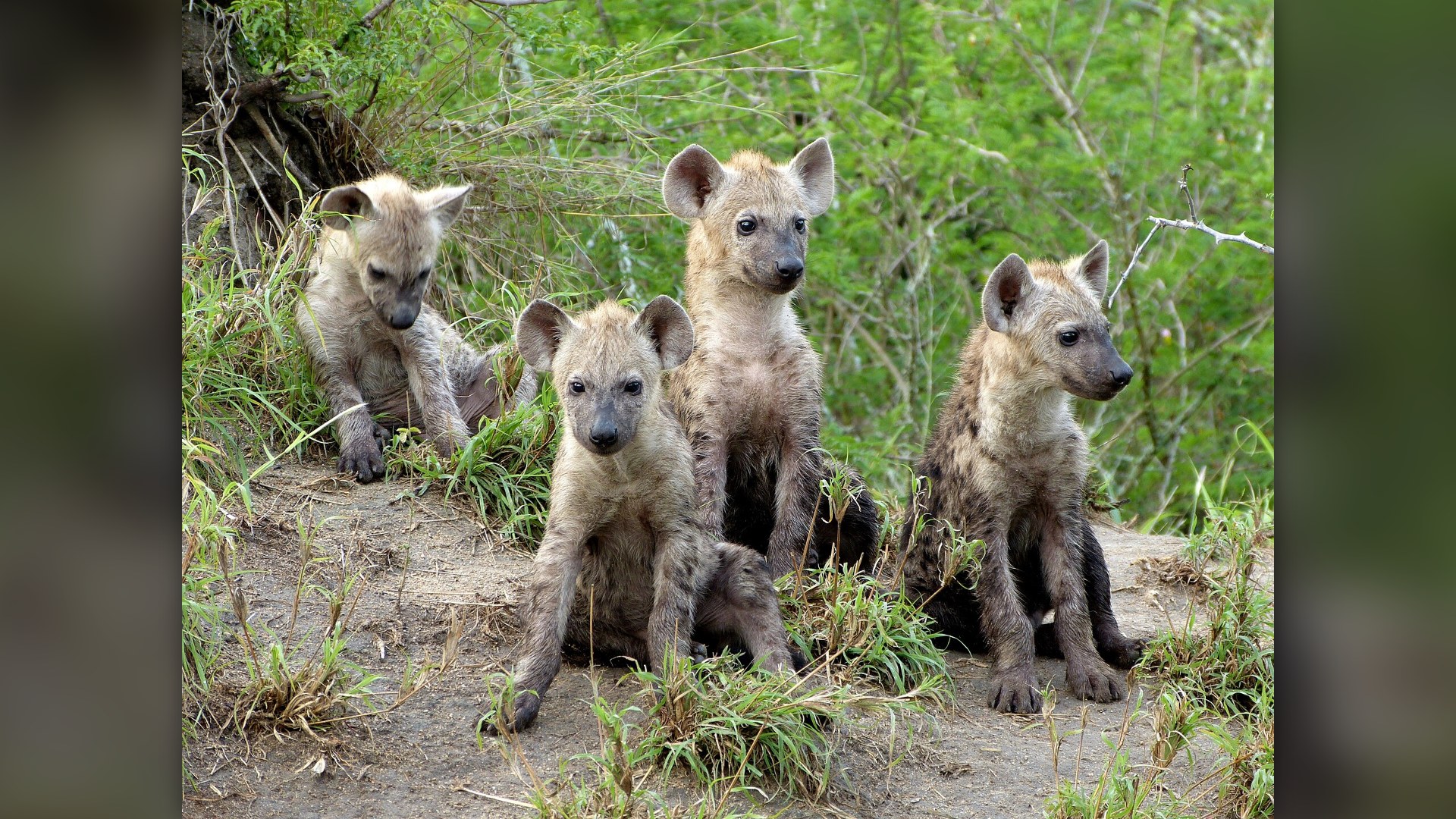
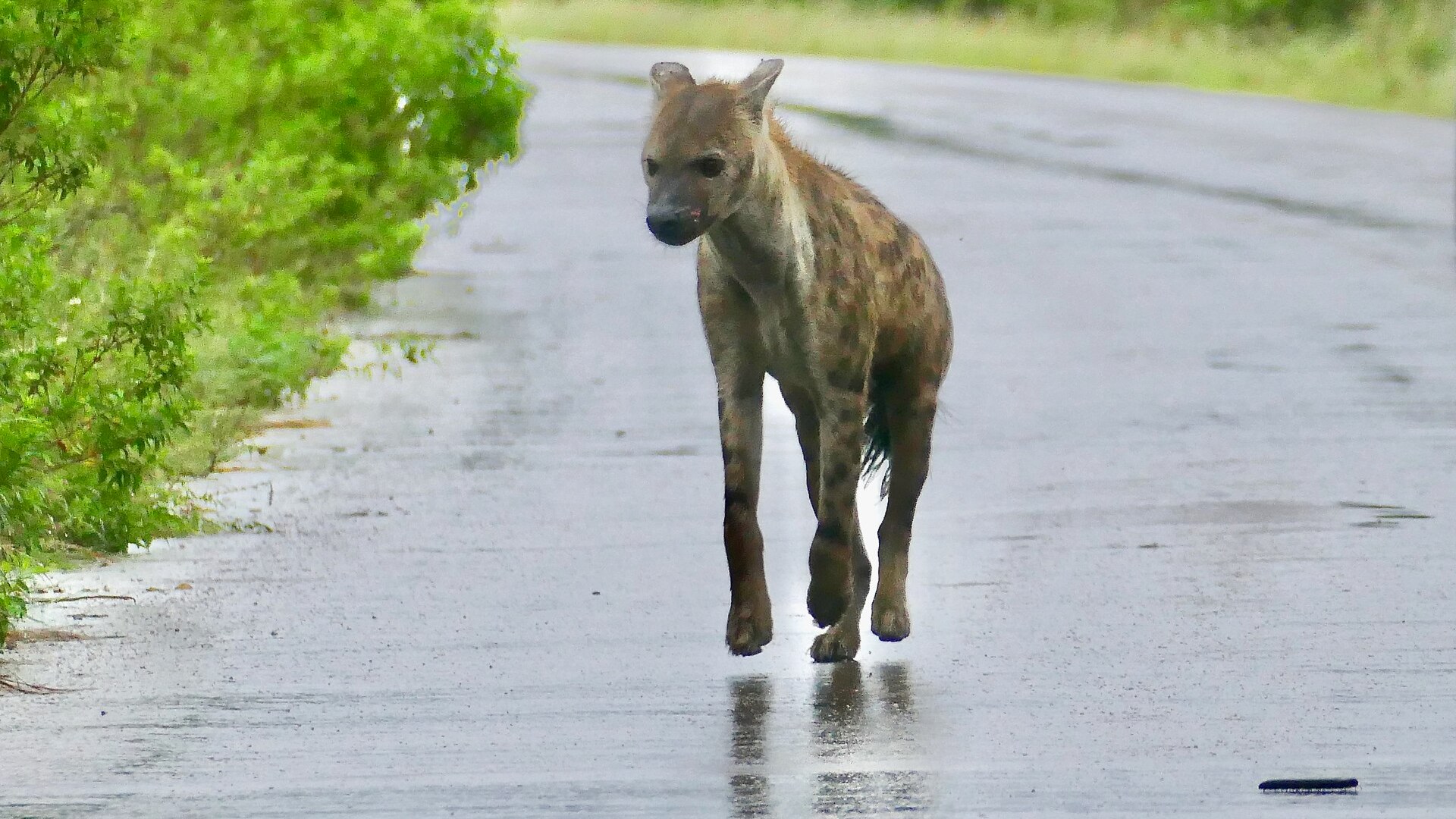
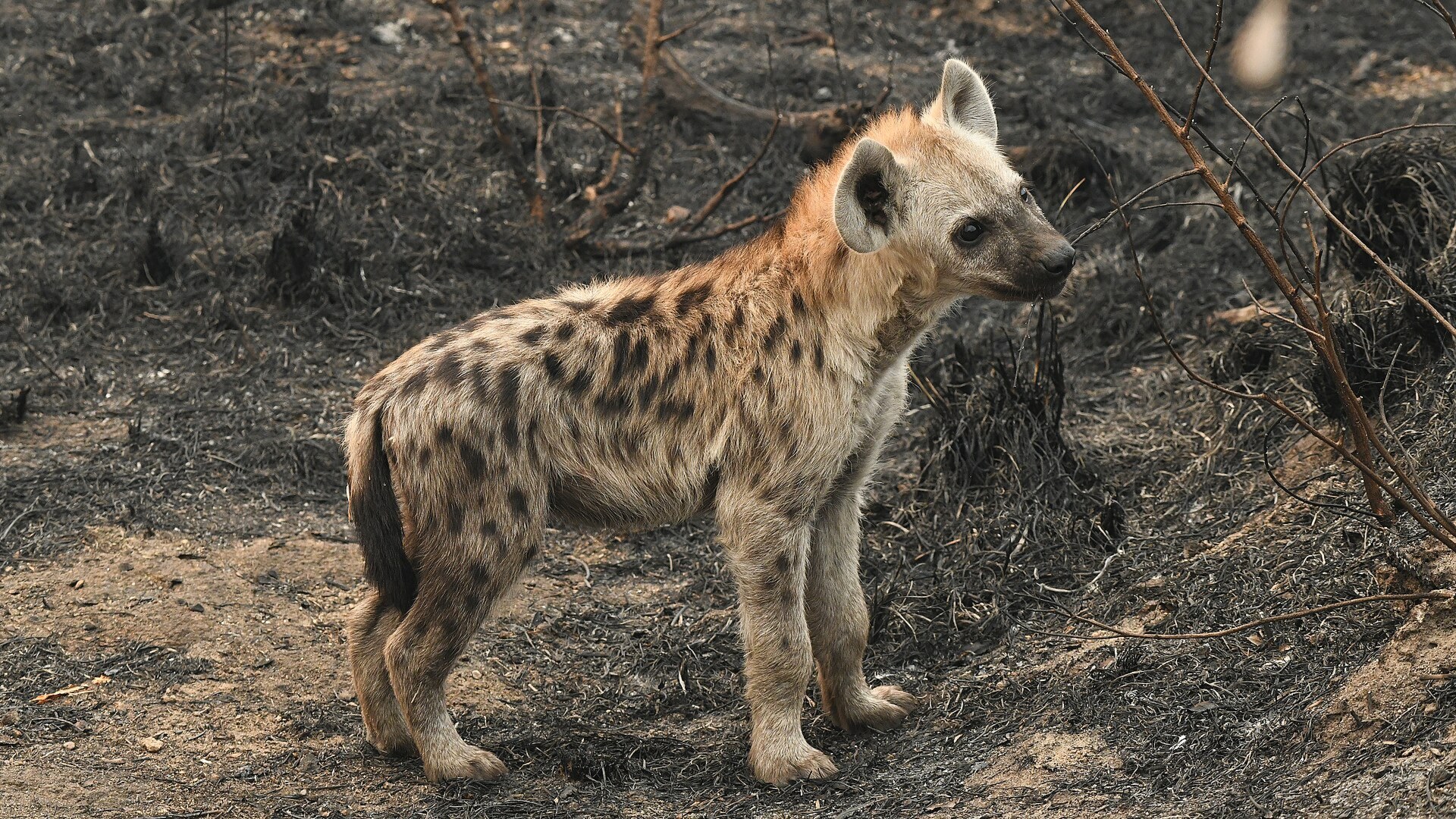
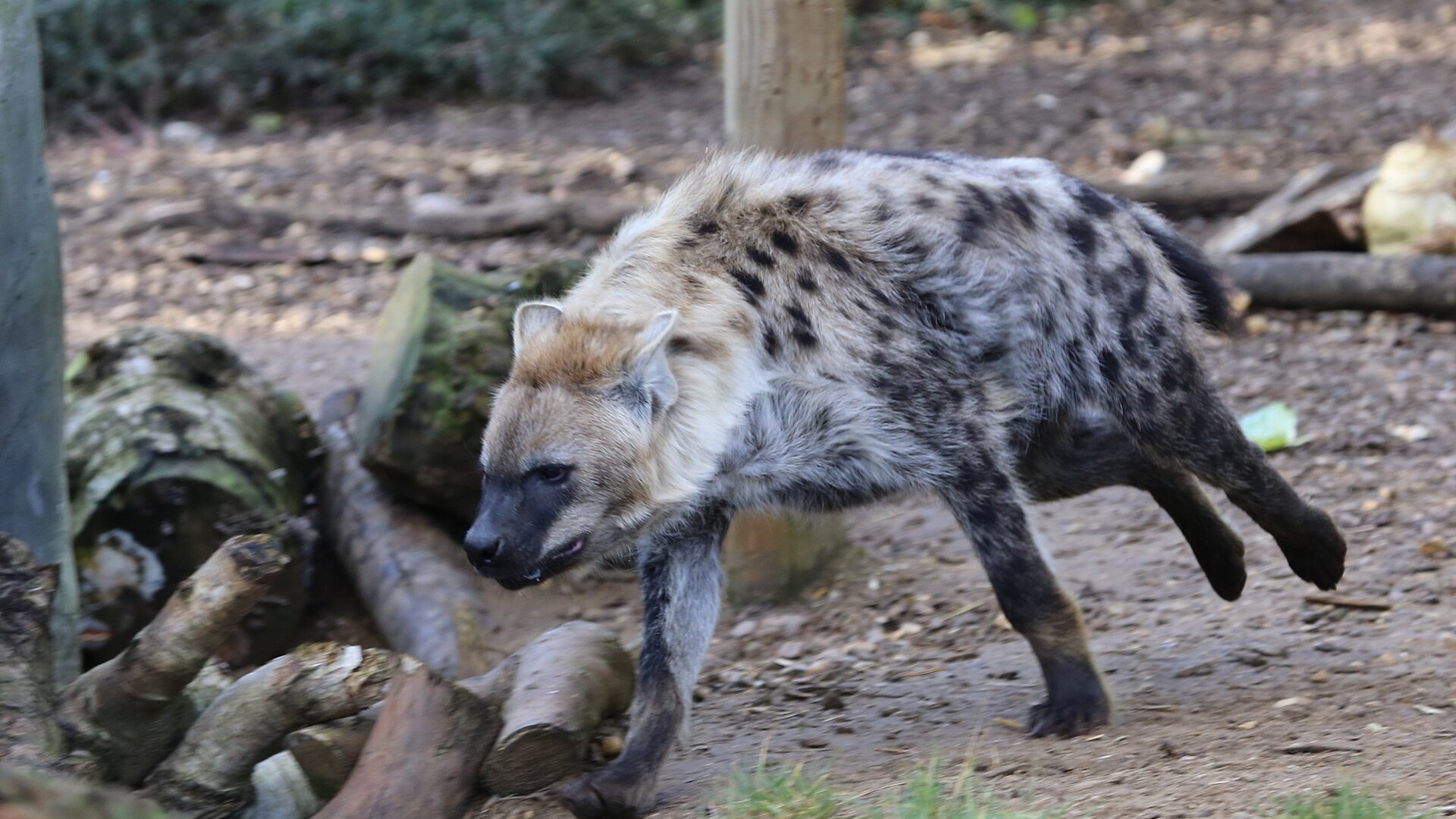
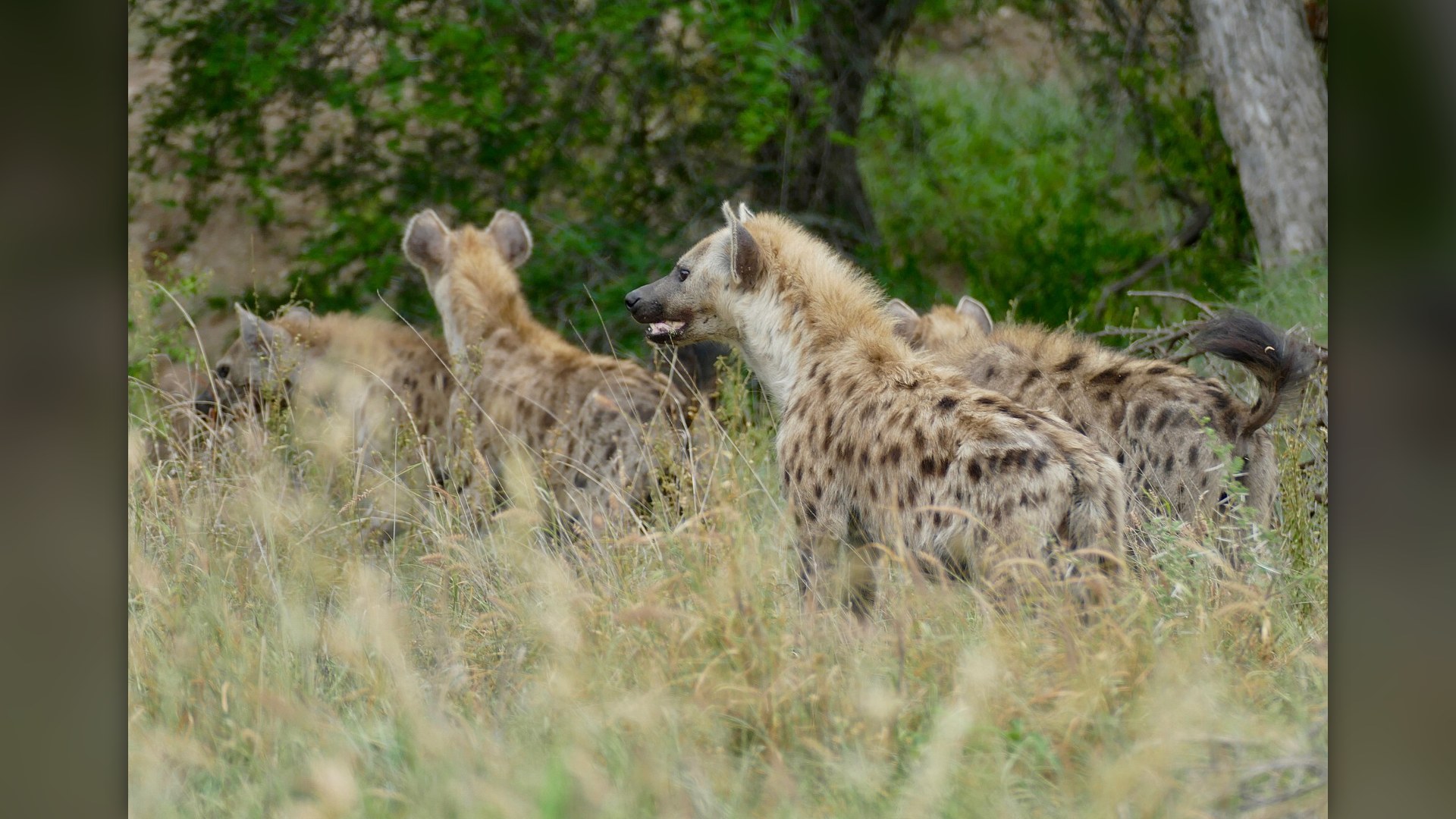
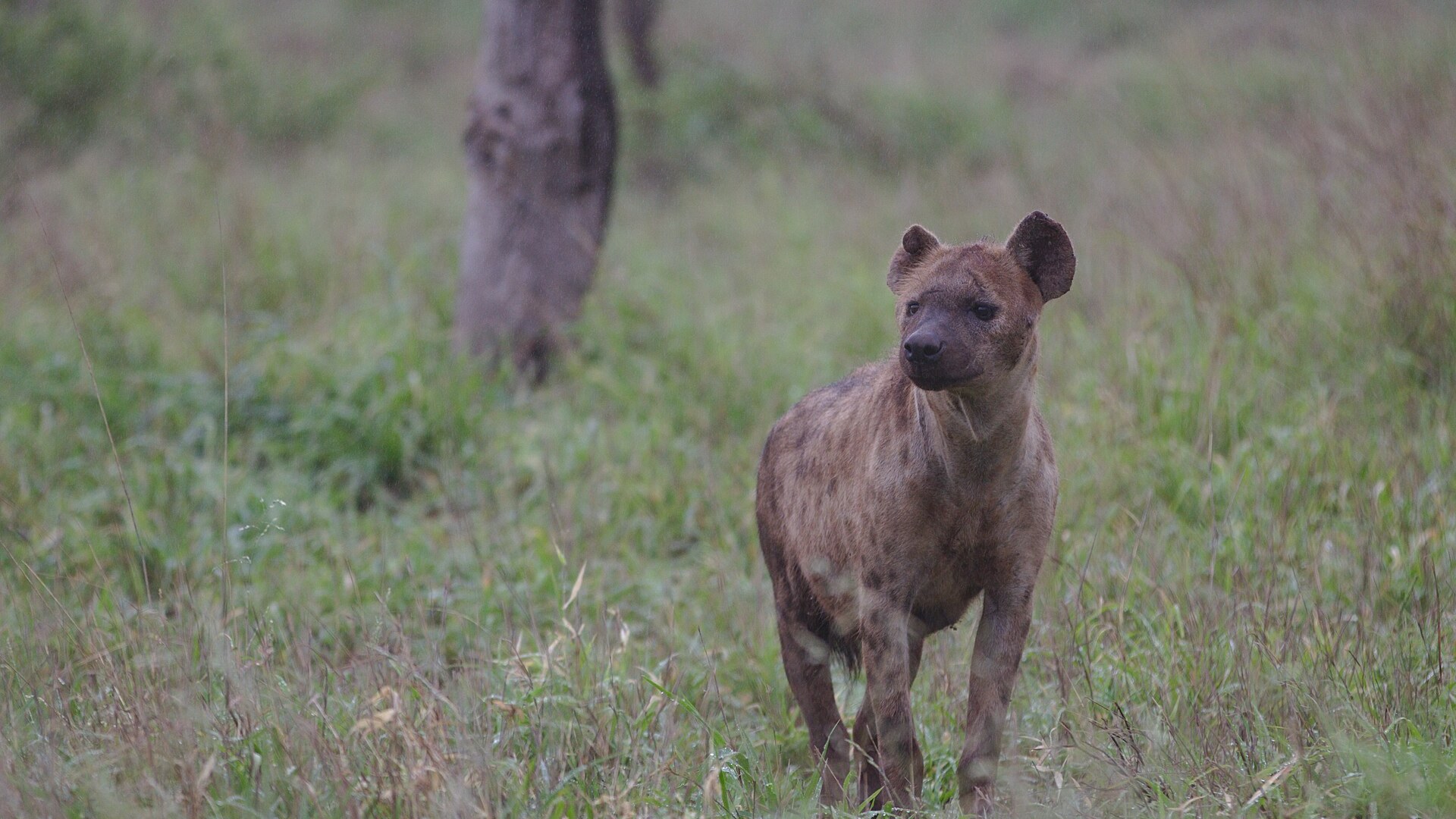
Spotted hyenas live in one of the most strictly organized matriarchal societies in the animal kingdom. While most predators are ruled by males, female spotted hyenas hold absolute authority. Discover the evolutionary adaptations, social networks, and biological quirks that allow female hyenas to reign supreme.
Swipe or tap ▶ to begin the countdown
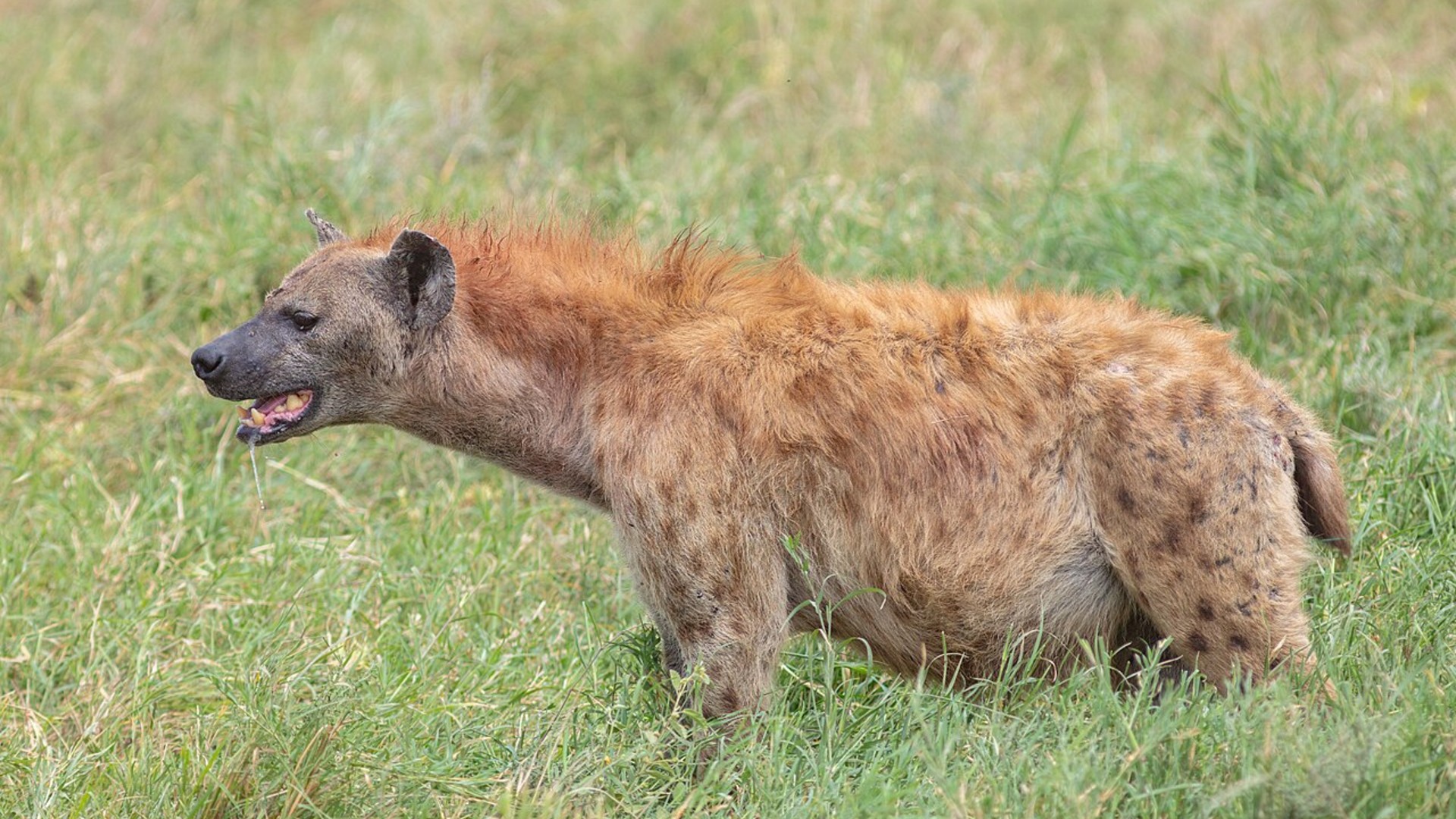
©Wikimedia / Diego Delso
24. Lowly Immigrant Males
Every adult male spotted hyena ranks below even the lowest-ranking female and cub in the clan. When a male reaches sexual maturity, he must leave his natal group and join a new clan as an outsider. In his new home, he starts at the absolute bottom of the social hierarchy, enduring constant harassment.
©Wikimedia Commons / CC BY-SA 4.0
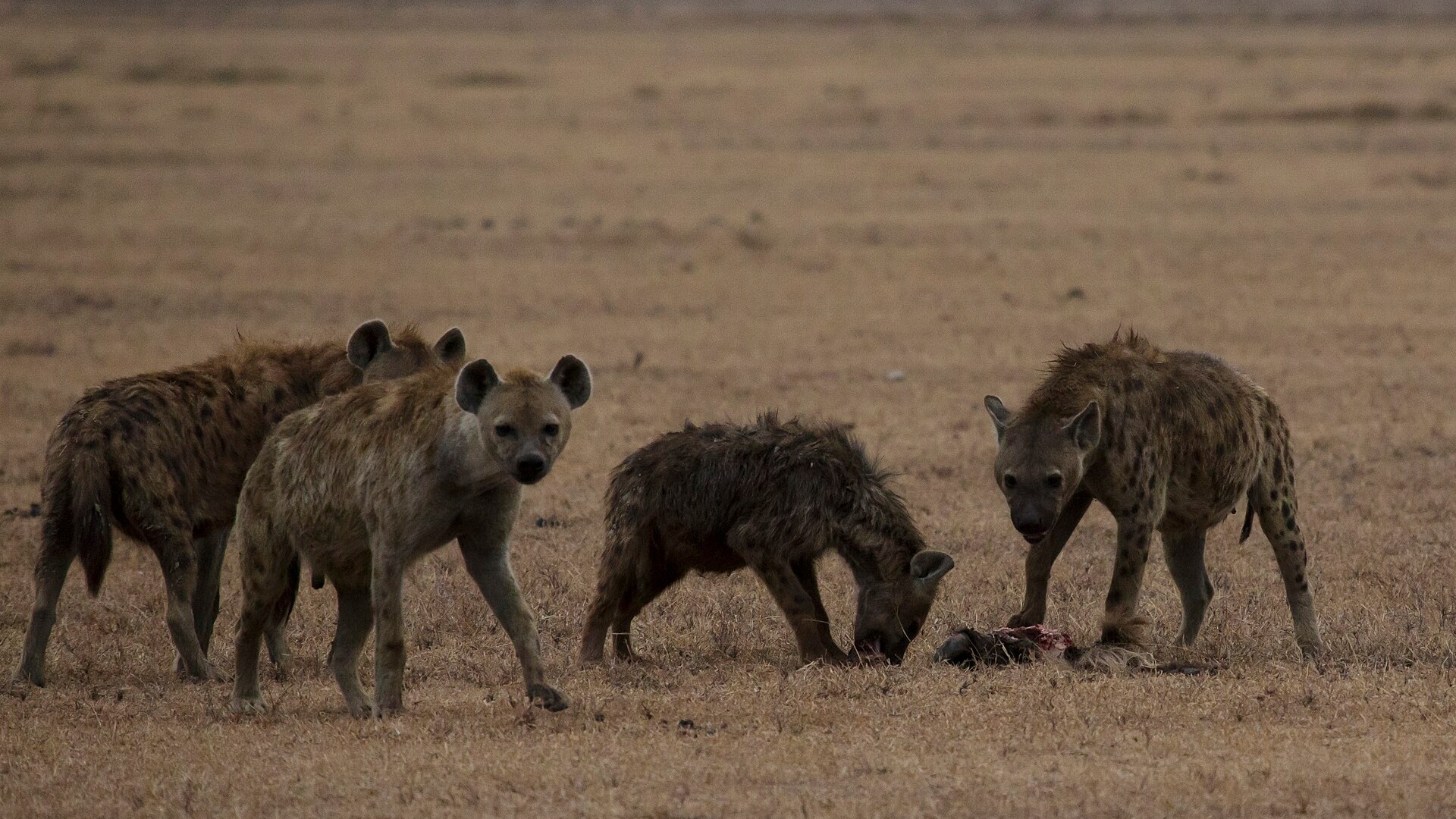
23. The Perilous Journey Of Male Dispersal
Between two and five years of age, young males leave the protection of their natal clan to prevent inbreeding. Traversing foreign land is hazardous, as strange clans attack trespassers. Surviving immigrant males must wait on territory margins before approaching females.
©Wikimedia Commons / CC BY-SA 4.0
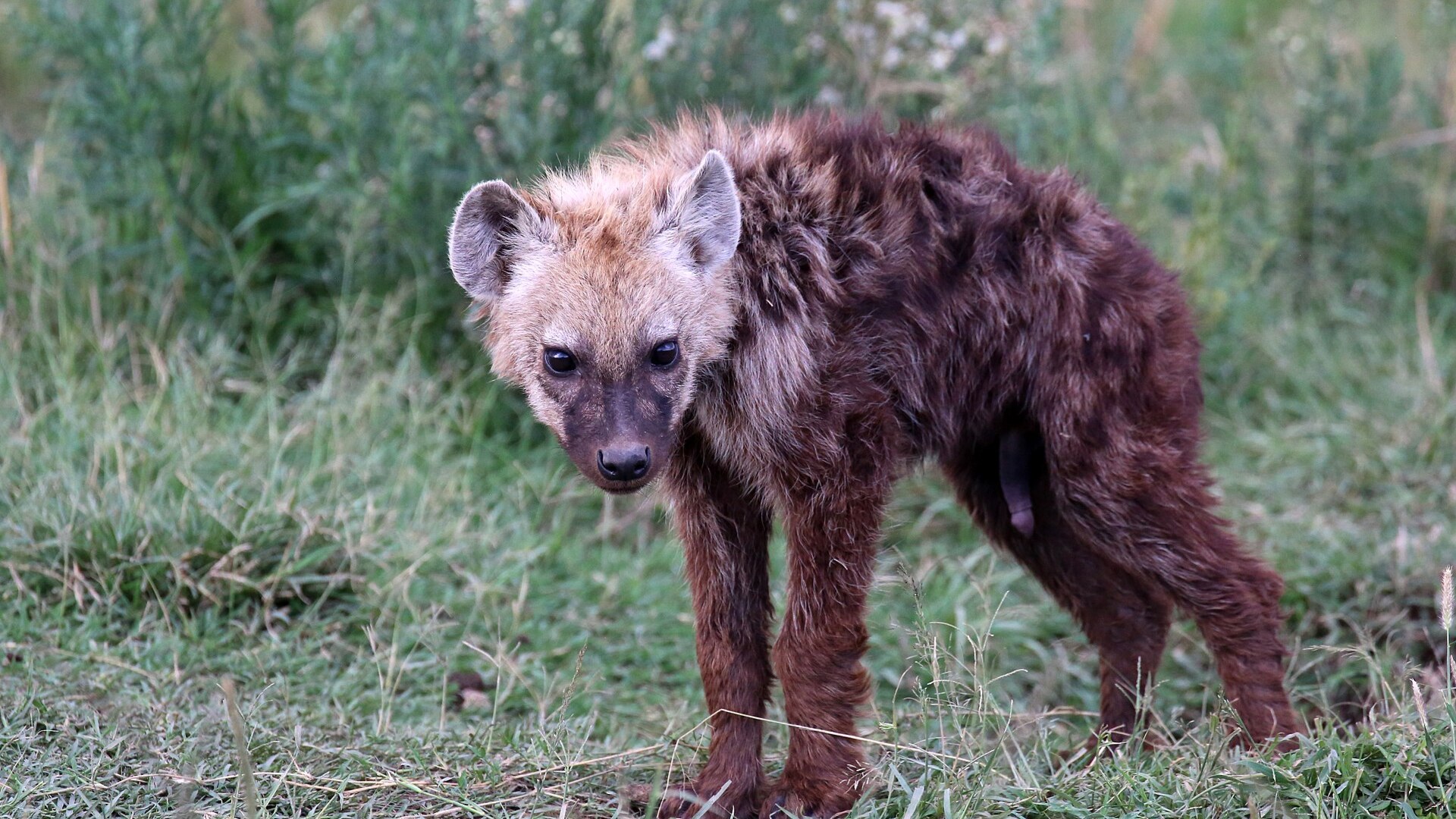
22. Strict Submissive Postures
To avoid violent attacks, immigrant males display submissive appeasement postures. They lower their bodies, pin their ears back, and emit submissive giggles when females approach. Any sign of defiance is met with swift, coordinated discipline.
©Wikimedia Commons / flowcomm
Advertisement
Swipe or tap ▶ to resume the countdown.
21. Feeding Subordination At Kills
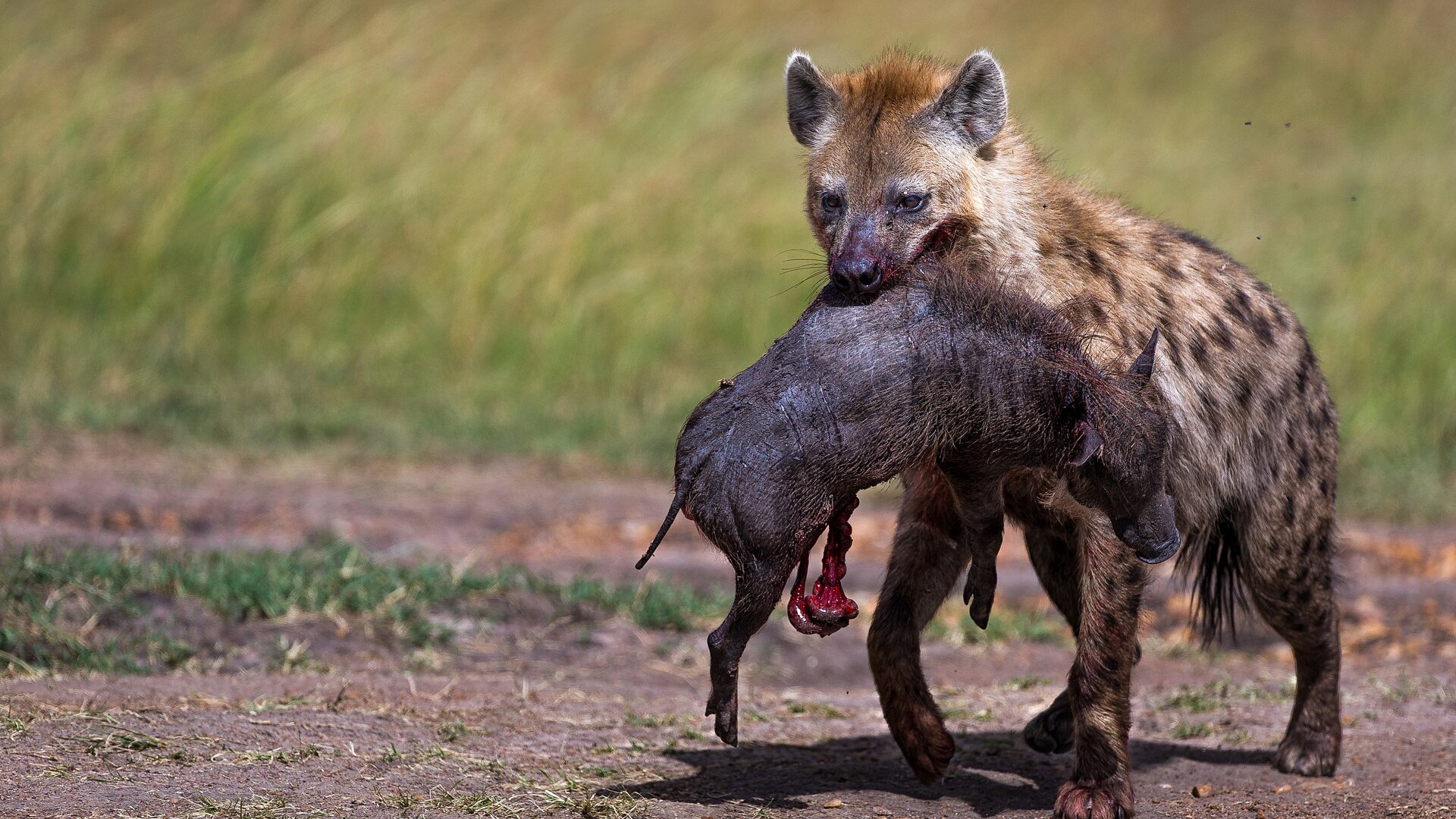
At large kills, feeding priority follows strict clan rank. The alpha matriarch and high-ranking females eat first on prime organ meats, while adult males wait patiently on the perimeter, feeding only on picked-over bones after females finish.
©Wikimedia Commons / Sumeet Moghe
20. Female Philopatry And Lifelong Roots
While males must leave home, female hyenas remain in their natal clan for life. Known as female philopatry, this strategy allows females to form lifelong bonds with mothers, sisters, and aunts, creating an unbroken matriarchal dynasty.
©Wikimedia Commons / CC BY-SA 2.0
19. Powerful Maternal Social Networks
Hyena political power depends on alliances rather than brute individual force. Mothers intervene to protect daughters, and related females form formidable coalitions. Immigrant males have no kin, leaving them vulnerable to group discipline.

©Wikimedia / Marcmiquel
18. Inherited Social Ranks
Social rank is matrilineally inherited. A daughter automatically inherits the rank immediately below her mother. Because dominant mothers aggressively intervene in disputes, a two-month-old female cub already outranks the largest adult male.
©Wikimedia Commons / StrongPeopleShowLove
Advertisement
Swipe or tap ▶ to resume the countdown.
17. Greater Female Body Mass
Unlike most carnivores where males are larger, female hyenas are roughly ten percent heavier and more muscular. Adult females weigh between 55 and 70 kilograms, giving them immediate physical leverage during hunting and social standoffs.
©Wikimedia Commons / Dominik Angstwurm
16. Muscular Forequarters And Stance
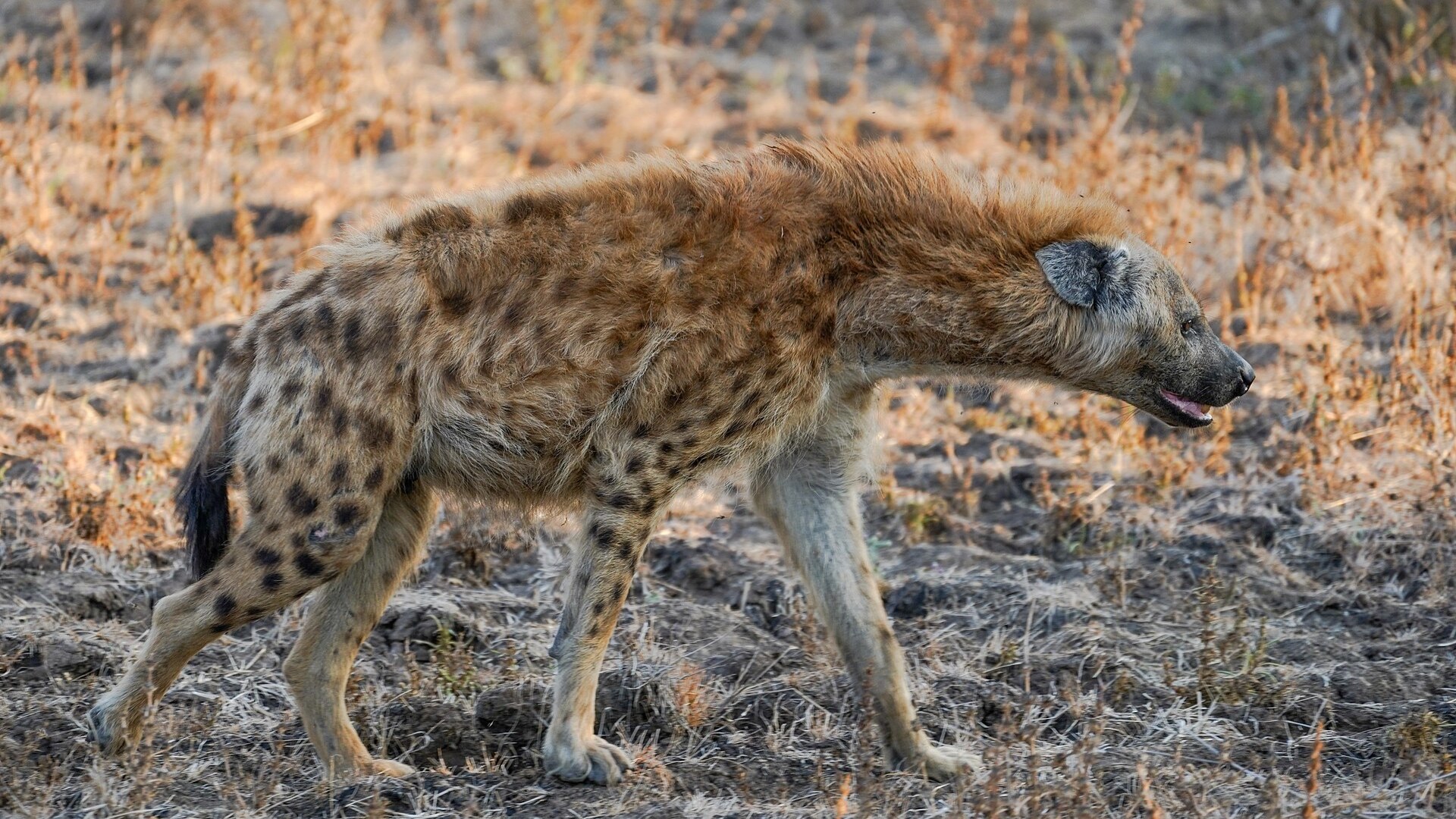
Female hyenas possess heavily developed neck and shoulder muscles that slope toward compact hindquarters. This front-heavy frame allows them to carry heavy carcass segments over long distances and deliver devastating directional bite force.
©Wikimedia Commons / flowcomm
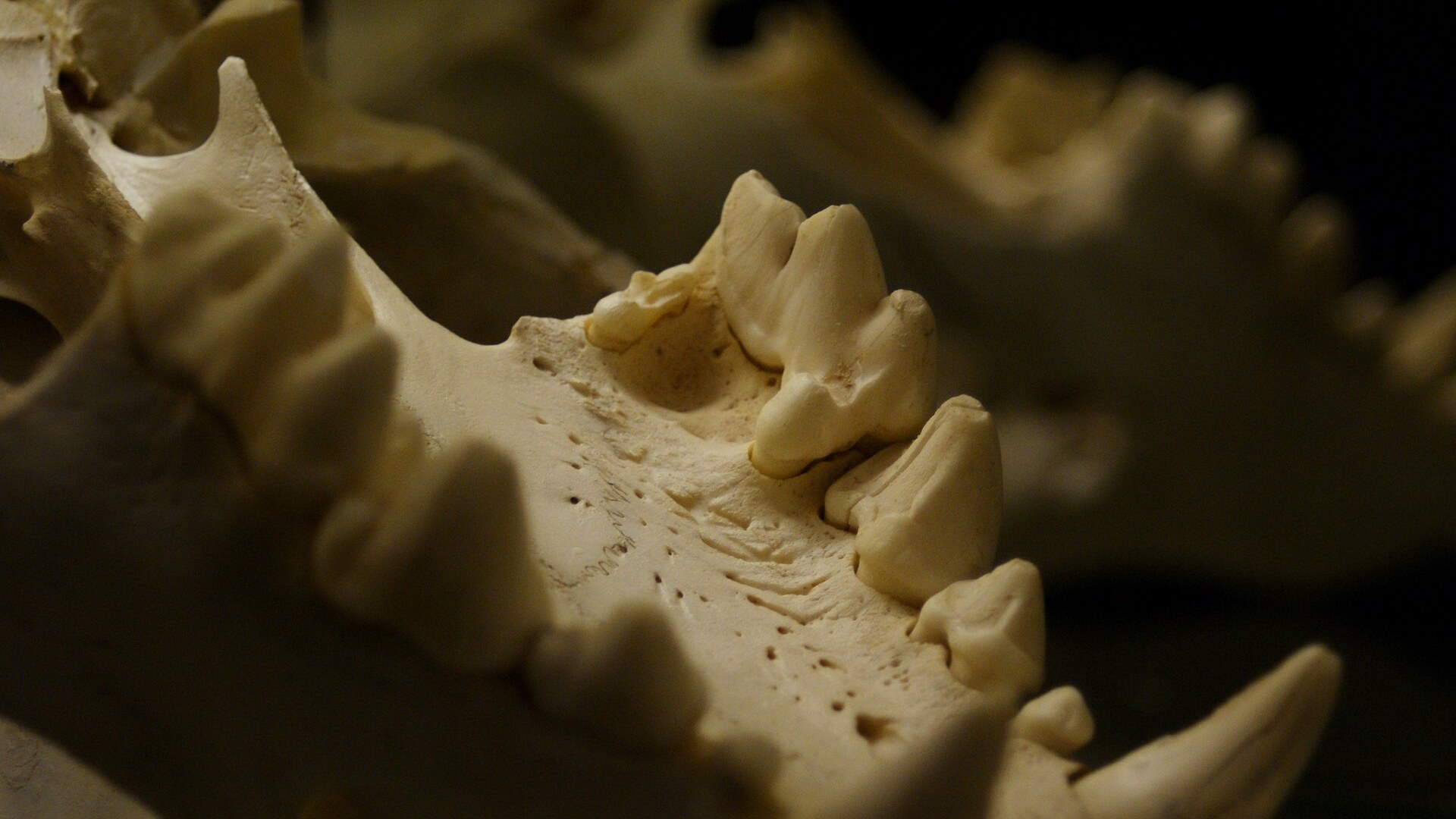
15. Bone-Crushing Jaw Mechanics
Spotted hyenas possess a bite force exceeding 1,100 pounds per square inch. Specialized premolars and a massive skull crest enable them to crush zebra and giraffe femur bones, accessing nutrient-rich marrow inaccessible to other predators.
©Wikimedia Commons / Dallas Krentzel
14. Prenatal Androgen Exposure
Female dominance begins before birth. Pregnant hyenas produce elevated levels of androstenedione, an androgenic hormone that crosses the placenta. This hormonal exposure primes developing cubs with high aggression and robust muscle mass.
©Wikimedia Commons / zoofanatic
Advertisement
Swipe or tap ▶ to resume the countdown.
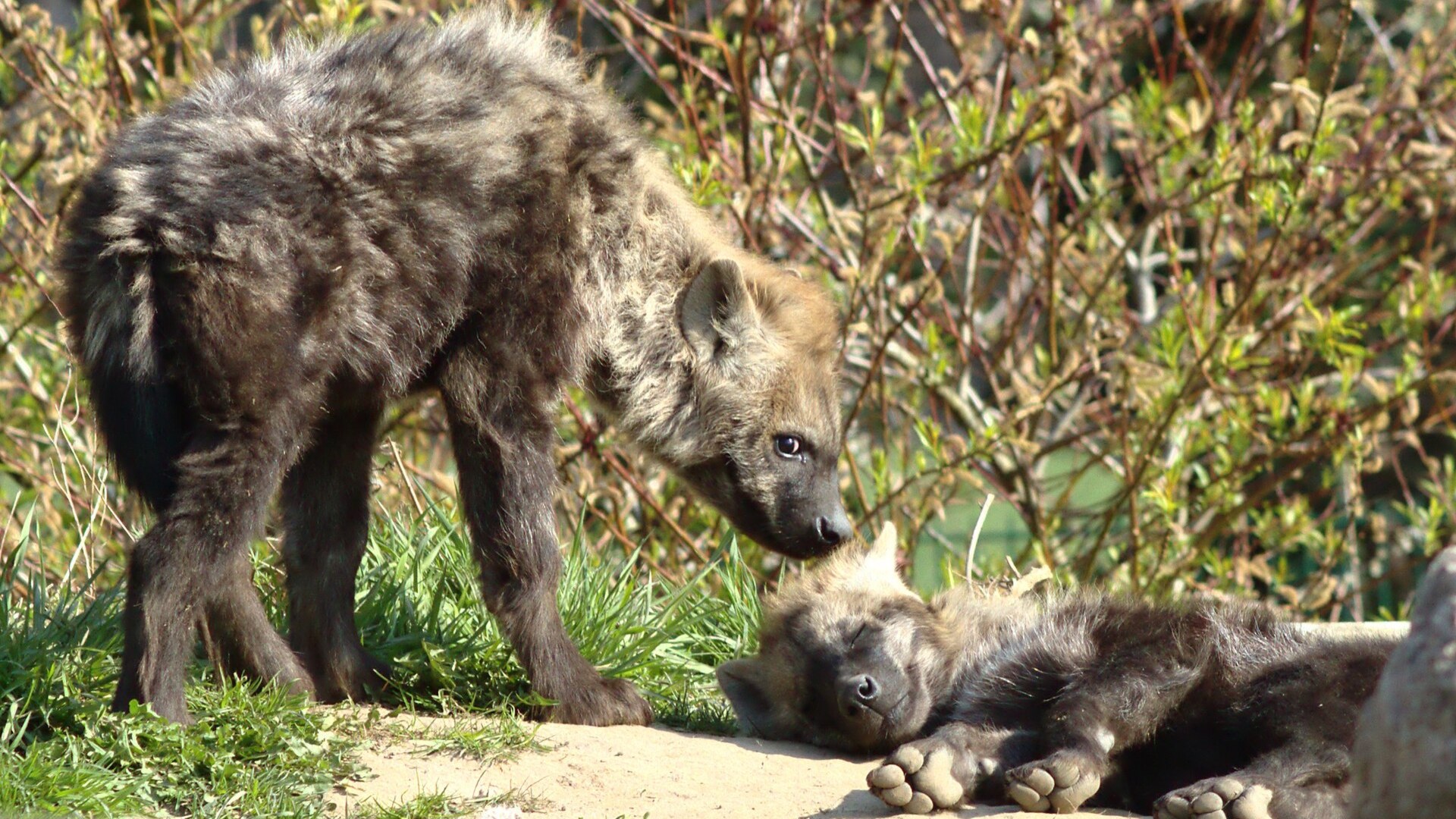
13. Intense Den Competition
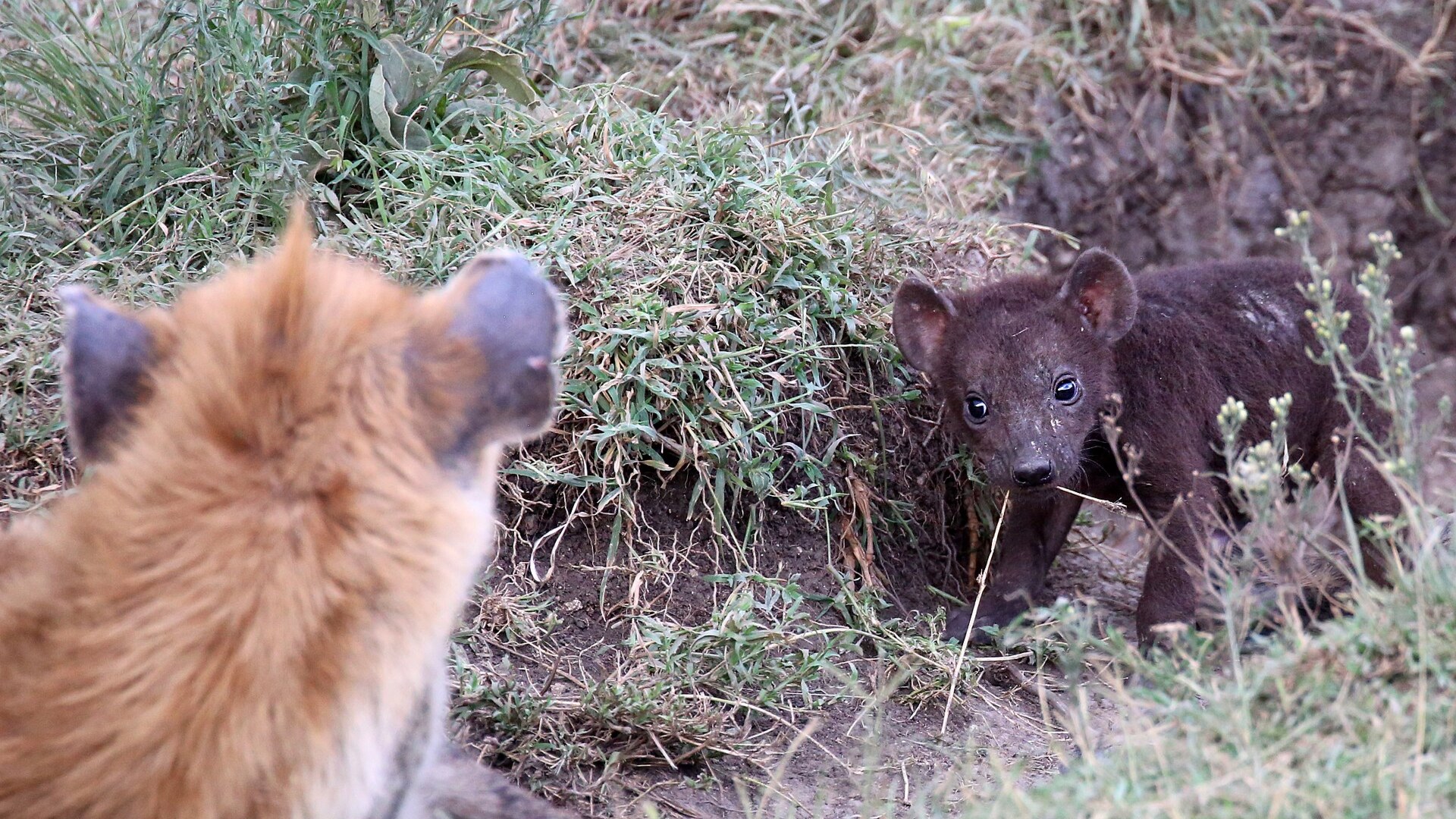
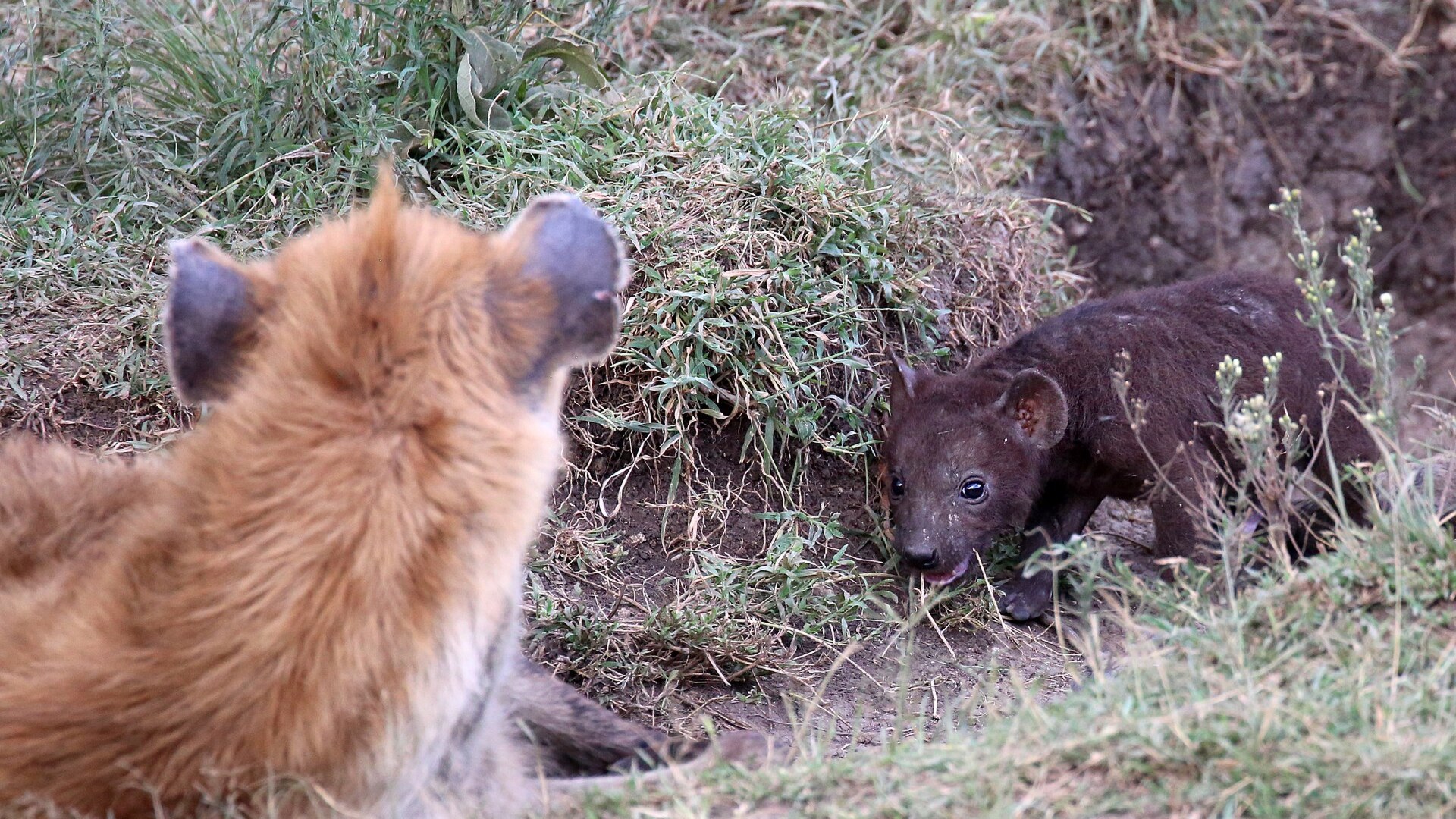
Hyena cubs are born with open eyes and fully erupted teeth. Within minutes of birth inside underground dens, littermates engage in fierce fighting matches to establish strict feeding order, using sharp bites to establish dominance.
©Wikimedia Commons / zoofanatic
12. High-Stakes Matrilineal Competition
When twin female cubs are born to high-ranking mothers, rivalry can turn fatal through facultative siblicide. The dominant cub may prevent her sister from nursing, eliminating future political competition for maternal rank and resources.
©Wikimedia Commons / New Jersey Birds
11. Rich Maternal Milk Investment
Hyena milk boasts the highest protein and fat content of any terrestrial carnivore. Because this milk is exceptionally rich, mothers nurse their cubs for up to eighteen months, fueling rapid growth into formidable competitors.
©Wikimedia Commons / Susanne Elsig-Lohmann
10. Specialized External Anatomy
Female hyenas lack an external vaginal opening. Instead, the clitoris is modified into an erectile pseudo-penis through which they urinate, mate, and give birth. This unique organ evolved alongside prenatal androgen exposure.
©Wikimedia Commons / Bernard DUPONT
Advertisement
Swipe or tap ▶ to resume the countdown.
9. The Perils Of Childbirth
The pseudo-penis makes first-time childbirth dangerous. The birth canal passes through this narrow organ, causing severe tearing during labor. Up to fifteen percent of first-time mothers die, making surviving matriarchs battle-tested survivors.
©Wikimedia Commons / Phil Newton
8. Total Female Reproductive Autonomy
Because mating requires active retraction of the female pseudo-penis, forced copulation is impossible. Females hold total reproductive veto power, choosing patient, respectful males that demonstrate appeasement over many months.
©Wikimedia Commons / flowcomm
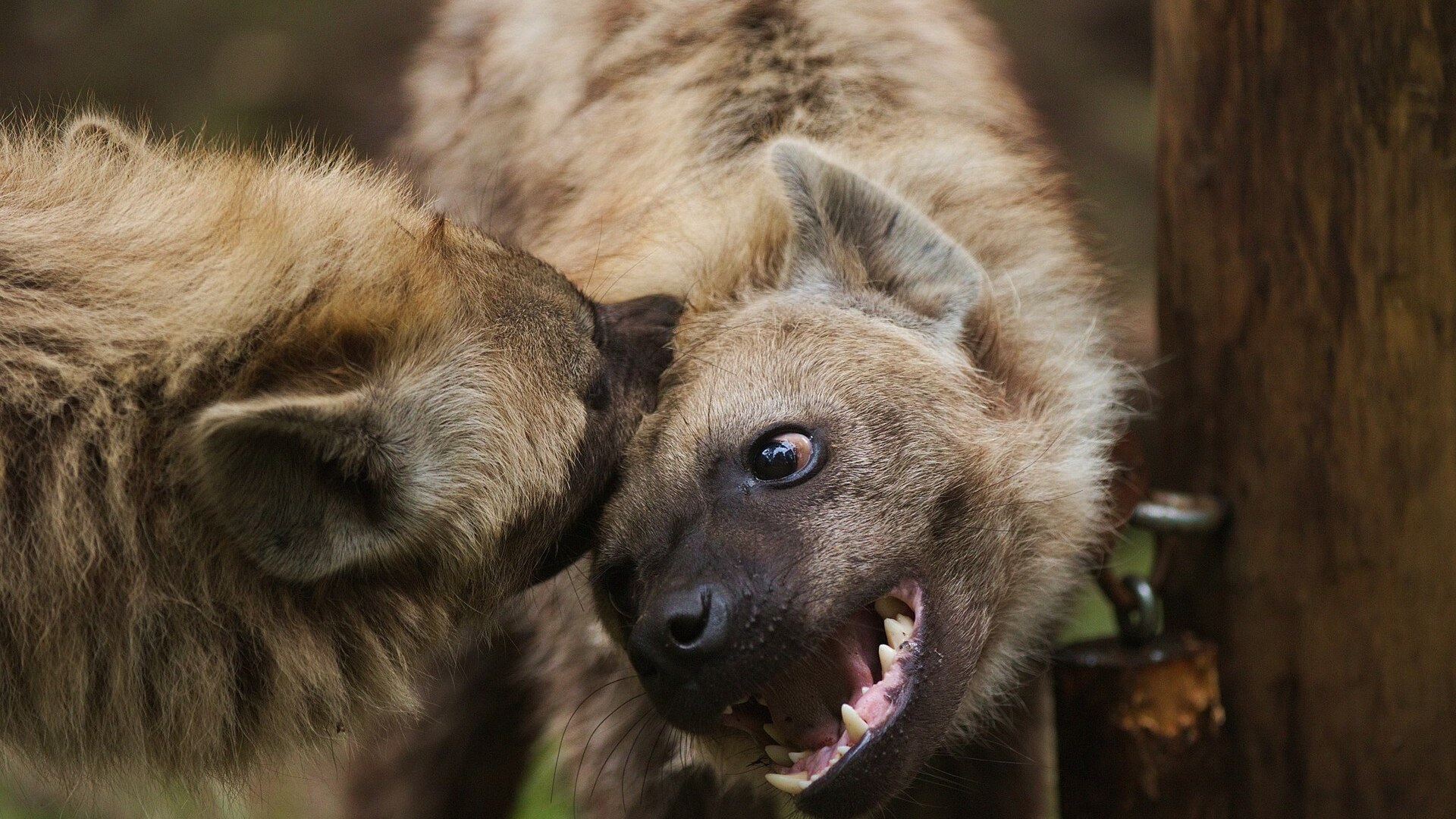
7. Complex Greeting Ceremonies
Clan cohesion is maintained through a ritualized greeting ceremony. Two hyenas stand parallel facing opposite directions, lifting a hind leg for mutual genital inspection. Requiring calm submission, this ritual defuses social tension.
©Pixabay / 47313974
6. Coordinated Group Hunting
Spotted hyenas hunt and kill over seventy percent of their prey. Led by matriarchs, coordinated hunting parties pursue prey across miles of open savannah, taking down wildebeest, zebra, and cape buffalo with remarkable teamwork and stamina.
©Wikimedia Commons / CC BY-SA 2.0
Advertisement
Swipe or tap ▶ to resume the countdown.
5. Clashing With Apex Competitors
Hyenas and lions compete fiercely for savannah resources. While a single lion can overpower a hyena, an organized hyena clan led by matriarchs uses numerical superiority and mobbing tactics to drive lion prides away from kills.
©Wikimedia Commons / Bernard DUPONT
4. The Resonant Whoop Call
Hyenas communicate across immense distances using distinct whoop vocalizations. Matriarchs use powerful rallying whoops to assemble clan members quickly for group hunts, territory defense, or confrontations with rival predators.
©Wikimedia Commons / Derek Keats
3. Clan Border Defense And Patrols
A spotted hyena clan vigorously defends an established territory spanning up to one thousand square kilometers. Female patrol units walk boundary lines, renew scent marks, and wage violent boundary clashes against neighboring clans.
©Wikimedia Commons / Martijn Munneke
2. Matriarchal Sisterhood Coalitions
Clan stability rests on tight coalitions of related females. Sisters, mothers, and daughters form generational political alliances that maintain social order, resolve internal conflict, and protect collective hunting grounds.
©Wikimedia Commons / Thomas Fuhrmann
Advertisement
Swipe or tap ▶ to resume the countdown.
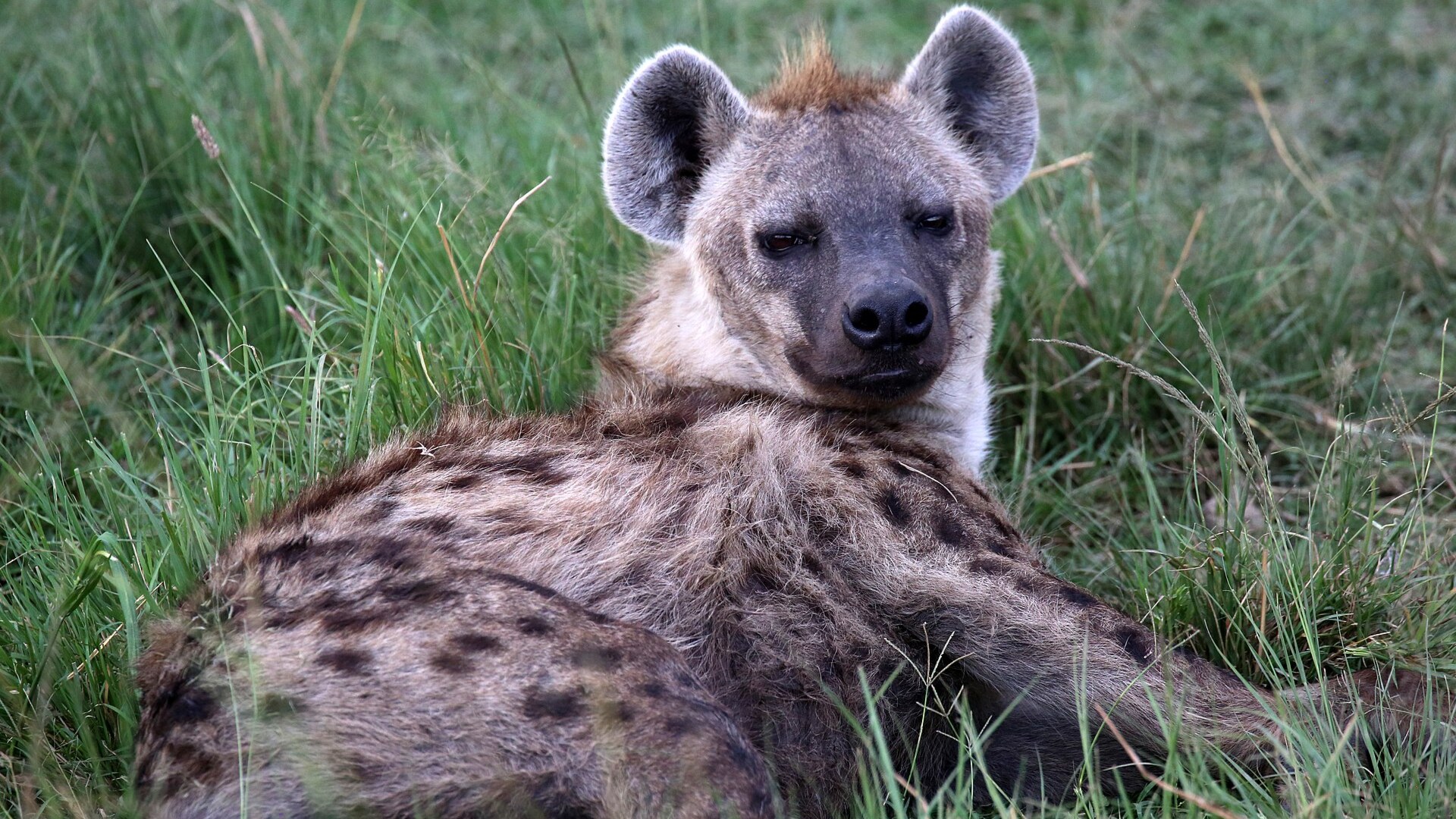
1. The Supreme Alpha Matriarch
At the apex of clan society reigns the alpha matriarch. She commands up to eighty clan members, claims first access to food, and directs group movements. Her daughters inherit her exalted position, perpetuating the dynasty.

©Wikimedia Commons / flowcomm
Advertisement
You've reached the end of the story. Thanks for reading!

25 Animals That May Detect Fear Through Scent and Body Language
From specialized olfactory receptors to airborne alarm pheromones, numerous species possess the extraordinary ability to detect chemical distress signals. Based on research from Live Science, National Geographic, and peer-reviewed biology journals, here are twenty-five animals that can smell and sense fear.
All 24 Entries in this Story
1. Lowly Immigrant Males
Every adult male spotted hyena ranks below even the lowest-ranking female and cub in the clan. When a male reaches sexual maturity, he must leave his natal group and join a new clan as an outsider. In his new home, he starts at the absolute bottom of the social hierarchy, enduring constant harassment.

2. The Perilous Journey Of Male Dispersal
Between two and five years of age, young males leave the protection of their natal clan to prevent inbreeding. Traversing foreign land is hazardous, as strange clans attack trespassers. Surviving immigrant males must wait on territory margins before approaching females.

3. Strict Submissive Postures
To avoid violent attacks, immigrant males display submissive appeasement postures. They lower their bodies, pin their ears back, and emit submissive giggles when females approach. Any sign of defiance is met with swift, coordinated discipline.

4. Feeding Subordination At Kills
At large kills, feeding priority follows strict clan rank. The alpha matriarch and high-ranking females eat first on prime organ meats, while adult males wait patiently on the perimeter, feeding only on picked-over bones after females finish.

5. Female Philopatry And Lifelong Roots
While males must leave home, female hyenas remain in their natal clan for life. Known as female philopatry, this strategy allows females to form lifelong bonds with mothers, sisters, and aunts, creating an unbroken matriarchal dynasty.

6. Powerful Maternal Social Networks
Hyena political power depends on alliances rather than brute individual force. Mothers intervene to protect daughters, and related females form formidable coalitions. Immigrant males have no kin, leaving them vulnerable to group discipline.

7. Inherited Social Ranks
Social rank is matrilineally inherited. A daughter automatically inherits the rank immediately below her mother. Because dominant mothers aggressively intervene in disputes, a two-month-old female cub already outranks the largest adult male.

8. Greater Female Body Mass
Unlike most carnivores where males are larger, female hyenas are roughly ten percent heavier and more muscular. Adult females weigh between 55 and 70 kilograms, giving them immediate physical leverage during hunting and social standoffs.

9. Muscular Forequarters And Stance
Female hyenas possess heavily developed neck and shoulder muscles that slope toward compact hindquarters. This front-heavy frame allows them to carry heavy carcass segments over long distances and deliver devastating directional bite force.

10. Bone-Crushing Jaw Mechanics
Spotted hyenas possess a bite force exceeding 1,100 pounds per square inch. Specialized premolars and a massive skull crest enable them to crush zebra and giraffe femur bones, accessing nutrient-rich marrow inaccessible to other predators.

11. Prenatal Androgen Exposure
Female dominance begins before birth. Pregnant hyenas produce elevated levels of androstenedione, an androgenic hormone that crosses the placenta. This hormonal exposure primes developing cubs with high aggression and robust muscle mass.

12. Intense Den Competition
Hyena cubs are born with open eyes and fully erupted teeth. Within minutes of birth inside underground dens, littermates engage in fierce fighting matches to establish strict feeding order, using sharp bites to establish dominance.

13. High-Stakes Matrilineal Competition
When twin female cubs are born to high-ranking mothers, rivalry can turn fatal through facultative siblicide. The dominant cub may prevent her sister from nursing, eliminating future political competition for maternal rank and resources.

14. Rich Maternal Milk Investment
Hyena milk boasts the highest protein and fat content of any terrestrial carnivore. Because this milk is exceptionally rich, mothers nurse their cubs for up to eighteen months, fueling rapid growth into formidable competitors.

15. Specialized External Anatomy
Female hyenas lack an external vaginal opening. Instead, the clitoris is modified into an erectile pseudo-penis through which they urinate, mate, and give birth. This unique organ evolved alongside prenatal androgen exposure.

16. The Perils Of Childbirth
The pseudo-penis makes first-time childbirth dangerous. The birth canal passes through this narrow organ, causing severe tearing during labor. Up to fifteen percent of first-time mothers die, making surviving matriarchs battle-tested survivors.

17. Total Female Reproductive Autonomy
Because mating requires active retraction of the female pseudo-penis, forced copulation is impossible. Females hold total reproductive veto power, choosing patient, respectful males that demonstrate appeasement over many months.

18. Complex Greeting Ceremonies
Clan cohesion is maintained through a ritualized greeting ceremony. Two hyenas stand parallel facing opposite directions, lifting a hind leg for mutual genital inspection. Requiring calm submission, this ritual defuses social tension.

20. Coordinated Group Hunting
Spotted hyenas hunt and kill over seventy percent of their prey. Led by matriarchs, coordinated hunting parties pursue prey across miles of open savannah, taking down wildebeest, zebra, and cape buffalo with remarkable teamwork and stamina.

21. Clashing With Apex Competitors
Hyenas and lions compete fiercely for savannah resources. While a single lion can overpower a hyena, an organized hyena clan led by matriarchs uses numerical superiority and mobbing tactics to drive lion prides away from kills.

22. The Resonant Whoop Call
Hyenas communicate across immense distances using distinct whoop vocalizations. Matriarchs use powerful rallying whoops to assemble clan members quickly for group hunts, territory defense, or confrontations with rival predators.

23. Clan Border Defense And Patrols
A spotted hyena clan vigorously defends an established territory spanning up to one thousand square kilometers. Female patrol units walk boundary lines, renew scent marks, and wage violent boundary clashes against neighboring clans.

24. Matriarchal Sisterhood Coalitions
Clan stability rests on tight coalitions of related females. Sisters, mothers, and daughters form generational political alliances that maintain social order, resolve internal conflict, and protect collective hunting grounds.

25. The Supreme Alpha Matriarch
At the apex of clan society reigns the alpha matriarch. She commands up to eighty clan members, claims first access to food, and directs group movements. Her daughters inherit her exalted position, perpetuating the dynasty.