Slideshow · Animals
Why Growing Up With Pets Is So Special for Children
From building daily routines and empathy to unconditional love, discover sixteen developmental wonders of growing up alongside a furry companion.
By Most Viral Today
5 Nov 2026

Sixteen Reasons Growing Up With Pets Enriches Childhood 
16. Establishing Daily Routines 
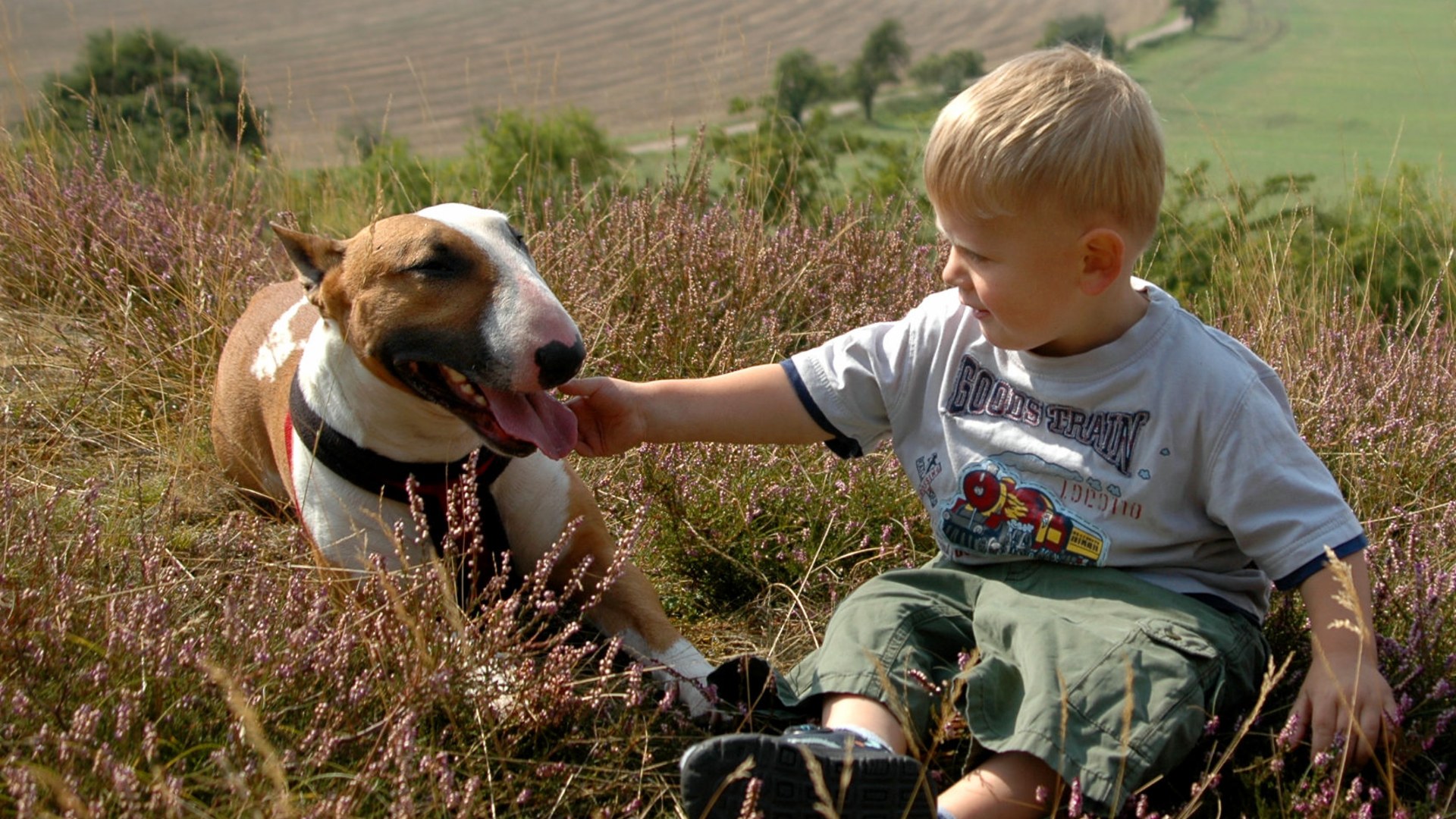
15. Active Outdoor Play & Exercise 
14. Boosting Natural Immunity - AdvertisementSwipe or tap ▶ to continue countdown

13. Calming Sensory Comfort 
12. Hands-On Responsibility & Chores 
11. Expressive Language Practice 
10. Decoding Non-Verbal Cues - AdvertisementSwipe or tap ▶ to continue countdown

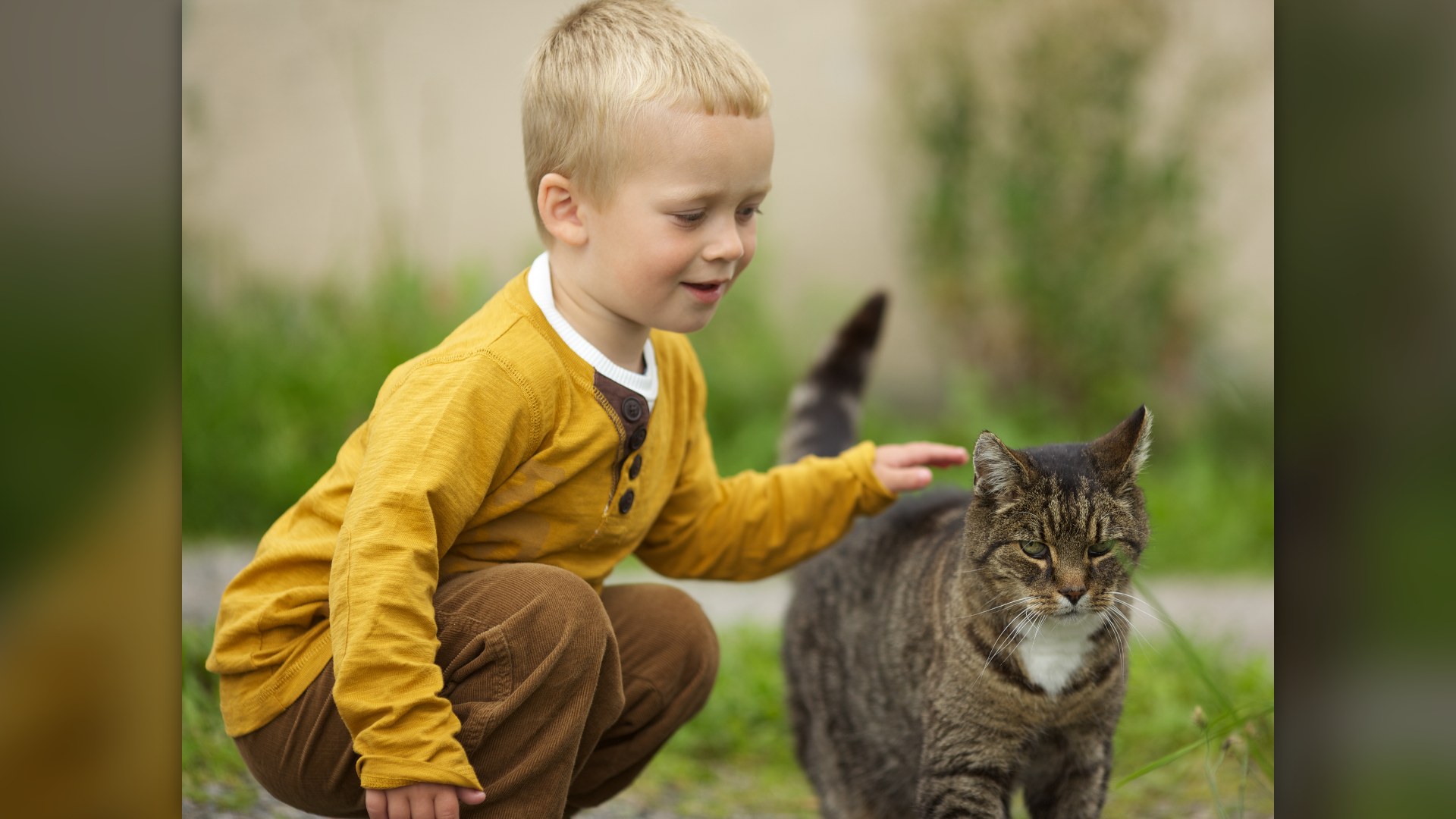
9. Nurturing Patience & Gentleness 
8. Building Peer Social Bridges 
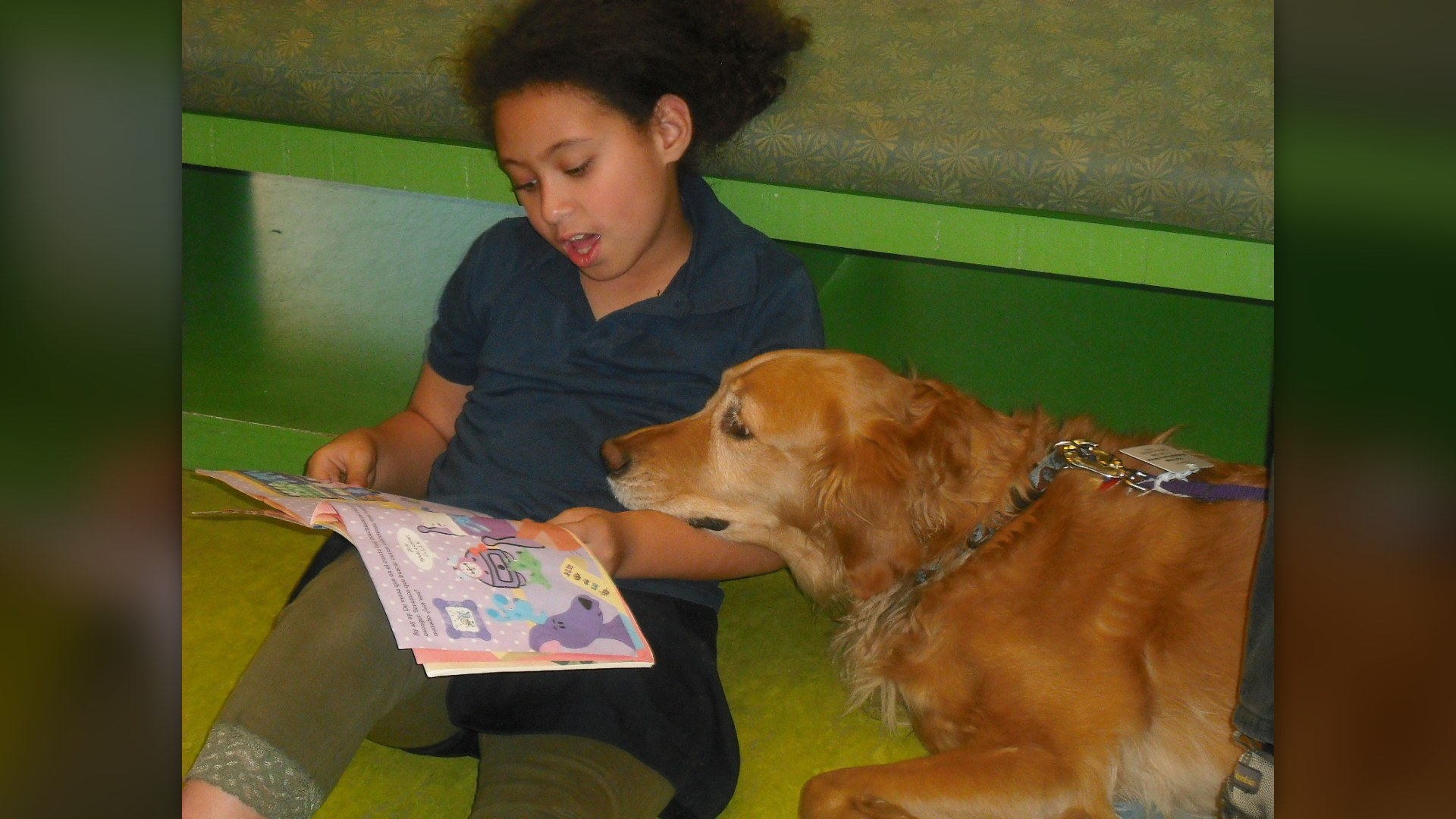
7. Non-Judgmental Reading Companion 
6. A Safe Emotional Haven - AdvertisementSwipe or tap ▶ to continue countdown

5. Developing Deep Empathy 
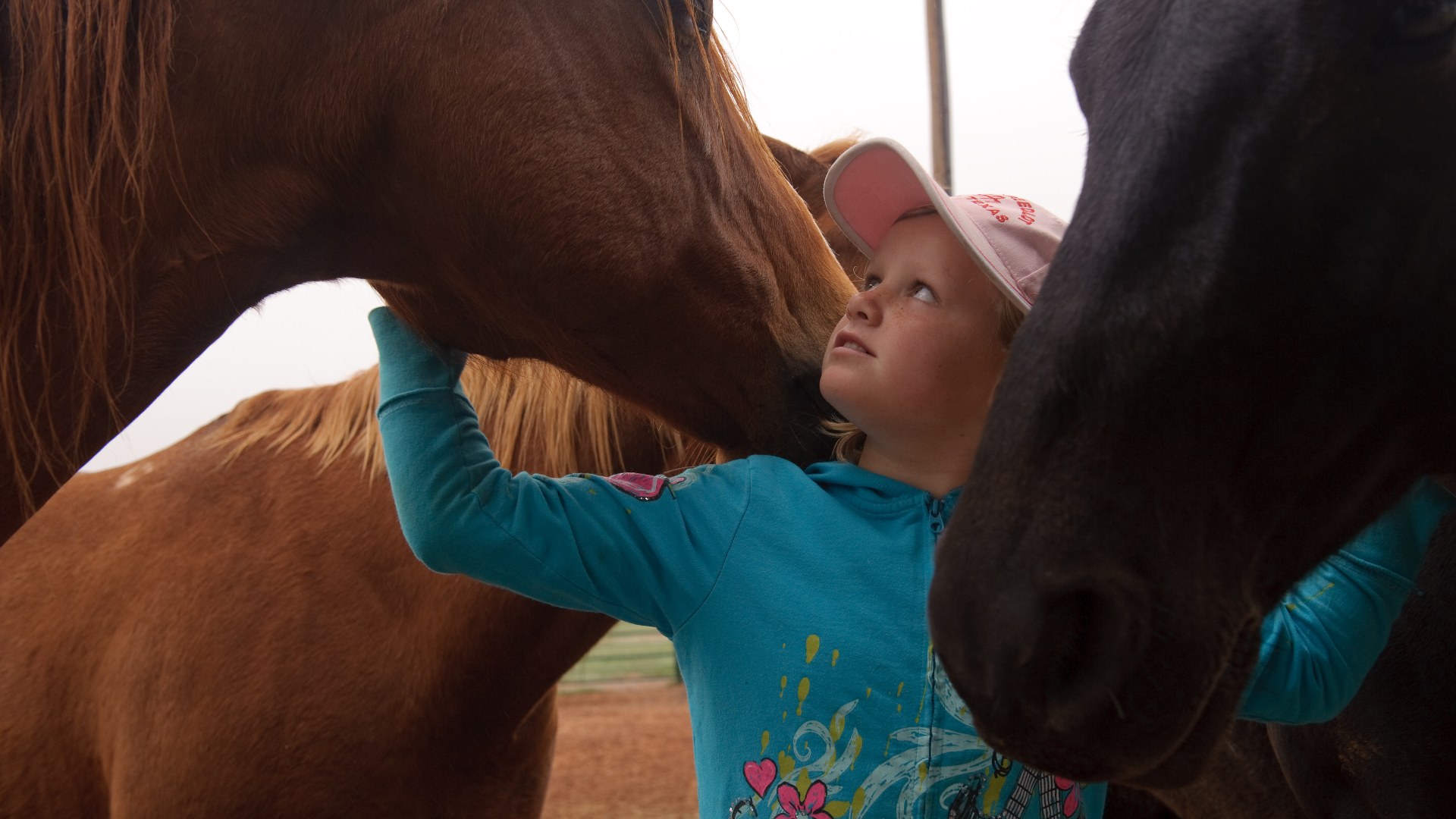
4. Big Animal Respect & Courage 
3. Lessons In Compassionate Care 
2. Understanding Life Cycles - AdvertisementSwipe or tap ▶ to continue countdown

1. Unconditional Love & Lifelong Memory - Advertisement🔥 UP NEXT IN THIS SERIES◫ 26 Slides

25 Animals That May Detect Fear Through Scent and Body Language
From specialized olfactory receptors to airborne alarm pheromones, numerous species possess the extraordinary ability to detect chemical distress signals. Based on research from Live Science, National Geographic, and peer-reviewed biology journals, here are twenty-five animals that can smell and sense fear.
From daily routines and immune vitality to lifelong empathy, discover sixteen powerful developmental benefits of childhood pets, ranked in ascending order.
Swipe or tap ▶ to begin the countdown
©Wikimedia Commons / Abel Maestro Garcia / Dave Buchwald
16. Establishing Daily Routines
Long before children manage their own homework or alarms, a family pet establishes daily structure. Feeding schedules, morning yard visits, and evening walks introduce consistent biological rhythms that ground a child daily routine.
©Wikimedia Commons / Bobjgalindo
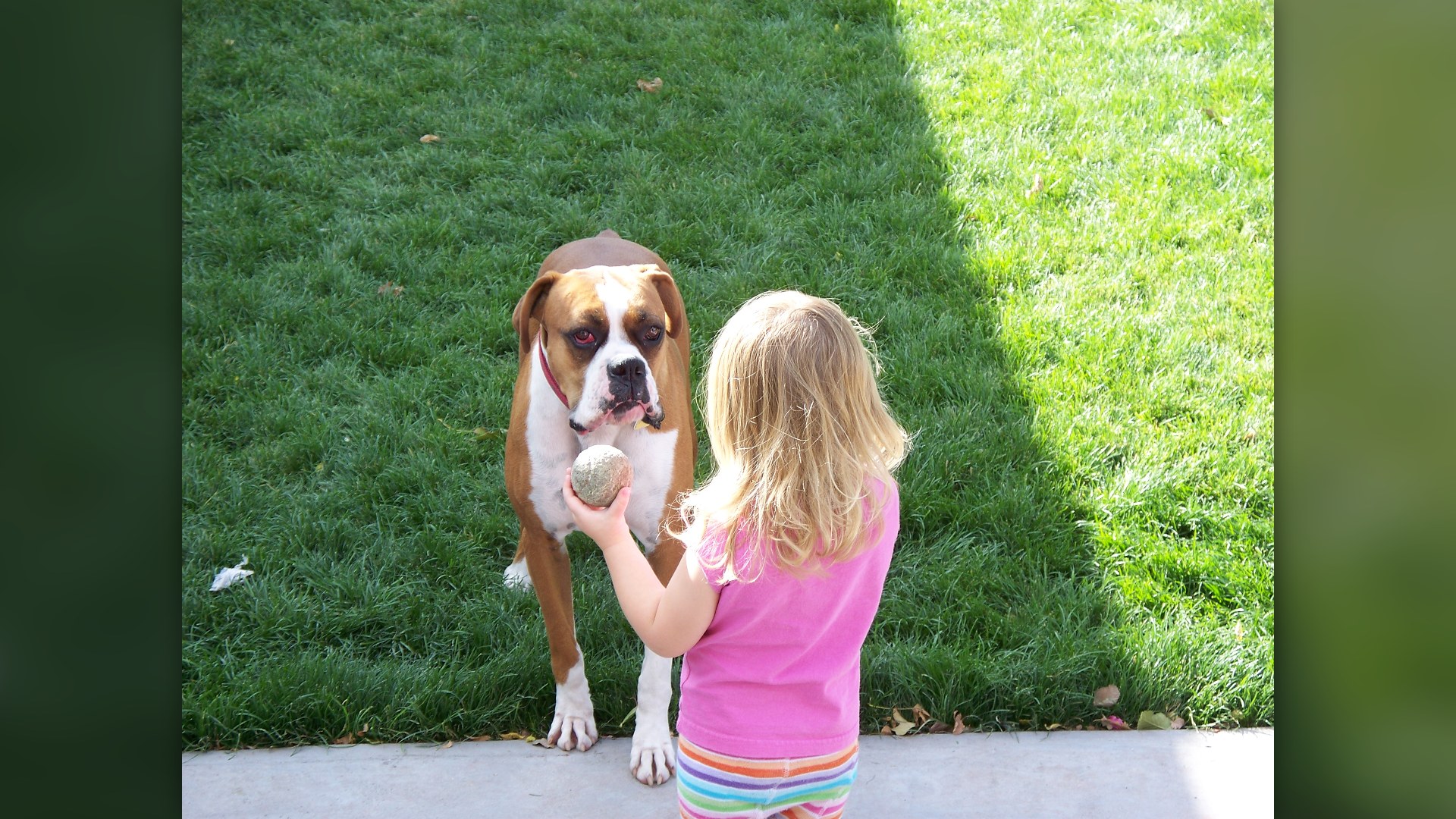
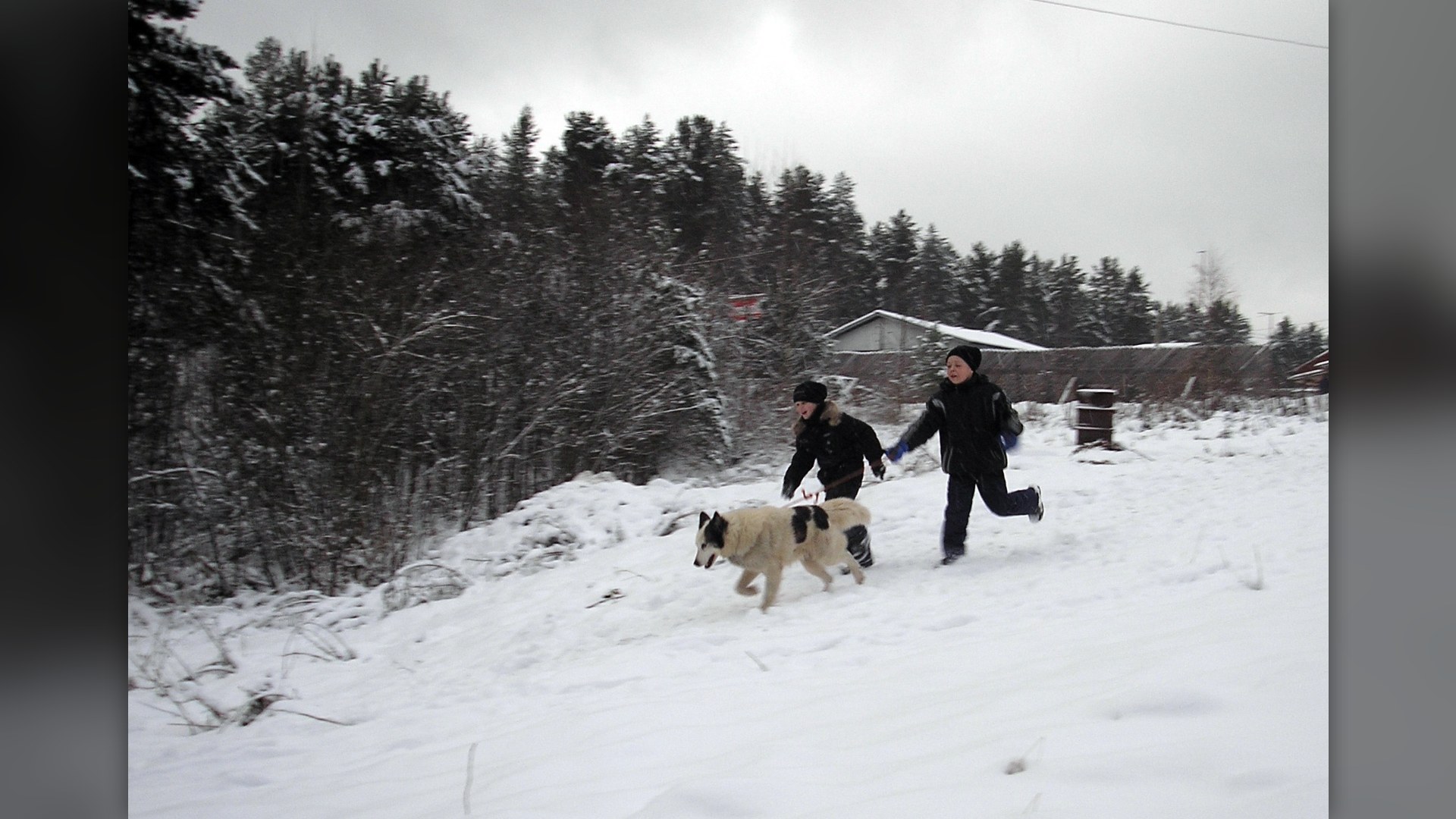
15. Active Outdoor Play & Exercise
Child development researchers find that children with energetic dogs log significantly more daily physical activity. Chasing a puppy across green grass or tossing a tennis ball turns cardio workout into pure laughter and play.
©Wikimedia Commons / Levi Saunders
14. Boosting Natural Immunity
Pediatric studies reveal that infants growing up with domestic pets develop stronger, more resilient immune responses. Regular interaction with pet dander and outdoor microbes trains developing immune systems to resist common allergens.
©Wikimedia Commons / tenaciousme
Advertisement
Swipe or tap ▶ to resume the countdown.
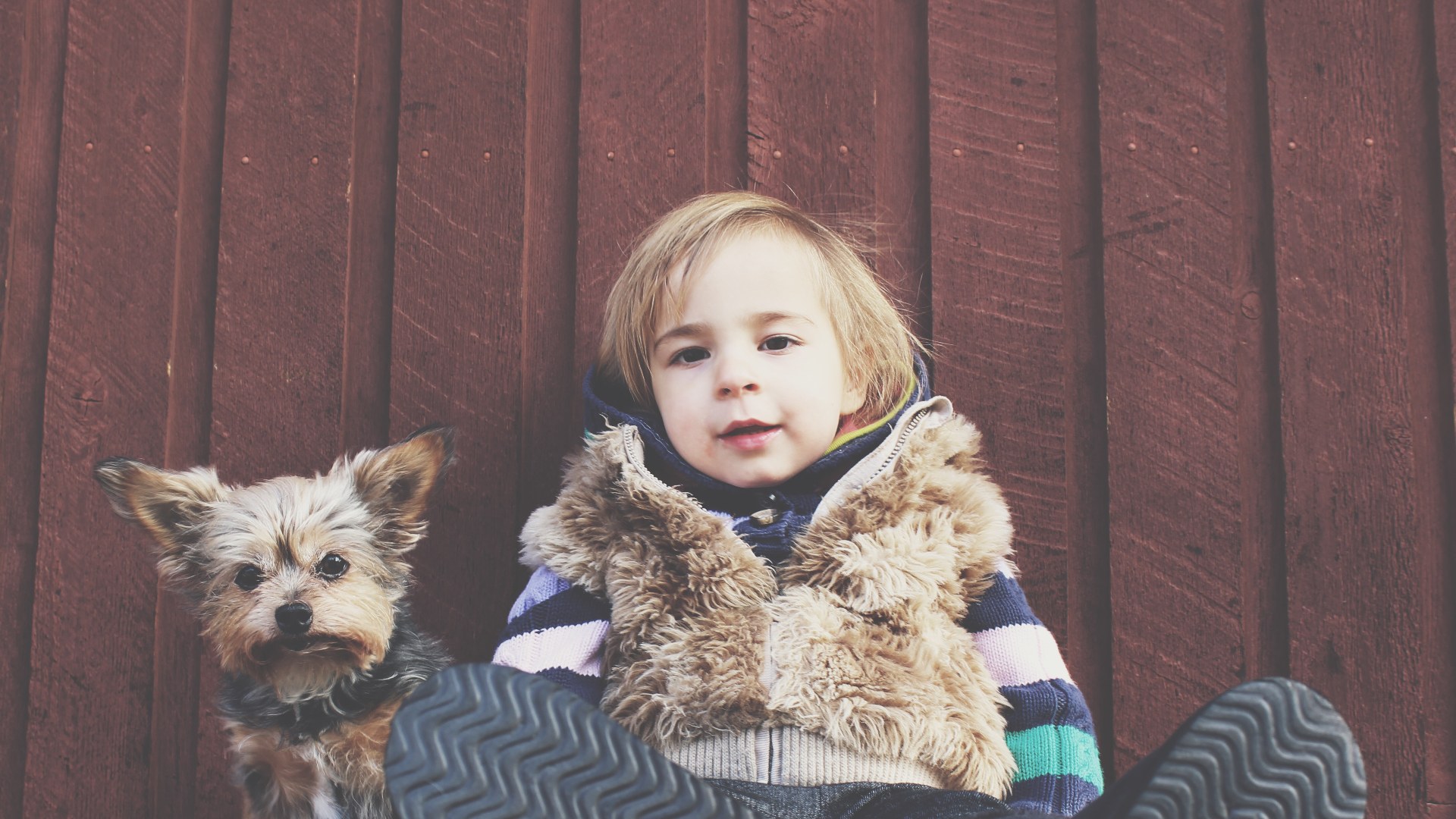
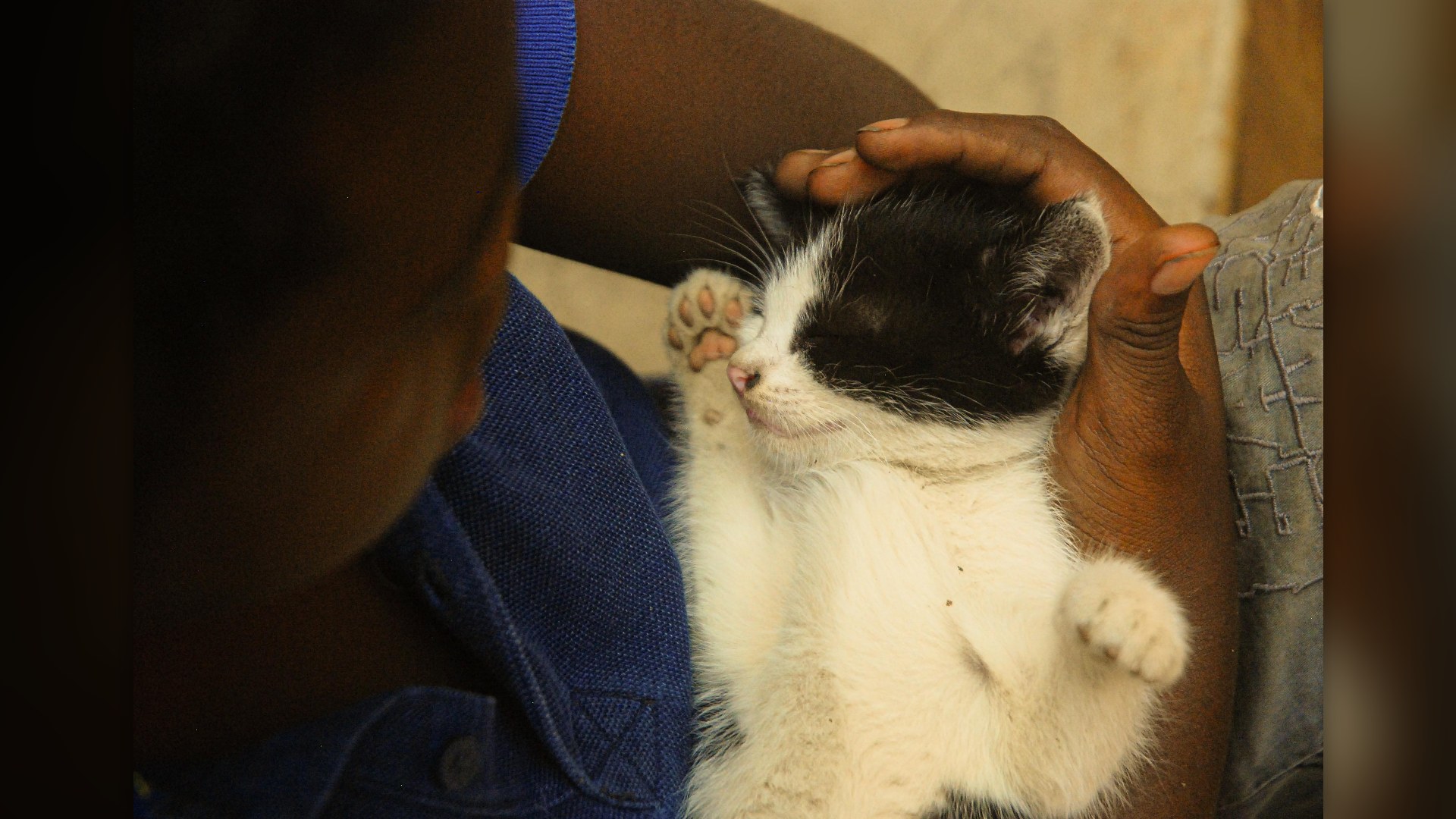
13. Calming Sensory Comfort
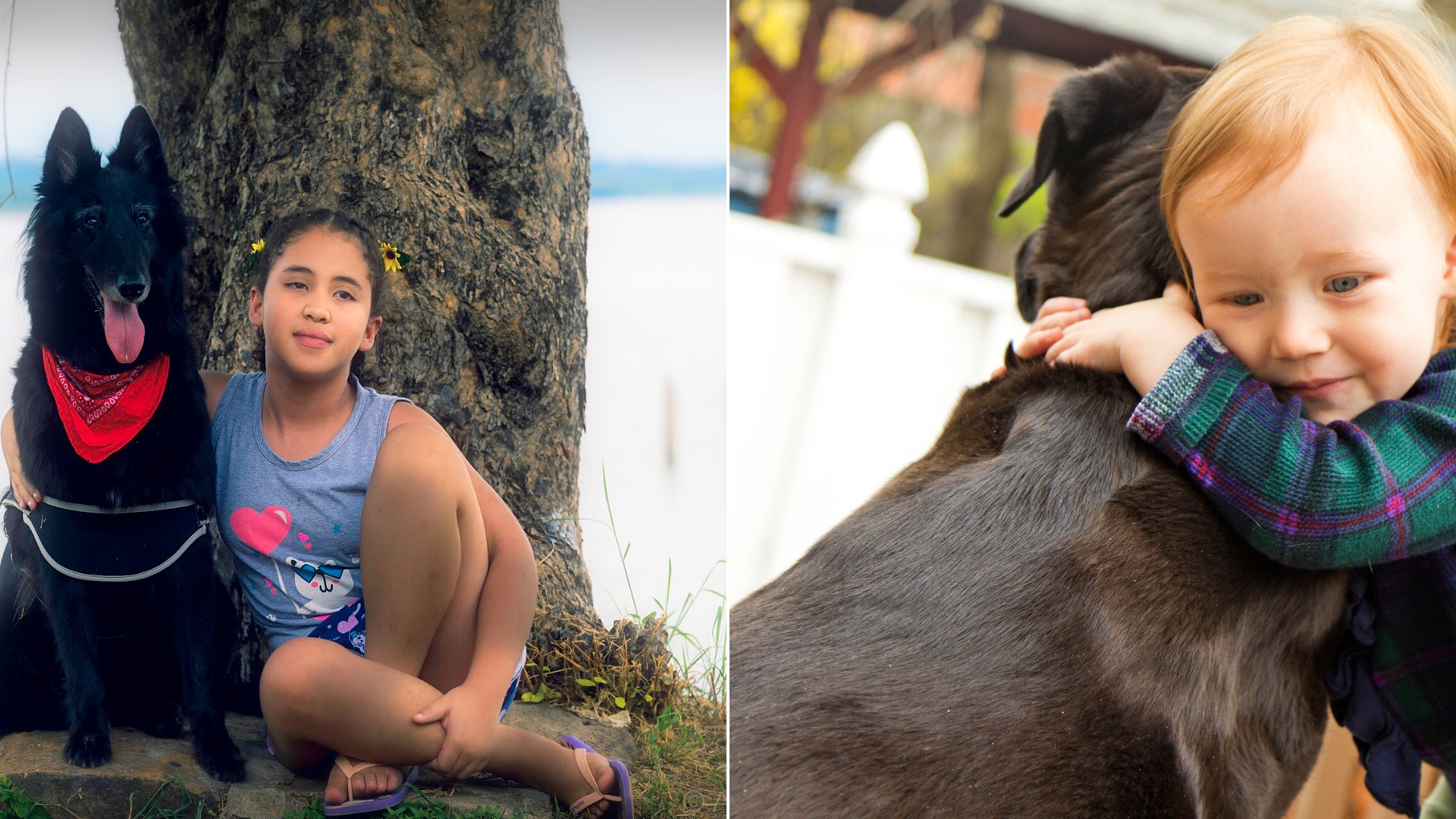
Tactile interaction with an animal triggers rapid oxytocin release in developing brains. When a child feels overwhelmed or overstimulated, simply burying small hands into soft fur provides immediate somatic grounding and reassurance.
©Wikimedia Commons / Pretenderrs
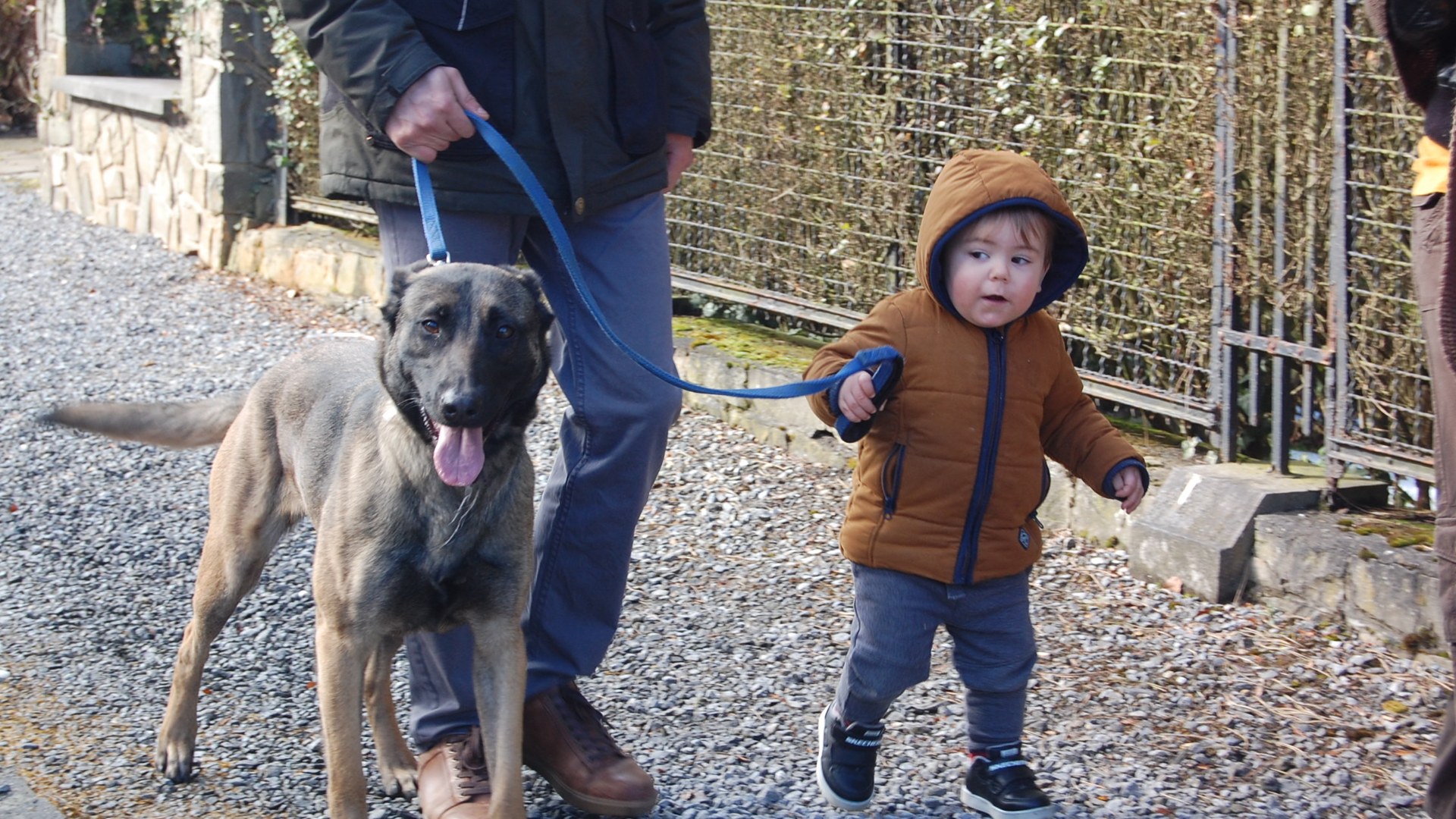
12. Hands-On Responsibility & Chores
Taking ownership of pet chores gives children genuine agency. Measuring kibble into dishes or guiding a leash down the sidewalk demonstrates that another creature wellbeing relies on attentive, thoughtful follow-through.
©Wikimedia Commons / Lucyin
11. Expressive Language Practice
Children frequently hold long, imaginative conversations with pets. Because animals offer eager, unconditional listening without testing grammar or pronunciation, young kids gain linguistic confidence and emotional fluency.
©Wikimedia Commons / Amaury Laporte
10. Decoding Non-Verbal Cues
Before children master human social subtexts, pets teach them the art of non-verbal observation. A flattened ear, a gentle tail wag, or a soft purr reveals internal moods, cultivating sharp observational social intelligence.
©Wikimedia Commons / Vanmulondo
Advertisement
Swipe or tap ▶ to resume the countdown.
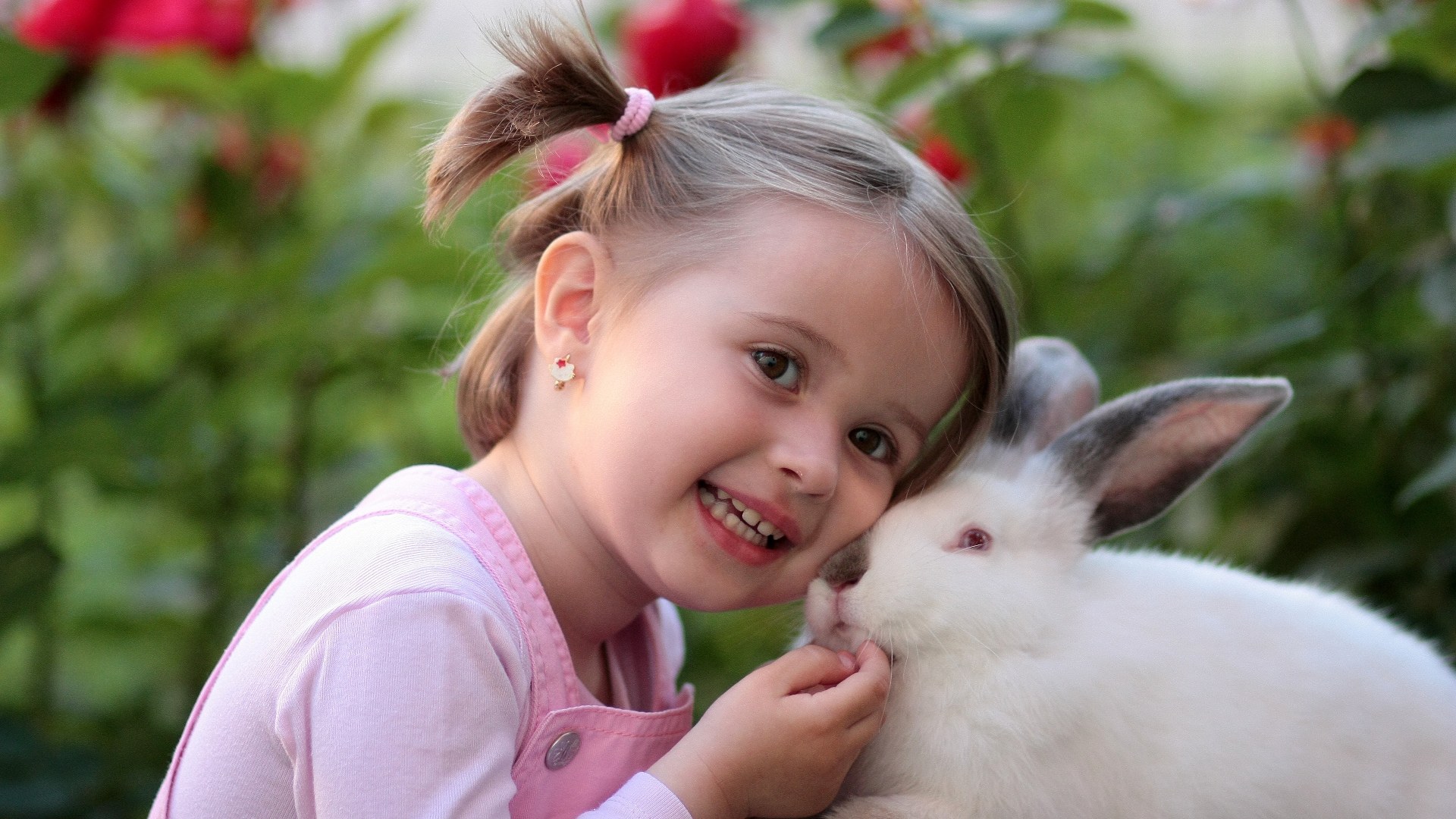
9. Nurturing Patience & Gentleness
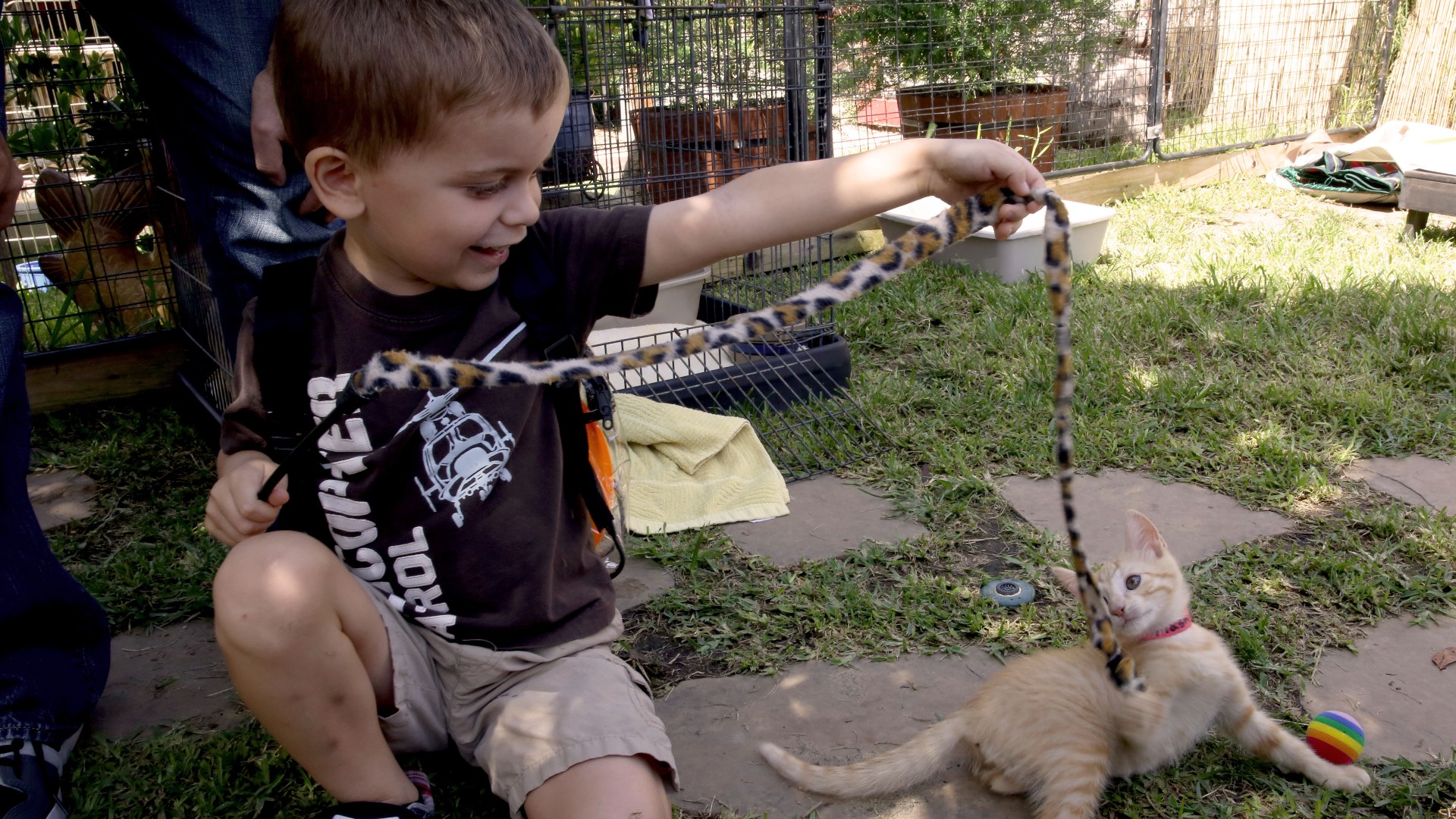
Excitable children quickly learn that sudden gestures or loud shouts frighten small animals. Earning the trust of a gentle rabbit or kitten requires slow breathing, quiet voices, and mindful restraint, nurturing lifelong self-control.
©Wikimedia Commons / AdinaVoicu
8. Building Peer Social Bridges
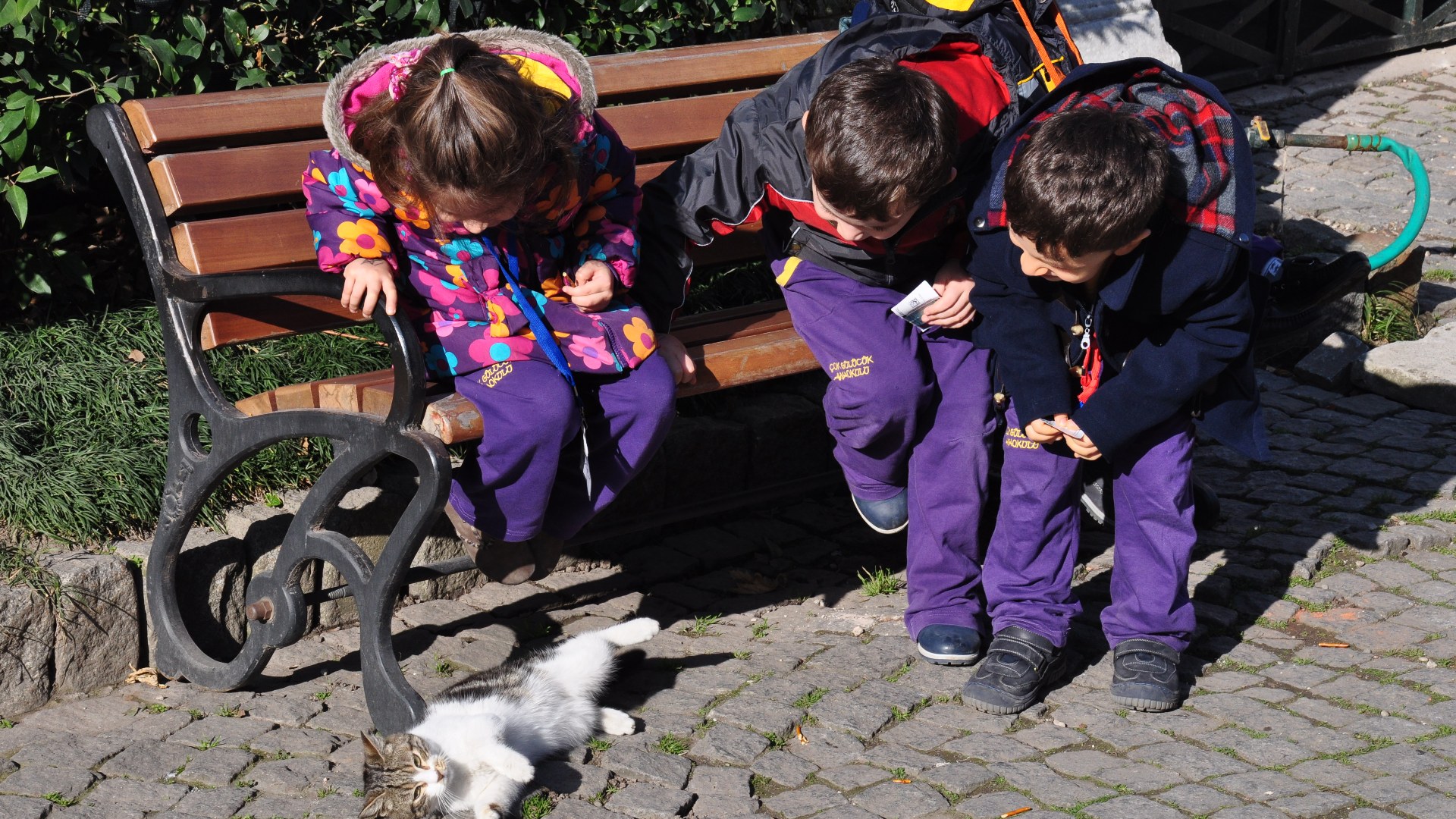
In parks and schoolyards, a friendly pet acts as an effortless social bridge. Shy or introverted kids find it far easier to initiate conversations with peers when the shared spotlight centers on an adorable companion.
©Wikimedia Commons / Nancy Collins
7. Non-Judgmental Reading Companion
Literacy programs worldwide pair struggling early readers with therapy dogs. A loyal canine never interrupts, sighs, or grades stumbles. Resting beside an attentive listener, young readers overcome anxiety and discover the joy of books.
©Wikimedia Commons / San Jose Library
6. A Safe Emotional Haven
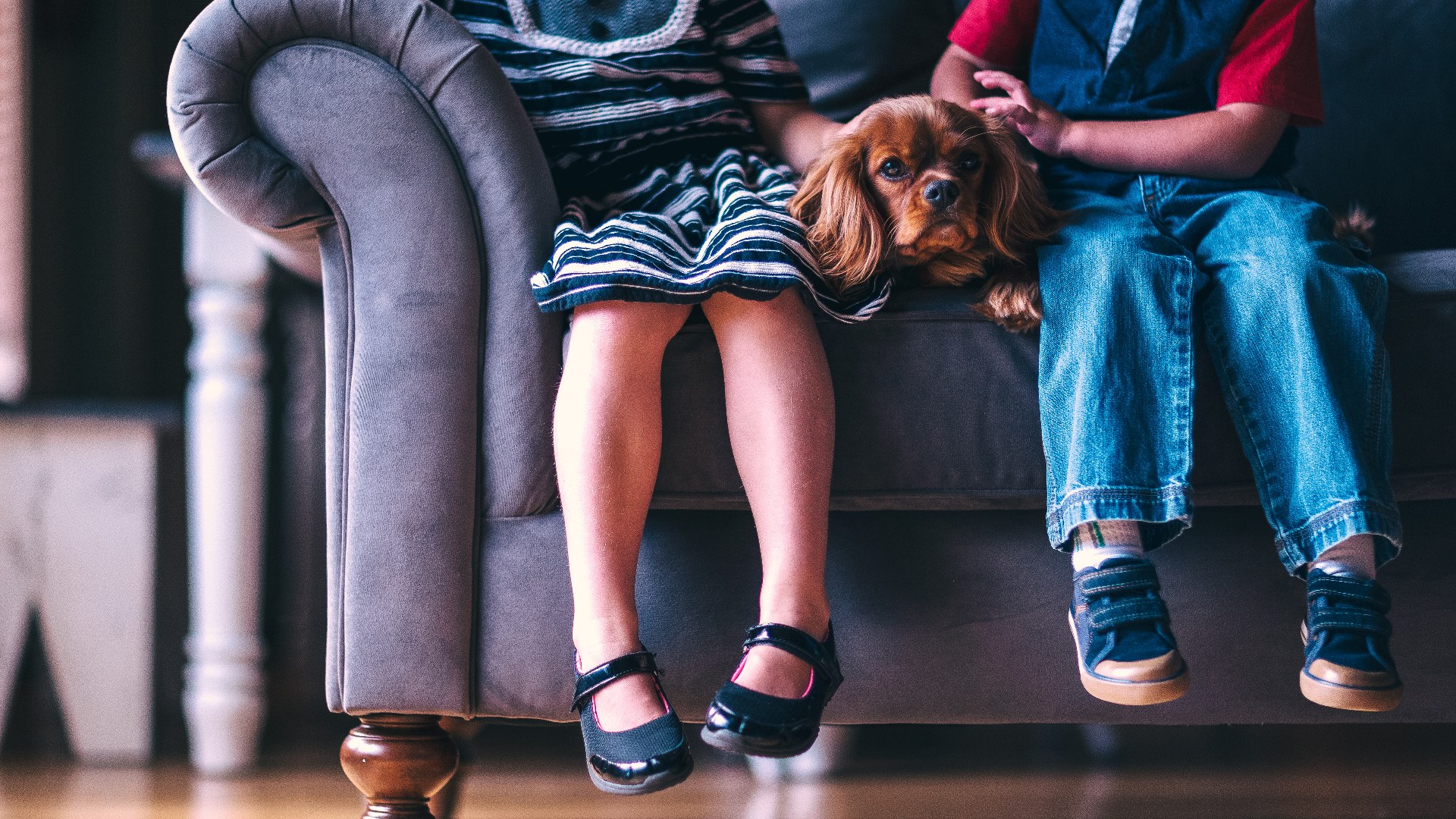
Childhood holds turbulent moments of frustration, disappointment, and peer conflict. Having a companion who asks for nothing but proximity provides a private emotional sanctuary where kids process tough feelings without judgment.
©Wikimedia Commons / Ernst Vikne
Advertisement
Swipe or tap ▶ to resume the countdown.
5. Developing Deep Empathy
Empathy develops when children learn to consider experiences beyond their own minds. Caring for an animal requires asking how the pet feels: whether the floor is cold, the water dish is dry, or the dog is frightened by thunder.
©Wikimedia Commons / Goldmull
4. Big Animal Respect & Courage
Standing beside a thousand-pound horse or gentle pony demands confidence balanced with deep respect. Children learn that calm clarity and steady kindness earn the cooperation of creatures vastly stronger than themselves.
©Wikimedia Commons / USDA NRCS Texas
3. Lessons In Compassionate Care
Adopting a shelter animal shows children the tangible power of compassion. Witnessing a rescue animal transform from timid and neglected to thriving and joyful instills an enduring instinct to protect vulnerable creatures.
©Wikimedia Commons / Sgt. Valerie Eppler
2. Understanding Life Cycles
While losing a pet brings genuine childhood heartbreak, it also provides a foundational lesson in love, grief, and memory. Supported by family, navigating this milestone teaches young people how to honor loss with grace and gratitude.
©Wikimedia Commons / Mike McBey
Advertisement
Swipe or tap ▶ to resume the countdown.
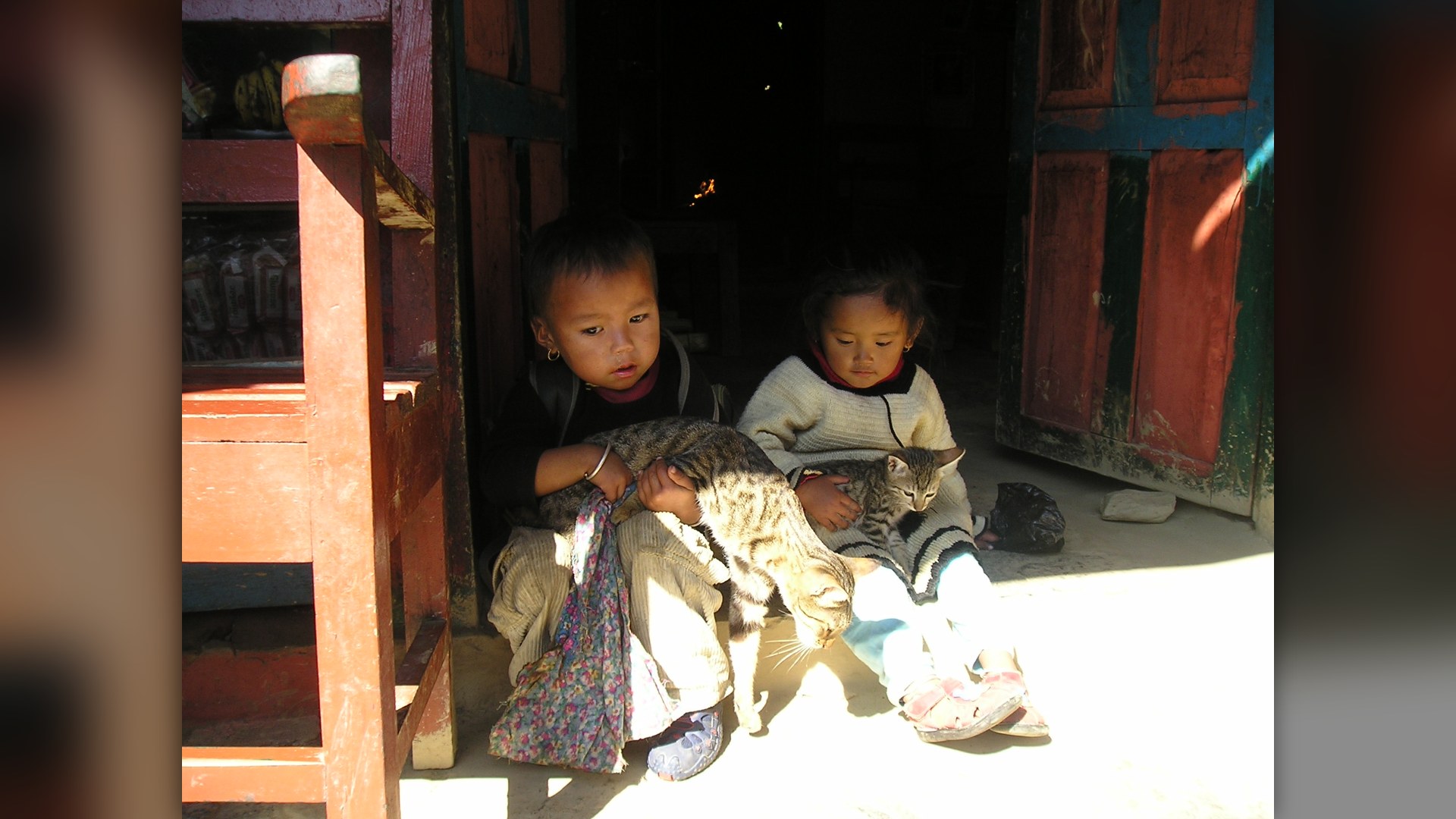
1. Unconditional Love & Lifelong Memory
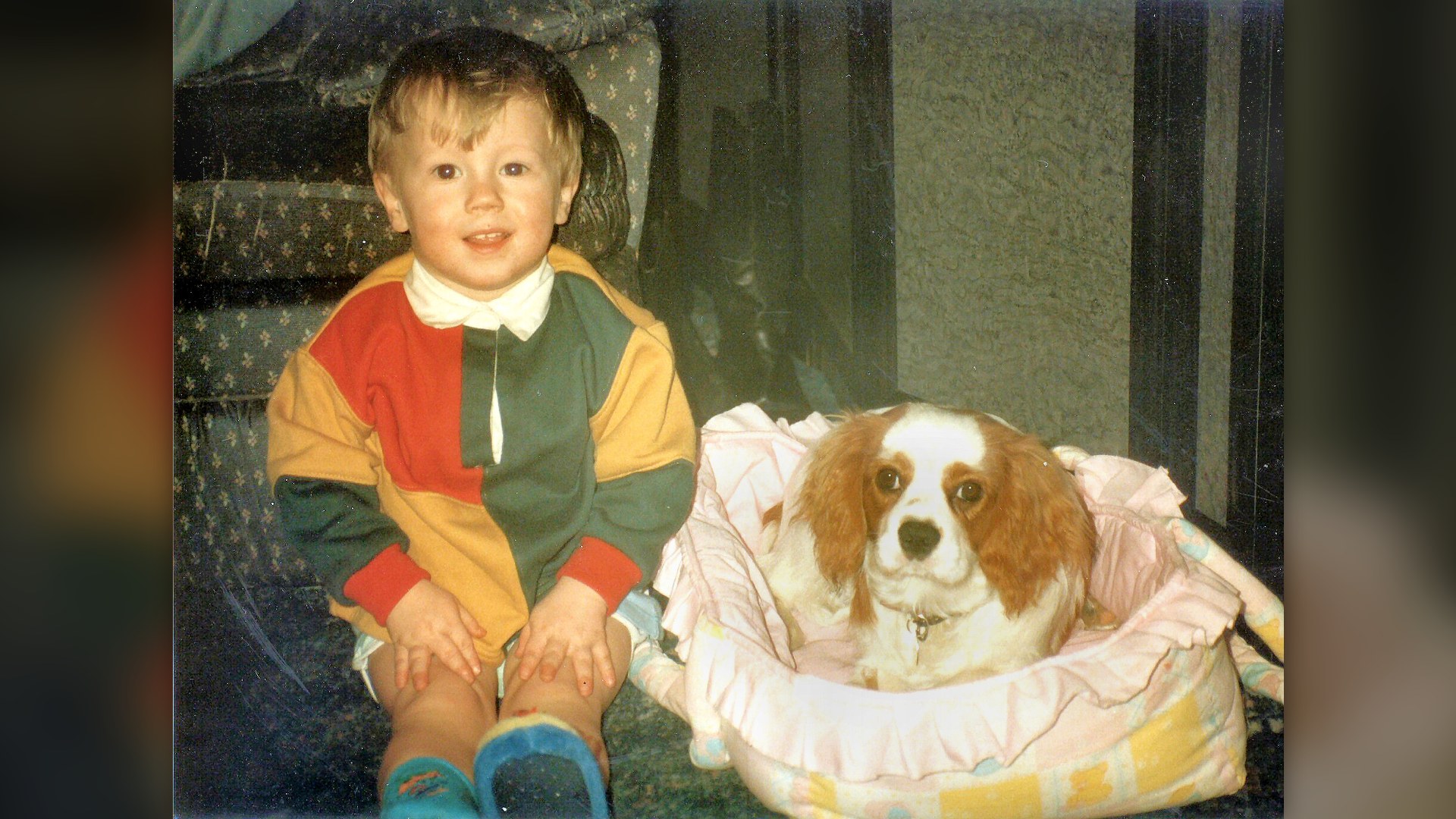
Decades into adulthood, people vividly remember the loyal pet that greeted them at the front door every afternoon. The experience of being unconditionally loved and trusted shapes character, self-worth, and capacity for connection.

©Wikimedia Commons / Andrew Branch
Advertisement
You've reached the end of the story. Thanks for reading!

25 Animals That May Detect Fear Through Scent and Body Language
From specialized olfactory receptors to airborne alarm pheromones, numerous species possess the extraordinary ability to detect chemical distress signals. Based on research from Live Science, National Geographic, and peer-reviewed biology journals, here are twenty-five animals that can smell and sense fear.
All 16 Entries in this Story
1. Establishing Daily Routines
Long before children manage their own homework or alarms, a family pet establishes daily structure. Feeding schedules, morning yard visits, and evening walks introduce consistent biological rhythms that ground a child daily routine.

2. Active Outdoor Play & Exercise
Child development researchers find that children with energetic dogs log significantly more daily physical activity. Chasing a puppy across green grass or tossing a tennis ball turns cardio workout into pure laughter and play.

3. Boosting Natural Immunity
Pediatric studies reveal that infants growing up with domestic pets develop stronger, more resilient immune responses. Regular interaction with pet dander and outdoor microbes trains developing immune systems to resist common allergens.

4. Calming Sensory Comfort
Tactile interaction with an animal triggers rapid oxytocin release in developing brains. When a child feels overwhelmed or overstimulated, simply burying small hands into soft fur provides immediate somatic grounding and reassurance.

5. Hands-On Responsibility & Chores
Taking ownership of pet chores gives children genuine agency. Measuring kibble into dishes or guiding a leash down the sidewalk demonstrates that another creature wellbeing relies on attentive, thoughtful follow-through.

6. Expressive Language Practice
Children frequently hold long, imaginative conversations with pets. Because animals offer eager, unconditional listening without testing grammar or pronunciation, young kids gain linguistic confidence and emotional fluency.

7. Decoding Non-Verbal Cues
Before children master human social subtexts, pets teach them the art of non-verbal observation. A flattened ear, a gentle tail wag, or a soft purr reveals internal moods, cultivating sharp observational social intelligence.

8. Nurturing Patience & Gentleness
Excitable children quickly learn that sudden gestures or loud shouts frighten small animals. Earning the trust of a gentle rabbit or kitten requires slow breathing, quiet voices, and mindful restraint, nurturing lifelong self-control.

9. Building Peer Social Bridges
In parks and schoolyards, a friendly pet acts as an effortless social bridge. Shy or introverted kids find it far easier to initiate conversations with peers when the shared spotlight centers on an adorable companion.

10. Non-Judgmental Reading Companion
Literacy programs worldwide pair struggling early readers with therapy dogs. A loyal canine never interrupts, sighs, or grades stumbles. Resting beside an attentive listener, young readers overcome anxiety and discover the joy of books.

11. A Safe Emotional Haven
Childhood holds turbulent moments of frustration, disappointment, and peer conflict. Having a companion who asks for nothing but proximity provides a private emotional sanctuary where kids process tough feelings without judgment.

12. Developing Deep Empathy
Empathy develops when children learn to consider experiences beyond their own minds. Caring for an animal requires asking how the pet feels: whether the floor is cold, the water dish is dry, or the dog is frightened by thunder.

13. Big Animal Respect & Courage
Standing beside a thousand-pound horse or gentle pony demands confidence balanced with deep respect. Children learn that calm clarity and steady kindness earn the cooperation of creatures vastly stronger than themselves.

14. Lessons In Compassionate Care
Adopting a shelter animal shows children the tangible power of compassion. Witnessing a rescue animal transform from timid and neglected to thriving and joyful instills an enduring instinct to protect vulnerable creatures.

15. Understanding Life Cycles
While losing a pet brings genuine childhood heartbreak, it also provides a foundational lesson in love, grief, and memory. Supported by family, navigating this milestone teaches young people how to honor loss with grace and gratitude.

16. Unconditional Love & Lifelong Memory
Decades into adulthood, people vividly remember the loyal pet that greeted them at the front door every afternoon. The experience of being unconditionally loved and trusted shapes character, self-worth, and capacity for connection.