Slideshow · Animals
Why Lions and Hyenas Are Natural Enemies
Across the African savanna, two apex predators wage a relentless battle for territory, food, and absolute survival.
By Most Viral Today
5 Nov 2026

Why Lions and Hyenas Are Natural Enemies 
15. Shared Savanna Territory 
14. Competing For The Same Prey 
13. Boundary Patrols And Scent Wars - AdvertisementSwipe or tap ▶ to continue countdown

12. Waterhole Standoffs 
11. Vocal Eavesdropping 
10. Mutual Food Theft 
9. Hyena Mobbing Tactics - AdvertisementSwipe or tap ▶ to continue countdown

8. Bone-Crushing Bite Force 
7. Feline Power And Claws 
6. Clan Hierarchy And Female Command 
5. The Numerical Ratio Threshold - AdvertisementSwipe or tap ▶ to continue countdown

4. Male Lion Intervention 
3. Targeted Den Raids 
2. Vulnerable Lion Cubs 
1. An Ancient Evolutionary Deadlock - Advertisement🔥 UP NEXT IN THIS SERIES◫ 26 Slides

25 Animals That May Detect Fear Through Scent and Body Language
From specialized olfactory receptors to airborne alarm pheromones, numerous species possess the extraordinary ability to detect chemical distress signals. Based on research from Live Science, National Geographic, and peer-reviewed biology journals, here are twenty-five animals that can smell and sense fear.
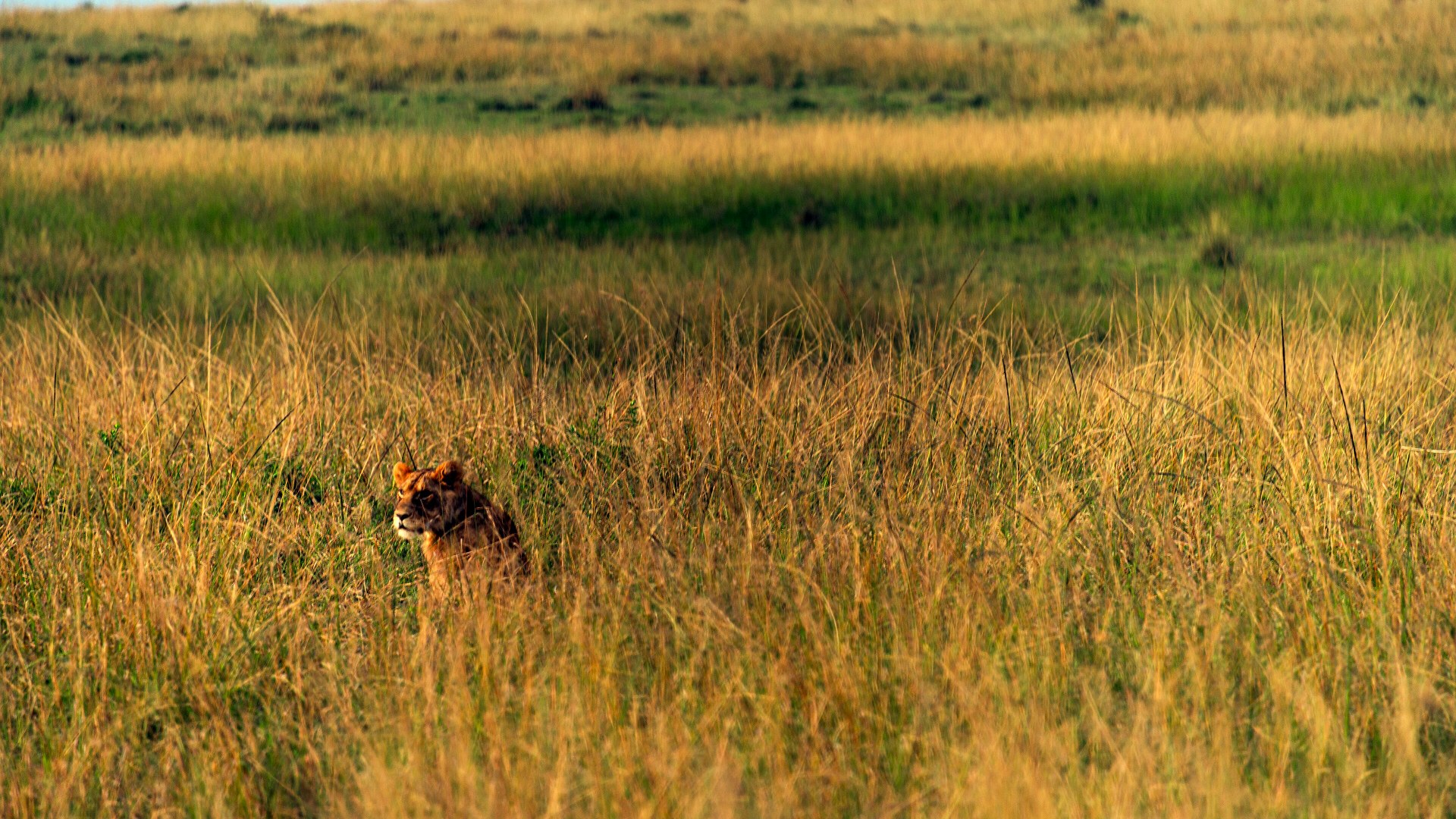
Across the African savanna, two apex predators wage a relentless battle for territory, food, and absolute survival. Their ancient feud shapes the ecosystem.
Swipe or tap ▶ to begin the countdown
©Wikimedia Commons / None
15. Shared Savanna Territory
Lions and spotted hyenas share extensive ranges across sub-Saharan Africa. Both species thrive in open savannah grasslands, woodlands, and floodplains. Because their hunting territories overlap directly, neither predator can establish exclusive dominance over the shared landscape.
©Wikimedia Commons / Daniel Case
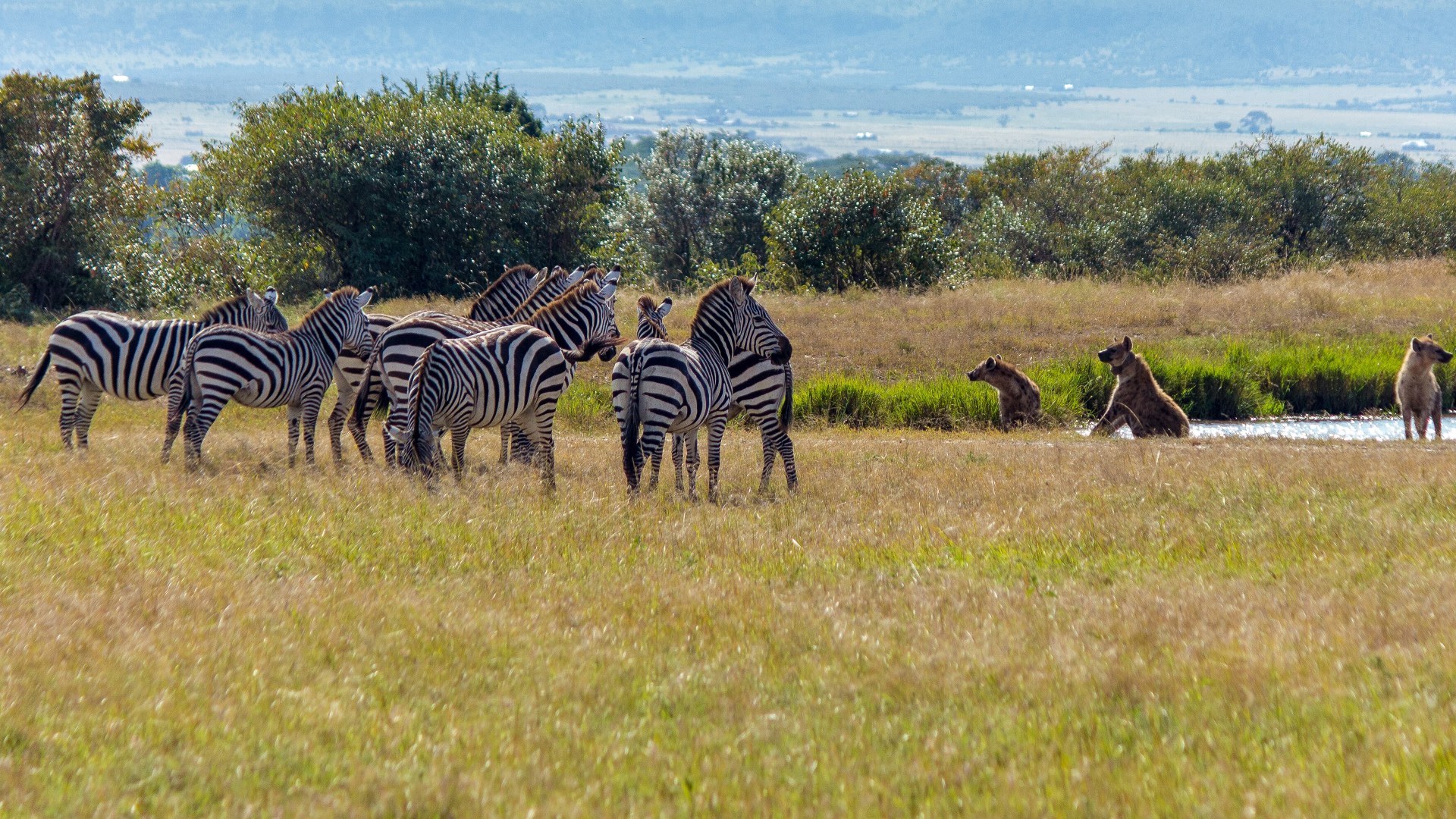
14. Competing For The Same Prey
Lions and hyenas compete aggressively for the same herbivore populations. Field studies show their diets overlap by more than fifty percent, focusing on zebras, wildebeest, and large antelopes. Every successful hunt represents a vital nutritional prize that both species fight to secure.
©Wikimedia Commons / Ray in Manila
13. Boundary Patrols And Scent Wars
Both carnivores maintain well-defined border perimeters using potent chemical scent markings. Hyenas paste grass stalks with butter-like anal secretions, while lions spray bushes and scratch soil. When patrol squads cross into contested buffer zones, violent territorial skirmishes erupt.
©Wikimedia Commons / Giles Laurent
Advertisement
Swipe or tap ▶ to resume the countdown.
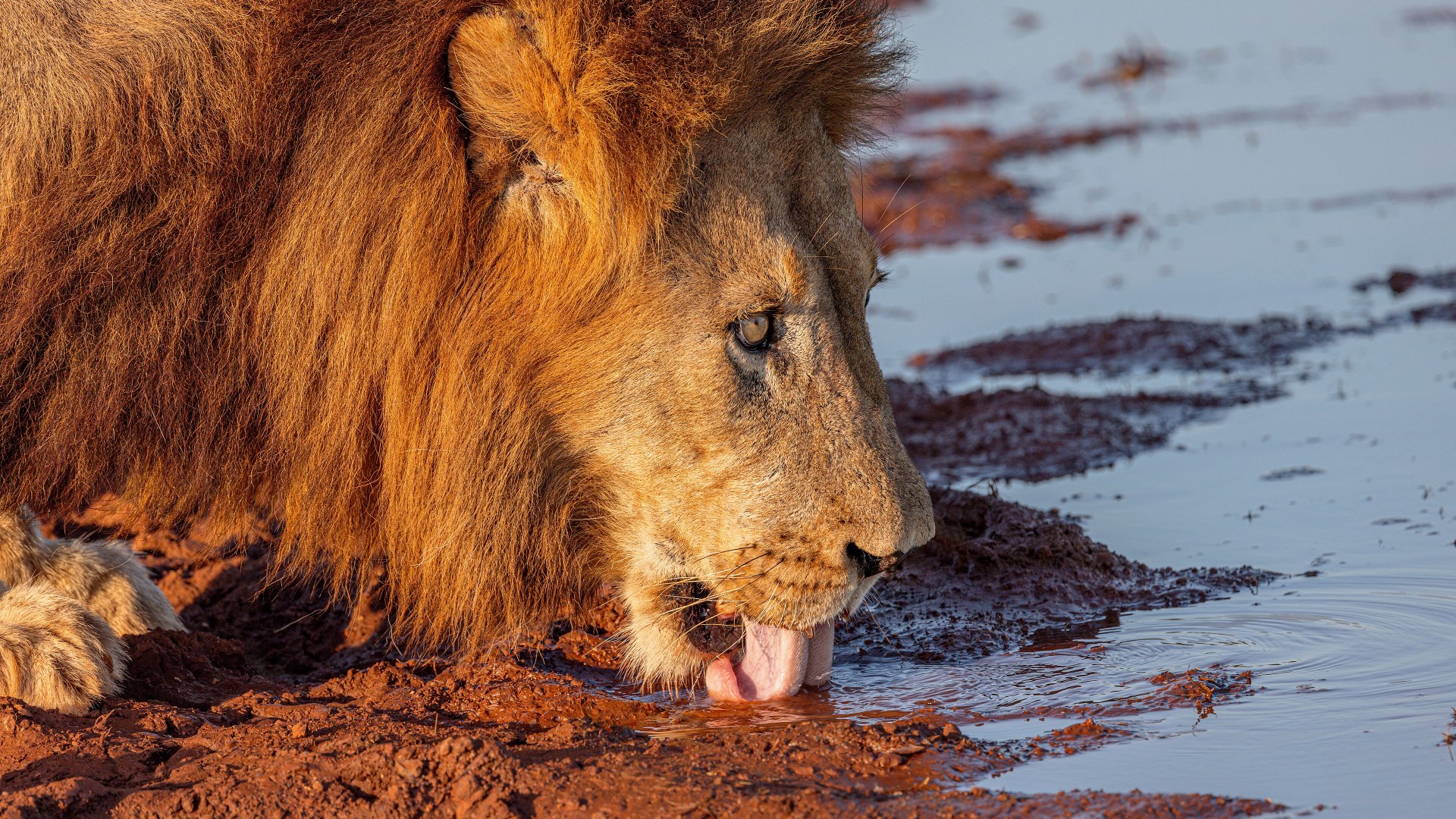
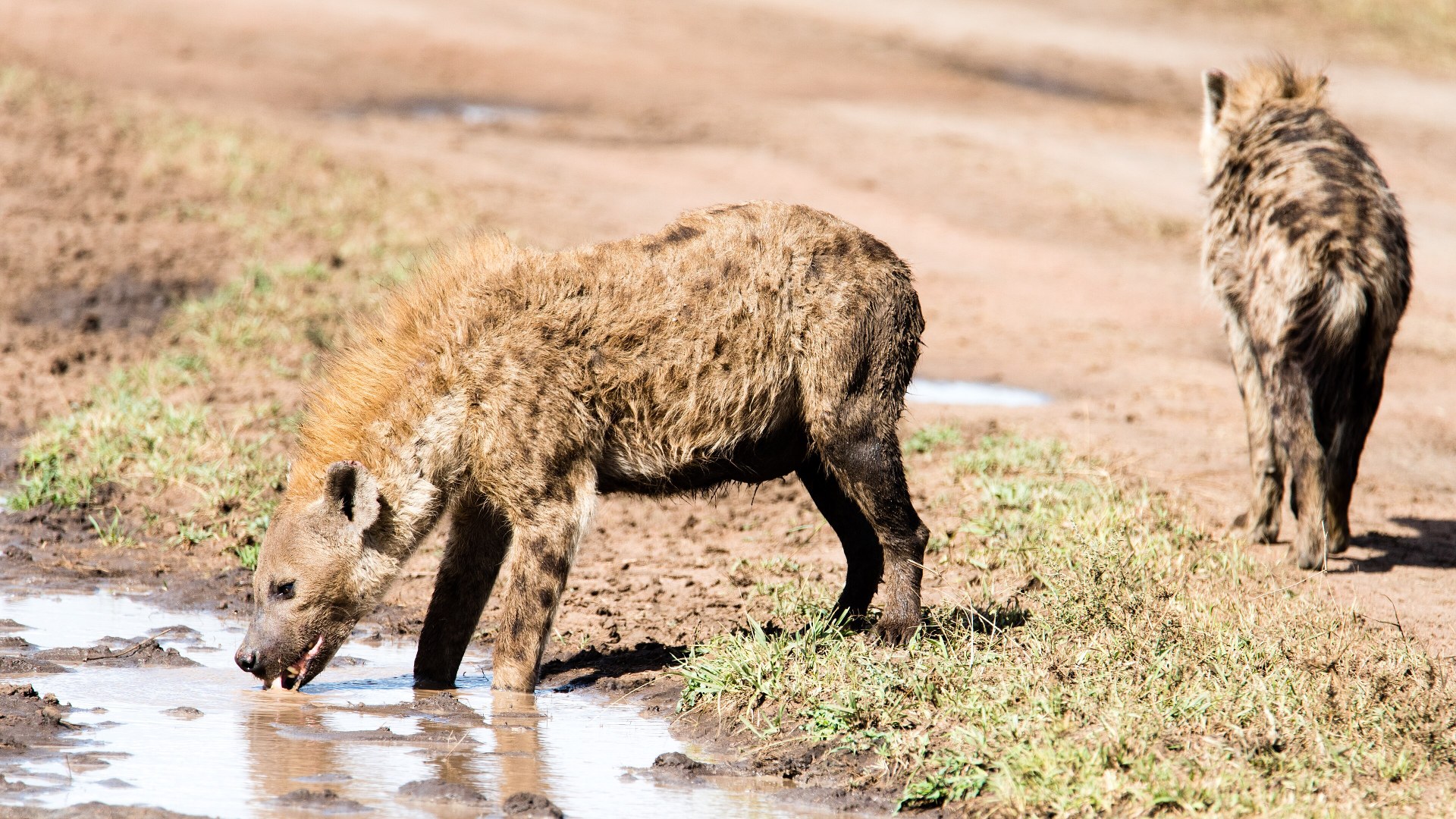
12. Waterhole Standoffs
During arid dry seasons, water sources shrink rapidly across the African wilderness. Lions and hyena clans are forced into close contact at surviving pools and rivers. These shared hydration sites turn into high-stakes staging grounds where tension simmers and violent ambushes frequently break out.
©Wikimedia Commons / Andy Morffew
11. Vocal Eavesdropping
Hyenas possess acute hearing, detecting animal calls and lion roars up to five miles away. When a lion pride makes a kill, the commotion alerts patrolling hyenas immediately. Hyenas use vocal eavesdropping as an intelligence network, gathering clan members before running toward the feeding site.
©Wikimedia Commons / Christoph Strassler
10. Mutual Food Theft
Popular belief labels hyenas as mere scavengers, but research reveals they hunt up to seventy percent of their food. In reality, lions steal more meals from hyenas than hyenas take from lions. Powerful prides follow hyena clans, rushing in to confiscate whole carcasses as soon as prey falls.
©Wikimedia Commons / Joel Herzog
9. Hyena Mobbing Tactics
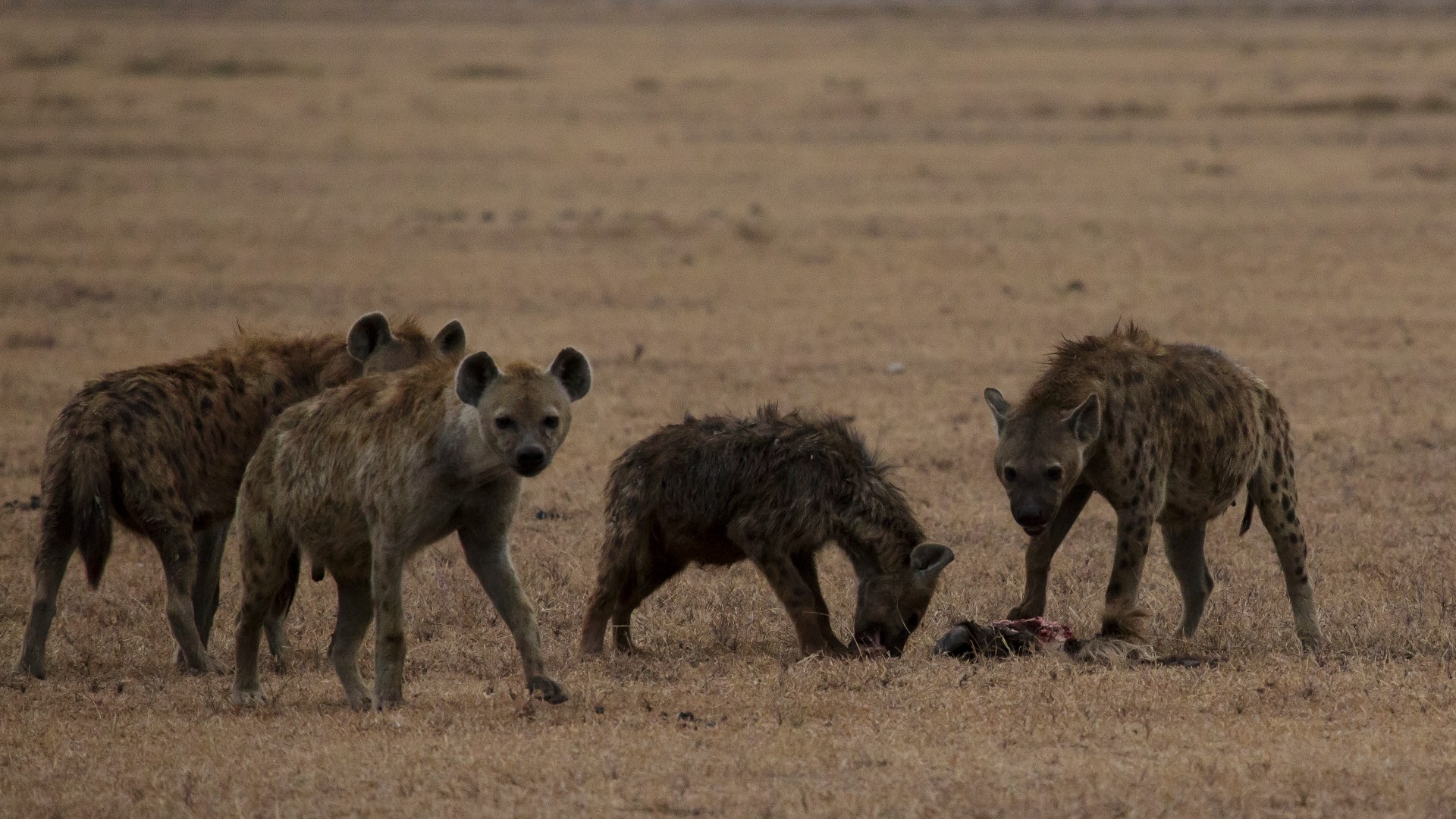
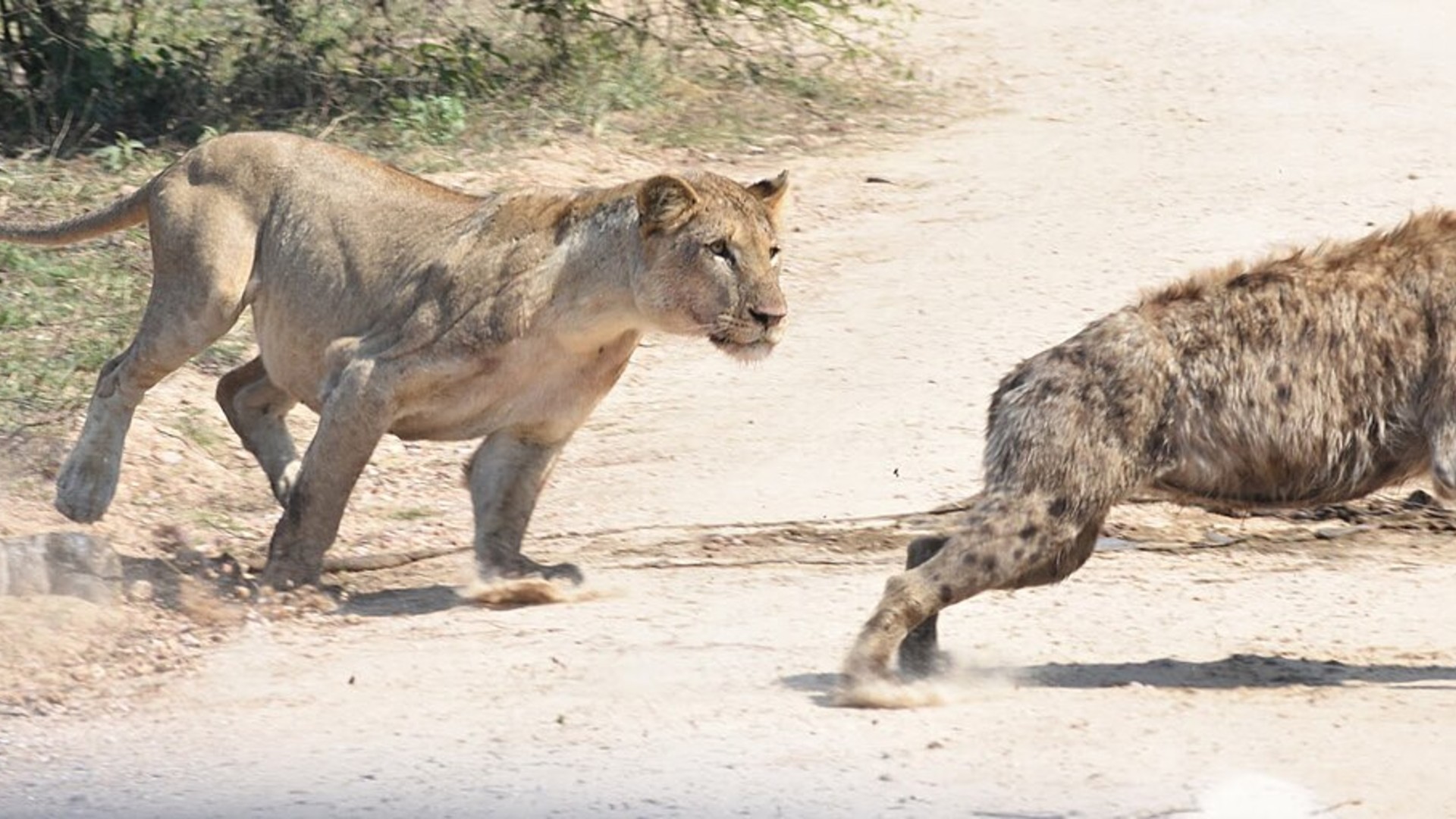
When hyenas possess local numerical superiority, they mob lone lions aggressively. Working in coordinated semi-circles, clan members take turns lunging from behind, snapping at hindquarters, and barking loudly. This unrelenting harassment frustrates big cats and forces them to abandon their meals.
©Wikimedia Commons / JerryFriedman
Advertisement
Swipe or tap ▶ to resume the countdown.
8. Bone-Crushing Bite Force
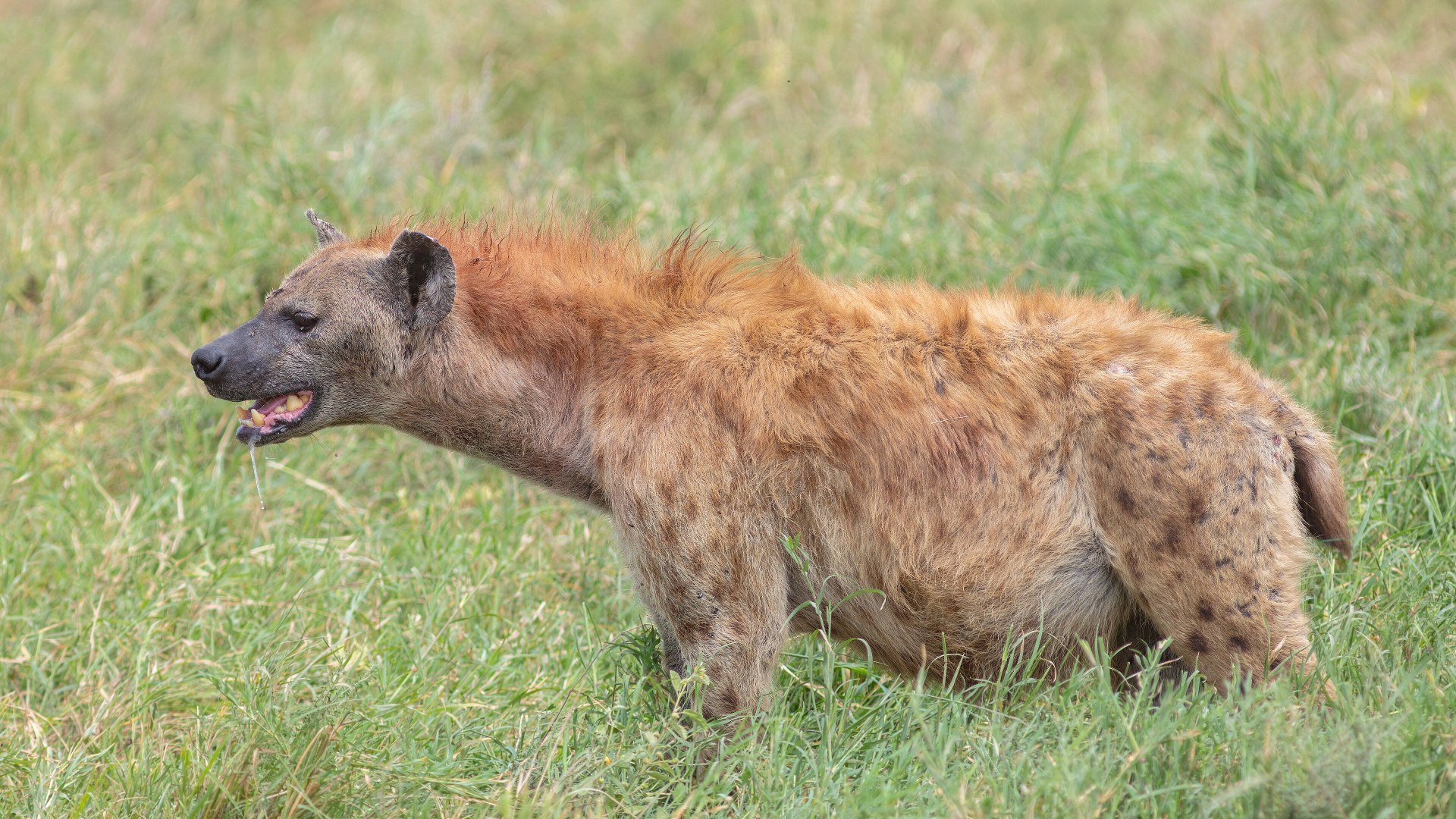
Spotted hyenas deliver a staggering bite force of roughly 1,100 pounds per square inch. Reinforced premolars and vaulted skulls allow them to crack open dense giraffe and buffalo leg bones. This anatomical advantage lets hyenas consume nutritious bone marrow that lions leave behind.
©Wikimedia Commons / Charles J. Sharp
7. Feline Power And Claws
Lions counterbalance hyena numbers with overwhelming physical mass. Weighing between 300 and 450 pounds, a lion delivers blunt-force paw swipes capable of breaking a hyena spine. Retractable hook claws and powerful shoulder muscles allow cats to pin and crush opponents during close combat.
©Wikimedia Commons / Byrdyak
6. Clan Hierarchy And Female Command
Spotted hyenas live in complex clans led by dominant alpha females. Larger and more aggressive than males, matriarchs command clan movements and coordinate tactical attacks against competing predators. Their social discipline allows dozens of individuals to unite into an effective fighting unit.
©Wikimedia Commons / Diego Delso
5. The Numerical Ratio Threshold
Wildlife biologists have documented that hyenas rarely attack adult lionesses without substantial odds in their favor. A clan typically requires a four-to-one advantage before launching an all-out assault. If numbers fall below this critical threshold, hyenas keep their distance and wait.
©Wikimedia Commons / Thomas Fuhrmann
Advertisement
Swipe or tap ▶ to resume the countdown.
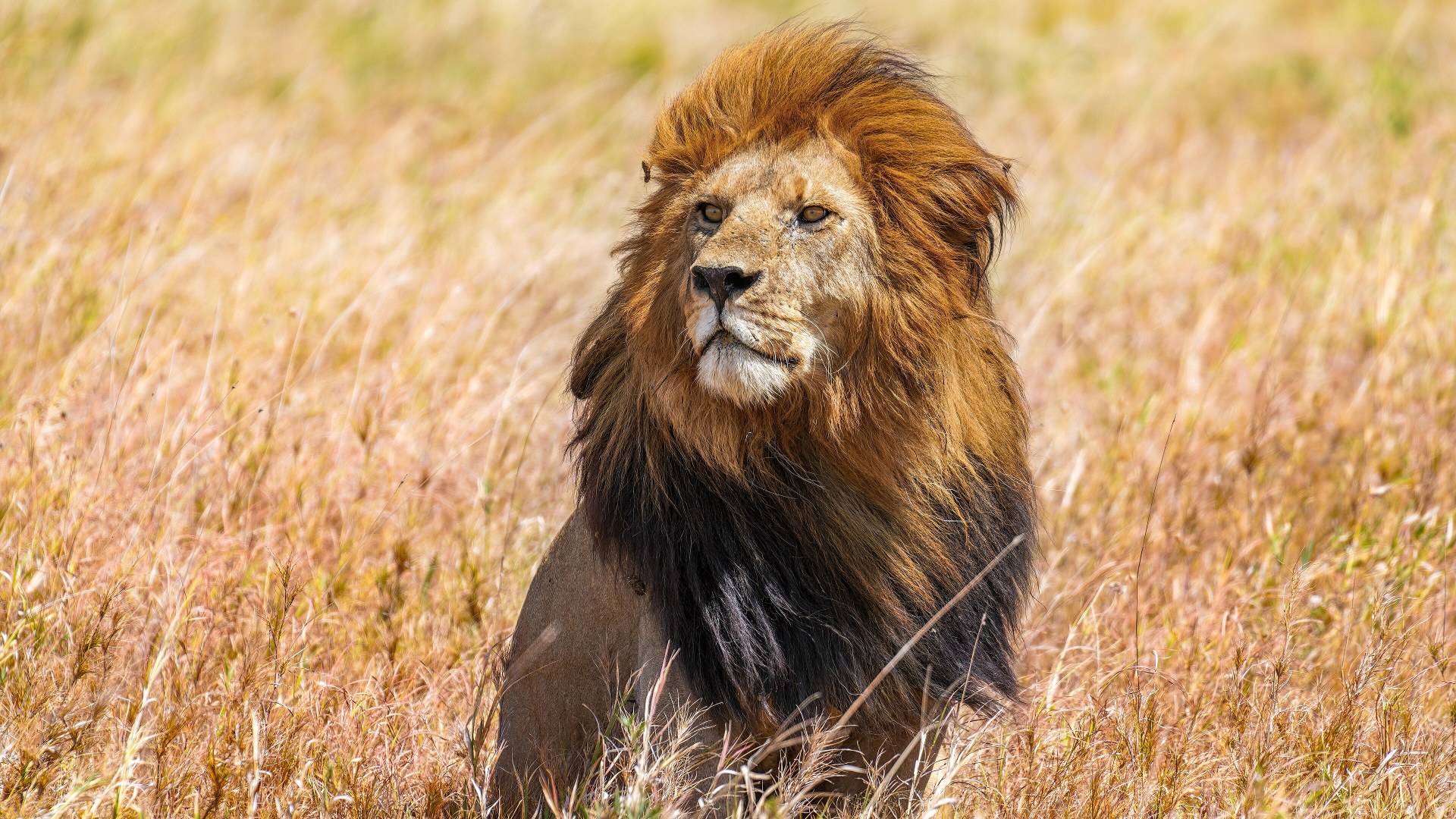
4. Male Lion Intervention
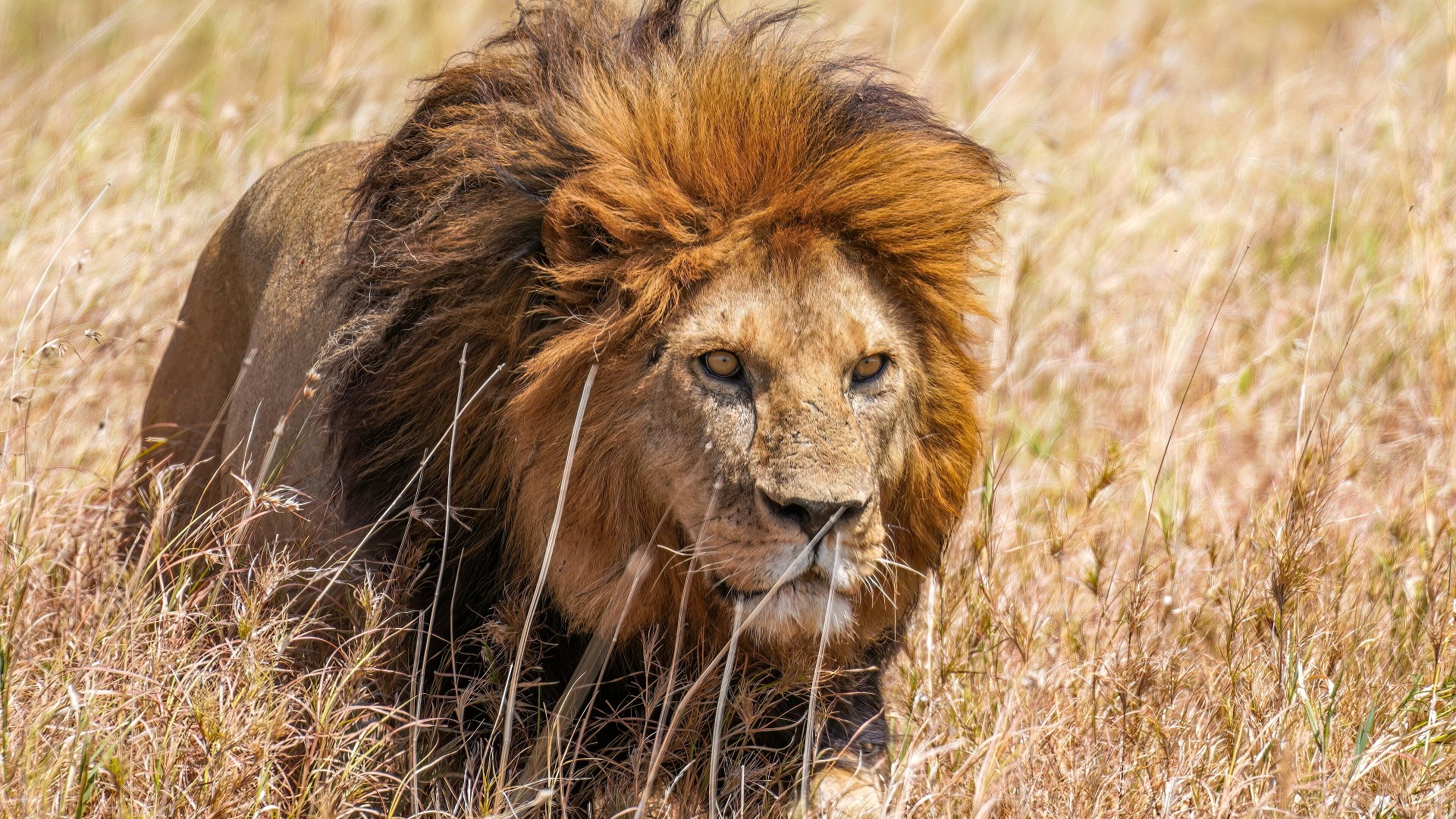
While hyenas may challenge lionesses, the arrival of a mature male lion changes the dynamic immediately. Nearly twice the weight of a female hyena, a male lion targets clan leaders with lethal speed. Hyenas recognize this threat instantly and scatter across the grassland to avoid fatal bites.
©Wikimedia Commons / Giles Laurent
3. Targeted Den Raids
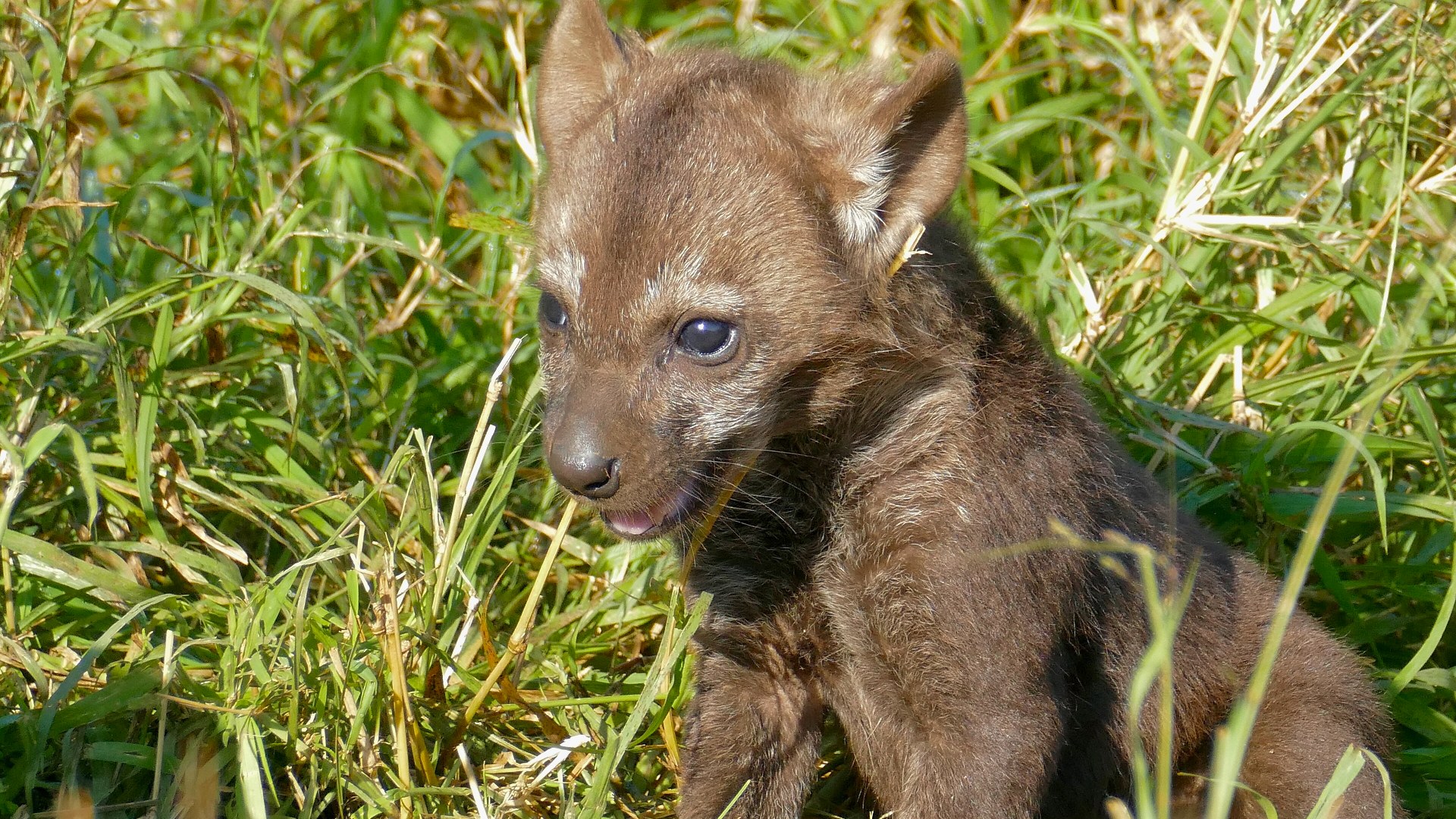
Lions demonstrate active population control by raiding underground hyena dens. Adult lions dig into burrows to kill trapped hyena cubs and adolescents, rarely eating their victims. Eliminating young competitors reduces future predatory pressure on the pride within their territory.
©Wikimedia Commons / Bernard DUPONT
2. Vulnerable Lion Cubs
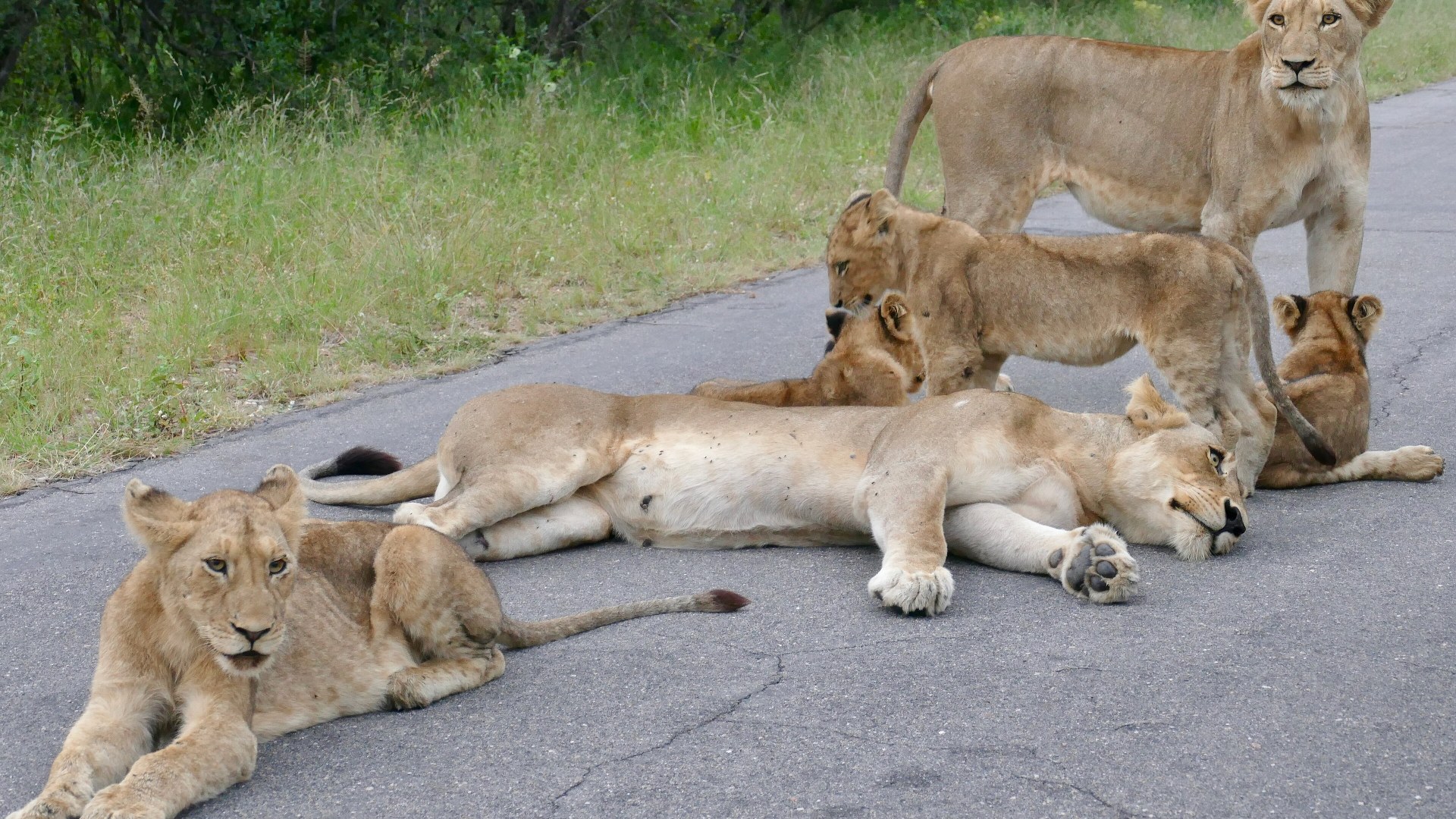
Hyenas retaliate by targeting vulnerable lion cubs whenever pride mothers depart on hunts. Unattended cubs hidden in rocky kopjes or thick brush face mortal danger from prowling hyena patrols. Eliminating young cubs ensures fewer formidable adult lions will threaten clan supremacy years later.
©Wikimedia Commons / Bernard DUPONT
1. An Ancient Evolutionary Deadlock
Fossil evidence indicates lions and hyenas have battled across African savannas for millions of years. Neither predator can drive the other to extinction, resulting in a finely tuned ecological equilibrium. Their relentless competition shapes the hunting tactics and social behavior of both species.

©Wikimedia Commons / Eric Kilby
Advertisement
You've reached the end of the story. Thanks for reading!

25 Animals That May Detect Fear Through Scent and Body Language
From specialized olfactory receptors to airborne alarm pheromones, numerous species possess the extraordinary ability to detect chemical distress signals. Based on research from Live Science, National Geographic, and peer-reviewed biology journals, here are twenty-five animals that can smell and sense fear.
All 15 Entries in this Story
1. Shared Savanna Territory
Lions and spotted hyenas share extensive ranges across sub-Saharan Africa. Both species thrive in open savannah grasslands, woodlands, and floodplains. Because their hunting territories overlap directly, neither predator can establish exclusive dominance over the shared landscape.

2. Competing For The Same Prey
Lions and hyenas compete aggressively for the same herbivore populations. Field studies show their diets overlap by more than fifty percent, focusing on zebras, wildebeest, and large antelopes. Every successful hunt represents a vital nutritional prize that both species fight to secure.

3. Boundary Patrols And Scent Wars
Both carnivores maintain well-defined border perimeters using potent chemical scent markings. Hyenas paste grass stalks with butter-like anal secretions, while lions spray bushes and scratch soil. When patrol squads cross into contested buffer zones, violent territorial skirmishes erupt.

4. Waterhole Standoffs
During arid dry seasons, water sources shrink rapidly across the African wilderness. Lions and hyena clans are forced into close contact at surviving pools and rivers. These shared hydration sites turn into high-stakes staging grounds where tension simmers and violent ambushes frequently break out.

5. Vocal Eavesdropping
Hyenas possess acute hearing, detecting animal calls and lion roars up to five miles away. When a lion pride makes a kill, the commotion alerts patrolling hyenas immediately. Hyenas use vocal eavesdropping as an intelligence network, gathering clan members before running toward the feeding site.

6. Mutual Food Theft
Popular belief labels hyenas as mere scavengers, but research reveals they hunt up to seventy percent of their food. In reality, lions steal more meals from hyenas than hyenas take from lions. Powerful prides follow hyena clans, rushing in to confiscate whole carcasses as soon as prey falls.

7. Hyena Mobbing Tactics
When hyenas possess local numerical superiority, they mob lone lions aggressively. Working in coordinated semi-circles, clan members take turns lunging from behind, snapping at hindquarters, and barking loudly. This unrelenting harassment frustrates big cats and forces them to abandon their meals.

8. Bone-Crushing Bite Force
Spotted hyenas deliver a staggering bite force of roughly 1,100 pounds per square inch. Reinforced premolars and vaulted skulls allow them to crack open dense giraffe and buffalo leg bones. This anatomical advantage lets hyenas consume nutritious bone marrow that lions leave behind.

9. Feline Power And Claws
Lions counterbalance hyena numbers with overwhelming physical mass. Weighing between 300 and 450 pounds, a lion delivers blunt-force paw swipes capable of breaking a hyena spine. Retractable hook claws and powerful shoulder muscles allow cats to pin and crush opponents during close combat.

10. Clan Hierarchy And Female Command
Spotted hyenas live in complex clans led by dominant alpha females. Larger and more aggressive than males, matriarchs command clan movements and coordinate tactical attacks against competing predators. Their social discipline allows dozens of individuals to unite into an effective fighting unit.

11. The Numerical Ratio Threshold
Wildlife biologists have documented that hyenas rarely attack adult lionesses without substantial odds in their favor. A clan typically requires a four-to-one advantage before launching an all-out assault. If numbers fall below this critical threshold, hyenas keep their distance and wait.

12. Male Lion Intervention
While hyenas may challenge lionesses, the arrival of a mature male lion changes the dynamic immediately. Nearly twice the weight of a female hyena, a male lion targets clan leaders with lethal speed. Hyenas recognize this threat instantly and scatter across the grassland to avoid fatal bites.

13. Targeted Den Raids
Lions demonstrate active population control by raiding underground hyena dens. Adult lions dig into burrows to kill trapped hyena cubs and adolescents, rarely eating their victims. Eliminating young competitors reduces future predatory pressure on the pride within their territory.

14. Vulnerable Lion Cubs
Hyenas retaliate by targeting vulnerable lion cubs whenever pride mothers depart on hunts. Unattended cubs hidden in rocky kopjes or thick brush face mortal danger from prowling hyena patrols. Eliminating young cubs ensures fewer formidable adult lions will threaten clan supremacy years later.

15. An Ancient Evolutionary Deadlock
Fossil evidence indicates lions and hyenas have battled across African savannas for millions of years. Neither predator can drive the other to extinction, resulting in a finely tuned ecological equilibrium. Their relentless competition shapes the hunting tactics and social behavior of both species.