Slideshow · Health
Why We All Crash in the Afternoon and How to Beat It
Between 1:00 PM and 3:00 PM, millions feel an overpowering wave of exhaustion. Here is the biological science behind the afternoon slump, and 10 proven strategies to reclaim your daytime energy.

By Most Viral Today
13 Oct 2026

Why We All Crash in the Afternoon and How to Beat It 
10. The Refined Carb Lunch Trap 
9. The Morning Caffeine Rebound 
8. Stale Air And Carbon Dioxide Buildup - AdvertisementSwipe or tap ▶ to continue countdown

7. Subclinical Afternoon Dehydration 
6. The Prolonged Sedentary Slump 
5. Digital Eye Strain And Melatonin Cues 
4. The 10-Minute Sunlight Reset - AdvertisementSwipe or tap ▶ to continue countdown

3. The Strategic 20-Minute Power Nap 
2. Protein-Rich Midday Fuel 
1. The Master Circadian Rhythm Dip - Advertisement🔥 UP NEXT IN THIS SERIES◫ 21 Slides

20 Everyday Ultra-Processed Foods to Rethink and Swap
Health agencies and nutrition researchers warn that diets heavy in ultra-processed foods raise cardiovascular and metabolic risks. Based on BMJ clinical reviews and Harvard Health guidelines, swapping packaged staples for whole foods protects gut health, curbs excess sodium, and supports steady daily energy.
Between 1:00 PM and 3:00 PM, millions feel an overpowering wave of exhaustion. Here is the biological science behind the afternoon slump, and 10 proven strategies to reclaim your daytime energy.
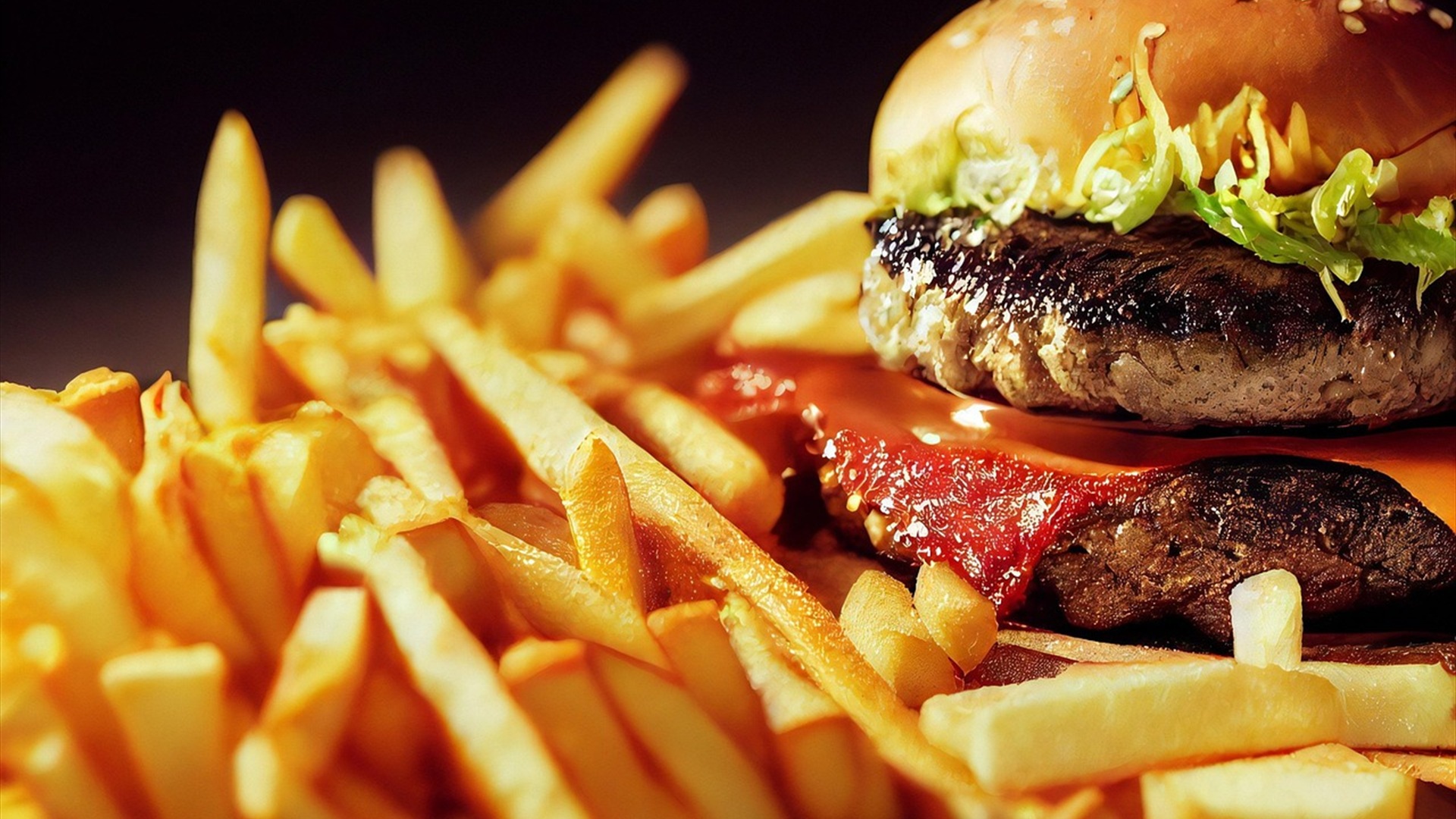
Swipe or tap ▶ to begin the countdown
©Pixabay / daha3131053
10. The Refined Carb Lunch Trap
Consuming simple carbohydrates like pasta, white bread, or sugary snacks causes insulin to flood the bloodstream. As cellular glucose drops precipitously 60 to 90 minutes later, the brain is deprived of immediate fuel, producing severe brain fog and heavy eyelids.
©Pixabay / CharlVera
9. The Morning Caffeine Rebound
Caffeine does not create energy; it merely plugs adenosine receptors so you cannot feel tiredness. Around 5 to 6 hours after your morning cup, caffeine metabolizes, allowing hours of banked adenosine molecules to bind all at once and triggering an overwhelming crash.
©Pixabay / Engin_Akyurt
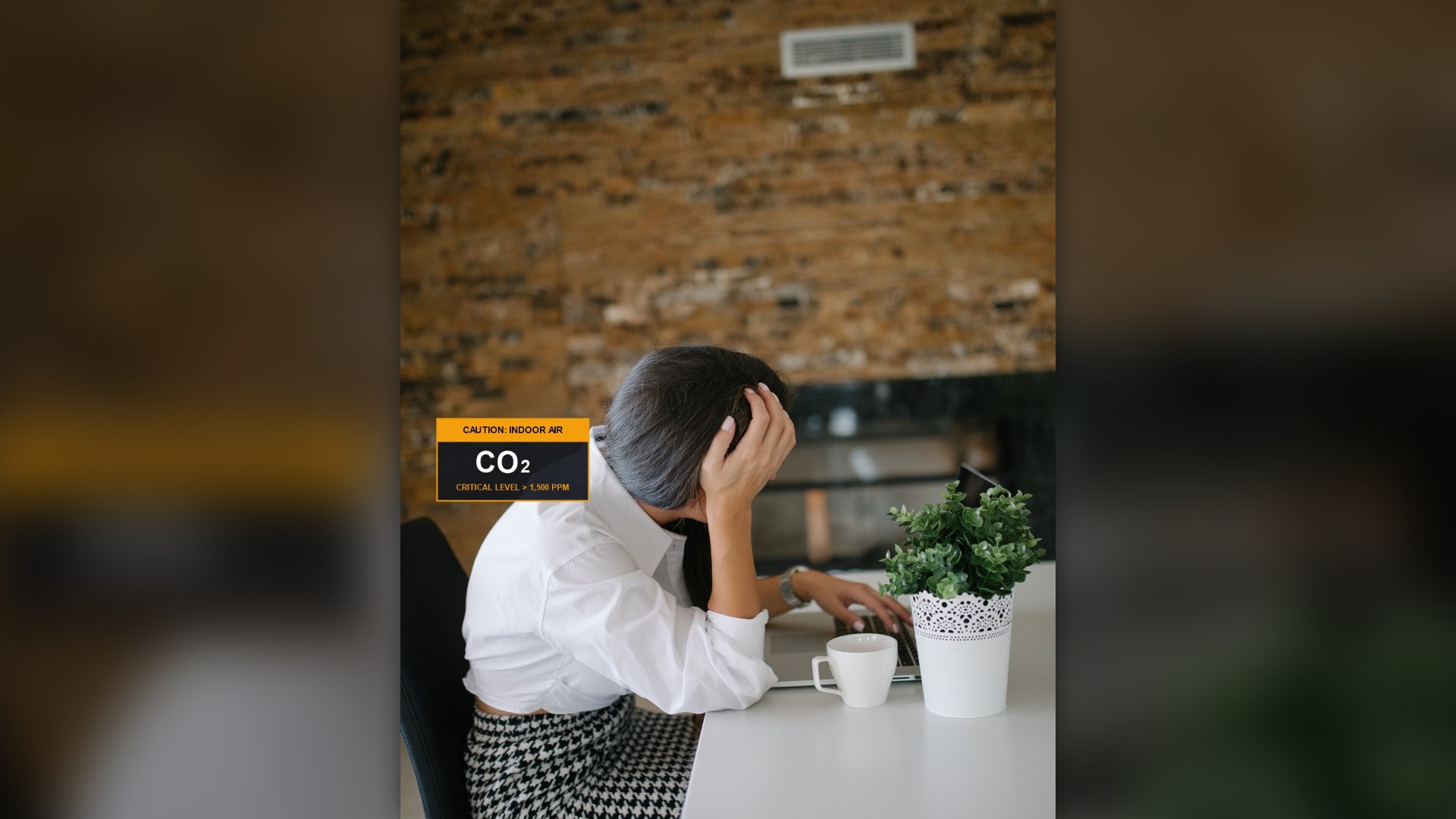
8. Stale Air And Carbon Dioxide Buildup
Closed office spaces and meeting rooms frequently see carbon dioxide climb past 1,000 to 1,500 ppm after lunch. High ambient CO2 reduces cerebral blood flow and triggers lethargy, which can be instantly relieved by opening a window or stepping outside for fresh air.
©Wikimedia Commons / Shixart1985
Advertisement
Swipe or tap ▶ to resume the countdown.
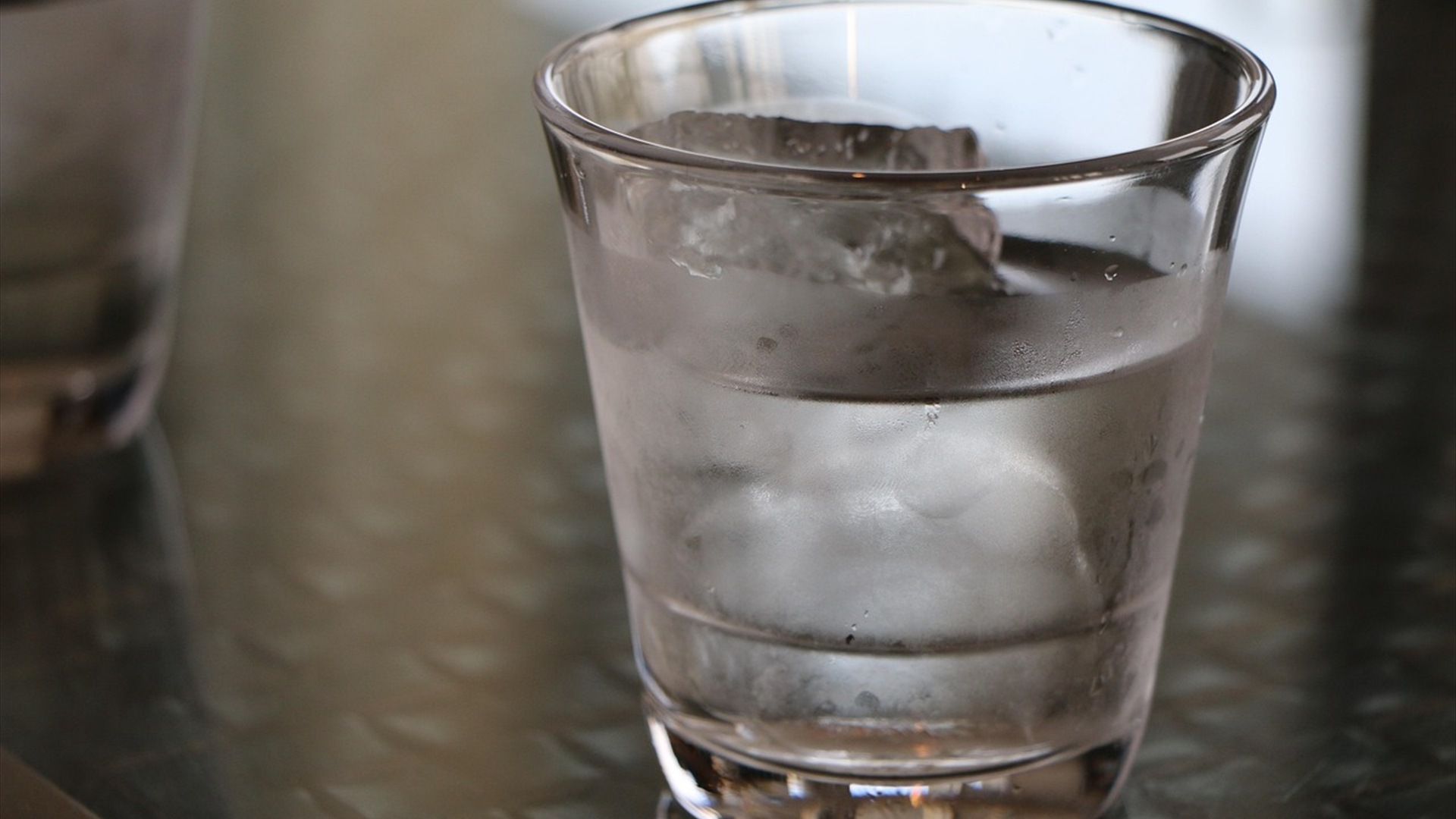
7. Subclinical Afternoon Dehydration
Mild dehydration is one of the most underdiagnosed causes of midday fatigue. When intracellular fluid dips, blood viscosity increases, forcing the heart to work harder while diminishing oxygen delivery to brain tissue. A cold 16-ounce glass of water can revive alertness within minutes.
©Pixabay / insightzaoya
6. The Prolonged Sedentary Slump
Remaining seated for hours decreases metabolic rate and allows blood to pool in the lower limbs, reducing venous return to the heart and brain. Incorporating standing intervals, posture adjustments, or light stretching reactivates circulation and releases alertness-promoting norepinephrine.
©Pixabay / Zeta_AI
5. Digital Eye Strain And Melatonin Cues
Gazing at backlit displays for hours exhausts the ciliary muscles of the eyes, creating headaches and heavy eyelids that feel identical to systemic drowsiness. Following the 20-20-20 rule—looking at an object 20 feet away for 20 seconds every 20 minutes—recalibrates ocular accommodation.
©Pixabay / magnetme
4. The 10-Minute Sunlight Reset
Indoor office lighting provides only 300 to 500 lux, while outdoor sunlight delivers 10,000 to 100,000 lux. Stepping outdoors for a brisk 10-minute walk activates melanopsin photopigments in the retina, immediately resetting the circadian pacemaker and banishing the slump.
©Flickr / WarmSleepy (CC-BY 2.0)
Advertisement
Swipe or tap ▶ to resume the countdown.
3. The Strategic 20-Minute Power Nap
Pioneered by NASA fatigue countermeasures studies, a 15 to 20-minute power nap restores alertness and cognitive speed by up to 34%. Keeping the nap under 25 minutes ensures you do not enter slow-wave Stage 3 sleep, avoiding groggy sleep inertia and protecting your nighttime sleep.
©Pixabay / WOKANDAPIX
2. Protein-Rich Midday Fuel
Replacing refined starches with lean protein, fiber, and unsaturated fats prevents post-lunch insulin spikes. Amino acids like tyrosine fuel dopamine synthesis, while orexin neurons in the hypothalamus remain activated, maintaining steady vigilance throughout the afternoon.
©Pixabay / silviarita
1. The Master Circadian Rhythm Dip
Controlled by the suprachiasmatic nucleus, the human circadian clock schedules a secondary core body temperature drop between 1:00 PM and 3:00 PM, independent of eating. By accepting this biological dip and scheduling meetings or lighter analytical tasks during this window, you master your day.

©Flickr / Alan Cleaver (CC-BY 2.0)
Advertisement
You've reached the end of the story. Thanks for reading!

20 Everyday Ultra-Processed Foods to Rethink and Swap
Health agencies and nutrition researchers warn that diets heavy in ultra-processed foods raise cardiovascular and metabolic risks. Based on BMJ clinical reviews and Harvard Health guidelines, swapping packaged staples for whole foods protects gut health, curbs excess sodium, and supports steady daily energy.
All 10 Entries in this Story
10. The Refined Carb Lunch Trap
Consuming simple carbohydrates like pasta, white bread, or sugary snacks causes insulin to flood the bloodstream. As cellular glucose drops precipitously 60 to 90 minutes later, the brain is deprived of immediate fuel, producing severe brain fog and heavy eyelids.

9. The Morning Caffeine Rebound
Caffeine does not create energy; it merely plugs adenosine receptors so you cannot feel tiredness. Around 5 to 6 hours after your morning cup, caffeine metabolizes, allowing hours of banked adenosine molecules to bind all at once and triggering an overwhelming crash.

8. Stale Air And Carbon Dioxide Buildup
Closed office spaces and meeting rooms frequently see carbon dioxide climb past 1,000 to 1,500 ppm after lunch. High ambient CO2 reduces cerebral blood flow and triggers lethargy, which can be instantly relieved by opening a window or stepping outside for fresh air.

7. Subclinical Afternoon Dehydration
Mild dehydration is one of the most underdiagnosed causes of midday fatigue. When intracellular fluid dips, blood viscosity increases, forcing the heart to work harder while diminishing oxygen delivery to brain tissue. A cold 16-ounce glass of water can revive alertness within minutes.

6. The Prolonged Sedentary Slump
Remaining seated for hours decreases metabolic rate and allows blood to pool in the lower limbs, reducing venous return to the heart and brain. Incorporating standing intervals, posture adjustments, or light stretching reactivates circulation and releases alertness-promoting norepinephrine.

5. Digital Eye Strain And Melatonin Cues
Gazing at backlit displays for hours exhausts the ciliary muscles of the eyes, creating headaches and heavy eyelids that feel identical to systemic drowsiness. Following the 20-20-20 rule—looking at an object 20 feet away for 20 seconds every 20 minutes—recalibrates ocular accommodation.

4. The 10-Minute Sunlight Reset
Indoor office lighting provides only 300 to 500 lux, while outdoor sunlight delivers 10,000 to 100,000 lux. Stepping outdoors for a brisk 10-minute walk activates melanopsin photopigments in the retina, immediately resetting the circadian pacemaker and banishing the slump.

3. The Strategic 20-Minute Power Nap
Pioneered by NASA fatigue countermeasures studies, a 15 to 20-minute power nap restores alertness and cognitive speed by up to 34%. Keeping the nap under 25 minutes ensures you do not enter slow-wave Stage 3 sleep, avoiding groggy sleep inertia and protecting your nighttime sleep.

2. Protein-Rich Midday Fuel
Replacing refined starches with lean protein, fiber, and unsaturated fats prevents post-lunch insulin spikes. Amino acids like tyrosine fuel dopamine synthesis, while orexin neurons in the hypothalamus remain activated, maintaining steady vigilance throughout the afternoon.

1. The Master Circadian Rhythm Dip
Controlled by the suprachiasmatic nucleus, the human circadian clock schedules a secondary core body temperature drop between 1:00 PM and 3:00 PM, independent of eating. By accepting this biological dip and scheduling meetings or lighter analytical tasks during this window, you master your day.