Slideshow · Animals
Wild Birds That Are Deadlier Than You Think
From neurotoxic feathers and bone crushing talons to lethal four inch dagger claws, these avian species wield surprisingly dangerous natural weaponry.
By Most Viral Today
5 Nov 2026

Wild Birds That Are Deadlier Than You Think 
18. Southern Cassowary 
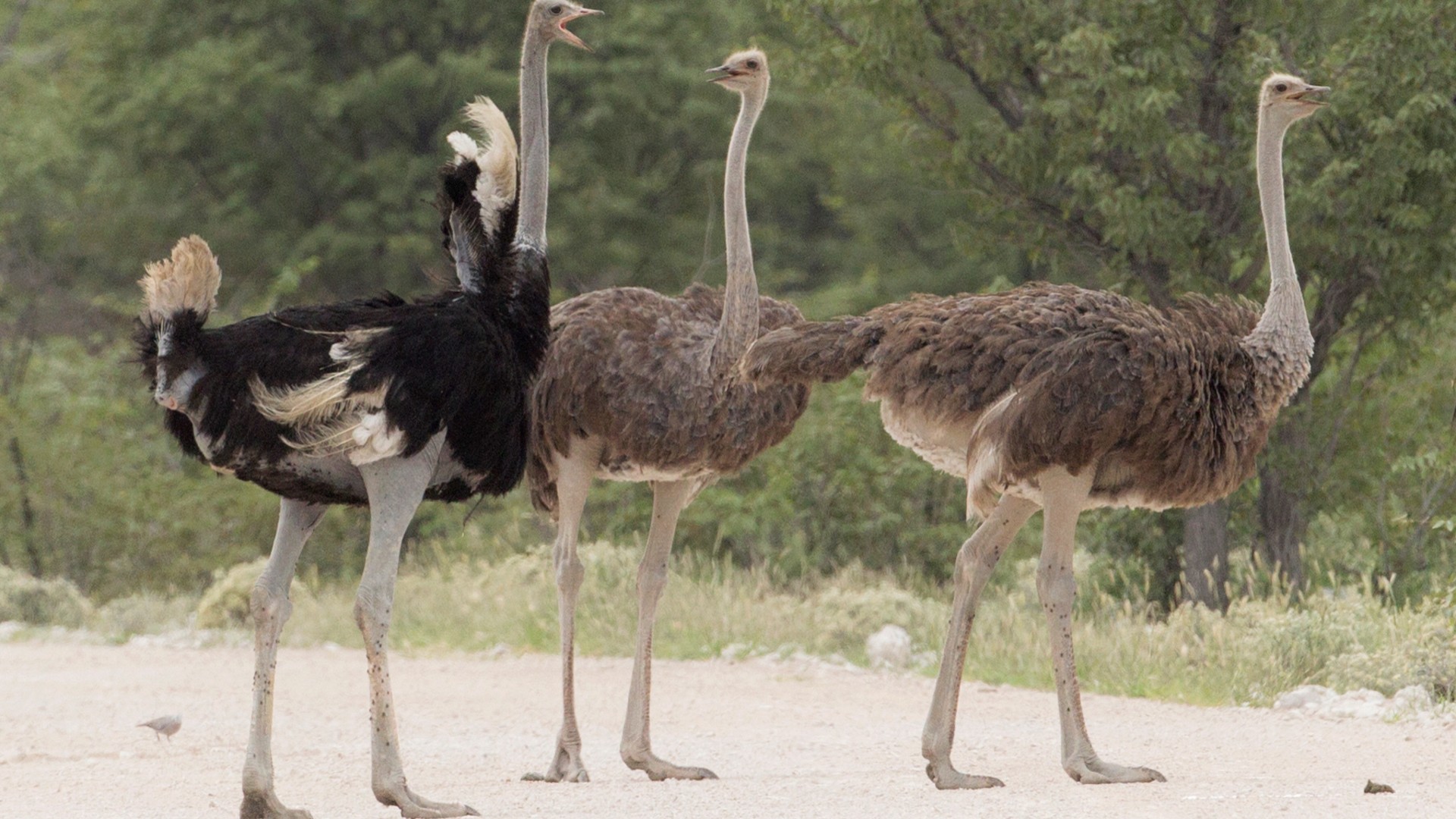
17. Common Ostrich 
16. Harpy Eagle - AdvertisementSwipe or tap ▶ to continue countdown

15. Golden Eagle 
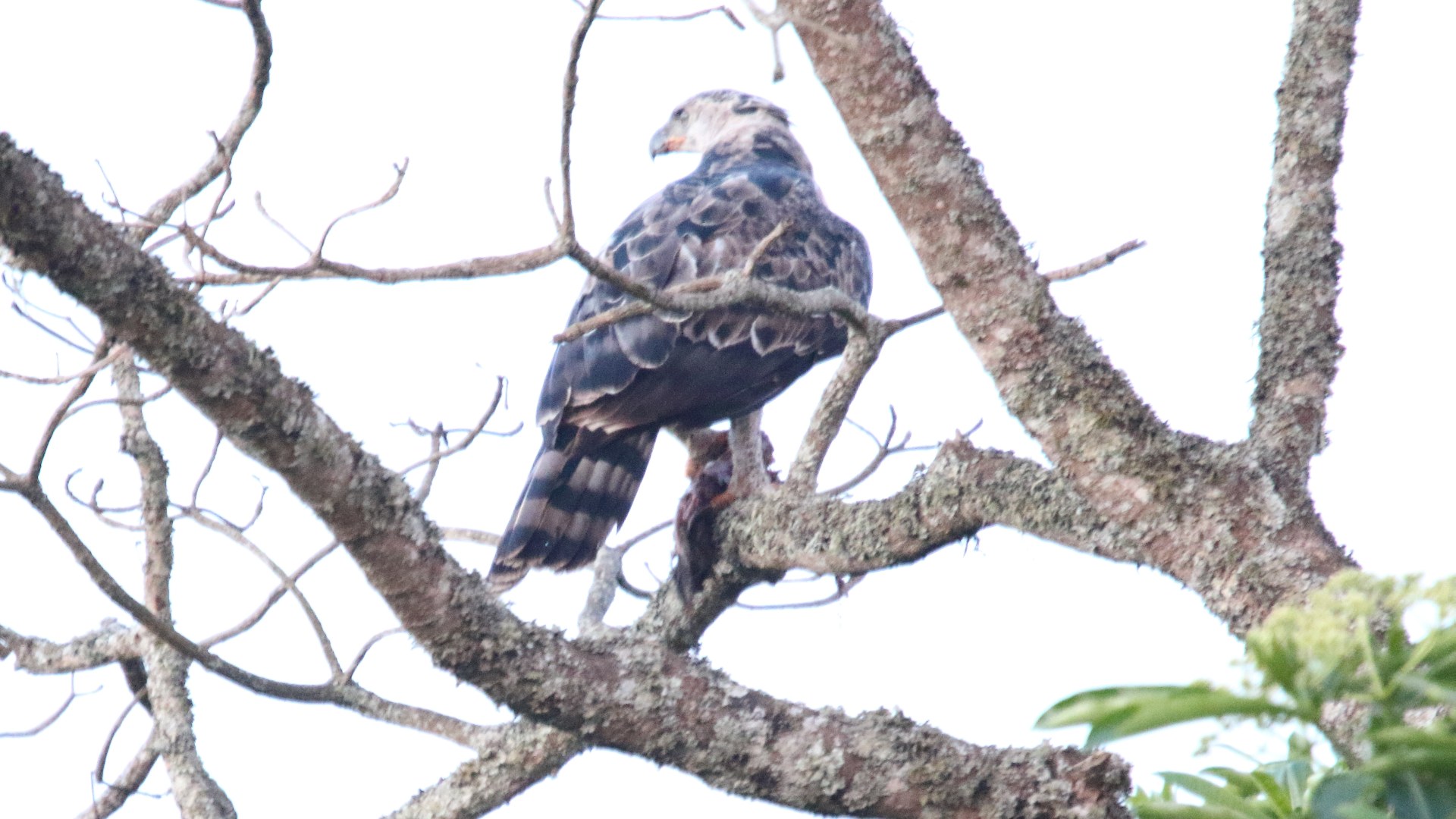
14. Crowned Eagle 
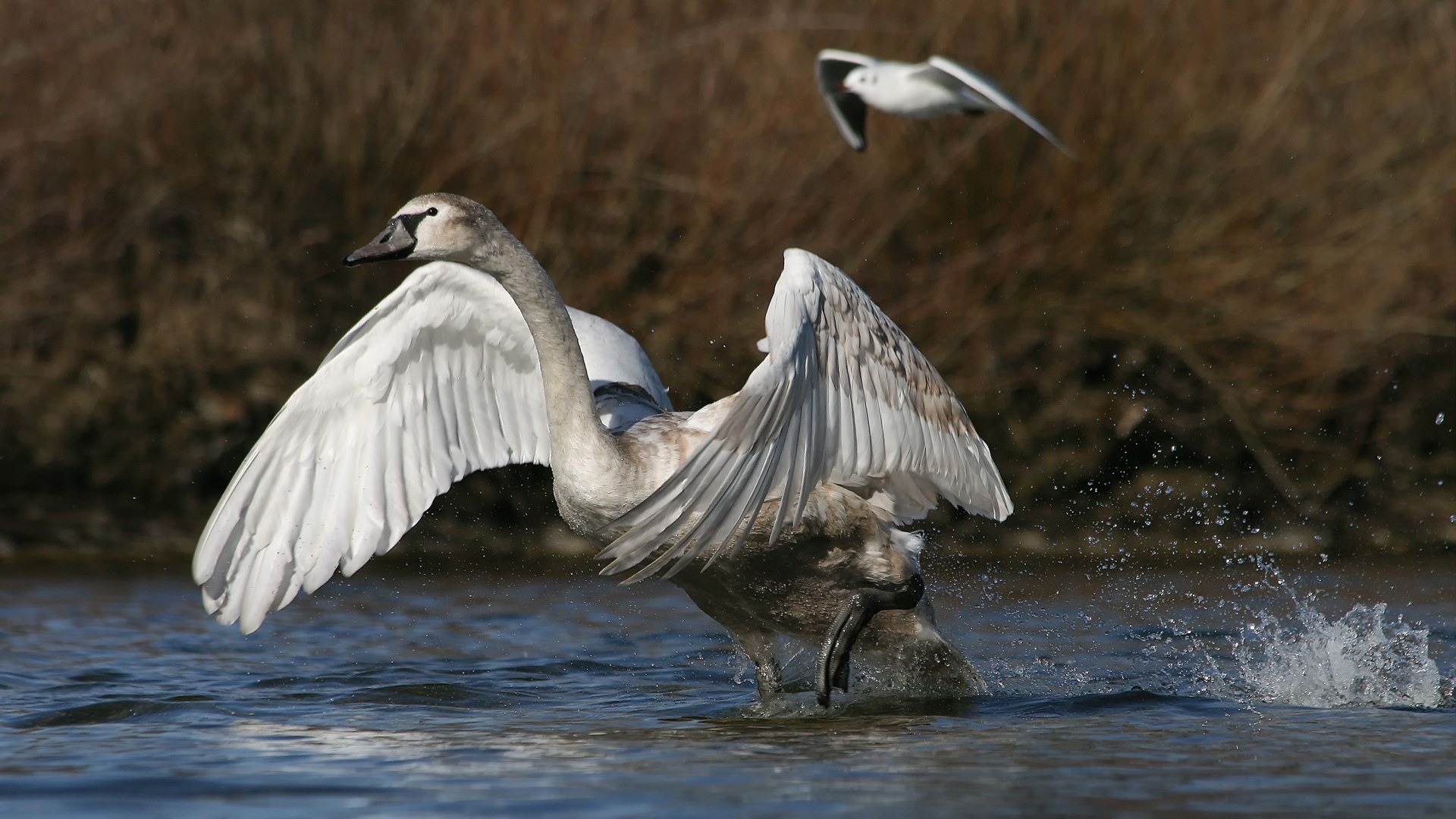
13. Mute Swan 
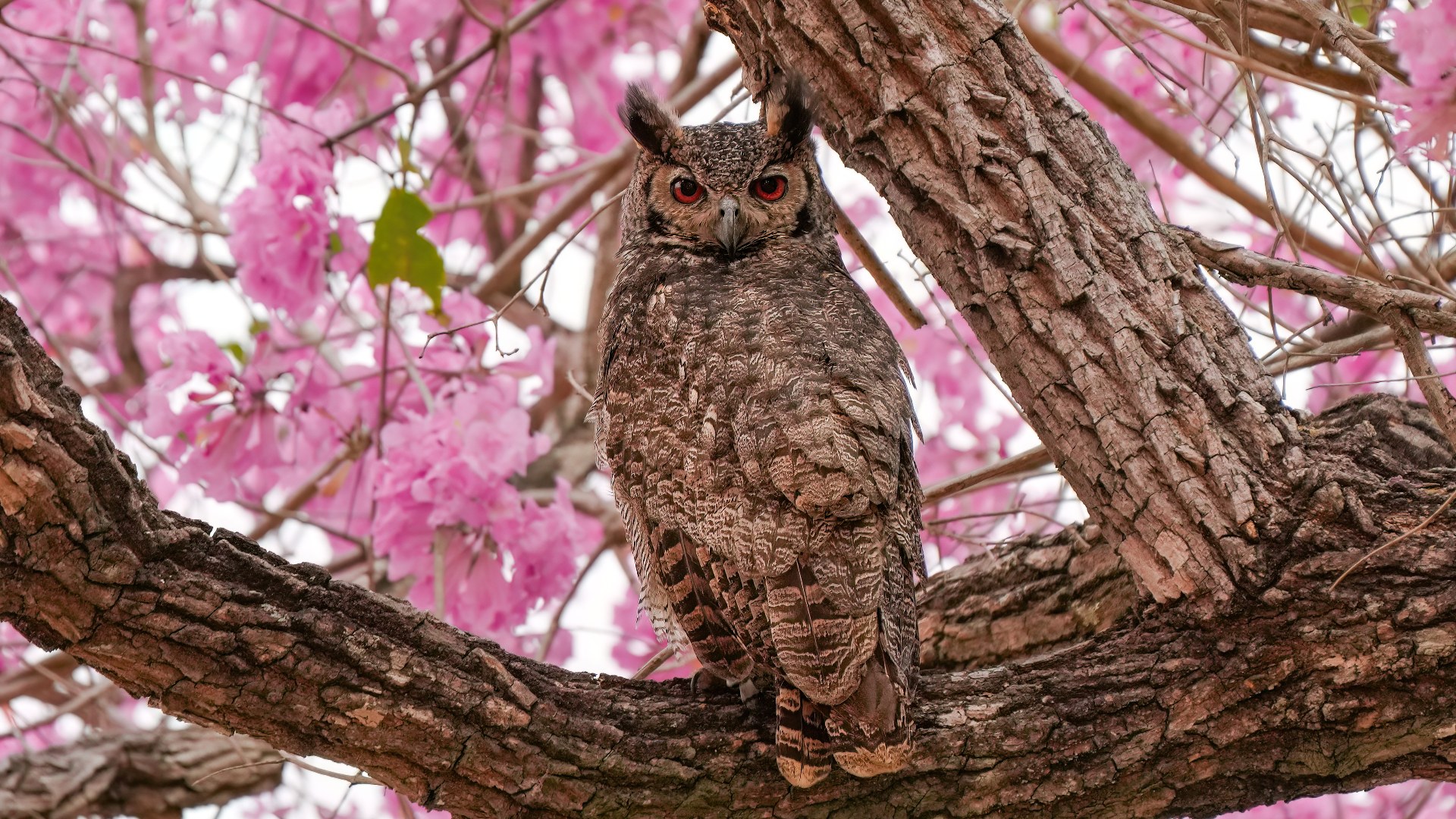
12. Great Horned Owl - AdvertisementSwipe or tap ▶ to continue countdown

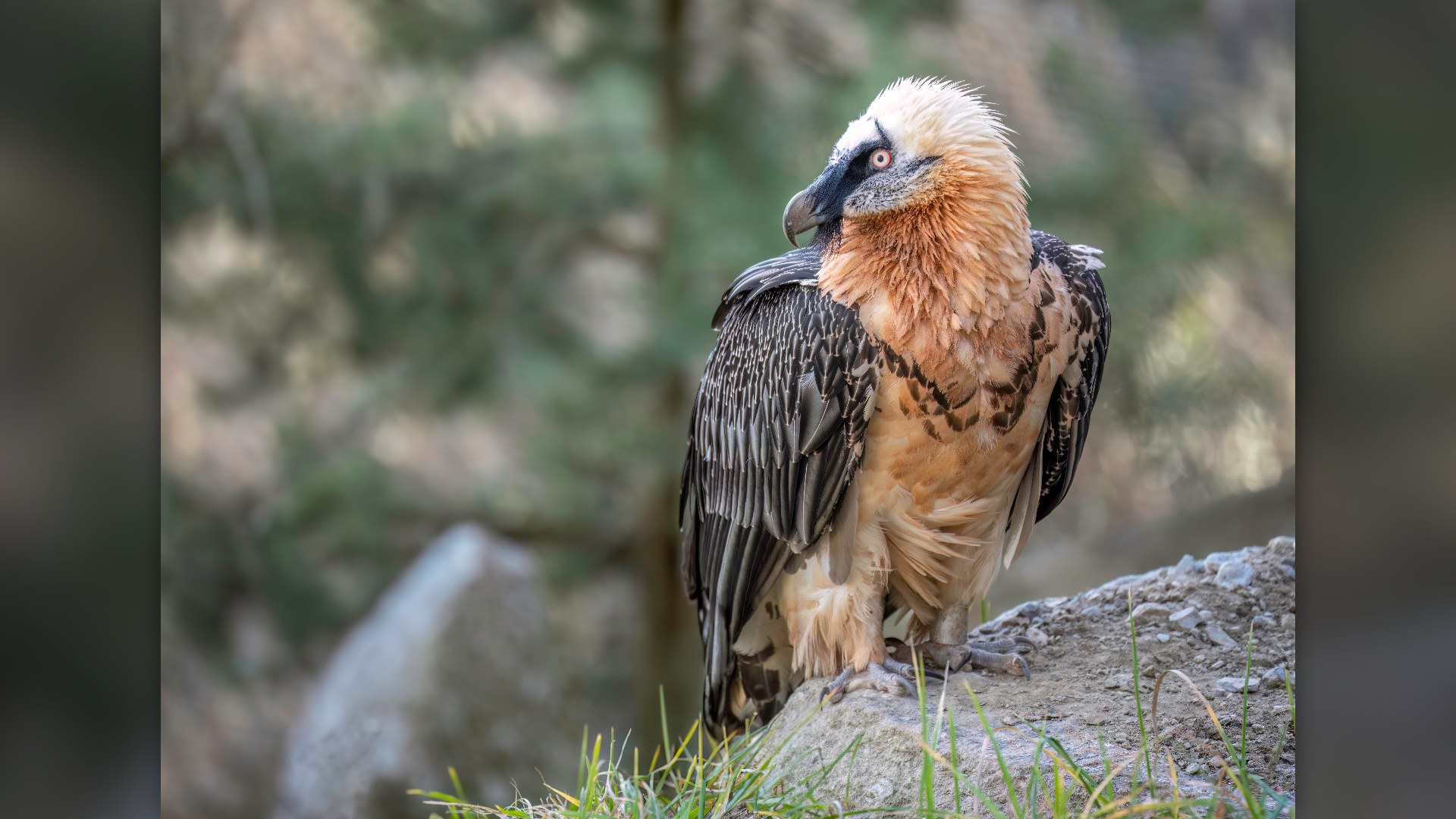
11. Lammergeier 
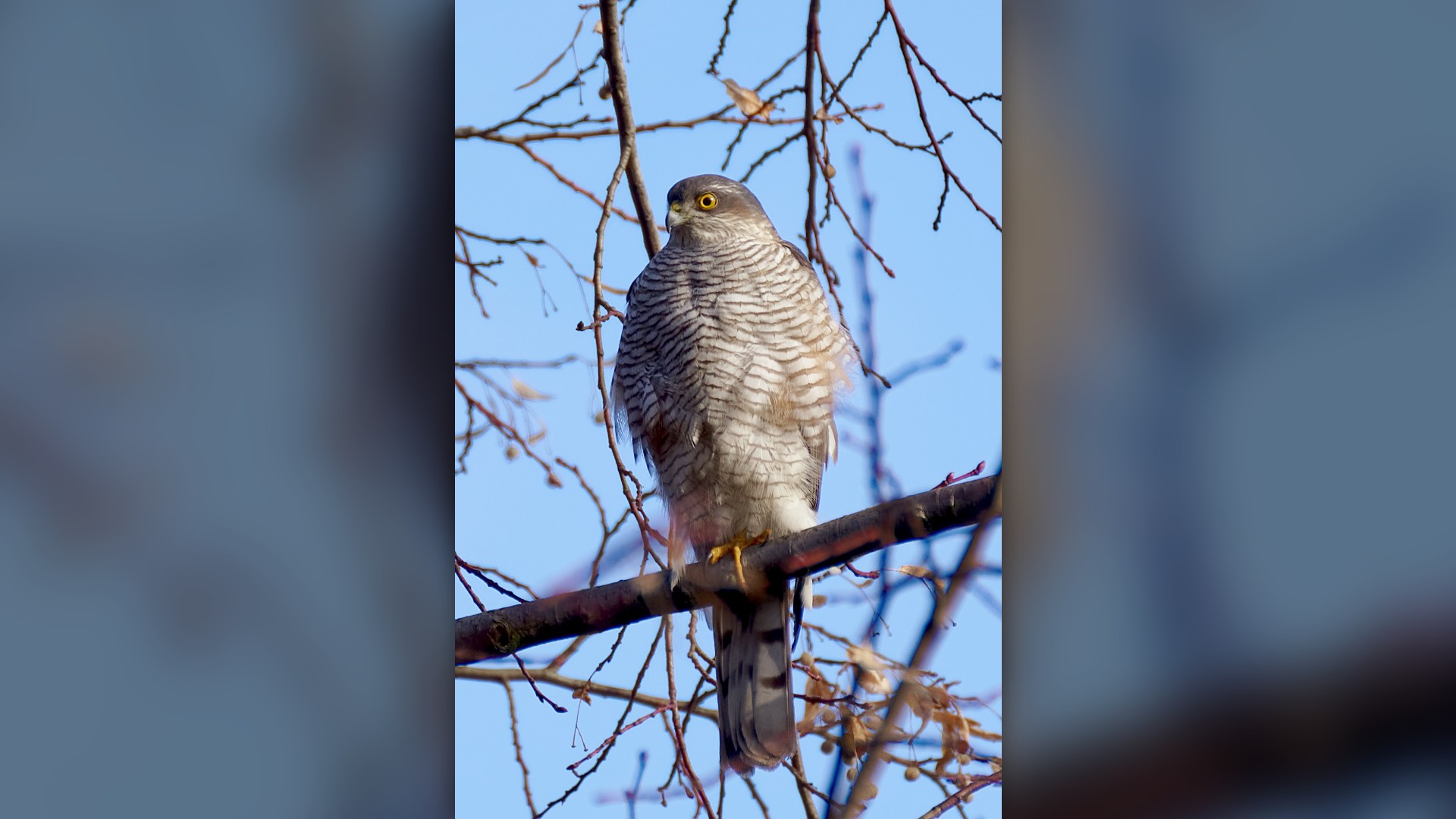
10. Northern Goshawk 
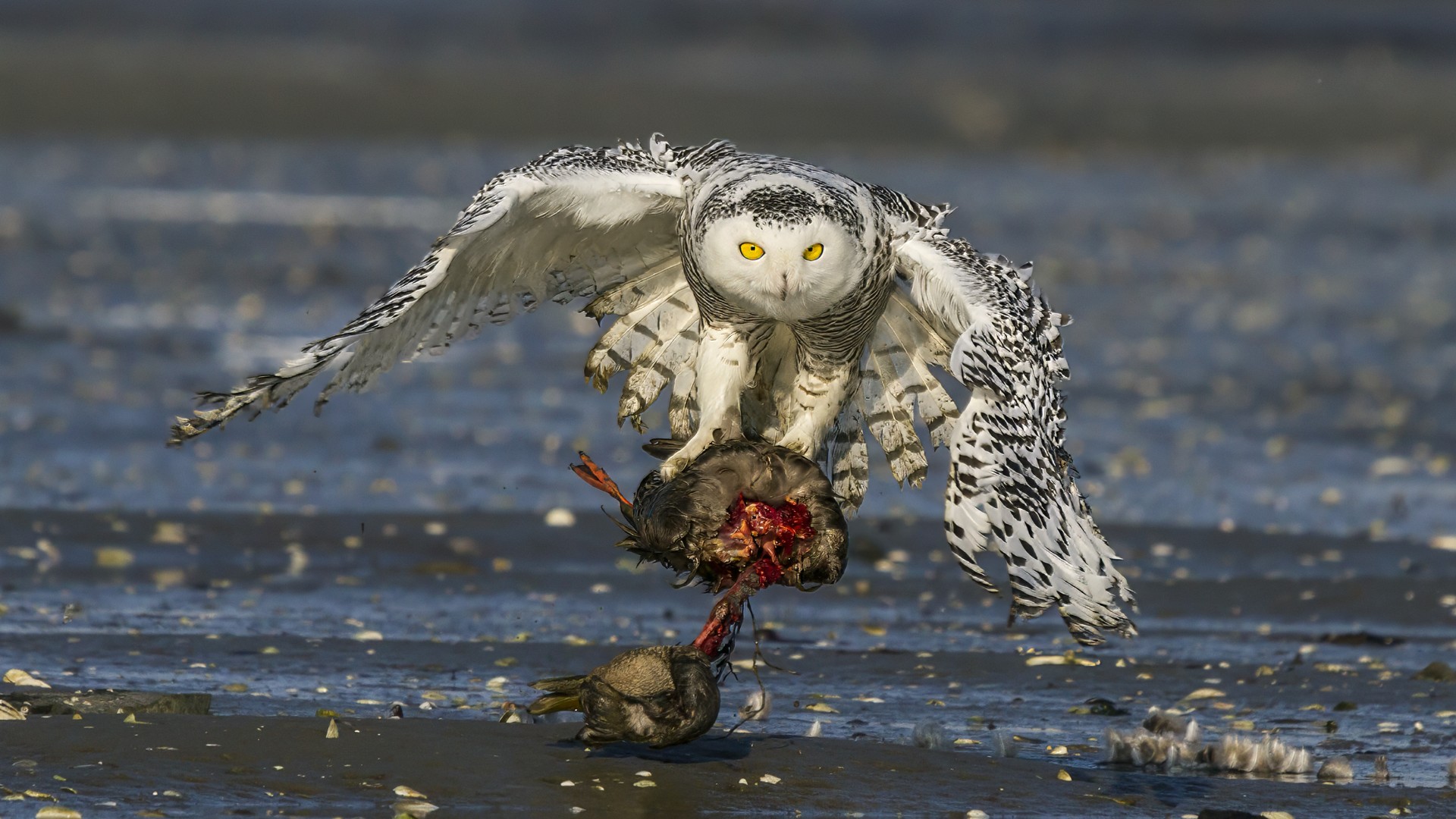
9. Snowy Owl 
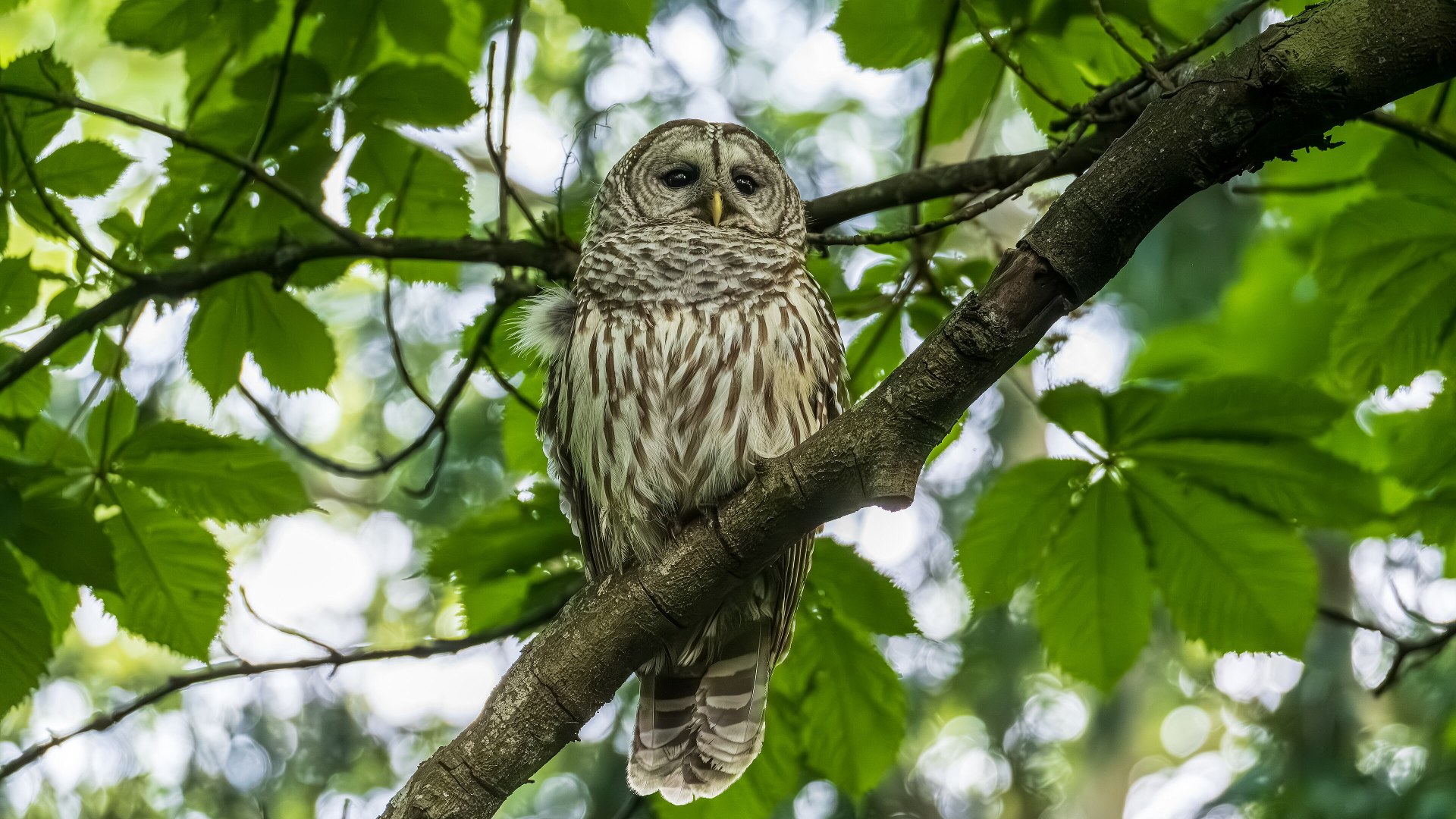
8. Barred Owl - AdvertisementSwipe or tap ▶ to continue countdown

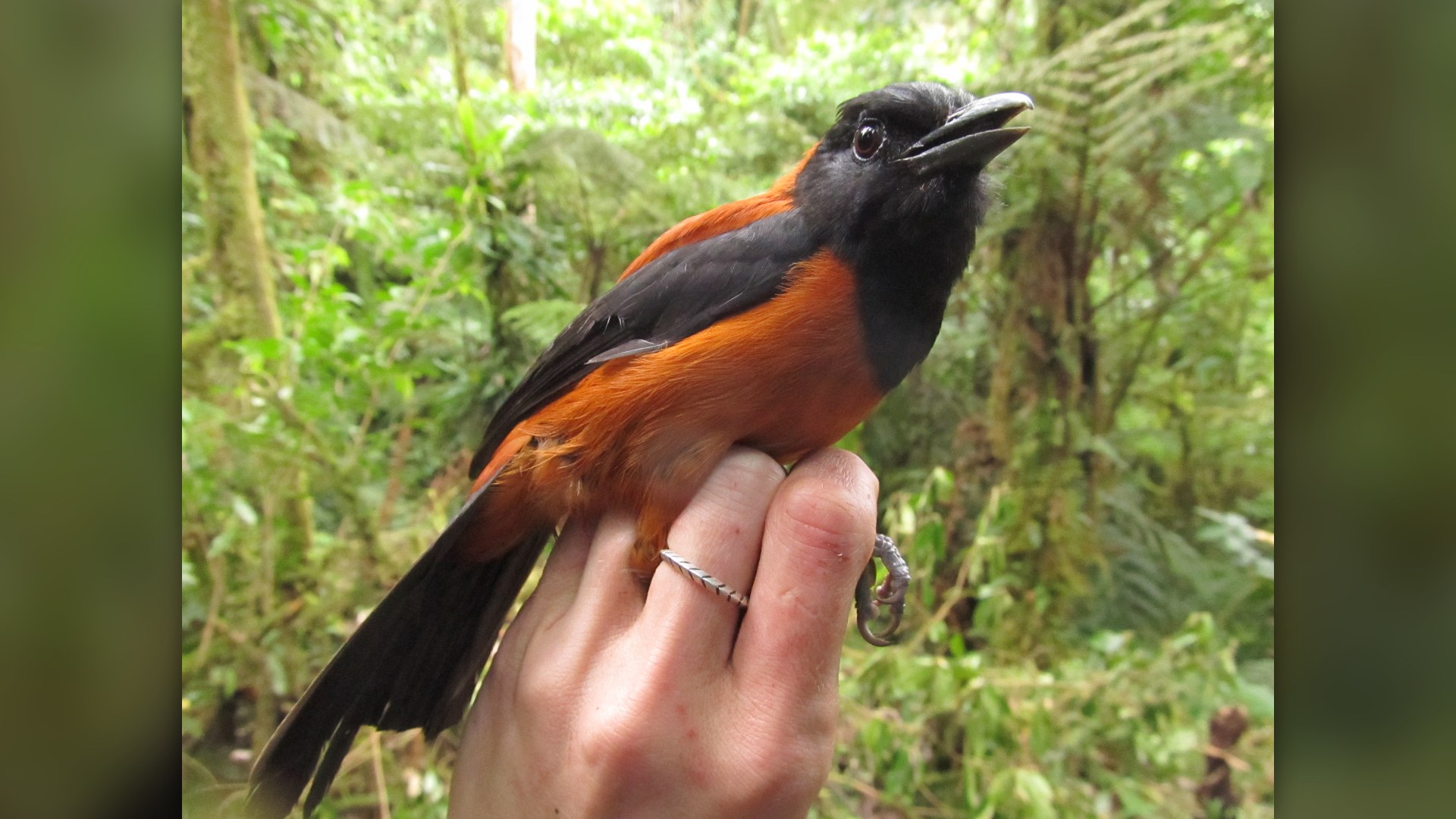
7. Hooded Pitohui 
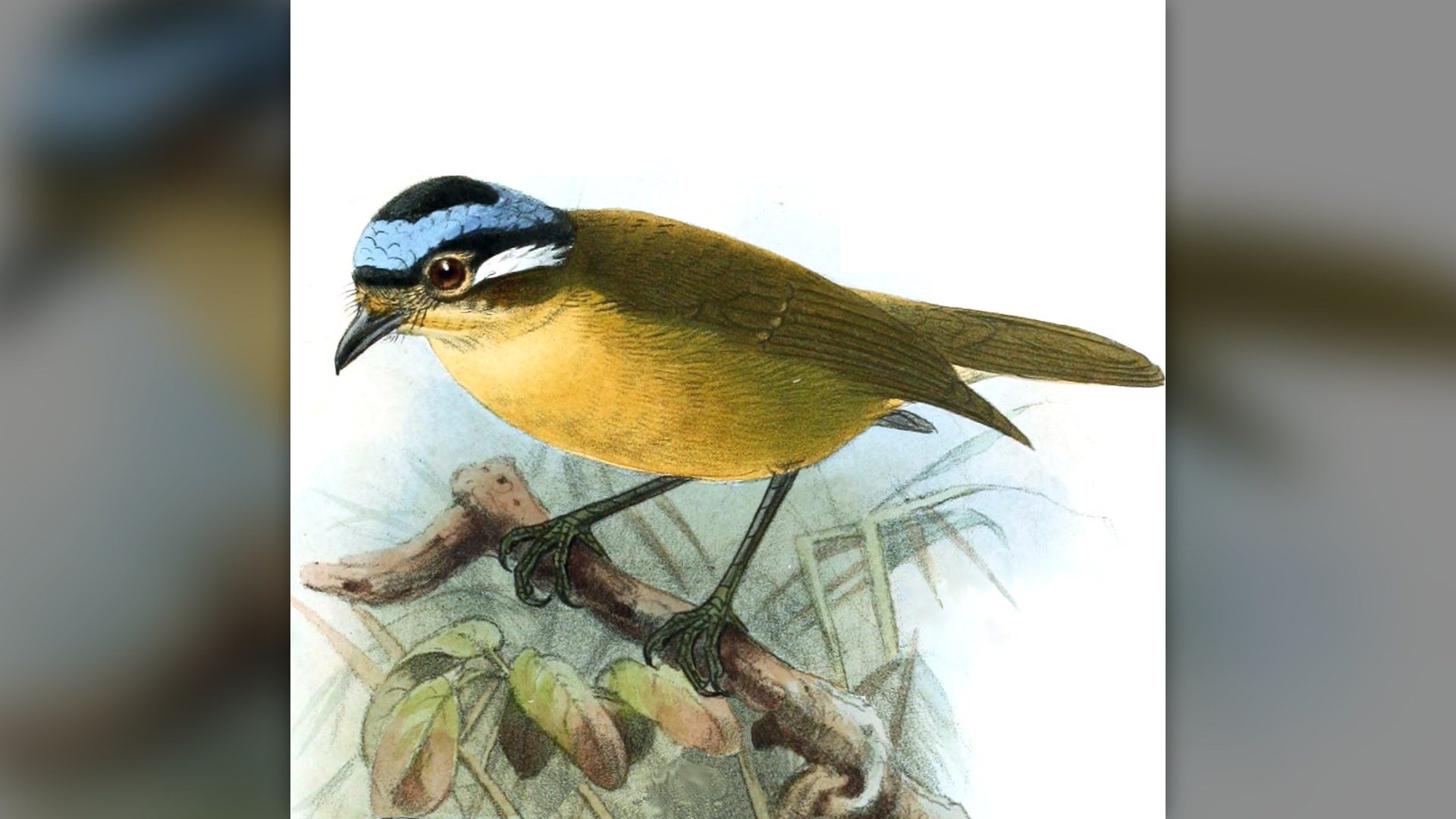
6. Blue Capped Ifrita 
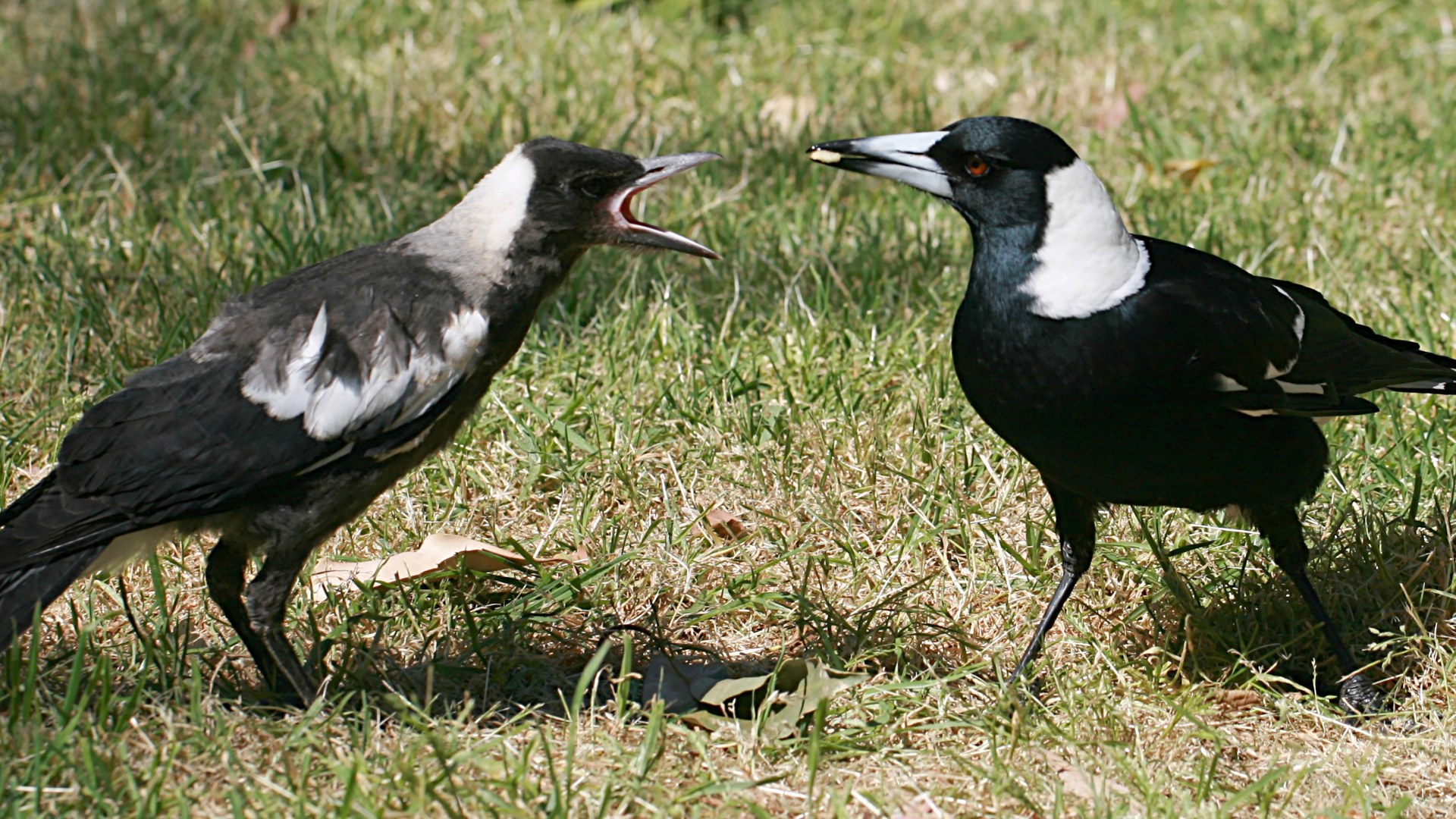
5. Australian Magpie 
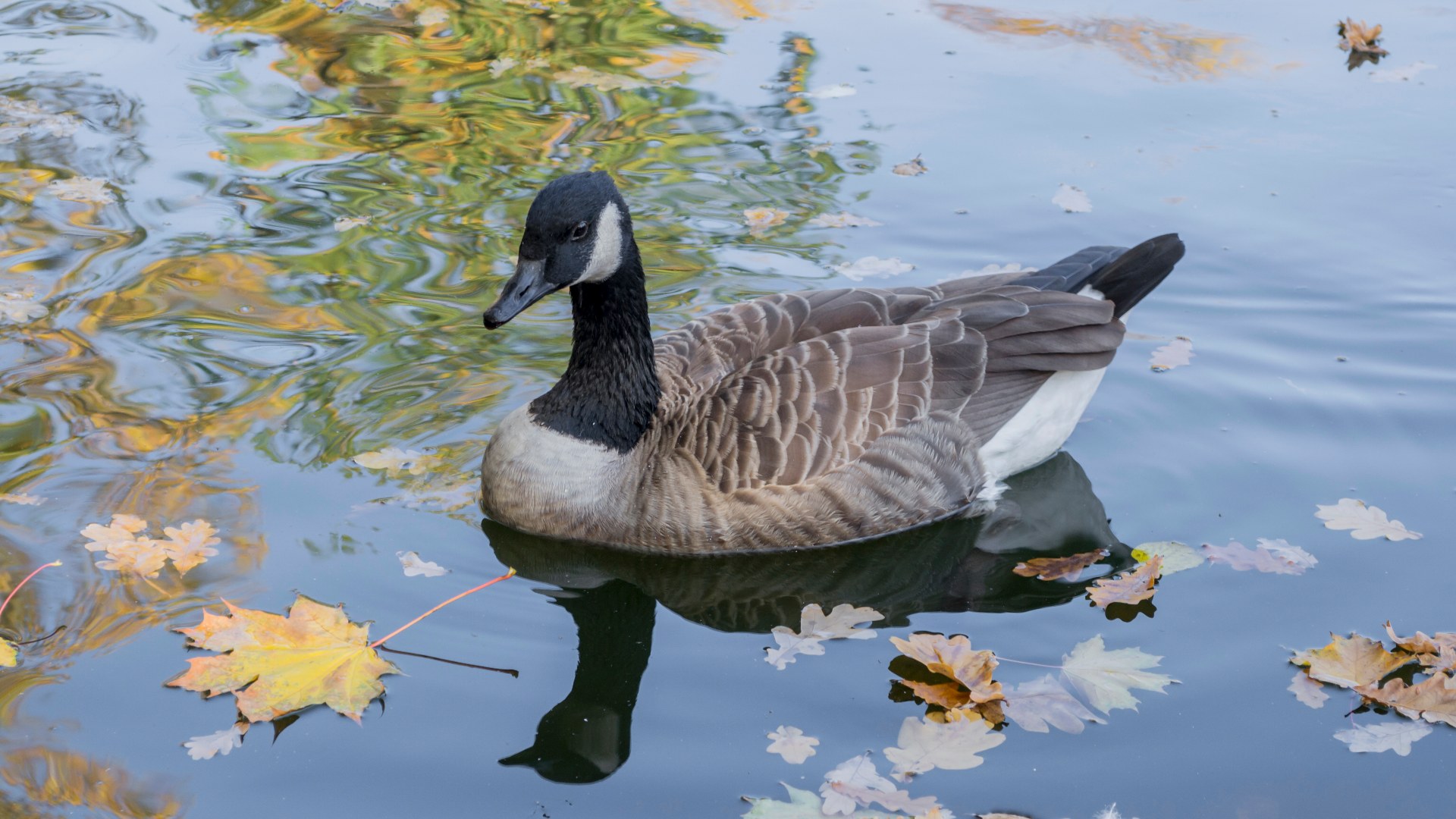
4. Canada Goose - AdvertisementSwipe or tap ▶ to continue countdown

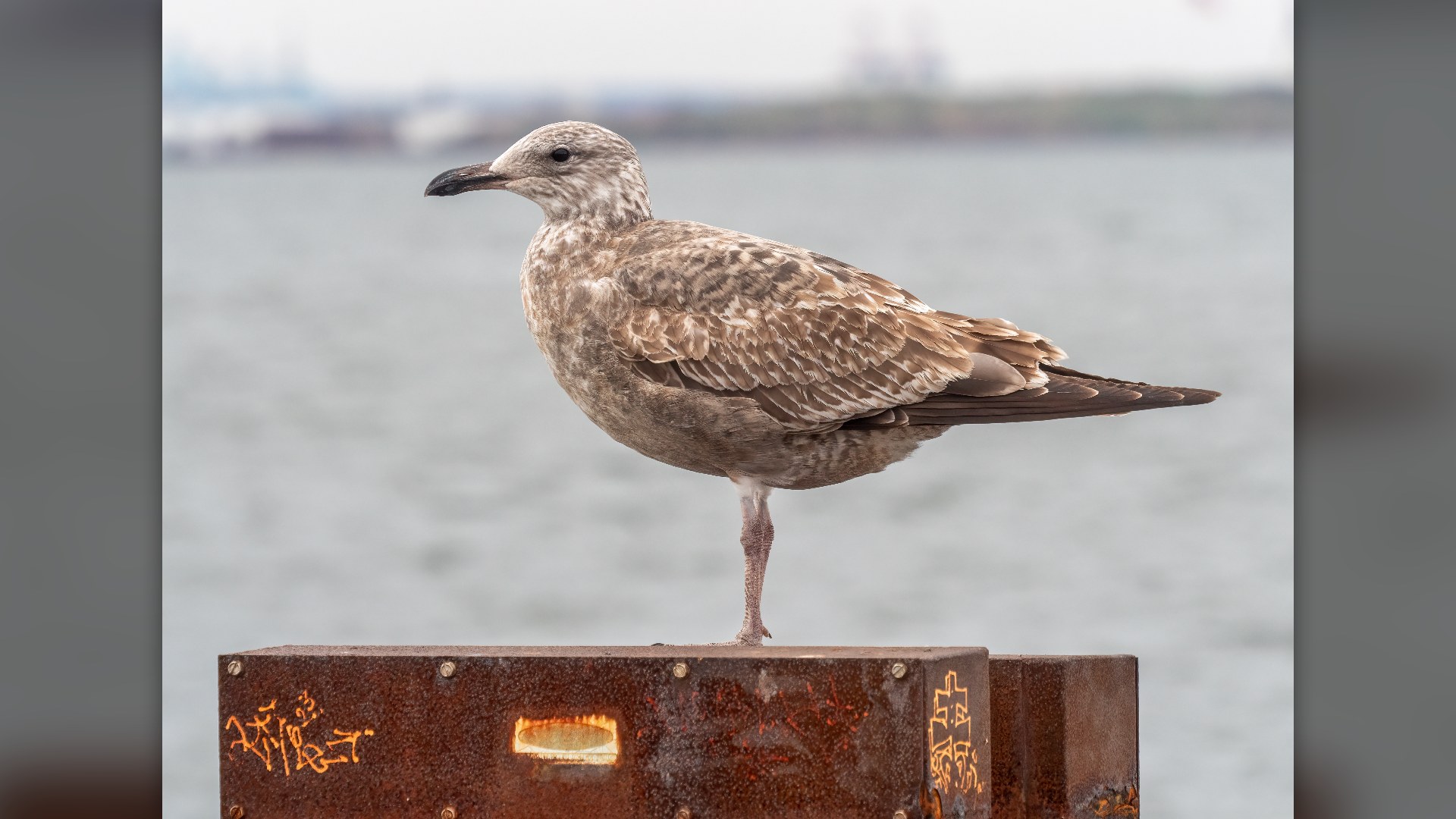
3. Herring Gull 
2. Red Winged Blackbird 
1. European Starling - Advertisement🔥 UP NEXT IN THIS SERIES◫ 26 Slides

25 Animals That May Detect Fear Through Scent and Body Language
From specialized olfactory receptors to airborne alarm pheromones, numerous species possess the extraordinary ability to detect chemical distress signals. Based on research from Live Science, National Geographic, and peer-reviewed biology journals, here are twenty-five animals that can smell and sense fear.
From neurotoxic feathers and bone crushing talons to lethal four inch dagger claws, these avian species wield surprisingly dangerous natural weaponry.
Swipe or tap ▶ to begin the countdown
©Wikimedia / Lystopad & Wikimedia / Rhododendrites
18. Southern Cassowary
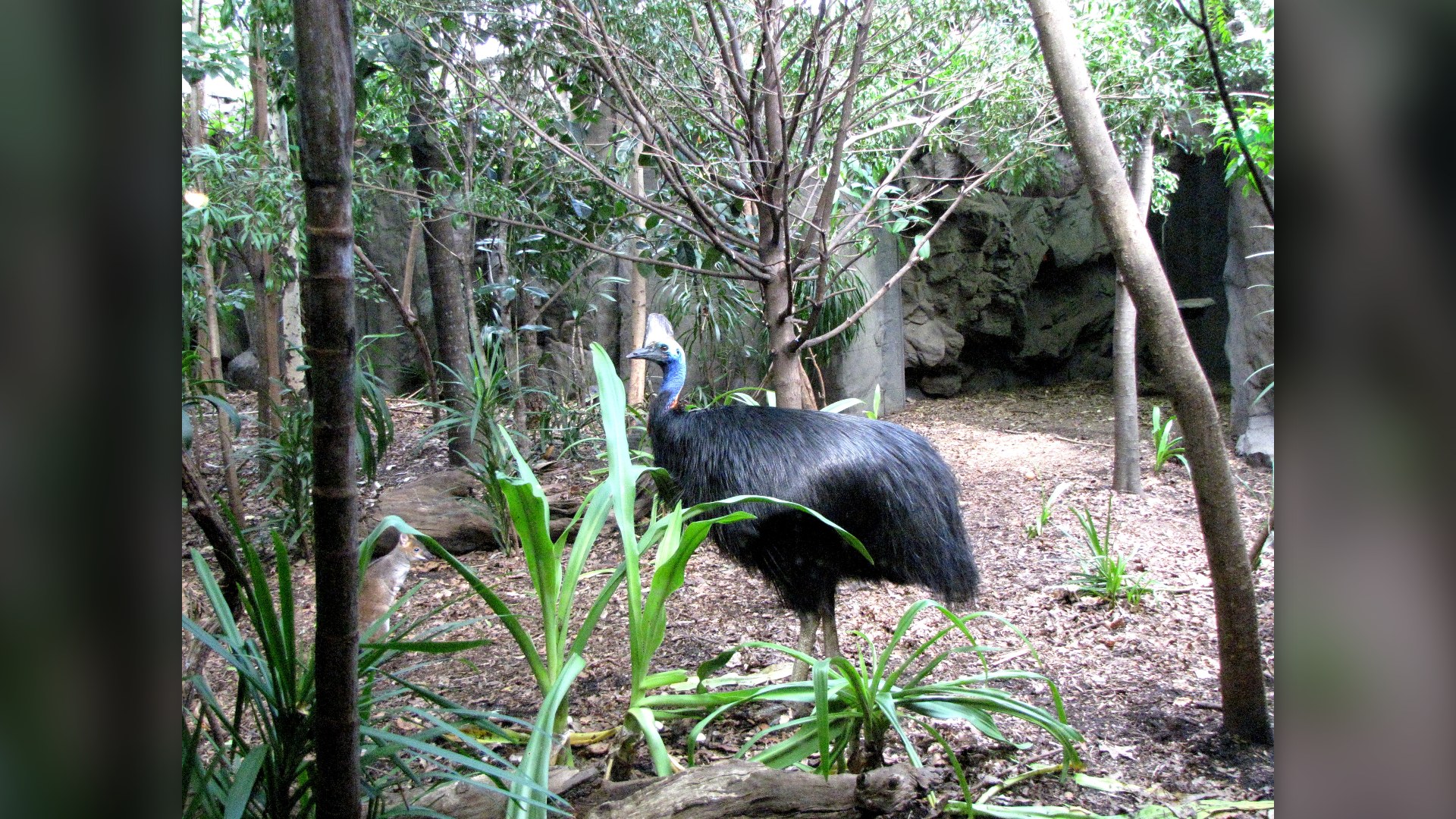
Standing six feet tall with dense bone casques, southern cassowaries are heavily armed rainforest ratites. When threatened, they leap into the air feet first, driving dagger-like inner claws deep into flesh to sever major arteries.
©Wikimedia / Grace Kat
17. Common Ostrich
Weighing over 300 pounds and sprinting at 45 mph, the common ostrich possesses formidable defensive power. Its muscular legs deliver forward kicks armed with four inch sharp claws, exerting enough force to kill humans and lions.
©Wikimedia / Common ostrich
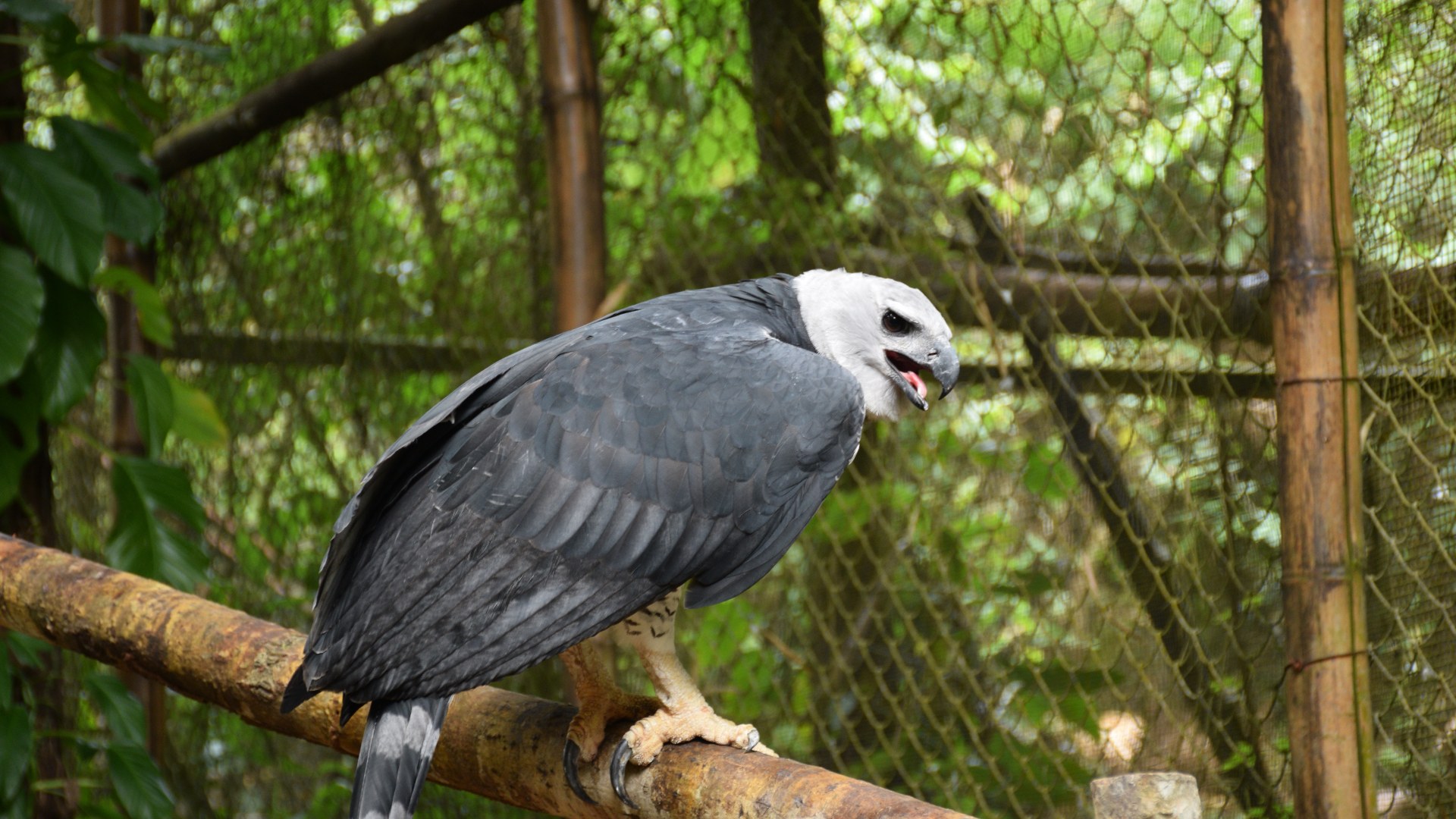
16. Harpy Eagle
Inhabiting lowland rainforest canopies, the harpy eagle is the world heaviest eagle. Its five inch rear daggers exert over 530 pounds of crushing pressure per square inch, instantly snapping bones and crushing primate skulls.
©Wikimedia / Perryprog
Advertisement
Swipe or tap ▶ to resume the countdown.
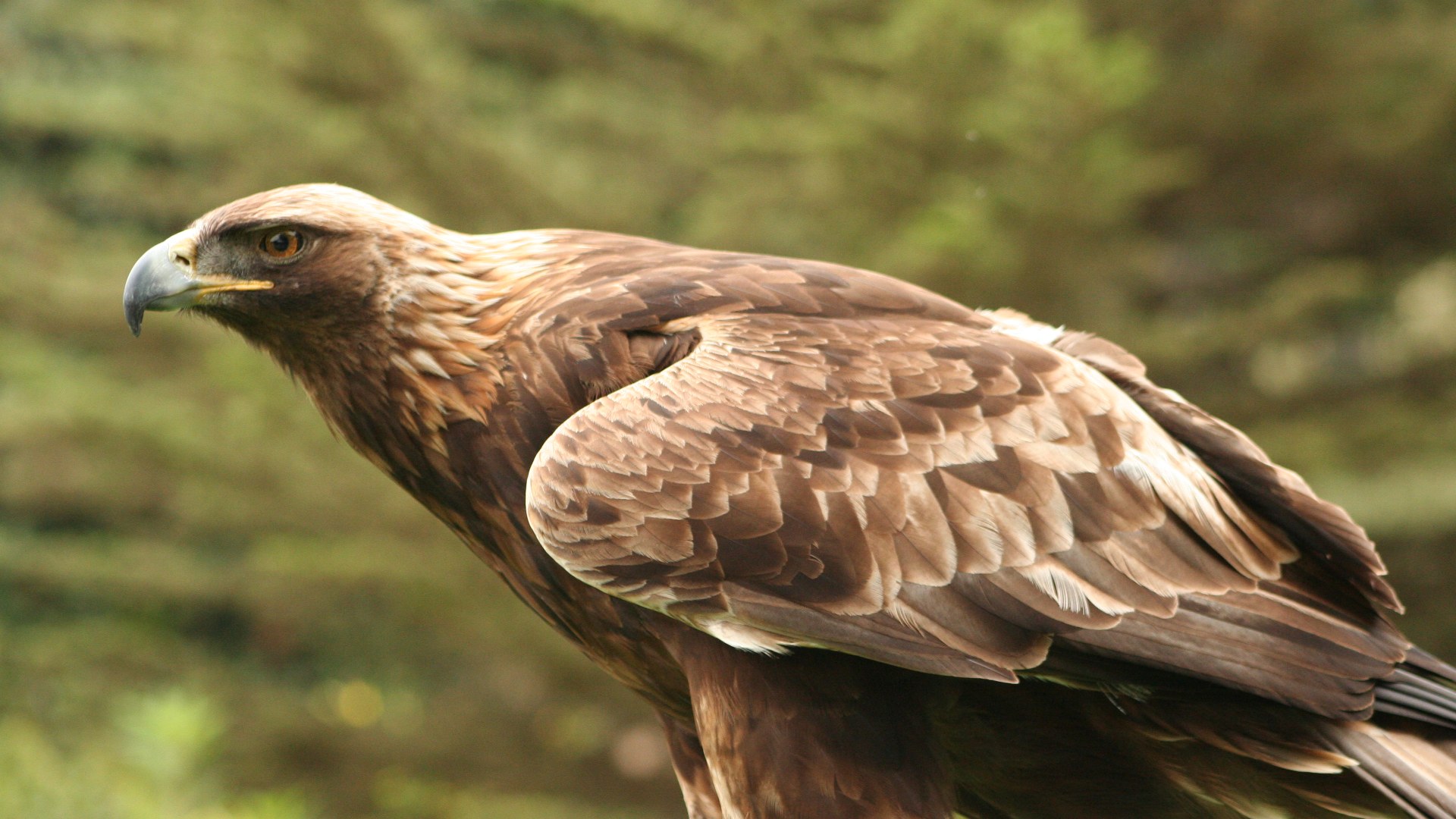
15. Golden Eagle
With a wingspan exceeding seven feet and massive talons delivering lethal force, the golden eagle is capable of taking down prey several times its own weight. In Central Asia, trained eagles regularly dispatch adult wolves.
©Wikimedia / Rocky
14. Crowned Eagle
Armed with massive lower leg bones and disproportionately large talons, the African crowned eagle regularly preys on monkeys weighing up to 65 pounds. Historical and fossil evidence confirms attacks on juvenile human hominids.
©Wikimedia / Dominic Sherony
13. Mute Swan
Reaching up to 30 pounds, aggressive cob mute swans vigorously defend territory against kayaks and swimmers. They batter victims with bony wing spurs and climb onto human chests, holding heads below water to drown them.
©Wikimedia / Richard Bartz
12. Great Horned Owl
Nicknamed the tiger of the sky, the great horned owl hunts skunks, porcupines, and large birds with ruthless efficiency. Its zygodactyl talons lock with 500 PSI of mechanical crushing pressure, instantly fracturing spine and skull bones.
©Wikimedia / Giles Laurent
Advertisement
Swipe or tap ▶ to resume the countdown.
11. Lammergeier
Specialized in marrow consumption, the lammergeier carries heavy animal bones and hard-shelled prey high into mountain thermals, dropping them onto designated ossuaries below. Historically, these falling aerial projectiles have caused human fatalities.
©Wikimedia / Wilfredor
10. Northern Goshawk
Known to ornithologists as the phantom of the forest, the northern goshawk guards its canopy nesting territory with intense ferocity. Trespassing hikers face high-velocity dive attacks that easily rip through hats, skin, and scalp tissue.
©Wikimedia / Jakub Hałun
9. Snowy Owl
Nesting directly on the open arctic tundra, snowy owls defend eggs against formidable predators including foxes and wolves. Intruders entering breeding zones face high speed aerial dives delivering razor sharp talons to the face.
©Wikimedia / Snowy owl
8. Barred Owl
Wielding comb-like wing feathers for dead-silent flight, barred owls launch unexpected ambush strikes from forest canopies. Defending winter roosts, they hit unsuspecting runners from behind, driving needle sharp talons deep into human scalps.
©Wikimedia / Guywelch2000
Advertisement
Swipe or tap ▶ to resume the countdown.
7. Hooded Pitohui
Discovered in 1989 to carry toxic homobatrachotoxin, the hooded pitohui concentrates poison across its feathers, skin, and organs. Even touching the feathers causes localized numbness, sneezing, and systemic neurological distress.
©Wikimedia / Benjamin Freeman
6. Blue Capped Ifrita
Native to New Guinea cloud forests, the blue-capped ifrita absorbs batrachotoxins from toxic Choresine beetles in its diet. Handling this bird transfers neurotoxins across the skin, causing severe burning, numbness, and paralysis.
©Wikimedia / John Gerrard Keulemans
5. Australian Magpie
During spring nesting season in Australia, breeding magpies dive bomb pedestrians and cyclists without warning. Their sharp beaks strike at eye level, causing permanent vision loss and panic induced road fatalities every year.
©Wikimedia / Toby Hudson
4. Canada Goose
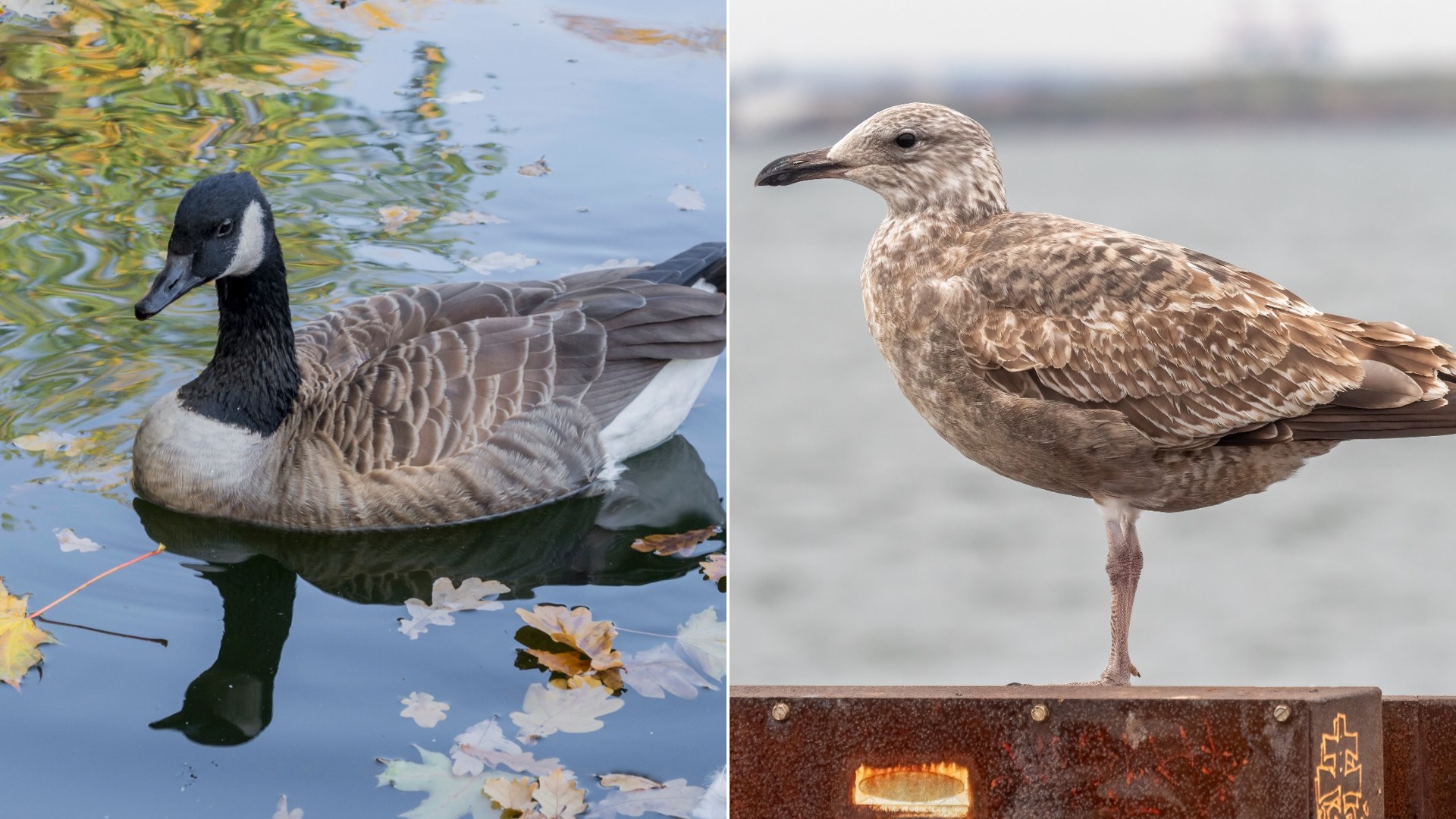
Defending nests near public pathways, male geese hiss, spread their six foot wings, and charge. Their dense humerus wing bones strike with surprising kinetic force, causing broken wrists and serious head injuries from falls.
©Wikimedia / Lystopad
Advertisement
Swipe or tap ▶ to resume the countdown.
3. Herring Gull
Urban herring gulls have grown increasingly bold. When protecting nearby rooftop chicks or snatching food, adult gulls dive at up to 40 mph, using hooked beaks to gouge flesh and cause facial trauma.
©Wikimedia / Rhododendrites
2. Red Winged Blackbird
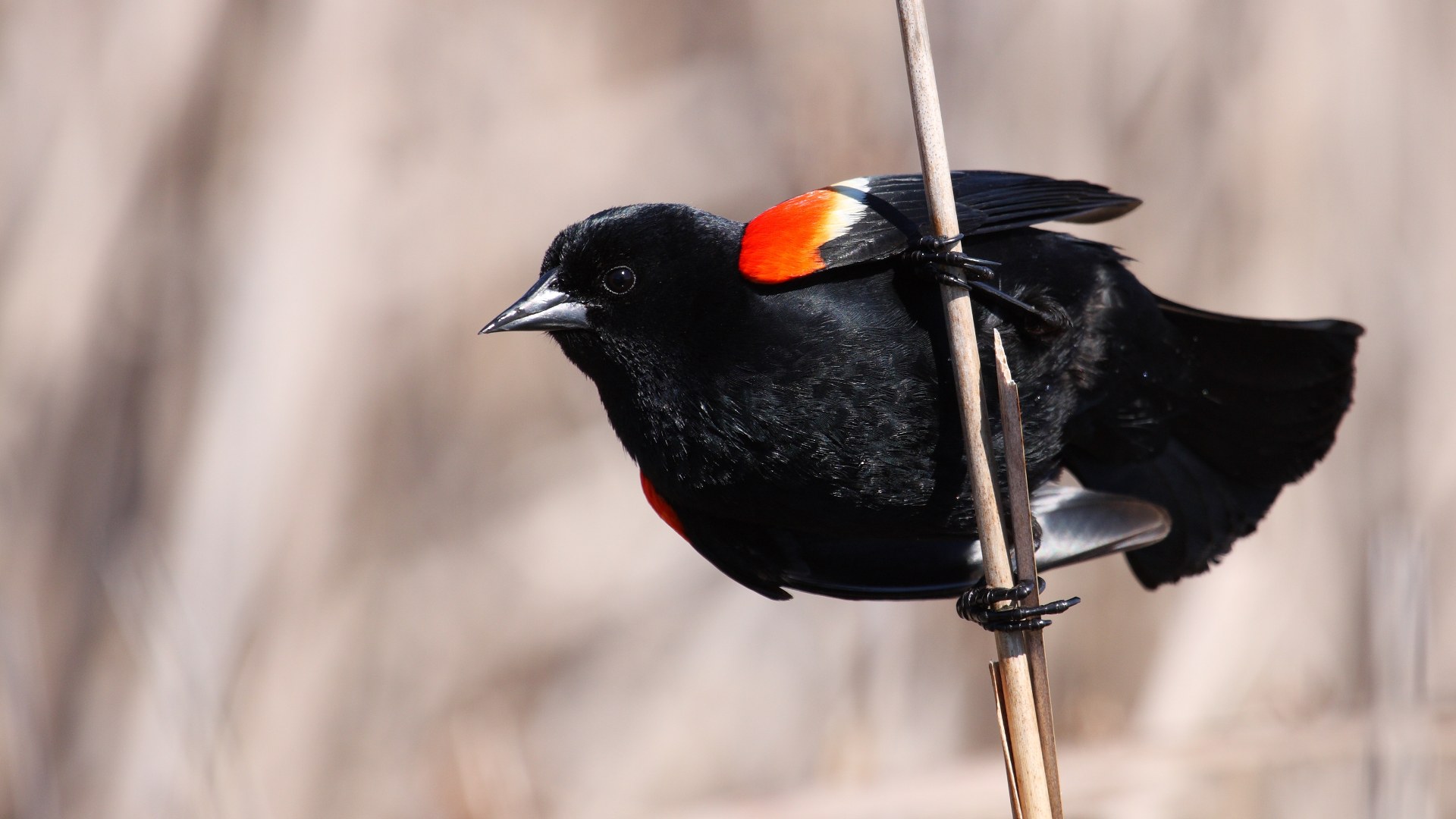
During spring nesting season, male red-winged blackbirds defend marsh territories with extreme aggression. They swoop silently from behind, striking runners and cyclists directly on the scalp and face with sharp beaks.
©Wikimedia / Cephas
1. European Starling
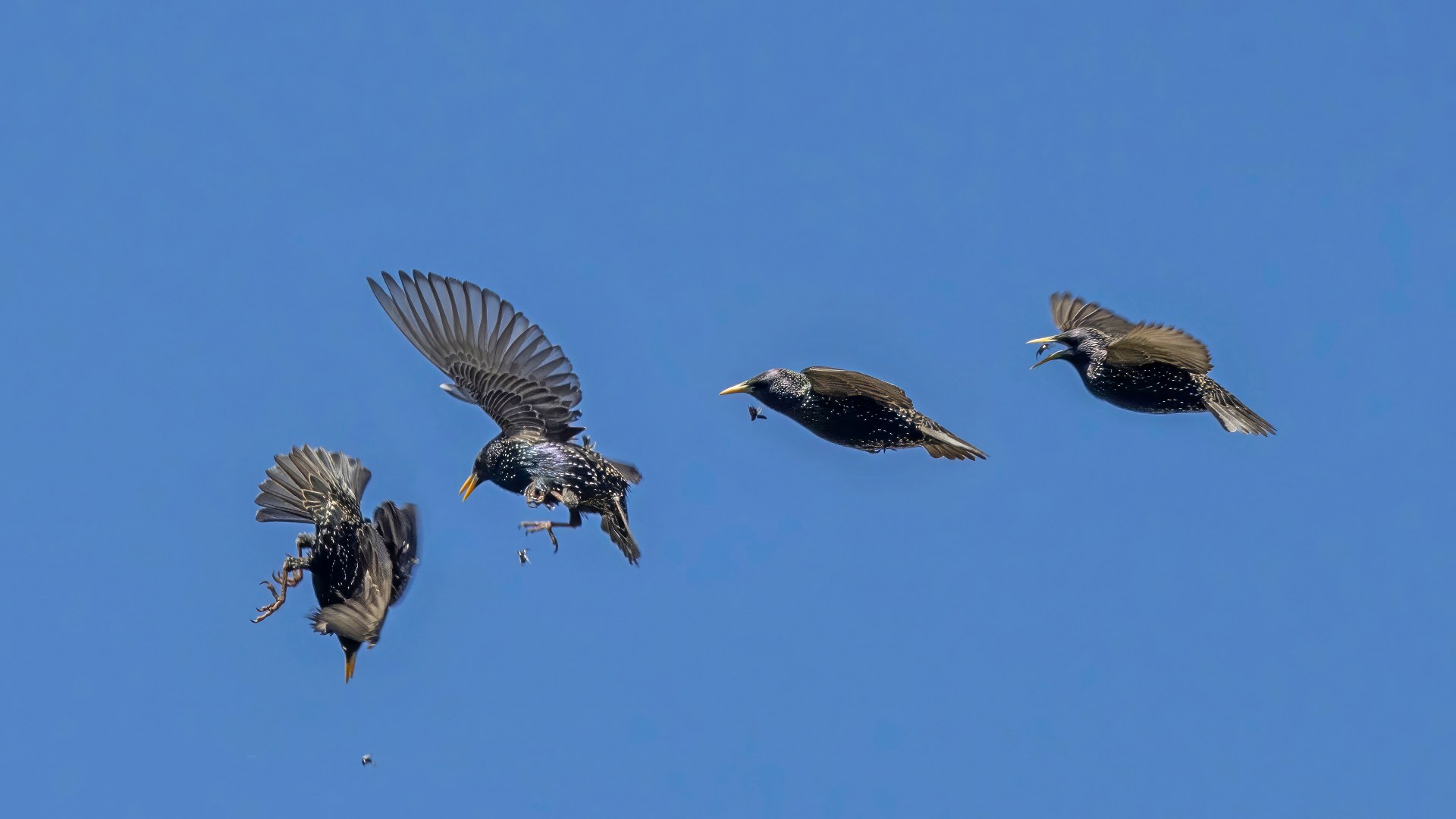
While an individual starling is harmless, dense murmurations containing tens of thousands of birds pose a catastrophic aviation threat. Ingested into jet engines during takeoff, these flocks have caused multiple fatal airline crashes.

©Wikimedia / Charles J. Sharp
Advertisement
You've reached the end of the story. Thanks for reading!

25 Animals That May Detect Fear Through Scent and Body Language
From specialized olfactory receptors to airborne alarm pheromones, numerous species possess the extraordinary ability to detect chemical distress signals. Based on research from Live Science, National Geographic, and peer-reviewed biology journals, here are twenty-five animals that can smell and sense fear.
All 18 Entries in this Story
18. Southern Cassowary
Standing six feet tall with dense bone casques, southern cassowaries are heavily armed rainforest ratites. When threatened, they leap into the air feet first, driving dagger-like inner claws deep into flesh to sever major arteries.

17. Common Ostrich
Weighing over 300 pounds and sprinting at 45 mph, the common ostrich possesses formidable defensive power. Its muscular legs deliver forward kicks armed with four inch sharp claws, exerting enough force to kill humans and lions.

16. Harpy Eagle
Inhabiting lowland rainforest canopies, the harpy eagle is the world heaviest eagle. Its five inch rear daggers exert over 530 pounds of crushing pressure per square inch, instantly snapping bones and crushing primate skulls.

15. Golden Eagle
With a wingspan exceeding seven feet and massive talons delivering lethal force, the golden eagle is capable of taking down prey several times its own weight. In Central Asia, trained eagles regularly dispatch adult wolves.

14. Crowned Eagle
Armed with massive lower leg bones and disproportionately large talons, the African crowned eagle regularly preys on monkeys weighing up to 65 pounds. Historical and fossil evidence confirms attacks on juvenile human hominids.

13. Mute Swan
Reaching up to 30 pounds, aggressive cob mute swans vigorously defend territory against kayaks and swimmers. They batter victims with bony wing spurs and climb onto human chests, holding heads below water to drown them.

12. Great Horned Owl
Nicknamed the tiger of the sky, the great horned owl hunts skunks, porcupines, and large birds with ruthless efficiency. Its zygodactyl talons lock with 500 PSI of mechanical crushing pressure, instantly fracturing spine and skull bones.

11. Lammergeier
Specialized in marrow consumption, the lammergeier carries heavy animal bones and hard-shelled prey high into mountain thermals, dropping them onto designated ossuaries below. Historically, these falling aerial projectiles have caused human fatalities.

10. Northern Goshawk
Known to ornithologists as the phantom of the forest, the northern goshawk guards its canopy nesting territory with intense ferocity. Trespassing hikers face high-velocity dive attacks that easily rip through hats, skin, and scalp tissue.

9. Snowy Owl
Nesting directly on the open arctic tundra, snowy owls defend eggs against formidable predators including foxes and wolves. Intruders entering breeding zones face high speed aerial dives delivering razor sharp talons to the face.

8. Barred Owl
Wielding comb-like wing feathers for dead-silent flight, barred owls launch unexpected ambush strikes from forest canopies. Defending winter roosts, they hit unsuspecting runners from behind, driving needle sharp talons deep into human scalps.

7. Hooded Pitohui
Discovered in 1989 to carry toxic homobatrachotoxin, the hooded pitohui concentrates poison across its feathers, skin, and organs. Even touching the feathers causes localized numbness, sneezing, and systemic neurological distress.

6. Blue Capped Ifrita
Native to New Guinea cloud forests, the blue-capped ifrita absorbs batrachotoxins from toxic Choresine beetles in its diet. Handling this bird transfers neurotoxins across the skin, causing severe burning, numbness, and paralysis.

5. Australian Magpie
During spring nesting season in Australia, breeding magpies dive bomb pedestrians and cyclists without warning. Their sharp beaks strike at eye level, causing permanent vision loss and panic induced road fatalities every year.

4. Canada Goose
Defending nests near public pathways, male geese hiss, spread their six foot wings, and charge. Their dense humerus wing bones strike with surprising kinetic force, causing broken wrists and serious head injuries from falls.

3. Herring Gull
Urban herring gulls have grown increasingly bold. When protecting nearby rooftop chicks or snatching food, adult gulls dive at up to 40 mph, using hooked beaks to gouge flesh and cause facial trauma.

2. Red Winged Blackbird
During spring nesting season, male red-winged blackbirds defend marsh territories with extreme aggression. They swoop silently from behind, striking runners and cyclists directly on the scalp and face with sharp beaks.

1. European Starling
While an individual starling is harmless, dense murmurations containing tens of thousands of birds pose a catastrophic aviation threat. Ingested into jet engines during takeoff, these flocks have caused multiple fatal airline crashes.