Slideshow · Science
15 Drawbacks of the New Tesla Roadster Rocket Package, Ranked
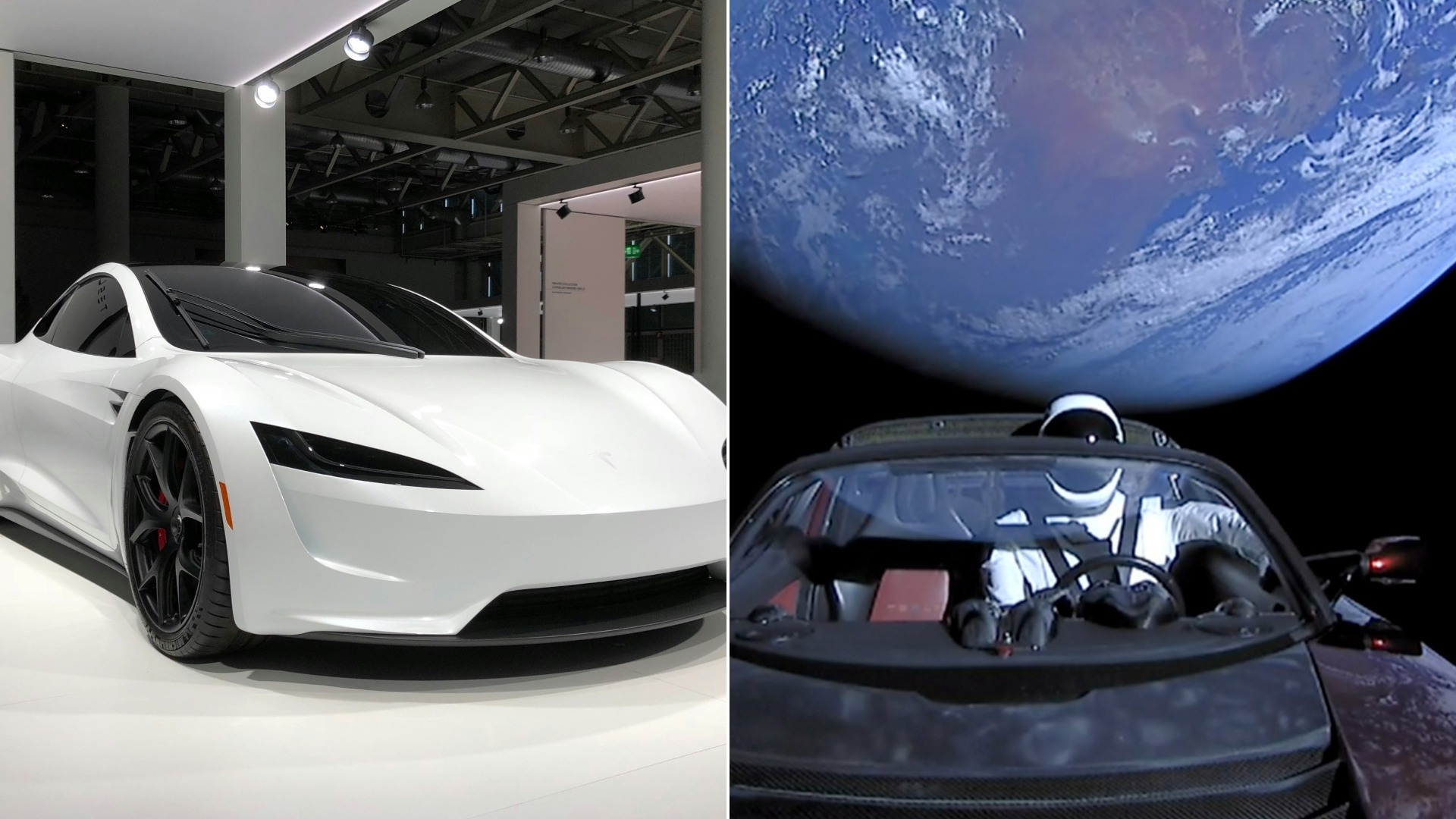
Why The Second-Generation Tesla Roadster Rocket Thrusters Face 15 Hurdles

All 15 Entries in this Story
1. Instantaneous Pressure Loss
Cold-gas thrusters do not deliver steady, continuous power unless regulated down from a much higher reserve pressure. As the pneumatic tanks vent into the atmosphere, internal pressure drops immediately, causing roughly half of the peak thrust to disappear within the first 0.5 seconds.
2. A Five-Second Thrust Limit
Even with large composite pressure vessels packed inside the car frame, the total mass of stored air only provides roughly five seconds of full thrust. That brief window rules out sustained flight or extended high-speed cruising and restricts the system to short bursts.
3. Low Compressed-Air Energy Density
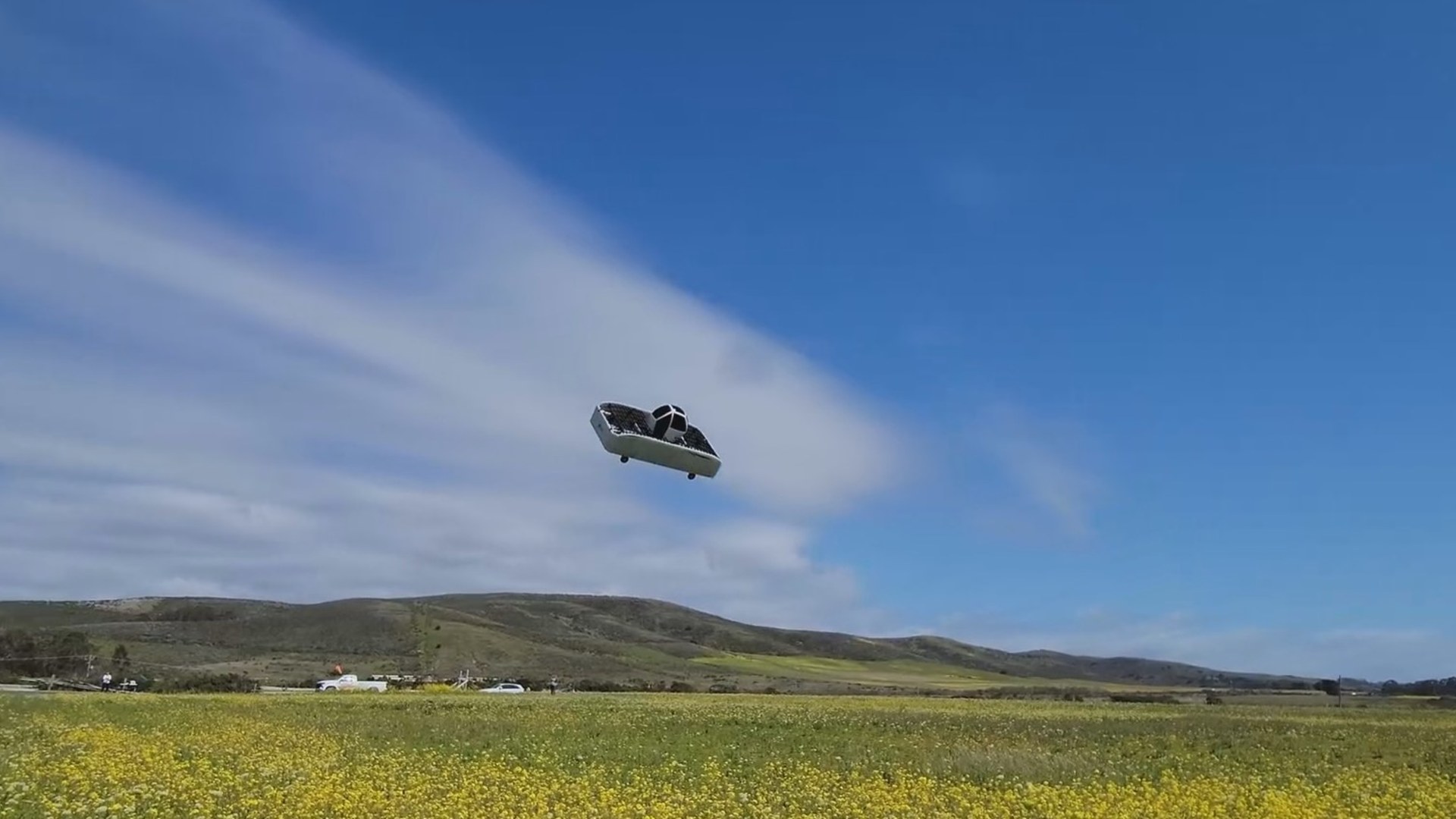
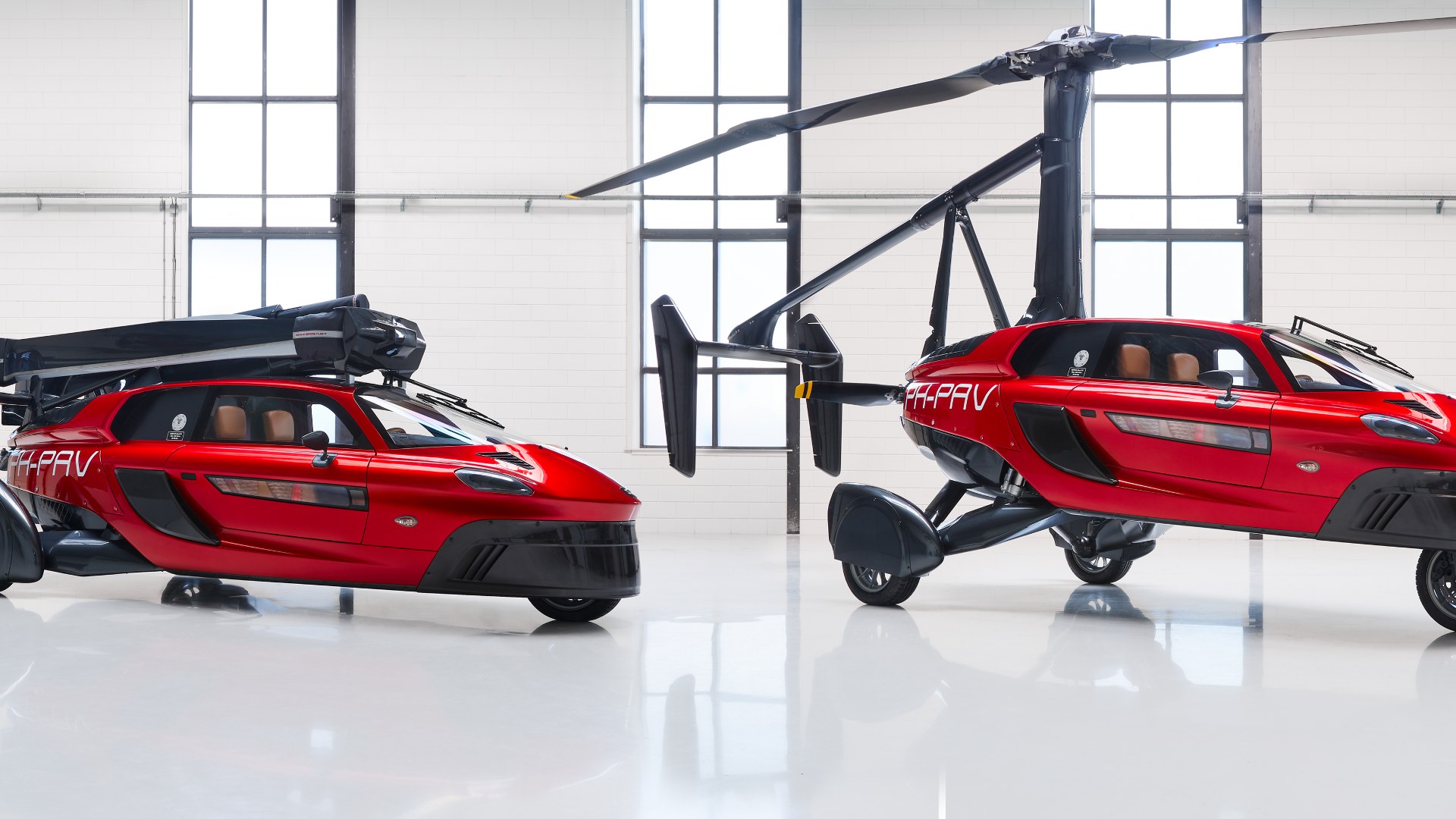
Compressed gas has a fraction of the energy density of chemical propellants, storing approximately 70 times less energy per unit volume than traditional jet fuel. Unlike dedicated flying car prototypes designed around lift rotors or wings, cold-gas thrusters can only manage brief hops.
4. Severe Aerodynamic Stability Risks
Automobile bodies are shaped to generate downforce against pavement rather than stable free flight. Firing high-pressure gas jets beneath or behind a moving sports car introduces violent aerodynamic turbulence, requiring complex active stabilization to prevent pitching or rolling.
5. Extreme Thrust Control Decay
Attitude and directional control in a cold-gas system depend on consistent nozzle pressure. As the air tanks rapidly deplete over a few seconds, the driver and onboard flight computer lose proportional thrust-vectoring authority, making mid-maneuver corrections increasingly unpredictable.
6. Two-To-Seven-Hour Tank Refill Time
Once the five-second compressed air reserve is spent, refilling the composite overwrapped pressure vessels to 10,000 pounds per square inch is a slow process. Using multi-stage high-pressure compressors typically requires two to seven hours to restore full tank pressure safely.
7. Primary Battery Range Depletion
Compressing ambient air to 10,000 psi is thermodynamically energy-intensive. Powering an onboard electric compressor to refill the gas tanks draws up to 100 kilowatt-hours from the Roadster battery pack, cutting roughly half of the car driving range for just five seconds of thrust.
8. Extreme Compression Thermal Stress
Rapidly compressing gas to ultra-high pressures produces substantial heat buildup, while rapid decompression during firing chills the nozzles and valves below freezing. Managing these thermal swings inside the sleek Roadster bodywork requires dedicated intercoolers and heat exchangers.
9. No Quick-Refuel Supercharger Network
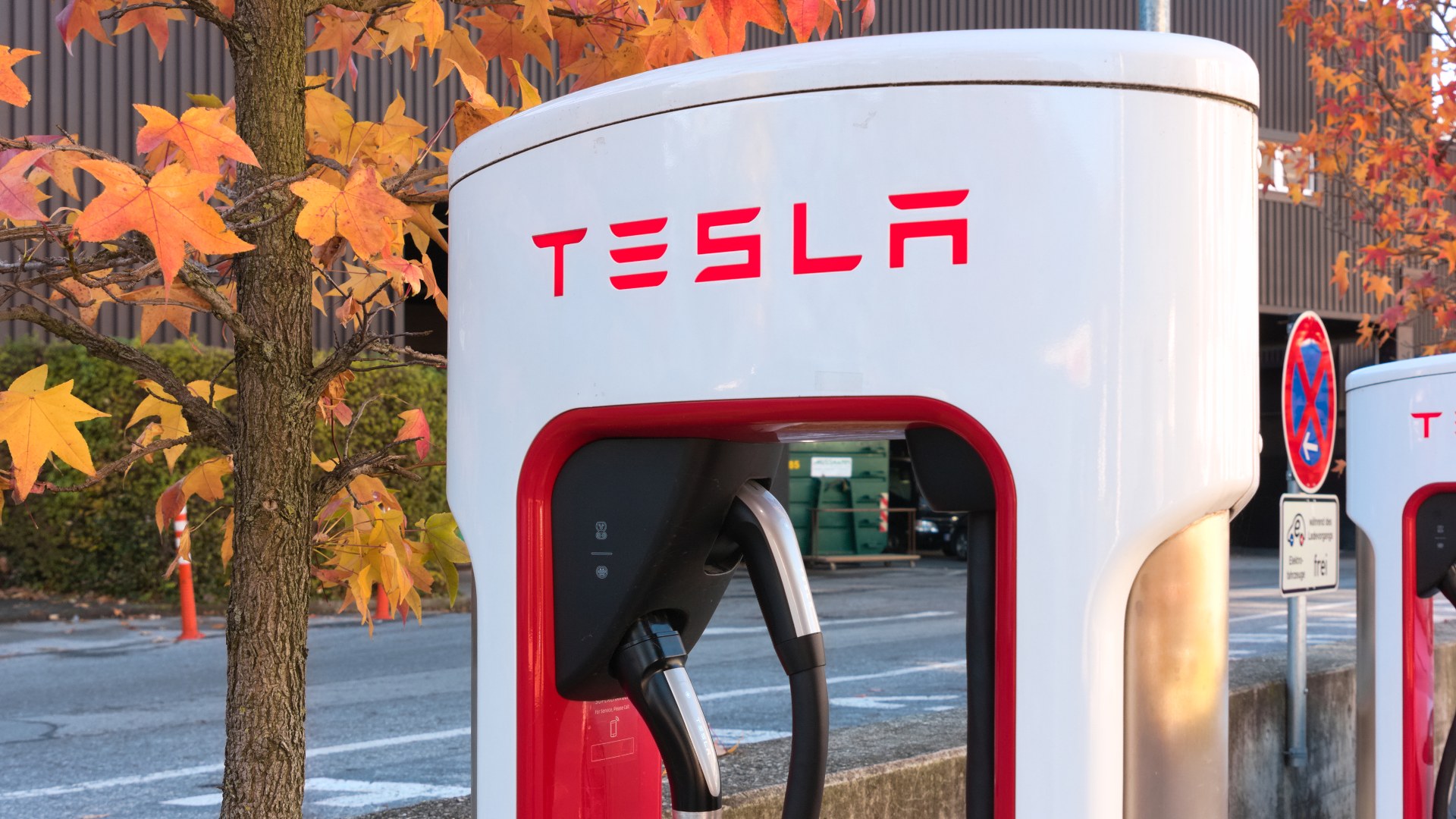
Tesla Supercharger stations are built strictly for high-voltage direct-current charging and lack 10,000-psi pneumatic pumps. Without a dedicated high-pressure gas distribution network, drivers must either wait hours for an onboard pump or visit specialized industrial gas facilities.
10. On-Board Compressor Weight Penalty
Multi-stage compressors capable of reaching 10,000 psi require heavy cylinders, motors, valves, and high-pressure steel plumbing. Carrying that hardware alongside the battery pack and pressure tanks adds dead weight that penalizes cornering agility, tire wear, and braking distances.
11. Loss Of Rear Passenger Seats
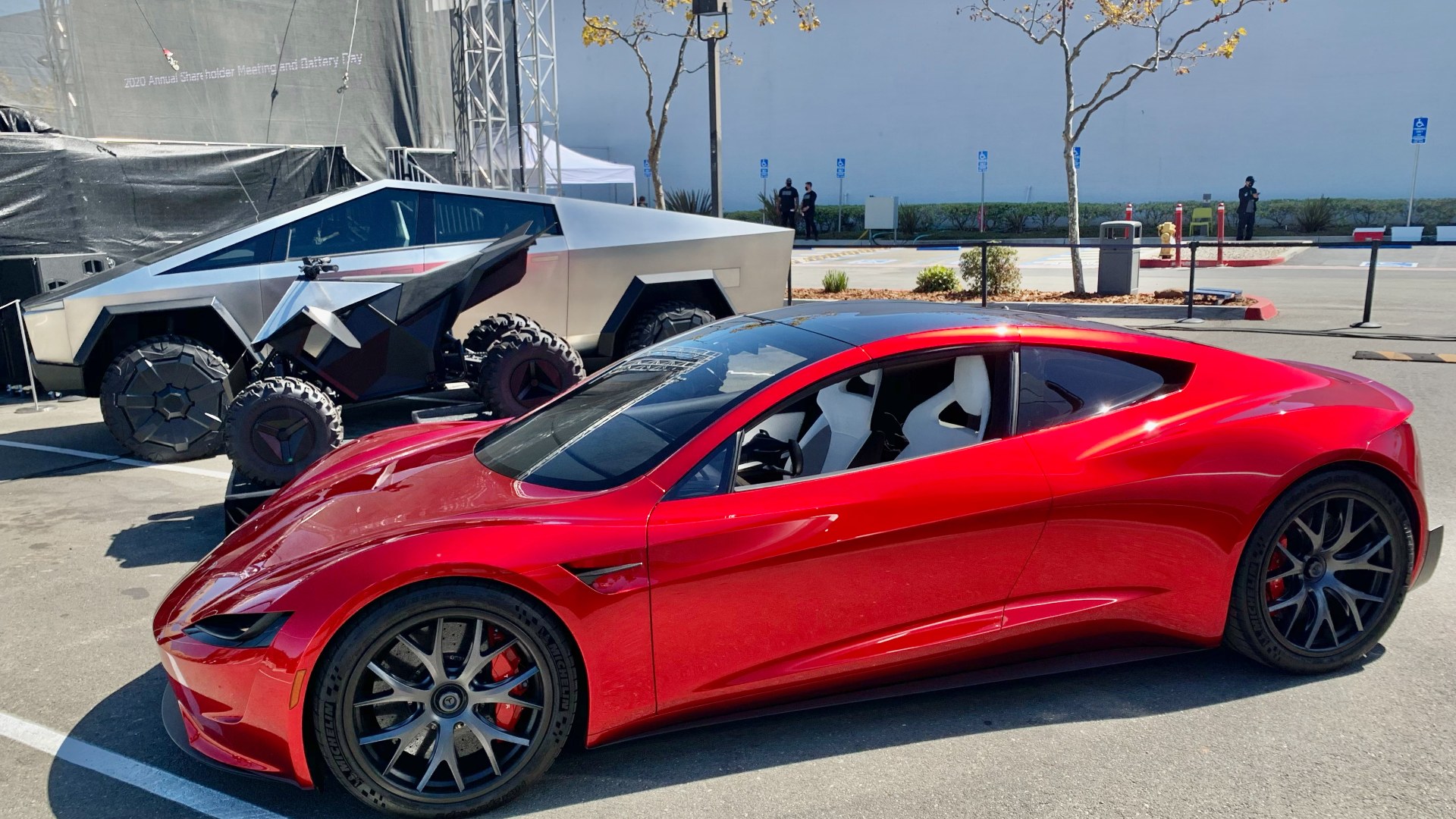
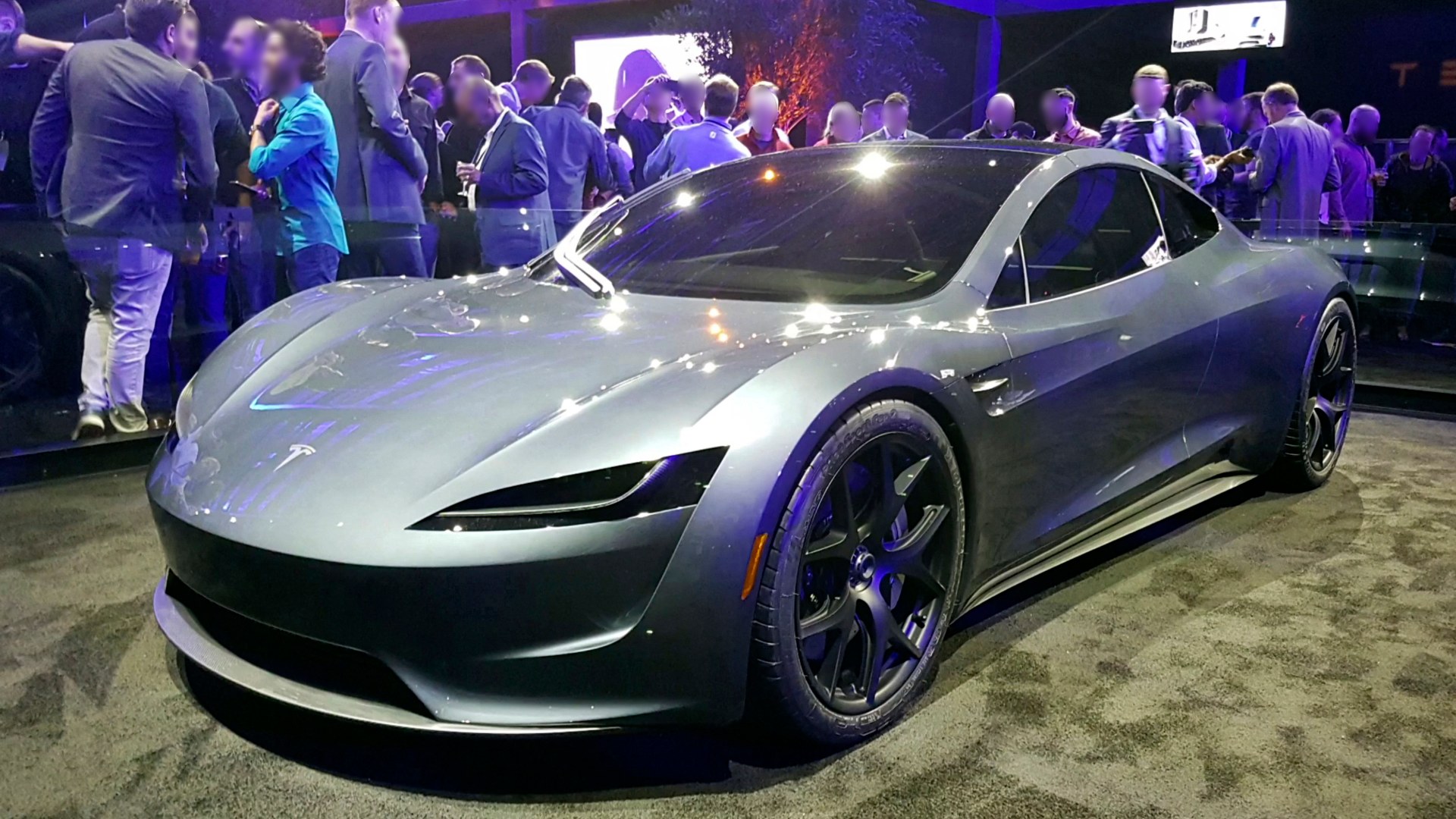
While the standard second-generation Roadster was unveiled with two plus two seating, packaging roughly 600 liters of cylindrical composite tanks inside the chassis takes up the entire rear cabin space. Buyers who choose the rocket thruster package lose the rear seats altogether.
12. Deafening Supersonic Exhaust Noise
Expanding 10,000-psi gas through rear rocket nozzles hidden behind the license plate accelerates the exhaust stream past the speed of sound, creating shockwaves well above municipal vehicle noise limits. Firing the thrusters in urban areas risks permanent hearing damage for bystanders.
13. Prohibitive Public Road Bans
Pointing high-thrust gas nozzles toward asphalt blasts loose stones, sand, and road debris backward at hazardous velocities. Because this exhaust plume can shatter windshields and blind trailing drivers, transportation regulators prohibit firing external rocket thrusters on public highways.
14. Massive Chassis Structural Wear
Automotive frames are engineered to absorb road loads through suspension mounts rather than concentrated point thrust from rocket nozzles. Repeatedly lifting a multi-ton electric sports car into the air and absorbing landing impacts introduces severe localized chassis fatigue.
15. Extreme Auto Insurance Costs
Consumer auto insurers calculate premiums based on crash repair costs and third-party liability exposure. Combining 10,000-psi composite pressure vessels with external thrusters on a high-value Tesla sports car creates unprecedented liability, making standard coverage nearly impossible to obtain.