
Slideshow · Animals
15 Early Signs of Cancer in Dogs Every Owner Should Know
From subtle behavioral changes to physical lumps, recognizing early canine cancer symptoms allows for timely veterinary intervention and significantly improved treatment outcomes.
8 hours agoVerified Editorial
⏱6 Min Read
◫16 Verified Slides
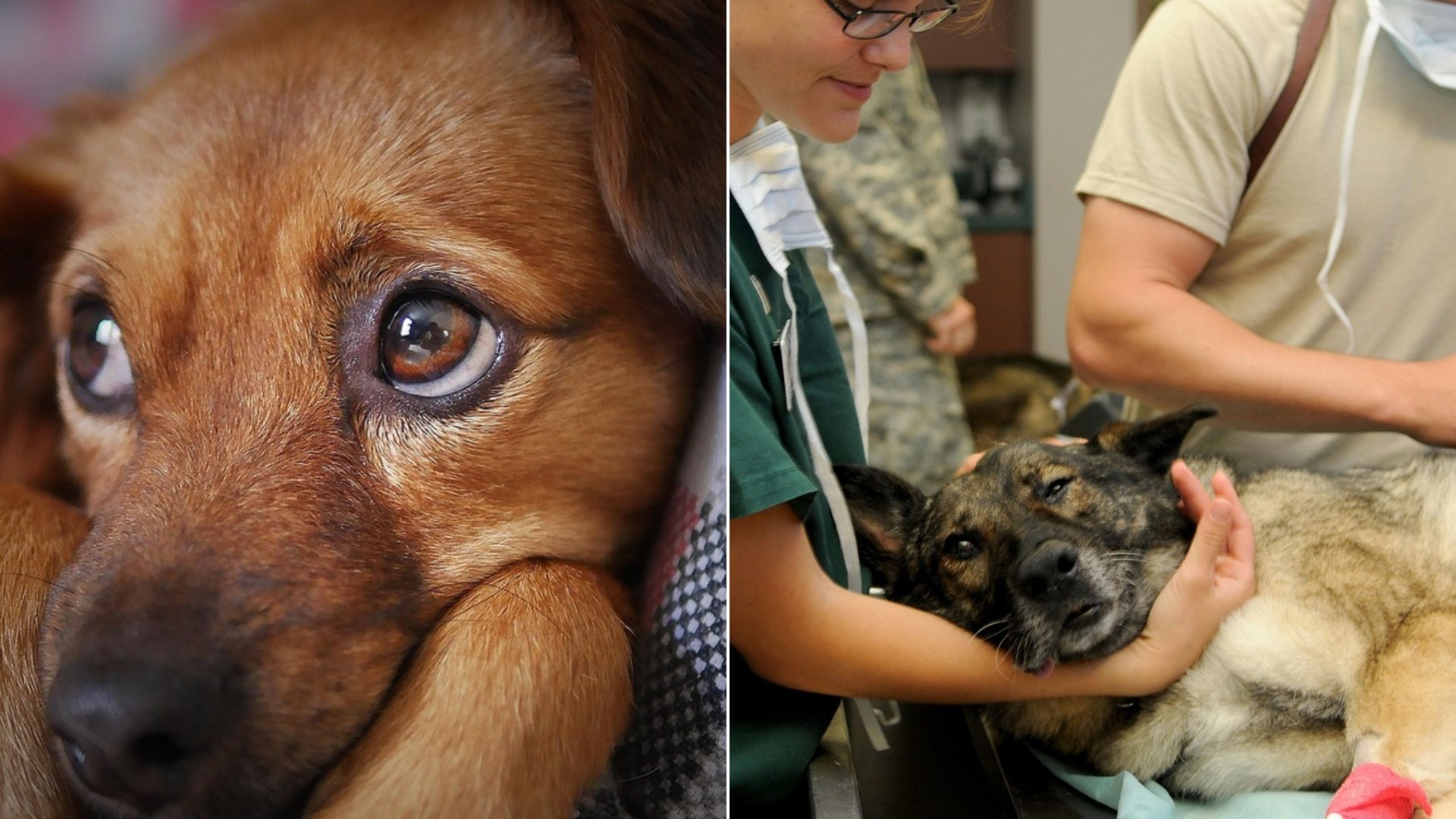
15 Early Signs of Cancer in Dogs Every Owner Should Know 
15. Severe Lethargy & FatigueWhen an energetic dog suddenly sleeps all day and refuses walks or play, underlying systemic illness could be draining their vital energy. 
14. Persistent Coughing & PantingChronic dry hacking or laboured breathing when sedentary often points toward thoracic masses, lung tumours, or cardiovascular strain. 
13. Difficulty Chewing & SwallowingDysphagia, dropping food repeatedly, or chewing exclusively on one side can indicate hidden oral melanomas or throat masses. - AdvertisementSwipe or tap ▶ to continue countdown
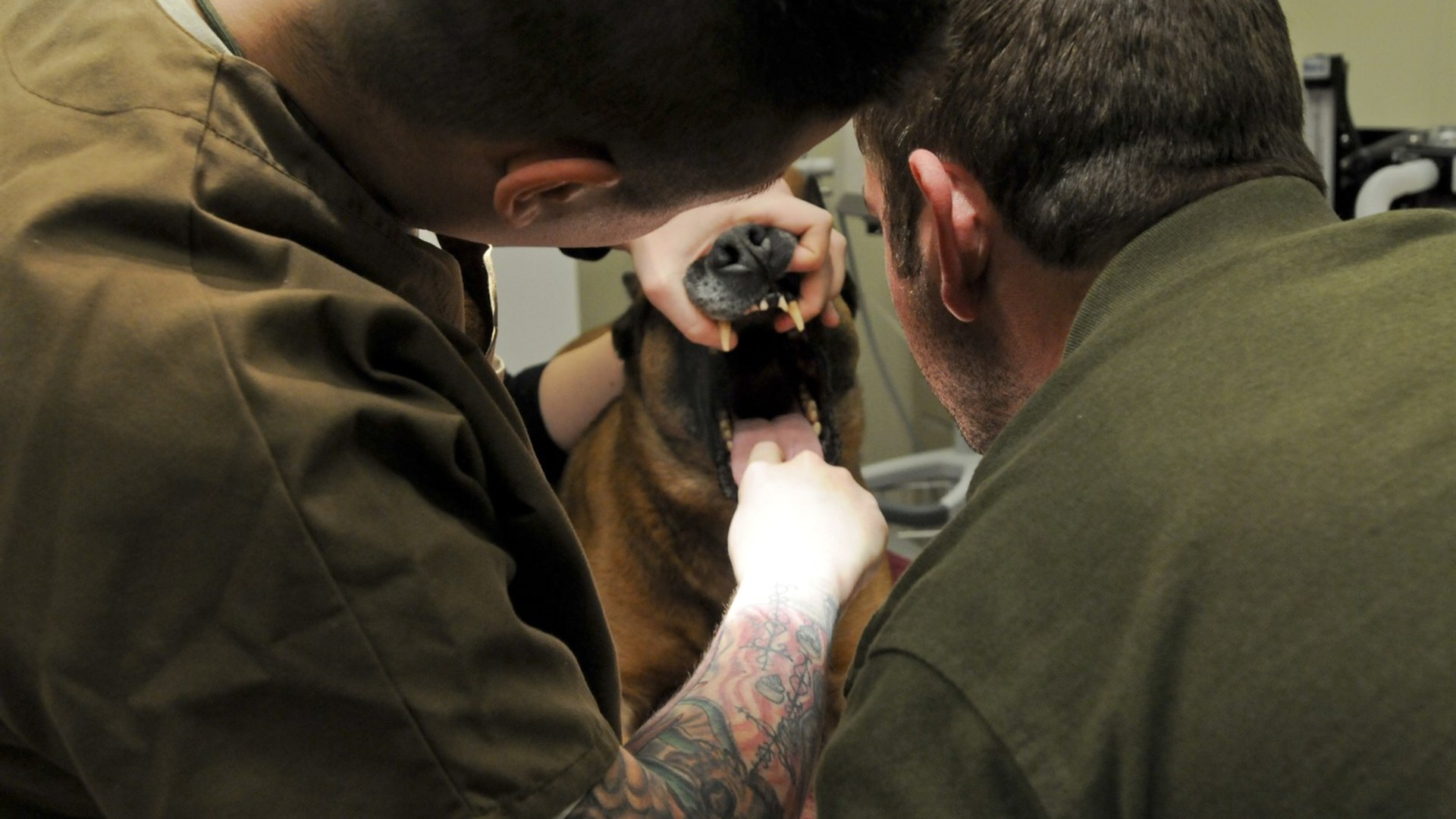
12. Foul Mouth OdorSudden putrid breath distinct from routine tartar usually signifies ulcerating oral tissue, necrosis, or aggressive mucosal tumours. 
11. Reluctance To Walk & StiffnessPersistent stiffness or a sudden limp without trauma often masquerades as arthritis but can herald bone malignancies like osteosarcoma. 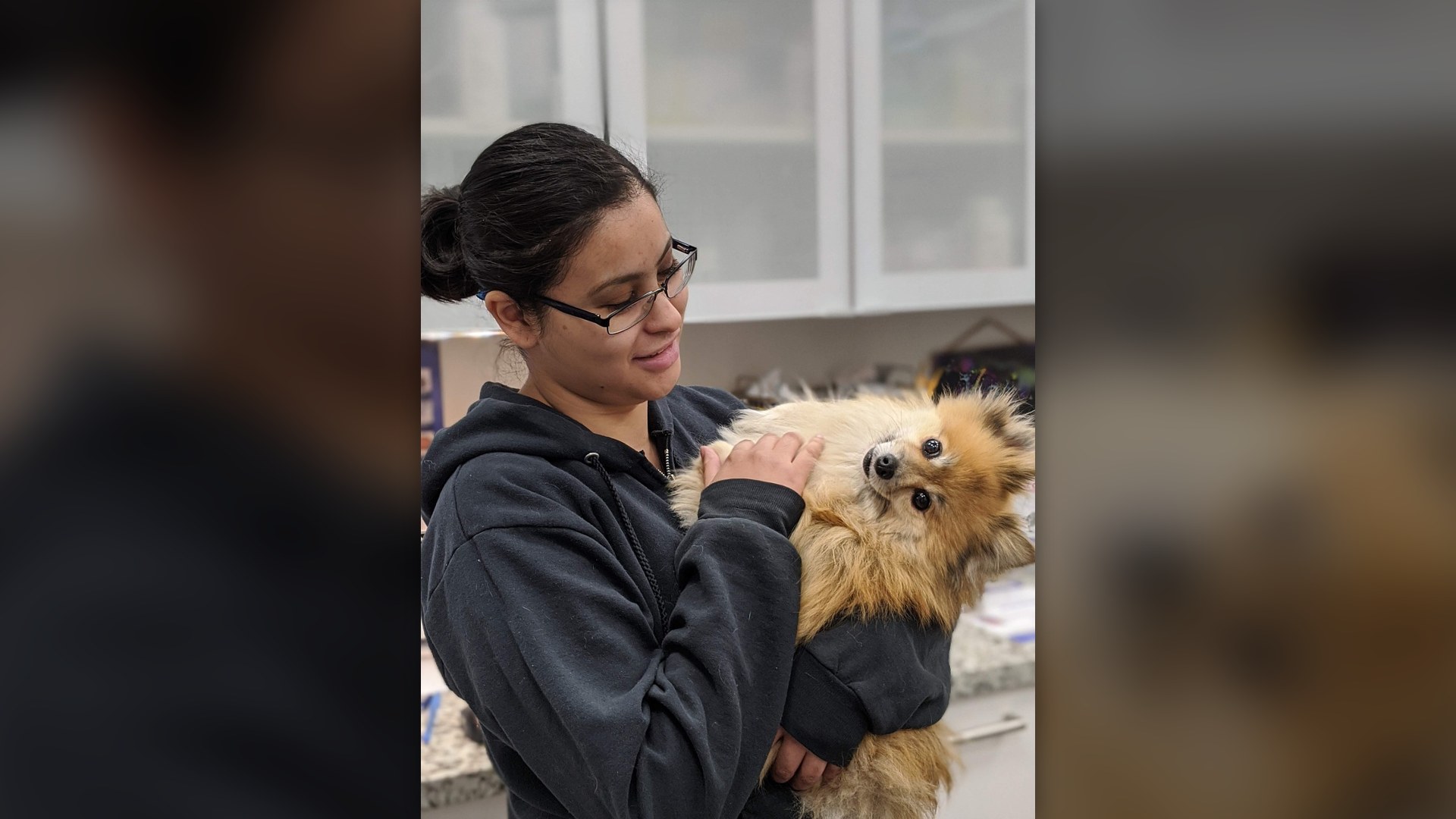
10. Non-Healing Sores & LesionsAny persistent crusting sore, bleeding ulcer, or raw abrasion that resists antibiotic treatment demands prompt cytological biopsy. 
9. Bathroom Habit ChangesStraining to urinate, persistent blood in urine or stool, or accidents often signal urinary tract or gastrointestinal tumours. - AdvertisementSwipe or tap ▶ to continue countdown
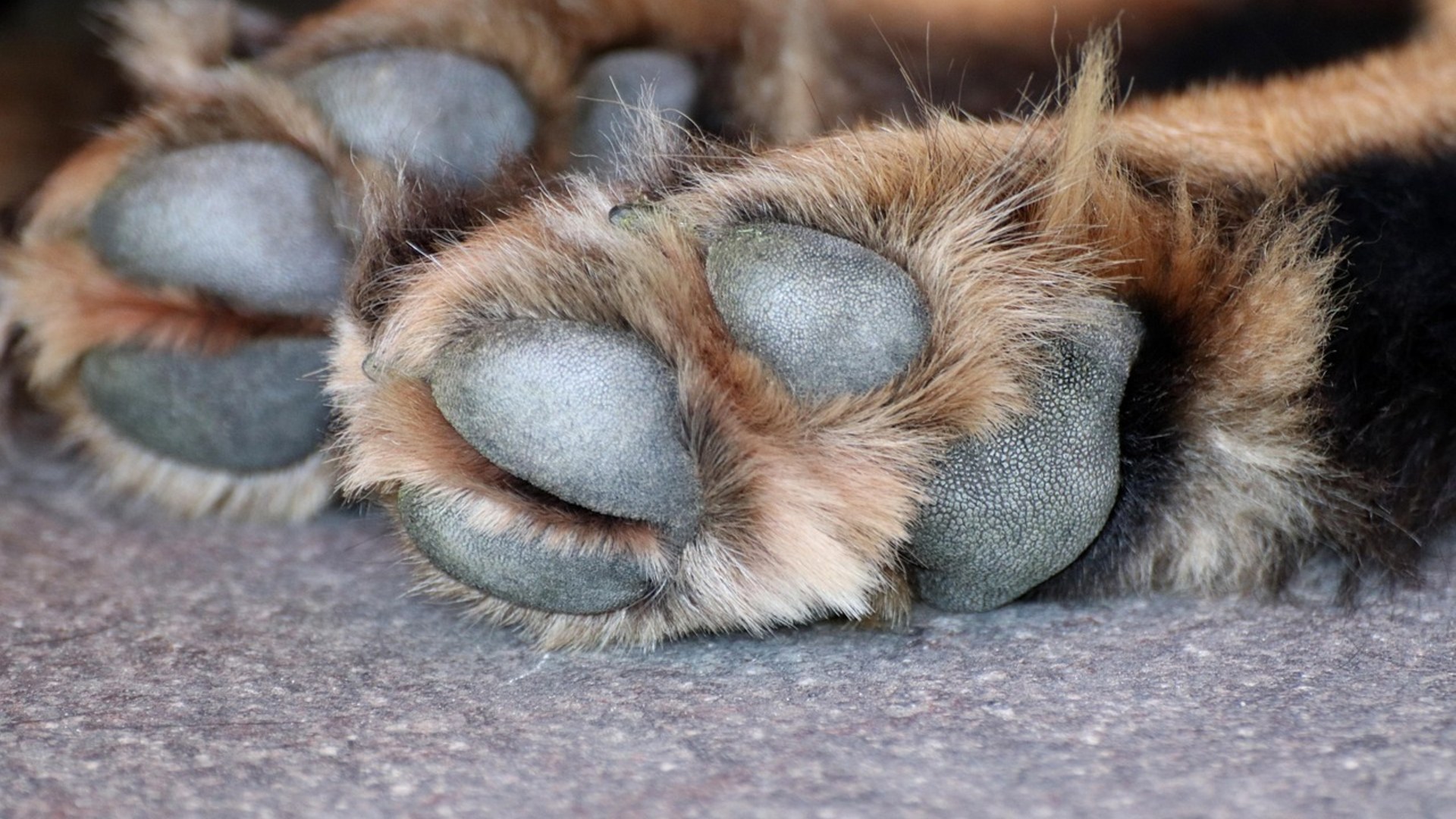
8. Unexplained Limb SwellingLocalized swelling along limbs, ankles, or feet can stem from lymph node blockage, soft tissue sarcomas, or skeletal cancer. 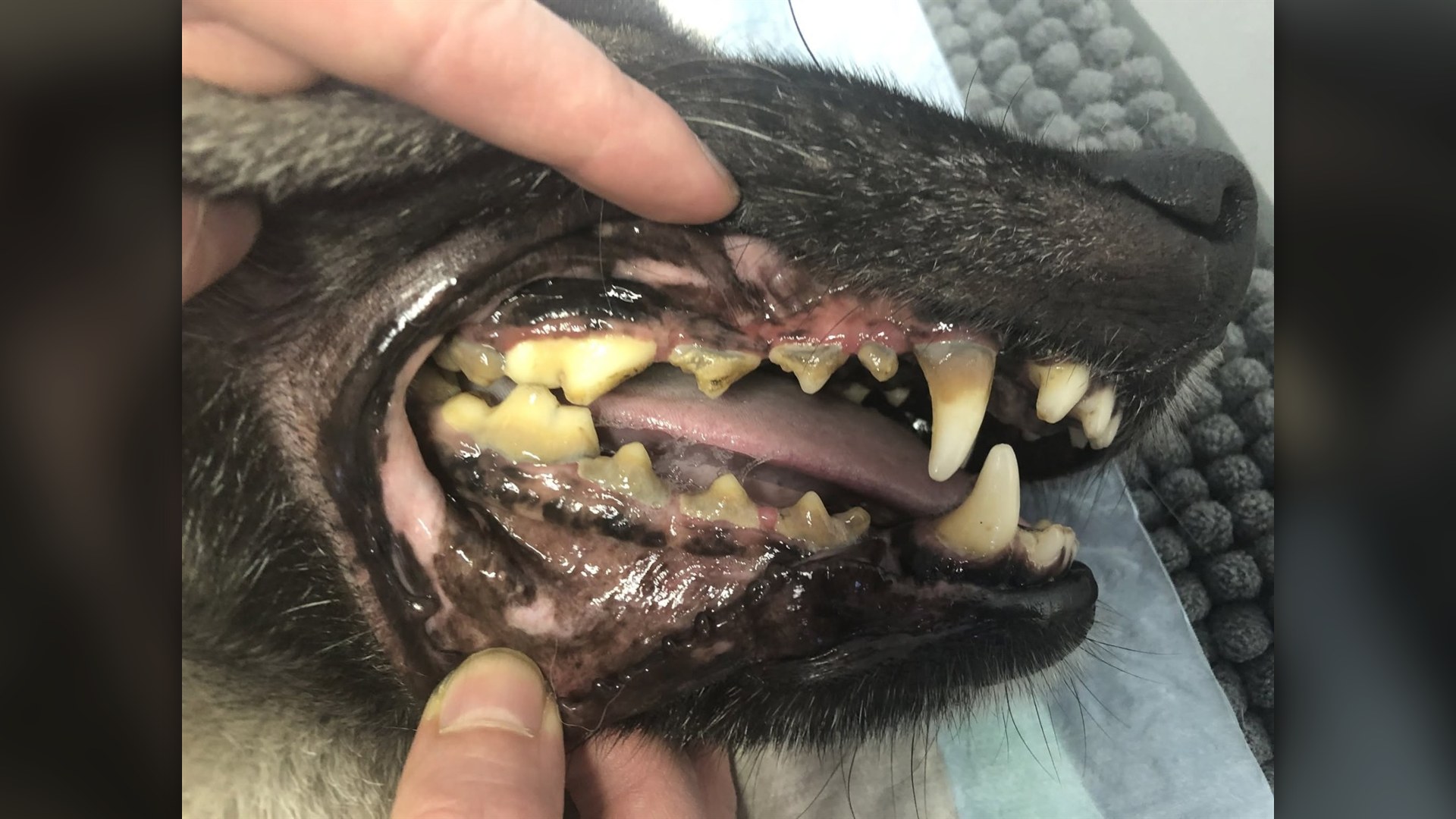
7. Pale Gums & Severe AnemiaBlanched, whitish or dull grey gums indicate acute red blood cell loss, frequently caused by internal bleeding from splenic hemangiosarcoma. 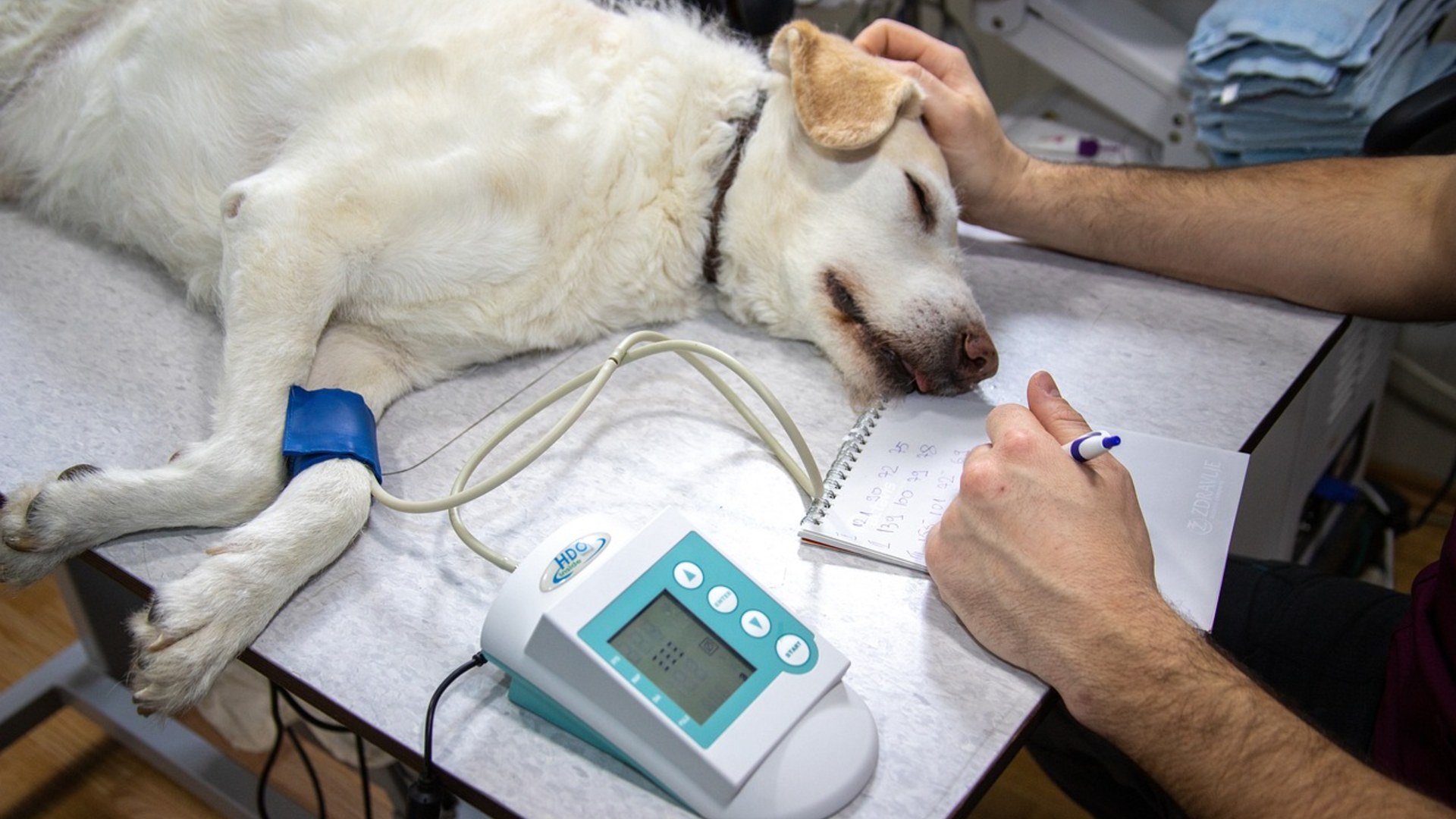
6. Swollen Or Distended AbdomenRapid abdominal expansion or a bloated appearance often points to fluid accumulation or an enlarging internal abdominal mass. 
5. Chronic Vomiting & NauseaRepeated vomiting, dry heaving, or regurgitation after meals can be caused by tumours obstructing the stomach, intestines, or liver. - AdvertisementSwipe or tap ▶ to continue countdown

4. Sudden Nosebleeds Or DischargeSpontaneous nosebleeds or thick unilateral nasal discharge without trauma is a classic warning sign of nasal adenocarcinoma. 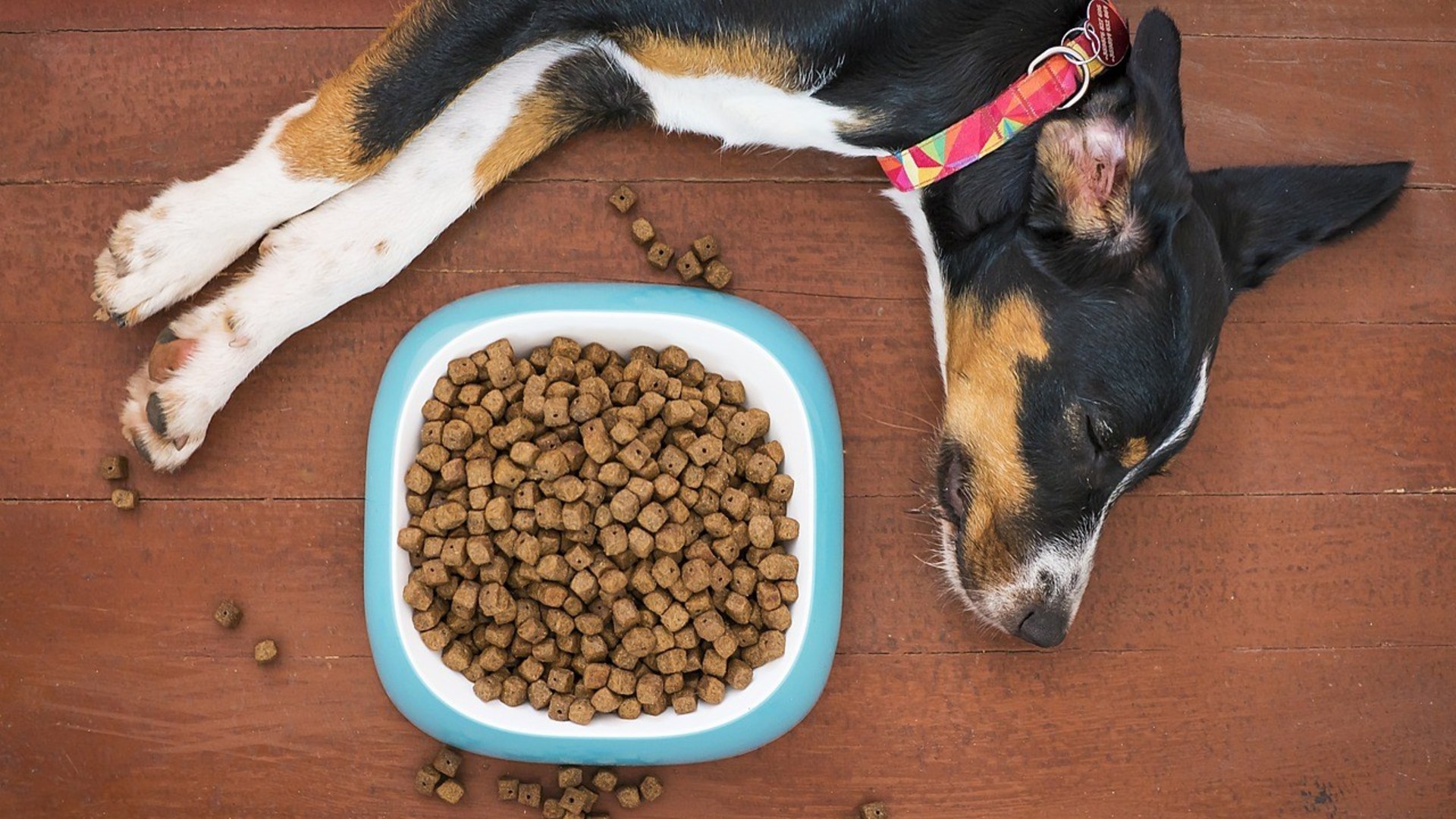
3. Complete Loss Of AppetiteProlonged anorexia where a normally food-motivated dog consistently rejects meals is one of the clearest clinical signs of systemic illness. 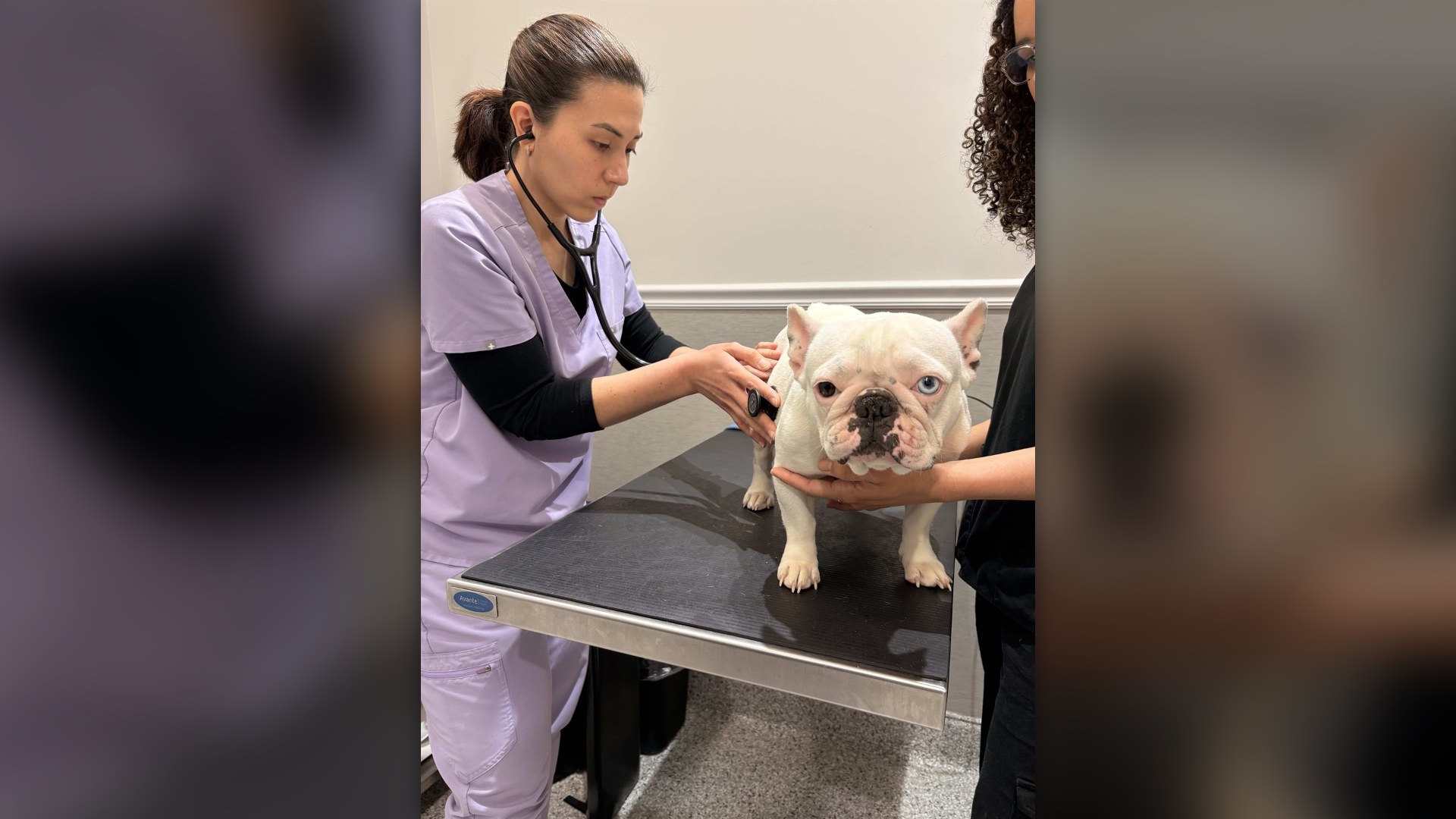
2. Rapid & Unexplained Weight LossCancer cachexia causes rapid wasting of muscle and body fat, even when dietary intake remains steady, due to altered metabolic demands. 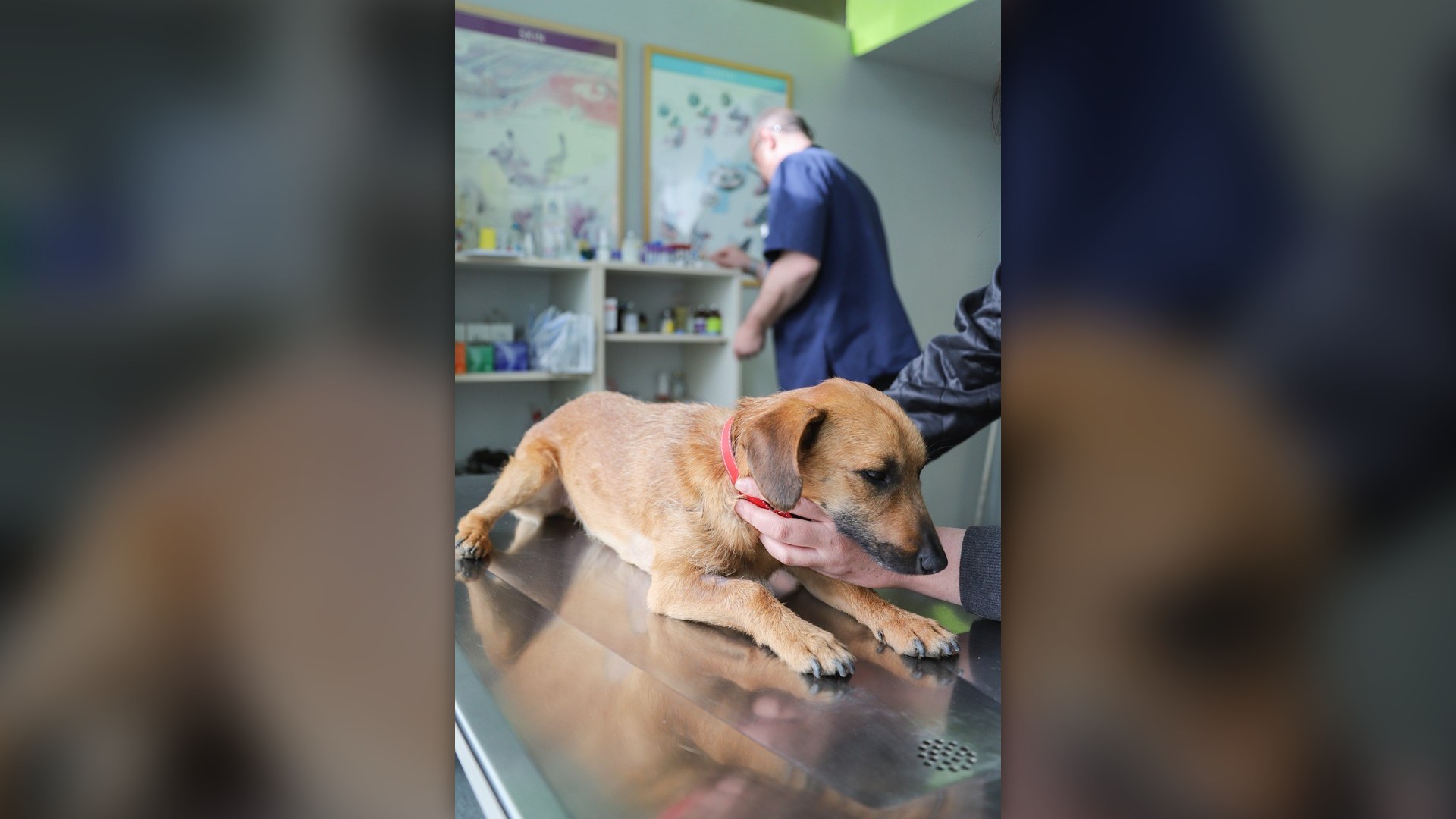
1. Growing Lumps & Palpable BumpsAny new skin bump, subcutaneous mass, or rapidly expanding nodule warrants immediate veterinary fine-needle aspiration. - Advertisement
1 / 16
▼ Visual Countdown16 Verified Slides
⏱ ~6 Min Read
Swipe or tap ▶ to begin the countdown
©Pixabay / moshehar & Pixabay / 12019