Slideshow · Animals
Dog Breeds That Are Genetically Closest to Wolves
From ancient desert sighthounds to Arctic sled dogs and official wolfdog hybrids, discover the canine breeds that share the most direct DNA with wild wolves.
By Most Viral Today
30 Oct 2026

The dog breeds that share the closest DNA to wild wolves 
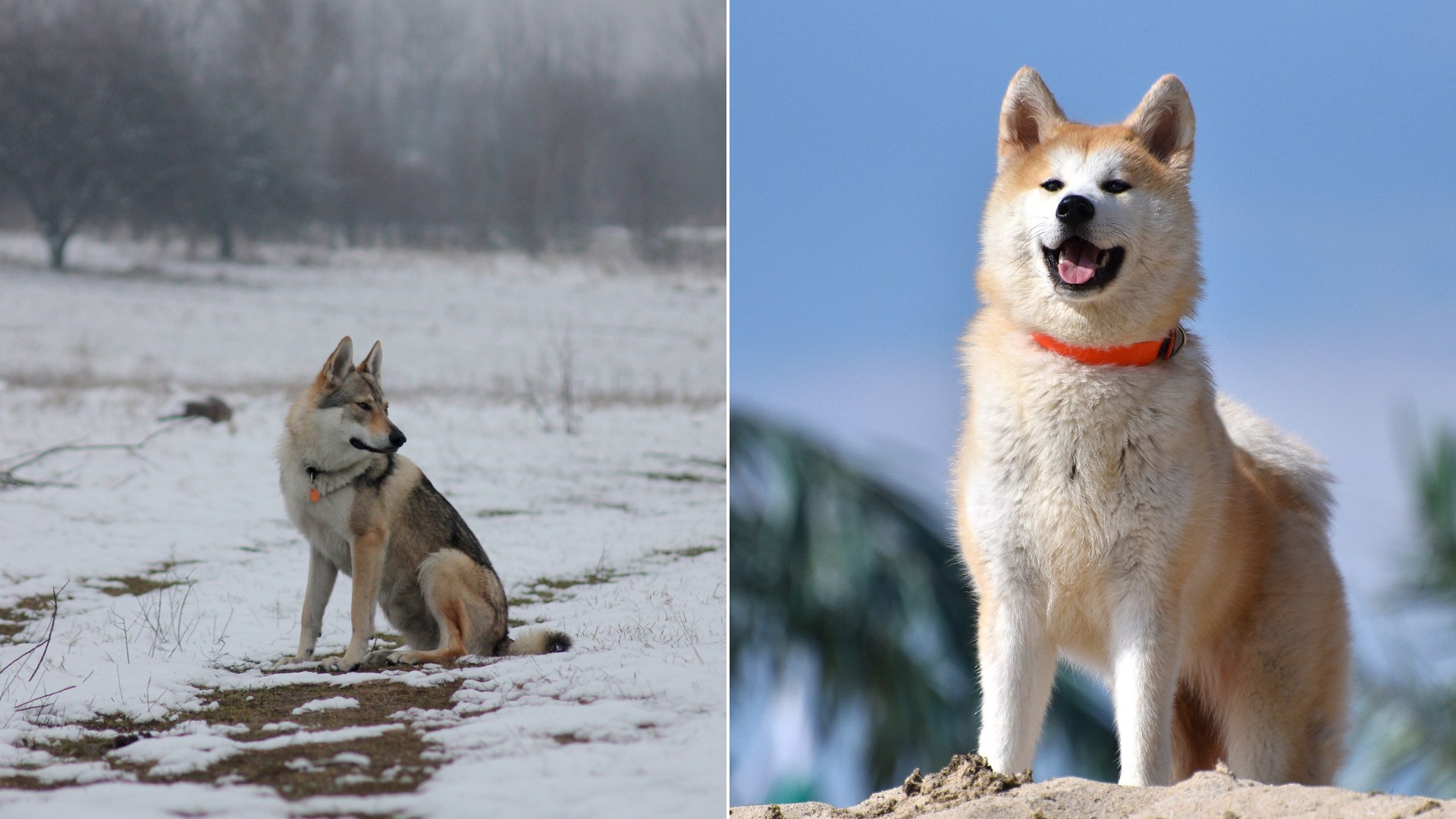
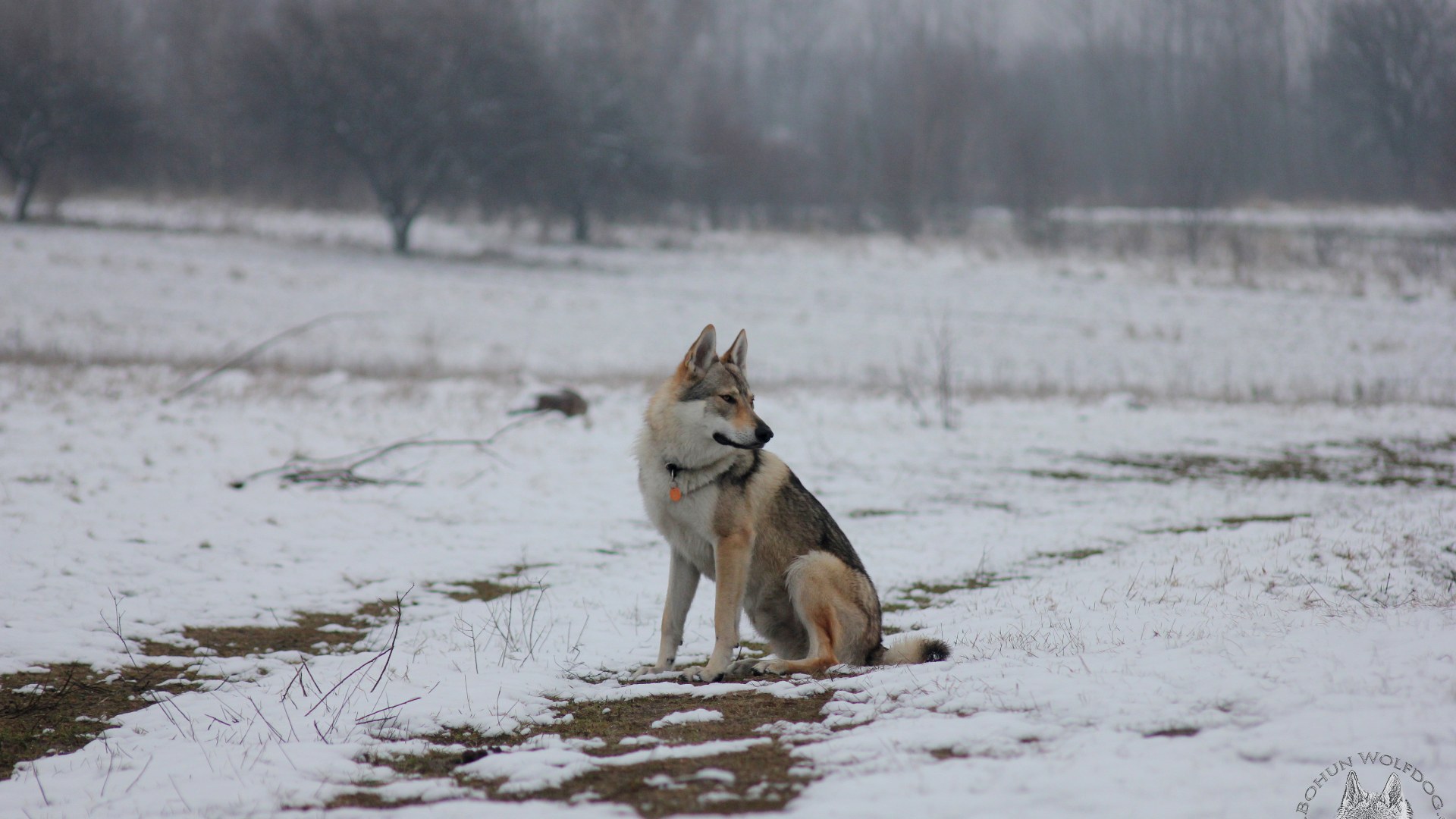
18. Czechoslovakian Vlcak 
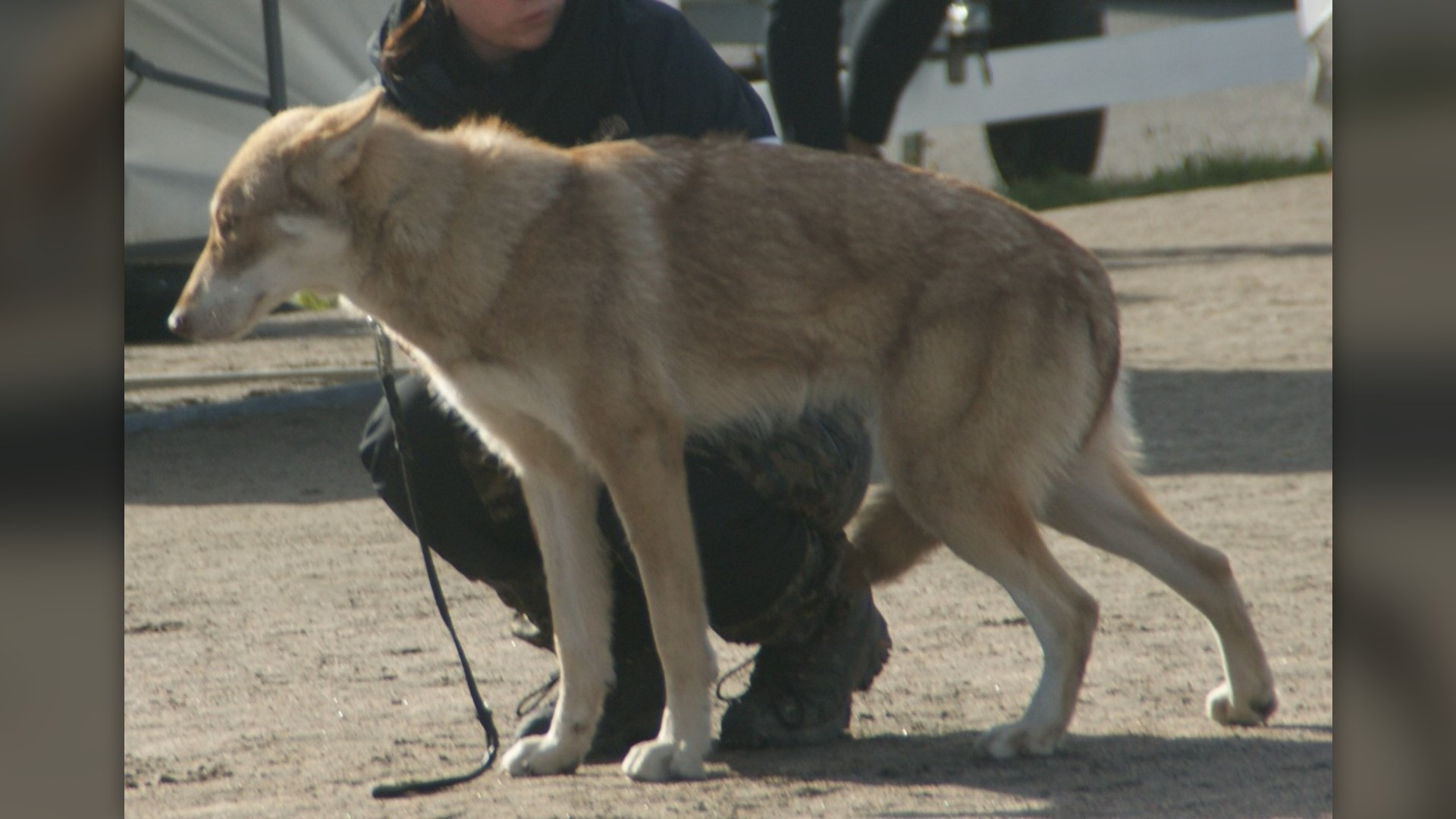
17. Saarloos Wolfdog 
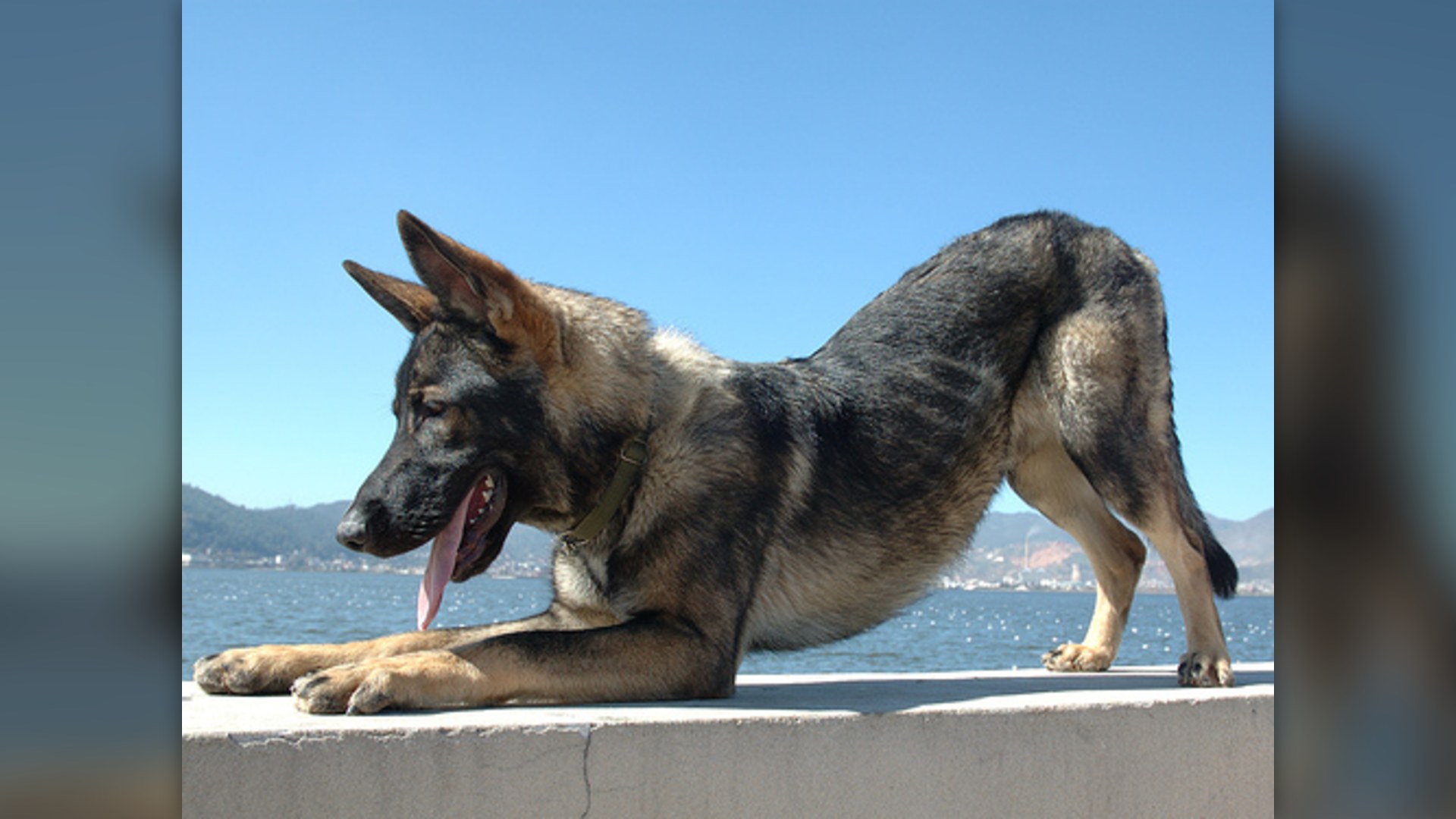
16. Kunming Wolfdog - AdvertisementSwipe or tap ▶ to continue countdown

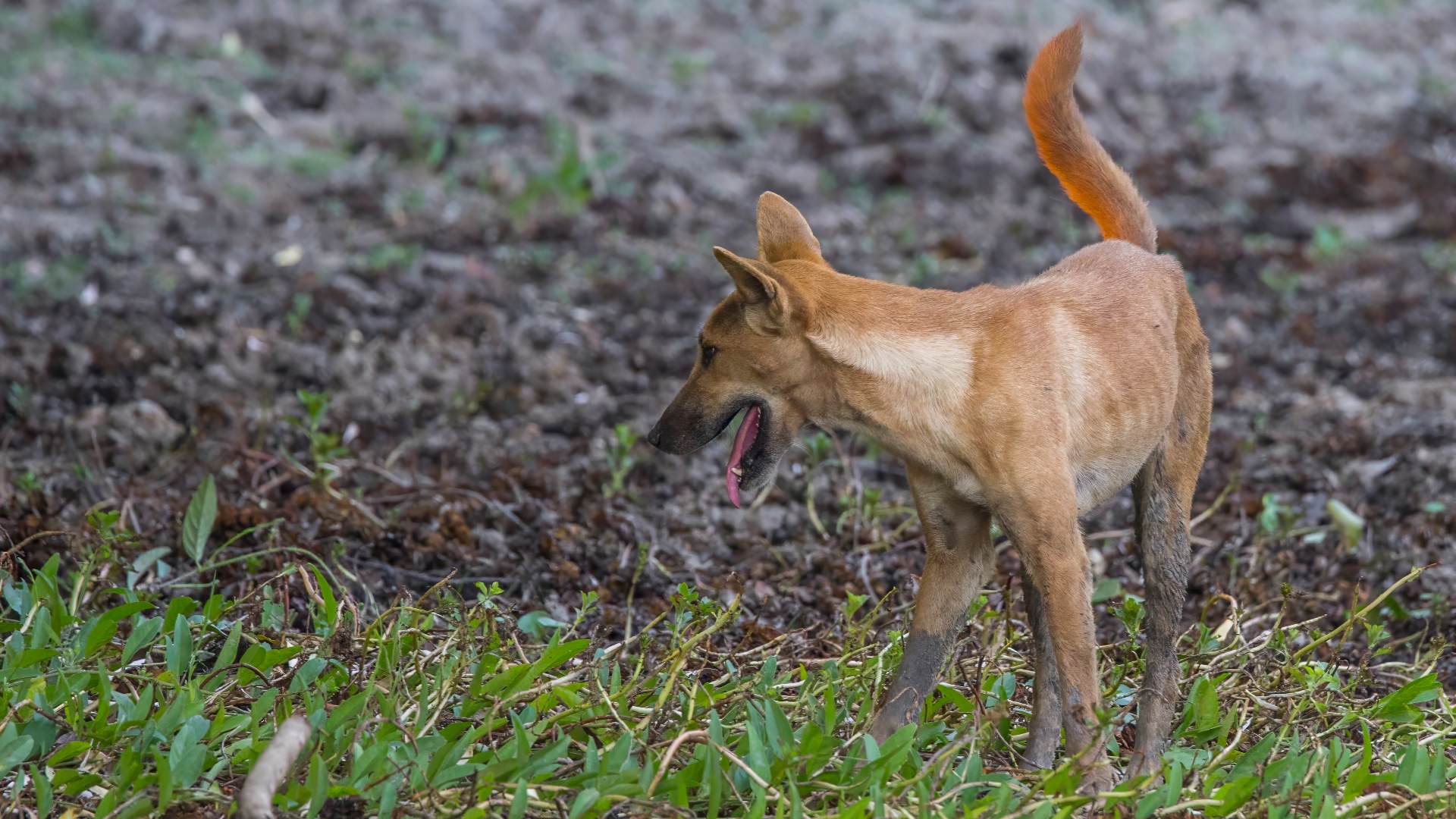
15. Australian Dingo 
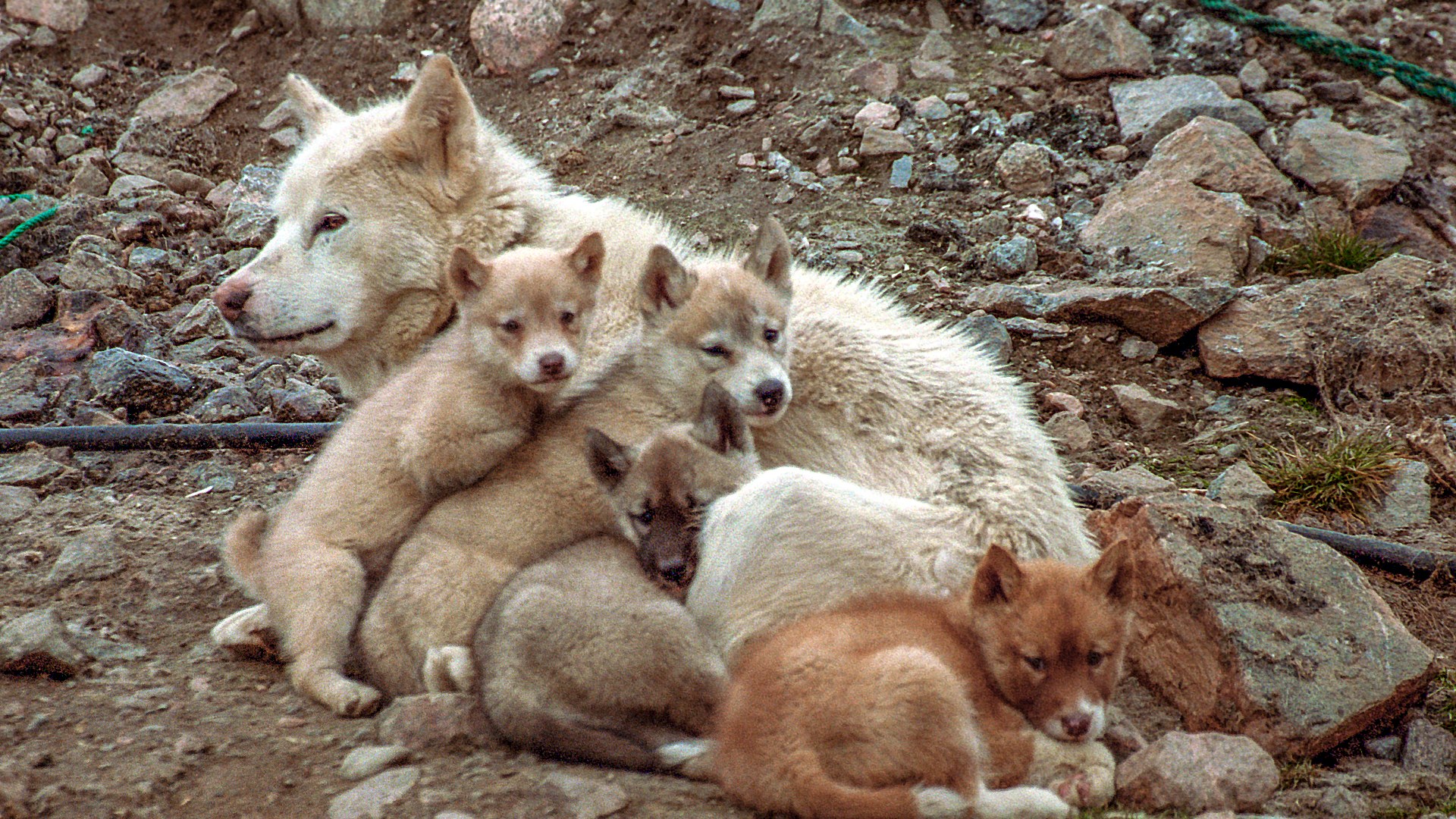
14. Greenland Dog 
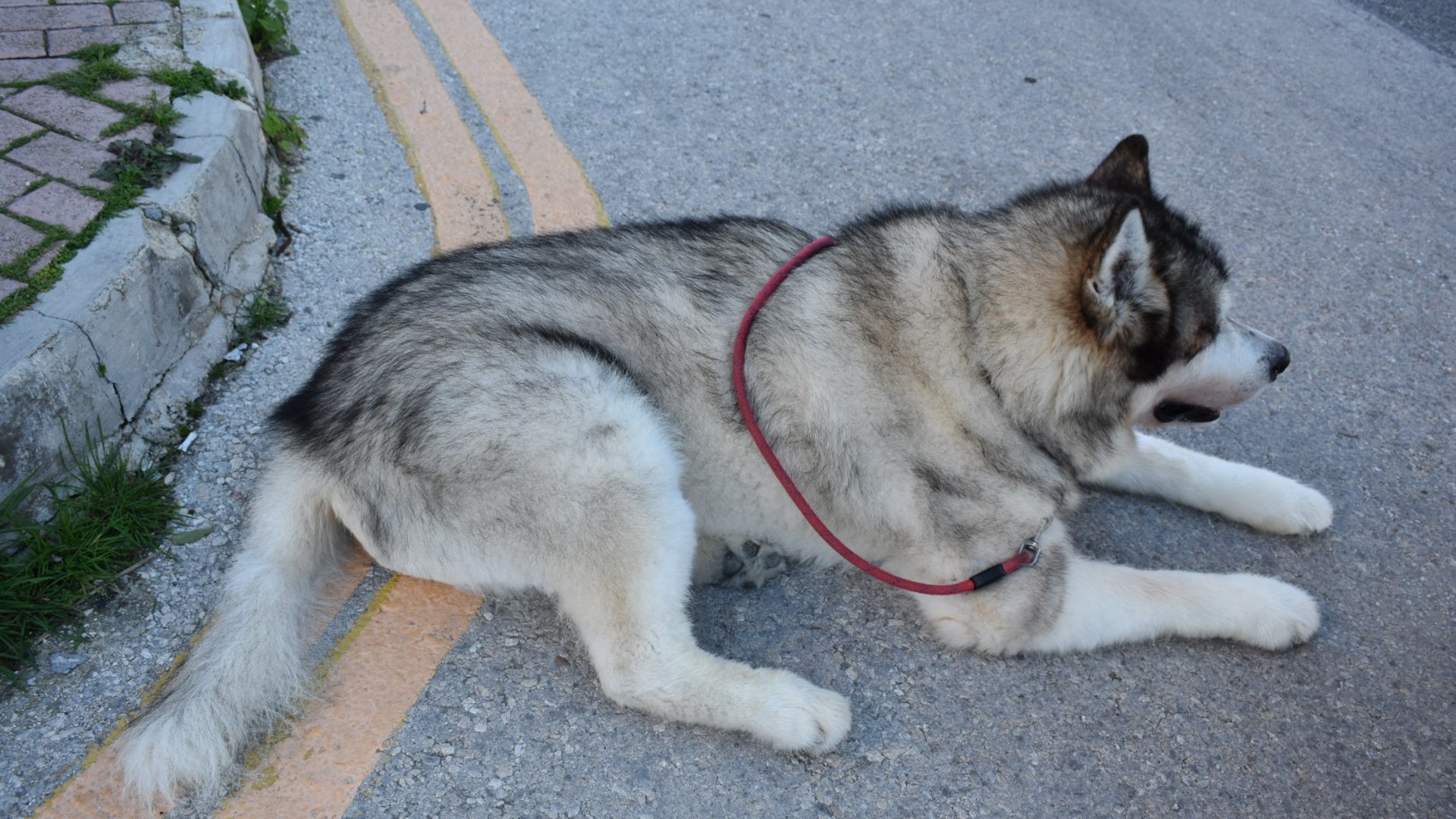
13. Alaskan Malamute 
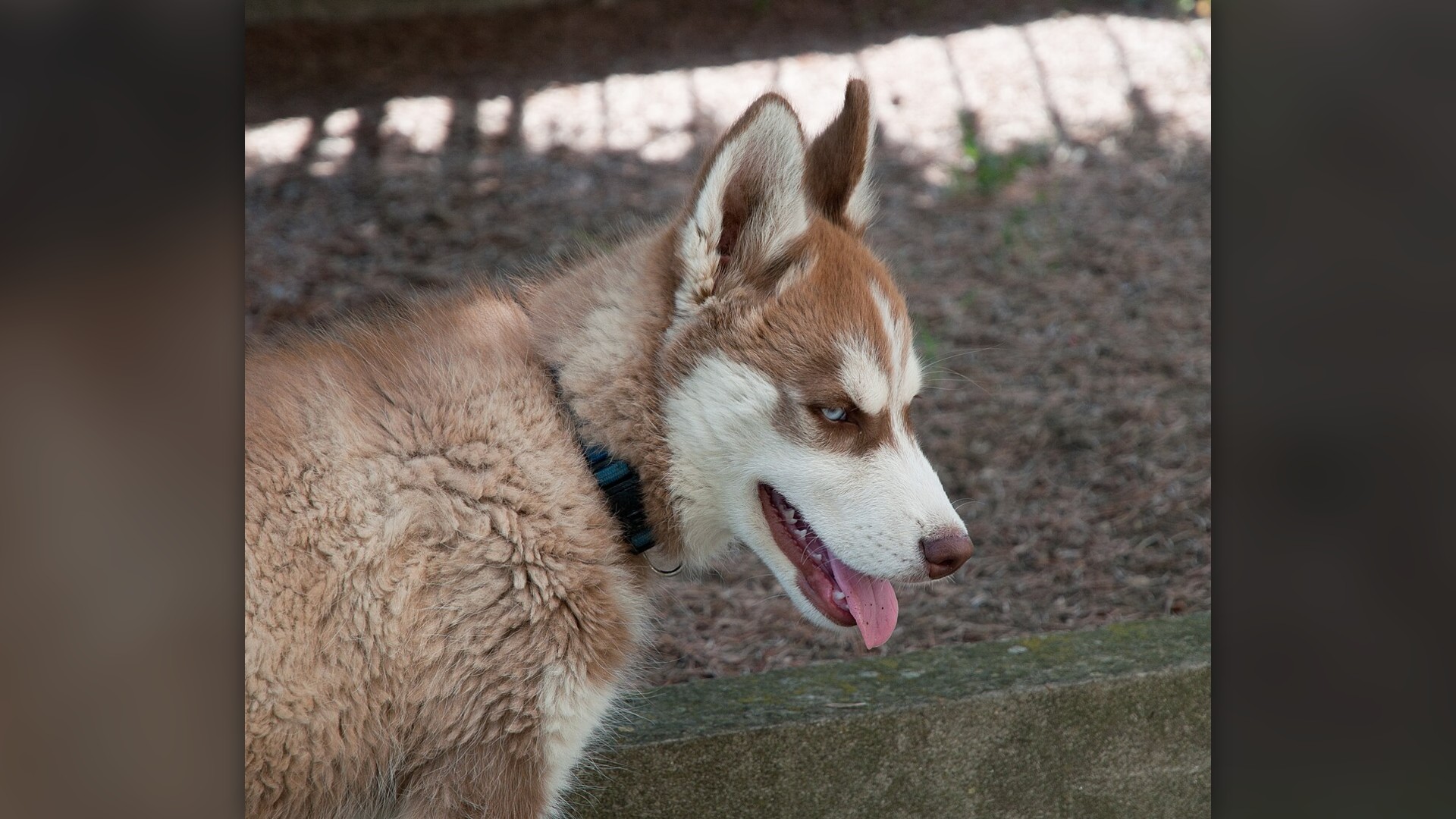
12. Siberian Husky - AdvertisementSwipe or tap ▶ to continue countdown

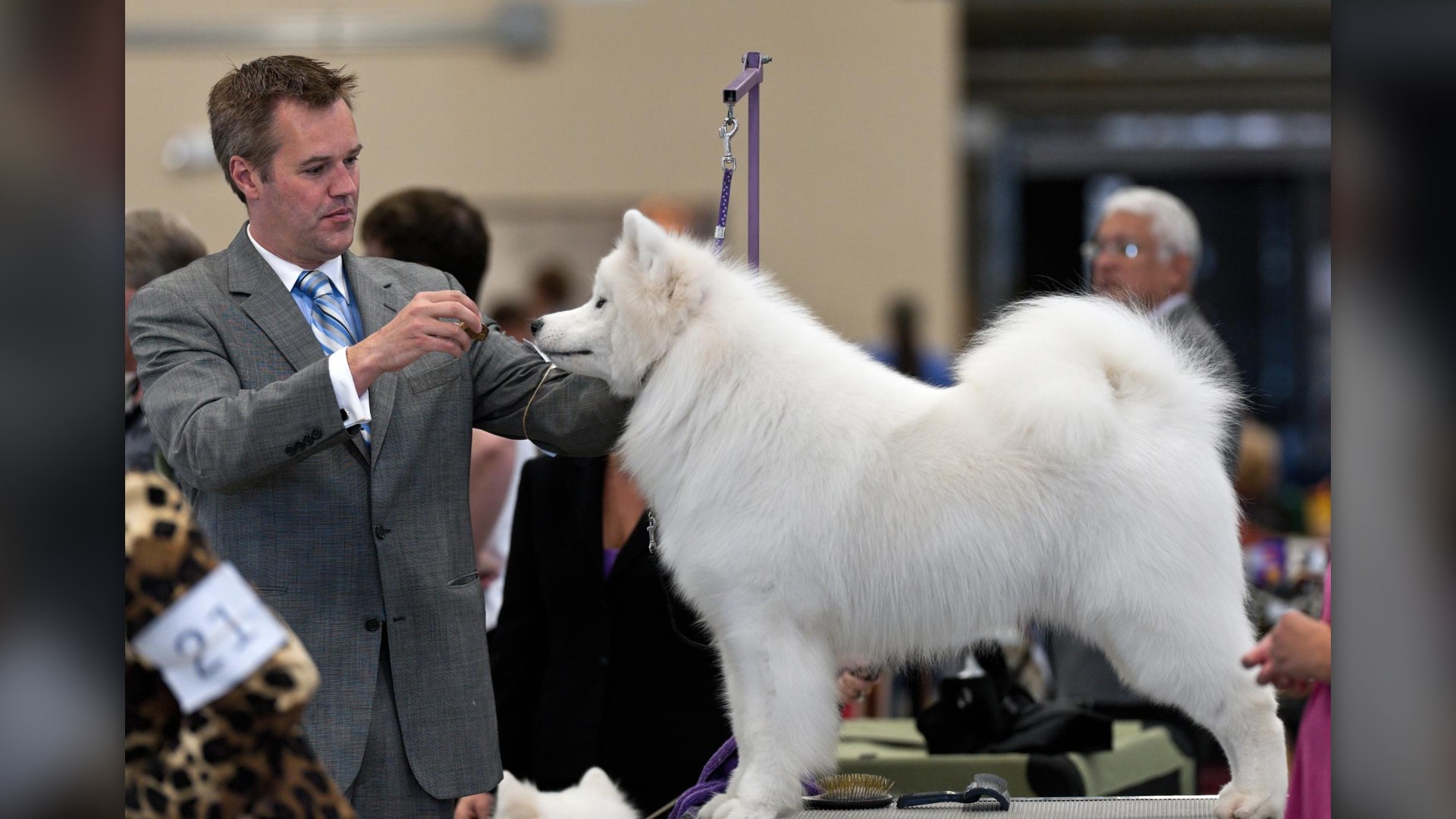
11. Samoyed 
10. Norwegian Elkhound 
9. Shiba Inu 
8. Akita Inu - AdvertisementSwipe or tap ▶ to continue countdown

7. Chow Chow 
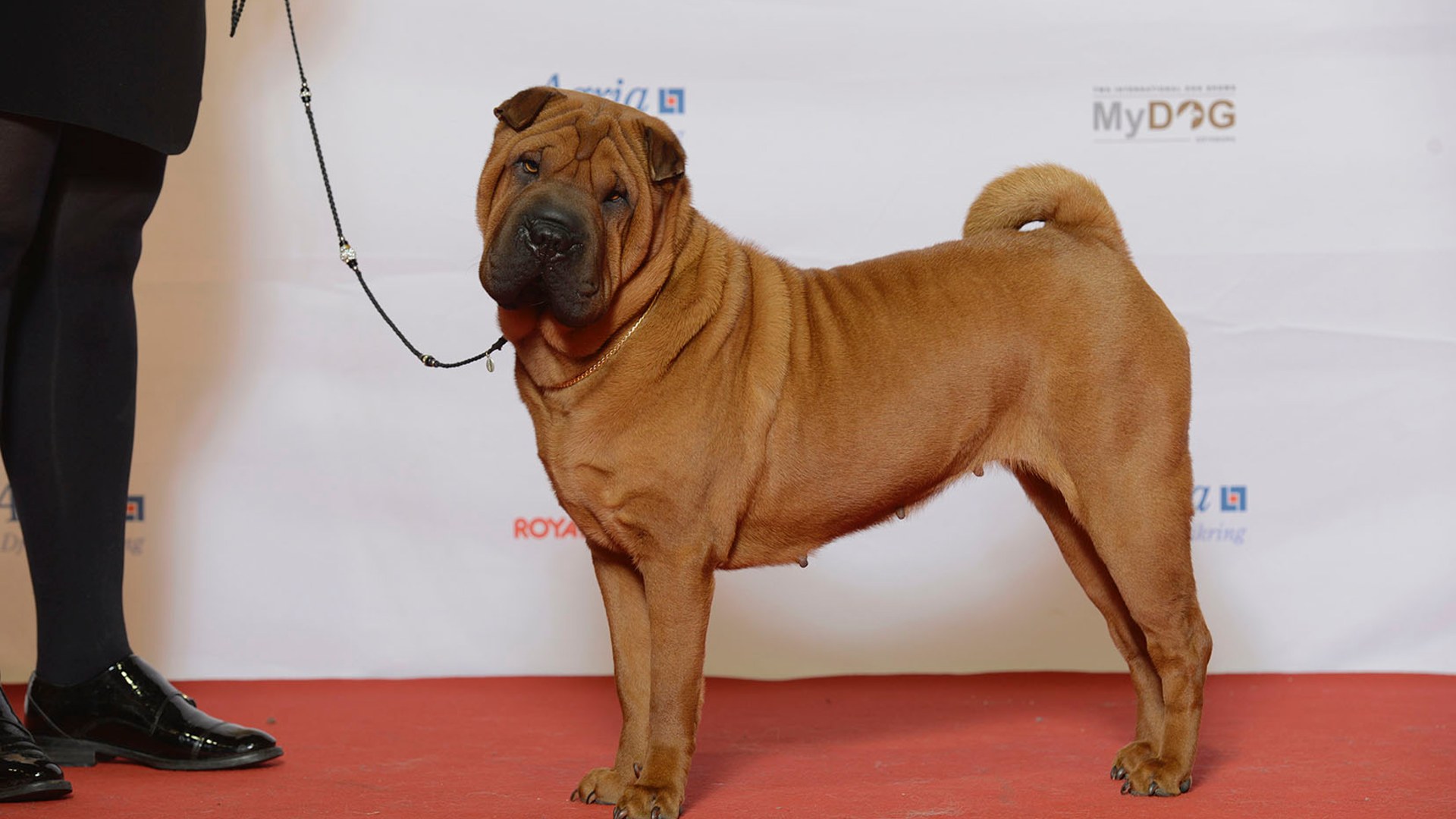
6. Shar Pei 
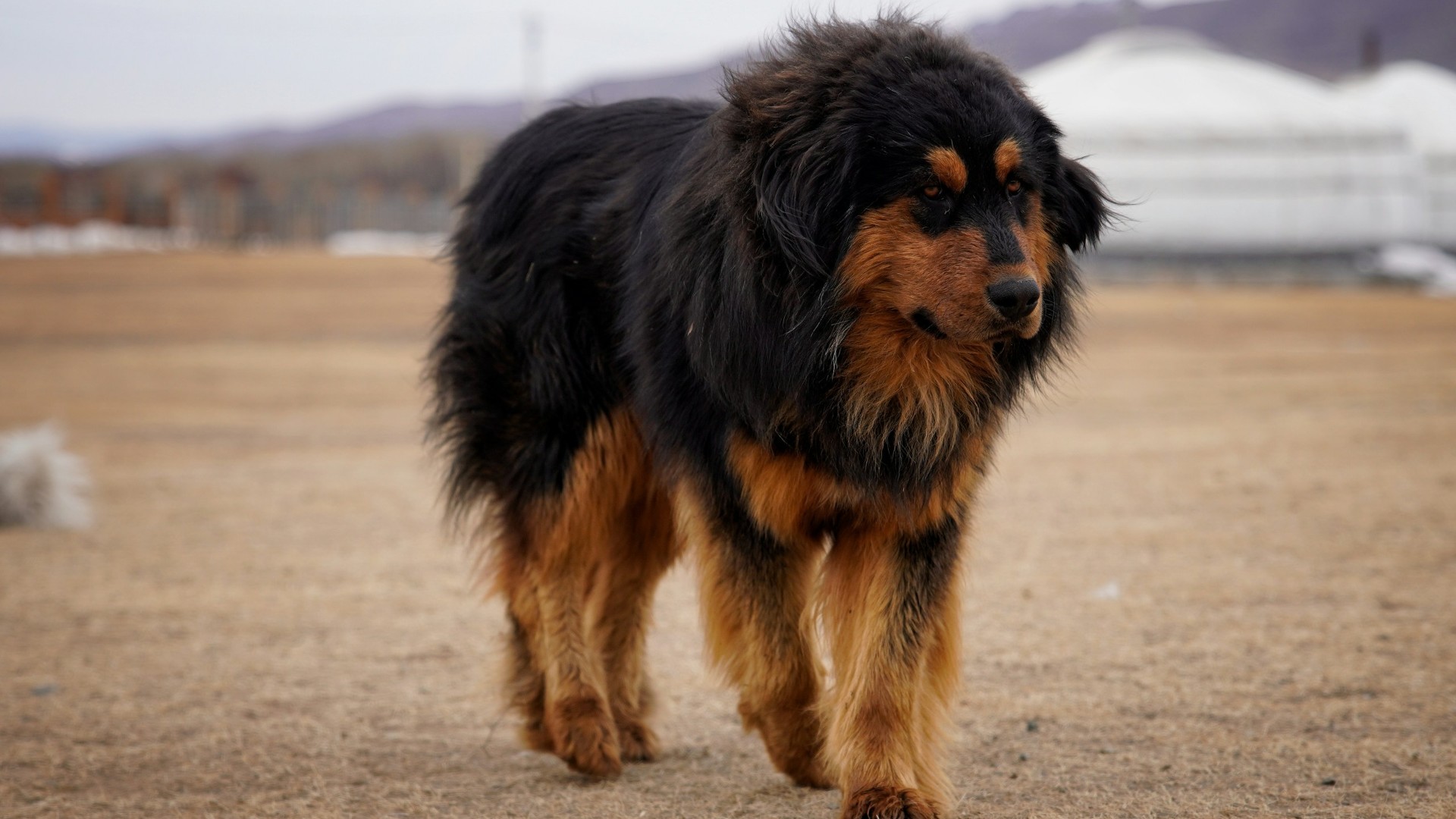
5. Tibetan Mastiff 
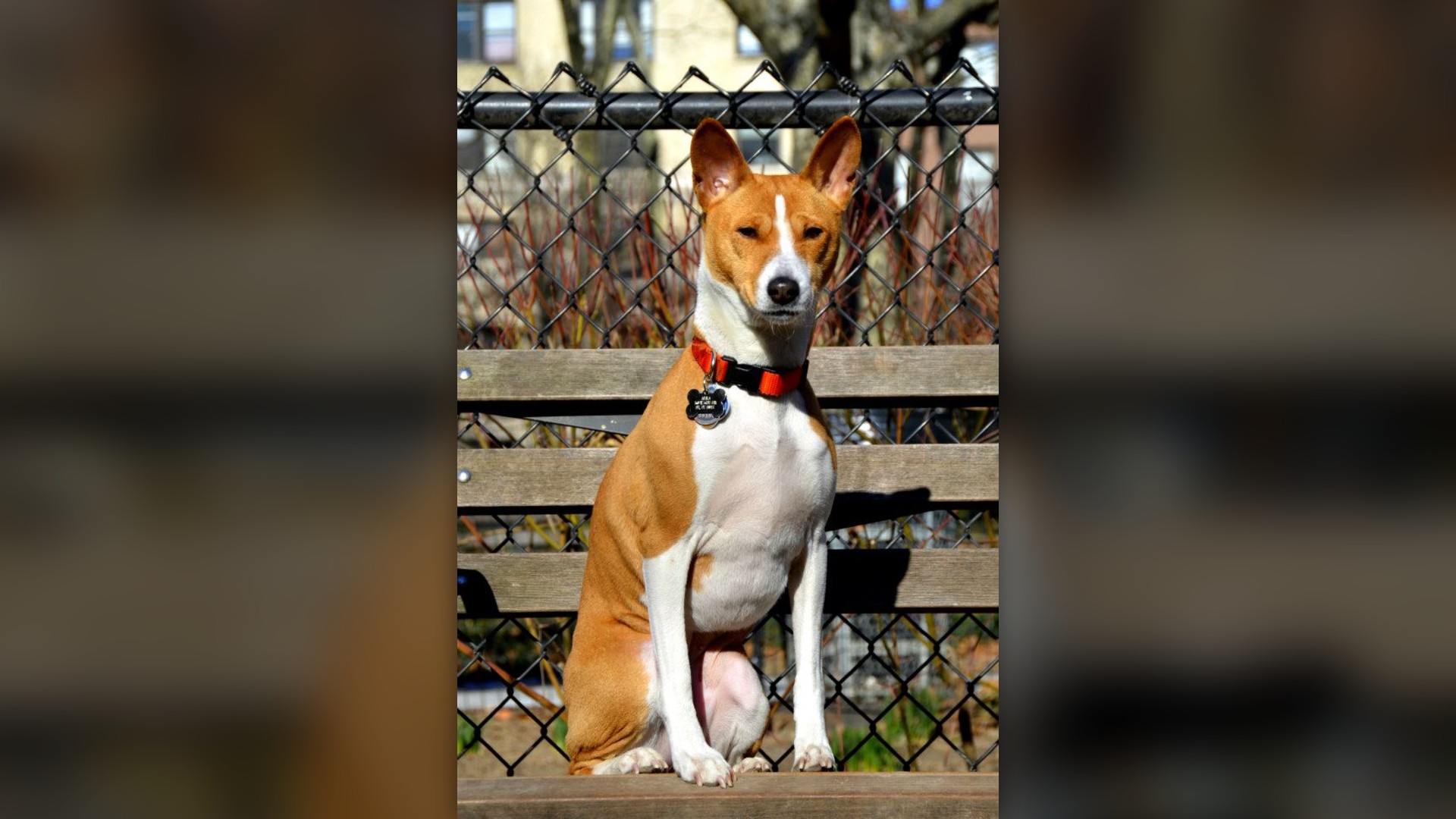
4. Basenji - AdvertisementSwipe or tap ▶ to continue countdown

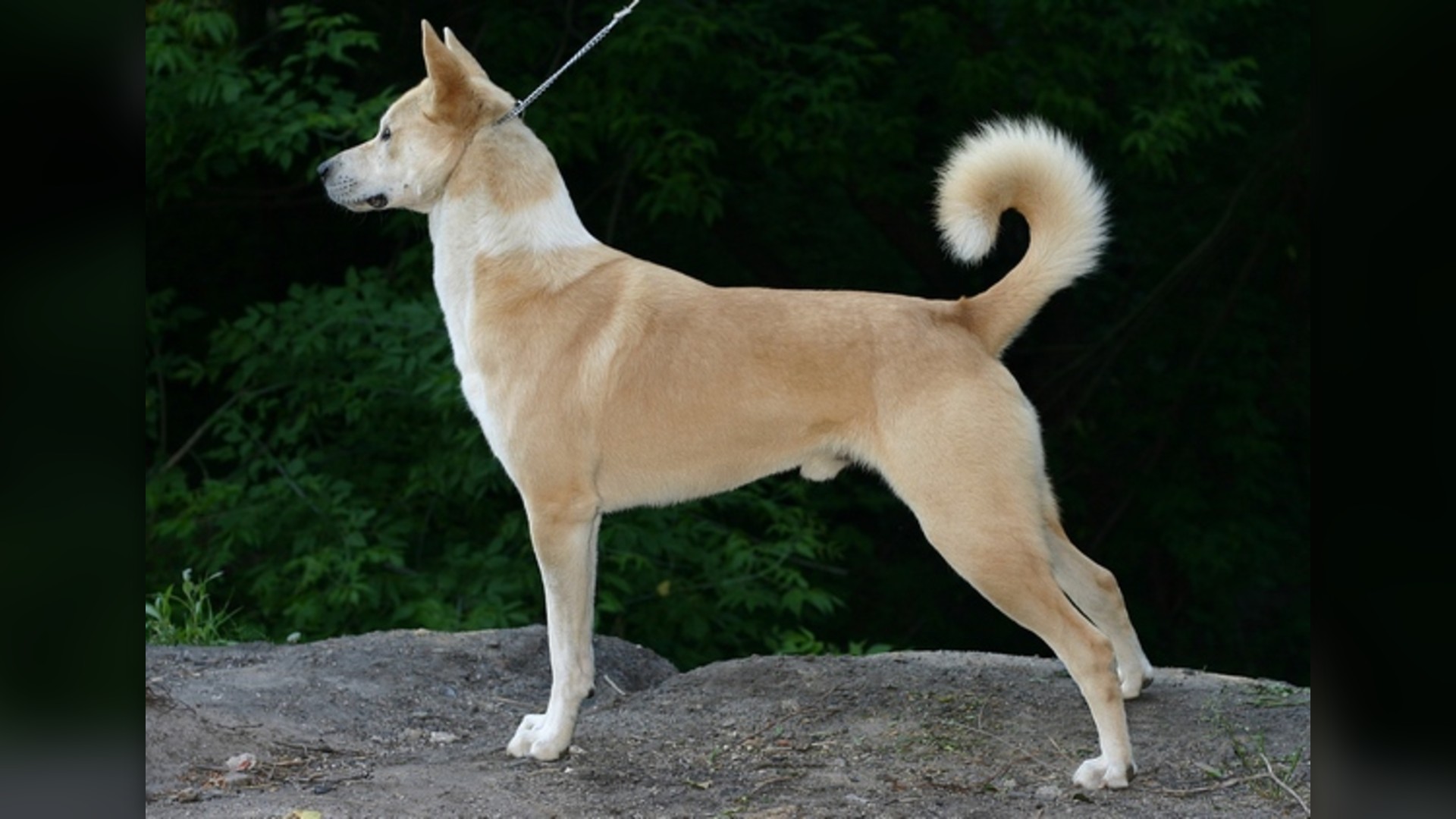
3. Canaan Dog 
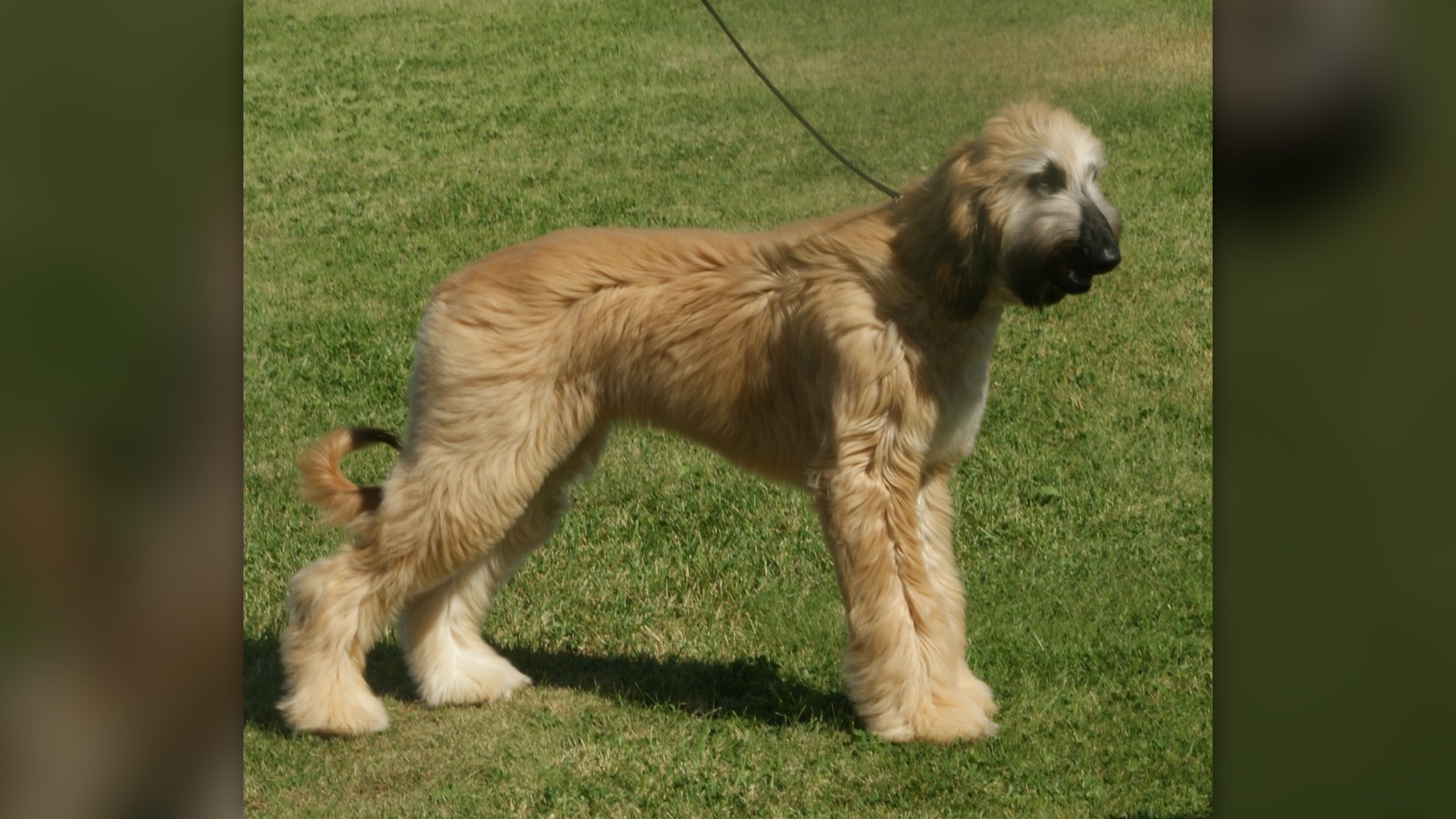
2. Afghan Hound 
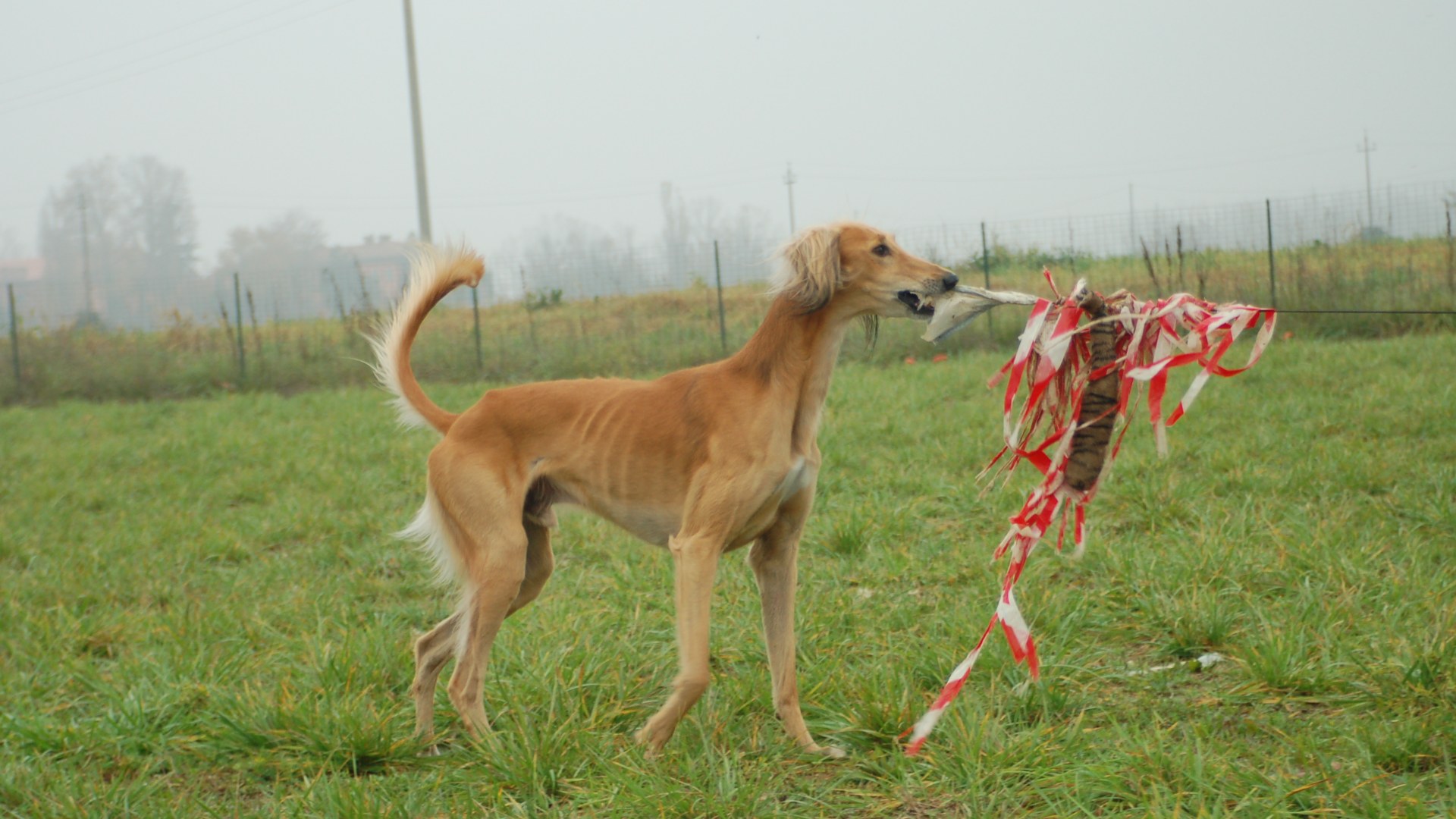
1. Saluki - Advertisement🔥 UP NEXT IN THIS SERIES◫ 22 Slides

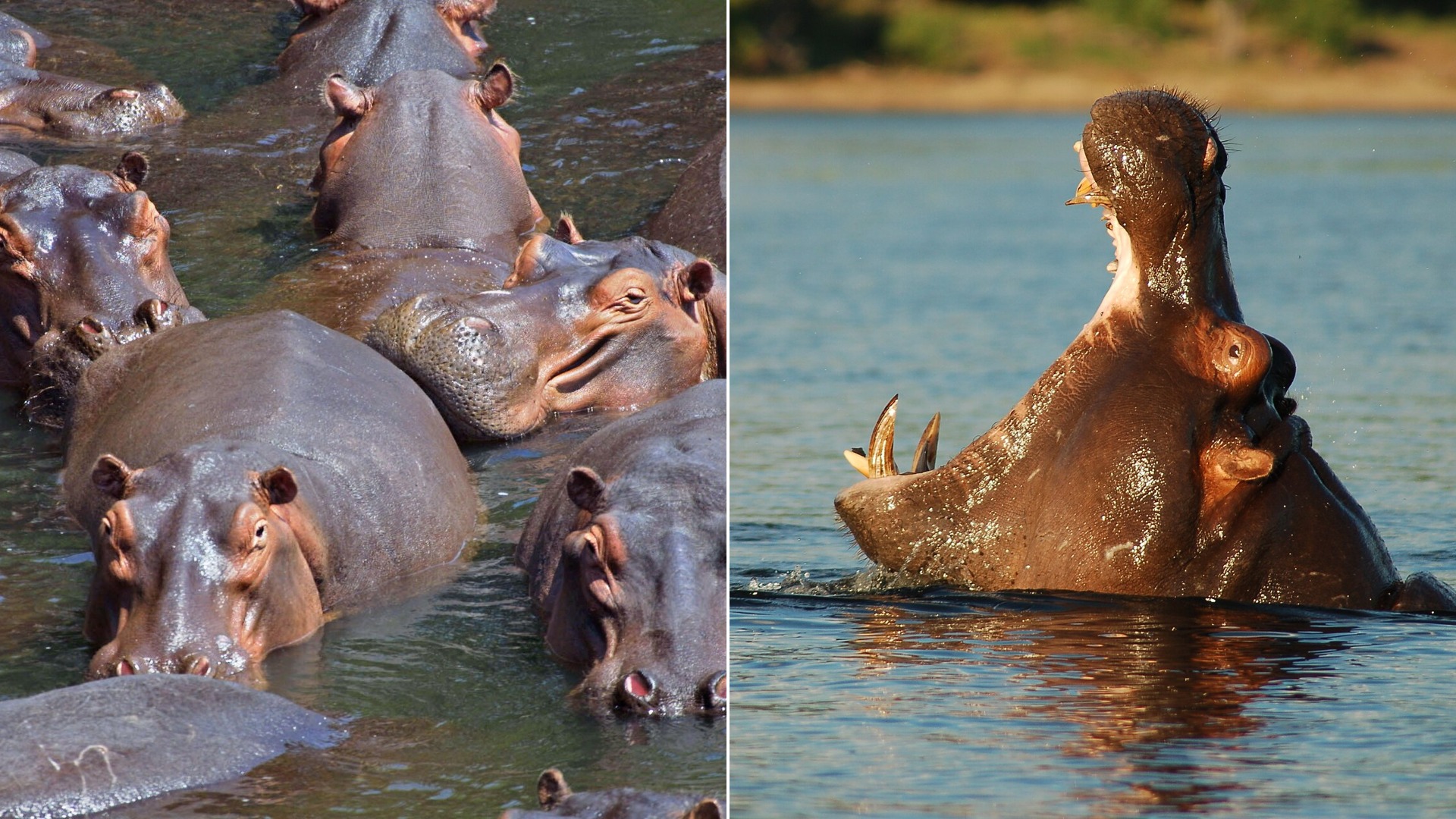
How Long Do Hippos Live? 20 Other Facts About Hippos
From sixty-year lifespans to whale cousins, discover secrets of river giants
From ancient desert sighthounds to Arctic sled dogs and official wolfdog hybrids, discover the canine breeds that share the most direct DNA with wild wolves.
Swipe or tap ▶ to begin the countdown
©Wikimedia / Tesori di Carli & Wikimedia / Biser Yanev
18. Czechoslovakian Vlcak
Starting as a 1955 border patrol project, Czechoslovakian breeders crossed working German Shepherds with wild Carpathian wolves. Standardized as an official canine breed, the Czechoslovakian Vlcak displays wolf facial masks, amber eyes, immense stamina, and the closest genomic proximity to Canis lupus.
©Wikimedia / Tesori di Carli
17. Saarloos Wolfdog
Dutch breeder Leendert Saarloos crossed a male German Shepherd with a female European wolf in the 1930s. The resulting breed, recognized by international kennel clubs, shares twenty-five percent recent wolf DNA, exhibiting natural wolf gait, cautious social behavior, and keen environmental awareness.
©Wikimedia / Canarian
16. Kunming Wolfdog
Created in the 1950s in Yunnan, military breeders crossed German Shepherds with native wolf hybrids to produce an agile search and rescue animal. Officially recognized in China, the Kunming Wolfdog combines working dog trainability with wolf-derived sensory alertness and structural durability.
©Wikimedia / Bigsteeve
Advertisement
Swipe or tap ▶ to resume the countdown.
15. Australian Dingo
Arriving in Australia thousands of years ago, the Dingo adapted to desert outback life as an independent apex predator. Lacking the extra starch-digesting amylase genes found in modern domestic dogs, the Dingo retains a carnivore digestive system and skull shape remarkably aligned with wild wolves.
©Wikimedia / Charles J. Sharp
14. Greenland Dog
For thousands of years, Greenland dogs pulled sleds across pack ice and helped hunt seals and polar bears. Genomic research confirmed that Arctic sled dogs like the Greenland Dog experienced historical genetic exchange with wild Pleistocene wolves, cementing their genetic position close to the wolf.
©Wikimedia / Jerzy Strzelecki
13. Alaskan Malamute
Developed by the Mahlemut Inuit tribe of northwestern Alaska, the Malamute hauled heavy freight through blizzard terrain. Genetic studies demonstrate the breed diverged thousands of years ago in the Arctic, preserving primitive skull morphology, vocal howling habits, and thick wolf-like coats.
©Wikimedia / Continentaleurope
12. Siberian Husky
The Chukchi people of eastern Siberia relied on Huskies to travel great distances over ice. Whole-genome sequencing reveals the Siberian Husky shares significant genetic alleles with a 35,000-year-old Taimyr Peninsula wolf, reflecting ancient Siberian wolf admixture that fuels their legendary stamina.
©Wikimedia / MrPanyGoff
Advertisement
Swipe or tap ▶ to resume the countdown.
11. Samoyed
The Samoyedic people of northwestern Siberia bred these hardy white dogs to withstand subzero Arctic blasts. Genomic comparisons place the Samoyed squarely in the ancient Arctic clade, retaining a dense weather-resistant double coat and primitive endurance shared with Siberian tundra wolves.
©Wikimedia / SheltieBoy
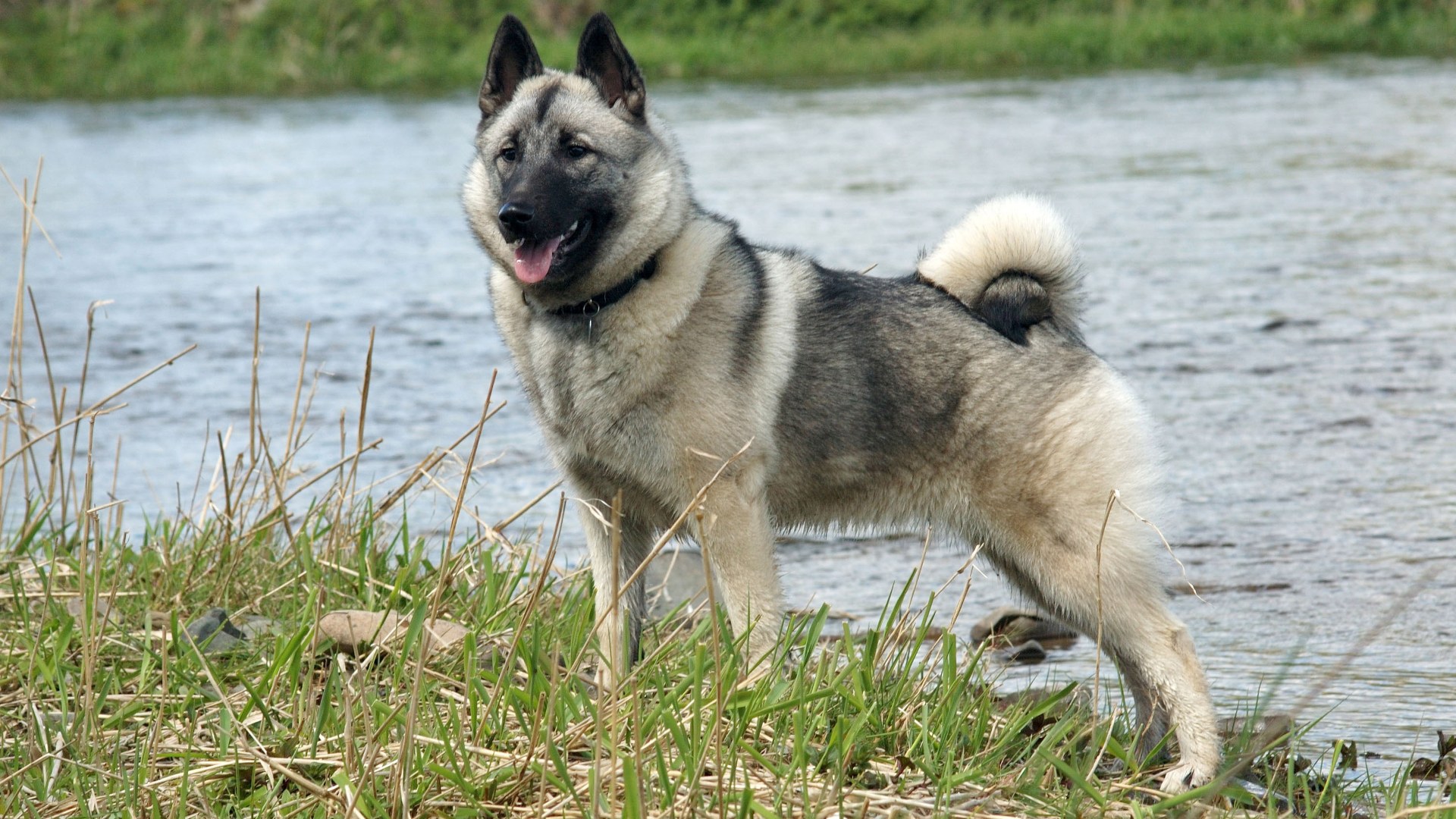
10. Norwegian Elkhound
Archaeological digs in Scandinavian caves revealed dog skeletons identical to the modern Norwegian Elkhound dating to 5000 BC. Operating as fearless moose and bear hunters, these spitzes maintained predatory tracking tactics and natural cold adaptations straight from northern wolves.
©Wikimedia / Dmitry Guskov
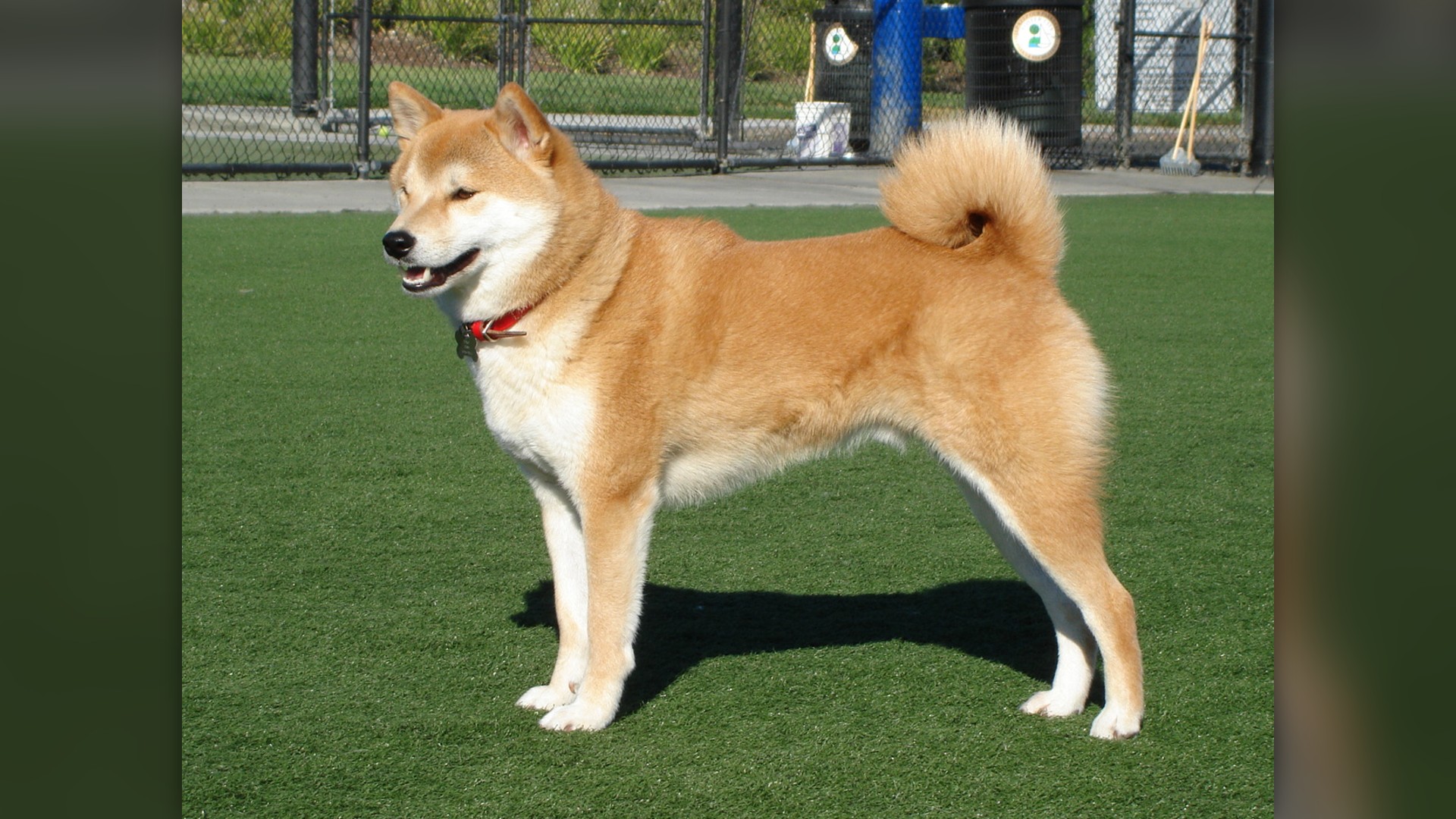
9. Shiba Inu
Bred to flush birds and small game in Japanese forests, the Shiba Inu descends from primitive landrace dogs brought by early settlers thousands of years ago. Modern genetic surveys show the Shiba Inu possesses one of the lowest levels of genetic divergence from grey wolves among companion dogs.
©Wikimedia / Shiba Inu
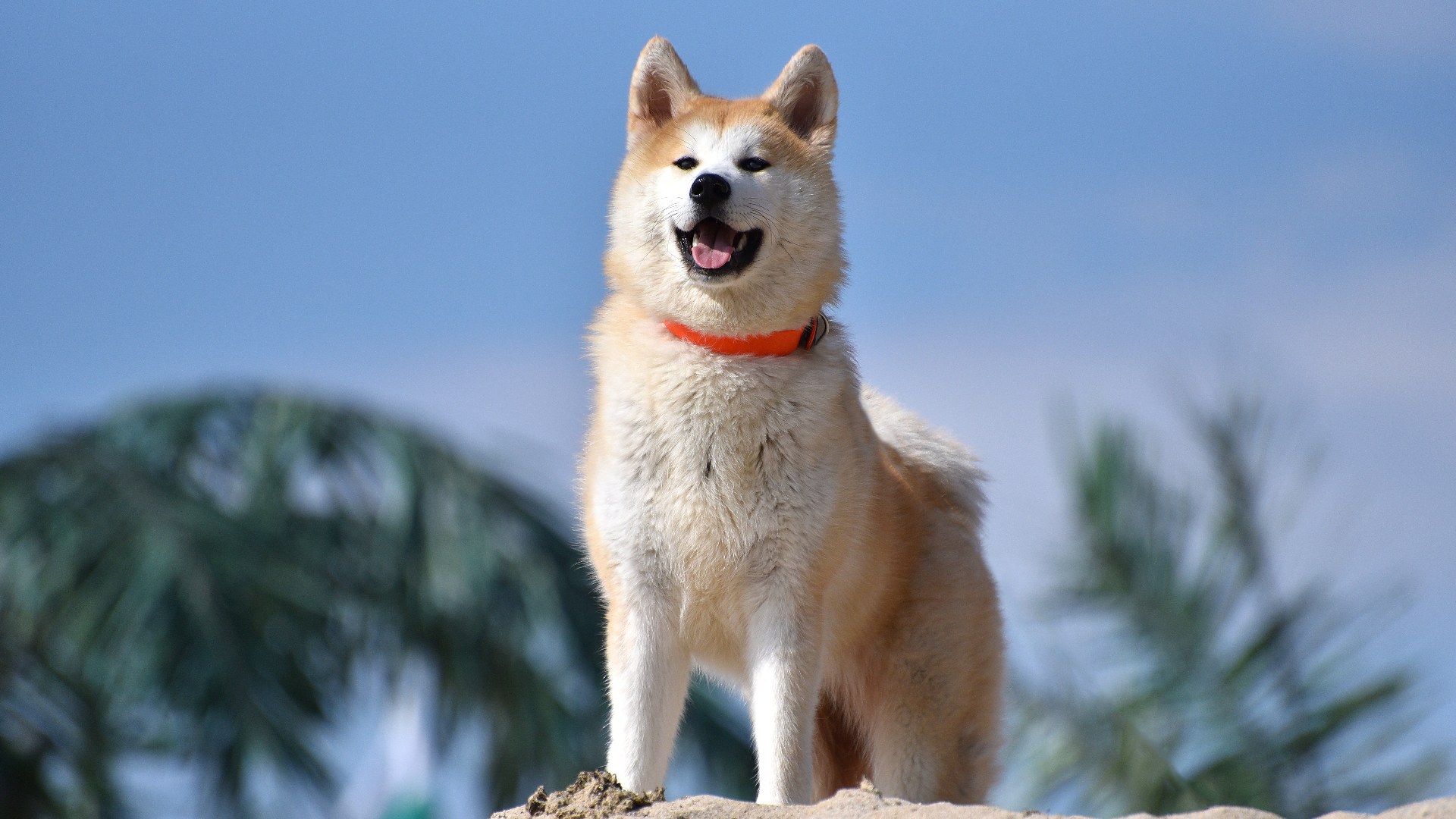
8. Akita Inu
Developed in the mountainous Akita prefecture of northern Japan, the Akita hunted wild boar, deer, and black bears. Molecular studies classify the Akita within the basal spitz group, confirming deep ancestral links to early canid populations and prehistoric Asian wolves.
©Wikimedia / Biser Yanev
Advertisement
Swipe or tap ▶ to resume the countdown.
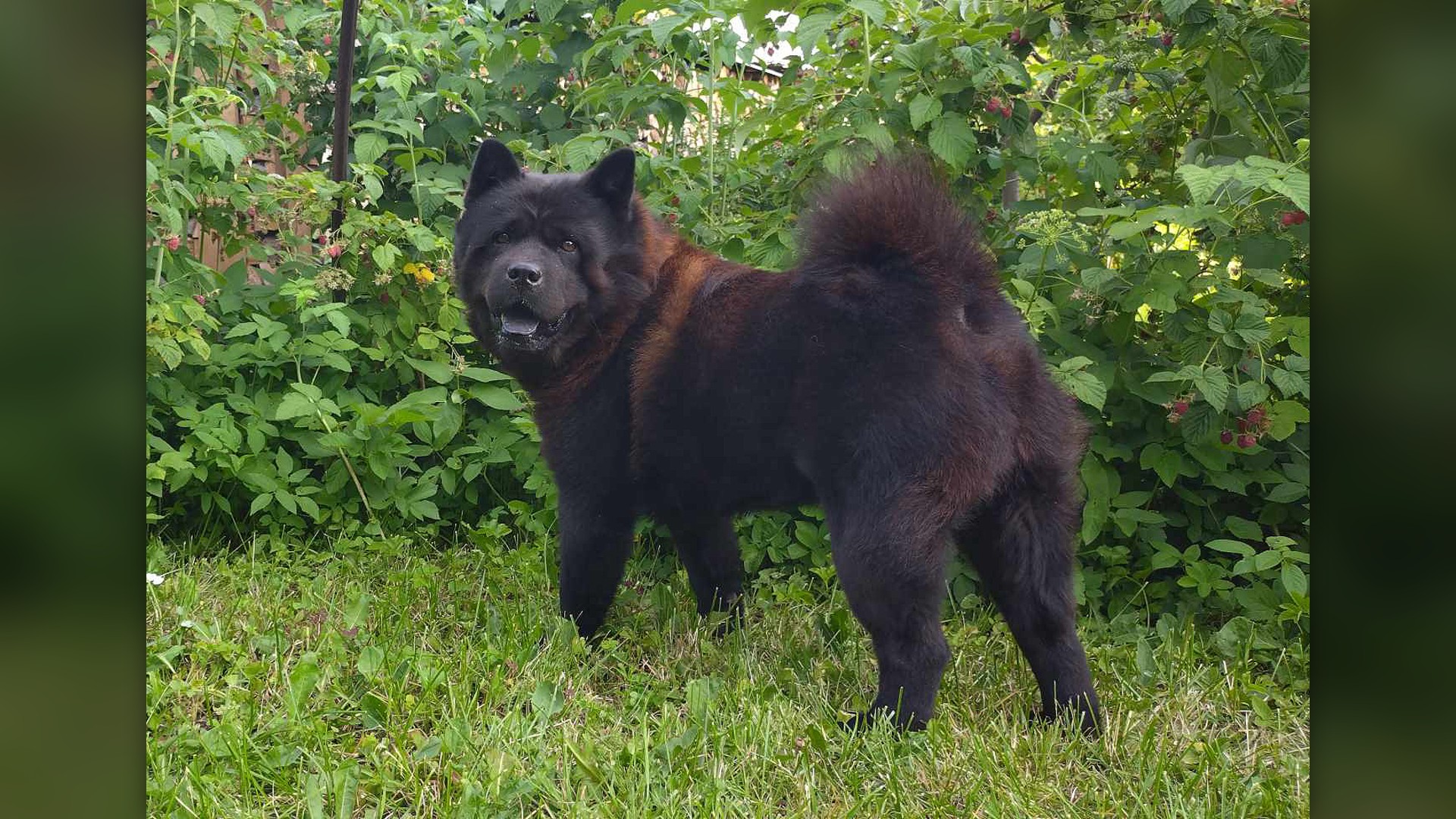
7. Chow Chow
Depicted in Han dynasty pottery, the Chow Chow served as a hunting, carting, and guard dog. Extensive genomic mapping places the Chow Chow within the foundational cluster of Asian breeds closest to wolf lineages, reflecting thousands of years of distinct, uninterrupted development.
©Wikimedia / Maiemaie
6. Shar Pei
Archaeological evidence dates the Shar Pei back to southern China around 200 BC. Geneticists mapping canine evolution found that despite their unique skin folds, the Shar Pei forms part of the ancient Asian branch of dogs that split off early from ancestral wolf populations.
©Wikimedia / Svenska Mässan
5. Tibetan Mastiff
Guarding Himalayan monasteries for centuries, the Tibetan Mastiff carries an astonishing genetic gift. DNA studies found the breed acquired its EPAS1 altitude adaptation gene through prehistoric interbreeding with high-altitude Tibetan wolves, allowing them to thrive in oxygen-depleted mountain air.
© Photo by Jan Keller on Unsplash
4. Basenji
Originating in the Congo basin, the Basenji has a larynx that produces a distinct yodel instead of a bark. Female Basenjis cycle only once a year, an uncommon reproductive trait shared with wild wolves. Genomic studies consistently position the Basenji as one of the oldest basal dog lineages.
©Wikimedia / Andrea Arden
Advertisement
Swipe or tap ▶ to resume the countdown.
3. Canaan Dog
The Canaan Dog lived semi-wild alongside Bedouin tribes and roamed Middle Eastern deserts for millennia. Genomic research reveals minimal European admixture, preserving natural pack hierarchy, acute territorial vigilance, and survival mechanisms directly mirroring wild canids.
©Wikimedia / Canaan Dog
2. Afghan Hound
Bred by nomadic tribes in the harsh mountains of Afghanistan, this breed predates modern kennel standards by centuries. DNA mapping confirms the Afghan Hound belongs to the basal group of domestic dogs, retaining physical resilience and solitary instincts inherited from ancient wild ancestors.
©Wikimedia / Canarian
1. Saluki
Carvings of Saluki dogs appear on ancient Egyptian tombs and Sumerian pottery from 7000 BC. Genetic sequencing places the breed among the earliest domestic lineages to diverge from wolves. Their deep chest, aerodynamic frame, and independent hunting instinct preserve prehistoric traits.

©Wikimedia / Sciumegu
Advertisement
You've reached the end of the story. Thanks for reading!

How Long Do Hippos Live? 20 Other Facts About Hippos
From sixty-year lifespans to whale cousins, discover secrets of river giants
All 18 Entries in this Story
18. Czechoslovakian Vlcak
Starting as a 1955 border patrol project, Czechoslovakian breeders crossed working German Shepherds with wild Carpathian wolves. Standardized as an official canine breed, the Czechoslovakian Vlcak displays wolf facial masks, amber eyes, immense stamina, and the closest genomic proximity to Canis lupus.

17. Saarloos Wolfdog
Dutch breeder Leendert Saarloos crossed a male German Shepherd with a female European wolf in the 1930s. The resulting breed, recognized by international kennel clubs, shares twenty-five percent recent wolf DNA, exhibiting natural wolf gait, cautious social behavior, and keen environmental awareness.

16. Kunming Wolfdog
Created in the 1950s in Yunnan, military breeders crossed German Shepherds with native wolf hybrids to produce an agile search and rescue animal. Officially recognized in China, the Kunming Wolfdog combines working dog trainability with wolf-derived sensory alertness and structural durability.

15. Australian Dingo
Arriving in Australia thousands of years ago, the Dingo adapted to desert outback life as an independent apex predator. Lacking the extra starch-digesting amylase genes found in modern domestic dogs, the Dingo retains a carnivore digestive system and skull shape remarkably aligned with wild wolves.

14. Greenland Dog
For thousands of years, Greenland dogs pulled sleds across pack ice and helped hunt seals and polar bears. Genomic research confirmed that Arctic sled dogs like the Greenland Dog experienced historical genetic exchange with wild Pleistocene wolves, cementing their genetic position close to the wolf.

13. Alaskan Malamute
Developed by the Mahlemut Inuit tribe of northwestern Alaska, the Malamute hauled heavy freight through blizzard terrain. Genetic studies demonstrate the breed diverged thousands of years ago in the Arctic, preserving primitive skull morphology, vocal howling habits, and thick wolf-like coats.

12. Siberian Husky
The Chukchi people of eastern Siberia relied on Huskies to travel great distances over ice. Whole-genome sequencing reveals the Siberian Husky shares significant genetic alleles with a 35,000-year-old Taimyr Peninsula wolf, reflecting ancient Siberian wolf admixture that fuels their legendary stamina.

11. Samoyed
The Samoyedic people of northwestern Siberia bred these hardy white dogs to withstand subzero Arctic blasts. Genomic comparisons place the Samoyed squarely in the ancient Arctic clade, retaining a dense weather-resistant double coat and primitive endurance shared with Siberian tundra wolves.

10. Norwegian Elkhound
Archaeological digs in Scandinavian caves revealed dog skeletons identical to the modern Norwegian Elkhound dating to 5000 BC. Operating as fearless moose and bear hunters, these spitzes maintained predatory tracking tactics and natural cold adaptations straight from northern wolves.

9. Shiba Inu
Bred to flush birds and small game in Japanese forests, the Shiba Inu descends from primitive landrace dogs brought by early settlers thousands of years ago. Modern genetic surveys show the Shiba Inu possesses one of the lowest levels of genetic divergence from grey wolves among companion dogs.

8. Akita Inu
Developed in the mountainous Akita prefecture of northern Japan, the Akita hunted wild boar, deer, and black bears. Molecular studies classify the Akita within the basal spitz group, confirming deep ancestral links to early canid populations and prehistoric Asian wolves.

7. Chow Chow
Depicted in Han dynasty pottery, the Chow Chow served as a hunting, carting, and guard dog. Extensive genomic mapping places the Chow Chow within the foundational cluster of Asian breeds closest to wolf lineages, reflecting thousands of years of distinct, uninterrupted development.

6. Shar Pei
Archaeological evidence dates the Shar Pei back to southern China around 200 BC. Geneticists mapping canine evolution found that despite their unique skin folds, the Shar Pei forms part of the ancient Asian branch of dogs that split off early from ancestral wolf populations.

5. Tibetan Mastiff
Guarding Himalayan monasteries for centuries, the Tibetan Mastiff carries an astonishing genetic gift. DNA studies found the breed acquired its EPAS1 altitude adaptation gene through prehistoric interbreeding with high-altitude Tibetan wolves, allowing them to thrive in oxygen-depleted mountain air.

4. Basenji
Originating in the Congo basin, the Basenji has a larynx that produces a distinct yodel instead of a bark. Female Basenjis cycle only once a year, an uncommon reproductive trait shared with wild wolves. Genomic studies consistently position the Basenji as one of the oldest basal dog lineages.

3. Canaan Dog
The Canaan Dog lived semi-wild alongside Bedouin tribes and roamed Middle Eastern deserts for millennia. Genomic research reveals minimal European admixture, preserving natural pack hierarchy, acute territorial vigilance, and survival mechanisms directly mirroring wild canids.

2. Afghan Hound
Bred by nomadic tribes in the harsh mountains of Afghanistan, this breed predates modern kennel standards by centuries. DNA mapping confirms the Afghan Hound belongs to the basal group of domestic dogs, retaining physical resilience and solitary instincts inherited from ancient wild ancestors.

1. Saluki
Carvings of Saluki dogs appear on ancient Egyptian tombs and Sumerian pottery from 7000 BC. Genetic sequencing places the breed among the earliest domestic lineages to diverge from wolves. Their deep chest, aerodynamic frame, and independent hunting instinct preserve prehistoric traits.