Slideshow · Animals
Animals who sleep the whole winter: Hibernating Animal
From frogs that freeze solid to supercooled squirrels, winter survival.
By Most Viral Today
30 Oct 2026

Animals who sleep the whole winter: Hibernating Animal 
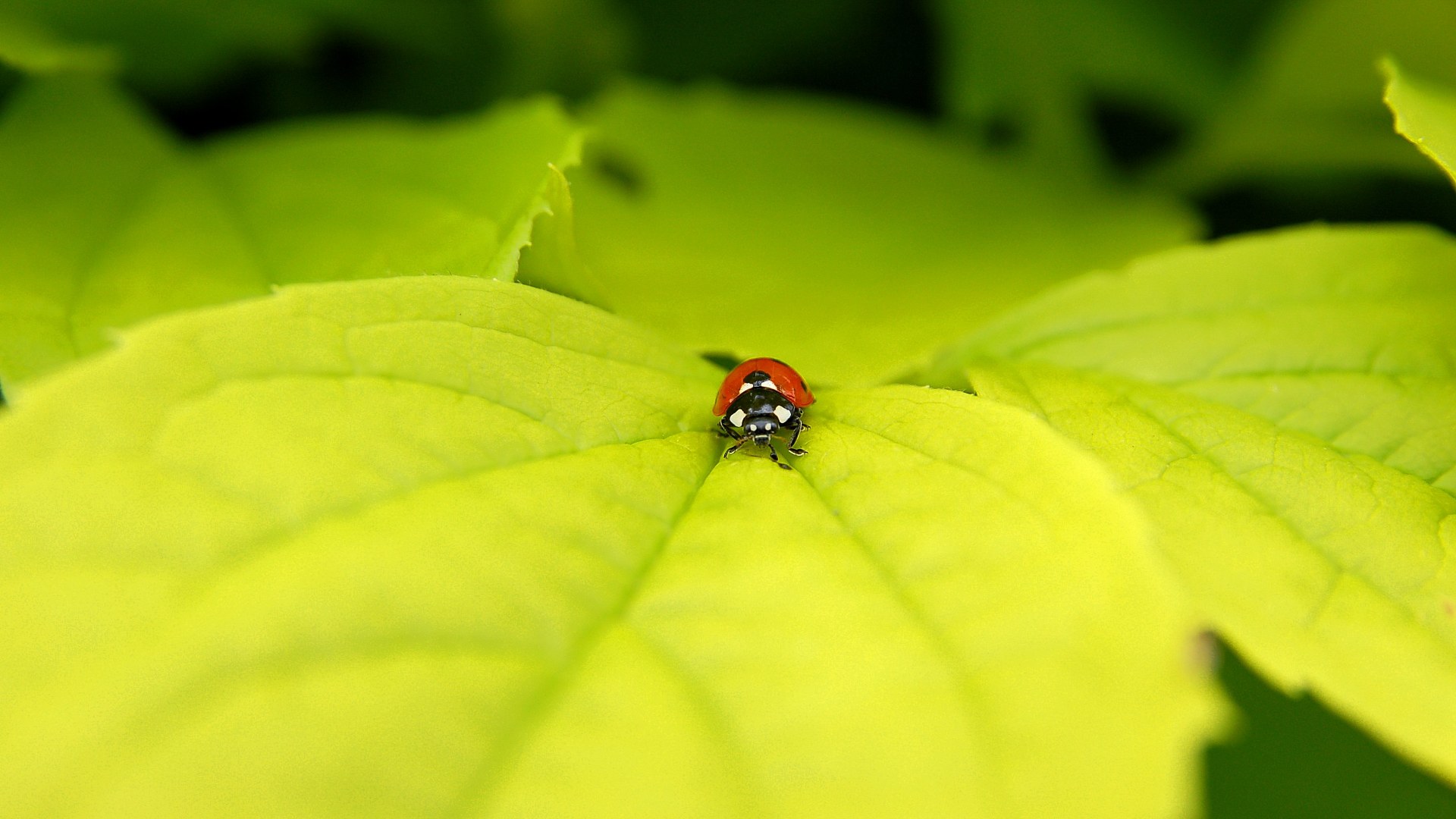
15. Ladybug 
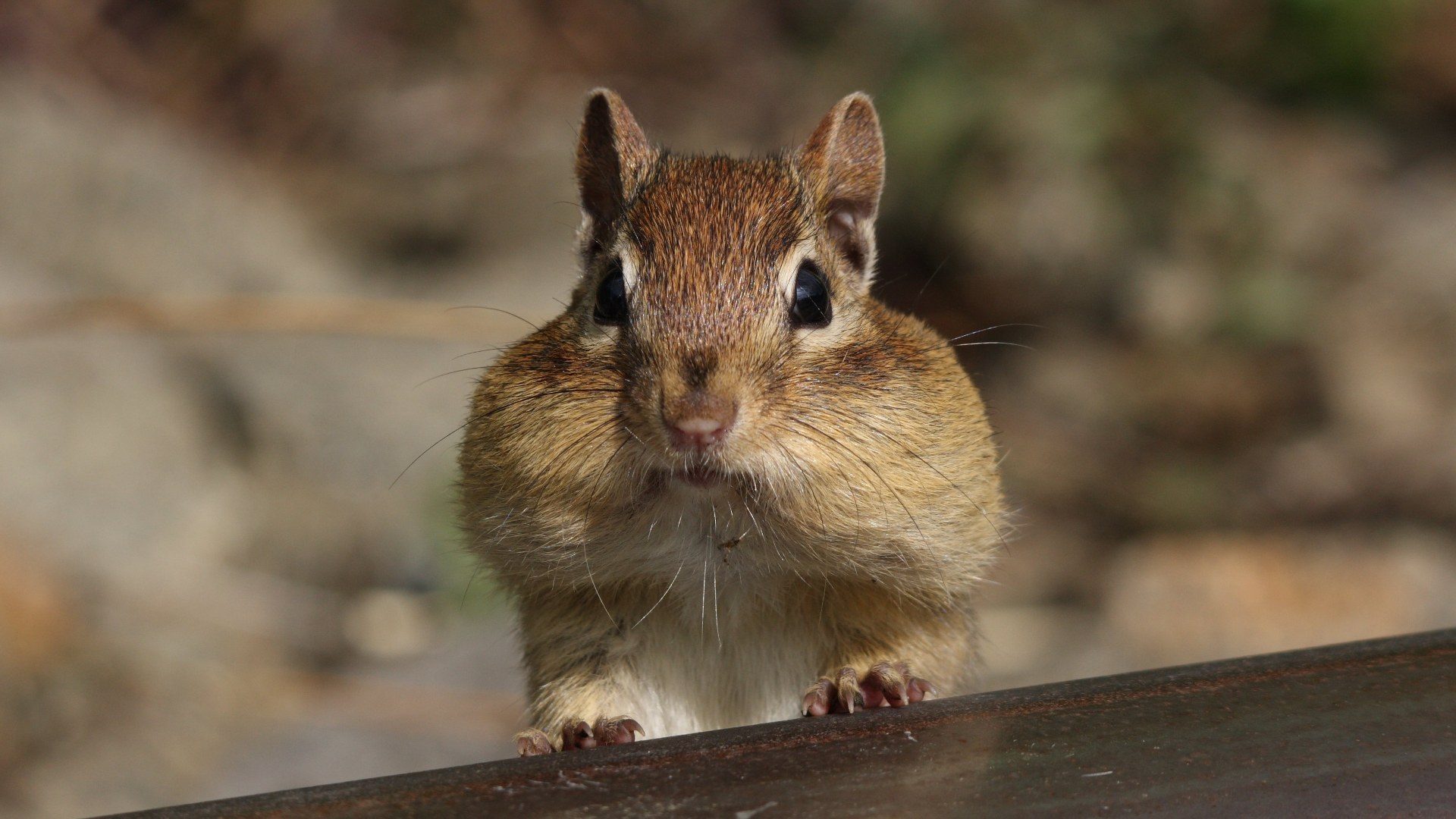
14. Eastern Chipmunk 
13. Box Turtle - AdvertisementSwipe or tap ▶ to continue countdown

12. Grizzly And Black Bears 
11. Hedgehog 
10. Groundhog 
9. Garter Snake - AdvertisementSwipe or tap ▶ to continue countdown

8. Bumblebee Queen 
7. Alpine Marmot 
6. Fat-Tailed Dwarf Lemur 
5. Land Snail - AdvertisementSwipe or tap ▶ to continue countdown

4. Little Brown Bat 
3. Common Poorwill 
2. Arctic Ground Squirrel 
1. Wood Frog - Advertisement🔥 UP NEXT IN THIS SERIES◫ 22 Slides

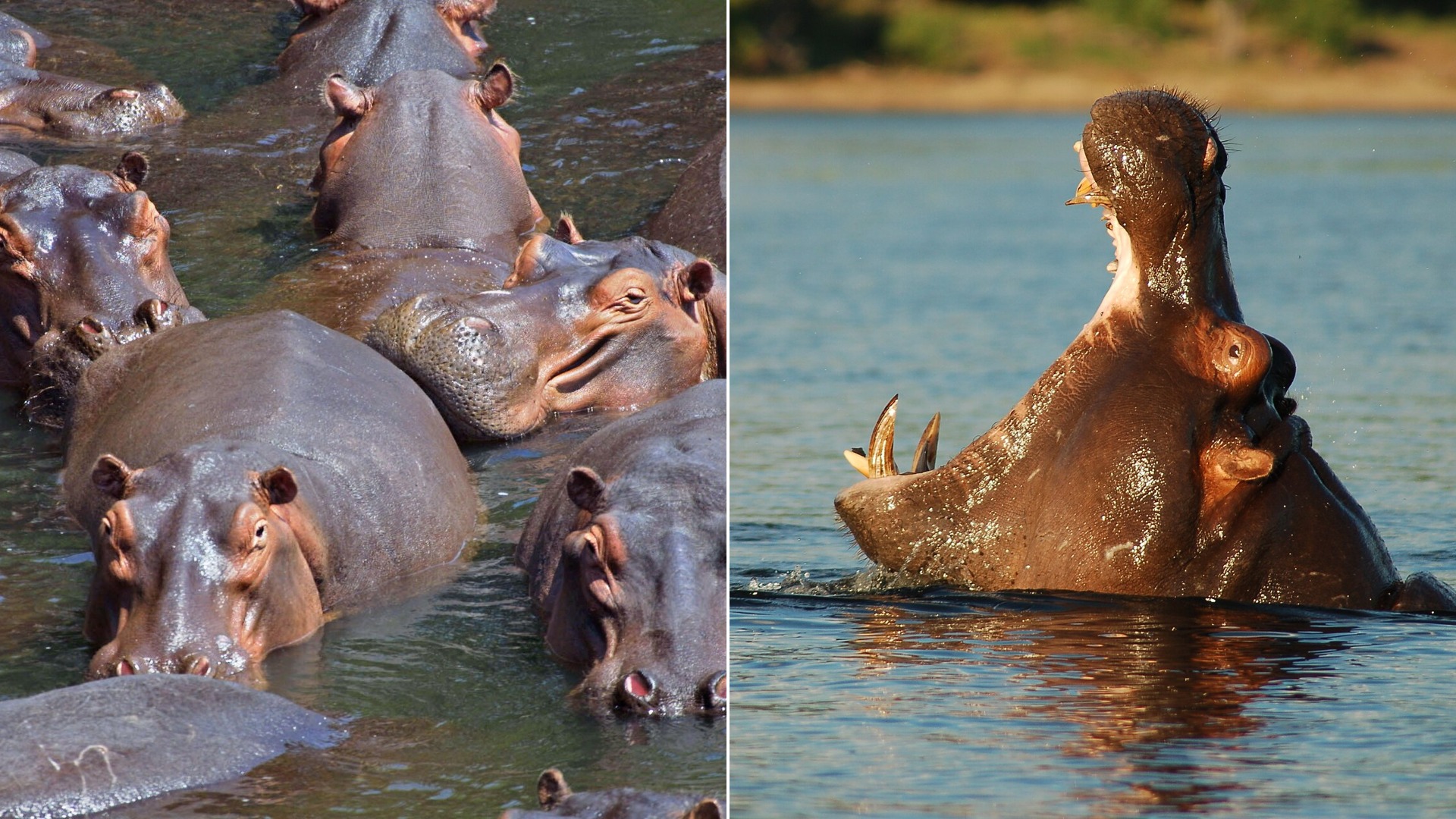
How Long Do Hippos Live? 20 Other Facts About Hippos
From sixty-year lifespans to whale cousins, discover secrets of river giants
When winter temperatures plunge and food disappears, some animals do far more than curl up for a nap. From frogs whose hearts stop beating in solid ice to squirrels that chill their blood below freezing, here are 15 incredible winter sleepers ranked by their survival skills.
Swipe or tap ▶ to begin the countdown
©Wikimedia / Cephas & Wikimedia / Don Pfritzer, USFWS
15. Ladybug
Triggered by shorter autumn days, adult ladybugs release chemical pheromones that guide thousands of beetles to the same sheltered rock crevice or sunny wall. Clustering tightly together locks in humidity and buffers the group against freezing winds.
©Wikimedia / Luc Viatour
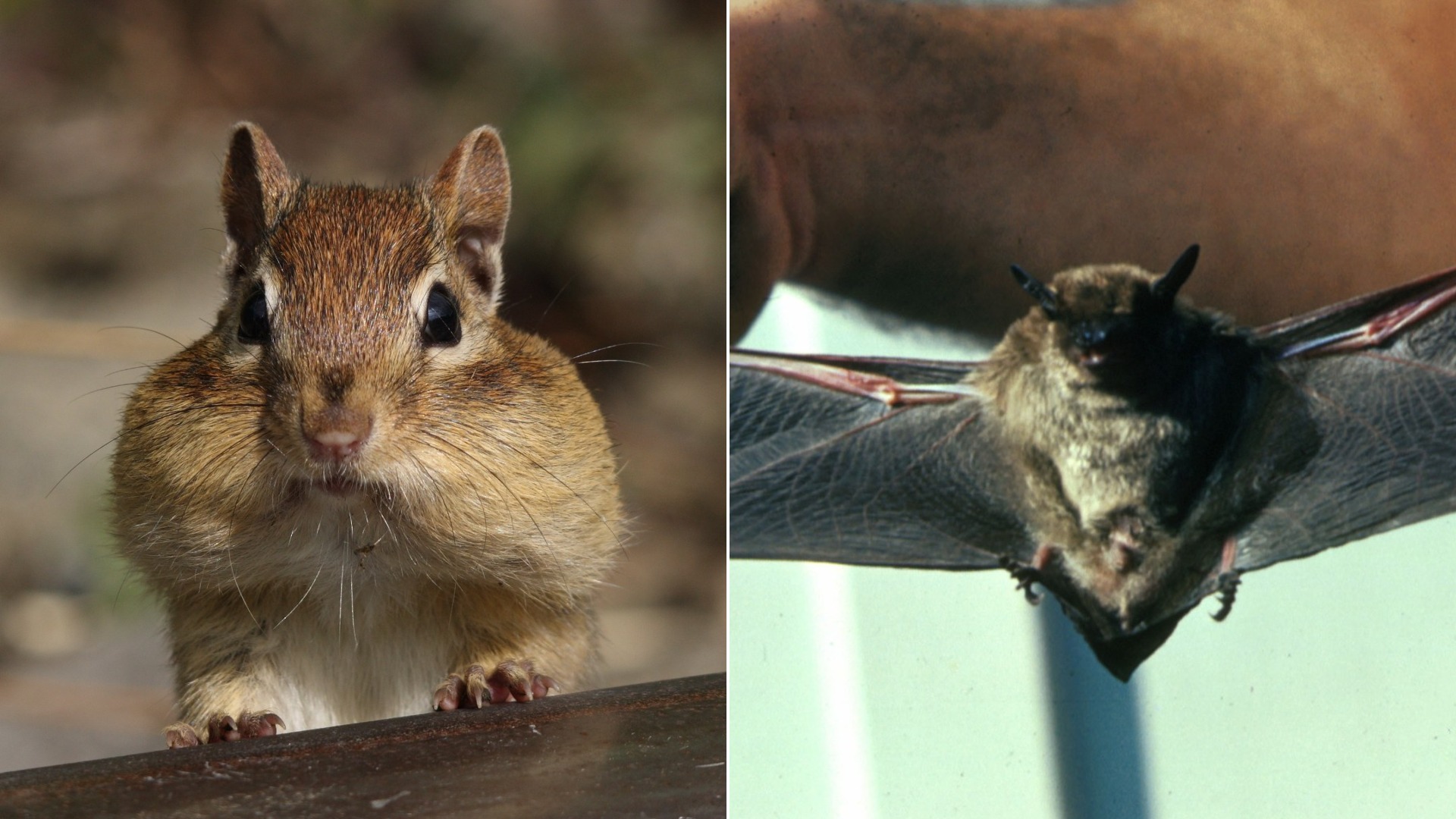
14. Eastern Chipmunk
Unlike groundhogs, eastern chipmunks do not pack on heavy layers of body fat before winter. Instead, they spend autumn filling an underground pantry right beneath their sleeping nest with acorns and seeds, waking up every few days to eat.
©Wikimedia / Cephas
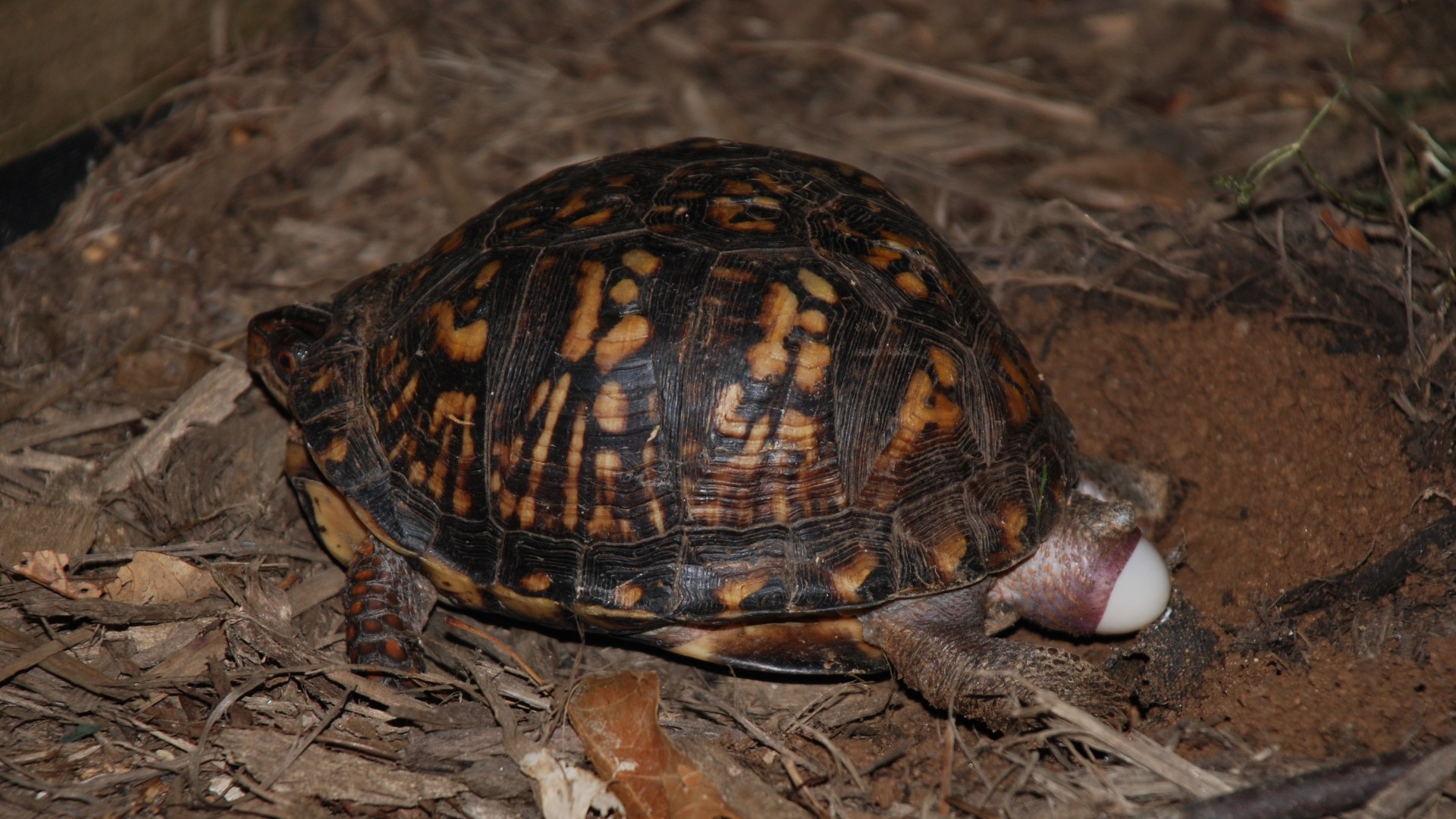
13. Box Turtle
Box turtles dig down up to two feet into woodland soil or pond mud as autumn temperatures drop. With their heart rate slowing to a single beat every few minutes, aquatic and mud-buried turtles can draw dissolved oxygen across their skin without surfacing.
©Wikimedia / Jarek Tuszynski
Advertisement
Swipe or tap ▶ to resume the countdown.
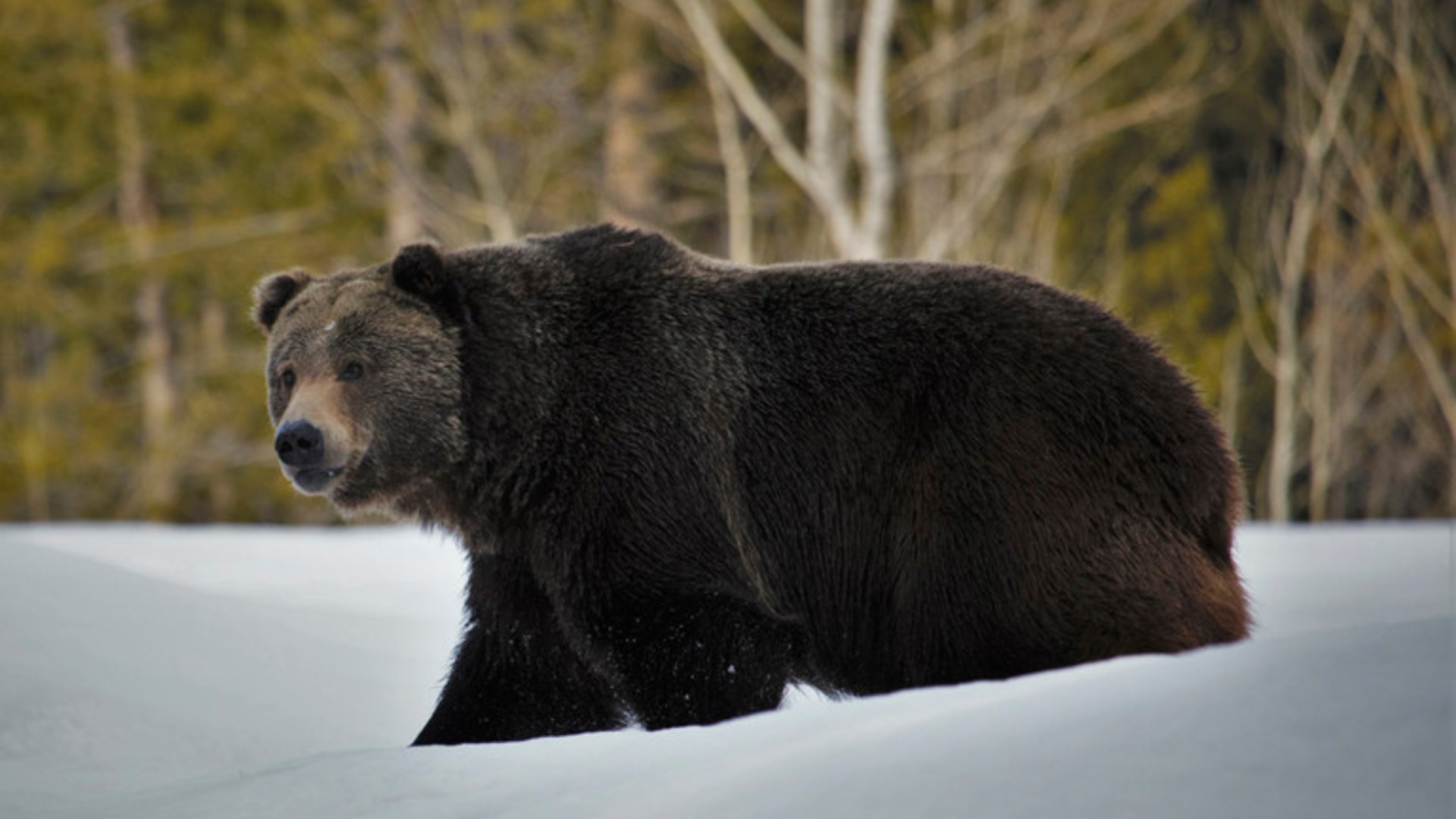
12. Grizzly And Black Bears
Although bears are the most famous winter sleepers, they enter prolonged torpor rather than deep sub-freezing hibernation. Because their body temperature drops by only about 12 degrees Fahrenheit, they can wake rapidly if disturbed and nurse newborn cubs inside the den.
©Wikimedia / Joe Lieb, USFWS
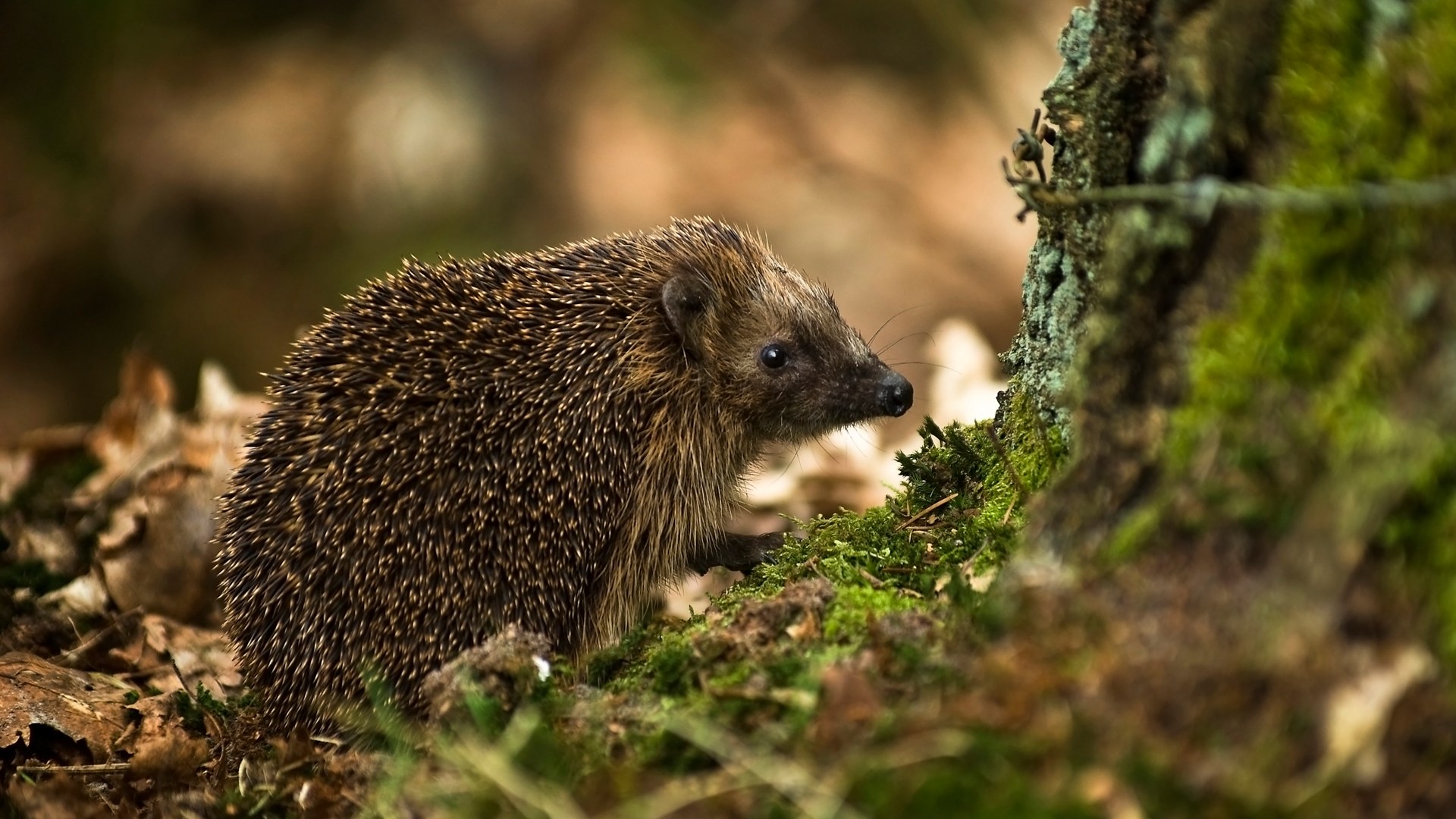
11. Hedgehog
Hedgehogs weave tight winter nests called hibernacula out of dry leaves, moss, and grass beneath fallen timber or hedgerows. Throughout the winter months, they rely on specialized brown fat reserves across their shoulders to warm their blood when needed.
©Wikimedia / Hrald
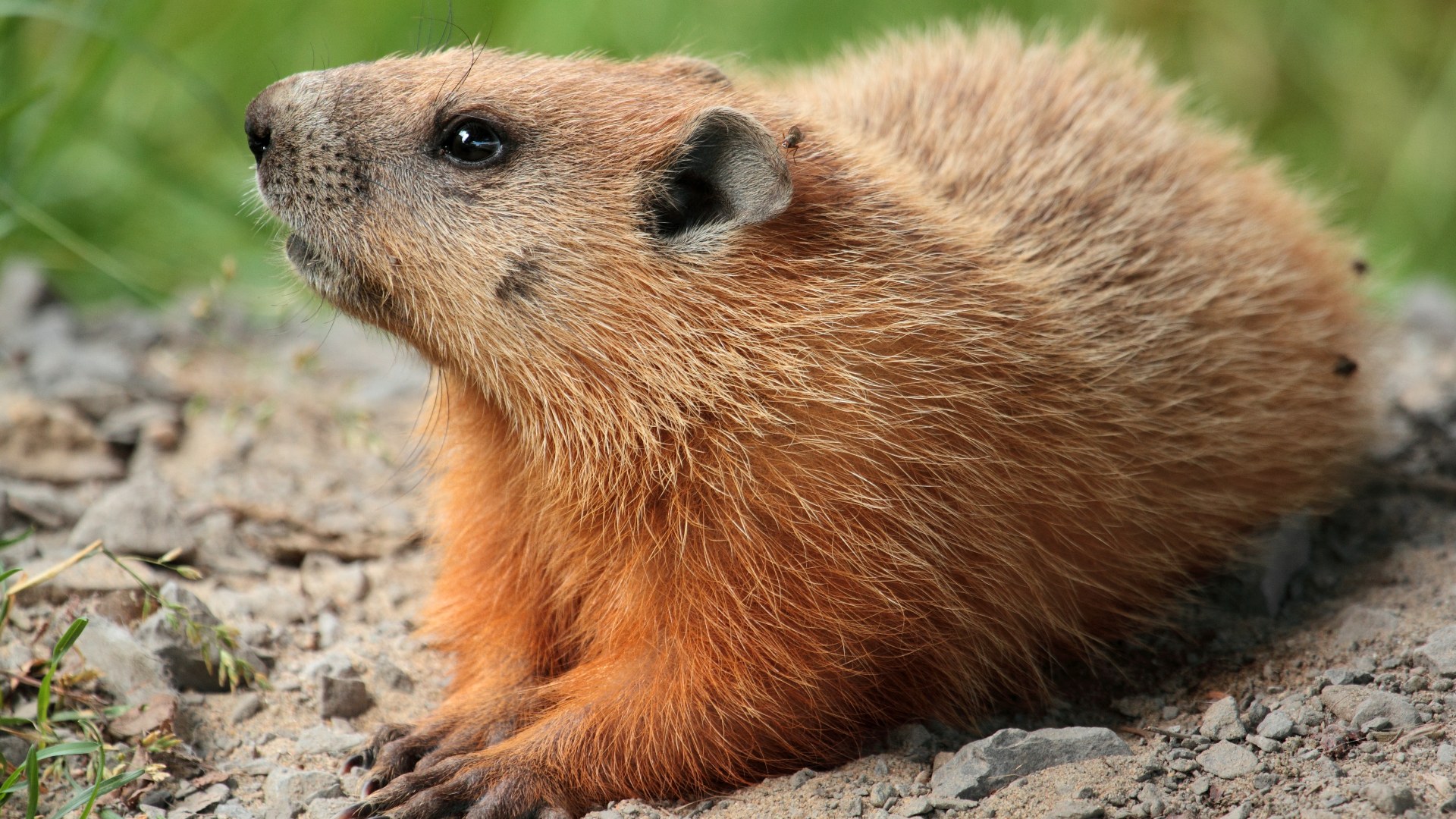
10. Groundhog
Also known as woodchucks, groundhogs dig a dedicated winter sleeping chamber below the frost line that stays separate from their summer burrow. Their breathing slows to just two breaths per minute and their body temperature falls from 99 degrees to 38 degrees.
©Wikimedia / Cephas
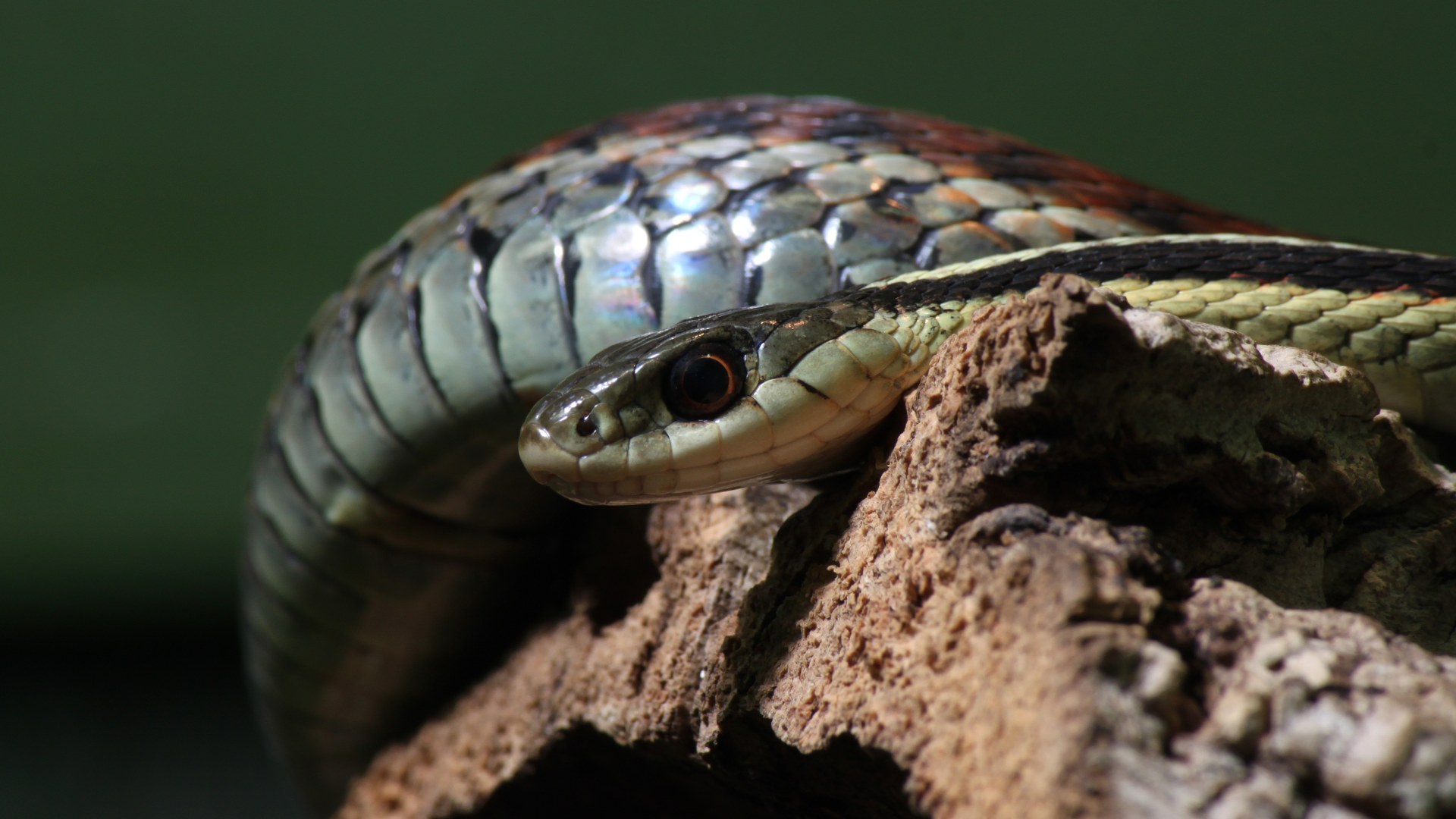
9. Garter Snake
Reptiles enter a cold-blooded dormancy called brumation rather than true mammalian hibernation. Across northern North America, thousands of garter snakes slither into the same limestone sinkholes and rock crevices below the frost line to share body heat.
©Wikimedia / Holger Krisp
Advertisement
Swipe or tap ▶ to resume the countdown.
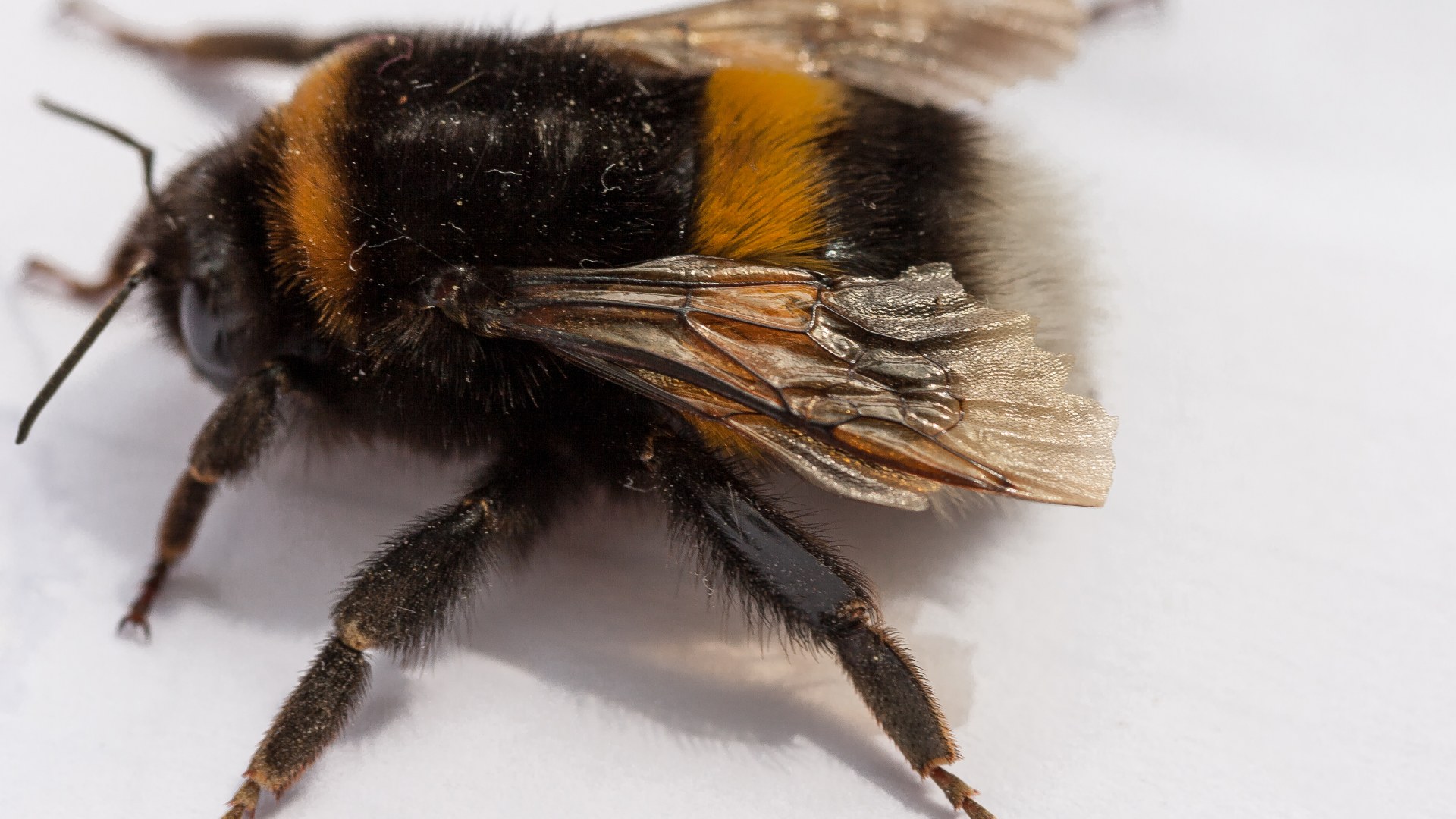
8. Bumblebee Queen
Worker and male bumblebees perish when cold weather arrives, leaving only the fertilized young queens to carry the species into next year. Each queen digs a tiny chamber just inches underground and produces glycerol antifreeze to endure winter frost.
©Wikimedia / Alvesgaspar
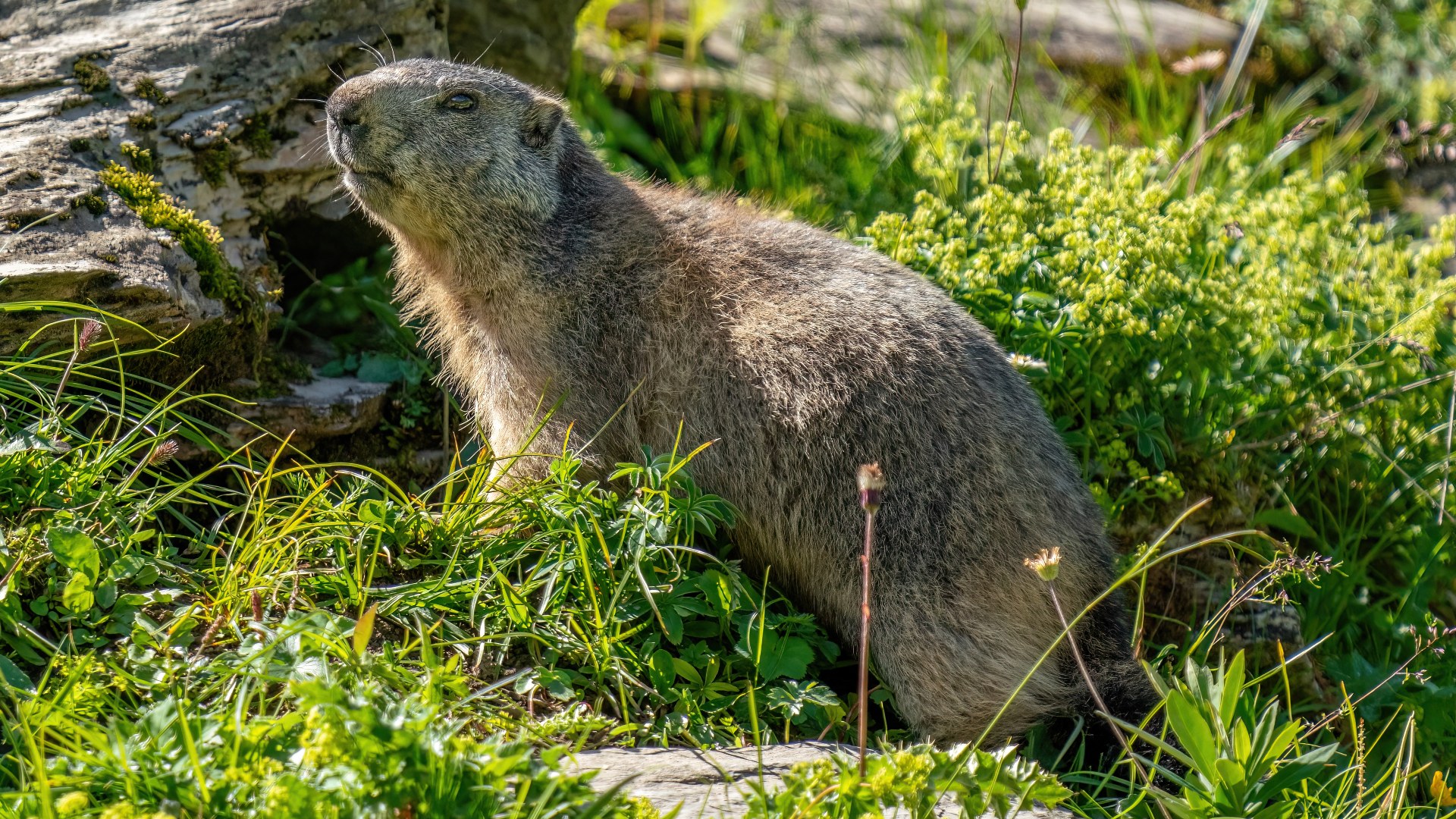
7. Alpine Marmot
Before snow blankets the high European Alps, up to 20 family members pack dry grass into a deep underground chamber and plug the entrance tunnel with soil. By synchronising their warm-up cycles and sharing body heat, they help the youngest pups survive.
©Wikimedia / Giles Laurent
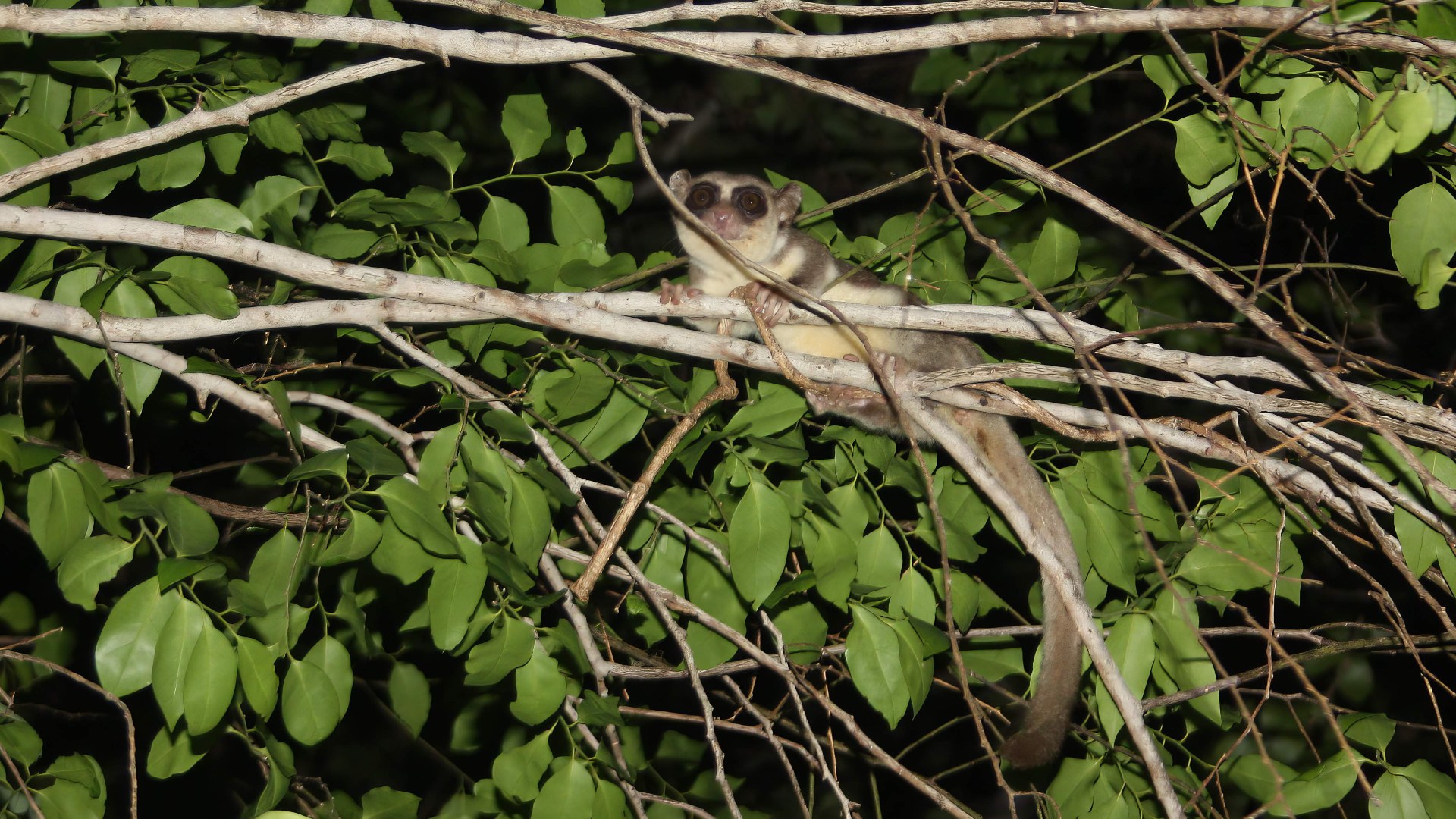
6. Fat-Tailed Dwarf Lemur
Hibernation is not limited to snowy landscapes. To survive Madagascar's bone-dry winter season when fruit and insects vanish, the fat-tailed dwarf lemur packs extra weight into its tail and sleeps for up to seven months inside insulated tree hollows.
©Wikimedia / Charles J. Sharp
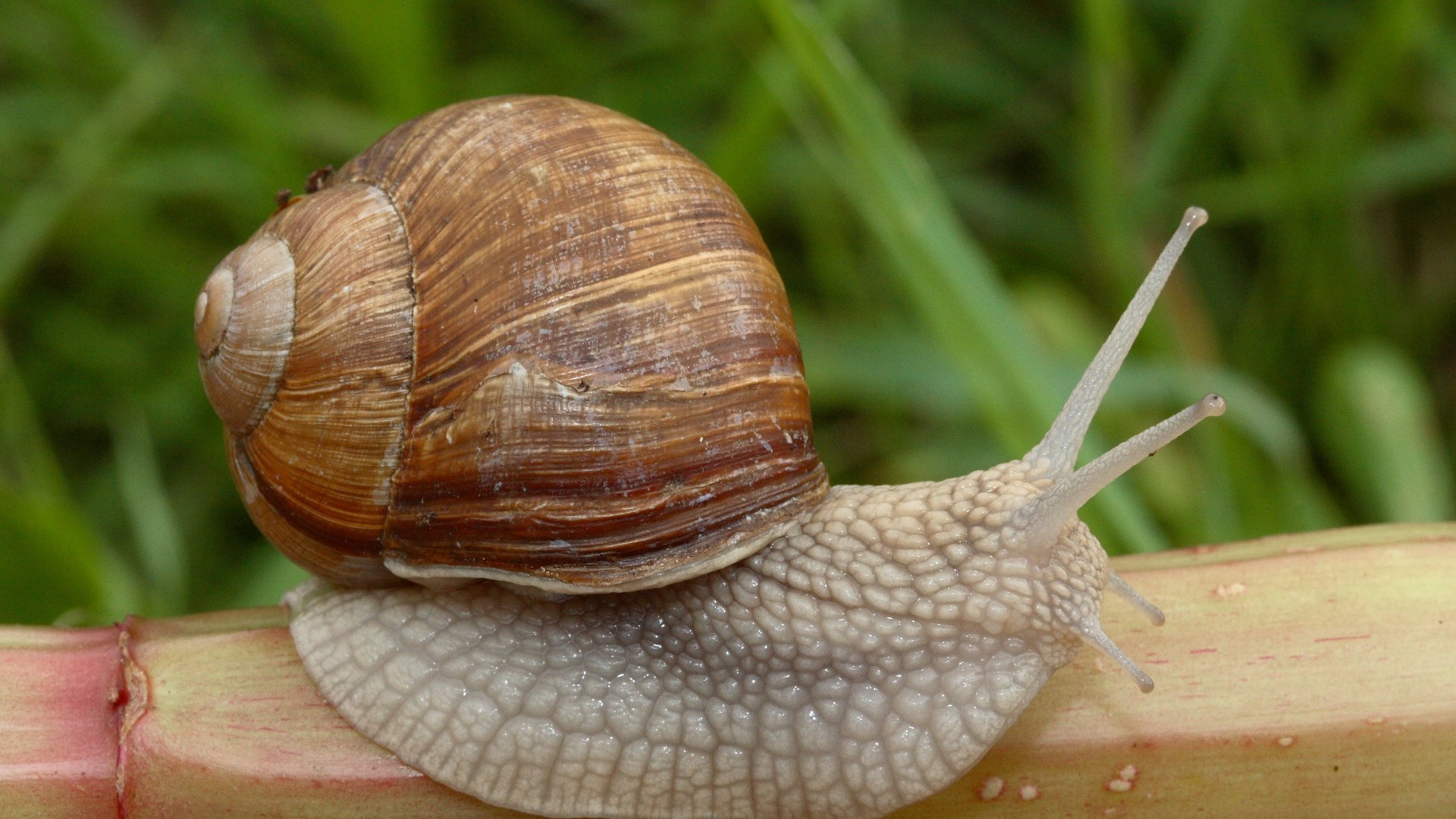
5. Land Snail
Whether escaping winter freezes through hibernation or surviving extreme summer heat through estivation, land snails secrete a calcified mucus plug called an epiphragm. That airtight seal locks in moisture so the snail can stay dormant for up to three years.
©Wikimedia / Jurgen Schoner
Advertisement
Swipe or tap ▶ to resume the countdown.
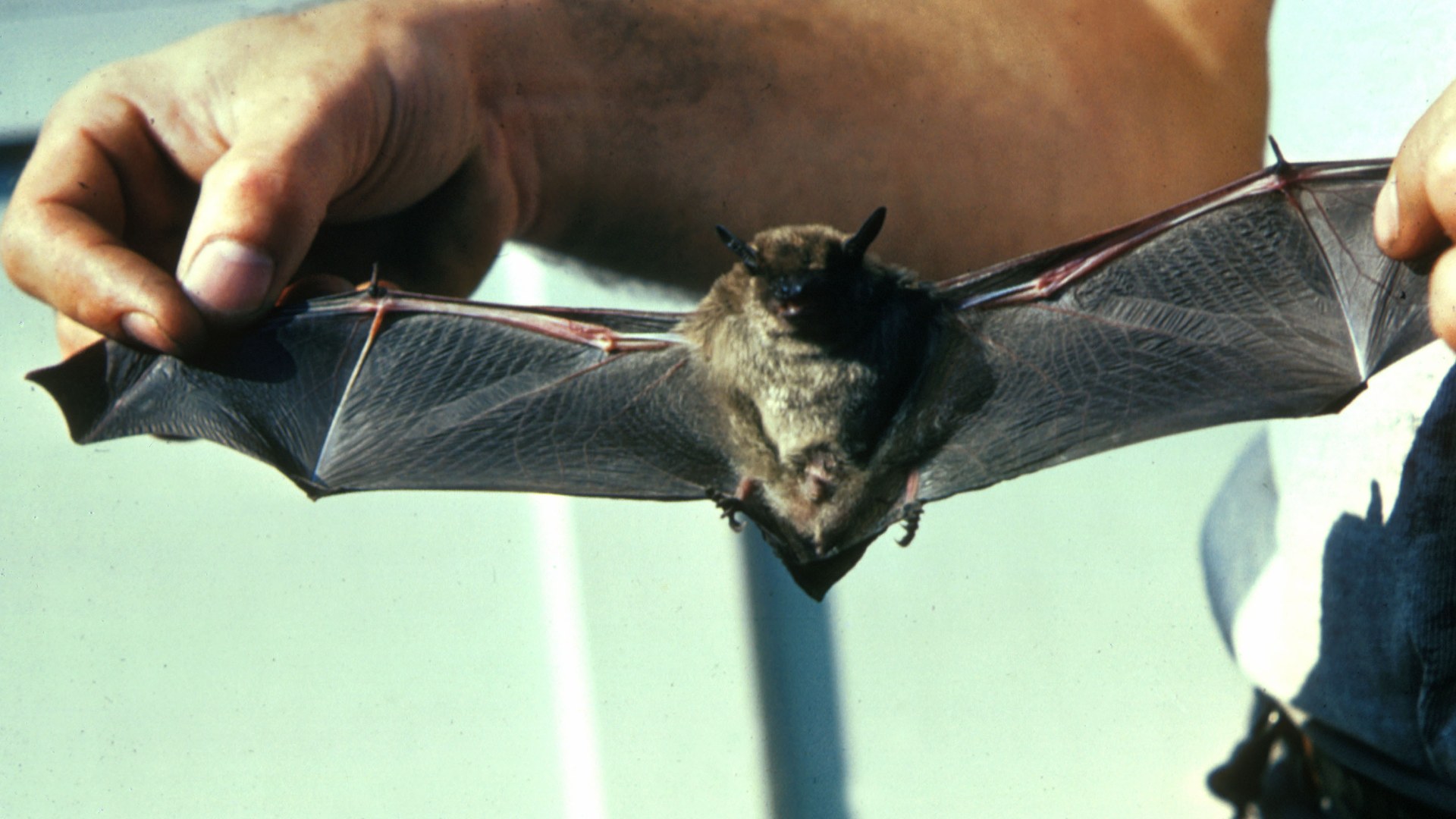
4. Little Brown Bat
Little brown bats are among the longest-lasting mammalian hibernators in North America. Sheltered inside humid caves or old mines, they slow their metabolism so drastically that they can go a full hour without taking a single breath.
©Wikimedia / Don Pfritzer, USFWS
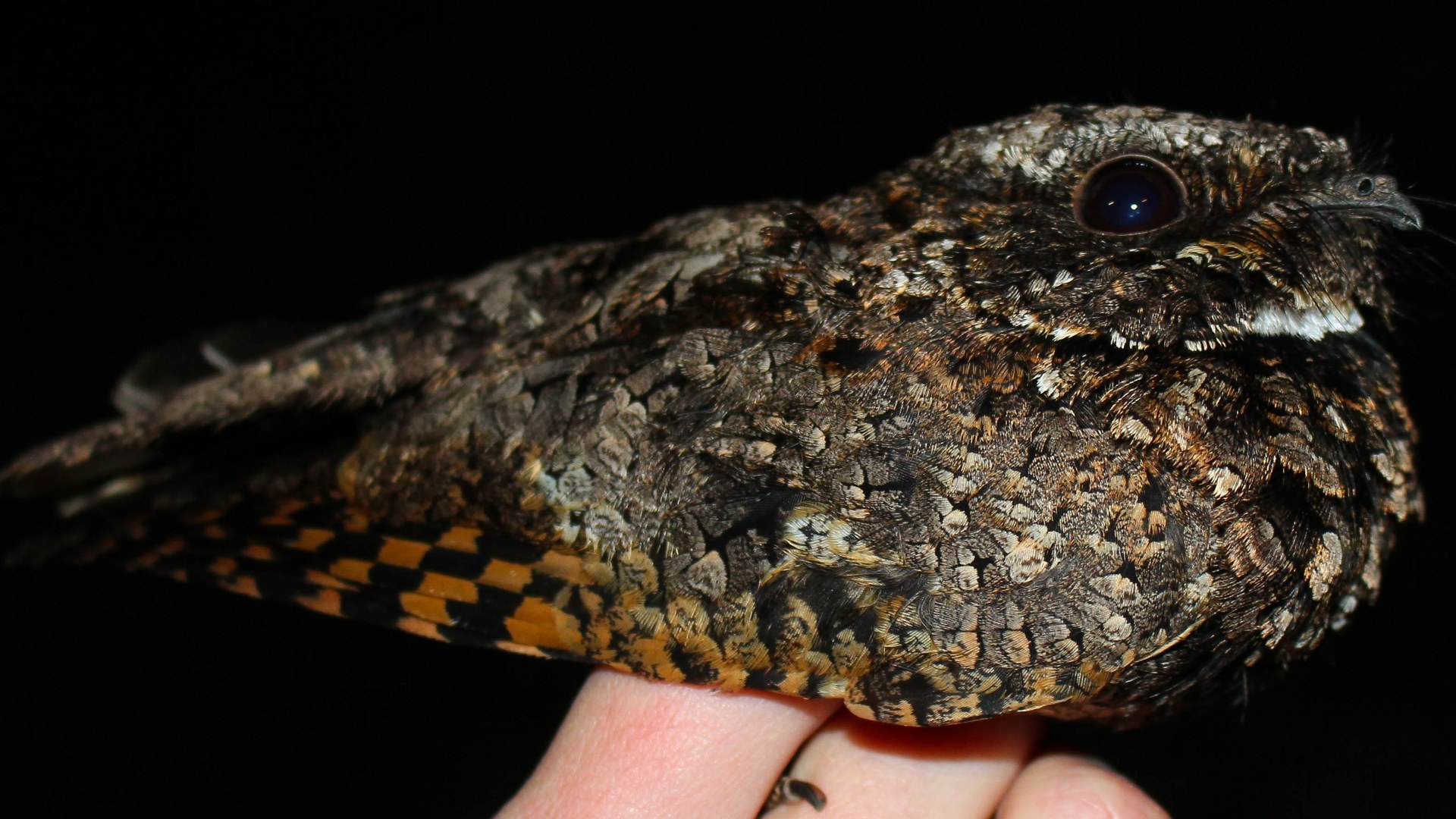
3. Common Poorwill
For decades, biologists assumed every bird either migrated or stayed active through cold weather. The common poorwill broke that rule by entering true hibernation for one to three months, slashing its oxygen consumption by 90 percent among desert rocks.
©Wikimedia / Dominic Sherony
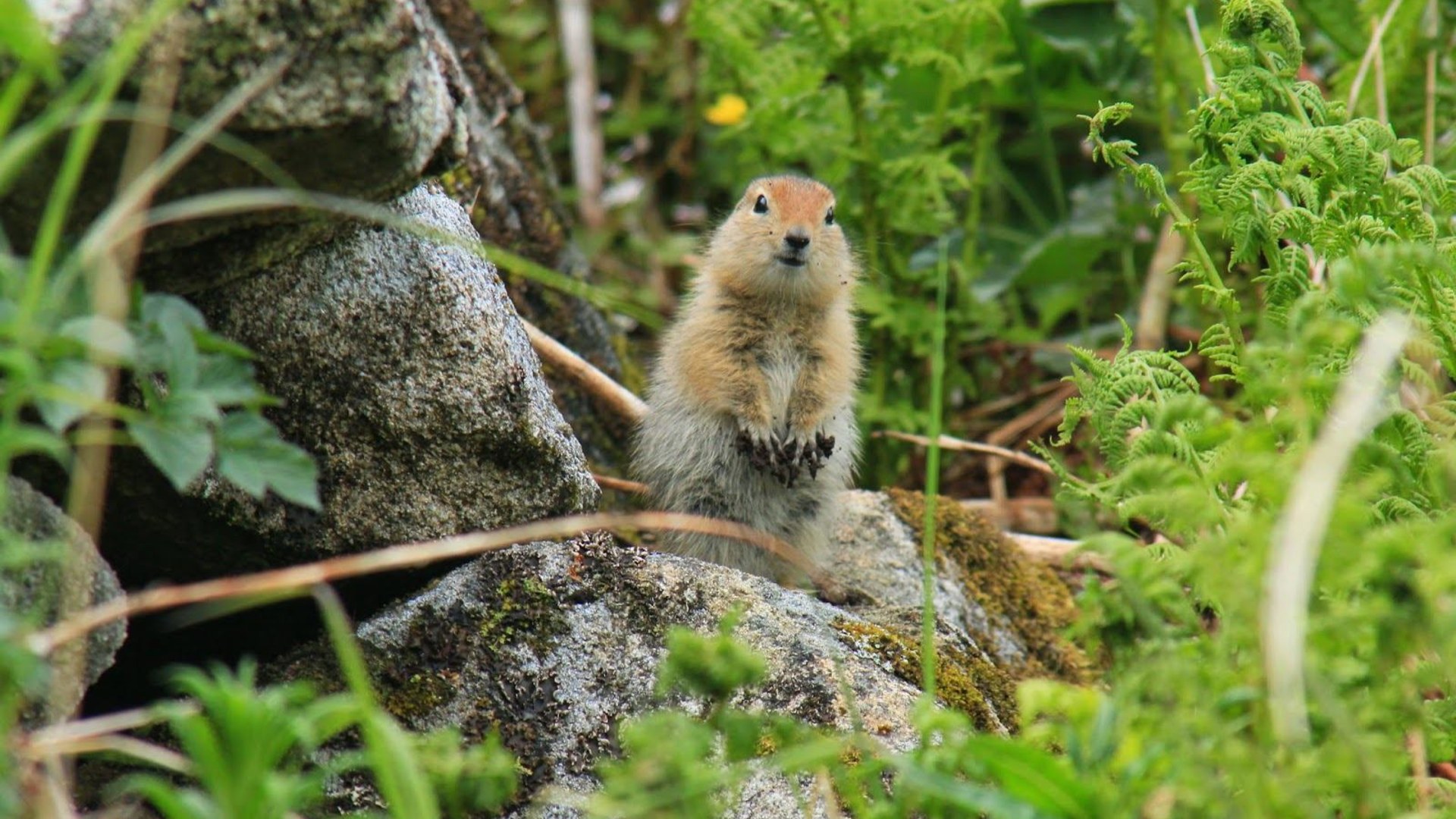
2. Arctic Ground Squirrel
The Arctic ground squirrel is the only mammal known to supercool its body below the freezing point of water, dropping to minus 3 degrees Celsius. Every few weeks it shivers inside its burrow to warm back up and prevent its tissues from turning to ice.
©Wikimedia / Matt Henschen, USFWS
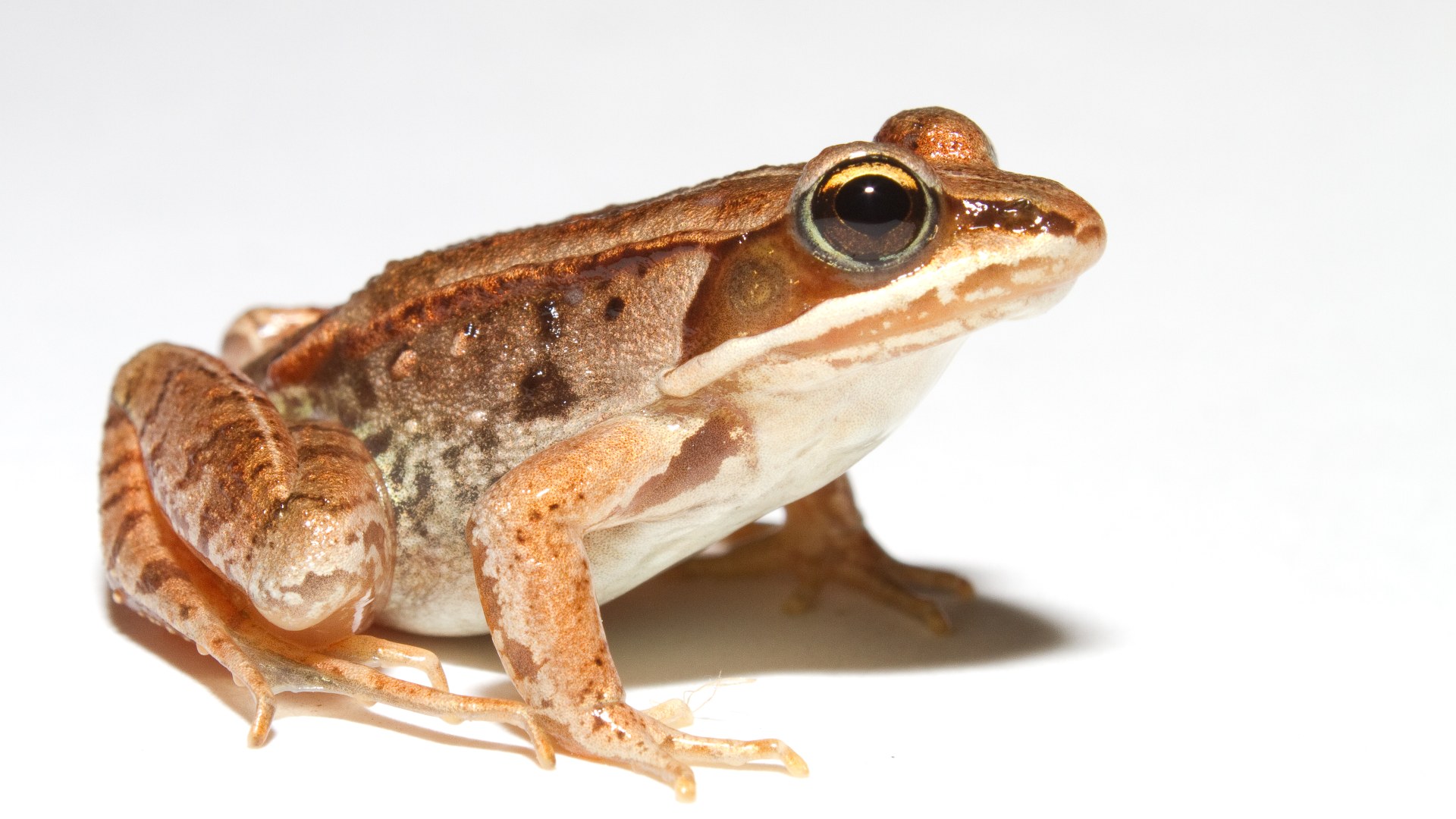
1. Wood Frog
Known as the frozen amphibian, the wood frog survives subzero winters by flooding its cells with natural glucose antifreeze so ice crystals cannot rupture its organs. When spring warmth returns, its heart restarts and the frog hops away unharmed.

©Wikimedia / Brian Gratwicke
Advertisement
You've reached the end of the story. Thanks for reading!

How Long Do Hippos Live? 20 Other Facts About Hippos
From sixty-year lifespans to whale cousins, discover secrets of river giants
All 15 Entries in this Story
15. Ladybug
Triggered by shorter autumn days, adult ladybugs release chemical pheromones that guide thousands of beetles to the same sheltered rock crevice or sunny wall. Clustering tightly together locks in humidity and buffers the group against freezing winds.

14. Eastern Chipmunk
Unlike groundhogs, eastern chipmunks do not pack on heavy layers of body fat before winter. Instead, they spend autumn filling an underground pantry right beneath their sleeping nest with acorns and seeds, waking up every few days to eat.

13. Box Turtle
Box turtles dig down up to two feet into woodland soil or pond mud as autumn temperatures drop. With their heart rate slowing to a single beat every few minutes, aquatic and mud-buried turtles can draw dissolved oxygen across their skin without surfacing.

12. Grizzly And Black Bears
Although bears are the most famous winter sleepers, they enter prolonged torpor rather than deep sub-freezing hibernation. Because their body temperature drops by only about 12 degrees Fahrenheit, they can wake rapidly if disturbed and nurse newborn cubs inside the den.

11. Hedgehog
Hedgehogs weave tight winter nests called hibernacula out of dry leaves, moss, and grass beneath fallen timber or hedgerows. Throughout the winter months, they rely on specialized brown fat reserves across their shoulders to warm their blood when needed.

10. Groundhog
Also known as woodchucks, groundhogs dig a dedicated winter sleeping chamber below the frost line that stays separate from their summer burrow. Their breathing slows to just two breaths per minute and their body temperature falls from 99 degrees to 38 degrees.

9. Garter Snake
Reptiles enter a cold-blooded dormancy called brumation rather than true mammalian hibernation. Across northern North America, thousands of garter snakes slither into the same limestone sinkholes and rock crevices below the frost line to share body heat.

8. Bumblebee Queen
Worker and male bumblebees perish when cold weather arrives, leaving only the fertilized young queens to carry the species into next year. Each queen digs a tiny chamber just inches underground and produces glycerol antifreeze to endure winter frost.

7. Alpine Marmot
Before snow blankets the high European Alps, up to 20 family members pack dry grass into a deep underground chamber and plug the entrance tunnel with soil. By synchronising their warm-up cycles and sharing body heat, they help the youngest pups survive.

6. Fat-Tailed Dwarf Lemur
Hibernation is not limited to snowy landscapes. To survive Madagascar's bone-dry winter season when fruit and insects vanish, the fat-tailed dwarf lemur packs extra weight into its tail and sleeps for up to seven months inside insulated tree hollows.

5. Land Snail
Whether escaping winter freezes through hibernation or surviving extreme summer heat through estivation, land snails secrete a calcified mucus plug called an epiphragm. That airtight seal locks in moisture so the snail can stay dormant for up to three years.

4. Little Brown Bat
Little brown bats are among the longest-lasting mammalian hibernators in North America. Sheltered inside humid caves or old mines, they slow their metabolism so drastically that they can go a full hour without taking a single breath.

3. Common Poorwill
For decades, biologists assumed every bird either migrated or stayed active through cold weather. The common poorwill broke that rule by entering true hibernation for one to three months, slashing its oxygen consumption by 90 percent among desert rocks.

2. Arctic Ground Squirrel
The Arctic ground squirrel is the only mammal known to supercool its body below the freezing point of water, dropping to minus 3 degrees Celsius. Every few weeks it shivers inside its burrow to warm back up and prevent its tissues from turning to ice.

1. Wood Frog
Known as the frozen amphibian, the wood frog survives subzero winters by flooding its cells with natural glucose antifreeze so ice crystals cannot rupture its organs. When spring warmth returns, its heart restarts and the frog hops away unharmed.