Slideshow · Animals
25 Big Cats That Make the Wild Look Unreal
From 500-pound tigers in Indian reserves to two-pound hunters in South Asian forests, the wild cat family spans 41 extant species as of October 2026. Here are 25 wild cats whose coats, proportions, an
By Most Viral Today
30 Oct 2026

From Himalayan Snow Leopards to Tiny African Night Hunters 
25. White Tiger 
24. Amur Leopard 
23. Leopard - AdvertisementSwipe or tap ▶ to continue countdown

22. Rusty-Spotted Cat 
21. Black-Footed Cat 
20. Fishing Cat 
19. Flat-Headed Cat - AdvertisementSwipe or tap ▶ to continue countdown

18. African Golden Cat 
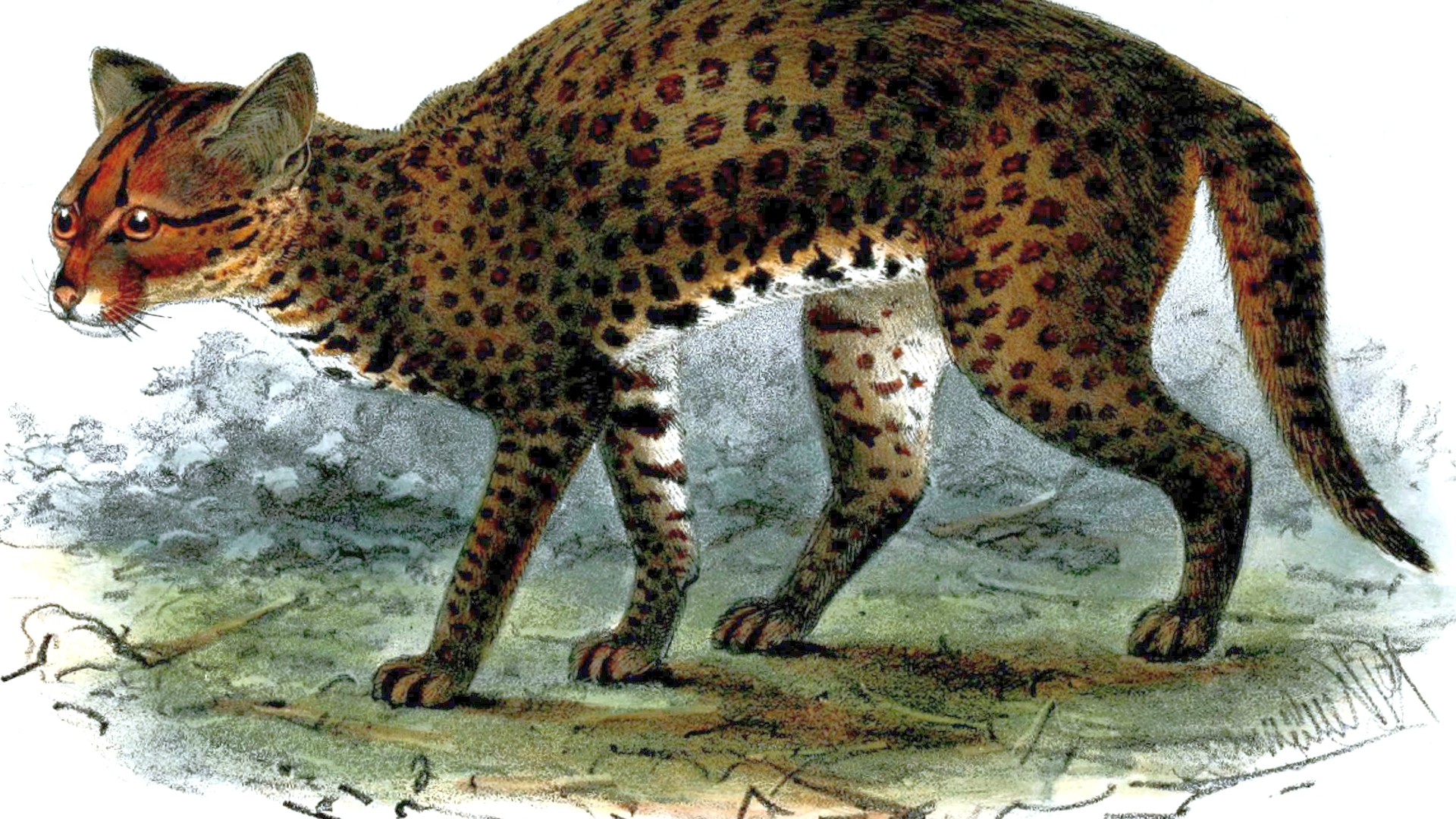
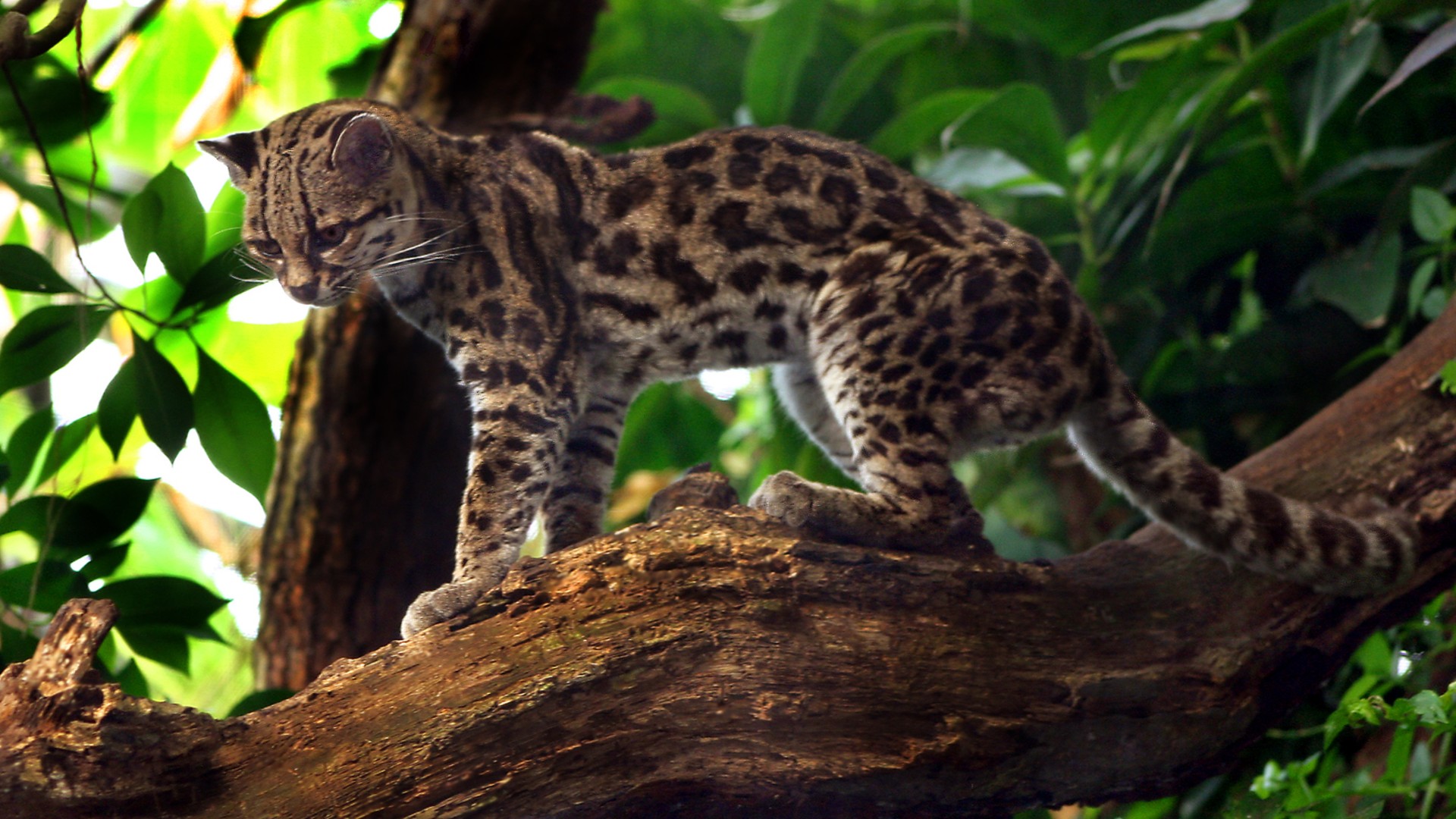
17. Margay 
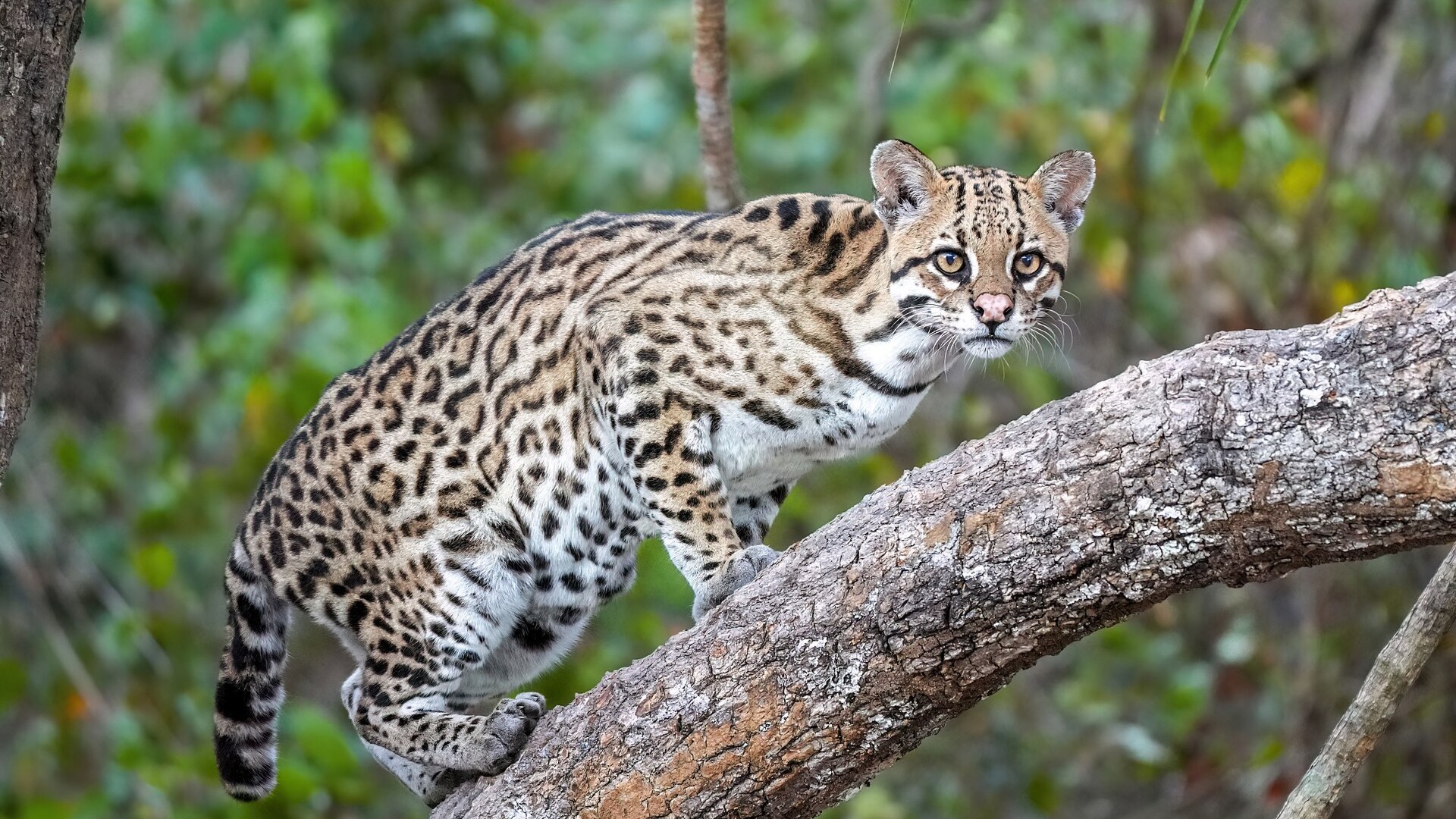
16. Ocelot 
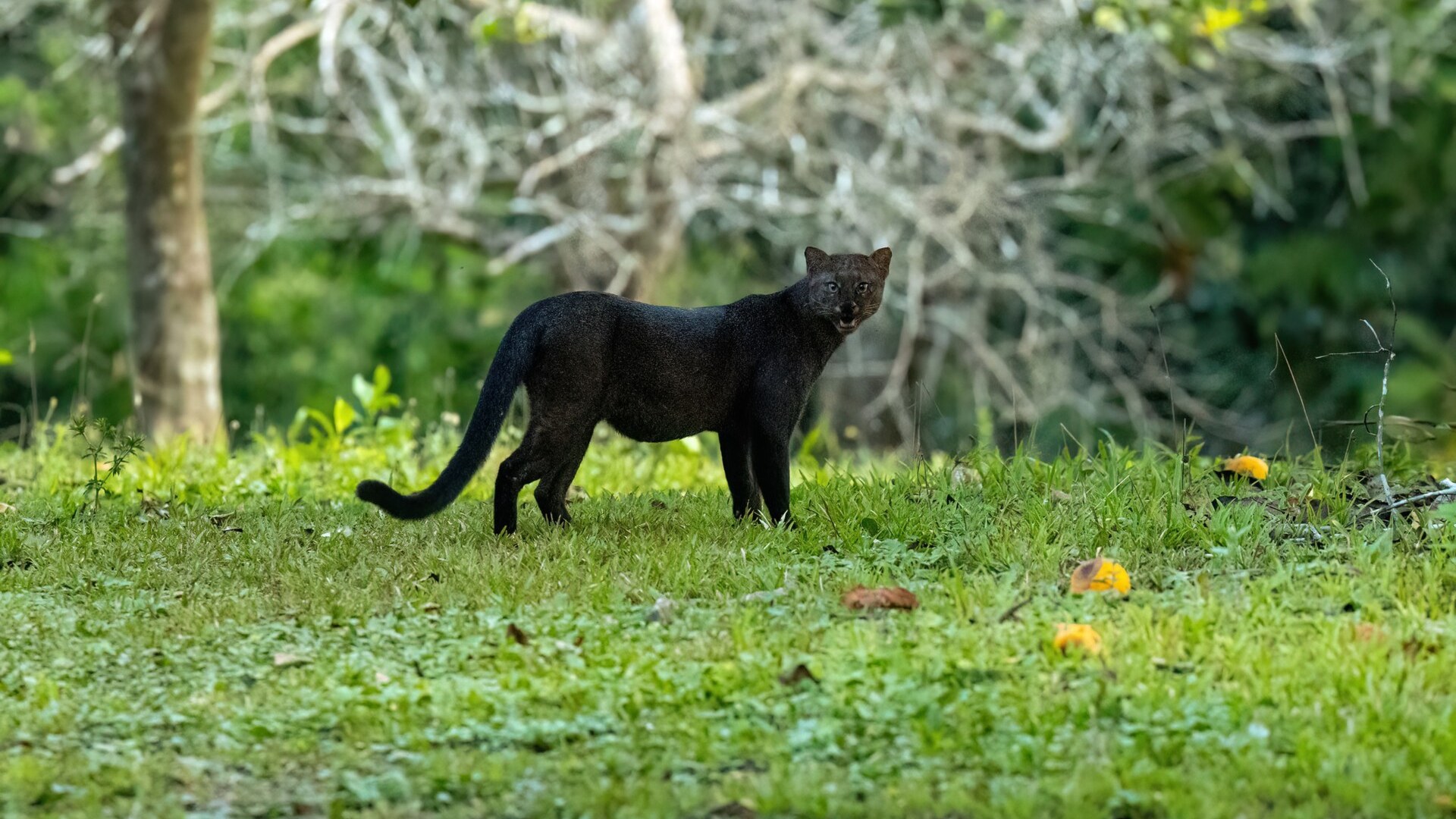
15. Jaguarundi - AdvertisementSwipe or tap ▶ to continue countdown

14. Marbled Cat 
13. Andean Mountain Cat 
12. Eurasian Lynx 
11. Iberian Lynx - AdvertisementSwipe or tap ▶ to continue countdown

10. Pallas's Cat 
9. Serval 
8. Caracal 
7. Clouded Leopard - AdvertisementSwipe or tap ▶ to continue countdown

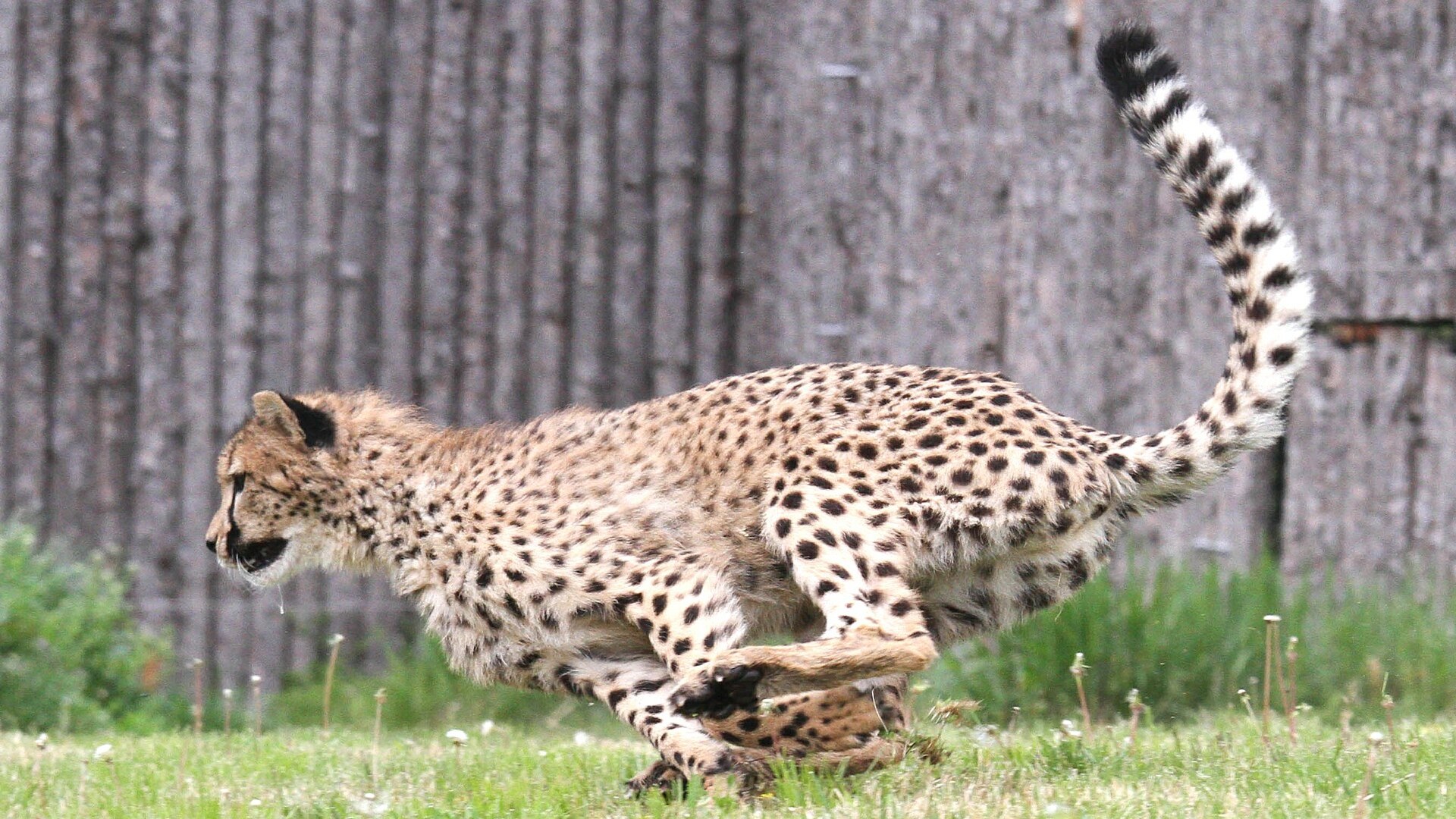
6. Cheetah 
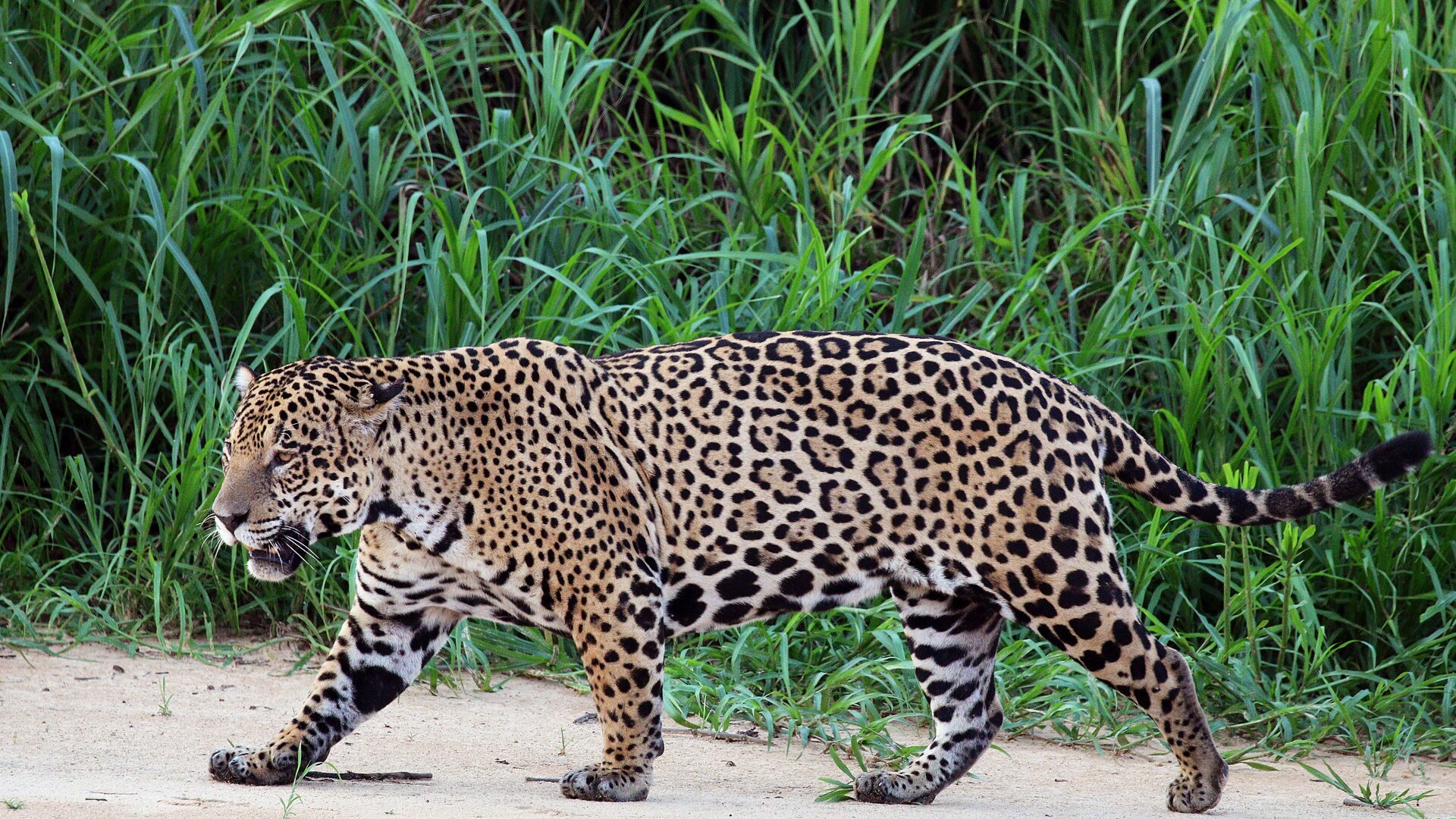
5. Jaguar 
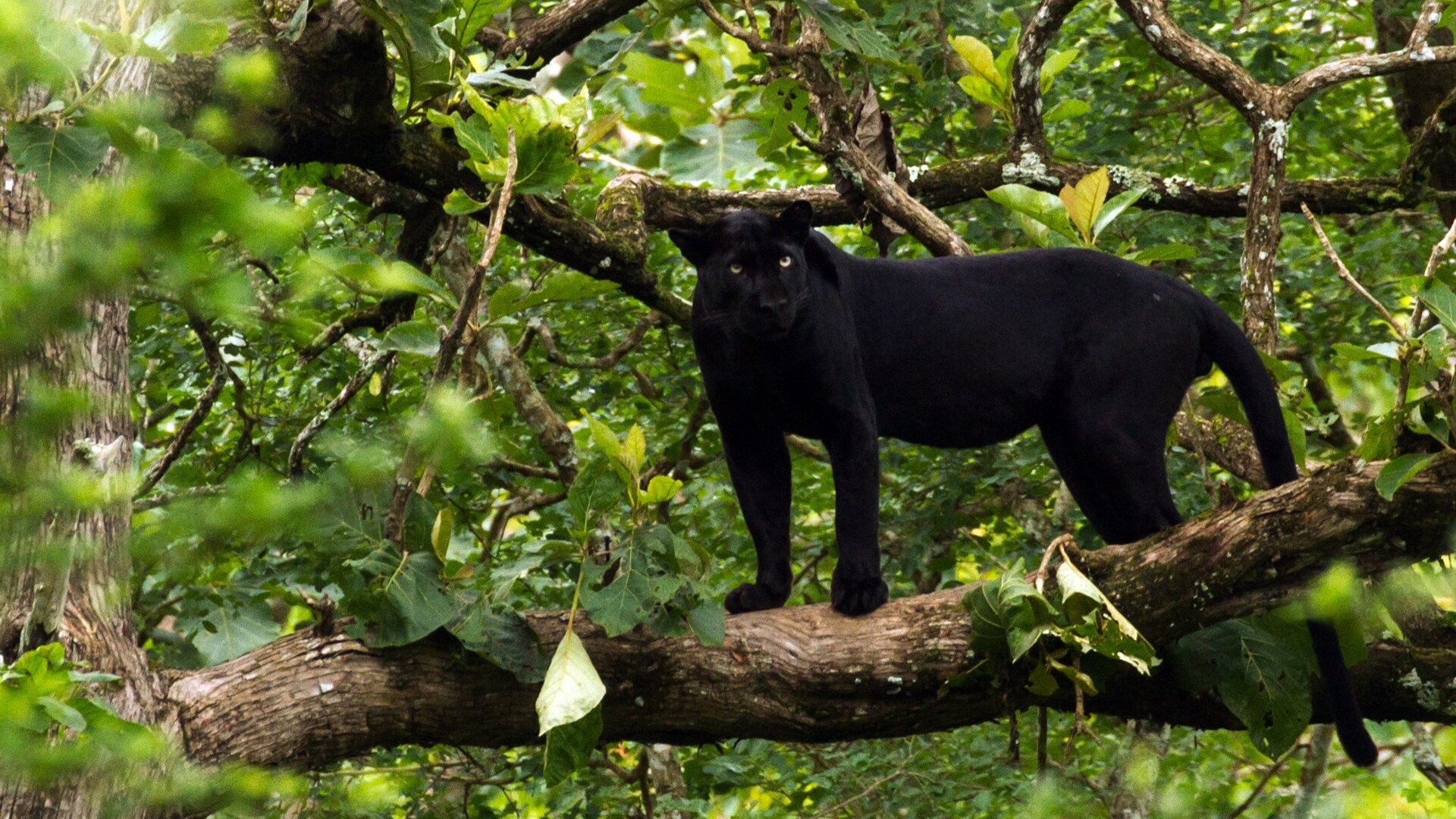
4. Black Panther 
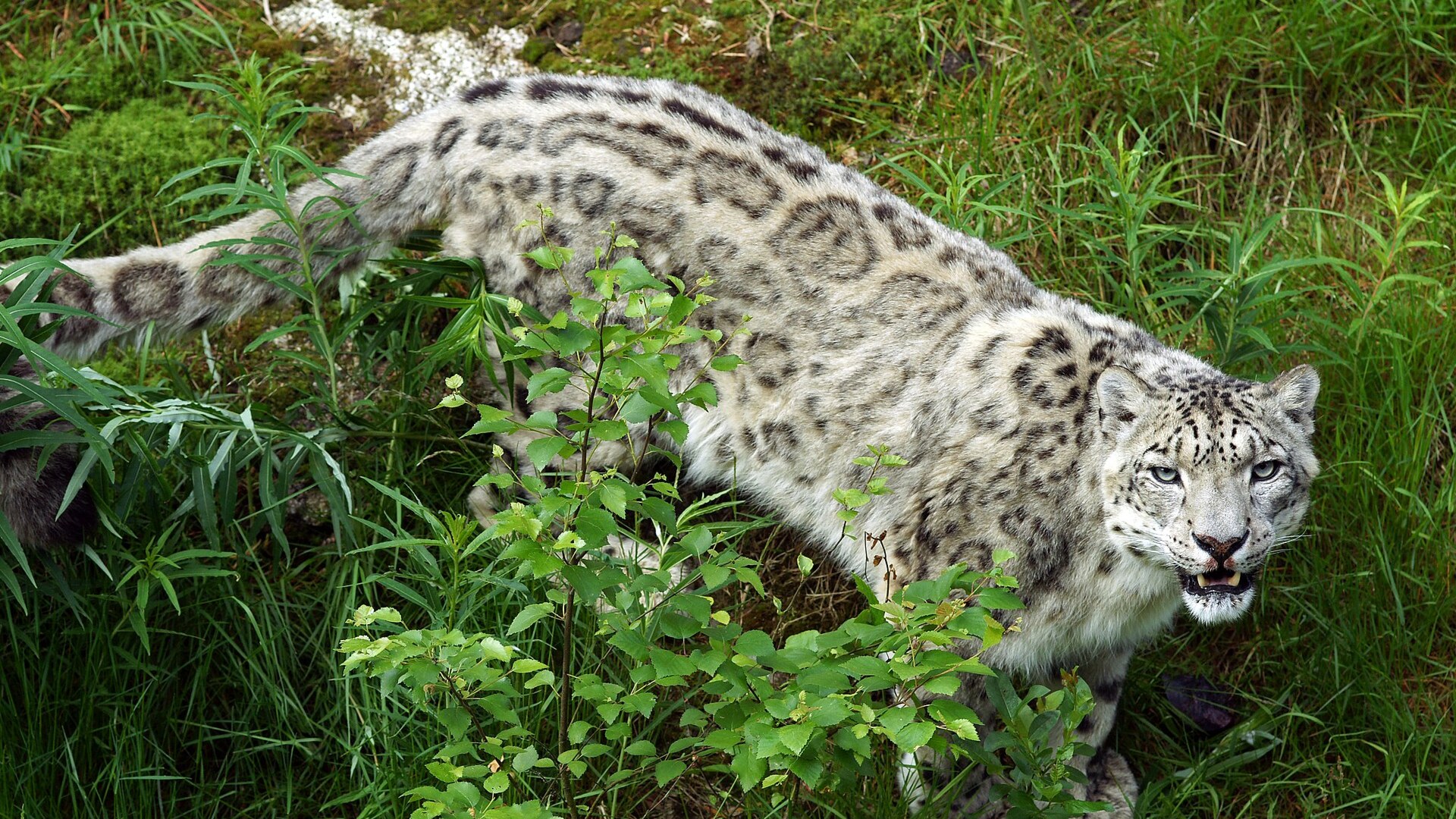
3. Snow Leopard - AdvertisementSwipe or tap ▶ to continue countdown

2. African Lion 
1. Bengal Tiger - Advertisement🔥 UP NEXT IN THIS SERIES◫ 22 Slides

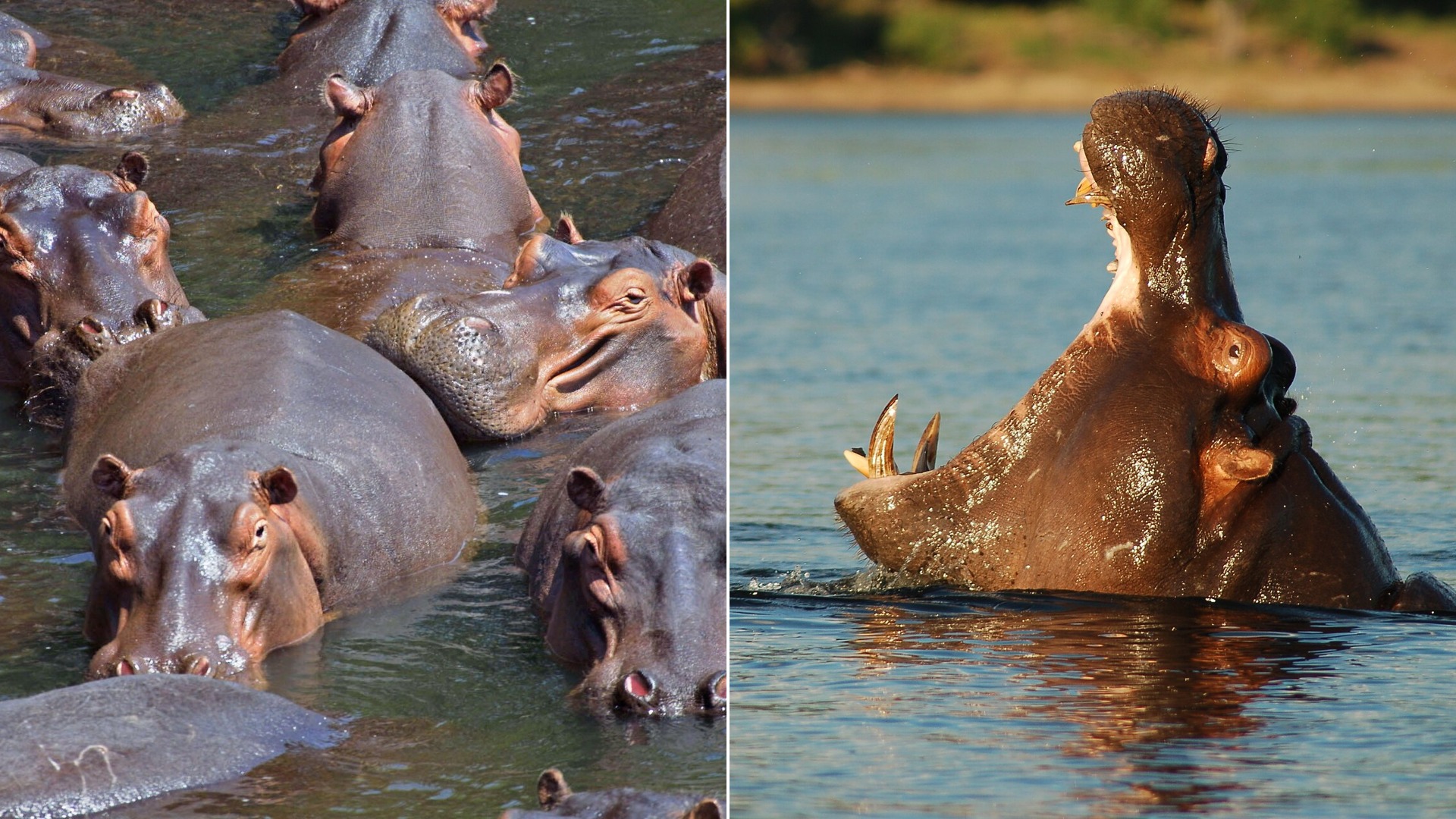
How Long Do Hippos Live? 20 Other Facts About Hippos
From sixty-year lifespans to whale cousins, discover secrets of river giants
Wild felids occupy habitats ranging from 18,000-foot Himalayan ridges to Borneo peat swamps. While roaring species like lions and tigers dominate safari checklists, smaller wild cats often post higher hunting success rates and wear even more complex camouflage.
Swipe or tap ▶ to begin the countdown
©Wikimedia / Anil Öztas
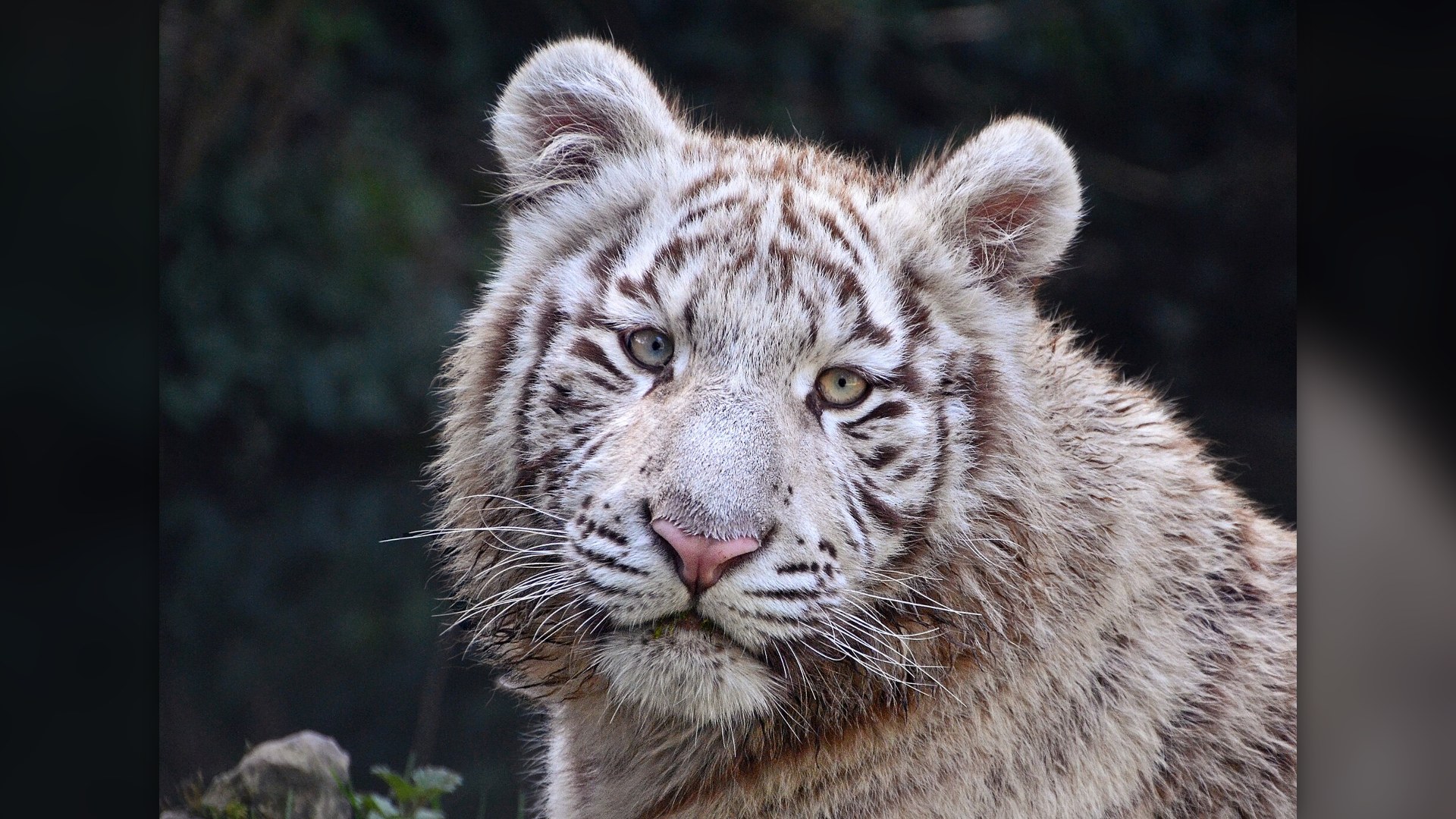
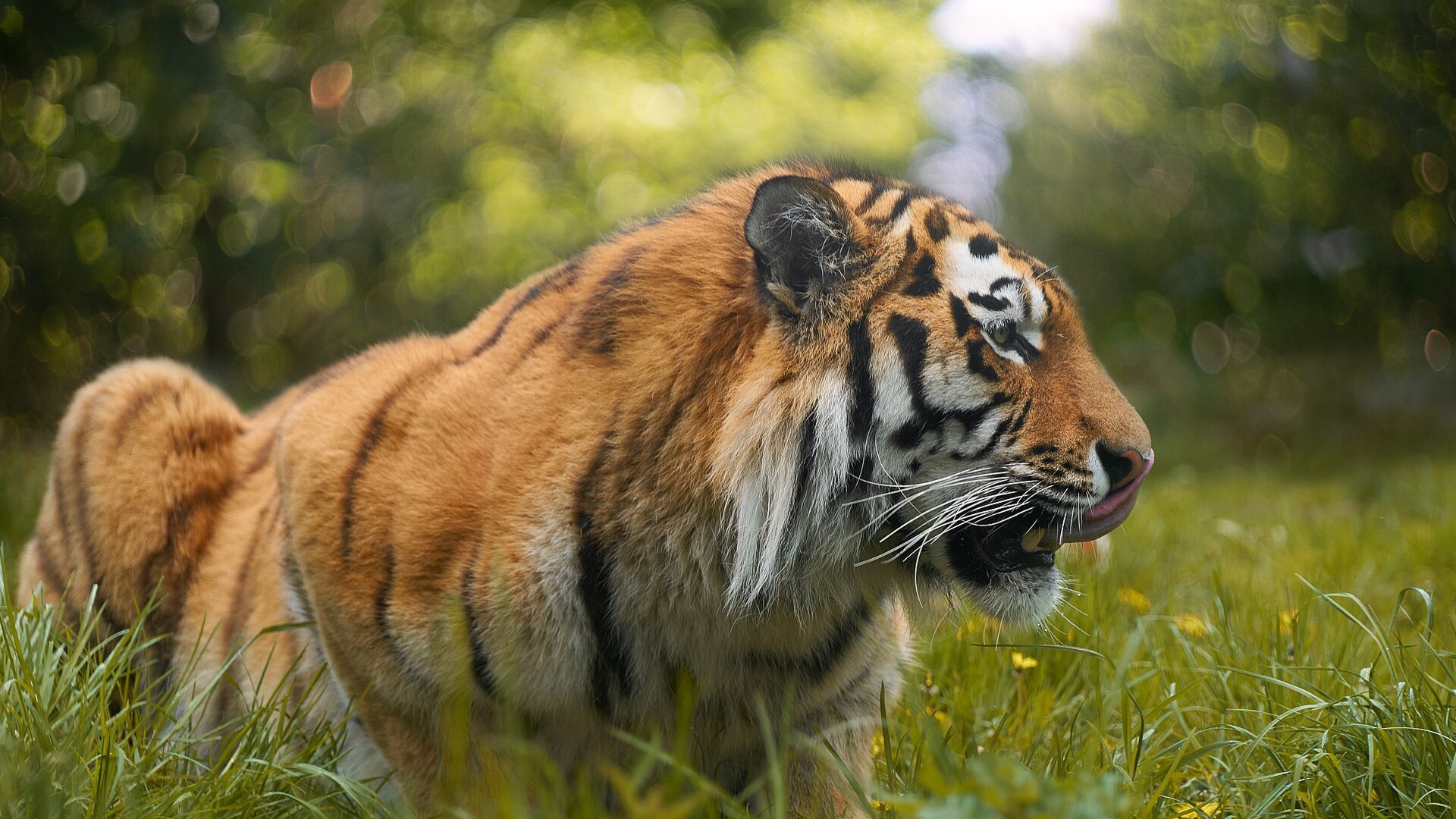
25. White Tiger
White tigers are not albinos or a separate subspecies. Their pale coats come from a recessive mutation in the SLC45A2 gene that blocks red and yellow pigments while leaving dark stripes intact. No wild white tiger has been photographed since 1958.
©Wikimedia / Clément Bardot
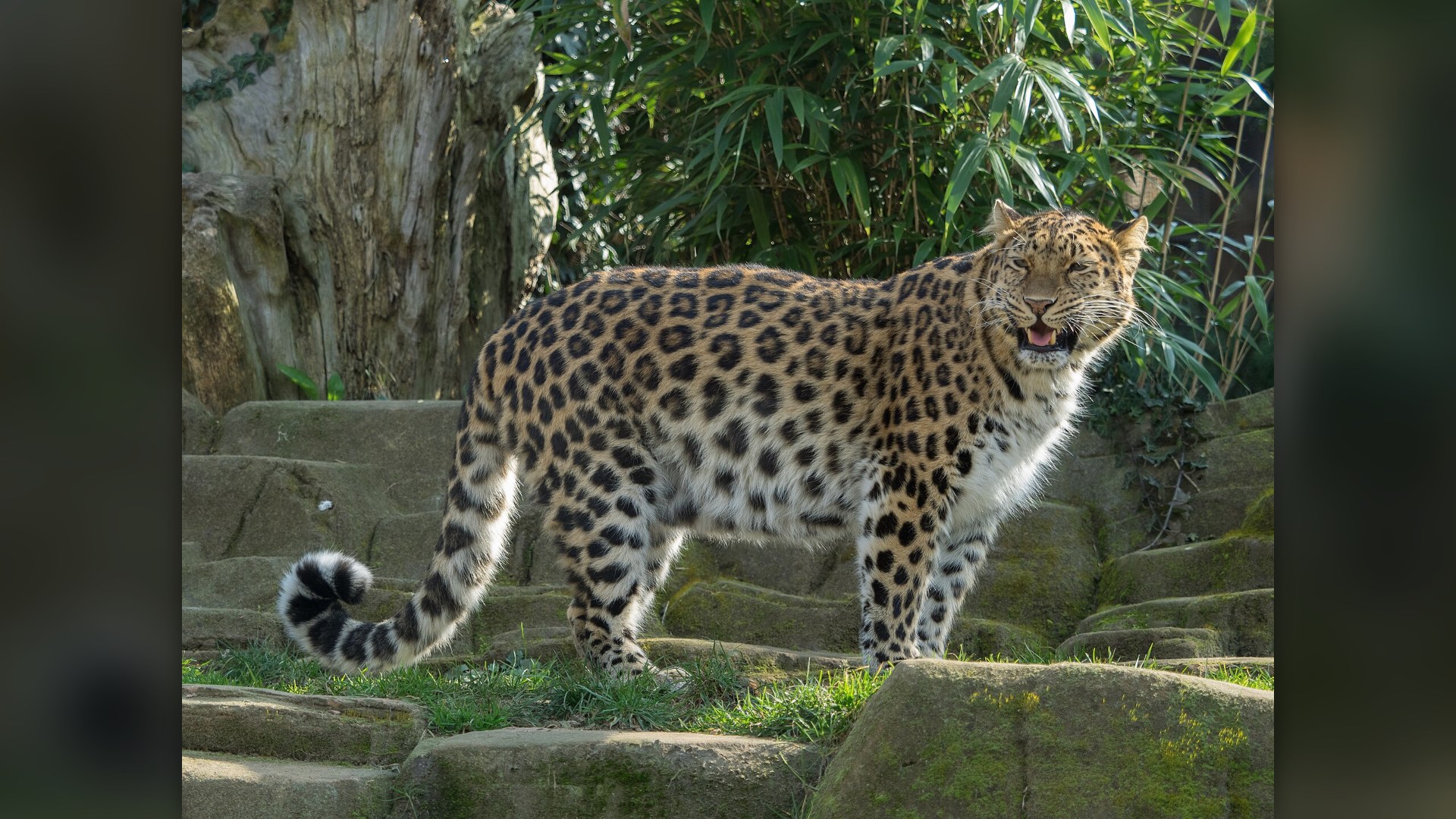
24. Amur Leopard
Native to the temperate forests of Primorye in Russia and Jilin in China, the Amur leopard grows pale winter fur up to 7 centimetres long. Conservation patrols have helped the wild population recover from around 30 cats in 2000 to roughly 130 adults as of October 2026.
©Wikimedia / William Warby
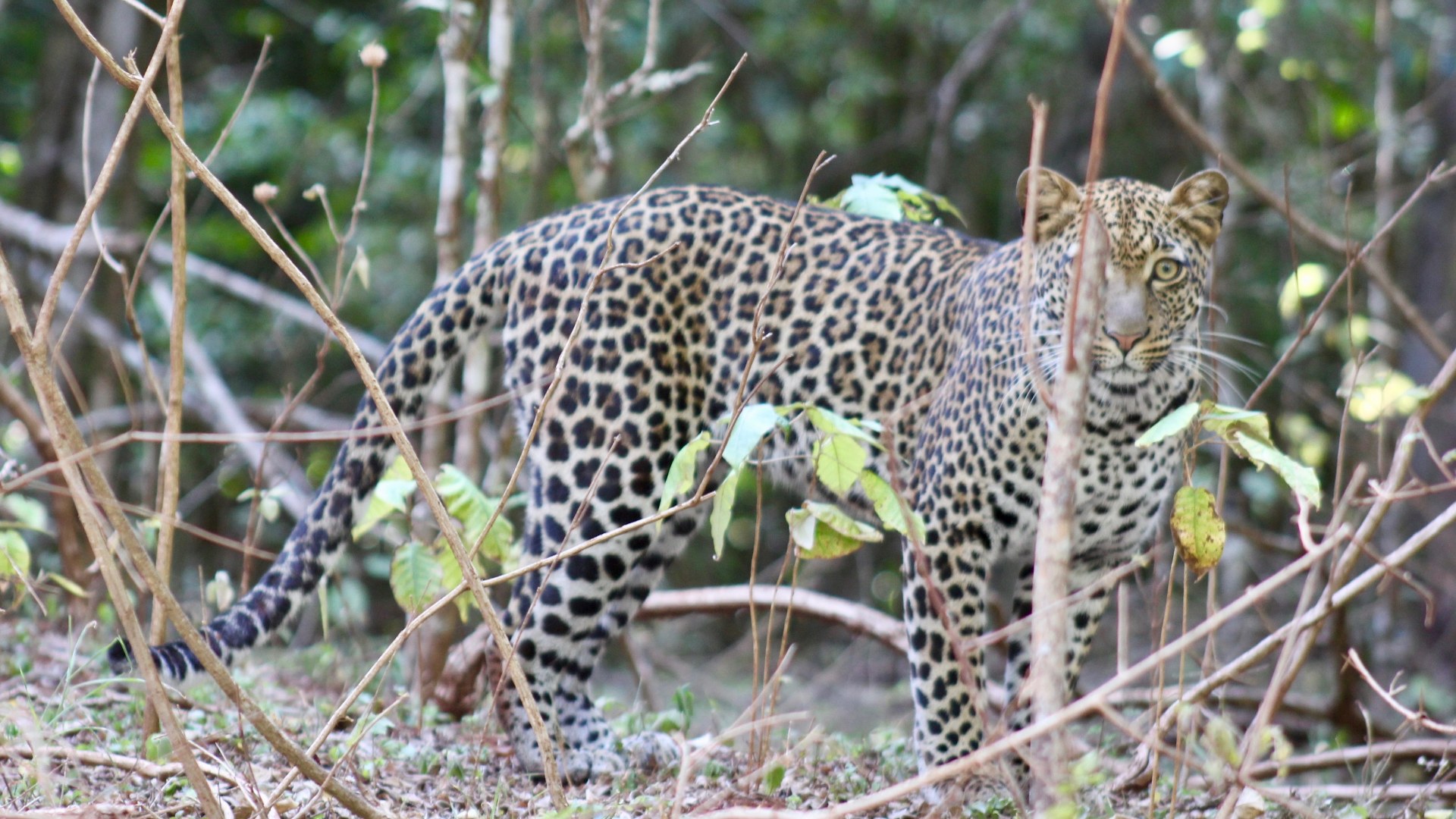
23. Leopard
Ranging across sub-Saharan Africa and parts of Asia, the leopard hauls prey heavier than its own body weight up vertical tree trunks to keep meals away from lions and hyenas. Its rosetted coat varies from pale gold in open grasslands to deep ochre in dense woods.
©Wikimedia / Nagarjun
Advertisement
Swipe or tap ▶ to resume the countdown.
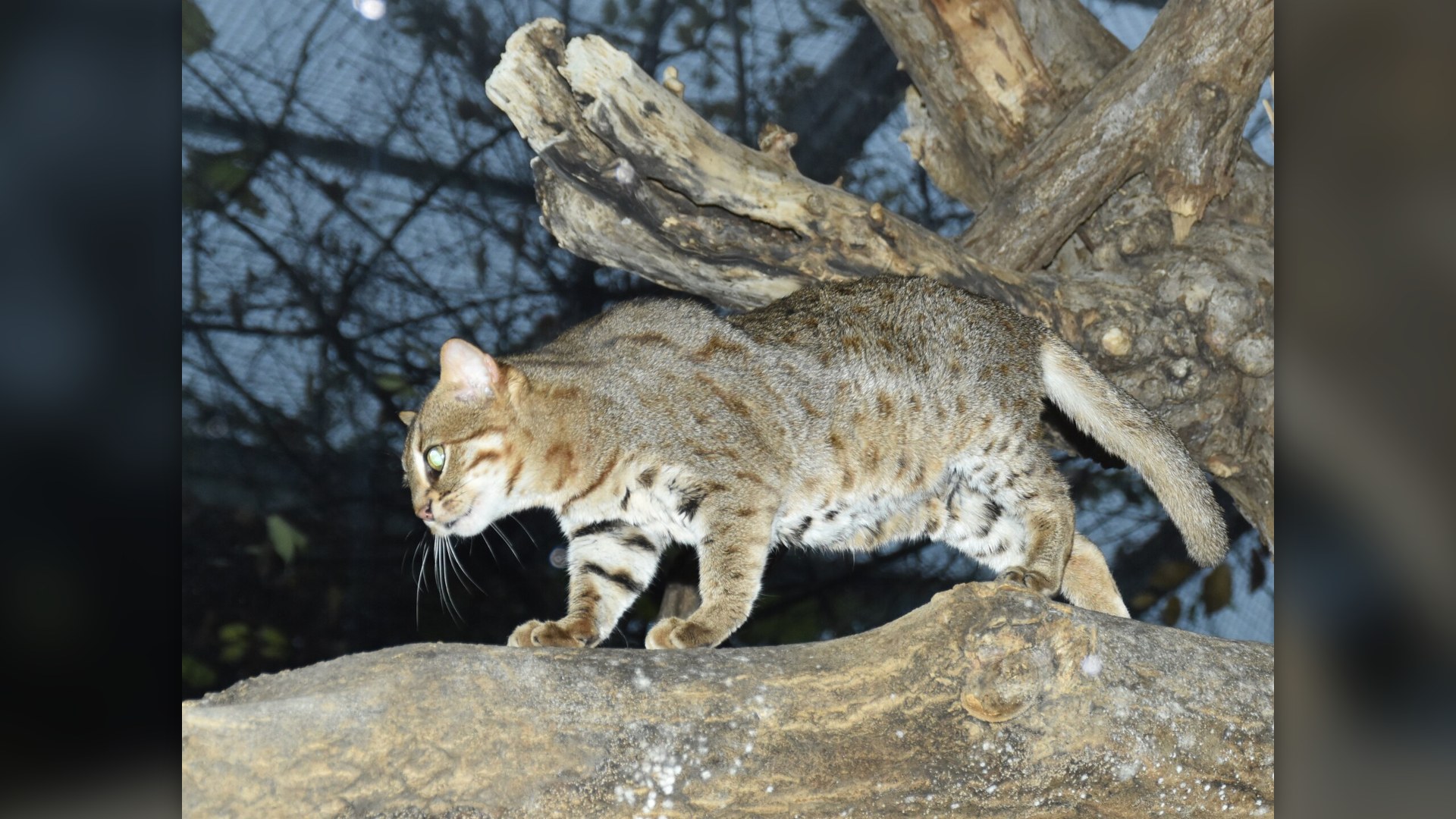
22. Rusty-Spotted Cat
Found in deciduous forests and grasslands across India, Sri Lanka, and western Nepal, adult rusty-spotted cats weigh just 1.1 to 1.6 kilograms. Despite their house-kitten proportions, they are agile nocturnal ambush hunters that dart through tree canopies after frogs and rodents.
©Wikimedia / NasserHalaweh
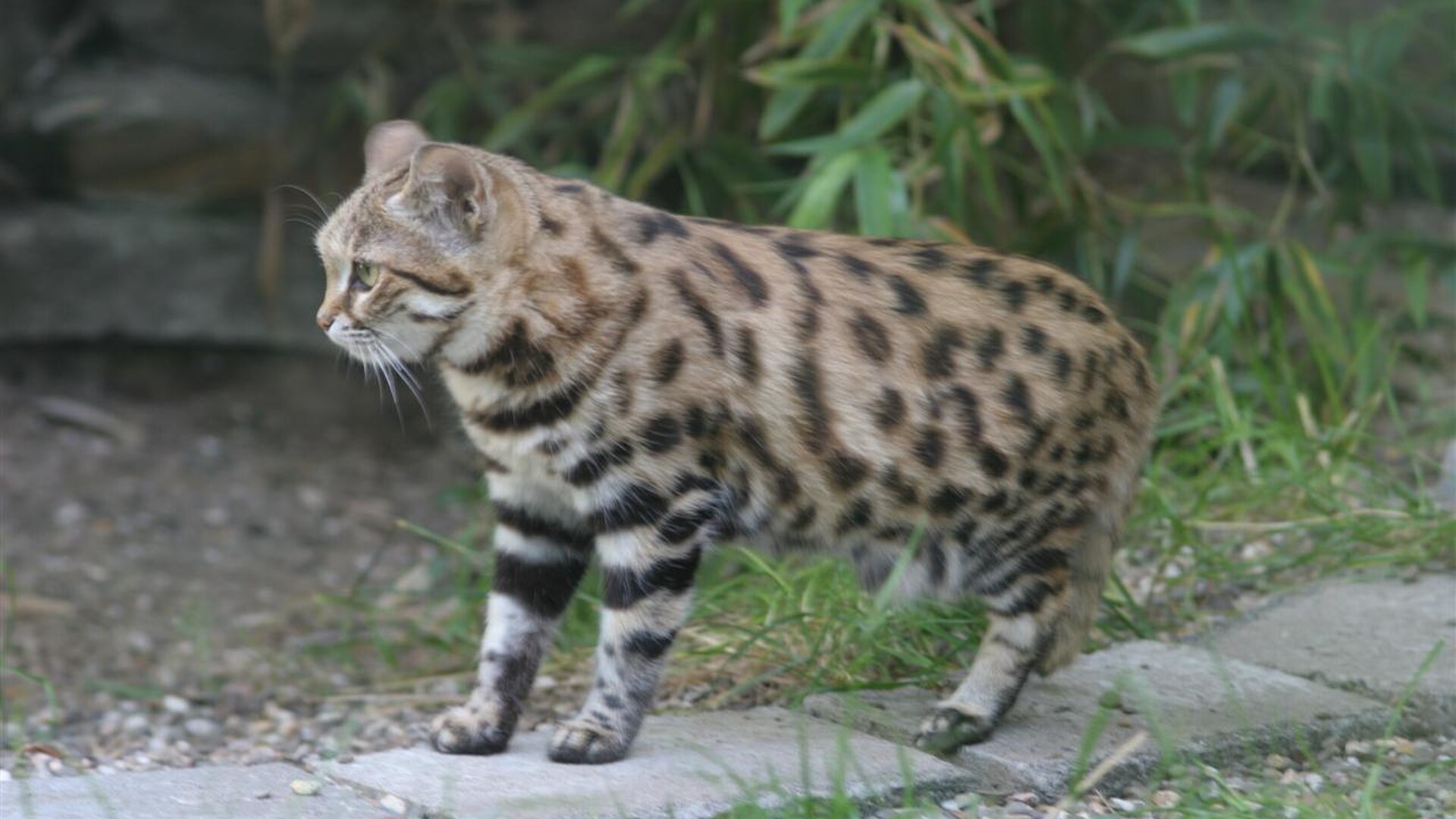
21. Black-Footed Cat
Standing barely 20 centimetres tall at the shoulder in the arid steppes of southern Africa, the black-footed cat succeeds in about 60 percent of its nightly hunting attempts. That strike rate is more than double the success rate of an African lion.
©Wikimedia / Pierre de Chabannes
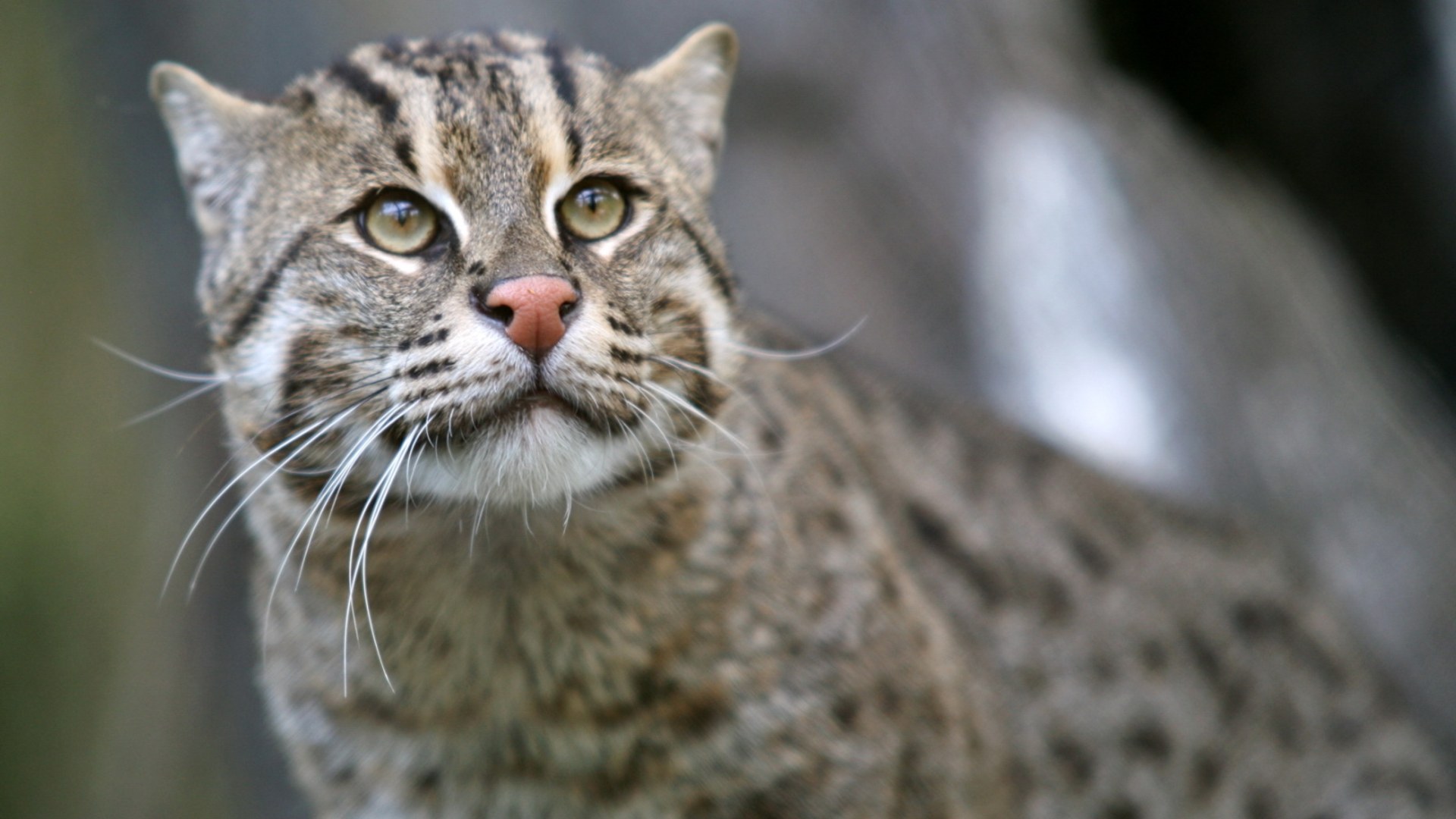
20. Fishing Cat
Roughly twice the size of a domestic cat, the fishing cat hunts along oxbow lakes and reed beds in India, Bangladesh, and Sri Lanka. It taps the water surface with partly webbed front paws to mimic insect ripples before plunging headfirst after fish.
©Wikimedia / Cliff
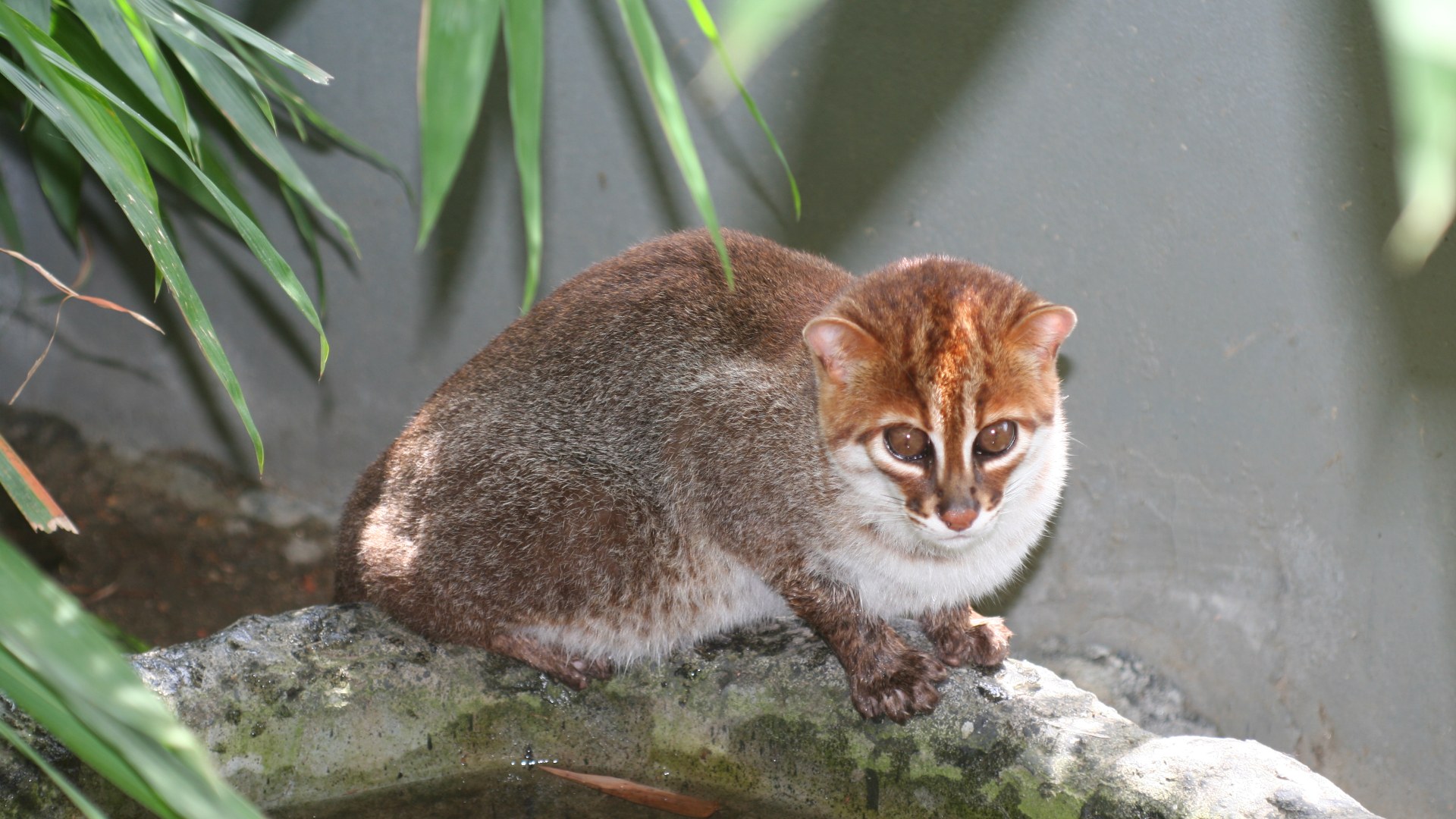
19. Flat-Headed Cat
Restricted to lowland tropical forests and peat swamps in Borneo, Sumatra, and the Thai-Malay Peninsula, the endangered flat-headed cat has backward-pointing premolars built to grip slippery fish and frogs. Fewer than 2,500 mature individuals remain in the wild as of October 2026.
©Wikimedia / Jim Sanderson
Advertisement
Swipe or tap ▶ to resume the countdown.
18. African Golden Cat
Endemic to the dense tropical forests of Central and West Africa, the African golden cat is so secretive that researchers rely almost entirely on camera traps to study it. Individuals in the same forest reserve can wear either cinnamon-red or smoky grey coats.
©Wikimedia / African golden cat
17. Margay
Unlike nearly all other cats, the margay can rotate its hind ankles a full 180 degrees to walk straight down smooth tree trunks headfirst like a squirrel. It can also hang from branches by a single hind paw while stalking tree frogs in the Amazon canopy.
©Wikimedia / Malene Thyssen (User Malene )
16. Ocelot
Weighing between 8 and 16 kilograms, the ocelot patrols tropical forests, thorn scrub, and wetlands from southern Texas to northern Argentina. Every individual carries a unique pattern of dark-rimmed spots and stripes that researchers use like fingerprints on camera-trap surveys.
©Wikimedia / Giles Laurent
15. Jaguarundi
With a flattened head, short rounded ears, and an unspotted coat in charcoal grey or rusty chestnut, the jaguarundi looks nothing like its closest relative, the puma. Unlike most wild cats, it hunts primarily during daylight hours and uses at least 13 distinct vocal calls.
©Wikimedia / Thibaud Aronson
Advertisement
Swipe or tap ▶ to resume the countdown.
14. Marbled Cat
Inhabiting foothill forests from the eastern Himalayas to Borneo and Sumatra, the marbled cat weighs only 2 to 5 kilograms but resembles a miniature clouded leopard. Its thick, counterbalancing tail measures up to 55 centimetres and helps it navigate high forest branches.
© Photo by Jevgeni Fil on Unsplash
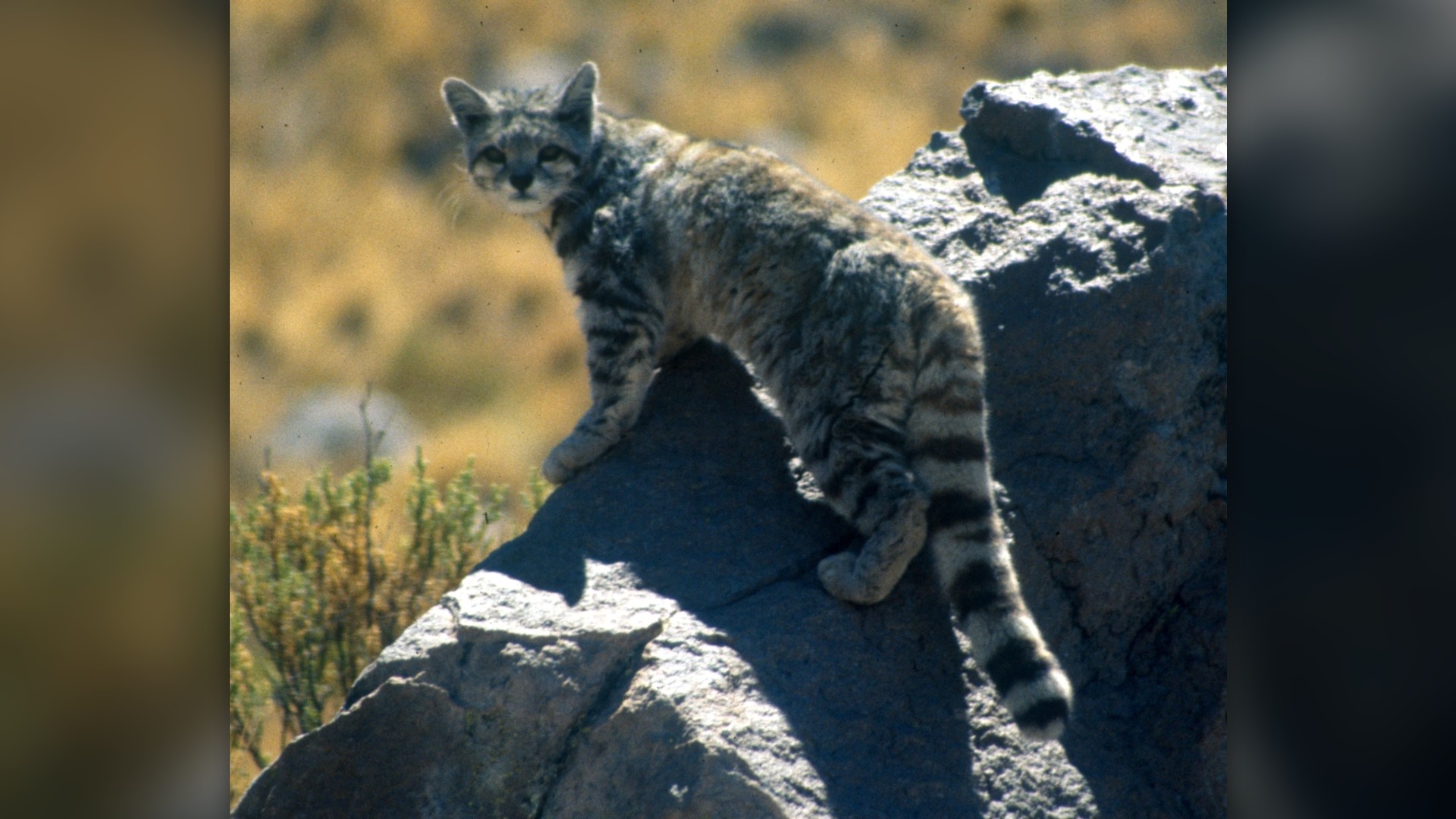
13. Andean Mountain Cat
Found at elevations above 3,500 metres in Peru, Bolivia, Chile, and Argentina, the Andean mountain cat hunts mountain chinchillas and viscachas across rocky scree slopes. IUCN assessments estimate fewer than 1,400 mature adults survive in the wild as of October 2026.
©Wikimedia / Andean mountain cat
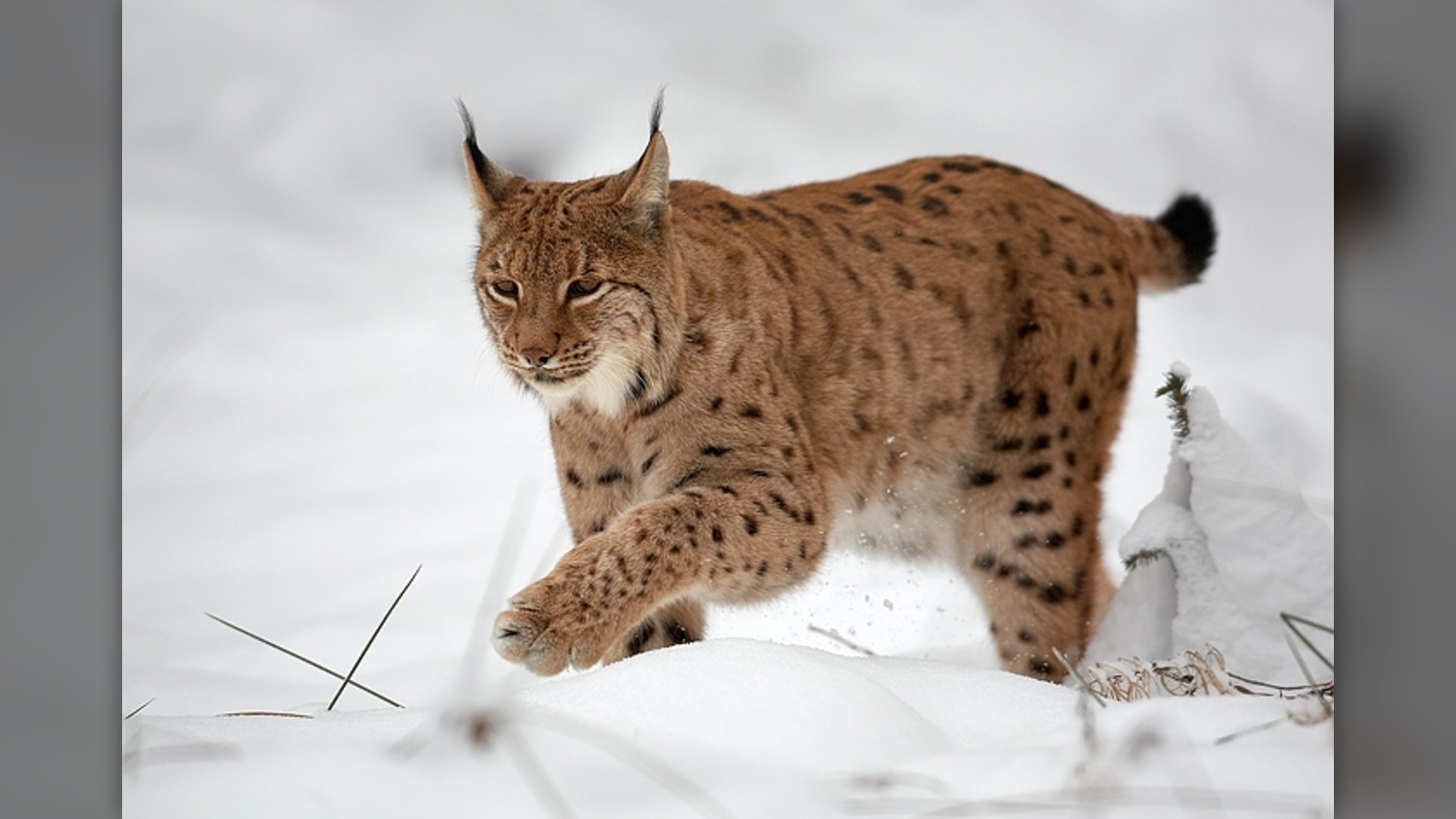
12. Eurasian Lynx
Weighing up to 30 kilograms, the Eurasian lynx stalks roe deer and chamois across boreal and mountain forests from Western Europe to Siberia. Its wide, fur-padded paws distribute weight over deep winter snow drifts, while black ear tufts help pinpoint rustling prey.
©Wikimedia / Martin Mecnarowski
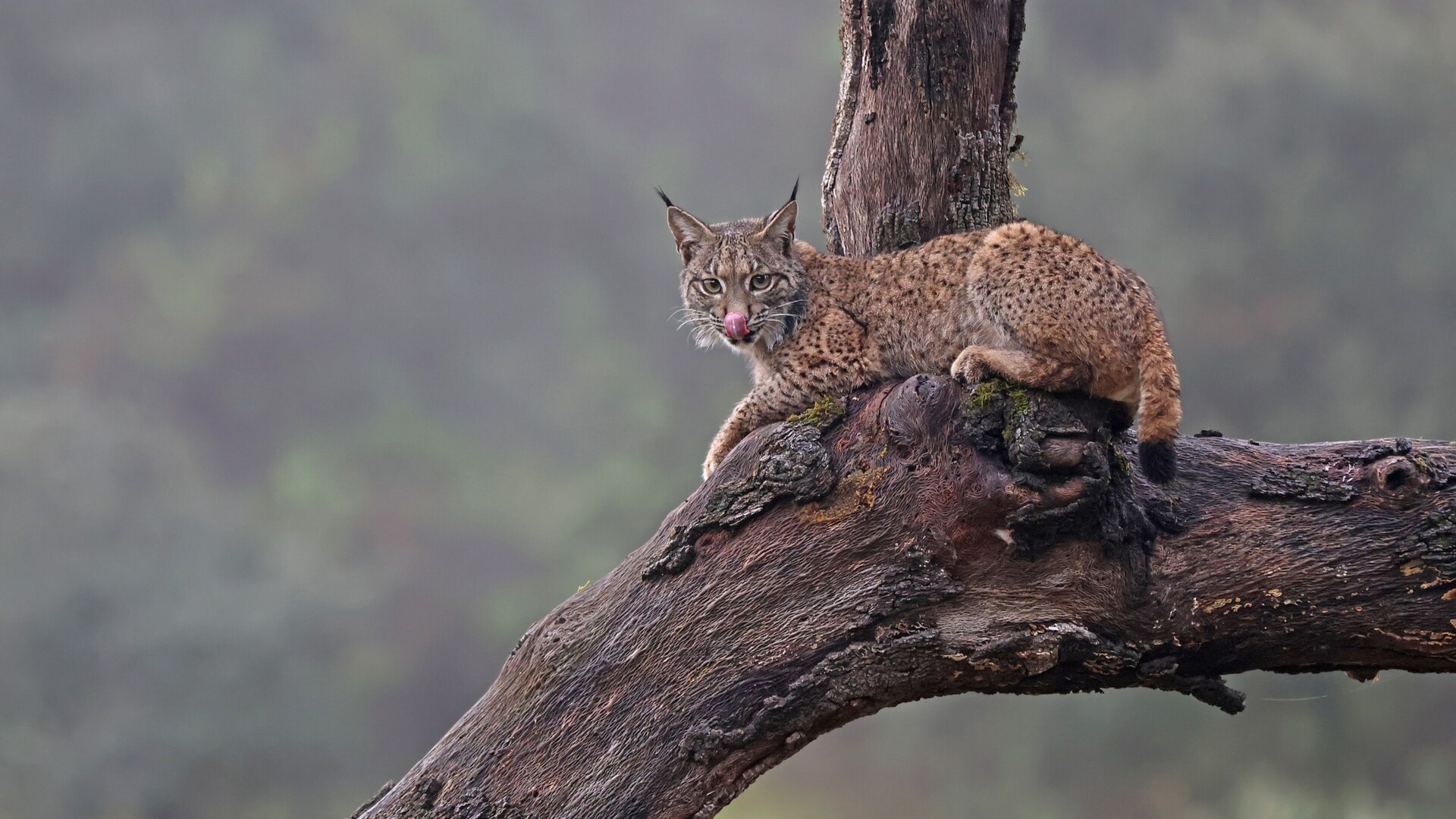
11. Iberian Lynx
Down to just 94 individuals in 2002, the Iberian lynx rebounded past 2,000 wild cats across Spain and Portugal following rabbit habitat restoration and captive breeding. In June 2024, the IUCN officially upgraded its status from Endangered to Vulnerable.
©Wikimedia / Christoph Moning
Advertisement
Swipe or tap ▶ to resume the countdown.
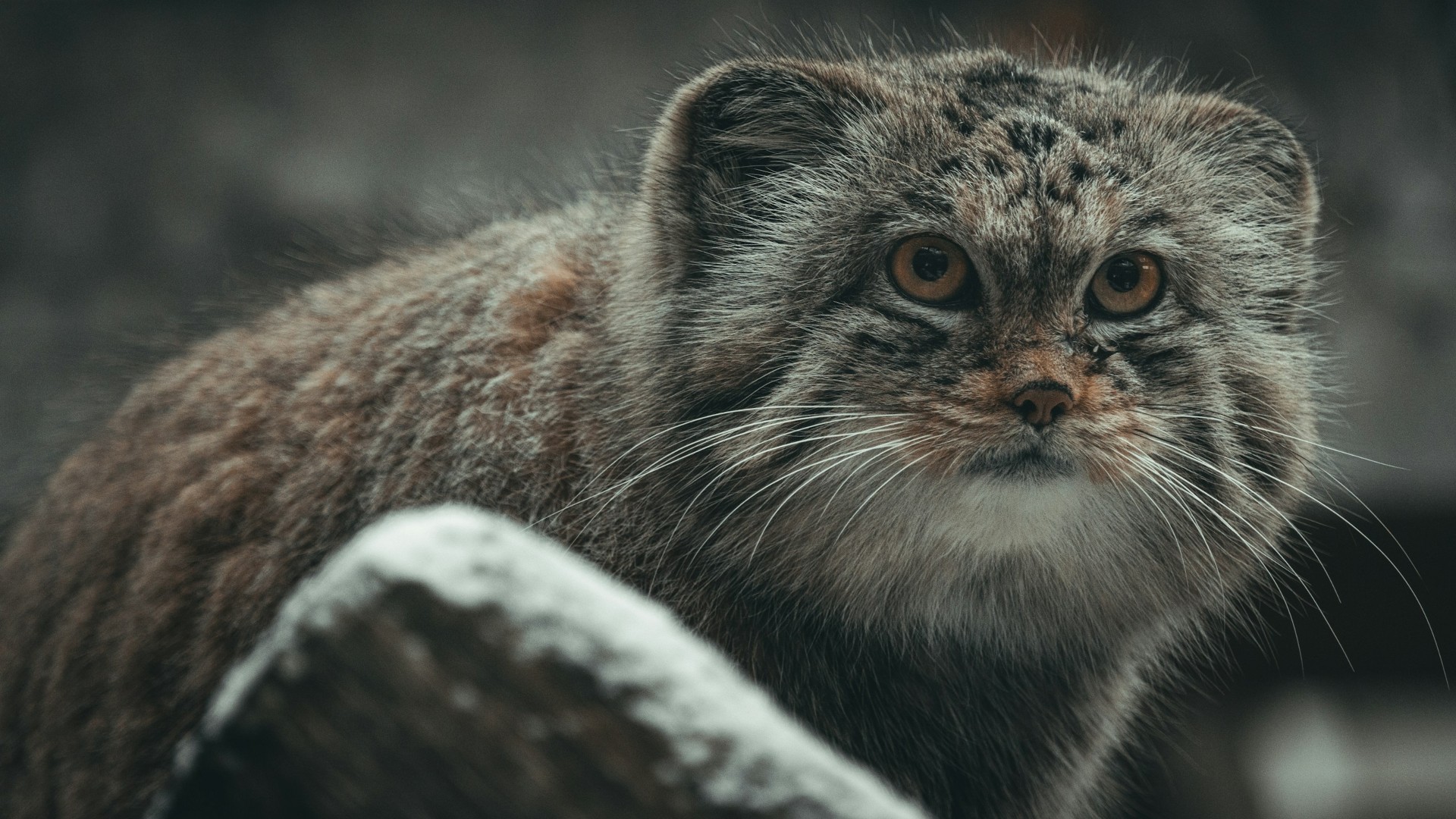
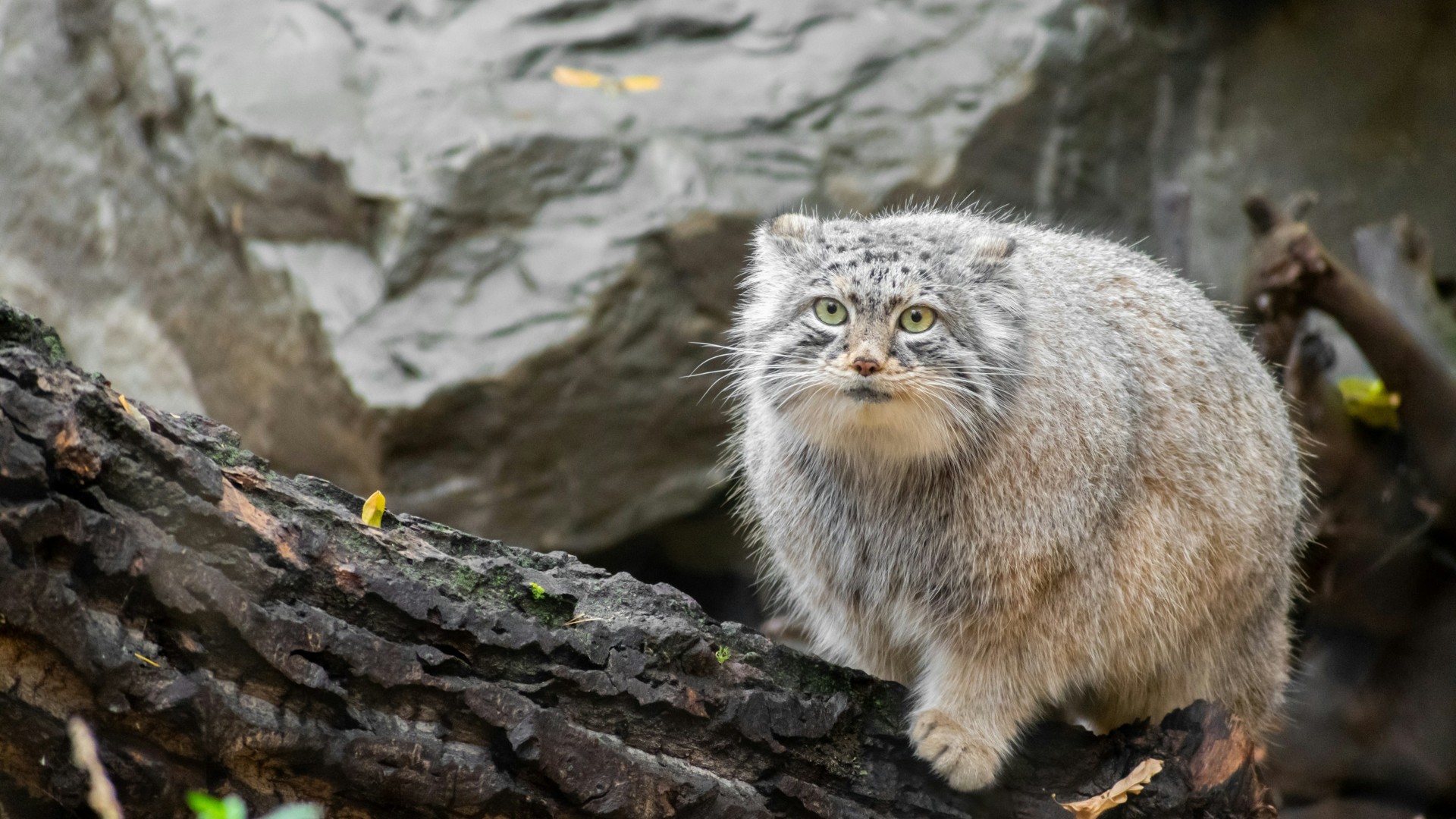
10. Pallas's Cat
Also called the manul, Pallas's cat endures minus-40-degree winters across the rocky steppes of Mongolia and the Tibetan Plateau. Unlike other small cats that have vertical slit pupils, its pupils contract into small round circles, adding to its famously stern expression.
© Photo by Anastasiya Dalenka on Unsplash
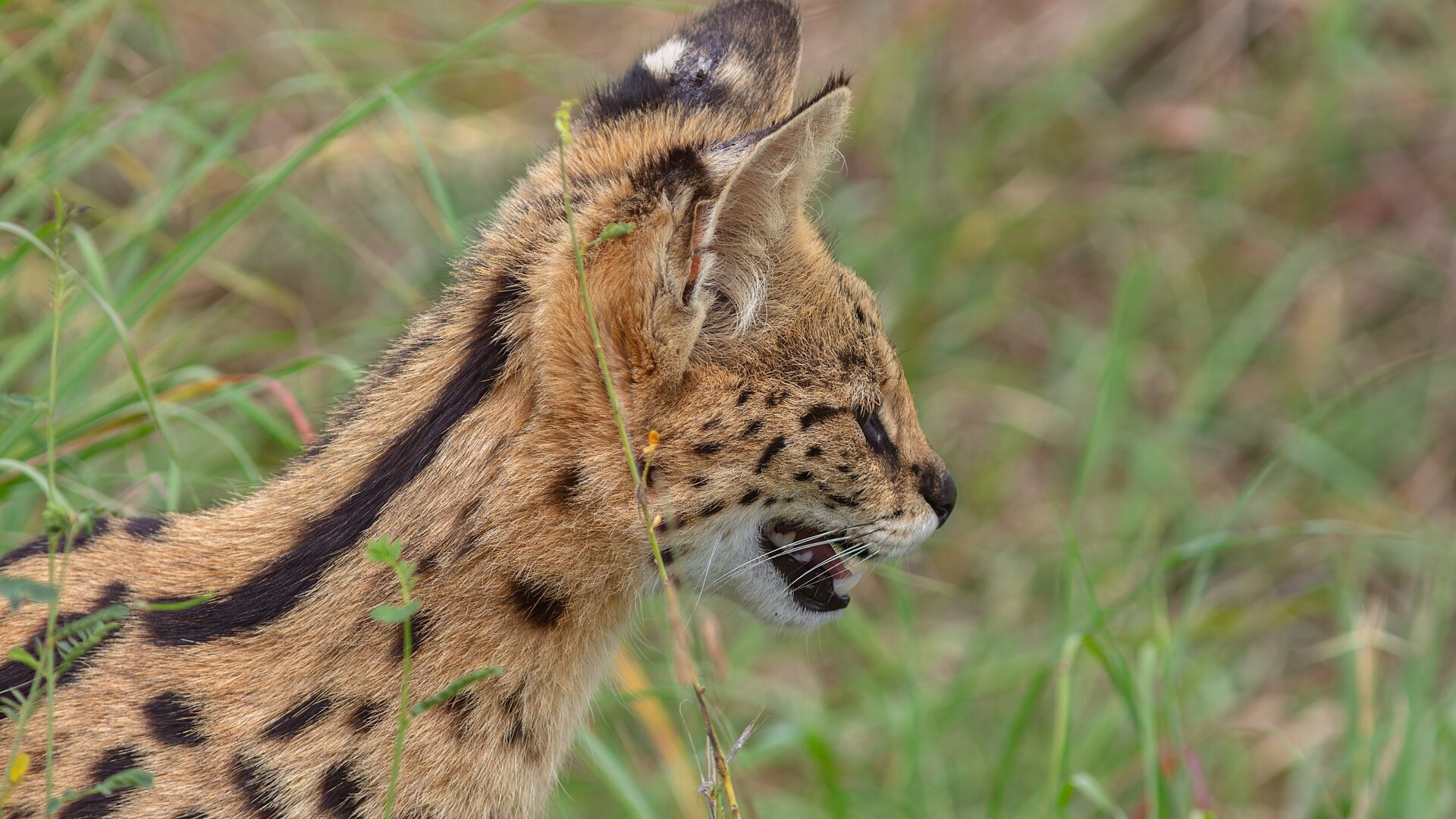
9. Serval
The serval possesses the longest legs and largest ears relative to body size of any cat. Hunting in sub-Saharan wetlands and tall grass, it can leap more than 2 metres vertically into the air to swat flushing birds or pounce steeply onto burrowing rodents.
©Wikimedia / Diego Delso
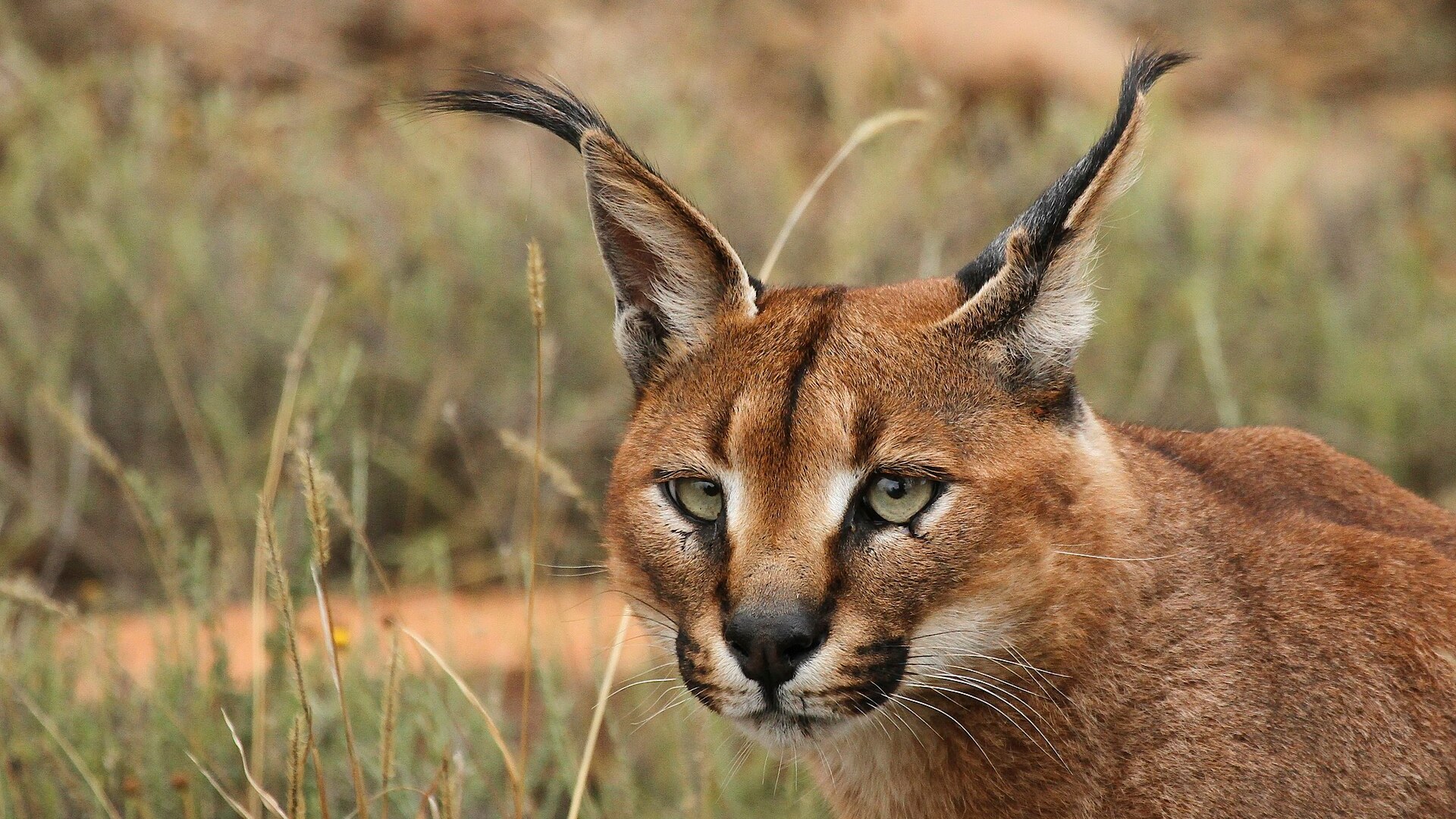
8. Caracal
Named after the Turkish word "karakulak," meaning black ear, the caracal sports 4.5-centimetre ear tufts controlled by 20 separate muscles. Powerful hind legs allow it to launch 3 metres straight up from a crouch and bat multiple birds out of a rising flock.
©Wikimedia / Leo za1
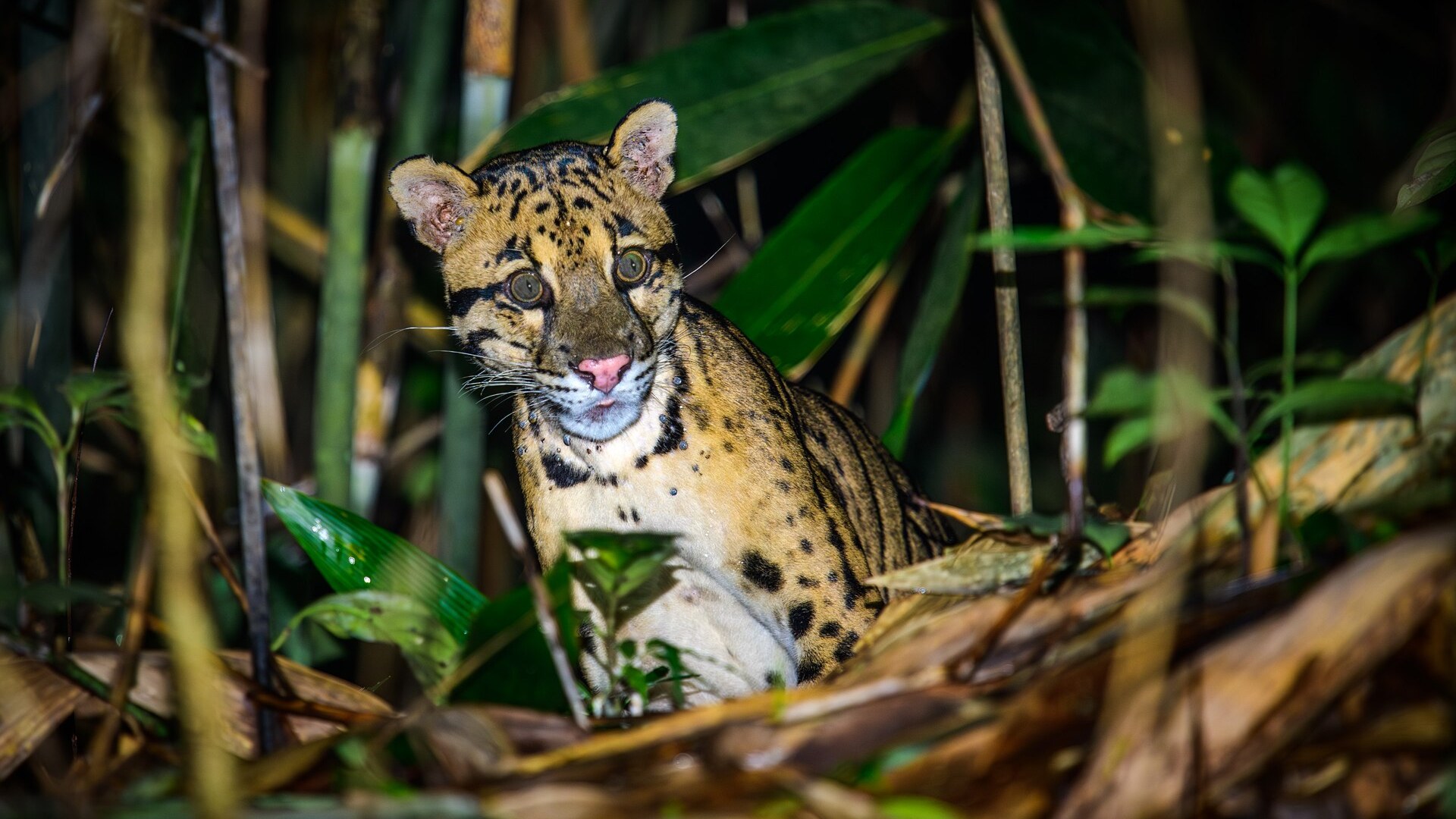
7. Clouded Leopard
Upper canines measuring up to 4.5 centimetres give the clouded leopard a bite proportion comparable to extinct sabre-toothed cats. Forming the basal branch of the Pantherinae subfamily, it hunts gibbons and macaques in the rainforest canopies of mainland Southeast Asia.
©Wikimedia / Rushenb
Advertisement
Swipe or tap ▶ to resume the countdown.
6. Cheetah
Built with a flexible spine, enlarged nasal passages, and semi-retractile claws that grip turf like running cleats, the cheetah hits top speeds between 100 and 120 km/h in short bursts. Black tear marks beneath its eyes cut glare across open African plains.
©Wikimedia / Mark Dumont
5. Jaguar
Whereas lions and tigers suffocate prey at the throat, the jaguar drives its canines directly through the temporal bones of capybaras, caimans, and river turtles. Individuals in Brazil's Pantanal wetlands can exceed 120 kilograms and hunt comfortably in deep rivers.
©Wikimedia / Charles J. Sharp
4. Black Panther
Black panthers are not a distinct species. In Asia and Africa they are leopards carrying a recessive melanistic gene, while in the Americas they are jaguars with a dominant mutation. Under direct sunlight, their classic spotted rosettes remain visible beneath the dark sheen.
©Wikimedia / Davidvraju
3. Snow Leopard
Patrolling cliff faces between 3,000 and 5,500 metres across 12 Central and South Asian nations, the snow leopard wraps its thick, 100-centimetre tail around its face while sleeping in sub-zero gales. Wide nasal cavities warm freezing mountain air before it reaches the lungs.
©Wikimedia / kallerna
Advertisement
Swipe or tap ▶ to resume the countdown.
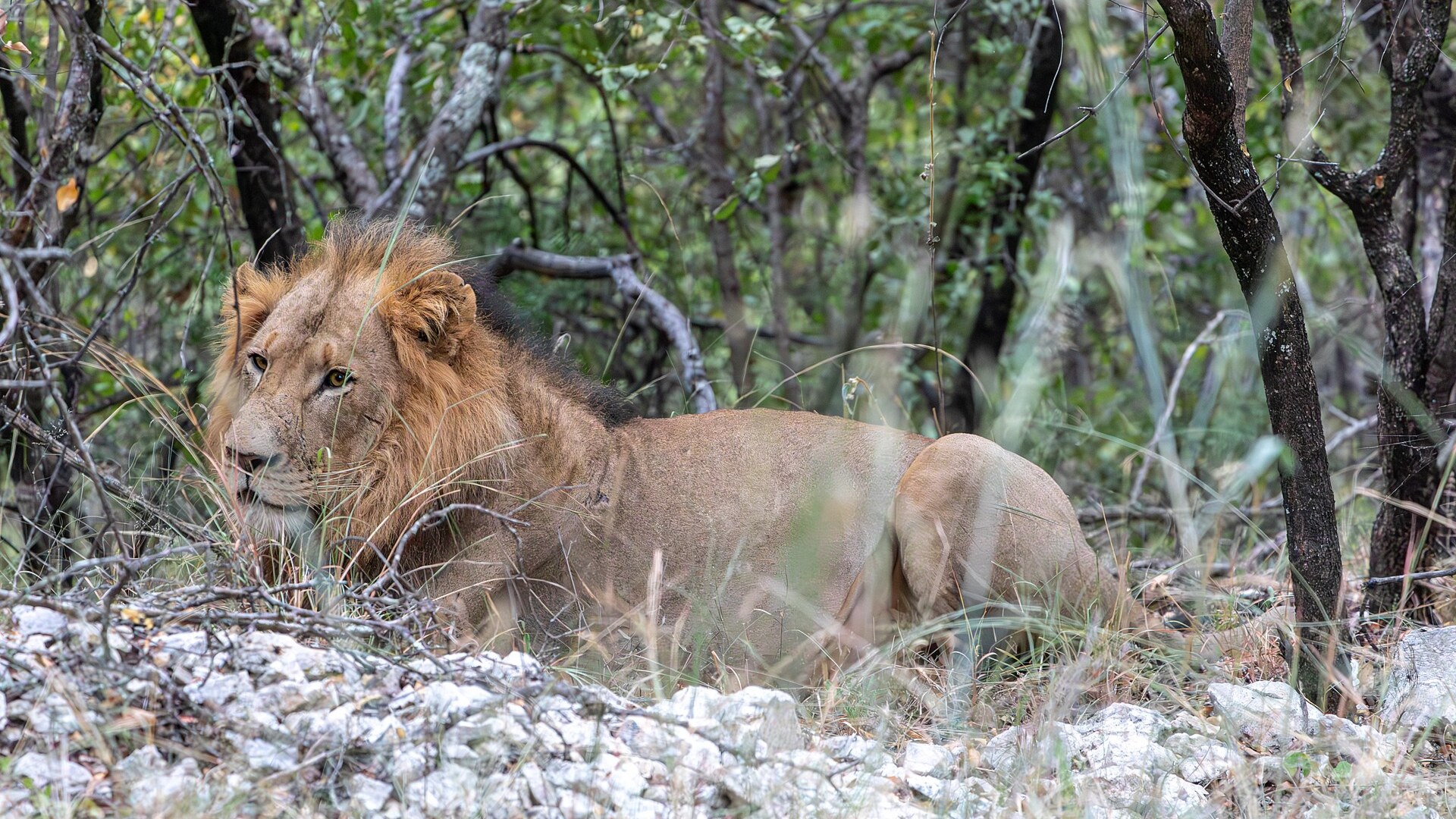
2. African Lion
Up to 30 lions may share a single pride territory across sub-Saharan savannas, with related females coordinating ambushes on Cape buffalo and zebras. A male's dark mane signals testosterone levels and age to rivals while cushioning blows during territorial clashes.
©Wikimedia / Dietmar Rabich
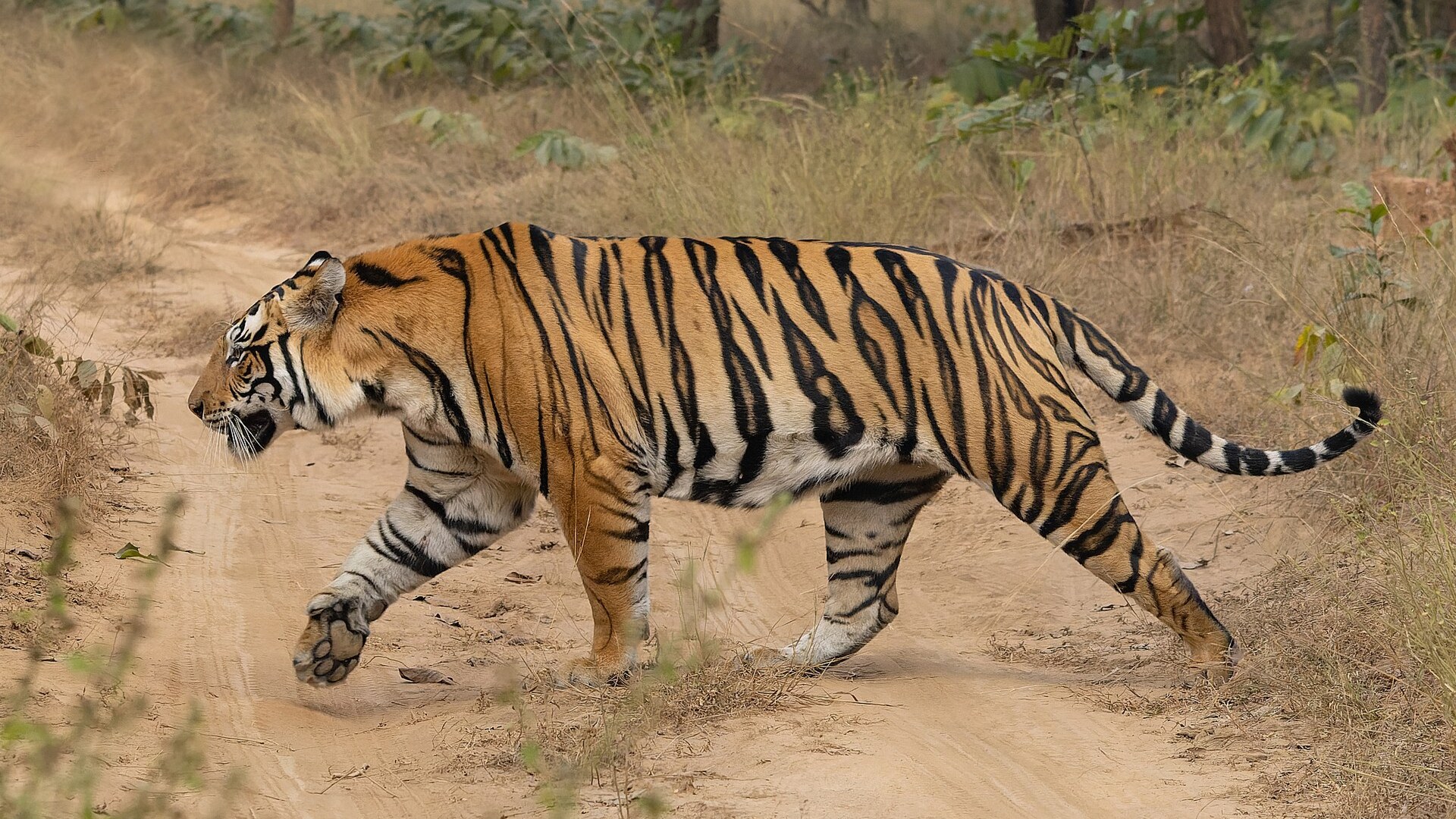
1. Bengal Tiger
Adult male Bengal tigers can measure 3 metres from nose to tail and weigh over 220 kilograms. India hosts more than 3,600 wild tigers across 55 reserves as of October 2026, accounting for roughly 75 percent of the planet's wild tiger population.

©Wikimedia / Tisha Mukherjee
Advertisement
You've reached the end of the story. Thanks for reading!

How Long Do Hippos Live? 20 Other Facts About Hippos
From sixty-year lifespans to whale cousins, discover secrets of river giants
All 25 Entries in this Story
25. White Tiger
White tigers are not albinos or a separate subspecies. Their pale coats come from a recessive mutation in the SLC45A2 gene that blocks red and yellow pigments while leaving dark stripes intact. No wild white tiger has been photographed since 1958.

24. Amur Leopard
Native to the temperate forests of Primorye in Russia and Jilin in China, the Amur leopard grows pale winter fur up to 7 centimetres long. Conservation patrols have helped the wild population recover from around 30 cats in 2000 to roughly 130 adults as of October 2026.

23. Leopard
Ranging across sub-Saharan Africa and parts of Asia, the leopard hauls prey heavier than its own body weight up vertical tree trunks to keep meals away from lions and hyenas. Its rosetted coat varies from pale gold in open grasslands to deep ochre in dense woods.

22. Rusty-Spotted Cat
Found in deciduous forests and grasslands across India, Sri Lanka, and western Nepal, adult rusty-spotted cats weigh just 1.1 to 1.6 kilograms. Despite their house-kitten proportions, they are agile nocturnal ambush hunters that dart through tree canopies after frogs and rodents.

21. Black-Footed Cat
Standing barely 20 centimetres tall at the shoulder in the arid steppes of southern Africa, the black-footed cat succeeds in about 60 percent of its nightly hunting attempts. That strike rate is more than double the success rate of an African lion.

20. Fishing Cat
Roughly twice the size of a domestic cat, the fishing cat hunts along oxbow lakes and reed beds in India, Bangladesh, and Sri Lanka. It taps the water surface with partly webbed front paws to mimic insect ripples before plunging headfirst after fish.

19. Flat-Headed Cat
Restricted to lowland tropical forests and peat swamps in Borneo, Sumatra, and the Thai-Malay Peninsula, the endangered flat-headed cat has backward-pointing premolars built to grip slippery fish and frogs. Fewer than 2,500 mature individuals remain in the wild as of October 2026.

18. African Golden Cat
Endemic to the dense tropical forests of Central and West Africa, the African golden cat is so secretive that researchers rely almost entirely on camera traps to study it. Individuals in the same forest reserve can wear either cinnamon-red or smoky grey coats.

17. Margay
Unlike nearly all other cats, the margay can rotate its hind ankles a full 180 degrees to walk straight down smooth tree trunks headfirst like a squirrel. It can also hang from branches by a single hind paw while stalking tree frogs in the Amazon canopy.

16. Ocelot
Weighing between 8 and 16 kilograms, the ocelot patrols tropical forests, thorn scrub, and wetlands from southern Texas to northern Argentina. Every individual carries a unique pattern of dark-rimmed spots and stripes that researchers use like fingerprints on camera-trap surveys.

15. Jaguarundi
With a flattened head, short rounded ears, and an unspotted coat in charcoal grey or rusty chestnut, the jaguarundi looks nothing like its closest relative, the puma. Unlike most wild cats, it hunts primarily during daylight hours and uses at least 13 distinct vocal calls.

14. Marbled Cat
Inhabiting foothill forests from the eastern Himalayas to Borneo and Sumatra, the marbled cat weighs only 2 to 5 kilograms but resembles a miniature clouded leopard. Its thick, counterbalancing tail measures up to 55 centimetres and helps it navigate high forest branches.

13. Andean Mountain Cat
Found at elevations above 3,500 metres in Peru, Bolivia, Chile, and Argentina, the Andean mountain cat hunts mountain chinchillas and viscachas across rocky scree slopes. IUCN assessments estimate fewer than 1,400 mature adults survive in the wild as of October 2026.

12. Eurasian Lynx
Weighing up to 30 kilograms, the Eurasian lynx stalks roe deer and chamois across boreal and mountain forests from Western Europe to Siberia. Its wide, fur-padded paws distribute weight over deep winter snow drifts, while black ear tufts help pinpoint rustling prey.

11. Iberian Lynx
Down to just 94 individuals in 2002, the Iberian lynx rebounded past 2,000 wild cats across Spain and Portugal following rabbit habitat restoration and captive breeding. In June 2024, the IUCN officially upgraded its status from Endangered to Vulnerable.

10. Pallas's Cat
Also called the manul, Pallas's cat endures minus-40-degree winters across the rocky steppes of Mongolia and the Tibetan Plateau. Unlike other small cats that have vertical slit pupils, its pupils contract into small round circles, adding to its famously stern expression.

9. Serval
The serval possesses the longest legs and largest ears relative to body size of any cat. Hunting in sub-Saharan wetlands and tall grass, it can leap more than 2 metres vertically into the air to swat flushing birds or pounce steeply onto burrowing rodents.

8. Caracal
Named after the Turkish word "karakulak," meaning black ear, the caracal sports 4.5-centimetre ear tufts controlled by 20 separate muscles. Powerful hind legs allow it to launch 3 metres straight up from a crouch and bat multiple birds out of a rising flock.

7. Clouded Leopard
Upper canines measuring up to 4.5 centimetres give the clouded leopard a bite proportion comparable to extinct sabre-toothed cats. Forming the basal branch of the Pantherinae subfamily, it hunts gibbons and macaques in the rainforest canopies of mainland Southeast Asia.

6. Cheetah
Built with a flexible spine, enlarged nasal passages, and semi-retractile claws that grip turf like running cleats, the cheetah hits top speeds between 100 and 120 km/h in short bursts. Black tear marks beneath its eyes cut glare across open African plains.

5. Jaguar
Whereas lions and tigers suffocate prey at the throat, the jaguar drives its canines directly through the temporal bones of capybaras, caimans, and river turtles. Individuals in Brazil's Pantanal wetlands can exceed 120 kilograms and hunt comfortably in deep rivers.

4. Black Panther
Black panthers are not a distinct species. In Asia and Africa they are leopards carrying a recessive melanistic gene, while in the Americas they are jaguars with a dominant mutation. Under direct sunlight, their classic spotted rosettes remain visible beneath the dark sheen.

3. Snow Leopard
Patrolling cliff faces between 3,000 and 5,500 metres across 12 Central and South Asian nations, the snow leopard wraps its thick, 100-centimetre tail around its face while sleeping in sub-zero gales. Wide nasal cavities warm freezing mountain air before it reaches the lungs.

2. African Lion
Up to 30 lions may share a single pride territory across sub-Saharan savannas, with related females coordinating ambushes on Cape buffalo and zebras. A male's dark mane signals testosterone levels and age to rivals while cushioning blows during territorial clashes.

1. Bengal Tiger
Adult male Bengal tigers can measure 3 metres from nose to tail and weigh over 220 kilograms. India hosts more than 3,600 wild tigers across 55 reserves as of October 2026, accounting for roughly 75 percent of the planet's wild tiger population.