Slideshow · Science
15 Remarkable Planet Close-Ups Captured by NASA Spacecraft
From Jupiter's violent Great Red Spot to Saturn's razor-sharp rings, NASA spacecraft have captured planetary details that defy belief. Here are 15 of the most stunning.
By Most Viral Today
12 Oct 2026

15 Remarkable Planet Close-Ups Captured by NASA Spacecraft: Explore the Full C 
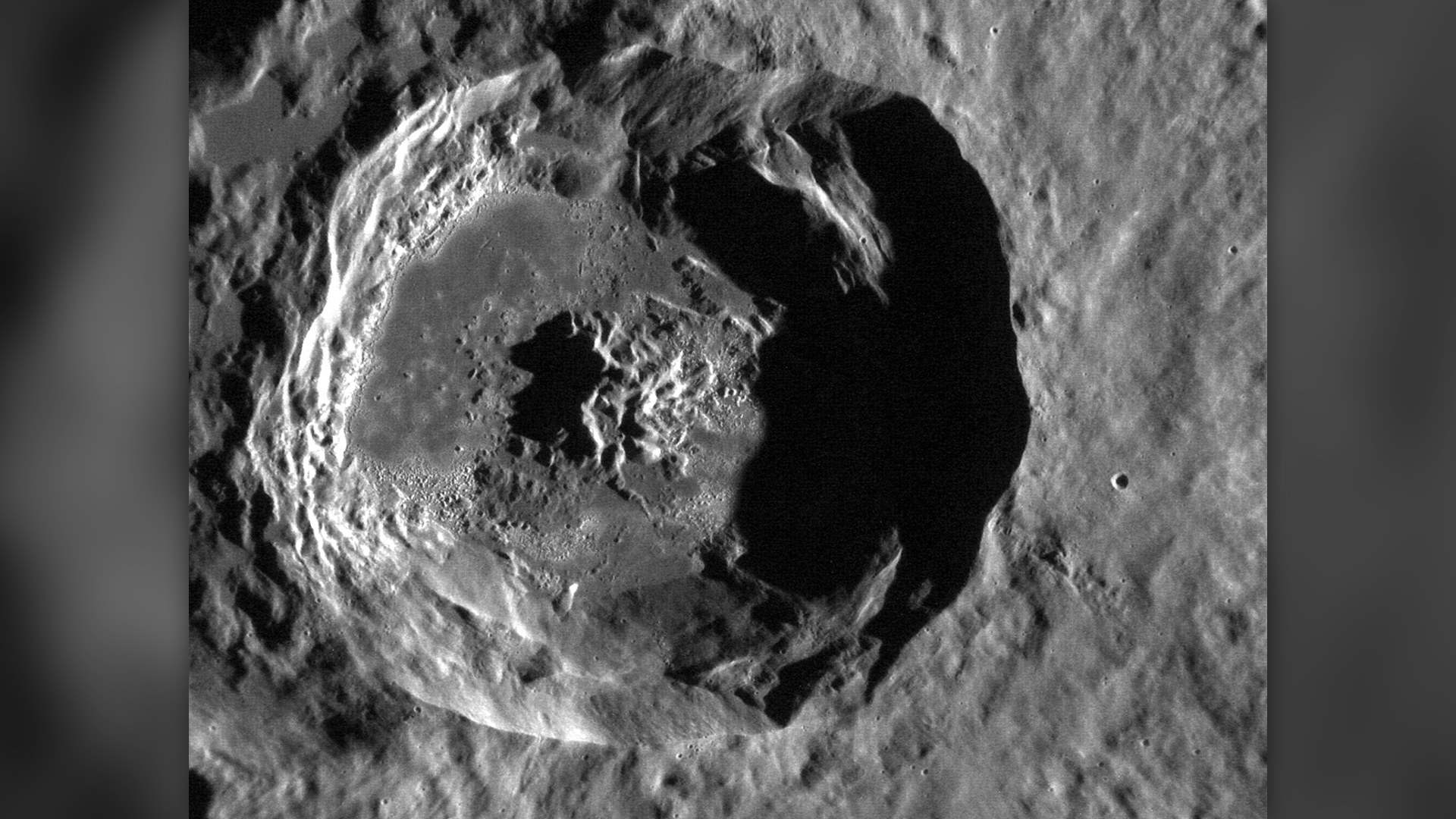
15. Mercury's Caloris Basin 
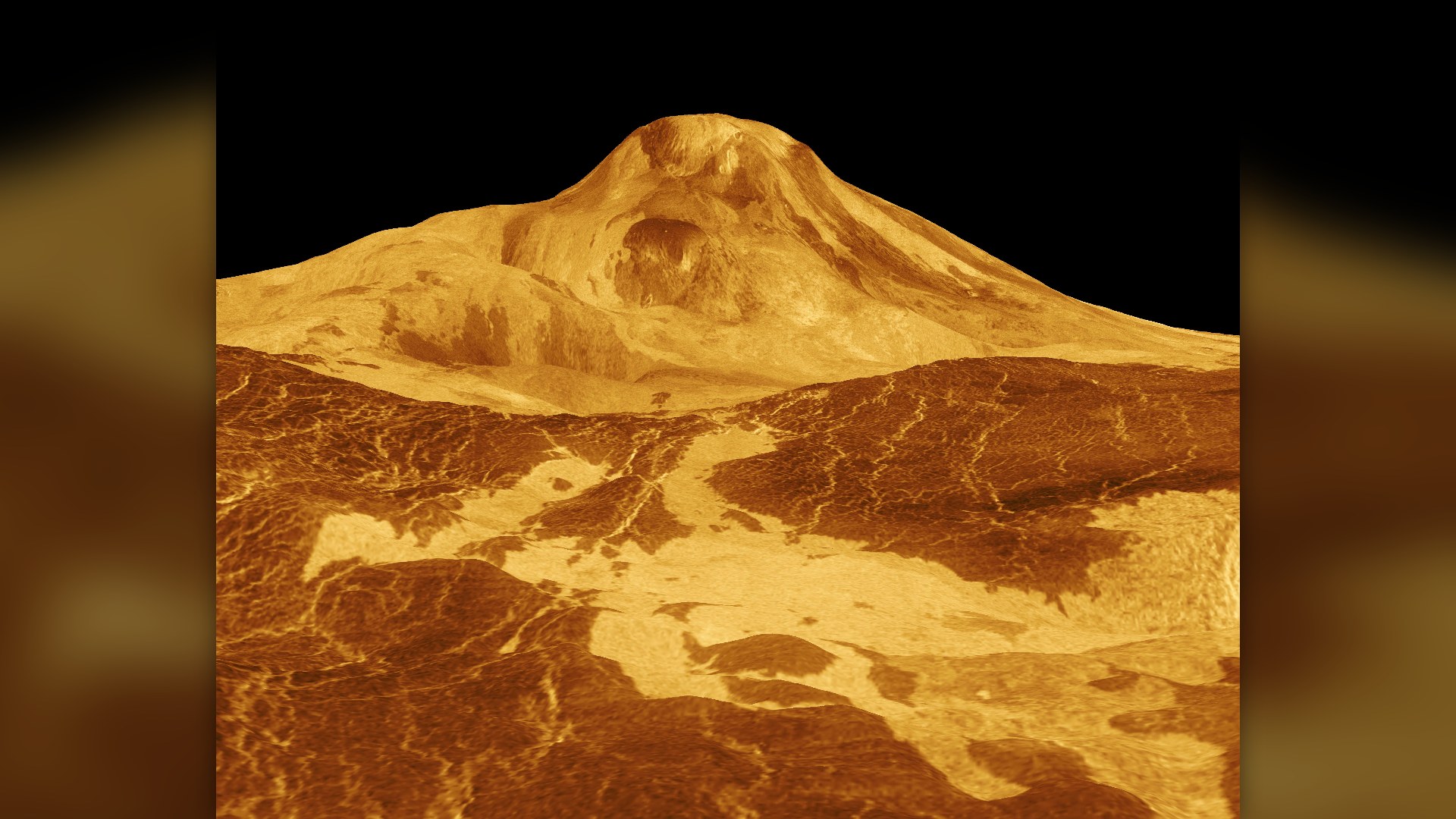
14. Venus's Maat Mons Volcano 
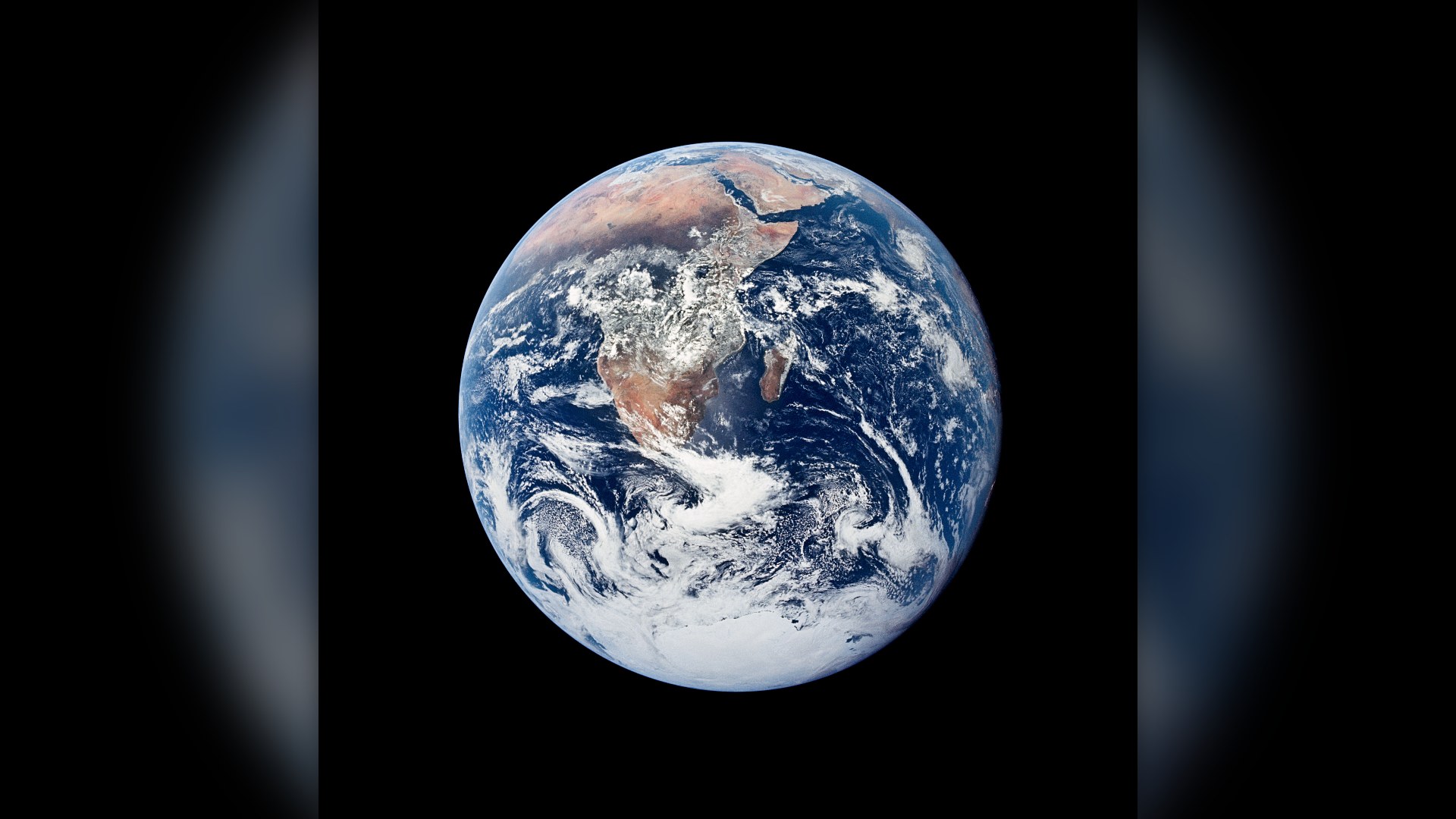
13. Earth's Luminous Blue Limb - AdvertisementSwipe or tap ▶ to continue countdown

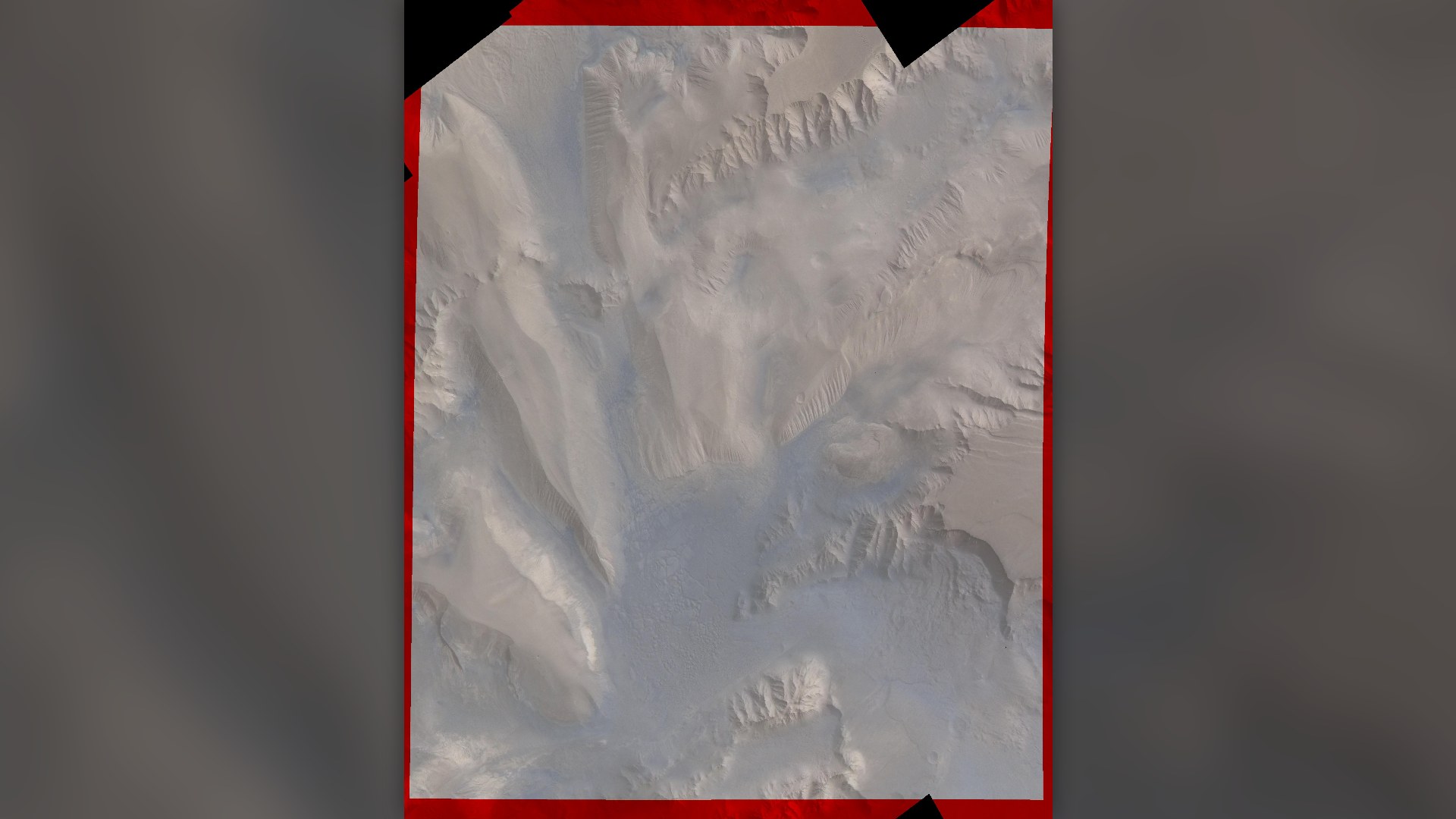
12. Mars's Valles Marineris 
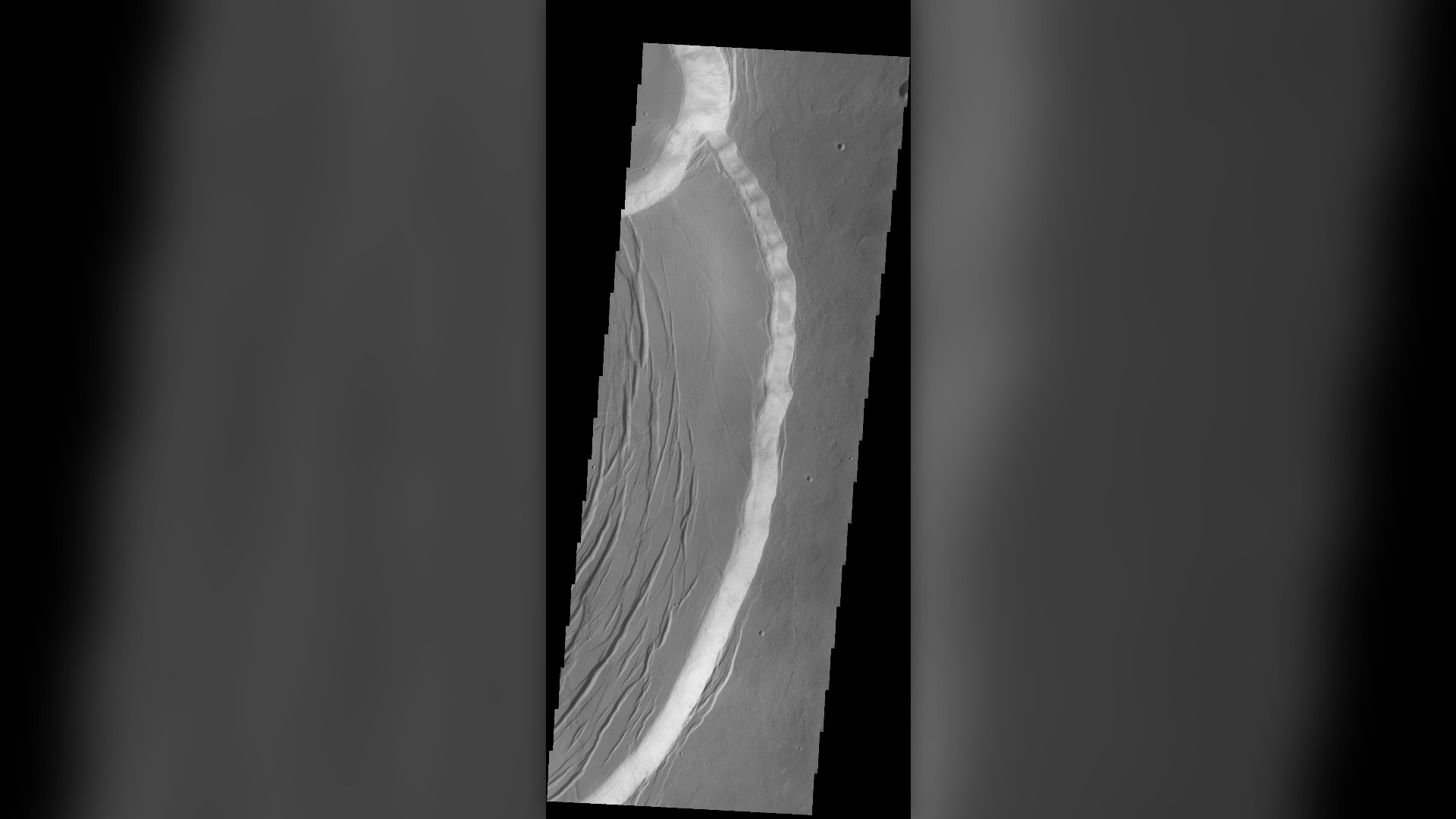
11. Mars's Olympus Mons Caldera 
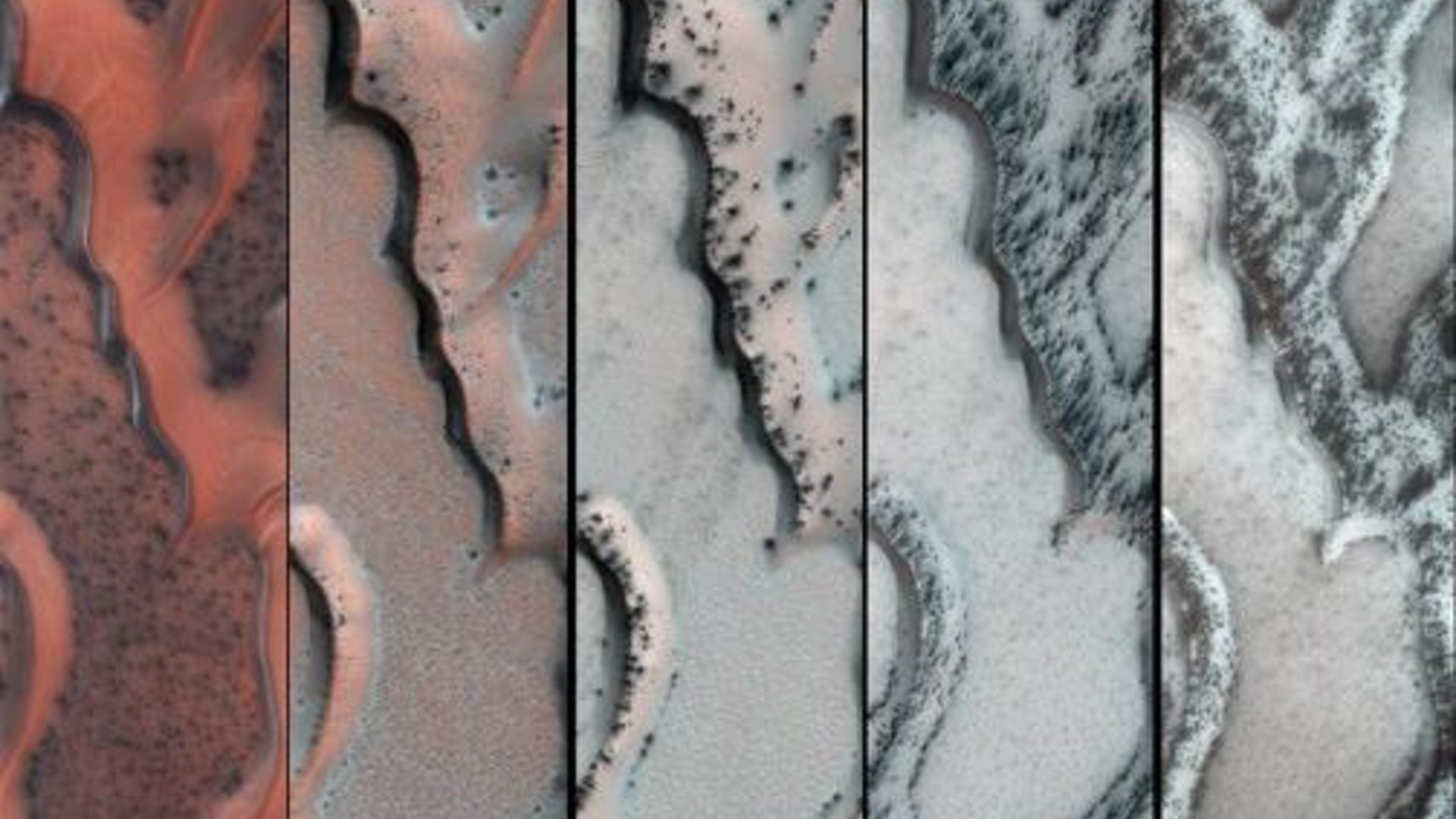
10. Mars's Proctor Crater Dunes 
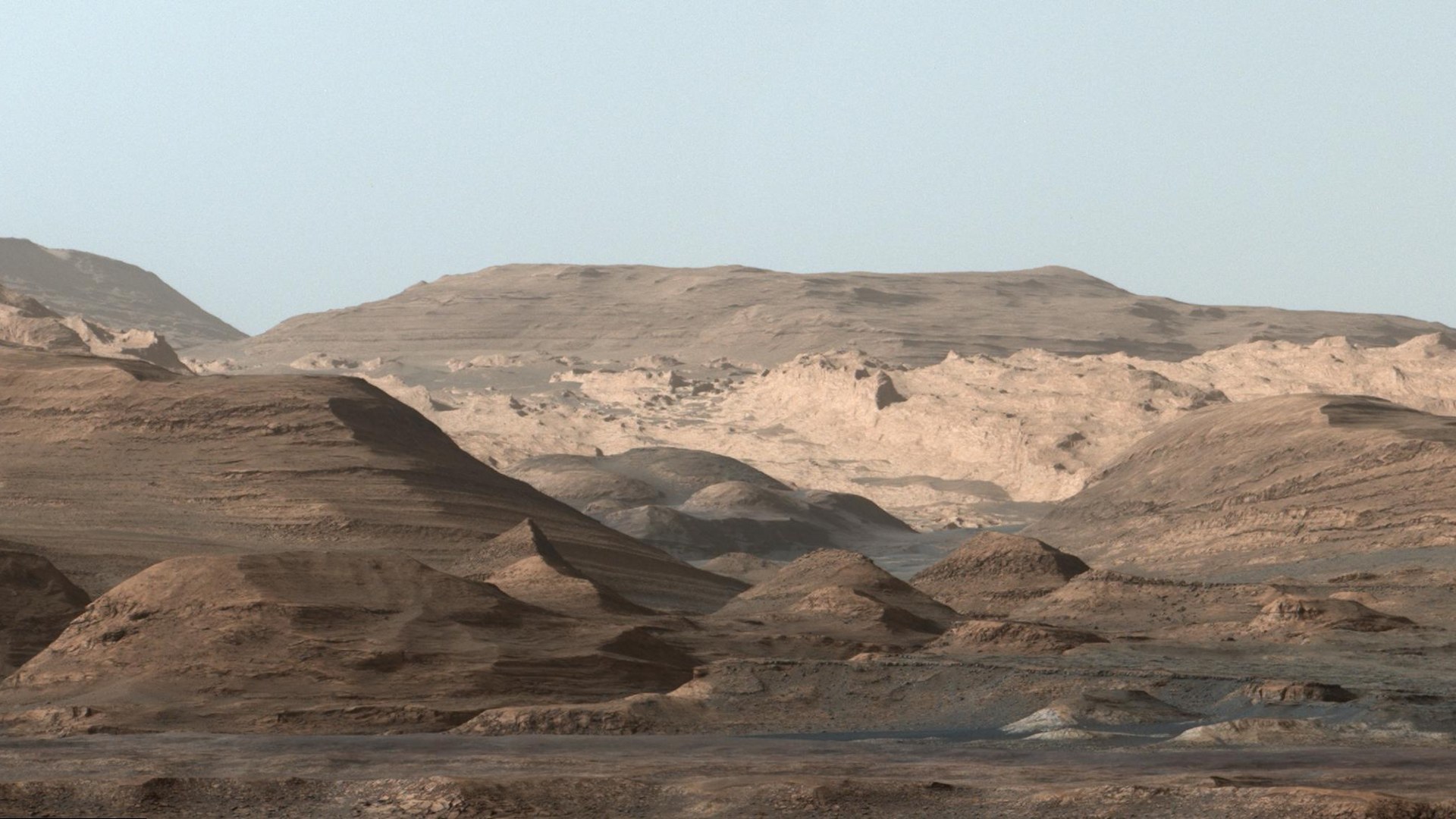
9. Mars's Mount Sharp Rock Strata - AdvertisementSwipe or tap ▶ to continue countdown

8. Jupiter's Jovian Cloud Swirls 
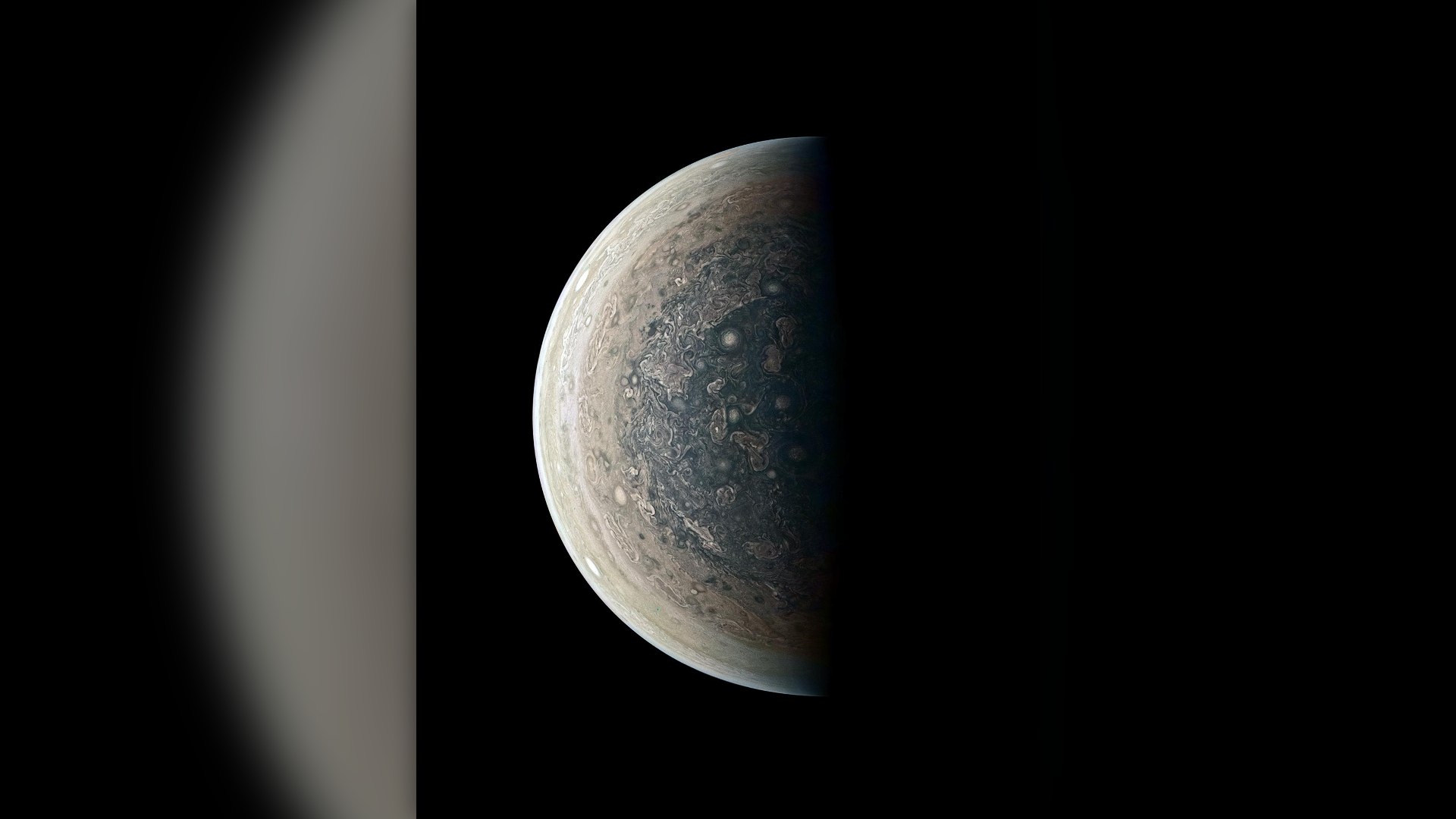
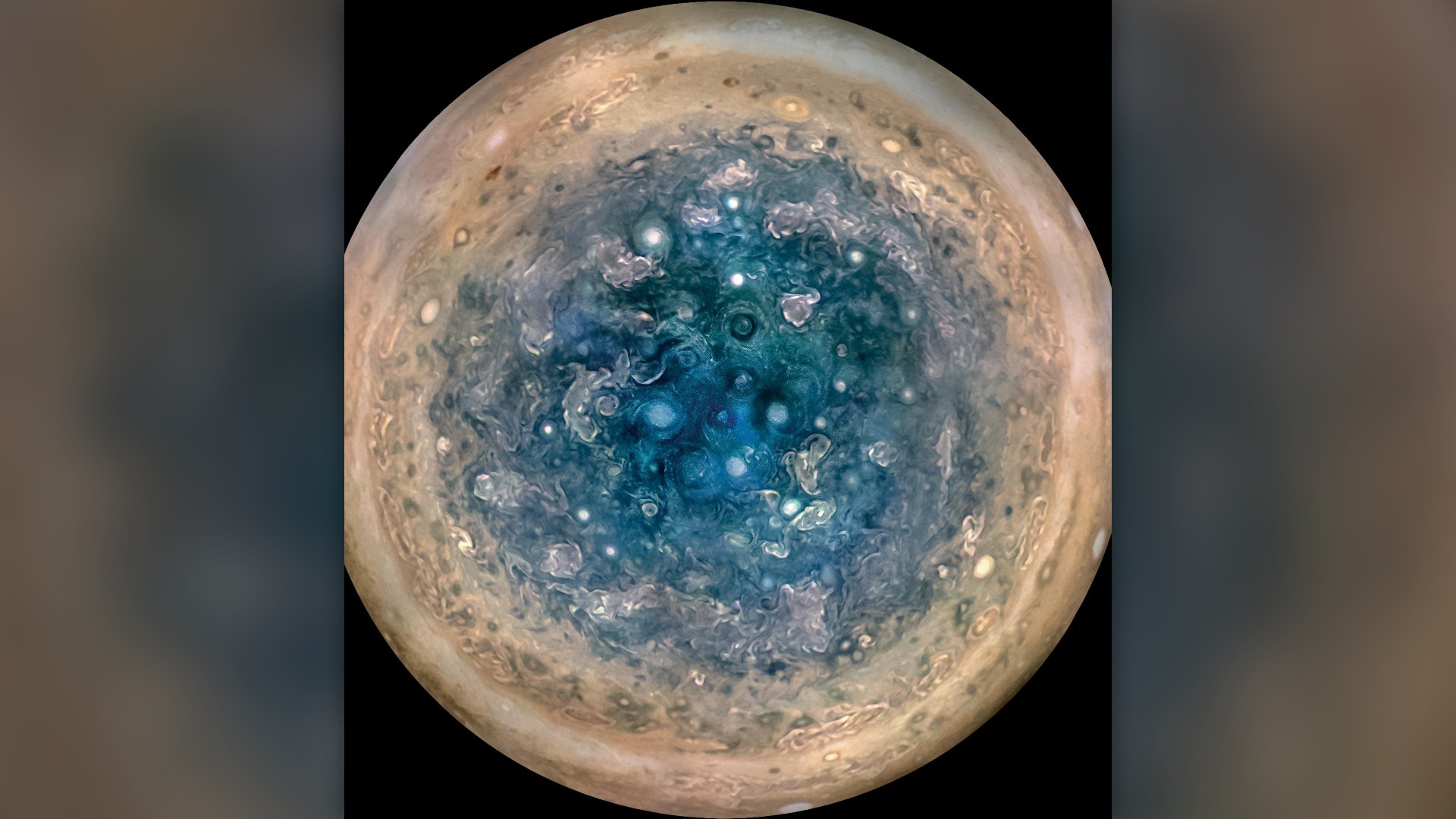
7. Jupiter's Polar Cyclones 
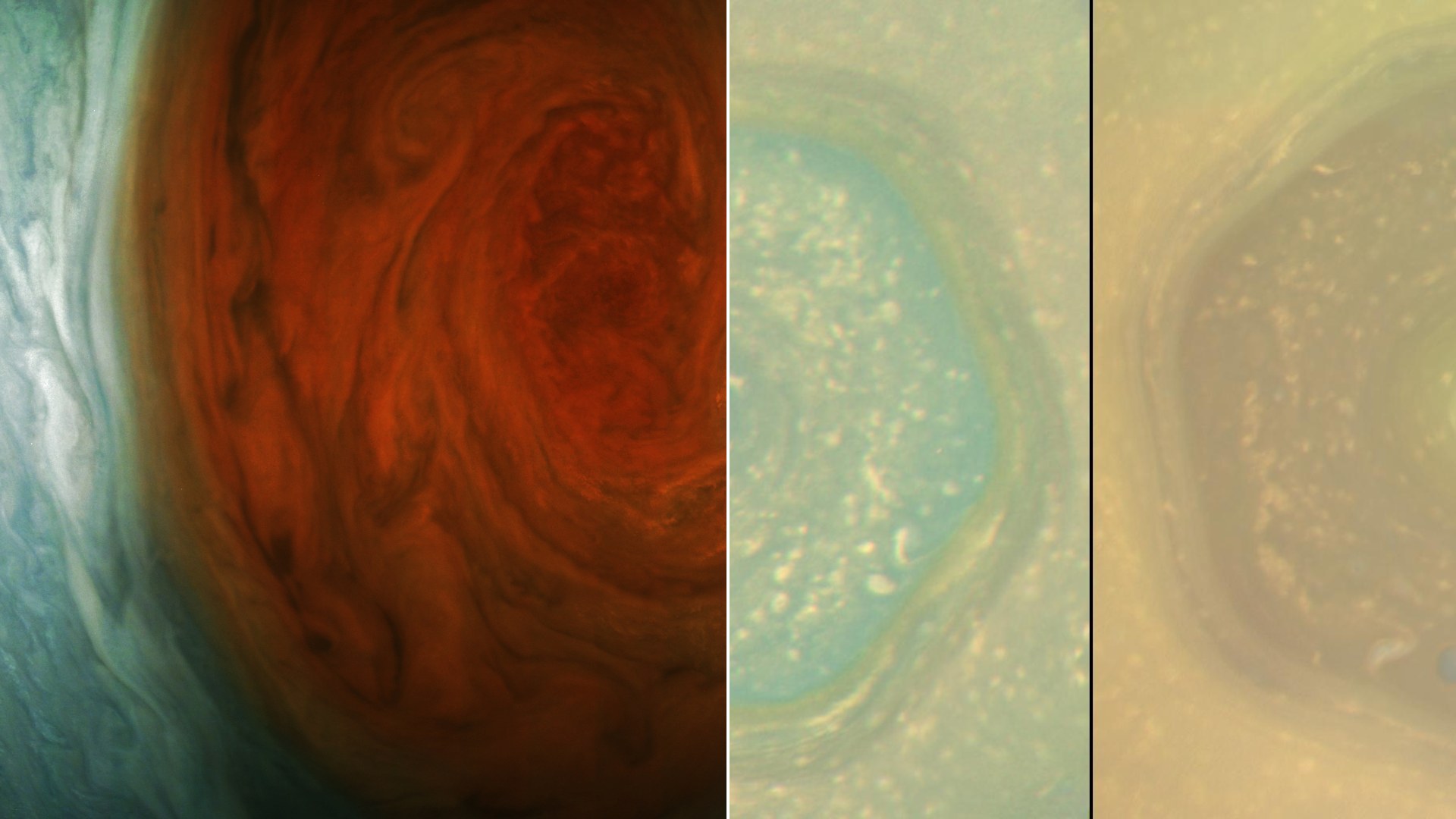
6. Jupiter's Great Red Spot 
5. Saturn's Atmospheric Belts - AdvertisementSwipe or tap ▶ to continue countdown

4. Saturn's North Polar Hexagon 
3. Saturn's Majestic Rings 
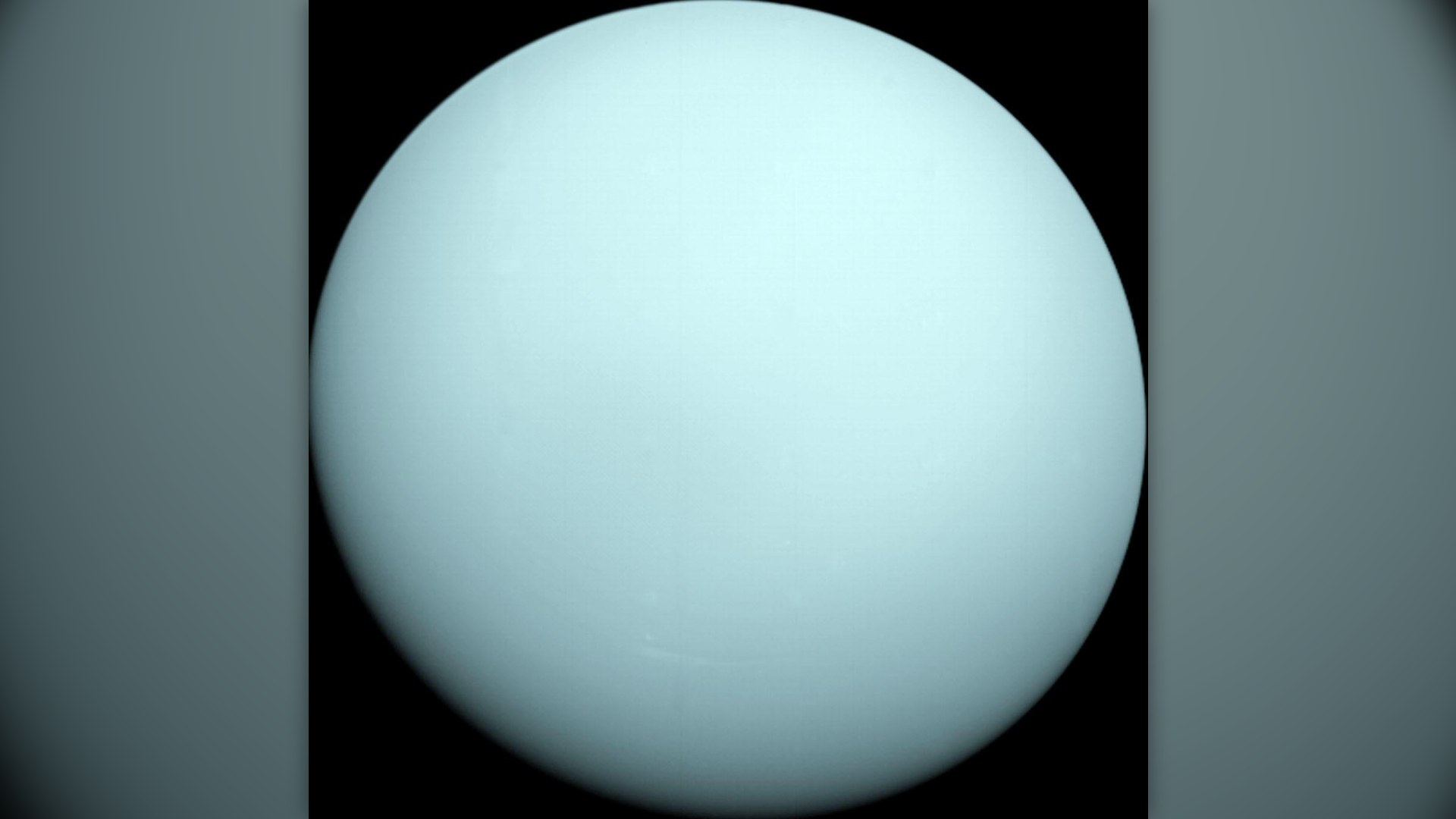
2. Uranus's Cyan Cloud Bands 
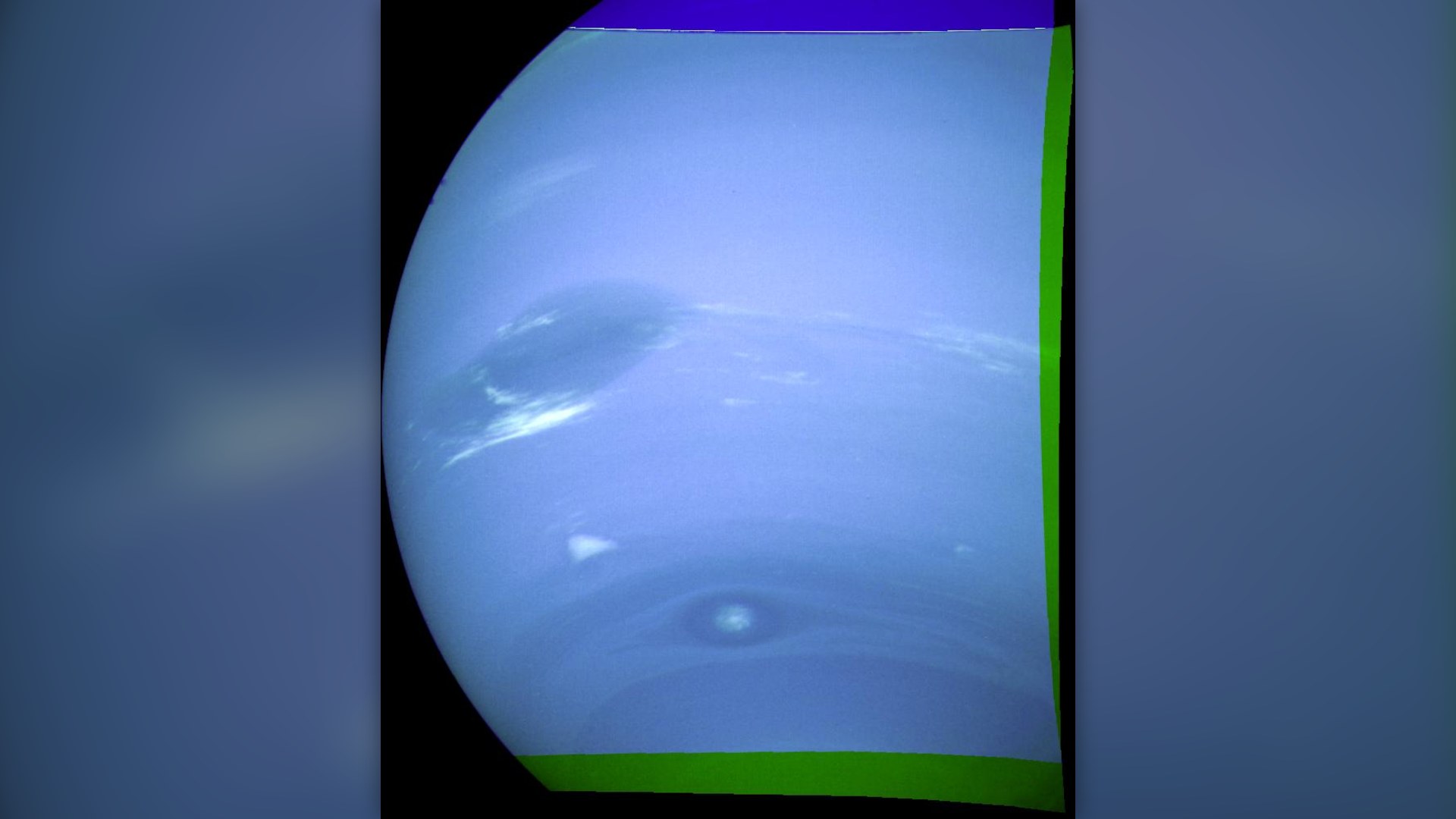
1. Neptune's Great Dark Spot - Advertisement🔥 UP NEXT IN THIS SERIES◫ 26 Slides

25 Groundbreaking American Inventions and Achievements Ranked
From Kitty Hawk and the Apollo 11 lunar landing to the transistor and the internet, American inventors and scientists have transformed global civilization. Sourced from the Smithsonian Institution, NASA archives, and the Library of Congress, here are twenty-five groundbreaking American milestones ranked.
From Jupiter's violent Great Red Spot to Saturn's razor-sharp rings, NASA spacecraft have captured planetary details that defy belief. Here are 15 of the most stunning.
Swipe or tap ▶ to begin the countdown
©NASA / JPL-Caltech
15. Mercury's Caloris Basin
NASA's MESSENGER spacecraft mapped this ancient impact basin, revealing volcanic smooth plains fractured by concentric graben and thermal stress.
©NASA / Johns Hopkins APL / Carnegie Institution
14. Venus's Maat Mons Volcano
NASA's Magellan orbiter utilized synthetic aperture radar to pierce Venus's dense sulfuric acid clouds, mapping massive fresh lava flows across Maat Mons.
©NASA / JPL-Caltech
13. Earth's Luminous Blue Limb
Captured from orbit by NASA astronauts, this iconic view shows Earth's delicate mesosphere and stratosphere glowing in electric blue above sunlit cloud decks.
©NASA / Apollo 17 Crew
Advertisement
Swipe or tap ▶ to resume the countdown.
12. Mars's Valles Marineris
Viking Orbiter 1 captured this sweeping vista of Candor Chasm in Valles Marineris, plunging four times deeper than the Grand Canyon with layered rock walls.
©NASA / JPL-Caltech / USGS
11. Mars's Olympus Mons Caldera
NASA's Mars Odyssey imaged the complex collapse calderas atop Olympus Mons, which towers 13 miles above the surrounding plains—nearly three times higher than Everest.
©NASA / JPL-Caltech / Arizona State Univ.
10. Mars's Proctor Crater Dunes
NASA's Mars Reconnaissance Orbiter and HiRISE camera captured these shifting dark barchan sand dunes, providing direct evidence of an active dynamic atmosphere on Mars.
©NASA / JPL-Caltech / Univ. of Arizona
9. Mars's Mount Sharp Rock Strata
NASA's Curiosity rover photographed the dramatic stratified ridges of lower Mount Sharp in Gale Crater, proving ancient Mars once hosted long-lived lakes and rivers.
©NASA / JPL-Caltech / MSSS
Advertisement
Swipe or tap ▶ to resume the countdown.
8. Jupiter's Jovian Cloud Swirls
During close periJove passes, NASA's Juno spacecraft captured stunning swirling cloud textures in Jupiter's northern hemisphere, driven by jet streams over 300 mph.
©NASA / JPL-Caltech / SwRI / MSSS
7. Jupiter's Polar Cyclones
NASA's Juno discovered a stable pentagon of continent-sized cyclonic storms surrounding a central vortex at Jupiter's south pole, an atmospheric phenomenon unique to the gas giant.
©NASA / JPL-Caltech / SwRI / MSSS
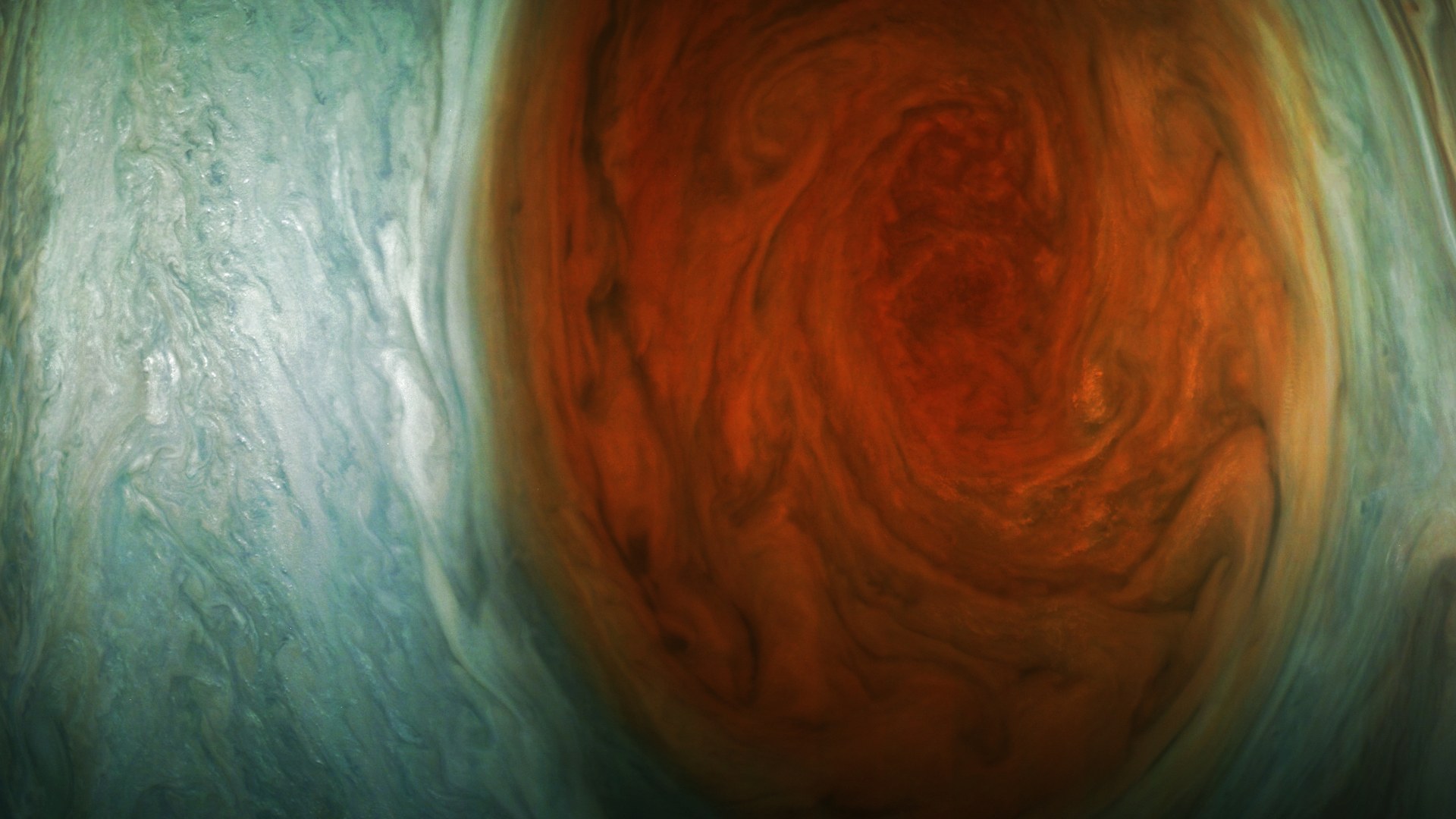
6. Jupiter's Great Red Spot
Swooping just 5,600 miles above the clouds, NASA's JunoCam captured intricate knotted turbulence and deep crimson hues inside Jupiter's centuries-old anticyclonic storm.
©NASA / JPL-Caltech / SwRI / MSSS
5. Saturn's Atmospheric Belts
NASA's Cassini spacecraft imaged subtle alternating jet streams and golden ammonia cloud layers across Saturn's northern hemisphere, illuminated by sunlight filtering through the rings.
©NASA / JPL-Caltech / Space Science Institute
Advertisement
Swipe or tap ▶ to resume the countdown.
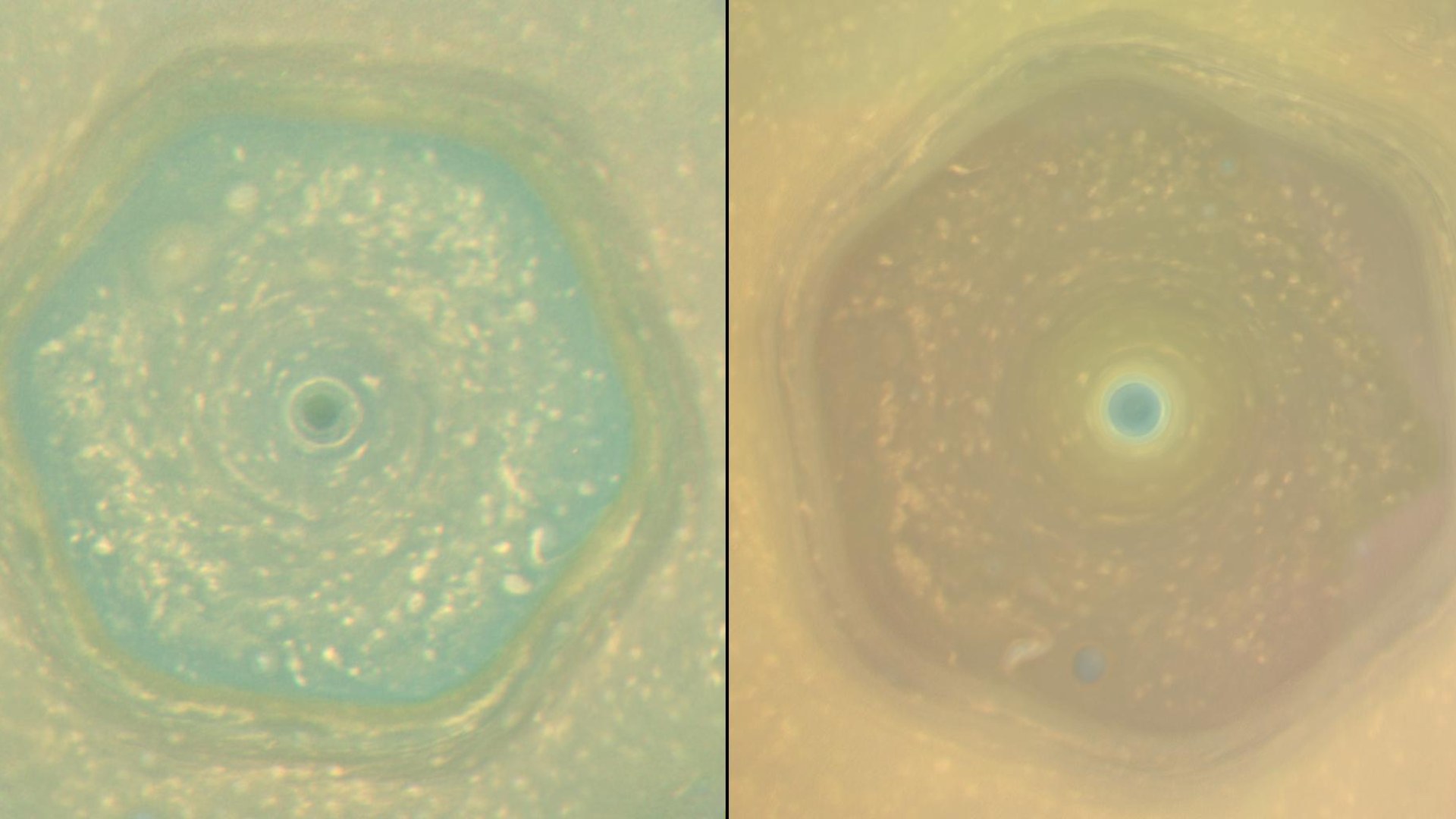
4. Saturn's North Polar Hexagon
NASA's Cassini probe revealed this stunning 20,000-mile-wide hexagonal atmospheric current where winds whip at 200 mph around a central spinning hurricane.
©NASA / JPL-Caltech / Space Science Institute
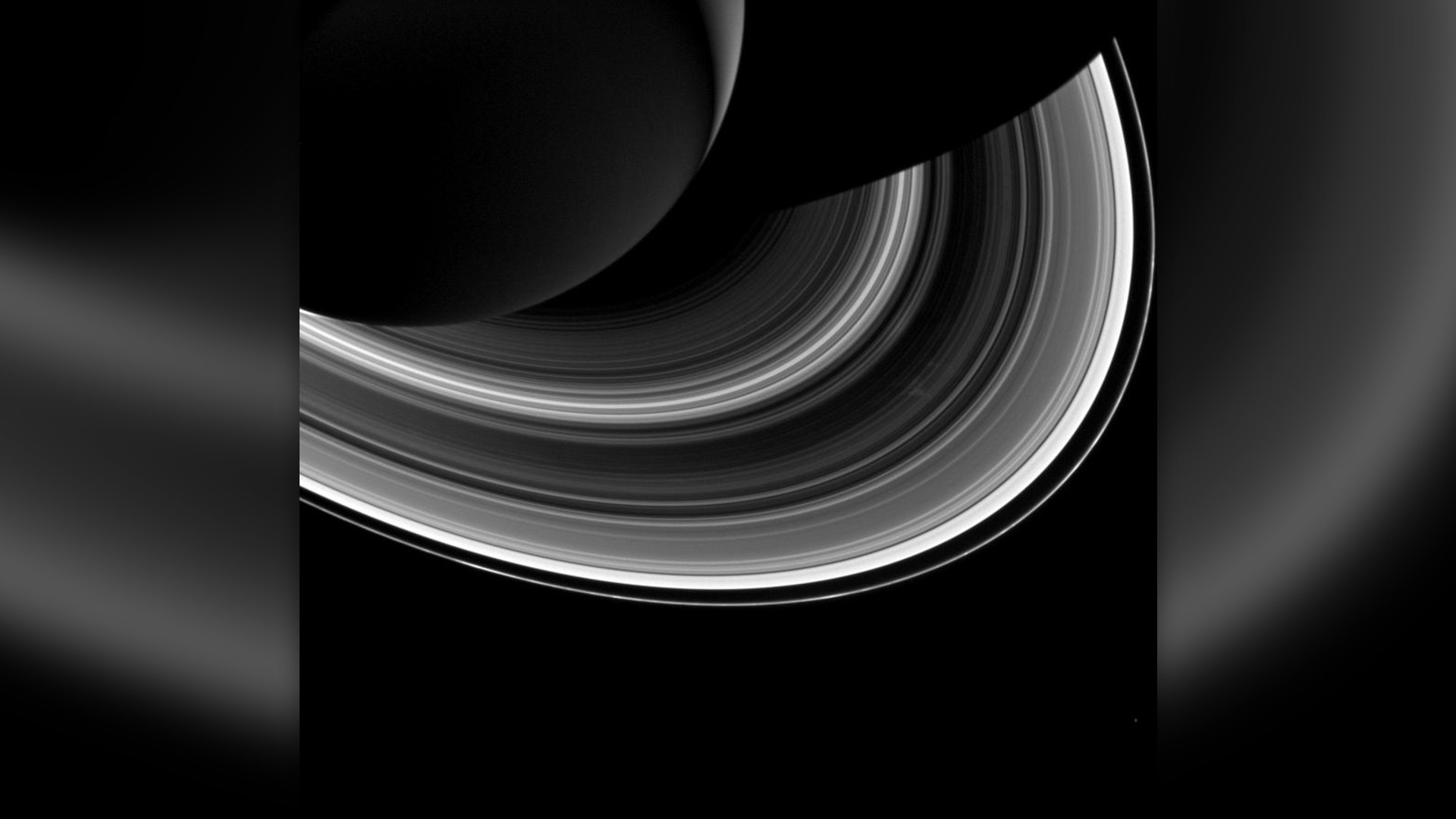
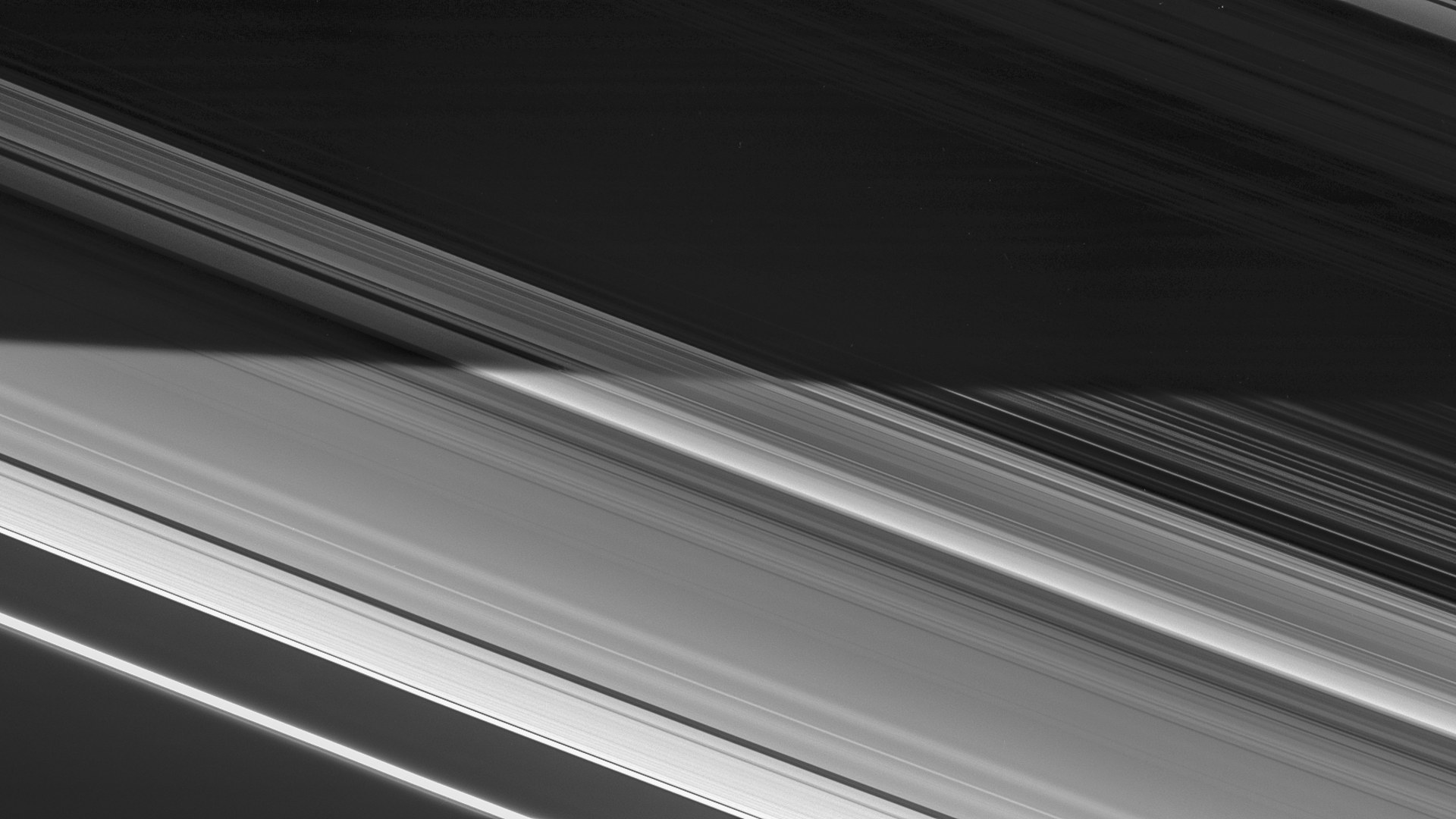
3. Saturn's Majestic Rings
Cassini's high-inclination orbit revealed density waves and exquisite structural banding inside Saturn's A and B rings, shaped by gravitational resonances with tiny shepherd moons.
©NASA / JPL-Caltech / Space Science Institute
2. Uranus's Cyan Cloud Bands
NASA's Voyager 2 flew within 50,600 miles of Uranus's cloud tops in 1986, capturing its unique turquoise hue caused by atmospheric methane absorbing red light.
©NASA / JPL-Caltech / Voyager 2
1. Neptune's Great Dark Spot
During its historic 1989 flyby, NASA's Voyager 2 captured Neptune's dramatic azure abyss, where the solar system's fastest winds—raging over 1,200 mph—whip clouds across the icy blue world.

©NASA / JPL-Caltech / Voyager 2
Advertisement
You've reached the end of the story. Thanks for reading!

25 Groundbreaking American Inventions and Achievements Ranked
From Kitty Hawk and the Apollo 11 lunar landing to the transistor and the internet, American inventors and scientists have transformed global civilization. Sourced from the Smithsonian Institution, NASA archives, and the Library of Congress, here are twenty-five groundbreaking American milestones ranked.
All 15 Entries in this Story
15. Mercury's Caloris Basin
NASA's MESSENGER spacecraft mapped this ancient impact basin, revealing volcanic smooth plains fractured by concentric graben and thermal stress.

14. Venus's Maat Mons Volcano
NASA's Magellan orbiter utilized synthetic aperture radar to pierce Venus's dense sulfuric acid clouds, mapping massive fresh lava flows across Maat Mons.

13. Earth's Luminous Blue Limb
Captured from orbit by NASA astronauts, this iconic view shows Earth's delicate mesosphere and stratosphere glowing in electric blue above sunlit cloud decks.

12. Mars's Valles Marineris
Viking Orbiter 1 captured this sweeping vista of Candor Chasm in Valles Marineris, plunging four times deeper than the Grand Canyon with layered rock walls.

11. Mars's Olympus Mons Caldera
NASA's Mars Odyssey imaged the complex collapse calderas atop Olympus Mons, which towers 13 miles above the surrounding plains—nearly three times higher than Everest.

10. Mars's Proctor Crater Dunes
NASA's Mars Reconnaissance Orbiter and HiRISE camera captured these shifting dark barchan sand dunes, providing direct evidence of an active dynamic atmosphere on Mars.

9. Mars's Mount Sharp Rock Strata
NASA's Curiosity rover photographed the dramatic stratified ridges of lower Mount Sharp in Gale Crater, proving ancient Mars once hosted long-lived lakes and rivers.

8. Jupiter's Jovian Cloud Swirls
During close periJove passes, NASA's Juno spacecraft captured stunning swirling cloud textures in Jupiter's northern hemisphere, driven by jet streams over 300 mph.

7. Jupiter's Polar Cyclones
NASA's Juno discovered a stable pentagon of continent-sized cyclonic storms surrounding a central vortex at Jupiter's south pole, an atmospheric phenomenon unique to the gas giant.

6. Jupiter's Great Red Spot
Swooping just 5,600 miles above the clouds, NASA's JunoCam captured intricate knotted turbulence and deep crimson hues inside Jupiter's centuries-old anticyclonic storm.

5. Saturn's Atmospheric Belts
NASA's Cassini spacecraft imaged subtle alternating jet streams and golden ammonia cloud layers across Saturn's northern hemisphere, illuminated by sunlight filtering through the rings.

4. Saturn's North Polar Hexagon
NASA's Cassini probe revealed this stunning 20,000-mile-wide hexagonal atmospheric current where winds whip at 200 mph around a central spinning hurricane.

3. Saturn's Majestic Rings
Cassini's high-inclination orbit revealed density waves and exquisite structural banding inside Saturn's A and B rings, shaped by gravitational resonances with tiny shepherd moons.

2. Uranus's Cyan Cloud Bands
NASA's Voyager 2 flew within 50,600 miles of Uranus's cloud tops in 1986, capturing its unique turquoise hue caused by atmospheric methane absorbing red light.

1. Neptune's Great Dark Spot
During its historic 1989 flyby, NASA's Voyager 2 captured Neptune's dramatic azure abyss, where the solar system's fastest winds—raging over 1,200 mph—whip clouds across the icy blue world.