Slideshow · Science
15 Natural Phenomena Scientists Still Can't Fully Explain, Ranked
From desert fairy circles and subglacial blood-red waterfalls to 50-mile-high red sprites, these 15 natural phenomena still puzzle researchers today.
By Most Viral Today
5 Nov 2026

15 Real Natural Wonders That Still Puzzle Modern Science 
15. Crooked Forest Of Gryfino, Poland 
14. Mima Mounds, Washington, United States 
13. Hair Ice On Decaying Broadleaf Wood - AdvertisementSwipe or tap ▶ to continue countdown

12. Penitentes Ice Spikes, High Andes 
11. Spotted Lake (Kliluk), British Columbia, Canada 
10. Starling Murmurations At Dusk 
9. Eternal Flame Falls, New York, United States - AdvertisementSwipe or tap ▶ to continue countdown

8. Mammatus Cloud Lobes 
7. Blood Falls, Taylor Glacier, Antarctica 
6. Sailing Stones Of Racetrack Playa, California 
5. Morning Glory Roll Clouds, Queensland, Australia - AdvertisementSwipe or tap ▶ to continue countdown

4. Catatumbo Lightning, Lake Maracaibo, Venezuela 
3. Fairy Circles Of The Namib Desert 
2. Red Sprites In The Upper Mesosphere 
1. STEVE Subauroral Atmospheric Ribbon - Advertisement🔥 UP NEXT IN THIS SERIES◫ 26 Slides

25 Groundbreaking American Inventions and Achievements Ranked
From Kitty Hawk and the Apollo 11 lunar landing to the transistor and the internet, American inventors and scientists have transformed global civilization. Sourced from the Smithsonian Institution, NASA archives, and the Library of Congress, here are twenty-five groundbreaking American milestones ranked.
Satellites and supercomputers have mapped nearly every corner of the planet, yet several rare atmospheric, geological, and biological events still resist a complete scientific model. From desert fairy circles to upper-atmospheric lightning, here are 15 natural phenomena scientists still cannot fully explain.
Swipe or tap ▶ to begin the countdown
©Wikimedia / NOIRLab
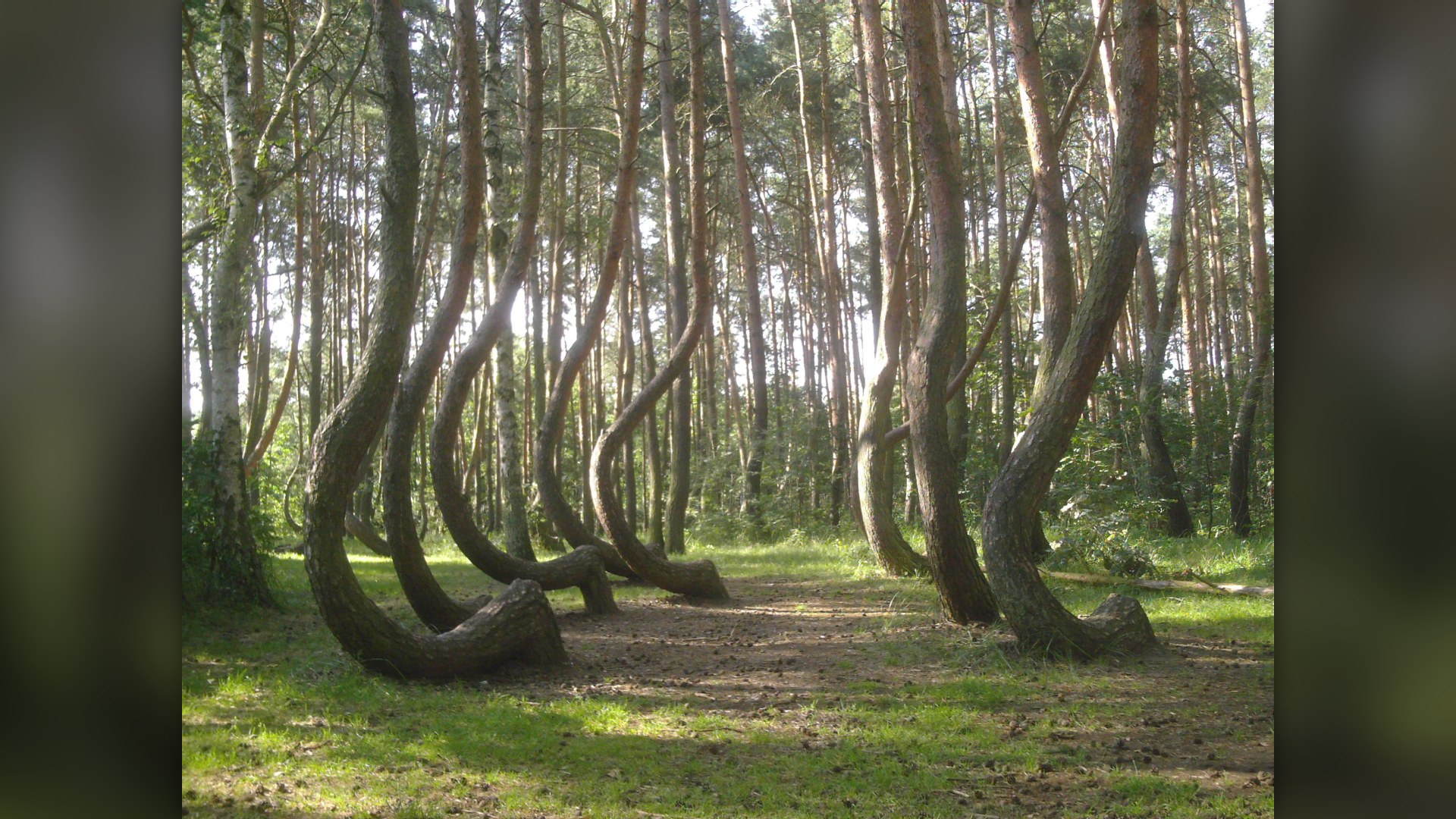
15. Crooked Forest Of Gryfino, Poland
Planted around 1930 near the town of Gryfino in western Poland, roughly 400 Scots pines grow with an identical 90-degree northward J-curve right above the soil before straightening to reach 15 meters tall. Botanists still debate whether heavy snowstorms or pre-war timber shapers caused the uniform bend.
©Wikimedia / Artur Strzelczyk
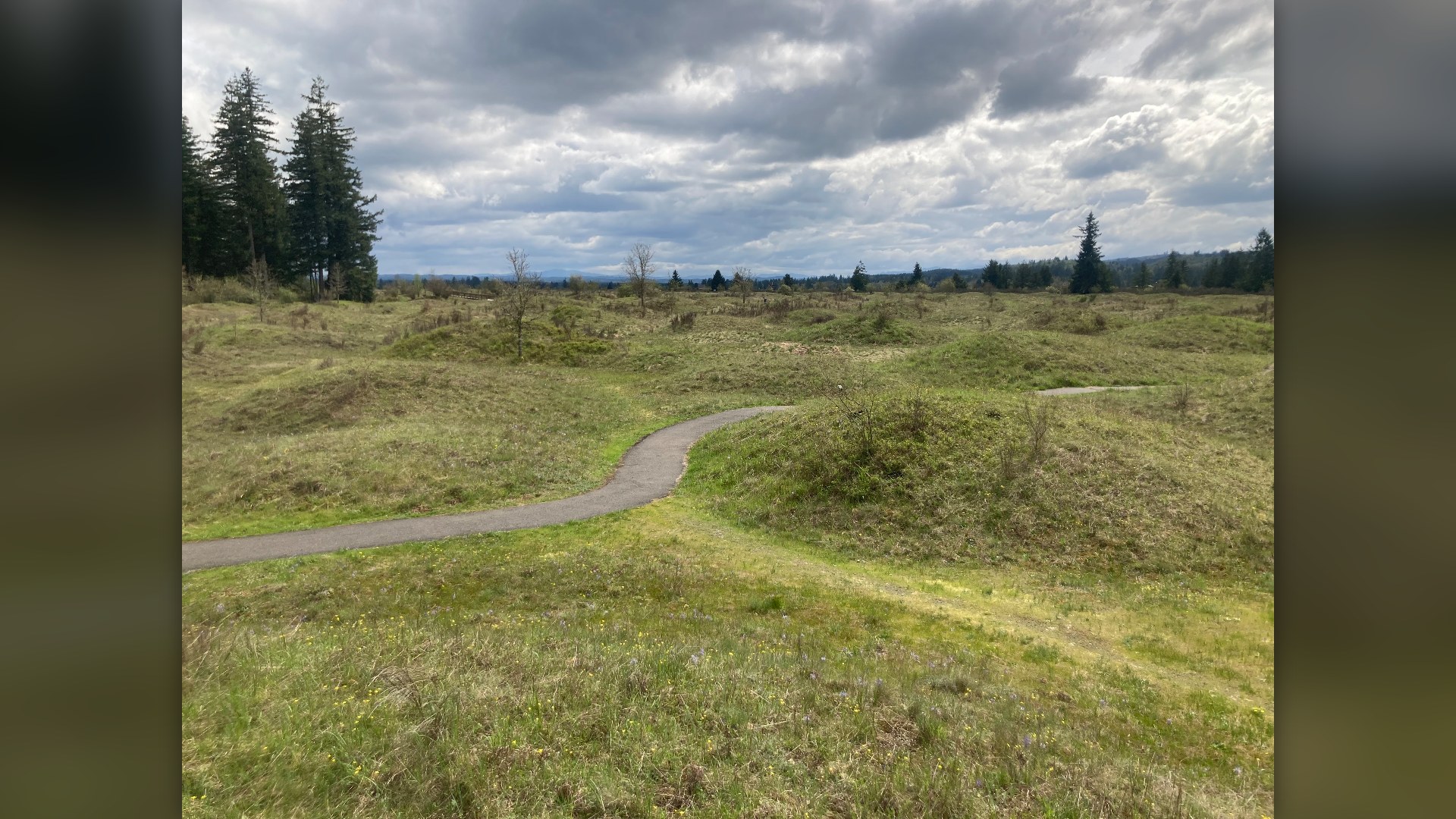
14. Mima Mounds, Washington, United States
Across the Mima Prairie south of Olympia, Washington, thousands of gravel-and-silt domes rise up to 2 meters high and 15 meters wide in regular patterns. Geologists remain divided among three competing explanations involving centuries of burrowing by pocket gophers, glacial outwash floods, or seismic ground shaking.
©Wikimedia / Mattsjc
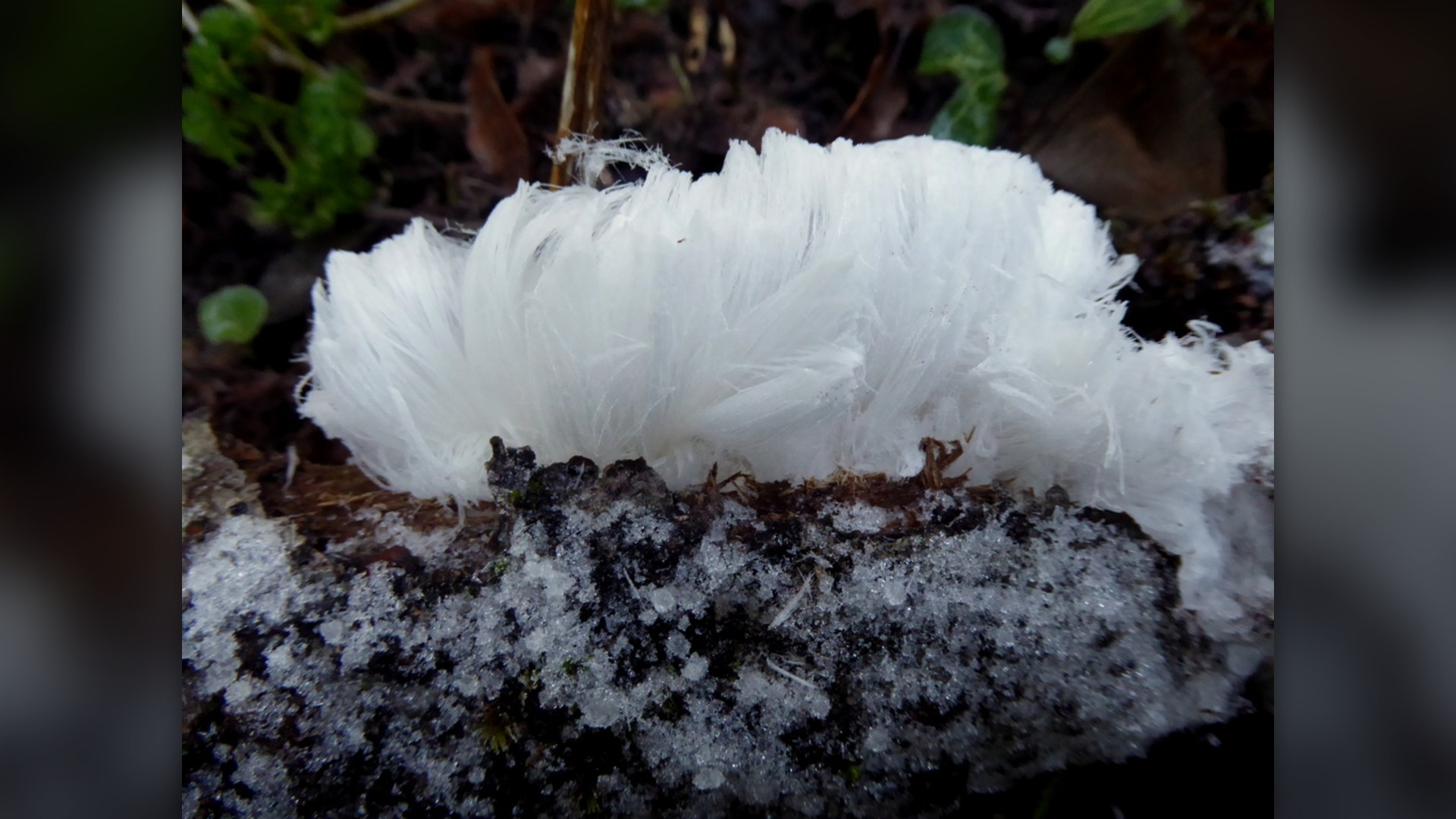
13. Hair Ice On Decaying Broadleaf Wood
On damp nights just below zero degrees Celsius, silky white strands of ice grow outward from dead broadleaf wood like spun sugar. Although researchers in 2015 confirmed that the fungus Exidiopsis effusa is required, the exact organic compound that stops the 0.02-millimeter ice hairs from fusing remains unisolated.
©Wikimedia / Kenneth Allen
Advertisement
Swipe or tap ▶ to resume the countdown.
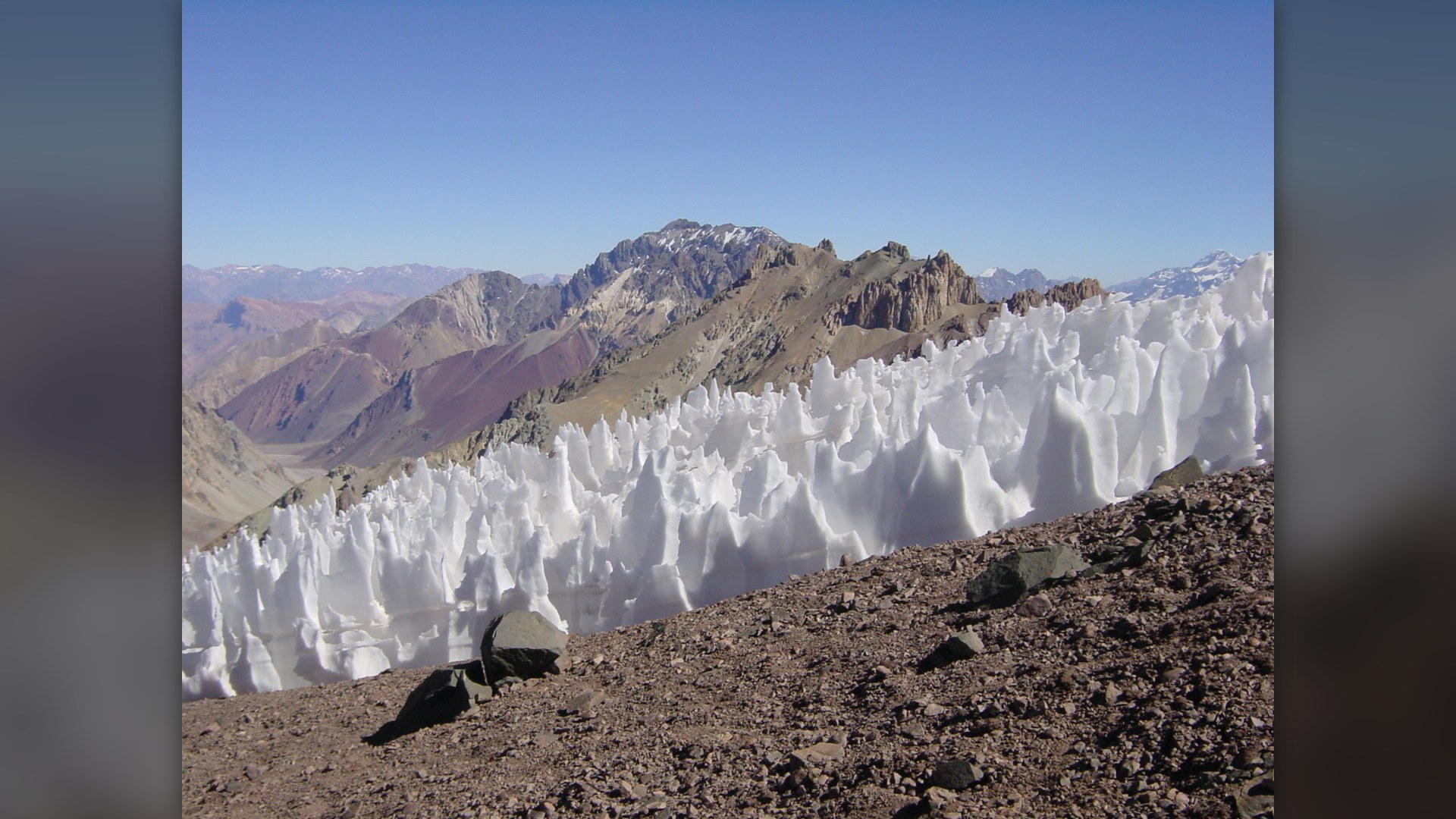
12. Penitentes Ice Spikes, High Andes
Above 4,000 meters in the Dry Andes of Chile and Argentina, intense sunlight turns snowfields into crowded ranks of tilted ice blades up to 5 meters high. While sublimation without melting drives their growth, physicists still study what sets their regular spacing and how 15-meter blades form on Pluto and Europa.
©Wikimedia / Sastognuti
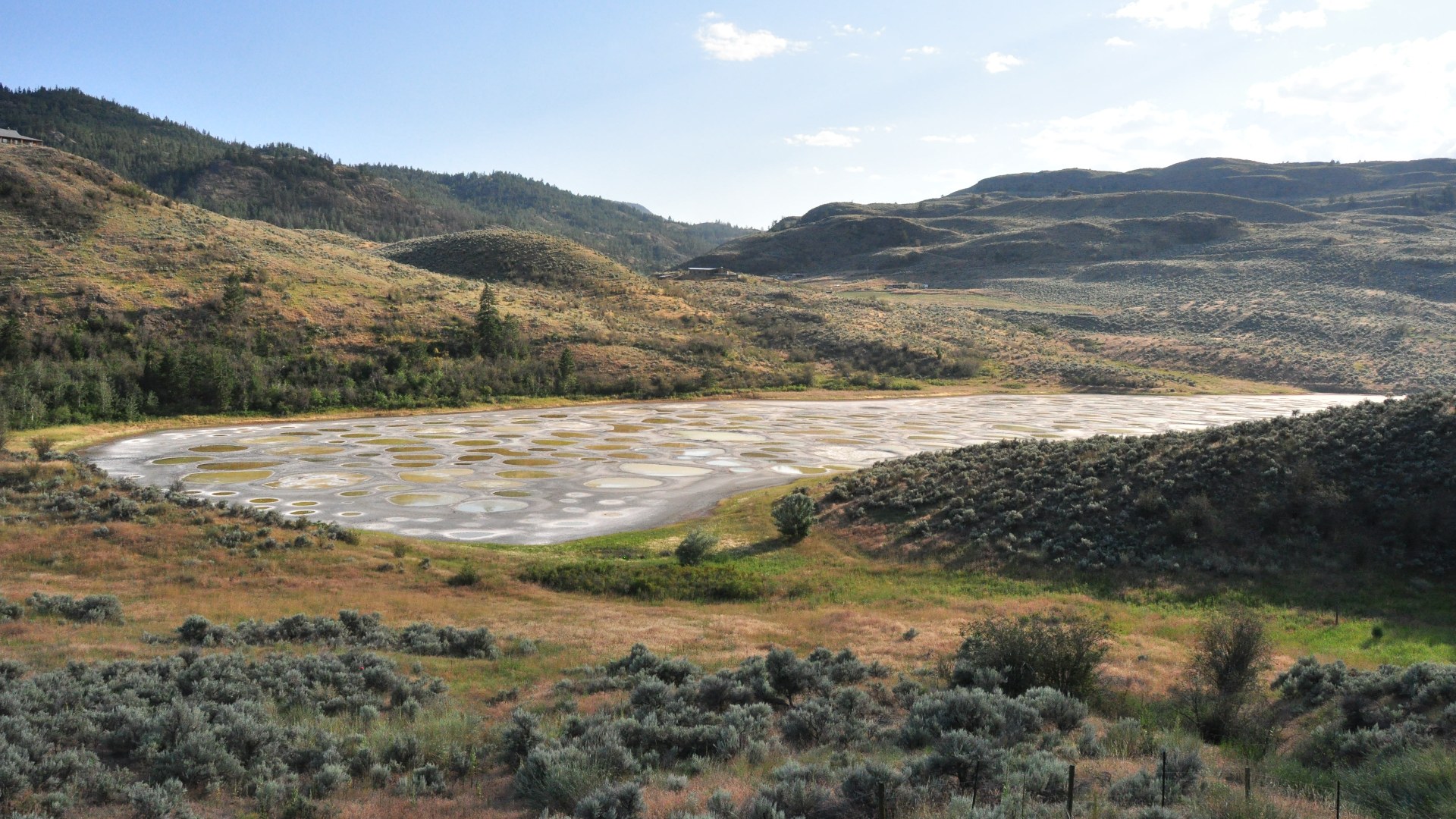
11. Spotted Lake (Kliluk), British Columbia, Canada
Located in British Columbia's Okanagan Valley, Spotted Lake (known as Kliluk to the Syilx Okanagan Nation) holds some of the highest concentrations of magnesium, calcium, and sodium sulfates on Earth. Each summer the water evaporates into hundreds of rings whose shifting microbial ecosystems mimic ancient Mars.
©Wikimedia / Mykola Swarnyk
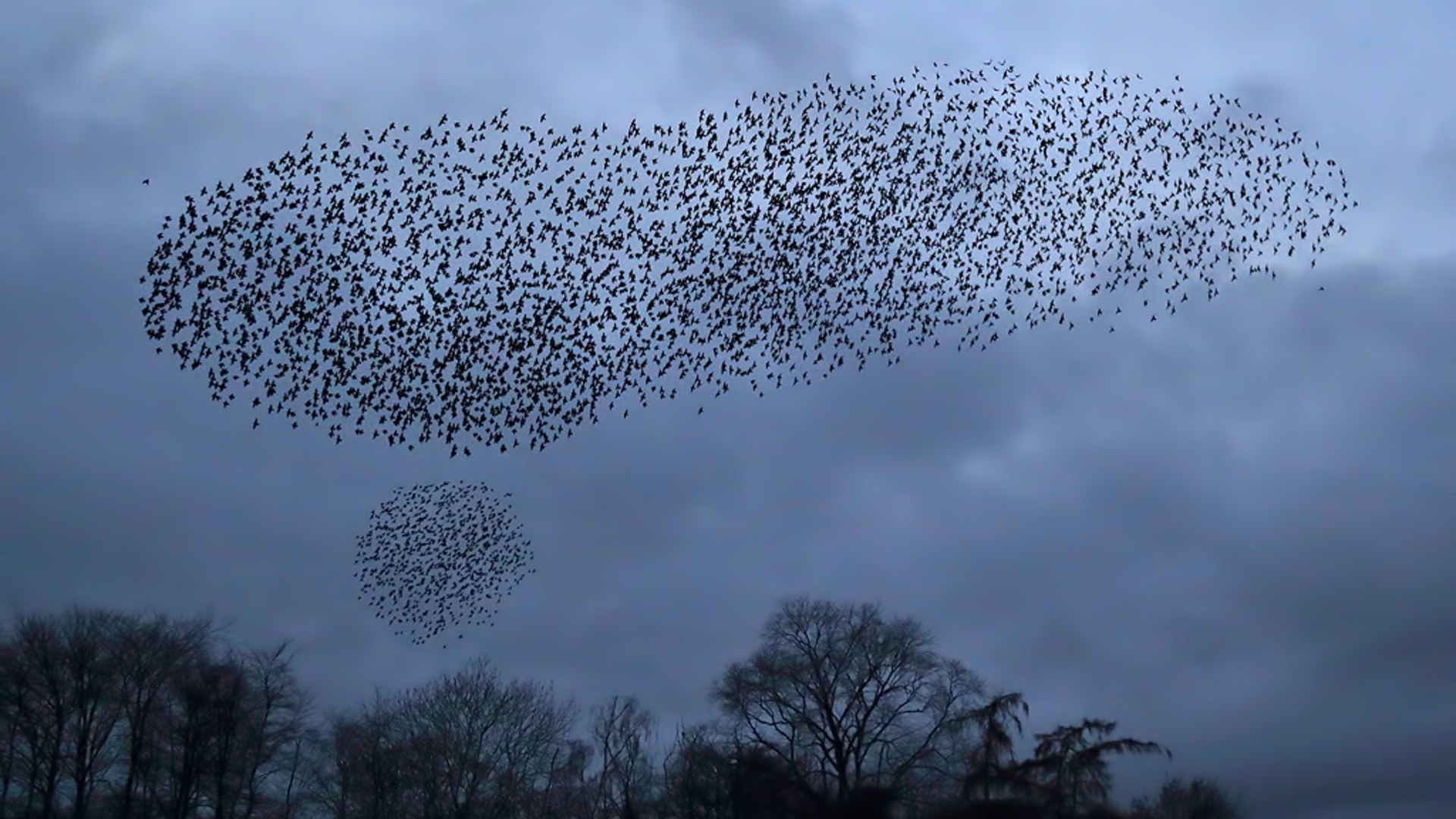
10. Starling Murmurations At Dusk
When tens of thousands of European starlings gather at dusk, the entire flock shifts direction in milliseconds like a single fluid organism. Statistical physicists found that each bird tracks its seven nearest neighbors, yet how visual signals propagate across the whole flock without collisions still challenges models.
©Wikimedia / Walter Baxter
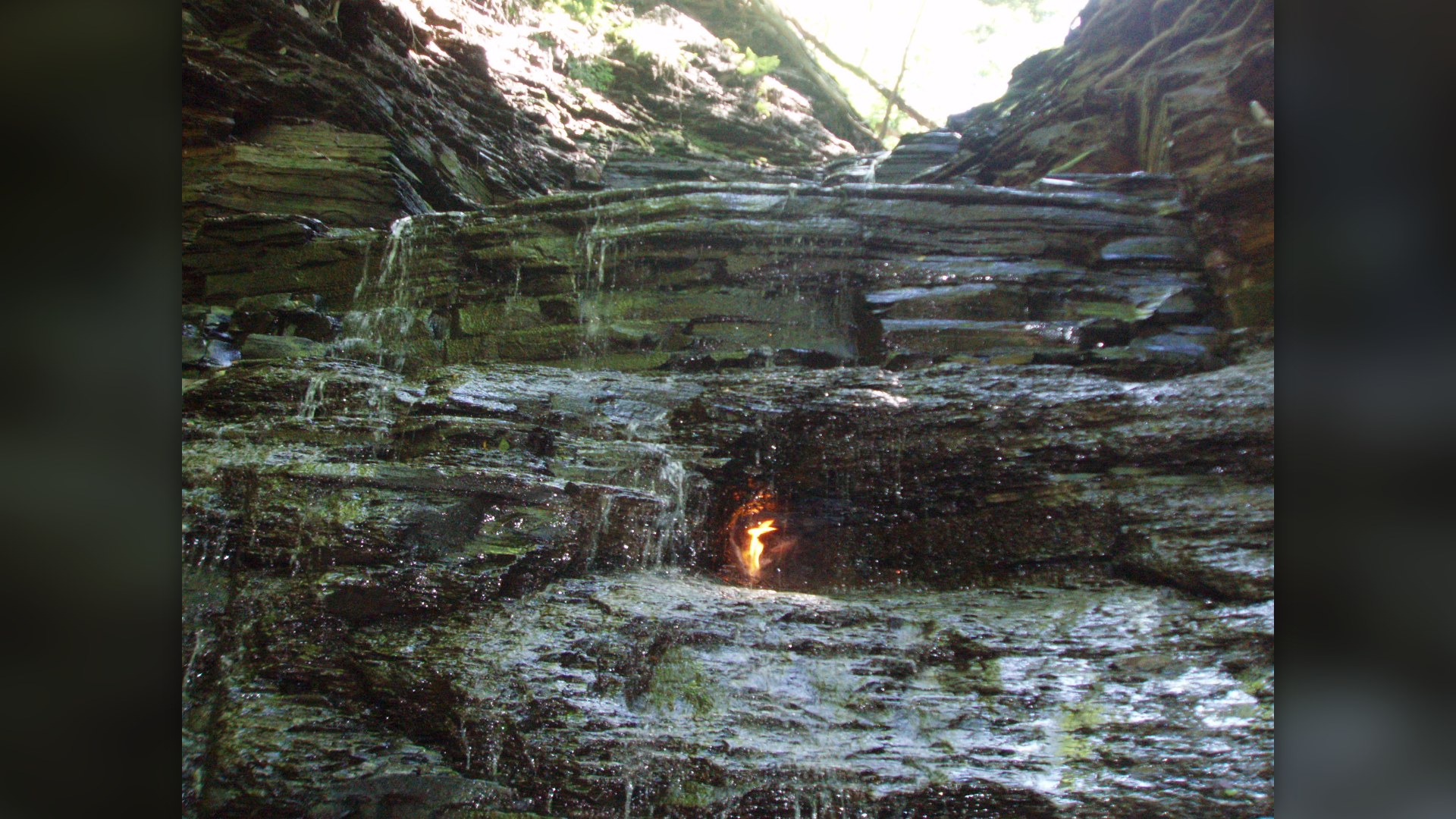
9. Eternal Flame Falls, New York, United States
Inside a small grotto behind a waterfall in western New York's Chestnut Ridge Park, a natural gas seep feeds a flickering 20-centimeter flame year-round. When geologists analyzed the site in 2013, they found the Devonian shale below is far too cool to crack hydrocarbons thermally, leaving the gas source unresolved.
©Wikimedia / Rory Szwed
Advertisement
Swipe or tap ▶ to resume the countdown.
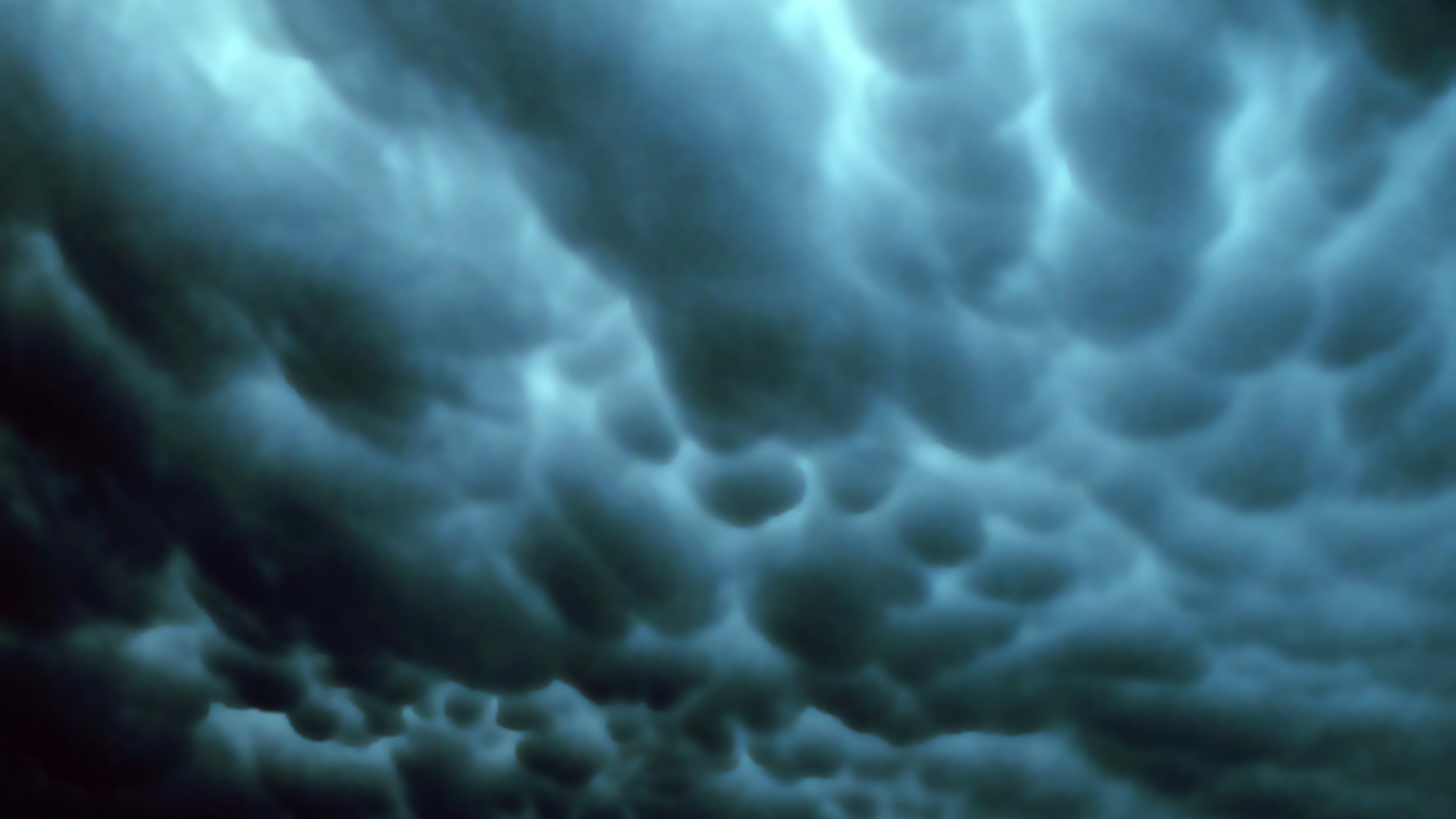
8. Mammatus Cloud Lobes
Hanging in cellular pouches beneath the anvil of a mature cumulonimbus storm, mammatus clouds form when cold, ice-laden air sinks into warmer, drier air below. Despite decades of radar observations, atmospheric scientists still debate ten different formation mechanisms and cannot predict exactly when they will appear.
©Wikimedia / NOAA
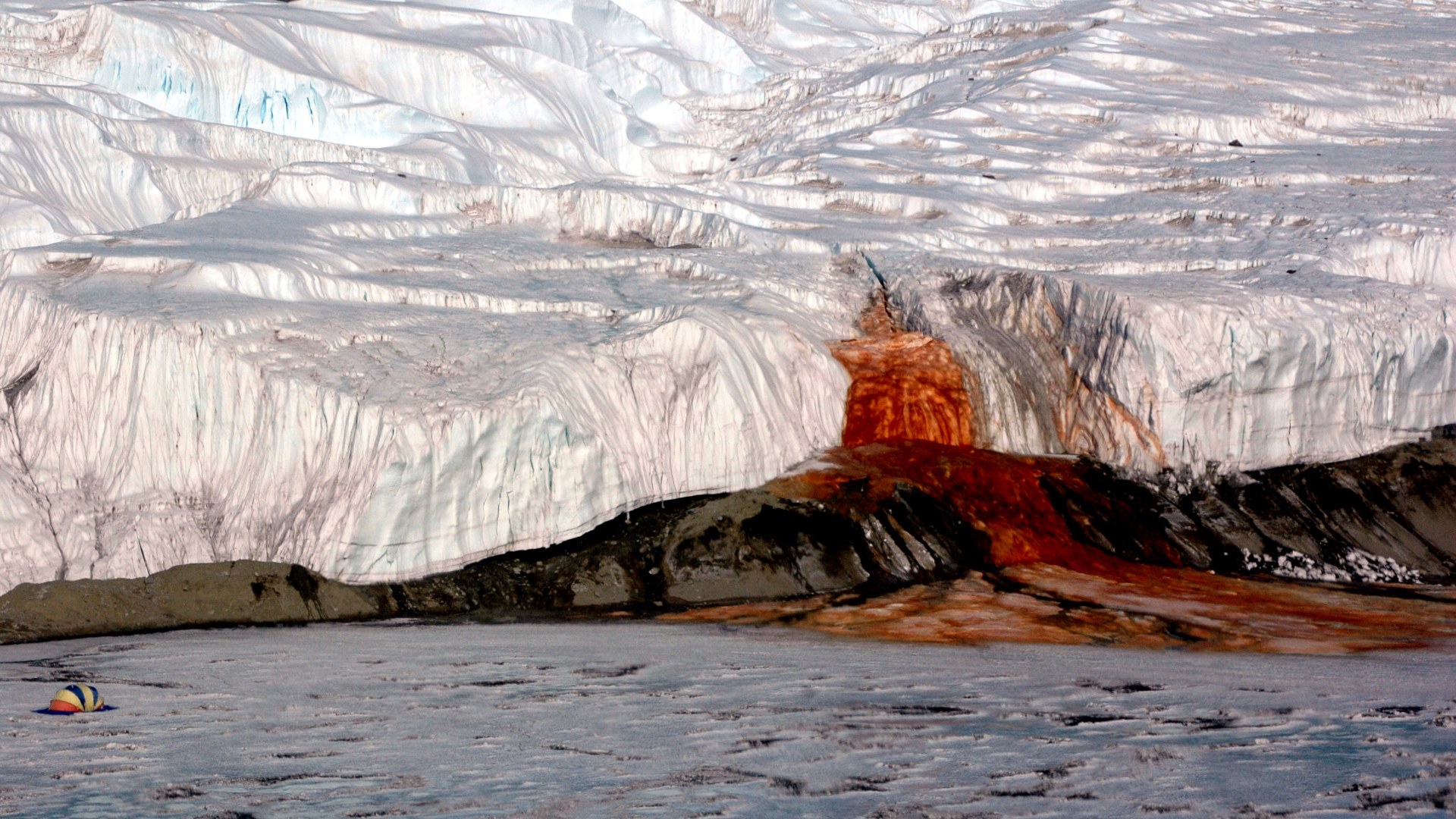
7. Blood Falls, Taylor Glacier, Antarctica
At the snout of Taylor Glacier in Antarctica's McMurdo Dry Valleys, five-story plumes of blood-red brine pour out of white ice. Radar traced the flow to a subglacial lake sealed for over 1 million years, where microbes survive in total darkness without oxygen by cycling iron and sulfates through unknown pathways.
©Wikimedia / National Science Foundation
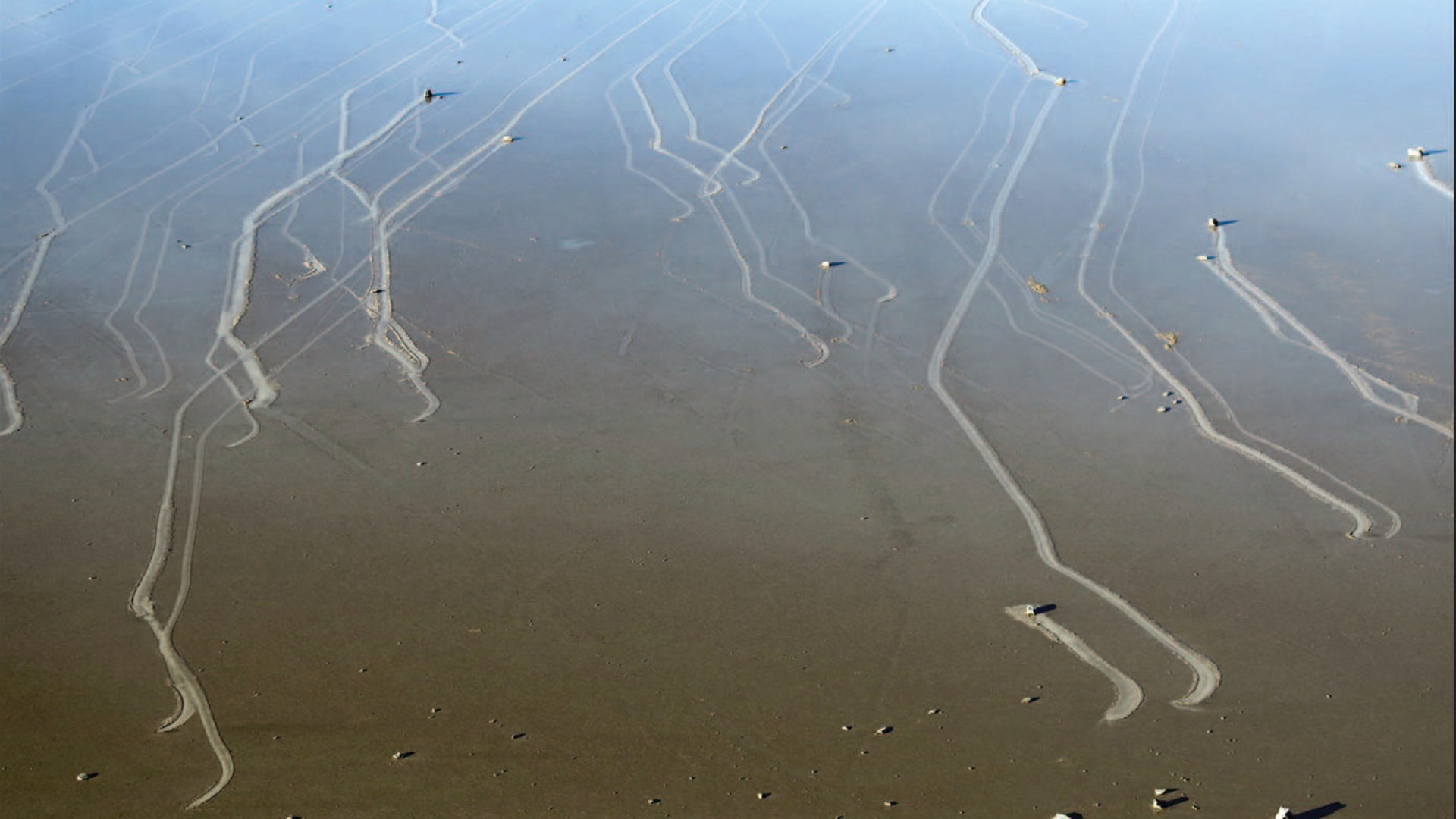
6. Sailing Stones Of Racetrack Playa, California
For decades, boulders weighing up to 300 kilograms moved across Death Valley's Racetrack Playa without witnesses. A 2014 GPS study caught thin windowpane ice sheets pushing smaller stones in light winds, but researchers still debate how the heaviest boulders move without shattering millimeter-thin ice.
©Wikimedia / Richard D. Norris
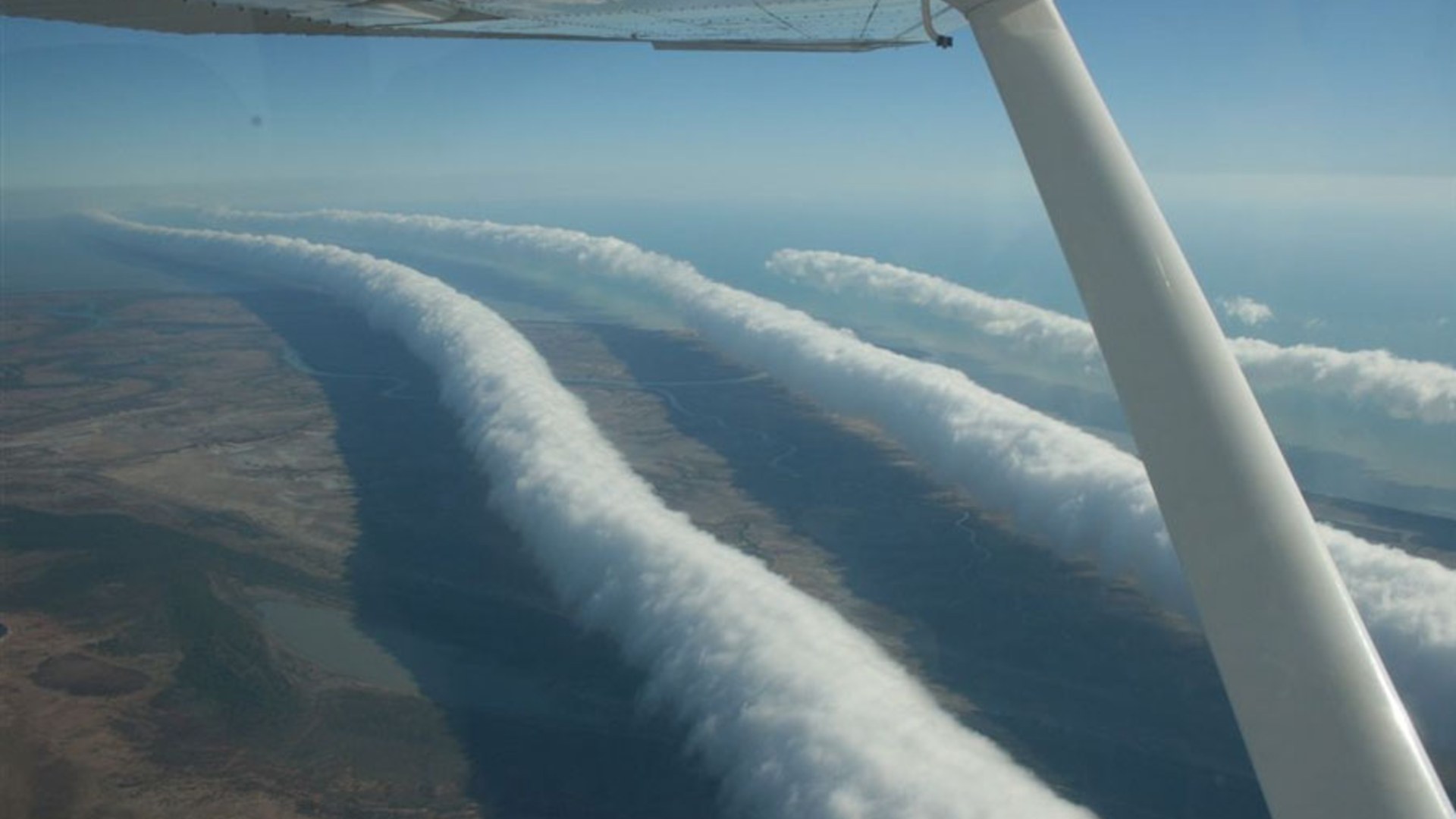
5. Morning Glory Roll Clouds, Queensland, Australia
Every spring over Australia's Gulf of Carpentaria, cylindrical roll clouds up to 1,000 kilometers long and 2 kilometers high sweep across the sky at 60 kilometers per hour. While colliding sea breezes trigger them, fluid dynamicists still cannot model why up to ten roll waves line up in sequence.
©Wikimedia / Mick Petroff
Advertisement
Swipe or tap ▶ to resume the countdown.
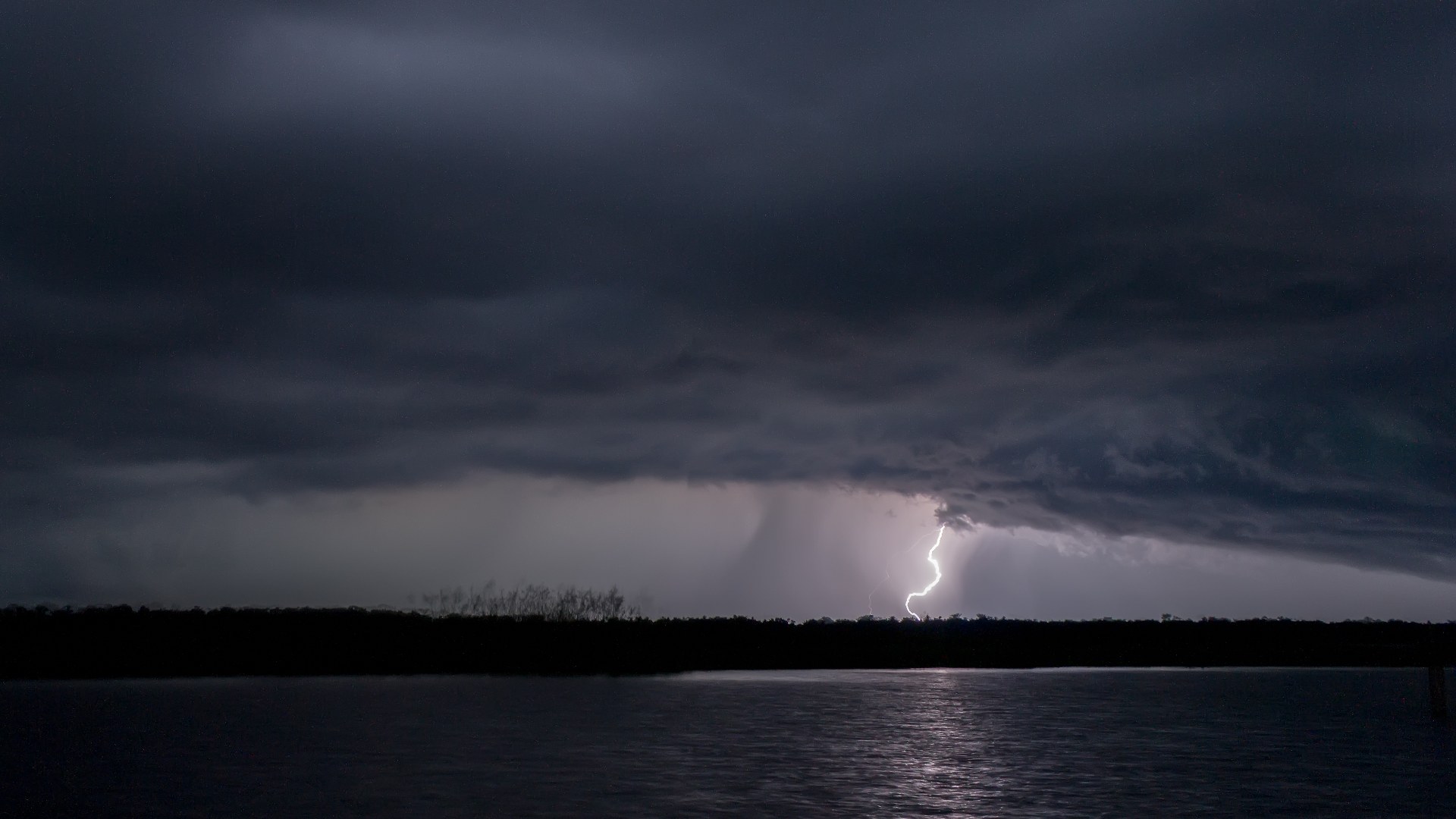
4. Catatumbo Lightning, Lake Maracaibo, Venezuela
Where the Catatumbo River meets Lake Maracaibo in Venezuela, storm cells generate up to 280 lightning flashes per hour across 160 nights each year. While Andean winds and warm lake moisture fuel the storms, meteorologists still cannot explain why the lightning stopped for months in 1906 and 2010.
©Wikimedia / Fernando Flores
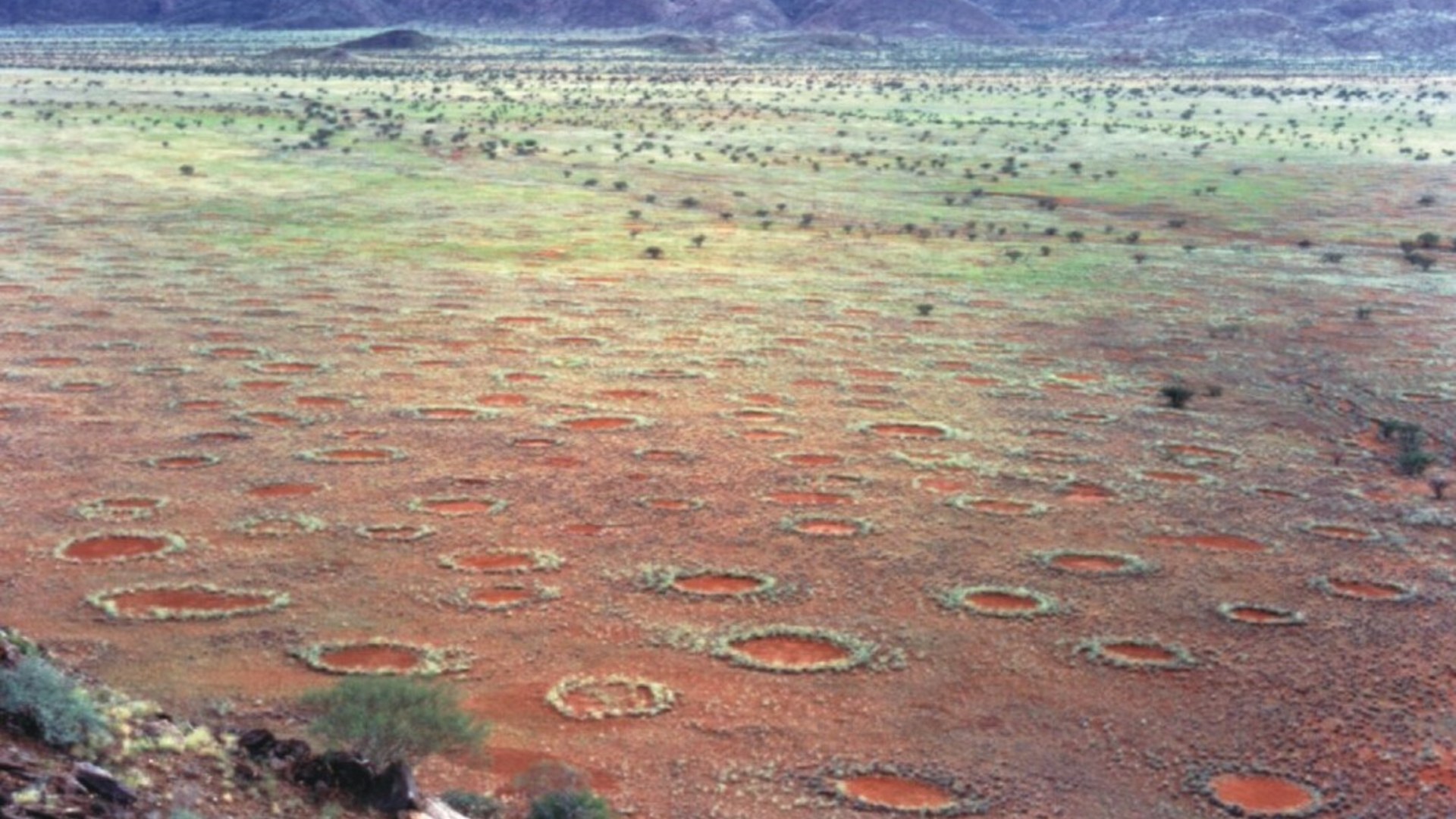
3. Fairy Circles Of The Namib Desert
Across a 2,400-kilometer desert strip in Namibia and Western Australia, millions of bare circular patches 2 to 15 meters wide dot the grassland in hexagonal grids. Ecologists remain divided between two rival models involving underground sand termites clearing roots or Turing-pattern plant competition.
©Wikimedia / Stephan Getzin
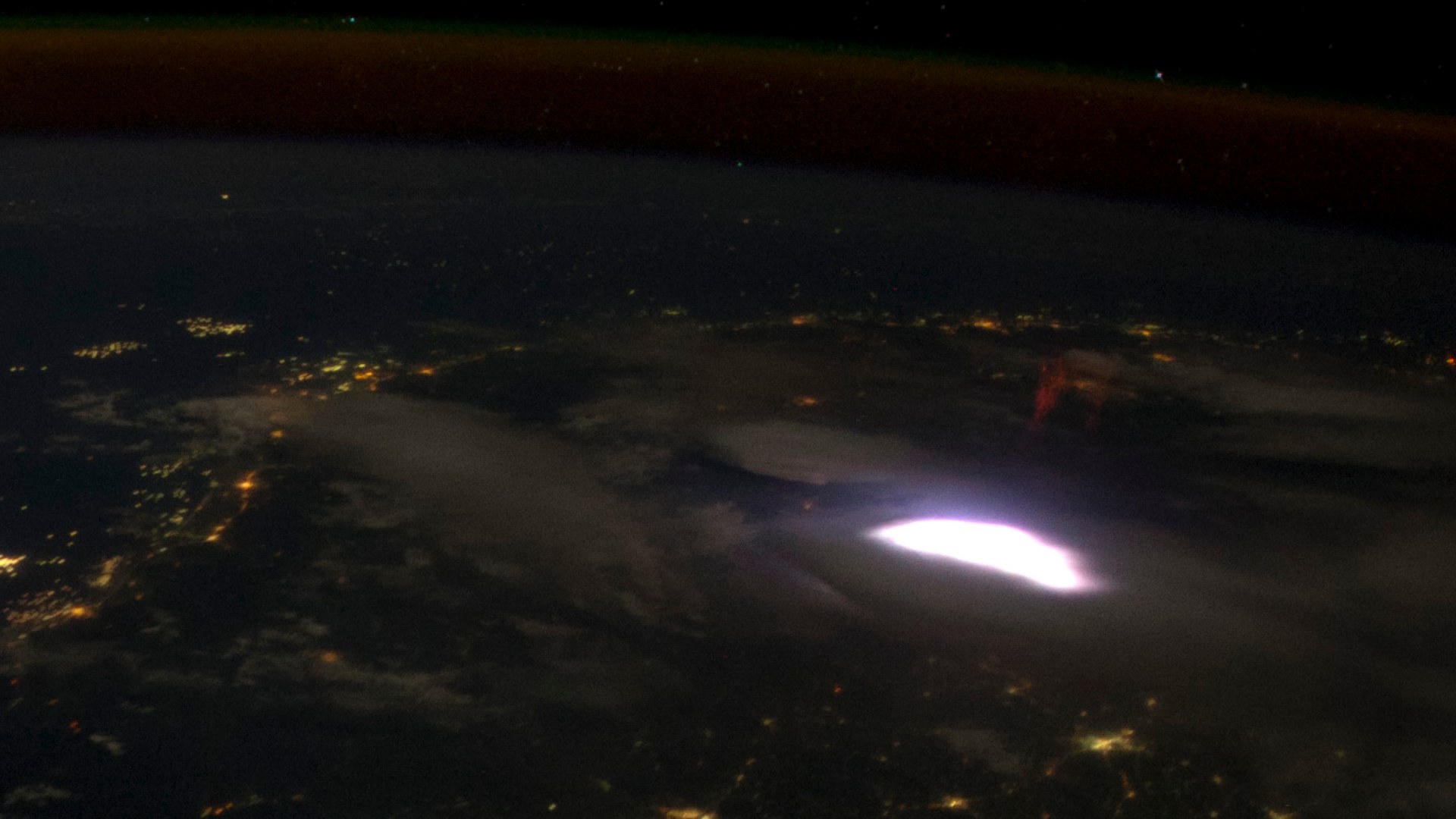
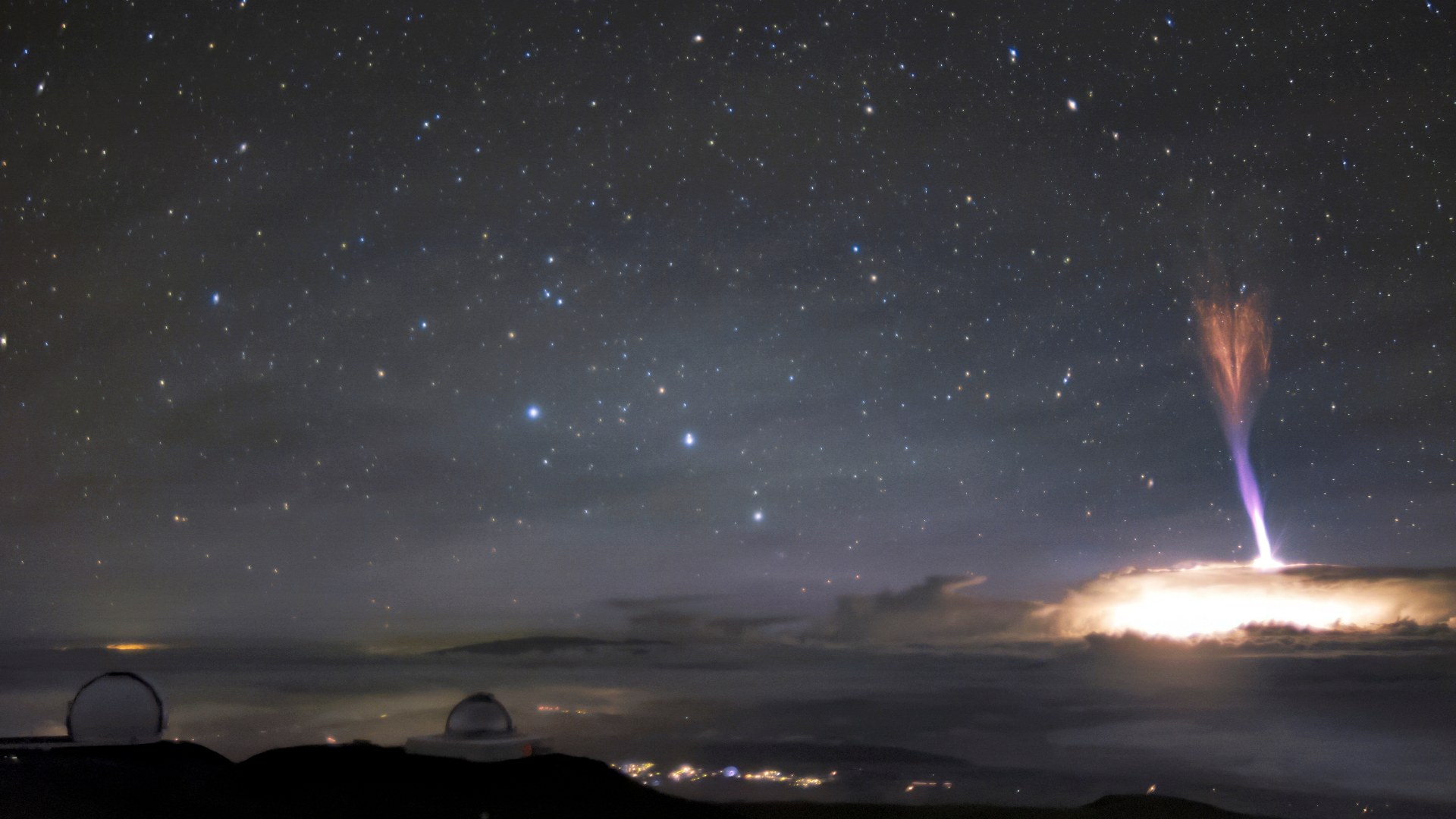
2. Red Sprites In The Upper Mesosphere
First photographed by accident in 1989 and now captured from the International Space Station, red sprites are cold plasma discharges flashing 50 to 90 kilometers above storms. Atmospheric physicists still cannot explain why only a tiny fraction of positive lightning bolts trigger sprites or how their tendrils branch.
©NASA / Expedition 31
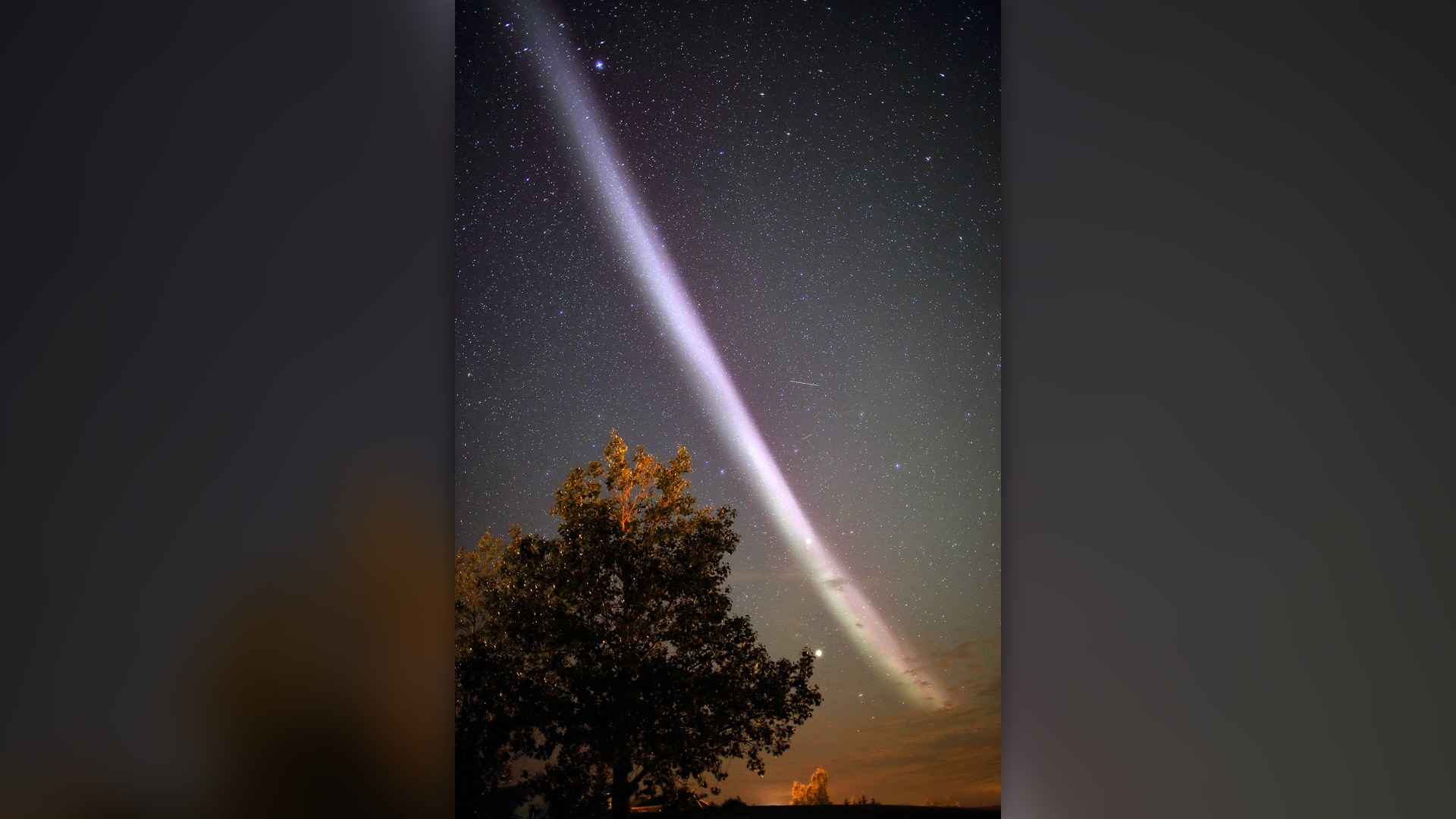
1. STEVE Subauroral Atmospheric Ribbon
Spotted by citizen aurora chasers in 2016 and named Strong Thermal Emission Velocity Enhancement (STEVE), this narrow purple ribbon flows west at 6 kilometers per second alongside green vertical columns. Satellite passes revealed a 3,000-degree-Celsius ion stream whose spectrum still defies standard aurora physics.

©Wikimedia / Elfiehall
Advertisement
You've reached the end of the story. Thanks for reading!

25 Groundbreaking American Inventions and Achievements Ranked
From Kitty Hawk and the Apollo 11 lunar landing to the transistor and the internet, American inventors and scientists have transformed global civilization. Sourced from the Smithsonian Institution, NASA archives, and the Library of Congress, here are twenty-five groundbreaking American milestones ranked.
All 15 Entries in this Story
15. Crooked Forest Of Gryfino, Poland
Planted around 1930 near the town of Gryfino in western Poland, roughly 400 Scots pines grow with an identical 90-degree northward J-curve right above the soil before straightening to reach 15 meters tall. Botanists still debate whether heavy snowstorms or pre-war timber shapers caused the uniform bend.

14. Mima Mounds, Washington, United States
Across the Mima Prairie south of Olympia, Washington, thousands of gravel-and-silt domes rise up to 2 meters high and 15 meters wide in regular patterns. Geologists remain divided among three competing explanations involving centuries of burrowing by pocket gophers, glacial outwash floods, or seismic ground shaking.

13. Hair Ice On Decaying Broadleaf Wood
On damp nights just below zero degrees Celsius, silky white strands of ice grow outward from dead broadleaf wood like spun sugar. Although researchers in 2015 confirmed that the fungus Exidiopsis effusa is required, the exact organic compound that stops the 0.02-millimeter ice hairs from fusing remains unisolated.

12. Penitentes Ice Spikes, High Andes
Above 4,000 meters in the Dry Andes of Chile and Argentina, intense sunlight turns snowfields into crowded ranks of tilted ice blades up to 5 meters high. While sublimation without melting drives their growth, physicists still study what sets their regular spacing and how 15-meter blades form on Pluto and Europa.

11. Spotted Lake (Kliluk), British Columbia, Canada
Located in British Columbia's Okanagan Valley, Spotted Lake (known as Kliluk to the Syilx Okanagan Nation) holds some of the highest concentrations of magnesium, calcium, and sodium sulfates on Earth. Each summer the water evaporates into hundreds of rings whose shifting microbial ecosystems mimic ancient Mars.

10. Starling Murmurations At Dusk
When tens of thousands of European starlings gather at dusk, the entire flock shifts direction in milliseconds like a single fluid organism. Statistical physicists found that each bird tracks its seven nearest neighbors, yet how visual signals propagate across the whole flock without collisions still challenges models.

9. Eternal Flame Falls, New York, United States
Inside a small grotto behind a waterfall in western New York's Chestnut Ridge Park, a natural gas seep feeds a flickering 20-centimeter flame year-round. When geologists analyzed the site in 2013, they found the Devonian shale below is far too cool to crack hydrocarbons thermally, leaving the gas source unresolved.

8. Mammatus Cloud Lobes
Hanging in cellular pouches beneath the anvil of a mature cumulonimbus storm, mammatus clouds form when cold, ice-laden air sinks into warmer, drier air below. Despite decades of radar observations, atmospheric scientists still debate ten different formation mechanisms and cannot predict exactly when they will appear.

7. Blood Falls, Taylor Glacier, Antarctica
At the snout of Taylor Glacier in Antarctica's McMurdo Dry Valleys, five-story plumes of blood-red brine pour out of white ice. Radar traced the flow to a subglacial lake sealed for over 1 million years, where microbes survive in total darkness without oxygen by cycling iron and sulfates through unknown pathways.

6. Sailing Stones Of Racetrack Playa, California
For decades, boulders weighing up to 300 kilograms moved across Death Valley's Racetrack Playa without witnesses. A 2014 GPS study caught thin windowpane ice sheets pushing smaller stones in light winds, but researchers still debate how the heaviest boulders move without shattering millimeter-thin ice.

5. Morning Glory Roll Clouds, Queensland, Australia
Every spring over Australia's Gulf of Carpentaria, cylindrical roll clouds up to 1,000 kilometers long and 2 kilometers high sweep across the sky at 60 kilometers per hour. While colliding sea breezes trigger them, fluid dynamicists still cannot model why up to ten roll waves line up in sequence.

4. Catatumbo Lightning, Lake Maracaibo, Venezuela
Where the Catatumbo River meets Lake Maracaibo in Venezuela, storm cells generate up to 280 lightning flashes per hour across 160 nights each year. While Andean winds and warm lake moisture fuel the storms, meteorologists still cannot explain why the lightning stopped for months in 1906 and 2010.

3. Fairy Circles Of The Namib Desert
Across a 2,400-kilometer desert strip in Namibia and Western Australia, millions of bare circular patches 2 to 15 meters wide dot the grassland in hexagonal grids. Ecologists remain divided between two rival models involving underground sand termites clearing roots or Turing-pattern plant competition.

2. Red Sprites In The Upper Mesosphere
First photographed by accident in 1989 and now captured from the International Space Station, red sprites are cold plasma discharges flashing 50 to 90 kilometers above storms. Atmospheric physicists still cannot explain why only a tiny fraction of positive lightning bolts trigger sprites or how their tendrils branch.

1. STEVE Subauroral Atmospheric Ribbon
Spotted by citizen aurora chasers in 2016 and named Strong Thermal Emission Velocity Enhancement (STEVE), this narrow purple ribbon flows west at 6 kilometers per second alongside green vertical columns. Satellite passes revealed a 3,000-degree-Celsius ion stream whose spectrum still defies standard aurora physics.