Slideshow · Science
15 Animals That went to space before humans
Long before human astronauts orbited Earth or walked on the Moon, biological pioneers from fruit flies to tortoises tested whether living creatures could survive launch and weightlessness.
By Most Viral Today
5 Nov 2026

15 Animals That went to space before humans 
15. Tardigrades 
14. Arabella And Anita 
13. Horsfield's Tortoises - AdvertisementSwipe or tap ▶ to continue countdown

12. Veterok And Ugolyok 
11. Felicette 
10. Guinea Pigs 
9. Ham The Chimpanzee - AdvertisementSwipe or tap ▶ to continue countdown

8. Belka And Strelka 
7. Marfusha The Rabbit 
6. Able And Miss Baker 
5. Laika - AdvertisementSwipe or tap ▶ to continue countdown

4. Dezik And Tsygan 
3. Mice 
2. Albert II 
1. Fruit Flies - Advertisement🔥 UP NEXT IN THIS SERIES◫ 26 Slides

25 Groundbreaking American Inventions and Achievements Ranked
From Kitty Hawk and the Apollo 11 lunar landing to the transistor and the internet, American inventors and scientists have transformed global civilization. Sourced from the Smithsonian Institution, NASA archives, and the Library of Congress, here are twenty-five groundbreaking American milestones ranked.
Long before human astronauts orbited Earth or walked on the Moon, biological pioneers from fruit flies to tortoises tested whether living creatures could survive launch and weightlessness.
Swipe or tap ▶ to begin the countdown
©Wikimedia / Museum of Cosmonaut & NASA / Marshall Space
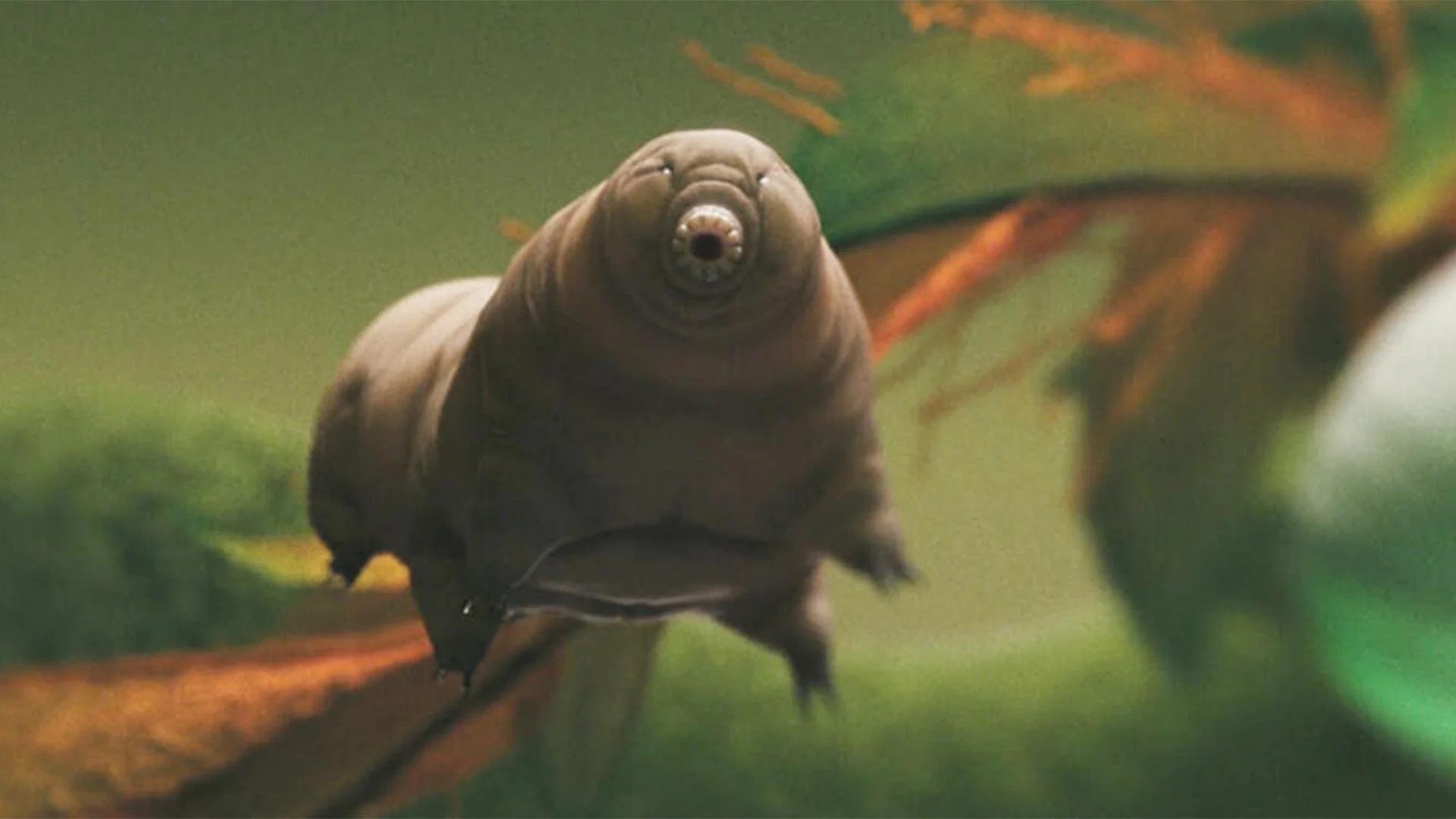
15. Tardigrades
Flown aboard the European Space Agency FOTON-M3 mission in September 2007, microscopic tardigrades were exposed directly to the vacuum and solar ultraviolet radiation of open space for 10 days. Many survived and later produced healthy offspring.
©TMDb / Tiny and Tough - The Incredible Resilience of
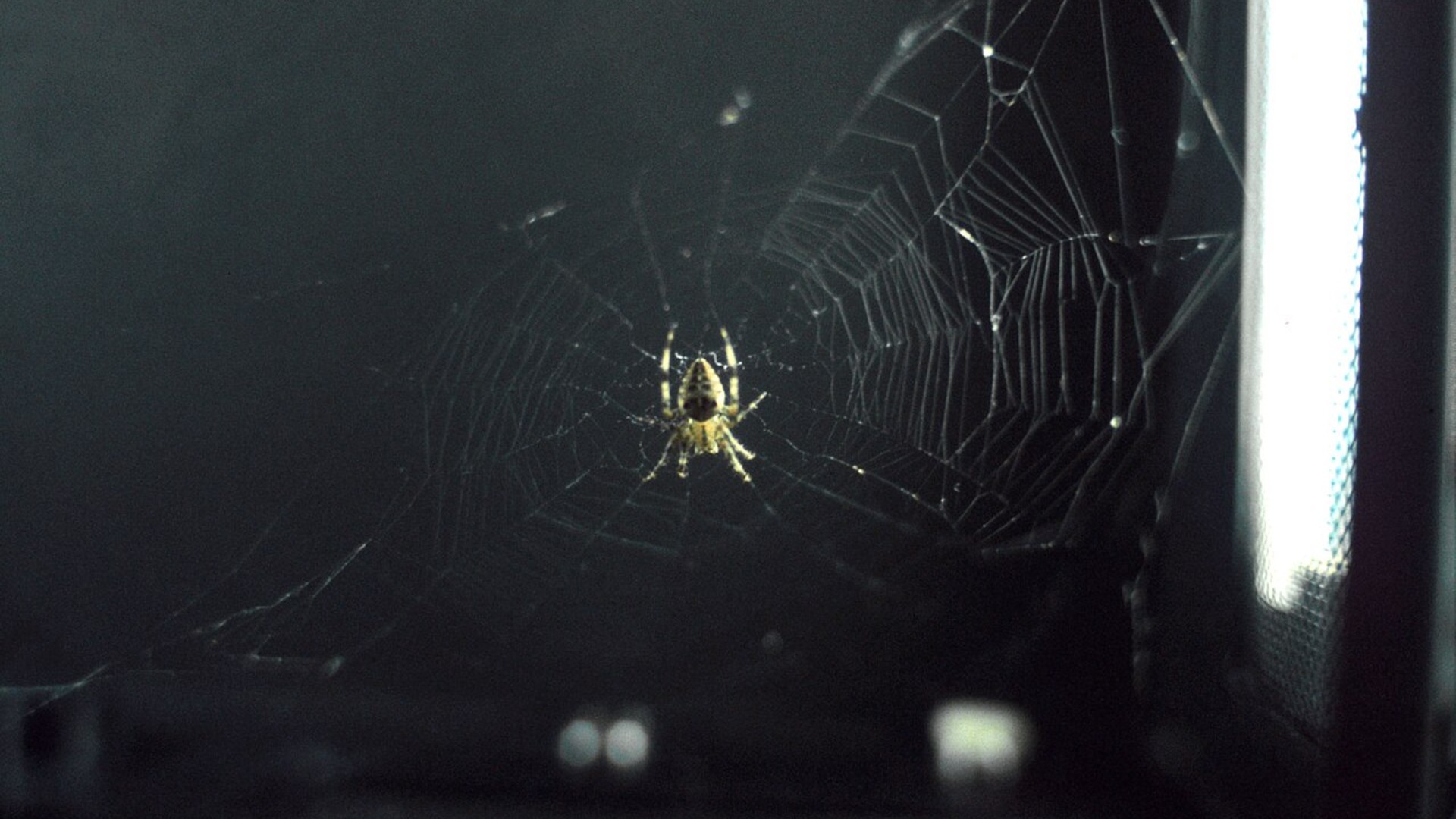
14. Arabella And Anita
Sent to the Skylab 3 space station on July 28, 1973, after a high school student proposed the experiment, garden spiders Arabella and Anita adapted to weightlessness within days and spun symmetrical webs without gravity's guidance.
©Wikimedia / Wikimedia Contributor
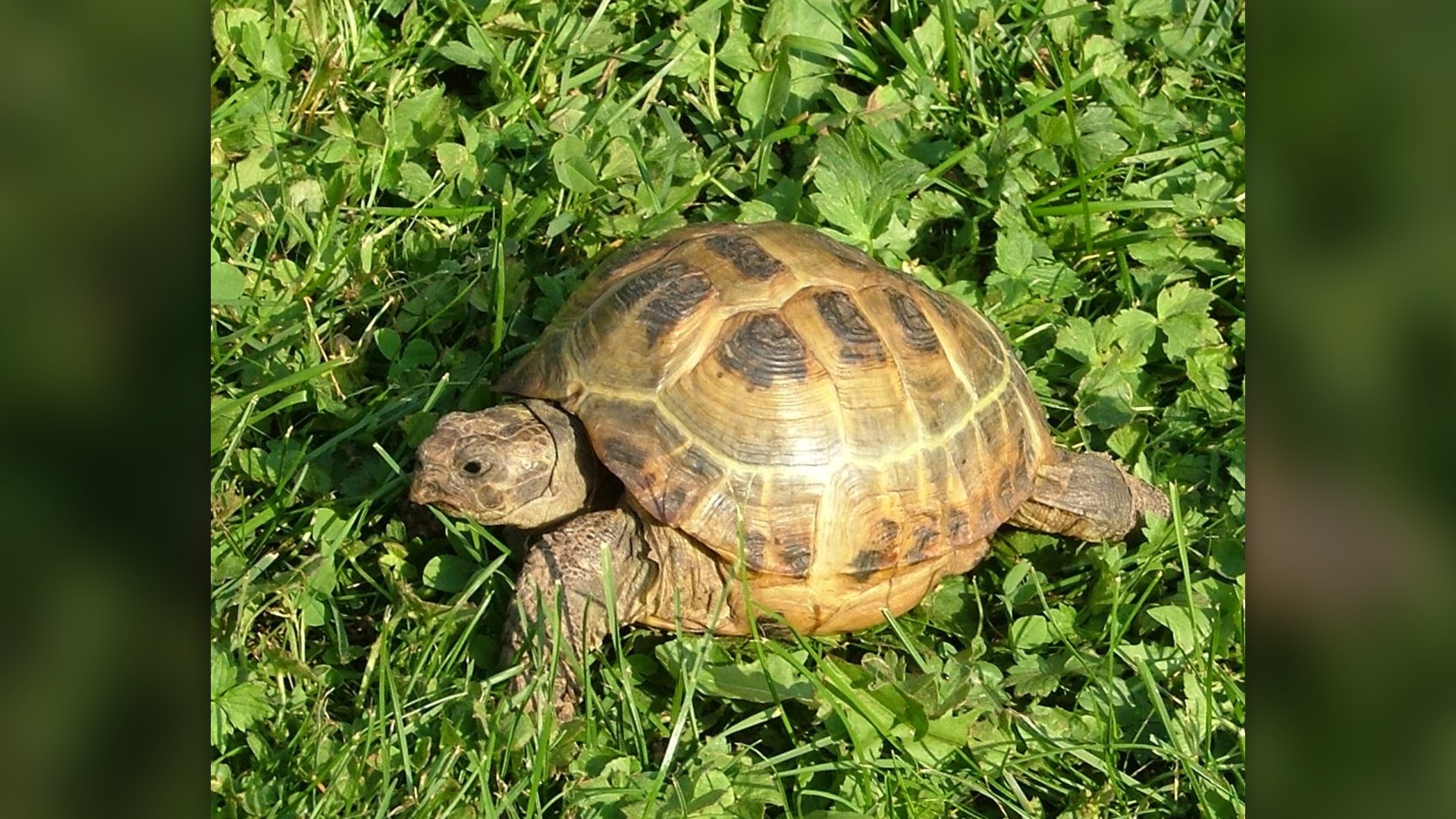
13. Horsfield's Tortoises
Launched aboard the Soviet Zond 5 spacecraft on September 14, 1968, two Horsfield's tortoises became the first animals to enter deep space and loop around the Moon. They splashed down in the Indian Ocean and returned alive.
©Wikimedia / Wikimedia Contributor
Advertisement
Swipe or tap ▶ to resume the countdown.
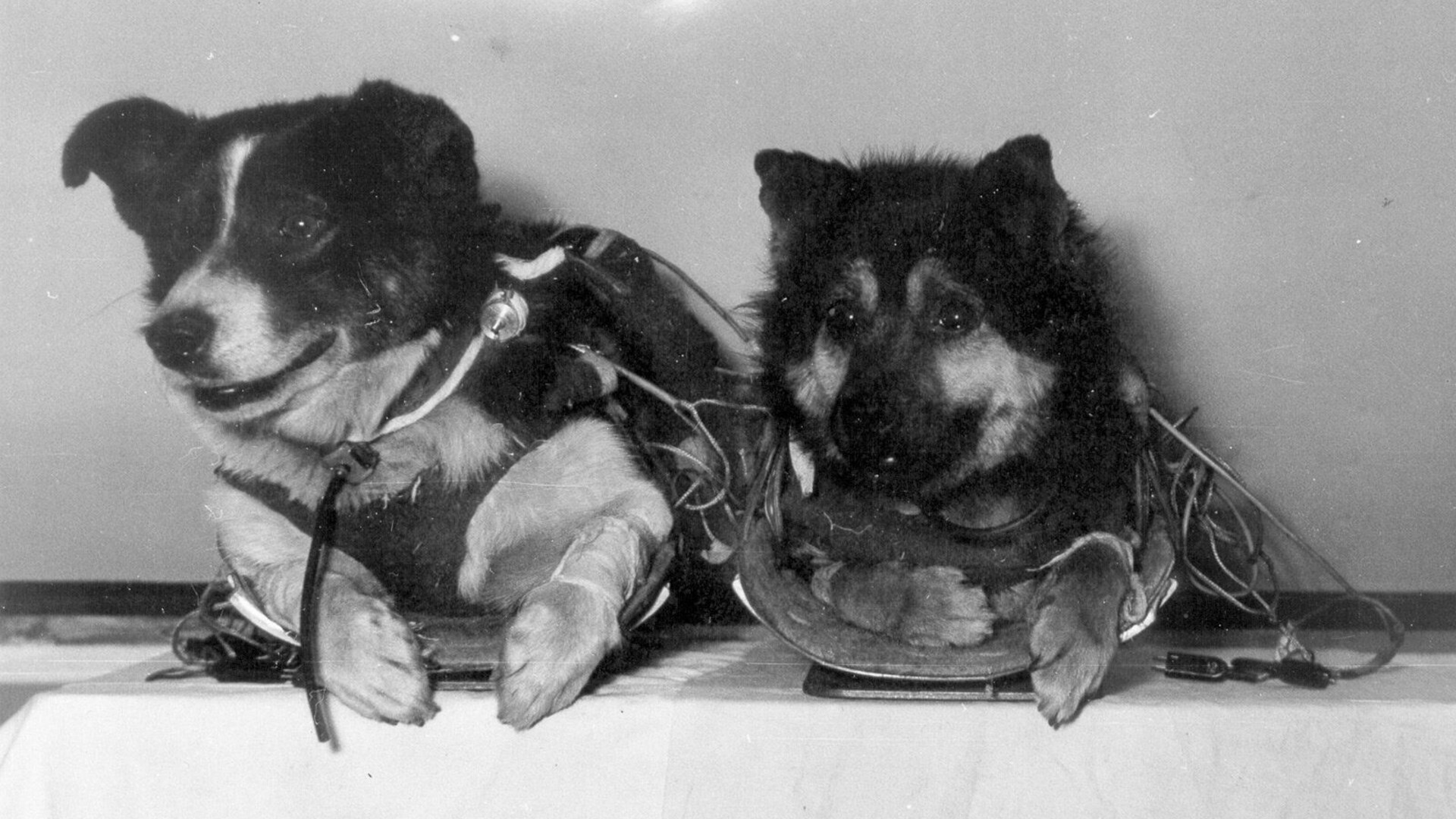
12. Veterok And Ugolyok
Soviet space dogs Veterok and Ugolyok launched aboard Kosmos 110 on February 22, 1966, to test radiation exposure in the Van Allen belts. Their 22-day orbital endurance record stood for seven years until Skylab 2 astronauts surpassed it.
©Wikimedia / Музей космонавтики, Главархив Москвы
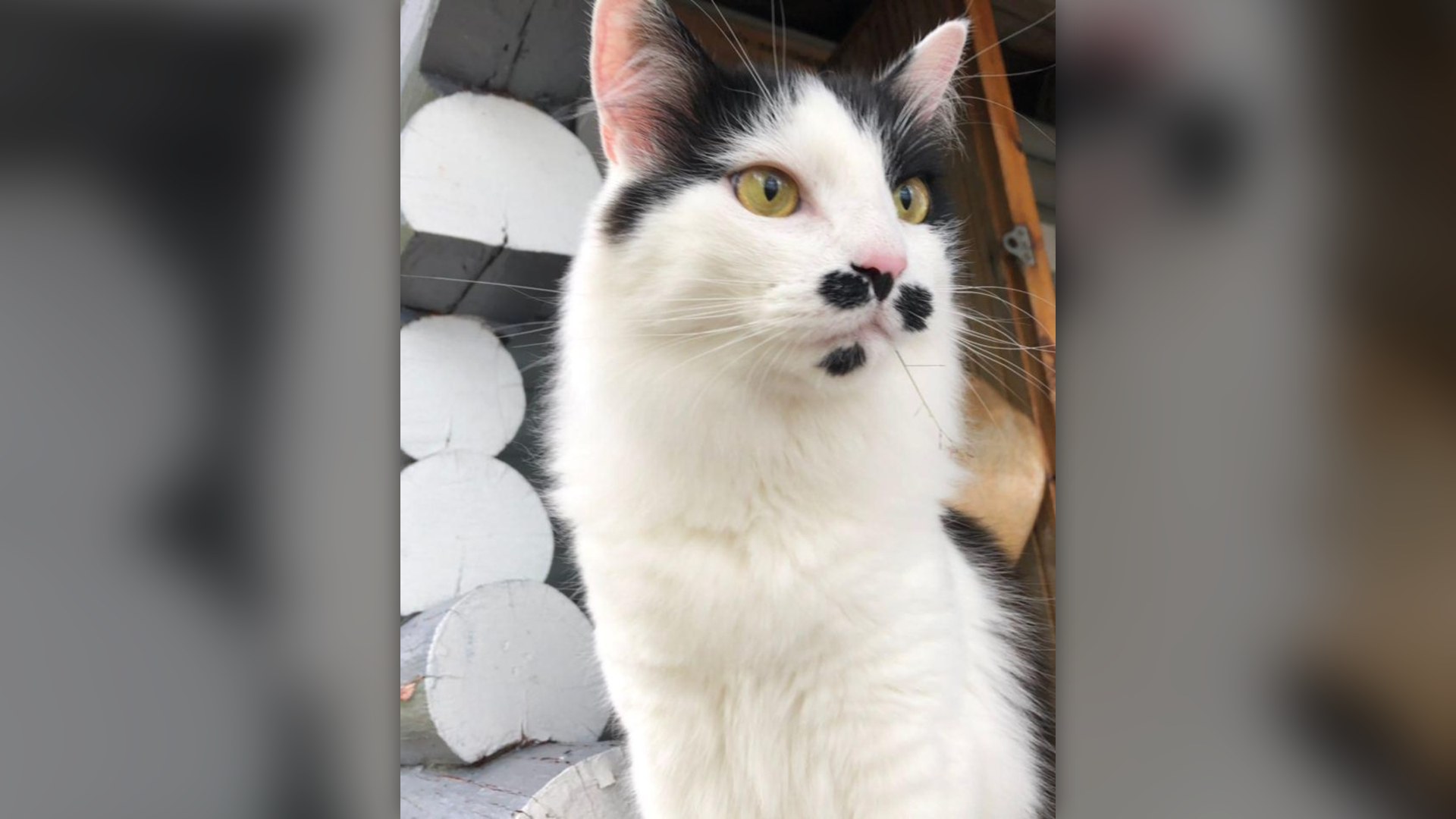
11. Felicette
Launched by the French space agency on October 18, 1963, aboard a Veronique AG1 rocket from Algeria, the black-and-white cat Felicette reached an altitude of 157 kilometers during a 15-minute suborbital flight and parachuted safely home.
©Wikimedia / AlexVaisanen
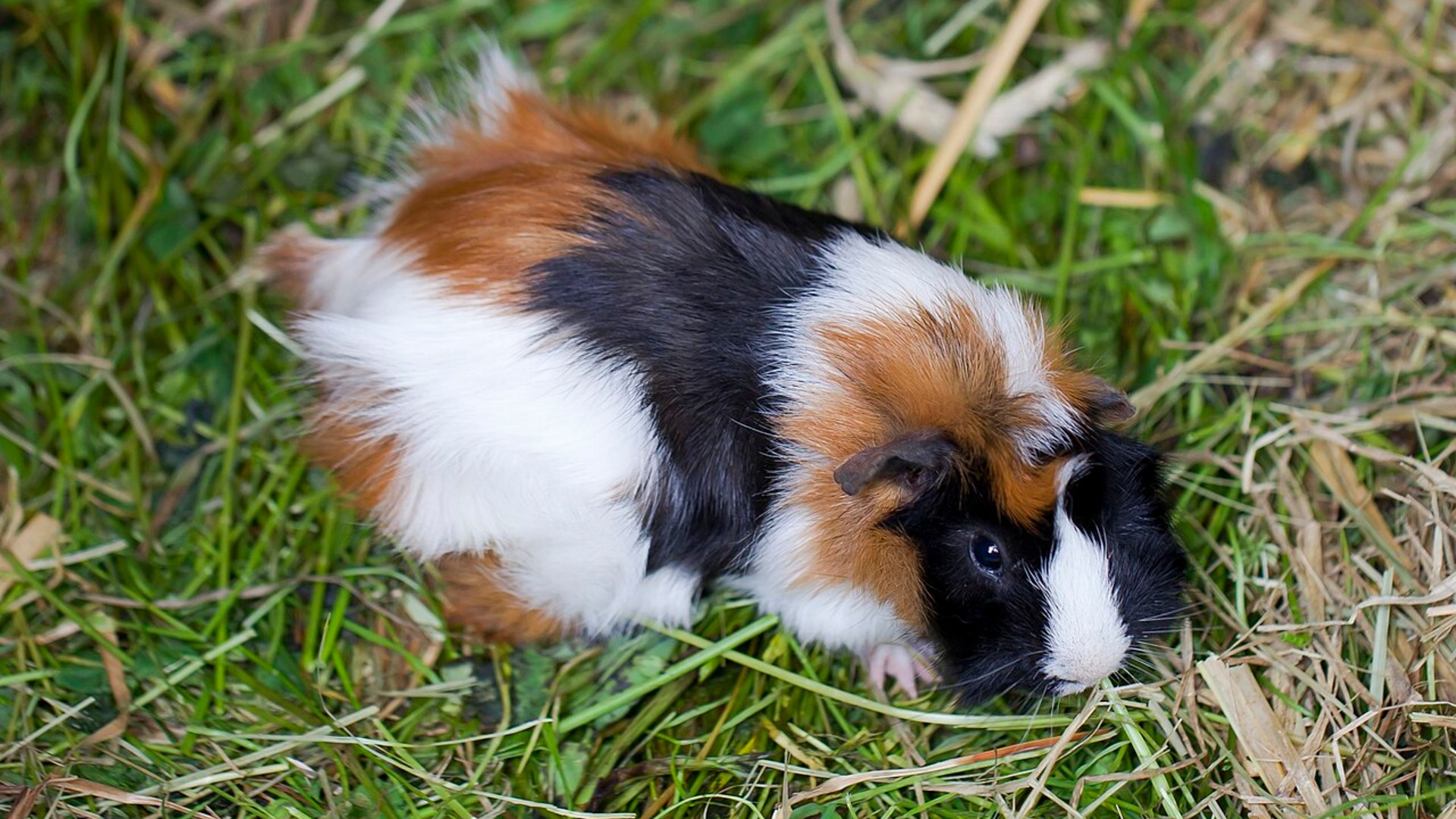
10. Guinea Pigs
Flown by the Soviet Union aboard Korabl-Sputnik 4 (Sputnik 9) on March 9, 1961, guinea pigs traveled alongside the dog Chernushka and a mannequin cosmonaut named Ivan Ivanovich. All biological passengers were recovered unharmed.
©Wikimedia / Diego Delso
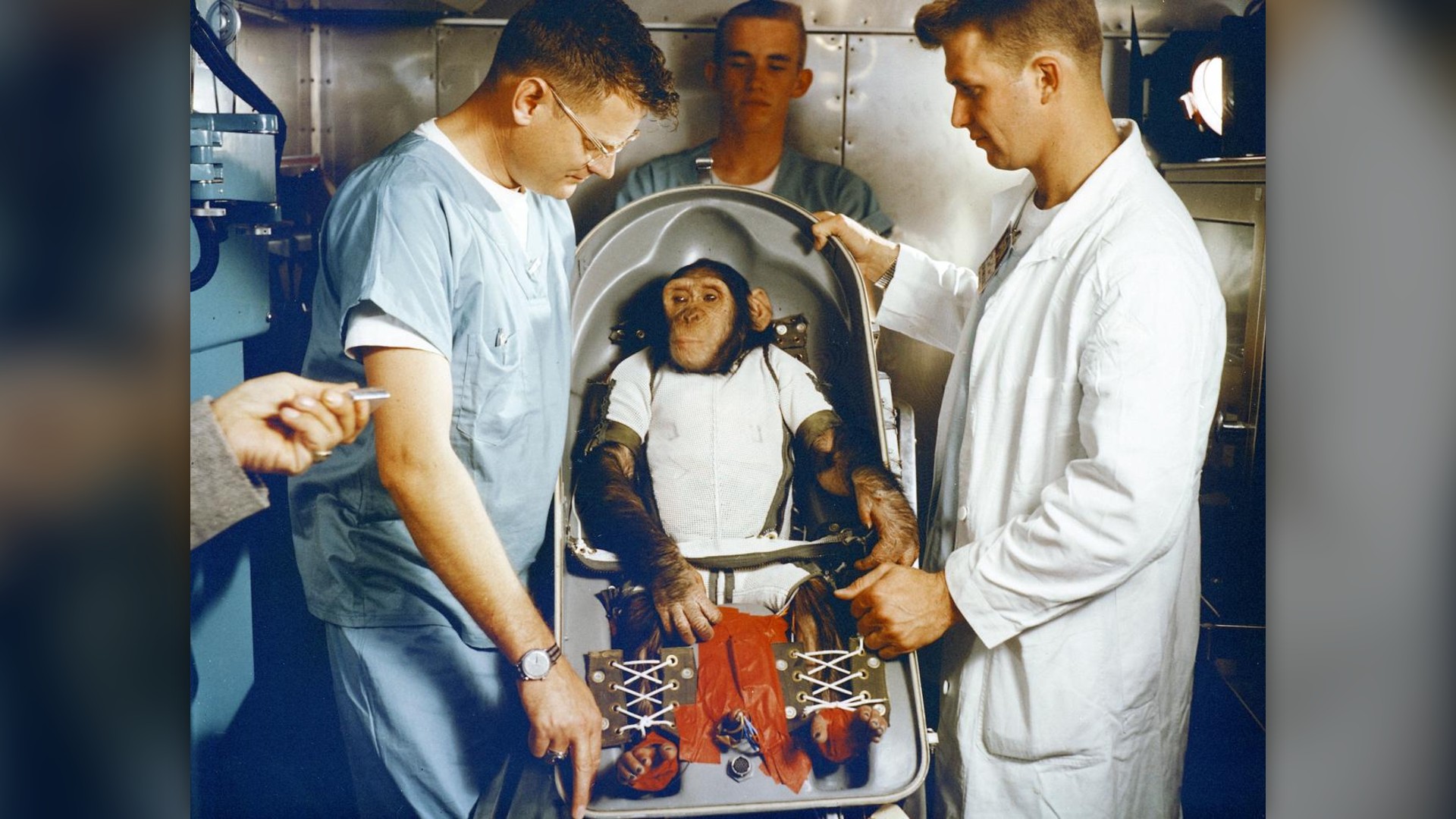
9. Ham The Chimpanzee
Launched from Cape Canaveral on January 31, 1961, aboard Mercury-Redstone 2, Ham the chimpanzee pulled response levers during his 16-minute suborbital flight, proving astronauts could perform physical tasks in weightlessness before Alan Shepard's flight.
©NASA / MSFC
Advertisement
Swipe or tap ▶ to resume the countdown.
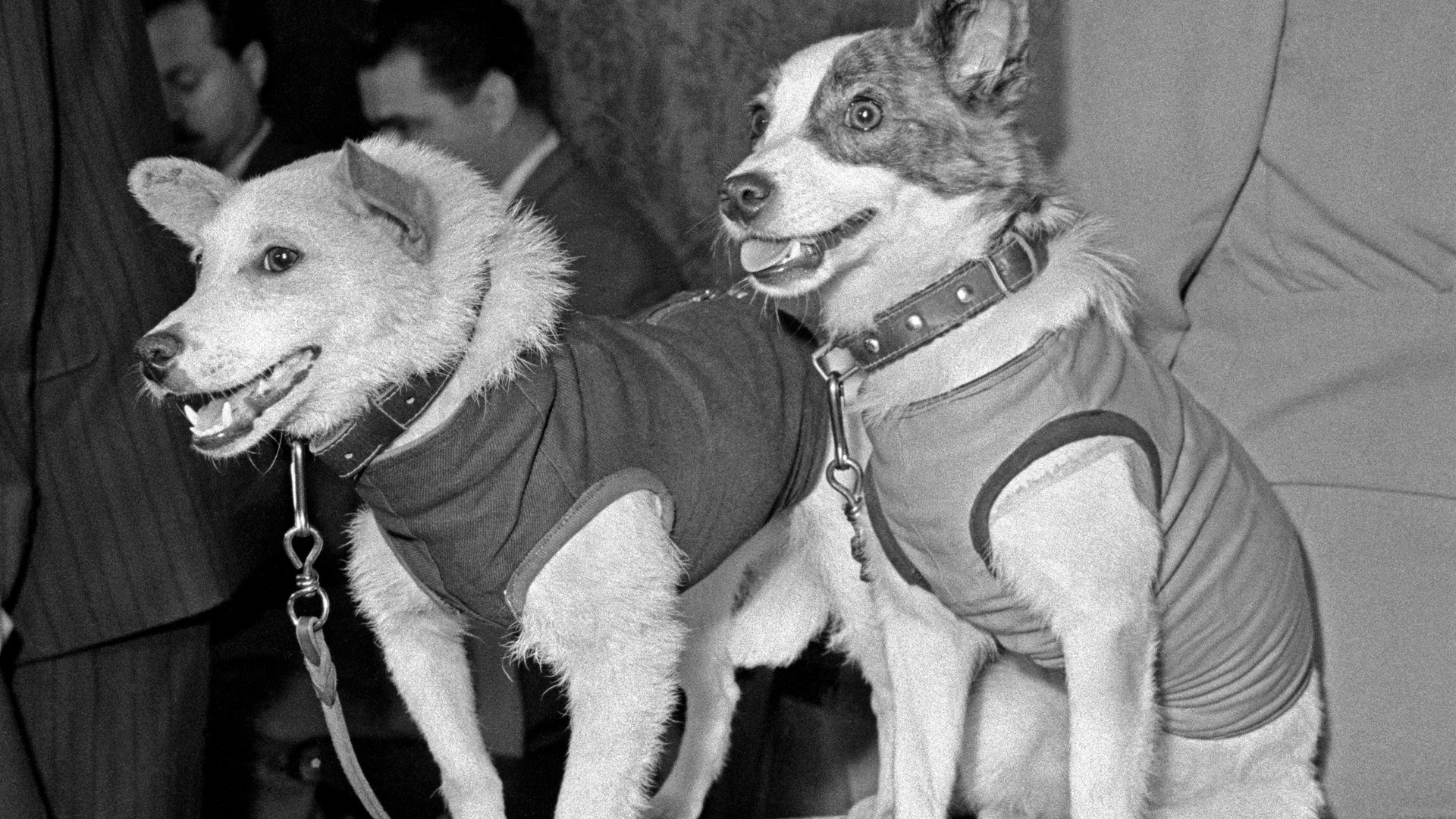
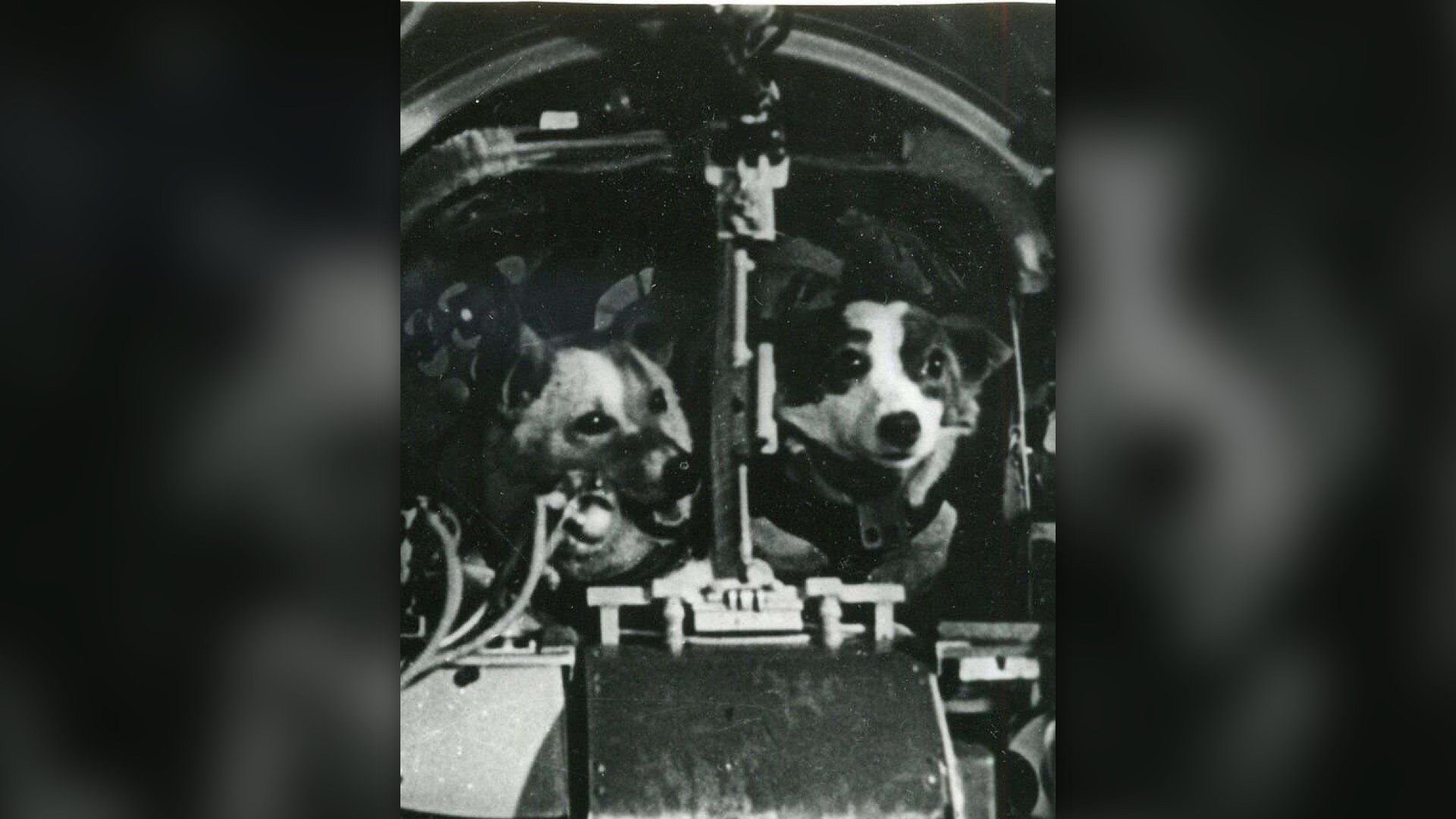
8. Belka And Strelka
Aboard Korabl-Sputnik 2 (Sputnik 5) on August 19, 1960, dogs Belka and Strelka completed 17 orbits over 24 hours alongside mice, rats, and a gray rabbit. Their safe landing cleared the path for Yuri Gagarin's orbital flight.
©Wikimedia / Музей космонавтики, Главархив Москвы
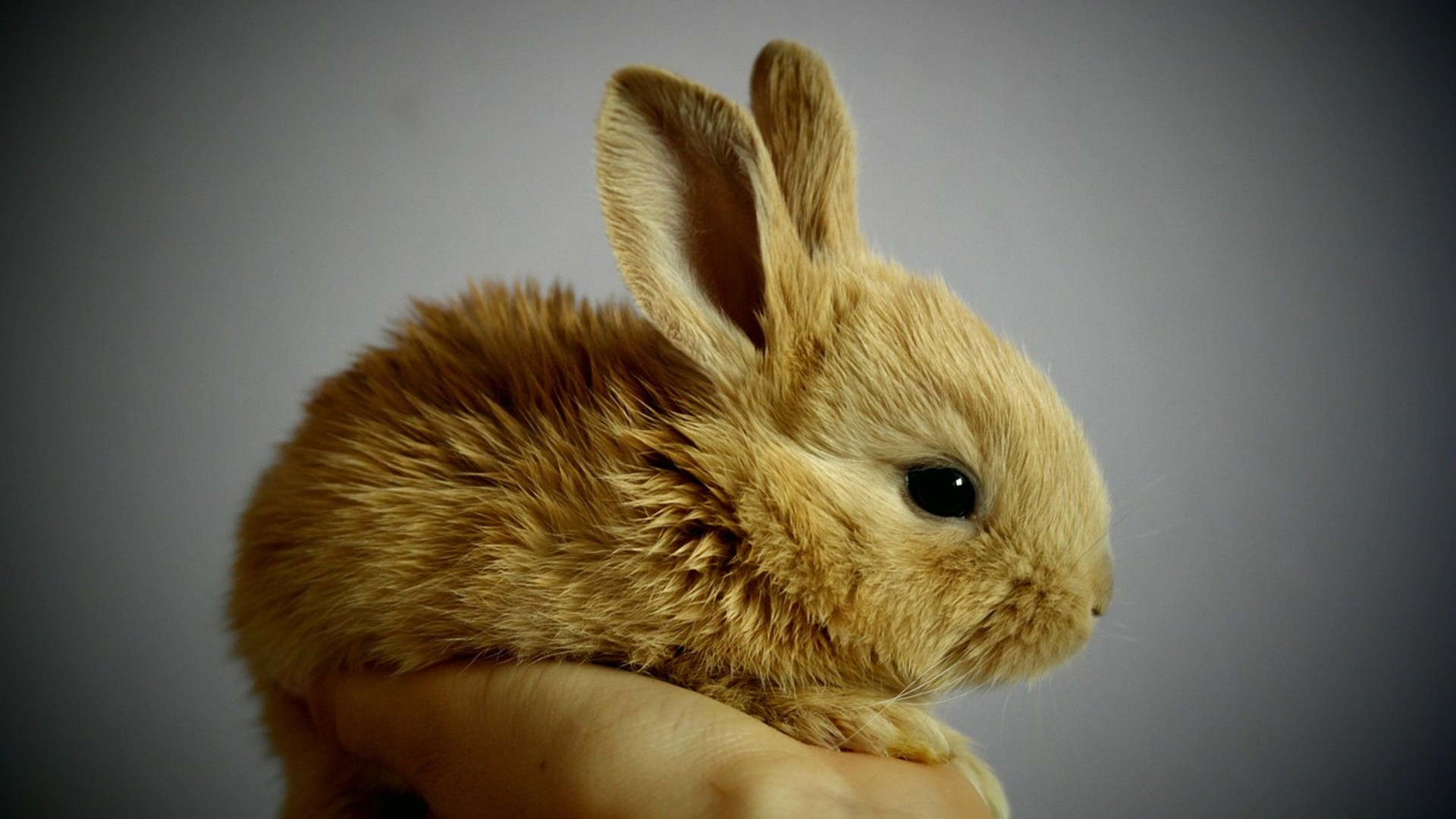
7. Marfusha The Rabbit
Launched by the Soviet Union on July 2, 1959, the little rabbit Marfusha flew to an altitude of 212 kilometers alongside two space dogs, Otvazhnaya and Snezhinka. All three passengers returned safely to Earth.
©Pixabay / SimonaR
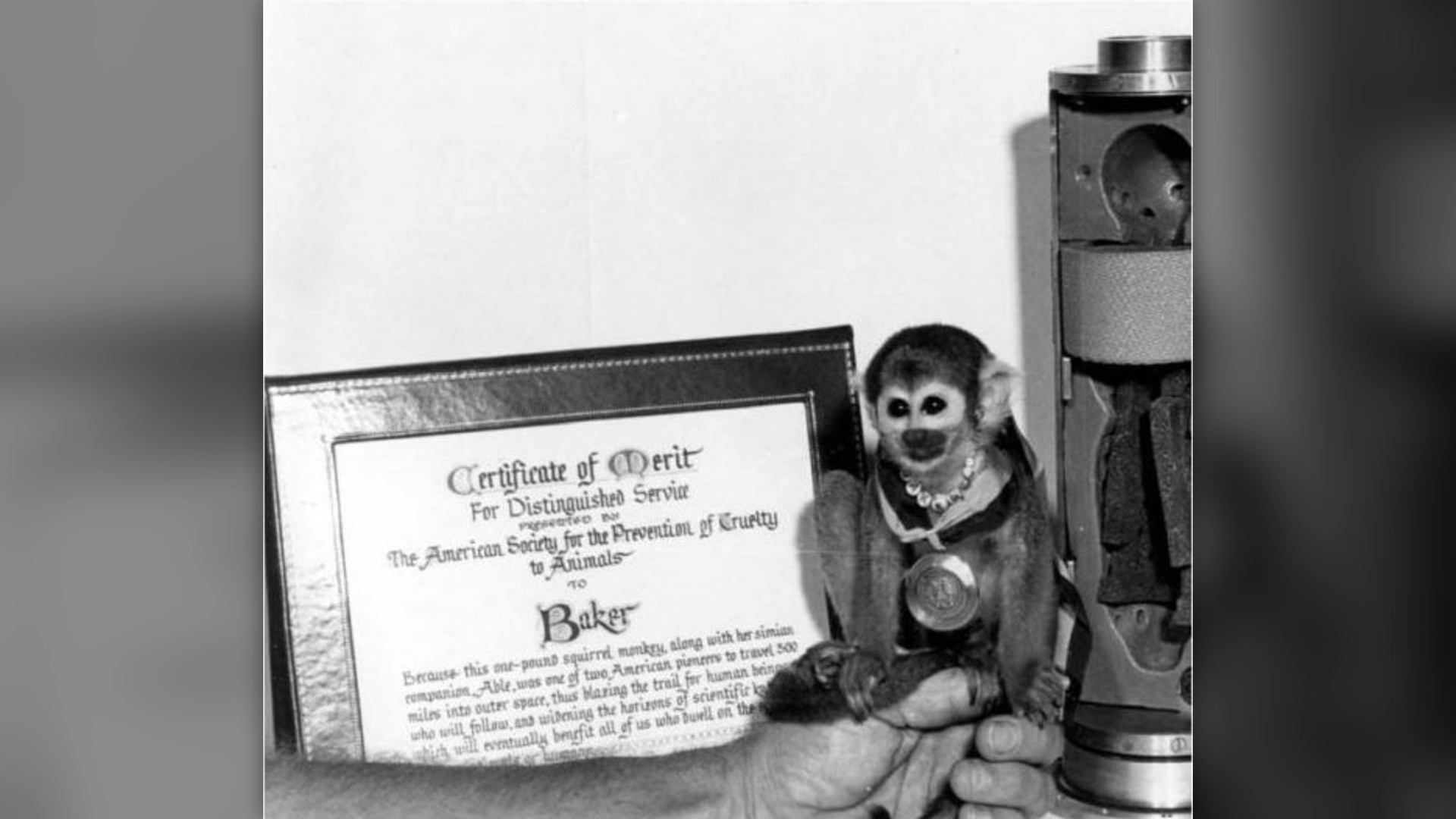
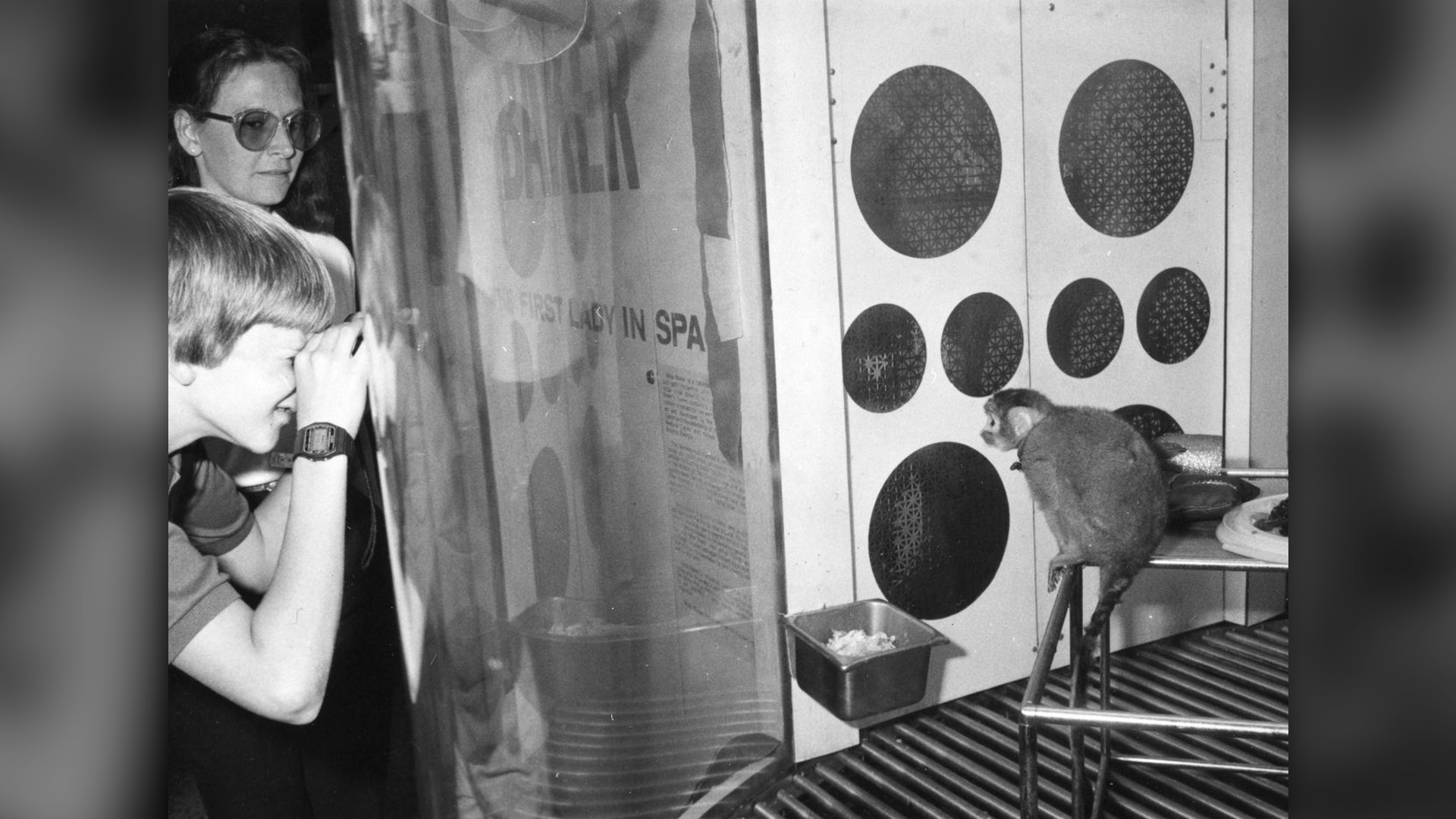
6. Able And Miss Baker
Launched nose-cone first atop a Jupiter IRBM on May 28, 1959, rhesus monkey Able and squirrel monkey Miss Baker reached 360 miles in altitude and survived 38G forces. Miss Baker became an American icon and lived until 1984.
©Wikimedia / Wikimedia Contributor
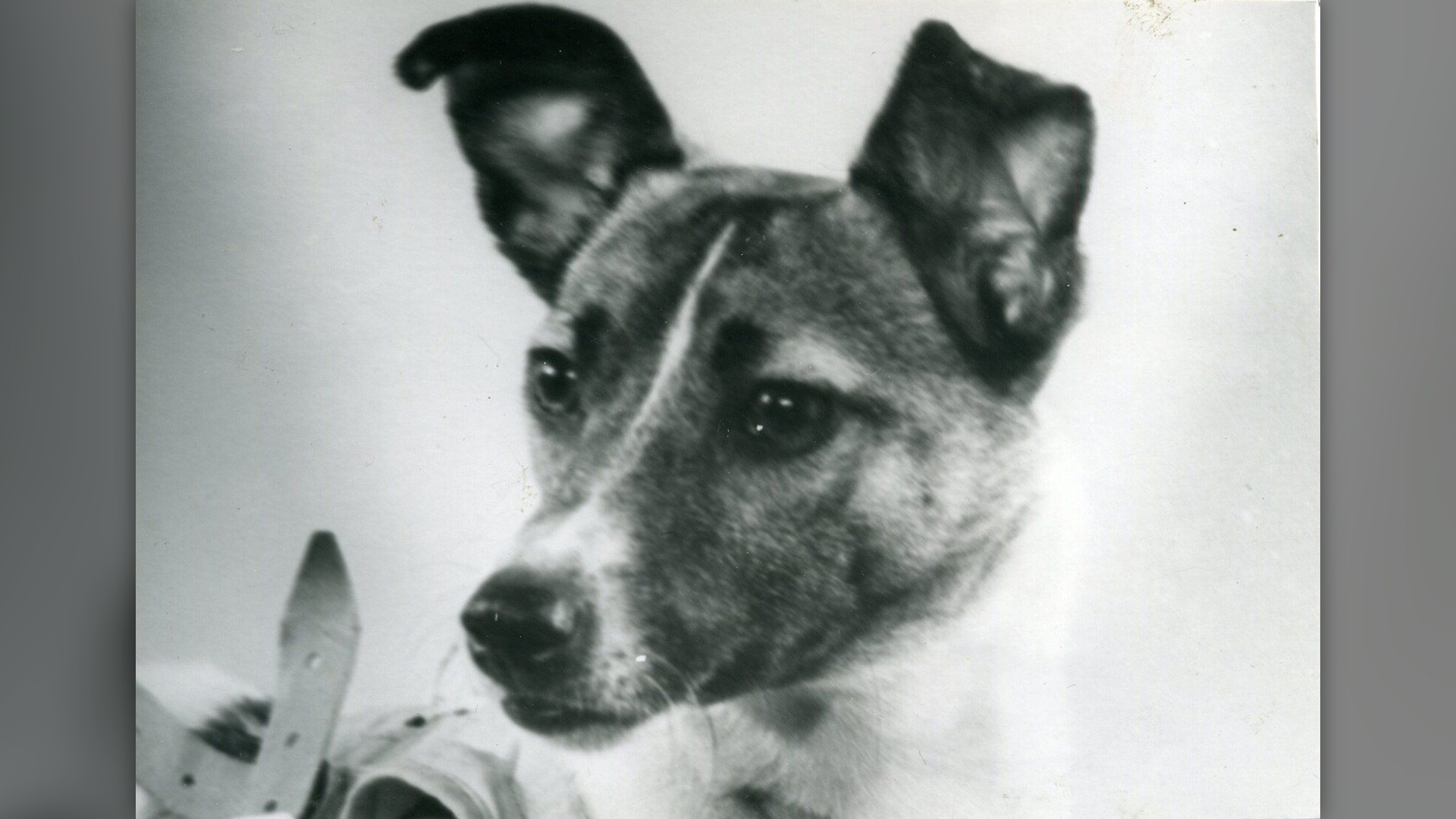
5. Laika
Chosen from the streets of Moscow for her calm temperament, Laika launched aboard Sputnik 2 on November 3, 1957. She proved a mammal could survive rocket launch and weightlessness, though she died from cabin overheating hours into orbit.
©Wikimedia / Laika
Advertisement
Swipe or tap ▶ to resume the countdown.
4. Dezik And Tsygan
Launching from Kapustin Yar on July 22, 1951, aboard an R-1V rocket, stray dogs Dezik and Tsygan reached an altitude of 101 kilometers. Their capsule descended by parachute and both dogs emerged completely unharmed.
©Wikimedia / Museum of Cosmonautics
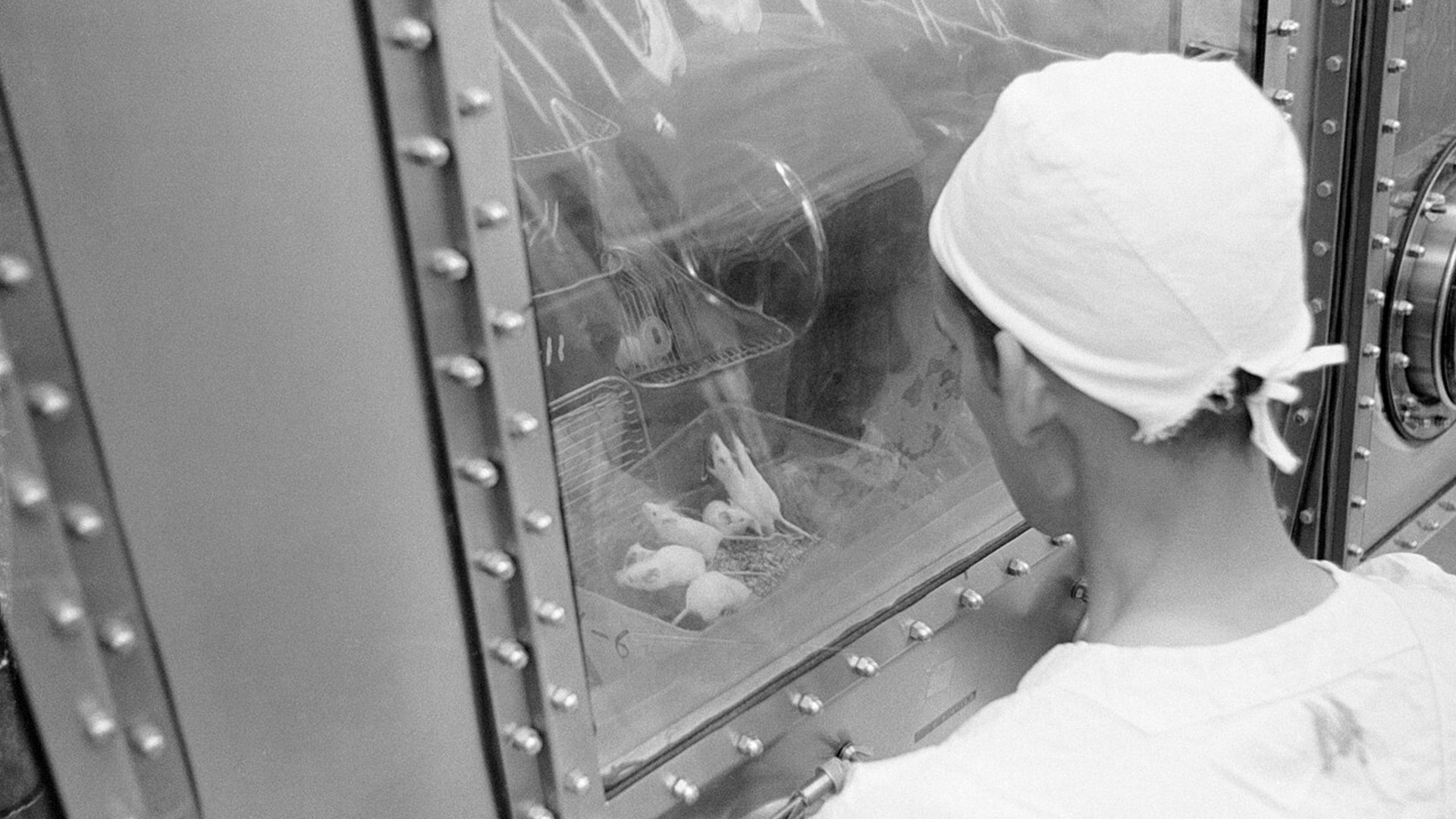
3. Mice
Launched from White Sands on August 31, 1950, aboard V-2 Blossom VII, an onboard camera filmed how a mouse reacted to weightlessness at 137 kilometers altitude. Mice soon became central to studying microgravity behavior.
©Wikimedia / NASA Johnson Space Center
2. Albert II
Launched from White Sands Missile Range in New Mexico on June 14, 1949, aboard a V-2 rocket, rhesus monkey Albert II crossed the Karman line to an altitude of 134 kilometers. He survived the flight but died when the parachute failed.
©NASA / MSFC
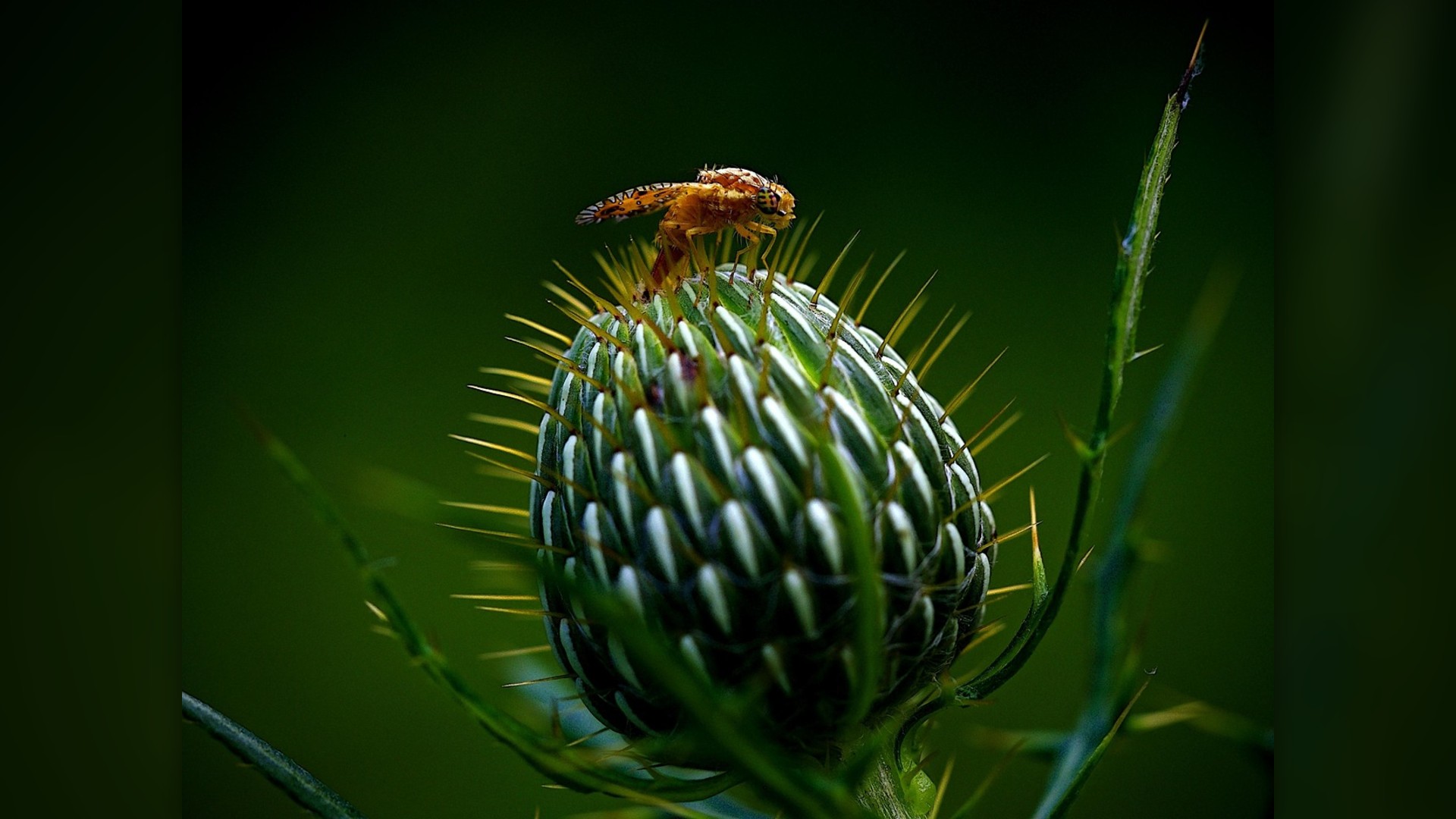
1. Fruit Flies
Sent to an altitude of 109 kilometers from White Sands, New Mexico, on February 20, 1947, fruit flies tested whether high-altitude cosmic radiation caused genetic mutations. Their capsule parachuted down and they were recovered alive.

©Pixabay / TheZestyBohemian
Advertisement
You've reached the end of the story. Thanks for reading!

25 Groundbreaking American Inventions and Achievements Ranked
From Kitty Hawk and the Apollo 11 lunar landing to the transistor and the internet, American inventors and scientists have transformed global civilization. Sourced from the Smithsonian Institution, NASA archives, and the Library of Congress, here are twenty-five groundbreaking American milestones ranked.
All 15 Entries in this Story
15. Tardigrades
Flown aboard the European Space Agency FOTON-M3 mission in September 2007, microscopic tardigrades were exposed directly to the vacuum and solar ultraviolet radiation of open space for 10 days. Many survived and later produced healthy offspring.

14. Arabella And Anita
Sent to the Skylab 3 space station on July 28, 1973, after a high school student proposed the experiment, garden spiders Arabella and Anita adapted to weightlessness within days and spun symmetrical webs without gravity's guidance.

13. Horsfield's Tortoises
Launched aboard the Soviet Zond 5 spacecraft on September 14, 1968, two Horsfield's tortoises became the first animals to enter deep space and loop around the Moon. They splashed down in the Indian Ocean and returned alive.

12. Veterok And Ugolyok
Soviet space dogs Veterok and Ugolyok launched aboard Kosmos 110 on February 22, 1966, to test radiation exposure in the Van Allen belts. Their 22-day orbital endurance record stood for seven years until Skylab 2 astronauts surpassed it.

11. Felicette
Launched by the French space agency on October 18, 1963, aboard a Veronique AG1 rocket from Algeria, the black-and-white cat Felicette reached an altitude of 157 kilometers during a 15-minute suborbital flight and parachuted safely home.

10. Guinea Pigs
Flown by the Soviet Union aboard Korabl-Sputnik 4 (Sputnik 9) on March 9, 1961, guinea pigs traveled alongside the dog Chernushka and a mannequin cosmonaut named Ivan Ivanovich. All biological passengers were recovered unharmed.

9. Ham The Chimpanzee
Launched from Cape Canaveral on January 31, 1961, aboard Mercury-Redstone 2, Ham the chimpanzee pulled response levers during his 16-minute suborbital flight, proving astronauts could perform physical tasks in weightlessness before Alan Shepard's flight.

8. Belka And Strelka
Aboard Korabl-Sputnik 2 (Sputnik 5) on August 19, 1960, dogs Belka and Strelka completed 17 orbits over 24 hours alongside mice, rats, and a gray rabbit. Their safe landing cleared the path for Yuri Gagarin's orbital flight.

7. Marfusha The Rabbit
Launched by the Soviet Union on July 2, 1959, the little rabbit Marfusha flew to an altitude of 212 kilometers alongside two space dogs, Otvazhnaya and Snezhinka. All three passengers returned safely to Earth.

6. Able And Miss Baker
Launched nose-cone first atop a Jupiter IRBM on May 28, 1959, rhesus monkey Able and squirrel monkey Miss Baker reached 360 miles in altitude and survived 38G forces. Miss Baker became an American icon and lived until 1984.

5. Laika
Chosen from the streets of Moscow for her calm temperament, Laika launched aboard Sputnik 2 on November 3, 1957. She proved a mammal could survive rocket launch and weightlessness, though she died from cabin overheating hours into orbit.

4. Dezik And Tsygan
Launching from Kapustin Yar on July 22, 1951, aboard an R-1V rocket, stray dogs Dezik and Tsygan reached an altitude of 101 kilometers. Their capsule descended by parachute and both dogs emerged completely unharmed.

3. Mice
Launched from White Sands on August 31, 1950, aboard V-2 Blossom VII, an onboard camera filmed how a mouse reacted to weightlessness at 137 kilometers altitude. Mice soon became central to studying microgravity behavior.

2. Albert II
Launched from White Sands Missile Range in New Mexico on June 14, 1949, aboard a V-2 rocket, rhesus monkey Albert II crossed the Karman line to an altitude of 134 kilometers. He survived the flight but died when the parachute failed.

1. Fruit Flies
Sent to an altitude of 109 kilometers from White Sands, New Mexico, on February 20, 1947, fruit flies tested whether high-altitude cosmic radiation caused genetic mutations. Their capsule parachuted down and they were recovered alive.