Slideshow · Science
15 Plants That Developed Unusual Ways to Survive
From meat-eating traps to drought-defying succulents, these botanical marvels rewrite the rules of plant survival.

All 15 Entries in this Story
15. Sensitive Plant (Mimosa Pudica)
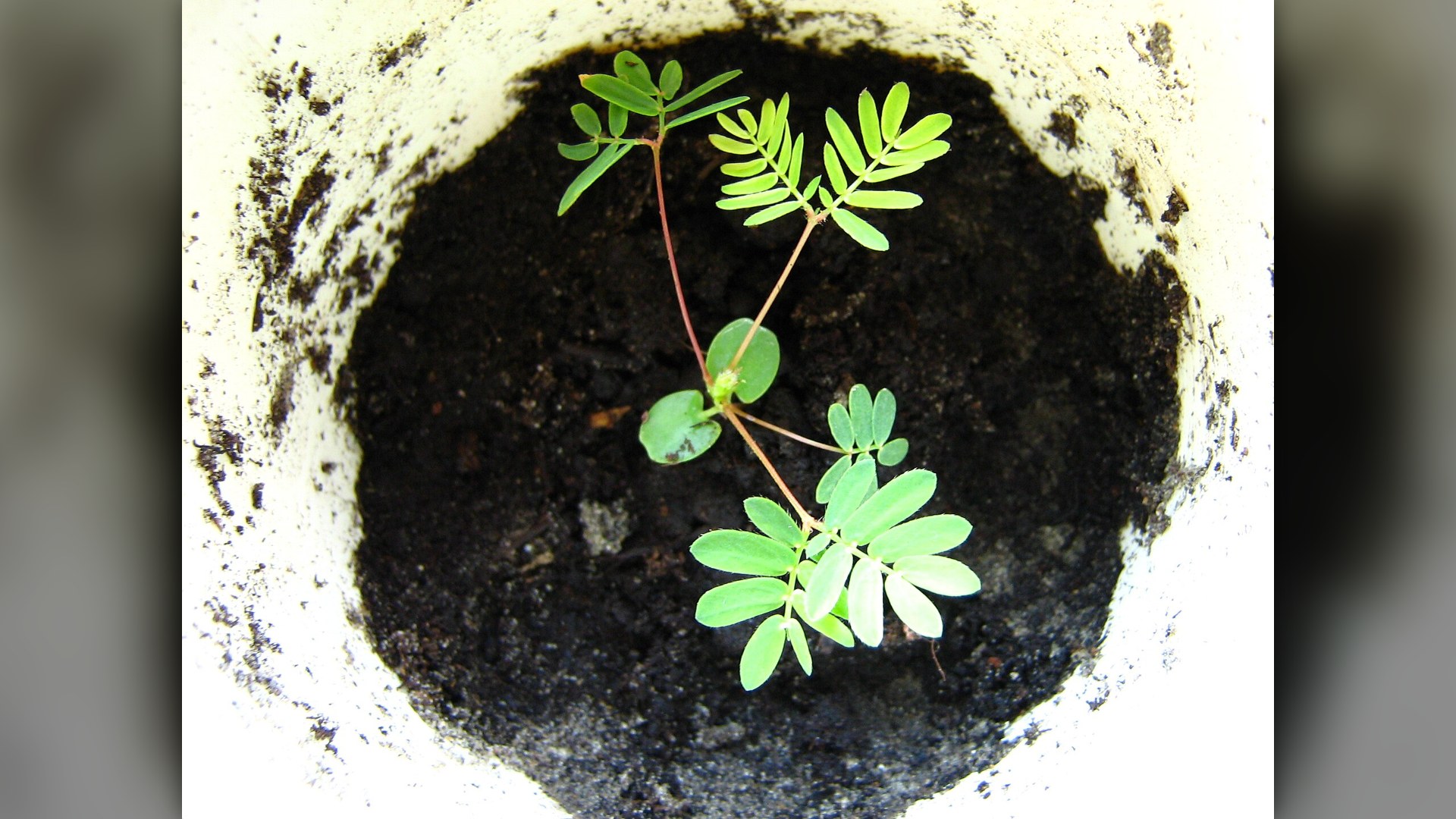
Mimosa pudica defends against grazing insects with rapid thigmonastic movement. When a leaflet detects physical disturbance, electrical action potentials trigger a rapid loss of turgor pressure in specialized cells at the leaf base, collapsing the foliage into an unappetizing, wilted appearance in milliseconds.
14. Greater Bladderwort (Utricularia Vulgaris)
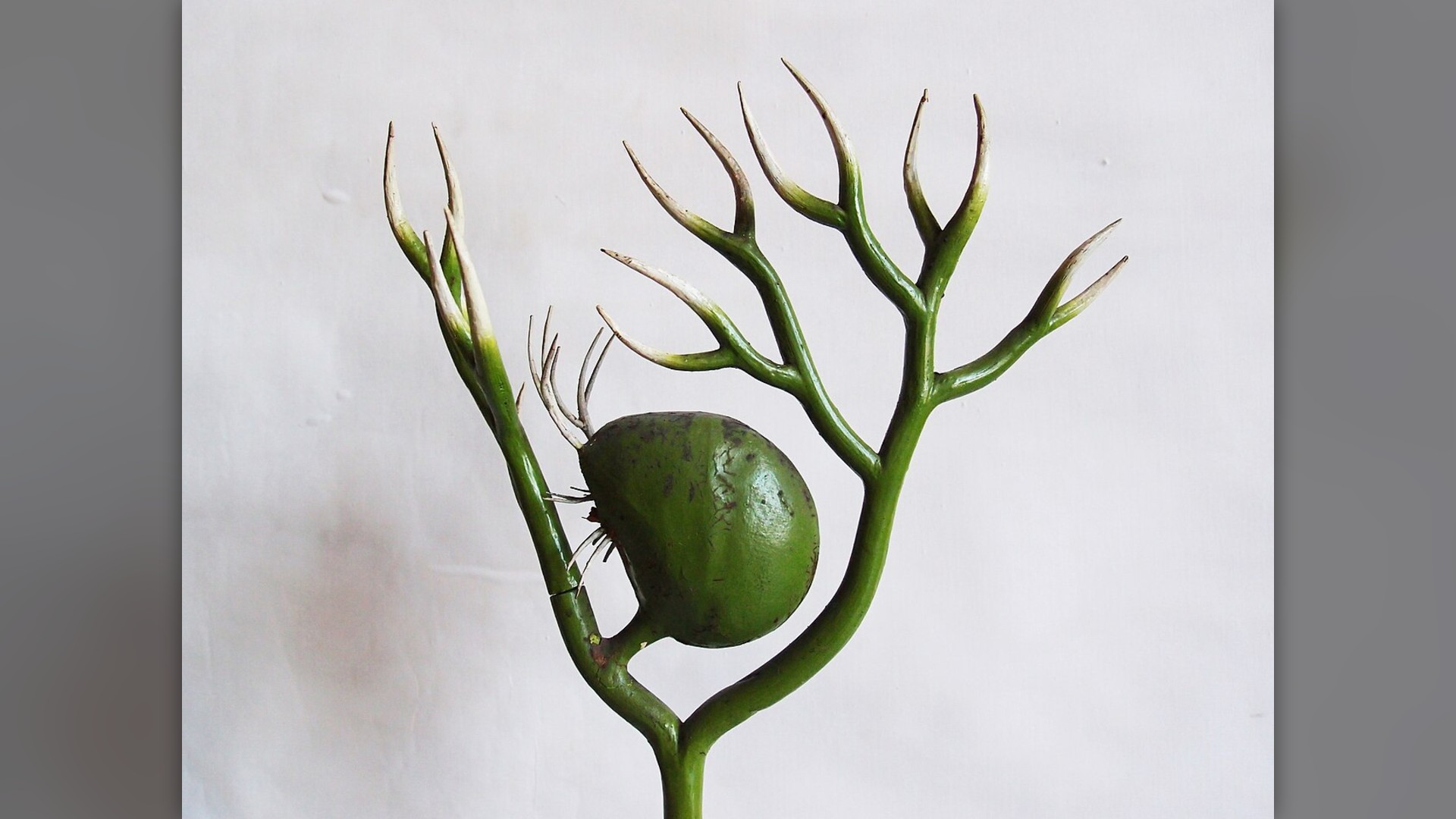
Rootless and free-floating in acidic ponds, Utricularia vulgaris catches small aquatic invertebrates using hundreds of tiny translucent bladders. Each bladder pumps out interior water to create a strong vacuum. When prey brushes trigger hairs, the trapdoor springs open, sucking the organism inside within a millisecond.
13. Resurrection Plant (Selaginella Lepidophylla)
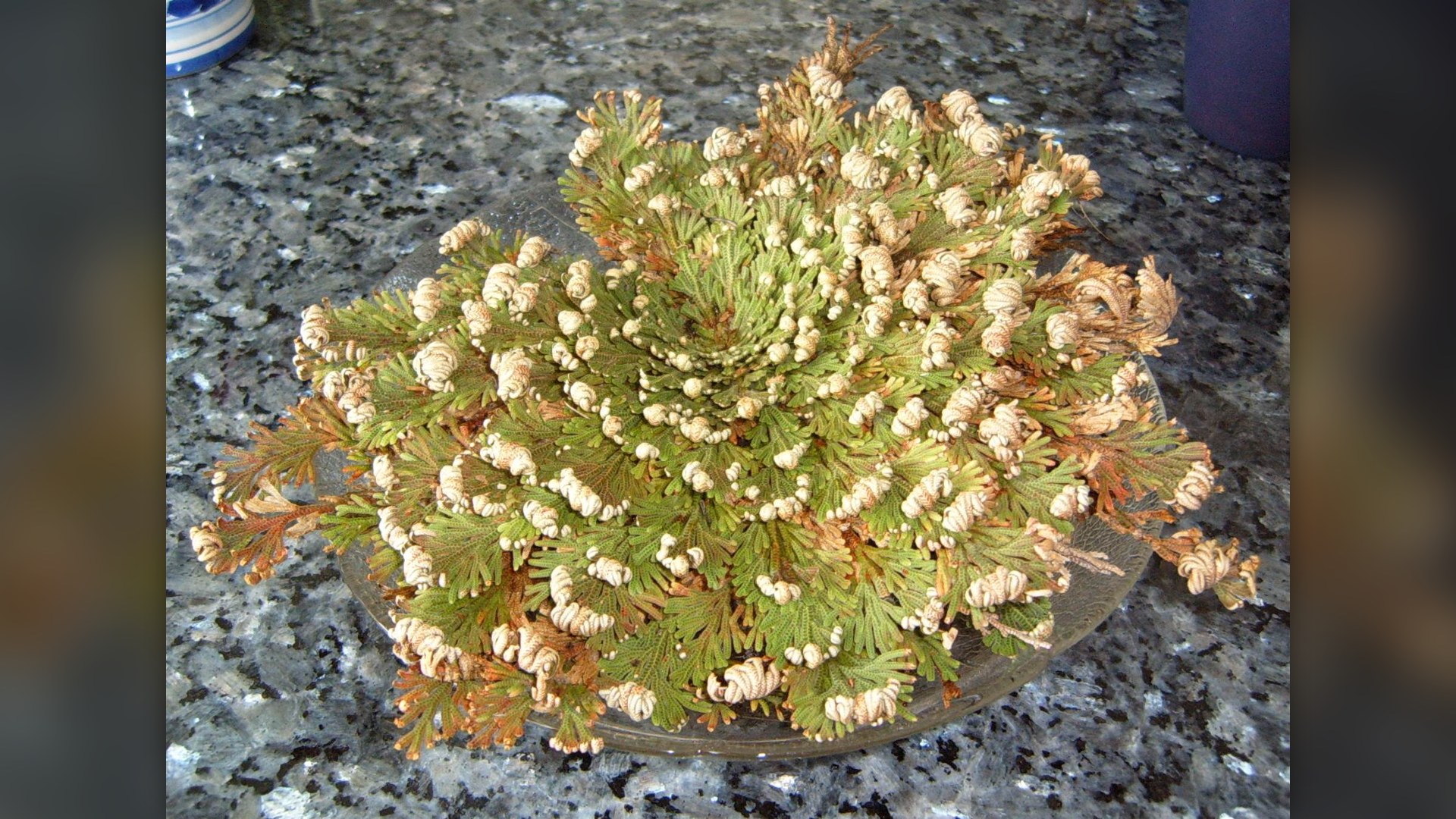
Native to the Chihuahuan Desert, Selaginella lepidophylla endures prolonged droughts by curling its stems into a tight, dormant tumbleweed ball. The plant preserves cellular integrity using trehalose sugar reserves, unfurling into a fresh green rosette within hours of contact with desert rainfall.
12. Rajah Pitcher Plant (Nepenthes Rajah)
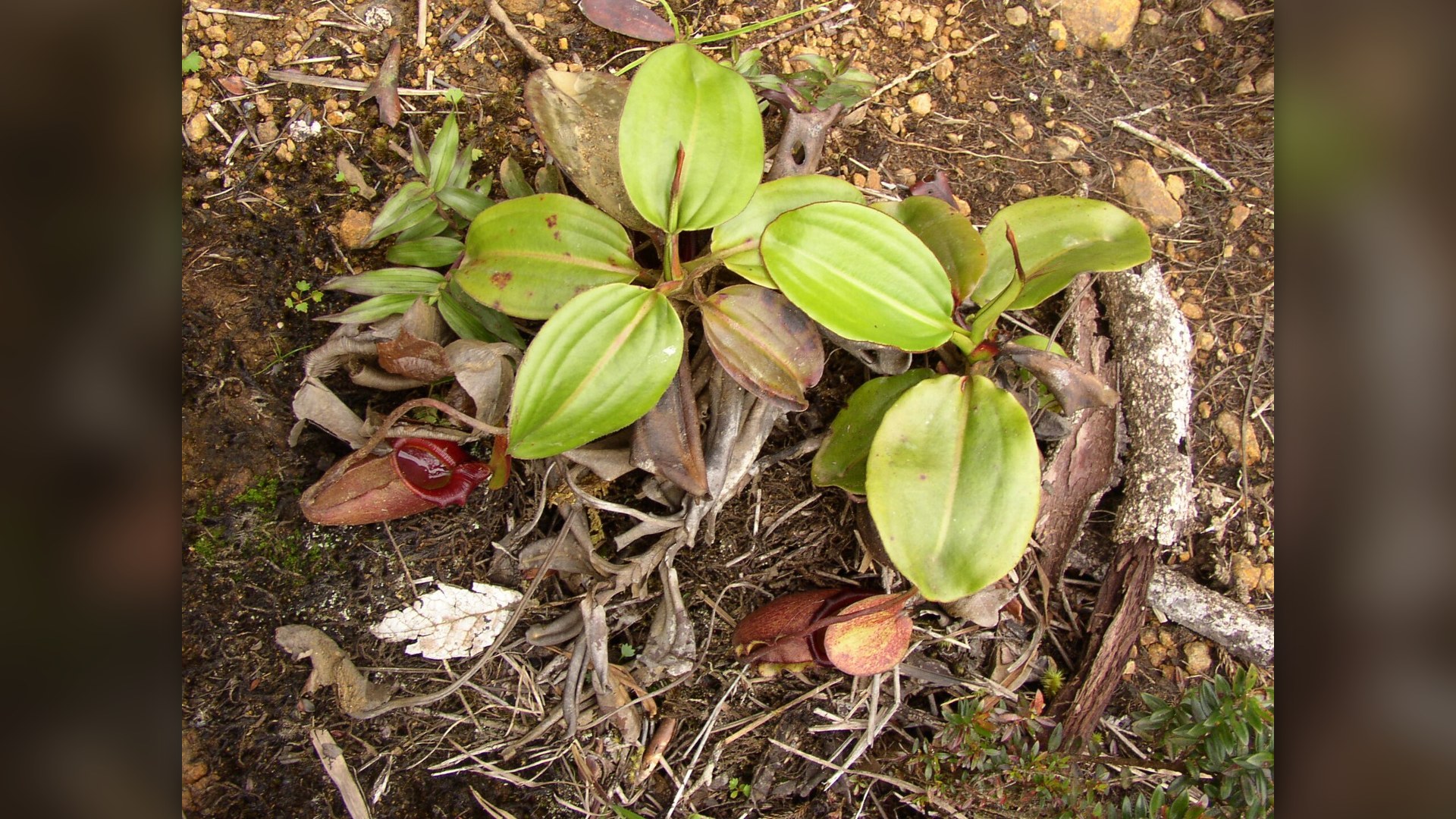
Nepenthes rajah grows on Mount Kinabalu in Borneo, producing colossal urns capable of holding three liters of liquid. While large enough to trap small vertebrates, the plant relies on mutualism, producing sweet nectar on pitcher lids that lures mountain tree shrews to drop nitrogen-rich waste into the bowl.
11. Corpse Flower (Rafflesia Arnoldii)
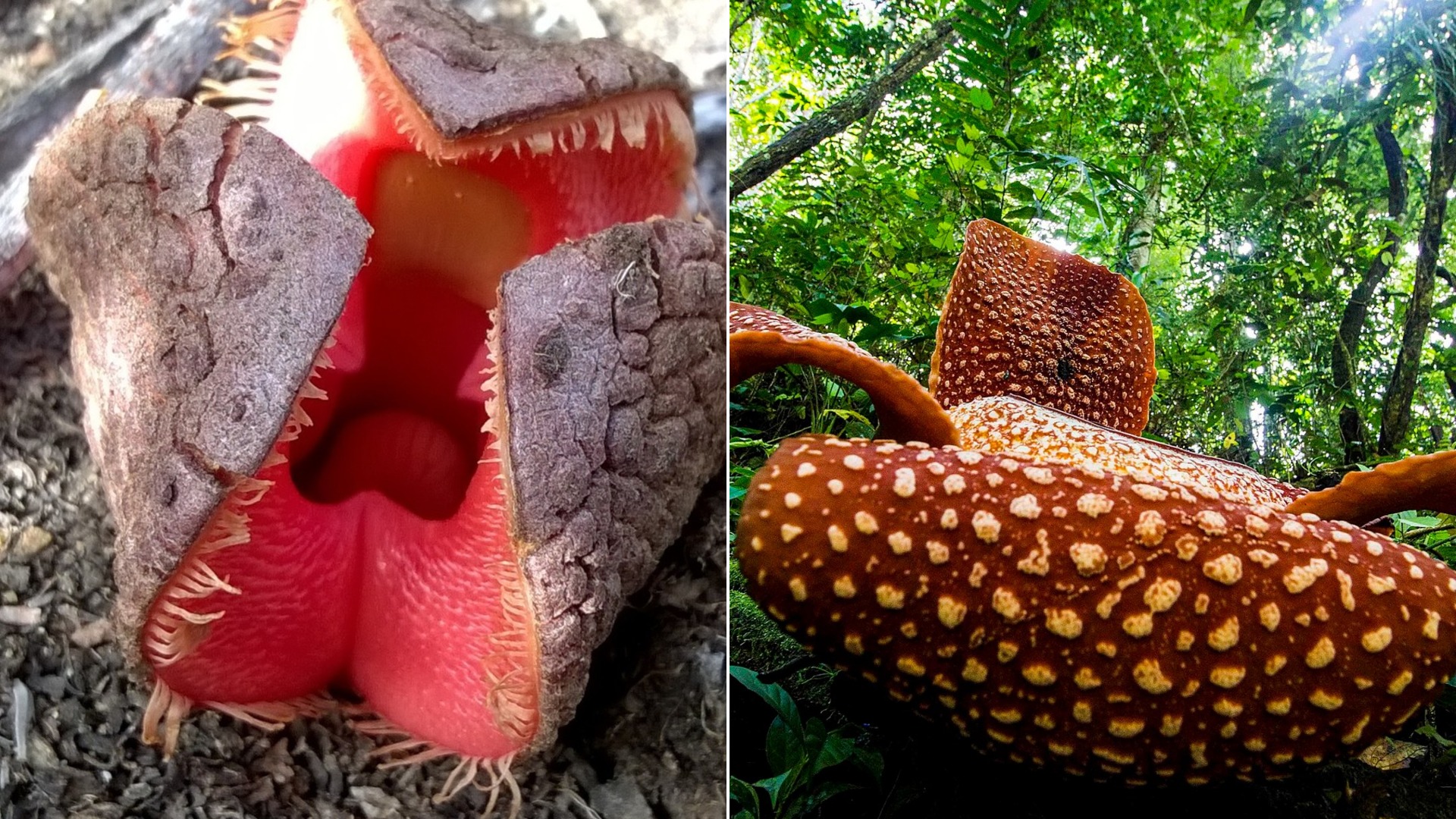
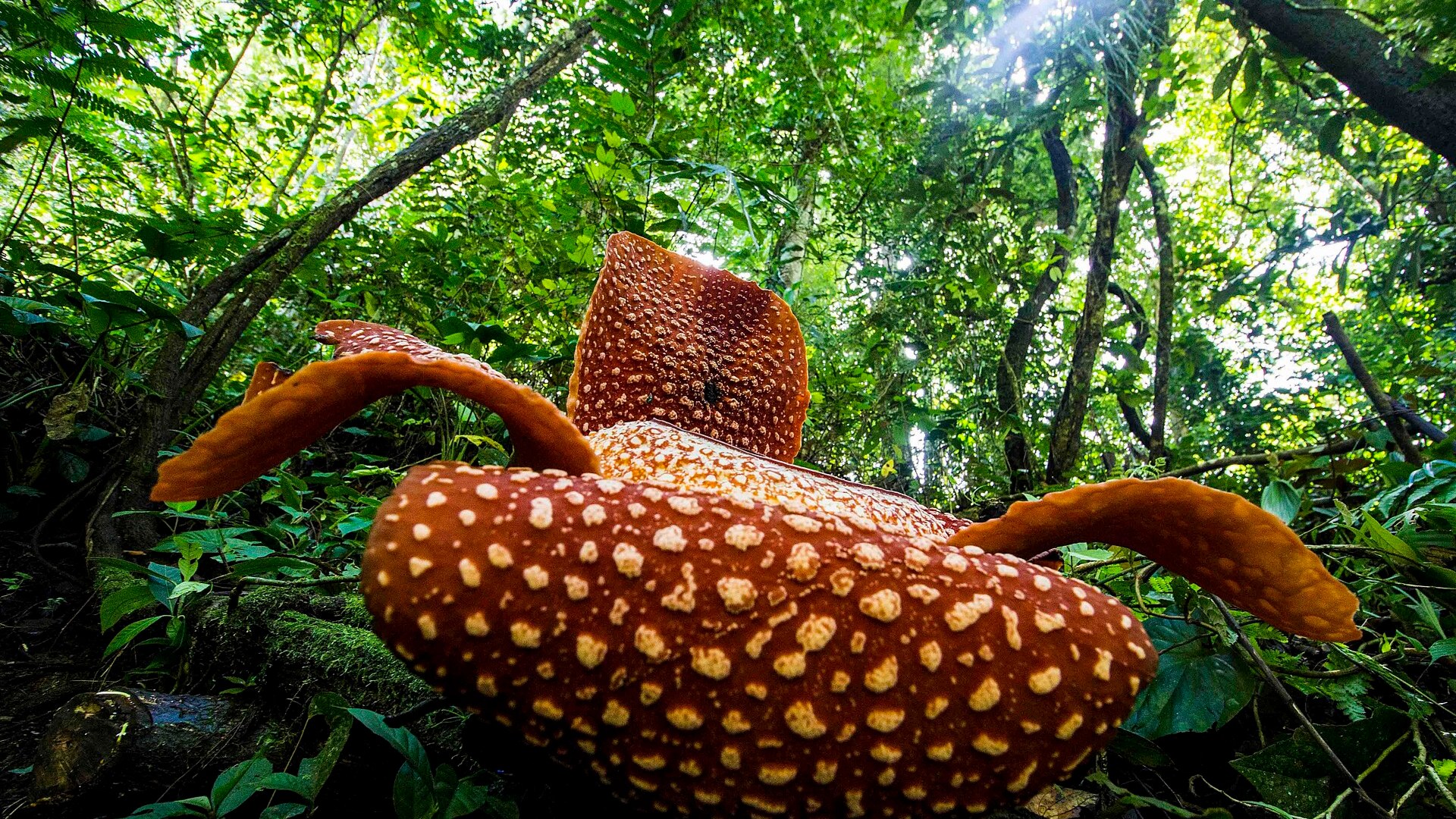
Rafflesia arnoldii survives entirely as an internal parasite inside Tetrastigma vines in Southeast Asian rainforests. Lacking leaves, roots, and chlorophyll, the species emerges as a colossal three-foot flower emitting the stench of rotting flesh to attract carrion flies for pollination across the damp forest floor.
10. Saguaro Cactus (Carnegiea Gigantea)
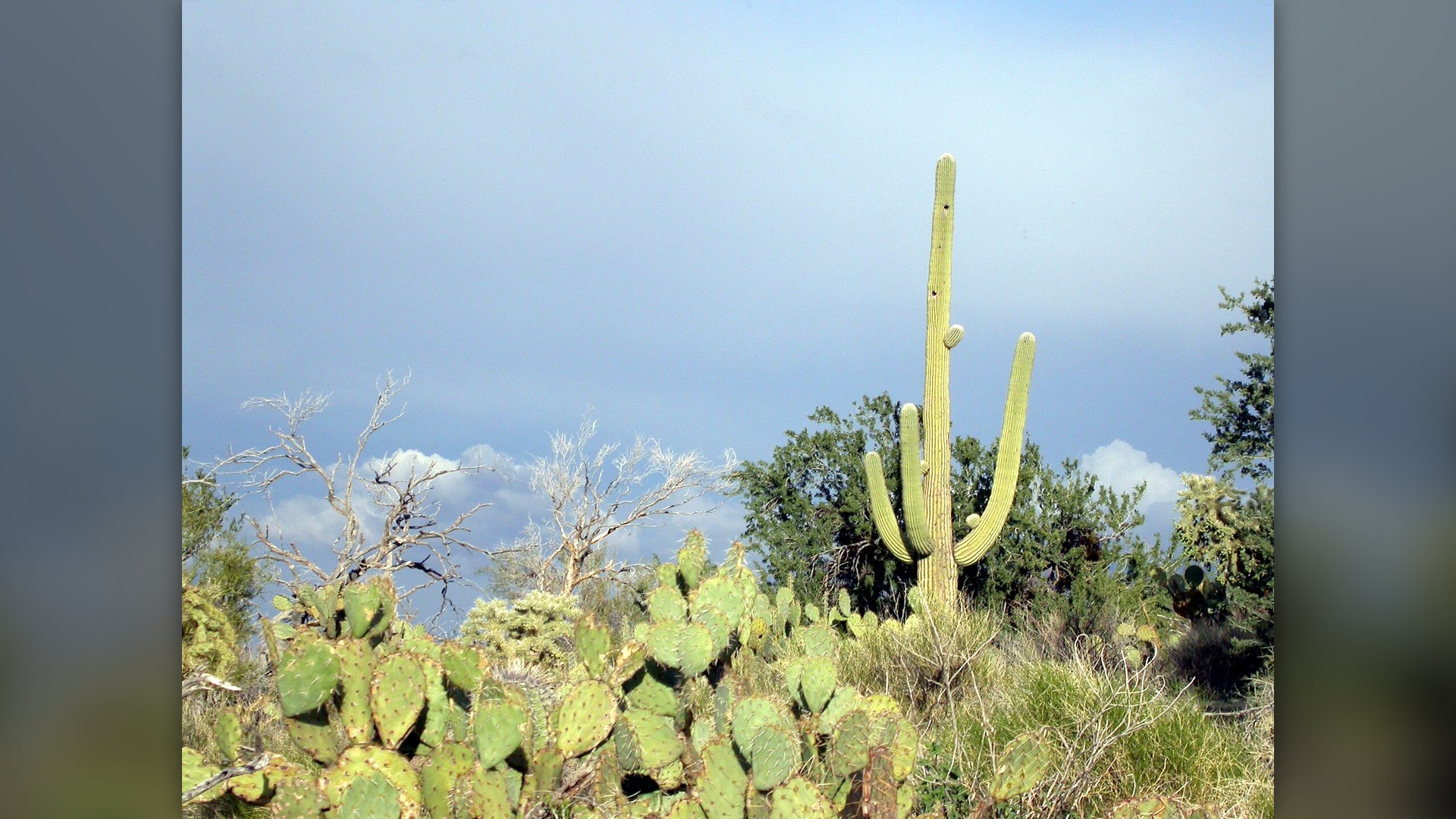
The monarch of the Sonoran Desert, Carnegiea gigantea can survive two years without rain. Its pleated stem expands like an accordion during sudden downpours, storing water in fibrous pulp. A mature specimen can absorb two hundred gallons of moisture and weigh over four thousand pounds.
9. Cape Sundew (Drosera Capensis)
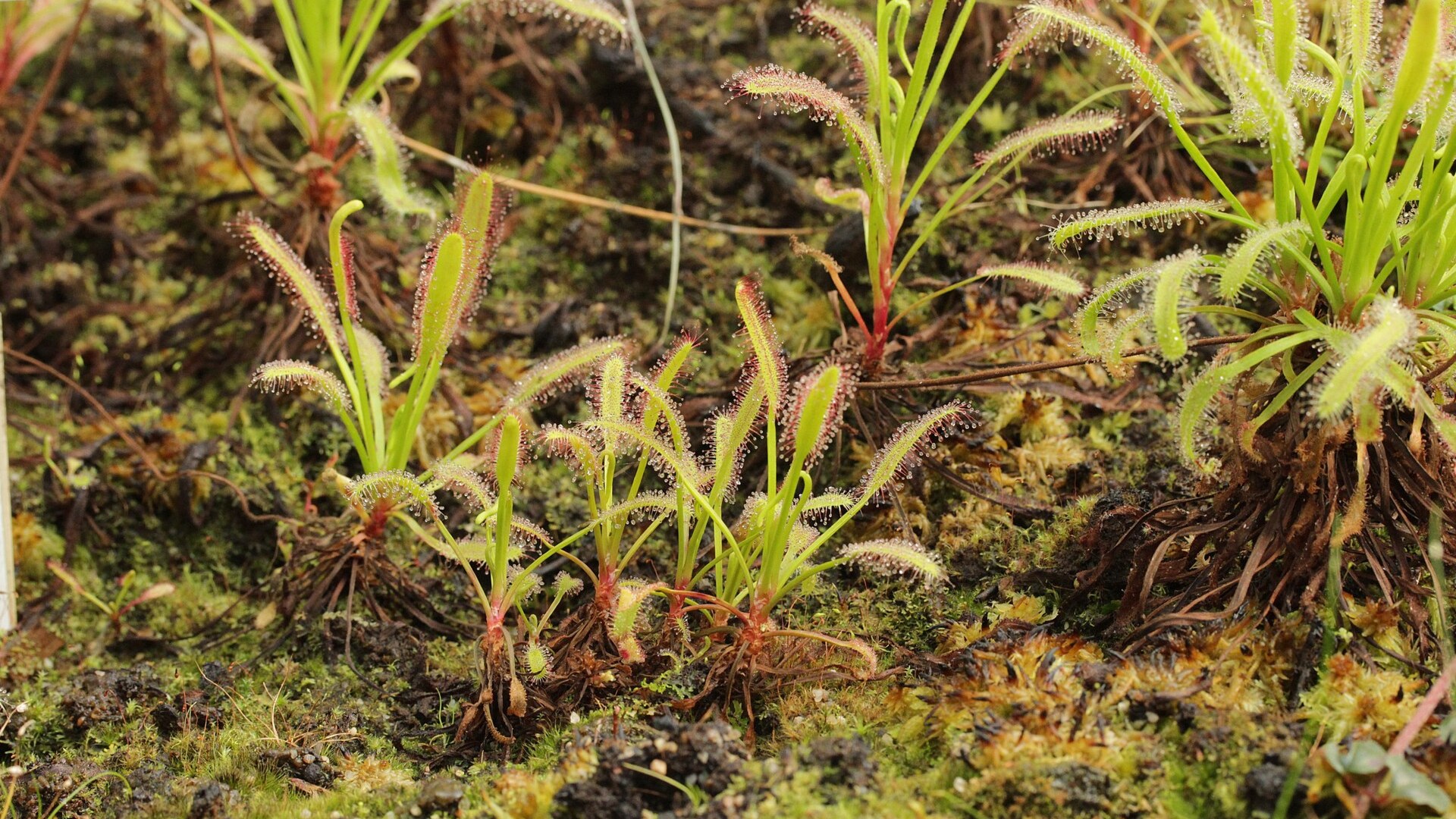
Native to South African wetlands, Drosera capensis covers its leaves with ruby glandular hairs secreting sticky mucilage. When an insect touches the droplets, surrounding tentacles curl tightly around the prey, bathing it in digestive acid and enzymes within hours to extract vital nitrogen.
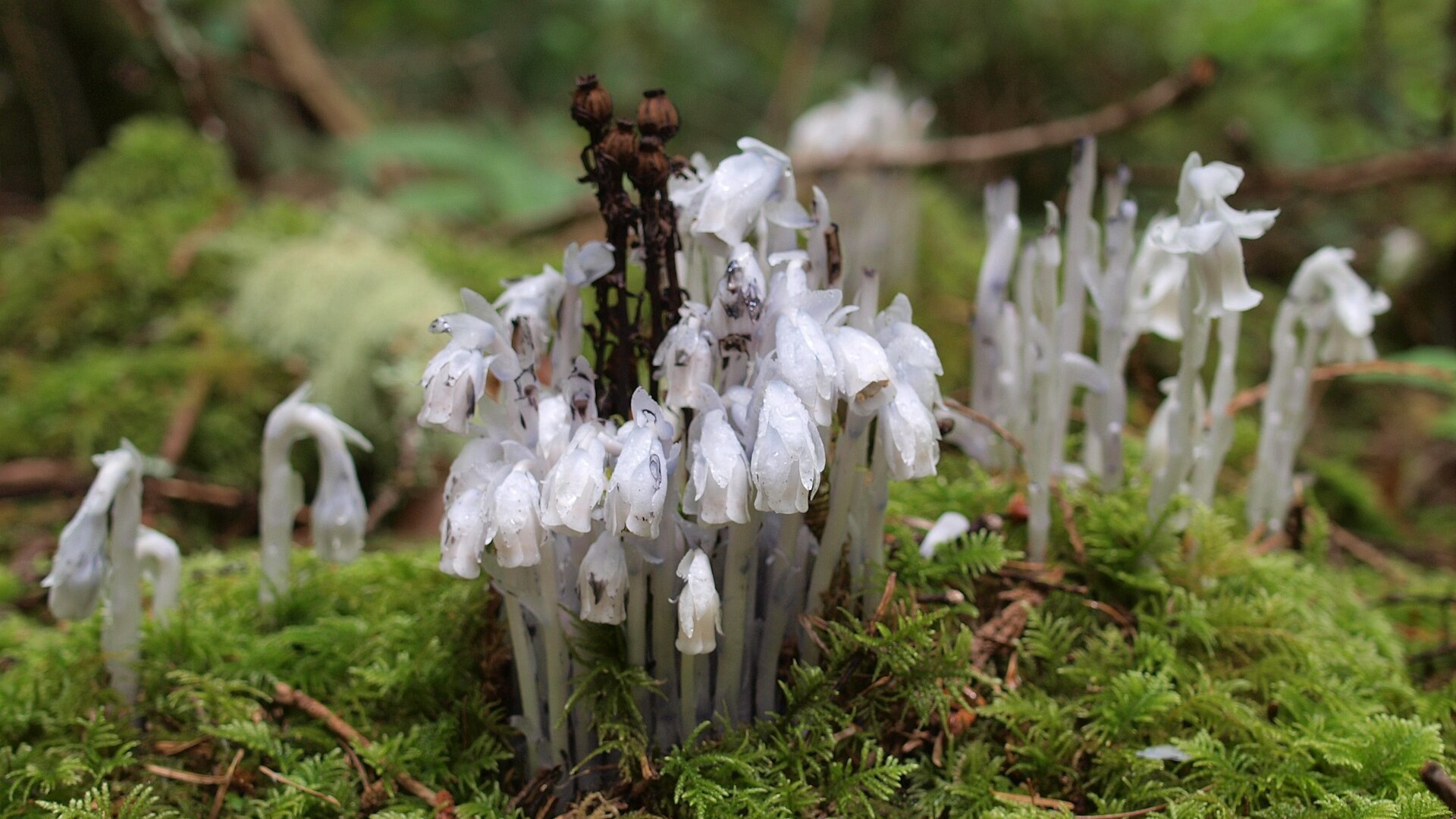
8. Ghost Plant (Monotropa Uniflora)
Monotropa uniflora displays an eerie, translucent white appearance because it has completely abandoned photosynthesis. Instead of gathering sunlight, this forest dweller taps into mycorrhizal fungal networks, siphoning carbon, water, and nutrients directly from host tree roots beneath the soil.
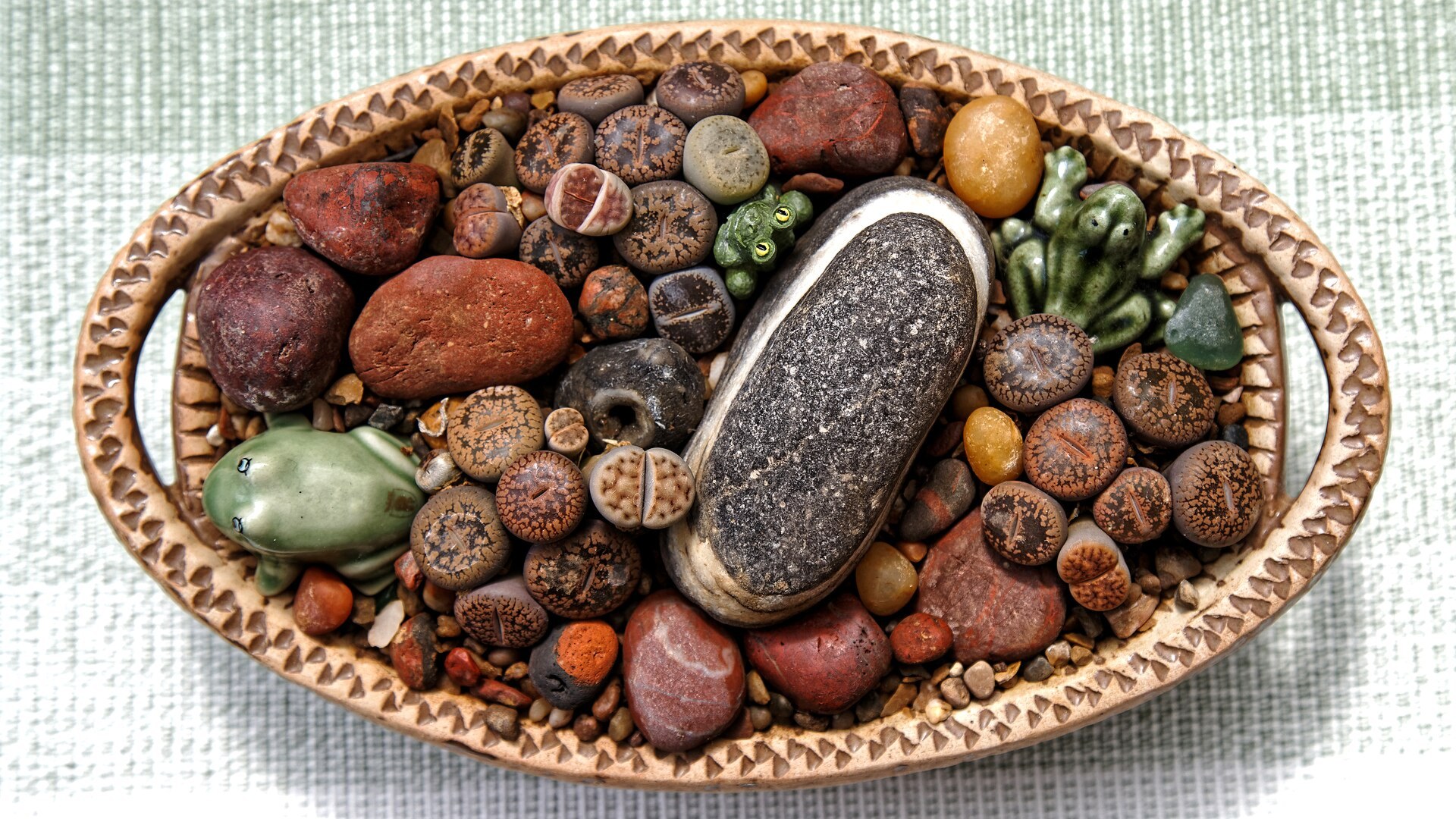
7. Living Stones (Lithops)
Lithops species survive the harsh gravel plains of southern Africa by masquerading as speckled stones. Each plant consists of two fused succulent leaves buried in ground gravel. Translucent top windows filter sunlight into subterranean chlorophyll, shielding tissue from scorching desert heat.
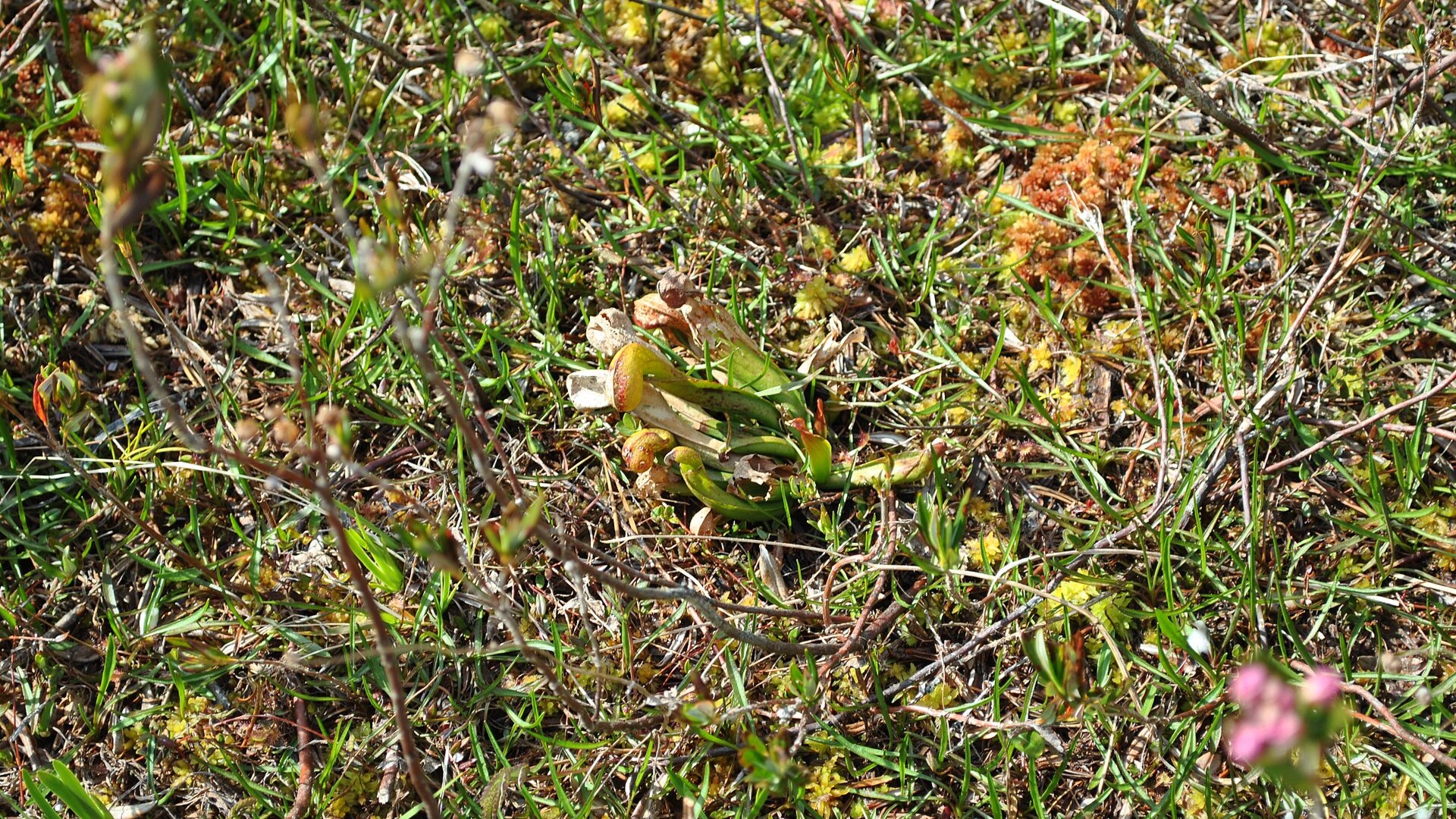
6. Cobra Lily (Darlingtonia Californica)
Darlingtonia californica lures insects into hooded tubular leaves resembling rearing serpents. Translucent windows across the dome confuse trapped insects seeking sunlight. Bouncing off slick walls, prey slip down downward-pointing hairs into bacterial fluid pools where vital nutrients are absorbed.
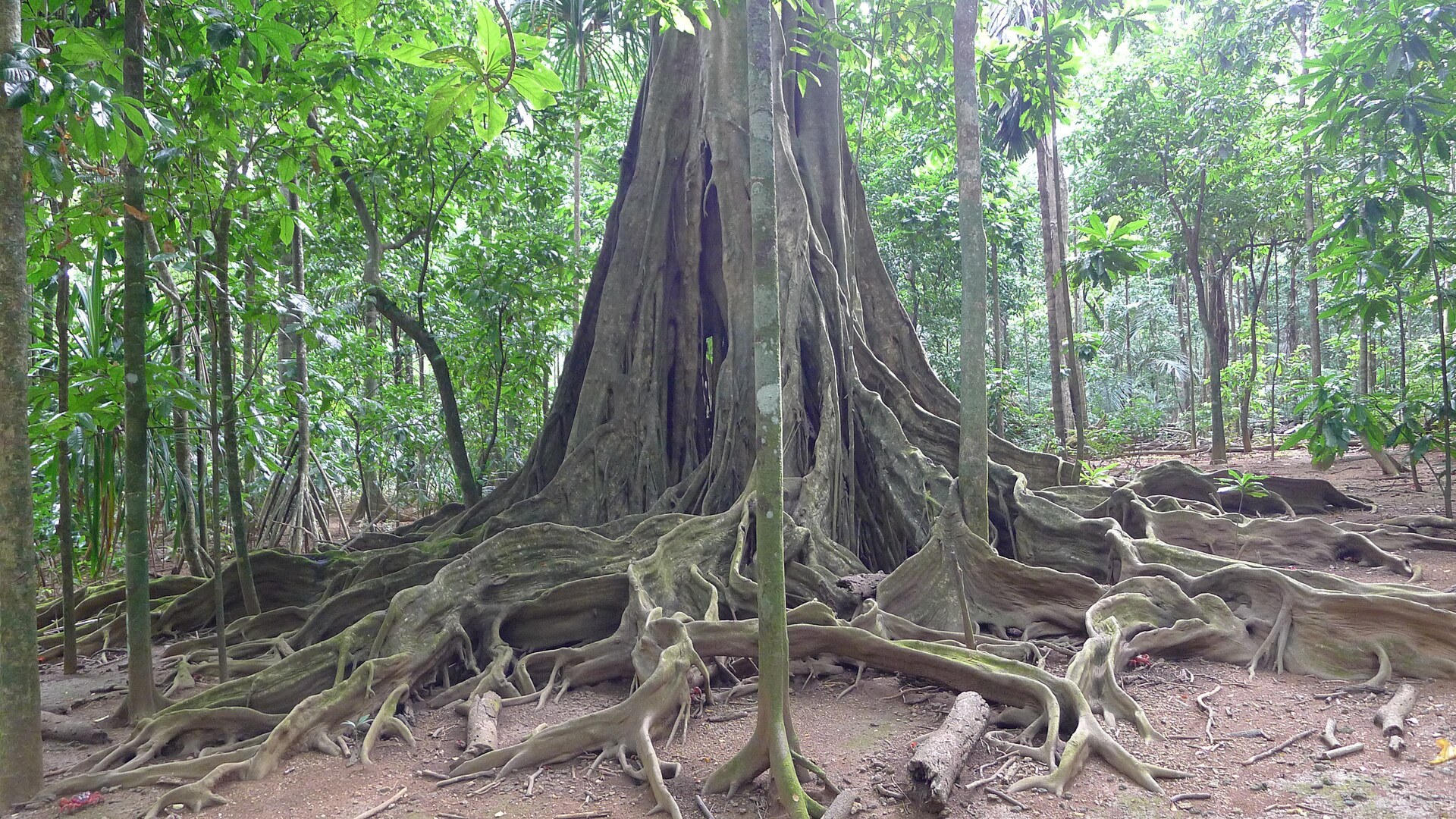
5. Strangler Fig (Ficus Aurea)
Deposited in the canopy by birds, Ficus aurea begins life as an epiphyte before sending aerial roots down to forest soil. As roots thicken, they fuse into a rigid lattice encircling the host trunk. Over decades, the fig outcompetes the host for sunlight and root room, leaving a hollow woody column.
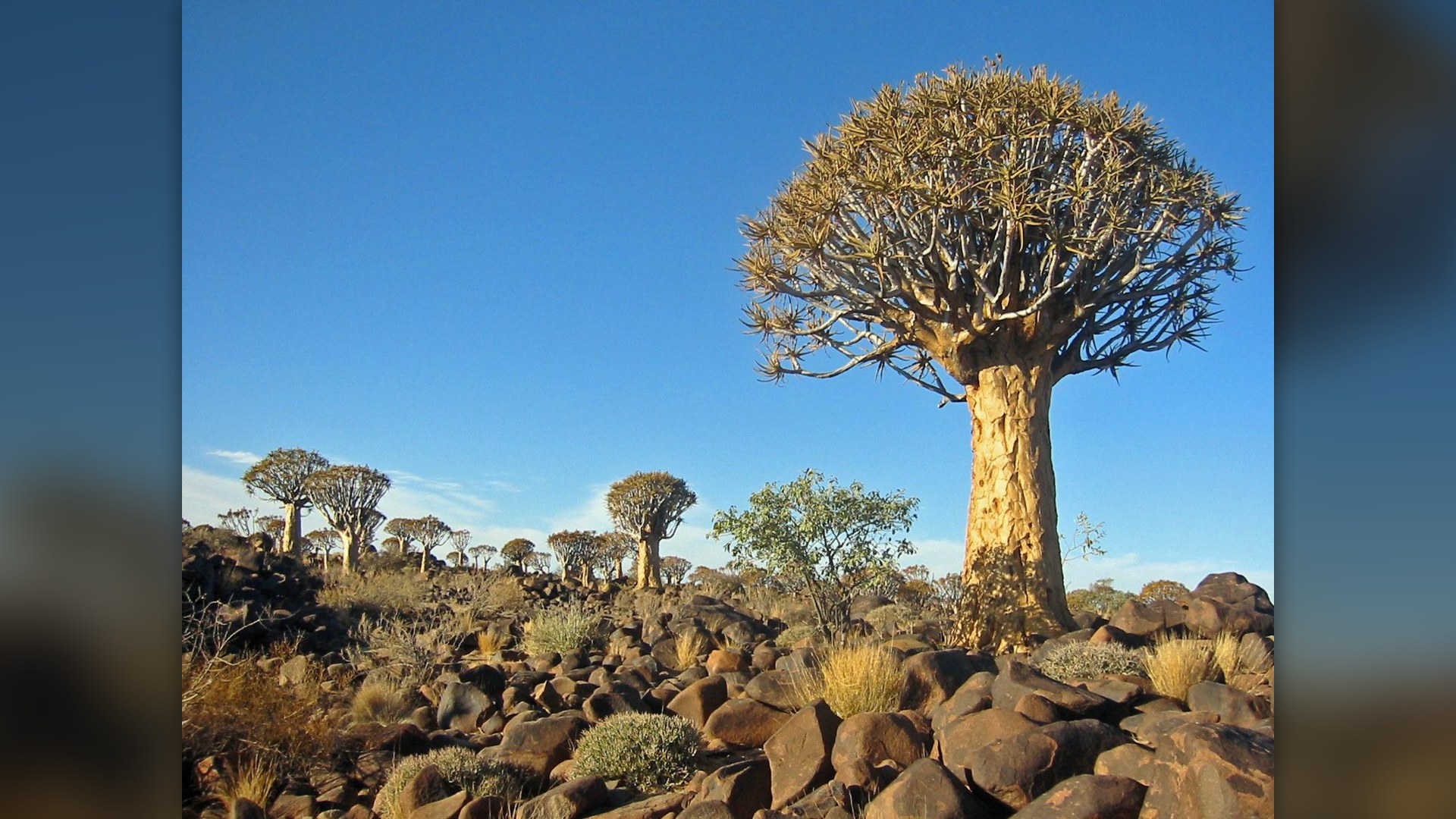
4. Quiver Tree (Aloidendron Dichotomum)
Growing in arid rocky terrain across Namibia and South Africa, Aloidendron dichotomum features pale bark scales that deflect solar heat. To survive catastrophic droughts, the succulent tree seals off and self-amputates entire outer branches, preventing fatal moisture loss from leaf transpiration.
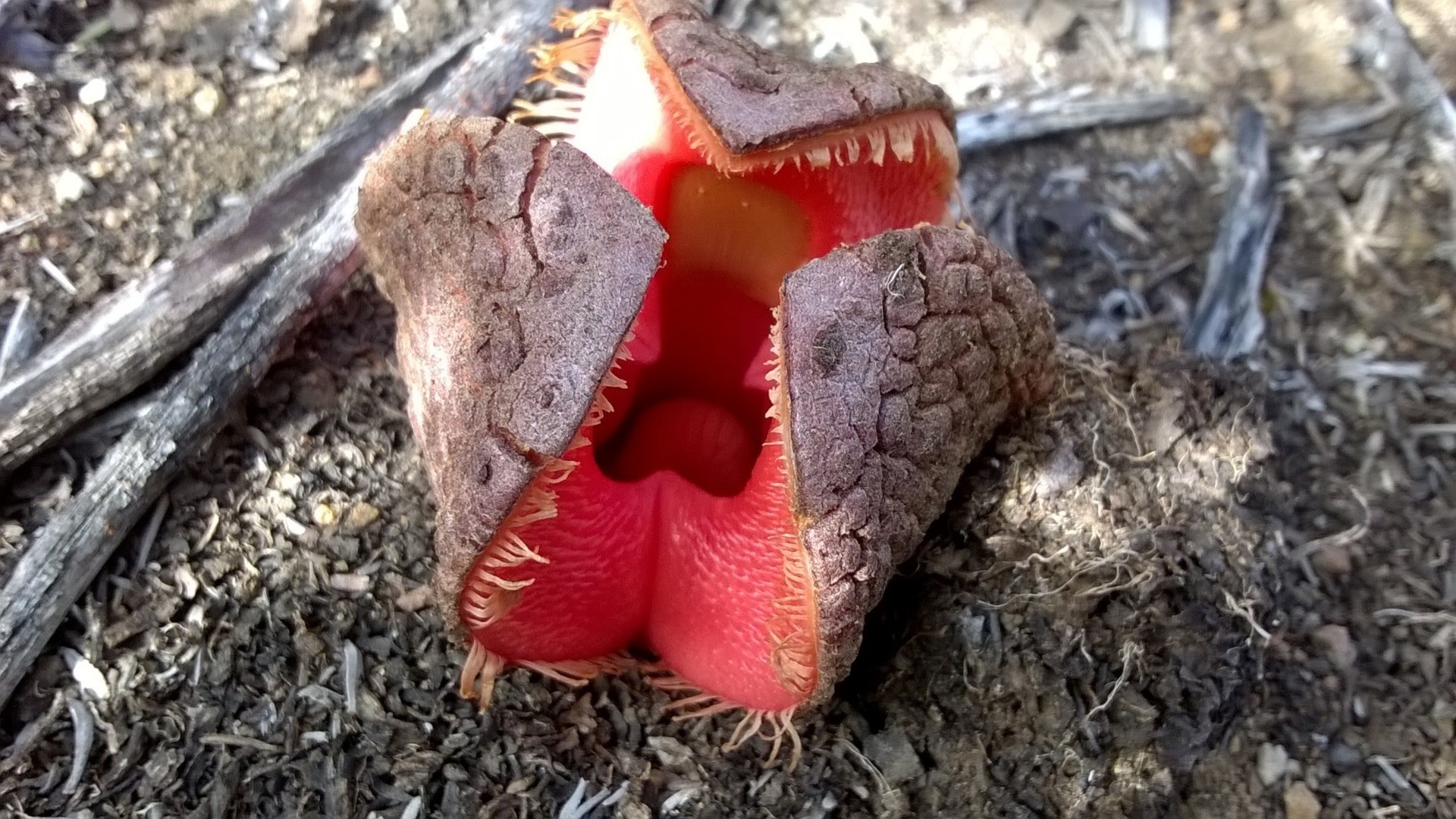
3. Jackal Food (Hydnora Africana)
Hydnora africana is an obligate parasite in southern Africa with no leaves or green tissue. It spends years entirely underground attached to Euphorbia host roots. The plant breaks the surface only to open thick fleshy lobes lined with coarse hairs, temporarily trapping carrion beetles for pollination.
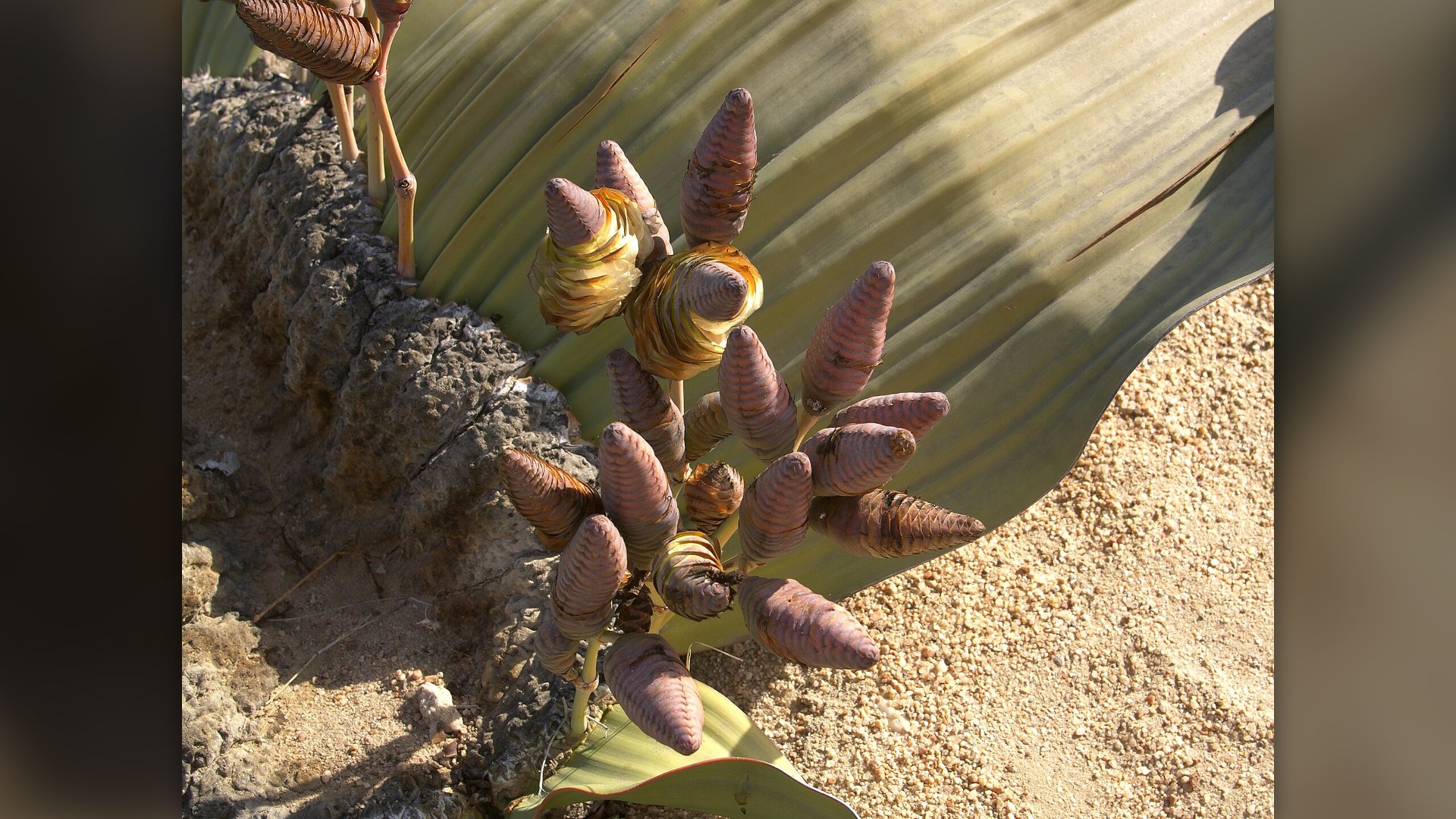
2. Tree Tumbo (Welwitschia Mirabilis)
Endemic to the hyper-arid Namib Desert, Welwitschia mirabilis produces only two true leaves that grow continuously throughout its thousand-year lifespan. Desert gales split the fraying leaves into tangled ribbons across gravel. The plant survives primarily on moisture condensed from Atlantic morning fogs.
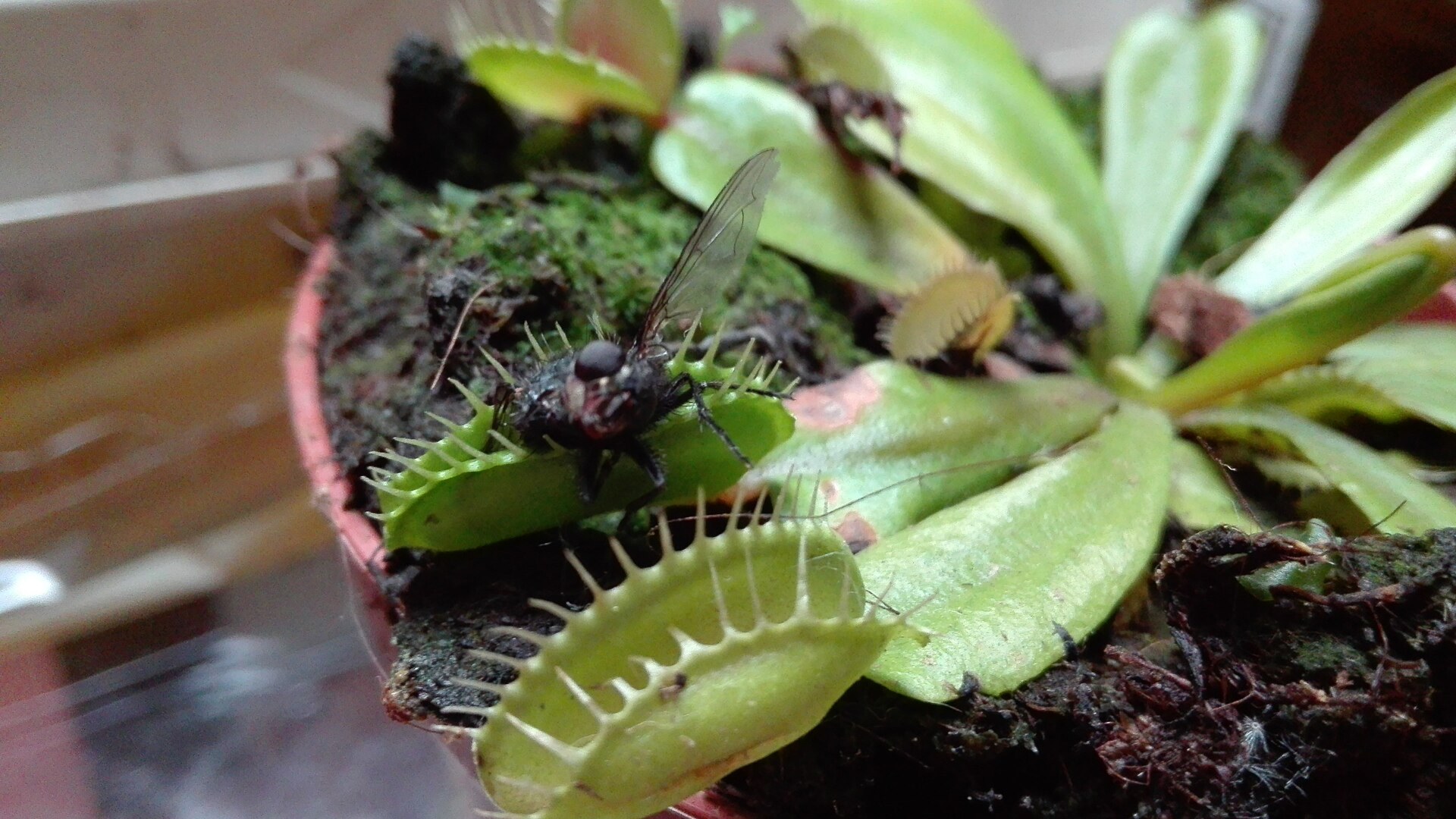
1. Venus Flytrap (Dionaea Muscipula)
Native to coastal bogs of the Carolinas, Dionaea muscipula possesses an astonishing electrical memory. Its modified leaf lobes snap shut only after an insect touches two trigger hairs within twenty seconds. Additional touches trigger digestive enzymes, preventing wasted energy on false alarms.