Slideshow · Science
15 Things to Check Before Buying a House in the USA, Ranked
From Hidden Foundation Cracks To Tax Surprises, 15 Checks Before Buying A Home

By Most Viral Today
3 Nov 2026

From Hidden Foundation Cracks To Tax Surprises, 15 Checks Before Buying A Home 
15. Mortgage Pre-Approval And Budget 
14. Credit Score And Debt-To-Income Ratio 
13. Property Taxes And Local Assessments - AdvertisementSwipe or tap ▶ to continue countdown

12. Homeowners Insurance And Flood Zones 
11. Homeowners Association Dues And Rules 
10. Roof And Siding Condition 
9. Foundation And Structural Integrity - AdvertisementSwipe or tap ▶ to continue countdown

8. Heating And Air Conditioning Systems 
7. Plumbing And Water Leaks 
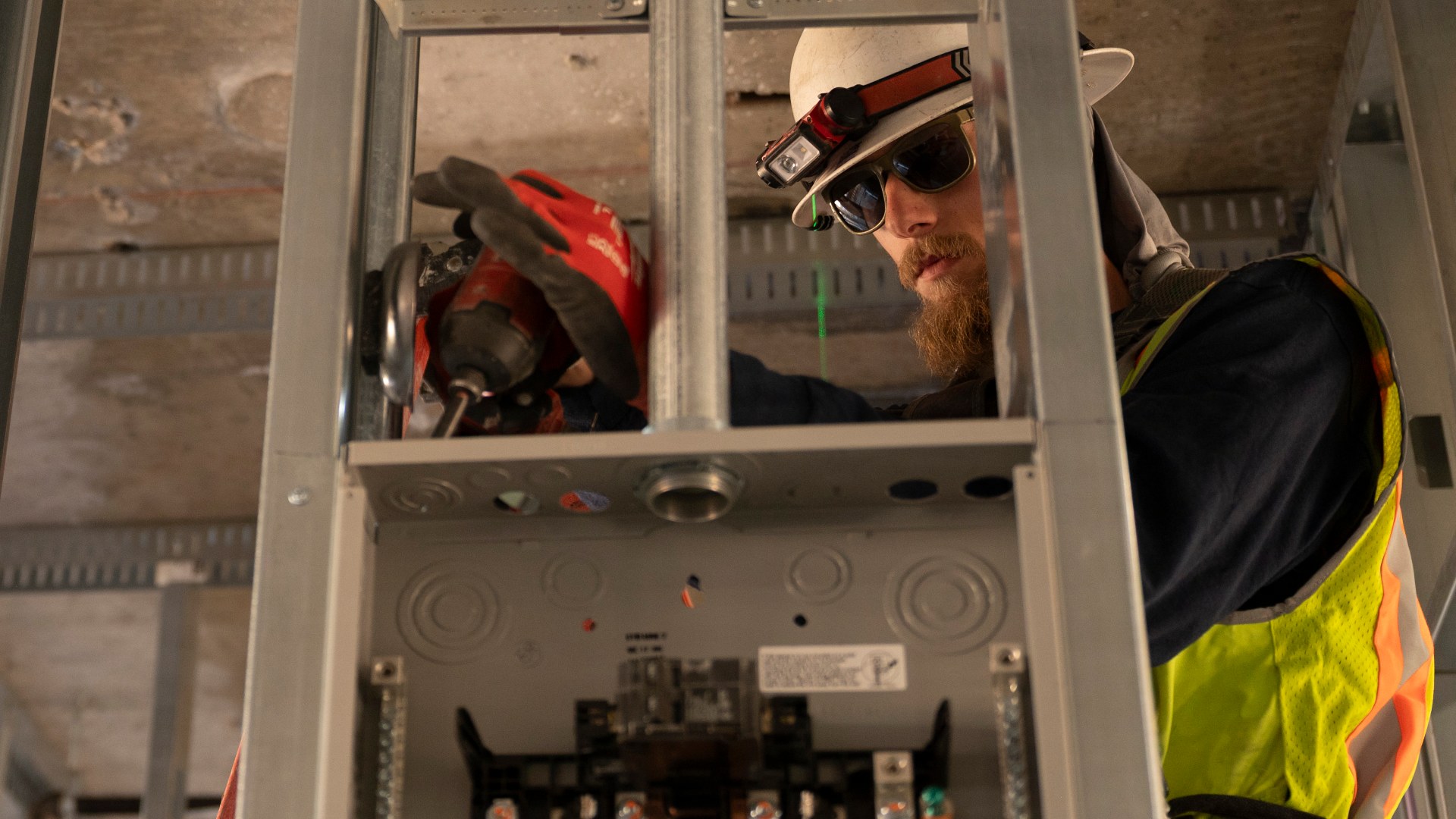
6. Electrical Panel And Wiring 
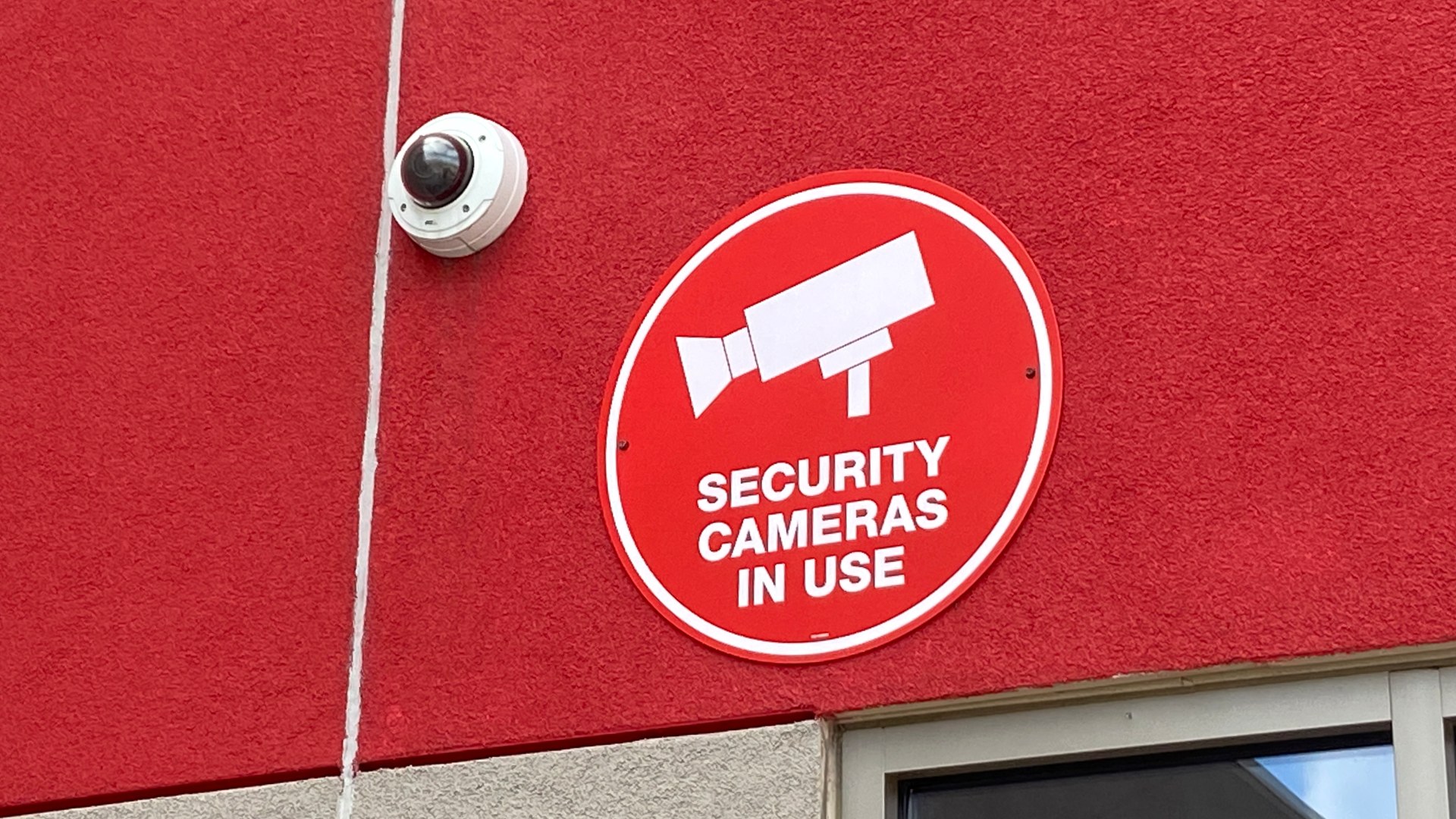
5. Neighborhood Crime Reports And Safety - AdvertisementSwipe or tap ▶ to continue countdown

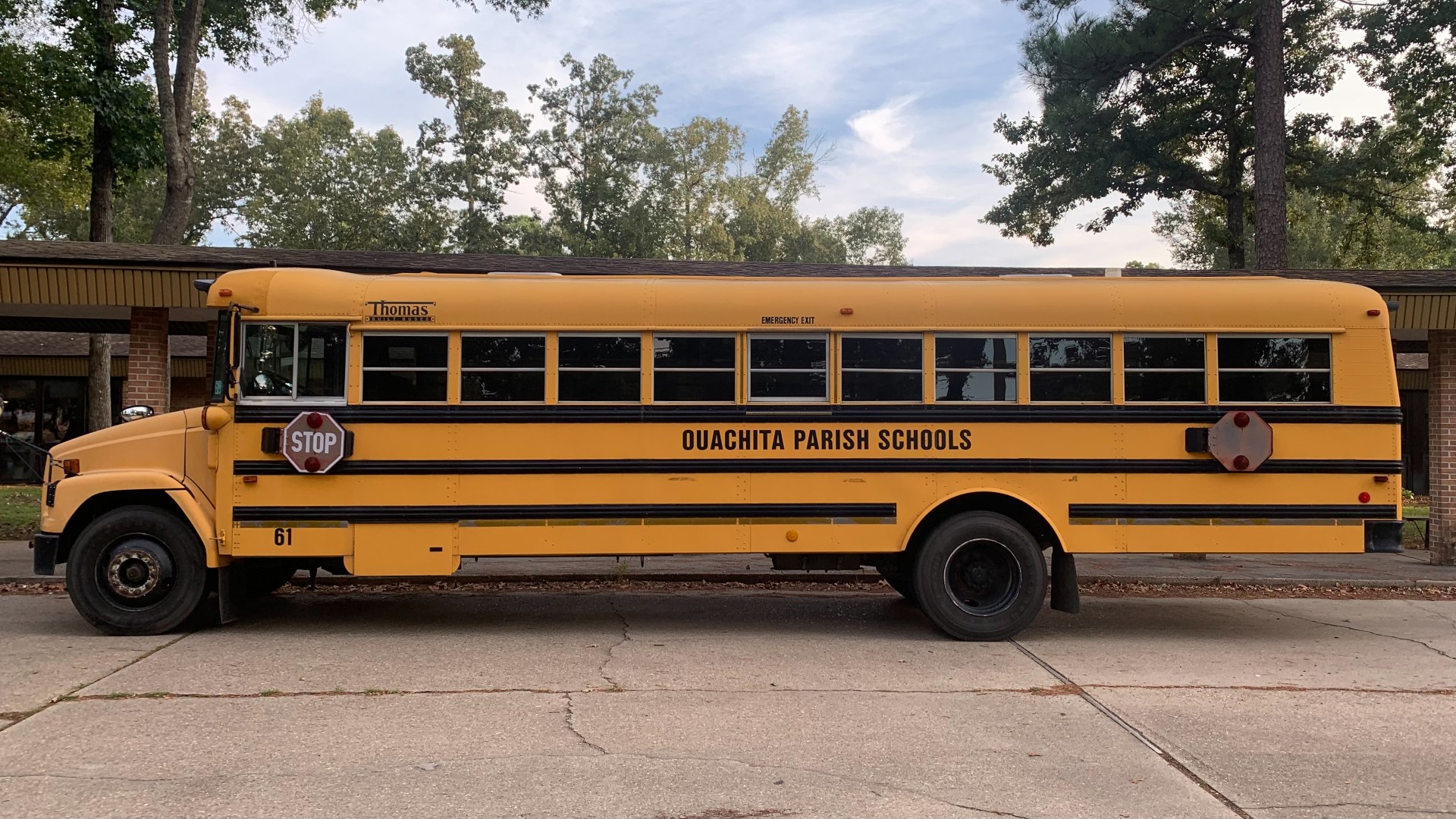
4. Local School District Ratings 
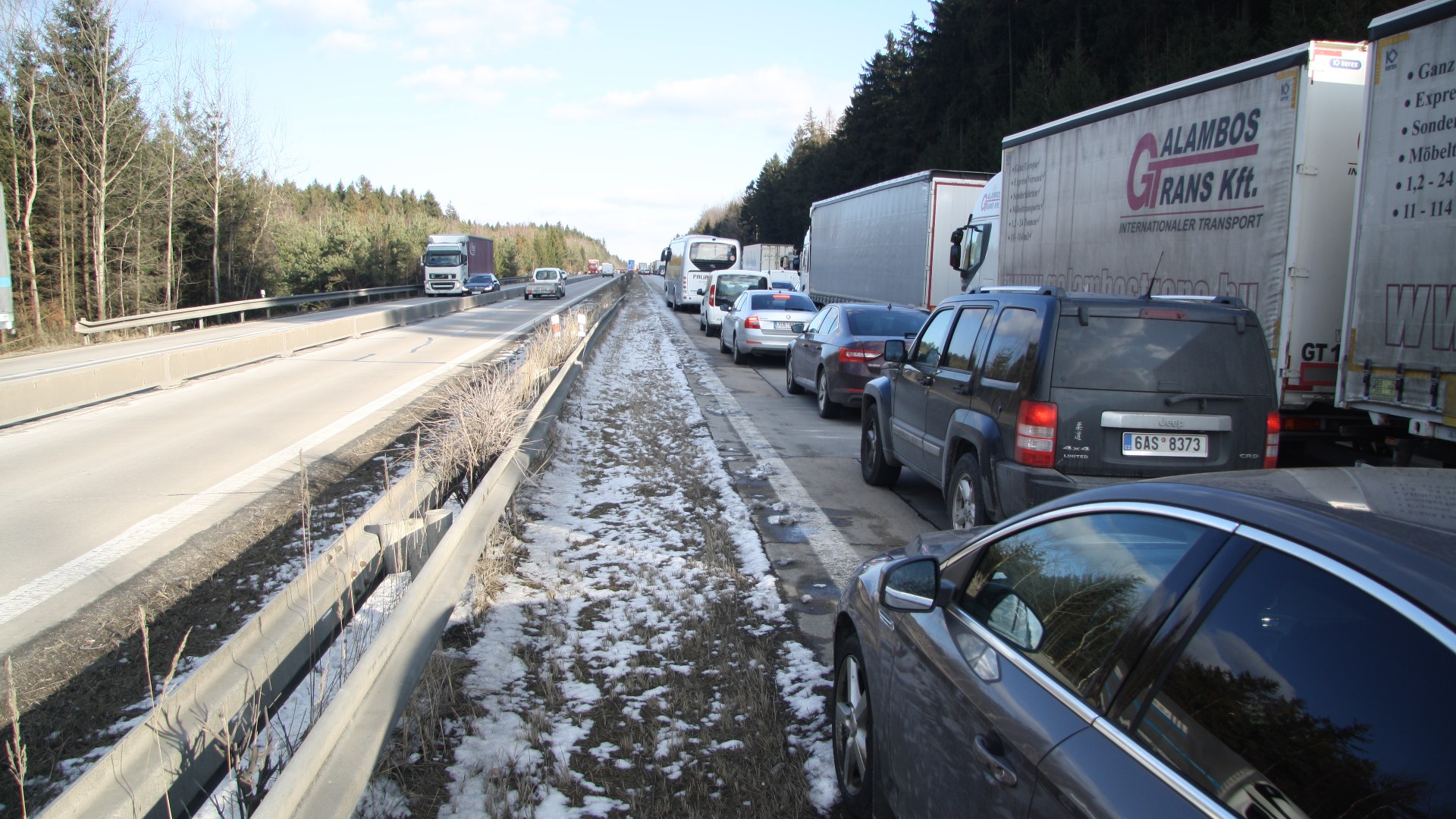
3. Commute Times And Rush-Hour Traffic 
2. Environmental And Zoning Hazards 
1. Certified Independent Home Inspection - Advertisement🔥 UP NEXT IN THIS SERIES◫ 26 Slides

25 Groundbreaking American Inventions and Achievements Ranked
From Kitty Hawk and the Apollo 11 lunar landing to the transistor and the internet, American inventors and scientists have transformed global civilization. Sourced from the Smithsonian Institution, NASA archives, and the Library of Congress, here are twenty-five groundbreaking American milestones ranked.
Buying a house in the United States is one of the largest financial commitments most people ever make. Before signing a purchase contract, buyers should verify financing limits, structural condition, mechanical systems, and neighborhood factors.
Swipe or tap ▶ to begin the countdown
©Unsplash / Tuấn 123 & Unsplash / Nik Guiney
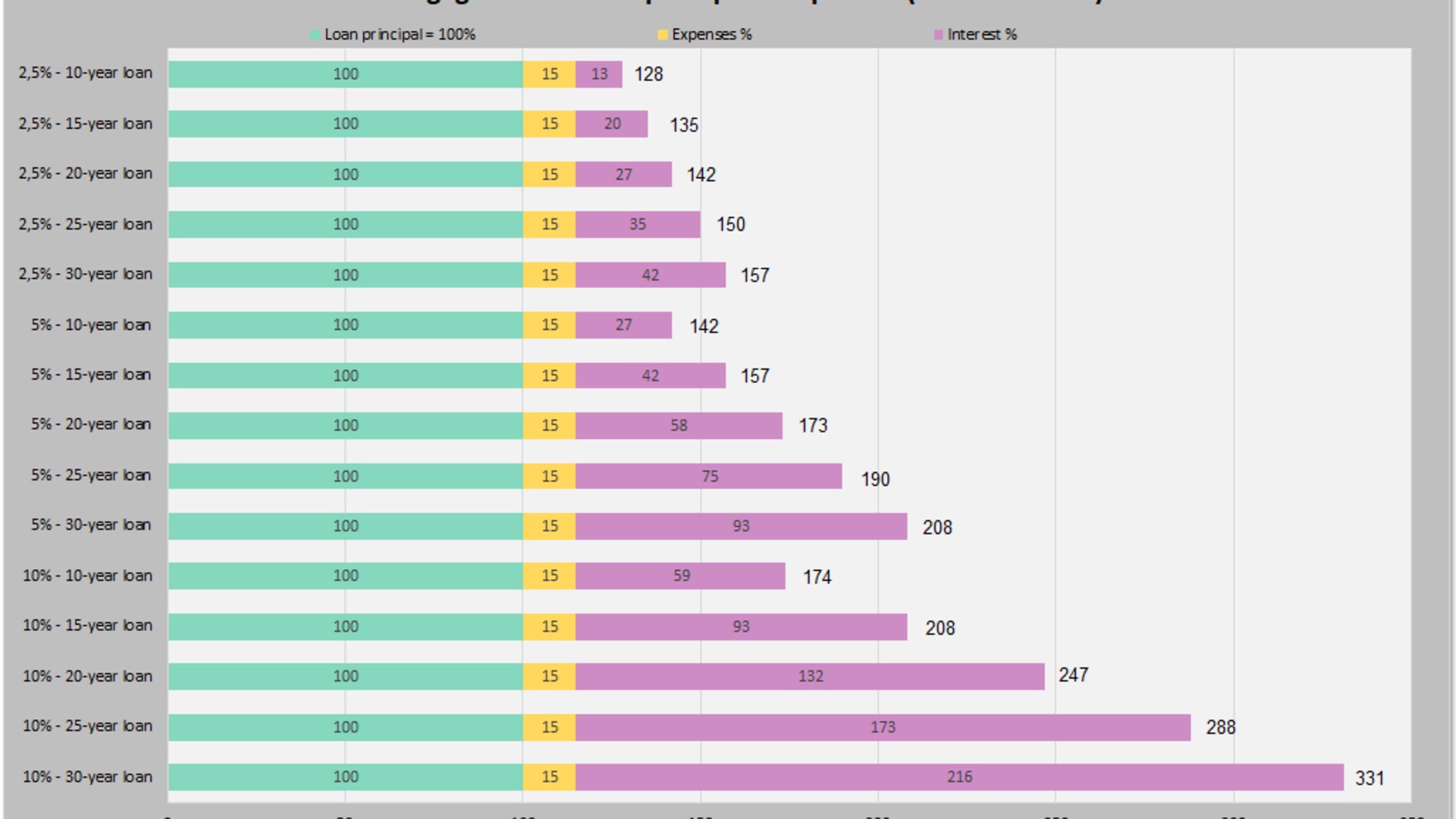
15. Mortgage Pre-Approval And Budget
Securing a formal mortgage pre-approval sets your real purchasing ceiling before you tour homes. Buyers should calculate their comfortable monthly payment by factoring in principal, interest, maintenance reserves, and existing household expenses rather than borrowing the maximum amount a bank offers.
©Wikimedia / Gallowolf
14. Credit Score And Debt-To-Income Ratio
Lenders evaluate your credit score and debt-to-income ratio to determine loan eligibility and interest rates. Most conventional loans require a minimum score of 620 and total monthly debt payments below 43 percent of gross income, while higher scores unlock significantly lower long-term borrowing costs.
© Photo by Carlos Muza on Unsplash
13. Property Taxes And Local Assessments
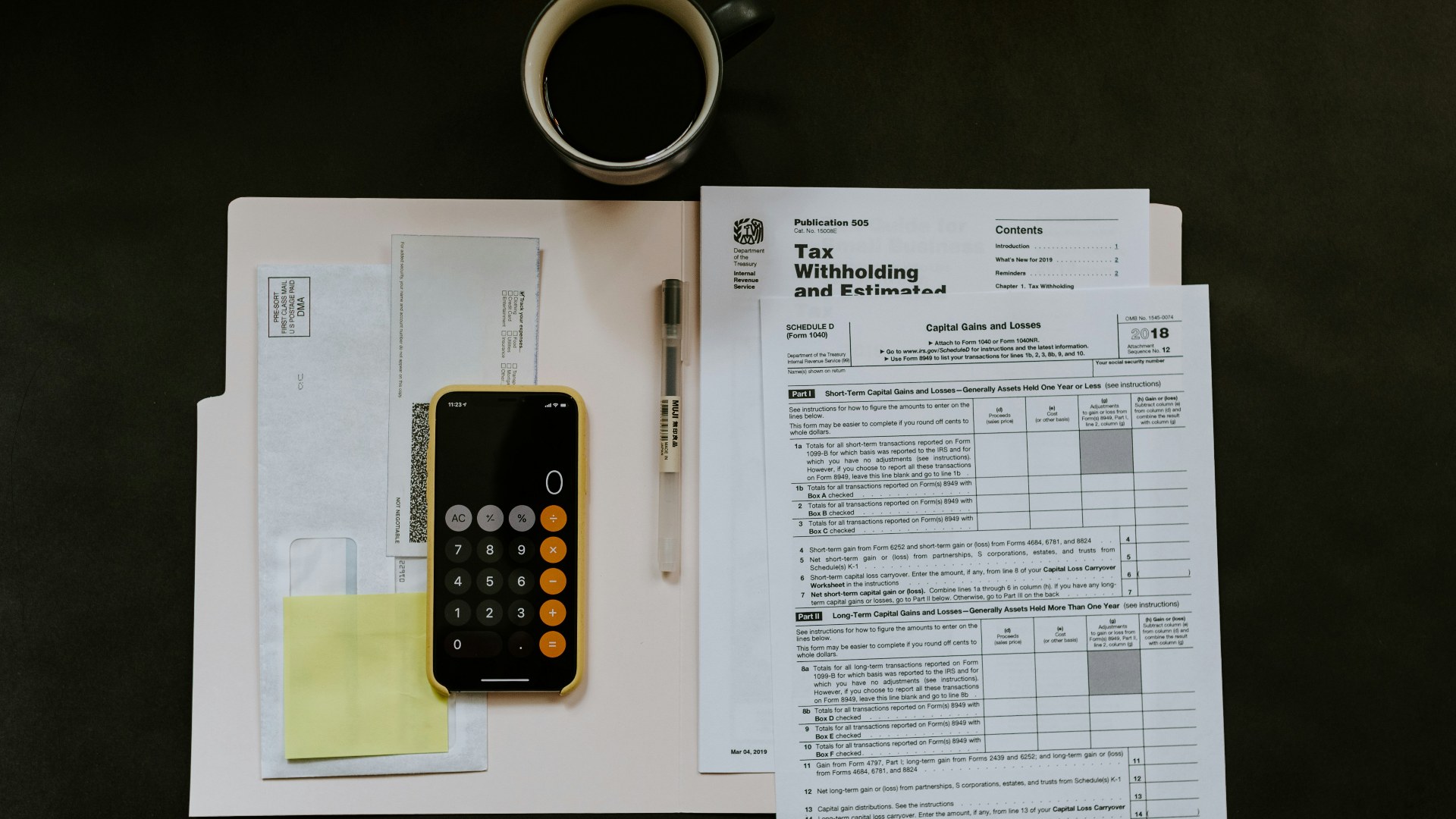
Annual property taxes vary dramatically across states, counties, and municipalities. Buyers should review county tax records and note that a home sale often triggers a property value reassessment, which can substantially increase the monthly escrow payment compared to what the previous owner paid.
© Photo by Kelly Sikkema on Unsplash
Advertisement
Swipe or tap ▶ to resume the countdown.
12. Homeowners Insurance And Flood Zones
Standard homeowners insurance policies do not cover flood damage. Buyers should check Federal Emergency Management Agency flood zone maps and request binding insurance quotes during the inspection period, especially in regions exposed to hurricanes, wildfires, or severe storms where premiums have risen.
©DVIDS / Army photo by Thomas Deaton
11. Homeowners Association Dues And Rules
If a property belongs to a homeowners association, monthly or annual dues add directly to housing costs. Buyers should inspect the association financial statements, reserve fund balances, pending special assessments, and community rules governing exterior changes, parking, pets, and rentals.
© Photo by Chanhee Lee on Unsplash
10. Roof And Siding Condition
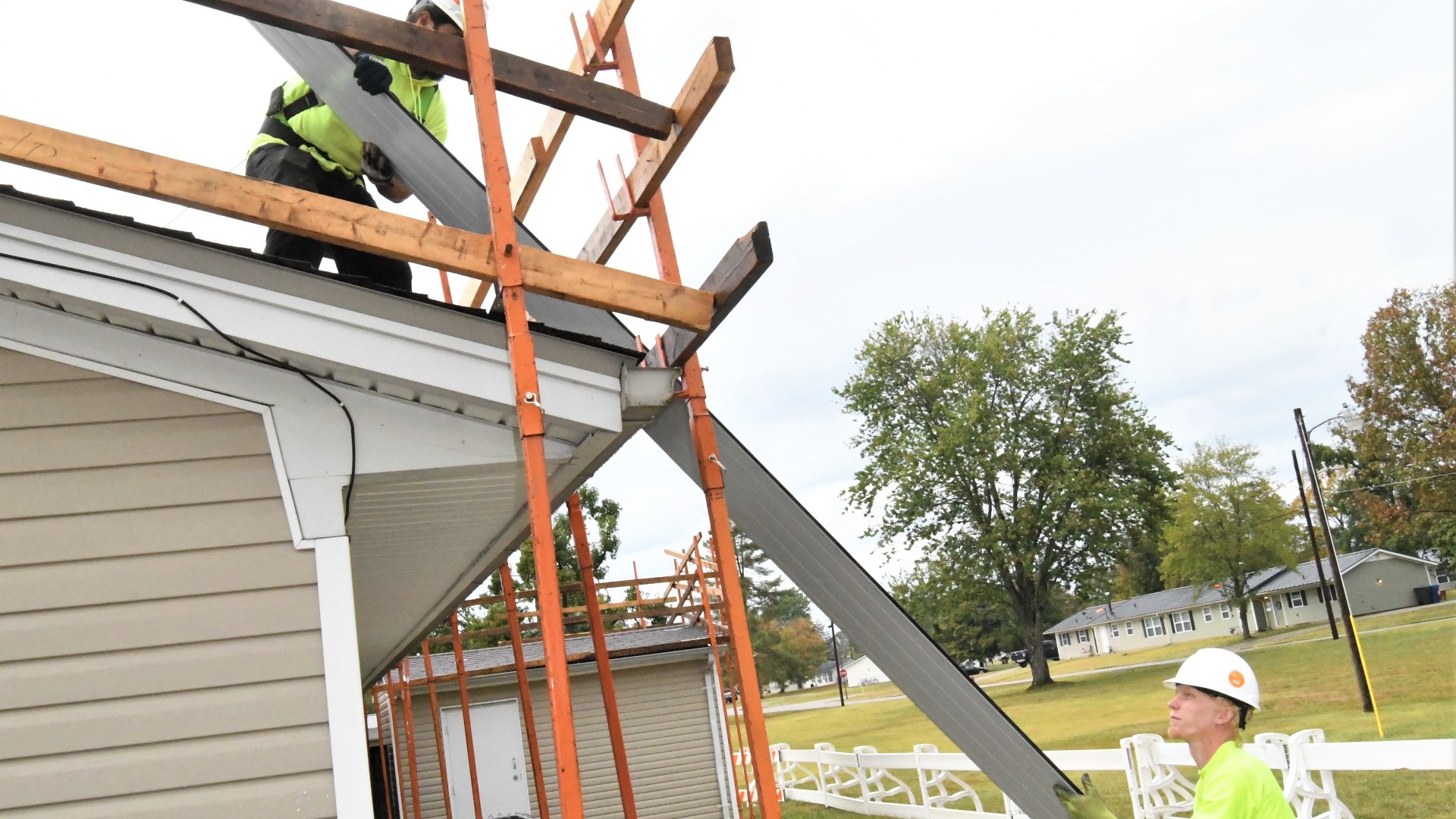
Replacing a residential roof in the United States typically costs between 8,000 and 25,000 dollars, and insurers may refuse to cover roofs over 20 years old. Buyers should check the installation date and look for missing shingles, sagging rooflines, clogged gutters, and cracked or rotting exterior siding.
©DVIDS / Army photo by G. Anthonie Riis
9. Foundation And Structural Integrity
Foundation repairs are among the most expensive problems a homeowner can face. While minor hairline vertical cracks in concrete can result from normal settling, wide stair-step cracks in masonry, bowing basement walls, uneven floors, and doors that fail to latch properly require a structural engineer evaluation.
©Wikimedia / Brice Blondel
Advertisement
Swipe or tap ▶ to resume the countdown.
8. Heating And Air Conditioning Systems
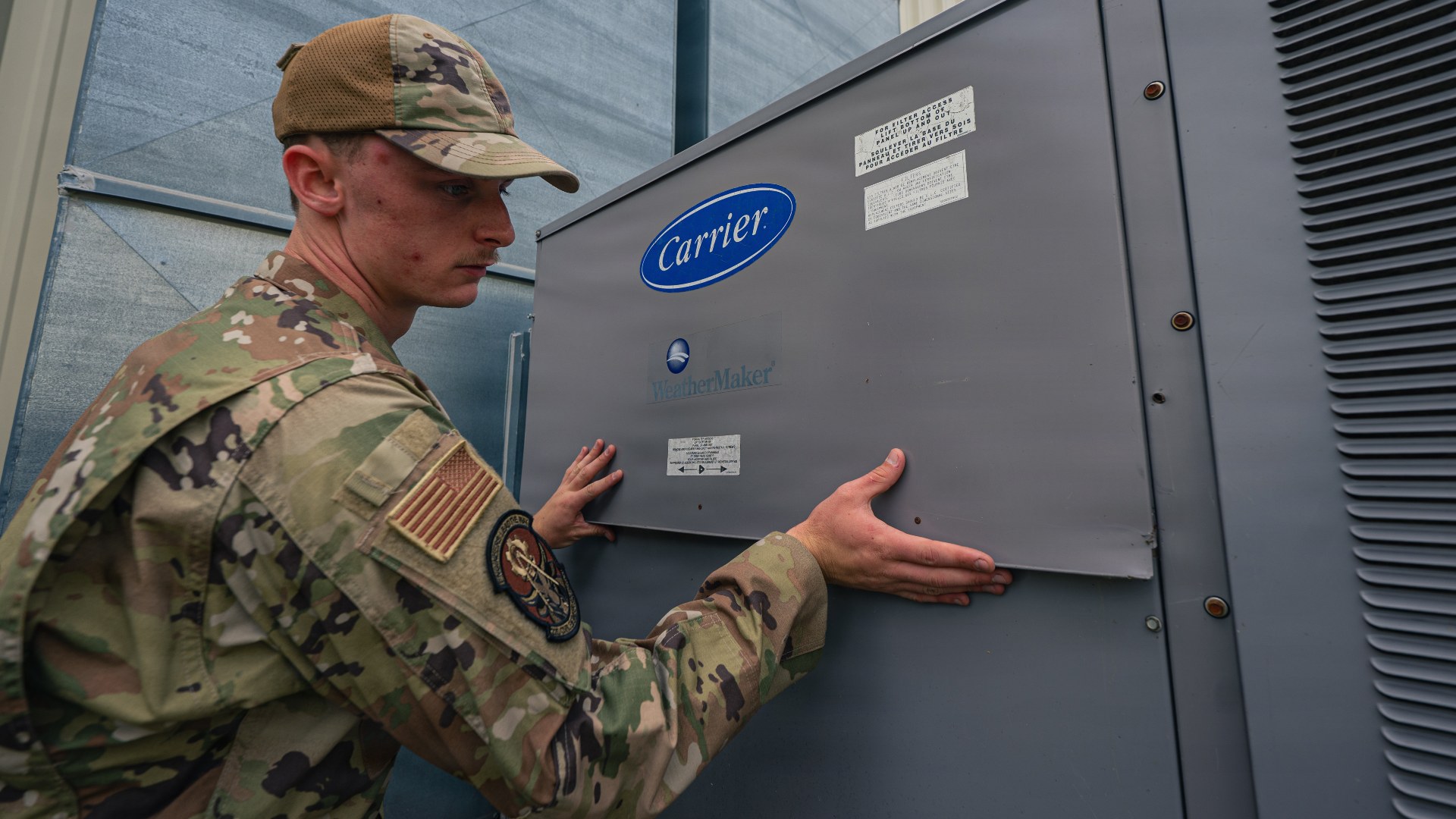
Heating, ventilation, and air conditioning systems generally last 15 to 20 years before needing replacement. Buyers should check the manufacturer data plate for the manufacture year, test both heating and cooling modes, inspect ductwork for leaks, and ask whether older units use phased-out refrigerants.
©DVIDS / Air Force photo by Matthew Nguyen
7. Plumbing And Water Leaks
Hidden plumbing leaks can rot subfloors and foster mold growth behind walls. Buyers should run faucets and flush toilets simultaneously to test water pressure, check under sinks for staining, verify the age of the water heater, and hire a plumber to run a camera scope through the main sewer line.
©Wikimedia / theilr
6. Electrical Panel And Wiring
Modern households rely on at least 100-amp to 200-amp electrical service to handle appliances and electric vehicle chargers safely. Buyers should verify that the main breaker box is not a recalled brand, check for outdated knob-and-tube or aluminum branch wiring, and confirm ground-fault protection in wet areas.
©DVIDS / Air Force photo by Laisa Leao
5. Neighborhood Crime Reports And Safety
A house can be remodeled, but its location cannot be changed. Buyers should review municipal police incident statistics, check street lighting and sidewalk conditions, and visit the block on both weekday evenings and weekend nights to gauge noise levels and neighborhood safety.
©Wikimedia / Myotus
Advertisement
Swipe or tap ▶ to resume the countdown.
4. Local School District Ratings
Public school district boundaries directly influence residential real estate demand and resale stability across the United States. Even buyers without school-age children benefit from verifying assigned elementary, middle, and high schools, as homes in well-rated districts hold value better during market slowdowns.
©Wikimedia / Ktkvtsh
3. Commute Times And Rush-Hour Traffic
Open houses are almost always held on quiet weekend afternoons when roads are clear. Before making an offer, buyers should test-drive their commute during weekday morning and evening peak hours and check proximity to grocery stores, hospitals, public transit stops, and highway interchanges.
©Wikimedia / Jiri Sedlacek
2. Environmental And Zoning Hazards
Homes built before 1978 should be checked for lead-based paint and asbestos, and basements across much of the country require a 48-hour radon gas test. Buyers should also check city zoning maps for vacant parcels nearby that could be developed into commercial centers, warehouses, or busy roads.
©Wikimedia / Matthew T Rader
1. Certified Independent Home Inspection
Waiving a home inspection contingency carries serious financial risk. Hiring an independent, licensed home inspector gives buyers a detailed written report on the roof, attic, structure, electrical system, plumbing, and appliances, providing leverage to negotiate repairs or seller credits before closing.

©TMDb / HGTV
Advertisement
You've reached the end of the story. Thanks for reading!

25 Groundbreaking American Inventions and Achievements Ranked
From Kitty Hawk and the Apollo 11 lunar landing to the transistor and the internet, American inventors and scientists have transformed global civilization. Sourced from the Smithsonian Institution, NASA archives, and the Library of Congress, here are twenty-five groundbreaking American milestones ranked.
All 15 Entries in this Story
1. Mortgage Pre-Approval And Budget
Securing a formal mortgage pre-approval sets your real purchasing ceiling before you tour homes. Buyers should calculate their comfortable monthly payment by factoring in principal, interest, maintenance reserves, and existing household expenses rather than borrowing the maximum amount a bank offers.

2. Credit Score And Debt-To-Income Ratio
Lenders evaluate your credit score and debt-to-income ratio to determine loan eligibility and interest rates. Most conventional loans require a minimum score of 620 and total monthly debt payments below 43 percent of gross income, while higher scores unlock significantly lower long-term borrowing costs.

3. Property Taxes And Local Assessments
Annual property taxes vary dramatically across states, counties, and municipalities. Buyers should review county tax records and note that a home sale often triggers a property value reassessment, which can substantially increase the monthly escrow payment compared to what the previous owner paid.

4. Homeowners Insurance And Flood Zones
Standard homeowners insurance policies do not cover flood damage. Buyers should check Federal Emergency Management Agency flood zone maps and request binding insurance quotes during the inspection period, especially in regions exposed to hurricanes, wildfires, or severe storms where premiums have risen.

5. Homeowners Association Dues And Rules
If a property belongs to a homeowners association, monthly or annual dues add directly to housing costs. Buyers should inspect the association financial statements, reserve fund balances, pending special assessments, and community rules governing exterior changes, parking, pets, and rentals.

6. Roof And Siding Condition
Replacing a residential roof in the United States typically costs between 8,000 and 25,000 dollars, and insurers may refuse to cover roofs over 20 years old. Buyers should check the installation date and look for missing shingles, sagging rooflines, clogged gutters, and cracked or rotting exterior siding.

7. Foundation And Structural Integrity
Foundation repairs are among the most expensive problems a homeowner can face. While minor hairline vertical cracks in concrete can result from normal settling, wide stair-step cracks in masonry, bowing basement walls, uneven floors, and doors that fail to latch properly require a structural engineer evaluation.

8. Heating And Air Conditioning Systems
Heating, ventilation, and air conditioning systems generally last 15 to 20 years before needing replacement. Buyers should check the manufacturer data plate for the manufacture year, test both heating and cooling modes, inspect ductwork for leaks, and ask whether older units use phased-out refrigerants.

9. Plumbing And Water Leaks
Hidden plumbing leaks can rot subfloors and foster mold growth behind walls. Buyers should run faucets and flush toilets simultaneously to test water pressure, check under sinks for staining, verify the age of the water heater, and hire a plumber to run a camera scope through the main sewer line.

10. Electrical Panel And Wiring
Modern households rely on at least 100-amp to 200-amp electrical service to handle appliances and electric vehicle chargers safely. Buyers should verify that the main breaker box is not a recalled brand, check for outdated knob-and-tube or aluminum branch wiring, and confirm ground-fault protection in wet areas.

11. Neighborhood Crime Reports And Safety
A house can be remodeled, but its location cannot be changed. Buyers should review municipal police incident statistics, check street lighting and sidewalk conditions, and visit the block on both weekday evenings and weekend nights to gauge noise levels and neighborhood safety.

12. Local School District Ratings
Public school district boundaries directly influence residential real estate demand and resale stability across the United States. Even buyers without school-age children benefit from verifying assigned elementary, middle, and high schools, as homes in well-rated districts hold value better during market slowdowns.

13. Commute Times And Rush-Hour Traffic
Open houses are almost always held on quiet weekend afternoons when roads are clear. Before making an offer, buyers should test-drive their commute during weekday morning and evening peak hours and check proximity to grocery stores, hospitals, public transit stops, and highway interchanges.

14. Environmental And Zoning Hazards
Homes built before 1978 should be checked for lead-based paint and asbestos, and basements across much of the country require a 48-hour radon gas test. Buyers should also check city zoning maps for vacant parcels nearby that could be developed into commercial centers, warehouses, or busy roads.

15. Certified Independent Home Inspection
Waiving a home inspection contingency carries serious financial risk. Hiring an independent, licensed home inspector gives buyers a detailed written report on the roof, attic, structure, electrical system, plumbing, and appliances, providing leverage to negotiate repairs or seller credits before closing.