Slideshow · Animals
20 Amazing Ways Animals Survive Winter, Ranked
When temperatures plunge below freezing, animals rely on extreme biology to stay alive. From frogs that stop their hearts to fish that brew alcohol in their blood, here are 20 winter survival strategies ranked from clever to miraculous.
By Most Viral Today
5 Nov 2026

From Frozen Frogs to Shrinking Brains, How 20 Species Beat Winter 
20. Hyperphagia In Brown Bears 
19. Communal Huddling In Flying Squirrels 
18. Cellular Dehydration In Earthworms - AdvertisementSwipe or tap ▶ to continue countdown

17. Underwater Food Caches Of Beavers 
16. Photoperiod Molting In Arctic Foxes 
15. Communal Solar Basking In Garter Snakes 
14. Cold Underground Larders Of Short-Tailed Weasels - AdvertisementSwipe or tap ▶ to continue countdown

13. Ethanol Production In Crucian Carp 
12. Subnivean Snow Tunnels Of Voles And Lemmings 
11. Spatial Memory Caching In Clark's Nutcrackers 
10. Feather Snowshoes And Snow Caves Of Ptarmigans - AdvertisementSwipe or tap ▶ to continue countdown

9. Communal Heat Matrix Of Honeybees 
8. True Winter Hibernation In Common Poorwills 
7. Intestinal Remodelling In Burmese Pythons 
6. Winter Brain Shrinkage In Eurasian Shrews - AdvertisementSwipe or tap ▶ to continue countdown

5. Zero-Oxygen Mud Hibernation In Painted Turtles 
4. Subzero Body Temperature In Arctic Ground Squirrels 
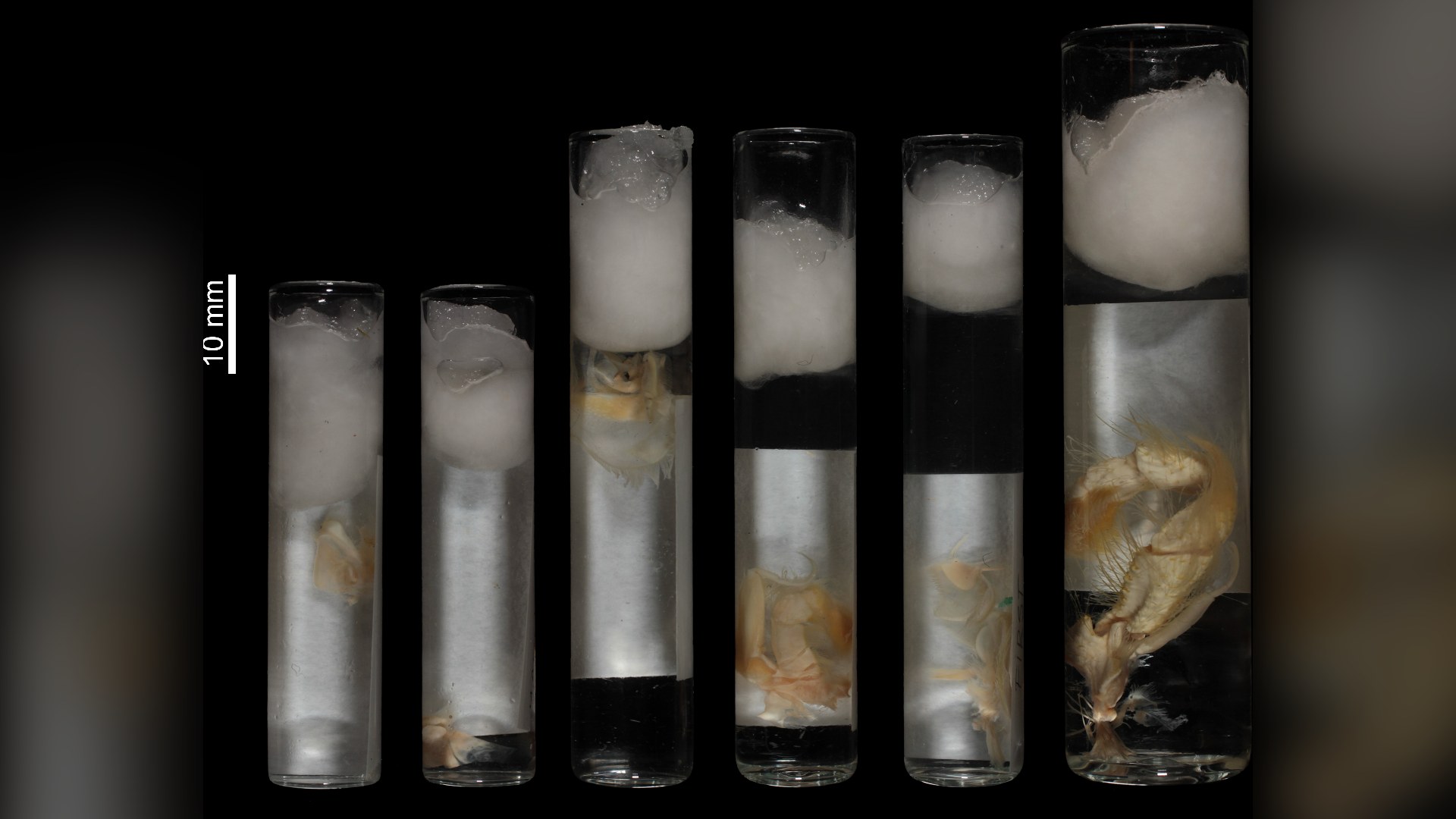
3. Polar Hydrothermal Refuge Of Yeti Crabs 
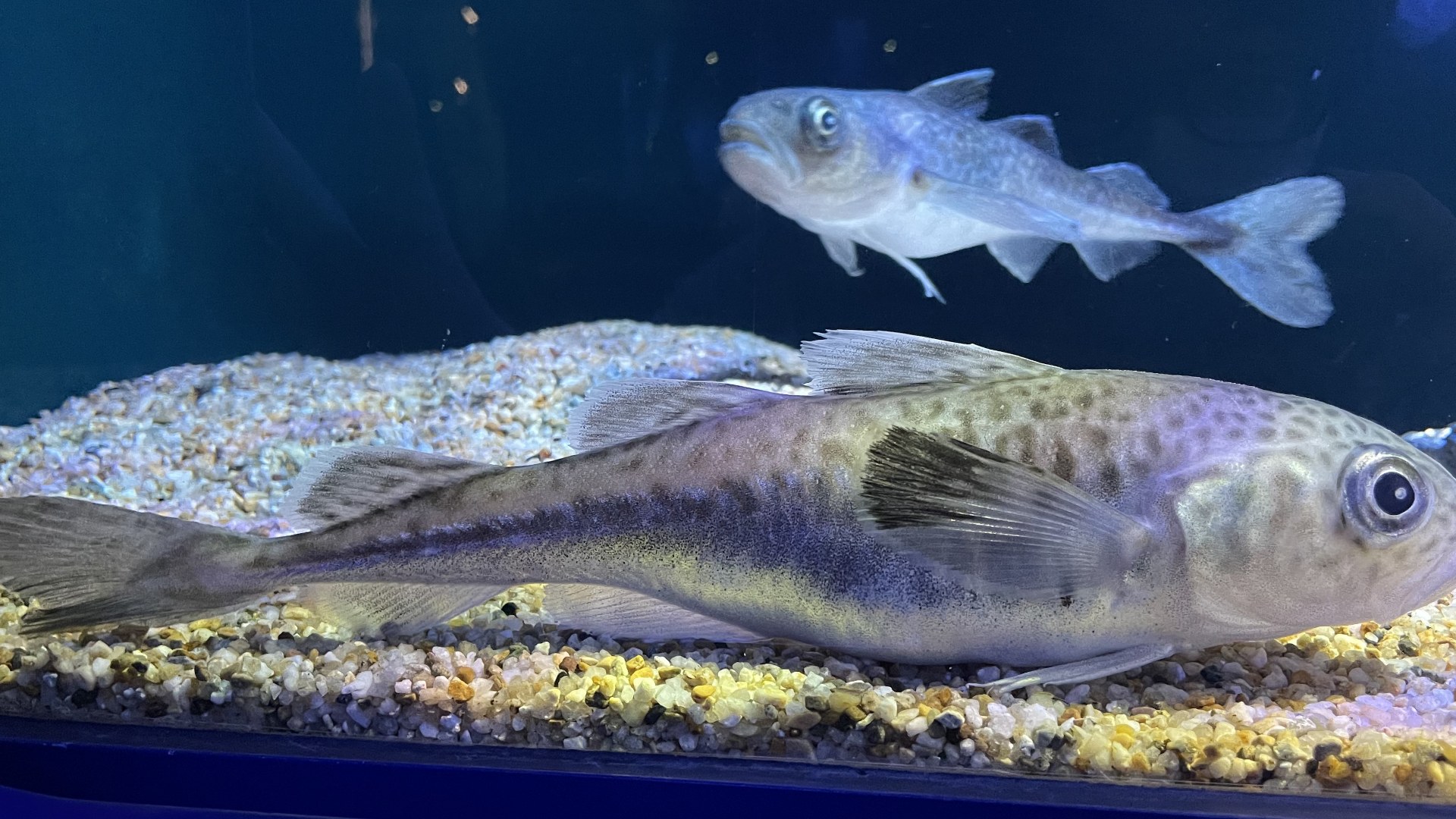
2. Blood Antifreeze Proteins In Arctic Cod - AdvertisementSwipe or tap ▶ to continue countdown

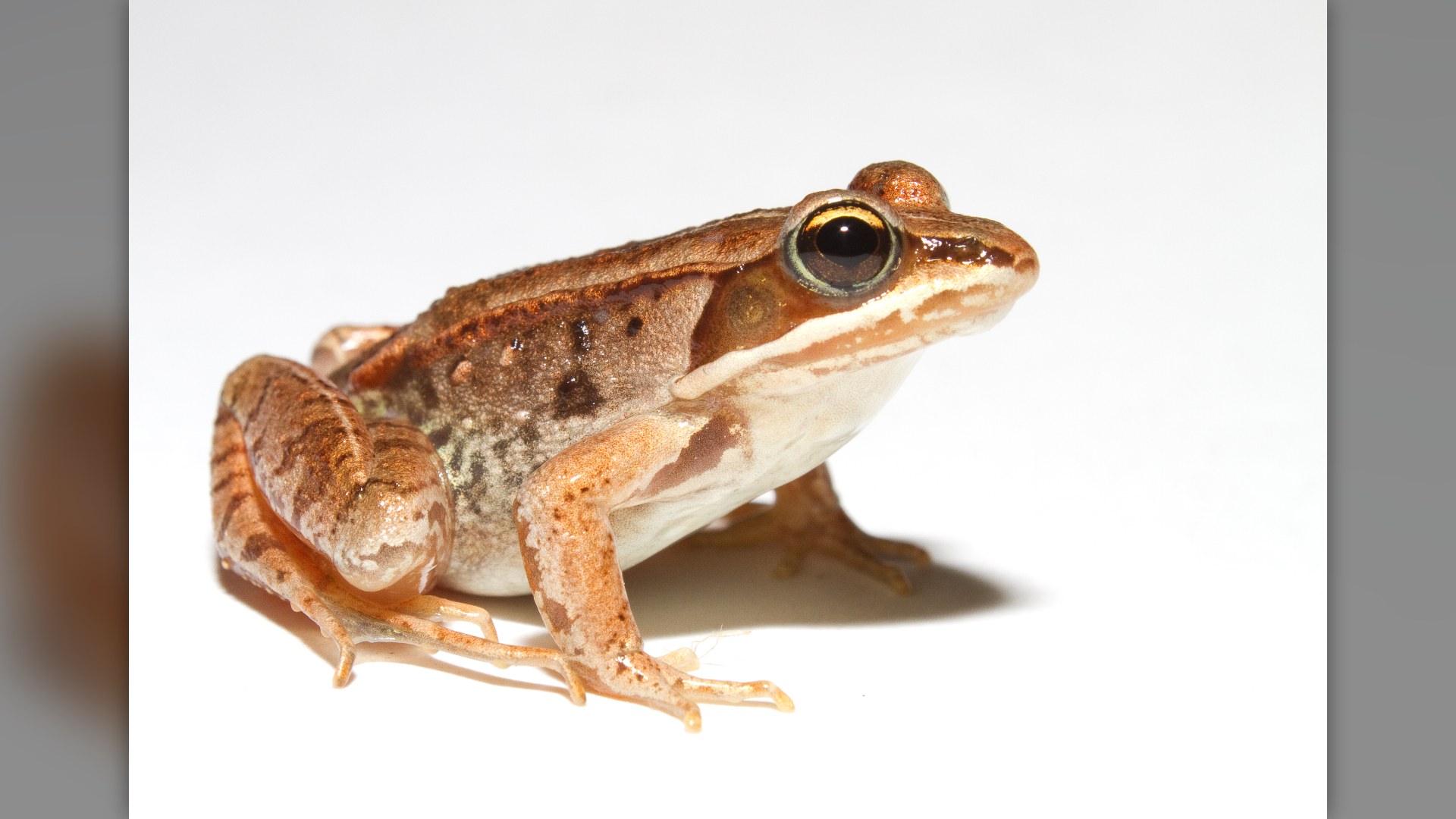
1. Solid Cryopreservation In Wood Frogs - Advertisement🔥 UP NEXT IN THIS SERIES◫ 26 Slides

25 Animals That May Detect Fear Through Scent and Body Language
From specialized olfactory receptors to airborne alarm pheromones, numerous species possess the extraordinary ability to detect chemical distress signals. Based on research from Live Science, National Geographic, and peer-reviewed biology journals, here are twenty-five animals that can smell and sense fear.
When temperatures plunge below freezing, animals rely on extreme biology to stay alive. From frogs that stop their hearts to fish that brew alcohol in their blood, here are 20 winter survival strategies ranked from clever to miraculous.
Swipe or tap ▶ to begin the countdown
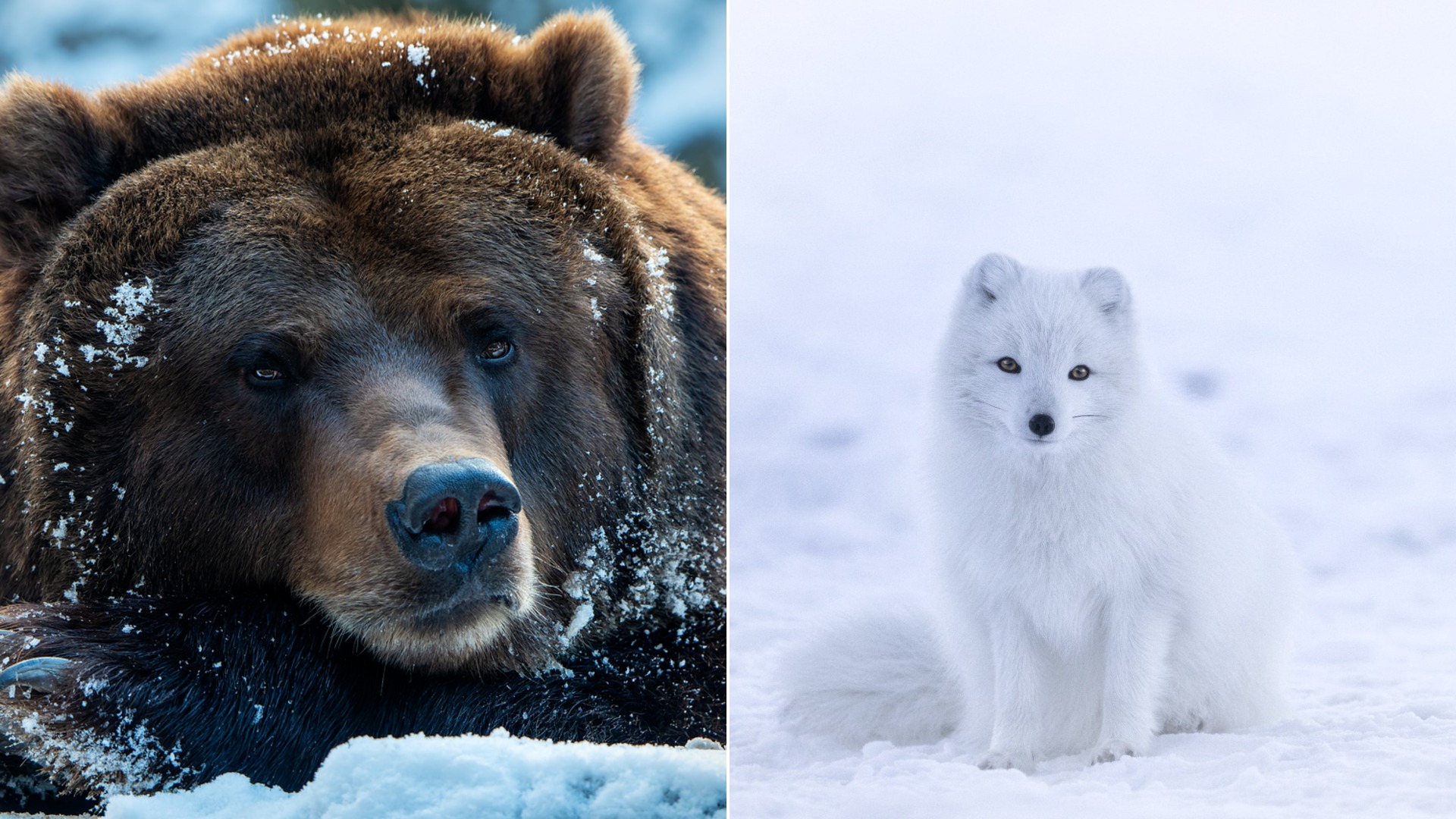
©Pixabay / blickreiz & Wikimedia / Jonatan Pie
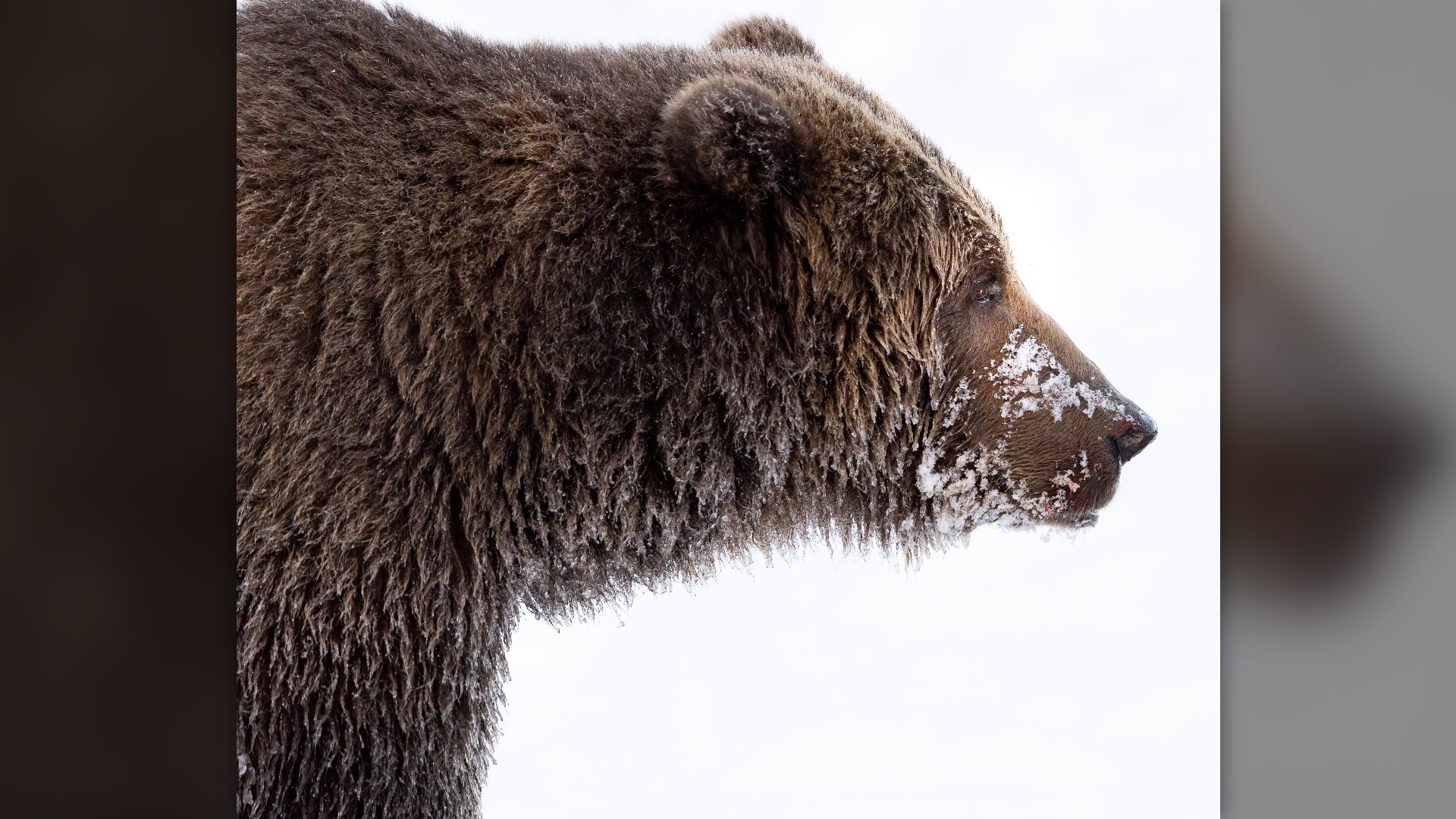
20. Hyperphagia In Brown Bears
Before entering their winter dens, brown bears enter hyperphagia, an autumn feeding frenzy where they consume up to 20,000 calories daily. The thick fat layer fuels their bodies and recycles metabolic water for up to six months of dormancy.
©Wikimedia / USFWSAlaska
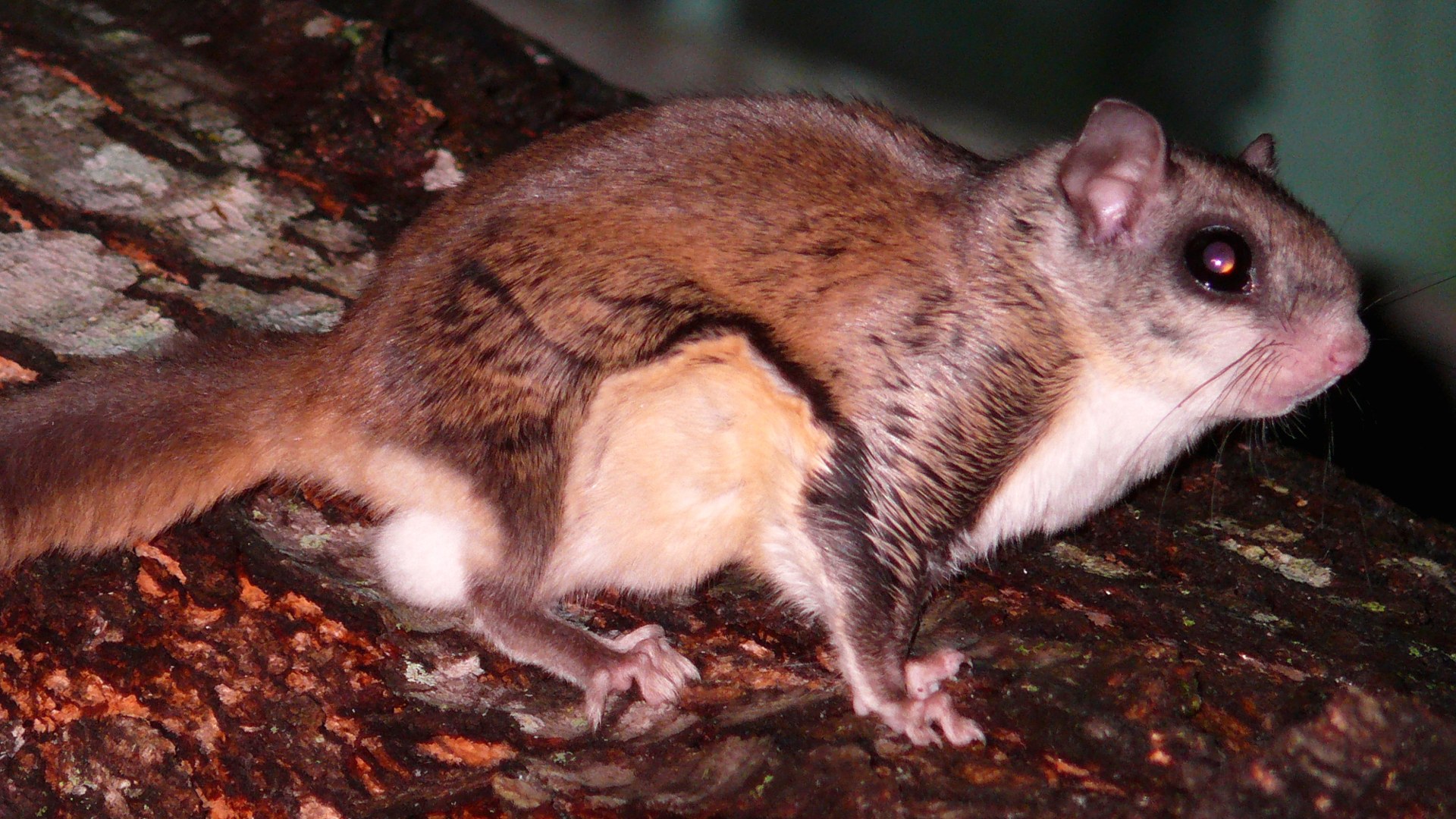
19. Communal Huddling In Flying Squirrels
Southern and northern flying squirrels do not hibernate alone. Instead, up to 20 individuals squeeze into a single hollow tree cavity, forming a living thermal blanket that cuts individual heat loss by more than 30 percent.
©Wikimedia / Ken Thomas
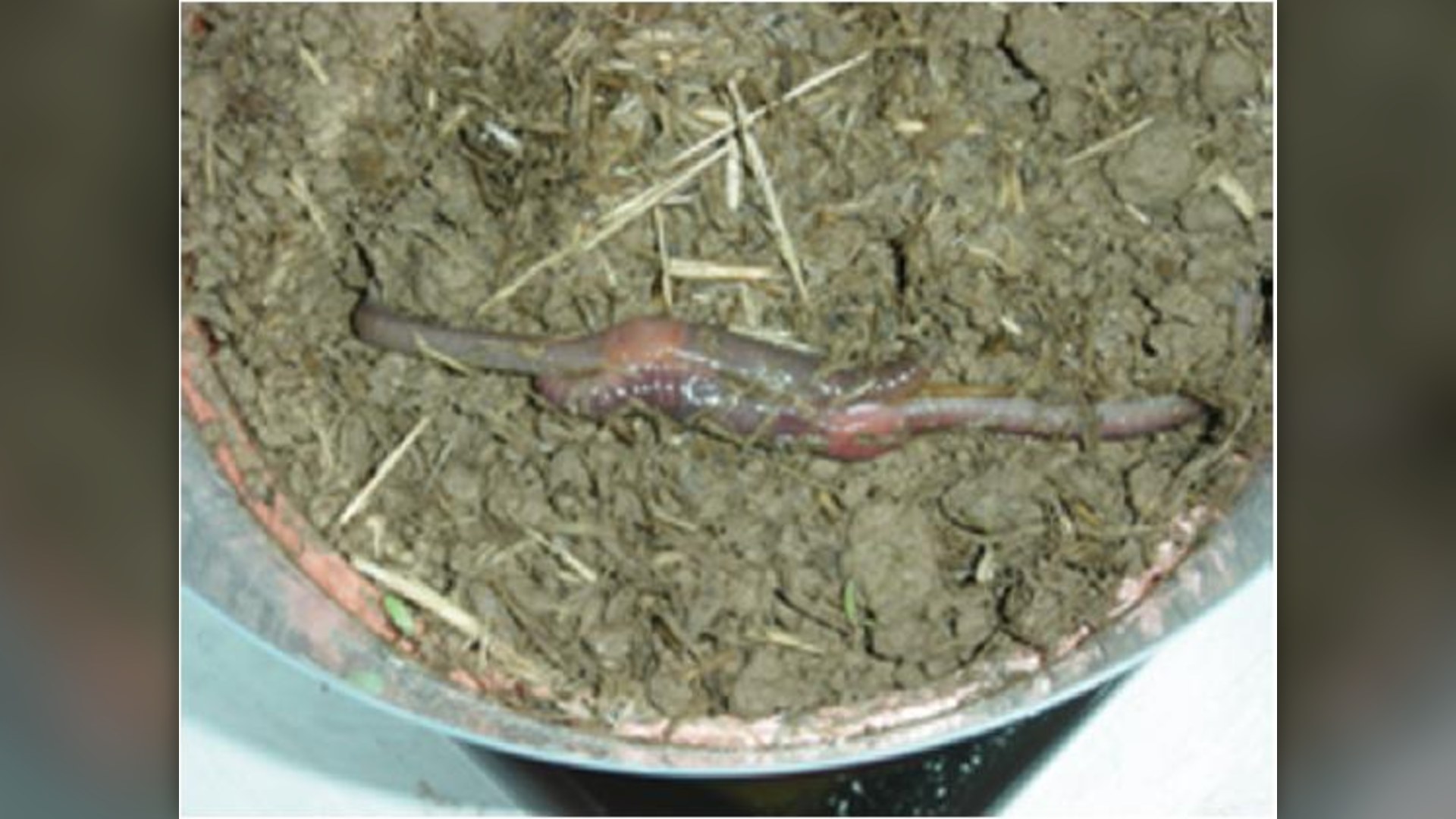
18. Cellular Dehydration In Earthworms
To survive frozen ground, earthworms dig up to six feet below the frost line and coat a small chamber in mucus. They excrete most of the water from their bodies, preventing sharp internal ice crystals from rupturing their skin.
©Wikimedia / Kevin R. Butt
Advertisement
Swipe or tap ▶ to resume the countdown.
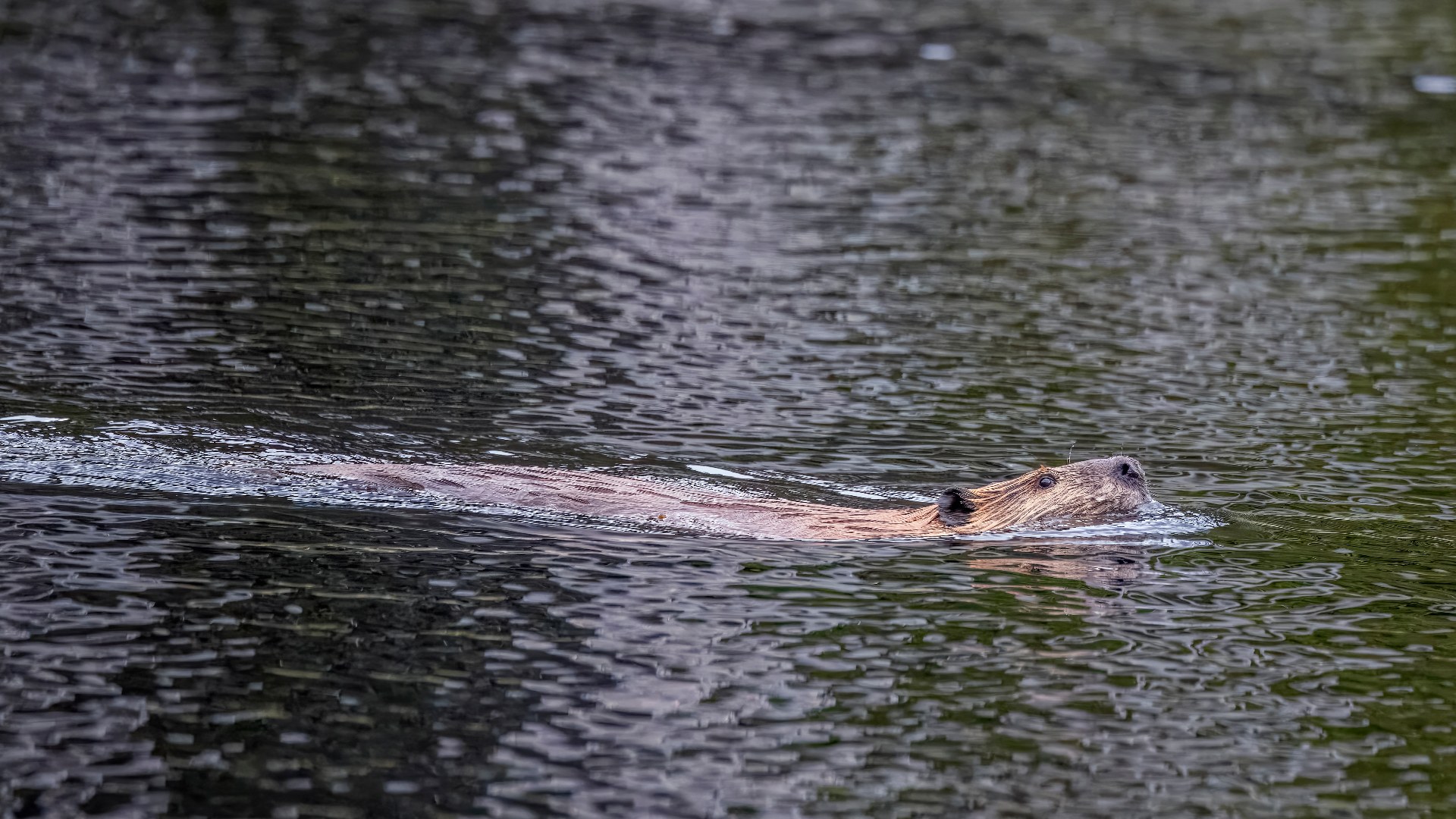
17. Underwater Food Caches Of Beavers
Rather than hibernating, beavers spend autumn sinking fresh tree branches into muddy pond bottoms near their lodges. The near-freezing water acts as a natural refrigerator, letting them swim under the ice all winter for bark.
©Wikimedia / Charles J. Sharp
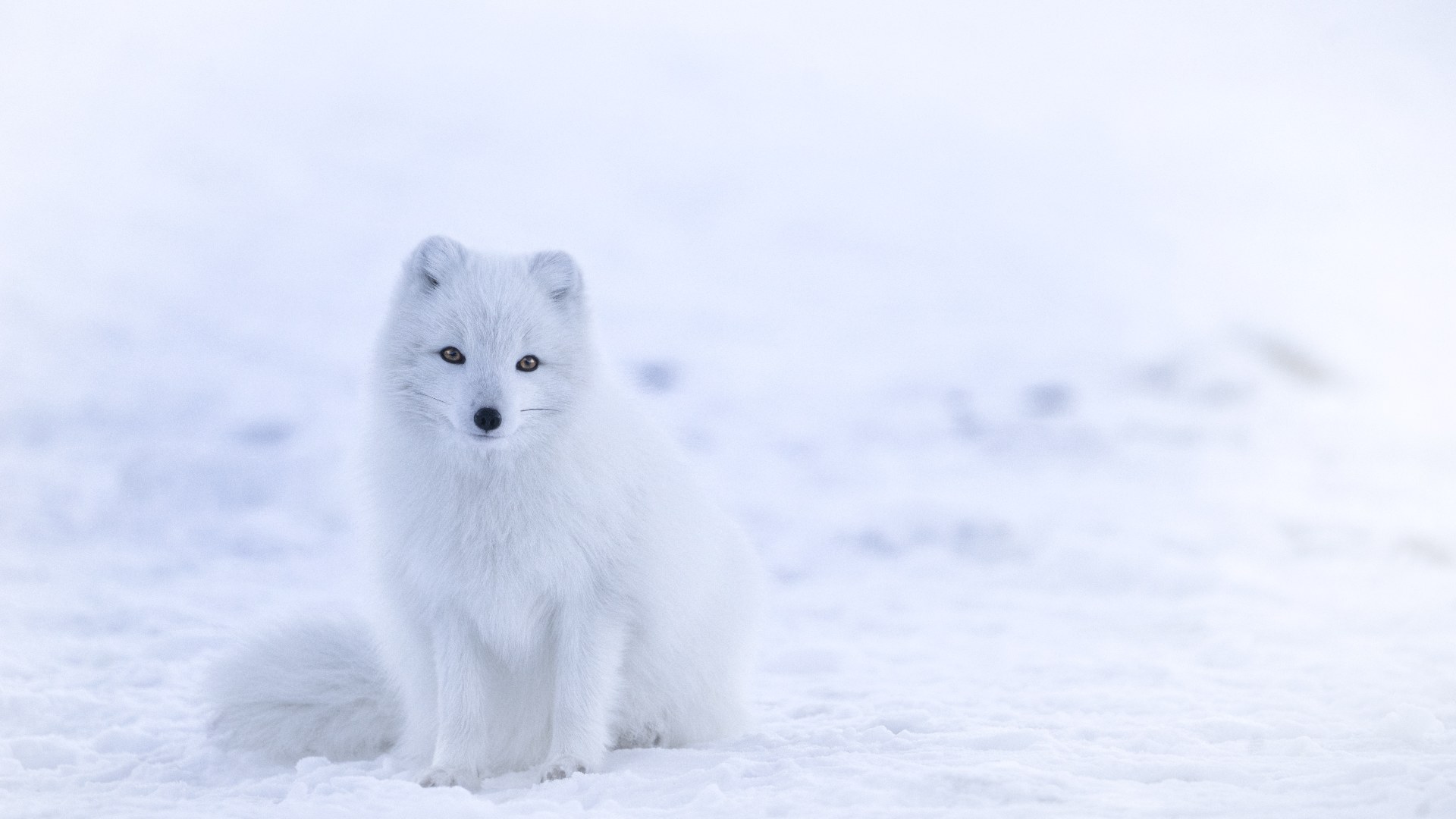
16. Photoperiod Molting In Arctic Foxes
As autumn daylight hours shorten, shifting hormone levels prompt the Arctic fox to shed its brown summer coat for dense snow-white fur. This coat provides camouflage on sea ice and insulates down to minus 50 degrees Celsius.
©Wikimedia / Jonatan Pie
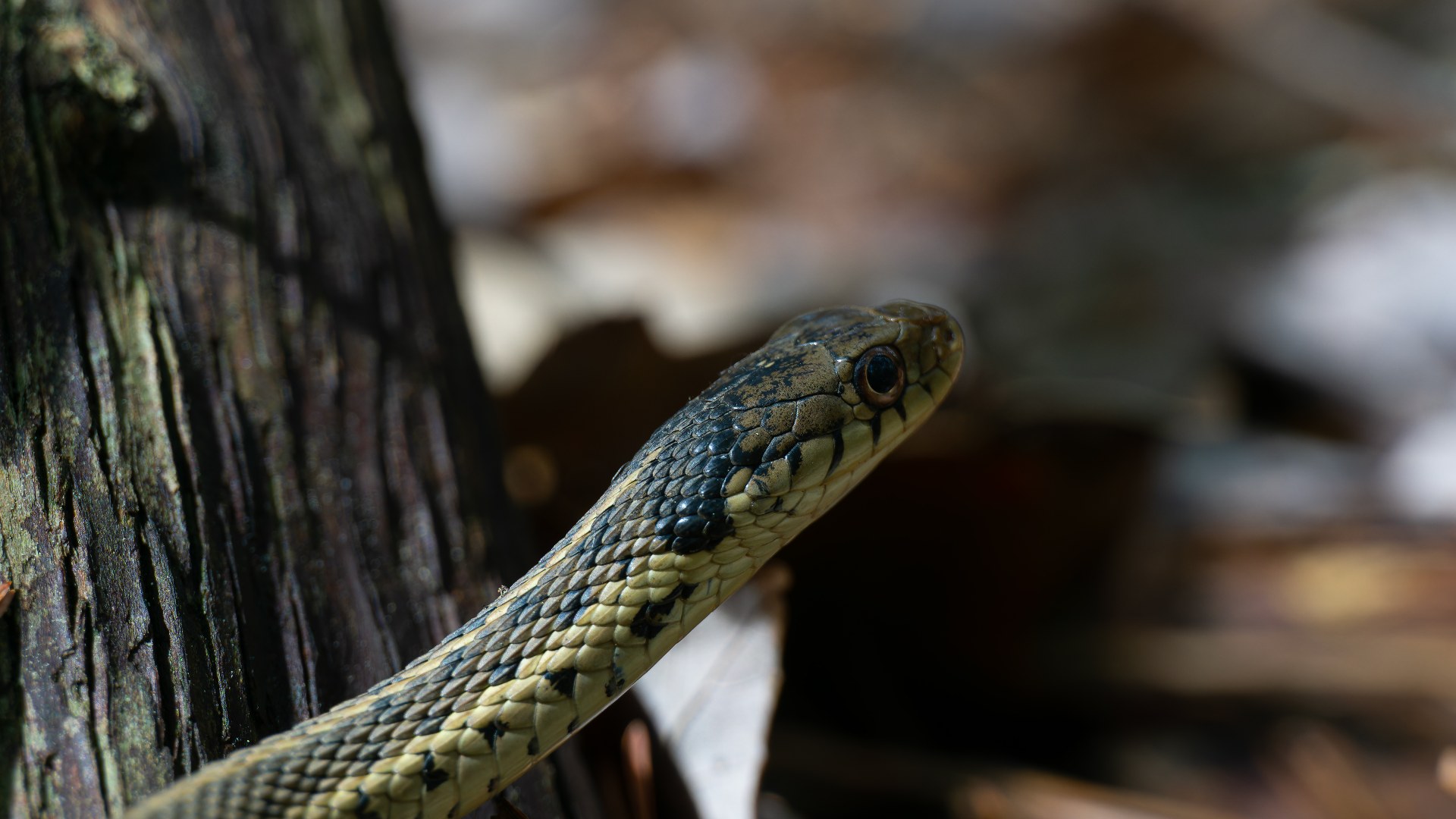
15. Communal Solar Basking In Garter Snakes
Garter snakes gather by the thousands inside deep limestone crevices called hibernacula to stay below the frost line. On bright winter afternoons, they slither to the entrance in tangled groups to soak up solar warmth.
©Wikimedia / Jasper Shide
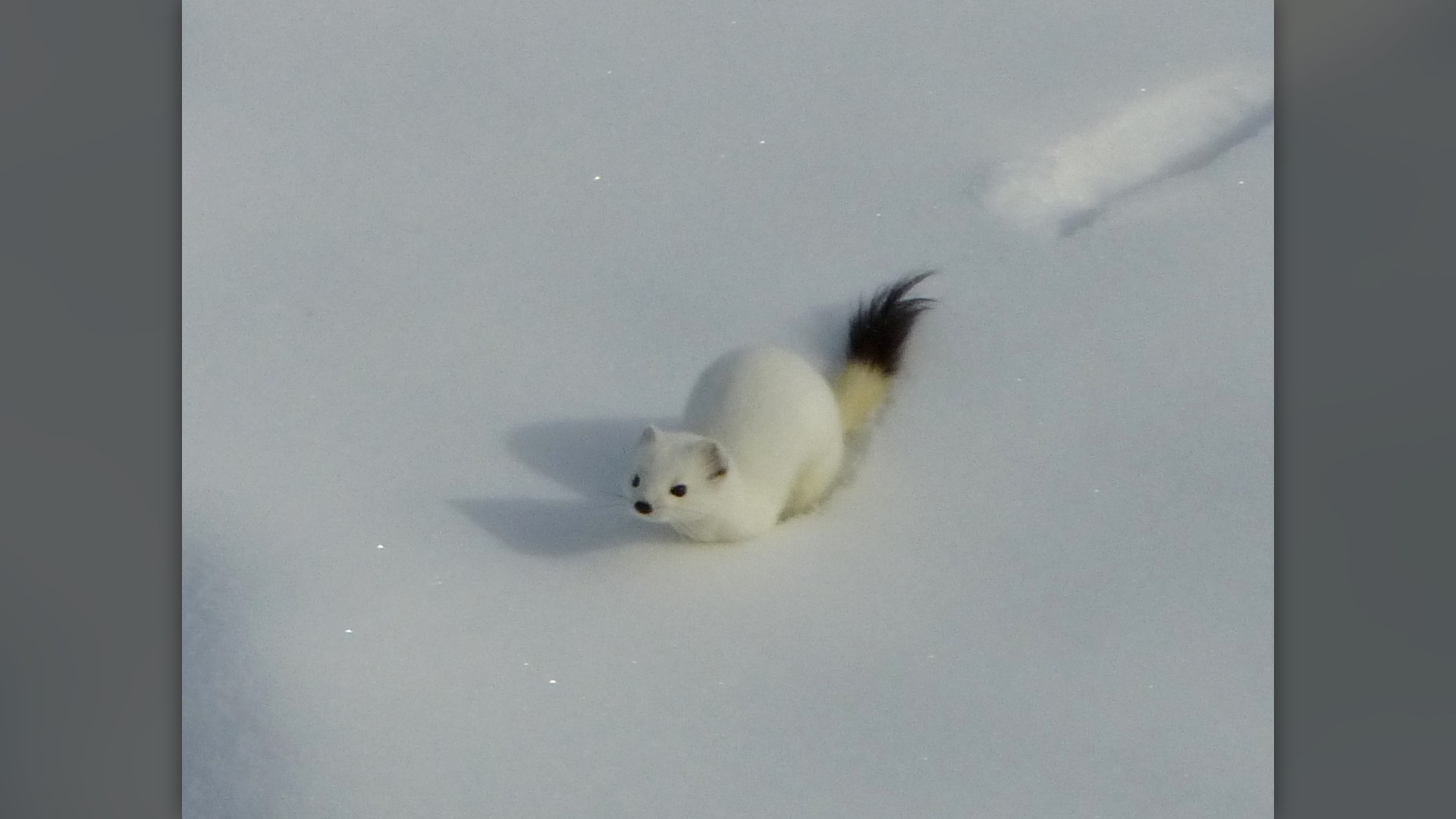
14. Cold Underground Larders Of Short-Tailed Weasels
Because its slender body loses heat rapidly, the short-tailed weasel must eat constantly in winter. It hunts rodents with a precise neck bite and stacks surplus catches inside freezing burrows to preserve fresh meat for weeks.
©Wikimedia / Kalabaha1969
Advertisement
Swipe or tap ▶ to resume the countdown.
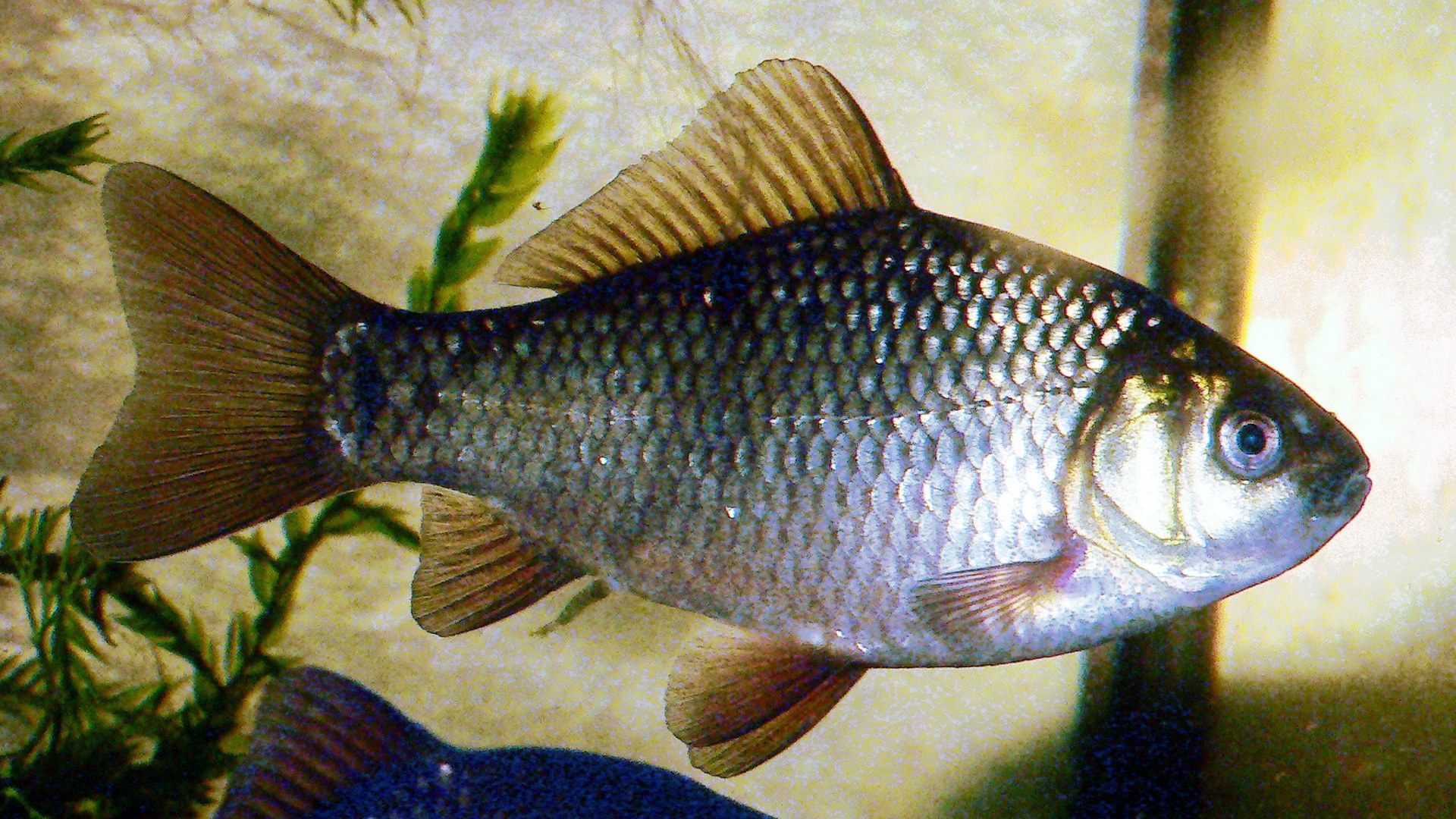
13. Ethanol Production In Crucian Carp
When shallow northern ponds freeze down to the mud and run out of oxygen for months, crucian carp switch their metabolism. Their muscles convert dangerous lactic acid into ethanol, which diffuses safely out through their gills into the water.
©Wikimedia / Viridiflavus
12. Subnivean Snow Tunnels Of Voles And Lemmings
Deep snow traps heat rising from the soil, creating a narrow gap called the subnivean zone. Voles and lemmings engineer branching runways and grass nests in this hidden layer, where temperatures stay near zero degrees Celsius all winter.
©Wikimedia / Honey bee
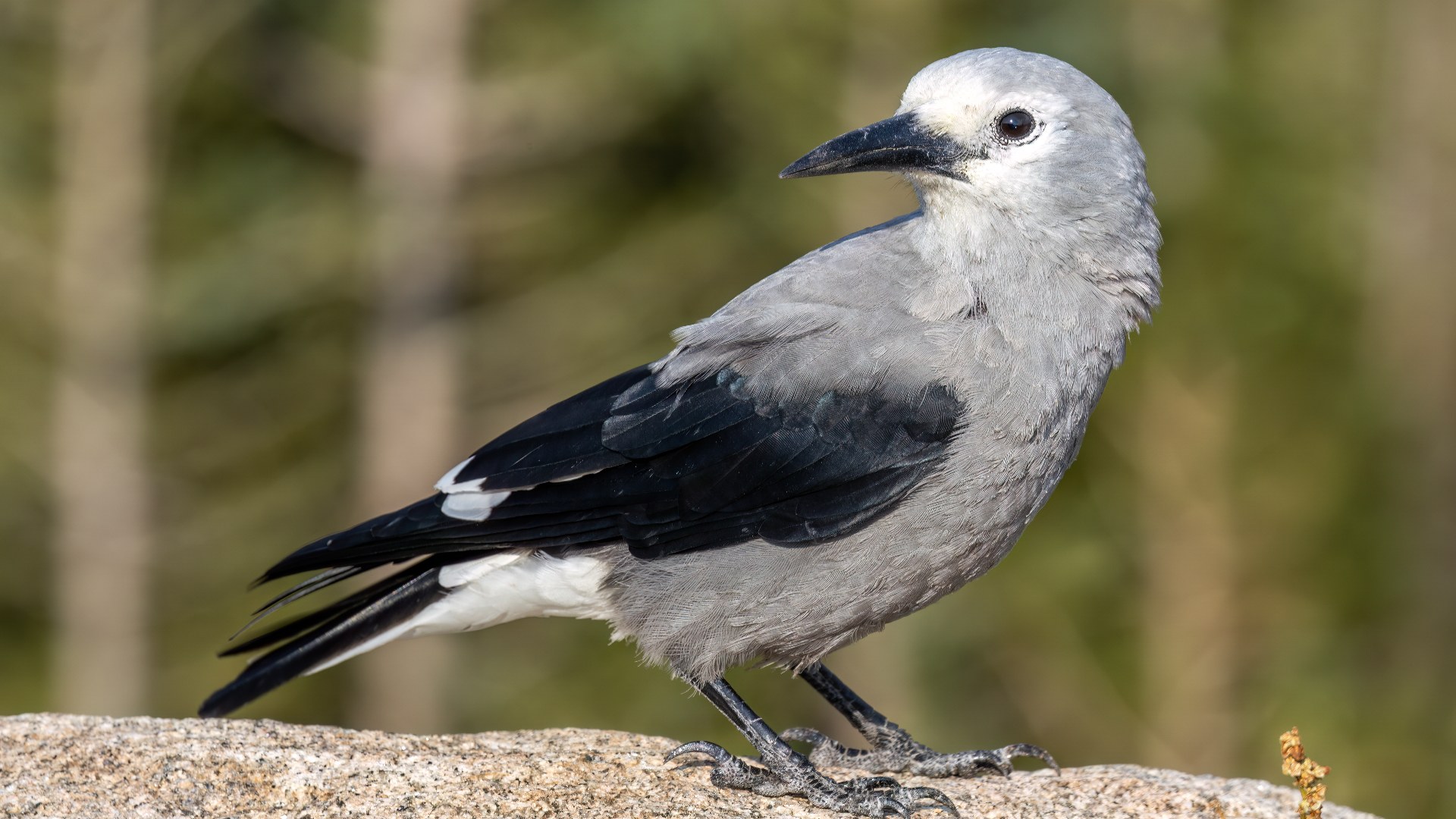
11. Spatial Memory Caching In Clark's Nutcrackers
A single Clark's nutcracker hides up to 100,000 pine seeds across thousands of separate caches before winter snows arrive. Using an enlarged hippocampus and visual landmarks, the bird recovers most of its buried food under deep snow months later.
©Wikimedia / Polinova
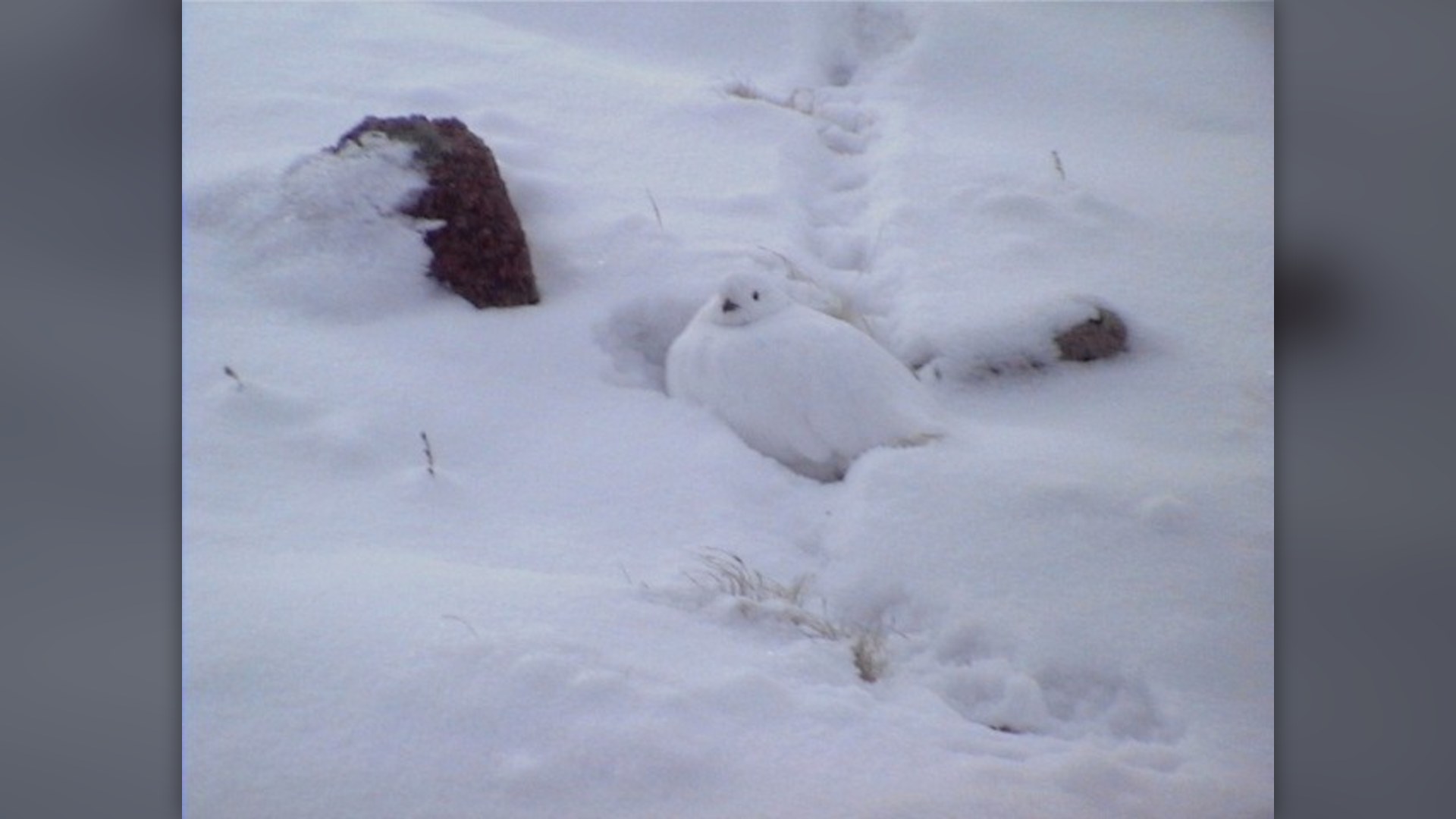
10. Feather Snowshoes And Snow Caves Of Ptarmigans
To walk across powdery drifts without sinking, ptarmigans grow stiff feathers over their toes every autumn. During blizzards, they fly straight into soft snowbanks to dig insulated chambers that block freezing Arctic winds.
©Wikimedia / USFWS Mountain-Prairie
Advertisement
Swipe or tap ▶ to resume the countdown.
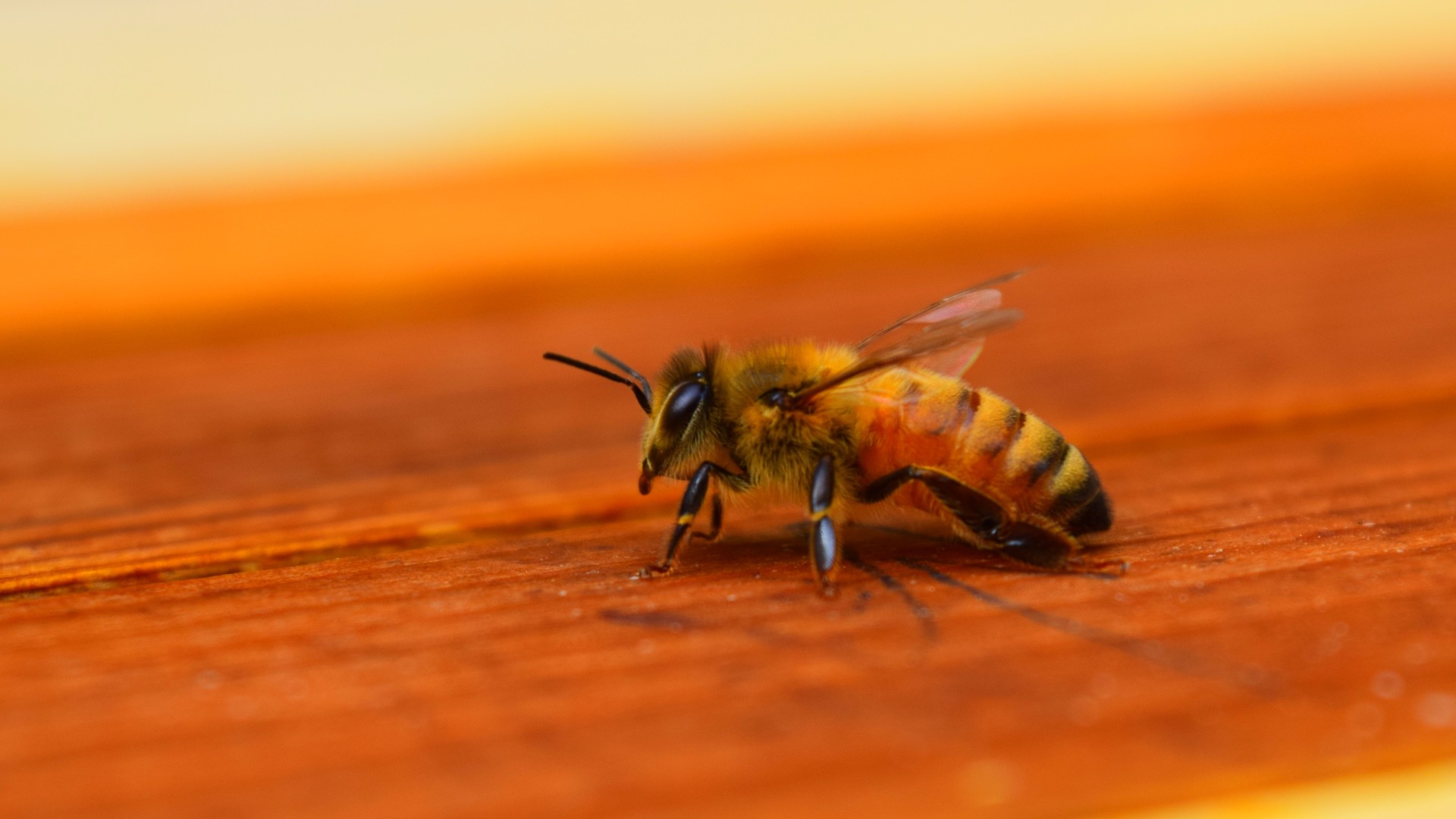
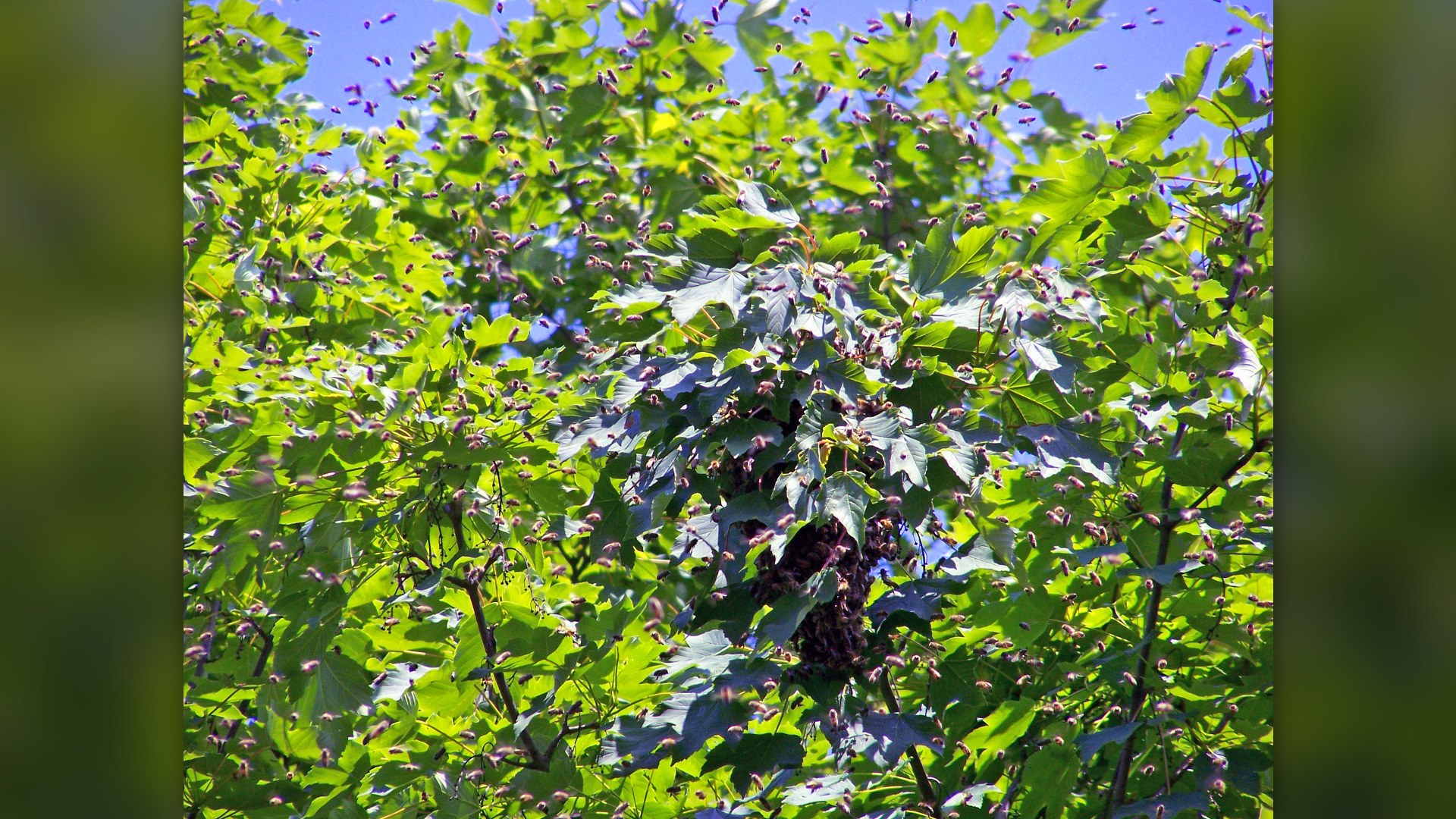
9. Communal Heat Matrix Of Honeybees
Instead of hibernating, thousands of worker honeybees pack into a dense winter cluster around their queen. By uncoupling their wings and shivering their flight muscles, they heat the center of the ball to 35 degrees Celsius in subzero weather.
©Wikimedia / T.Voekler
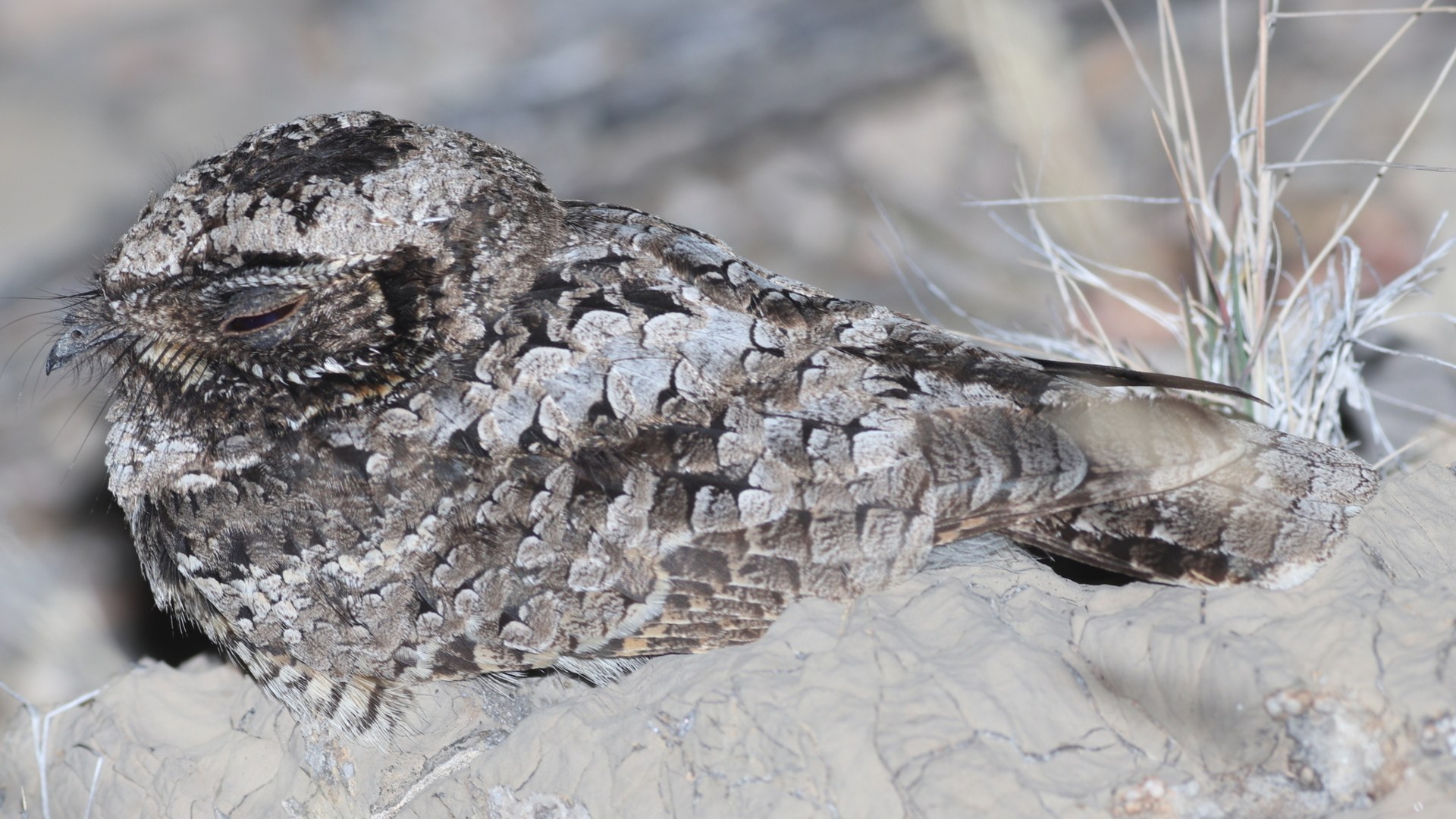
8. True Winter Hibernation In Common Poorwills
While almost all insect-eating birds fly south for winter, the common poorwill hides in rock crevices and shuts down. It drops its body temperature to five degrees Celsius and cuts oxygen use by 90 percent for weeks at a time.
©Wikimedia / Jan Ebr
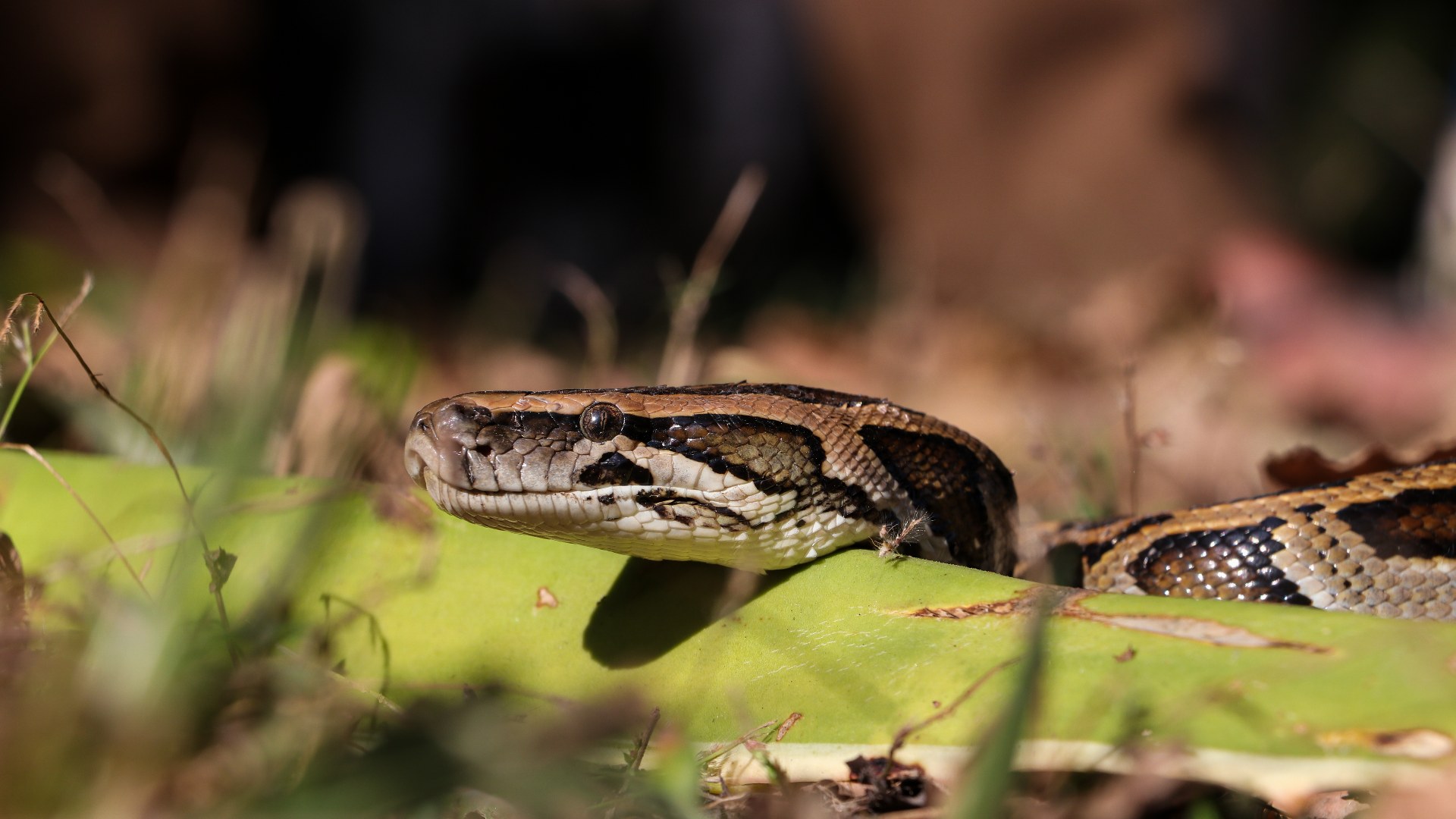
7. Intestinal Remodelling In Burmese Pythons
During months-long winter fasts, Burmese pythons dismantle their own digestive tracts, shrinking their intestines and stomach lining to save metabolic energy. When spring prey returns, they rebuild the organs within 48 hours.
©Wikimedia / Shadow Ayush
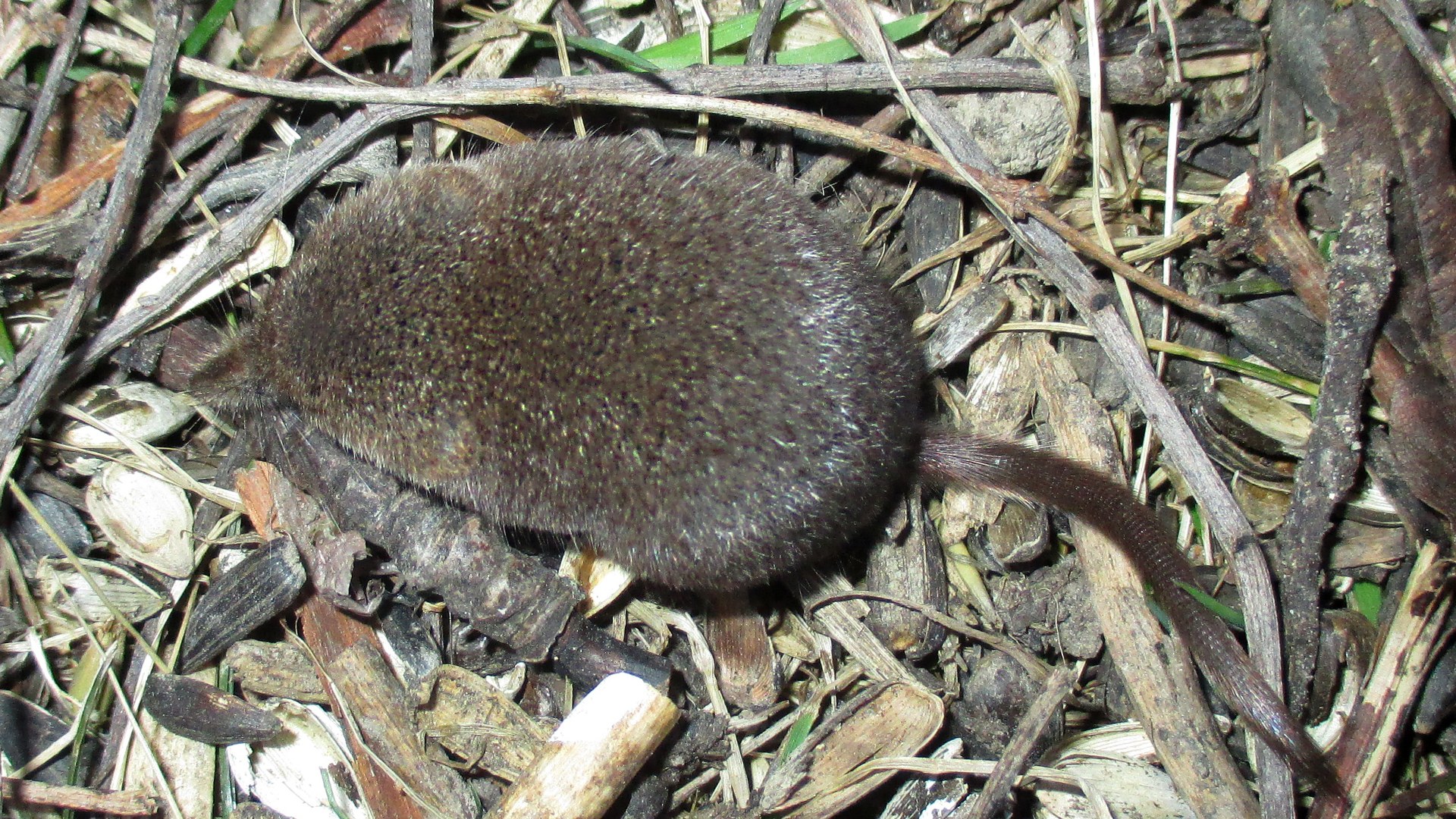
6. Winter Brain Shrinkage In Eurasian Shrews
Known as Dehnel's phenomenon, the tiny Eurasian shrew resorbs its own brain tissue, skull bone, and major organs as winter approaches. Shrinking its brain by up to 30 percent lowers its daily energy demand before regrowing in spring.
©Wikimedia / Gunnar Creutz
Advertisement
Swipe or tap ▶ to resume the countdown.
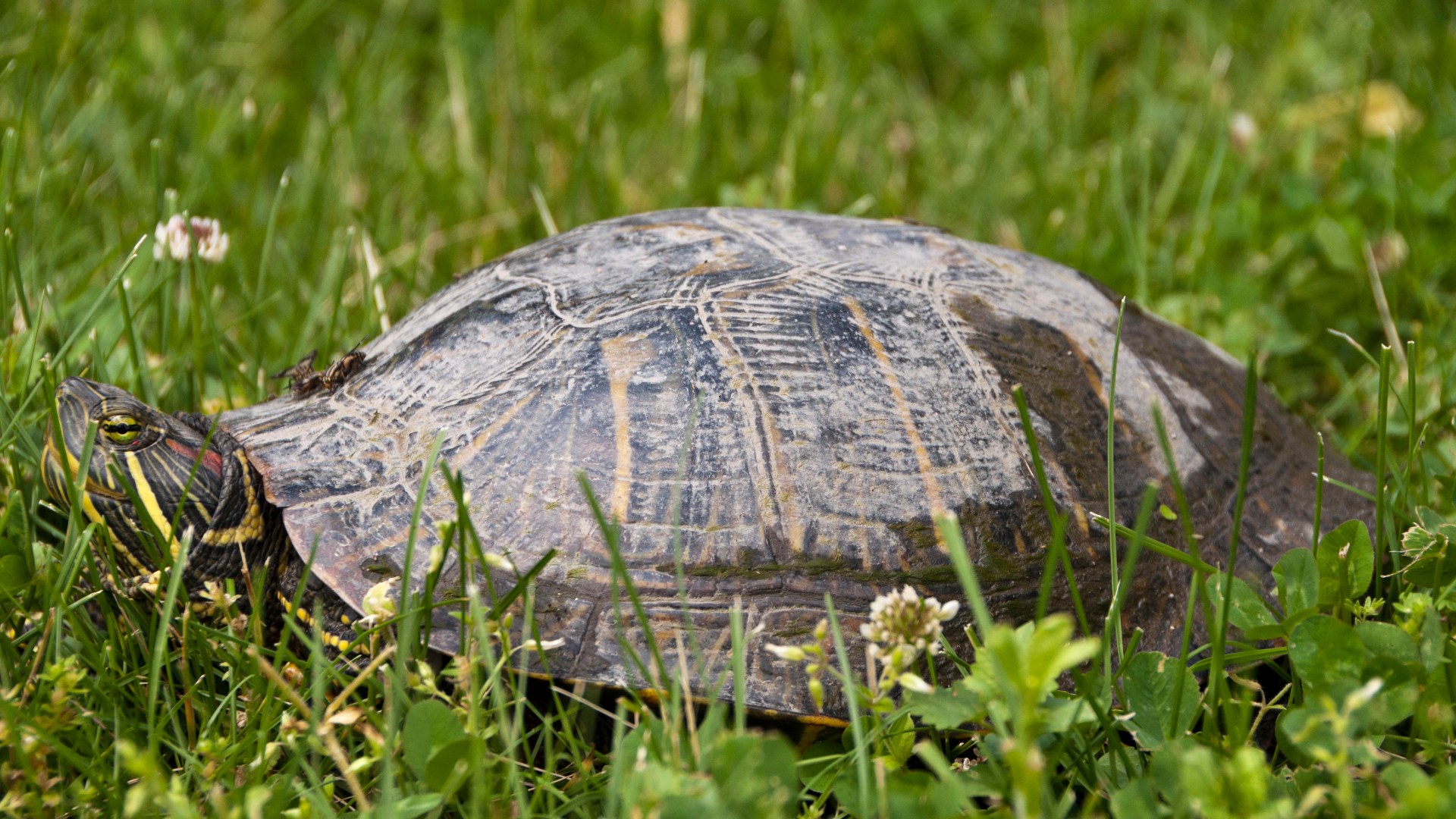
5. Zero-Oxygen Mud Hibernation In Painted Turtles
Buried in mud beneath ice-locked ponds, painted turtles go months without taking a single breath. To survive complete oxygen deprivation, they release calcium and magnesium carbonates from their shells and bones to neutralize lethal lactic acid buildup.
©Wikimedia / Sixflashphoto
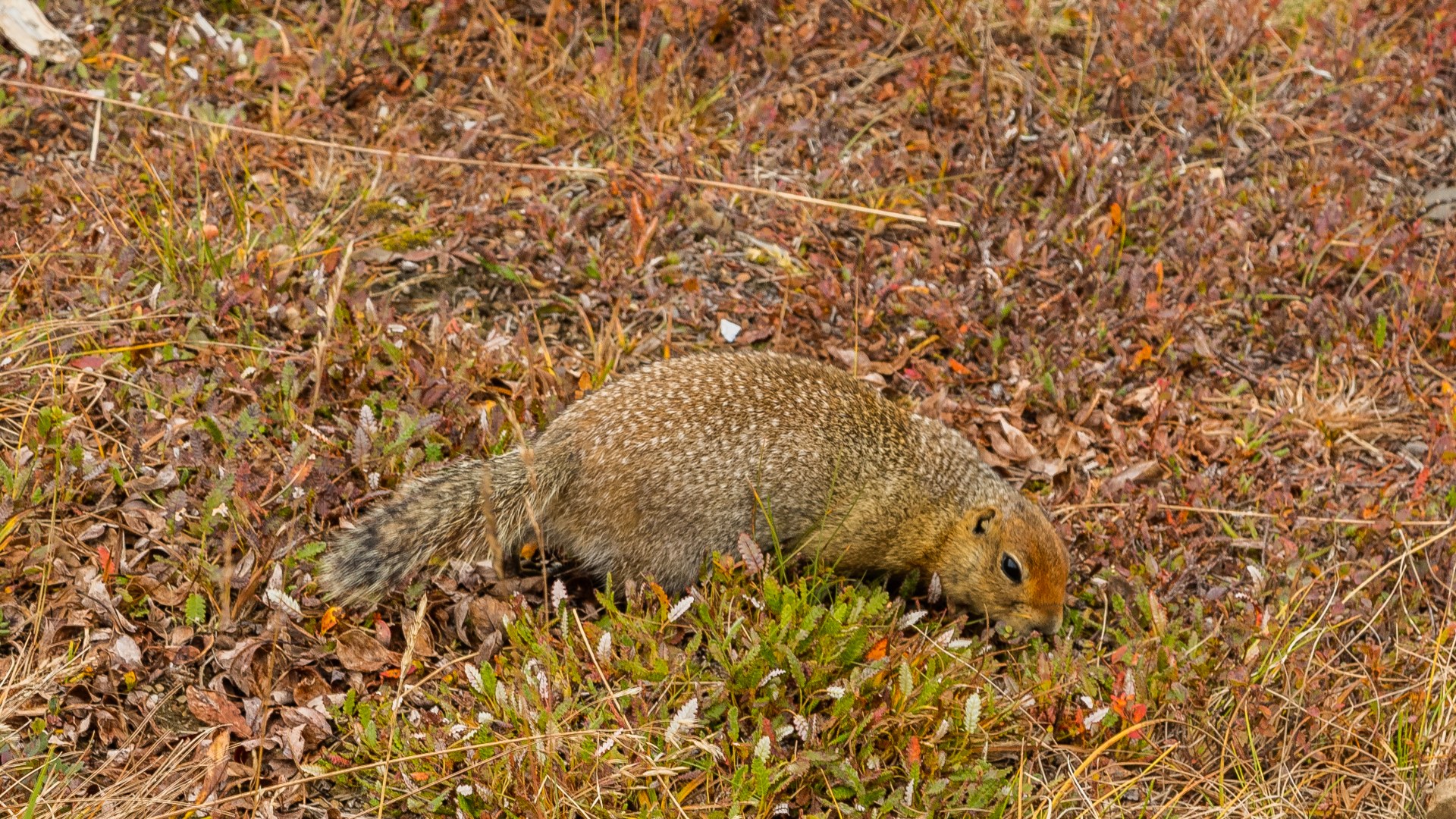
4. Subzero Body Temperature In Arctic Ground Squirrels
The Arctic ground squirrel achieves the lowest body temperature of any living mammal. During winter hibernation in permafrost burrows, it cleanses ice-nucleating particles from its blood so its core drops to minus 2.9 degrees Celsius as a liquid.
©Wikimedia / Diego Delso
3. Polar Hydrothermal Refuge Of Yeti Crabs
Beneath the Southern Ocean ice sheets, Hoff yeti crabs escape near-freezing polar waters by crowding around volcanic hydrothermal vents. Stacked hundreds per square meter, they farm heat-loving bacteria on their hairy chests inside warm mineral plumes.
©Wikimedia / Noemy Mollaret
2. Blood Antifreeze Proteins In Arctic Cod
Seawater beneath polar pack ice drops to minus 1.9 degrees Celsius, well below the freezing point of normal fish blood. Arctic cod manufacture antifreeze glycoproteins that latch onto tiny ice crystals and block them from growing.
©Wikimedia / Totti
Advertisement
Swipe or tap ▶ to resume the countdown.
1. Solid Cryopreservation In Wood Frogs
At the first touch of winter frost, the wood frog floods its cells with concentrated glucose and urea as a biological cryoprotectant. Up to 70 percent of its body water turns to solid ice, and its heart stops beating completely until the spring thaw.

©Wikimedia / Brian Gratwicke
Advertisement
You've reached the end of the story. Thanks for reading!

25 Animals That May Detect Fear Through Scent and Body Language
From specialized olfactory receptors to airborne alarm pheromones, numerous species possess the extraordinary ability to detect chemical distress signals. Based on research from Live Science, National Geographic, and peer-reviewed biology journals, here are twenty-five animals that can smell and sense fear.
All 20 Entries in this Story
20. Hyperphagia In Brown Bears
Before entering their winter dens, brown bears enter hyperphagia, an autumn feeding frenzy where they consume up to 20,000 calories daily. The thick fat layer fuels their bodies and recycles metabolic water for up to six months of dormancy.

19. Communal Huddling In Flying Squirrels
Southern and northern flying squirrels do not hibernate alone. Instead, up to 20 individuals squeeze into a single hollow tree cavity, forming a living thermal blanket that cuts individual heat loss by more than 30 percent.

18. Cellular Dehydration In Earthworms
To survive frozen ground, earthworms dig up to six feet below the frost line and coat a small chamber in mucus. They excrete most of the water from their bodies, preventing sharp internal ice crystals from rupturing their skin.

17. Underwater Food Caches Of Beavers
Rather than hibernating, beavers spend autumn sinking fresh tree branches into muddy pond bottoms near their lodges. The near-freezing water acts as a natural refrigerator, letting them swim under the ice all winter for bark.

16. Photoperiod Molting In Arctic Foxes
As autumn daylight hours shorten, shifting hormone levels prompt the Arctic fox to shed its brown summer coat for dense snow-white fur. This coat provides camouflage on sea ice and insulates down to minus 50 degrees Celsius.

15. Communal Solar Basking In Garter Snakes
Garter snakes gather by the thousands inside deep limestone crevices called hibernacula to stay below the frost line. On bright winter afternoons, they slither to the entrance in tangled groups to soak up solar warmth.

14. Cold Underground Larders Of Short-Tailed Weasels
Because its slender body loses heat rapidly, the short-tailed weasel must eat constantly in winter. It hunts rodents with a precise neck bite and stacks surplus catches inside freezing burrows to preserve fresh meat for weeks.

13. Ethanol Production In Crucian Carp
When shallow northern ponds freeze down to the mud and run out of oxygen for months, crucian carp switch their metabolism. Their muscles convert dangerous lactic acid into ethanol, which diffuses safely out through their gills into the water.

12. Subnivean Snow Tunnels Of Voles And Lemmings
Deep snow traps heat rising from the soil, creating a narrow gap called the subnivean zone. Voles and lemmings engineer branching runways and grass nests in this hidden layer, where temperatures stay near zero degrees Celsius all winter.

11. Spatial Memory Caching In Clark's Nutcrackers
A single Clark's nutcracker hides up to 100,000 pine seeds across thousands of separate caches before winter snows arrive. Using an enlarged hippocampus and visual landmarks, the bird recovers most of its buried food under deep snow months later.

10. Feather Snowshoes And Snow Caves Of Ptarmigans
To walk across powdery drifts without sinking, ptarmigans grow stiff feathers over their toes every autumn. During blizzards, they fly straight into soft snowbanks to dig insulated chambers that block freezing Arctic winds.

9. Communal Heat Matrix Of Honeybees
Instead of hibernating, thousands of worker honeybees pack into a dense winter cluster around their queen. By uncoupling their wings and shivering their flight muscles, they heat the center of the ball to 35 degrees Celsius in subzero weather.

8. True Winter Hibernation In Common Poorwills
While almost all insect-eating birds fly south for winter, the common poorwill hides in rock crevices and shuts down. It drops its body temperature to five degrees Celsius and cuts oxygen use by 90 percent for weeks at a time.

7. Intestinal Remodelling In Burmese Pythons
During months-long winter fasts, Burmese pythons dismantle their own digestive tracts, shrinking their intestines and stomach lining to save metabolic energy. When spring prey returns, they rebuild the organs within 48 hours.

6. Winter Brain Shrinkage In Eurasian Shrews
Known as Dehnel's phenomenon, the tiny Eurasian shrew resorbs its own brain tissue, skull bone, and major organs as winter approaches. Shrinking its brain by up to 30 percent lowers its daily energy demand before regrowing in spring.

5. Zero-Oxygen Mud Hibernation In Painted Turtles
Buried in mud beneath ice-locked ponds, painted turtles go months without taking a single breath. To survive complete oxygen deprivation, they release calcium and magnesium carbonates from their shells and bones to neutralize lethal lactic acid buildup.

4. Subzero Body Temperature In Arctic Ground Squirrels
The Arctic ground squirrel achieves the lowest body temperature of any living mammal. During winter hibernation in permafrost burrows, it cleanses ice-nucleating particles from its blood so its core drops to minus 2.9 degrees Celsius as a liquid.

3. Polar Hydrothermal Refuge Of Yeti Crabs
Beneath the Southern Ocean ice sheets, Hoff yeti crabs escape near-freezing polar waters by crowding around volcanic hydrothermal vents. Stacked hundreds per square meter, they farm heat-loving bacteria on their hairy chests inside warm mineral plumes.

2. Blood Antifreeze Proteins In Arctic Cod
Seawater beneath polar pack ice drops to minus 1.9 degrees Celsius, well below the freezing point of normal fish blood. Arctic cod manufacture antifreeze glycoproteins that latch onto tiny ice crystals and block them from growing.

1. Solid Cryopreservation In Wood Frogs
At the first touch of winter frost, the wood frog floods its cells with concentrated glucose and urea as a biological cryoprotectant. Up to 70 percent of its body water turns to solid ice, and its heart stops beating completely until the spring thaw.