Slideshow · Viral
21 Ways to Heat Your Home Safely During a Power Outage, Ranked
When winter storms knock out the electrical grid, surviving freezing indoor temperatures requires safe heating strategies that avoid fire and carbon monoxide hazards. Based on emergency guidance from FEMA, the CDC, the Red Cross, and the Department of Energy, here are twenty-one verified heating methods, ranked.
By Most Viral Today
3 hours ago

Smart preparation and passive heat traps keep homes warm without power. 
21. Removable Weatherseal Tape On Window Seams 
20. Door Draft Stoppers And Rolled Towels 
19. Bubble Wrap Window Glazing Insulation - AdvertisementSwipe or tap ▶ to continue countdown

18. Heavy Thermal Blackout Curtains 
17. Opening South-Facing Blinds For Passive Solar Gain 
16. Heavy Wool Rugs Over Cold Bare Floors 
15. Hanging Quilts Over Drafty Exterior Walls - AdvertisementSwipe or tap ▶ to continue countdown

14. Isolating A Central Micro-Climate Room 
13. Pitching An Insulated Camping Tent Indoors 
12. Moisture-Wicking Thermal Base Layers And Headwear 
11. Heavy Layered Down Quilts And Wool Blankets - AdvertisementSwipe or tap ▶ to continue countdown

10. Emergency Mylar Thermal Bivy Sacks 
9. Traditional Hot Water Bottles Inside Bedding 
8. Air-Activated Chemical Hand And Body Warmers 
7. 12-Volt Heated Car Travel Blankets - AdvertisementSwipe or tap ▶ to continue countdown

6. USB-Rechargeable Heated Vests And Blankets 
5. Portable Power Station With Low-Watt Electric Throw 
4. Indoor-Safe Propane Radiant Heater With ODS Sensor 
3. Direct-Vent Gas Fireplace With Millivolt Standing Pilot - AdvertisementSwipe or tap ▶ to continue countdown

2. Standby Generator Powering Central Heating Blower 
1. EPA-Certified Freestanding Wood Stove - Advertisement🔥 UP NEXT IN THIS SERIES◫ 21 Slides

20 Most Powerful Navies in the World, Ranked
Control of the global oceans shapes international trade, security alliances, and military power. From stealth submarines and guided missile destroyers to nuclear powered aircraft carriers, naval capabilities require massive investment. Here are the twenty most formidable navies across the globe, ranked by strength.
When winter storms knock out the electrical grid, surviving freezing indoor temperatures requires safe heating strategies that avoid fire and carbon monoxide hazards. Based on emergency guidance from FEMA, the CDC, the Red Cross, and the Department of Energy, here are twenty-one verified heating methods, ranked.
Swipe or tap ▶ to begin the countdown
©Pixabay / MUSIC_AND_WALLPAPER
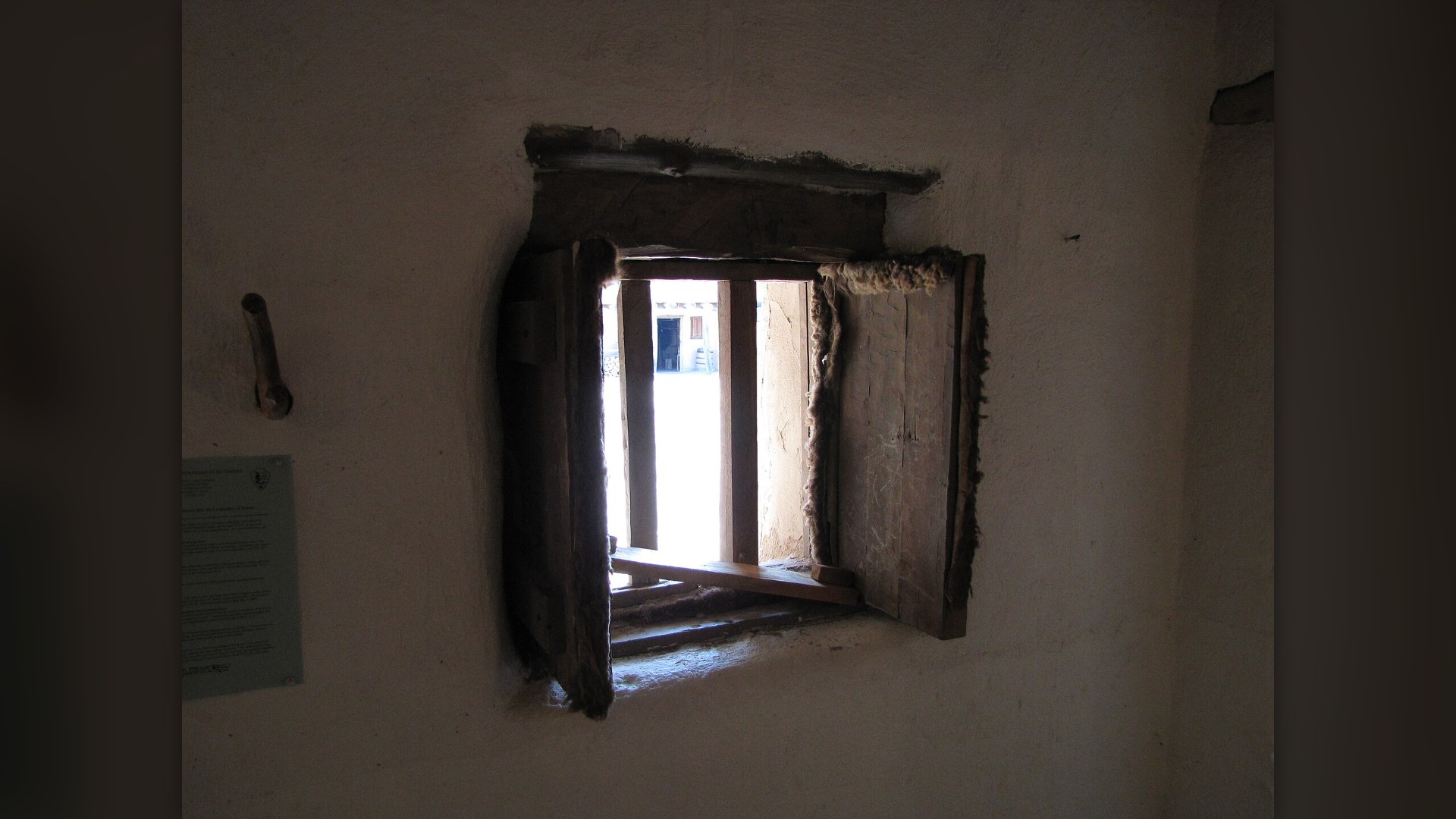
21. Removable Weatherseal Tape On Window Seams
Removable weatherstrip tape seals micro-gaps around drafty window frames without damaging interior paint upon spring removal. Department of Energy testing shows that edge air infiltration accounts for up to twenty percent of total residential heat loss during severe winter windstorms.
©Wikimedia / QuesterMark
20. Door Draft Stoppers And Rolled Towels
Placing dense fabric draft stoppers or tightly rolled heavy bath towels against exterior door thresholds stops cold air infiltration at floor level. Sealing exterior gaps retains existing interior warmth and prevents cold currents from displacing rising heat in living areas.
©Pixabay / Engin_Akyurt
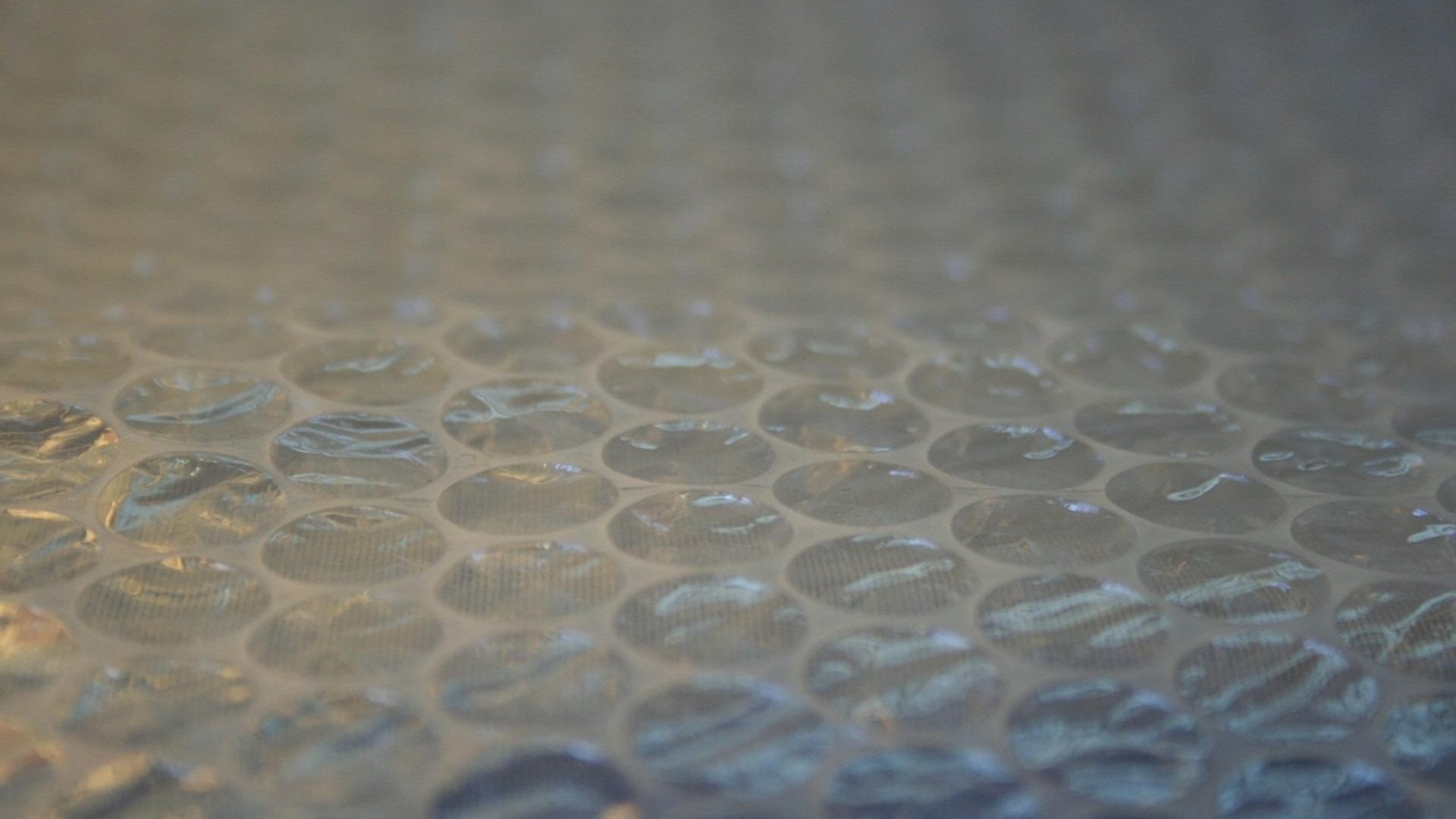
19. Bubble Wrap Window Glazing Insulation
Misting window glass with plain water allows polyethylene bubble wrap to cling directly across panes, creating dead air thermal pockets. Energy researchers calculate that adding this simple barrier doubles the insulating value of single-pane glass from R-one to approximately R-two.
©Pixabay / PublicDomainPictures
Advertisement
Swipe or tap ▶ to resume the countdown.
18. Heavy Thermal Blackout Curtains
Closing heavy thermal drapes or multi-layer blackout curtains at sundown traps residual warmth inside living spaces. The Department of Energy reports that medium-weight draperies with thermal acrylic backing reduce conductive room heat loss through glass surfaces by up to ten percent.
©Wikimedia / Ounfs Robmmy 238
17. Opening South-Facing Blinds For Passive Solar Gain
Opening southern window blinds on clear winter mornings allows sunlight to penetrate living rooms and naturally heat interior materials. Thermal mass surfaces such as dark tile floors and dense furniture absorb solar radiation during daylight and slowly release warmth throughout the evening.
©Wikimedia / PattayaPatrol
16. Heavy Wool Rugs Over Cold Bare Floors
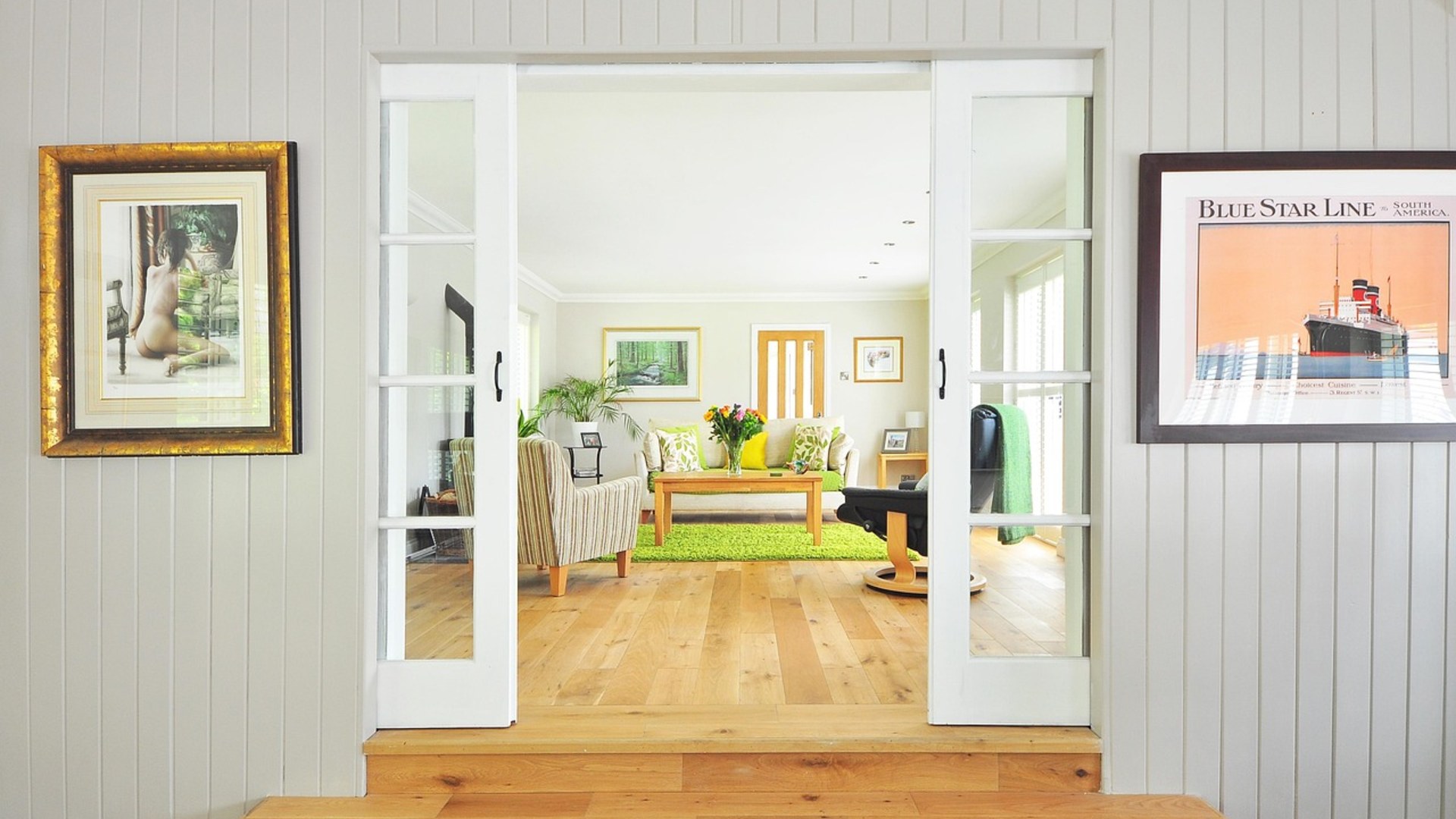
Covering bare hardwood or ceramic tile floors with thick wool rugs provides vital thermal resistance against subterranean chill. Uninsulated subflooring acts as a massive thermal heat sink, drawing warmth downward, while layered rugs raise floor surface contact temperatures by several degrees.
©Pixabay / midascode
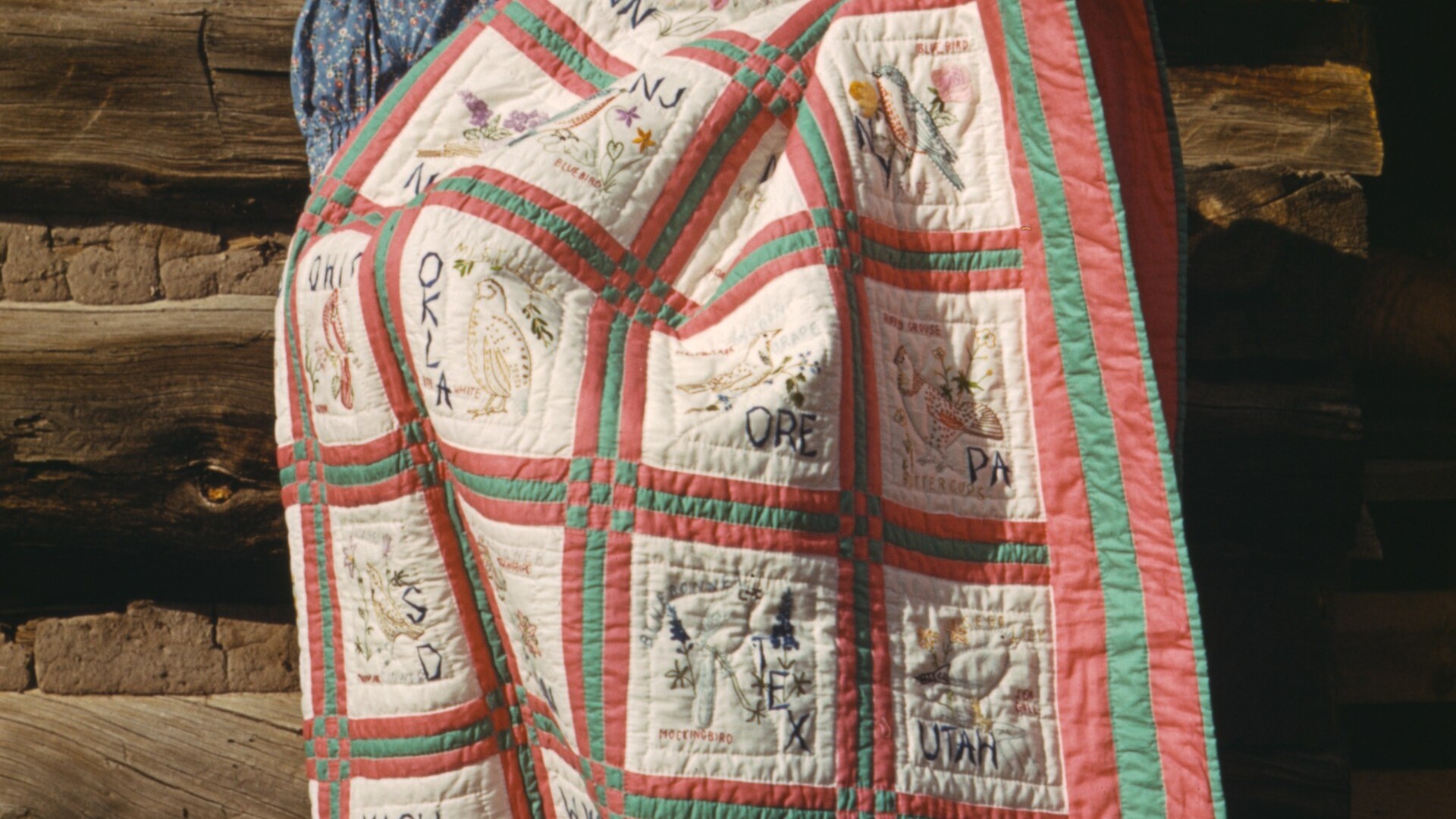
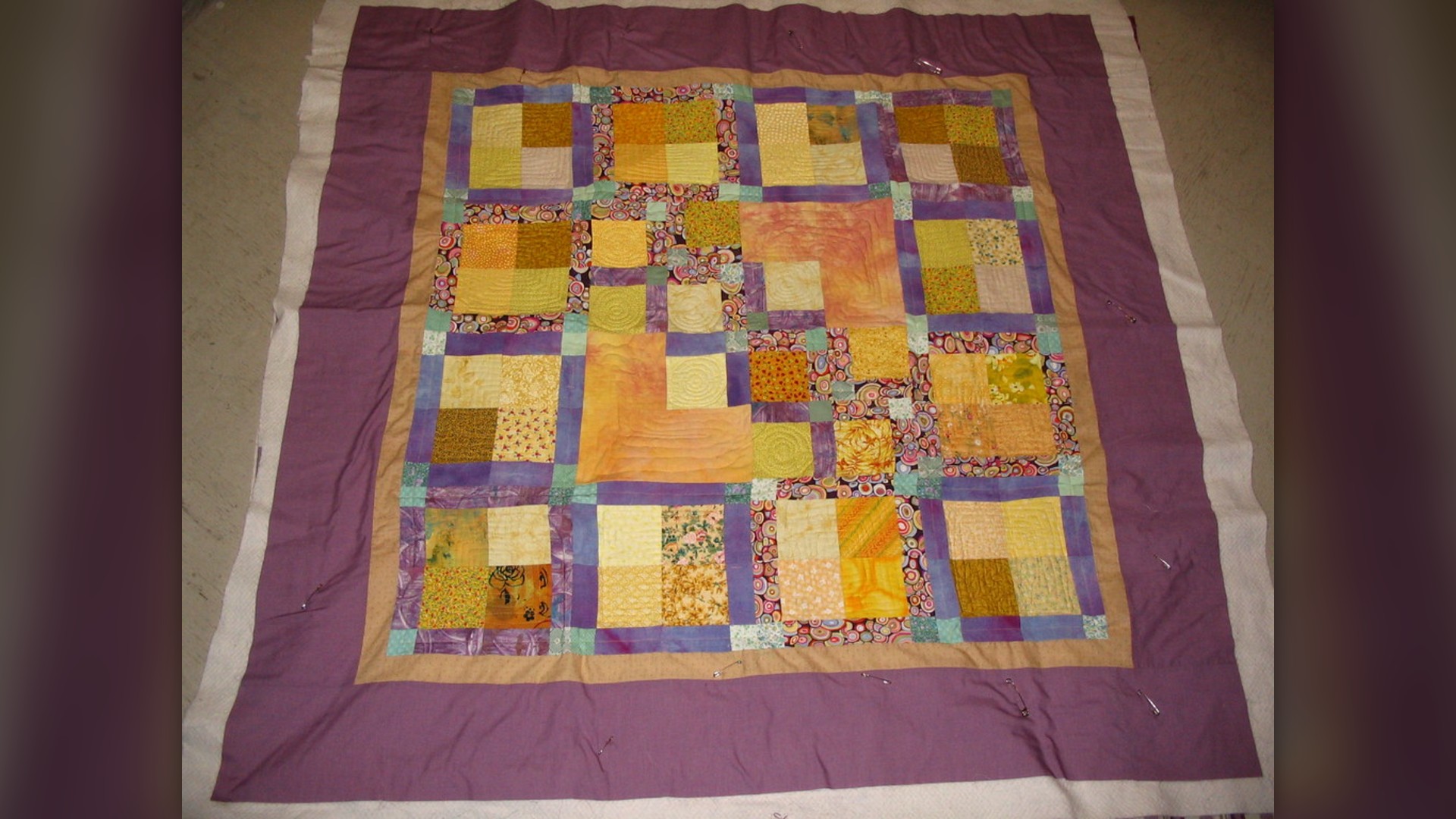
15. Hanging Quilts Over Drafty Exterior Walls
Tacking heavy quilts or dense wool blankets along drafty north-facing exterior walls creates an interior buffer against outdoor freezing winds. This historical technique dampens convective wall cooling, preventing interior room air from chilling rapidly against thin exterior plasterboard.
©Wikimedia / Quilt
Advertisement
Swipe or tap ▶ to resume the countdown.
14. Isolating A Central Micro-Climate Room
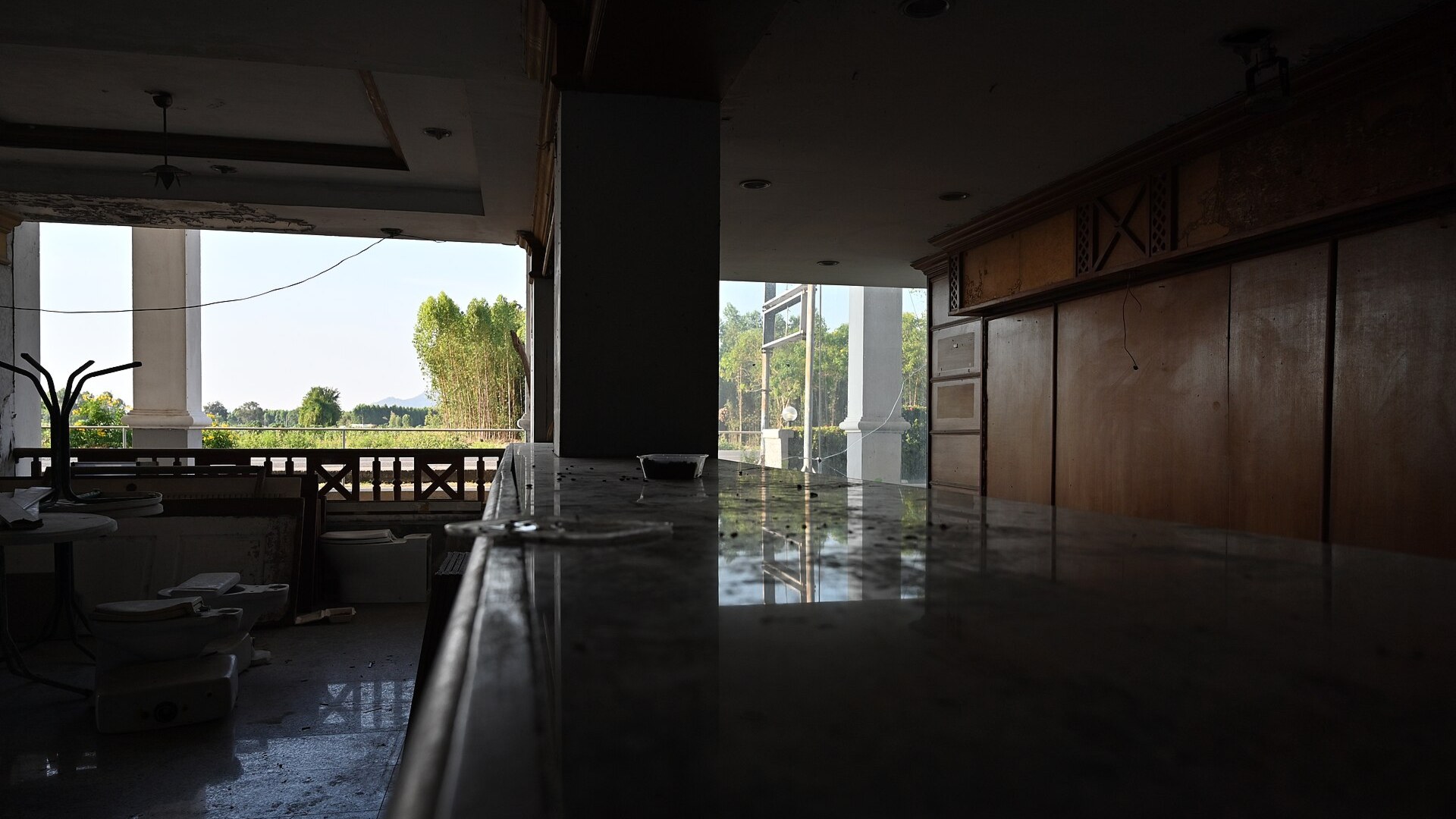
Selecting an interior room on the warm side of the home and closing all other doors concentrates body heat and residual warmth. Reducing your active living volume from two thousand square feet down to two hundred square feet dramatically slows overall heat loss during extended winter grid blackouts.
©Pixabay / qimono
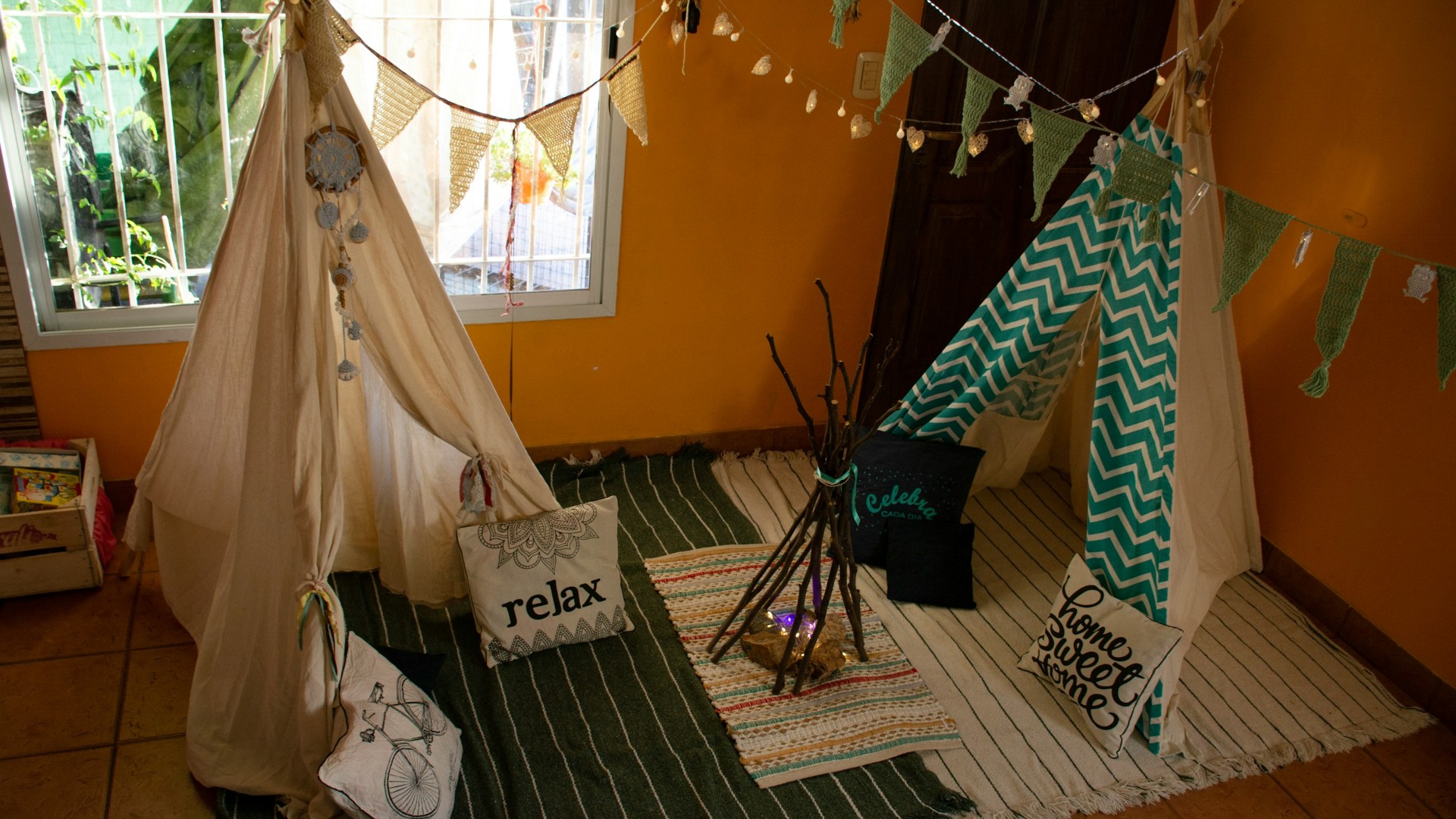
13. Pitching An Insulated Camping Tent Indoors
Setting up a standard camping tent over a rug inside your designated shelter room creates an efficient micro-climate thermal bubble. Natural human respiration and radiant body heat quickly warm the compact enclosed space, raising the interior tent temperature five to ten degrees above room ambient.
© Photo by gladys rovetta on Unsplash
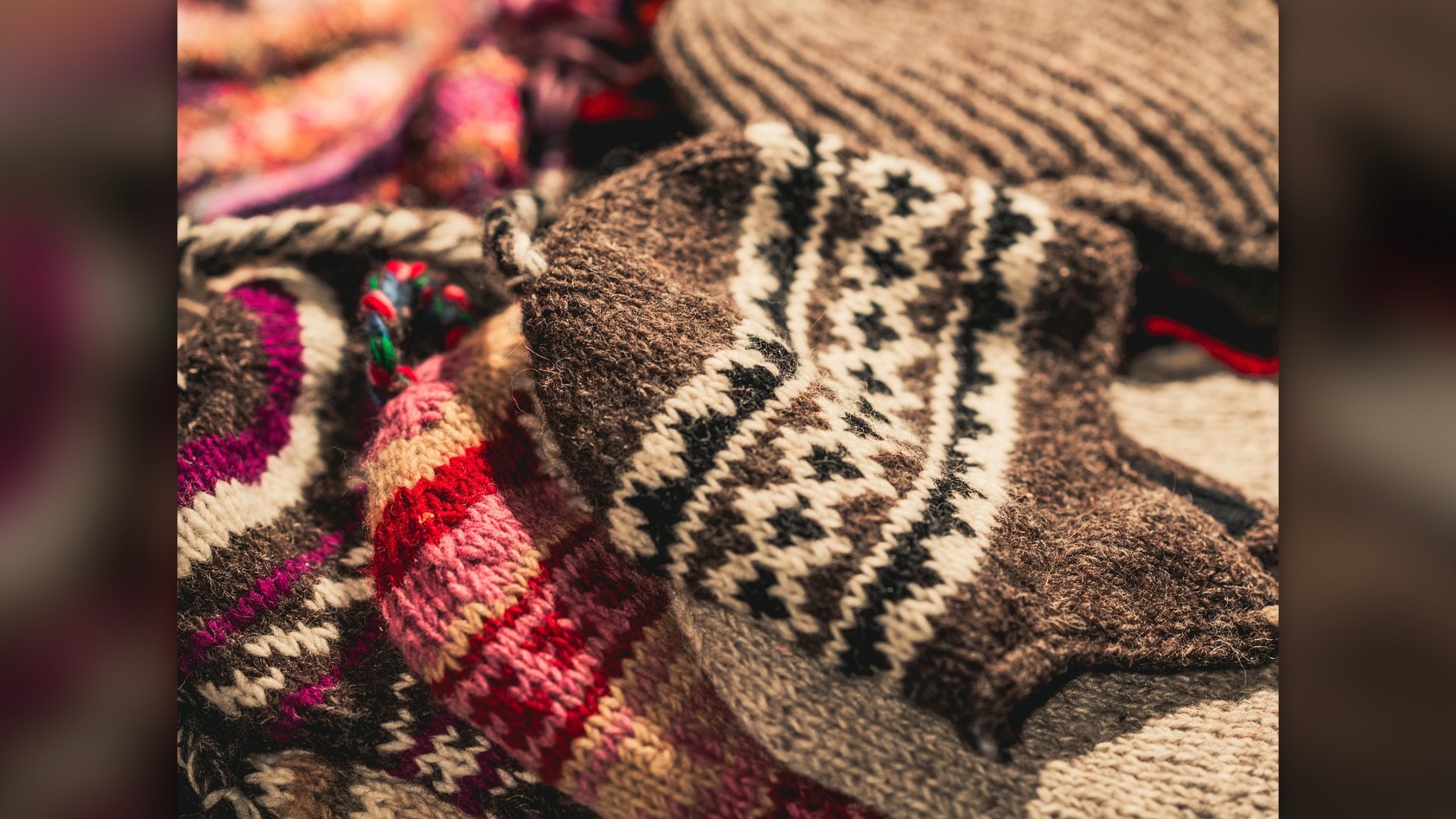
12. Moisture-Wicking Thermal Base Layers And Headwear
Dressing in breathable merino wool or synthetic polypropylene base layers wicks moisture while trapping insulating air pockets against the skin. Wearing a wool beanie indoors is critical, as substantial body heat dissipates through an uncovered head in sub-freezing interior conditions.
©Pixabay / TillVoigt
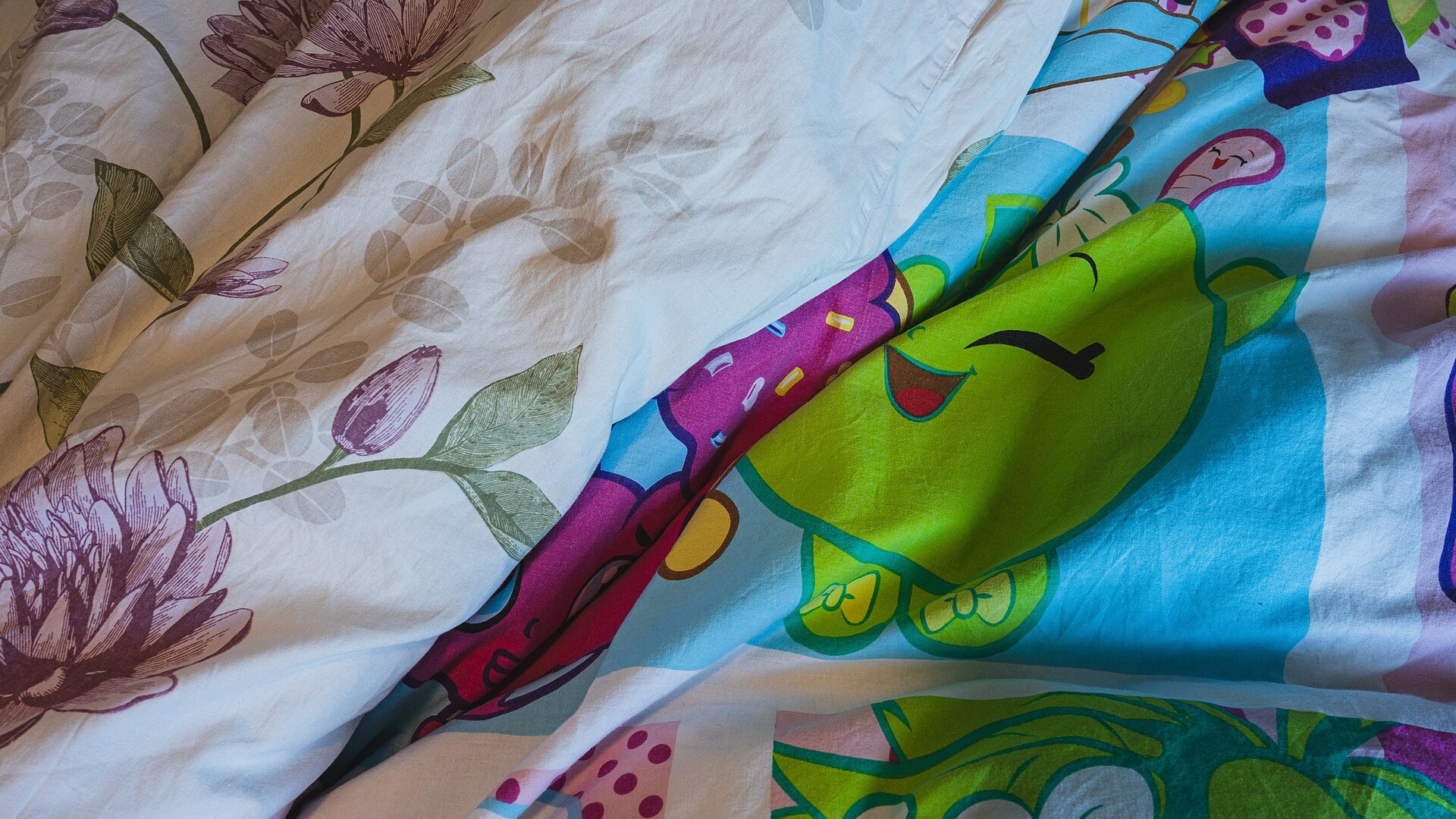
11. Heavy Layered Down Quilts And Wool Blankets
Layering high-loft down comforters over thick wool blankets creates deep dead-air insulation that effectively traps body heat indefinitely. Dense natural wool fibers remain warm even in humid air, ensuring family members sleep comfortably without electrical heating appliances.
©Wikimedia / Øyvind Holmstad
Advertisement
Swipe or tap ▶ to resume the countdown.
10. Emergency Mylar Thermal Bivy Sacks
Emergency mylar thermal bivy sacks reflect up to ninety percent of radiant human body heat directly back to the user. Slipping an aluminized bivy inside a standard sleeping bag prevents conductive heat loss and shields against unexpected drafts without generating dangerous fumes or flames.
©Openverse / emmajanehw
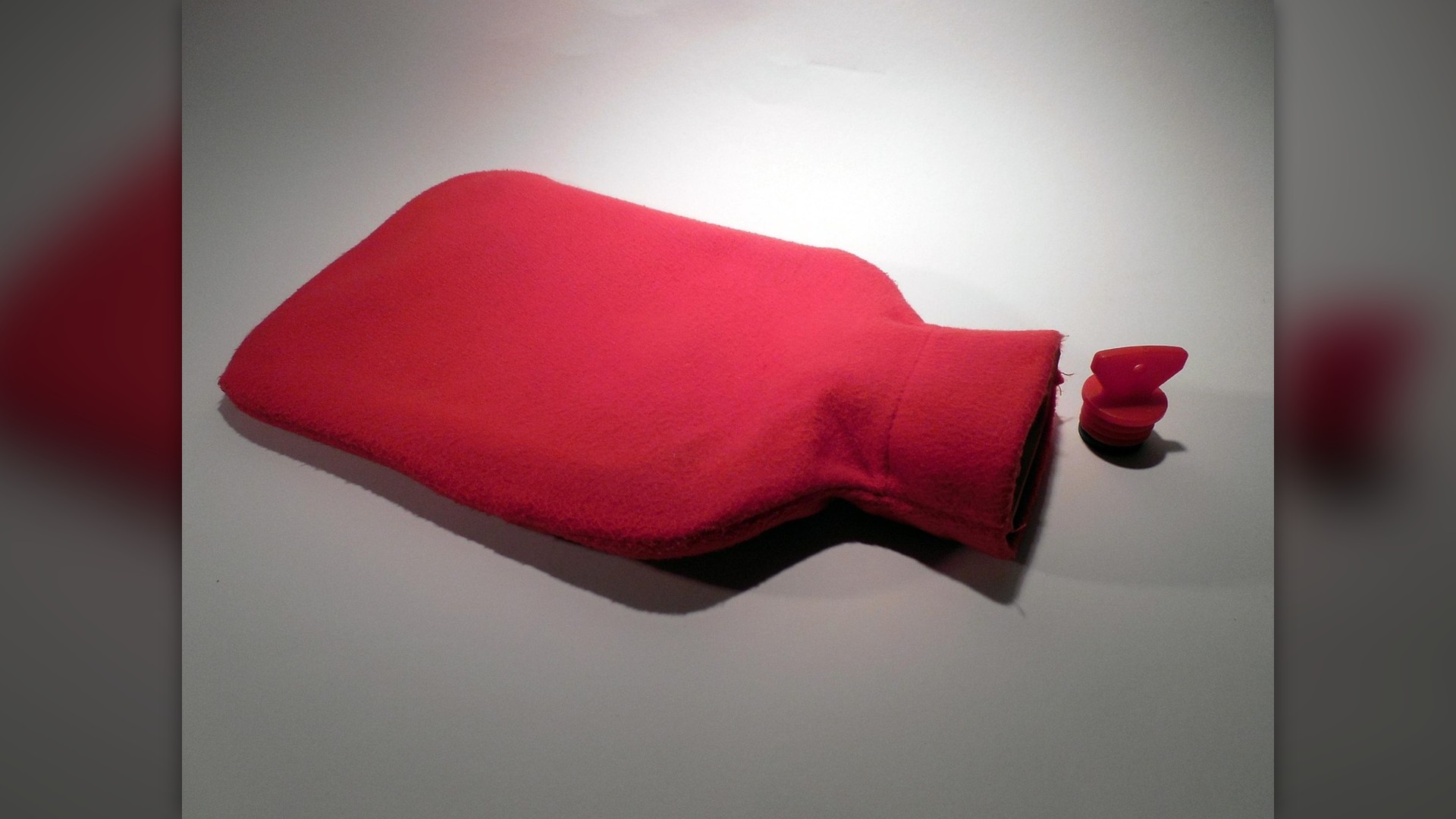
9. Traditional Hot Water Bottles Inside Bedding
Filling rubber hot water bottles with kettle-warmed water and tucking them beneath blankets delivers steady contact warmth for up to six hours. Water possesses exceptional specific heat capacity, making hot water bottles one of the safest non-electrical methods to warm cold extremities.
©Pixabay / succo
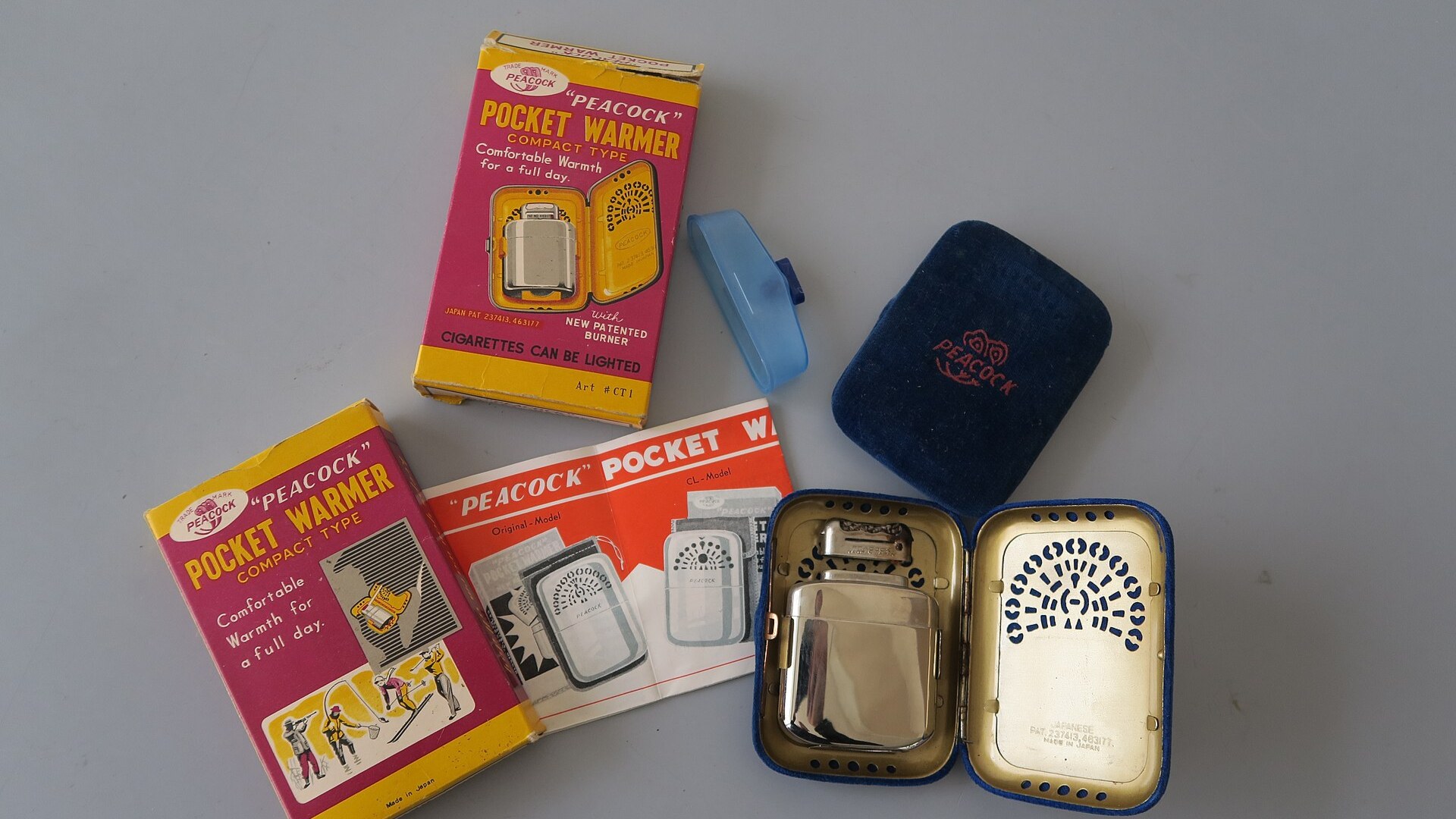
8. Air-Activated Chemical Hand And Body Warmers
Disposable chemical heat packs produce continuous dry warmth through the exothermic oxidation of natural iron powder and activated charcoal. Tucking adhesive warmers over base layer clothing or inside boot toes provides safe, flameless heating that operates without fuel, batteries, or carbon monoxide risks.
©Wikimedia / Nxr-at
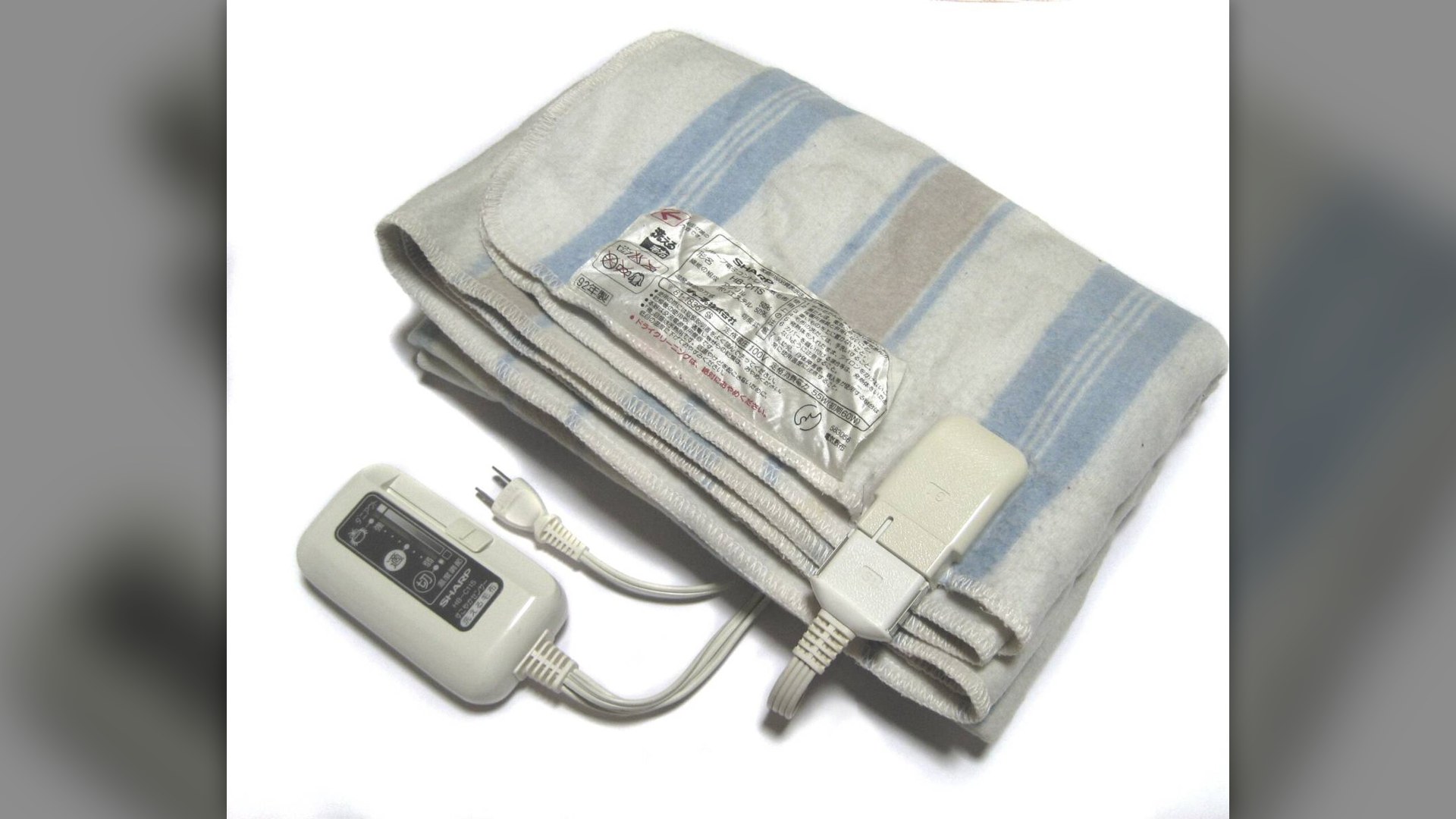
7. 12-Volt Heated Car Travel Blankets
Twelve-volt fleece travel blankets plug into vehicle auxiliary power sockets or external jump-starter battery packs to deliver targeted warmth. Drawing only forty to fifty watts, these compact heated blankets quickly warm chilled occupants during brief warming breaks inside parked vehicles.
©Wikimedia / Qurren
Advertisement
Swipe or tap ▶ to resume the countdown.
6. USB-Rechargeable Heated Vests And Blankets
Wearable heated vests utilize carbon fiber heating elements powered by common five-volt USB power banks to warm the chest and kidneys. Operating at ten to fifteen watts, a standard twenty-thousand-milliamp battery pack sustains gentle personal heating for five to eight hours completely off-grid.
©Wikimedia / Sergey Zolkin szolkin
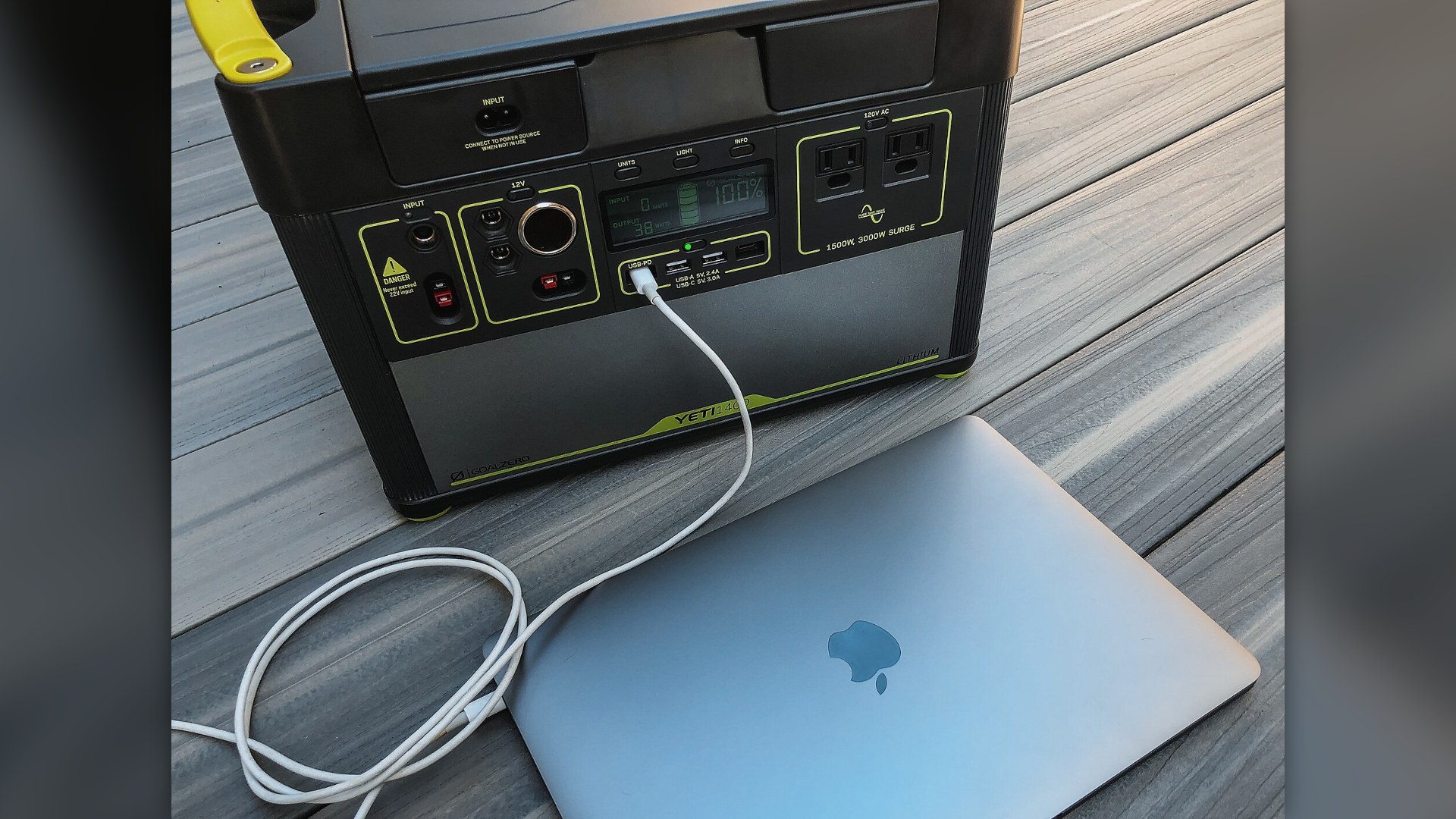
5. Portable Power Station With Low-Watt Electric Throw
Pairing a five-hundred-watt-hour portable lithium power station with a low-wattage electric heating throw provides direct personal warmth for ten hours. Because lithium batteries produce zero combustion emissions, this setup operates safely indoors inside sealed bedrooms without ventilation concerns.
©Wikimedia / Tony Webster from Minneapolis, Minnesota, United
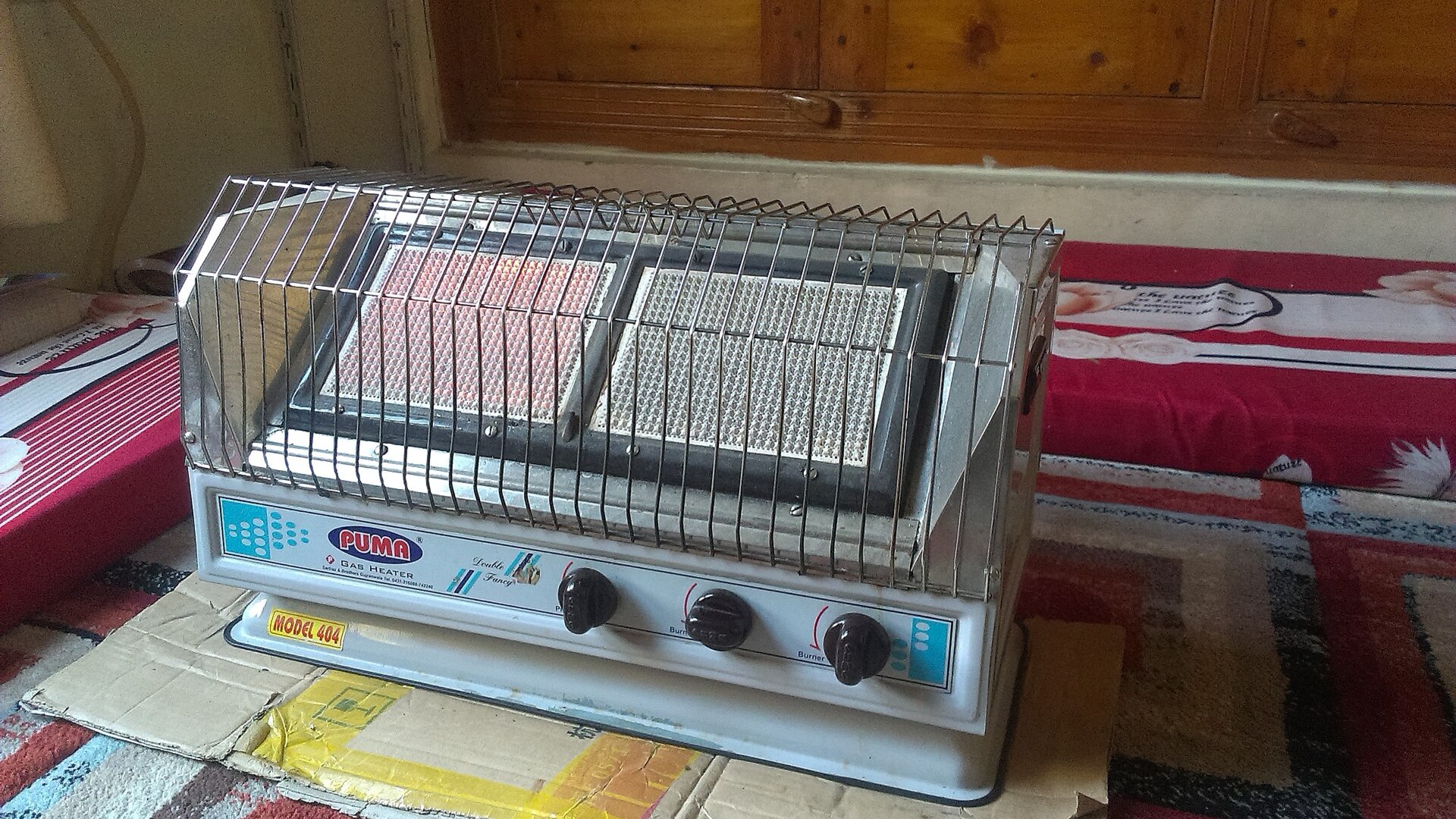
4. Indoor-Safe Propane Radiant Heater With ODS Sensor
Indoor-rated catalytic propane heaters like the Mr. Heater Buddy produce up to nine thousand British thermal units using one-pound cylinders. Certified units feature an oxygen depletion sensor and tip-over shutoff switch, though safety codes still mandate cracking a window one half inch for fresh airflow.
©Wikimedia / Kskhh
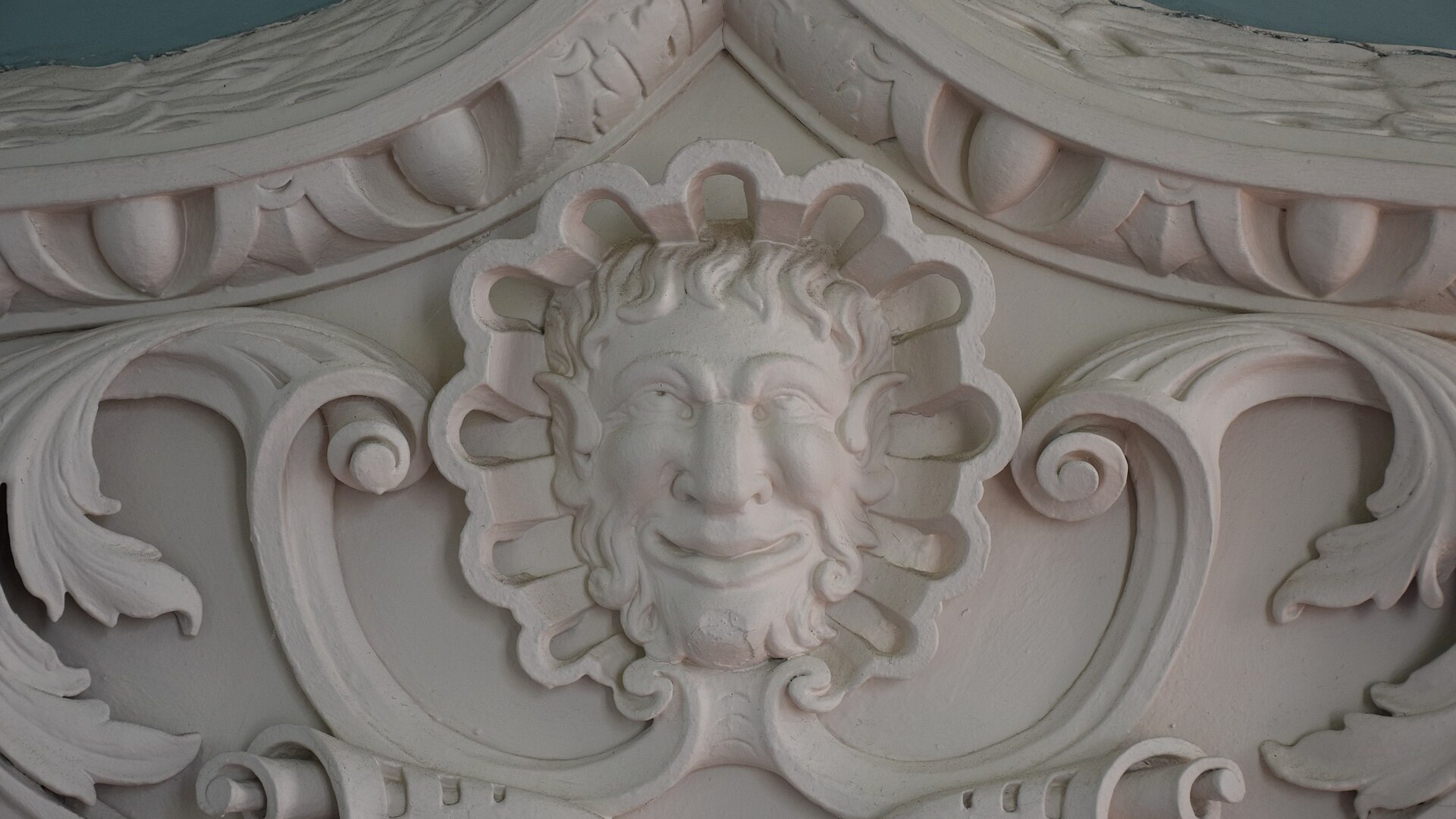
3. Direct-Vent Gas Fireplace With Millivolt Standing Pilot
Direct-vent natural gas fireplaces equipped with a millivolt valve or battery-powered ignition deliver reliable radiant heat without electricity. Because direct-vent systems draw combustion air from outside and exhaust flue gases through a sealed double-wall pipe, indoor air quality remains protected.
©Wikimedia / Kognos
Advertisement
Swipe or tap ▶ to resume the countdown.
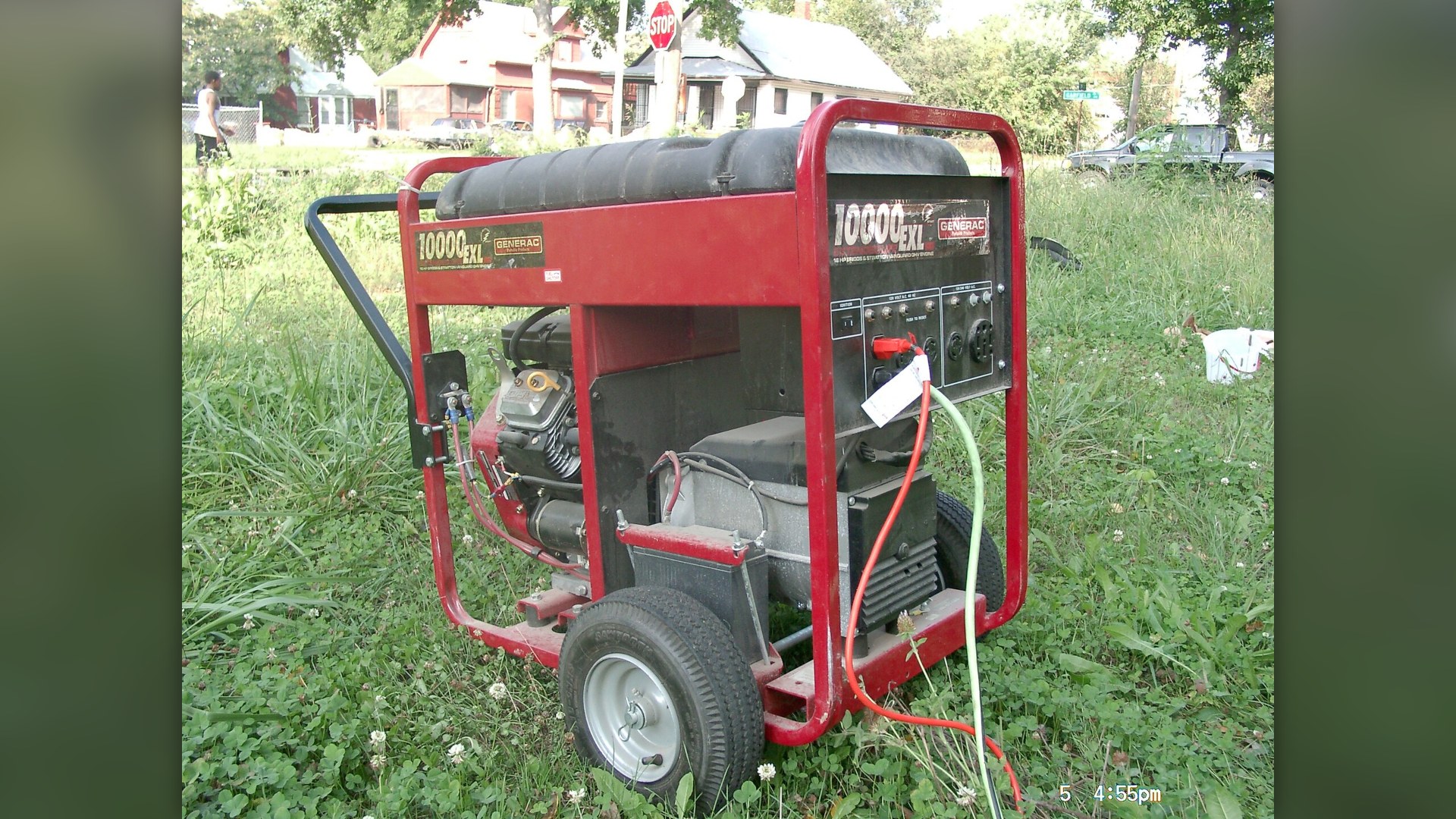
2. Standby Generator Powering Central Heating Blower
Connecting an outdoor portable generator to a dedicated manual transfer switch powers your central natural gas or propane furnace blower. Running the generator at least twenty feet from the residence restores whole-house ducted warm air distribution while isolating combustion exhaust safely outdoors.
©Wikimedia / Uploader Petr.adamek
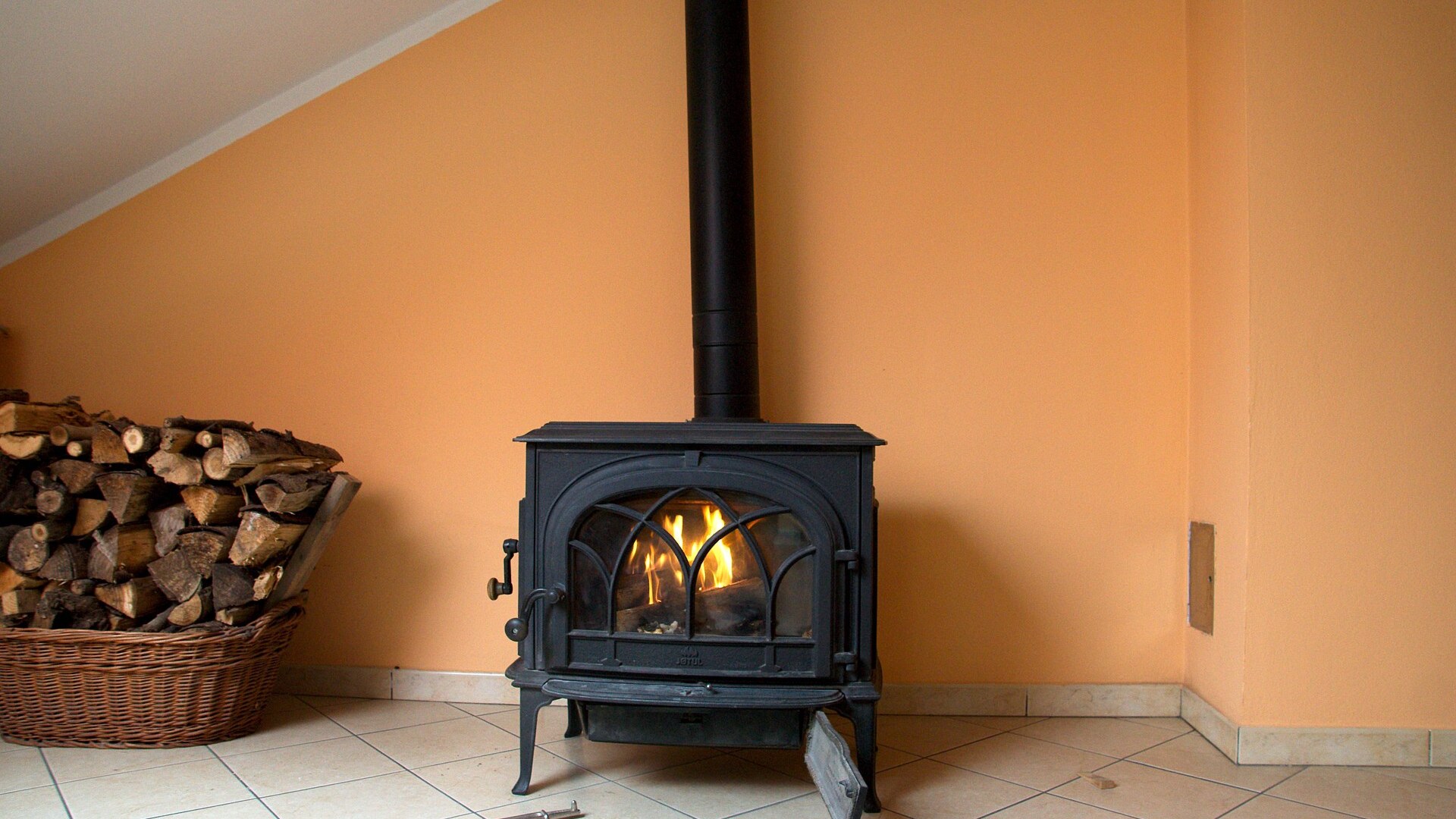
1. EPA-Certified Freestanding Wood Stove
An EPA-certified freestanding cast-iron wood stove is the premier grid-independent heating system, delivering over fifty thousand British thermal units. Vented through a dedicated masonry or insulated chimney, modern wood stoves radiate intense thermal warmth for eight hours on a single load of seasoned cordwood.

©Wikimedia / Andy Rogers
Advertisement
You've reached the end of the story. Thanks for reading!

20 Most Powerful Navies in the World, Ranked
Control of the global oceans shapes international trade, security alliances, and military power. From stealth submarines and guided missile destroyers to nuclear powered aircraft carriers, naval capabilities require massive investment. Here are the twenty most formidable navies across the globe, ranked by strength.
All 21 Entries in this Story
#21: Removable Weatherseal Tape On Window Seams
Removable weatherstrip tape seals micro-gaps around drafty window frames without damaging interior paint upon spring removal. Department of Energy testing shows that edge air infiltration accounts for up to twenty percent of total residential heat loss during severe winter windstorms.

#20: Door Draft Stoppers And Rolled Towels
Placing dense fabric draft stoppers or tightly rolled heavy bath towels against exterior door thresholds stops cold air infiltration at floor level. Sealing exterior gaps retains existing interior warmth and prevents cold currents from displacing rising heat in living areas.

#19: Bubble Wrap Window Glazing Insulation
Misting window glass with plain water allows polyethylene bubble wrap to cling directly across panes, creating dead air thermal pockets. Energy researchers calculate that adding this simple barrier doubles the insulating value of single-pane glass from R-one to approximately R-two.

#18: Heavy Thermal Blackout Curtains
Closing heavy thermal drapes or multi-layer blackout curtains at sundown traps residual warmth inside living spaces. The Department of Energy reports that medium-weight draperies with thermal acrylic backing reduce conductive room heat loss through glass surfaces by up to ten percent.

#17: Opening South-Facing Blinds For Passive Solar Gain
Opening southern window blinds on clear winter mornings allows sunlight to penetrate living rooms and naturally heat interior materials. Thermal mass surfaces such as dark tile floors and dense furniture absorb solar radiation during daylight and slowly release warmth throughout the evening.

#16: Heavy Wool Rugs Over Cold Bare Floors
Covering bare hardwood or ceramic tile floors with thick wool rugs provides vital thermal resistance against subterranean chill. Uninsulated subflooring acts as a massive thermal heat sink, drawing warmth downward, while layered rugs raise floor surface contact temperatures by several degrees.

#15: Hanging Quilts Over Drafty Exterior Walls
Tacking heavy quilts or dense wool blankets along drafty north-facing exterior walls creates an interior buffer against outdoor freezing winds. This historical technique dampens convective wall cooling, preventing interior room air from chilling rapidly against thin exterior plasterboard.

#14: Isolating A Central Micro-Climate Room
Selecting an interior room on the warm side of the home and closing all other doors concentrates body heat and residual warmth. Reducing your active living volume from two thousand square feet down to two hundred square feet dramatically slows overall heat loss during extended winter grid blackouts.

#13: Pitching An Insulated Camping Tent Indoors
Setting up a standard camping tent over a rug inside your designated shelter room creates an efficient micro-climate thermal bubble. Natural human respiration and radiant body heat quickly warm the compact enclosed space, raising the interior tent temperature five to ten degrees above room ambient.

#12: Moisture-Wicking Thermal Base Layers And Headwear
Dressing in breathable merino wool or synthetic polypropylene base layers wicks moisture while trapping insulating air pockets against the skin. Wearing a wool beanie indoors is critical, as substantial body heat dissipates through an uncovered head in sub-freezing interior conditions.

#11: Heavy Layered Down Quilts And Wool Blankets
Layering high-loft down comforters over thick wool blankets creates deep dead-air insulation that effectively traps body heat indefinitely. Dense natural wool fibers remain warm even in humid air, ensuring family members sleep comfortably without electrical heating appliances.

#10: Emergency Mylar Thermal Bivy Sacks
Emergency mylar thermal bivy sacks reflect up to ninety percent of radiant human body heat directly back to the user. Slipping an aluminized bivy inside a standard sleeping bag prevents conductive heat loss and shields against unexpected drafts without generating dangerous fumes or flames.

#9: Traditional Hot Water Bottles Inside Bedding
Filling rubber hot water bottles with kettle-warmed water and tucking them beneath blankets delivers steady contact warmth for up to six hours. Water possesses exceptional specific heat capacity, making hot water bottles one of the safest non-electrical methods to warm cold extremities.

#08: Air-Activated Chemical Hand And Body Warmers
Disposable chemical heat packs produce continuous dry warmth through the exothermic oxidation of natural iron powder and activated charcoal. Tucking adhesive warmers over base layer clothing or inside boot toes provides safe, flameless heating that operates without fuel, batteries, or carbon monoxide risks.

#7: 12-Volt Heated Car Travel Blankets
Twelve-volt fleece travel blankets plug into vehicle auxiliary power sockets or external jump-starter battery packs to deliver targeted warmth. Drawing only forty to fifty watts, these compact heated blankets quickly warm chilled occupants during brief warming breaks inside parked vehicles.

#06: USB-Rechargeable Heated Vests And Blankets
Wearable heated vests utilize carbon fiber heating elements powered by common five-volt USB power banks to warm the chest and kidneys. Operating at ten to fifteen watts, a standard twenty-thousand-milliamp battery pack sustains gentle personal heating for five to eight hours completely off-grid.

#5: Portable Power Station With Low-Watt Electric Throw
Pairing a five-hundred-watt-hour portable lithium power station with a low-wattage electric heating throw provides direct personal warmth for ten hours. Because lithium batteries produce zero combustion emissions, this setup operates safely indoors inside sealed bedrooms without ventilation concerns.

#4: Indoor-Safe Propane Radiant Heater With ODS Sensor
Indoor-rated catalytic propane heaters like the Mr. Heater Buddy produce up to nine thousand British thermal units using one-pound cylinders. Certified units feature an oxygen depletion sensor and tip-over shutoff switch, though safety codes still mandate cracking a window one half inch for fresh airflow.

#3: Direct-Vent Gas Fireplace With Millivolt Standing Pilot
Direct-vent natural gas fireplaces equipped with a millivolt valve or battery-powered ignition deliver reliable radiant heat without electricity. Because direct-vent systems draw combustion air from outside and exhaust flue gases through a sealed double-wall pipe, indoor air quality remains protected.

#2: Standby Generator Powering Central Heating Blower
Connecting an outdoor portable generator to a dedicated manual transfer switch powers your central natural gas or propane furnace blower. Running the generator at least twenty feet from the residence restores whole-house ducted warm air distribution while isolating combustion exhaust safely outdoors.

#1: EPA-Certified Freestanding Wood Stove
An EPA-certified freestanding cast-iron wood stove is the premier grid-independent heating system, delivering over fifty thousand British thermal units. Vented through a dedicated masonry or insulated chimney, modern wood stoves radiate intense thermal warmth for eight hours on a single load of seasoned cordwood.