Slideshow · Travel
20 American Coastal Communities That Experience Seasonal High Tides
Seasonal high tides known as king tides produce recurrent nuisance flooding across low-lying American coastal towns. Driven by predictable astronomical alignments between the earth, moon, and sun, these extreme tidal cycles inundate roadways, historic waterfronts, and urban stormwater systems without rainfall.
By Most Viral Today
32 min ago

Seasonal king tides trigger sunny day flooding across coastal America. 
20. Miami Beach, Florida 
19. Charleston, South Carolina 
18. Annapolis, Maryland - AdvertisementSwipe or tap ▶ to continue countdown

17. Norfolk, Virginia 
16. Tybee Island, Georgia 
15. Key West, Florida 
14. Portland, Maine - AdvertisementSwipe or tap ▶ to continue countdown

13. Boston, Massachusetts 
12. San Francisco, California 
11. San Diego, California 
10. Seattle, Washington - AdvertisementSwipe or tap ▶ to continue countdown

9. Atlantic City, New Jersey 
8. Wilmington, North Carolina 
7. Galveston, Texas 
6. Newport, Rhode Island - AdvertisementSwipe or tap ▶ to continue countdown

5. Honolulu, Hawaii 
4. St. Augustine, Florida 
3. Cape May, New Jersey 
2. Olympia, Washington - AdvertisementSwipe or tap ▶ to continue countdown

1. New Orleans, Louisiana - Advertisement🔥 UP NEXT IN THIS SERIES◫ 21 Slides

20 UNESCO World Heritage Sites Located Away From Major Cities
Far from metropolitan centers, earth's most remote UNESCO World Heritage sites protect pristine wilderness and ancient sanctuaries. Drawing on documentation from UNESCO World Heritage records, National Geographic, and global park services, this countdown showcases 20 isolated wonders located far from major cities.
High astronomical tides increasingly submerge streets in low-lying maritime regions across the United States. This survey details coastal communities that experience routine seasonal flooding. Sourced from empirical flood records from the National Oceanic and Atmospheric Administration and the US Geological Survey.
Swipe or tap ▶ to begin the countdown
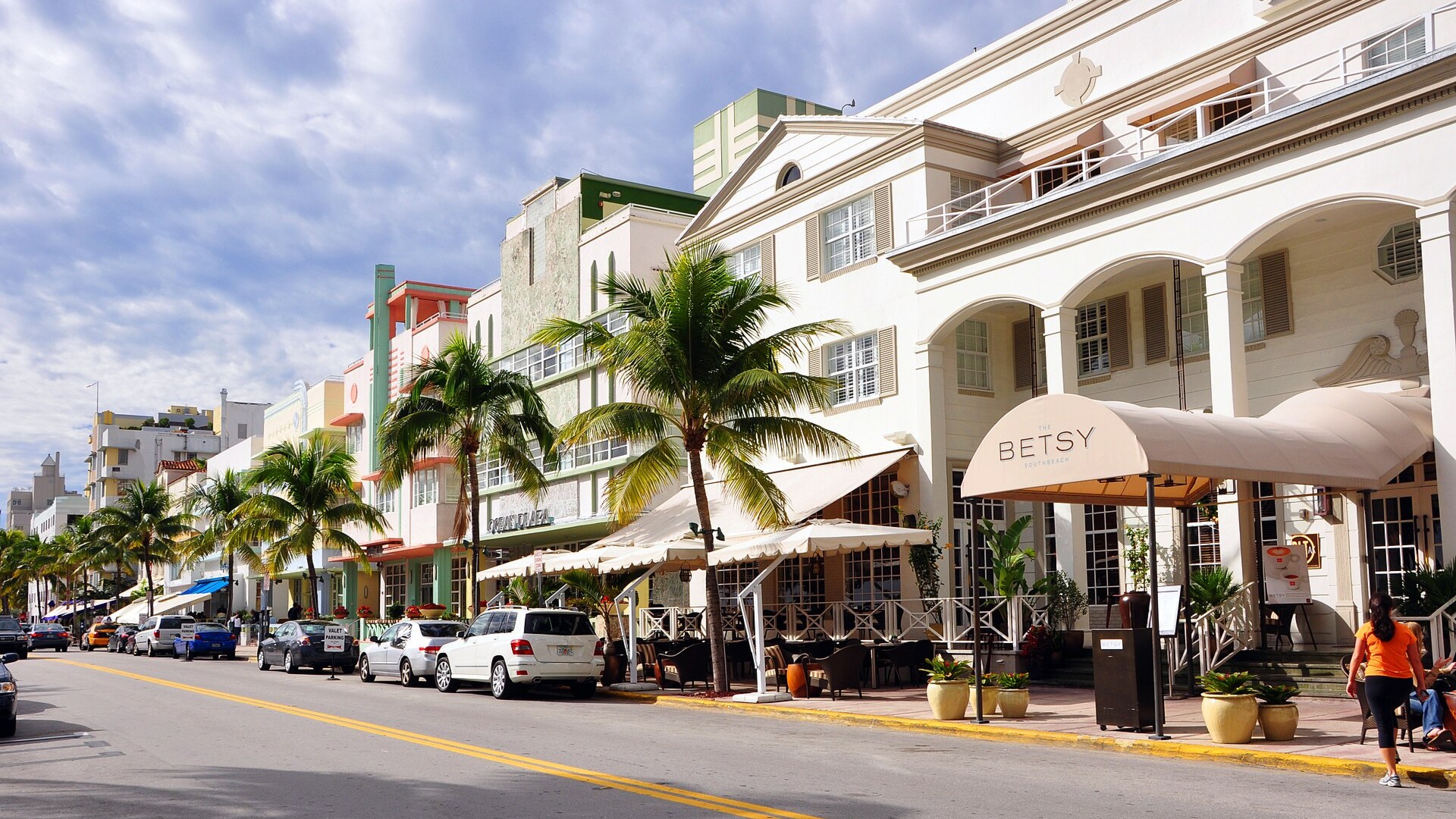
©Wikimedia / Miami Beach, Florida
20. Miami Beach, Florida
Low elevations across South Beach and Alton Road subject Miami Beach to extensive autumn tidal flooding. Saltwater backs up through underground drainage conduits into busy thoroughfares. The municipality has spent hundreds of millions installing high-capacity stormwater pumps and raising street levels.
©Wikimedia / Curt Teich & Co.
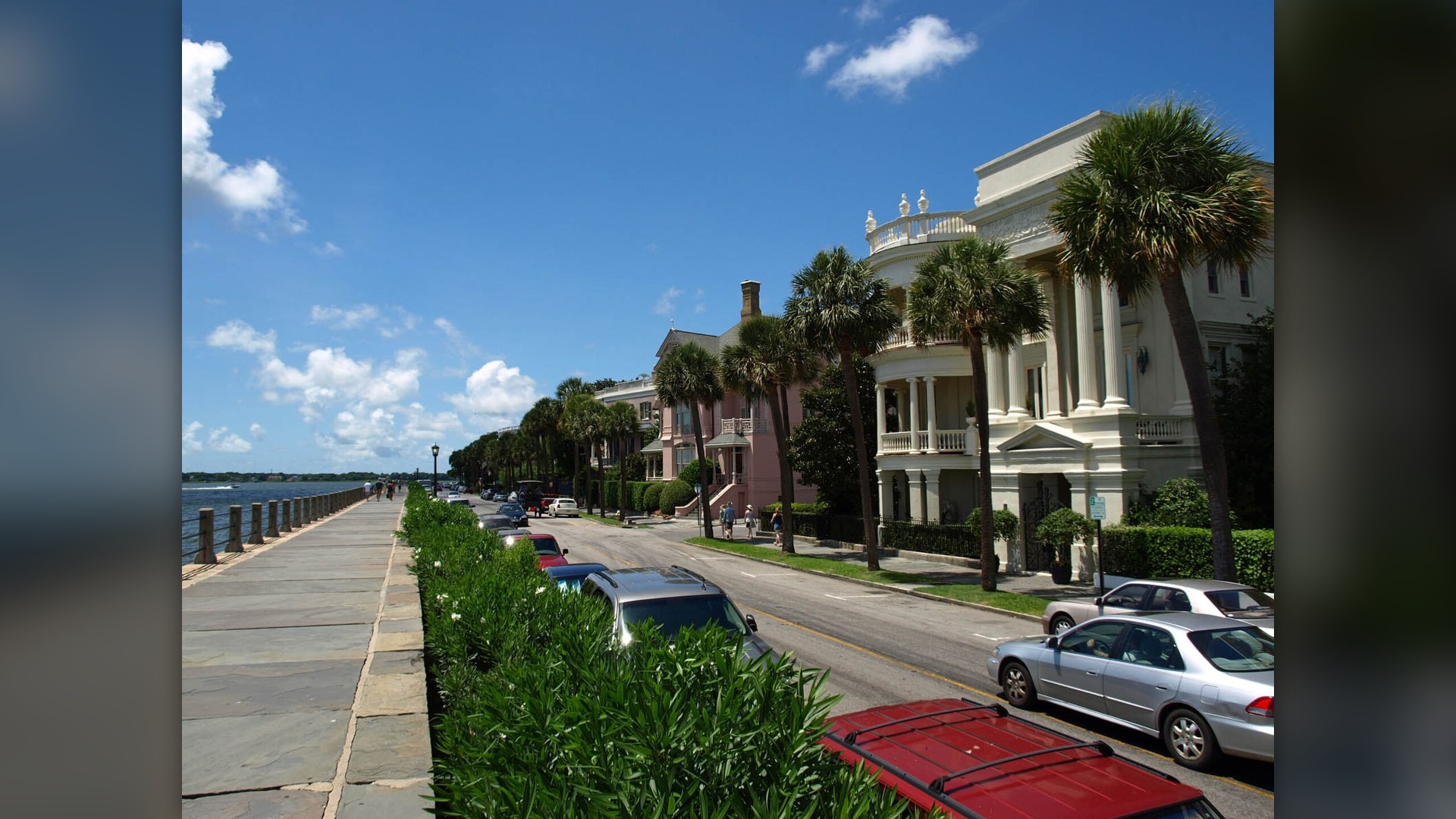
19. Charleston, South Carolina
Historic peninsular Charleston sits mere feet above mean high water, making downtown districts vulnerable to regular inundation. Autumn perigean tides routinely overtop the Battery seawall, submerging market corridors near City Market and flooding residential neighborhoods along the Ashley River.
©Wikimedia / Charleston, South Carolina
18. Annapolis, Maryland
Maryland's capital city faces frequent sunny day high tide events along its historic City Dock promenade. High water tables across Chesapeake Bay push saltwater across public parking plazas and into commercial storefronts. Municipal planners are constructing elevated sea barriers to defend colonial districts.
©Wikimedia / Liz Roll
Advertisement
Swipe or tap ▶ to resume the countdown.
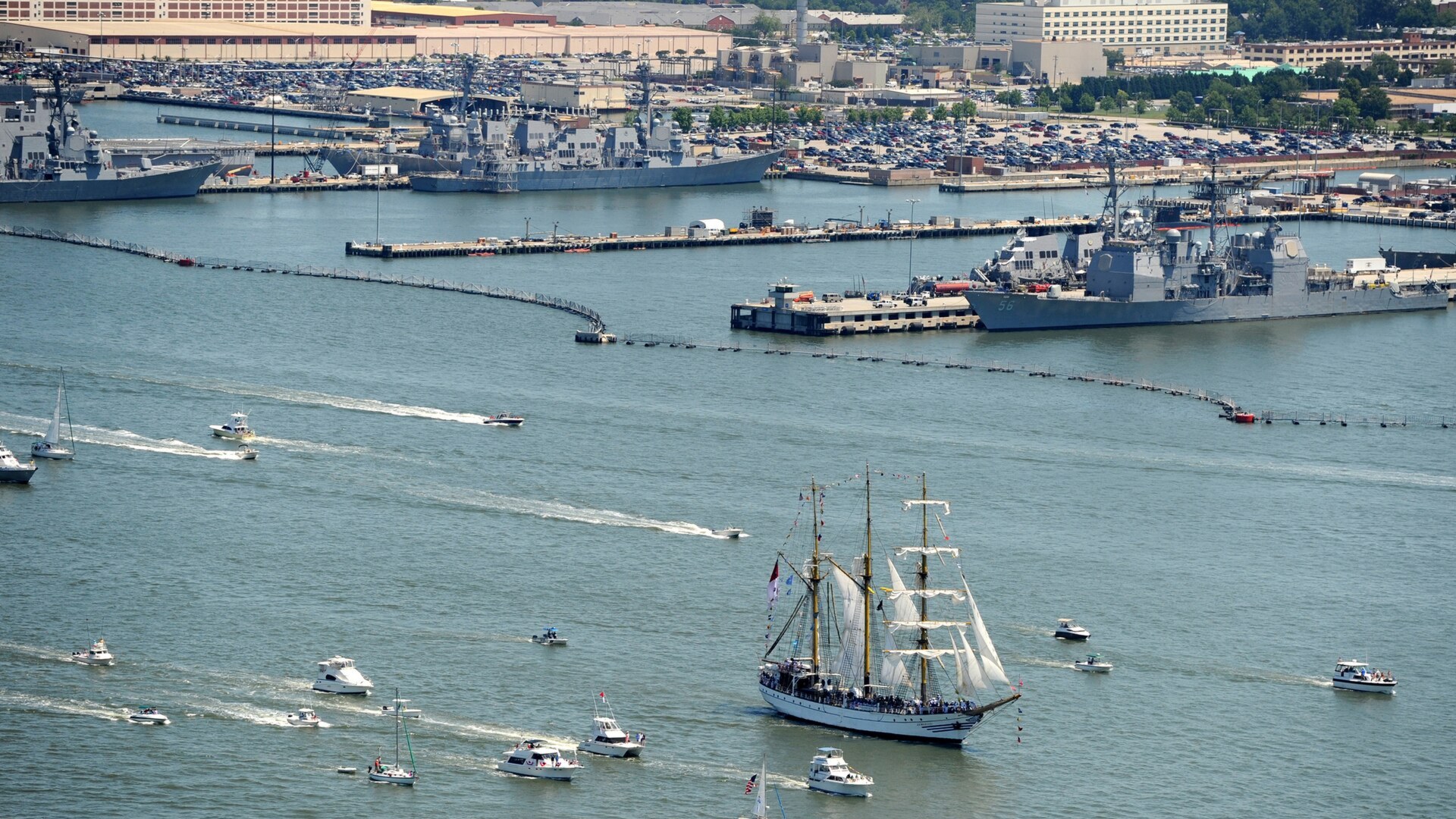
17. Norfolk, Virginia
Surrounded by rivers and Chesapeake Bay tributaries, Norfolk experiences some of the highest rates of sunny day flooding on the Atlantic seaboard. The historic Ghent neighborhood and Lafayette River access roads become submerged during seasonal high tides, isolating commuters and forcing street detours.
©Wikimedia / Official Navy Page from United States of America
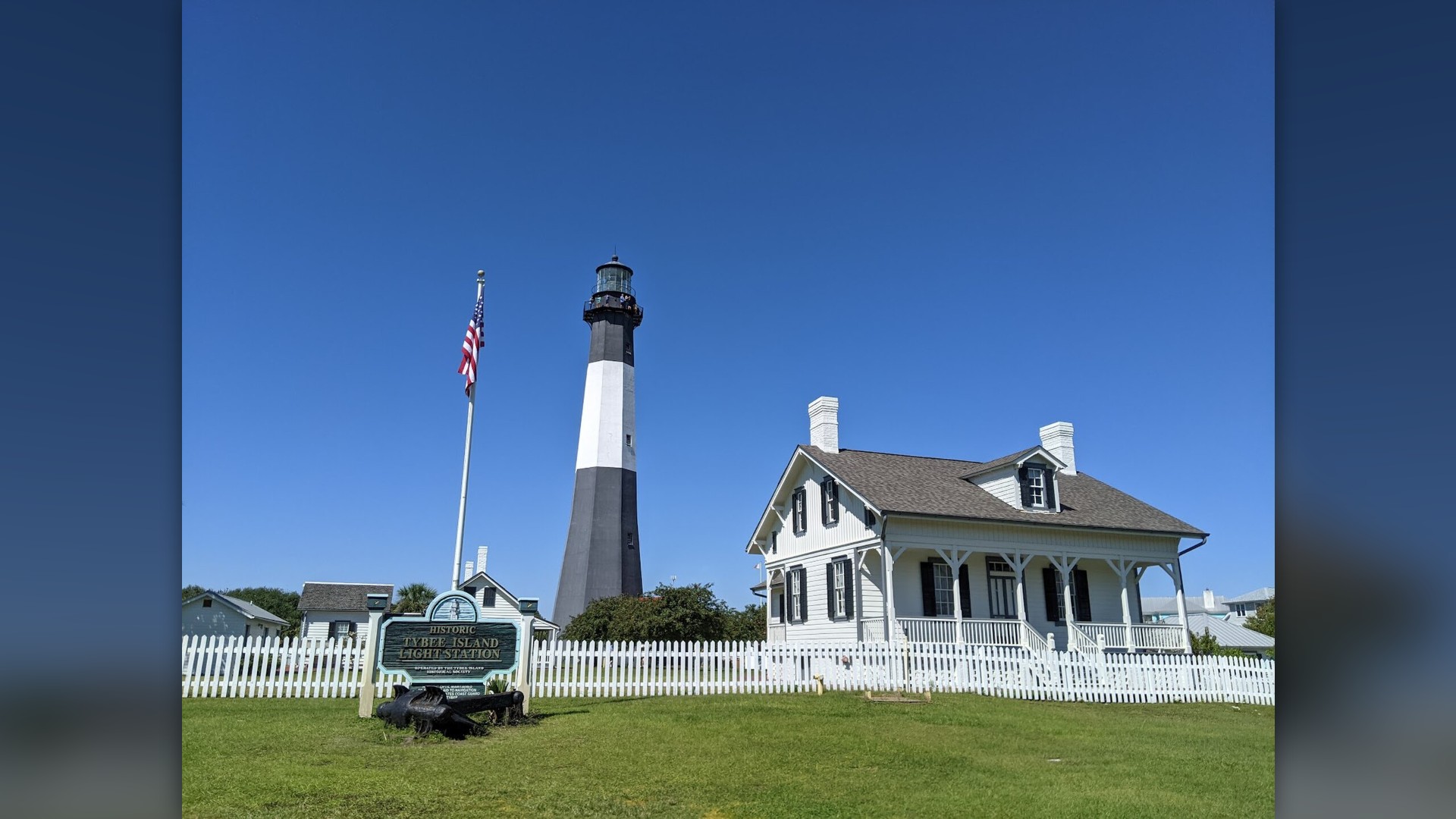
16. Tybee Island, Georgia
Georgia's primary barrier community connects to the Savannah mainland through US Route 80 across coastal salt marshes. Seasonal king tides regularly inundate sections of this highway, cutting off vehicular transit for hours at peak tide and trapping residents until ocean waters recede into the marsh.
©Wikimedia / Tybee Island, Georgia
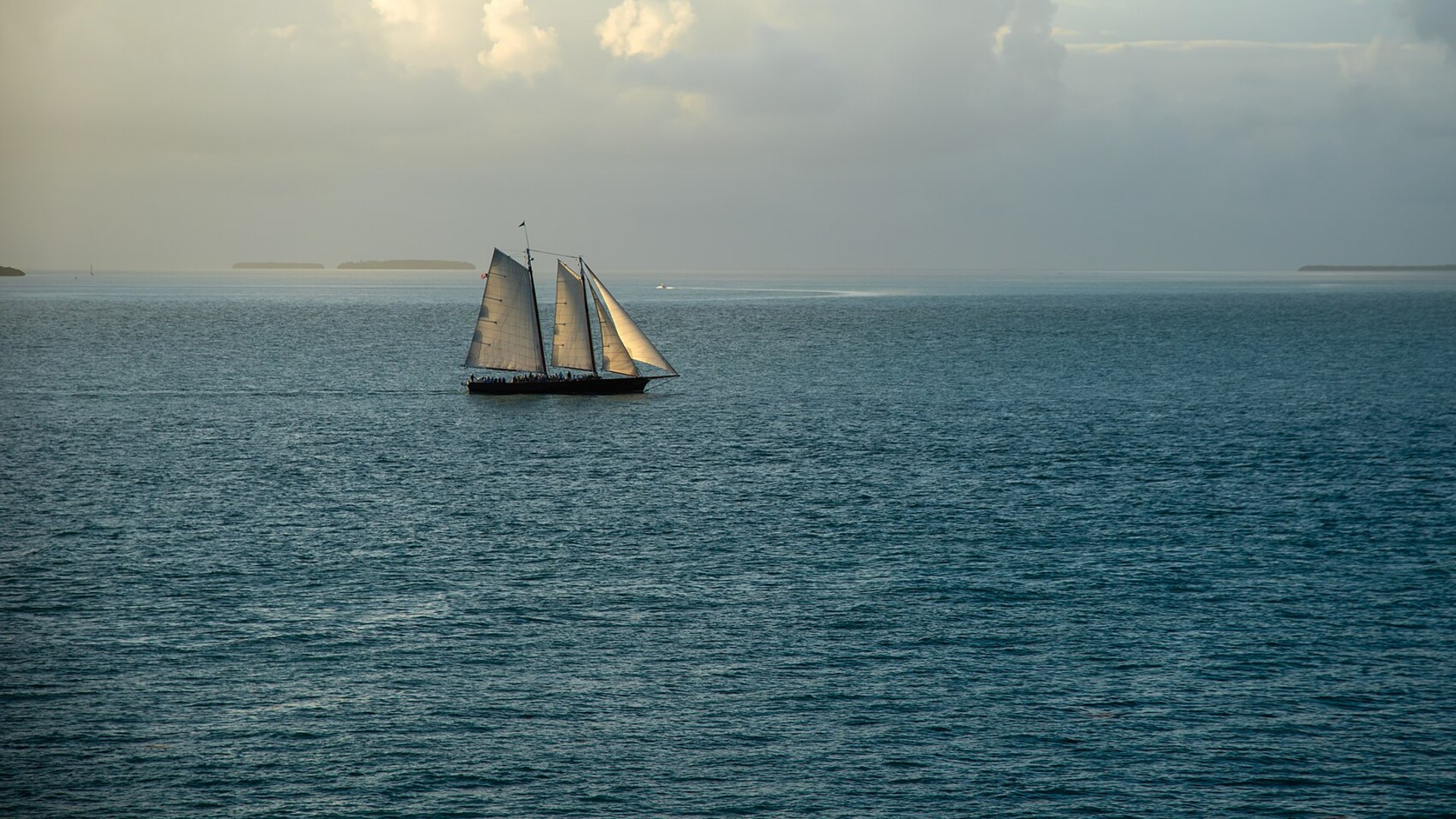
15. Key West, Florida
The Florida Keys rest on highly porous coral limestone that allows tidal pressure to push saltwater up through the ground. During seasonal peak tides in autumn, streets in Old Town and low-lying perimeter neighborhoods flood with brine, damaging vehicle undercarriages even under clear cloudless skies.
©Wikimedia / Julian Lupyan
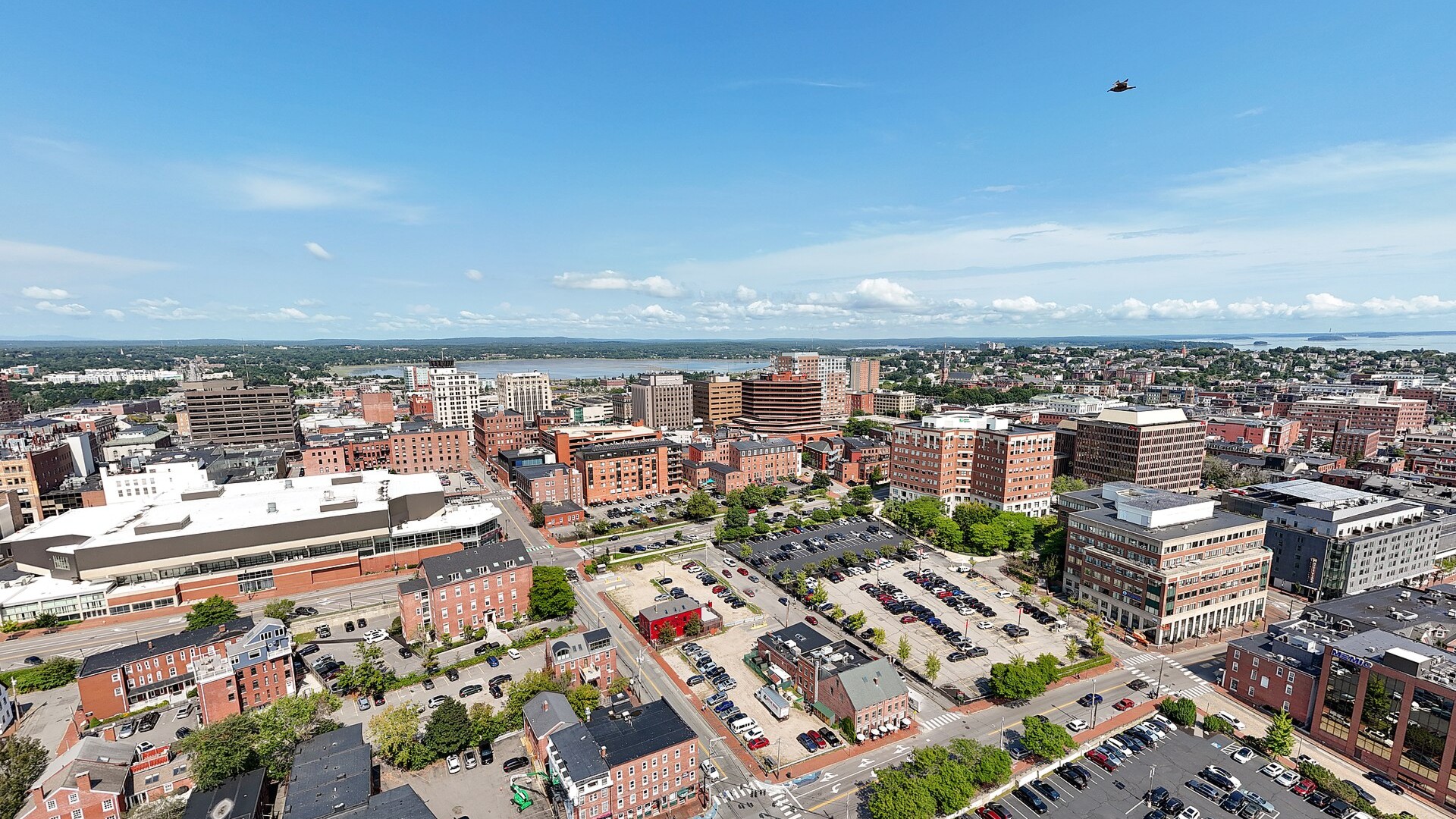
14. Portland, Maine
Portland features a dramatic tidal range that regularly exceeds ten vertical feet in Casco Bay. Seasonal king tides submerge historic working wharves and commercial maritime docks along Commercial Street. City emergency officials routinely barricade low-lying harbor intersections to prevent vehicle flood damage.
©Wikimedia / Quintin Soloviev
Advertisement
Swipe or tap ▶ to resume the countdown.
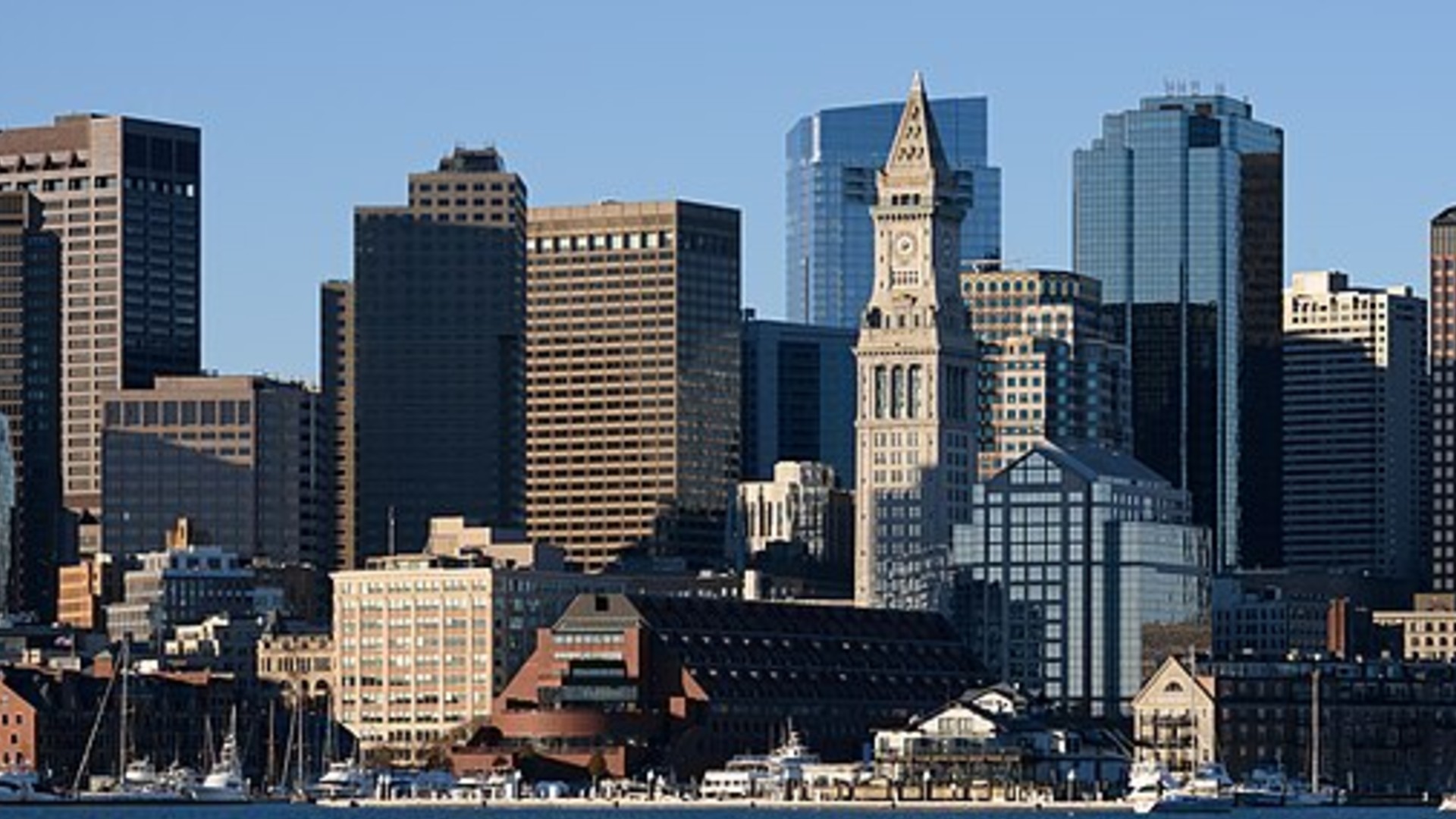
13. Boston, Massachusetts
Boston Harbor experiences extreme tidal variance during winter syzygy tides, when the moon aligns closely with earth. Ocean waters spill over stone bulwarks near Long Wharf and the modern Seaport District, inundating pedestrian harbor walks and threatening subterranean transit entrances near the Blue Line.
©Wikimedia / King of Hearts
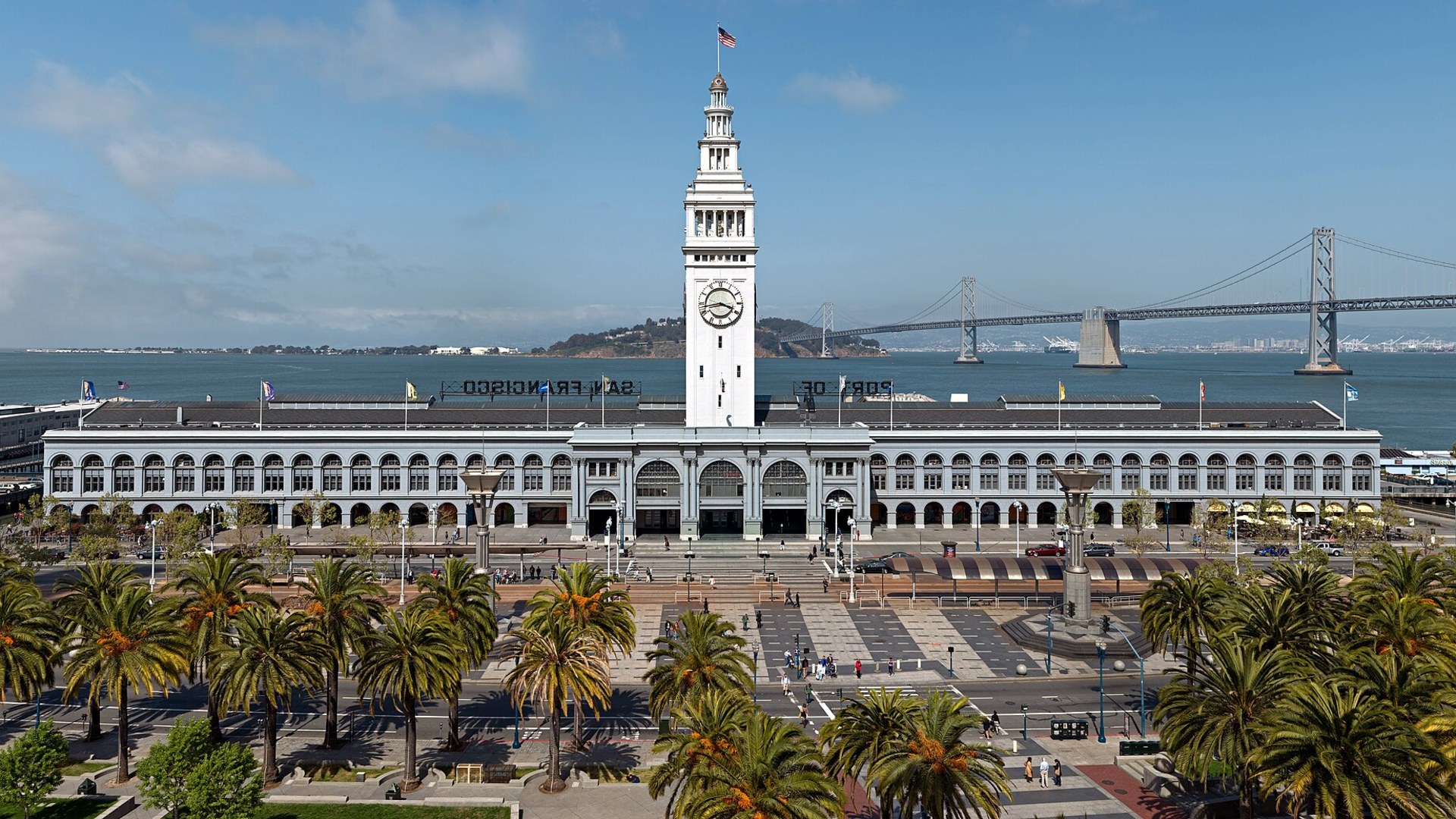
12. San Francisco, California
Winter king tides along San Francisco Bay produce extreme high water marks that breach coastal seawalls. Saltwater regularly laps over the historic Embarcadero promenade, spilling onto Muni streetcar tracks and surrounding the landmark Ferry Building with standing seawater during calm winter mornings.
©Wikimedia / JaGa
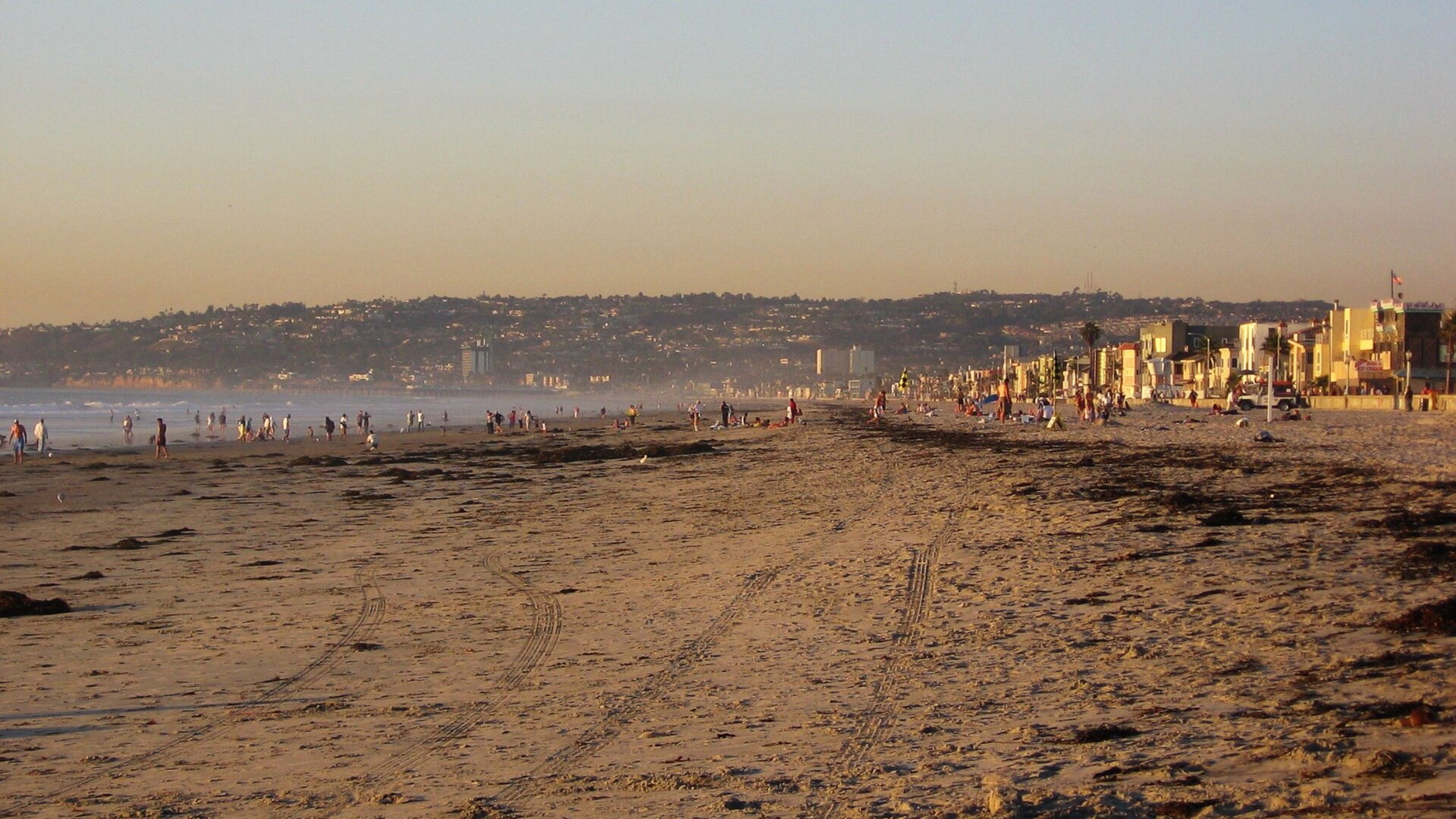
11. San Diego, California
Low-elevation beach communities across San Diego County, including Mission Beach and Imperial Beach, face regular inundation during winter astronomical tides. Seawater pushes through storm channels onto seaside streets, requiring municipal crews to deploy sand berms along public walking paths.
©Wikimedia / User Vlastula on en.wikipedia
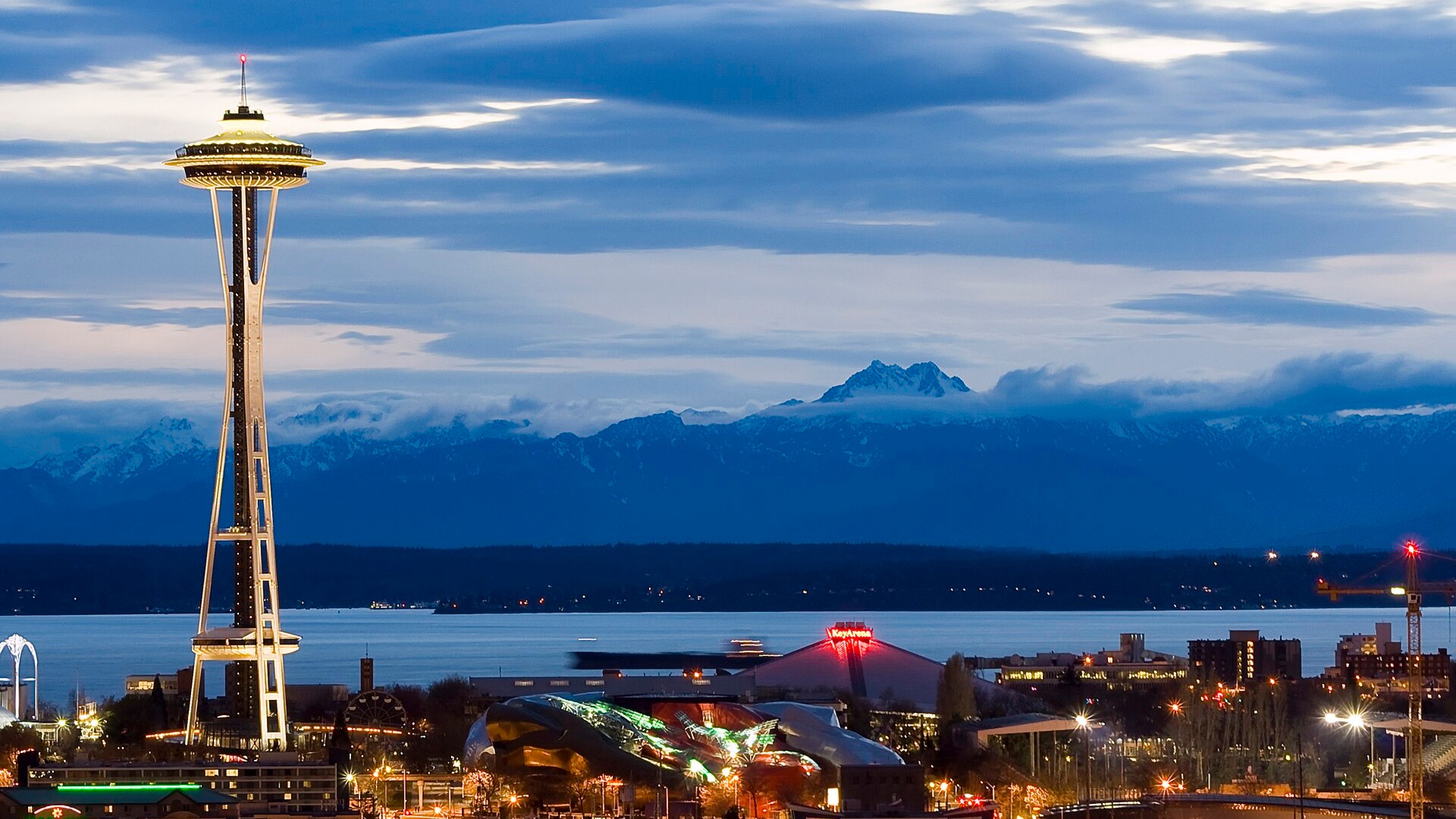
10. Seattle, Washington
Puget Sound experiences tidal shifts that can exceed twelve feet during winter solstice cycles. Seasonal high waters regularly flood public parks in Alki Beach and overflow riverbanks in the South Park industrial neighborhood along the Duwamish River, submerging public parking lots and access roads.
©Wikimedia / Seattle
Advertisement
Swipe or tap ▶ to resume the countdown.
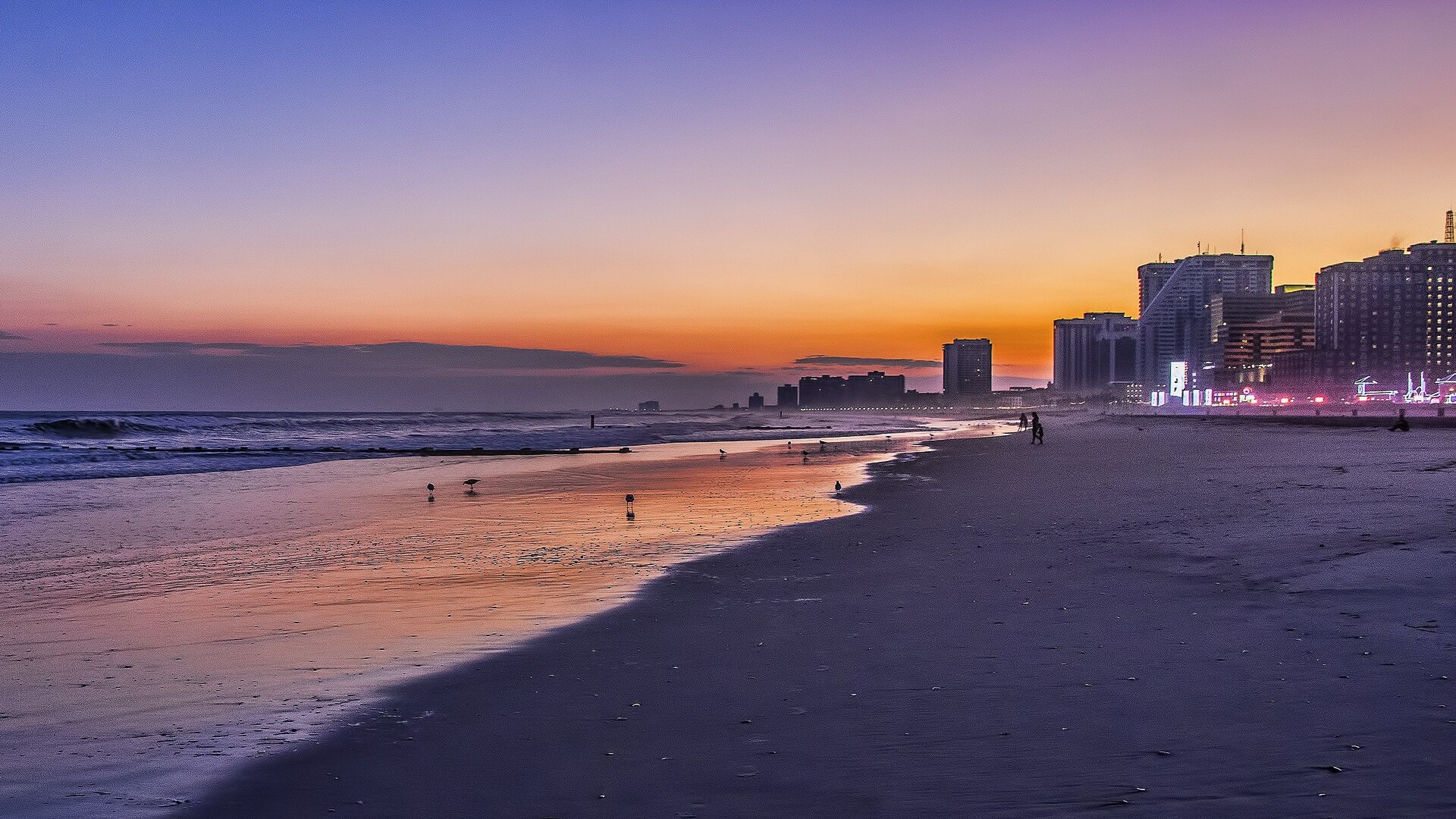
9. Atlantic City, New Jersey
While oceanfront boardwalks sit on elevated dunes, back-bay neighborhoods in Atlantic City endure extensive tidal flooding several times each month. Seasonal tides push salt water across thoroughfares in Venice Park and Chelsea Heights, stranding residents and submerging crucial municipal road networks.
©Wikimedia / Atlantic City, New Jersey
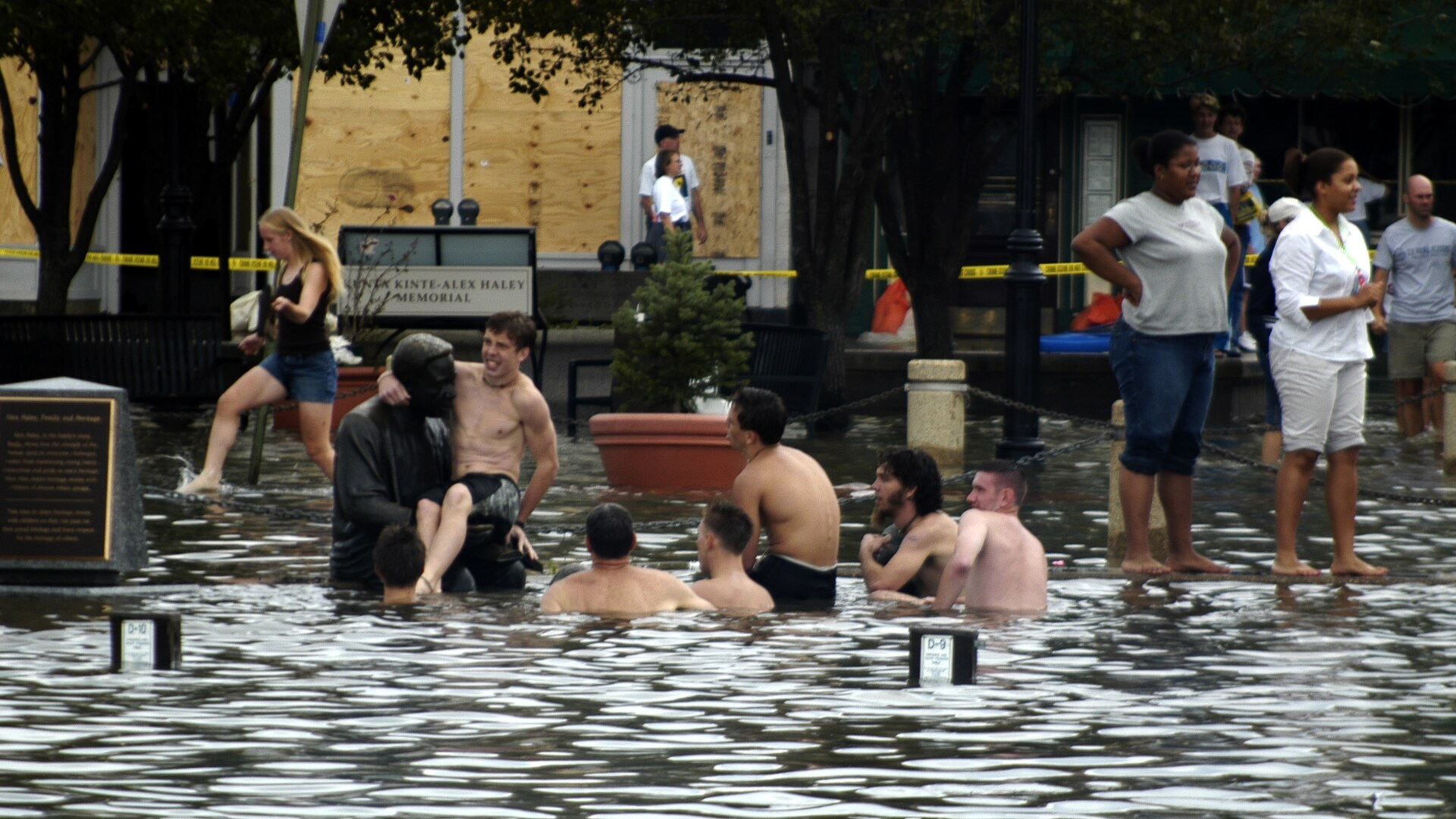
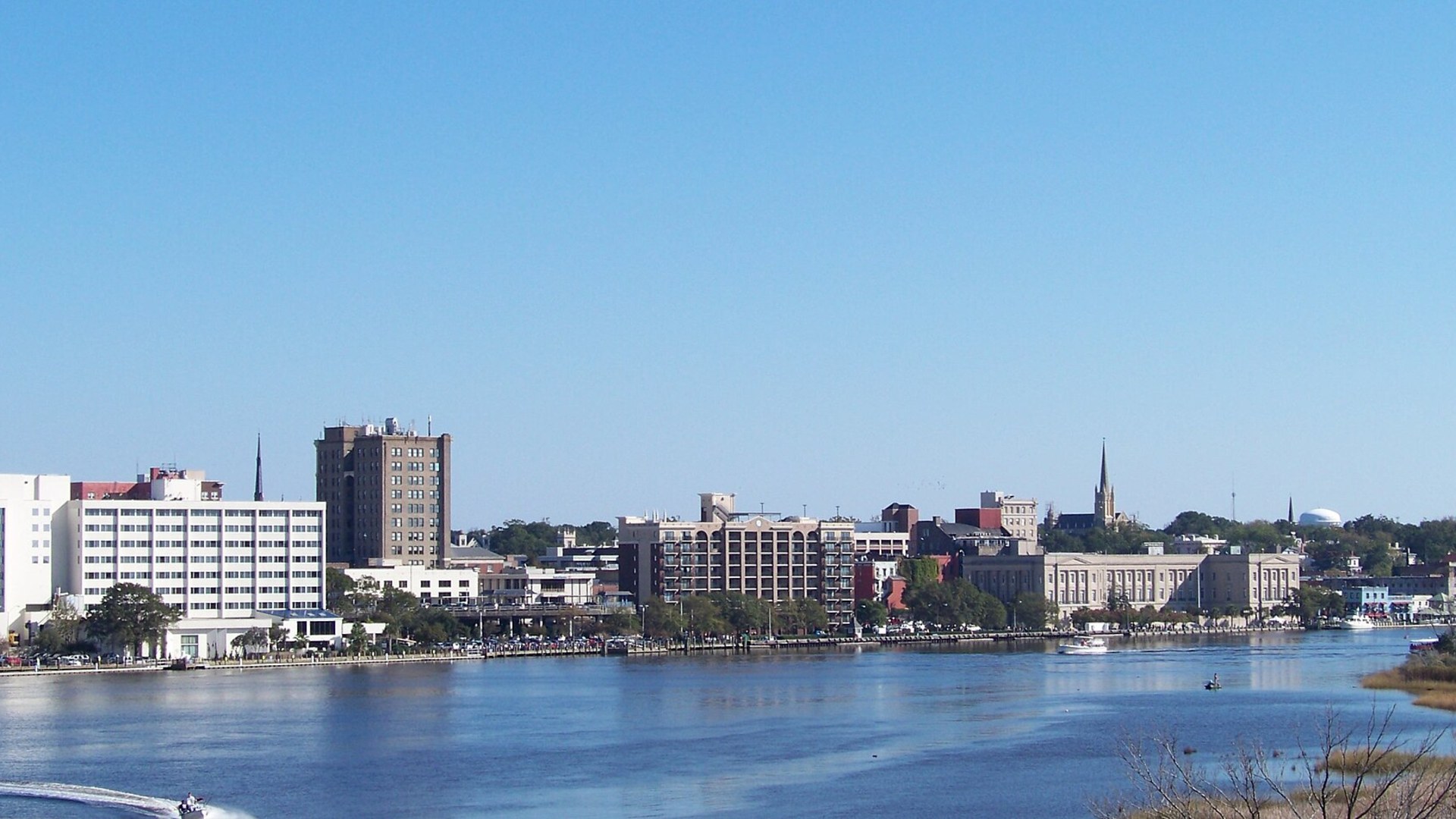
8. Wilmington, North Carolina
Situated thirty miles inland from the Atlantic, Wilmington experiences pronounced tidal dynamics along the Cape Fear River. Full moon perigean tides push brackish water over Water Street docks, submerging riverside boardwalks and commercial parking districts during calm autumn afternoons.
©Wikimedia / Idawriter
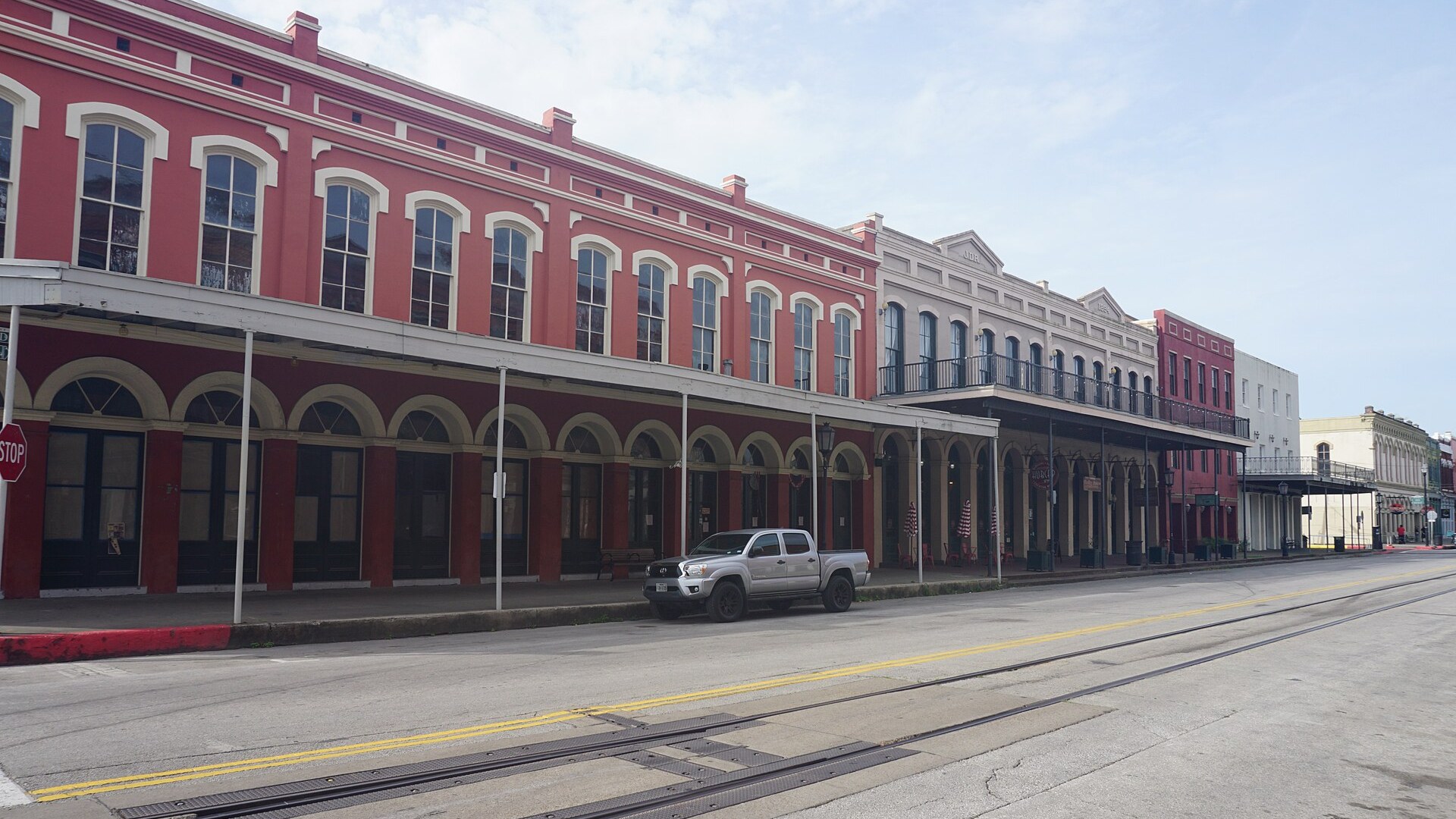
7. Galveston, Texas
Barrier island topography makes Galveston highly susceptible to high tide events along its bay-facing perimeter. Seasonal astronomical tides push water through storm culverts, flooding intersections throughout the historic Strand district and inundating secondary roads near West End wetlands.
©Wikimedia / Michael Barera
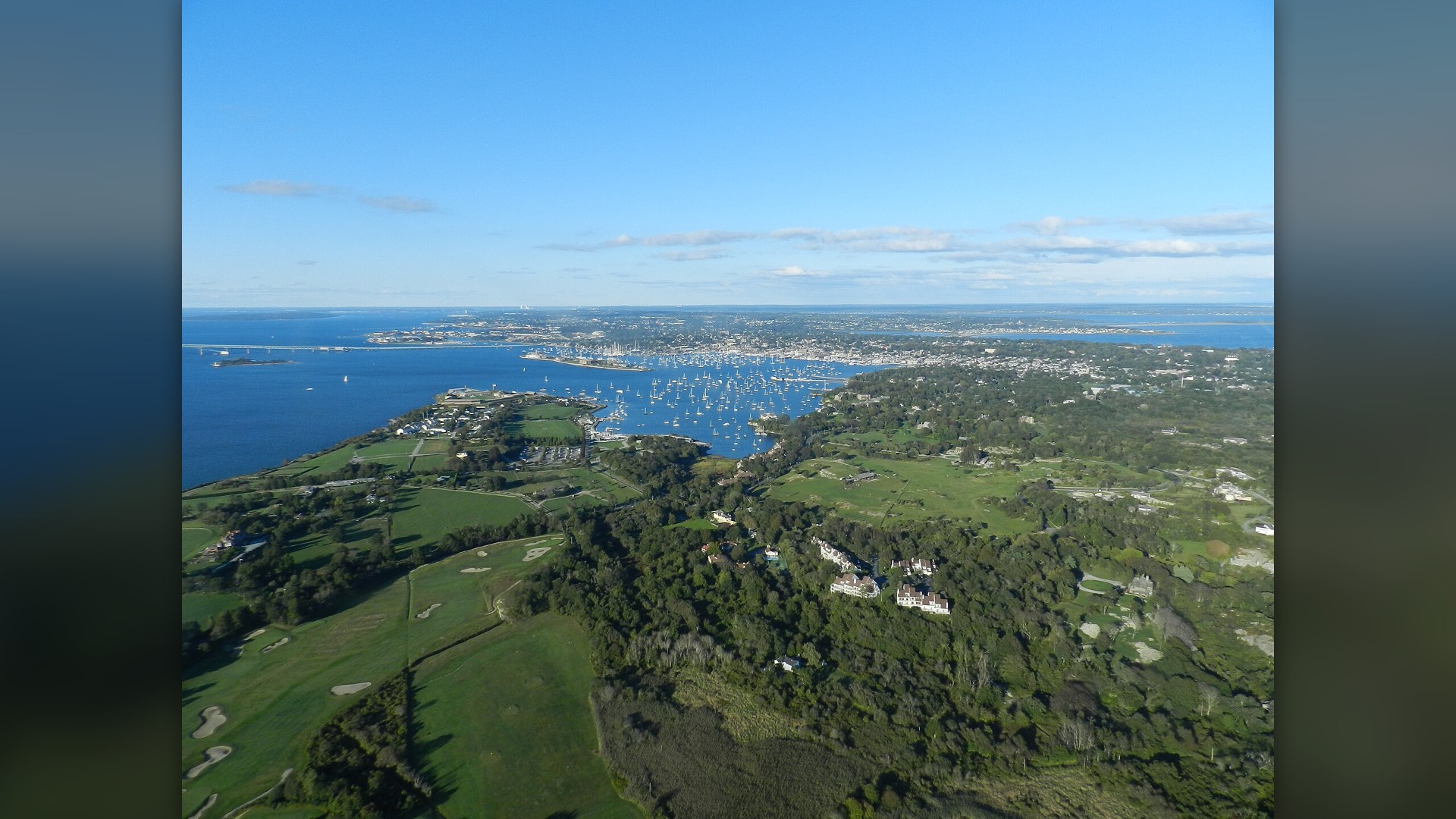
6. Newport, Rhode Island
Newport Harbor experiences substantial tidal swings that overtop stone bulkheads along Wellington Avenue and Thames Street. Autumn king tides regularly submerge maritime boat ramps and public docks, requiring commercial operators to adjust mooring lines and secure harbor equipment against flood waters.
©Wikimedia / Newport, Rhode Island
Advertisement
Swipe or tap ▶ to resume the countdown.
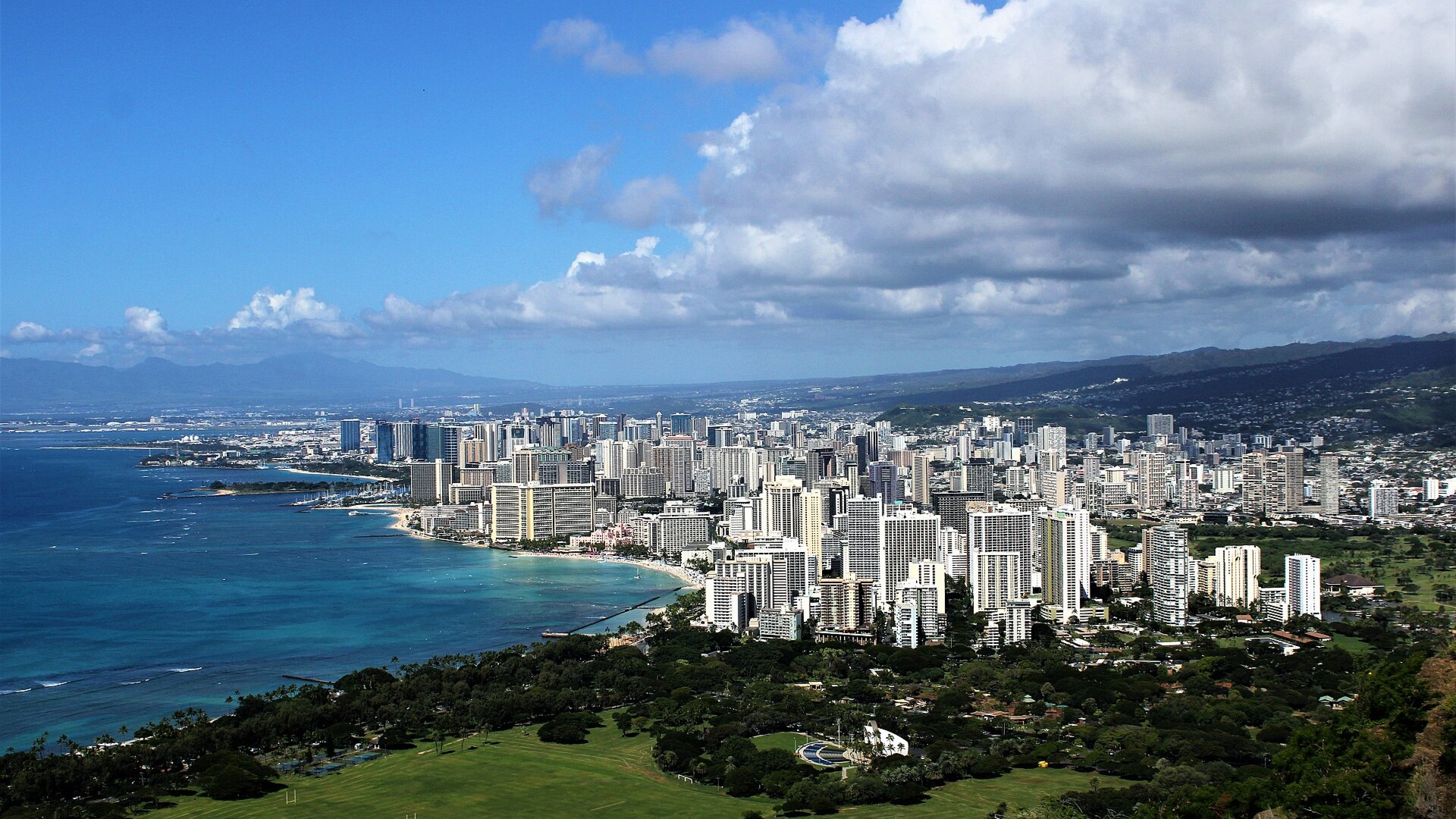
5. Honolulu, Hawaii
Peak summer and winter tides across Oahu generate dramatic high water levels that test municipal drainage. Ocean waters push up the Ala Wai Canal in Waikiki, while low industrial zones in Mapunapuna endure standing saltwater on main commuter streets, disrupting airport transit and local businesses.
©Wikimedia / Honolulu
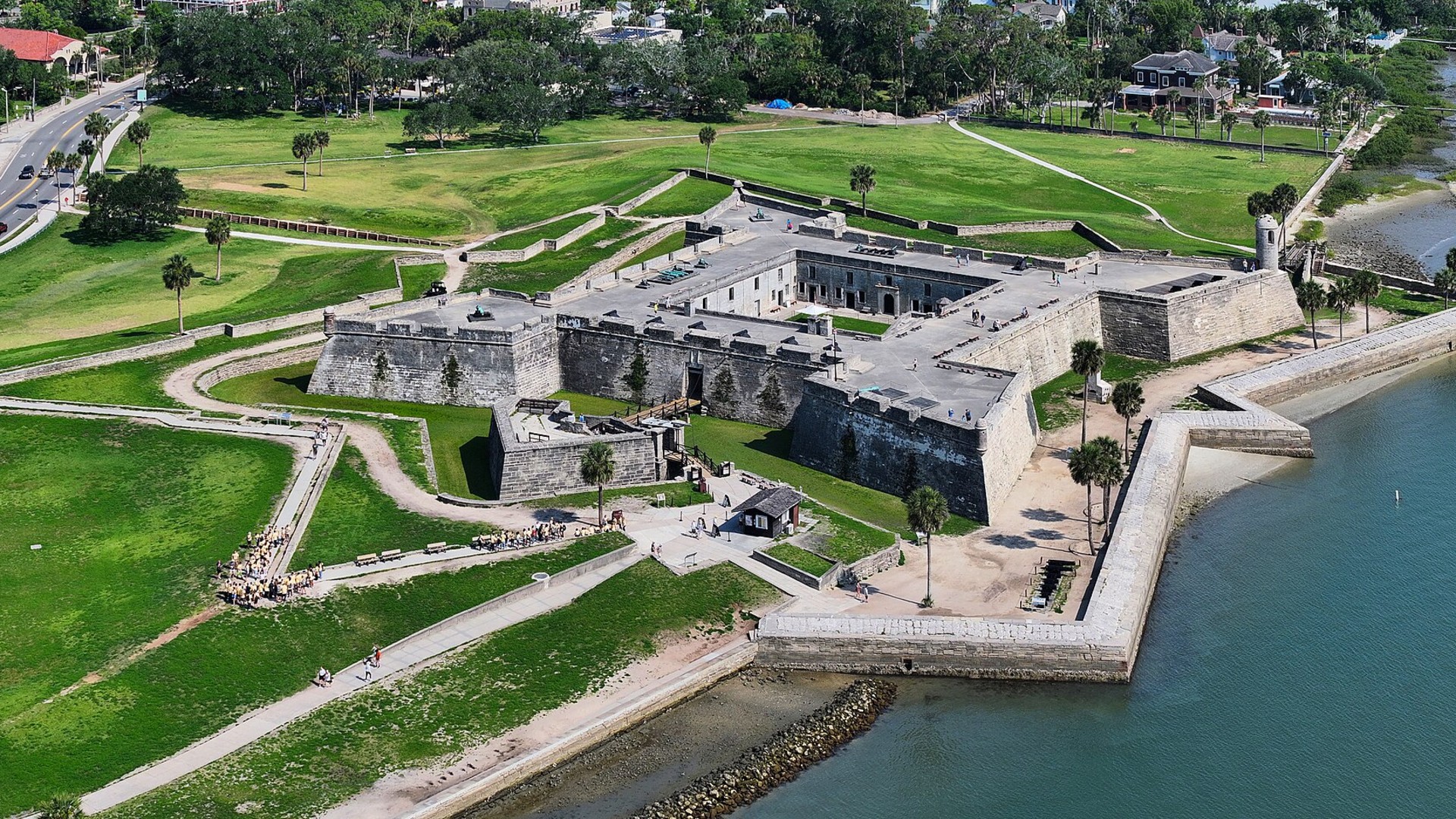
4. St. Augustine, Florida
America's oldest European settlement frequently battles sunny day tidal inundation along Avenida Menendez. High tides across the Matanzas River breach waterfront seawalls, flooding thoroughfares near the Castillo de San Marcos and sending salt water into low residential streets in Lincolnville.
©Wikimedia / St. Augustine, Florida
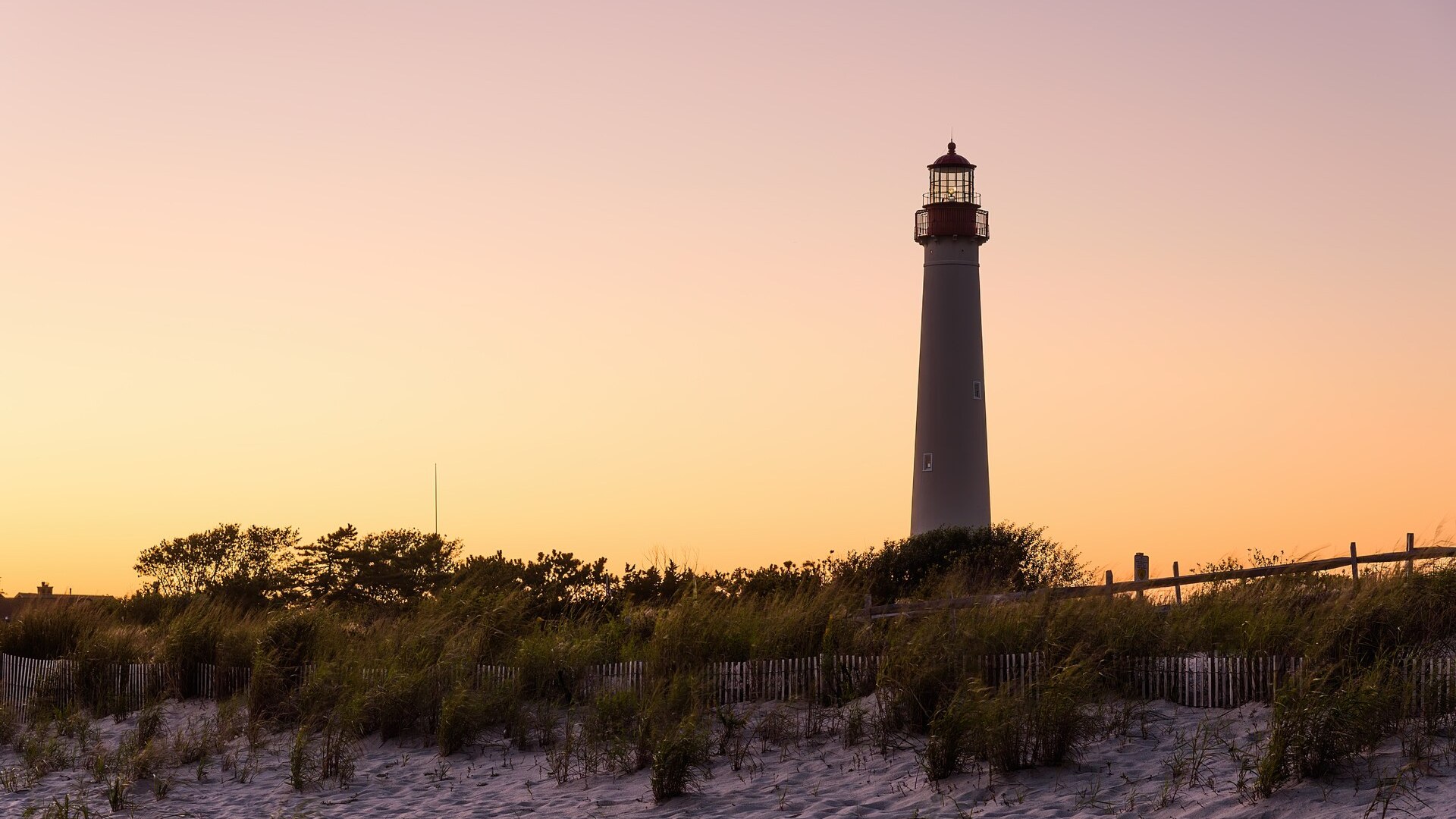
3. Cape May, New Jersey
Cape May sits at the southernmost tip of New Jersey, where Atlantic ocean currents meet Delaware Bay. Seasonal full moon tides push salt water across low-lying roads near the Cape May Canal and commercial fishing basins, submerging harbor access ramps and low seaside residential streets.
©Wikimedia / King of Hearts
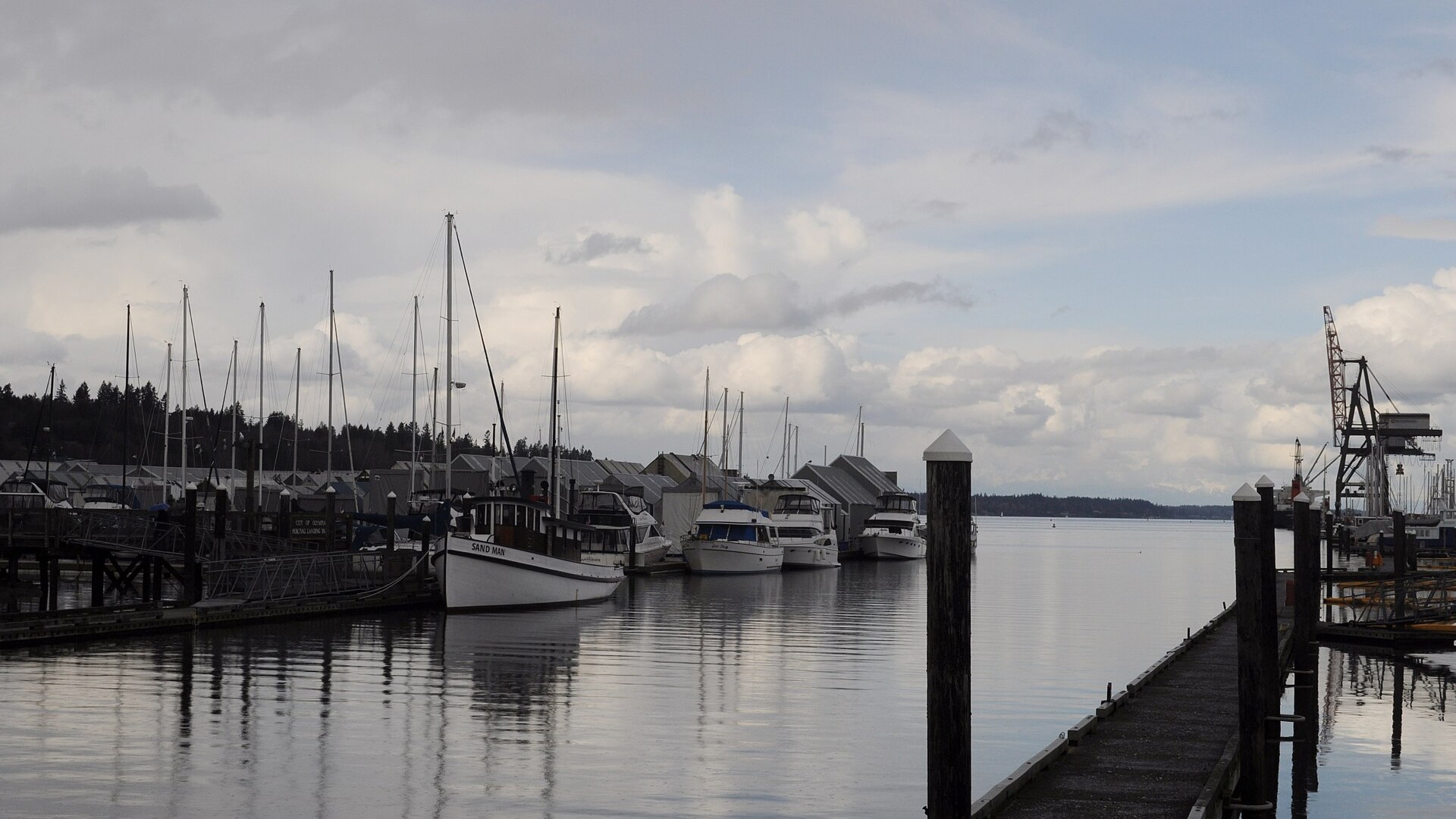
2. Olympia, Washington
Olympia occupies the southernmost terminus of Puget Sound at Budd Inlet, where tidal shifts routinely exceed fourteen vertical feet. Winter king tides frequently breach wooden boardwalks around Percival Landing, inundating downtown shoreline parks and commercial streets along Fourth Avenue.
©Wikimedia / Joe Mabel
Advertisement
Swipe or tap ▶ to resume the countdown.
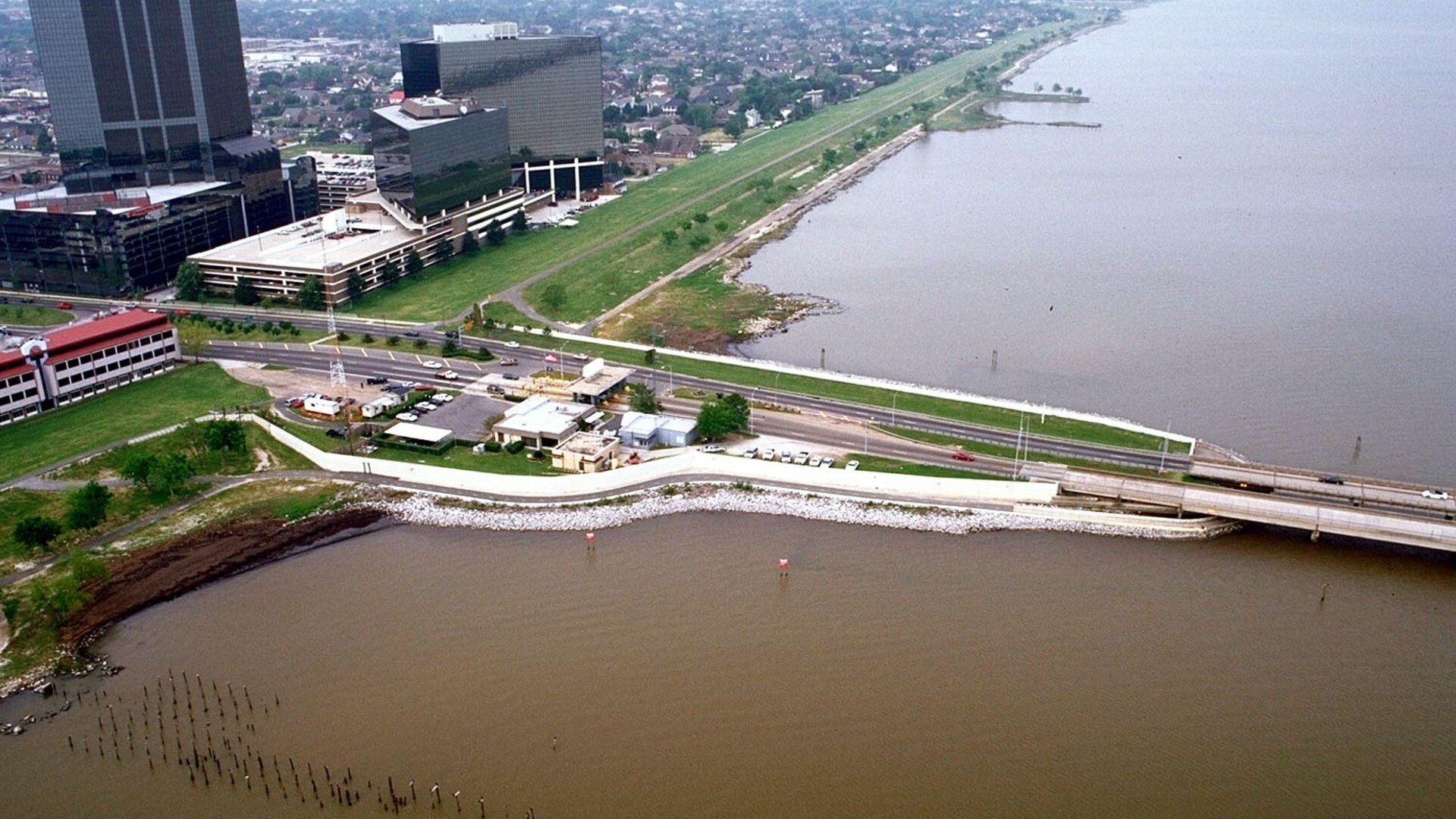
1. New Orleans, Louisiana
Low ground elevations around Lake Pontchartrain leave peripheral communities vulnerable to wind-assisted astronomical tides. Neighborhoods outside the federal flood wall perimeter, such as Venetian Isles, regularly experience standing seawater across roadways during seasonal high tidal periods.
©Wikimedia / Arthur Belala, U.S. Army Corps of Engineers
Advertisement
You've reached the end of the story. Thanks for reading!

20 UNESCO World Heritage Sites Located Away From Major Cities
Far from metropolitan centers, earth's most remote UNESCO World Heritage sites protect pristine wilderness and ancient sanctuaries. Drawing on documentation from UNESCO World Heritage records, National Geographic, and global park services, this countdown showcases 20 isolated wonders located far from major cities.
All 20 Entries in this Story
Miami Beach, Florida
Low elevations across South Beach and Alton Road subject Miami Beach to extensive autumn tidal flooding. Saltwater backs up through underground drainage conduits into busy thoroughfares. The municipality has spent hundreds of millions installing high-capacity stormwater pumps and raising street levels.

Charleston, South Carolina
Historic peninsular Charleston sits mere feet above mean high water, making downtown districts vulnerable to regular inundation. Autumn perigean tides routinely overtop the Battery seawall, submerging market corridors near City Market and flooding residential neighborhoods along the Ashley River.

Annapolis, Maryland
Maryland's capital city faces frequent sunny day high tide events along its historic City Dock promenade. High water tables across Chesapeake Bay push saltwater across public parking plazas and into commercial storefronts. Municipal planners are constructing elevated sea barriers to defend colonial districts.

Norfolk, Virginia
Surrounded by rivers and Chesapeake Bay tributaries, Norfolk experiences some of the highest rates of sunny day flooding on the Atlantic seaboard. The historic Ghent neighborhood and Lafayette River access roads become submerged during seasonal high tides, isolating commuters and forcing street detours.

Tybee Island, Georgia
Georgia's primary barrier community connects to the Savannah mainland through US Route 80 across coastal salt marshes. Seasonal king tides regularly inundate sections of this highway, cutting off vehicular transit for hours at peak tide and trapping residents until ocean waters recede into the marsh.

Key West, Florida
The Florida Keys rest on highly porous coral limestone that allows tidal pressure to push saltwater up through the ground. During seasonal peak tides in autumn, streets in Old Town and low-lying perimeter neighborhoods flood with brine, damaging vehicle undercarriages even under clear cloudless skies.

Portland, Maine
Portland features a dramatic tidal range that regularly exceeds ten vertical feet in Casco Bay. Seasonal king tides submerge historic working wharves and commercial maritime docks along Commercial Street. City emergency officials routinely barricade low-lying harbor intersections to prevent vehicle flood damage.

Boston, Massachusetts
Boston Harbor experiences extreme tidal variance during winter syzygy tides, when the moon aligns closely with earth. Ocean waters spill over stone bulwarks near Long Wharf and the modern Seaport District, inundating pedestrian harbor walks and threatening subterranean transit entrances near the Blue Line.

San Francisco, California
Winter king tides along San Francisco Bay produce extreme high water marks that breach coastal seawalls. Saltwater regularly laps over the historic Embarcadero promenade, spilling onto Muni streetcar tracks and surrounding the landmark Ferry Building with standing seawater during calm winter mornings.

San Diego, California
Low-elevation beach communities across San Diego County, including Mission Beach and Imperial Beach, face regular inundation during winter astronomical tides. Seawater pushes through storm channels onto seaside streets, requiring municipal crews to deploy sand berms along public walking paths.

Seattle, Washington
Puget Sound experiences tidal shifts that can exceed twelve feet during winter solstice cycles. Seasonal high waters regularly flood public parks in Alki Beach and overflow riverbanks in the South Park industrial neighborhood along the Duwamish River, submerging public parking lots and access roads.

Atlantic City, New Jersey
While oceanfront boardwalks sit on elevated dunes, back-bay neighborhoods in Atlantic City endure extensive tidal flooding several times each month. Seasonal tides push salt water across thoroughfares in Venice Park and Chelsea Heights, stranding residents and submerging crucial municipal road networks.

Wilmington, North Carolina
Situated thirty miles inland from the Atlantic, Wilmington experiences pronounced tidal dynamics along the Cape Fear River. Full moon perigean tides push brackish water over Water Street docks, submerging riverside boardwalks and commercial parking districts during calm autumn afternoons.

Galveston, Texas
Barrier island topography makes Galveston highly susceptible to high tide events along its bay-facing perimeter. Seasonal astronomical tides push water through storm culverts, flooding intersections throughout the historic Strand district and inundating secondary roads near West End wetlands.

Newport, Rhode Island
Newport Harbor experiences substantial tidal swings that overtop stone bulkheads along Wellington Avenue and Thames Street. Autumn king tides regularly submerge maritime boat ramps and public docks, requiring commercial operators to adjust mooring lines and secure harbor equipment against flood waters.

Honolulu, Hawaii
Peak summer and winter tides across Oahu generate dramatic high water levels that test municipal drainage. Ocean waters push up the Ala Wai Canal in Waikiki, while low industrial zones in Mapunapuna endure standing saltwater on main commuter streets, disrupting airport transit and local businesses.

St. Augustine, Florida
America's oldest European settlement frequently battles sunny day tidal inundation along Avenida Menendez. High tides across the Matanzas River breach waterfront seawalls, flooding thoroughfares near the Castillo de San Marcos and sending salt water into low residential streets in Lincolnville.

Cape May, New Jersey
Cape May sits at the southernmost tip of New Jersey, where Atlantic ocean currents meet Delaware Bay. Seasonal full moon tides push salt water across low-lying roads near the Cape May Canal and commercial fishing basins, submerging harbor access ramps and low seaside residential streets.

Olympia, Washington
Olympia occupies the southernmost terminus of Puget Sound at Budd Inlet, where tidal shifts routinely exceed fourteen vertical feet. Winter king tides frequently breach wooden boardwalks around Percival Landing, inundating downtown shoreline parks and commercial streets along Fourth Avenue.

New Orleans, Louisiana
Low ground elevations around Lake Pontchartrain leave peripheral communities vulnerable to wind-assisted astronomical tides. Neighborhoods outside the federal flood wall perimeter, such as Venetian Isles, regularly experience standing seawater across roadways during seasonal high tidal periods.