Slideshow · Animals
20 Meanings of a Hawk Landing in Your Yard
By Most Viral Today
19 min ago

What It Means When a Hawk Lands in Your Yard 
20. Seasonal Migration Stop 
19. Abundant Backyard Rodents 
18. Bird Feeders Attract Prey - AdvertisementSwipe or tap ▶ to continue countdown

17. Clean Water Source Nearby 
16. Ideal High Hunting Perch 
15. Open Lawn For Swooping 
14. Fledglings Learning To Fly - AdvertisementSwipe or tap ▶ to continue countdown

13. Active Nesting In High Trees 
12. Dense Trees For Camouflage 
11. Natural Rodent Control 
10. Winter Roosting Sanctuary - AdvertisementSwipe or tap ▶ to continue countdown

9. Thriving Local Ecosystem 
8. Mating Season Courtship 
7. Territorial Boundary Sign 
6. Urban Habitat Adaptation - AdvertisementSwipe or tap ▶ to continue countdown

5. Warning Of Disturbed Ground 
4. Messenger In Native Folklore 
3. Sign Of Focus And Clarity 
2. Symbol Of Protection And Power - AdvertisementSwipe or tap ▶ to continue countdown

1. Apex Predator Vigilance - Advertisement🔥 UP NEXT IN THIS SERIES◫ 26 Slides

25 Animals Considered Sacred in Different Cultures
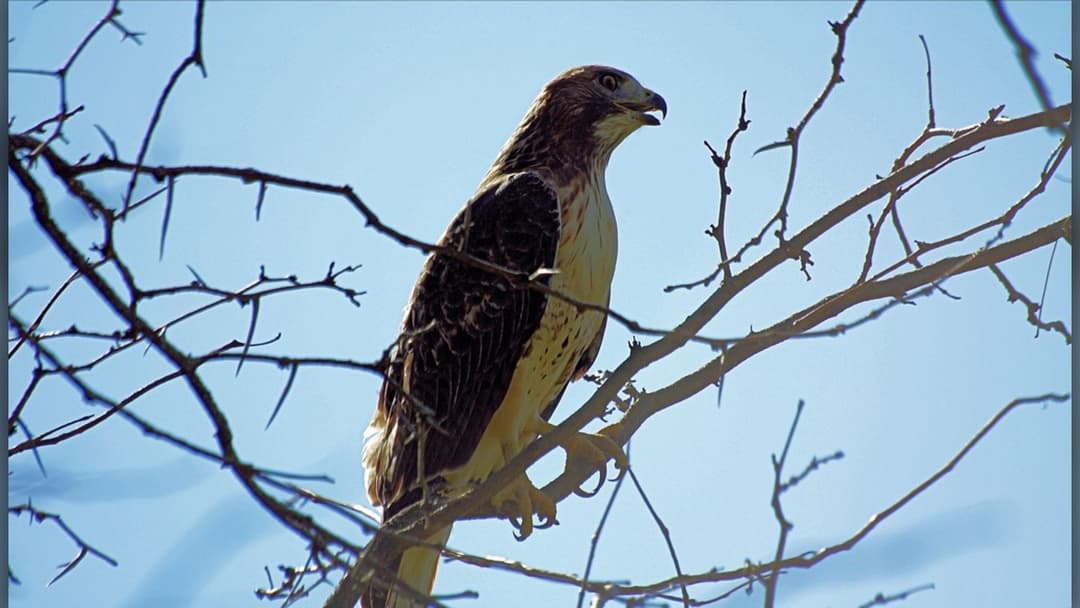
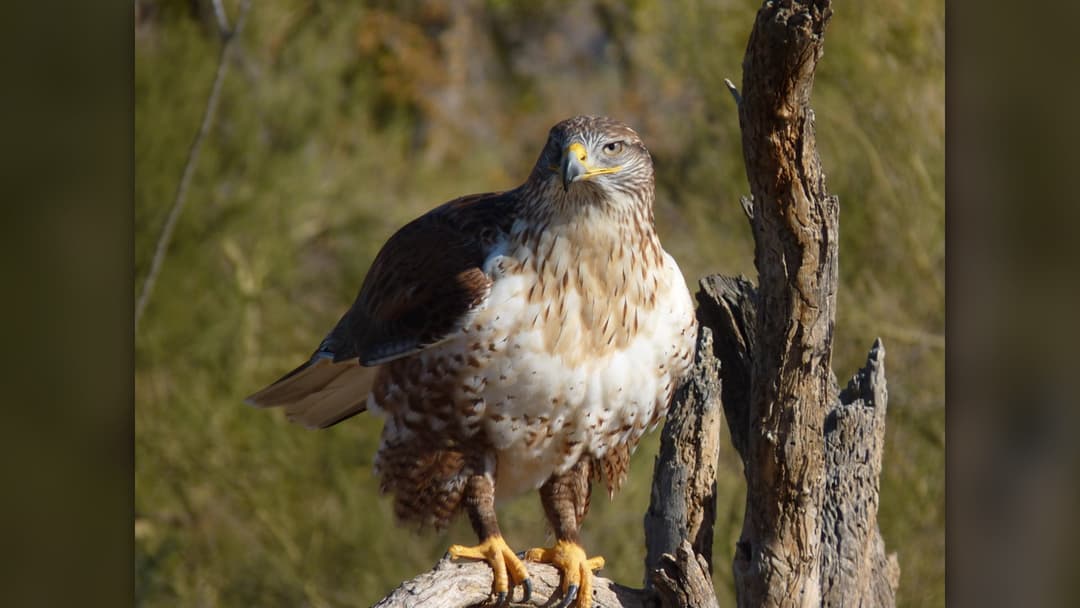
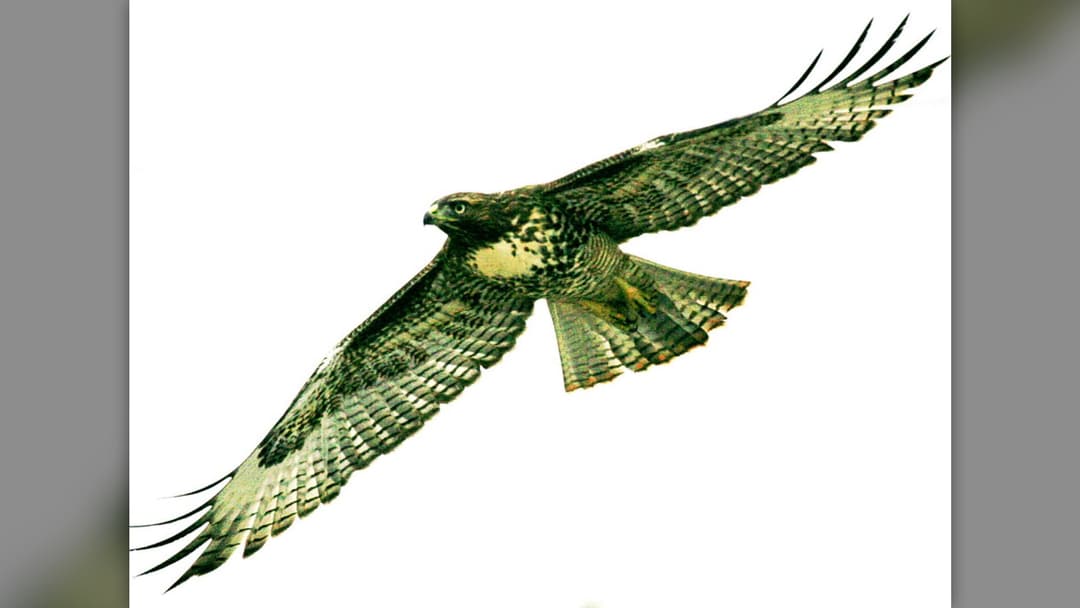
Seeing a hawk in your yard can feel startling, but wildlife biologists and folklore reveal clear reasons for the visit, from prey hunting to seasonal territory signals.
Swipe or tap ▶ to begin the countdown
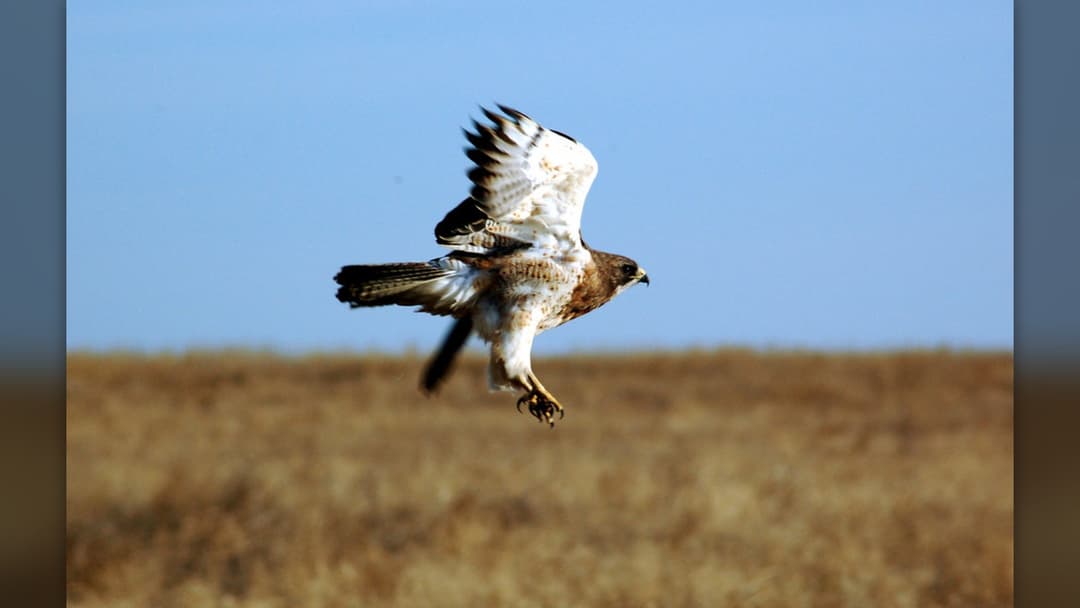
©Openverse / OregonDOT & gurdonark
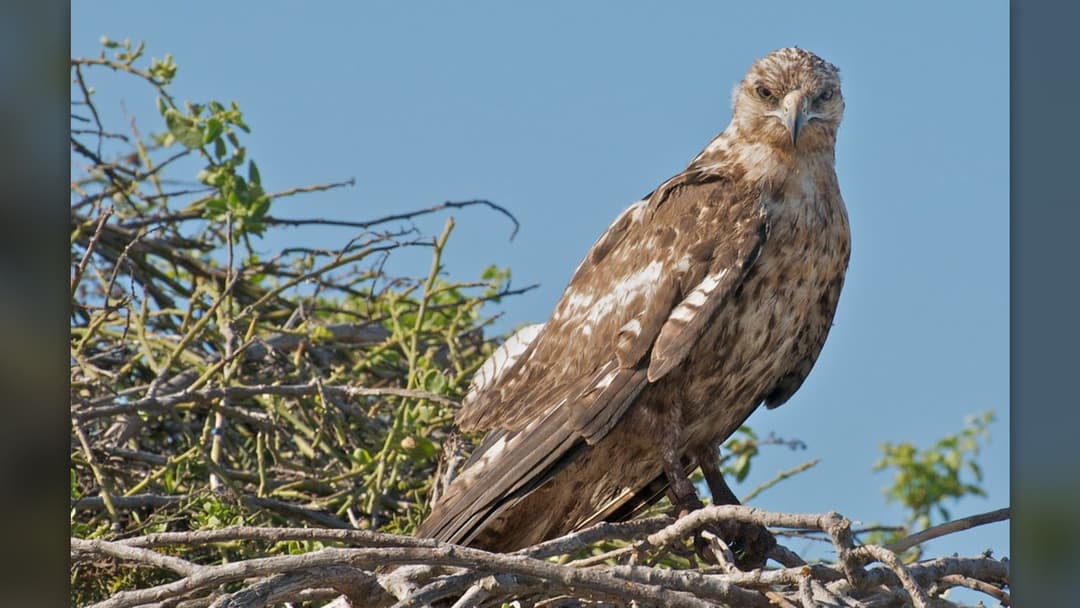
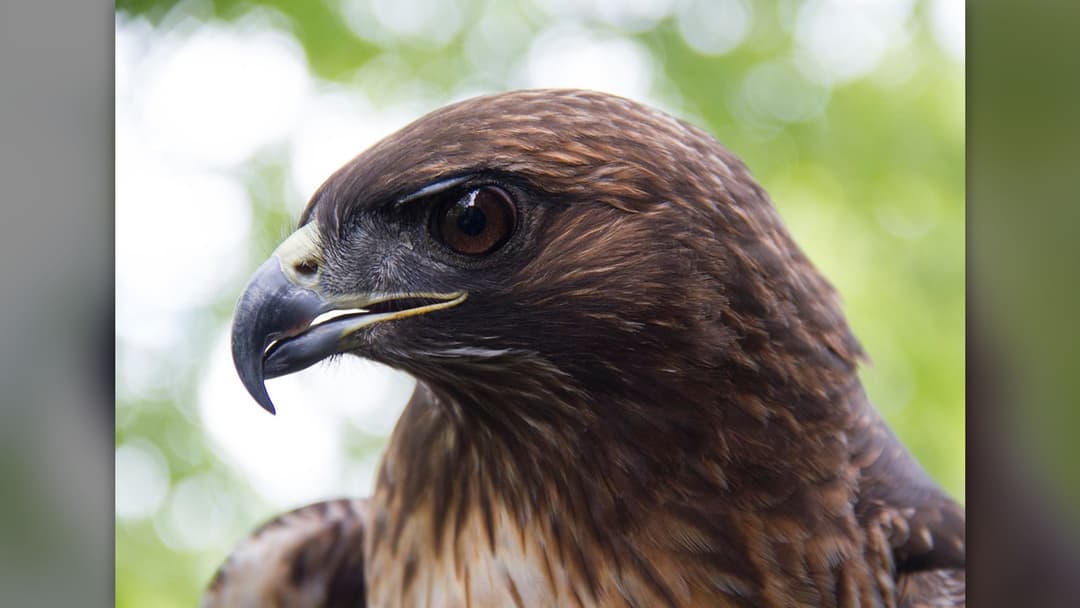
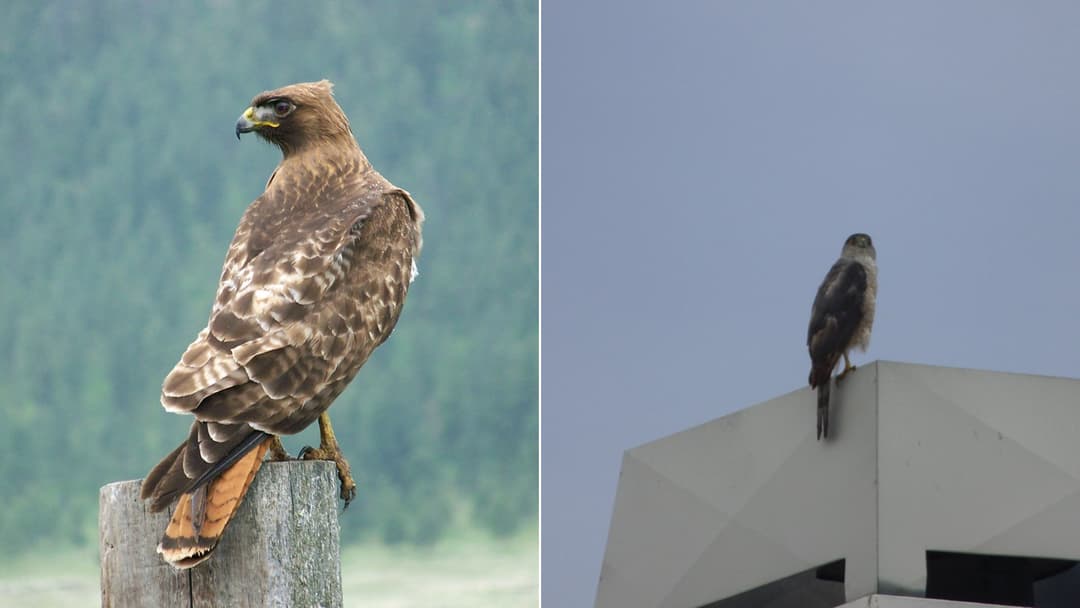
20. Seasonal Migration Stop
Many hawk species travel thousands of miles between breeding grounds in Canada and wintering zones in the southern United States or Central America. A quiet backyard with dense trees provides a vital overnight waypoint where an exhausted bird of prey can safely rest before resuming flight.
©Openverse / A.Davey
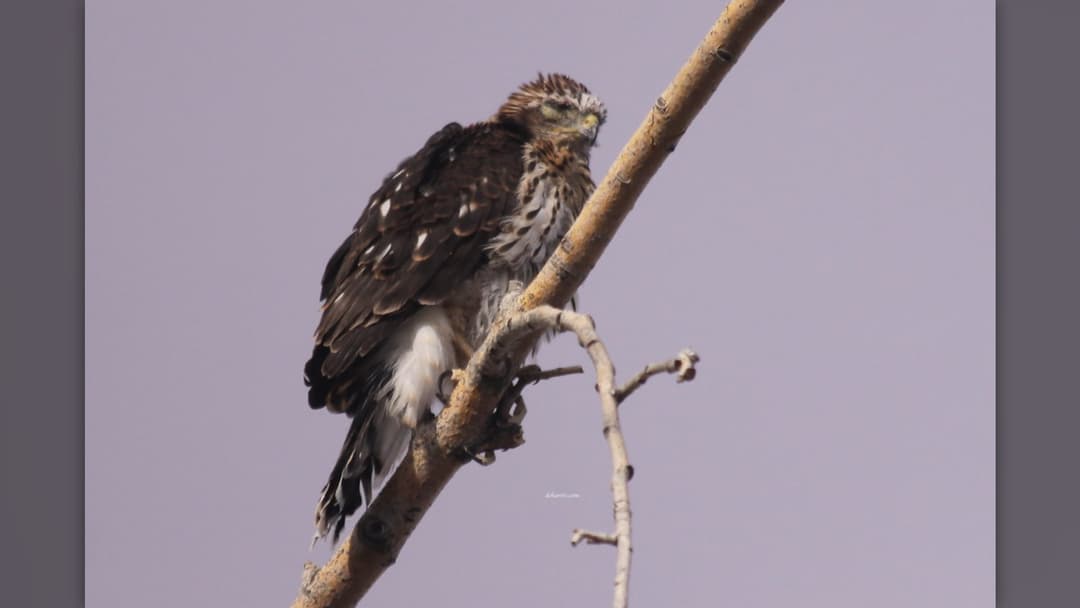
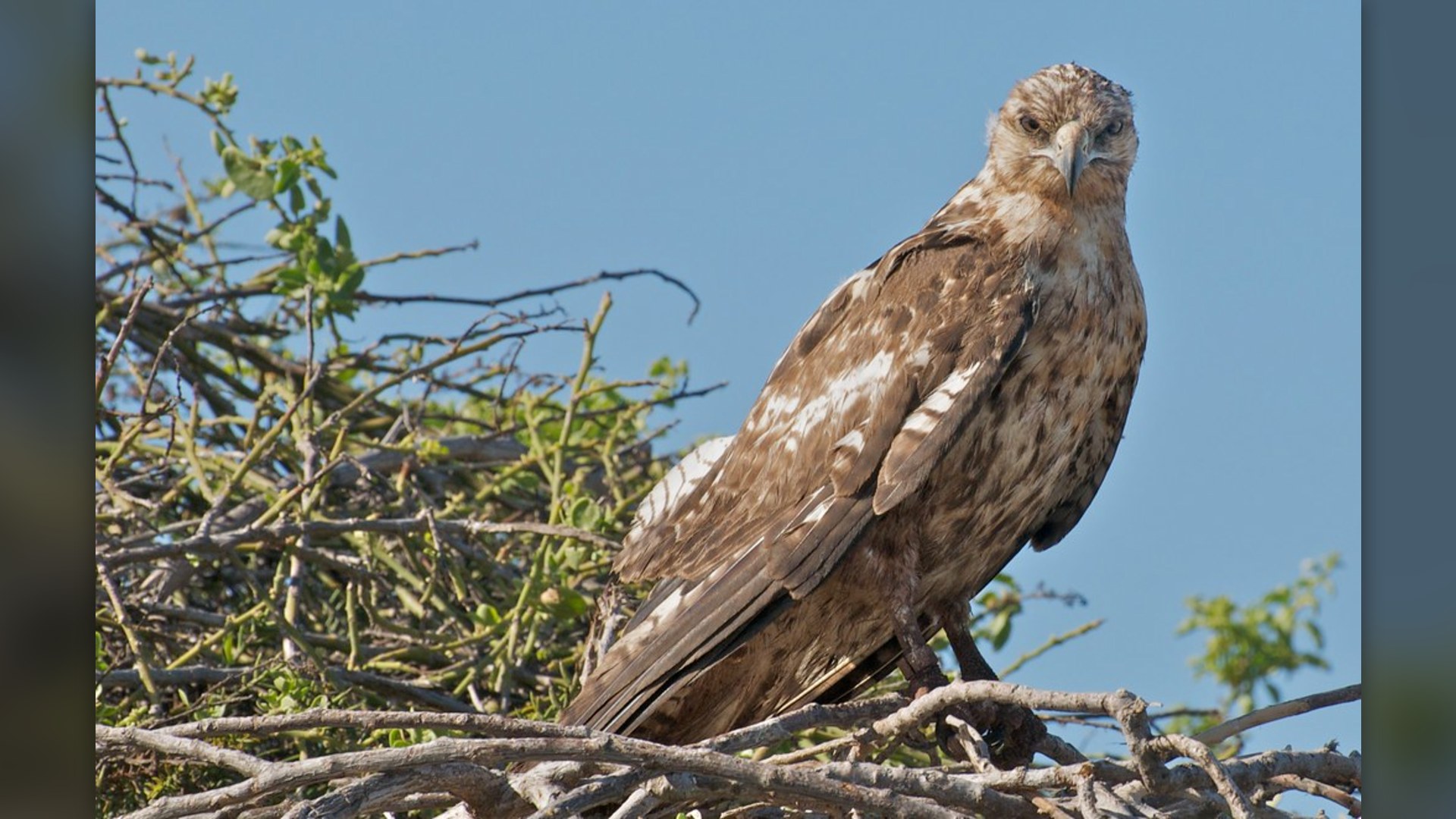
19. Abundant Backyard Rodents
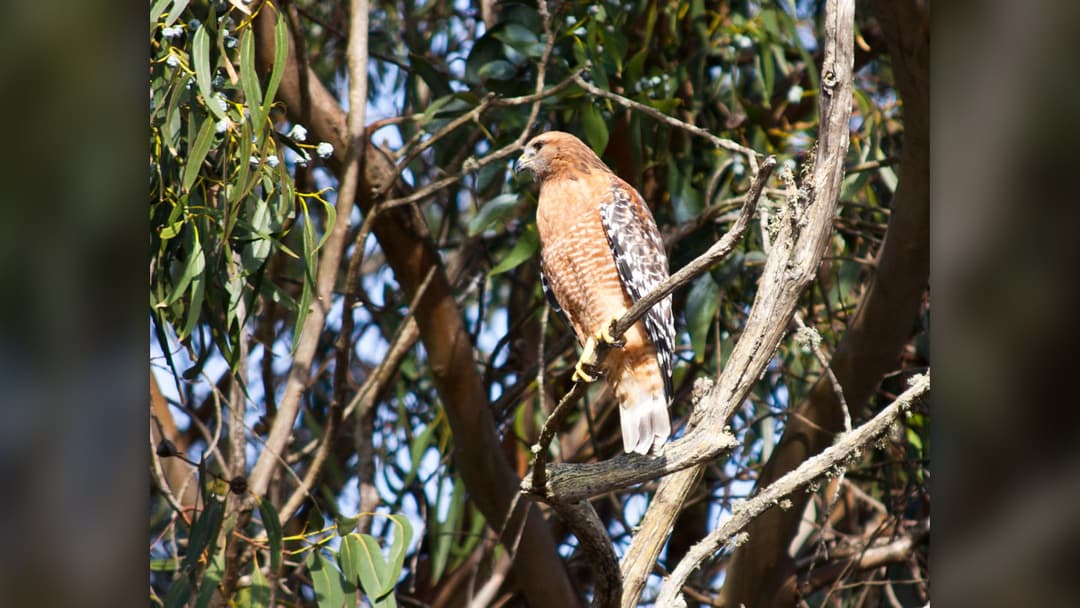
If a hawk spends extended time watching your lawn, it likely detected underground vibrations or rustling in mulch. Red-tailed and red-shouldered hawks possess exceptional eyesight, spotting a field mouse moving through tall grass from more than one hundred feet above.
©Openverse / ~Shanth
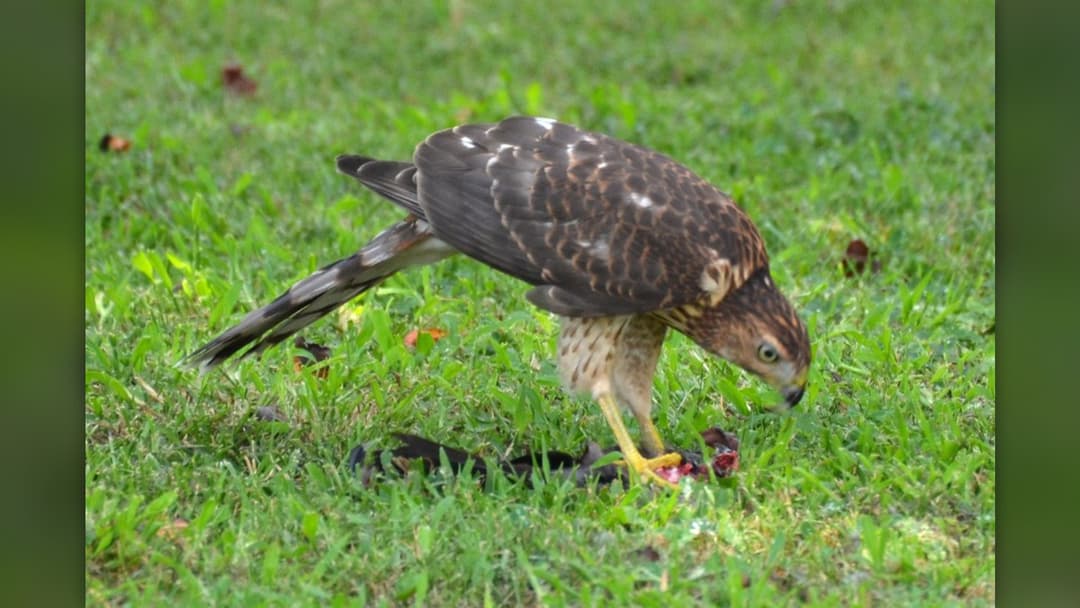
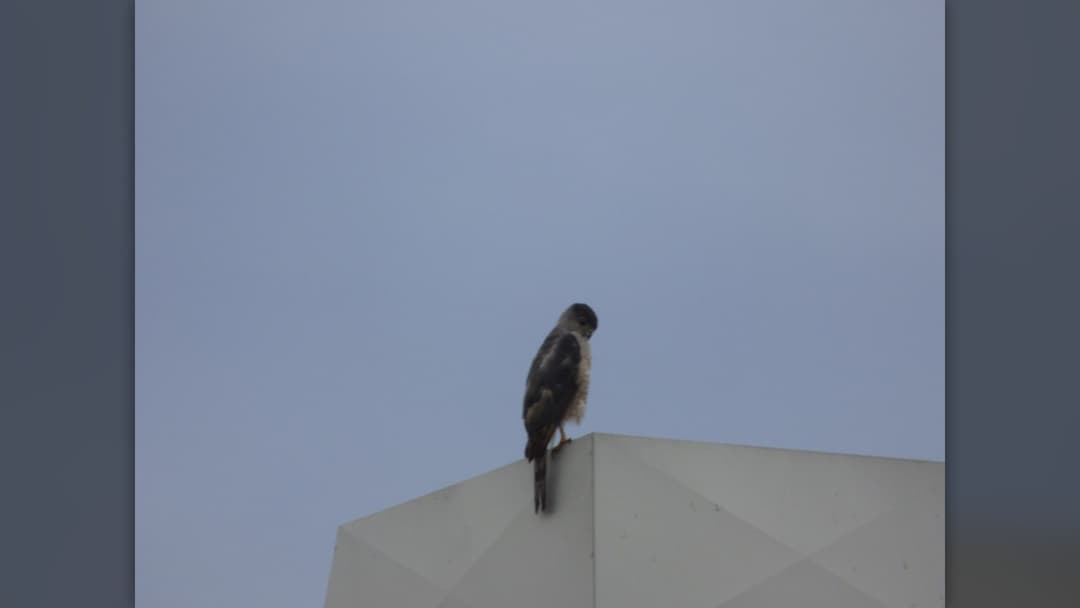
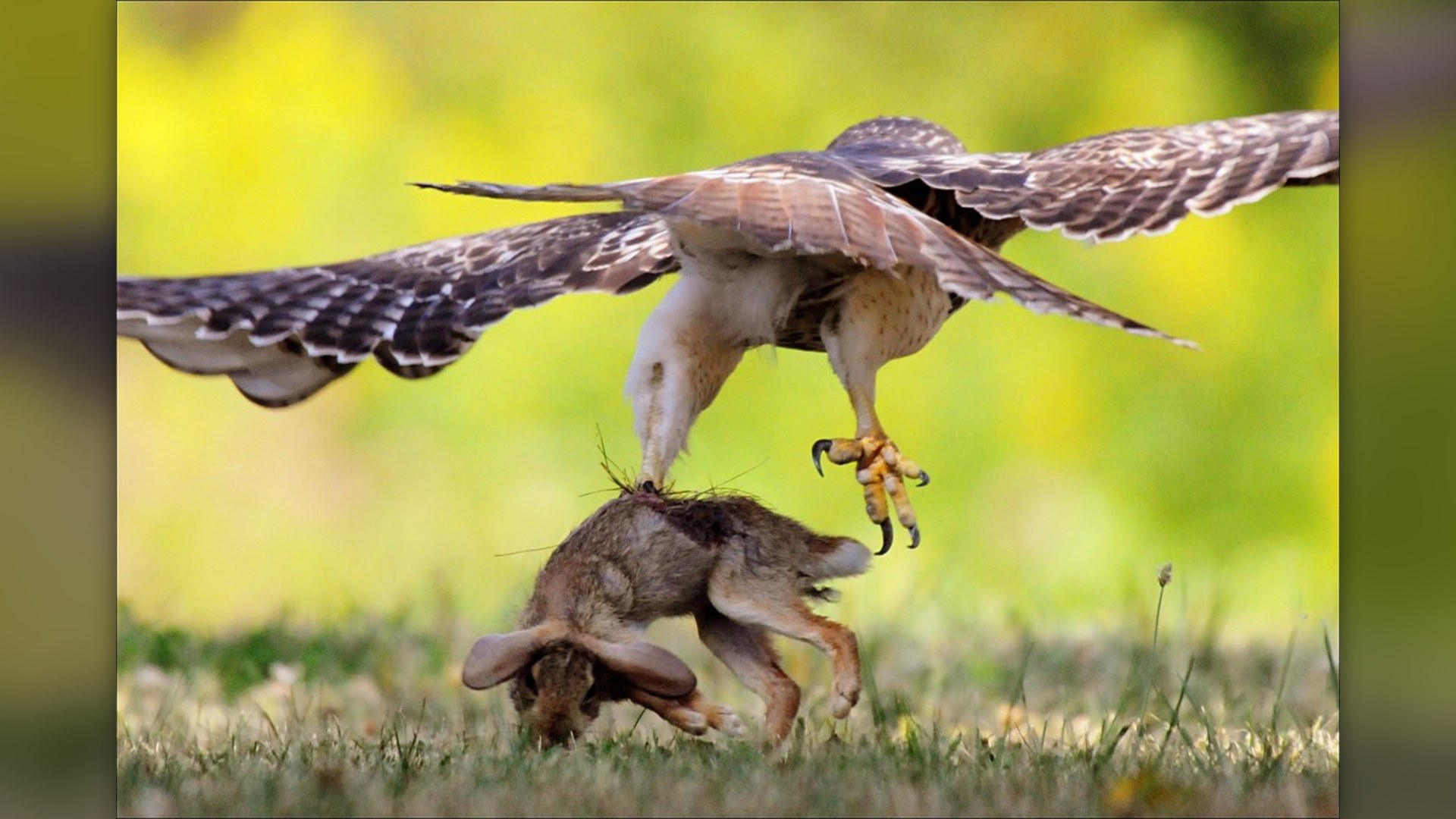
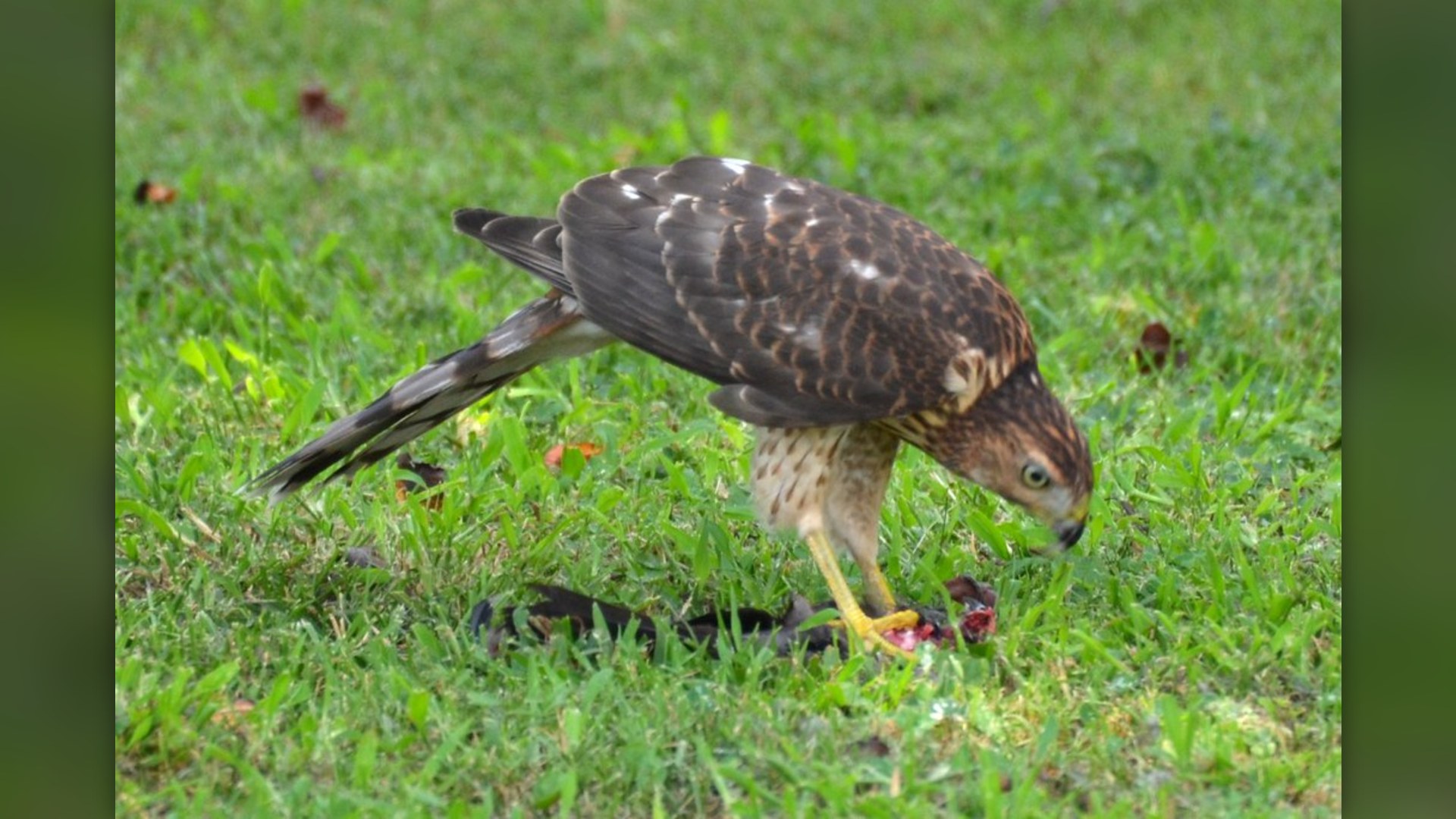
18. Bird Feeders Attract Prey
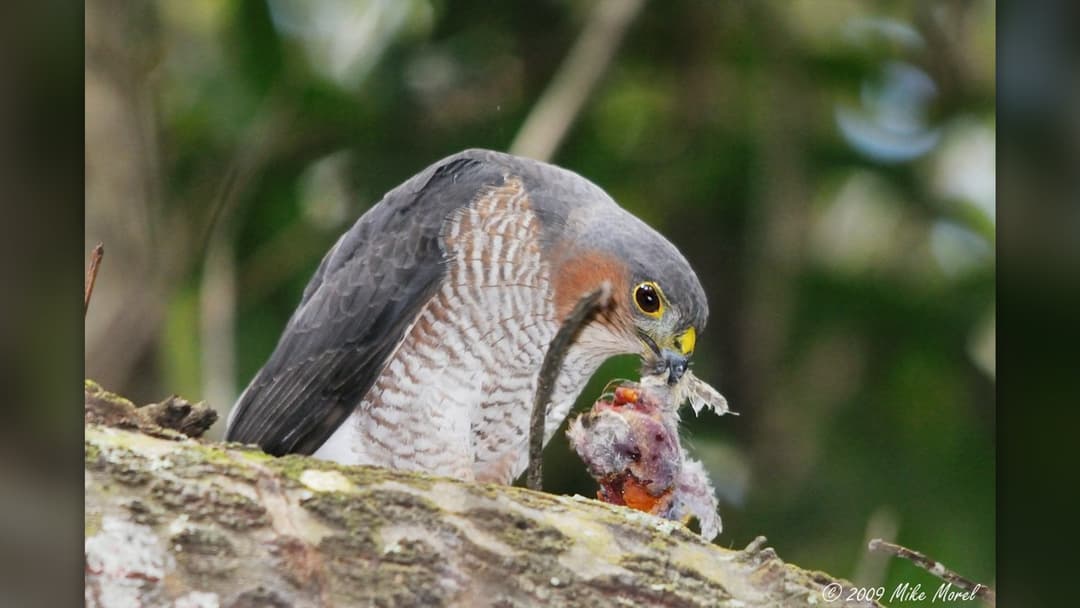
Cooper's and sharp-shinned hawks are agile woodland hunters adapted to flying through dense branches. When homeowners put out birdseed, gathered flocks of sparrows, finches, and mourning doves create a prime hunting ground that experienced accipiters return to inspect regularly.
©Openverse / Tobyotter
Advertisement
Swipe or tap ▶ to resume the countdown.
17. Clean Water Source Nearby
Hawks need fresh water not only for drinking during warm afternoons, but also to clean dust and parasites from their flight feathers. A wide, shallow birdbath or garden pond in an open yard provides a safe water station where a raptor can bathe while maintaining sightlines.

©Openverse / born1945
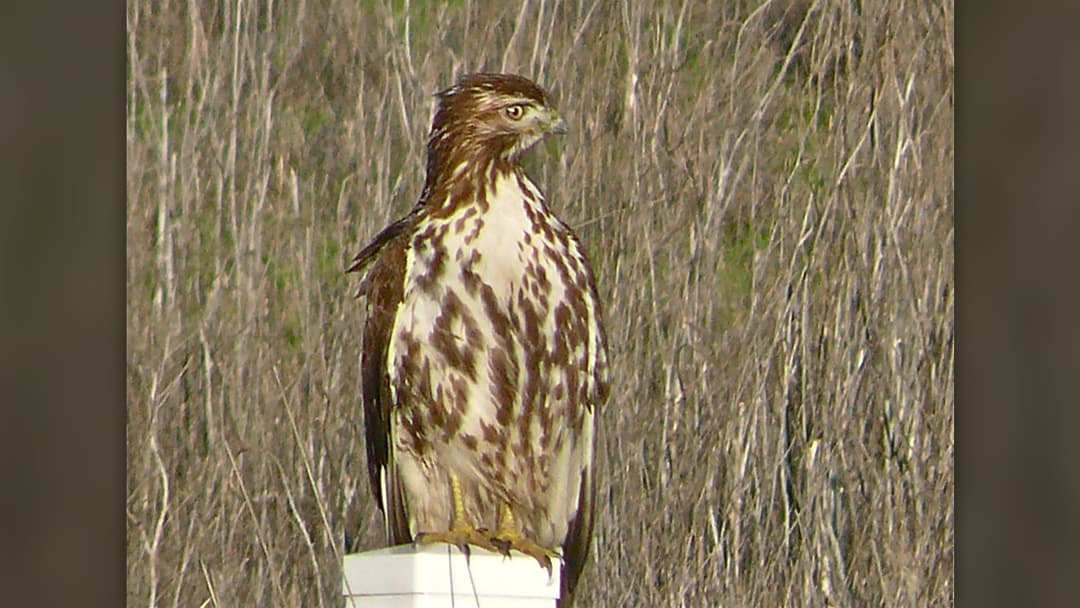
16. Ideal High Hunting Perch
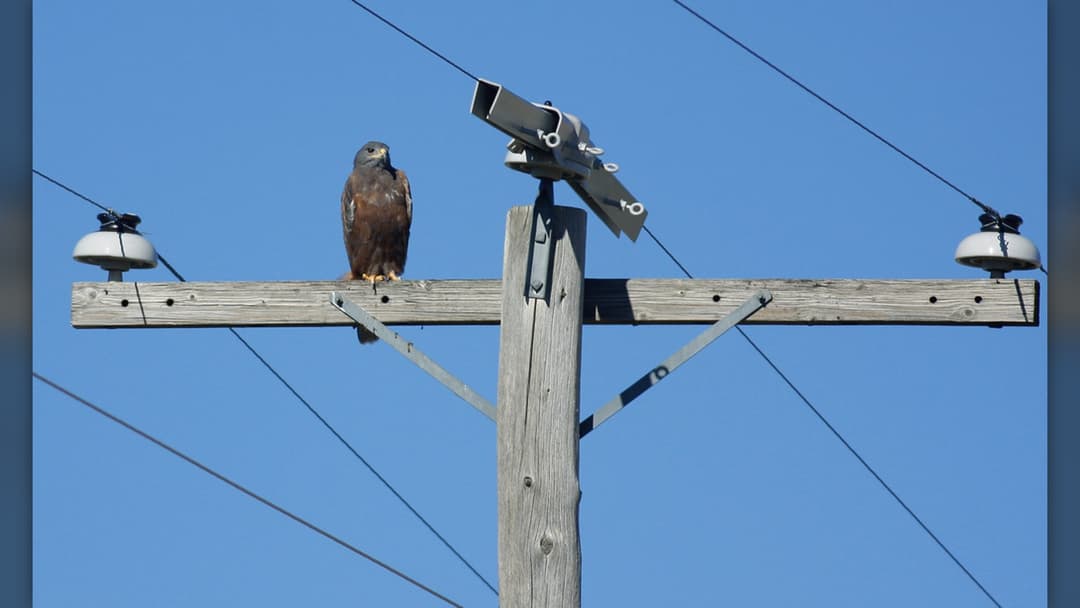
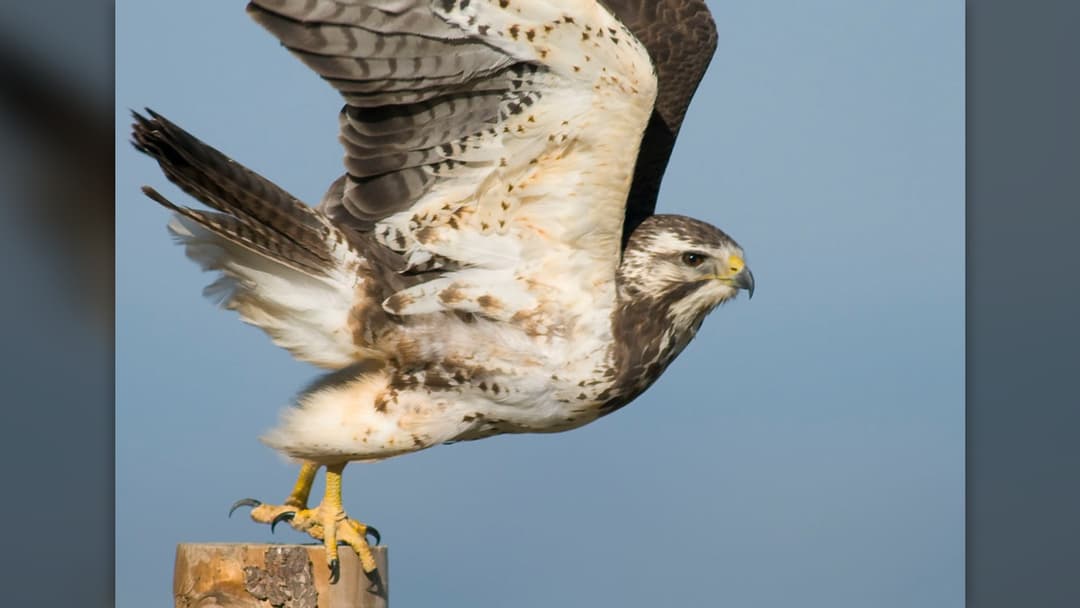
Raptors conserve energy by perch hunting rather than spending hours flapping overhead. A sturdy tree limb, rooftop chimney, or wooden fence post overlooking an open lawn offers a commanding vantage point to scan for movement without alerting potential prey below.
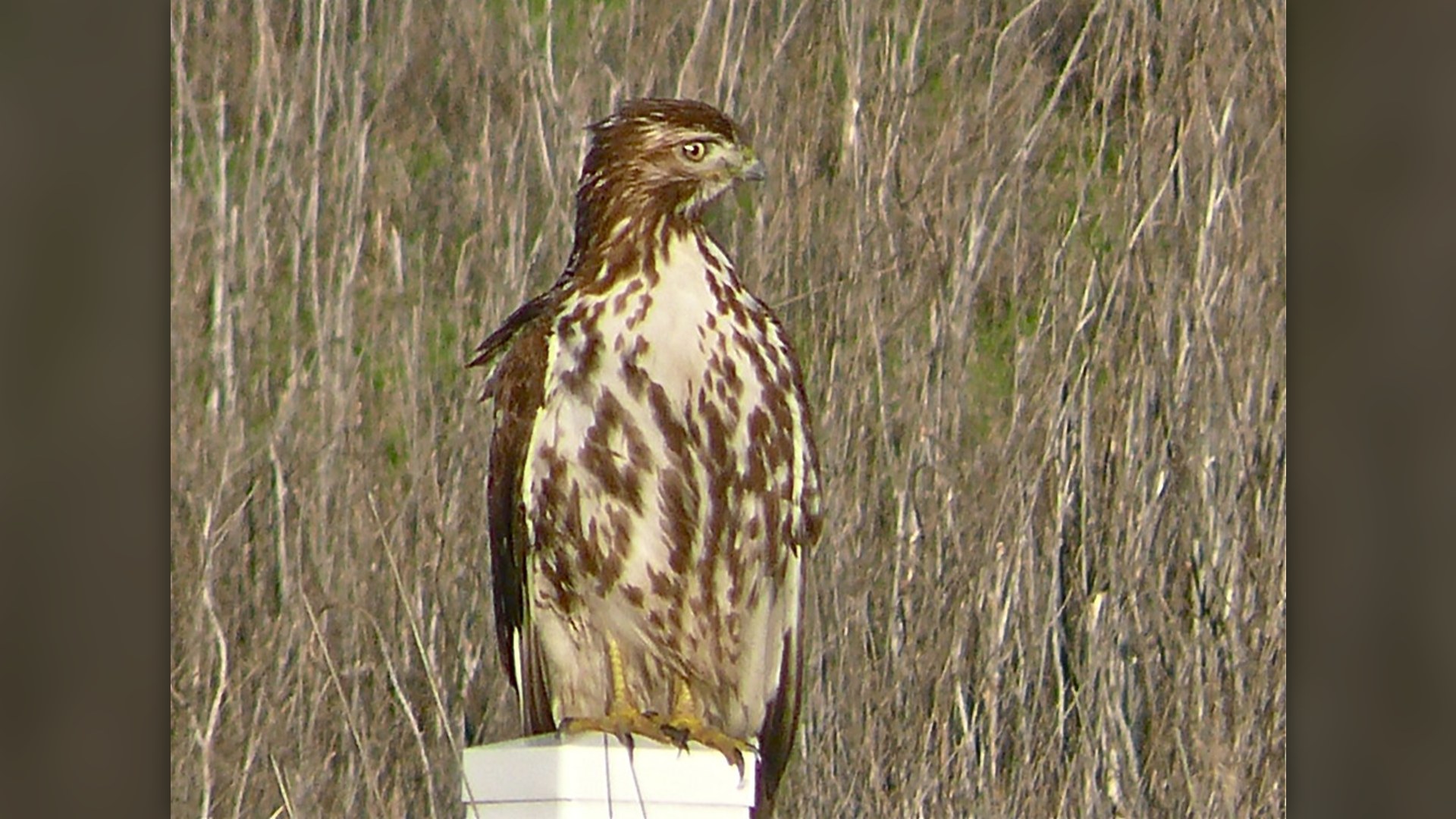
©Openverse / goingslo
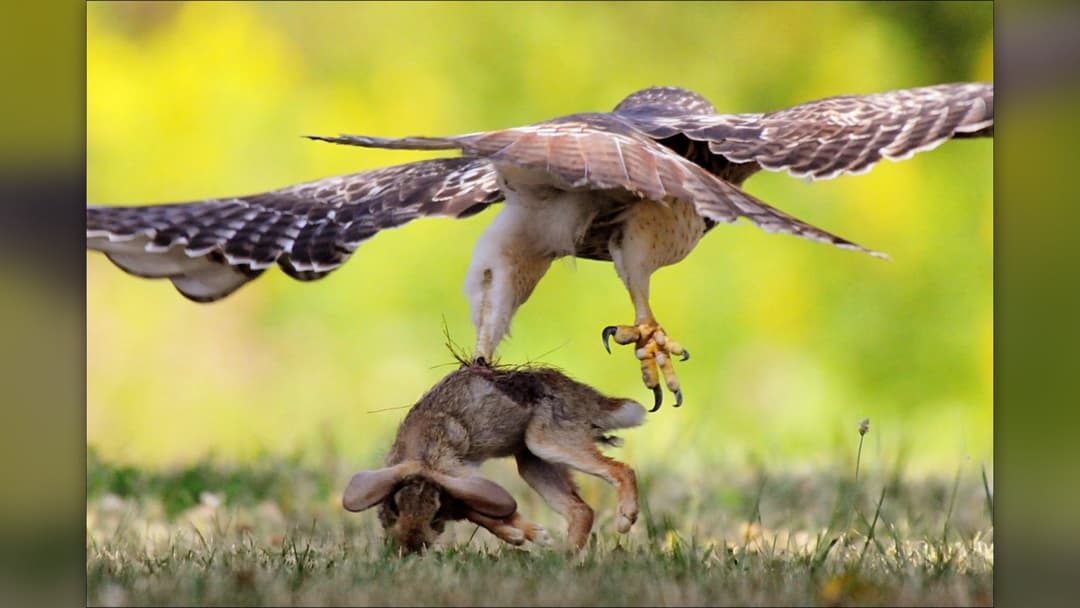
15. Open Lawn For Swooping
Broad-winged buteo hawks have wide wingspans suited for diving attacks rather than tight aerial maneuvers. Manicured turf removes ground cover, leaving squirrels and gophers exposed. A broad lawn bordered by tall trees creates the perfect runway for a rapid downward dive.
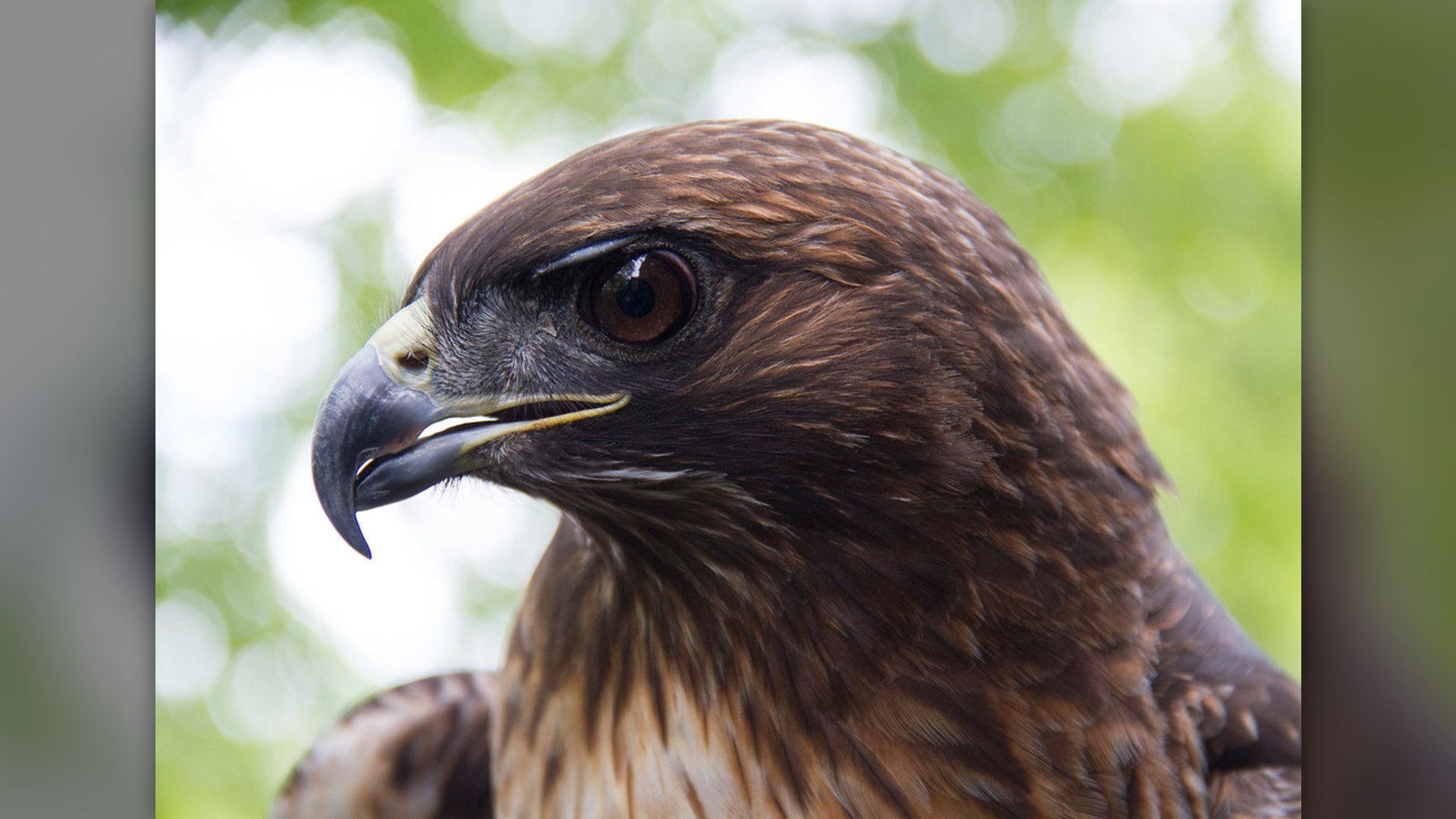
©Openverse / Oregon Department of Fish & Wildlife
14. Fledglings Learning To Fly
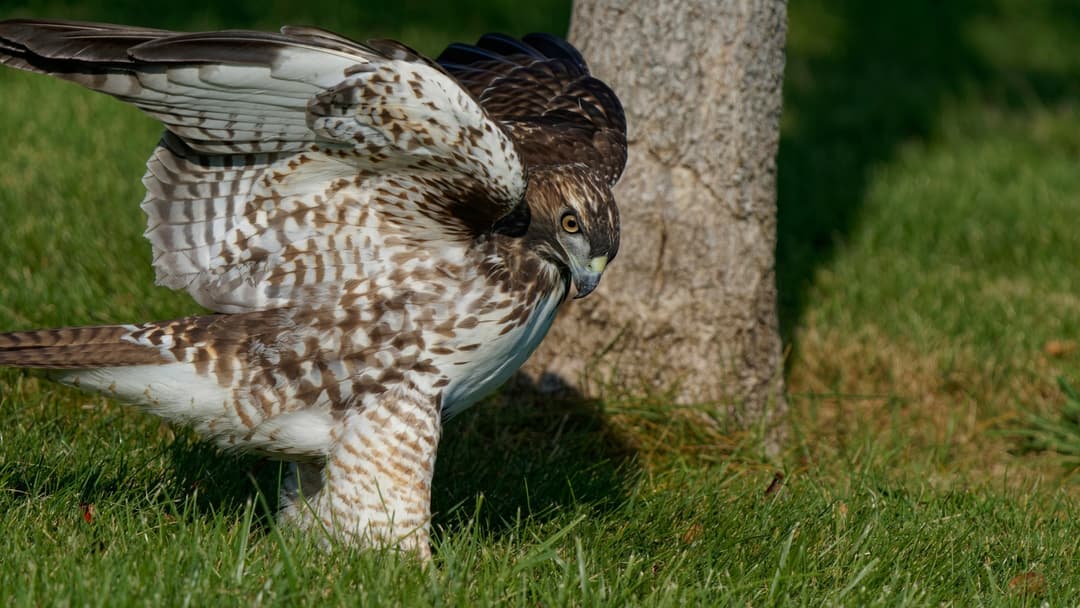
In late spring and midsummer, clumsy juvenile hawks leave the nest before mastering complex flight mechanics. They frequently land on patio furniture, low deck railings, or lawn turf while adult parents circle above, delivering food and keeping watch over the vulnerable fledgling.
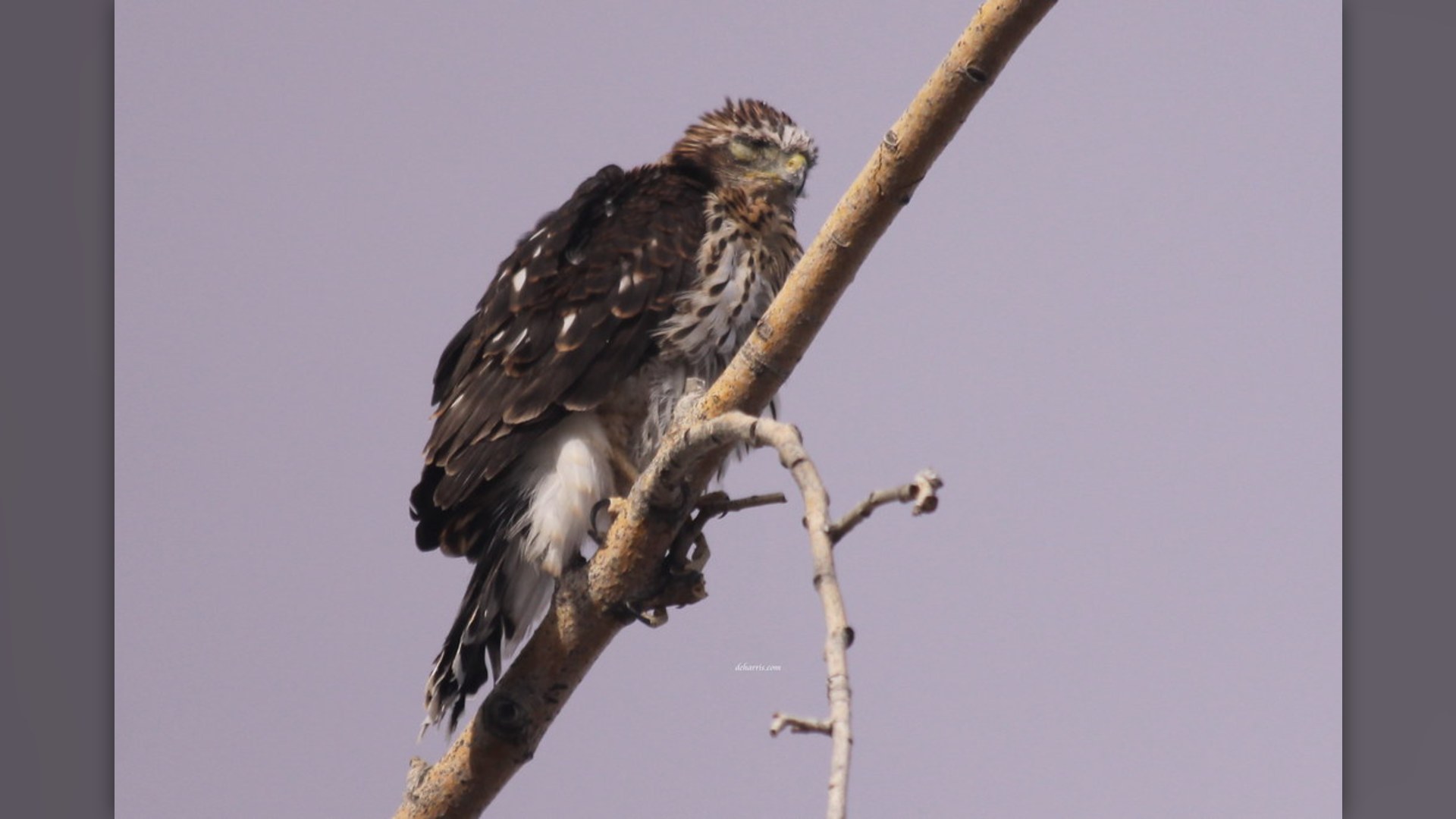
©Openverse / mnchilemom
Advertisement
Swipe or tap ▶ to resume the countdown.
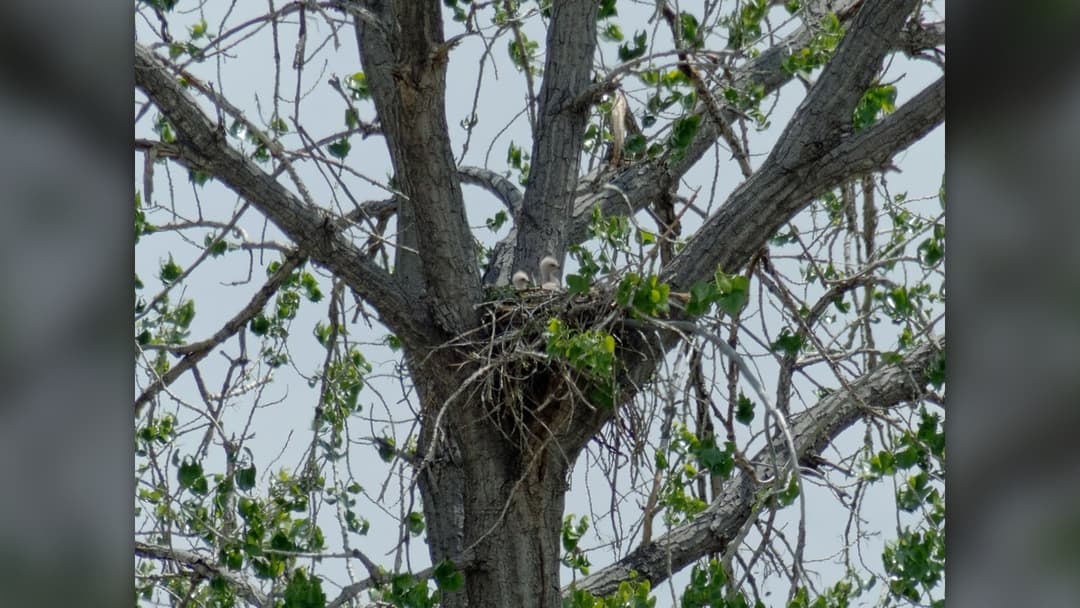
13. Active Nesting In High Trees
Hawks build large stick nests called eyries high in the fork of mature deciduous or evergreen trees. If a hawk visits your yard daily between March and June, an active breeding nest is likely tucked in your canopy, with the pair defending the zone from crows and other intruders.
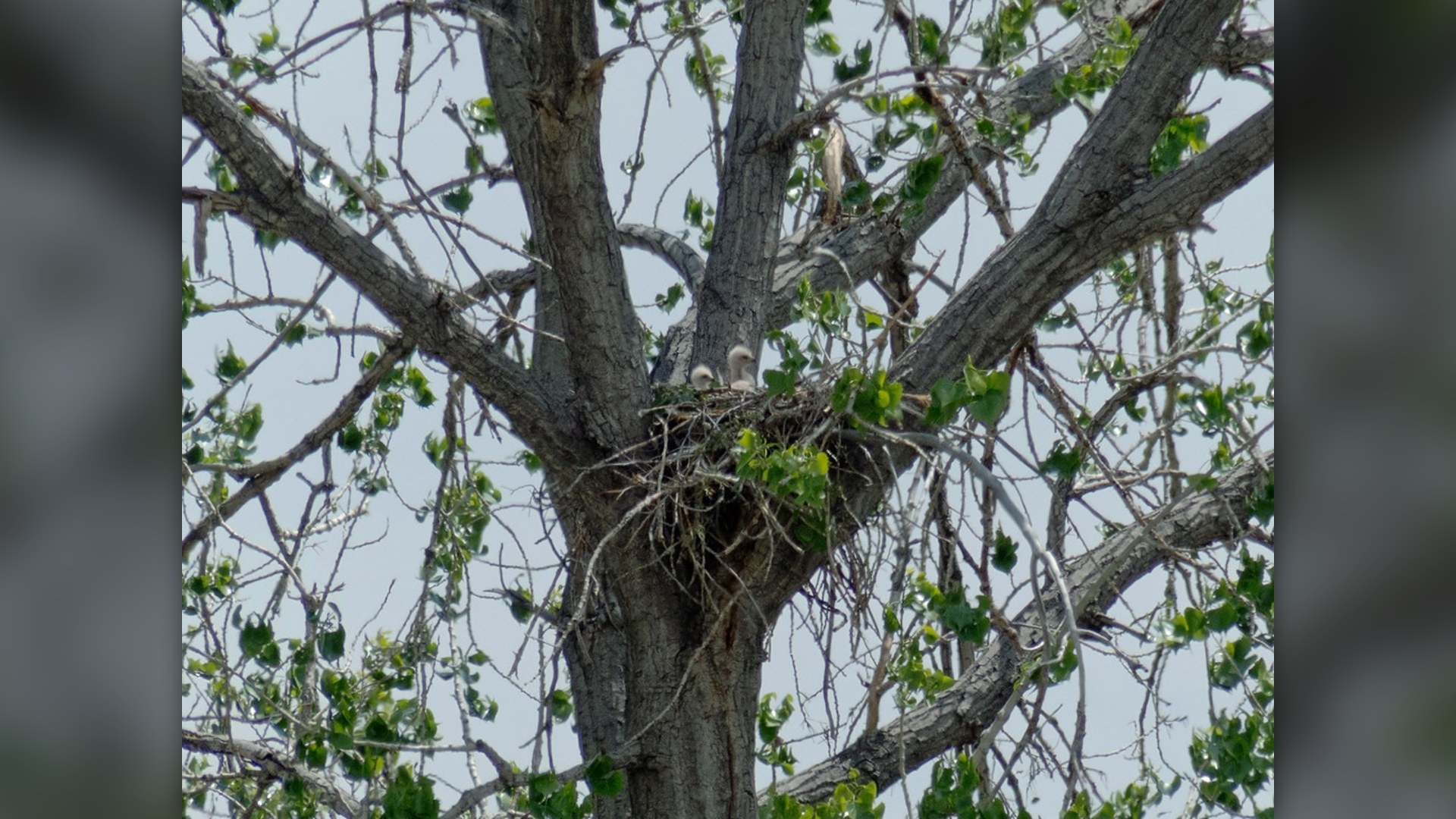
©Openverse / nature80020
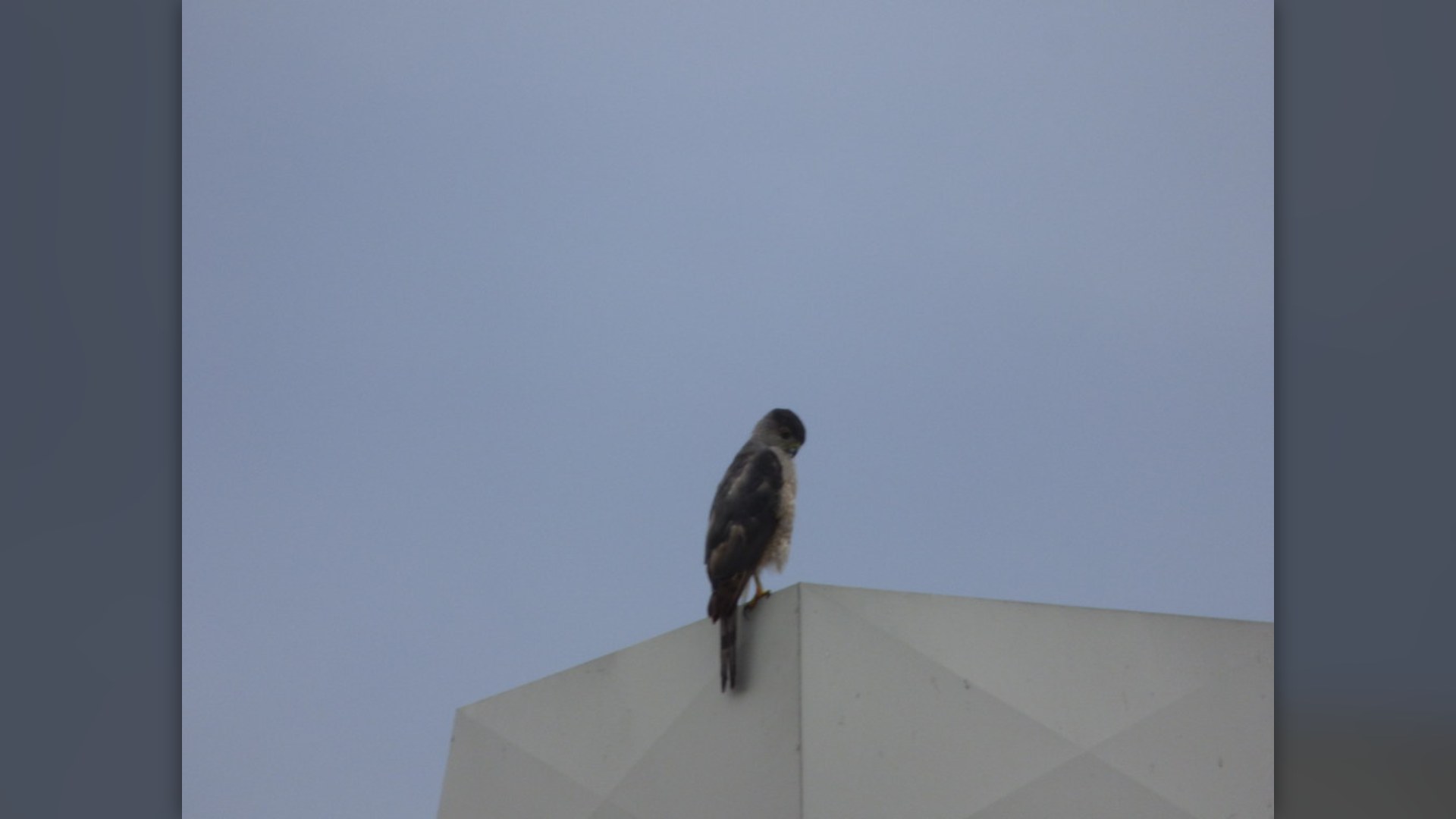
12. Dense Trees For Camouflage
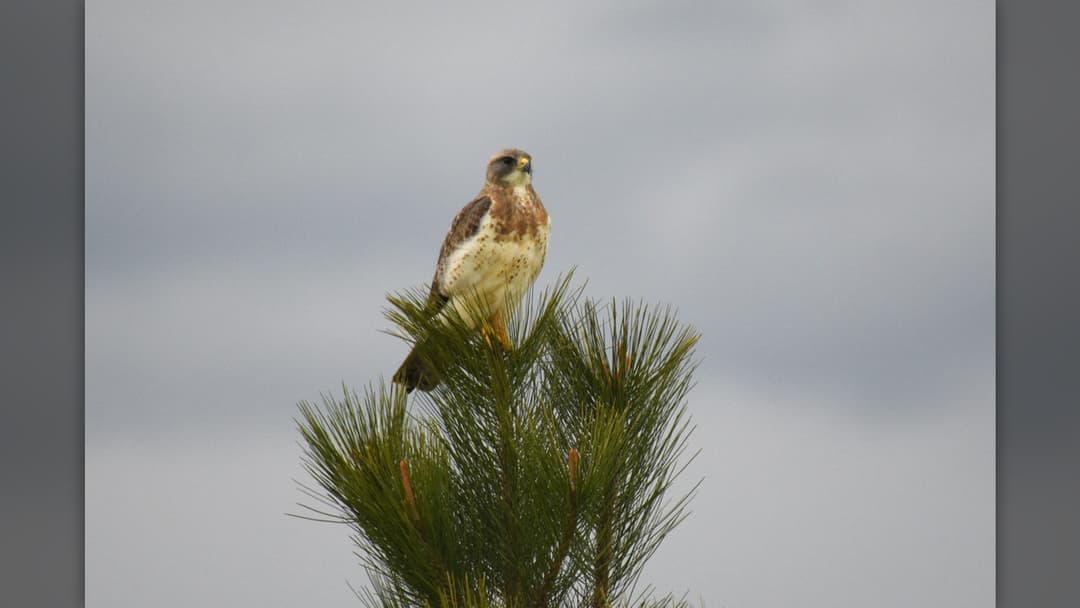
When small birds or crows detect a hawk, they gather in loud flocks to dive-bomb and harass the predator. Dense pines, hemlocks, and leafy oaks in your yard provide thick shelter where a hawk can conceal its silhouette and rest without facing relentless territory mobbing.
©Openverse / gurdonark
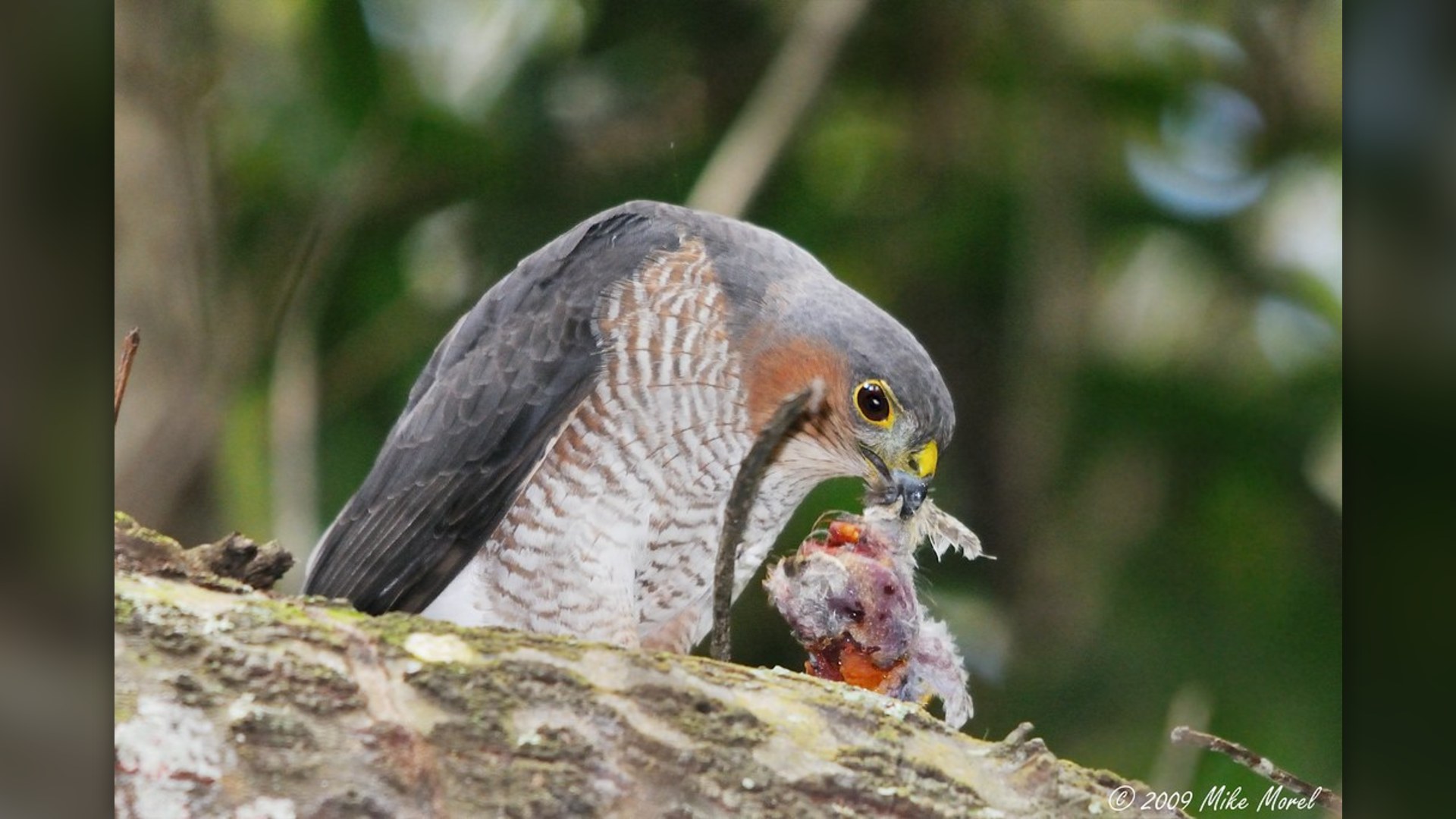
11. Natural Rodent Control
A single adult red-tailed hawk family consumes hundreds of rats, mice, voles, and snakes across a single summer breeding season. Having a hawk patrol your yard delivers silent, non-toxic pest control that protects garden beds and foundations from burrowing rodents naturally.
©Openverse / USFWS/Southeast
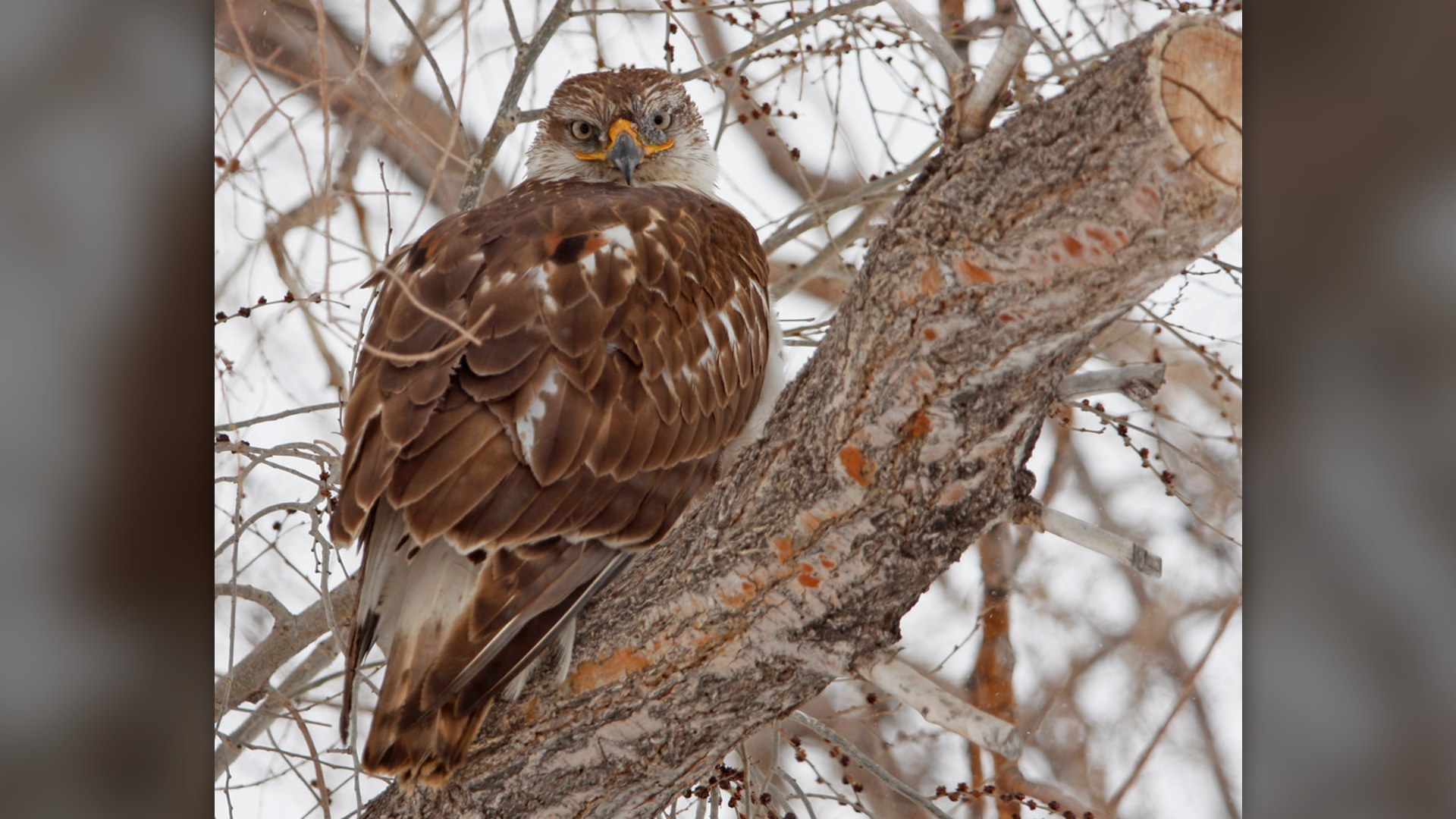
10. Winter Roosting Sanctuary
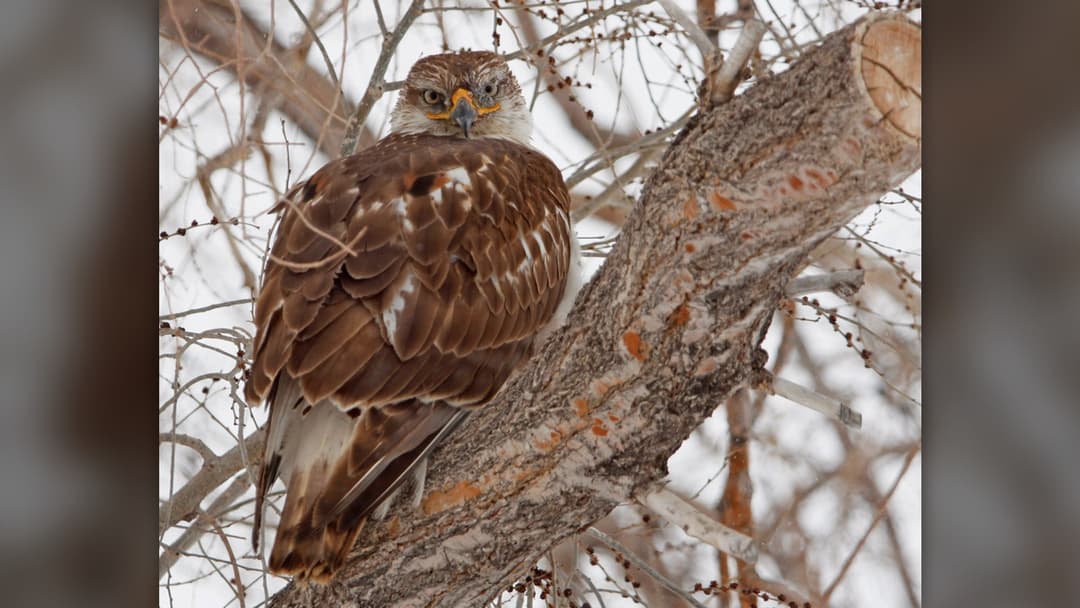
Cold weather makes hunting difficult as snow blankets rodent burrows. Suburban backyards with south-facing branches, evergreen windbreaks, and heat radiating from residential structures provide warm roosts where wintering raptors conserve essential body heat between meals.
©Openverse / USFWS Mountain Prairie
Advertisement
Swipe or tap ▶ to resume the countdown.
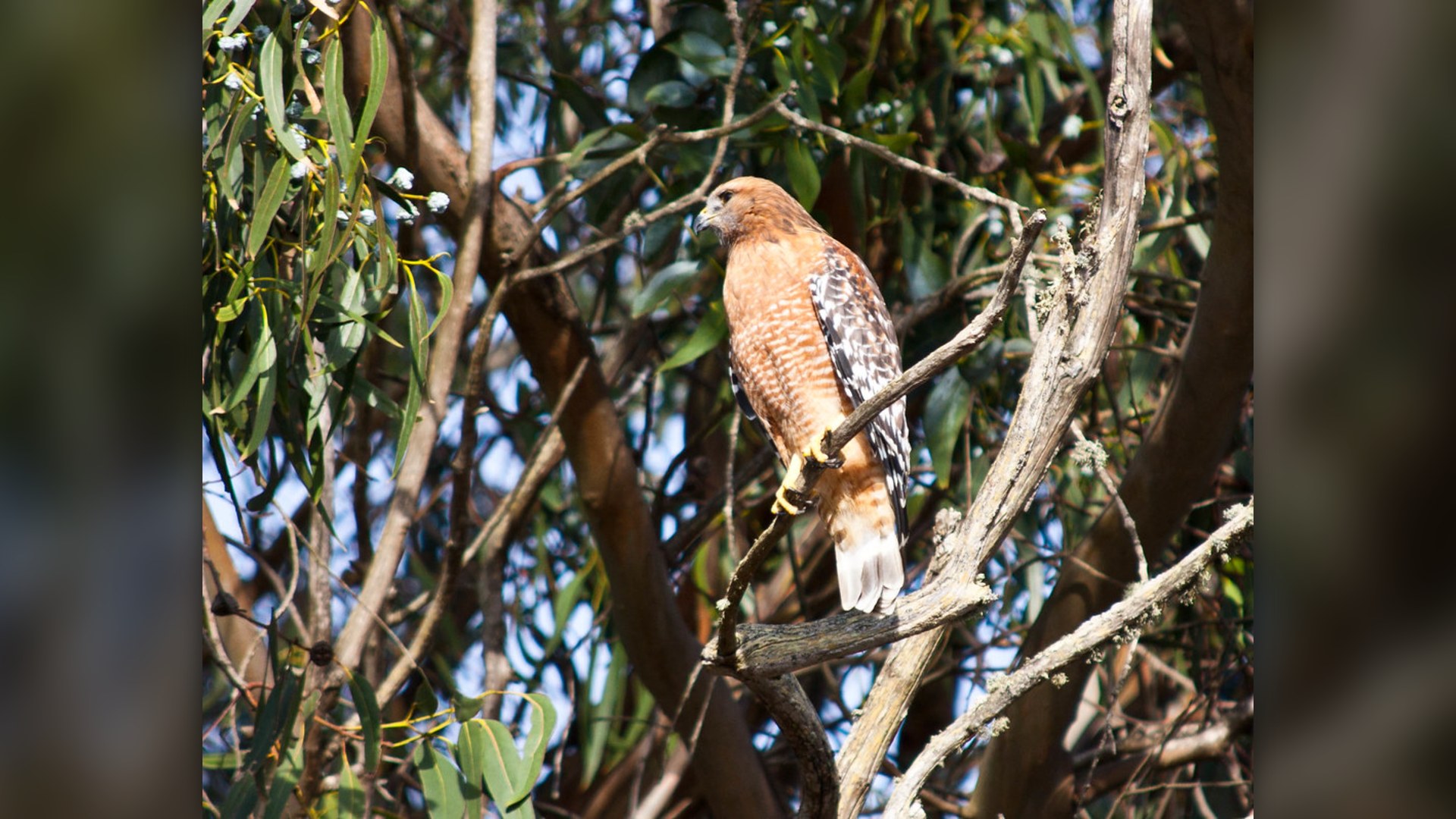
9. Thriving Local Ecosystem
Predatory raptors sit atop the terrestrial food web. A hawk cannot survive in an area without ample populations of insects, seed-eating songbirds, reptiles, and small mammals. Its arrival is direct confirmation that your neighborhood fosters a flourishing, biodiverse wildlife habitat.
©Openverse / minicooper93402
8. Mating Season Courtship
Between January and March, red-tailed and red-shouldered hawks engage in elaborate courtship displays. Pairs lock talons in midair cartwheels before perching side by side in tall suburban trees, vocalizing with high-pitched cries as they reaffirm lifelong monogamous bonds.
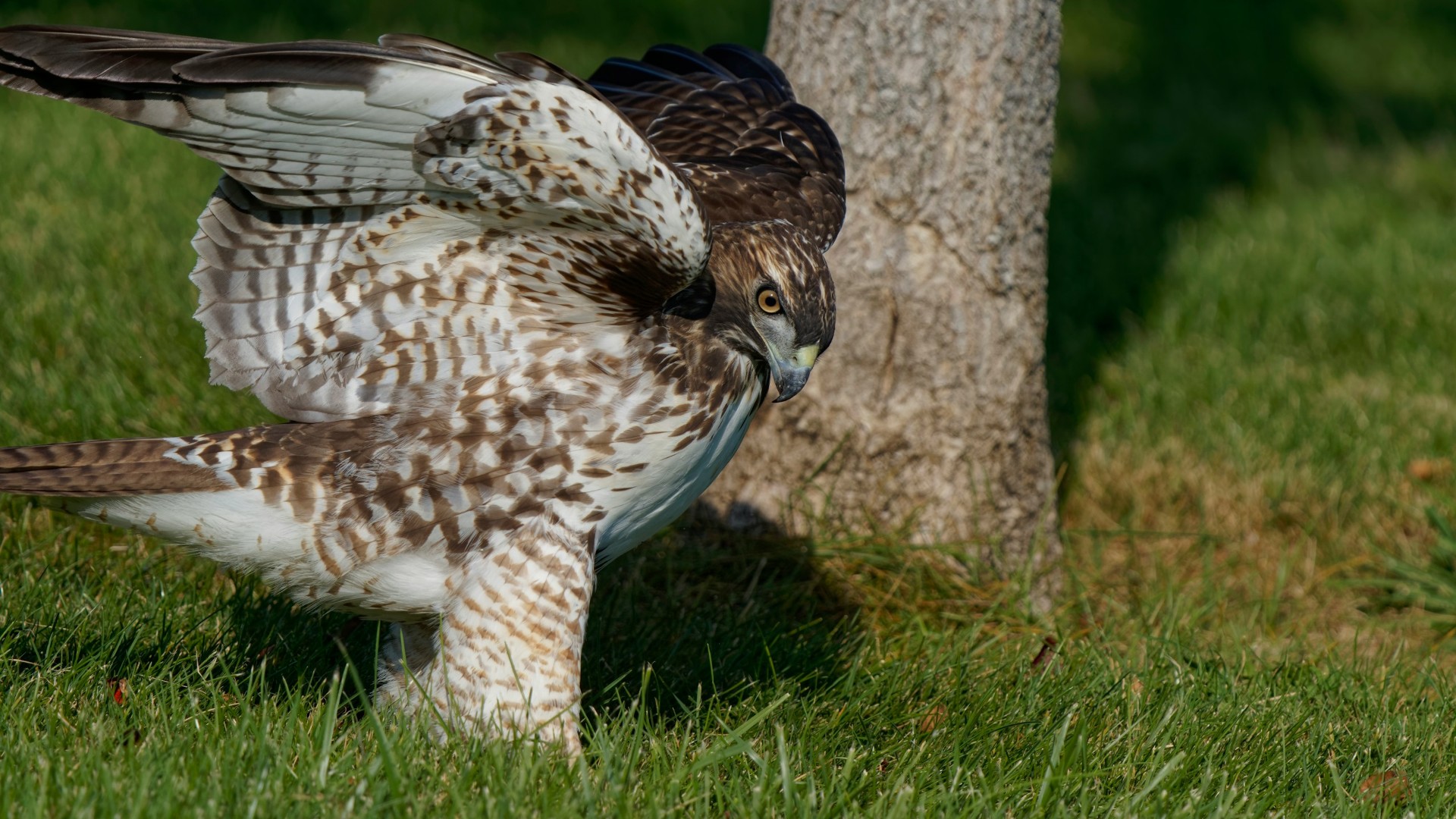
© Photo by Patrick Bigelow on Unsplash
7. Territorial Boundary Sign
Breeding hawks maintain strict territorial boundaries to ensure enough food for their brood. By perching visibly on a tall fence or branch, the raptor signals its claim to rival hawks. Frequent visits mean your yard falls directly within the defended core of its hunting range.
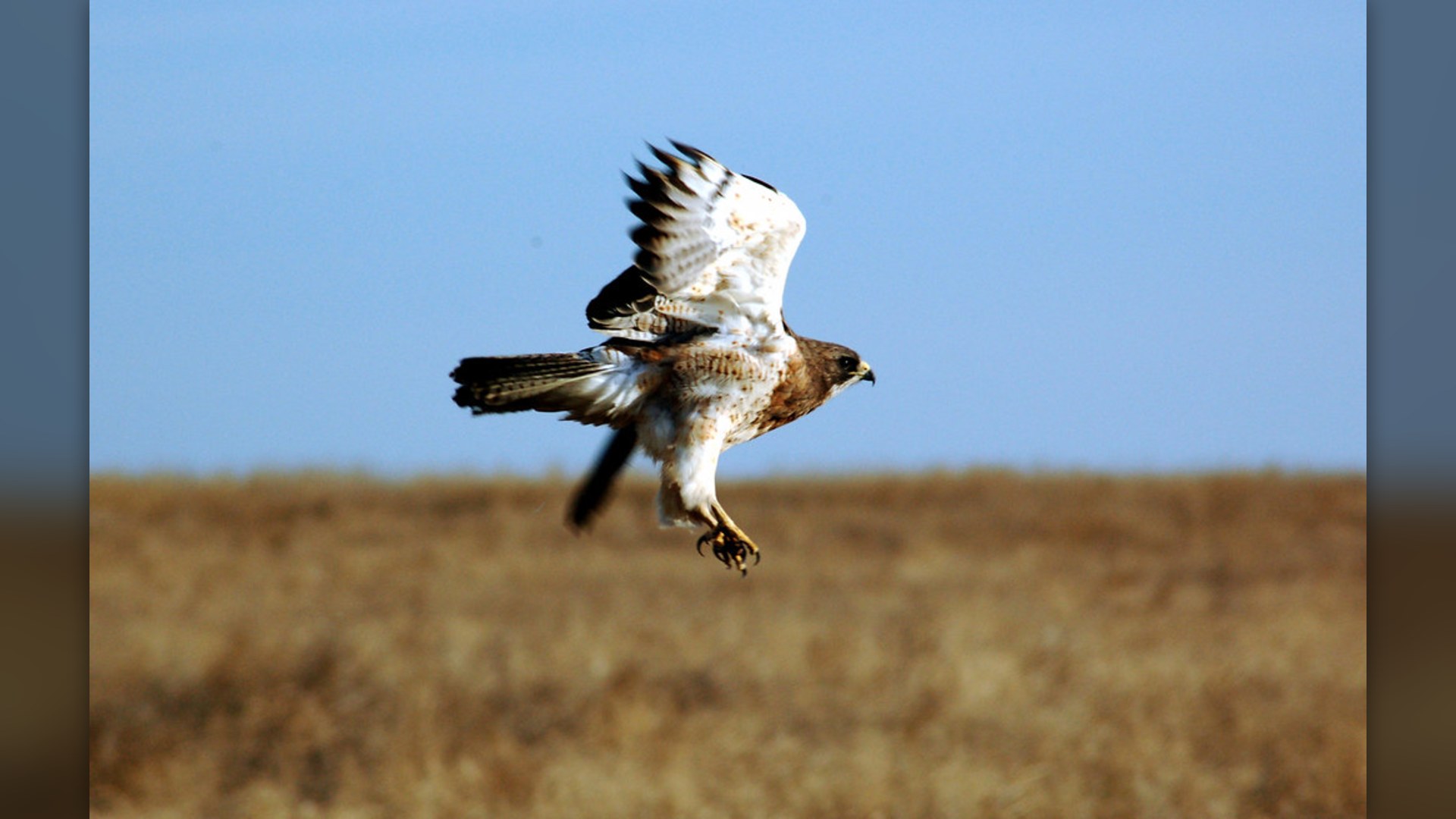
©Openverse / dobak
6. Urban Habitat Adaptation
As natural woodlands fragment, hawks have learned that residential suburbs offer plentiful prey, elevated nesting sites, and fewer large competitors. What once was a purely wilderness bird is now a familiar suburban neighbor, thriving in parks, yards, and quiet residential lanes.
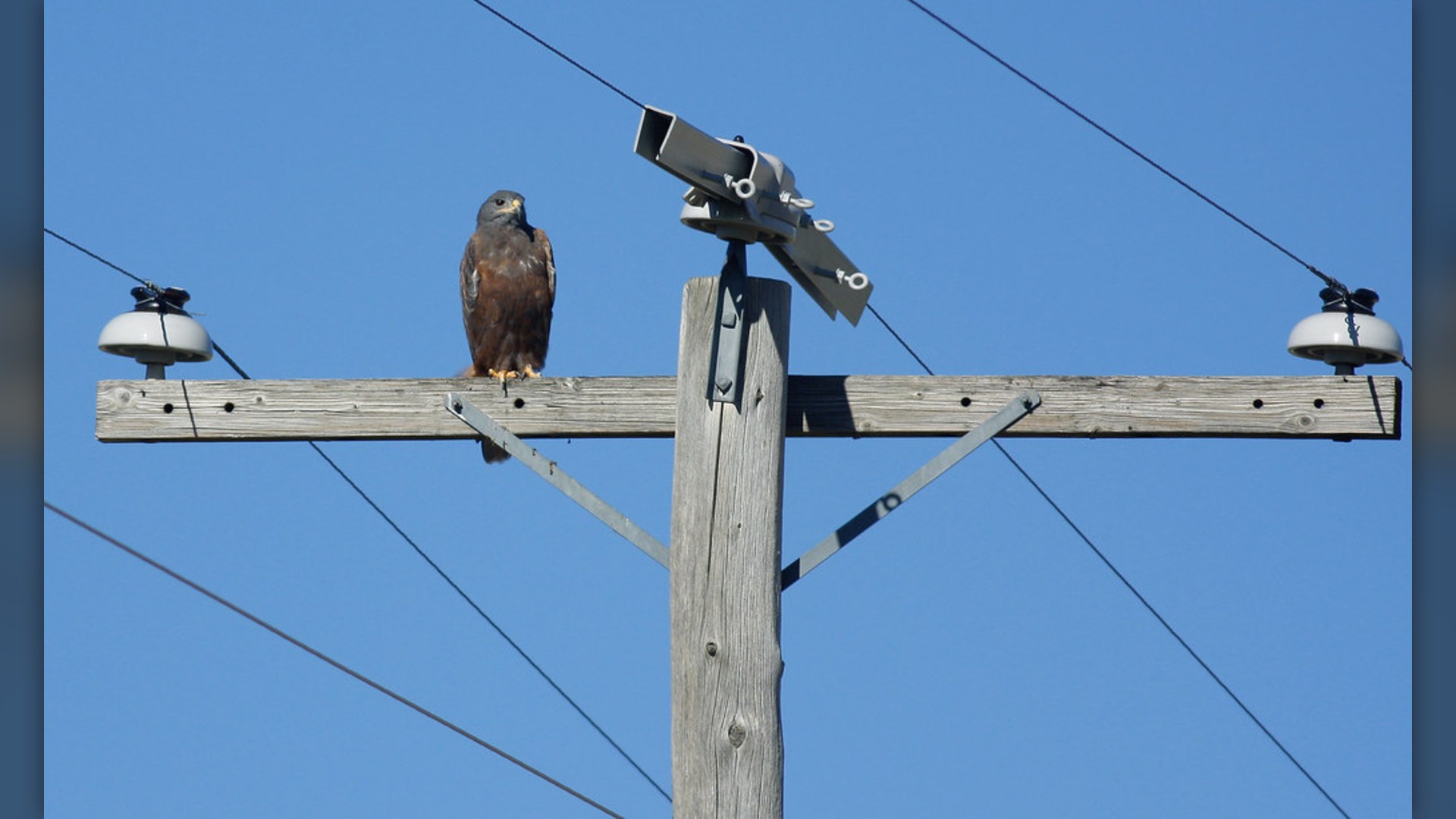
©Openverse / Pacific Power
Advertisement
Swipe or tap ▶ to resume the countdown.
5. Warning Of Disturbed Ground
Homeowners often notice a hawk landing within minutes of mowing the lawn or tilling soil. The noise and vibration flush hidden rodents, grasshoppers, and snakes into the open, creating an effortless buffet that sharp-eyed raptors actively monitor from surrounding branches.
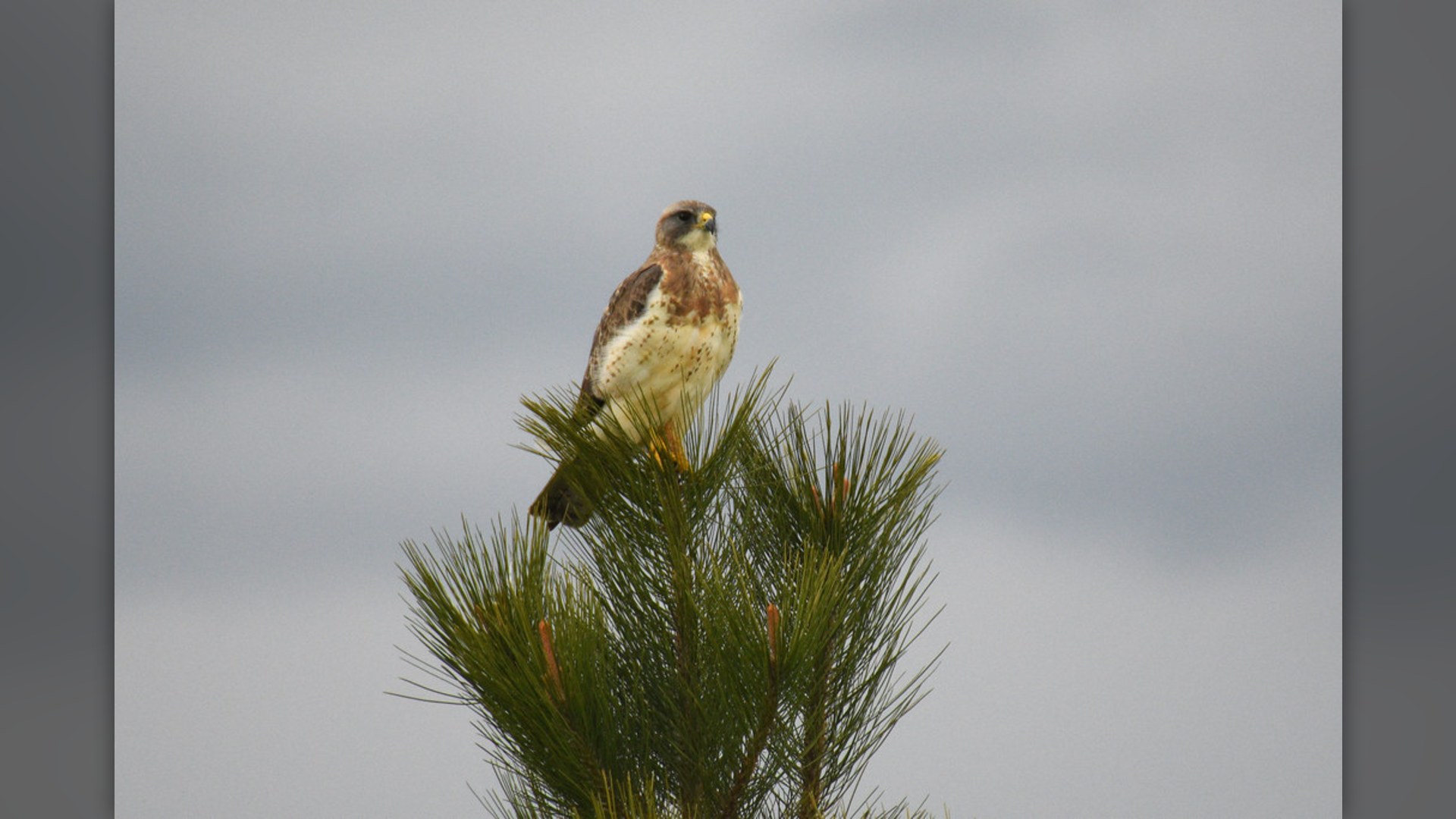
©Openverse / Amaury Laporte
4. Messenger In Native Folklore
Throughout Cherokee, Hopi, and Lakota traditions, the hawk represents guardianship, courage, and heightened perception. Seeing a hawk land near your dwelling was traditionally interpreted as a call to pay close attention to your surroundings, seek higher truth, and heed subtle warnings.
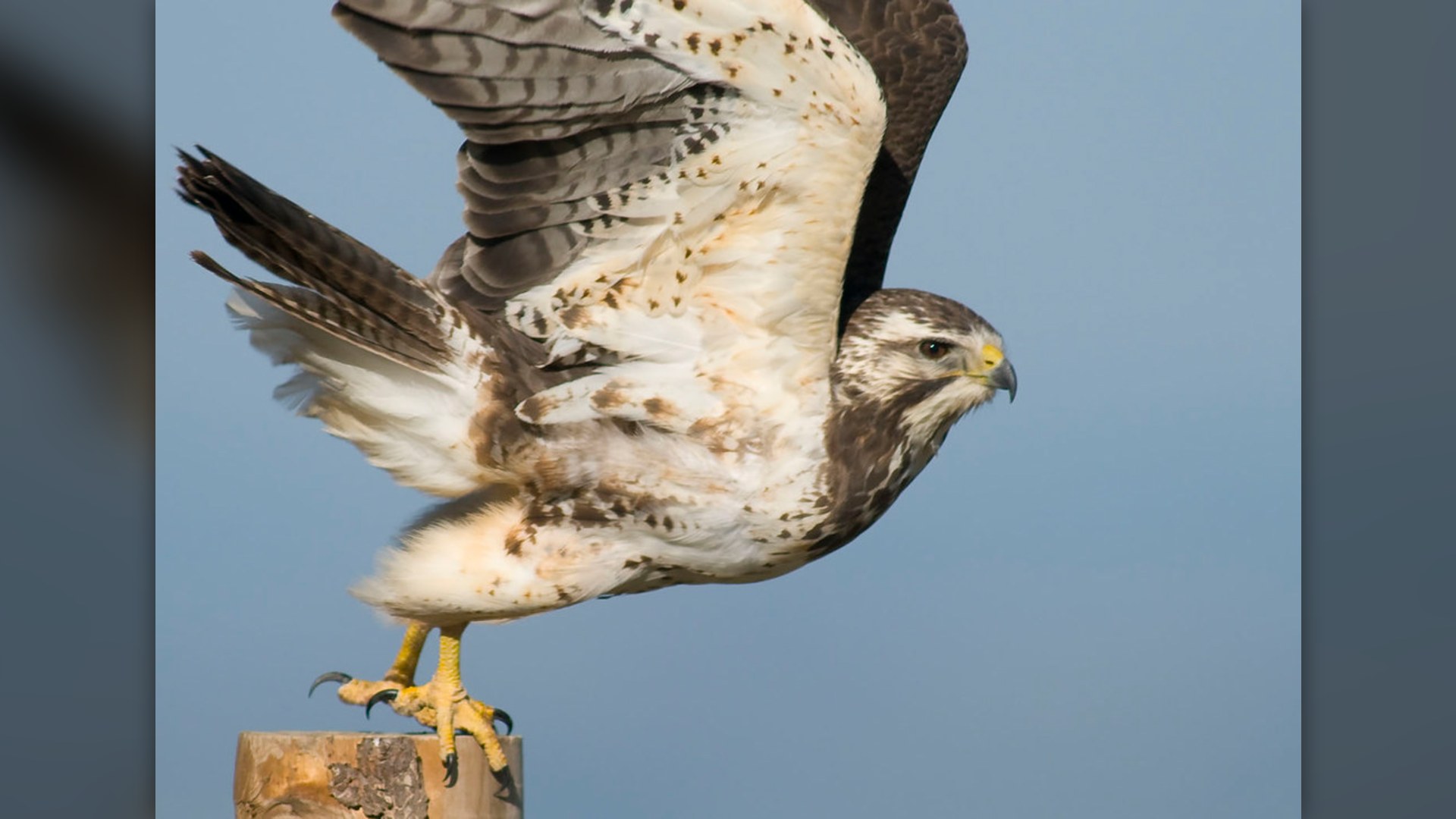
©Openverse / USFWS Mountain Prairie
3. Sign Of Focus And Clarity
Because hawks possess vision roughly eight times sharper than humans, cultural symbolism links them to clarity of purpose. A hawk arriving in your personal space is frequently seen as a reminder to rise above daily distractions, sharpen your focus, and view life from a higher perspective.
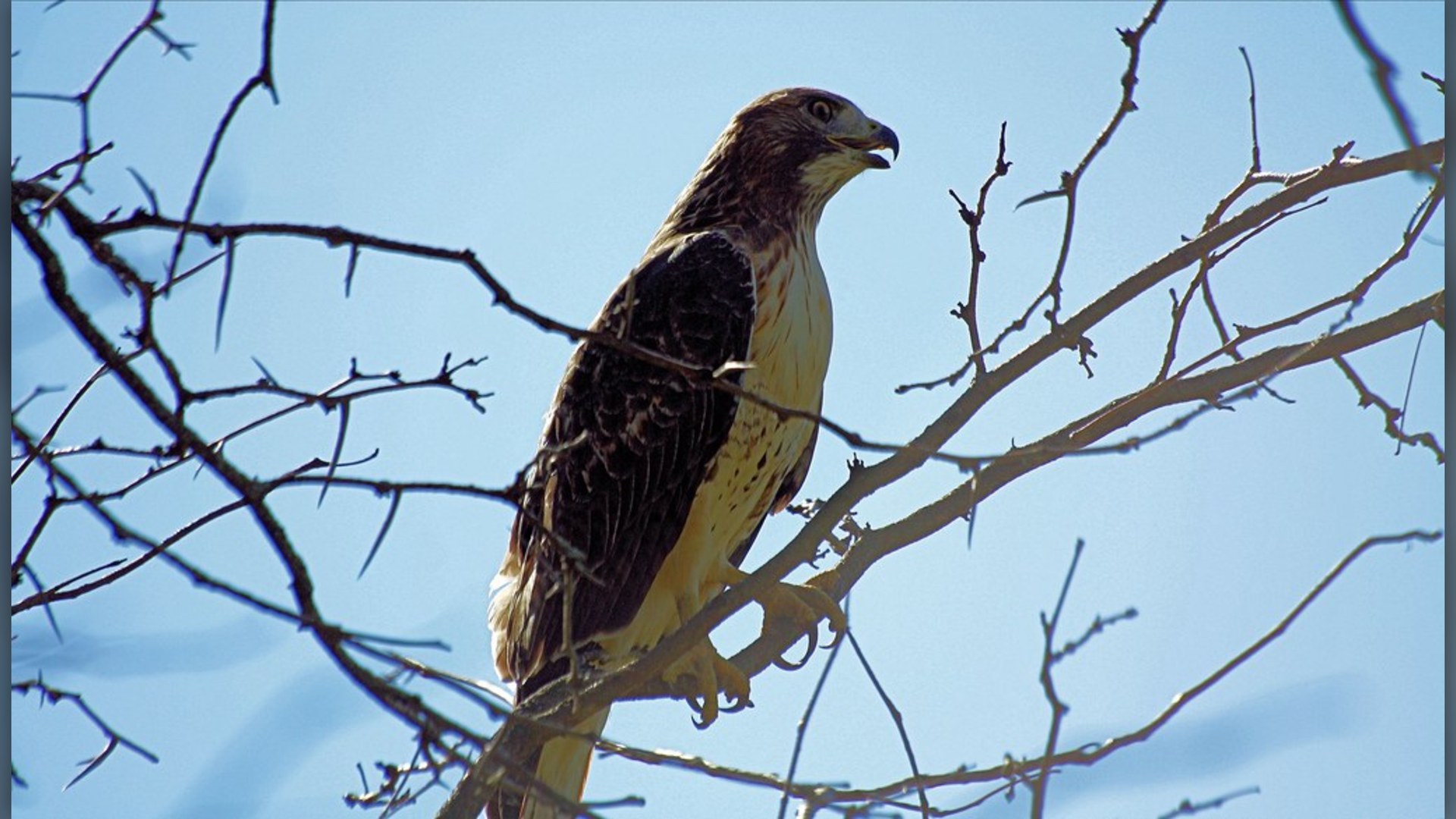
©Openverse / Phil Roeder
2. Symbol Of Protection And Power
From ancient Egyptian depictions of the falcon-headed god Horus to Celtic mythology, raptors embody protective guardianship. A hawk perched outside your window or doorway was historically welcomed as an auspicious omen, signifying spiritual shelter, inner strength, and steadfast courage.
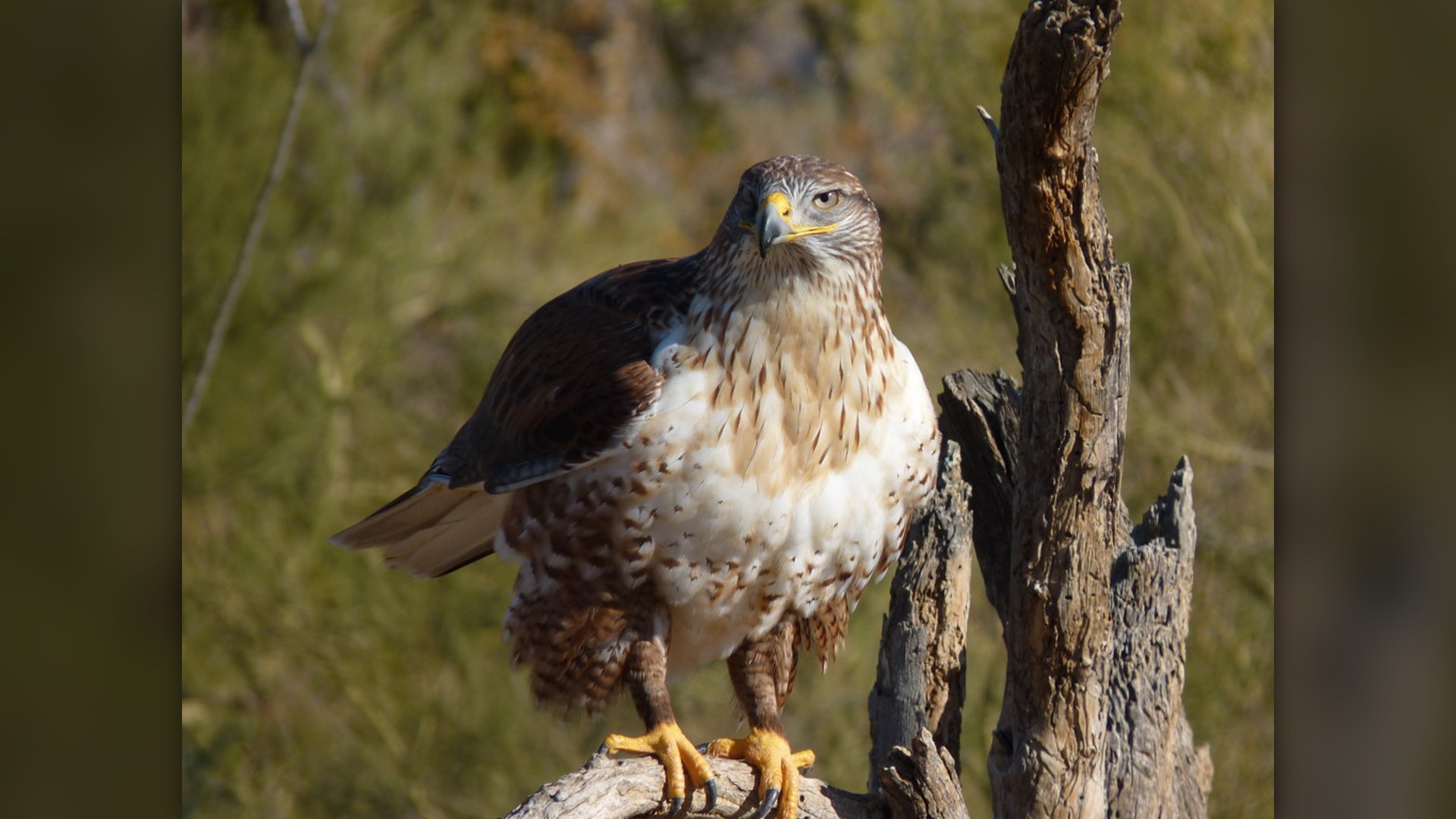
©Openverse / dust and fog
Advertisement
Swipe or tap ▶ to resume the countdown.
1. Apex Predator Vigilance
Ultimately, a hawk in your yard embodies nature's highest standard of patience and timing. Whether sitting motionless for hours or executing a breathtaking strike, the raptor reminds us that quiet stillness and deliberate, focused action are the ultimate survival strategies in the wild.
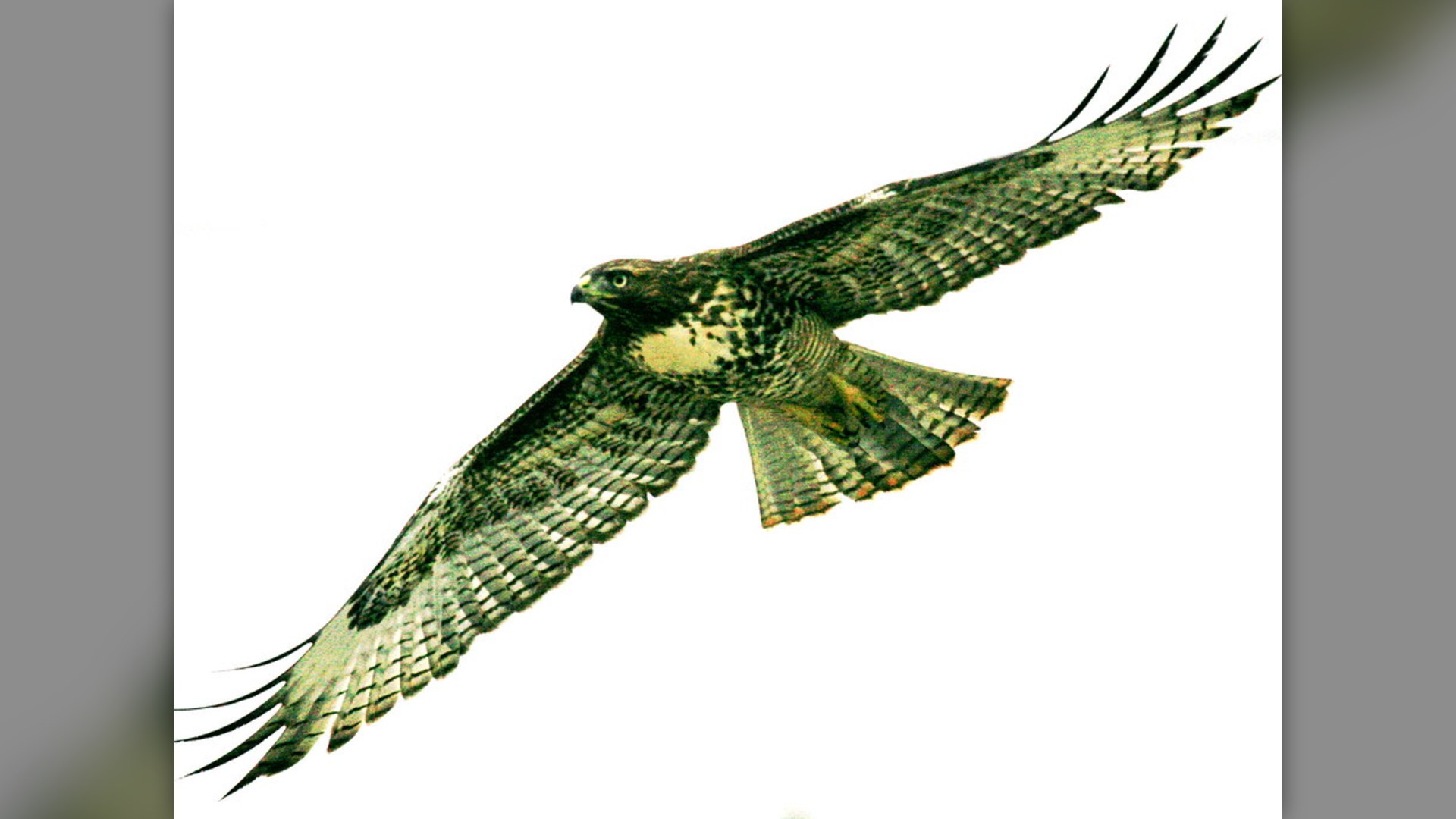
©Openverse / jurvetson
Advertisement
You've reached the end of the story. Thanks for reading!

25 Animals Considered Sacred in Different Cultures
All 20 Entries in this Story
20. Seasonal Migration Stop
Many hawk species travel thousands of miles between breeding grounds in Canada and wintering zones in the southern United States or Central America. A quiet backyard with dense trees provides a vital overnight waypoint where an exhausted bird of prey can safely rest before resuming flight.

19. Abundant Backyard Rodents
If a hawk spends extended time watching your lawn, it likely detected underground vibrations or rustling in mulch. Red-tailed and red-shouldered hawks possess exceptional eyesight, spotting a field mouse moving through tall grass from more than one hundred feet above.

18. Bird Feeders Attract Prey
Cooper's and sharp-shinned hawks are agile woodland hunters adapted to flying through dense branches. When homeowners put out birdseed, gathered flocks of sparrows, finches, and mourning doves create a prime hunting ground that experienced accipiters return to inspect regularly.

17. Clean Water Source Nearby
Hawks need fresh water not only for drinking during warm afternoons, but also to clean dust and parasites from their flight feathers. A wide, shallow birdbath or garden pond in an open yard provides a safe water station where a raptor can bathe while maintaining sightlines.

16. Ideal High Hunting Perch
Raptors conserve energy by perch hunting rather than spending hours flapping overhead. A sturdy tree limb, rooftop chimney, or wooden fence post overlooking an open lawn offers a commanding vantage point to scan for movement without alerting potential prey below.

15. Open Lawn For Swooping
Broad-winged buteo hawks have wide wingspans suited for diving attacks rather than tight aerial maneuvers. Manicured turf removes ground cover, leaving squirrels and gophers exposed. A broad lawn bordered by tall trees creates the perfect runway for a rapid downward dive.

14. Fledglings Learning To Fly
In late spring and midsummer, clumsy juvenile hawks leave the nest before mastering complex flight mechanics. They frequently land on patio furniture, low deck railings, or lawn turf while adult parents circle above, delivering food and keeping watch over the vulnerable fledgling.

13. Active Nesting In High Trees
Hawks build large stick nests called eyries high in the fork of mature deciduous or evergreen trees. If a hawk visits your yard daily between March and June, an active breeding nest is likely tucked in your canopy, with the pair defending the zone from crows and other intruders.

12. Dense Trees For Camouflage
When small birds or crows detect a hawk, they gather in loud flocks to dive-bomb and harass the predator. Dense pines, hemlocks, and leafy oaks in your yard provide thick shelter where a hawk can conceal its silhouette and rest without facing relentless territory mobbing.

11. Natural Rodent Control
A single adult red-tailed hawk family consumes hundreds of rats, mice, voles, and snakes across a single summer breeding season. Having a hawk patrol your yard delivers silent, non-toxic pest control that protects garden beds and foundations from burrowing rodents naturally.

10. Winter Roosting Sanctuary
Cold weather makes hunting difficult as snow blankets rodent burrows. Suburban backyards with south-facing branches, evergreen windbreaks, and heat radiating from residential structures provide warm roosts where wintering raptors conserve essential body heat between meals.

9. Thriving Local Ecosystem
Predatory raptors sit atop the terrestrial food web. A hawk cannot survive in an area without ample populations of insects, seed-eating songbirds, reptiles, and small mammals. Its arrival is direct confirmation that your neighborhood fosters a flourishing, biodiverse wildlife habitat.

8. Mating Season Courtship
Between January and March, red-tailed and red-shouldered hawks engage in elaborate courtship displays. Pairs lock talons in midair cartwheels before perching side by side in tall suburban trees, vocalizing with high-pitched cries as they reaffirm lifelong monogamous bonds.

7. Territorial Boundary Sign
Breeding hawks maintain strict territorial boundaries to ensure enough food for their brood. By perching visibly on a tall fence or branch, the raptor signals its claim to rival hawks. Frequent visits mean your yard falls directly within the defended core of its hunting range.

6. Urban Habitat Adaptation
As natural woodlands fragment, hawks have learned that residential suburbs offer plentiful prey, elevated nesting sites, and fewer large competitors. What once was a purely wilderness bird is now a familiar suburban neighbor, thriving in parks, yards, and quiet residential lanes.

5. Warning Of Disturbed Ground
Homeowners often notice a hawk landing within minutes of mowing the lawn or tilling soil. The noise and vibration flush hidden rodents, grasshoppers, and snakes into the open, creating an effortless buffet that sharp-eyed raptors actively monitor from surrounding branches.

4. Messenger In Native Folklore
Throughout Cherokee, Hopi, and Lakota traditions, the hawk represents guardianship, courage, and heightened perception. Seeing a hawk land near your dwelling was traditionally interpreted as a call to pay close attention to your surroundings, seek higher truth, and heed subtle warnings.

3. Sign Of Focus And Clarity
Because hawks possess vision roughly eight times sharper than humans, cultural symbolism links them to clarity of purpose. A hawk arriving in your personal space is frequently seen as a reminder to rise above daily distractions, sharpen your focus, and view life from a higher perspective.

2. Symbol Of Protection And Power
From ancient Egyptian depictions of the falcon-headed god Horus to Celtic mythology, raptors embody protective guardianship. A hawk perched outside your window or doorway was historically welcomed as an auspicious omen, signifying spiritual shelter, inner strength, and steadfast courage.

1. Apex Predator Vigilance
Ultimately, a hawk in your yard embodies nature's highest standard of patience and timing. Whether sitting motionless for hours or executing a breathtaking strike, the raptor reminds us that quiet stillness and deliberate, focused action are the ultimate survival strategies in the wild.