Slideshow · Animals
20 Animals That Live More Than 100 Years
Across terrestrial forests and the deepest oceanic trenches, certain animal species possess biological adaptations that allow them to live for centuries or defy aging entirely. Based on peer reviewed findings from Live Science, Nature, and science research institutes, here are twenty species with extreme lifespans.
By Most Viral Today
10 min ago

Secrets of Earth Longest Living Creatures 
20. Tuatara (100+ Years): Minimal Metabolism For Century Survival 
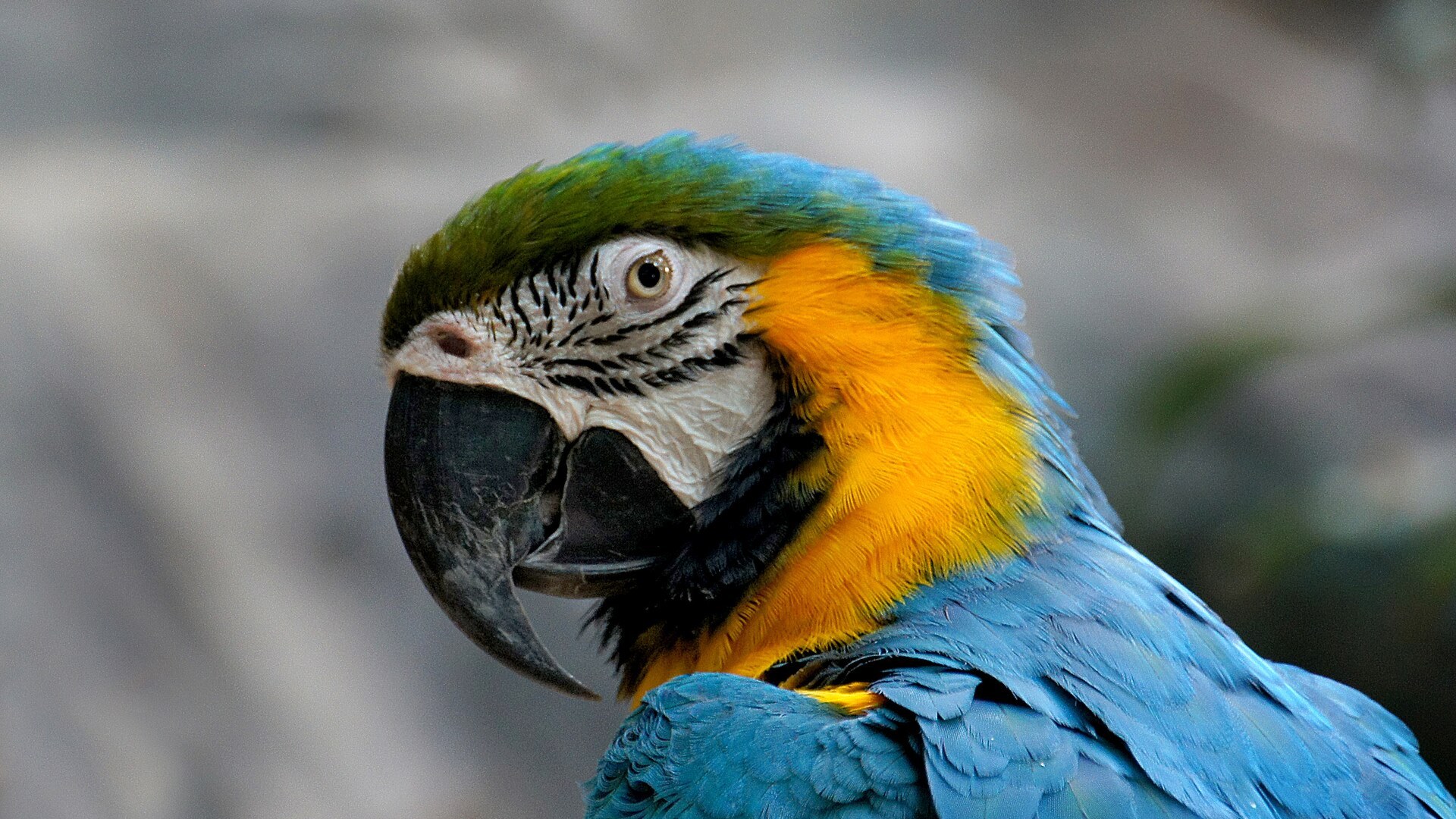
19. Macaws (100+ Years): Cellular Defenses Against Oxidative Decay 
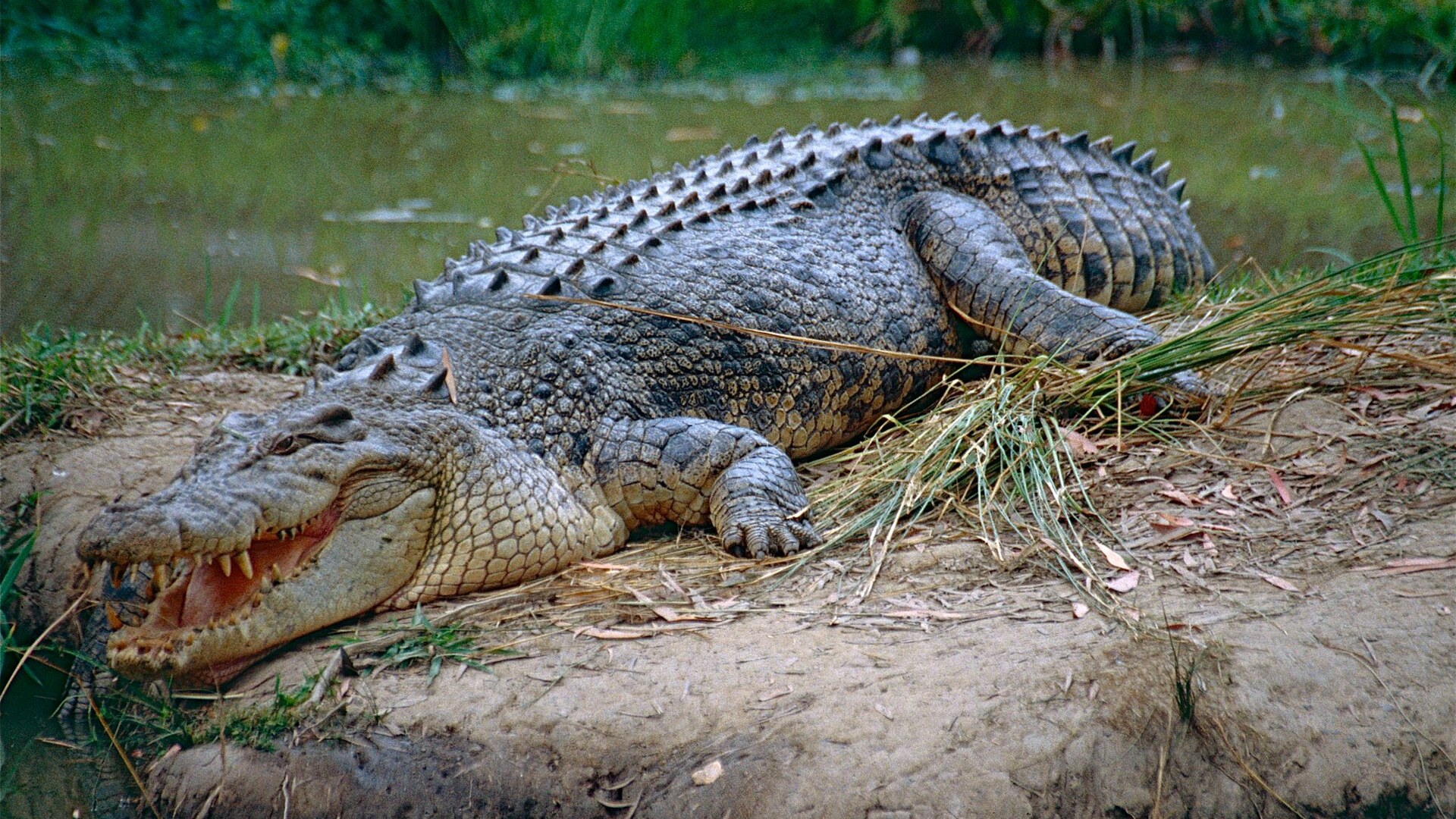
18. Saltwater Crocodile (120+ Years): High Cellular Resilience - AdvertisementSwipe or tap ▶ to continue countdown

17. Human (122 Years): Modern Medicine And Social Adaptations 
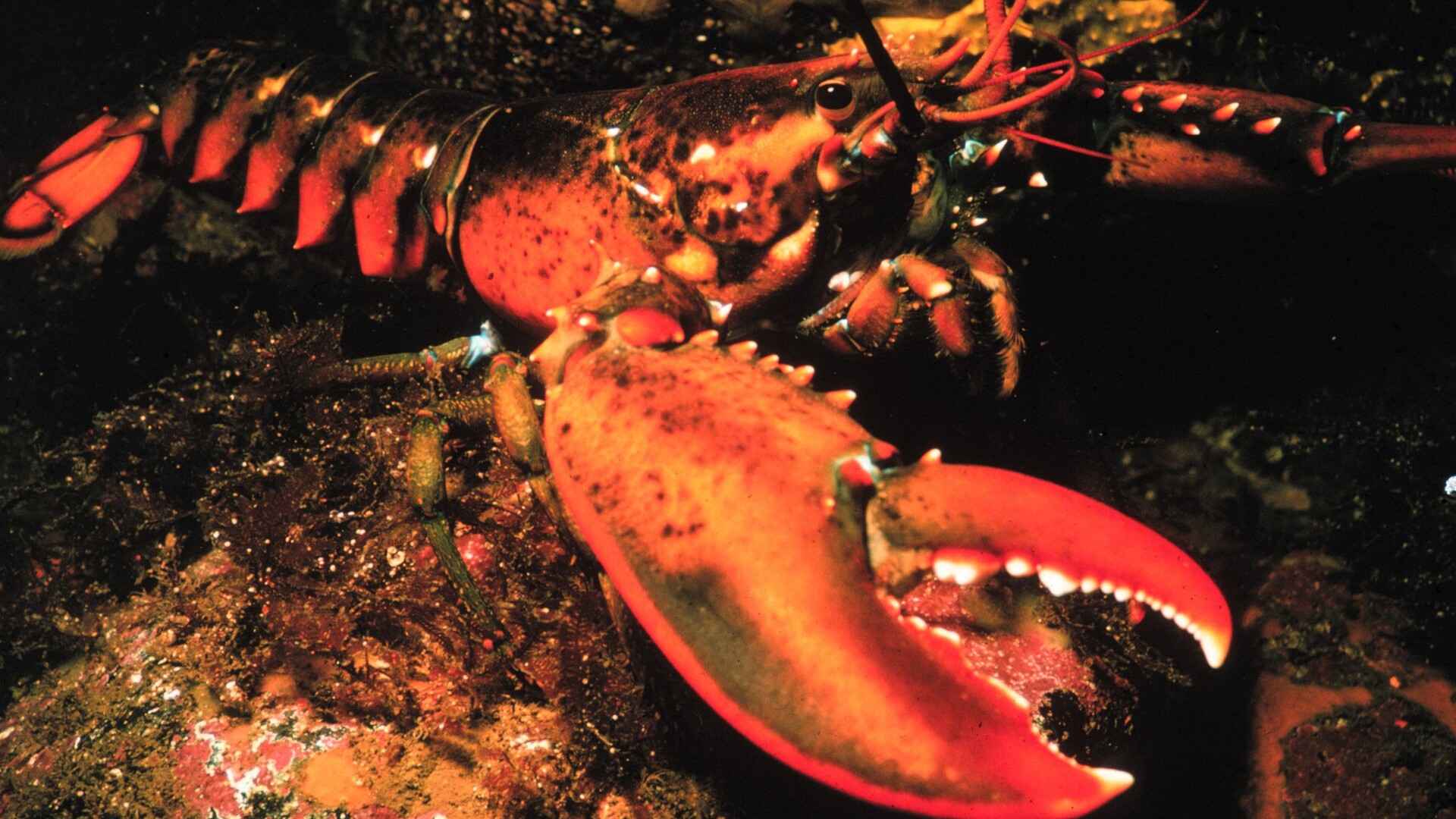
16. American Lobster (140 Years): Continuous Telomerase Production 
15. Lake Sturgeon (152 Years): Slow Maturation In Frigid Rivers 
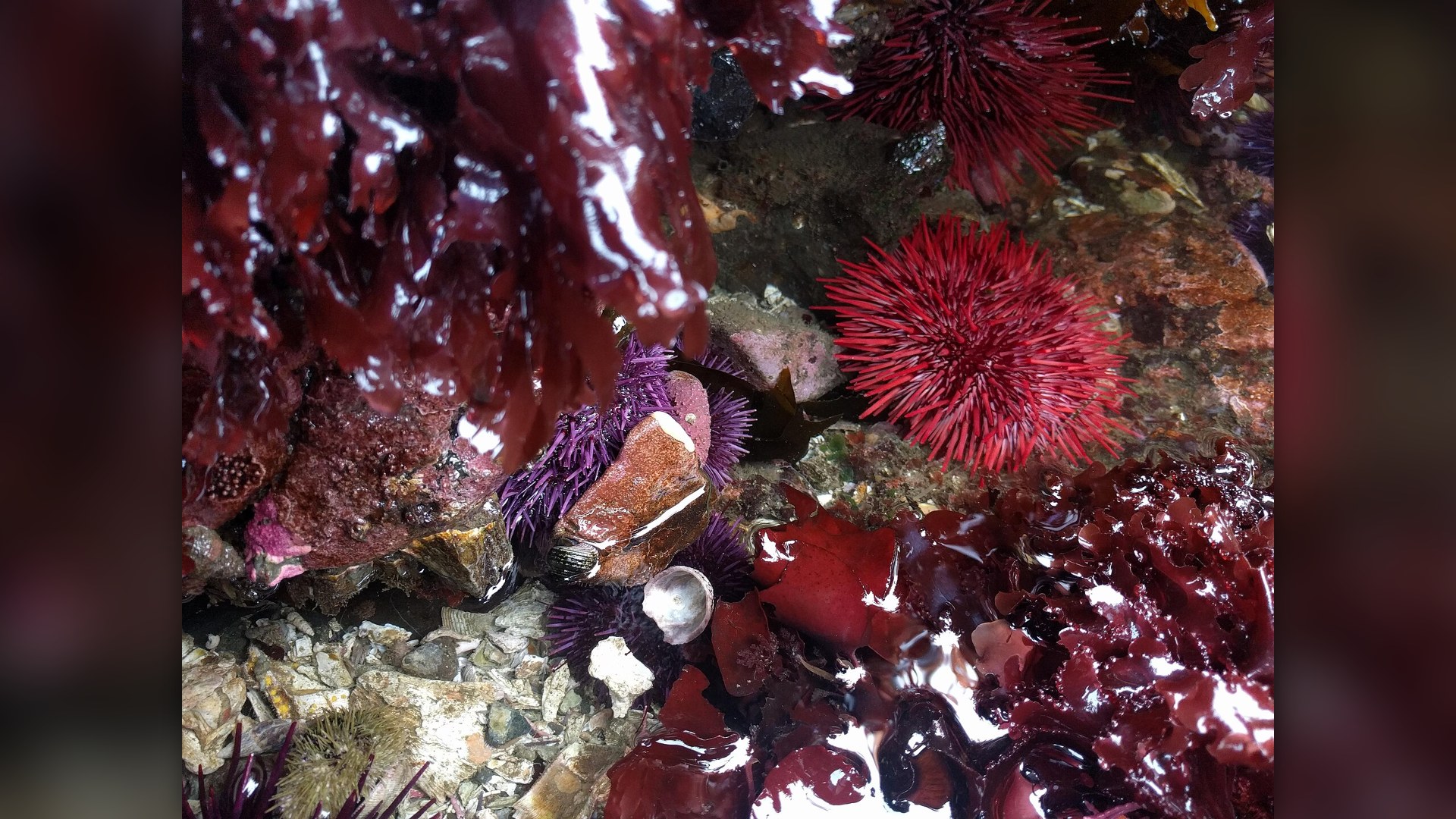
14. Red Sea Urchin (200 Years): Negligible Coastal Senescence - AdvertisementSwipe or tap ▶ to continue countdown

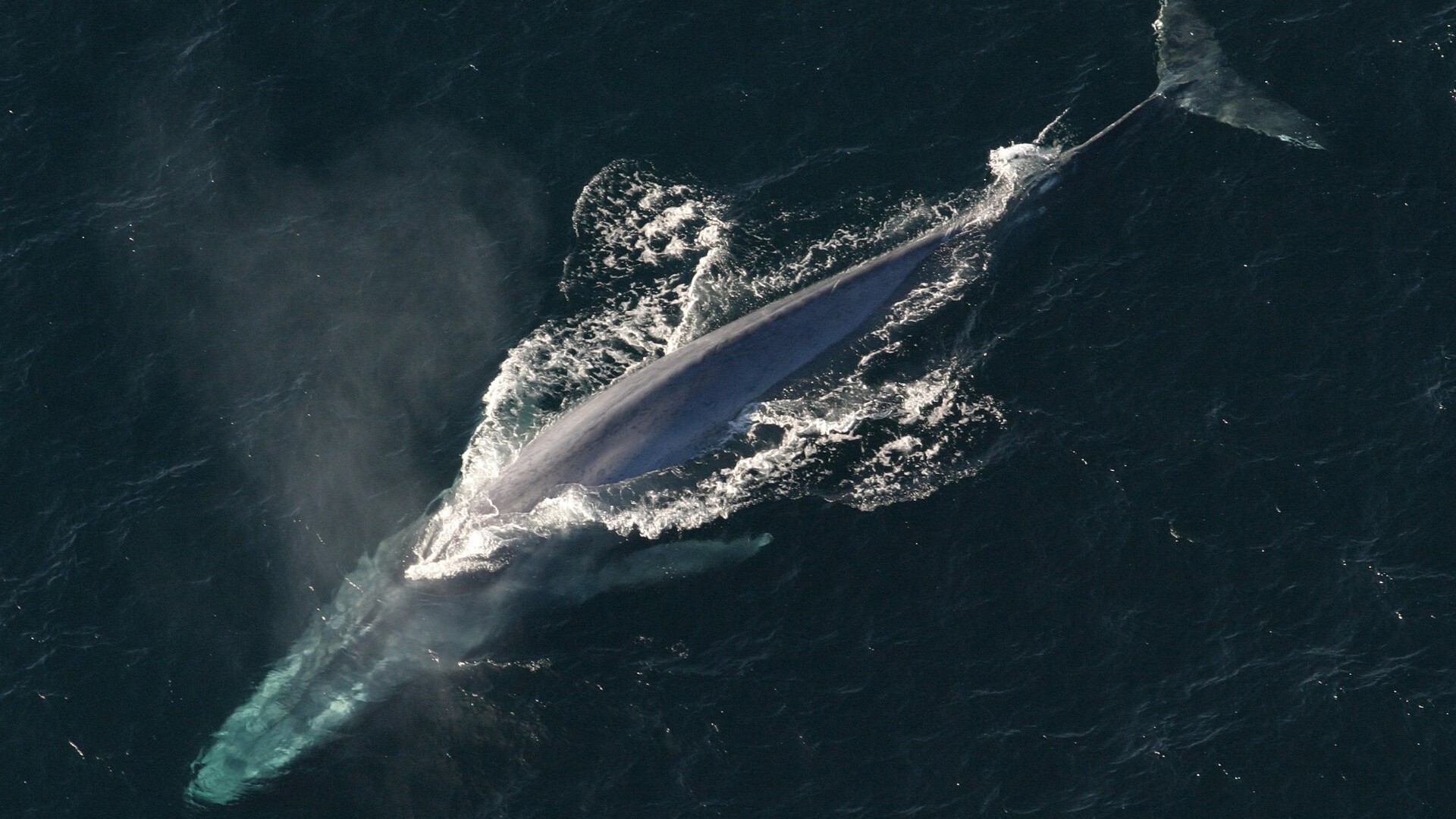
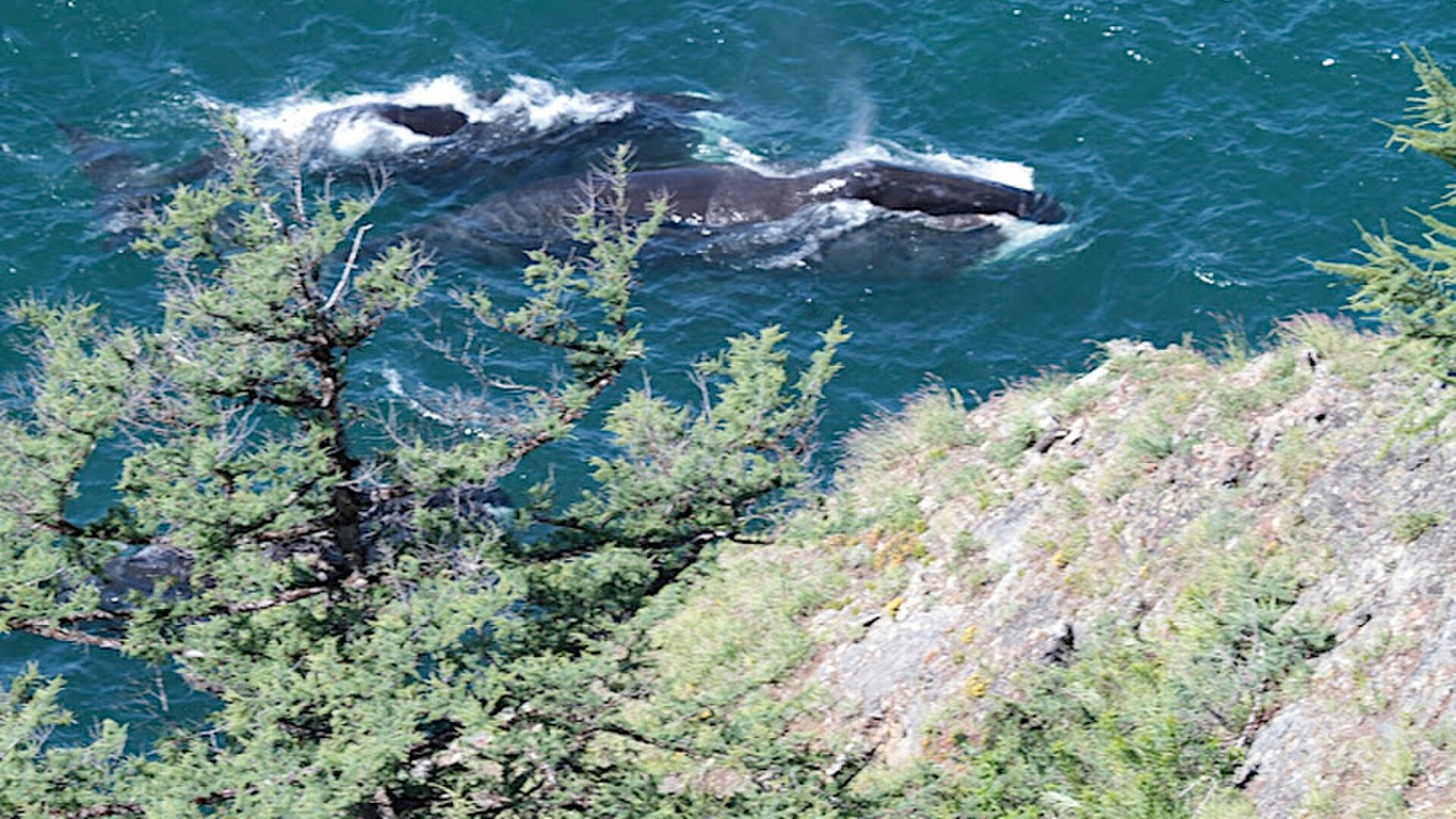
13. Bowhead Whale (211 Years): Unique DNA Repair Duplications 
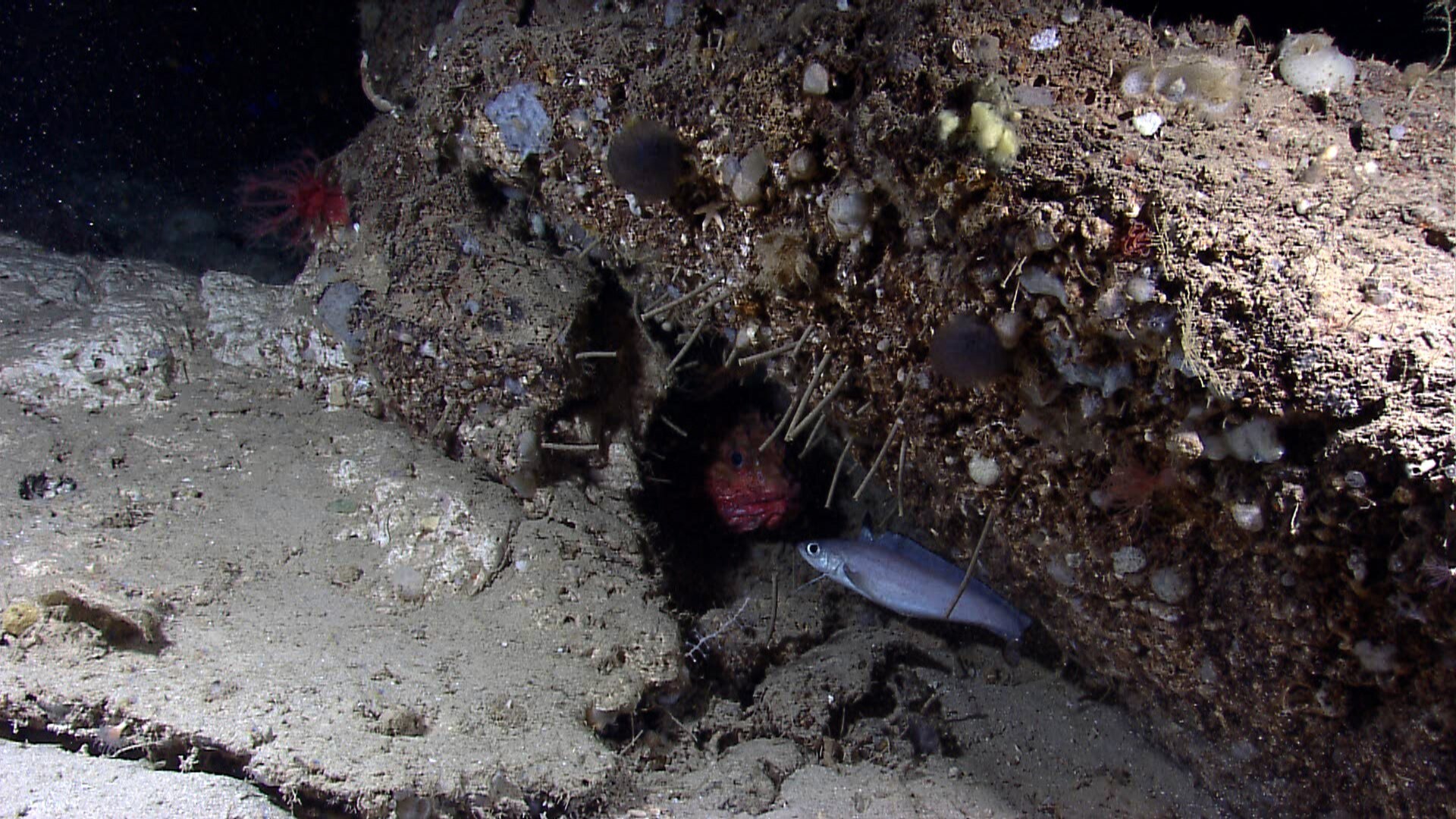
12. Rougheye Rockfish (205 Years): Low Temperature Conservation 
11. Koi Fish (226 Years): Clean Alpine Water And Generational Care 
10. Giant Tortoise (255 Years): Redundant Genome Stress Pathways - AdvertisementSwipe or tap ▶ to continue countdown

9. Freshwater Pearl Mussel (280 Years): Ultra Low Basal Metabolism 
8. Deep-Sea Tubeworm (300+ Years): Chemosynthetic Cold Seep Life 
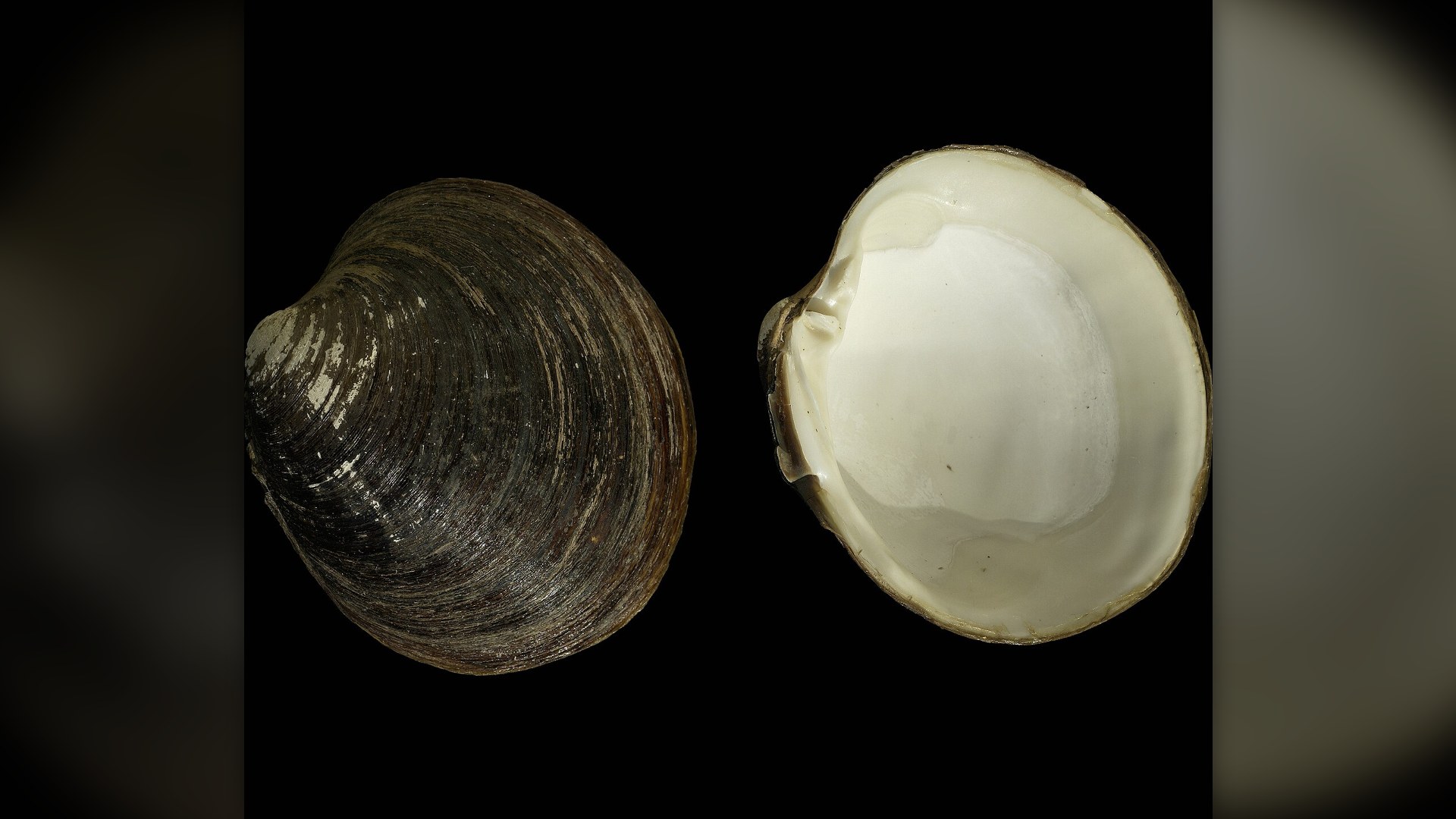
7. Ocean Quahog Clam (507 Years): Cell Lipid Oxidation Resistance 
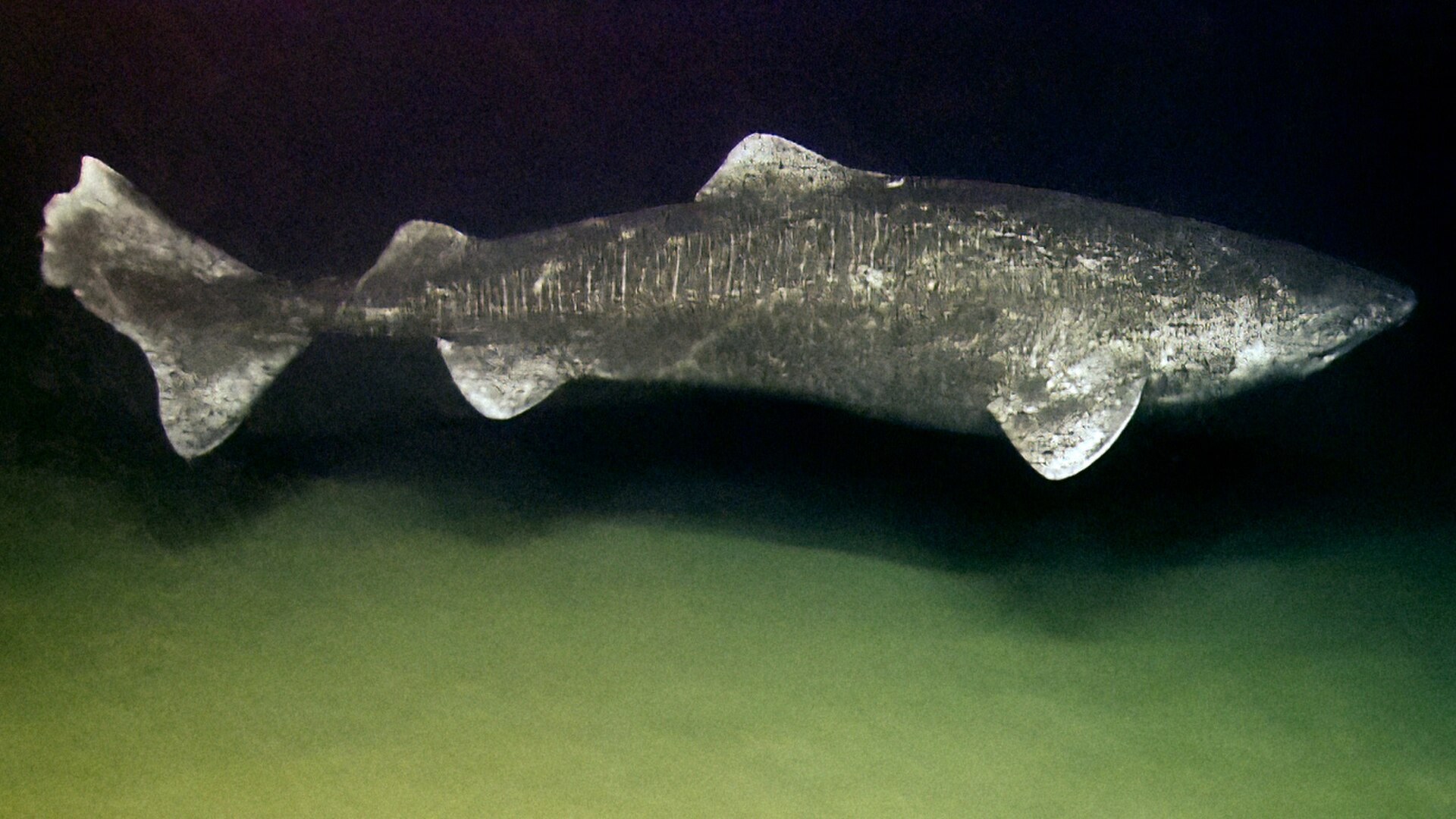
6. Greenland Shark (500+ Years): Polar Circulatory Conservation - AdvertisementSwipe or tap ▶ to continue countdown

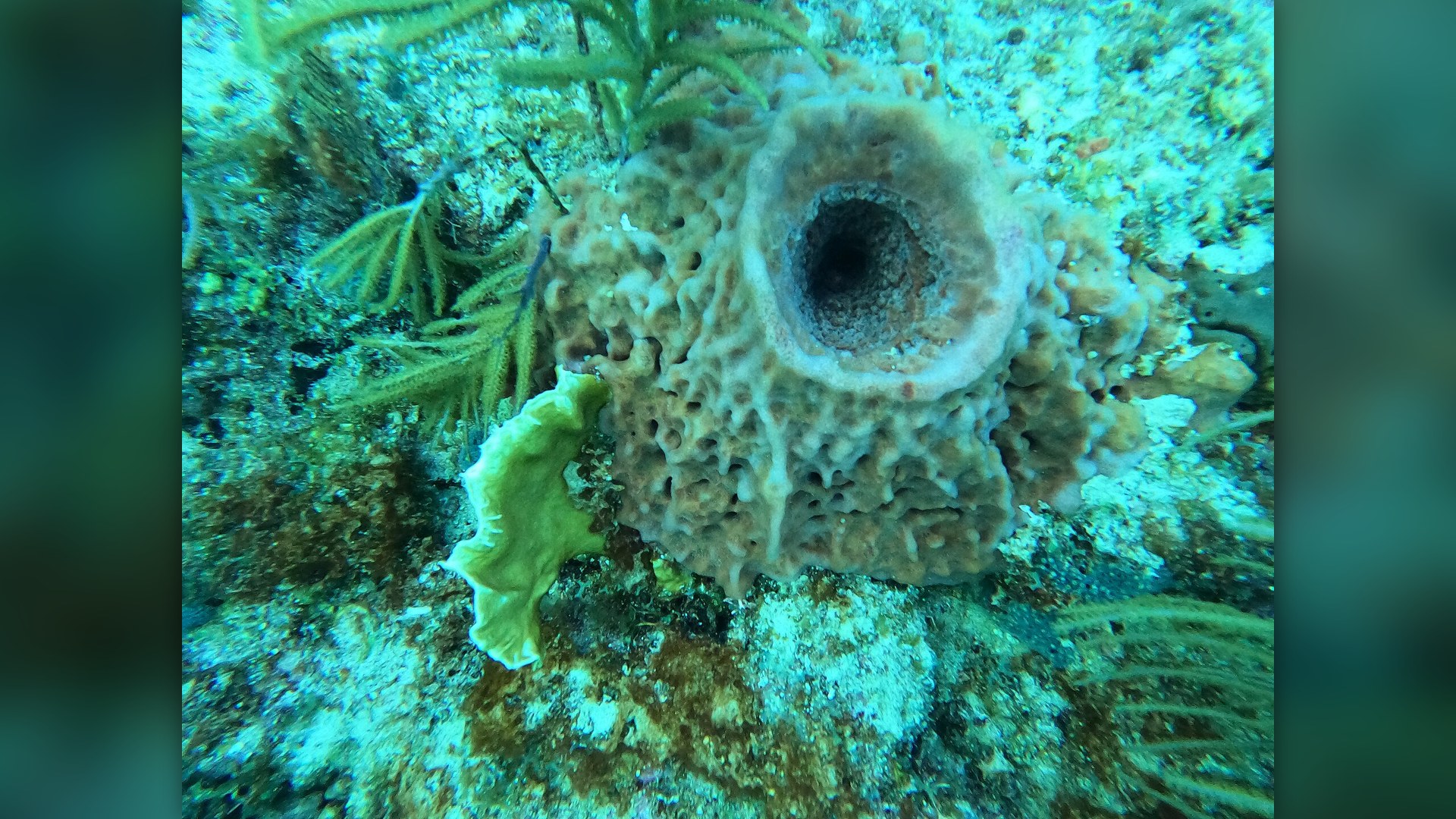
5. Giant Barrel Sponge (2,300 Years): Constant Reef Filter Feeding 
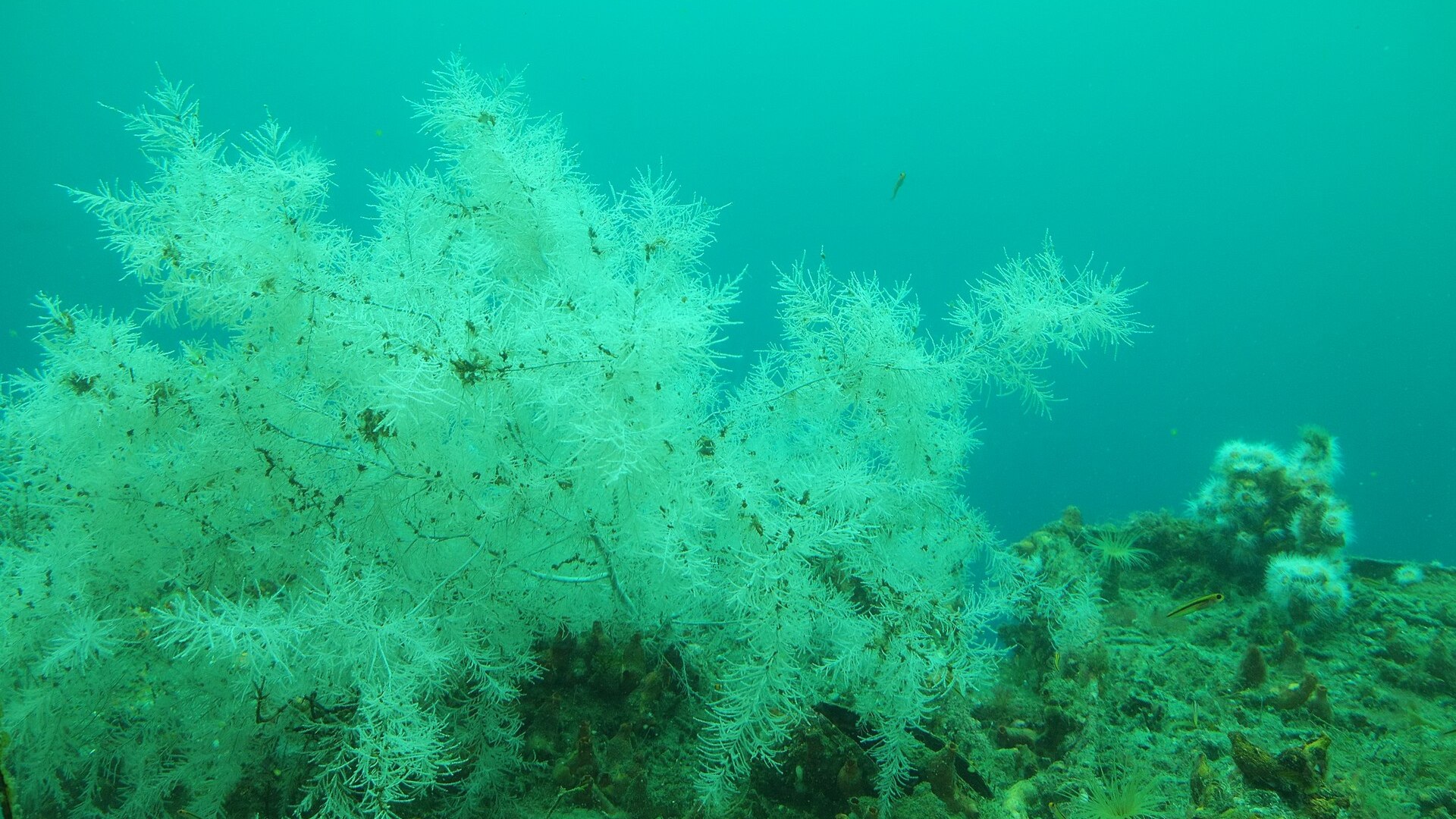
4. Black Coral (4,265 Years): Glacial Deep Water Protein Growth 
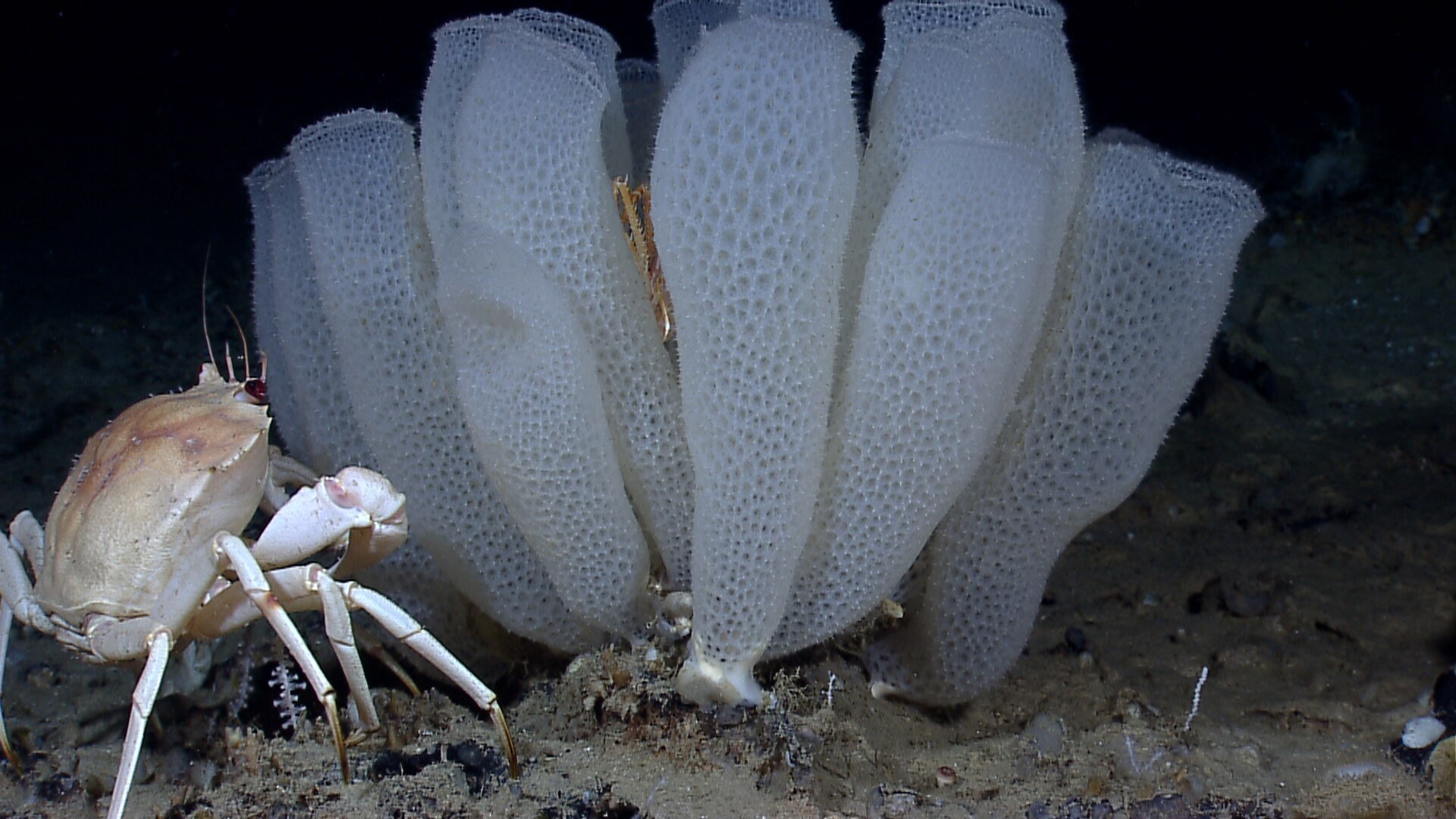
3. Glass Sponge (15,000 Years): Millennia Of Siliceous Growth 
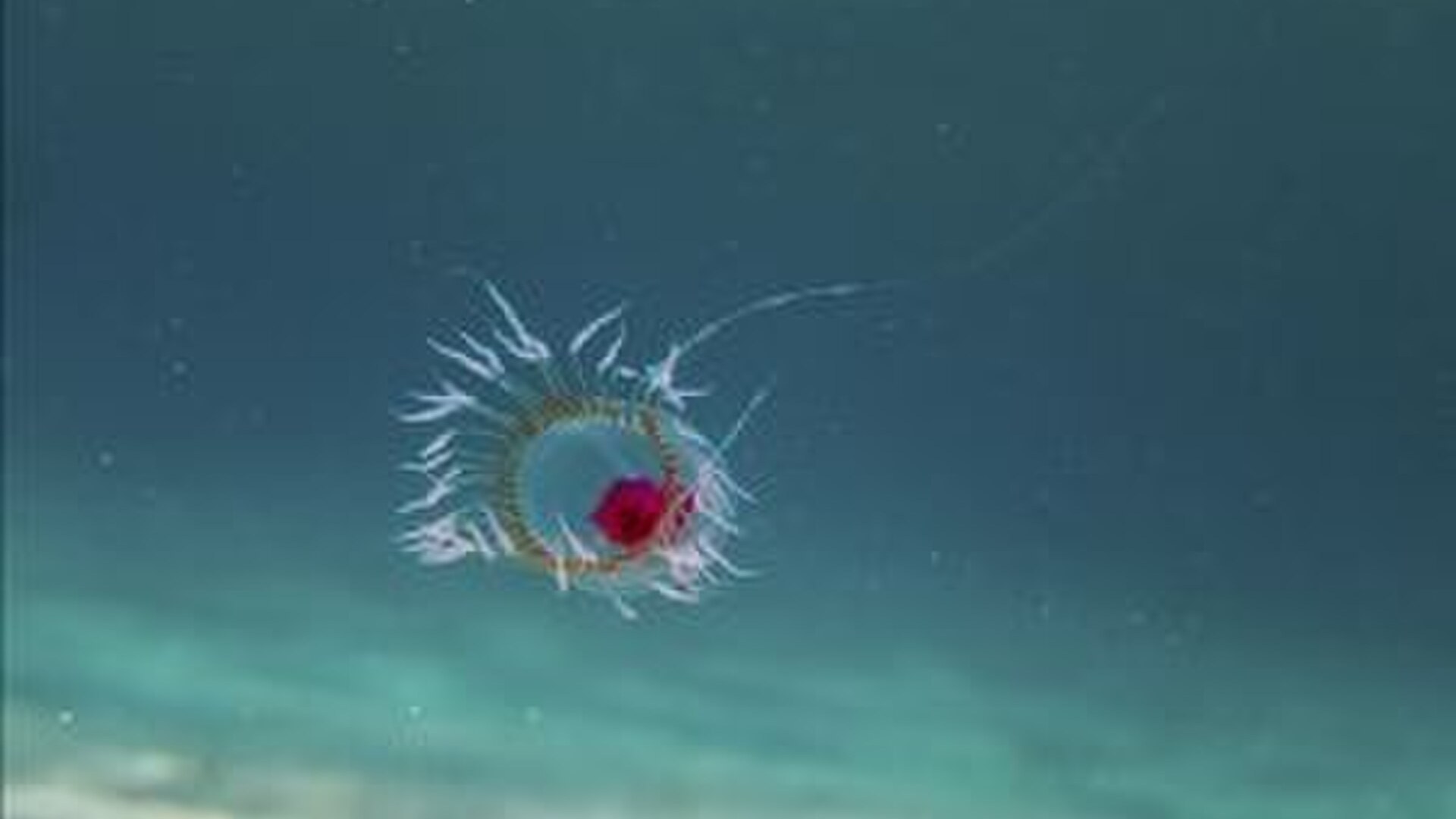
2. Immortal Jellyfish (Indefinite Lifespan): Cycle Transdifferentiation - AdvertisementSwipe or tap ▶ to continue countdown

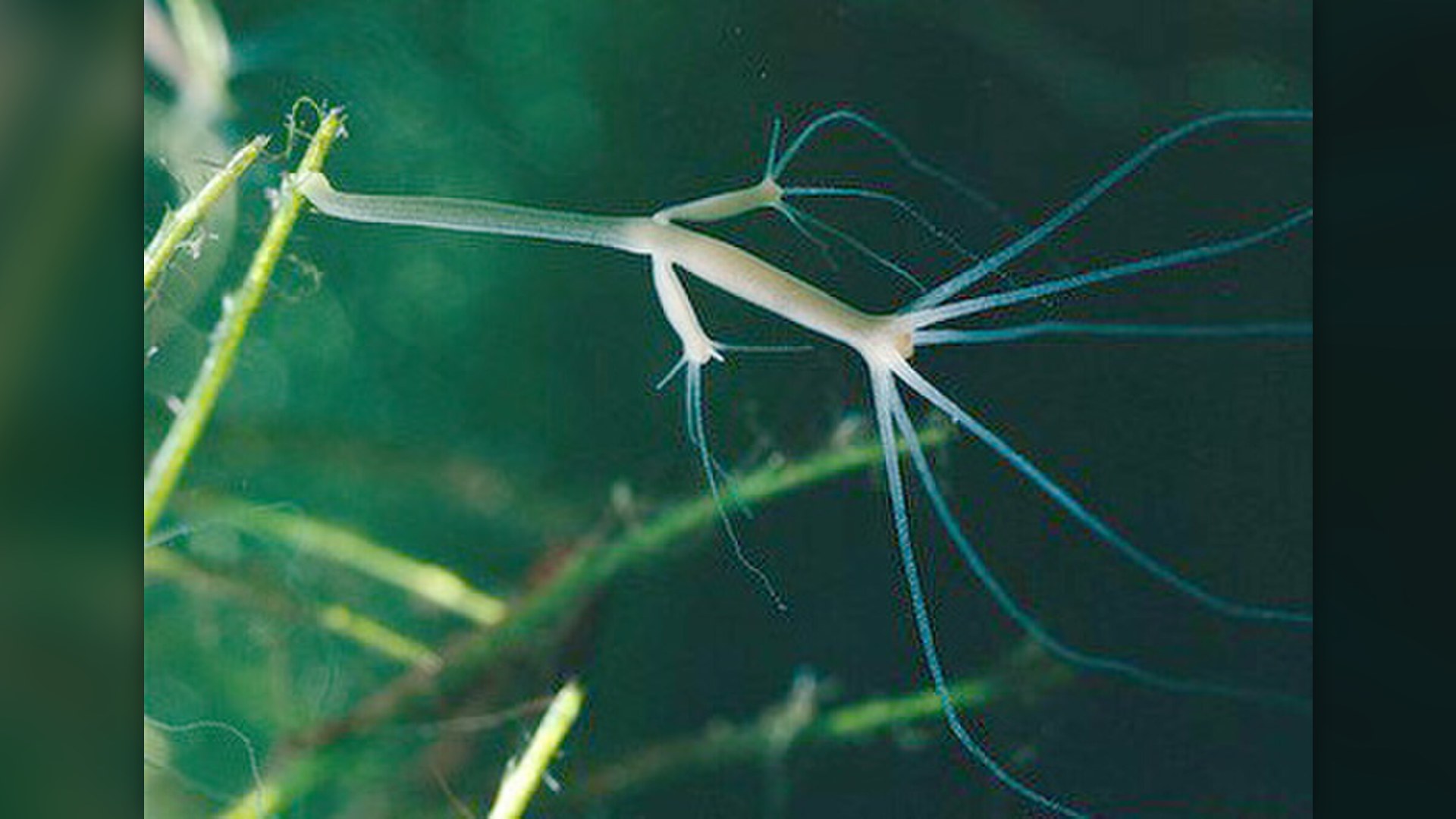
1. Hydra (Biologically Immortal): Continuous Stem Cell Self-Renewal - Advertisement🔥 UP NEXT IN THIS SERIES◫ 21 Slides

20 Animals That Build Remarkable Homes and Wild Structures
Across global ecosystems, animal species design architectural feats that rival human civil engineering. Based on field research by the BBC Natural History Unit and studies in Nature and Animal Behaviour, discover twenty wild builders constructing climate-controlled towers, silk chambers, and vast earthen mounds.
Across terrestrial forests and the deepest oceanic trenches, certain animal species possess biological adaptations that allow them to live for centuries or defy aging entirely. Based on peer reviewed findings from Live Science, Nature, and science research institutes, here are twenty species with extreme lifespans.
Swipe or tap ▶ to begin the countdown
©Pixabay / Franziska_Stier
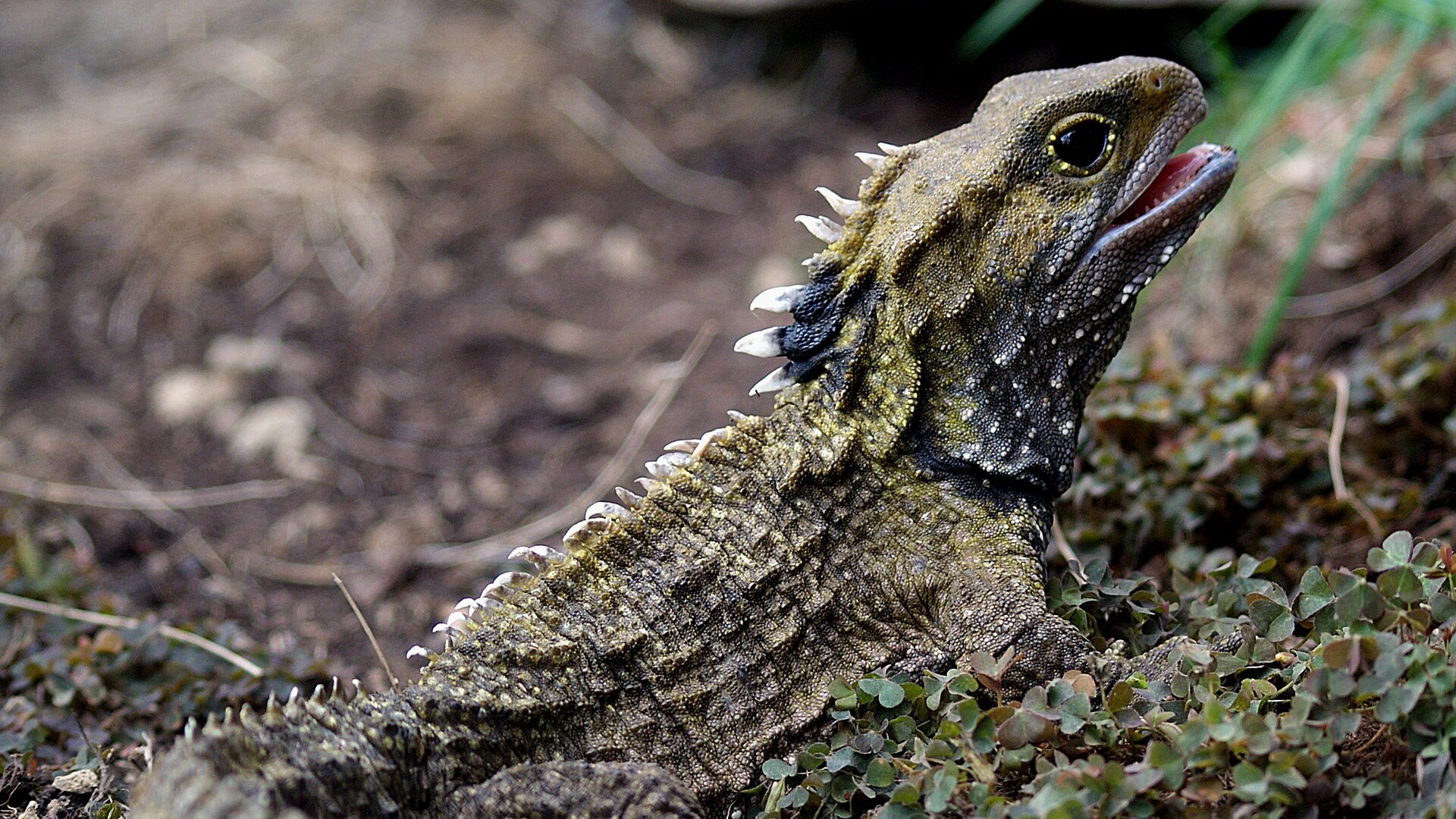
20. Tuatara (100+ Years): Minimal Metabolism For Century Survival
The tuatara belongs to an ancient reptilian lineage dating back over 200 million years. Its exceptionally slow metabolic rate and tolerance for cold climates allow it to mature slowly and reproduce well into its second century, with captive individuals documented thriving past 110 years.
©Wikimedia / Bernard Spragg. NZ from Christchurch, New Zealan
19. Macaws (100+ Years): Cellular Defenses Against Oxidative Decay
Large psittacines like blue and gold macaws and sulfur crested cockatoos possess cellular defenses against oxidative damage. Combined with protective domestic care and diets, birds like Cocky Bennett in Australia have lived past 100 years, outliving multiple generations of owners.
©Wikimedia / Bernard Spragg. NZ from Christchurch, New Zealan
18. Saltwater Crocodile (120+ Years): High Cellular Resilience
Saltwater crocodiles exhibit negligible senescence, meaning their physiological performance does not decline steeply with age. Powerful anti microbial peptides in their blood and indeterminate growth allow large individuals like Cassius in Australia to reach an estimated 120 years.
©Wikimedia / Bernard DUPONT from FRANCE
Advertisement
Swipe or tap ▶ to resume the countdown.
17. Human (122 Years): Modern Medicine And Social Adaptations
Humans are the longest living terrestrial primates due to cultural knowledge sharing, modern medical interventions, and strong social structures. The verified record holder, Jeanne Calment of France, lived to 122 years and 164 days, demonstrating exceptional longevity in our species.
©Pixabay / geralt
16. American Lobster (140 Years): Continuous Telomerase Production
Unlike most organisms that exhaust their telomeres during cell division, the American lobster expresses active telomerase throughout its body. This enzyme maintains DNA integrity during molting, allowing large specimens to grow continuously and survive past an estimated 140 years.
©Wikimedia / American lobster
15. Lake Sturgeon (152 Years): Slow Maturation In Frigid Rivers
Native to North American lakes and river systems, lake sturgeons grow at an extremely measured pace. Females often do not spawn until age twenty five, and cold water habitats keep metabolic wear to a minimum. Biologists have recorded specimens living beyond 152 years based on fin rays.
©Wikimedia / Rob Foster
14. Red Sea Urchin (200 Years): Negligible Coastal Senescence
Found along the Pacific coast from Alaska to California, red sea urchins can live for more than 200 years with virtually no signs of physiological aging. Carbon dating and chemical markers prove that two hundred year old individuals reproduce just as effectively as young adults.
©Wikimedia / brewbooks from near Seattle, USA
Advertisement
Swipe or tap ▶ to resume the countdown.
13. Bowhead Whale (211 Years): Unique DNA Repair Duplications
Bowhead whales inhabit chilly Arctic waters and possess unique duplications of genes associated with DNA repair and cancer resistance. Stone harpoon tips discovered inside harvested whales indicate individual lifespans exceeding 211 years, making them the longest living marine mammals.
©Wikimedia / Vladislav Raevskii
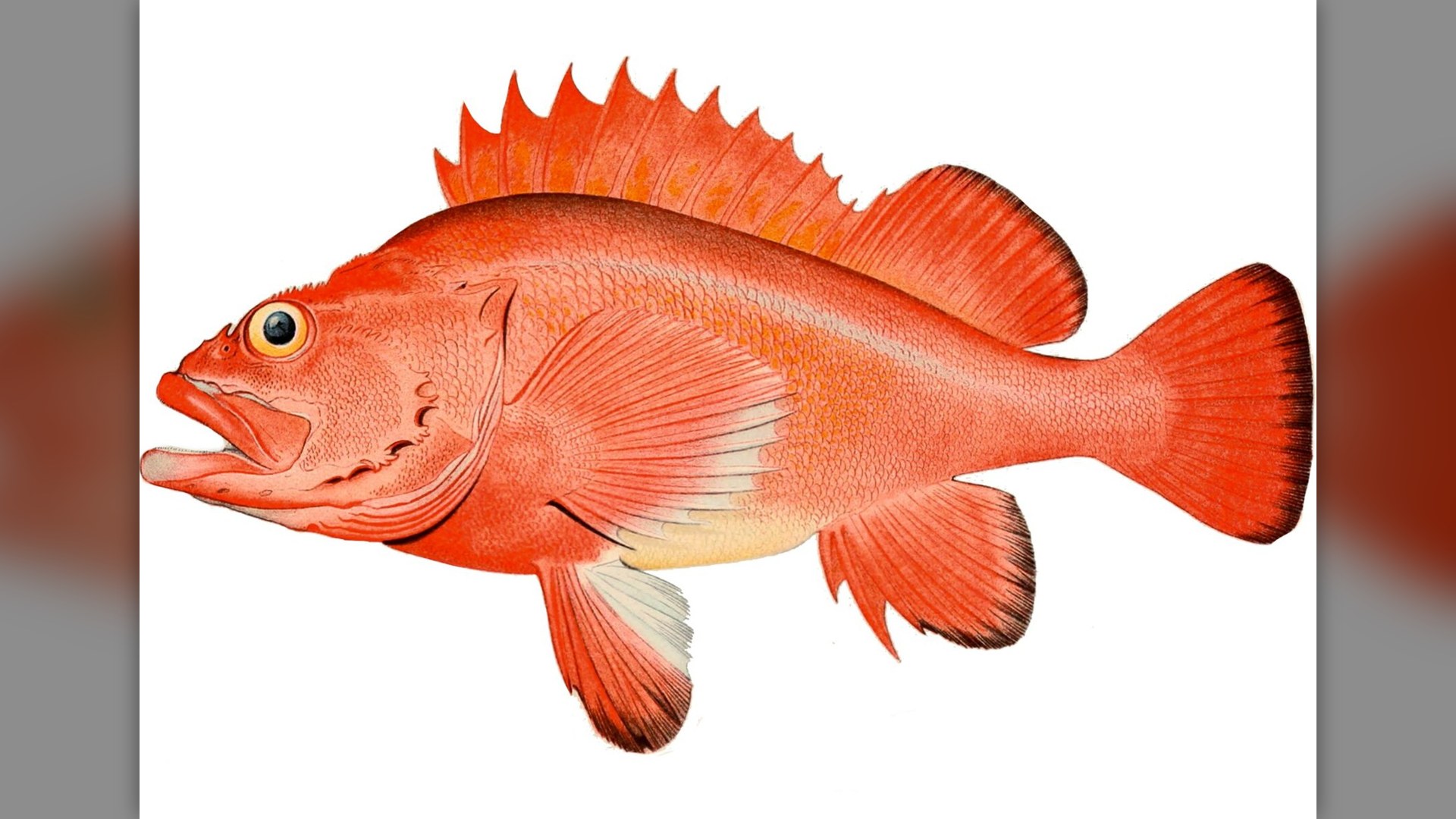
12. Rougheye Rockfish (205 Years): Low Temperature Conservation
Living at depths of up to 1,500 feet in the North Pacific, rougheye rockfish endure frigid temperatures that suppress cellular degradation. Scientists count the annual growth rings on their otoliths, or ear stones, confirming documented specimens that survived past 205 years.
©Wikimedia / Bulletin of the United States Fish Commission
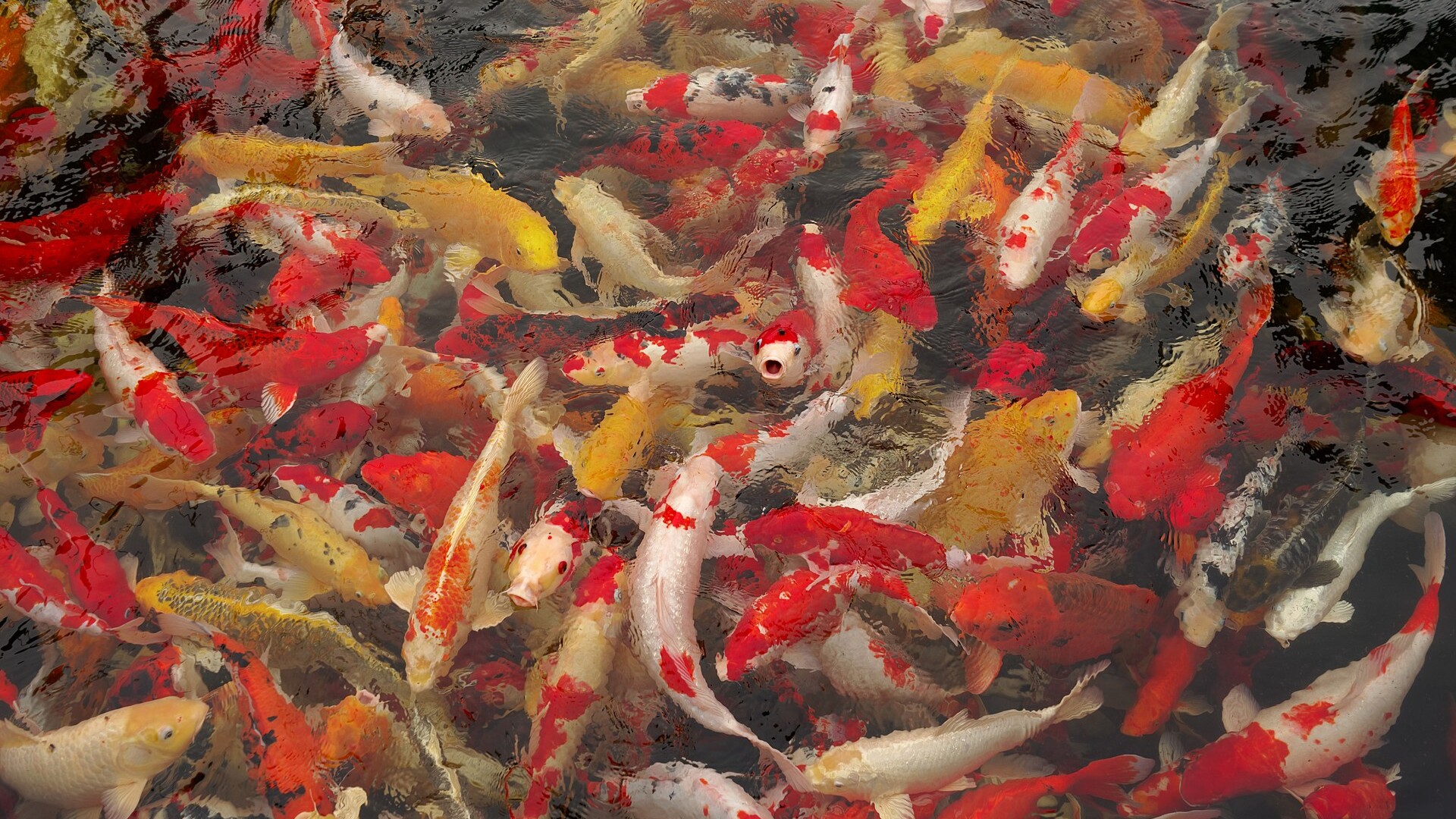
11. Koi Fish (226 Years): Clean Alpine Water And Generational Care
While common pond carp live several decades, Japanese koi kept in mineral rich mountain water have reached remarkable ages. The famous scarlet koi Hanako had her age calculated at 226 years in 1966 through rigorous analysis of growth rings on her scales by university researchers.
©Wikimedia / Jakub Hałun
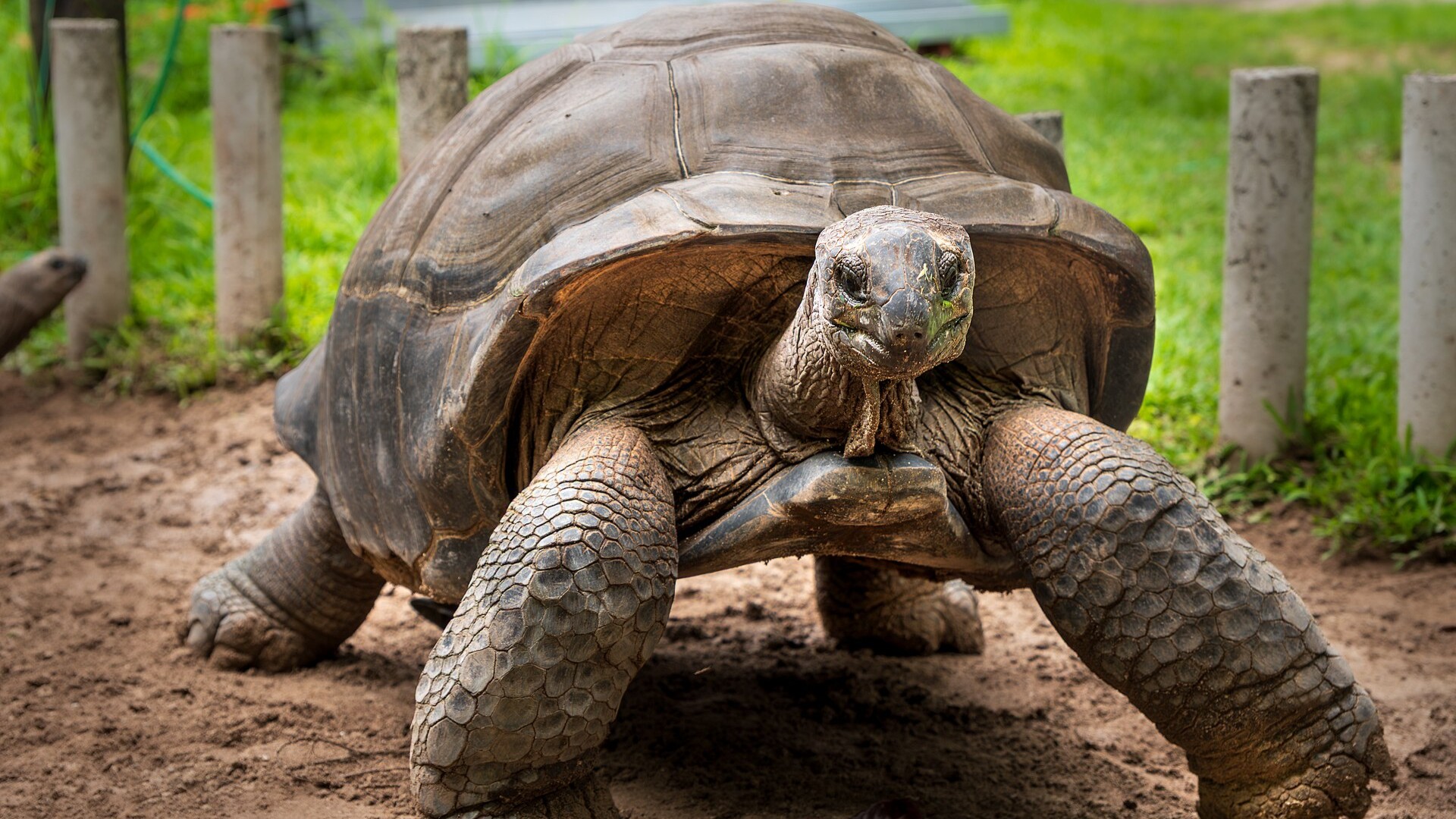
10. Giant Tortoise (255 Years): Redundant Genome Stress Pathways
Aldabra and Galapagos giant tortoises carry multiple copies of genes linked to longevity and disease suppression. Jonathan, a Seychelles giant tortoise living on Saint Helena, holds the record as the oldest living land animal at over 190 years, while Adwaita reached an estimated 255.
©Wikimedia / NorbertNagel
Advertisement
Swipe or tap ▶ to resume the countdown.
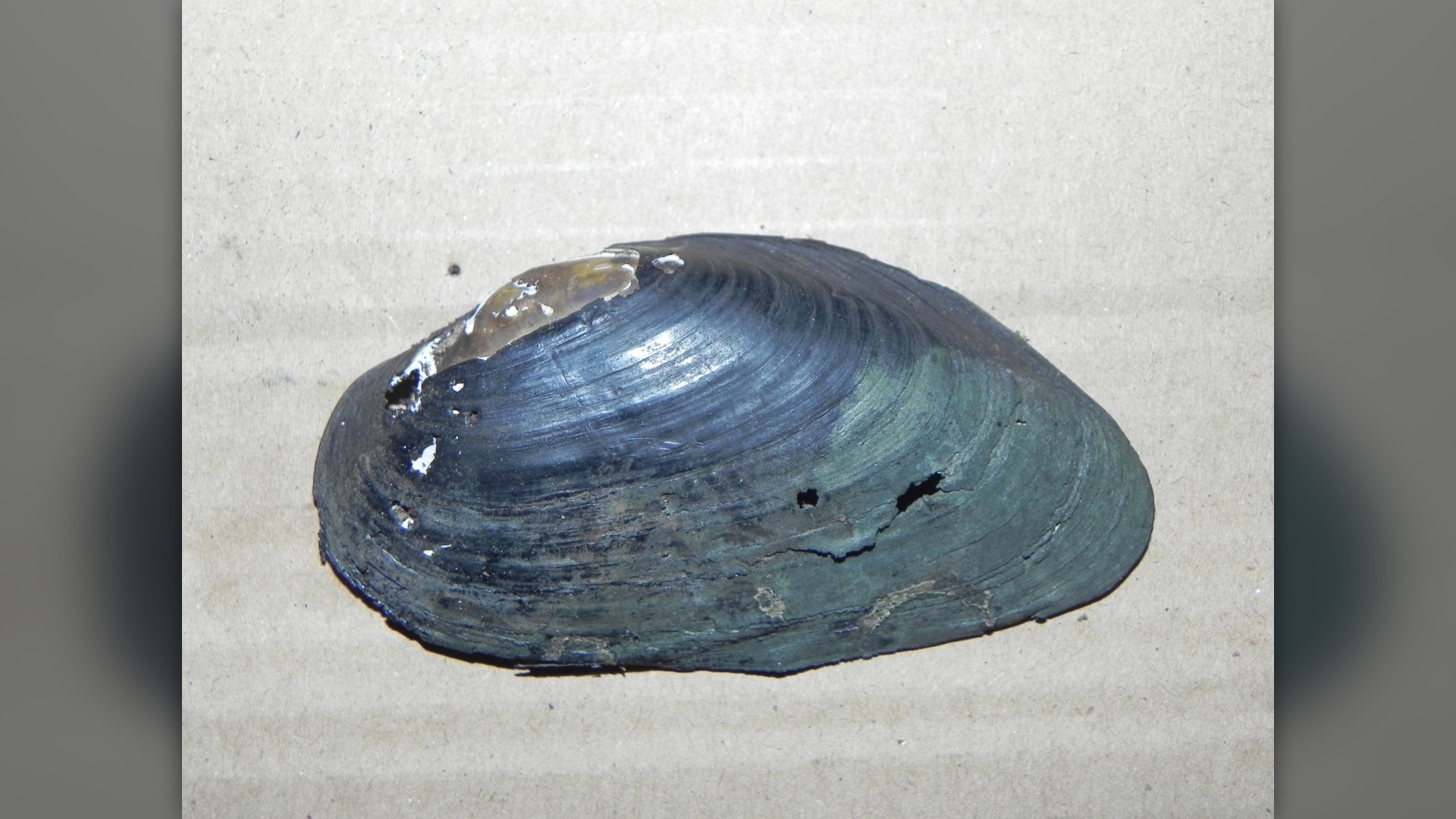
9. Freshwater Pearl Mussel (280 Years): Ultra Low Basal Metabolism
Freshwater pearl mussels thrive in clean, oxygenated European rivers where they filter feed quietly on the riverbed. Their ultra low basal metabolic rate protects tissues from oxidative stress, allowing healthy individuals to survive up to 280 years when undisturbed by pollution.
©Openverse / btk
8. Deep-Sea Tubeworm (300+ Years): Chemosynthetic Cold Seep Life
Escarpia laminata tubeworms dwell thousands of feet below the surface in cold methane seeps in the Gulf of Mexico. Relying entirely on symbiotic bacteria for nutrition, they experience low predation and minimal mortality, regularly surviving beyond 300 years in the quiet deep.
©Wikimedia / NOAA Photo Library
7. Ocean Quahog Clam (507 Years): Cell Lipid Oxidation Resistance
Ocean quahogs living on the chilly seabed of the North Atlantic maintain cell membranes that are uniquely resistant to lipid oxidation. A specimen nicknamed Ming collected off Iceland in 2006 had its age calculated at 507 years by tallying growth bands in its hardened shell.
©Wikimedia / Hans Hillewaert
6. Greenland Shark (500+ Years): Polar Circulatory Conservation
Greenland sharks inhabit icy polar waters and grow by merely one centimeter each year, reaching reproductive maturity around age 150. Radiocarbon dating of proteins in their eye lenses revealed that large specimens live at least 272 years and can likely surpass five centuries.
©Wikimedia / NOAA Okeanos Explorer Program
Advertisement
Swipe or tap ▶ to resume the countdown.
5. Giant Barrel Sponge (2,300 Years): Constant Reef Filter Feeding
Known scientifically as Xestospongia muta, giant barrel sponges dominate Caribbean coral reefs. Lacking complex organs, they pump ocean water continuously through porous bodies to feed. Marine scientists estimate that the largest specimens have been growing undisturbed for over 2,300 years.
©Wikimedia / Jstuby
4. Black Coral (4,265 Years): Glacial Deep Water Protein Growth
Unlike shallow water reef corals, black corals live hundreds of feet down in dark, stable waters and lack photosynthetic algae. They form skeletal layers made of chitin and protein at a glacial pace. Radiocarbon analysis of Leiopathes specimens in Hawaii confirmed ages exceeding 4,265 years.
©Wikimedia / Pseudopanax
3. Glass Sponge (15,000 Years): Millennia Of Siliceous Growth
Glass sponges possess skeletons woven from silica, resembling intricate glass baskets. Anchored in abyssal mud where temperatures hover near freezing, species like Monorhaphis chuni produce giant basal spicules over thousands of years, with specimens estimated to be 11,000 to 15,000 years old.
©Wikimedia / NOAA Photo Library
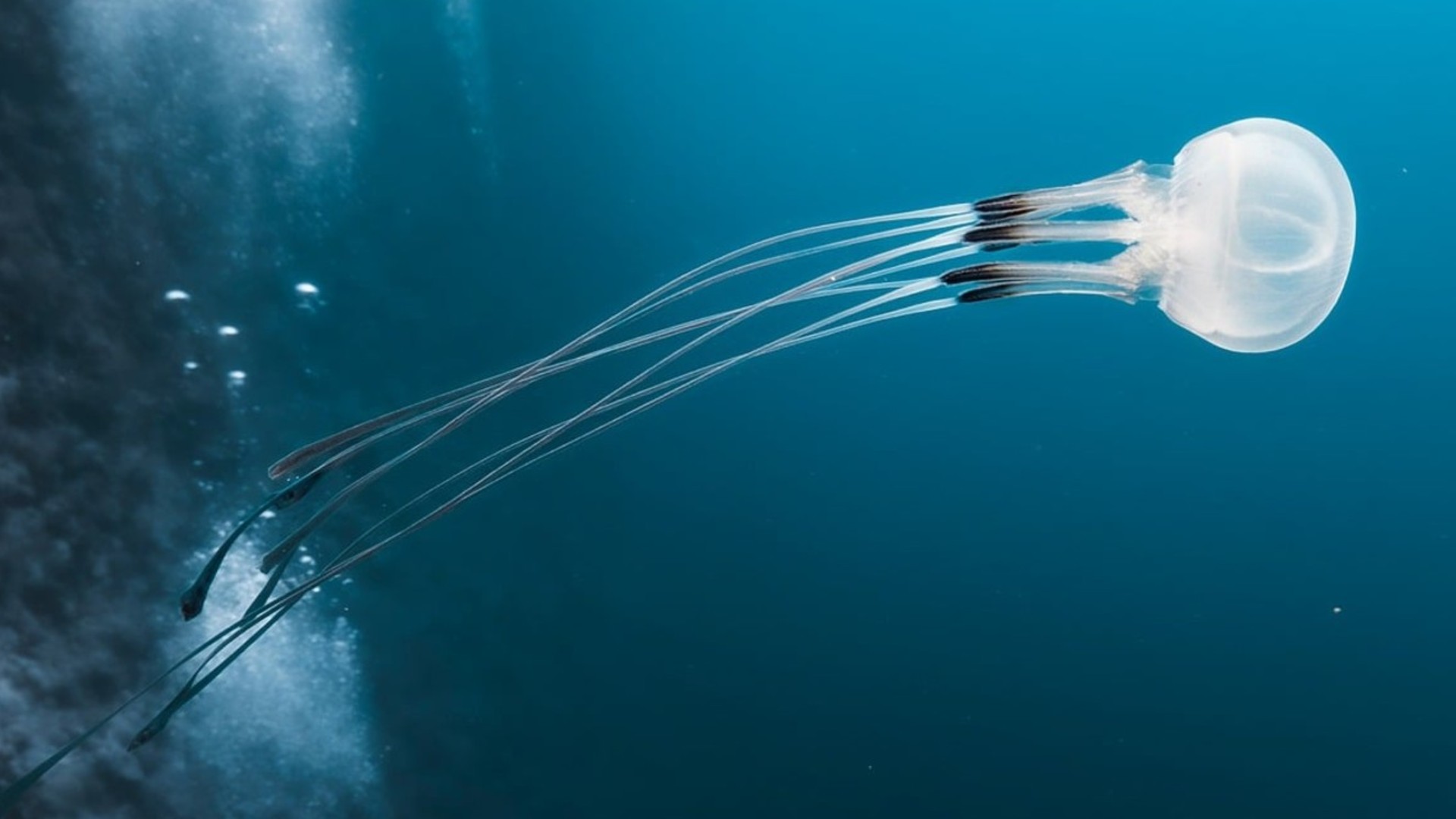
2. Immortal Jellyfish (Indefinite Lifespan): Cycle Transdifferentiation
Turritopsis dohrnii possesses the extraordinary ability to undergo cellular transdifferentiation when physically damaged or starving. It transforms mature medusa cells back into juvenile polyp colonies, effectively resetting its developmental clock and repeating the cycle without dying of old age.
©Wikimedia / Bachware
Advertisement
Swipe or tap ▶ to resume the countdown.
1. Hydra (Biologically Immortal): Continuous Stem Cell Self-Renewal
Hydra are tiny freshwater cnidarians whose bodies consist primarily of continually renewing stem cells. Because their cells replicate and replace old tissue without accumulating senescence, hydra exhibit no natural mortality curve and are considered biologically immortal by modern biologists.

©Wikimedia / Lifetrance ( talk )
Advertisement
You've reached the end of the story. Thanks for reading!

20 Animals That Build Remarkable Homes and Wild Structures
Across global ecosystems, animal species design architectural feats that rival human civil engineering. Based on field research by the BBC Natural History Unit and studies in Nature and Animal Behaviour, discover twenty wild builders constructing climate-controlled towers, silk chambers, and vast earthen mounds.
All 20 Entries in this Story
20. Tuatara (100+ Years): Minimal Metabolism For Century Survival
The tuatara belongs to an ancient reptilian lineage dating back over 200 million years. Its exceptionally slow metabolic rate and tolerance for cold climates allow it to mature slowly and reproduce well into its second century, with captive individuals documented thriving past 110 years.

19. Macaws (100+ Years): Cellular Defenses Against Oxidative Decay
Large psittacines like blue and gold macaws and sulfur crested cockatoos possess cellular defenses against oxidative damage. Combined with protective domestic care and diets, birds like Cocky Bennett in Australia have lived past 100 years, outliving multiple generations of owners.

18. Saltwater Crocodile (120+ Years): High Cellular Resilience
Saltwater crocodiles exhibit negligible senescence, meaning their physiological performance does not decline steeply with age. Powerful anti microbial peptides in their blood and indeterminate growth allow large individuals like Cassius in Australia to reach an estimated 120 years.

17. Human (122 Years): Modern Medicine And Social Adaptations
Humans are the longest living terrestrial primates due to cultural knowledge sharing, modern medical interventions, and strong social structures. The verified record holder, Jeanne Calment of France, lived to 122 years and 164 days, demonstrating exceptional longevity in our species.

16. American Lobster (140 Years): Continuous Telomerase Production
Unlike most organisms that exhaust their telomeres during cell division, the American lobster expresses active telomerase throughout its body. This enzyme maintains DNA integrity during molting, allowing large specimens to grow continuously and survive past an estimated 140 years.

15. Lake Sturgeon (152 Years): Slow Maturation In Frigid Rivers
Native to North American lakes and river systems, lake sturgeons grow at an extremely measured pace. Females often do not spawn until age twenty five, and cold water habitats keep metabolic wear to a minimum. Biologists have recorded specimens living beyond 152 years based on fin rays.

14. Red Sea Urchin (200 Years): Negligible Coastal Senescence
Found along the Pacific coast from Alaska to California, red sea urchins can live for more than 200 years with virtually no signs of physiological aging. Carbon dating and chemical markers prove that two hundred year old individuals reproduce just as effectively as young adults.

13. Bowhead Whale (211 Years): Unique DNA Repair Duplications
Bowhead whales inhabit chilly Arctic waters and possess unique duplications of genes associated with DNA repair and cancer resistance. Stone harpoon tips discovered inside harvested whales indicate individual lifespans exceeding 211 years, making them the longest living marine mammals.

12. Rougheye Rockfish (205 Years): Low Temperature Conservation
Living at depths of up to 1,500 feet in the North Pacific, rougheye rockfish endure frigid temperatures that suppress cellular degradation. Scientists count the annual growth rings on their otoliths, or ear stones, confirming documented specimens that survived past 205 years.

11. Koi Fish (226 Years): Clean Alpine Water And Generational Care
While common pond carp live several decades, Japanese koi kept in mineral rich mountain water have reached remarkable ages. The famous scarlet koi Hanako had her age calculated at 226 years in 1966 through rigorous analysis of growth rings on her scales by university researchers.

10. Giant Tortoise (255 Years): Redundant Genome Stress Pathways
Aldabra and Galapagos giant tortoises carry multiple copies of genes linked to longevity and disease suppression. Jonathan, a Seychelles giant tortoise living on Saint Helena, holds the record as the oldest living land animal at over 190 years, while Adwaita reached an estimated 255.

9. Freshwater Pearl Mussel (280 Years): Ultra Low Basal Metabolism
Freshwater pearl mussels thrive in clean, oxygenated European rivers where they filter feed quietly on the riverbed. Their ultra low basal metabolic rate protects tissues from oxidative stress, allowing healthy individuals to survive up to 280 years when undisturbed by pollution.

8. Deep-Sea Tubeworm (300+ Years): Chemosynthetic Cold Seep Life
Escarpia laminata tubeworms dwell thousands of feet below the surface in cold methane seeps in the Gulf of Mexico. Relying entirely on symbiotic bacteria for nutrition, they experience low predation and minimal mortality, regularly surviving beyond 300 years in the quiet deep.

7. Ocean Quahog Clam (507 Years): Cell Lipid Oxidation Resistance
Ocean quahogs living on the chilly seabed of the North Atlantic maintain cell membranes that are uniquely resistant to lipid oxidation. A specimen nicknamed Ming collected off Iceland in 2006 had its age calculated at 507 years by tallying growth bands in its hardened shell.

6. Greenland Shark (500+ Years): Polar Circulatory Conservation
Greenland sharks inhabit icy polar waters and grow by merely one centimeter each year, reaching reproductive maturity around age 150. Radiocarbon dating of proteins in their eye lenses revealed that large specimens live at least 272 years and can likely surpass five centuries.

5. Giant Barrel Sponge (2,300 Years): Constant Reef Filter Feeding
Known scientifically as Xestospongia muta, giant barrel sponges dominate Caribbean coral reefs. Lacking complex organs, they pump ocean water continuously through porous bodies to feed. Marine scientists estimate that the largest specimens have been growing undisturbed for over 2,300 years.

4. Black Coral (4,265 Years): Glacial Deep Water Protein Growth
Unlike shallow water reef corals, black corals live hundreds of feet down in dark, stable waters and lack photosynthetic algae. They form skeletal layers made of chitin and protein at a glacial pace. Radiocarbon analysis of Leiopathes specimens in Hawaii confirmed ages exceeding 4,265 years.

3. Glass Sponge (15,000 Years): Millennia Of Siliceous Growth
Glass sponges possess skeletons woven from silica, resembling intricate glass baskets. Anchored in abyssal mud where temperatures hover near freezing, species like Monorhaphis chuni produce giant basal spicules over thousands of years, with specimens estimated to be 11,000 to 15,000 years old.

2. Immortal Jellyfish (Indefinite Lifespan): Cycle Transdifferentiation
Turritopsis dohrnii possesses the extraordinary ability to undergo cellular transdifferentiation when physically damaged or starving. It transforms mature medusa cells back into juvenile polyp colonies, effectively resetting its developmental clock and repeating the cycle without dying of old age.

1. Hydra (Biologically Immortal): Continuous Stem Cell Self-Renewal
Hydra are tiny freshwater cnidarians whose bodies consist primarily of continually renewing stem cells. Because their cells replicate and replace old tissue without accumulating senescence, hydra exhibit no natural mortality curve and are considered biologically immortal by modern biologists.