Slideshow · Animals
22 Vibrant Blue Animals From Around the World
True blue pigmentation is extraordinarily rare in the animal kingdom, making vibrant blue creatures among the most striking sights on Earth. From microscopic wing scales that scatter light to lethal warning hues in tropical jungles, these species use vivid blue shades for defense, mating, and camouflage.
By Most Viral Today
2 hours ago

The Science and Splendor of Nature's Rarest Blue Creatures 
22. Blue American Lobster 
21. Moor Frog 
20. Blue Jay - AdvertisementSwipe or tap ▶ to continue countdown

19. Sinai Agama 
18. Blue Carpenter Bee 
17. Indigo Bunting 
16. Ribbon Eel - AdvertisementSwipe or tap ▶ to continue countdown

15. Western Crowned Pigeon 
14. Splendid Fairy Wren 
13. Blue Crab 
12. Blue Sea Star - AdvertisementSwipe or tap ▶ to continue countdown

11. Blue Dasher Dragonfly 
10. Indian Peafowl 
9. Blue Tang 
8. Electric Blue Gecko - AdvertisementSwipe or tap ▶ to continue countdown

7. Mountain Bluebird 
6. Greater Blue Ringed Octopus 
5. Blue Glaucus 
4. Grand Cayman Blue Iguana - AdvertisementSwipe or tap ▶ to continue countdown

3. Hyacinth Macaw 
2. Blue Morpho Butterfly 
1. Blue Poison Dart Frog - Advertisement🔥 UP NEXT IN THIS SERIES◫ 21 Slides

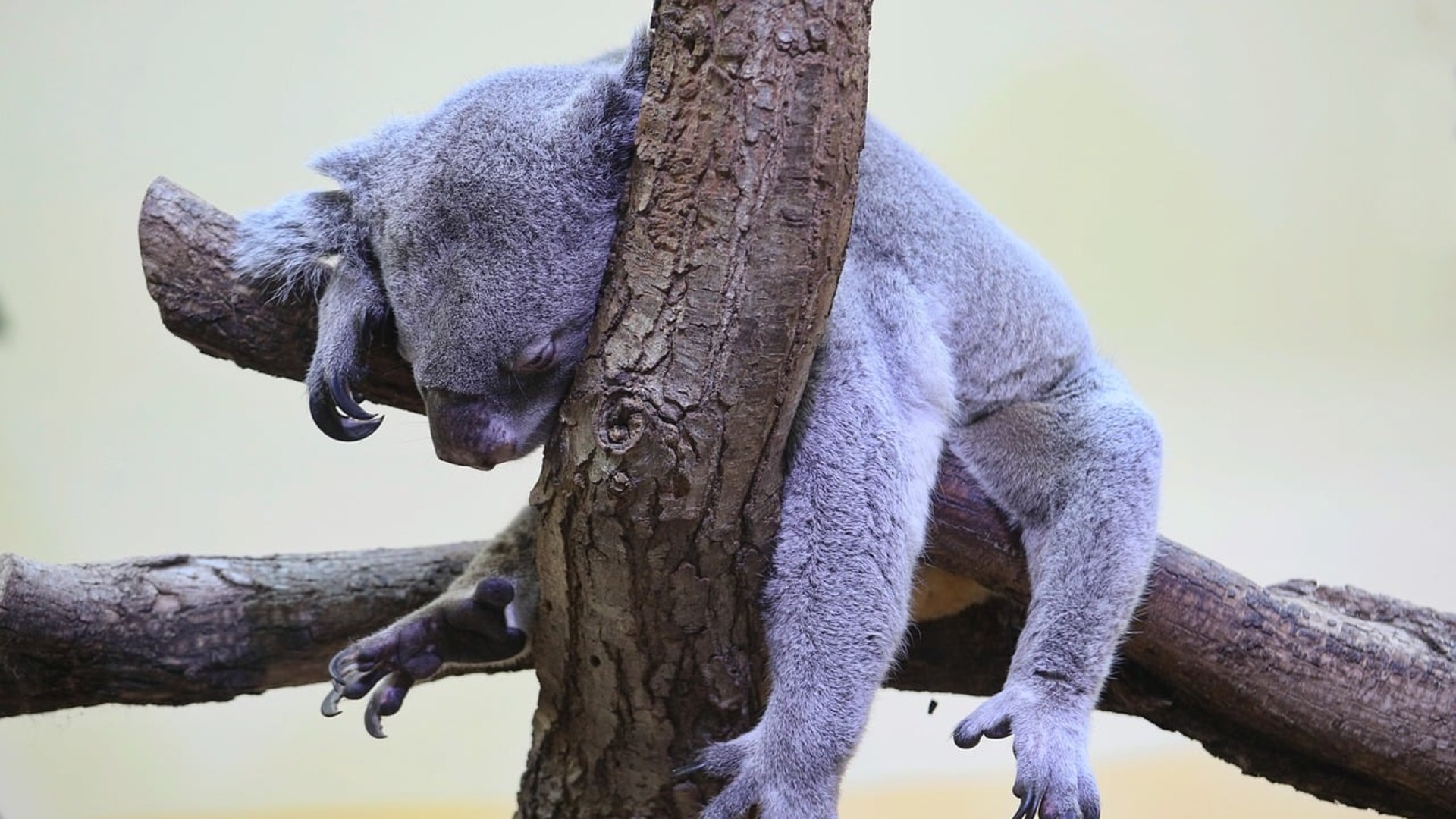
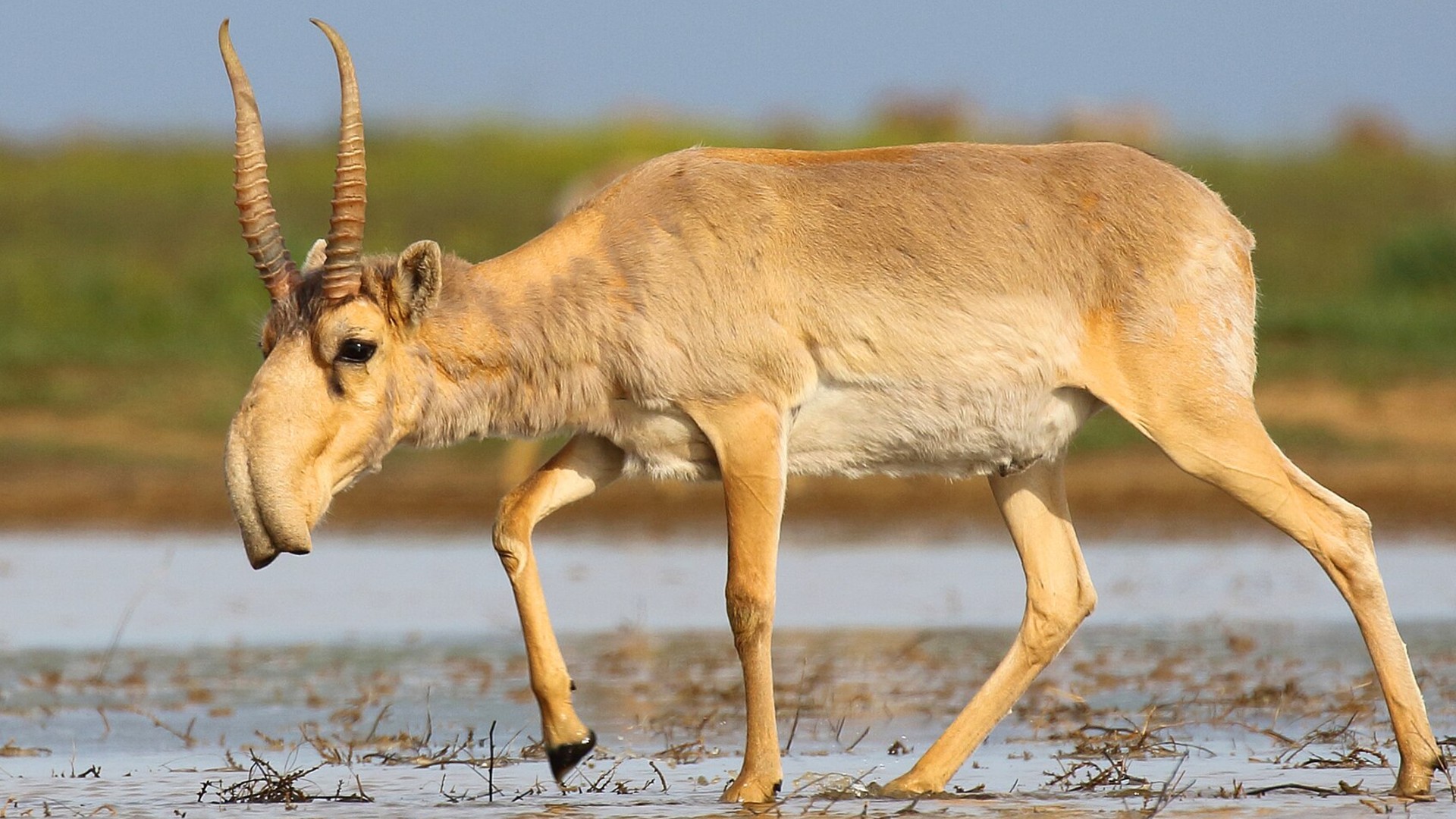
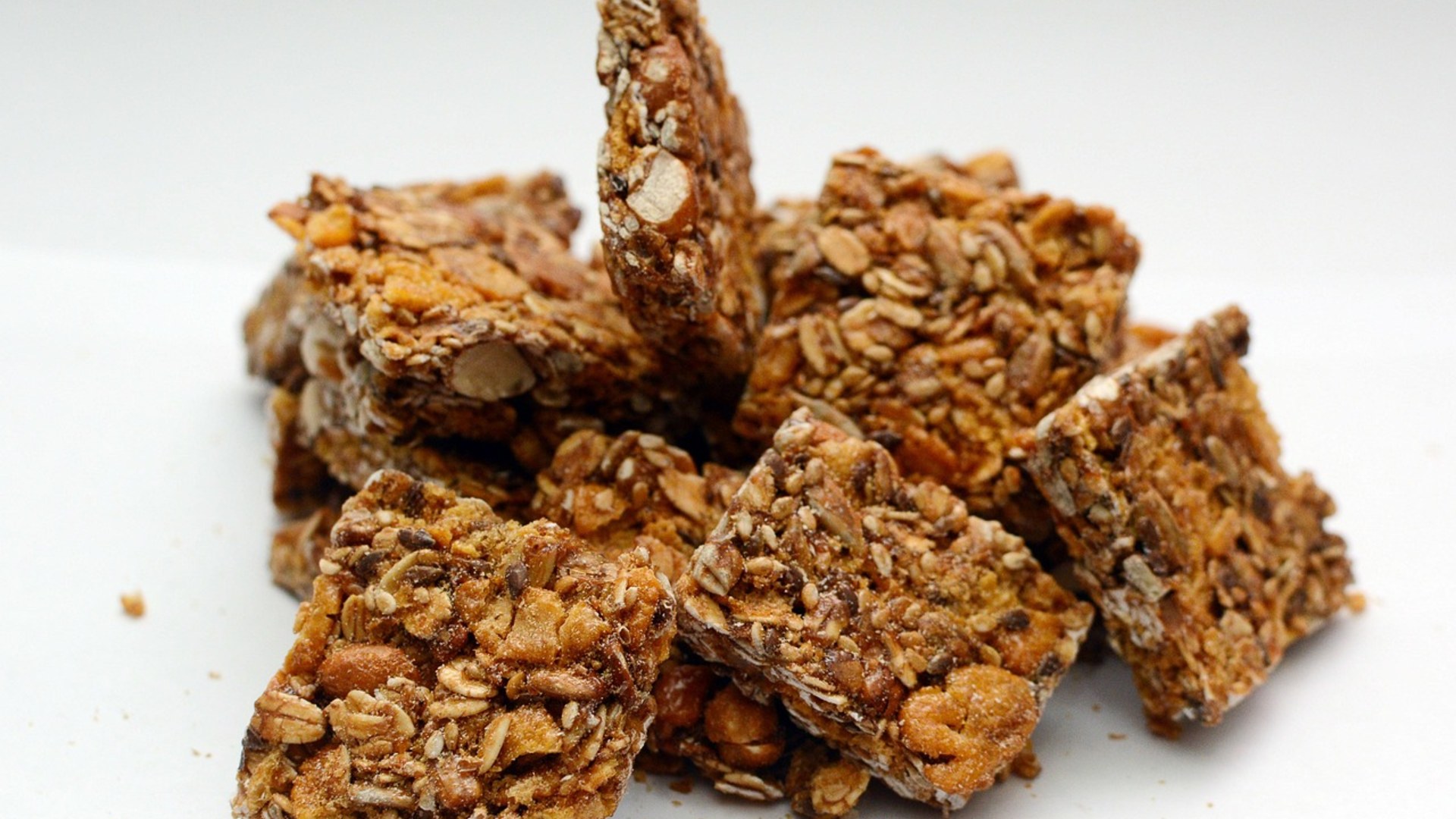
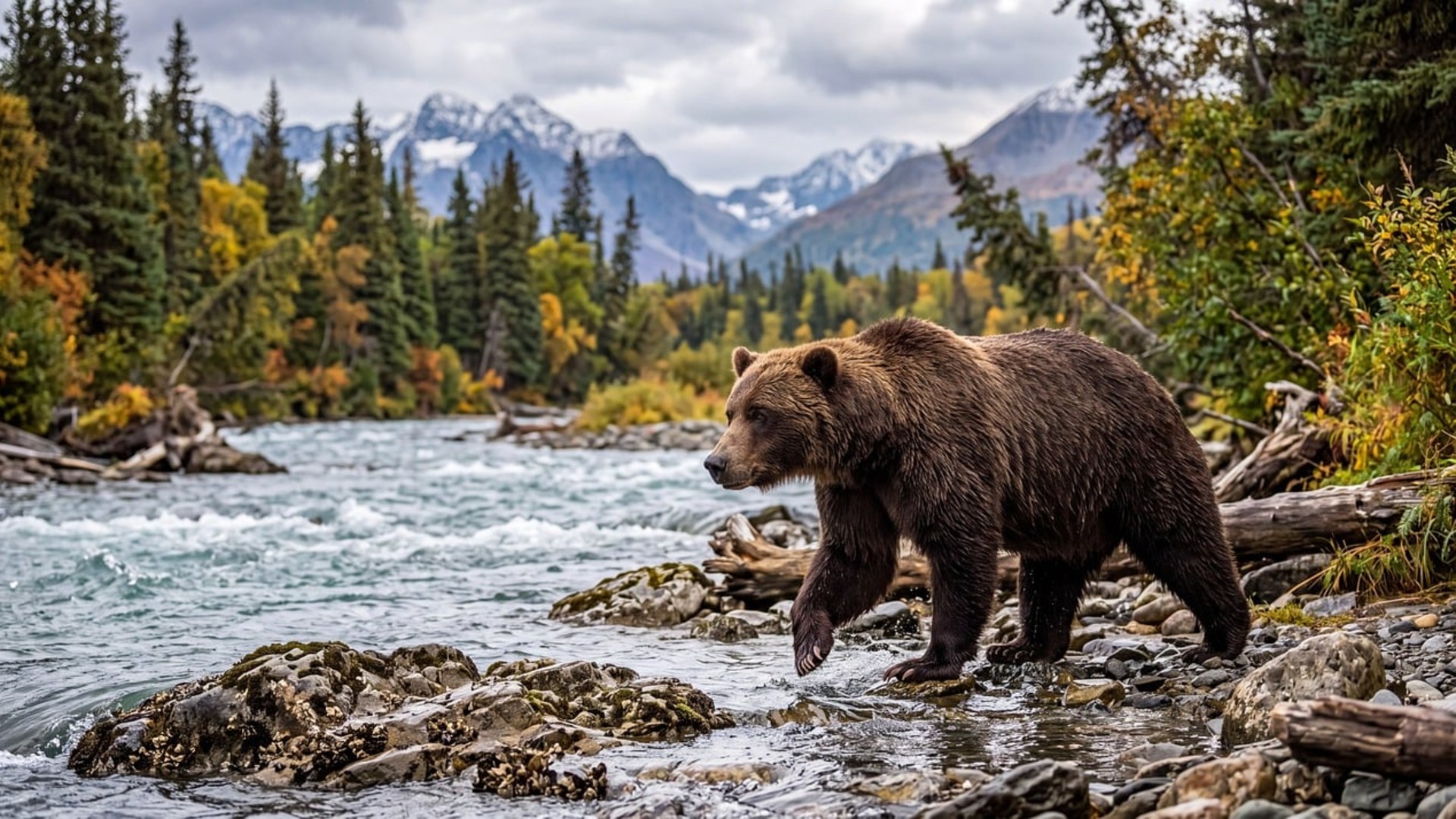
20 Animals With Daily Appetites From Grams to Tons
Across the animal kingdom, survival demands constant fuel. While hummingbirds and shrews eat multiples of their body weight to power relentless metabolisms, massive herbivores and marine giants consume dozens of pounds to several tons daily. Based on records from National Geographic and the Smithsonian.
Animals rarely produce blue chemical pigments, relying instead on structural coloration to bend light into dazzling hues. Studies from the Smithsonian Institution, Cornell Lab of Ornithology, and the Natural History Museum explain these adaptations. Here are twenty-two species with unforgettable blue color.
Swipe or tap ▶ to begin the countdown
©Wikimedia / RidhaAnshari85
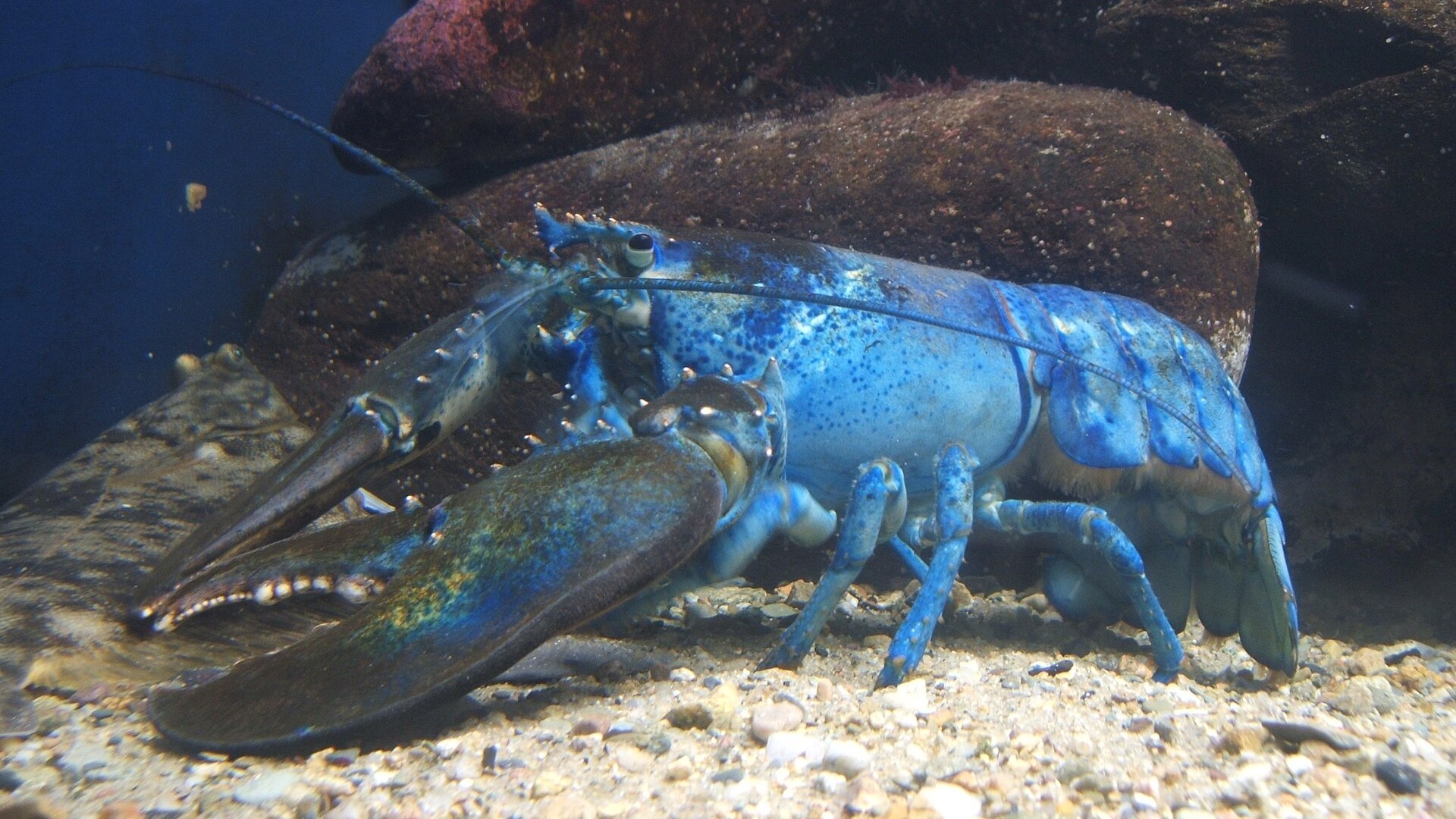
22. Blue American Lobster
Caught occasionally in cold North Atlantic waters off New England and Nova Scotia, blue lobsters owe their color to a rare genetic variation occurring in roughly one in two million individuals. The mutation causes an overproduction of crustacyanin, turning the shell vibrant sapphire blue.
©Wikimedia / Steven G. Johnson
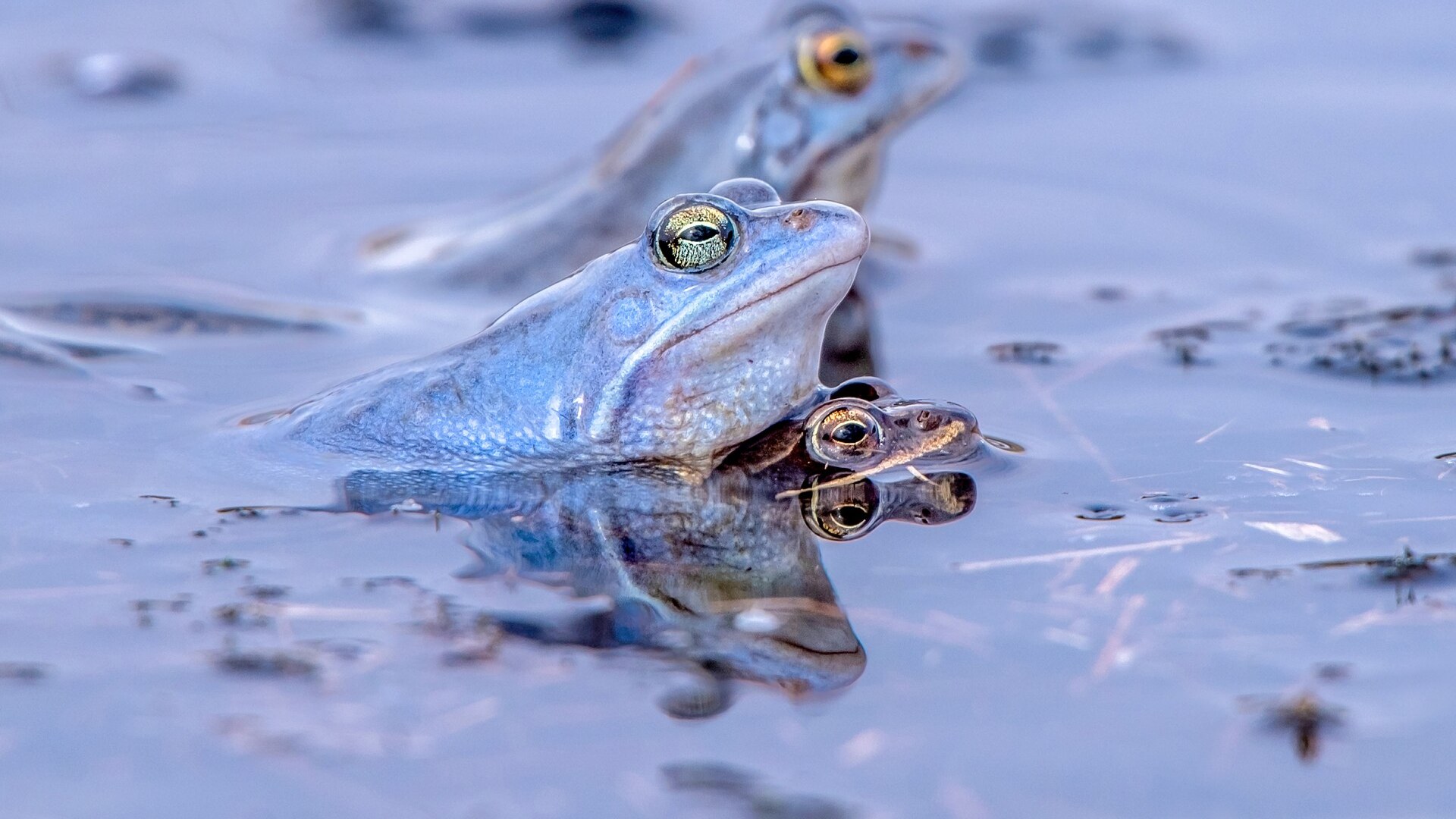
21. Moor Frog
Inhabiting wet meadows and bogs across central and northern Europe, male moor frogs turn a vivid sky-blue color for only three to six days during the March breeding season. The hormonal color change helps males identify rival suitors in murky, crowded spawning ponds before returning to brown.
©Wikimedia / Tanja Riedel
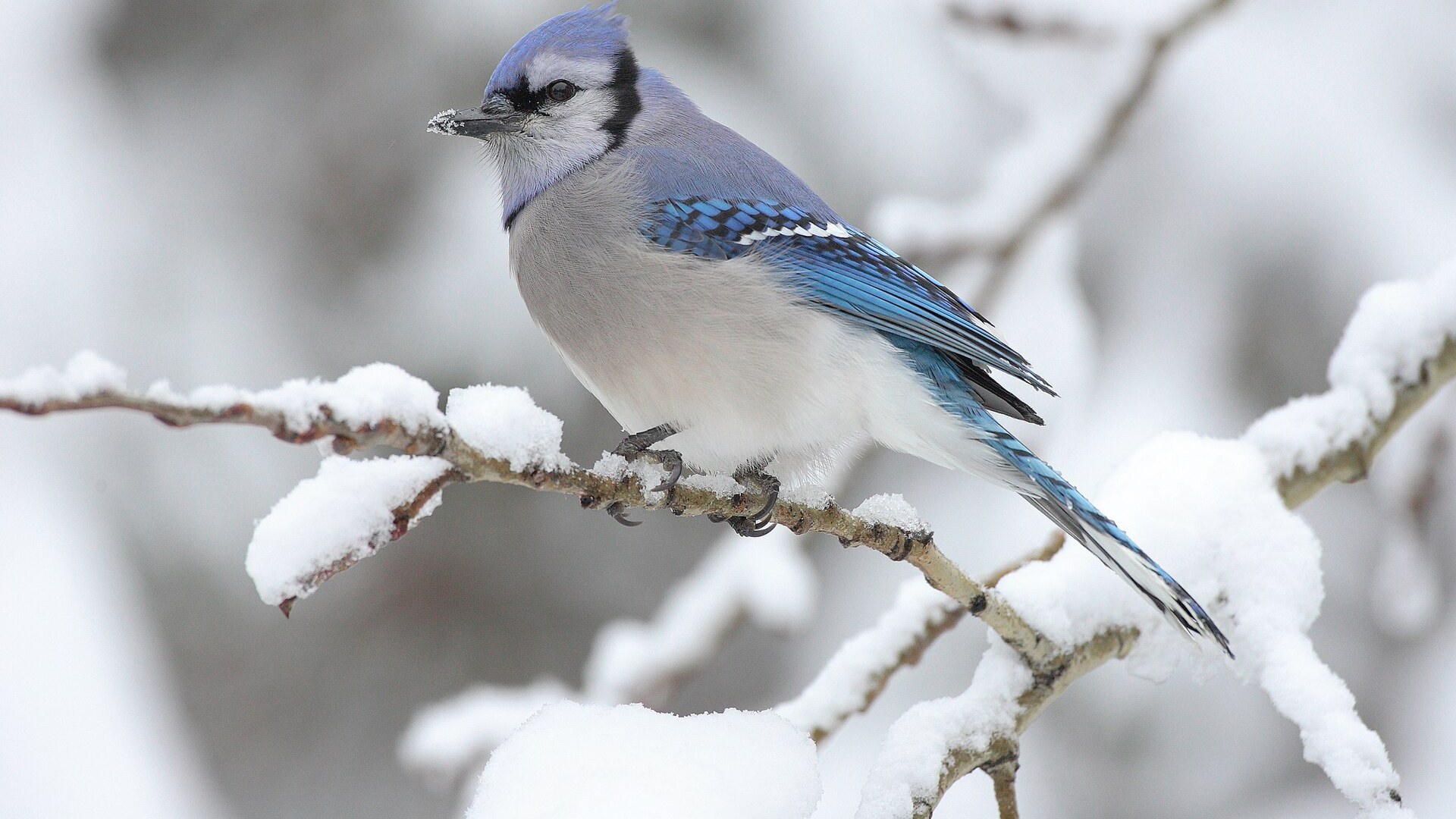
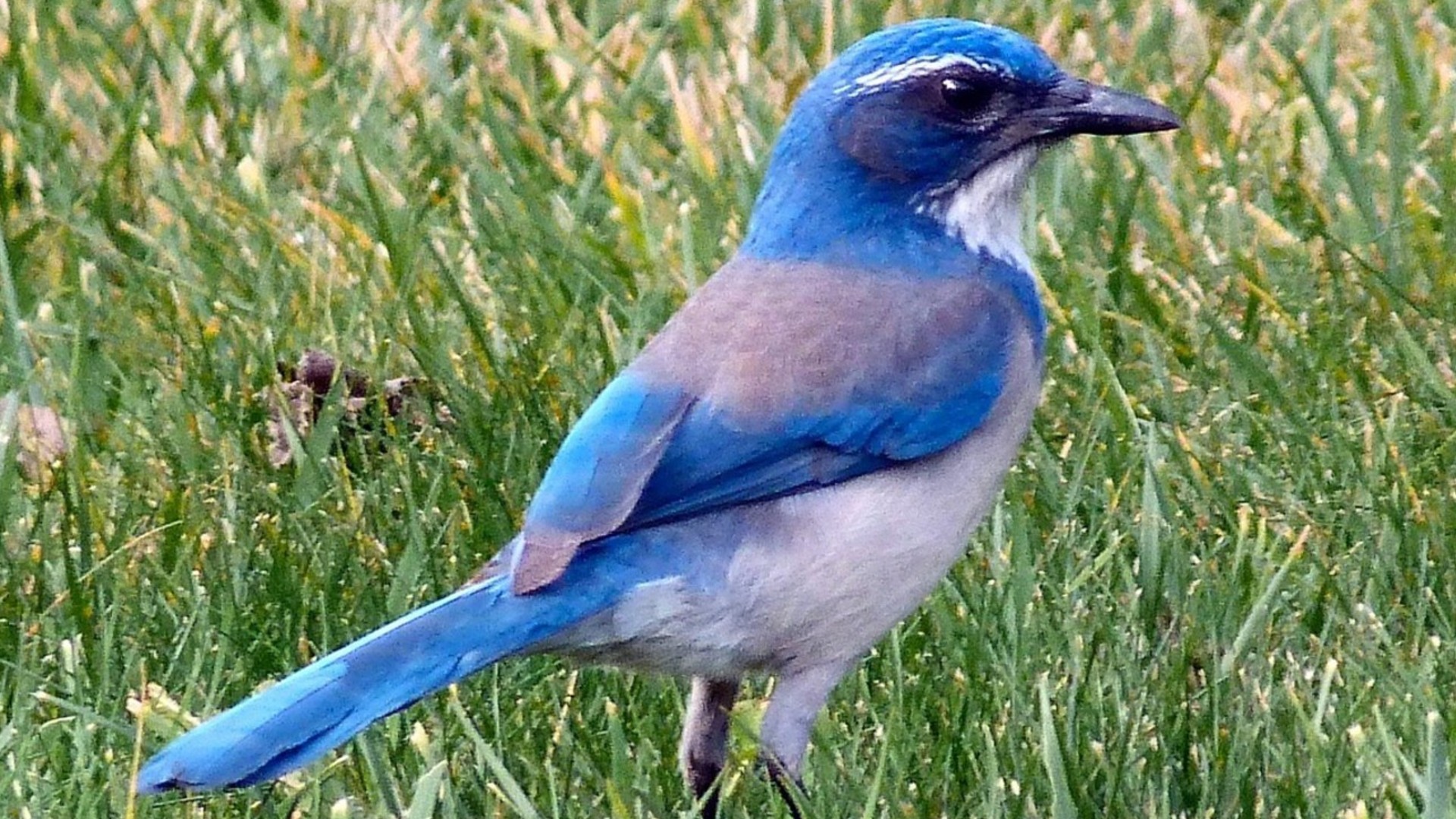
20. Blue Jay
Widespread across North American deciduous woods, blue jays do not have a single grain of blue pigment in their feathers. Microscopic air pockets in their feather barbs scatter light through Rayleigh scattering, making them appear brilliant blue while reflecting ultraviolet light to birds.
©Wikimedia / Mdf
Advertisement
Swipe or tap ▶ to resume the countdown.
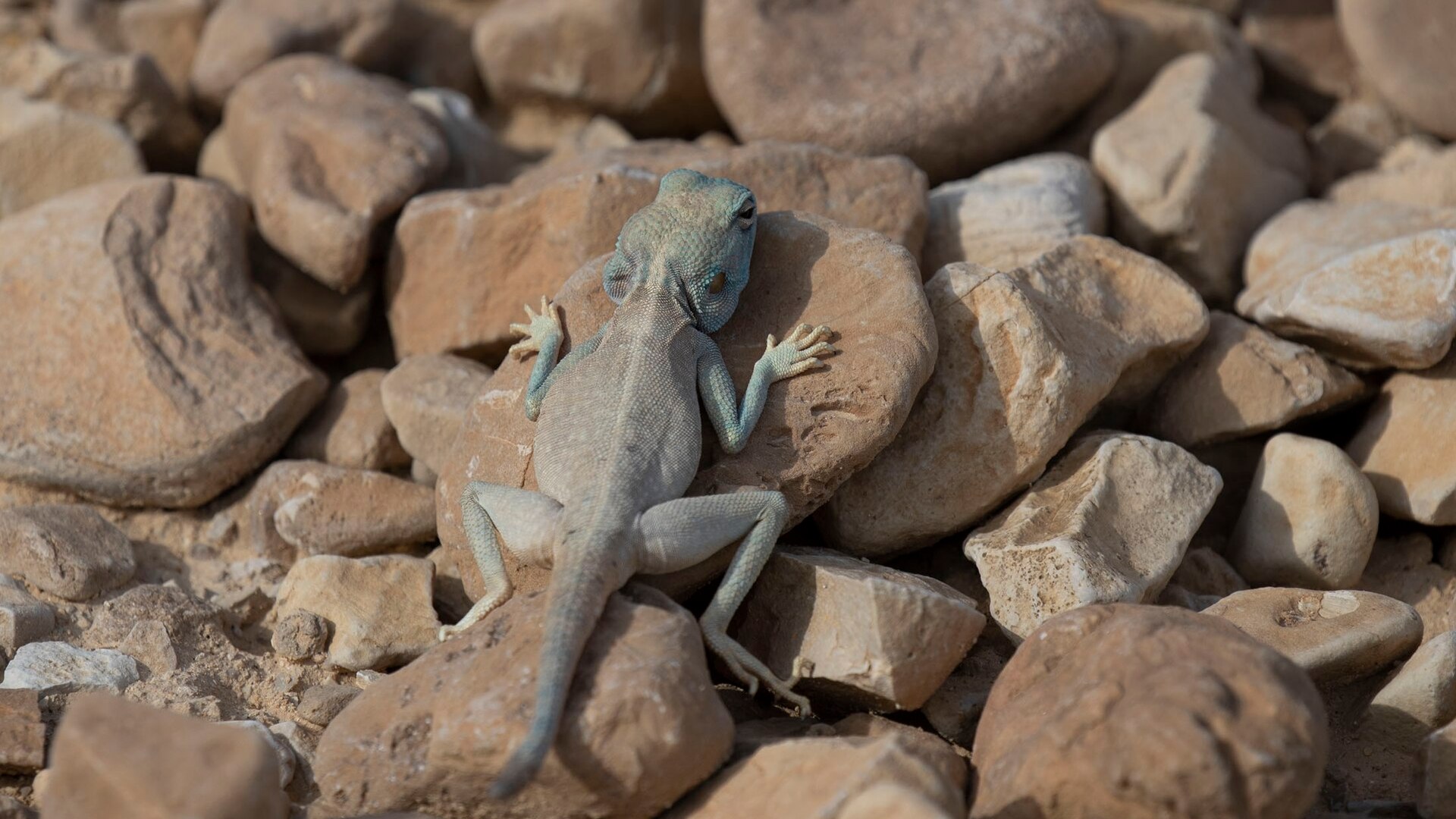
19. Sinai Agama
Thriving on rocky boulders across the arid deserts of the Middle East, this 25-centimetre lizard displays dull brown camouflage by default. During spring breeding seasons, dominant males turn intense sky-blue to attract females and signal territorial ownership under scorching desert sun.
©Wikimedia / Kristof Zyskowski & Yulia Bereshpolova
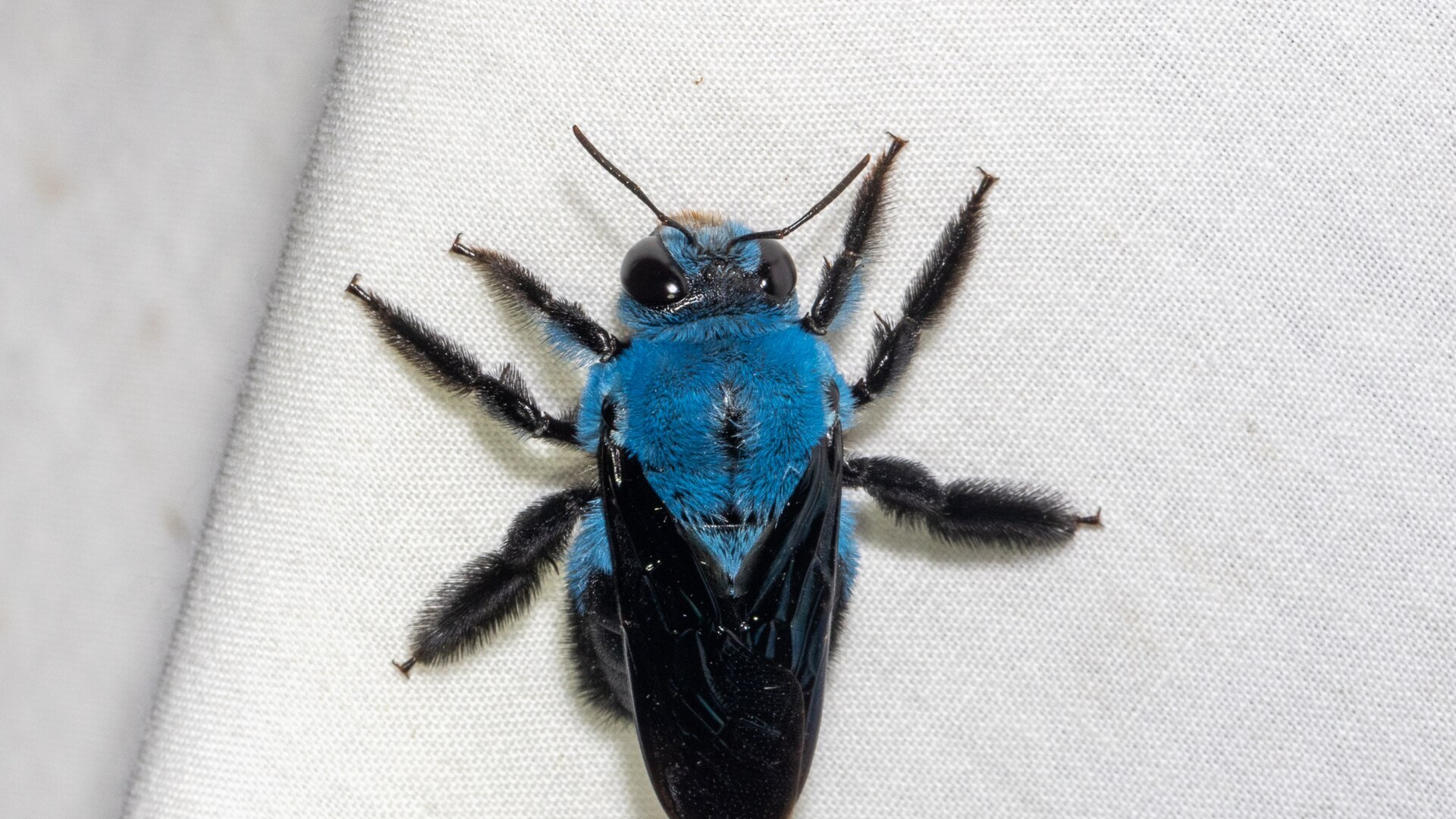
18. Blue Carpenter Bee
Found in tropical forests across Malaysia, Indonesia, and India, this solitary bee measures up to 2.5 centimetres in length. Its thorax is coated in a dense carpet of electric blue hairs, contrasting with shiny black wings. Females chew deep nesting galleries into dead bamboo and timber.
©Wikimedia / dhfischer
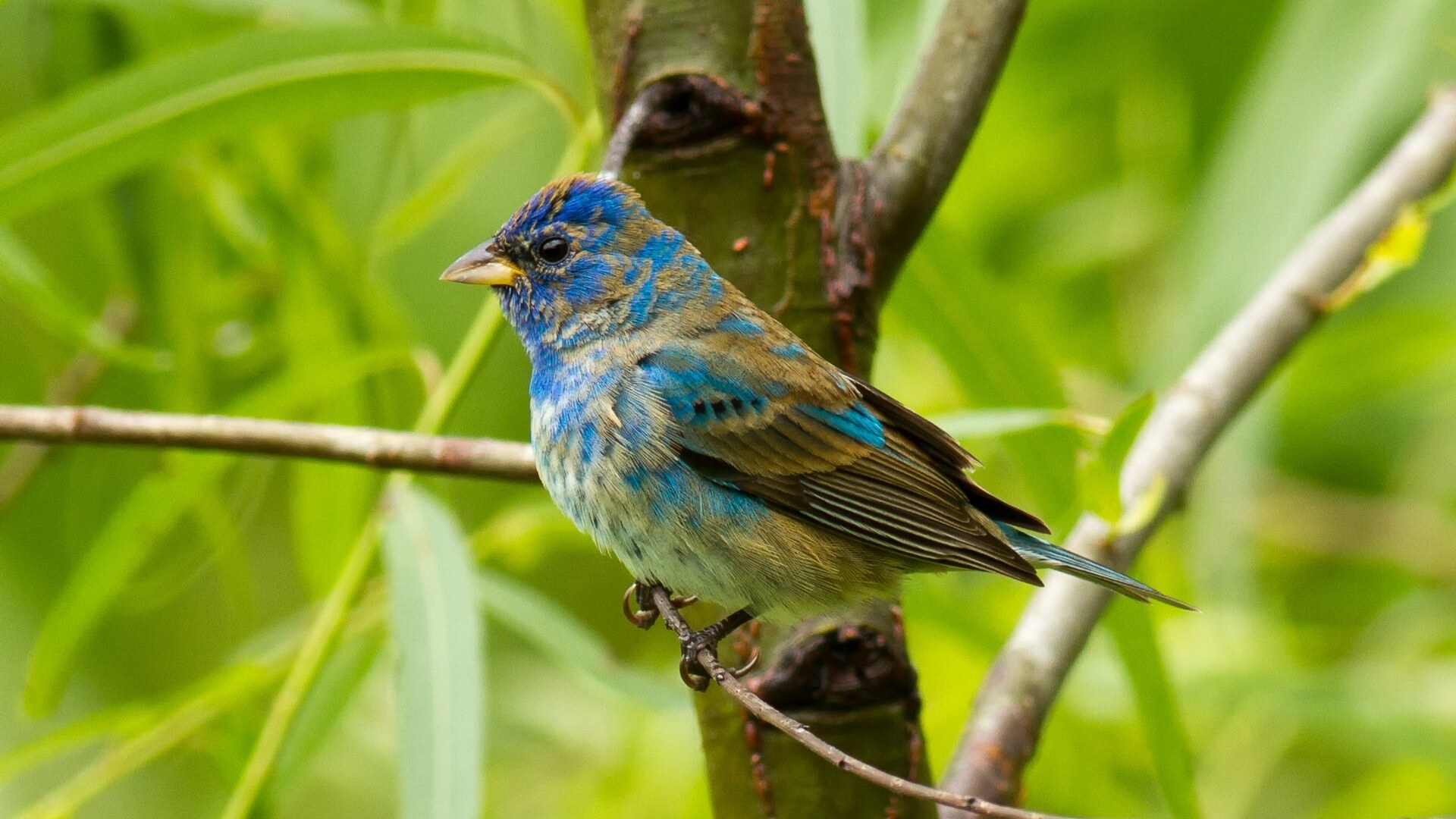
17. Indigo Bunting
Breeding in open woodlands across eastern North America, male indigo buntings display deep cerulean blue plumage during summer. They migrate thousands of kilometres south to Central America at night, using the position of the stars around Polaris to guide their seasonal flight paths.
©Wikimedia / Frank Schulenburg
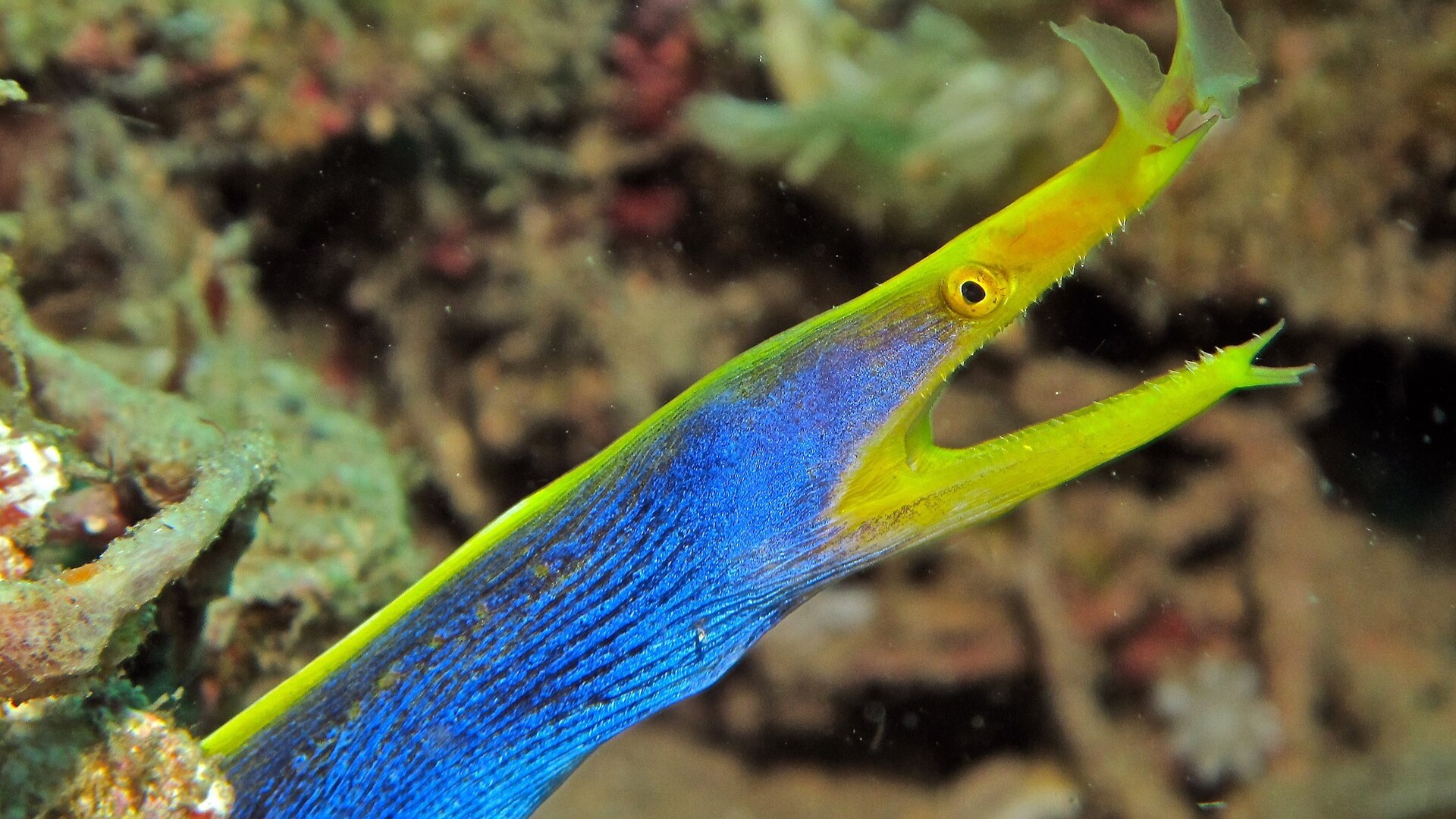
16. Ribbon Eel
Inhabiting coral rubble lagoons across the Indo-Pacific, this moray eel undergoes dramatic color changes during its lifespan. While juveniles are completely black with a yellow dorsal stripe, adult males develop vivid electric blue bodies and bright yellow jaws to hunt small reef fish.
©Wikimedia / Ribbon eel
Advertisement
Swipe or tap ▶ to resume the countdown.
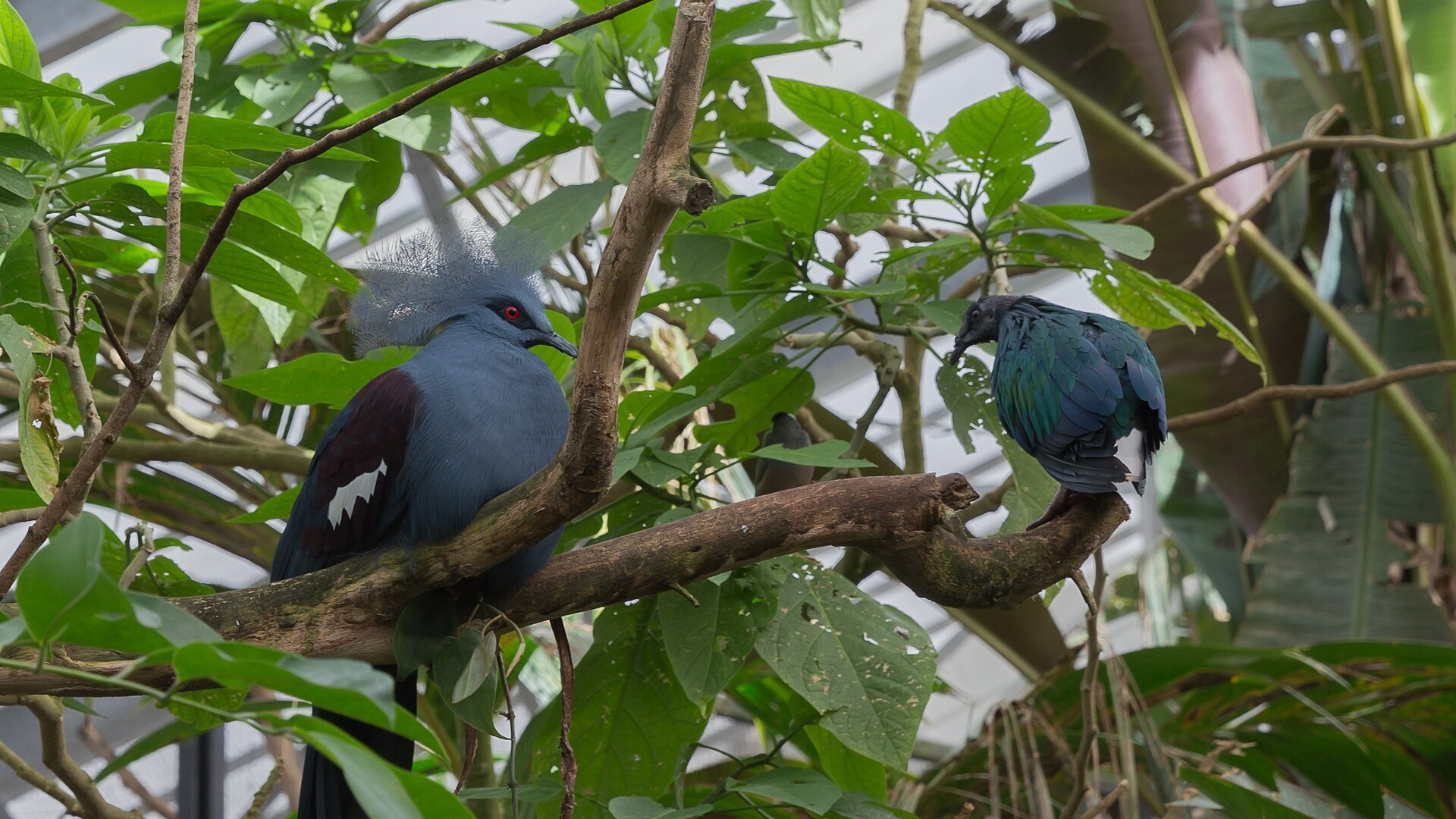
15. Western Crowned Pigeon
Endemic to the lowland rainforests of New Guinea, this magnificent bird reaches up to 75 centimetres in length and weighs over 2 kilograms. Its blue-grey plumage is crowned with an intricate fan-shaped crest of lacy feathers, allowing it to blend into shadowed rainforest forest floors.
©Wikimedia / Another one of my pictures: This photograph was
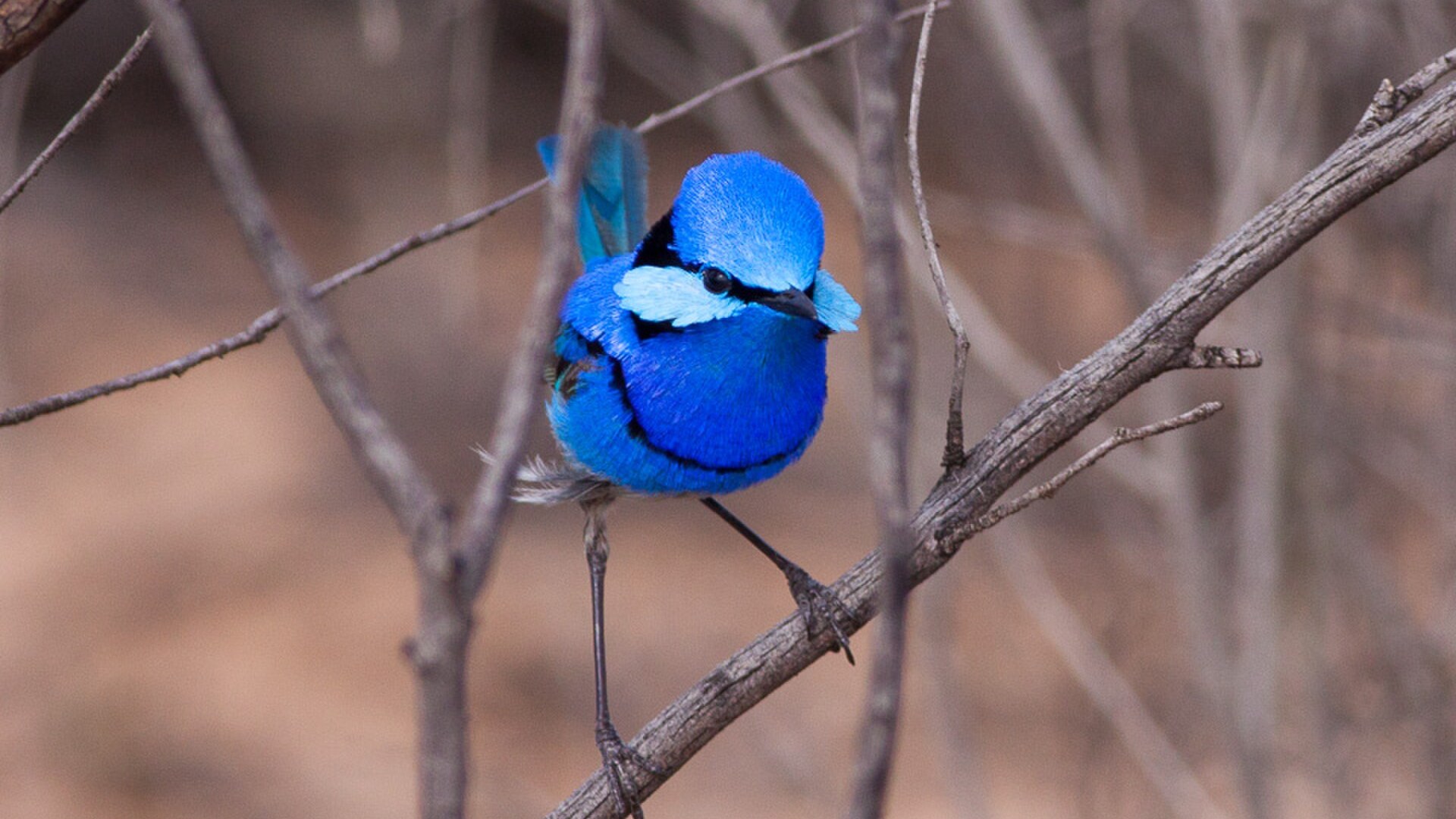
14. Splendid Fairy Wren
Living across arid and semi-arid scrublands of southern and western Australia, breeding male splendid fairy-wrens molt into striking all-over electric blue feathers. During mating displays, males pluck pink or purple flower petals to present to prospective females among acacia bushes.
©Wikimedia / Ron Knight from Seaford, East Sussex, United Kin
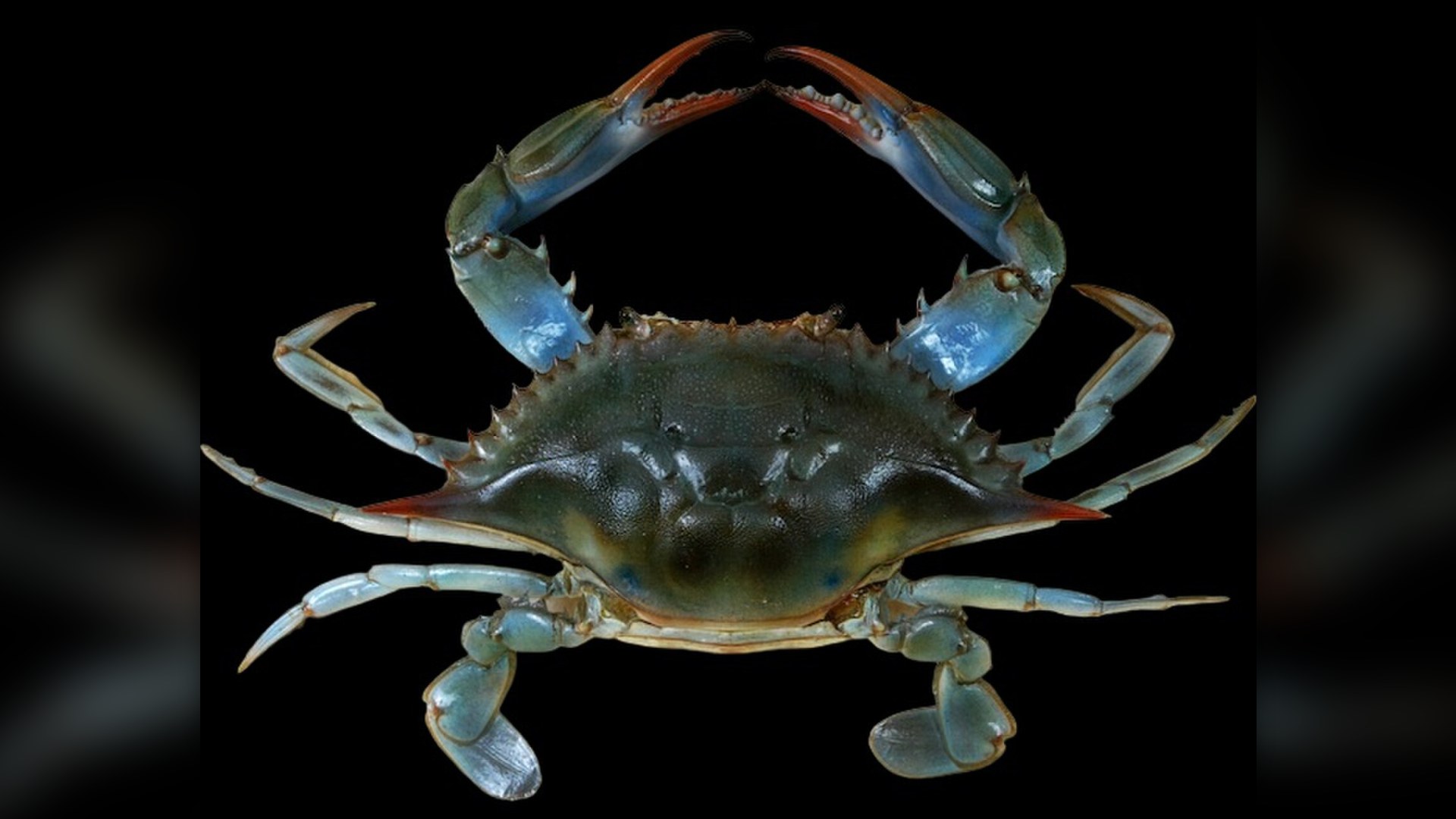
13. Blue Crab
Native to Atlantic coastal waters from Nova Scotia to Argentina, the blue crab gets its scientific name Callinectes sapidus from Greek words meaning beautiful savory swimmer. Mature females feature vivid red tips on their bright blue claws, using their color in courtship and territorial threat displays.
©Wikimedia / Wendy Kaveney
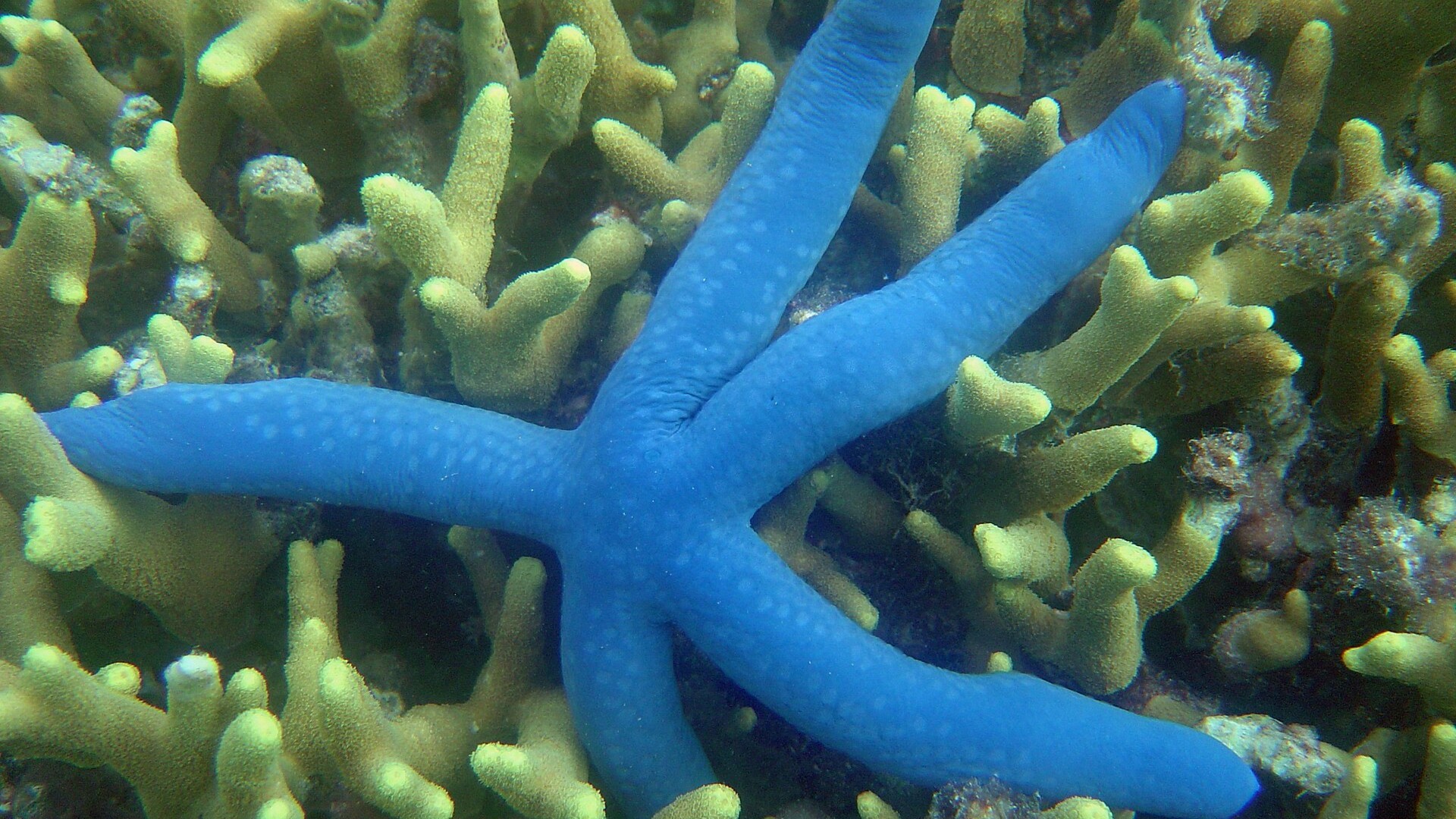
12. Blue Sea Star
Common across shallow sunlit reefs of the Indian and Pacific Oceans, this five-armed starfish reaches 30 centimetres in diameter. Its uniform sky-blue coloration is derived from a carotenoid-protein complex called linckiacyanin. It feeds by grazing on microbial films covering dead coral.
©Wikimedia / David Burdick / NOAA
Advertisement
Swipe or tap ▶ to resume the countdown.
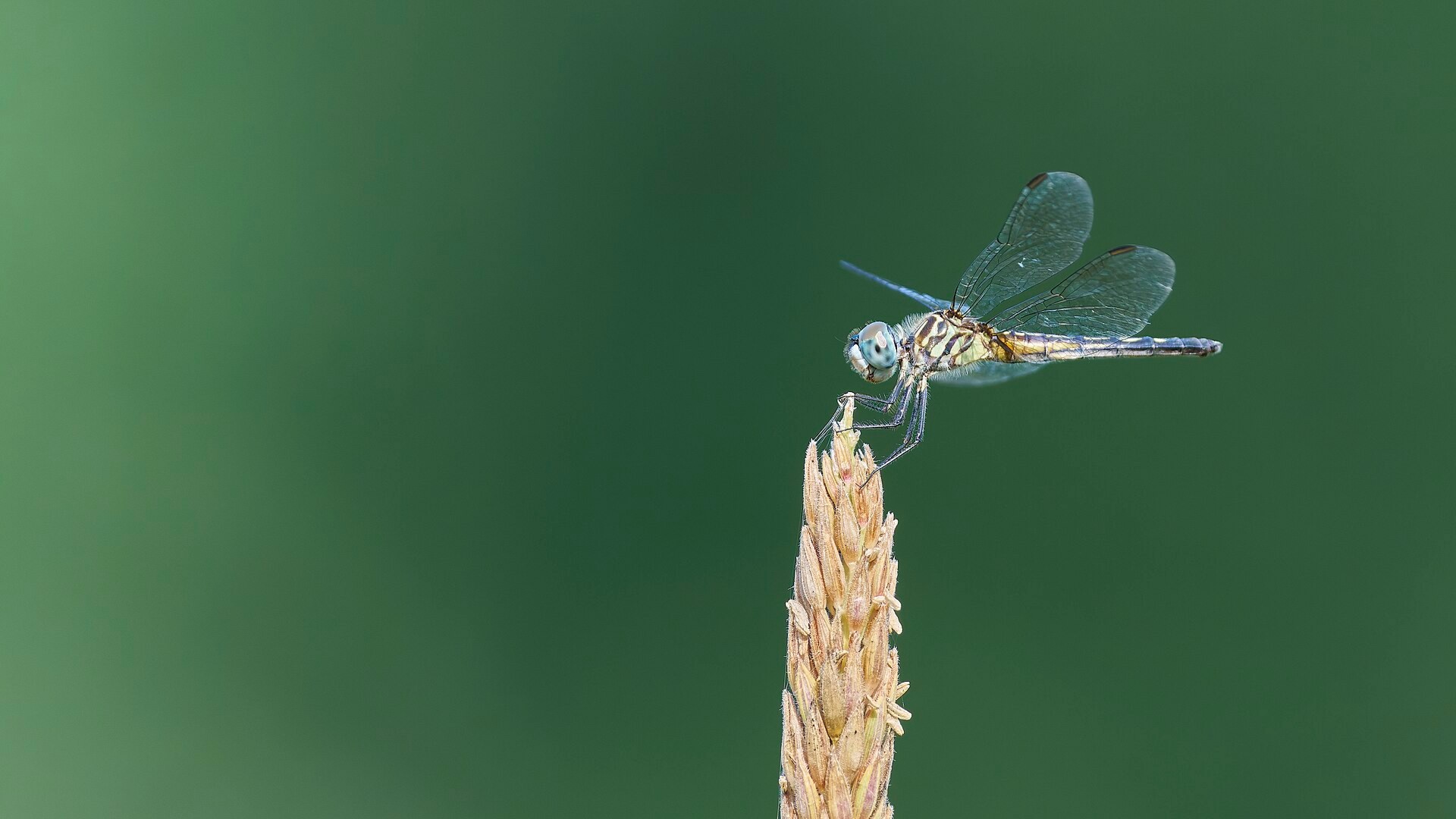
11. Blue Dasher Dragonfly
Common across ponds and marshes in North America, male blue dashers feature bright powder-blue abdomens. This coloration comes from a pruinose waxy bloom that males secrete as they mature. Agile flight muscles allow them to catch flying mosquitoes with a 95 percent success rate in air.
©Wikimedia / Paul Danese
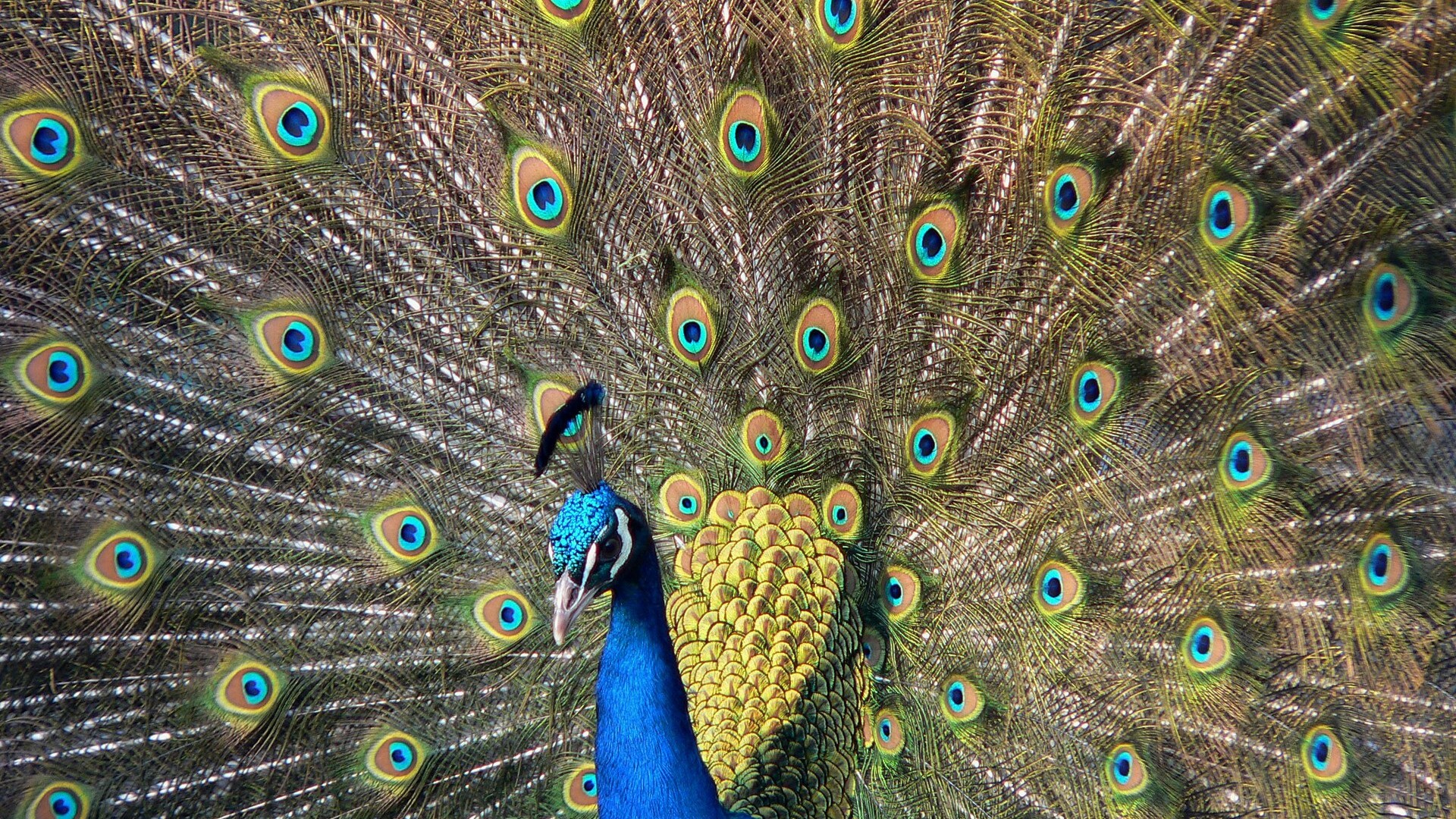
10. Indian Peafowl
Native to the Indian subcontinent, the male peafowl is famous for its rich royal blue breast and throat plumage. The intense coloration is produced by crystalline lattices of melanin rods coated with keratin, which bend sunlight into shimmering shades to court females during spring displays.
©Wikimedia / BS Thurner Hof
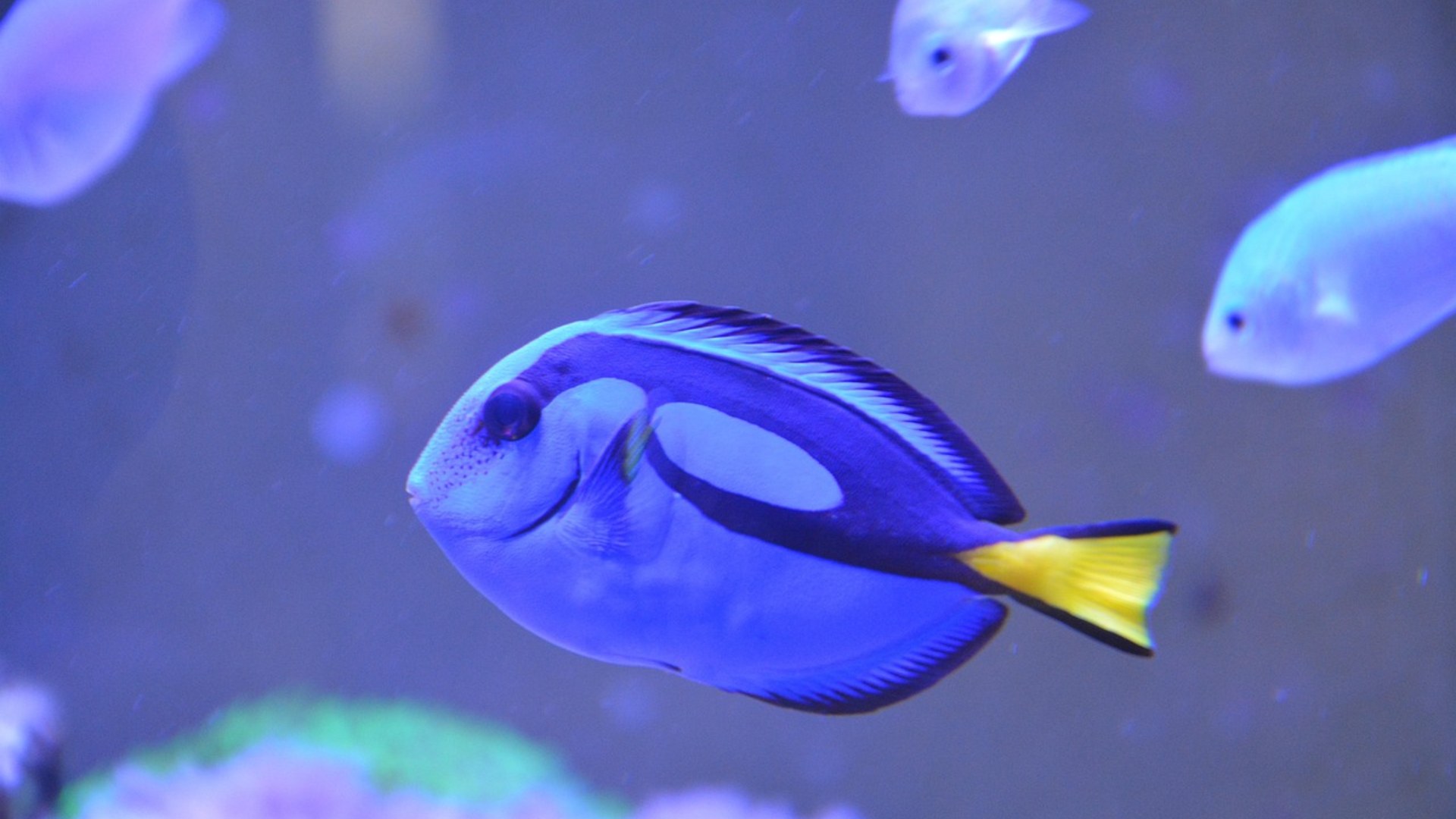
9. Blue Tang
Ranging throughout the Indo-Pacific from East Africa to Japan, this surgeonfish sports royal blue scales bordered by black palette markings and a bright yellow tail fin. When stressed or hunting for algae among coral branches, the fish can erect venomous caudal spines on its tail base.
©Pixabay / JACLOU-DL
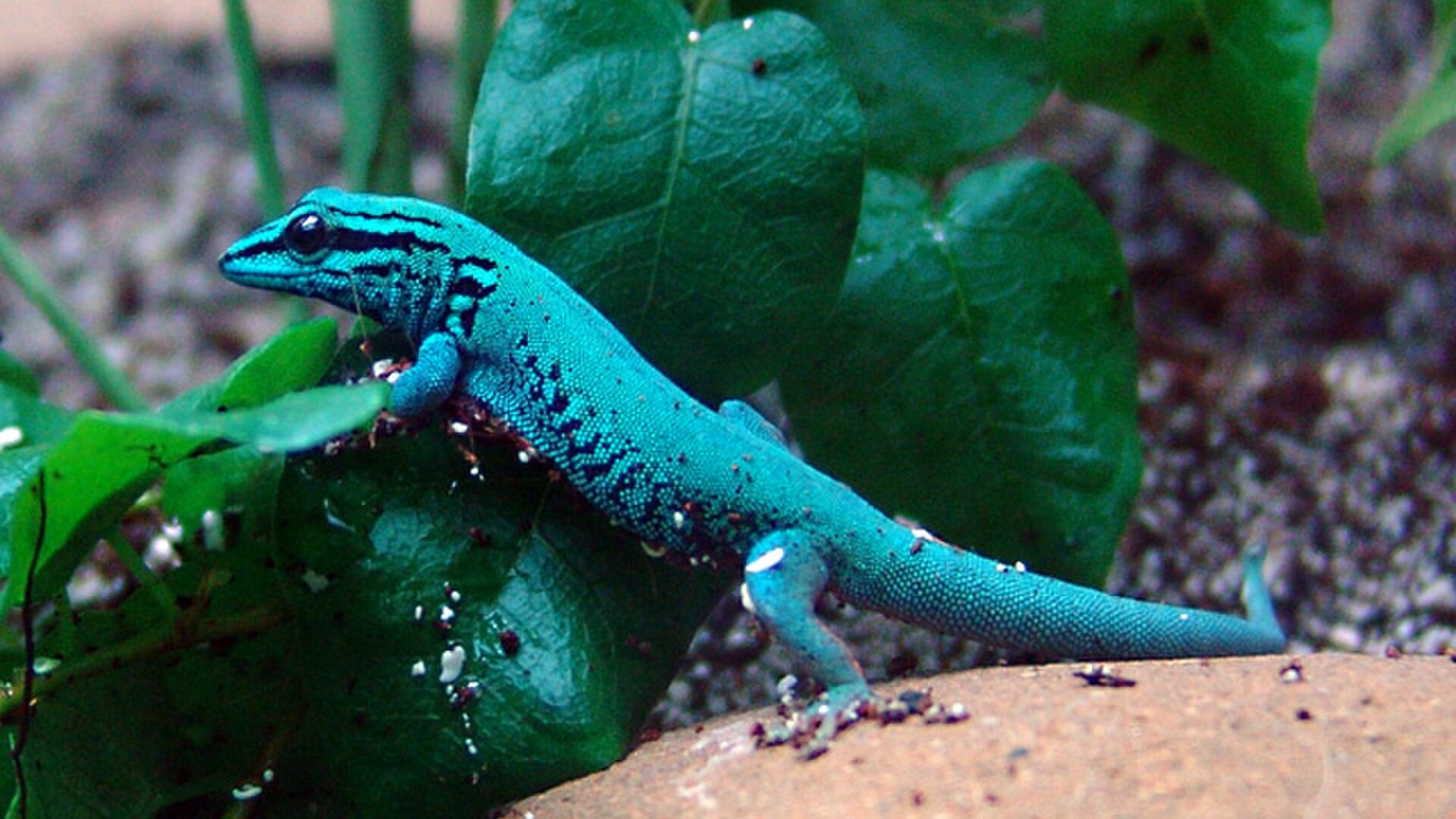
8. Electric Blue Gecko
Native exclusively to a few square kilometres of the Kimboza Forest in eastern Tanzania, adult males of this dwarf gecko species display dazzling neon-blue skin. They dwell high on pandanus trees, using their intense coloration to attract mates and flash territorial claims to rivals.
©Wikimedia / Esther Böck; AnimalBase.info
Advertisement
Swipe or tap ▶ to resume the countdown.
7. Mountain Bluebird
Breeding across high-elevation open country in western North America, male mountain bluebirds display intense cerulean feathers across their entire bodies. The color is purely structural, produced by keratin and air pockets in the feather barbules that reflect short blue wavelengths of light.
©Pixabay / PublicDomainPictures
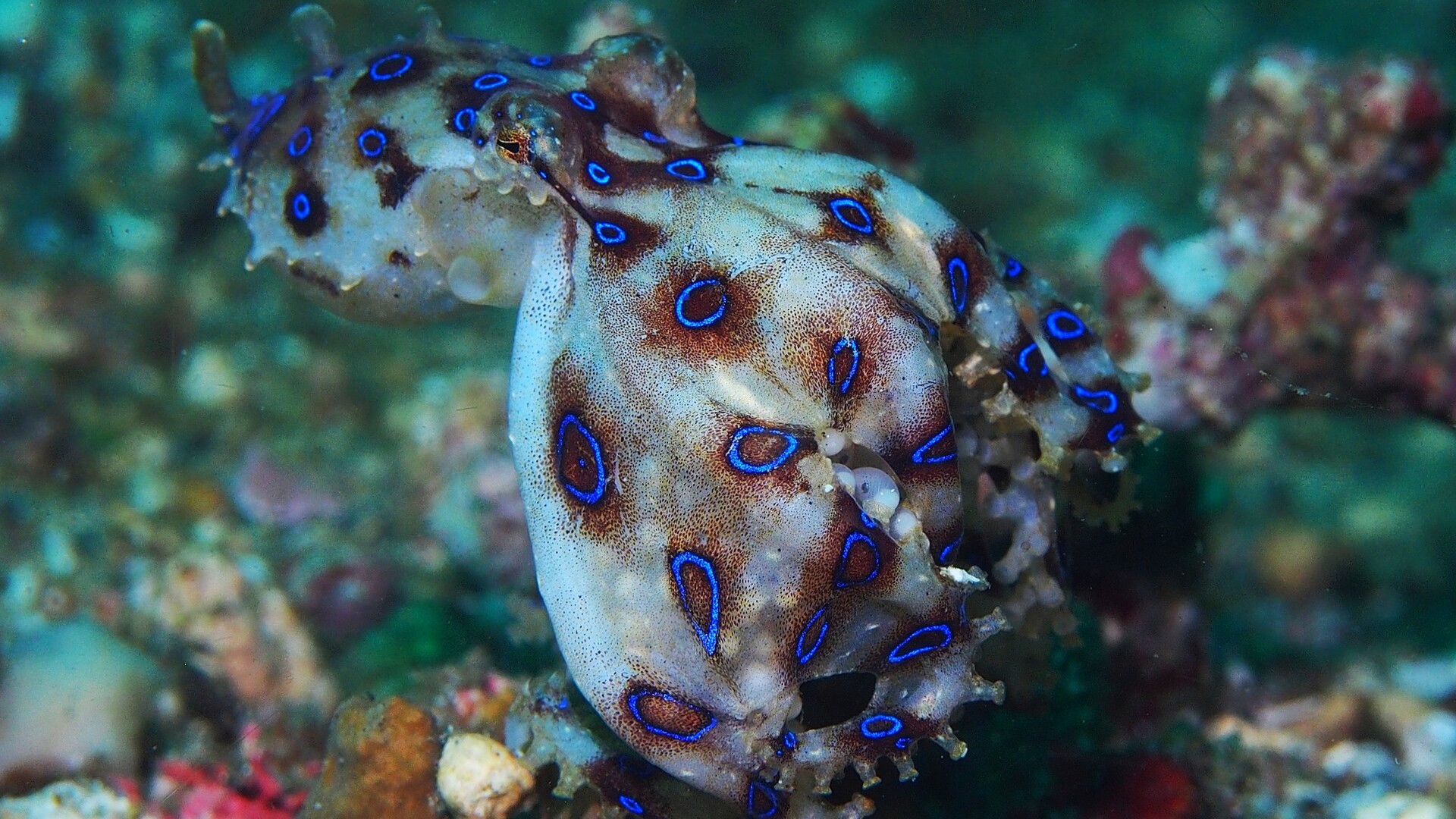
6. Greater Blue Ringed Octopus
Found in coral reefs across the tropical Indo-Pacific, this tiny cephalopod spans roughly 10 centimetres across. Normally camouflaged in yellow and brown sand tones, it flashes roughly 50 to 60 vivid iridescent blue rings when agitated, warning intruders of lethal tetrodotoxin venom.
©Wikimedia / Rickard Zerpe
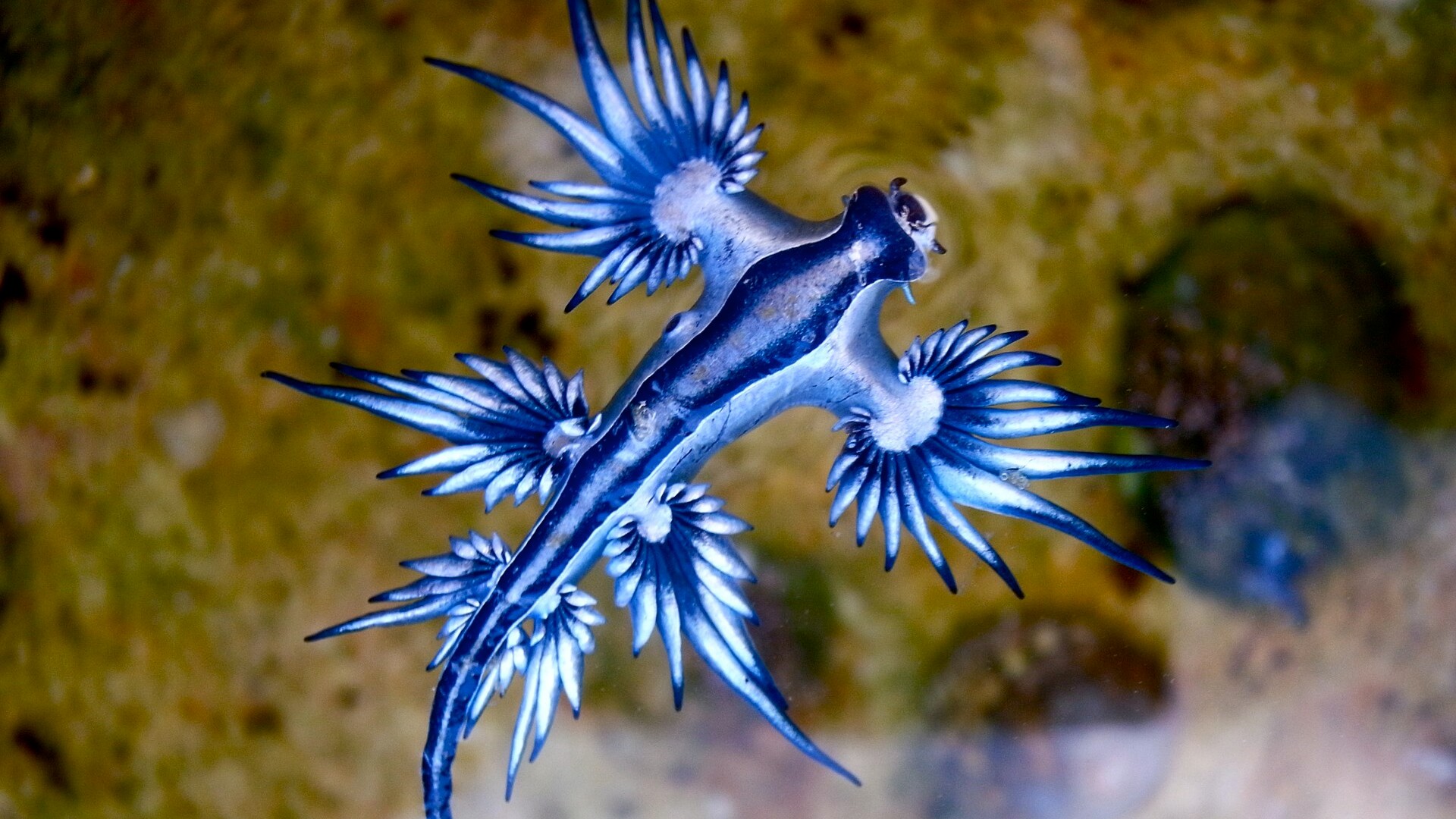
5. Blue Glaucus
Drifting upside down on the surface of open ocean currents, this pelagic nudibranch measures up to 3 centimetres long. Its dark blue ventral side blends into the ocean surface from above, while its silvery back fools predators below. It concentrates stinging nematocysts for its own defense.
©Wikimedia / Sylke Rohrlach from Sydney
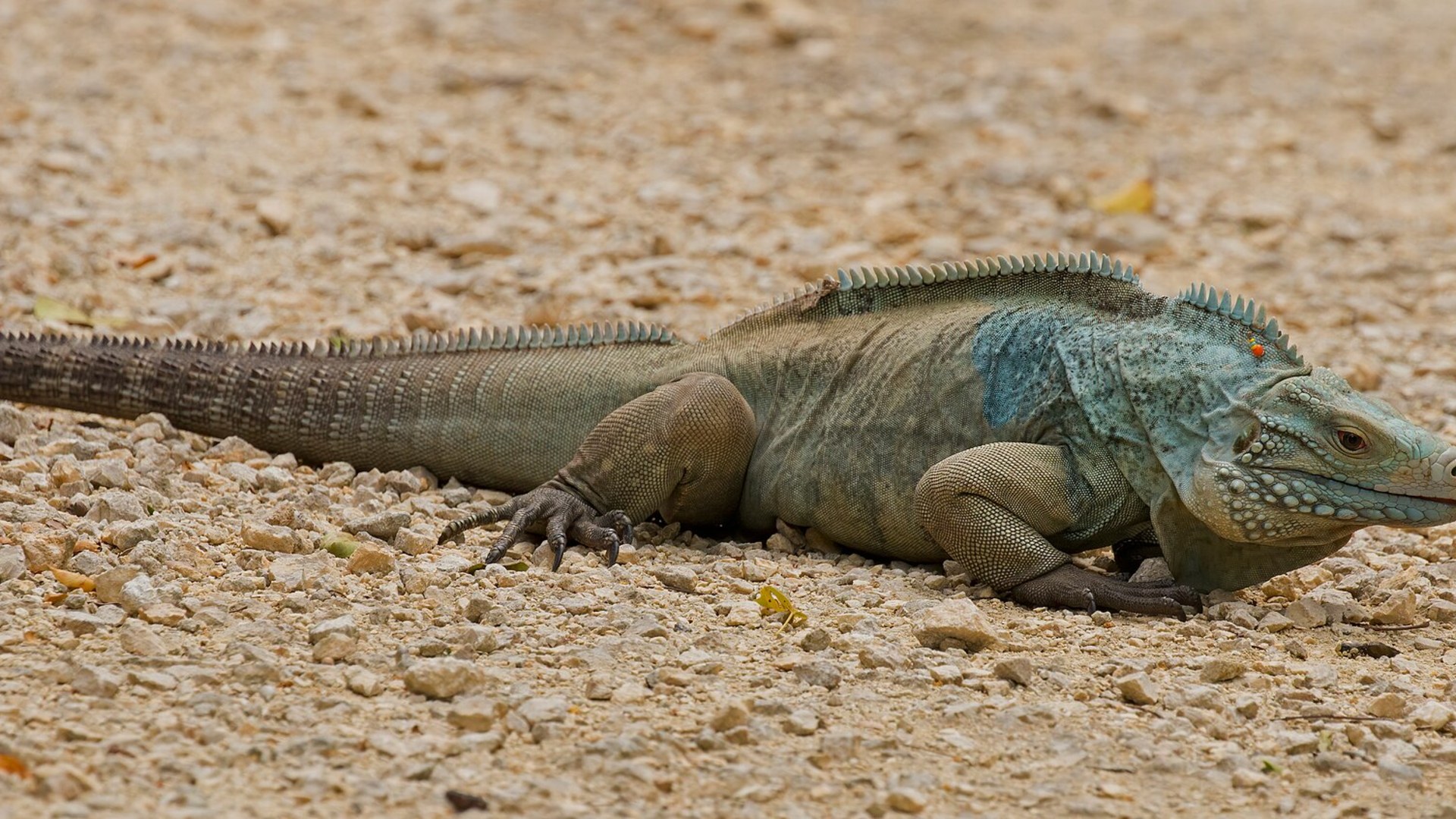
4. Grand Cayman Blue Iguana
Endemic to dry rocky shrublands on Grand Cayman, this endangered reptile can exceed 1.5 metres in length and weigh over 14 kilograms. When basking or defending territory against rival males, its grayish-brown skin shifts into brilliant turquoise blue to communicate dominance in sunlight.
©Wikimedia / Charles J. Sharp
Advertisement
Swipe or tap ▶ to resume the countdown.
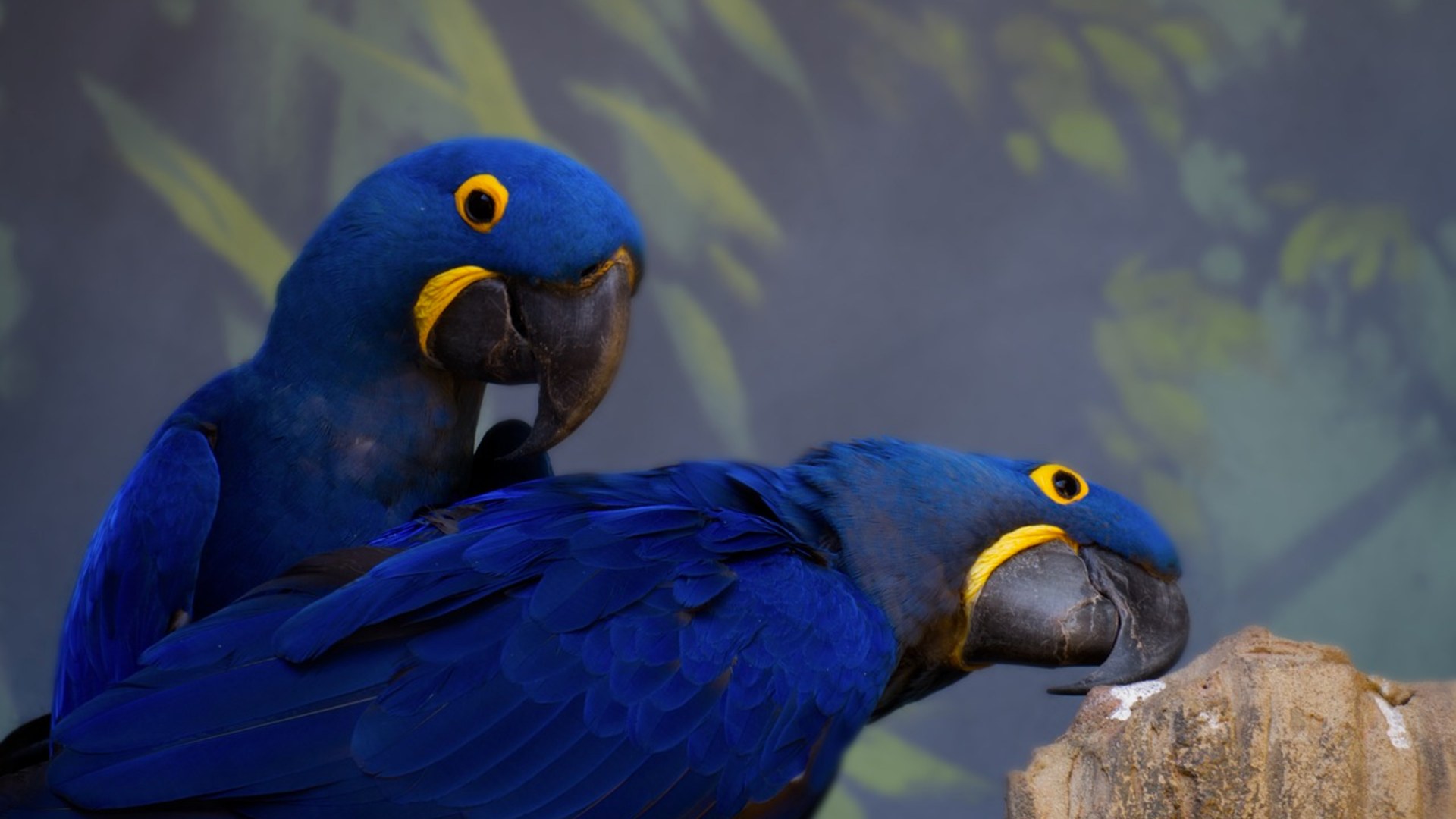
3. Hyacinth Macaw
Inhabiting the Pantanal wetlands of Brazil, Bolivia, and Paraguay, this parrot measures up to 100 centimetres from head to tail. Its striking cobalt feathers contrast with vivid yellow orbital eye rings. Its beak exerts over 300 pounds of pressure per square inch to crack hard palm nuts.
©Pixabay / Martin_Photo
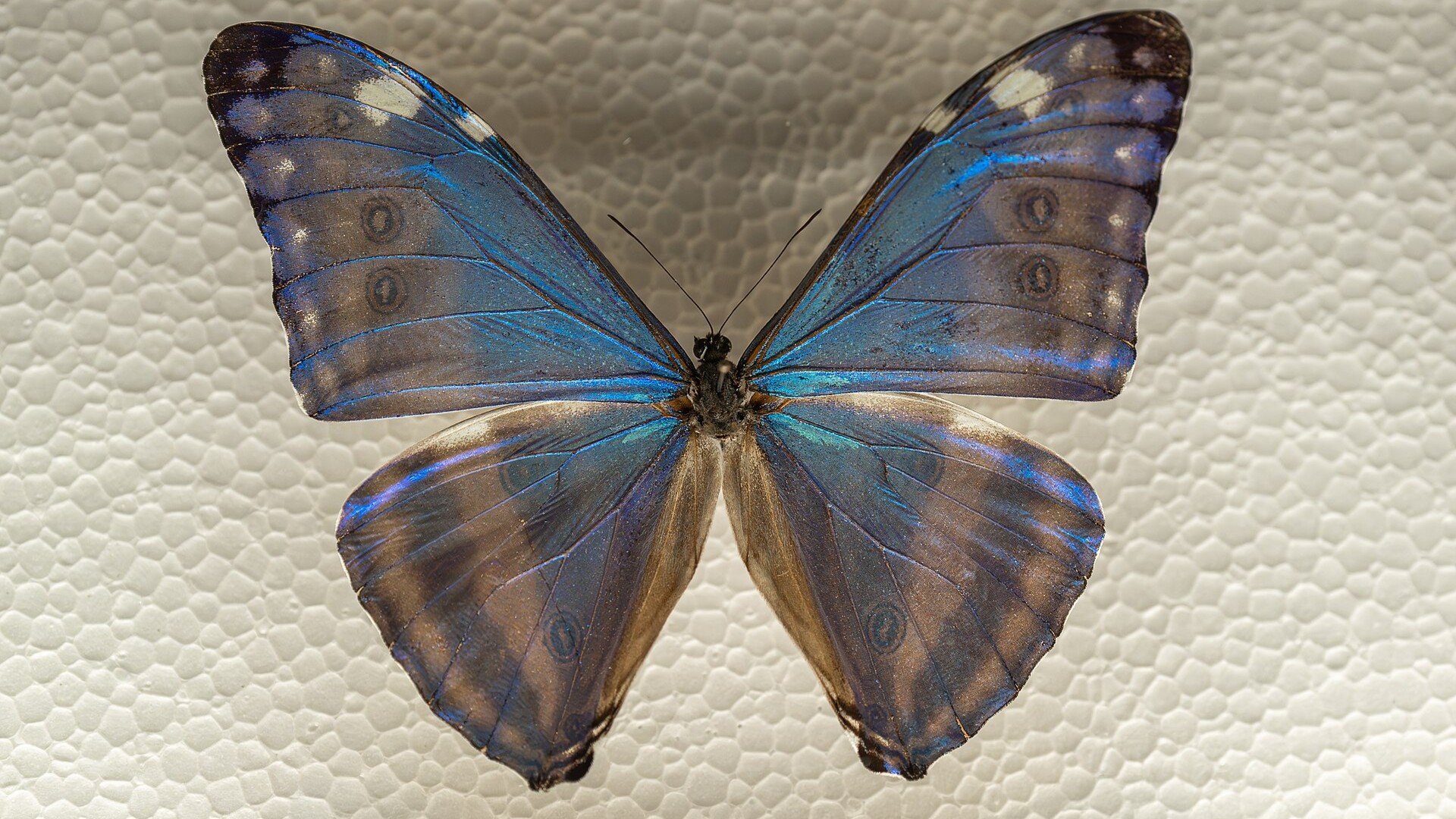
2. Blue Morpho Butterfly
Native to the canopies of Central and South America, the blue morpho possesses wings spanning up to 20 centimetres. Its metallic brilliance does not come from pigment, but from microscopic Christmas-tree-shaped scales that scatter light, creating an iridescence visible from airplanes.
©Wikimedia / Rjcastillo
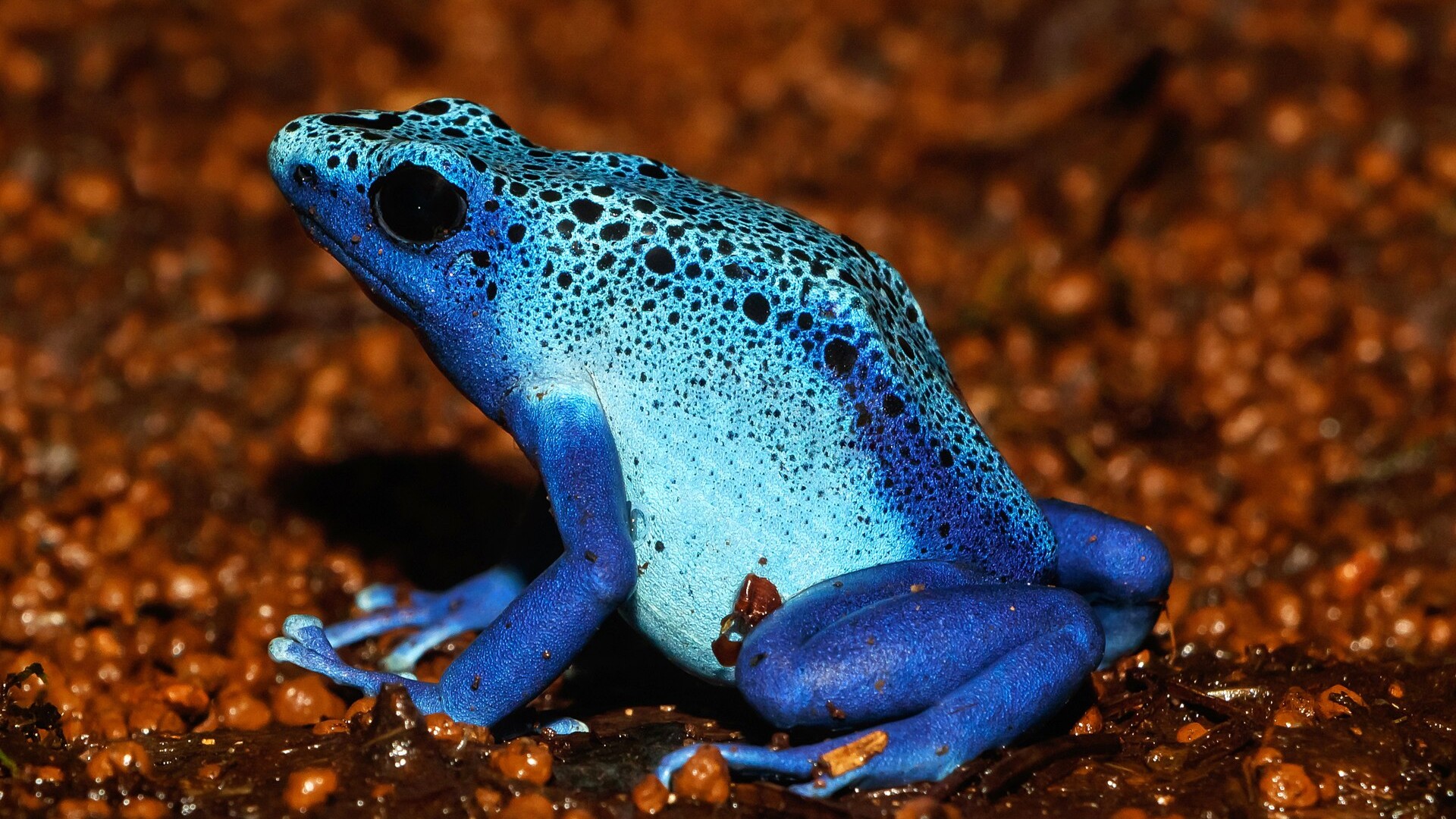
1. Blue Poison Dart Frog
Found exclusively in the isolated forests of southern Suriname, this amphibian displays deep azure skin marked with black spots. The bright coloration warns birds and snakes of deadly batrachotoxin alkaloids in its skin. Adults measure just 3 to 4.5 centimetres in length.
©Wikimedia / H. Zell
Advertisement
You've reached the end of the story. Thanks for reading!

20 Animals With Daily Appetites From Grams to Tons
Across the animal kingdom, survival demands constant fuel. While hummingbirds and shrews eat multiples of their body weight to power relentless metabolisms, massive herbivores and marine giants consume dozens of pounds to several tons daily. Based on records from National Geographic and the Smithsonian.
All 22 Entries in this Story
22. Blue American Lobster
Caught occasionally in cold North Atlantic waters off New England and Nova Scotia, blue lobsters owe their color to a rare genetic variation occurring in roughly one in two million individuals. The mutation causes an overproduction of crustacyanin, turning the shell vibrant sapphire blue.

21. Moor Frog
Inhabiting wet meadows and bogs across central and northern Europe, male moor frogs turn a vivid sky-blue color for only three to six days during the March breeding season. The hormonal color change helps males identify rival suitors in murky, crowded spawning ponds before returning to brown.

20. Blue Jay
Widespread across North American deciduous woods, blue jays do not have a single grain of blue pigment in their feathers. Microscopic air pockets in their feather barbs scatter light through Rayleigh scattering, making them appear brilliant blue while reflecting ultraviolet light to birds.

19. Sinai Agama
Thriving on rocky boulders across the arid deserts of the Middle East, this 25-centimetre lizard displays dull brown camouflage by default. During spring breeding seasons, dominant males turn intense sky-blue to attract females and signal territorial ownership under scorching desert sun.

18. Blue Carpenter Bee
Found in tropical forests across Malaysia, Indonesia, and India, this solitary bee measures up to 2.5 centimetres in length. Its thorax is coated in a dense carpet of electric blue hairs, contrasting with shiny black wings. Females chew deep nesting galleries into dead bamboo and timber.

17. Indigo Bunting
Breeding in open woodlands across eastern North America, male indigo buntings display deep cerulean blue plumage during summer. They migrate thousands of kilometres south to Central America at night, using the position of the stars around Polaris to guide their seasonal flight paths.

16. Ribbon Eel
Inhabiting coral rubble lagoons across the Indo-Pacific, this moray eel undergoes dramatic color changes during its lifespan. While juveniles are completely black with a yellow dorsal stripe, adult males develop vivid electric blue bodies and bright yellow jaws to hunt small reef fish.

15. Western Crowned Pigeon
Endemic to the lowland rainforests of New Guinea, this magnificent bird reaches up to 75 centimetres in length and weighs over 2 kilograms. Its blue-grey plumage is crowned with an intricate fan-shaped crest of lacy feathers, allowing it to blend into shadowed rainforest forest floors.

14. Splendid Fairy Wren
Living across arid and semi-arid scrublands of southern and western Australia, breeding male splendid fairy-wrens molt into striking all-over electric blue feathers. During mating displays, males pluck pink or purple flower petals to present to prospective females among acacia bushes.

13. Blue Crab
Native to Atlantic coastal waters from Nova Scotia to Argentina, the blue crab gets its scientific name Callinectes sapidus from Greek words meaning beautiful savory swimmer. Mature females feature vivid red tips on their bright blue claws, using their color in courtship and territorial threat displays.

12. Blue Sea Star
Common across shallow sunlit reefs of the Indian and Pacific Oceans, this five-armed starfish reaches 30 centimetres in diameter. Its uniform sky-blue coloration is derived from a carotenoid-protein complex called linckiacyanin. It feeds by grazing on microbial films covering dead coral.

11. Blue Dasher Dragonfly
Common across ponds and marshes in North America, male blue dashers feature bright powder-blue abdomens. This coloration comes from a pruinose waxy bloom that males secrete as they mature. Agile flight muscles allow them to catch flying mosquitoes with a 95 percent success rate in air.

10. Indian Peafowl
Native to the Indian subcontinent, the male peafowl is famous for its rich royal blue breast and throat plumage. The intense coloration is produced by crystalline lattices of melanin rods coated with keratin, which bend sunlight into shimmering shades to court females during spring displays.

9. Blue Tang
Ranging throughout the Indo-Pacific from East Africa to Japan, this surgeonfish sports royal blue scales bordered by black palette markings and a bright yellow tail fin. When stressed or hunting for algae among coral branches, the fish can erect venomous caudal spines on its tail base.

8. Electric Blue Gecko
Native exclusively to a few square kilometres of the Kimboza Forest in eastern Tanzania, adult males of this dwarf gecko species display dazzling neon-blue skin. They dwell high on pandanus trees, using their intense coloration to attract mates and flash territorial claims to rivals.

7. Mountain Bluebird
Breeding across high-elevation open country in western North America, male mountain bluebirds display intense cerulean feathers across their entire bodies. The color is purely structural, produced by keratin and air pockets in the feather barbules that reflect short blue wavelengths of light.

6. Greater Blue Ringed Octopus
Found in coral reefs across the tropical Indo-Pacific, this tiny cephalopod spans roughly 10 centimetres across. Normally camouflaged in yellow and brown sand tones, it flashes roughly 50 to 60 vivid iridescent blue rings when agitated, warning intruders of lethal tetrodotoxin venom.

5. Blue Glaucus
Drifting upside down on the surface of open ocean currents, this pelagic nudibranch measures up to 3 centimetres long. Its dark blue ventral side blends into the ocean surface from above, while its silvery back fools predators below. It concentrates stinging nematocysts for its own defense.

4. Grand Cayman Blue Iguana
Endemic to dry rocky shrublands on Grand Cayman, this endangered reptile can exceed 1.5 metres in length and weigh over 14 kilograms. When basking or defending territory against rival males, its grayish-brown skin shifts into brilliant turquoise blue to communicate dominance in sunlight.

3. Hyacinth Macaw
Inhabiting the Pantanal wetlands of Brazil, Bolivia, and Paraguay, this parrot measures up to 100 centimetres from head to tail. Its striking cobalt feathers contrast with vivid yellow orbital eye rings. Its beak exerts over 300 pounds of pressure per square inch to crack hard palm nuts.

2. Blue Morpho Butterfly
Native to the canopies of Central and South America, the blue morpho possesses wings spanning up to 20 centimetres. Its metallic brilliance does not come from pigment, but from microscopic Christmas-tree-shaped scales that scatter light, creating an iridescence visible from airplanes.

1. Blue Poison Dart Frog
Found exclusively in the isolated forests of southern Suriname, this amphibian displays deep azure skin marked with black spots. The bright coloration warns birds and snakes of deadly batrachotoxin alkaloids in its skin. Adults measure just 3 to 4.5 centimetres in length.