Slideshow · Science
20 Animals With Abilities Scientists Still Can't Explain, Ranked
From biological immortality to quantum navigation, these creatures possess extraordinary natural mechanisms that continue to challenge modern evolutionary biology and biophysics.
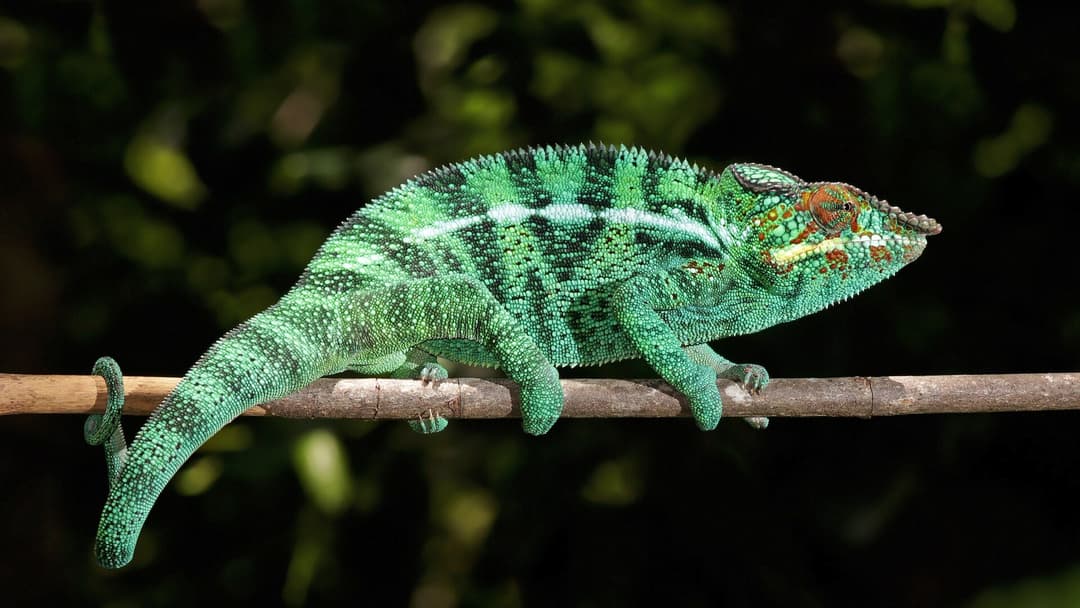
By Most Viral Today
21 min ago

Discover the biological enigmas that baffle modern science 
20. Platypus 
19. Archerfish 
18. Bombardier Beetle - AdvertisementSwipe or tap ▶ to continue countdown

17. Electric Eel 
16. Wood Frog 
15. Hairy Frog 
14. Mantis Shrimp - AdvertisementSwipe or tap ▶ to continue countdown

13. Mimic Octopus 
12. Axolotl 
11. Naked Mole-Rat 
10. European Robin - AdvertisementSwipe or tap ▶ to continue countdown

9. Honey Badger 
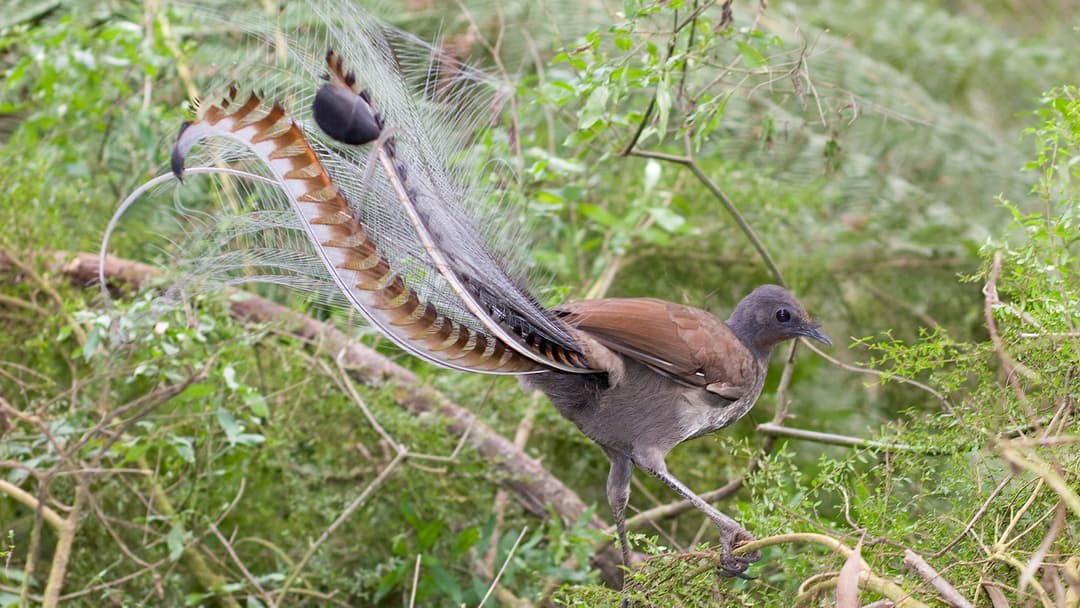
8. Lyrebird 
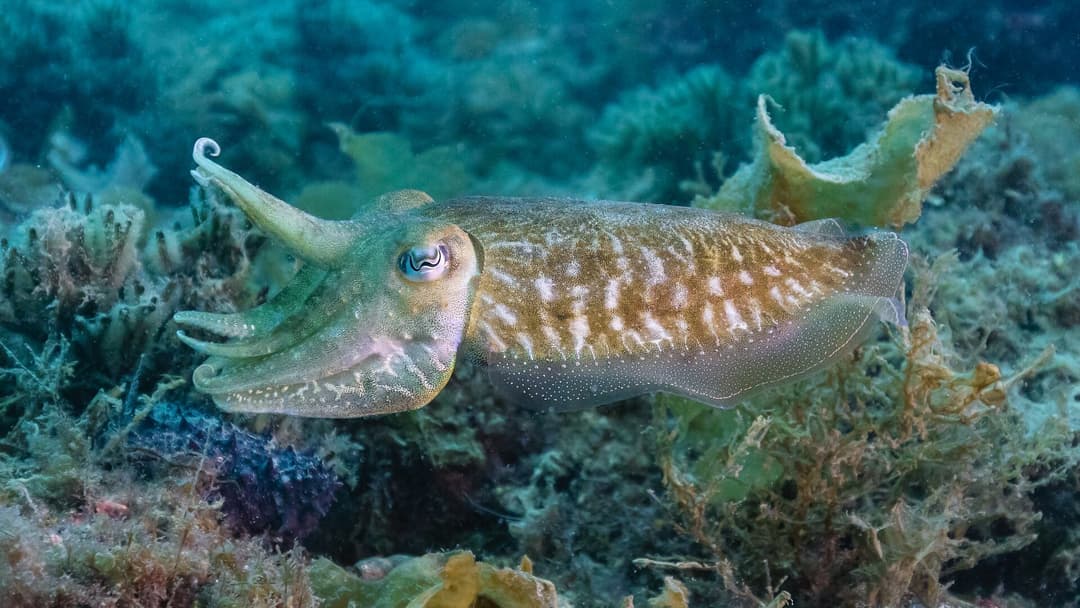
7. Cuttlefish 
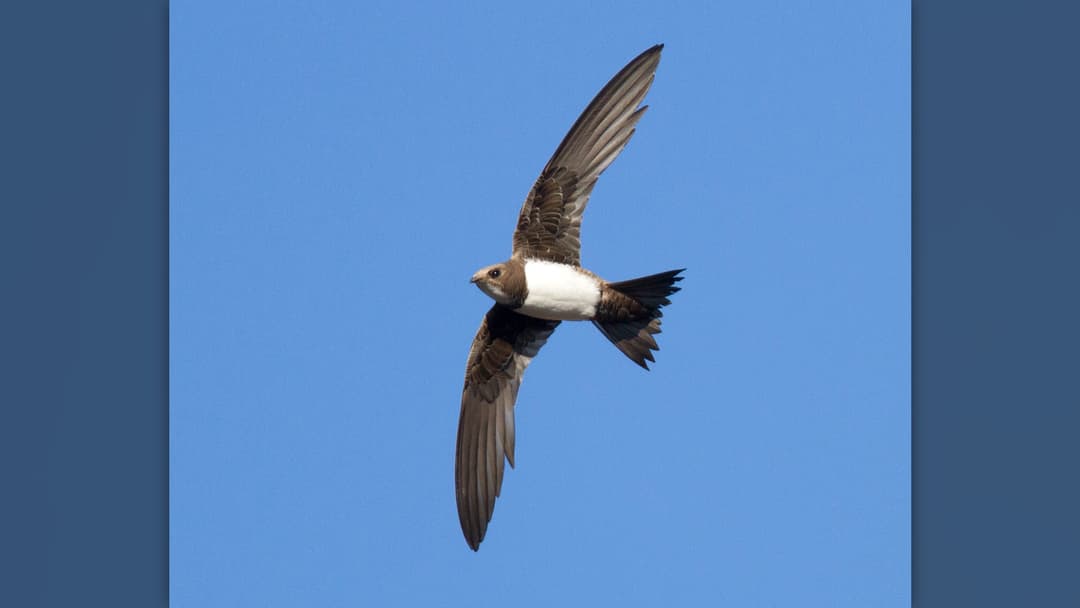
6. Alpine Swift - AdvertisementSwipe or tap ▶ to continue countdown

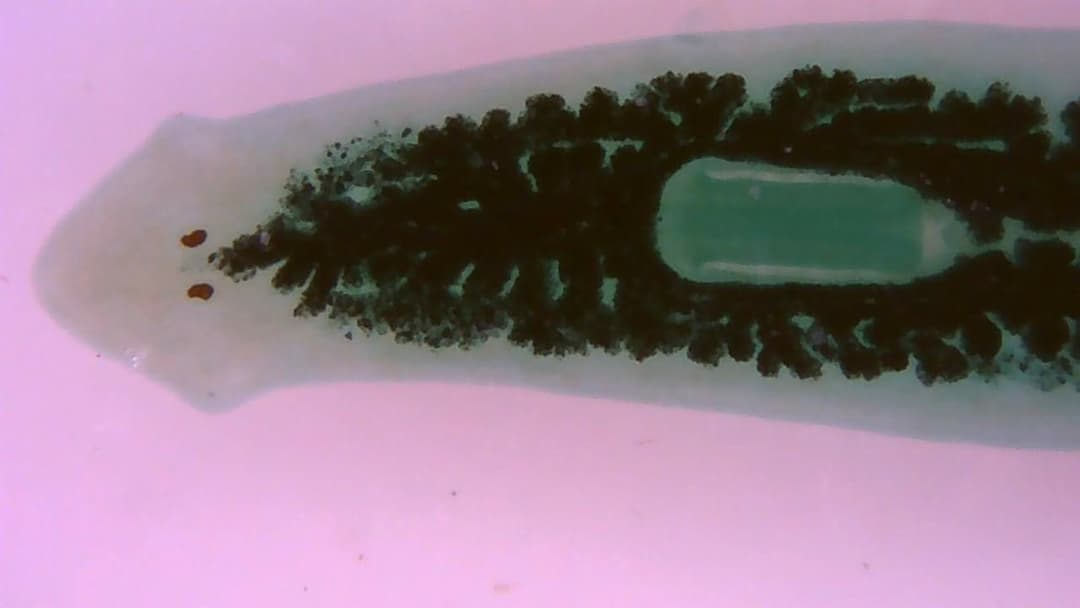
5. Planarian Flatworm 
4. Tardigrade 
3. Bar-Tailed Godwit 
2. Greenland Shark - AdvertisementSwipe or tap ▶ to continue countdown

1. Immortal Jellyfish - Advertisement🔥 UP NEXT IN THIS SERIES◫ 21 Slides

20 Fact about Doomsday Study's 13 Nov 2026 End of World Prediction Failure
On Friday, November 13, 2026, humanity officially outlived a famous 1960 Science study that calculated the world population would hit infinity today. Here is why the doomsday math failed.
From organisms surviving outer space to creatures that reverse their own biological aging, animal physiology constantly defies conventional biology. Here are twenty creatures possessing natural abilities that researchers still cannot explain.
Swipe or tap ▶ to begin the countdown
©Wikimedia / Charles J. Sharp
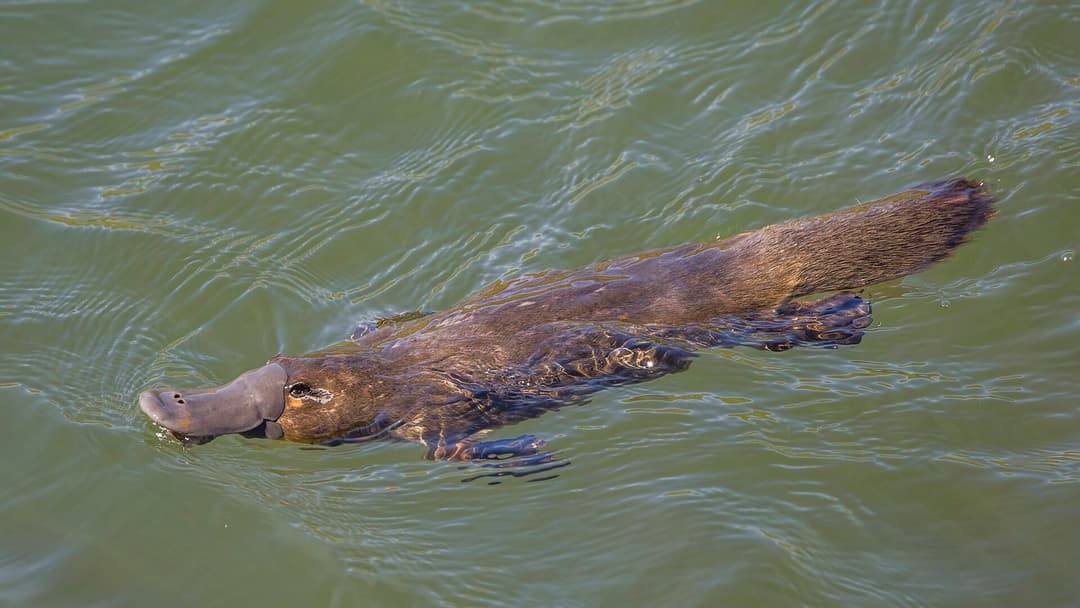
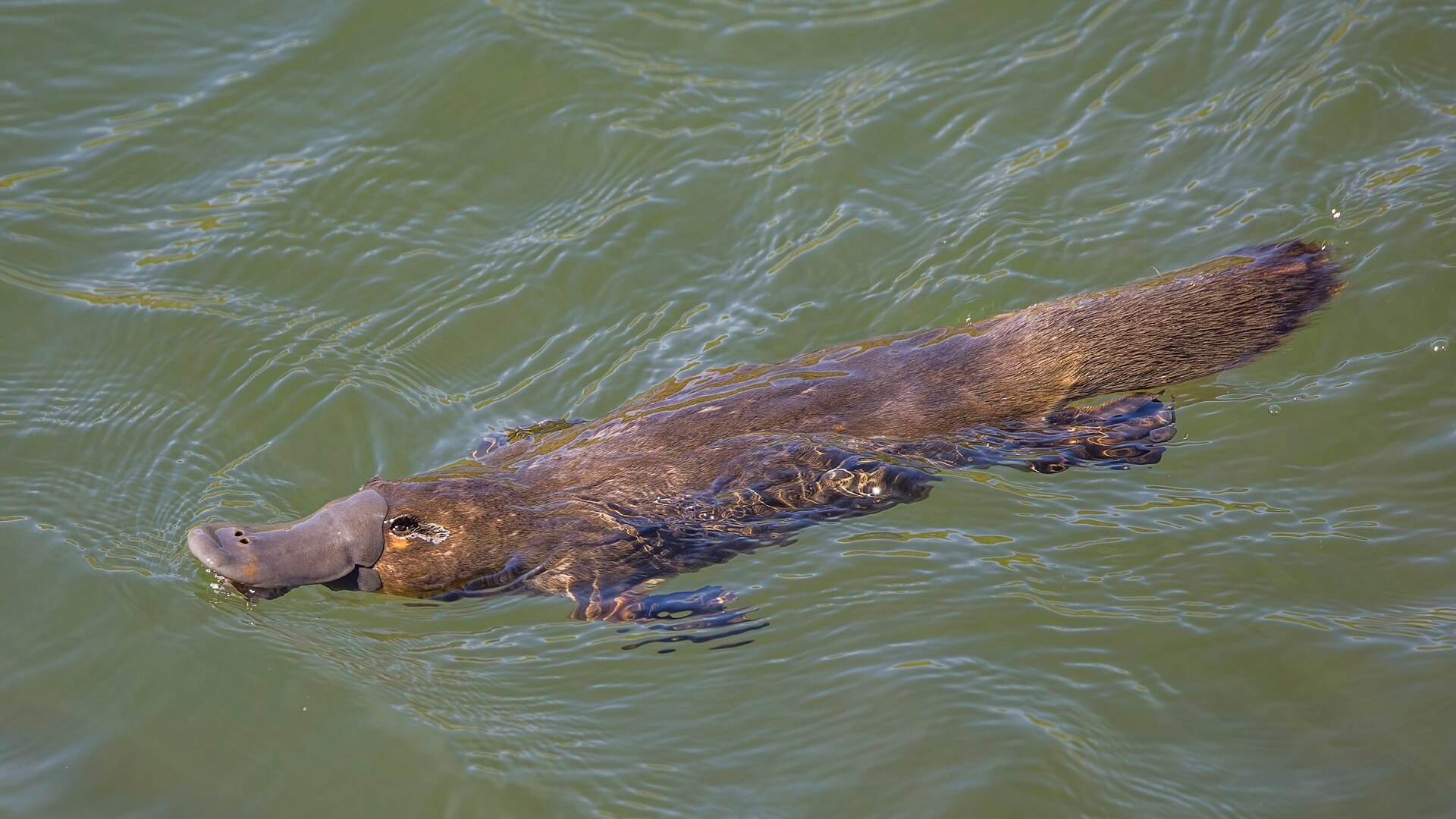
20. Platypus
The platypus hunts underwater with its eyes, ears, and nostrils tightly sealed, relying entirely on forty thousand electroreceptors in its bill to detect electrical impulses from prey. Scientists still struggle to map how its mosaic genome evolved mammalian milk alongside reptilian egg-laying.
©Wikimedia / Charles J. Sharp
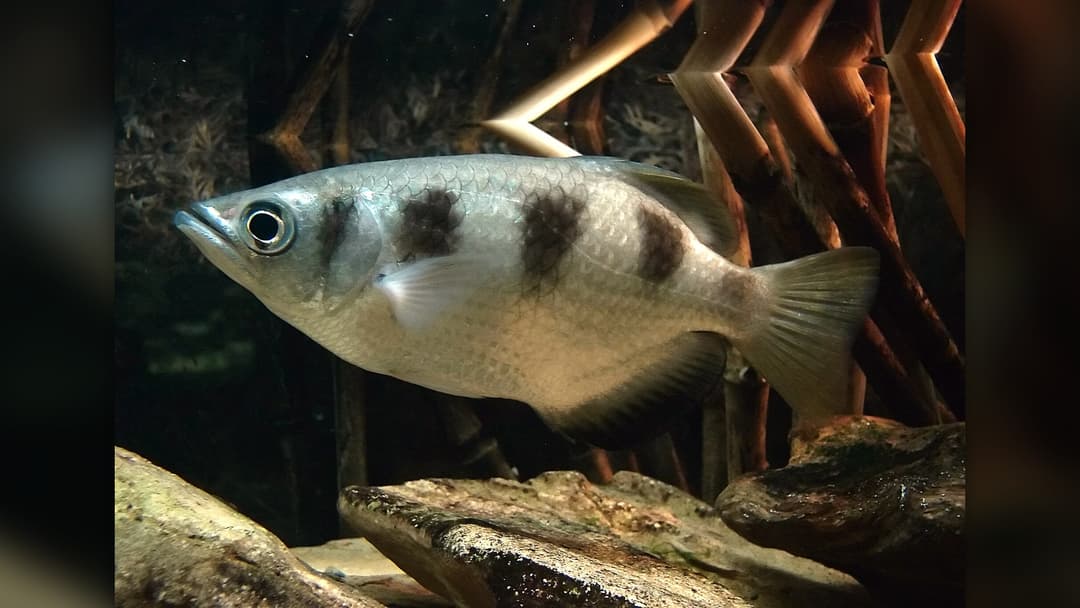
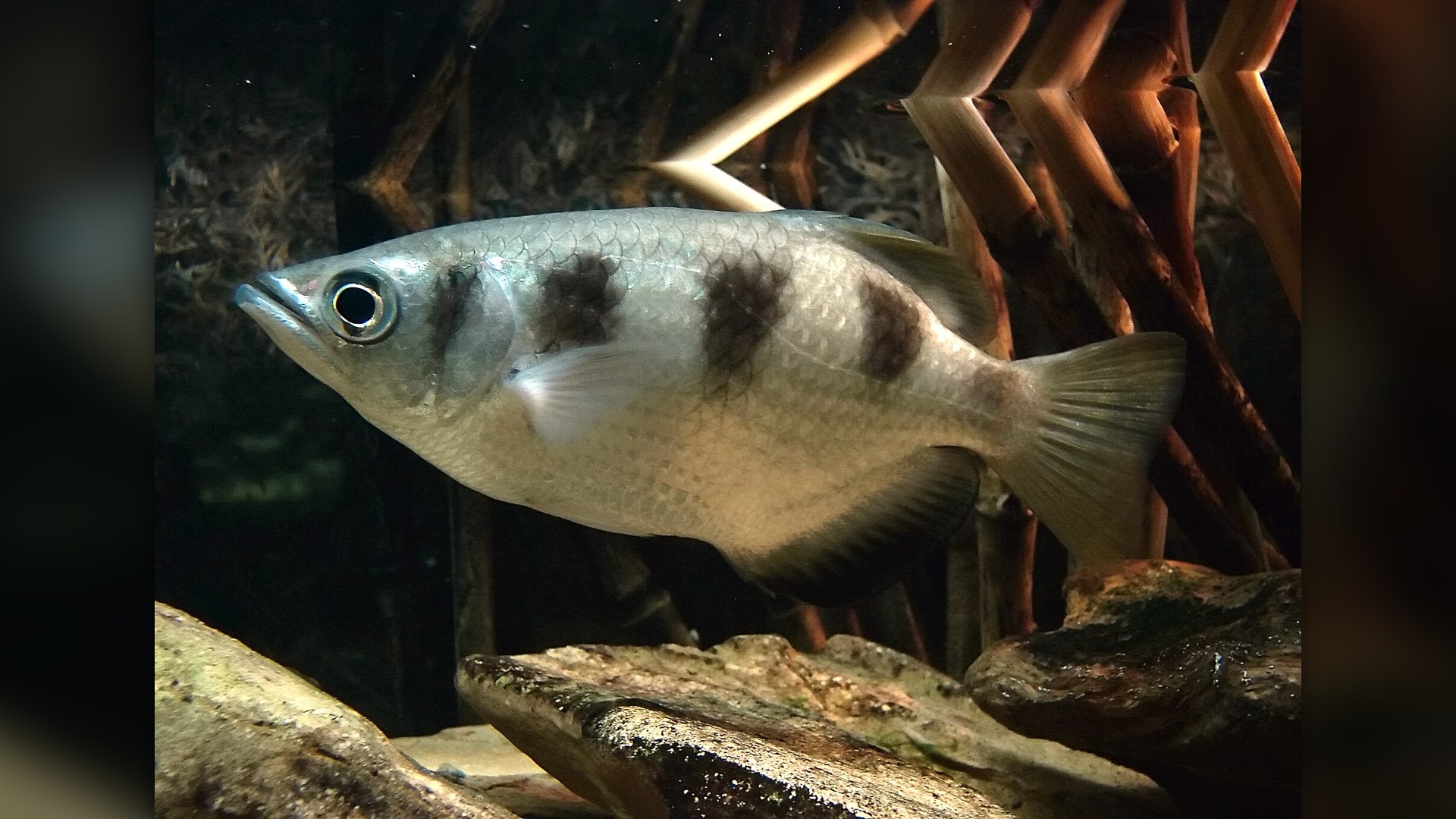
19. Archerfish
The archerfish accurately shoots down insects resting on overhead branches by spitting powerful jets of water. Its brain instantly calculates light refraction through the water surface and adjusts the velocity of the water stream to hit targets up to six feet away within milliseconds.
©Wikimedia / Chrumps
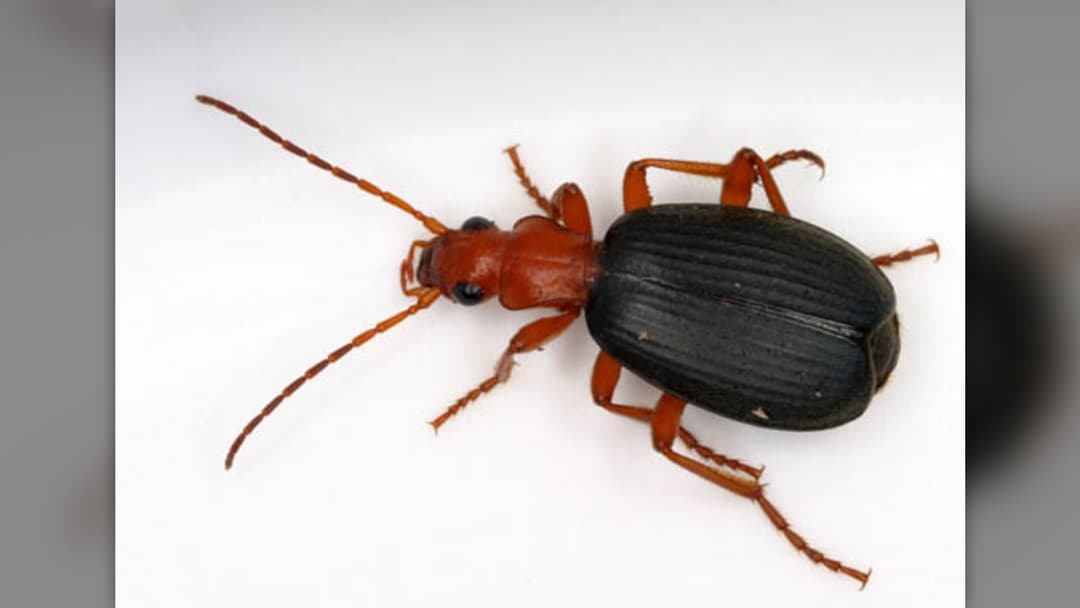
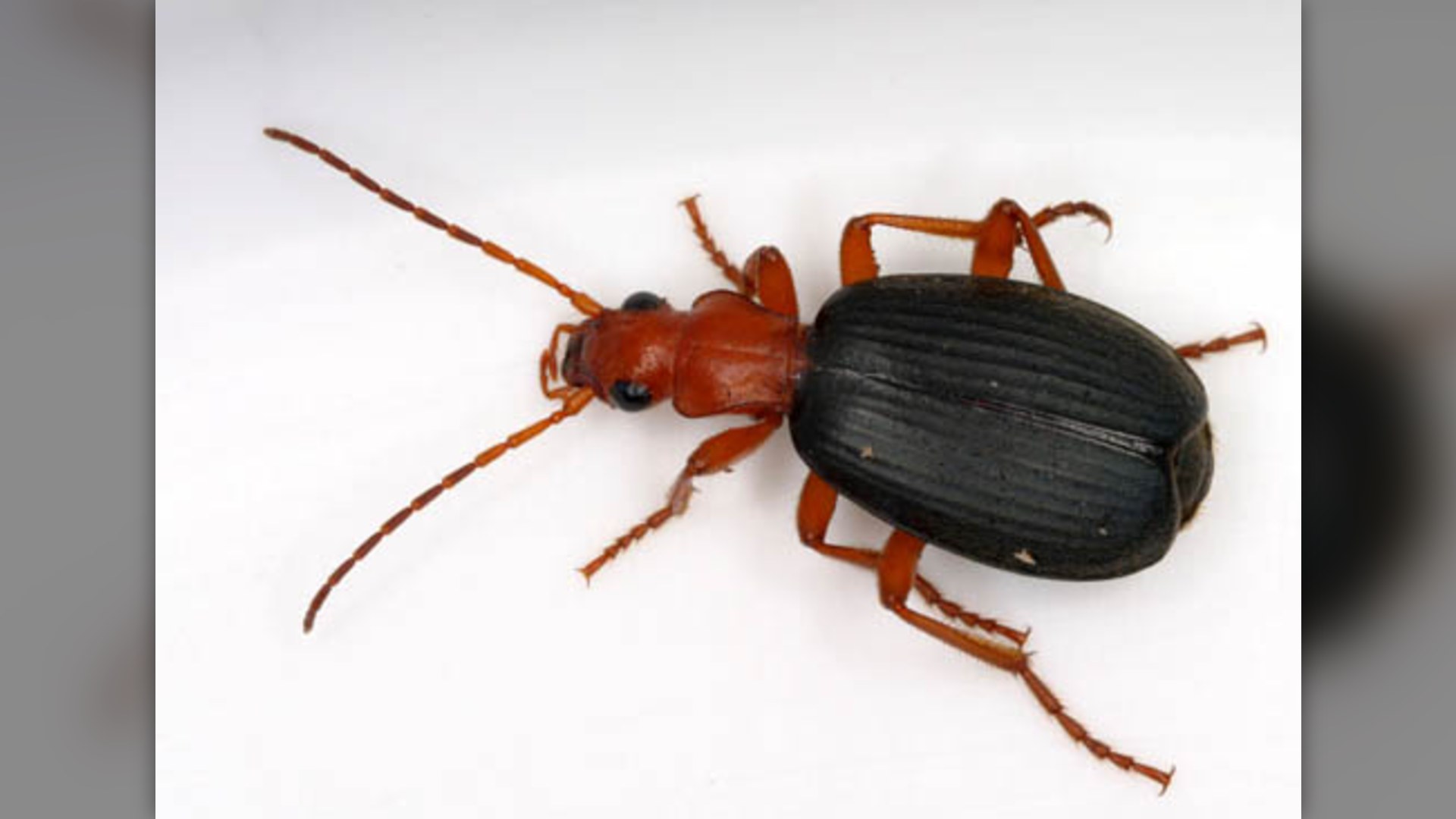
18. Bombardier Beetle
When threatened, the bombardier beetle combines hydroquinone and hydrogen peroxide inside a reaction chamber, triggering an exothermic reaction reaching boiling temperature. It sprays this scalding liquid in pulsing bursts at five hundred pulses per second without damaging its own tissues.
©Wikimedia / Patrick Coin
Advertisement
Swipe or tap ▶ to resume the countdown.
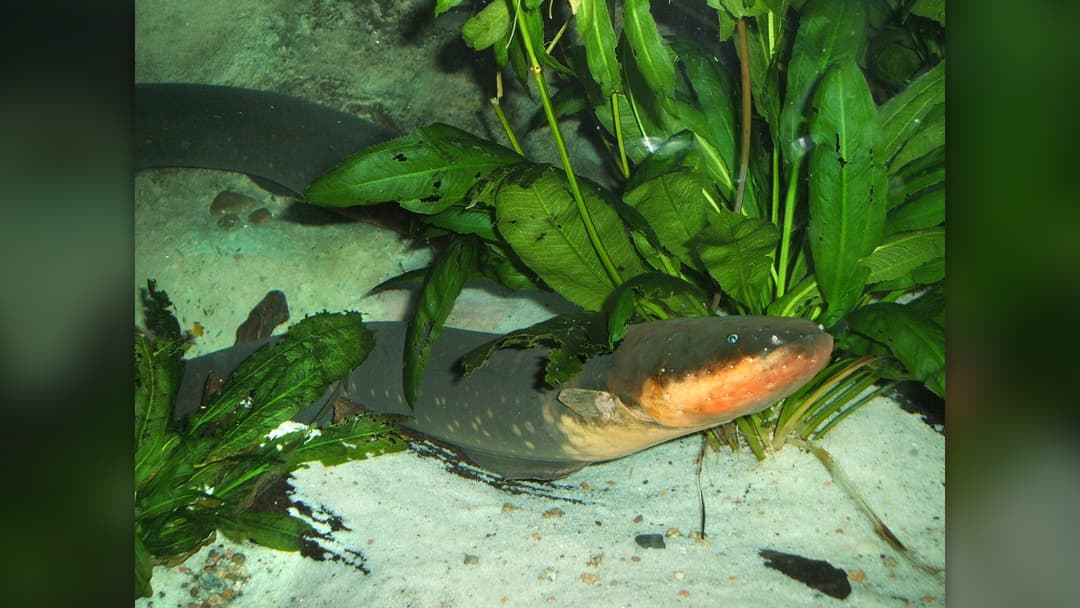
17. Electric Eel
Producing discharges of up to 860 volts, the electric eel stacks thousands of specialized muscle cells called electrocytes like miniature biological batteries. Biophysicists still do not completely understand how the eel shields its own internal organs and brain from its devastating electrical shocks.
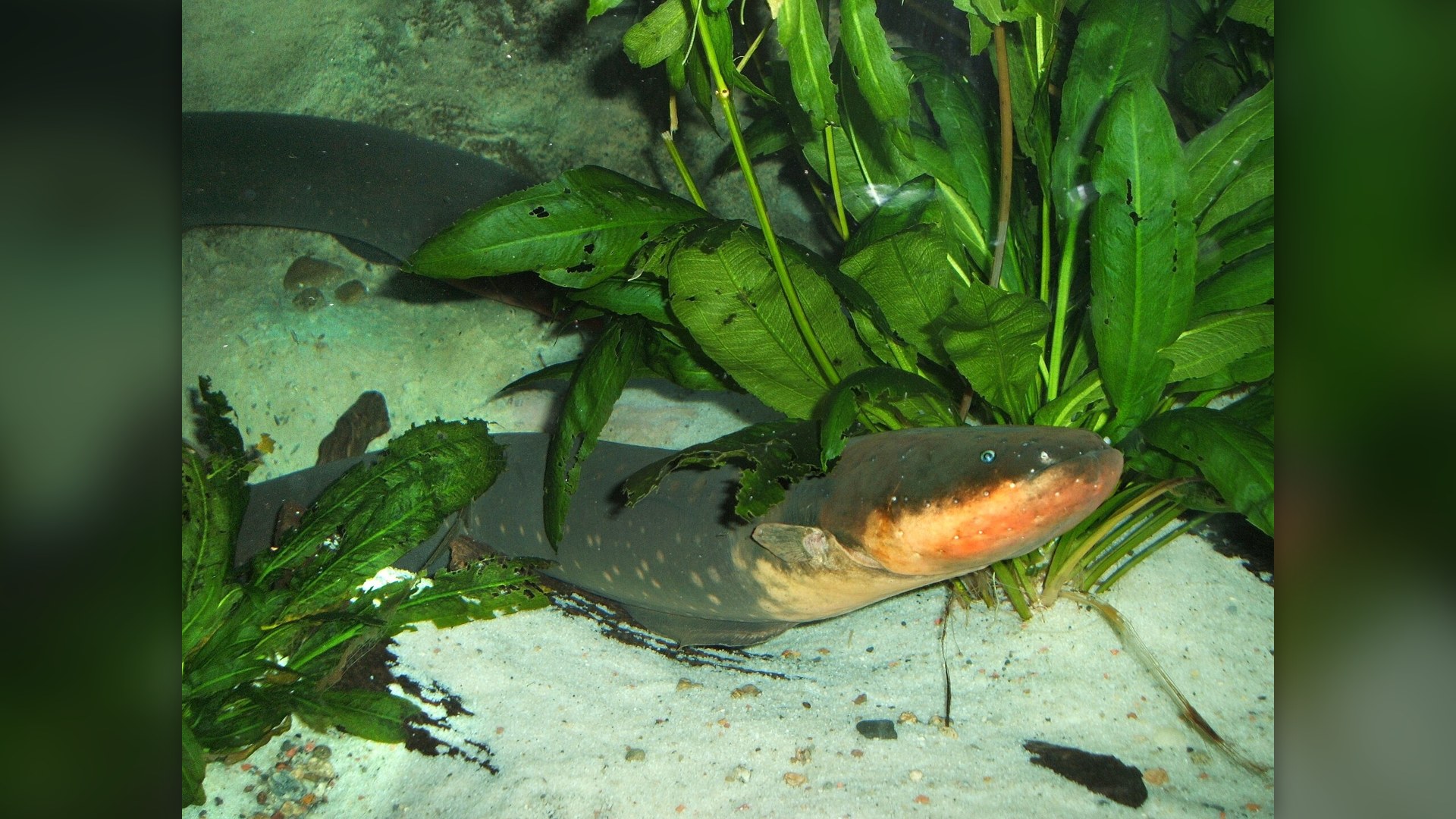
©Wikimedia / Steven G. Johnson
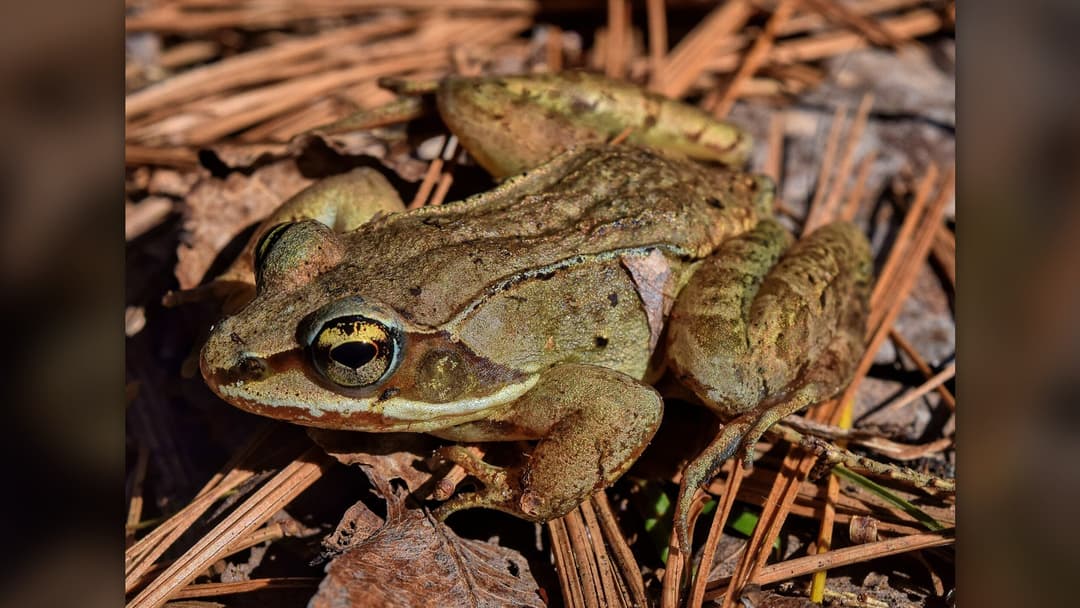
16. Wood Frog
During northern winters, the wood frog allows up to sixty-five percent of its body water to freeze solid, halting heart function and brain activity for months. In spring, it thaws from the inside out and resumes normal life within hours, a feat human cryobiology cannot replicate.
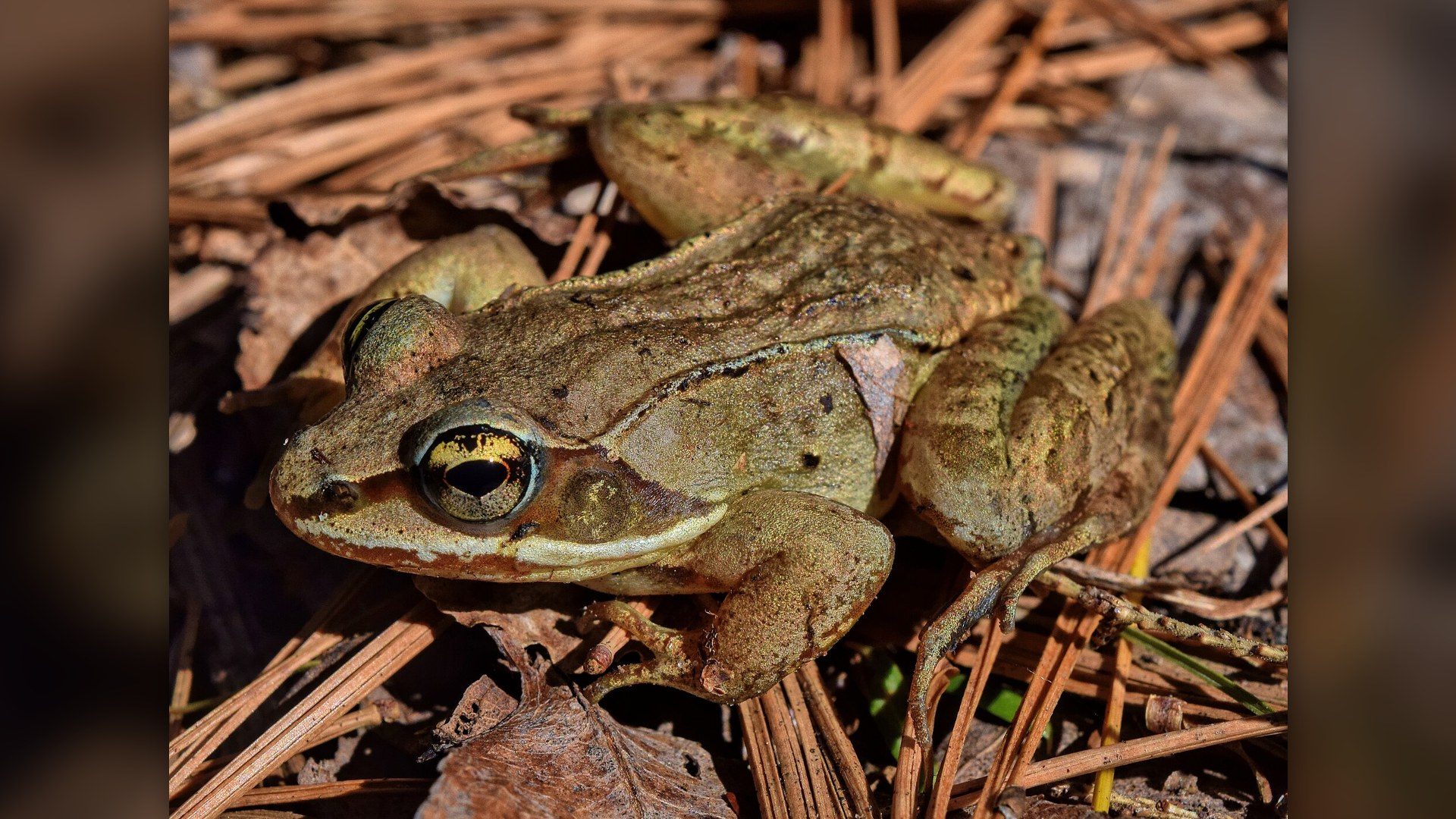
©Wikimedia / The Cosmonaut
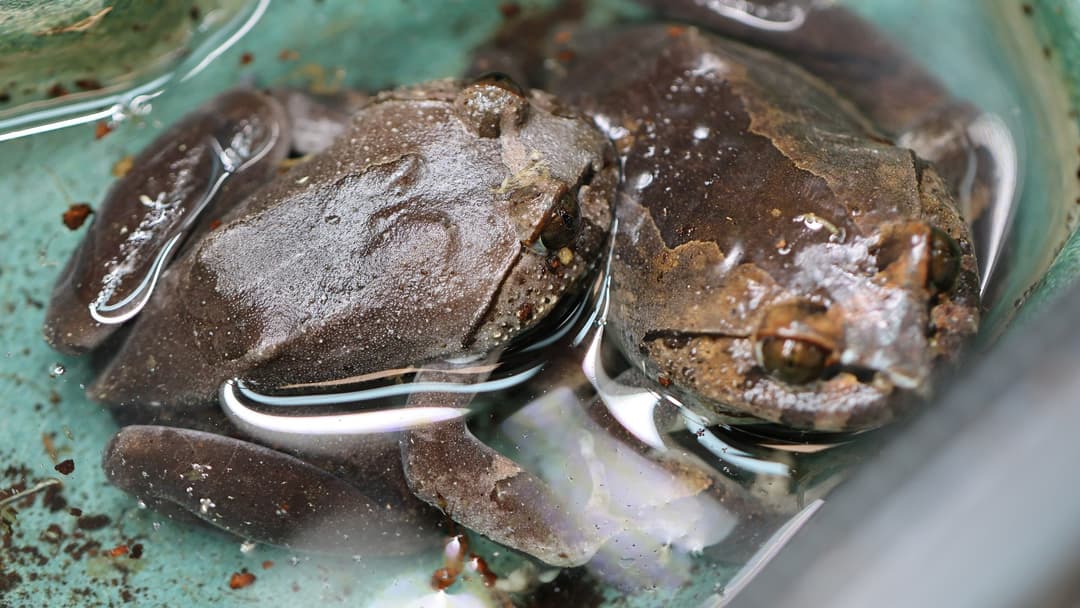
15. Hairy Frog
Nicknamed the horror frog, this central African amphibian actively breaks the bones of its own toes when threatened. The fractured bones pierce outward through its toe pads to function as razor-sharp claws, later retracting and healing without signs of infection or tissue damage.
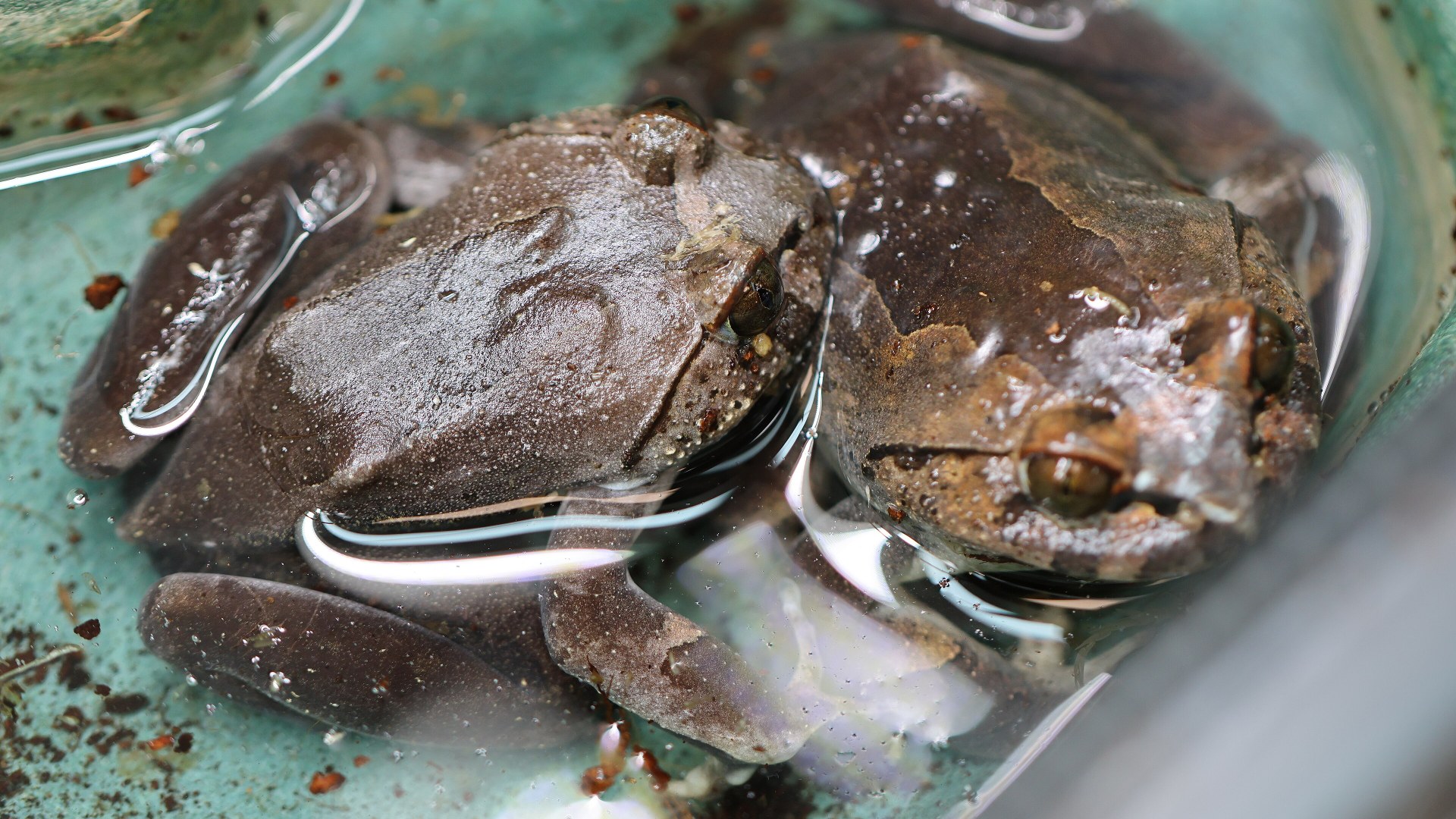
©Wikimedia / Melvin Toullec
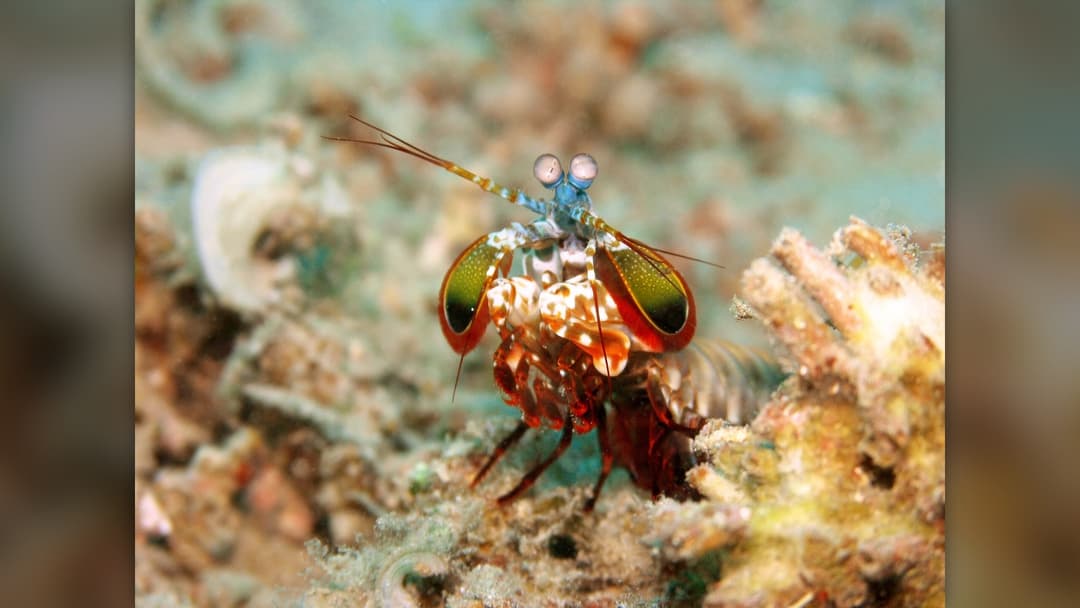
14. Mantis Shrimp
The peacock mantis shrimp accelerates its club appendages at the speed of a gunshot, generating underwater cavitation bubbles that collapse with temperatures near the surface of the sun. It also possesses sixteen distinct photoreceptors and detects circular polarized light.
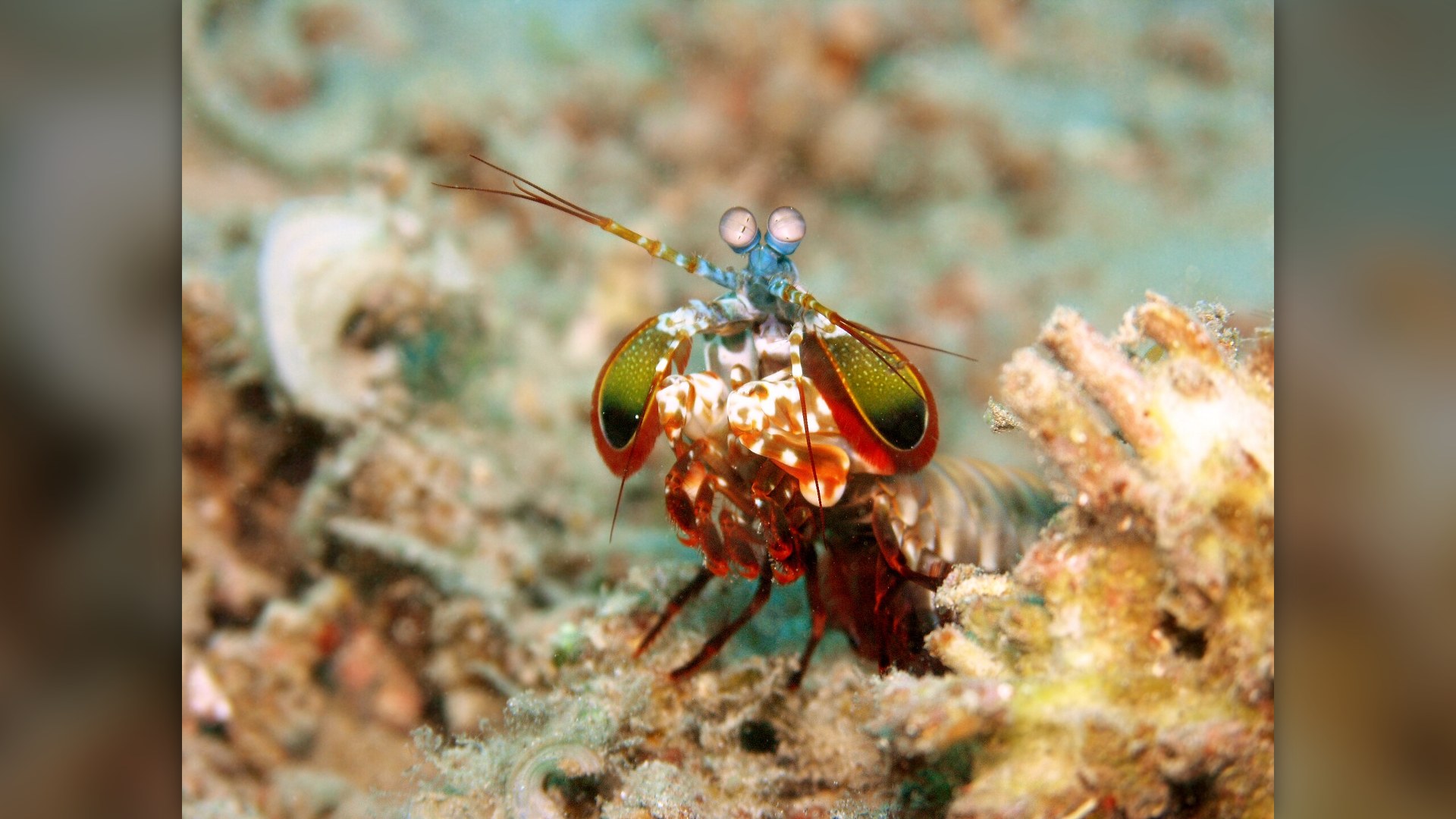
©Wikimedia / Jens Petersen
Advertisement
Swipe or tap ▶ to resume the countdown.
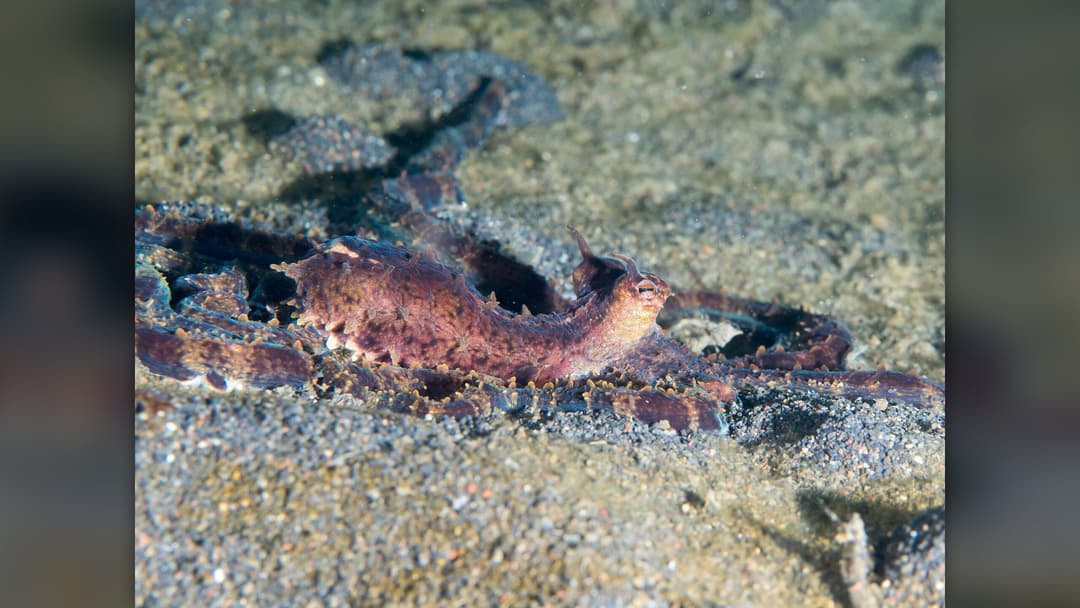
13. Mimic Octopus
Discovered in 1998, the mimic octopus dynamically alters its color, skin texture, and posture to impersonate more than fifteen distinct venomous marine creatures, including lionfish, sea snakes, and flatfish. Marine biologists still investigate how its decentralized nervous system coordinates such mimicry.
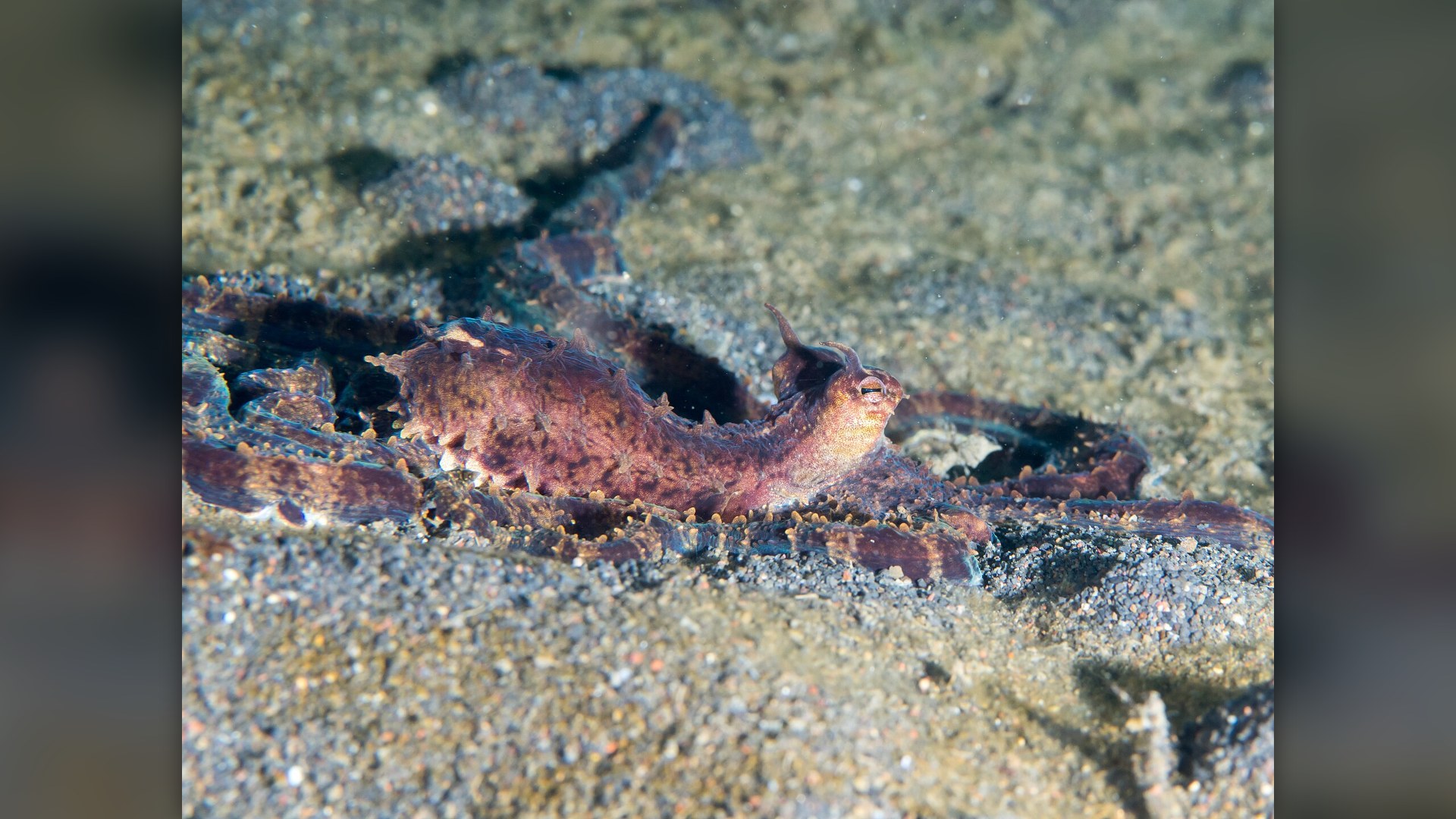
©Wikimedia / Rickard Zerpe
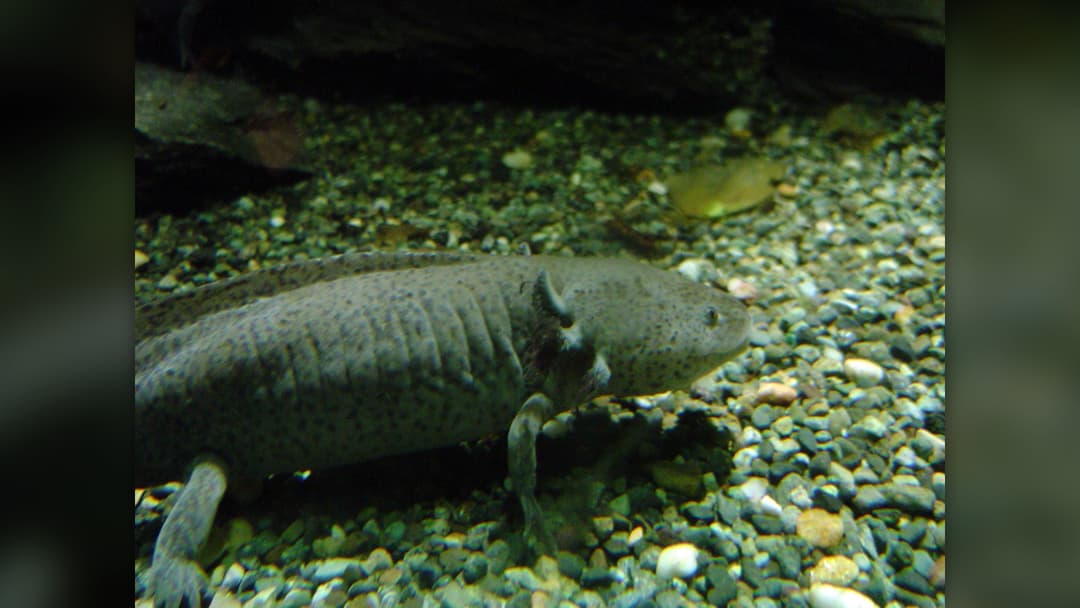
12. Axolotl
The axolotl can regrow complete amputated limbs, retinal tissue, portions of its heart, and sections of its brain without developing scar tissue. Even when subjected to repeated surgical trauma, its blastema cells revert to a pluripotent state, holding secrets regenerative medicine has yet to unlock.
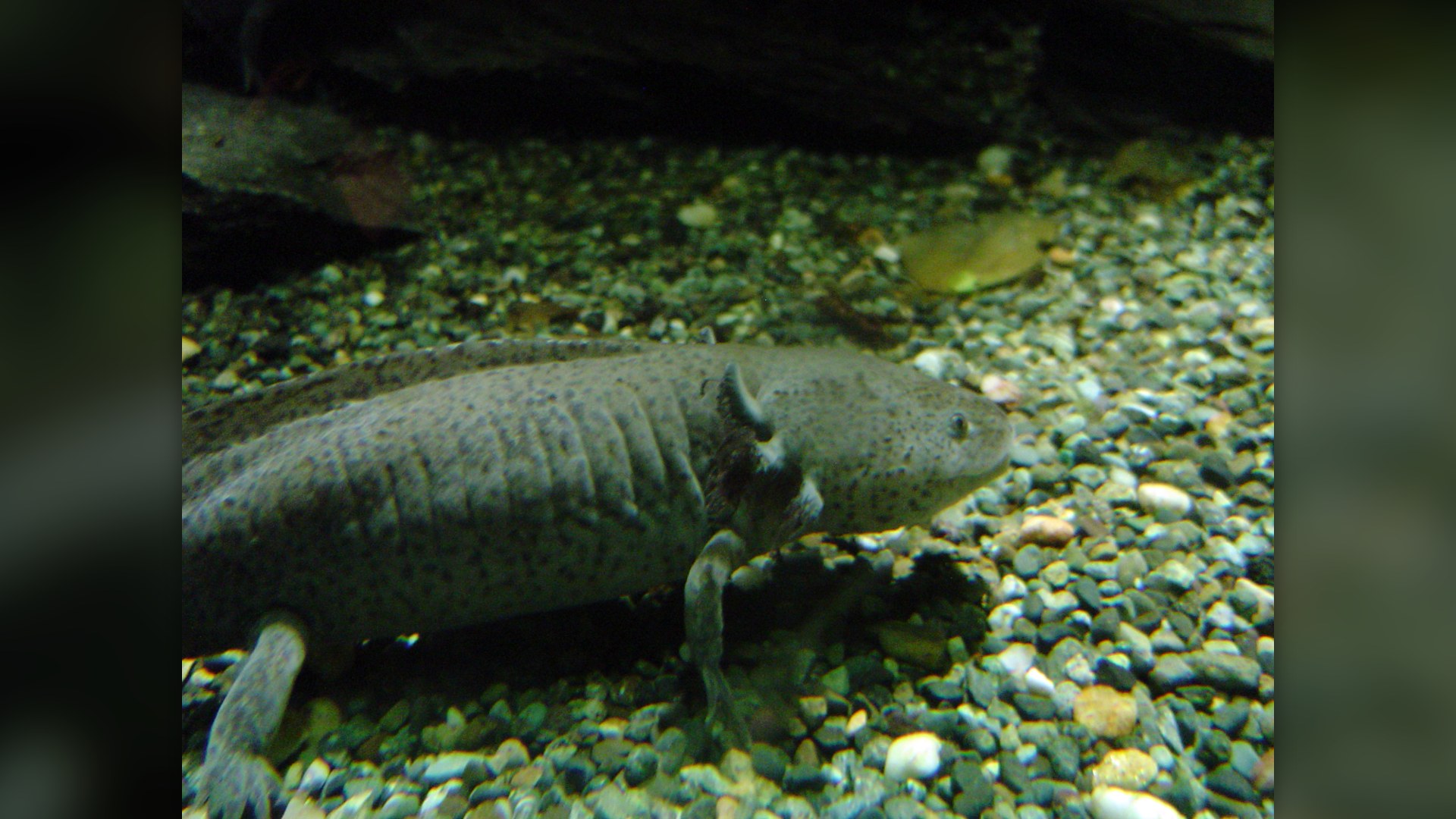
©Wikimedia / Kristof Magnusson
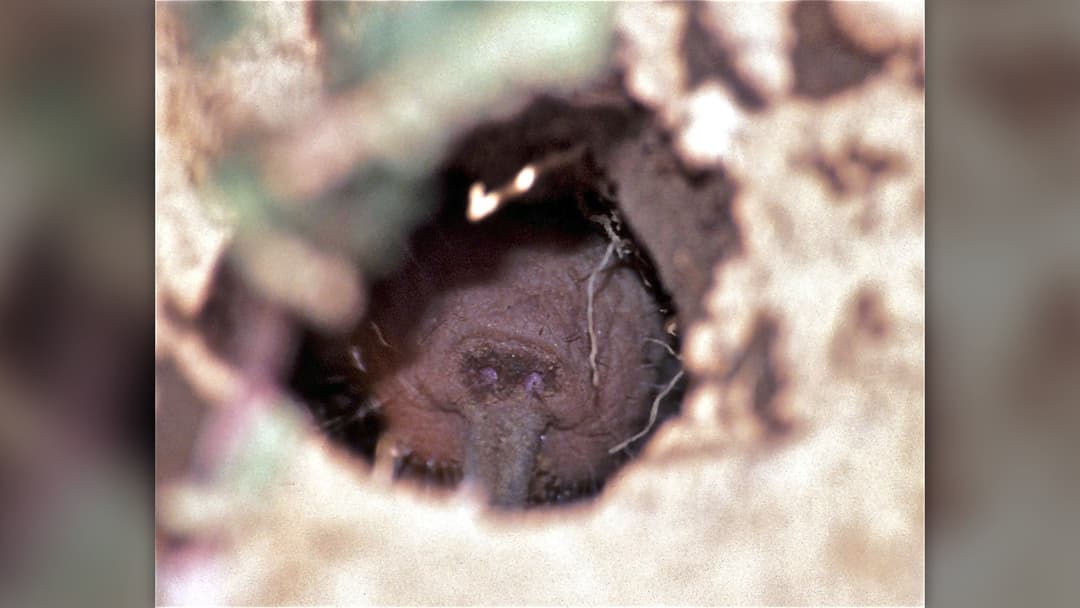
11. Naked Mole-Rat
Living underground in massive colonies, naked mole-rats resist cancer completely through unique high-molecular-mass hyaluronan. When oxygen drops to zero, their brains switch metabolisms from glucose to fructose, enabling them to survive eighteen minutes in total anoxia without brain damage.
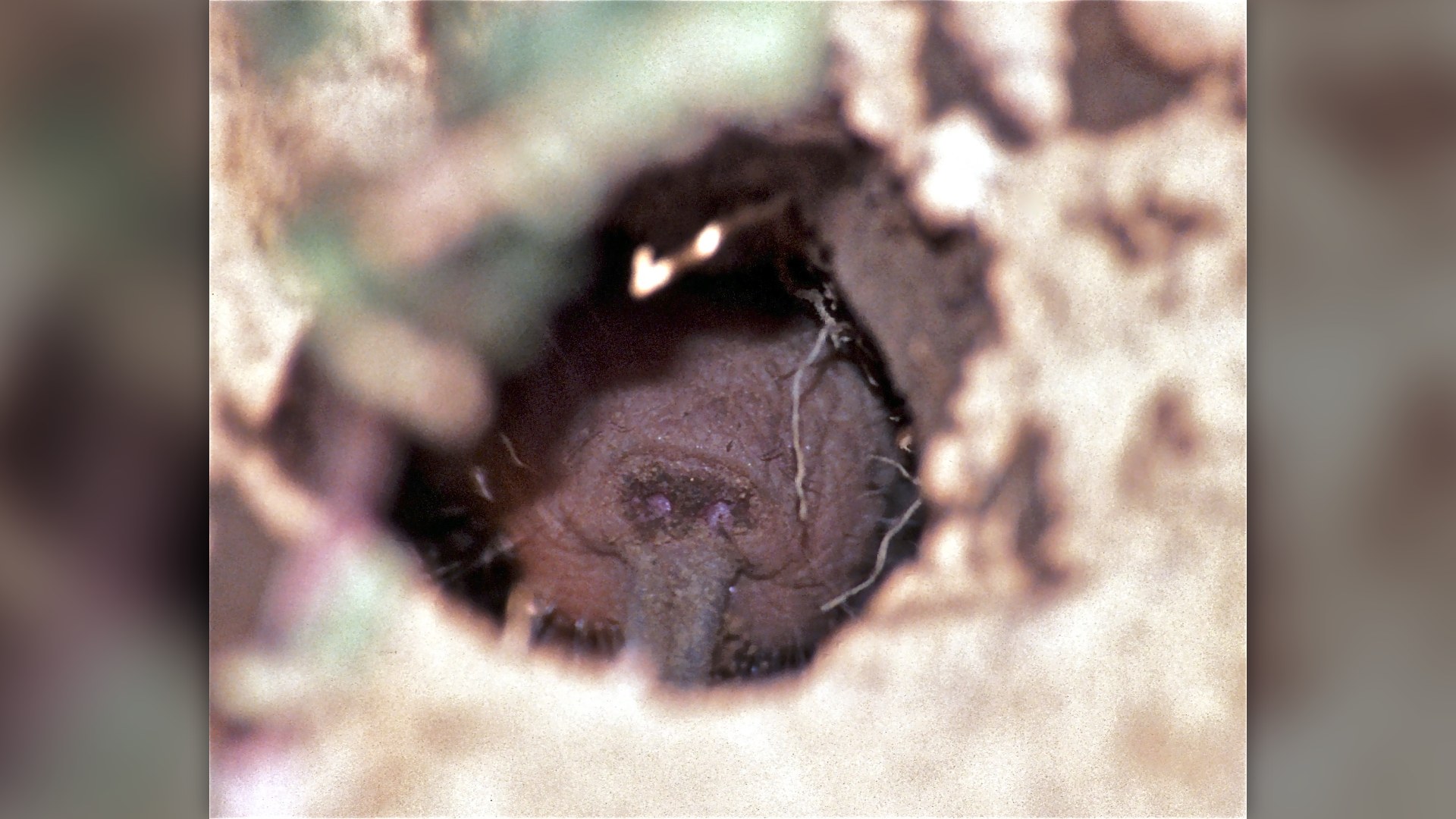
©Wikimedia / Bernard DUPONT
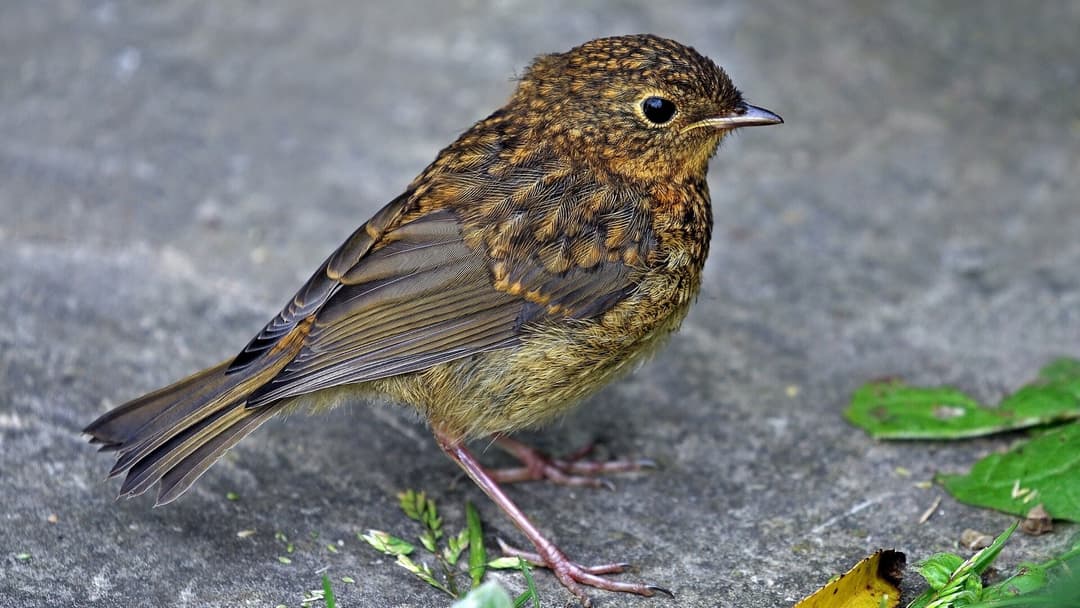
10. European Robin
Migrating European robins sense the inclination of Earth's magnetic field through quantum mechanics. Blue light striking cryptochrome proteins in their retinas generates radical pairs of entangled electrons, allowing the birds to visually perceive magnetic pathways across thousands of miles.
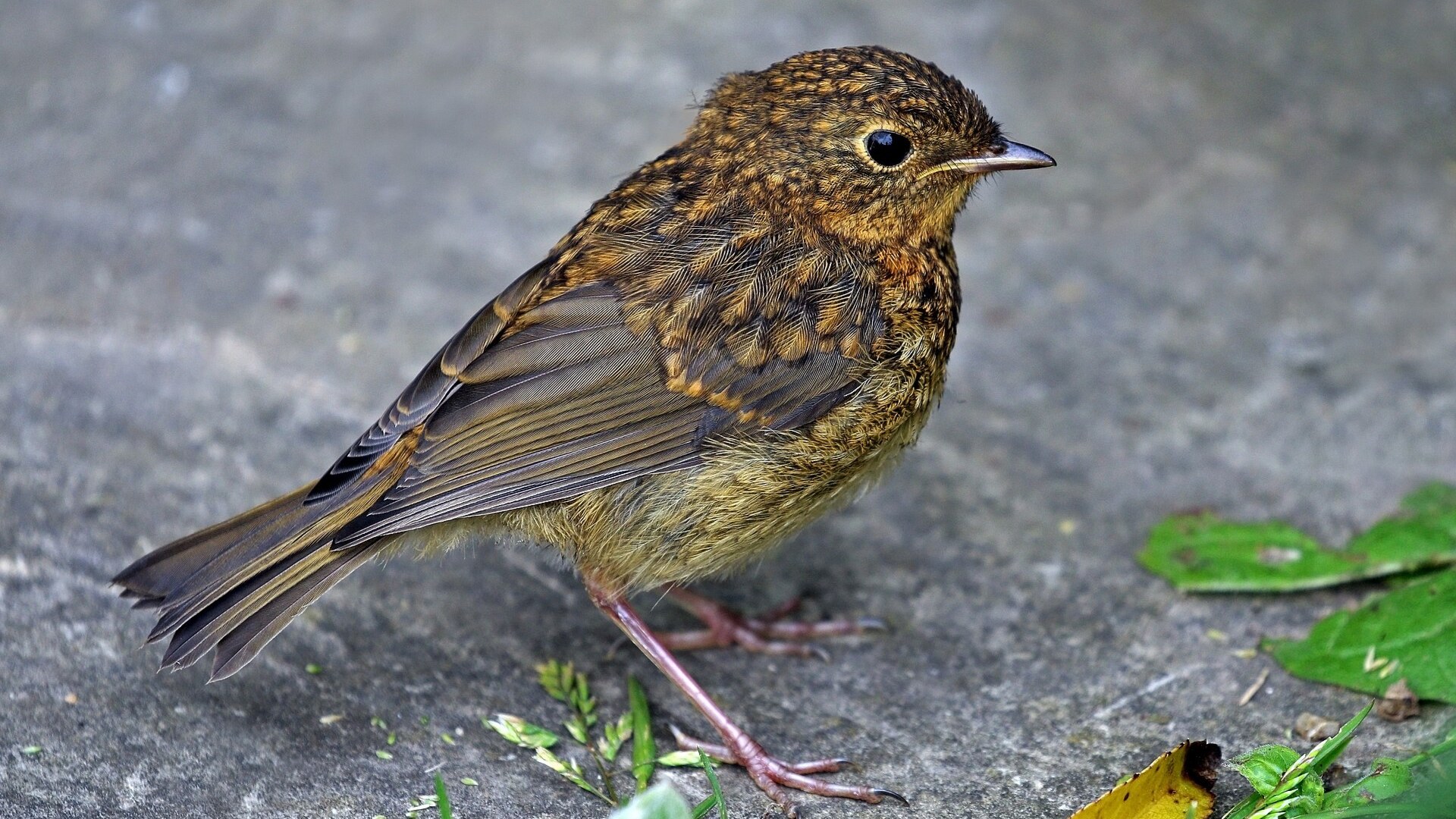
©Wikimedia / Charles J. Sharp
Advertisement
Swipe or tap ▶ to resume the countdown.
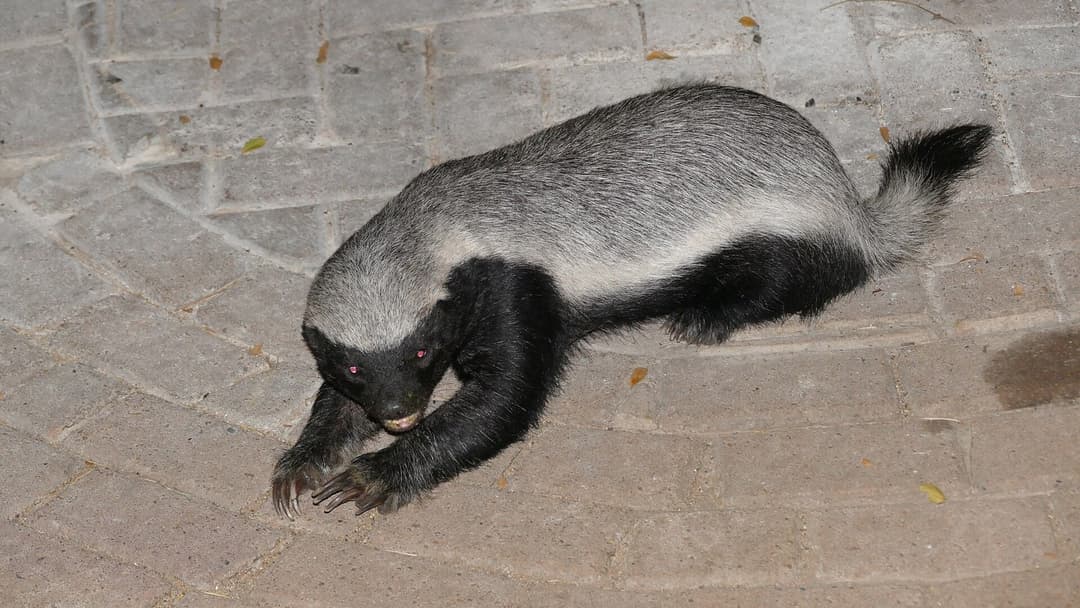
9. Honey Badger
When bitten by highly venomous cobras or puff adders, the honey badger briefly falls into a comatose state before waking up completely unharmed. Researchers discovered specific molecular mutations in its nicotinic acetylcholine receptors that physically block neurotoxins from binding to nerve cells.
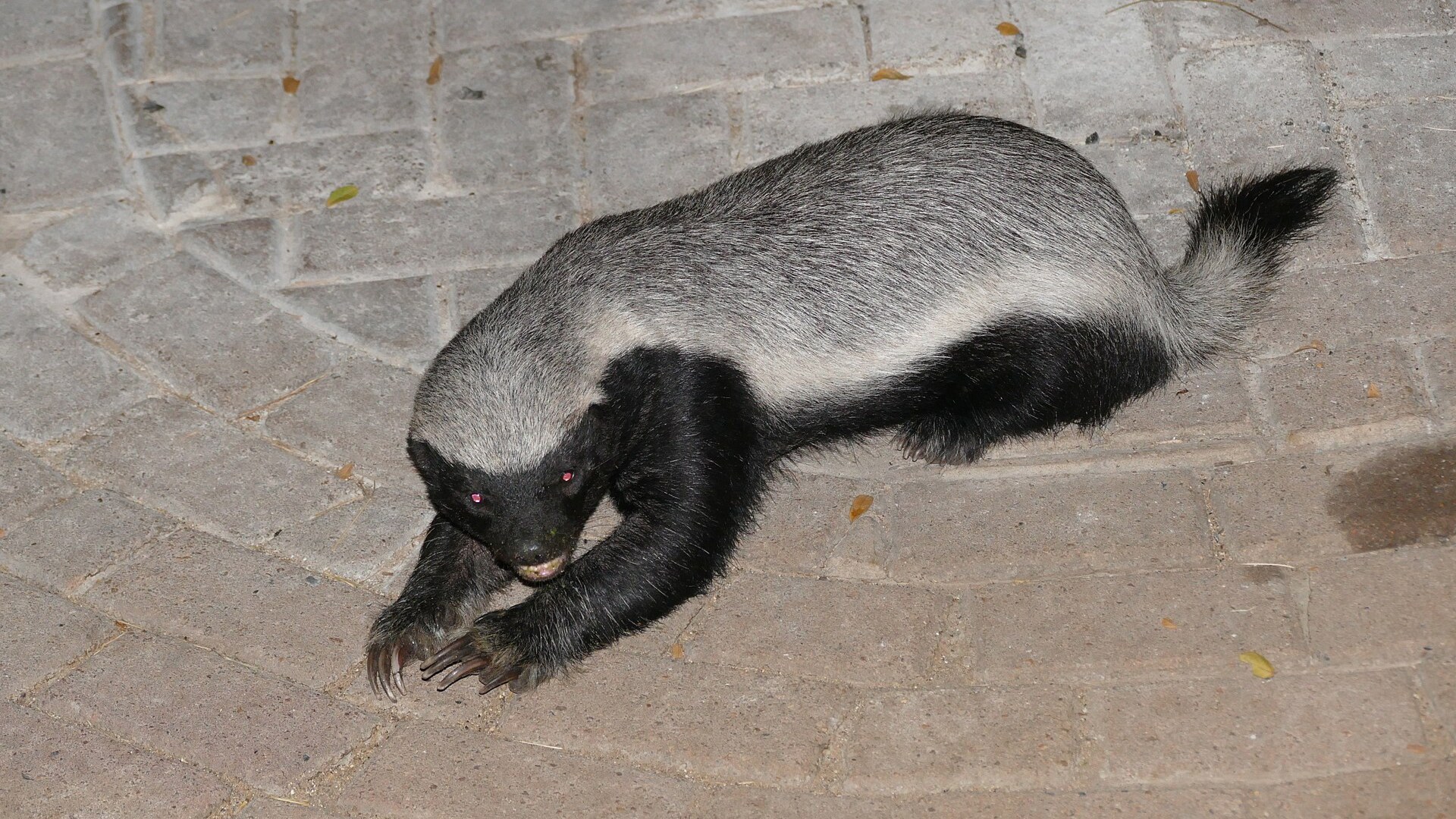
©Wikimedia / Bernard DUPONT
8. Lyrebird
Native to Australia, the superb lyrebird possesses the most acoustically complex syrinx of any songbird. It can flawlessly reproduce mechanical sounds like car alarms, chain saws, and camera shutters, alongside the calls of over twenty other bird species, baffling avian neurobiologists.
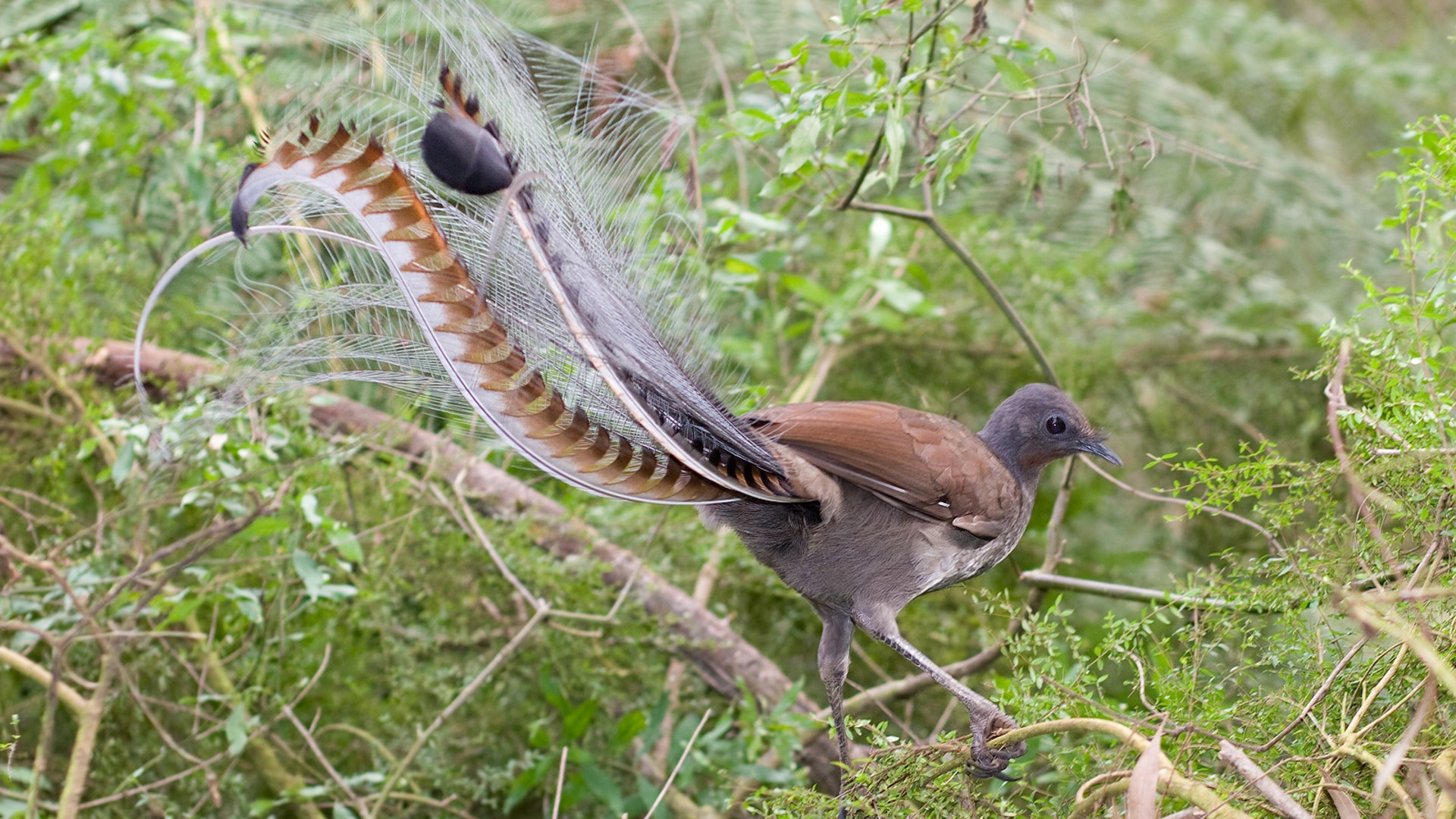
©Wikimedia / Fir0002
7. Cuttlefish
The common cuttlefish replicates the exact color and texture of surrounding coral reefs in a fraction of a second, despite possessing only a single visual pigment that renders it completely colorblind. Scientists believe its unique W-shaped pupils exploit chromatic aberration to perceive hues.
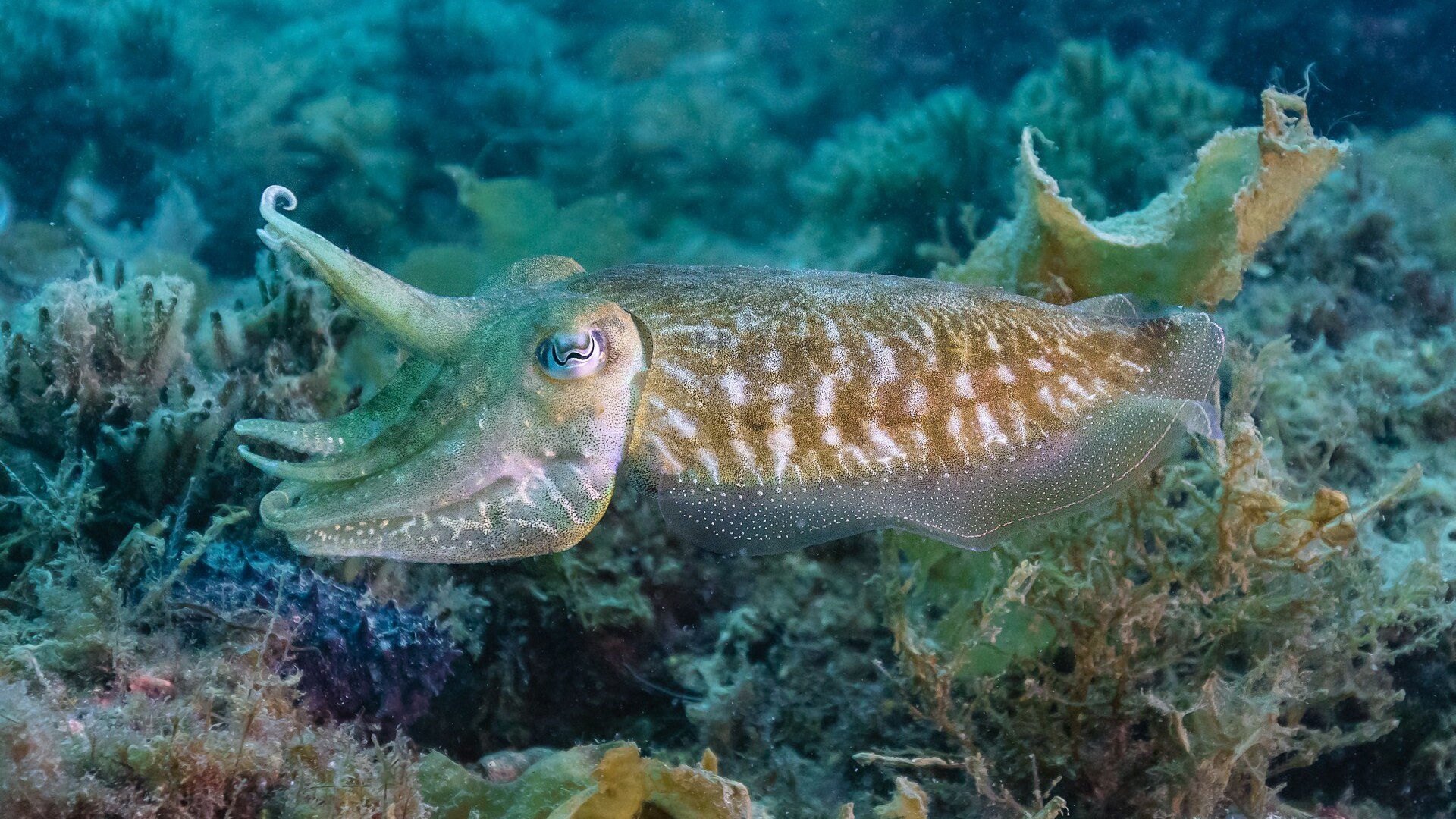
©Wikimedia / Diego Delso
6. Alpine Swift
Electronic tracking tags revealed that alpine swifts remain airborne for two hundred consecutive days during their migration to Africa, eating, drinking, and sleeping entirely in mid-air. Neurologists hypothesize they engage in unihemispheric slow-wave sleep, resting one brain hemisphere at a time.
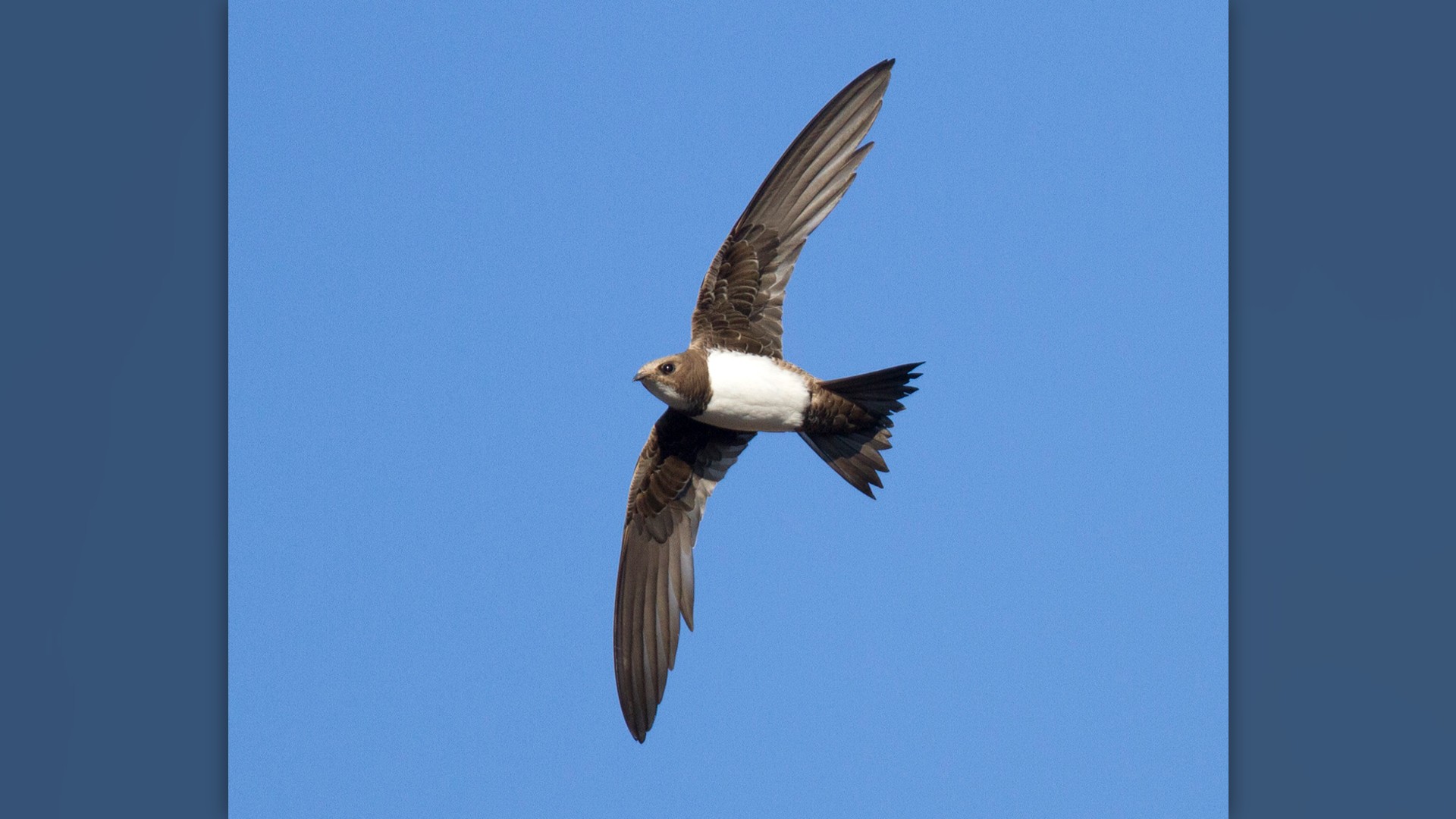
©Wikimedia / Alpine swift
Advertisement
Swipe or tap ▶ to resume the countdown.
5. Planarian Flatworm
A planarian flatworm can be cut into hundreds of tiny fragments, and every single piece will regenerate into a complete worm within weeks using adult pluripotent stem cells called neoblasts. Even more perplexing, newly regenerated heads retain learned behaviors from before the decapitation.
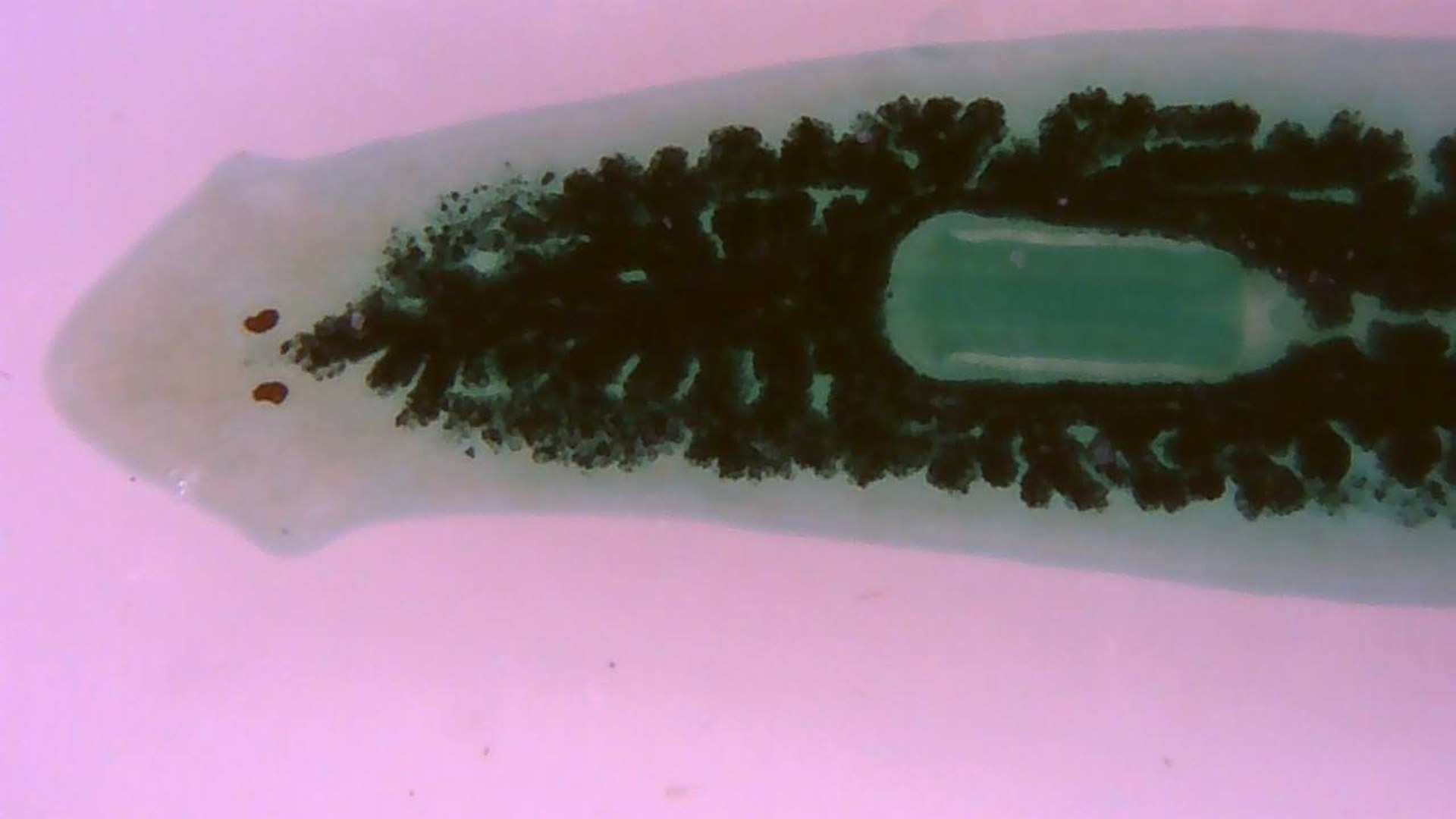
©Wikimedia / The Other 95%
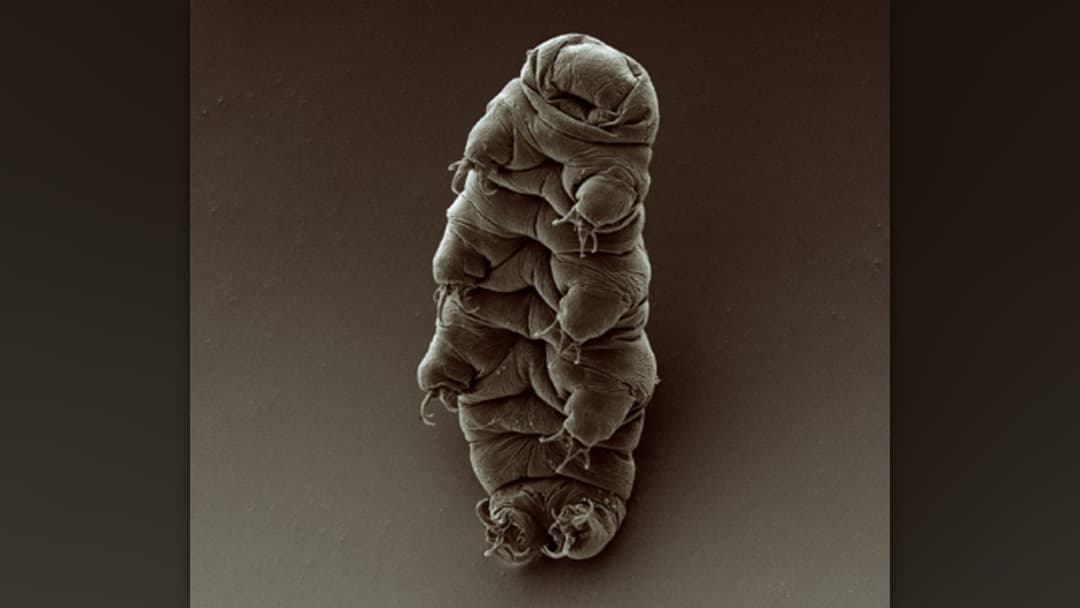
4. Tardigrade
Measuring less than a millimeter, tardigrades survive dehydration, absolute zero temperatures, boiling heat, and cosmic vacuum by expelling water and entering a state called cryptobiosis. Their unique damage-suppressor protein coats nuclear DNA, shielding them from lethal radiation doses.
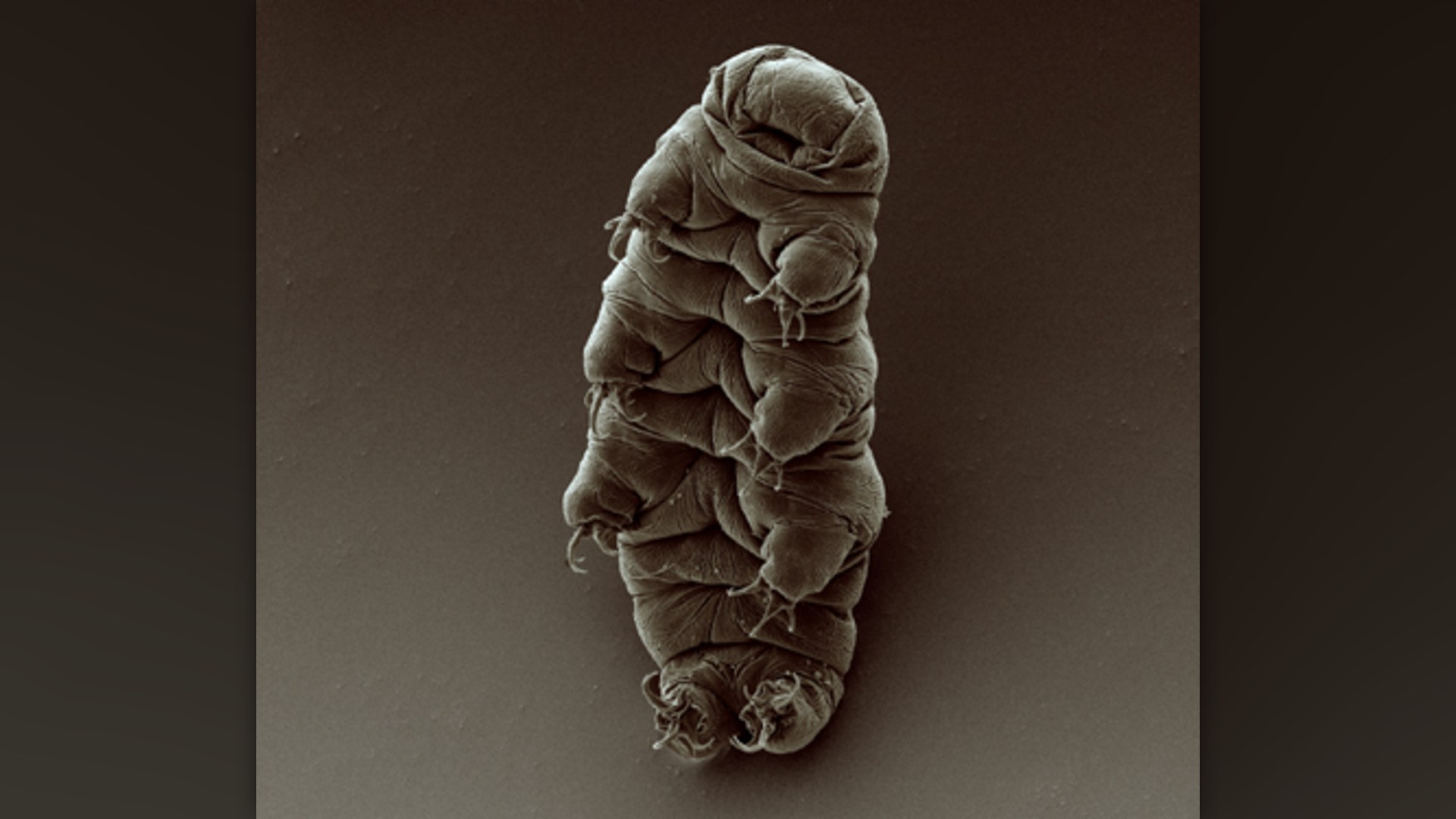
©Wikimedia / Goldstein Lab
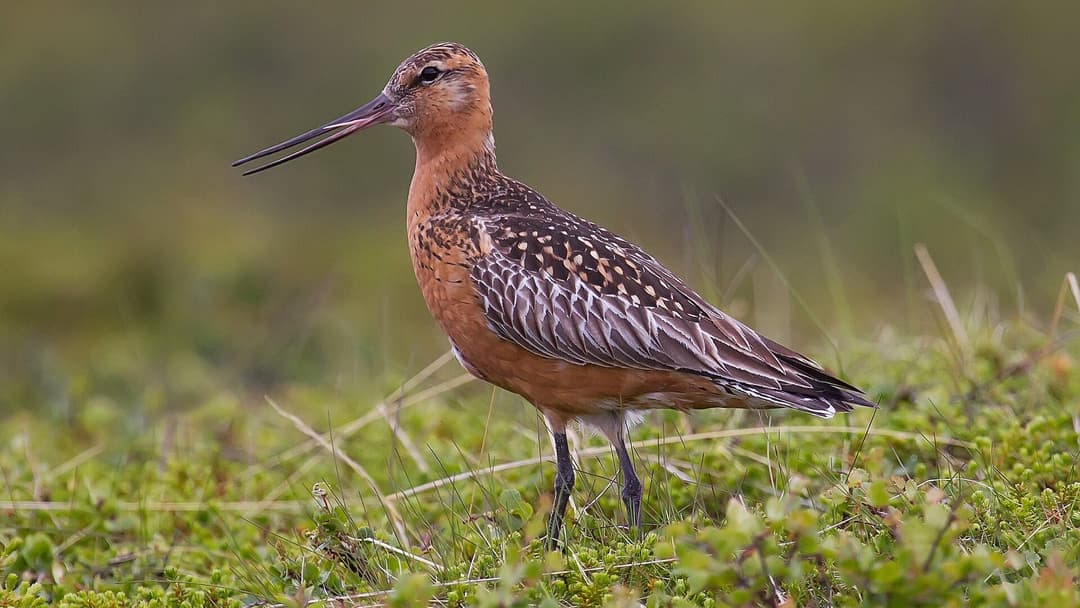
3. Bar-Tailed Godwit
Every autumn, the bar-tailed godwit flies non-stop across the open Pacific Ocean from Alaska to New Zealand, covering more than eight thousand miles in eleven days without resting, eating, or drinking. Biologists remain astonished by how it halves its internal organ mass to maximize aerodynamic fuel.
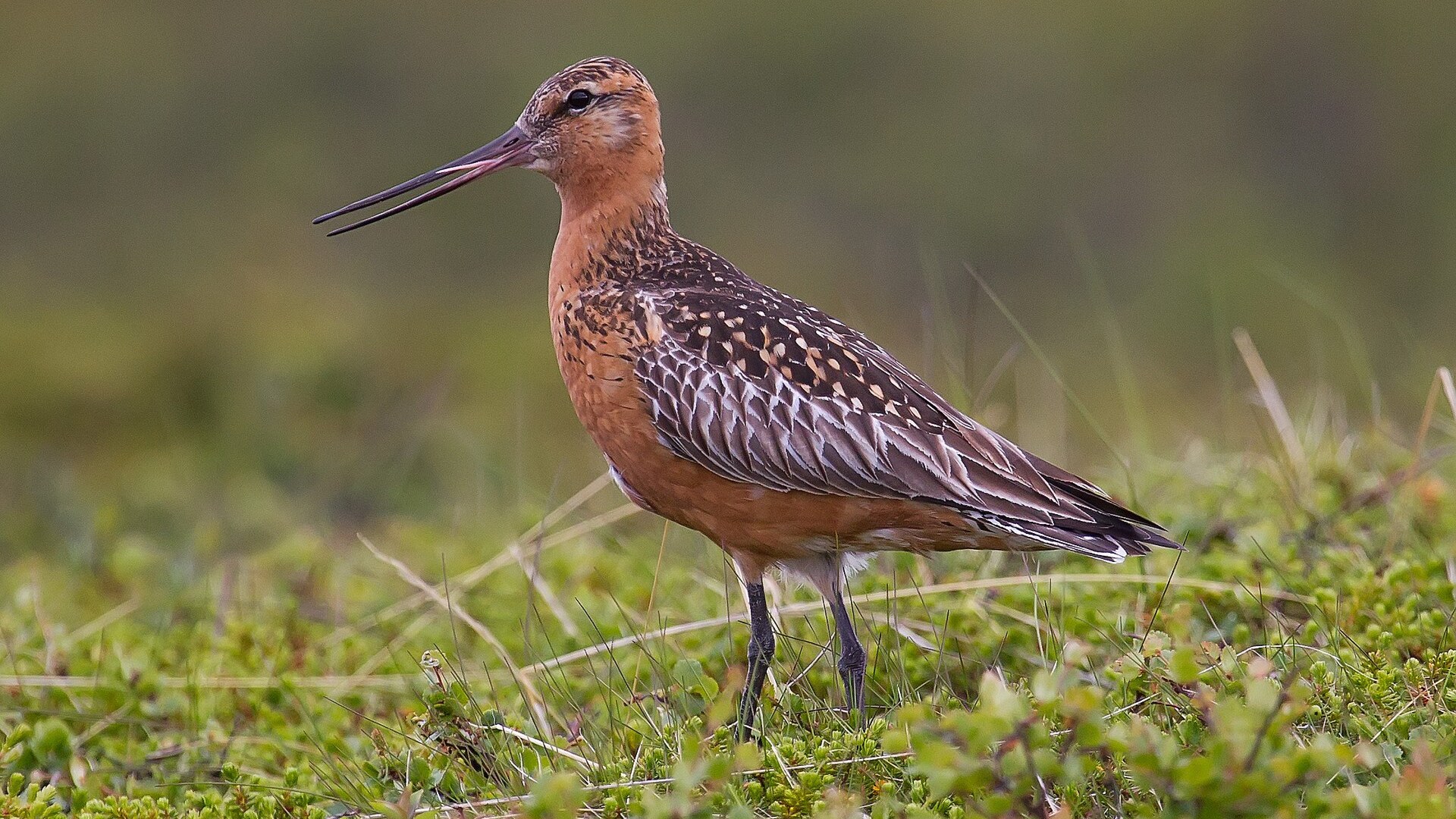
©Wikimedia / Andreas Trepte
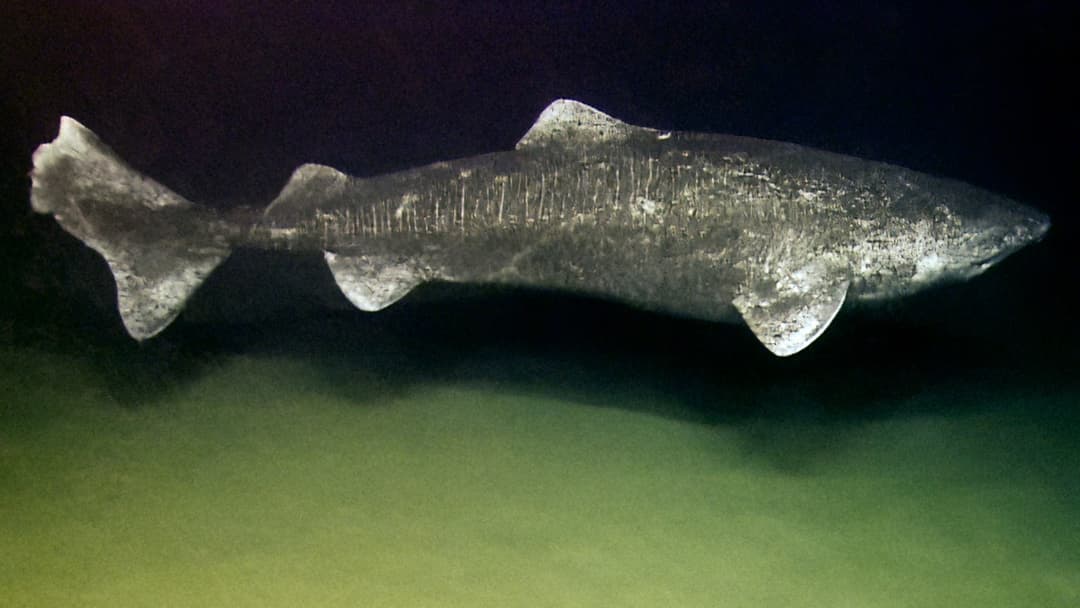
2. Greenland Shark
Radiocarbon eye lens dating shows the Greenland shark can live between two hundred and fifty and five hundred years, making it the longest-living vertebrate on Earth. Its heart beats once every twelve seconds, and its tissues show virtually zero signs of age-related cellular deterioration.
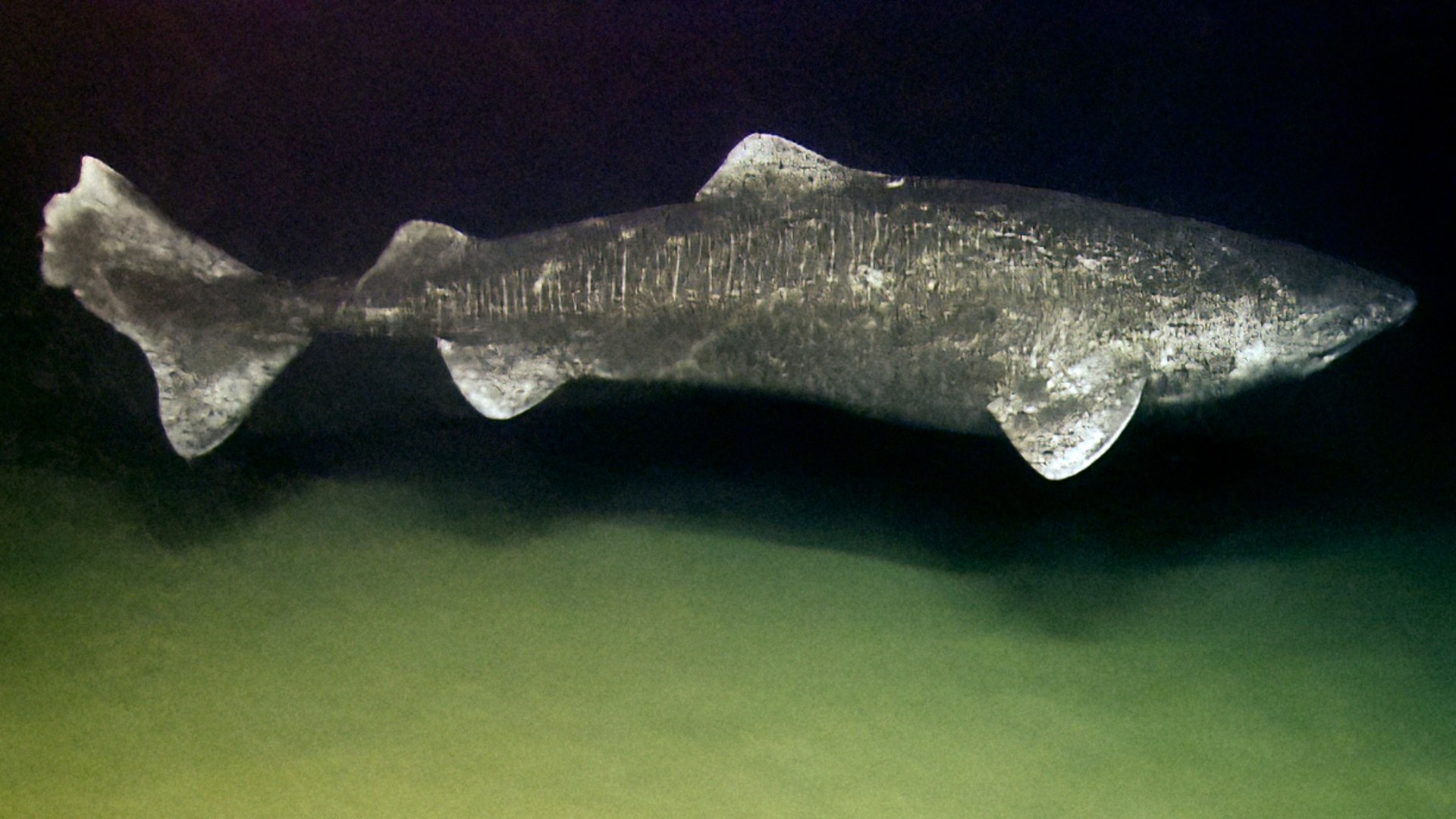
©Wikimedia / NOAA Okeanos Explorer
Advertisement
Swipe or tap ▶ to resume the countdown.
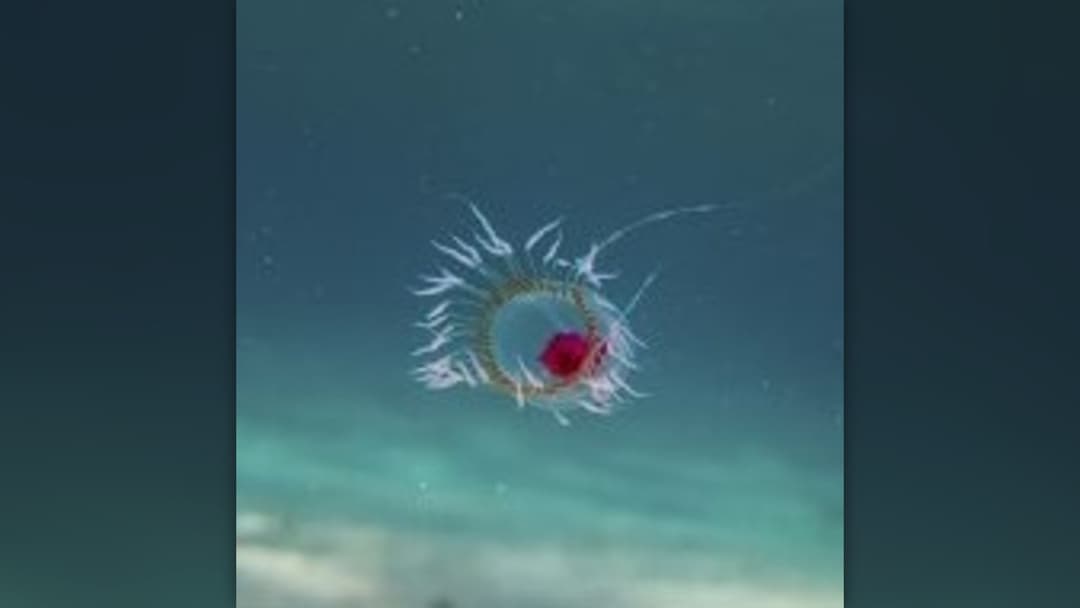
1. Immortal Jellyfish
When faced with physical damage, environmental stress, or old age, the immortal jellyfish bypasses death entirely. It transforms all of its mature somatic cells back into juvenile stem cells through transdifferentiation, reverting into a fresh polyp colony to restart its life cycle indefinitely.
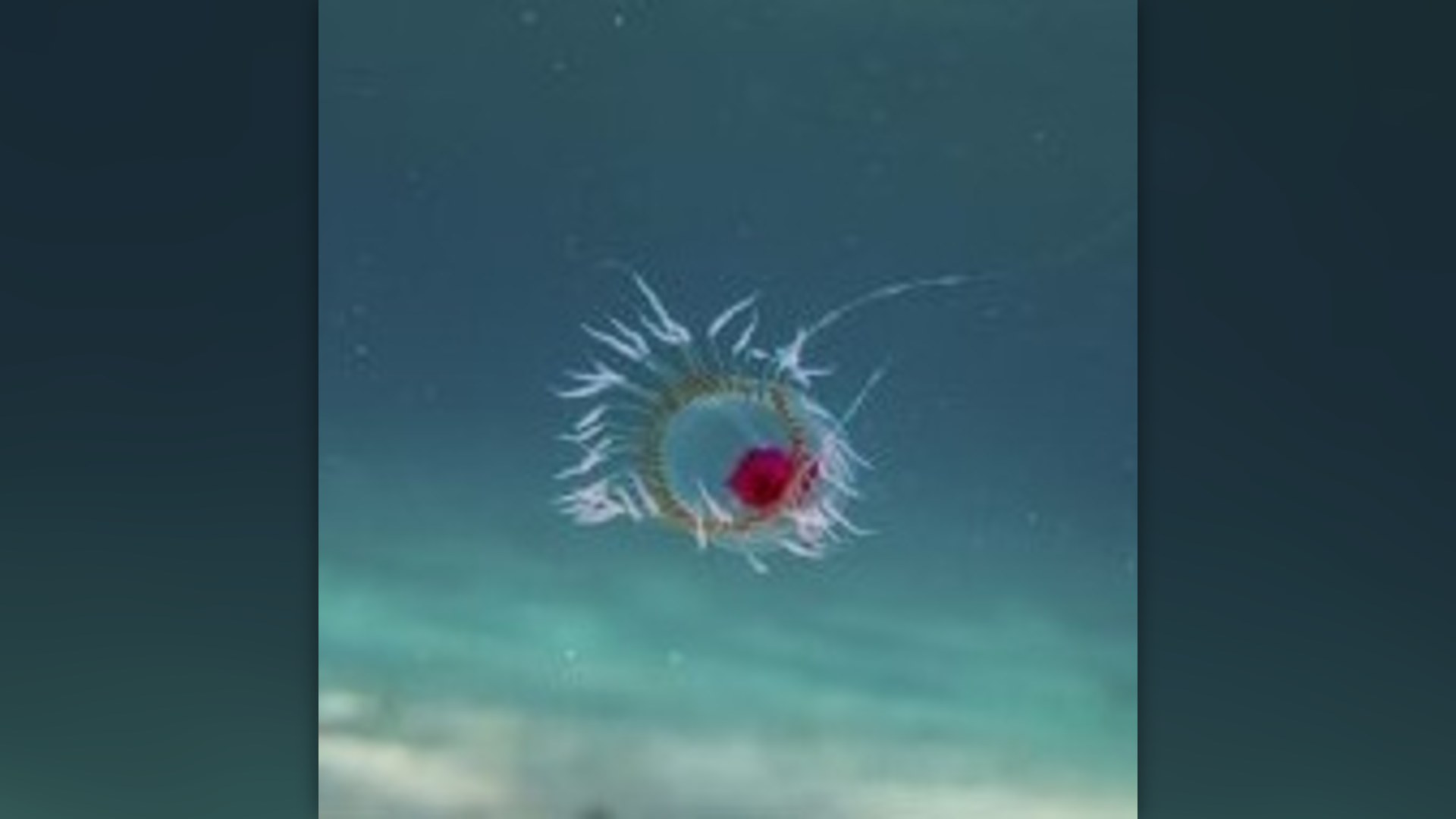
©Wikimedia / Bachware
Advertisement
You've reached the end of the story. Thanks for reading!

20 Fact about Doomsday Study's 13 Nov 2026 End of World Prediction Failure
On Friday, November 13, 2026, humanity officially outlived a famous 1960 Science study that calculated the world population would hit infinity today. Here is why the doomsday math failed.
All 20 Entries in this Story
20. Platypus
The platypus hunts underwater with its eyes, ears, and nostrils tightly sealed, relying entirely on forty thousand electroreceptors in its bill to detect electrical impulses from prey. Scientists still struggle to map how its mosaic genome evolved mammalian milk alongside reptilian egg-laying.

19. Archerfish
The archerfish accurately shoots down insects resting on overhead branches by spitting powerful jets of water. Its brain instantly calculates light refraction through the water surface and adjusts the velocity of the water stream to hit targets up to six feet away within milliseconds.

18. Bombardier Beetle
When threatened, the bombardier beetle combines hydroquinone and hydrogen peroxide inside a reaction chamber, triggering an exothermic reaction reaching boiling temperature. It sprays this scalding liquid in pulsing bursts at five hundred pulses per second without damaging its own tissues.

17. Electric Eel
Producing discharges of up to 860 volts, the electric eel stacks thousands of specialized muscle cells called electrocytes like miniature biological batteries. Biophysicists still do not completely understand how the eel shields its own internal organs and brain from its devastating electrical shocks.

16. Wood Frog
During northern winters, the wood frog allows up to sixty-five percent of its body water to freeze solid, halting heart function and brain activity for months. In spring, it thaws from the inside out and resumes normal life within hours, a feat human cryobiology cannot replicate.

15. Hairy Frog
Nicknamed the horror frog, this central African amphibian actively breaks the bones of its own toes when threatened. The fractured bones pierce outward through its toe pads to function as razor-sharp claws, later retracting and healing without signs of infection or tissue damage.

14. Mantis Shrimp
The peacock mantis shrimp accelerates its club appendages at the speed of a gunshot, generating underwater cavitation bubbles that collapse with temperatures near the surface of the sun. It also possesses sixteen distinct photoreceptors and detects circular polarized light.

13. Mimic Octopus
Discovered in 1998, the mimic octopus dynamically alters its color, skin texture, and posture to impersonate more than fifteen distinct venomous marine creatures, including lionfish, sea snakes, and flatfish. Marine biologists still investigate how its decentralized nervous system coordinates such mimicry.

12. Axolotl
The axolotl can regrow complete amputated limbs, retinal tissue, portions of its heart, and sections of its brain without developing scar tissue. Even when subjected to repeated surgical trauma, its blastema cells revert to a pluripotent state, holding secrets regenerative medicine has yet to unlock.

11. Naked Mole-Rat
Living underground in massive colonies, naked mole-rats resist cancer completely through unique high-molecular-mass hyaluronan. When oxygen drops to zero, their brains switch metabolisms from glucose to fructose, enabling them to survive eighteen minutes in total anoxia without brain damage.

10. European Robin
Migrating European robins sense the inclination of Earth's magnetic field through quantum mechanics. Blue light striking cryptochrome proteins in their retinas generates radical pairs of entangled electrons, allowing the birds to visually perceive magnetic pathways across thousands of miles.

9. Honey Badger
When bitten by highly venomous cobras or puff adders, the honey badger briefly falls into a comatose state before waking up completely unharmed. Researchers discovered specific molecular mutations in its nicotinic acetylcholine receptors that physically block neurotoxins from binding to nerve cells.

8. Lyrebird
Native to Australia, the superb lyrebird possesses the most acoustically complex syrinx of any songbird. It can flawlessly reproduce mechanical sounds like car alarms, chain saws, and camera shutters, alongside the calls of over twenty other bird species, baffling avian neurobiologists.

7. Cuttlefish
The common cuttlefish replicates the exact color and texture of surrounding coral reefs in a fraction of a second, despite possessing only a single visual pigment that renders it completely colorblind. Scientists believe its unique W-shaped pupils exploit chromatic aberration to perceive hues.

6. Alpine Swift
Electronic tracking tags revealed that alpine swifts remain airborne for two hundred consecutive days during their migration to Africa, eating, drinking, and sleeping entirely in mid-air. Neurologists hypothesize they engage in unihemispheric slow-wave sleep, resting one brain hemisphere at a time.

5. Planarian Flatworm
A planarian flatworm can be cut into hundreds of tiny fragments, and every single piece will regenerate into a complete worm within weeks using adult pluripotent stem cells called neoblasts. Even more perplexing, newly regenerated heads retain learned behaviors from before the decapitation.

4. Tardigrade
Measuring less than a millimeter, tardigrades survive dehydration, absolute zero temperatures, boiling heat, and cosmic vacuum by expelling water and entering a state called cryptobiosis. Their unique damage-suppressor protein coats nuclear DNA, shielding them from lethal radiation doses.

3. Bar-Tailed Godwit
Every autumn, the bar-tailed godwit flies non-stop across the open Pacific Ocean from Alaska to New Zealand, covering more than eight thousand miles in eleven days without resting, eating, or drinking. Biologists remain astonished by how it halves its internal organ mass to maximize aerodynamic fuel.

2. Greenland Shark
Radiocarbon eye lens dating shows the Greenland shark can live between two hundred and fifty and five hundred years, making it the longest-living vertebrate on Earth. Its heart beats once every twelve seconds, and its tissues show virtually zero signs of age-related cellular deterioration.

1. Immortal Jellyfish
When faced with physical damage, environmental stress, or old age, the immortal jellyfish bypasses death entirely. It transforms all of its mature somatic cells back into juvenile stem cells through transdifferentiation, reverting into a fresh polyp colony to restart its life cycle indefinitely.