Slideshow · Science
20 Unpredictable Things Scientists Learned About The Human Brain, Ranked
Recent neuroscience breakthroughs have overturned decades of textbook certainty.
By Most Viral Today
15 min ago

Recent Neuroscience Breakthroughs Overturned Decades Of Textbook Certainty 
20. Biophotonic Brain Glow 
19. Microplastics In Brain Tissue 
18. Instant Sentence Parsing - AdvertisementSwipe or tap ▶ to continue countdown

17. Cinema Lights Up 24 Networks 
16. Male Hormone Brain Shifts 
15. Maternal Brain Remodeling 
14. Gamma Bursts In Dying Brains - AdvertisementSwipe or tap ▶ to continue countdown

13. Swirling Cortical Spiral Waves 
12. Hidden Meningeal Waste Shield 
11. Impossible Color Olo 
10. One-Year-Old Episodic Memory - AdvertisementSwipe or tap ▶ to continue countdown

9. Newborn Tau Wiring Proteins 
8. Three Separate Memory Copies 
7. Five Lifespan Brain Stages 
6. Neurogenesis At Age 78 - AdvertisementSwipe or tap ▶ to continue countdown

5. Living Mini-Brains For Five Years 
4. Decoding Music From Neural Waves 
3. Decoding Imagined Speech 
2. Gene Therapy Slows Huntington's - AdvertisementSwipe or tap ▶ to continue countdown

1. The Reality Threshold - Advertisement🔥 UP NEXT IN THIS SERIES◫ 26 Slides

25 Fascinating Alien Planets Discovered by Space Telescopes, Ranked
Astronomers have cataloged over 5,500 worlds orbiting distant stars. Based on observational data from NASA's Exoplanet Archive and spectral findings from the James Webb Space Telescope, this countdown ranks twenty-five remarkable alien planets by their scientific importance, atmospheric extremes, and habitability potential.
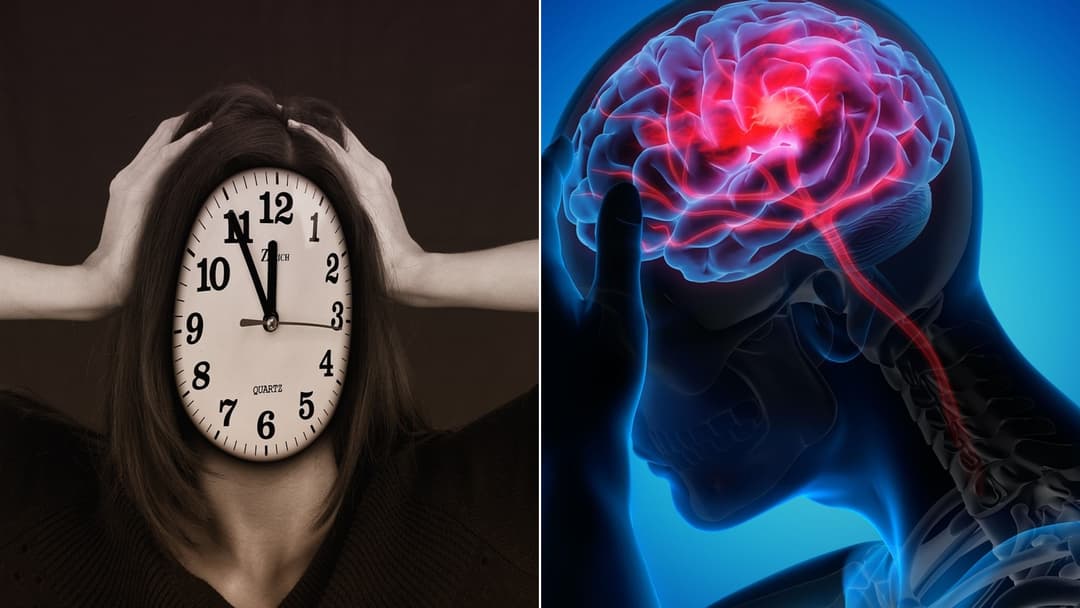
Over the past decade, neuroimaging, neural decoders, and molecular biology have overturned assumptions about how human minds operate. From glowing biophotonic emissions and rotating cortical waves to lab-grown organoids that track time, explore the 20 most startling discoveries about the human brain.
Swipe or tap ▶ to begin the countdown
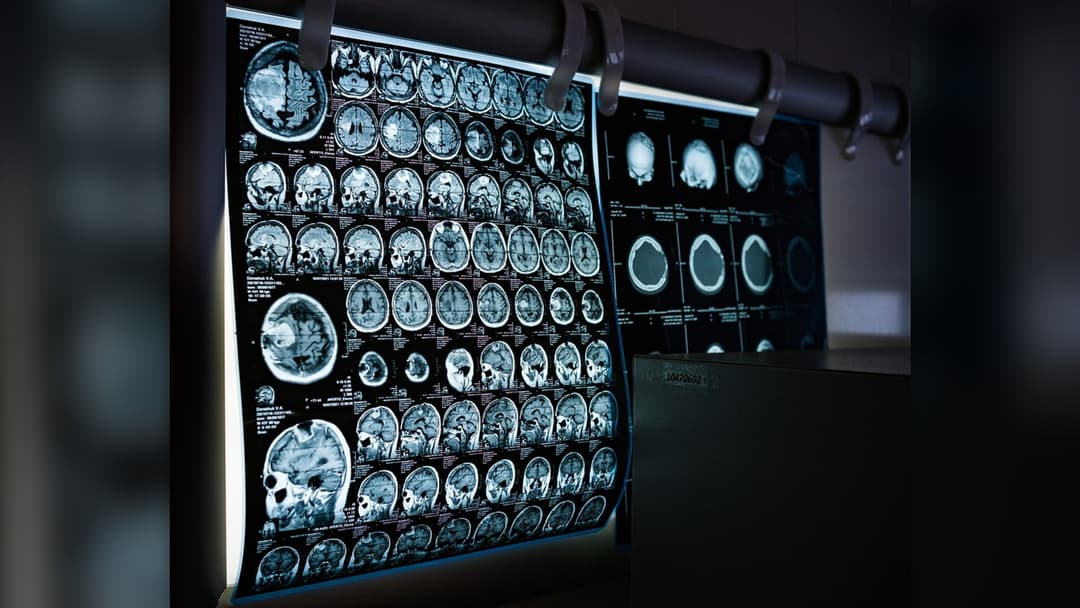
©Pixabay / geralt & Pixabay / u_if8o5n0ioo
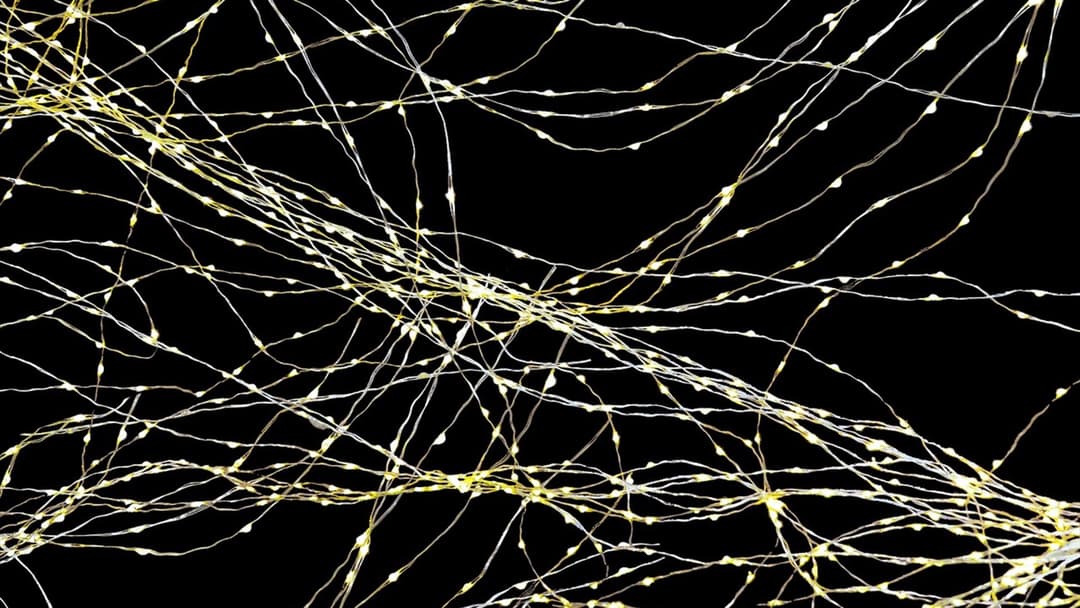
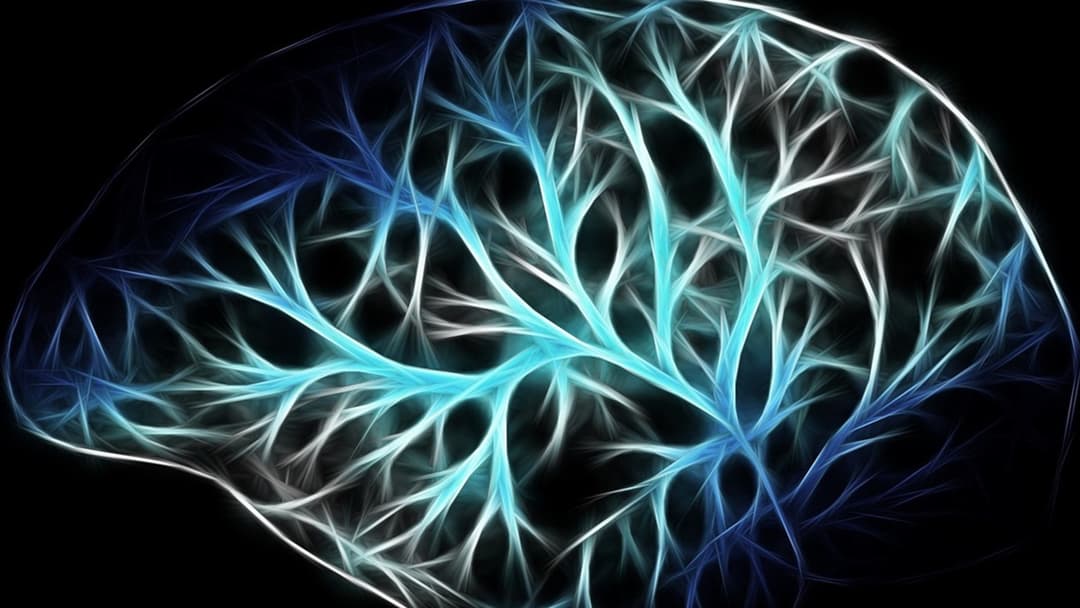
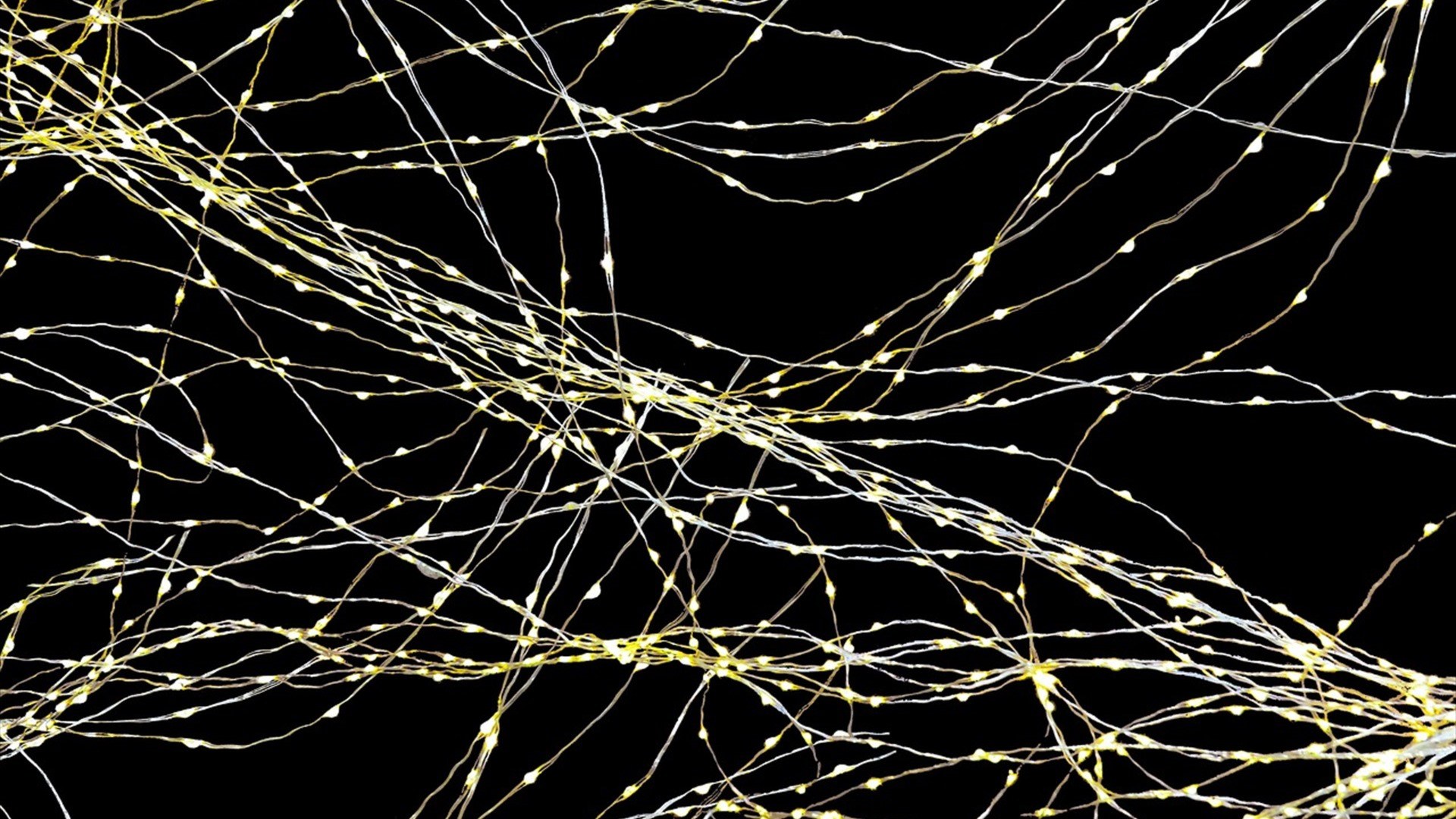
20. Biophotonic Brain Glow
Metabolic energy consumption produces faint biophotonic emissions inside active human tissue. In 2025, researchers detected these ultra-weak light particles radiating through human skulls, discovering that emissions dynamically fluctuate based on specific cognitive tasks.
©Pixabay / garten-gg
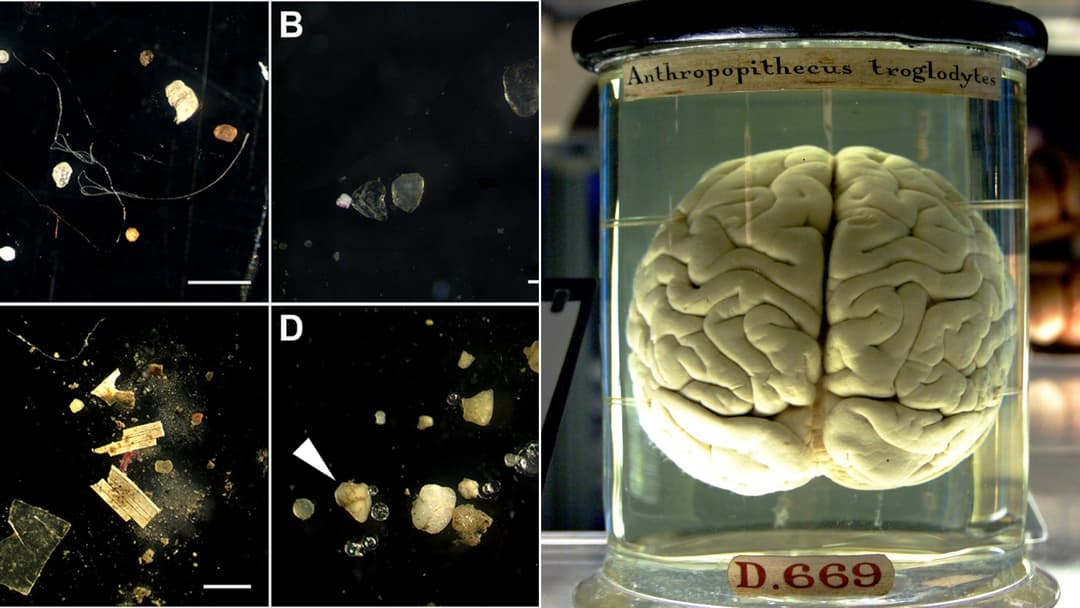
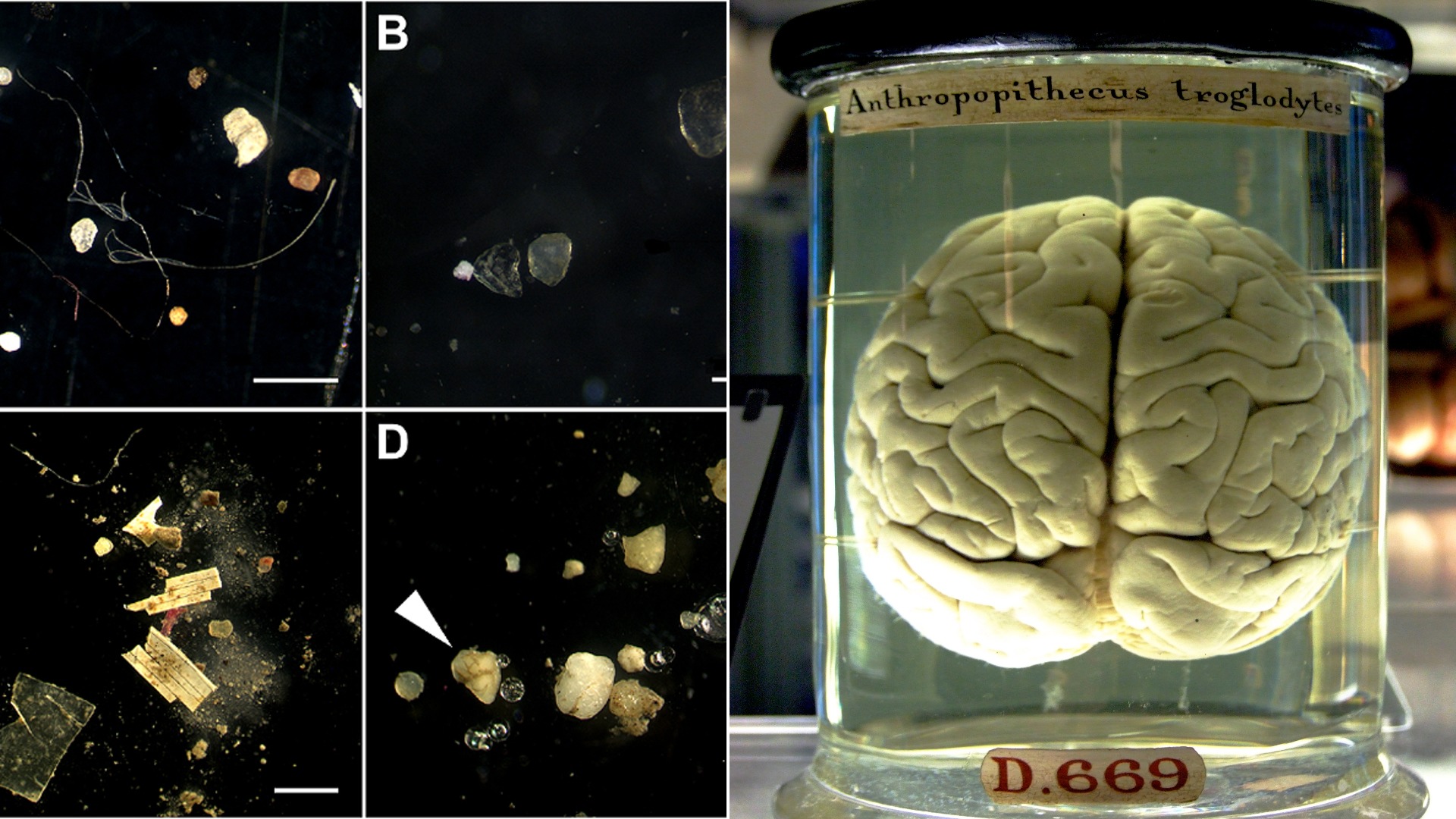
19. Microplastics In Brain Tissue
Comparative tissue analyses tracking 2016 through 2024 revealed a dramatic surge of synthetic polymers lodging inside human brains. Pathologists found substantially higher concentrations of microplastics in cerebral tissue than in filtering organs like the liver or kidneys.
©Wikimedia / Microplastics & Wikimedia / Brain
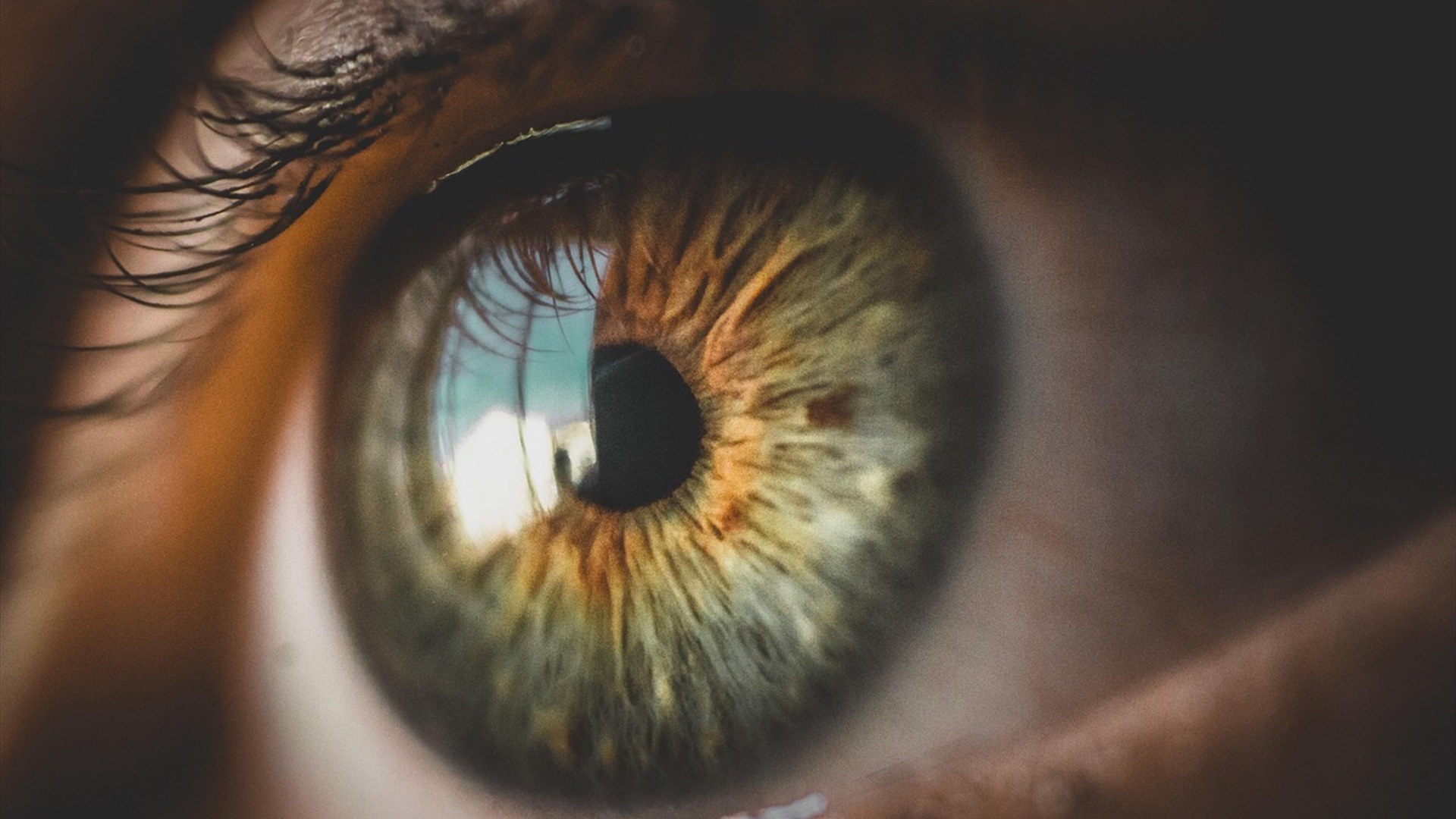
18. Instant Sentence Parsing
Advanced neuroimaging confirmed that human reading networks comprehend fundamental phrase structures in roughly 125 milliseconds. The visual cortex and language processing centers register core grammatical meaning at the speed of a blink, long before conscious effort begins.
©Pixabay / bniique
Advertisement
Swipe or tap ▶ to resume the countdown.
17. Cinema Lights Up 24 Networks
Rather than relying on isolated visual centers, immersive cinematic viewing engages twenty-four overlapping brain networks simultaneously. Neural pathways coordinate dynamically as scenes transition between character dialogue, high-tension suspense, and quiet atmospheric scenery.

©Pixabay / onkelglocke
16. Male Hormone Brain Shifts
While monthly hormonal impacts on female brains are widely recognized, new neuroimaging demonstrated that diurnal drops in male steroid hormones produce measurable shifts in brain volume. Testosterone ebbs throughout the day correlate directly with subtle gray matter adjustments.

©Pixabay / artsysolomon
15. Maternal Brain Remodeling
Longitudinal tracking scans before, during, and after pregnancy revealed widespread gray matter refinement paired with strengthened white matter pathways. While some volume recovers postpartum, key structural adaptations persist permanently to enhance maternal bonding and intuition.

©Pixabay / Cparks
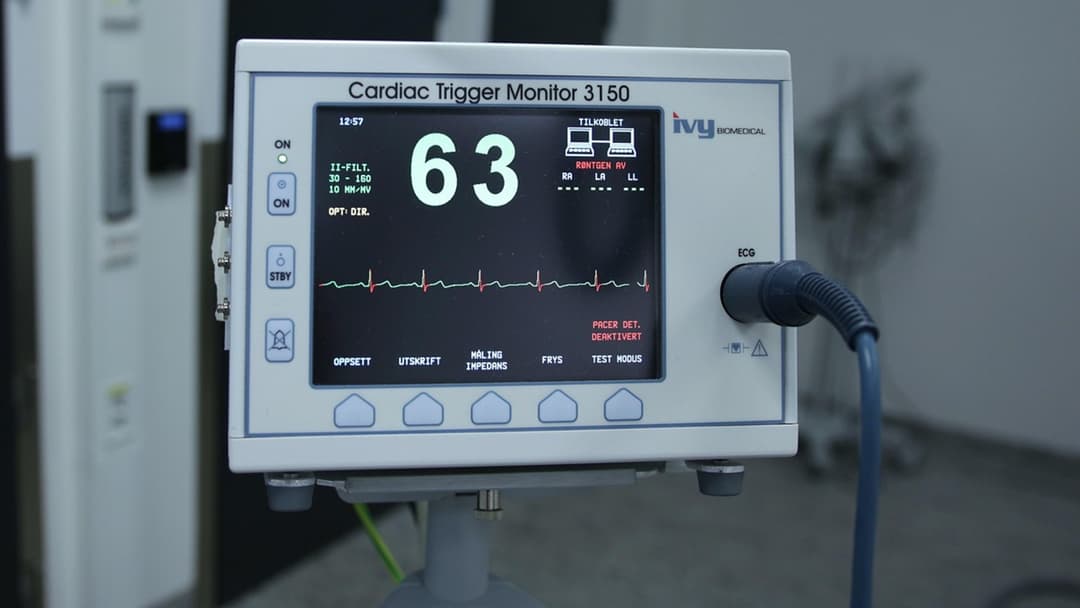
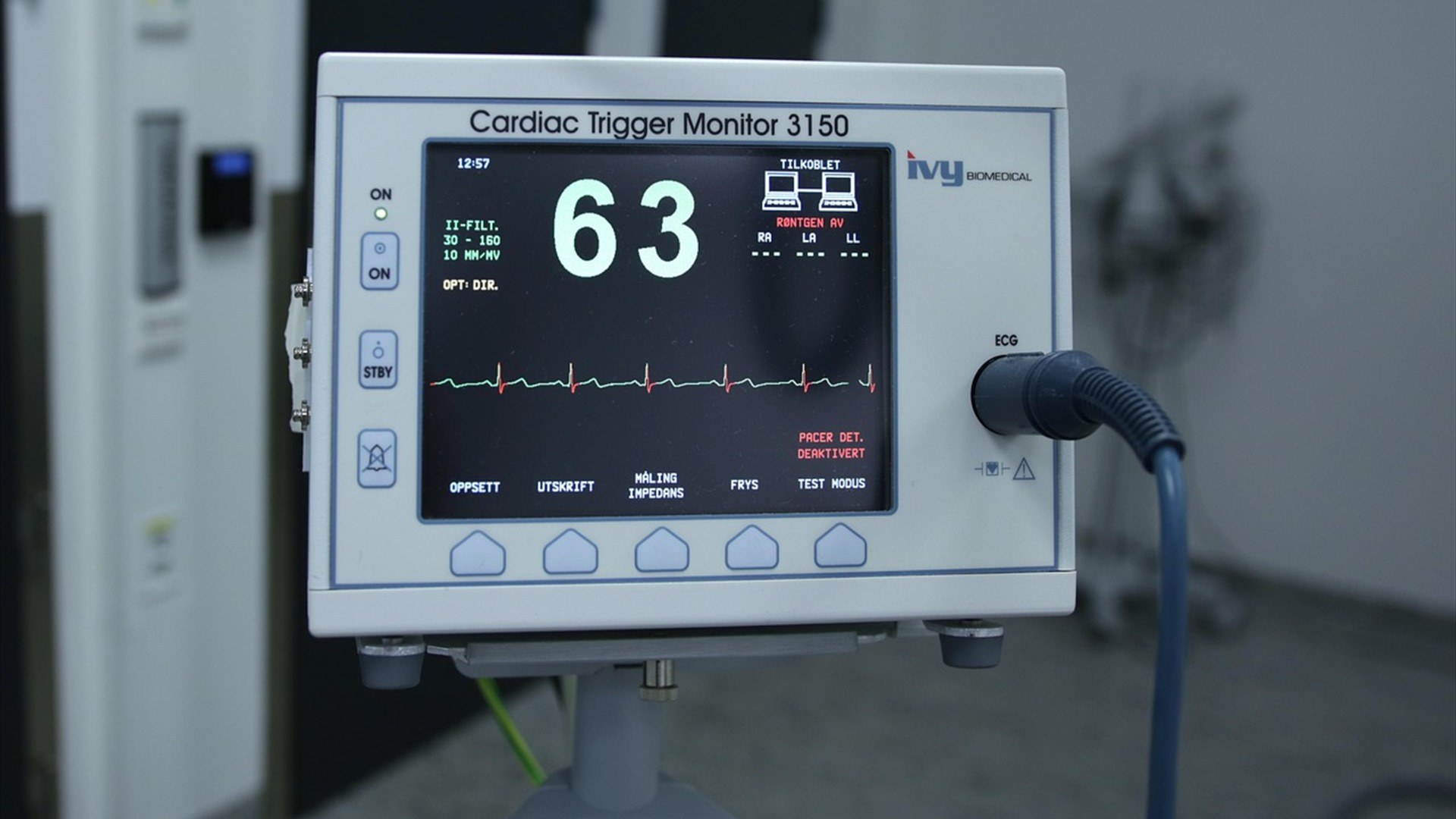
14. Gamma Bursts In Dying Brains
Clinical EEG recordings of comatose patients undergoing life support withdrawal captured sudden bursts of high-frequency gamma waves during terminal hypoxia. These synchronized neuroelectrical rhythms mirror the exact brain wave signatures observed during conscious recall and vivid dreams.
©Pixabay / OsloMetX
Advertisement
Swipe or tap ▶ to resume the countdown.
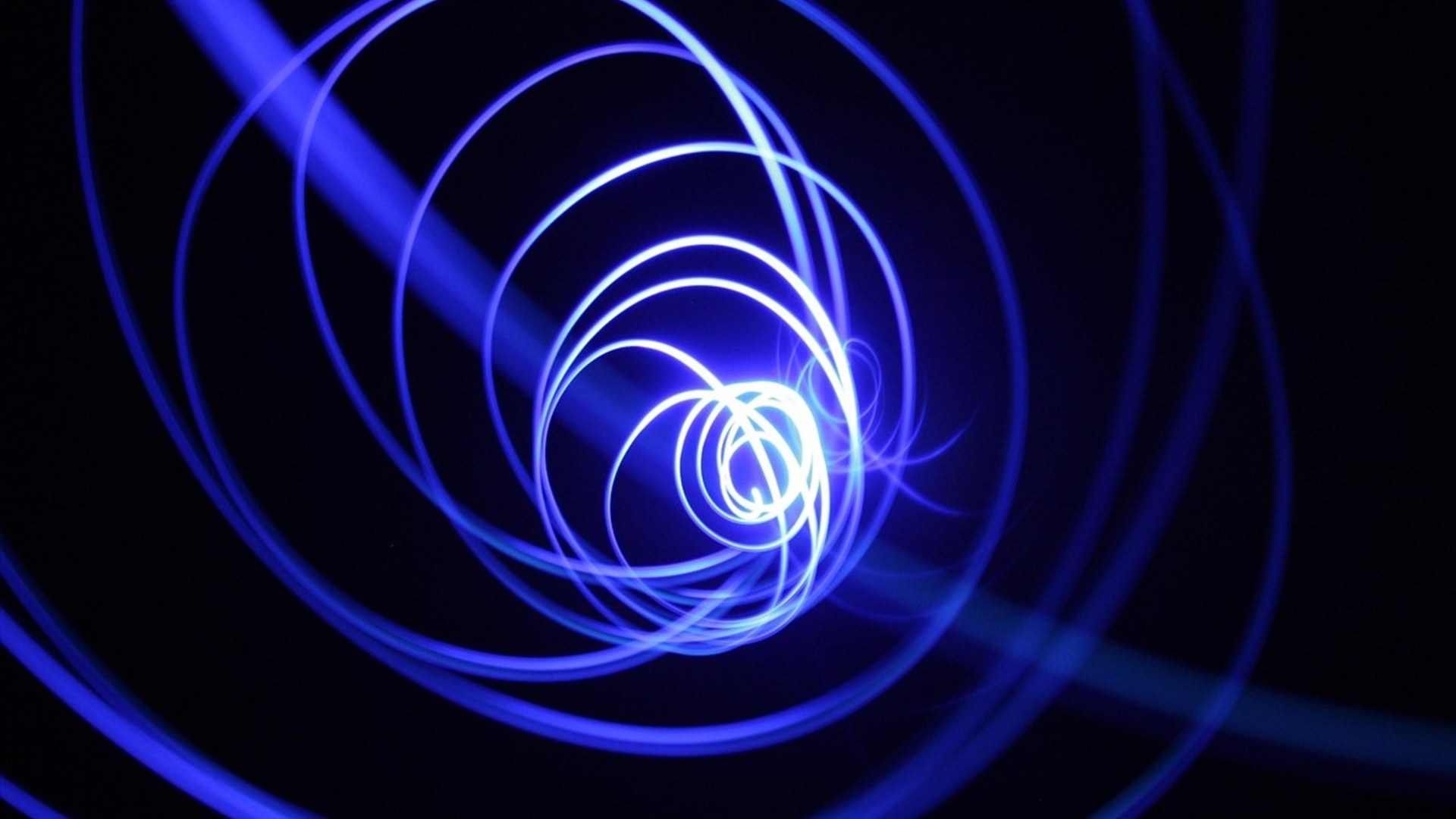
13. Swirling Cortical Spiral Waves
Functional MRI analysis unmasked spiral-shaped electrical vortices swirling continuously across the human cortex. These rotating wave patterns appear to serve as high-speed communication conduits, synchronizing information flow across distant regions of the thinking brain.
©Pixabay / White77
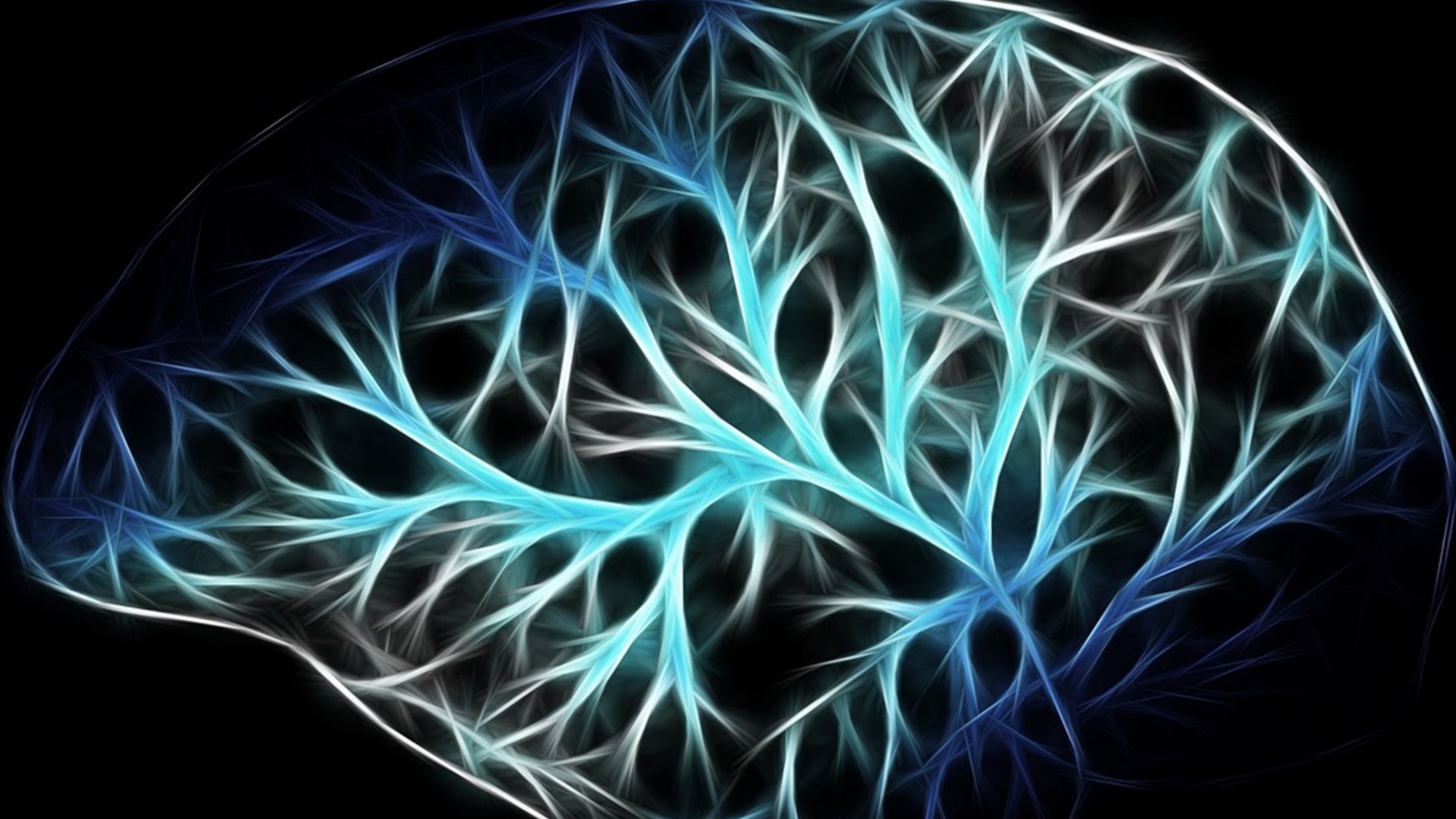
12. Hidden Meningeal Waste Shield
Anatomists uncovered a previously unknown fourth meningeal layer that wraps around the human brain. This razor-thin protective barrier compartmentalizes surrounding fluid, acting as a selective filter that coordinates immune cell surveillance and flushes out daily metabolic waste.
©Pixabay / geralt
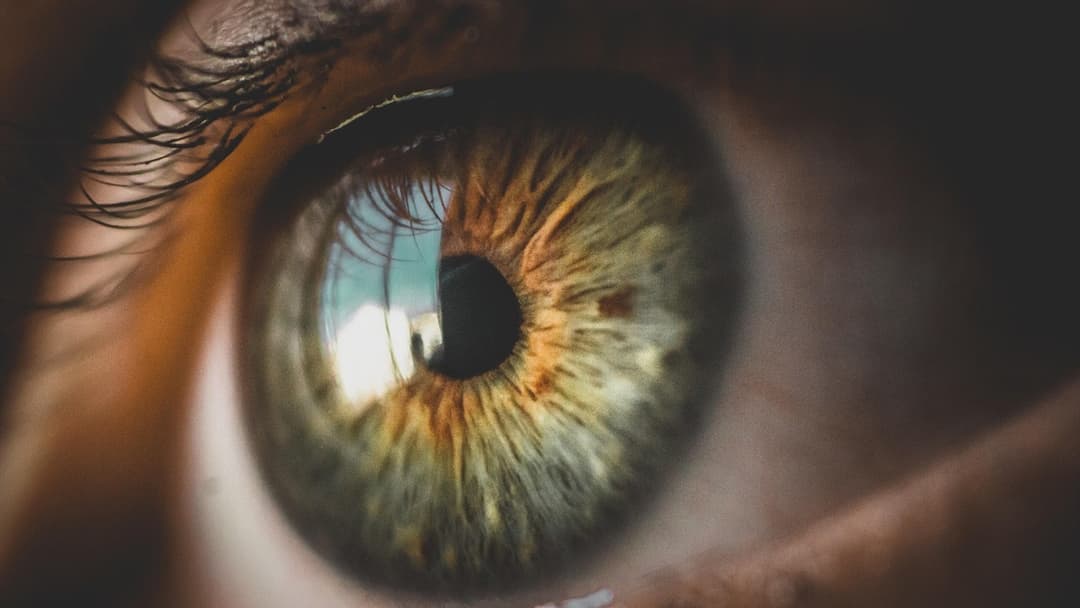
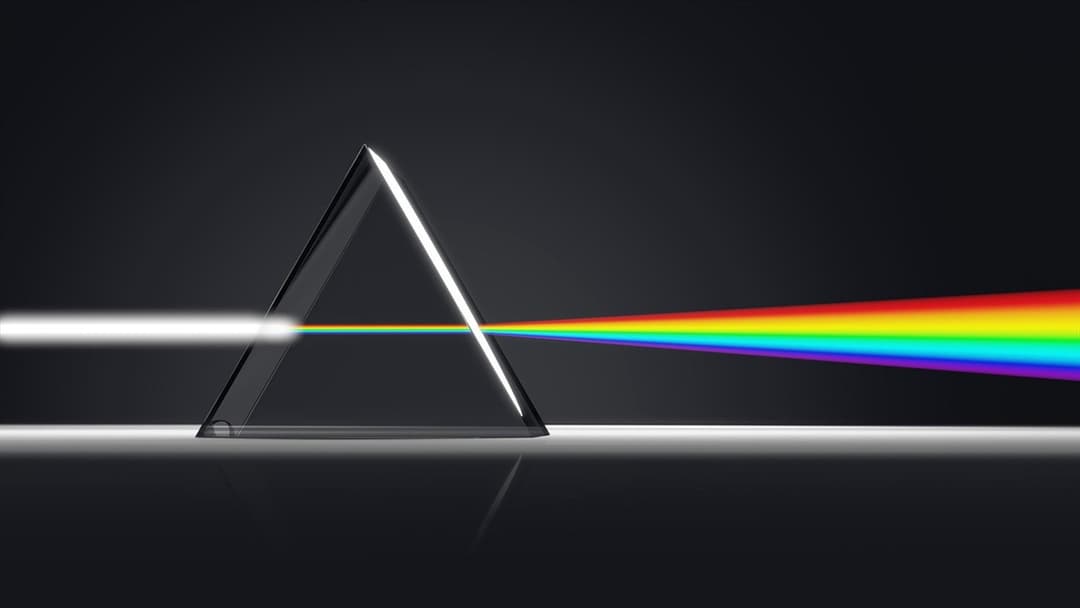
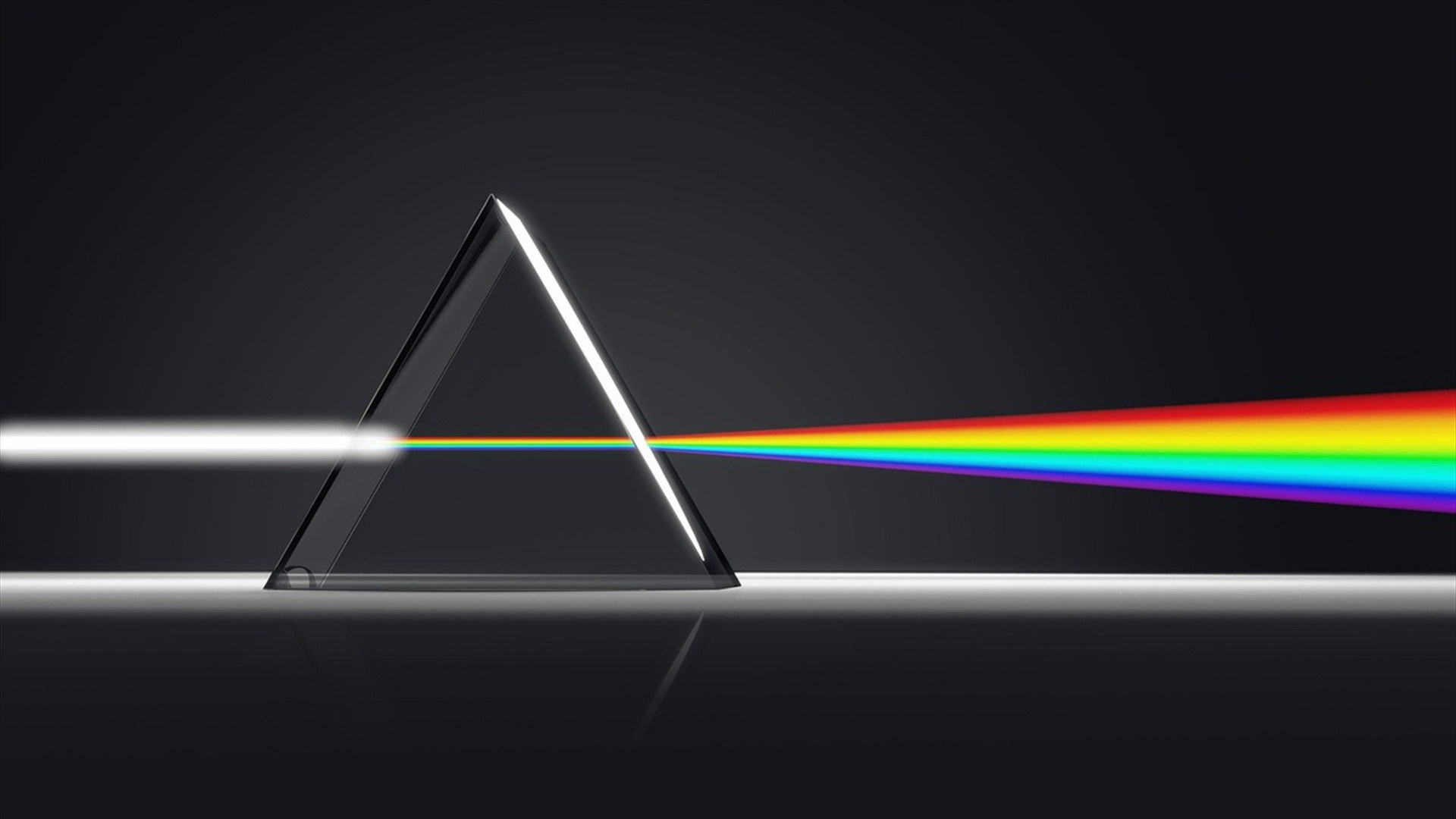
11. Impossible Color Olo
Because human photoreceptors overlap in sensitivity, natural light cannot trigger green cones in isolation. By targeting individual retinal cells with precision lasers, scientists triggered an unseen blue-green hue dubbed olo, proving the brain can experience colors beyond the rainbow.
©Pixabay / BlenderTimer
10. One-Year-Old Episodic Memory
Childhood amnesia was long attributed to an underdeveloped baby hippocampus incapable of storing events. Landmark infant fMRI scans demonstrated that twelve-month-olds actively record episodic details, proving early childhood forgetfulness is a retrieval barrier rather than storage failure.

©Pixabay / Tho-Ge
Advertisement
Swipe or tap ▶ to resume the countdown.
9. Newborn Tau Wiring Proteins
Pediatric neuroscience revealed that healthy infant brains naturally harbor dense concentrations of phosphorylated tau. While toxic in aging Alzheimer patients, this exact protein performs an essential constructive role during infancy by stabilizing rapidly growing neural connections.

©Wikimedia / Martin Falbisoner
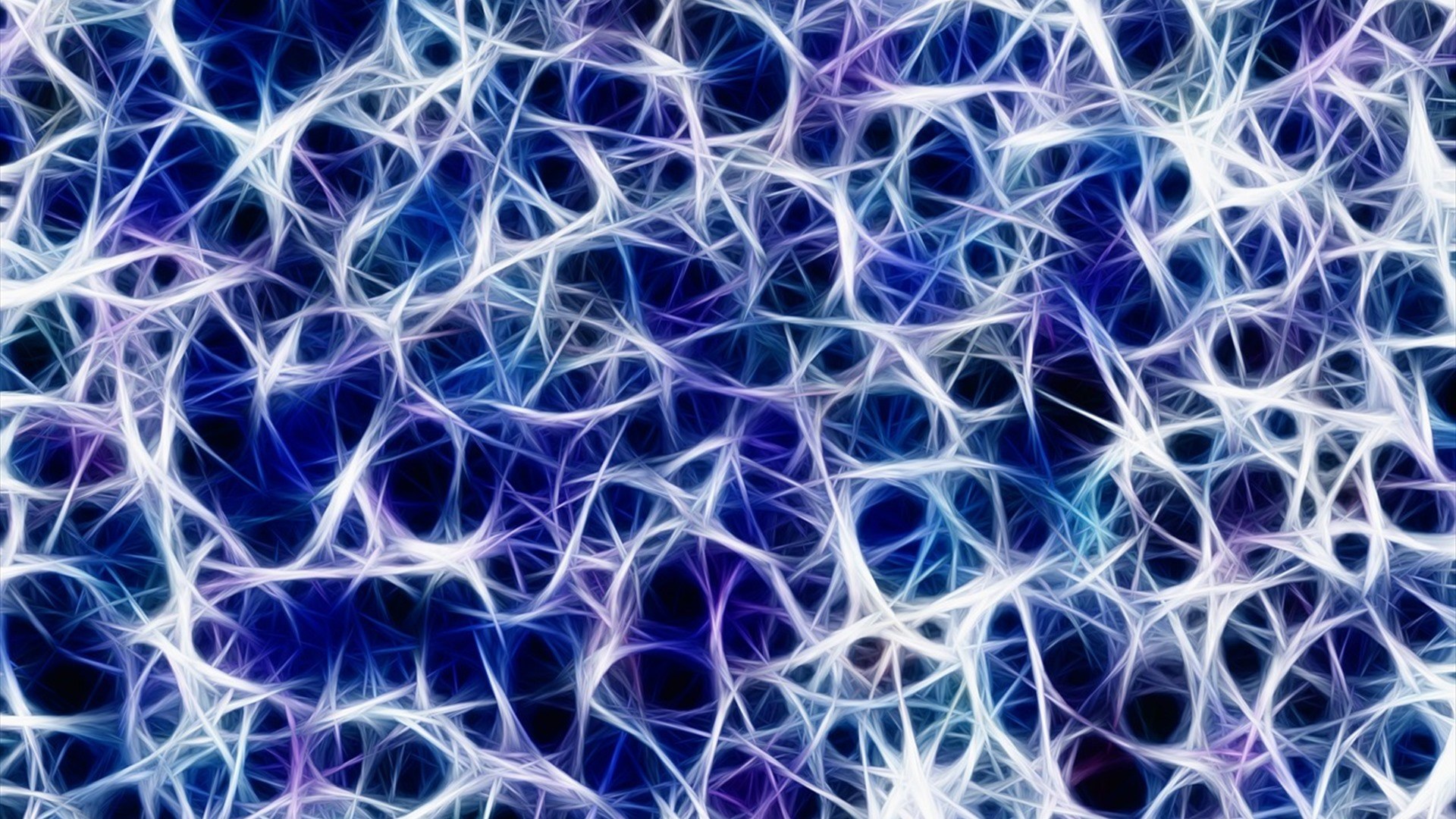
8. Three Separate Memory Copies
Neurobiologists discovered that the hippocampus records every single life experience across three distinct neuronal tiers born at different embryonic stages. One copy remains rigid for long-term preservation, another stays flexible for updates, and a third balances stability with change.
©Pixabay / geralt
7. Five Lifespan Brain Stages
Contrary to the belief that human brains reach peak configuration in early adulthood, comprehensive lifespan imaging uncovered four critical turning points at ages 9, 32, 66, and 83. Neural organization undergoes continuous structural adaptation throughout five distinct life stages.

©Pixabay / ArtWithTammy
6. Neurogenesis At Age 78
Resolving an intense scientific controversy, definitive 2025 histological research confirmed that the adult human hippocampus continues generating fresh neural precursor cells and mature neurons past age 78, demonstrating that neurogenesis persists throughout late adulthood.

©Pixabay / omaralnahi
Advertisement
Swipe or tap ▶ to resume the countdown.
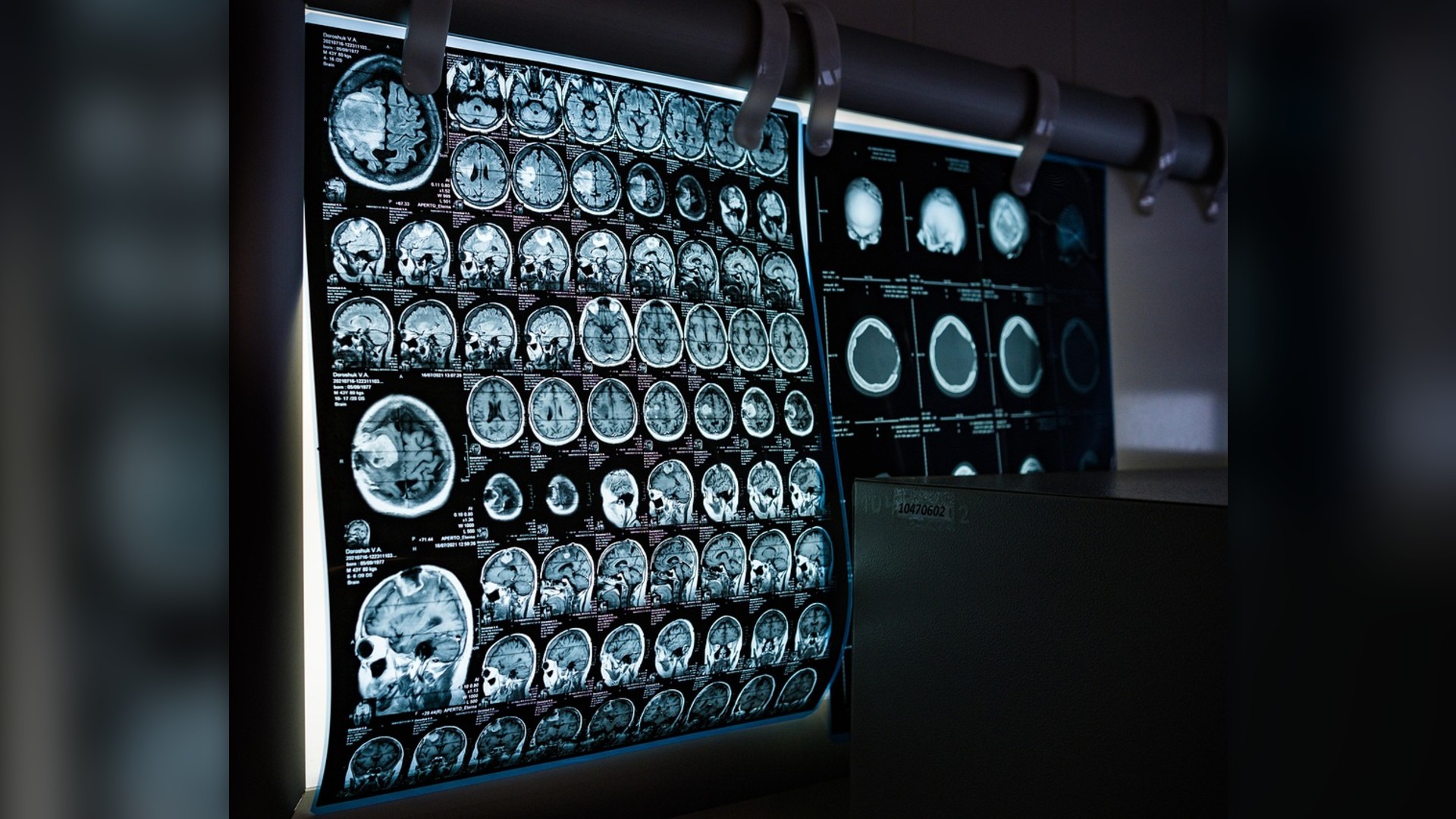
5. Living Mini-Brains For Five Years
Researchers sustained stem-cell-derived cerebral organoids in laboratory culture for five consecutive years. Remarkably, these miniature tissues tracked an internal epigenetic clock, maturing along the exact biological timetable observed in developing living human brains.
©Pixabay / Mitrey
4. Decoding Music From Neural Waves
By analyzing intracranial electrode recordings from patients listening to Pink Floyd, computational models successfully reconstructed recognizable melody, instrumentation, and vocals. This breakthrough proves acoustic and linguistic features can be translated directly from brainwaves.

©Pixabay / Gigxels
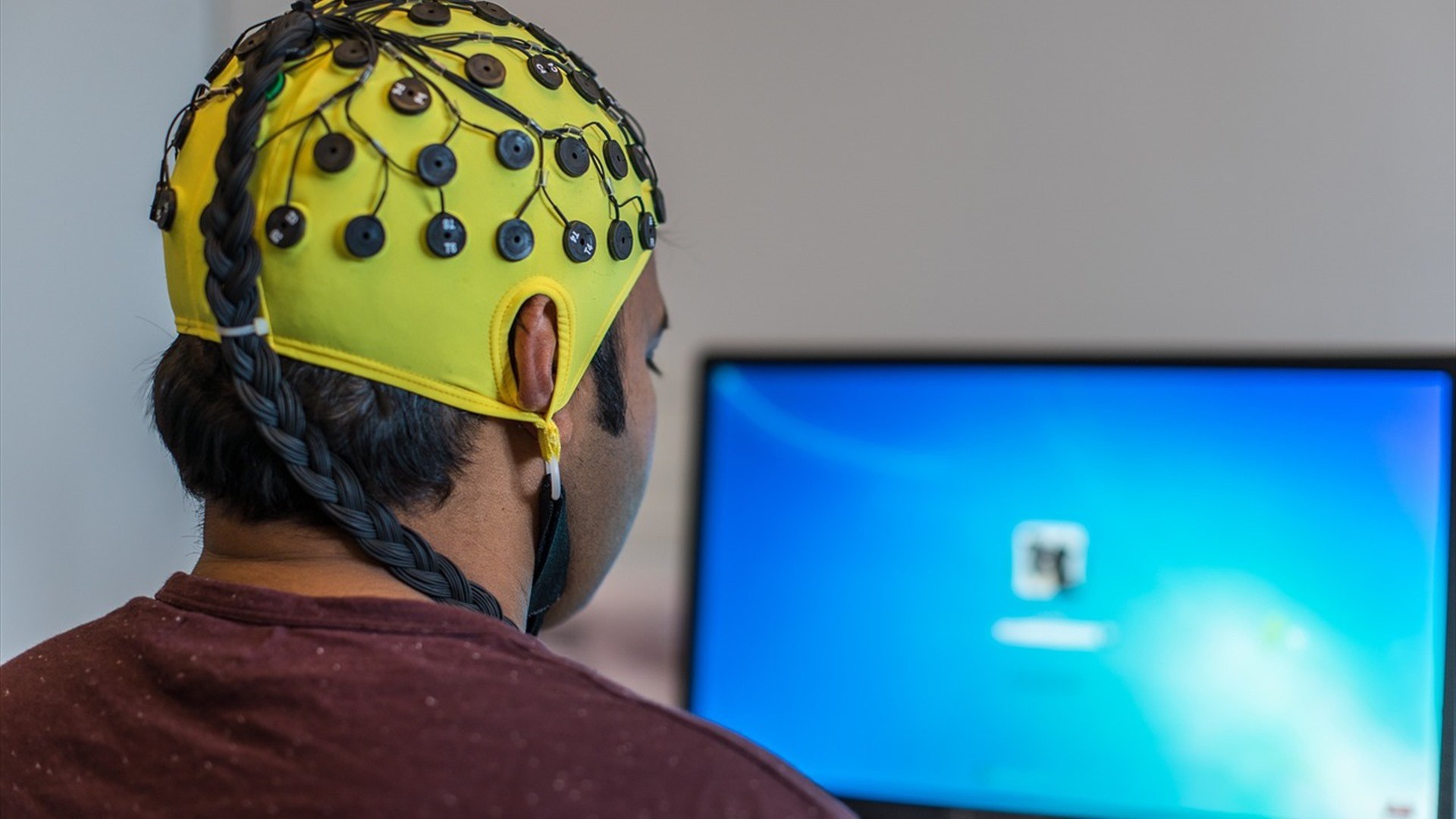
3. Decoding Imagined Speech
Next-generation brain-computer interfaces demonstrated the ability to decode internal monologue without any vocal muscle movement. By reading electrical signals from motor cortex speech areas as patients silently imagine phrases, the system outputs fluent written sentences.
©Pixabay / ulrichw
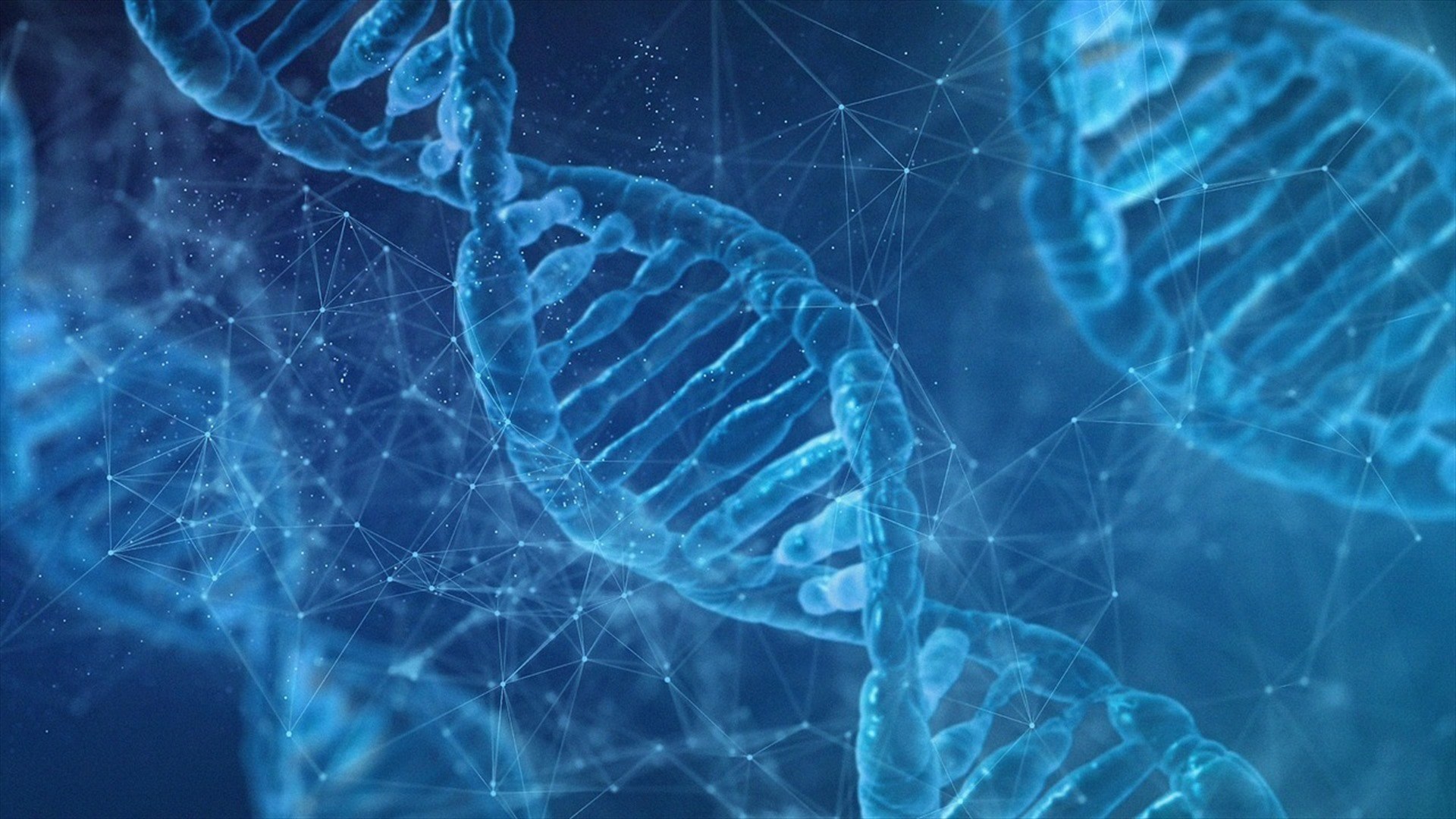
2. Gene Therapy Slows Huntington's
In a landmark clinical trial, the microRNA gene therapy AMT-130 delivered directly into deep subcortical structures slowed the progression of fatal Huntington disease by 75% over 36 months, establishing the first clinical intervention capable of halting root neurogenetic decline.
©Pixabay / Sunriseforever
Advertisement
Swipe or tap ▶ to resume the countdown.
1. The Reality Threshold
Neuroscientists identified a specialized reality threshold inside the fusiform gyrus that gauges the intensity of visual signals. Signals exceeding the threshold register as objective perception, while lower-strength activations are labeled as imagination, shielding us from waking hallucinations.

©Pixabay / geralt
Advertisement
You've reached the end of the story. Thanks for reading!

25 Fascinating Alien Planets Discovered by Space Telescopes, Ranked
Astronomers have cataloged over 5,500 worlds orbiting distant stars. Based on observational data from NASA's Exoplanet Archive and spectral findings from the James Webb Space Telescope, this countdown ranks twenty-five remarkable alien planets by their scientific importance, atmospheric extremes, and habitability potential.
All 20 Entries in this Story
20. Biophotonic Brain Glow
Metabolic energy consumption produces faint biophotonic emissions inside active human tissue. In 2025, researchers detected these ultra-weak light particles radiating through human skulls, discovering that emissions dynamically fluctuate based on specific cognitive tasks.

19. Microplastics In Brain Tissue
Comparative tissue analyses tracking 2016 through 2024 revealed a dramatic surge of synthetic polymers lodging inside human brains. Pathologists found substantially higher concentrations of microplastics in cerebral tissue than in filtering organs like the liver or kidneys.

18. Instant Sentence Parsing
Advanced neuroimaging confirmed that human reading networks comprehend fundamental phrase structures in roughly 125 milliseconds. The visual cortex and language processing centers register core grammatical meaning at the speed of a blink, long before conscious effort begins.

17. Cinema Lights Up 24 Networks
Rather than relying on isolated visual centers, immersive cinematic viewing engages twenty-four overlapping brain networks simultaneously. Neural pathways coordinate dynamically as scenes transition between character dialogue, high-tension suspense, and quiet atmospheric scenery.

16. Male Hormone Brain Shifts
While monthly hormonal impacts on female brains are widely recognized, new neuroimaging demonstrated that diurnal drops in male steroid hormones produce measurable shifts in brain volume. Testosterone ebbs throughout the day correlate directly with subtle gray matter adjustments.

15. Maternal Brain Remodeling
Longitudinal tracking scans before, during, and after pregnancy revealed widespread gray matter refinement paired with strengthened white matter pathways. While some volume recovers postpartum, key structural adaptations persist permanently to enhance maternal bonding and intuition.

14. Gamma Bursts In Dying Brains
Clinical EEG recordings of comatose patients undergoing life support withdrawal captured sudden bursts of high-frequency gamma waves during terminal hypoxia. These synchronized neuroelectrical rhythms mirror the exact brain wave signatures observed during conscious recall and vivid dreams.

13. Swirling Cortical Spiral Waves
Functional MRI analysis unmasked spiral-shaped electrical vortices swirling continuously across the human cortex. These rotating wave patterns appear to serve as high-speed communication conduits, synchronizing information flow across distant regions of the thinking brain.

12. Hidden Meningeal Waste Shield
Anatomists uncovered a previously unknown fourth meningeal layer that wraps around the human brain. This razor-thin protective barrier compartmentalizes surrounding fluid, acting as a selective filter that coordinates immune cell surveillance and flushes out daily metabolic waste.

11. Impossible Color Olo
Because human photoreceptors overlap in sensitivity, natural light cannot trigger green cones in isolation. By targeting individual retinal cells with precision lasers, scientists triggered an unseen blue-green hue dubbed olo, proving the brain can experience colors beyond the rainbow.

10. One-Year-Old Episodic Memory
Childhood amnesia was long attributed to an underdeveloped baby hippocampus incapable of storing events. Landmark infant fMRI scans demonstrated that twelve-month-olds actively record episodic details, proving early childhood forgetfulness is a retrieval barrier rather than storage failure.

9. Newborn Tau Wiring Proteins
Pediatric neuroscience revealed that healthy infant brains naturally harbor dense concentrations of phosphorylated tau. While toxic in aging Alzheimer patients, this exact protein performs an essential constructive role during infancy by stabilizing rapidly growing neural connections.

8. Three Separate Memory Copies
Neurobiologists discovered that the hippocampus records every single life experience across three distinct neuronal tiers born at different embryonic stages. One copy remains rigid for long-term preservation, another stays flexible for updates, and a third balances stability with change.

7. Five Lifespan Brain Stages
Contrary to the belief that human brains reach peak configuration in early adulthood, comprehensive lifespan imaging uncovered four critical turning points at ages 9, 32, 66, and 83. Neural organization undergoes continuous structural adaptation throughout five distinct life stages.

6. Neurogenesis At Age 78
Resolving an intense scientific controversy, definitive 2025 histological research confirmed that the adult human hippocampus continues generating fresh neural precursor cells and mature neurons past age 78, demonstrating that neurogenesis persists throughout late adulthood.

5. Living Mini-Brains For Five Years
Researchers sustained stem-cell-derived cerebral organoids in laboratory culture for five consecutive years. Remarkably, these miniature tissues tracked an internal epigenetic clock, maturing along the exact biological timetable observed in developing living human brains.

4. Decoding Music From Neural Waves
By analyzing intracranial electrode recordings from patients listening to Pink Floyd, computational models successfully reconstructed recognizable melody, instrumentation, and vocals. This breakthrough proves acoustic and linguistic features can be translated directly from brainwaves.

3. Decoding Imagined Speech
Next-generation brain-computer interfaces demonstrated the ability to decode internal monologue without any vocal muscle movement. By reading electrical signals from motor cortex speech areas as patients silently imagine phrases, the system outputs fluent written sentences.

2. Gene Therapy Slows Huntington's
In a landmark clinical trial, the microRNA gene therapy AMT-130 delivered directly into deep subcortical structures slowed the progression of fatal Huntington disease by 75% over 36 months, establishing the first clinical intervention capable of halting root neurogenetic decline.

1. The Reality Threshold
Neuroscientists identified a specialized reality threshold inside the fusiform gyrus that gauges the intensity of visual signals. Signals exceeding the threshold register as objective perception, while lower-strength activations are labeled as imagination, shielding us from waking hallucinations.