Slideshow · News
20 British Royal Protocol Rules Still Observed by the Monarchy
The British monarchy operates under centuries of constitutional convention, court rules, and formal statutes. These twenty documented protocol rules shape events from State Openings of Parliament to royal travel and dress codes. Based on guidance from Royal.uk, UK Parliament records, and official court manuals.
By Most Viral Today
1 hour ago

From Parliament doors slammed shut to Swan Upping, these rules still govern. 
20. Swan Upping On The River Thames 
19. Royal Maundy Silver Coins 
18. Black Mourning Attire On Royal Tours - AdvertisementSwipe or tap ▶ to continue countdown

17. Royal Warrant Display Standards 
16. King's Guard Sentry Silence Rules 
15. Gun And 41-Gun Royal Salutes 
14. State Banquet White Tie And Tiara Etiquette - AdvertisementSwipe or tap ▶ to continue countdown

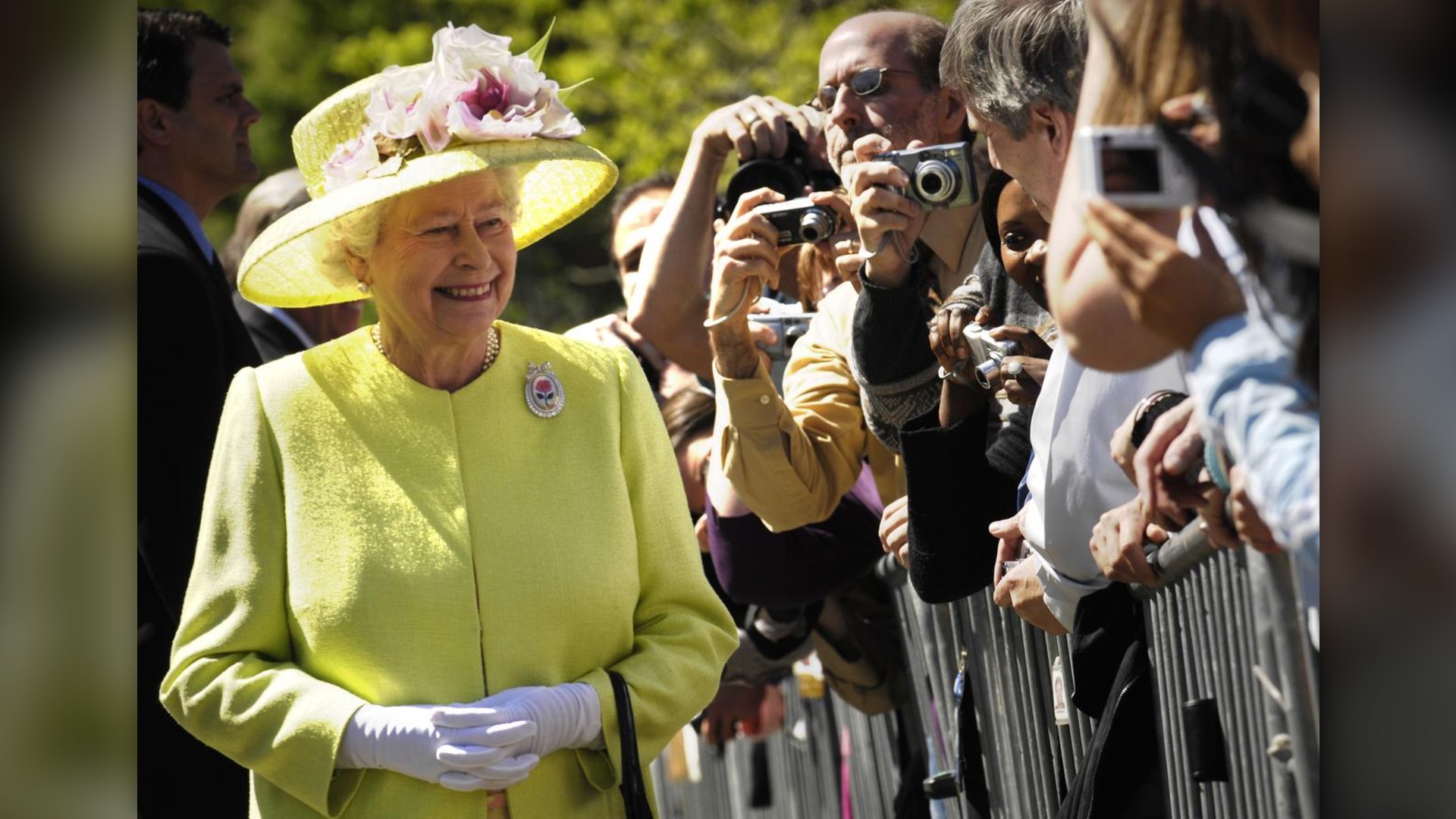
13. Royal Ascot Enclosure Dress Code 
12. Wimbledon Royal Box Jacket And Tie Rule 
11. Knighthood Dubbing Protocol At Investitures 
10. Eight Horses For The Gold State Coach - AdvertisementSwipe or tap ▶ to continue countdown

9. Working Royals On The Palace Balcony 
8. Separate Flights For Direct Heirs 
7. Standing Meetings Of The Privy Council 
6. Accession Council At St James's Palace - AdvertisementSwipe or tap ▶ to continue countdown

5. Royal Standard Never Flies At Half-Mast 
4. Traditional Neck Bow And Small Curtsy 
3. Marriage Consent Under The 2013 Act 
2. Political Neutrality And Not Voting - AdvertisementSwipe or tap ▶ to continue countdown

1. Monarch Barred From The House Of Commons - Advertisement🔥 UP NEXT IN THIS SERIES◫ 31 Slides

When Heavy Snow Typically Hits 30 Major US Cities
Predicting winter weather requires analyzing long-term climate normals rather than speculation. Based on thirty-year NOAA records and National Weather Service data, this reference guide details when thirty major American cities typically receive their heaviest snow. Sources include NOAA NCEI and NWS regional offices.
The British monarchy operates under centuries of constitutional convention, court rules, and formal statutes. These twenty documented protocol rules shape events from State Openings of Parliament to royal travel and dress codes. Based on guidance from Royal.uk, UK Parliament records, and official court manuals.
Swipe or tap ▶ to begin the countdown
©NASA / Bill Ingalls
20. Swan Upping On The River Thames
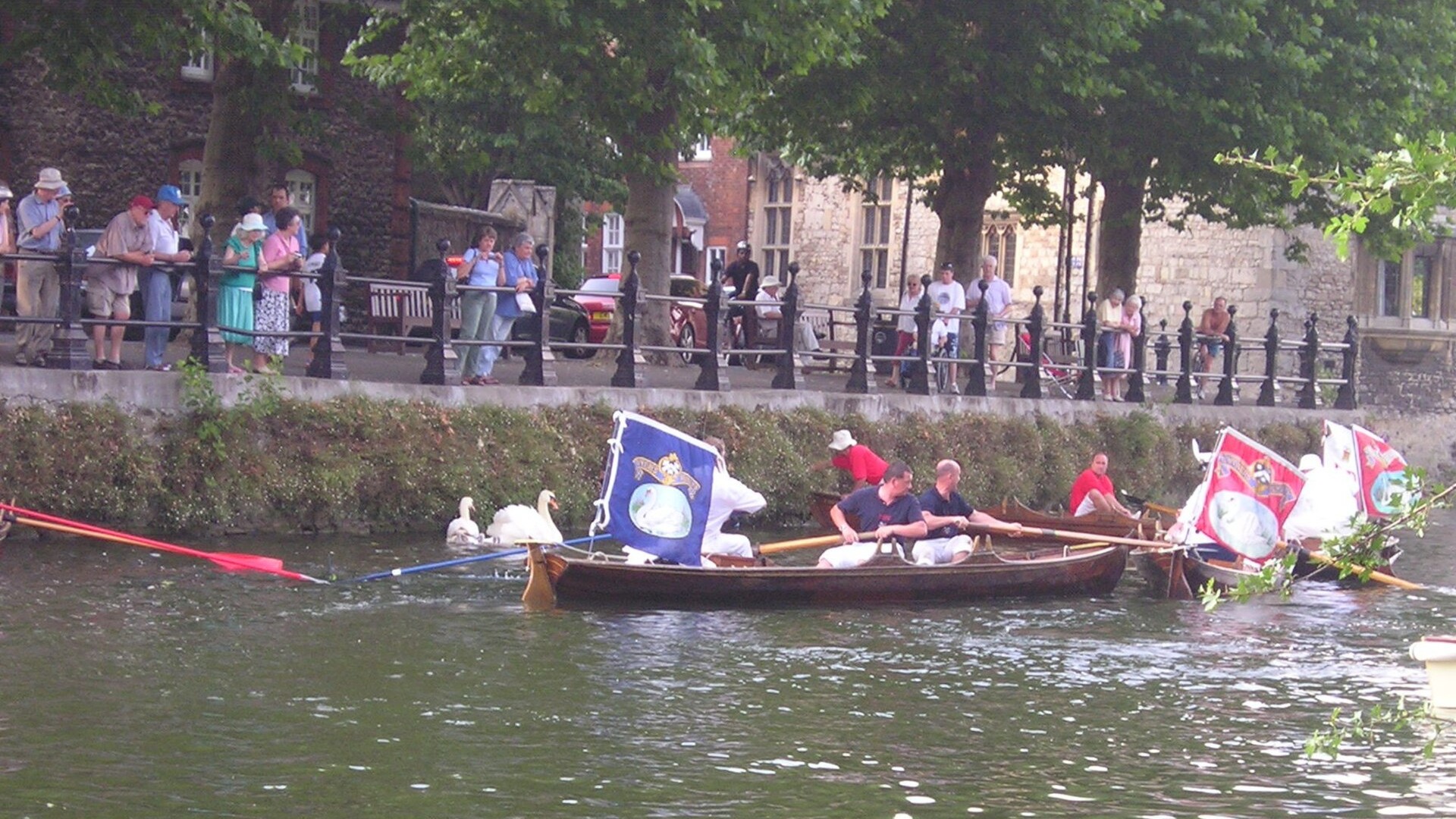
Each July, the King's Swan Marker and rowers from the Vintners' and Dyers' Livery Companies spend five days on the Thames between Sunbury and Abingdon. Teams weigh and check cygnets for health before marking birds belonging to the livery companies and leaving royal swans unmarked.
©Wikimedia / Philip Allfrey
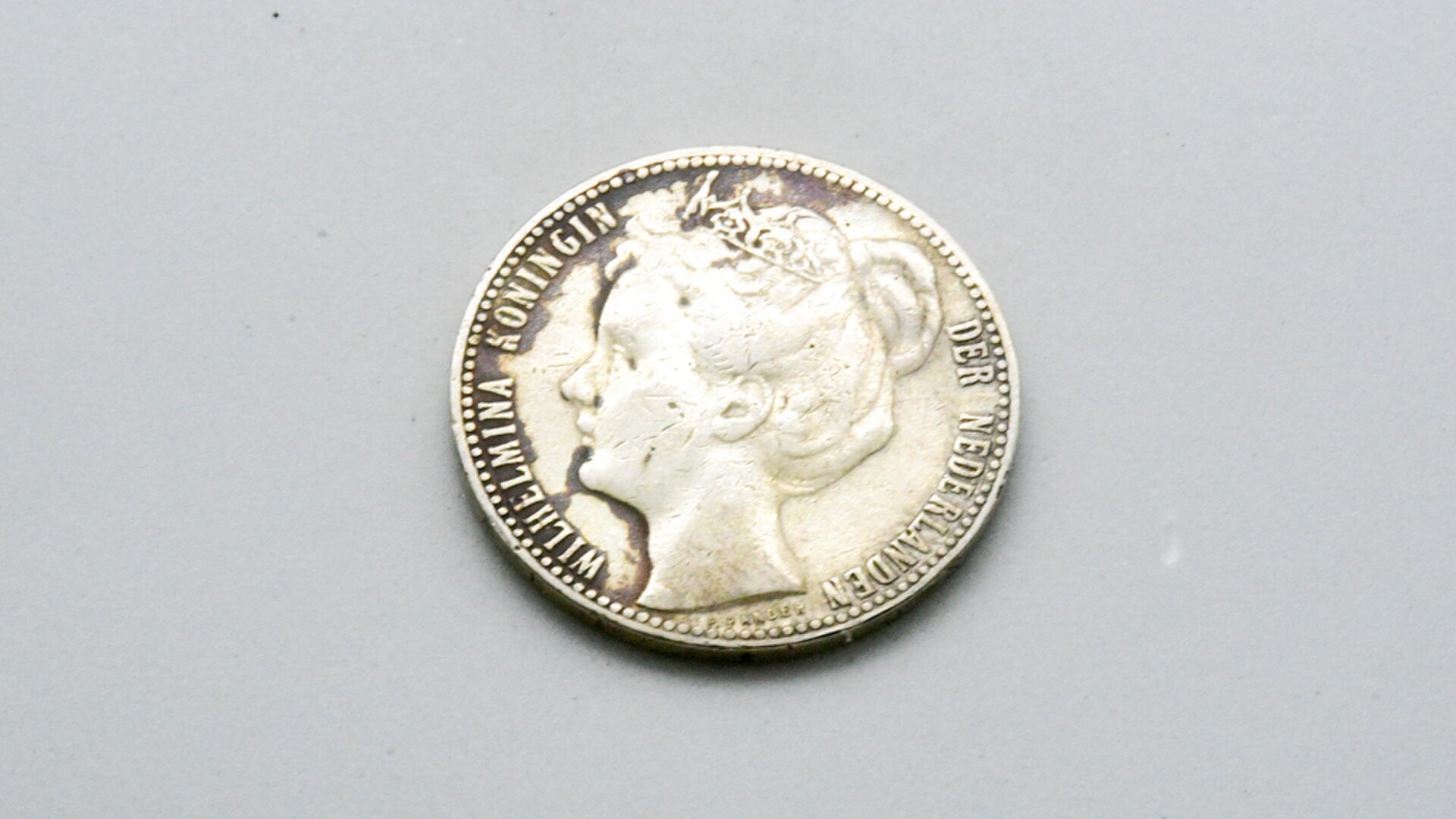
19. Royal Maundy Silver Coins
Held on the Thursday before Easter at a rotating British cathedral, the ceremony honours local pensioners for community service. The Royal Mint strikes special silver coins of one, two, three, and four pence, and each recipient gets a red purse for food and clothing plus a white purse holding the exact total.
©Wikimedia / Original: Unknown, photograph: Rachmat04
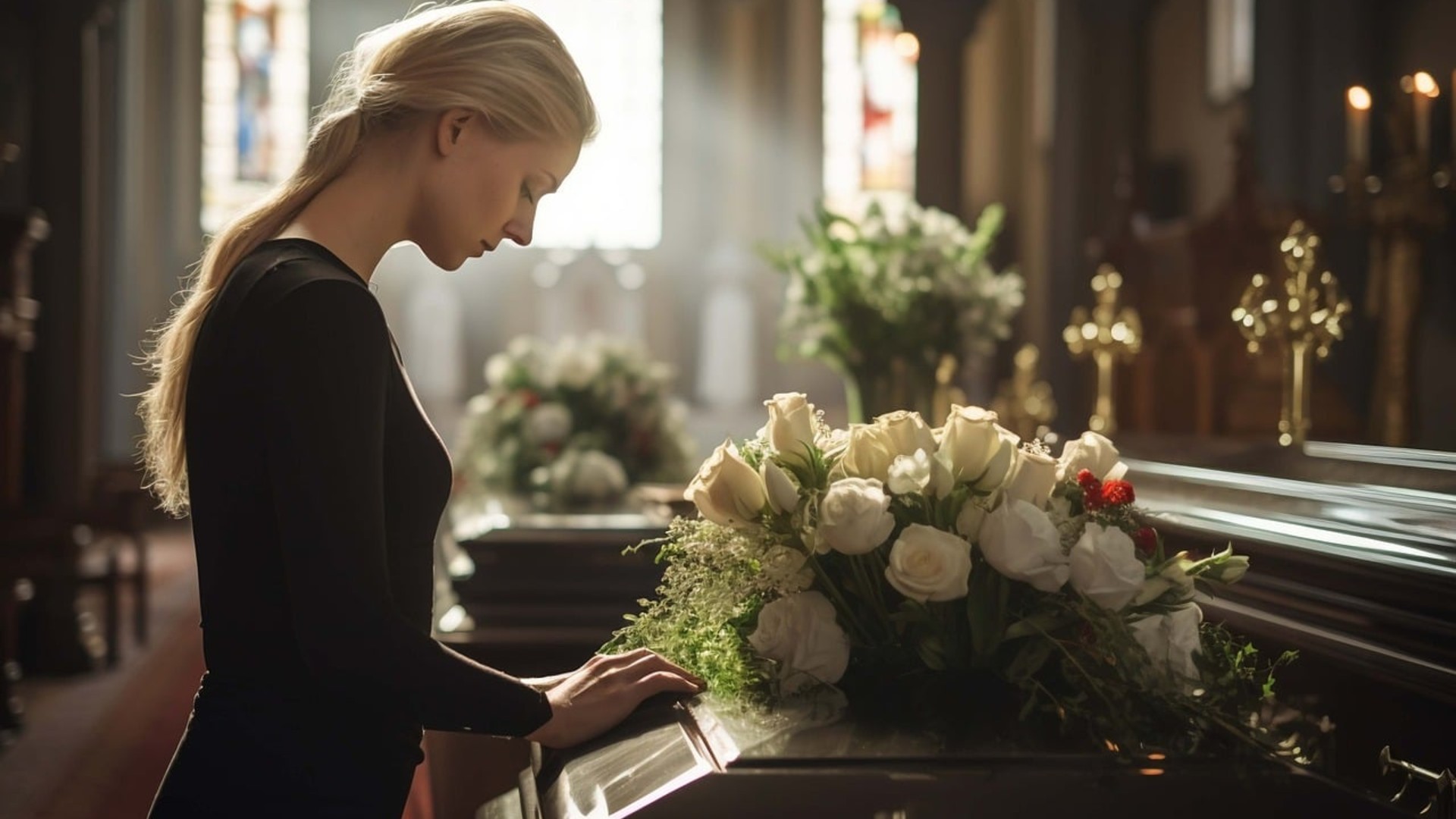
18. Black Mourning Attire On Royal Tours
The rule dates back to February 1952, when Princess Elizabeth was staying at Treetops in Kenya and learned her father, King George VI, had died. Because she had no black mourning clothes in her luggage, she had to wait aboard her aircraft in London while aides brought a black dress before she stepped onto the tarmac.
©Pixabay / u_8eels4io1x
Advertisement
Swipe or tap ▶ to resume the countdown.
17. Royal Warrant Display Standards
Approved suppliers may display the royal coat of arms alongside the words By Appointment on storefronts and packaging. Under Royal Warrant Holders Association rules, a warrant runs for up to five years, stays strictly non-transferable if a firm is sold, and needs renewal when a new sovereign takes the throne.
©Wikimedia / Shadowssettle
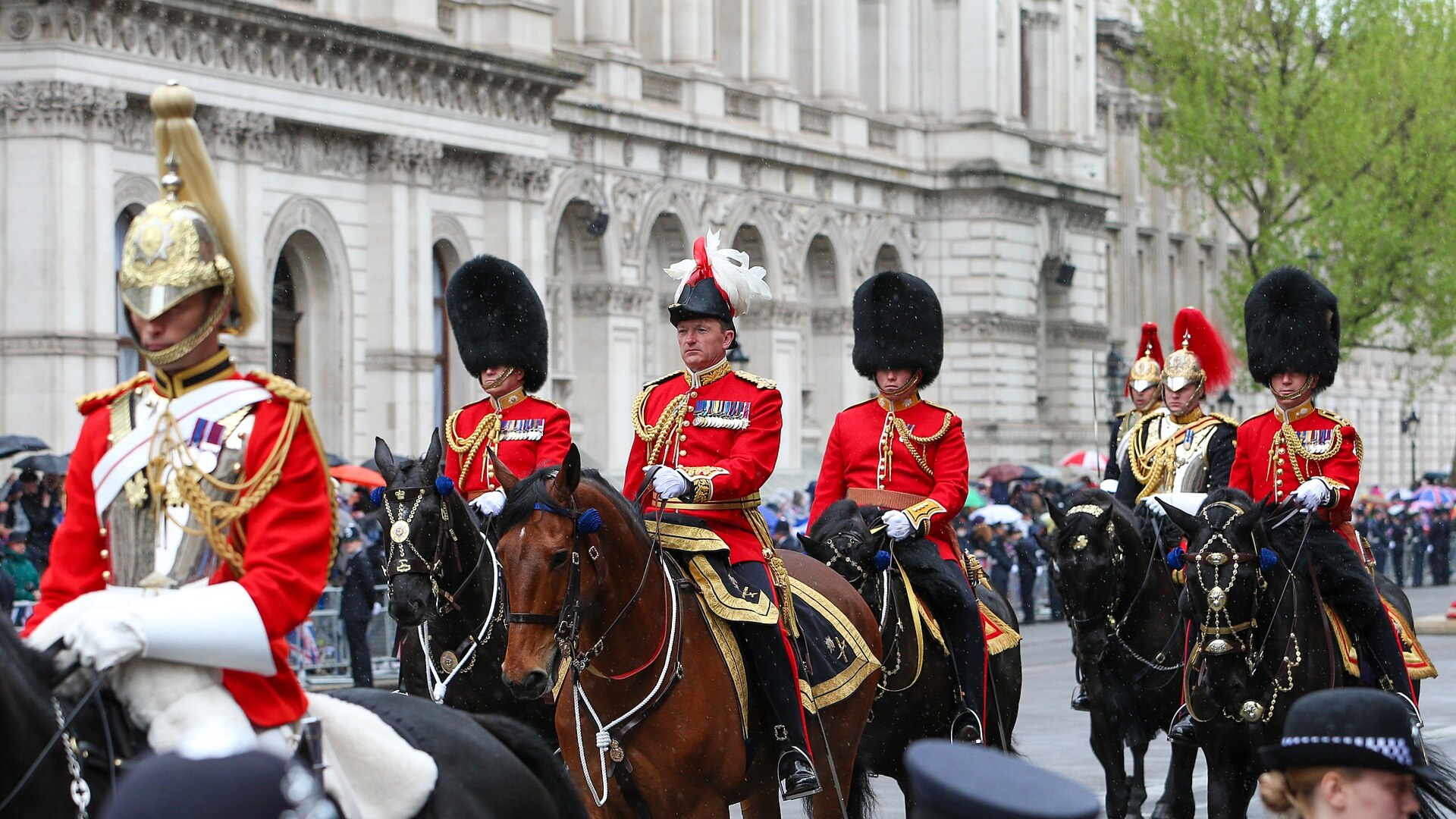
16. King's Guard Sentry Silence Rules
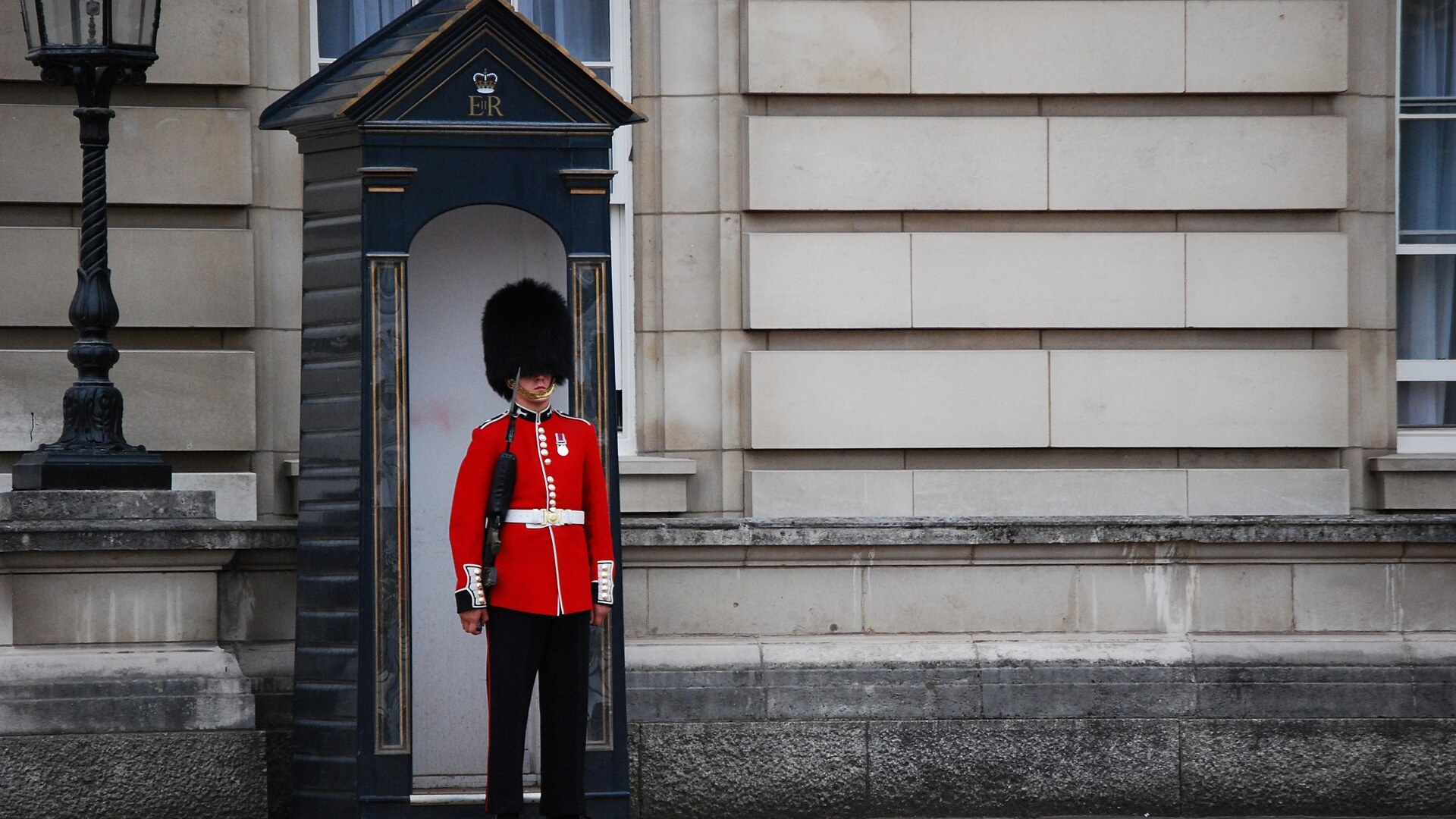
Soldiers from the Household Division stand duty at Buckingham Palace, St James's Palace, and Windsor Castle under strict military orders. Sentries remain silent and still during their two-hour shifts, marching a set beat and shouting only to clear walkways or warn visitors who step too close to horses.
©Wikimedia / MaryG90
15. Gun And 41-Gun Royal Salutes
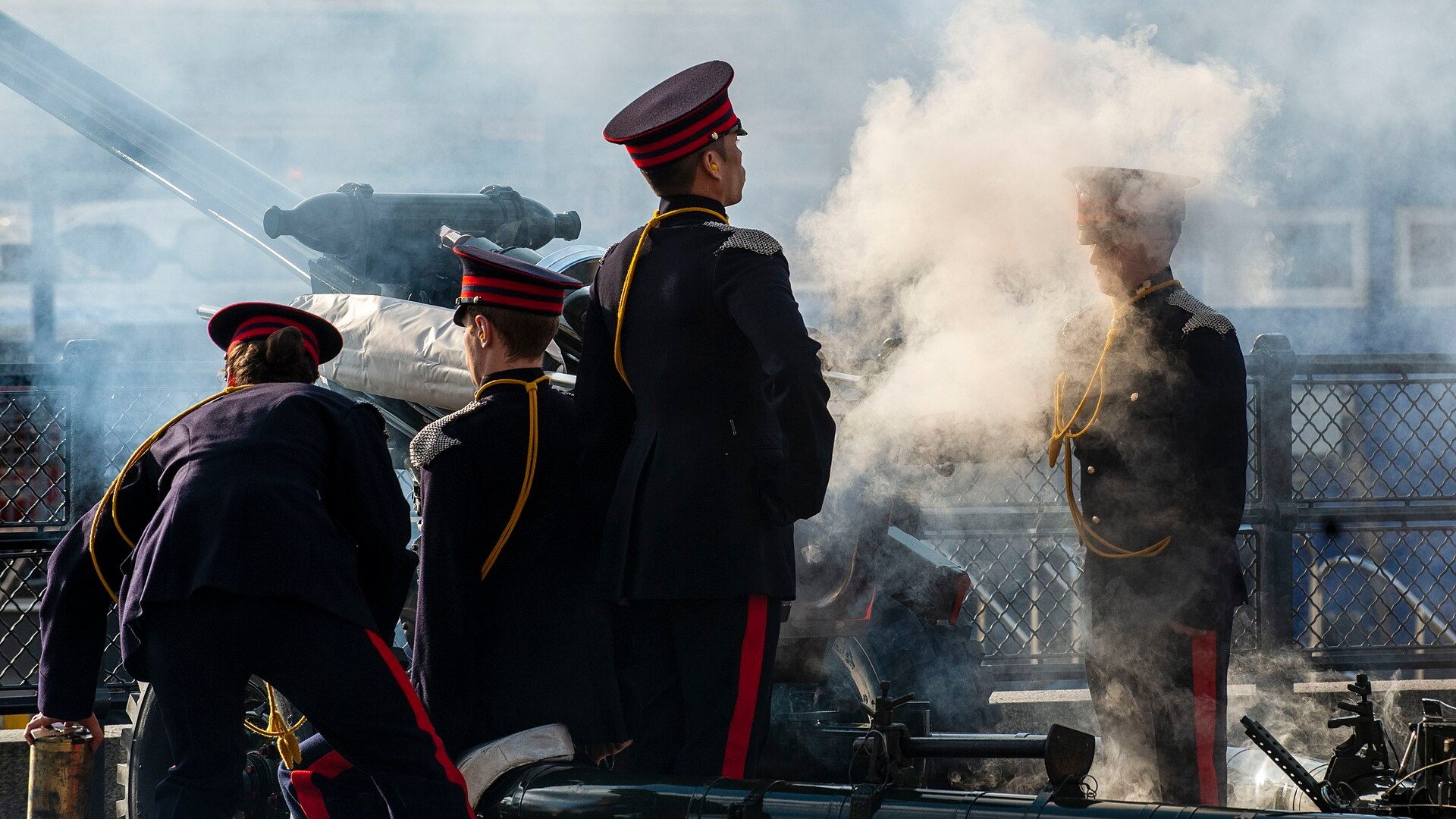
The standard royal salute is 21 rounds, raised to 41 in a royal park such as Green Park or Hyde Park by the King's Troop Royal Horse Artillery. At the Tower of London, the Honourable Artillery Company adds 21 rounds for the City of London, firing 62 blank shells on accession days and major anniversaries.
©Wikimedia / Sgt Randall RLC
14. State Banquet White Tie And Tiara Etiquette
Hosted in the Buckingham Palace Ballroom or St George's Hall at Windsor Castle, state dinners seat diplomats and officials by exact precedence. Male guests wear white tie and tailcoats with decorations, while women wear full-length gowns, with tiaras reserved for married women and princesses.
©Wikimedia / GrandTV
Advertisement
Swipe or tap ▶ to resume the countdown.
13. Royal Ascot Enclosure Dress Code
Published annually by Ascot Racecourse, the Royal Enclosure code requires men to wear black, grey, or navy morning dress with a waistcoat, tie, and top hat. Women wear dresses or trouser suits of modest length with a hat whose solid base measures at least four inches across, banning smaller fascinators.
©NASA / Bill Ingalls
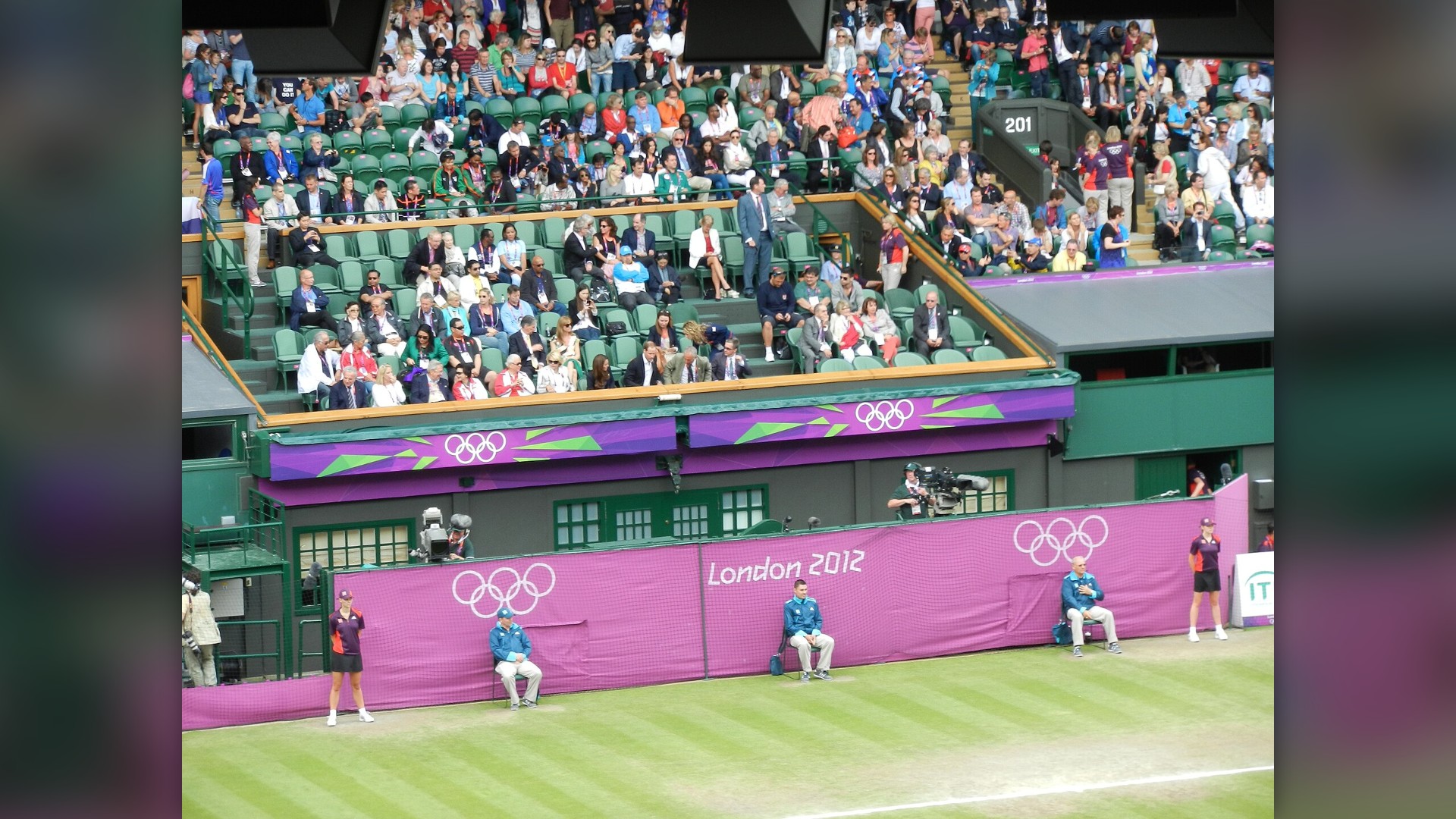
12. Wimbledon Royal Box Jacket And Tie Rule
Since 1922, the 74-seat Royal Box above Centre Court has hosted British and foreign royals alongside invited guests. The All England Lawn Tennis Club instructs men to wear a suit or tailored jacket with a tie, and asks ladies to avoid hats inside the box so spectators seated behind can see the court clearly.
©Wikimedia / Madchester
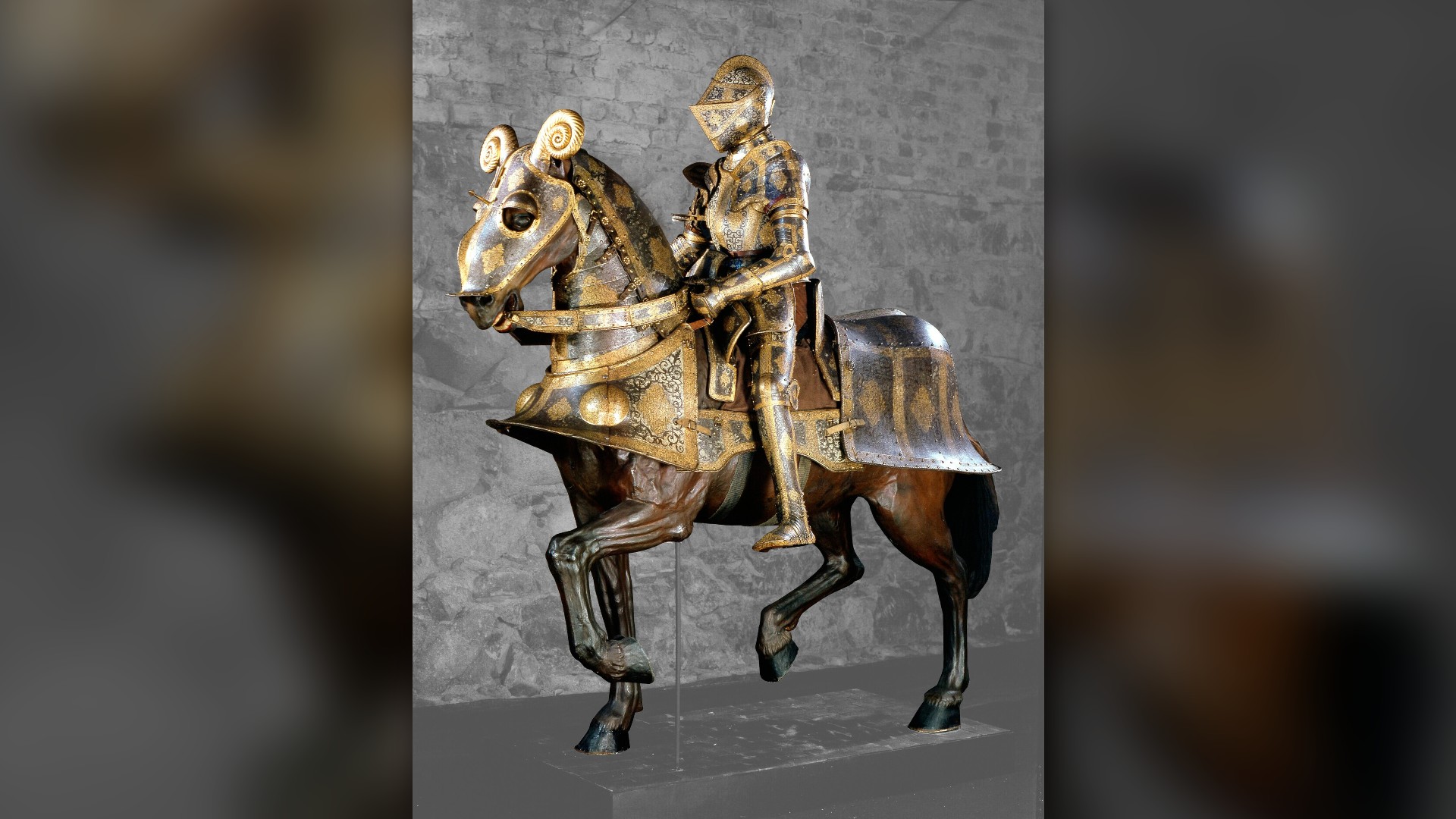
11. Knighthood Dubbing Protocol At Investitures
During investitures at Buckingham Palace or Windsor Castle, recipients step forward when announced by the Lord Chamberlain's Office. New knights kneel on a crimson stool while the monarch touches their right shoulder and then their left with a ceremonial sword before pinning the insignia.
©Wikimedia / Plate armour
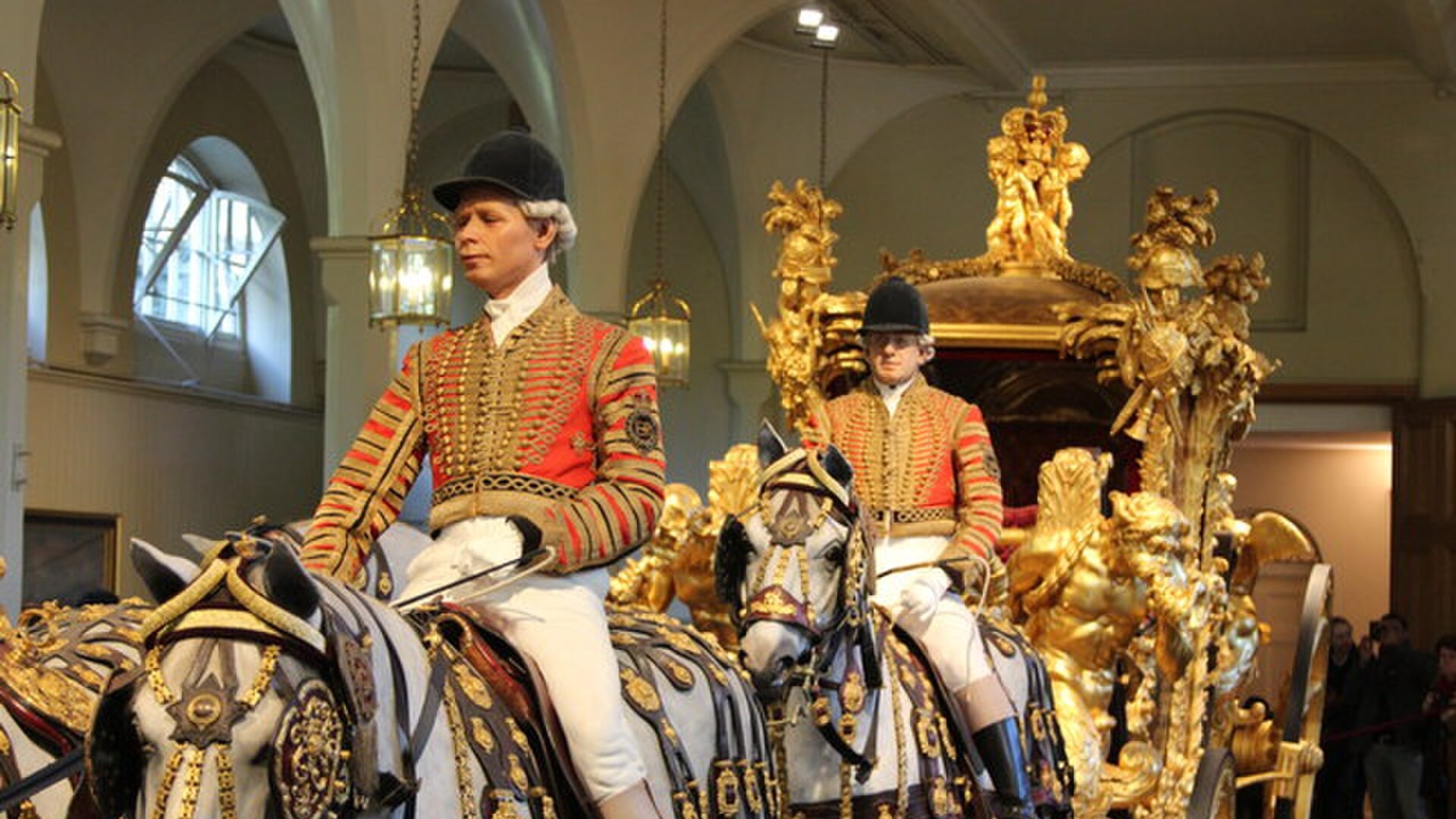
10. Eight Horses For The Gold State Coach
Built in 1762 for King George III, the gilded carriage is kept at the Royal Mews and used only for coronations and major jubilee processions. Because its four-tonne frame has no driver's seat, four postilion riders mounted on the left-hand horses steer the team of eight at a slow walking pace.
©Wikimedia / Oast House Archive
Advertisement
Swipe or tap ▶ to resume the countdown.
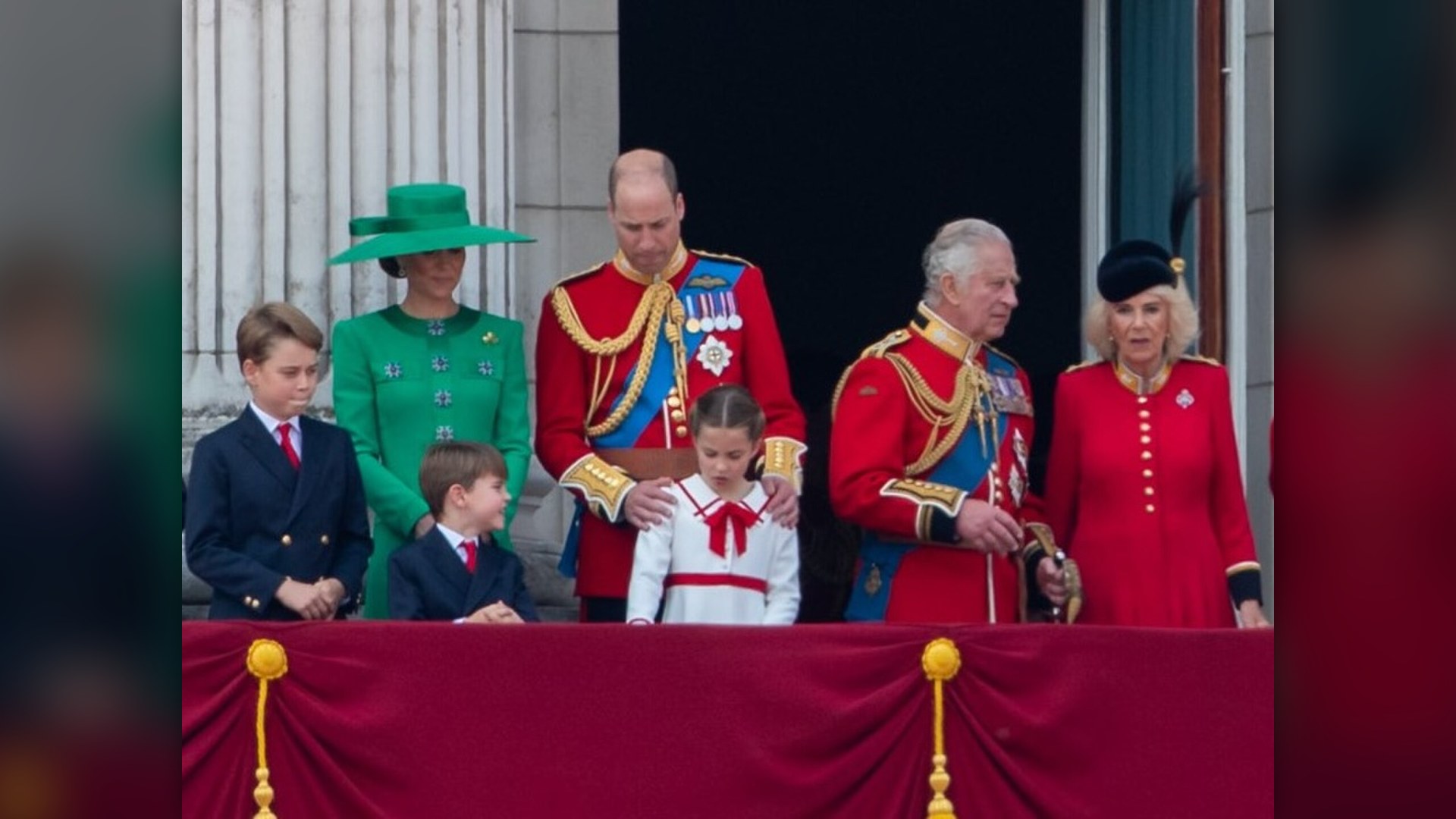
9. Working Royals On The Palace Balcony
At Trooping the Colour, the monarch's official birthday parade each June, the royal family gathers on the east front balcony to watch the Royal Air Force flypast. Under King Charles III, balcony spots for state milestones are restricted to working royals carrying out official public duties on behalf of the Crown.
©Wikimedia / Katie Chan
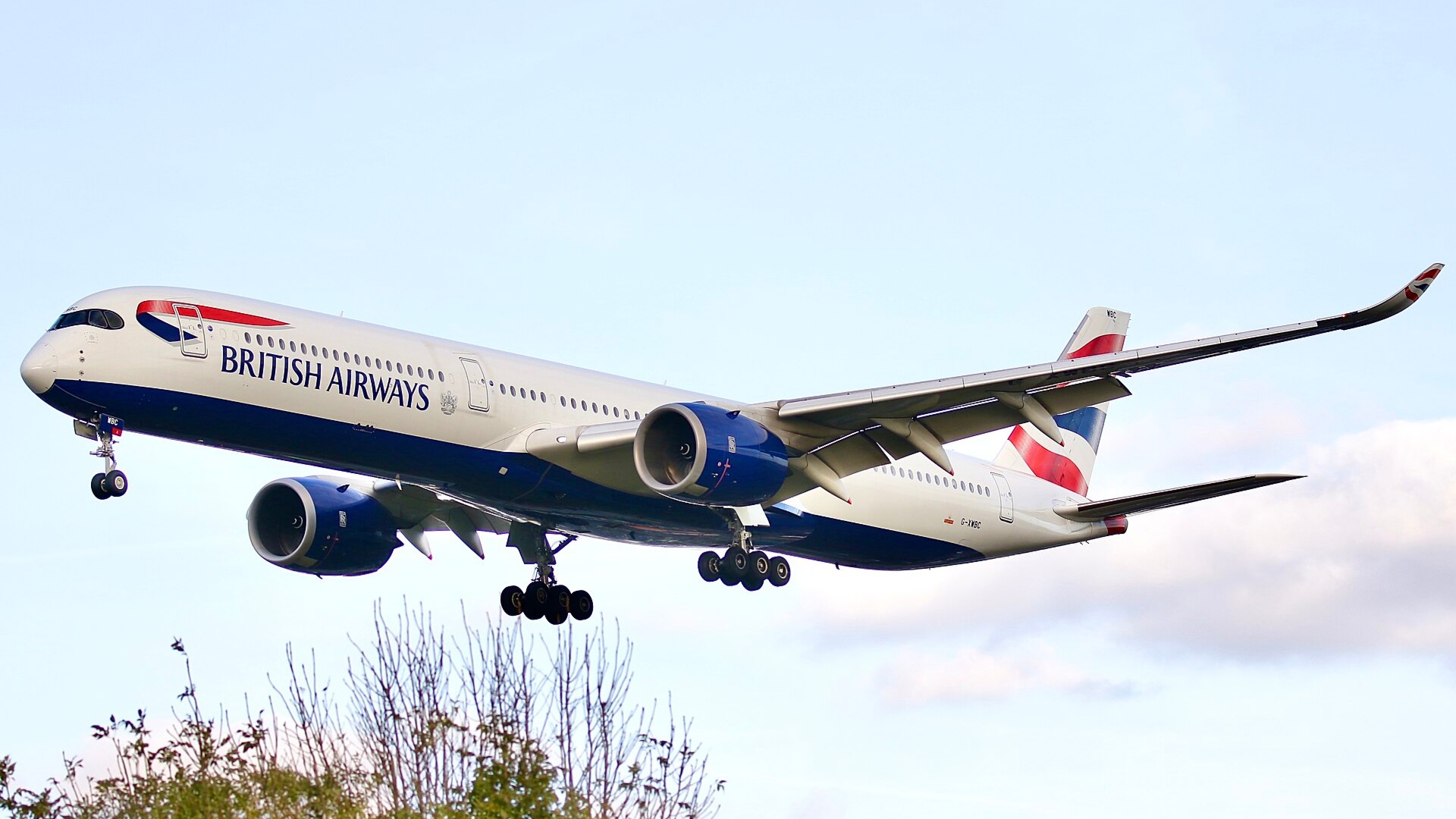
8. Separate Flights For Direct Heirs
By long-standing palace convention designed to protect the line of succession, the monarch and the heir apparent travel on separate aircraft. The same precaution applies to Prince William and Prince George, who turned thirteen in July 2026, unless the sovereign grants explicit permission for an official family flight.
©Wikimedia / British Airways
7. Standing Meetings Of The Privy Council
Whenever the sovereign convenes the Privy Council to approve royal proclamations and orders in council, ministers stand in a circle around the room. Queen Victoria started the custom to keep meetings brisk, and newly appointed senior ministers also kneel to kiss the monarch's hand upon taking office.
©Wikimedia / Tilman2007
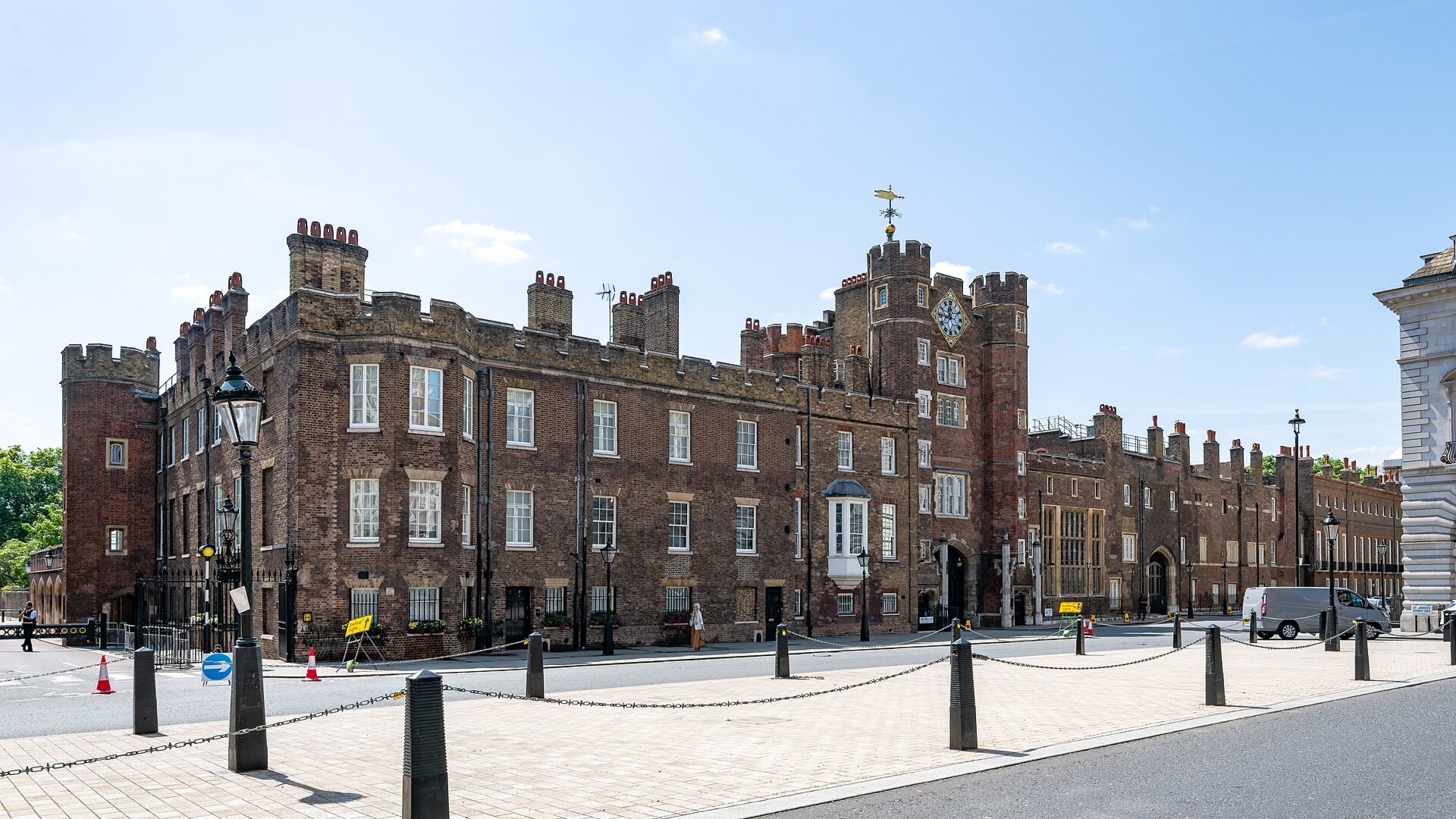
6. Accession Council At St James's Palace
Following the death of a sovereign, Privy Counsellors, bishops, and civic leaders gather at St James's Palace to sign the formal proclamation. Once the new king or queen makes the required oaths, the Garter King of Arms steps onto the Friary Court balcony to read the announcement aloud to trumpet fanfare.
©Wikimedia / Katie Chan
Advertisement
Swipe or tap ▶ to resume the countdown.
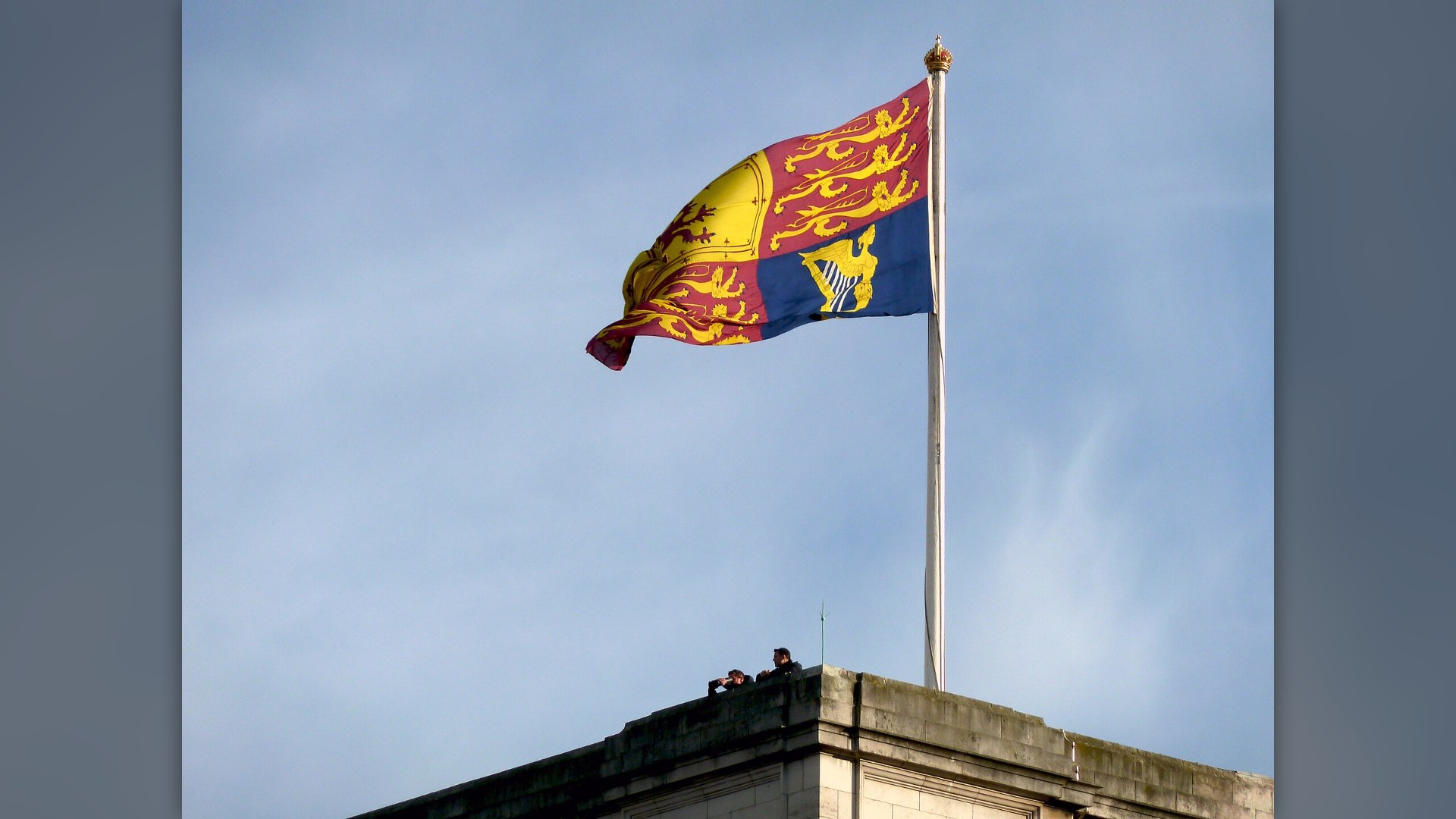
5. Royal Standard Never Flies At Half-Mast
Representing the continuity of the Crown, the four-quartered banner is hoisted above Buckingham Palace or Windsor Castle only while the sovereign is inside the building. Because the throne passes immediately to the next heir upon a monarch's death, the Royal Standard is never lowered to half-mast.
©Wikimedia / Magnus D
4. Traditional Neck Bow And Small Curtsy
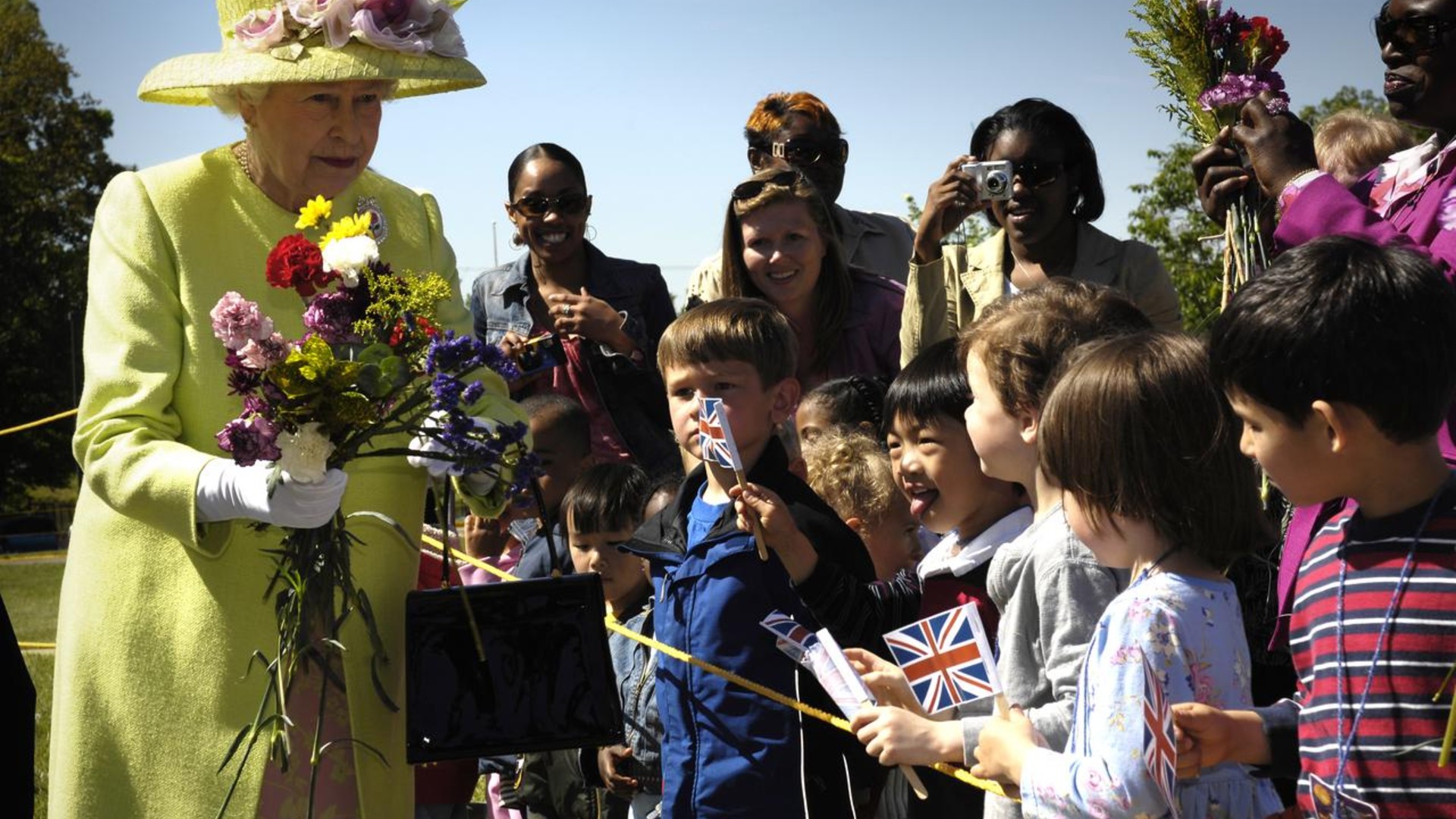
Official guidance from Buckingham Palace notes visitors are not required to follow a set greeting when meeting the King or Queen. For those who prefer traditional manners, men make a brief neck bow from the head only, women perform a small curtsy, and guests say Your Majesty on first address.
©Wikimedia / Katie Chan
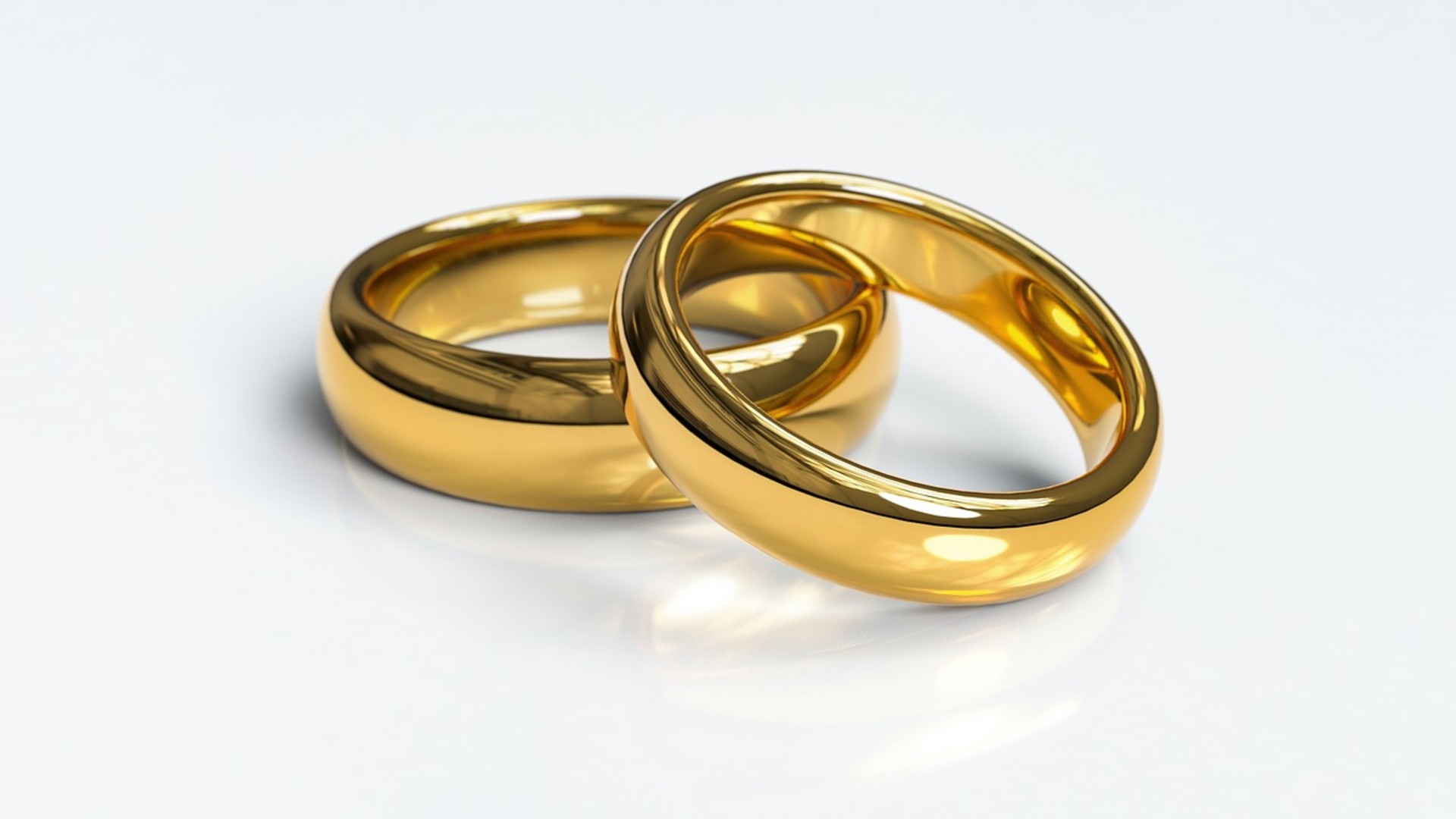
3. Marriage Consent Under The 2013 Act
Under the Succession to the Crown Act 2013, which replaced broader 1772 rules, only the first six royals in line to the throne must request formal permission. The sovereign declares consent at a Privy Council meeting, and the Instrument of Consent is sealed under the Great Seal of the Realm before any wedding.
©Pixabay / qimono
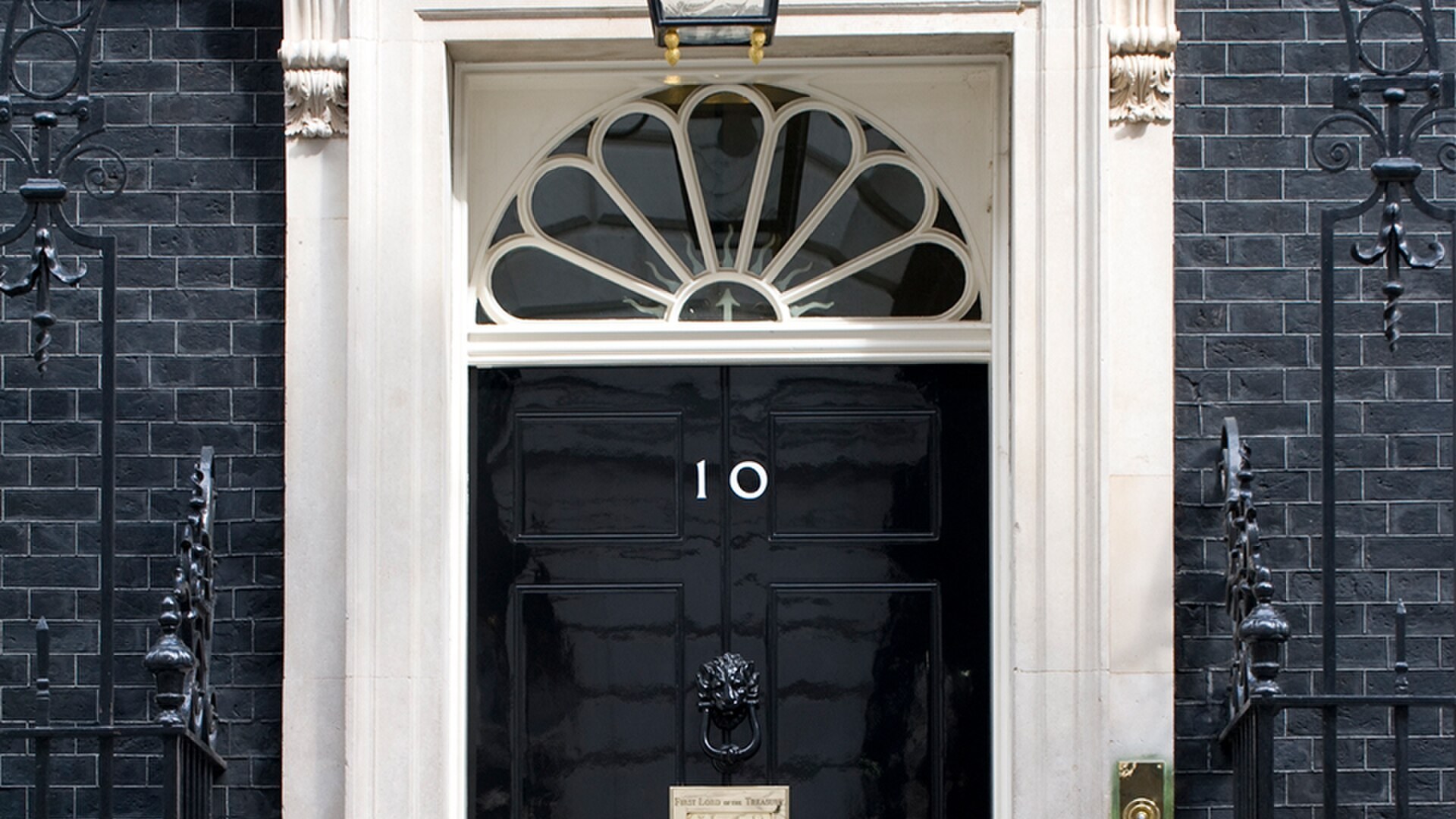
2. Political Neutrality And Not Voting
While no statute bars the sovereign from casting a ballot, UK Parliament and Royal.uk guidance state it is considered unconstitutional for the monarch to vote. Instead, the King remains strictly neutral in public politics and holds private weekly audiences with the sitting prime minister from 10 Downing Street.
©Wikimedia / UK Government
Advertisement
Swipe or tap ▶ to resume the countdown.
1. Monarch Barred From The House Of Commons
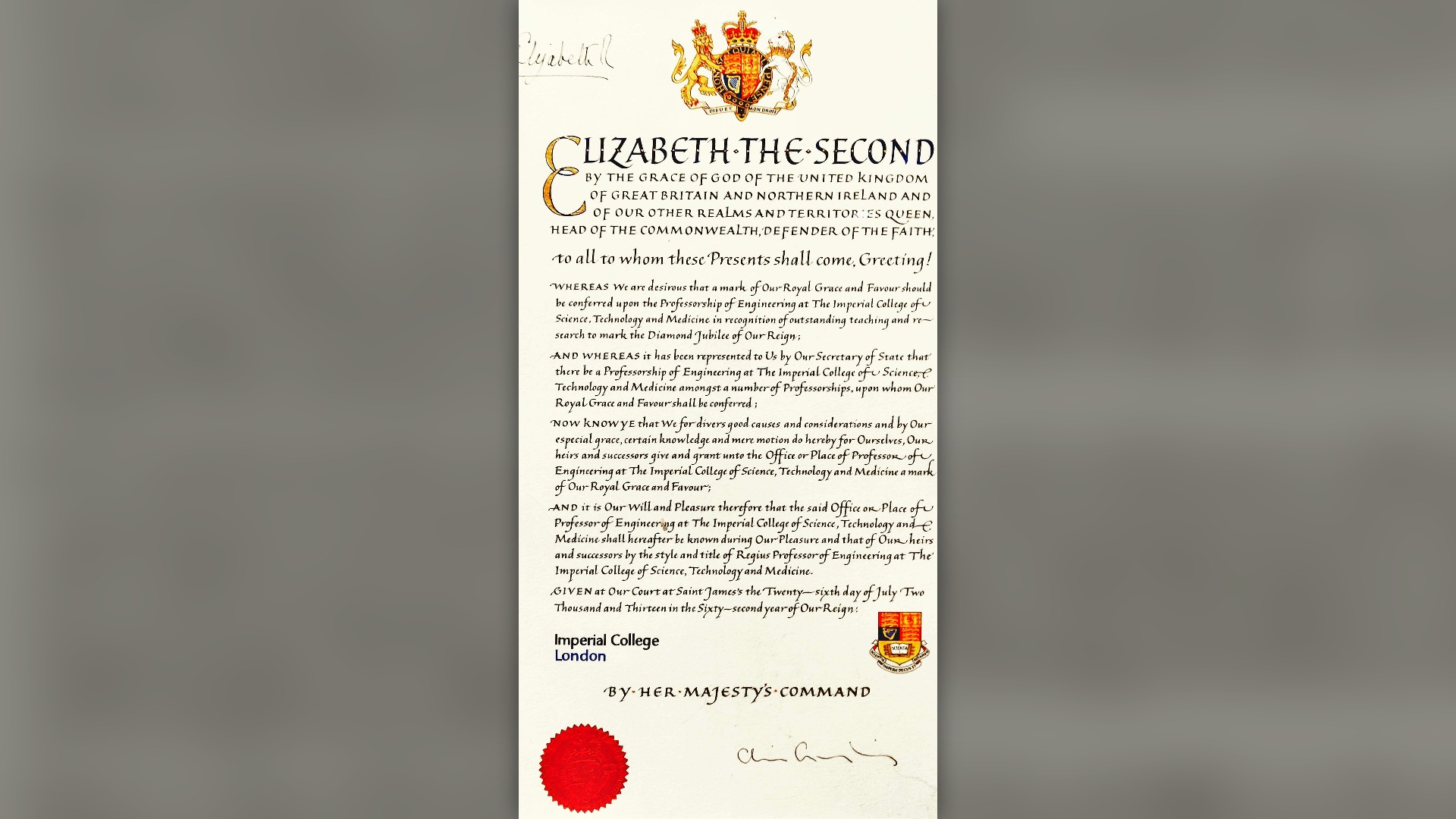
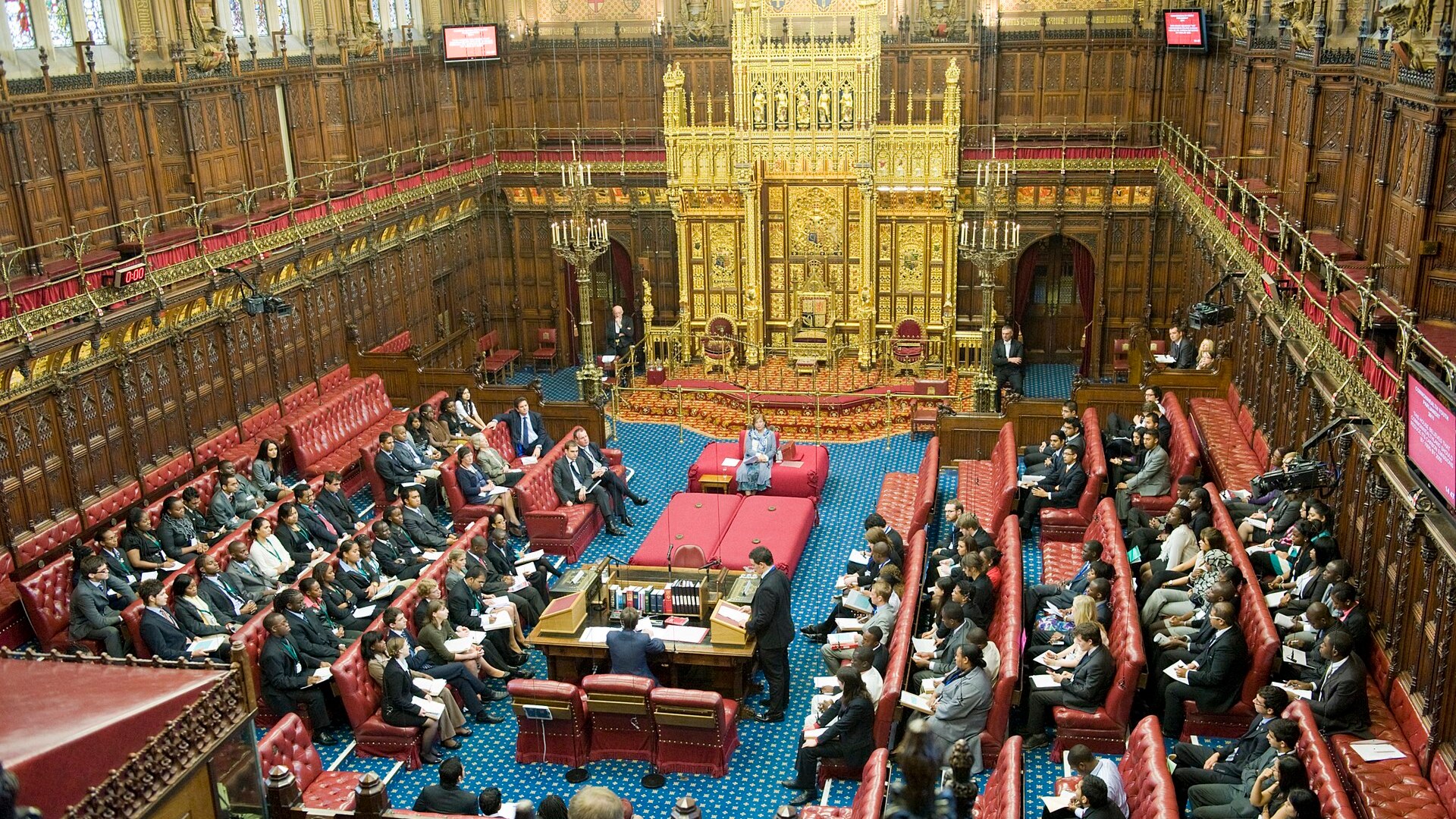
During the State Opening of Parliament, the sovereign sits in the House of Lords to read the government's legislative speech. Black Rod walks down the corridor to summon MPs, has the Commons door slammed in his face to symbolise parliamentary independence, and knocks three times before members cross to listen.
©Wikimedia / UK government
Advertisement
You've reached the end of the story. Thanks for reading!

When Heavy Snow Typically Hits 30 Major US Cities
Predicting winter weather requires analyzing long-term climate normals rather than speculation. Based on thirty-year NOAA records and National Weather Service data, this reference guide details when thirty major American cities typically receive their heaviest snow. Sources include NOAA NCEI and NWS regional offices.
All 20 Entries in this Story
Swan Upping On The River Thames
Each July, the King's Swan Marker and rowers from the Vintners' and Dyers' Livery Companies spend five days on the Thames between Sunbury and Abingdon. Teams weigh and check cygnets for health before marking birds belonging to the livery companies and leaving royal swans unmarked.

Royal Maundy Silver Coins
Held on the Thursday before Easter at a rotating British cathedral, the ceremony honours local pensioners for community service. The Royal Mint strikes special silver coins of one, two, three, and four pence, and each recipient gets a red purse for food and clothing plus a white purse holding the exact total.

Black Mourning Attire On Royal Tours
The rule dates back to February 1952, when Princess Elizabeth was staying at Treetops in Kenya and learned her father, King George VI, had died. Because she had no black mourning clothes in her luggage, she had to wait aboard her aircraft in London while aides brought a black dress before she stepped onto the tarmac.

Royal Warrant Display Standards
Approved suppliers may display the royal coat of arms alongside the words By Appointment on storefronts and packaging. Under Royal Warrant Holders Association rules, a warrant runs for up to five years, stays strictly non-transferable if a firm is sold, and needs renewal when a new sovereign takes the throne.

King's Guard Sentry Silence Rules
Soldiers from the Household Division stand duty at Buckingham Palace, St James's Palace, and Windsor Castle under strict military orders. Sentries remain silent and still during their two-hour shifts, marching a set beat and shouting only to clear walkways or warn visitors who step too close to horses.

62-Gun And 41-Gun Royal Salutes
The standard royal salute is 21 rounds, raised to 41 in a royal park such as Green Park or Hyde Park by the King's Troop Royal Horse Artillery. At the Tower of London, the Honourable Artillery Company adds 21 rounds for the City of London, firing 62 blank shells on accession days and major anniversaries.

State Banquet White Tie And Tiara Etiquette
Hosted in the Buckingham Palace Ballroom or St George's Hall at Windsor Castle, state dinners seat diplomats and officials by exact precedence. Male guests wear white tie and tailcoats with decorations, while women wear full-length gowns, with tiaras reserved for married women and princesses.

Royal Ascot Enclosure Dress Code
Published annually by Ascot Racecourse, the Royal Enclosure code requires men to wear black, grey, or navy morning dress with a waistcoat, tie, and top hat. Women wear dresses or trouser suits of modest length with a hat whose solid base measures at least four inches across, banning smaller fascinators.

Wimbledon Royal Box Jacket And Tie Rule
Since 1922, the 74-seat Royal Box above Centre Court has hosted British and foreign royals alongside invited guests. The All England Lawn Tennis Club instructs men to wear a suit or tailored jacket with a tie, and asks ladies to avoid hats inside the box so spectators seated behind can see the court clearly.

Knighthood Dubbing Protocol At Investitures
During investitures at Buckingham Palace or Windsor Castle, recipients step forward when announced by the Lord Chamberlain's Office. New knights kneel on a crimson stool while the monarch touches their right shoulder and then their left with a ceremonial sword before pinning the insignia.

Eight Horses For The Gold State Coach
Built in 1762 for King George III, the gilded carriage is kept at the Royal Mews and used only for coronations and major jubilee processions. Because its four-tonne frame has no driver's seat, four postilion riders mounted on the left-hand horses steer the team of eight at a slow walking pace.

Working Royals On The Palace Balcony
At Trooping the Colour, the monarch's official birthday parade each June, the royal family gathers on the east front balcony to watch the Royal Air Force flypast. Under King Charles III, balcony spots for state milestones are restricted to working royals carrying out official public duties on behalf of the Crown.

Separate Flights For Direct Heirs
By long-standing palace convention designed to protect the line of succession, the monarch and the heir apparent travel on separate aircraft. The same precaution applies to Prince William and Prince George, who turned thirteen in July 2026, unless the sovereign grants explicit permission for an official family flight.

Standing Meetings Of The Privy Council
Whenever the sovereign convenes the Privy Council to approve royal proclamations and orders in council, ministers stand in a circle around the room. Queen Victoria started the custom to keep meetings brisk, and newly appointed senior ministers also kneel to kiss the monarch's hand upon taking office.

Accession Council At St James's Palace
Following the death of a sovereign, Privy Counsellors, bishops, and civic leaders gather at St James's Palace to sign the formal proclamation. Once the new king or queen makes the required oaths, the Garter King of Arms steps onto the Friary Court balcony to read the announcement aloud to trumpet fanfare.

Royal Standard Never Flies At Half-Mast
Representing the continuity of the Crown, the four-quartered banner is hoisted above Buckingham Palace or Windsor Castle only while the sovereign is inside the building. Because the throne passes immediately to the next heir upon a monarch's death, the Royal Standard is never lowered to half-mast.

Traditional Neck Bow And Small Curtsy
Official guidance from Buckingham Palace notes visitors are not required to follow a set greeting when meeting the King or Queen. For those who prefer traditional manners, men make a brief neck bow from the head only, women perform a small curtsy, and guests say Your Majesty on first address.

Marriage Consent Under The 2013 Act
Under the Succession to the Crown Act 2013, which replaced broader 1772 rules, only the first six royals in line to the throne must request formal permission. The sovereign declares consent at a Privy Council meeting, and the Instrument of Consent is sealed under the Great Seal of the Realm before any wedding.

Political Neutrality And Not Voting
While no statute bars the sovereign from casting a ballot, UK Parliament and Royal.uk guidance state it is considered unconstitutional for the monarch to vote. Instead, the King remains strictly neutral in public politics and holds private weekly audiences with the sitting prime minister from 10 Downing Street.

Monarch Barred From The House Of Commons
During the State Opening of Parliament, the sovereign sits in the House of Lords to read the government's legislative speech. Black Rod walks down the corridor to summon MPs, has the Commons door slammed in his face to symbolise parliamentary independence, and knocks three times before members cross to listen.