Slideshow · News
20 Candid Moments and Working Rooms Inside the White House
Step past the velvet ropes into 20 working rooms, private quarters, and historic halls inside the White House. From basement bowling lanes to state parlors and briefing halls, these archival photos trace daily life using records from the National Archives and the White House Historical Association.
By Most Viral Today
10 min agoimage-first:white-house-history:2026-11-20:24-photos-that-show-real-life-behind-the-white-house-doors

Step inside 20 working rooms and quiet corners of the White House. 
20. James S. Brady Press Briefing Room 
19. White House Bowling Alley 
18. White House Rose Garden - AdvertisementSwipe or tap ▶ to continue countdown

17. White House Swimming Pool 
16. White House Family Theater 
15. White House China Room 
14. White House Library - AdvertisementSwipe or tap ▶ to continue countdown

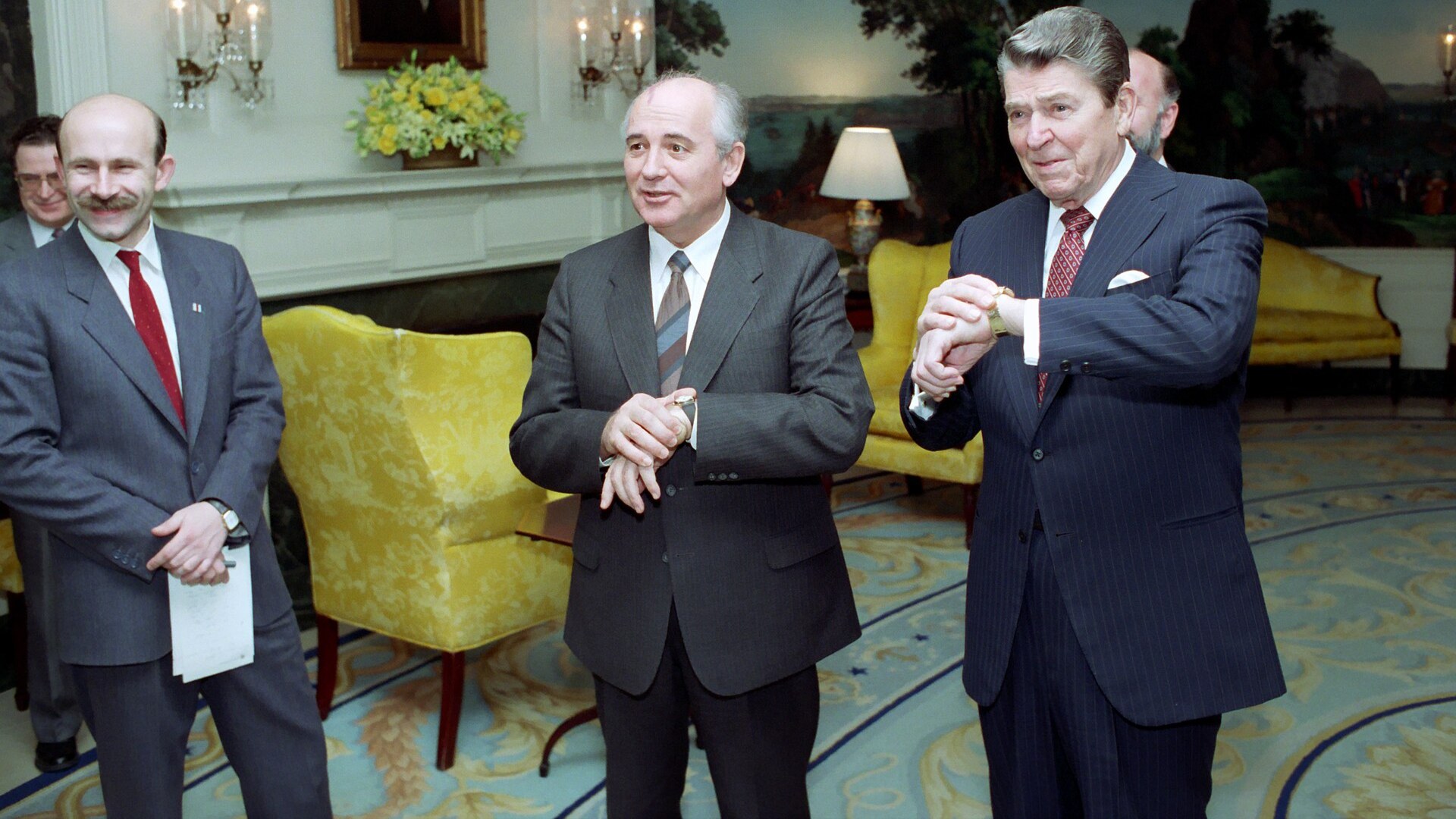
13. Diplomatic Reception Room 
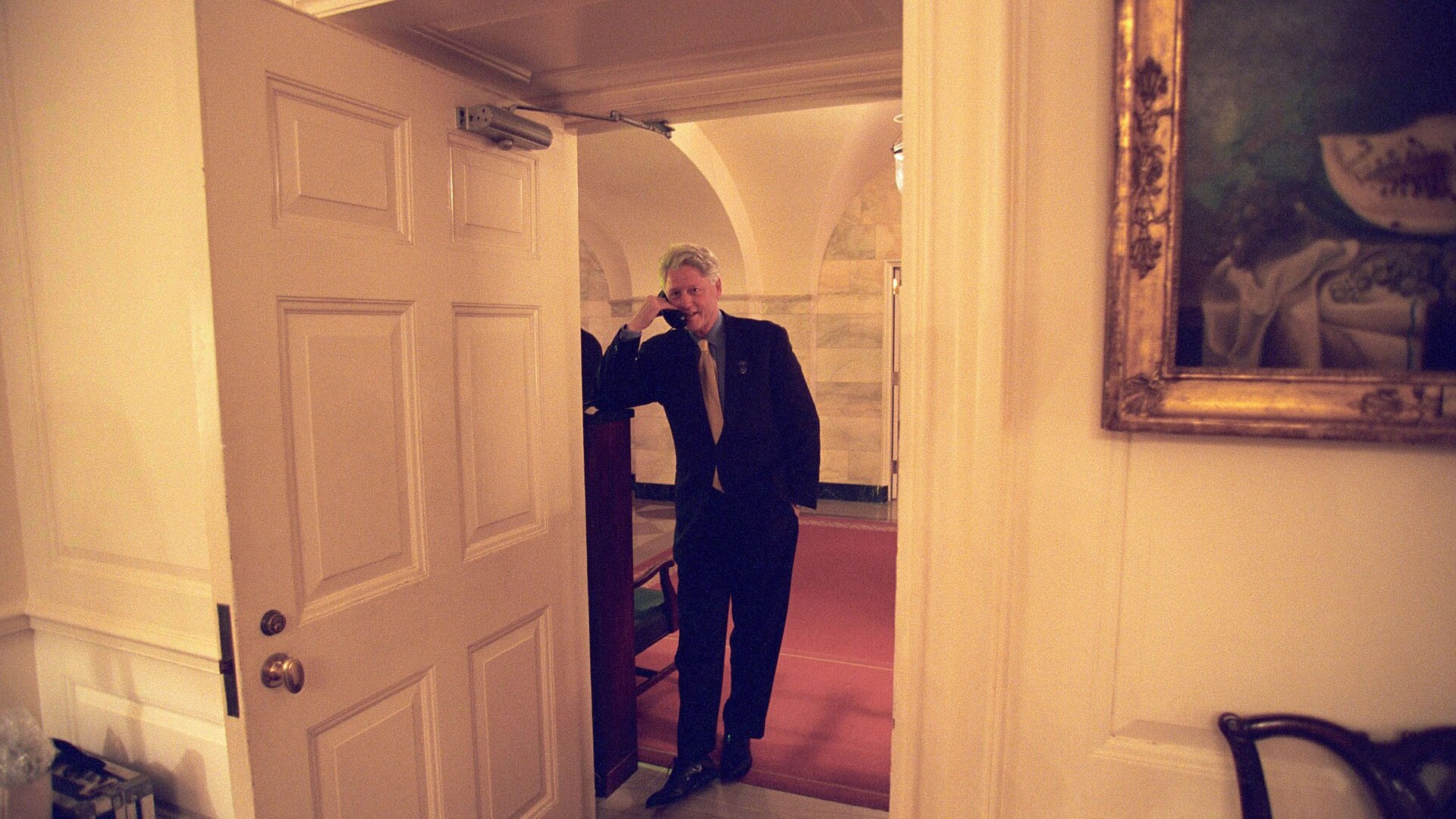
12. White House Map Room 
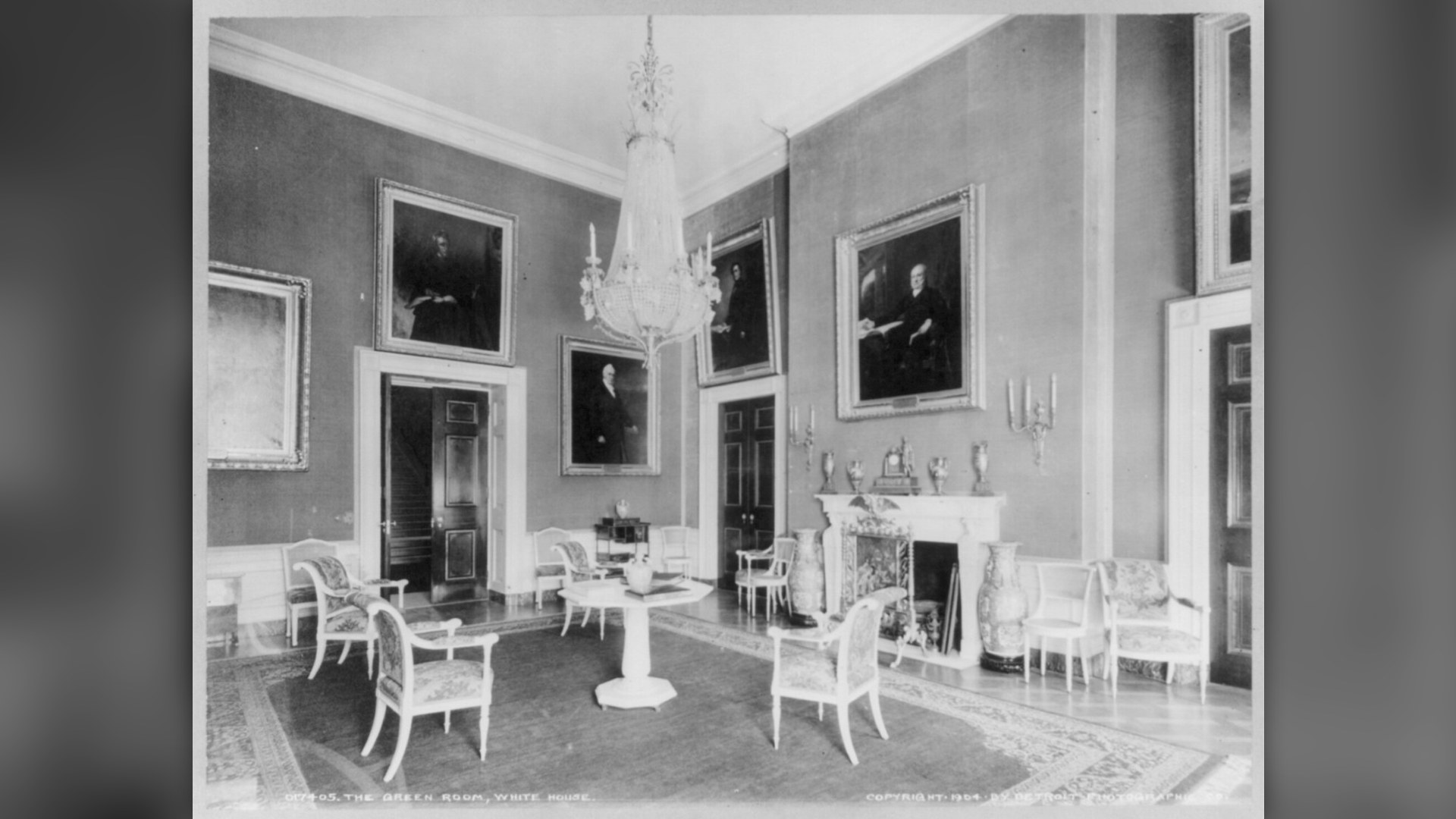
11. White House Green Room 
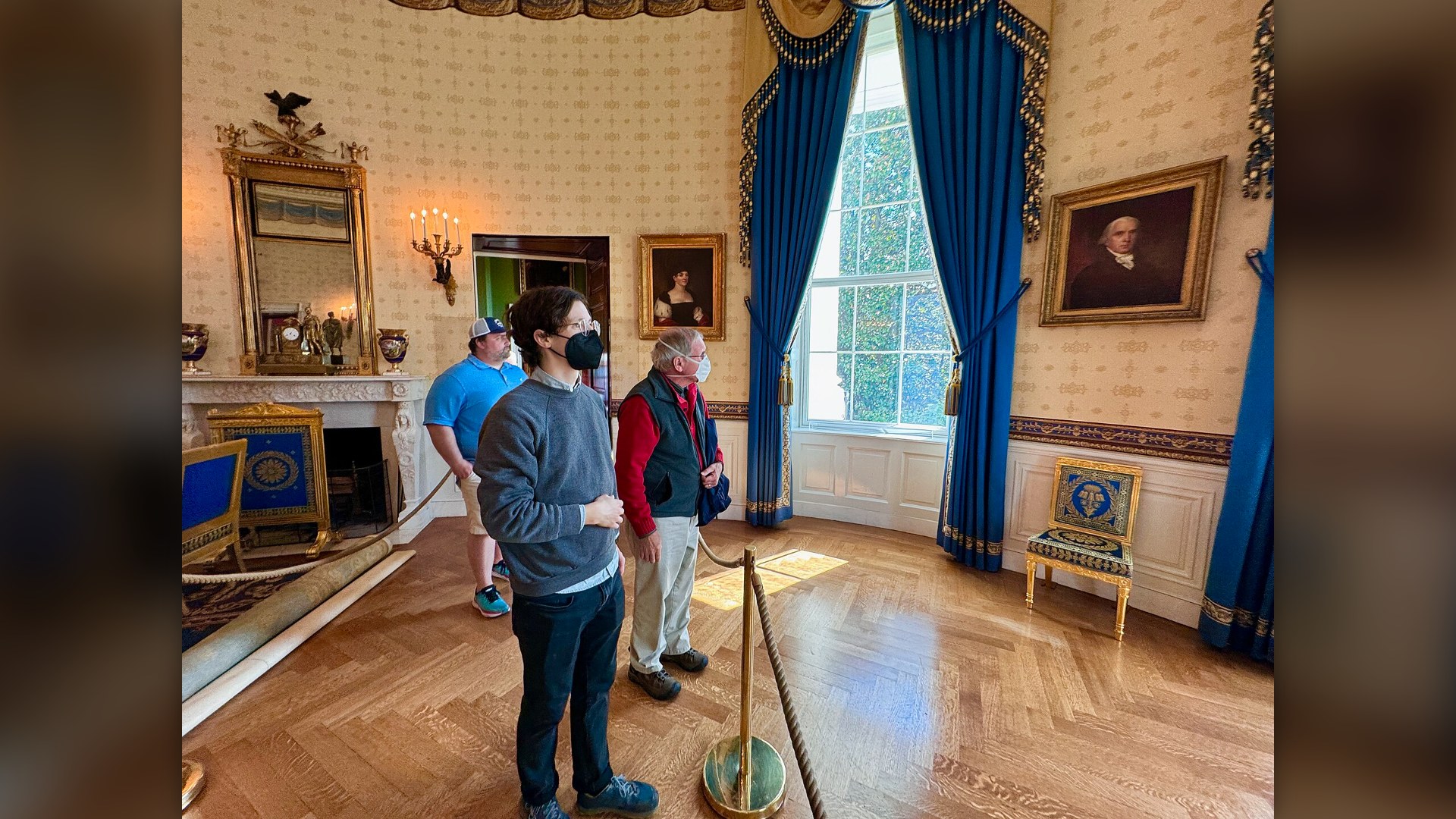
10. White House Blue Room - AdvertisementSwipe or tap ▶ to continue countdown

9. White House Red Room 
8. State Dining Room 
7. White House East Room 
6. White House Cabinet Room - AdvertisementSwipe or tap ▶ to continue countdown

5. White House Roosevelt Room 
4. White House Treaty Room 
3. Lincoln Bedroom 
2. White House Situation Room - AdvertisementSwipe or tap ▶ to continue countdown

1. The Oval Office And Resolute Desk - Advertisement🔥 UP NEXT IN THIS SERIES◫ 21 Slides

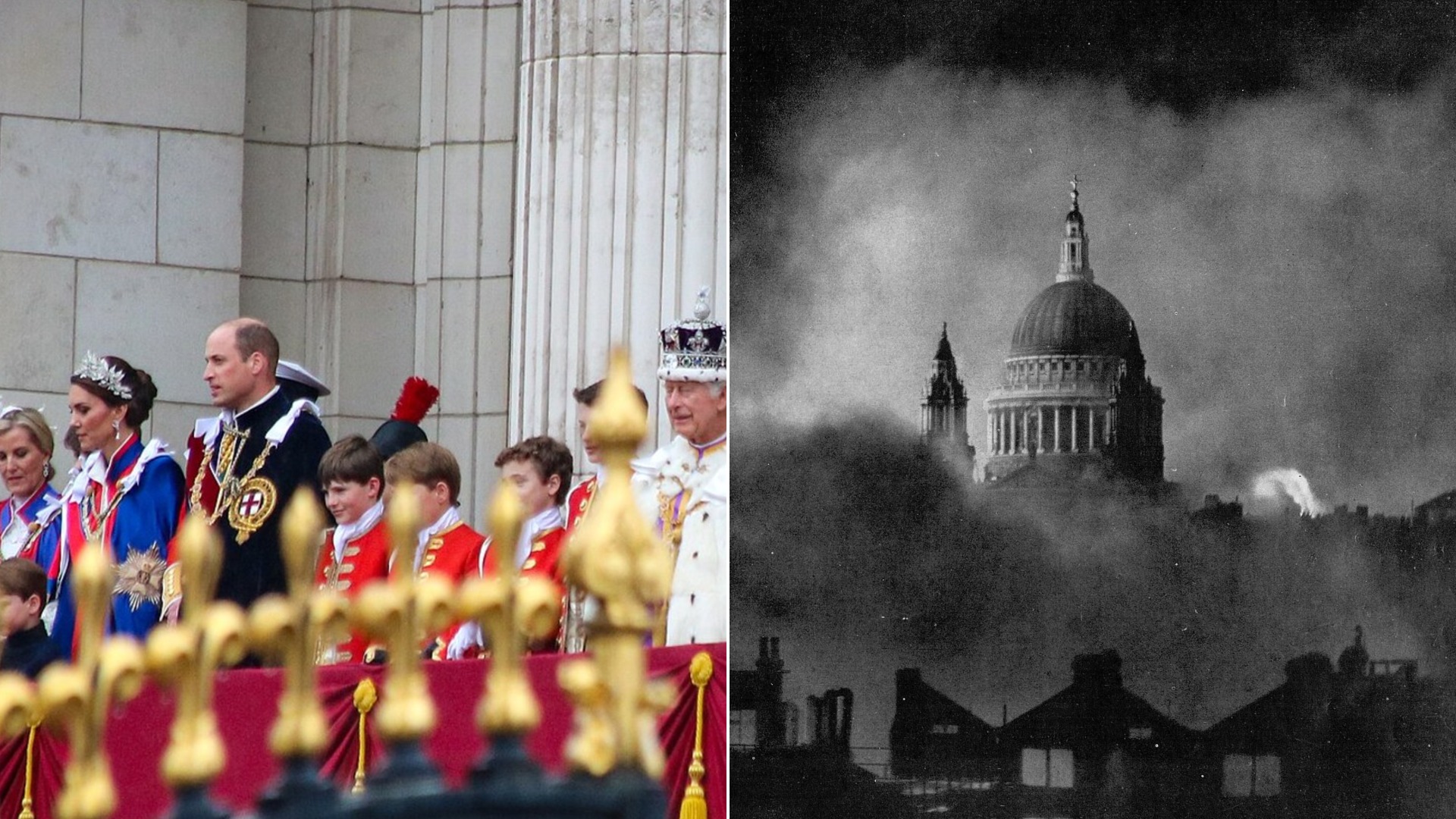
20 Historic Photos That Captured Major British News Moments
From Armistice crowds in 1918 to the 2023 coronation, these 20 archive photographs capture major turning points in modern British public life. Each frame records the exact date, place, and public figures present as Britain marked wartime survival, royal milestones, political shifts, and sporting history.
Step past the velvet ropes into 20 working rooms, private quarters, and historic halls inside the White House. From basement bowling lanes to state parlors and briefing halls, these archival photos trace daily life using records from the National Archives and the White House Historical Association.
Swipe or tap ▶ to begin the countdown
©Wikimedia / White House
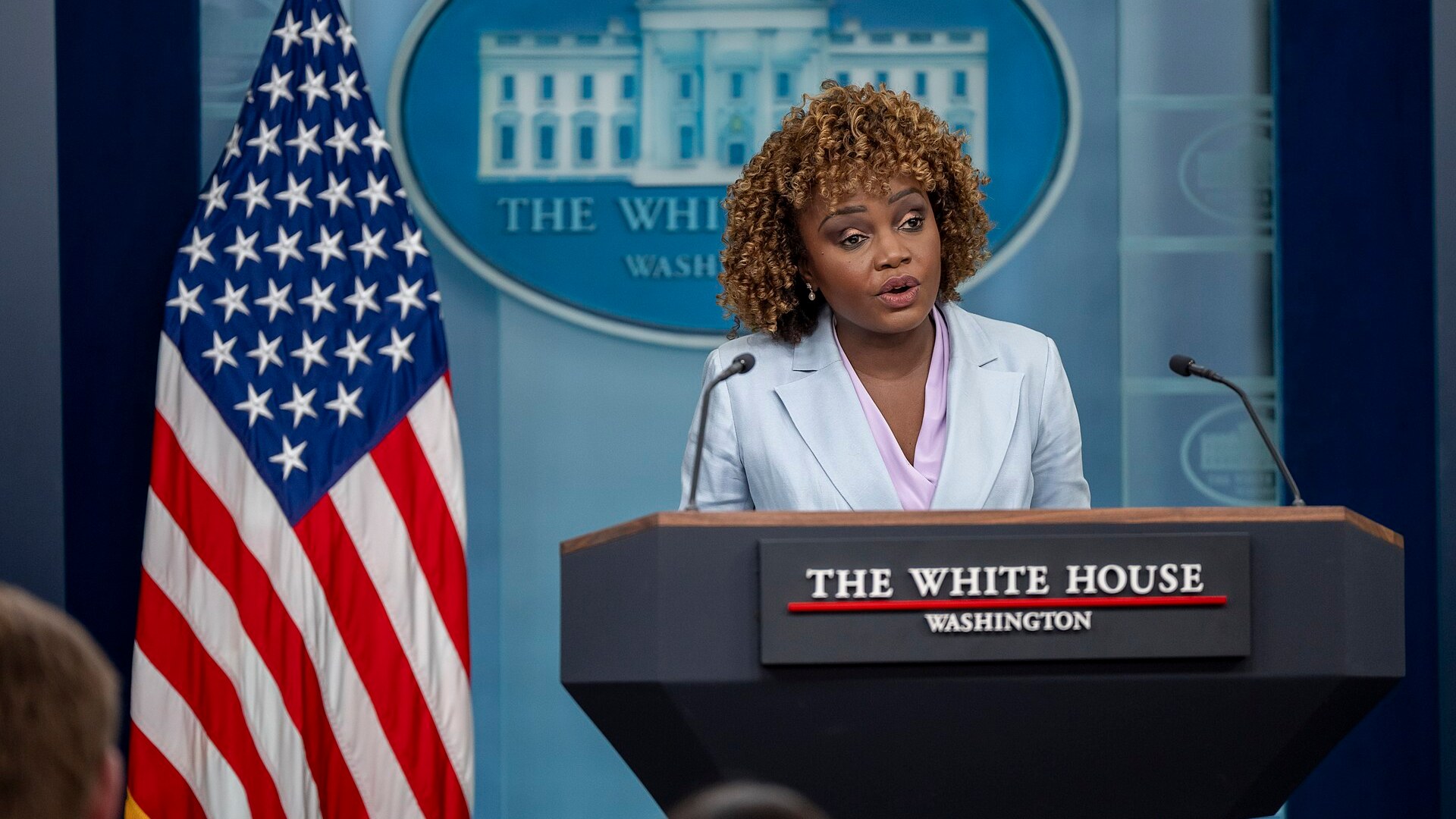
20. James S. Brady Press Briefing Room
President Richard Nixon converted the indoor swimming pool into a press room in 1970 to give journalists dedicated space near the Oval Office. It was renamed in 2000 for Press Secretary James Brady, who was wounded in the 1981 assassination attempt on Ronald Reagan.
©Wikimedia / The White House
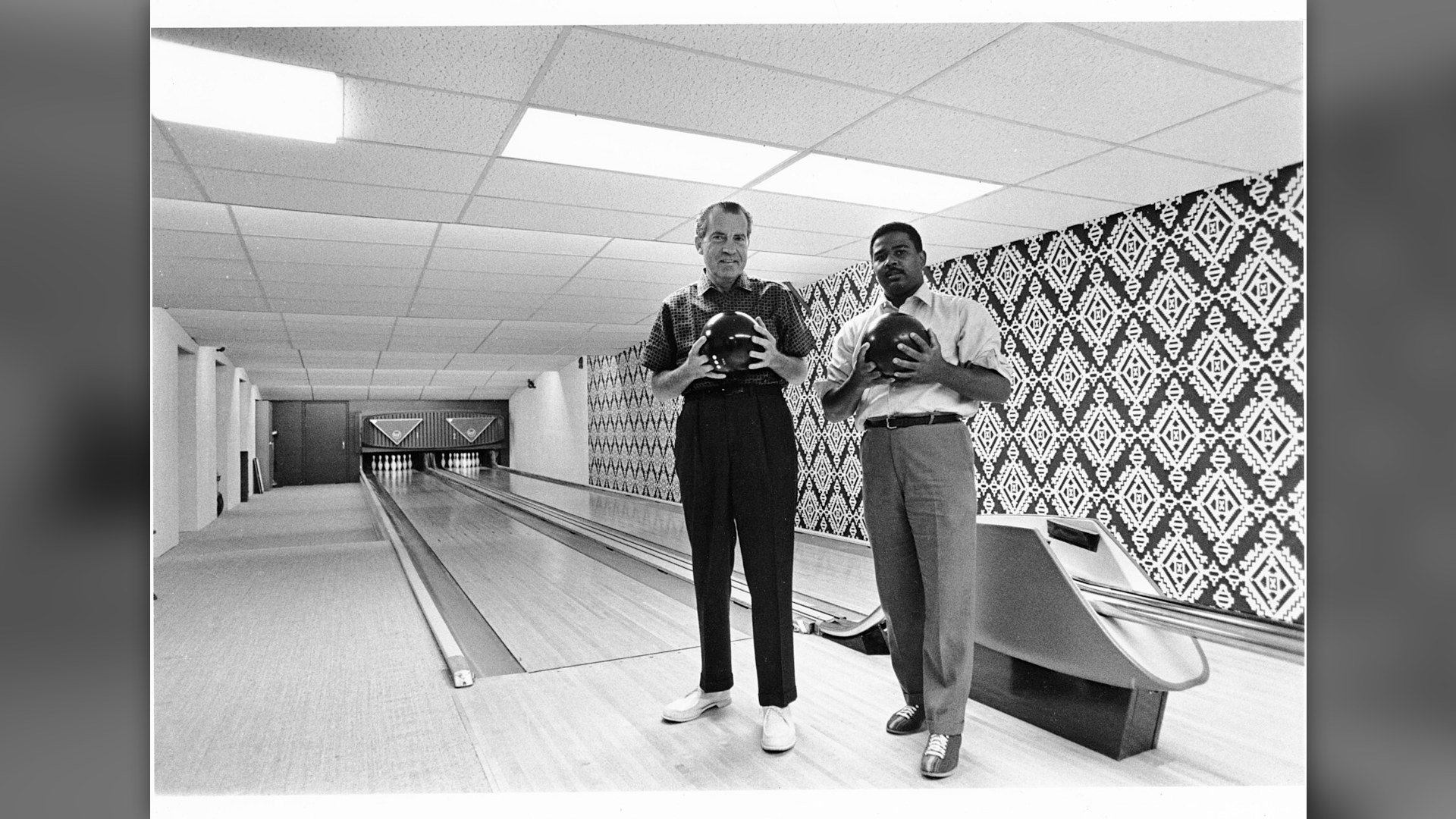
19. White House Bowling Alley
Harry Truman received two lanes in the Old Executive Office Building in 1947, and Richard Nixon added a private one-lane alley directly under the White House in 1969. Nixon often bowled solo after work, and the basement lane remains an active recreation spot.
©Wikimedia / President (1969-1974 : Nixon). White House Photo
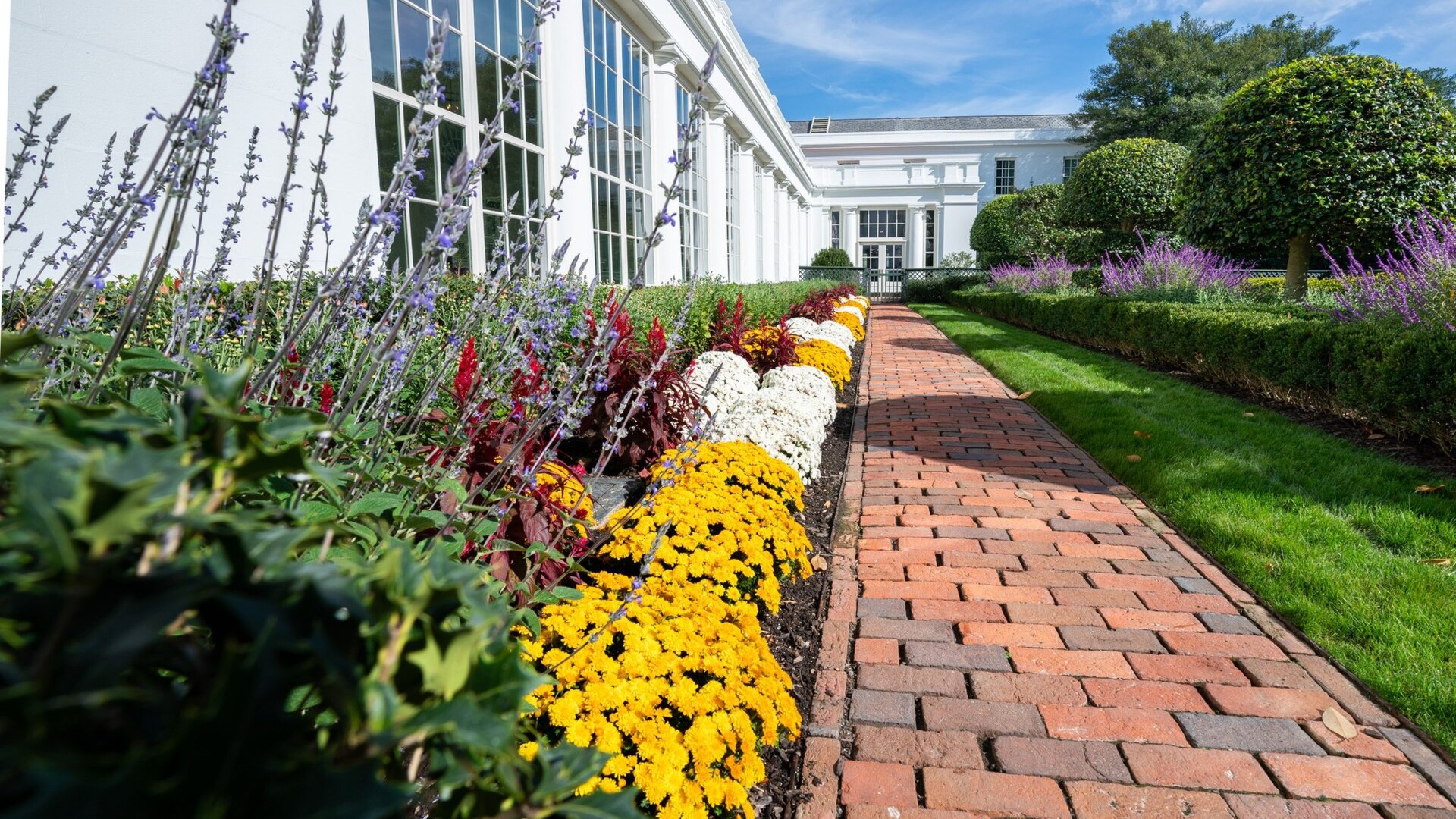
18. White House Rose Garden
Ellen Axson Wilson established the first rose garden on the site in 1913. In 1961, President John F. Kennedy asked philanthropist Rachel Lambert Mellon to redesign it with an open central turf panel framed by crabapple trees, boxwood, and seasonal blooms.
©Wikimedia / Office of the President of the United States
Advertisement
Swipe or tap ▶ to resume the countdown.
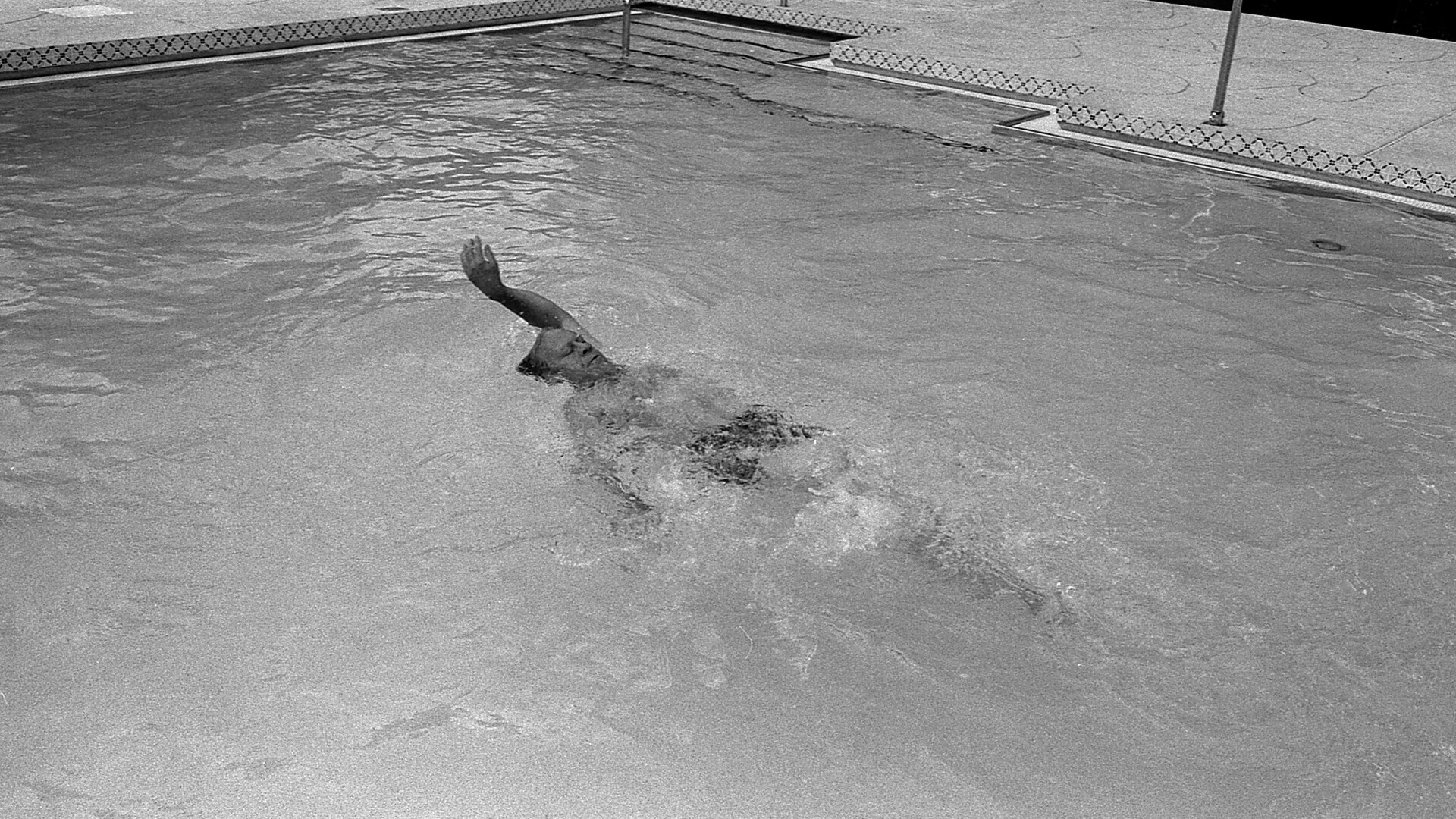
17. White House Swimming Pool
Donated private funds financed the outdoor pool near the West Wing after Nixon paved over Franklin Roosevelt's 1933 indoor pool for the press corps. Ford swam laps nearly every day and added a small cabana with showers and locker rooms beside the deck.
©Wikimedia / U.S. National Archives and Records Administratio
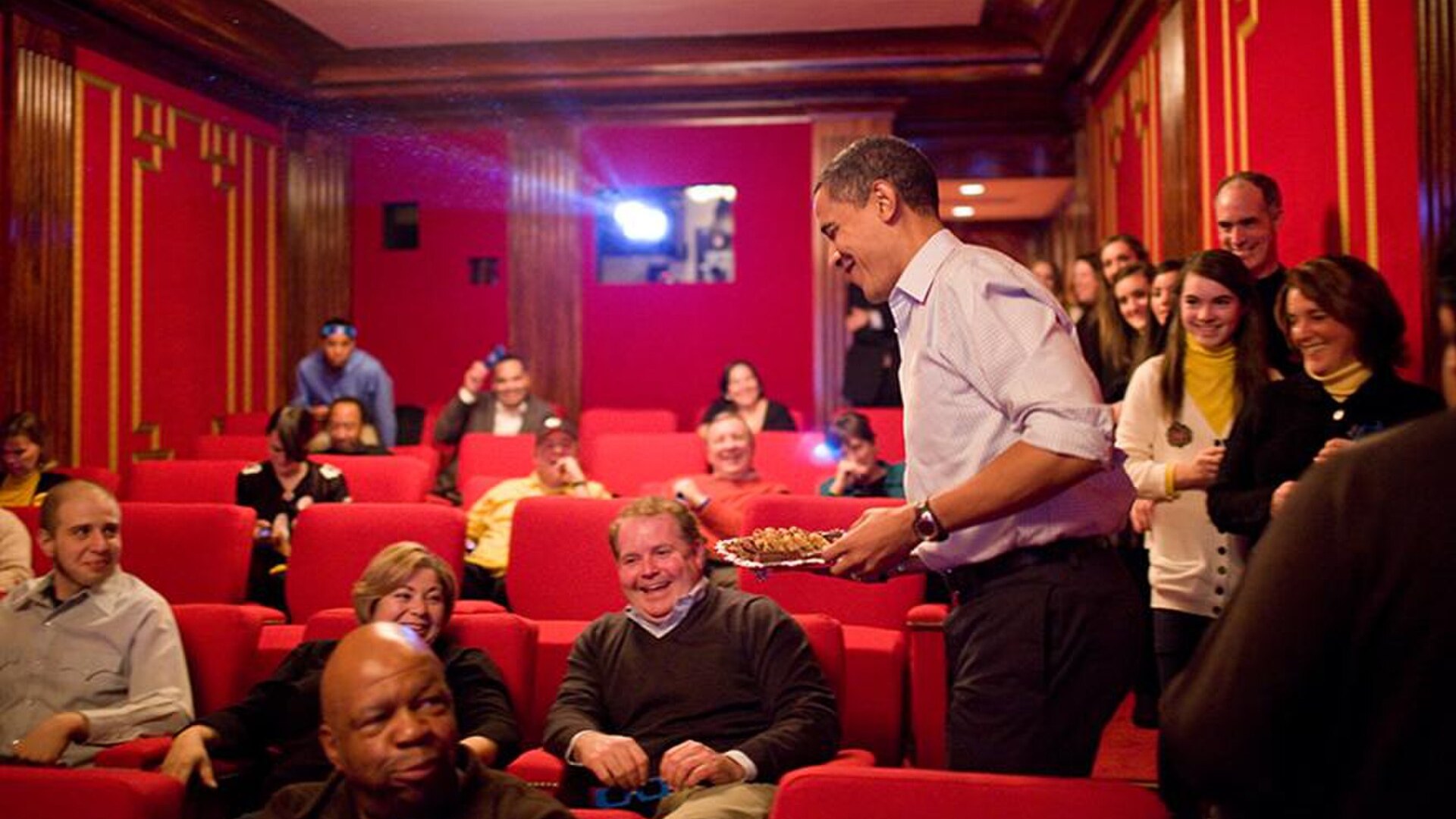
16. White House Family Theater
Converted from a cloakroom in 1942 under Franklin Roosevelt, the small cinema allowed presidents to preview new films before wide release. George W. Bush rehearsed his 2004 State of the Union address on its stage, and Barack Obama hosted Super Bowl watch parties there.
©Wikimedia / Pete Souza
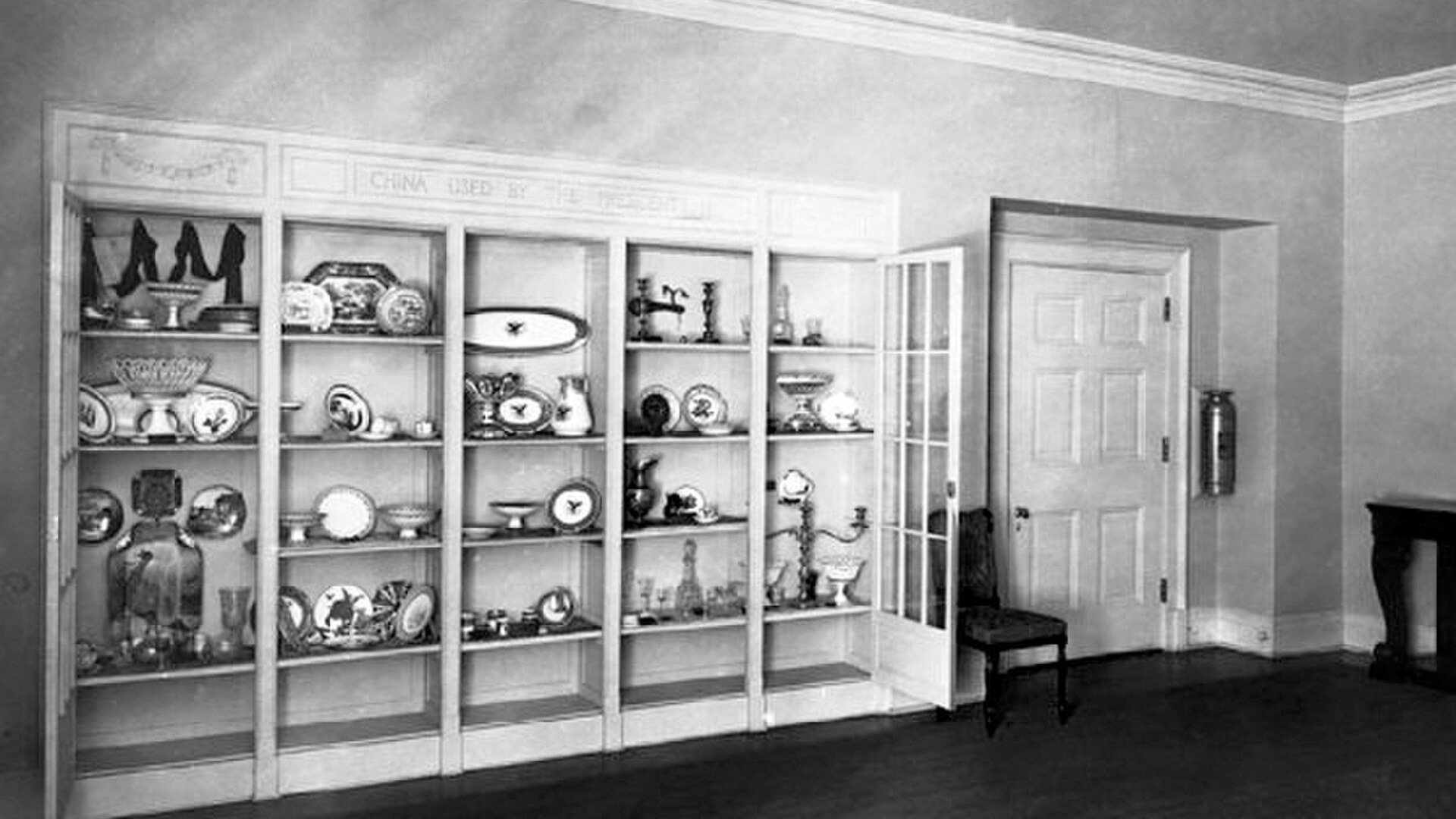
15. White House China Room
First Lady Edith Bolling Galt Wilson designated this room in 1917 to display presidential porcelain collected since the 18th century. Pieces range from George Washington's Chinese export plates to custom state services commissioned by later administrations.
©Wikimedia / White House
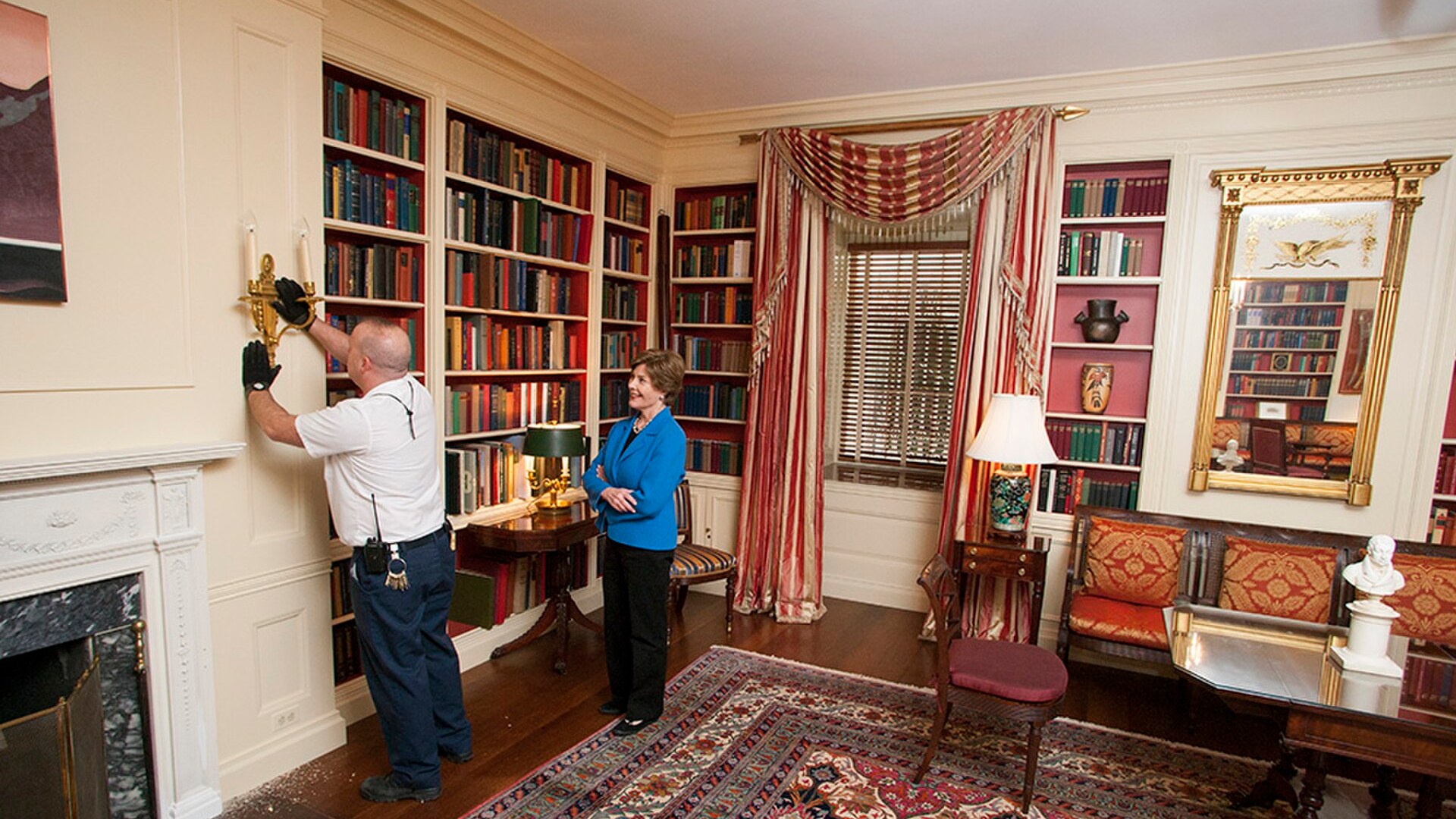
14. White House Library
Originally a laundry room until the 1902 Theodore Roosevelt renovation, the space became a formal library in 1935. The White House Historical Association maintains the collection, and presidents often use its warm paneled backdrop for television interviews.
©Wikimedia / Shealeah Craighead
Advertisement
Swipe or tap ▶ to resume the countdown.
13. Diplomatic Reception Room
Franklin Roosevelt delivered most of his Fireside Chats by radio from the hearth in this Ground Floor room between 1933 and 1944. Jacqueline Kennedy later oversaw its redecoration with 1834 French scenic wallpaper depicting American landscapes.
©Wikimedia / President (1981-1989 : Reagan). White House Phot
12. White House Map Room
Franklin Roosevelt set up the secret Map Room in early 1942 so military aides could track Allied troop and convoy movements around the clock. Presidents since the Cold War have used the quiet space for one-on-one talks, interviews, and small briefings.
©Wikimedia / President (1993-2001 : Clinton). White House Pho
11. White House Green Room
James Hoban designed this State Floor room as the Common Dining Room before James Monroe furnished it as a card room with green silk upholstery in 1817. First Ladies later used the parlor for small teas, receptions, and musical performances.
©Wikimedia / Miscellaneous Items in High Demand, PPOC, Librar
10. White House Blue Room
John Adams held the White House's first formal reception in this room in 1801, and Grover Cleveland married Frances Folsom here in 1886. Its three tall windows overlook the South Lawn, and the ceiling is high enough to hold the main White House Christmas tree.
©Wikimedia / Harrison Keely
Advertisement
Swipe or tap ▶ to resume the countdown.
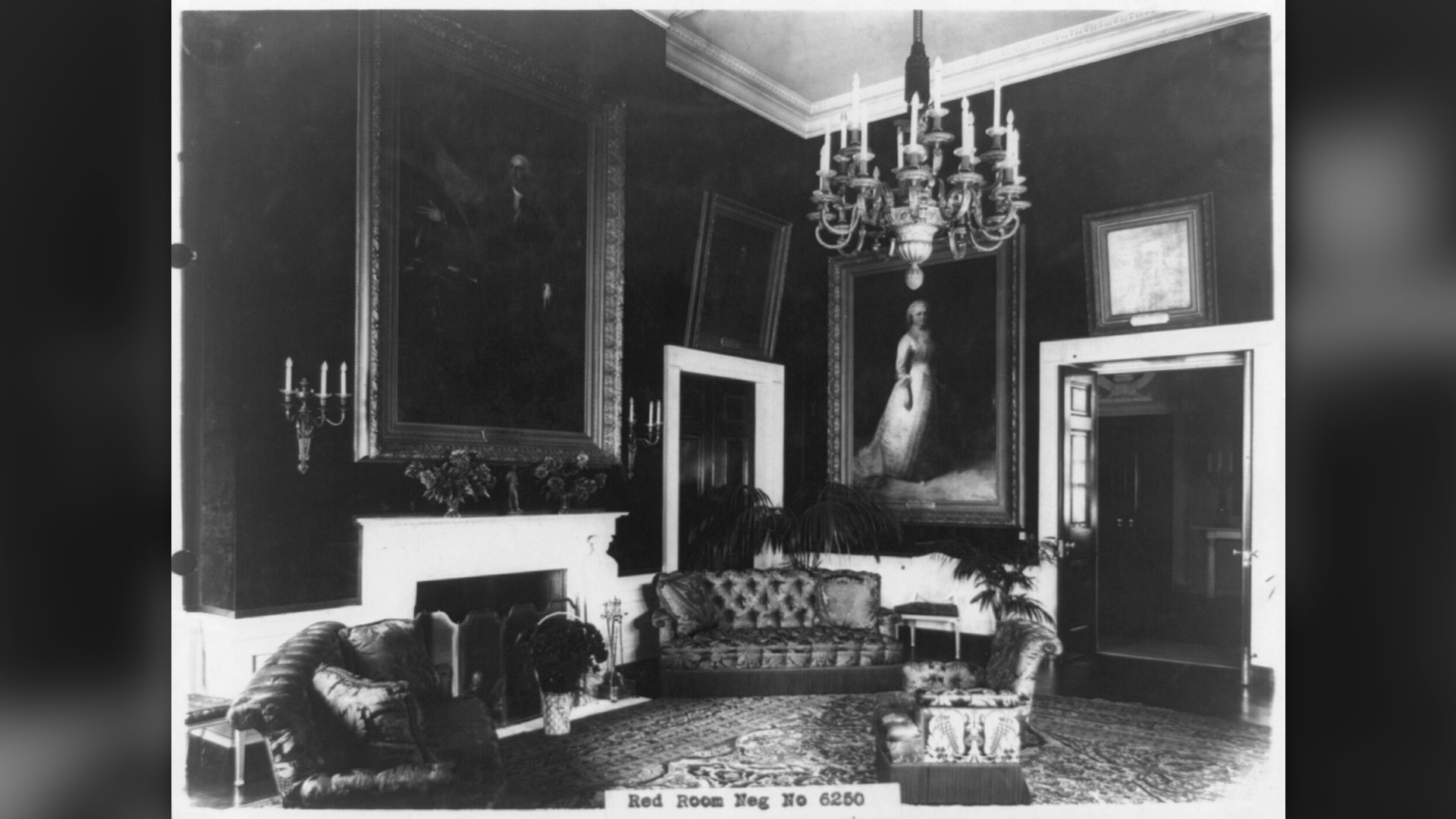
9. White House Red Room
Dolley Madison helped turn the Red Room into Washington's favorite social salon in the 1810s. Rutherford B. Hayes took the presidential oath of office secretly inside this parlor in 1877 to prevent disruptions ahead of his public ceremony.
©Wikimedia / National Photo Company Collection
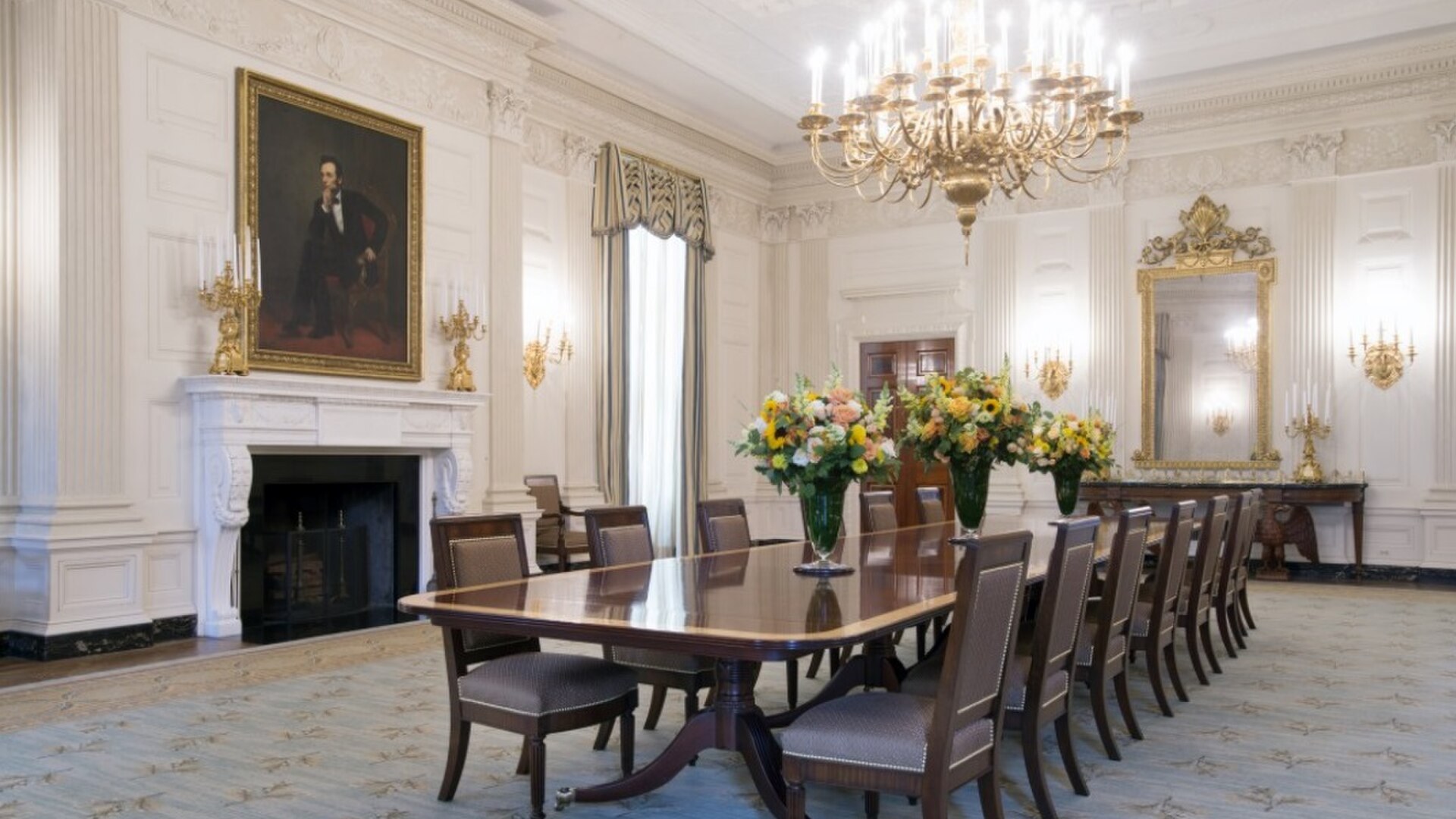
8. State Dining Room
Architect Charles McKim enlarged the dining hall in 1902 by removing a staircase, nearly doubling its capacity for formal banquets. The carved oak paneling and white marble mantel carry an 1800 blessing written by John Adams on his second night in the house.
©Wikimedia / The White House
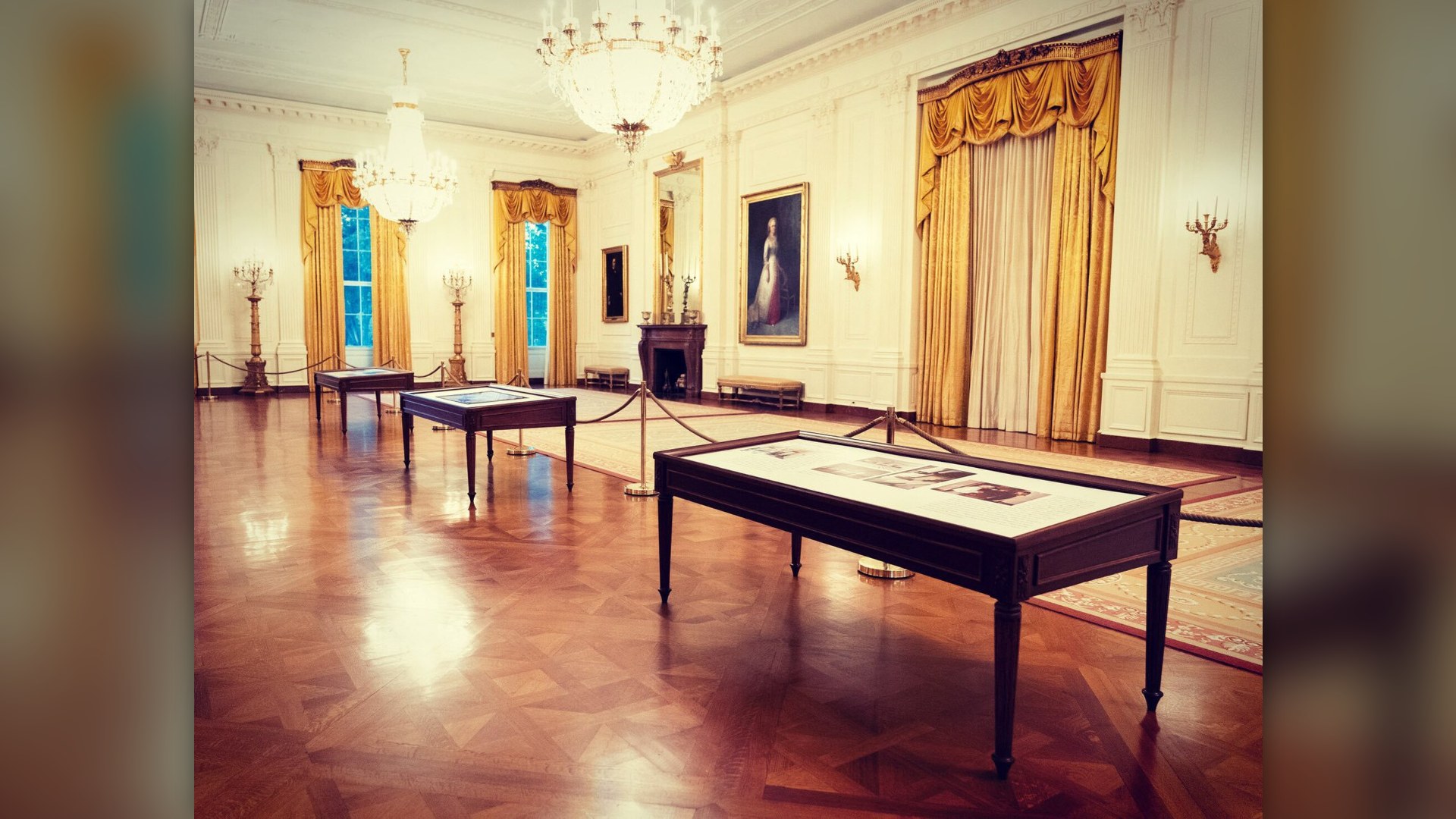
7. White House East Room
At 80 feet long, the East Room has served as a ballroom, a temporary Union barracks during the Civil War, and the site of seven presidential lyings in state. Three cut-glass chandeliers installed in 1902 hang above a restored parquet oak floor.
©Wikimedia / Office of First Lady
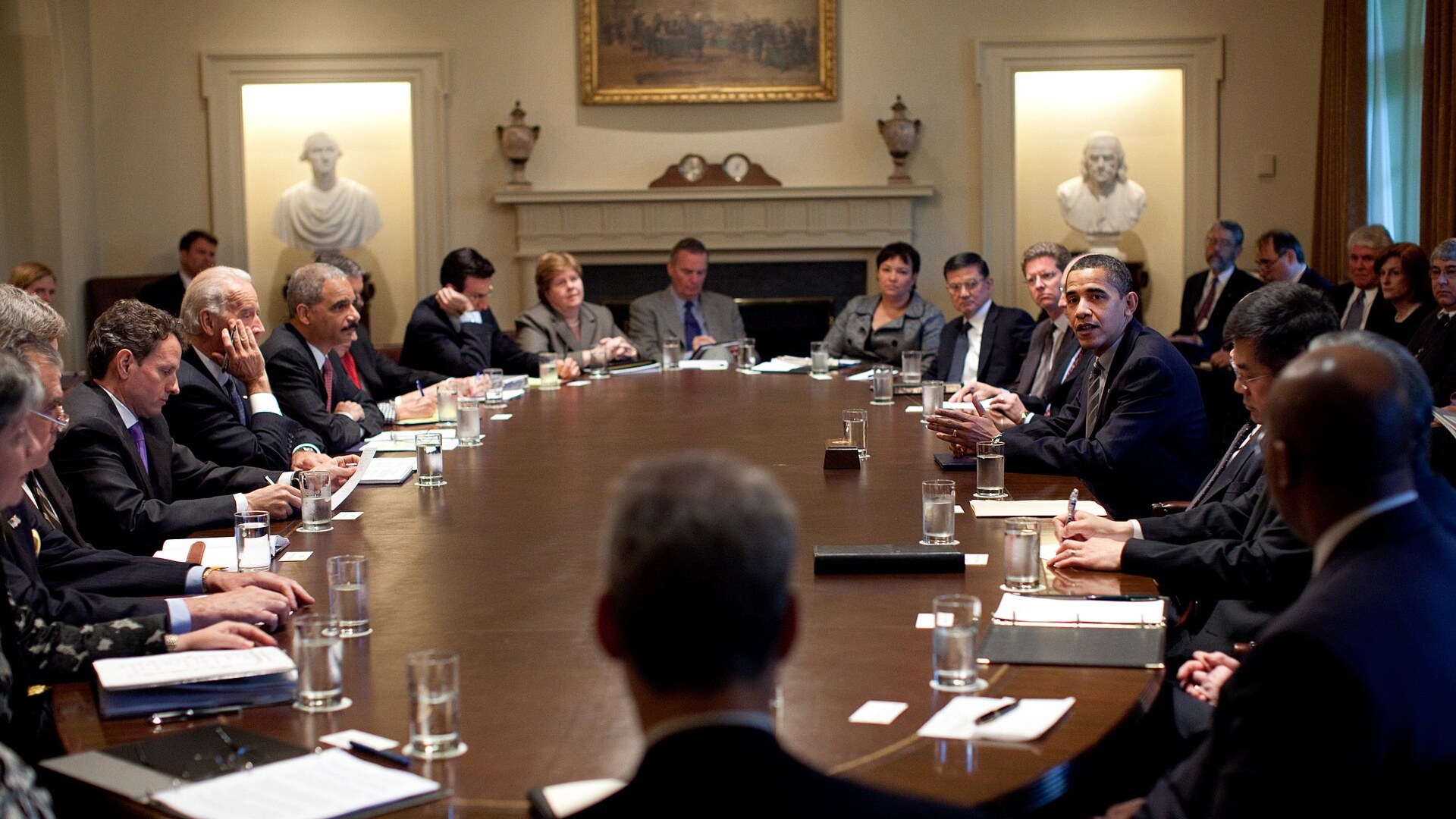
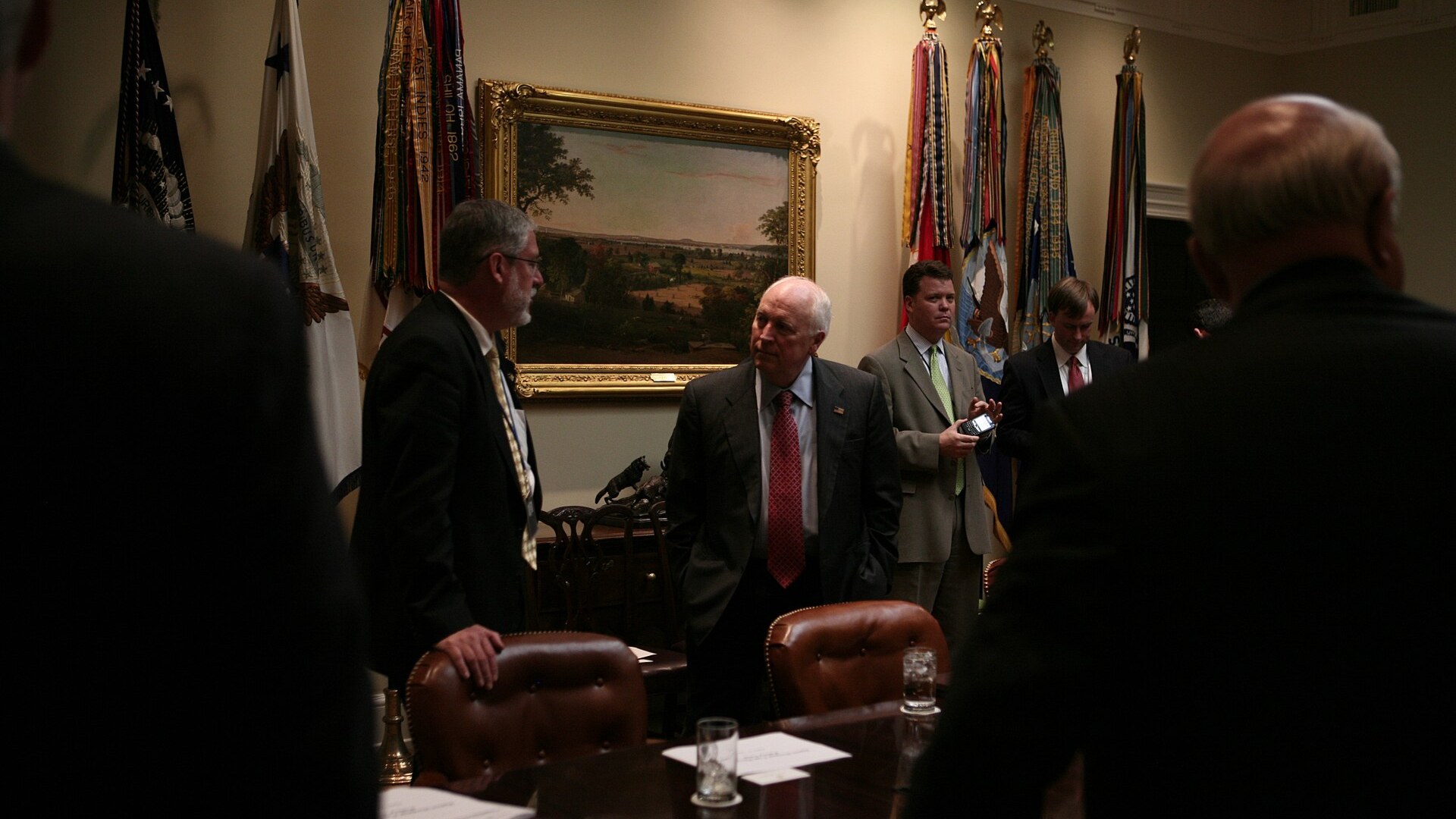
6. White House Cabinet Room
Designed in 1934 during Franklin Roosevelt's West Wing expansion, the room sits directly beside the Rose Garden. The president sits in the center of the mahogany table facing the garden windows, and exiting secretaries may buy their chairs as keepsakes.
©Wikimedia / Pete Souza
Advertisement
Swipe or tap ▶ to resume the countdown.
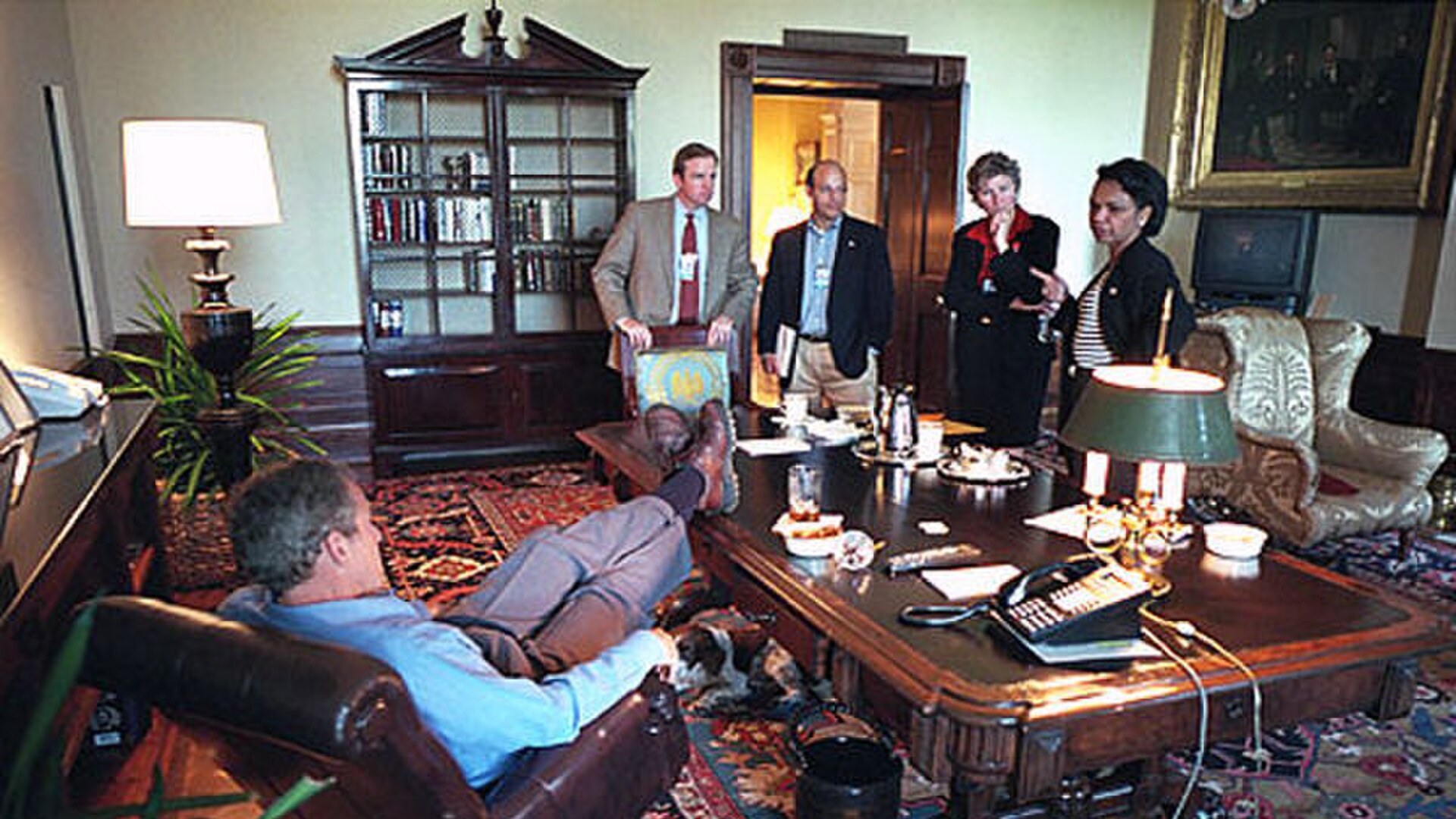
5. White House Roosevelt Room
Originally the site of Theodore Roosevelt's 1902 presidential office, the room was renamed in 1969 by Richard Nixon to honor both Theodore and Franklin Roosevelt. It holds staff policy meetings, bill-signing prep sessions, and bipartisan briefings.
©Wikimedia / President (2001-2009 : Bush). Office of Manageme
4. White House Treaty Room
From Andrew Johnson through Theodore Roosevelt, this upper-floor chamber served as the official Cabinet Room. Presidents later used it as a private study where treaties like the 1963 Limited Nuclear Test Ban Treaty were signed on its historic table.
©Wikimedia / White House
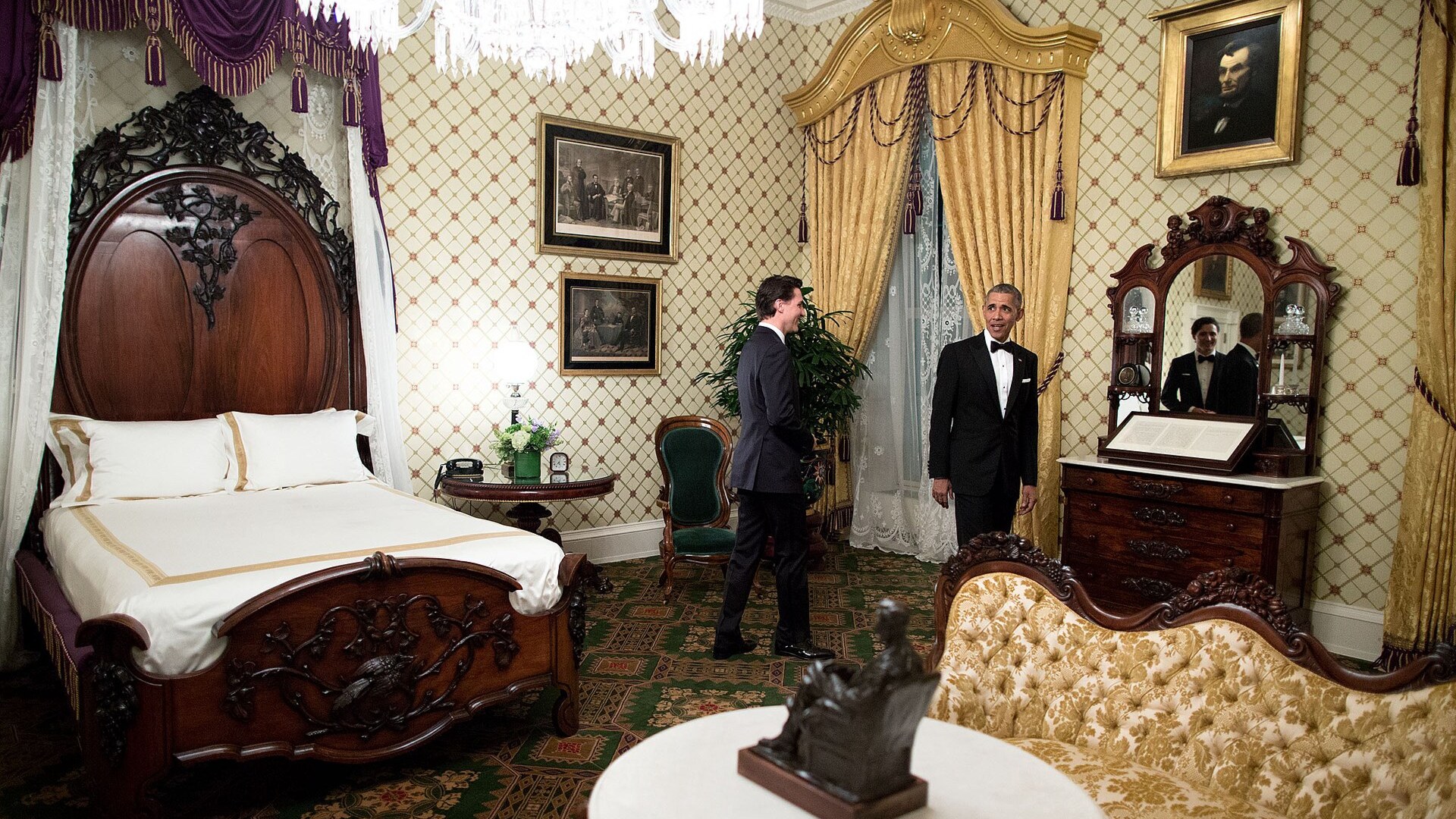
3. Lincoln Bedroom
Abraham Lincoln never slept in this bed, because he used the second-floor room as his office and Cabinet chamber during the Civil War. He signed the Emancipation Proclamation at a table inside this room on January 1, 1863.
©Wikimedia / Pete Souza
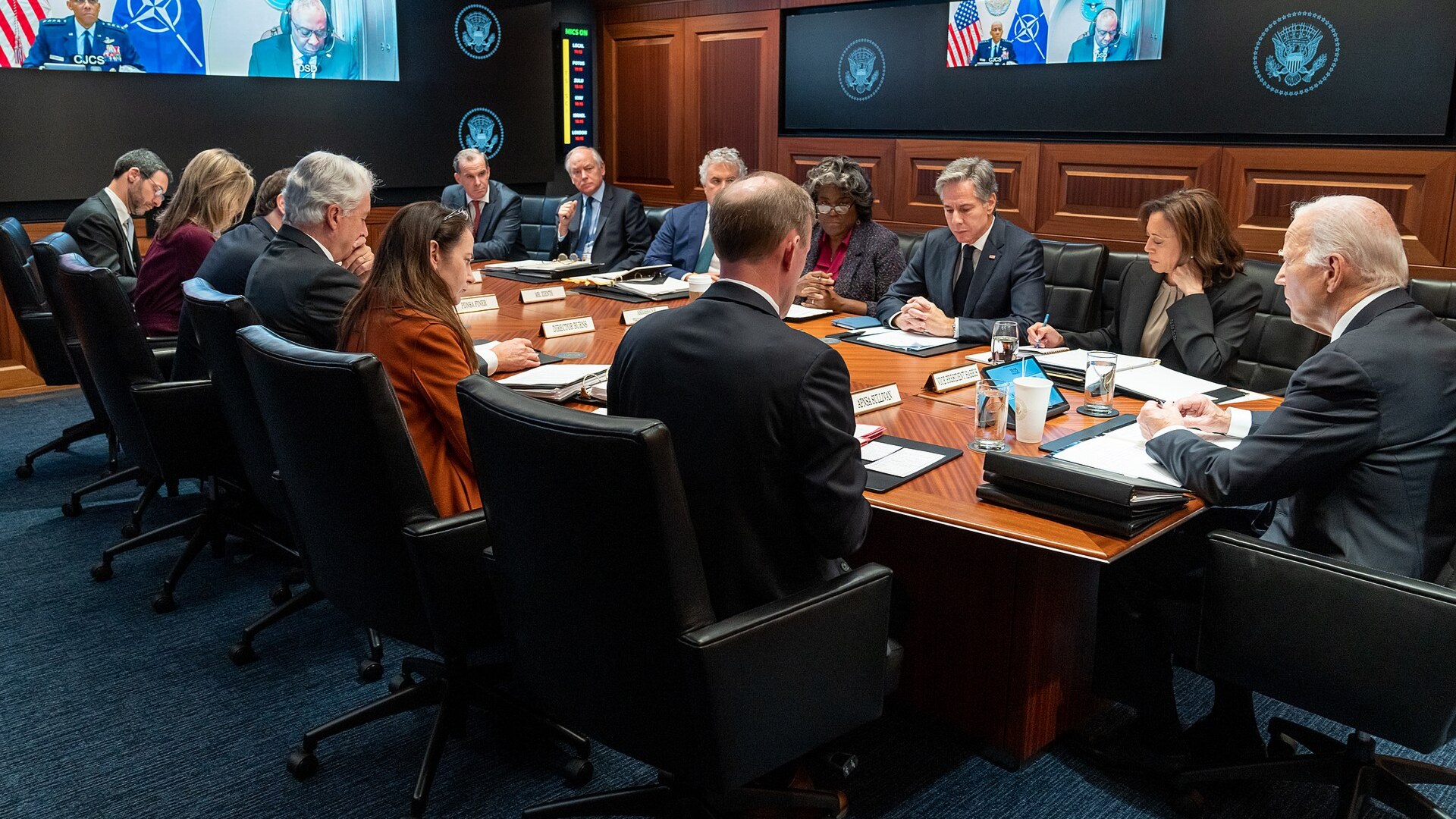
2. White House Situation Room
John F. Kennedy ordered the Situation Room built in 1961 after the Bay of Pigs invasion exposed communication gaps with intelligence agencies. A 50-million-dollar overhaul finished in 2023 rebuilt its secure briefing suites, mahogany tables, and video walls.
©Wikimedia / The White House
Advertisement
Swipe or tap ▶ to resume the countdown.
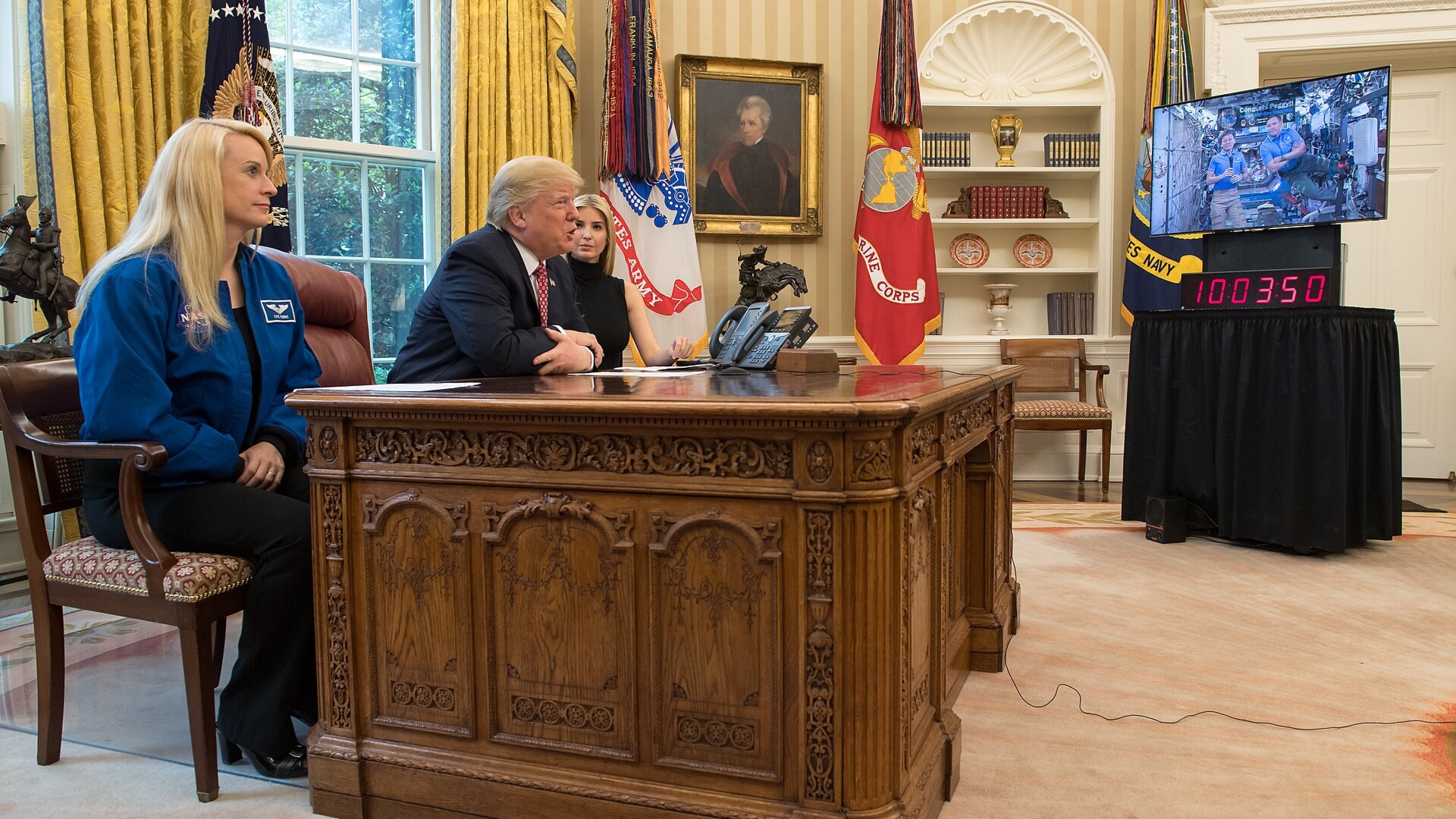
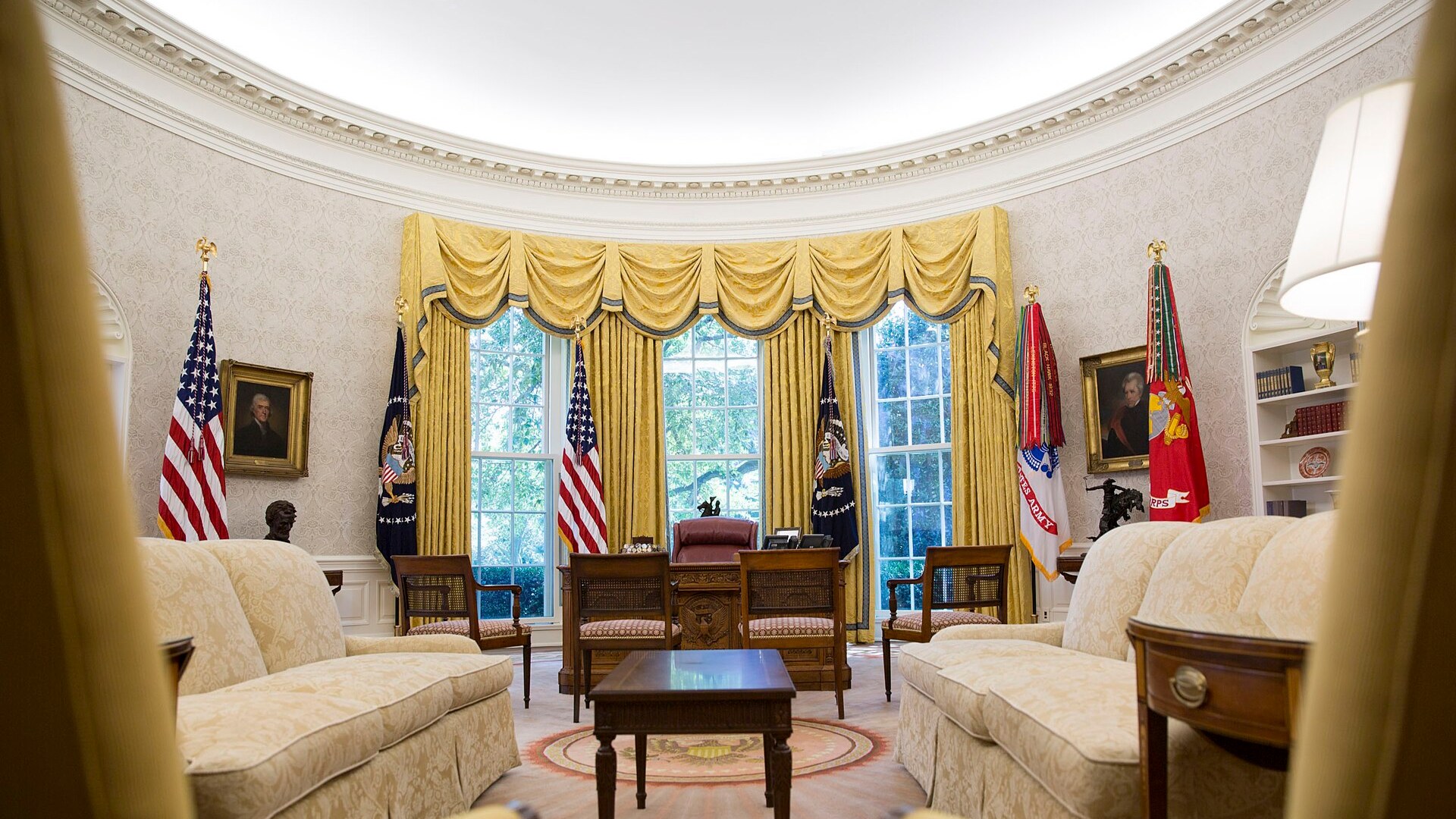
1. The Oval Office And Resolute Desk
President William Howard Taft moved into the first Oval Office in 1909, and Franklin Roosevelt relocated it to the West Wing corner in 1934. Queen Victoria gifted the 1,300-pound oak desk to Rutherford B. Hayes in 1880 from the salvaged HMS Resolute.
©ESA / Bill Ingalls
Advertisement
You've reached the end of the story. Thanks for reading!

20 Historic Photos That Captured Major British News Moments
From Armistice crowds in 1918 to the 2023 coronation, these 20 archive photographs capture major turning points in modern British public life. Each frame records the exact date, place, and public figures present as Britain marked wartime survival, royal milestones, political shifts, and sporting history.
All 20 Entries in this Story
#20 James S. Brady Press Briefing Room
President Richard Nixon converted the indoor swimming pool into a press room in 1970 to give journalists dedicated space near the Oval Office. It was renamed in 2000 for Press Secretary James Brady, who was wounded in the 1981 assassination attempt on Ronald Reagan.

#19 White House Bowling Alley
Harry Truman received two lanes in the Old Executive Office Building in 1947, and Richard Nixon added a private one-lane alley directly under the White House in 1969. Nixon often bowled solo after work, and the basement lane remains an active recreation spot.

#18 White House Rose Garden
Ellen Axson Wilson established the first rose garden on the site in 1913. In 1961, President John F. Kennedy asked philanthropist Rachel Lambert Mellon to redesign it with an open central turf panel framed by crabapple trees, boxwood, and seasonal blooms.

#17 White House Swimming Pool
Donated private funds financed the outdoor pool near the West Wing after Nixon paved over Franklin Roosevelt's 1933 indoor pool for the press corps. Ford swam laps nearly every day and added a small cabana with showers and locker rooms beside the deck.

#16 White House Family Theater
Converted from a cloakroom in 1942 under Franklin Roosevelt, the small cinema allowed presidents to preview new films before wide release. George W. Bush rehearsed his 2004 State of the Union address on its stage, and Barack Obama hosted Super Bowl watch parties there.

#15 White House China Room
First Lady Edith Bolling Galt Wilson designated this room in 1917 to display presidential porcelain collected since the 18th century. Pieces range from George Washington's Chinese export plates to custom state services commissioned by later administrations.

#14 White House Library
Originally a laundry room until the 1902 Theodore Roosevelt renovation, the space became a formal library in 1935. The White House Historical Association maintains the collection, and presidents often use its warm paneled backdrop for television interviews.

#13 Diplomatic Reception Room
Franklin Roosevelt delivered most of his Fireside Chats by radio from the hearth in this Ground Floor room between 1933 and 1944. Jacqueline Kennedy later oversaw its redecoration with 1834 French scenic wallpaper depicting American landscapes.

#12 White House Map Room
Franklin Roosevelt set up the secret Map Room in early 1942 so military aides could track Allied troop and convoy movements around the clock. Presidents since the Cold War have used the quiet space for one-on-one talks, interviews, and small briefings.

#11 White House Green Room
James Hoban designed this State Floor room as the Common Dining Room before James Monroe furnished it as a card room with green silk upholstery in 1817. First Ladies later used the parlor for small teas, receptions, and musical performances.

#10 White House Blue Room
John Adams held the White House's first formal reception in this room in 1801, and Grover Cleveland married Frances Folsom here in 1886. Its three tall windows overlook the South Lawn, and the ceiling is high enough to hold the main White House Christmas tree.

#9 White House Red Room
Dolley Madison helped turn the Red Room into Washington's favorite social salon in the 1810s. Rutherford B. Hayes took the presidential oath of office secretly inside this parlor in 1877 to prevent disruptions ahead of his public ceremony.

#8 State Dining Room
Architect Charles McKim enlarged the dining hall in 1902 by removing a staircase, nearly doubling its capacity for formal banquets. The carved oak paneling and white marble mantel carry an 1800 blessing written by John Adams on his second night in the house.

#7 White House East Room
At 80 feet long, the East Room has served as a ballroom, a temporary Union barracks during the Civil War, and the site of seven presidential lyings in state. Three cut-glass chandeliers installed in 1902 hang above a restored parquet oak floor.

#6 White House Cabinet Room
Designed in 1934 during Franklin Roosevelt's West Wing expansion, the room sits directly beside the Rose Garden. The president sits in the center of the mahogany table facing the garden windows, and exiting secretaries may buy their chairs as keepsakes.

#5 White House Roosevelt Room
Originally the site of Theodore Roosevelt's 1902 presidential office, the room was renamed in 1969 by Richard Nixon to honor both Theodore and Franklin Roosevelt. It holds staff policy meetings, bill-signing prep sessions, and bipartisan briefings.

#4 White House Treaty Room
From Andrew Johnson through Theodore Roosevelt, this upper-floor chamber served as the official Cabinet Room. Presidents later used it as a private study where treaties like the 1963 Limited Nuclear Test Ban Treaty were signed on its historic table.

#3 Lincoln Bedroom
Abraham Lincoln never slept in this bed, because he used the second-floor room as his office and Cabinet chamber during the Civil War. He signed the Emancipation Proclamation at a table inside this room on January 1, 1863.

#2 White House Situation Room
John F. Kennedy ordered the Situation Room built in 1961 after the Bay of Pigs invasion exposed communication gaps with intelligence agencies. A 50-million-dollar overhaul finished in 2023 rebuilt its secure briefing suites, mahogany tables, and video walls.

#1 The Oval Office And Resolute Desk
President William Howard Taft moved into the first Oval Office in 1909, and Franklin Roosevelt relocated it to the West Wing corner in 1934. Queen Victoria gifted the 1,300-pound oak desk to Rutherford B. Hayes in 1880 from the salvaged HMS Resolute.