Slideshow · Lifestyle
20 Common Thanksgiving Turkey Mistakes and Pro Chef Fixes
Roasting a tender holiday turkey requires sound kitchen science and careful heat control. Expert guidelines from the USDA Food Safety and Inspection Service, Butterball test kitchens, and culinary director J. Kenji Lopez-Alt explain how home cooks can avoid common roasting pitfalls and deliver juicy meat.


All 20 Entries in this Story
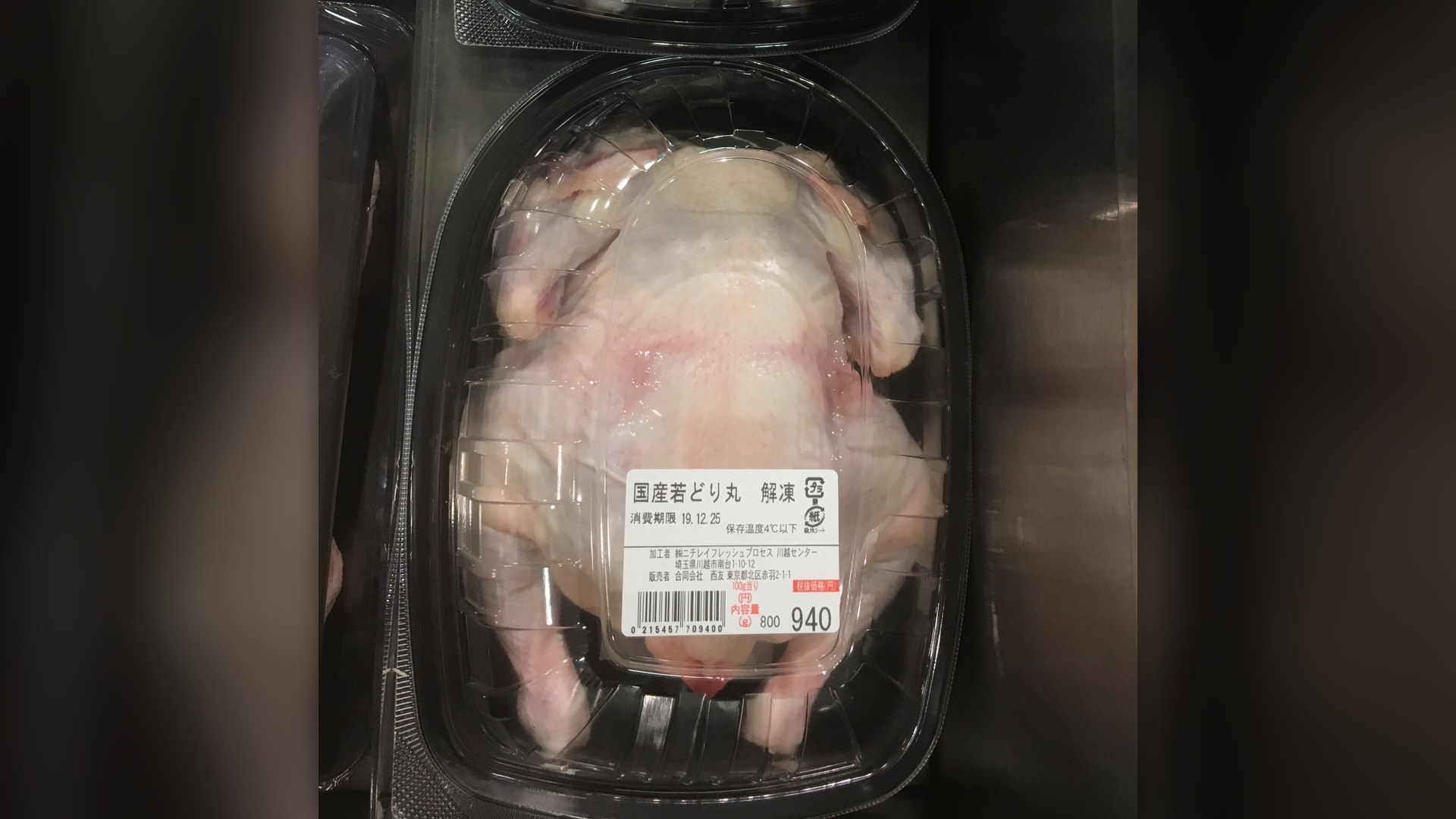
20. Thawing On The Kitchen Counter
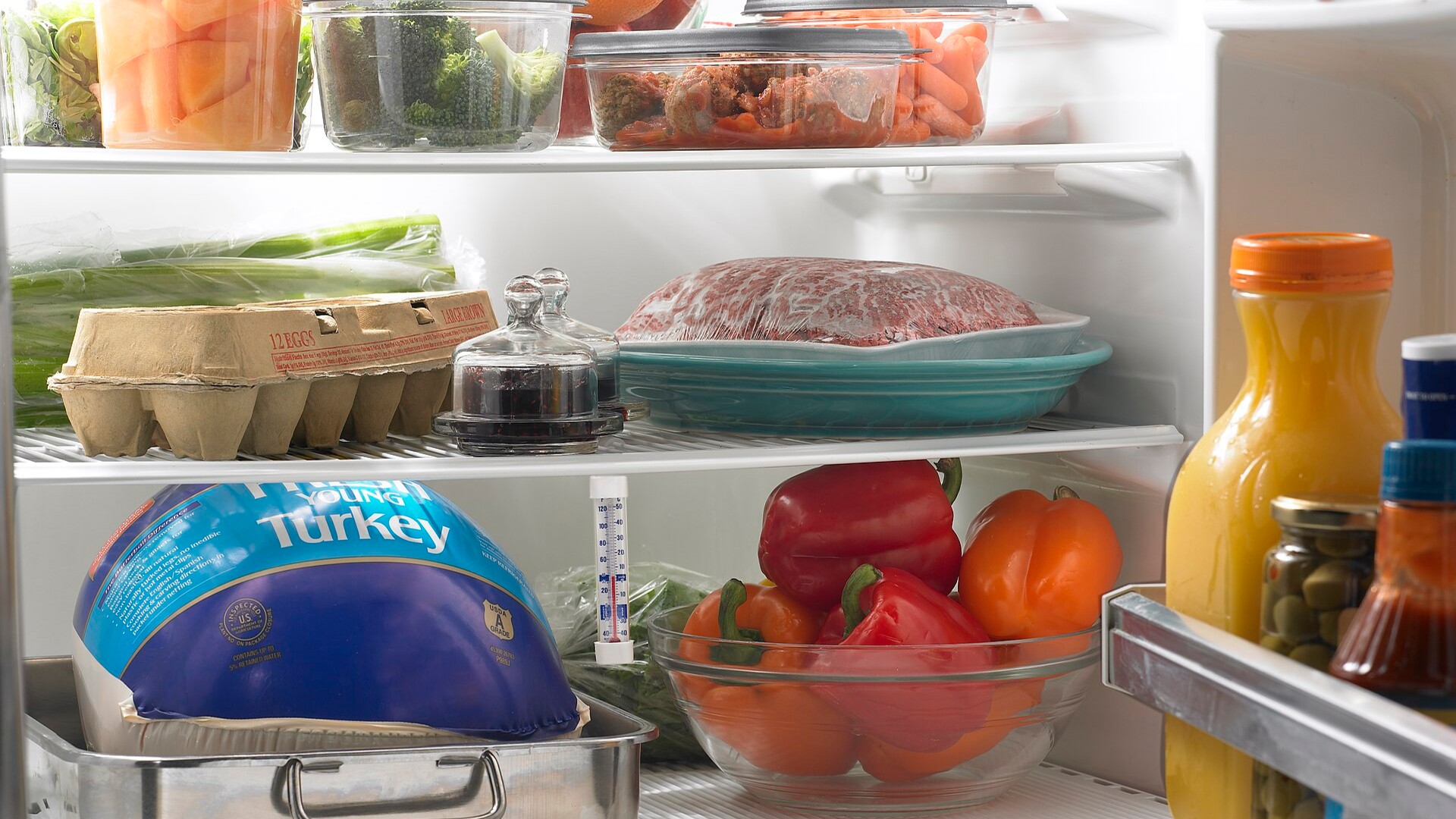
Leaving a frozen bird on the counter allows the outer meat to enter the food safety danger zone between 40 and 140 degrees Fahrenheit. The USDA Food Safety and Inspection Service advises thawing inside the refrigerator, allowing roughly 24 hours for every four to five pounds of poultry.
19. Washing Raw Poultry In The Sink
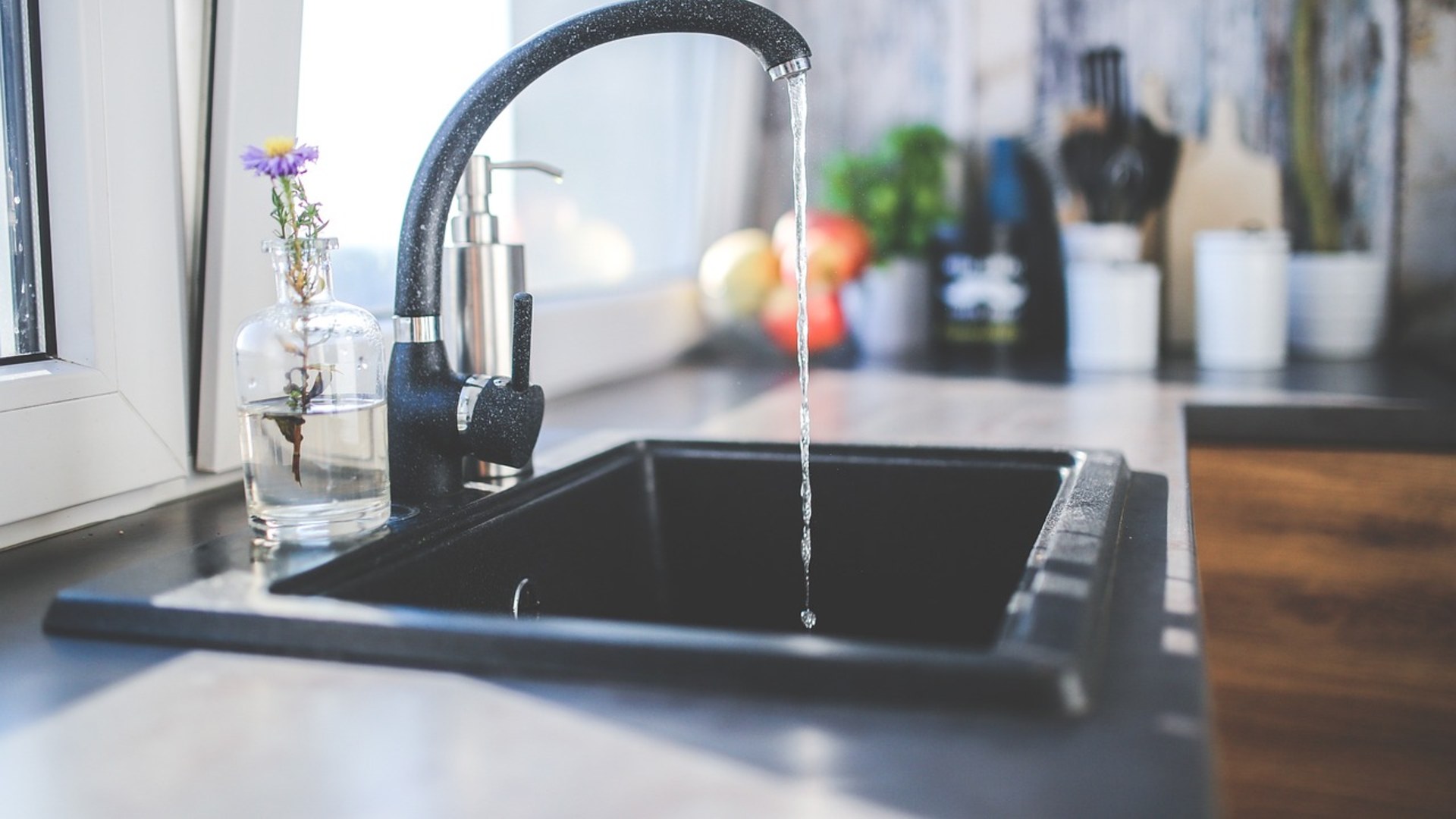
Rinsing raw poultry under the tap does not kill microbes and instead aerosolizes campylobacter and salmonella. Drexel University food safety research showed water droplets travel up to three feet across nearby prep areas. Blot the skin with clean disposable paper towels instead.
18. Leaving The Giblet Bag In The Cavity
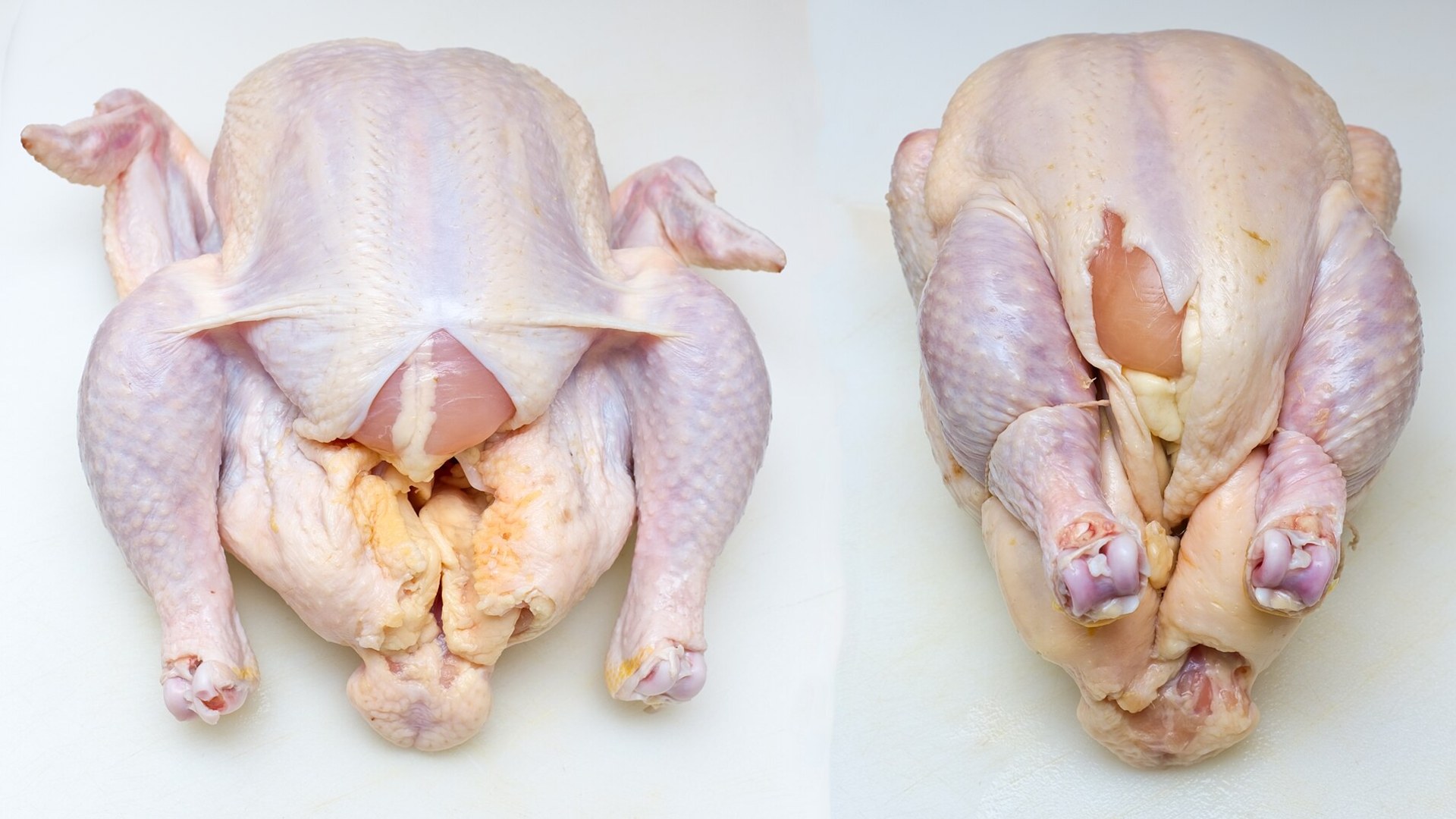
Commercial packers tuck the neck, heart, gizzard, and liver into paper or plastic wraps inside the bird cavities. Roasting with plastic wrap inside releases unwanted chemicals into the surrounding dark meat. Check both the neck cavity and body hollow before applying any rub.
17. Skipping The Salting Or Brining Step
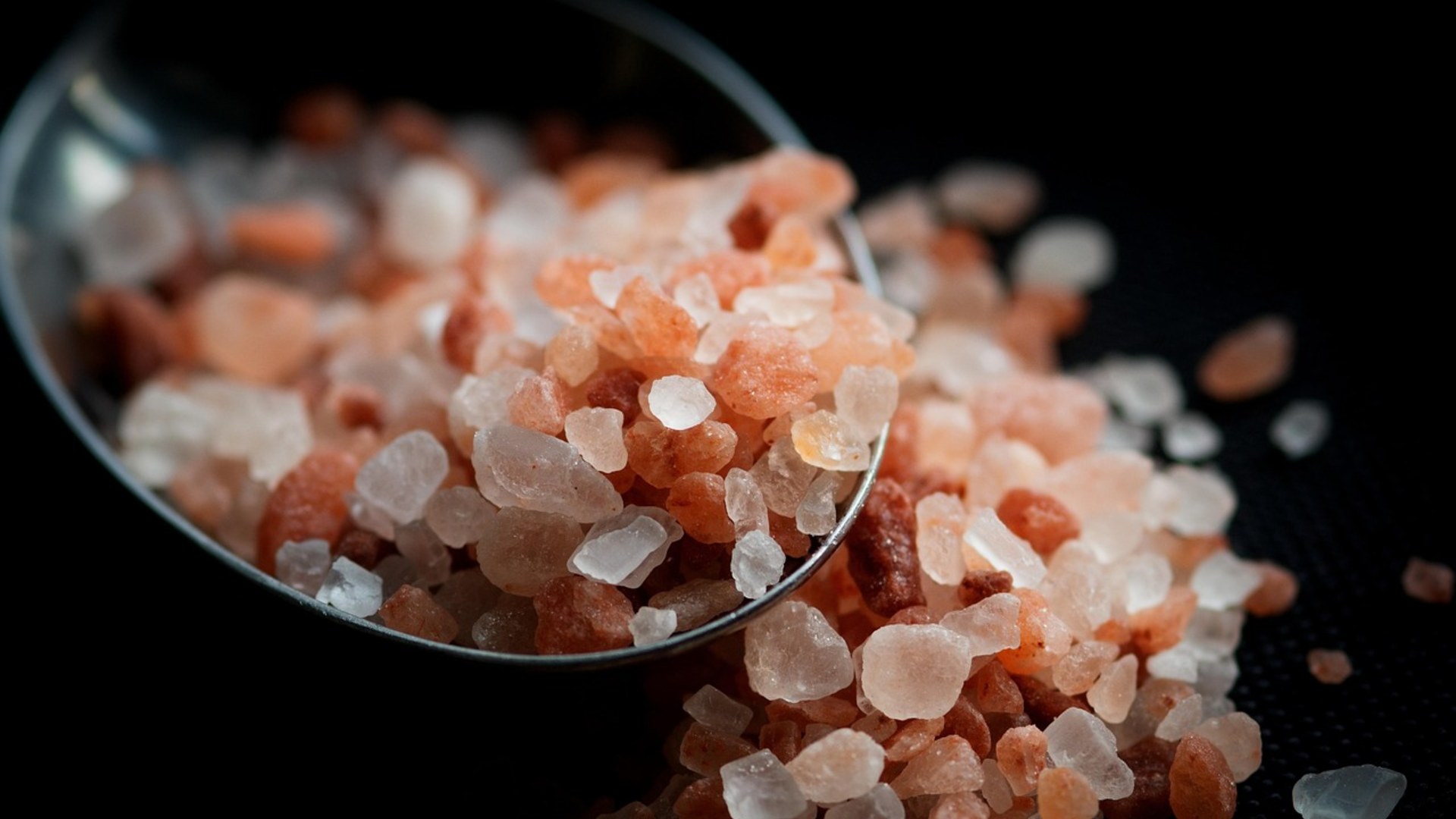
Unseasoned muscle fibers lose up to 30 percent of their natural moisture during roasting. Salt denatures the meat proteins, locking in moisture through osmosis. Food scientist J. Kenji Lopez-Alt recommends dry brining with kosher salt for 24 to 48 hours to retain juices.
16. Putting Wet Skin Directly In The Oven
Moisture on the skin must boil away before the Maillard browning reaction can start, resulting in rubbery, pale skin. Professional kitchens pat the turkey thoroughly dry, then leave it uncovered in the refrigerator overnight. Dry skin crisps quickly under moderate heat.
15. Stuffing The Raw Cavity With Bread
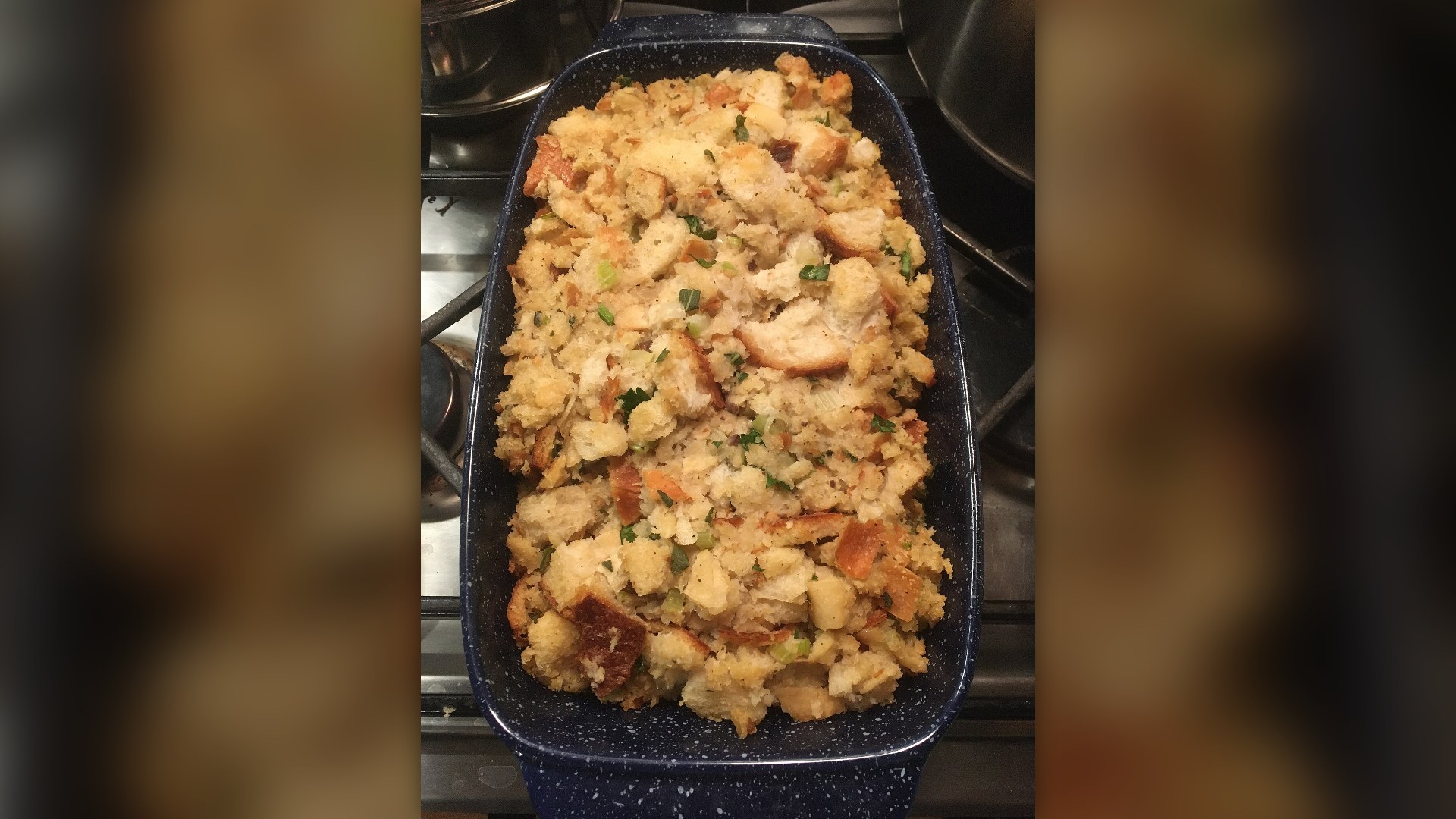
Baking stuffing inside the cavity creates a thick mass that requires long cook times to reach a safe 165 degrees Fahrenheit. By the time the core is safe, the delicate breast meat reaches 185 degrees and dries out. Bake stuffing separately in a shallow buttered casserole dish.
14. Trussing The Drumsticks Too Tightly
Tying drumsticks firmly against the body blocks oven heat from reaching the deep thigh joints. Thigh meat requires higher cooking temperatures than lean breast portions to dissolve tough connective tissue. Leaving the legs loose allows warm convective air to circulate freely.
13. Relying On The Factory Pop-Up Timer
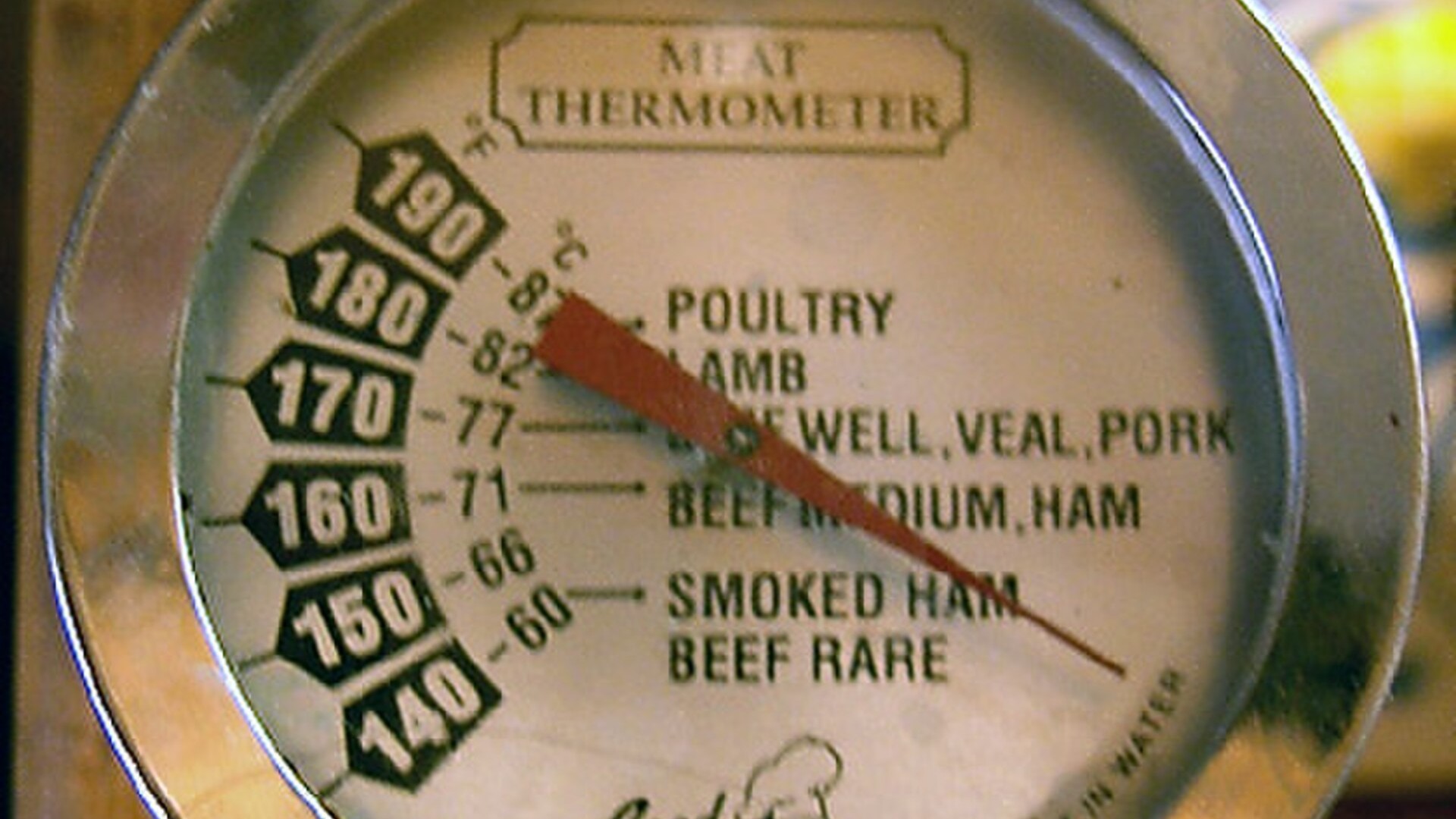
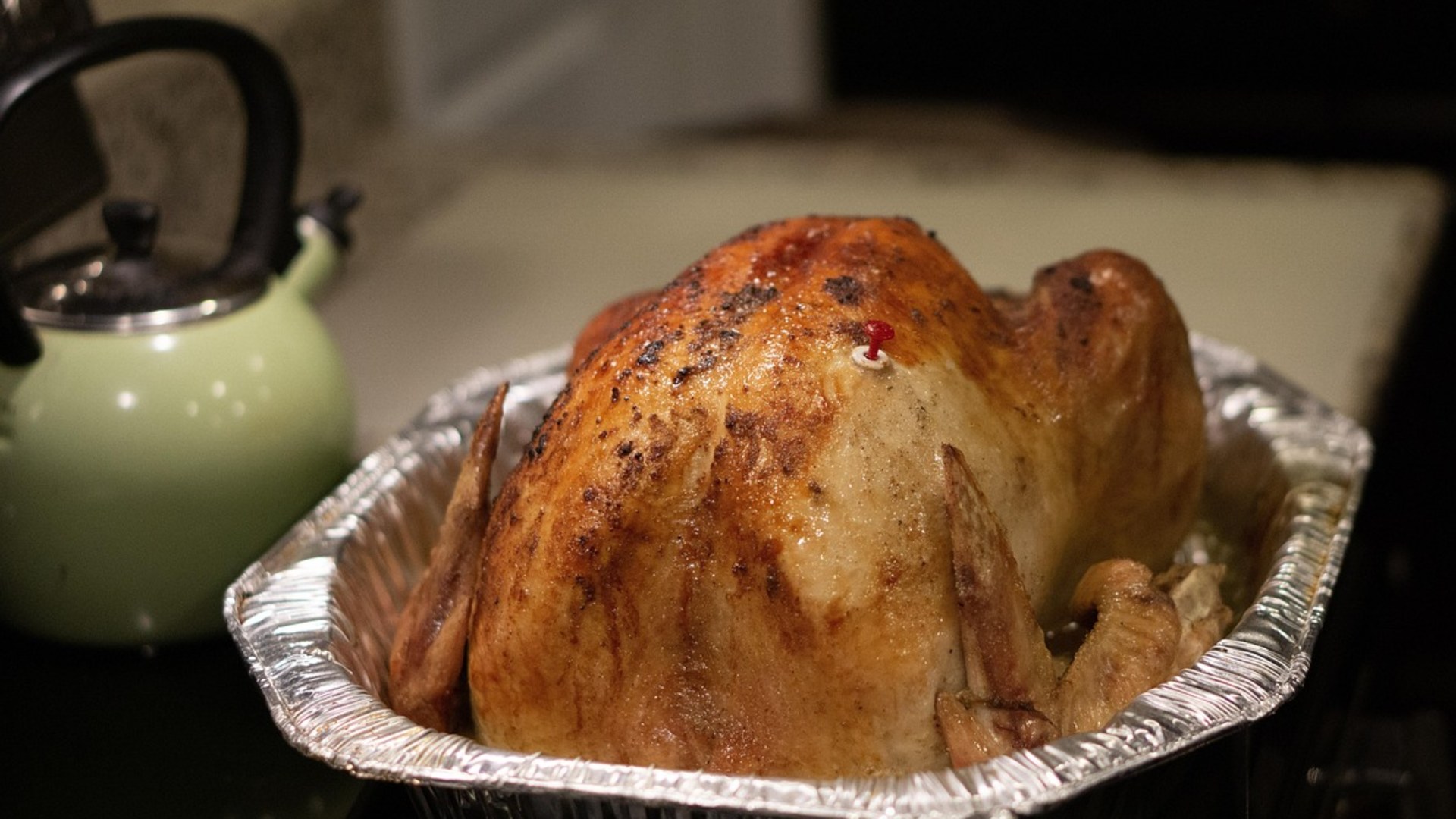
Manufacturer pop-up timers are held in place with metal solder that melts between 180 and 185 degrees Fahrenheit. Breast meat becomes dry and chalky above 160 degrees. Remove the red plastic gadget before roasting and use an accurate digital instant-read thermometer instead.
12. Roasting Directly On The Flat Pan Floor
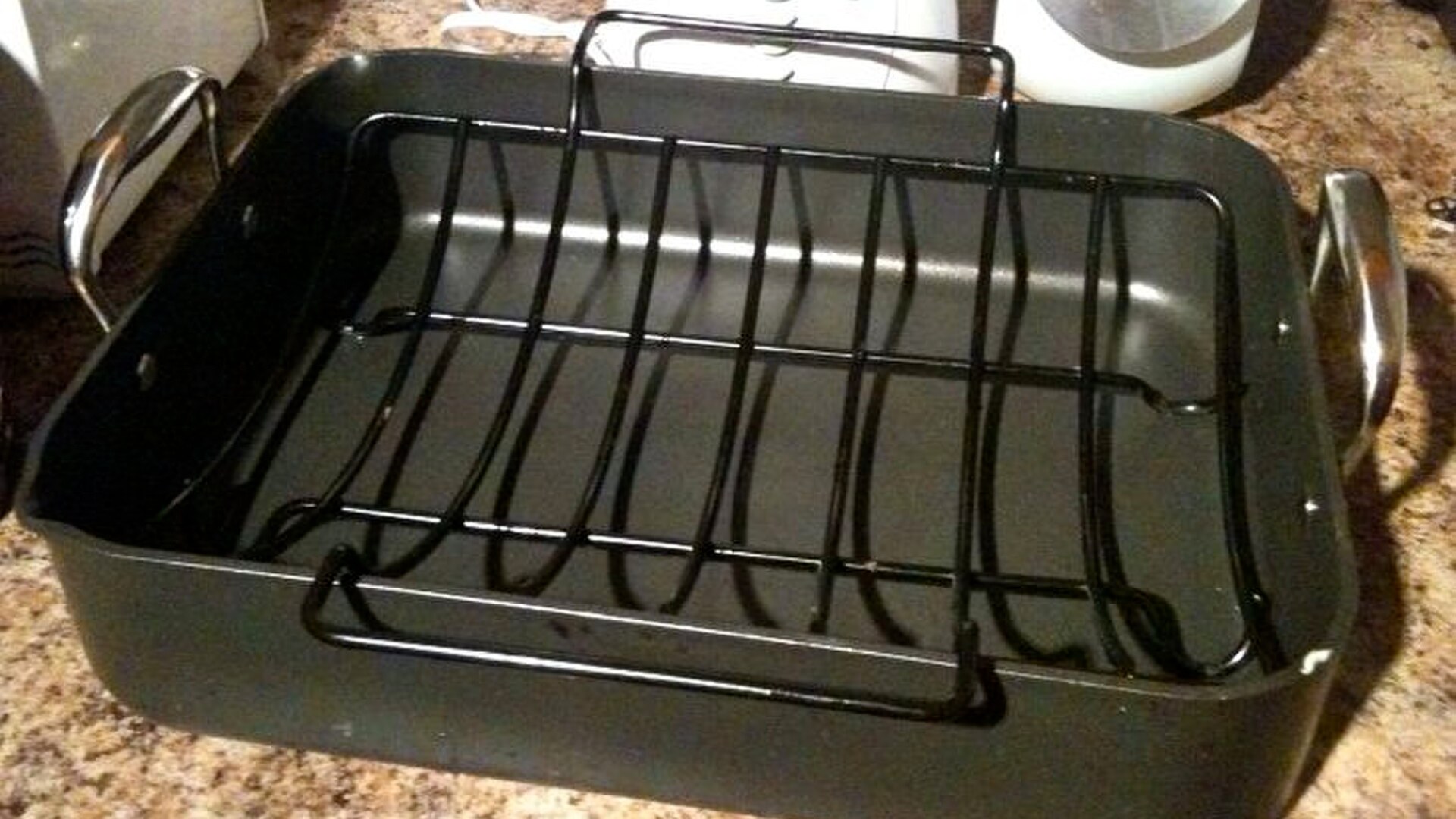
Sitting directly on the bottom of a roasting pan causes accumulated juices and melting fat to stew the dark underside. Elevated roasting on a sturdy V-rack promotes 360-degree heat flow. A bed of roughly chopped carrots, celery, and onions also serves as an edible natural rack.
11. Basting Constantly During The Roast
Opening the oven door repeatedly drops internal oven temperatures by up to 50 degrees Fahrenheit. Splashing watery pan juices over the bird also rehydrates the crisping exterior, washing away fat and seasonings. Keep the oven door closed to maintain steady dry roasting heat.
10. Neglecting Herb Butter Under The Skin
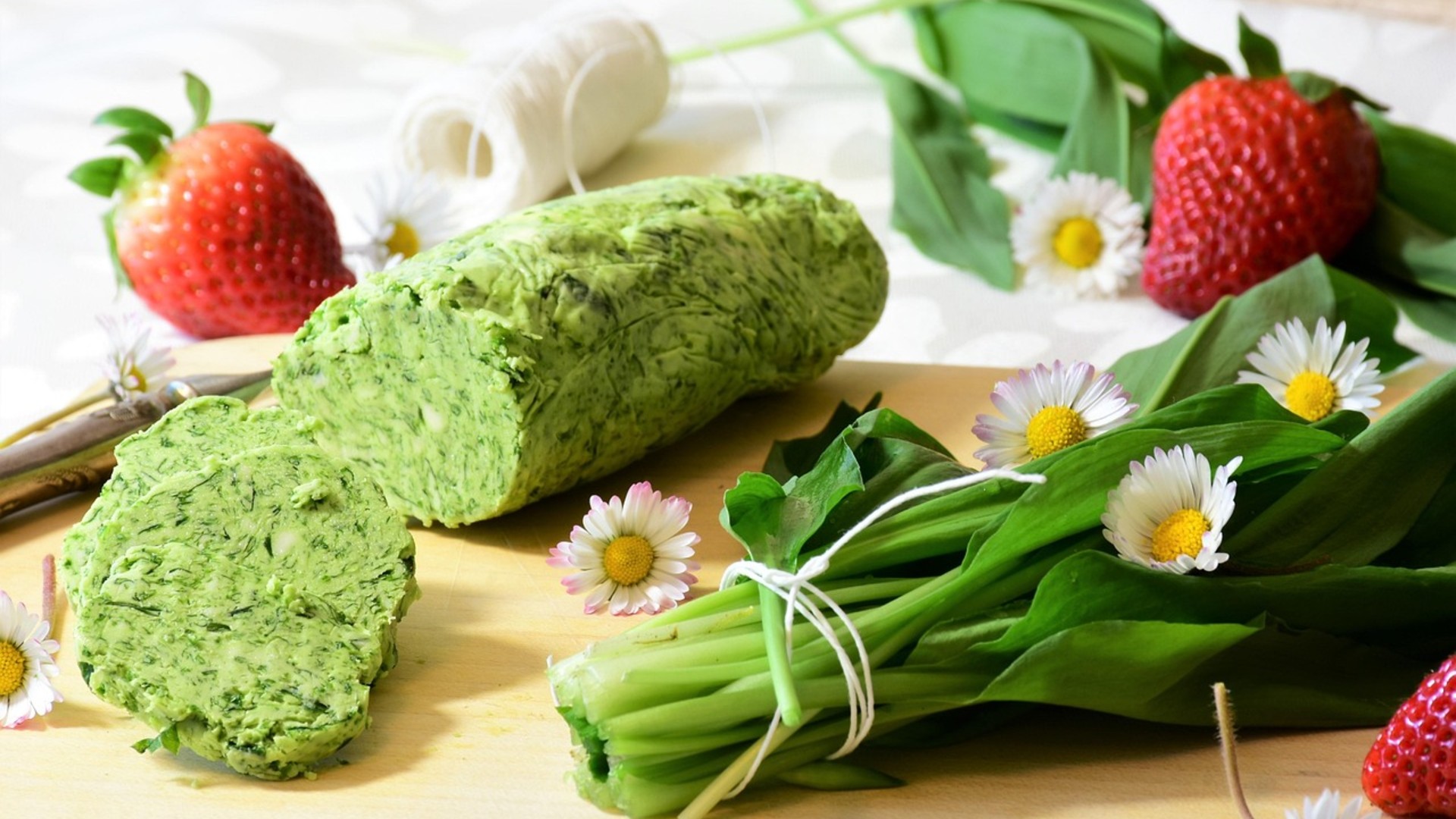
Rubbing butter solely on the exterior skin runs down into the pan before it can help the meat. Gently separating the skin from the meat allows you to spread softened herb butter directly across the muscle. The melting butter self-bastes the white meat from within as it roasts.
9. Roasting At Only One High Temperature
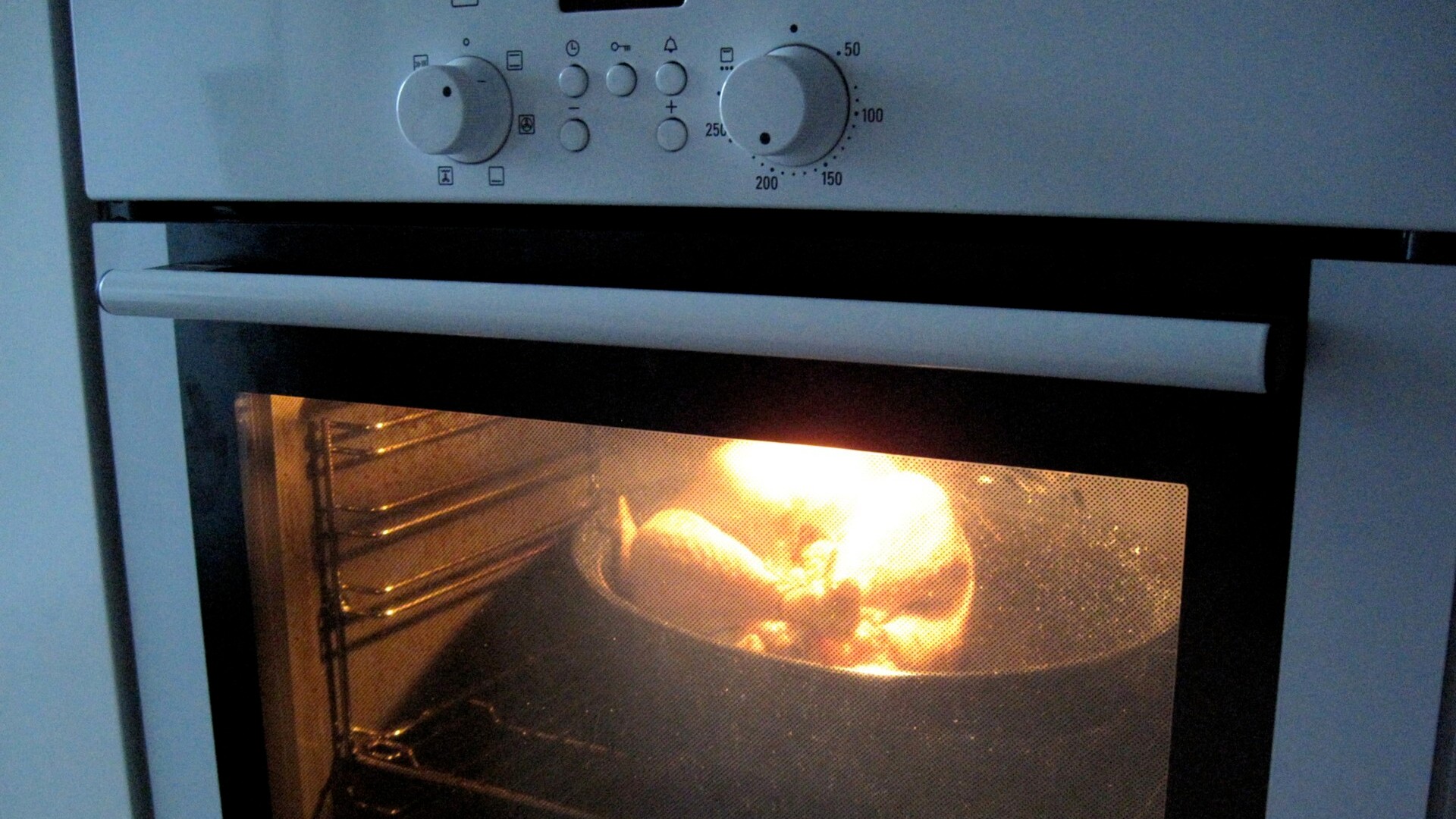
Blasting a large bird at 425 degrees Fahrenheit scorches the wings and breast skin before the deep joint reaches target temperatures. Chefs recommend an initial 450-degree blast for 25 minutes to develop color, followed by 325 degrees to cook the center evenly and gently.
8. Roasting Whole Instead Of Spatchcocking
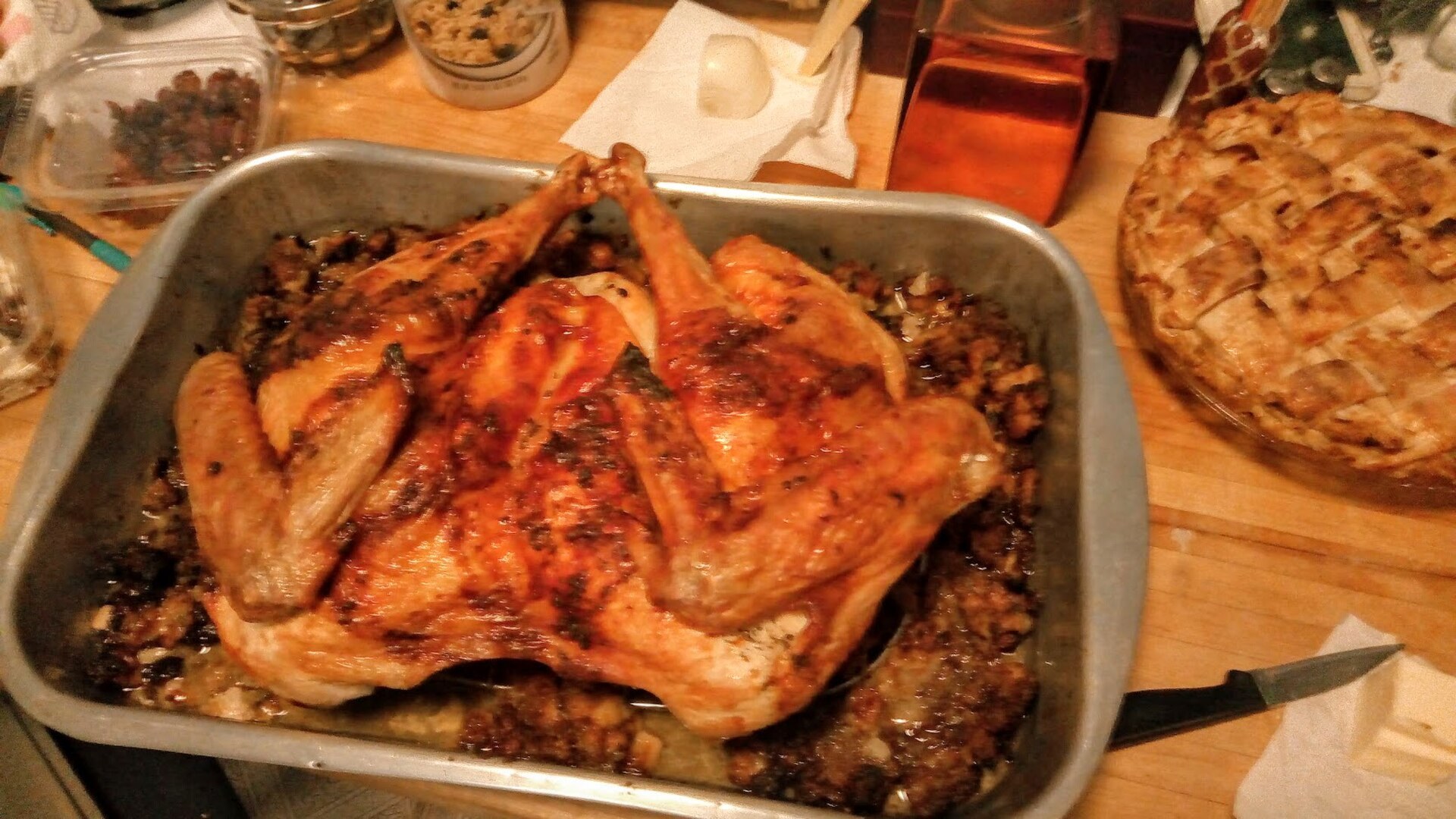
A round turkey cooks unevenly because dense thighs require 175 degrees while breasts dry out above 155. Removing the backbone with kitchen shears and flattening the carcass cuts cooking time in half. All skin faces upward in one plane, crisping uniformly in about 80 minutes.
7. Relying On Clock Minutes Per Pound
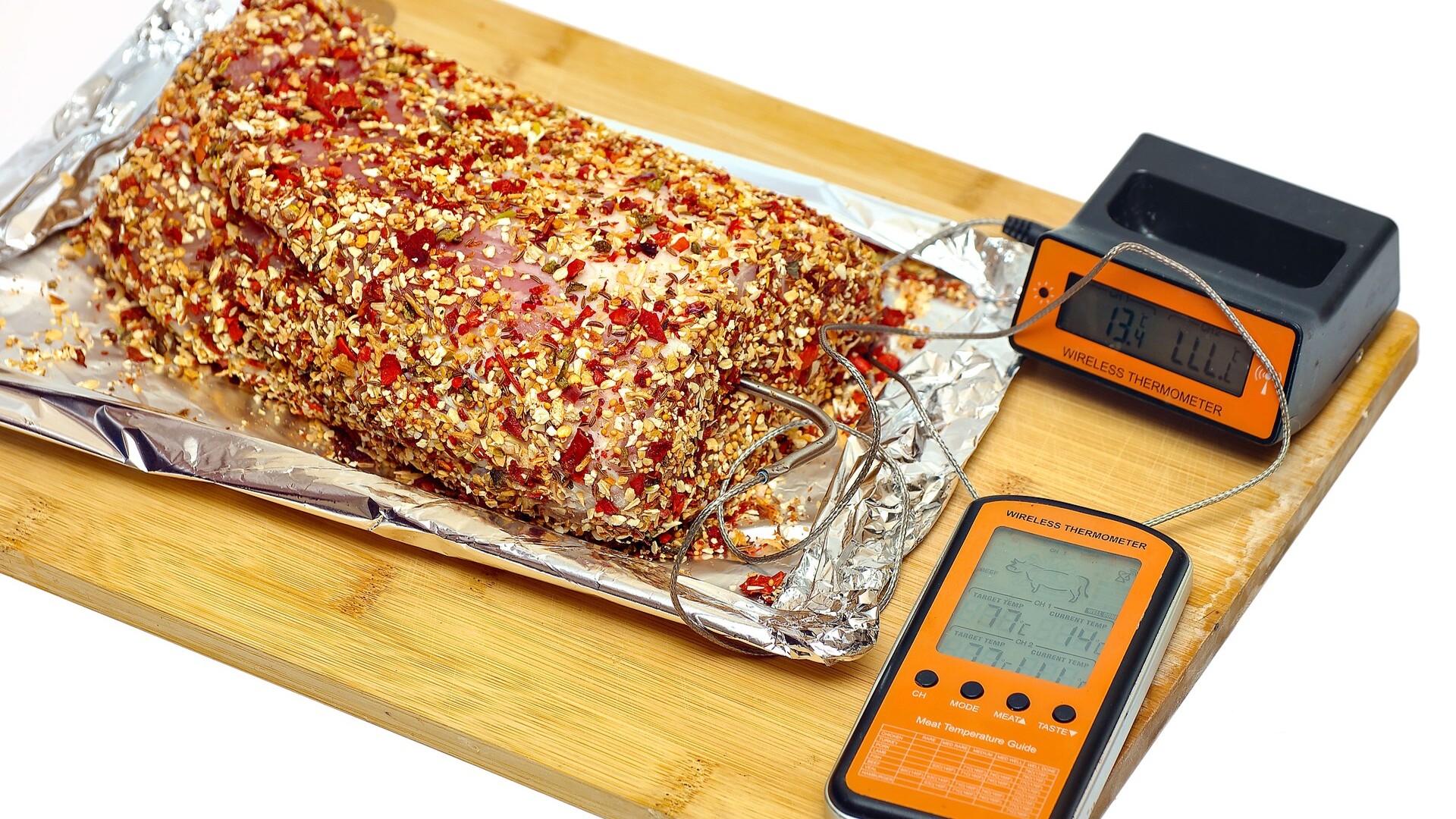
Oven thermostats frequently drift by 25 to 50 degrees off their stated dial settings. relying solely on fifteen minutes per pound estimates leads to dry or raw meat. Chef Alton Brown emphasizes using a probe thermometer to track core temperature rather than relying on a wall clock.
6. Checking Temperature Against The Bone
Skeletal bones conduct heat faster than surrounding muscle tissue, producing misleadingly high temperature readings. Insert your digital probe into the thickest section of the breast, away from bone and cartilage. For thighs, aim for the deep muscle between leg and body.
5. Waiting For Final Serving Heat Before Pulling
Residual thermal energy continues cooking the bird after it leaves the oven, raising internal temperatures by five to ten degrees. Pull the turkey when the breast hits 155 degrees Fahrenheit. During resting, carryover heat safely carries the meat to the USDA recommended 165 mark.
4. Seasoning Only The Exterior Skin Layer
Turkey skin acts as a thick, waterproof lipid barrier that prevents surface salt from seasoning the underlying muscle. Seasoning under the breast skin or injecting seasoned stock directly into deep muscle fibers guarantees that every slice tastes rich, balanced, and savory.
3. Cooking Poultry Straight From The Fridge
Transferring a 38-degree bird directly into a hot oven widens the thermal gap between exterior skin and internal bone. Letting the turkey temper on the counter for 60 to 90 minutes takes the chill off. This helps the meat cook evenly without drying out delicate outer layers.
2. Discarding The Neck And Pan Drippings
The neck, wing tips, and giblets contain gelatin-rich collagen and rich poultry flavor. Simmering them with mirepoix while the bird roasts creates a flavorful base. Whisking this rich broth with deglazed pan drippings yields silky restaurant-quality gravy that saves dry slices.
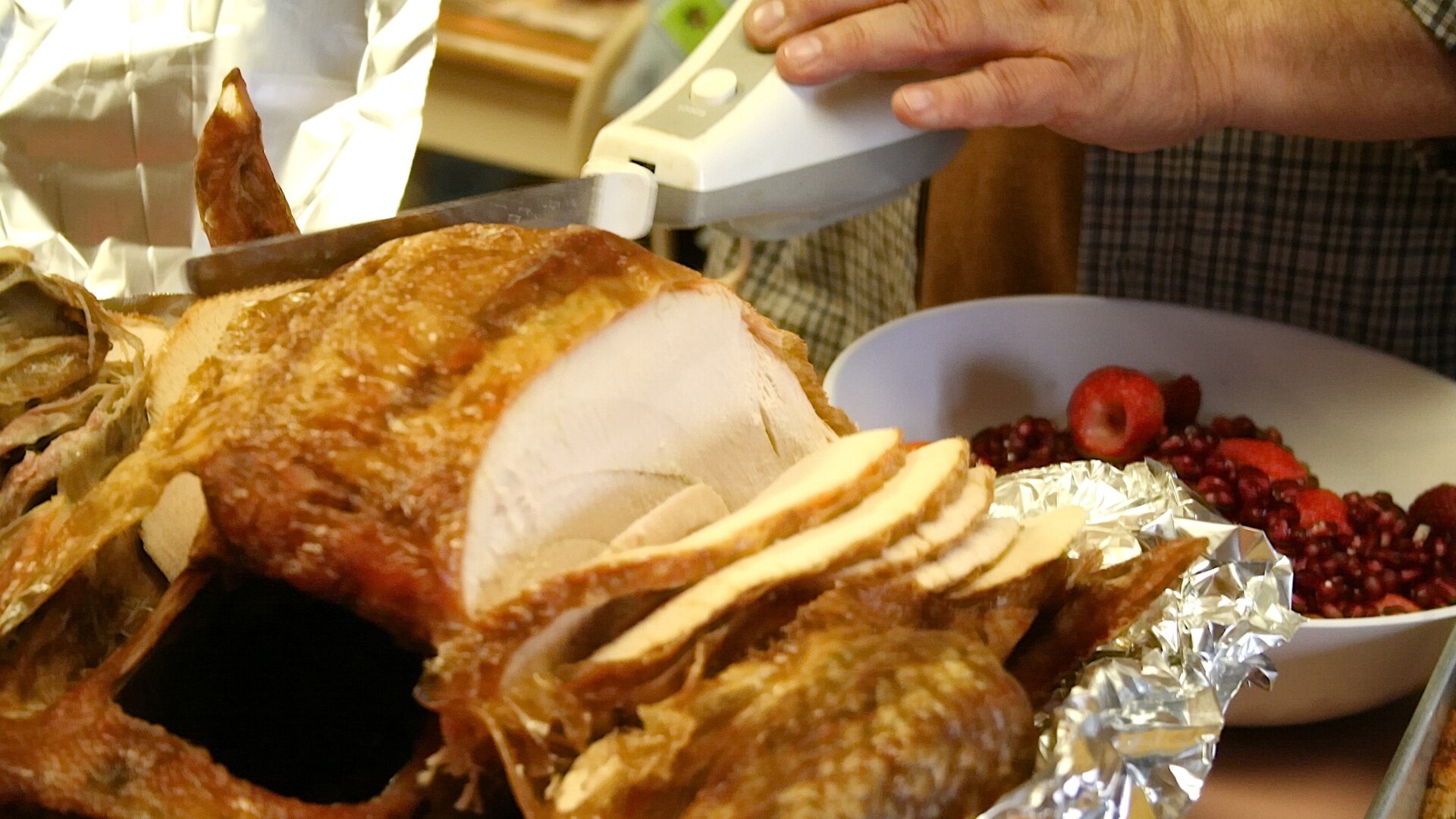
1. Carving Immediately Out Of The Hot Oven
Slicing meat fresh from the oven causes pressurized cellular liquids to pool out across the cutting board. Resting for 30 to 45 minutes allows muscle fibers to relax, cooling slightly and locking juices into the meat. The turkey remains piping hot while retaining all its moisture.