Slideshow · Lifestyle
20 Religious Symbols and Their Meanings Across Traditions
Religious symbols serve as visual languages that bridge tangible art and sacred theology across millennia. From temple carvings to handheld devotional objects, these iconic emblems represent core philosophical doctrines. Comparative scholars at the British Museum and Oxford University document their origins.

By Most Viral Today
10 min ago

How ancient sacred symbols convey profound truths across world cultures. 
20. The Latin Cross 
19. The Star Of David 
18. The Crescent And Star - AdvertisementSwipe or tap ▶ to continue countdown

17. The Om 
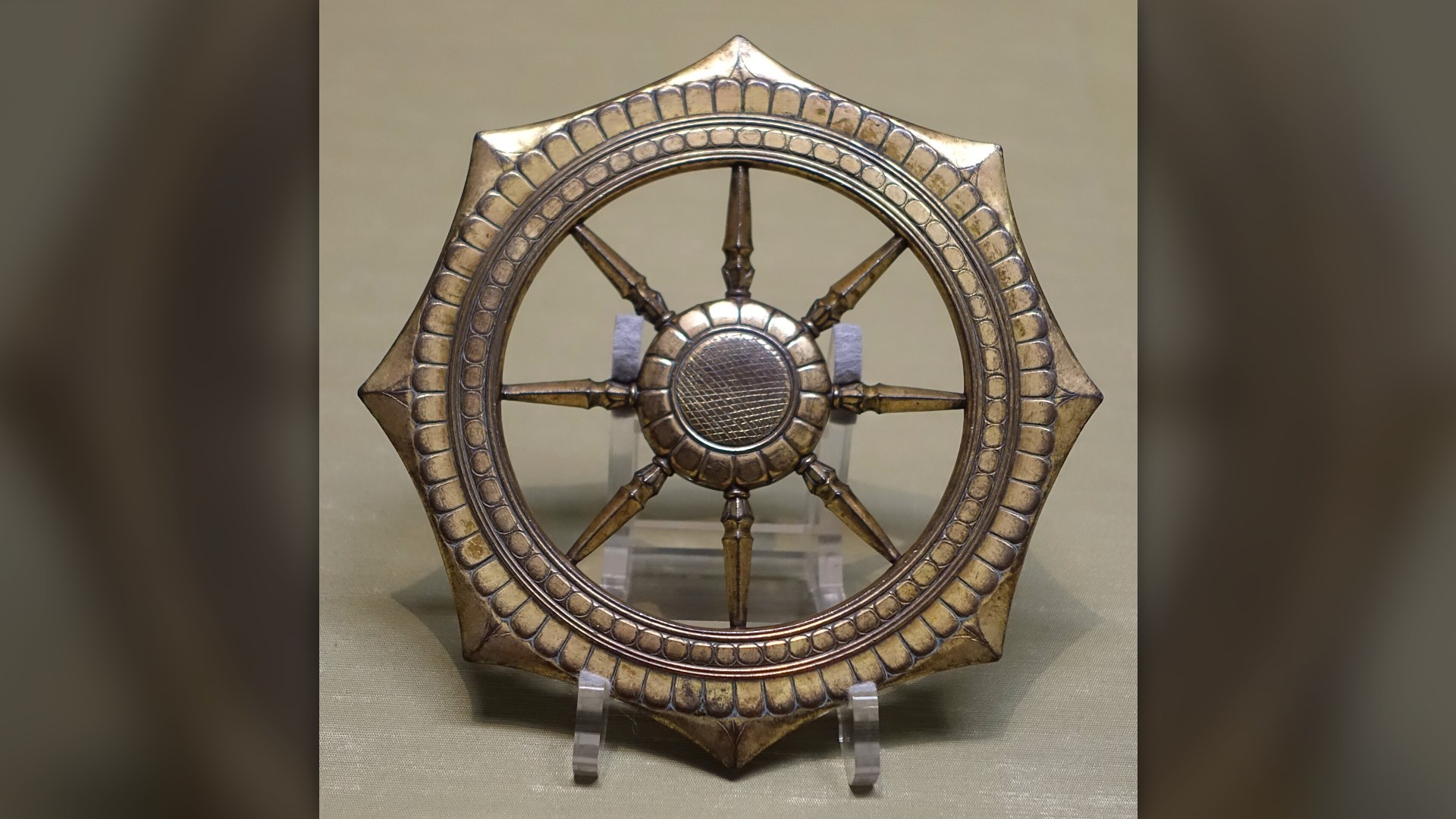
16. The Dharma Wheel 
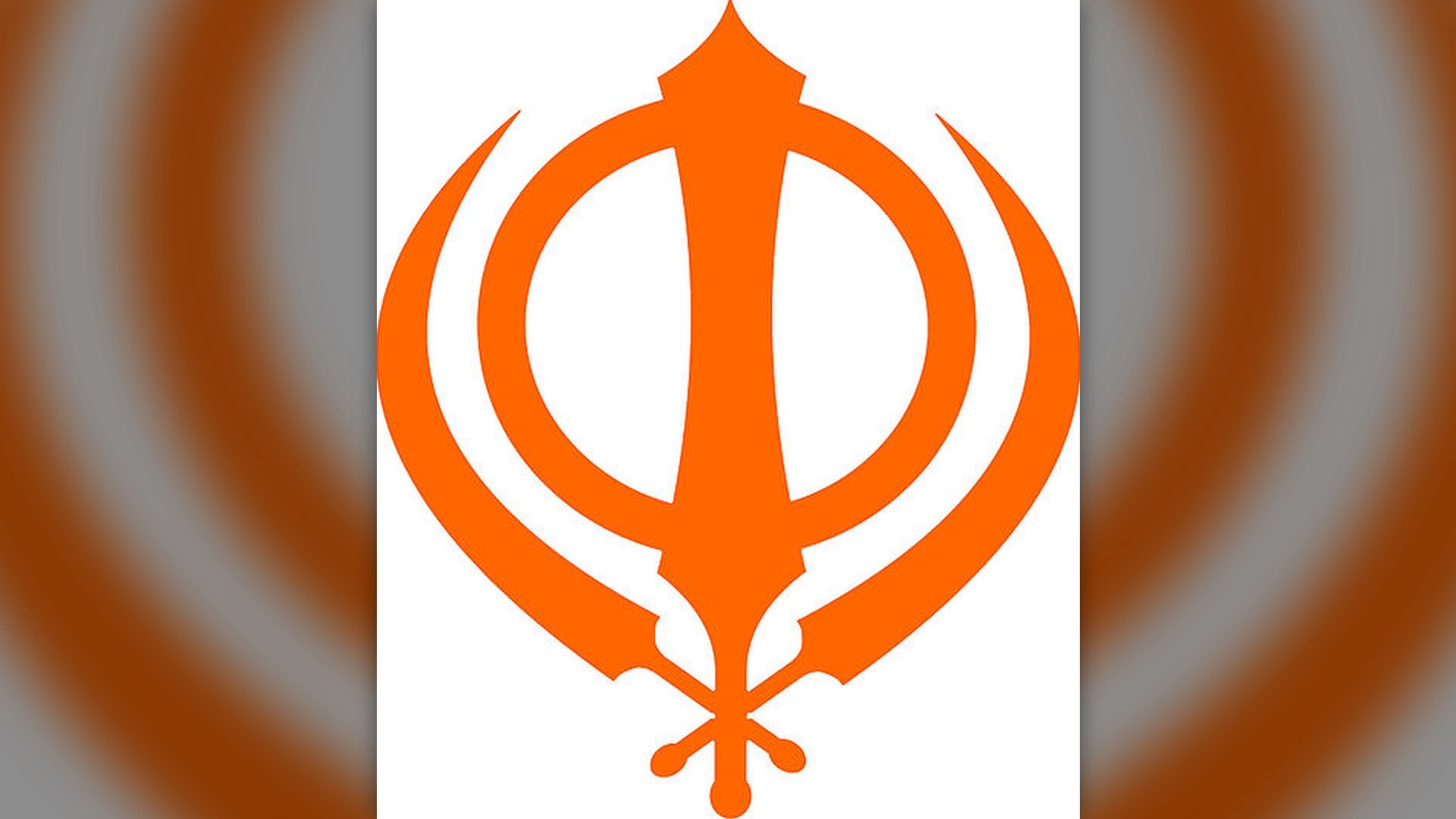
15. The Khanda 
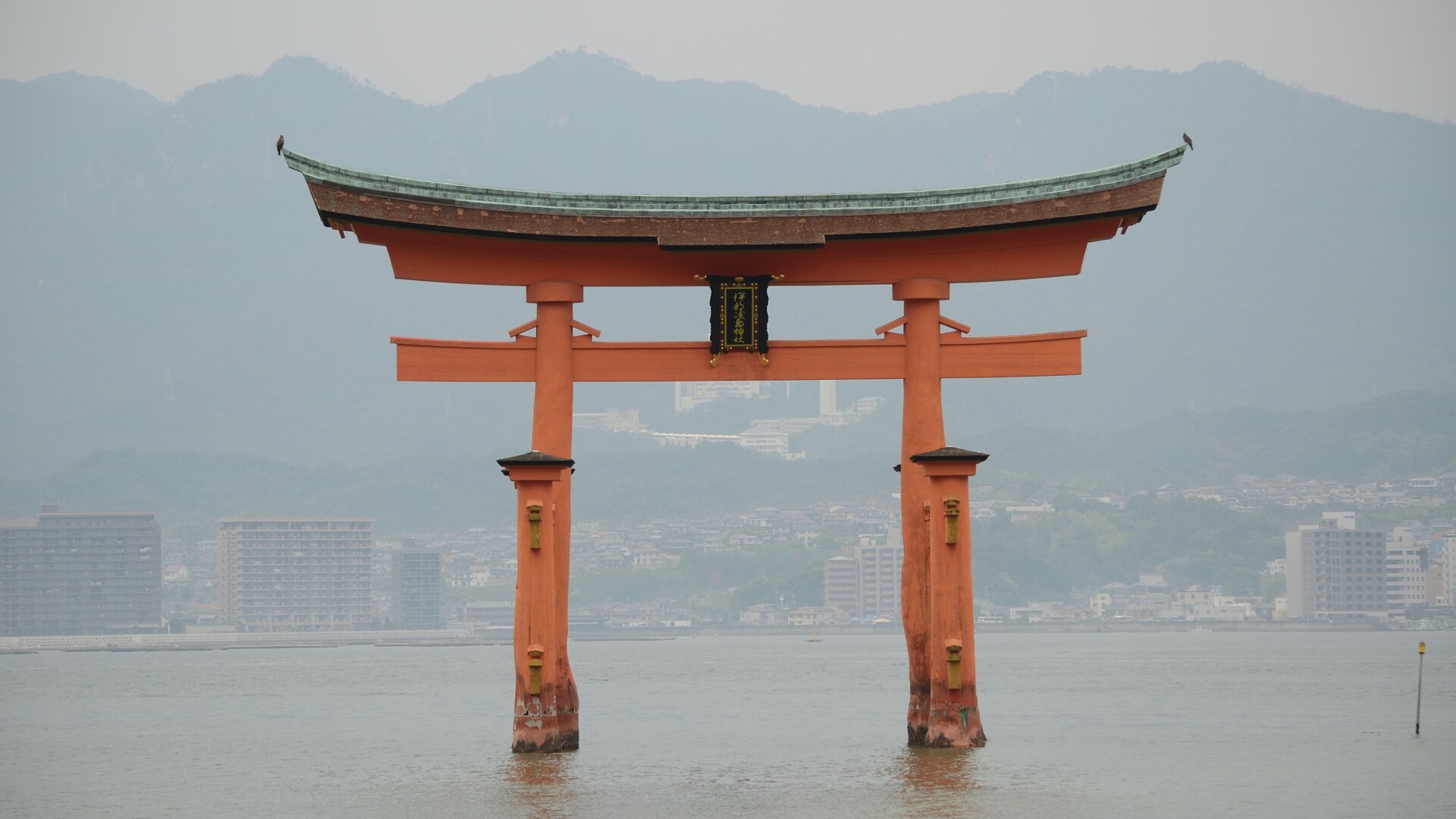
14. The Torii Gate - AdvertisementSwipe or tap ▶ to continue countdown

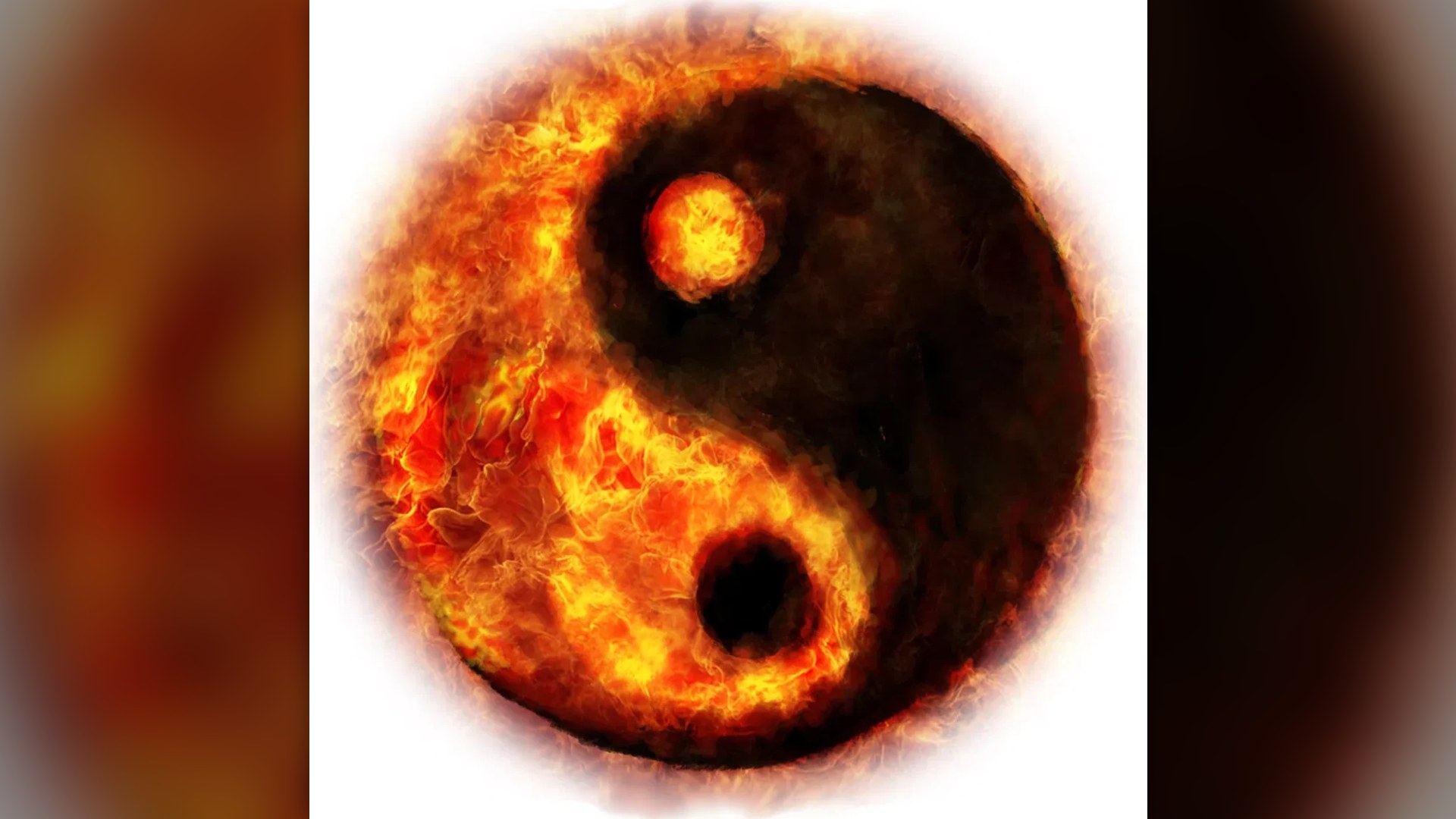
13. The Yin And Yang 
12. The Seven-Branched Menorah 
11. The Faravahar 
10. The Nine-Pointed Star - AdvertisementSwipe or tap ▶ to continue countdown

9. The Lotus Flower 
8. The Ichthys 
7. The Hamsa Hand 
6. The Egyptian Ankh - AdvertisementSwipe or tap ▶ to continue countdown

5. The Ahimsa Hand 
4. The Celtic Cross 
3. The Ik Onkar 
2. The Triskelion - AdvertisementSwipe or tap ▶ to continue countdown

1. The Enso - Advertisement🔥 UP NEXT IN THIS SERIES◫ 21 Slides

20 Handmade Christmas Decorations People Are Making at Home
Rising holiday retail costs prompted millions of households to craft their own festive ornaments, garlands, and table centerpieces using natural botanicals and recycled paper. This curated gallery explores twenty handmade projects based on design reporting from Better Homes & Gardens and Martha Stewart Living.
Religious symbols serve as visual languages that bridge tangible art and sacred theology across millennia. From temple carvings to handheld devotional objects, these iconic emblems represent core philosophical doctrines. Comparative scholars at the British Museum and Oxford University document their origins.
Swipe or tap ▶ to begin the countdown
©Wikimedia / Christian Ferrer
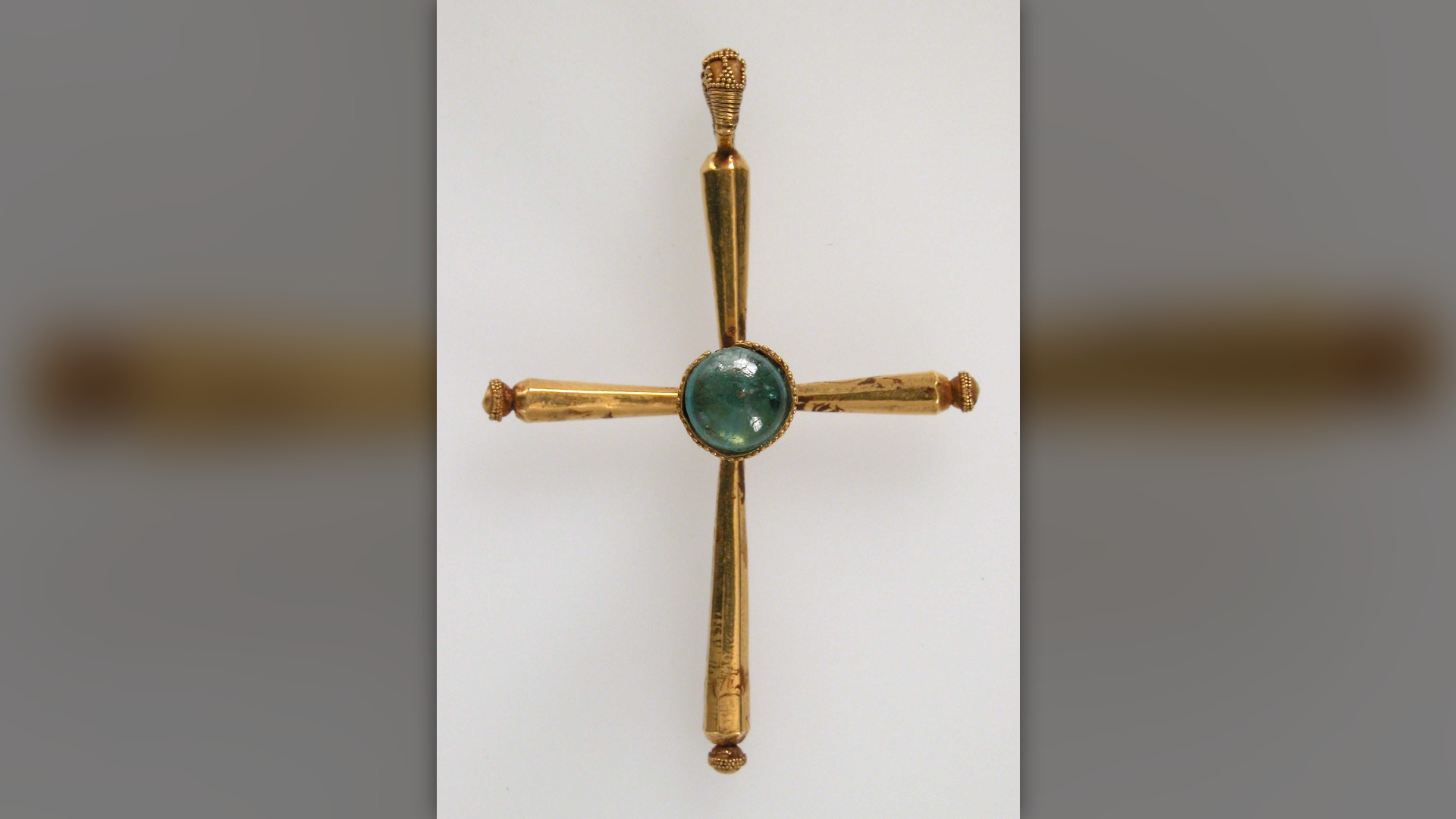
20. The Latin Cross
Originating in Roman antiquity, the Latin cross features an unequal intersection where the vertical beam exceeds the crossbar. While early Christians favored subtle symbols, the cross became the preeminent emblem of salvation, sacrificial love, and victory over death in the fourth century under Emperor Constantine.
©The Met / Medieval Art
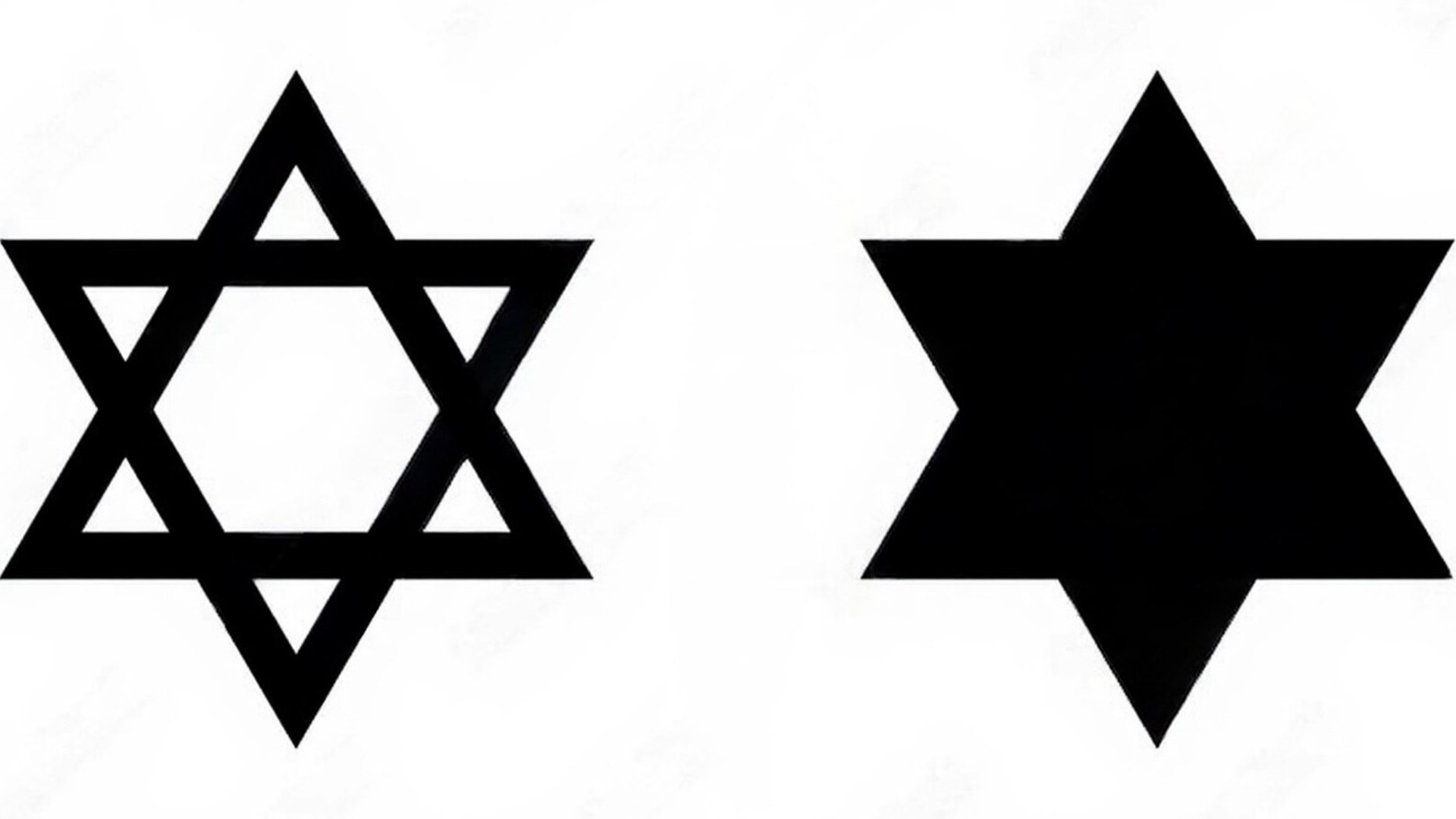
19. The Star Of David
Known in Hebrew as the Magen David, meaning Shield of David, this six-pointed star combines two interlocking equilateral triangles. Used decoratively across the ancient Mediterranean, the emblem emerged as a distinct communal symbol in medieval Prague before becoming a universal sign of Jewish identity.
©Wikimedia / Unknown artist
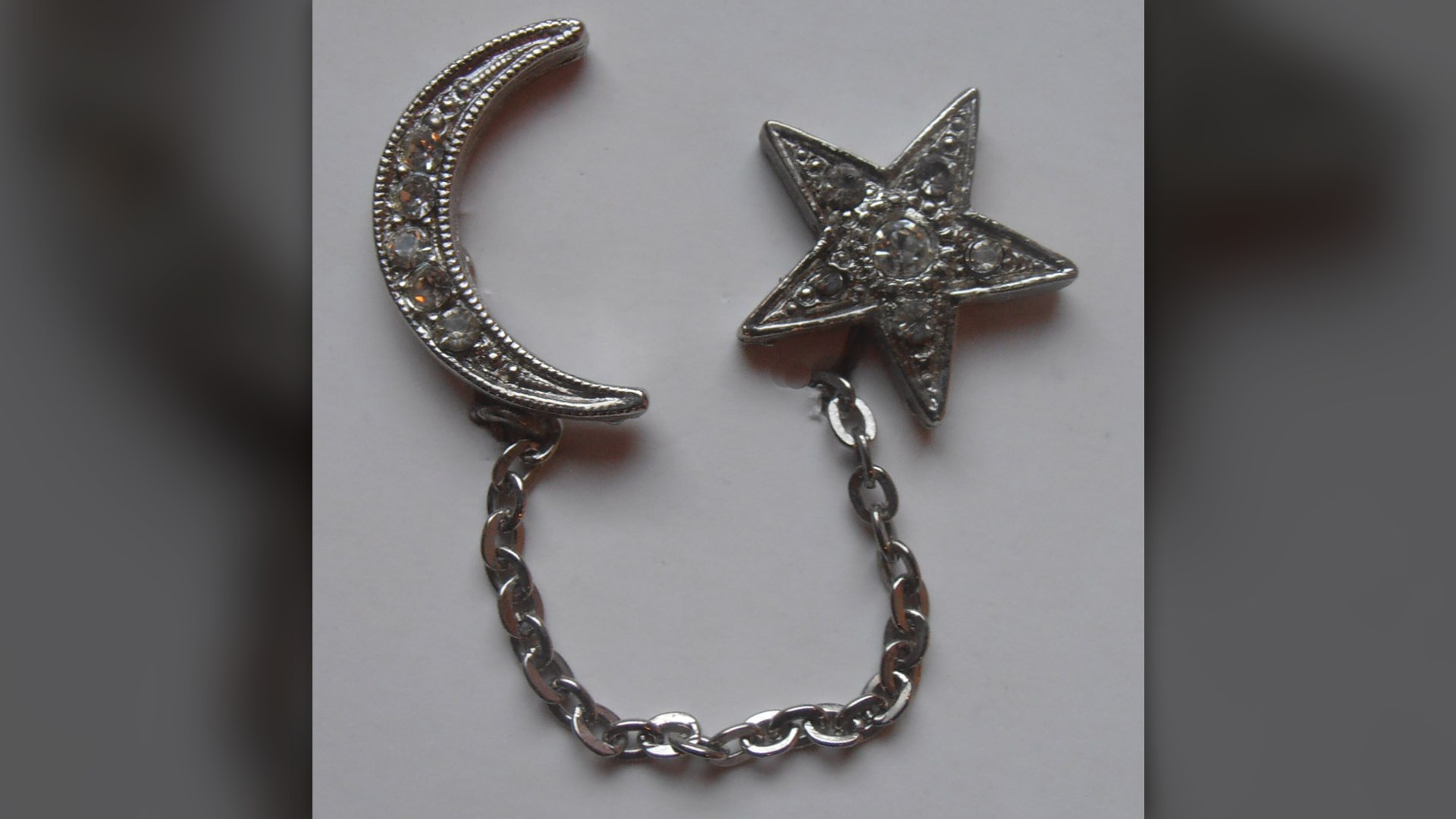
18. The Crescent And Star
The crescent moon paired with a star gained prominence as the imperial crest of the Ottoman Empire during the fifteenth century. Although early Islam avoided motifs, Muslim nations gradually adopted the crescent on flags and minarets, viewing it as an honoring of lunar calendars and divine sovereignty.
©Wikimedia / sarang
Advertisement
Swipe or tap ▶ to resume the countdown.
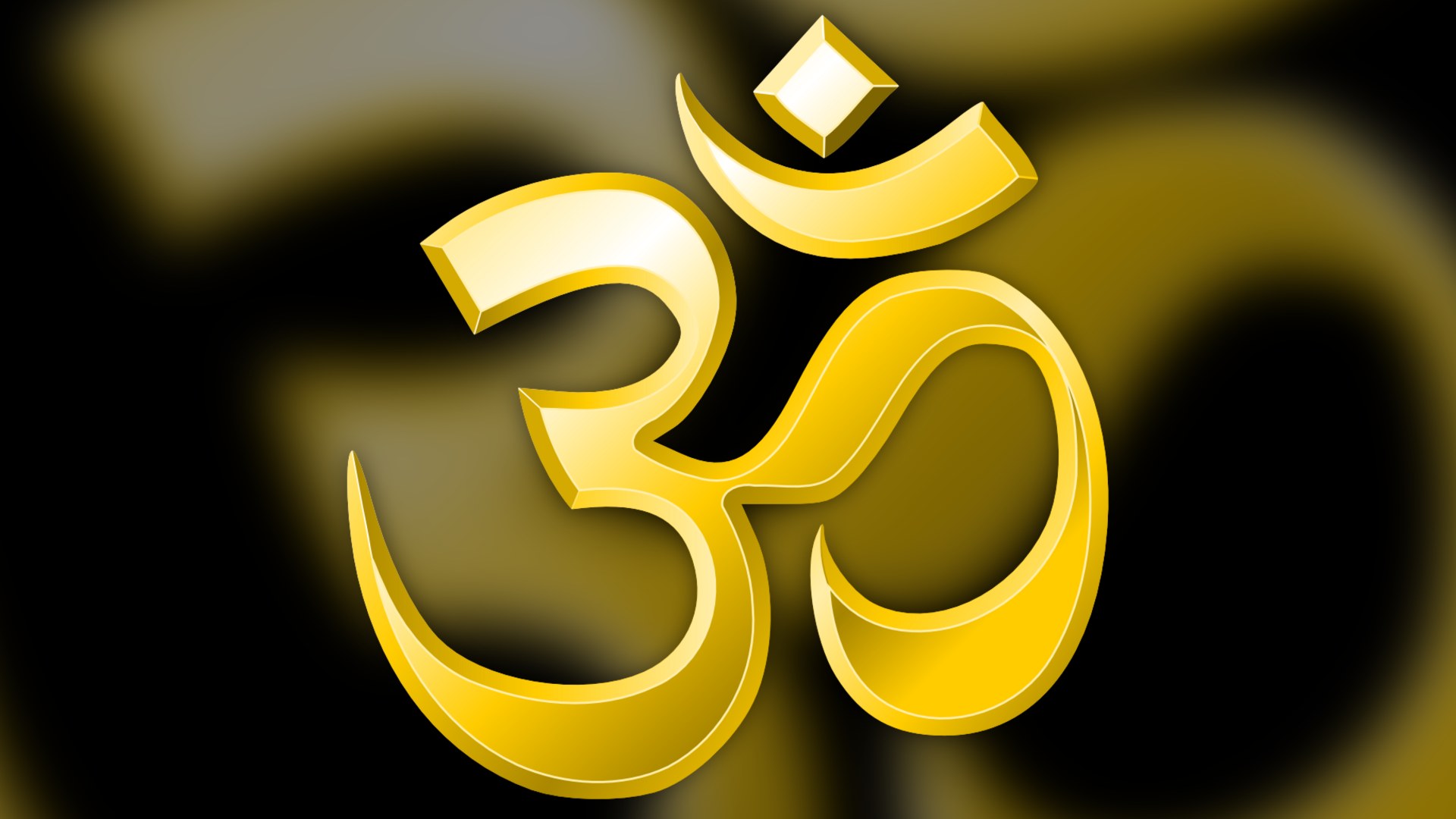
17. The Om
Written as Aum in Devanagari script, the Om is the most sacred vibration in Hindu philosophy. The three curves represent waking consciousness, dream sleep, and deep slumber, while the upper crescent and dot signify absolute transcendent awareness. Chanting Om connects practitioners with Brahman, the cosmic soul.
©Wikimedia / Ranee Narendranath
16. The Dharma Wheel
The Dharmachakra, or Wheel of the Law, represents the turning of spiritual doctrine initiated by the Buddha during his first sermon in Sarnath. Its circular shape signifies the perfection of dharma teachings, while the eight radiating spokes symbolize the ethical steps required to attain liberation from suffering.
©Wikimedia / Daderot
15. The Khanda
Composed of four weapons, the Sikh Khanda features a double-edged sword at its core, symbolizing knowledge of divine truth. It is framed by a circular quoit representing unity and eternity, flanked by two curved daggers, Miri and Piri, which express the balance of temporal responsibility and spiritual devotion.
©Wikimedia / Undying Sikh
14. The Torii Gate
Found at the boundary of Shinto shrines across Japan, the torii gate consists of two upright pillars supporting two crossbeams. Painted in vermilion to ward off malevolent spirits, passing beneath a torii signifies spiritual purification and entry into the sacred dwelling space of nature spirits known as kami.
©Wikimedia / Elbert Alias
Advertisement
Swipe or tap ▶ to resume the countdown.
13. The Yin And Yang
The swirling circle of the Taijitu visualizes the harmony between complementary opposites in Daoist cosmology. The dark yin represents receptive and nocturnal energies, while the bright yang represents active and solar principles. The contrasting inner dots show that each contains the seed of the other.
©Wikimedia / Axelle Bouet
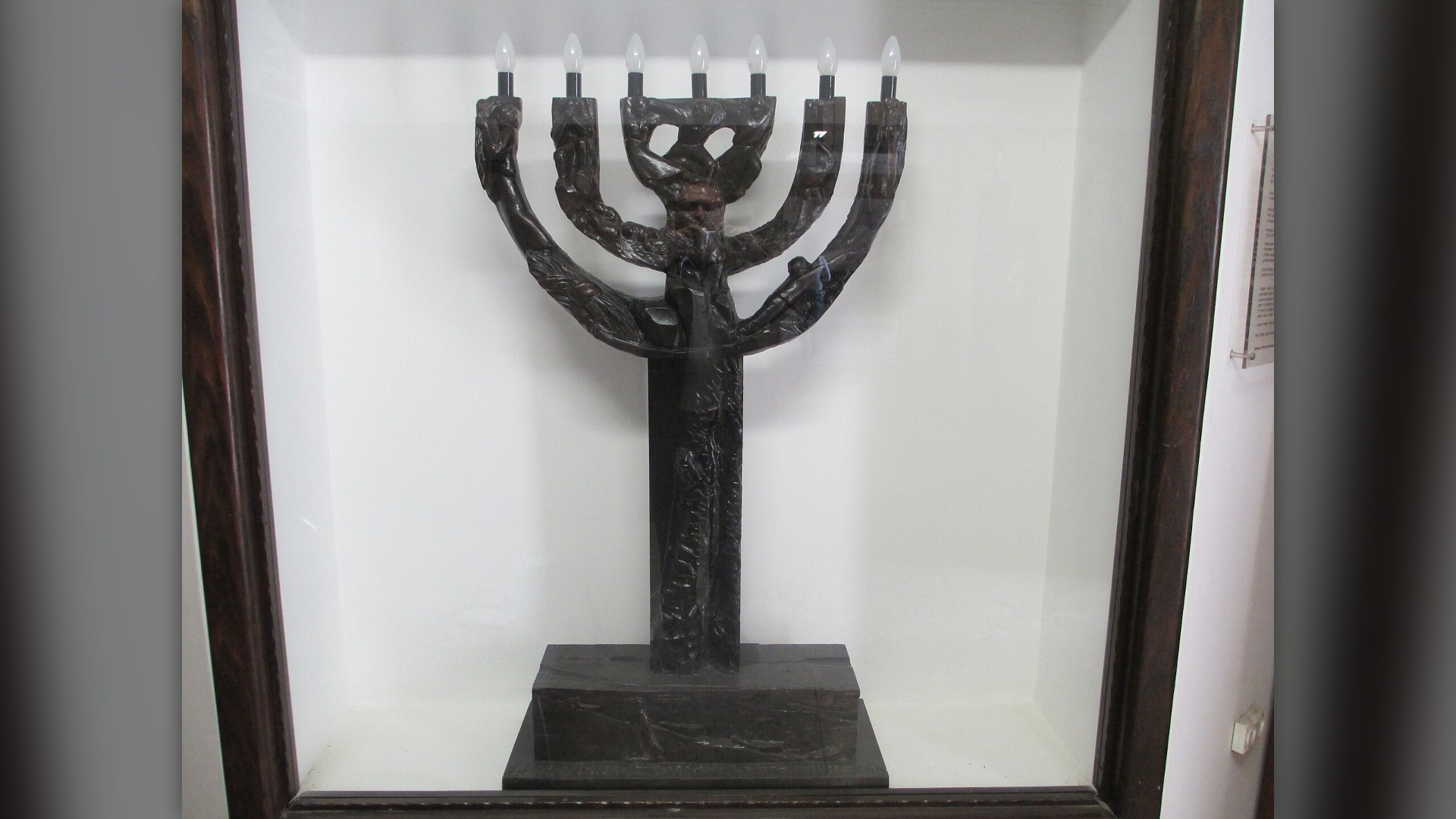
12. The Seven-Branched Menorah
Described in the biblical Book of Exodus, the seven-branched golden menorah stood inside the portable Tabernacle and the Jerusalem Temple. Each lamp burnt pure olive oil, symbolizing universal enlightenment, the creation week, and continuous divine presence, making it the oldest enduring symbol of the Jewish faith.
©Wikimedia / Dr. Avishai Teicher
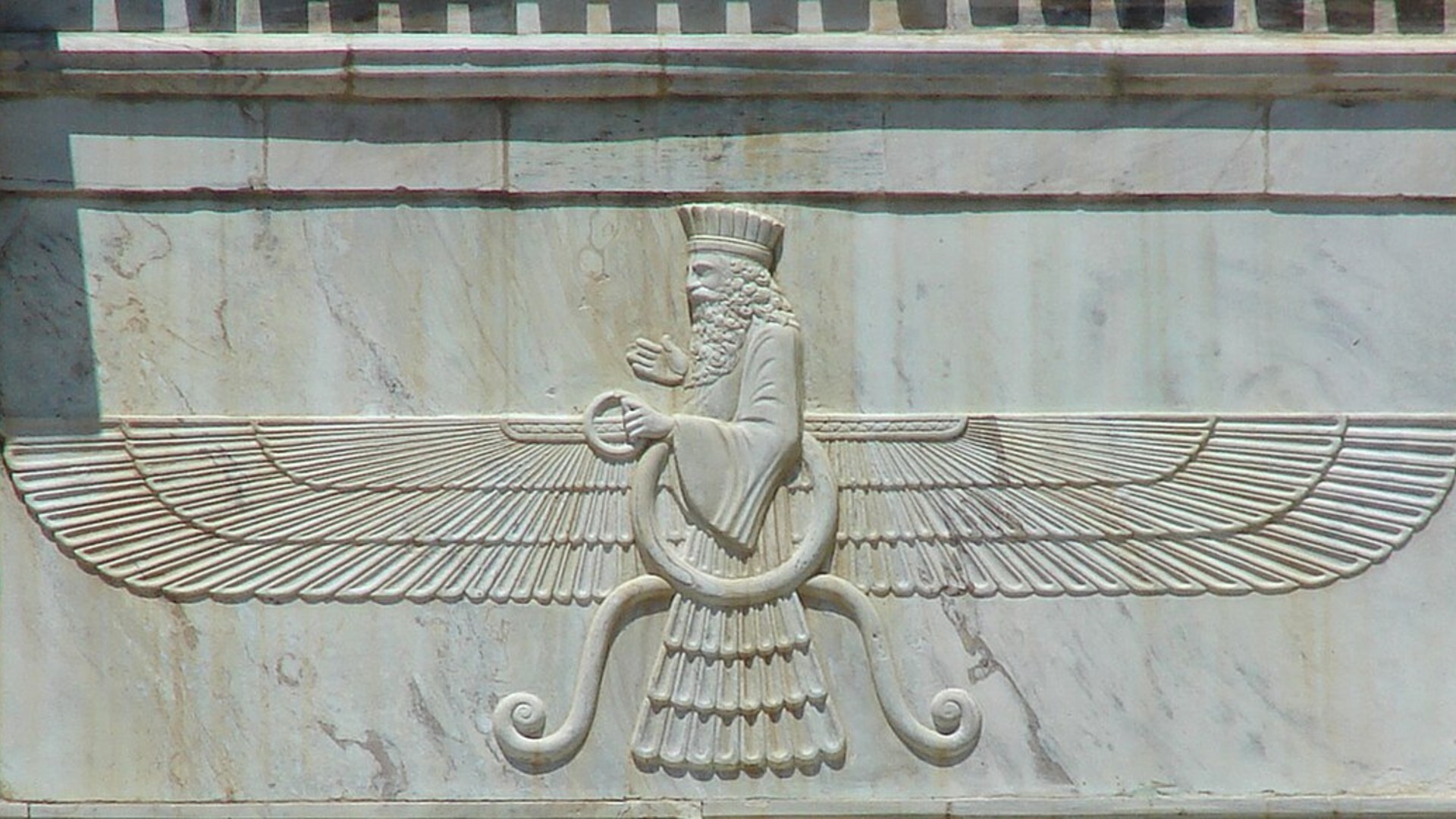
11. The Faravahar
Prominent in ancient Persian relief sculptures at Persepolis, the Faravahar displays a bearded human elder framed by outstretched wings. Three tiers of feathers symbolize the primary Zoroastrian creed of good thoughts, words, and deeds, while the central ring represents the immortality of the human soul.
©Wikimedia / Parthsbod K.A. Hakhamaneshian
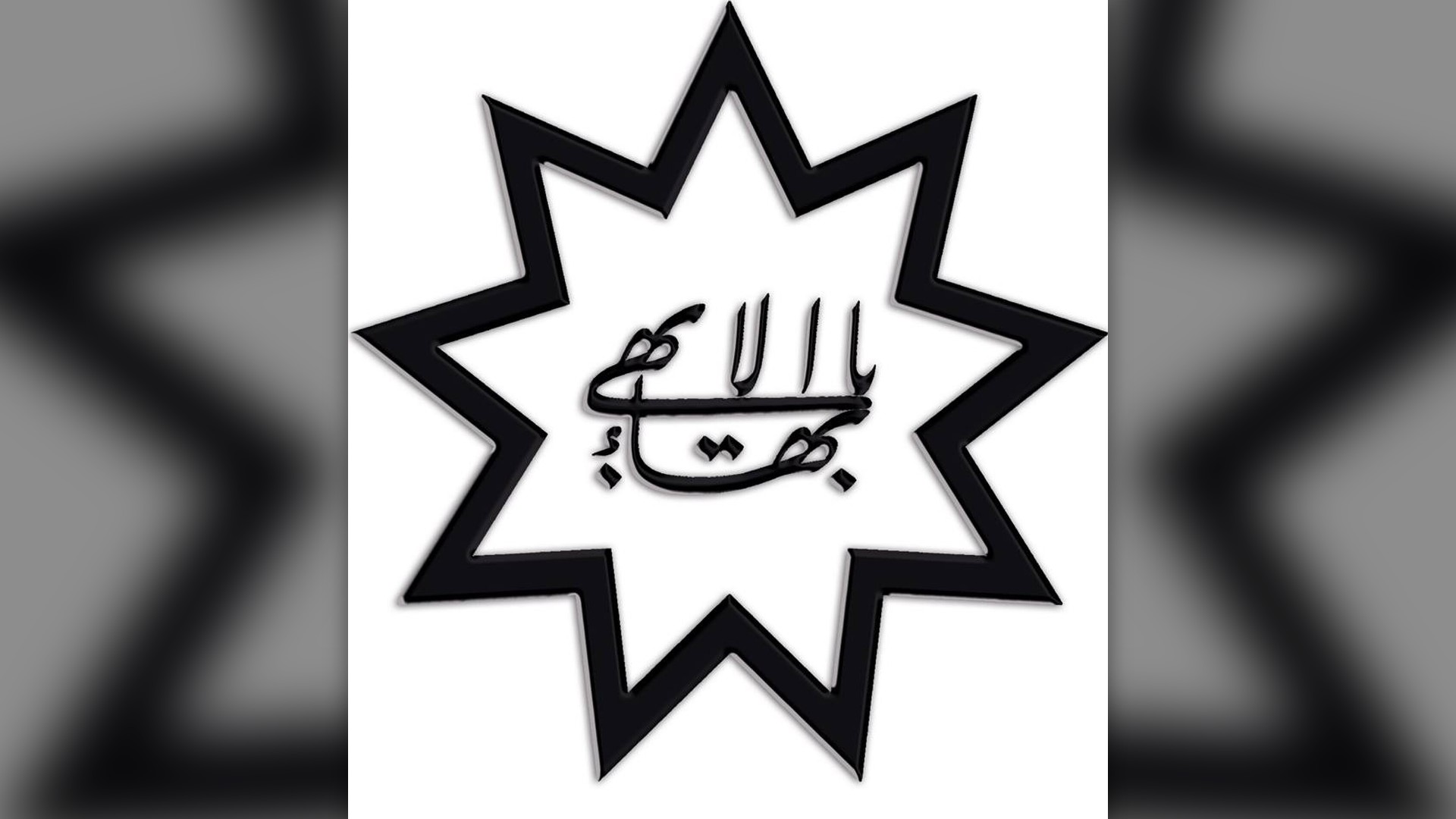
10. The Nine-Pointed Star
In the Arabic Abjad numerological system, the letters of the word Baha equal nine, making the number a sign of spiritual fulfillment and perfection. The nine-pointed star is widely displayed on Bahai temples and literature, symbolizing the unity of major world religions and the oneness of humanity.
©Wikimedia / Zaqqq
Advertisement
Swipe or tap ▶ to resume the countdown.
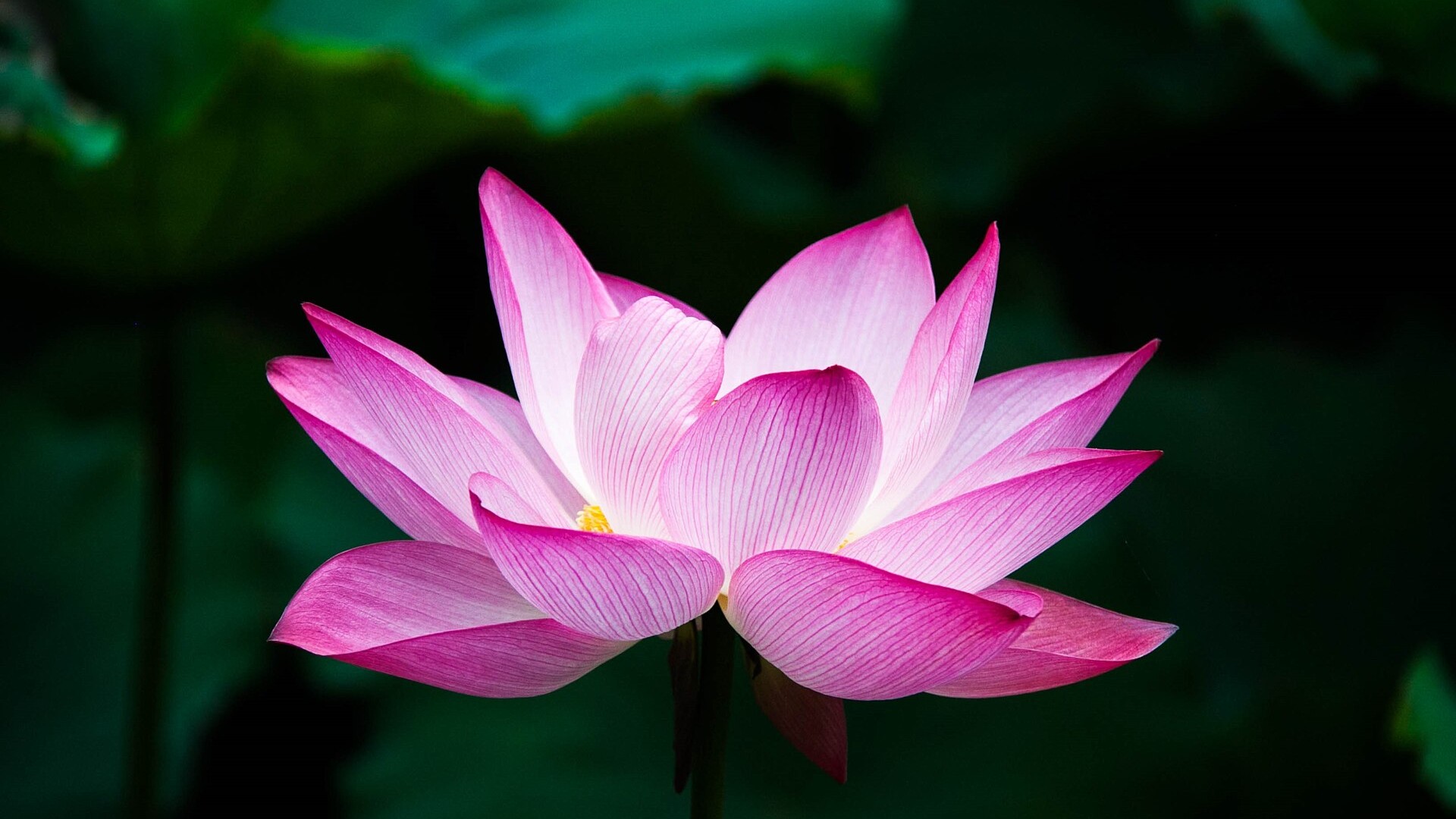
9. The Lotus Flower
Revered in both Buddhism and Hinduism, the lotus roots in muddy lake beds yet blooms immaculate and unsullied above the water. In Indian iconography, deities like Vishnu and Lakshmi sit upon lotus thrones, while Buddhist teachings compare the pristine petals to the human heart awakening to enlightened virtue.
©Wikimedia / Hong Zhang ( jennyzhh2008 )
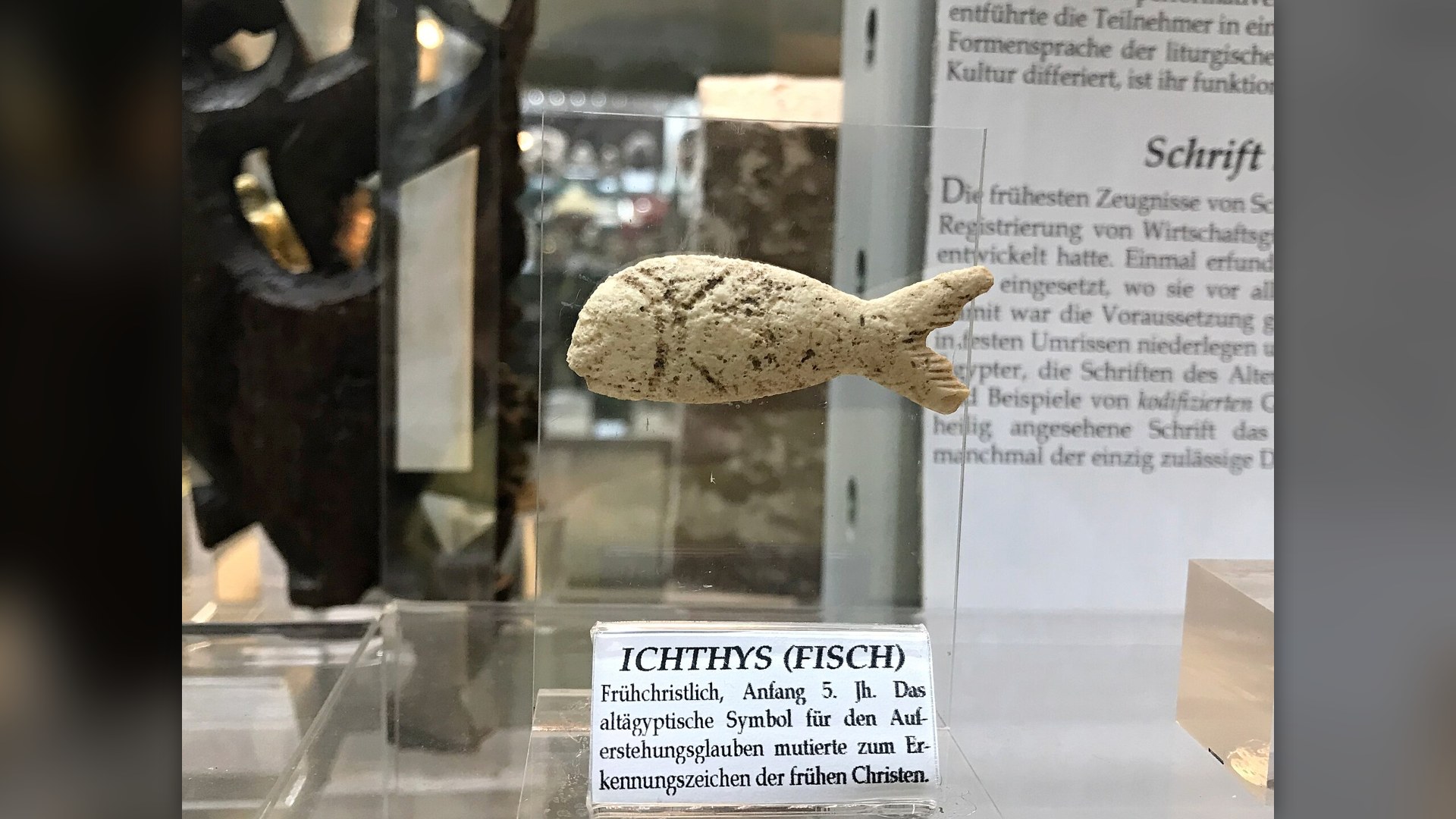
8. The Ichthys
In the first centuries of the Roman Empire, persecuted Christians used the fish symbol as a secret identification mark. The Greek word for fish, ichthys, formed an acrostic for Jesus Christ, Son of God, Savior. Believers would sketch one arc in the sand, waiting for a fellow traveler to complete the second stroke.
©Wikimedia / Zde
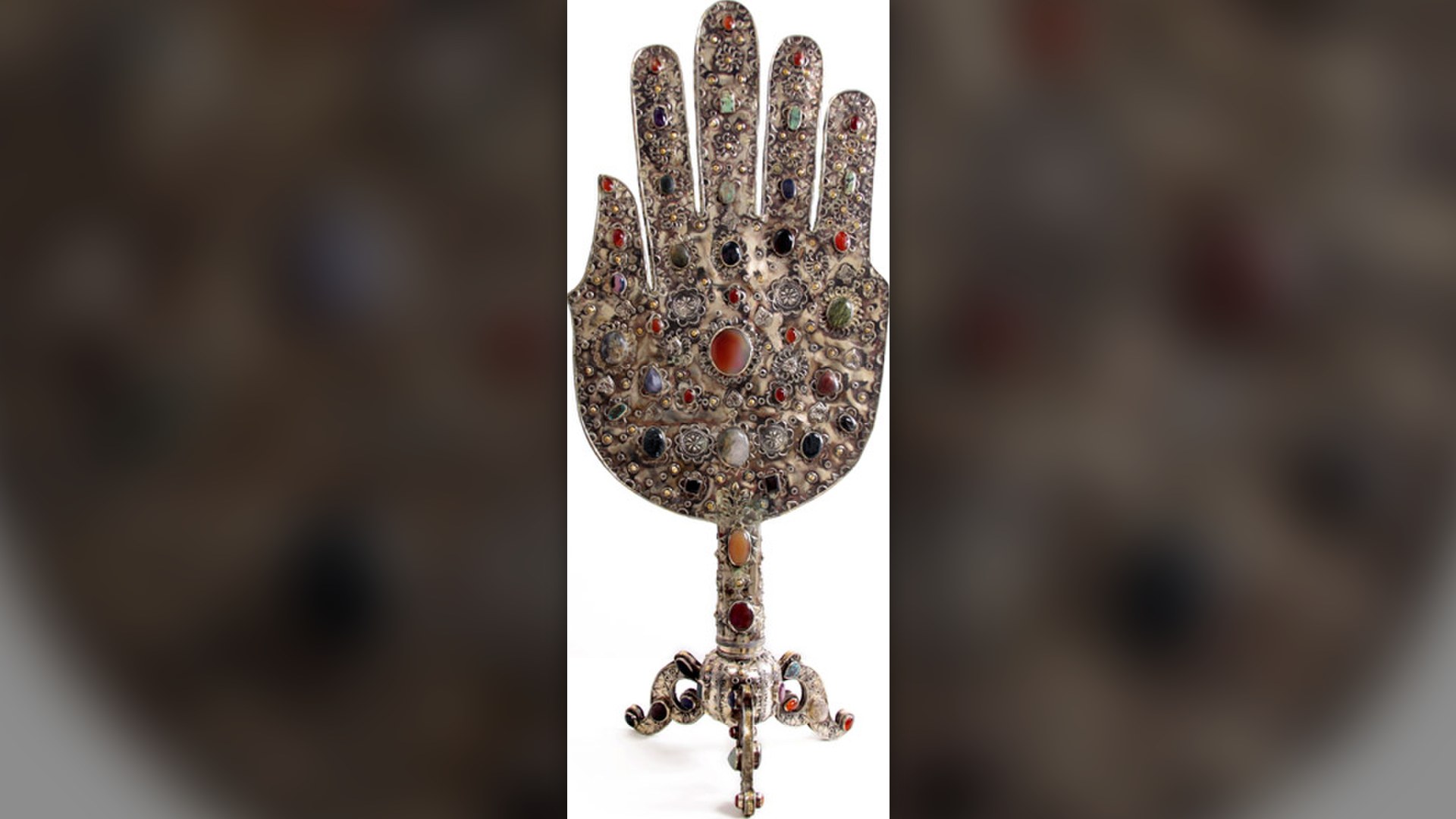
7. The Hamsa Hand
Known alternatively as the Hand of Fatima in Islamic tradition and the Hand of Miriam in Sephardic Judaism, the symmetrical palm protects against the evil eye. Often decorated with a central eye or floral etchings, the amulet invokes blessing, strength, and hospitality throughout North Africa and the Middle East.
©Wikimedia / Aliakyuz
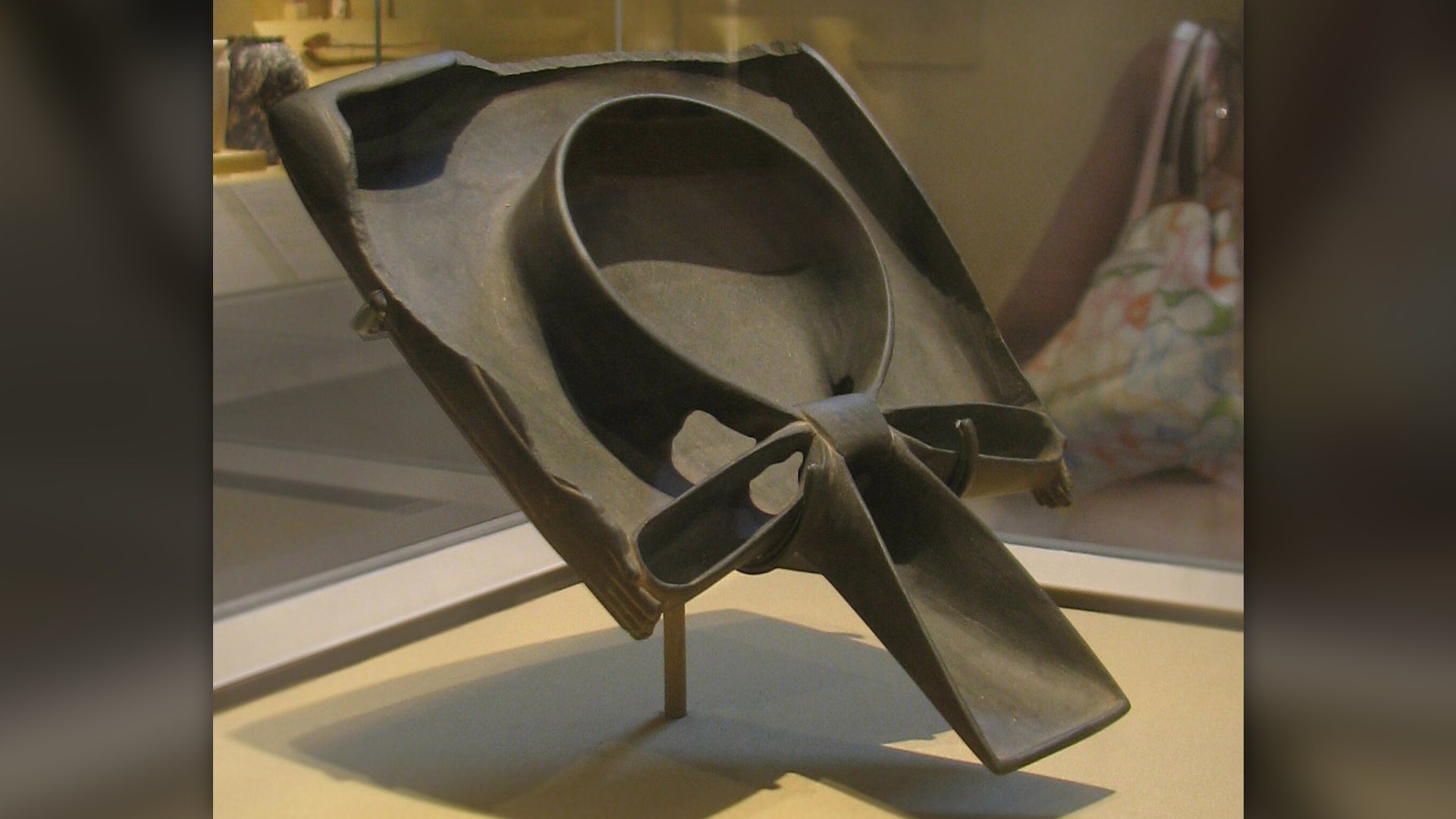
6. The Egyptian Ankh
Featuring a teardrop loop atop a crossbar, the ankh was the hieroglyphic character for physical and eternal life. Ancient Egyptian deities were routinely depicted holding the ankh by its loop or offering it to pharaohs' lips, signifying the transfer of divine breath and vital energy into the earthly realm.
©Wikimedia / Soutekh67
Advertisement
Swipe or tap ▶ to resume the countdown.
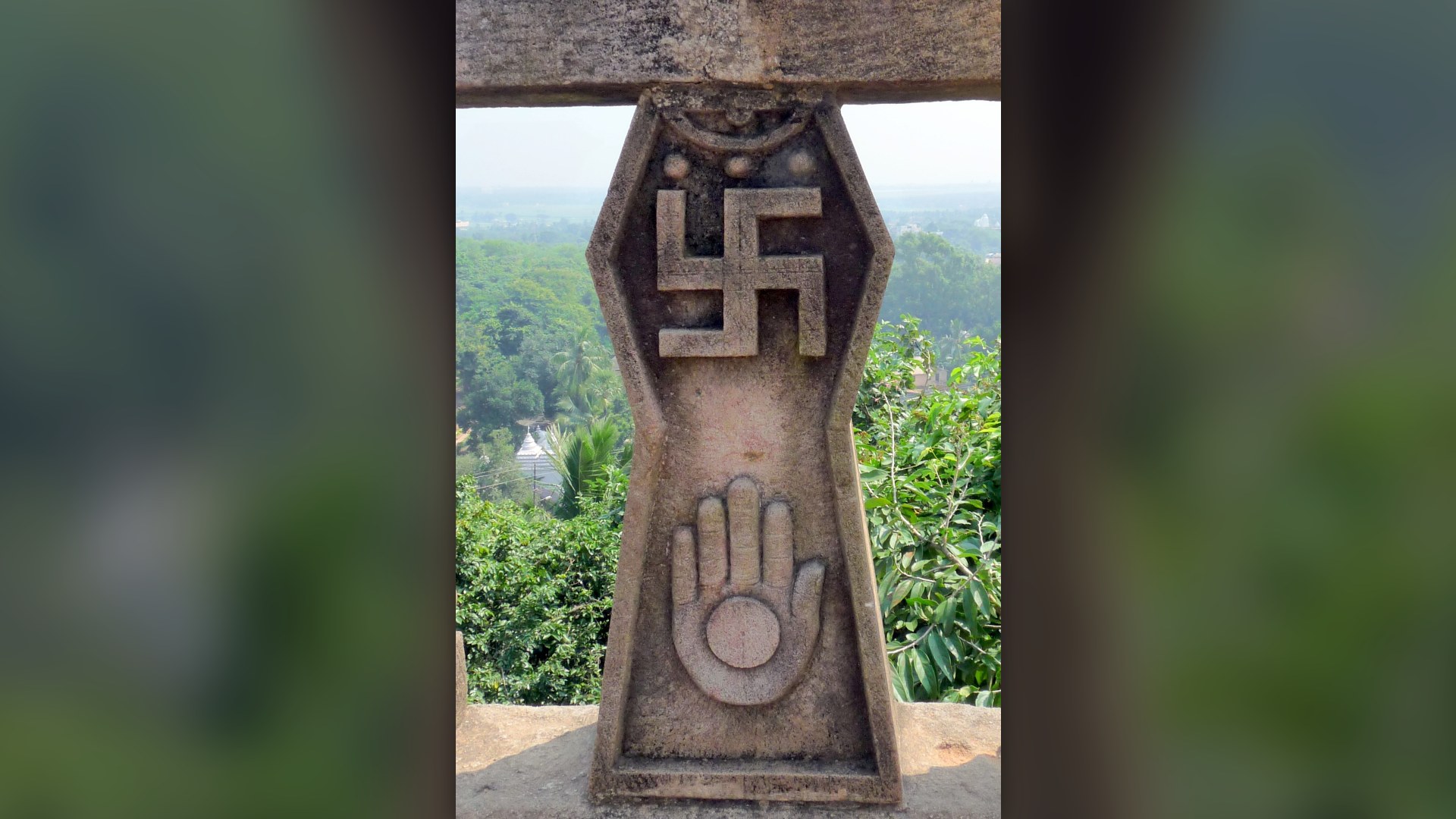
5. The Ahimsa Hand
The official symbol of Jainism displays an upright open hand indicating reassurance and non-violence, known as ahimsa. At the center of the palm rests the wheel of reincarnation with twenty-four spokes, representing the twenty-four Tirthankaras whose teachings guide souls across the cycle of earthly rebirth.
©Wikimedia / Steve Browne & John Verkleir
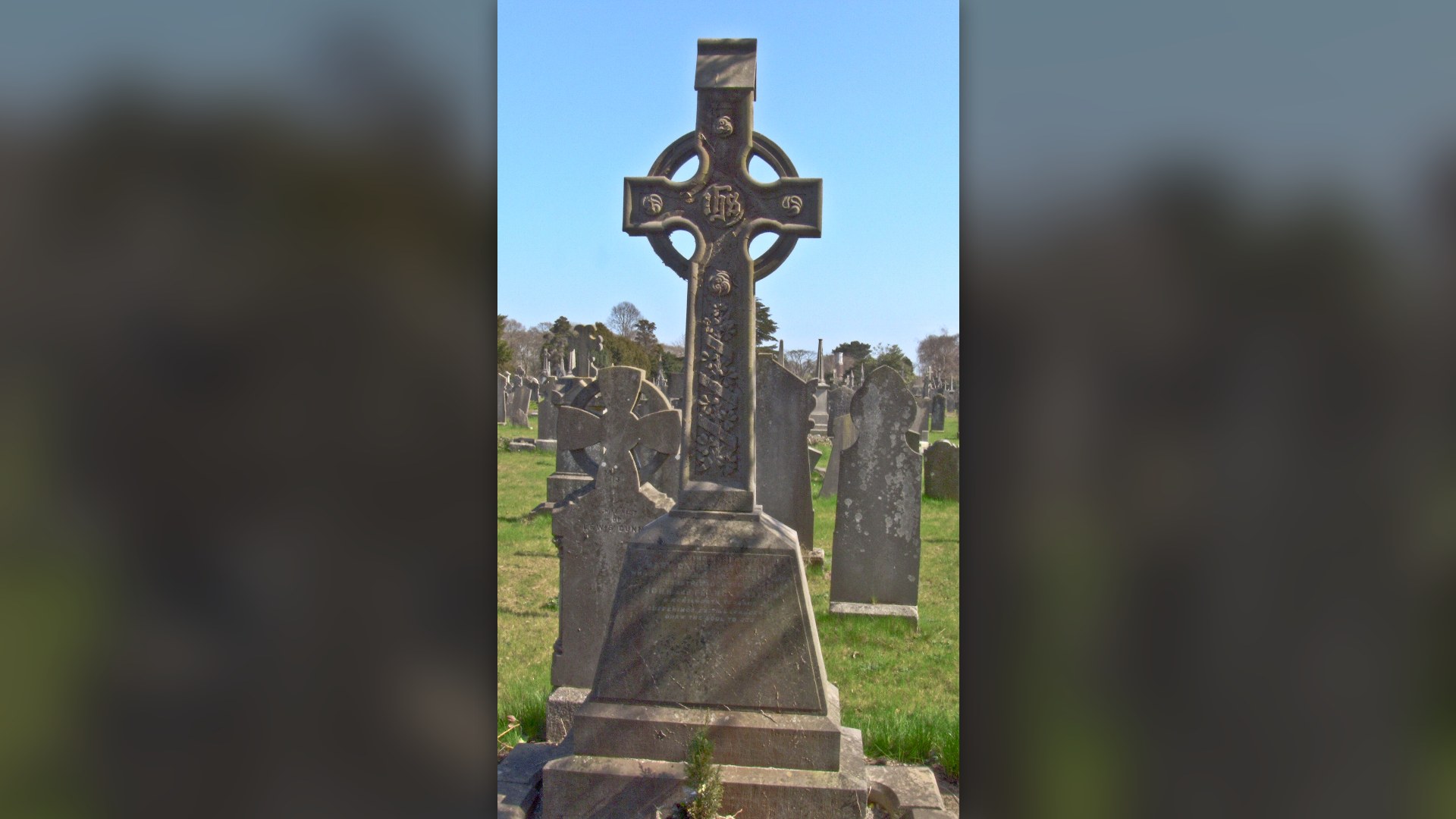
4. The Celtic Cross
Rising across Ireland and Scotland from the eighth century, monumental high crosses feature a central ring connecting the four crossbars. Historians suggest the ring either provided structural support for massive sandstone limbs or integrated pre-Christian solar symbolism into early Irish Christian theology.
©Wikimedia / William Murphy from Dublin, Ireland
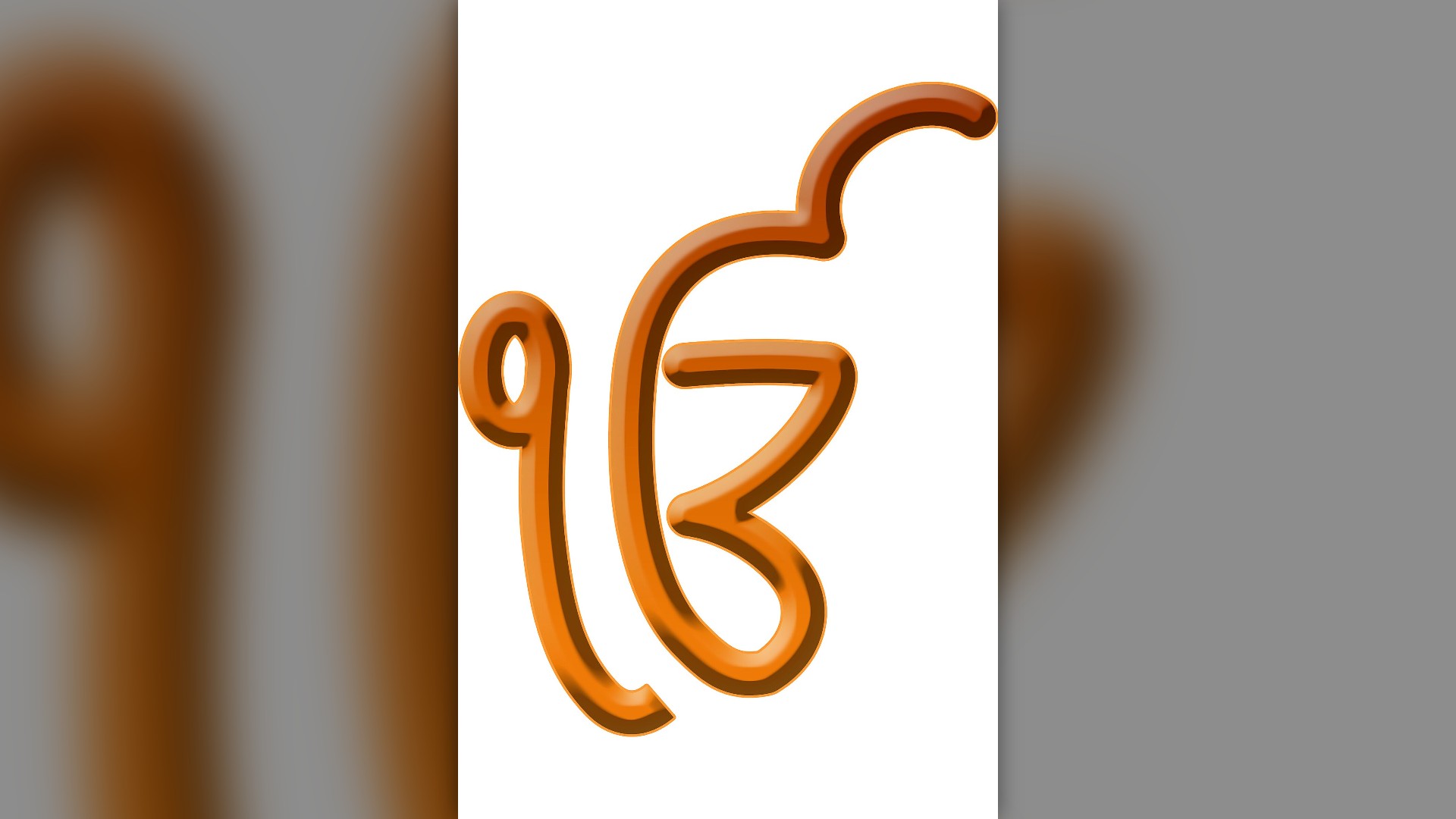
3. The Ik Onkar
Appearing as the opening phrase of the Guru Granth Sahib scripture, Ik Onkar combines the Punjabi digit one with the letter O. Formulated by Guru Nanak, the symbol asserts the absolute oneness of God and permeates every aspect of Sikh daily prayer, emphasizing that creation radiates from a single divine source.
©Wikimedia / Hari Singh
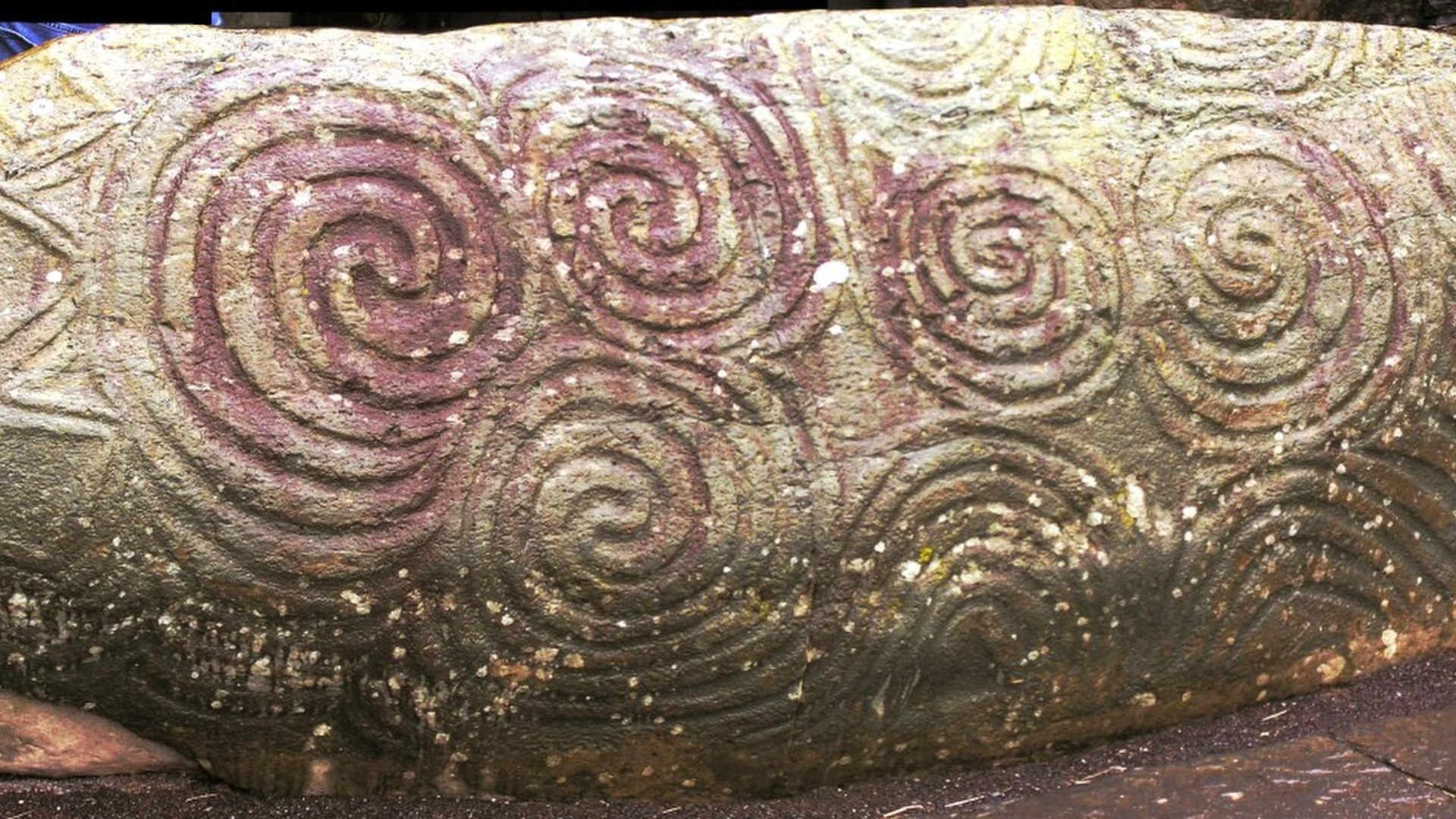
2. The Triskelion
Found carved onto Neolithic passage tombs such as Newgrange in Ireland, the triskelion consists of three interlocked running spirals. Celtic spiritual traditions associated the rotational motif with cycles of movement, the three realms of earth, sea, and sky, and the triple phases of life, death, and renewal.
©Wikimedia / Alan Bruce from Kelowna, Canada
Advertisement
Swipe or tap ▶ to resume the countdown.
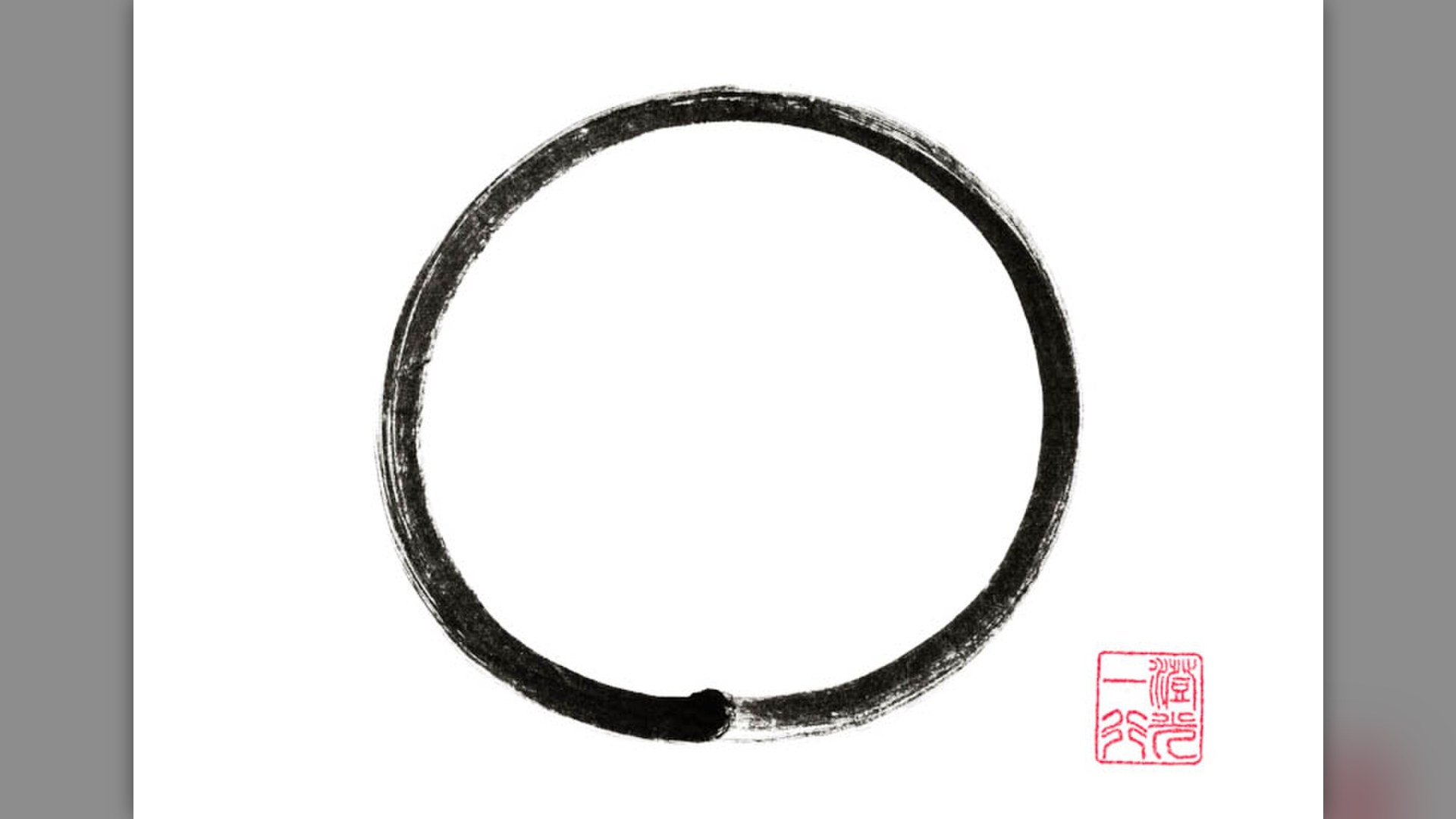
1. The Enso
Painted in a single uninhibited brushstroke, the enso is a sacred discipline in Zen Buddhist calligraphy. The circular form represents absolute void, cosmic harmony, and enlightenment. Whether closed in perfect symmetry or left open to welcome impermanence, the circle reflects the artist's state of mind.
©Wikimedia / Thich Nhat Hanh
Advertisement
You've reached the end of the story. Thanks for reading!

20 Handmade Christmas Decorations People Are Making at Home
Rising holiday retail costs prompted millions of households to craft their own festive ornaments, garlands, and table centerpieces using natural botanicals and recycled paper. This curated gallery explores twenty handmade projects based on design reporting from Better Homes & Gardens and Martha Stewart Living.
All 20 Entries in this Story
The Latin Cross
Originating in Roman antiquity, the Latin cross features an unequal intersection where the vertical beam exceeds the crossbar. While early Christians favored subtle symbols, the cross became the preeminent emblem of salvation, sacrificial love, and victory over death in the fourth century under Emperor Constantine.

The Star Of David
Known in Hebrew as the Magen David, meaning Shield of David, this six-pointed star combines two interlocking equilateral triangles. Used decoratively across the ancient Mediterranean, the emblem emerged as a distinct communal symbol in medieval Prague before becoming a universal sign of Jewish identity.

The Crescent And Star
The crescent moon paired with a star gained prominence as the imperial crest of the Ottoman Empire during the fifteenth century. Although early Islam avoided motifs, Muslim nations gradually adopted the crescent on flags and minarets, viewing it as an honoring of lunar calendars and divine sovereignty.

The Om
Written as Aum in Devanagari script, the Om is the most sacred vibration in Hindu philosophy. The three curves represent waking consciousness, dream sleep, and deep slumber, while the upper crescent and dot signify absolute transcendent awareness. Chanting Om connects practitioners with Brahman, the cosmic soul.

The Dharma Wheel
The Dharmachakra, or Wheel of the Law, represents the turning of spiritual doctrine initiated by the Buddha during his first sermon in Sarnath. Its circular shape signifies the perfection of dharma teachings, while the eight radiating spokes symbolize the ethical steps required to attain liberation from suffering.

The Khanda
Composed of four weapons, the Sikh Khanda features a double-edged sword at its core, symbolizing knowledge of divine truth. It is framed by a circular quoit representing unity and eternity, flanked by two curved daggers, Miri and Piri, which express the balance of temporal responsibility and spiritual devotion.

The Torii Gate
Found at the boundary of Shinto shrines across Japan, the torii gate consists of two upright pillars supporting two crossbeams. Painted in vermilion to ward off malevolent spirits, passing beneath a torii signifies spiritual purification and entry into the sacred dwelling space of nature spirits known as kami.

The Yin And Yang
The swirling circle of the Taijitu visualizes the harmony between complementary opposites in Daoist cosmology. The dark yin represents receptive and nocturnal energies, while the bright yang represents active and solar principles. The contrasting inner dots show that each contains the seed of the other.

The Seven-Branched Menorah
Described in the biblical Book of Exodus, the seven-branched golden menorah stood inside the portable Tabernacle and the Jerusalem Temple. Each lamp burnt pure olive oil, symbolizing universal enlightenment, the creation week, and continuous divine presence, making it the oldest enduring symbol of the Jewish faith.

The Faravahar
Prominent in ancient Persian relief sculptures at Persepolis, the Faravahar displays a bearded human elder framed by outstretched wings. Three tiers of feathers symbolize the primary Zoroastrian creed of good thoughts, words, and deeds, while the central ring represents the immortality of the human soul.

The Nine-Pointed Star
In the Arabic Abjad numerological system, the letters of the word Baha equal nine, making the number a sign of spiritual fulfillment and perfection. The nine-pointed star is widely displayed on Bahai temples and literature, symbolizing the unity of major world religions and the oneness of humanity.

The Lotus Flower
Revered in both Buddhism and Hinduism, the lotus roots in muddy lake beds yet blooms immaculate and unsullied above the water. In Indian iconography, deities like Vishnu and Lakshmi sit upon lotus thrones, while Buddhist teachings compare the pristine petals to the human heart awakening to enlightened virtue.

The Ichthys
In the first centuries of the Roman Empire, persecuted Christians used the fish symbol as a secret identification mark. The Greek word for fish, ichthys, formed an acrostic for Jesus Christ, Son of God, Savior. Believers would sketch one arc in the sand, waiting for a fellow traveler to complete the second stroke.

The Hamsa Hand
Known alternatively as the Hand of Fatima in Islamic tradition and the Hand of Miriam in Sephardic Judaism, the symmetrical palm protects against the evil eye. Often decorated with a central eye or floral etchings, the amulet invokes blessing, strength, and hospitality throughout North Africa and the Middle East.

The Egyptian Ankh
Featuring a teardrop loop atop a crossbar, the ankh was the hieroglyphic character for physical and eternal life. Ancient Egyptian deities were routinely depicted holding the ankh by its loop or offering it to pharaohs' lips, signifying the transfer of divine breath and vital energy into the earthly realm.

The Ahimsa Hand
The official symbol of Jainism displays an upright open hand indicating reassurance and non-violence, known as ahimsa. At the center of the palm rests the wheel of reincarnation with twenty-four spokes, representing the twenty-four Tirthankaras whose teachings guide souls across the cycle of earthly rebirth.

The Celtic Cross
Rising across Ireland and Scotland from the eighth century, monumental high crosses feature a central ring connecting the four crossbars. Historians suggest the ring either provided structural support for massive sandstone limbs or integrated pre-Christian solar symbolism into early Irish Christian theology.

The Ik Onkar
Appearing as the opening phrase of the Guru Granth Sahib scripture, Ik Onkar combines the Punjabi digit one with the letter O. Formulated by Guru Nanak, the symbol asserts the absolute oneness of God and permeates every aspect of Sikh daily prayer, emphasizing that creation radiates from a single divine source.

The Triskelion
Found carved onto Neolithic passage tombs such as Newgrange in Ireland, the triskelion consists of three interlocked running spirals. Celtic spiritual traditions associated the rotational motif with cycles of movement, the three realms of earth, sea, and sky, and the triple phases of life, death, and renewal.

The Enso
Painted in a single uninhibited brushstroke, the enso is a sacred discipline in Zen Buddhist calligraphy. The circular form represents absolute void, cosmic harmony, and enlightenment. Whether closed in perfect symmetry or left open to welcome impermanence, the circle reflects the artist's state of mind.