Slideshow · Technology
25 Classic Vehicles From the 1908 Model T to the 1970s Muscle Era
From the 1908 Model T to the high-horsepower 1970s muscle era, iconic classic vehicles transformed global engineering and automotive design. Based on historical archives from the Petersen Automotive Museum and MotorTrend records, this gallery profiles twenty-five legendary machines that defined motoring.
By Most Viral Today
5 min ago

The Machines That Defined Twentieth-Century Motoring History 
25. 1908 Ford Model T 
24. 1932 Ford Model 18 V8 
23. 1936 Duesenberg SSJ - AdvertisementSwipe or tap ▶ to continue countdown

22. 1948 Tucker 48 
21. 1949 Cadillac Series 62 
20. 1953 Chevrolet Corvette C1 
19. 1954 Mercedes-Benz 300 SL Gullwing - AdvertisementSwipe or tap ▶ to continue countdown

18. 1955 Porsche 356 Speedster 
17. 1955 Chevrolet Bel Air 
16. 1957 Ford Thunderbird 
15. 1959 Cadillac Eldorado Biarritz - AdvertisementSwipe or tap ▶ to continue countdown

14. 1961 Jaguar E-Type Series 1 
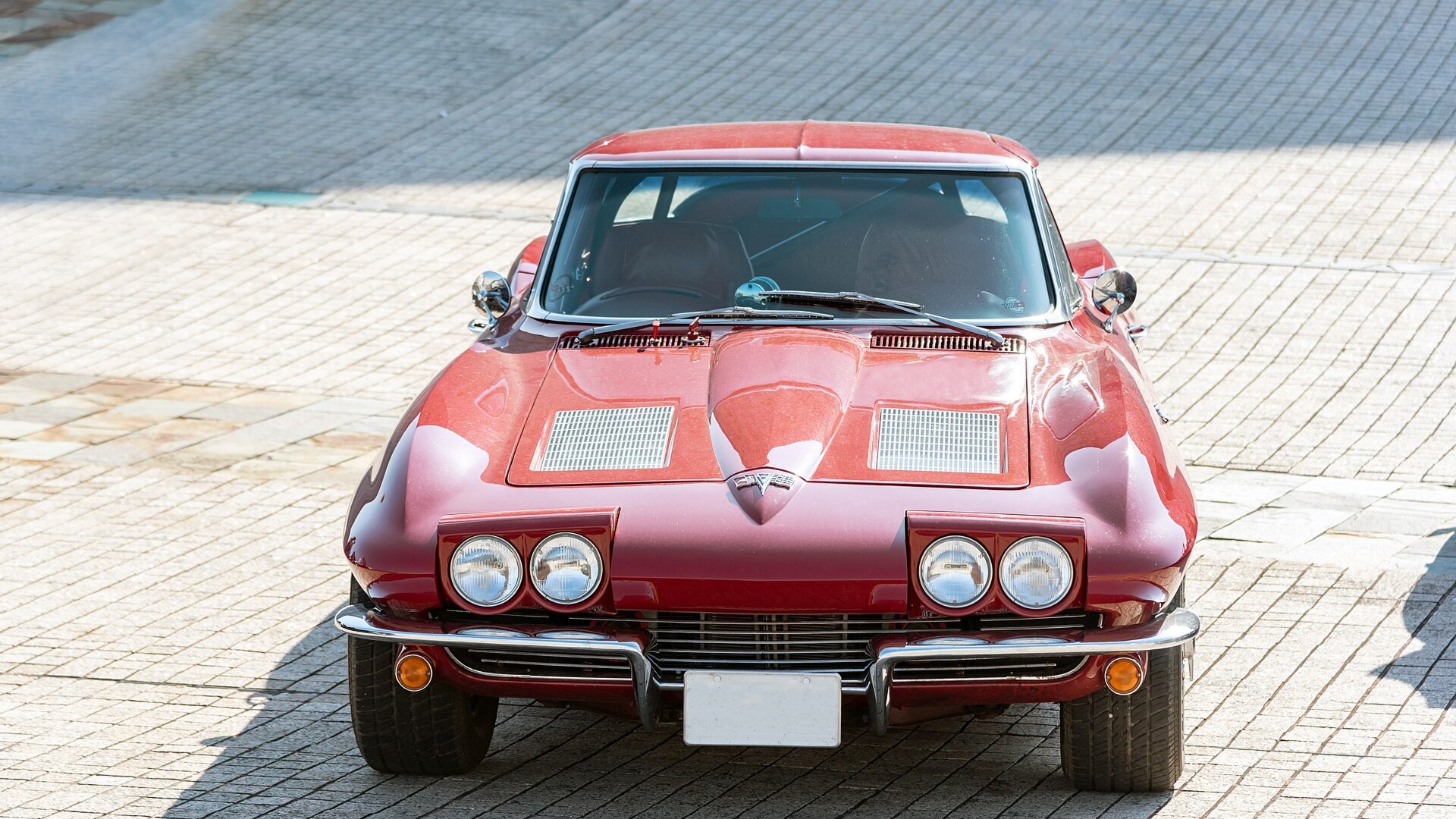
13. 1963 Chevrolet Corvette Sting Ray 
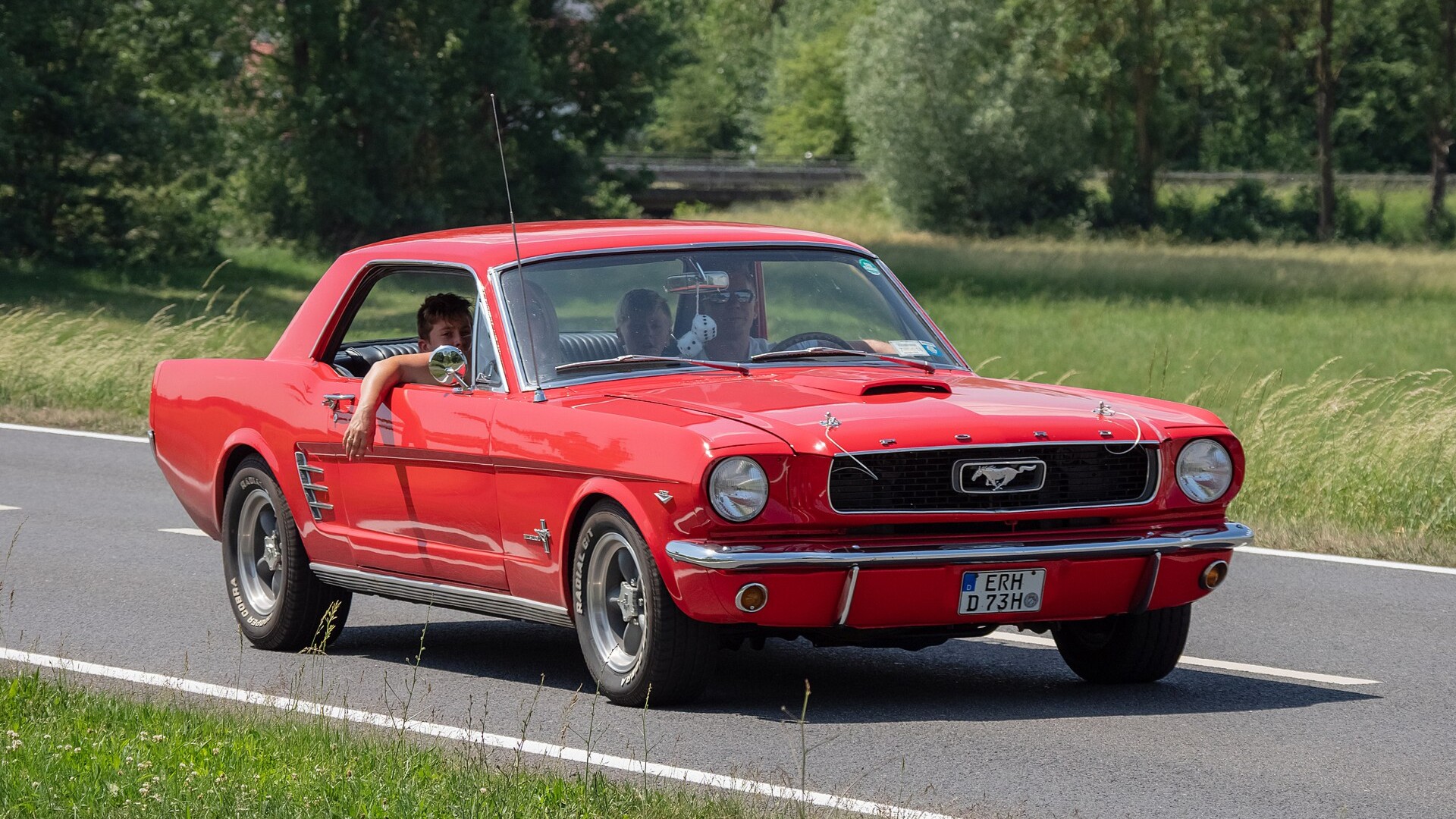
12. 1964 Ford Mustang 
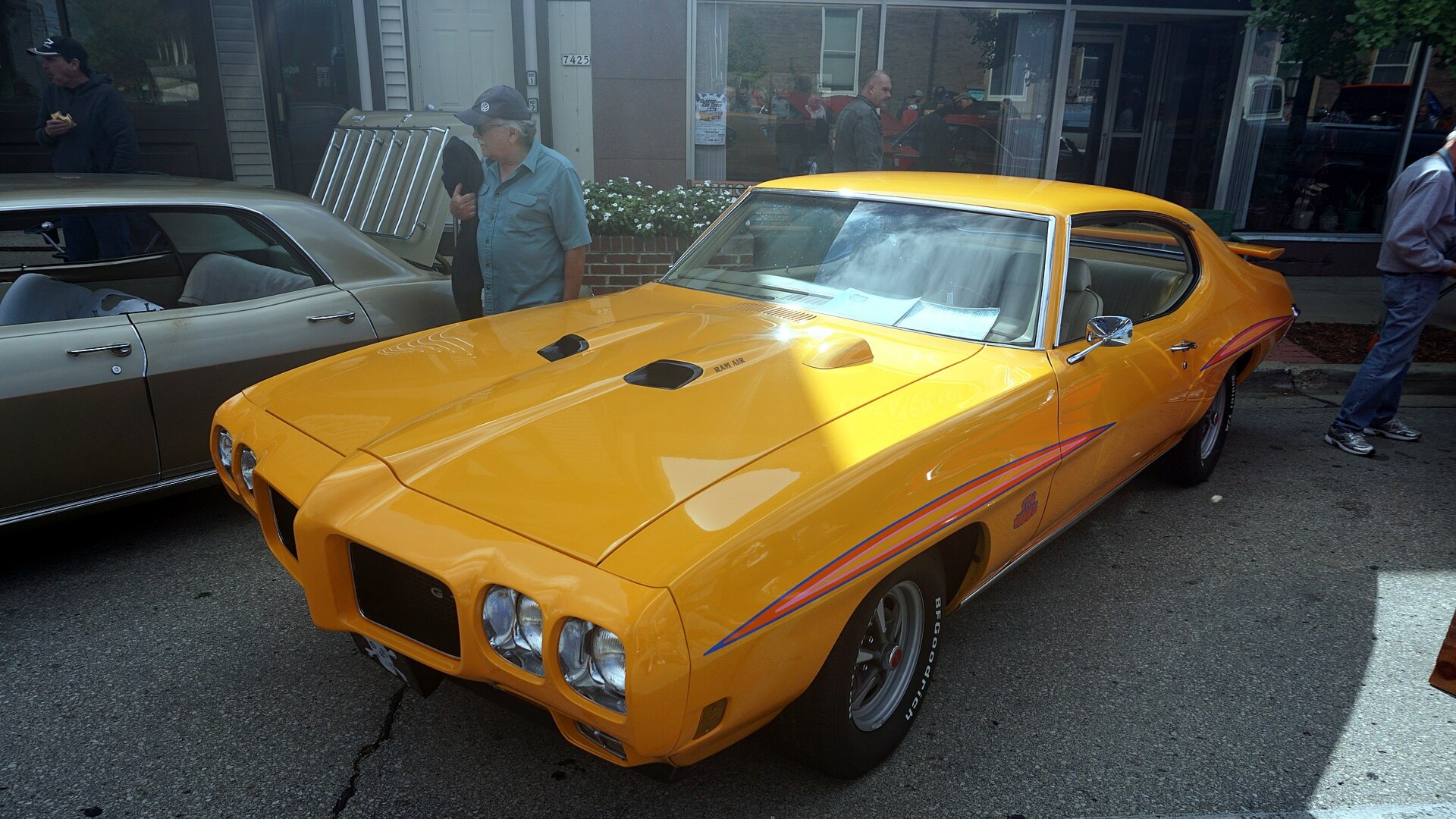
11. 1964 Pontiac GTO - AdvertisementSwipe or tap ▶ to continue countdown

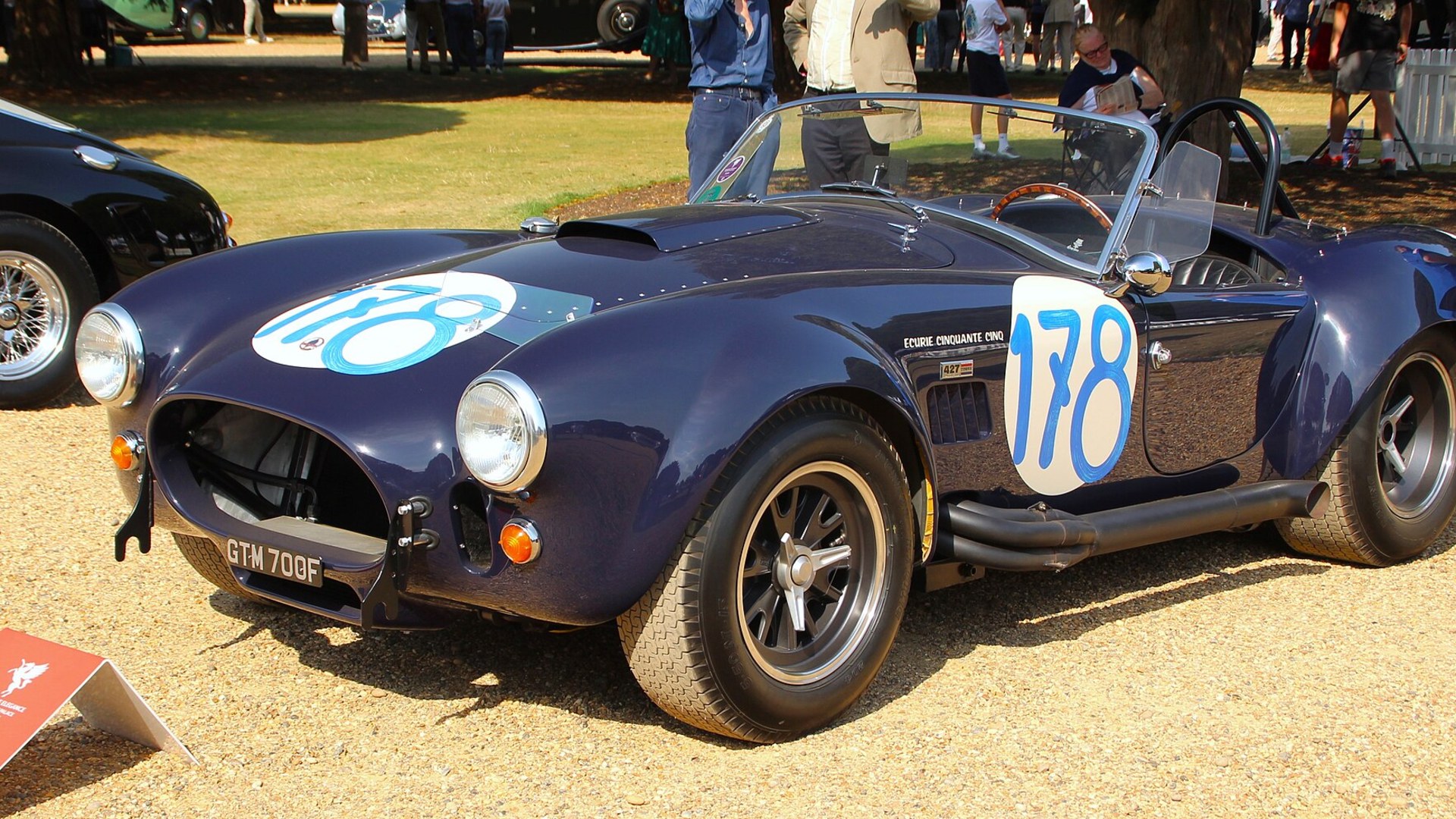
10. 1965 Shelby Cobra 427 
9. 1966 Lamborghini Miura P400 
8. 1967 Chevrolet Camaro SS 
7. 1968 Dodge Charger - AdvertisementSwipe or tap ▶ to continue countdown

6. 1969 Ford Mustang Boss 429 
5. 1969 Chevrolet Camaro Z/28 
4. 1971 Plymouth Hemi Cuda 
3. 1970 Chevrolet Chevelle SS 454 - AdvertisementSwipe or tap ▶ to continue countdown

2. 1970 Dodge Charger R/T 
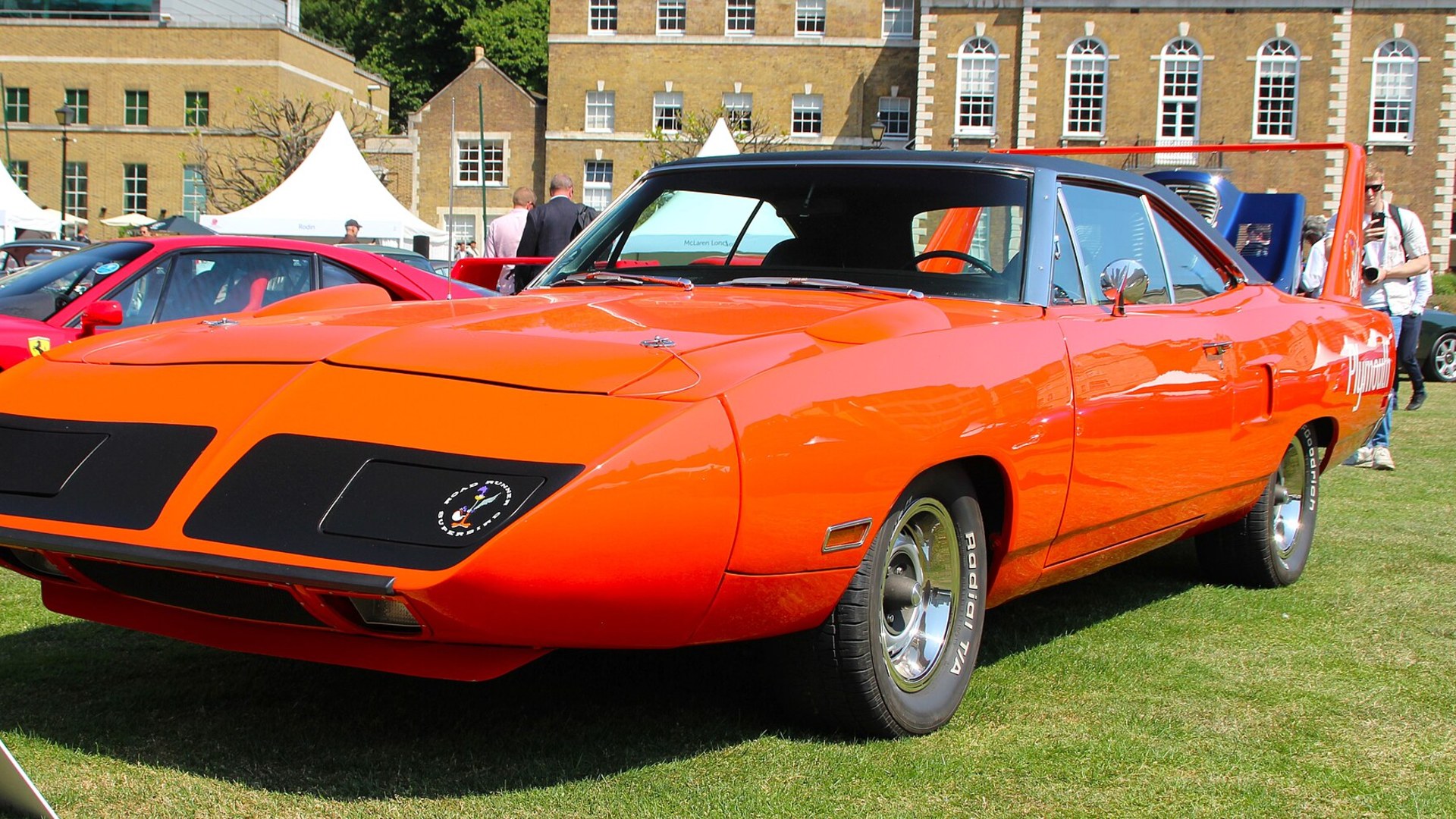
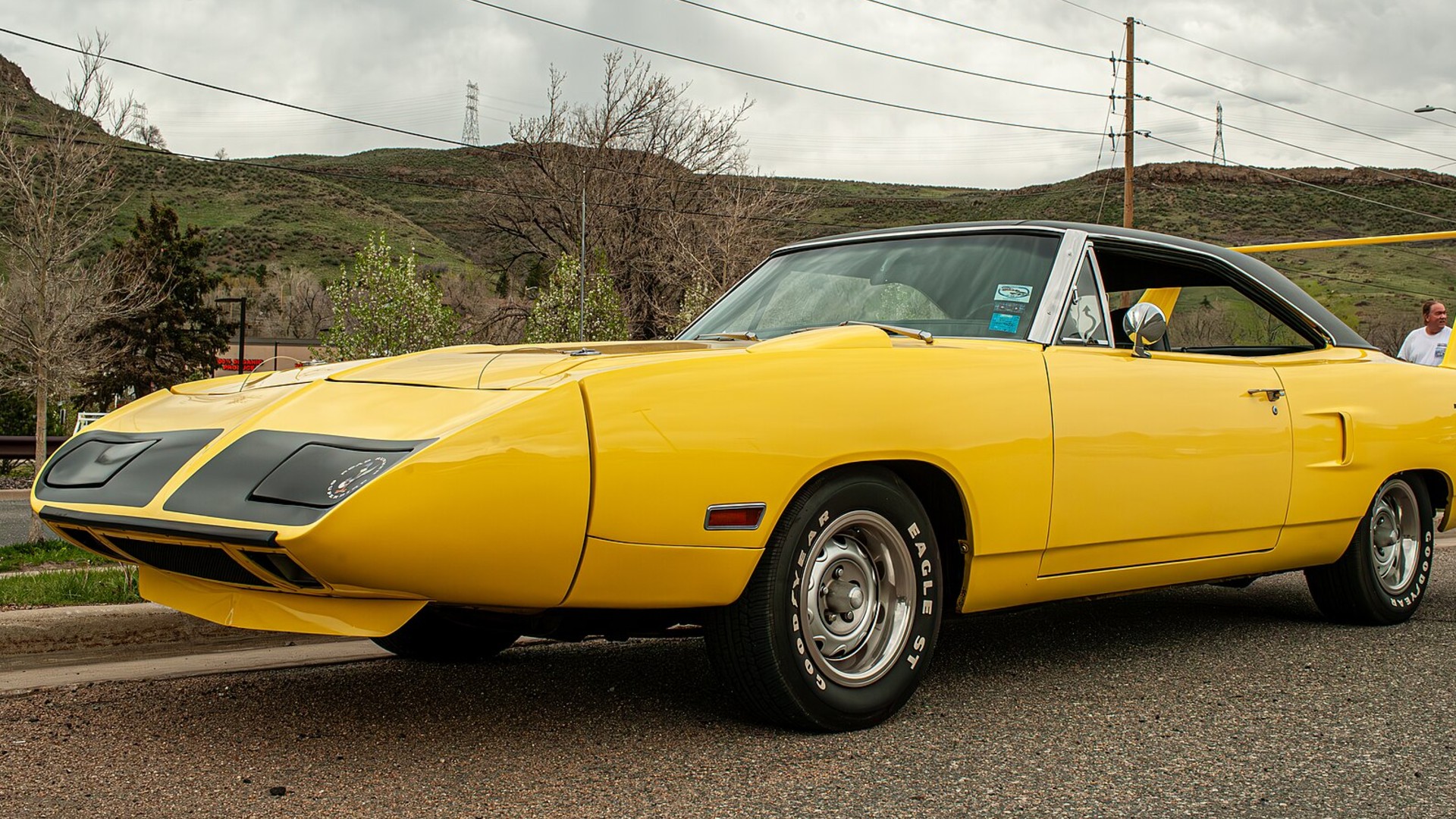
1. 1970 Plymouth Superbird - Advertisement🔥 UP NEXT IN THIS SERIES◫ 27 Slides

26 Largest Tech Companies by Market Value, Ranked
Driven by breakthroughs in artificial intelligence and global cloud computing, technology giants command record stock market valuations. Bloomberg and Reuters financial registers track market capitalizations across semiconductor foundries, software platforms, and hardware makers shaping our digital economy.
From the 1908 Model T to the high-horsepower 1970s muscle era, iconic classic vehicles transformed global engineering and automotive design. Based on historical archives from the Petersen Automotive Museum and MotorTrend records, this gallery profiles twenty-five legendary machines that defined motoring.
Swipe or tap ▶ to begin the countdown
©Wikimedia / Plymouth Superbird
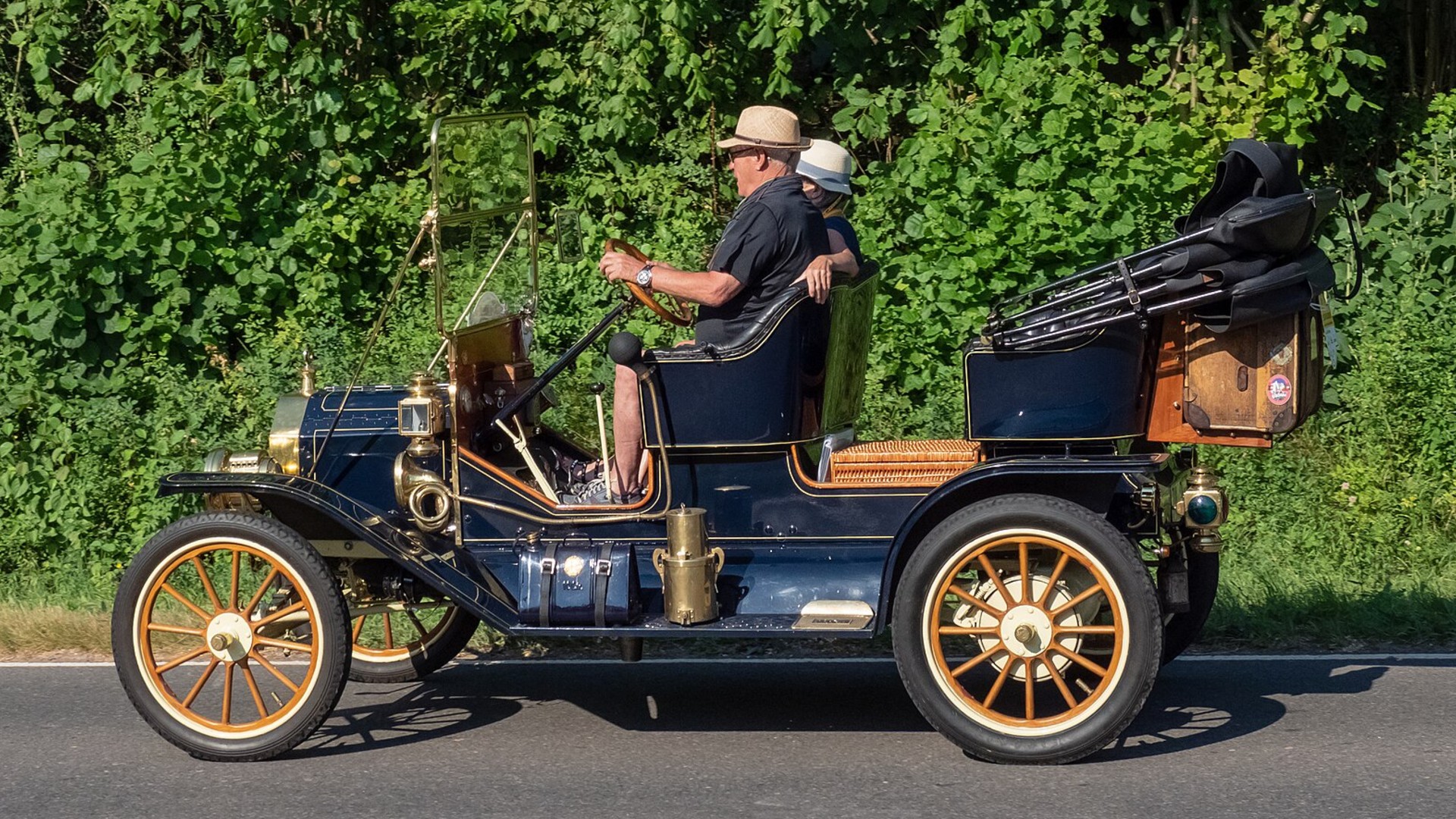
25. 1908 Ford Model T
Henry Ford launched the Model T in October 1908 at an initial price of 850 dollars. Introducing the moving assembly line in 1913 cut production time from twelve hours to ninety-three minutes per car. Ford built over fifteen million units before retiring the Tin Lizzie in May 1927.
©Wikimedia / Ermell
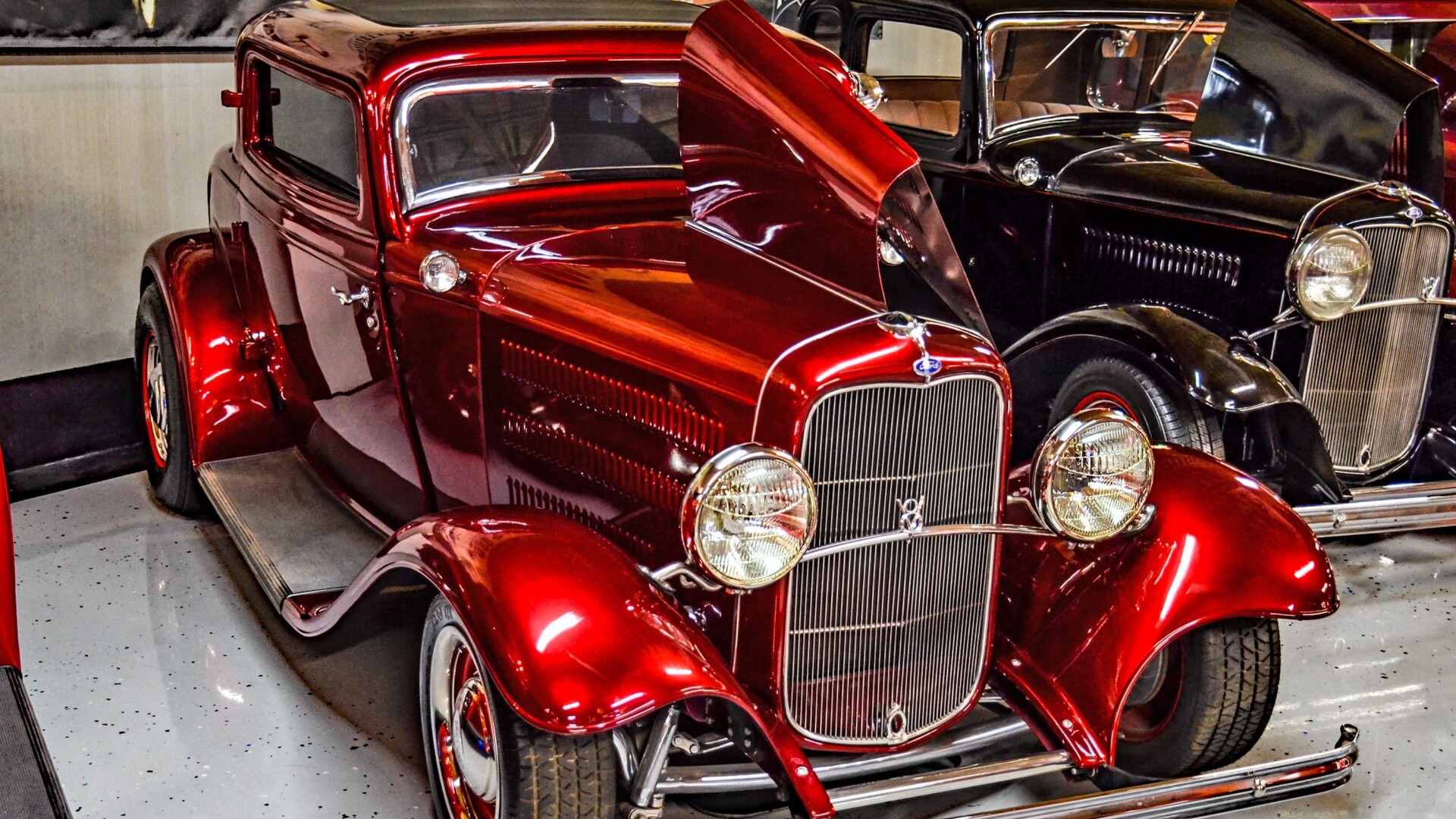
24. 1932 Ford Model 18 V8
Introduced in March 1932, the Model 18 brought a flathead 221 cubic-inch V8 producing 65 horsepower to budget buyers. Post-war hot rodders stripped the coupe bodies to race on dry lake beds across Southern California. The Deuce Coupe became the foundational icon of American speed culture.
©Wikimedia / Tomás Del Coro from Fabulous Las Vegas, Nevada,
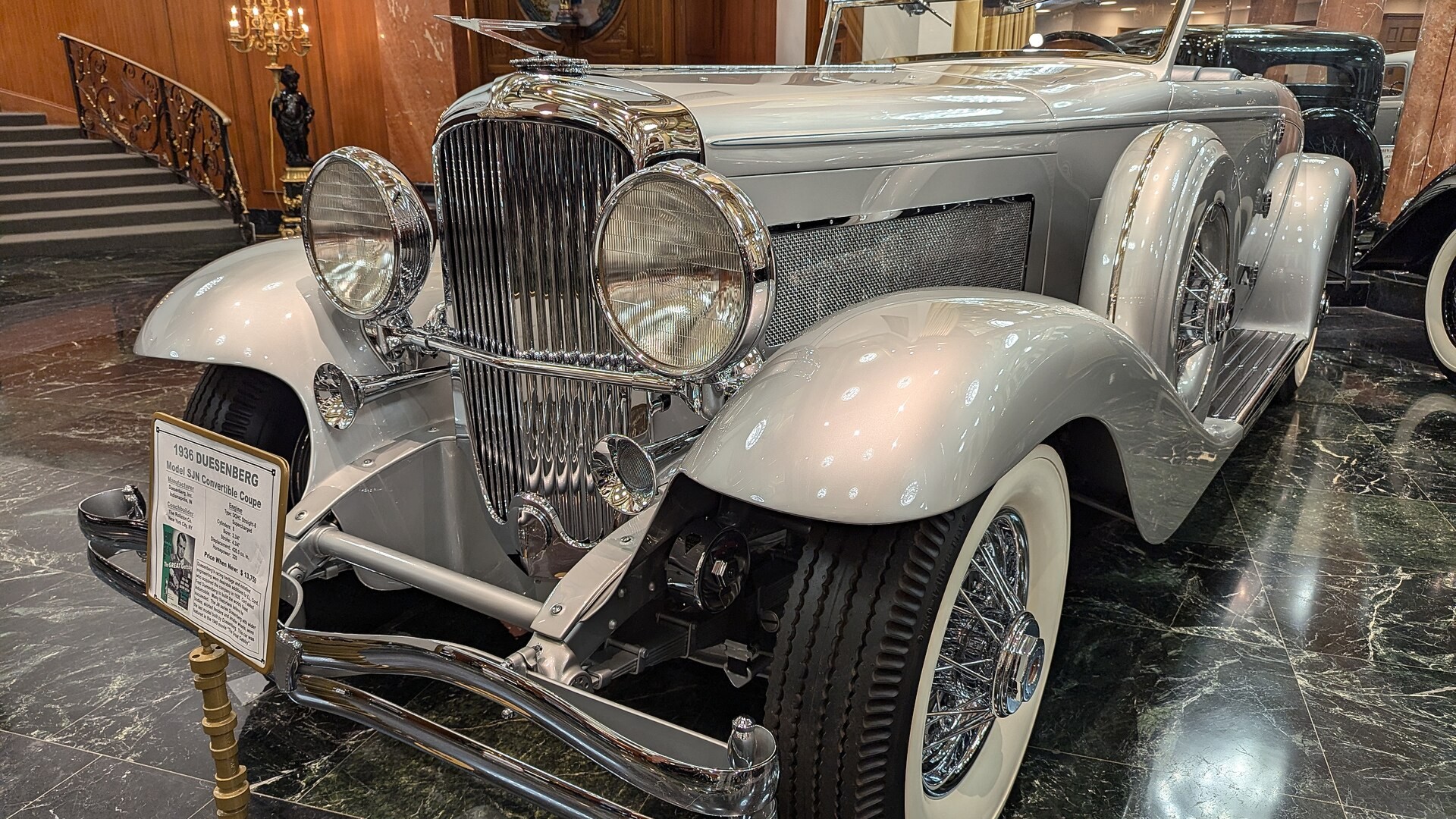
23. 1936 Duesenberg SSJ
Duesenberg produced only two SSJ models in 1936 on a shortened 125-inch chassis. The twin-cam straight-eight engine delivered 400 horsepower, propelling it to 140 miles per hour. Clark Gable and Gary Cooper drove the two roadsters, establishing the car as pre-war America's pinnacle of luxury performance.
©Wikimedia / Jeremy Thompson from Los Angeles, California
Advertisement
Swipe or tap ▶ to resume the countdown.
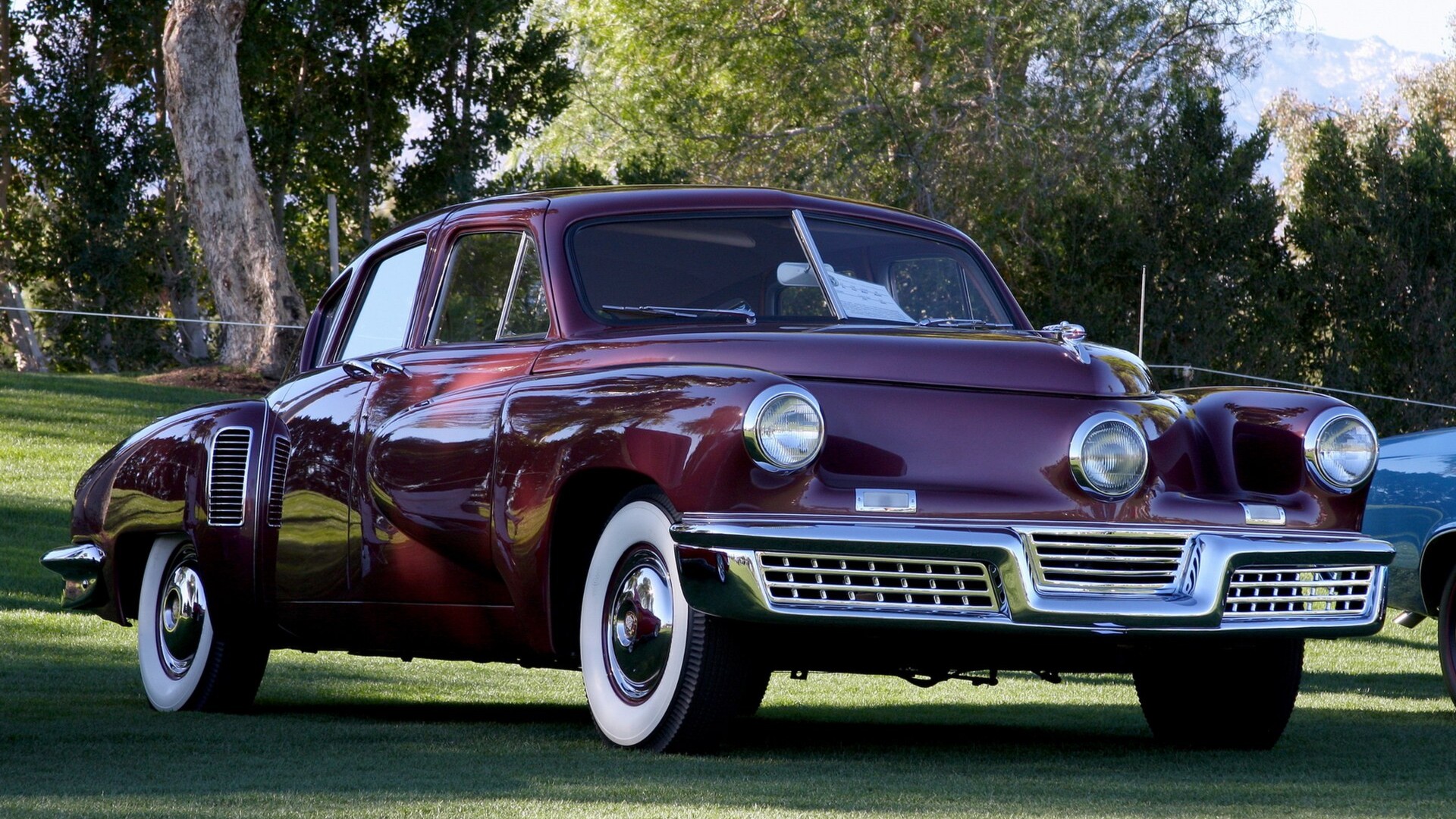
22. 1948 Tucker 48
Preston Tucker designed the 48 with a directional center headlight, pop-out safety glass, and an integrated padded dashboard. Power came from an aircraft-derived 335 cubic-inch flat-six engine generating 166 horsepower. Only fifty-one examples were completed before the company ceased operations in 1949.
©Wikimedia / Rex Gray
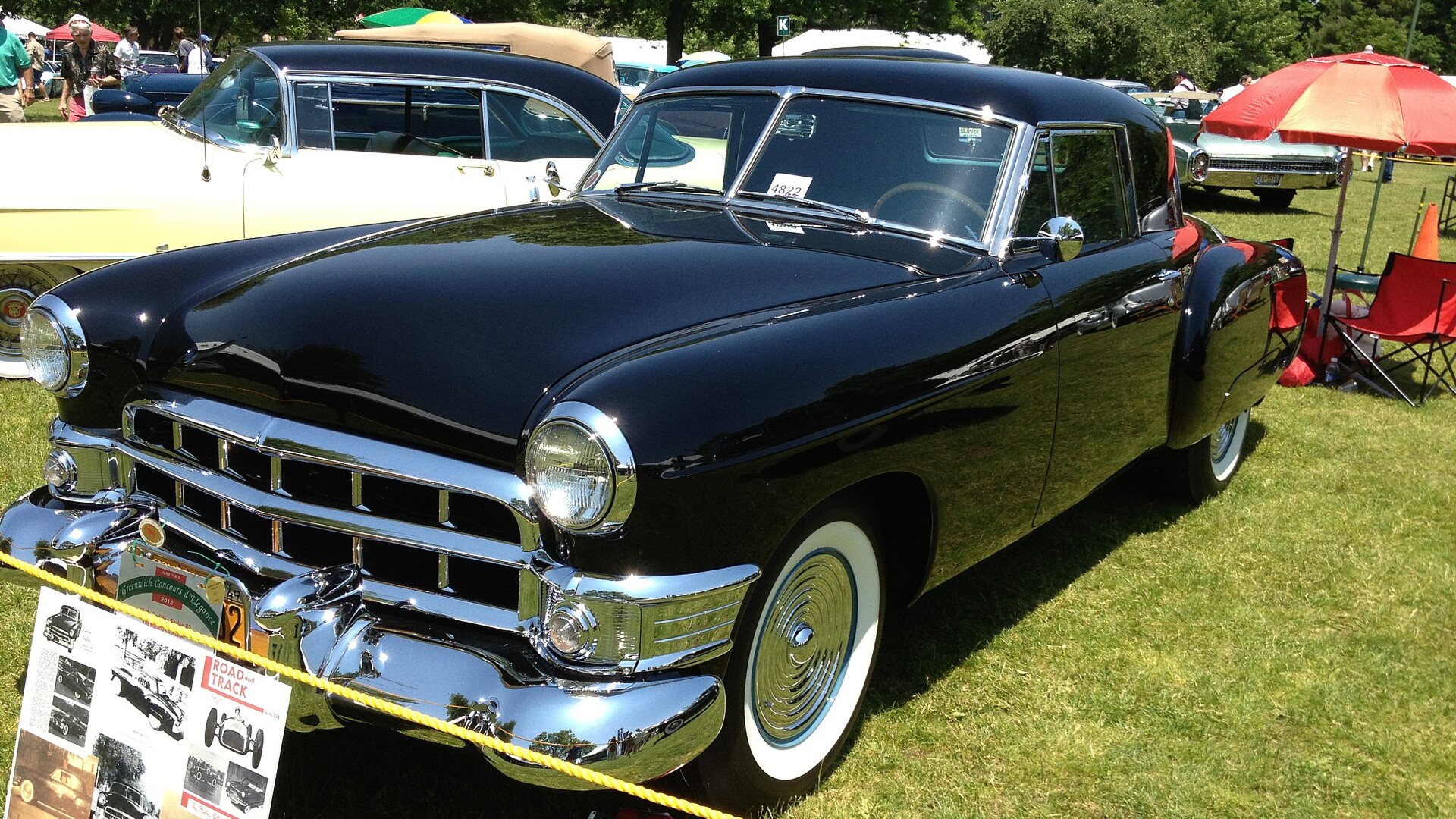
21. 1949 Cadillac Series 62
The 1949 Cadillac Series 62 debuted a revolutionary 331 cubic-inch overhead-valve V8 engine producing 160 horsepower. General Motors paired this smooth powertrain with aircraft-inspired tailfins crafted by design chief Harley Earl. The car captured the very first Motor Trend Car of the Year award in 1949.
©Wikimedia / V-Hantarex
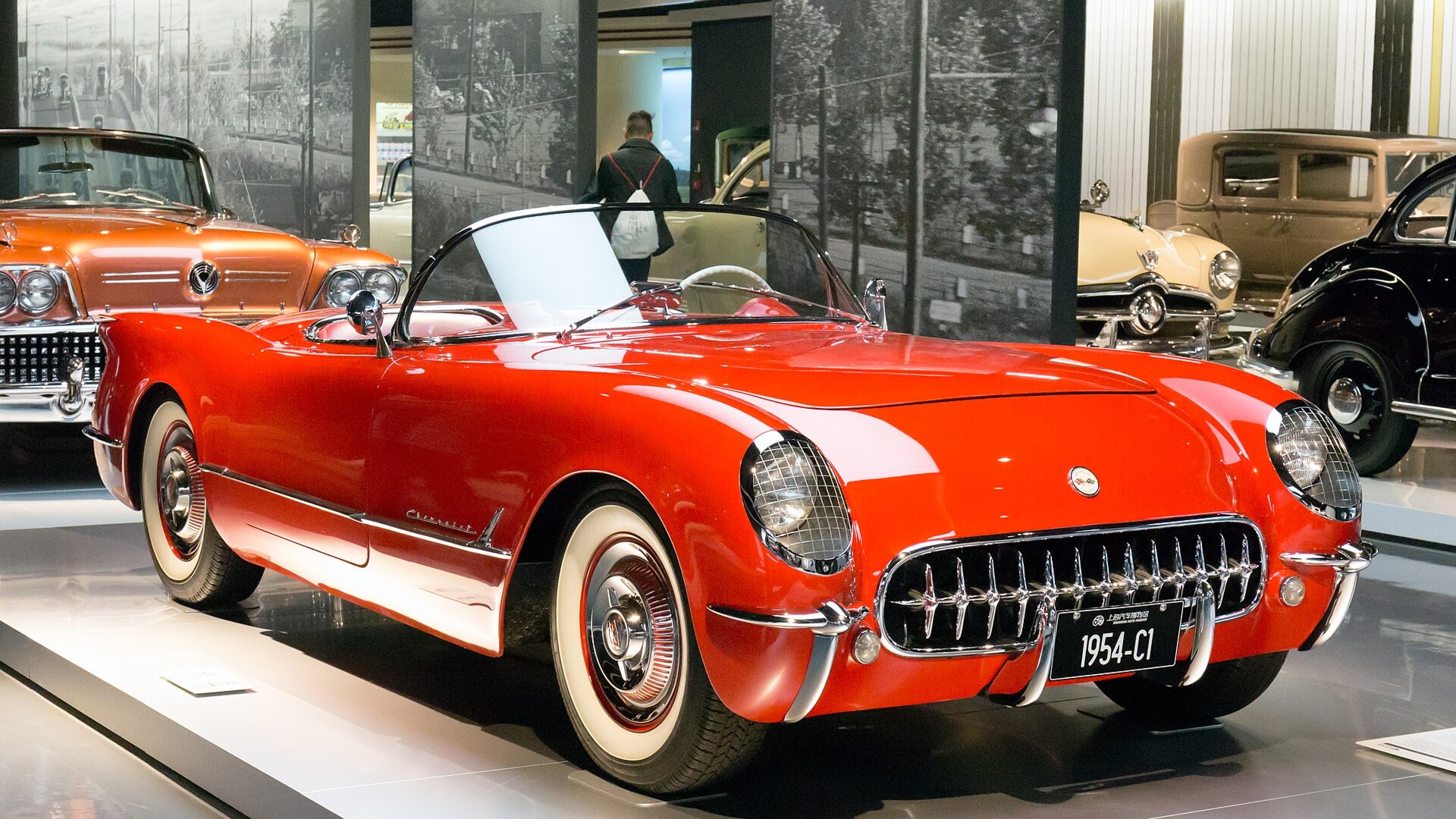
20. 1953 Chevrolet Corvette C1
Chevrolet unveiled the hand-built Corvette roadster in January 1953 at the Waldorf Astoria Hotel in New York. The body used lightweight fiberglass over a modified passenger car chassis, powered by a 150-horsepower Blue Flame inline-six. Exactly three hundred units rolled out of the Flint plant for 1953.
©Wikimedia / Chevrolet Corvette (C1)
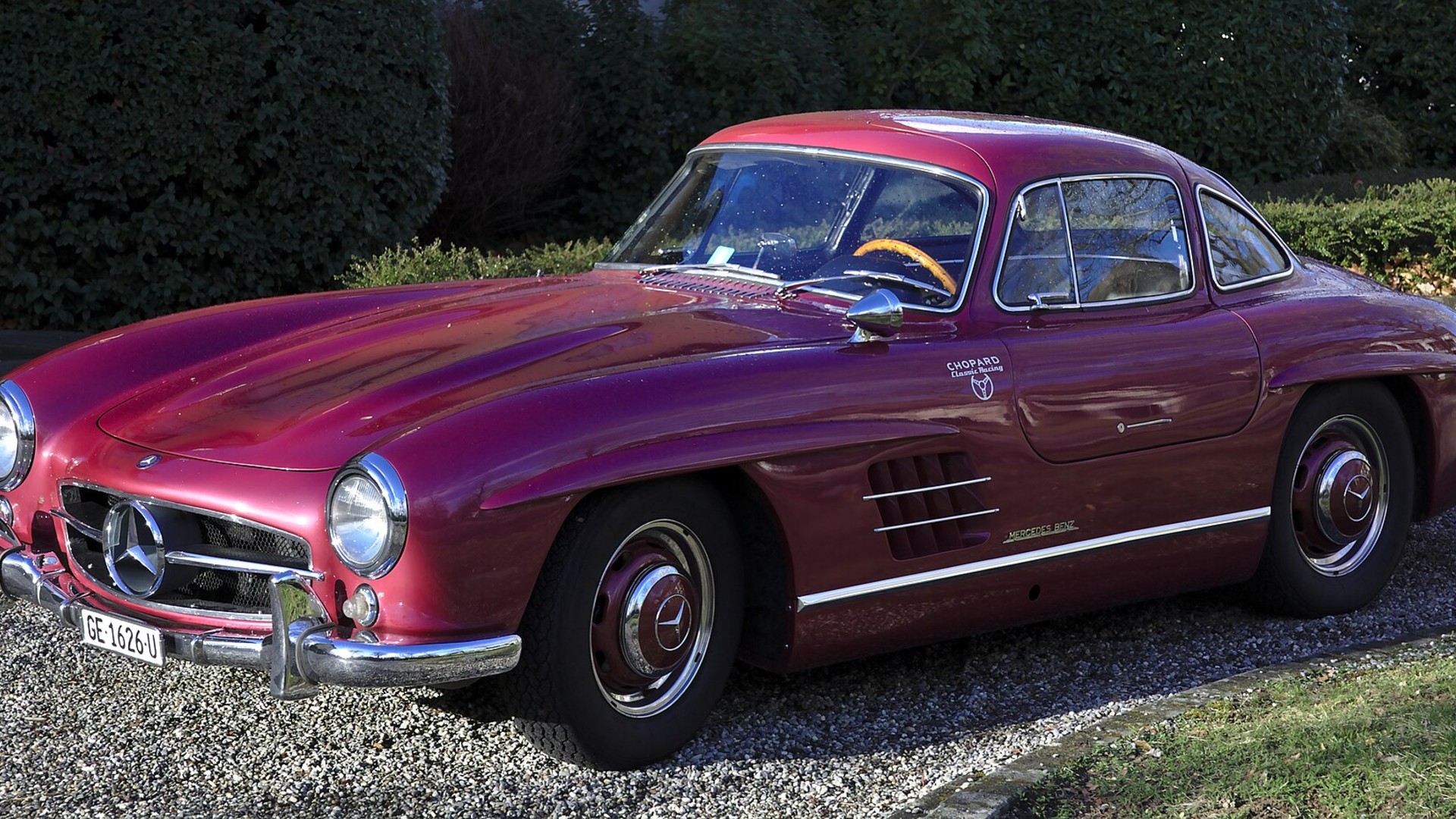
19. 1954 Mercedes-Benz 300 SL Gullwing
Derived from the 1952 Le Mans winner, the W198 Gullwing featured a tubular spaceframe chassis and direct mechanical fuel injection. The three-liter straight-six produced 215 horsepower, achieving a top speed of 160 miles per hour. Mercedes built 1,400 coupes between 1954 and 1957.
©Wikimedia / Alexander Migl
Advertisement
Swipe or tap ▶ to resume the countdown.
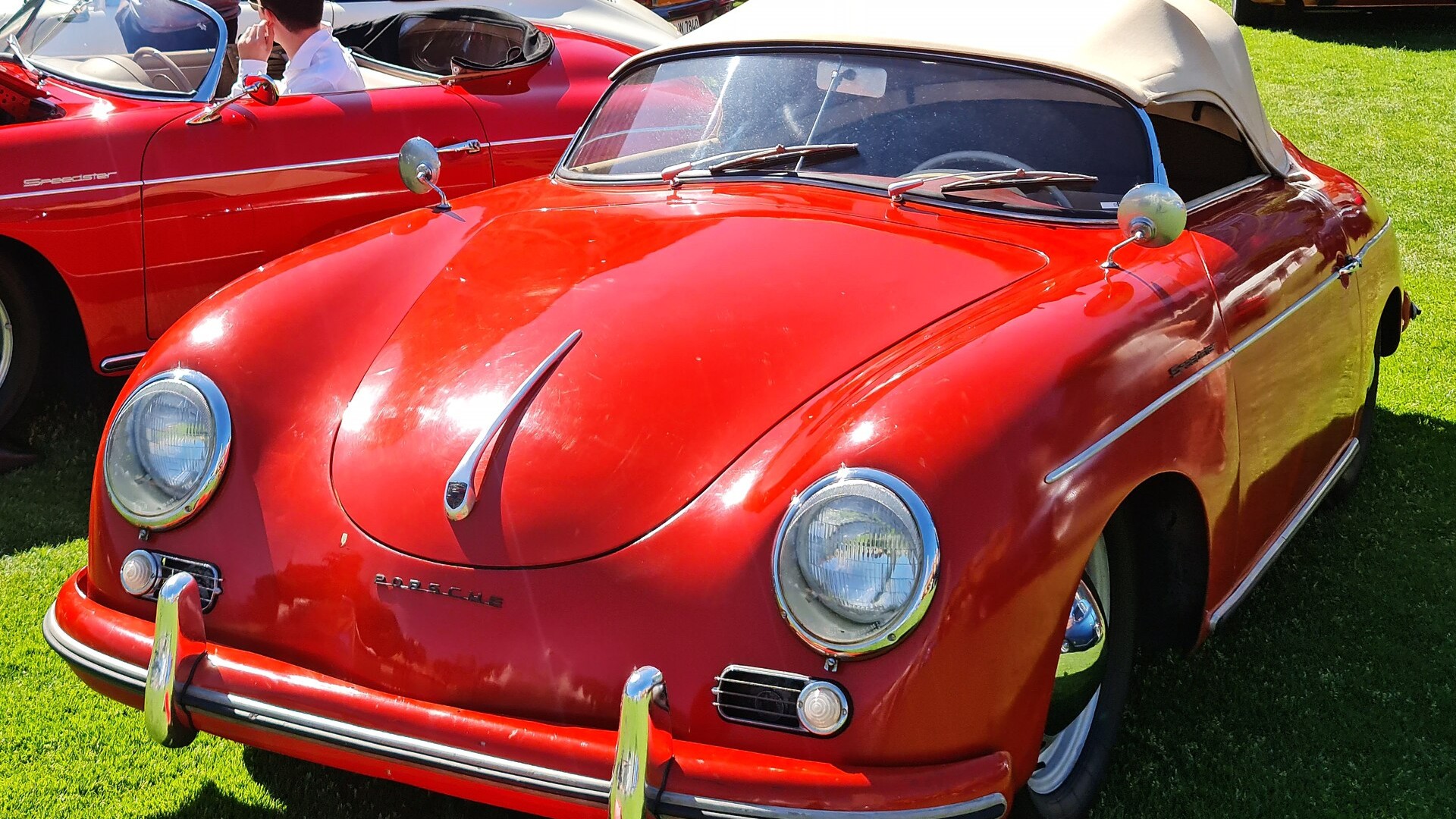
18. 1955 Porsche 356 Speedster
Max Hoffman urged Porsche to build a bare-bones sports car selling for under 3,000 dollars in the United States. The 356 Speedster arrived with a low-cut curved windscreen, bucket seats, and minimal canvas top. Its rear-mounted 1.5-liter engine delivered nimble handling that dominated amateur racing circuits.
©Wikimedia / MrWalkr
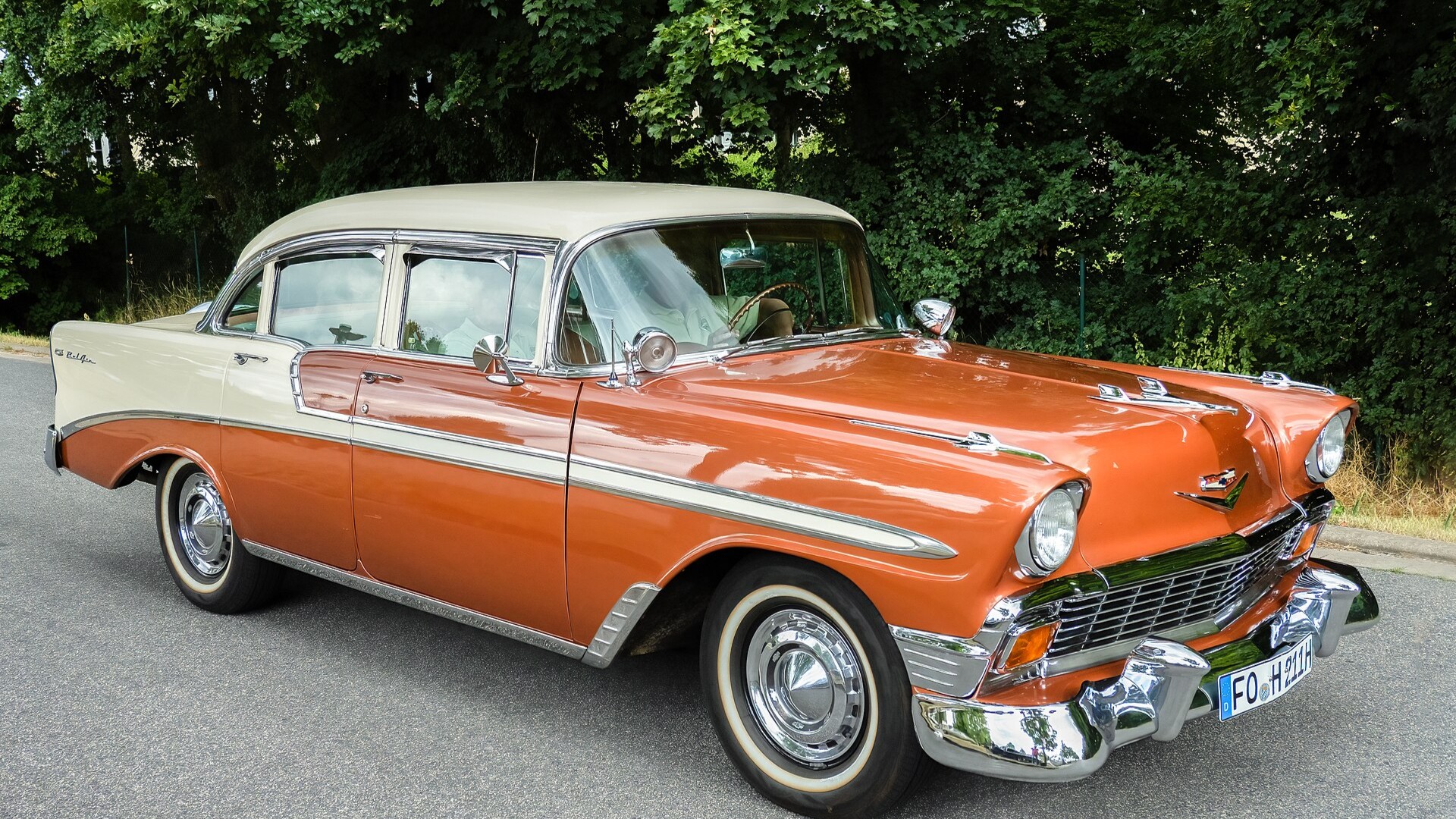
17. 1955 Chevrolet Bel Air
The 1955 Bel Air defined post-war suburban cool with Ferrari-inspired grille mesh and two-tone paint schemes. Under the hood, engineer Ed Cole introduced the lightweight 265 cubic-inch small-block V8, rated at up to 180 horsepower. The design kicked off the beloved Tri-Five Chevrolet generation.
©Wikimedia / Ermell
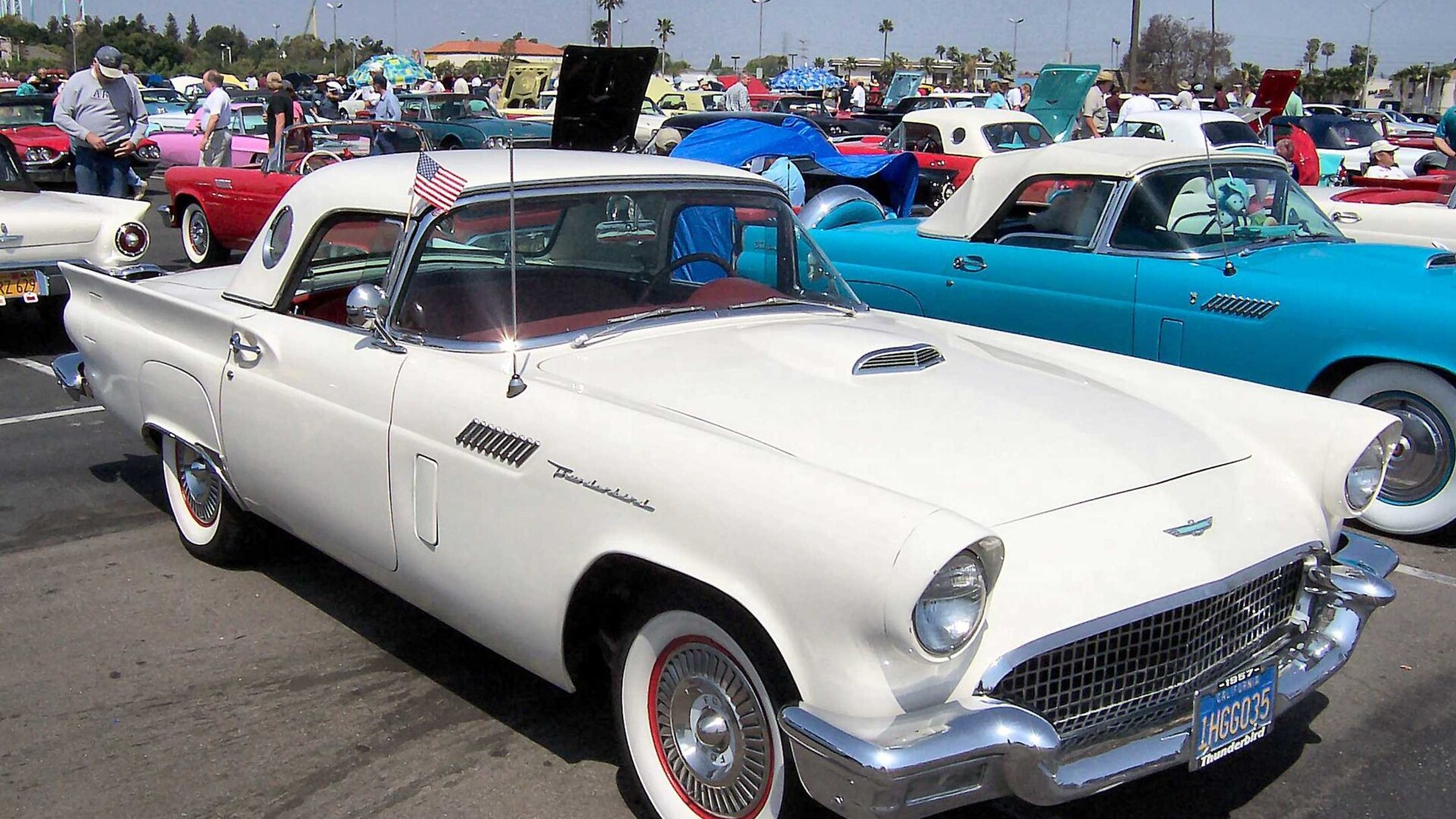
16. 1957 Ford Thunderbird
Ford refreshed the Thunderbird for 1957 with reshaped bumper contours, a longer trunk, and distinctive porthole hardtop windows. Buyers could order a supercharged 312 cubic-inch Y-block V8 pushing 300 horsepower. Sales hit a record 21,380 units before Ford converted the model to a four-seater for 1958.
©Wikimedia / User:Morven
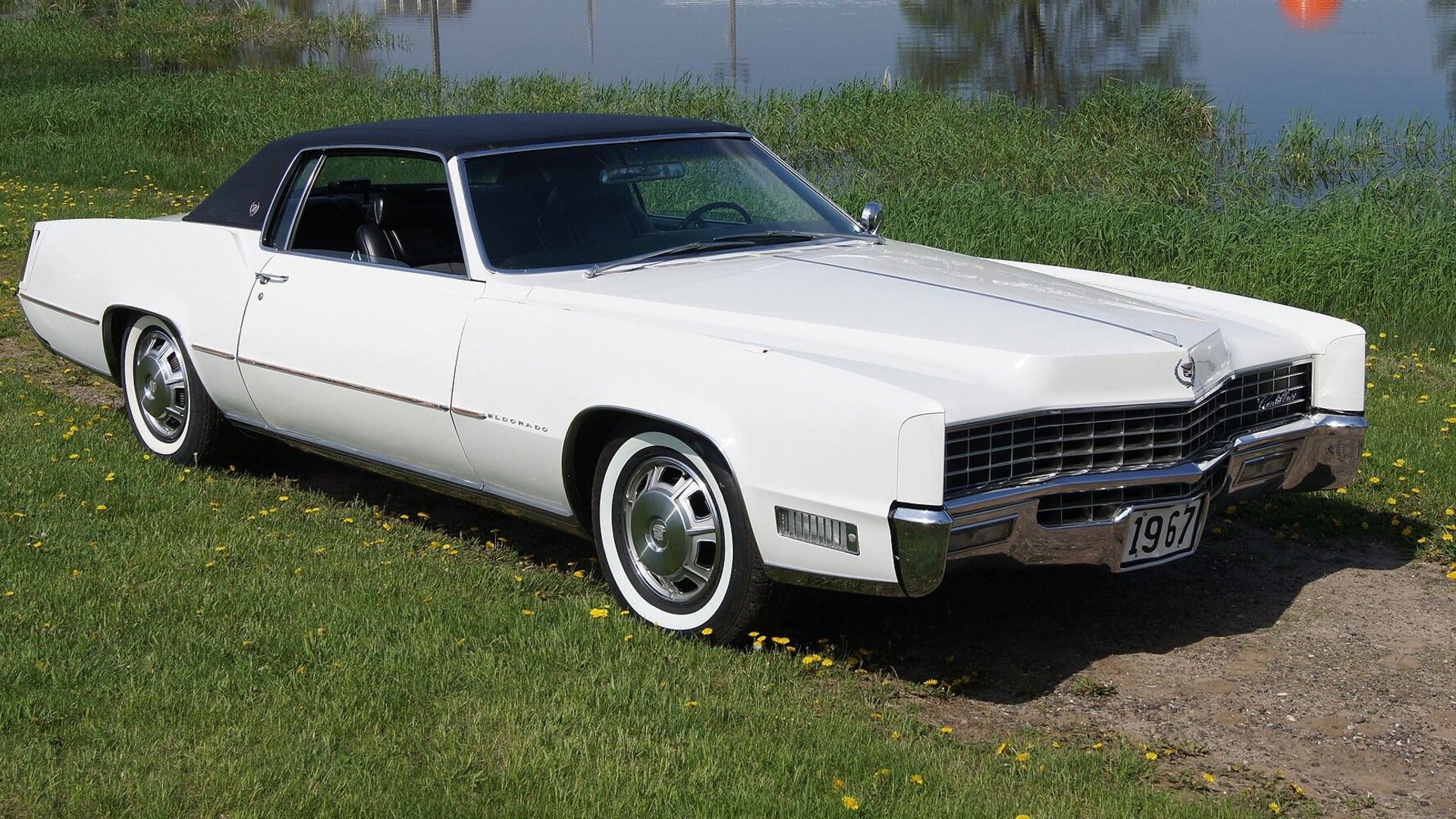
15. 1959 Cadillac Eldorado Biarritz
Designed under Harley Earl and Chuck Jordan, the 1959 Eldorado Biarritz carried massive 42-inch tailfins housing bullet taillights. A 390 cubic-inch V8 with triple two-barrel carburetors provided 345 horsepower. Cadillac built only 1,320 Biarritz convertibles, making it a prized mid-century collectible.
©Wikimedia / Cadillac Eldorado
Advertisement
Swipe or tap ▶ to resume the countdown.
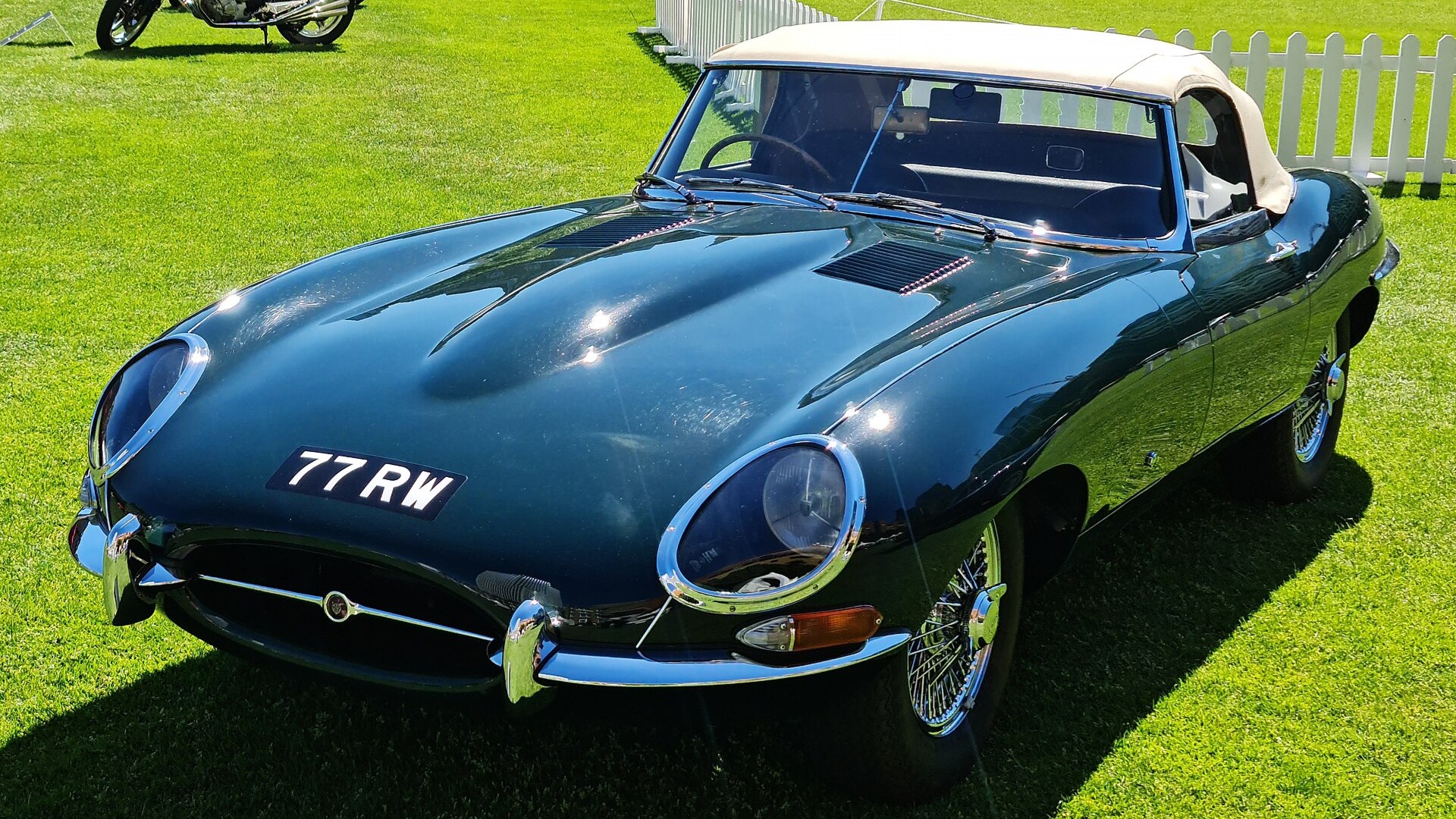
14. 1961 Jaguar E-Type Series 1
Malcolm Sayer applied aerodynamic principles to the monocoque E-Type, unveiled in Geneva in March 1961. Powered by a 3.8-liter straight-six making 265 horsepower, it hit 150 miles per hour at half the cost of an Italian rival. Enzo Ferrari called it the most beautiful car in the world.
©Wikimedia / MrWalkr
13. 1963 Chevrolet Corvette Sting Ray
Bill Mitchell and Larry Shinoda styled the redesigned 1963 Sting Ray coupe with hidden headlamps and a tapered split rear window. The chassis adopted independent rear suspension, while the fuel-injected 327 V8 generated 360 horsepower. Chevrolet produced the distinctive split rear glass for only that single model year.
©Wikimedia / Avaldia
12. 1964 Ford Mustang
Lee Iacocca presented the Mustang at the New York World's Fair on April 17, 1964, offering sporty long-hood styling starting at 2,368 dollars. Ford anticipated 100,000 first-year sales but sold over 400,000 units within twelve months. The car created the pony car category and became an immediate pop culture landmark.
©Wikimedia / Ermell
11. 1964 Pontiac GTO
Pontiac engineers John DeLorean and Jim Wangers bypassed a corporate displacement limit by offering the GTO package on the midsize Tempest. The option brought a 389 cubic-inch V8 with available Tri-Power carburetion producing 348 horsepower. Pontiac sold 32,450 units in 1964, launching the true American muscle craze.
©Wikimedia / Michael Barera
Advertisement
Swipe or tap ▶ to resume the countdown.
10. 1965 Shelby Cobra 427
Carroll Shelby updated the AC roadster with coil-spring suspension and flared fenders to hold Ford's massive 427 side-oiler V8. The engine produced 425 horsepower in street trim, pushing the 2,355-pound roadster to sixty miles per hour in 4.2 seconds. It remains one of the rawest performance machines ever built.
©Wikimedia / MrWalkr
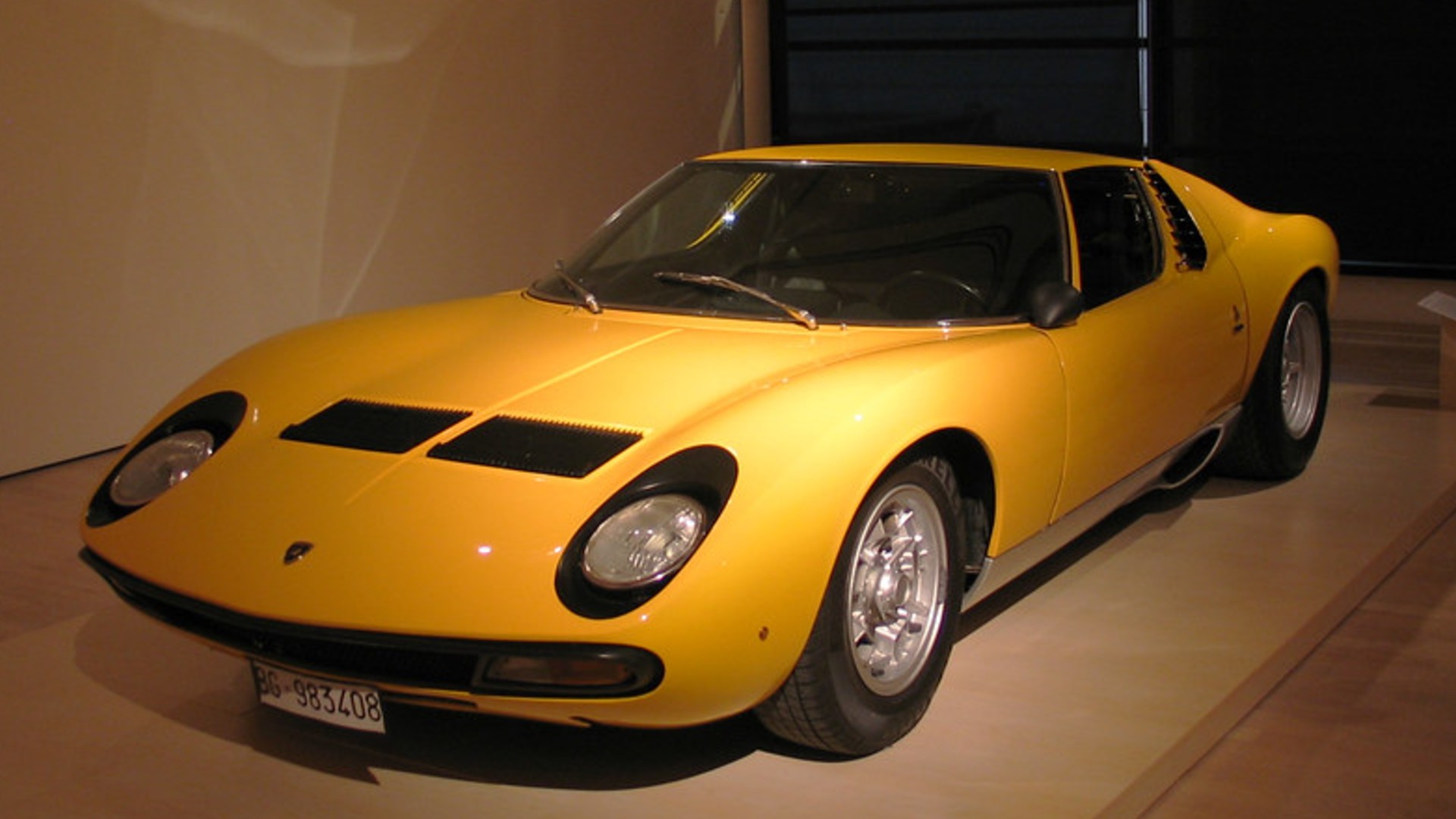
9. 1966 Lamborghini Miura P400
Marcello Gandini penned the low-slung body over a transverse mid-mounted 3.9-liter V12 producing 350 horsepower. Unveiled at the 1966 Geneva Motor Show, the Miura reached 174 miles per hour. Its mid-engine packaging established the structural template for modern high-performance supercars.
©Openverse / Davide 'Dodo' Oliva
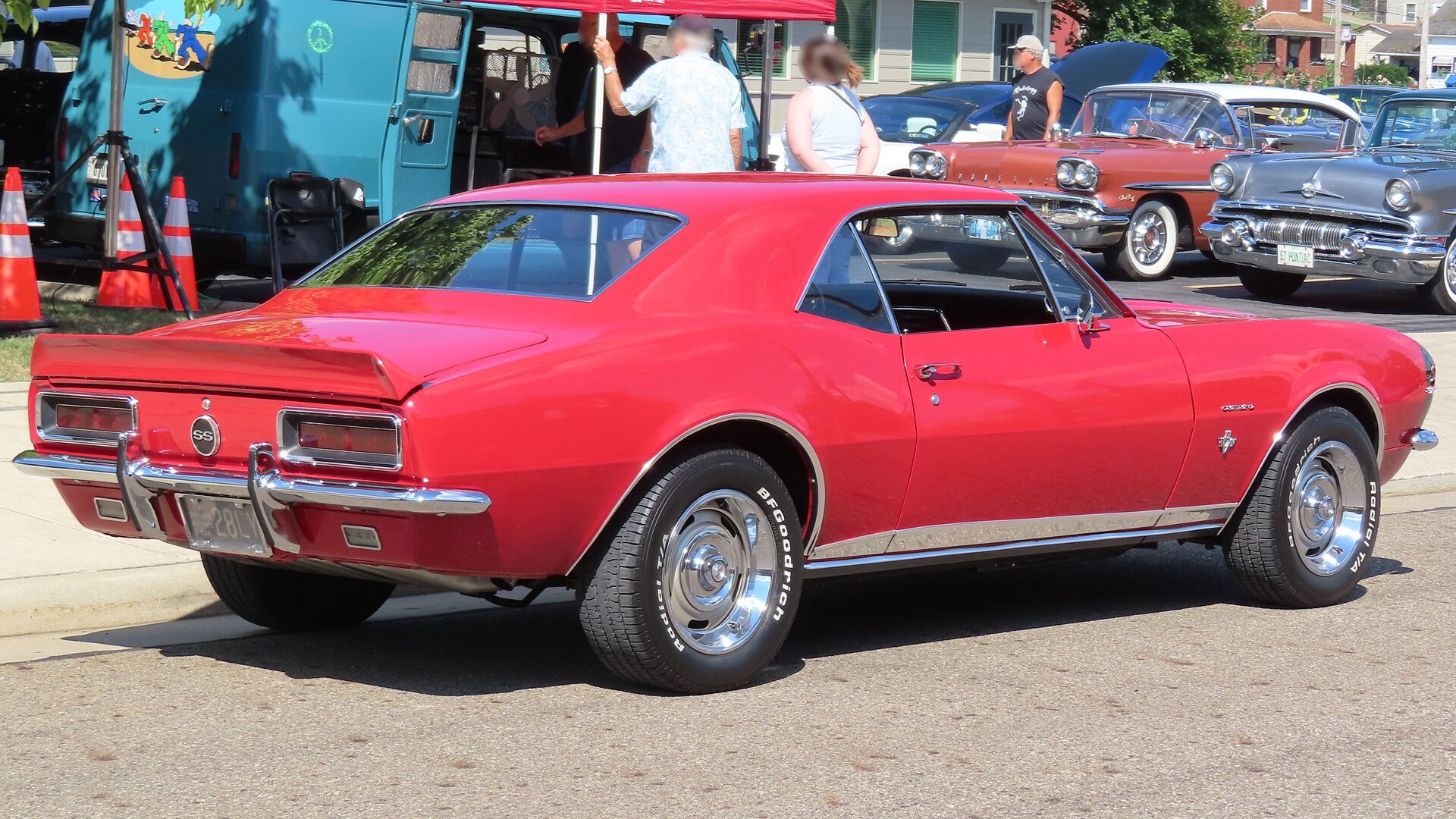
8. 1967 Chevrolet Camaro SS
General Motors launched the F-body platform in September 1966 to counter Ford's pony-car monopoly. The Super Sport package offered heavy-duty suspension and an optional 396 cubic-inch big-block V8 producing 375 horsepower. The SS served as the official pace car for the 1967 Indianapolis 500.
©Wikimedia / MercurySable99
7. 1968 Dodge Charger
Stylist Richard Sias sculpted the second-generation Charger with sweeping Coke-bottle fenders, a flying buttress rear window, and a concealed grille. Buyers could specify the legendary 426 Hemi engine or the 440 Magnum V8. The menacing black 1968 Charger immortalized its sinister aura in the classic film Bullitt.
©Wikimedia / Calreyn88
Advertisement
Swipe or tap ▶ to resume the countdown.
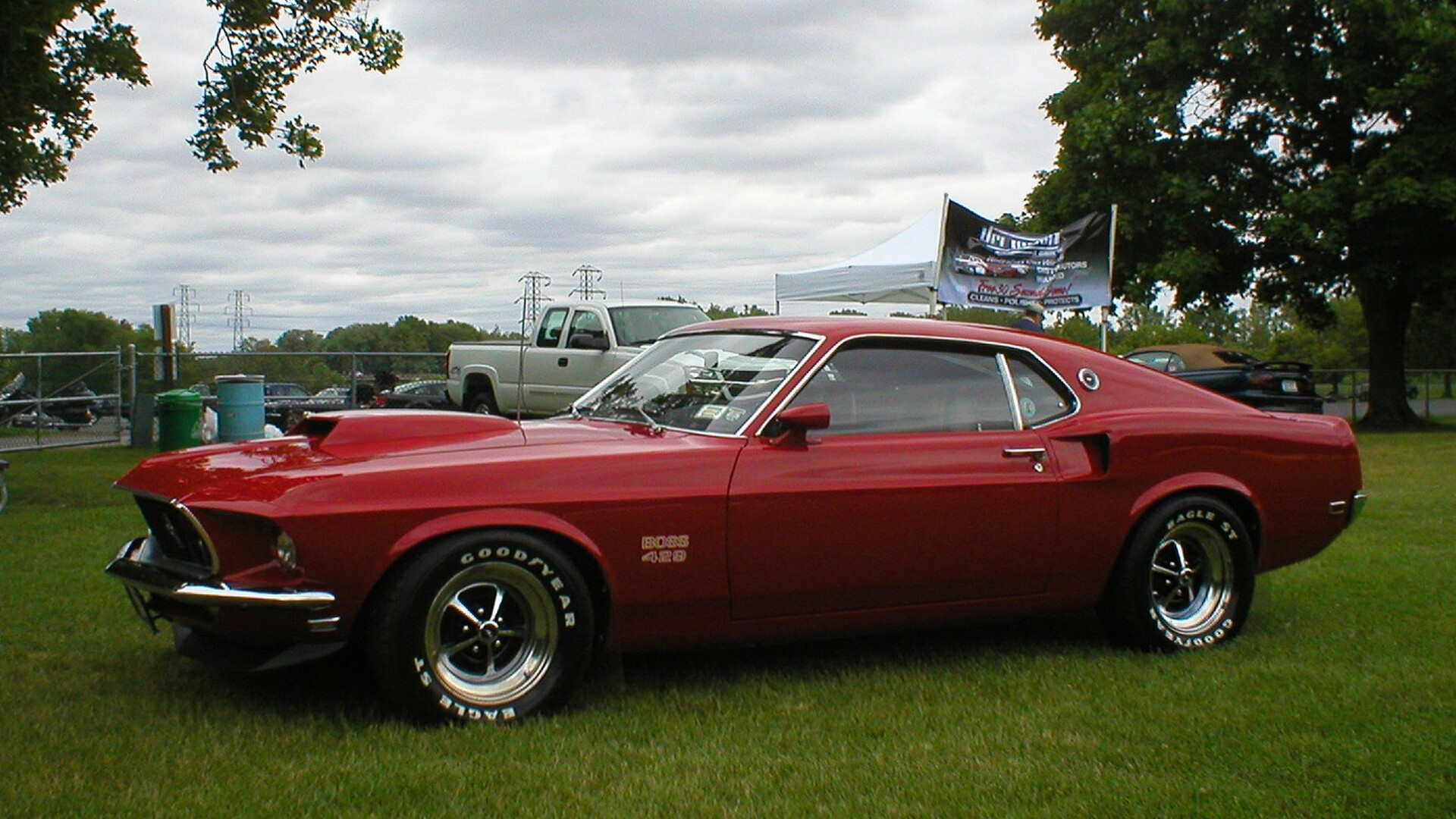
6. 1969 Ford Mustang Boss 429
Ford created the Boss 429 to homologate its massive semi-hemi engine for NASCAR superspeedway competition. Kar Kraft heavily modified the Mustang engine bay, shock towers, and suspension to accommodate the 375-horsepower powerplant. Ford produced only 859 examples in 1969, making it a premier collector prize.
©Wikimedia / Boss 429 Mustang
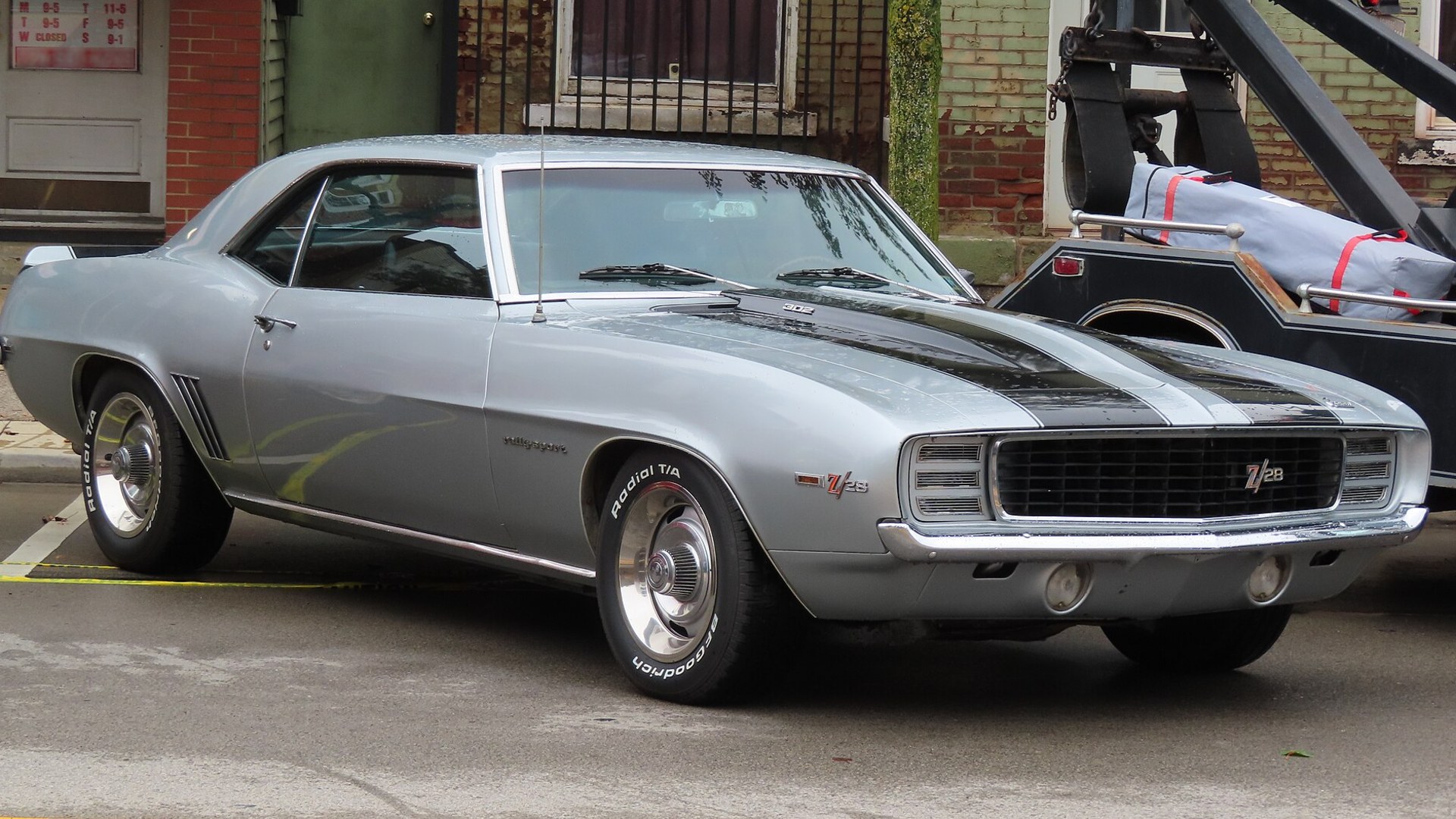
5. 1969 Chevrolet Camaro Z/28
Conceived by Vince Piggins to compete in the SCCA Trans-Am series, the Z/28 paired a 302 cubic-inch small-block V8 with a Muncie four-speed manual transmission. While officially rated at 290 horsepower, actual output easily passed 350 on high-octane fuel. Chevrolet sold 20,302 examples during the 1969 model year.
©Wikimedia / MercurySable99
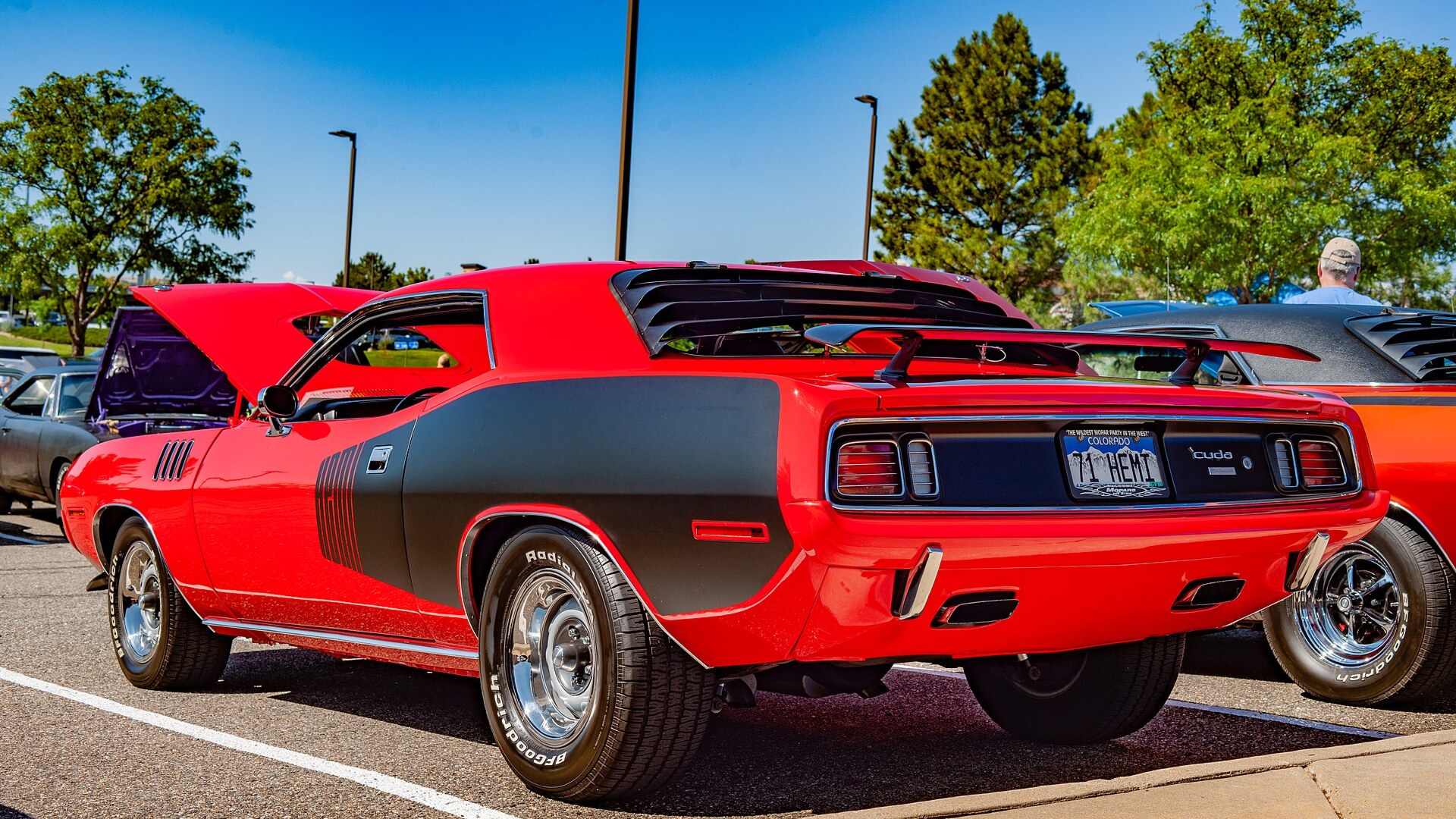
4. 1971 Plymouth Hemi Cuda
The 1971 Plymouth Barracuda showcased the peak of factory horsepower with an optional 426 street Hemi engine rated at 425 horsepower. Plymouth built only 108 Hemi Cuda hardtops and seven convertibles for 1971. Surviving convertible examples have commanded over three million dollars at public auctions.
©Wikimedia / BUTTON74
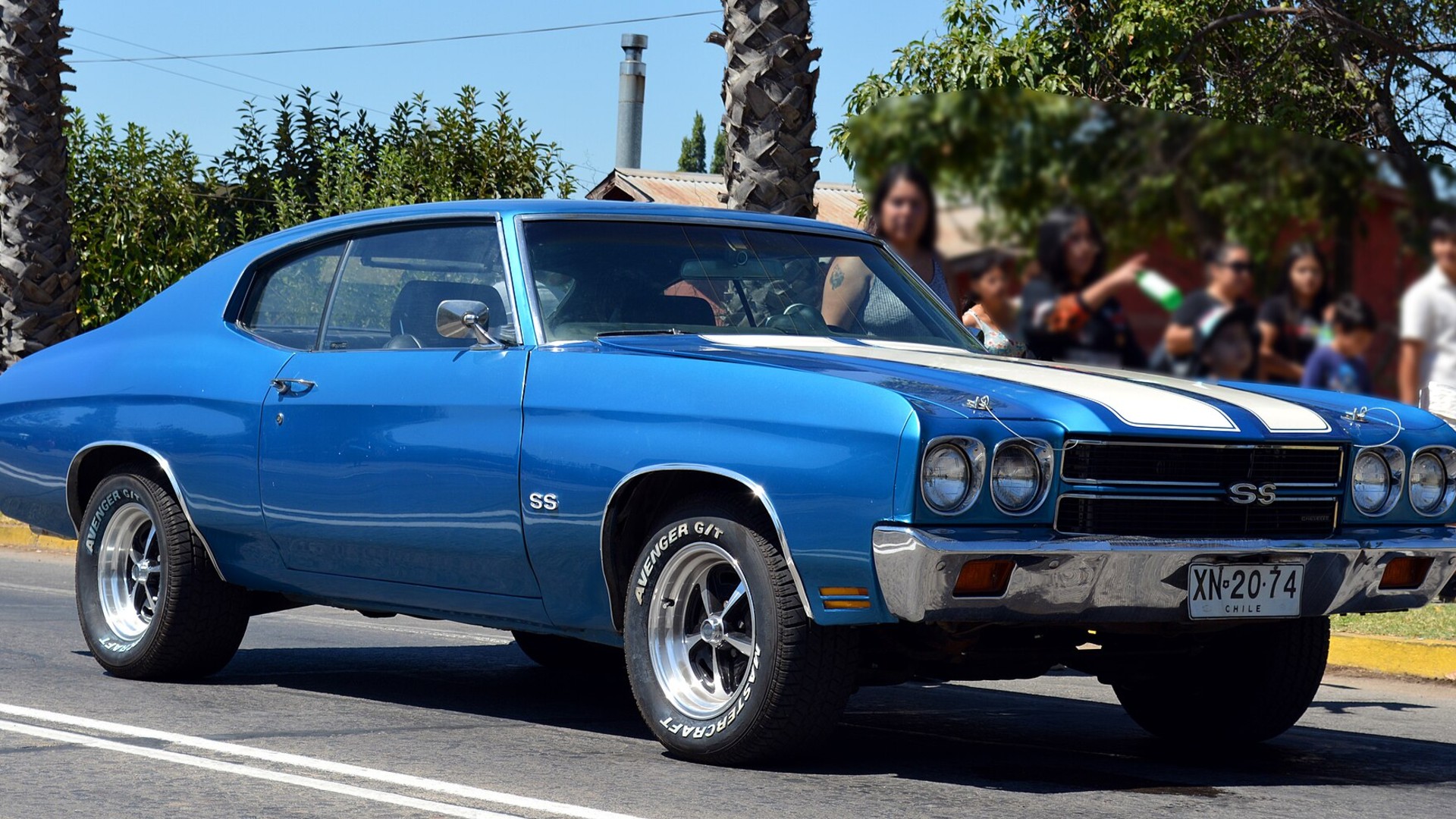
3. 1970 Chevrolet Chevelle SS 454
Chevrolet offered the LS6 package on the 1970 Chevelle, lifting corporate displacement limits with a 454 cubic-inch V8. Fitted with a Holley four-barrel carburetor and solid lifters, the engine generated 450 factory horsepower. Period magazine tests recorded quarter-mile runs of 13.1 seconds at 107 miles per hour.
©Wikimedia / RL GNZLZ
Advertisement
Swipe or tap ▶ to resume the countdown.
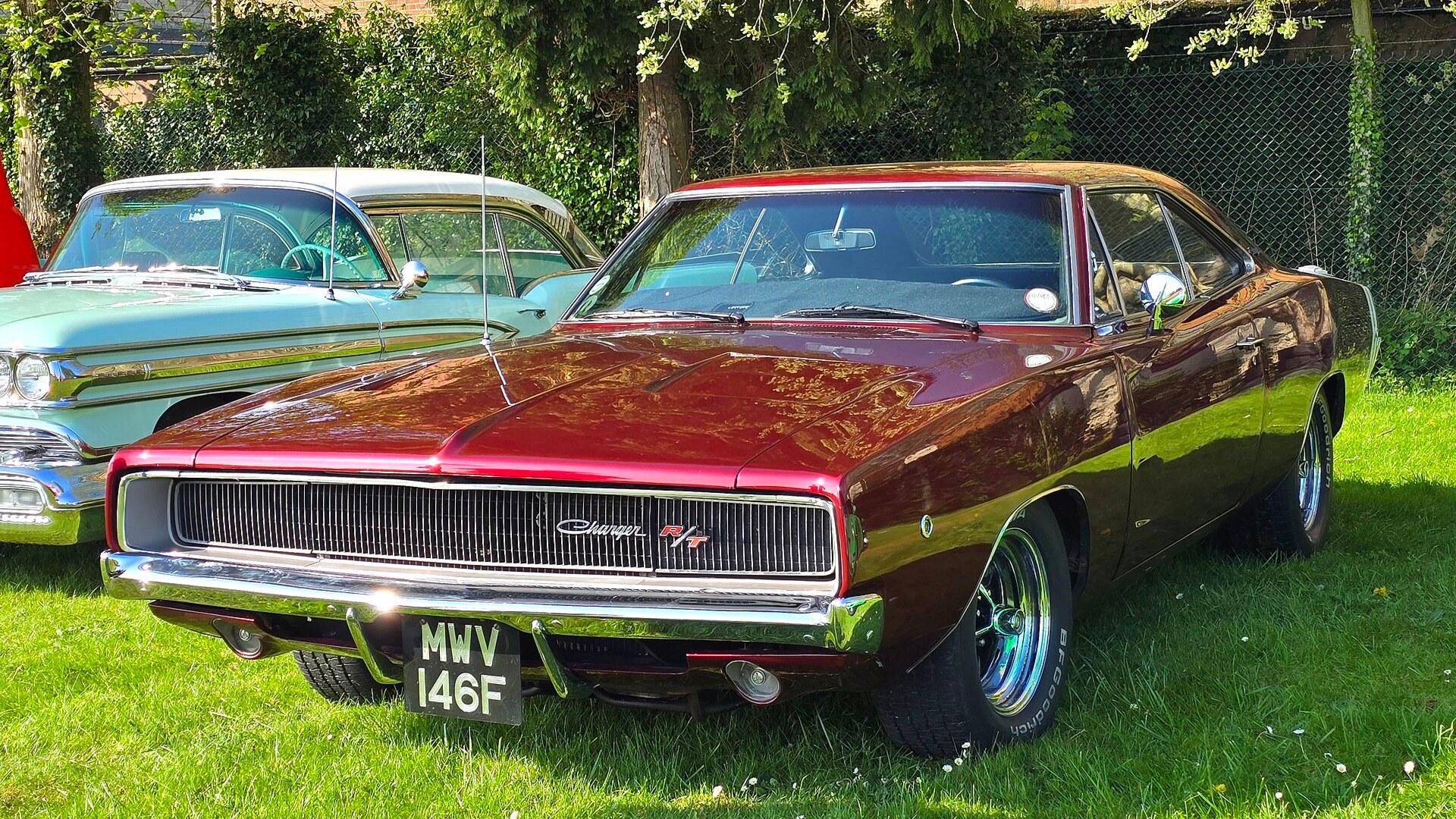
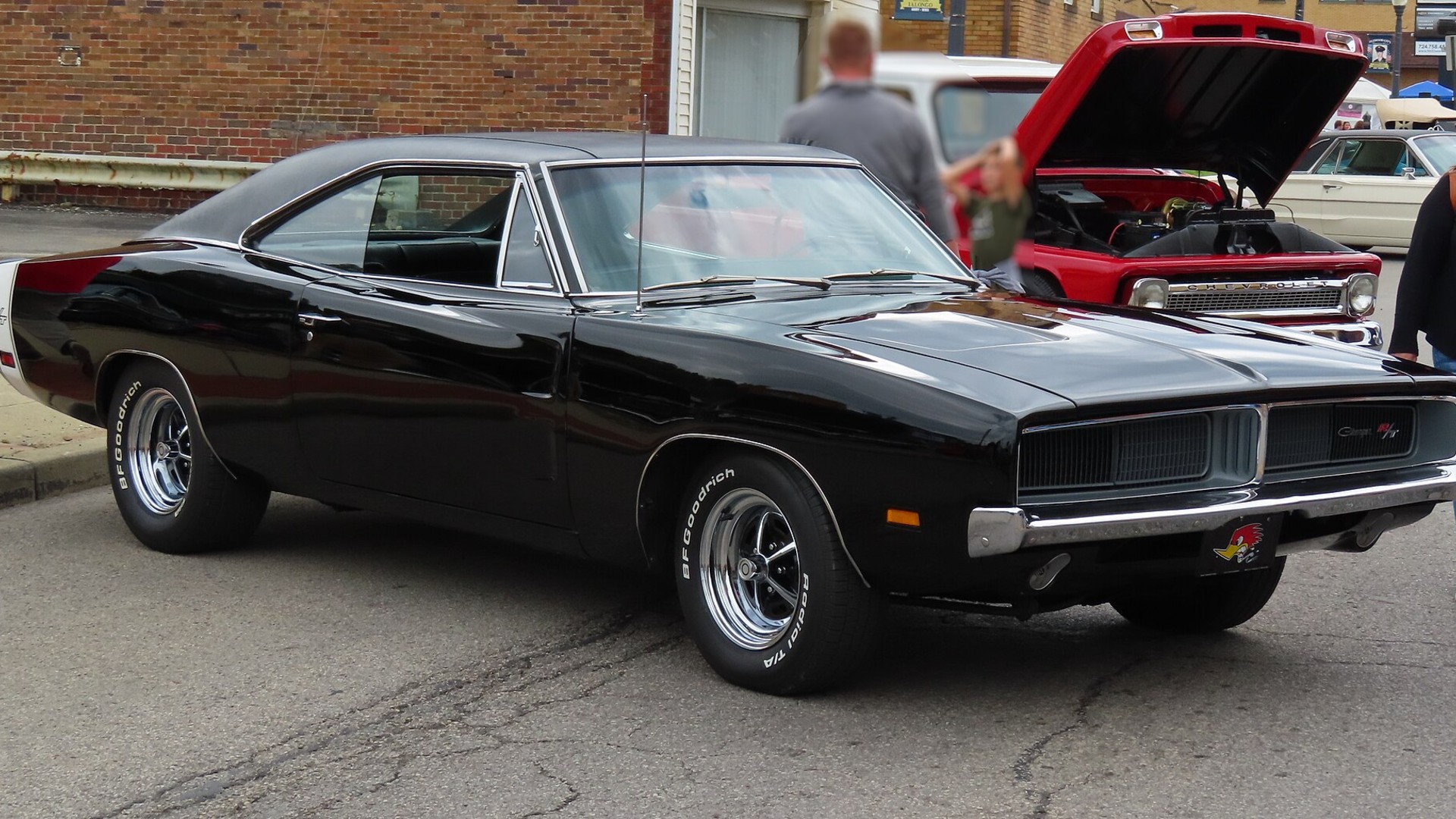
2. 1970 Dodge Charger R/T
The 1970 Charger R/T represented the pinnacle of Chrysler muscle with its full-width chrome loop bumper and heavy-duty suspension. Fitted with the dual-quad 426 Hemi generating 425 horsepower, it dominated drag strips nationwide. Its menacing silhouette remains the definitive icon of classic American performance.
©Wikimedia / Dodge Charger
1. 1970 Plymouth Superbird
Plymouth modified the Road Runner with an aerodynamic nose cone and towering rear wing to lure Richard Petty back to the racing team. Homologation rules required building 1,935 street cars for dealers. Fitted with 440 Super Commando or 426 Hemi power, the Superbird dominated NASCAR until aero rules changed.

©Wikimedia / MrWalkr
Advertisement
You've reached the end of the story. Thanks for reading!

26 Largest Tech Companies by Market Value, Ranked
Driven by breakthroughs in artificial intelligence and global cloud computing, technology giants command record stock market valuations. Bloomberg and Reuters financial registers track market capitalizations across semiconductor foundries, software platforms, and hardware makers shaping our digital economy.
All 25 Entries in this Story
25. 1908 Ford Model T
Henry Ford launched the Model T in October 1908 at an initial price of 850 dollars. Introducing the moving assembly line in 1913 cut production time from twelve hours to ninety-three minutes per car. Ford built over fifteen million units before retiring the Tin Lizzie in May 1927.

24. 1932 Ford Model 18 V8
Introduced in March 1932, the Model 18 brought a flathead 221 cubic-inch V8 producing 65 horsepower to budget buyers. Post-war hot rodders stripped the coupe bodies to race on dry lake beds across Southern California. The Deuce Coupe became the foundational icon of American speed culture.

23. 1936 Duesenberg SSJ
Duesenberg produced only two SSJ models in 1936 on a shortened 125-inch chassis. The twin-cam straight-eight engine delivered 400 horsepower, propelling it to 140 miles per hour. Clark Gable and Gary Cooper drove the two roadsters, establishing the car as pre-war America's pinnacle of luxury performance.

22. 1948 Tucker 48
Preston Tucker designed the 48 with a directional center headlight, pop-out safety glass, and an integrated padded dashboard. Power came from an aircraft-derived 335 cubic-inch flat-six engine generating 166 horsepower. Only fifty-one examples were completed before the company ceased operations in 1949.

21. 1949 Cadillac Series 62
The 1949 Cadillac Series 62 debuted a revolutionary 331 cubic-inch overhead-valve V8 engine producing 160 horsepower. General Motors paired this smooth powertrain with aircraft-inspired tailfins crafted by design chief Harley Earl. The car captured the very first Motor Trend Car of the Year award in 1949.

20. 1953 Chevrolet Corvette C1
Chevrolet unveiled the hand-built Corvette roadster in January 1953 at the Waldorf Astoria Hotel in New York. The body used lightweight fiberglass over a modified passenger car chassis, powered by a 150-horsepower Blue Flame inline-six. Exactly three hundred units rolled out of the Flint plant for 1953.

19. 1954 Mercedes-Benz 300 SL Gullwing
Derived from the 1952 Le Mans winner, the W198 Gullwing featured a tubular spaceframe chassis and direct mechanical fuel injection. The three-liter straight-six produced 215 horsepower, achieving a top speed of 160 miles per hour. Mercedes built 1,400 coupes between 1954 and 1957.

18. 1955 Porsche 356 Speedster
Max Hoffman urged Porsche to build a bare-bones sports car selling for under 3,000 dollars in the United States. The 356 Speedster arrived with a low-cut curved windscreen, bucket seats, and minimal canvas top. Its rear-mounted 1.5-liter engine delivered nimble handling that dominated amateur racing circuits.

17. 1955 Chevrolet Bel Air
The 1955 Bel Air defined post-war suburban cool with Ferrari-inspired grille mesh and two-tone paint schemes. Under the hood, engineer Ed Cole introduced the lightweight 265 cubic-inch small-block V8, rated at up to 180 horsepower. The design kicked off the beloved Tri-Five Chevrolet generation.

16. 1957 Ford Thunderbird
Ford refreshed the Thunderbird for 1957 with reshaped bumper contours, a longer trunk, and distinctive porthole hardtop windows. Buyers could order a supercharged 312 cubic-inch Y-block V8 pushing 300 horsepower. Sales hit a record 21,380 units before Ford converted the model to a four-seater for 1958.

15. 1959 Cadillac Eldorado Biarritz
Designed under Harley Earl and Chuck Jordan, the 1959 Eldorado Biarritz carried massive 42-inch tailfins housing bullet taillights. A 390 cubic-inch V8 with triple two-barrel carburetors provided 345 horsepower. Cadillac built only 1,320 Biarritz convertibles, making it a prized mid-century collectible.

14. 1961 Jaguar E-Type Series 1
Malcolm Sayer applied aerodynamic principles to the monocoque E-Type, unveiled in Geneva in March 1961. Powered by a 3.8-liter straight-six making 265 horsepower, it hit 150 miles per hour at half the cost of an Italian rival. Enzo Ferrari called it the most beautiful car in the world.

13. 1963 Chevrolet Corvette Sting Ray
Bill Mitchell and Larry Shinoda styled the redesigned 1963 Sting Ray coupe with hidden headlamps and a tapered split rear window. The chassis adopted independent rear suspension, while the fuel-injected 327 V8 generated 360 horsepower. Chevrolet produced the distinctive split rear glass for only that single model year.

12. 1964 Ford Mustang
Lee Iacocca presented the Mustang at the New York World's Fair on April 17, 1964, offering sporty long-hood styling starting at 2,368 dollars. Ford anticipated 100,000 first-year sales but sold over 400,000 units within twelve months. The car created the pony car category and became an immediate pop culture landmark.

11. 1964 Pontiac GTO
Pontiac engineers John DeLorean and Jim Wangers bypassed a corporate displacement limit by offering the GTO package on the midsize Tempest. The option brought a 389 cubic-inch V8 with available Tri-Power carburetion producing 348 horsepower. Pontiac sold 32,450 units in 1964, launching the true American muscle craze.

10. 1965 Shelby Cobra 427
Carroll Shelby updated the AC roadster with coil-spring suspension and flared fenders to hold Ford's massive 427 side-oiler V8. The engine produced 425 horsepower in street trim, pushing the 2,355-pound roadster to sixty miles per hour in 4.2 seconds. It remains one of the rawest performance machines ever built.

9. 1966 Lamborghini Miura P400
Marcello Gandini penned the low-slung body over a transverse mid-mounted 3.9-liter V12 producing 350 horsepower. Unveiled at the 1966 Geneva Motor Show, the Miura reached 174 miles per hour. Its mid-engine packaging established the structural template for modern high-performance supercars.

8. 1967 Chevrolet Camaro SS
General Motors launched the F-body platform in September 1966 to counter Ford's pony-car monopoly. The Super Sport package offered heavy-duty suspension and an optional 396 cubic-inch big-block V8 producing 375 horsepower. The SS served as the official pace car for the 1967 Indianapolis 500.

7. 1968 Dodge Charger
Stylist Richard Sias sculpted the second-generation Charger with sweeping Coke-bottle fenders, a flying buttress rear window, and a concealed grille. Buyers could specify the legendary 426 Hemi engine or the 440 Magnum V8. The menacing black 1968 Charger immortalized its sinister aura in the classic film Bullitt.

6. 1969 Ford Mustang Boss 429
Ford created the Boss 429 to homologate its massive semi-hemi engine for NASCAR superspeedway competition. Kar Kraft heavily modified the Mustang engine bay, shock towers, and suspension to accommodate the 375-horsepower powerplant. Ford produced only 859 examples in 1969, making it a premier collector prize.

5. 1969 Chevrolet Camaro Z/28
Conceived by Vince Piggins to compete in the SCCA Trans-Am series, the Z/28 paired a 302 cubic-inch small-block V8 with a Muncie four-speed manual transmission. While officially rated at 290 horsepower, actual output easily passed 350 on high-octane fuel. Chevrolet sold 20,302 examples during the 1969 model year.

4. 1971 Plymouth Hemi Cuda
The 1971 Plymouth Barracuda showcased the peak of factory horsepower with an optional 426 street Hemi engine rated at 425 horsepower. Plymouth built only 108 Hemi Cuda hardtops and seven convertibles for 1971. Surviving convertible examples have commanded over three million dollars at public auctions.

3. 1970 Chevrolet Chevelle SS 454
Chevrolet offered the LS6 package on the 1970 Chevelle, lifting corporate displacement limits with a 454 cubic-inch V8. Fitted with a Holley four-barrel carburetor and solid lifters, the engine generated 450 factory horsepower. Period magazine tests recorded quarter-mile runs of 13.1 seconds at 107 miles per hour.

2. 1970 Dodge Charger R/T
The 1970 Charger R/T represented the pinnacle of Chrysler muscle with its full-width chrome loop bumper and heavy-duty suspension. Fitted with the dual-quad 426 Hemi generating 425 horsepower, it dominated drag strips nationwide. Its menacing silhouette remains the definitive icon of classic American performance.

1. 1970 Plymouth Superbird
Plymouth modified the Road Runner with an aerodynamic nose cone and towering rear wing to lure Richard Petty back to the racing team. Homologation rules required building 1,935 street cars for dealers. Fitted with 440 Super Commando or 426 Hemi power, the Superbird dominated NASCAR until aero rules changed.