Slideshow · Lifestyle
20 Superstitions From Around the World
Every culture preserves rituals designed to invite good fortune or keep disaster away. From skipped floor numbers in modern high-rises to silent moments before departure, daily habits carry ancient fears. This curated survey examines twenty distinct traditions, tracking their origins and modern practice.


All 20 Entries in this Story
Skipping Seventeen In Italy
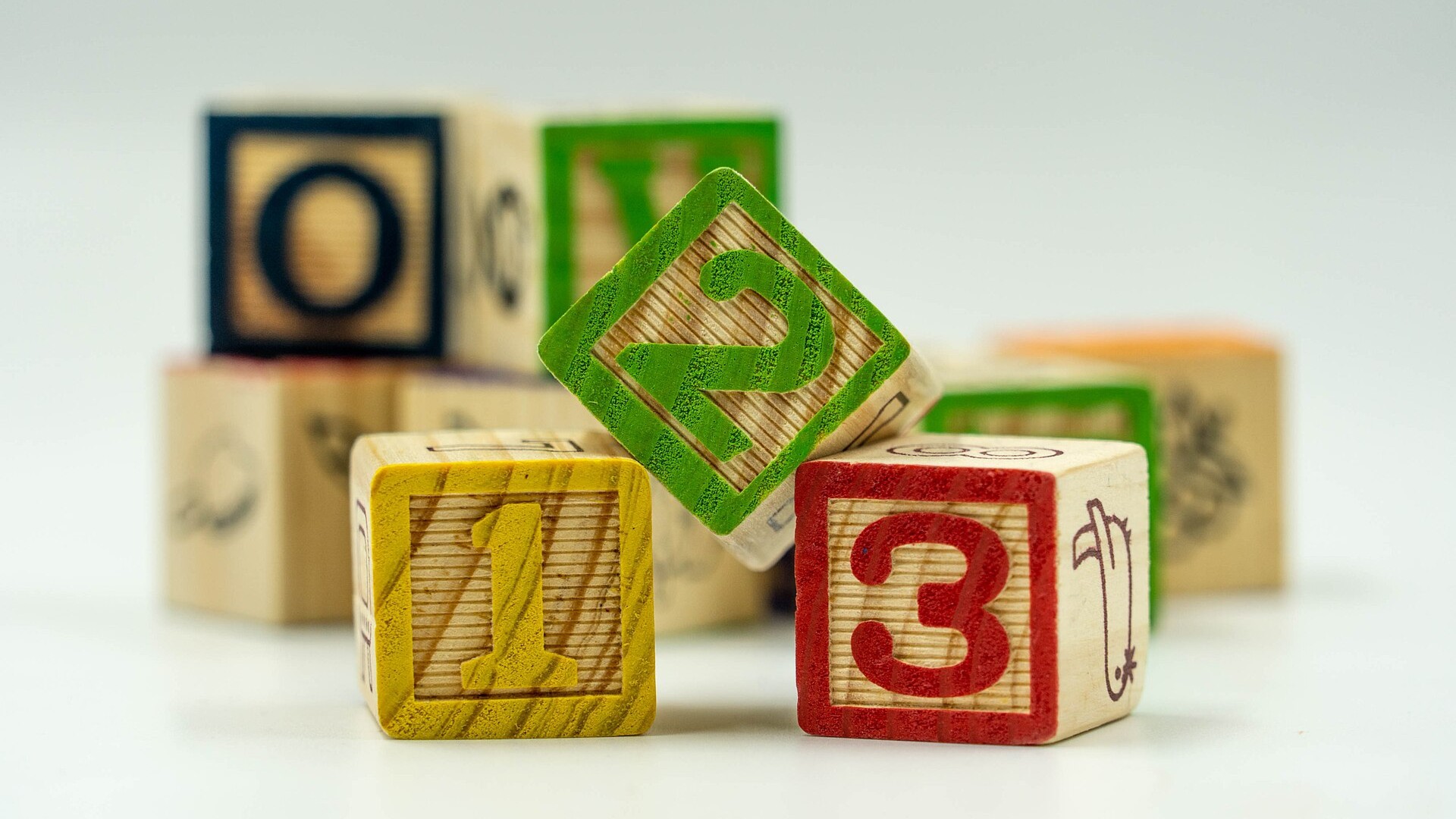
In Italy, seventeen is considered an unlucky number rather than thirteen. The Roman numeral XVII forms an anagram of VIXI, a Latin phrase meaning I have lived, which implies death. Alitalia previously removed row seventeen from passenger jets, and Renault marketed the R17 coupe as the R177 across Italian dealerships.
Martes 13 In Spain
In Spain and Spanish-speaking countries across the Americas, Tuesday the thirteenth carries bad luck. Tuesday takes its Spanish name from Mars, the Roman god of war. A traditional proverb warns against getting married or setting out on journeys on this date, prompting families to delay major ceremonies.
Fan Death Fear In South Korea
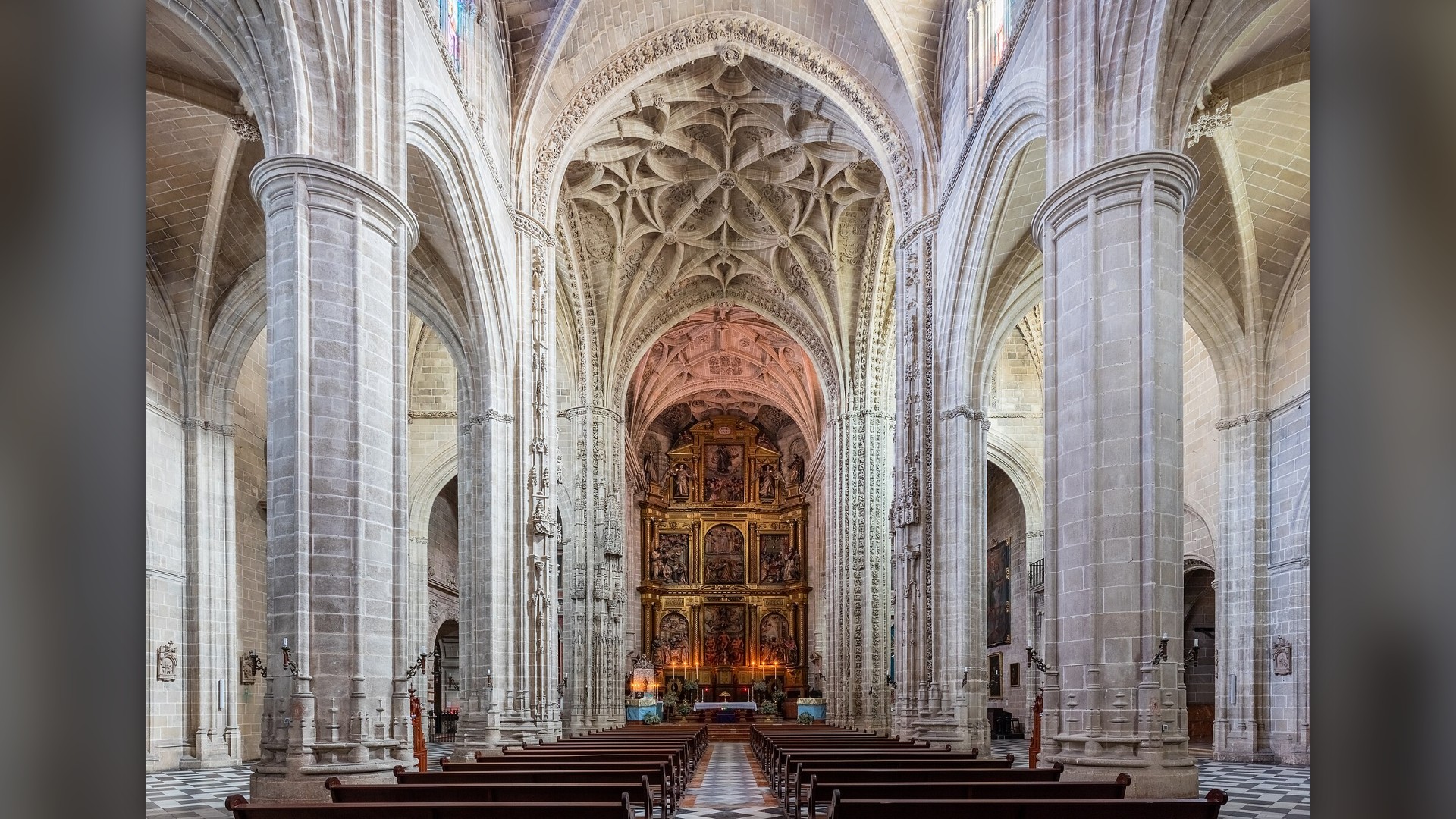
A persistent belief in South Korea holds that sleeping with an electric fan running in a sealed room causes hypothermia or suffocation. South Korean manufacturers added automatic timer switches to residential fans during the 1970s. The government consumer agency issued seasonal warnings regarding the hazard in 2006.
Tucking Thumbs In Japan
Japanese children are taught to tuck their thumbs inside their fists whenever a hearse passes by. The Japanese word for thumb is oyayubi, translating literally as the parent finger. Tucking the thumb into the palm is believed to shield parents from death or prevent spirits from entering the body under the fingernails.

Spitting Away The Evil Eye In Greece
In Greece, spitting three times without projecting saliva is a widespread custom used to avert bad luck. People whisper ftou ftou ftou when complimenting a baby or admiring someone to avoid attracting the evil eye. The ritual is intended to prevent envy from bringing sudden misfortune to the subject.
Anatolian Nazar Amulets In Turkey
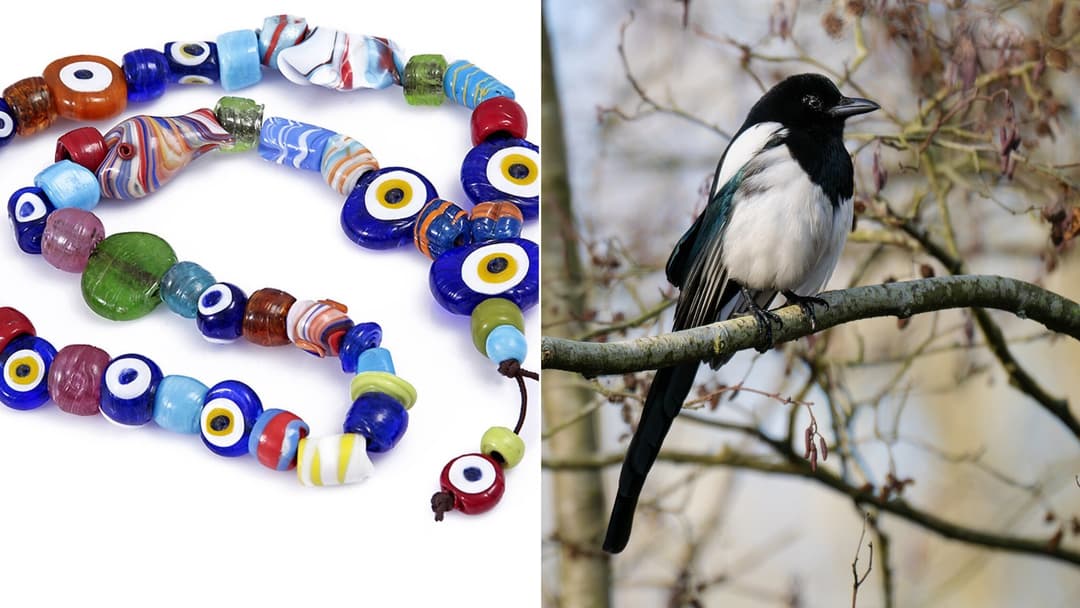
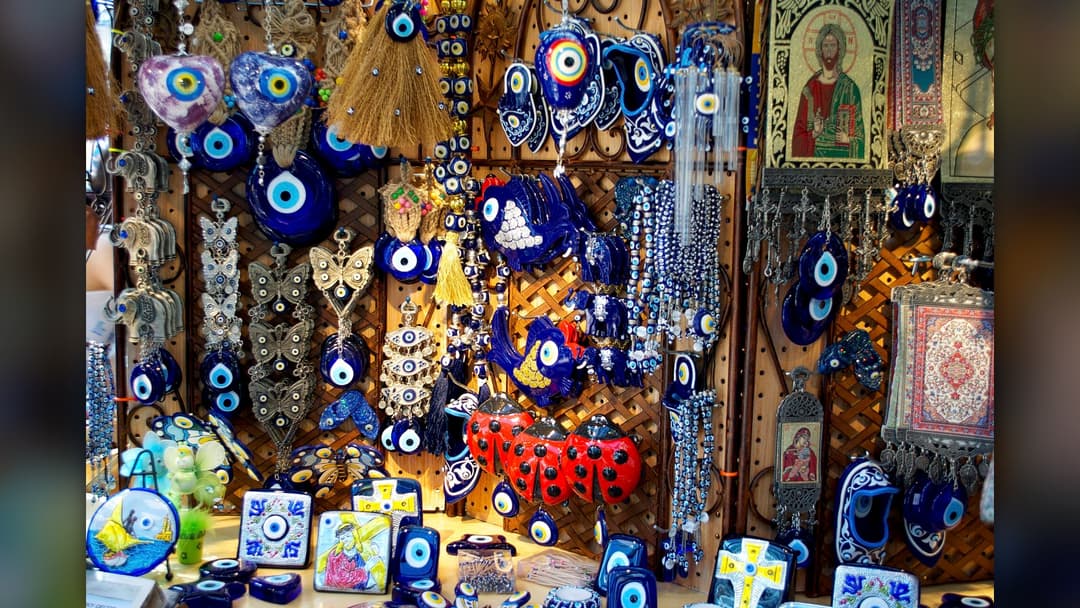
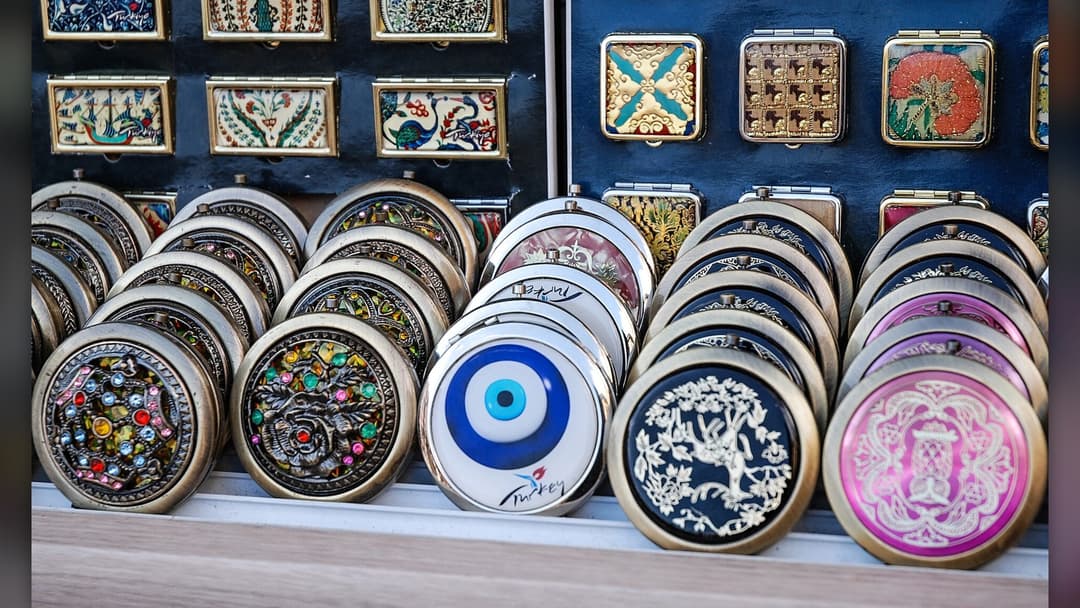
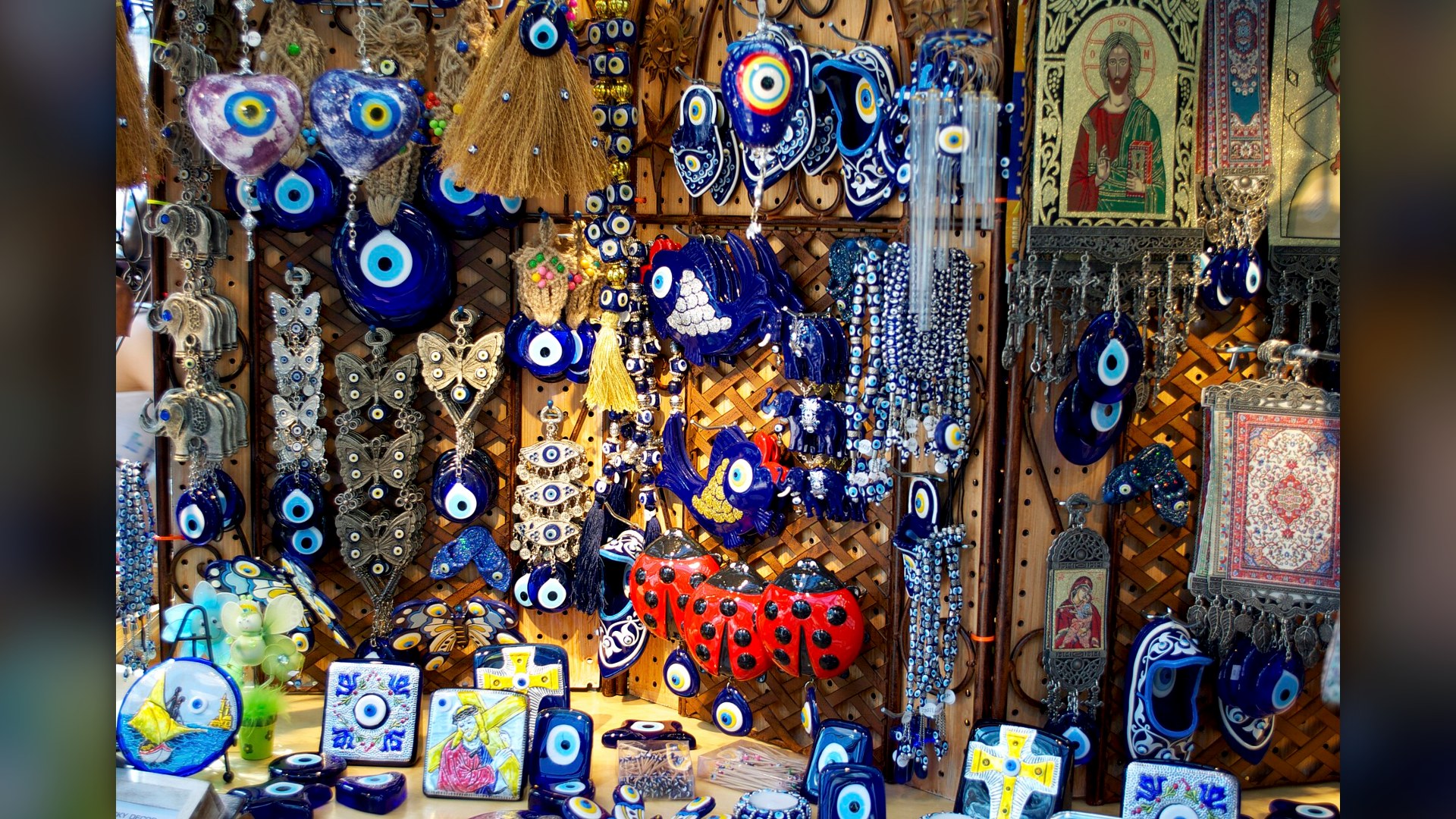
The blue glass eye charm known as the nazar boncugu has been manufactured across Anatolia for centuries. Artisans in Izmir craft the discs from molten glass to deflect malicious stares. UNESCO inscribed the traditional craftsmanship of these glass beads on its intangible cultural heritage list in 2014.
Number Four Tetraphobia In China
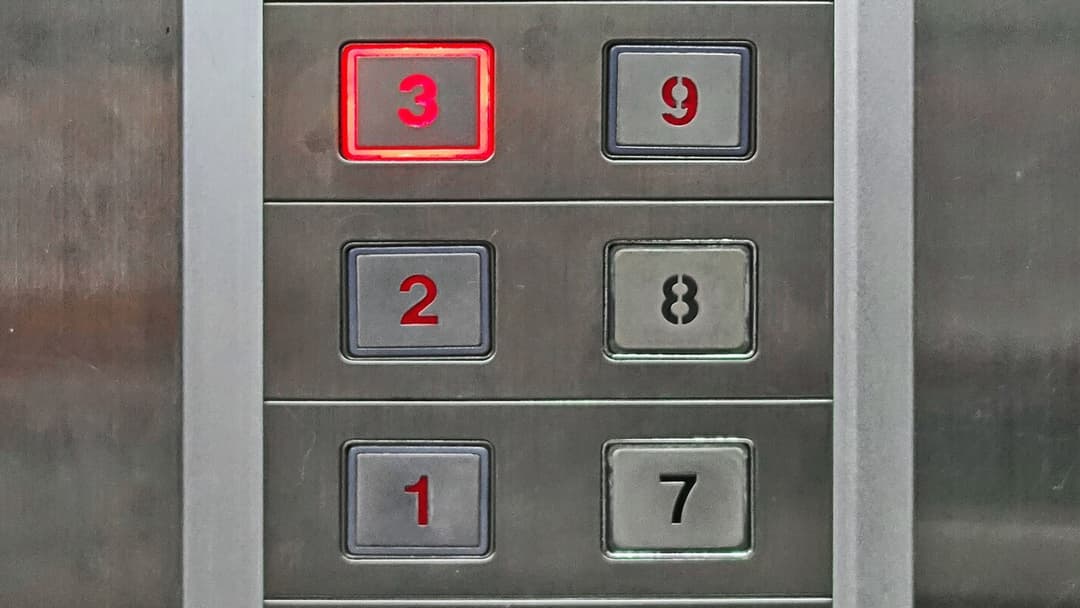
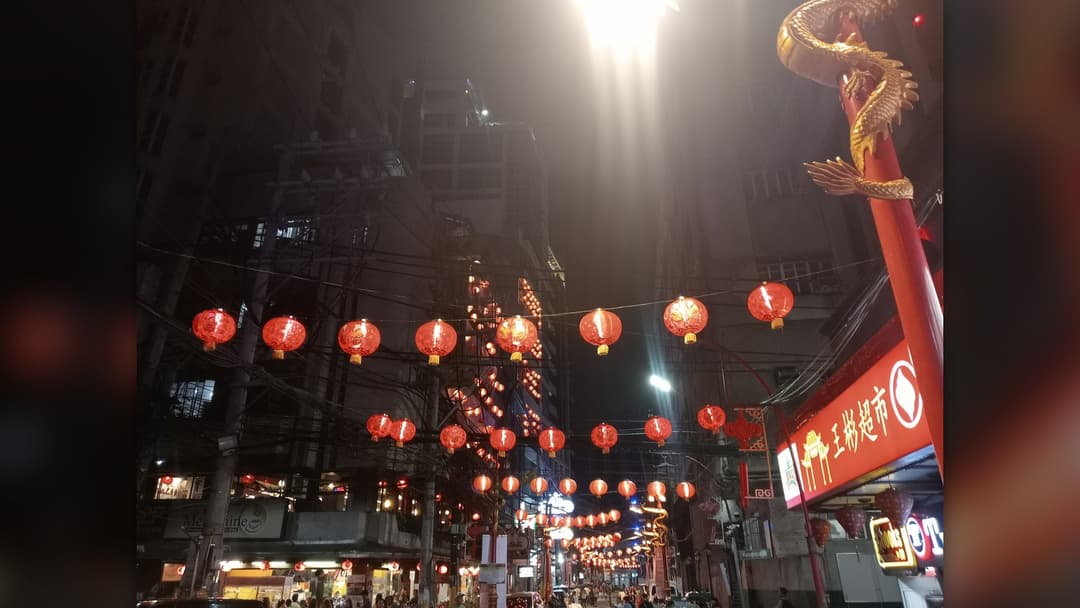
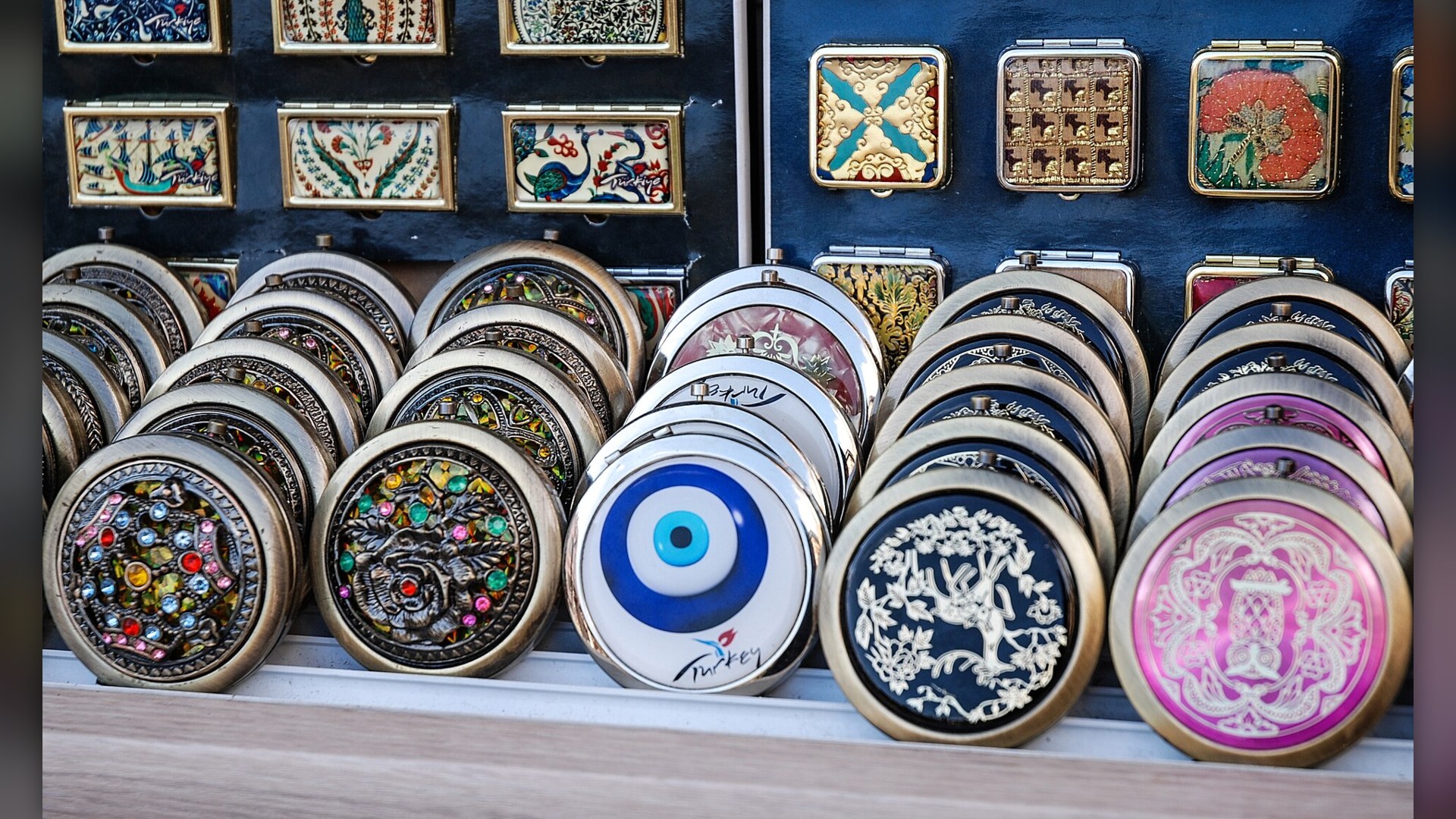
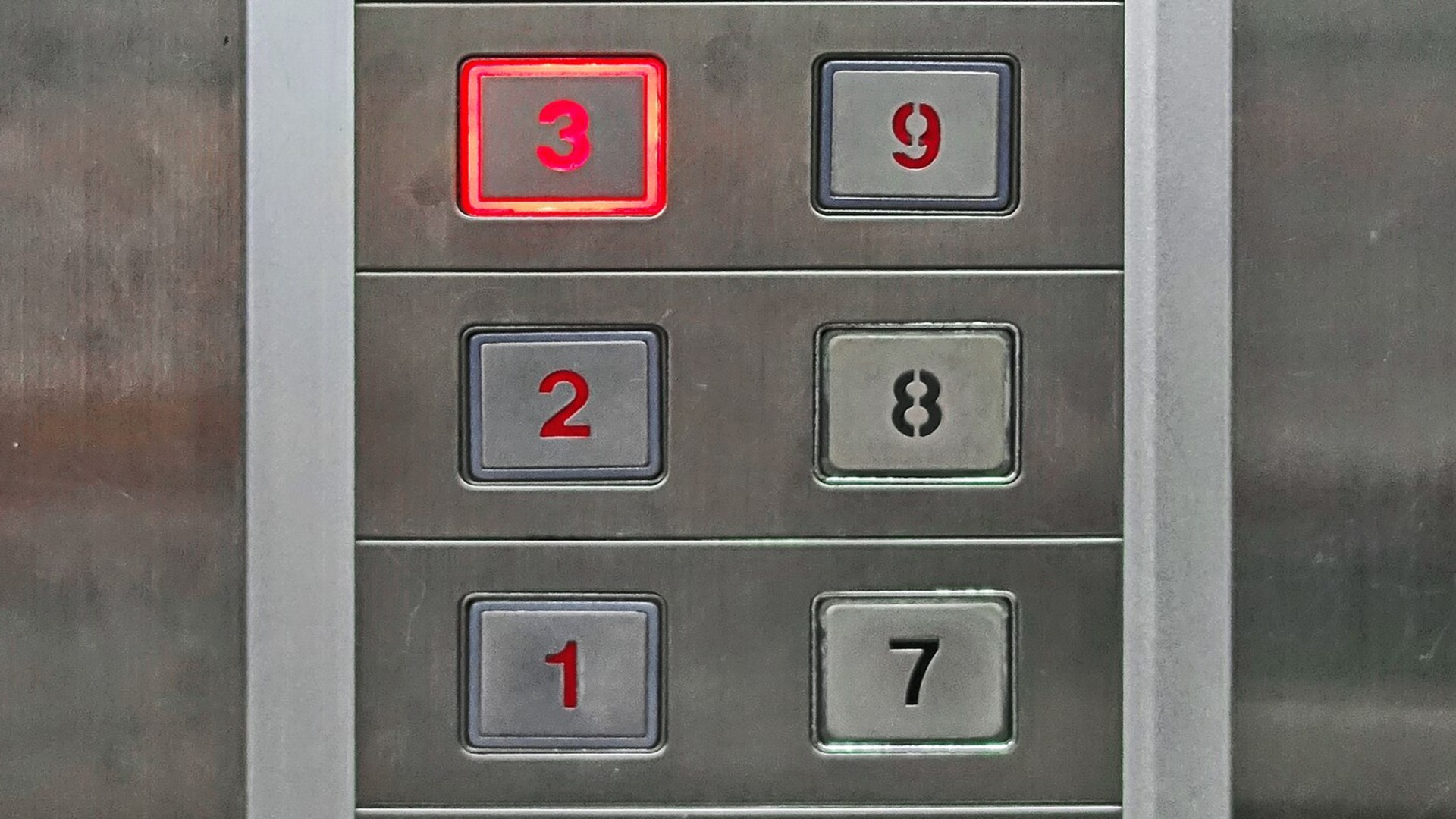
In Chinese culture, the numeral four is avoided because its pronunciation sounds nearly identical to the word for death. Residential towers, commercial high-rises, and hospitals in Beijing and Hong Kong routinely omit the fourth, fourteenth, and twenty-fourth floors from elevator panels to reassure occupants.
Silent Pre-Trip Pause In Russia
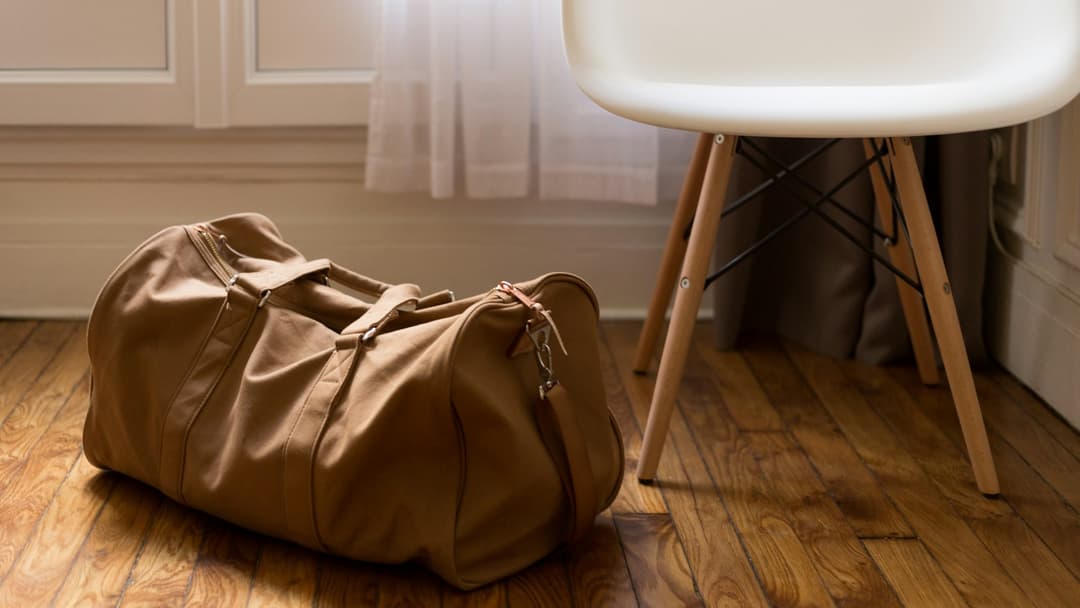
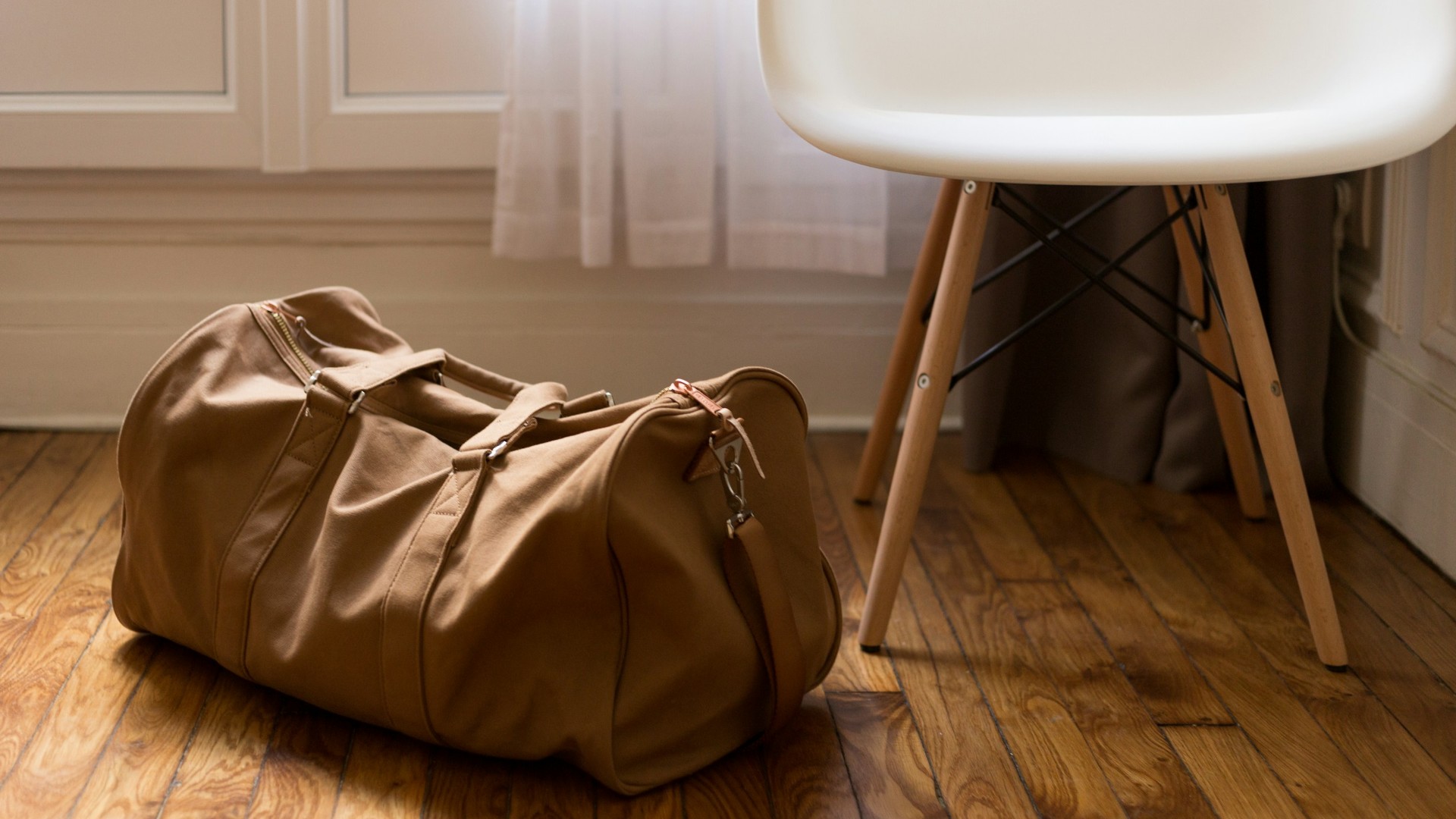
Before starting a long trip, Russian families pause to sit together in silence for approximately one minute. The custom, known as posidim na dorozhku, dates to pre-Christian beliefs about household spirits. The pause allows travelers to calm their minds while ensuring home spirits do not follow them.
Sweet Curd Before Big Tests In India
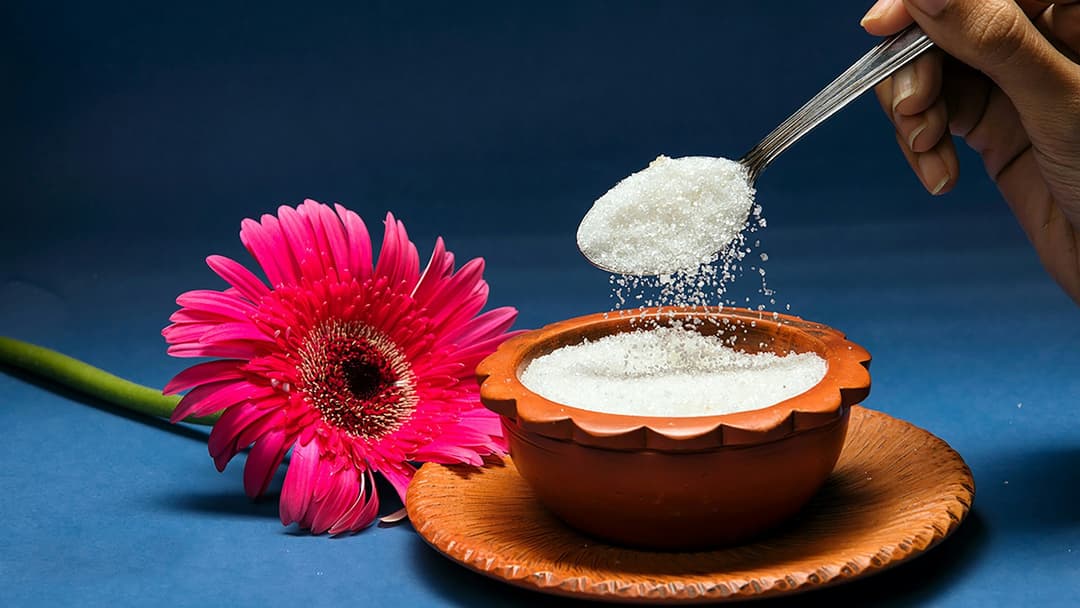
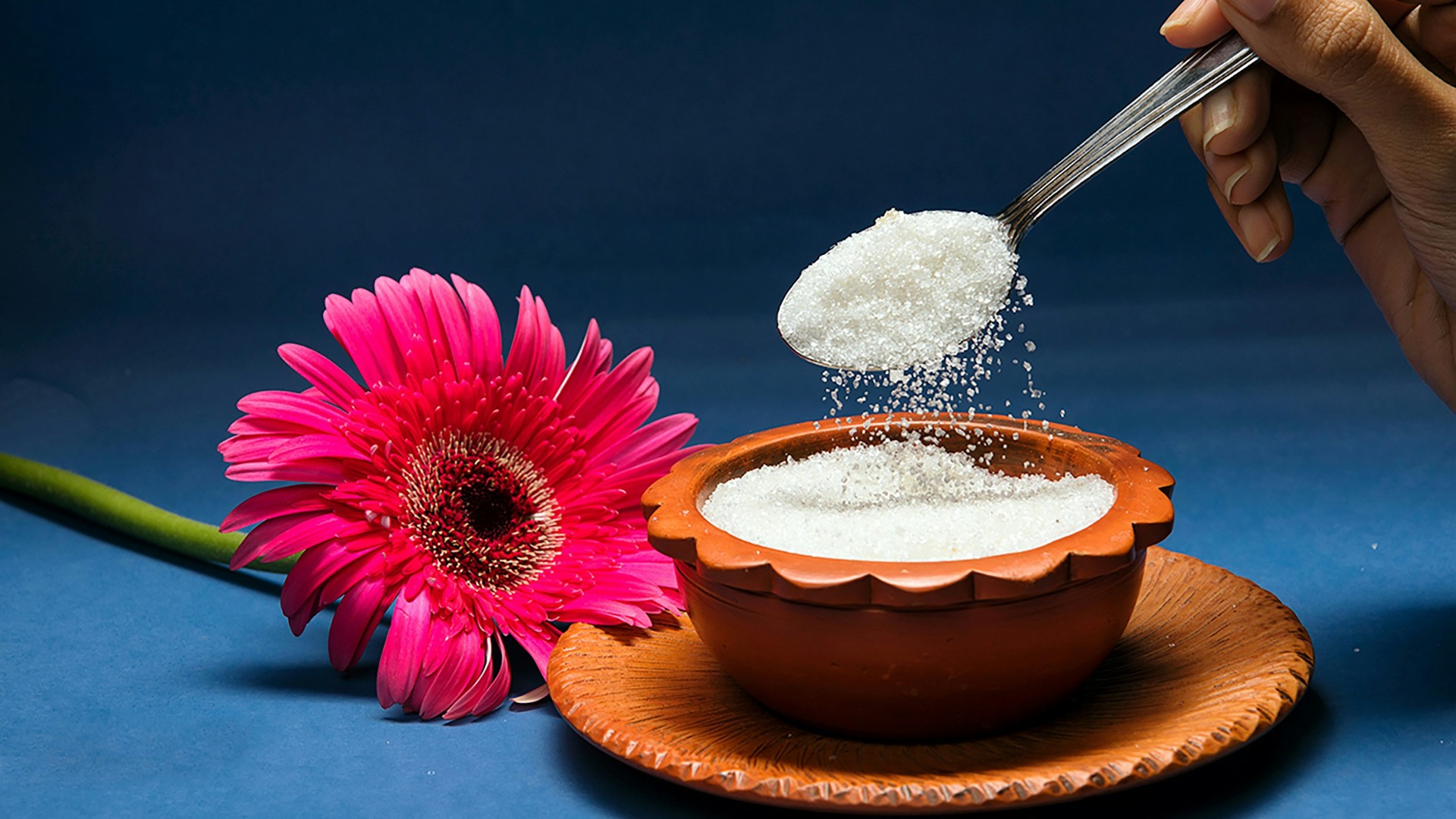
In India, eating a spoonful of dahi cheeni, a mixture of yoghurt and sugar, is a customary ritual before exams or job interviews. Ayurvedic traditions hold that yoghurt cools the digestive system and reduces anxiety. Families maintain the practice to offer emotional reassurance and wish good fortune.
Saying Rabbit Rabbit In Britain
In Britain, reciting rabbit rabbit on the first morning of a new month is believed to guarantee good luck for the next thirty days. Folklore records from 1909 in Yorkshire document the superstition as an established habit. The exact words must be spoken before saying anything else upon waking.

Stepping Left In France
French folklore maintains that accidentally stepping in canine waste with your left foot brings unexpected good luck. Conversely, doing so with your right foot is believed to attract terrible misfortune. The belief dates to nineteenth-century urban legends regarding Parisian sidewalks and street sanitation.
Street Manholes Of Love In Sweden
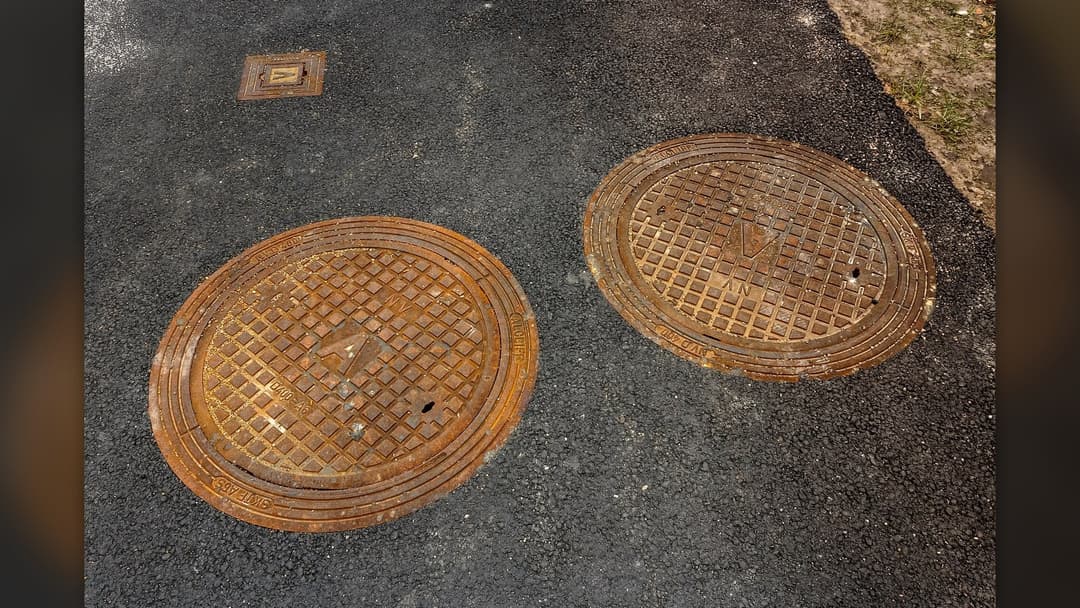
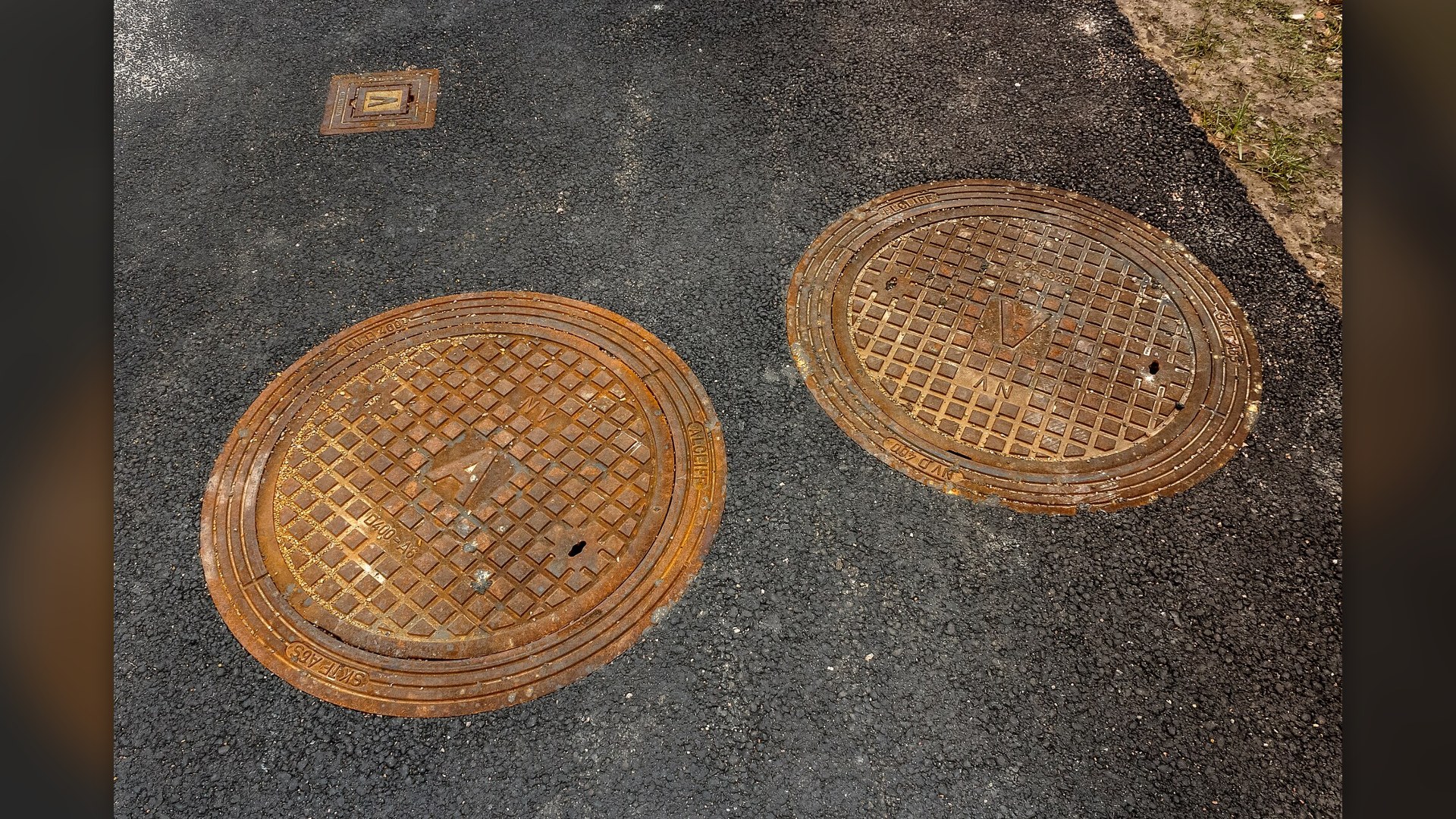
Swedish pedestrians carefully watch the letters stamped on street manhole covers. Covers marked with K indicate clean water, but locals associate the letter with karlek, meaning love. Those marked with A denote sewage, which pedestrians link to avbruten karlek, meaning heartbreak or interrupted affection.
Sunset Nail Trimming In Egypt
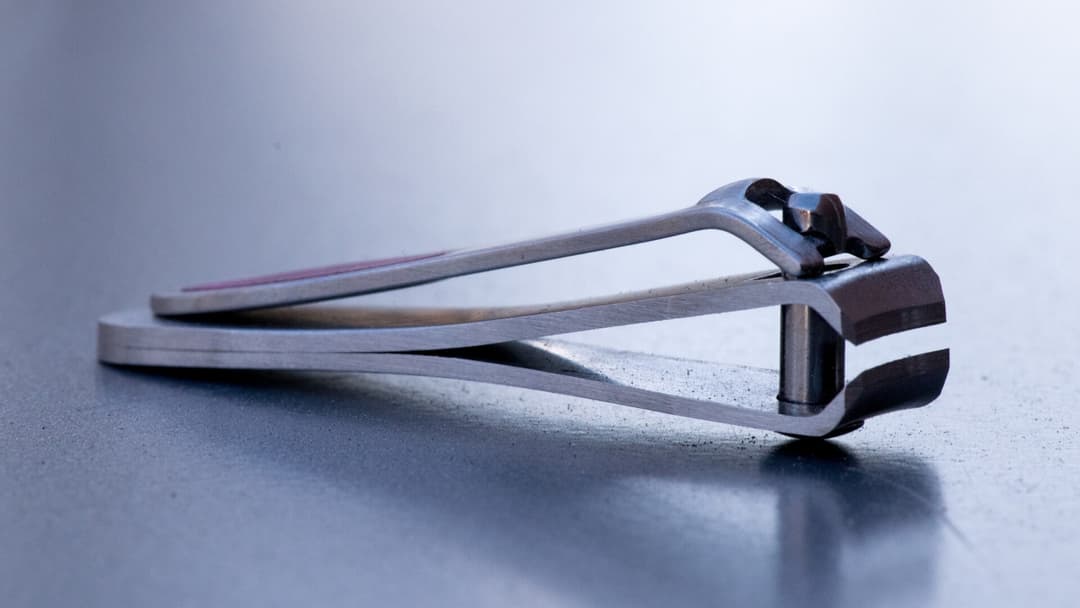
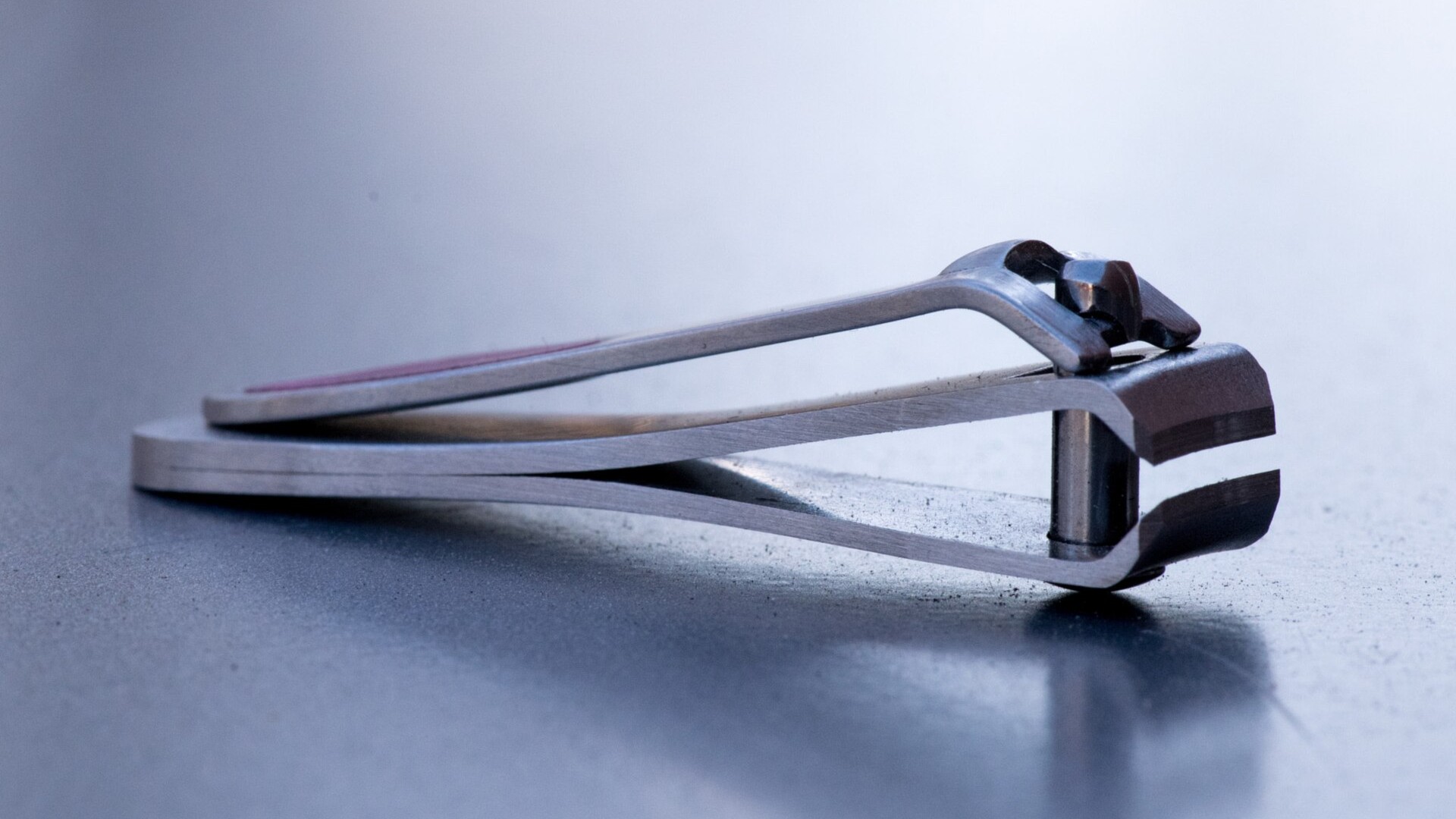
In Egyptian folk tradition, trimming fingernails or toenails after sunset is believed to invite misfortune or summon bad spirits. The belief originated in rural communities where cutting nails by dim oil lamps risked severe injury or infection. Elders still advise children to wait for daylight.
Purses Off The Floor In Brazil
In Brazil, placing a purse, backpack, or wallet directly onto the floor is thought to invite financial ruin. A popular Brazilian proverb warns that the floor is a thief, signaling that money left low will rapidly vanish. Restaurant patrons routinely hang bags from chair backs or keep them on their laps.
Never Toast With Water In Germany
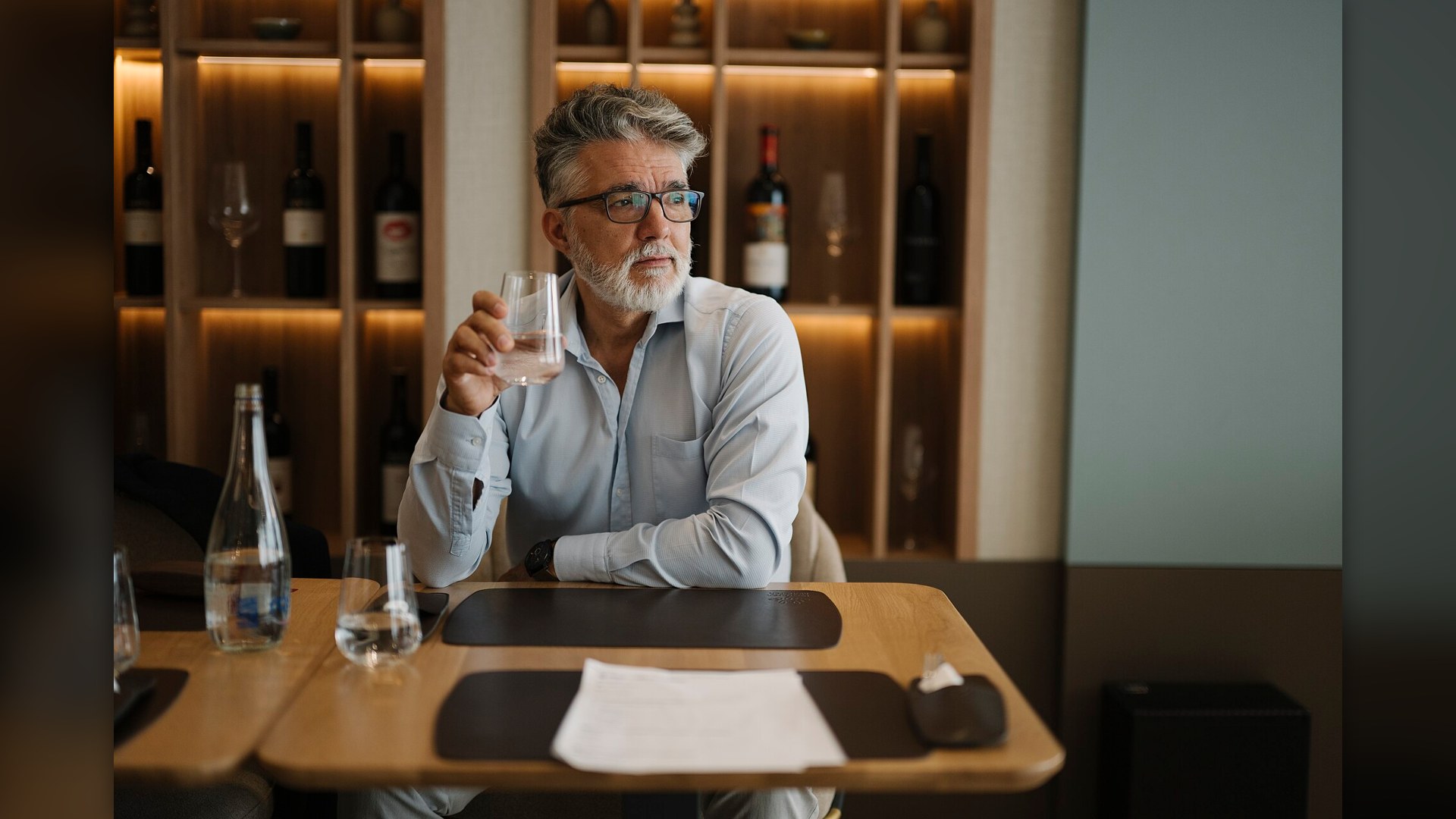
In German social etiquette, clinking glasses filled with water during a toast is regarded as wishing misfortune or death upon your companions. The superstition traces back to ancient Greek mythology, where departed souls drank water from the river Lethe. Modern hosts insist on using beer, wine, or juice.
Sweeping Unmarried Feet In Mexico
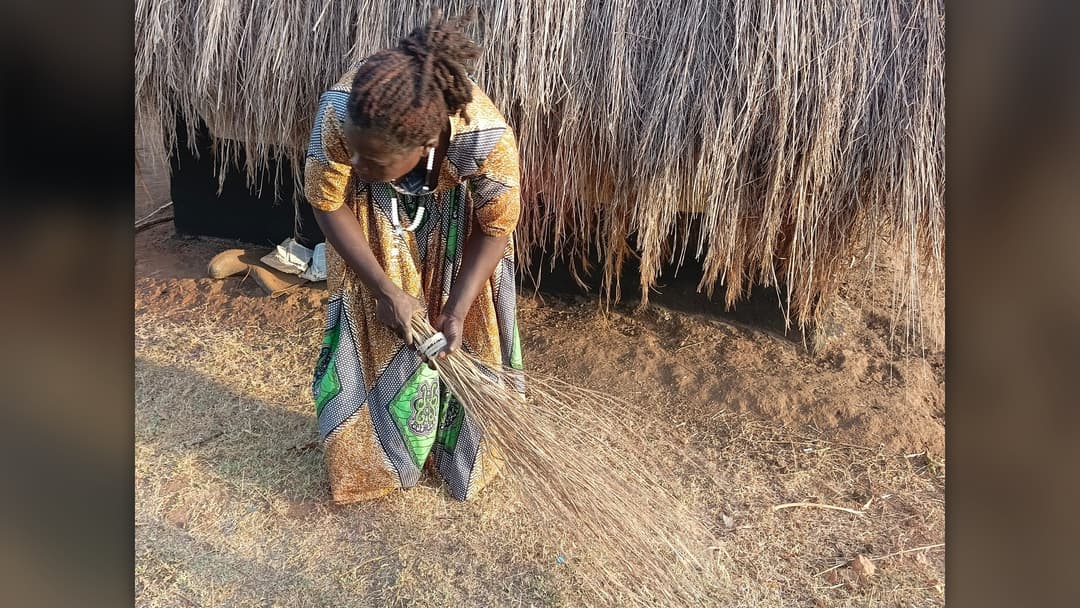
In Mexican folklore, accidentally running a broom over the feet of an unmarried person is believed to prevent them from ever finding a spouse. The superstition originated as a domestic standard regarding household attentiveness. If a broom touches someone, tradition requires them to spit on the bristles.
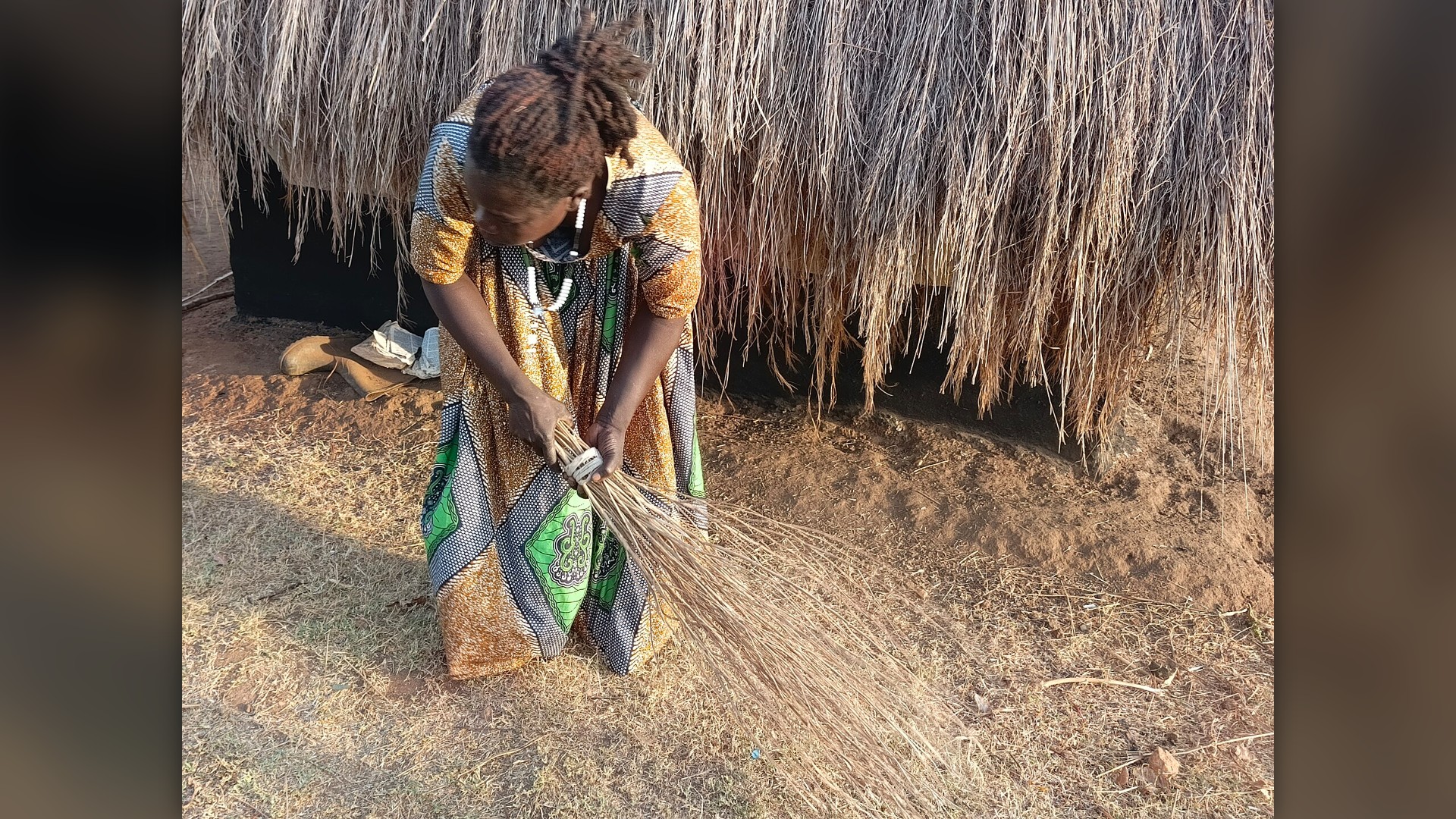
Spilling Water For Good Luck In Serbia
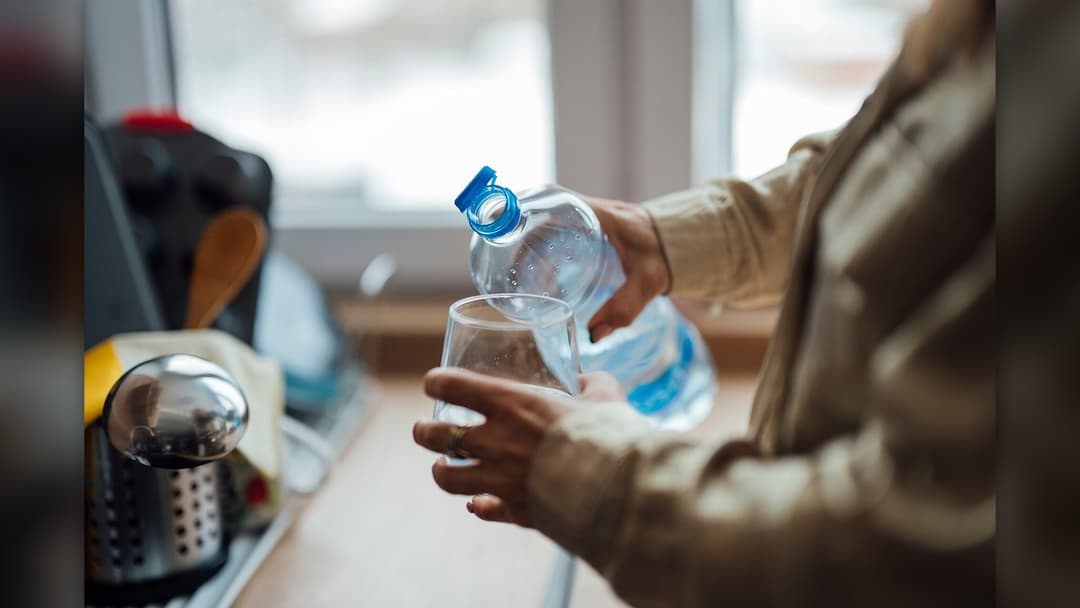
In Serbia and neighboring Balkan nations, family members spill a glass of clean water onto the ground behind someone leaving for a major event. Spilling water symbolizes smooth, unobstructed motion, ensuring an exam or job interview proceeds without friction. The water is left to dry naturally.

The Pagpag Post-Wake Detour In The Philippines
In the Philippines, people attending a wake or burial observe the practice of pagpag, meaning to shake off, before returning home. Mourners make a mandatory detour to a convenience store or restaurant so lingering spirits do not follow them inside. Families believe the ritual protects young children at home.
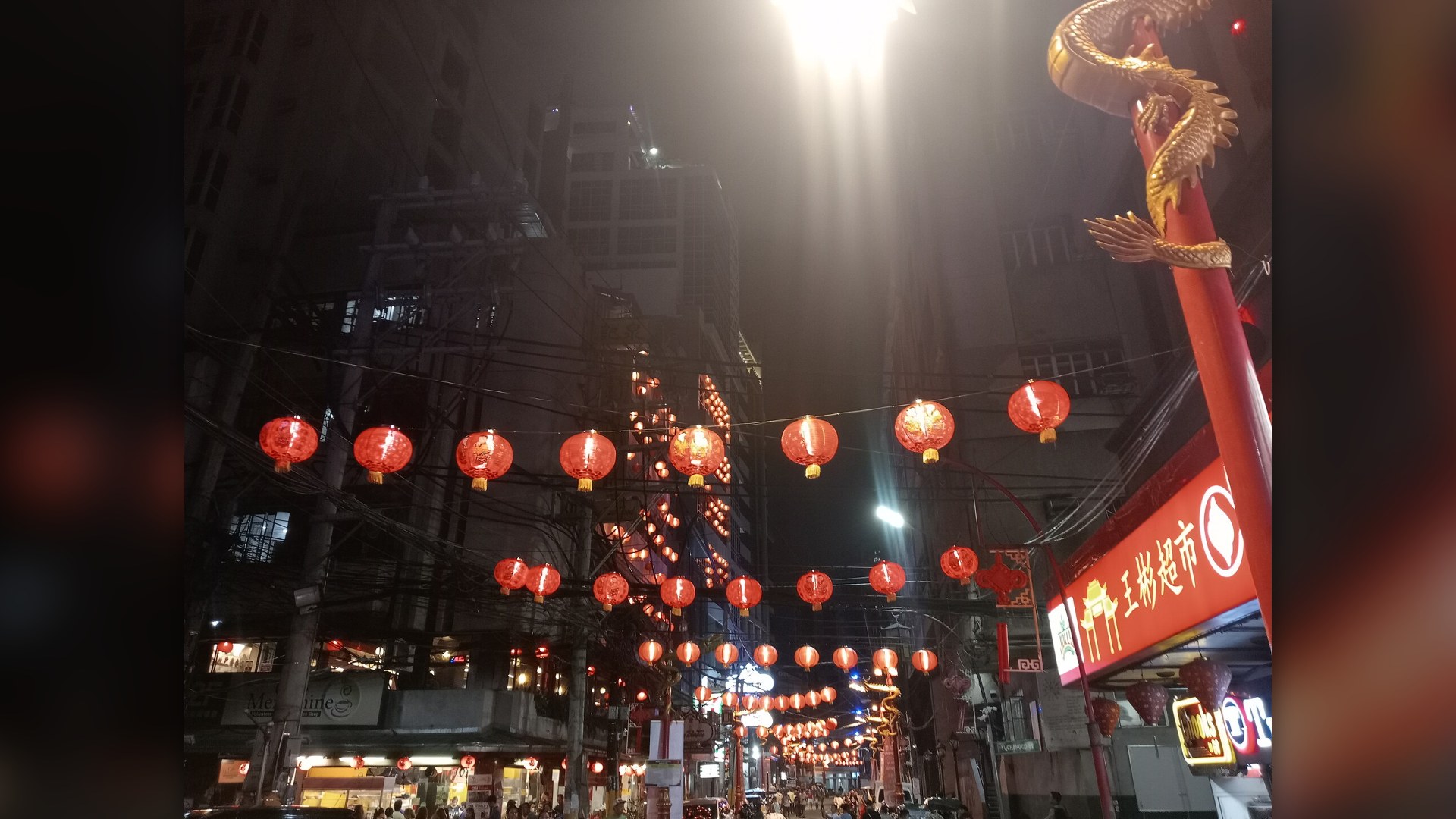
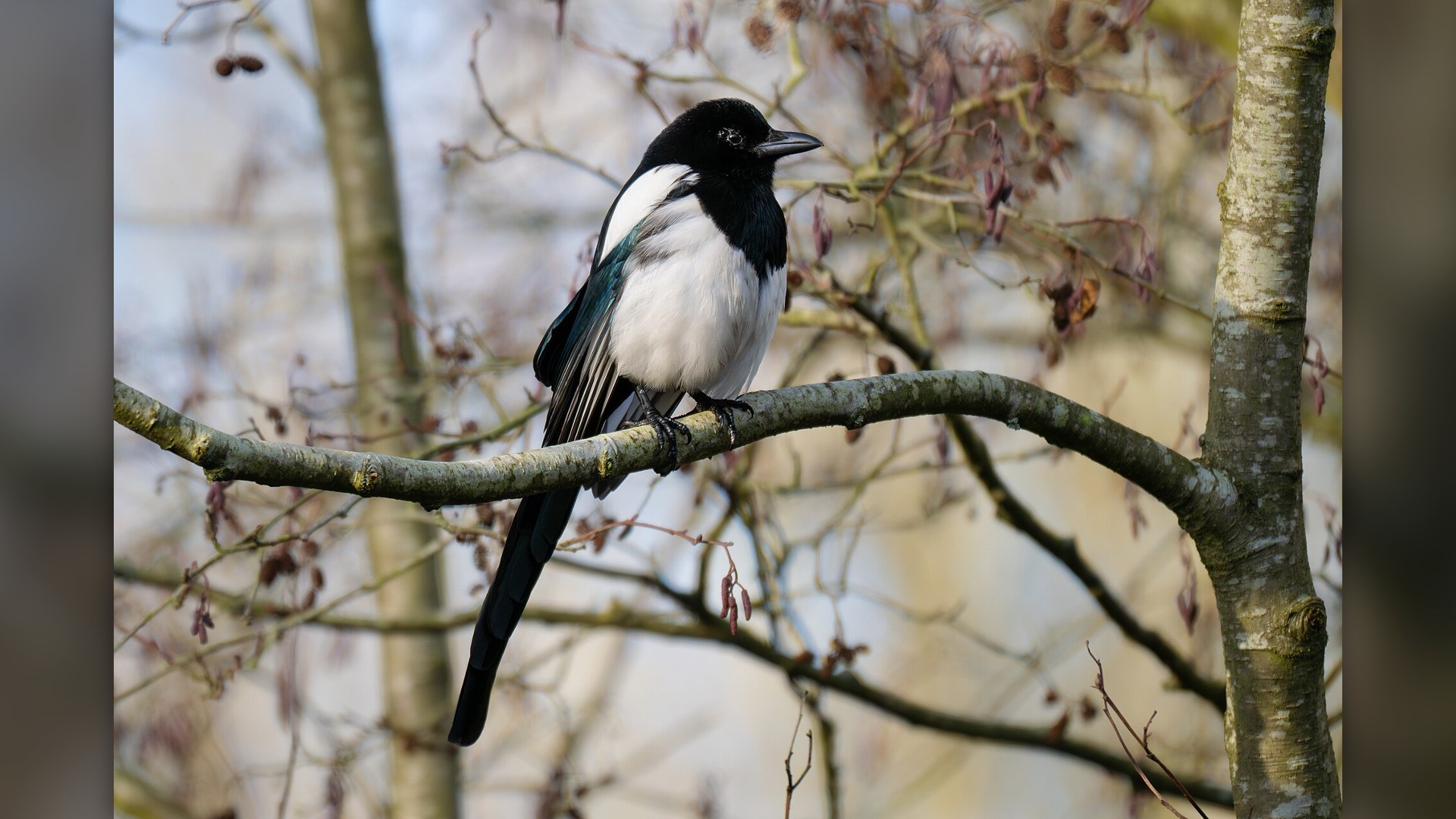
Saluting The Solitary Magpie In Ireland
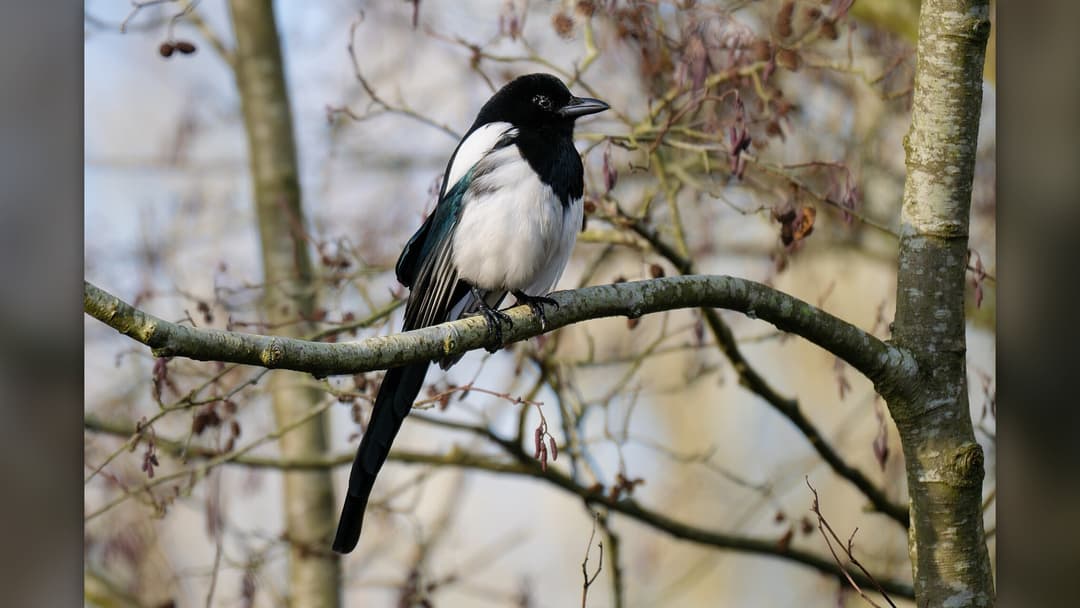
In Ireland and parts of Britain, seeing a single magpie is considered an omen of sorrow. Country tradition requires passersby to tip their hat, salute the bird, or speak a polite greeting to counteract the bad luck. The custom derives from an eighteenth-century counting nursery rhyme about corvids.
Heads-Up Pennies In The United States
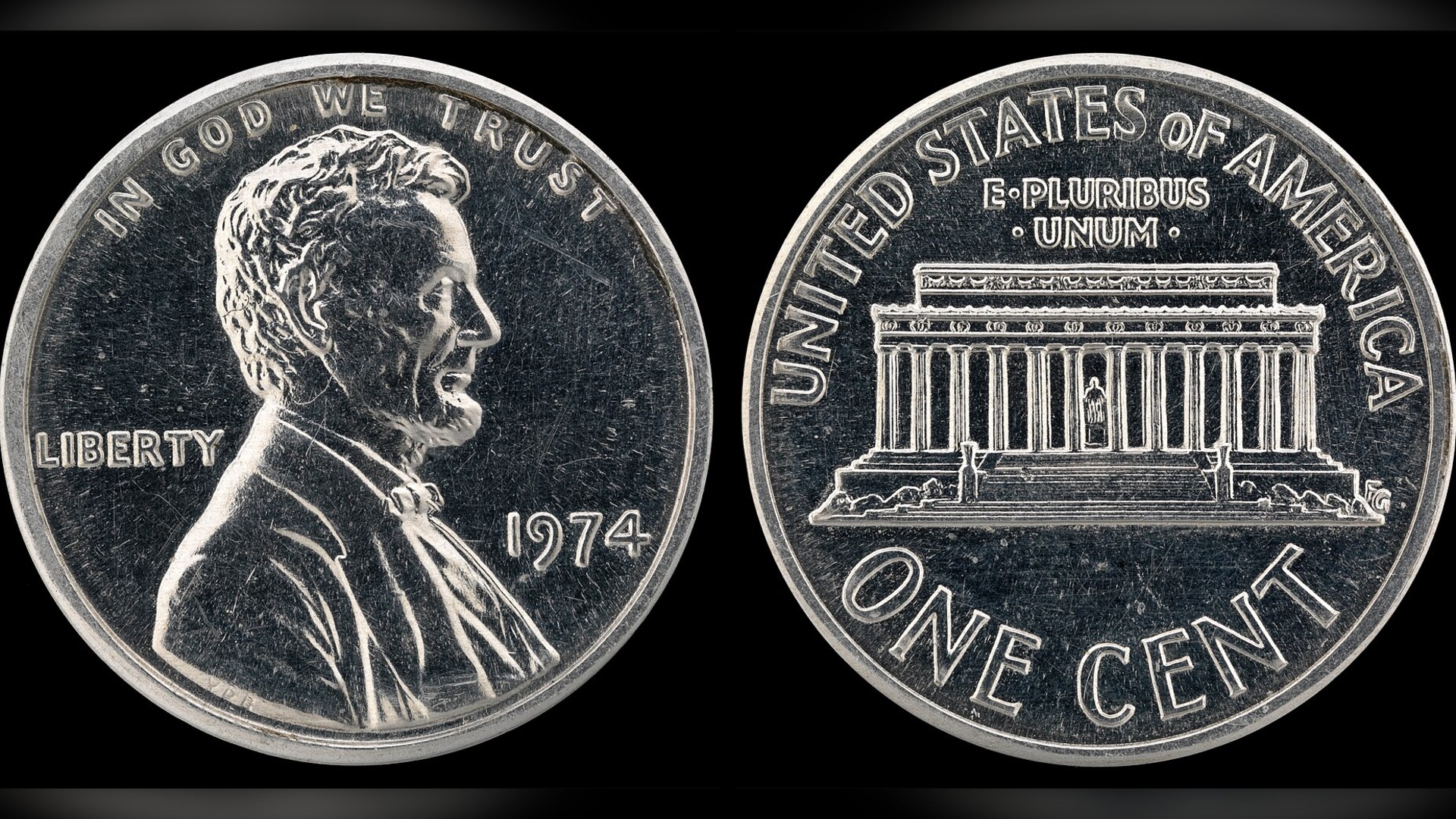
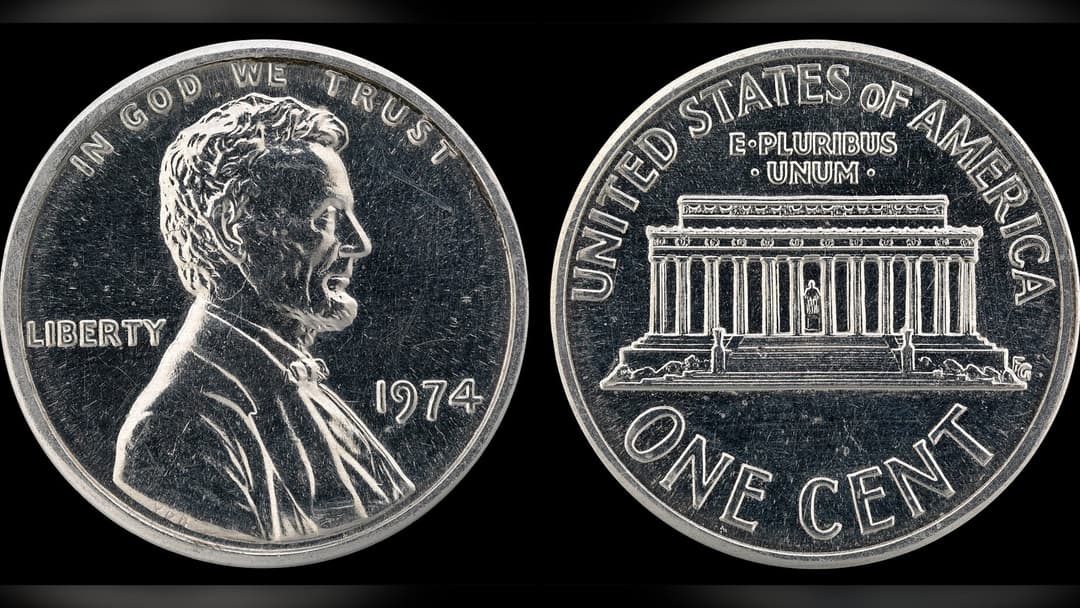
In American folklore, picking up a coin found lying heads-up brings good luck for the rest of the day. Leaving a tails-up penny on the sidewalk avoids bad luck, though some people flip it over for the next passerby. The custom stems from European folklore regarding metal as a protective shield against evil.