Slideshow · Health
20 Everyday Foods High in Vitamin D, B12 and Iron for Meals
Low energy and fatigue often trace to low vitamin D, vitamin B12, or iron. From plant staples like white beans and tofu to shellfish and fatty fish, these 20 everyday foods supply measurable amounts of all three nutrients. Figures come from USDA FoodData Central and NIH Office of Dietary Supplements tables.
By Most Viral Today
59 min ago

Which Everyday Foods Deliver the Most Vitamin D, B12 and Iron? 
20. Edamame 
19. White Cannellini Beans 
18. Dark Chocolate - AdvertisementSwipe or tap ▶ to continue countdown

17. Firm Tofu 
16. Fortified Soy Milk 
15. Nutritional Yeast 
14. Swiss Cheese - AdvertisementSwipe or tap ▶ to continue countdown

13. Plain Greek Yogurt 
12. Chicken Eggs 
11. Pork Tenderloin 
10. Lamb Chops - AdvertisementSwipe or tap ▶ to continue countdown

9. Beef Sirloin 
8. Canned Light Tuna 
7. Atlantic Herring 
6. Pacific Oysters - AdvertisementSwipe or tap ▶ to continue countdown

5. Blue Mussels 
4. Littleneck Clams 
3. Atlantic Mackerel 
2. Canned Sardines - AdvertisementSwipe or tap ▶ to continue countdown

1. Rainbow Trout - Advertisement🔥 UP NEXT IN THIS SERIES◫ 23 Slides

22 Everyday Foods and Drinks That Can Keep You Awake at Night
Caffeine is only one reason evening snacks disrupt rest. Drawing on USDA nutrient figures, FDA guidance and National Library of Medicine sleep studies, this gallery counts down 22 everyday foods and drinks whose stimulants, acids, tyramine or fluids trigger nighttime heartburn, alertness or bathroom trips.
Low energy and fatigue often trace to low vitamin D, vitamin B12, or iron. From plant staples like white beans and tofu to shellfish and fatty fish, these 20 everyday foods supply measurable amounts of all three nutrients. Figures come from USDA FoodData Central and NIH Office of Dietary Supplements tables.
Swipe or tap ▶ to begin the countdown
©Pixabay / DanielaElenaTentis
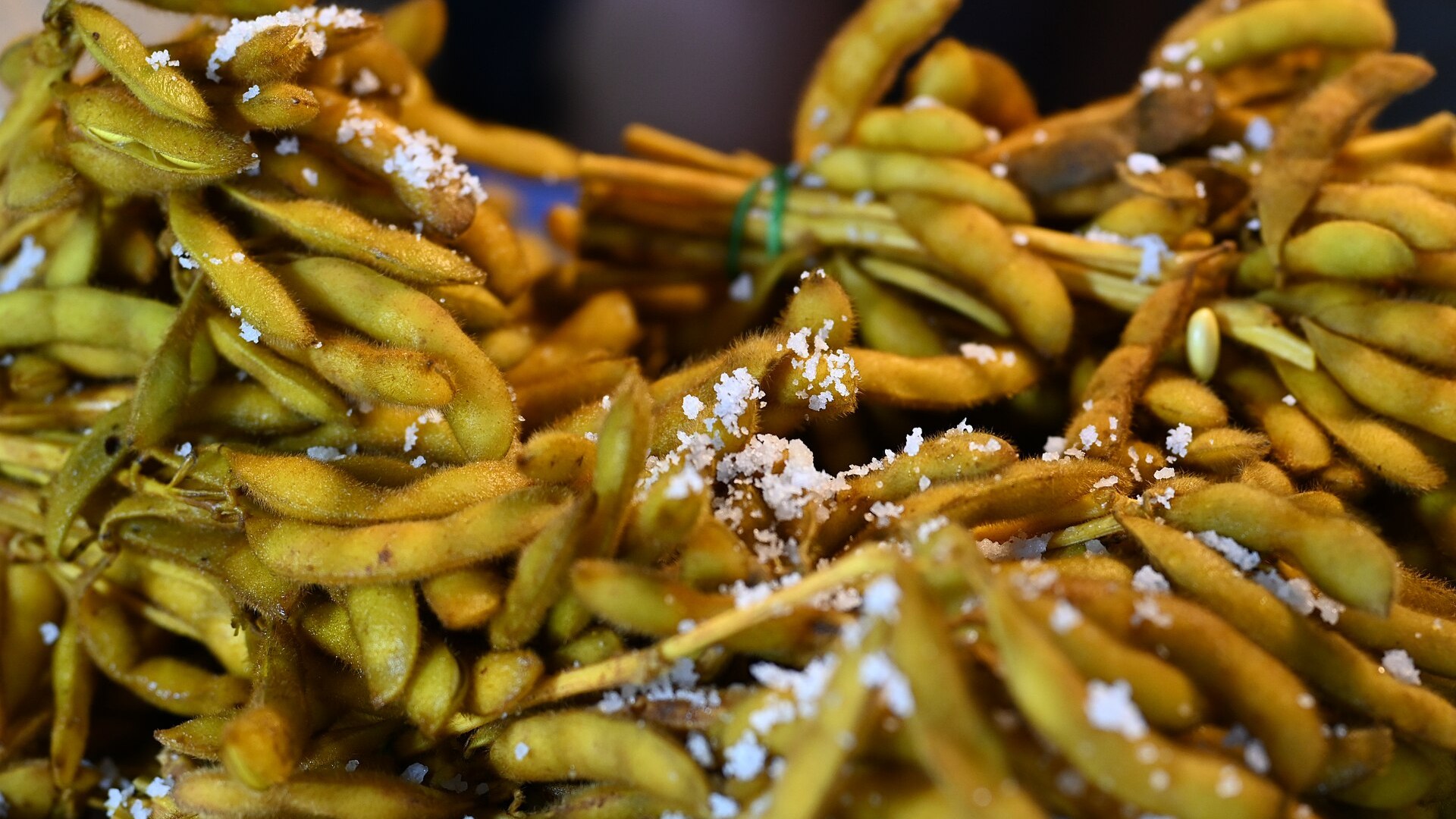
20. Edamame
A half-cup of shelled cooked edamame supplies roughly 1.8 to 2 mg of non-heme iron, around 10 percent of the adult daily value according to USDA FoodData Central. Pairing soy foods with vitamin C from bell peppers or citrus helps your body absorb more of that iron at mealtime.
©Wikimedia / PattayaPatrol
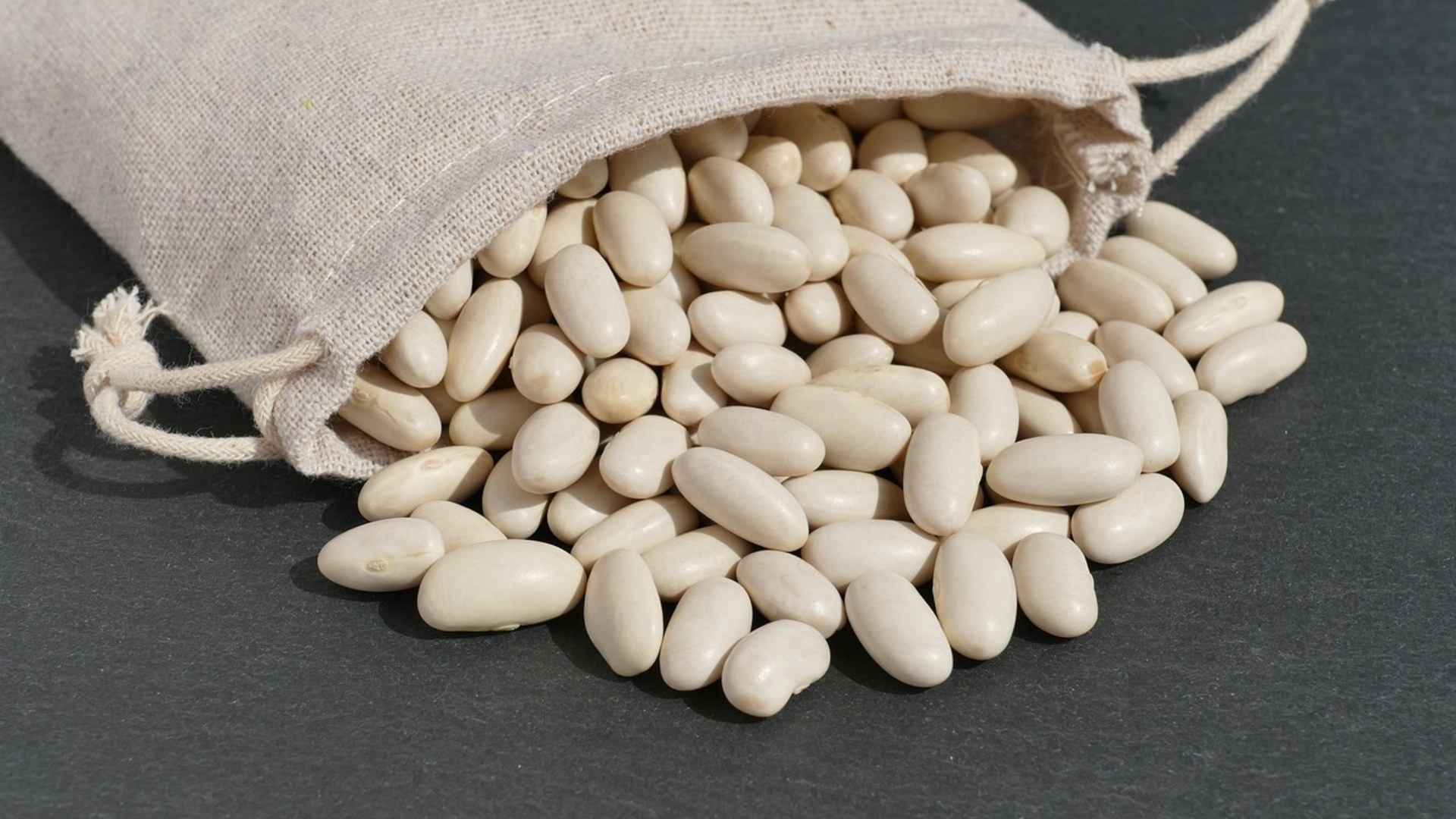
19. White Cannellini Beans
Half a cup of cooked white beans provides about 3.3 mg of iron, roughly 18 percent of the adult daily value per the NIH Office of Dietary Supplements. They also bring 8 grams of protein and gut-friendly fiber to soups, stews, and grain bowls.
©Pixabay / pictavio
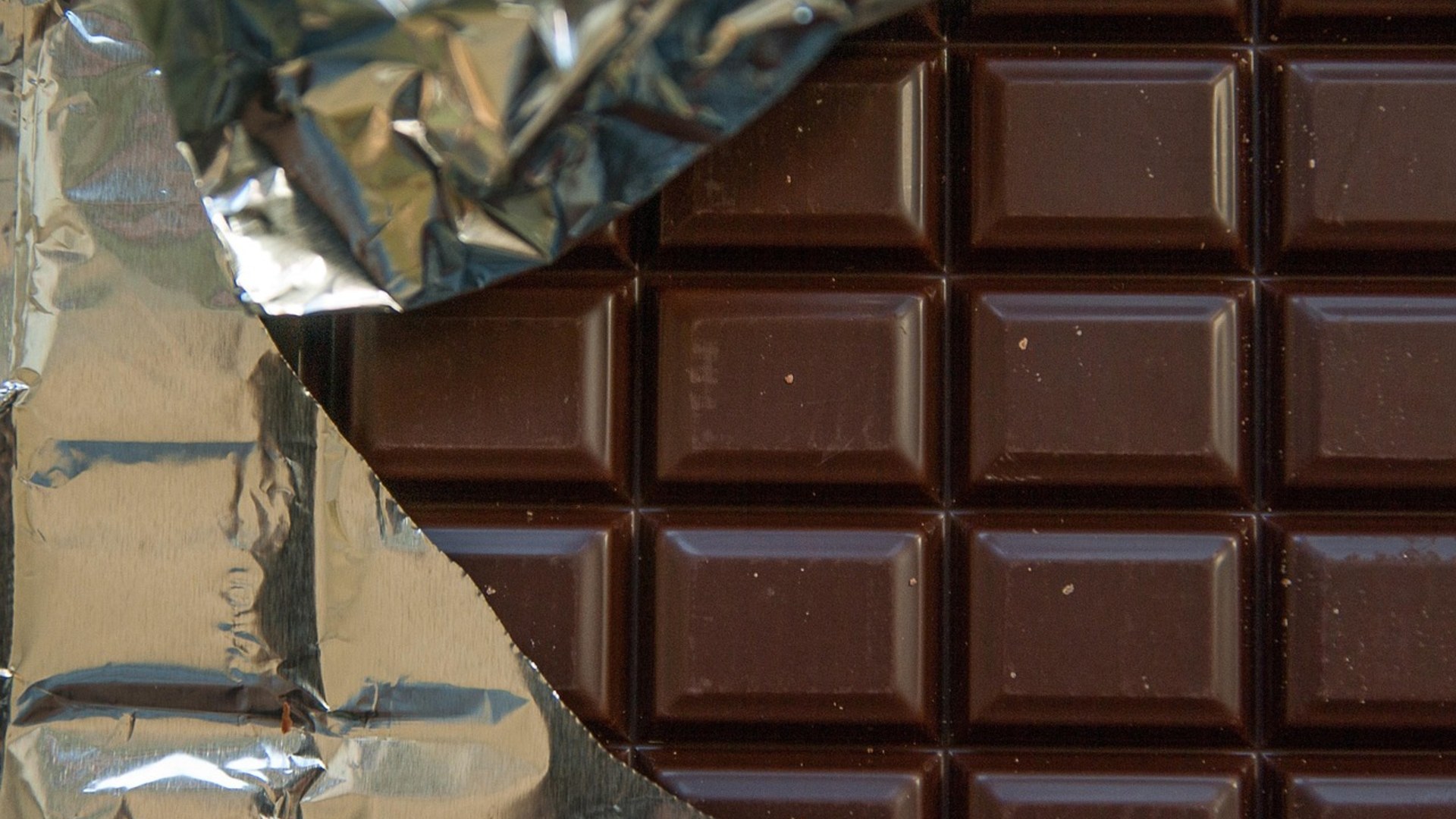
18. Dark Chocolate
A 1-ounce serving of 45 to 69 percent dark chocolate contains around 2.3 mg of iron, and 70 to 85 percent bars push higher toward 3.4 mg per USDA tables. It also supplies magnesium and copper, though portion control keeps added sugar and saturated fat modest.
©Pixabay / jackmac34
Advertisement
Swipe or tap ▶ to resume the countdown.
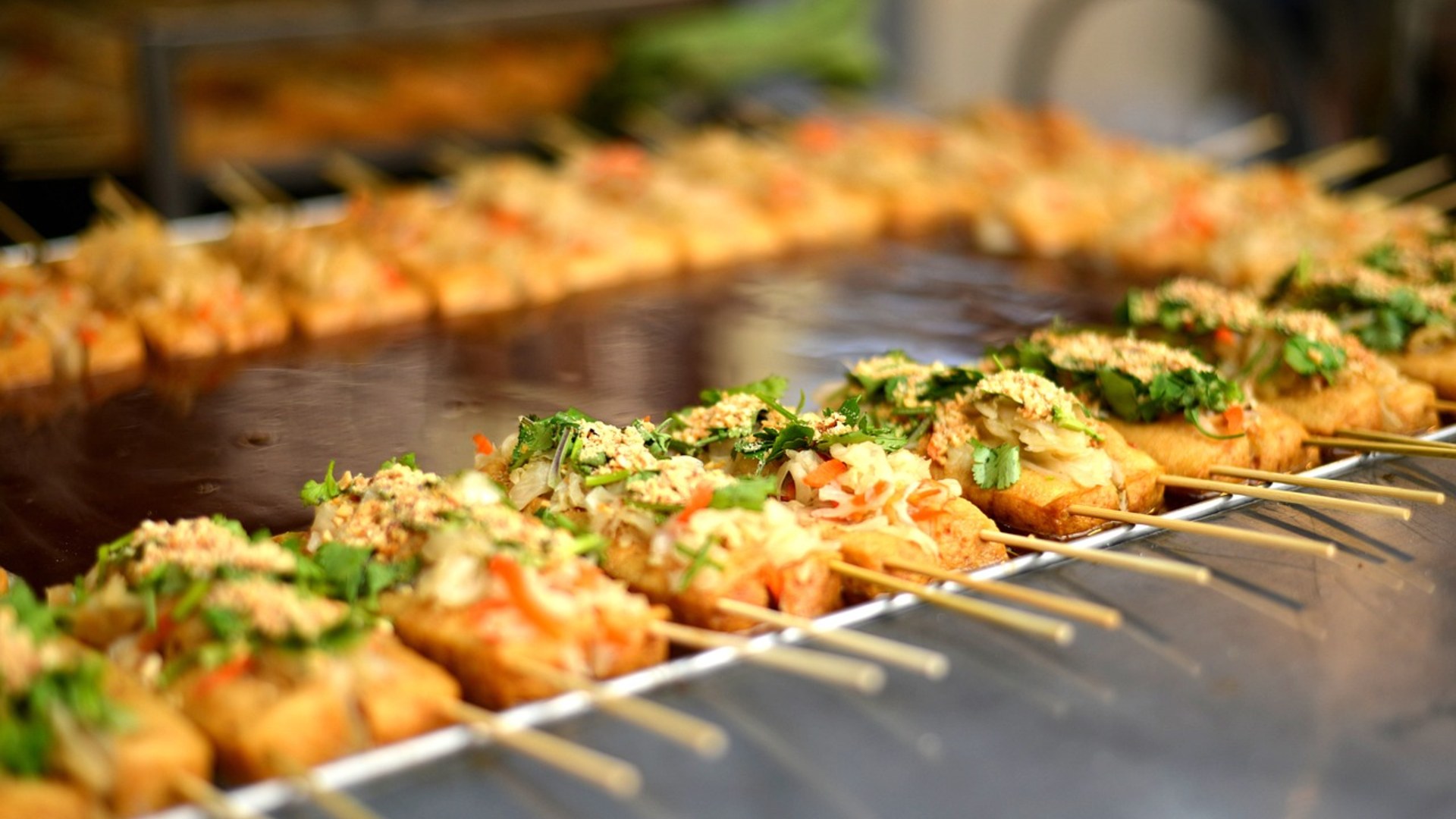
17. Firm Tofu
A half-cup serving of firm tofu delivers roughly 3 mg of iron, equal to about 17 percent of the daily value in NIH iron fact sheets. Certain refrigerated brands are also fortified with vitamin D or B12, so checking the nutrition label pays off.
©Pixabay / alexvr720
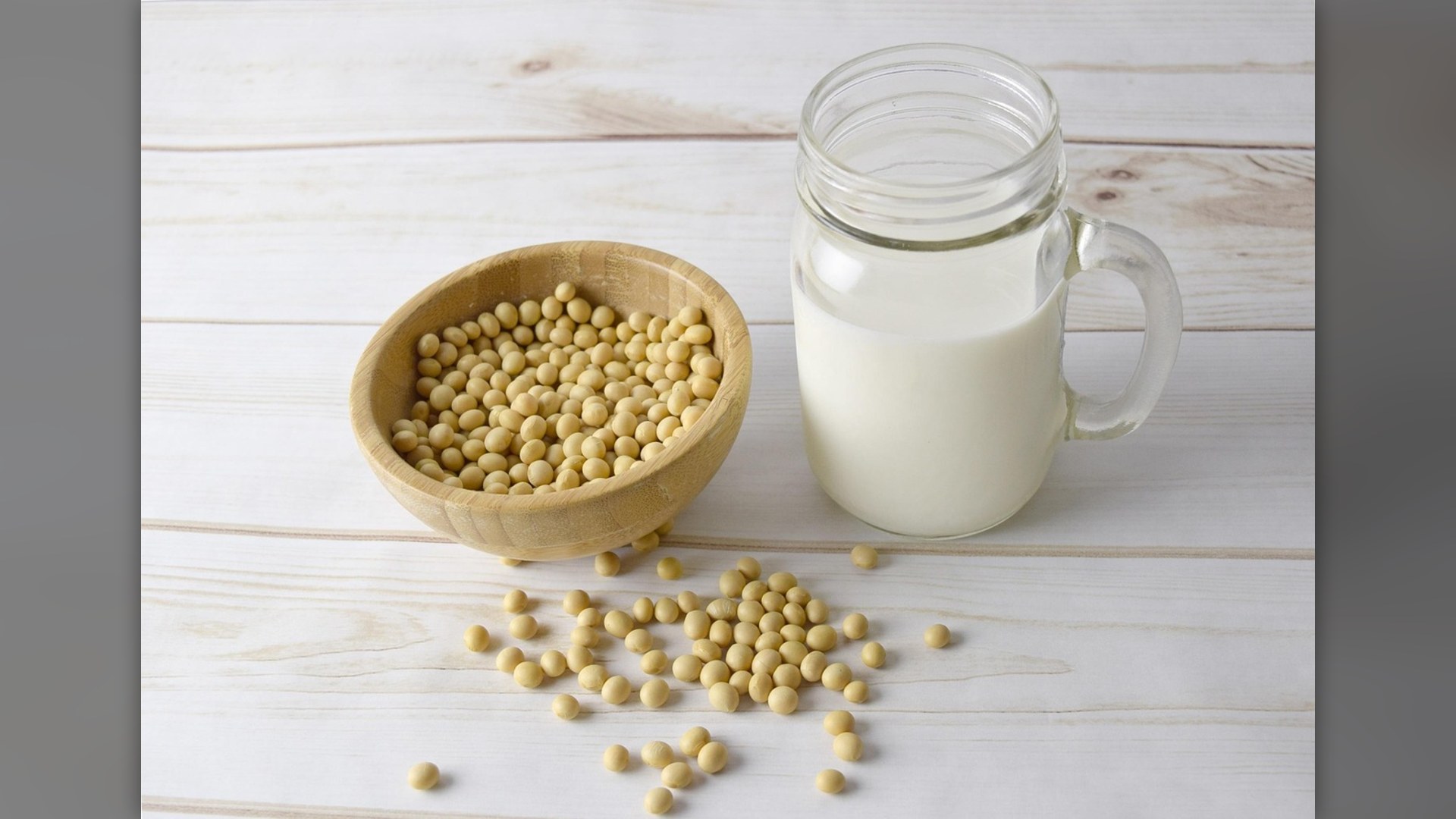
16. Fortified Soy Milk
One cup of fortified unsweetened soy milk typically supplies around 2.5 to 3 mcg (100 to 120 IU) of vitamin D and up to 3 mcg of vitamin B12, based on NIH Office of Dietary Supplements listings. Shaking the carton before pouring keeps added calcium and vitamins suspended.
©Pixabay / bigfatcat
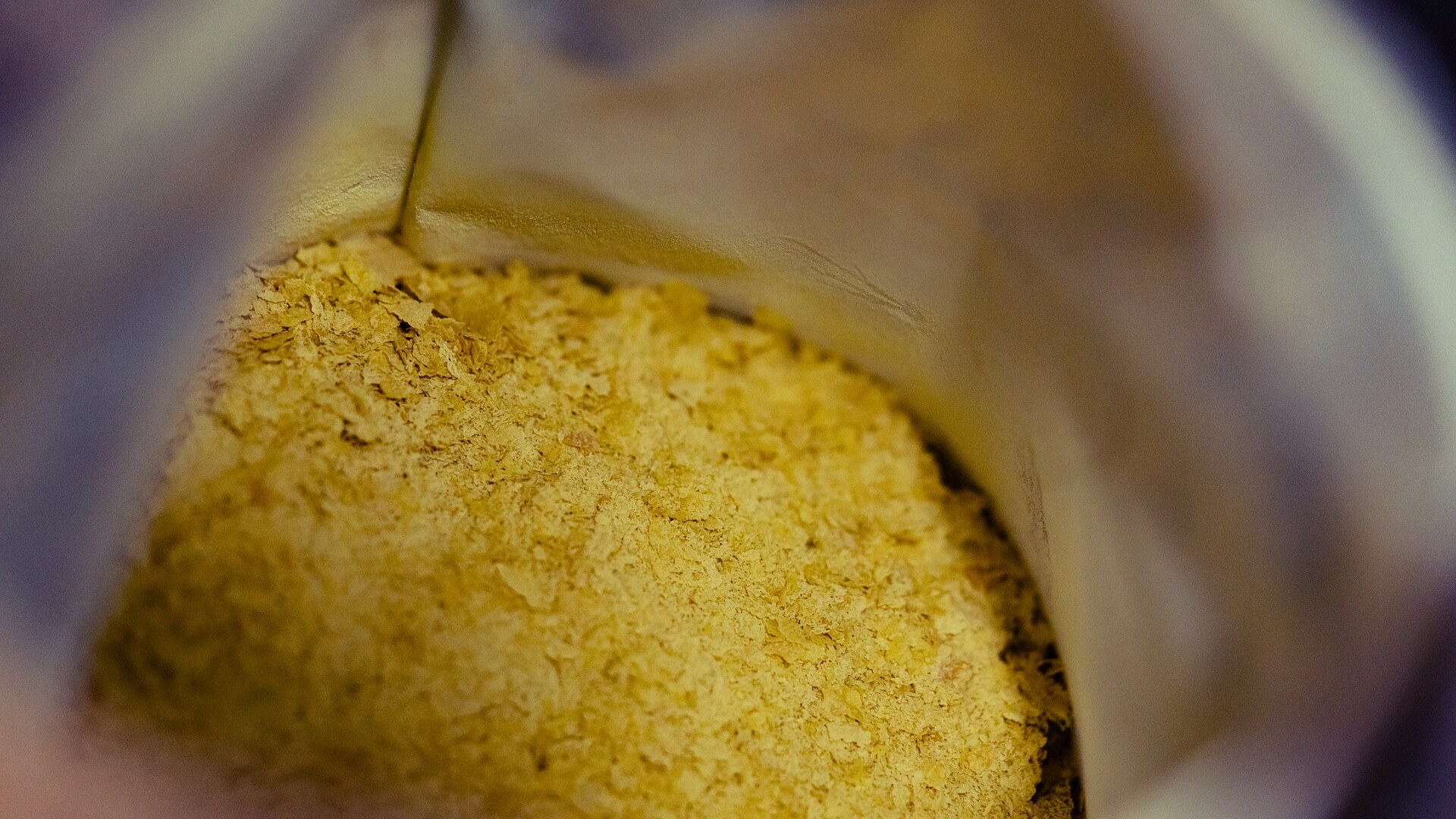
15. Nutritional Yeast
Fortified nutritional yeast is one of the most concentrated vegan sources of vitamin B12, with two tablespoons often exceeding the 2.4 mcg adult daily requirement. Stirred into pasta, popcorn, or scrambled tofu, it adds a nutty flavor alongside thiamin and riboflavin.
©Wikimedia / Tony Webster from Minneapolis, Minnesota, United
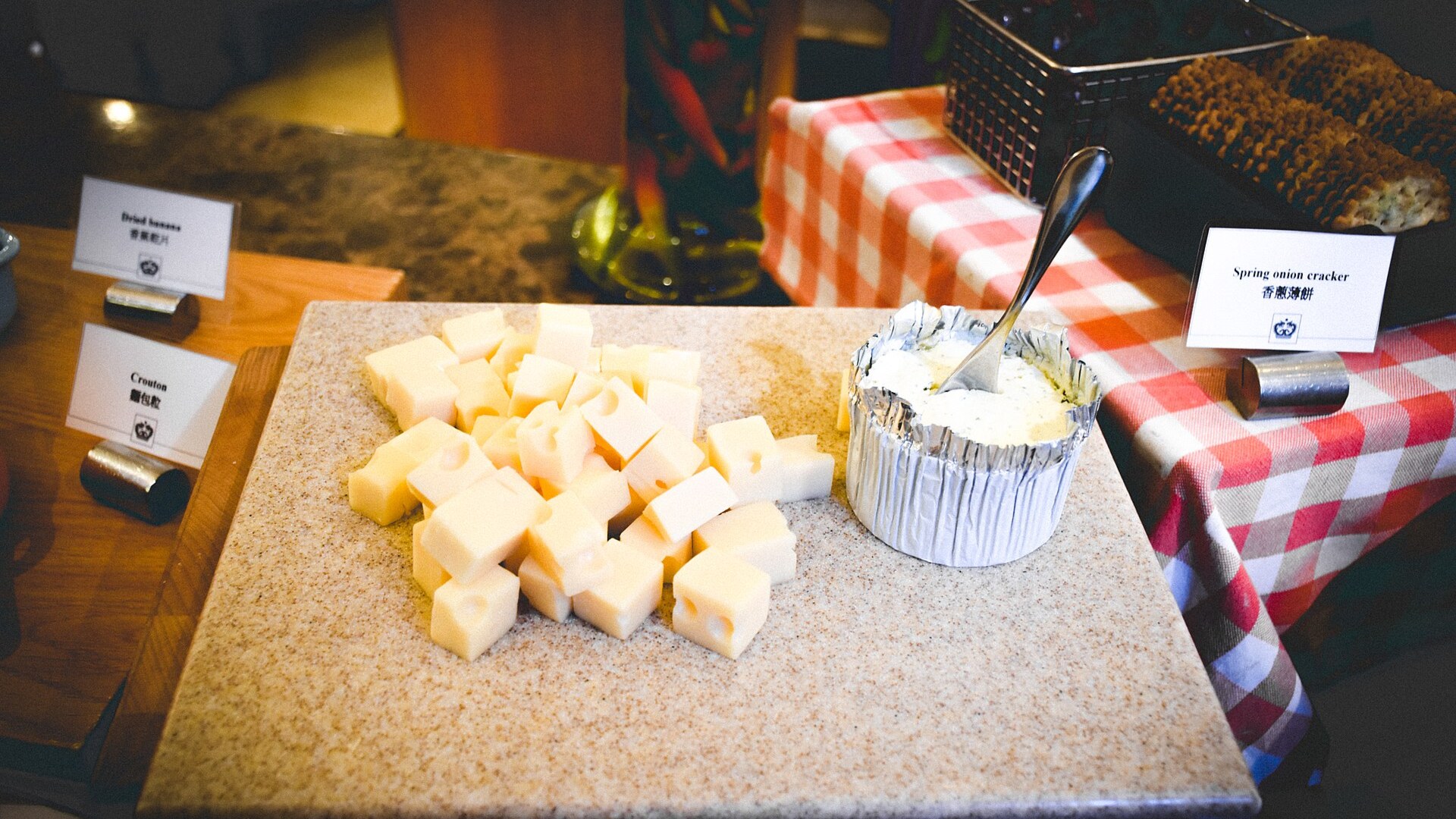
14. Swiss Cheese
A 1-ounce slice of Swiss cheese offers roughly 0.9 mcg of vitamin B12, close to 38 percent of the adult daily value according to USDA FoodData Central. Fermentation during aging reduces lactose, making Swiss easier to tolerate for many people who limit liquid milk.
©Wikimedia / Geoffreyrabbit
Advertisement
Swipe or tap ▶ to resume the countdown.
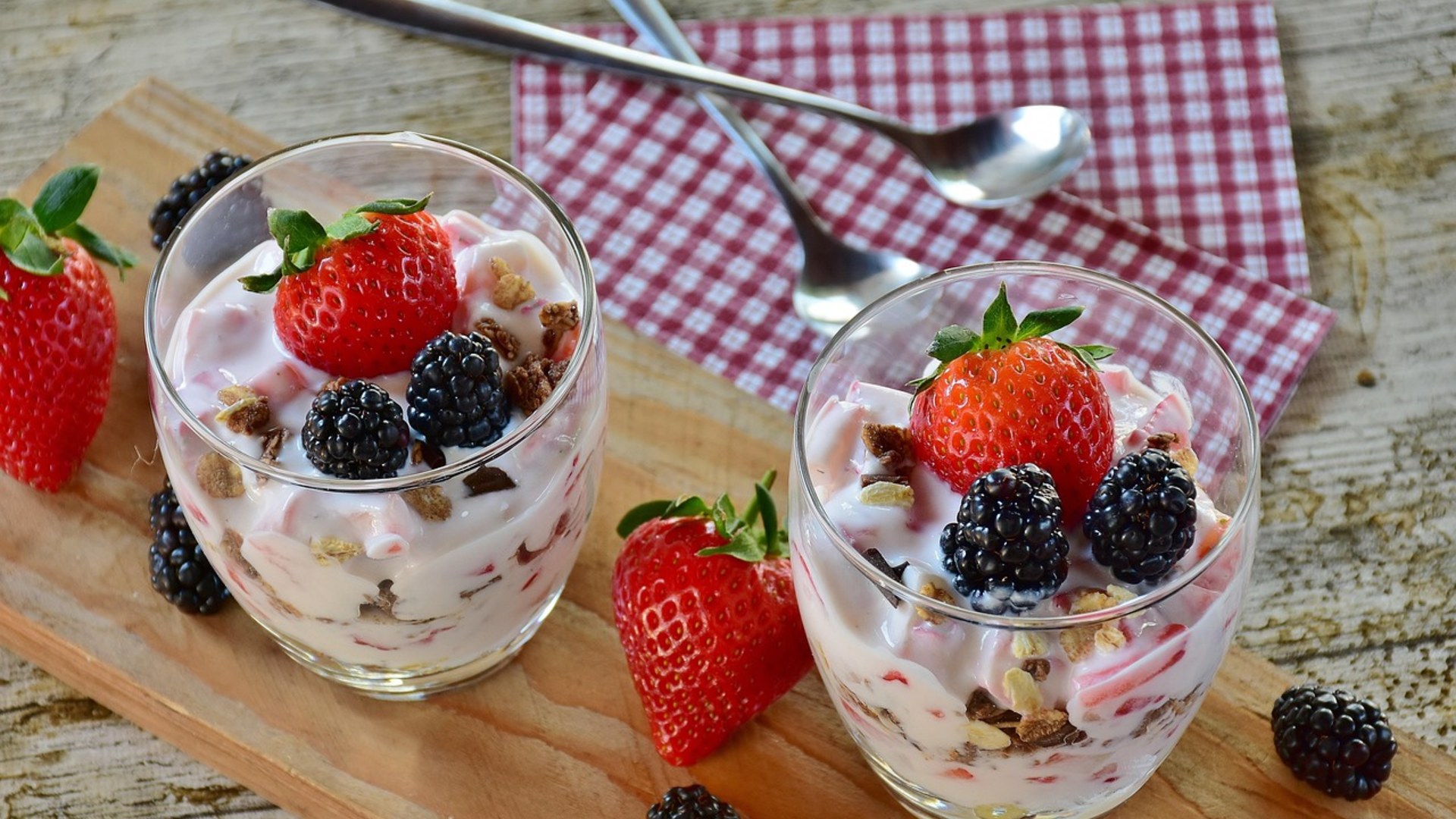
13. Plain Greek Yogurt
A 6-ounce container of plain low-fat or nonfat Greek yogurt supplies roughly 1 to 1.3 mcg of vitamin B12, covering around 40 to 55 percent of daily needs. Choosing vitamin D-fortified dairy tubs adds an extra boost during darker winter months.
©Pixabay / RitaE
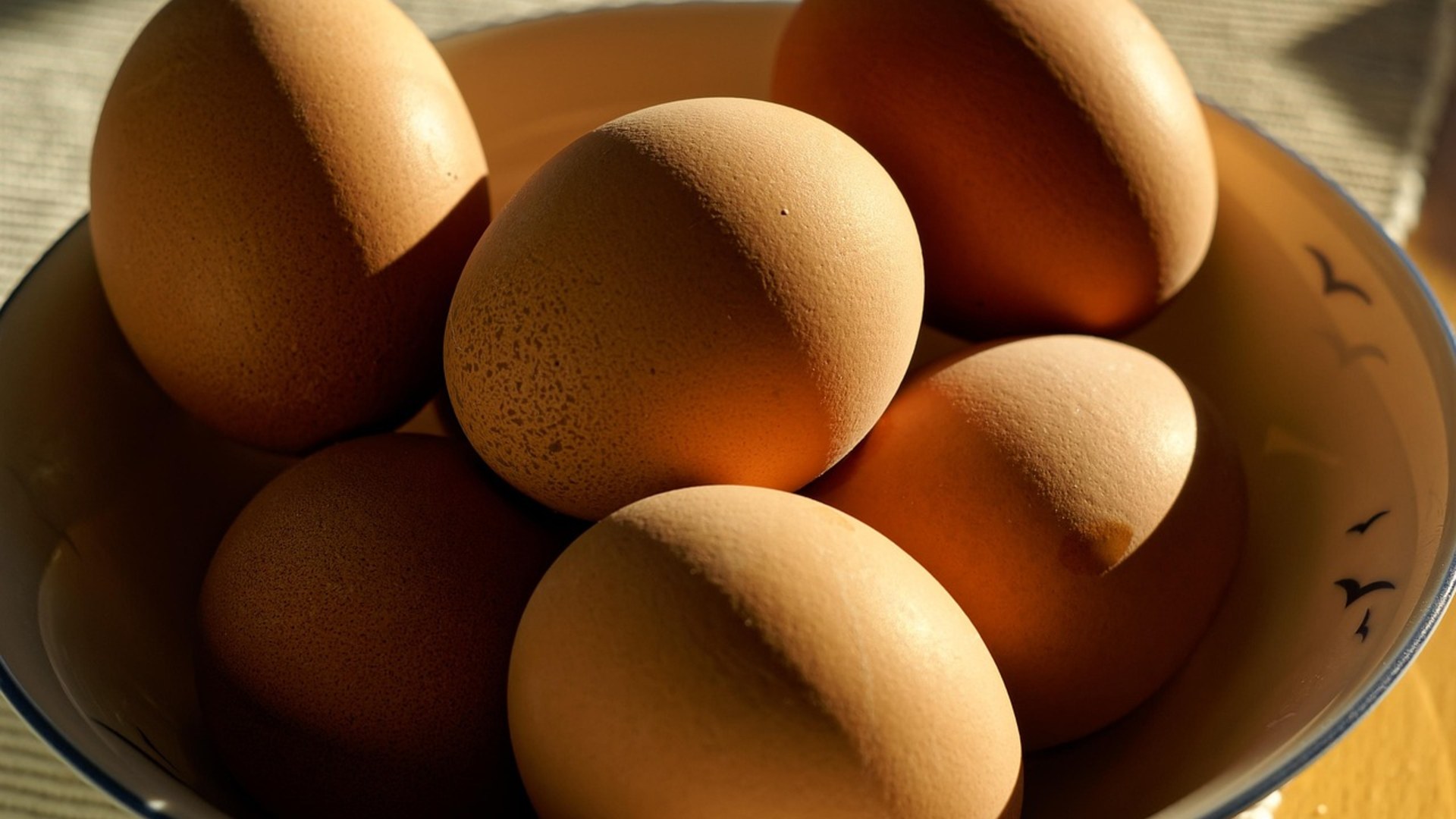
12. Chicken Eggs
One large whole egg provides about 1.1 mcg (44 IU) of vitamin D, 0.5 mcg of vitamin B12, and nearly 0.9 mg of iron per USDA FoodData Central. Nearly all of the vitamin D and B12 resides in the yolk, so eating whole eggs rather than whites alone maximizes those nutrients.
©Pixabay / experimentMR
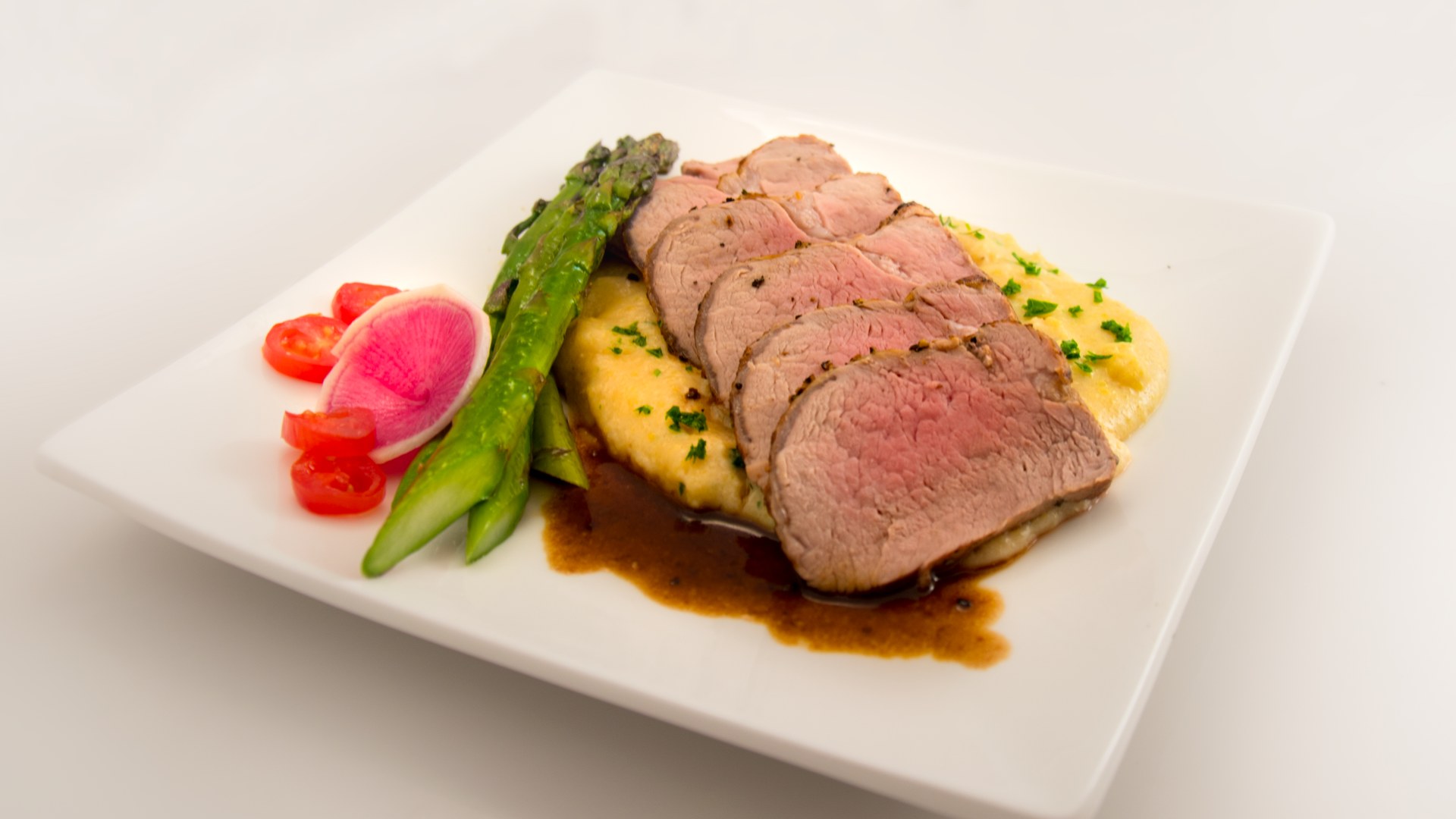
11. Pork Tenderloin
Three ounces of roasted pork tenderloin deliver around 0.6 mcg of vitamin B12 and nearly 1 mg of easily absorbed heme iron, along with B6 and thiamin. Because it is a lean cut, cooking it to 145 F keeps the meat juicy without heavy added fats.
©Wikimedia / User:Ɱ
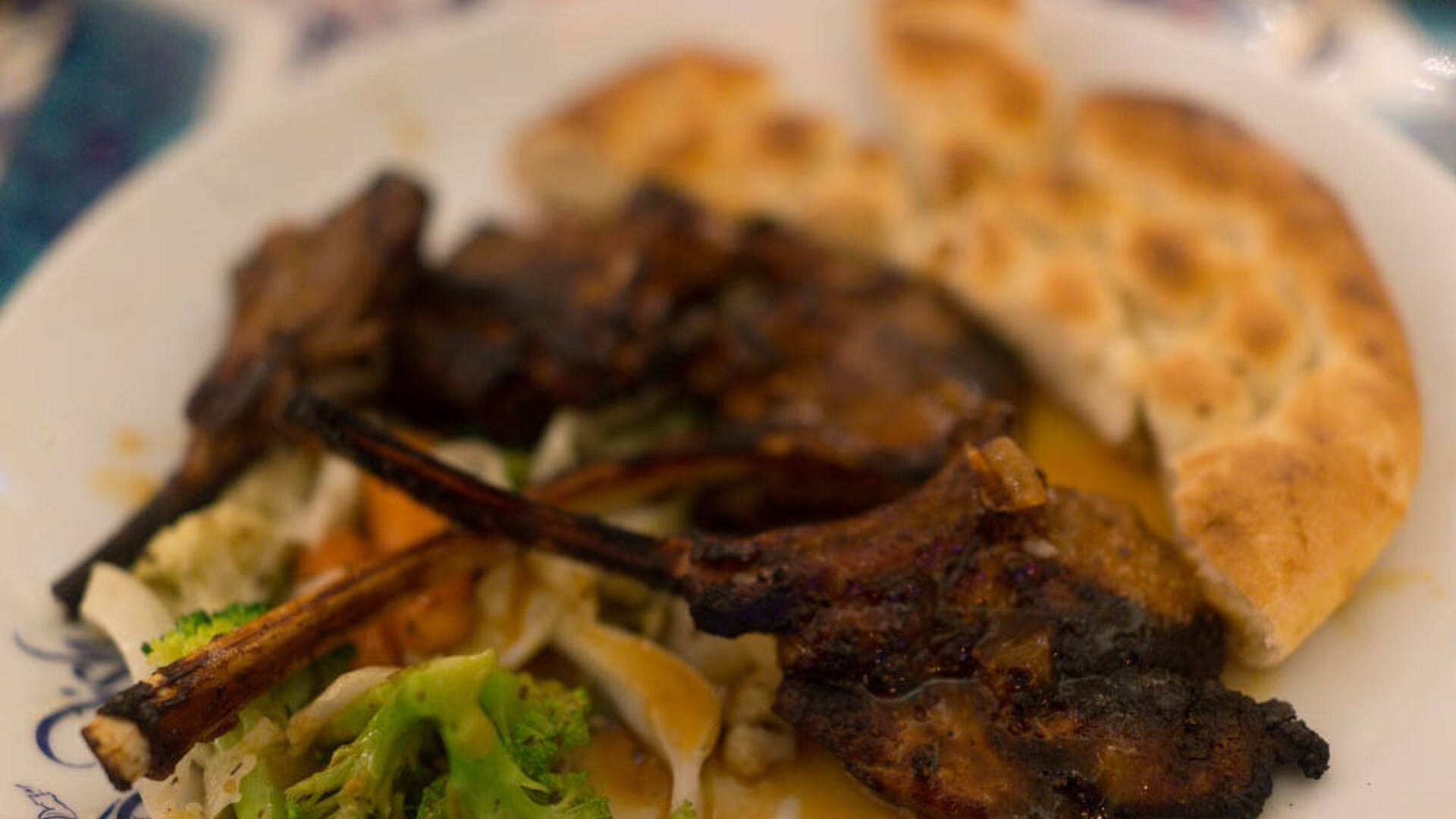
10. Lamb Chops
A 3-ounce portion of grilled lamb provides roughly 2.1 mcg of vitamin B12, close to 90 percent of the adult daily value, plus around 1.5 mg of heme iron. Lamb also supplies zinc and selenium, two trace minerals tied to immune function and red blood cell support.
©Wikimedia / Charles Haynes from Hobart, Australia
Advertisement
Swipe or tap ▶ to resume the countdown.
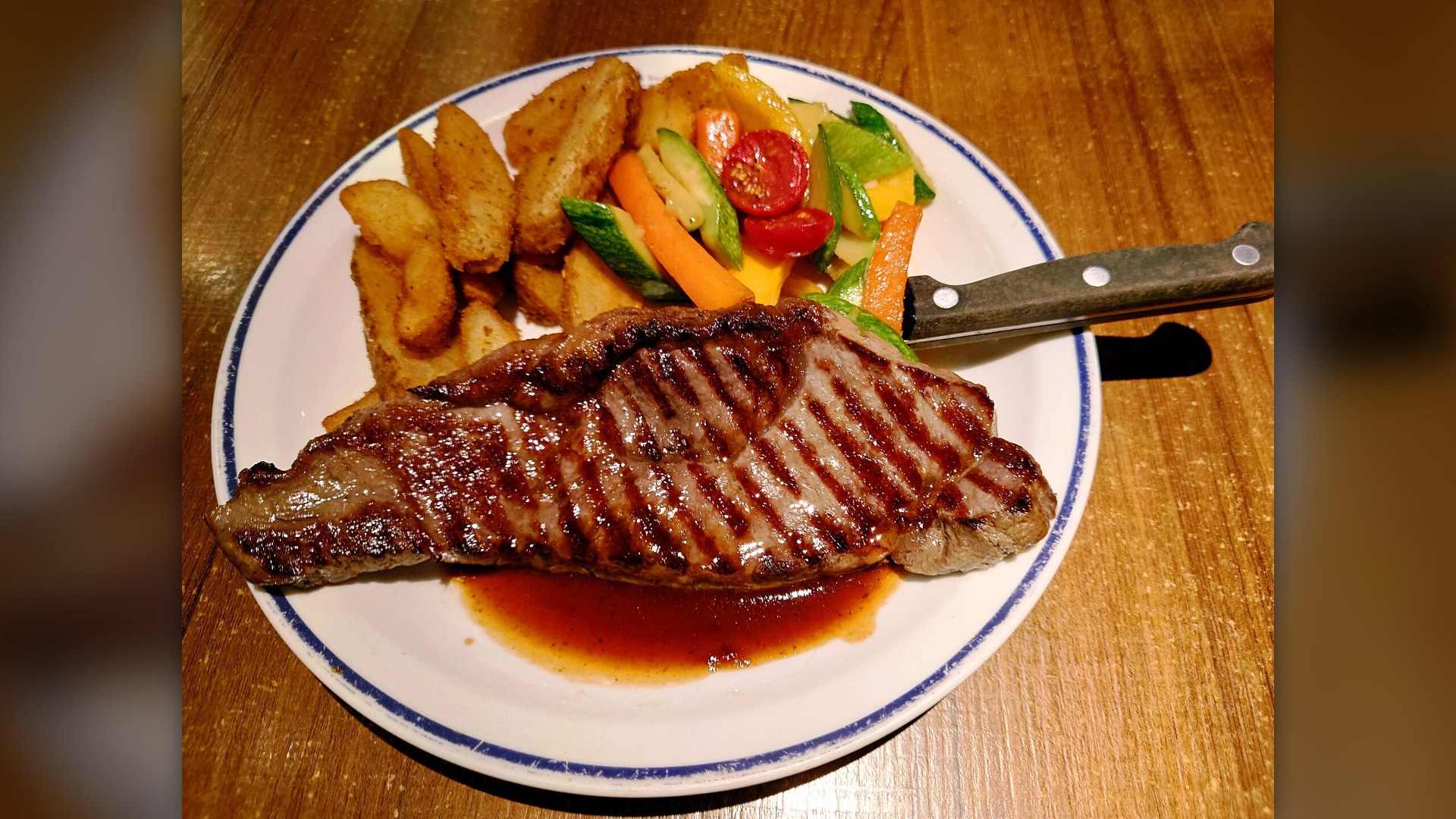
9. Beef Sirloin
According to NIH Office of Dietary Supplements data, 3 ounces of broiled beef top sirloin supply roughly 1.4 mcg of vitamin B12 and 2.1 mg of heme iron. Unlike plant iron, heme iron from red meat absorbs efficiently without needing vitamin C alongside it.
©Wikimedia / Ceeseven
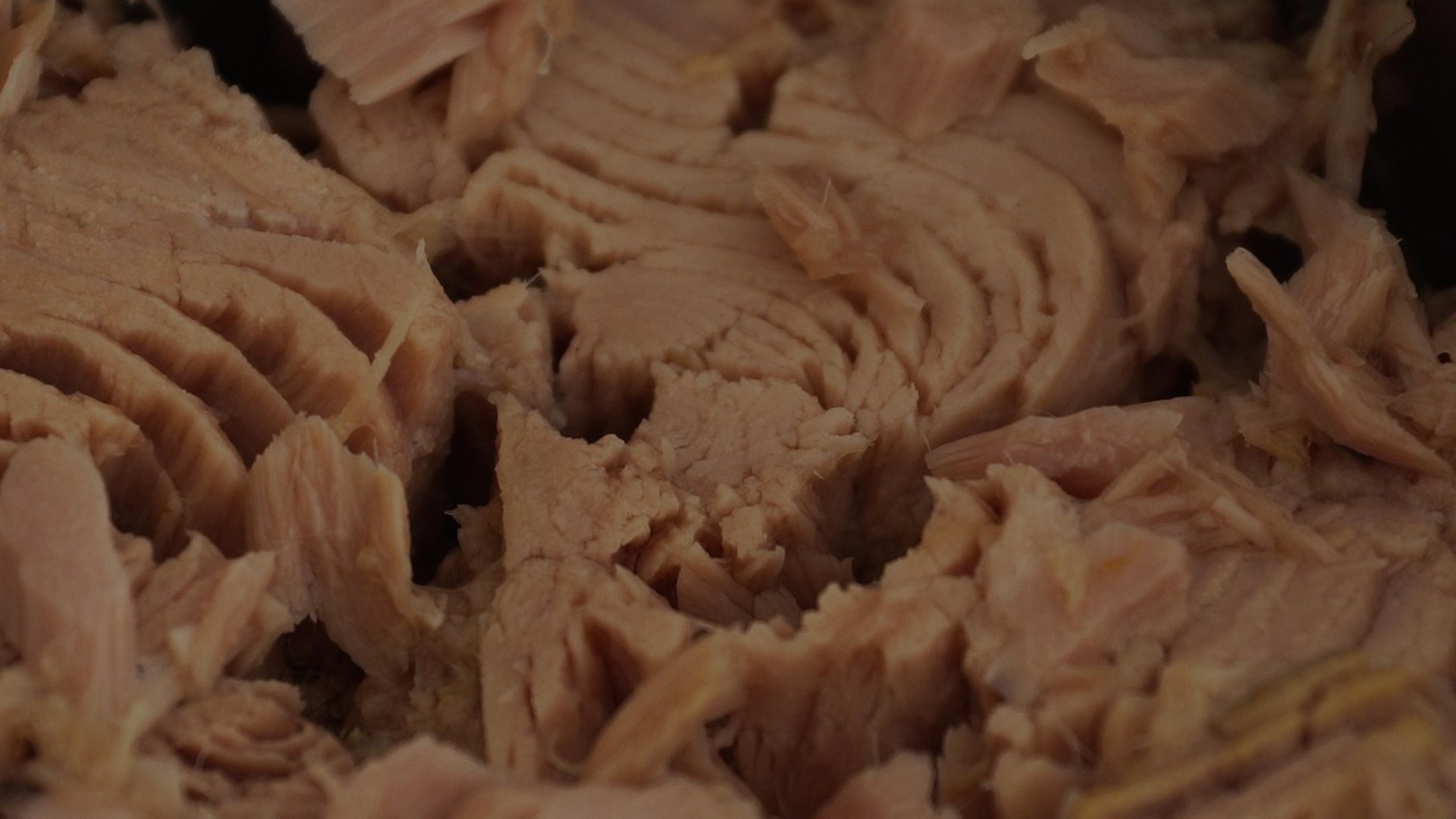
8. Canned Light Tuna
Three ounces of drained canned light tuna deliver about 1.2 mcg (47 IU) of vitamin D, 2.5 mcg of vitamin B12, and roughly 1.3 mg of iron per USDA and NIH data. Skipjack light tuna also carries lower mercury levels than albacore white tuna for regular lunches.
©Pixabay / Taken
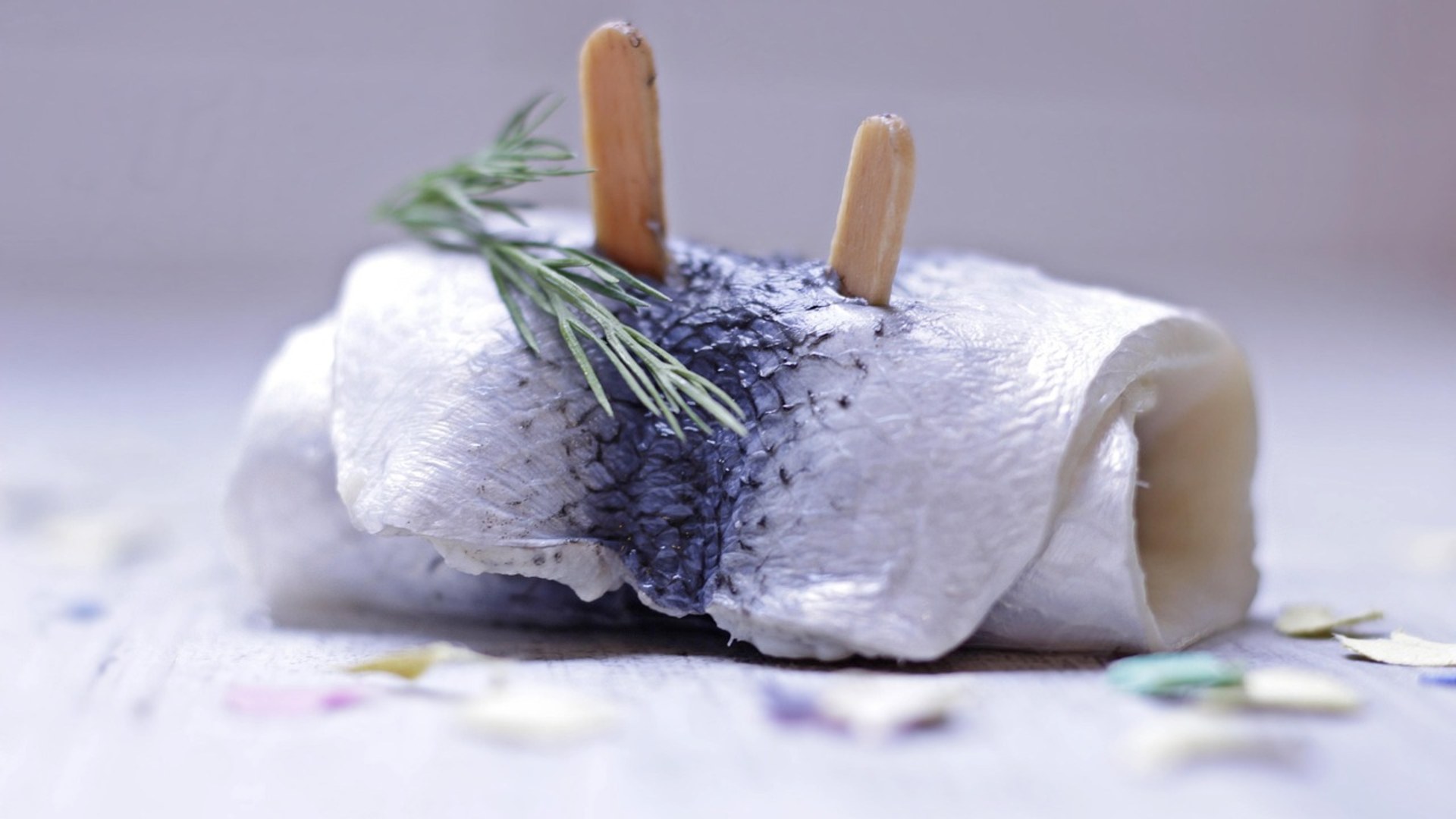
7. Atlantic Herring
Three ounces of pickled or cooked Atlantic herring supply around 4.5 mcg (180 IU) of vitamin D and more than 10 mcg of vitamin B12, well above daily targets. Herring also contributes roughly 1 mg of iron alongside anti-inflammatory omega-3 fatty acids.
©Pixabay / pixel2013
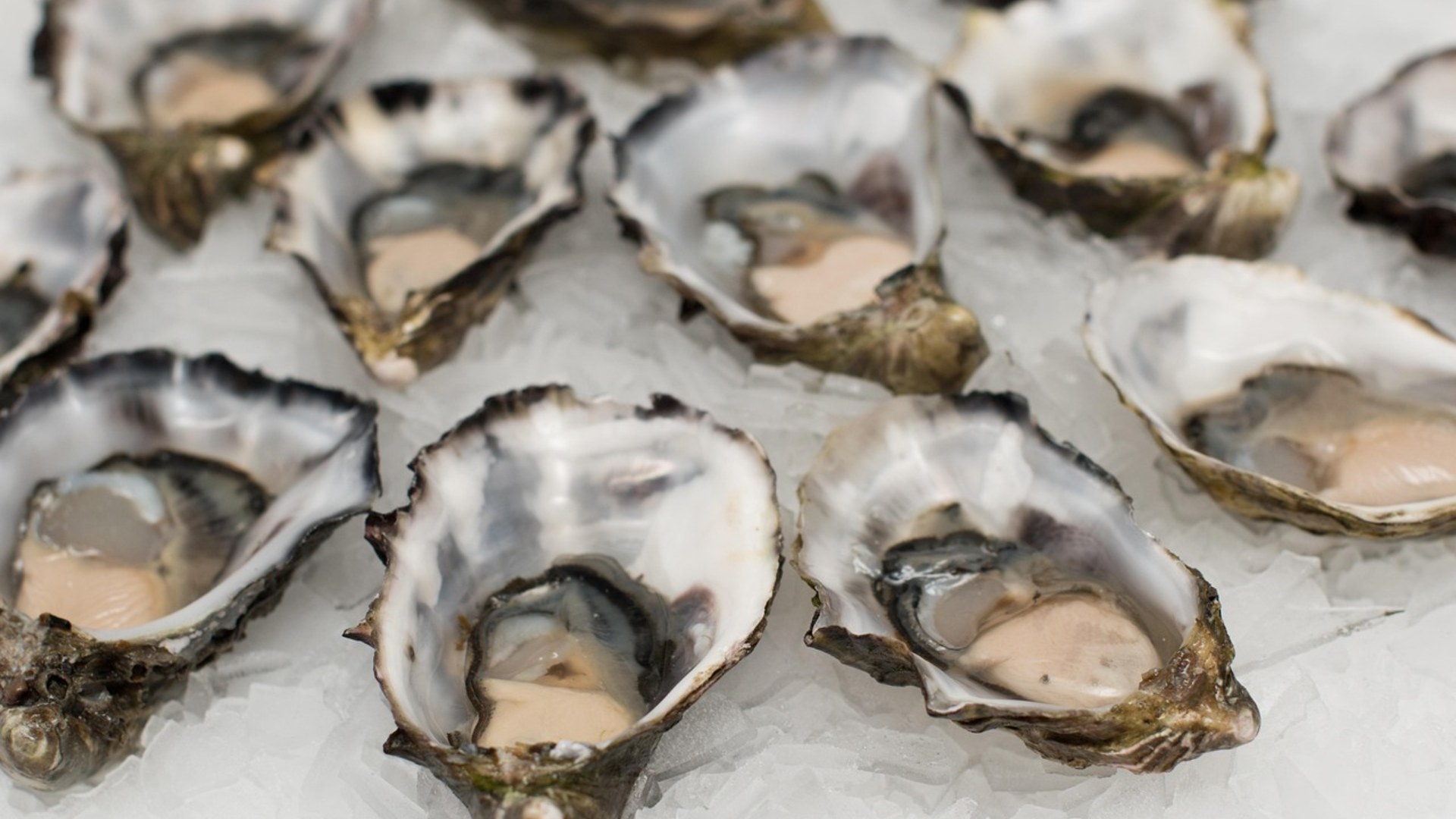
6. Pacific Oysters
Three ounces of cooked oysters deliver between 14 and 24 mcg of vitamin B12 and roughly 5 to 8 mg of heme iron, depending on species and preparation. NIH nutrition tables also rank oysters at the very top of all whole foods for dietary zinc.
©Pixabay / rob791
Advertisement
Swipe or tap ▶ to resume the countdown.
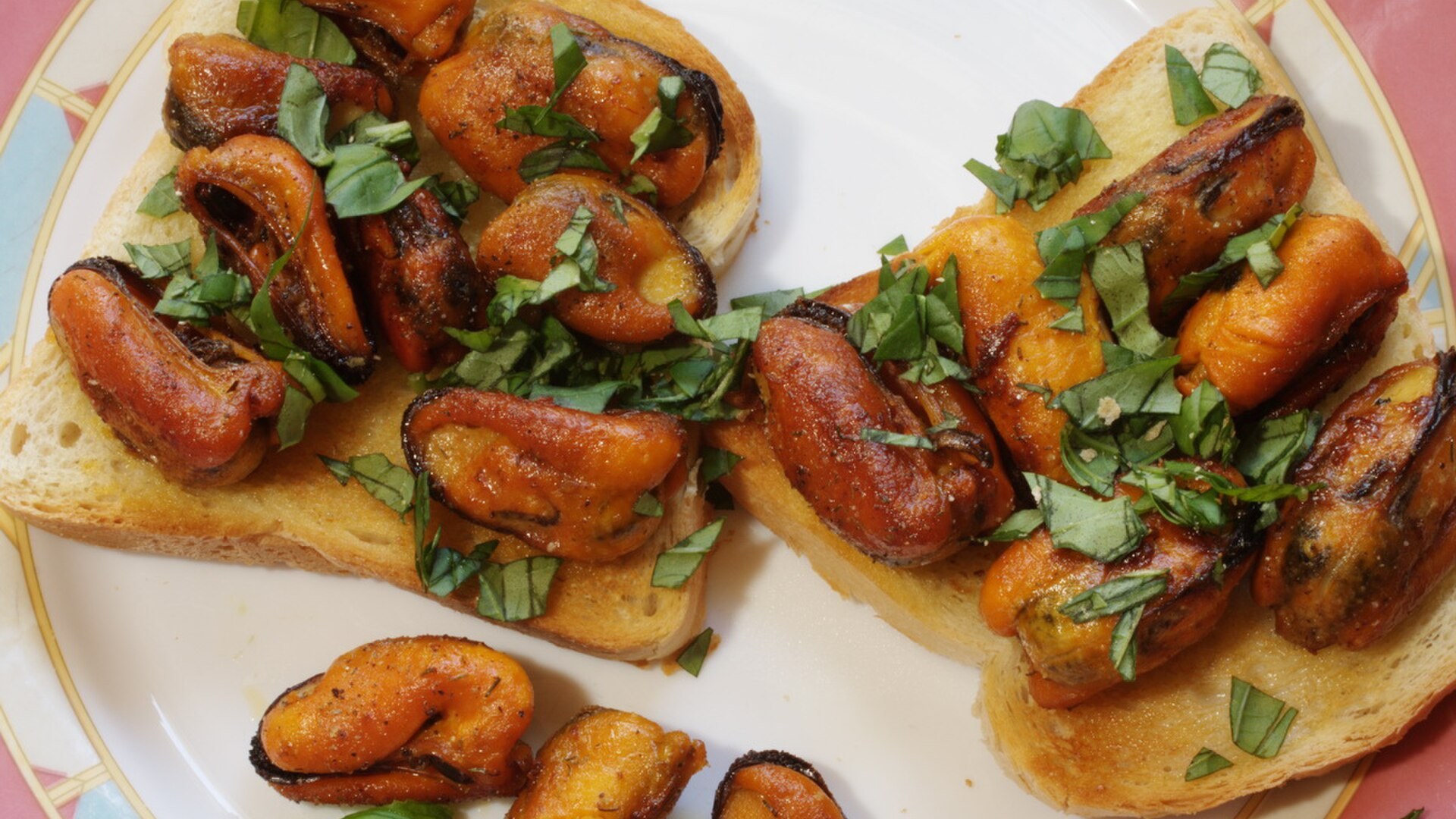
5. Blue Mussels
A 3-ounce serving of cooked blue mussels contains around 20 mcg of vitamin B12 and roughly 5.7 mg of heme iron, covering over 30 percent of the adult daily value for iron. Mussels cook in minutes in garlic broth and have a mild, sweet coastal flavor.
©Wikimedia / Arnstein Bjone
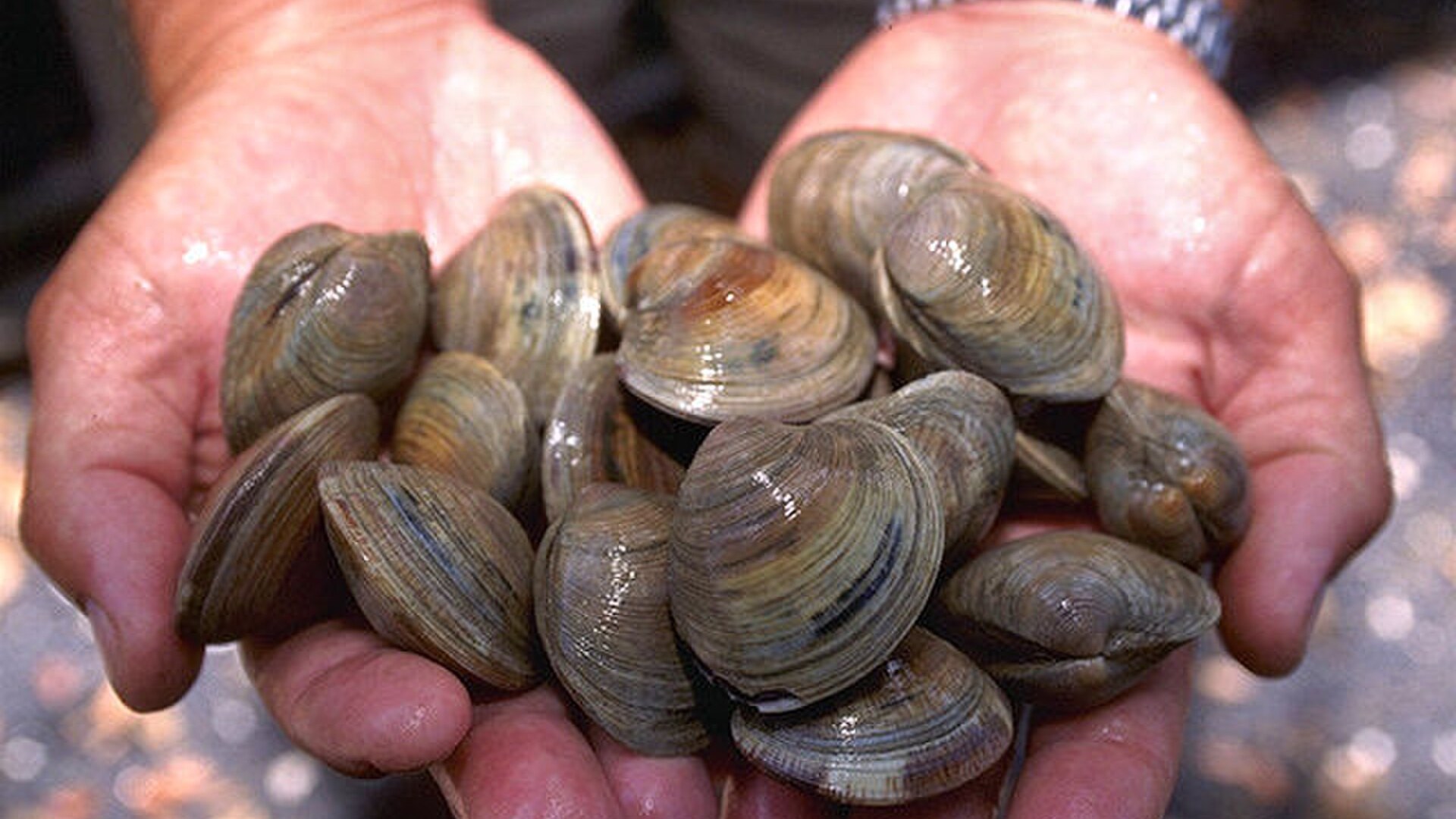
4. Littleneck Clams
Three ounces of cooked clams supply more than 80 mcg of vitamin B12, over 3,000 percent of the adult daily value, plus roughly 2.4 to 10 mg of iron depending on harvest species. Because clams are low in fat, they deliver intense nutrition for modest calories.
©Wikimedia / Ken Hammond
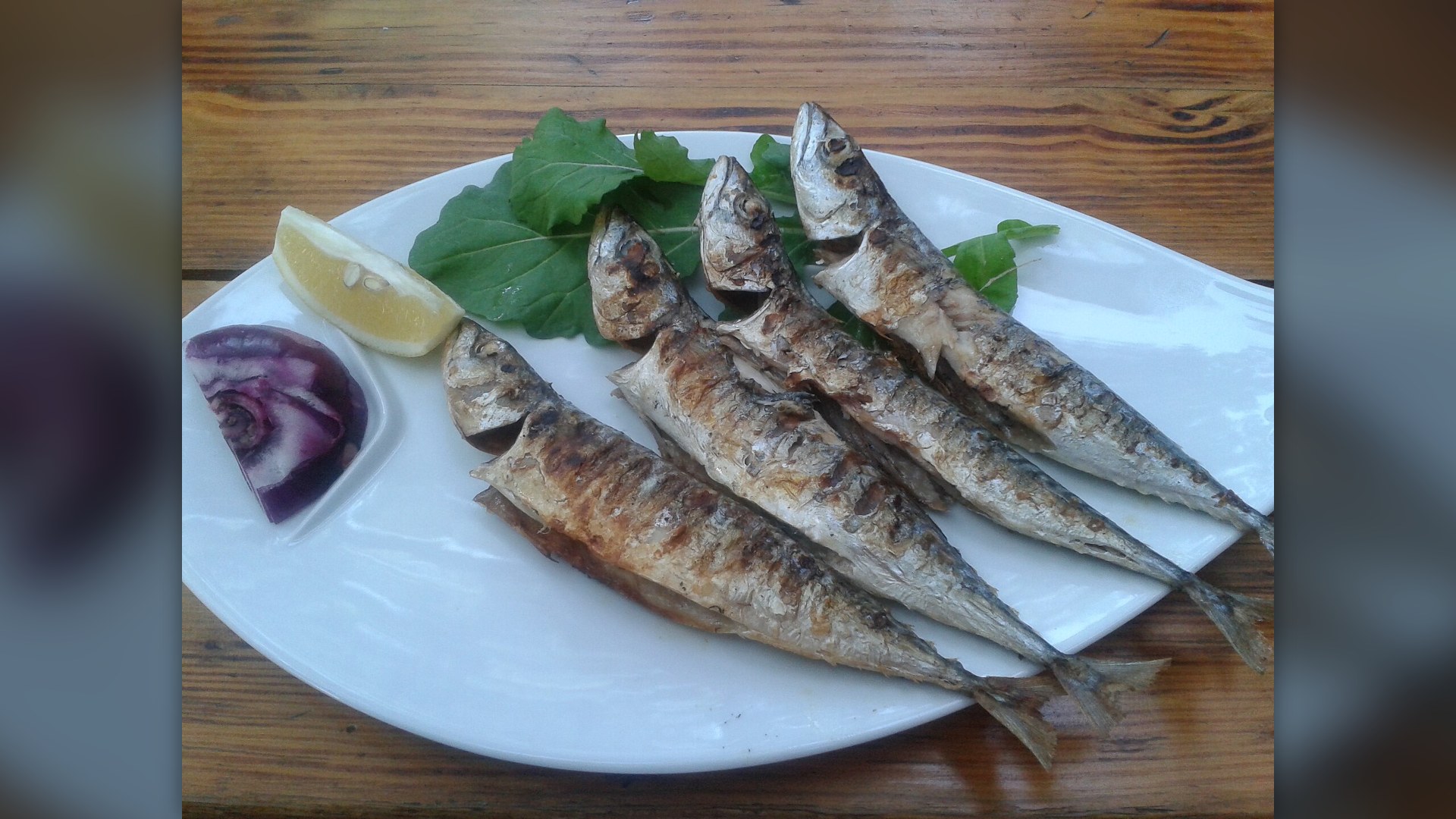
3. Atlantic Mackerel
A 3-ounce cooked fillet of Atlantic mackerel provides roughly 16 mcg (around 640 IU) of vitamin D and more than 16 mcg of vitamin B12 per USDA tables. It also contributes about 1.3 mg of iron, making it one of the strongest all-around fish choices.
©Wikimedia / E4024
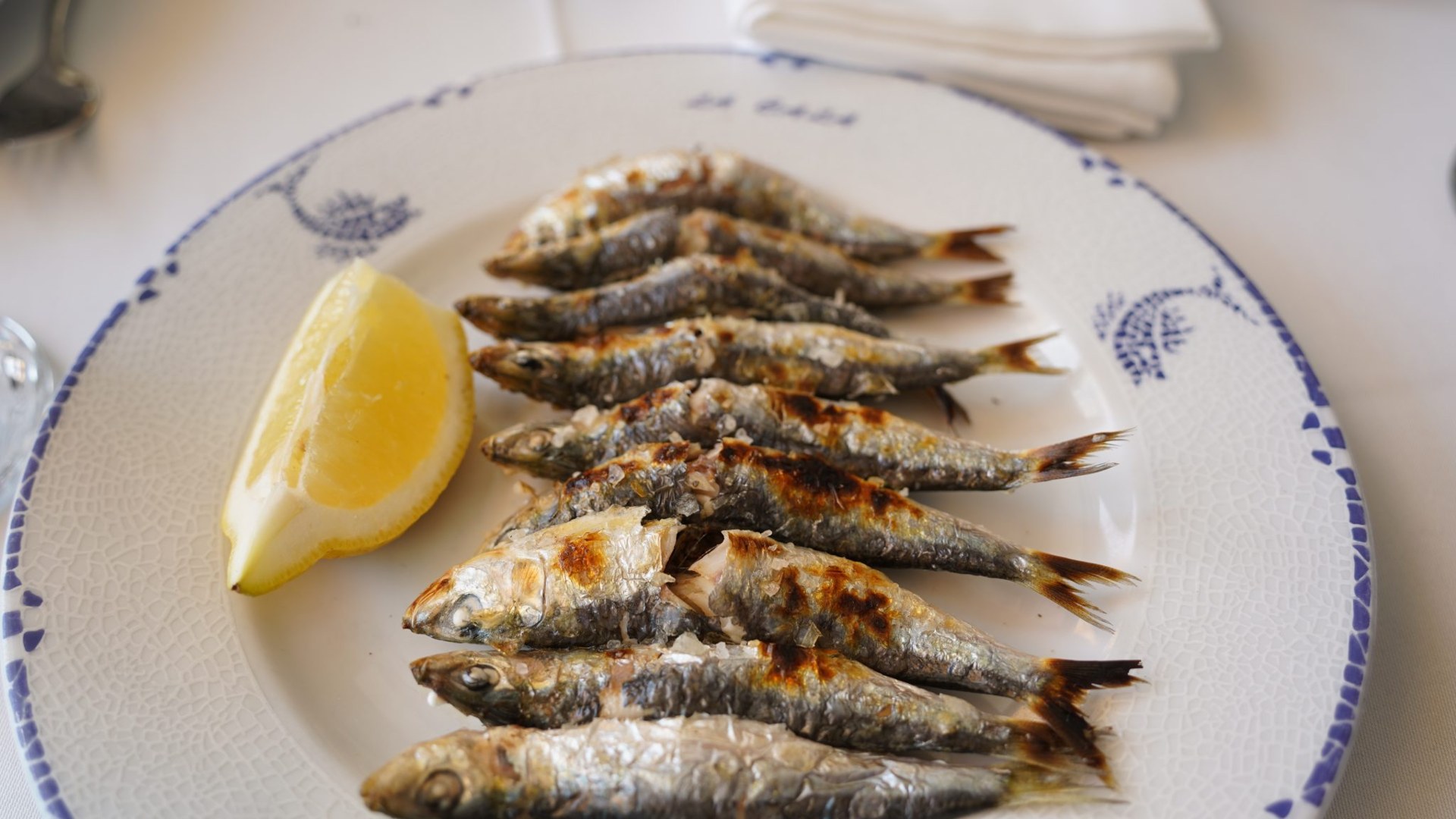
2. Canned Sardines
Three ounces of drained Atlantic sardines packed in oil supply roughly 4.1 mcg (164 IU) of vitamin D, 7.6 mcg of vitamin B12, and 2.5 mg of iron. Eating the soft, edible bones adds over 300 mg of calcium, giving pantry staples serious nutritional range.
©Openverse / Nilo Velez
Advertisement
Swipe or tap ▶ to resume the countdown.
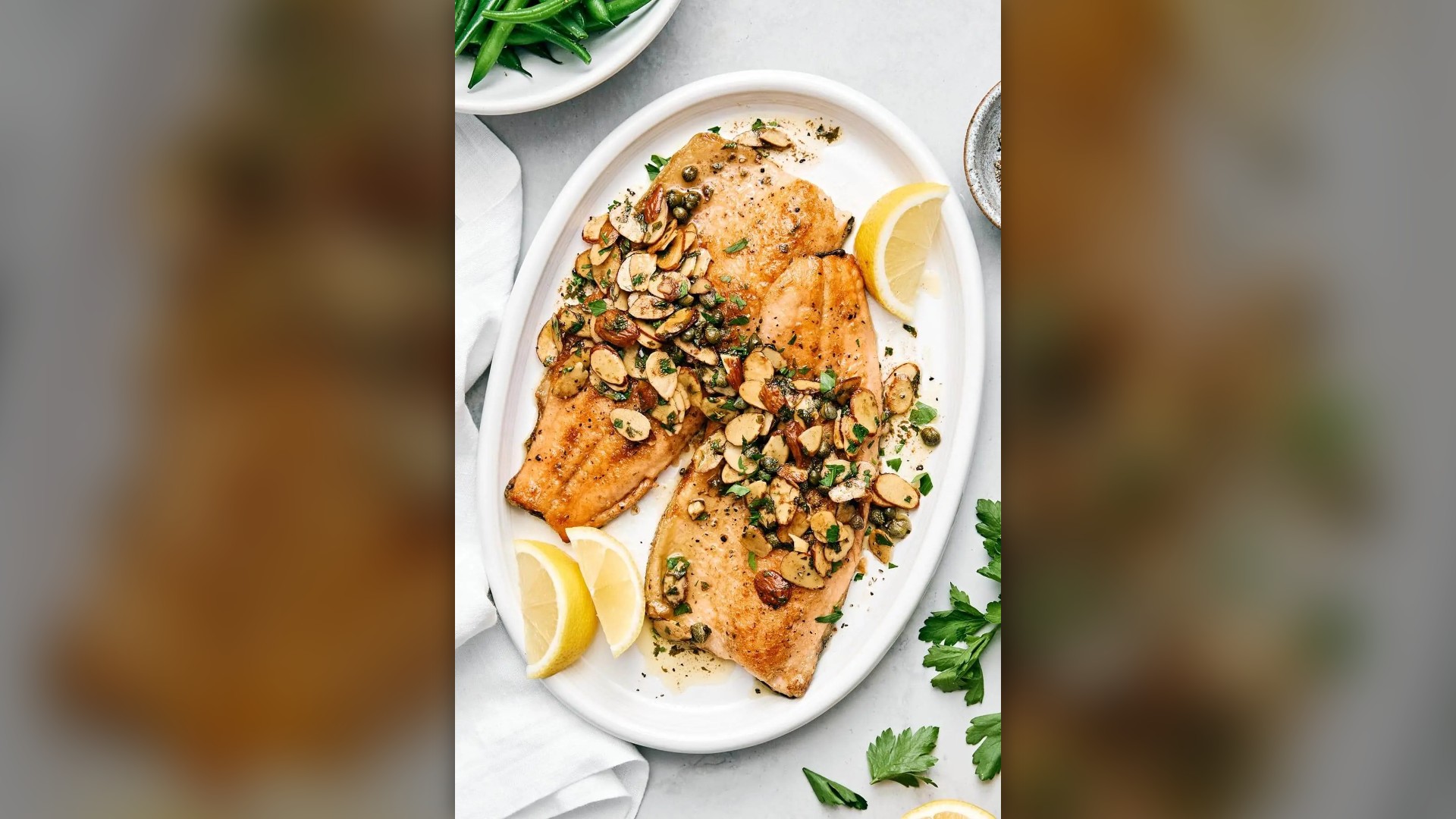
1. Rainbow Trout
Three ounces of cooked rainbow trout deliver roughly 16.2 mcg (645 IU) of vitamin D, covering 81 percent of the adult daily value in NIH Office of Dietary Supplements tables. The same portion also provides around 5.4 mcg of vitamin B12 and modest iron in a mild fillet.
©Downshiftology / Gayle McLeod
Advertisement
You've reached the end of the story. Thanks for reading!

22 Everyday Foods and Drinks That Can Keep You Awake at Night
Caffeine is only one reason evening snacks disrupt rest. Drawing on USDA nutrient figures, FDA guidance and National Library of Medicine sleep studies, this gallery counts down 22 everyday foods and drinks whose stimulants, acids, tyramine or fluids trigger nighttime heartburn, alertness or bathroom trips.
All 20 Entries in this Story
20. Edamame
A half-cup of shelled cooked edamame supplies roughly 1.8 to 2 mg of non-heme iron, around 10 percent of the adult daily value according to USDA FoodData Central. Pairing soy foods with vitamin C from bell peppers or citrus helps your body absorb more of that iron at mealtime.

19. White Cannellini Beans
Half a cup of cooked white beans provides about 3.3 mg of iron, roughly 18 percent of the adult daily value per the NIH Office of Dietary Supplements. They also bring 8 grams of protein and gut-friendly fiber to soups, stews, and grain bowls.

18. Dark Chocolate
A 1-ounce serving of 45 to 69 percent dark chocolate contains around 2.3 mg of iron, and 70 to 85 percent bars push higher toward 3.4 mg per USDA tables. It also supplies magnesium and copper, though portion control keeps added sugar and saturated fat modest.

17. Firm Tofu
A half-cup serving of firm tofu delivers roughly 3 mg of iron, equal to about 17 percent of the daily value in NIH iron fact sheets. Certain refrigerated brands are also fortified with vitamin D or B12, so checking the nutrition label pays off.

16. Fortified Soy Milk
One cup of fortified unsweetened soy milk typically supplies around 2.5 to 3 mcg (100 to 120 IU) of vitamin D and up to 3 mcg of vitamin B12, based on NIH Office of Dietary Supplements listings. Shaking the carton before pouring keeps added calcium and vitamins suspended.

15. Nutritional Yeast
Fortified nutritional yeast is one of the most concentrated vegan sources of vitamin B12, with two tablespoons often exceeding the 2.4 mcg adult daily requirement. Stirred into pasta, popcorn, or scrambled tofu, it adds a nutty flavor alongside thiamin and riboflavin.

14. Swiss Cheese
A 1-ounce slice of Swiss cheese offers roughly 0.9 mcg of vitamin B12, close to 38 percent of the adult daily value according to USDA FoodData Central. Fermentation during aging reduces lactose, making Swiss easier to tolerate for many people who limit liquid milk.

13. Plain Greek Yogurt
A 6-ounce container of plain low-fat or nonfat Greek yogurt supplies roughly 1 to 1.3 mcg of vitamin B12, covering around 40 to 55 percent of daily needs. Choosing vitamin D-fortified dairy tubs adds an extra boost during darker winter months.

12. Chicken Eggs
One large whole egg provides about 1.1 mcg (44 IU) of vitamin D, 0.5 mcg of vitamin B12, and nearly 0.9 mg of iron per USDA FoodData Central. Nearly all of the vitamin D and B12 resides in the yolk, so eating whole eggs rather than whites alone maximizes those nutrients.

11. Pork Tenderloin
Three ounces of roasted pork tenderloin deliver around 0.6 mcg of vitamin B12 and nearly 1 mg of easily absorbed heme iron, along with B6 and thiamin. Because it is a lean cut, cooking it to 145 F keeps the meat juicy without heavy added fats.

10. Lamb Chops
A 3-ounce portion of grilled lamb provides roughly 2.1 mcg of vitamin B12, close to 90 percent of the adult daily value, plus around 1.5 mg of heme iron. Lamb also supplies zinc and selenium, two trace minerals tied to immune function and red blood cell support.

9. Beef Sirloin
According to NIH Office of Dietary Supplements data, 3 ounces of broiled beef top sirloin supply roughly 1.4 mcg of vitamin B12 and 2.1 mg of heme iron. Unlike plant iron, heme iron from red meat absorbs efficiently without needing vitamin C alongside it.

8. Canned Light Tuna
Three ounces of drained canned light tuna deliver about 1.2 mcg (47 IU) of vitamin D, 2.5 mcg of vitamin B12, and roughly 1.3 mg of iron per USDA and NIH data. Skipjack light tuna also carries lower mercury levels than albacore white tuna for regular lunches.

7. Atlantic Herring
Three ounces of pickled or cooked Atlantic herring supply around 4.5 mcg (180 IU) of vitamin D and more than 10 mcg of vitamin B12, well above daily targets. Herring also contributes roughly 1 mg of iron alongside anti-inflammatory omega-3 fatty acids.

6. Pacific Oysters
Three ounces of cooked oysters deliver between 14 and 24 mcg of vitamin B12 and roughly 5 to 8 mg of heme iron, depending on species and preparation. NIH nutrition tables also rank oysters at the very top of all whole foods for dietary zinc.

5. Blue Mussels
A 3-ounce serving of cooked blue mussels contains around 20 mcg of vitamin B12 and roughly 5.7 mg of heme iron, covering over 30 percent of the adult daily value for iron. Mussels cook in minutes in garlic broth and have a mild, sweet coastal flavor.

4. Littleneck Clams
Three ounces of cooked clams supply more than 80 mcg of vitamin B12, over 3,000 percent of the adult daily value, plus roughly 2.4 to 10 mg of iron depending on harvest species. Because clams are low in fat, they deliver intense nutrition for modest calories.

3. Atlantic Mackerel
A 3-ounce cooked fillet of Atlantic mackerel provides roughly 16 mcg (around 640 IU) of vitamin D and more than 16 mcg of vitamin B12 per USDA tables. It also contributes about 1.3 mg of iron, making it one of the strongest all-around fish choices.

2. Canned Sardines
Three ounces of drained Atlantic sardines packed in oil supply roughly 4.1 mcg (164 IU) of vitamin D, 7.6 mcg of vitamin B12, and 2.5 mg of iron. Eating the soft, edible bones adds over 300 mg of calcium, giving pantry staples serious nutritional range.

1. Rainbow Trout
Three ounces of cooked rainbow trout deliver roughly 16.2 mcg (645 IU) of vitamin D, covering 81 percent of the adult daily value in NIH Office of Dietary Supplements tables. The same portion also provides around 5.4 mcg of vitamin B12 and modest iron in a mild fillet.