Slideshow · Money
20 Grocery Store Strategies Designed to Encourage More Spending
Supermarkets use deliberate architectural layout, sensory cues, and behavioral psychology to guide shopping baskets toward high-margin items. Based on research from Cornell University, the Journal of Marketing, and Consumer Reports, these twenty common retail tactics quietly increase checkout spending every week.

All 20 Entries in this Story
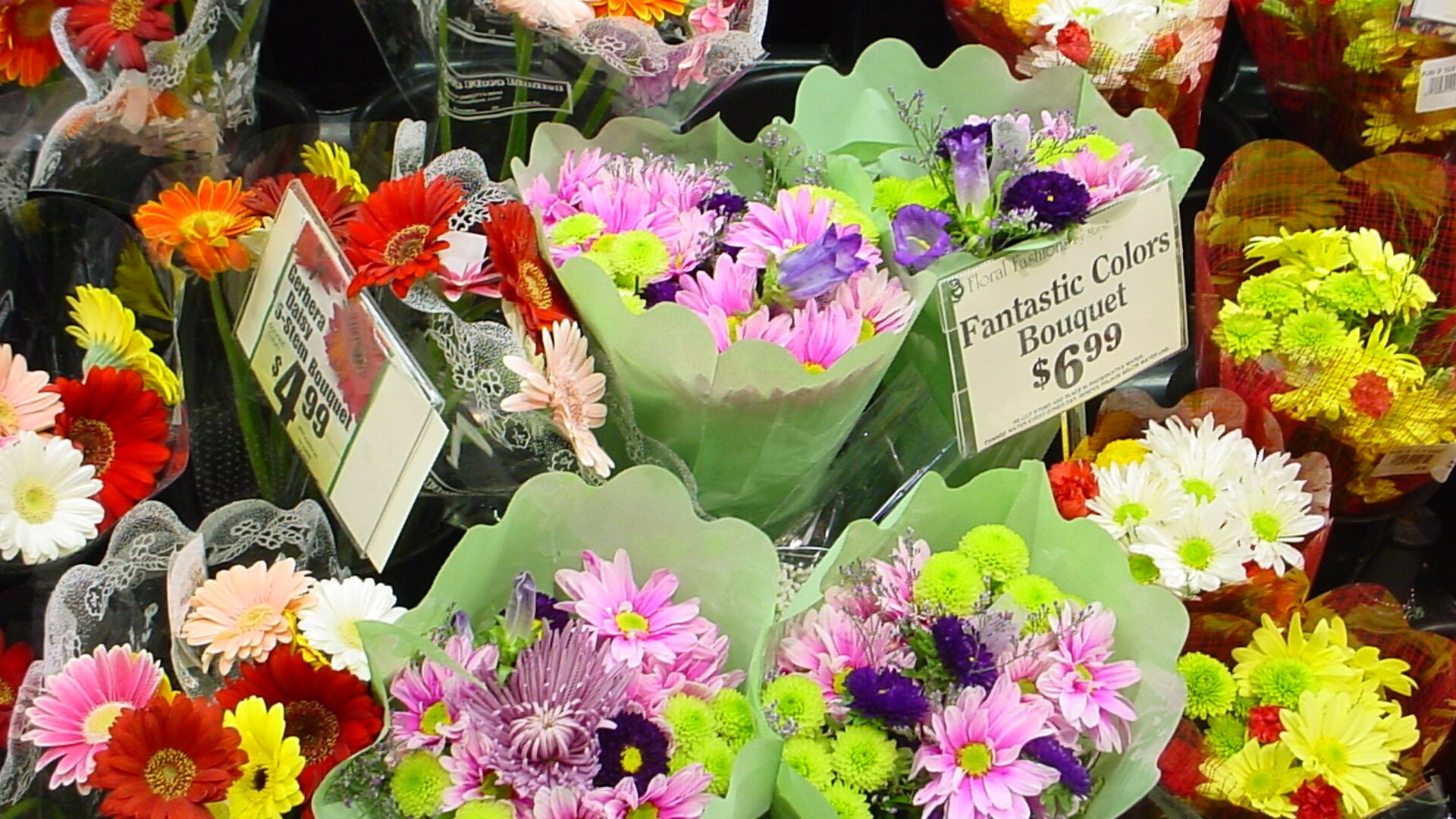
20. Floral Displays At The Entrance
Supermarkets position floral departments at the main entrance to produce an immediate sensory lift. Research published by the Food Marketing Institute shows that vibrant floral displays trigger positive emotional responses that prime shoppers to view all surrounding store inventory as fresh and premium.
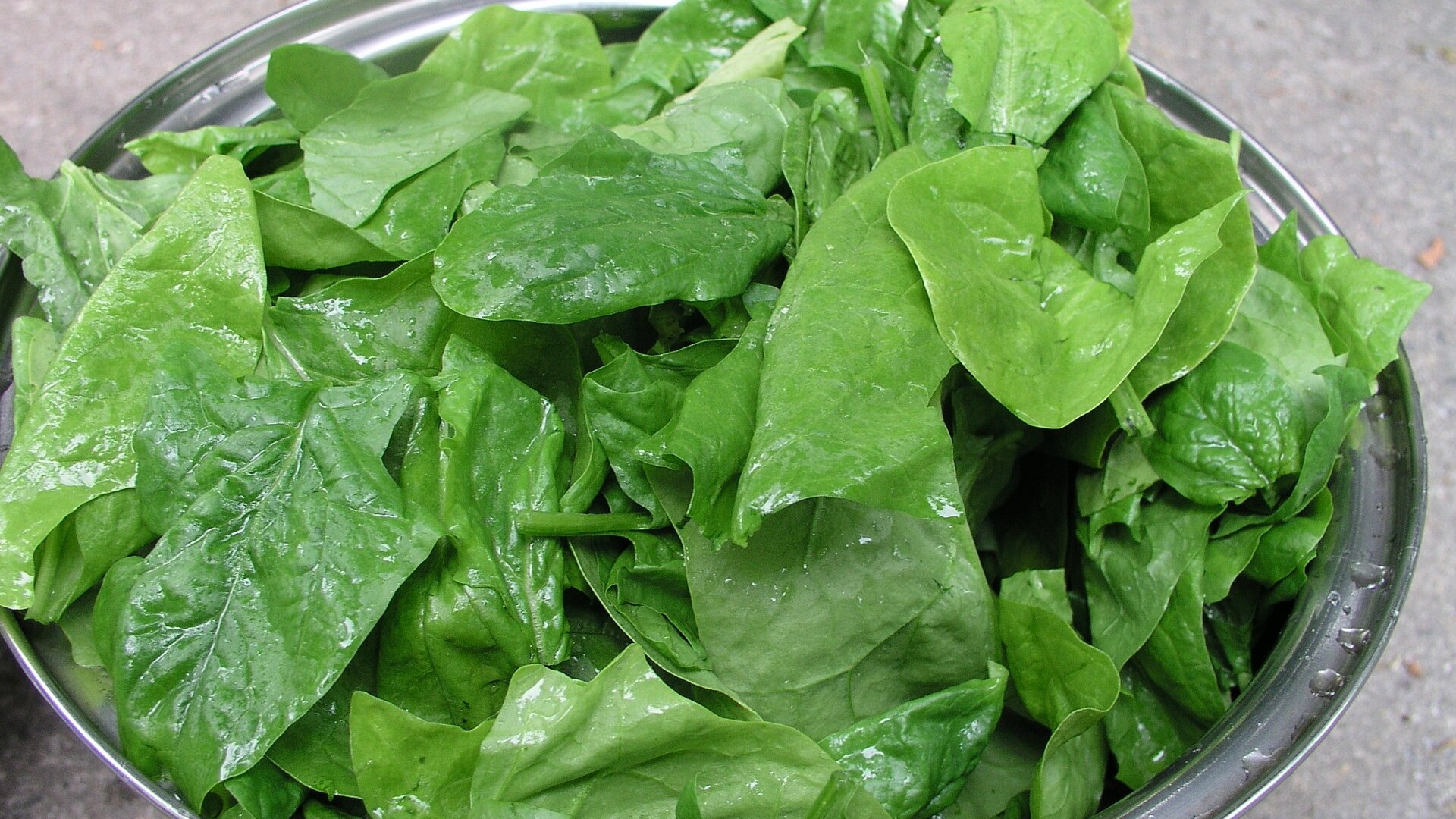
19. Misting Produce With Water
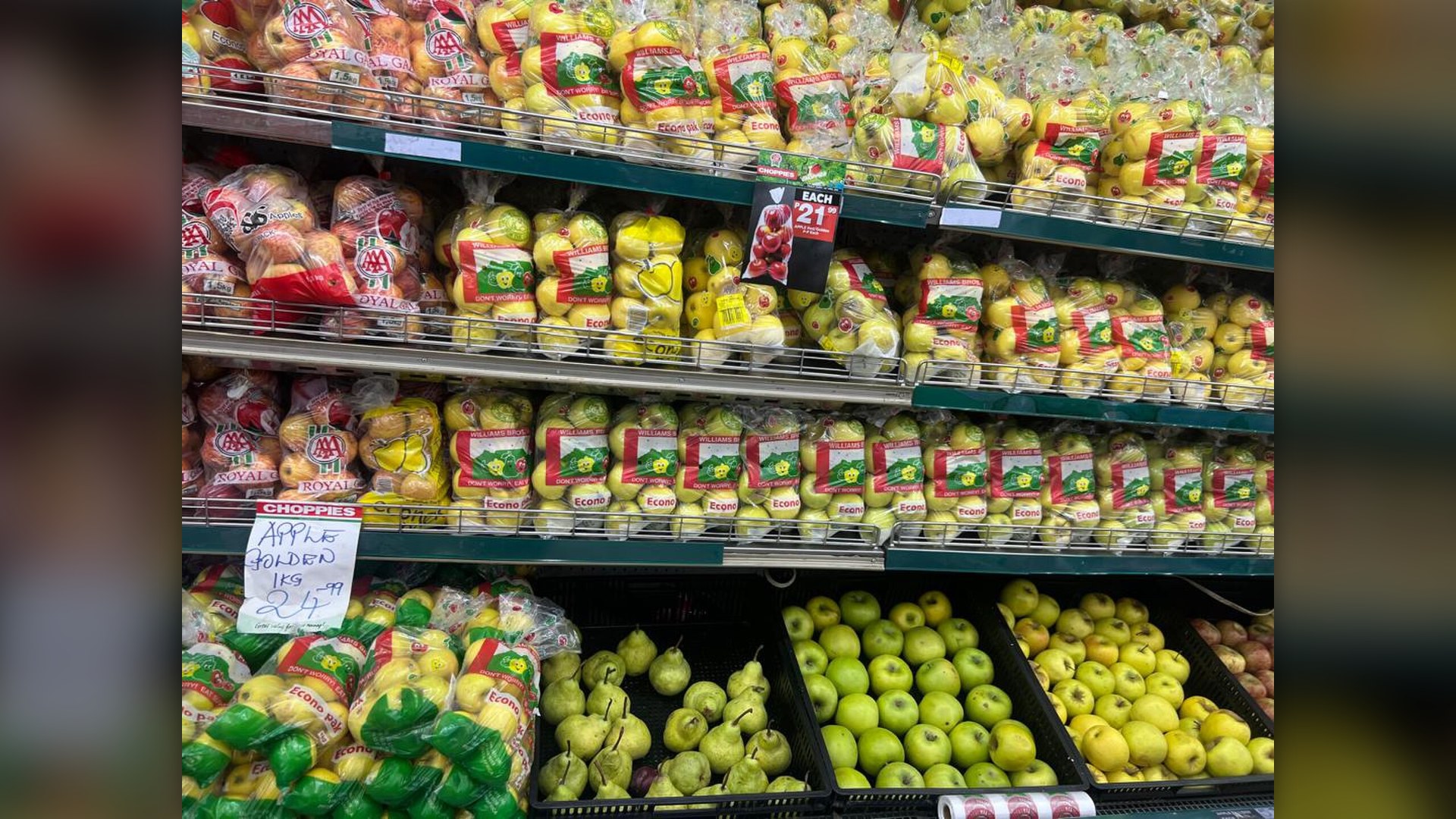
Automatic sprayers regularly soak greens like kale and spinach under soft lighting. While misting makes produce look freshly harvested, Consumer Reports notes the added water weight inflates the price per pound at checkout. The excess moisture also accelerates bacterial decay once stored at home.
18. Slow-Paced Background Music
Supermarket sound systems play background tracks matching resting human heart rates of 60 to 70 beats per minute. A classic study by marketing professor Ronald Milliman found that slower background tempos reduced customer walking speed and increased gross supermarket sales by 38.3 percent.
17. Tiny Floor Tiles In Expensive Aisles
Stores lay down smaller ceramic floor tiles in high-margin sections such as wine and organic goods. The narrower grout spacing causes shopping cart wheels to click rapidly, subconsciously convincing shoppers that they are walking too fast. Customers naturally slow their stride and browse longer.
16. Counterclockwise Store Layouts
Most American and European grocery stores direct entrance traffic to the right, prompting a counterclockwise path. Since over 85 percent of consumers are right-handed, shoppers navigate the perimeter pushing carts with the left hand while freely grabbing goods with their dominant right hand.
15. Eye-Level Shelving Premiums
Supermarket merchandisers rely on the industry rule that eye level is buy level. Premium national brands pay steep slotting fees to secure shelves placed 48 to 60 inches from the ground. Budget house brands and bulk packages sit tucked away on bottom shelves to discourage easy price matching.
14. Oversized Modern Shopping Carts
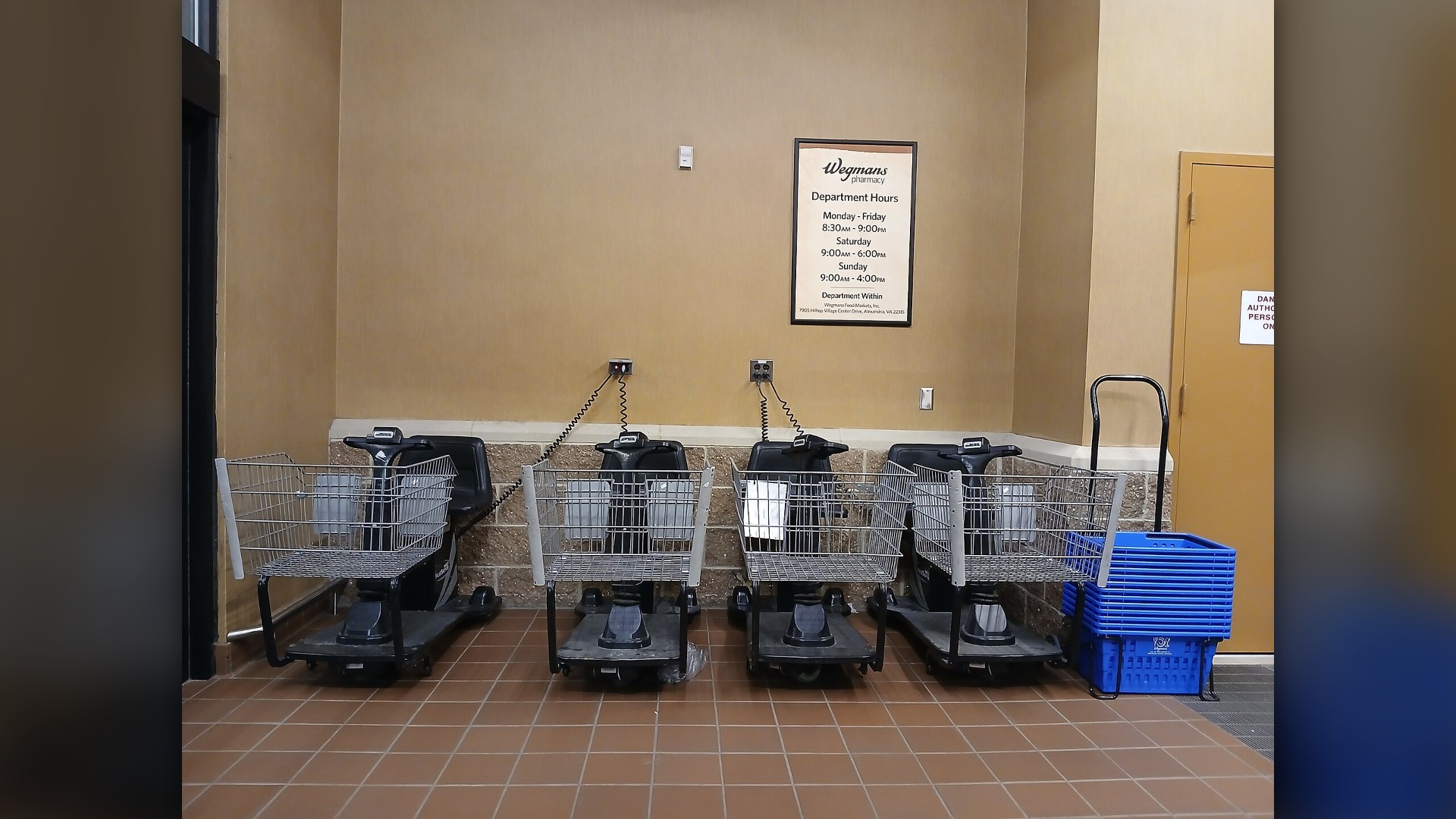
Standard grocery cart volume has doubled over the past three decades. Consulting firm Martin Lindstrom conducted retail shopping trials and observed that doubling cart size caused shoppers to purchase up to 40 percent more items, as customers subconsciously seek to fill vacant basket space.
13. Periodic Aisle Reorganizations
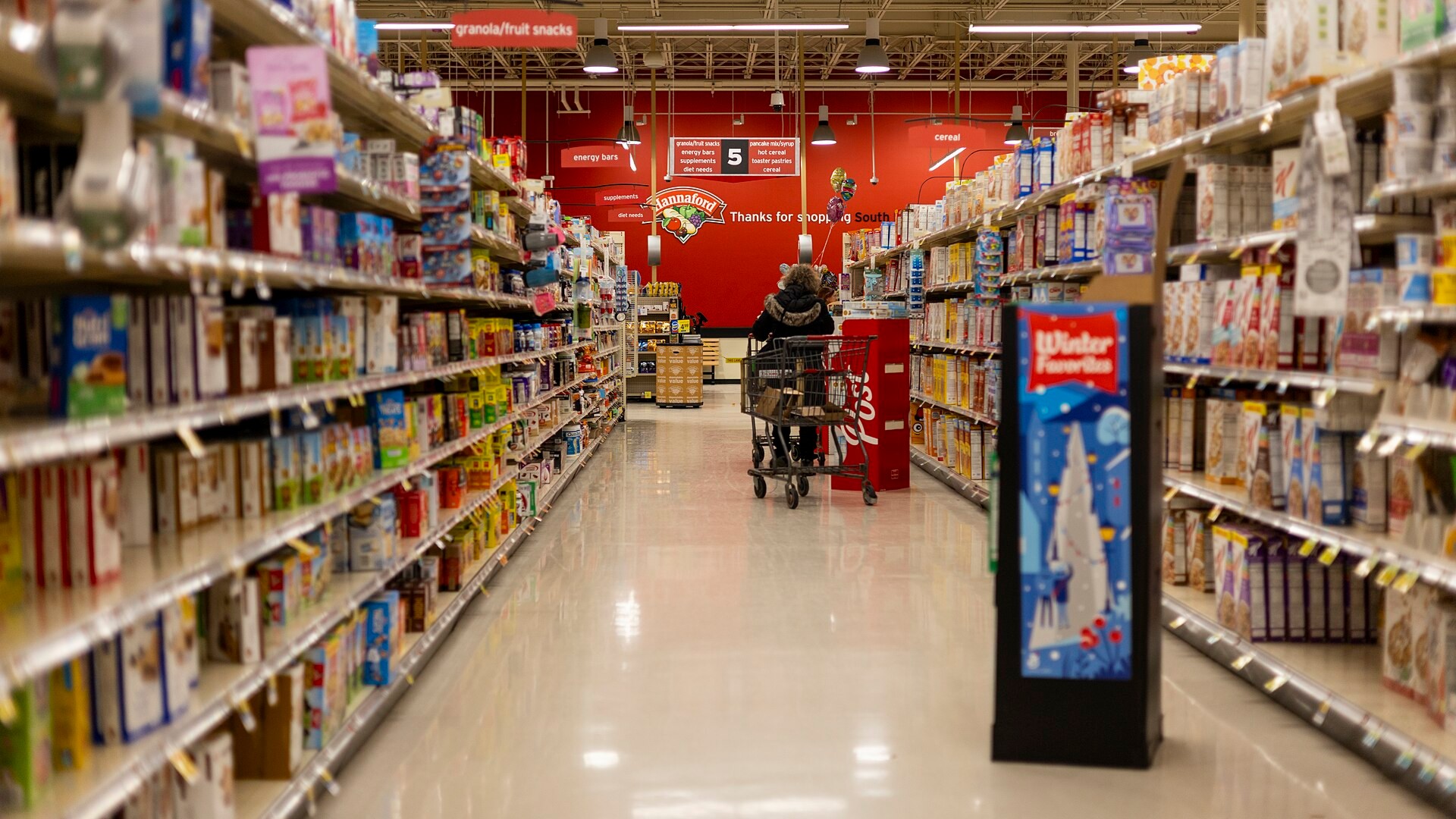
Supermarkets periodically reshuffle products across aisles every few months. This intentional disruption breaks customer muscle memory, forcing regular shoppers to scan shelves and wander down unfamiliar rows. The extra walking time exposes shoppers to dozens of impulse categories.
12. Milk Hidden At The Back Corner
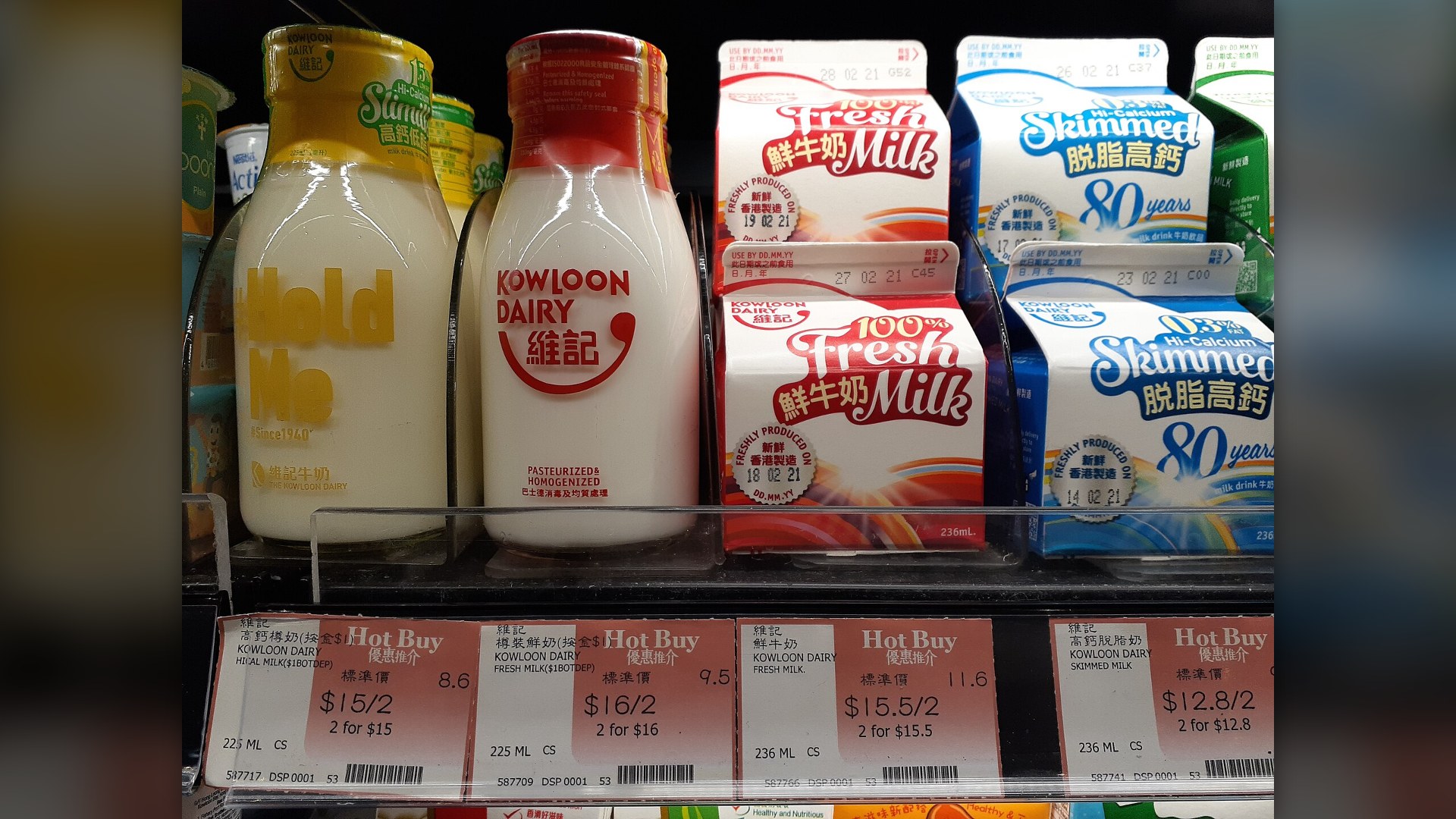
Stores place everyday staples like fresh milk, butter, and eggs at the farthest rear wall of the building. This architectural choice forces quick-trip shoppers to traverse the full store perimeter, passing hundreds of promotional snack displays and soda coolers before reaching the dairy section.
11. Bakery Vents Spreading Warm Aromas
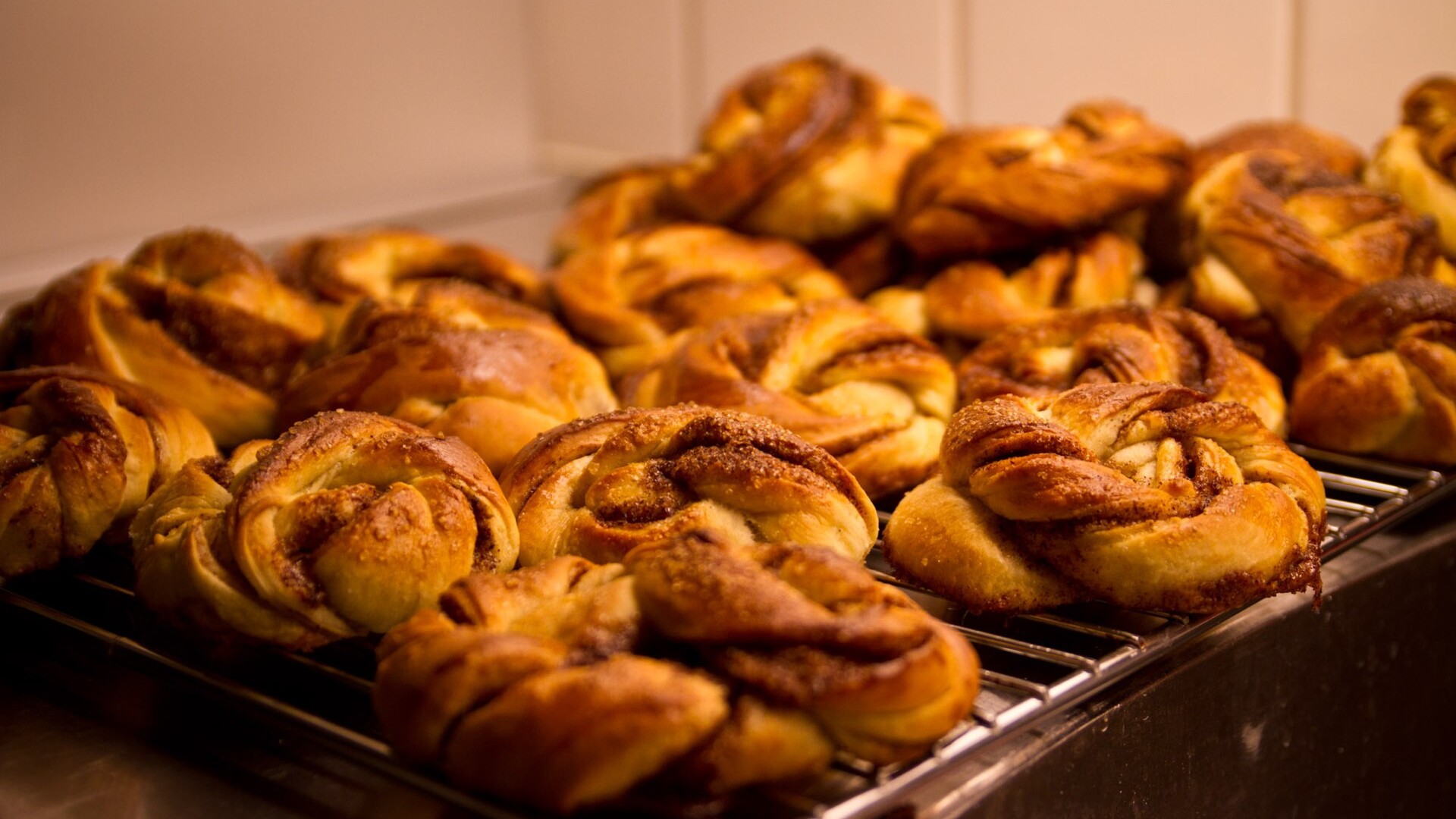
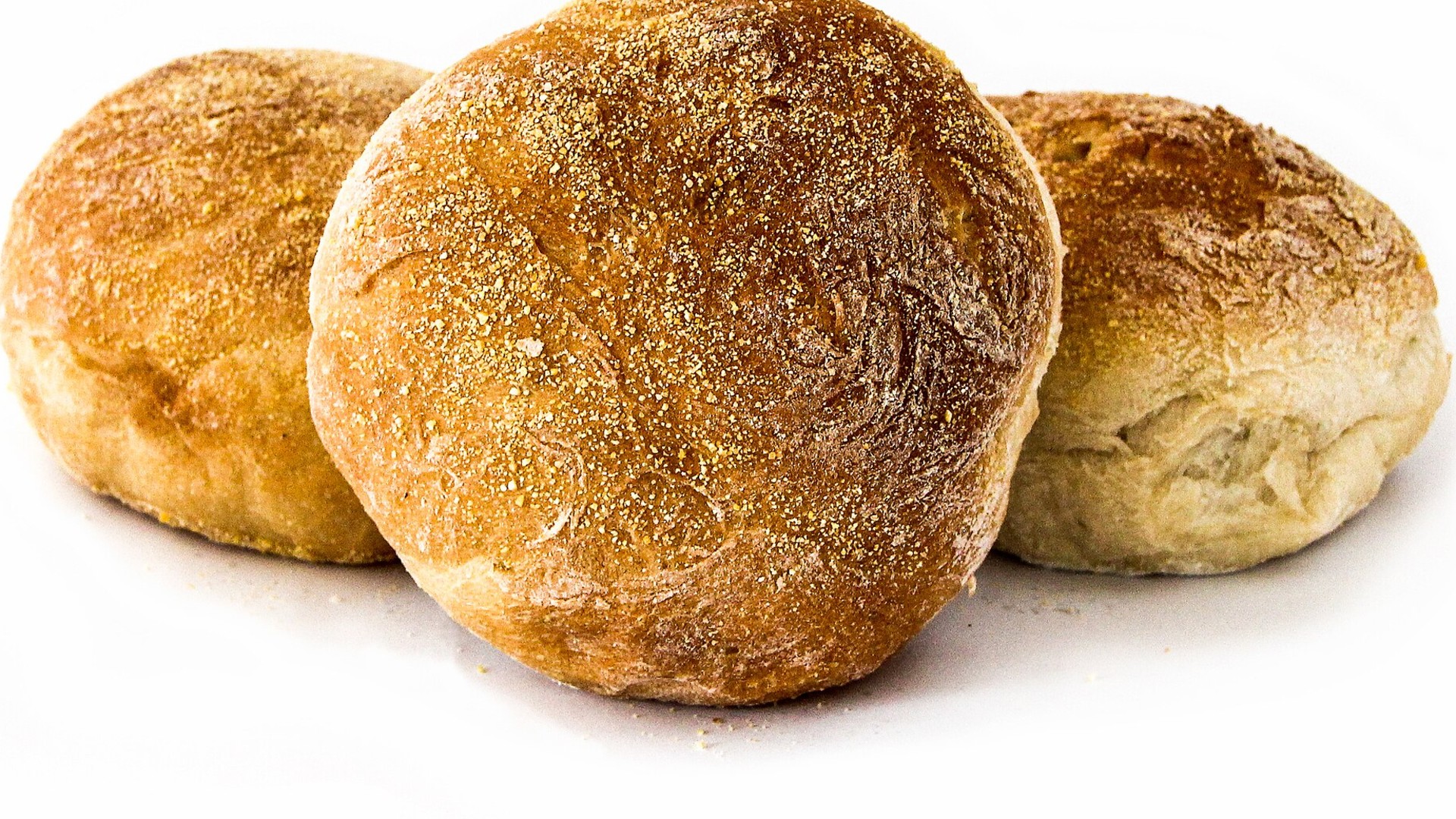
Supermarket bakeries run ovens throughout peak shopping hours and direct exhaust vents into main aisles. The scent of warm bread and cinnamon triggers salivation and activates hunger signals, prompting customers to buy higher quantities of food than their planned shopping lists dictate.
10. Center-Aisle Endcap Illusions
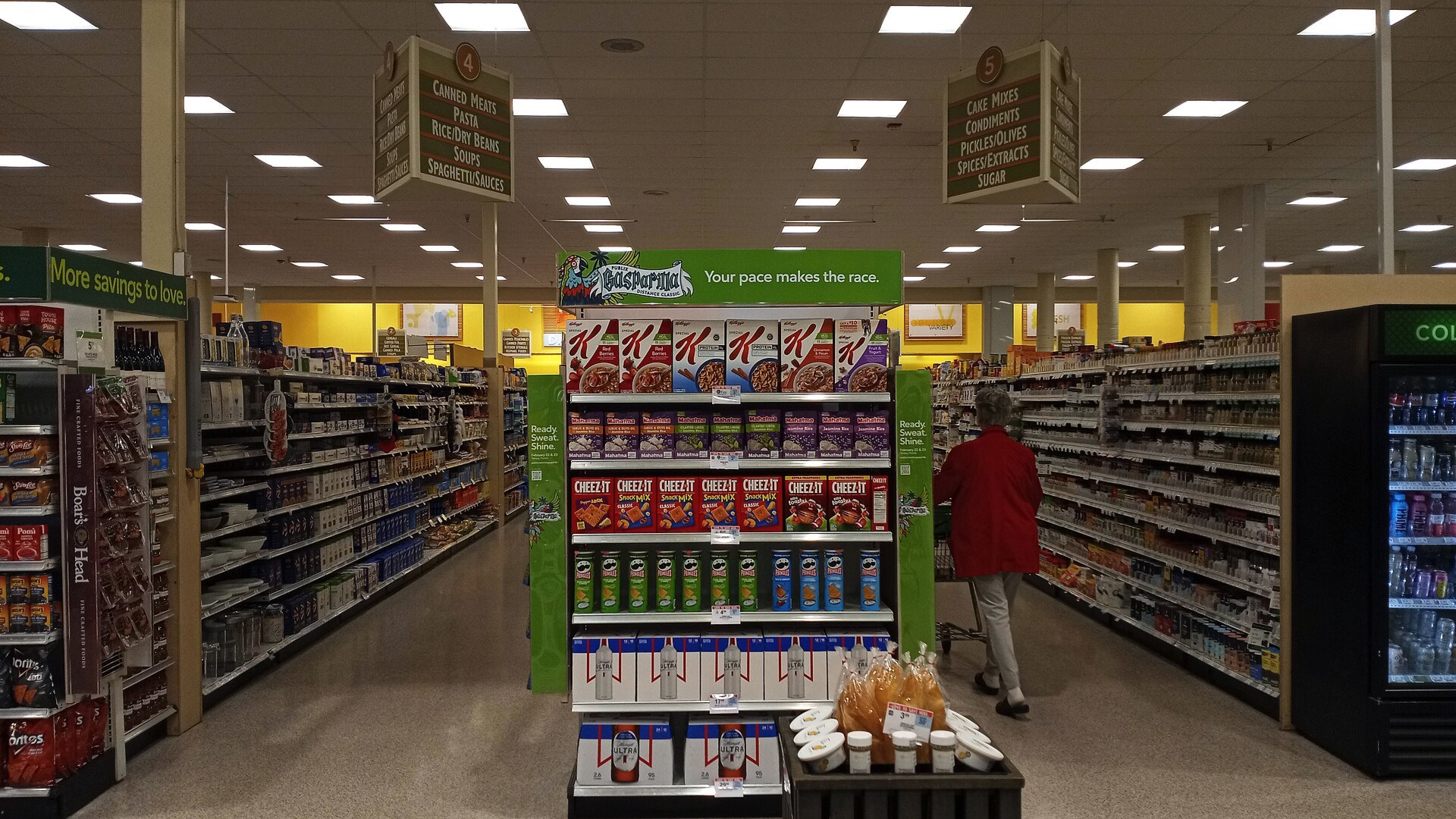
Promotional endcaps located at aisle corners capture high foot traffic and look like discount bins. Consumer testing reveals that over 30 percent of endcap items carry regular shelf prices without genuine discounts, as manufacturers pay promotional trade allowances simply for featured placement.
9. Multi-Buy Bundling Language
Signage advertising five boxes for five dollars or ten cans for ten dollars triggers an anchoring effect. Shoppers assume they must buy the full bundle to receive the promotional price. In most grocery chains, individual units ring up at the single discount rate of one dollar each.
8. Decoy Pricing On Center Shelves
Retailers frequently display an exorbitantly priced specialty item, such as a fifty dollar bottle of olive oil, alongside premium options. This pricing anchor makes thirty dollar bottles seem moderate and attractive by comparison, lifting sales volume on high-margin mid-tier selections.
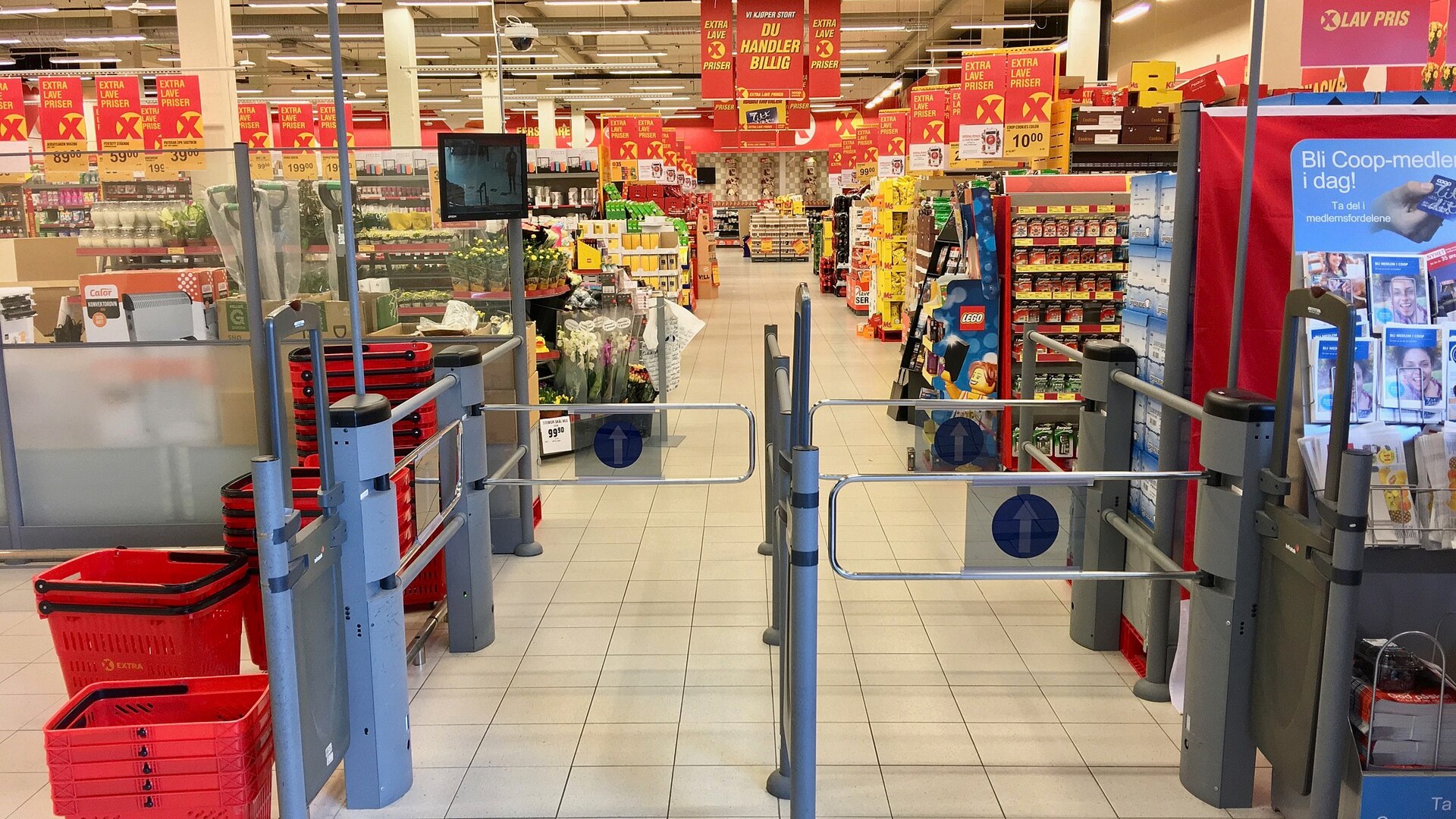
7. Narrow Checkout Impulse Gauntlets
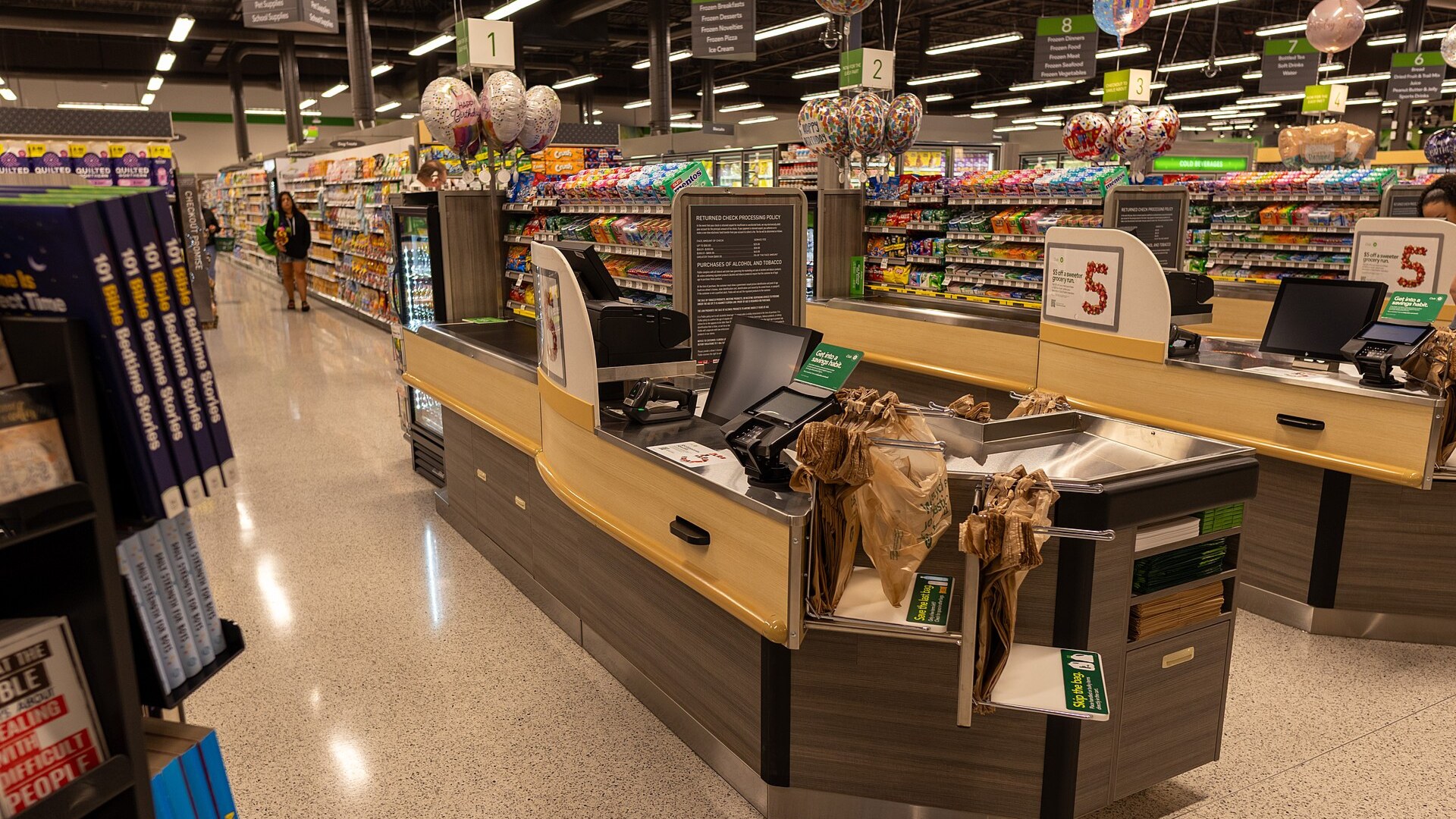
Register lanes are intentionally built narrow to prevent shoppers from turning around or abandoning items. The cramped queuing zone places candy bars, chilled energy drinks, and gift cards at eye level, targeting tired shoppers suffering from decision fatigue after an hour of choices.
6. Windowless And Clock-Free Store Walls
Supermarkets rarely feature exterior windows or wall clocks across their sales floors. Similar to casino design, this sensory isolation eliminates natural daylight cues and time tracking. Customers spend more leisure time browsing aisles without feeling pressured by external appointments.
5. Pre-Cut Fruit Convenience Markups
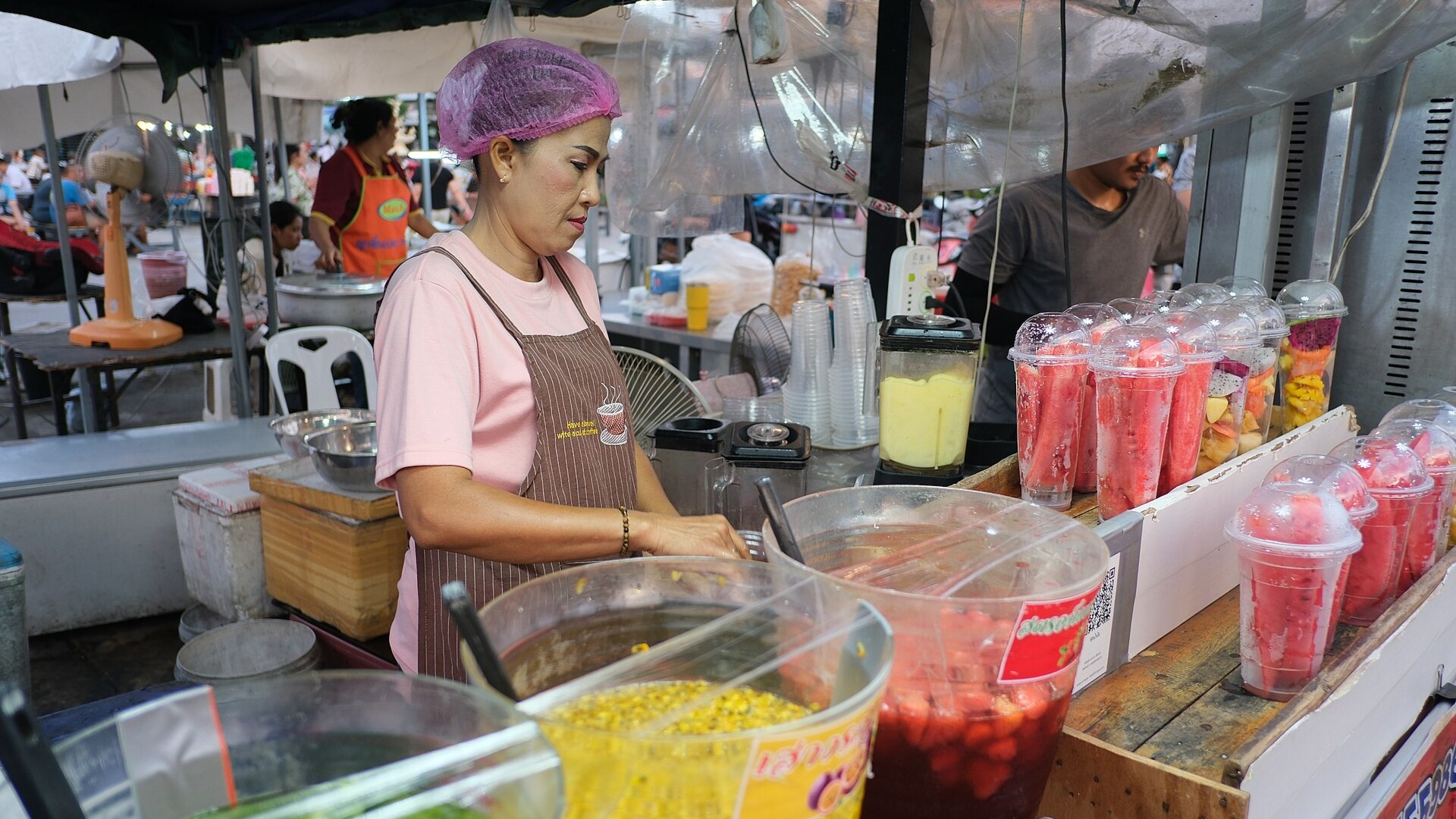
Clear plastic containers of cubed melon, pineapple chunks, and peeled carrots command premiums between 200 and 400 percent over whole produce. Stores use pre-cut stations to repurpose aging produce near its cosmetic expiration date while charging heavy surcharges for basic chopping labor.
4. Free Food Tasting Stations
Sampling tables provide a double psychological benefit for retailers. Free bites stimulate digestive juices and appetite, prompting immediate hunger. Simultaneously, sampling triggers the social reciprocity reflex, where customers feel an instinctive obligation to purchase the featured box.
3. Rosy Lighting Over Butcher Cases
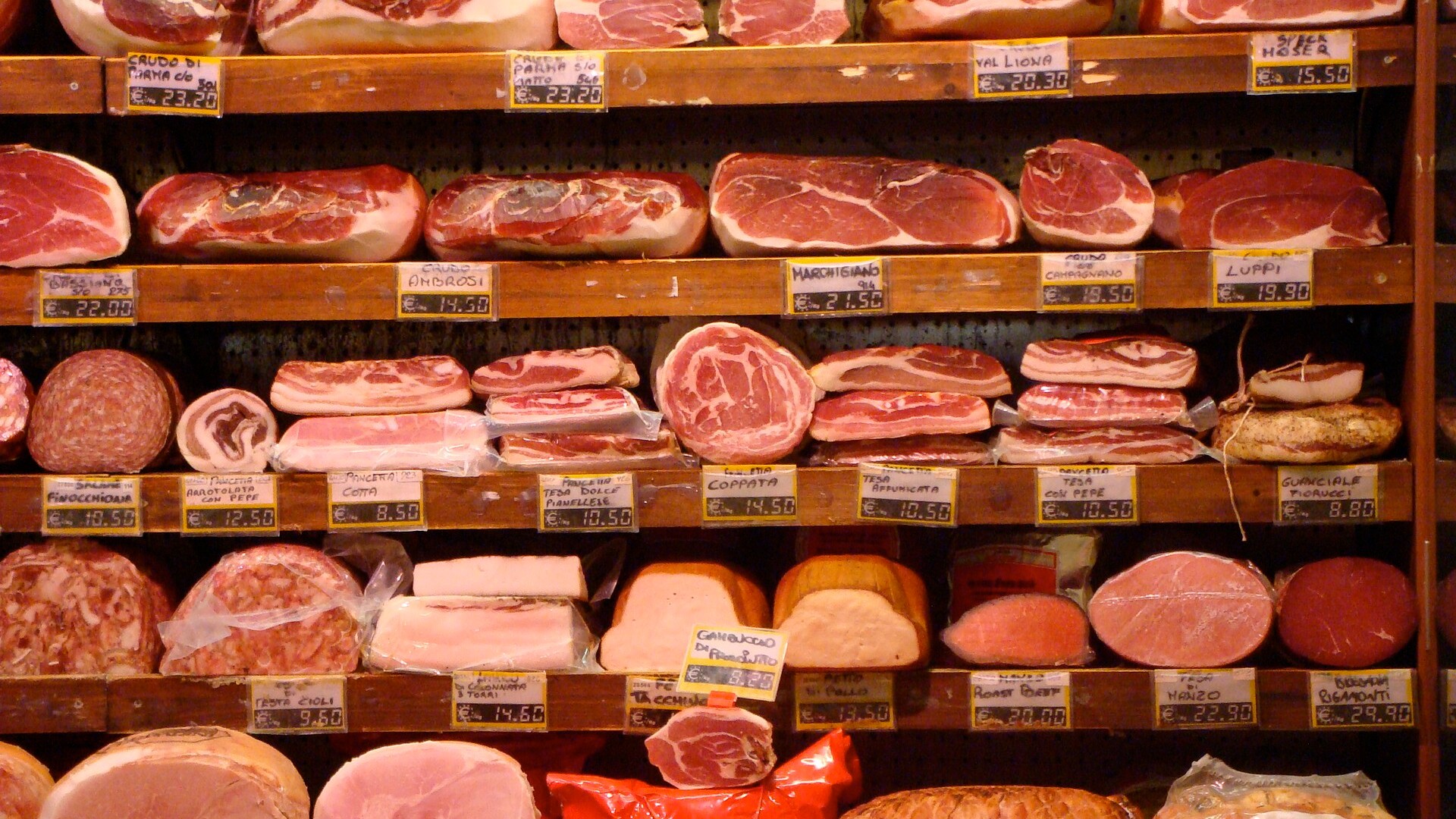
Meat counters frequently utilize specialized display lighting with elevated red and warm spectral tints. This deliberate illumination enhances the ruby red appearance of ground beef and steaks while masking oxidation. The meats look dramatically fresher than they appear under home refrigerator light.
2. Inconsistent Unit Pricing Labels
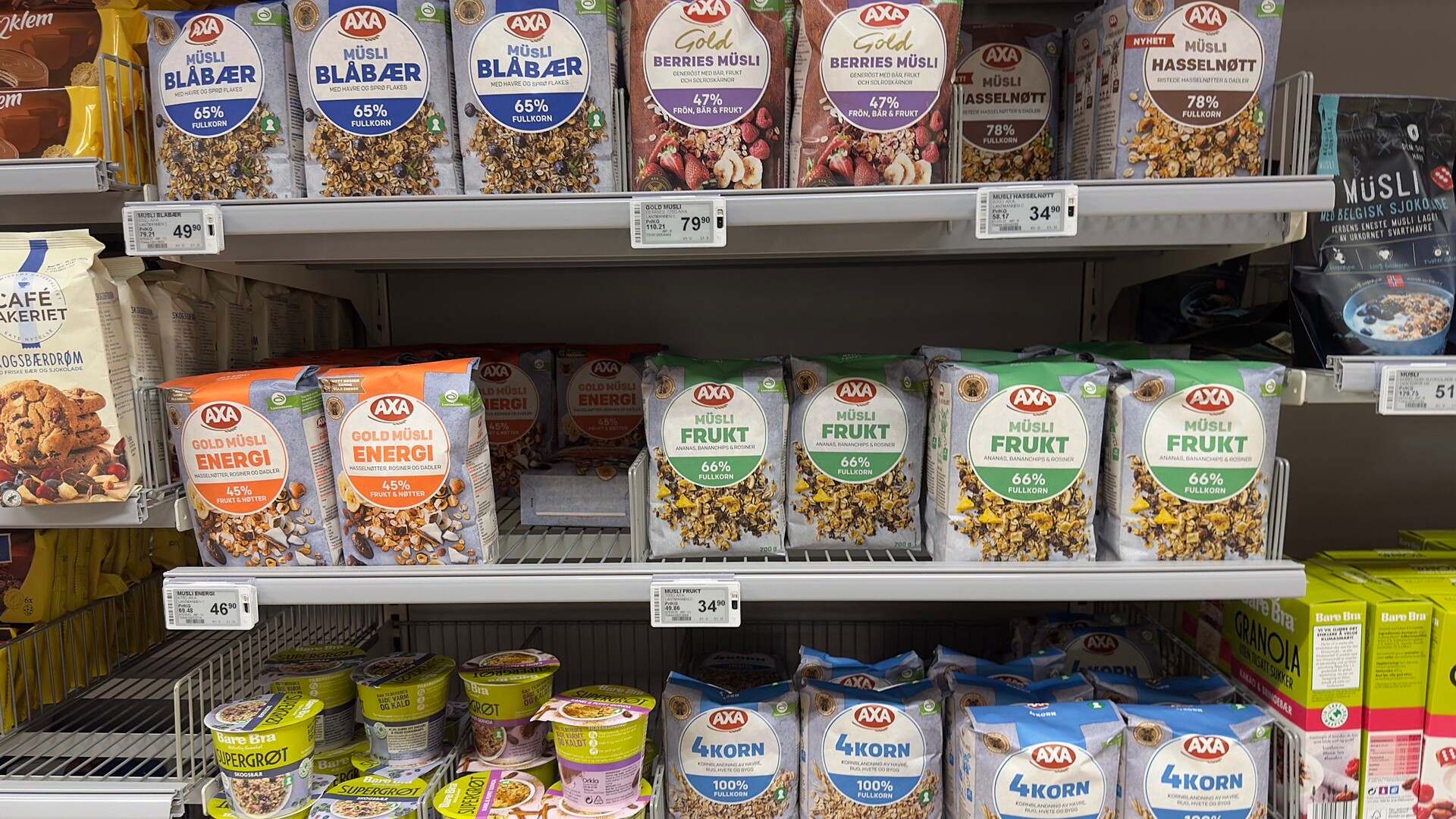
Shelf tags frequently calculate unit prices across differing metrics, listing one brand per ounce and a competing box per pound. The small font size and inconsistent units confuse value comparisons, leading shoppers to assume larger family packs offer cheaper rates despite hidden markups.
1. The Produce Department Entrance Trap
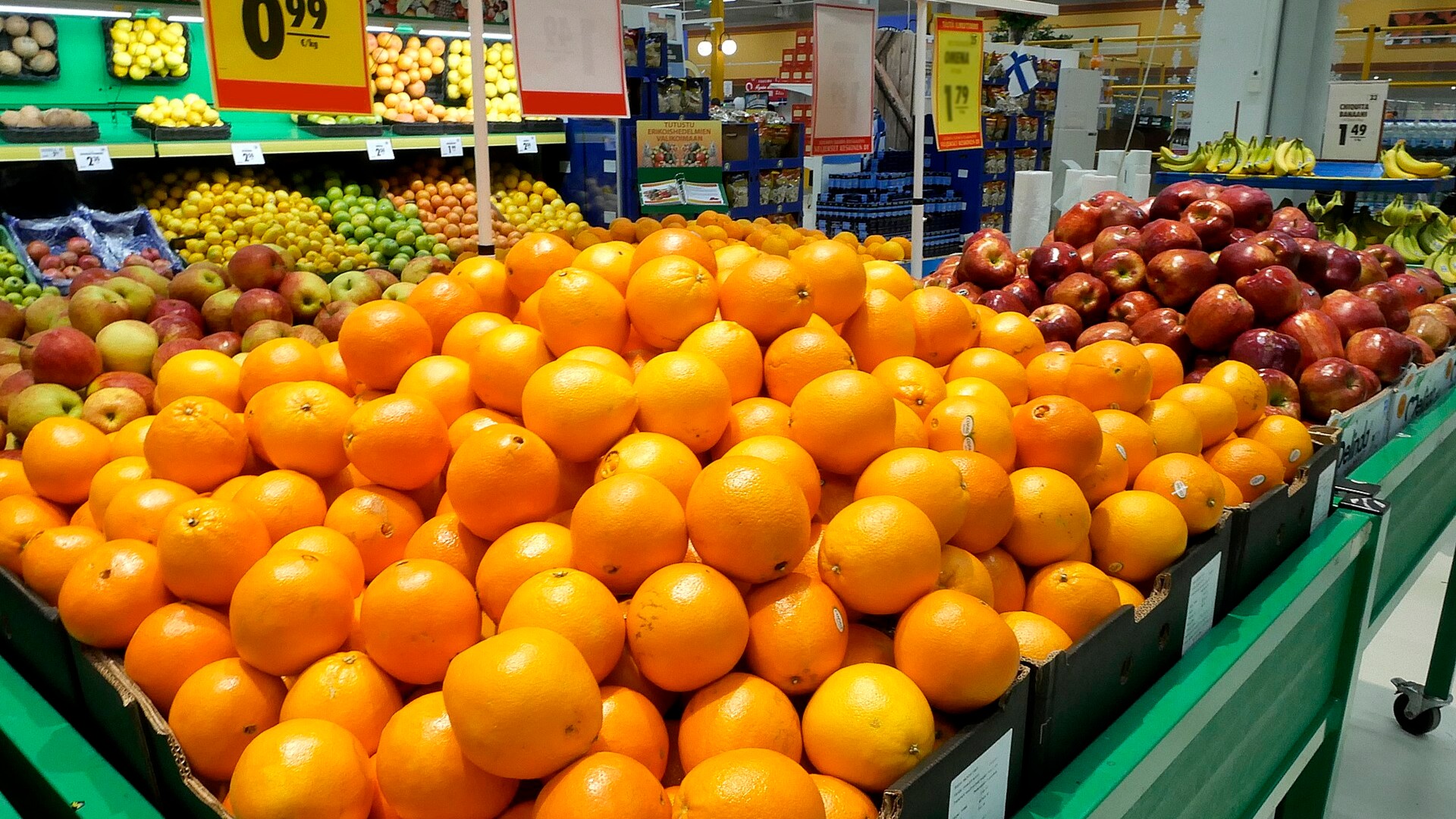
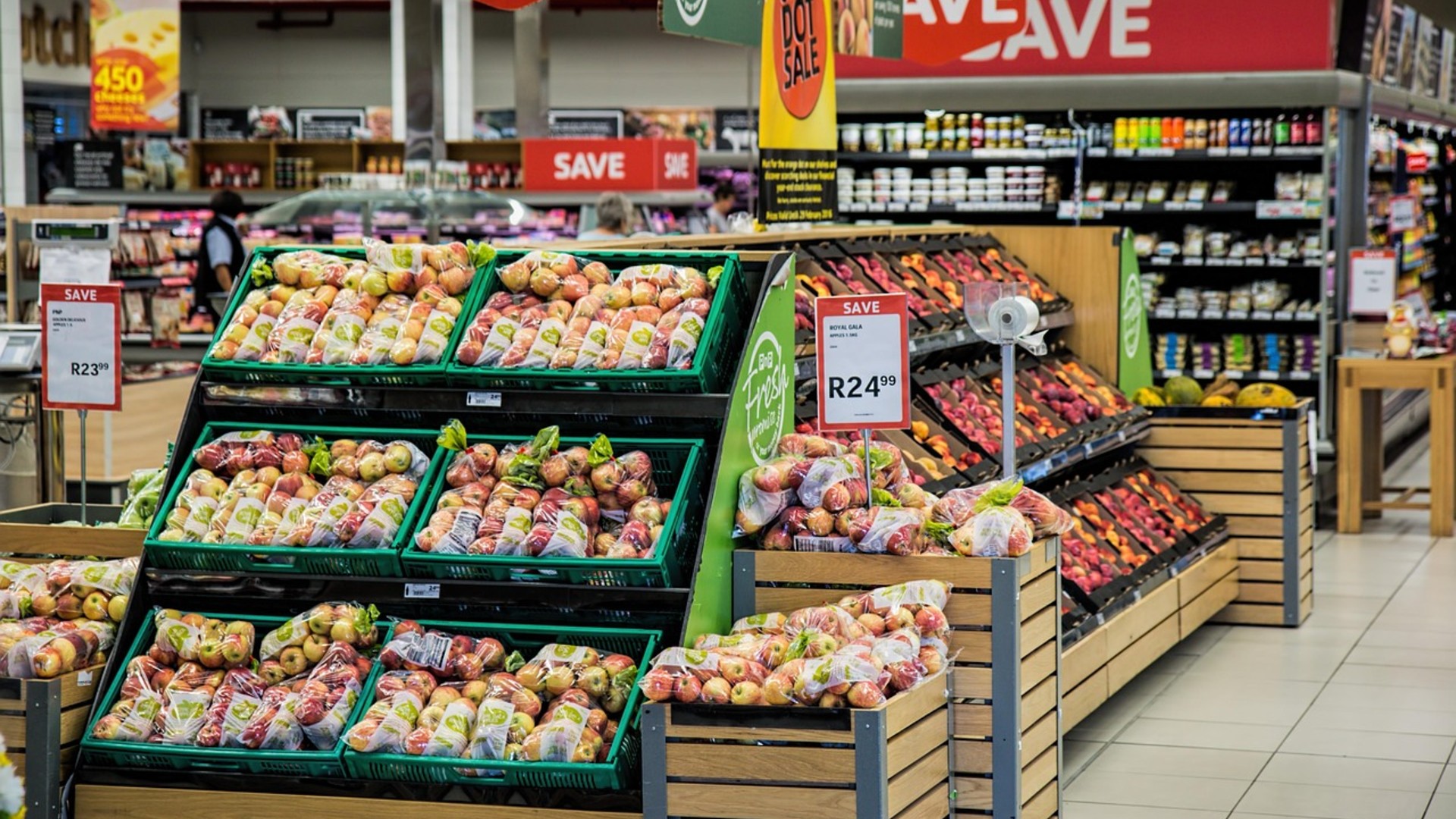
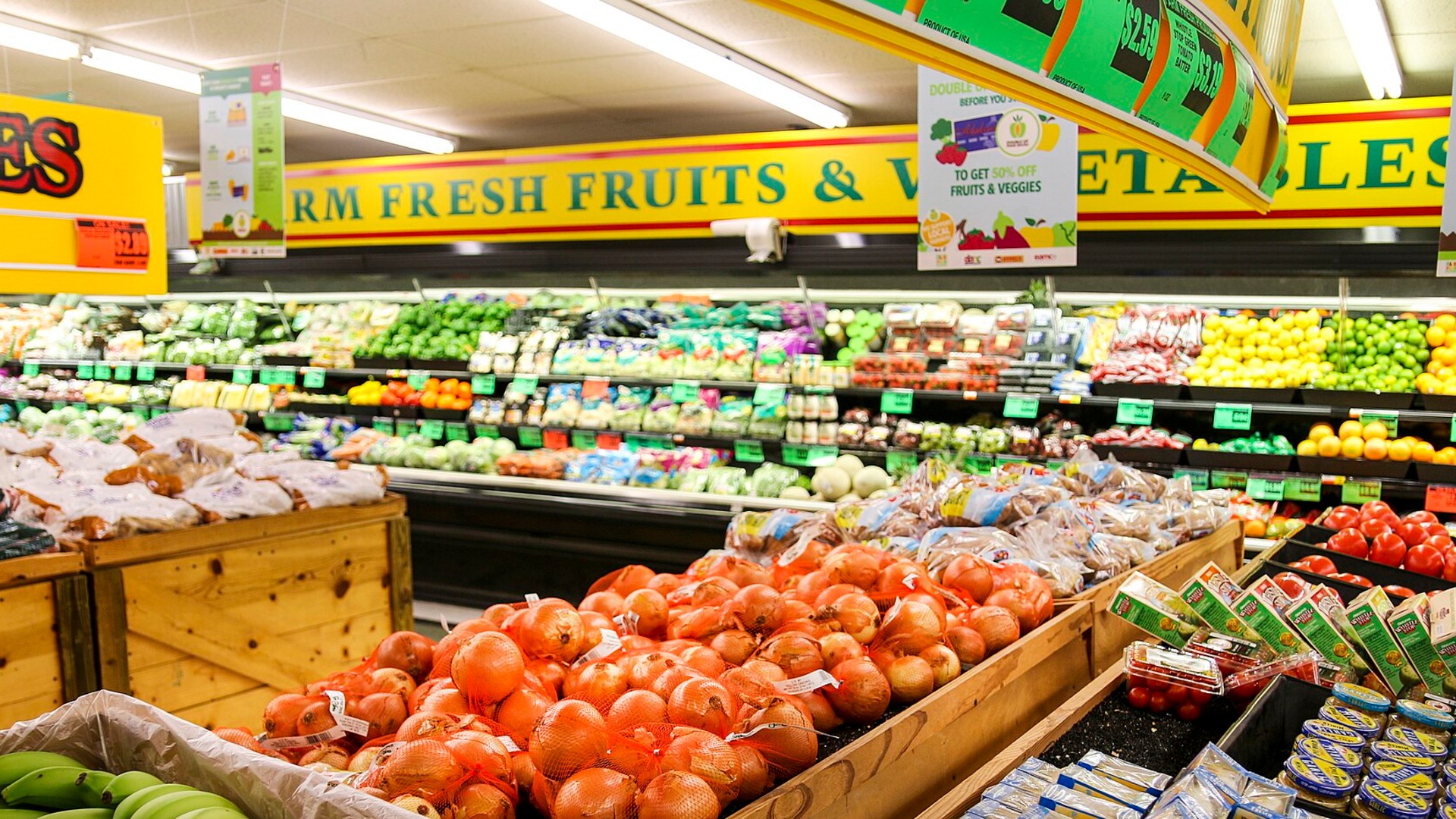
Supermarkets position fresh produce at the front entrance so carts fill with healthy fruits and vegetables first. Consumer psychologists call this moral licensing. Having established healthy virtuous intentions early, shoppers feel subconscious emotional permission to splurge on snacks later.