Slideshow · Animals
25 Animal Species Thought Extinct That Scientists Found Alive
Biologists call them Lazarus species, animals missing for decades or known only from fossils before turning up alive. Based on IUCN Red List assessments, natural history museum records and peer-reviewed surveys, this countdown tracks 25 remarkable recoveries from short absences to deep prehistoric lineages.
By Most Viral Today
16 min agopitch:86ec9dde-b830-405d-912e-f56a14bc5efe

Scientists thought these 25 animals were extinct until finding them alive. 
25. Black-Footed Ferret 
24. Bavarian Pine Vole 
23. Wallace's Giant Bee - AdvertisementSwipe or tap ▶ to continue countdown

22. Pinocchio Anole 
21. South Island Takahe 
20. Somali Sengi 
19. Leadbeater's Possum - AdvertisementSwipe or tap ▶ to continue countdown

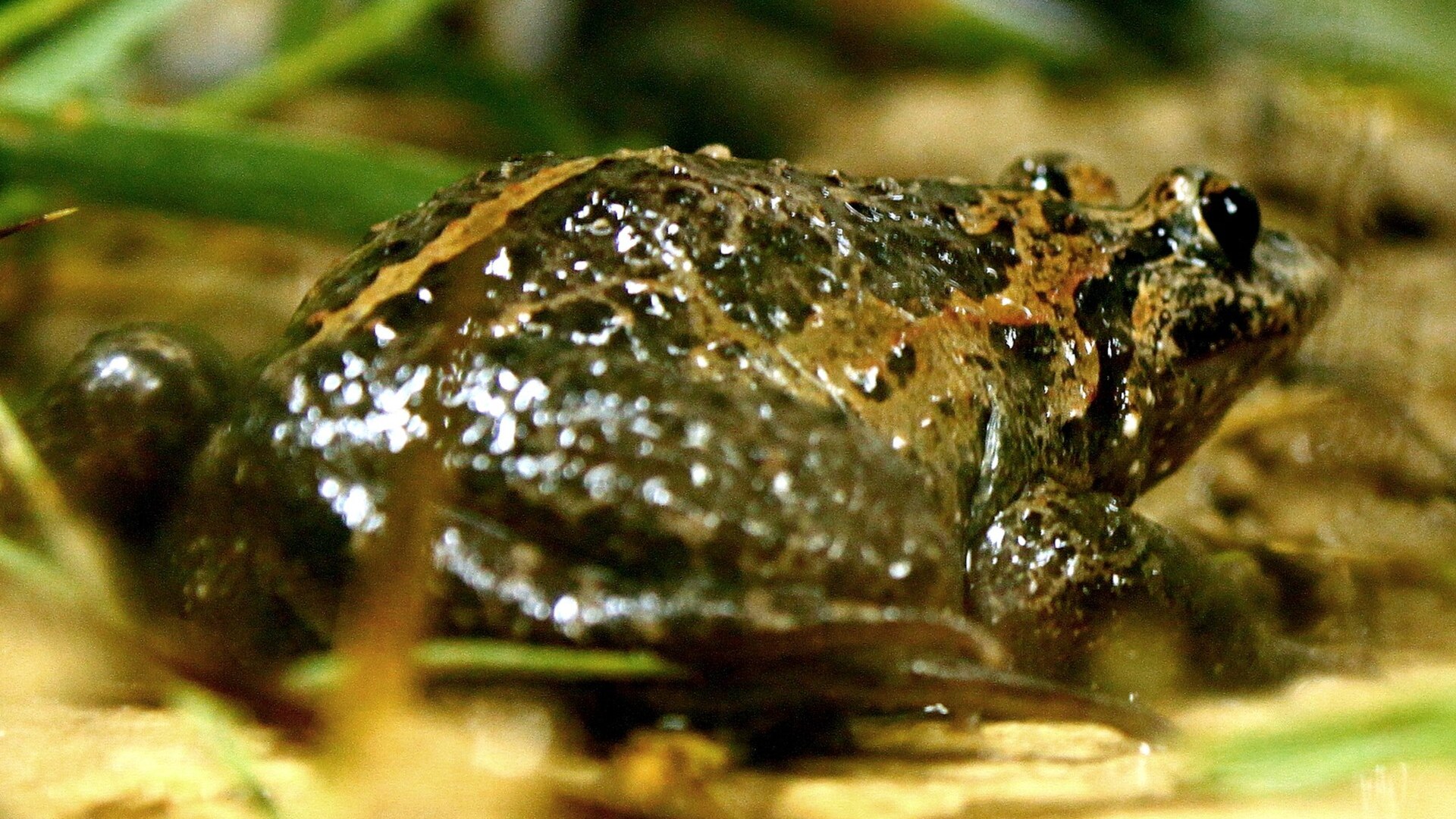
18. Hula Painted Frog 
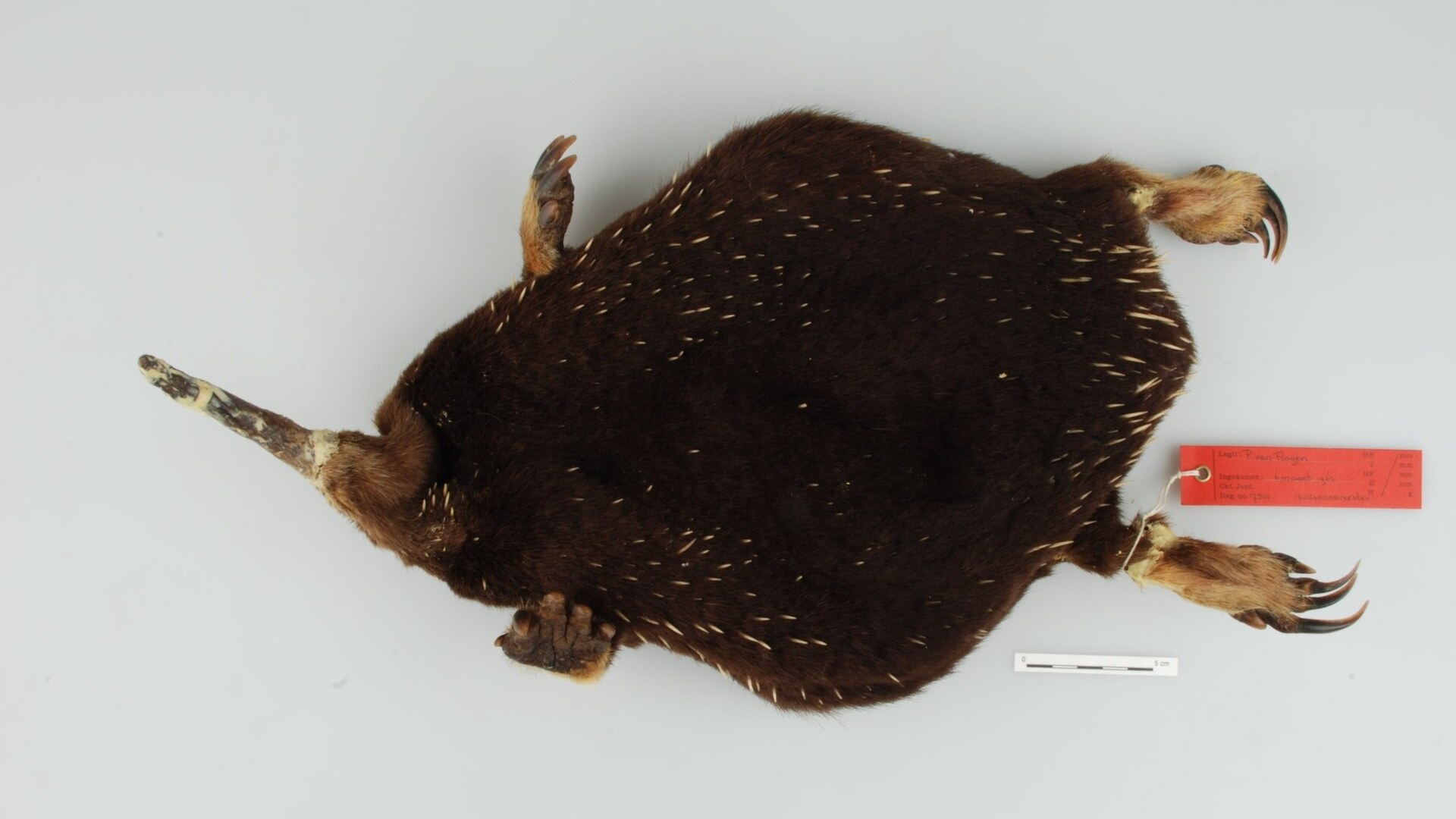
17. Attenborough's Long-Beaked Echidna 
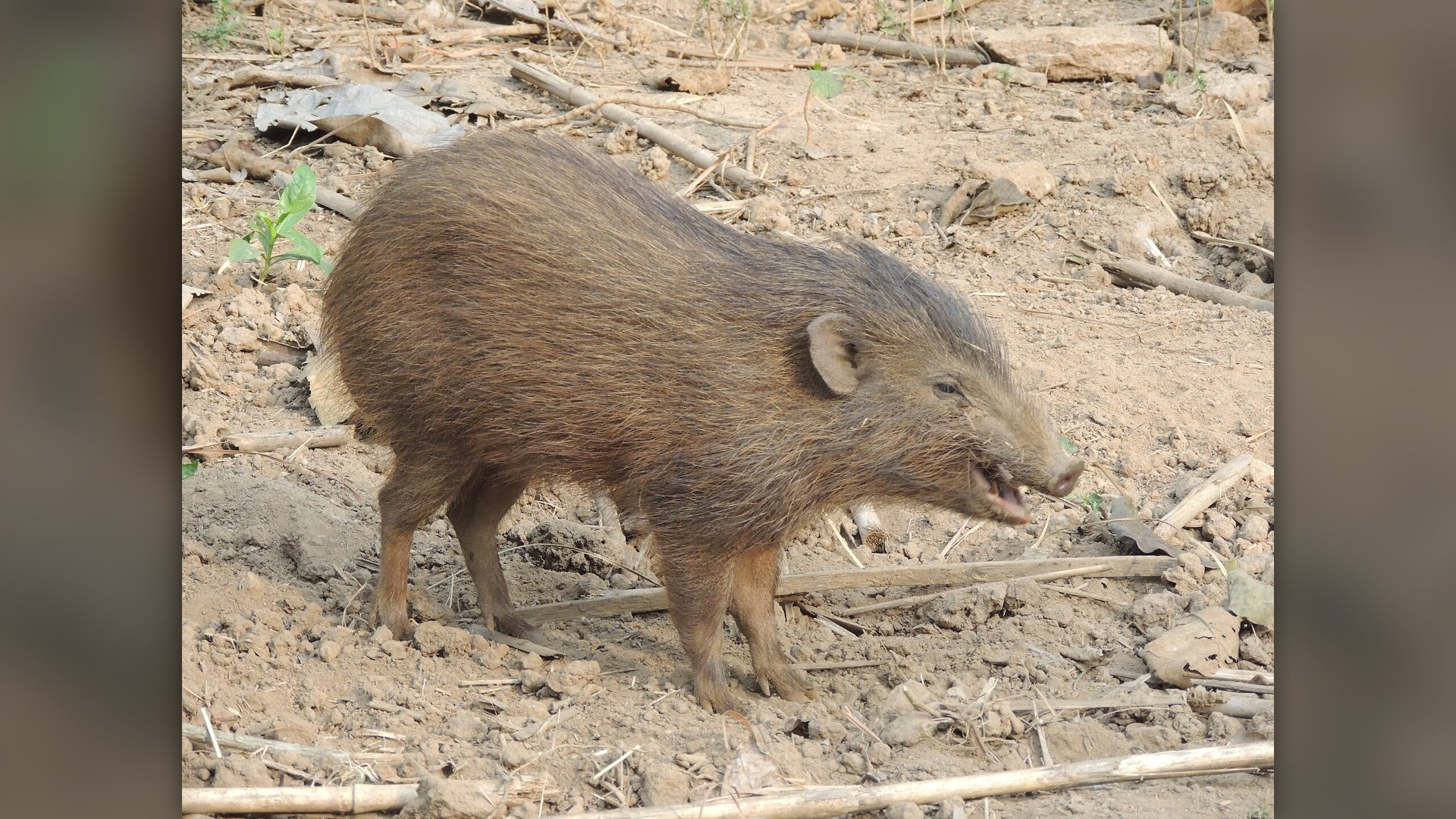
16. Pygmy Hog 
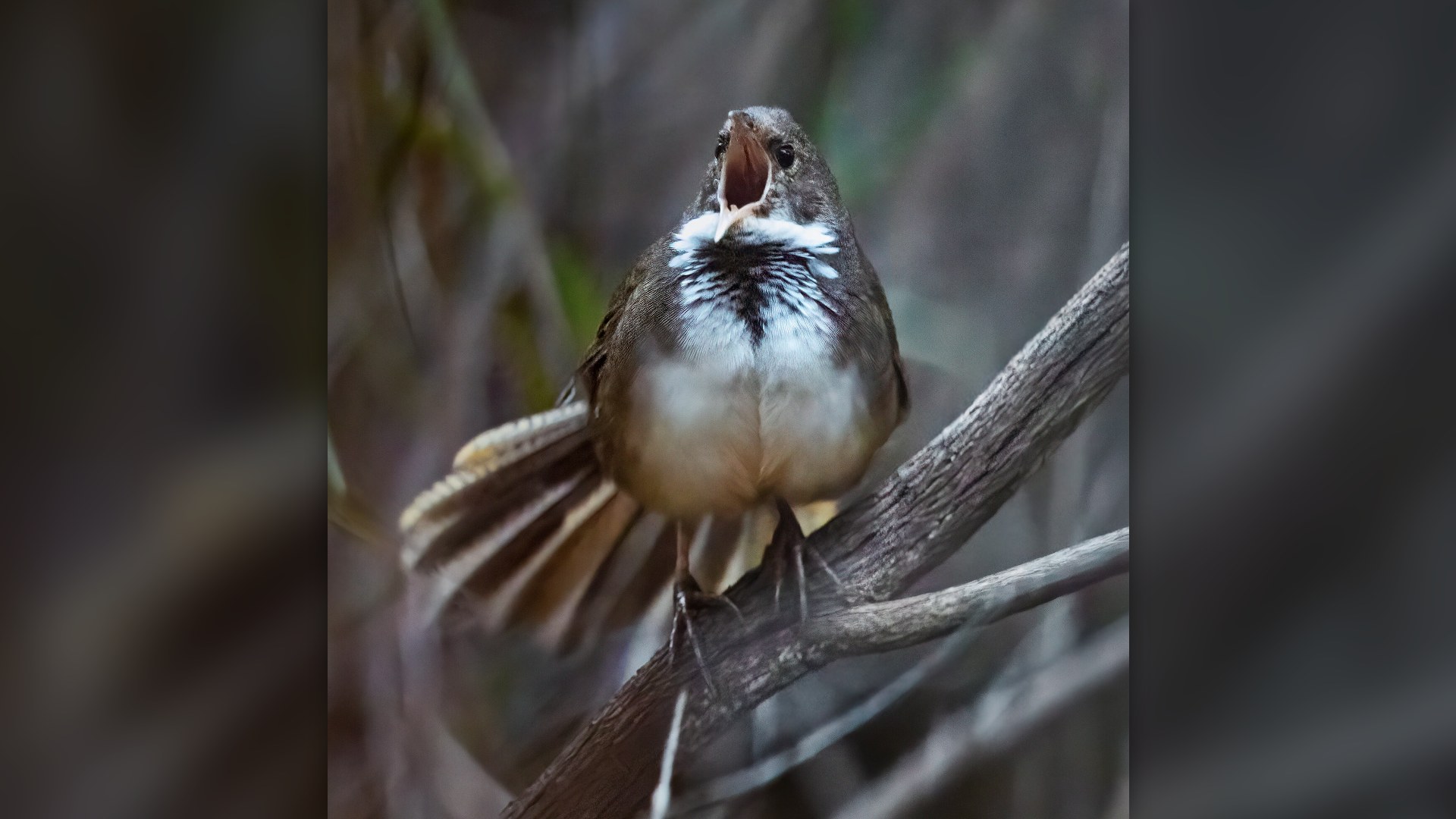
15. Noisy Scrub-Bird - AdvertisementSwipe or tap ▶ to continue countdown

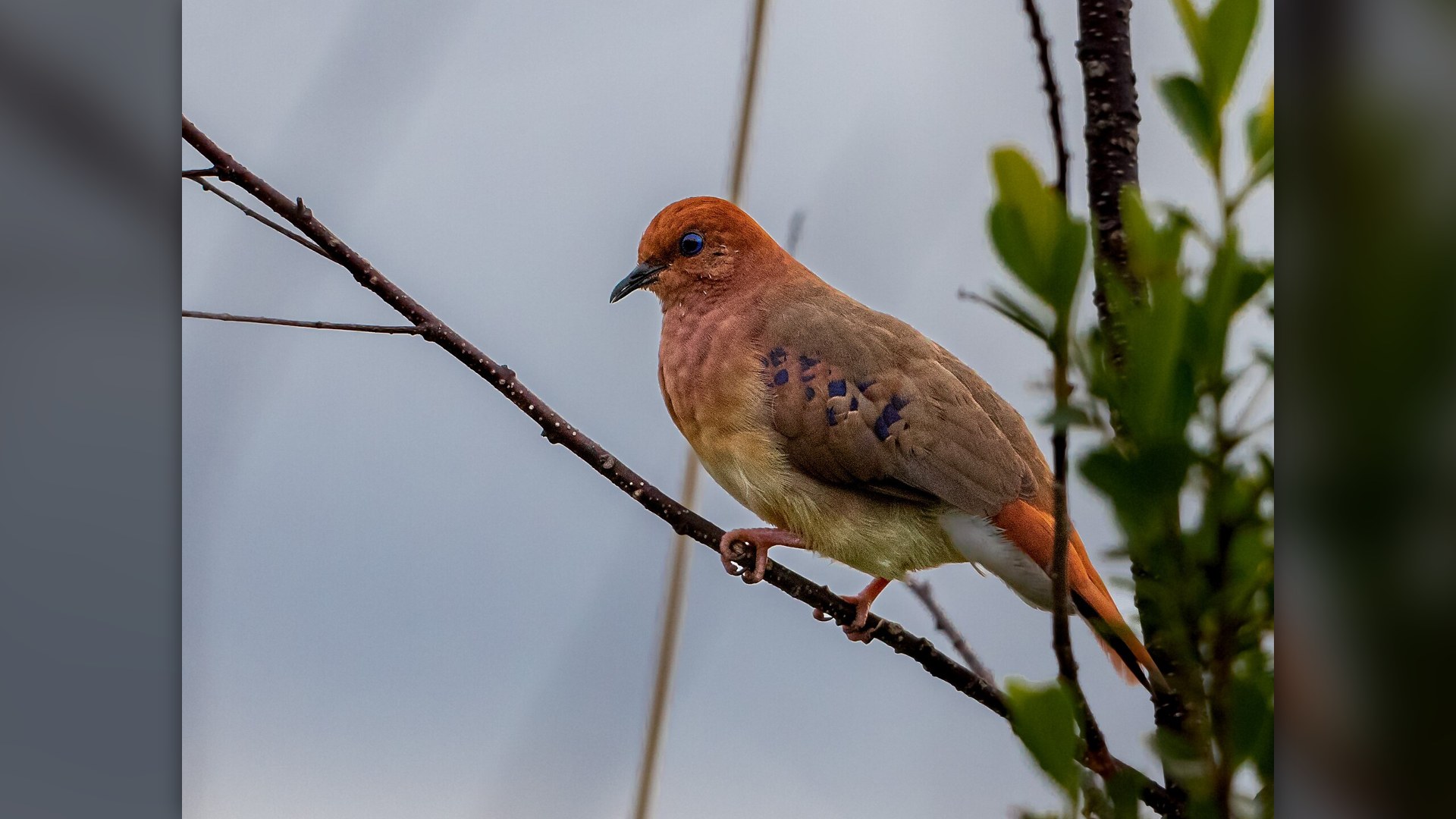
14. Blue-Eyed Ground Dove 
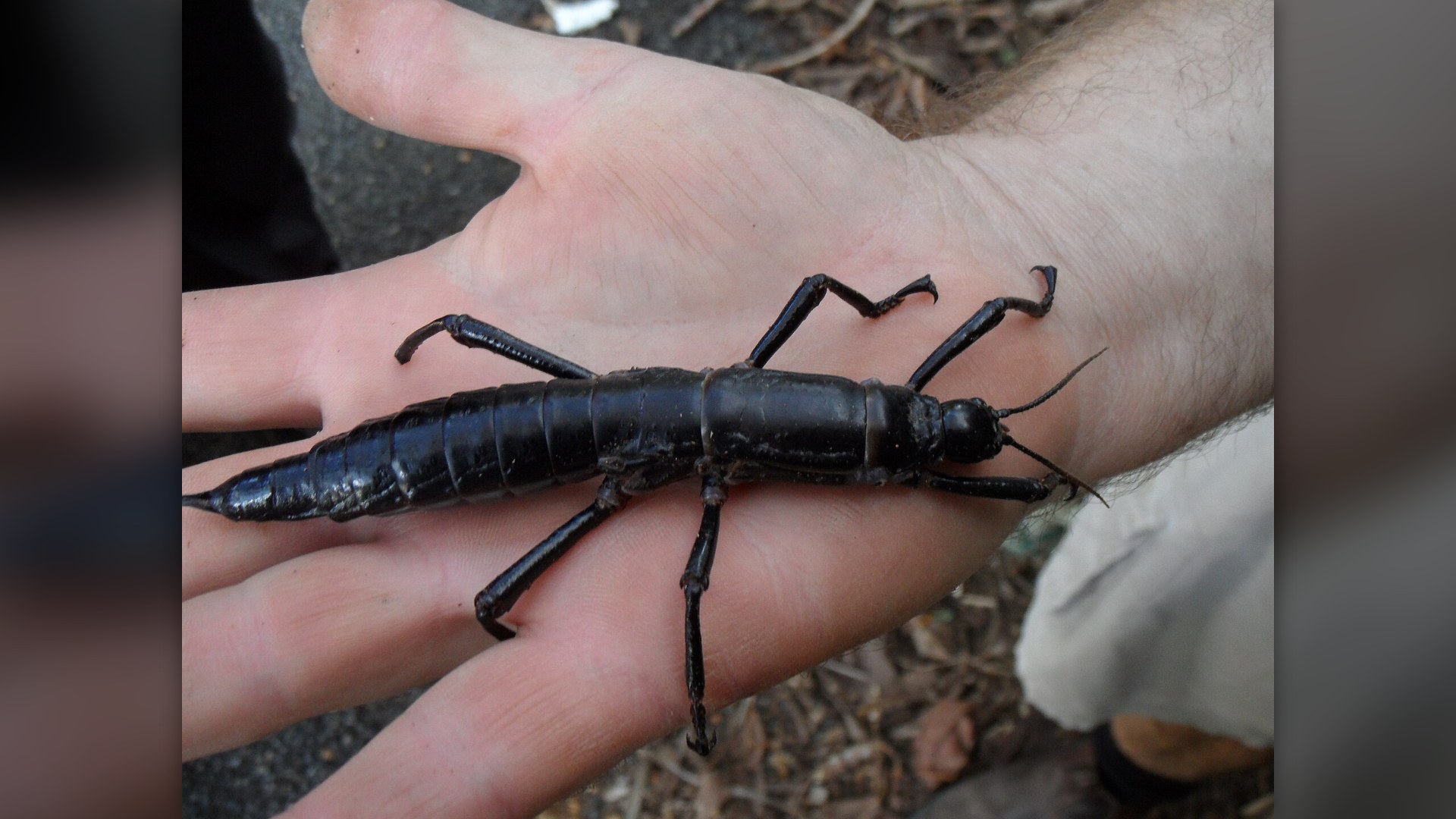
13. Lord Howe Island Stick Insect 
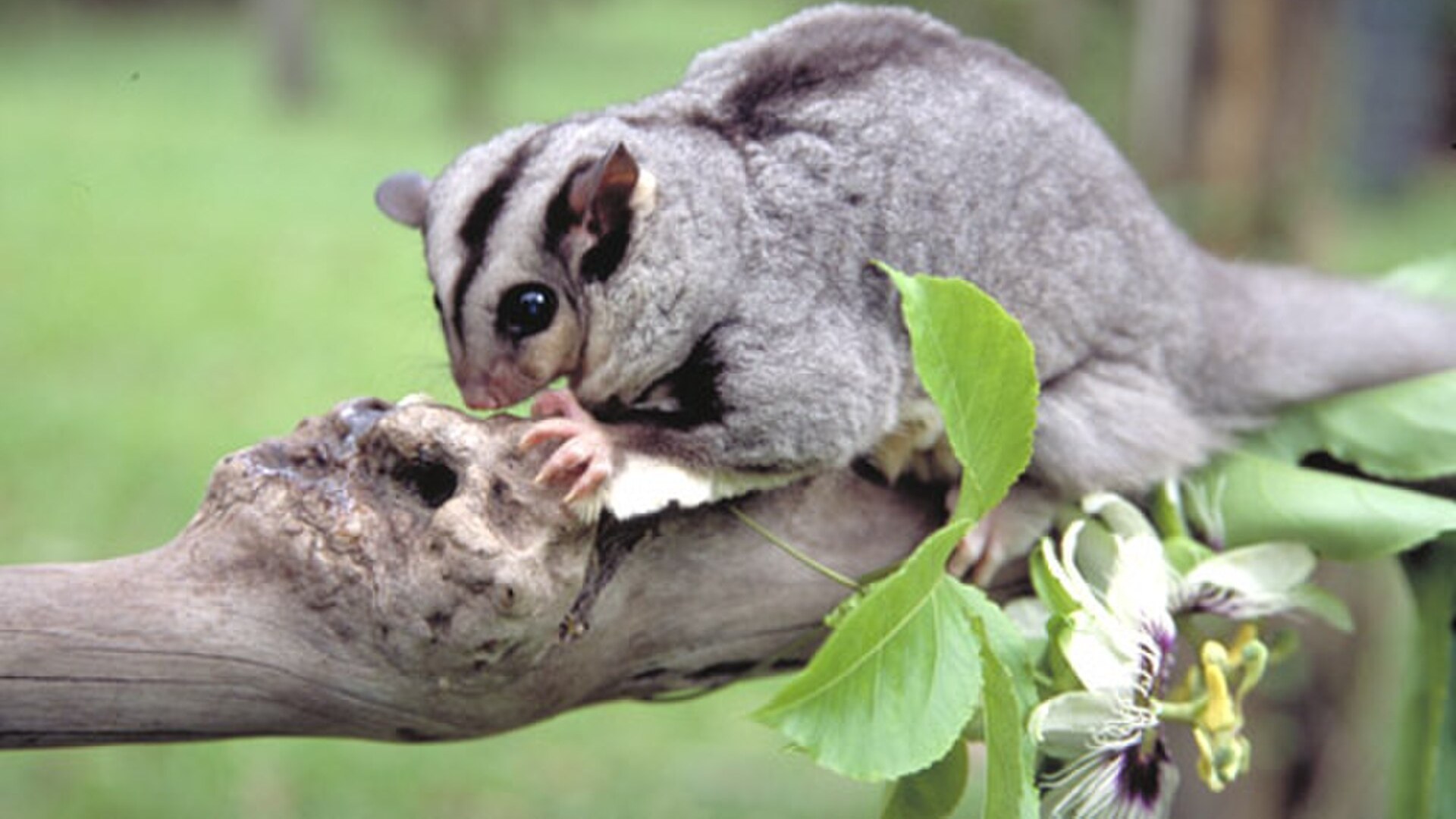
12. Mahogany Glider 
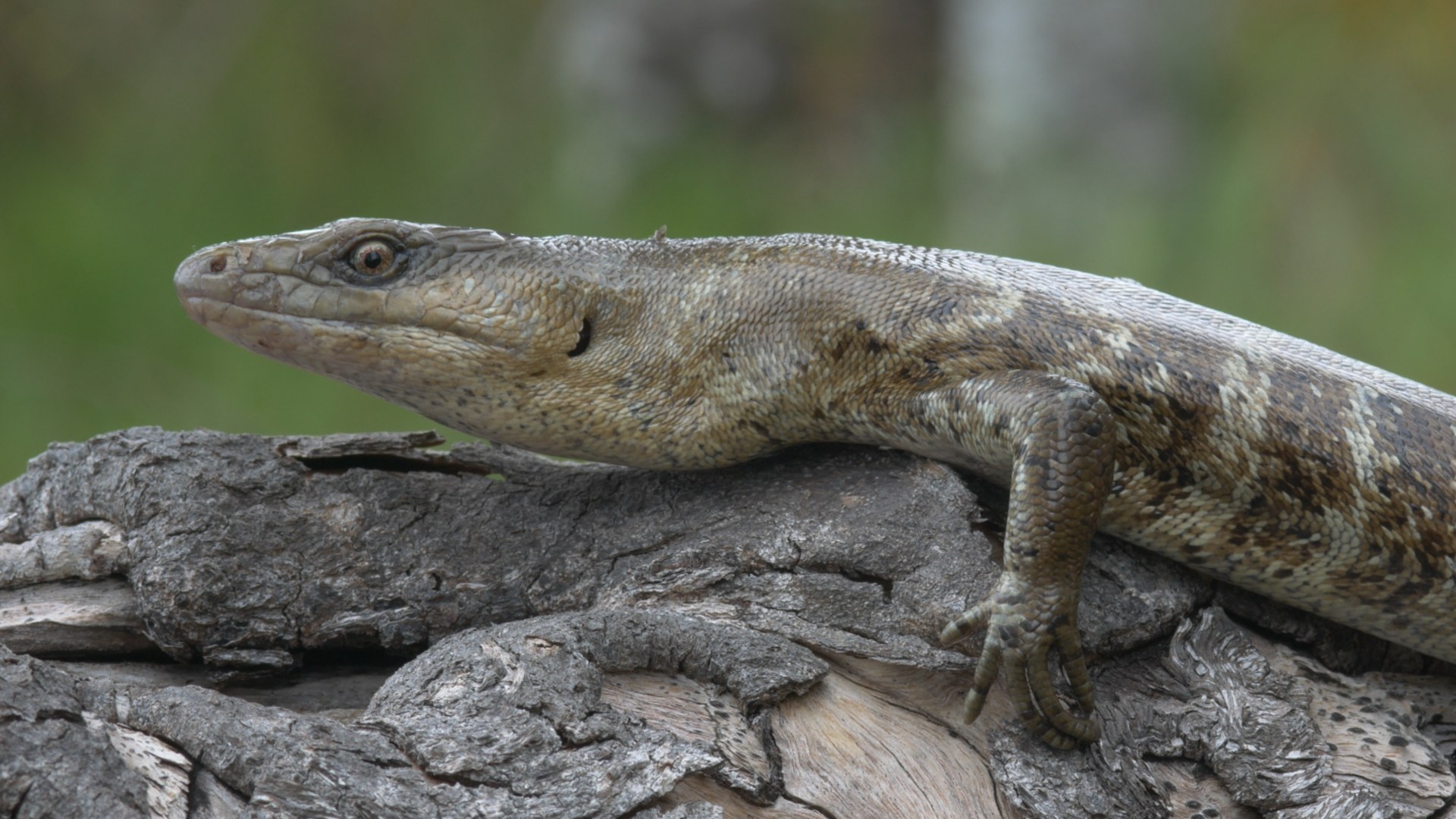
11. Terror Skink - AdvertisementSwipe or tap ▶ to continue countdown

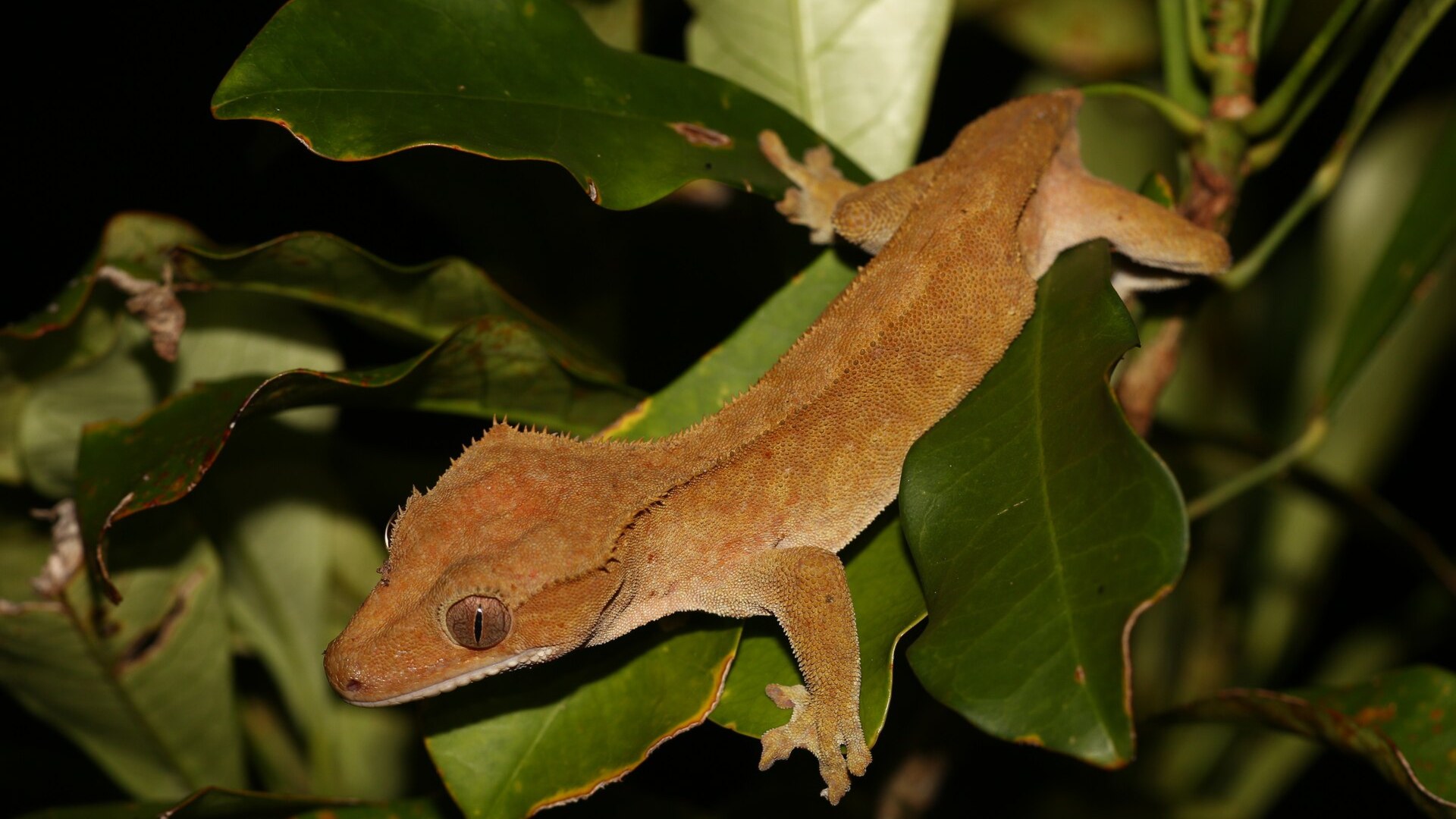
10. Crested Gecko 
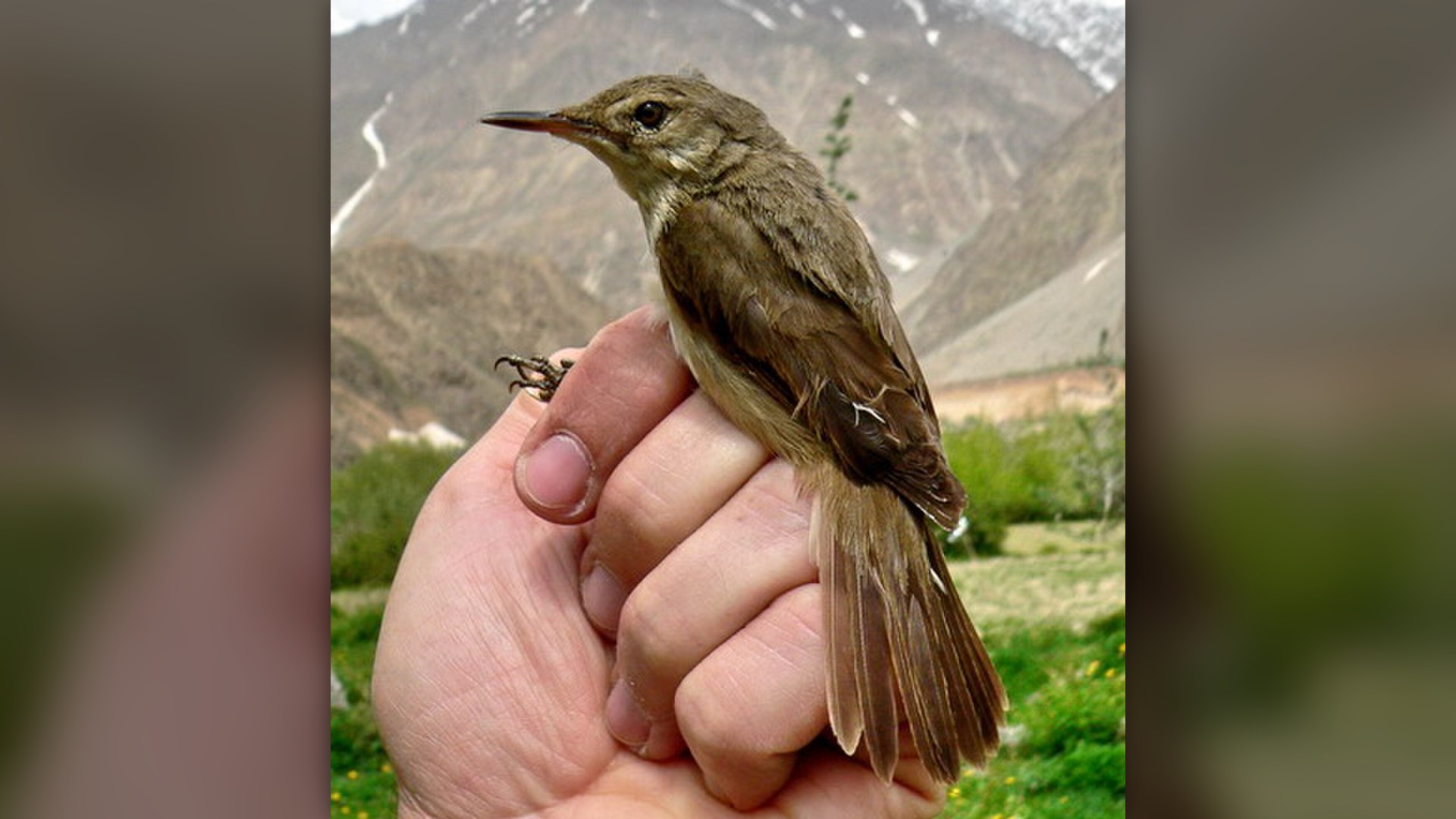
9. Large-Billed Reed Warbler 
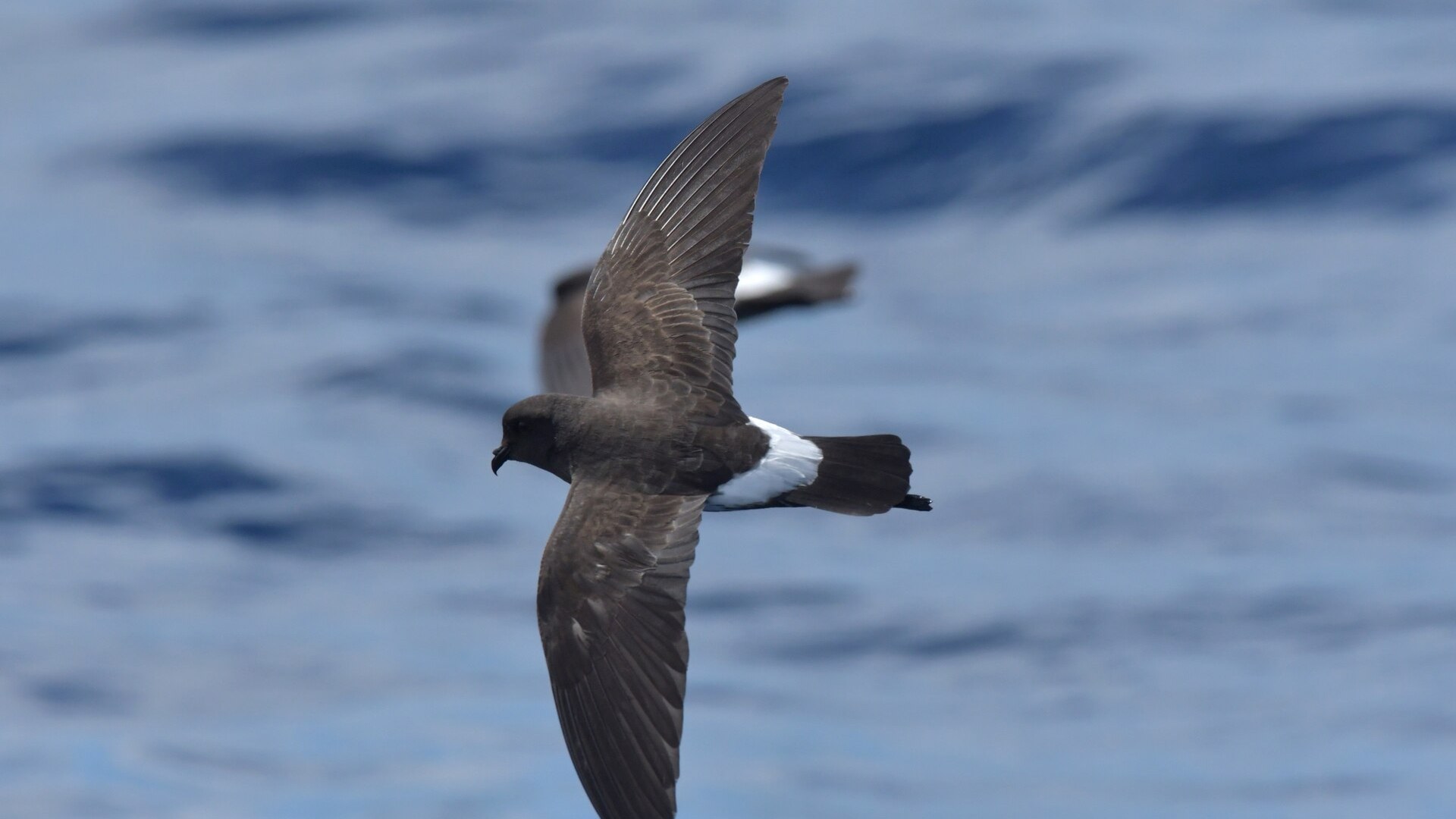
8. New Zealand Storm Petrel 
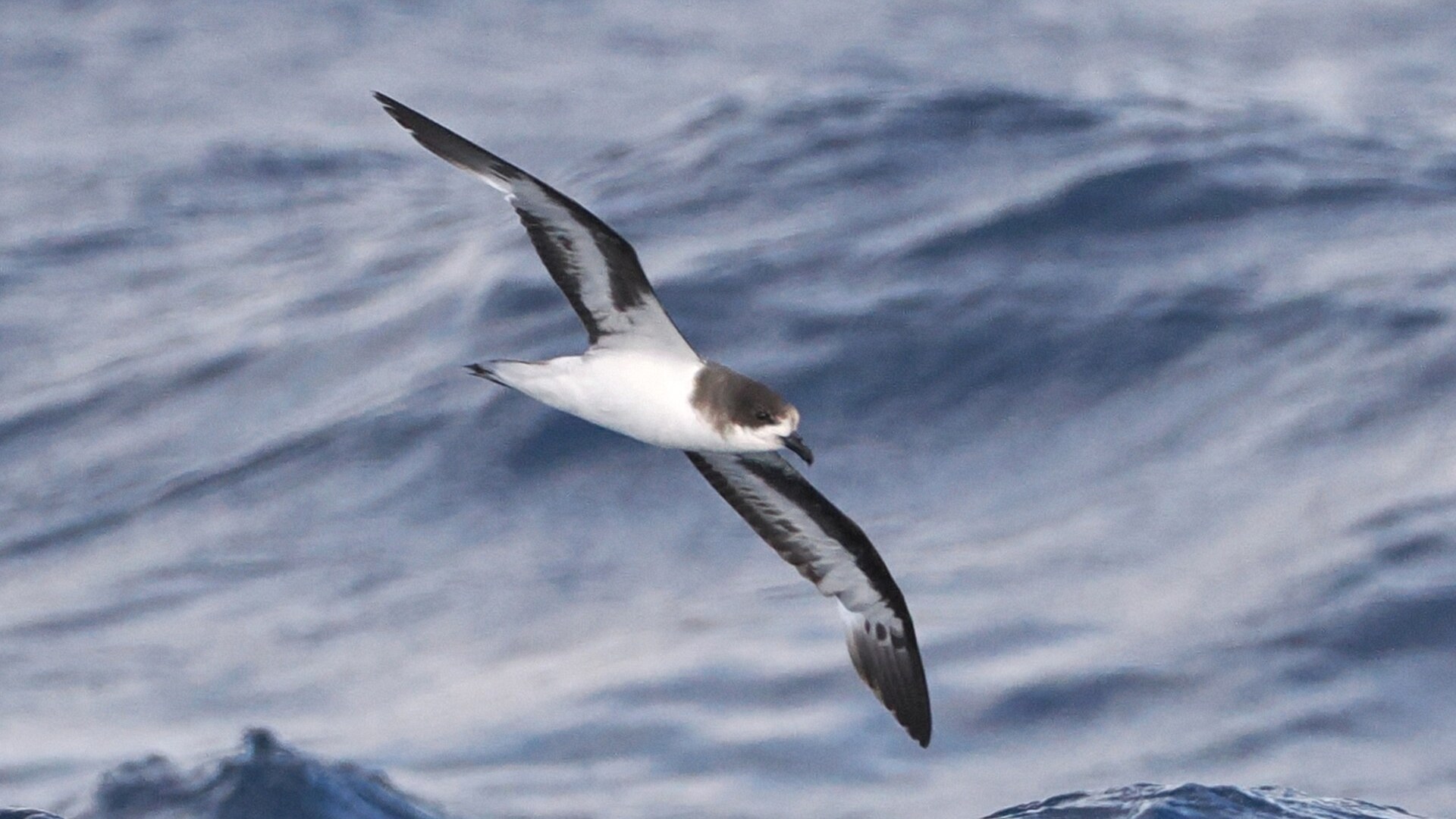
7. Bermuda Petrel - AdvertisementSwipe or tap ▶ to continue countdown

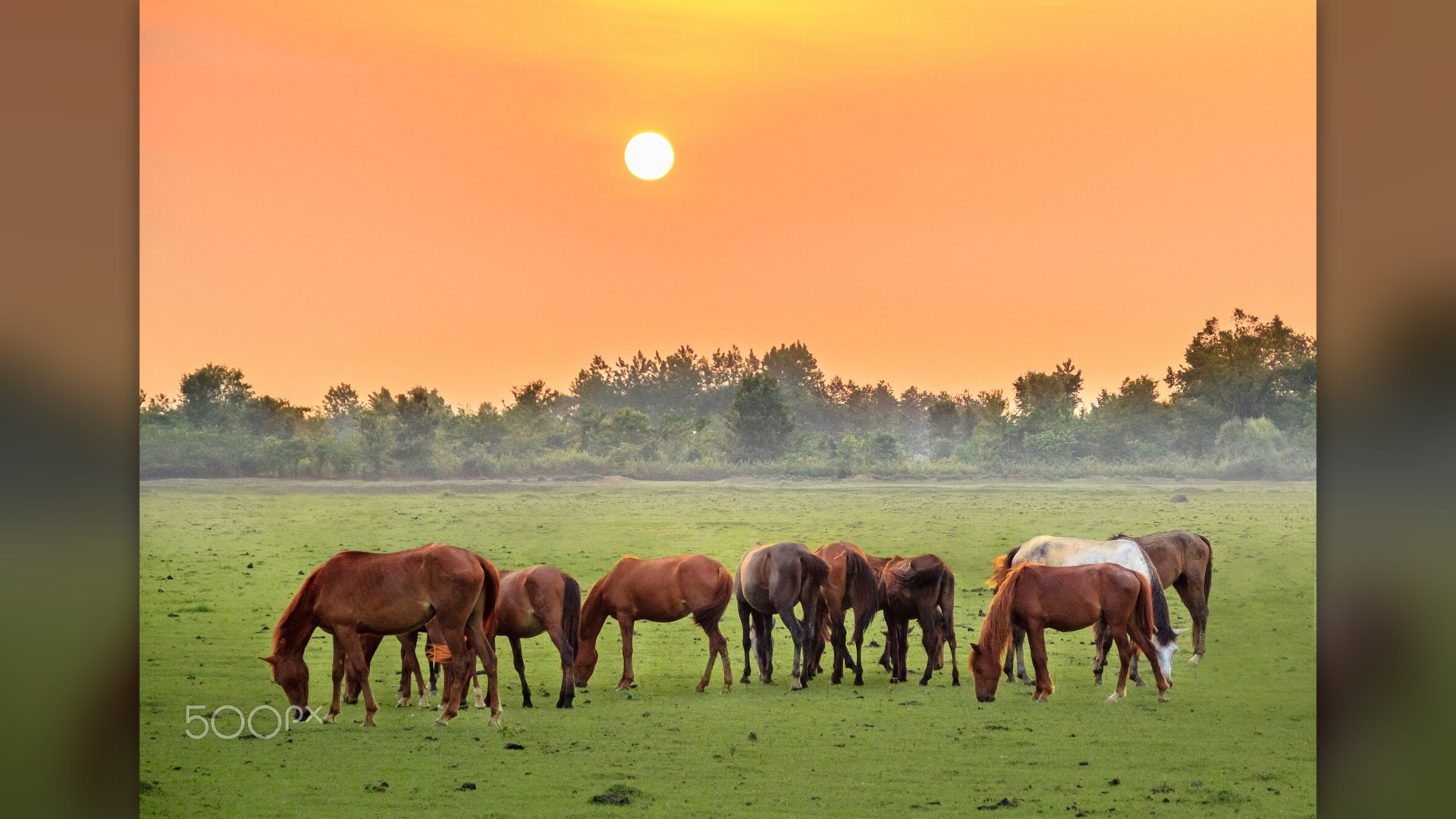
6. Caspian Horse 
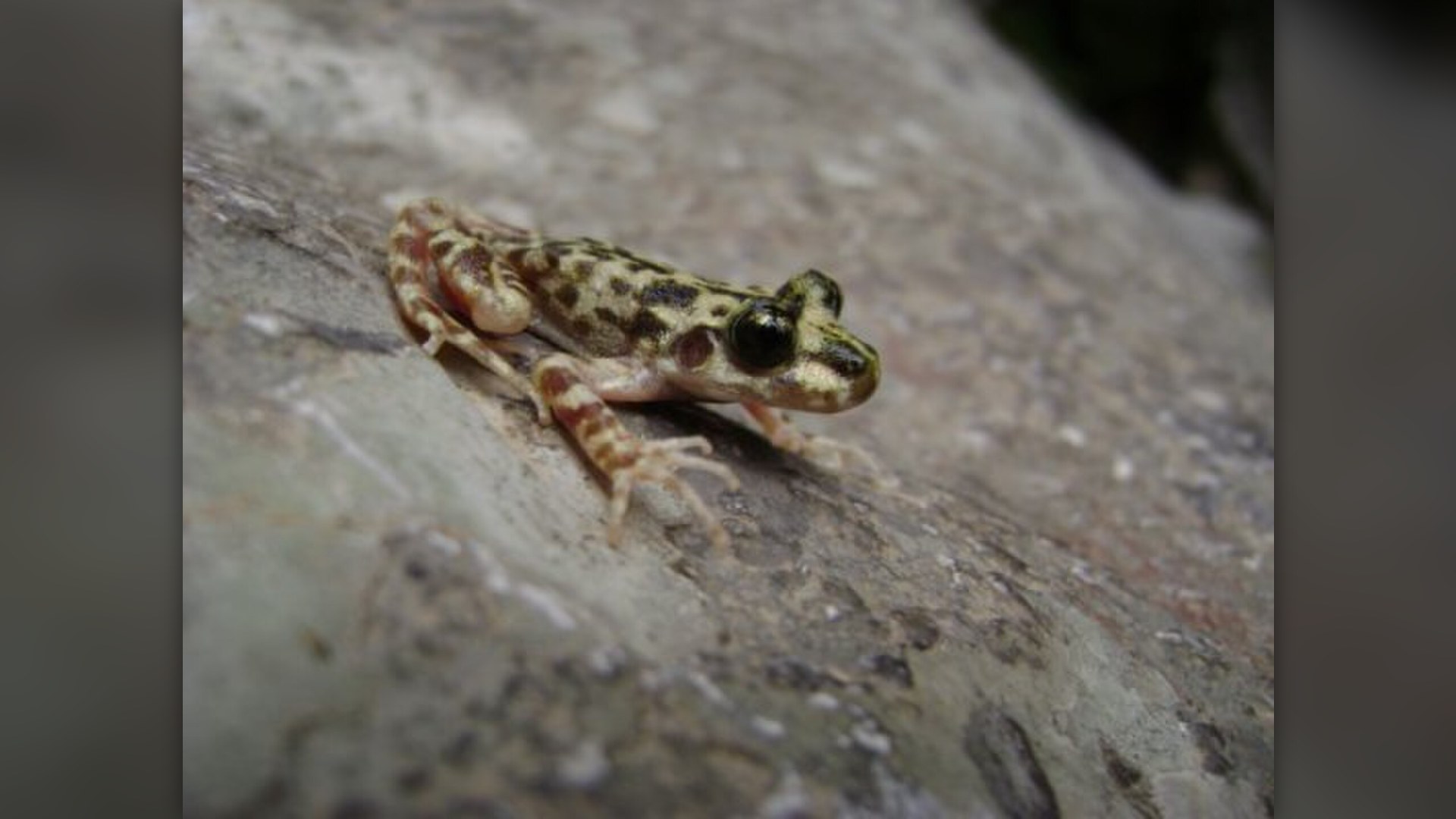
5. Mallorca Midwife Toad 
4. Mountain Pygmy Possum 
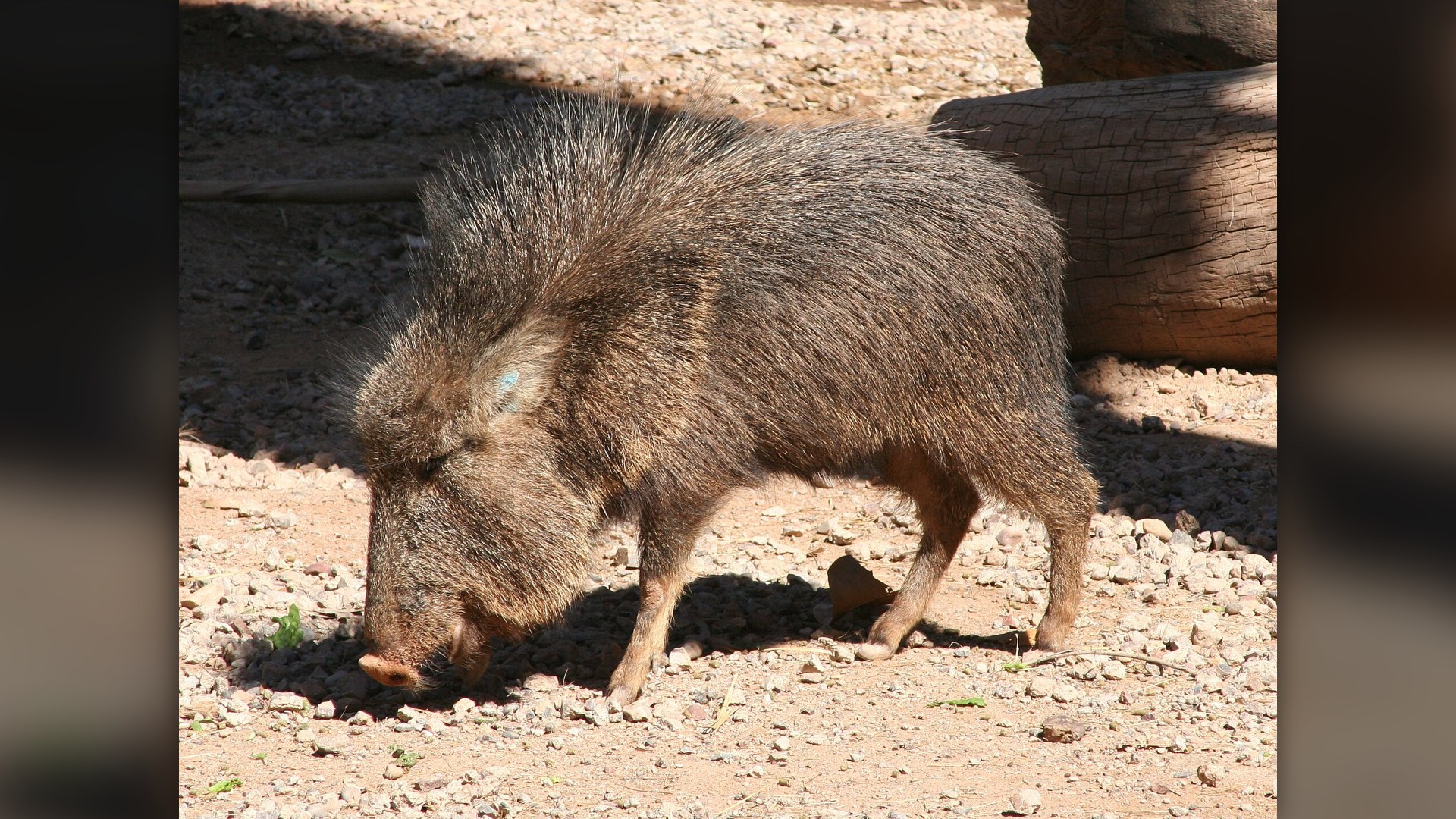
3. Chacoan Peccary - AdvertisementSwipe or tap ▶ to continue countdown

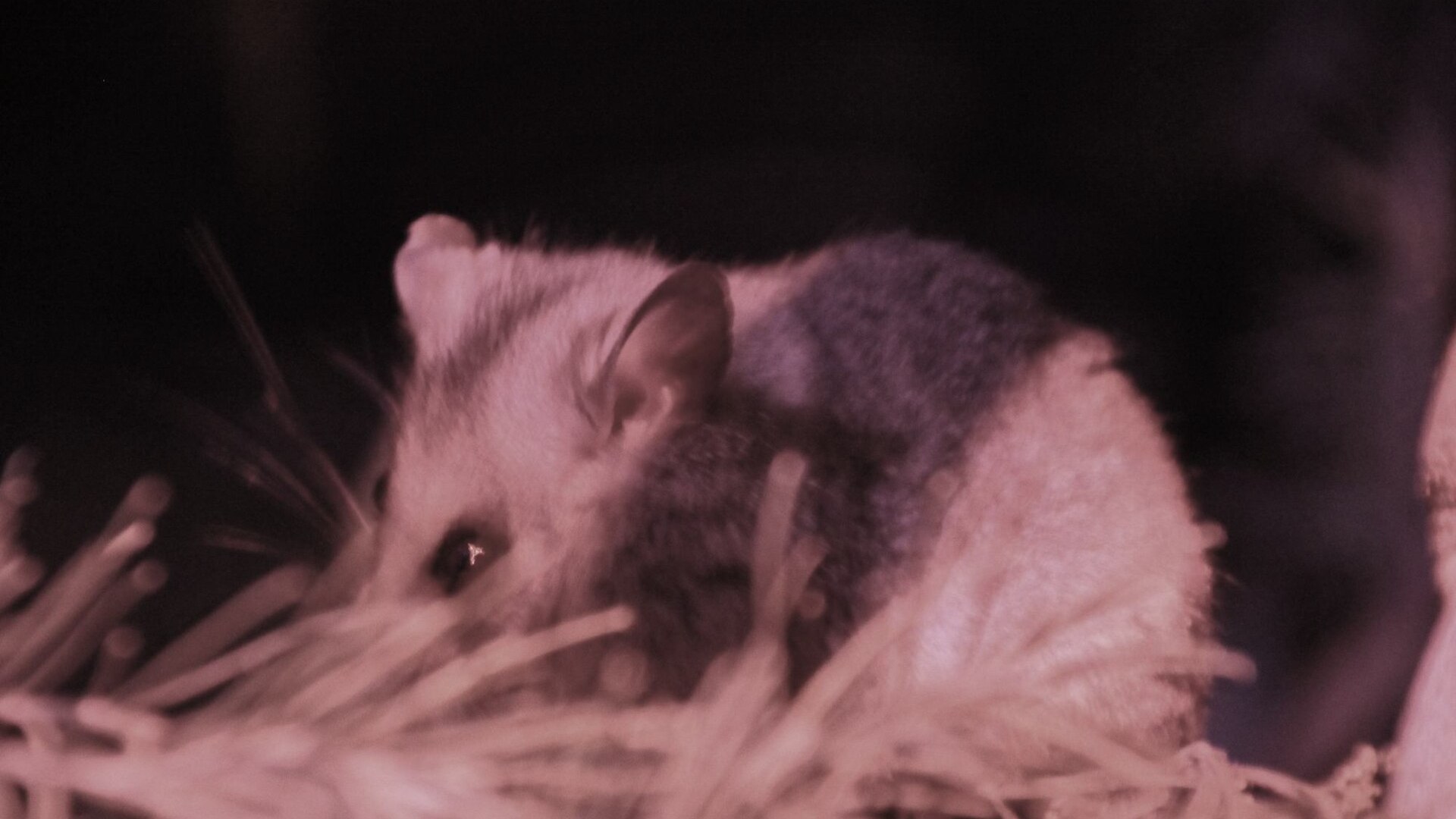
2. Laotian Rock Rat 
1. Coelacanth - Advertisement🔥 UP NEXT IN THIS SERIES◫ 21 Slides

20 Animal Mothers That Defend Their Young Against Predators
Based on wildlife research from NOAA, the U.S. Fish and Wildlife Service, the National Park Service and Smithsonian field studies, this countdown ranks 20 animal species whose mothers guard nests, confront much larger predators and endure months without food so their offspring survive from birth to adulthood.
Biologists call them Lazarus species, animals missing for decades or known only from fossils before turning up alive. Based on IUCN Red List assessments, natural history museum records and peer-reviewed surveys, this countdown tracks 25 remarkable recoveries from short absences to deep prehistoric lineages.
Swipe or tap ▶ to begin the countdown
©Wikimedia / Coelacanth
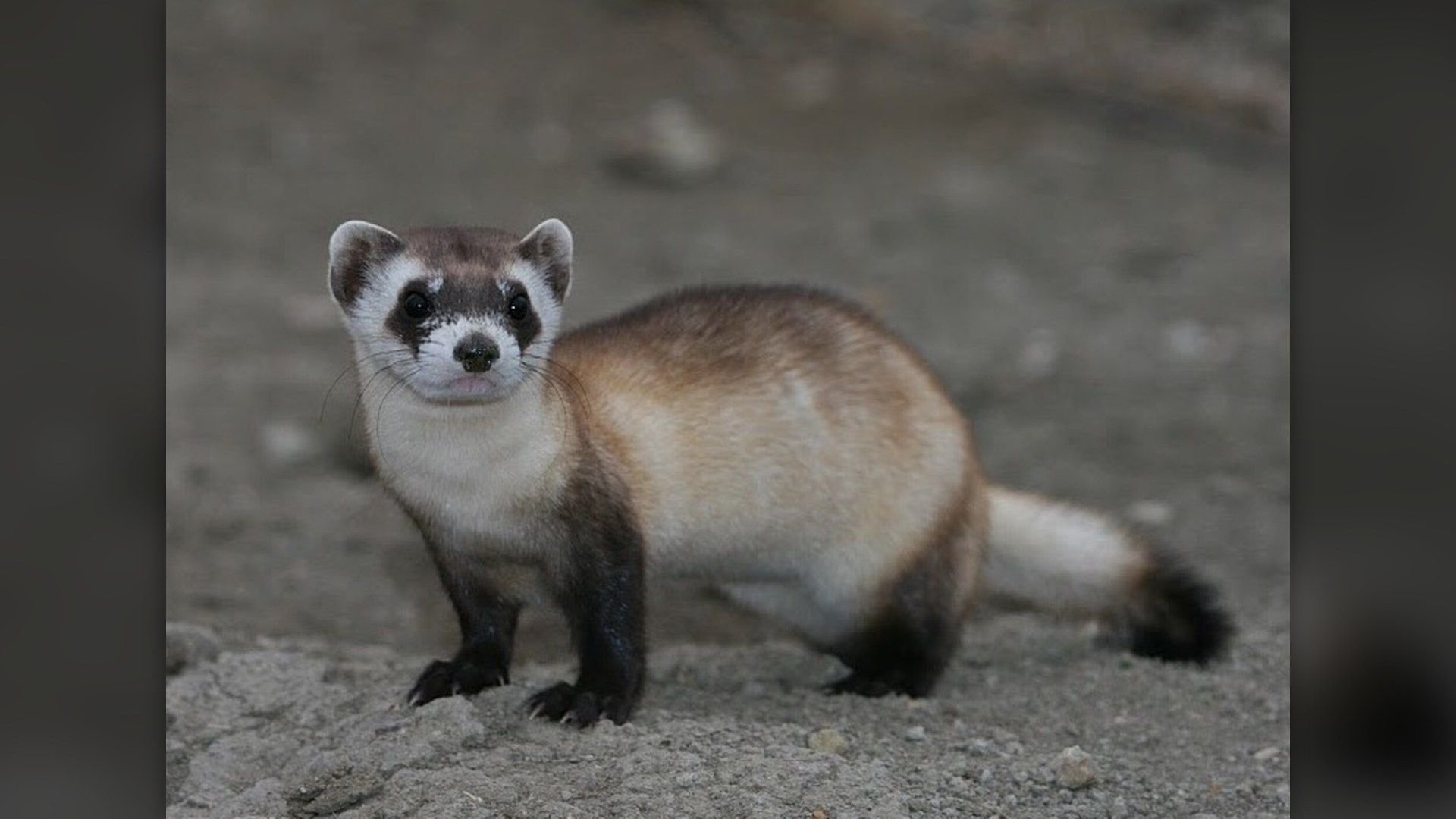
25. Black-Footed Ferret
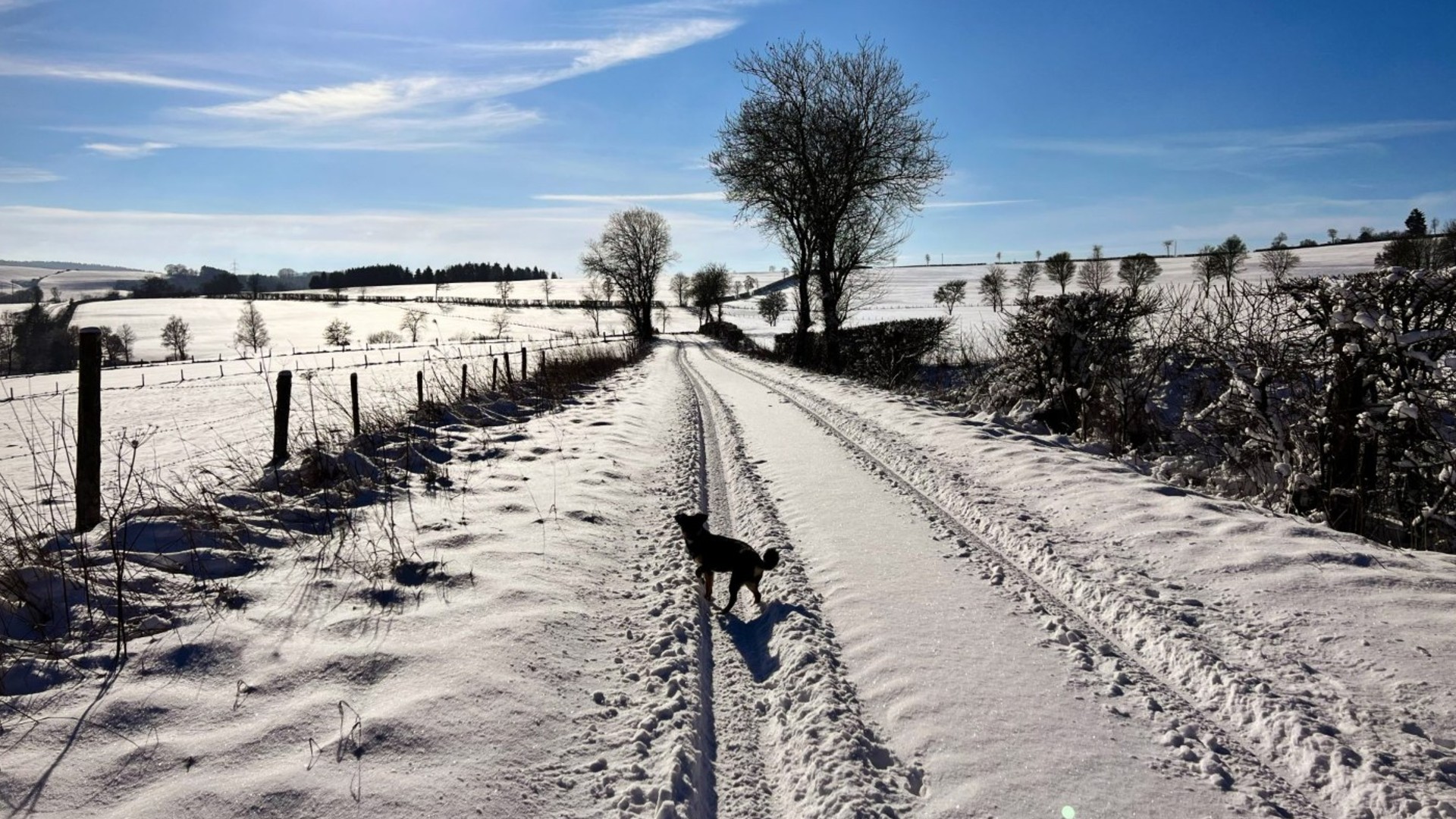
The last captive black-footed ferret died in 1979, leaving biologists to fear the species was gone. In September 1981, a ranch dog named Shep carried one home near Meeteetse, Wyoming. Biologists found a tiny wild colony there, launching a federal recovery program.
©Wikimedia / USFWS Mountain Prairie
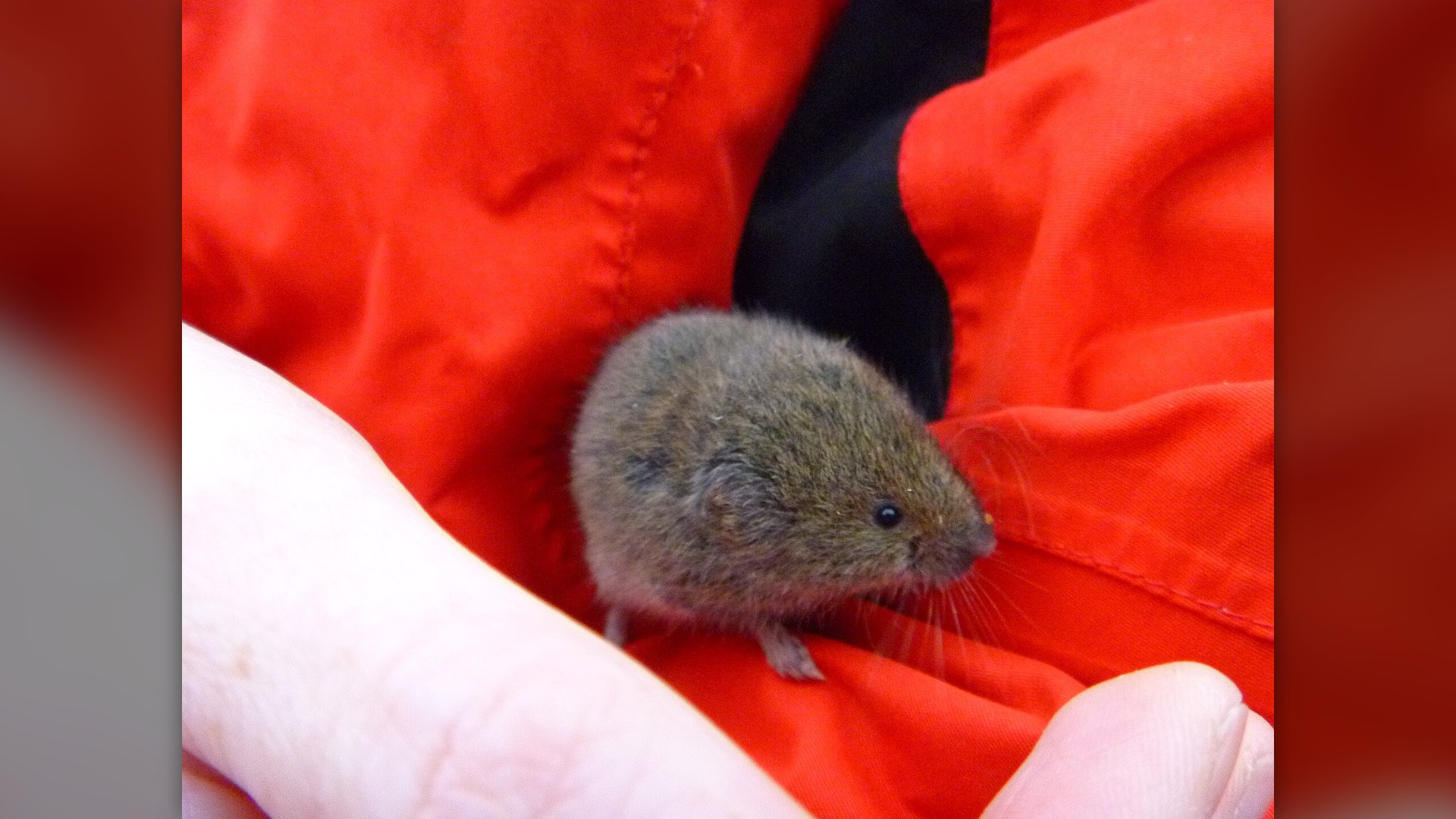
24. Bavarian Pine Vole
Biologists collected 23 Bavarian pine voles near Garmisch-Partenkirchen in 1962 before hospital construction erased their meadow. For 38 years no new specimens appeared. In 2000, scientists trapped live voles in Tyrol, Austria, confirming the Alpine rodent still survived.
©Wikimedia / Nadja Hattinger
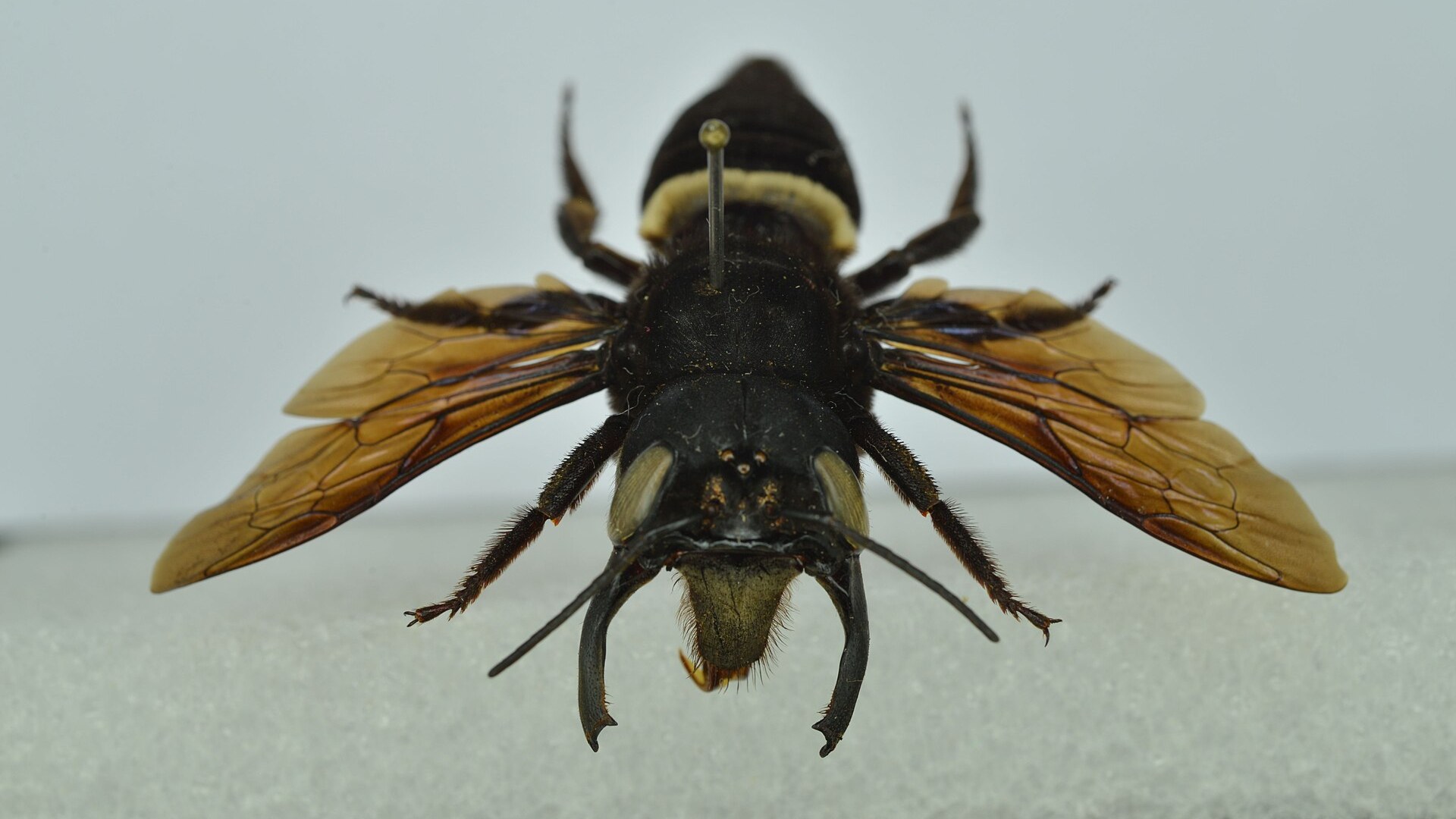
23. Wallace's Giant Bee
British naturalist Alfred Russel Wallace first described Megachile pluto in 1858, noting females reach 3.8 centimeters long. After an entomologist saw several in 1981, the giant resin bee disappeared for 38 years. Researchers photographed a live female inside an arboreal termite nest in 2019.
©Wikimedia / Naturalis Biodiversity Center
Advertisement
Swipe or tap ▶ to resume the countdown.
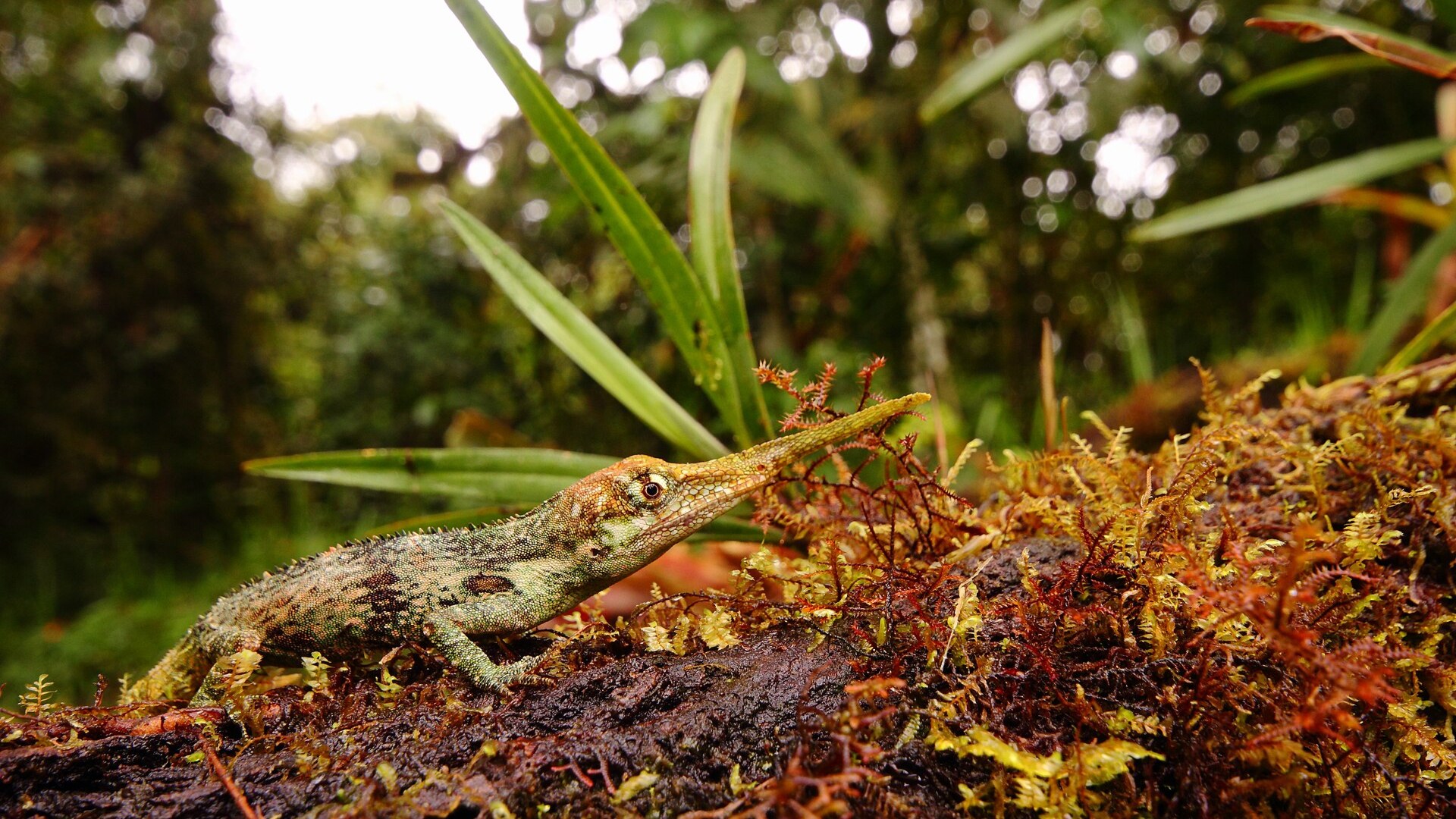
22. Pinocchio Anole
First collected in 1953 in Ecuador, male Anolis proboscis grow a soft, elongated snout appendage. Only a handful of specimens existed before the lizard vanished from scientific records for five decades. Birdwatchers spotted one crossing a rural track near Mindo in 2005, sparking new field surveys.
©Wikimedia / Javier Ábalos from Valencia, España
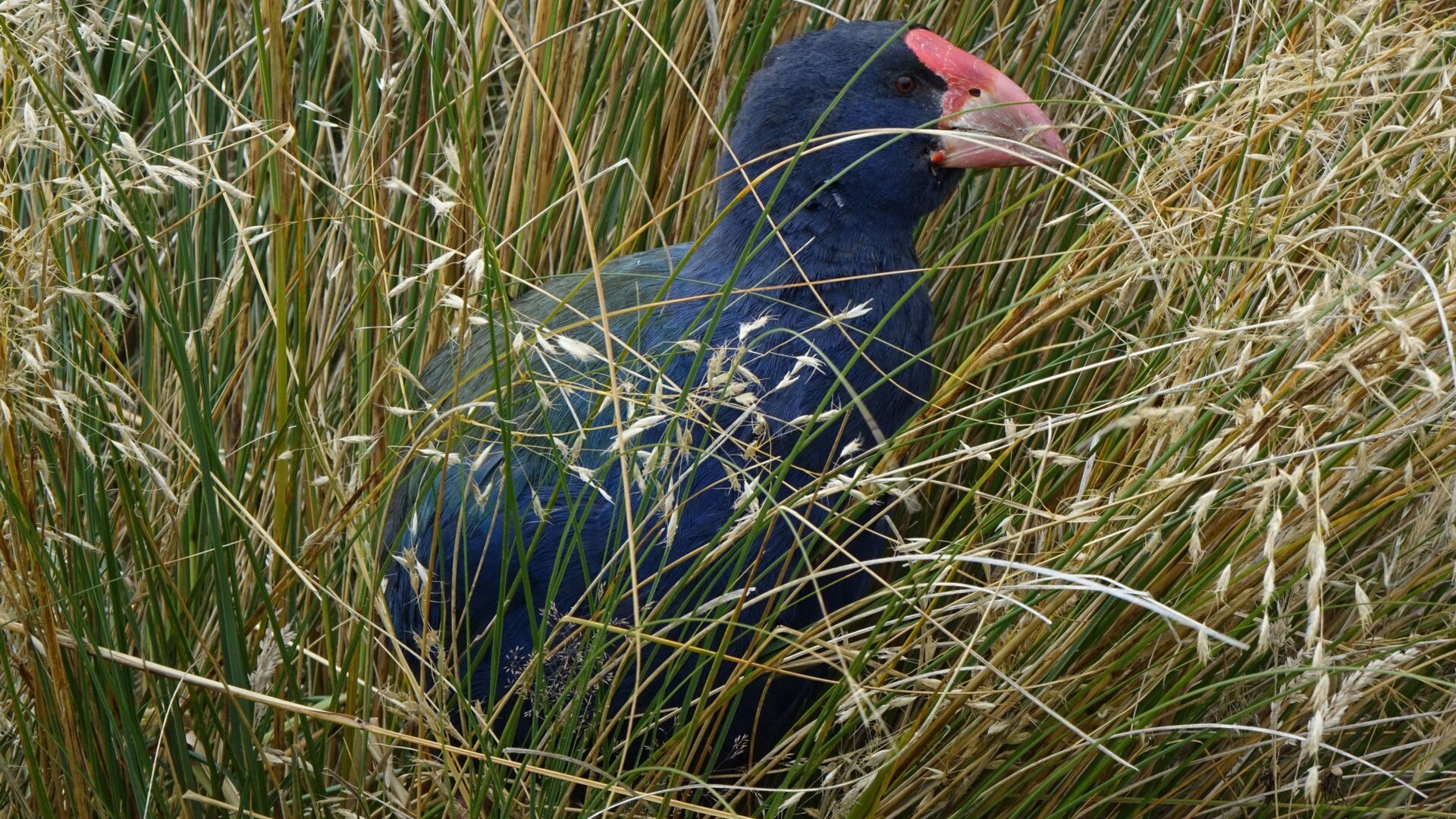
21. South Island Takahe
Only four specimens of this heavy flightless rail were recorded in the 1800s, with none after 1898. Physician Geoffrey Orbell studied old accounts and trekked into New Zealand's Murchison Mountains in November 1948. His team caught and filmed two birds, proving the species survived.
©Wikimedia / John Barkla
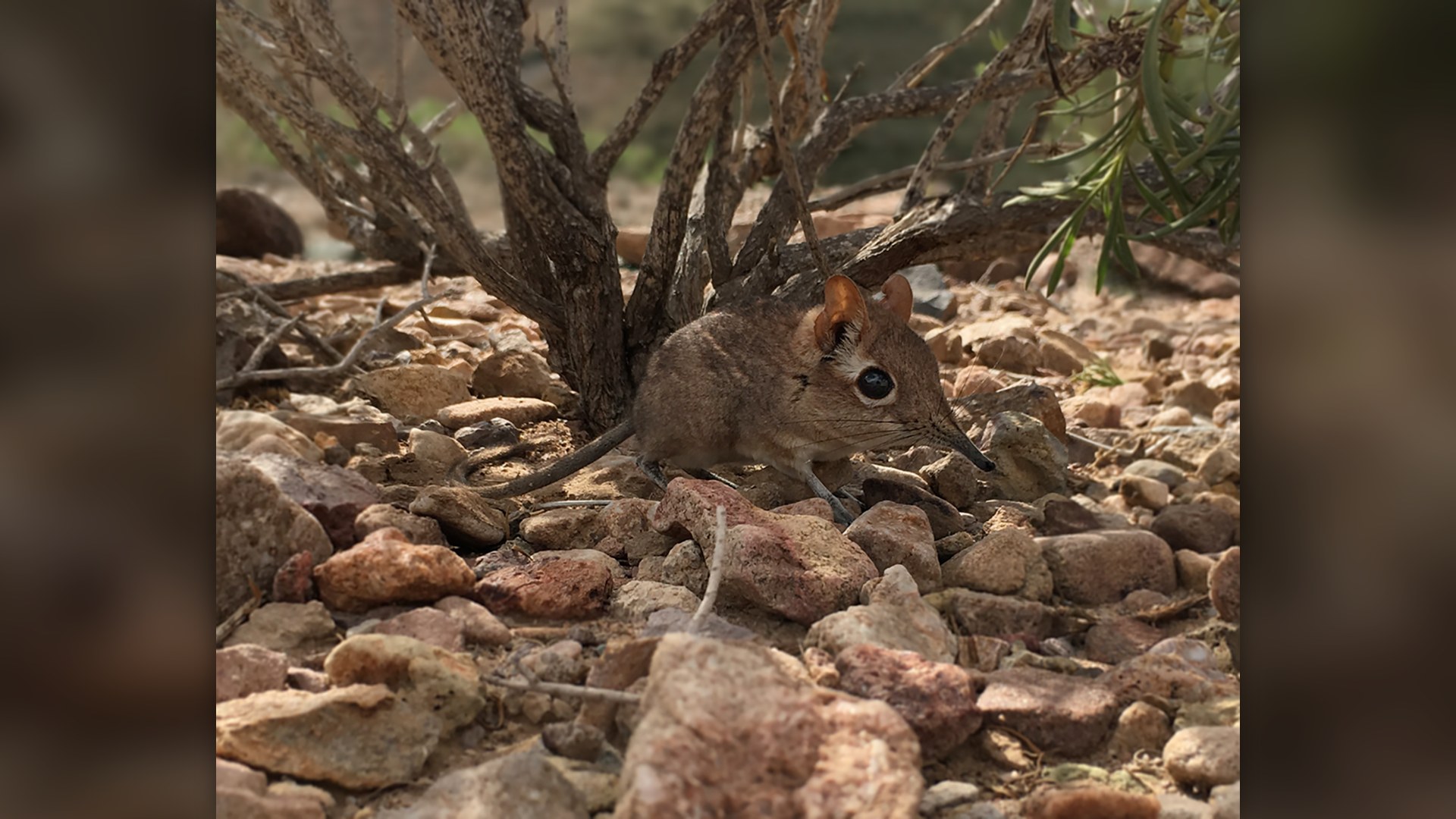
20. Somali Sengi
Known from fewer than 40 museum specimens collected in Somalia before 1968, the tiny mammal vanished from science for decades. In 2019, a team led by Steven Heritage and Hussein Rayaleh set baited traps across rocky Djibouti terrain. They documented 12 Somali sengis and published the find in 2020.
©Wikimedia / Steven Heritage
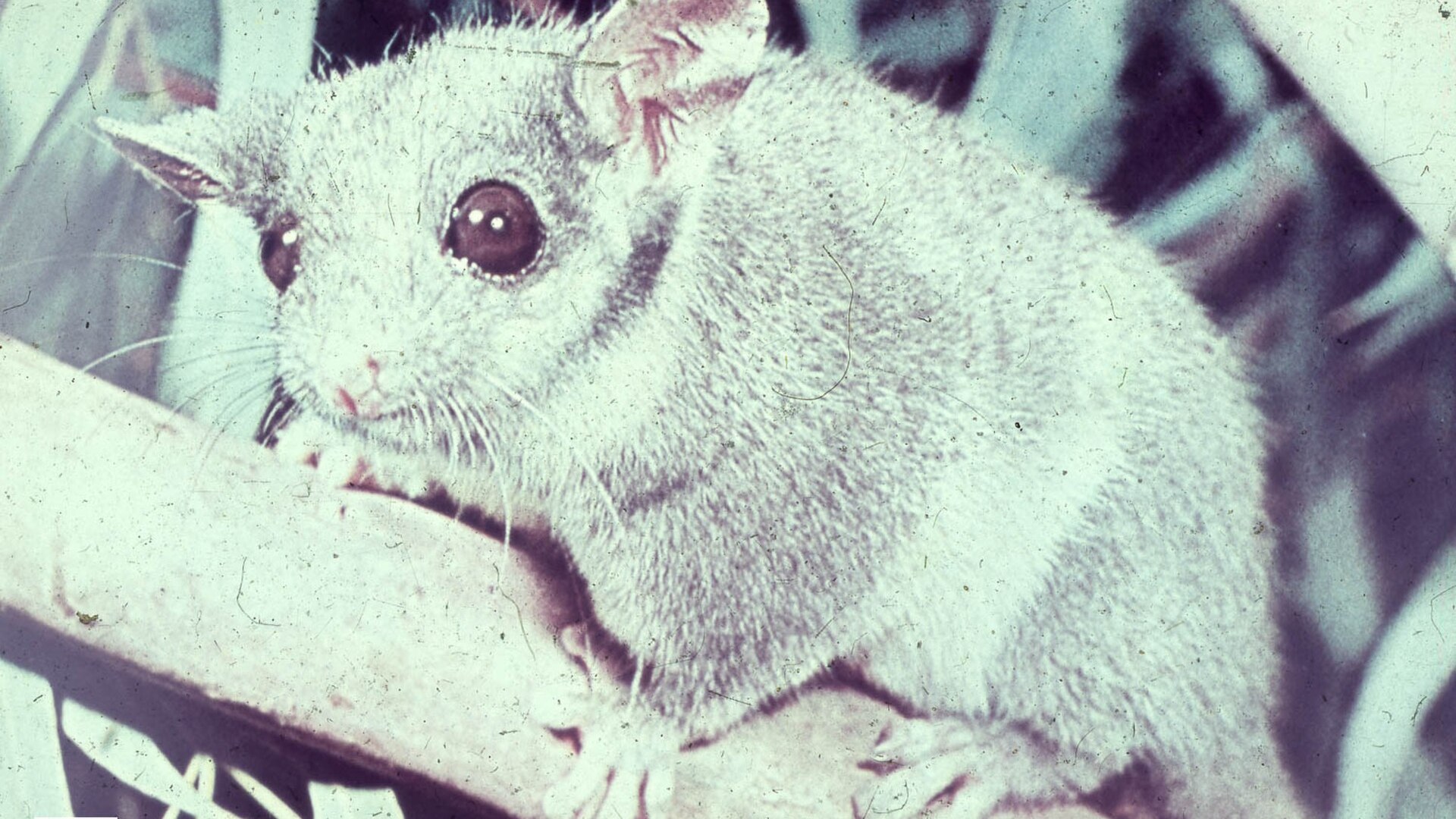
19. Leadbeater's Possum
After swamp clearing, Leadbeater's possum went unrecorded following a 1909 specimen. Naturalist Eric Wilkinson spotlighted a live individual in mountain ash forest near Marysville, Victoria in April 1961. Today the small marsupial remains endangered by severe bushfires and habitat loss.
©Wikimedia / Dr Mary Gillham Archive Project
Advertisement
Swipe or tap ▶ to resume the countdown.
18. Hula Painted Frog
After Israel drained the Hula wetlands in the 1950s, no Hula painted frog was seen past 1955. The IUCN listed it as extinct in 1996, a grim first for amphibians. In November 2011, a park ranger spotted a live female in restored marshland, and DNA tests confirmed the find.
©Wikimedia / Mickey Samuni-Blank
17. Attenborough's Long-Beaked Echidna
Scientists knew Zaglossus attenboroughi from a single 1961 specimen, and it eluded field teams for 62 years. In 2023, researchers placed over 80 trail cameras across New Guinea's Cyclops Mountains. On the final retrieval day, footage revealed the shy egg-laying mammal alive.
©Wikimedia / Naturalis Biodiversity Center
16. Pygmy Hog
Standing roughly 25 centimeters tall, Porcula salvania vanished from Himalayan foothills by the mid-1900s. Zoologists feared it extinct until a 1971 grass fire drove a small herd into view in Assam, India. Captive breeding has since restored hundreds of hogs to reserves.
©Wikimedia / A. J. T. Johnsingh, WWF-India and NCF
15. Noisy Scrub-Bird
Noisy scrub-birds hide in dense coastal scrub, and no confirmed sighting followed an 1889 specimen for 72 years. In December 1961, schoolteacher Harley Webster tracked the species' piercing song near Albany, Western Australia. Authorities canceled a planned town site there to protect its habitat.
©Wikimedia / JJ Harrison
Advertisement
Swipe or tap ▶ to resume the countdown.
14. Blue-Eyed Ground Dove
Only a few museum skins documented the blue-eyed ground dove, and zero wild birds were confirmed after 1941. In 2015, ornithologist Rafael Bessa heard an unfamiliar call in Minas Gerais and photographed a small flock. Conservationists quickly created the Rolinha do Planalto reserve to shield them.
©Wikimedia / Hector Bottai
13. Lord Howe Island Stick Insect
Invasive black rats from a 1918 shipwreck wiped out the large flightless insect on Lord Howe Island. In 2001, Australian scientists David Priddel and Nicholas Carlile climbed Ball's Pyramid, a jagged volcanic spire 23 kilometers away. Beneath a single shrub, they found 24 living insects.
©Wikimedia / Granitethighs
12. Mahogany Glider
Named in 1883, the mahogany glider went unrecorded for 106 years and was often confused with smaller relatives. In 1989, Queensland Museum biologists trapped an unusually large glider near Cardwell and confirmed the species. Its remaining coastal woodland habitat is tightly fragmented.
©Wikimedia / The original uploader was Pfinge
11. Terror Skink
Equipped with long curved teeth, Phoboscincus bocourti was known solely from one preserved specimen collected in New Caledonia in 1876. After 127 years with no verified sighting, herpetologists photographed and released a live adult in December 2003 on the tiny islet of Île des Pins.
©Wikimedia / DECOURT Théo
Advertisement
Swipe or tap ▶ to resume the countdown.
10. Crested Gecko
French zoologist Alphonse Guichenot described Correlophus ciliatus in 1866, and it vanished from science for 128 years. In 1994, researcher Robert Seipp found living geckos on New Caledonia's Isle of Pines following a tropical cyclone. Captive breeding later made the species common worldwide.
©Wikimedia / Lennart Hudel
9. Large-Billed Reed Warbler
British ornithologist Allan Octavian Hume collected a single large-billed reed warbler in northern India in 1867. For 139 years it remained a museum enigma until Philip Round mist-netted one near Bangkok in March 2006. DNA matched the old skin, and breeding pairs were later found in Central Asia.
©Wikimedia / Pavel Kvartalnov
8. New Zealand Storm Petrel
Three nineteenth-century specimens collected before 1851 were the only proof Fregetta maoriana existed. In January 2003, birdwatchers photographed unusual white-bellied storm petrels skimming the Hauraki Gulf near Auckland. Researchers later tracked birds to breeding burrows on Little Barrier Island.
©Wikimedia / Christopher Stephens
7. Bermuda Petrel
Hungry settlers and introduced pigs, rats and cats devastated the nocturnal cahow after 1609, leaving it presumed extinct for over 300 years. In 1951, Robert Cushman Murphy, Louis Mowbray and young Bermudian David Wingate located 18 breeding pairs on rocky Castle Harbour islets.
©Wikimedia / steve b
Advertisement
Swipe or tap ▶ to resume the countdown.
6. Caspian Horse
Small horses resembling Persepolis stone carvings were thought vanished until horsewoman Louise Firouz searched northern Iran in 1965. Along the Caspian coast, she found fine-boned miniature horses pulling carts, and genetic tests later confirmed their ancient lineage.
©Wikimedia / Esmail Golshan Mojdehi
5. Mallorca Midwife Toad
Paleontologists described Alytes muletensis in 1977 solely from Holocene bones found on Mallorca and assumed predators had wiped it out. Just two years later, biologists discovered live tadpoles and adults hiding inside deep limestone gorges of the Serra de Tramuntana.
©Wikimedia / tuurio and wallie
4. Mountain Pygmy Possum
Robert Broom named Burramys parvus in 1896 from cave fossils and thought it long gone. In August 1966, Kenneth Shortman caught a live possum inside a ski lodge at Mount Hotham, Victoria, turning a 70-year fossil puzzle into Australia's only strictly alpine marsupial.
©Wikimedia / John Englart
3. Chacoan Peccary
Argentine zoologist Carlos Rusconi named Catagonus wagneri from pre-Columbian bones in 1930, treating it as an extinct Ice Age relative. In the early 1970s, biologist Ralph Wetzel found hunters in Paraguay's thorny Gran Chaco knew the big peccary well, leading to its 1975 scientific announcement.
©Wikimedia / Dave Pape
Advertisement
Swipe or tap ▶ to resume the countdown.
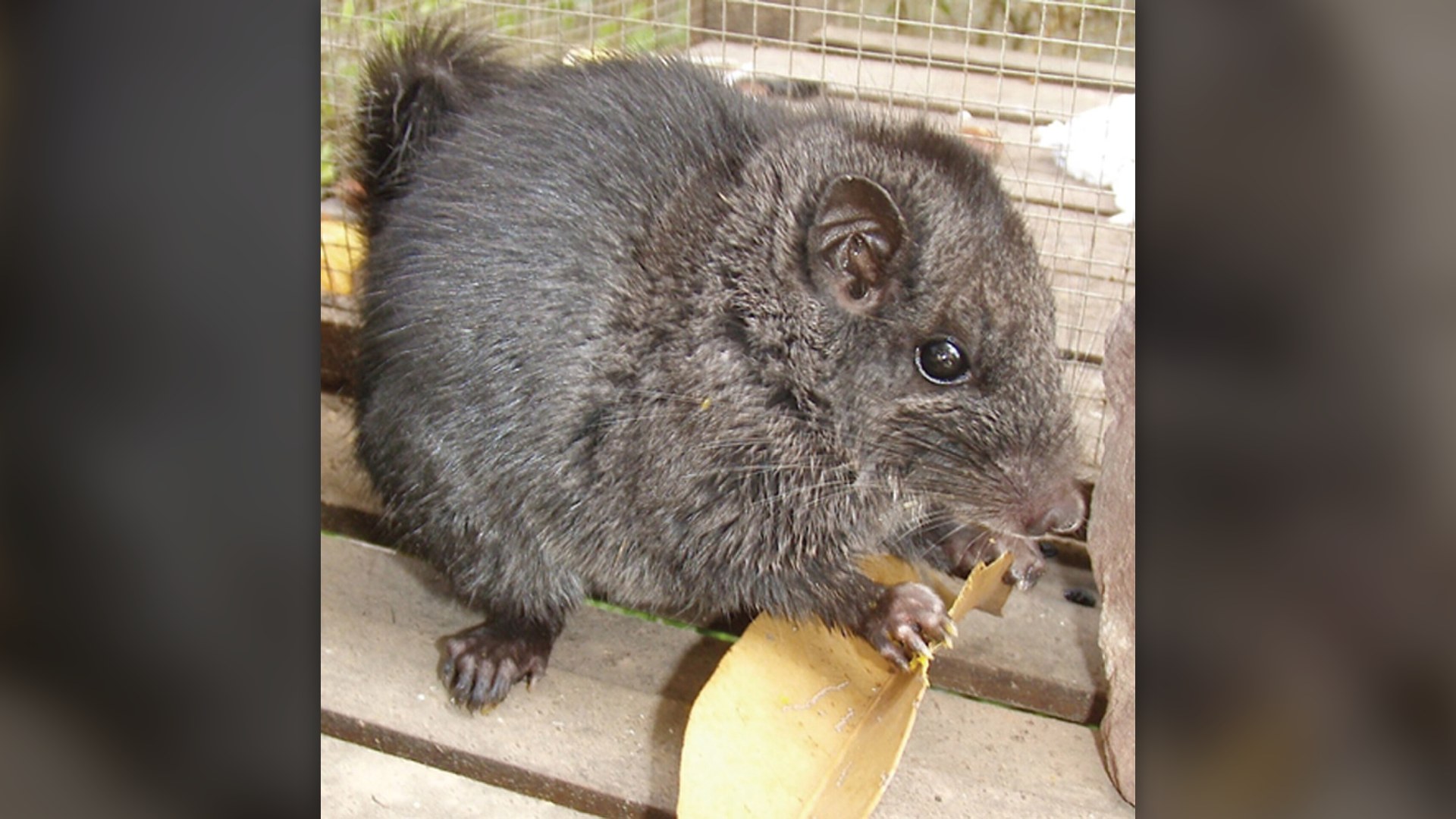
2. Laotian Rock Rat
Researchers first encountered the squirrel-tailed rodent in a market in Khammouane, Laos in 1996 and formally described Laonastes aenigmamus in 2005. In 2006, paleontologist Mary Dawson matched its skull and teeth to Diatomyidae, a rodent family known only from Asian fossils 11 million years old.
©Wikimedia / Jean-Pierre Hugot
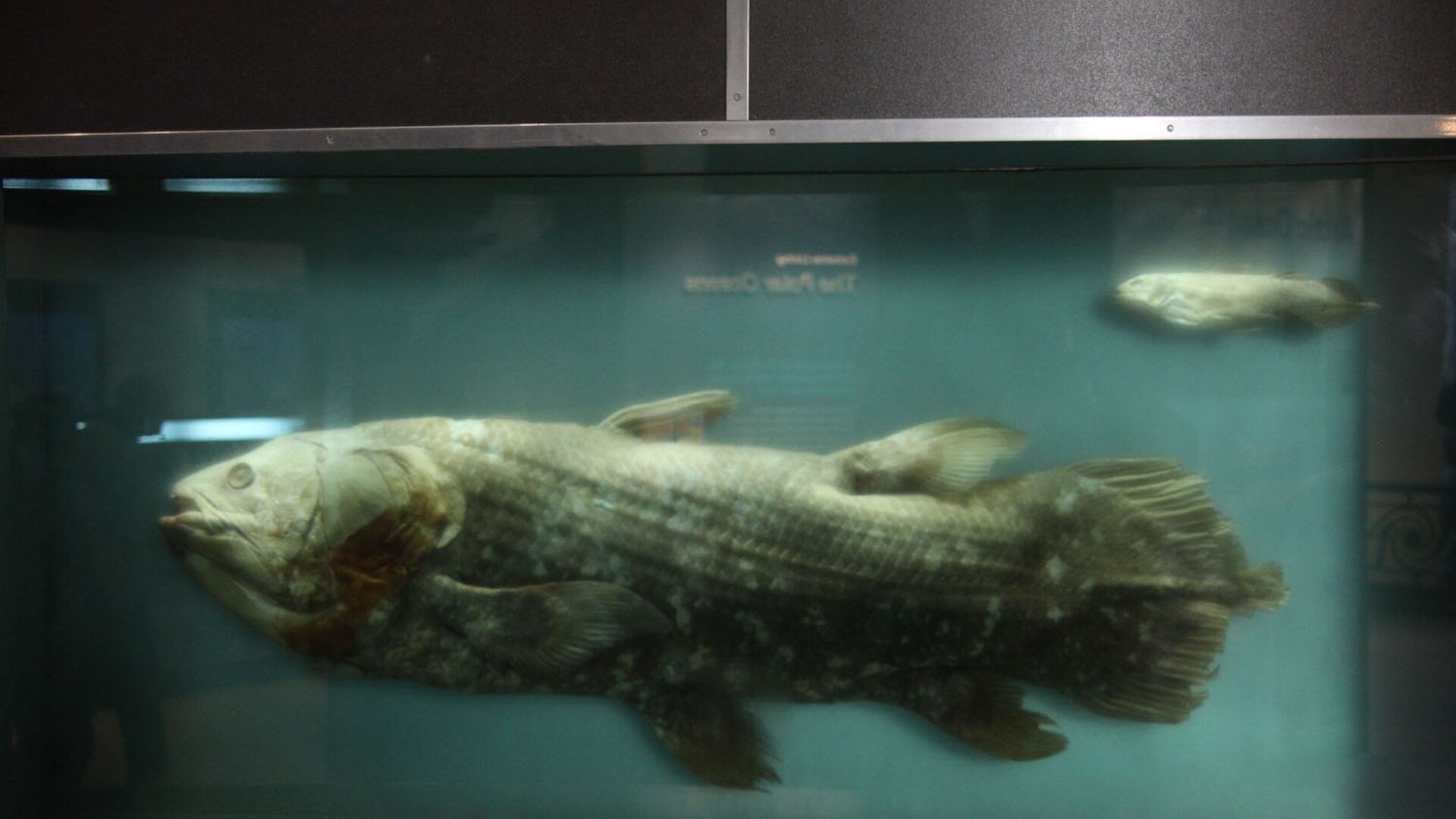
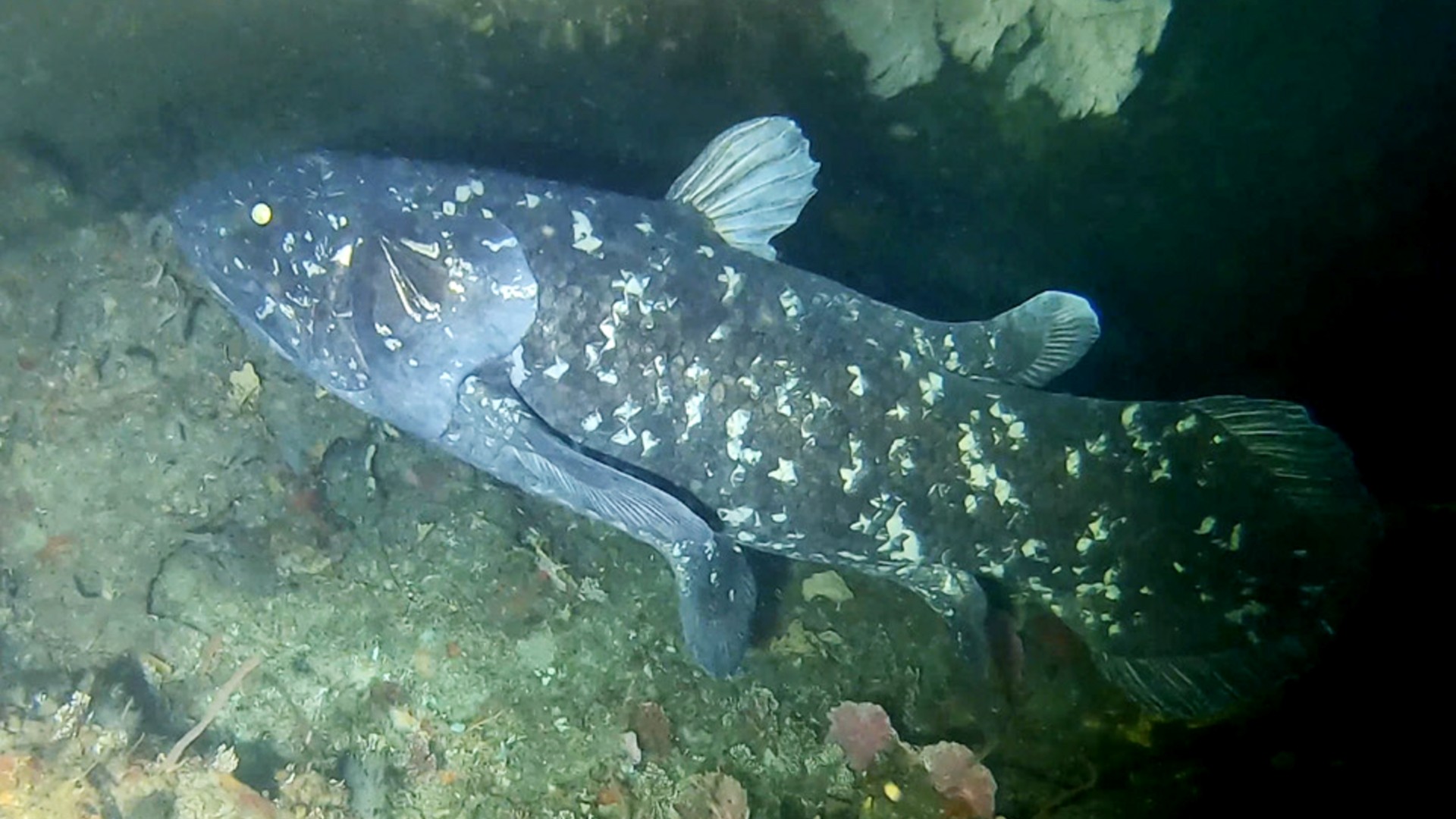
1. Coelacanth
Scientists believed coelacanths vanished alongside non-avian dinosaurs 66 million years ago until December 1938. Trawler captain Hendrik Goosen netted a five-foot steel-blue fish off South Africa's Chalumna River, and curator Marjorie Courtenay-Latimer alerted ichthyologist J. L. B. Smith.

©Wikimedia / Tim Evanson
Advertisement
You've reached the end of the story. Thanks for reading!

20 Animal Mothers That Defend Their Young Against Predators
Based on wildlife research from NOAA, the U.S. Fish and Wildlife Service, the National Park Service and Smithsonian field studies, this countdown ranks 20 animal species whose mothers guard nests, confront much larger predators and endure months without food so their offspring survive from birth to adulthood.
All 25 Entries in this Story
#25 Black-Footed Ferret
The last captive black-footed ferret died in 1979, leaving biologists to fear the species was gone. In September 1981, a ranch dog named Shep carried one home near Meeteetse, Wyoming. Biologists found a tiny wild colony there, launching a federal recovery program.

#24 Bavarian Pine Vole
Biologists collected 23 Bavarian pine voles near Garmisch-Partenkirchen in 1962 before hospital construction erased their meadow. For 38 years no new specimens appeared. In 2000, scientists trapped live voles in Tyrol, Austria, confirming the Alpine rodent still survived.

#23 Wallace's Giant Bee
British naturalist Alfred Russel Wallace first described Megachile pluto in 1858, noting females reach 3.8 centimeters long. After an entomologist saw several in 1981, the giant resin bee disappeared for 38 years. Researchers photographed a live female inside an arboreal termite nest in 2019.

#22 Pinocchio Anole
First collected in 1953 in Ecuador, male Anolis proboscis grow a soft, elongated snout appendage. Only a handful of specimens existed before the lizard vanished from scientific records for five decades. Birdwatchers spotted one crossing a rural track near Mindo in 2005, sparking new field surveys.

#21 South Island Takahe
Only four specimens of this heavy flightless rail were recorded in the 1800s, with none after 1898. Physician Geoffrey Orbell studied old accounts and trekked into New Zealand's Murchison Mountains in November 1948. His team caught and filmed two birds, proving the species survived.

#20 Somali Sengi
Known from fewer than 40 museum specimens collected in Somalia before 1968, the tiny mammal vanished from science for decades. In 2019, a team led by Steven Heritage and Hussein Rayaleh set baited traps across rocky Djibouti terrain. They documented 12 Somali sengis and published the find in 2020.

#19 Leadbeater's Possum
After swamp clearing, Leadbeater's possum went unrecorded following a 1909 specimen. Naturalist Eric Wilkinson spotlighted a live individual in mountain ash forest near Marysville, Victoria in April 1961. Today the small marsupial remains endangered by severe bushfires and habitat loss.

#18 Hula Painted Frog
After Israel drained the Hula wetlands in the 1950s, no Hula painted frog was seen past 1955. The IUCN listed it as extinct in 1996, a grim first for amphibians. In November 2011, a park ranger spotted a live female in restored marshland, and DNA tests confirmed the find.

#17 Attenborough's Long-Beaked Echidna
Scientists knew Zaglossus attenboroughi from a single 1961 specimen, and it eluded field teams for 62 years. In 2023, researchers placed over 80 trail cameras across New Guinea's Cyclops Mountains. On the final retrieval day, footage revealed the shy egg-laying mammal alive.

#16 Pygmy Hog
Standing roughly 25 centimeters tall, Porcula salvania vanished from Himalayan foothills by the mid-1900s. Zoologists feared it extinct until a 1971 grass fire drove a small herd into view in Assam, India. Captive breeding has since restored hundreds of hogs to reserves.

#15 Noisy Scrub-Bird
Noisy scrub-birds hide in dense coastal scrub, and no confirmed sighting followed an 1889 specimen for 72 years. In December 1961, schoolteacher Harley Webster tracked the species' piercing song near Albany, Western Australia. Authorities canceled a planned town site there to protect its habitat.

#14 Blue-Eyed Ground Dove
Only a few museum skins documented the blue-eyed ground dove, and zero wild birds were confirmed after 1941. In 2015, ornithologist Rafael Bessa heard an unfamiliar call in Minas Gerais and photographed a small flock. Conservationists quickly created the Rolinha do Planalto reserve to shield them.

#13 Lord Howe Island Stick Insect
Invasive black rats from a 1918 shipwreck wiped out the large flightless insect on Lord Howe Island. In 2001, Australian scientists David Priddel and Nicholas Carlile climbed Ball's Pyramid, a jagged volcanic spire 23 kilometers away. Beneath a single shrub, they found 24 living insects.

#12 Mahogany Glider
Named in 1883, the mahogany glider went unrecorded for 106 years and was often confused with smaller relatives. In 1989, Queensland Museum biologists trapped an unusually large glider near Cardwell and confirmed the species. Its remaining coastal woodland habitat is tightly fragmented.

#11 Terror Skink
Equipped with long curved teeth, Phoboscincus bocourti was known solely from one preserved specimen collected in New Caledonia in 1876. After 127 years with no verified sighting, herpetologists photographed and released a live adult in December 2003 on the tiny islet of Île des Pins.

#10 Crested Gecko
French zoologist Alphonse Guichenot described Correlophus ciliatus in 1866, and it vanished from science for 128 years. In 1994, researcher Robert Seipp found living geckos on New Caledonia's Isle of Pines following a tropical cyclone. Captive breeding later made the species common worldwide.

#9 Large-Billed Reed Warbler
British ornithologist Allan Octavian Hume collected a single large-billed reed warbler in northern India in 1867. For 139 years it remained a museum enigma until Philip Round mist-netted one near Bangkok in March 2006. DNA matched the old skin, and breeding pairs were later found in Central Asia.

#8 New Zealand Storm Petrel
Three nineteenth-century specimens collected before 1851 were the only proof Fregetta maoriana existed. In January 2003, birdwatchers photographed unusual white-bellied storm petrels skimming the Hauraki Gulf near Auckland. Researchers later tracked birds to breeding burrows on Little Barrier Island.

#7 Bermuda Petrel
Hungry settlers and introduced pigs, rats and cats devastated the nocturnal cahow after 1609, leaving it presumed extinct for over 300 years. In 1951, Robert Cushman Murphy, Louis Mowbray and young Bermudian David Wingate located 18 breeding pairs on rocky Castle Harbour islets.

#6 Caspian Horse
Small horses resembling Persepolis stone carvings were thought vanished until horsewoman Louise Firouz searched northern Iran in 1965. Along the Caspian coast, she found fine-boned miniature horses pulling carts, and genetic tests later confirmed their ancient lineage.

#5 Mallorca Midwife Toad
Paleontologists described Alytes muletensis in 1977 solely from Holocene bones found on Mallorca and assumed predators had wiped it out. Just two years later, biologists discovered live tadpoles and adults hiding inside deep limestone gorges of the Serra de Tramuntana.

#4 Mountain Pygmy Possum
Robert Broom named Burramys parvus in 1896 from cave fossils and thought it long gone. In August 1966, Kenneth Shortman caught a live possum inside a ski lodge at Mount Hotham, Victoria, turning a 70-year fossil puzzle into Australia's only strictly alpine marsupial.

#3 Chacoan Peccary
Argentine zoologist Carlos Rusconi named Catagonus wagneri from pre-Columbian bones in 1930, treating it as an extinct Ice Age relative. In the early 1970s, biologist Ralph Wetzel found hunters in Paraguay's thorny Gran Chaco knew the big peccary well, leading to its 1975 scientific announcement.

#2 Laotian Rock Rat
Researchers first encountered the squirrel-tailed rodent in a market in Khammouane, Laos in 1996 and formally described Laonastes aenigmamus in 2005. In 2006, paleontologist Mary Dawson matched its skull and teeth to Diatomyidae, a rodent family known only from Asian fossils 11 million years old.

#1 Coelacanth
Scientists believed coelacanths vanished alongside non-avian dinosaurs 66 million years ago until December 1938. Trawler captain Hendrik Goosen netted a five-foot steel-blue fish off South Africa's Chalumna River, and curator Marjorie Courtenay-Latimer alerted ichthyologist J. L. B. Smith.