Slideshow · Technology
23 Real-World Robots and Androids Echoing Blade Runner 2099
Blade Runner 2099 asks where machines end and people begin. This countdown tracks 23 real robots and androids, from 1939 fairground prototypes and early factory arms to expressive humanoids in labs today. Facts draw on records from NASA, SRI International, MIT, Boston Dynamics, and national museum archives.
By Most Viral Today
14 min agopitch:a67fcf48-dcf5-4dd8-a44e-1c7eed1cfc02

How 23 Real Machines Bring Sci-Fi Replicants Into Focus 
23. Elektro 
22. Unimate 
21. Shakey The Robot - AdvertisementSwipe or tap ▶ to continue countdown

20. Kismet 
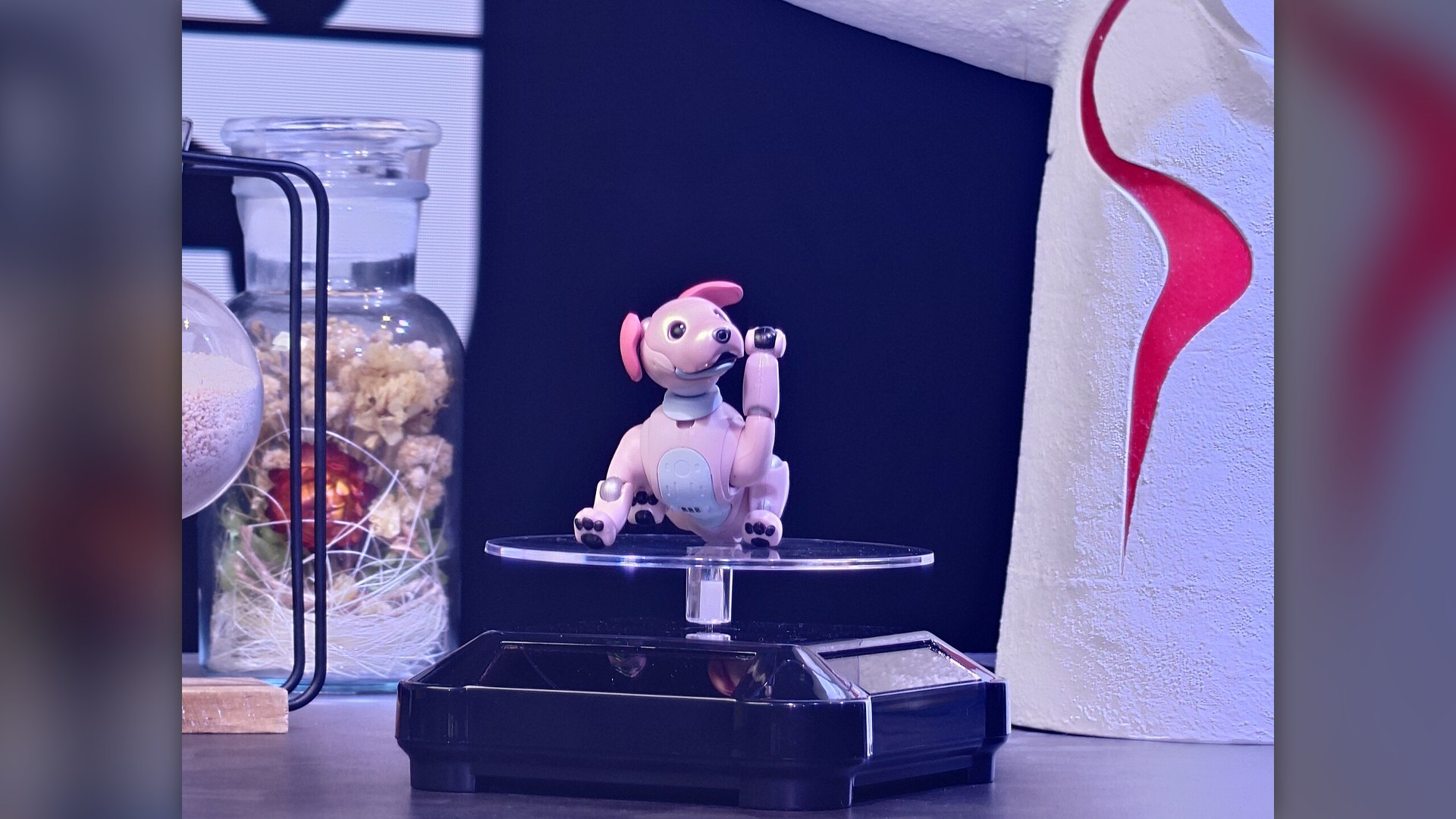
19. Sony AIBO 
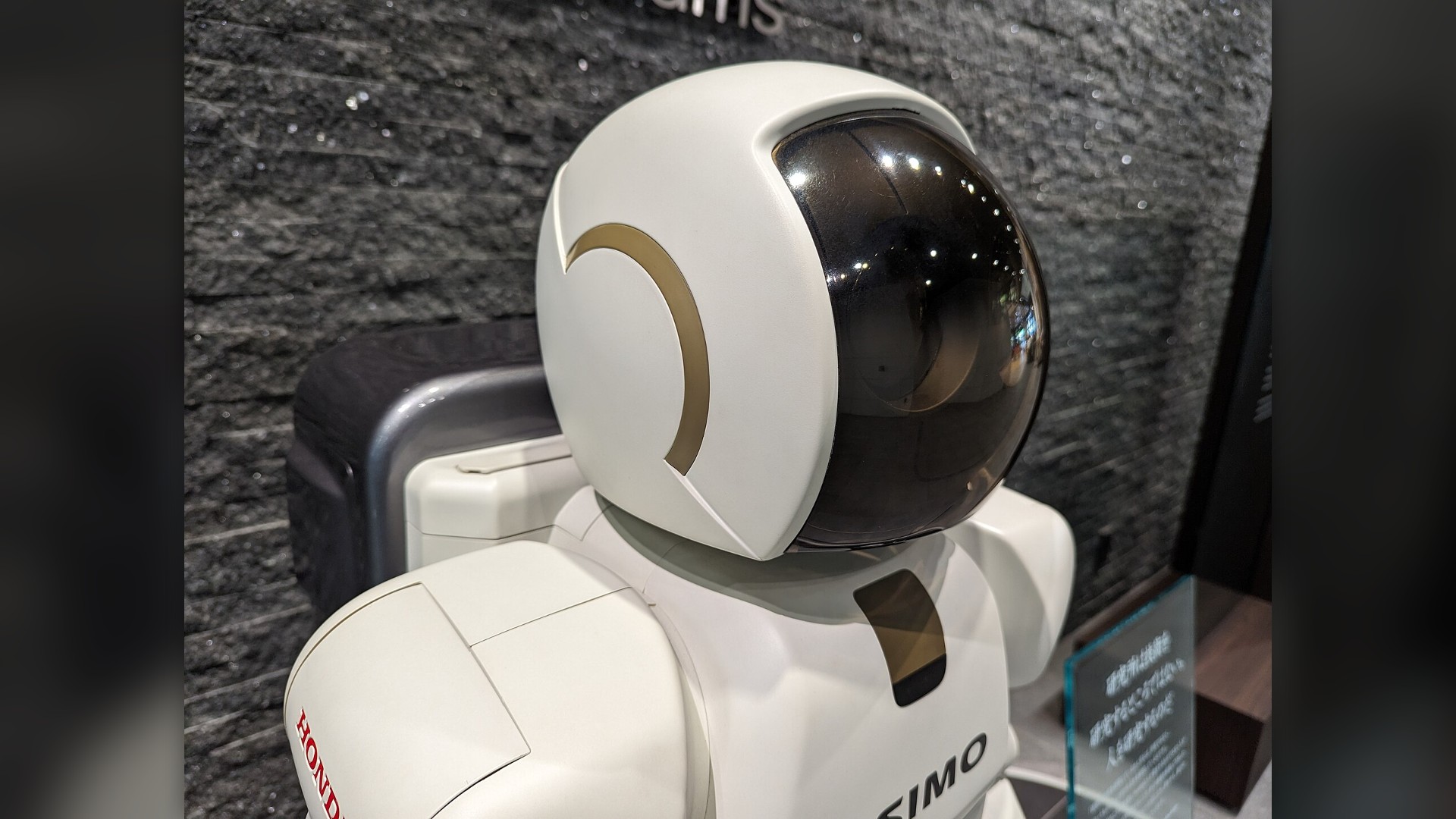
18. Honda ASIMO 
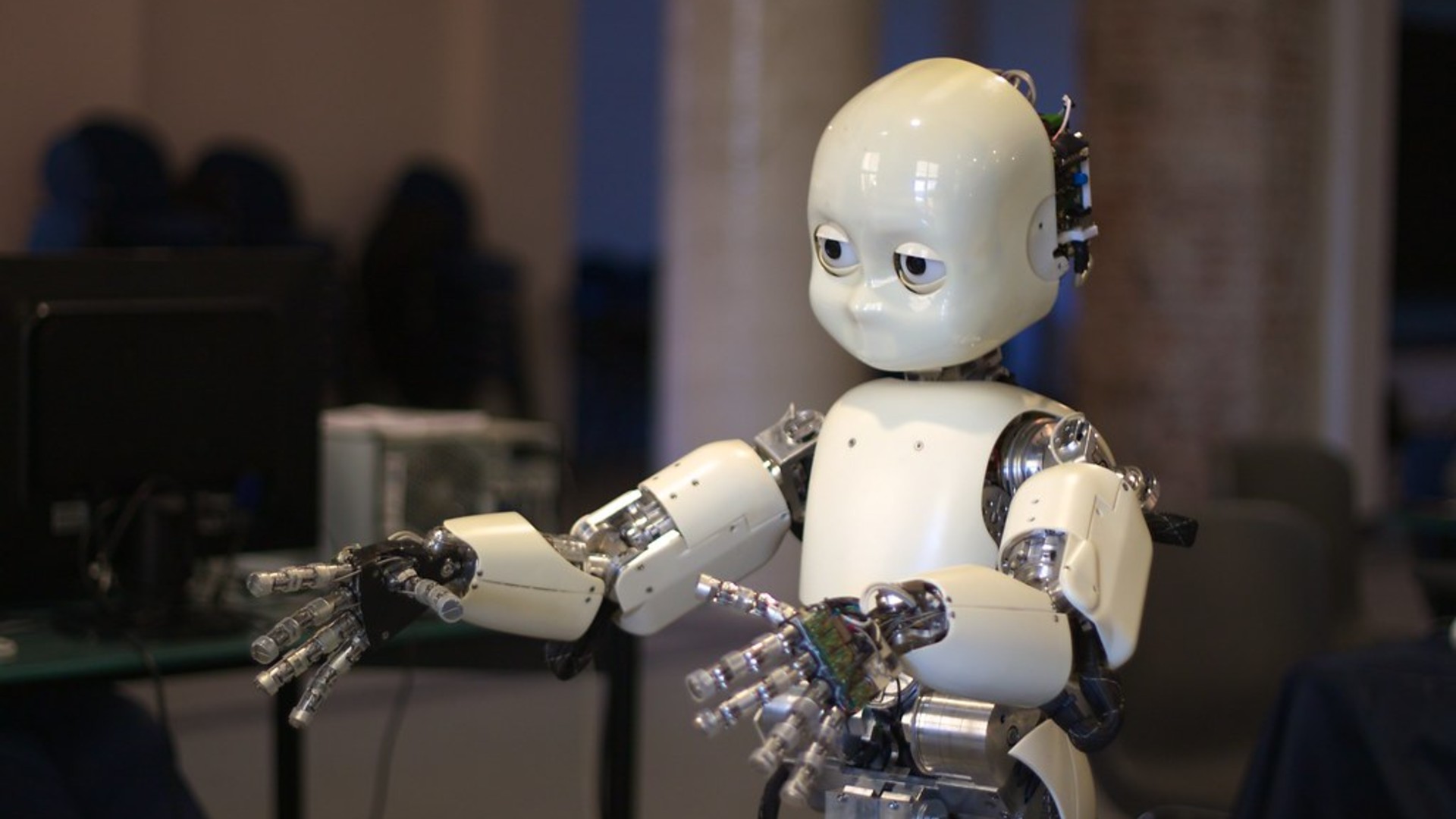
17. iCub - AdvertisementSwipe or tap ▶ to continue countdown

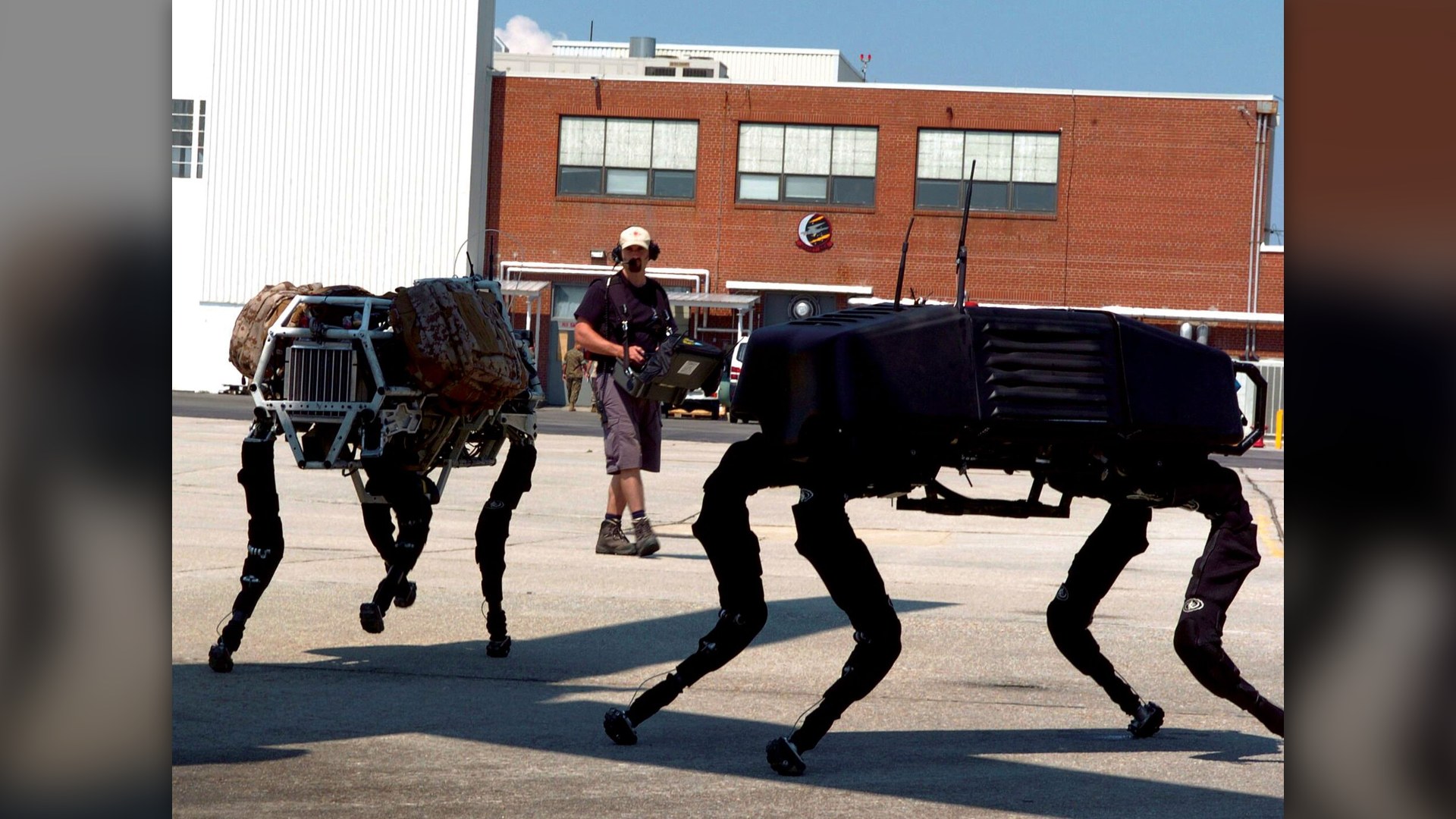
16. Boston Dynamics BigDog 
15. NAO 
14. Geminoid HI-1 
13. HRP-4C - AdvertisementSwipe or tap ▶ to continue countdown

12. NASA Robonaut 2 
11. Kirobo 
10. NASA Valkyrie 
9. Pepper - AdvertisementSwipe or tap ▶ to continue countdown

8. Otonaroid 
7. KAIST HUBO 
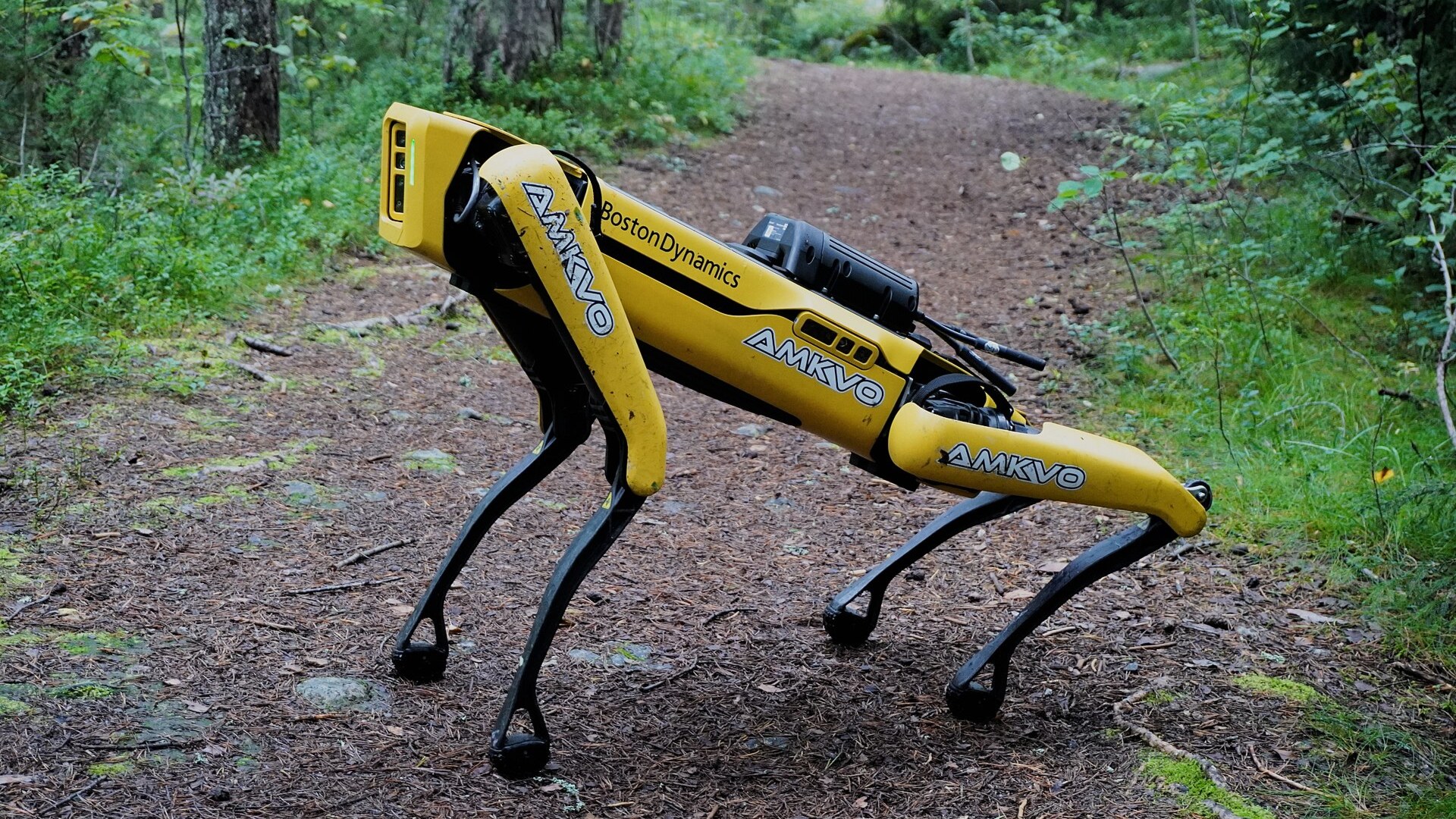
6. Boston Dynamics Spot 
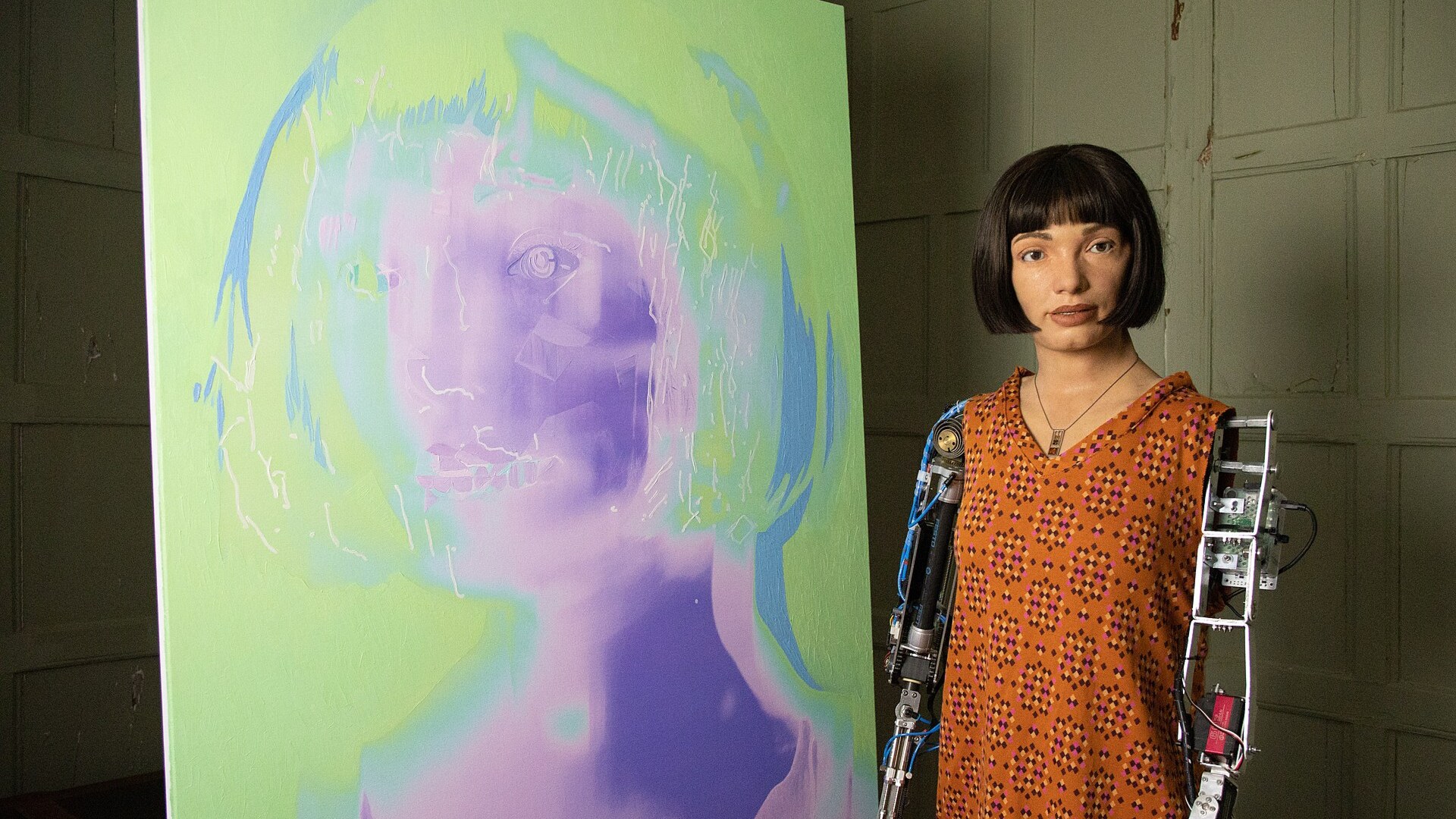
5. Ai-Da - AdvertisementSwipe or tap ▶ to continue countdown

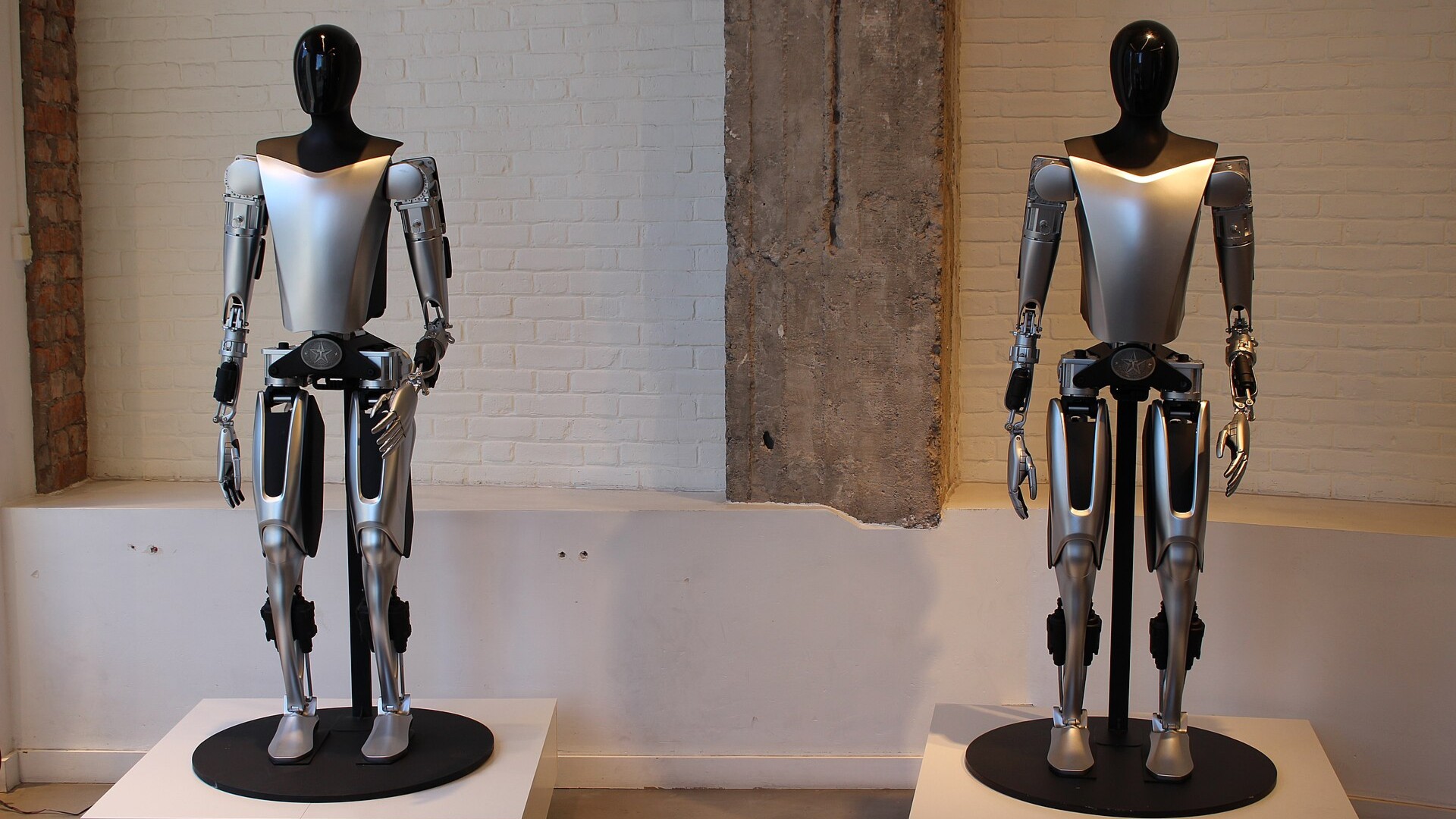
4. Tesla Optimus 
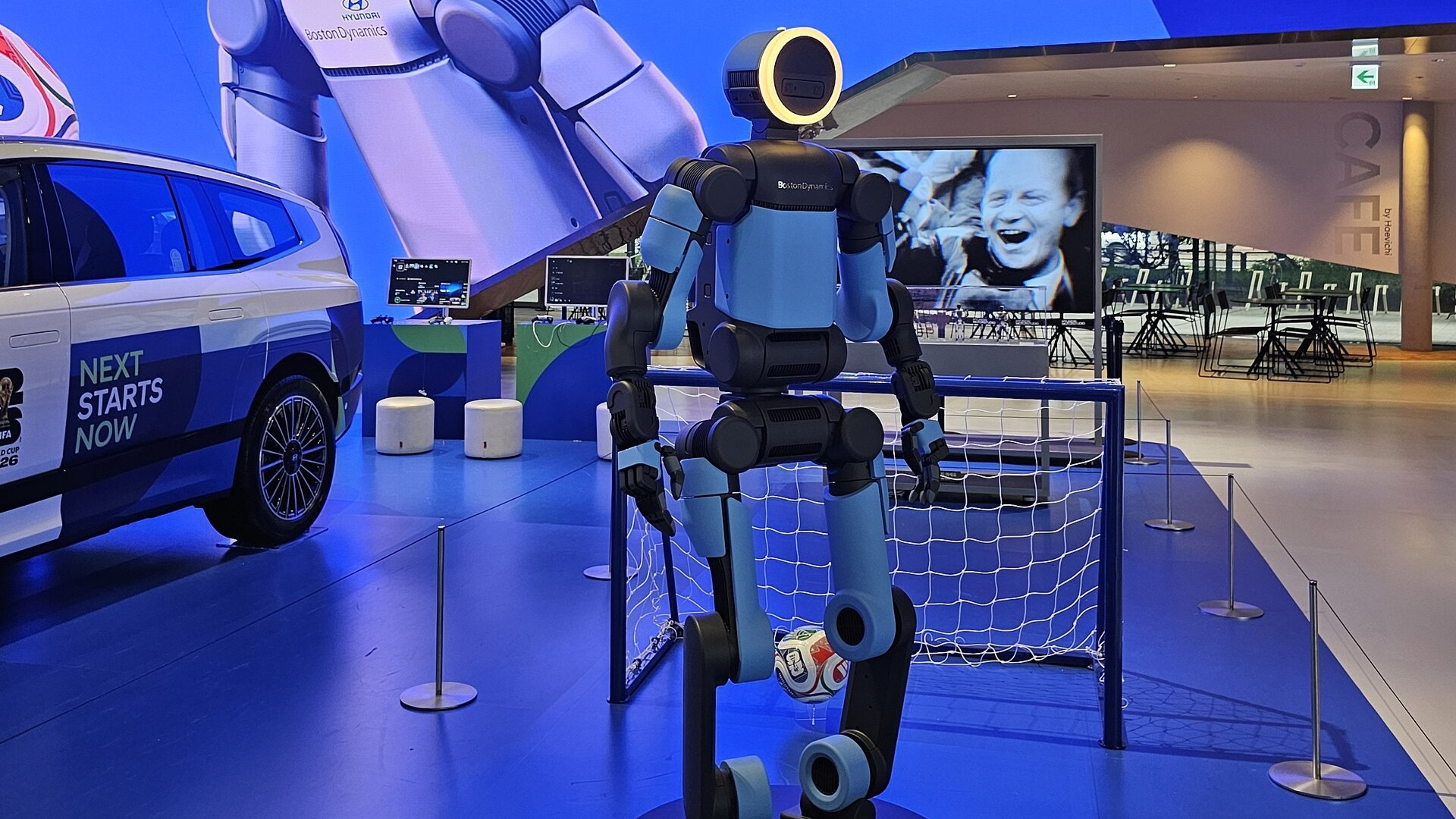
3. Boston Dynamics Atlas 
2. Ameca 
1. Sophia - Advertisement🔥 UP NEXT IN THIS SERIES◫ 26 Slides

25 Retro Gadgets From the 1970s and 1980s Collectors Still Track Down
Consumer electronics from the 1970s and 1980s turned cassette tapes, instant film, and home computers into everyday tools. This countdown profiles 25 surviving models preserved in museums and collections, based on records from the Computer History Museum, Sony History, Apple archives, and Nintendo timelines.
Blade Runner 2099 asks where machines end and people begin. This countdown tracks 23 real robots and androids, from 1939 fairground prototypes and early factory arms to expressive humanoids in labs today. Facts draw on records from NASA, SRI International, MIT, Boston Dynamics, and national museum archives.
Swipe or tap ▶ to begin the countdown
©Wikimedia / ITU Pictures
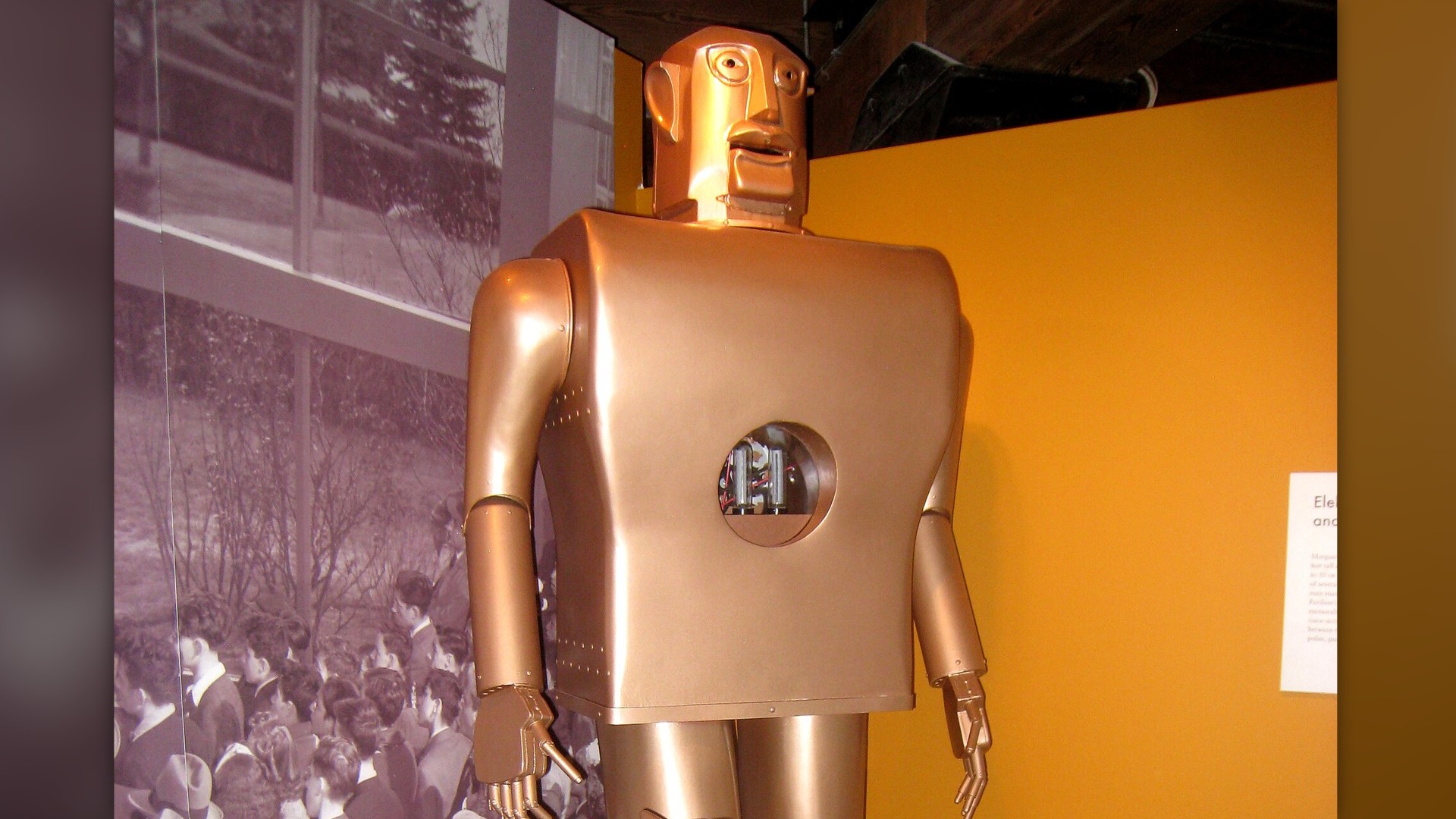
23. Elektro
Standing 2.1 meters tall and weighing 120 kilograms, Elektro responded to spoken commands through telephone relays inside its aluminum frame. It could walk, blow up balloons, and speak 700 recorded words on stage, and today the preserved original is exhibited at the Heinz History Center in Pittsburgh.
©Wikimedia / Daderot
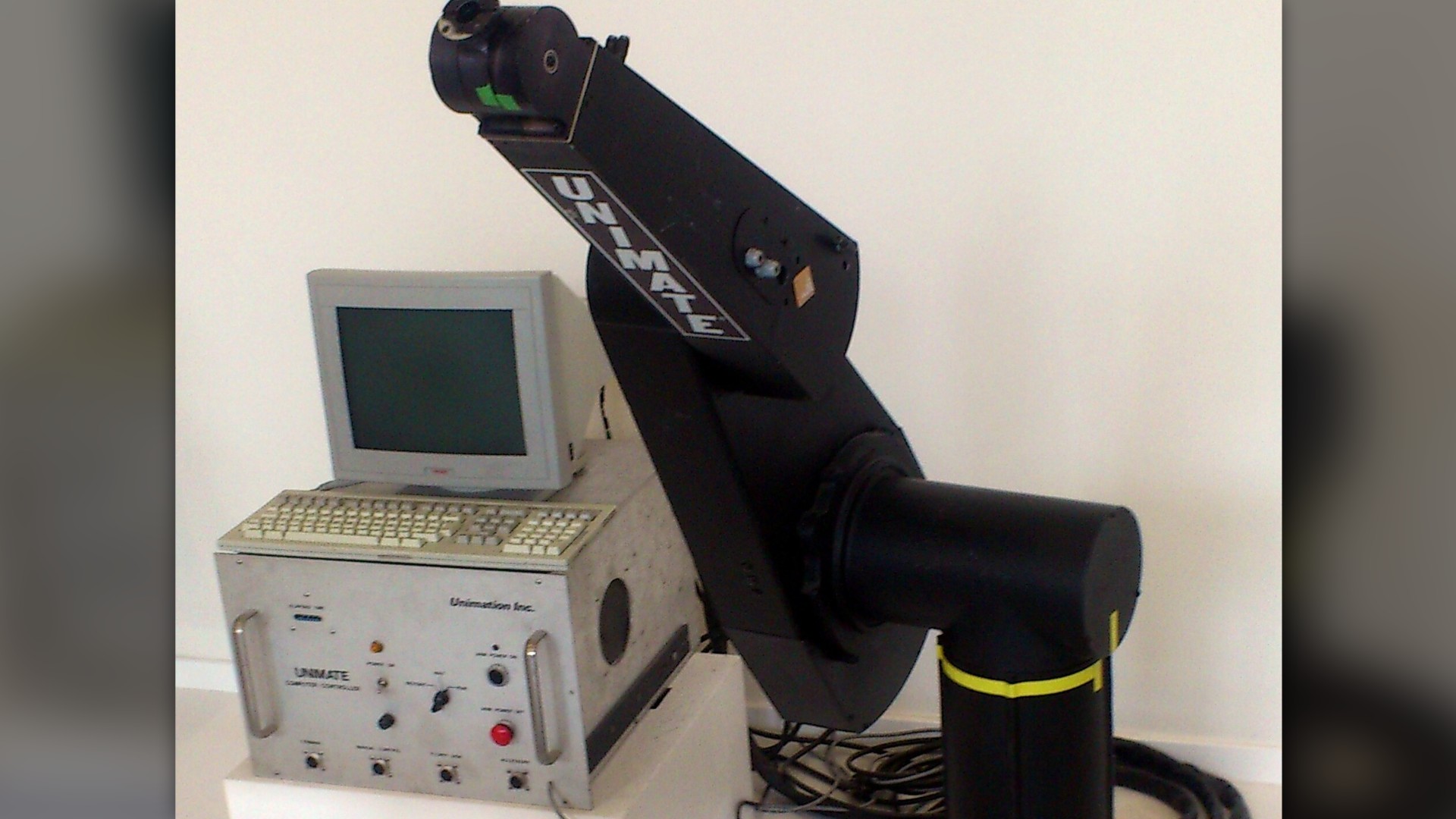
22. Unimate
Patented by George Devol and built by Joseph Engelberger's company Unimation, the 1,800-kilogram hydraulic arm stacked hot die-cast metal parts at a New Jersey plant. By 1967, promotional demonstrations even showed the machine pouring coffee at a Los Angeles hotel.
©Wikimedia / Theoprakt
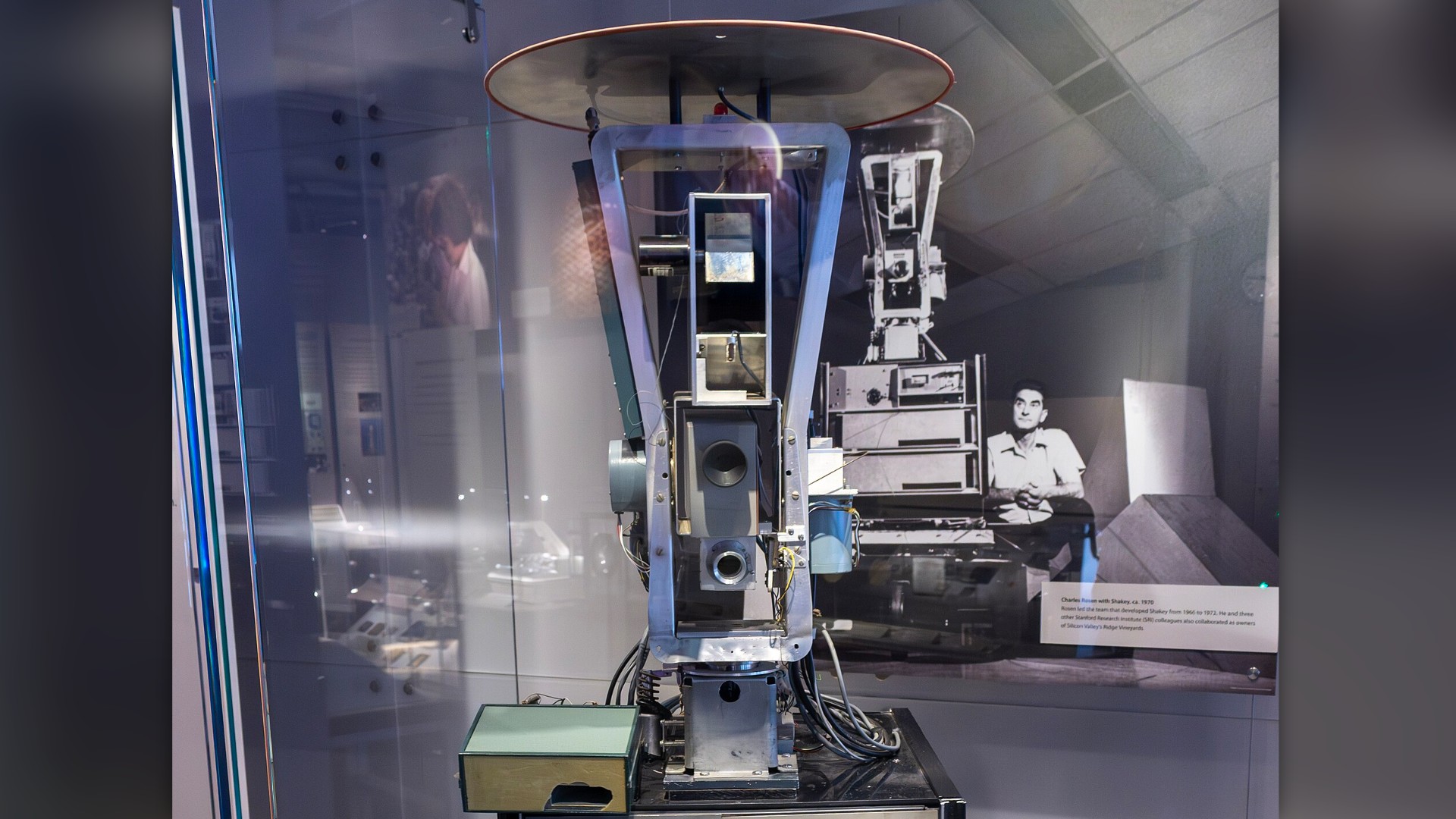
21. Shakey The Robot
Built between 1966 and 1972 in Menlo Park, California, Shakey combined a television camera, range finder, and radio link to an offboard computer. Its software pioneered the A-star pathfinding algorithm and computer vision routines still used in modern autonomous machines.
©Wikimedia / The wub
Advertisement
Swipe or tap ▶ to resume the countdown.
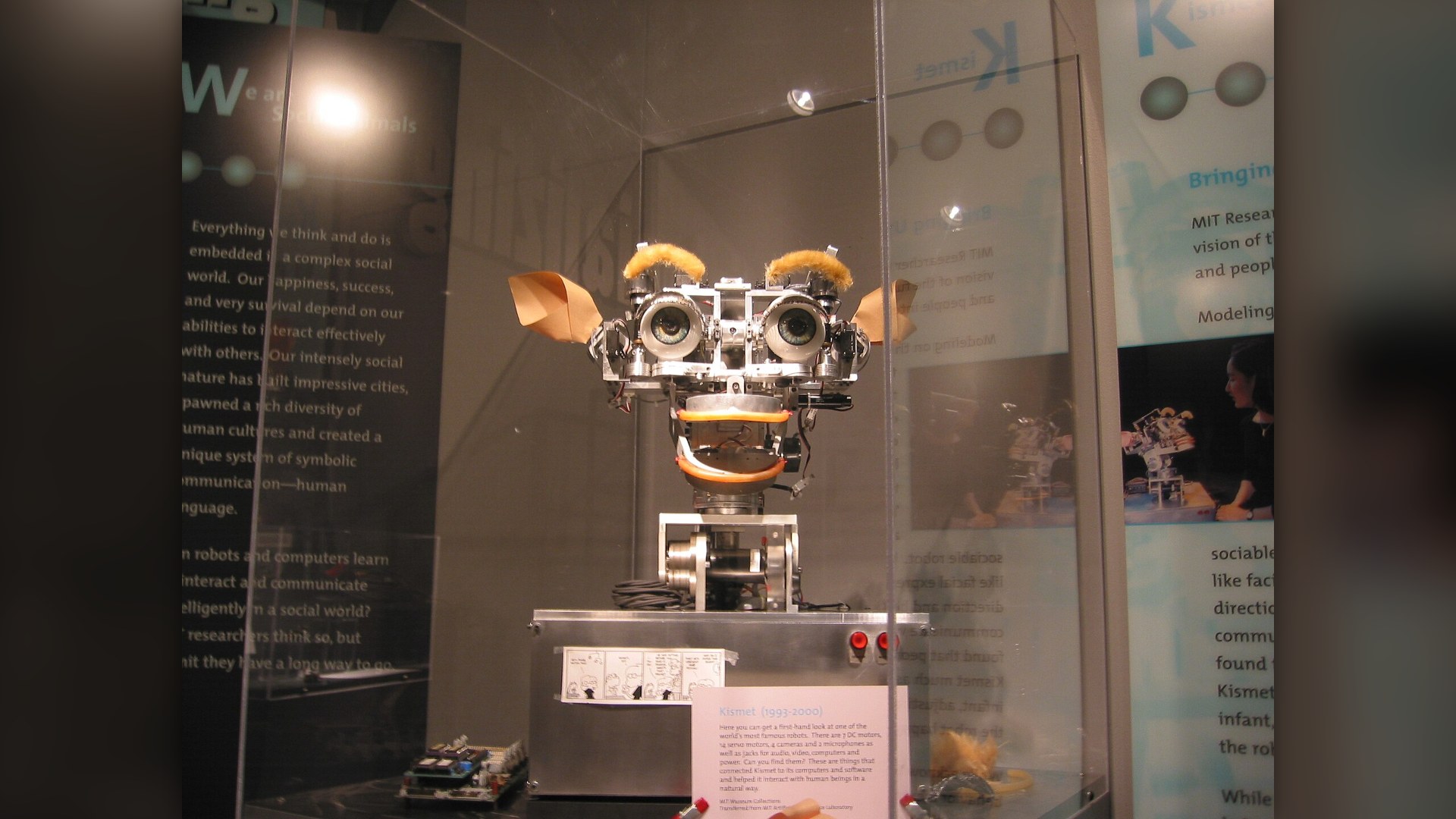
20. Kismet
Completed in the late 1990s at the MIT Artificial Intelligence Laboratory, Kismet used 21 motors to move its eyes, eyebrows, ears, and lips in real time. Rather than understanding speech, it reacted to vocal pitch and visual motion to sustain natural back-and-forth exchanges.
©Wikimedia / Uploader BetacommandBot
19. Sony AIBO
The original ERS-110 model sold out 3,000 units in Japan within 20 minutes despite a $2,500 price tag. Equipped with touch sensors, a camera, and learning software, AIBO formed lasting bonds with owners, leading Sony to introduce the updated ERS-1000 companion in 2018.
©Wikimedia / Algebar
18. Honda ASIMO
Standing 130 centimeters tall, the 2005 version weighed 54 kilograms and could run at six kilometers per hour, climb stairs, and pour drinks from a thermos. Honda retired ASIMO from active development in 2018 and held its final public farewell performances in Tokyo in 2022.
©Wikimedia / Syced
17. iCub
Created by the Istituto Italiano di Tecnologia in Genoa starting in 2004, iCub stands 104 centimeters tall and weighs about 22 kilograms. More than 40 research teams worldwide have used its 53 actuated joints and stereo cameras to study grasping, balance, and early cognition.
©Openverse / jiuguangw
Advertisement
Swipe or tap ▶ to resume the countdown.
16. Boston Dynamics BigDog
Powered by a noisy 15-horsepower go-kart engine driving hydraulic legs, BigDog could haul 154 kilograms across mud, snow, and steep slopes. Although U.S. Marines tested the quadruped in field exercises, the military shelved deployment because its loud exhaust gave away positions.
©Wikimedia / U.S. Marine Corps photo by Lance Cpl. M. L. Meie
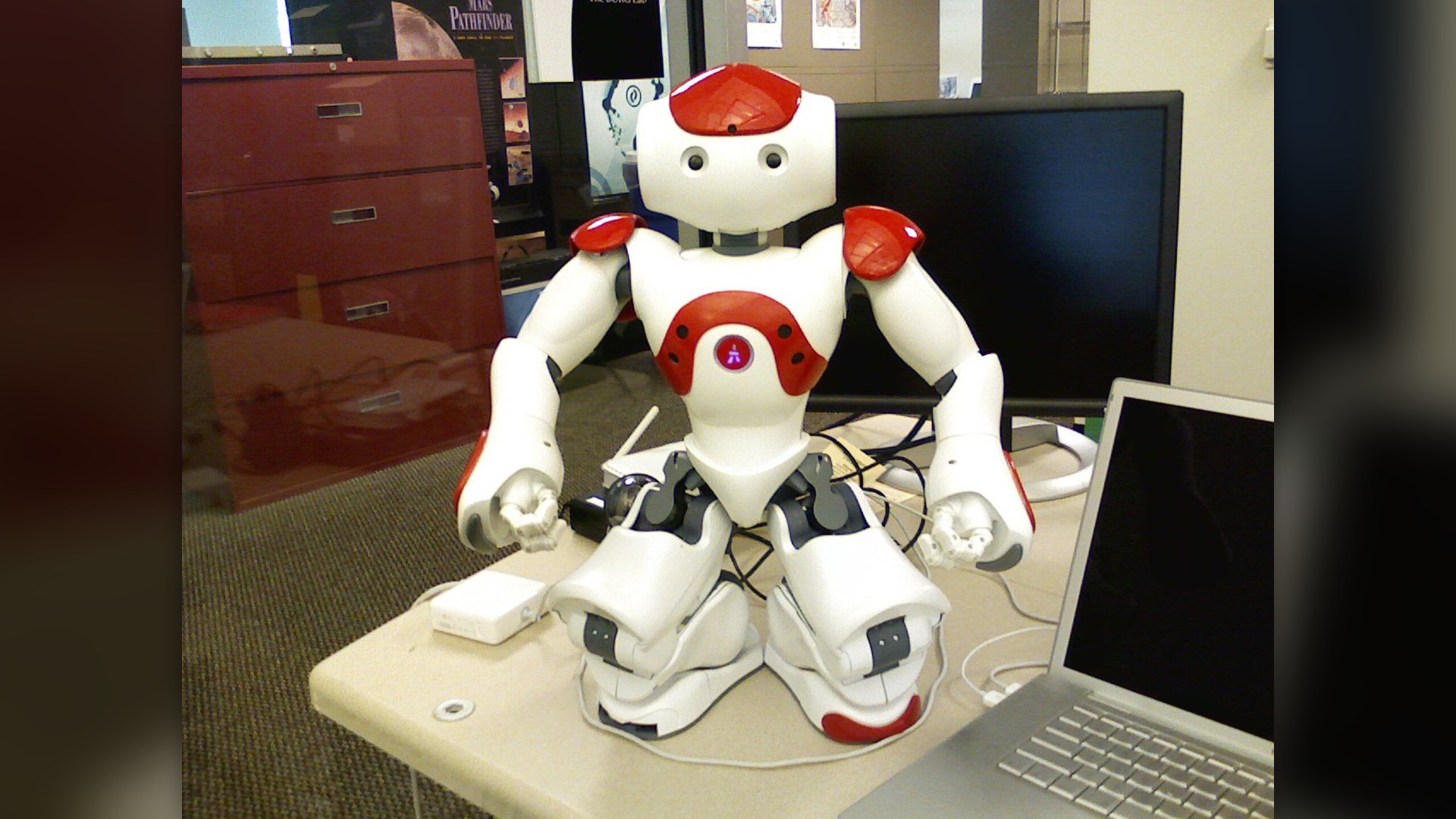
15. NAO
Introduced in France in 2006, NAO became the standard hardware platform for the international RoboCup soccer tournament in 2008. Thousands of schools and hospitals adopted the programmable robot to teach coding, run cognitive studies, and guide young autism patients.
©Wikimedia / Jiuguang Wang
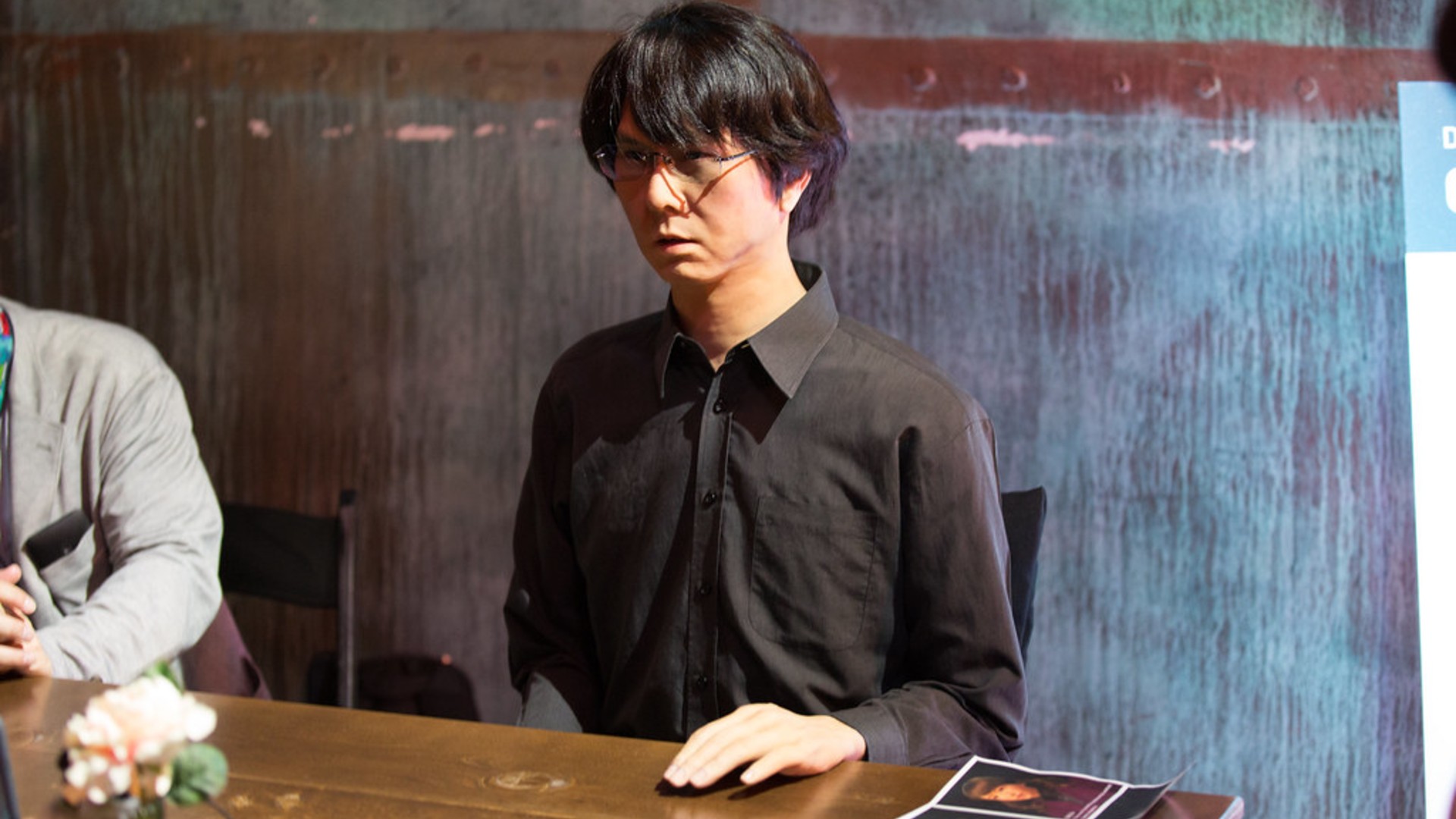
14. Geminoid HI-1
Unveiled in 2006 at ATR laboratories in Kyoto, Geminoid HI-1 replicated Ishiguro's hair, posture, and silicone facial features down to subtle blinking and breathing. Controlled remotely over a network, the android allowed its creator to lecture and hold meetings from another city.
©Openverse / nrkbeta
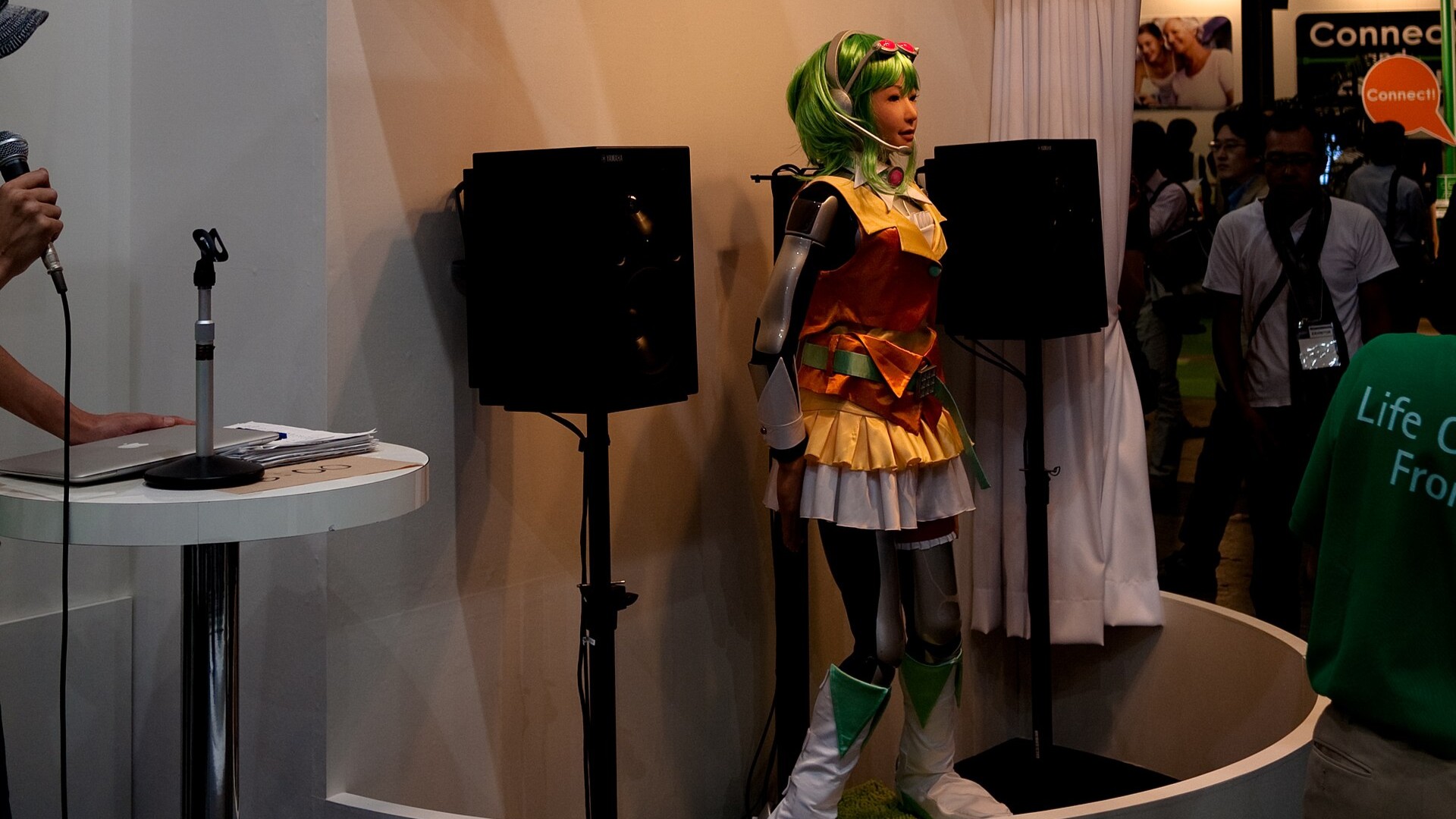
13. HRP-4C
Developed by Japan's AIST research institute under Hirohisa Hirukawa, HRP-4C stood 158 centimeters tall and weighed 43 kilograms with batteries. Thirty body motors and eight facial actuators let the robot mimic human gait, respond to voice prompts, and perform alongside pop singers.
©Wikimedia / takuma mori
Advertisement
Swipe or tap ▶ to resume the countdown.
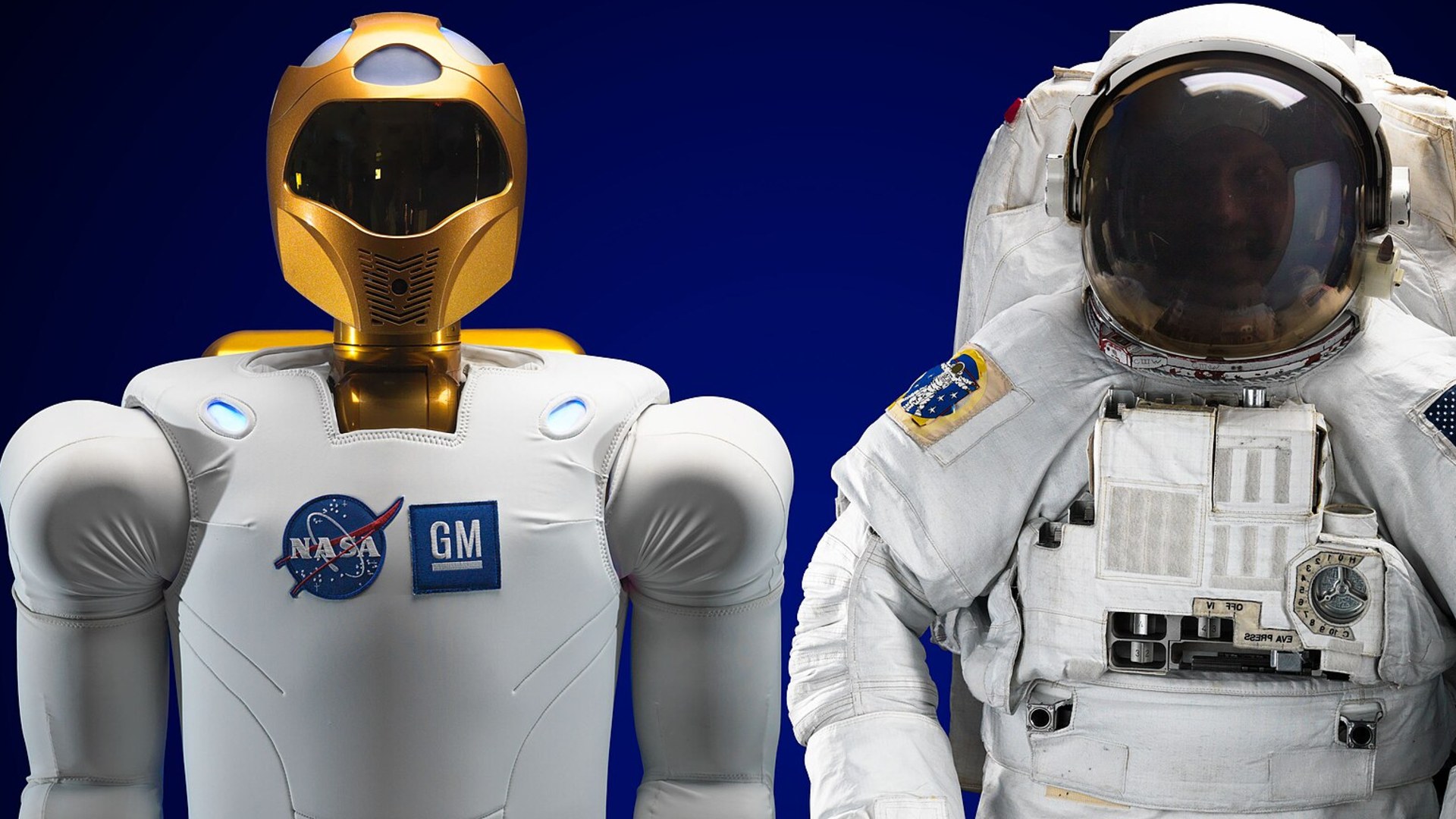
12. NASA Robonaut 2
Launched to the International Space Station aboard Space Shuttle Discovery in February 2011, the upper-torso robot featured five-fingered hands capable of handling crew tools. After years of dexterity and switch-flipping tests in microgravity, NASA returned the unit to Earth in 2018.
©Wikimedia / Robert Markowitz
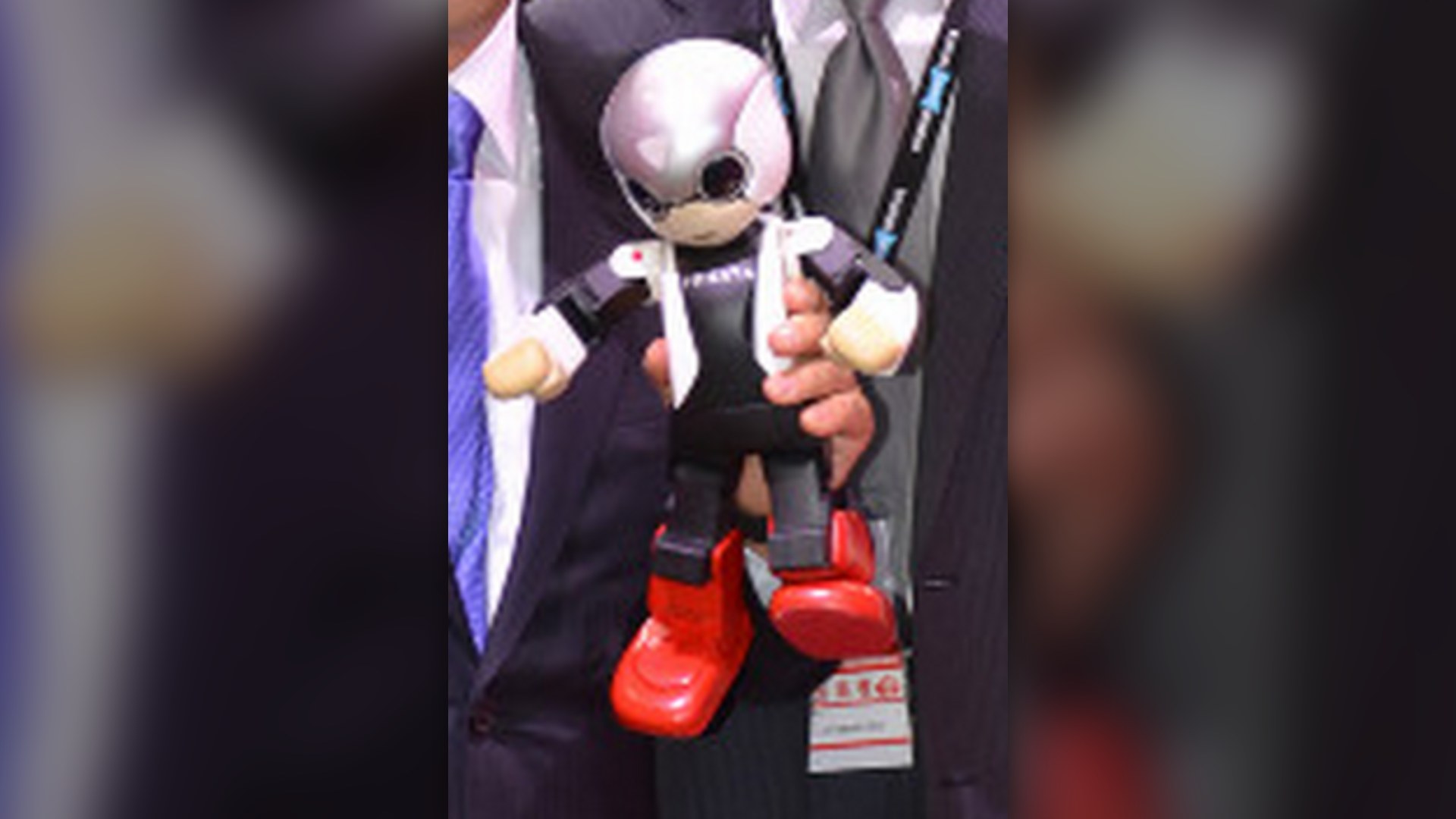
11. Kirobo
Created by Tomotaka Takahashi, the University of Tokyo, and Toyota, the 34-centimeter android arrived at the International Space Station in August 2013. Programmed with Japanese speech recognition, Kirobo chatted with JAXA commander Koichi Wakata before returning safely in 2015.
©Wikimedia / Maskrosen
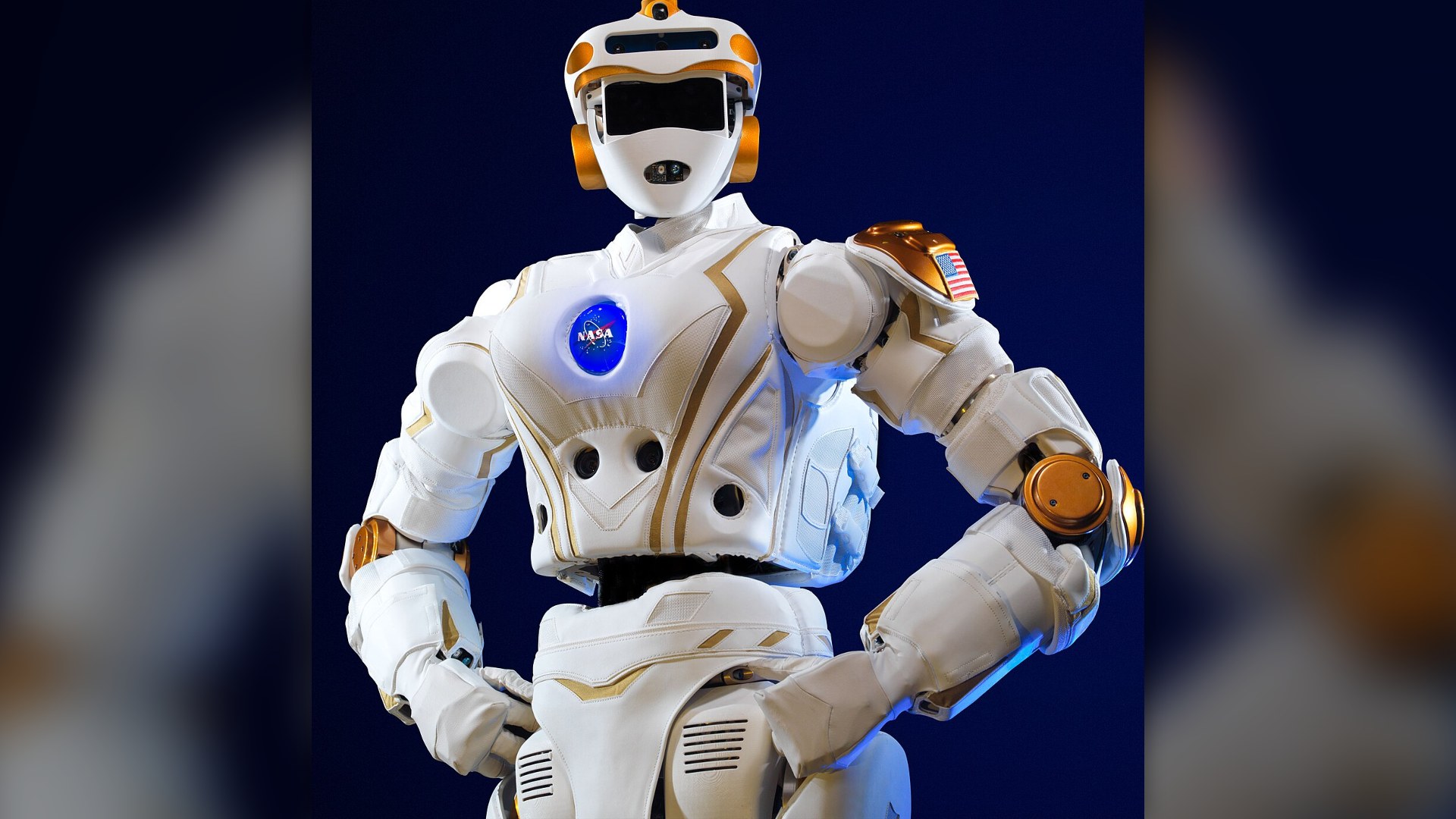
10. NASA Valkyrie
Developed at Johnson Space Center in Houston for the 2013 DARPA Robotics Challenge, Valkyrie packs 44 degrees of freedom into a 136-kilogram frame. LiDAR and stereo cameras help the bipedal machine navigate debris, climb stairs, and test autonomy for future lunar bases.
©Wikimedia / NASA/Bill Stafford, James Blair, Regan Geeseman
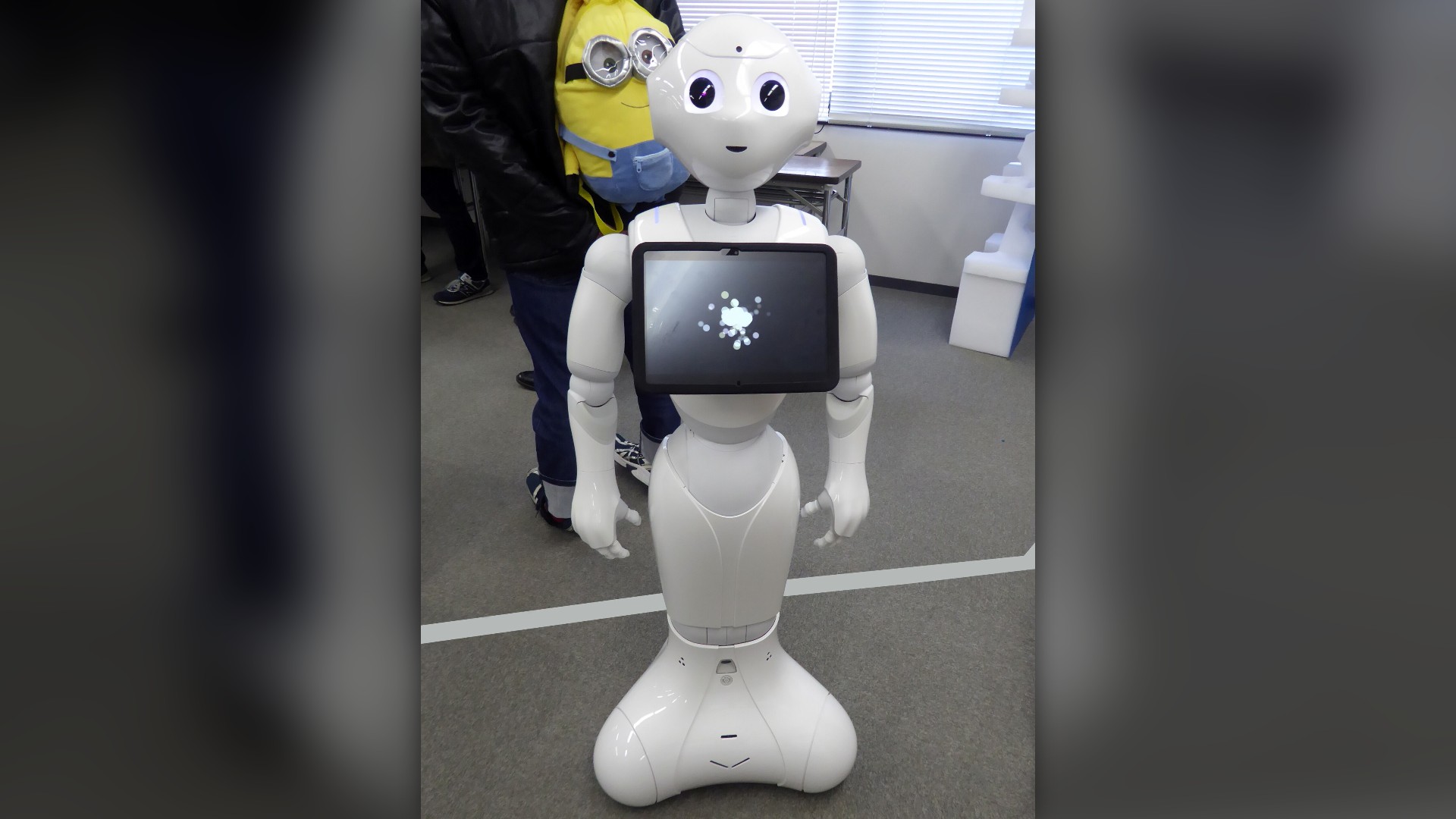
9. Pepper
Standing 120 centimeters tall with a chest tablet and 20 degrees of freedom, Pepper was built by Aldebaran and rolled out across Japanese banks, cafes, and hospitals. Though SoftBank paused production in 2020, the platform helped normalize human-robot reception desks.
©Wikimedia / Tokumeigakarinoaoshima
Advertisement
Swipe or tap ▶ to resume the countdown.
8. Otonaroid
Created by Hiroshi Ishiguro and introduced at Miraikan in 2014, Otonaroid sits at a desk with realistic silicone skin and synchronized eye and lip motion. Guests step into a nearby booth to speak through the machine, experiencing firsthand how people react to an artificial double.
©Wikimedia / Franklin Heijnen
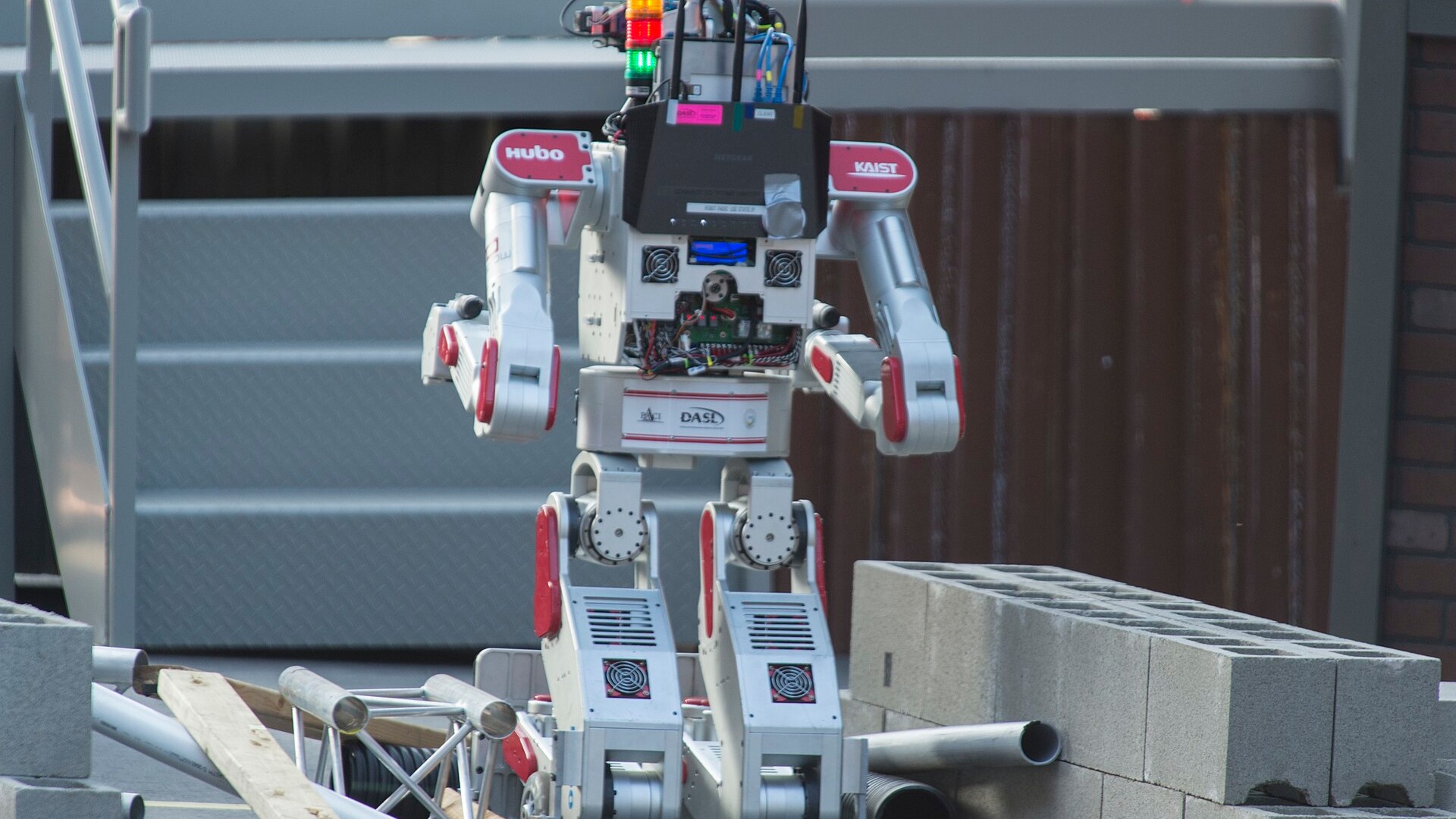
7. KAIST HUBO
Engineered by Jun-Ho Oh's team at KAIST in Daejeon, HUBO used wheeled knees to switch smoothly between walking upright and rolling over flat floors. In June 2015 in Pomona, it beat 22 rival teams by driving a vehicle, cutting drywall, turning valves, and climbing stairs in 44 minutes.
©Wikimedia / Master Chief Petty Officer John Williams
6. Boston Dynamics Spot
Commercialized by Boston Dynamics in 2019, Spot weighs 32 kilograms, climbs stairs autonomously, and carries up to 14 kilograms of sensors or an articulated arm. Energy companies, construction firms, and researchers have deployed the robot dog inside mines and the Chornobyl exclusion zone.
©Wikimedia / Jonte
5. Ai-Da
Built in 2019 by Aidan Meller and Engineered Arts with Oxford researchers, Ai-Da uses eye cameras and an articulated arm to sketch live subjects. In 2022 she testified before British lawmakers on AI and art, and in November 2024 her Alan Turing painting sold at Sotheby's for $1.1 million.
©Wikimedia / Leemurz
Advertisement
Swipe or tap ▶ to resume the countdown.
4. Tesla Optimus
First revealed as a prototype in 2022 and updated with Gen 2 hardware in late 2023, Optimus uses Tesla's vision neural networks and custom actuators. At a Warner Bros. studio showcase in October 2024, teleoperated and autonomous units walked among guests, poured drinks, and played games.
©Wikimedia / Ulkl
3. Boston Dynamics Atlas
Debuting in 2013 for DARPA trials, the original hydraulic Atlas mastered parkour, leaps, and object manipulation across Boston Dynamics' Massachusetts test course. In April 2024, the company retired that hydraulic frame and introduced a slimmer electric Atlas with 360-degree joint rotation.
©Wikimedia / Damian B Oh
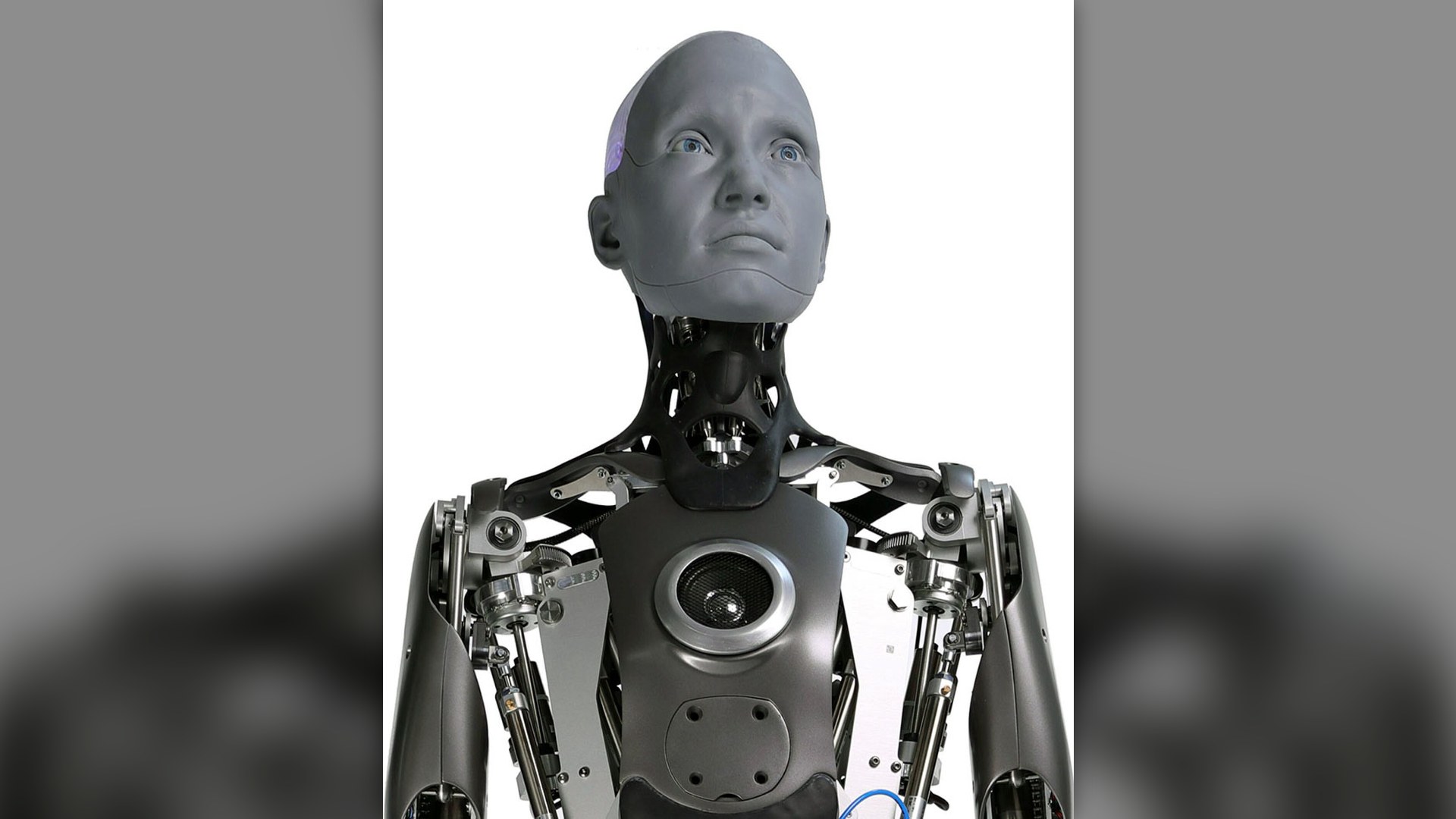
2. Ameca
First demonstrated in December 2021 from Cornwall, England, Ameca houses more than two dozen actuators beneath its grey silicone face and neck. Paired with eye cameras, microphones, and language models, the torso-up humanoid blinks, smirks, and tracks speakers in real time.
©Wikimedia / Willy Jackson
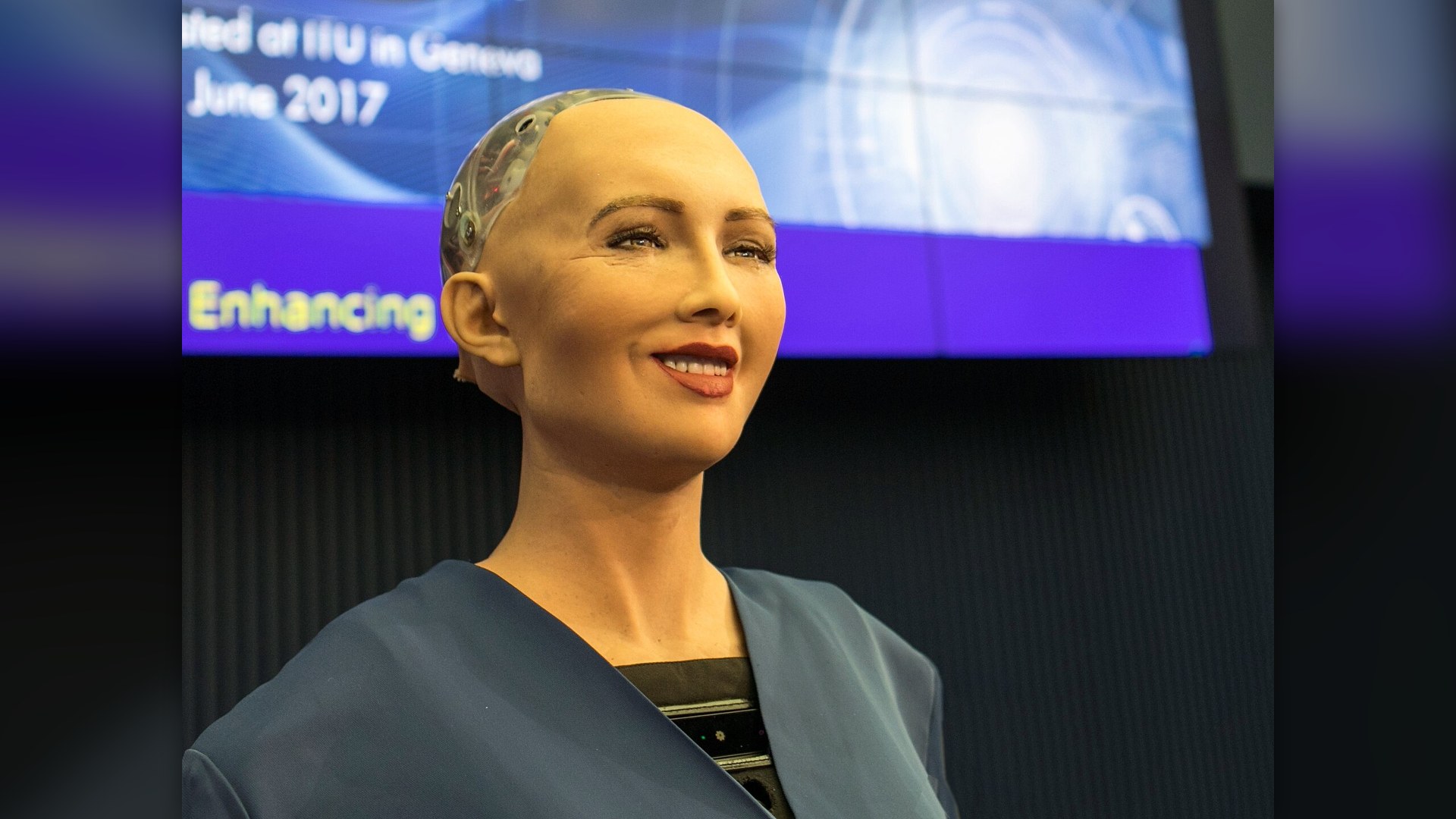
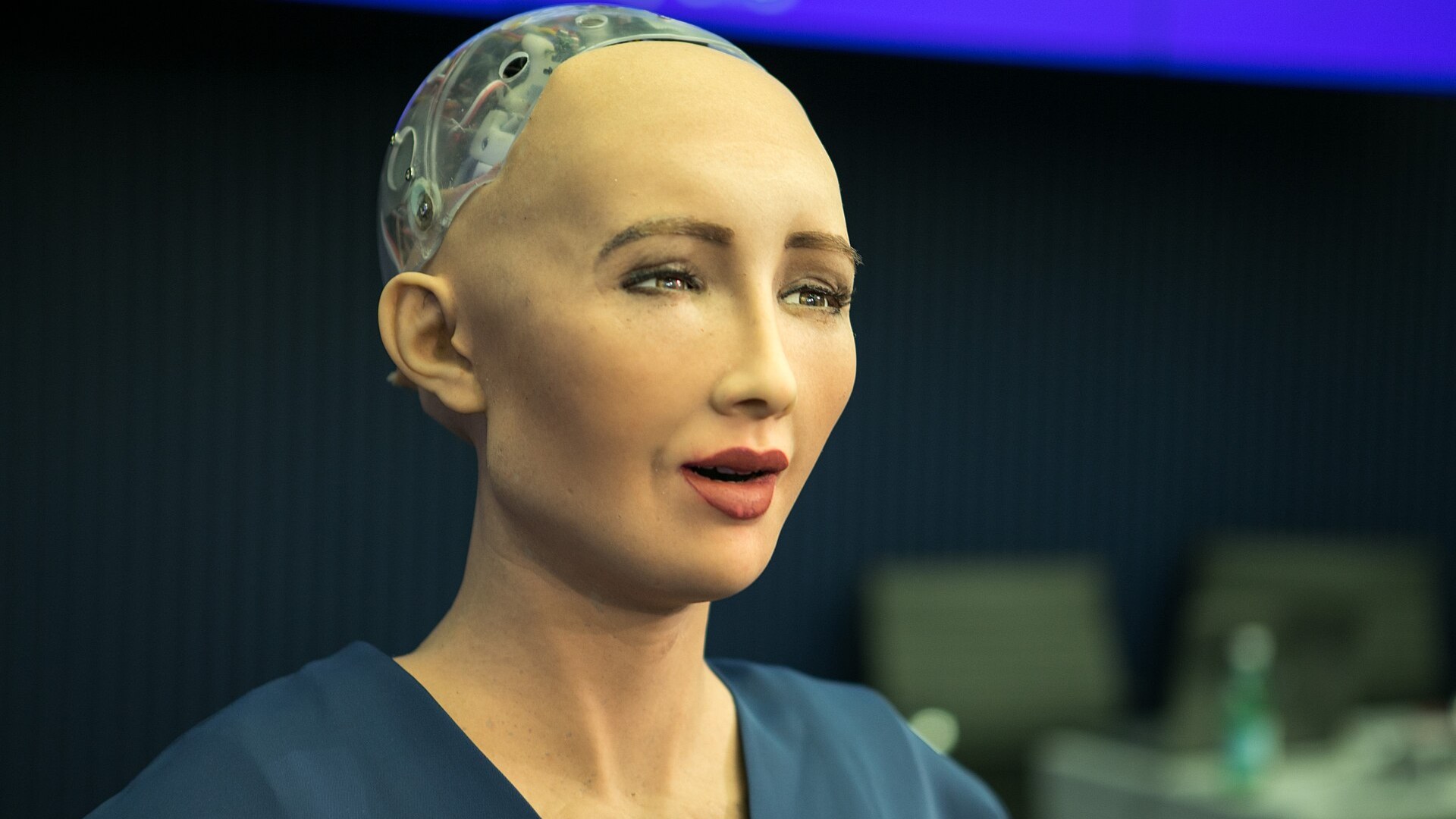
1. Sophia
Activated in 2016 by Hong Kong-based Hanson Robotics, Sophia uses Frubber synthetic skin and computer vision to hold eye contact and imitate over 60 facial expressions. She received honorary Saudi citizenship in 2017 and has addressed United Nations summits on artificial intelligence.
©Wikimedia / International Telecommunication Union
Advertisement
You've reached the end of the story. Thanks for reading!

25 Retro Gadgets From the 1970s and 1980s Collectors Still Track Down
Consumer electronics from the 1970s and 1980s turned cassette tapes, instant film, and home computers into everyday tools. This countdown profiles 25 surviving models preserved in museums and collections, based on records from the Computer History Museum, Sony History, Apple archives, and Nintendo timelines.
All 23 Entries in this Story
23. Elektro
Standing 2.1 meters tall and weighing 120 kilograms, Elektro responded to spoken commands through telephone relays inside its aluminum frame. It could walk, blow up balloons, and speak 700 recorded words on stage, and today the preserved original is exhibited at the Heinz History Center in Pittsburgh.

22. Unimate
Patented by George Devol and built by Joseph Engelberger's company Unimation, the 1,800-kilogram hydraulic arm stacked hot die-cast metal parts at a New Jersey plant. By 1967, promotional demonstrations even showed the machine pouring coffee at a Los Angeles hotel.

21. Shakey The Robot
Built between 1966 and 1972 in Menlo Park, California, Shakey combined a television camera, range finder, and radio link to an offboard computer. Its software pioneered the A-star pathfinding algorithm and computer vision routines still used in modern autonomous machines.

20. Kismet
Completed in the late 1990s at the MIT Artificial Intelligence Laboratory, Kismet used 21 motors to move its eyes, eyebrows, ears, and lips in real time. Rather than understanding speech, it reacted to vocal pitch and visual motion to sustain natural back-and-forth exchanges.

19. Sony AIBO
The original ERS-110 model sold out 3,000 units in Japan within 20 minutes despite a $2,500 price tag. Equipped with touch sensors, a camera, and learning software, AIBO formed lasting bonds with owners, leading Sony to introduce the updated ERS-1000 companion in 2018.

18. Honda ASIMO
Standing 130 centimeters tall, the 2005 version weighed 54 kilograms and could run at six kilometers per hour, climb stairs, and pour drinks from a thermos. Honda retired ASIMO from active development in 2018 and held its final public farewell performances in Tokyo in 2022.

17. iCub
Created by the Istituto Italiano di Tecnologia in Genoa starting in 2004, iCub stands 104 centimeters tall and weighs about 22 kilograms. More than 40 research teams worldwide have used its 53 actuated joints and stereo cameras to study grasping, balance, and early cognition.

16. Boston Dynamics BigDog
Powered by a noisy 15-horsepower go-kart engine driving hydraulic legs, BigDog could haul 154 kilograms across mud, snow, and steep slopes. Although U.S. Marines tested the quadruped in field exercises, the military shelved deployment because its loud exhaust gave away positions.

15. NAO
Introduced in France in 2006, NAO became the standard hardware platform for the international RoboCup soccer tournament in 2008. Thousands of schools and hospitals adopted the programmable robot to teach coding, run cognitive studies, and guide young autism patients.

14. Geminoid HI-1
Unveiled in 2006 at ATR laboratories in Kyoto, Geminoid HI-1 replicated Ishiguro's hair, posture, and silicone facial features down to subtle blinking and breathing. Controlled remotely over a network, the android allowed its creator to lecture and hold meetings from another city.

13. HRP-4C
Developed by Japan's AIST research institute under Hirohisa Hirukawa, HRP-4C stood 158 centimeters tall and weighed 43 kilograms with batteries. Thirty body motors and eight facial actuators let the robot mimic human gait, respond to voice prompts, and perform alongside pop singers.

12. NASA Robonaut 2
Launched to the International Space Station aboard Space Shuttle Discovery in February 2011, the upper-torso robot featured five-fingered hands capable of handling crew tools. After years of dexterity and switch-flipping tests in microgravity, NASA returned the unit to Earth in 2018.

11. Kirobo
Created by Tomotaka Takahashi, the University of Tokyo, and Toyota, the 34-centimeter android arrived at the International Space Station in August 2013. Programmed with Japanese speech recognition, Kirobo chatted with JAXA commander Koichi Wakata before returning safely in 2015.

10. NASA Valkyrie
Developed at Johnson Space Center in Houston for the 2013 DARPA Robotics Challenge, Valkyrie packs 44 degrees of freedom into a 136-kilogram frame. LiDAR and stereo cameras help the bipedal machine navigate debris, climb stairs, and test autonomy for future lunar bases.

9. Pepper
Standing 120 centimeters tall with a chest tablet and 20 degrees of freedom, Pepper was built by Aldebaran and rolled out across Japanese banks, cafes, and hospitals. Though SoftBank paused production in 2020, the platform helped normalize human-robot reception desks.

8. Otonaroid
Created by Hiroshi Ishiguro and introduced at Miraikan in 2014, Otonaroid sits at a desk with realistic silicone skin and synchronized eye and lip motion. Guests step into a nearby booth to speak through the machine, experiencing firsthand how people react to an artificial double.

7. KAIST HUBO
Engineered by Jun-Ho Oh's team at KAIST in Daejeon, HUBO used wheeled knees to switch smoothly between walking upright and rolling over flat floors. In June 2015 in Pomona, it beat 22 rival teams by driving a vehicle, cutting drywall, turning valves, and climbing stairs in 44 minutes.

6. Boston Dynamics Spot
Commercialized by Boston Dynamics in 2019, Spot weighs 32 kilograms, climbs stairs autonomously, and carries up to 14 kilograms of sensors or an articulated arm. Energy companies, construction firms, and researchers have deployed the robot dog inside mines and the Chornobyl exclusion zone.

5. Ai-Da
Built in 2019 by Aidan Meller and Engineered Arts with Oxford researchers, Ai-Da uses eye cameras and an articulated arm to sketch live subjects. In 2022 she testified before British lawmakers on AI and art, and in November 2024 her Alan Turing painting sold at Sotheby's for $1.1 million.

4. Tesla Optimus
First revealed as a prototype in 2022 and updated with Gen 2 hardware in late 2023, Optimus uses Tesla's vision neural networks and custom actuators. At a Warner Bros. studio showcase in October 2024, teleoperated and autonomous units walked among guests, poured drinks, and played games.

3. Boston Dynamics Atlas
Debuting in 2013 for DARPA trials, the original hydraulic Atlas mastered parkour, leaps, and object manipulation across Boston Dynamics' Massachusetts test course. In April 2024, the company retired that hydraulic frame and introduced a slimmer electric Atlas with 360-degree joint rotation.

2. Ameca
First demonstrated in December 2021 from Cornwall, England, Ameca houses more than two dozen actuators beneath its grey silicone face and neck. Paired with eye cameras, microphones, and language models, the torso-up humanoid blinks, smirks, and tracks speakers in real time.

1. Sophia
Activated in 2016 by Hong Kong-based Hanson Robotics, Sophia uses Frubber synthetic skin and computer vision to hold eye contact and imitate over 60 facial expressions. She received honorary Saudi citizenship in 2017 and has addressed United Nations summits on artificial intelligence.