Slideshow · Animals
25 Species Scientists Say Could Thrive in a World Without Humans
If humans vanished tomorrow, forests and empty streets would quickly belong to fast-breeding generalists and clever problem-solvers. Based on ecological studies from Oxford University, the Smithsonian Institution and IUCN assessments, here are 25 resilient species built to expand across Earth without us.
All 25 Entries in this Story
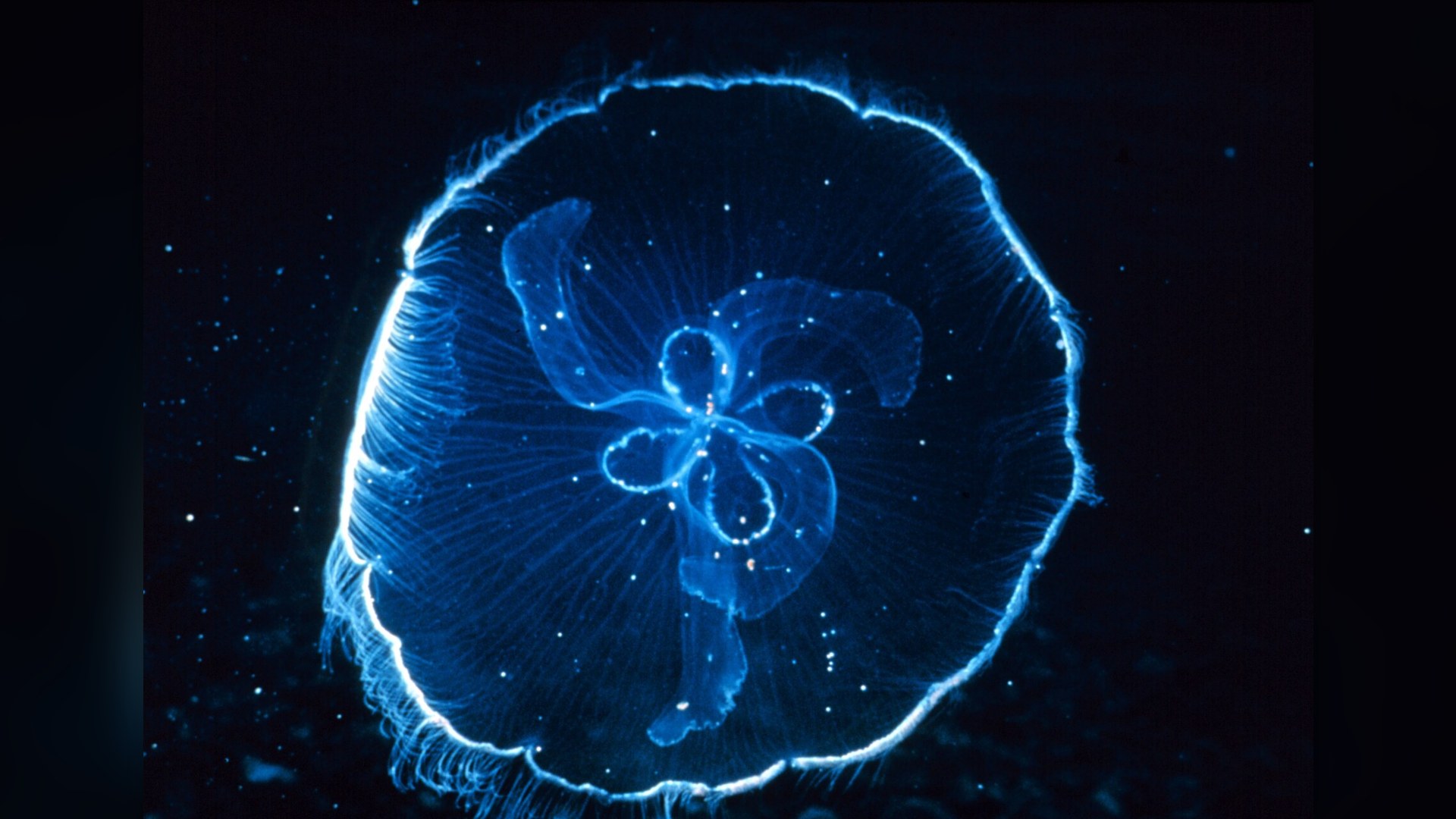
25. Moon Jellyfish
Aurelia aurita thrives in low-oxygen waters where most fish suffocate. Without human fishing pressure, fewer sea turtles and large predators compete for plankton, and abandoned docks provide ideal hard surfaces for jellyfish polyps to anchor and clone.
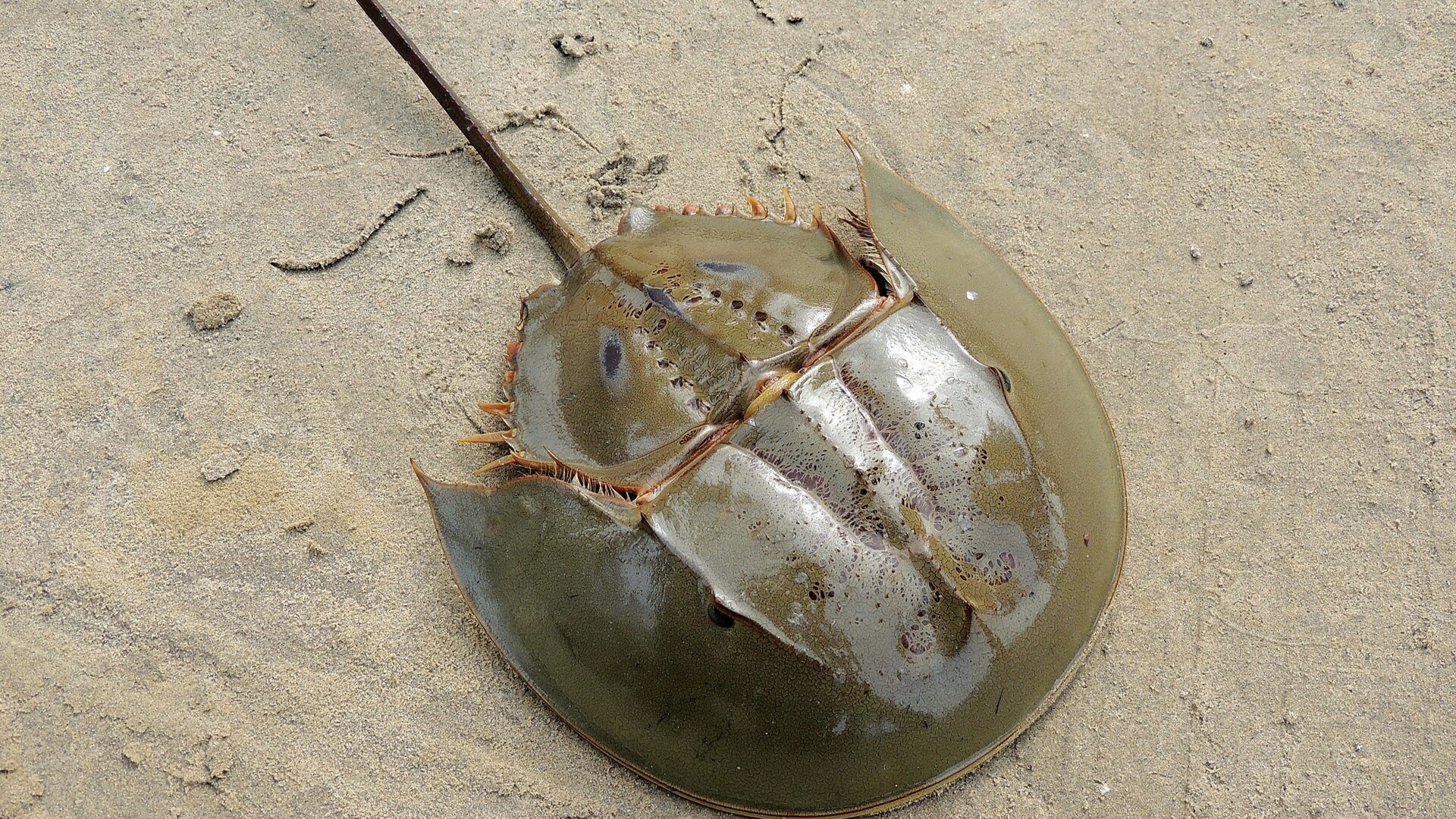
24. Horseshoe Crab
Limulus polyphemus relies on a tough carapace and a copper-based blue blood immune system that clots around bacteria. Ending human harvesting for medical testing and bait would let coastal populations rebound rapidly along Atlantic mudflats.
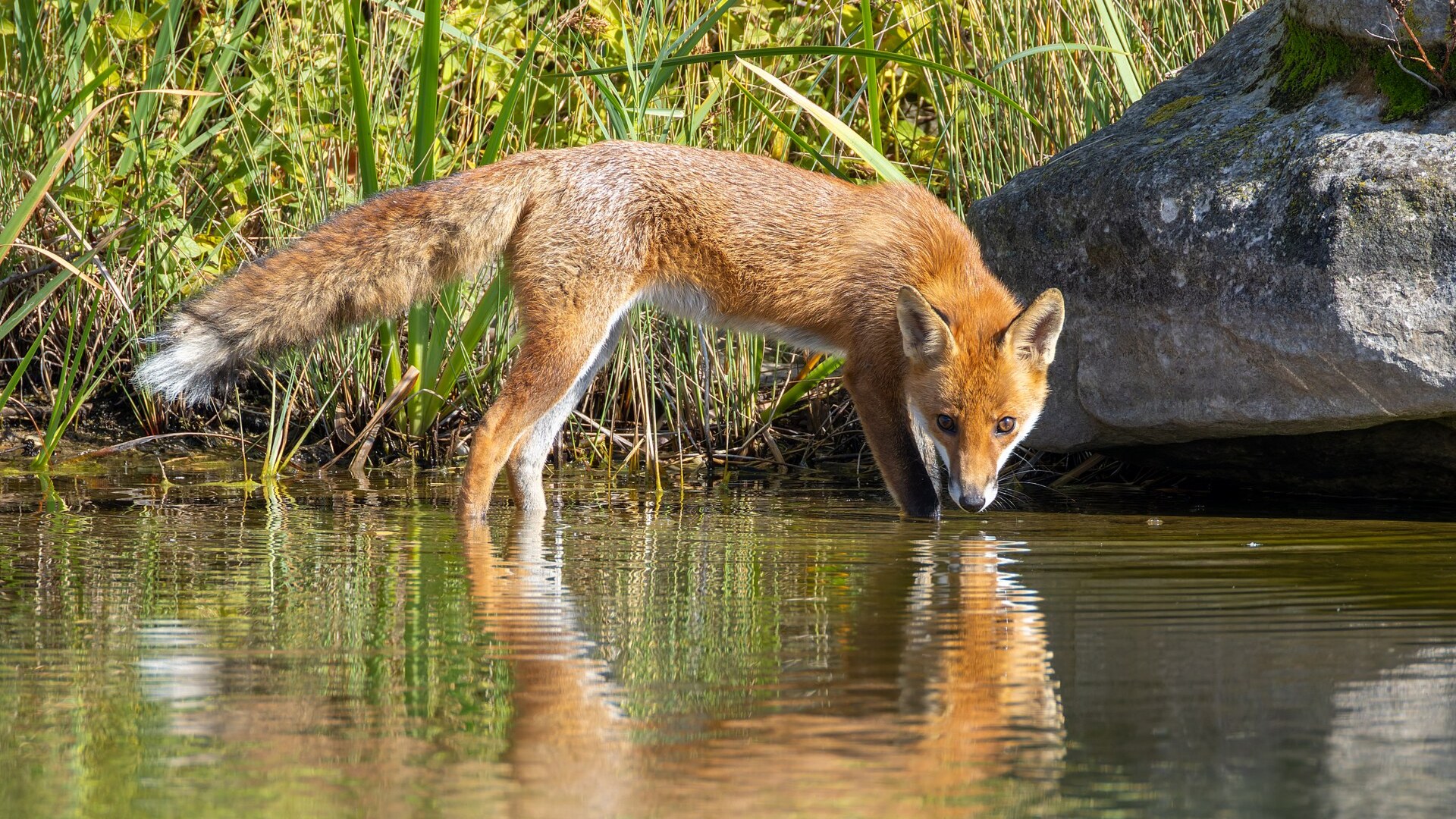
23. Red Fox
Vulpes vulpes spans North America, Europe, Asia and Australia thanks to a flexible diet of rodents, birds, insects and fruit. In quiet suburbs without traffic, foxes would turn parks and gardens into prime hunting territory.
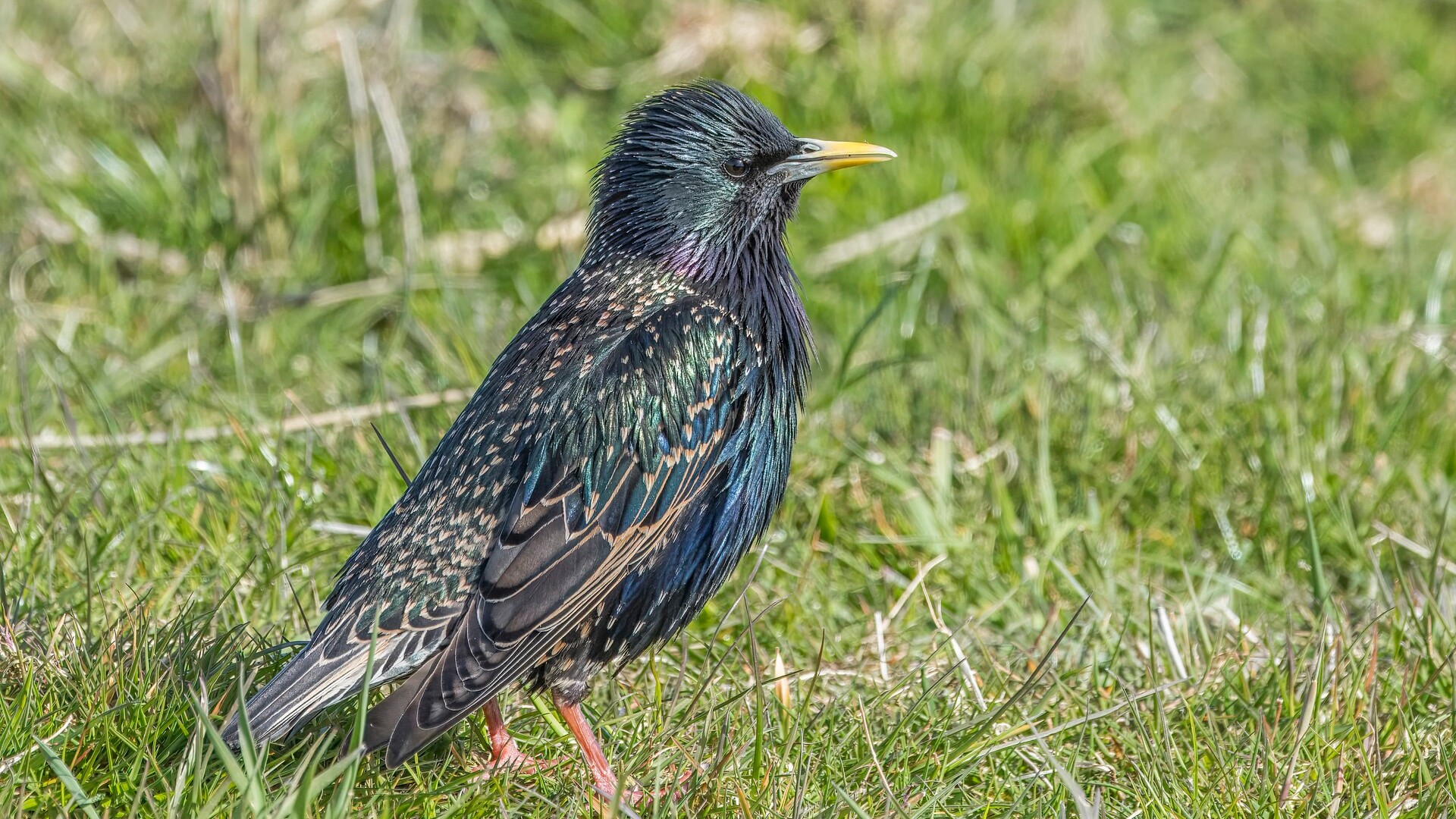
22. European Starling
Sturnus vulgaris travels in murmurations of thousands of birds that deter hawks through sheer numbers. Their varied diet of insects, seeds and fruit lets colonies adapt easily as abandoned roofs and crumbling brickwork create endless nesting cavities.
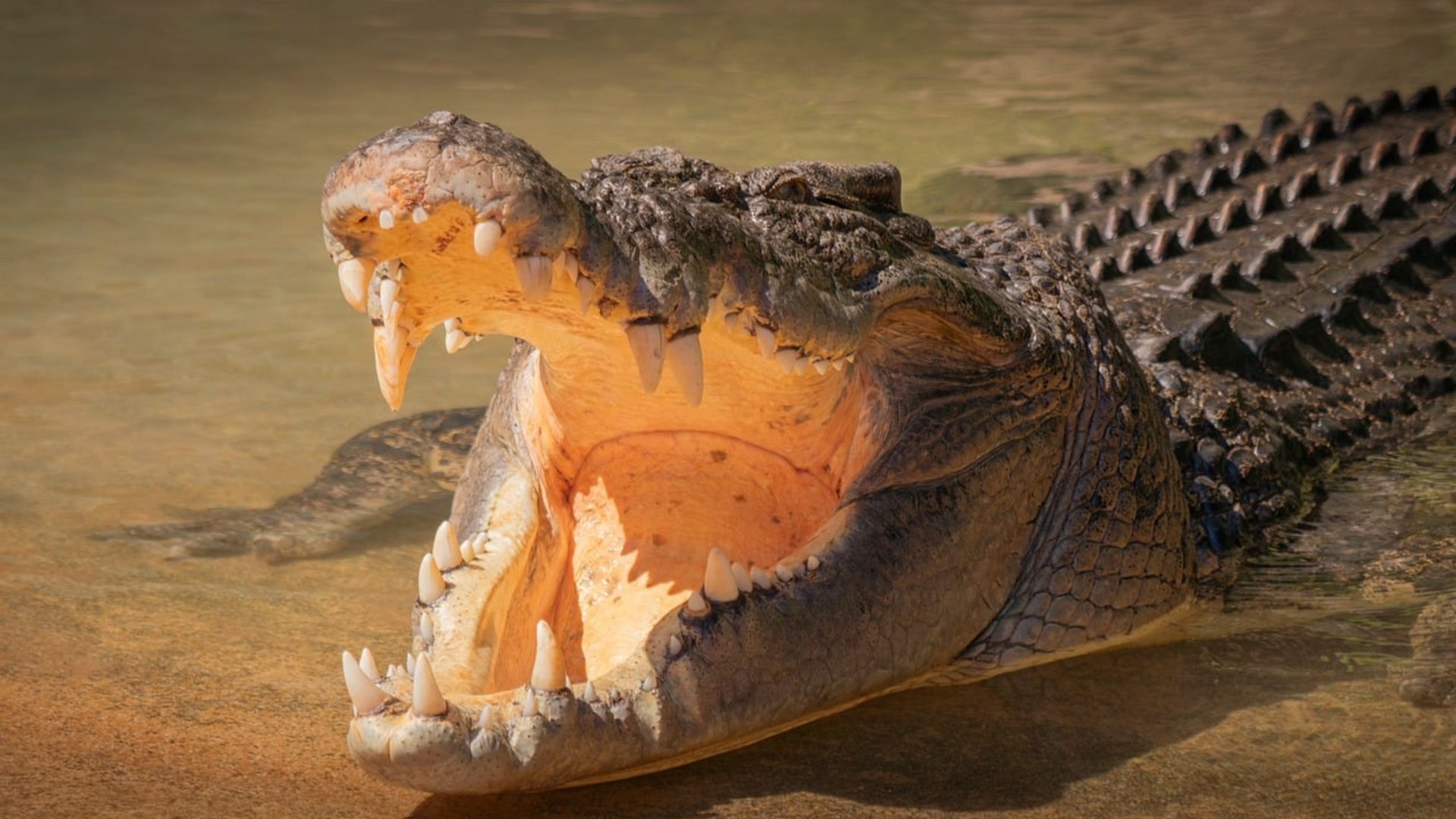
21. Saltwater Crocodile
Crocodylus porosus can swim hundreds of miles across open ocean and survive months between large meals. Without boats, dams or coastal hunting, males exceeding 17 feet could reclaim tropical deltas from northern Australia to Southeast Asia.
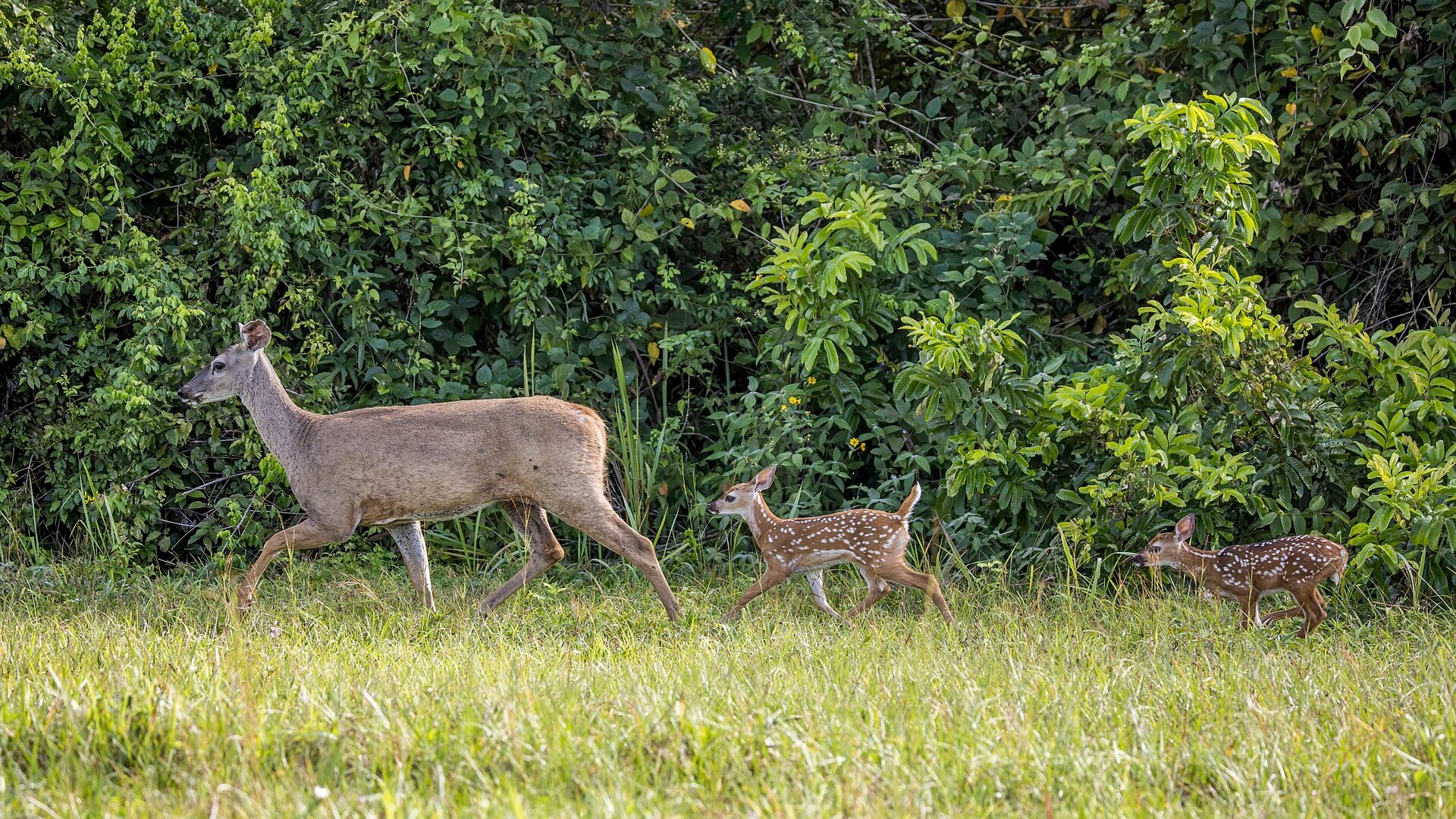
20. White-Tailed Deer
Odocoileus virginianus twins frequently when forage is plentiful, allowing herds to double within a few years. As overgrown parks and quiet roads merge into continuous woodland edge habitat, deer populations across North America would surge.
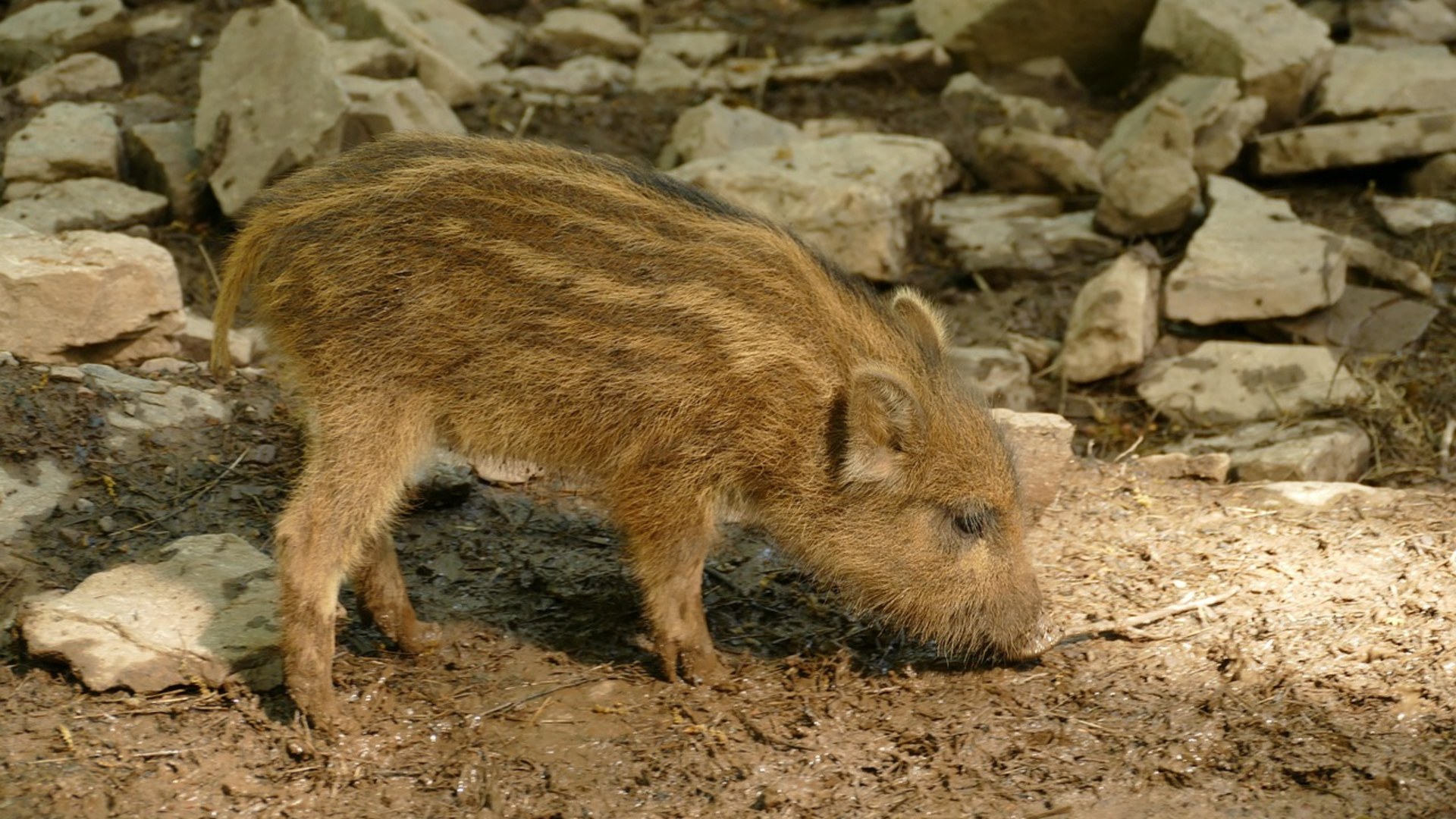
19. Wild Boar
Sus scrofa sows can produce two litters of four to eight piglets each year, rebounding swiftly from harsh winters. They eat roots, acorns, reptiles and carrion, churning forest floors across every continent except Antarctica.
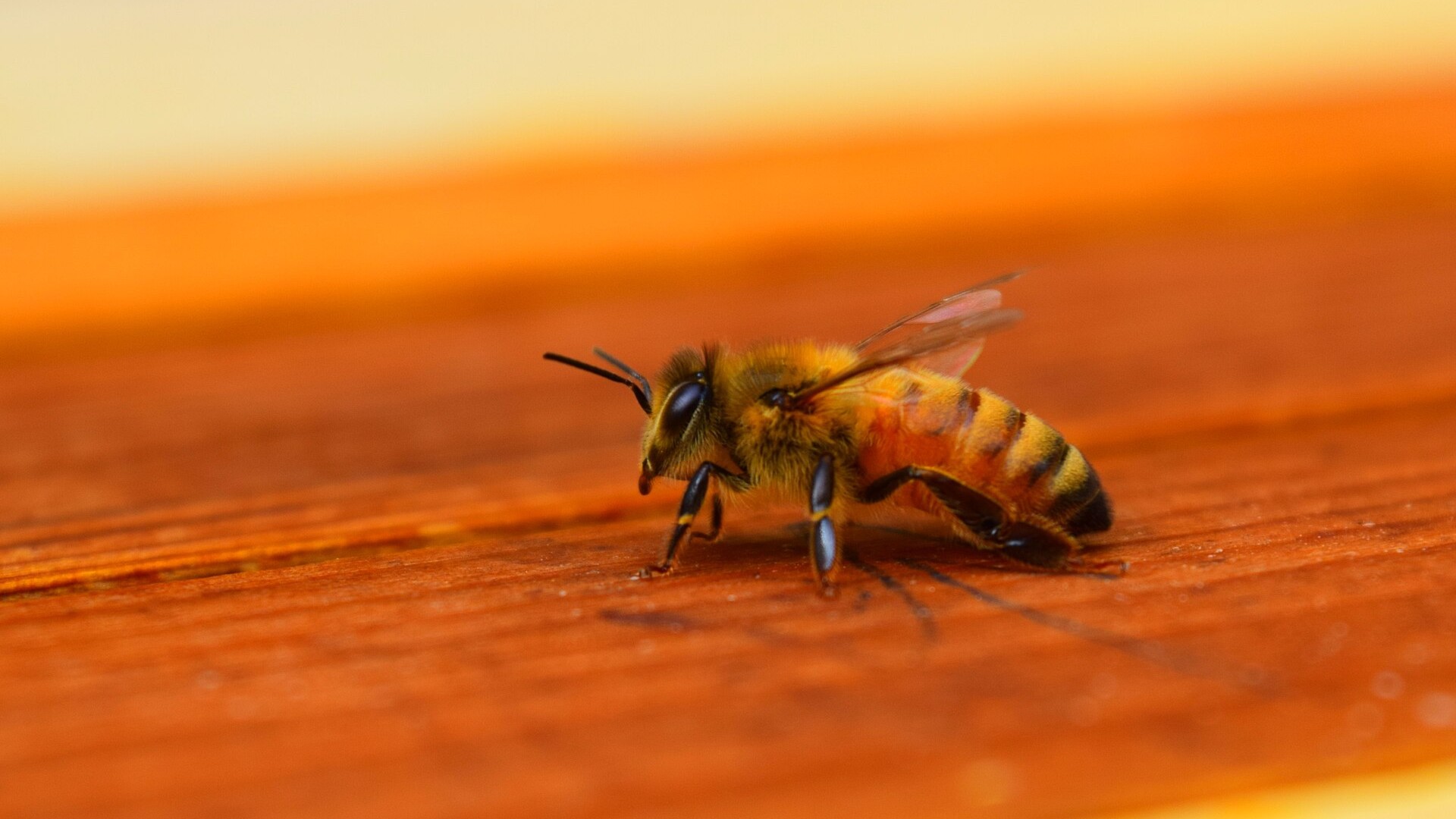
18. Honeybee
Apis mellifera already forms feral nests inside hollow trees and wall cavities. As concrete cracks and wildflowers spread through empty lots, thriving hives would accelerate plant succession and support entire food webs of birds and mammals.
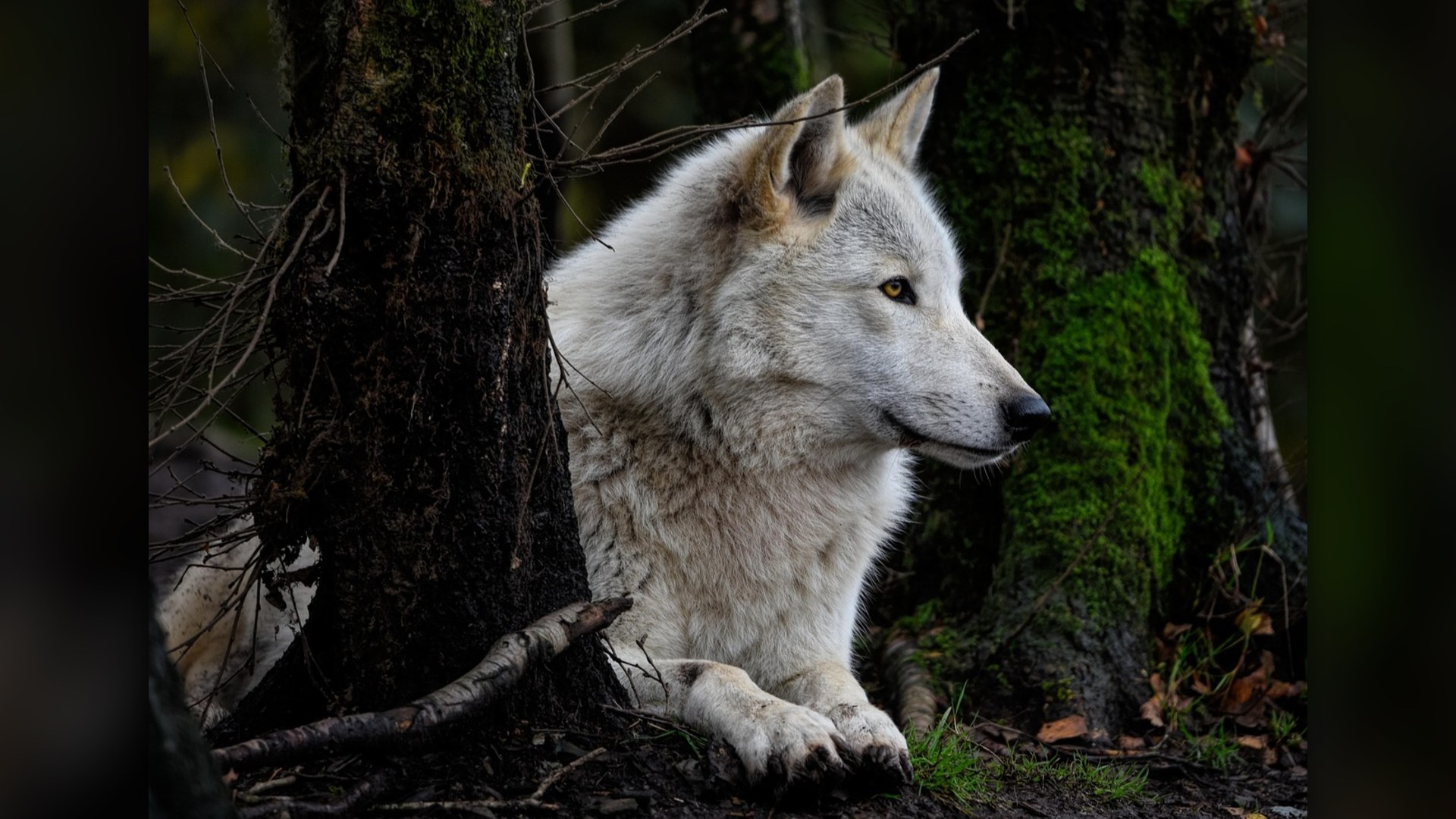
17. Gray Wolf
Canis lupus packs coordinate hunts across territories spanning hundreds of square miles, keeping booming deer and boar herds in check. Once highways fall silent and livestock fences collapse, wolves could reconnect fragmented ranges across Eurasia and North America.
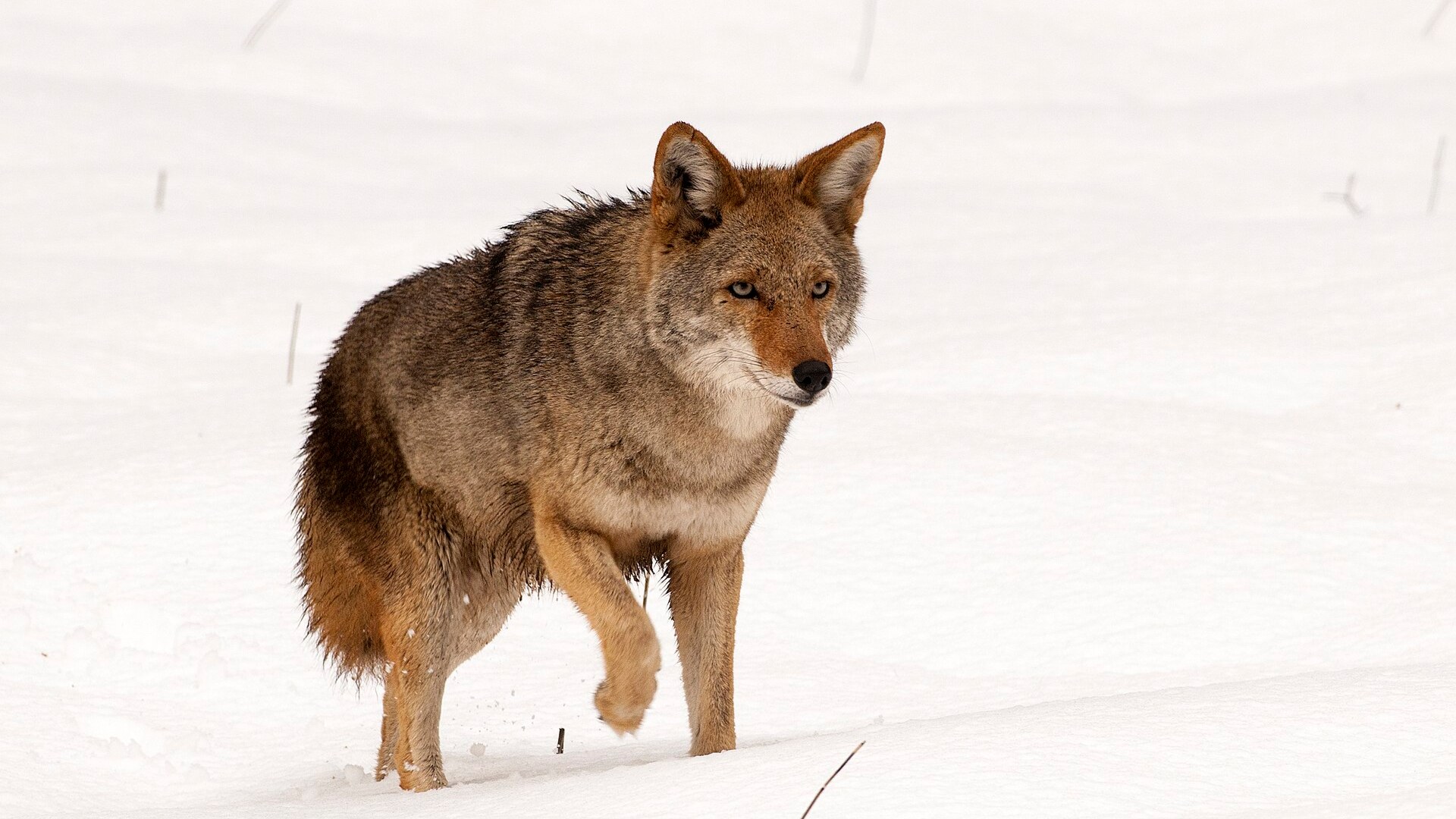
16. Coyote
Canis latrans shifts effortlessly from solo rodent hunting to cooperative pack chases when larger prey appears. When human persecution stops, coyotes would patrol empty city streets while thriving alongside returning wolf packs.
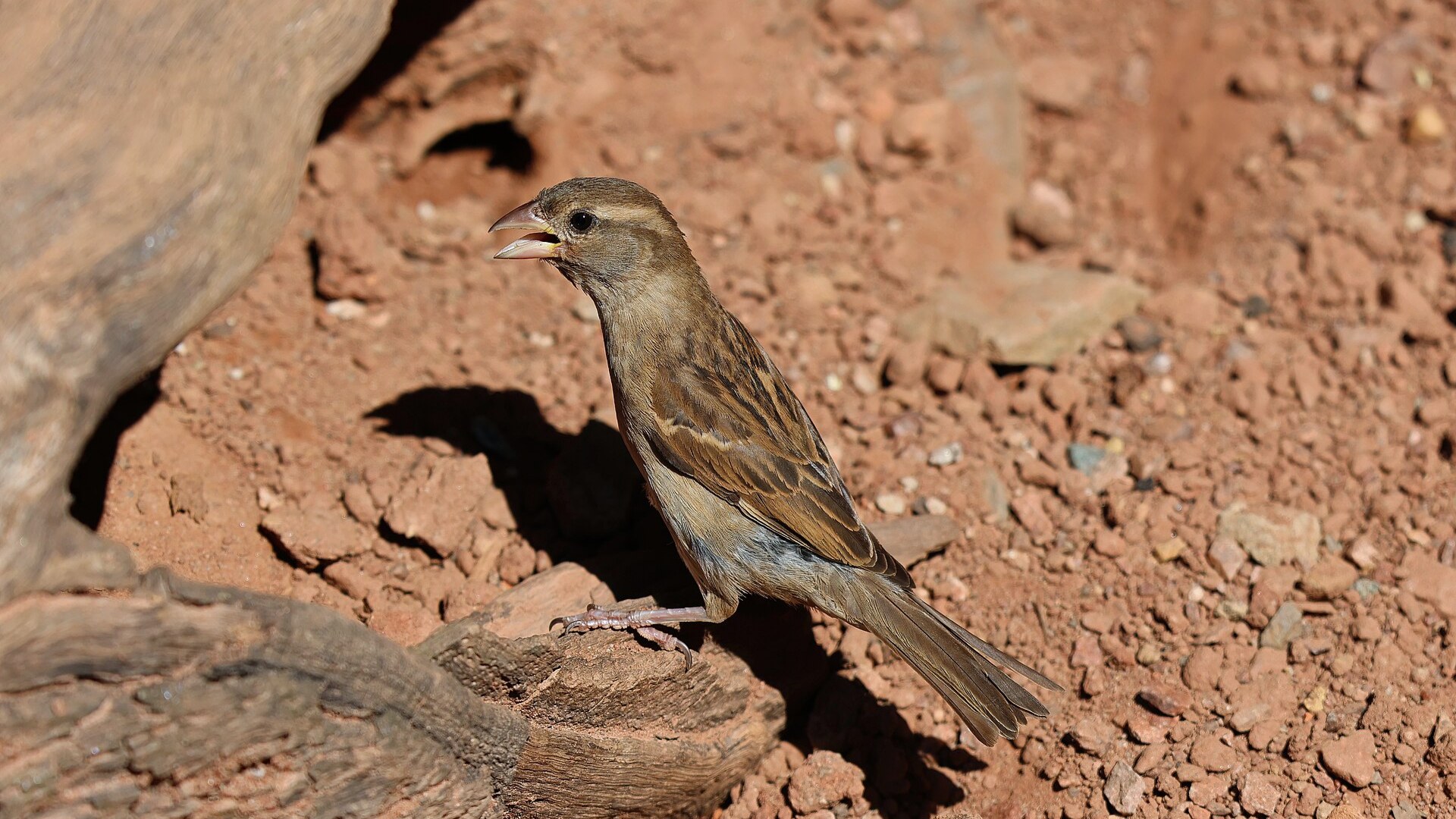
15. House Sparrow
Passer domesticus followed human grain stores around the globe and inhabits every continent except Antarctica. Even as cities crumble, sparrows can shift back to wild grass seeds and insects while nesting inside decaying buildings.
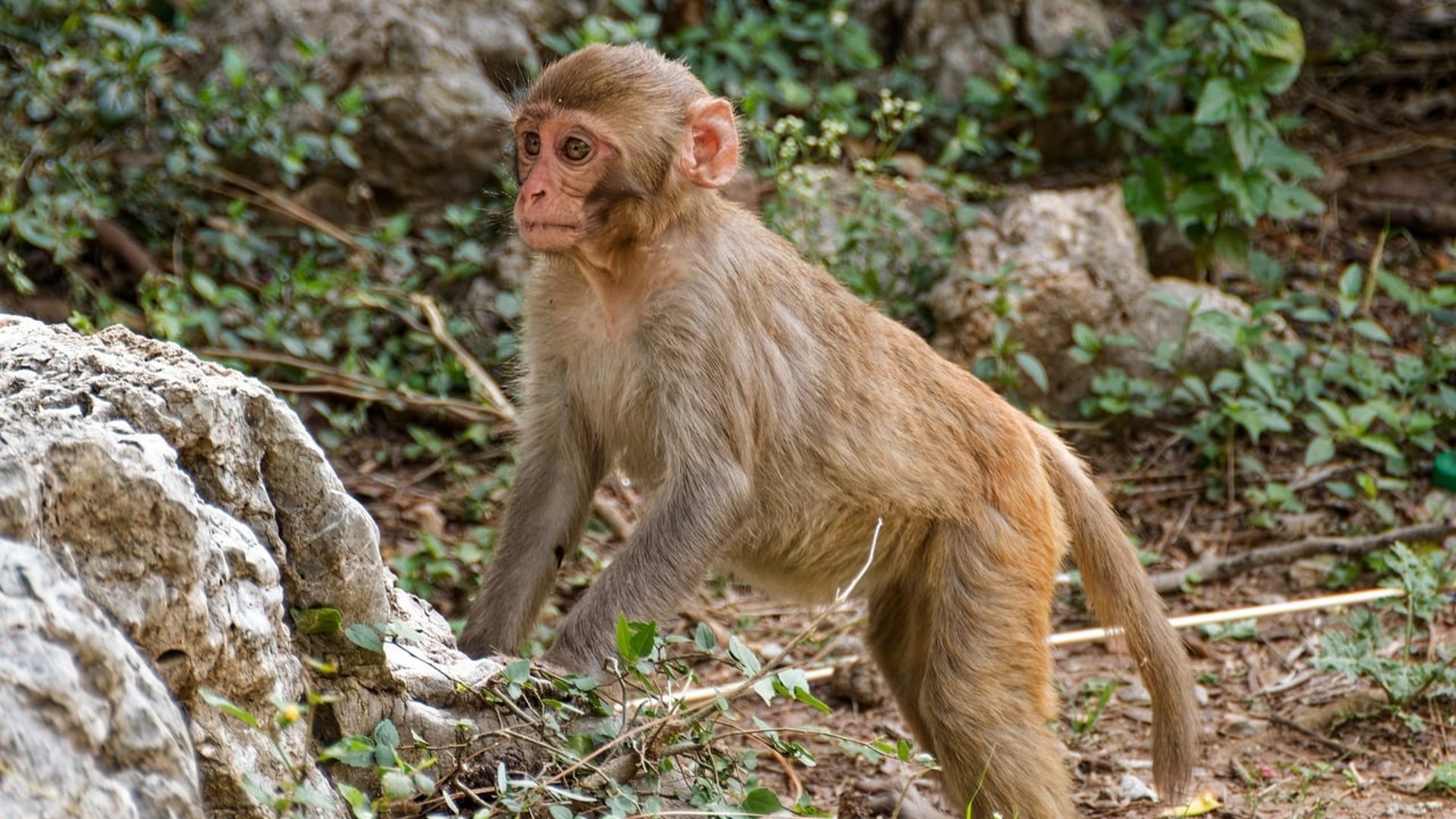
14. Rhesus Macaque
Macaca mulatta thrives across snow-covered Himalayan slopes, tropical forests and dense urban temples. High social intelligence and nimble hands allow troops to exploit abandoned buildings, orchards and waterways with remarkable speed.
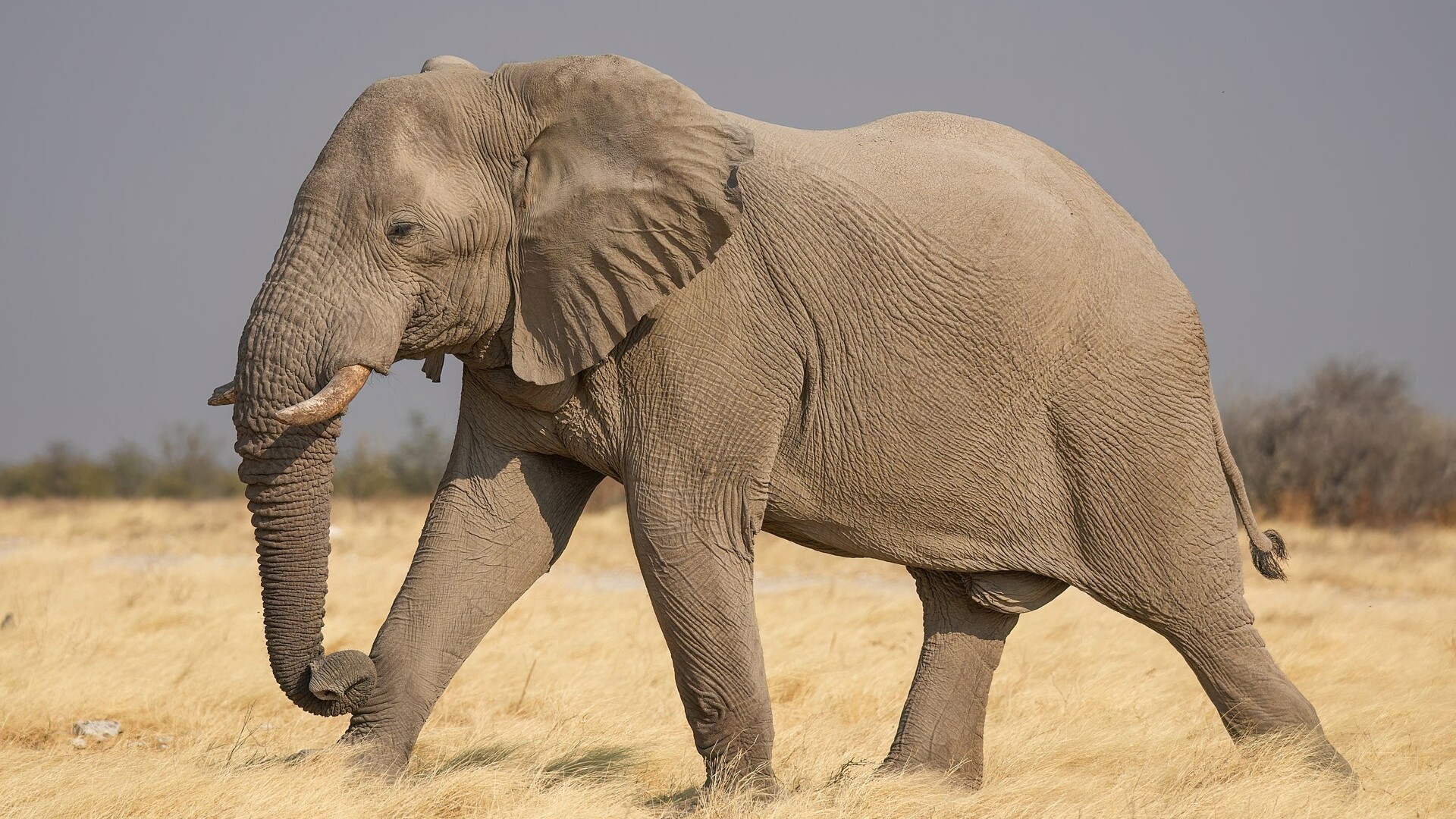
13. African Bush Elephant
Loxodonta africana engineers ecosystems by toppling trees, digging dry-season waterholes and dispersing seeds over long distances. Freed from ivory hunting and habitat barriers, herds could gradually reclaim historic migratory corridors.
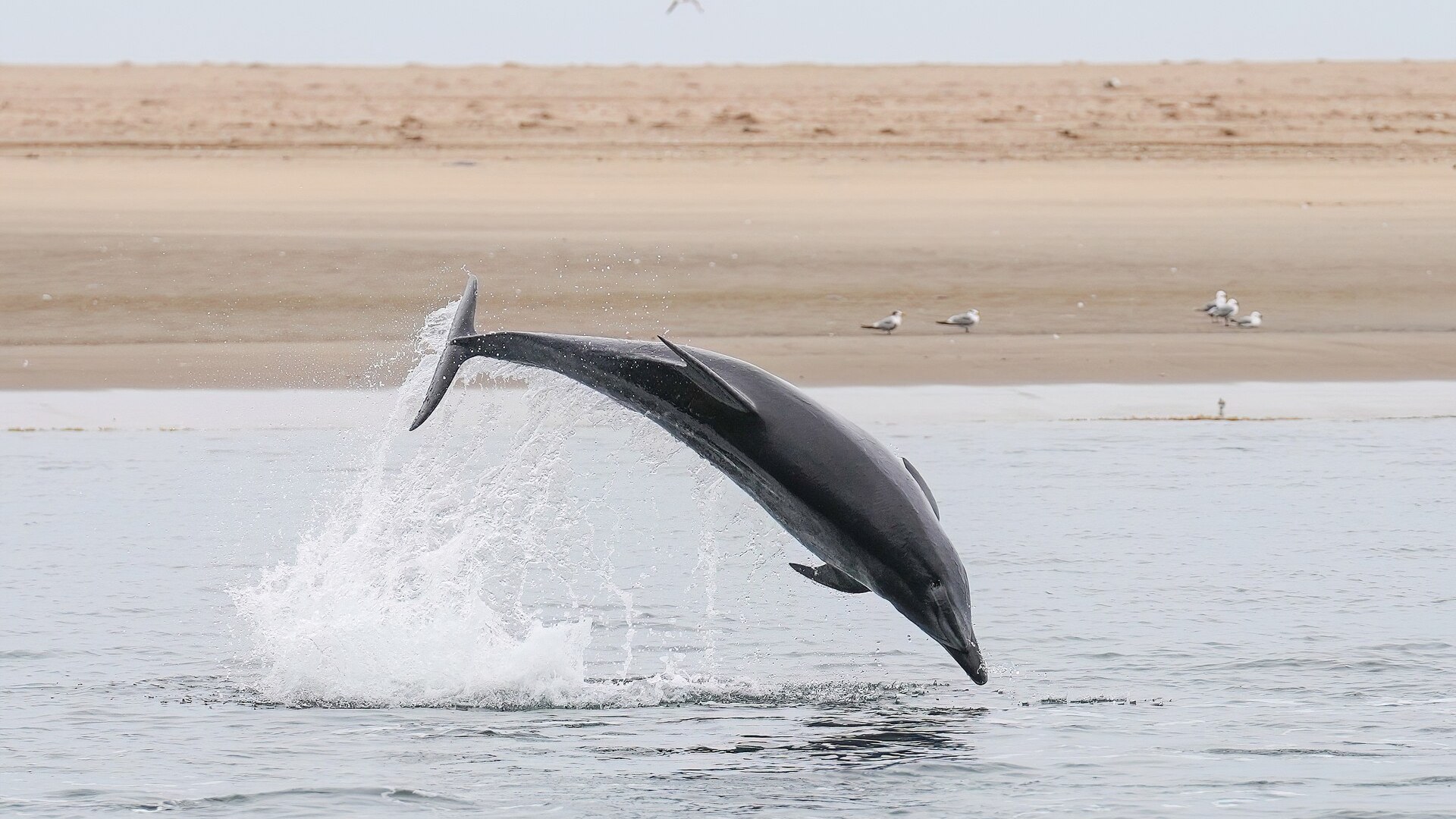
12. Bottlenose Dolphin
Tursiops truncatus relies on echolocation that commercial sonar and cargo vessels routinely disrupt. With cleaner coastal waters and rebounding fish stocks, pods would coordinate complex hunting strategies across warm and temperate seas.
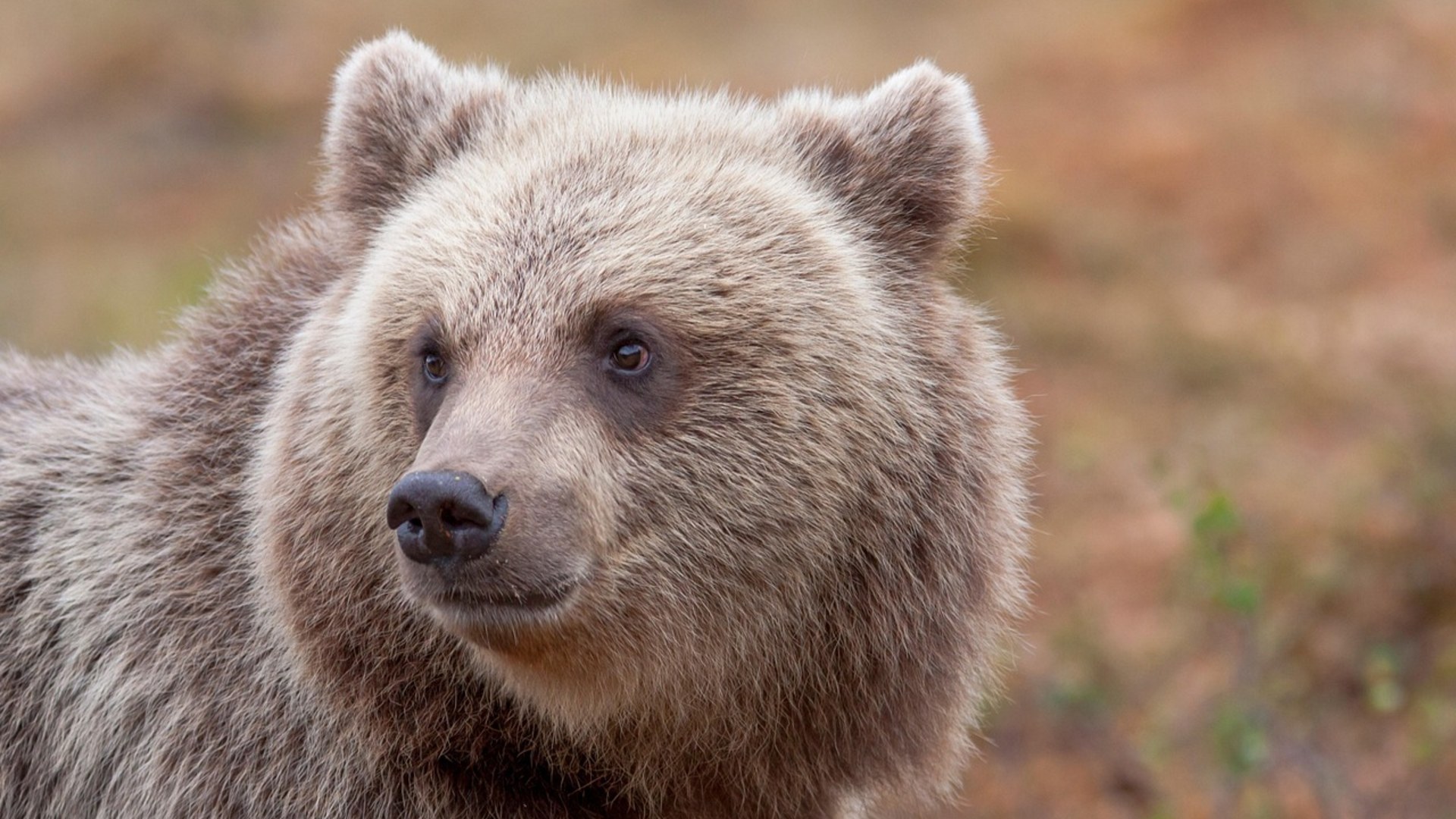
11. Brown Bear
Ursus arctos eats berries, roots, salmon, insects and large mammals, adjusting its diet with every season. Without highways slicing up mountain corridors, bears from Alaska to Europe could reclaim lowland river basins.
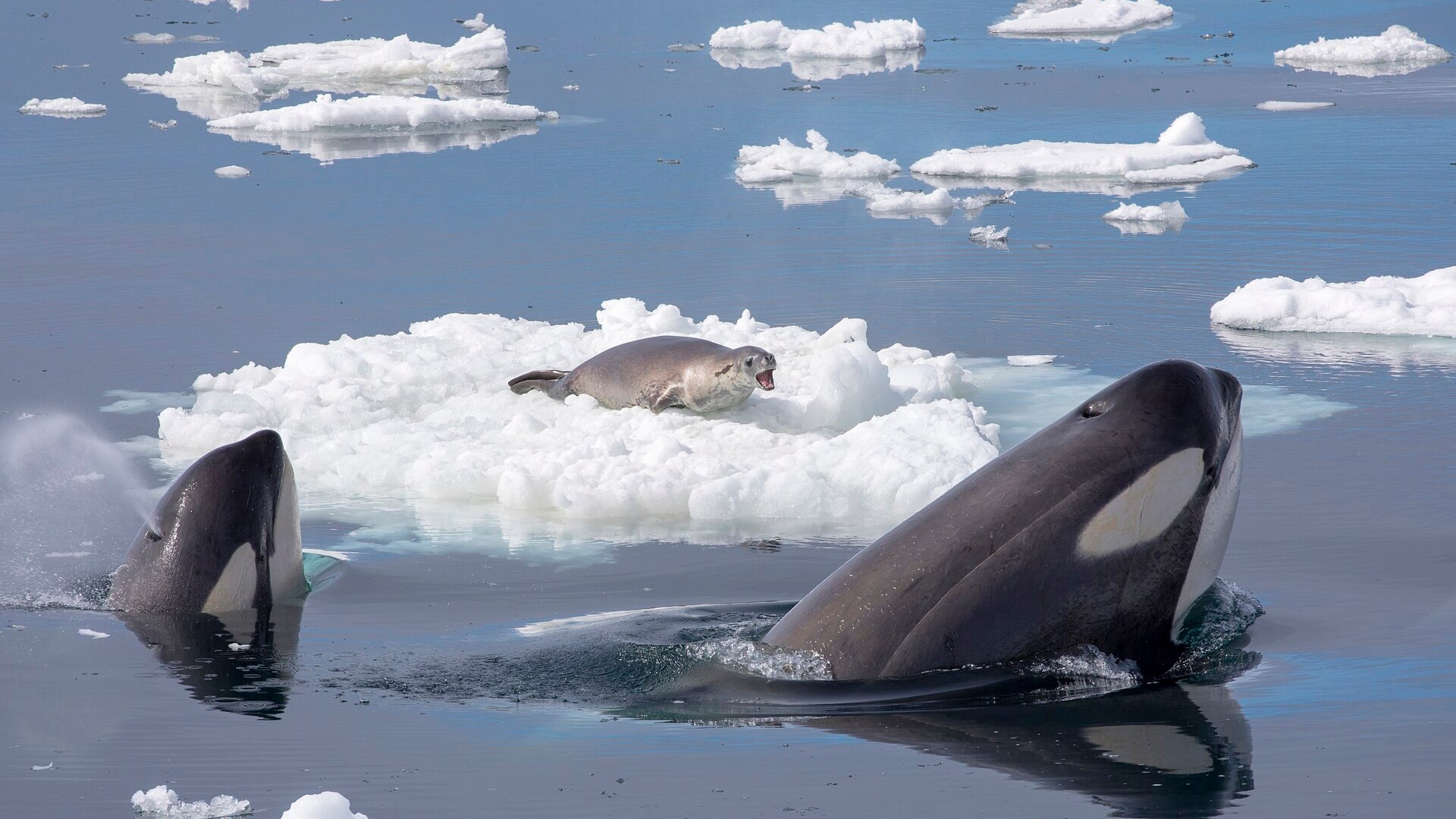
10. Orca
Orcinus orca pods hunt everything from herring schools to great white sharks using coordinated wave washes and acoustic calls. As overfished seas recover without industrial trawlers, orcas would face virtually no marine rivals.
9. Leafcutter Ant
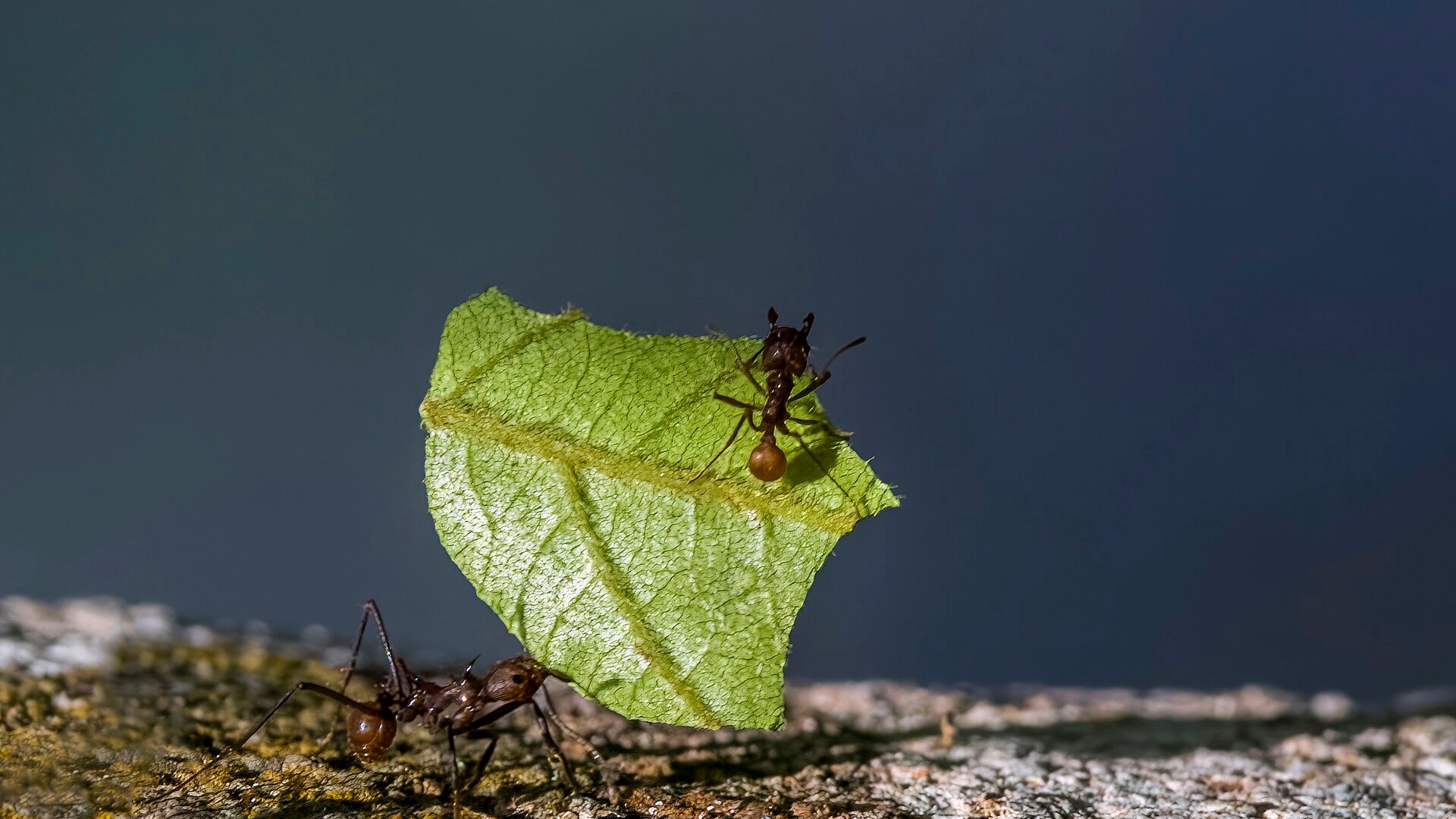
Atta cephalotes colonies harvest vast amounts of leaves to cultivate underground fungus gardens, functioning like miniature agricultural societies. With no land clearing or pesticides, ant supercolonies would expand rapidly across warm regions.
8. Rock Pigeon
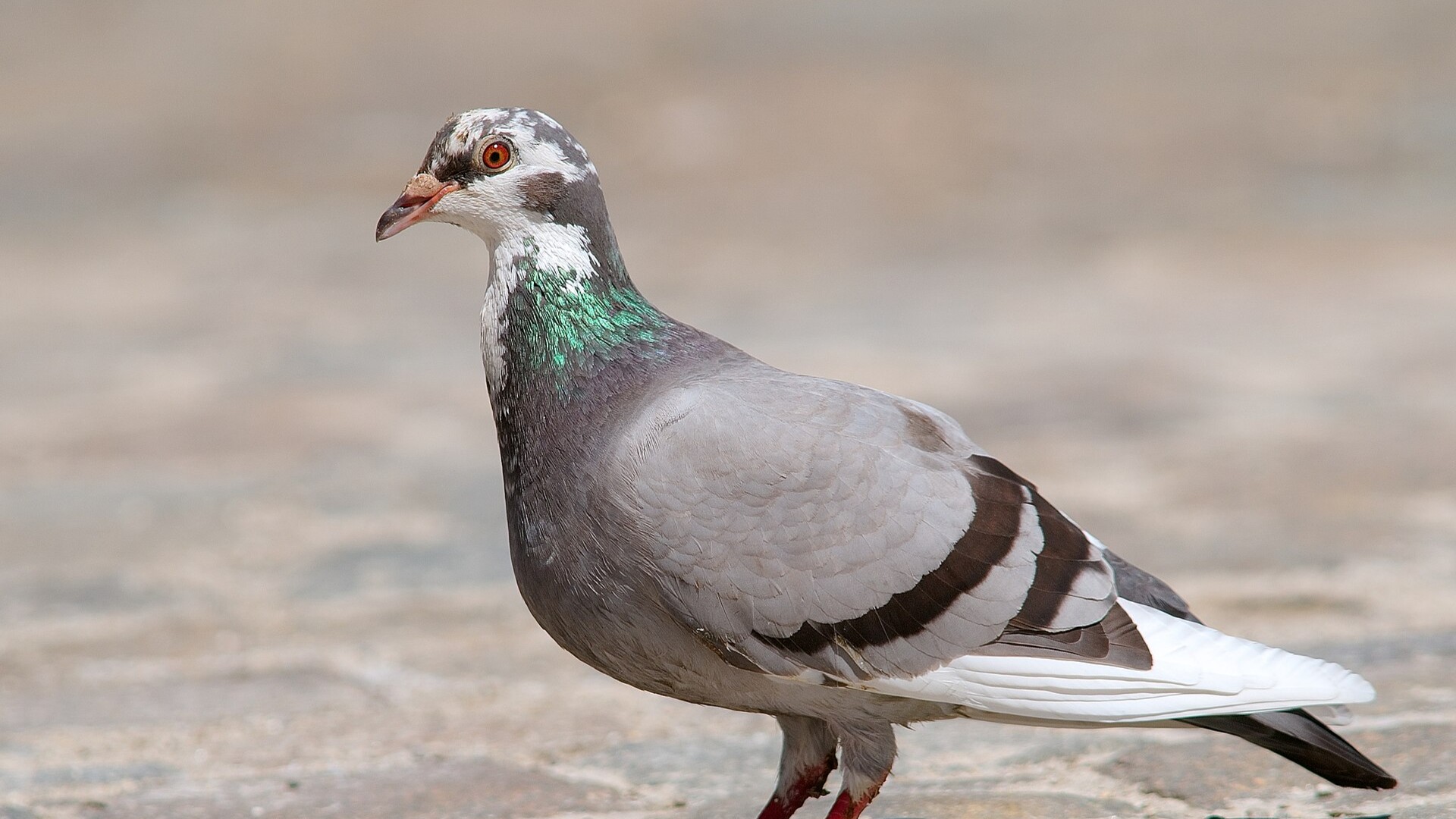
Columba livia navigates using magnetic cues and landmarks while raising multiple broods a year on minimal food. Cracked office towers and quiet bridges would serve as safe nesting cliffs long after streets turn to meadow.
7. Raccoon
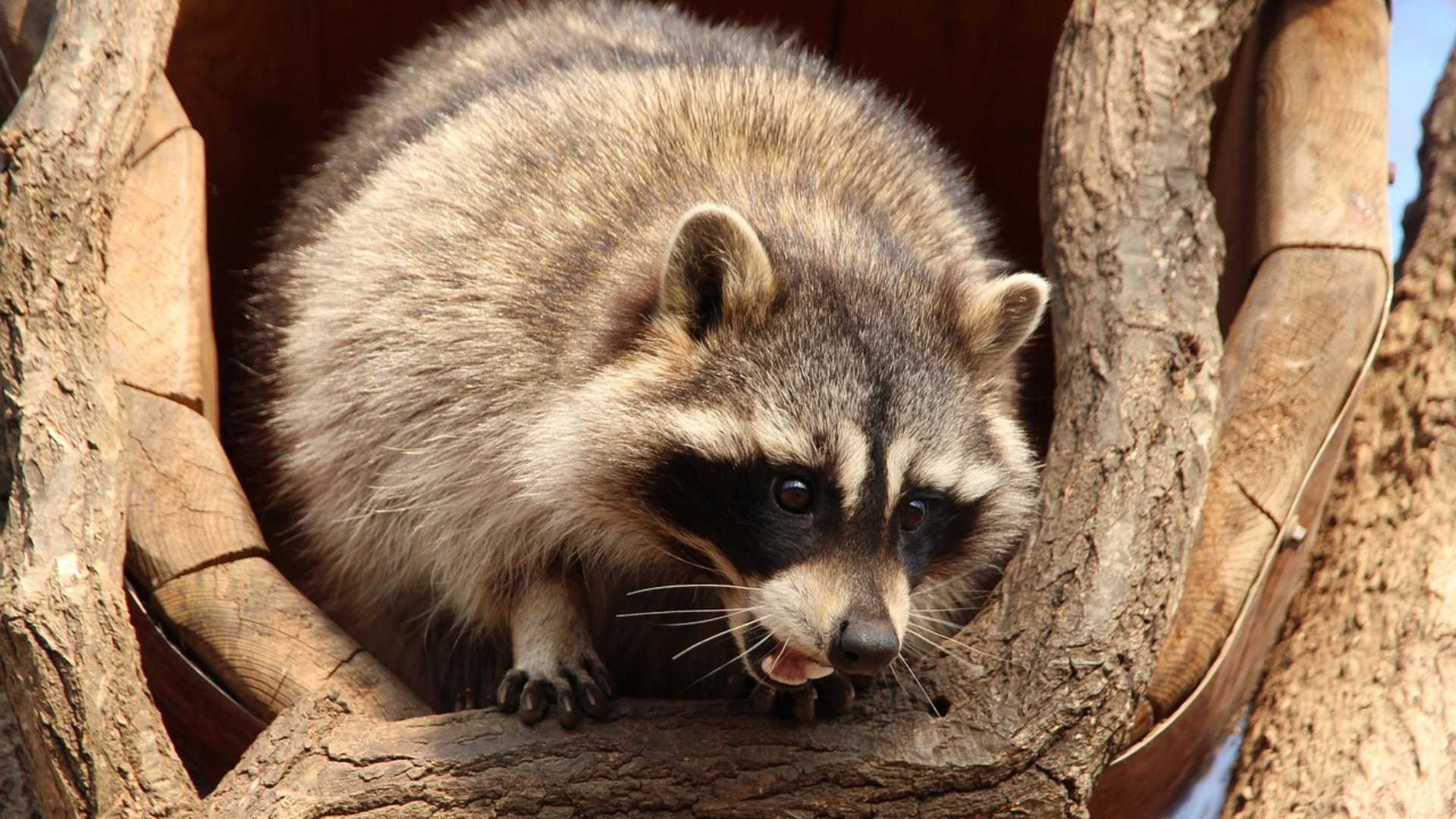
Procyon lotor possesses ultra-sensitive front paws capable of opening latches, jars and complex food caches. After scavenging the last remnants of abandoned towns, raccoons would flourish along rivers and wooded ruins across North America, Europe and Japan.
6. Domestic Cat
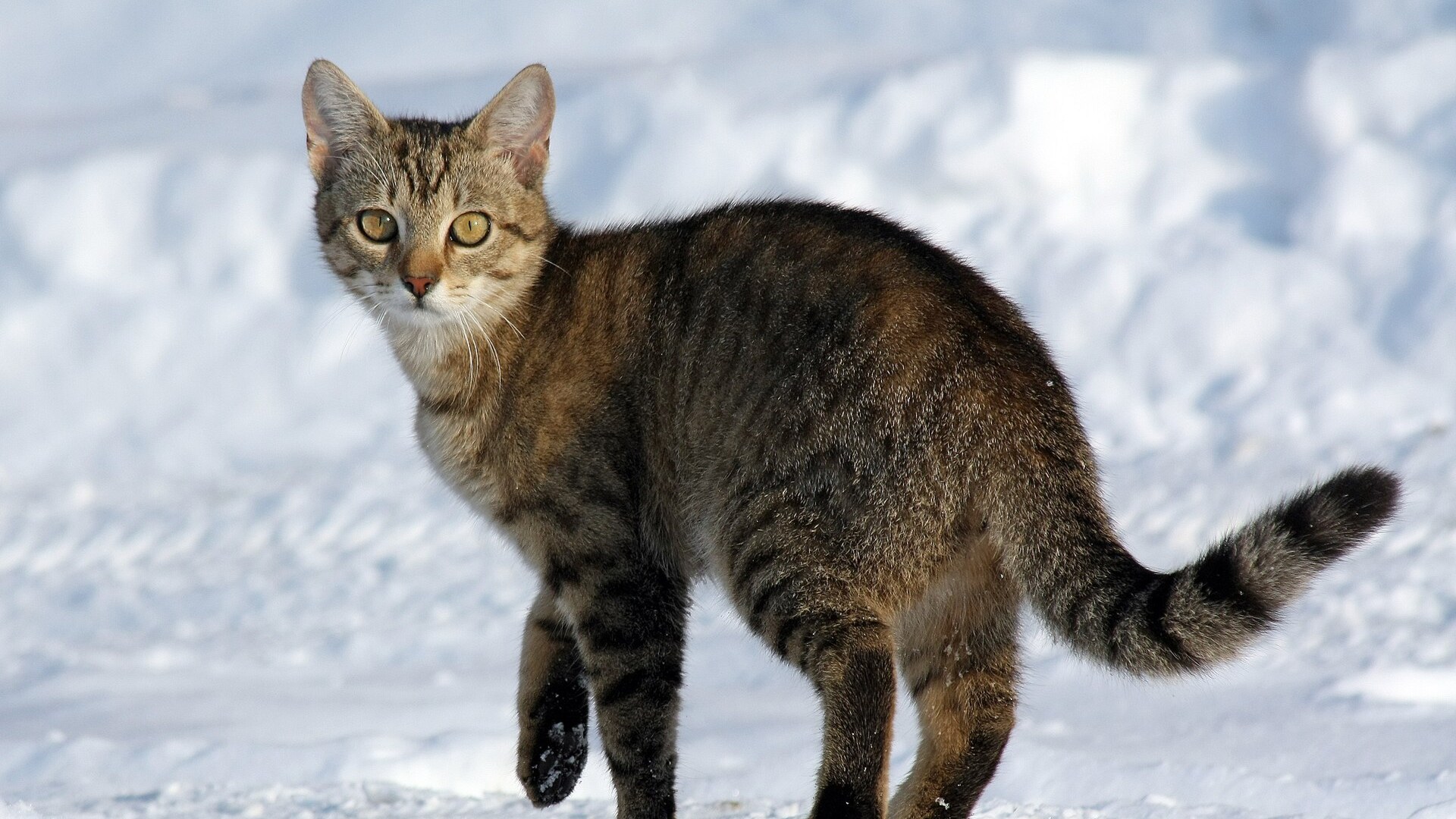
Felis catus already kills billions of small birds and rodents each year even when kept as pets. Freed from indoors, hundreds of millions of cats would form a dominant small-predator guild across ruins, grasslands and scrublands.
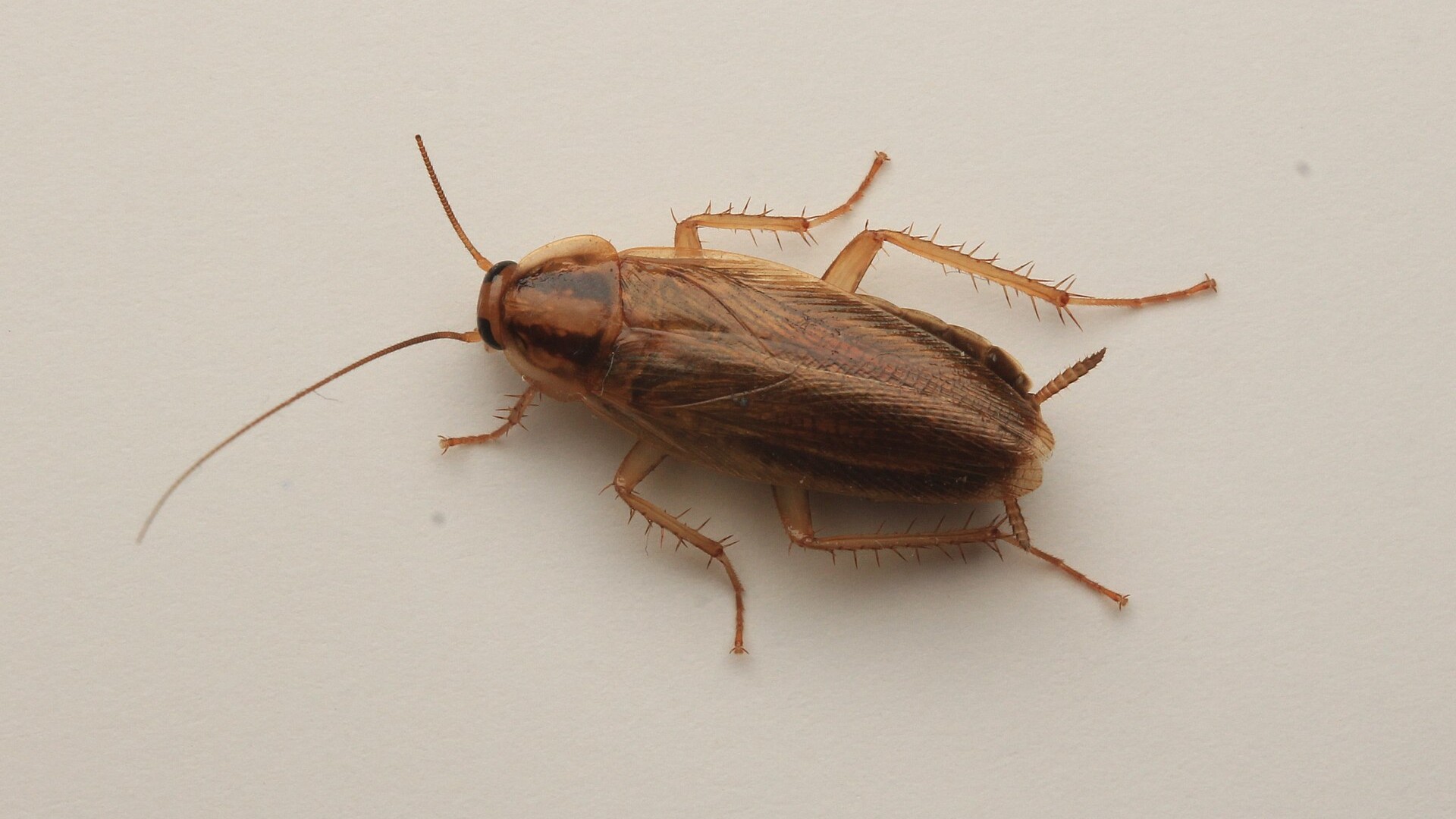
5. German Cockroach
Blattella germanica matures in weeks and produces dozens of eggs per capsule, quickly adapting to toxins and scarce food. While indoor heating vanishes, populations in warm climates and sheltered subterranean tunnels would persist for millennia.
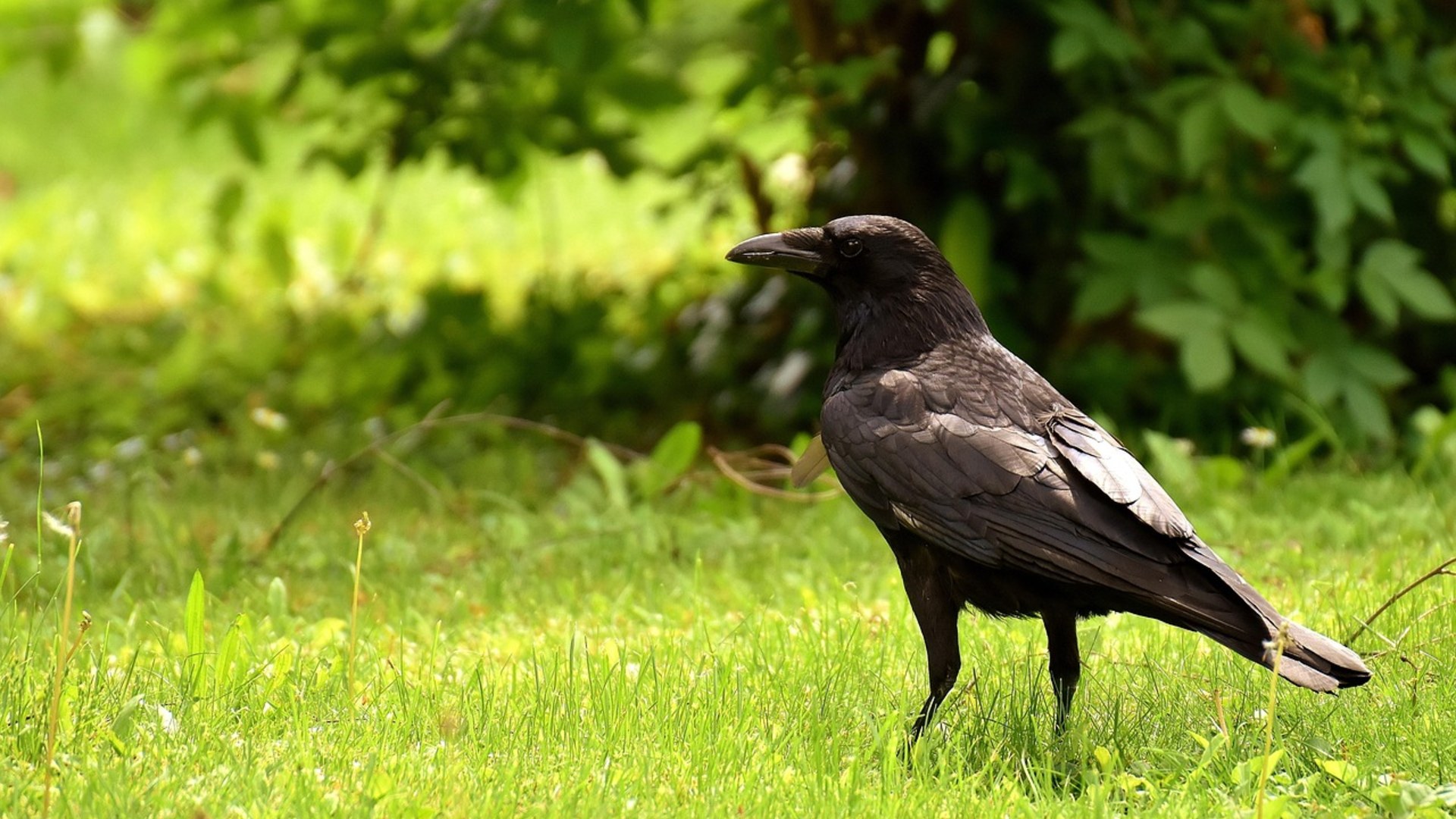
4. Common Raven
Corvus corax solves multi-step puzzles, remembers individual faces and follows wolf packs to share carcasses. Across northern continents, ravens combine flight, intelligence and scavenging versatility unmatched by almost any bird.
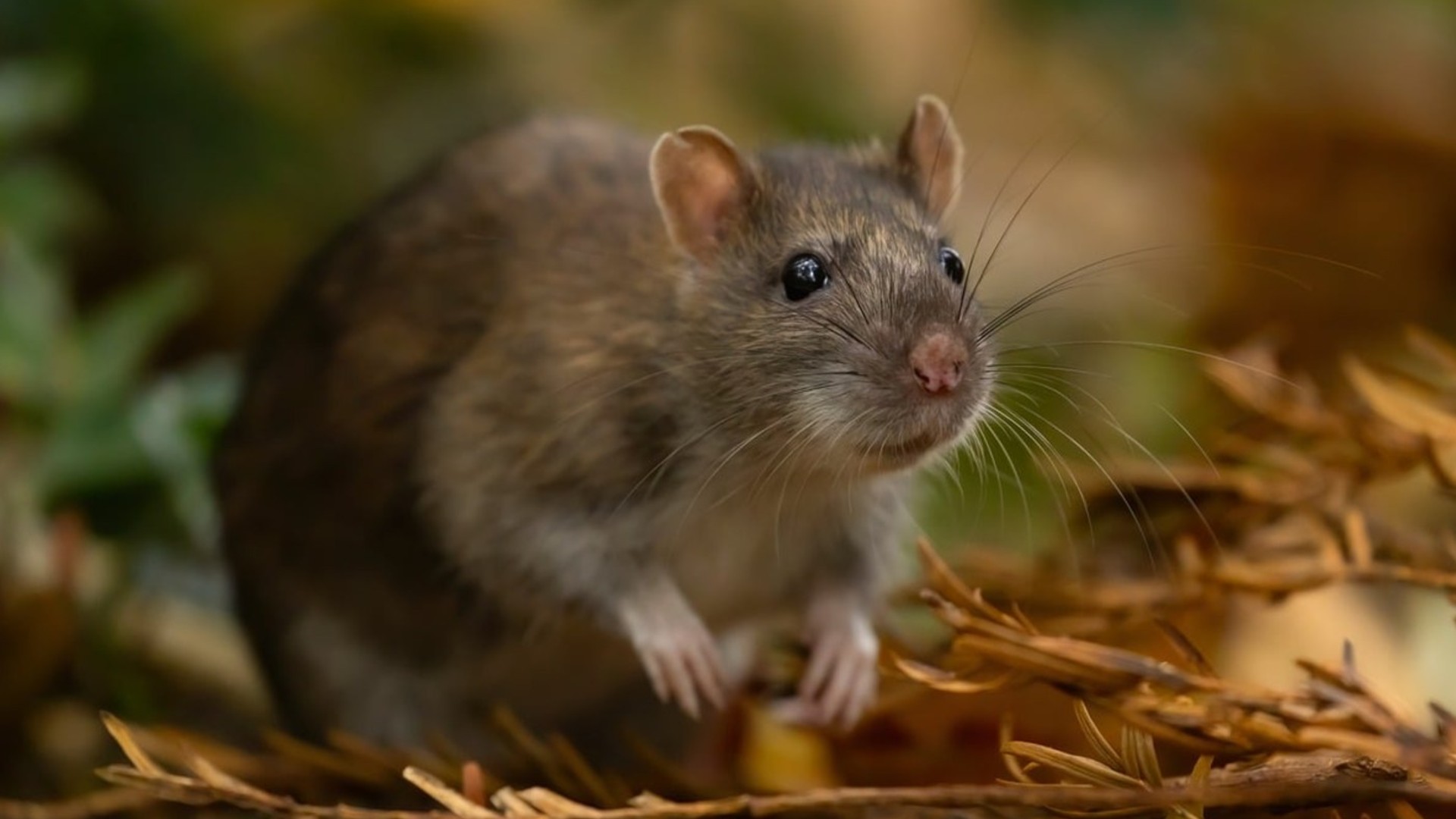
3. Brown Rat
Rattus norvegicus thrives in sewers, grain fields, islands and Arctic ports alike. A single pair can produce dozens of pups a year, allowing rats to rapidly exploit abandoned food warehouses before spreading into wild burrowing colonies.
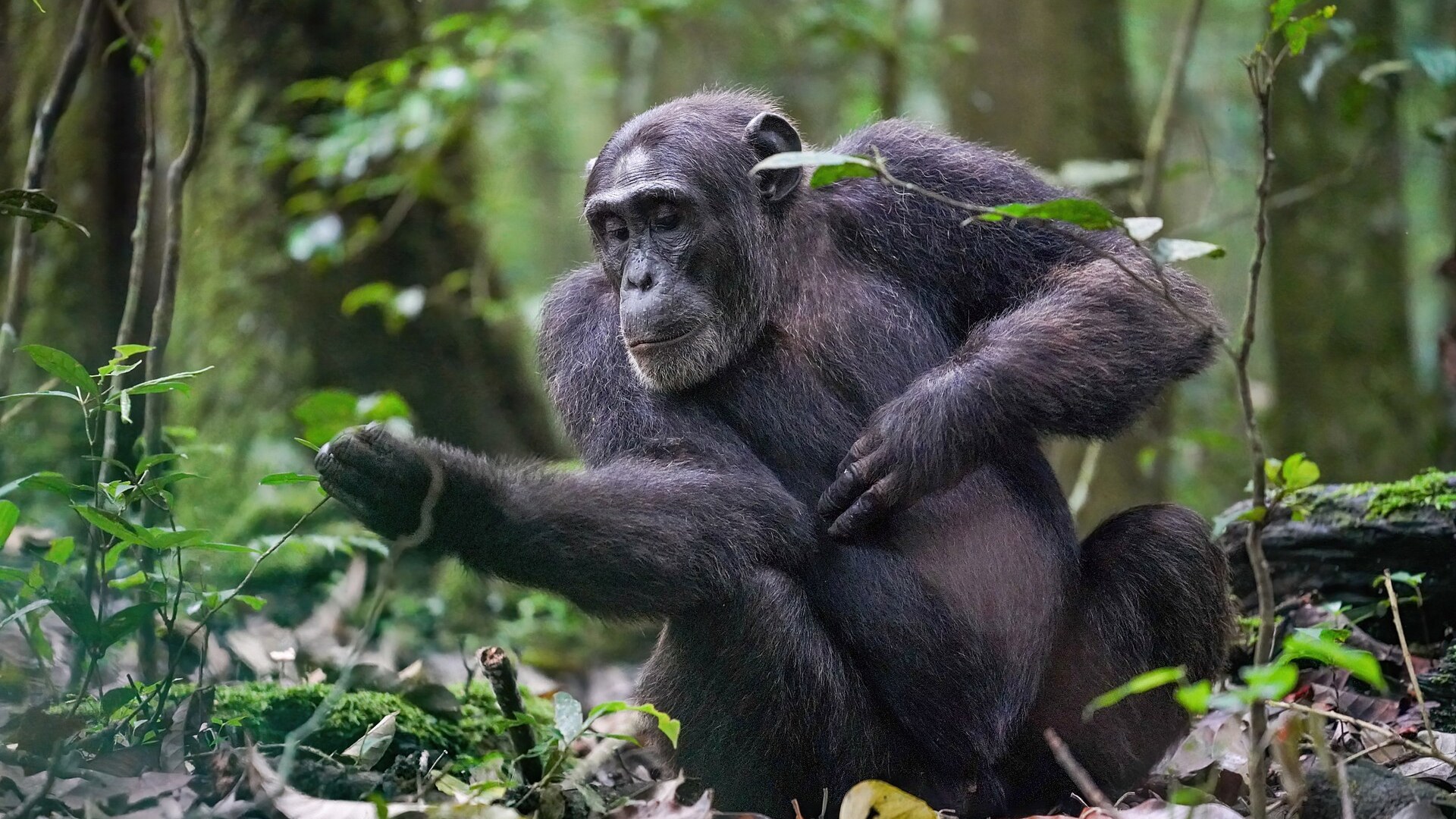
2. Chimpanzee
Pan troglodytes shares roughly 98.8 percent of human DNA and passes tool-making traditions across generations. With logging and poaching halted, recovering chimpanzee populations across central and western Africa could expand into regenerating forests.
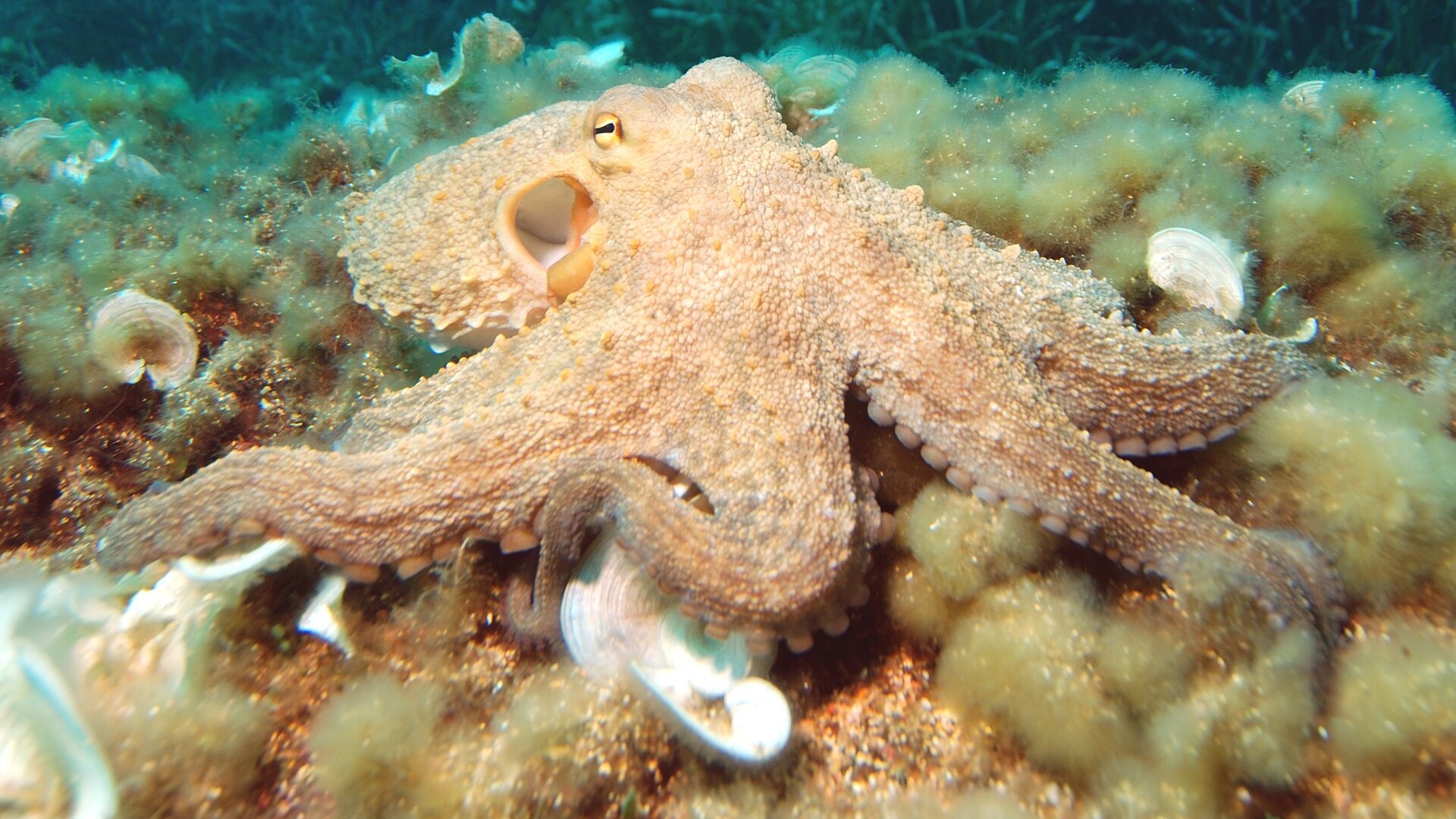
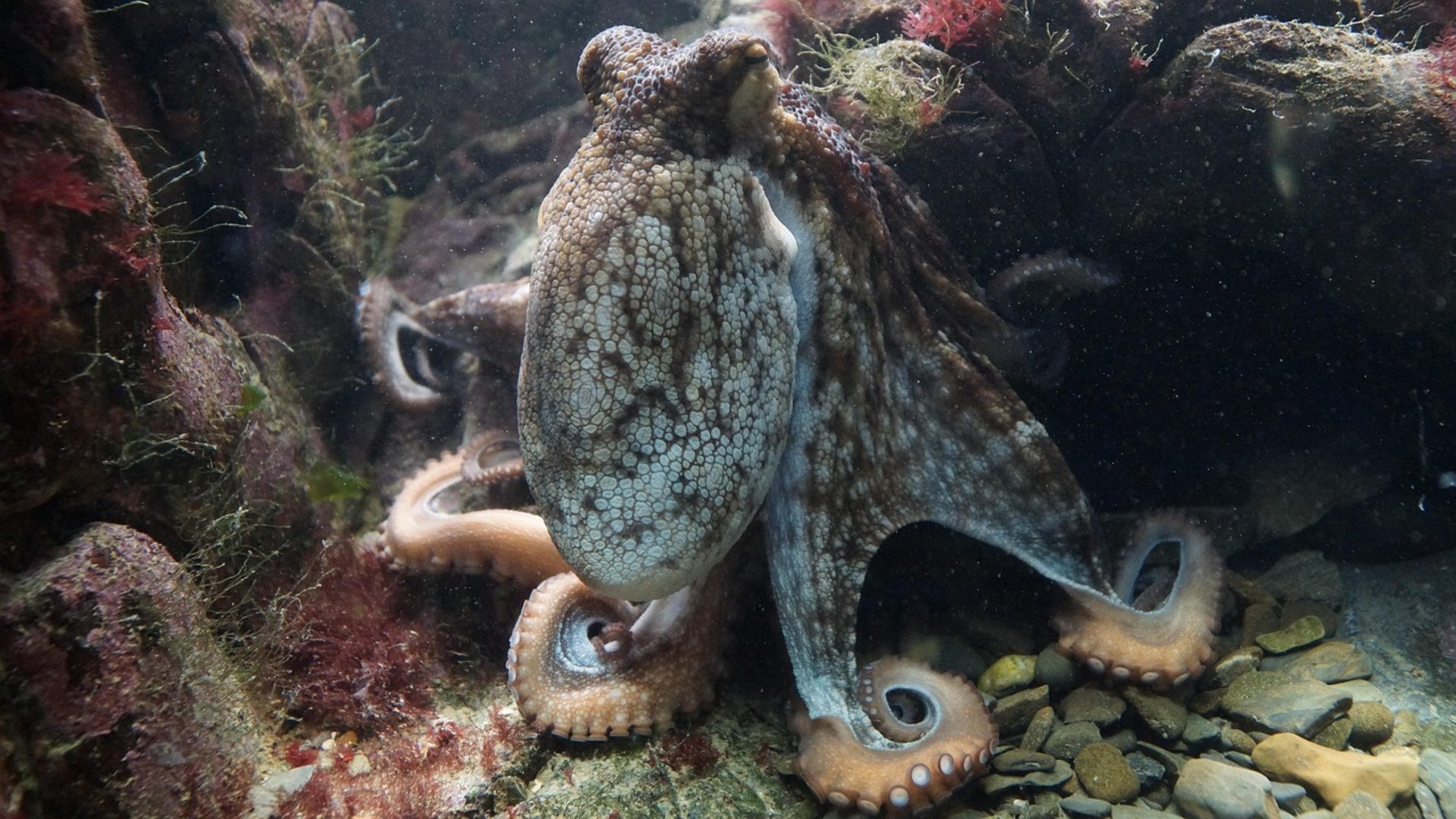
1. Common Octopus
Octopus vulgaris packs around 500 million neurons, mostly in its eight flexible arms, enabling maze solving and camouflage. Coulson notes in evolutionary commentary that without primates, intelligent marine invertebrates could eventually evolve land-foraging niches.