Slideshow · Health
22 Popular Foods That Look Healthy Until You Check the Label
Based on nutrition data from USDA FoodData Central, the American Heart Association, and Harvard T.H. Chan School of Public Health, these 22 everyday foods often carry health claims on the front of the box. Behind the marketing, added sugar, sodium, saturated fat, or lost fiber tell a very different story.
By Most Viral Today
1 hour agoradar-lead:signal:a3a2ebe2-031e-42c6-a08f-20e39107e4a8

See what nutrition labels reveal behind 22 popular grocery staples 
22. Multigrain Bread 
21. Reduced-Fat Peanut Butter 
20. Flavored Rice Cakes - AdvertisementSwipe or tap ▶ to continue countdown

19. Sweet Potato And Veggie Chips 
18. Sweetened Dried Cranberries 
17. Bakery Blueberry And Bran Muffins 
16. Turkey Bacon - AdvertisementSwipe or tap ▶ to continue countdown

15. Restaurant Caesar Salad 
14. Instant Flavored Oatmeal 
13. Commercial Protein Bars 
12. Sweetened Trail Mix - AdvertisementSwipe or tap ▶ to continue countdown

11. Salted Pretzels 
10. Frozen Yogurt 
9. Sports Drinks 
8. Flavored Yogurt Cups - AdvertisementSwipe or tap ▶ to continue countdown

7. Sweetened Iced Coffee Drinks 
6. Coconut Oil 
5. Acai Smoothie Bowls 
4. Canned Tomato Soup - AdvertisementSwipe or tap ▶ to continue countdown

3. Bottled 100% Fruit Juice 
2. Bottled Fruit Smoothies 
1. Commercial Granola Bars - Advertisement🔥 UP NEXT IN THIS SERIES◫ 21 Slides

20 Habits and Foods That Improve Gut Health
A balanced microbiome supports digestion, immune defense, and mental well-being. This guide alternates between ten nutrient-dense foods and ten evidence-based lifestyle habits designed to nourish beneficial gut bacteria, based on clinical research from Harvard Health, Mayo Clinic, and the National Institutes of Health.
Based on nutrition data from USDA FoodData Central, the American Heart Association, and Harvard T.H. Chan School of Public Health, these 22 everyday foods often carry health claims on the front of the box. Behind the marketing, added sugar, sodium, saturated fat, or lost fiber tell a very different story.
Swipe or tap ▶ to begin the countdown
©Pixabay / walterrodriguezph
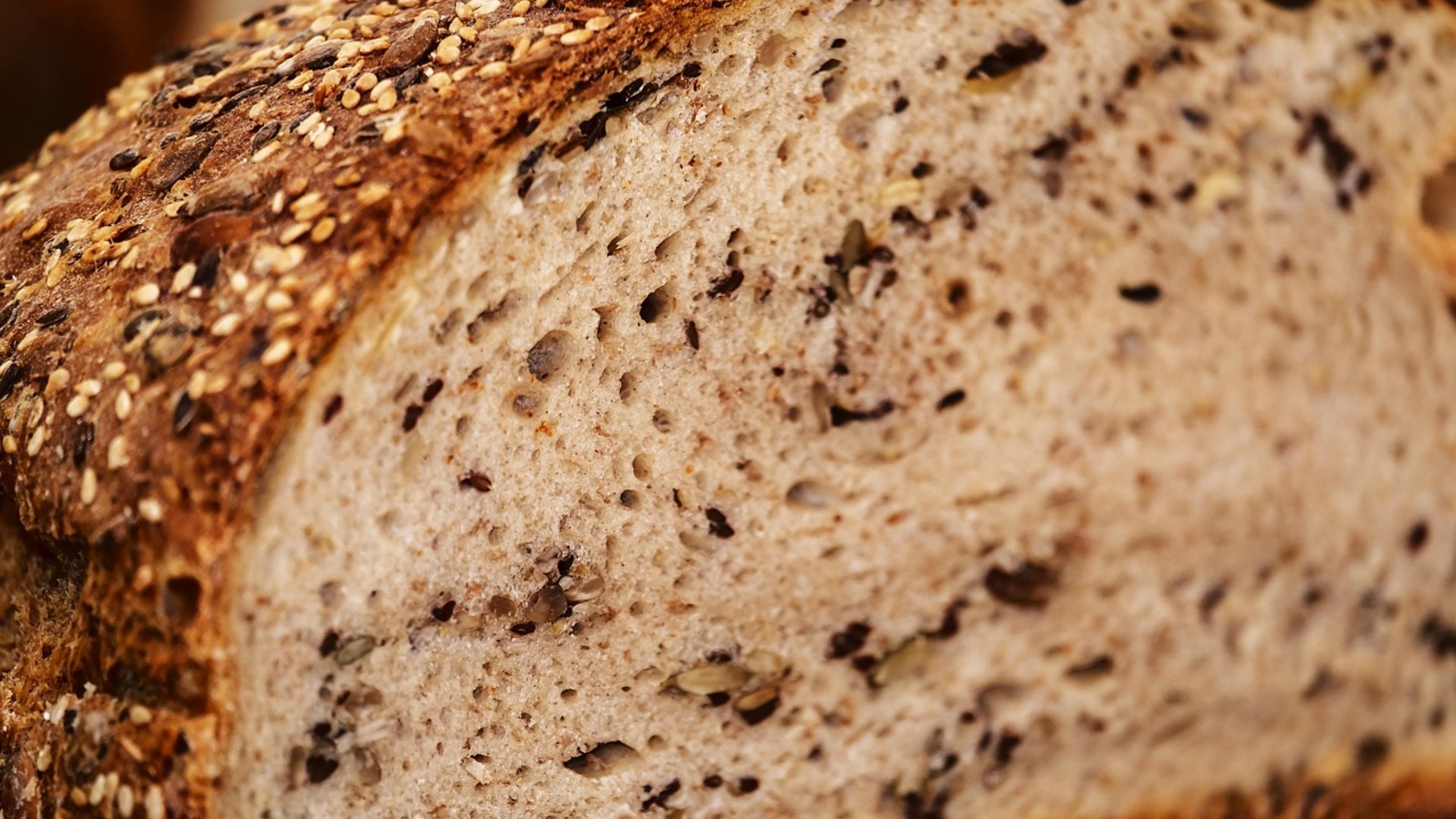
22. Multigrain Bread
Many loaves labeled multigrain, seven-grain, or wheat use enriched white flour as their primary ingredient, stripped of bran and germ. Unless the ingredient list begins with 100% whole grain or whole wheat, USDA data shows you lose most of the natural fiber and micronutrients.
©Pixabay / Couleur
21. Reduced-Fat Peanut Butter
Standard and reduced-fat peanut butter contain nearly identical calories per two-tablespoon serving, around 190. To restore flavor after stripping heart-healthy monounsaturated fats, manufacturers typically add corn syrup solids, sugar, and hydrogenated vegetable oils.
©Wikimedia / Famartin
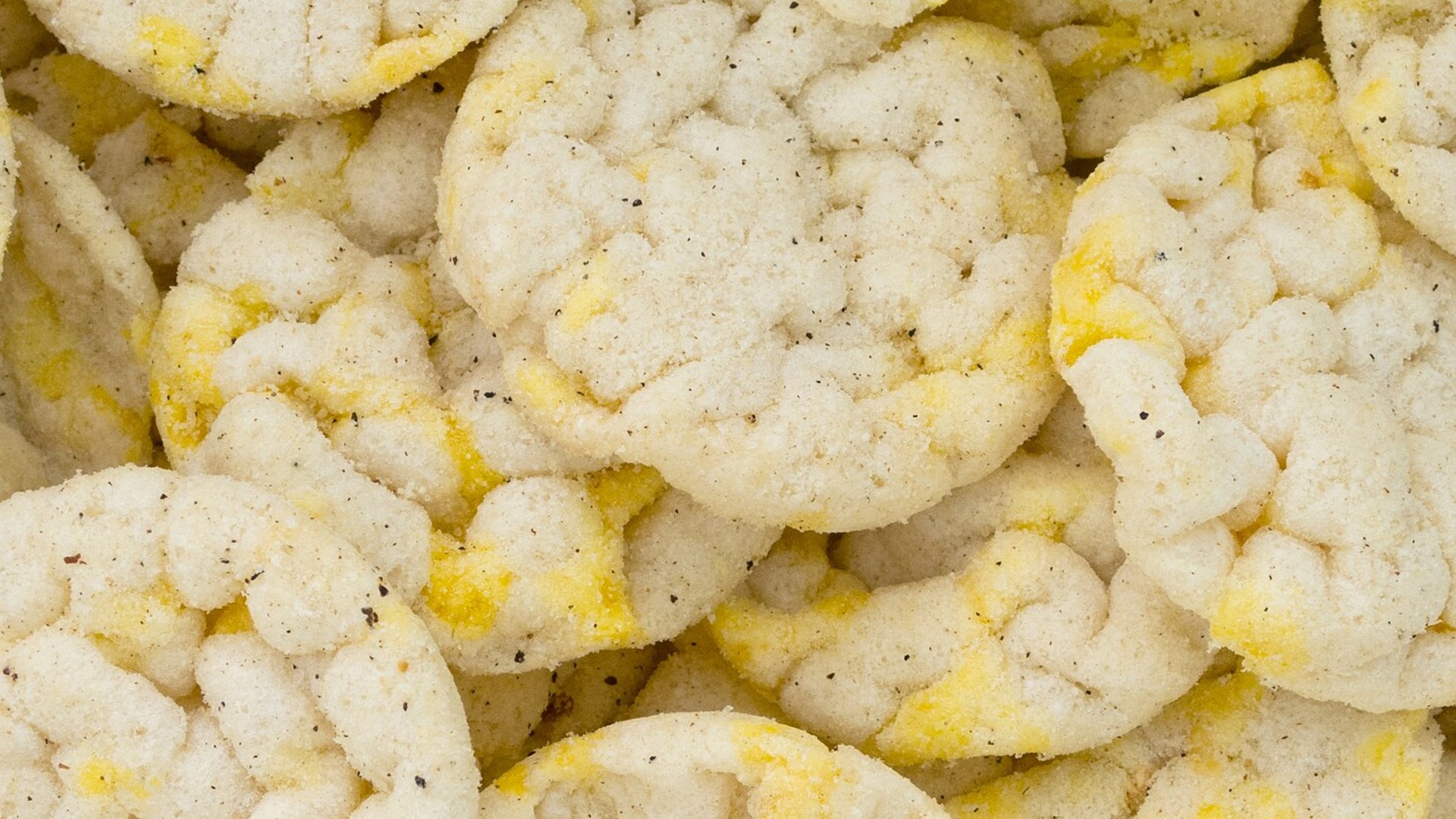
20. Flavored Rice Cakes
Two plain puffed rice cakes contain only about 70 calories, which earns them a diet-food reputation. Because the starch digests rapidly with minimal fiber or protein, plain varieties spike blood sugar quickly, while caramel or cheese coatings add sugar and extra sodium.
©Wikimedia / Evan-Amos
Advertisement
Swipe or tap ▶ to resume the countdown.
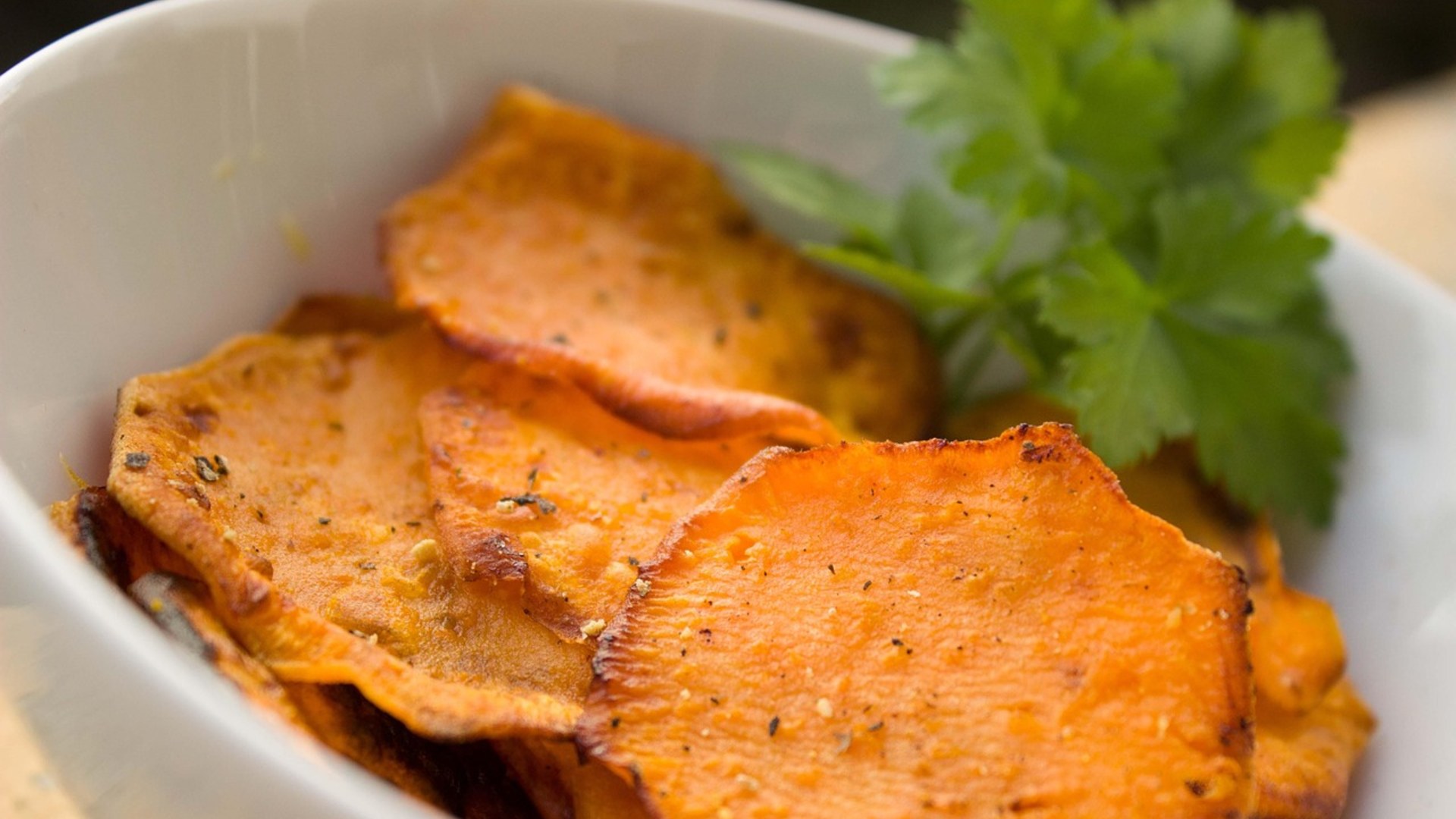
19. Sweet Potato And Veggie Chips
Many packaged veggie chips list potato starch, cornmeal, and vegetable oil ahead of actual spinach or tomato powder. Even real sliced sweet potato chips are fried or baked in oil with added salt, delivering roughly 140 to 150 calories and 8 grams of fat per ounce.
©Pixabay / Einladung_zum_Essen
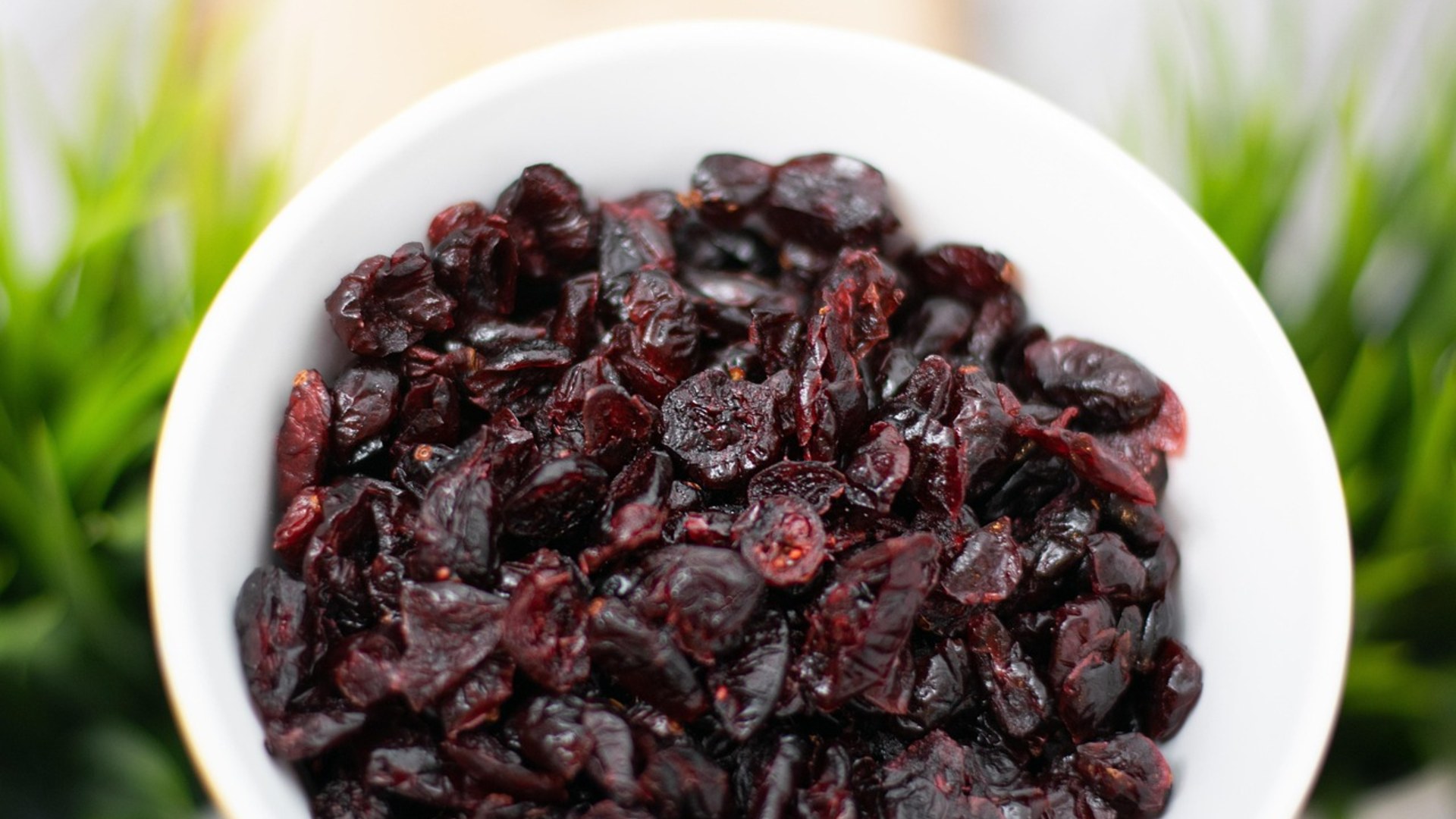
18. Sweetened Dried Cranberries
Fresh cranberries are naturally sour, so processors infuse dried versions with sucrose or fruit juice concentrate to make them palatable. According to USDA FoodData Central, a quarter-cup serving of sweetened dried cranberries packs around 29 grams of sugar and 130 calories.
©Pixabay / Creativegen
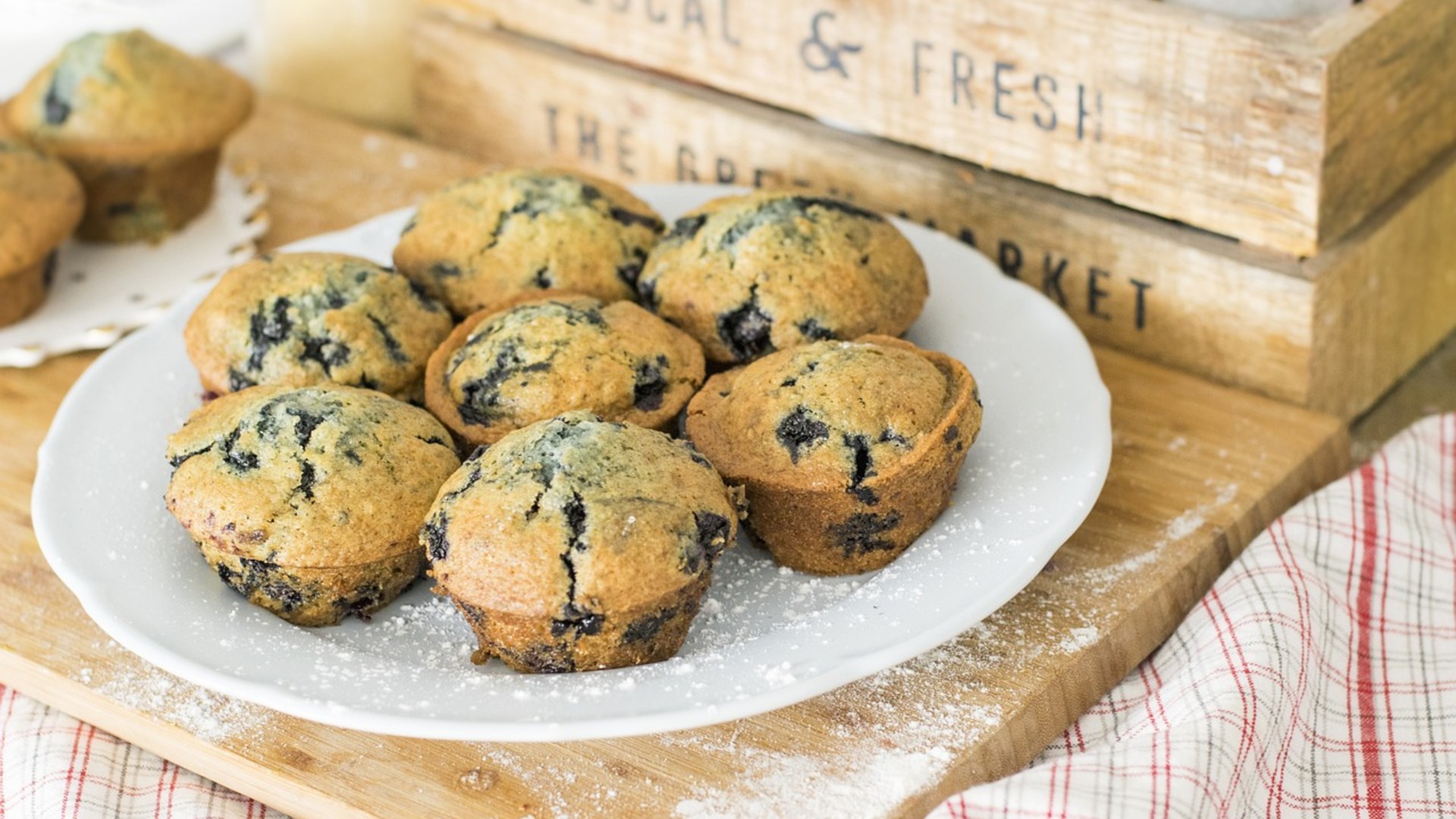
17. Bakery Blueberry And Bran Muffins
Words like bran or blueberry suggest a wholesome breakfast, yet commercial bakery muffins commonly weigh five to six ounces. That oversized portion can hold 400 to 500 calories, over 30 grams of sugar, and more refined flour than whole bran.
©Pixabay / Sophkins
16. Turkey Bacon
Two slices of cured turkey bacon have fewer calories than traditional pork bacon, though the sodium often stays high at 300 to 400 milligrams. Because turkey bacon is a processed meat preserved with nitrites, major cancer and heart groups advise limiting it alongside red meat.
©Wikimedia / Kevin Payravi
Advertisement
Swipe or tap ▶ to resume the countdown.
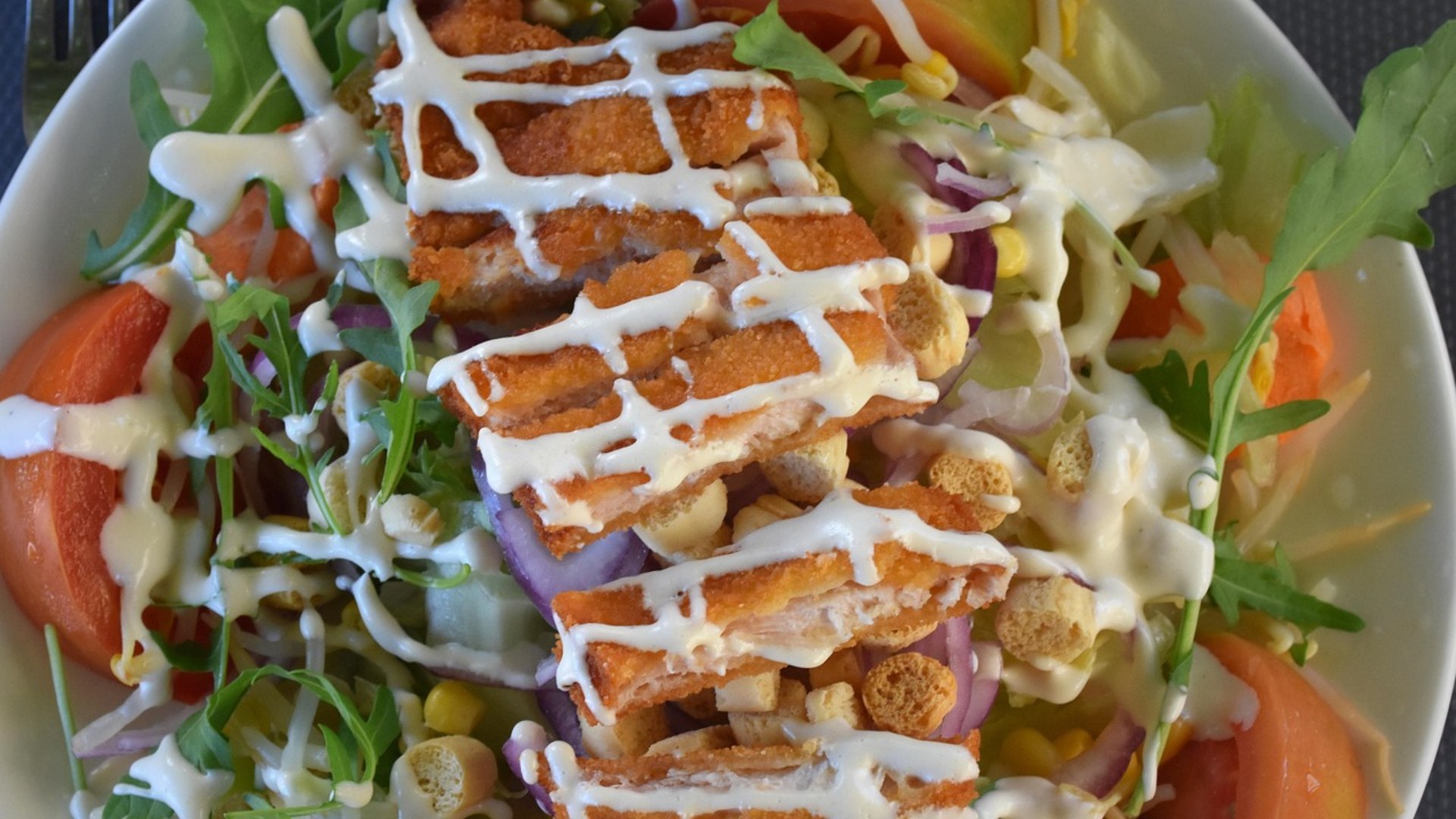
15. Restaurant Caesar Salad
Romaine lettuce starts with barely 15 calories per bowl, yet restaurant Caesar salads routinely climb past 700 calories. Egg-yolk and oil dressing, grated parmesan, fried croutons, and extra toppings can add more than 40 grams of fat and over 1,200 milligrams of sodium.
©Pixabay / Ben_Kerckx
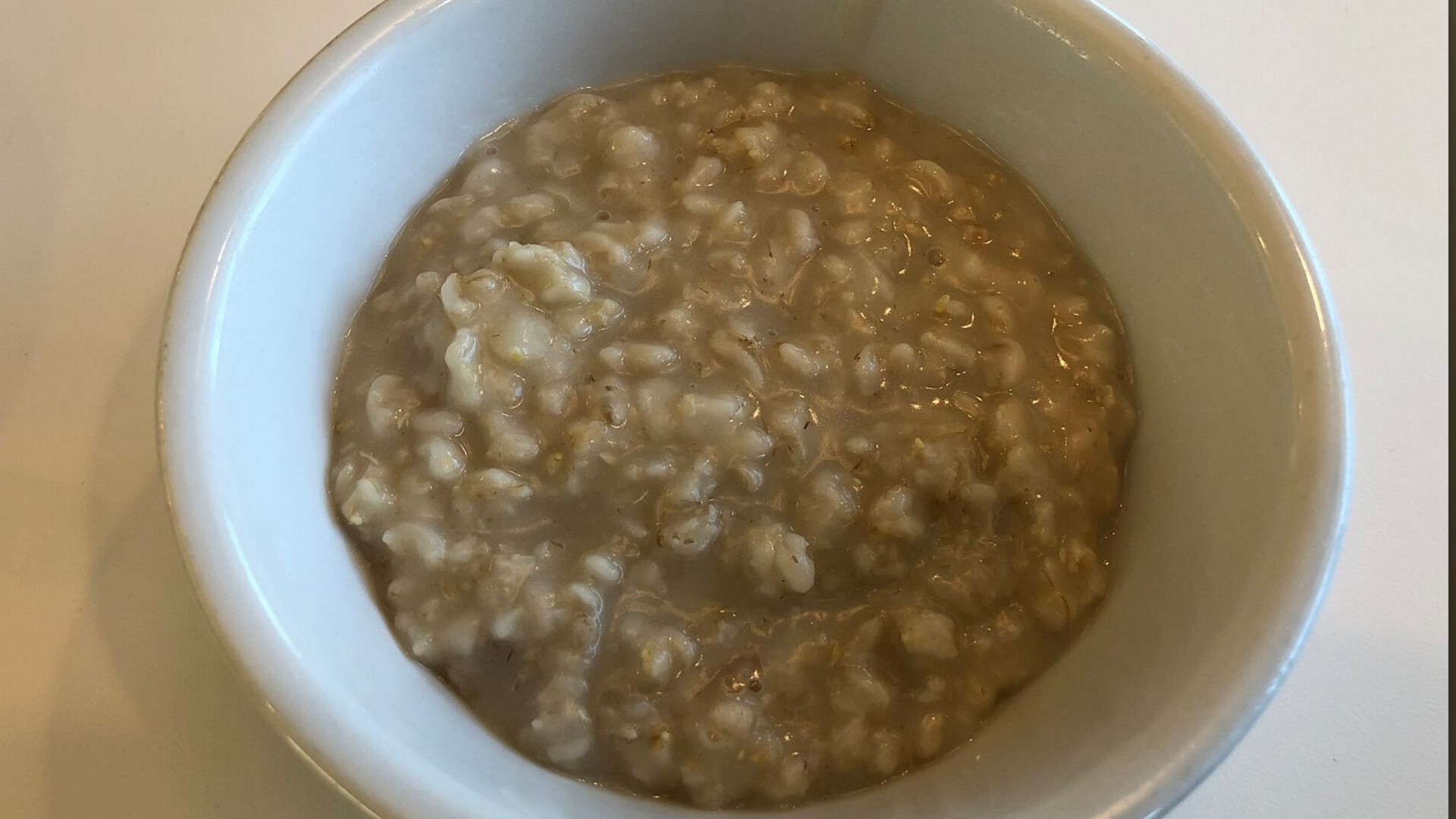
14. Instant Flavored Oatmeal
Plain rolled oats offer soluble beta-glucan fiber that helps lower LDL cholesterol. Pre-mixed maple brown sugar or apples-and-cinnamon packets typically add 10 to 13 grams of sugar per small pouch, pushing many breakfast eaters to pour two packets at once.
©Wikimedia / Famartin
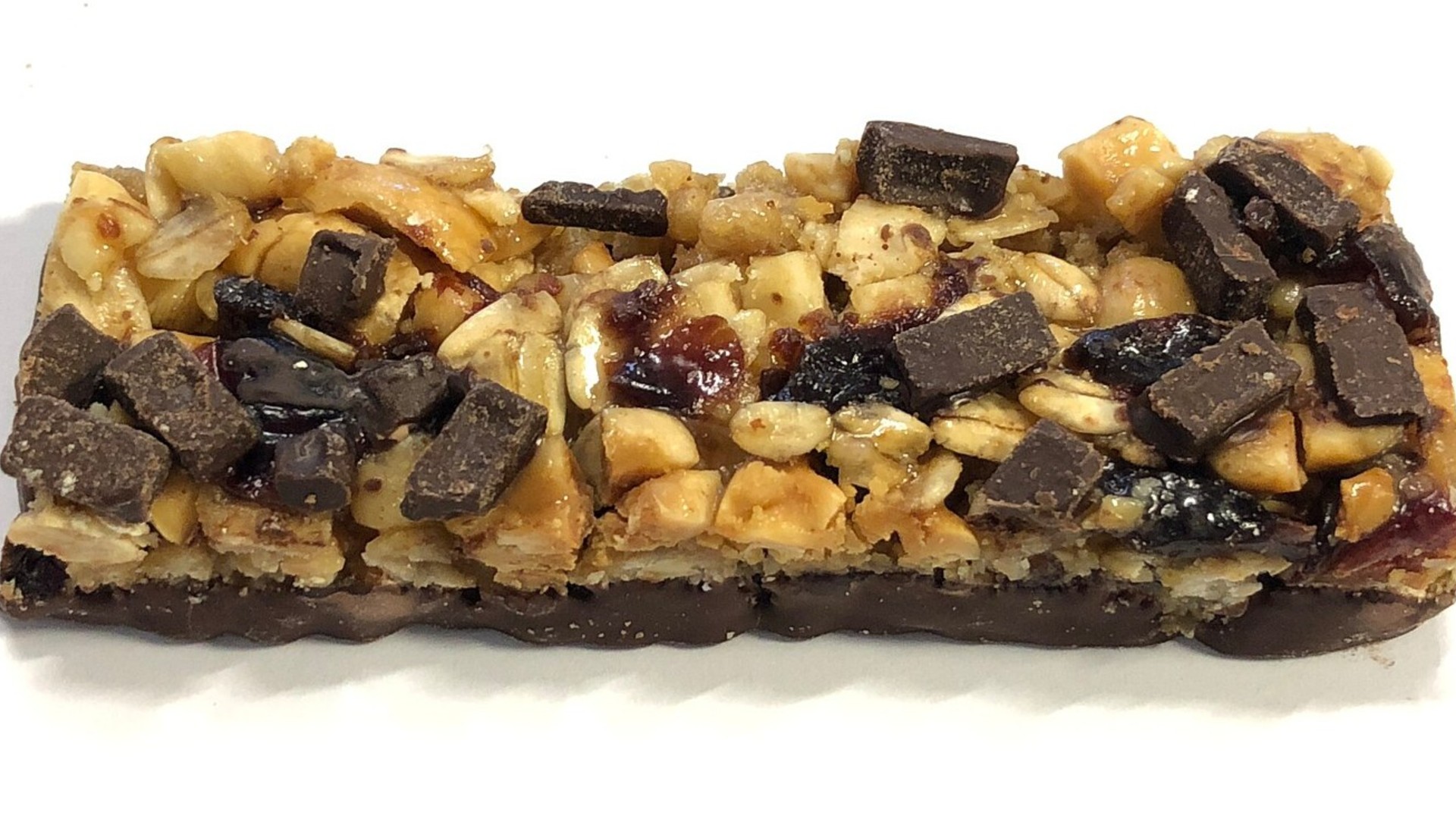
13. Commercial Protein Bars
A bar listing 20 grams of protein looks like post-workout fuel, yet the ingredient label often resembles a chocolate candy bar. Palm kernel oil, brown rice syrup, and sugar alcohols frequently push calories near 250 to 300 while causing bloating for sensitive stomachs.
©Wikimedia / Famartin
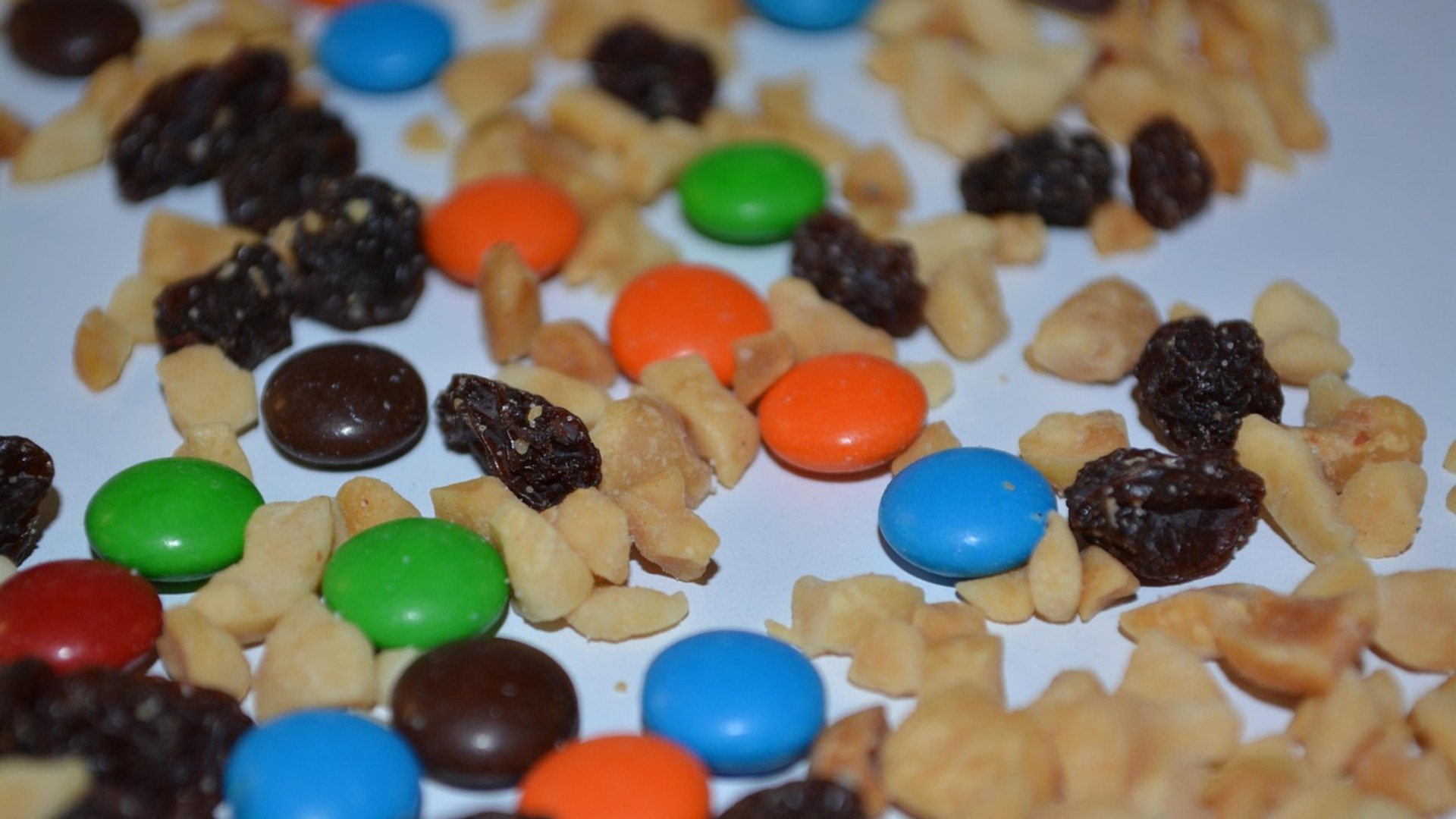
12. Sweetened Trail Mix
Originally packed for long hikes, store-bought trail mix blends raw nuts with candy-coated chocolates, sweetened dried fruit, and yogurt-covered pretzels. Just half a cup can deliver more than 320 calories and 18 grams of sugar before you notice how fast the handfuls add up.
©Pixabay / Cianna
Advertisement
Swipe or tap ▶ to resume the countdown.
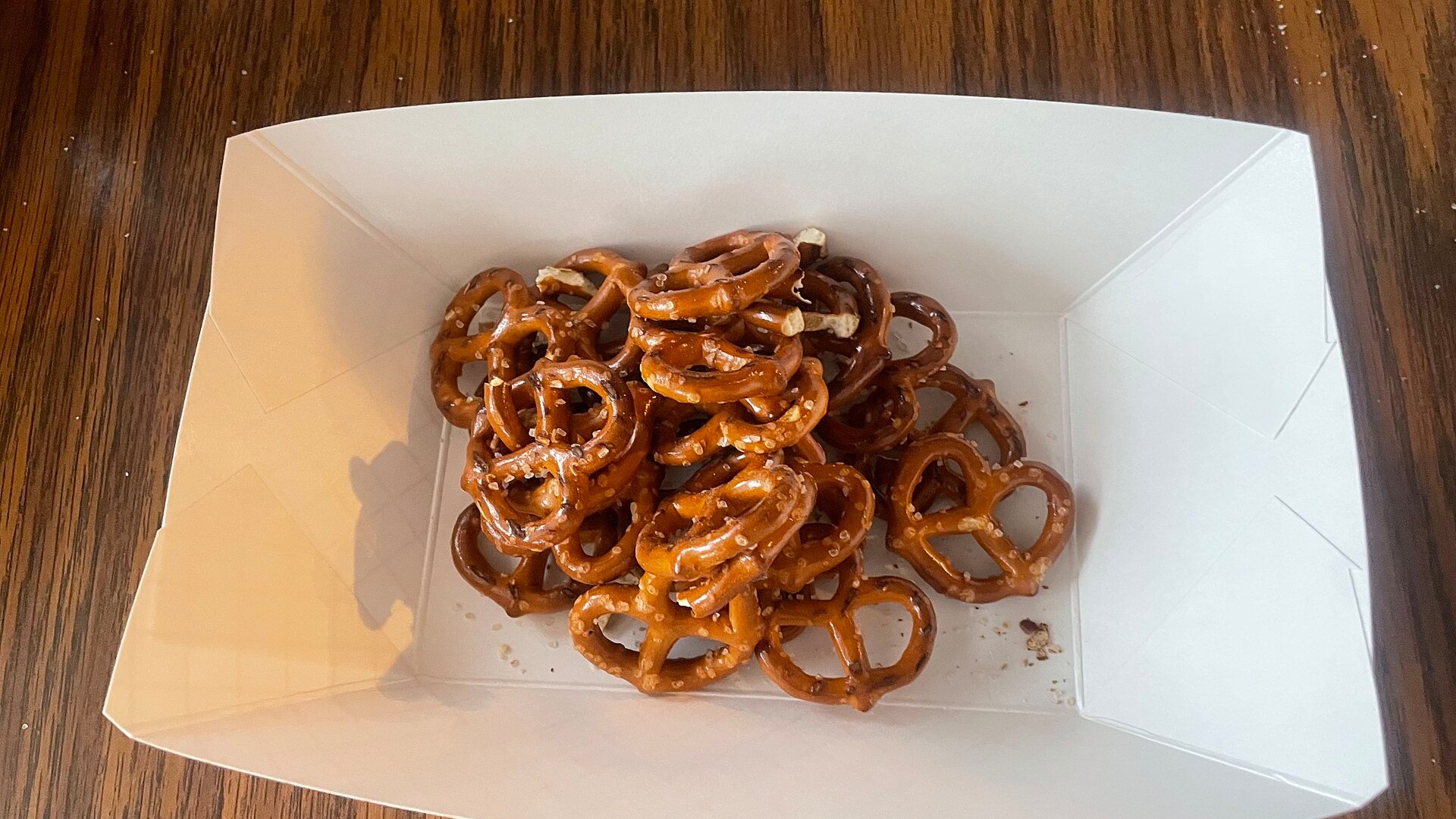
11. Salted Pretzels
Pretzels gained a health halo during the low-fat craze because a one-ounce serving contains only about one gram of fat. That same handful packs roughly 22 grams of refined carbohydrates, minimal fiber, and over 350 milligrams of sodium, leaving blood sugar to rise and crash fast.
©Wikimedia / Lilangela
10. Frozen Yogurt
Swapping ice cream for tart frozen yogurt trims saturated fat, yet sugar levels stay nearly as high at around 17 to 22 grams per half-cup. Self-serve bowls encourage oversized swirls topped with cookie crumbs, fudge, and gummy candy that easily push one cup past 500 calories.
©Wikimedia / thebittenword.com
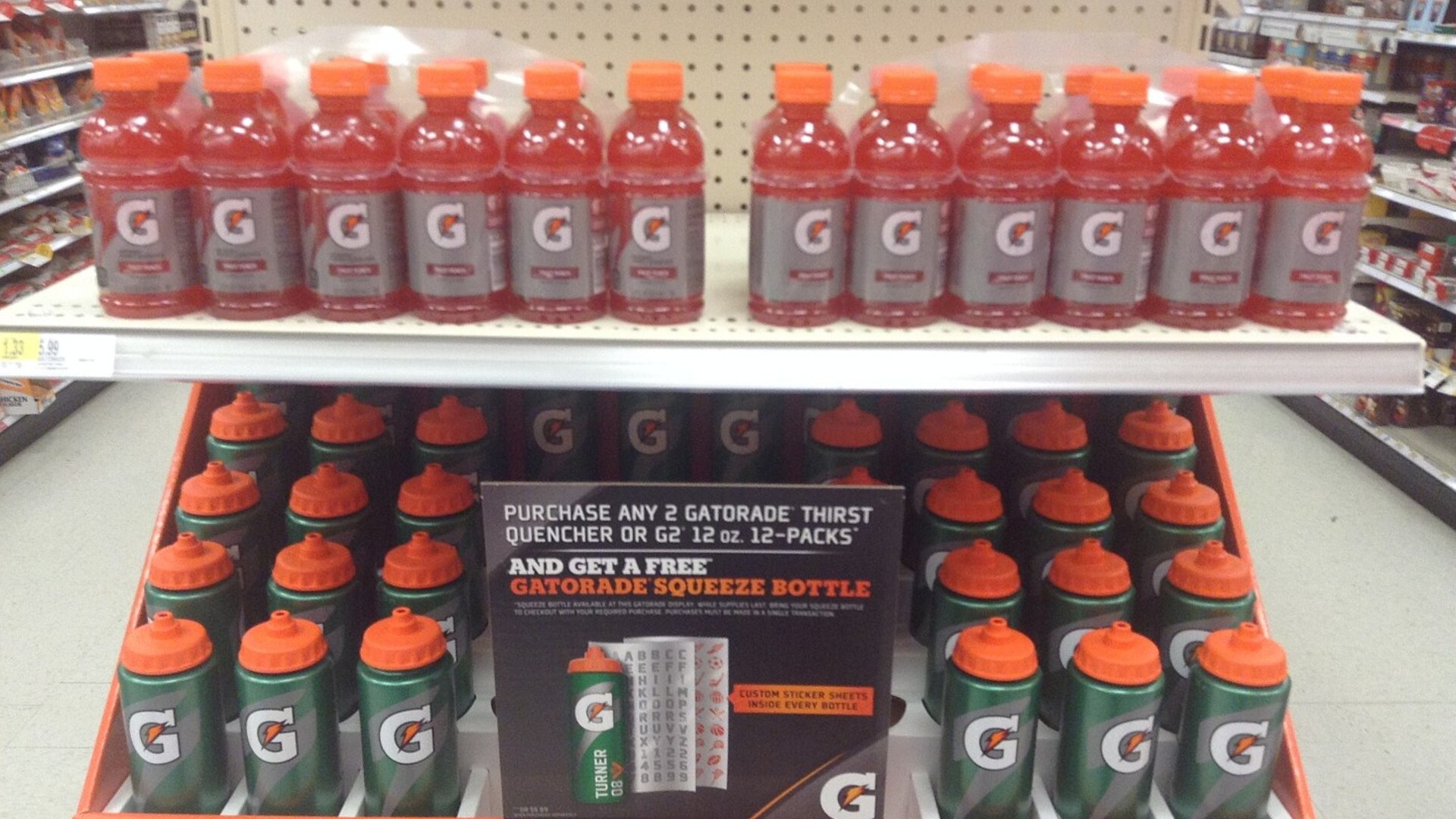
9. Sports Drinks
Electrolyte drinks replace sodium and glucose lost during more than an hour of intense sweating. For everyday walking or office work, a standard 20-ounce bottle delivers roughly 34 grams of added sugar, nearly nine teaspoons, with no fiber or protein to slow absorption.
©Wikimedia / Mike Mozart, USA
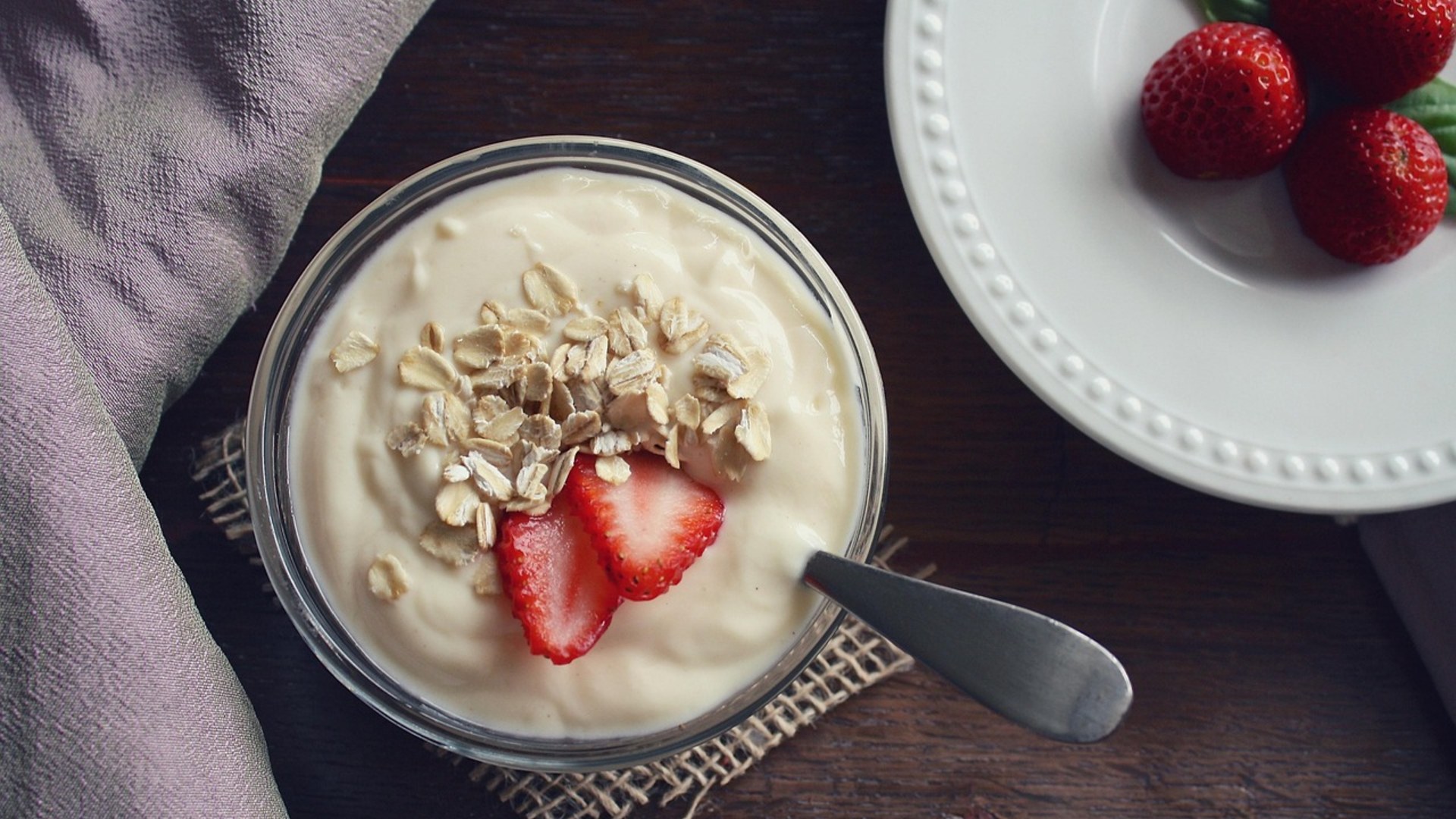
8. Flavored Yogurt Cups
Yogurt supplies calcium, protein, and live probiotics, yet flavored single-serve cups frequently add 14 to 20 grams of cane sugar or fruit puree syrup. Choosing plain Greek yogurt and stirring in fresh berries preserves the protein while cutting most of the added sweeteners.
©Pixabay / ponce_photography
Advertisement
Swipe or tap ▶ to resume the countdown.
7. Sweetened Iced Coffee Drinks
Coffee itself contains beneficial antioxidants and almost no calories. Once coffee chains or bottled brands blend in caramel syrup, whole milk, and whipped cream, a 16-ounce drink can reach 300 to 450 calories and exceed the American Heart Association daily limit for added sugar.
©Pixabay / DilanM
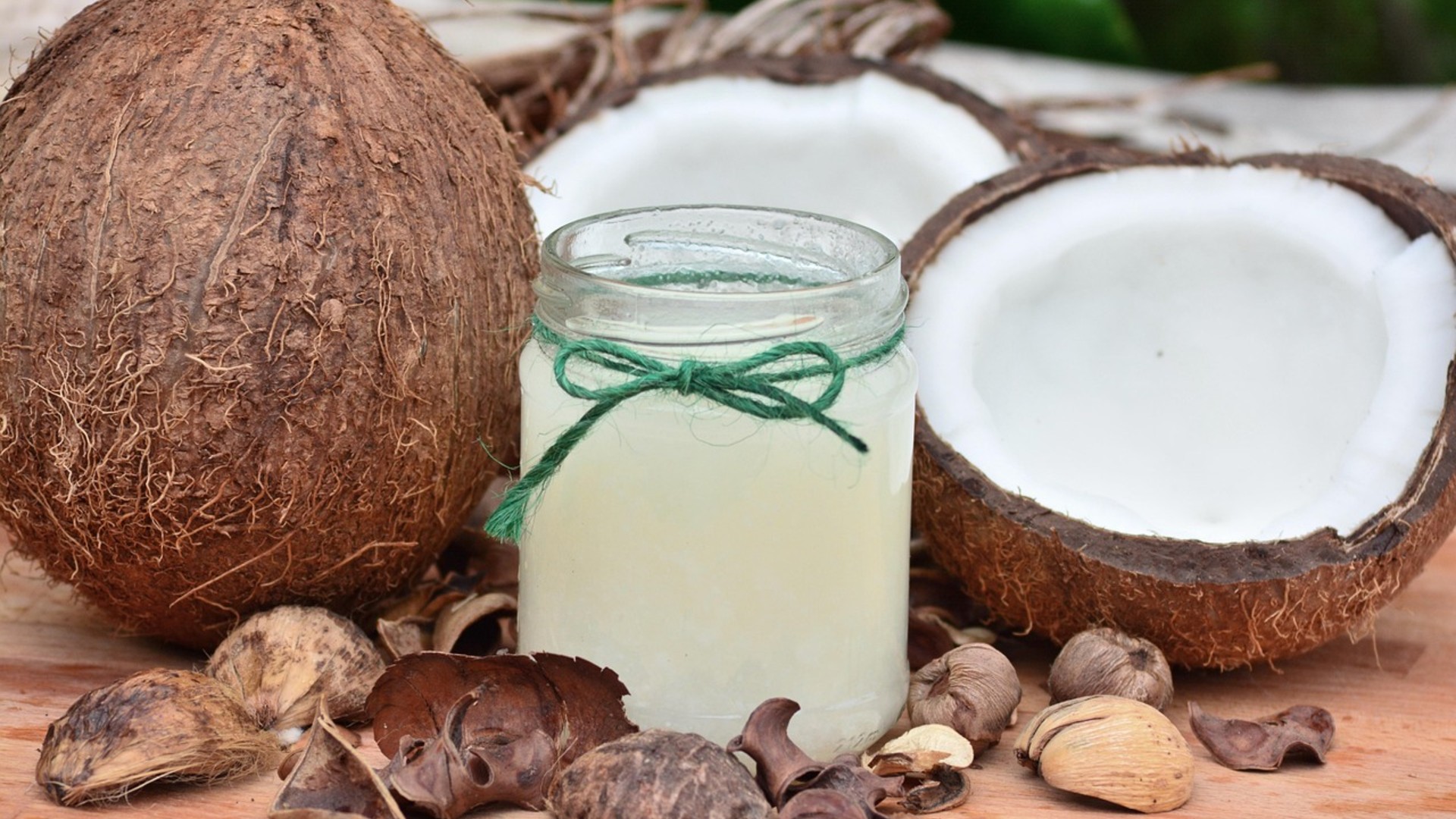
6. Coconut Oil
Coconut oil is around 82 percent to 90 percent saturated fat, higher than butter at roughly 63 percent. The American Heart Association advises limiting saturated fat because clinical trials show coconut oil raises LDL cholesterol compared with olive or canola oil.
©Pixabay / moho01
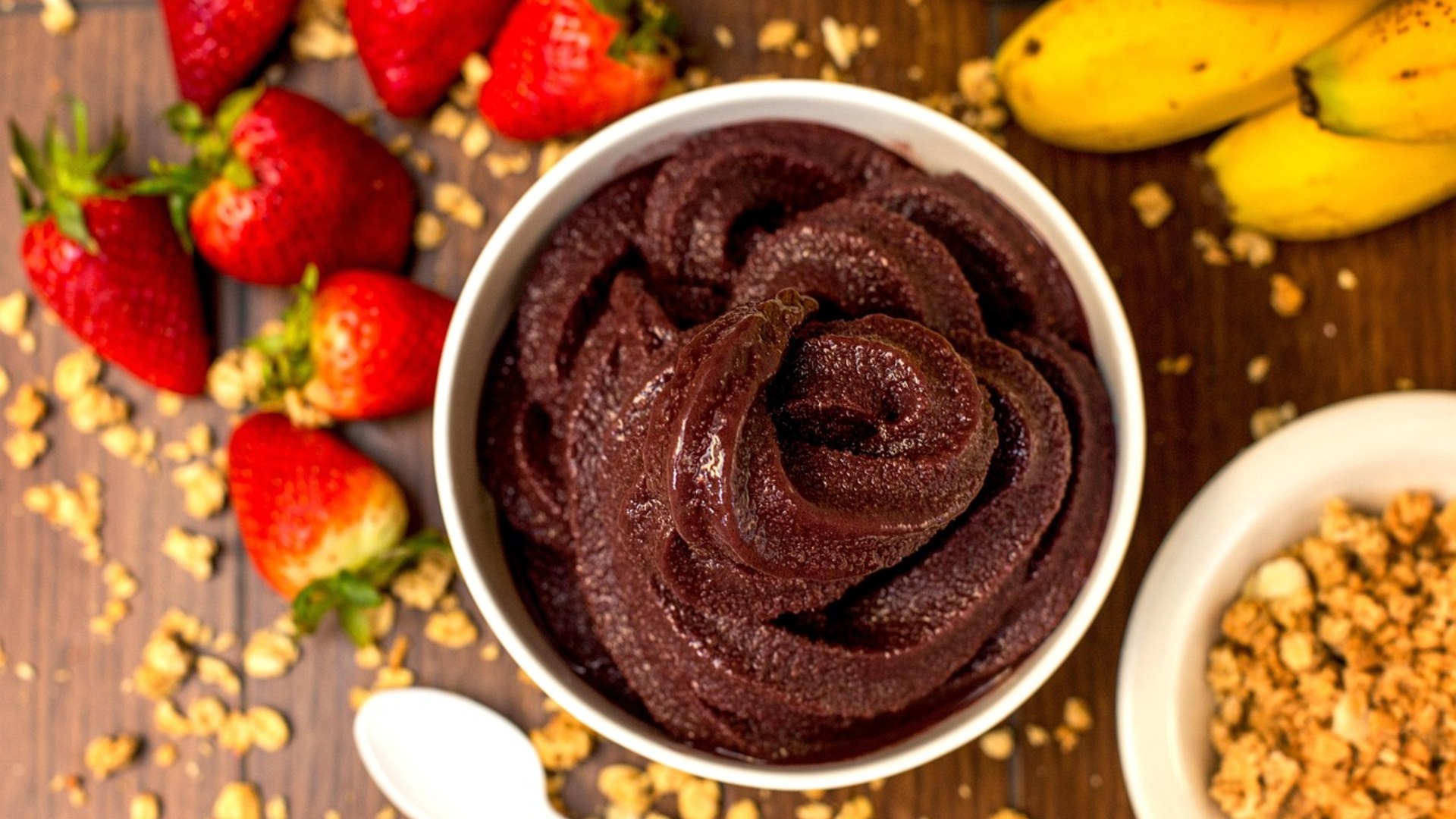
5. Acai Smoothie Bowls
Pure unsweetened acai berries are low in sugar and rich in anthocyanins. Cafe bowls typically blend acai with apple juice or sorbet, then layer sweet granola, honey drizzle, and sliced fruit on top, driving totals past 600 calories and 50 grams of sugar.
©Pixabay / mrpizzamandc
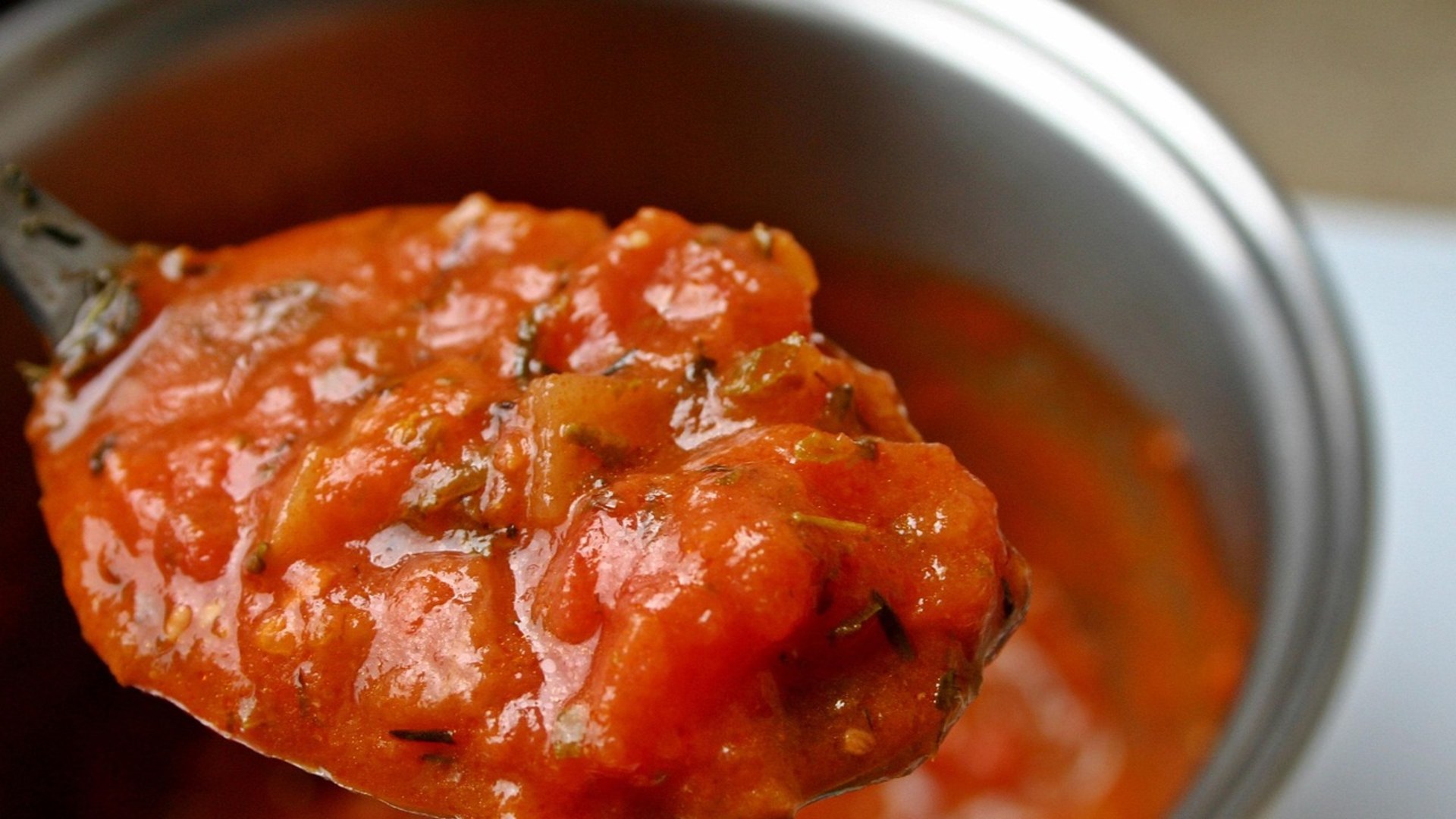
4. Canned Tomato Soup
Tomatoes supply lycopene and vitamin C, making tomato soup look like an effortless light lunch. Many condensed or ready-to-serve cans contain 700 to 900 milligrams of sodium and 10 to 15 grams of sugar per cup, and most people eat the whole two-serving can.
©Pixabay / Catkin
Advertisement
Swipe or tap ▶ to resume the countdown.
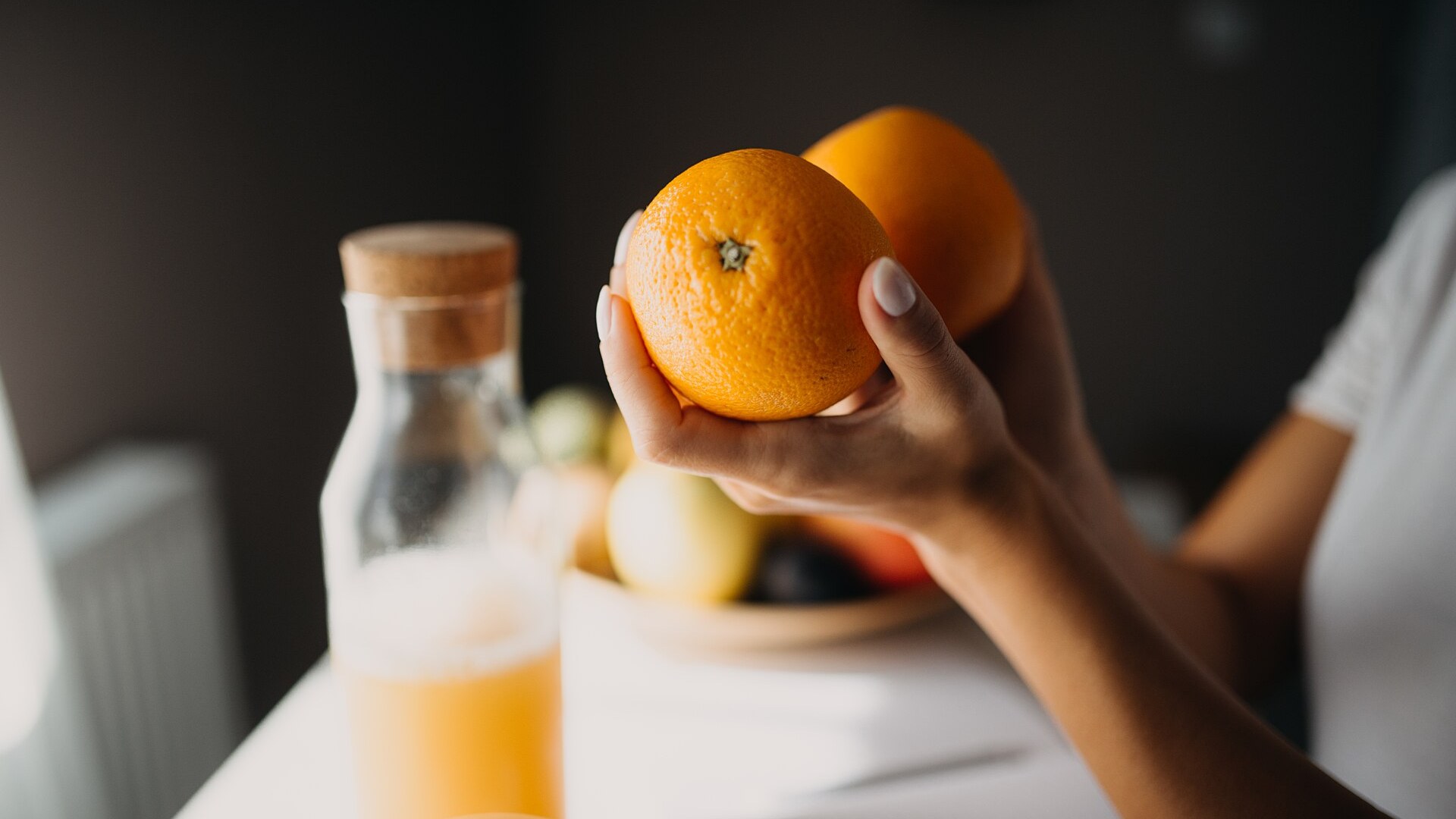
3. Bottled 100% Fruit Juice
An eight-ounce glass of 100 percent orange or apple juice delivers vitamin C alongside roughly 21 to 26 grams of free sugar. Harvard T.H. Chan researchers note that liquid fruit sugar hits the bloodstream much faster than eating a whole orange with its intact fiber.
©Wikimedia / Shixart1985
2. Bottled Fruit Smoothies
Smoothie labels advertise whole servings of mango, berries, and greens on the front. Flipping the bottle often reveals apple or grape juice concentrate as the base, pushing a 15-ounce bottle over 40 to 50 grams of total sugar with little chewing to trigger fullness.
©Pixabay / silviarita
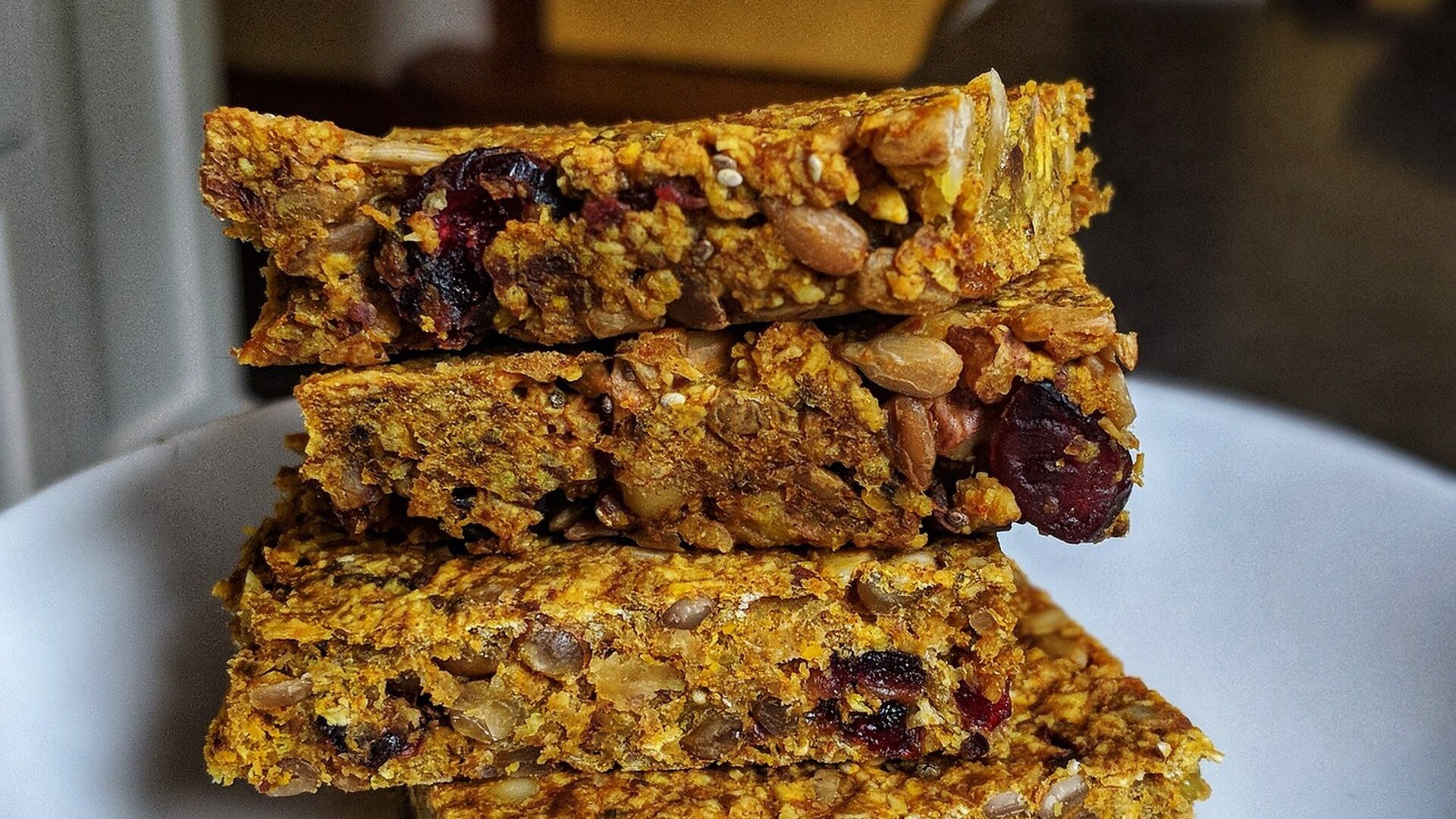
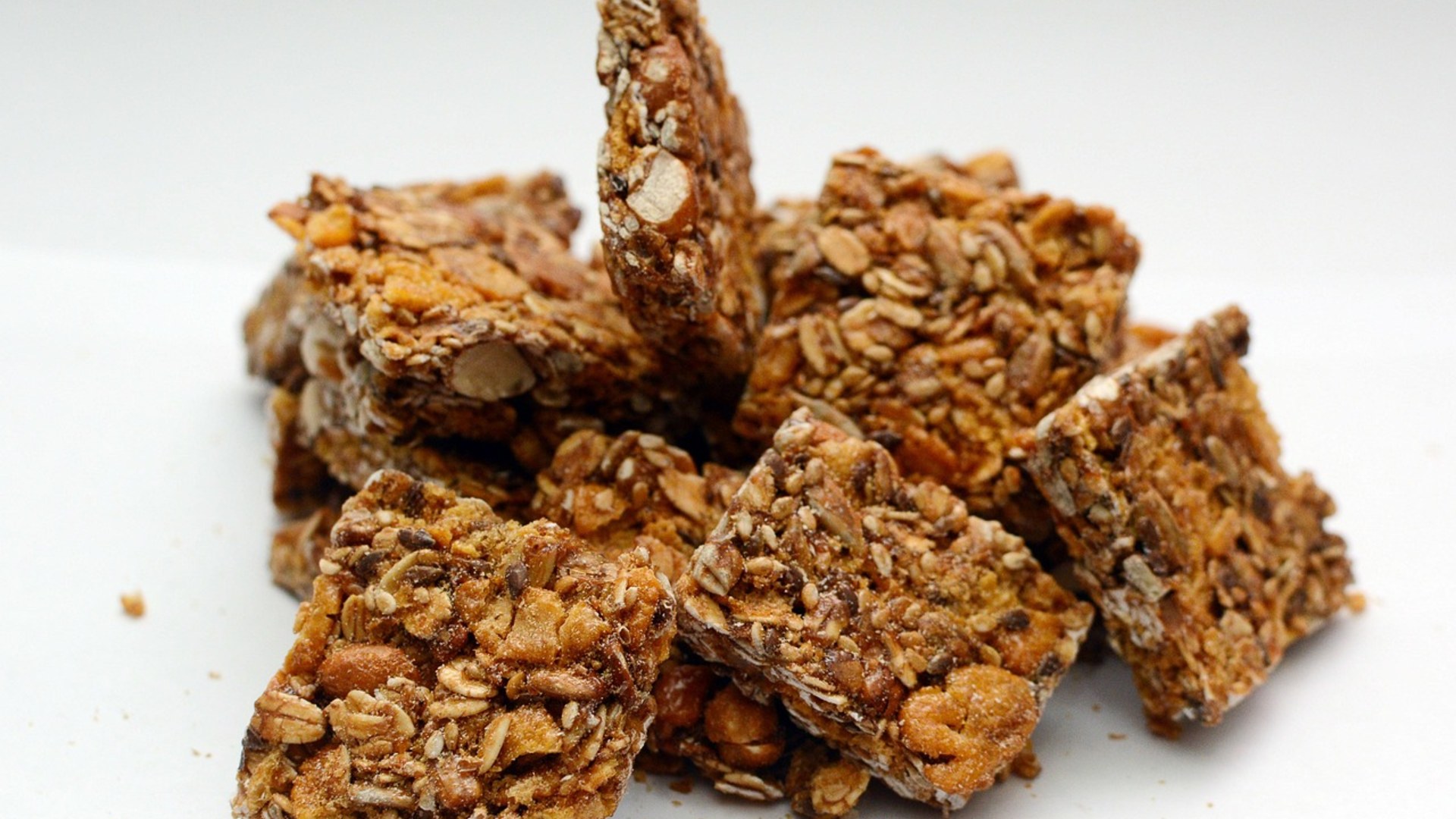
1. Commercial Granola Bars
Granola bars top dietitians' surprise lists because whole oats sit alongside corn syrup, brown sugar, and chocolate chips. Many crunchy or chewy bars deliver only two grams of fiber and two grams of protein alongside 11 to 15 grams of added sugar per wrapper.

©Wikimedia / LironOmri12
Advertisement
You've reached the end of the story. Thanks for reading!

20 Habits and Foods That Improve Gut Health
A balanced microbiome supports digestion, immune defense, and mental well-being. This guide alternates between ten nutrient-dense foods and ten evidence-based lifestyle habits designed to nourish beneficial gut bacteria, based on clinical research from Harvard Health, Mayo Clinic, and the National Institutes of Health.
All 22 Entries in this Story
22. Multigrain Bread
Many loaves labeled multigrain, seven-grain, or wheat use enriched white flour as their primary ingredient, stripped of bran and germ. Unless the ingredient list begins with 100% whole grain or whole wheat, USDA data shows you lose most of the natural fiber and micronutrients.

21. Reduced-Fat Peanut Butter
Standard and reduced-fat peanut butter contain nearly identical calories per two-tablespoon serving, around 190. To restore flavor after stripping heart-healthy monounsaturated fats, manufacturers typically add corn syrup solids, sugar, and hydrogenated vegetable oils.

20. Flavored Rice Cakes
Two plain puffed rice cakes contain only about 70 calories, which earns them a diet-food reputation. Because the starch digests rapidly with minimal fiber or protein, plain varieties spike blood sugar quickly, while caramel or cheese coatings add sugar and extra sodium.

19. Sweet Potato And Veggie Chips
Many packaged veggie chips list potato starch, cornmeal, and vegetable oil ahead of actual spinach or tomato powder. Even real sliced sweet potato chips are fried or baked in oil with added salt, delivering roughly 140 to 150 calories and 8 grams of fat per ounce.

18. Sweetened Dried Cranberries
Fresh cranberries are naturally sour, so processors infuse dried versions with sucrose or fruit juice concentrate to make them palatable. According to USDA FoodData Central, a quarter-cup serving of sweetened dried cranberries packs around 29 grams of sugar and 130 calories.

17. Bakery Blueberry And Bran Muffins
Words like bran or blueberry suggest a wholesome breakfast, yet commercial bakery muffins commonly weigh five to six ounces. That oversized portion can hold 400 to 500 calories, over 30 grams of sugar, and more refined flour than whole bran.

16. Turkey Bacon
Two slices of cured turkey bacon have fewer calories than traditional pork bacon, though the sodium often stays high at 300 to 400 milligrams. Because turkey bacon is a processed meat preserved with nitrites, major cancer and heart groups advise limiting it alongside red meat.

15. Restaurant Caesar Salad
Romaine lettuce starts with barely 15 calories per bowl, yet restaurant Caesar salads routinely climb past 700 calories. Egg-yolk and oil dressing, grated parmesan, fried croutons, and extra toppings can add more than 40 grams of fat and over 1,200 milligrams of sodium.

14. Instant Flavored Oatmeal
Plain rolled oats offer soluble beta-glucan fiber that helps lower LDL cholesterol. Pre-mixed maple brown sugar or apples-and-cinnamon packets typically add 10 to 13 grams of sugar per small pouch, pushing many breakfast eaters to pour two packets at once.

13. Commercial Protein Bars
A bar listing 20 grams of protein looks like post-workout fuel, yet the ingredient label often resembles a chocolate candy bar. Palm kernel oil, brown rice syrup, and sugar alcohols frequently push calories near 250 to 300 while causing bloating for sensitive stomachs.

12. Sweetened Trail Mix
Originally packed for long hikes, store-bought trail mix blends raw nuts with candy-coated chocolates, sweetened dried fruit, and yogurt-covered pretzels. Just half a cup can deliver more than 320 calories and 18 grams of sugar before you notice how fast the handfuls add up.

11. Salted Pretzels
Pretzels gained a health halo during the low-fat craze because a one-ounce serving contains only about one gram of fat. That same handful packs roughly 22 grams of refined carbohydrates, minimal fiber, and over 350 milligrams of sodium, leaving blood sugar to rise and crash fast.

10. Frozen Yogurt
Swapping ice cream for tart frozen yogurt trims saturated fat, yet sugar levels stay nearly as high at around 17 to 22 grams per half-cup. Self-serve bowls encourage oversized swirls topped with cookie crumbs, fudge, and gummy candy that easily push one cup past 500 calories.

9. Sports Drinks
Electrolyte drinks replace sodium and glucose lost during more than an hour of intense sweating. For everyday walking or office work, a standard 20-ounce bottle delivers roughly 34 grams of added sugar, nearly nine teaspoons, with no fiber or protein to slow absorption.

8. Flavored Yogurt Cups
Yogurt supplies calcium, protein, and live probiotics, yet flavored single-serve cups frequently add 14 to 20 grams of cane sugar or fruit puree syrup. Choosing plain Greek yogurt and stirring in fresh berries preserves the protein while cutting most of the added sweeteners.

7. Sweetened Iced Coffee Drinks
Coffee itself contains beneficial antioxidants and almost no calories. Once coffee chains or bottled brands blend in caramel syrup, whole milk, and whipped cream, a 16-ounce drink can reach 300 to 450 calories and exceed the American Heart Association daily limit for added sugar.

6. Coconut Oil
Coconut oil is around 82 percent to 90 percent saturated fat, higher than butter at roughly 63 percent. The American Heart Association advises limiting saturated fat because clinical trials show coconut oil raises LDL cholesterol compared with olive or canola oil.

5. Acai Smoothie Bowls
Pure unsweetened acai berries are low in sugar and rich in anthocyanins. Cafe bowls typically blend acai with apple juice or sorbet, then layer sweet granola, honey drizzle, and sliced fruit on top, driving totals past 600 calories and 50 grams of sugar.

4. Canned Tomato Soup
Tomatoes supply lycopene and vitamin C, making tomato soup look like an effortless light lunch. Many condensed or ready-to-serve cans contain 700 to 900 milligrams of sodium and 10 to 15 grams of sugar per cup, and most people eat the whole two-serving can.

3. Bottled 100% Fruit Juice
An eight-ounce glass of 100 percent orange or apple juice delivers vitamin C alongside roughly 21 to 26 grams of free sugar. Harvard T.H. Chan researchers note that liquid fruit sugar hits the bloodstream much faster than eating a whole orange with its intact fiber.

2. Bottled Fruit Smoothies
Smoothie labels advertise whole servings of mango, berries, and greens on the front. Flipping the bottle often reveals apple or grape juice concentrate as the base, pushing a 15-ounce bottle over 40 to 50 grams of total sugar with little chewing to trigger fullness.

1. Commercial Granola Bars
Granola bars top dietitians' surprise lists because whole oats sit alongside corn syrup, brown sugar, and chocolate chips. Many crunchy or chewy bars deliver only two grams of fiber and two grams of protein alongside 11 to 15 grams of added sugar per wrapper.