Slideshow · Health
20 Viral Skincare and Hair Trends Dermatologists Actually Back
Online beauty hacks spread quickly, but only a fraction hold up under clinical scrutiny. Board-certified dermatologists and researchers from the American Academy of Dermatology and the British Journal of Dermatology have evaluated the data, separating genuine physiological benefits from digital marketing hype.

By Most Viral Today
56 min ago

Social Media Made Them Famous But Clinical Science Made Them Stay 
20. Ice Facial Therapy 
19. Rice Water Hair Rinses 
18. Silicone Scalp Massagers - AdvertisementSwipe or tap ▶ to continue countdown

17. Hypochlorous Acid Facial Sprays 
16. Snail Mucin Essence 
15. Rosemary Oil For Scalp Health 
14. Hydrocolloid Pimple Patches - AdvertisementSwipe or tap ▶ to continue countdown

13. Skin Cycling Schedules 
12. Double Cleansing With Cleansing Oils 
11. Salicylic Acid Scalp Exfoliation 
10. Azelaic Acid For Redness And Breakouts - AdvertisementSwipe or tap ▶ to continue countdown

9. Bond Repair Hair Treatments 
8. Ceramide Barrier Repair Creams 
7. Red Light Therapy LED Masks 
6. Hyaluronic Acid On Damp Skin - AdvertisementSwipe or tap ▶ to continue countdown

5. Slugging With Pure Petrolatum 
4. Niacinamide Serums 
3. Topical Vitamin C Antioxidants 
2. Retinoid Treatments - AdvertisementSwipe or tap ▶ to continue countdown

1. Daily Broad Spectrum Sunscreen - Advertisement🔥 UP NEXT IN THIS SERIES◫ 23 Slides

22 Popular Foods That Look Healthy Until You Check the Label
Based on nutrition data from USDA FoodData Central, the American Heart Association, and Harvard T.H. Chan School of Public Health, these 22 everyday foods often carry health claims on the front of the box. Behind the marketing, added sugar, sodium, saturated fat, or lost fiber tell a very different story.
Online beauty hacks spread quickly, but only a fraction hold up under clinical scrutiny. Board-certified dermatologists and researchers from the American Academy of Dermatology and the British Journal of Dermatology have evaluated the data, separating genuine physiological benefits from digital marketing hype.
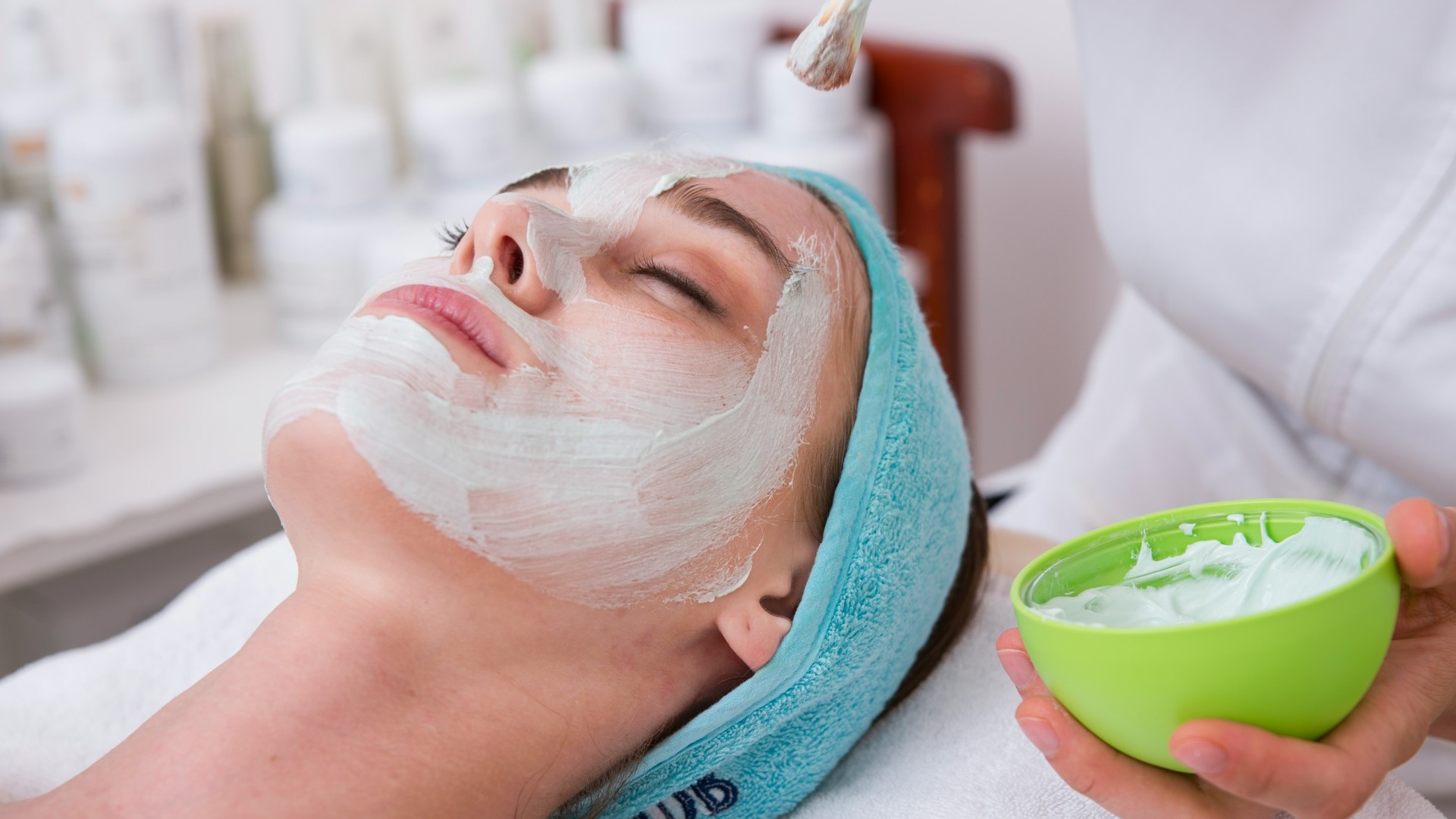
Swipe or tap ▶ to begin the countdown
©Pixabay / Feygrace
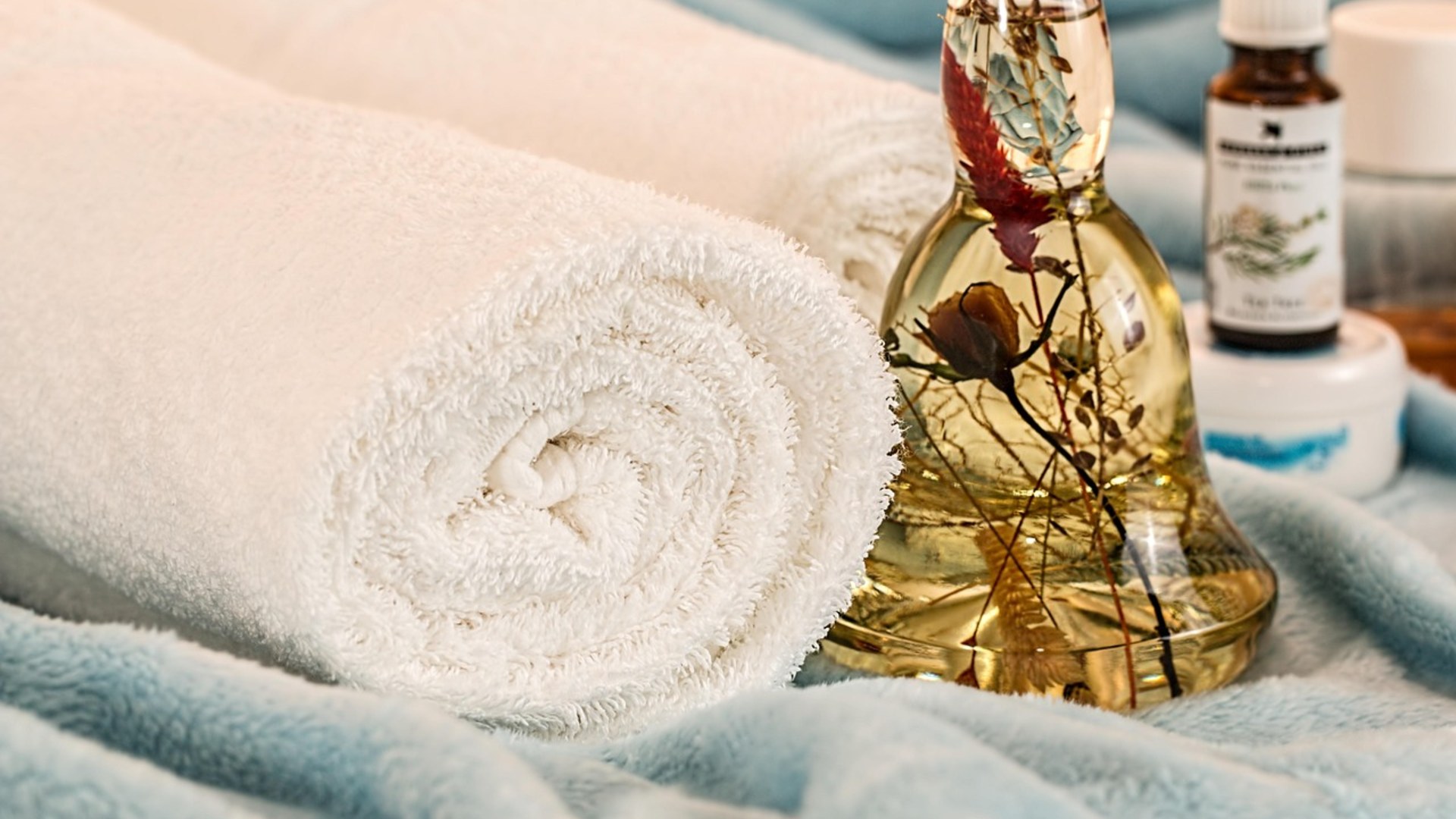
20. Ice Facial Therapy
Applying ice wrapped in a clean cloth reduces edema and constricts superficial blood vessels. The American Academy of Dermatology cautions against direct raw ice contact, which can damage capillaries. Five minutes of cold therapy provides safe, immediate swelling relief without changing skin elasticity.
© Photo by engin akyurt on Unsplash
19. Rice Water Hair Rinses
Fermented rice water contains inositol, a carbohydrate that diffuses into the hair cortex to support tensile strength. A study in the Journal of Cosmetic Chemists confirmed inositol stays inside the hair shaft after rinsing. Clinicians recommend using it weekly to avoid protein overload and brittle ends.
©Pixabay / StockSnap
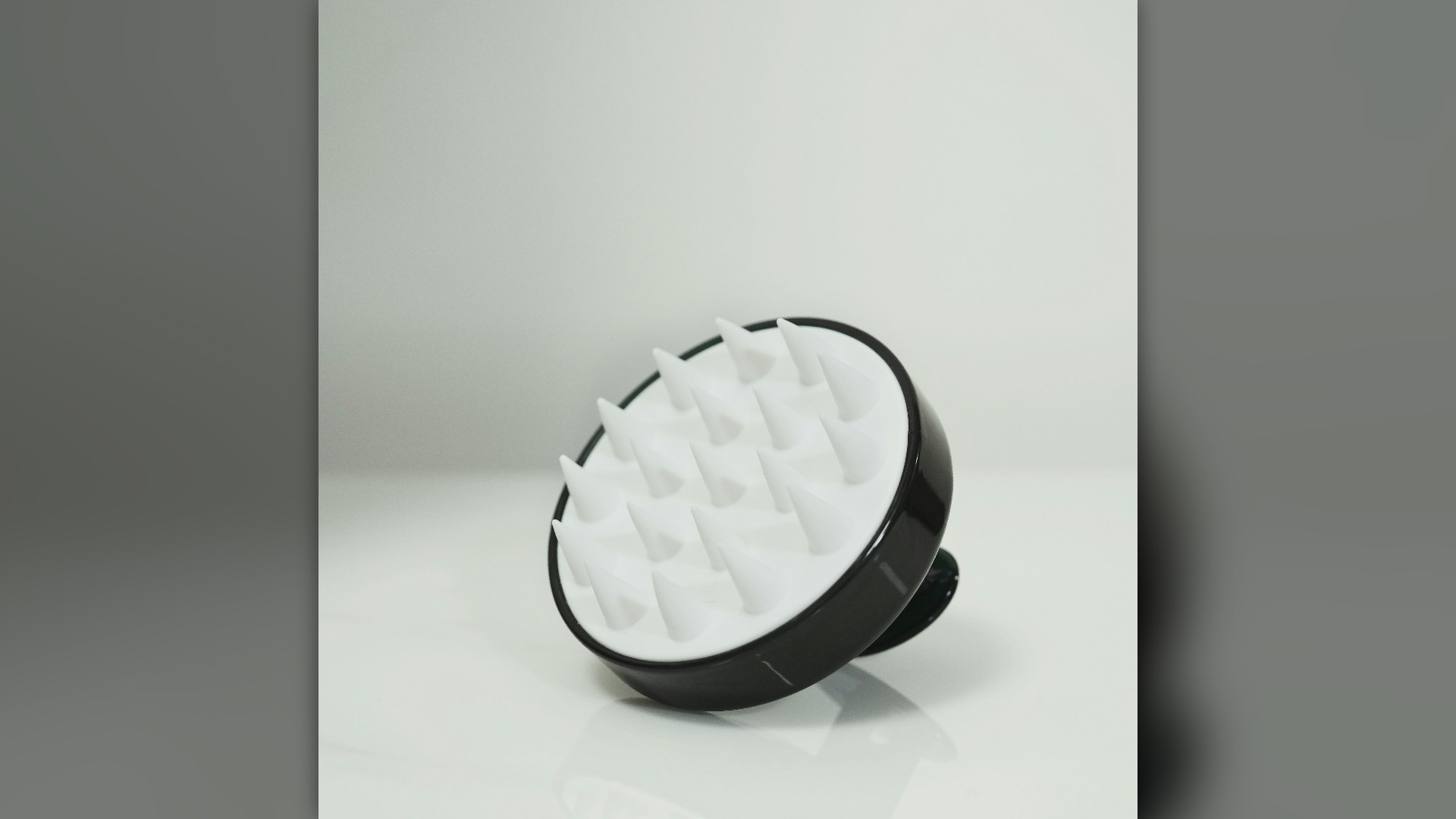
18. Silicone Scalp Massagers
Flexible silicone bristles exfoliate product buildup and loosen dead keratinocytes around the hair follicle opening. Cleveland Clinic dermatologists note that light circular pressure enhances microcirculation to the scalp. Gentle use during shampooing prevents mechanical traction damage to the roots.
Advertisement
Swipe or tap ▶ to resume the countdown.
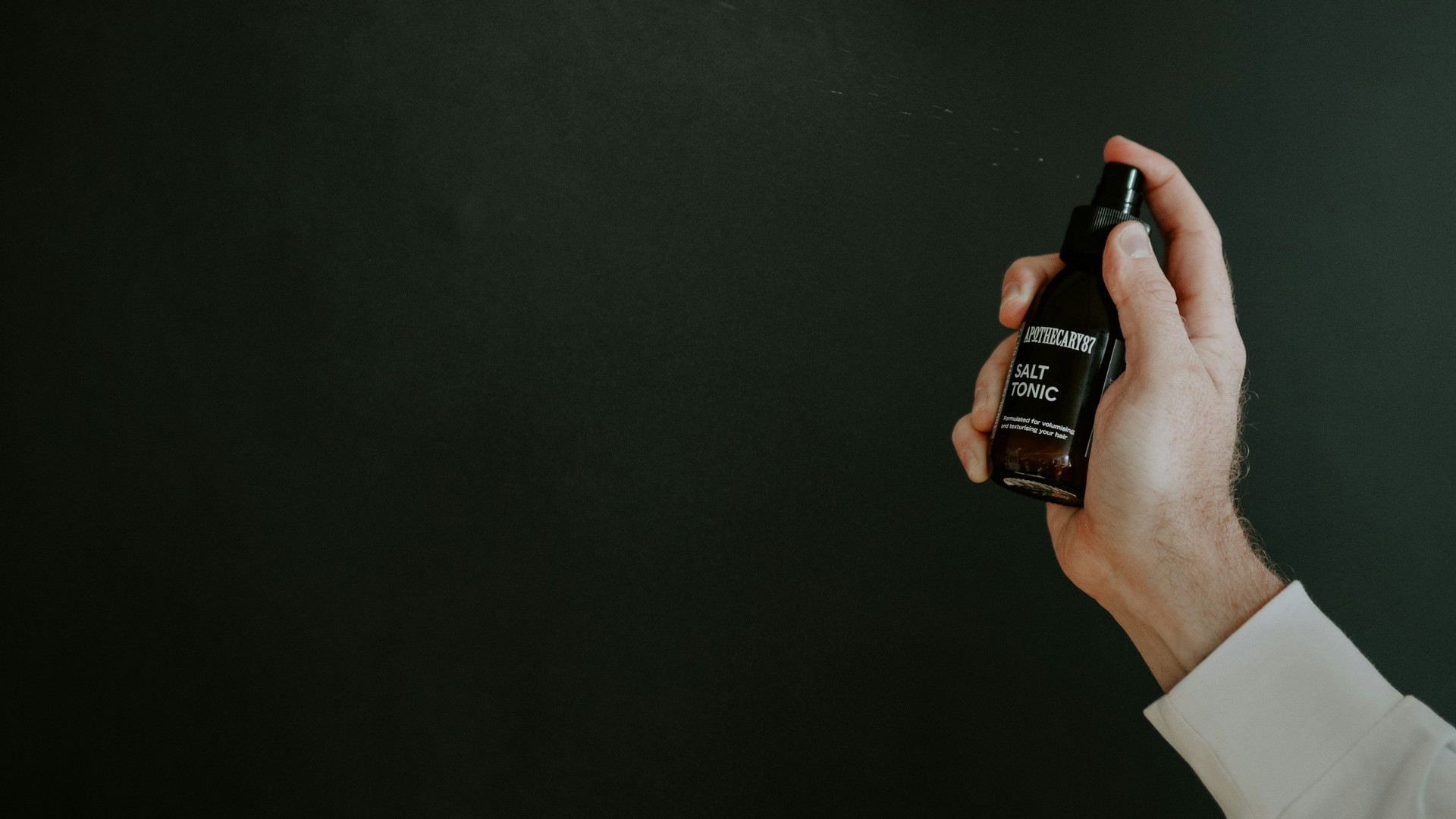
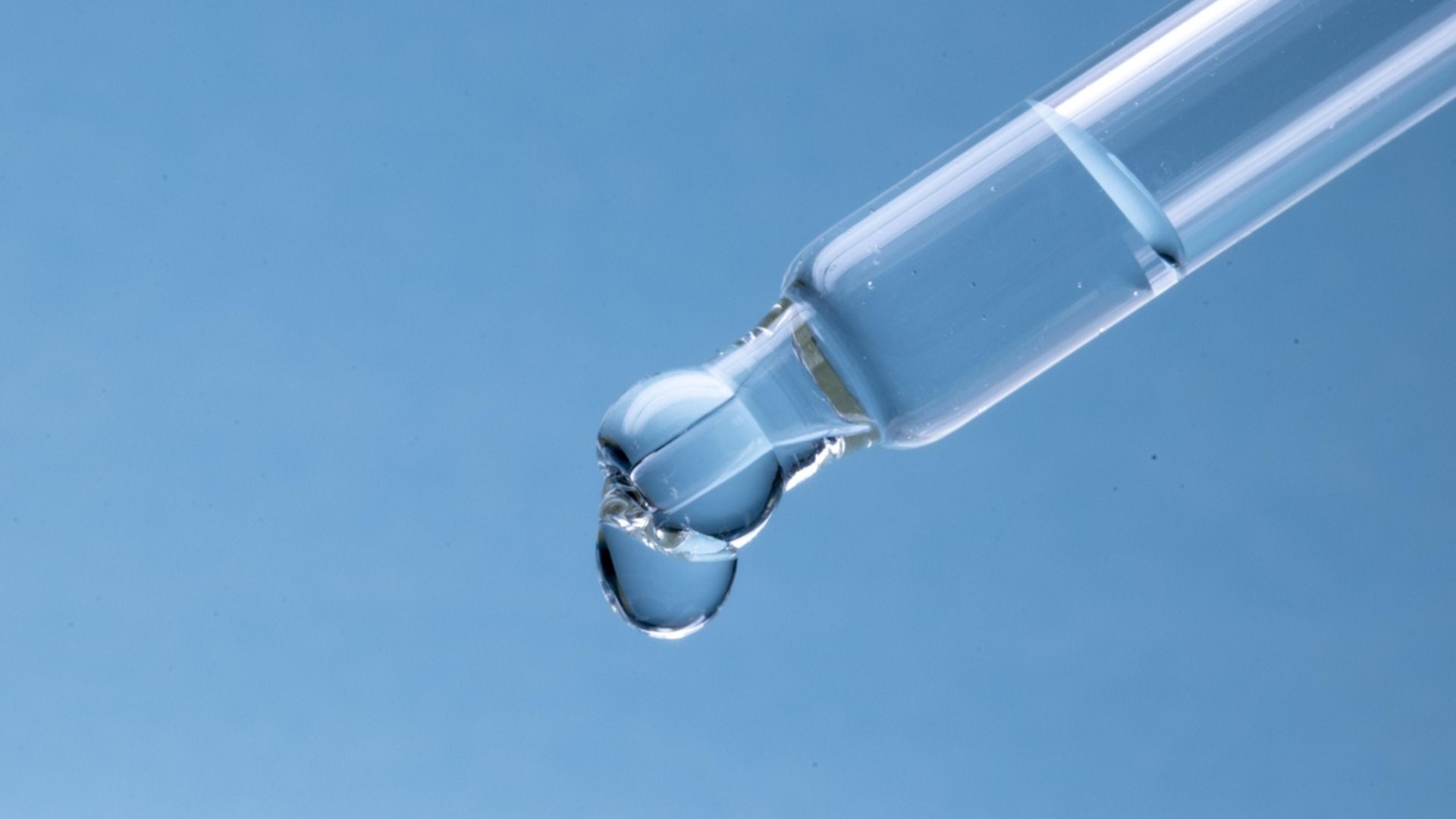
17. Hypochlorous Acid Facial Sprays
Hypochlorous acid is naturally generated by white blood cells to destroy pathogens and neutralize inflammatory cytokines. The Journal of Clinical and Aesthetic Dermatology reports rapid reduction in post-workout Cutibacterium acnes bacteria. Spritzing damp skin after exercise calms redness safely.
© Photo by Apothecary 87 on Unsplash
16. Snail Mucin Essence
Snail secretion filtrate contains natural hyaluronic acid, copper peptides, and allantoin that promote skin repair. Clinical trials published in the Journal of Dermatological Treatment observed faster epithelial recovery and enhanced hydration. The light formula binds water without clogging facial pores.
©Pixabay / VirgoStudio
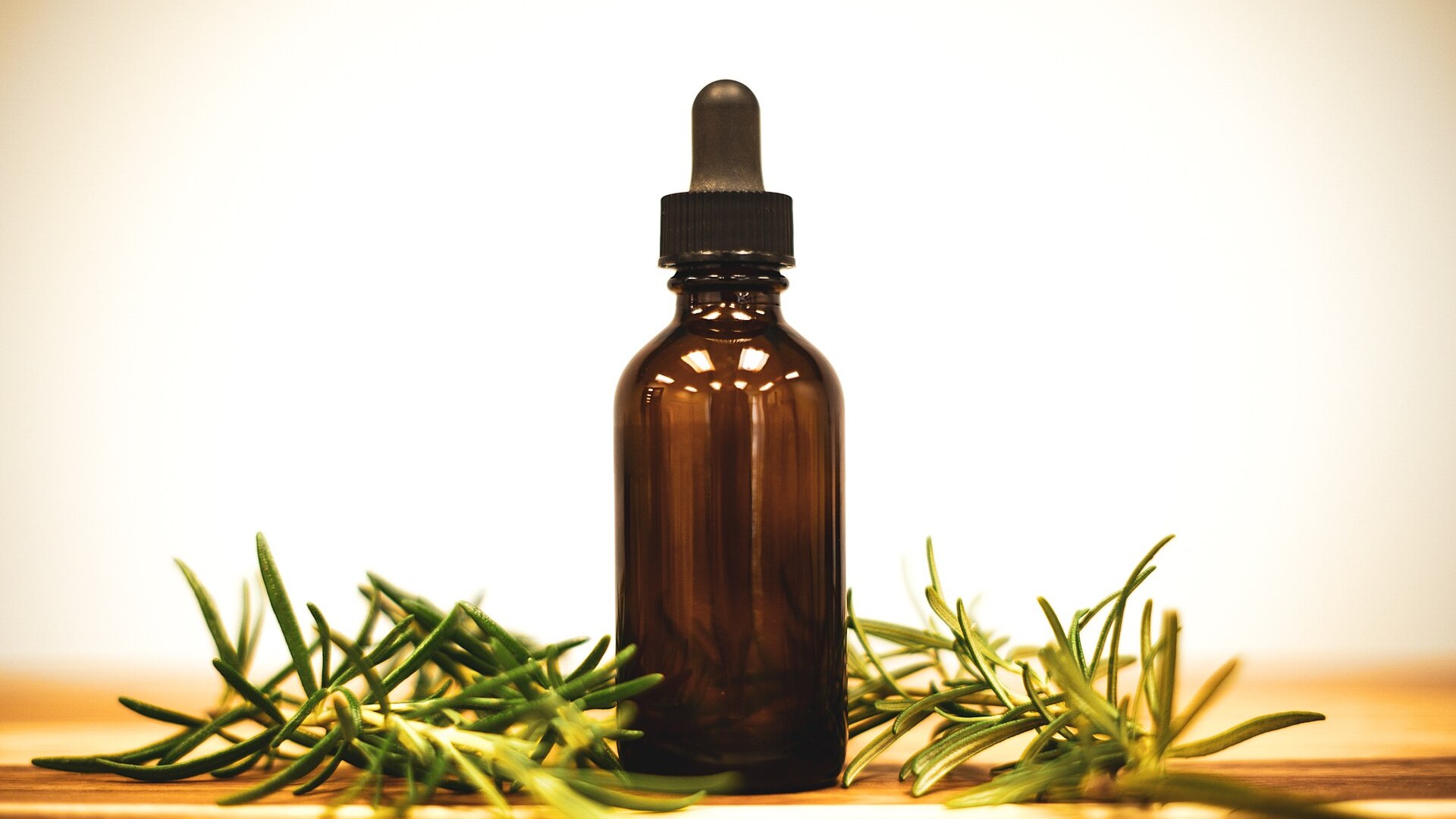
15. Rosemary Oil For Scalp Health
A randomized comparative trial in Skinmed showed that 2 percent rosemary oil matched 2 percent minoxidil for hair regrowth after six months. Carnosic acid inside the extract repairs tissue and improves follicular perfusion. Experts recommend diluting essential drops in jojoba oil to prevent contact dermatitis.
©Wikimedia / formulatehealth
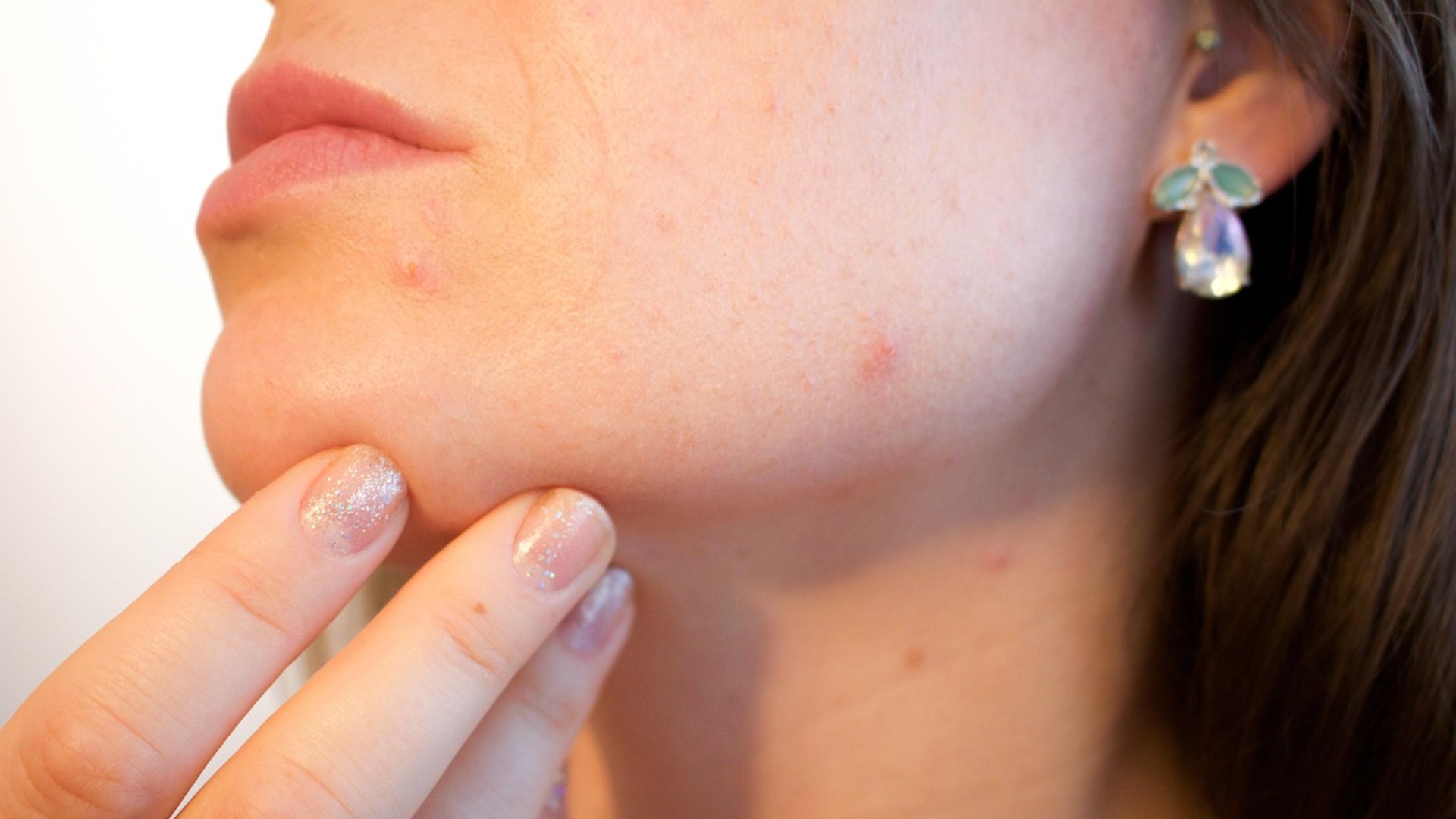
14. Hydrocolloid Pimple Patches
Hydrocolloid bandages draw out purulent fluid through capillary action while creating a sterile sealed environment. Dermatologists at Harvard Health highlight that physical patches protect active lesions from compulsive picking and bacteria. Healing times drop significantly when applied to inflamed spots.
©Pixabay / Kjerstin_Michaela
Advertisement
Swipe or tap ▶ to resume the countdown.
13. Skin Cycling Schedules
Introduced by Dr Whitney Bowe, this clinical method alternates chemical exfoliation on night one with a retinoid on night two, followed by two recovery nights. The Journal of Drugs in Dermatology highlights that planned rest periods reduce transepidermal water loss while preserving retinoid efficacy.
©Pixabay / pmvchamara
12. Double Cleansing With Cleansing Oils
Oil-based cleansers dissolve stubborn sebum, silicone primers, and insoluble UV filters through lipophilic attraction. Following up with a gentle water-based wash clears residual grime without stripping essential surface lipids. Mayo Clinic specialists recommend this routine for heavy sunscreen wearers.
©Pixabay / Mareefe
11. Salicylic Acid Scalp Exfoliation
Salicylic acid is a lipid-soluble beta hydroxy acid that dissolves the intercellular cement binding dead scalp flakes. In a clinical trial published in the British Journal of Dermatology, low concentration lotions cleared seborrheic scales by 68 percent. Rinsing after five minutes keeps follicles clear.
©Pixabay / MonayHairCryotherapy
10. Azelaic Acid For Redness And Breakouts
Azelaic acid selectively inhibits tyrosinase enzymes to fade post-inflammatory hyperpigmentation without lightening surrounding tissue. It also downregulates cathelicidin peptides, a primary driver of rosacea swelling. JAAD trials report steady clearance of papules and pustules within twelve weeks.
©Pixabay / mdnirob121
Advertisement
Swipe or tap ▶ to resume the countdown.
9. Bond Repair Hair Treatments
Chemical bleaching and heat styling break covalent disulfide sulfur bonds, leaving hair fibers fragile and porous. Patented bond builders relink broken crosslinks inside the keratin cortex to restore tensile strength. Cosmetic chemist evaluations show a 30 percent reduction in mechanical brush breakage.
©Pixabay / SocialButterflyMMG
8. Ceramide Barrier Repair Creams
Ceramides make up 50 percent of the natural lipid matrix that holds superficial skin cells together. Formulations combining ceramides, cholesterol, and free fatty acids accelerate cellular repair and drop transepidermal water loss. The American Academy of Dermatology recommends them for sensitive skin.
©Pixabay / photosforyou
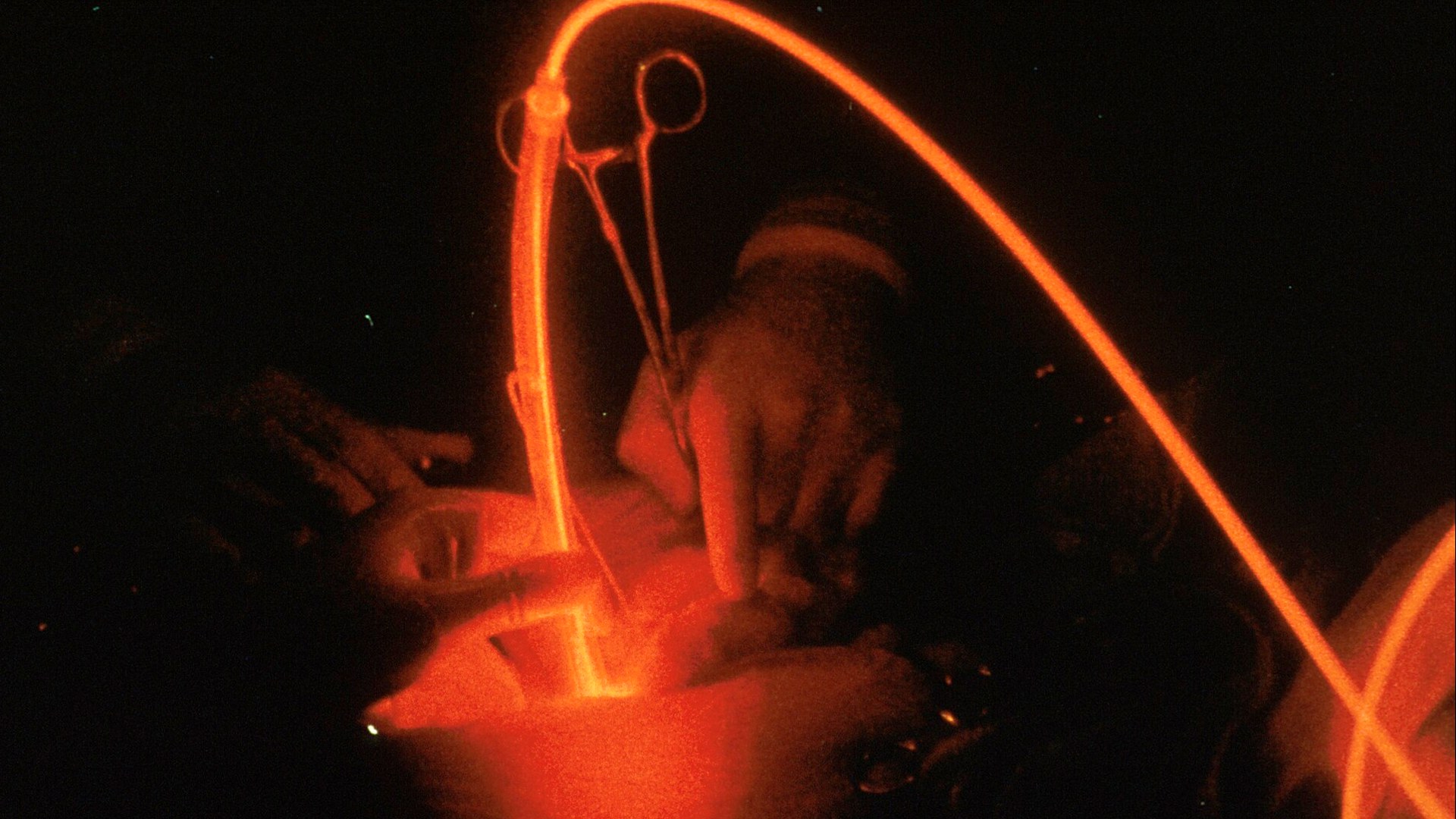
7. Red Light Therapy LED Masks
Photobiomodulation at 633 nanometer red and 830 nanometer near-infrared bands activates cytochrome c oxidase in cellular mitochondria. Clinical studies in Photomedicine and Laser Surgery demonstrated measurable boosts in collagen density over twelve weeks. Medical boards advise choosing cleared home masks.
©Wikimedia / John Crawford (Photographer)
6. Hyaluronic Acid On Damp Skin
Hyaluronic acid holds up to 1,000 times its molecular weight in water, acting as a moisture reservoir for the epidermis. Applying humectant molecules to damp skin draws surface water deep into the stratum corneum. Dermatologists at Cleveland Clinic warn that dry application can worsen dehydration.
©Pixabay / HeungSoon
Advertisement
Swipe or tap ▶ to resume the countdown.
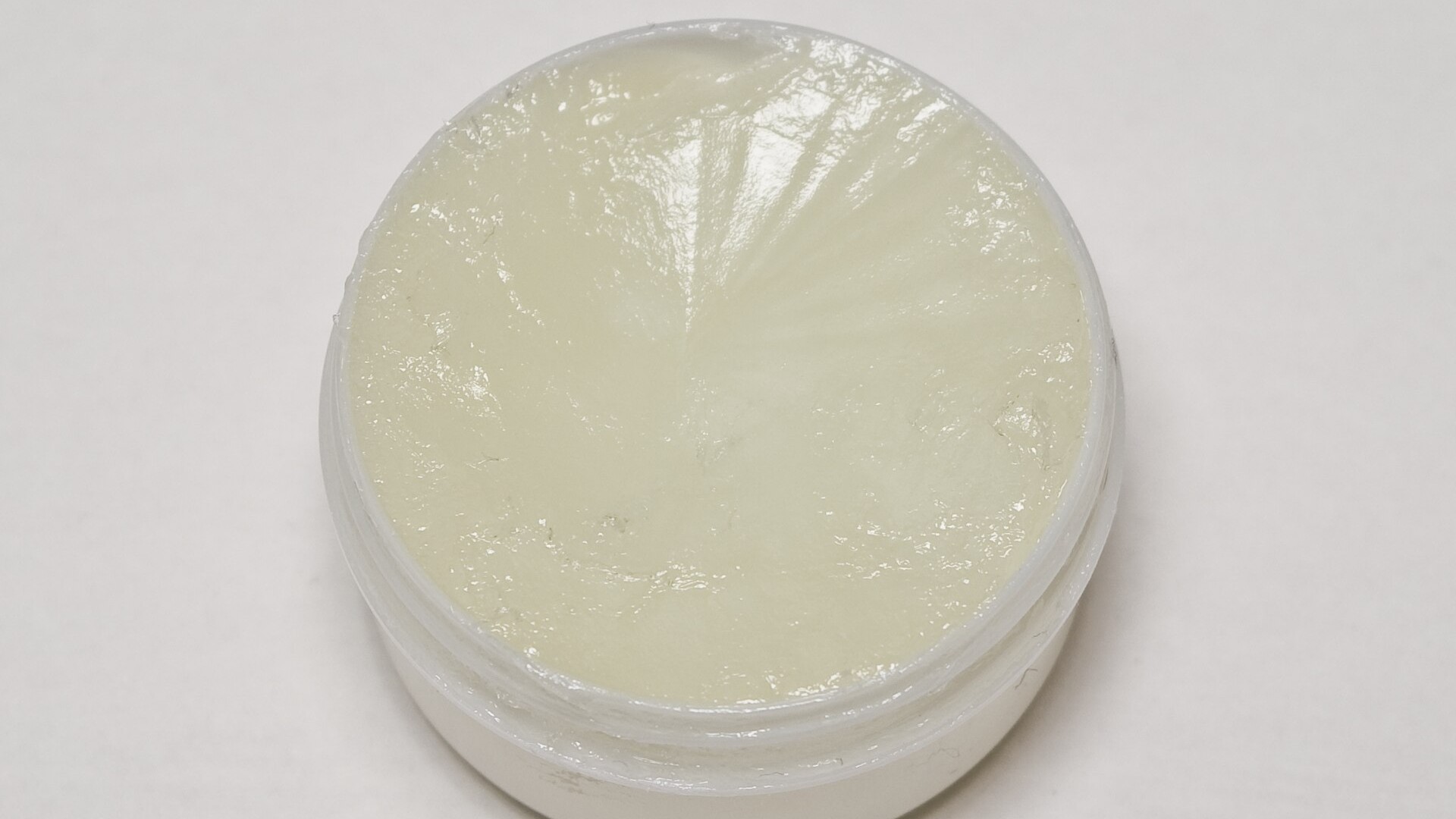
5. Slugging With Pure Petrolatum
Pure petrolatum is the most efficient occlusive agent known to dermatology, reducing transepidermal moisture loss by more than 98 percent. Sealing bland moisturizers under petroleum jelly repairs compromised lipid barriers overnight. Clinicians caution acne-prone patients to skip oily cheek zones.
©Wikimedia / Petroleum jelly
4. Niacinamide Serums
Niacinamide strengthens the epidermal barrier by stimulating endogenous ceramide production while stabilizing sebum output. A 2025 review in the International Journal of Cosmetic Science confirmed that 2 to 5 percent concentrations fade blotchy tone. High doses can provoke flushing in sensitive users.
©Pixabay / Servetphotograph
3. Topical Vitamin C Antioxidants
L-ascorbic acid donates electrons to neutralize free radicals generated by sunlight, smog, and airborne ozone. Dermatological guidelines recommend a 10 to 20 percent concentration paired with ferulic acid for maximum photo-protection. Layering it under daily sunscreen doubles defense against dullness.
©Wikimedia / Shixart1985
2. Retinoid Treatments
Retinoids bind directly to nuclear retinoic acid receptors to stimulate collagen synthesis and clear microcomedones. Four decades of clinical trials confirm tretinoin and adapalene as gold standard anti-aging compounds. Starting two nights weekly builds tolerance without triggering peeling or dryness.
©Pixabay / VirgoStudio
Advertisement
Swipe or tap ▶ to resume the countdown.
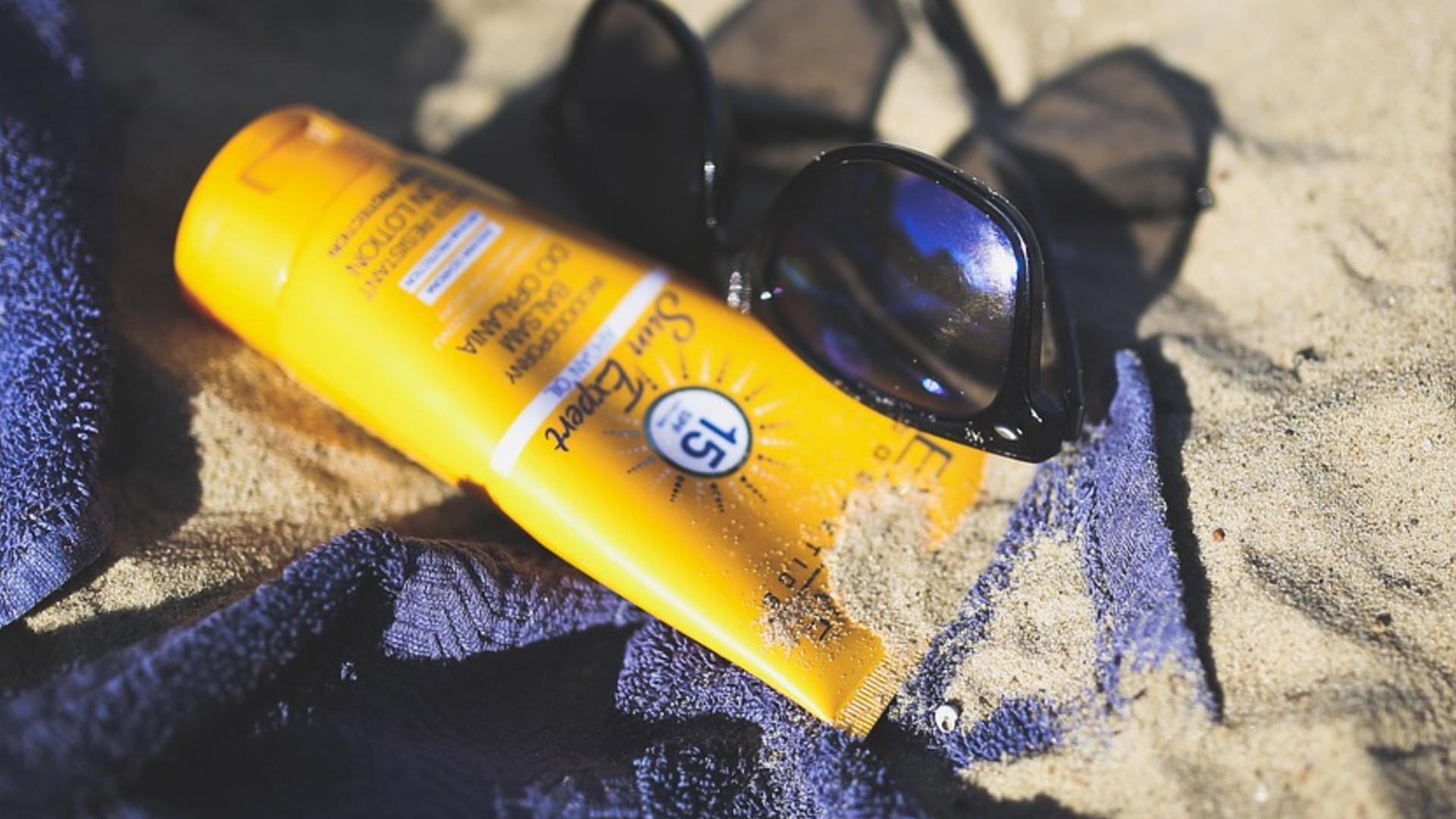
1. Daily Broad Spectrum Sunscreen
Ultraviolet rays cause up to 90 percent of visible skin aging and drive cellular DNA mutations. Applying one-quarter teaspoon of broad-spectrum SPF 30 or higher each morning preserves existing collagen and prevents hyperpigmentation. Dermatologists across global oncology boards rate it as non-negotiable.

©Pixabay / kaboompics
Advertisement
You've reached the end of the story. Thanks for reading!

22 Popular Foods That Look Healthy Until You Check the Label
Based on nutrition data from USDA FoodData Central, the American Heart Association, and Harvard T.H. Chan School of Public Health, these 22 everyday foods often carry health claims on the front of the box. Behind the marketing, added sugar, sodium, saturated fat, or lost fiber tell a very different story.
All 20 Entries in this Story
20. Ice Facial Therapy
Applying ice wrapped in a clean cloth reduces edema and constricts superficial blood vessels. The American Academy of Dermatology cautions against direct raw ice contact, which can damage capillaries. Five minutes of cold therapy provides safe, immediate swelling relief without changing skin elasticity.

19. Rice Water Hair Rinses
Fermented rice water contains inositol, a carbohydrate that diffuses into the hair cortex to support tensile strength. A study in the Journal of Cosmetic Chemists confirmed inositol stays inside the hair shaft after rinsing. Clinicians recommend using it weekly to avoid protein overload and brittle ends.

18. Silicone Scalp Massagers
Flexible silicone bristles exfoliate product buildup and loosen dead keratinocytes around the hair follicle opening. Cleveland Clinic dermatologists note that light circular pressure enhances microcirculation to the scalp. Gentle use during shampooing prevents mechanical traction damage to the roots.

17. Hypochlorous Acid Facial Sprays
Hypochlorous acid is naturally generated by white blood cells to destroy pathogens and neutralize inflammatory cytokines. The Journal of Clinical and Aesthetic Dermatology reports rapid reduction in post-workout Cutibacterium acnes bacteria. Spritzing damp skin after exercise calms redness safely.

16. Snail Mucin Essence
Snail secretion filtrate contains natural hyaluronic acid, copper peptides, and allantoin that promote skin repair. Clinical trials published in the Journal of Dermatological Treatment observed faster epithelial recovery and enhanced hydration. The light formula binds water without clogging facial pores.

15. Rosemary Oil For Scalp Health
A randomized comparative trial in Skinmed showed that 2 percent rosemary oil matched 2 percent minoxidil for hair regrowth after six months. Carnosic acid inside the extract repairs tissue and improves follicular perfusion. Experts recommend diluting essential drops in jojoba oil to prevent contact dermatitis.

14. Hydrocolloid Pimple Patches
Hydrocolloid bandages draw out purulent fluid through capillary action while creating a sterile sealed environment. Dermatologists at Harvard Health highlight that physical patches protect active lesions from compulsive picking and bacteria. Healing times drop significantly when applied to inflamed spots.

13. Skin Cycling Schedules
Introduced by Dr Whitney Bowe, this clinical method alternates chemical exfoliation on night one with a retinoid on night two, followed by two recovery nights. The Journal of Drugs in Dermatology highlights that planned rest periods reduce transepidermal water loss while preserving retinoid efficacy.

12. Double Cleansing With Cleansing Oils
Oil-based cleansers dissolve stubborn sebum, silicone primers, and insoluble UV filters through lipophilic attraction. Following up with a gentle water-based wash clears residual grime without stripping essential surface lipids. Mayo Clinic specialists recommend this routine for heavy sunscreen wearers.

11. Salicylic Acid Scalp Exfoliation
Salicylic acid is a lipid-soluble beta hydroxy acid that dissolves the intercellular cement binding dead scalp flakes. In a clinical trial published in the British Journal of Dermatology, low concentration lotions cleared seborrheic scales by 68 percent. Rinsing after five minutes keeps follicles clear.

10. Azelaic Acid For Redness And Breakouts
Azelaic acid selectively inhibits tyrosinase enzymes to fade post-inflammatory hyperpigmentation without lightening surrounding tissue. It also downregulates cathelicidin peptides, a primary driver of rosacea swelling. JAAD trials report steady clearance of papules and pustules within twelve weeks.

9. Bond Repair Hair Treatments
Chemical bleaching and heat styling break covalent disulfide sulfur bonds, leaving hair fibers fragile and porous. Patented bond builders relink broken crosslinks inside the keratin cortex to restore tensile strength. Cosmetic chemist evaluations show a 30 percent reduction in mechanical brush breakage.

8. Ceramide Barrier Repair Creams
Ceramides make up 50 percent of the natural lipid matrix that holds superficial skin cells together. Formulations combining ceramides, cholesterol, and free fatty acids accelerate cellular repair and drop transepidermal water loss. The American Academy of Dermatology recommends them for sensitive skin.

7. Red Light Therapy LED Masks
Photobiomodulation at 633 nanometer red and 830 nanometer near-infrared bands activates cytochrome c oxidase in cellular mitochondria. Clinical studies in Photomedicine and Laser Surgery demonstrated measurable boosts in collagen density over twelve weeks. Medical boards advise choosing cleared home masks.

6. Hyaluronic Acid On Damp Skin
Hyaluronic acid holds up to 1,000 times its molecular weight in water, acting as a moisture reservoir for the epidermis. Applying humectant molecules to damp skin draws surface water deep into the stratum corneum. Dermatologists at Cleveland Clinic warn that dry application can worsen dehydration.

5. Slugging With Pure Petrolatum
Pure petrolatum is the most efficient occlusive agent known to dermatology, reducing transepidermal moisture loss by more than 98 percent. Sealing bland moisturizers under petroleum jelly repairs compromised lipid barriers overnight. Clinicians caution acne-prone patients to skip oily cheek zones.

4. Niacinamide Serums
Niacinamide strengthens the epidermal barrier by stimulating endogenous ceramide production while stabilizing sebum output. A 2025 review in the International Journal of Cosmetic Science confirmed that 2 to 5 percent concentrations fade blotchy tone. High doses can provoke flushing in sensitive users.

3. Topical Vitamin C Antioxidants
L-ascorbic acid donates electrons to neutralize free radicals generated by sunlight, smog, and airborne ozone. Dermatological guidelines recommend a 10 to 20 percent concentration paired with ferulic acid for maximum photo-protection. Layering it under daily sunscreen doubles defense against dullness.

2. Retinoid Treatments
Retinoids bind directly to nuclear retinoic acid receptors to stimulate collagen synthesis and clear microcomedones. Four decades of clinical trials confirm tretinoin and adapalene as gold standard anti-aging compounds. Starting two nights weekly builds tolerance without triggering peeling or dryness.

1. Daily Broad Spectrum Sunscreen
Ultraviolet rays cause up to 90 percent of visible skin aging and drive cellular DNA mutations. Applying one-quarter teaspoon of broad-spectrum SPF 30 or higher each morning preserves existing collagen and prevents hyperpigmentation. Dermatologists across global oncology boards rate it as non-negotiable.