Slideshow · Animals
20 Animals With Unusual Snouts, Fleshy Tentacles and Natural Snorkels
Evolutionary pressure has shaped animal snouts into astonishing survival tools across the animal kingdom. From tactile star-shaped tentacles and inflatable resonance chambers to tubular snorkels and sand-digging shovels, these 20 species demonstrate how specialized nasal anatomy helps creatures thrive in nature.
By Most Viral Today
49 min ago

20 Animals With Unique Noses 
20. Star-Nosed Mole 
19. Saiga Antelope 
18. Elephant Shrew - AdvertisementSwipe or tap ▶ to continue countdown

17. Malayan Tapir 
16. Northern Elephant Seal 
15. Gharial 
14. Eastern Hognose Snake - AdvertisementSwipe or tap ▶ to continue countdown

13. Leaf-Nosed Bat 
12. Hammer-Headed Bat 
11. Pinocchio Anole 
10. Long-Nosed Horned Frog - AdvertisementSwipe or tap ▶ to continue countdown

9. Pig-Nosed Turtle 
8. Mata Mata Turtle 
7. Golden Snub-Nosed Monkey 
6. Mandrill - AdvertisementSwipe or tap ▶ to continue countdown

5. Giant Anteater 
4. Sword-Billed Hummingbird 
3. Goblin Shark 
2. Aardvark - AdvertisementSwipe or tap ▶ to continue countdown

1. Proboscis Monkey - Advertisement🔥 UP NEXT IN THIS SERIES◫ 21 Slides

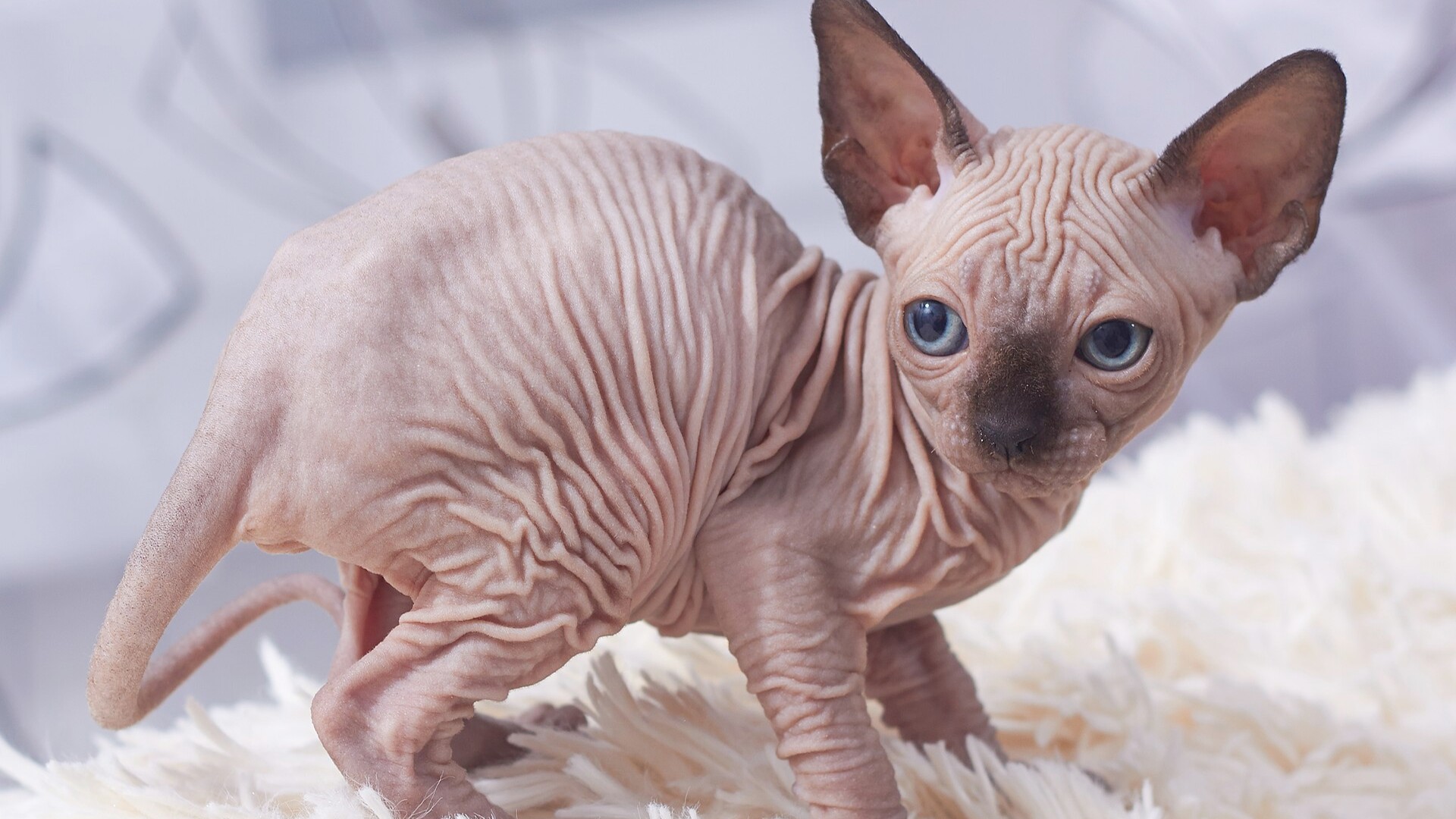
20 True Hairless and Partially Hairless Cat Breeds
Discover unique hairless and low shedding cat breeds from around the globe.
As of 2026-11-24, wildlife biologists and zoological records from the Smithsonian and National Geographic document remarkable nasal adaptations across animal taxa. These distinct facial structures serve vital functions including electroreception, temperature regulation, mate attraction, and subterranean navigation.
Swipe or tap ▶ to begin the countdown
©Wikimedia / Charles J. Sharp
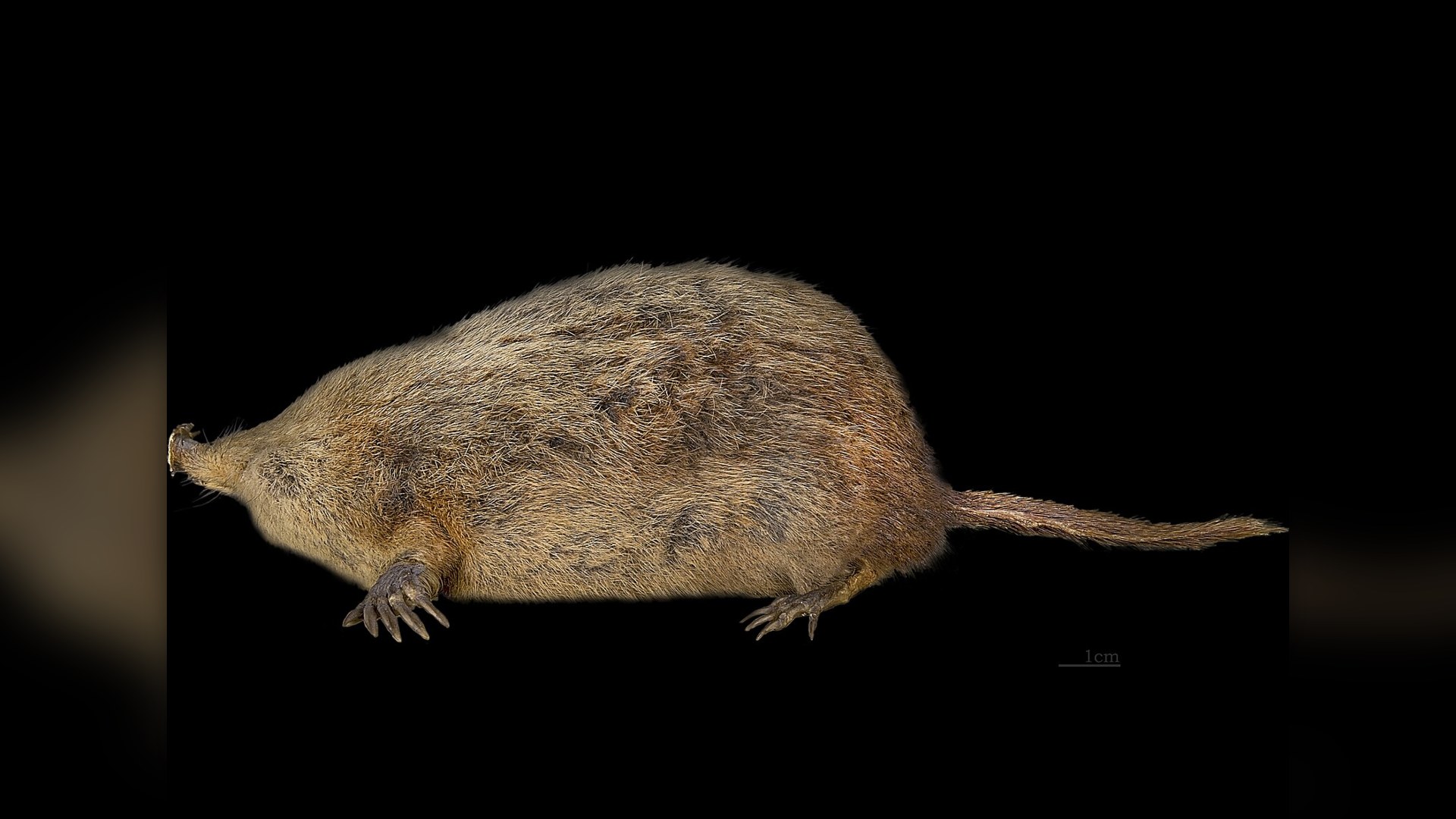
20. Star-Nosed Mole
Found in wet lowlands of North America, the star-nosed mole possesses 22 mobile nasal rays packed with over 25000 microscopic sensory receptors known as Eimer organs. This extraordinary organ allows the mole to touch, identify, and consume insect prey faster than almost any other mammal on Earth.
©Wikimedia / Didier Descouens
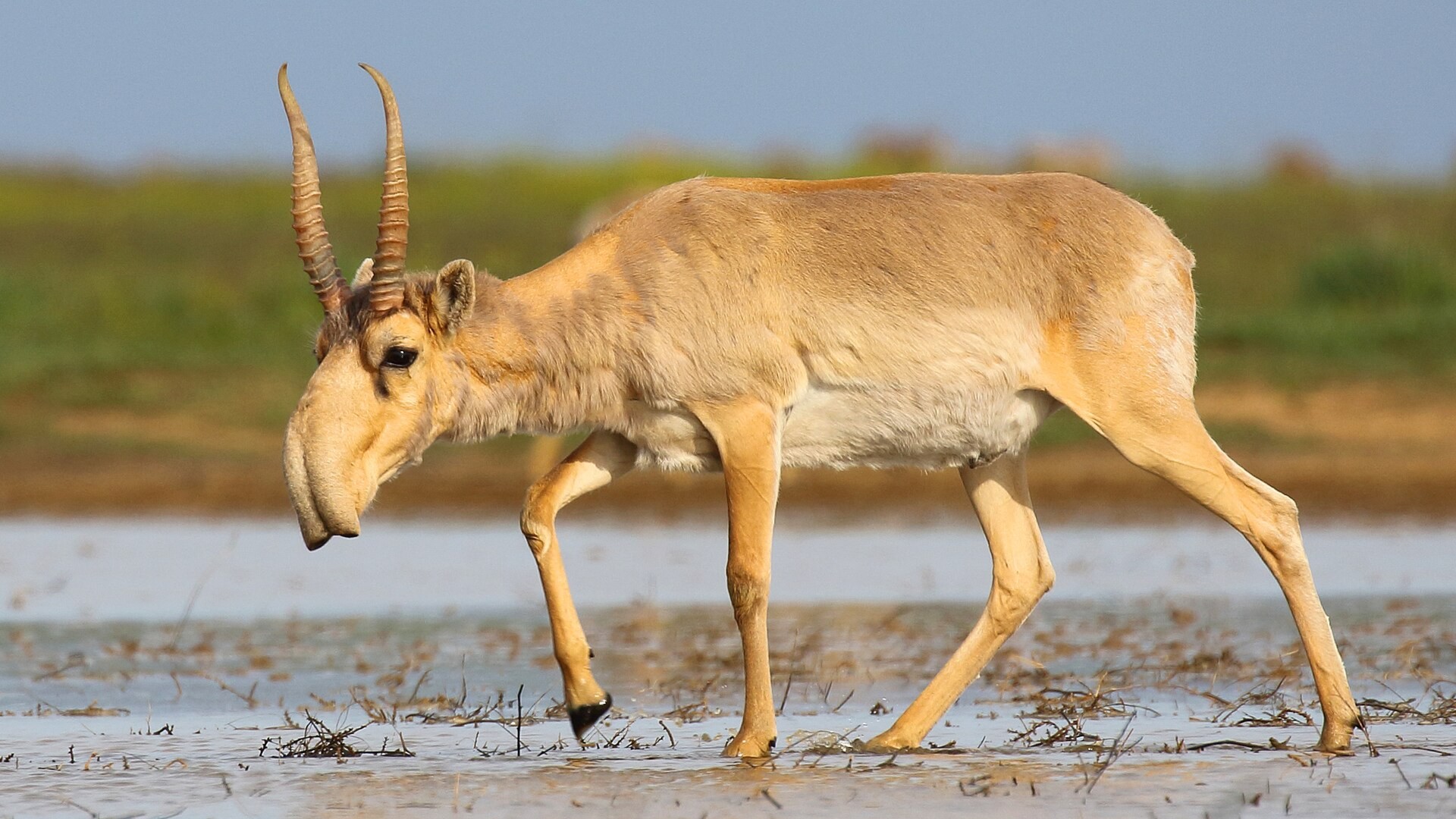
19. Saiga Antelope
Inhabiting the harsh arid steppes of Central Asia, the saiga antelope features an inflated, downward-pointing tubular nose with internal mucus glands. This unique anatomical filter cleans dust during mass seasonal migrations and heats subzero air before it reaches delicate lung tissues.
©Wikimedia / Saiga antelope
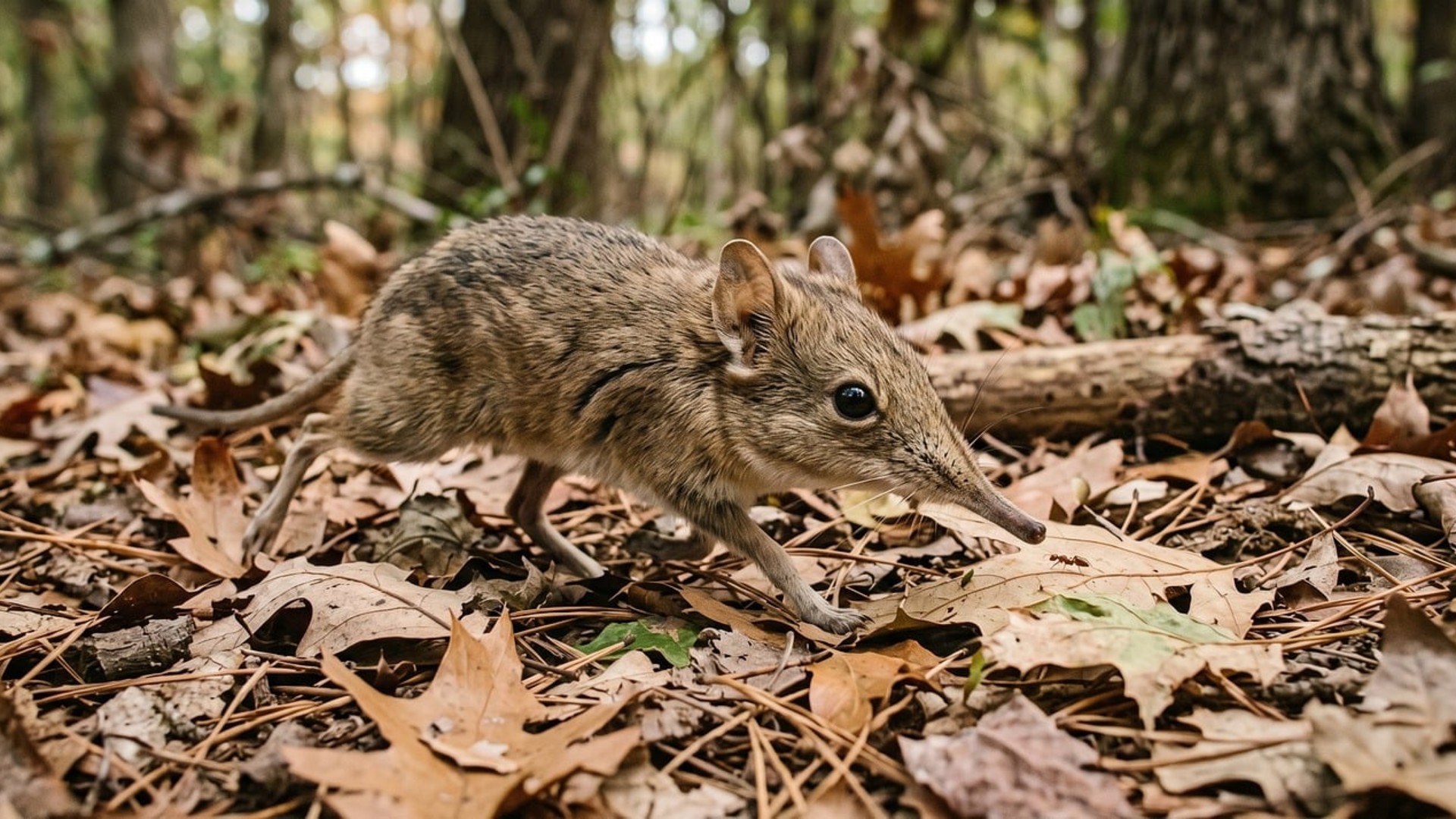
18. Elephant Shrew
Native to African forests and grasslands, the elephant shrew or sengi possesses an elongated, highly flexible snout. Despite its tiny mouse-like stature, genetic studies link this insectivore to true elephants. Its sensitive nose twitches constantly while sniffing out termites in leaf litter.
©Pixabay / BuchArena
Advertisement
Swipe or tap ▶ to resume the countdown.
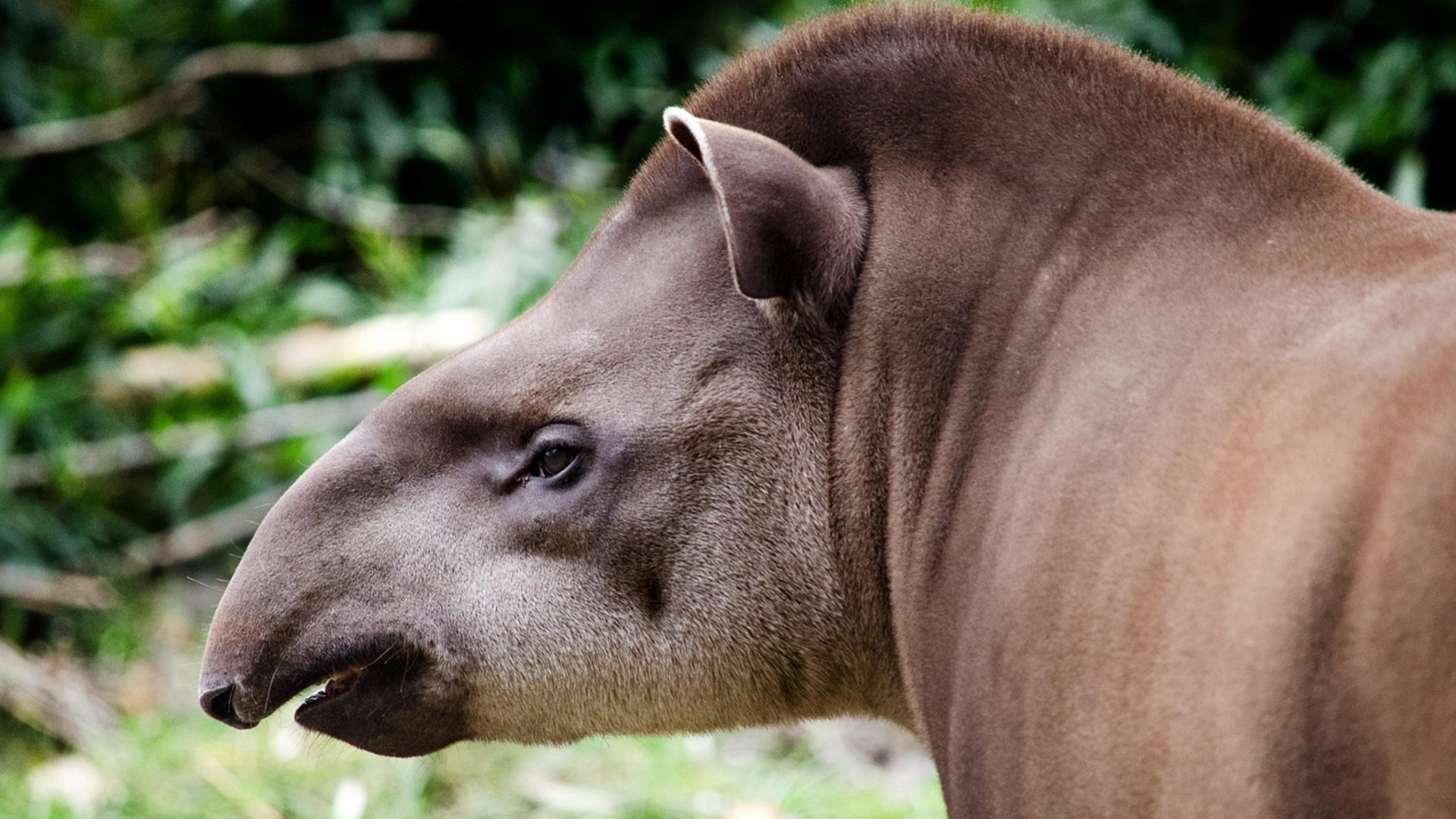
17. Malayan Tapir
Found in dense rainforests across Southeast Asia, the Malayan tapir features a distinctive prehensile proboscis formed from its nose and upper lip. The flexible snout strips leaves, selects ripe jungle fruits, and serves as an effective breathing snorkel while submerged in forest rivers.
©Pixabay / Wildfaces
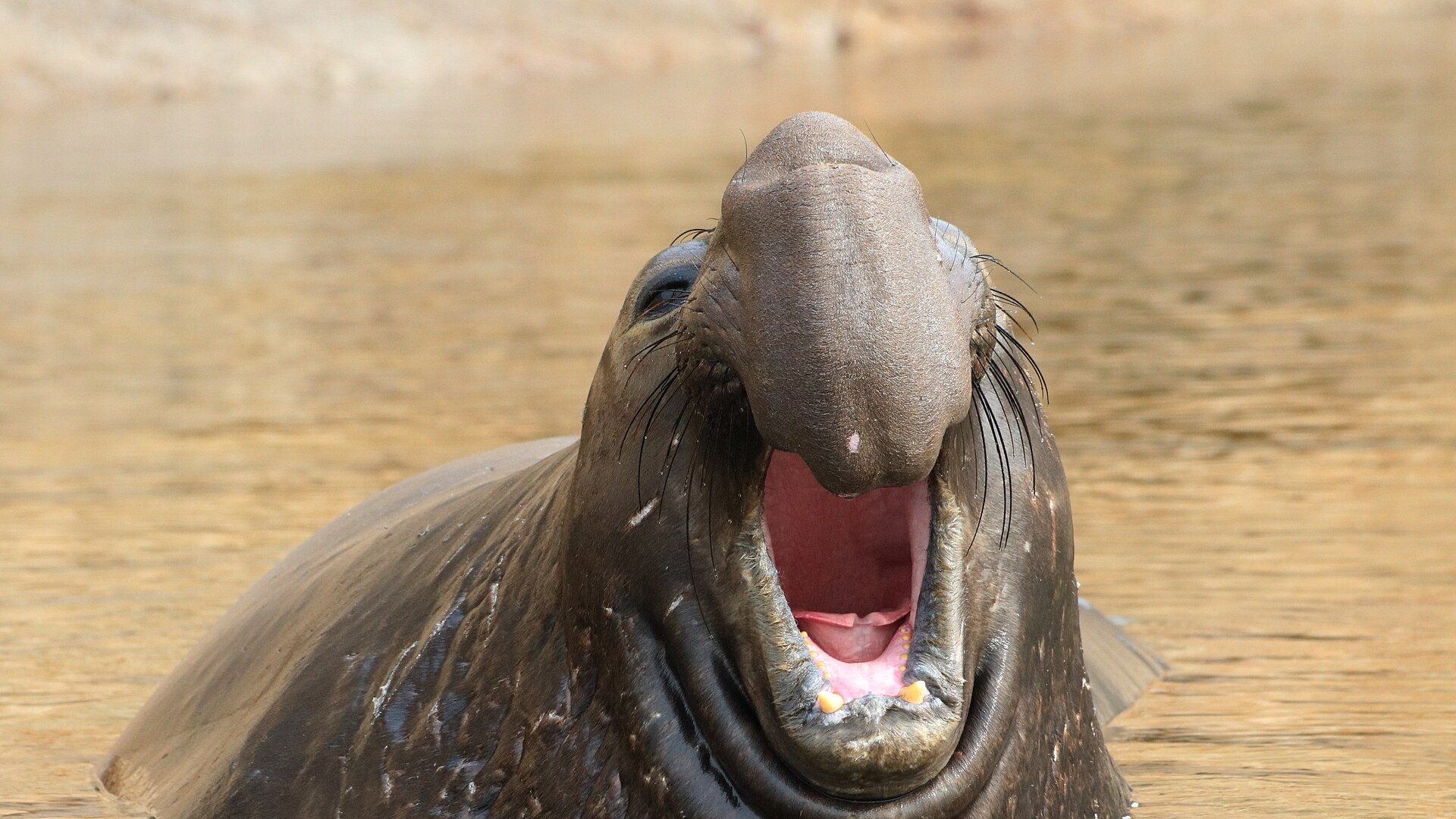
16. Northern Elephant Seal
Along the Pacific coast, mature bull elephant seals develop an inflatable fleshy proboscis that hangs past their mouths. During violent breeding rivalries, males pump air through this chamber to produce thunderous reverberating roars that carry over ocean surf to assert dominance.
©Wikimedia / Grendelkhan
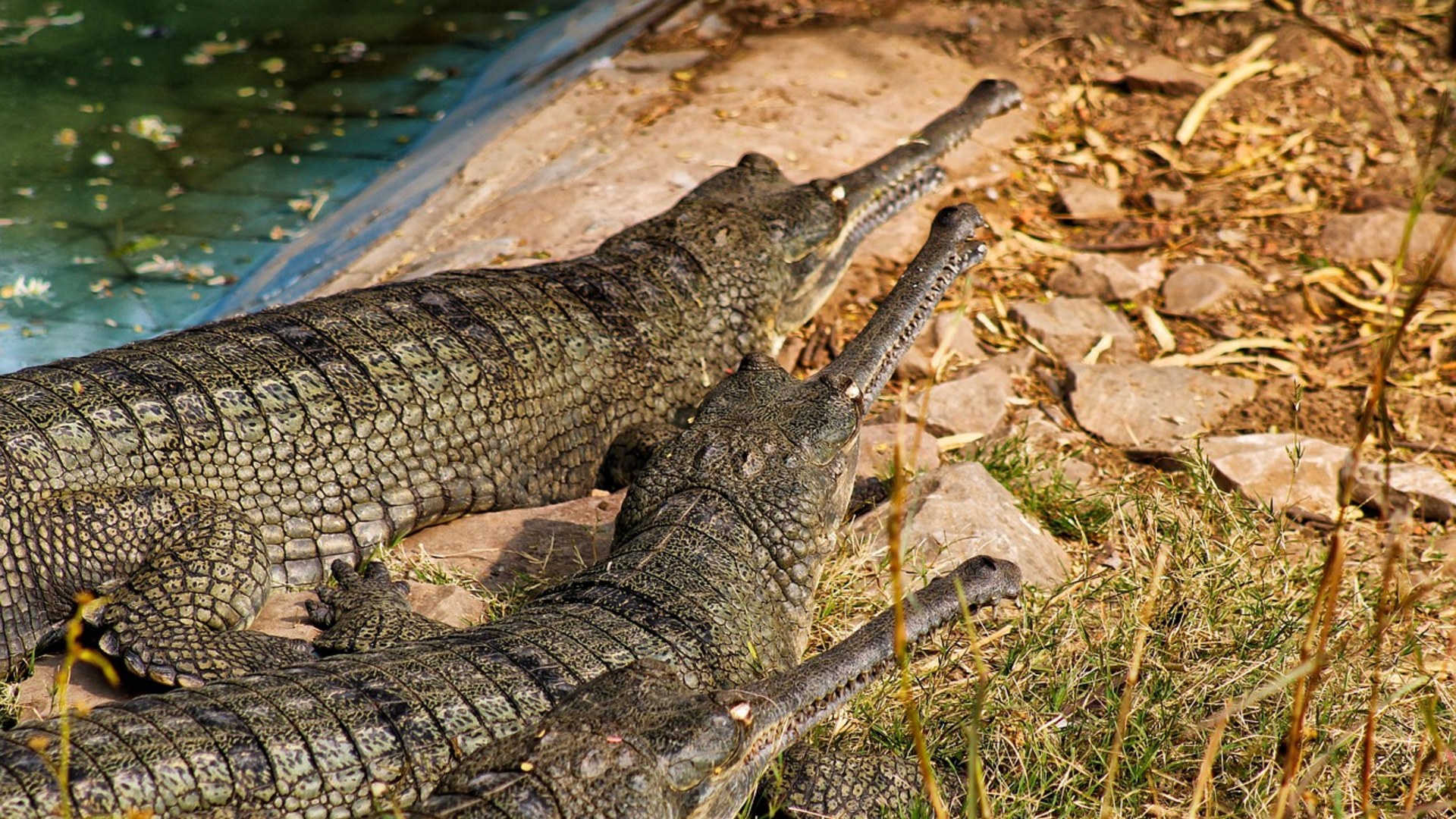
15. Gharial
Native to river systems of northern India, the critically endangered gharial has long, slender jaws adapted for catching fish. Adult males develop a bulbous cartilaginous knob called a ghara at the snout tip, which modifies exhaled air to generate loud buzzing hums and bubble displays.
©Pixabay / Saurabh_U
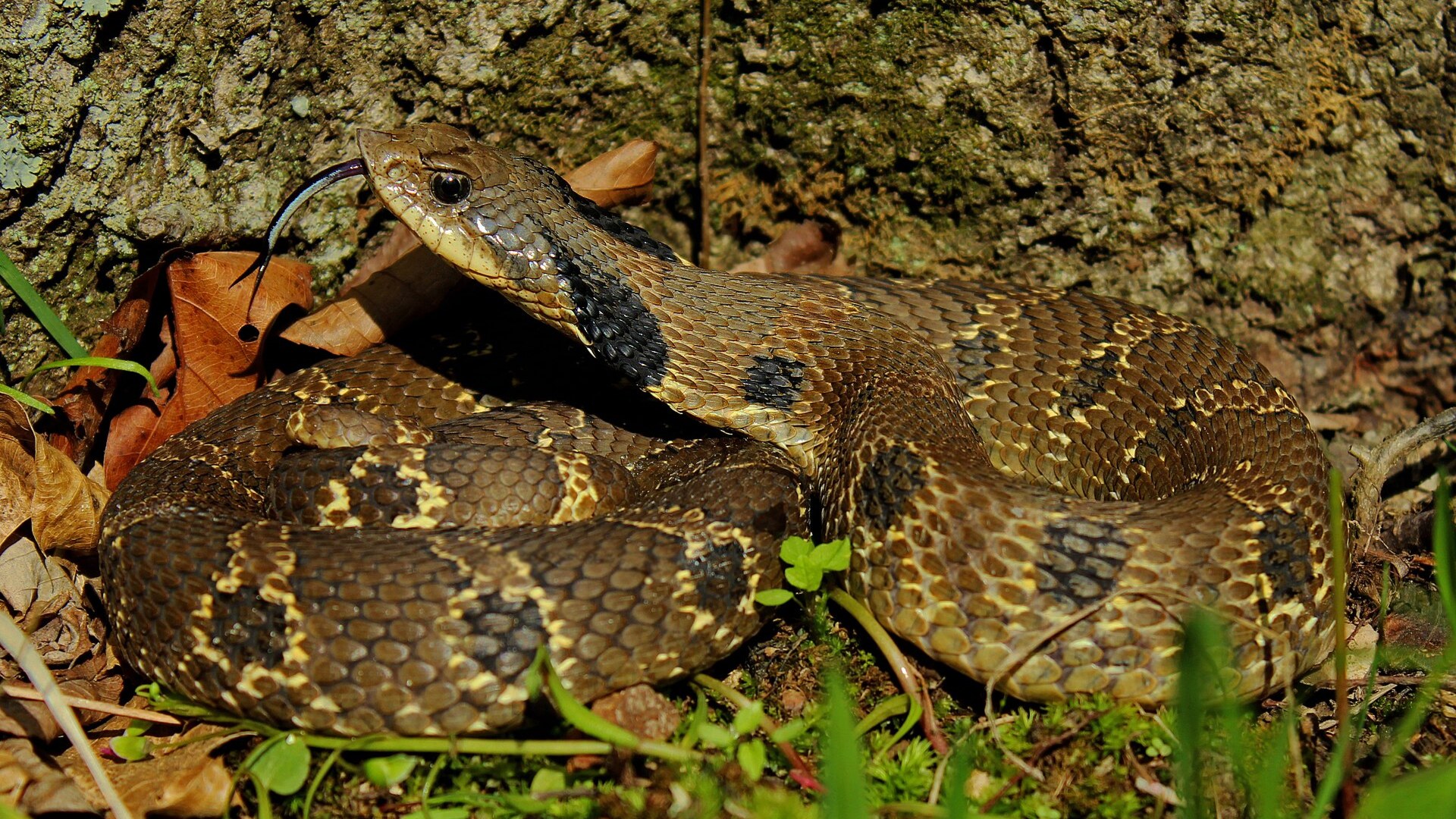
14. Eastern Hognose Snake
Ranging across eastern North America, the eastern hognose snake possesses a distinctive upturned, sharply keeled rostral scale. This specialized snout functions as an efficient spade, enabling the snake to burrow into loose sand and soil to extract deeply hidden spadefoot toads.
©Wikimedia / Peter Paplanus from St. Louis, Missouri
Advertisement
Swipe or tap ▶ to resume the countdown.
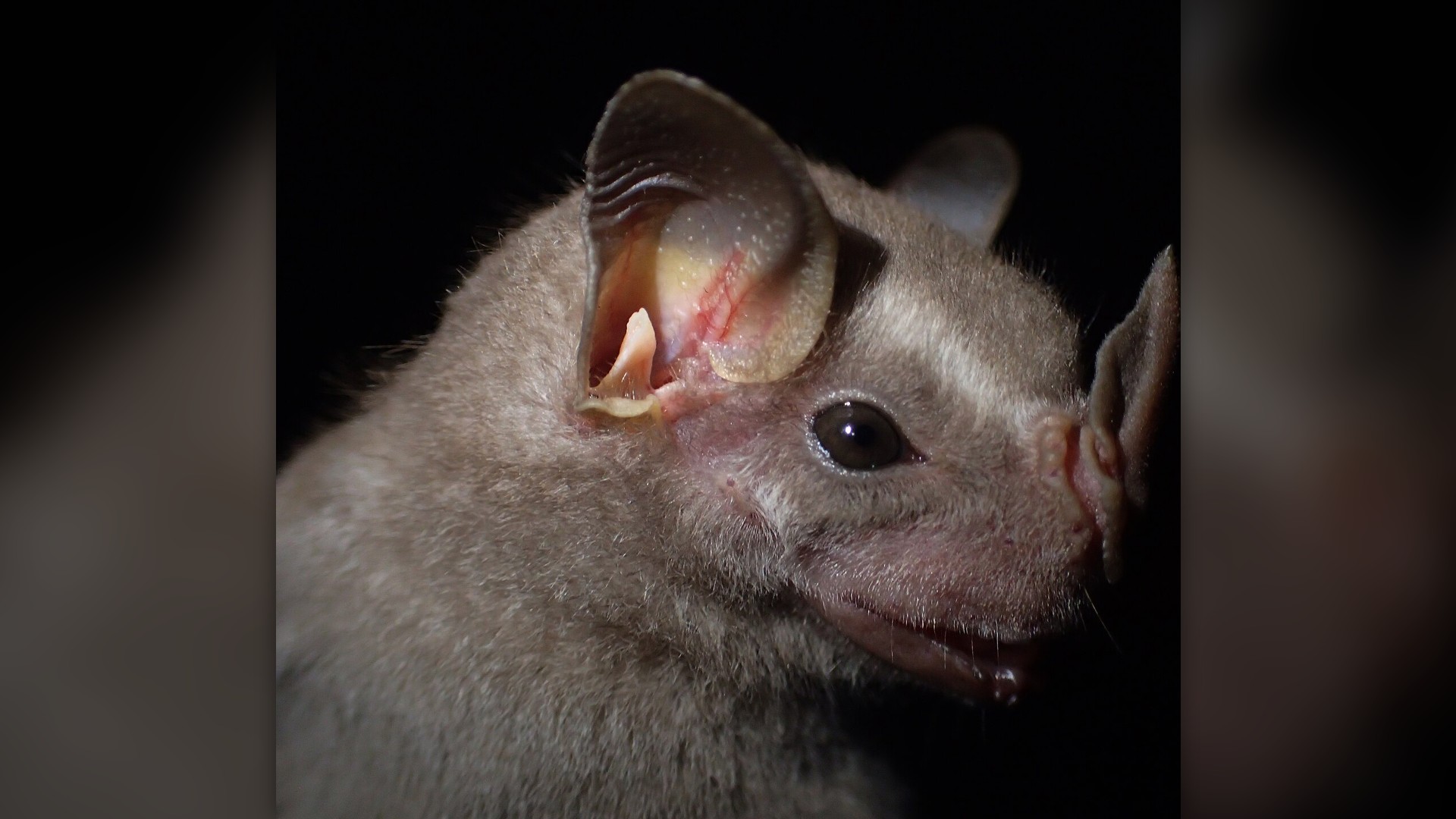
13. Leaf-Nosed Bat
Members of the bat family Phyllostomidae display an erect, spear-shaped nasal projection known as a nose-leaf. Positioned directly behind the nostrils, this fleshy acoustic lens focuses, beams, and steers high-frequency echolocation calls to detect insects amidst dense foliage.
©Wikimedia / Guilherme Garbino
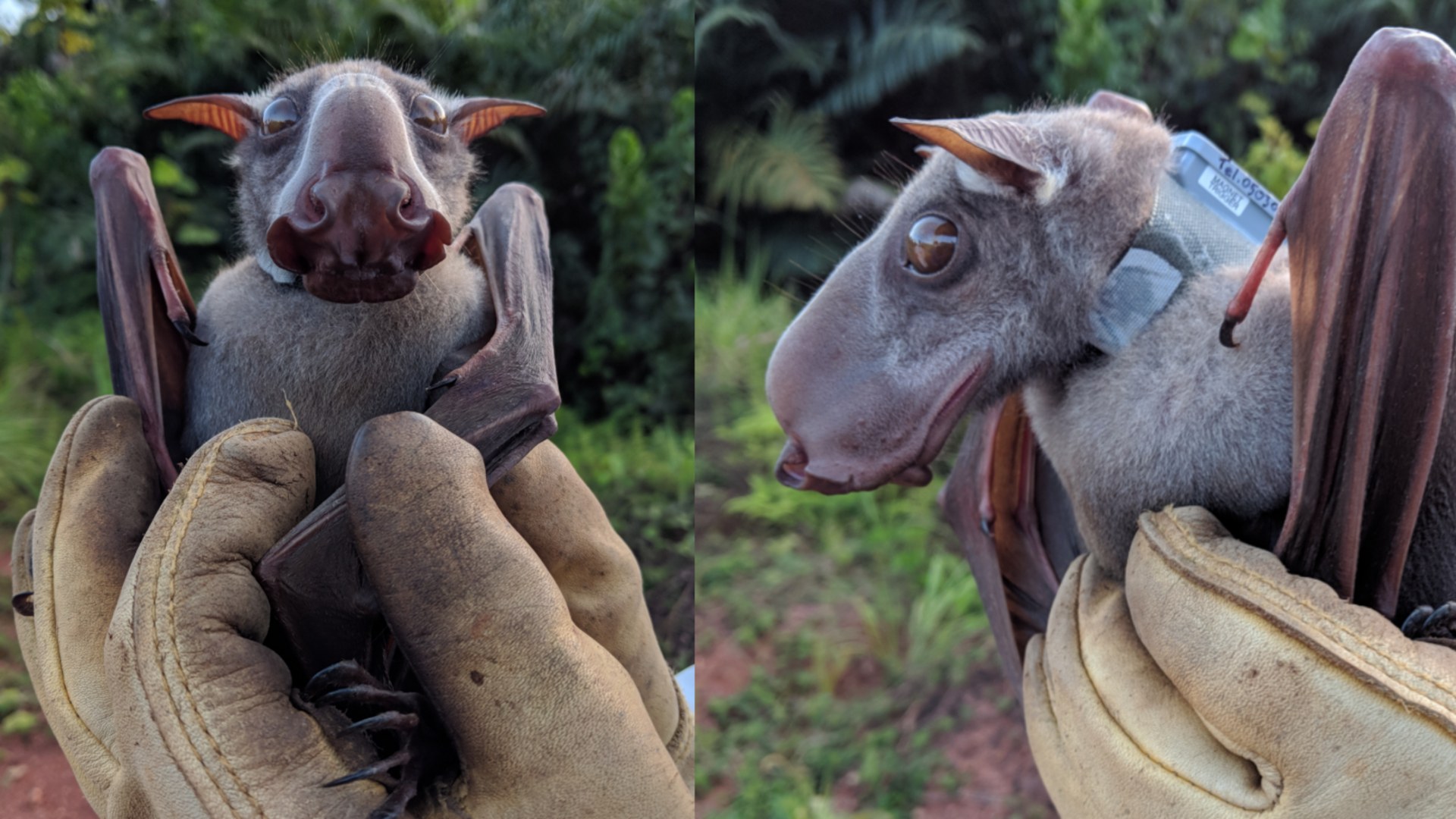
12. Hammer-Headed Bat
Inhabiting the lowland rainforests of equatorial Africa, the hammer-headed bat exhibits extreme sexual dimorphism. Males feature an enormous squared-off snout and enlarged larynx that fills over half their body cavity, generating loud metallic honks during competitive communal mating leks.
©Wikimedia / Sarah H. Olson , Gerard Bounga, Alain Ondzie, Tr
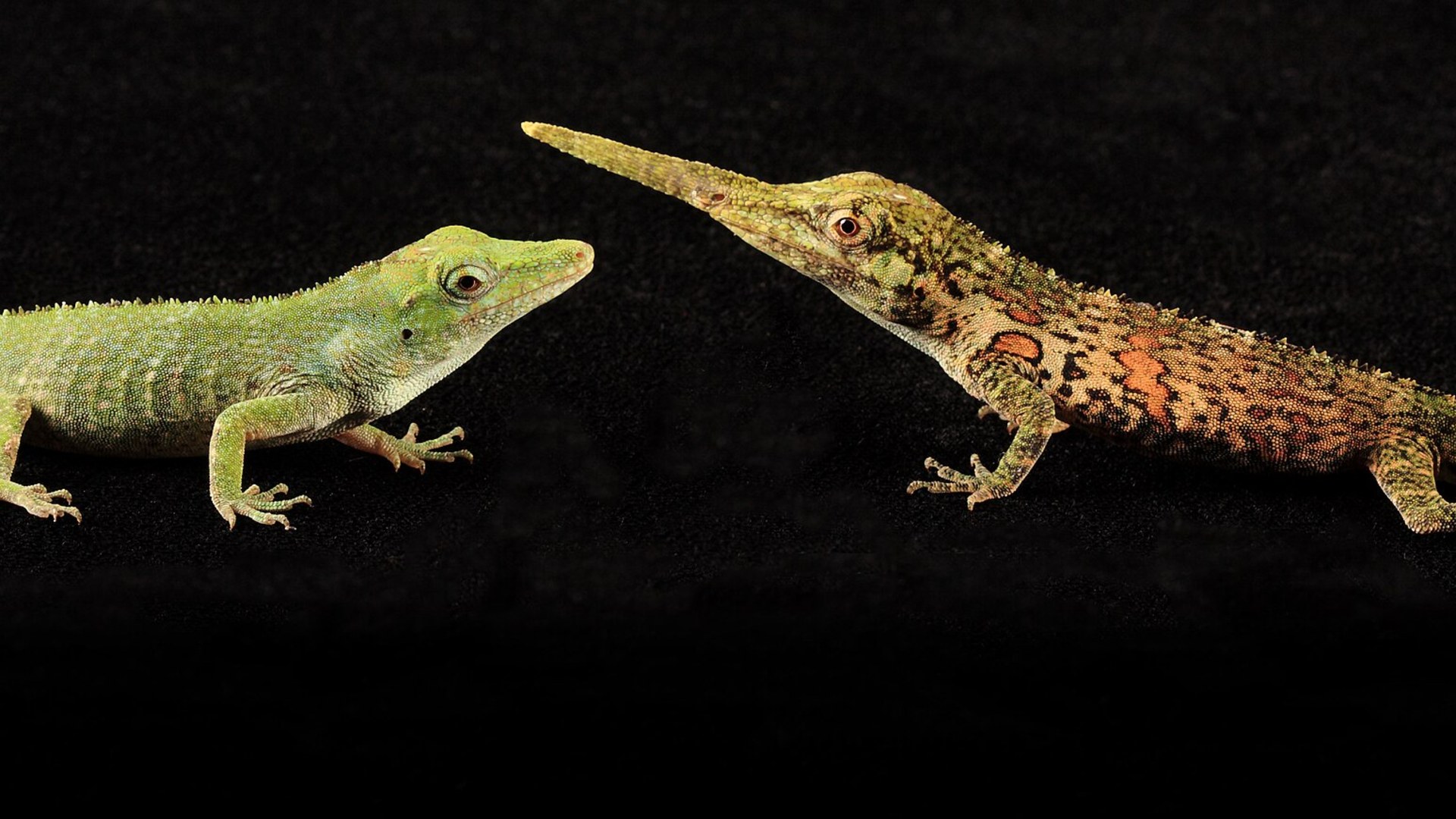
11. Pinocchio Anole
Rediscovered in the misty cloud forests of Ecuador, the Pinocchio anole is an endangered tree lizard. Adult males bear a long, fleshy rostral appendage that extends horizontally forward from the snout, utilized primarily for visual courtship displays rather than physical combat.
©Wikimedia / Santiago Ron from Quito, Ecuador
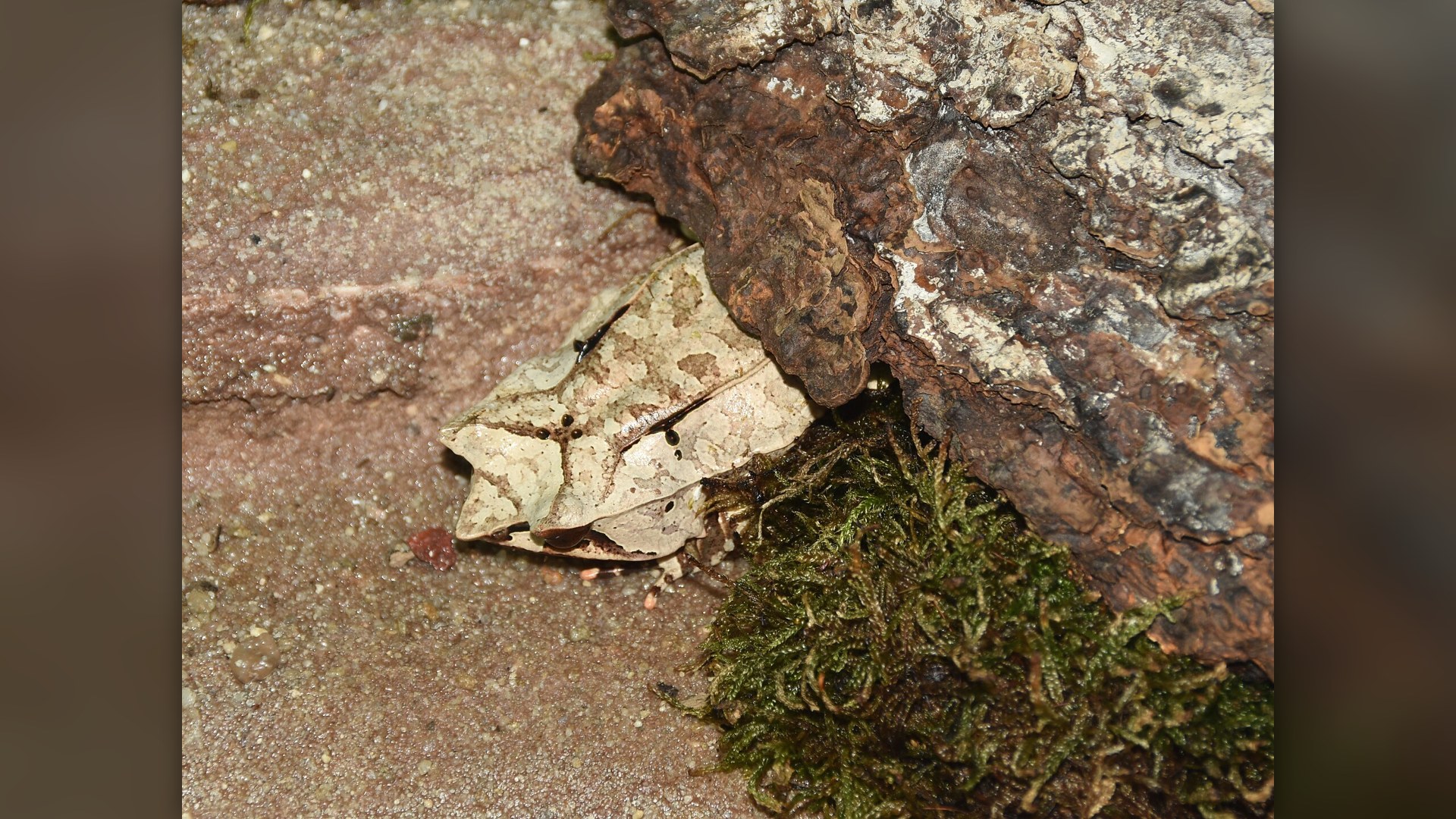
10. Long-Nosed Horned Frog
Dwelling in the primary rainforests of Borneo and Sumatra, the long-nosed horned frog features angular triangular projections over its eyes and the tip of its snout. This pointed facial camouflage flawlessly mimics dried leaf litter, concealing the ambush predator from passing prey.
©Wikimedia / NasserHalaweh
Advertisement
Swipe or tap ▶ to resume the countdown.
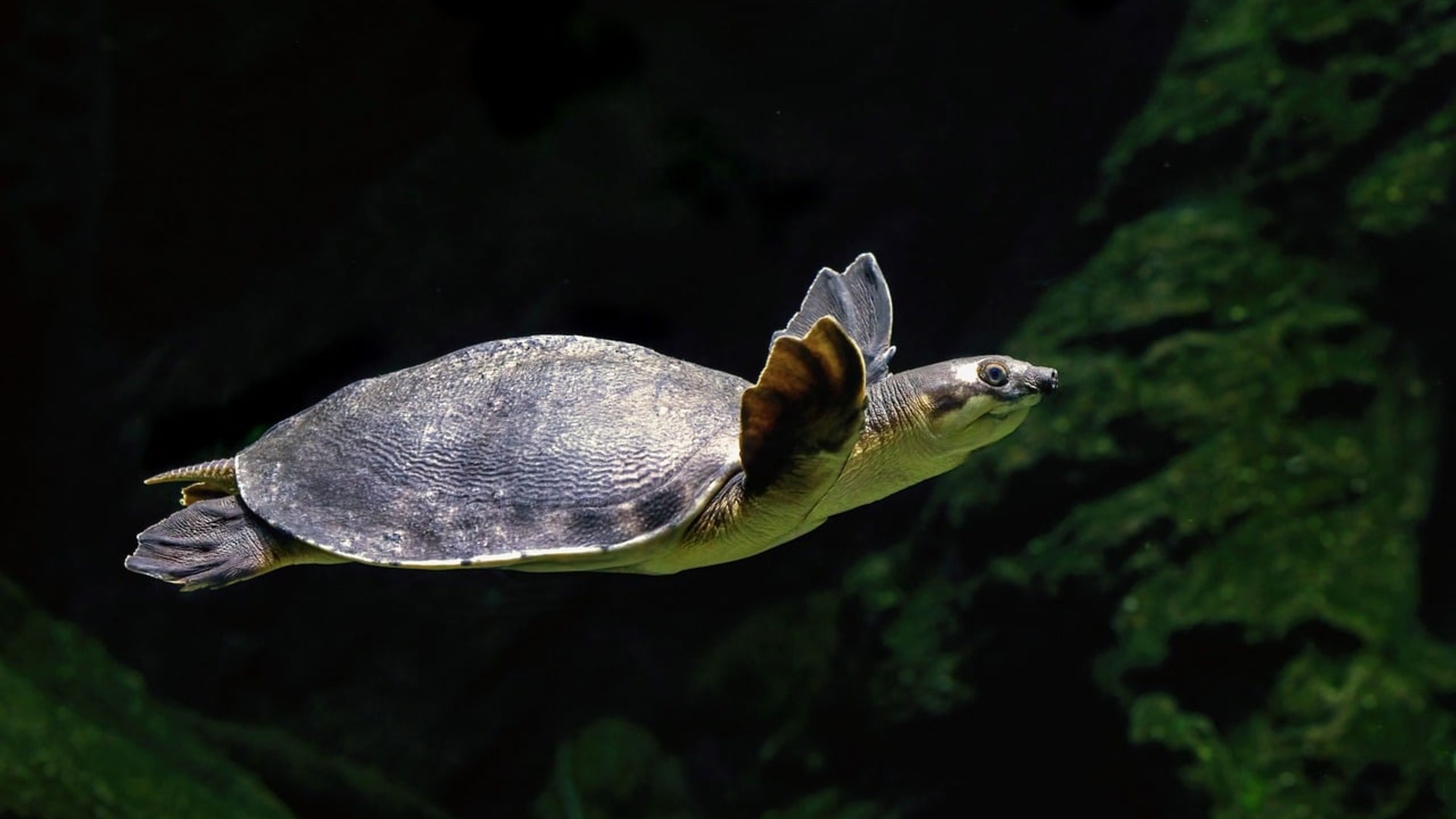
9. Pig-Nosed Turtle
Endemic to freshwater rivers and lagoons in northern Australia and New Guinea, this unique reptile has a fleshy snout resembling that of a pig. The mobile snorkel-like nostrils break the surface film while the shell remains hidden underwater, detecting chemical scent cues on riverbeds.
©Pixabay / DavidClode
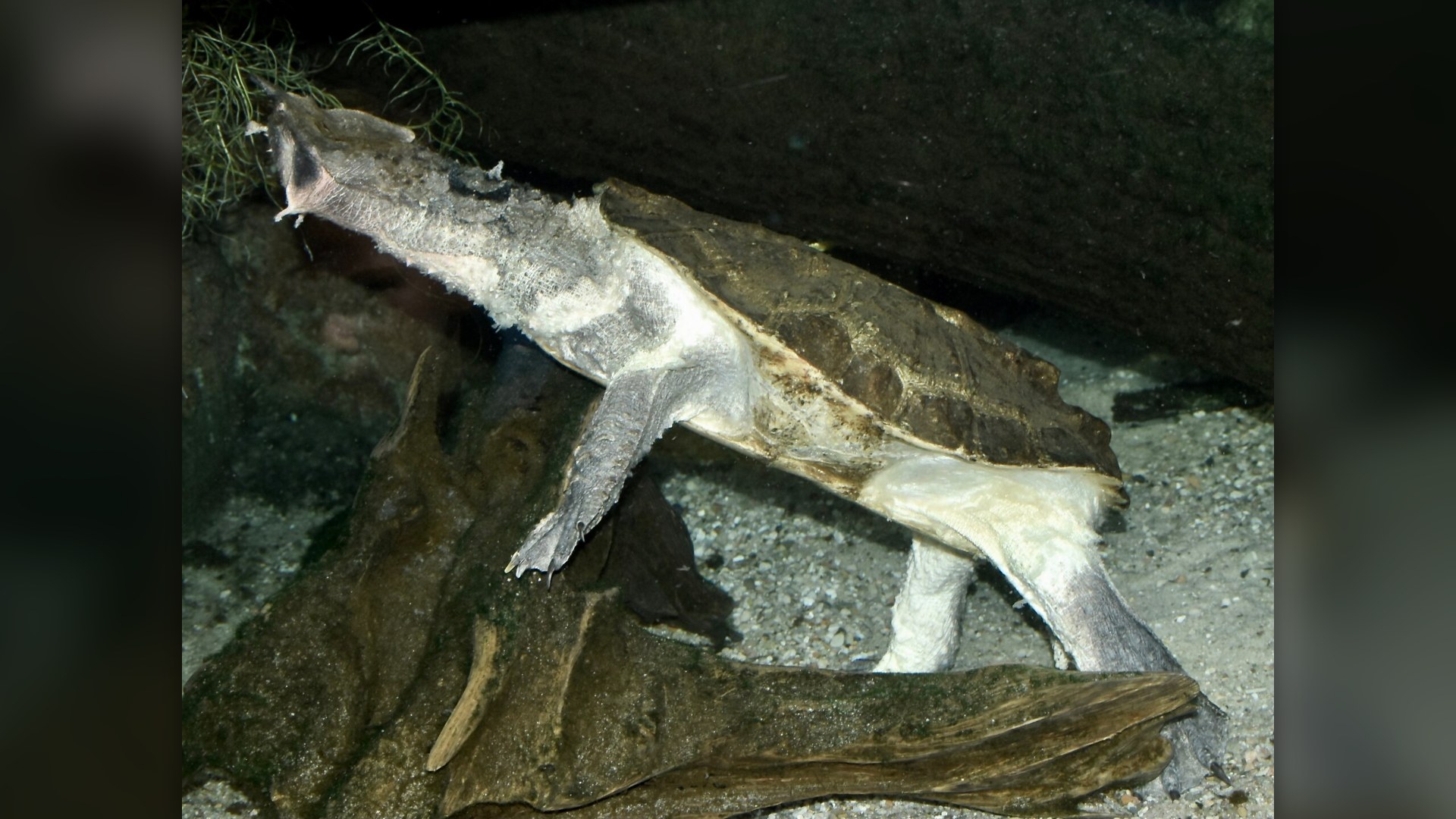
8. Mata Mata Turtle
Native to the Amazon and Orinoco basins, the mata mata turtle is an ambush hunter with a flattened triangular head and jagged shell. Its long, slender nasal tube extends upward like a periscope, allowing it to take breaths while resting motionless among submerged decaying leaves.
©Wikimedia / NasserHalaweh
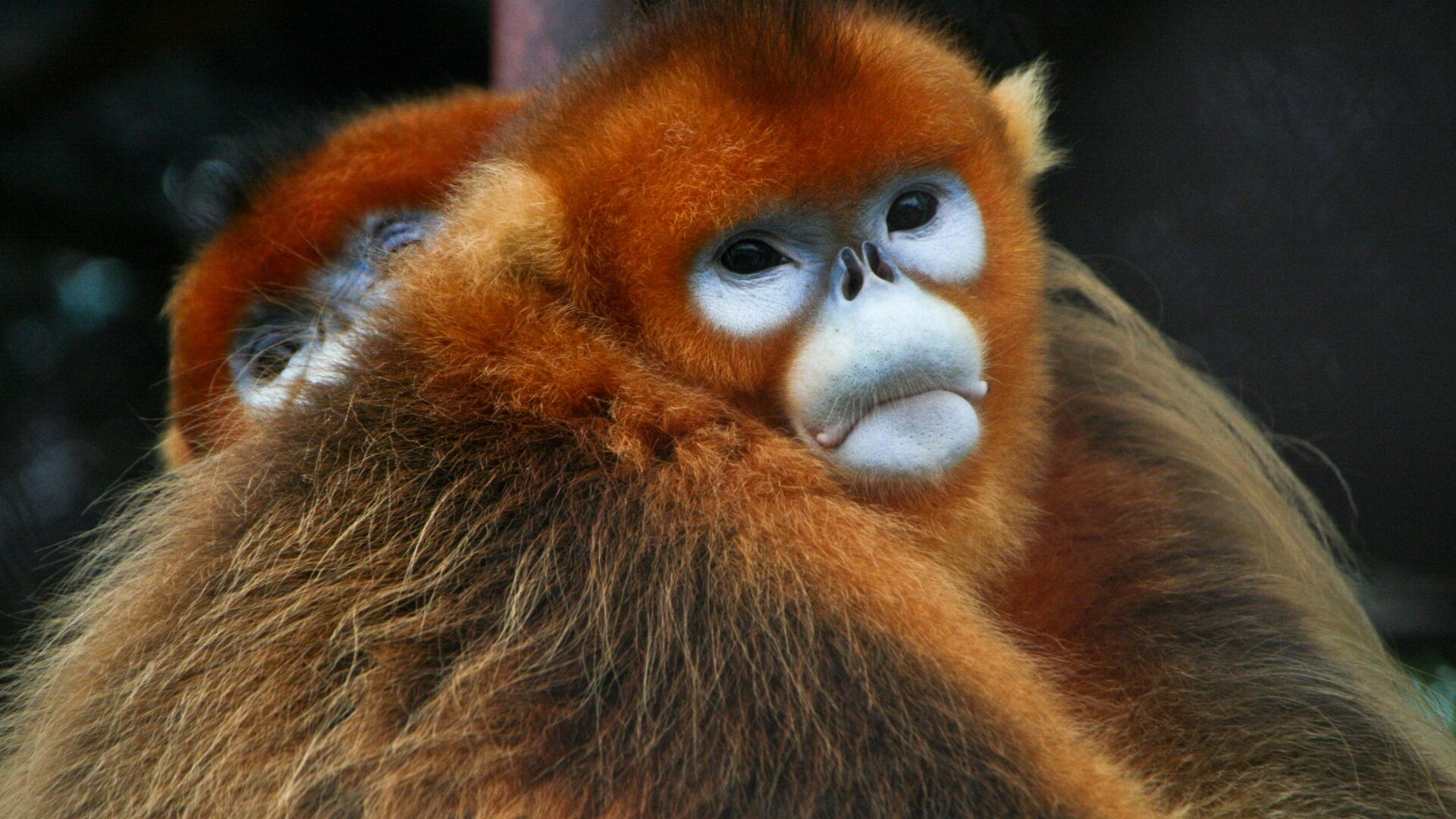
7. Golden Snub-Nosed Monkey
Inhabiting cold mountainous forests across central China, the golden snub-nosed monkey possesses flat, upturned nostrils devoid of an exposed nasal bridge. Evolutionary biologists believe this flattened facial anatomy minimizes fleshy surface area to prevent frostbite during harsh winters.
©Wikimedia / Jack Hynes
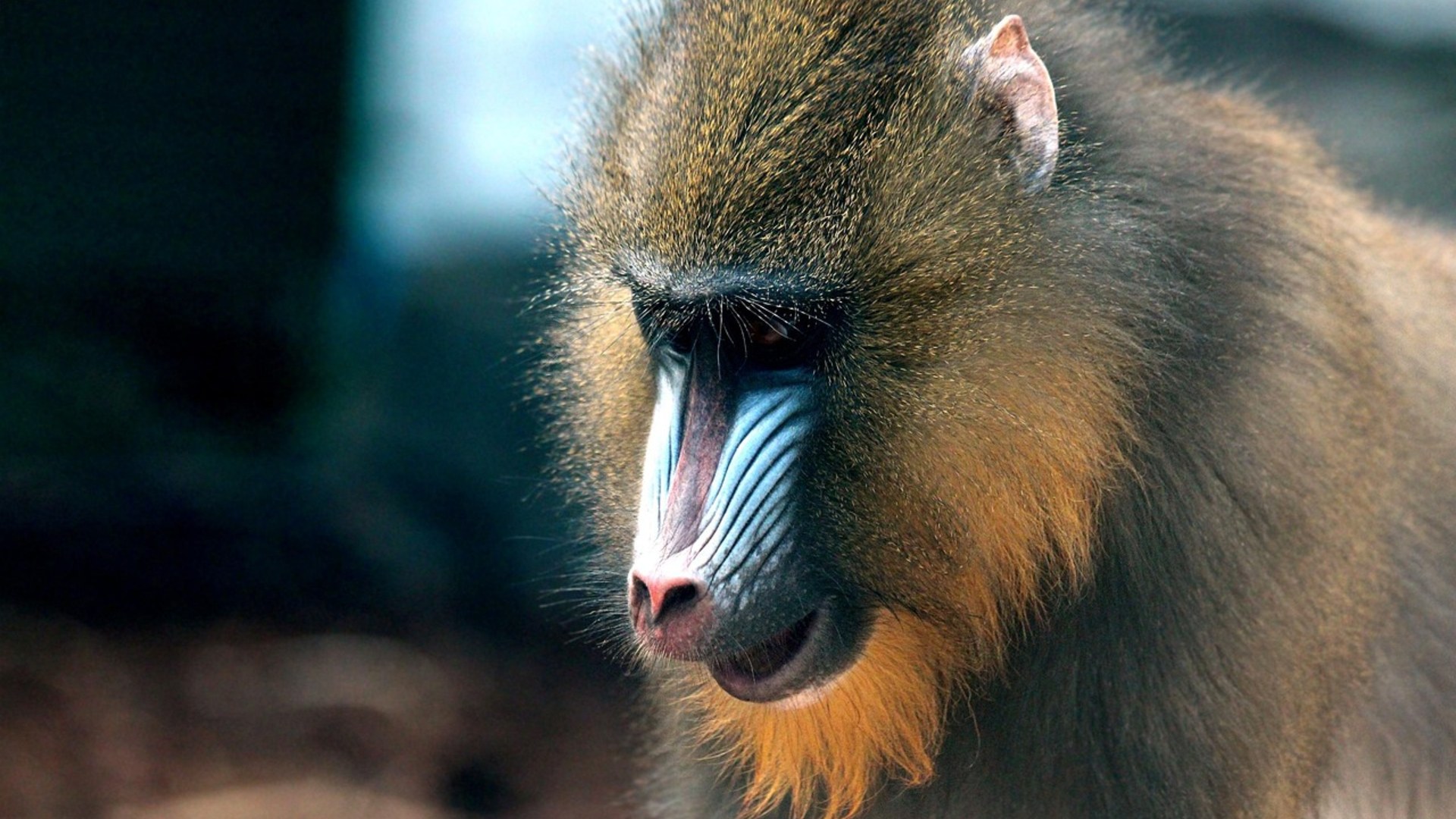
6. Mandrill
Inhabiting equatorial rainforests of west-central Africa, adult male mandrills display dazzling facial coloration. A bright crimson stripe runs down the nasal bridge, flanked by grooved paranasal swellings in brilliant blue, signaling high social status and testosterone levels to the troop.
©Pixabay / zoosnow
Advertisement
Swipe or tap ▶ to resume the countdown.
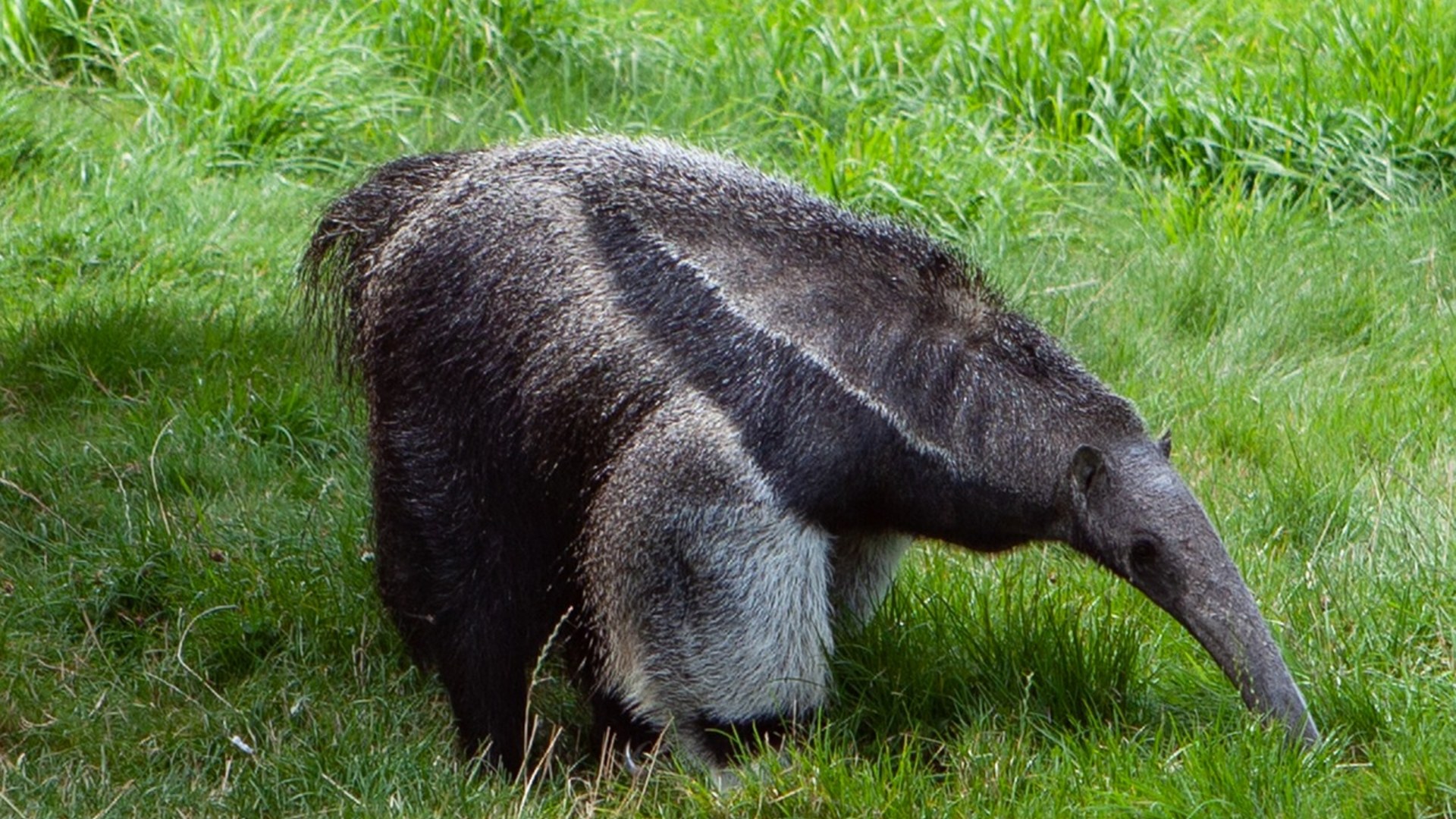
5. Giant Anteater
Roaming the grasslands and savannas of Central and South America, the giant anteater features an elongated skull that ends in a tiny toothless mouth. Its tubular snout possesses an acute sense of smell used to pinpoint underground ant colonies before tearing them open with powerful claws.
©Pixabay / TheOtherKev
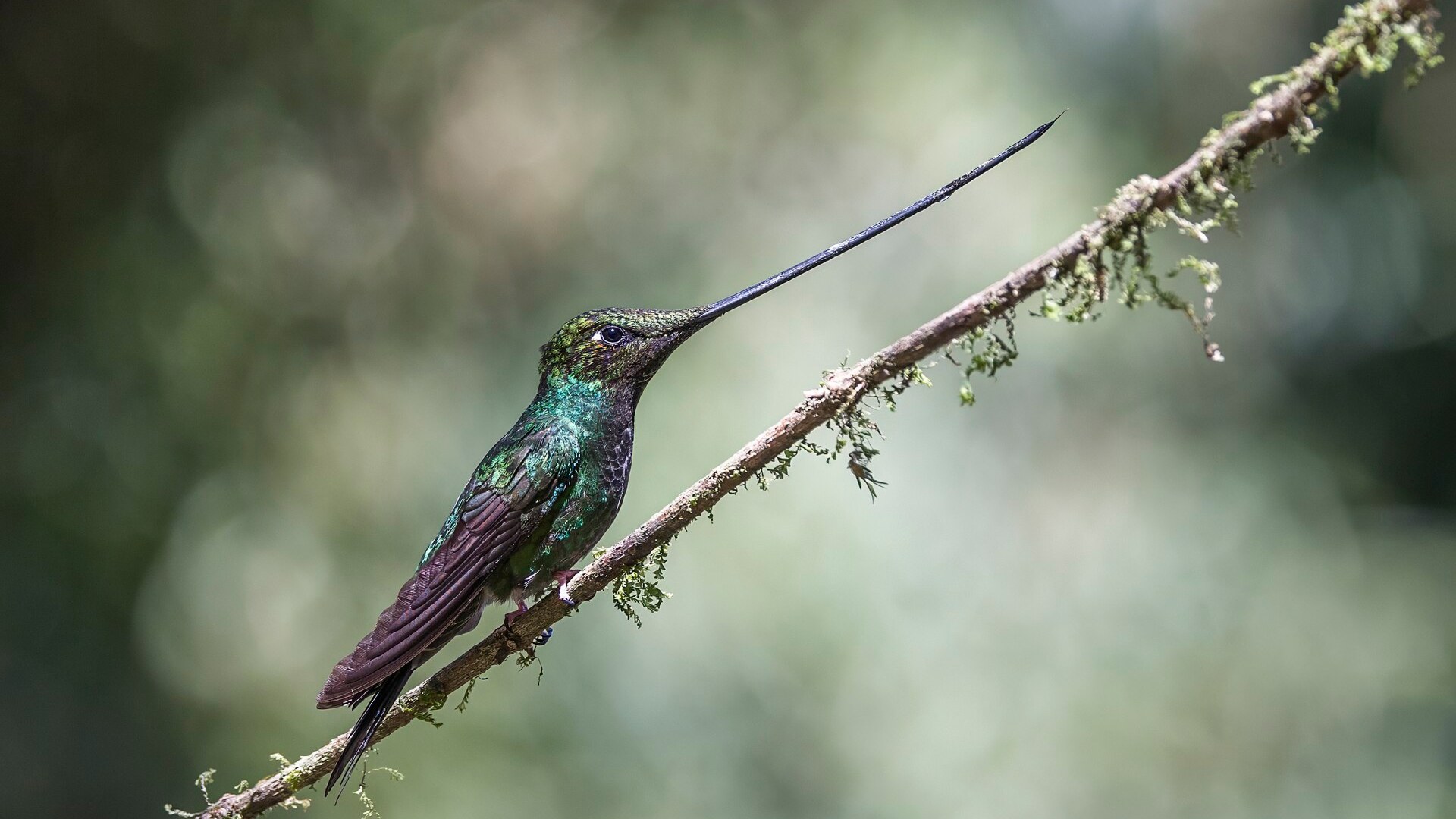
4. Sword-Billed Hummingbird
Perched in high-elevation Andean cloud forests, the sword-billed hummingbird is the only avian species whose bill exceeds its body length. Its elongated bill and specialized nasal passages evolved specifically to access nectar from deep dangling passionflowers that other birds cannot reach.
©Wikimedia / Charles J. Sharp
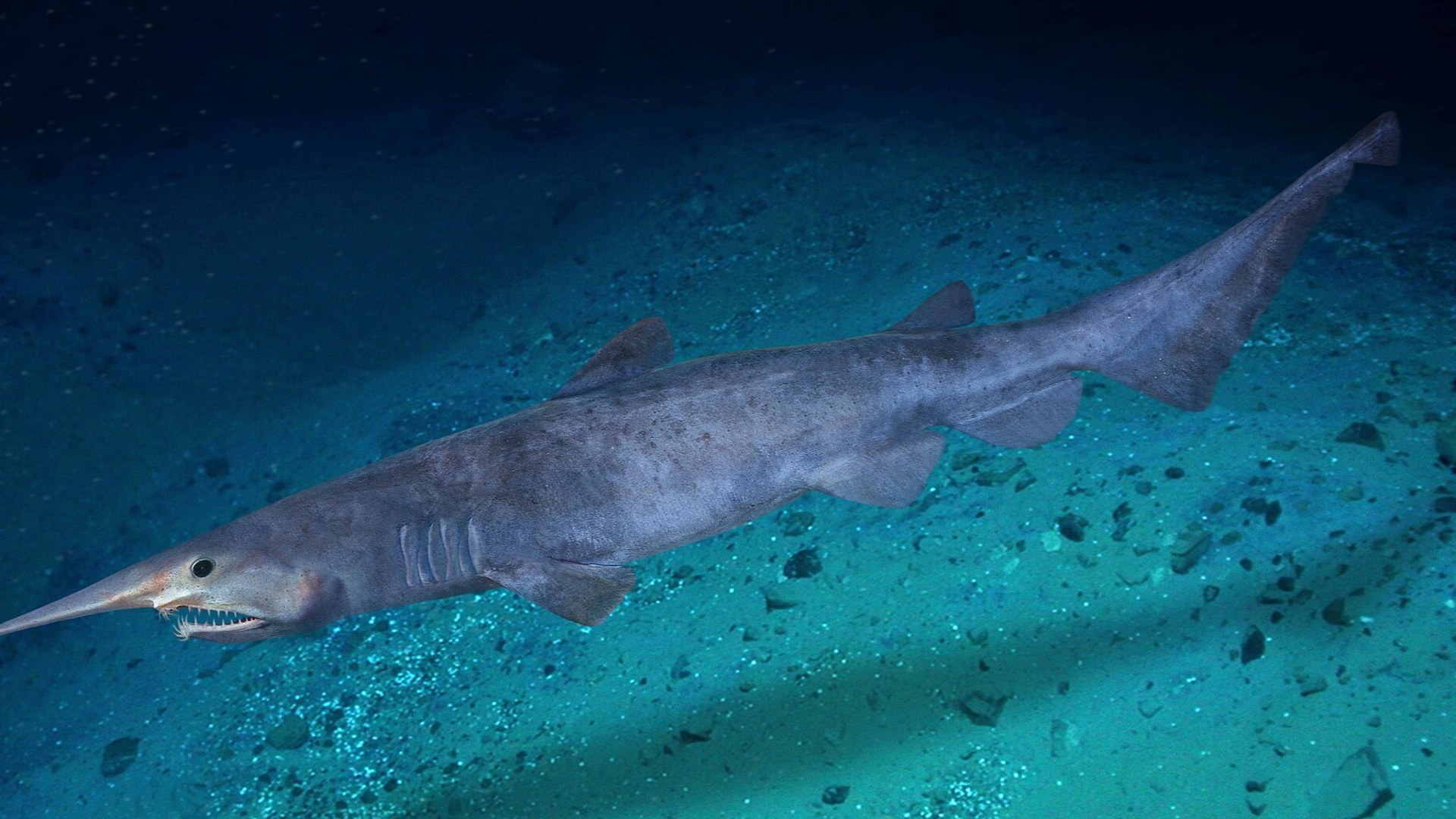
3. Goblin Shark
Lurking in deep ocean waters at depths exceeding 4000 feet, the prehistoric goblin shark has an elongated flattened rostrum. Packed with thousands of electroreceptors called ampullae of Lorenzini, the snout detects electric fields of crabs and fish before its jaws fling forward to strike.
©Wikimedia / Michigan State University/USFWS
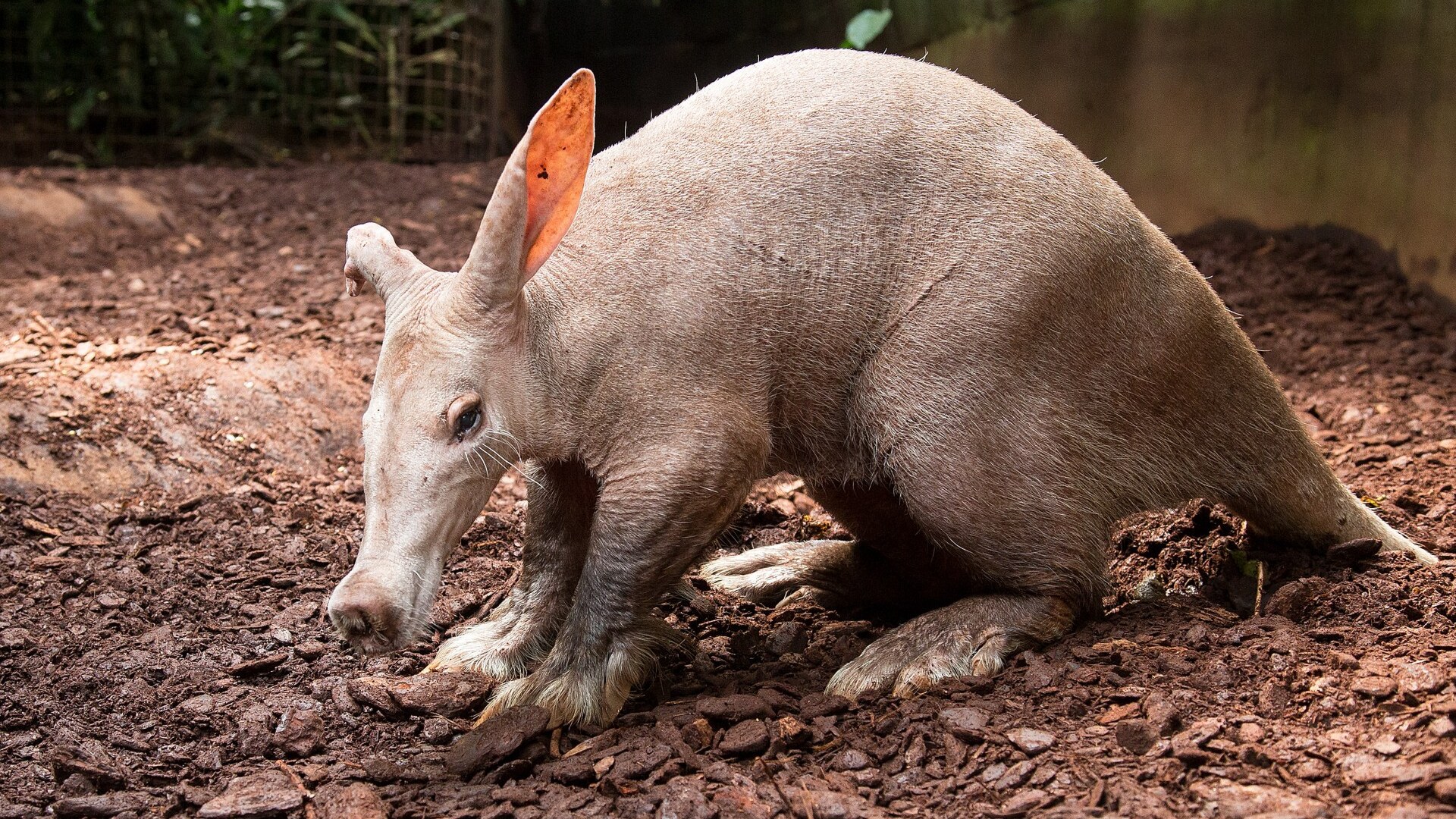
2. Aardvark
Widespread across sub-Saharan Africa, the nocturnal aardvark uses its long cylindrical snout to locate subterranean insect nests. Dense sensory bristles around the nostrils and specialized internal skin flaps automatically seal shut while burrowing, blocking soil and termites from entering.
©Wikimedia / Theo Kruse Burgers' Zoo
Advertisement
Swipe or tap ▶ to resume the countdown.
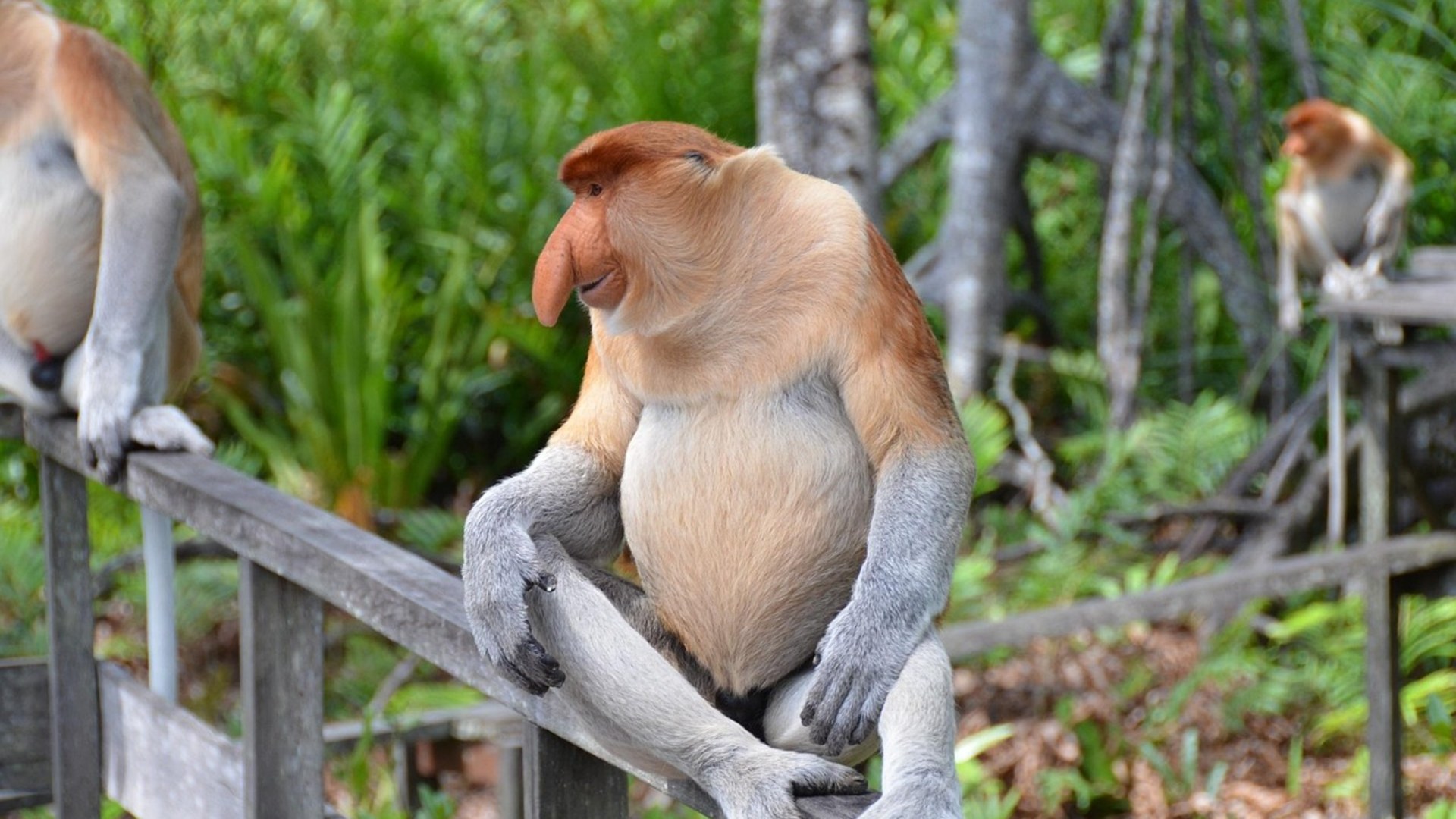
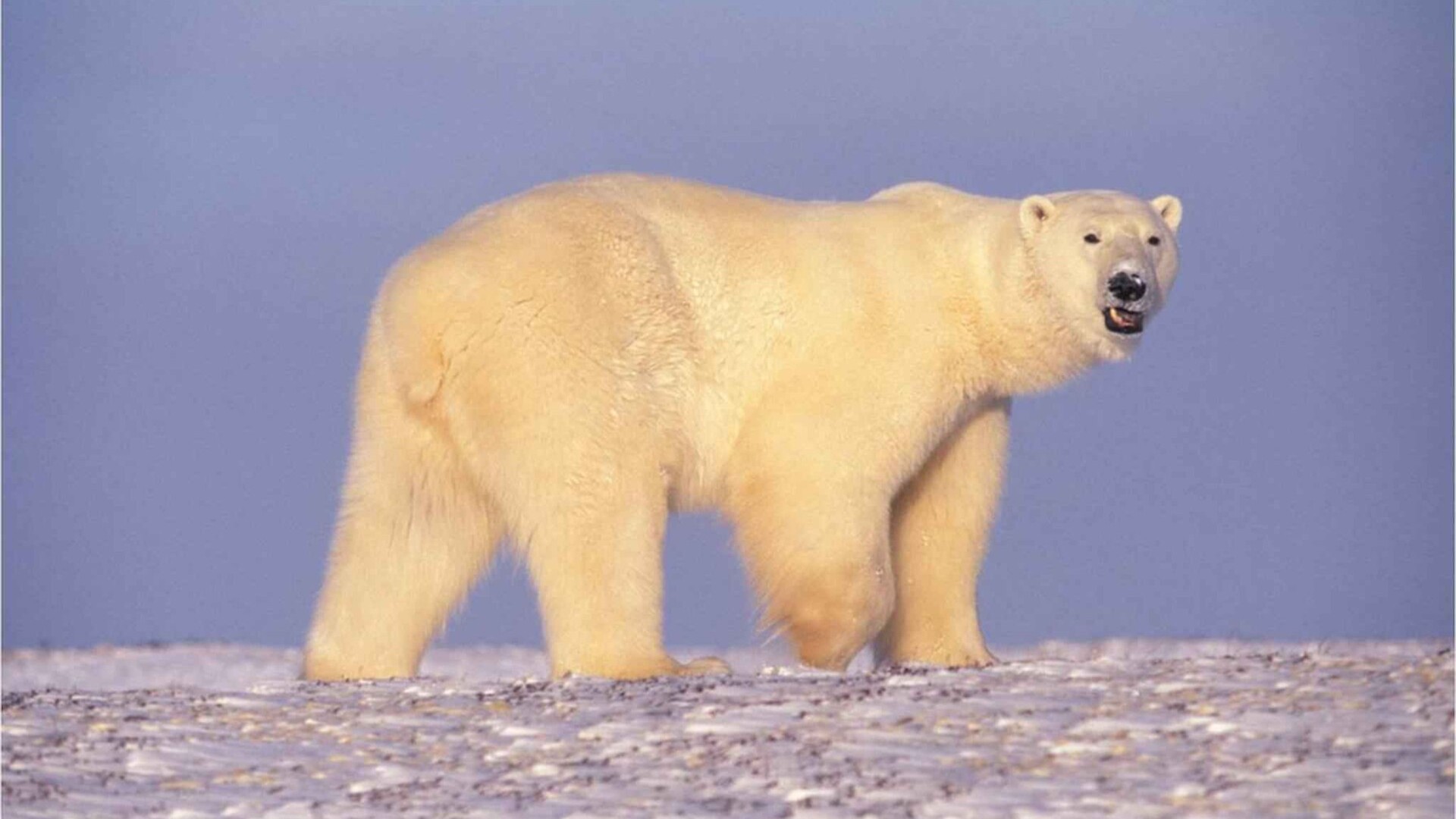
1. Proboscis Monkey
Endemic to the peat swamps and riverine forests of Borneo, adult male proboscis monkeys grow pendulous noses exceeding seven inches in length. This enlarged nasal organ acts as a sound resonator, amplifying loud honks that intimidate rival males and signal genetic fitness to prospective mates.
©Pixabay / pen_ash
Advertisement
You've reached the end of the story. Thanks for reading!

20 True Hairless and Partially Hairless Cat Breeds
Discover unique hairless and low shedding cat breeds from around the globe.
All 20 Entries in this Story
#20: Star-Nosed Mole
Found in wet lowlands of North America, the star-nosed mole possesses 22 mobile nasal rays packed with over 25000 microscopic sensory receptors known as Eimer organs. This extraordinary organ allows the mole to touch, identify, and consume insect prey faster than almost any other mammal on Earth.

#19: Saiga Antelope
Inhabiting the harsh arid steppes of Central Asia, the saiga antelope features an inflated, downward-pointing tubular nose with internal mucus glands. This unique anatomical filter cleans dust during mass seasonal migrations and heats subzero air before it reaches delicate lung tissues.

#18: Elephant Shrew
Native to African forests and grasslands, the elephant shrew or sengi possesses an elongated, highly flexible snout. Despite its tiny mouse-like stature, genetic studies link this insectivore to true elephants. Its sensitive nose twitches constantly while sniffing out termites in leaf litter.

#17: Malayan Tapir
Found in dense rainforests across Southeast Asia, the Malayan tapir features a distinctive prehensile proboscis formed from its nose and upper lip. The flexible snout strips leaves, selects ripe jungle fruits, and serves as an effective breathing snorkel while submerged in forest rivers.

#16: Northern Elephant Seal
Along the Pacific coast, mature bull elephant seals develop an inflatable fleshy proboscis that hangs past their mouths. During violent breeding rivalries, males pump air through this chamber to produce thunderous reverberating roars that carry over ocean surf to assert dominance.

#15: Gharial
Native to river systems of northern India, the critically endangered gharial has long, slender jaws adapted for catching fish. Adult males develop a bulbous cartilaginous knob called a ghara at the snout tip, which modifies exhaled air to generate loud buzzing hums and bubble displays.

#14: Eastern Hognose Snake
Ranging across eastern North America, the eastern hognose snake possesses a distinctive upturned, sharply keeled rostral scale. This specialized snout functions as an efficient spade, enabling the snake to burrow into loose sand and soil to extract deeply hidden spadefoot toads.

#13: Leaf-Nosed Bat
Members of the bat family Phyllostomidae display an erect, spear-shaped nasal projection known as a nose-leaf. Positioned directly behind the nostrils, this fleshy acoustic lens focuses, beams, and steers high-frequency echolocation calls to detect insects amidst dense foliage.

#12: Hammer-Headed Bat
Inhabiting the lowland rainforests of equatorial Africa, the hammer-headed bat exhibits extreme sexual dimorphism. Males feature an enormous squared-off snout and enlarged larynx that fills over half their body cavity, generating loud metallic honks during competitive communal mating leks.

#11: Pinocchio Anole
Rediscovered in the misty cloud forests of Ecuador, the Pinocchio anole is an endangered tree lizard. Adult males bear a long, fleshy rostral appendage that extends horizontally forward from the snout, utilized primarily for visual courtship displays rather than physical combat.

#10: Long-Nosed Horned Frog
Dwelling in the primary rainforests of Borneo and Sumatra, the long-nosed horned frog features angular triangular projections over its eyes and the tip of its snout. This pointed facial camouflage flawlessly mimics dried leaf litter, concealing the ambush predator from passing prey.

#9: Pig-Nosed Turtle
Endemic to freshwater rivers and lagoons in northern Australia and New Guinea, this unique reptile has a fleshy snout resembling that of a pig. The mobile snorkel-like nostrils break the surface film while the shell remains hidden underwater, detecting chemical scent cues on riverbeds.

#8: Mata Mata Turtle
Native to the Amazon and Orinoco basins, the mata mata turtle is an ambush hunter with a flattened triangular head and jagged shell. Its long, slender nasal tube extends upward like a periscope, allowing it to take breaths while resting motionless among submerged decaying leaves.

#7: Golden Snub-Nosed Monkey
Inhabiting cold mountainous forests across central China, the golden snub-nosed monkey possesses flat, upturned nostrils devoid of an exposed nasal bridge. Evolutionary biologists believe this flattened facial anatomy minimizes fleshy surface area to prevent frostbite during harsh winters.

#6: Mandrill
Inhabiting equatorial rainforests of west-central Africa, adult male mandrills display dazzling facial coloration. A bright crimson stripe runs down the nasal bridge, flanked by grooved paranasal swellings in brilliant blue, signaling high social status and testosterone levels to the troop.

#5: Giant Anteater
Roaming the grasslands and savannas of Central and South America, the giant anteater features an elongated skull that ends in a tiny toothless mouth. Its tubular snout possesses an acute sense of smell used to pinpoint underground ant colonies before tearing them open with powerful claws.

#4: Sword-Billed Hummingbird
Perched in high-elevation Andean cloud forests, the sword-billed hummingbird is the only avian species whose bill exceeds its body length. Its elongated bill and specialized nasal passages evolved specifically to access nectar from deep dangling passionflowers that other birds cannot reach.

#3: Goblin Shark
Lurking in deep ocean waters at depths exceeding 4000 feet, the prehistoric goblin shark has an elongated flattened rostrum. Packed with thousands of electroreceptors called ampullae of Lorenzini, the snout detects electric fields of crabs and fish before its jaws fling forward to strike.

#2: Aardvark
Widespread across sub-Saharan Africa, the nocturnal aardvark uses its long cylindrical snout to locate subterranean insect nests. Dense sensory bristles around the nostrils and specialized internal skin flaps automatically seal shut while burrowing, blocking soil and termites from entering.

#1: Proboscis Monkey
Endemic to the peat swamps and riverine forests of Borneo, adult male proboscis monkeys grow pendulous noses exceeding seven inches in length. This enlarged nasal organ acts as a sound resonator, amplifying loud honks that intimidate rival males and signal genetic fitness to prospective mates.